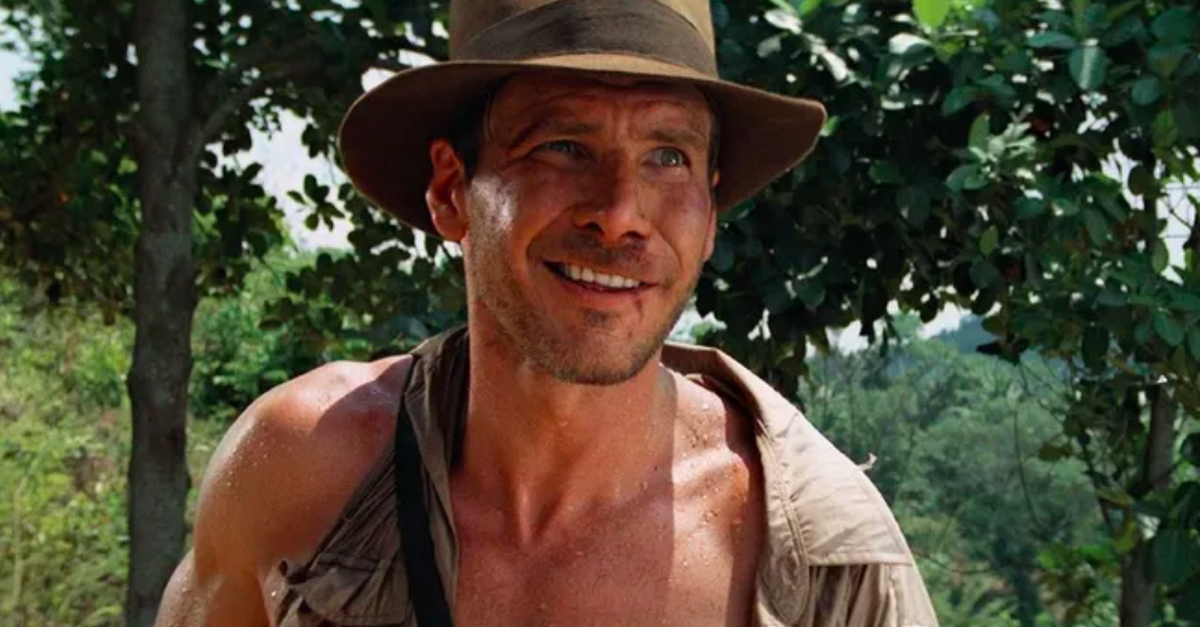
The Perfect Star Can Change Everything
Casting is one of the biggest decisions filmmakers make, and sometimes one actor completely changes the direction of a movie. Many beloved classics almost featured entirely different stars before scheduling conflicts, studio disagreements, or unexpected auditions changed everything. Looking back, it is hard to imagine anyone else in these unforgettable roles. These surprising casting stories show how close Hollywood came to creating very different classics.
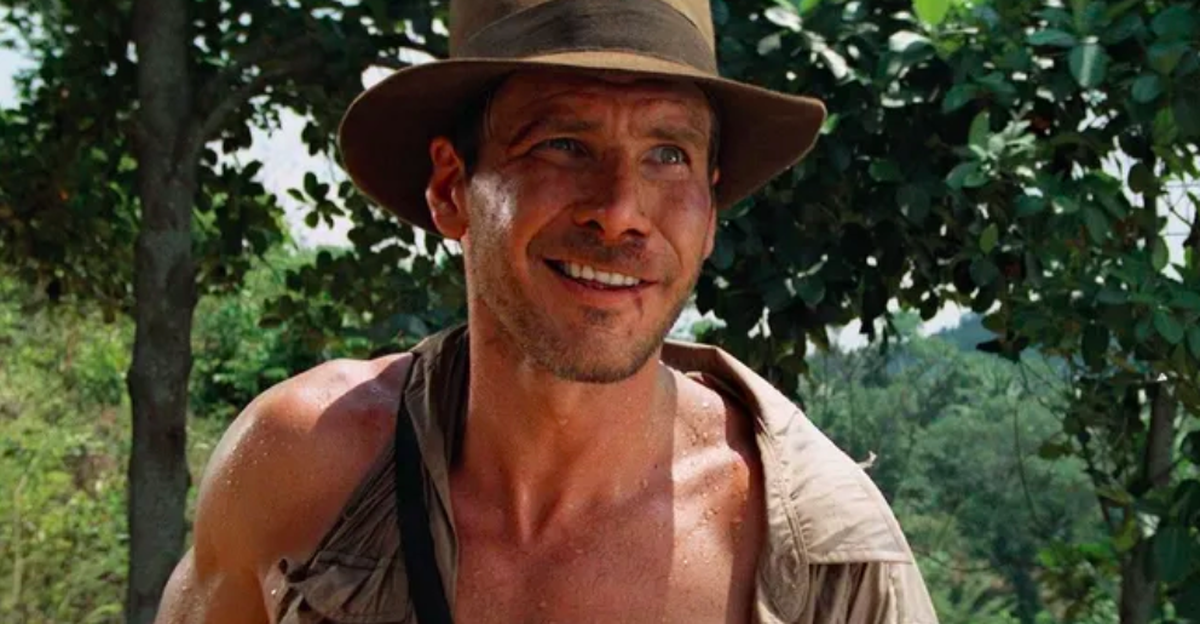
Harrison Ford Became Indiana Jones By Accident
George Lucas originally wanted Tom Selleck to play Indiana Jones in Raiders of the Lost Ark. Selleck even won the role, but his contract with the television series Magnum, P.I. prevented him from accepting it. Harrison Ford stepped in shortly before filming began and turned Indiana Jones into one of cinema's greatest adventure heroes. The role launched another legendary franchise for Ford after Star Wars.
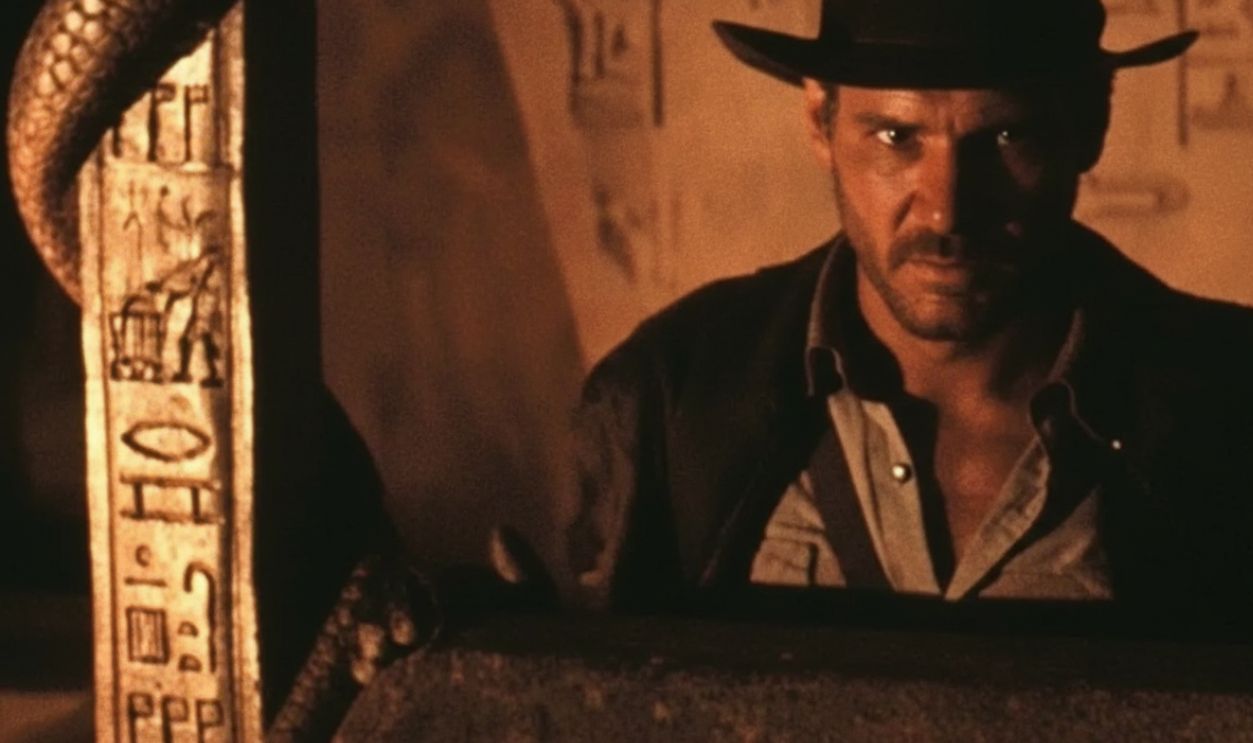 Screenshot from Raiders Of The Lost Ark, Paramount Pictures (1981)
Michael J. Fox Saved Marty McFly
Director Robert Zemeckis always preferred Michael J. Fox for Back to the Future, but television commitments initially kept him unavailable. Eric Stoltz filmed several weeks of the movie before the production decided his dramatic approach did not match the film's comedic tone. Fox joined the cast, and much of the movie was reshot around his energetic performance. Today his portrayal of Marty McFly is inseparable from the franchise.
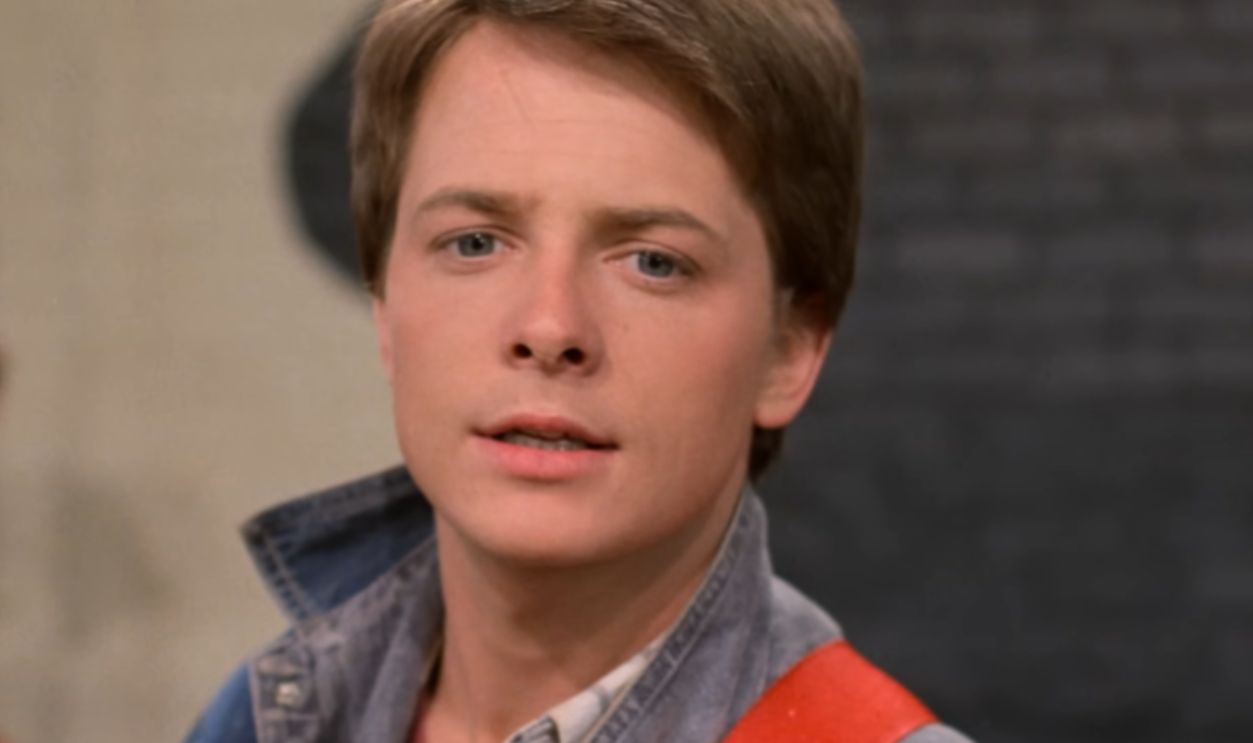 Screenshot from Back to the Future, NBCUniversal (1985)
Sigourney Weaver Redefined The Action Hero
Ridley Scott originally imagined Ripley as a male character while Alien was still being developed. The screenplay intentionally left many roles open to either gender before casting began. Sigourney Weaver won the part and created one of the strongest female protagonists in movie history. Her performance helped reshape expectations for science fiction and action films.
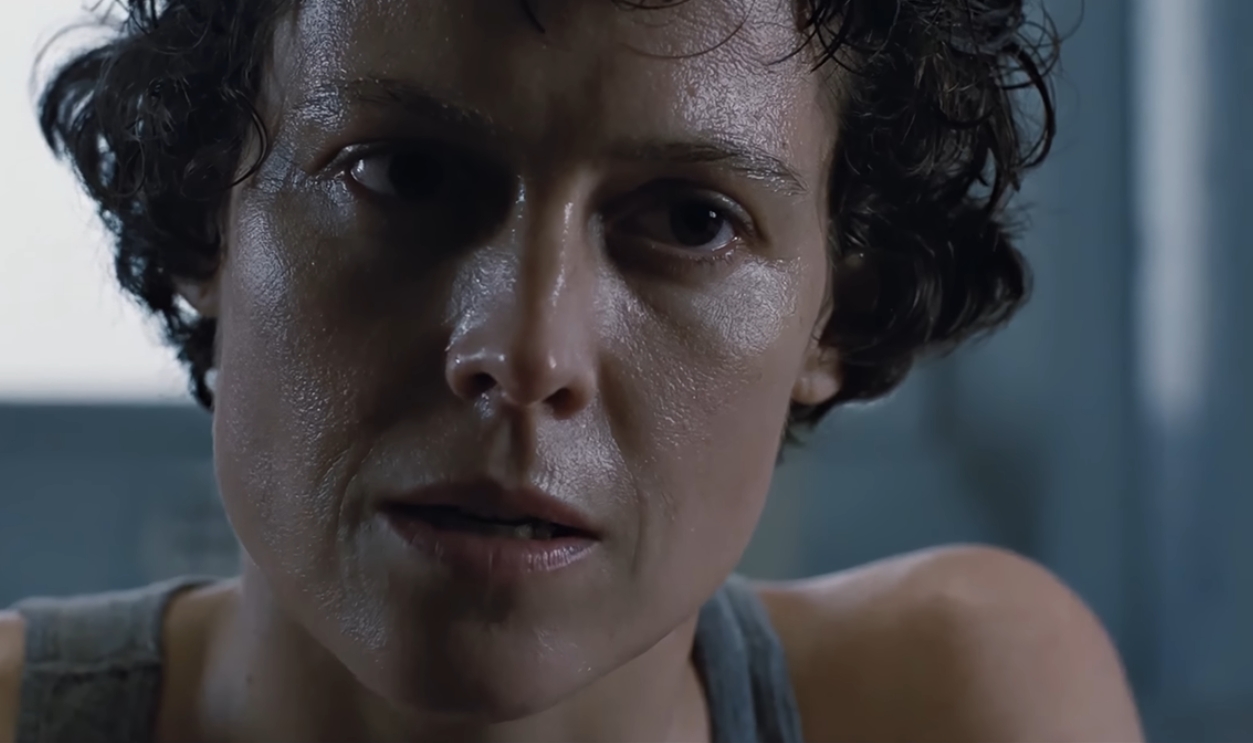 Screenshot from Aliens, 20th Century Fox (1986)
Bruce Willis Changed Action Movies Forever
When Die Hard entered production, Bruce Willis was best known for television comedy rather than action films. Many established action stars either declined the project or were unavailable. Willis brought humor, vulnerability, and determination to John McClane instead of portraying an invincible superhero. That grounded performance influenced countless action movies that followed.
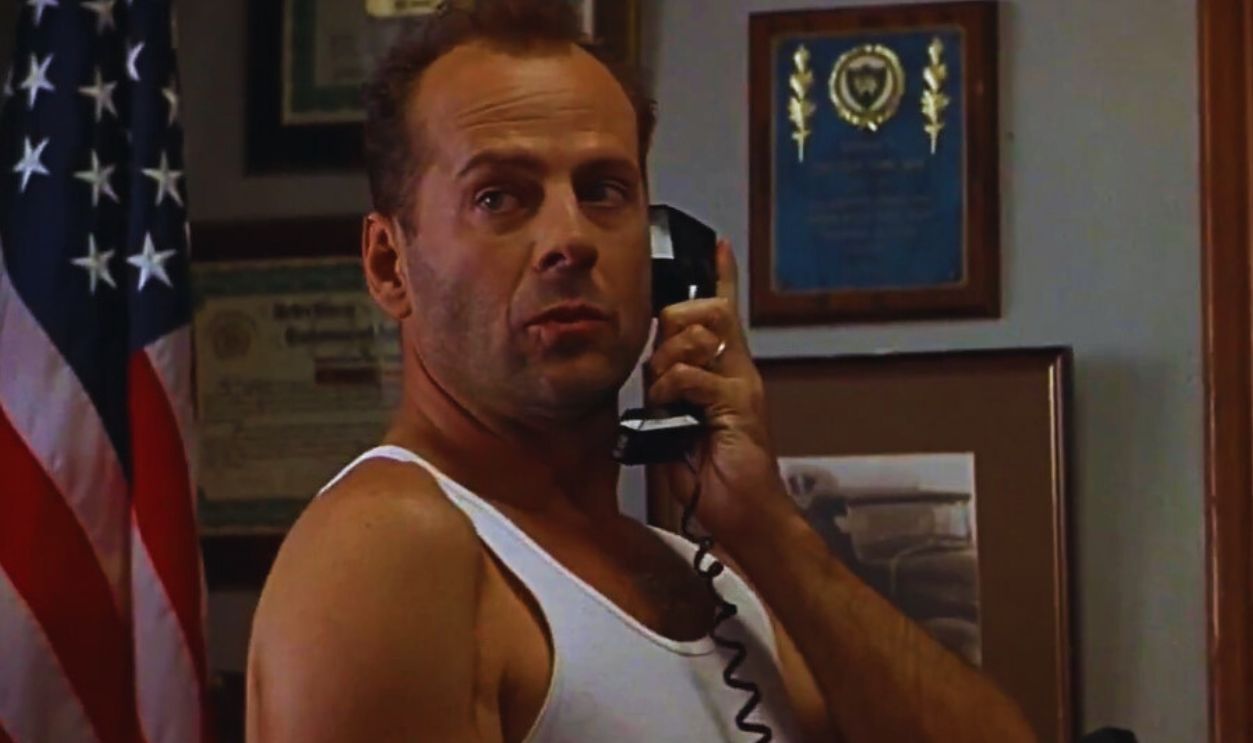 Screenshot from Die Hard with a Vengeance, 20th Century Fox (1995)
Al Pacino Almost Lost Michael Corleone
Paramount executives wanted a more established star to play Michael Corleone in The Godfather. Director Francis Ford Coppola strongly believed Al Pacino was the right choice despite resistance from the studio. Pacino's quiet transformation from reluctant son to ruthless mafia leader became one of cinema's defining performances. The role also established him as one of Hollywood's greatest actors.
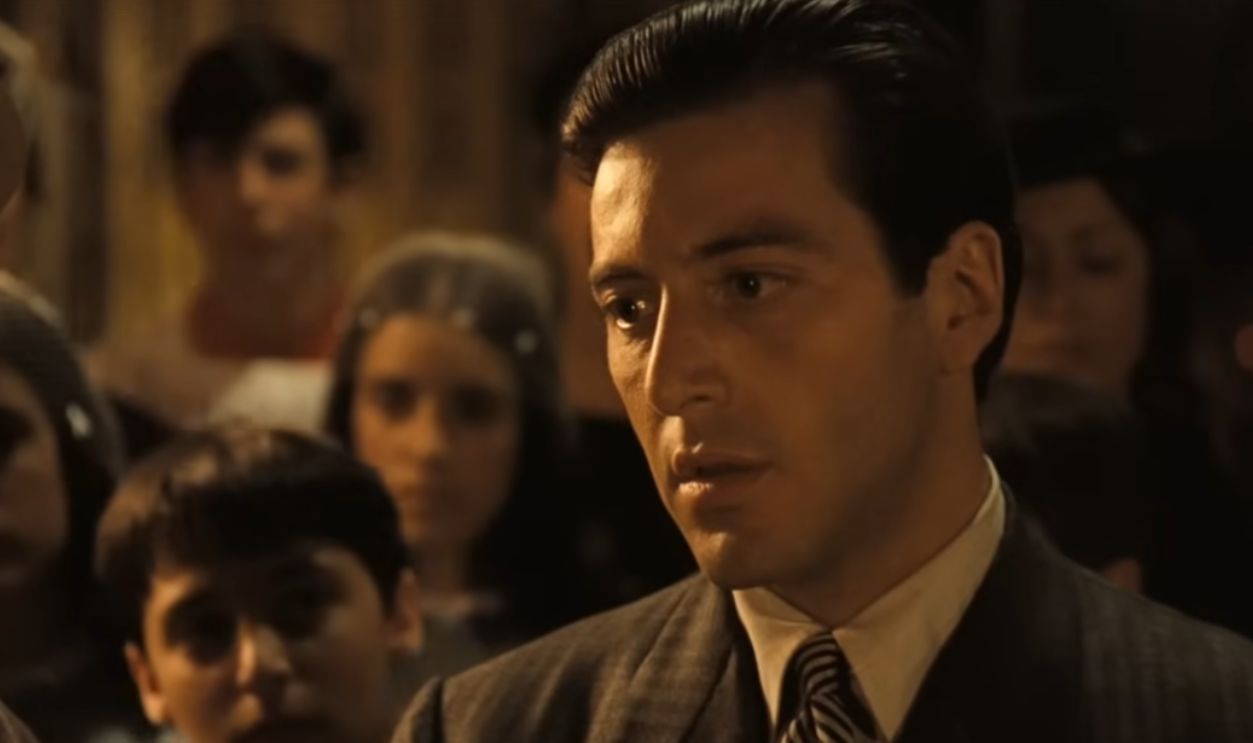 Screenshot from The Godfather, Paramount Pictures (1972)
Roy Scheider Made Jaws Feel Real
Steven Spielberg deliberately avoided casting overly famous actors in Jaws because he wanted audiences to believe the events could happen to ordinary people. Roy Scheider brought a relatable quality to Chief Brody instead of larger-than-life heroics. His understated performance helped ground the suspense in believable emotion. That realism became one reason the film remains effective decades later.
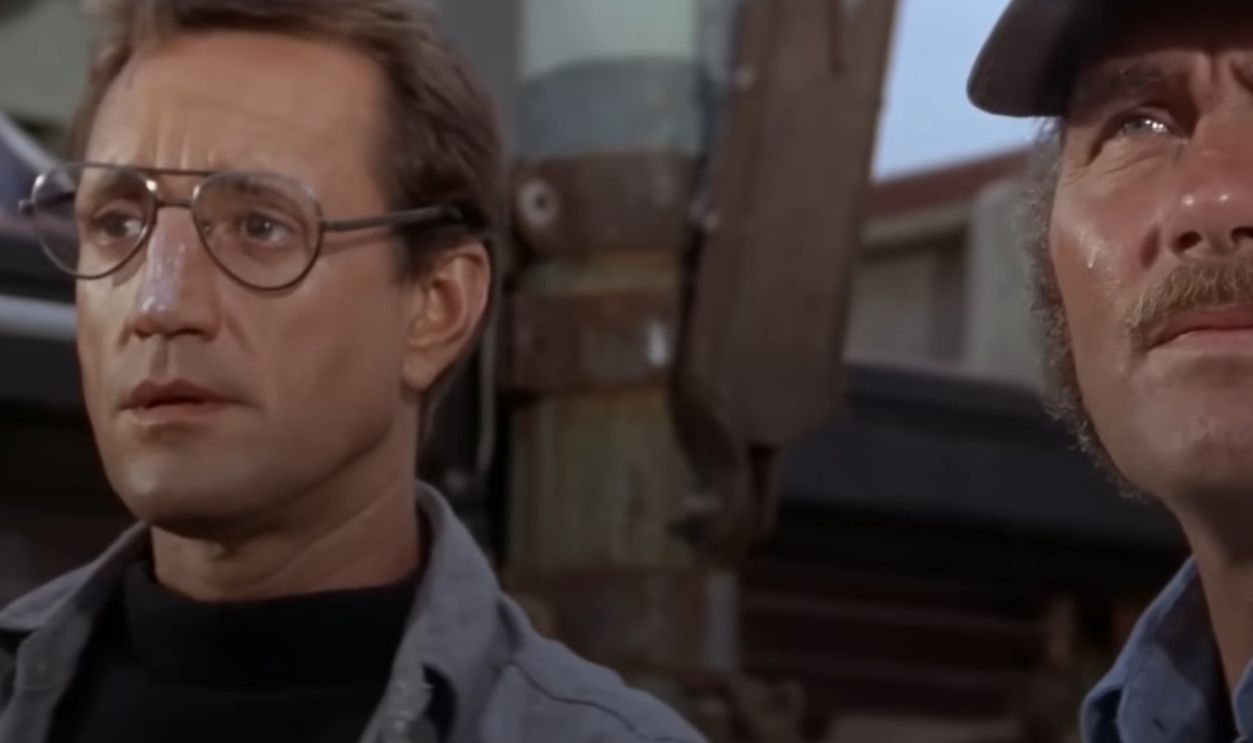 Screenshot from Jaws, Universal Pictures (1975)
Robert Shaw Created An Unforgettable Quint
Several actors turned down the role of Quint before Robert Shaw accepted it. Shaw added intensity, humor, and vulnerability to the grizzled shark hunter throughout production. His famous USS Indianapolis speech became one of the most celebrated monologues in film history. The character remains one of the greatest supporting performances ever filmed.
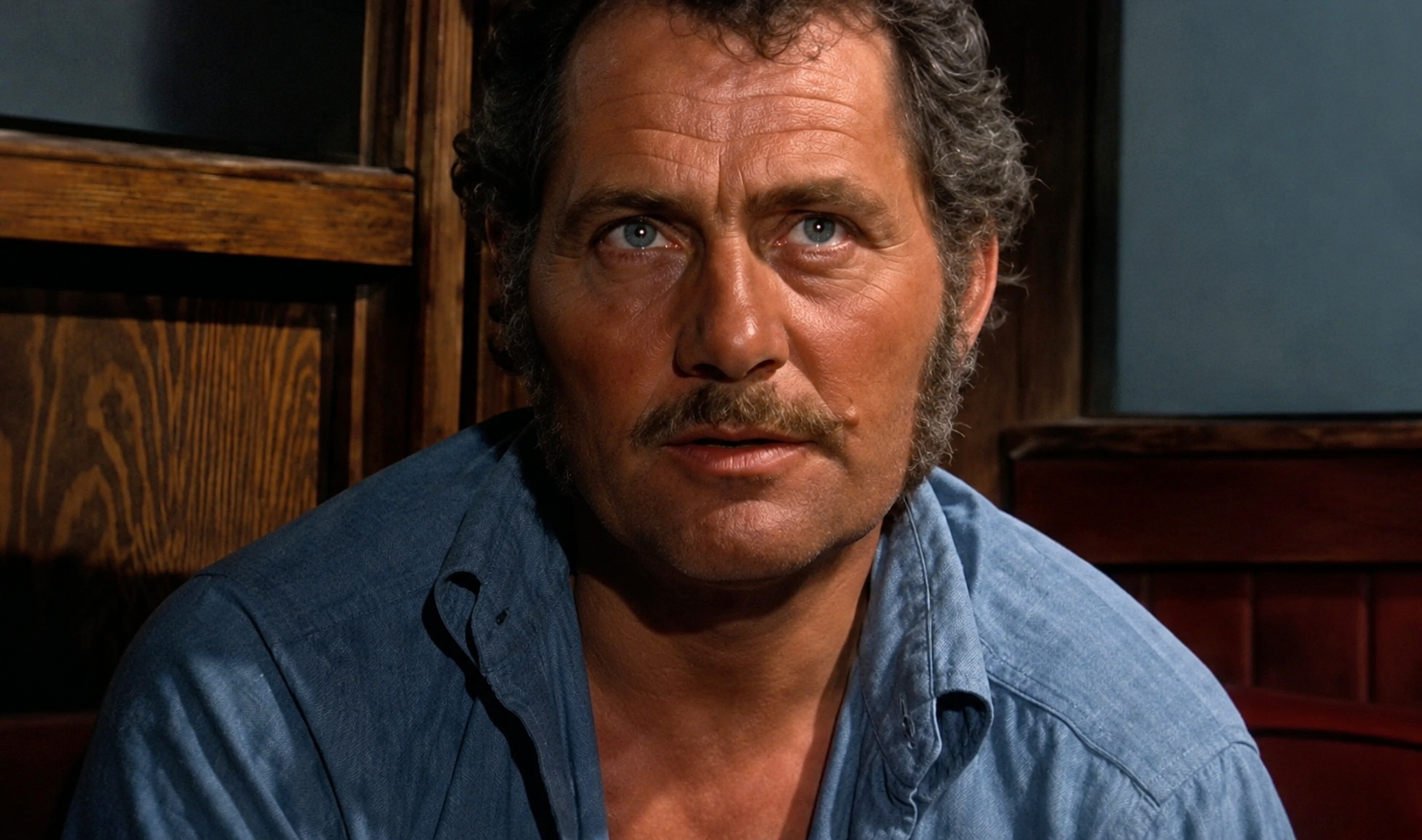 Screenshot from Jaws, Universal Pictures (1975), Enhanced
Richard Dreyfuss Nearly Walked Away
Richard Dreyfuss originally rejected the role of oceanographer Matt Hooper in Jaws. After watching an early cut of another movie he had just finished, he became disappointed with his own performance and quickly changed his mind. Spielberg welcomed him aboard, and Dreyfuss provided the perfect balance to Roy Scheider and Robert Shaw. The chemistry among the trio became one of the movie's greatest strengths.
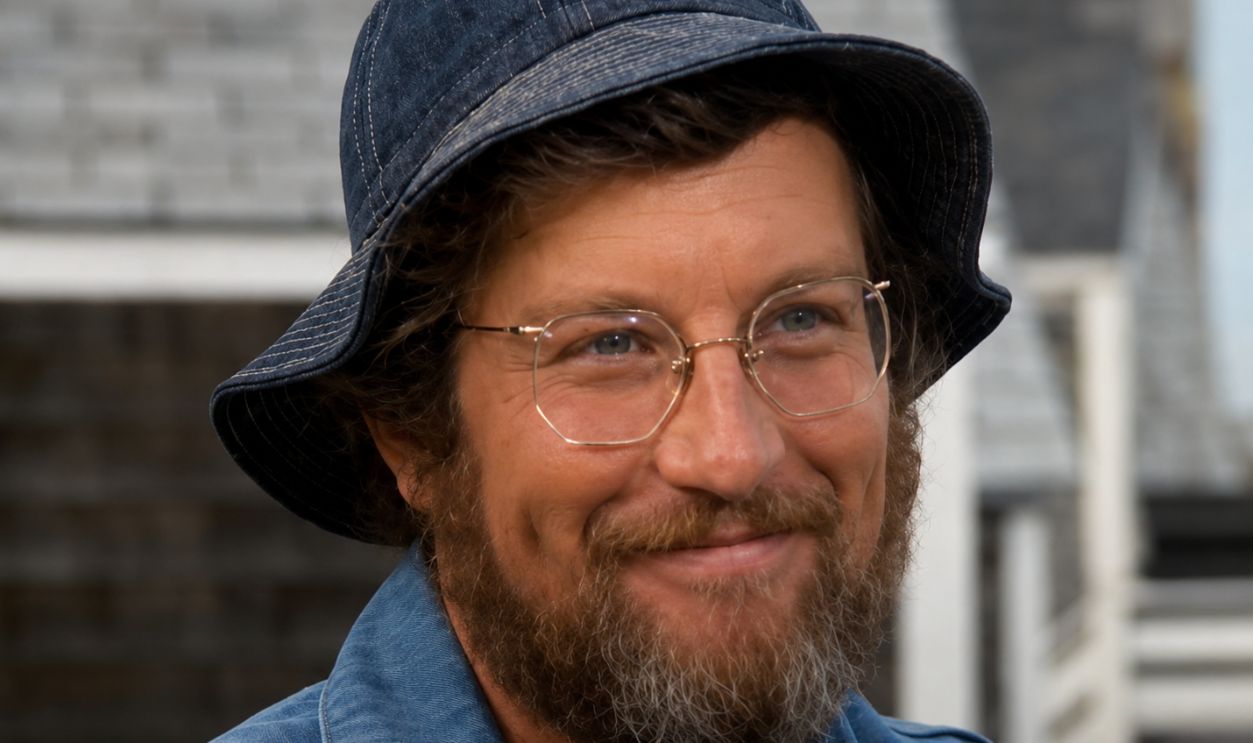 Screenshot from Jaws, Universal Pictures (1975), Enhanced
Keanu Reeves Found His Signature Role
Will Smith famously passed on the lead role in The Matrix to star in Wild Wild West. Keanu Reeves accepted the challenge and spent months training in martial arts before filming began. His calm presence fit Neo's transformation from ordinary programmer to reluctant hero. The role permanently changed Reeves' career and helped define modern science fiction.
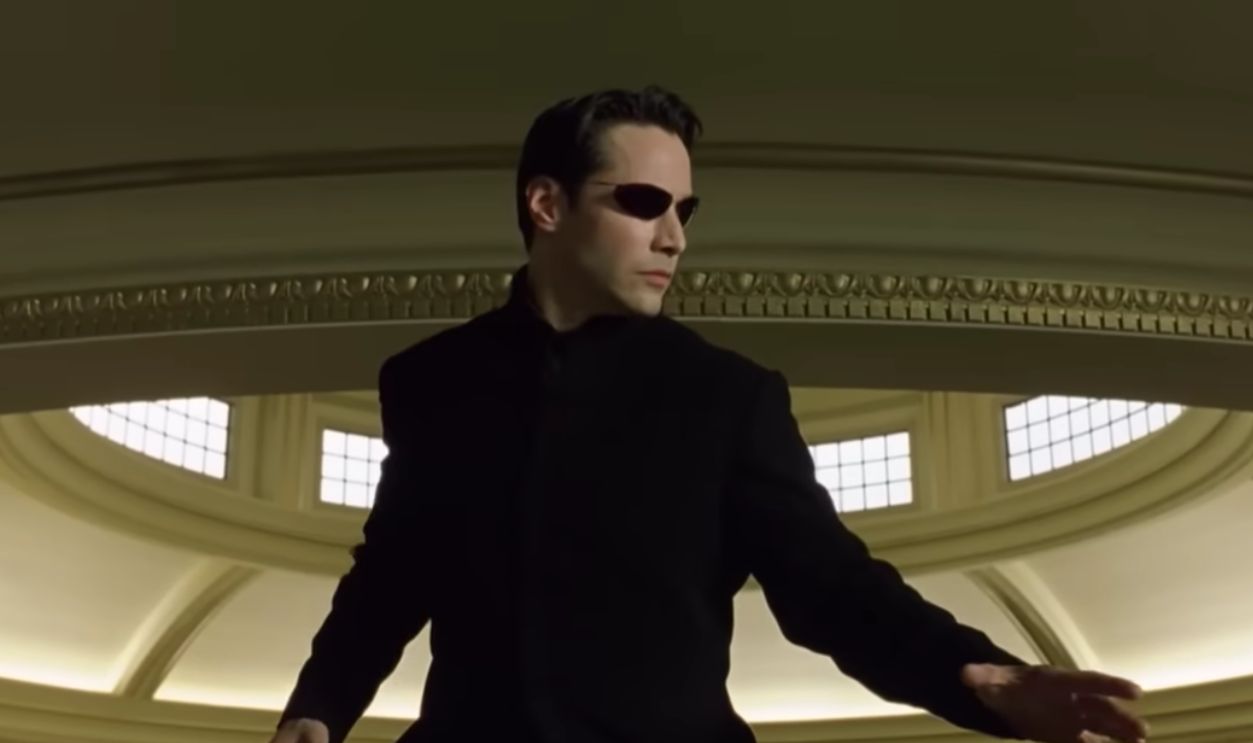 Screenshot from The Matrix, Warner Bros. (1999)
Tom Hanks Turned Forrest Into A Legend
John Travolta was offered the title role in Forrest Gump but chose another project instead. Tom Hanks accepted the part and delivered one of the most beloved performances in movie history. His gentle sincerity gave Forrest remarkable warmth and humanity. Hanks won the Academy Award for Best Actor for the performance.
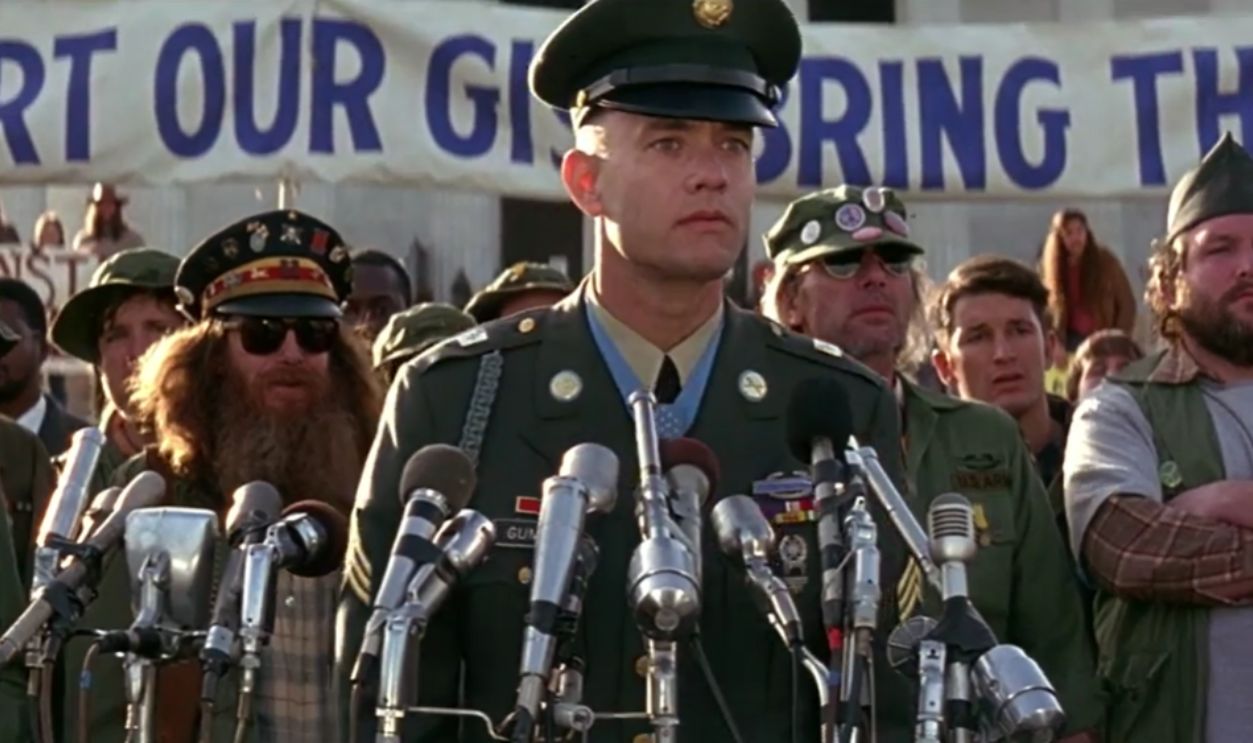 Screenshot from Forrest Gump, Paramount Pictures (1994)
Arnold Schwarzenegger Switched Sides
James Cameron originally planned for Arnold Schwarzenegger to play Kyle Reese in The Terminator. During conversations with the director, Schwarzenegger became fascinated with the Terminator itself and suggested ideas for portraying the machine. Cameron agreed and cast him as the relentless cyborg instead. That decision created one of cinema's most recognizable villains and later heroes.
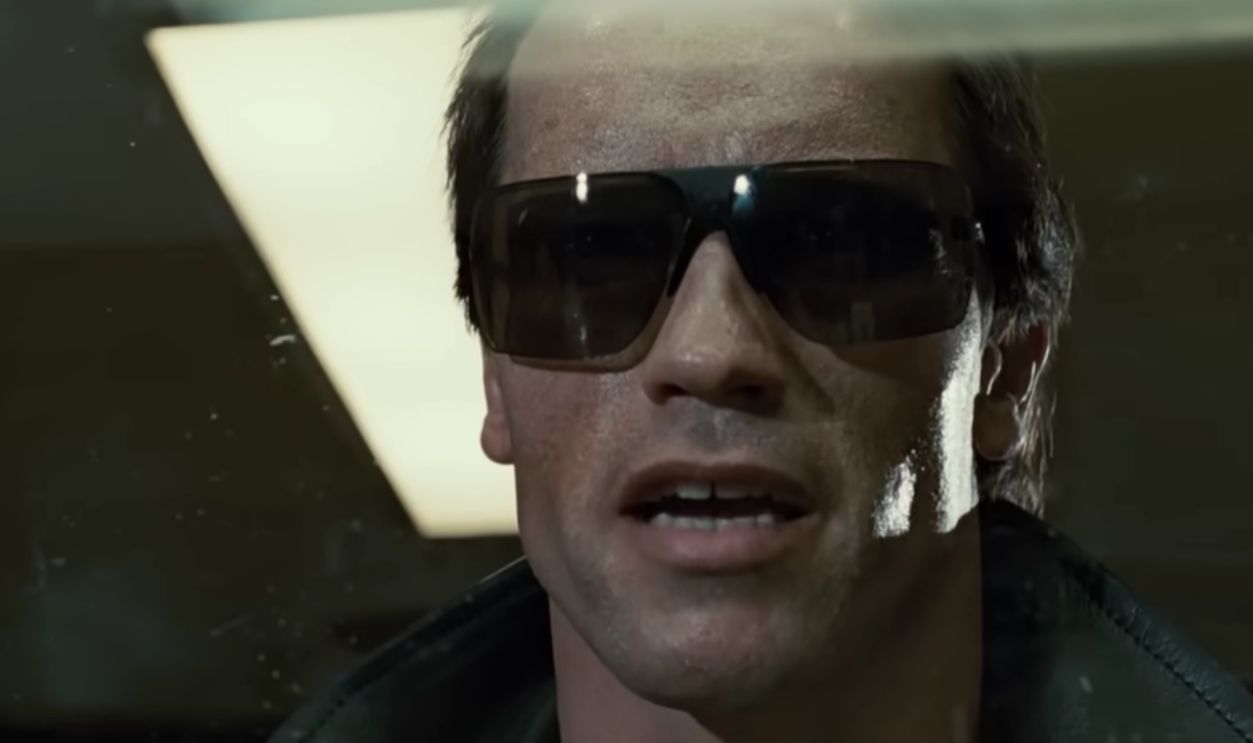 Screenshot from The Terminator, Orion Pictures (1984)
Billy Crystal Missed Buzz Lightyear
Pixar first approached Billy Crystal about voicing Buzz Lightyear in Toy Story, but he declined the opportunity. The role eventually went to Tim Allen, whose confident delivery became central to Buzz's personality. Crystal later admitted turning it down was one of his biggest professional regrets. Buzz became one of animation's most iconic characters.
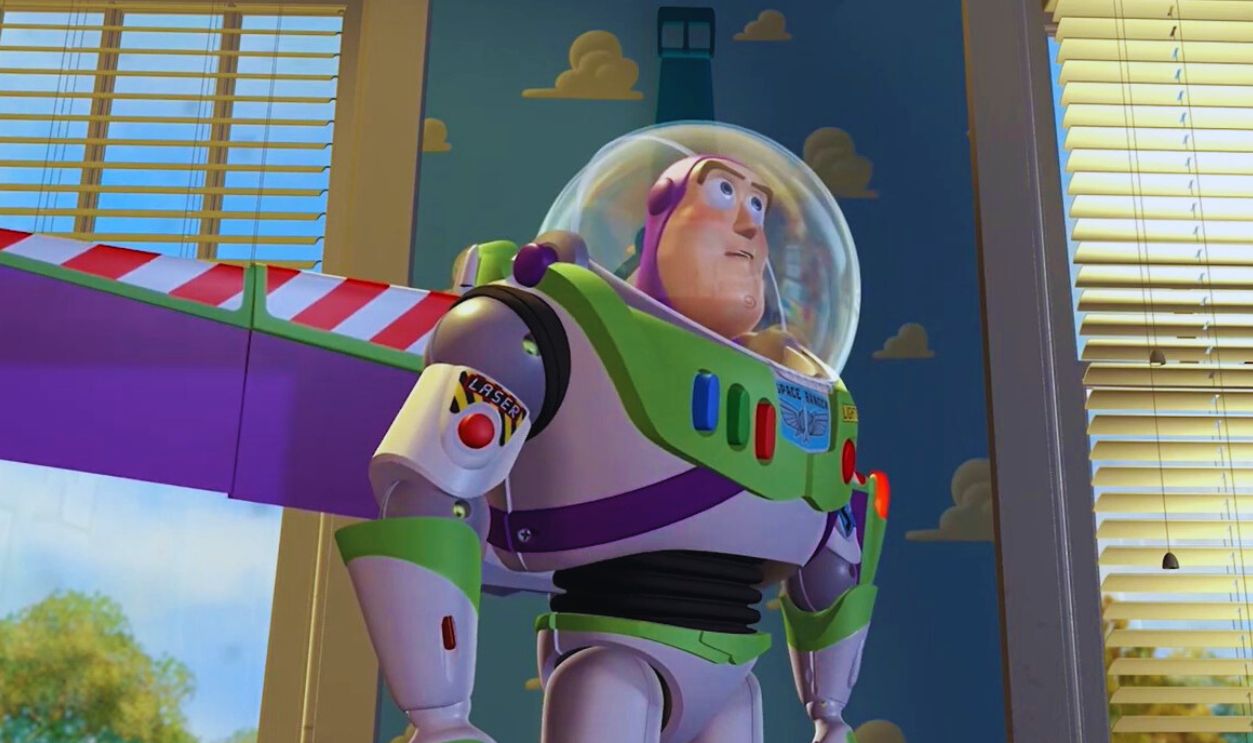 Screenshot from Toy Story, Walt Disney Pictures (1995)
Julia Roberts Became Pretty Woman
Several actresses were considered for Pretty Woman before Julia Roberts secured the role. Her natural charm and chemistry with Richard Gere transformed what began as a darker screenplay into a romantic comedy classic. Roberts became one of Hollywood's biggest stars almost overnight. The movie remains closely associated with her career.
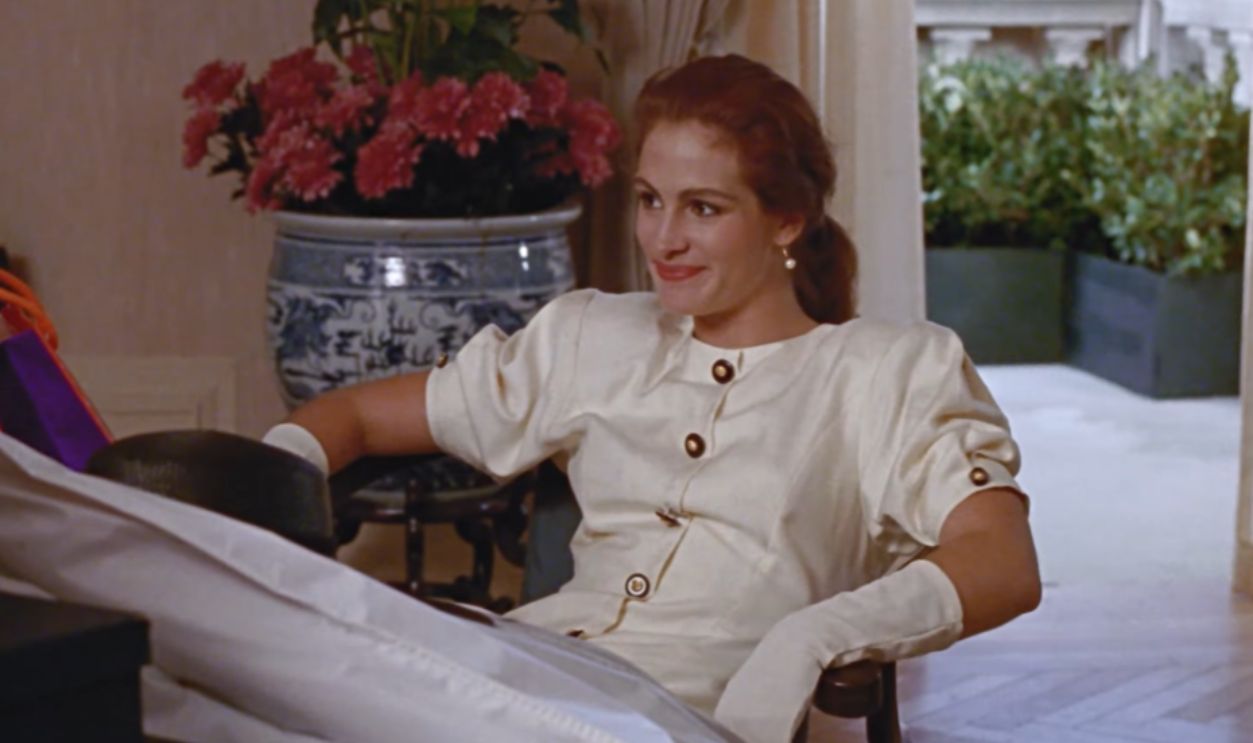 Screenshot from Pretty Woman, Buena Vista Pictures (1990)
Johnny Depp Beat Bigger Stars
Tom Cruise was among the actors considered for Edward Scissorhands before Johnny Depp earned the part. Director Tim Burton believed Depp could express emotion through subtle physical performance rather than dialogue. That unusual sensitivity helped make Edward one of cinema's most memorable outsiders. The collaboration also launched a long creative partnership between Burton and Depp.
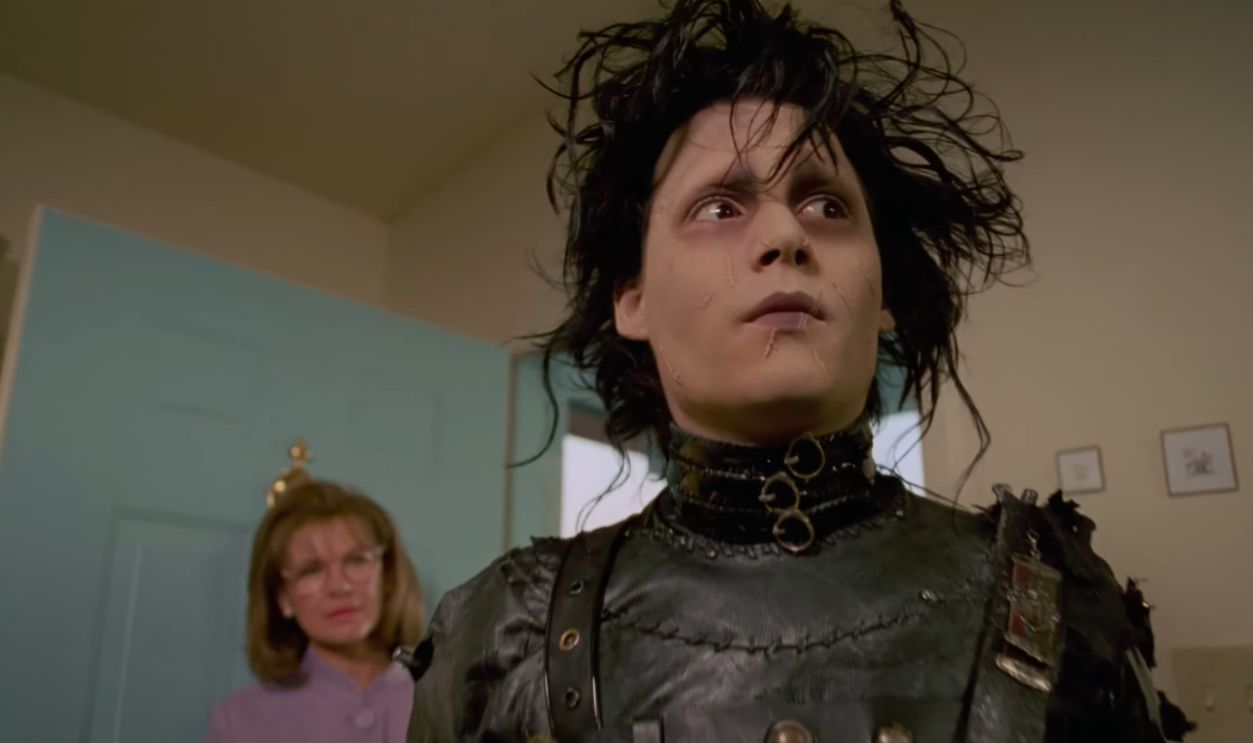 Screenshot from Edward Scissorhands, 20th Century Fox (1990)
Michelle Pfeiffer Elevated Catwoman
Annette Bening originally received the role of Catwoman in Batman Returns but withdrew because of pregnancy. Michelle Pfeiffer stepped into the role and delivered an energetic, unpredictable performance. Her version balanced danger, humor, and vulnerability with remarkable confidence. Many fans still consider her the definitive live action Catwoman.
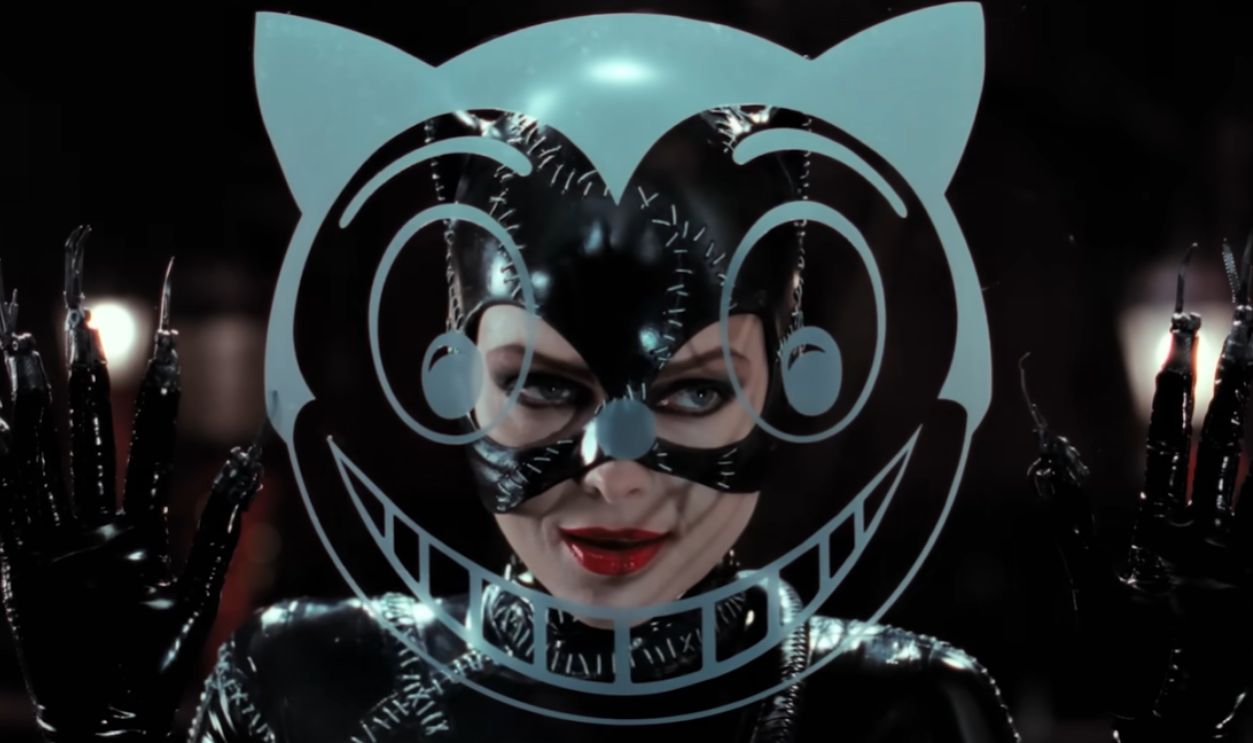 Screenshot from Batman Returns, Warner Bros. (1992)
John Travolta Revived His Career
Michael Madsen was Quentin Tarantino's original choice for Vincent Vega in Pulp Fiction. Scheduling conflicts prevented Madsen from accepting, opening the door for John Travolta. His stylish performance revitalized a career that had slowed considerably. The film became one of the defining movies of the 1990s.
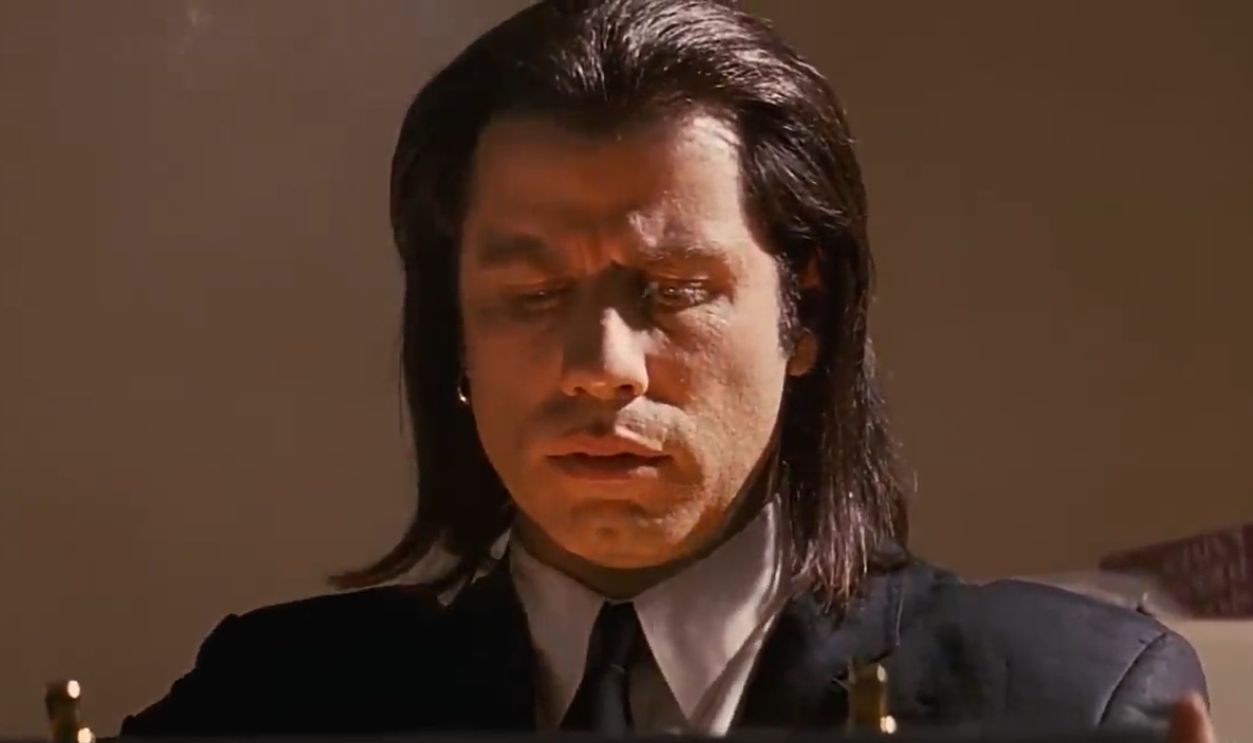 Screenshot from Pulp Fiction, Miramax Films (1994)
Hugh Jackman Arrived Just In Time
Dougray Scott originally landed the role of Wolverine in X-Men. Production delays on Mission: Impossible II prevented him from filming, forcing the studio to recast. Hugh Jackman accepted the role at the last minute and ultimately portrayed Wolverine for nearly two decades. His performance became the emotional heart of the franchise.
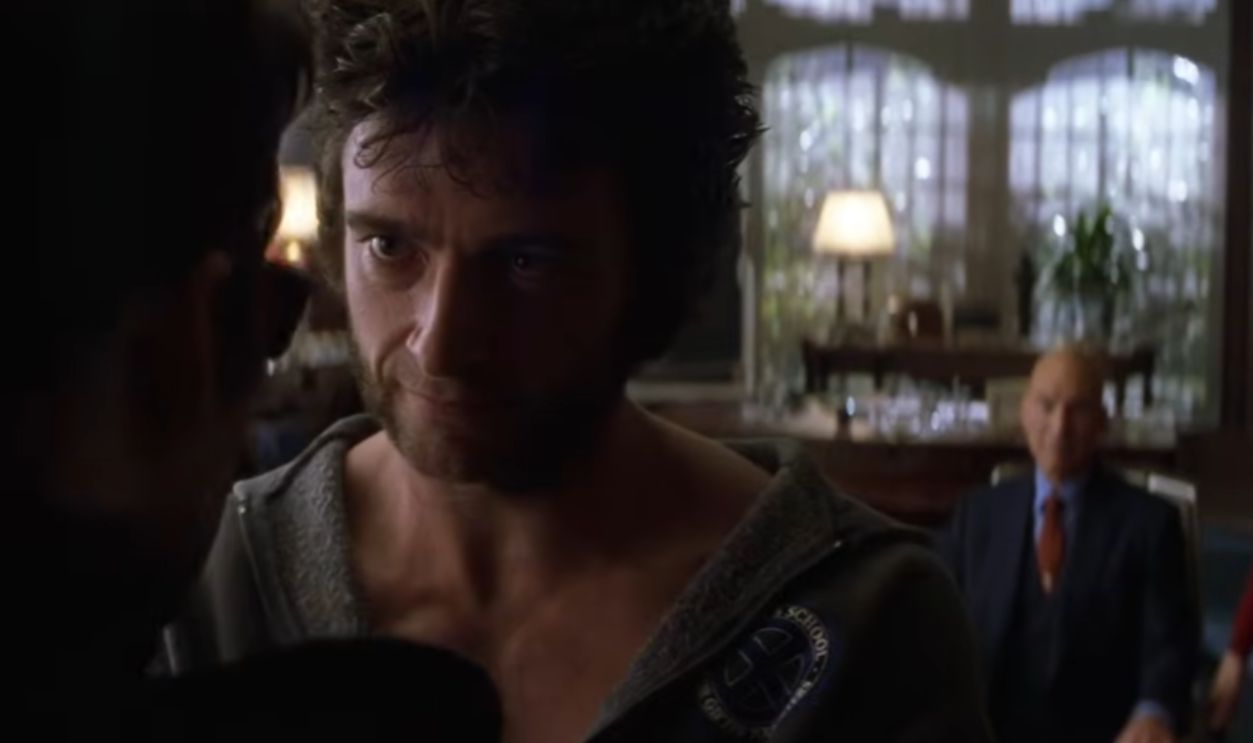 Screenshot from X-Men, 20th Century Fox (2000)
Sean Connery Passed On Gandalf
Peter Jackson wanted Sean Connery to play Gandalf in The Lord of the Rings. Connery later explained that he never fully understood the screenplay and declined the role. Ian McKellen accepted instead and delivered one of fantasy cinema's defining performances. His portrayal became essential to the trilogy's success.
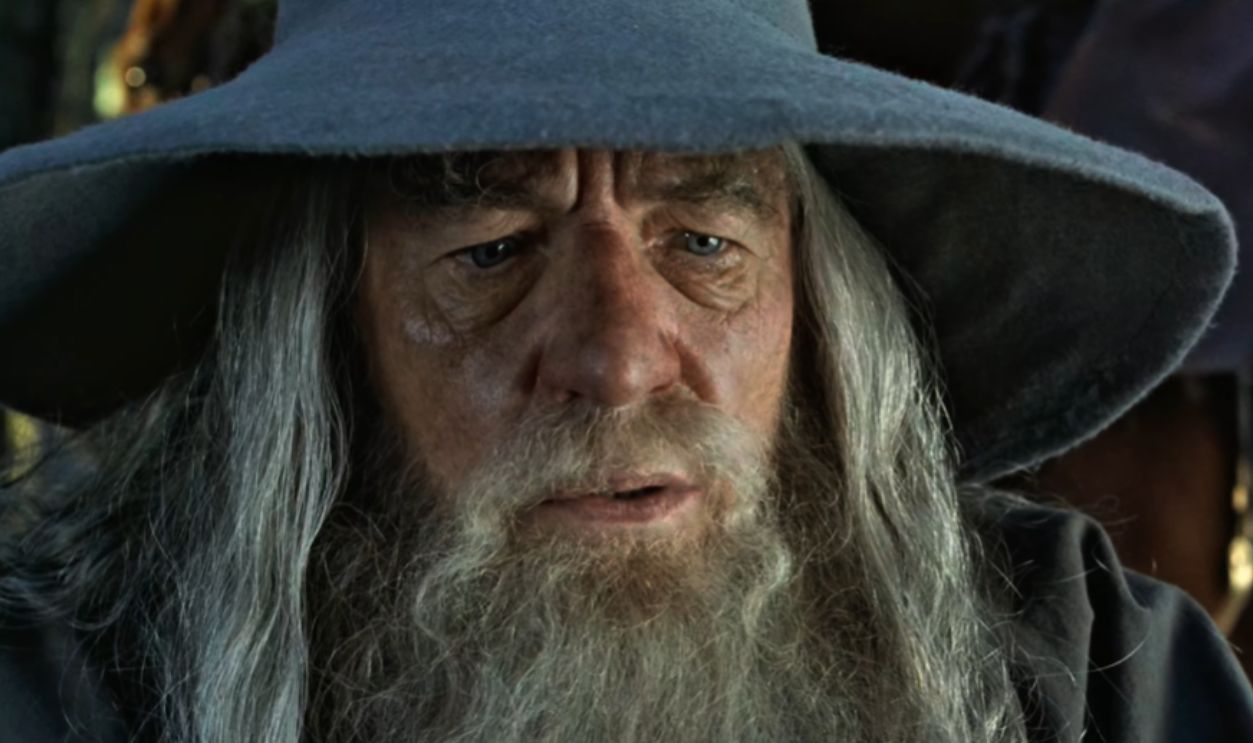 Screenshot from The Lord of the Rings: The Fellowship of the Ring, Warner Bros. Pictures (2001)
Marlon Brando Changed Superman
Producers made the surprising decision to cast Marlon Brando as Jor-El in Superman. Although his screen time was limited, Brando's presence gave the superhero film immediate prestige. His performance helped convince audiences that comic book adaptations could attract major acting talent. That approach became common in later superhero movies.
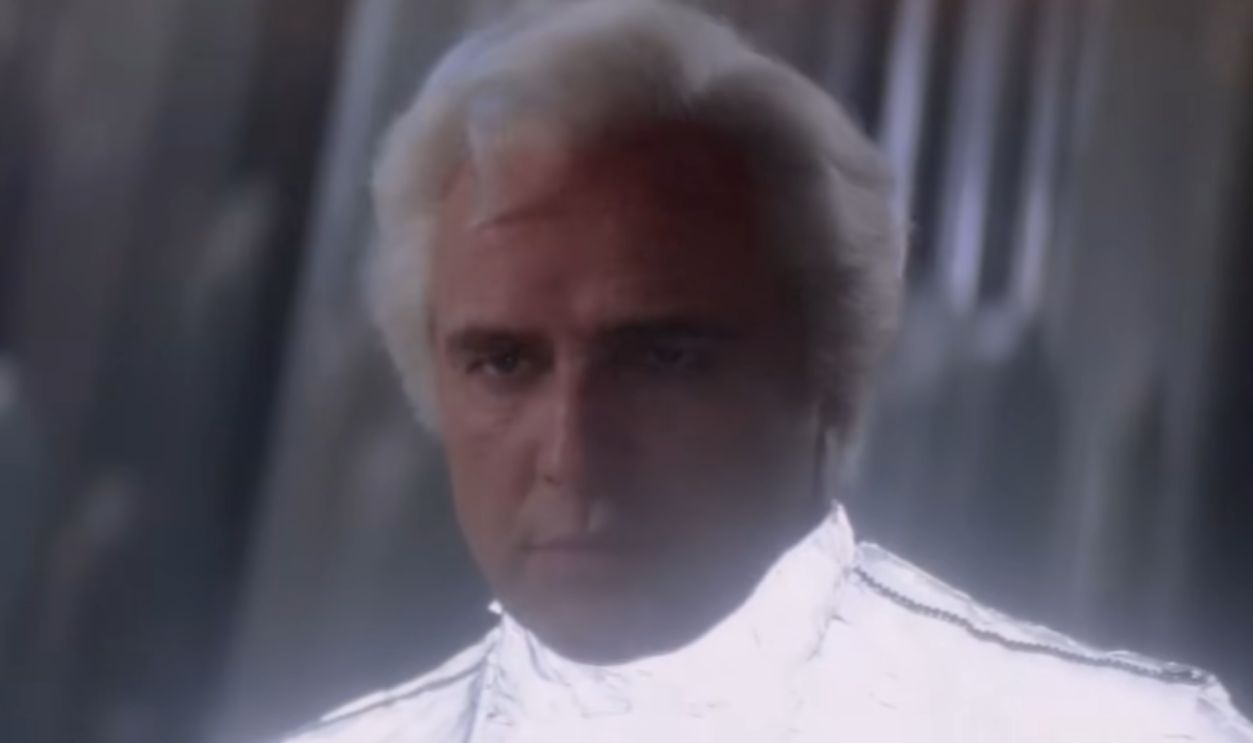 Screenshot from Superman, Warner Bros. (1978)
Heath Ledger Silenced Every Doubt
Many fans questioned Heath Ledger's casting as the Joker before The Dark Knight premiered. Christopher Nolan believed Ledger could create an original interpretation rather than imitate earlier versions. Ledger delivered an unforgettable performance that earned a posthumous Academy Award. His Joker remains one of cinema's most celebrated villains.
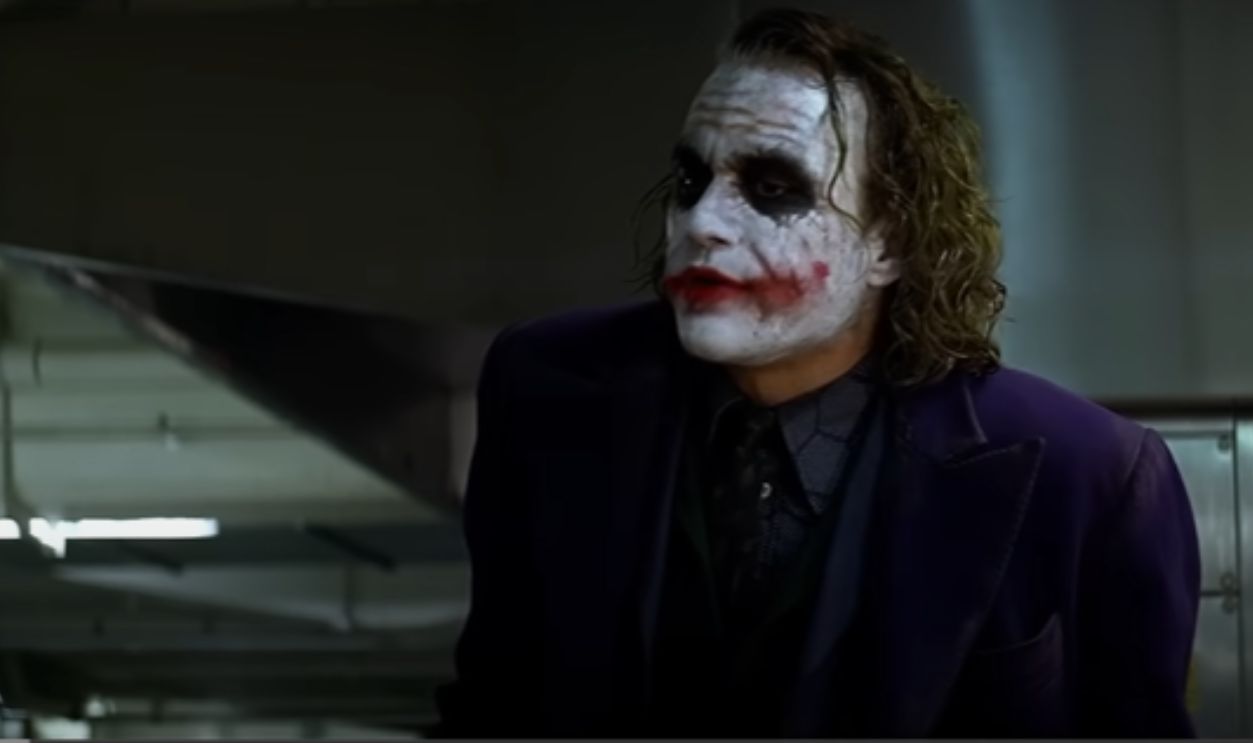 Screenshot from The Dark Knight, Warner Bros. Pictures (2008)
Christopher Reeve Became Superman
The filmmakers behind Superman considered several famous actors before selecting relatively unknown Christopher Reeve. His combination of confidence, warmth, and sincerity perfectly balanced Clark Kent and Superman. Audiences quickly embraced his portrayal as the definitive version of the character. His performance influenced superhero casting for decades afterward.
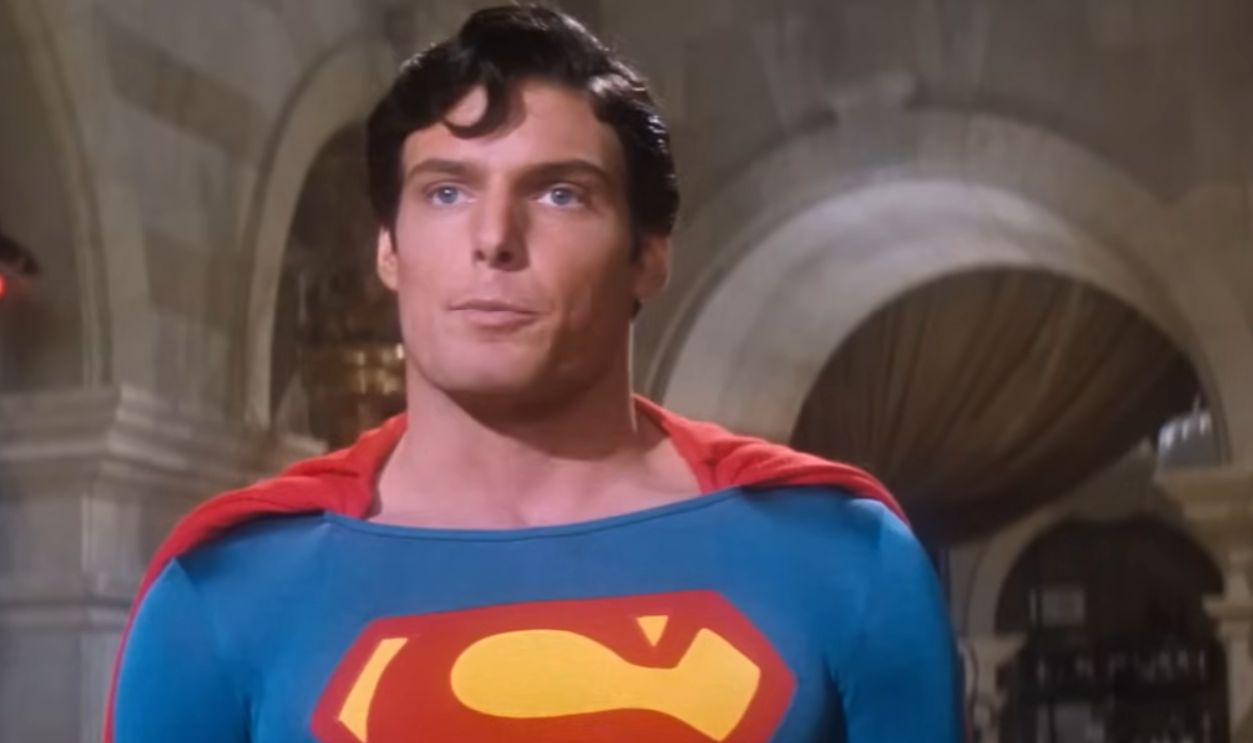 Screenshot from Superman, Warner Bros. Pictures (1978)
Harrison Ford Returned For Han Solo
Harrison Ford was not guaranteed to return for The Empire Strikes Back because he had not initially agreed to a long series of films. Eventually he signed on, allowing Han Solo's story to grow into one of the franchise's emotional centerpieces. His chemistry with Carrie Fisher and Mark Hamill strengthened the sequel. The decision helped cement the original trilogy's enduring popularity.
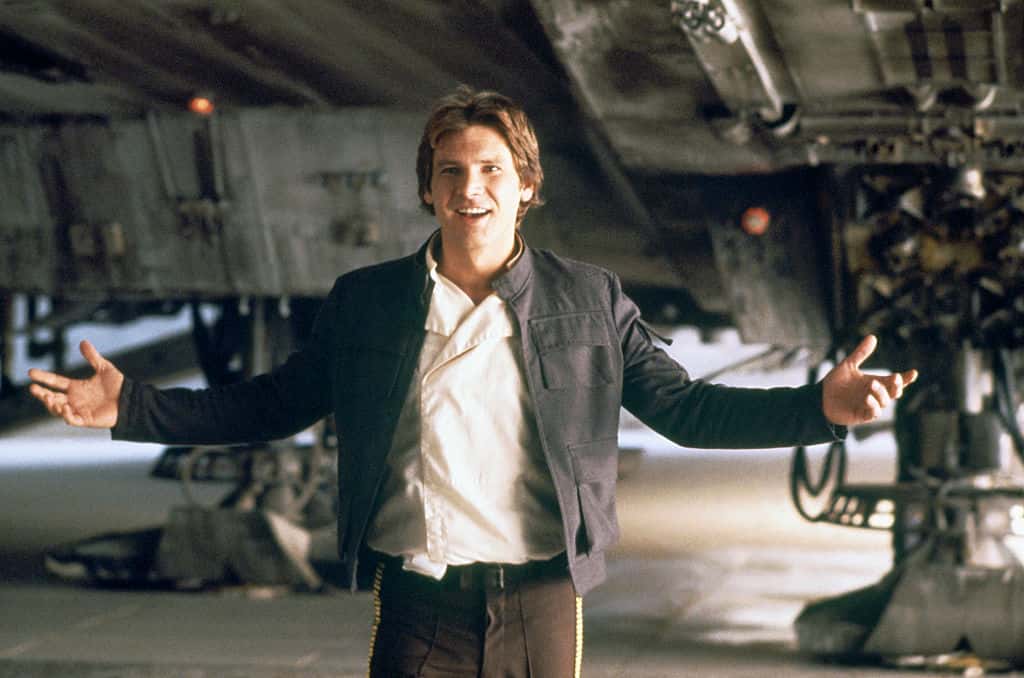 Sunset Boulevard, Getty Images
Casting Risks Often Become Movie Magic
Many legendary performances happened because another actor declined the role or circumstances suddenly changed. Studios frequently resisted these choices before audiences proved them right. The finished movies became classics largely because the final actors brought something unexpected to their characters. Hollywood history shows that the right casting decision can change a film forever.
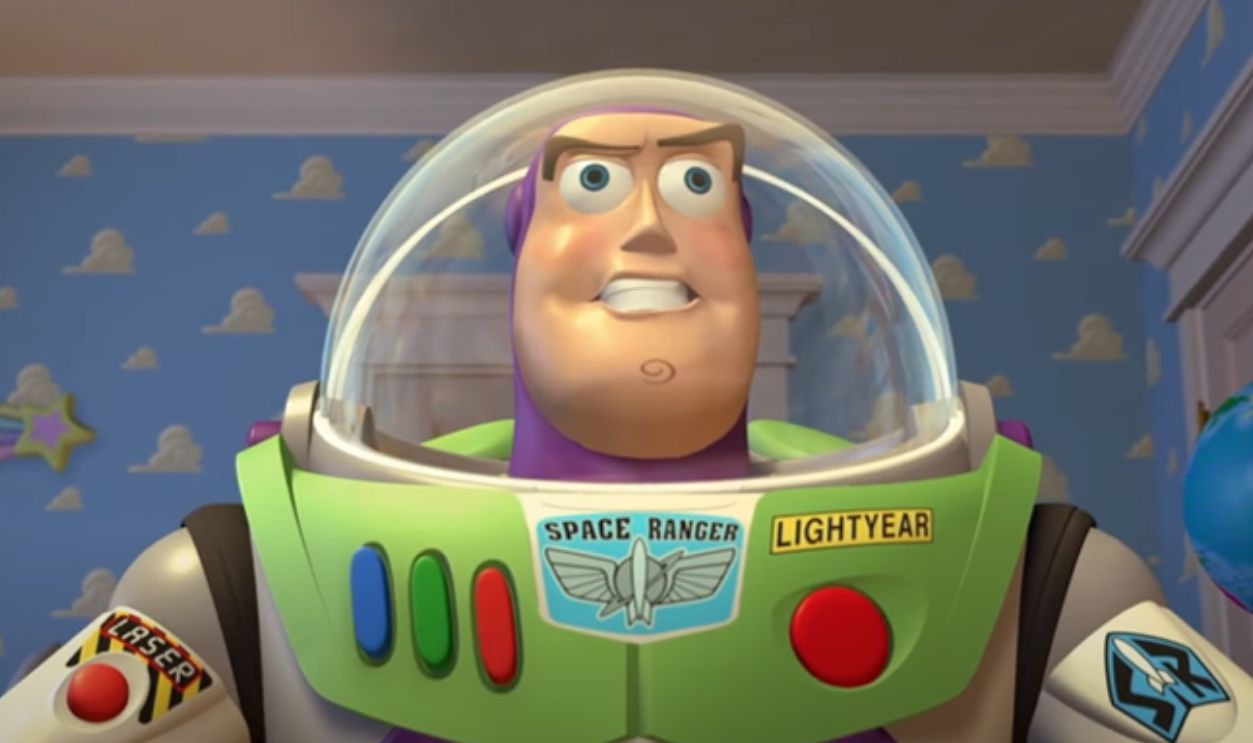 Screenshot from Toy Story, Walt Disney Pictures (1995)
You May Also Like:
Casting Choices That Seemed Crazy—But Worked Perfectly
The Most Perfectly Cast Movies Ever Cast to Perfection