The Decade Entertainment Became A National Obsession
The 1970s gave Americans more than movies, music, and television. It gave them shared cultural earthquakes. From blockbuster films to disco fever, shocking celebrity deaths, and television events watched by millions, entertainment became something people argued about, mourned, quoted, danced to, and remembered for the rest of their lives.
 Michael Ochs Archives, Getty Images
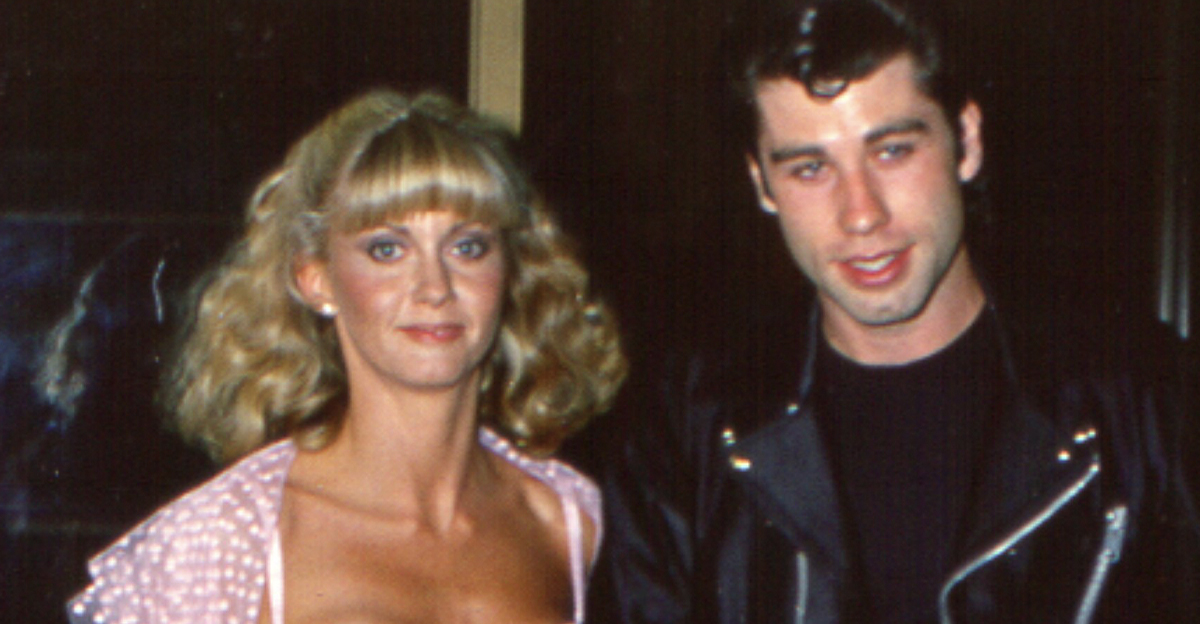
The Beatles Broke Apart
When The Beatles effectively ended in 1970, it felt like more than a band breakup. For millions who had grown up with them, the split symbolized the end of a cultural dream. Their solo careers continued, but the fantasy of John, Paul, George, and Ringo changing the world together was gone.
The Exorcist Terrified America
When The Exorcist arrived in 1973, audiences lined up to be frightened. Reports of fainting, nausea, and shocked theatergoers became part of the film’s legend. Whether people saw it as horror, religious nightmare, or cultural panic, they could not stop talking about it.
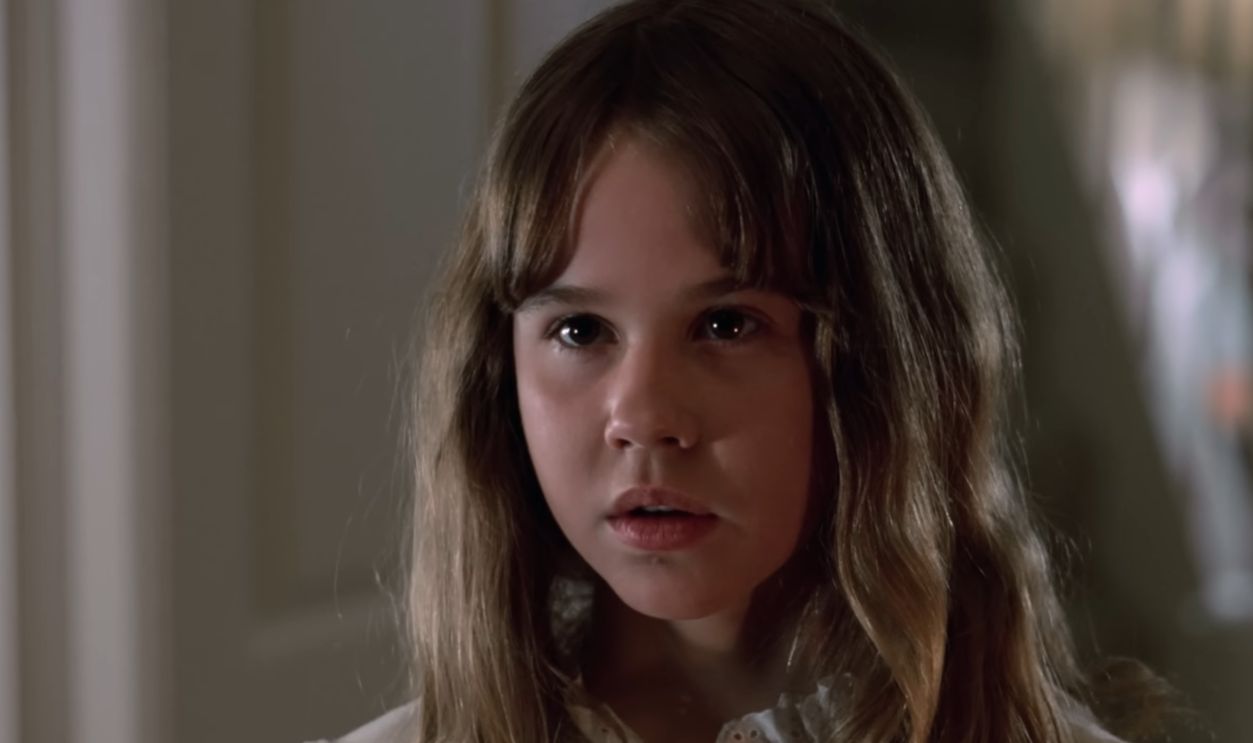 Screenshot from The Exorcist, Warner Bros. Pictures (1973)
Bruce Lee’s Death Shocked Movie Fans
Bruce Lee died in 1973 at only 32, just before Enter the Dragon made him a global icon. His tragic passing stunned fans and helped turn him into a legend almost instantly. Americans were fascinated by his skill, charisma, mystery, and the martial arts boom that followed.
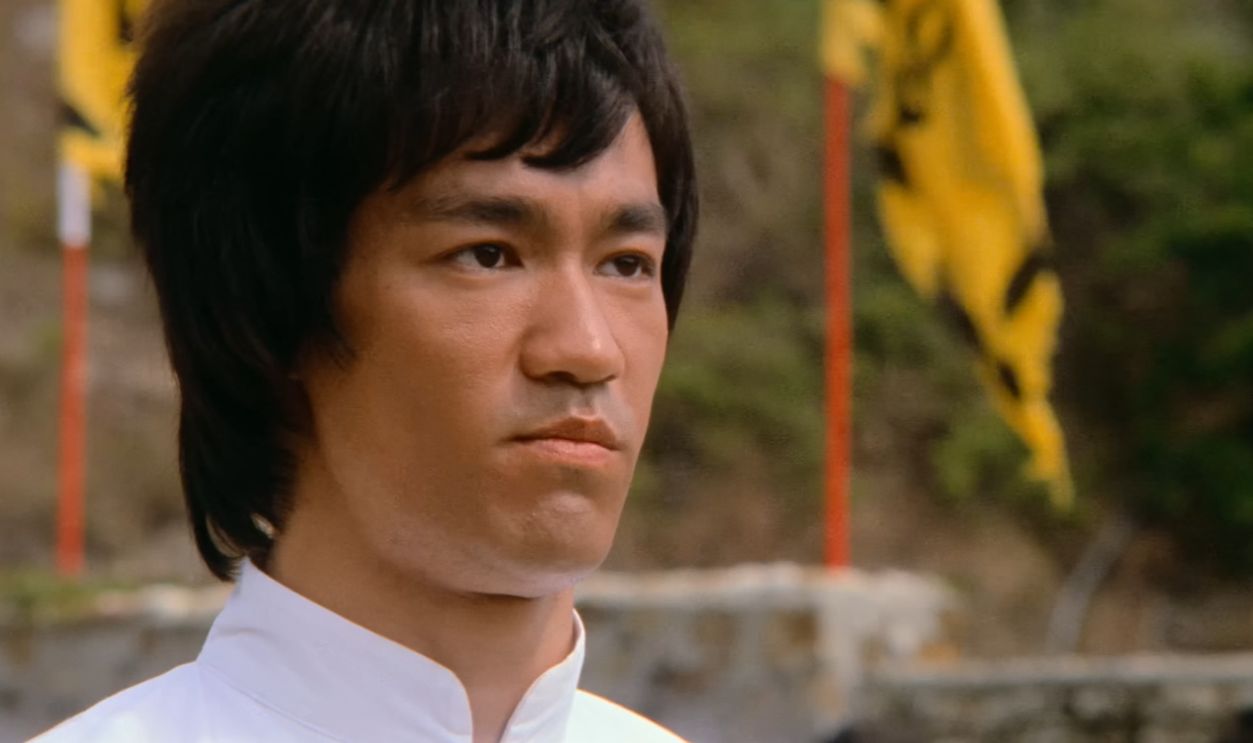 Screenshot from Enter the Dragon, Warner Bros. Pictures
All In The Family Changed Television Conversations
When All in the Family premiered in 1971, sitcoms suddenly became louder, sharper, and more political. Archie Bunker made audiences laugh and argue at the same time. The show brought race, class, gender, and generational conflict into living rooms in a way television rarely had before.
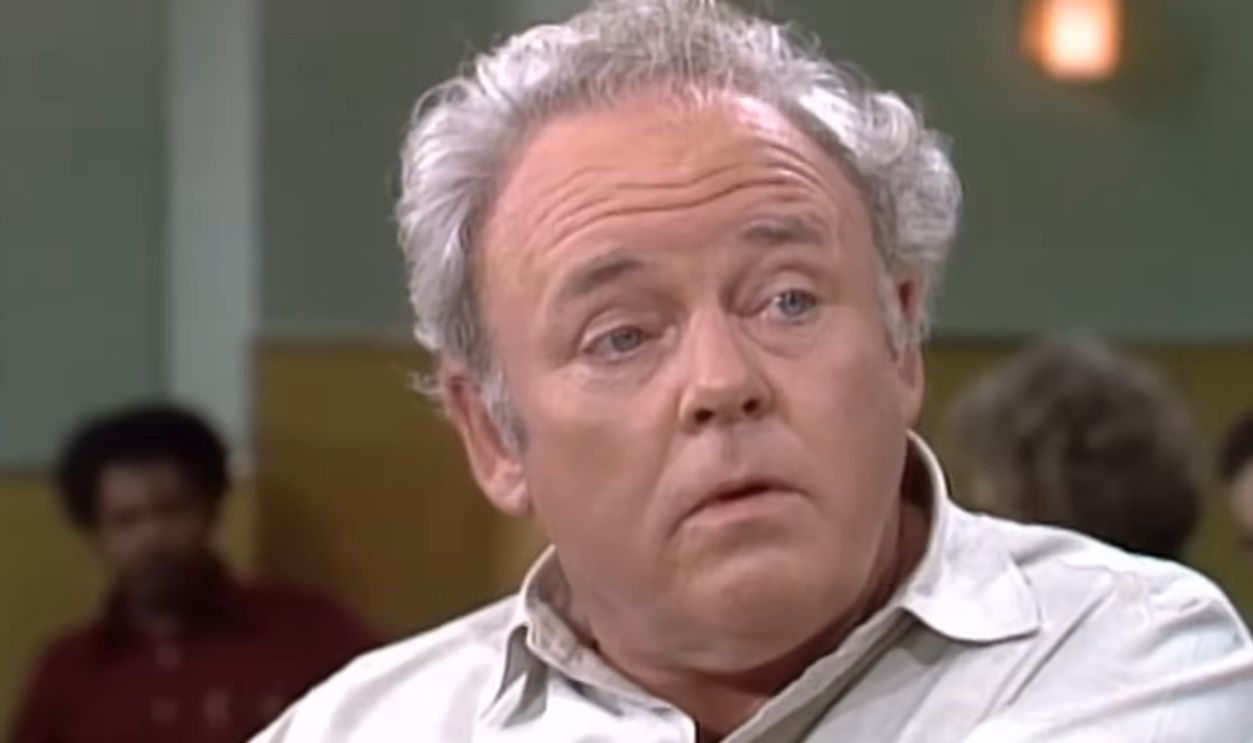 Screenshot from All in the Family, CBS (1971-1979)
Farrah Fawcett’s Poster Was Everywhere
Farrah Fawcett’s red swimsuit poster became one of the most famous images of the 1970s. Combined with her role on Charlie’s Angels, it made her a pop-culture phenomenon. Her hair, smile, and image seemed to define a particular kind of American glamour.
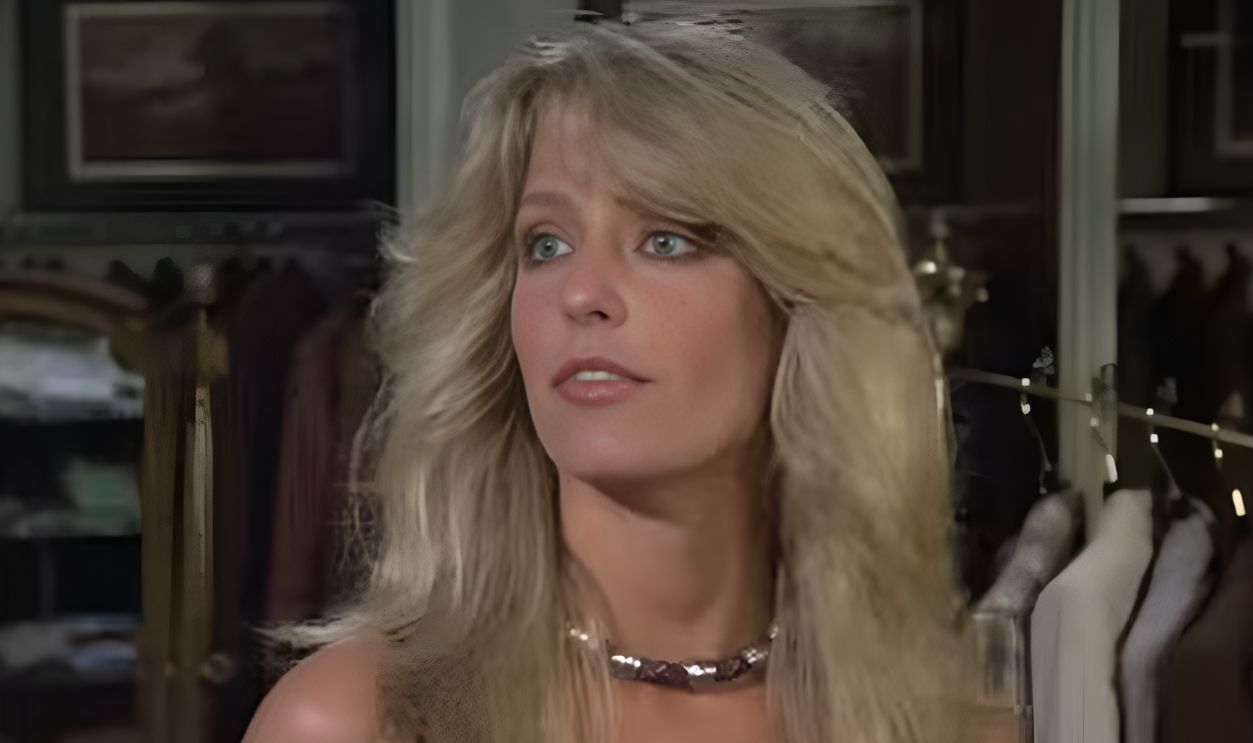 Screenshot from Charlie's Angels, ABC (1976–1981), Modified
The Godfather Became A Cultural Event
Released in 1972, The Godfather became more than a hit movie. It gave Americans unforgettable lines, characters, and images of family loyalty corrupted by violence. Audiences were fascinated by its darkness, elegance, and moral weight, making it one of the defining films of the decade.
To this day, it's considered one of the best films of all time.
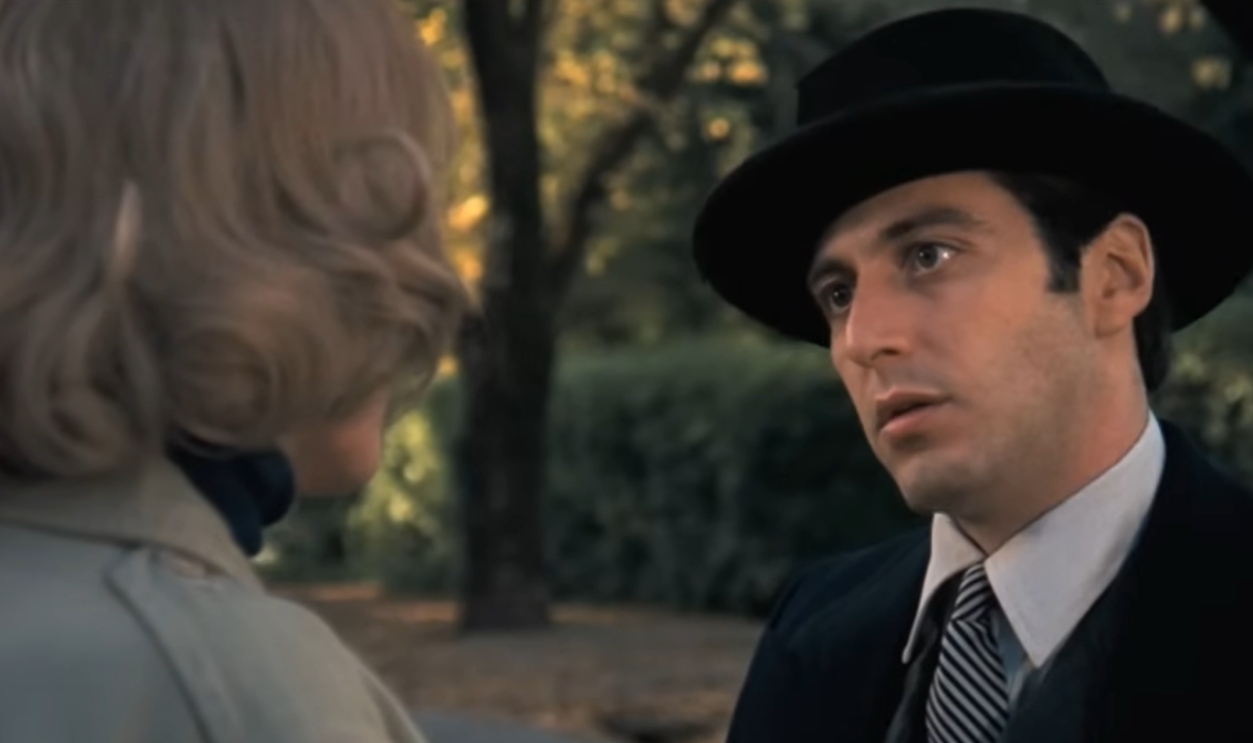 Screenshot from The Godfather, Paramount Pictures (1972)
M*A*S*H* Turned War Into Dark Comedy
Television audiences embraced M*A*S*H* because it was funny, sad, angry, and humane all at once. Premiering in 1972, the series used the Korean War to speak to Vietnam-era anxieties. It proved a sitcom could be entertainment while still carrying emotional and political weight.
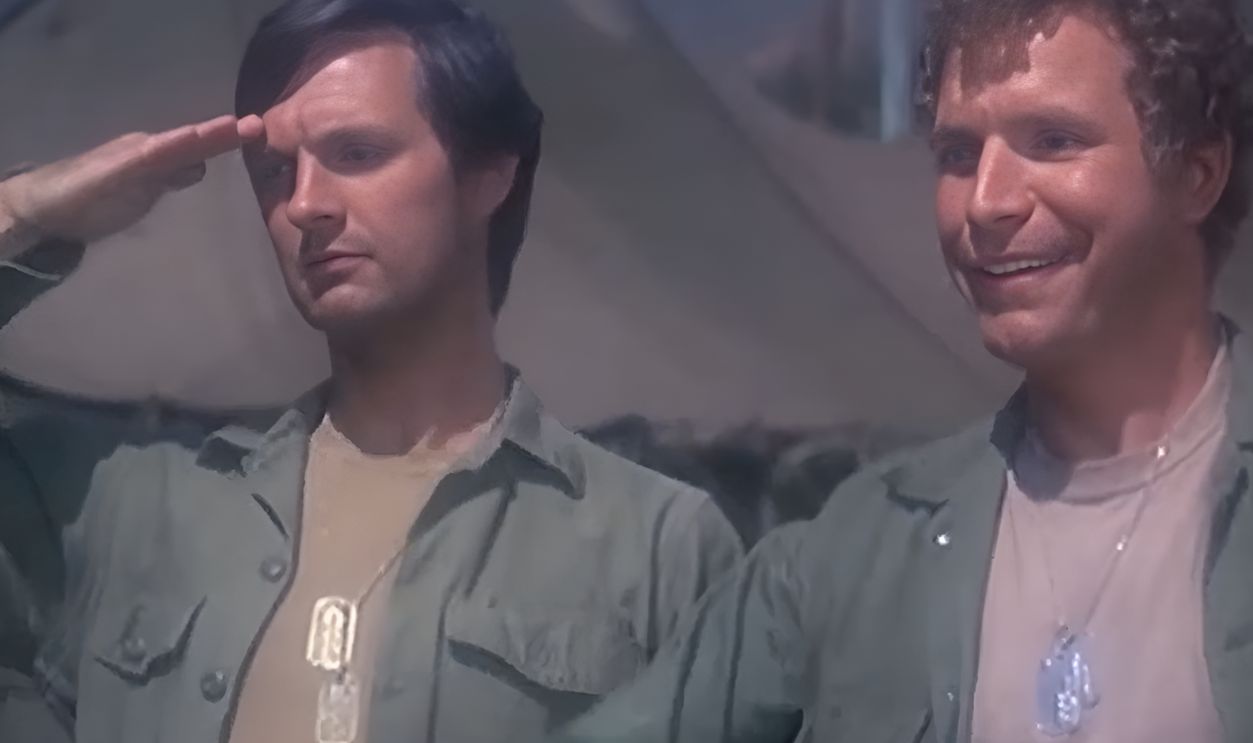 Screenshot from M*A*S*H, CBS (1972–1983), Modified
Jaws Made Americans Afraid Of The Water
In 1975, Jaws changed summer movies forever. Steven Spielberg’s shark thriller became a box-office phenomenon and made beach trips feel newly terrifying. It also helped create the modern blockbuster, proving that a film could become a nationwide event almost overnight.
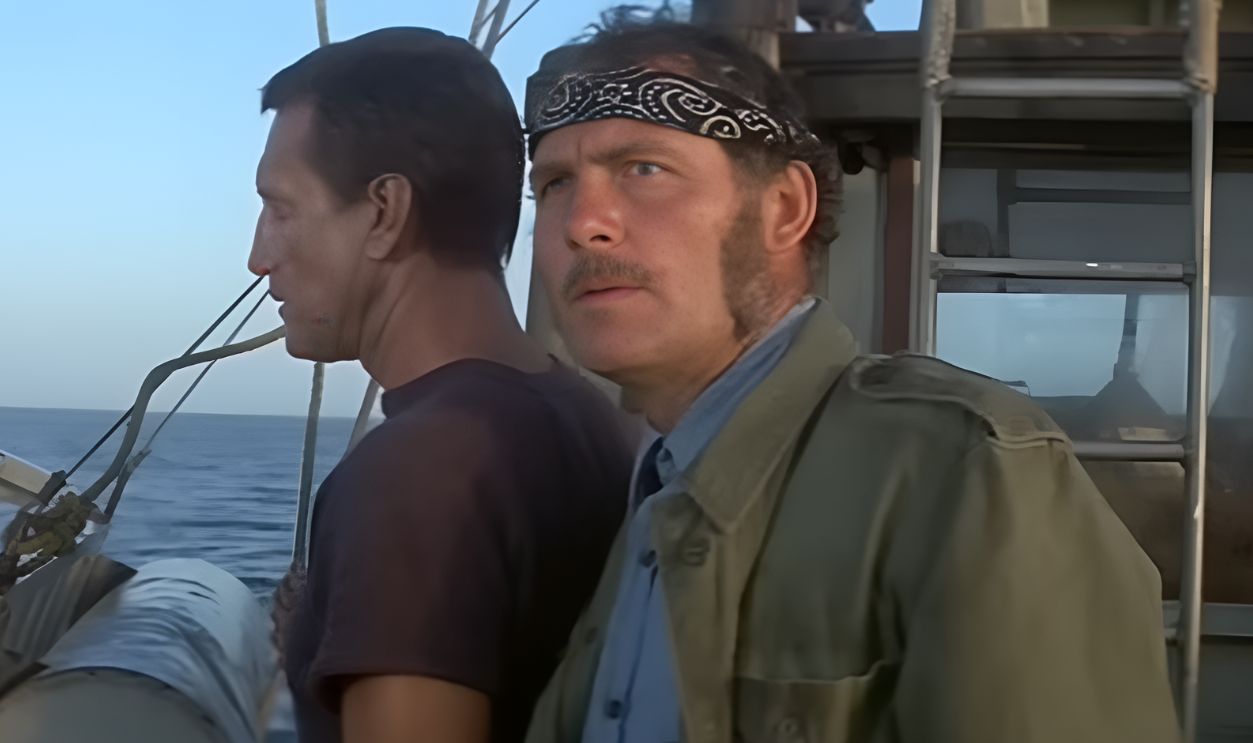 Screenshot from Jaws, Universal Pictures (1975), Modified
Disco Took Over The Mainstream
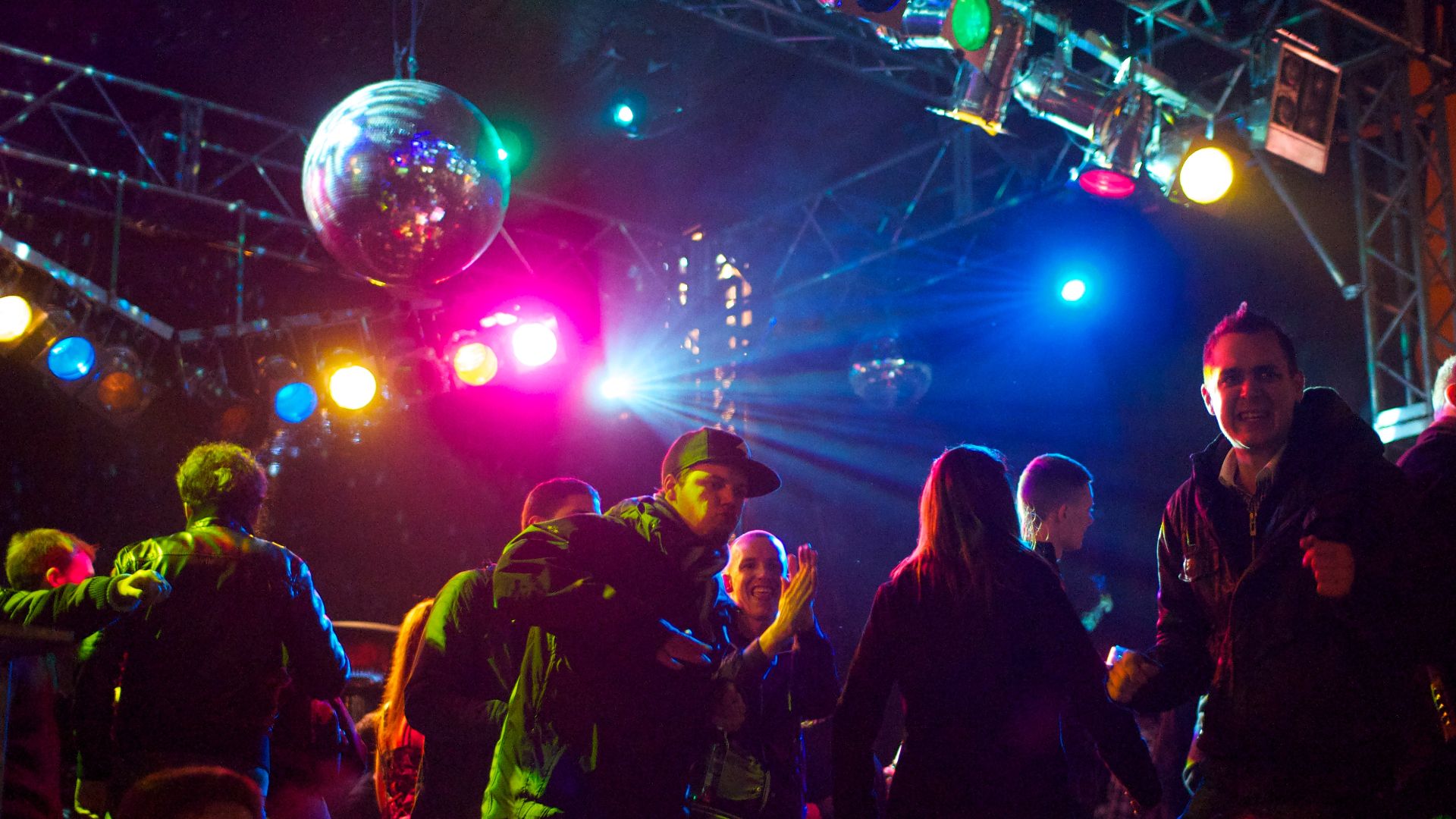
By the late 1970s, disco was everywhere. Dance floors, radio stations, fashion, and nightlife all reflected its glittering energy. For some Americans it represented freedom and escape, while others mocked it relentlessly. Either way, disco became impossible to ignore.
Saturday Night Live Made Late-Night Television Dangerous
When Saturday Night Live premiered in 1975, it gave young viewers a new kind of comedy. The show felt unpredictable, irreverent, and alive in a way traditional variety programs did not. Its original cast quickly became stars, and late Saturday nights were never the same.
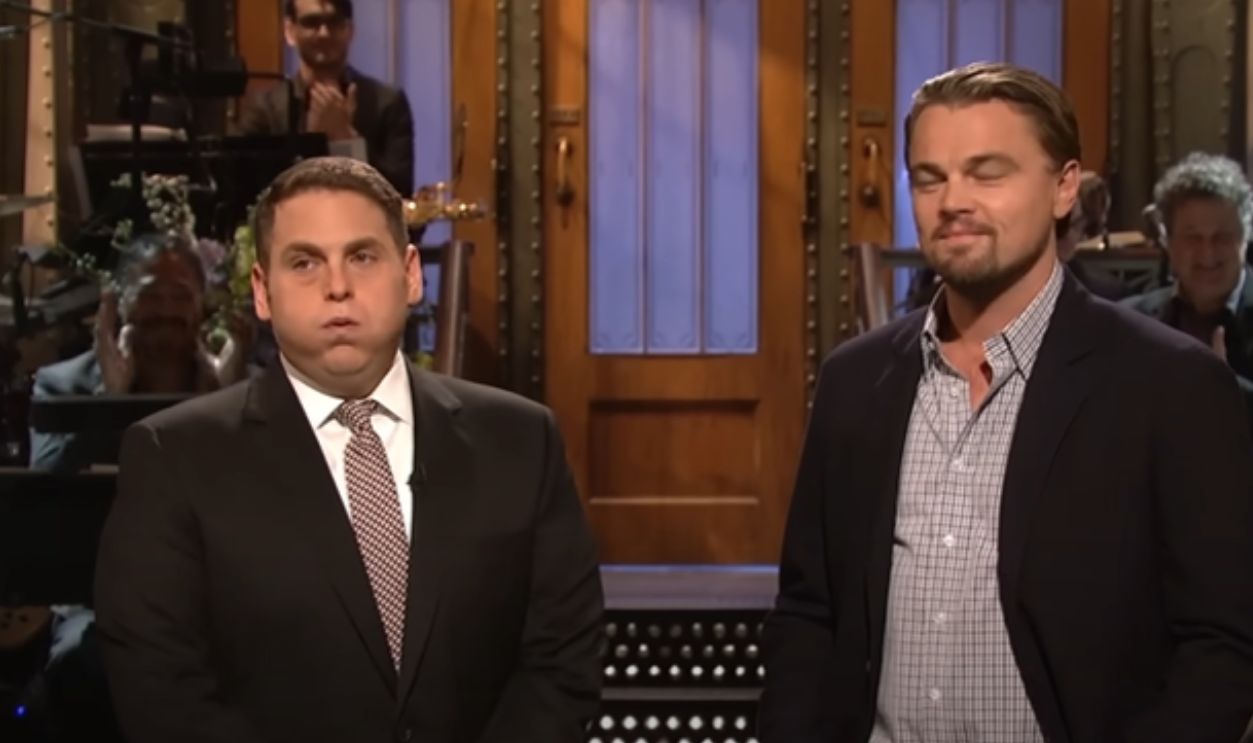 Screenshot from Saturday Night Live, NBC (1975–)
Elvis Presley’s Death Stunned The Country
When Elvis Presley died on August 16, 1977, America went into mourning. Fans gathered at Graceland, radio stations played his songs, and newspapers examined every detail. His death felt like the loss of not just a singer, but an entire era of American music.
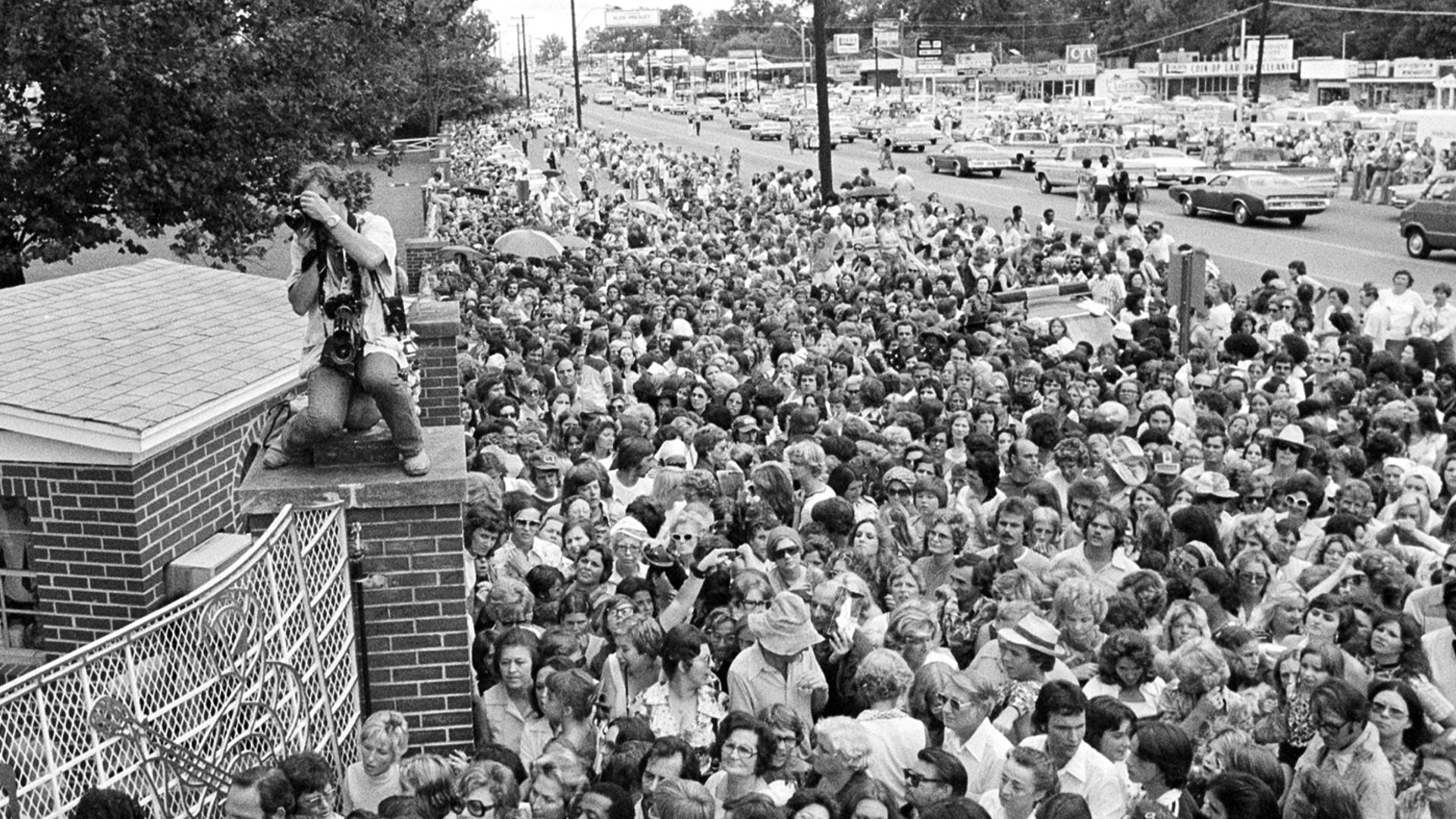 Associated Press, Wikimedia Commons
Studio 54 Became The Symbol Of Celebrity Excess
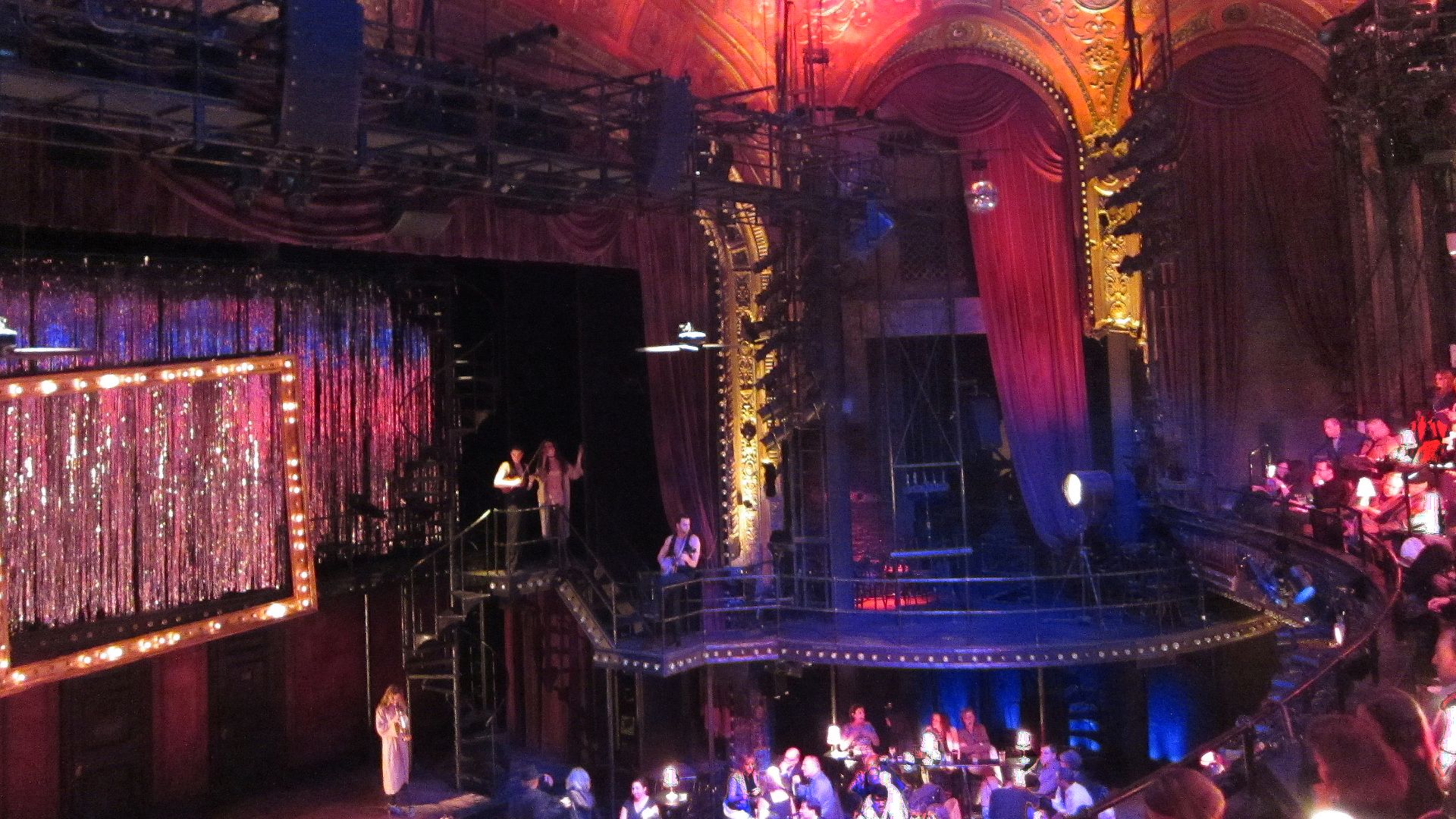
Studio 54 opened in New York in 1977 and quickly became the most famous nightclub in America. Celebrities, models, musicians, and socialites turned it into a nightly spectacle. To outsiders, it represented glamour, danger, exclusivity, and everything wild about the late 1970s.
Rocky Made An Underdog Into A National Hero
Released in 1976, Rocky gave Americans a working-class hero at a time when the country badly needed one. Sylvester Stallone’s story of a struggling boxer became a surprise triumph. Audiences connected deeply with its grit, romance, and belief that dignity mattered more than victory.
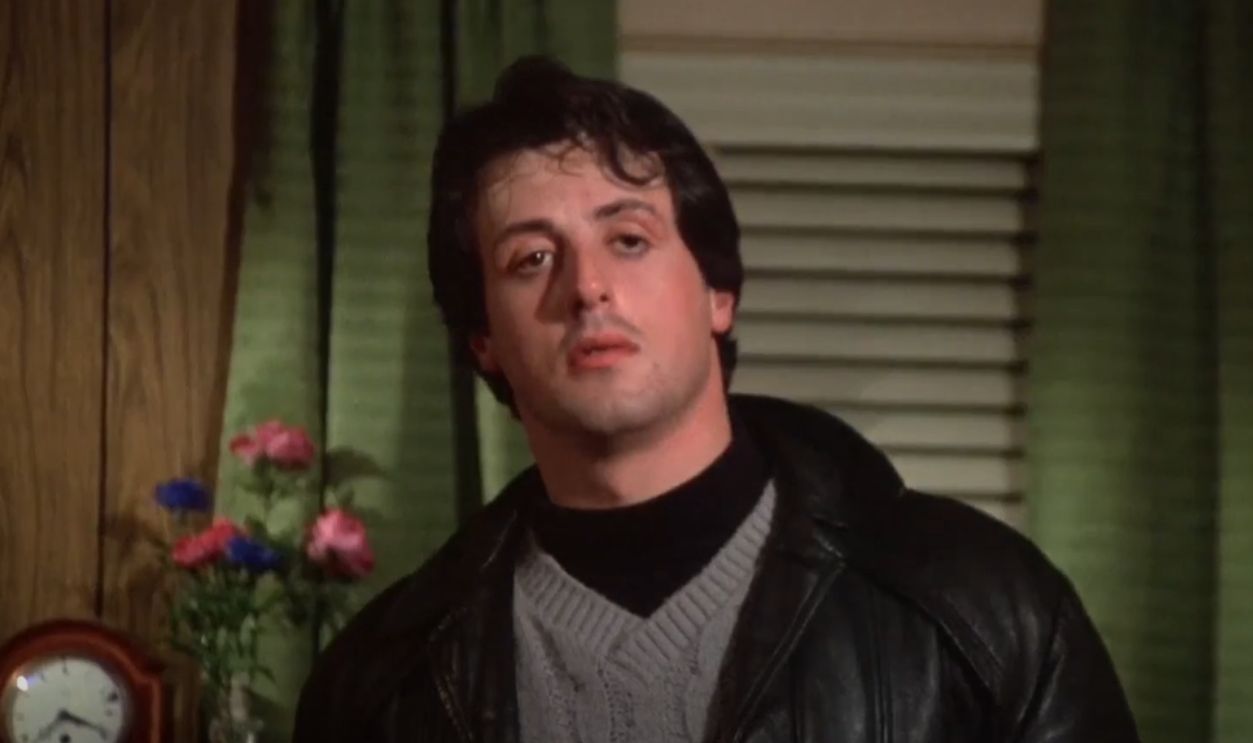 Screenshot from Rocky, United Artists (1976)
Roots Became Must-See Television
In 1977, Roots became one of the most important television events in American history. The miniseries forced millions of viewers to confront slavery through one family’s story. It was discussed in homes, schools, workplaces, and newspapers across the country.
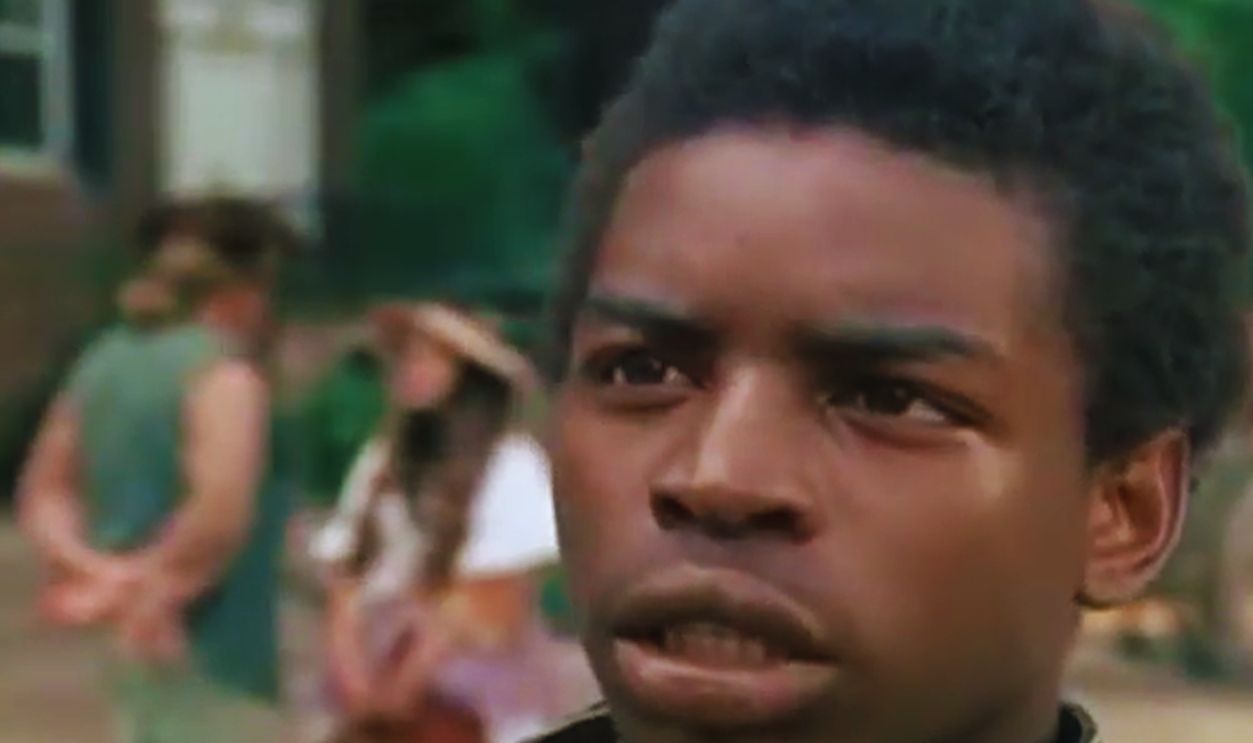 Screenshot from Roots, ABC (1977)
Star Wars Changed Movies Forever
In 1977, Star Wars exploded into theaters and rewired popular culture. Kids wanted lightsabers, adults quoted Darth Vader, and studios realized movies could become entire worlds. Its special effects, mythology, toys, and fan devotion changed entertainment permanently.
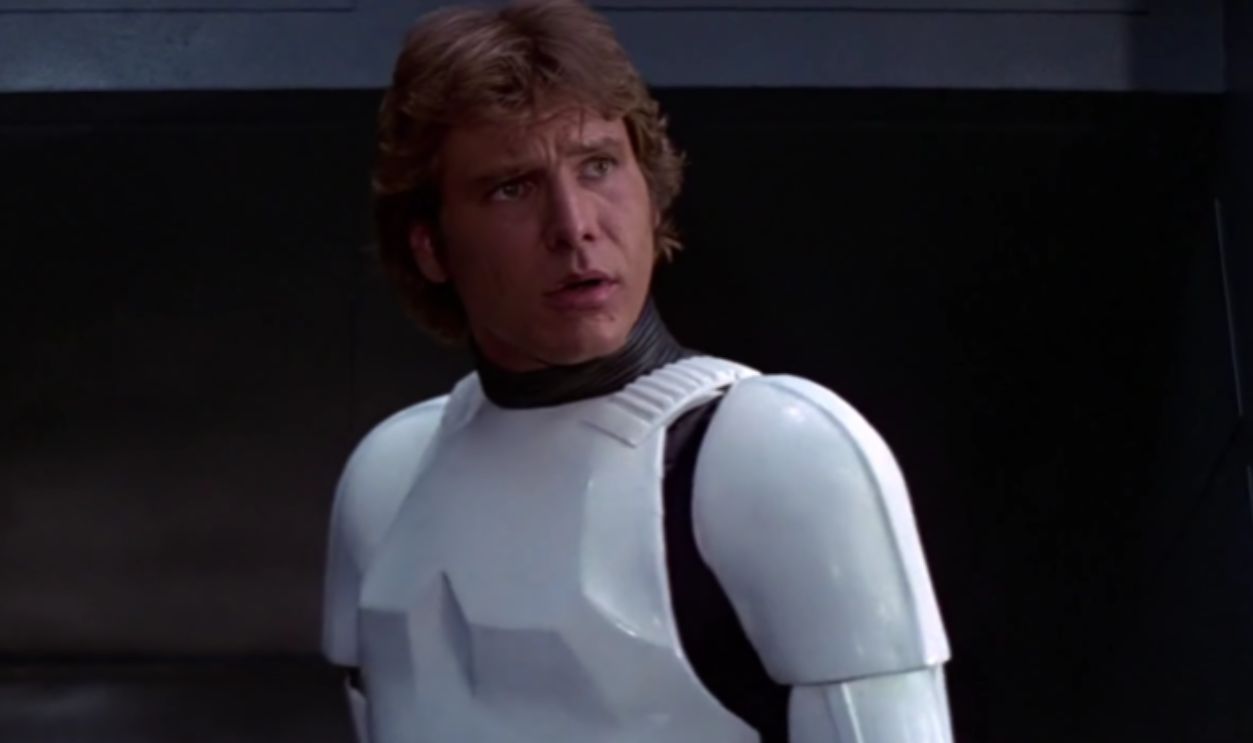 Screenshot from Star Wars, Twentieth Century-Fox (1977)
Saturday Night Fever Turned Disco Into A Movie Phenomenon
Released in 1977, Saturday Night Fever transformed John Travolta into a superstar and made disco even bigger. The Bee Gees soundtrack dominated pop culture, while Travolta’s white suit and dance-floor confidence became among the decade’s most recognizable images.
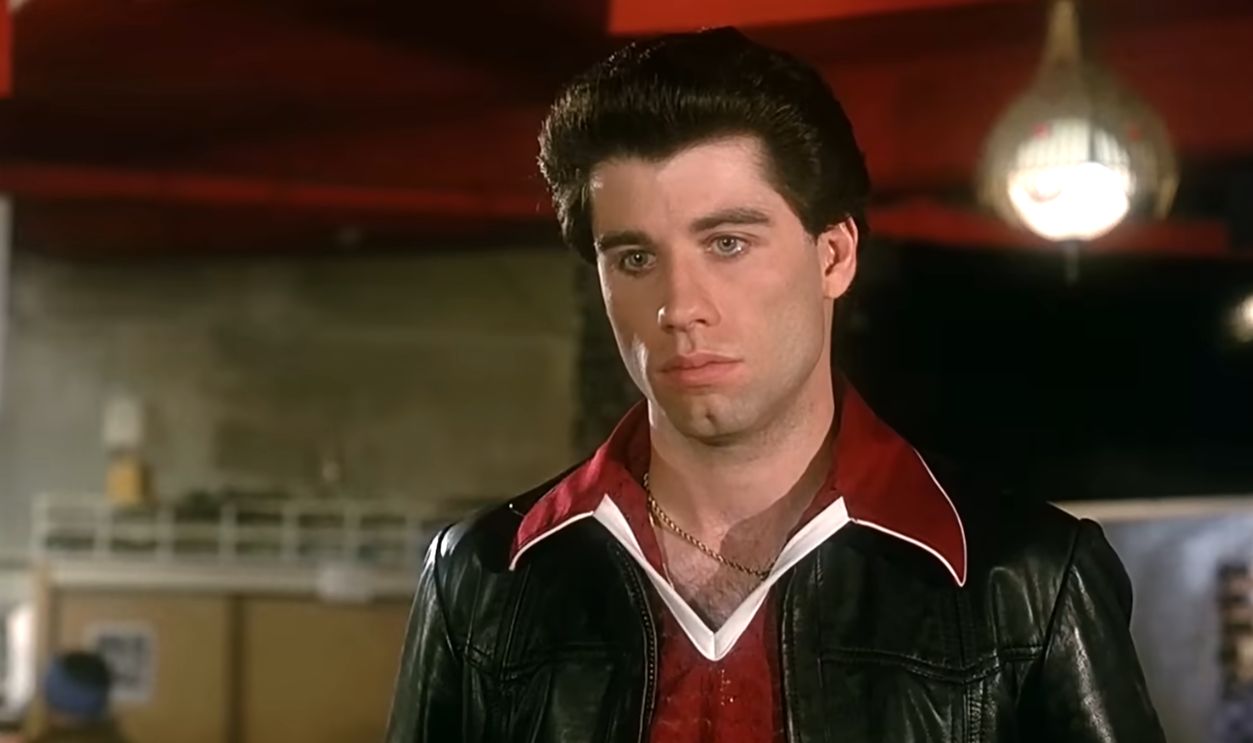 Screenshot from Saturday Night Fever, Paramount Pictures (1977)
Fleetwood Mac’s Rumours Became The Soundtrack Of Heartbreak
Released in 1977, Rumours turned private turmoil into one of the most beloved albums of all time. Fleetwood Mac’s internal breakups and emotional tension became part of the album’s mythology. Americans listened closely because the songs felt polished, wounded, and painfully human.
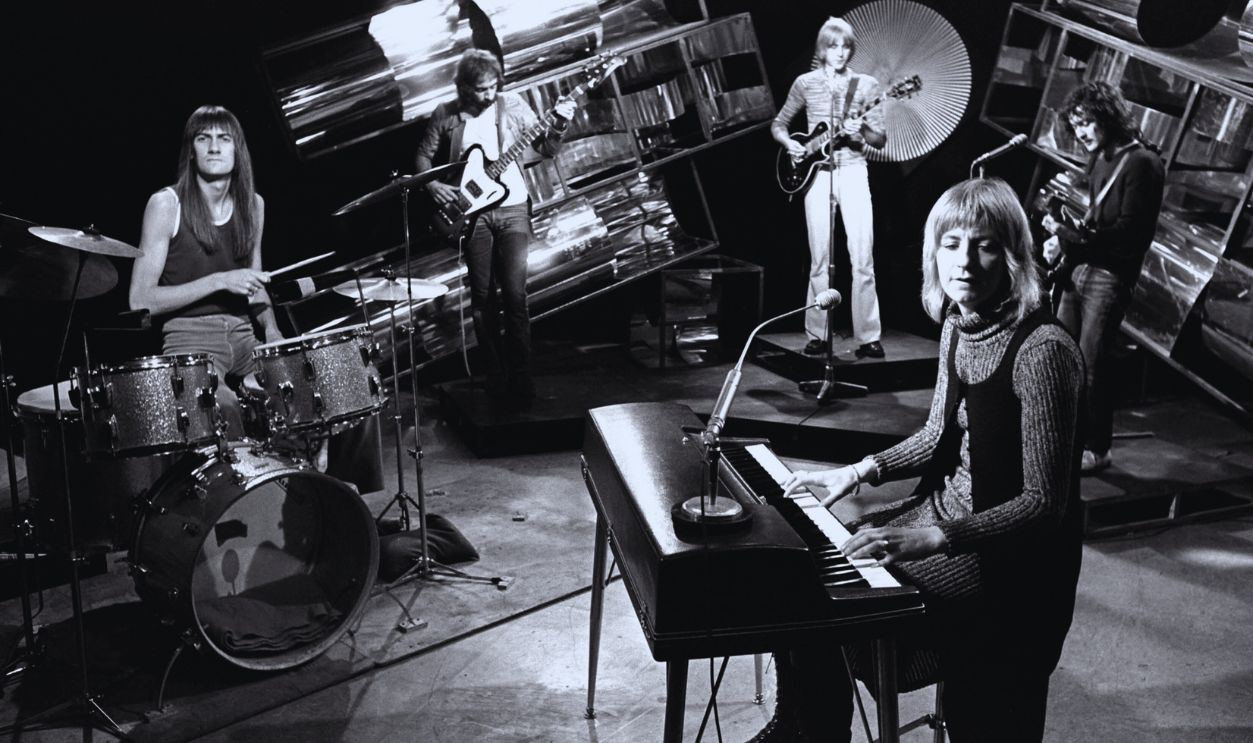
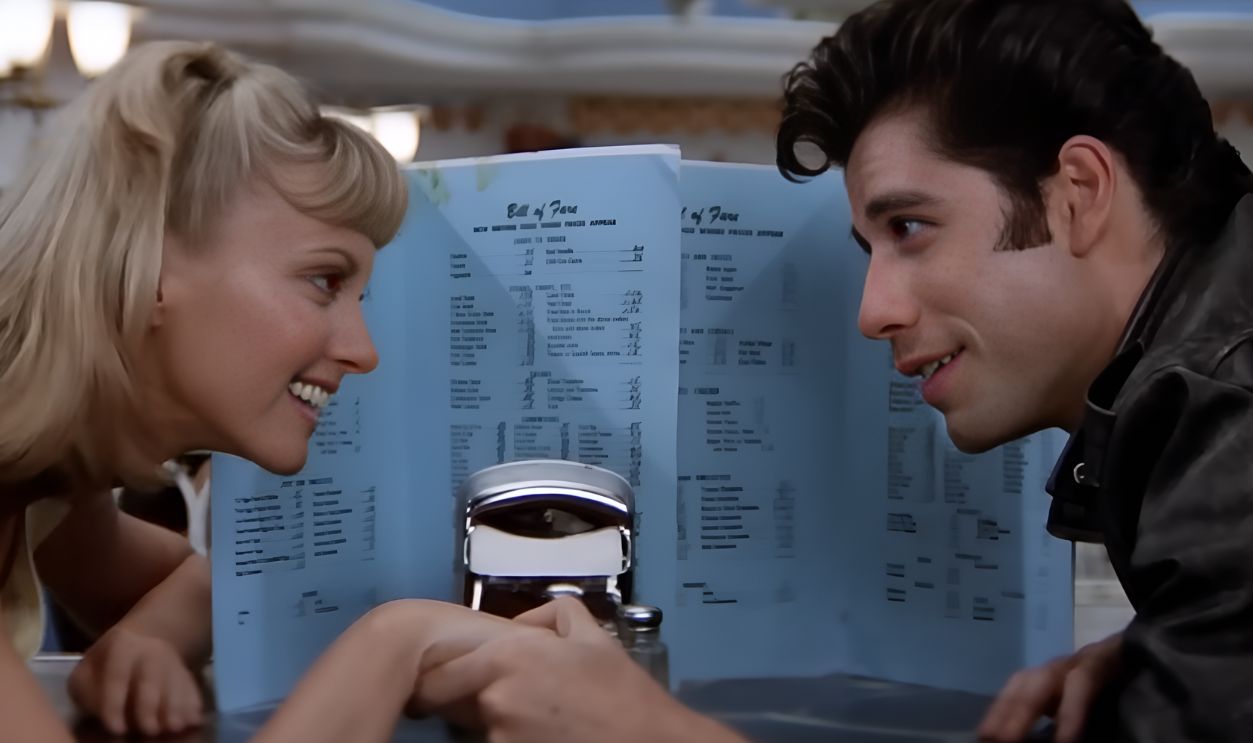
Grease Made Nostalgia Feel Electric
In 1978, Grease turned 1950s nostalgia into a bright, catchy, endlessly replayable sensation. John Travolta and Olivia Newton-John became one of the decade’s defining screen pairs. The songs, costumes, and schoolyard romance made the movie feel instantly iconic.
 Screenshot from Grease, Paramount Pictures (1978), Modified
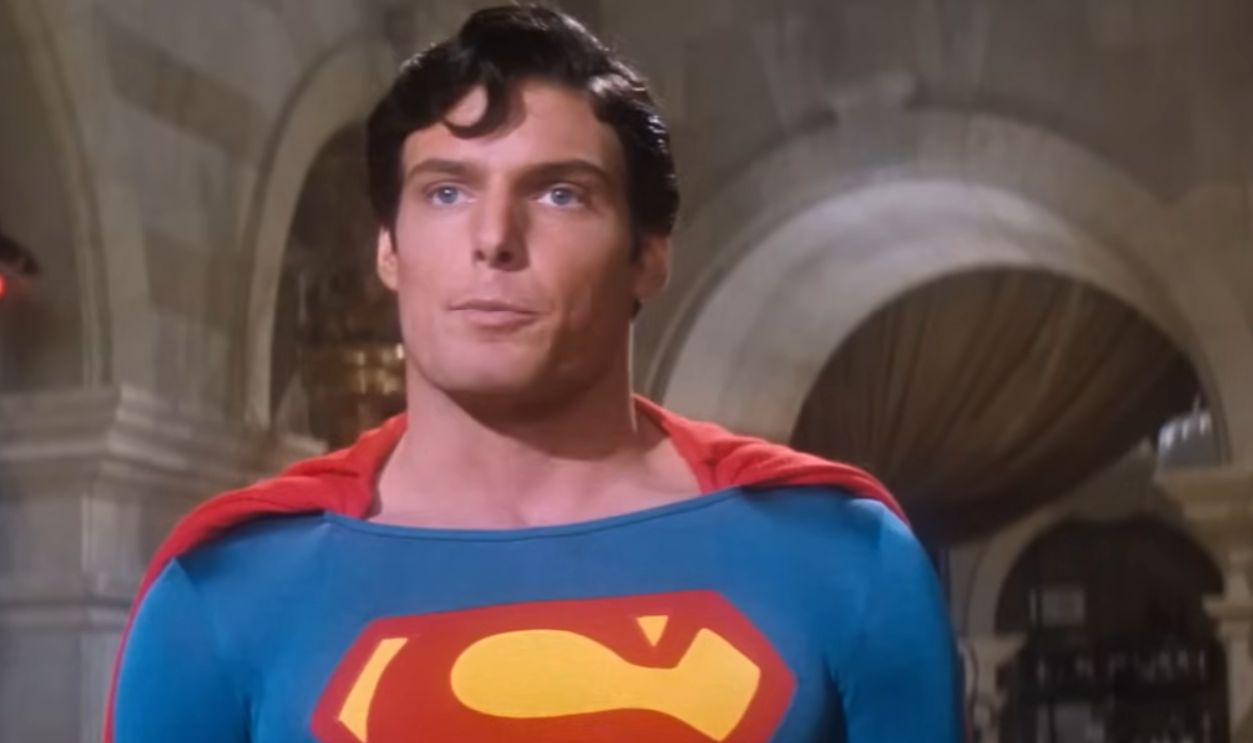
Superman Made Audiences Believe Again
When Superman arrived in 1978, it promised that viewers would believe a man could fly. Christopher Reeve’s performance brought sincerity and nobility to the superhero genre. At a time of cynicism and uncertainty, the film offered old-fashioned heroism on a grand scale.
 Screenshot from Superman, Warner Bros. Pictures (1978)
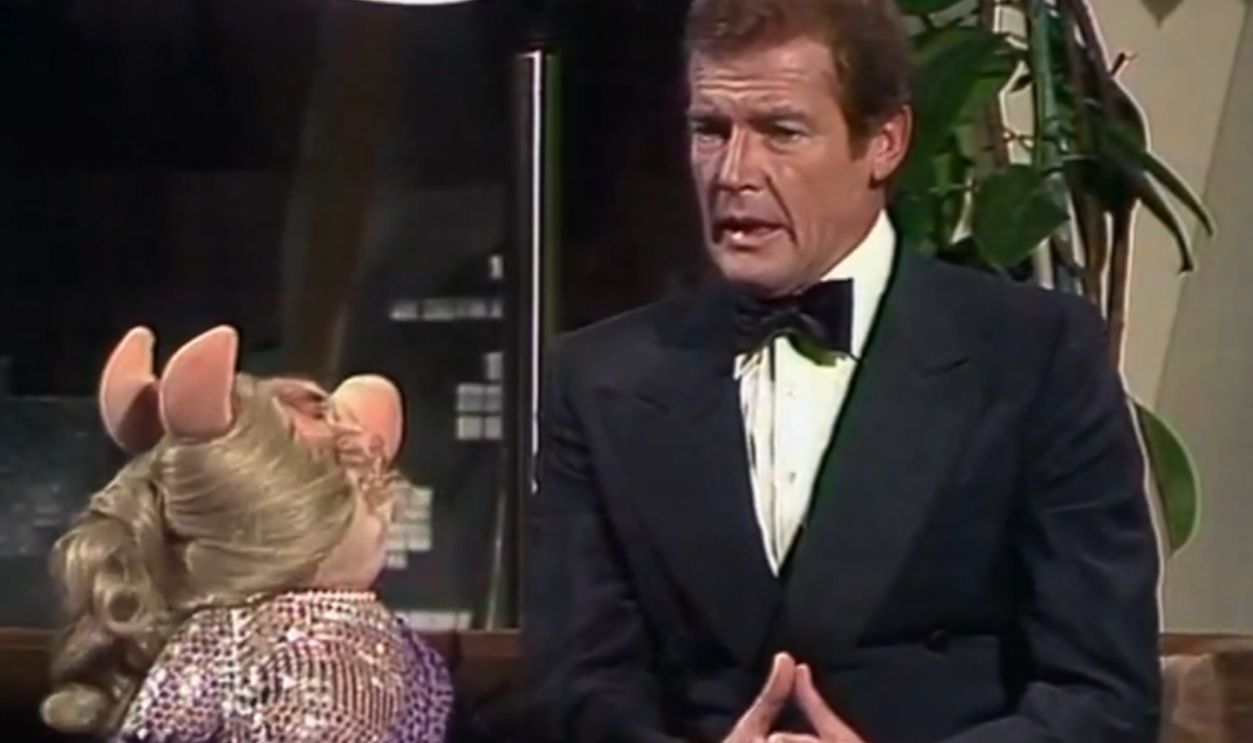
The Muppet Show Became Family Chaos At Its Best
Premiering in the 1970s, The Muppet Show became a strange and joyful phenomenon. It mixed celebrity guests, vaudeville chaos, music, slapstick, and surprisingly clever jokes. Children loved the puppets, while adults recognized how sharp and inventive the show really was.
 Screenshot from The Muppet Show, ITC Entertainment (1976-1981)
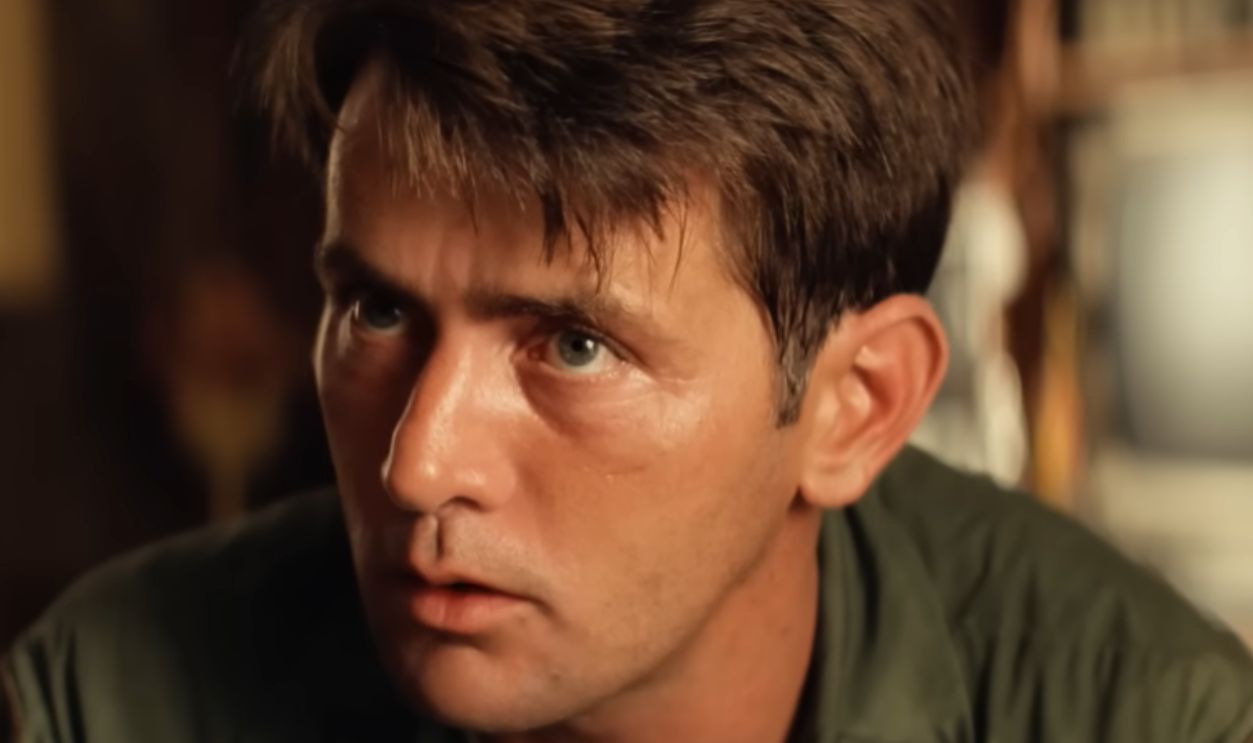
Apocalypse Now Became A Hollywood Myth
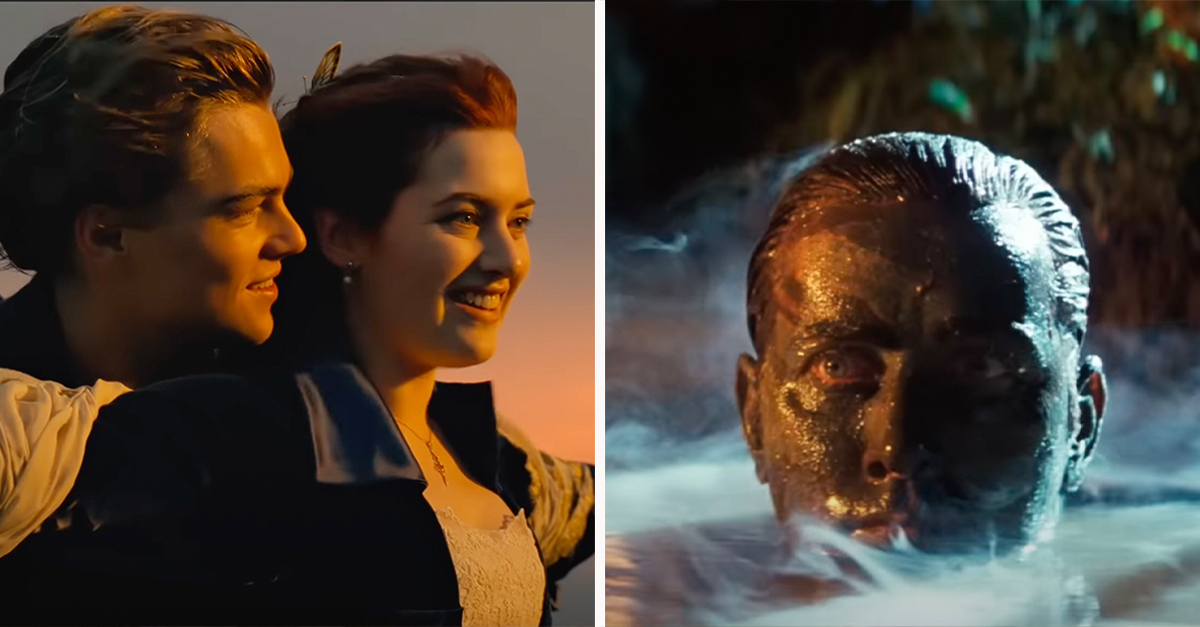
By the time Apocalypse Now reached audiences in 1979, stories about its disastrous production were almost as famous as the film itself. Francis Ford Coppola’s Vietnam epic became a symbol of artistic obsession, Hollywood excess, and the emotional wreckage of war.
 Screenshot from Apocalypse Now, United Artists (1979)
The Mary Tyler Moore Show Redefined The Single Working Woman
Throughout the 1970s, The Mary Tyler Moore Show helped change how women were portrayed on television. Mary Richards was independent, career-minded, funny, and emotionally real. The series became a landmark because it made a single working woman the center of a smart, beloved sitcom.
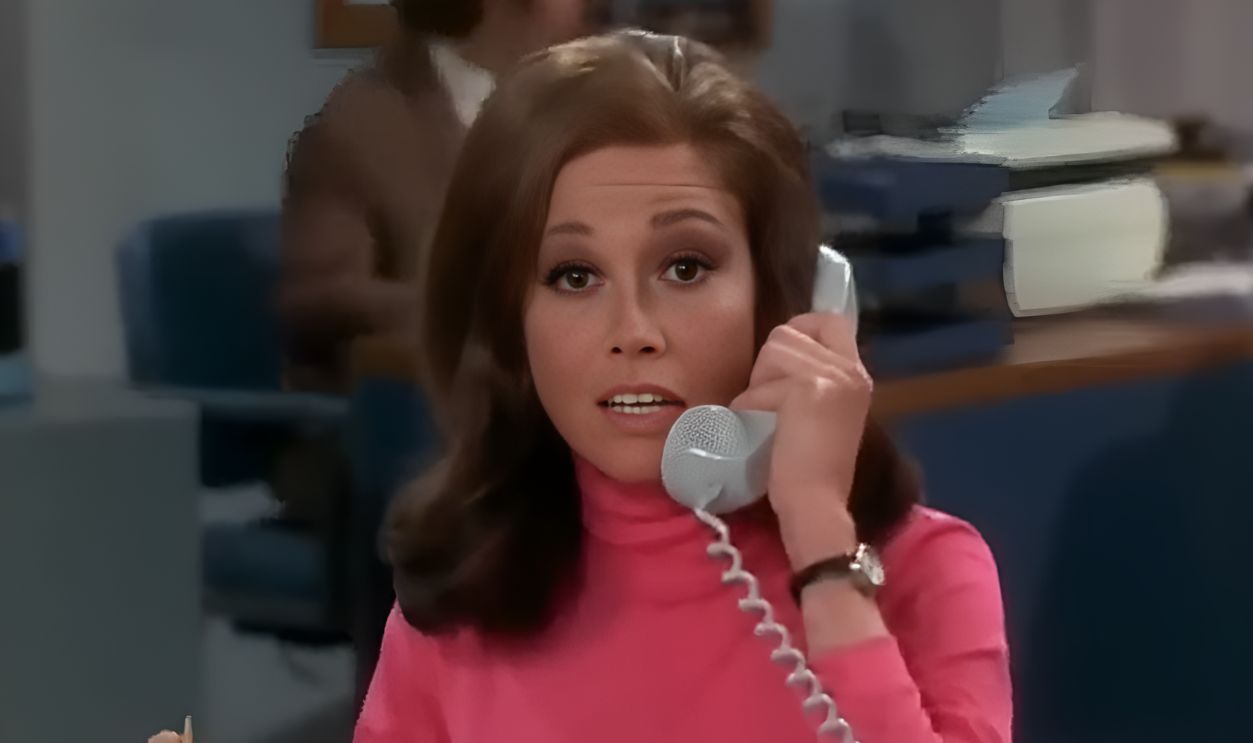 Screenshot from The Mary Tyler Moore Show, CBS (1970–1977), Modified
Charlie’s Angels Turned Television Glamour Into A Phenomenon
When Charlie’s Angels premiered in 1976, it became one of the decade’s most talked-about shows. Critics debated its style and substance, but audiences were captivated by its mix of mystery, fashion, action, and star power. The series helped define late-1970s television glamor.
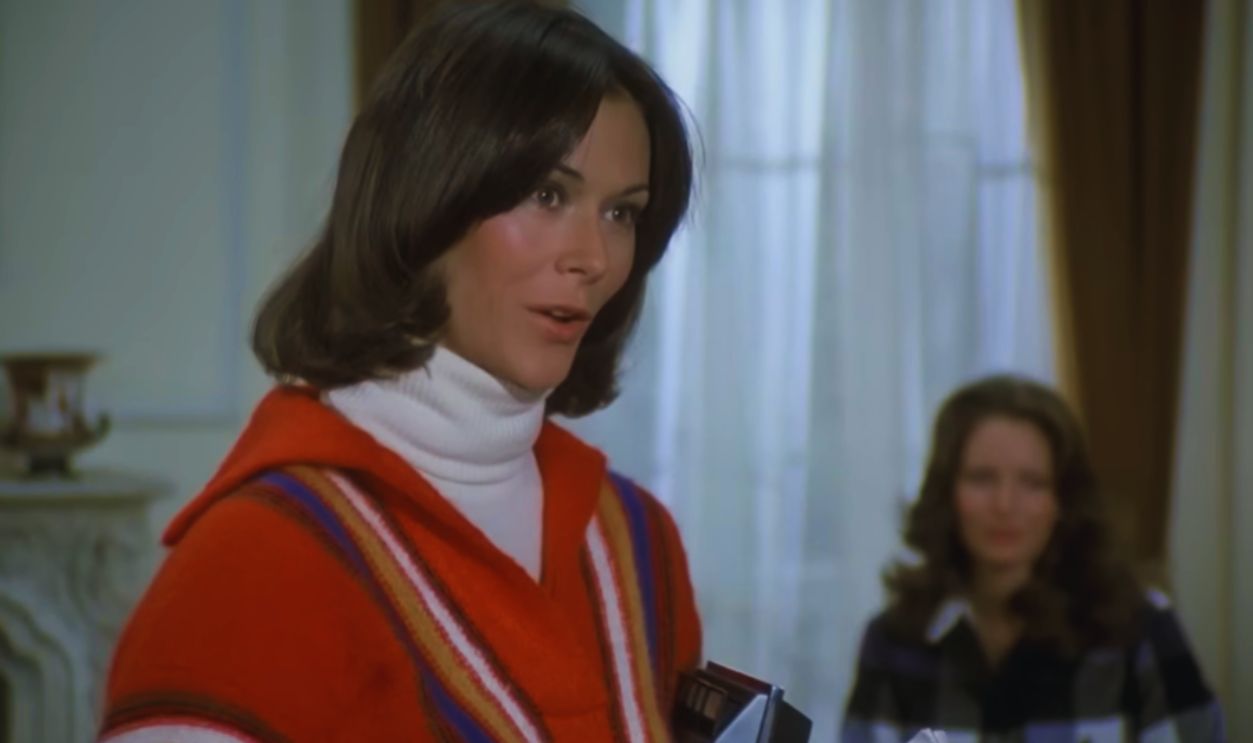 Screenshot from Charlie’s Angels, ABC (1976-1981)
John Lennon’s Return To Public Life Fascinated Fans
By the late 1970s, John Lennon’s retreat from the spotlight became its own story. After years of world-changing fame, he stepped back to focus on family life with Yoko Ono and their son Sean. Fans remained fascinated by his silence, wondering when—or if—he would return.
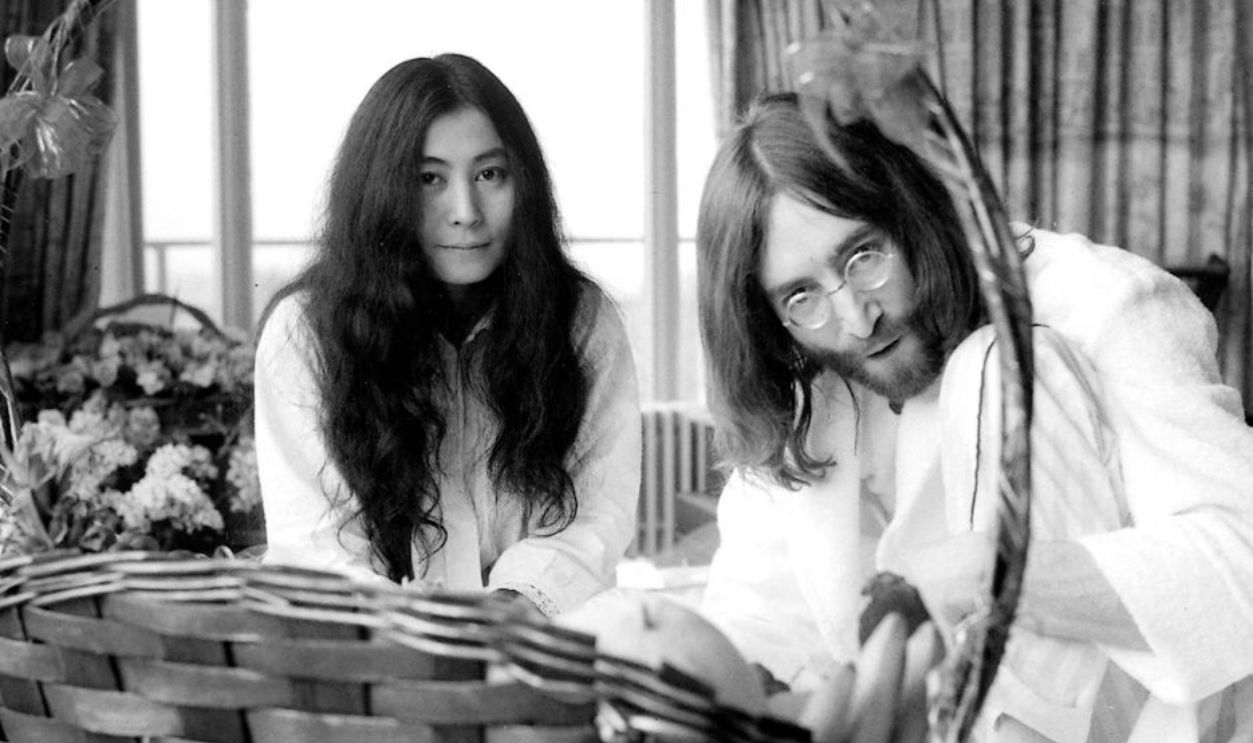
Why The 1970s Still Feel So Loud
The biggest entertainment stories of the 1970s mattered because they felt shared. Americans watched the same finales, lined up for the same movies, danced to the same songs, and mourned the same stars. The decade helped create modern pop culture as a national conversation that never really ended.
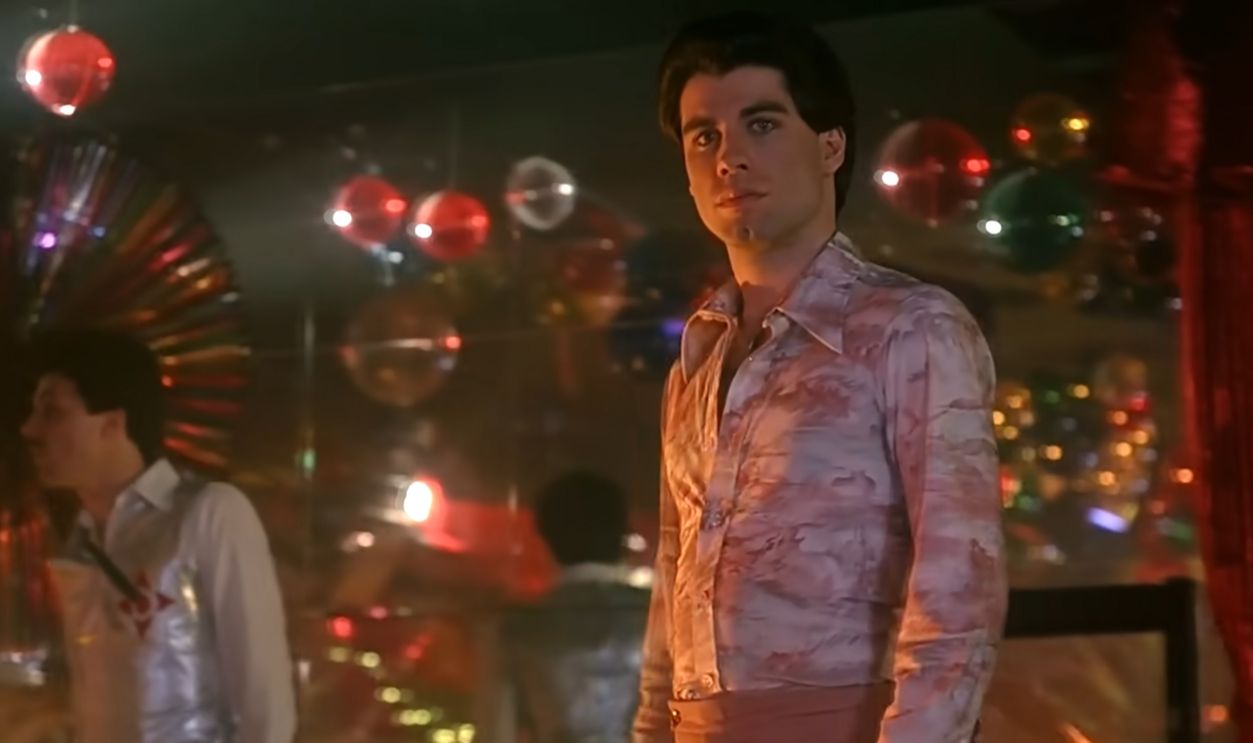 Screenshot from Saturday Night Fever, Paramount Pictures (1977)
You May Also Like:
These Big Name Actors Have Second Careers
5 Times When Disney Got Things So Wrong
The Most Fiercely Contested Movie Roles—And The Actors That Came Out On Top
Sources: 1, 2, 3, 4, 5, 6, 7, 8, 9, 10, 11, 12, 13, 14, 15, 16, 17, 18, 19, 20, 21, 22