A Life Of Twists And Turns
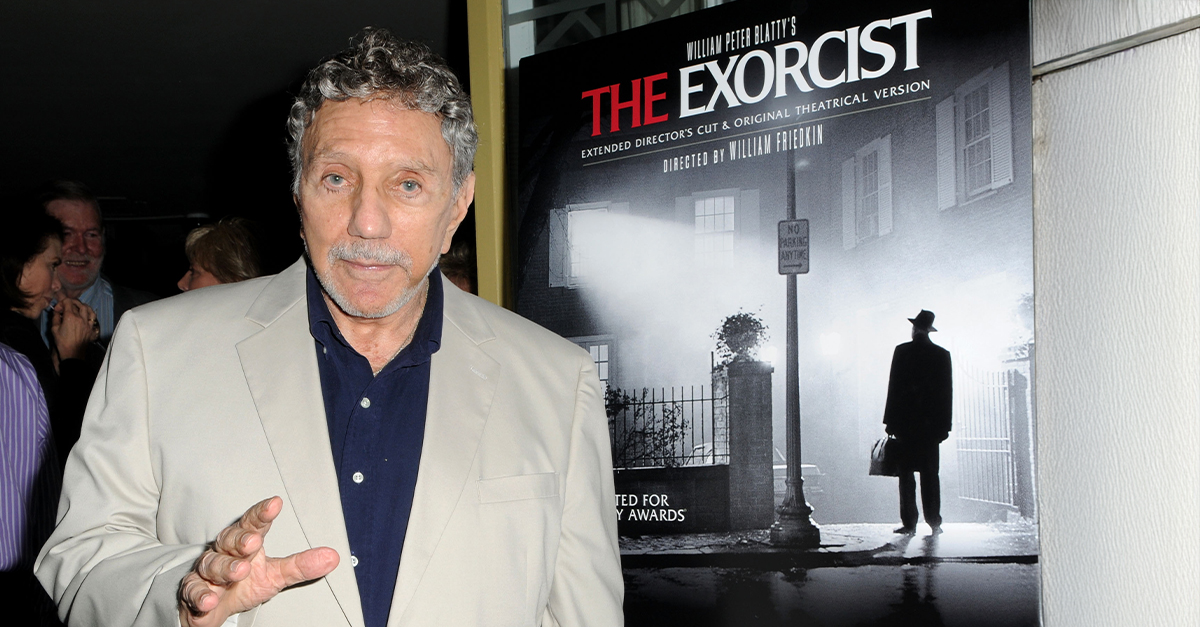
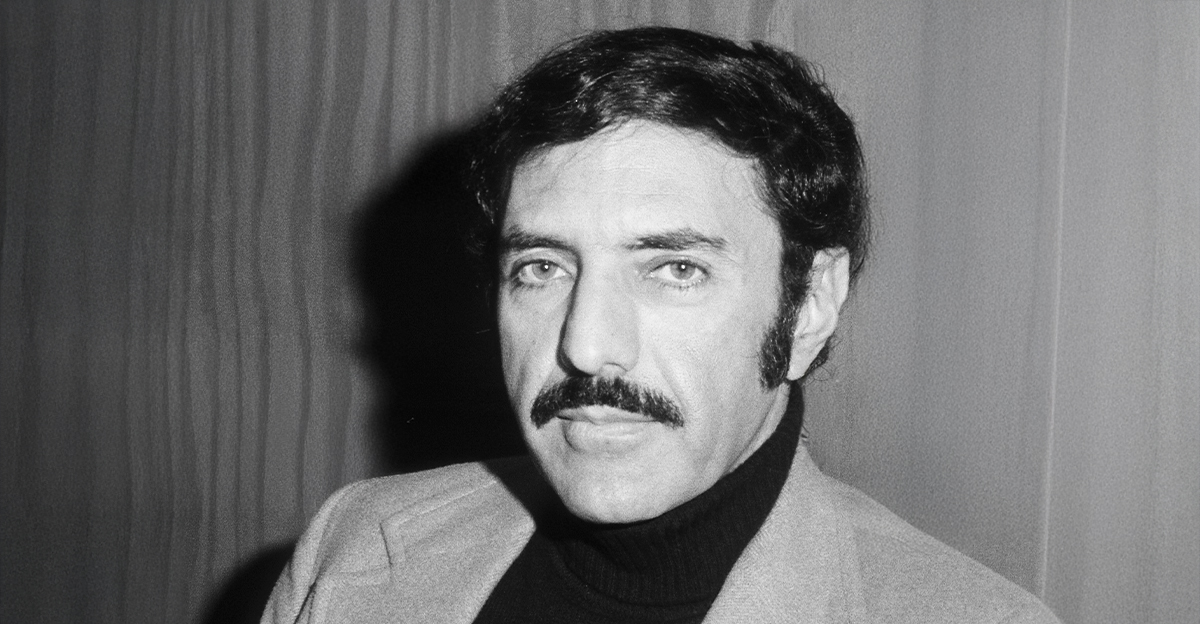
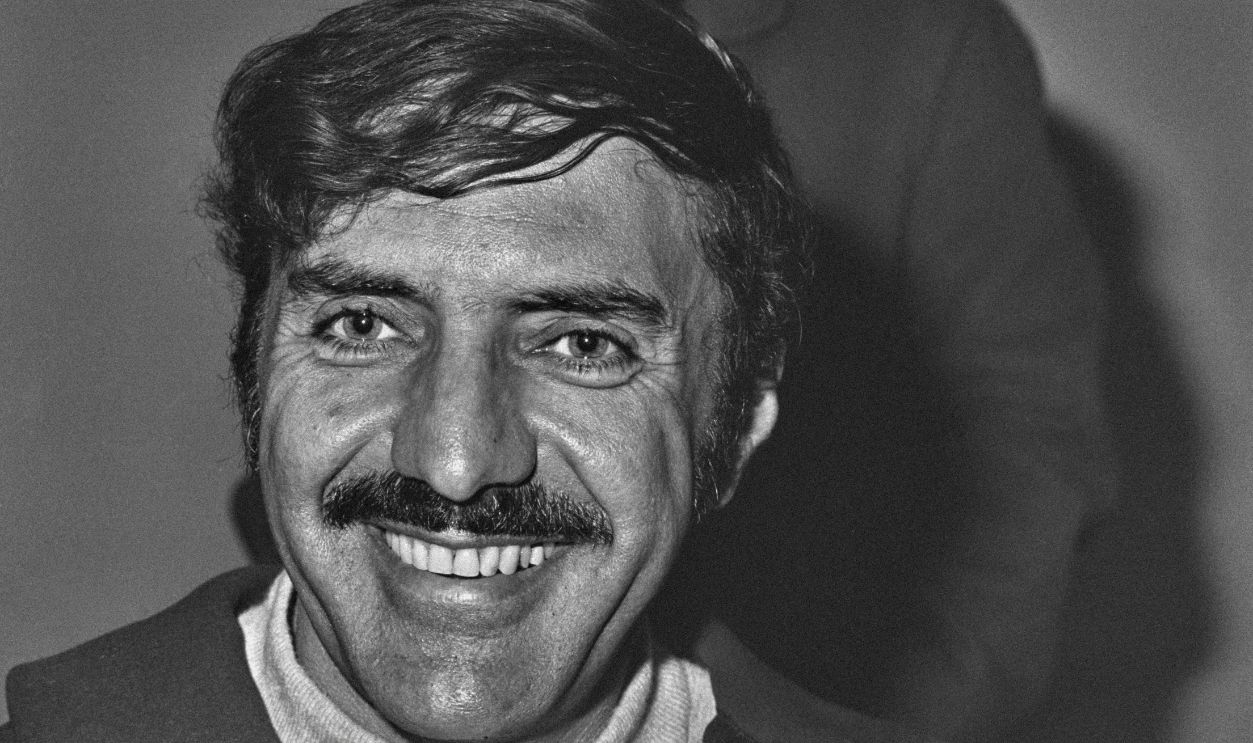
When William Peter Blatty’s book The Exorcist became a movie, it shocked audiences and rewrote the rules of horror. Blatty won an Academy Award, reshaped supernatural storytelling, and terrified a generation. But behind that success was a man of complex influences shaped by poverty, faith, doubt, and personal loss.
 Michael Ochs Archives/Getty Images
Tough Beginnings In New York
William Peter Blatty was born in 1928 to Lebanese immigrant parents, and his earliest years were shaped by instability and poverty. After his parents separated, his devout Catholic mother struggled to raise him on her own in New York. Religious faith and financial insecurity were a daily part of their lives, and those tensions would surface later in Blatty’s fiction.

Growing Up Poor
Blatty’s childhood was marked by constant moves from one cramped apartment to another along with periods of public assistance. His mother’s fierce Catholic faith anchored the family during tough times and instilled a deep well of spiritual seriousness William. That blend of insecurity and belief was foundational, but higher education soon offered him a road forward.
 Aaron Burden aaronburden, Wikimedia Commons
Education As An Escape
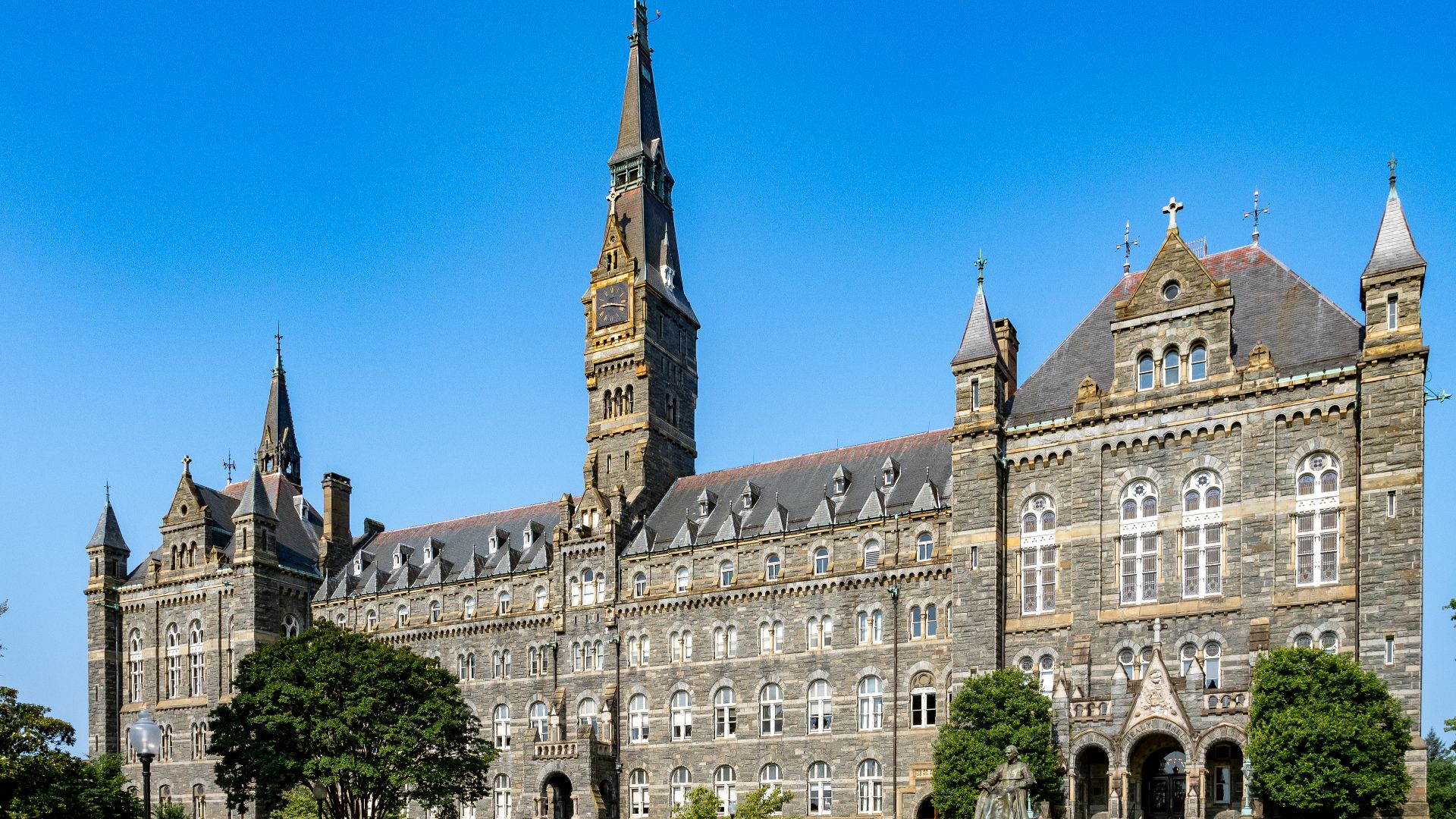
Winning a scholarship to Georgetown University transformed Blatty’s prospects overnight. He plunged into deep study of literature and theology, earning both undergraduate and graduate degrees. Georgetown was his intellectual proving ground that deepened his philosophical curiosity. Decades later, that same institution would reappear in his life under very different circumstances.
 ajay_suresh, Wikimedia Commons
Odd Jobs And Early Hustle
Despite his education, Blatty struggled to find rewarding work. His early adulthood was filled with odd jobs. He worked as a vacuum cleaner salesman, truck driver, and airline ticket clerk. These experiences brought him face to face with the human struggle and sharpened his observational skills. The practical necessity of keeping money in his pocket kept him grounded even as creative ambitions quietly grew within him.

Service In The U.S. Air Force
Blatty served in the U.S. Air Force during the 1950s and was stationed in Beirut. Living abroad connected him to his Lebanese roots and gave him a much greater cultural awareness. Exposure to global tensions and religious traditions deepened his interest in different belief systems, and these were themes that would later dominate his work.

A Talent For Humor
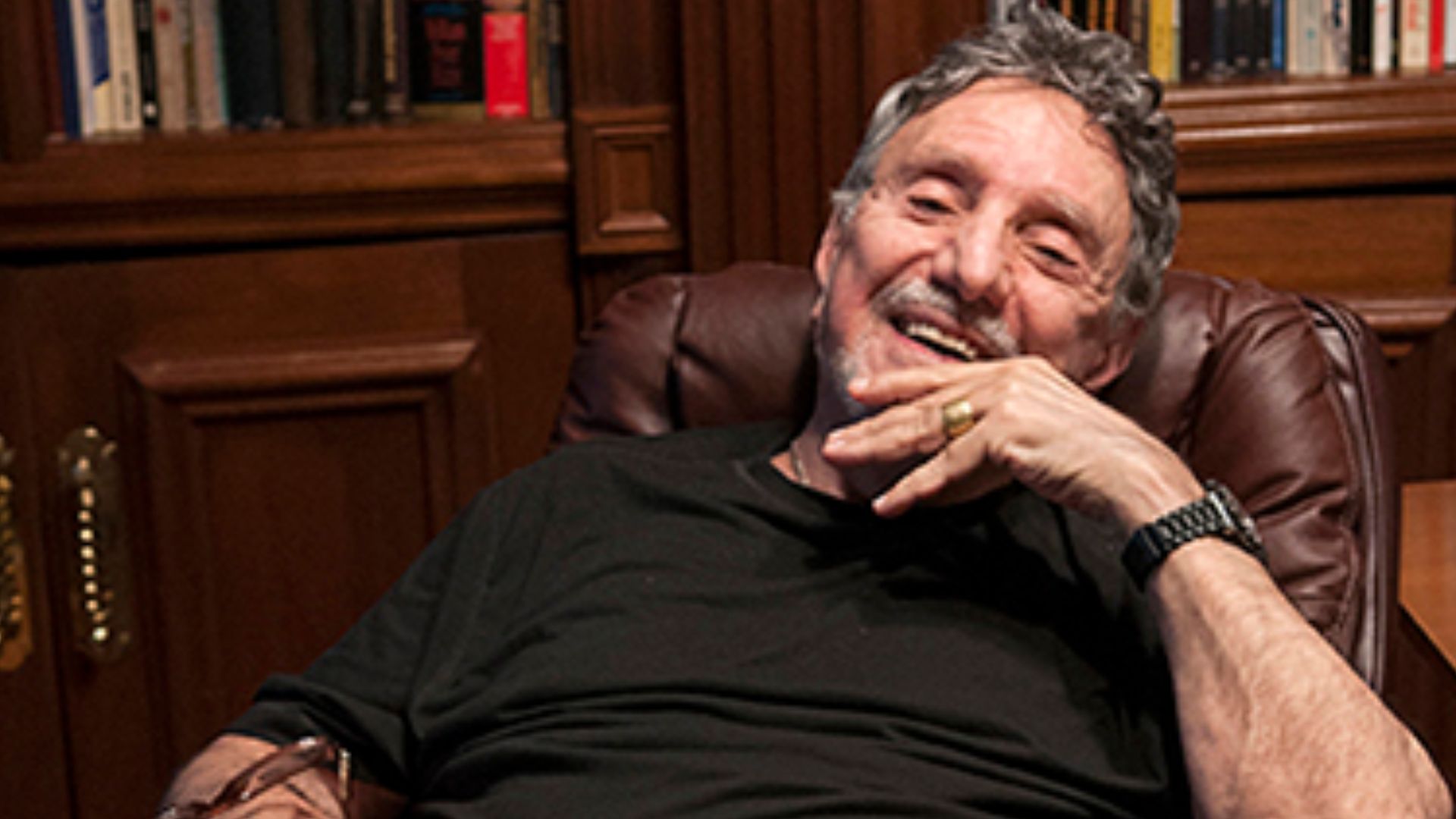
It may come as a surprise, but Blatty’s first literary success came through comedy. He published humorous essays and lighthearted books, revealing a sharp, playful voice. At that point, no one would have ever thought to associate him with horror or theological dread. But even while he made his readers laugh, deeper philosophical questions continued to simmer beneath the seemingly placid surface.
Breaking Through On Television
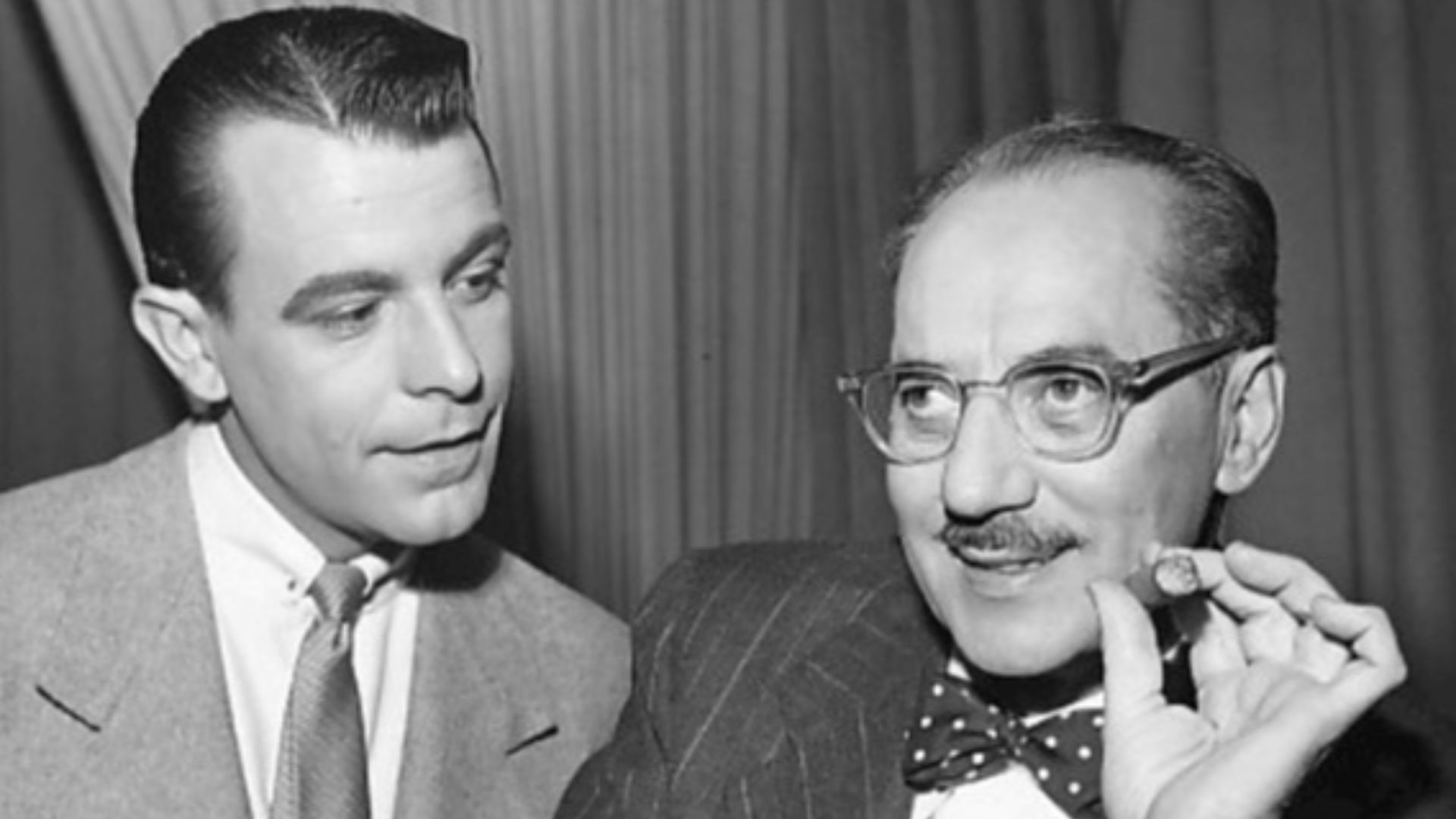
A lively 1961 appearance on Groucho Marx’s quiz show You Bet Your Life brought Blatty national exposure. Masquerading as a Saudi Arabian prince, Blatty’s performance boosted book sales and attracted the attention of Hollywood. That moment was his first step in his transition from struggling writer to viable screen talent. A door was opening that would change his career.
Collaboration With Blake Edwards
Blatty formed a productive partnership with director Blake Edwards, contributing to screenplays for films such as A Shot in the Dark (1964) and What Did You Do in the War, Daddy? (1966). These projects honed his storytelling instincts to great acuity and gave him an introduction to the mechanics of filmmaking. But Blatty’s ambitions were starting to stretch beyond comedy.
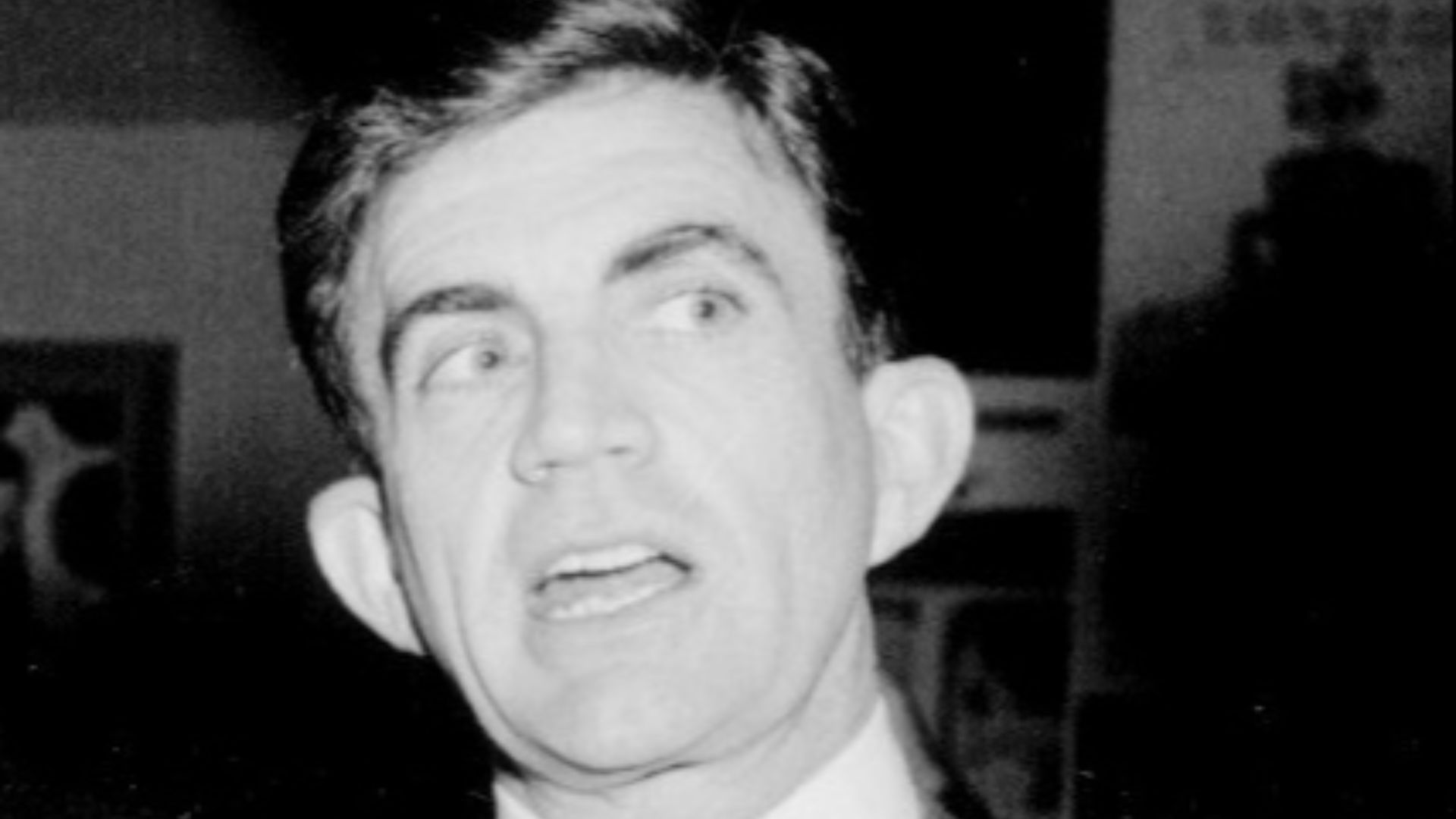 Photo by G. K. Austin, Burbank, CA, Wikimedia Commons
Searching For Something Deeper
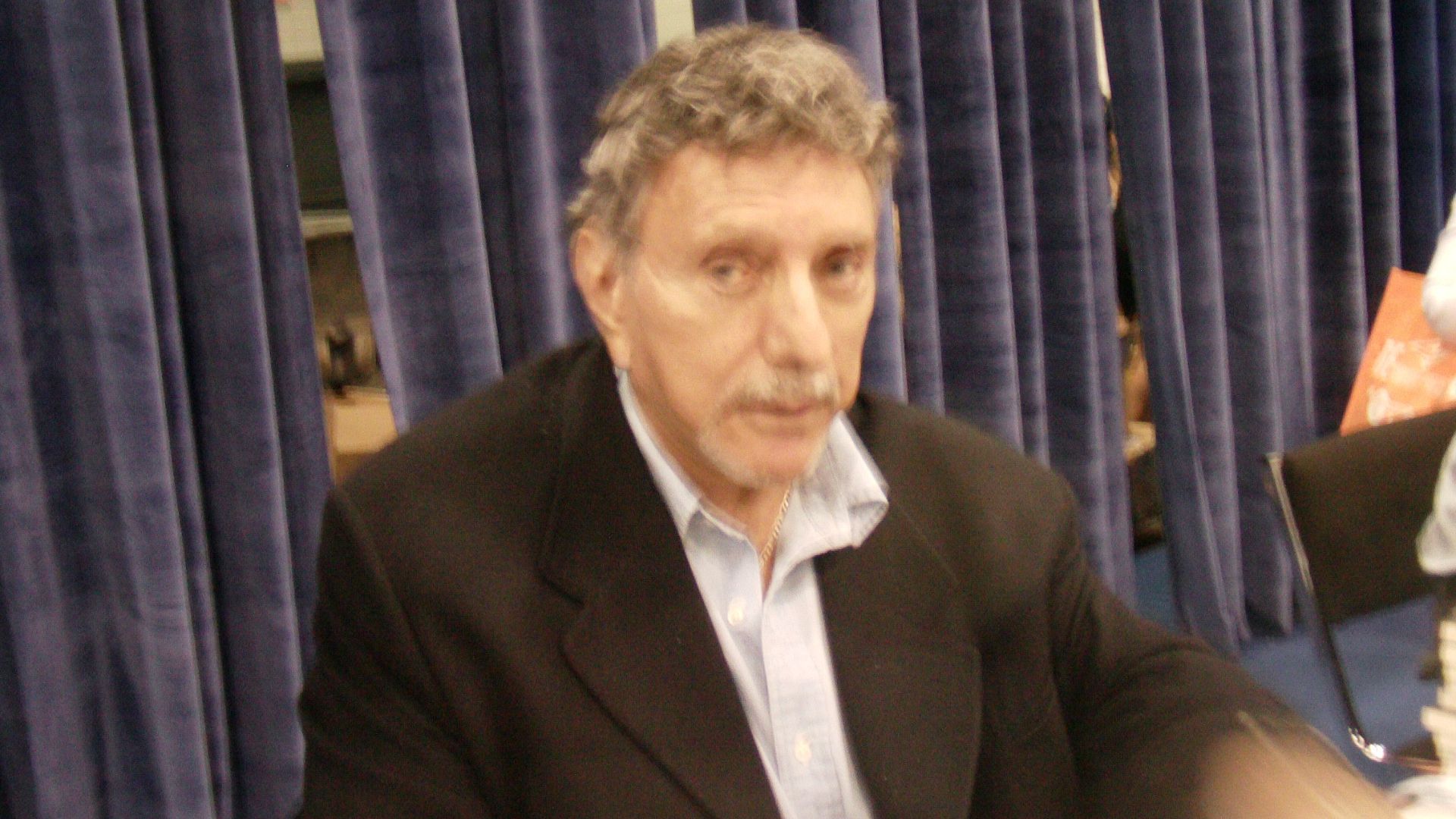
Though by now he was financially stable, Blatty longed to write something with more spiritual weight. His Catholic upbringing and lifelong fascination with good and evil led him toward darker territory. An idea bubbled up from way back in his Georgetown days: an alleged 1949 exorcism case that had stuck in his imagination for years.
 Terry Ballard from Merrick, New York, USA, Wikimedia Commons
The Case That Inspired The Exorcist
As a student, Blatty had heard of a Maryland exorcism involving a young boy. The story had haunted him ever since, not for its spectacle or horrifying nature, but for its theological implications. Determined to confront society’s modern doubts about faith head on, he started work on the book that would become The Exorcist.
 George Napolitano/Getty Images
Writing With Theological Intent
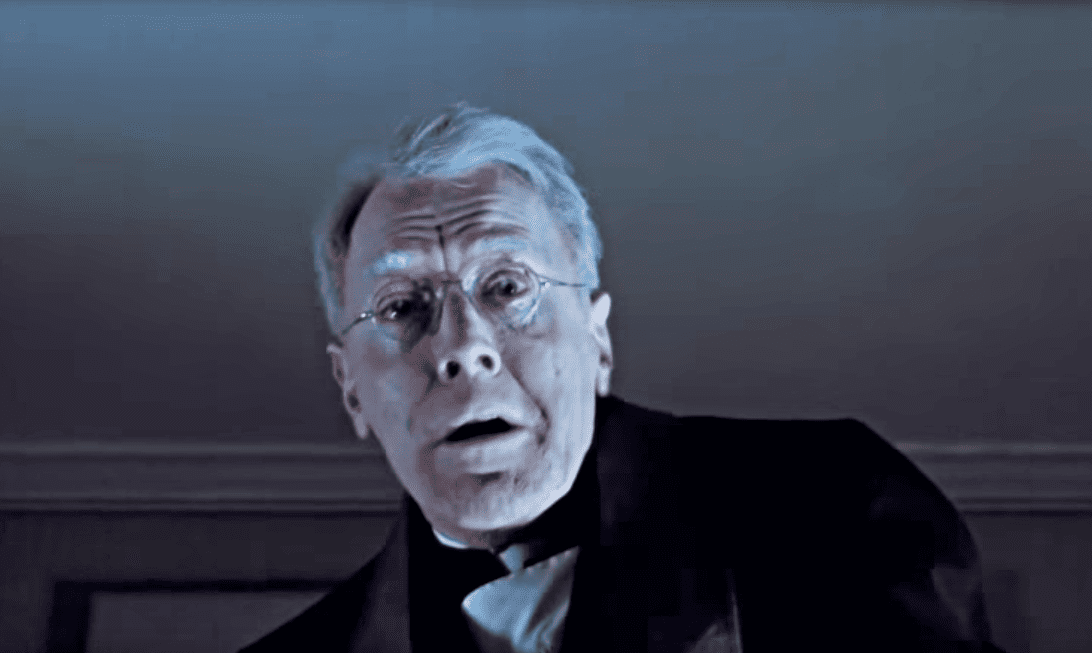
Blatty didn’t approach The Exorcist as a horror tale first and foremost, but as a serious exploration of belief under assault. With a $25,000 advance from Bantam Books, he wrote for 16 hours a day and completed the book in 10 months in 1969. He researched Catholic doctrine carefully, looking for authenticity over sensationalism. When the novel debuted in 1971, its early sales were modest. But an unexpected moment changed everything.
 Screenshot from The Exorcist, Warner Bros. (1973)
A Bestseller Is Born
After Blatty did several TV interviews discussing the novel’s themes and background, interest in the book surged dramatically. The Exorcist climbed bestseller lists where it remained for months. What had started out as a niche theological thriller had now become a cultural sensation. It wasn’t long before Hollywood came calling.
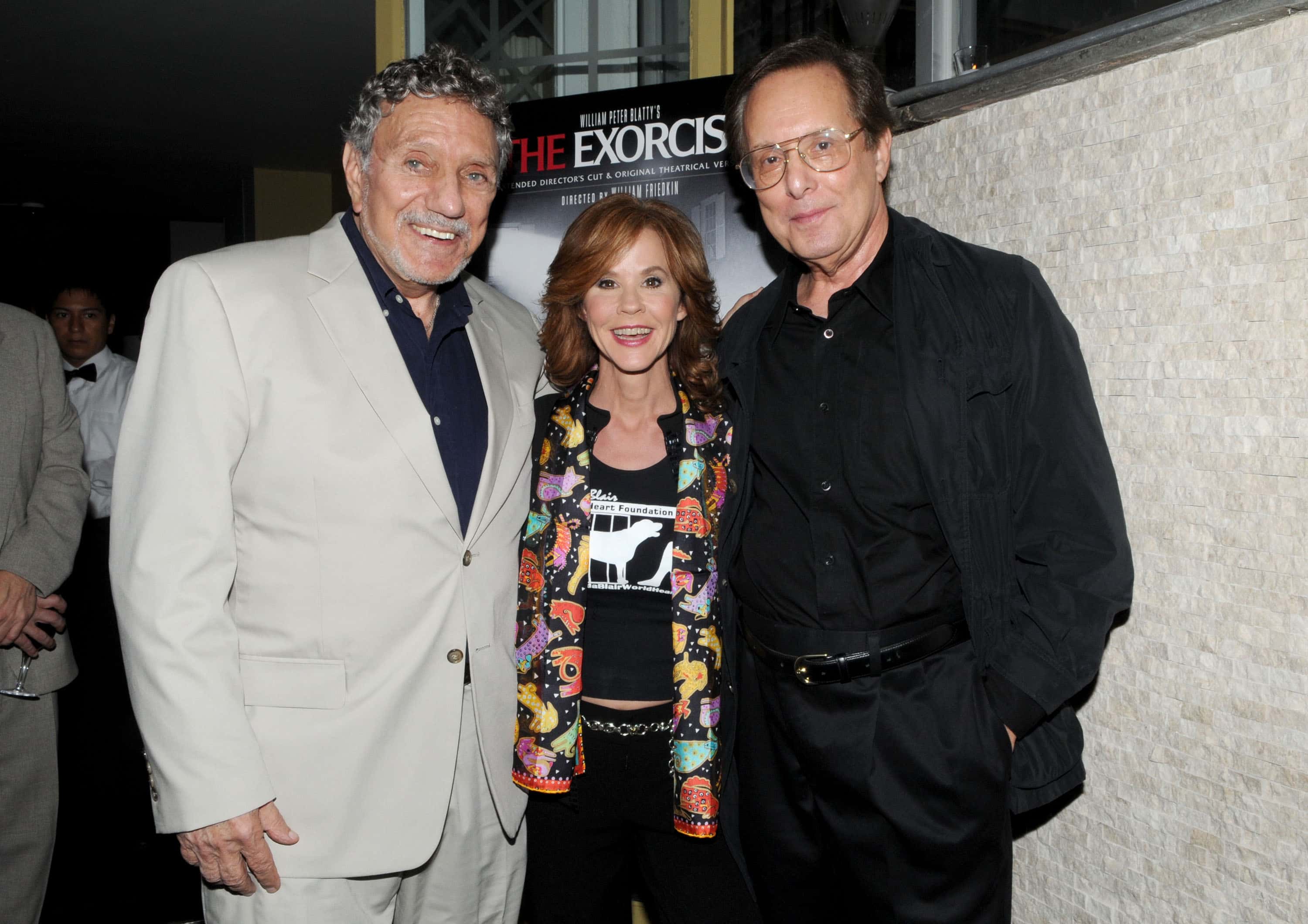 George Napolitano, Getty Images
Adapting The Novel For The Screen
Blatty insisted on writing the screenplay of The Exorcist film himself to preserve his book’s spiritual seriousness. Director William Friedkin, on a roll after the success of his 1971 film The French Connection (1971) brought intensity and realism to the project. The two created a powerful collaboration, but their partnership would be strained by the pressures of the film’s extraordinary production process.
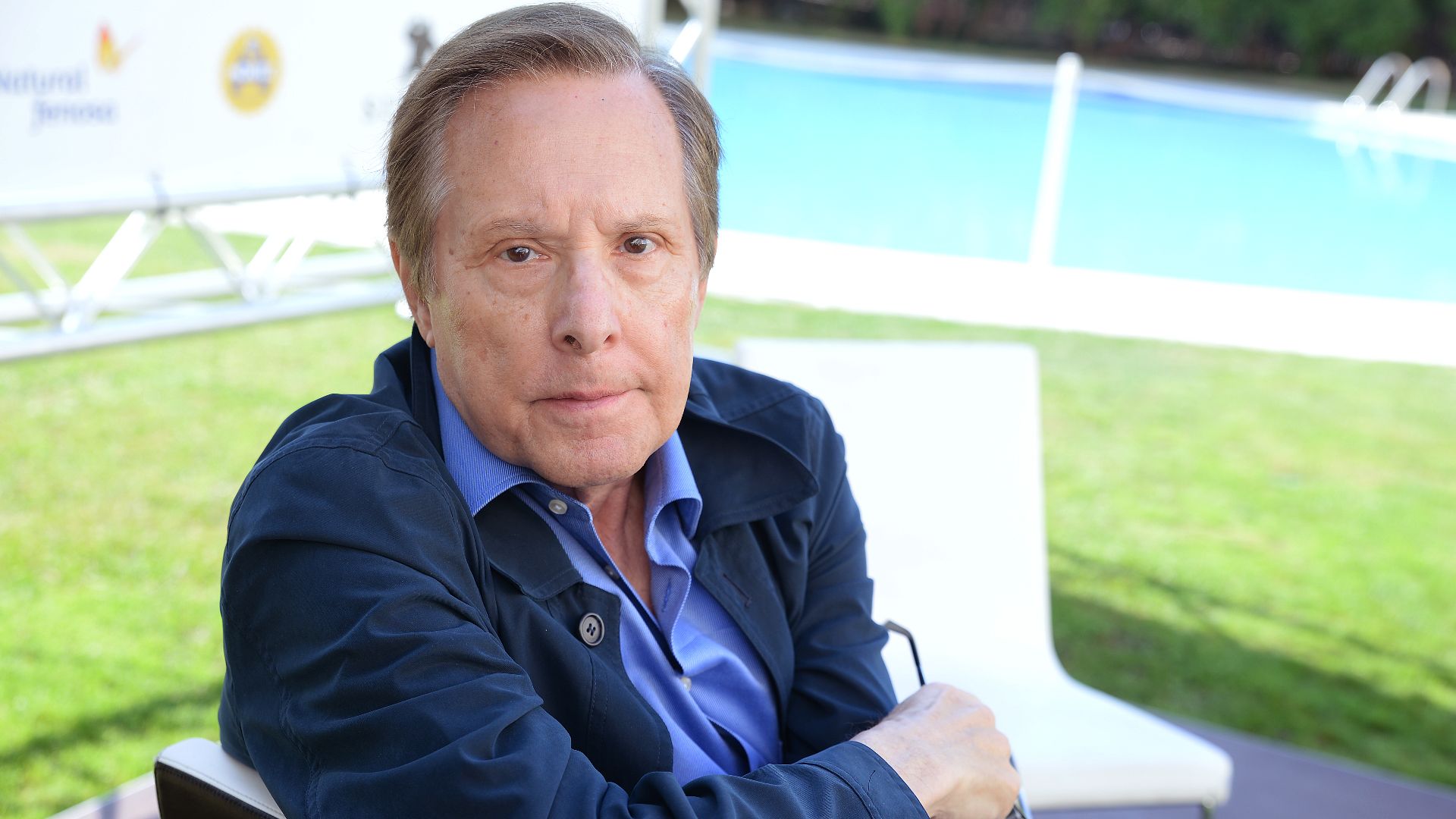 GuillemMedina, Wikimedia Commons
Tensions And Obsession
The filming proved to be demanding and emotionally charged. Friedkin pushed actors like Ellen Burstyn and Linda Blair toward very raw performances, sometimes heightening stress deliberately. Blatty, in the meantime, guarded the script’s theological core with tenacity. The tension between two dominant artistic and spiritual visions added to the film’s disturbing realism.
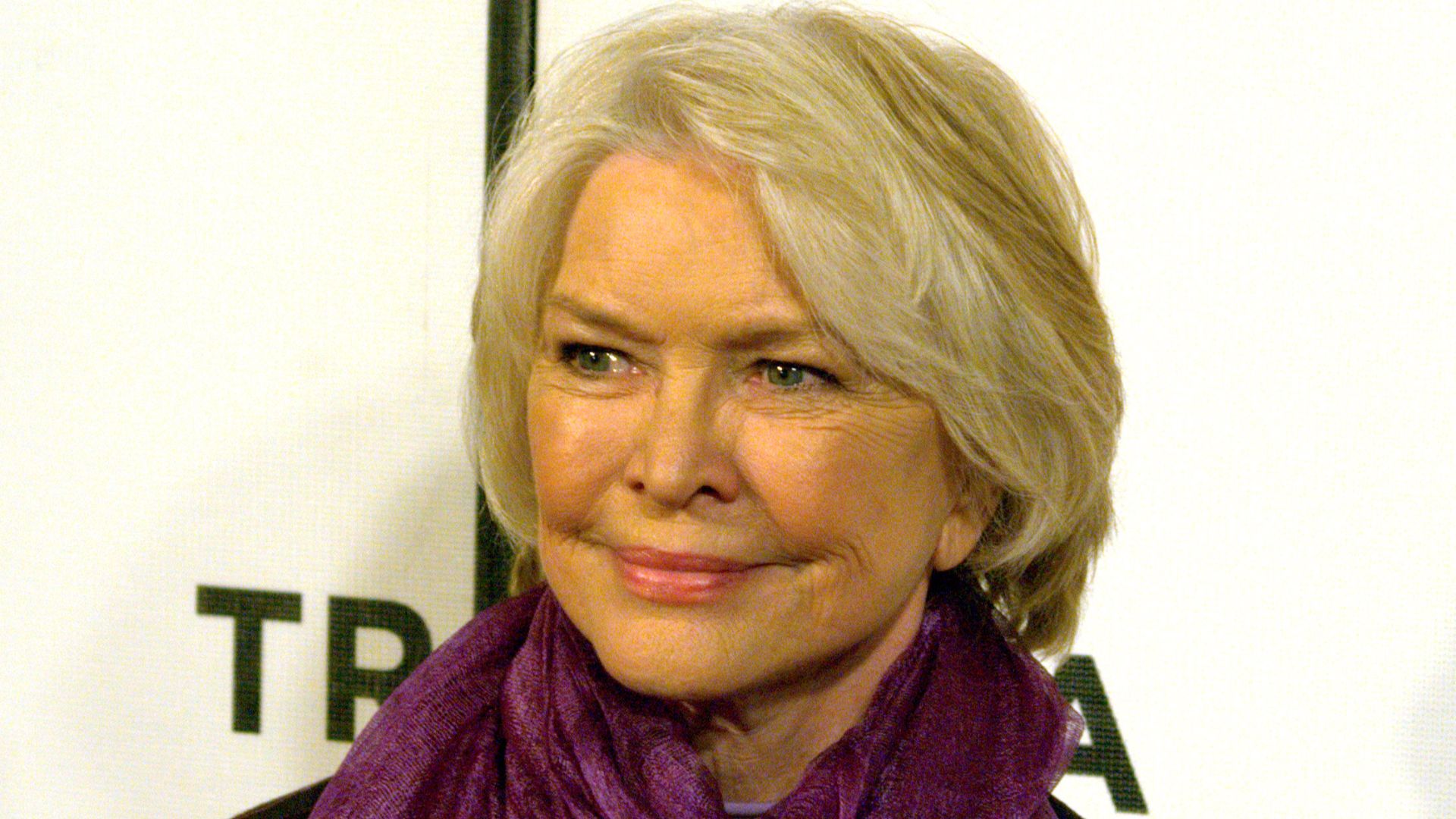 David Shankbone, Wikimedia Commons
Rumors Of A Curse
During production, a mysterious fire destroyed part of the MacNeil house set. Injuries plagued cast members, especially those on location for the scenes shot in Iraq. Linda Blair and Ellen Burstyn suffered permanent back injuries and the voice actress for the Devil, Mercedes McCambridge, suffered emotional breakdowns on-set. While many dismissed talk of a curse as coincidence, the events fed public fascination and grew the movie’s mystique.
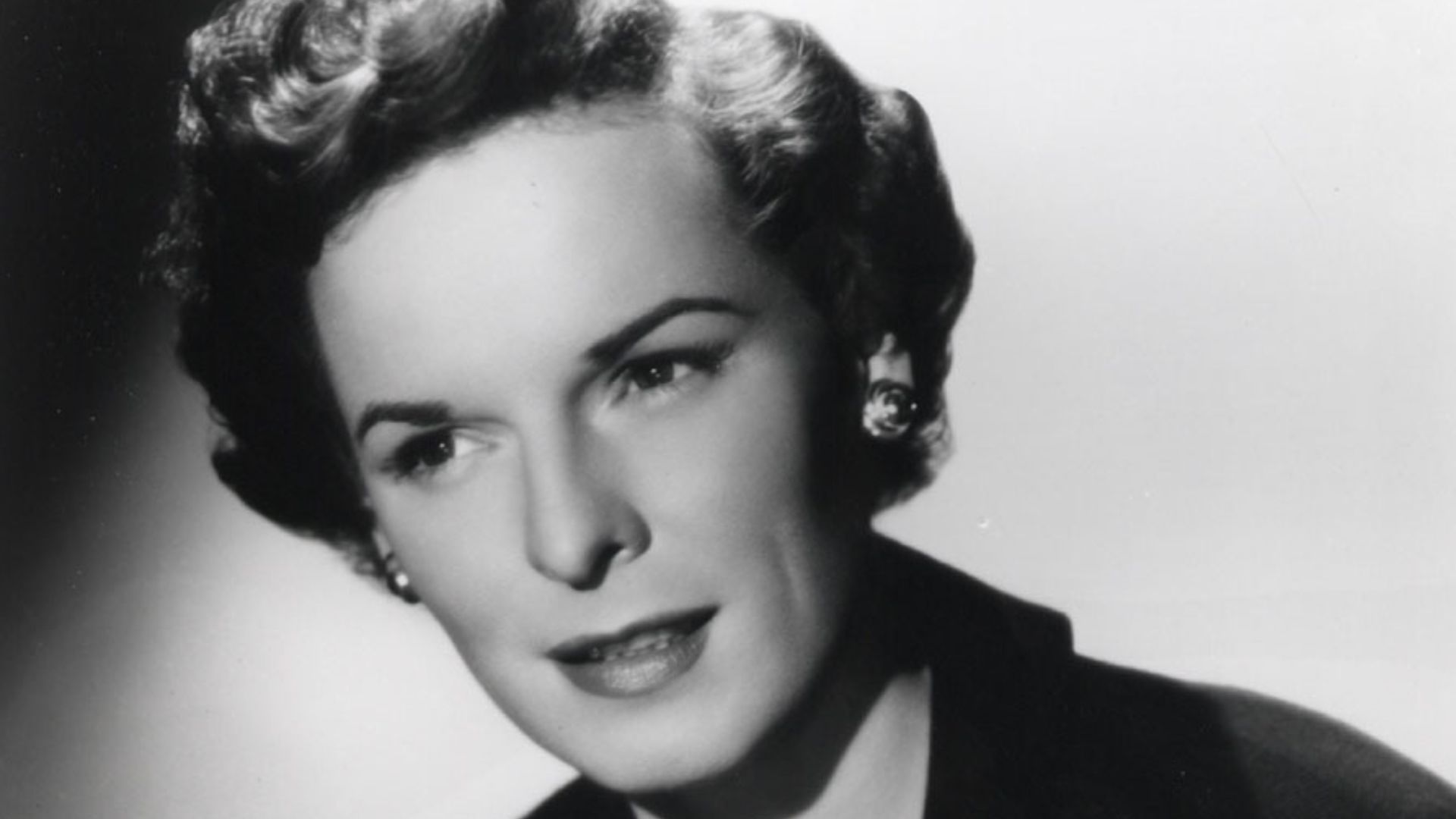 Unknown authorUnknown author, Wikimedia Commons
Oscar And Cultural Impact
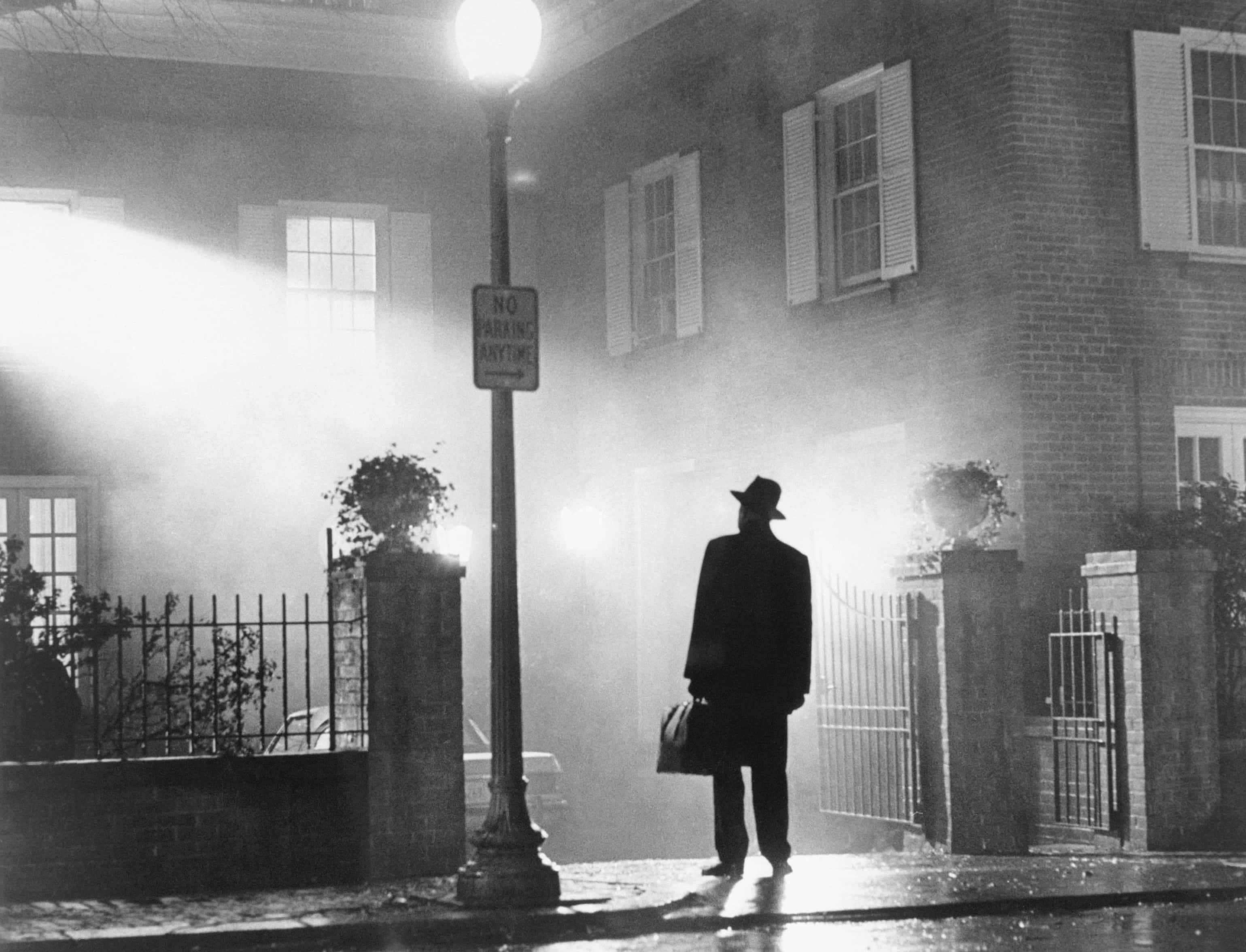
Released in 1973, The Exorcist became a massive box office success and critical triumph. Blatty won the Academy Award for Best Adapted Screenplay, instantly legitimizing the horror genre in the eyes of mainstream critics. But this towering success cast a long shadow over his future work.
Aftermath Of Success
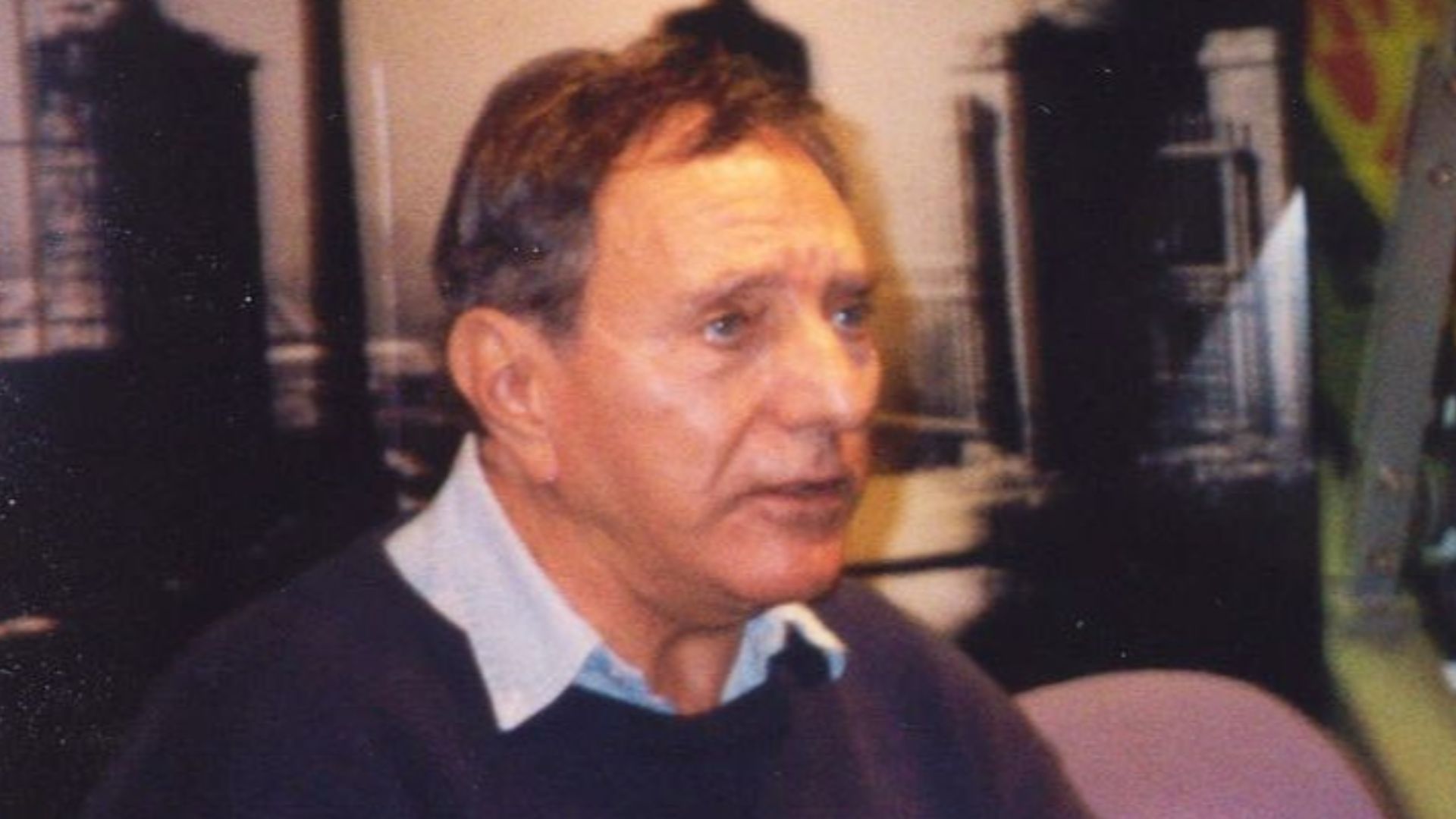
Recognized as having redefined horror, Blatty now faced heightened expectations. Determined not to be hemmed in by one title, he continued his explorations of spiritual conflict in further books. His philosophical preoccupations remained a constant, even as genres shifted.
 Henry Burrows, Wikimedia Commons
The Ninth Configuration: Spiritual Questions
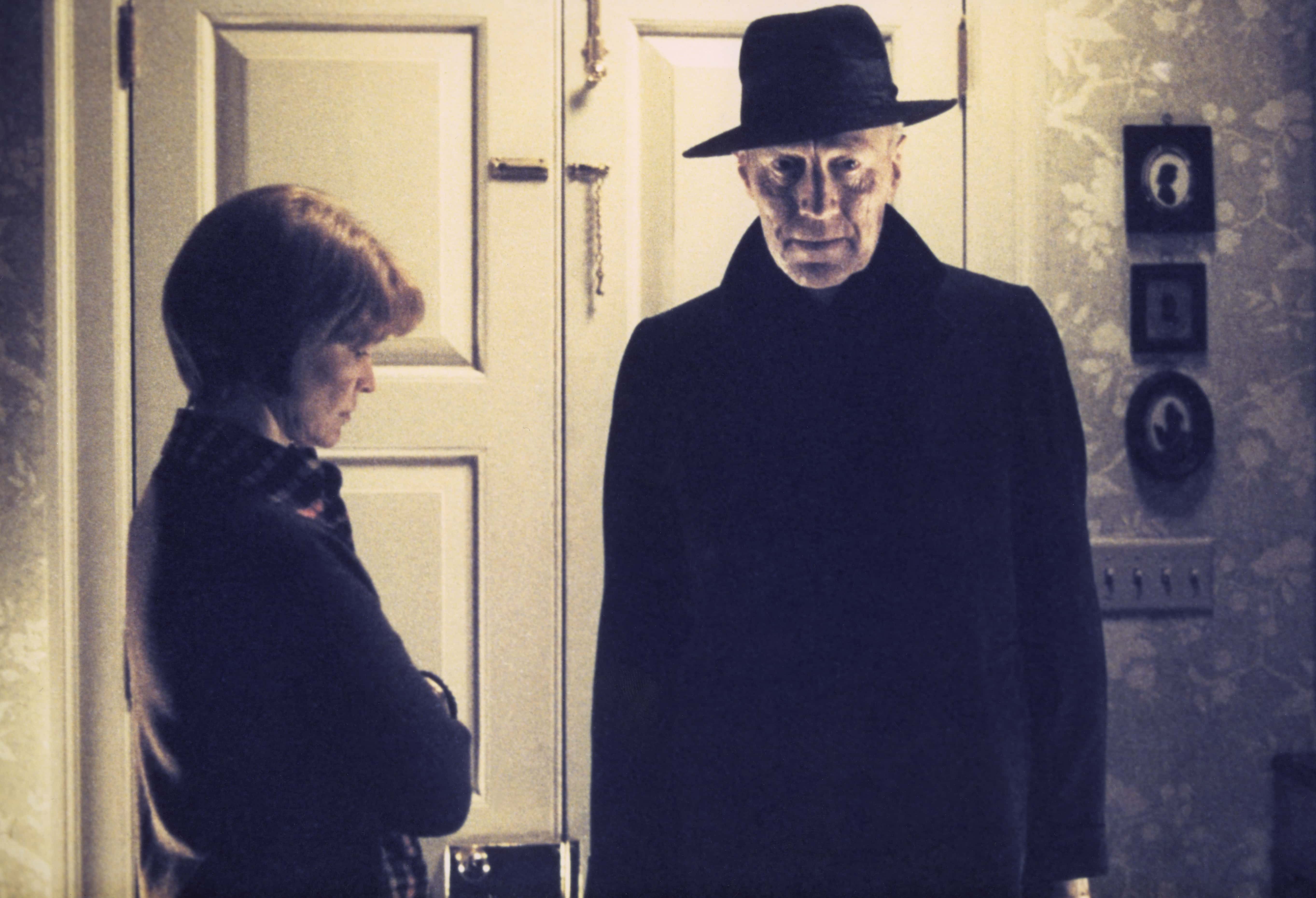
Blatty’s 1978 novel The Ninth Configuration blended satire, psychological drama, and metaphysical inquiry. It demonstrated his refusal to repeat formulas. Although it never matched The Exorcist’s commercial success, it reinforced his interest in faith confronting madness. With a film deal in place, Blatty took the director's reigns.
 Sunset Boulevard, Getty Images
First Directing Stint
William Peter Blatty stepped in to direct The Ninth Configuration in 1980, adapting his own novel. Starring Stacey Keach and Scott Wilson, the film successfully blended comic elements from earlier in Blatty’s career as a humor writer before exploring many of the same theological questions that powered The Exorcist. While Exorcist II: The Heretic was produced without his involvement, Blatty himself regarded The Ninth Configuration as the true spiritual sequel to The Exorcist. The film won Blatty a Golden Globe Award for Best Screenplay.
![Title: Stacy Keach, actor [Central Park, New York City]
Creator(s): Gotfryd, Bernard, photographer
Date Created/Published: 1969.
Medium: 1 photograph : color transparency ; 35mm (slide format)
Reproduction Number: LC-DIG-gtfy-01858 (digital file from original)
Rights Advisory: No known restrictions on publication. For information see](https://www.factinate.com/storage/app/media/theshot/2026/3/5/17727127399af12eb64df7f47196a00cc979d2e5afa118de81.jpg) Gotfryd, Bernard, photographer, Wikimedia Commons
Gotfryd, Bernard, photographer, Wikimedia Commons
Legion: Back On Familiar Ground
In 1983, Blatty published a new novel, Legion, effectively revisiting The Exorcist universe. Rather than retread the same territory, he deepened the intellectual and theological complexity. Once in the hands of readers, the book’s cinematic future was only a matter of time. This would soon bring Blatty back behind the camera.
 Screenshot from Legion, FX (2017–2019)
Directing The Exorcist III
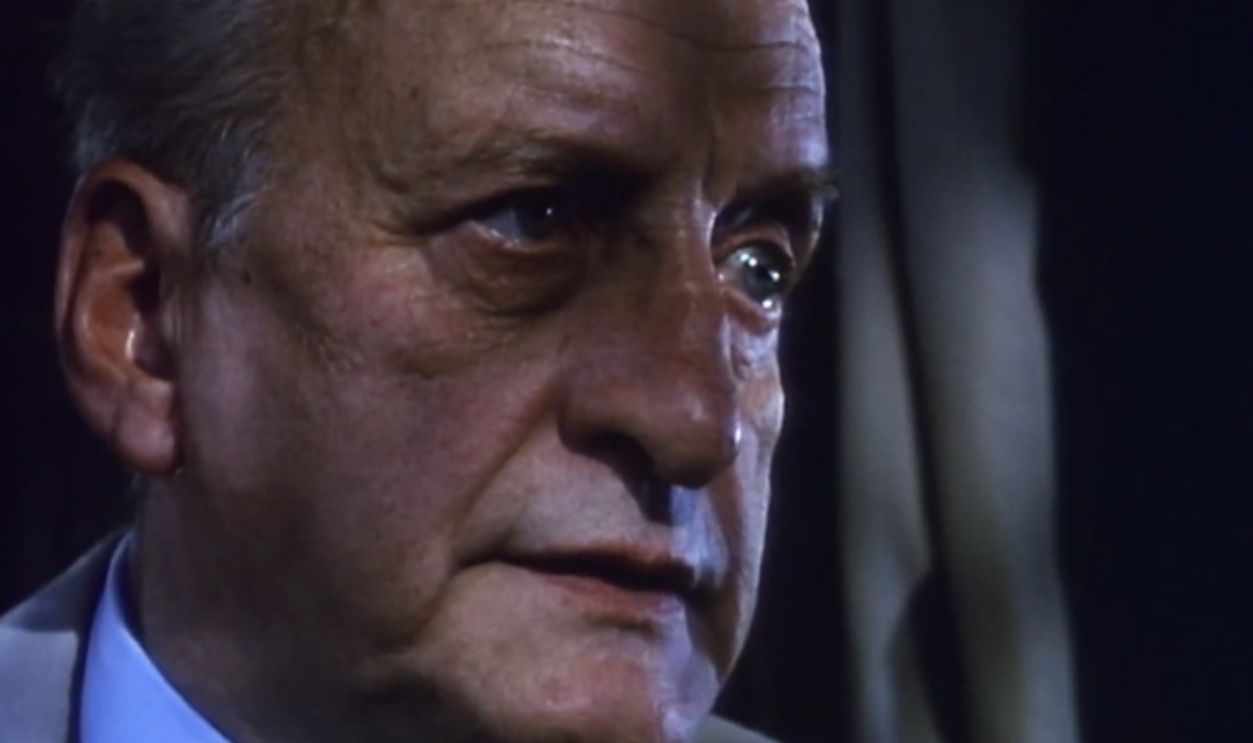
Unsatisfied with previous sequels, Blatty directed The Exorcist III in 1990, adapting Legion himself. William Friedkin had wanted to direct, but he and Blatty had too many disagreements about the film. Blatty’s control ensured the film reflected his original vision. Though the hopes were high, the movie set itself apart by its psychological dread and lack of an actual exorcism.
 Screenshot from The Exorcist III, 20th Century Fox (1990)
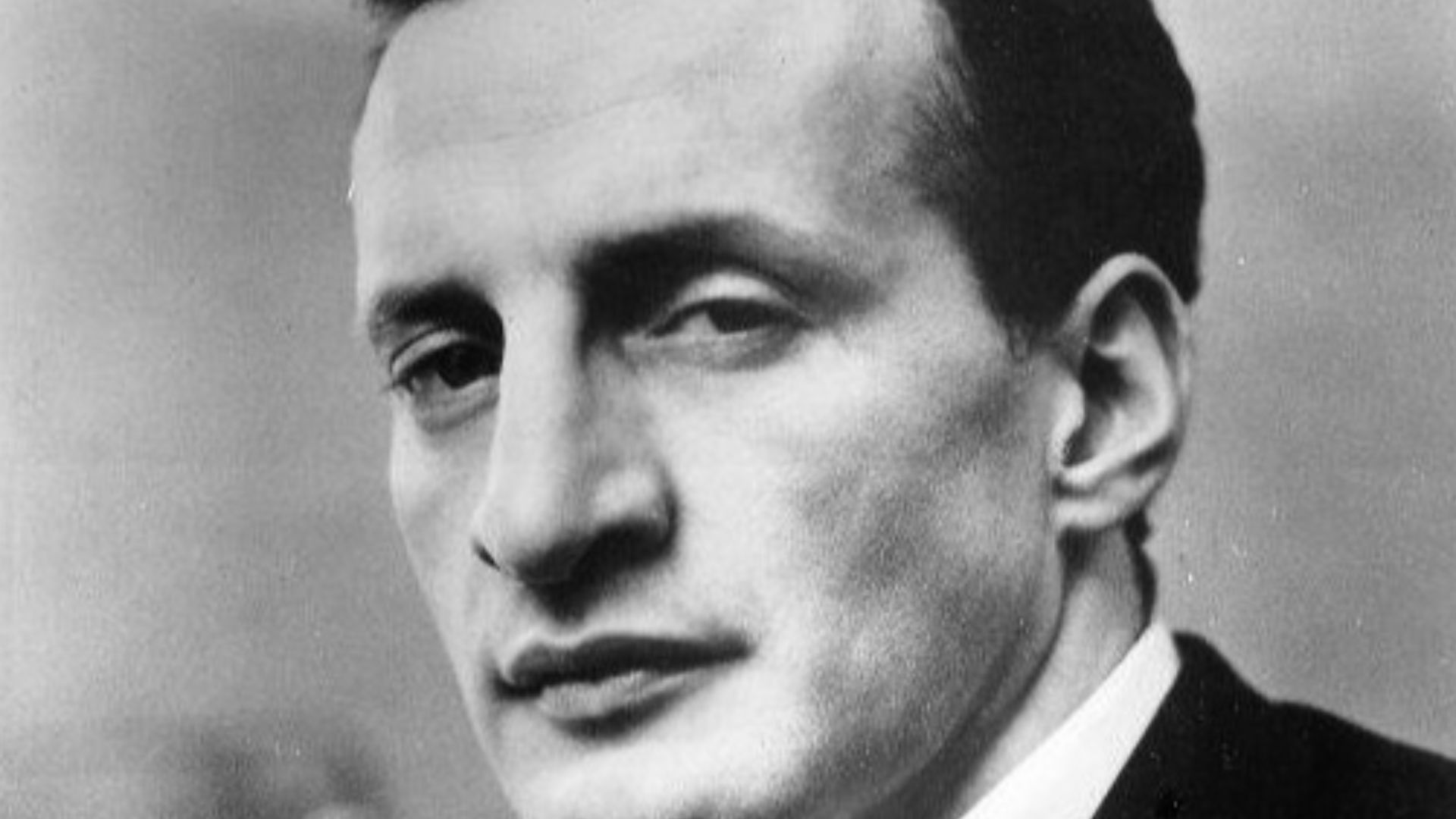
George C. Scott And Brad Dourif Excel
Blatty cast George C. Scott as Lt. Kinderman, whose commanding presence gave the film a strong thread of moral seriousness. Opposite him, Brad Dourif turned in a mesmerizing performance as the Gemini Killer. The now-famous hospital corridor scene became one of horror’s most cited jump scares, securing the film a lasting reputation among horror fans.
 United States Steel Corporation (sponsor of the program), Wikimedia Commons
Personal Tragedy In Later Years
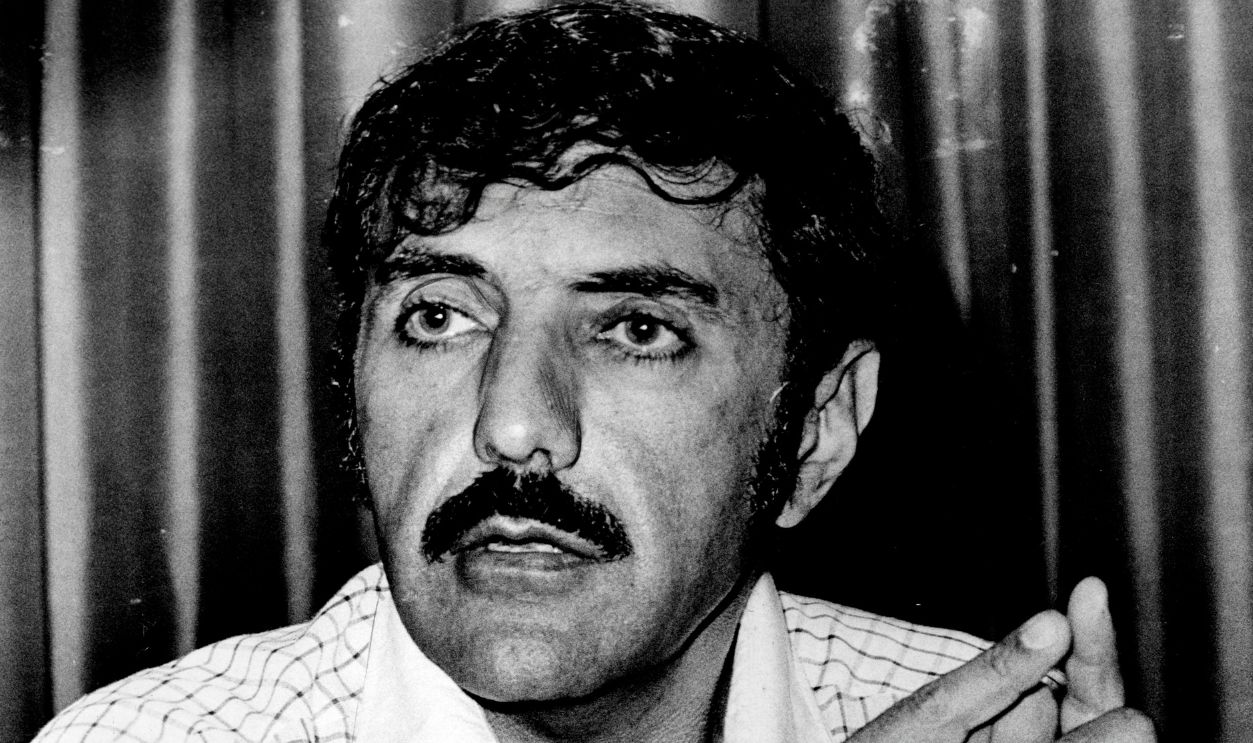
In 2006, Blatty endured a devastating personal loss when his son Peter Vincent Galahad Blatty died suddenly of myocarditis. The tragedy deepened Blatty’s reflections on mortality and the afterlife. His spiritual inquiries were no longer abstract but painfully personal. To work through the pain, he turned to writing again, releasing the memoir Finding Peter: A True Story of The Hand of Providence and Evidence of Life After Death in 2015.
 Fairfax Media Archives, Getty Images
A Legal Dispute With Georgetown
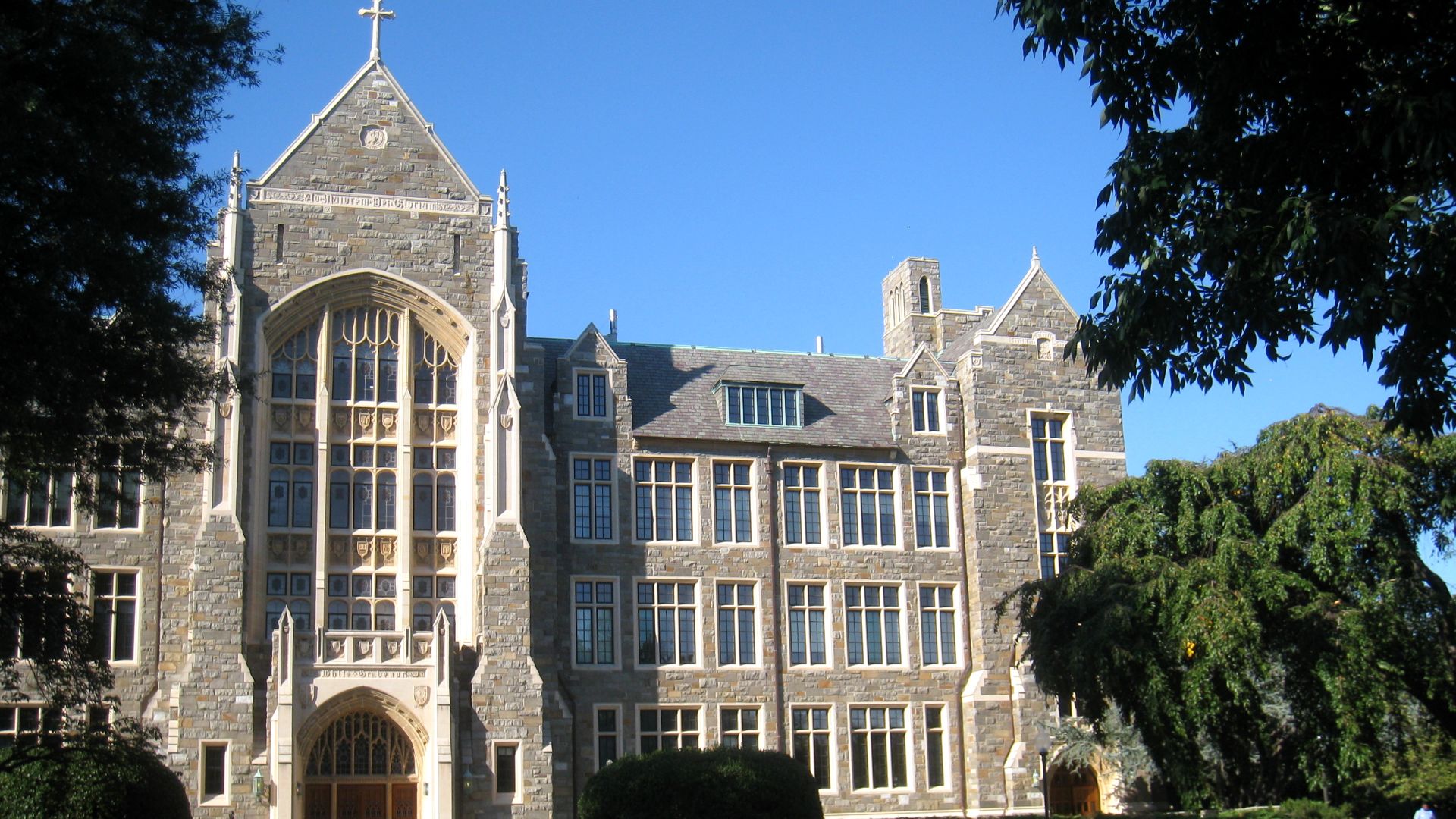
Late in life, Blatty filed a canon law (Catholic church law) petition in 2012 against Georgetown University, arguing it had strayed from its Catholic mission. The institution that once shaped him became a symbol of cultural compromise. The Vatican rejected his complaint in 2014. Even in his eighties, Blatty’s no-nonsense commitment to faith was uncompromising.
Death At 89
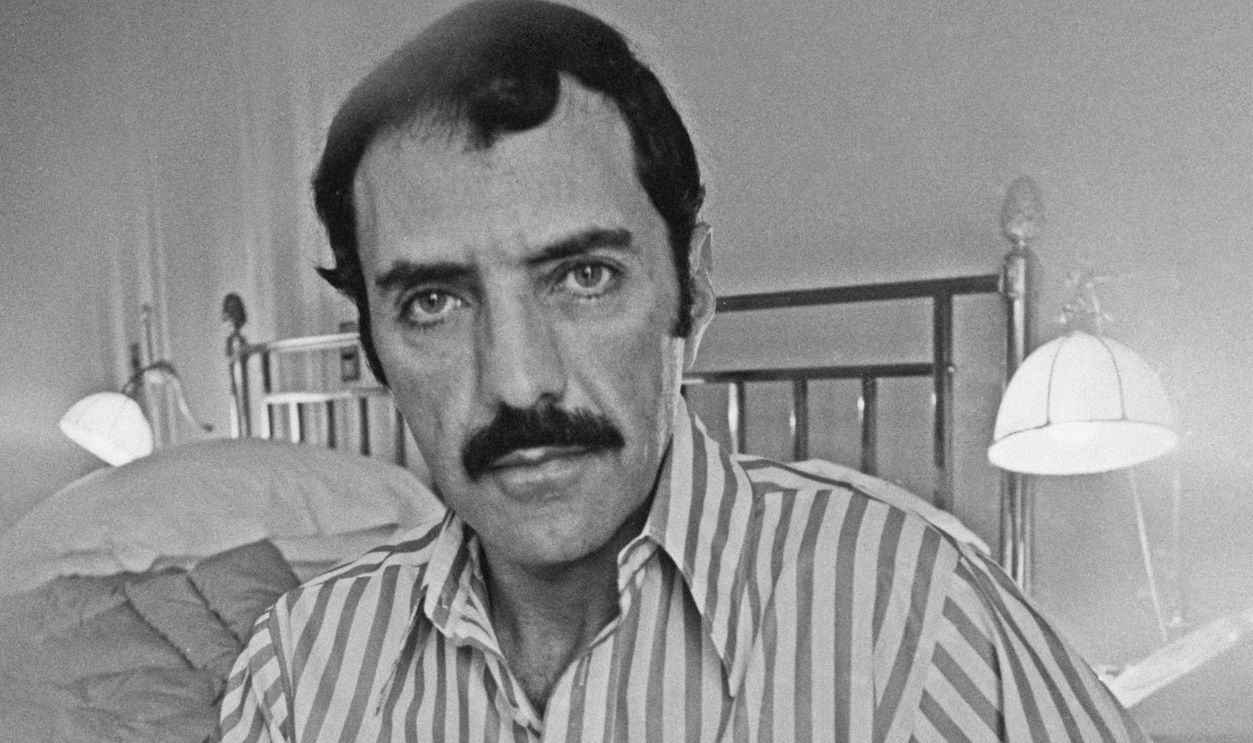
William Peter Blatty died of multiple myeloma in 2017 at age 89. Tributes highlighted his creative and commercial achievements but also the intellectual seriousness and sincerity that went into his writing. He left behind a body of work that transcended genre labels.
 Evening Standard, Getty Images
Legacy Beyond Fear
From impoverished childhood to Oscar-winning screenwriter, Blatty’s journey was defined by a unique blend of faith, doubt, humor, and tragedy. He transformed horror into a vehicle for theological debate and emotional gravity. People still read and watch Blatty’s stories today for their pure descent into the vortex of horror, and their affirmation of faith in a world where evil is never far away.
You May Also Like:
Chilling Facts About Alfred Hitchcock, The Dark Genius
Blood-Curdling Facts About Horror Movies