When Everybody Knew The Line
Some comedies once seemed to live everywhere. Their catchphrases escaped the theater, bounced around offices and schoolyards, then gradually became passwords mostly recognized by people who were there the first time.
 Mr. Mom, 20th Century-Fox (1983)
Airplane! Made Nonsense A Language
Airplane! arrived in 1980 with Jim Abrahams and brothers David and Jerry Zucker throwing jokes onto the screen faster than audiences could process them. Leslie Nielsen's perfectly serious delivery helped turn one particular exchange into such a famous movie quote that the American Film Institute later included it among cinema's most memorable lines. The film remains influential, but the era when everybody seemed ready to answer a serious statement with an Airplane! reference has inevitably receded.
 Screenshot from Airplane!, Paramount Pictures (1980)
Caddyshack Escaped The Golf Course
Harold Ramis' Caddyshack combined Chevy Chase, Rodney Dangerfield, Bill Murray, and Ted Knight in what sometimes felt like four different comedies colliding at one country club. Turner Classic Movies notes that the film introduced a collection of lines that entered American popular vocabulary. For years, quoting Murray's groundskeeper or Dangerfield's obnoxious newcomer was practically expected whenever golf came up.
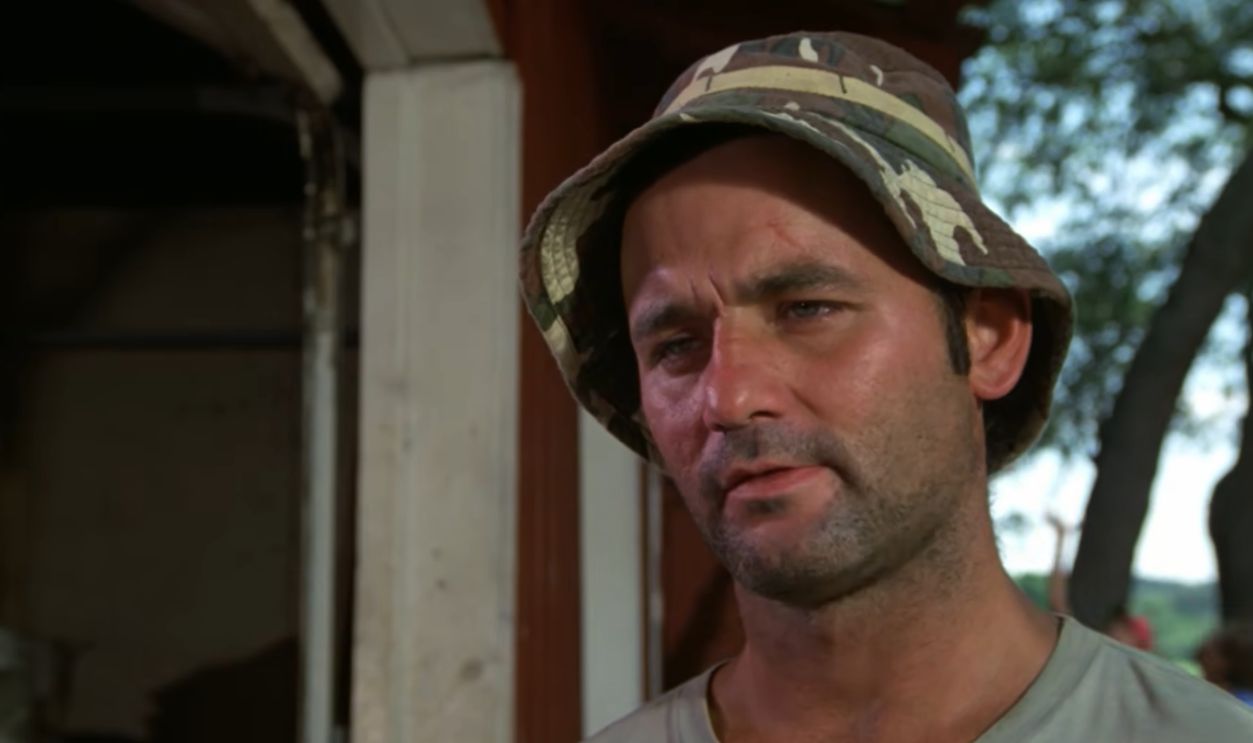 Screenshot from Caddyshack, Warner Bros. Pictures (1980)
9 To 5 Made Office Misery Funny
Jane Fonda, Lily Tomlin, and Dolly Parton turned workplace frustration into one of 1980's biggest comedy events. Roger Ebert immediately singled out Parton as a natural screen presence, an impressive compliment considering it was her first movie role. The movie's title and Parton's theme remain familiar, but many of the comic exchanges that once traveled through offices have faded with the workplace culture they mocked.
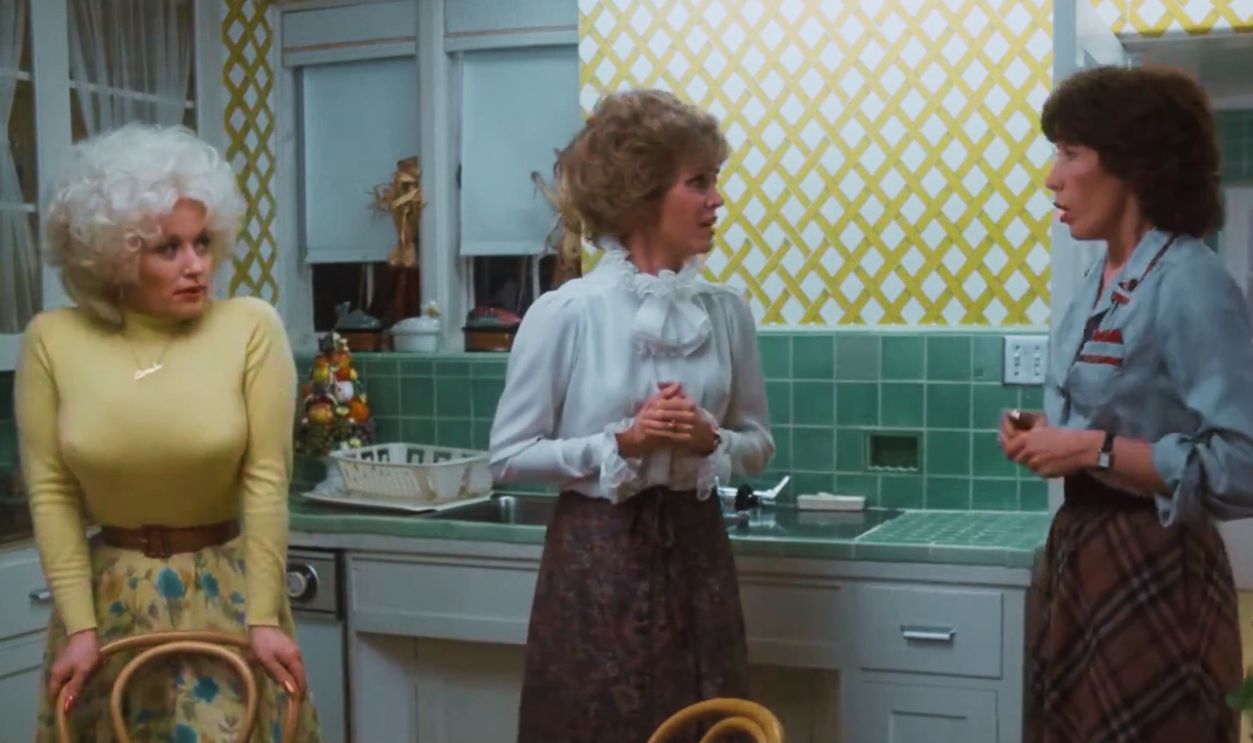 Screenshot from 9 to 5, 20th Century Fox (1980)
Stripes Turned Basic Training Into A Playground
Bill Murray and Harold Ramis made military discipline look almost powerless against two committed wisecrackers in 1981's Stripes. Ebert called the movie irreverent entertainment and recognized it as an important breakthrough for Murray, Ramis, and director Ivan Reitman before Ghostbusters. Its smart remarks and Sgt. Hulka routines became fixtures among fans, even as younger viewers increasingly discovered Murray through later films instead.
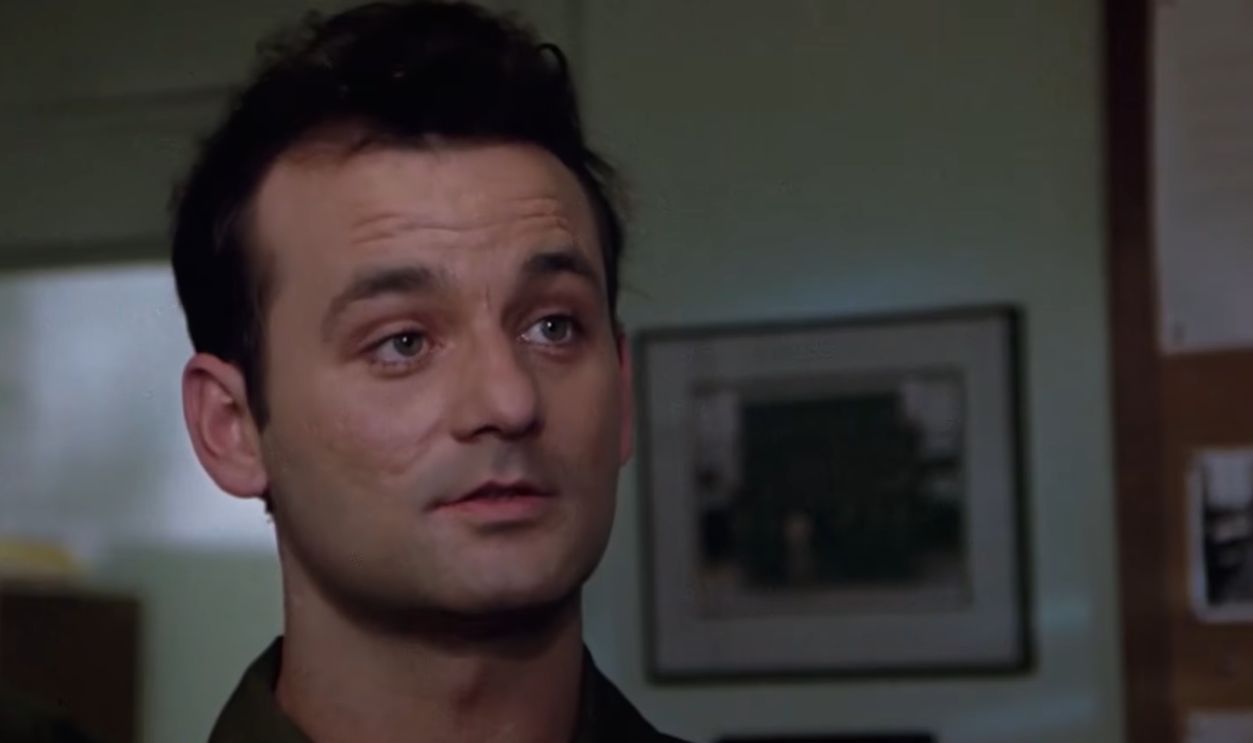 Screenshot from Stripes, Columbia Pictures (1981)
Arthur Once Made Dudley Moore A Superstar
Dudley Moore's Arthur Bach was a rich man with a laugh, a fortune, and a seemingly endless supply of one-liners. The 1981 comedy became one of Moore's defining Hollywood successes, with John Gielgud's dry butler providing an ideal counterweight. The character was famous enough to inspire a remake decades later, yet the original film's endlessly repeated banter is heard far less frequently now.
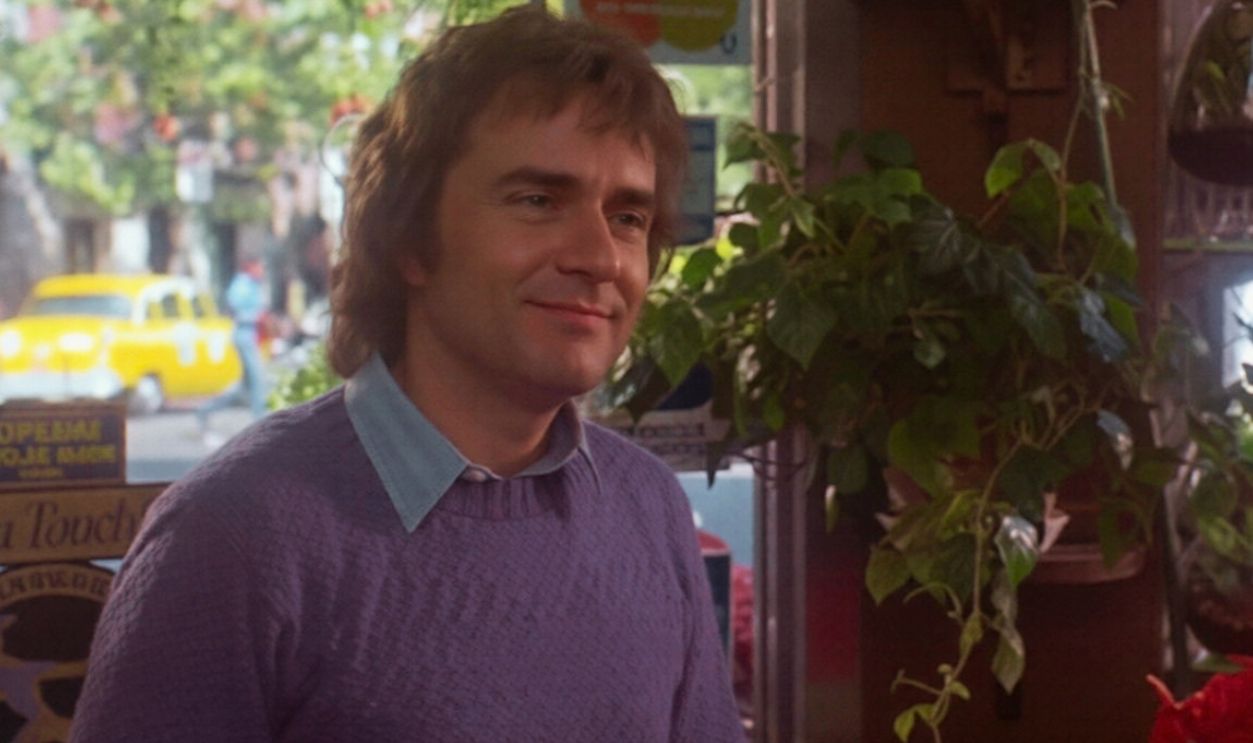 Screenshot from Arthur, Warner Bros. Pictures (1981), Enhanced
Tootsie Was A Genuine Movie Event
Dustin Hoffman played struggling actor Michael Dorsey, whose elaborate professional solution creates the complications powering Tootsie. Roger Ebert praised the 1982 film for mixing farce, social observation, and genuine feeling instead of depending entirely on its central gimmick. It became one of the decade's prestige comedies, although its once-familiar exchanges now occupy less space in everyday movie conversation.
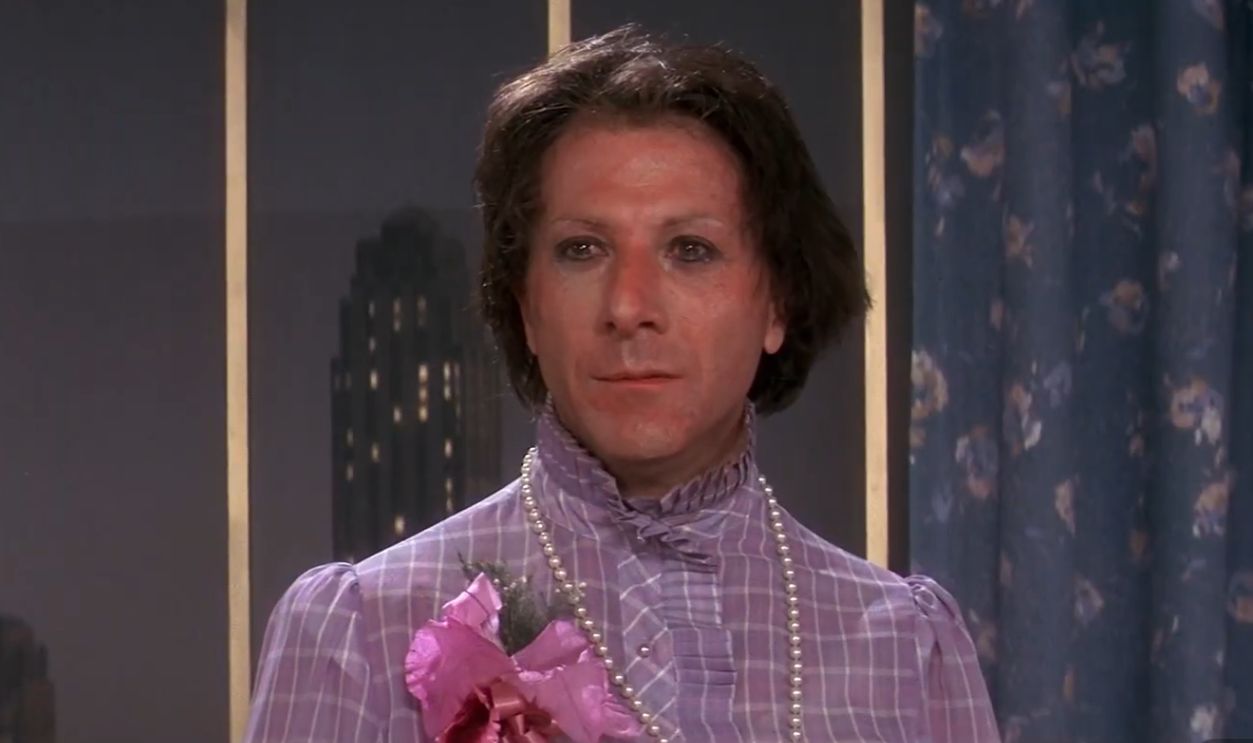 Screenshot from Tootsie, Columbia Pictures (1982)
Trading Places Gave Eddie Murphy Another Explosion
Only a year after 48 Hrs., Eddie Murphy joined Dan Aykroyd for John Landis' Trading Places. Ebert compared its ambitions to classic Hollywood comedy because the film used a ridiculous experiment in social status to build surprisingly strong characters. Murphy's rapid ascent made the movie enormously visible, and fans repeated its insults and reactions for years even as his later hits gradually overshadowed it.
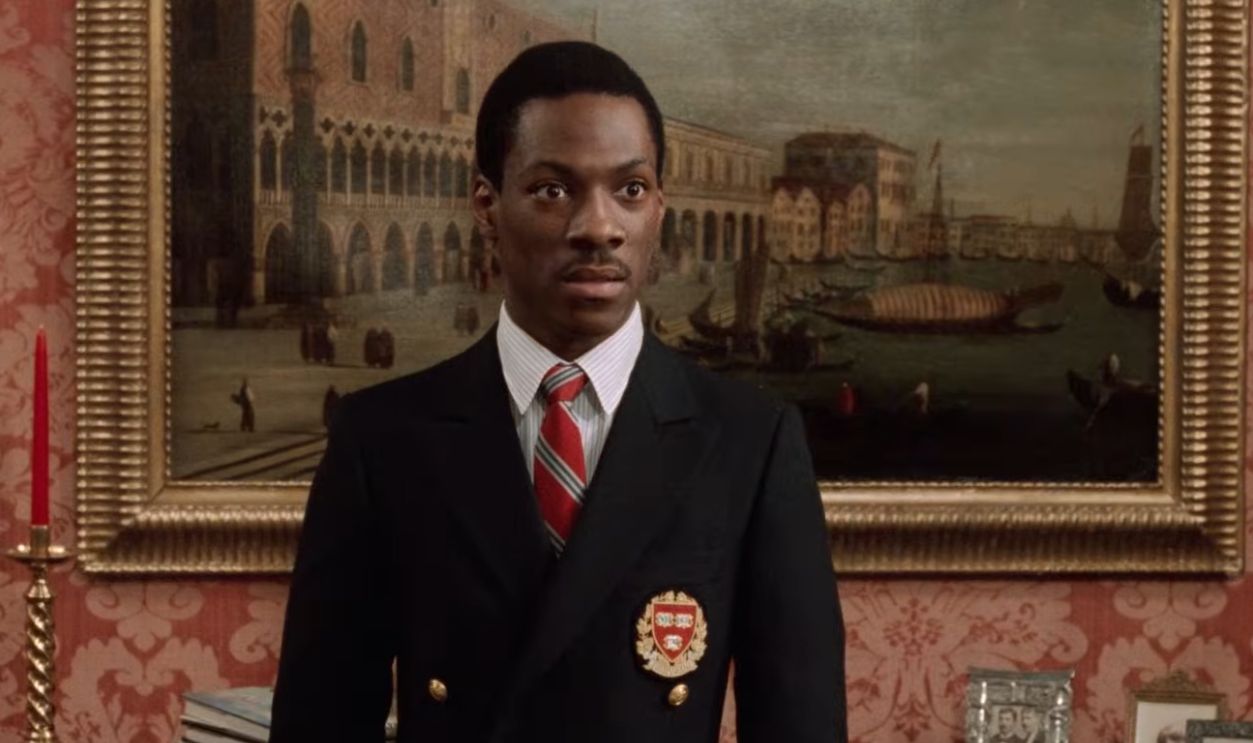 Screenshot from Trading Places, Paramount Pictures (1983)
Mr. Mom Turned Domestic Chaos Into A Catchphrase
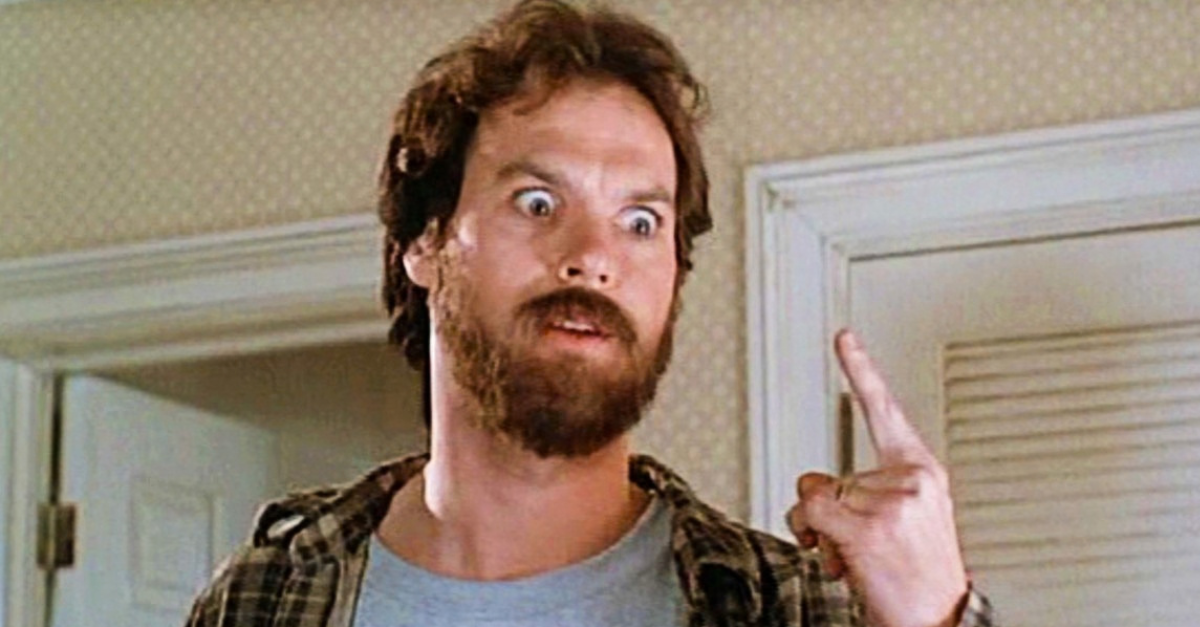
Michael Keaton played laid-off automobile engineer Jack Butler, who suddenly finds himself running the household while Teri Garr's Caroline returns to paid work. John Hughes wrote the screenplay, turning an early-1980s shift in family expectations into broad suburban comedy. Even the phrase "Mr. Mom" became cultural shorthand, although the movie that popularized it is now less commonly discussed than Keaton's later career.
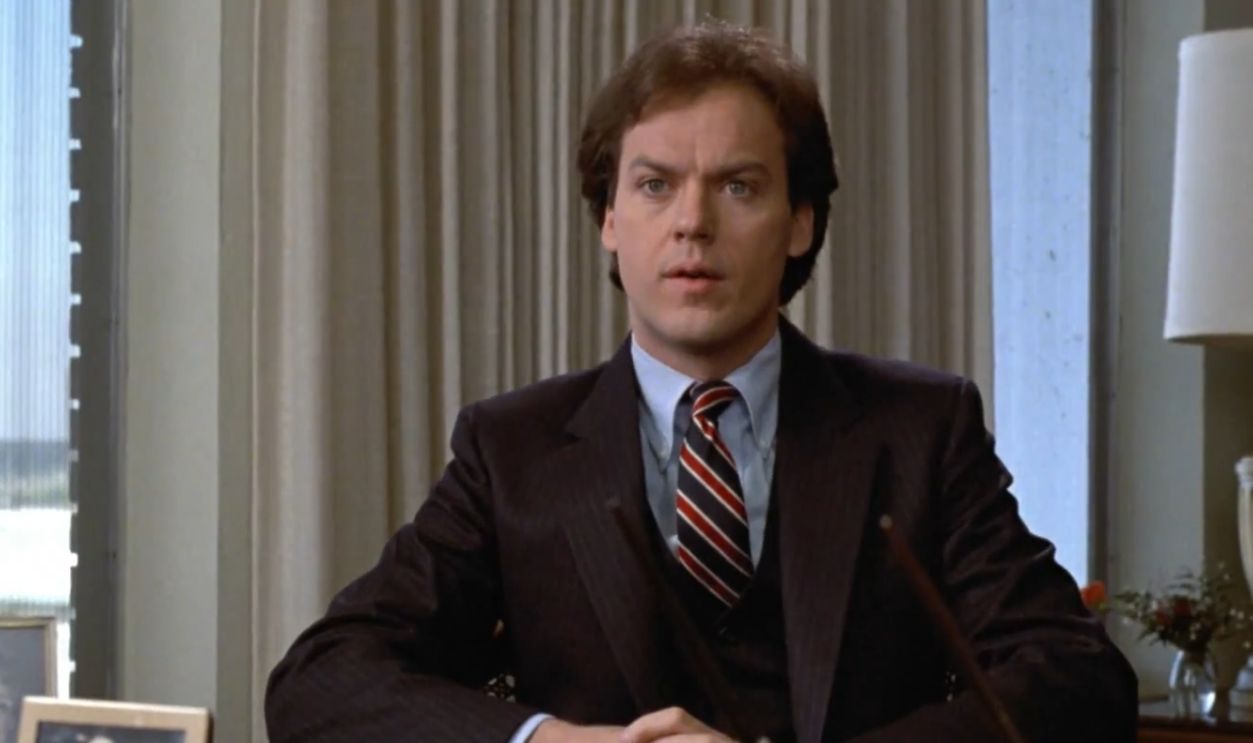 Screenshot from Mr. Mom, 20th Century Fox (1983)
Vacation Made Clark Griswold A National Type
National Lampoon's Vacation sent Chevy Chase's Clark Griswold from Chicago toward the fictional Walley World with optimism that survived far longer than common sense. Modern Rotten Tomatoes commentary still describes Harold Ramis' 1983 film as notably quotable, while contemporary reviews recognized the strength of its disastrous family-road-trip setup. The Griswolds continued through sequels, but many people who once knew every stop on Clark's first journey now mainly remember the Christmas installment.
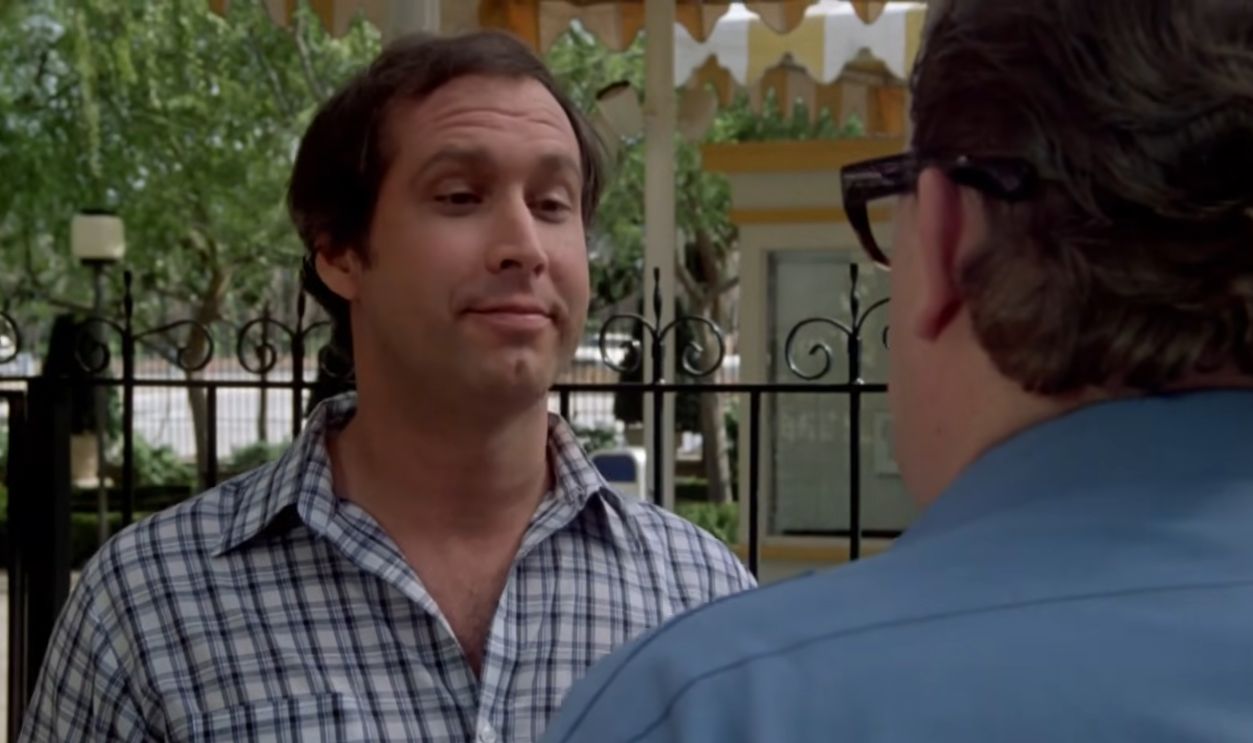 Screenshot from National Lampoon's Vacation, Warner Bros. Pictures (1983)
Splash Was Once Everywhere
Tom Hanks and Daryl Hannah starred in Ron Howard's 1984 fantasy comedy about a New Yorker who falls for a mermaid. The premise became so culturally visible that the movie helped establish the new Touchstone Pictures label and accelerated Hanks' transition into movie stardom. Its fish-out-of-water jokes and Madison's misunderstandings once felt ubiquitous, while the film itself now sits behind several larger Hanks landmarks.
 Screenshot from Splash, Touchstone Pictures (1984)
Police Academy Became An Entire Industry
Critics could be brutal about Police Academy, and Roger Ebert famously disliked it, but audiences turned the 1984 comedy into the beginning of a remarkably persistent franchise. Steve Guttenberg led an ensemble of eccentric recruits, while Michael Winslow's sound effects and other character gimmicks became easy material for playground imitation. Seven theatrical films eventually followed, yet the phenomenon that once seemed impossible to escape now feels distinctly tied to its decade.
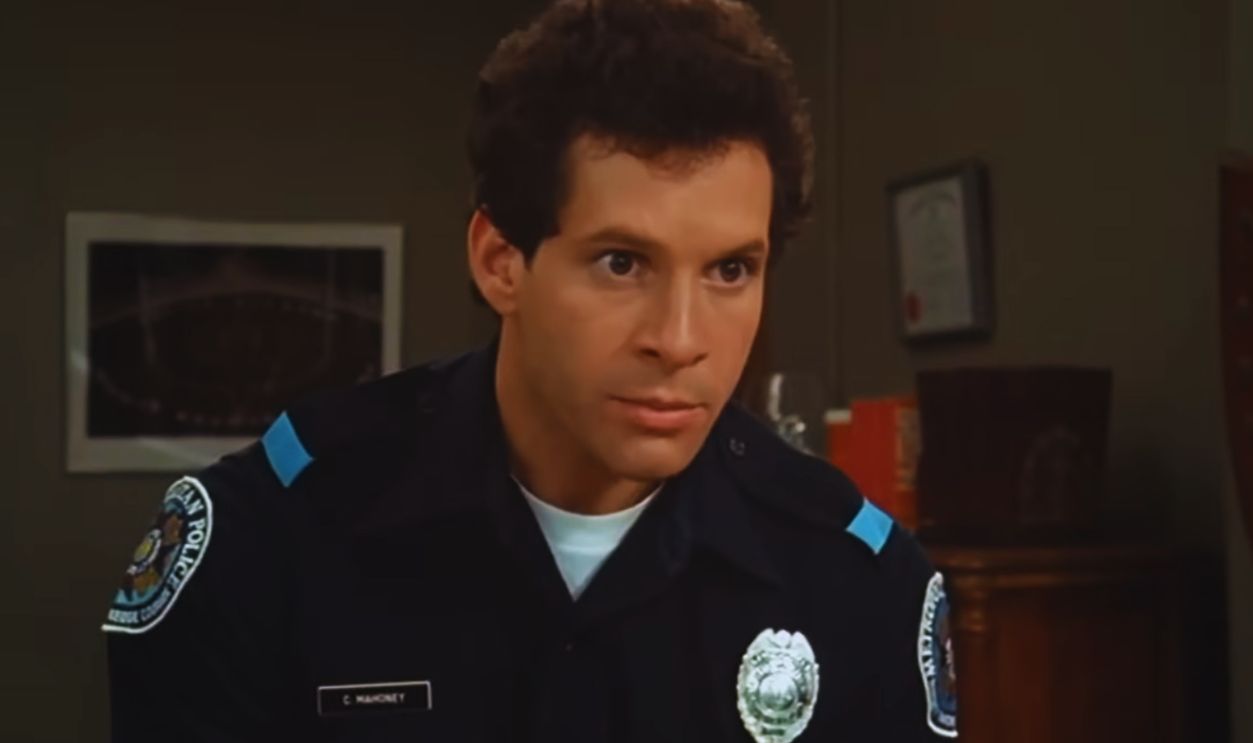 Screenshot from Police Academy, Warner Bros. Pictures (1984)
This Is Spinal Tap Went Past Eleven
Rob Reiner's This Is Spinal Tap followed a fictional British rock band with such convincing deadpan seriousness that its jokes became a language among musicians and comedy fans. Criterion has described it as perhaps the most quotable and quoted movie of the 1980s and a major influence on later mock-documentary comedy. References to amplifiers, Stonehenge, and disastrous touring still survive, but the film increasingly functions as a cult password rather than universal shorthand.
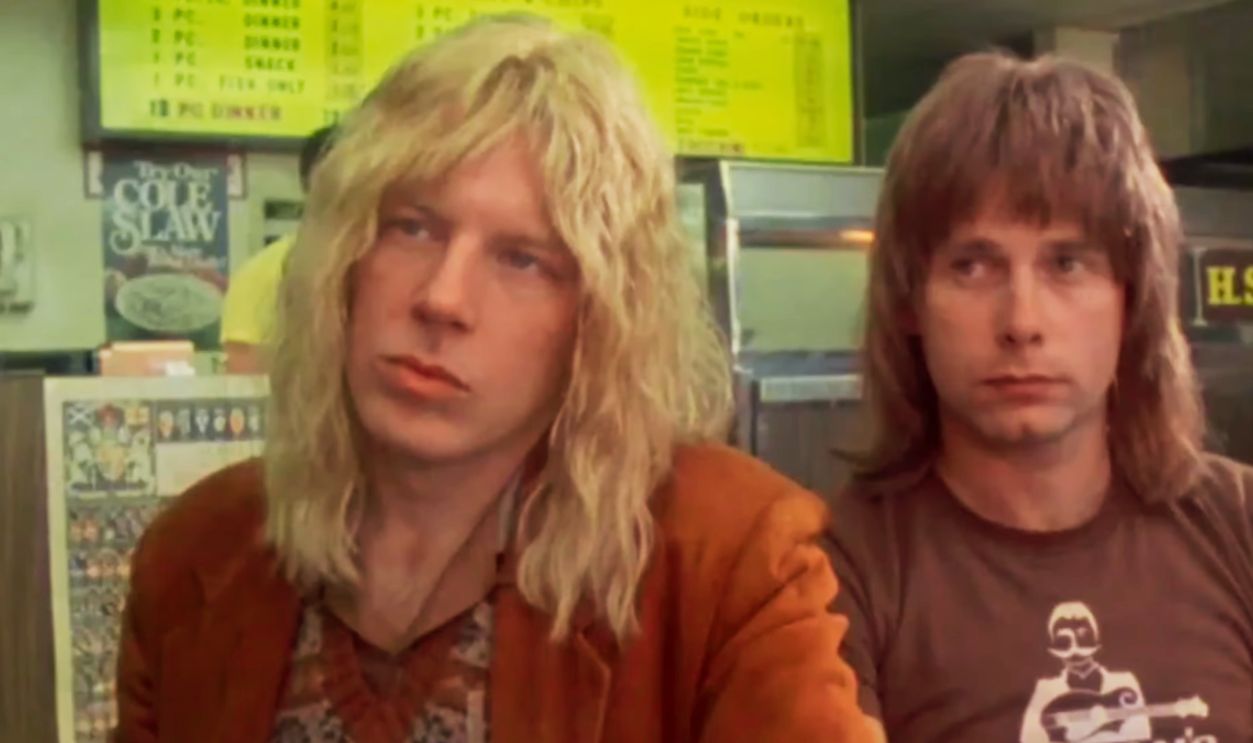 Screenshot from This Is Spinal Tap, Embassy Pictures (1984)
Fletch Turned Chevy Chase Into A Quote Machine
Chevy Chase's Irwin Fletcher moved through disguises, false names, and deadpan replies while investigating a suspicious proposition in Fletch. Ebert thought Chase leaned too heavily on his established mannerisms, but those mannerisms were exactly what many fans embraced. For years, Fletch dialogue could identify fellow members of a certain comedy generation almost instantly.
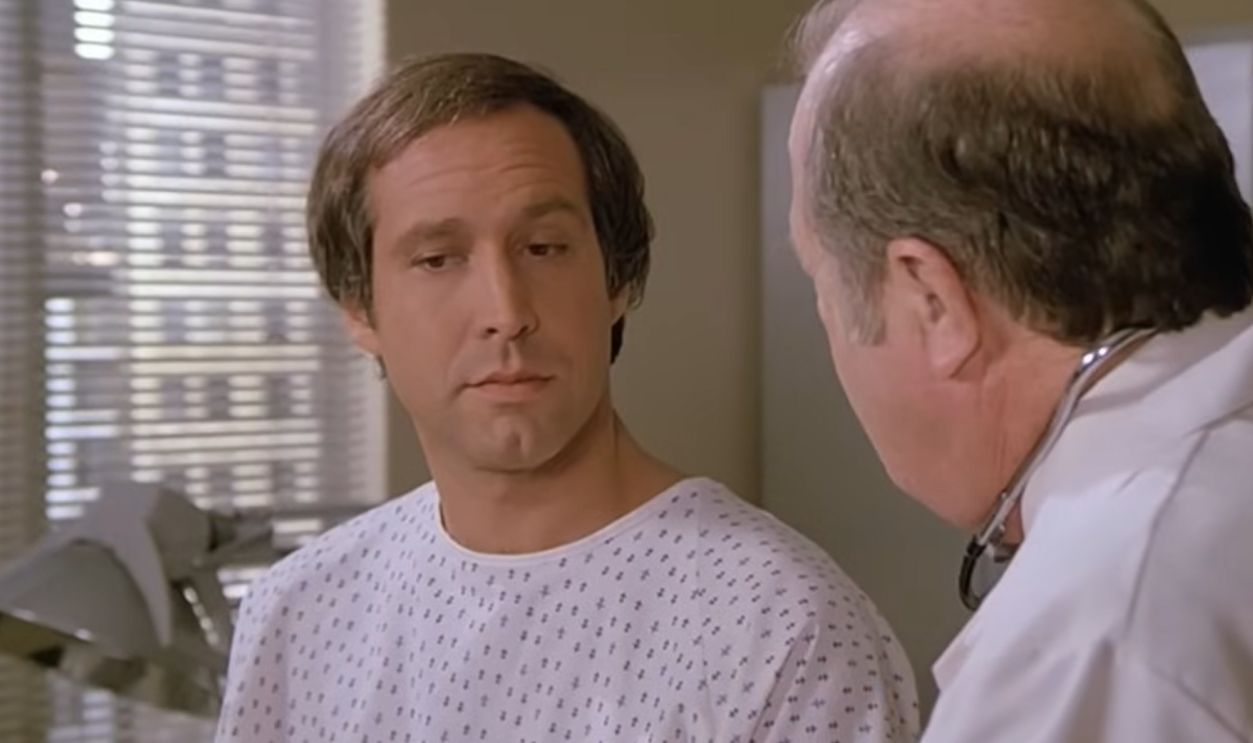 Screenshot from Fletch, Universal Pictures (1985)
Real Genius Made Smart Kids Cool
Val Kilmer's Chris Knight was brilliant enough to work on cutting-edge laser research and unserious enough to turn his university into a giant prank. Both Roger Ebert and the Los Angeles Times praised Martha Coolidge's 1985 film for treating intelligent young characters as genuine individuals rather than stereotypes. Its oddball lines and popcorn-filled finale developed a devoted following, but Real Genius never maintained the mainstream visibility of the decade's largest youth comedies.
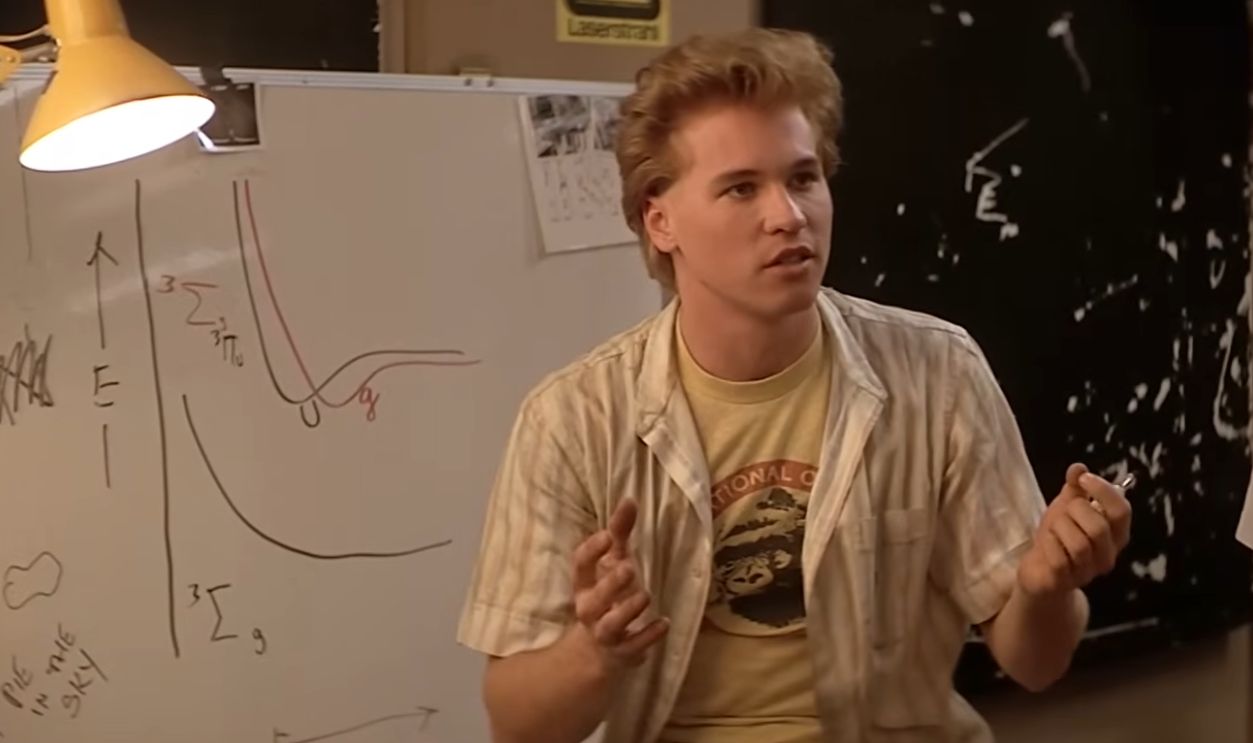 Screenshot from Real Genius, TriStar Pictures (1985)
Brewster's Millions Made Spending Money Difficult
Richard Pryor's Montgomery Brewster learns that inheriting a giant fortune requires him to burn through $30 million in 30 days under a set of infuriating restrictions. John Candy joined him in Walter Hill's 1985 version of a story Hollywood had already adapted several times. The premise was once familiar enough that references to deliberately wasting money could immediately summon the title, though the movie itself has gradually become a period piece.
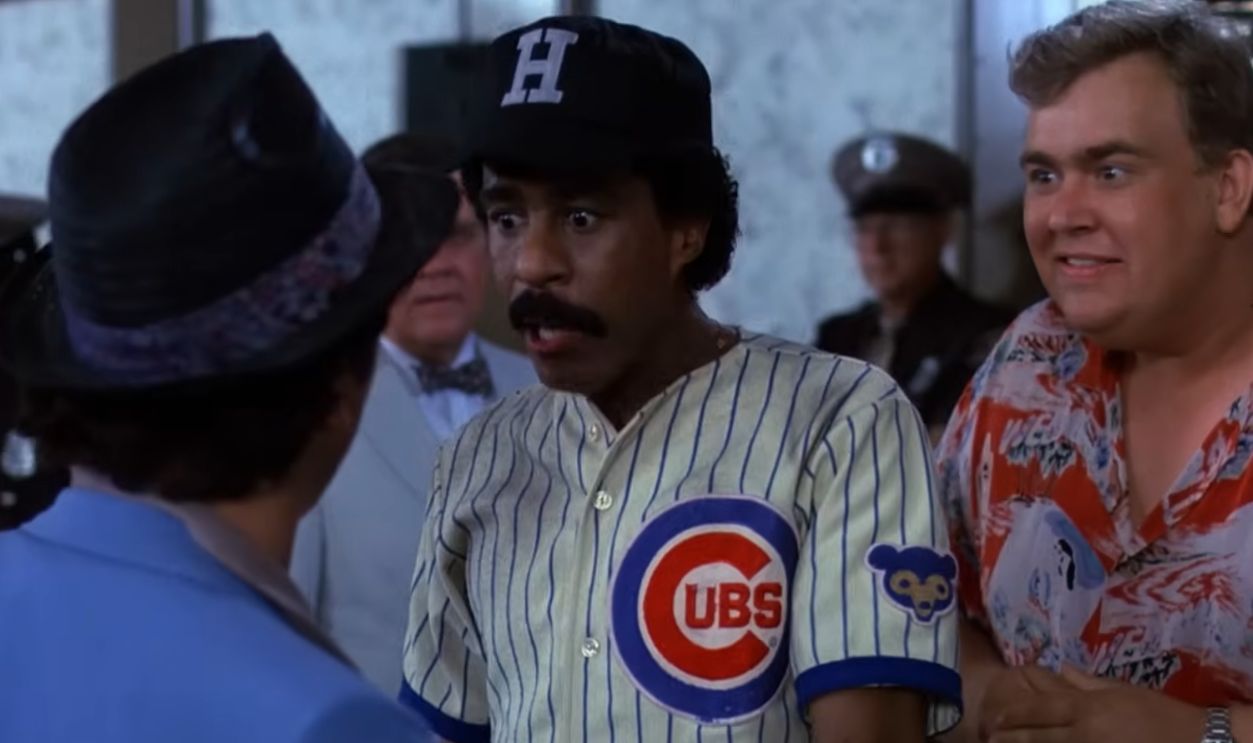 Screenshot from Brewster's Millions, Universal Pictures (1985)
Better Off Dead Created The World's Most Persistent Paperboy
Savage Steve Holland's Better Off Dead barely made a major theatrical impact, but its surreal jokes grew in stature after release. AFI records mixed original reviews while noting the movie's deliberately cartoon-like style, and later Los Angeles Times coverage praised Holland's unusual comic imagination. The tiny debt relentlessly pursued by Lane Myer's paperboy became one of those jokes fans could repeat for decades without explaining where it came from.
 Screenshot from Better Off Dead, Warner Bros. Pictures (1985)
Back To School Was Pure Rodney Dangerfield
Rodney Dangerfield went to college as wealthy businessman Thornton Melon in 1986's Back to School. The Los Angeles Times called it a big-laugh comedy built squarely around Dangerfield's established persona, while Ebert thought his contradictions made the character more interesting than the surrounding formula. The movie once supplied a steady stream of campus quotes, but Dangerfield's stand-up identity has outlasted the specific film for many younger viewers.
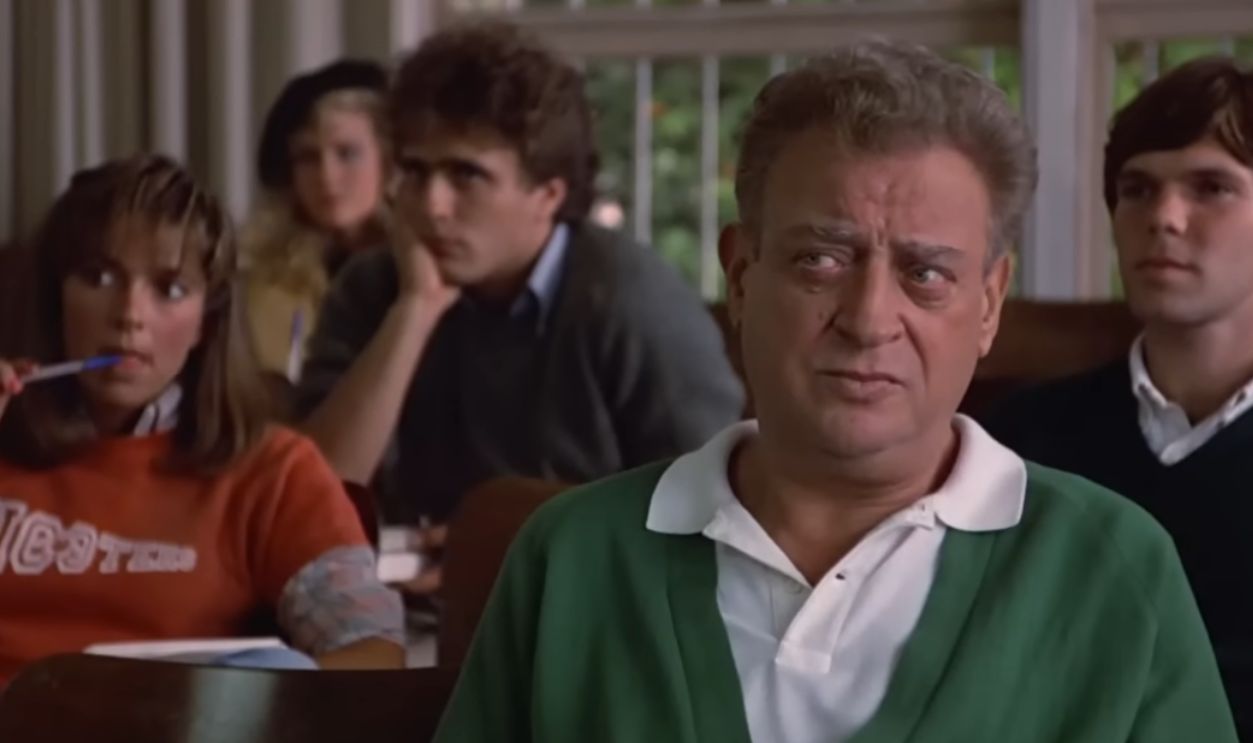 Screenshot from Back to School, Orion Pictures (1986)
The Money Pit Made Home Renovation Terrifying
Tom Hanks and Shelley Long buy a suspiciously affordable country house in The Money Pit, then watch practically every part of it collapse. Ebert disliked the movie's reliance on escalating destruction, yet those disasters were exactly what made it easy to remember and imitate. For years, any renovation spiraling out of control could provoke somebody to invoke the title.
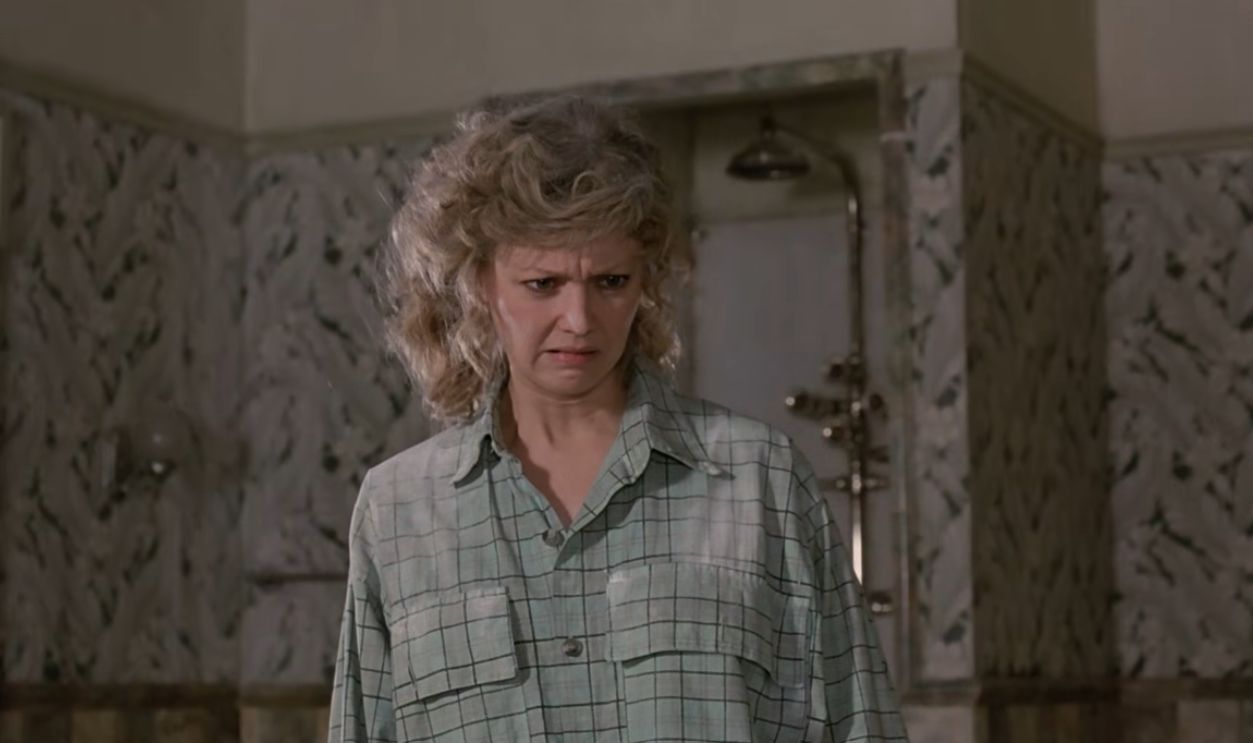 Screenshot from The Money Pit, Universal Pictures (1986)
Ruthless People Let Everybody Be Terrible
Danny DeVito and Bette Midler gleefully played horrible people trapped in an increasingly absurd kidnapping plot in 1986's Ruthless People. Ebert praised DeVito's ability to make an awful character entertaining, while the Los Angeles Times admired the movie's energetic attack on greed and corruption. Its insults and ransom negotiations once gave viewers plenty to quote, but the Zucker-Abrahams-Zucker team's other comedies now overshadow it.
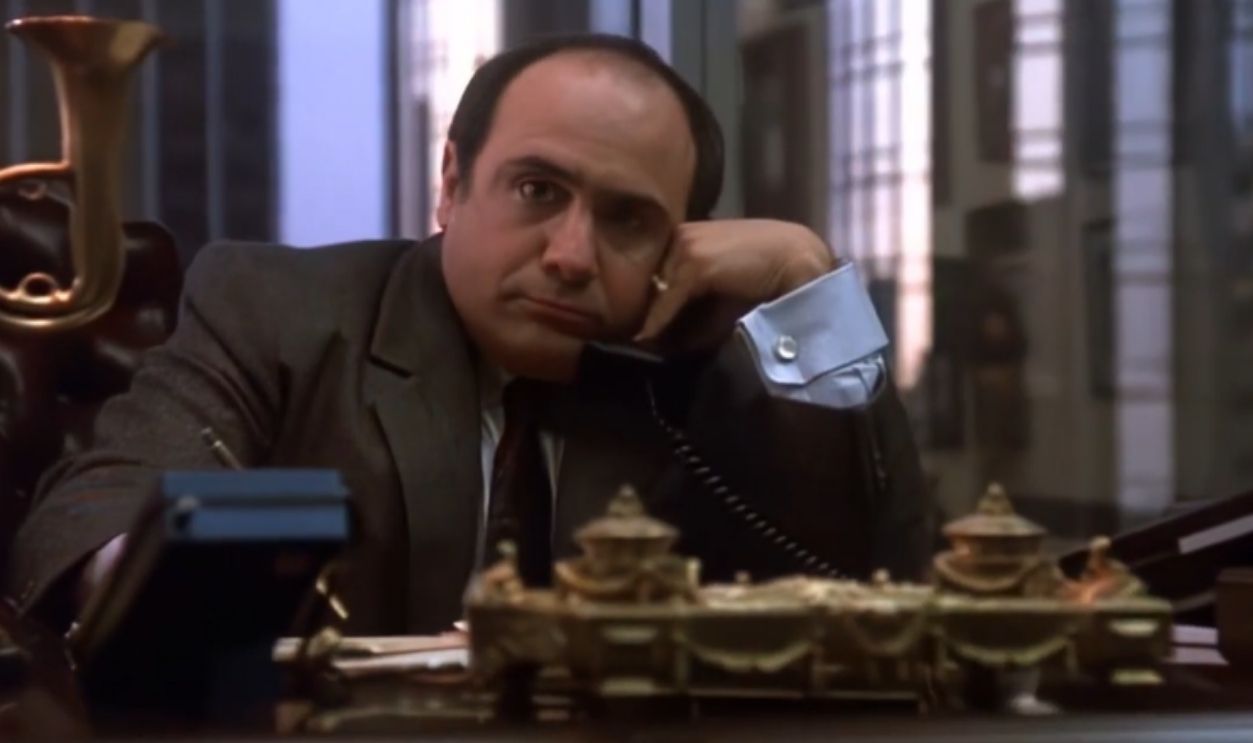 Screenshot from Ruthless People, Buena Vista Distribution (1986)
Three Amigos Made "El Guapo" A Household Reference
Steve Martin, Chevy Chase, and Martin Short played silent-film performers who mistakenly believe they have been hired for a harmless appearance in Mexico. Critics disagreed sharply, with Ebert finding the movie too restrained while the Los Angeles Times celebrated its outrageous silliness. Audiences gave the film a longer life, and references to El Guapo, excess, and the trio's ridiculous confidence became cult-comedy staples.
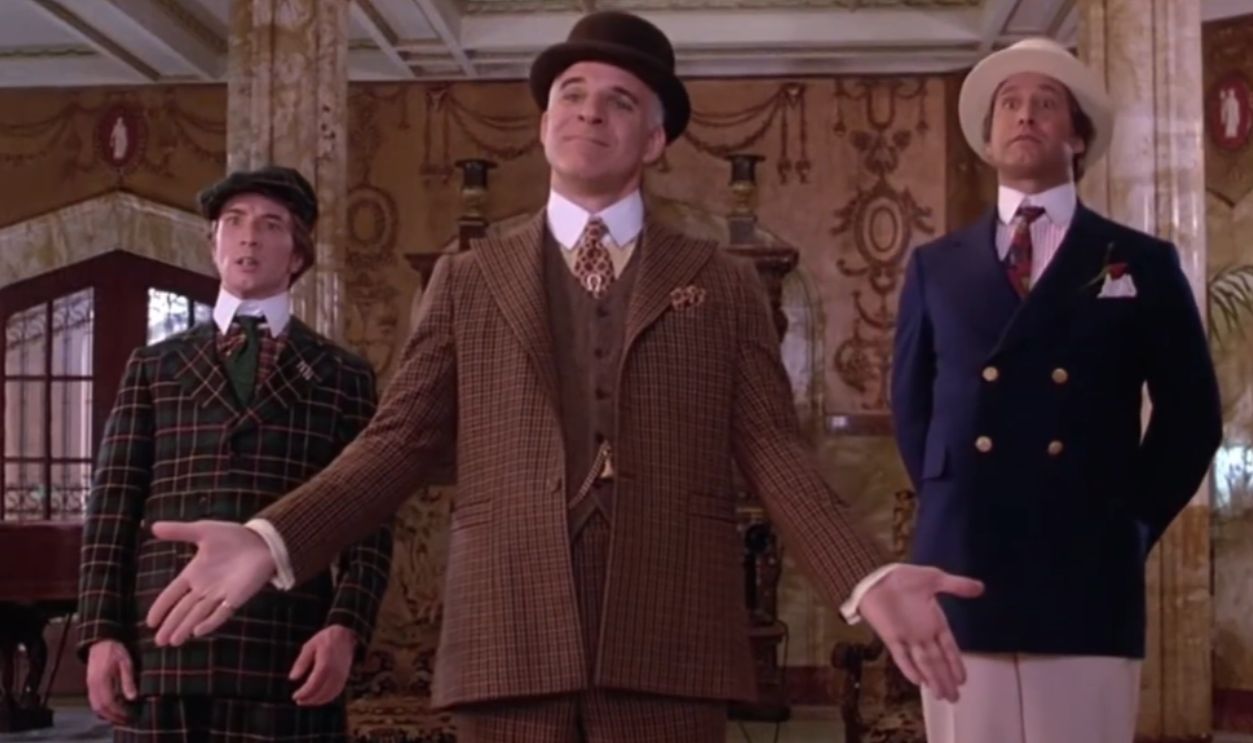 Screenshot from Three Amigos!, Orion Pictures (1986)
Planes, Trains And Automobiles Became Holiday Shorthand
Steve Martin and John Candy spend nearly the entire running time simply trying to get home for Thanksgiving. Ebert initially praised the film and later elevated it to his "Great Movies" series, arguing that the comedy worked because both performers revealed genuine humanity beneath the frustration. Its confrontations became endlessly repeated, although the emotional ending increasingly defines the movie more than its once-quoted blowups.
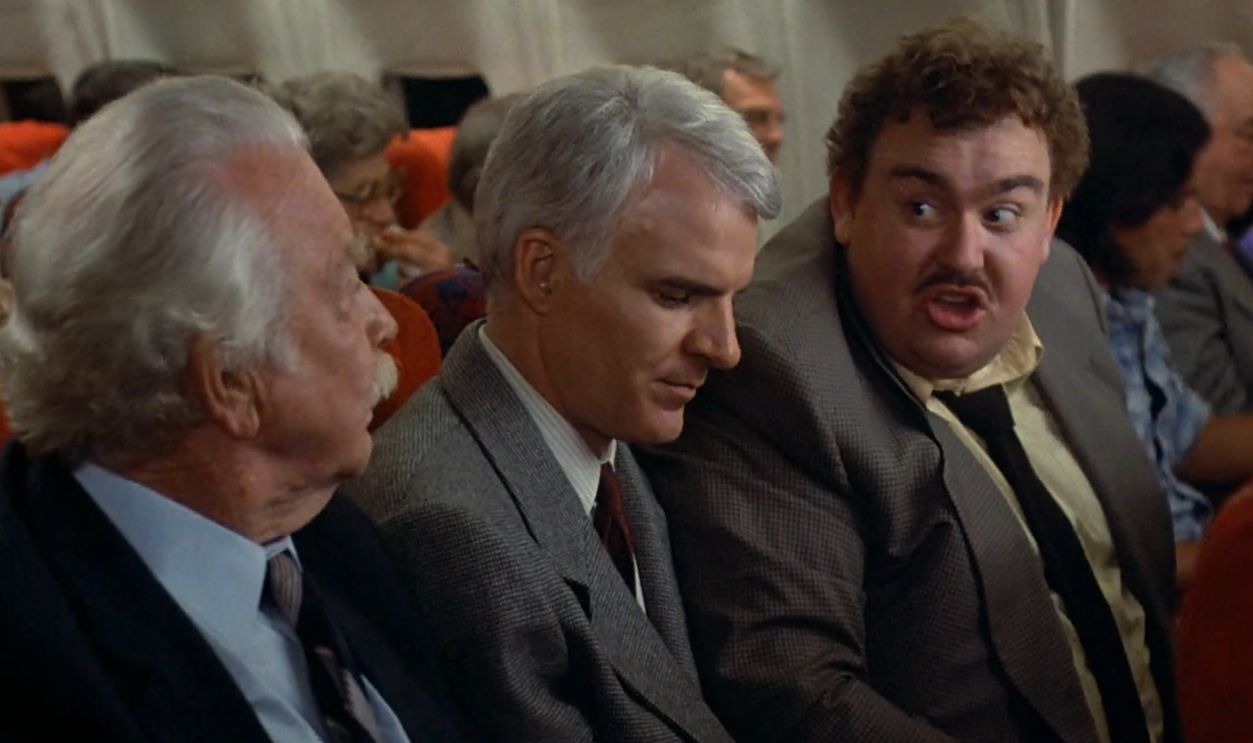 Screenshot from Planes, Trains and Automobiles, Paramount Pictures (1987)
Throw Momma From The Train Had One Perfect Setup
Danny DeVito made his major feature directing debut with Throw Momma from the Train, borrowing the exchange-a-problem premise of Alfred Hitchcock's Strangers on a Train. Billy Crystal's blocked writer and DeVito's strange student gave audiences several compact comic routines that were easy to repeat. The title itself became a reference point, but the movie now receives much less attention than either star's biggest later work.
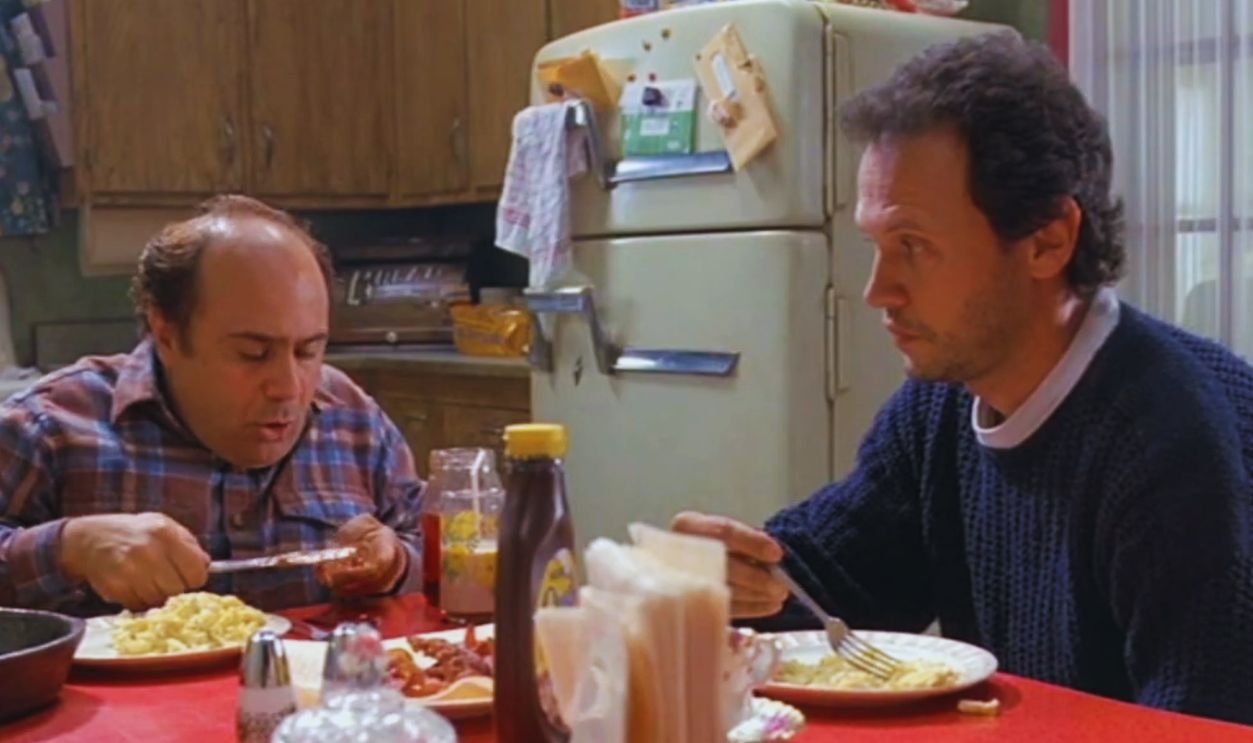 Screenshot from Throw Momma from the Train, Orion Pictures (1987)
A Fish Called Wanda Was An Awards-Level Farce
John Cleese, Jamie Lee Curtis, Kevin Kline, and Michael Palin built A Fish Called Wanda around betrayal, robbery, and characters who are much less clever than they think. Ebert compared the timing of one Kline sequence to the Marx Brothers, while Kline eventually won an Academy Award for his performance. The film's insults were once endlessly recycled by comedy fans, even if that language is now less immediately recognizable outside classic-comedy circles.
 Screenshot from A Fish Called Wanda, Metro Goldwyn Mayer (1988)
Midnight Run Made De Niro Funny
Robert De Niro and Charles Grodin should have been an odd pairing, which was exactly why Midnight Run worked. Ebert praised the 1988 film for building unusually specific characters inside what could have been a routine chase picture. Grodin's needling questions and De Niro's increasingly exhausted reactions gave the movie a vocabulary fans loved to imitate, but it has never received the constant franchise-era exposure of many lesser comedies.
 Screenshot from Midnight Run, Universal Pictures (1988)
Dirty Rotten Scoundrels Turned Manners Into Combat
Michael Caine's polished Lawrence Jamieson meets Steve Martin's shameless Freddy Benson on the French Riviera, and both immediately decide there is room for only one of them. Ebert found the chemistry between Caine and Martin the movie's greatest strength. Their competing scams produced several famous comic bits, but the 1988 film has gradually shifted from mainstream favorite to rediscovered gem.
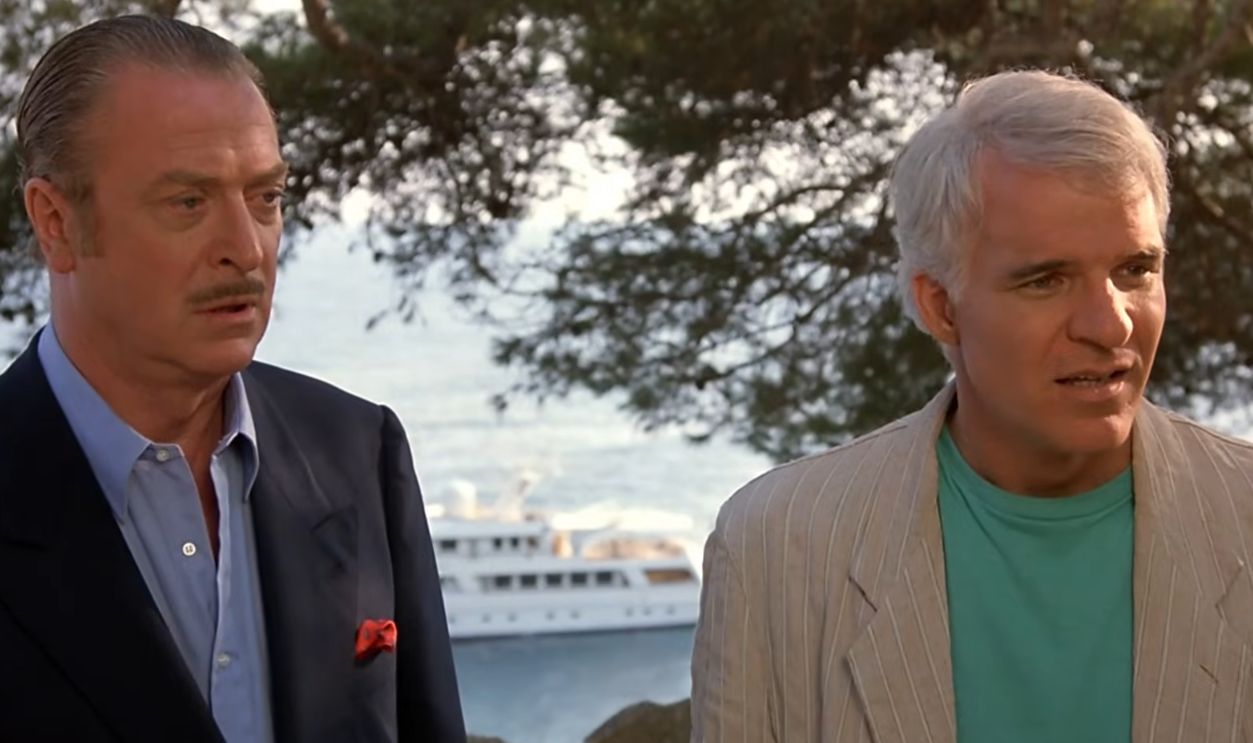 Screenshot from Dirty Rotten Scoundrels, Orion Pictures (1988)
Twins Made Schwarzenegger The Joke
Arnold Schwarzenegger standing beside Danny DeVito was enough to explain the poster for Twins. Ivan Reitman's 1988 comedy deliberately made Schwarzenegger's enormous action-star image part of the joke, and Ebert praised his unexpected ease with comedy. The pairing was once so instantly funny that audiences needed almost no setup, although the movie now feels like a particularly strange artifact of Schwarzenegger's first superstar era.
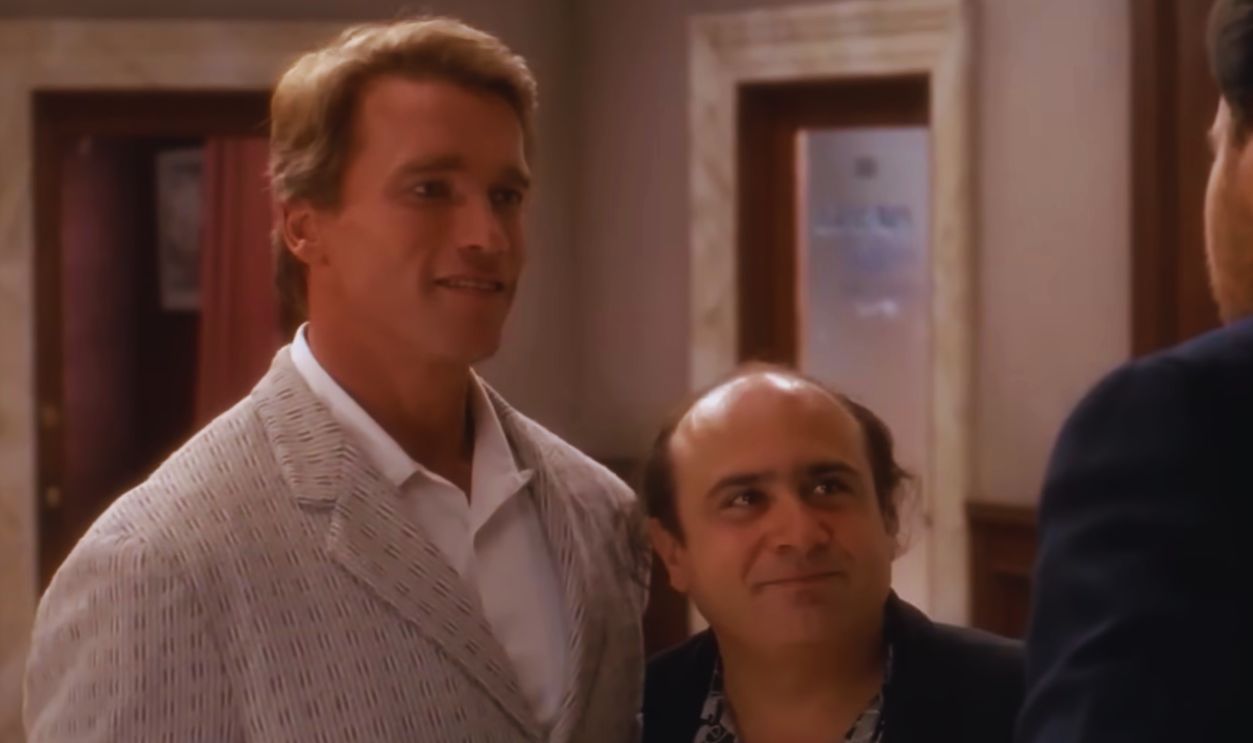 Screenshot from Twins, Universal Pictures (1988)
The Great Outdoors Turned Dinner Into A Challenge
John Candy's peaceful family vacation is demolished by the arrival of Dan Aykroyd's smug Roman Craig in The Great Outdoors. The John Hughes-written 1988 comedy was never a critical darling, but Candy and Aykroyd gave it enough personality to develop a durable audience. Its enormous steak challenge and increasingly miserable cabin vacation became familiar reference points that cable television kept alive for years.
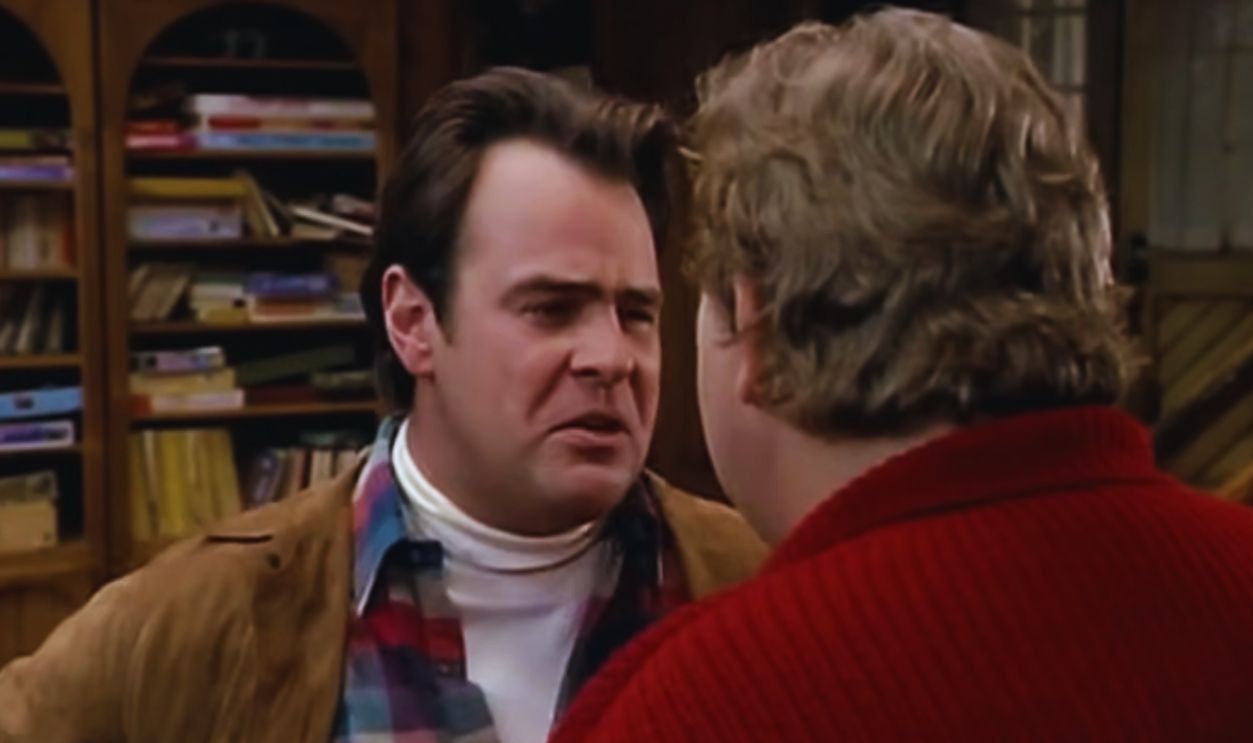 Screenshot from The Great Outdoors, Universal Pictures (1988)
Big Business Doubled Bette And Lily
Big Business asked audiences to follow two sets of mismatched twins, with Bette Midler and Lily Tomlin each playing two characters. The Los Angeles Times praised the 1988 farce's energy and verbal wit, even as other critics found the elaborate mistaken-identity machinery exhausting. Its premise once made the movie instantly recognizable, but it rarely enters conversations about either performer's career today.
 Screenshot from Big Business, Buena Vista Pictures (1988)
Weekend At Bernie's Became A Concept Bigger Than The Movie
Andrew McCarthy and Jonathan Silverman spend a weekend pretending their late boss Bernie is still alive, an idea ridiculous enough to become a cultural reference independent of the film itself. Contemporary critics were divided, with The Hollywood Reporter enjoying the slapstick while others thought the single joke was stretched too far. The title survived as shorthand for propping something up long after many people stopped remembering the actual 1989 comedy.
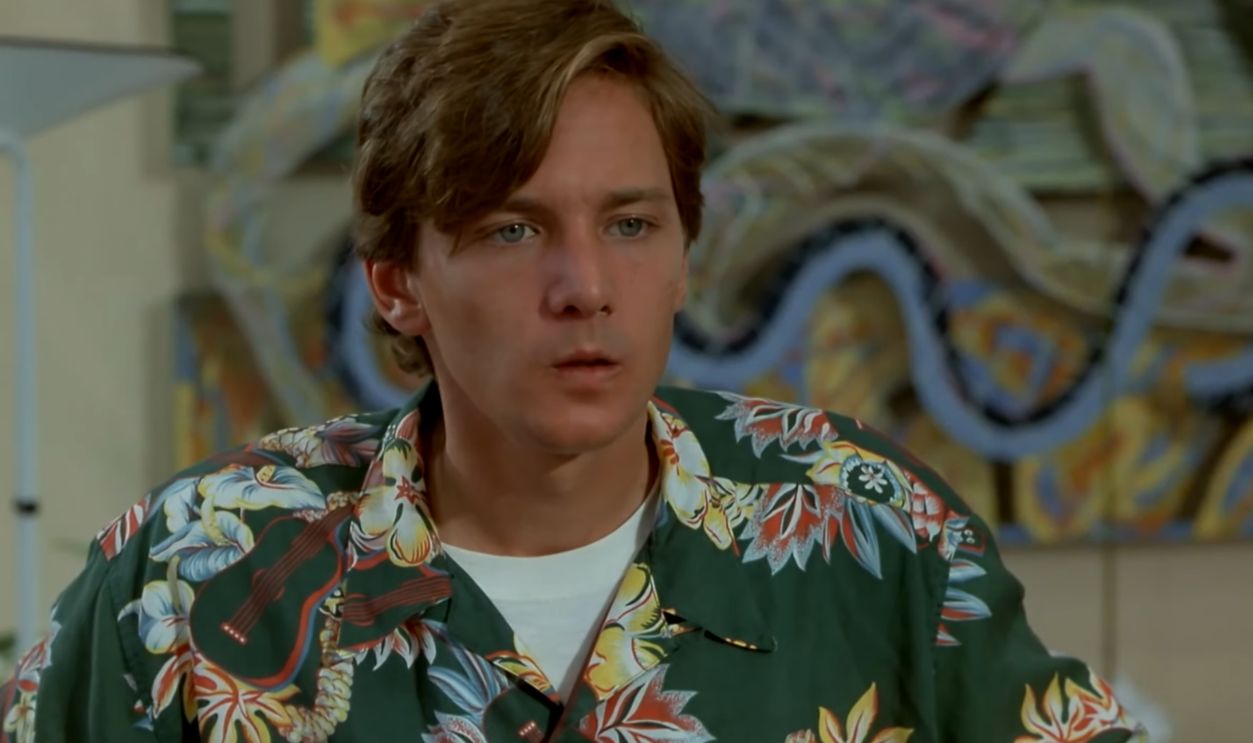 Screenshot from Weekend at Bernie's, 20th Century Fox (1989)
Uncle Buck Made John Candy Everybody's Relative
John Candy's Buck Russell arrives to watch his brother's children and immediately turns suburban order into controlled chaos. Roger Ebert disliked much of the movie's tone, but Candy's oversized warmth helped the character survive those rough edges. For a generation, Buck's parenting methods and giant pancakes were instantly recognizable, even as John Hughes' teen films gradually became the more discussed part of his legacy.
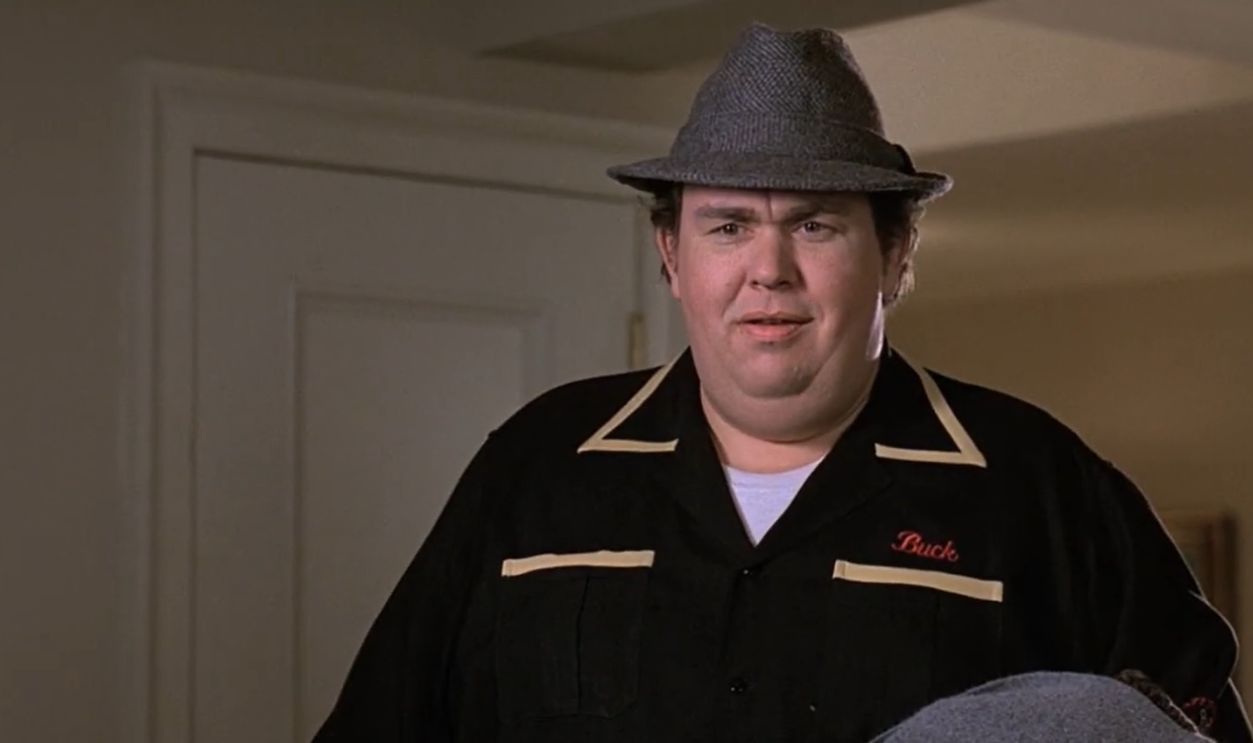 Screenshot from Uncle Buck, Universal Pictures (1989)
You May Also Like
How These Bands Came Up With Their Names
Celebrity Kids Who Dropped Their Famous Last Names
Names that most people today haven't heard of, but were once bigger than presidents.
Sources: 1, 2, 3, 4, 5, 6, 7, 8, 9, 10, 11, 12, 13, 14, 15, 16, 17, 18, 19, 20, 21, 22, 23, 24, 25, 26, 27, 28, 29, 30, 31, 32, 33, 34, 35, 36, 37, 38, 39, 40, 41, 42, 43, 44, 45, 46, 47, 48, 49