Once Known By Everyone
Some historical figures were once more famous than kings and presidents. They filled headlines, shaped culture, and drew massive crowds. Today, most of their names are barely mentioned or completely forgotten.
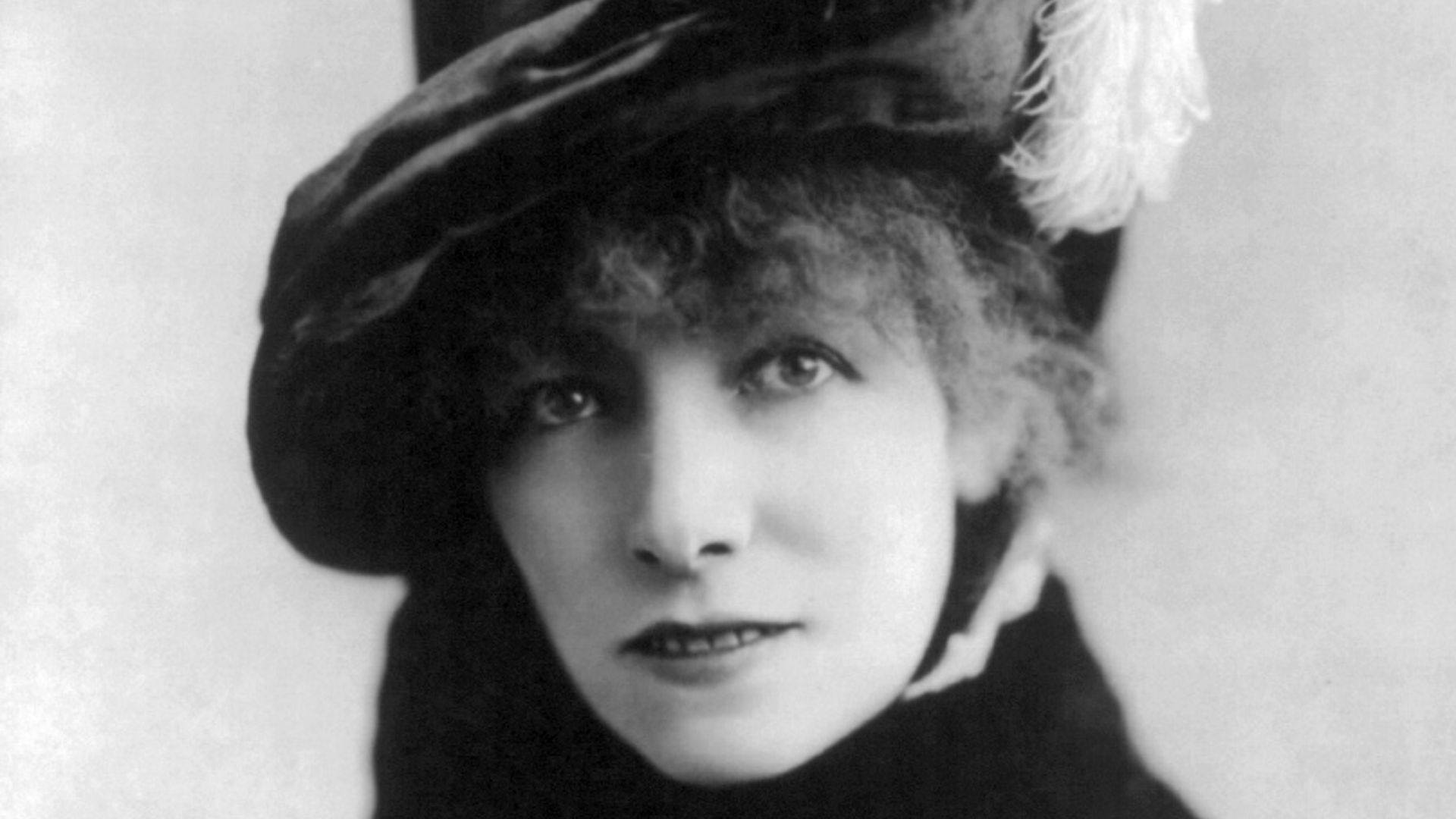
Sarah Bernhardt
During the 1880s, theatergoers across Europe and America couldn’t get enough of Sarah Bernhardt. They stood in line for hours just to see and hear her bold voice. Her fearless roles and dramatic style drew everyone in and kept her name shining brighter than anyone else’s.
 Napoleon Sarony, Wikimedia Commons
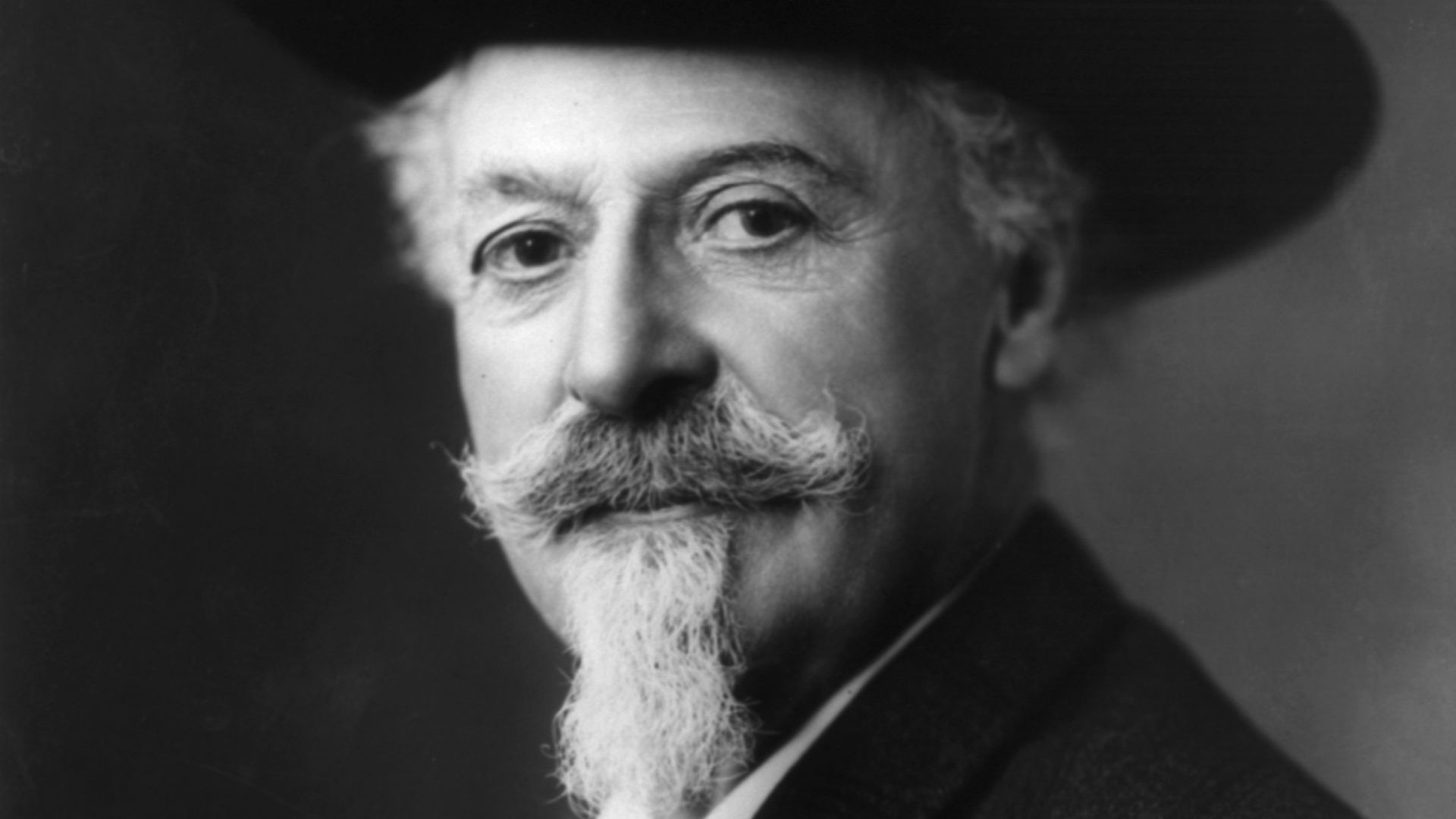
Buffalo Bill Cody
What began as frontier life turned into worldwide fame. Buffalo Bill created a touring show that featured live battles, sharpshooting, and fast horses. Crowds in America and Europe packed into arenas, and for many people, his stories defined the Wild West for the first time.
 Moffett, Chicago, Wikimedia Commons
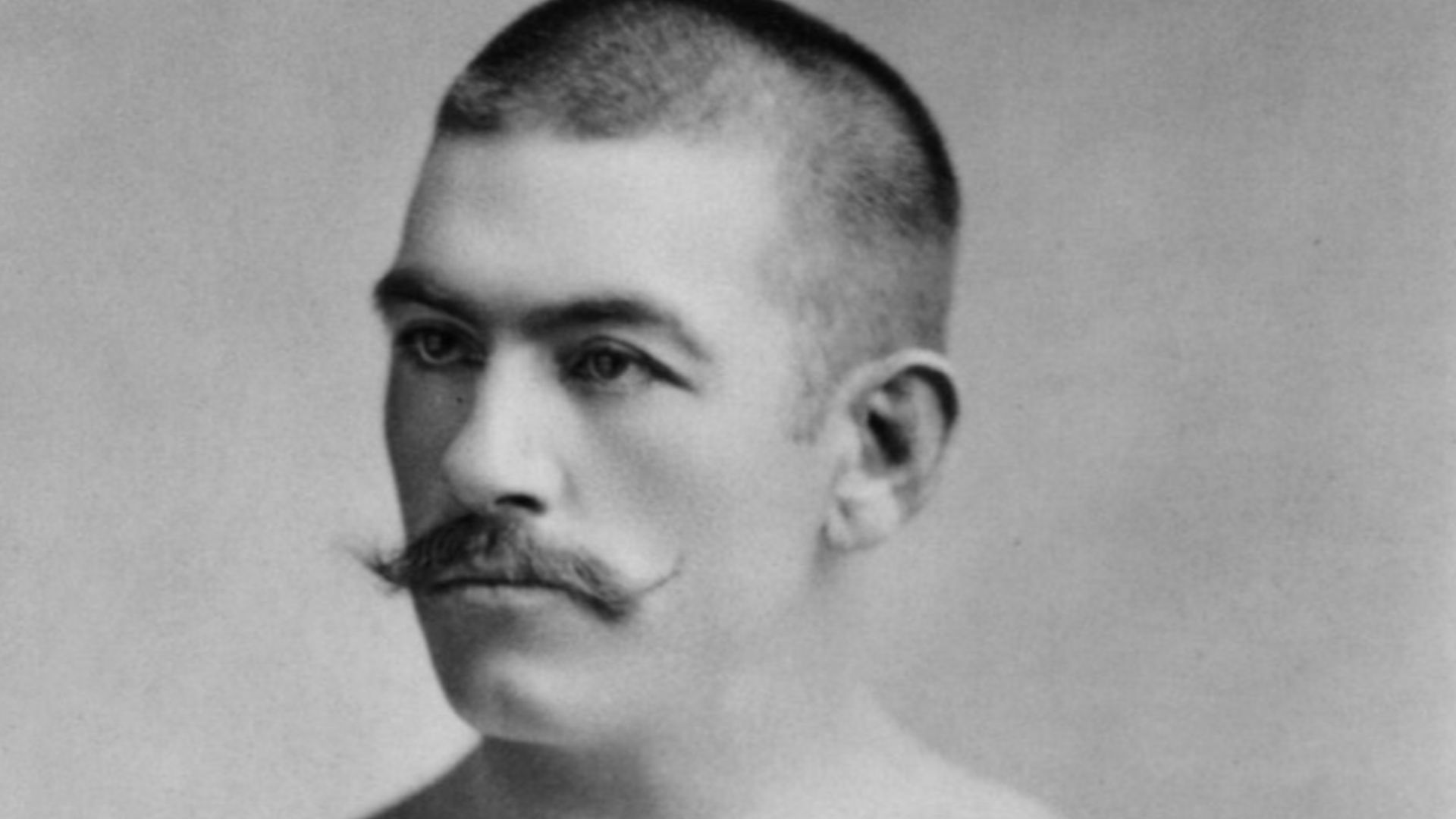
John L. Sullivan
Fame followed every punch John L. Sullivan threw. Known as the “Boston Strong Boy”, he fought bare-knuckle matches that filled arenas and dominated headlines. Fans treated his victories like national events, and no other athlete drew as much attention during his rise.
 Jose Maria Mora, Wikimedia Commons
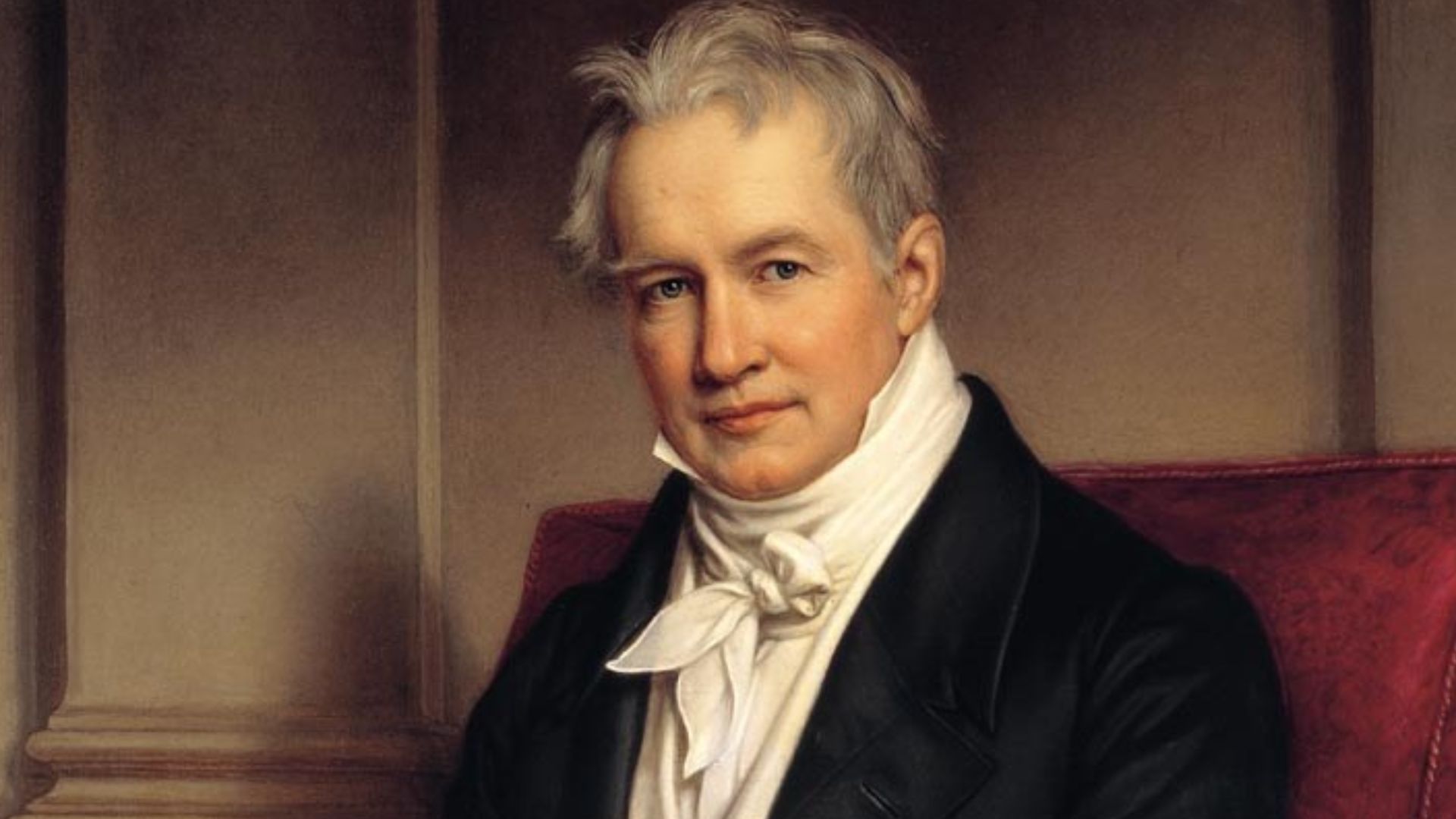
Alexander Von Humboldt
Scientists and poets once mentioned Alexander von Humboldt in the same breath. He explored South America and wrote books that inspired Charles Darwin. His name once appeared everywhere from atlases to lecture halls, though today, few outside science circles remember his impact.
 Joseph Karl Stieler, Wikimedia Commons
Fanny Kemble
At first, Fanny Kemble gained attention for her work on stage. But everything changed after she wrote about the horrors she witnessed on a Southern plantation. Her published journal shocked readers in Britain and gave them a direct, powerful view of slavery in America.
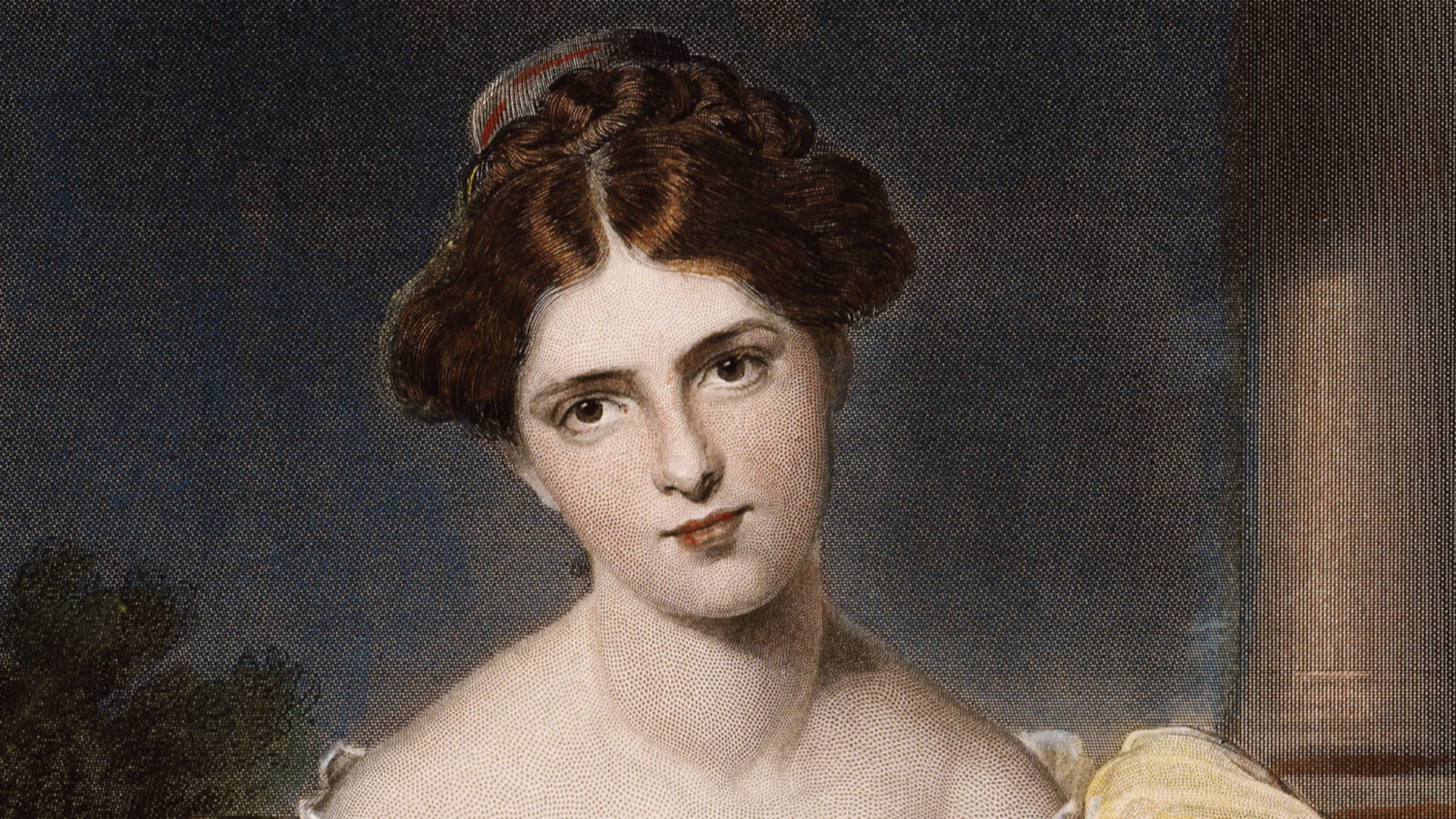 Thomas Lawrence, Wikimedia Commons
Carry A. Nation
No one ignored Carry A. Nation when she walked through the door. Armed with a hatchet, she smashed bottles in saloons to protest alcohol. Her bold actions turned her into a national figure, and every broken bar became another headline across the country.
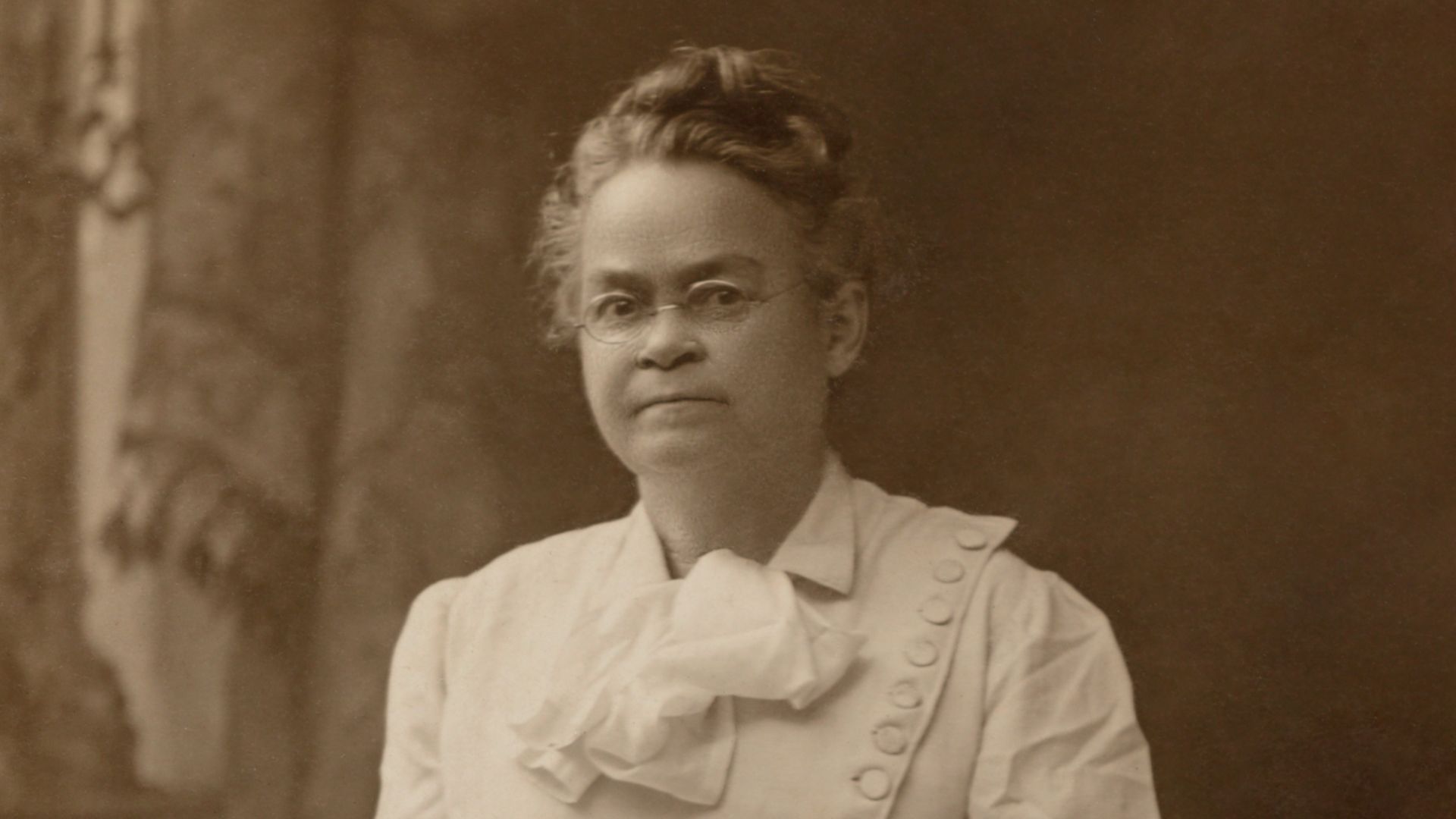 Adam Cuerden, Wikimedia Commons
Charles James Fox
Crowds once gathered just to hear Charles James Fox speak in Parliament. His sharp tongue, flashy clothes, and bold ideas made him one of Britain’s most talked-about politicians. Even during war and unrest, people followed his every word like it was headline news.
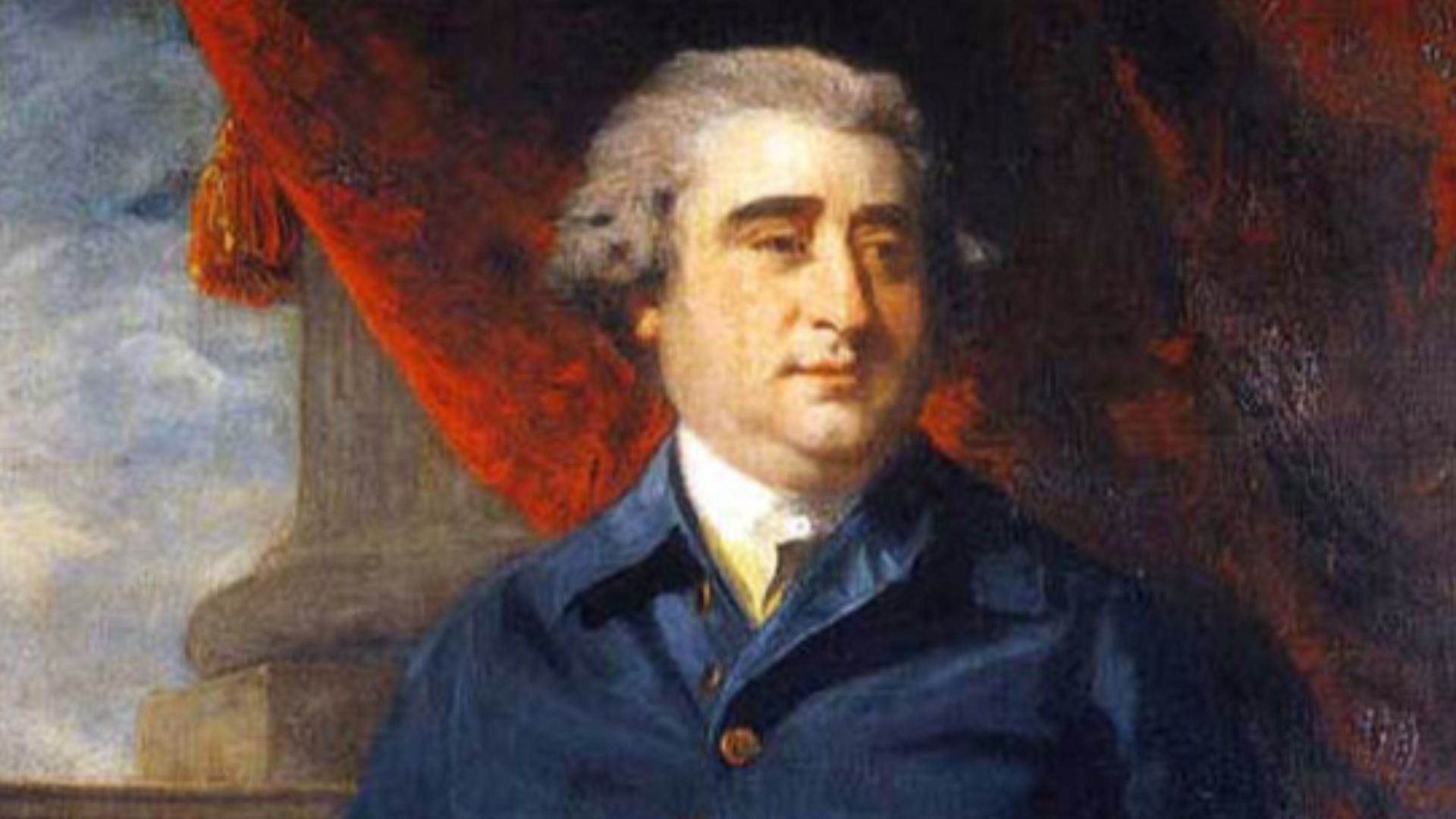 Joshua Reynolds, Wikimedia Commons
Daniel O’Connell
In 19th-century Ireland, Daniel O’Connell filled city streets with people shouting his name. He pushed for Catholic rights without using violence, gaining huge support across Europe. His speeches drew crowds larger than most royal events, yet he barely registers in modern conversations about freedom movements.
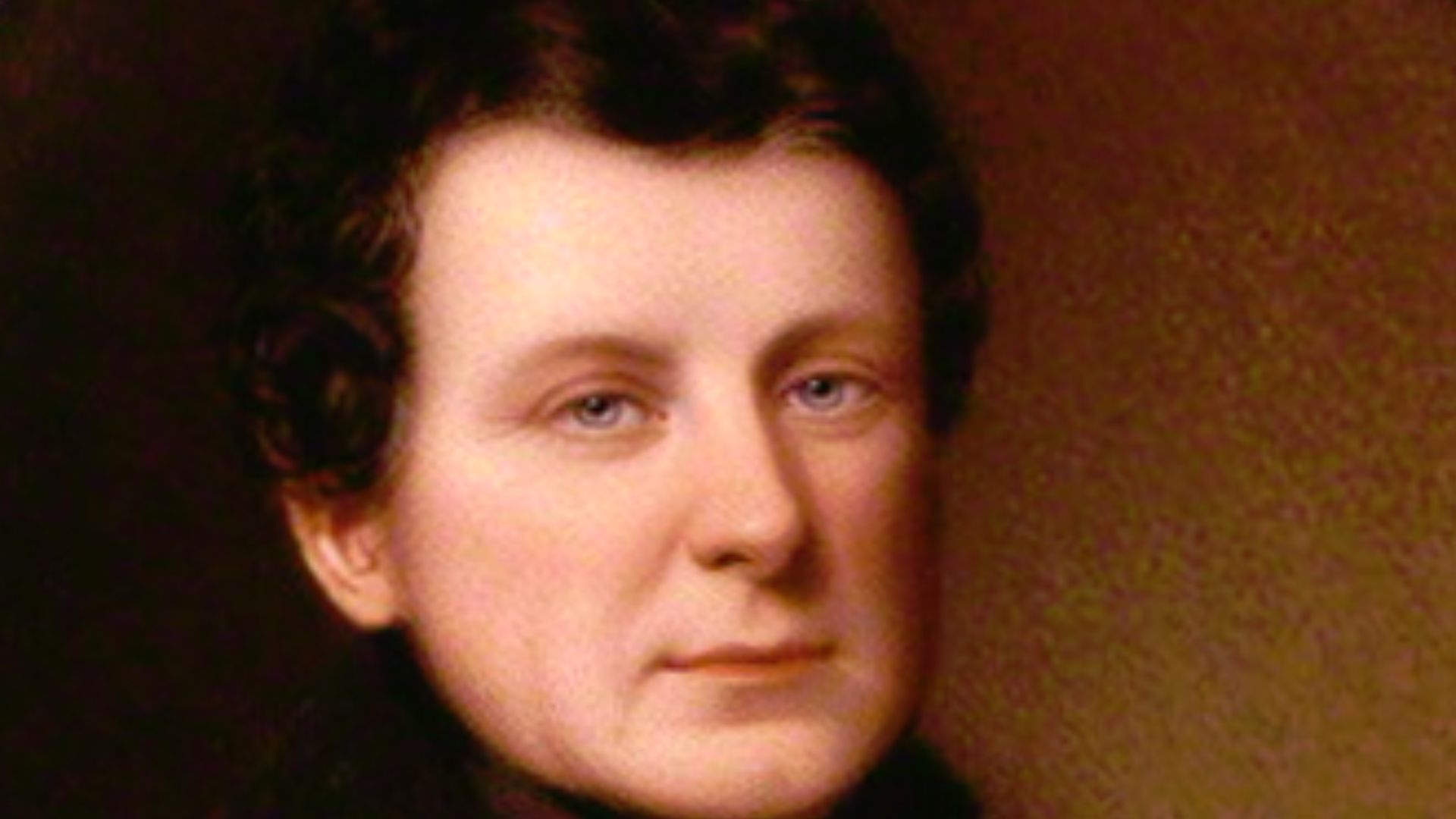 Bernard Mulrenin, Wikimedia Commons
Hatshepsut
Long before Cleopatra, Hatshepsut ruled Egypt with power and skill. She wore a pharaoh’s beard, led trade expeditions, and built massive temples still standing today. For years, her name was nearly erased from history, even though her reign brought peace and impressive architectural feats.
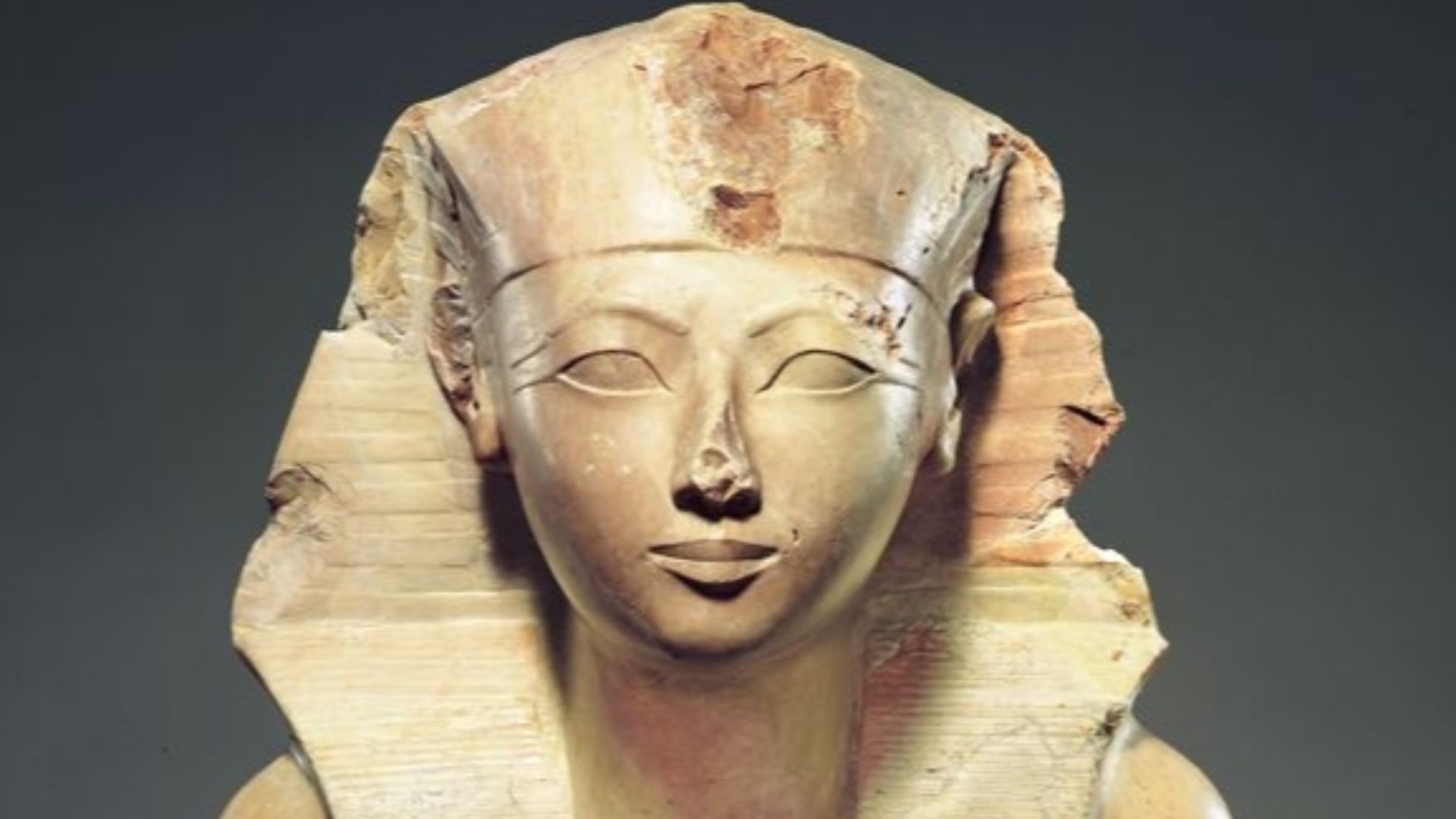
Alaric The Visigoth
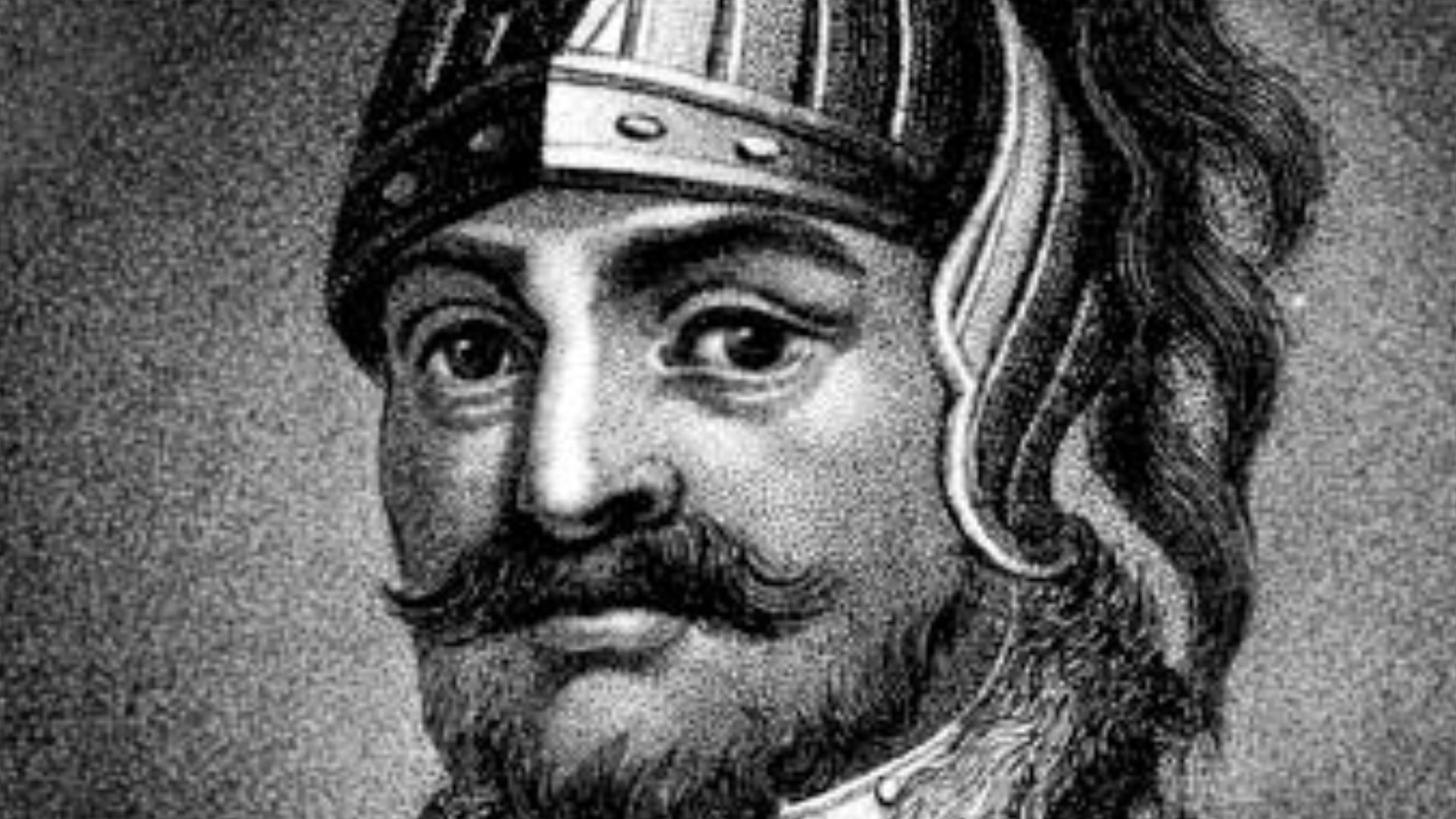
In 410 AD, the unthinkable happened—Rome fell to a foreign army. At the head of that force stood Alaric, leader of the Visigoths. His name spread fear across the empire, yet today, most people who study Roman history barely mention him.
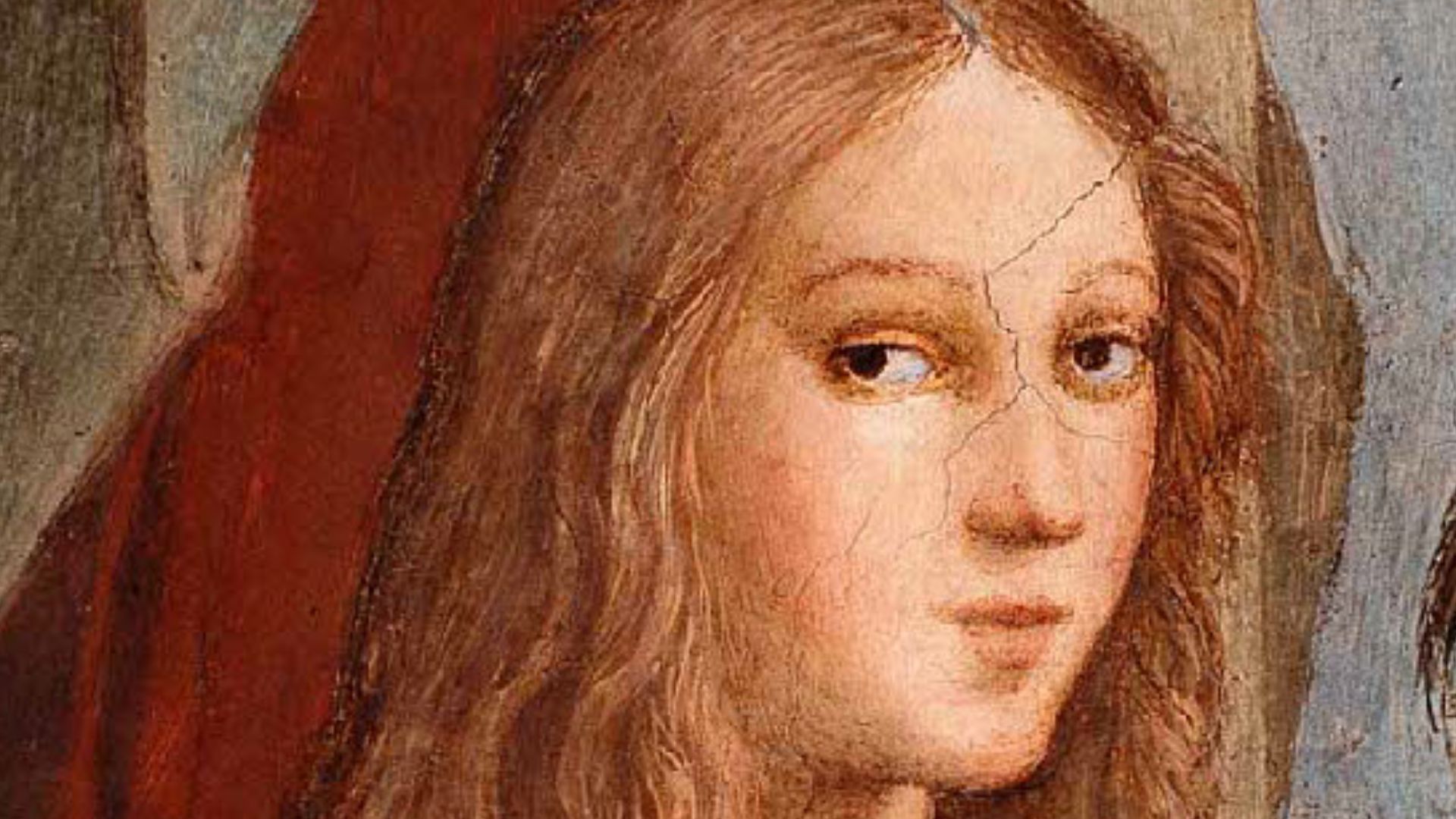
Hypatia Of Alexandria
Brilliant minds once gathered to learn from Hypatia, a philosopher and mathematician in ancient Egypt. Her work in astronomy and logic drew praise across cultures. But her death at the hands of a violent mob nearly erased her legacy from the history of science.
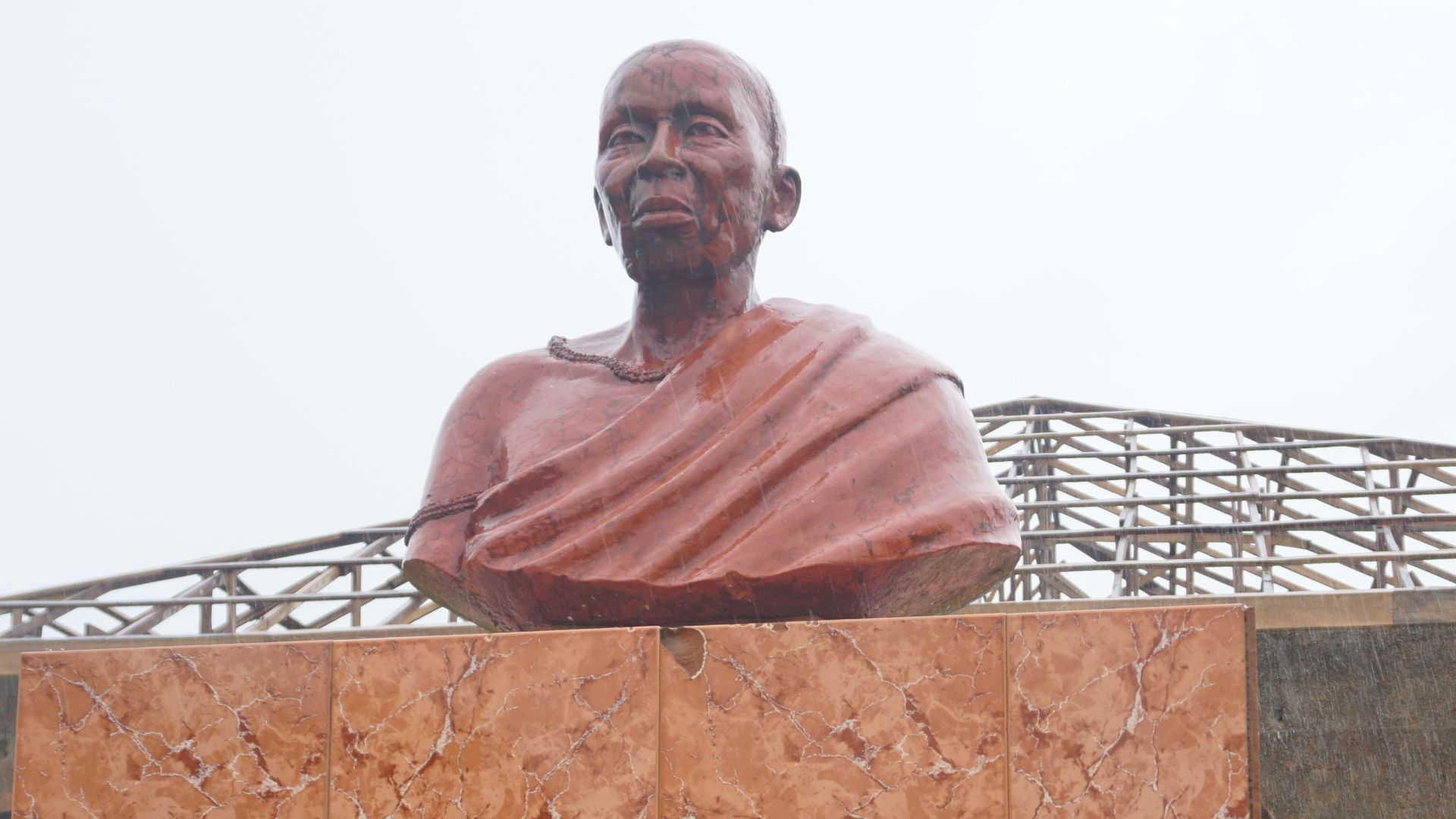
Yaa Asantewaa
When British troops threatened her homeland, Yaa Asantewaa took command. She led the Ashanti resistance in West Africa and refused to surrender. Her courage became a symbol of defiance, but outside of Ghana, few people know her name or the power she held.
Toussaint Louverture
Born into slavery, Toussaint Louverture rose to lead the only successful slave revolt in history. He outsmarted French and British forces and helped free Haiti. At the height of his influence, European powers feared his name, yet schoolbooks rarely give him more than a paragraph.
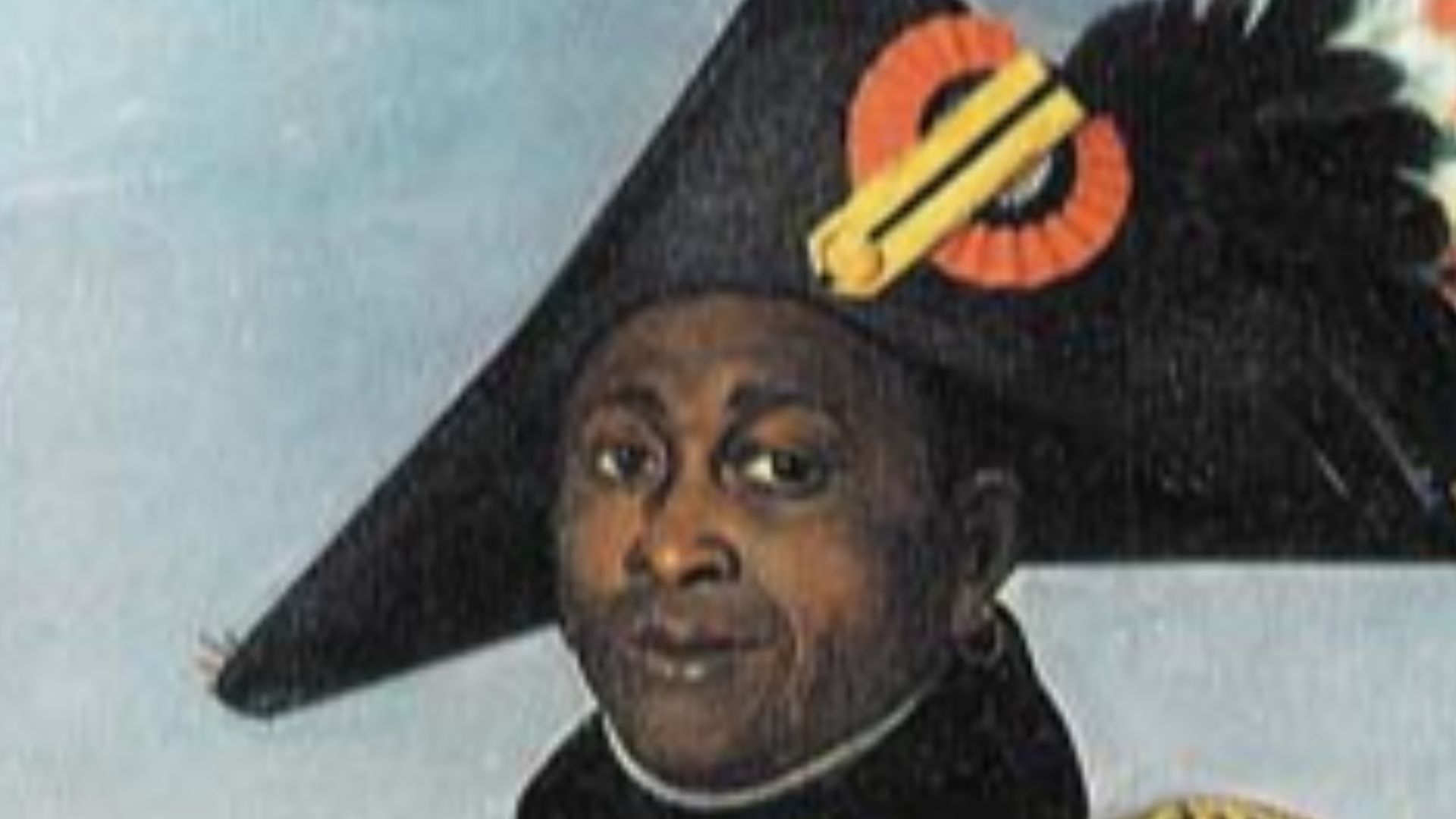 Alexandre Francois Girardin, Wikimedia Commons
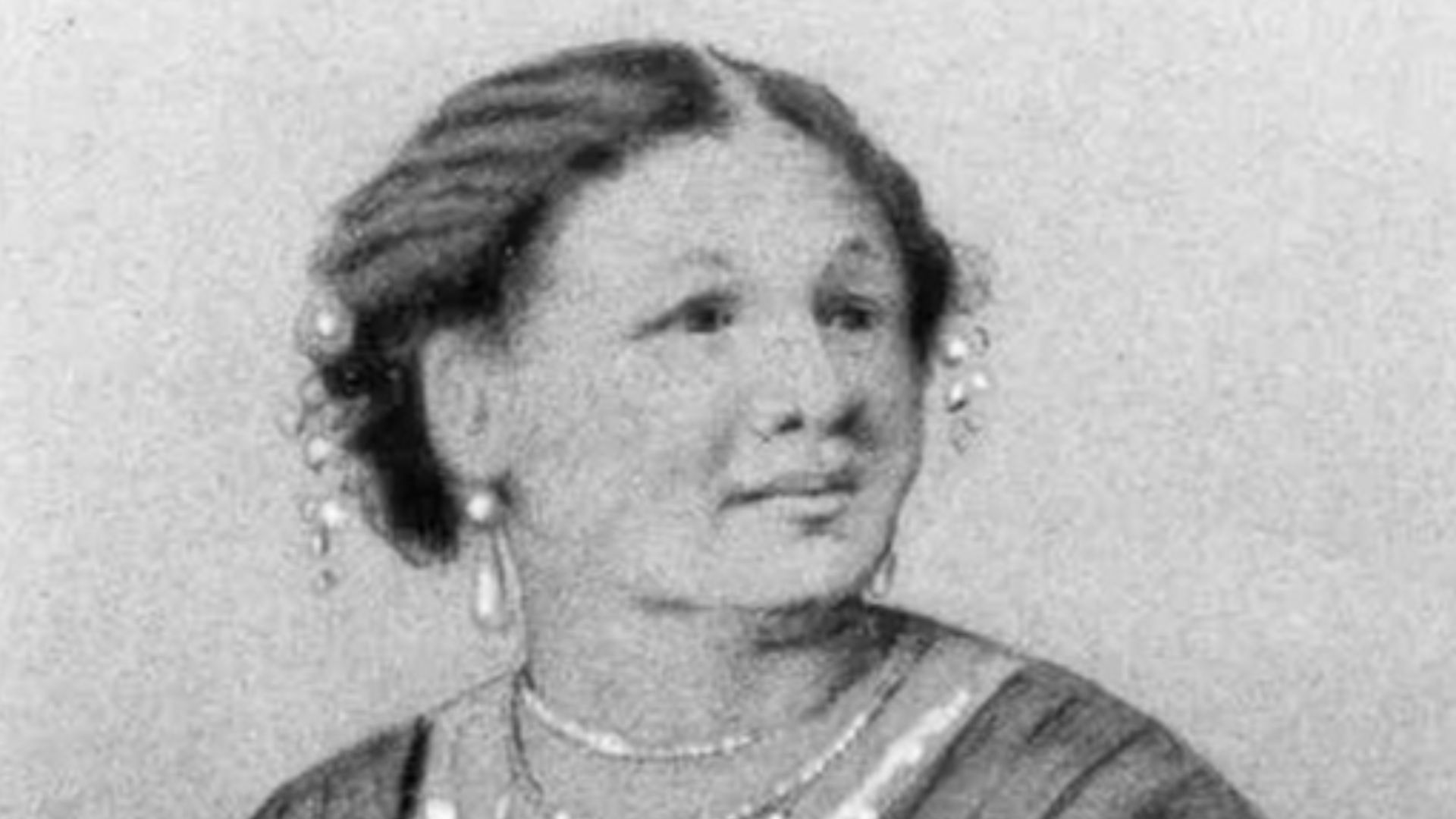
Mary Seacole
While Florence Nightingale became a household name, Mary Seacole’s story faded into the background. She treated injured soldiers on the front lines of the Crimean War using both medical knowledge and traditional remedies. British newspapers once praised her bravery, but history left her out for far too long.
Queen Nzinga
Enemies called her ruthless. Her people called her brilliant. Queen Nzinga faced off against Portuguese forces in 17th-century Africa and used diplomacy and strategy to defend her kingdom. Though once respected across continents, her name slipped out of global history conversations.
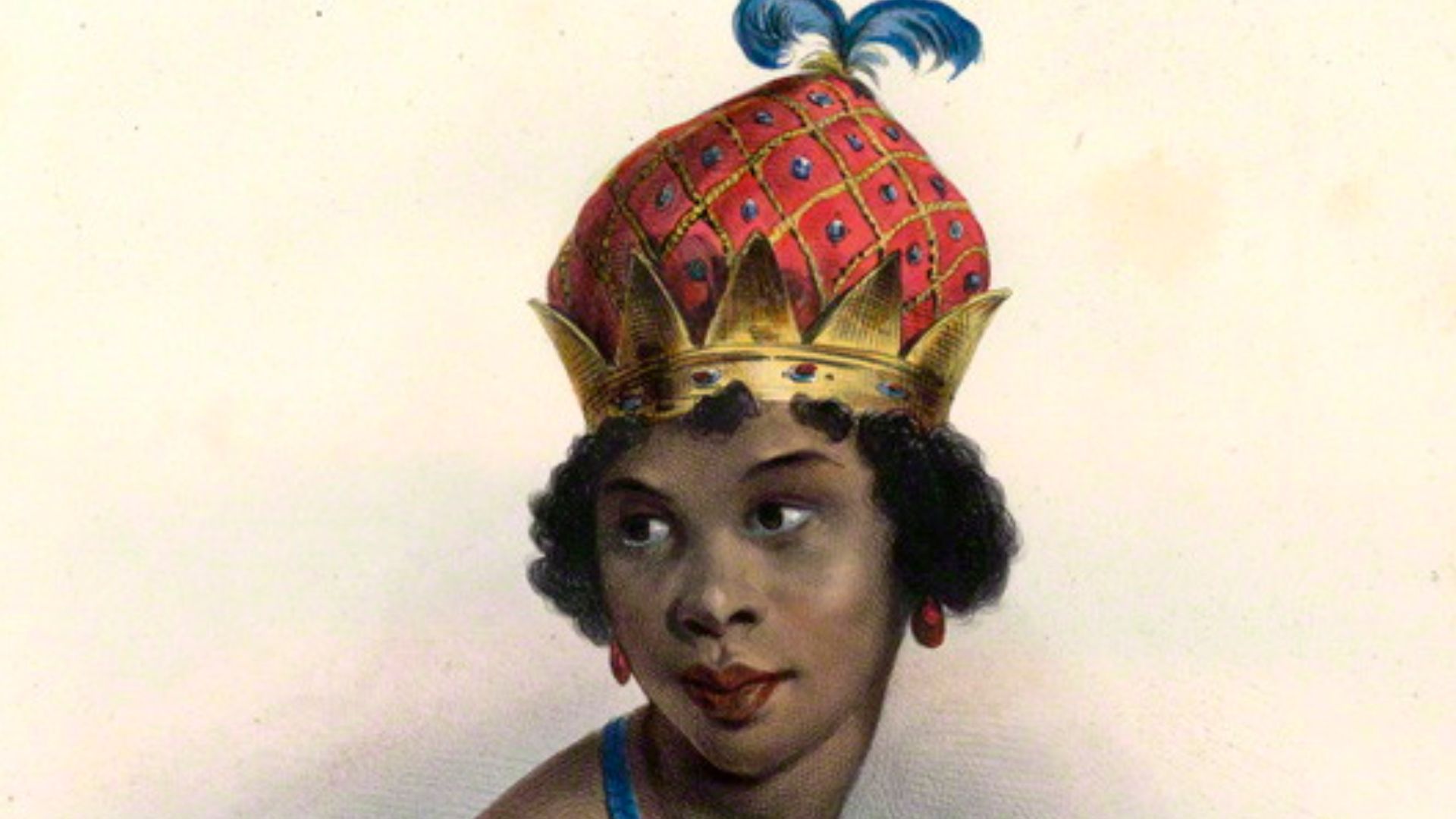 Achille Deveria, Wikimedia Commons
Bessie Coleman
Flying wasn’t easy for anyone in the early 1900s, but Bessie Coleman broke through both racial and gender barriers. She learned to pilot planes in France and later performed stunts in front of amazed crowds. For years, her name soared higher than most.
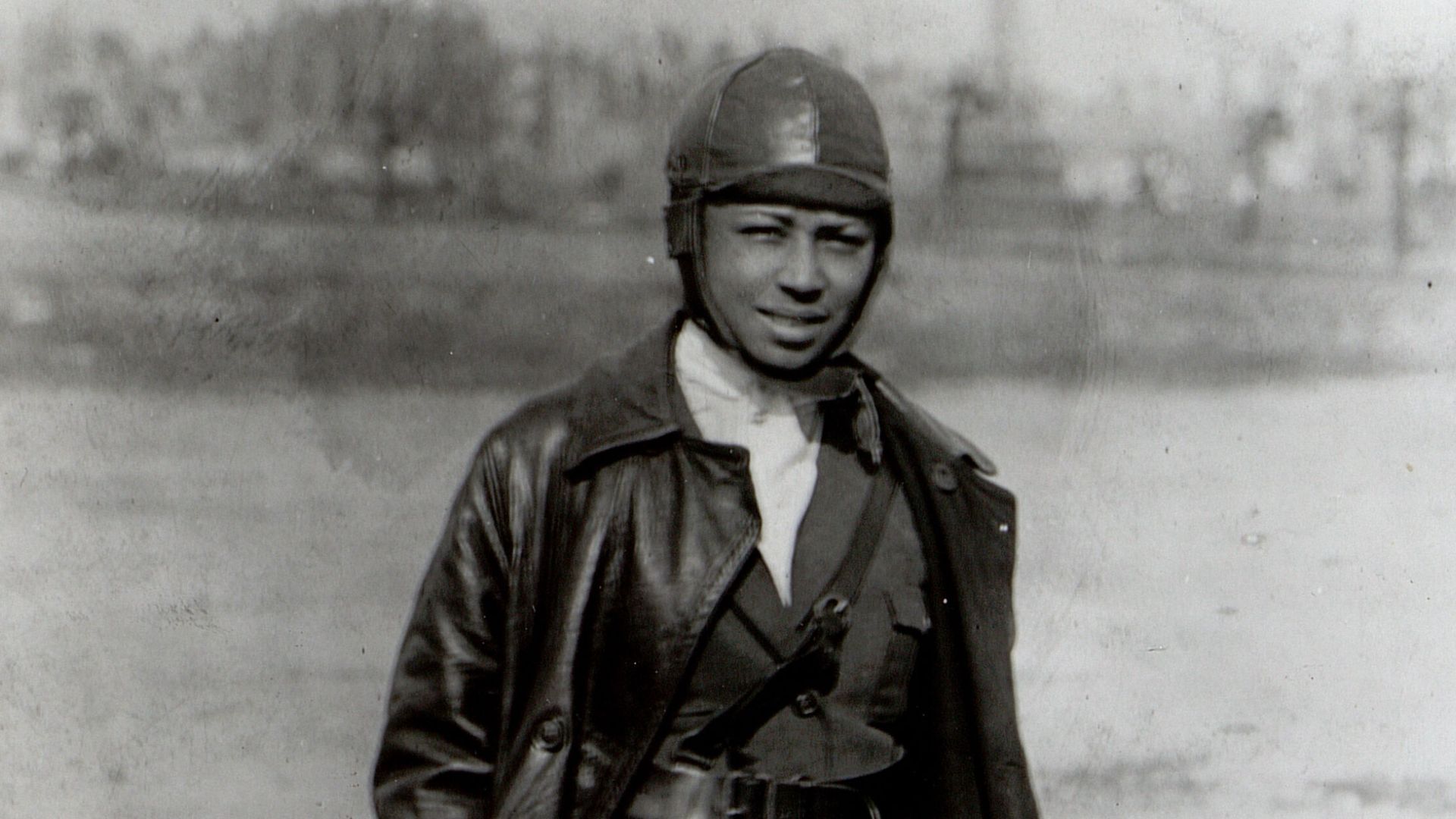 Dove & Porter, Wikimedia Commons
Charles Richard Drew
During WWII, Charles Drew transformed battlefield medicine by improving how blood was stored and transported. He helped build the first large-scale blood banks, saving thousands of lives. Despite his enormous impact, his contributions remain overlooked in most science and history lessons.
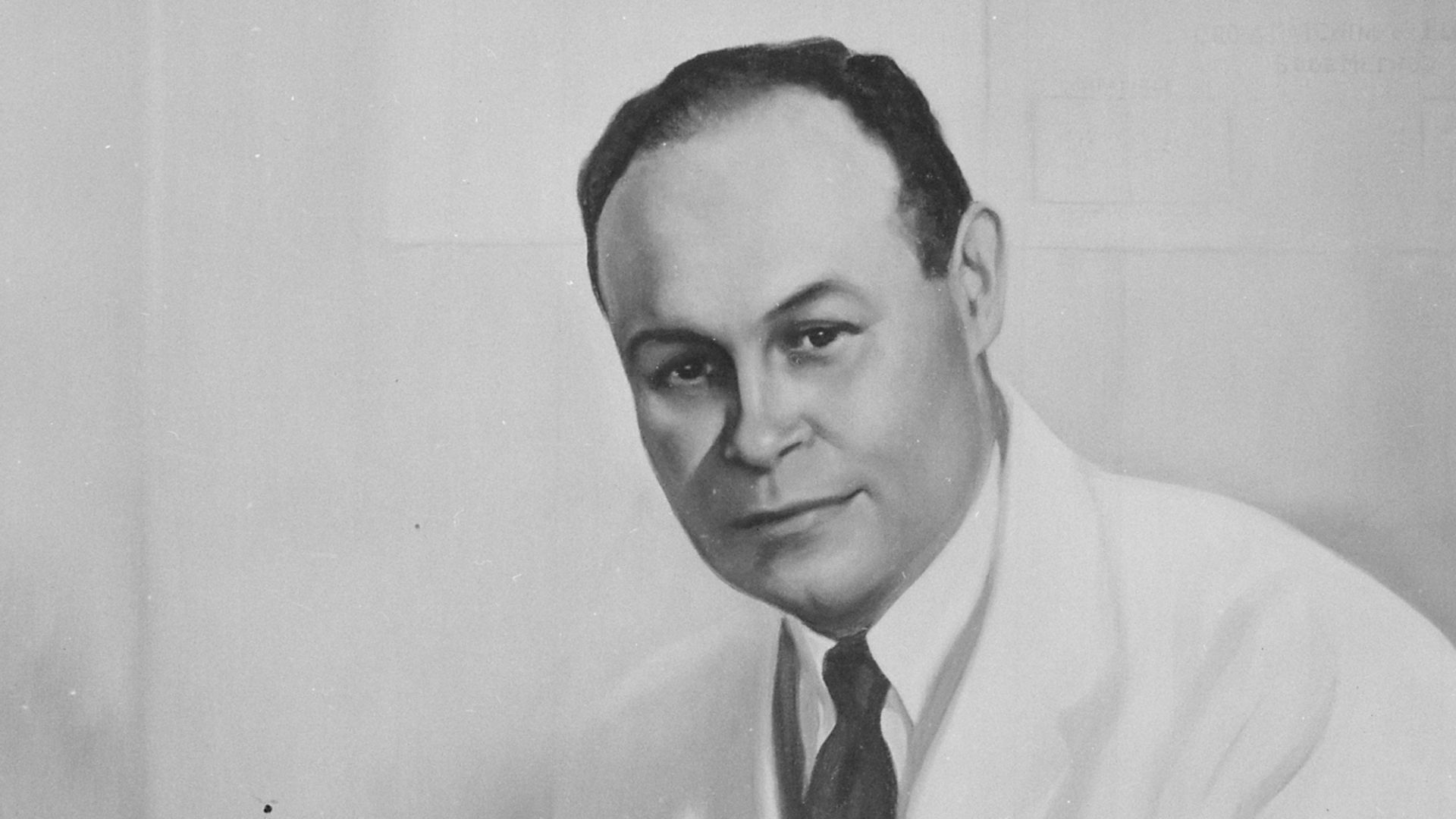 Betsy Graves Reyneau, Wikimedia Commons
Emmeline Pankhurst
Crowds once packed city streets just to hear Emmeline Pankhurst speak. Her leadership pushed the women’s suffrage movement forward in Britain and caught attention worldwide. Though her rallies sparked change, her name often slips past when people recall the fight for women’s rights.
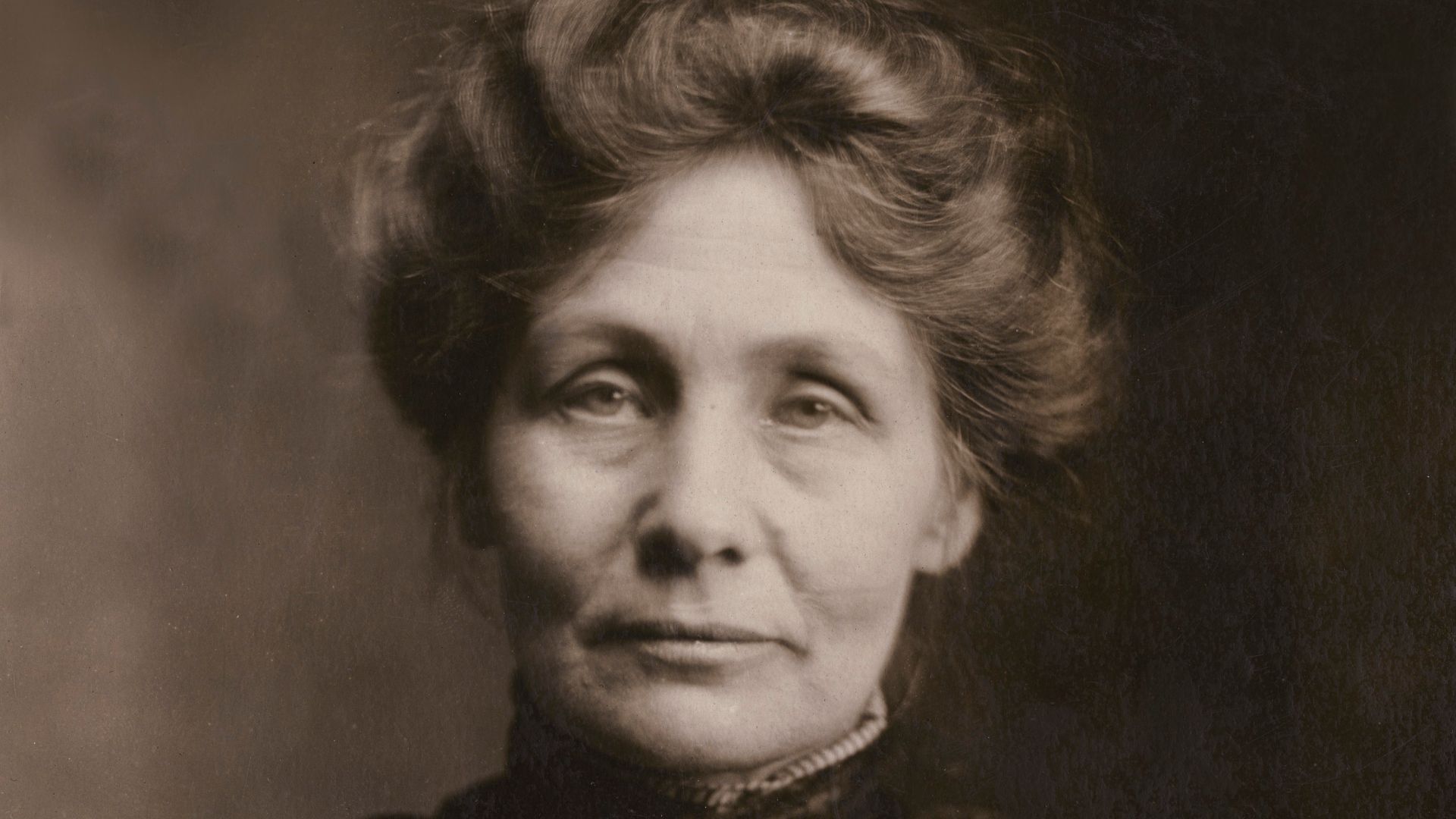 LSE Library, Wikimedia Commons
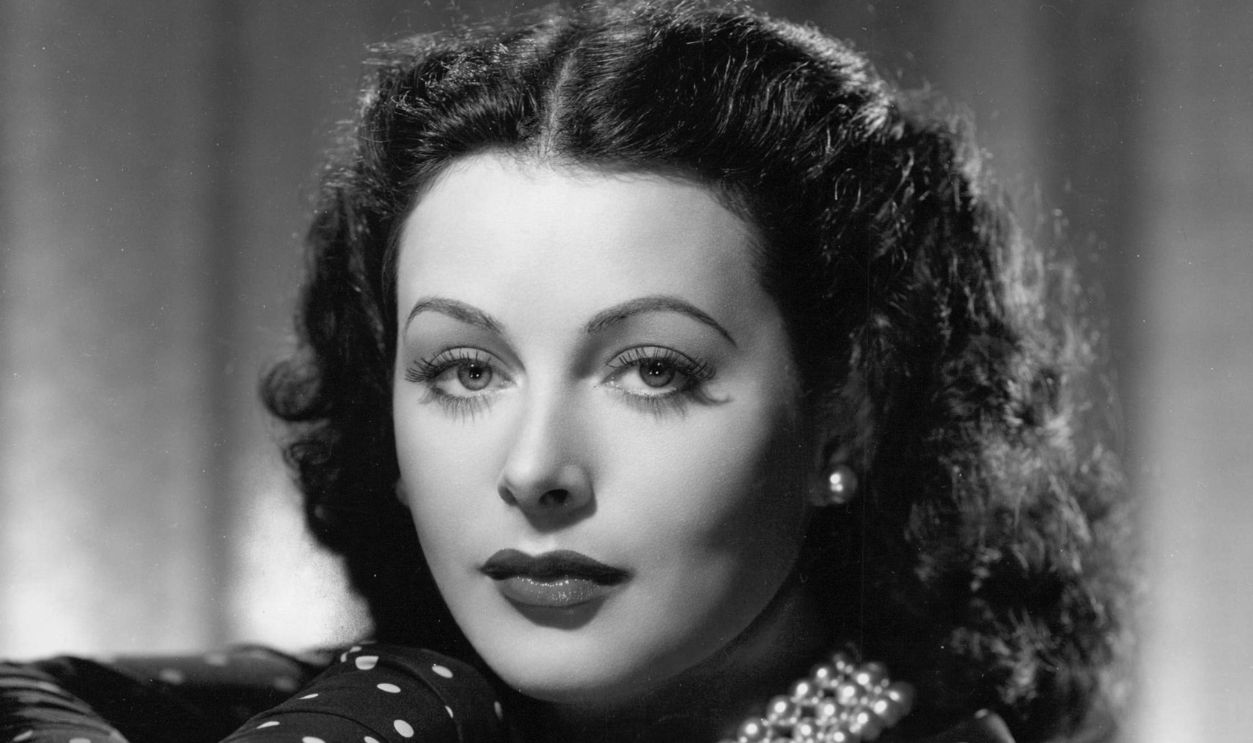
Hedy Lamarr
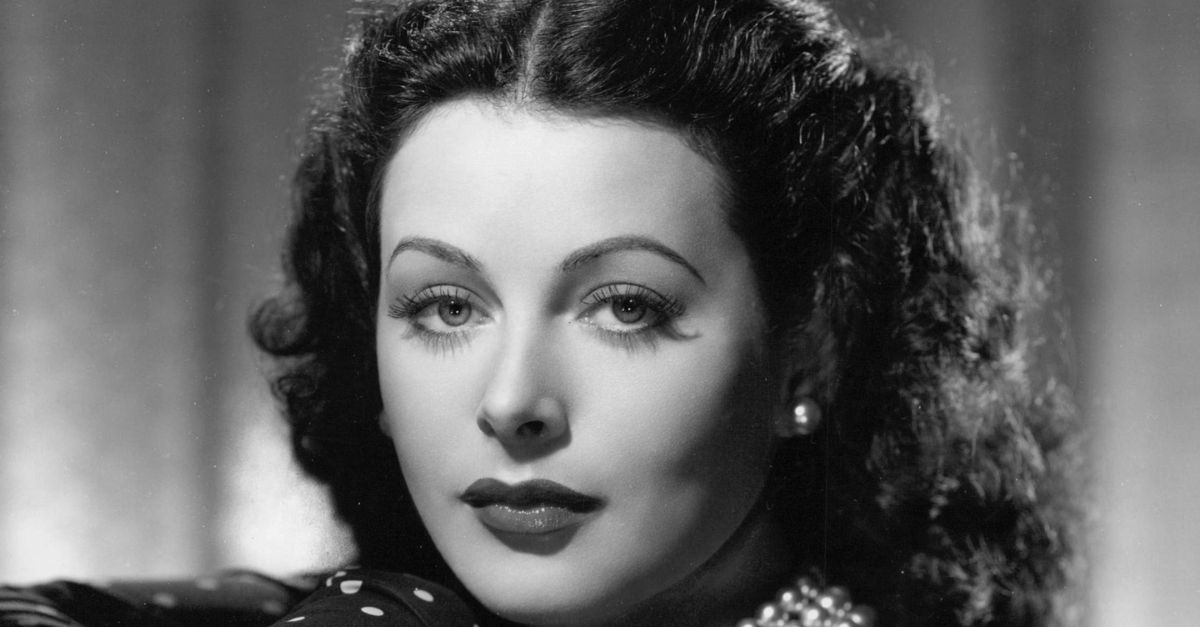
Famous for her beauty on screen, Hedy Lamarr also worked on early wireless technology. She helped invent a system to protect wartime radio signals, a key step toward Wi-Fi. While Hollywood praised her looks, history missed her mind for far too long.
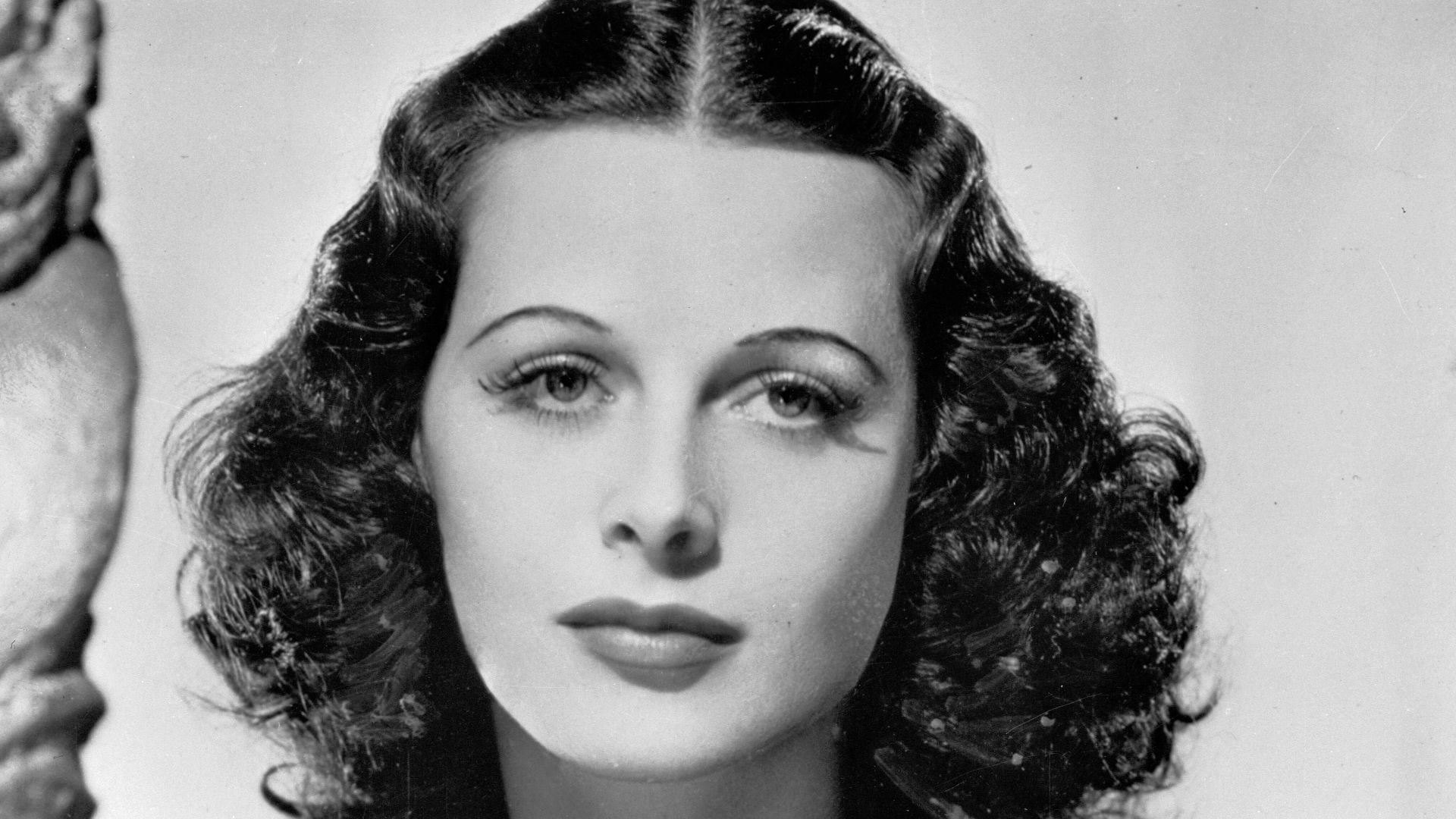 Los Angeles Times, Wikimedia Commons
Henrietta Lacks
She never gave permission, yet her cells changed the world. After Henrietta Lacks died of cancer in 1951, doctors used her tissue for research. Her cells helped develop vaccines and cancer treatments, but for decades, her family didn’t even know it had happened.
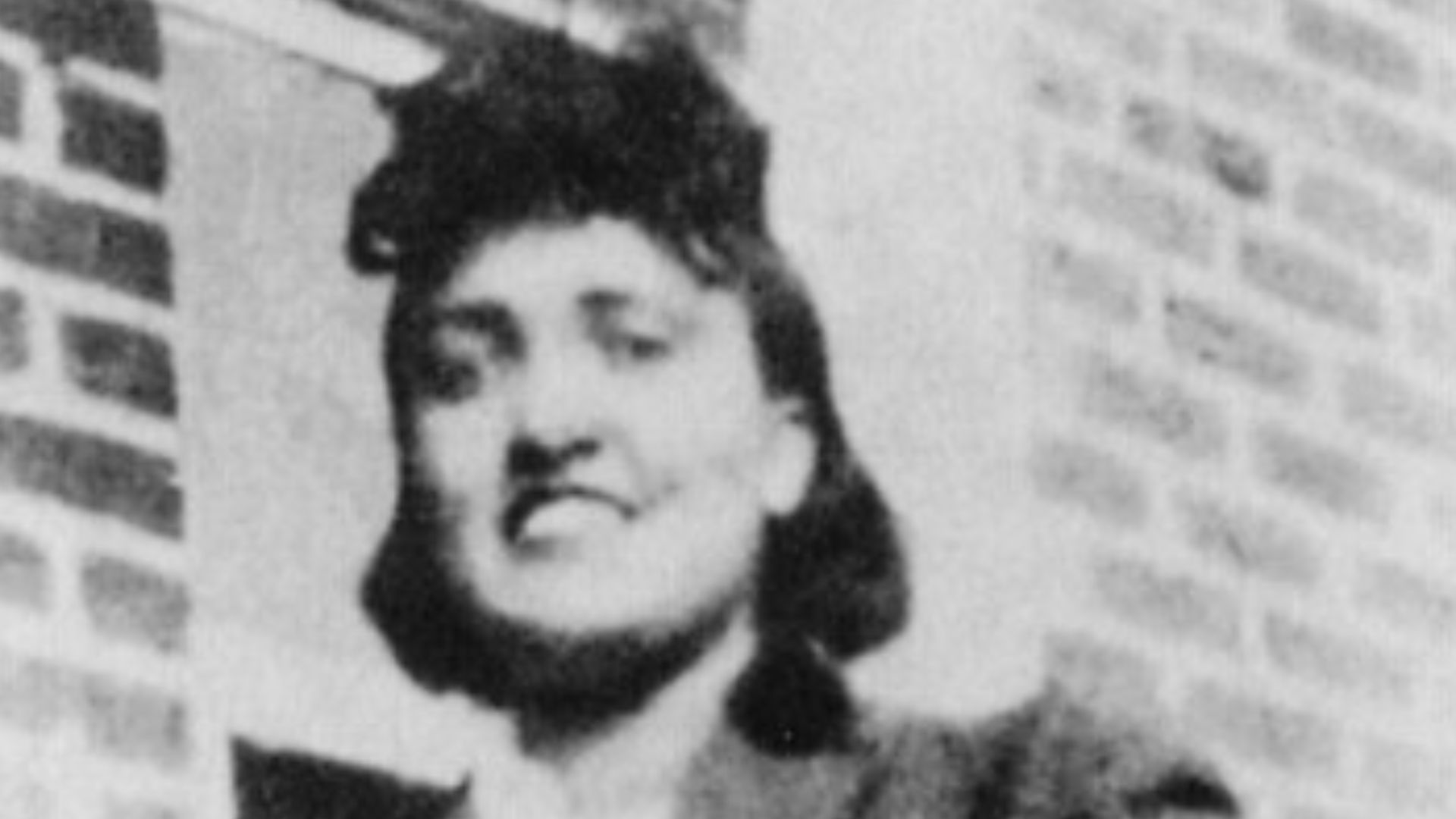 Oregon State University, Wikimedia Commons
Bayard Rustin
Out of the public eye during the civil rights era, Bayard Rustin organized one of its biggest moments—the 1963 March on Washington. He trained activists, planned logistics, and shaped strategy. Though he stood in the background, nothing moved forward without his hand in it.
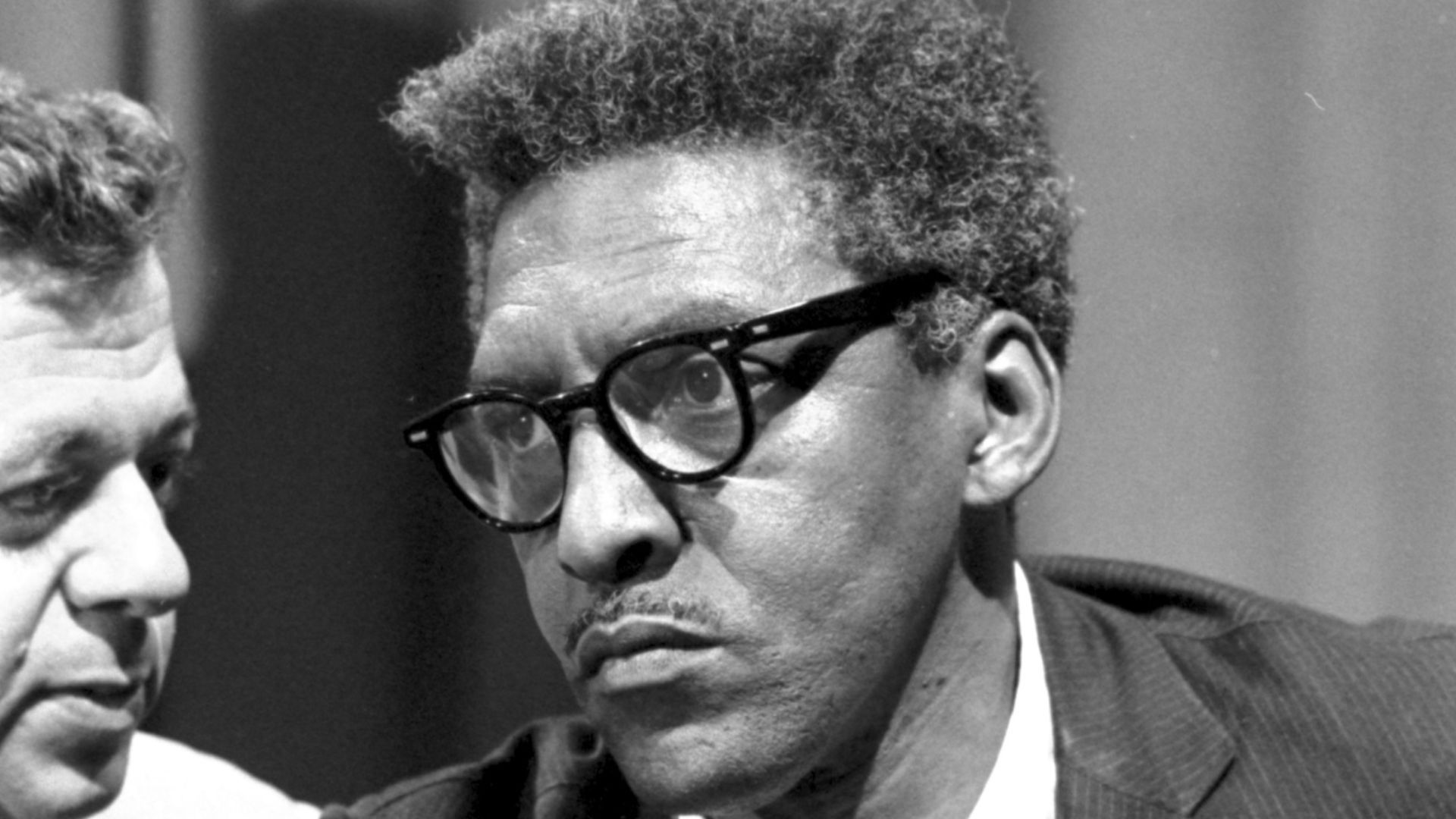 Leffler, Warren K., photographer., Wikimedia Commons
Ida Rubinstein
Audiences in early 1900s Europe filled theaters to see Ida Rubinstein perform. She starred in bold, experimental ballets and inspired famous composers like Ravel. Her image once defined the avant-garde, yet her name now barely appears in stories about modern dance or theater.
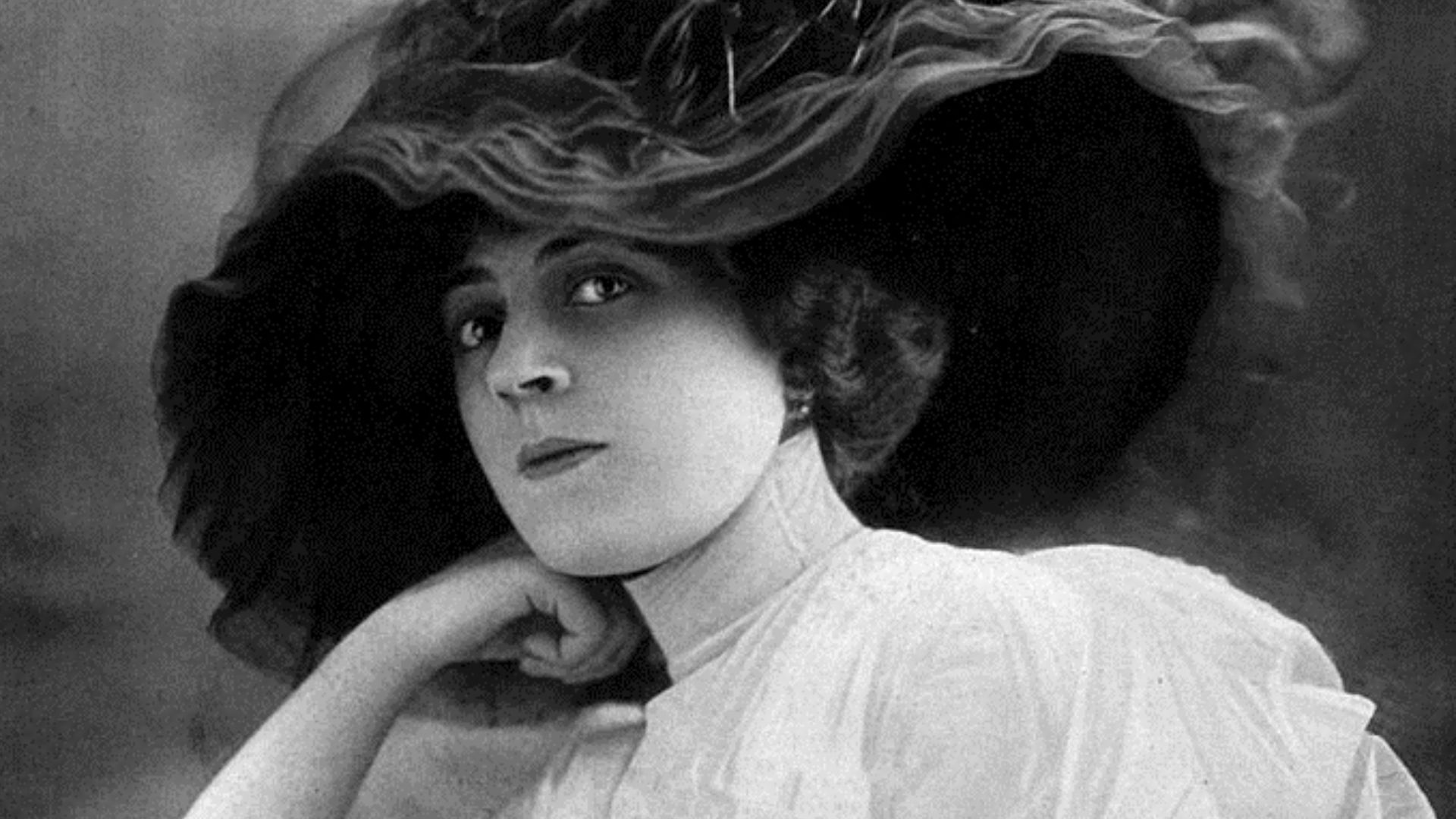 Unknown authorUnknown author, Wikimedia Commons
Tom Molineaux
Born into slavery, Tom Molineaux fought his way to fame as a prizefighter in early 1800s England. He drew massive crowds and nearly won the British boxing championship. For years, his fights made headlines across Europe, though few remember him today.
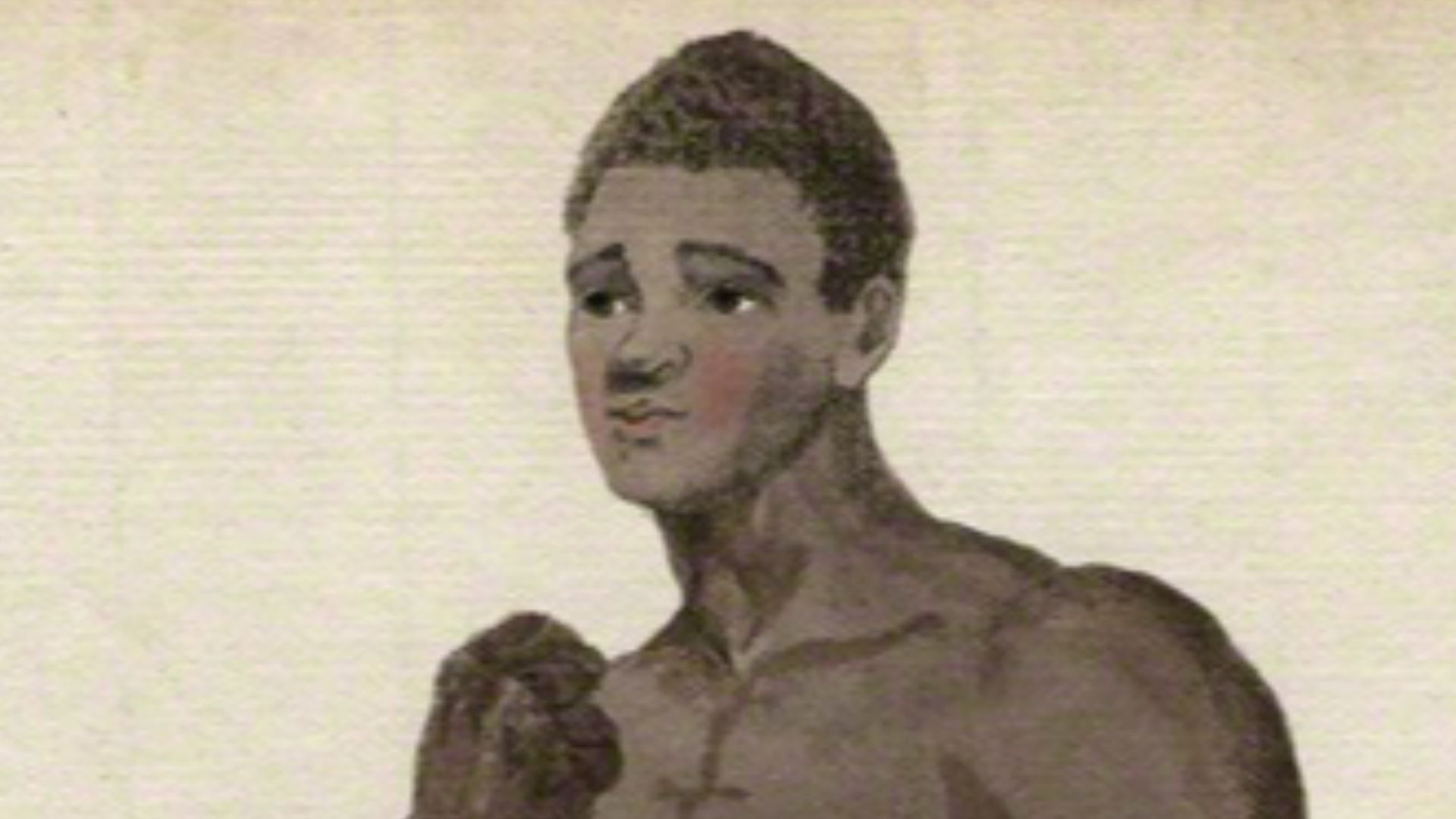 Robert Dighton, Wikimedia Commons
Clara Bow
In the 1920s, Clara Bow was Hollywood’s original “It Girl”. Her face lit up the screen in countless silent movie roles and set the standard for movie stardom. Fans copied her style, and studios built films around her; however, her fame didn’t survive the transition to sound.
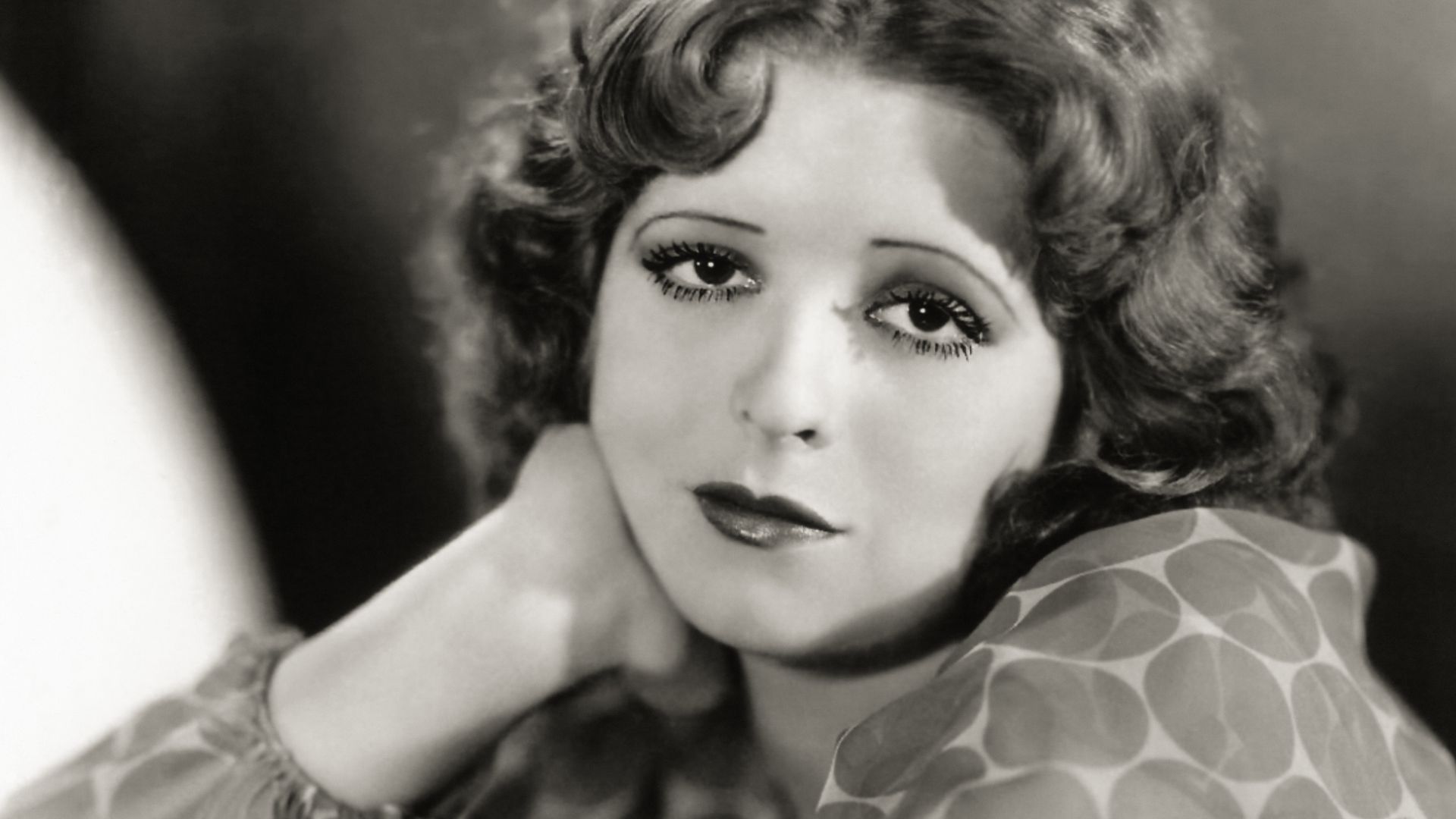 Harold Dean Carsey (1886-1947), Wikimedia Commons
William The Silent
During the 1500s, William the Silent led the Dutch revolt against Spanish rule. His leadership helped shape the Netherlands and inspired future revolutions. People once spoke his name with admiration across Europe, yet today, few outside his country remember what he achieved.
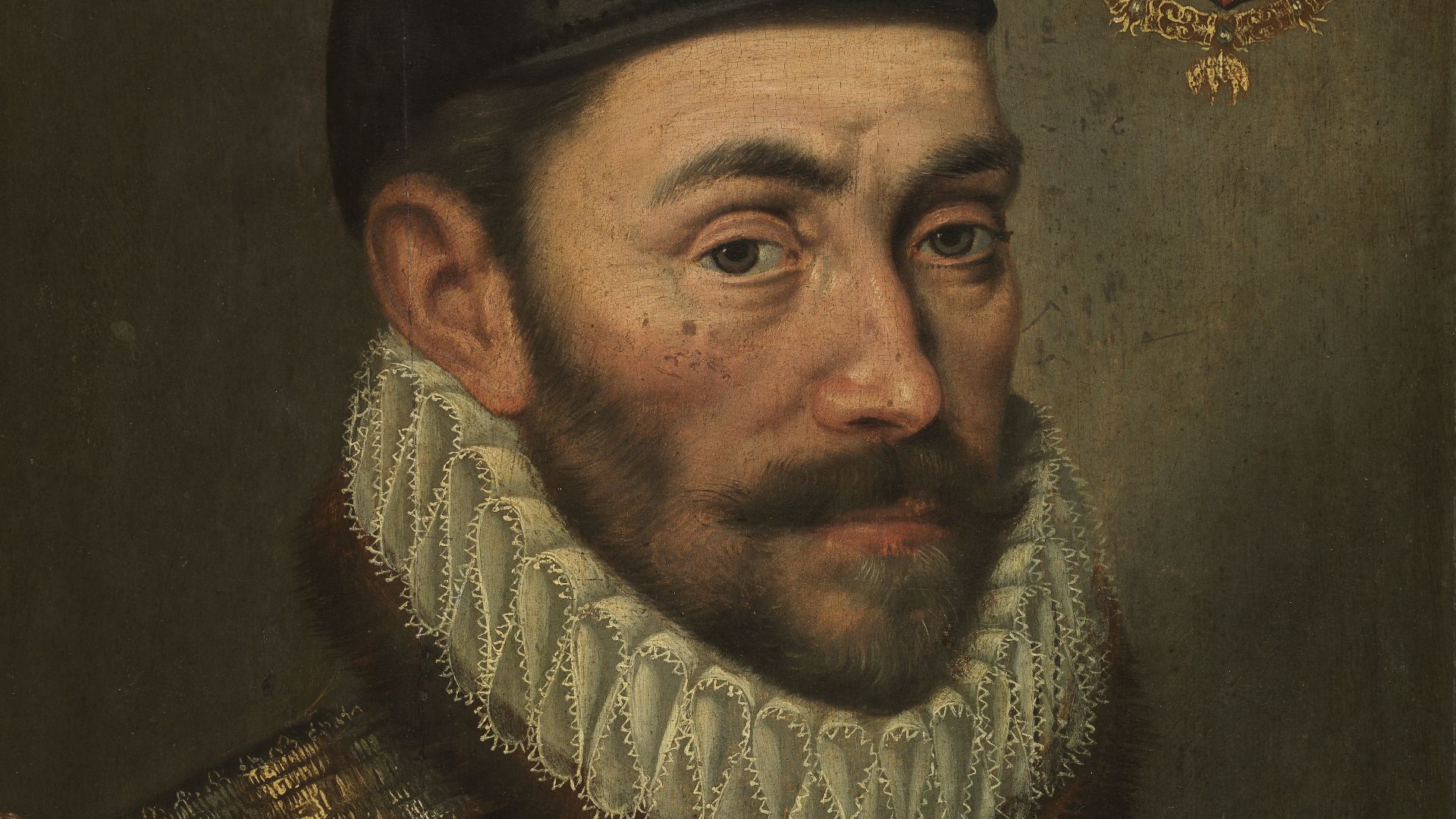 AnonymousUnknown author, Wikimedia Commons