And the Oscar Should Have Gone To...
The 70s may have been the greatest decade movies ever had. And that sounds wonderful—until you remember Oscar voters still had to pick only one Best Picture every year.
Sometimes they absolutely nailed it. Other times, they chose a great movie while an even better one sat a few rows away trying not to look annoyed. Using each film’s release year, here are the winners—and the films that actually should have won.
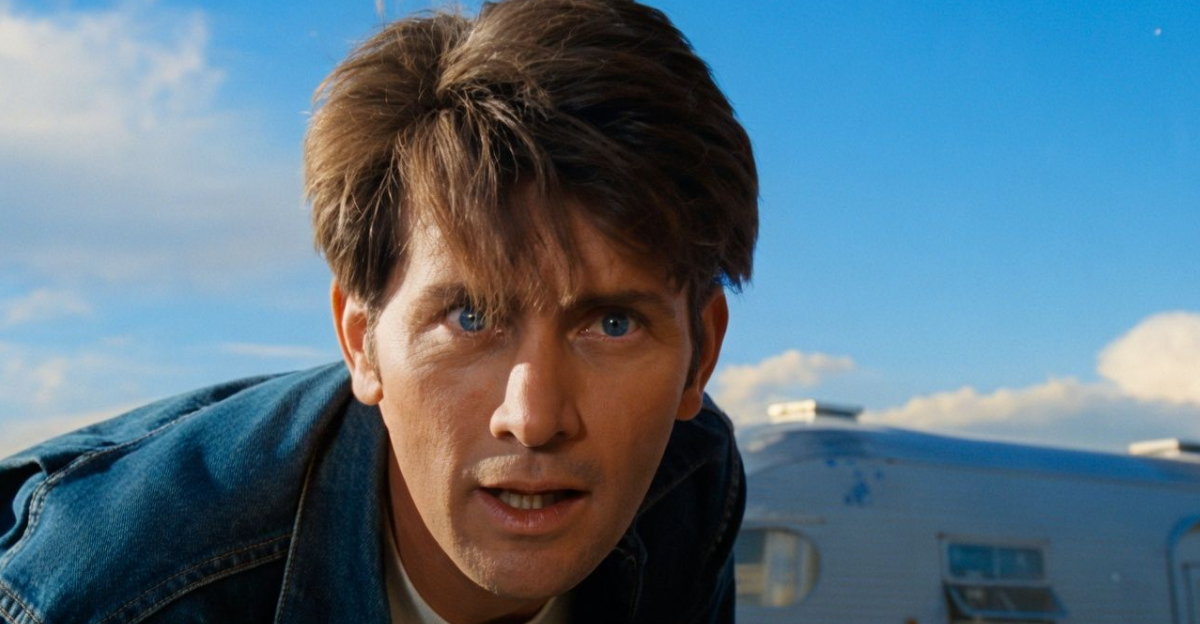
1970 Winner: “Patton”
Patton looked exactly like the kind of movie Oscar voters loved. It was big, serious, historical and built around George C. Scott giving one of those performances where every sentence sounds important. The film won seven Oscars. Scott famously refused his, which may still be the most George C. Scott thing imaginable.
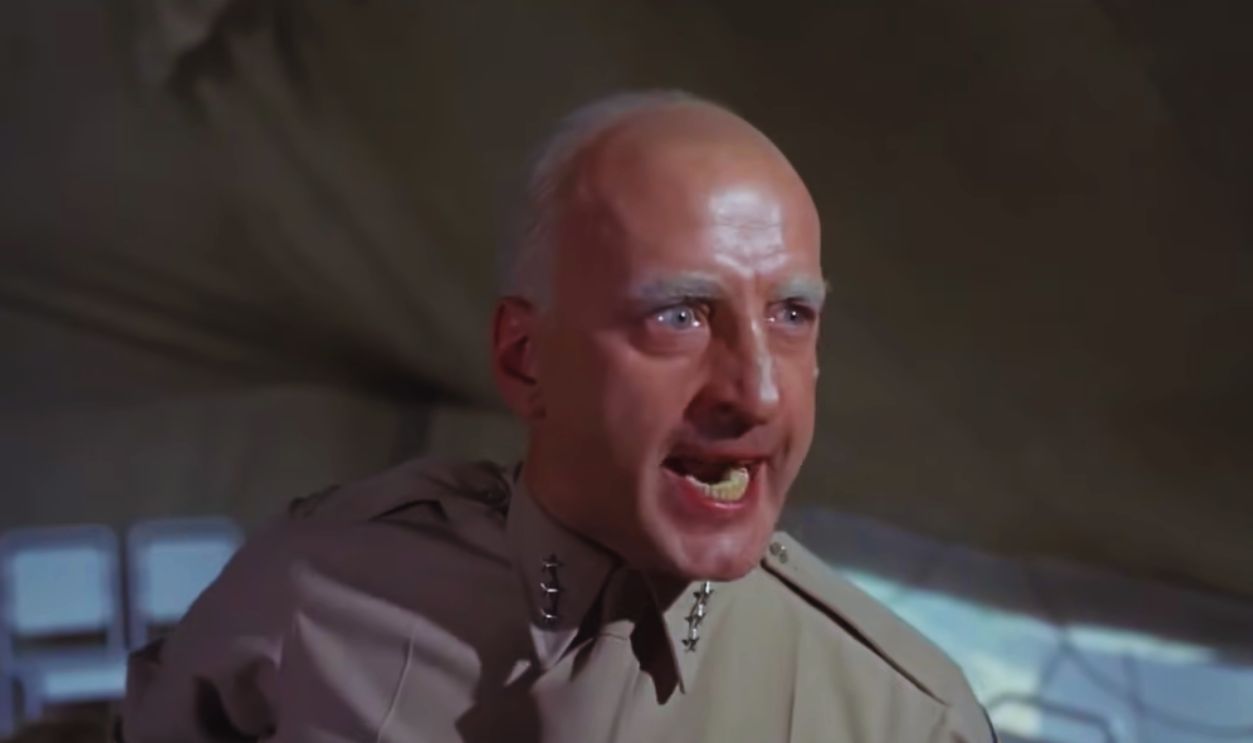 Screenshot from Patton, 20th Century Fox (1970)
1970 Should’ve Won: “Five Easy Pieces”
Five Easy Pieces felt like the movie Jack Nicholson had been waiting his whole life to make—even though he was only 33. The diner argument, where he essentially orders an entire chicken-salad sandwich just to get toast, is Nicholson in miniature: funny, angry and determined to make everything harder than necessary. Patton looked like Hollywood’s past. This felt like its future.
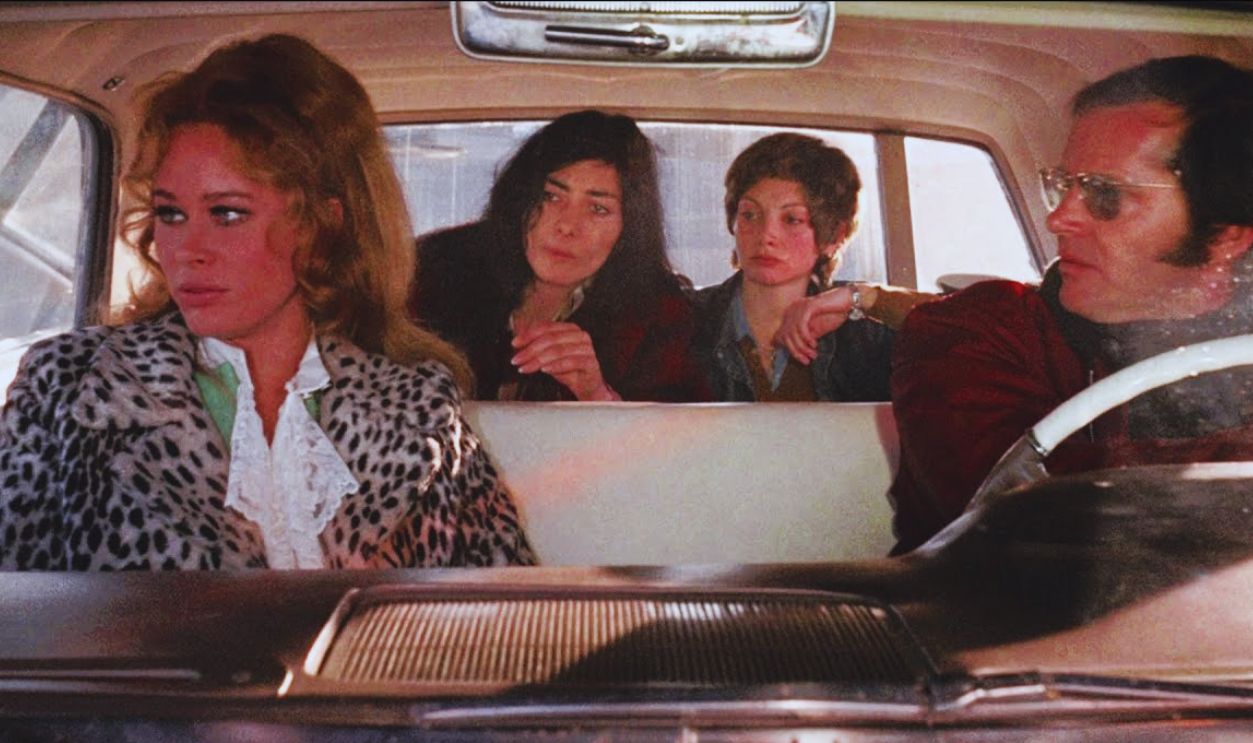 Screenshot from Five Easy Pieces, Columbia Pictures (1970)
1971 Winner: “The French Connection”
The French Connection is a great movie. Gene Hackman is terrific, William Friedkin directs it like the entire production is being chased by the police, and that elevated-train pursuit remains one of the greatest car chases ever filmed. This is not an embarrassing Best Picture winner. It just happened to win in a very strong year.
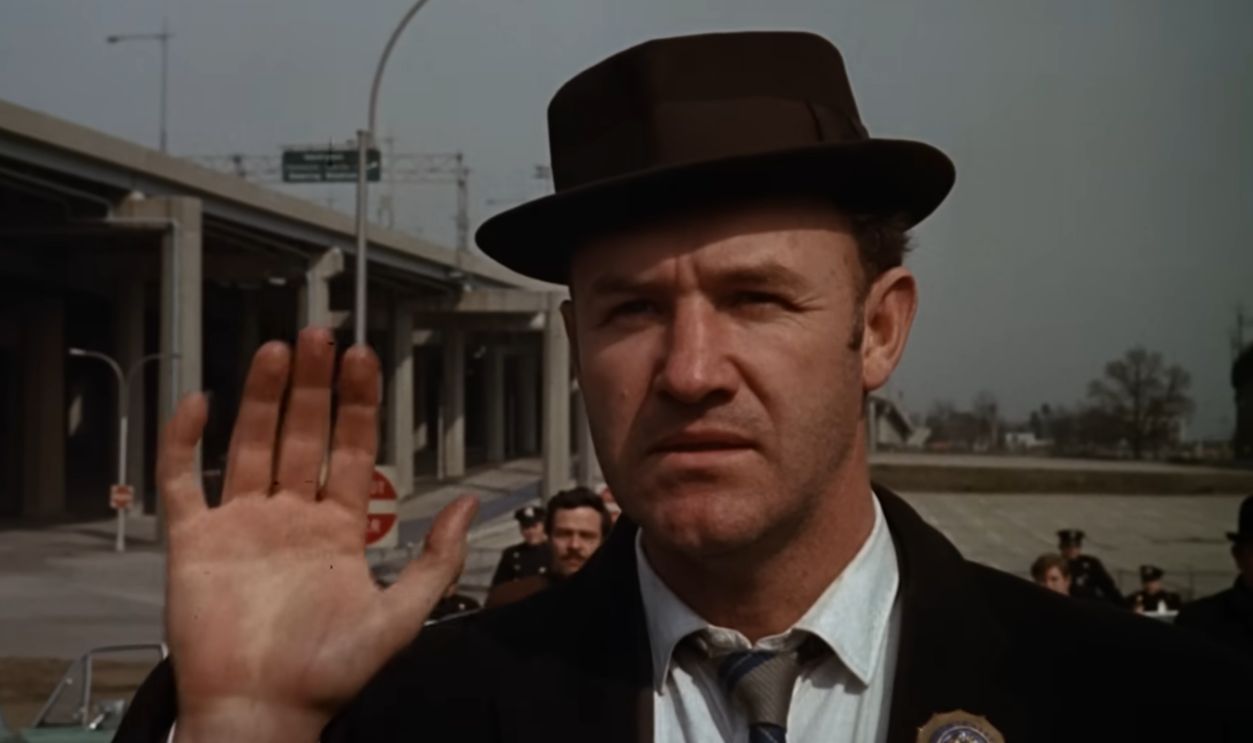 Screenshot from The French Connection, 20th Century Fox (1971)
1971 Should’ve Won: “A Clockwork Orange”
Stanley Kubrick did not make A Clockwork Orange to help anyone relax. From the opening stare inside the Korova Milk Bar to the horrifying Ludovico treatment, it was strange, disturbing and completely unlike anything else in theaters. Just three years earlier, the Academy had somehow failed to even nominate 2001: A Space Odyssey for Best Picture. Kubrick came back with another masterpiece—and they missed again.
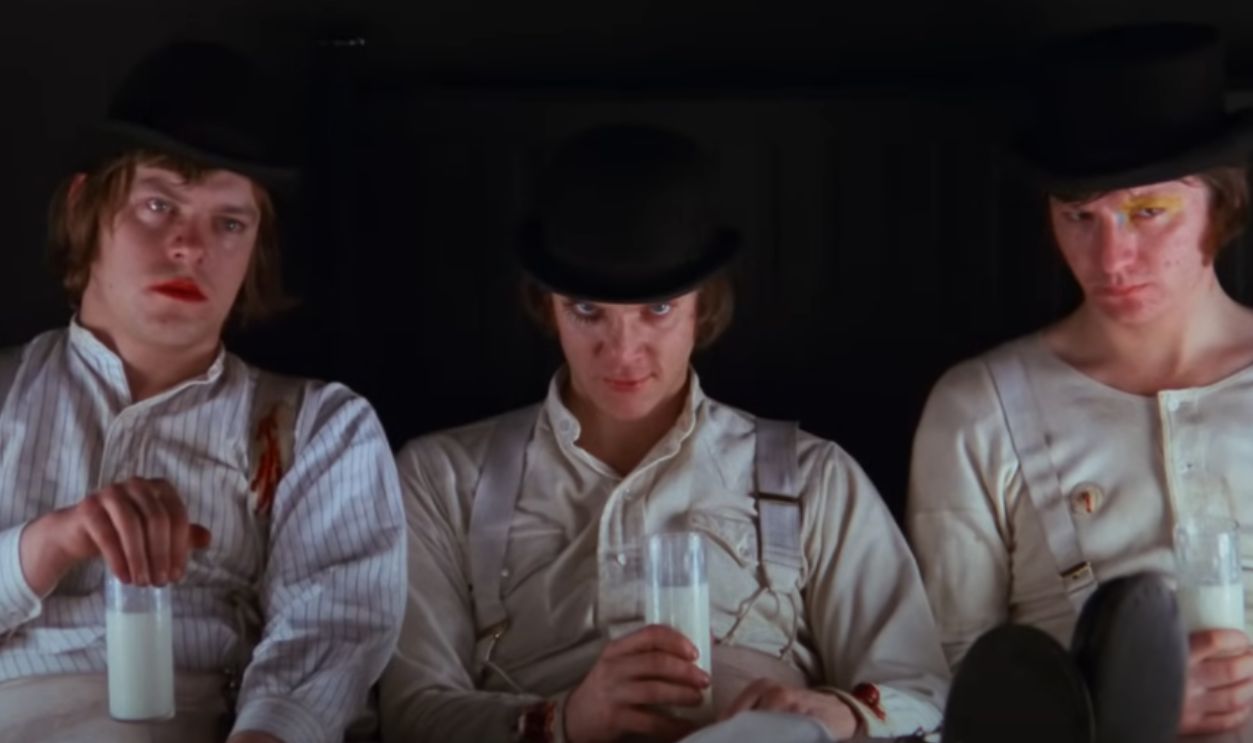 Screenshot from A Clockwork Orange, Hawk Films / Warner Bros. (1971)
1972 Winner: “The Godfather”
There are years when the Academy has to make a difficult choice. This was not one of them. The Godfather had Marlon Brando, Al Pacino, James Caan, Robert Duvall and Francis Ford Coppola turning a crime story into an American tragedy. Oscar voters woke up with one job—and thankfully, there was no horse’s head required.
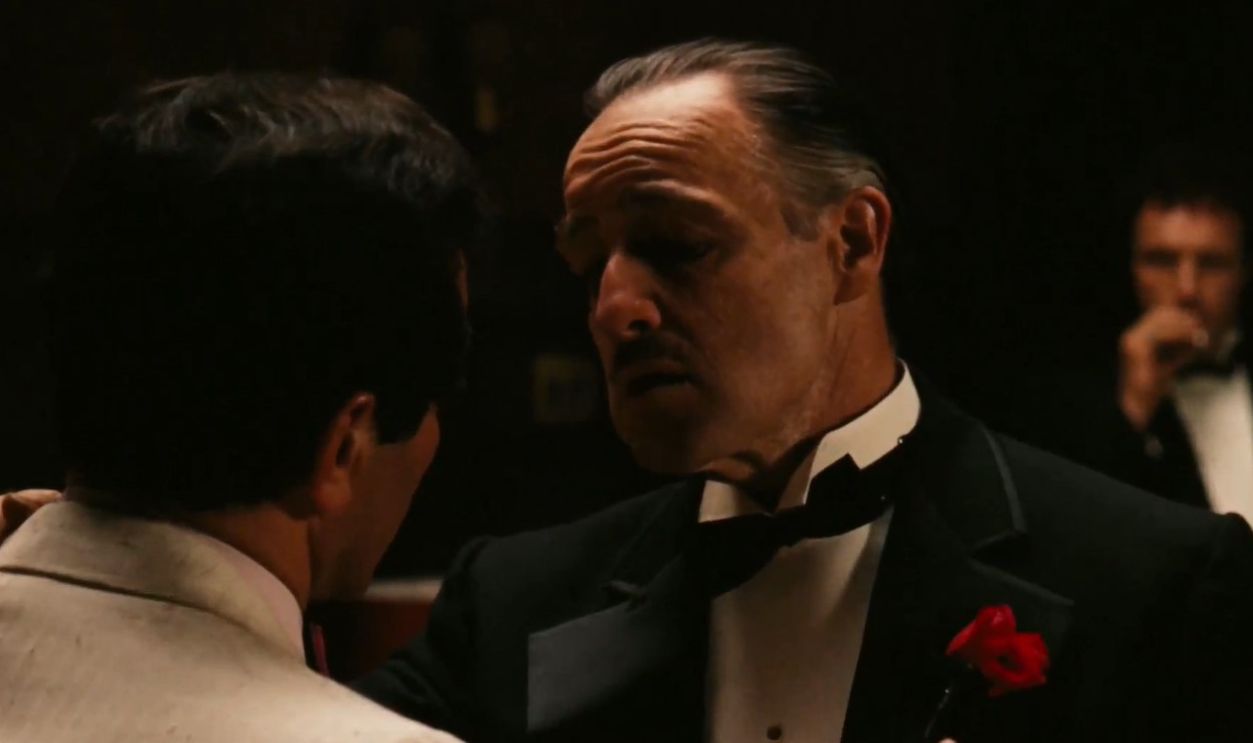 Screenshot from The Godfather, Paramount Pictures (1972)
1972 Should’ve Won: “The Godfather”
Cabaret was brilliant and actually won more Oscars that night. But Best Picture still had to be The Godfather. The restaurant scene alone, as Michael calmly walks into the bathroom and returns as a completely different man, would probably be enough. Add everything else, and this one really was not close.
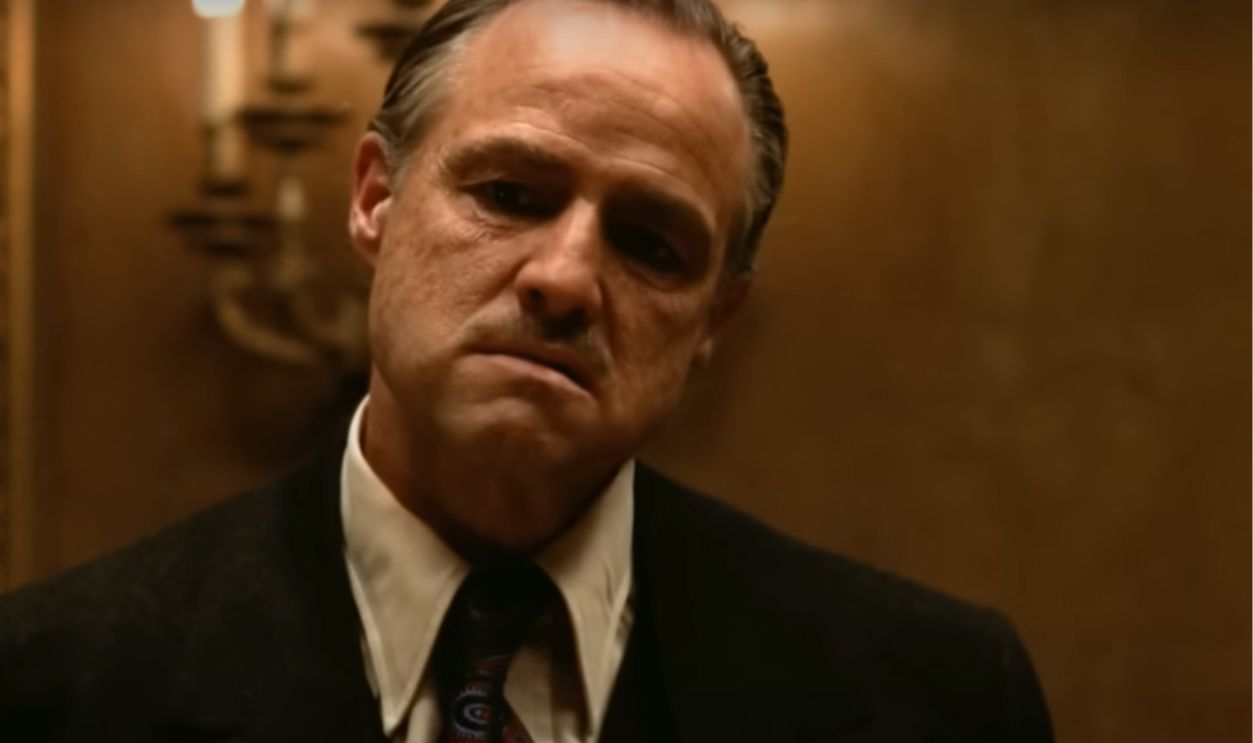 Screenshot from The Godfather, Paramount Pictures (1972)
1973 Winner: “The Sting”
It is almost impossible to dislike The Sting. Paul Newman and Robert Redford are so charming together that they could probably spend two hours reading appliance manuals and still sell tickets. The final con is enormously satisfying, the music is unforgettable and the movie is almost too much fun to argue against. Almost.
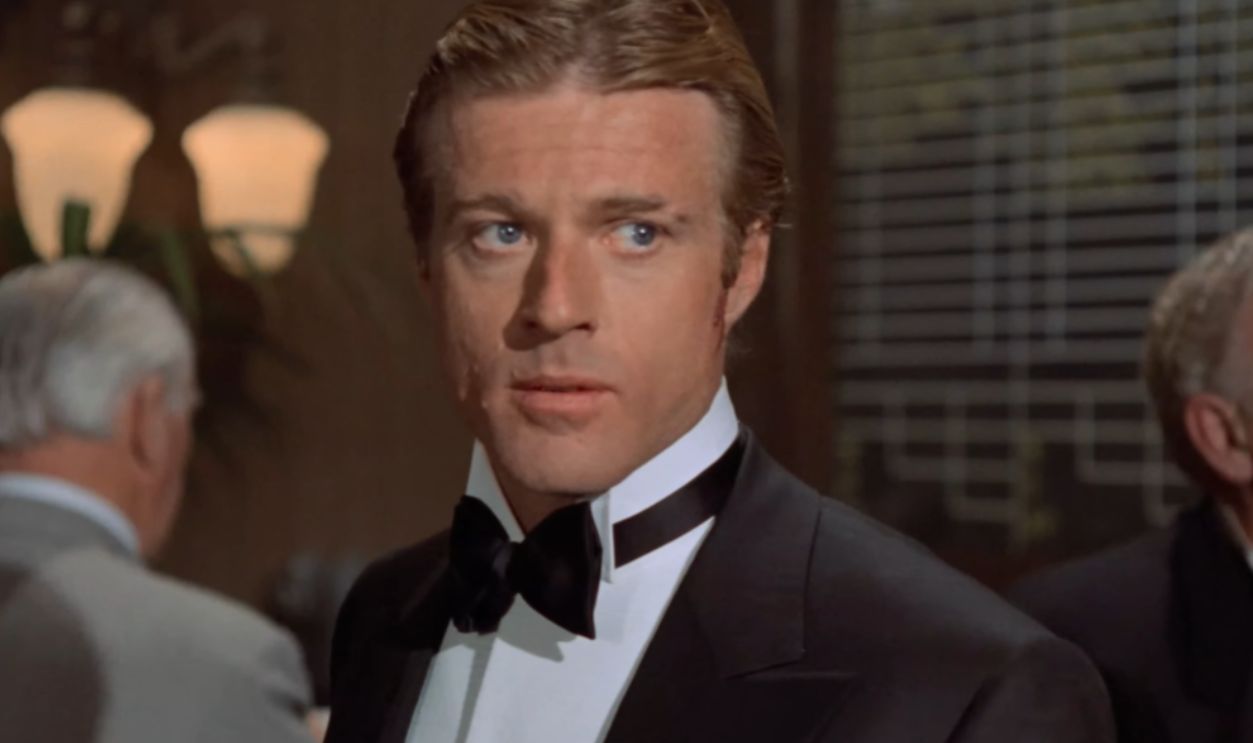 Screenshot from The Sting, NBCUniversal (1973)
1973 Should’ve Won: “Badlands”
Badlands was Terrence Malick’s first movie, which honestly feels a little unfair. Martin Sheen and Sissy Spacek drift through a violent story with the emotional urgency of two people taking a Sunday drive, while her strangely cheerful narration makes everything even more unsettling. The Sting entertained. Badlands quietly crawled inside your head.
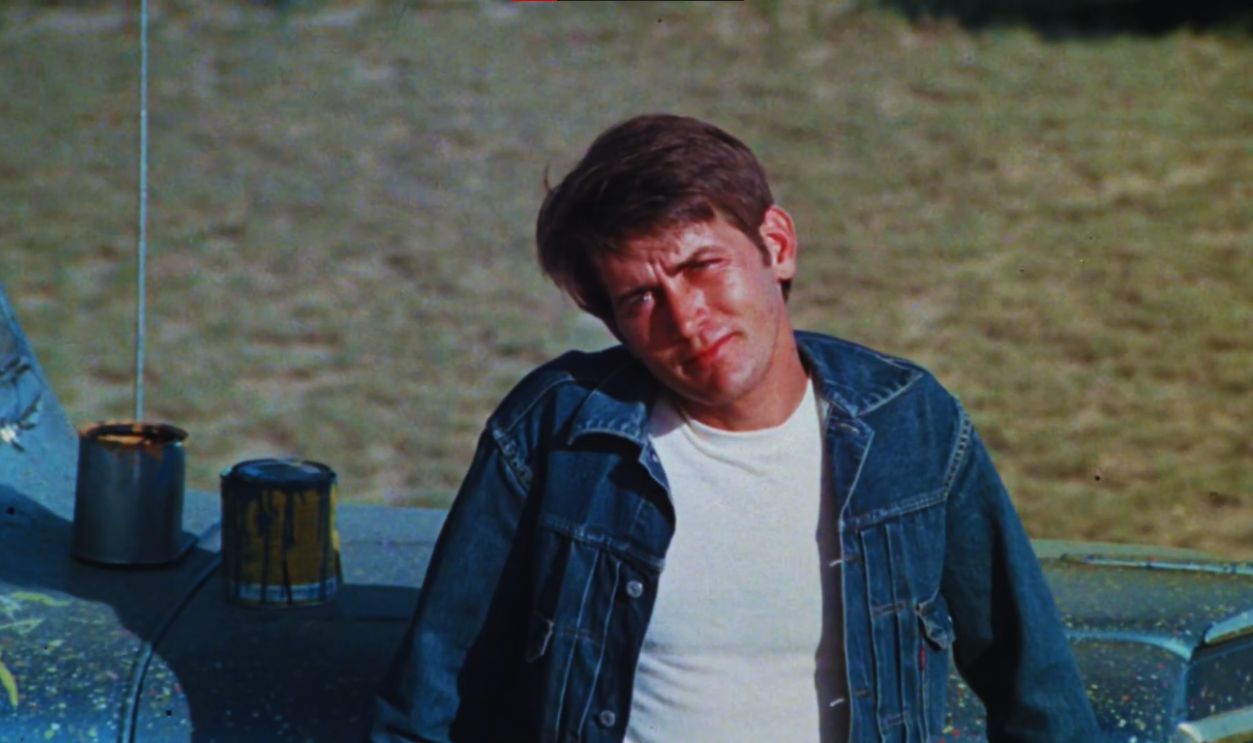 Screenshot from Badlands, Warner Bros. (1973)
1974 Winner: “The Godfather Part II”
Sequels were supposed to be lesser copies of successful movies. Then The Godfather Part II showed up and started an argument over whether it was actually better than the original. Coppola told two stories at once—Vito’s rise and Michael’s fall—and somehow made both feel essential. Oscar got this one right.
 Screenshot from The Godfather Part II, Paramount Pictures (1974)
1974 Should’ve Won: “The Godfather Part II”
Chinatown and The Conversation would have been worthy winners in almost any year. But once Michael gives Fredo that kiss and tells him, “I know it was you,” the argument is basically over. Al Pacino barely raises his voice, yet Michael becomes more frightening with every scene. There was no beating it.
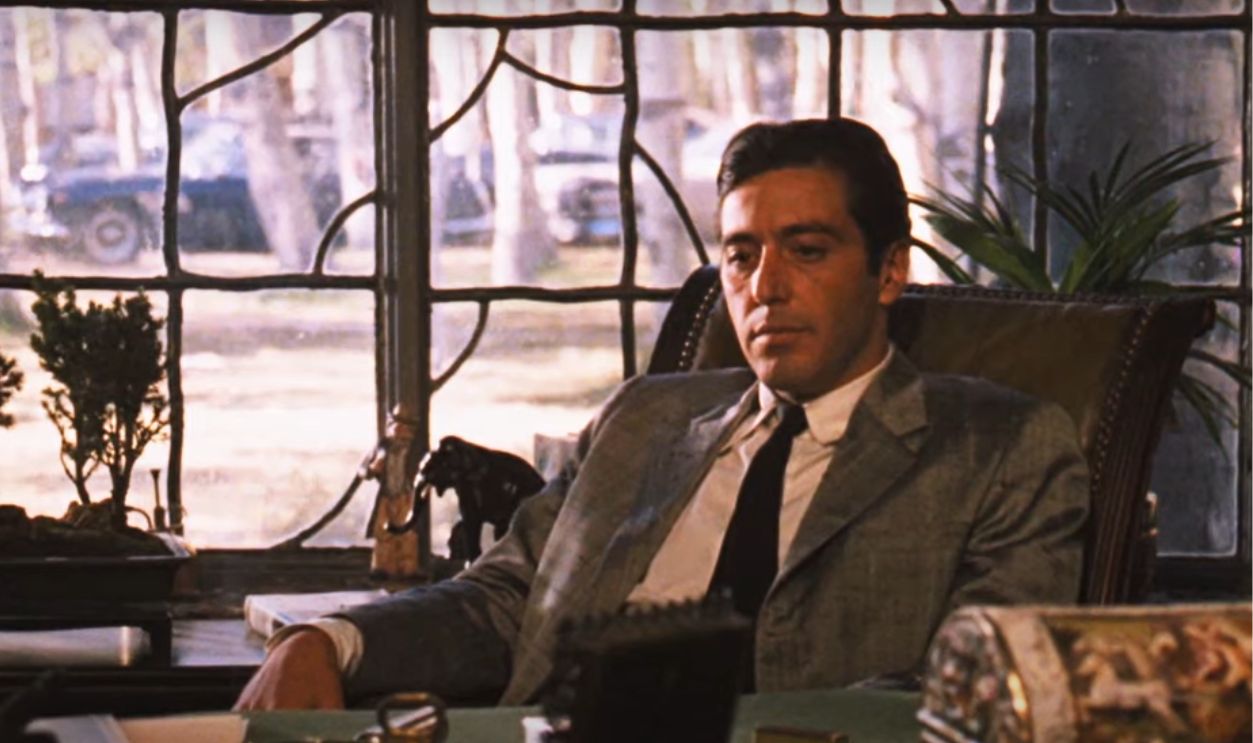 Screenshot from The Godfather Part II, Paramount Pictures (1974)
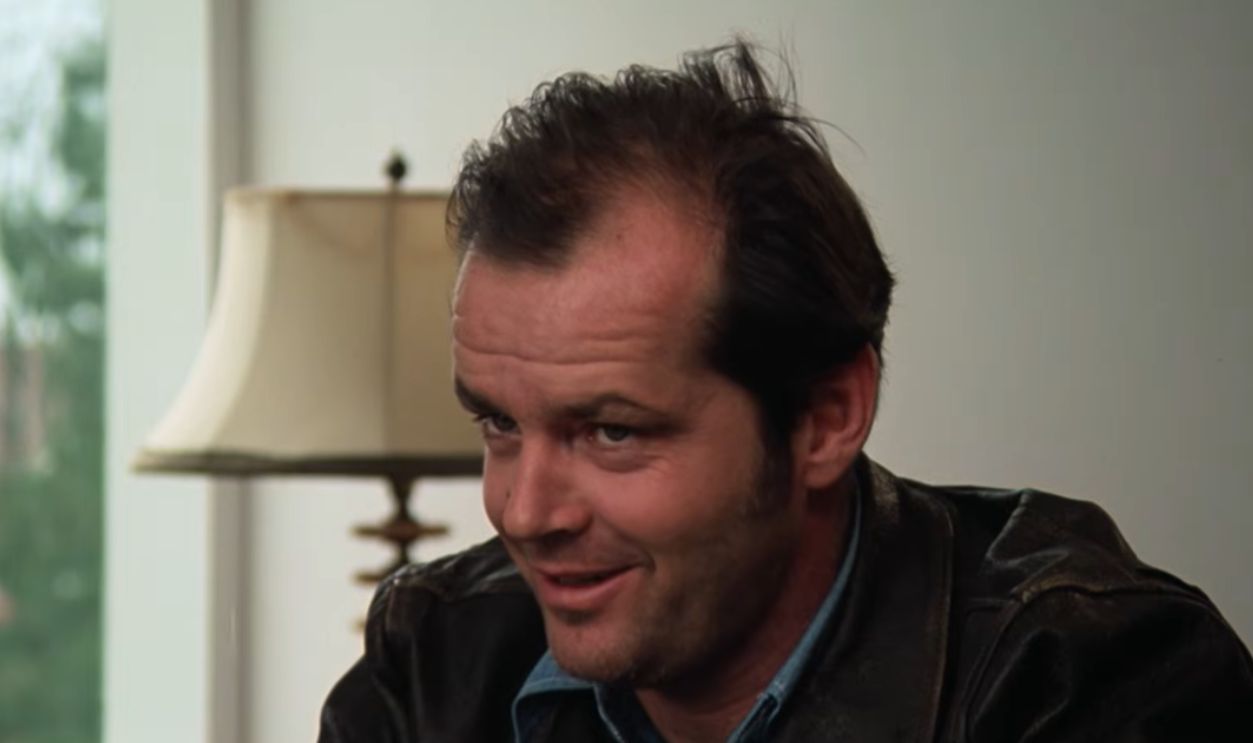
1975 Winner: “One Flew Over the Cuckoo’s Nest”
One Flew Over the Cuckoo’s Nest became only the second movie to win all five major Oscars: Picture, Director, Actor, Actress and Screenplay. Jack Nicholson trying to get the ward excited over an imaginary baseball game is pure McMurphy, and Louise Fletcher barely needs to raise an eyebrow to make Nurse Ratched terrifying.
 Screenshot from One Flew Over the Cuckoo's Nest, United Artists (1975)
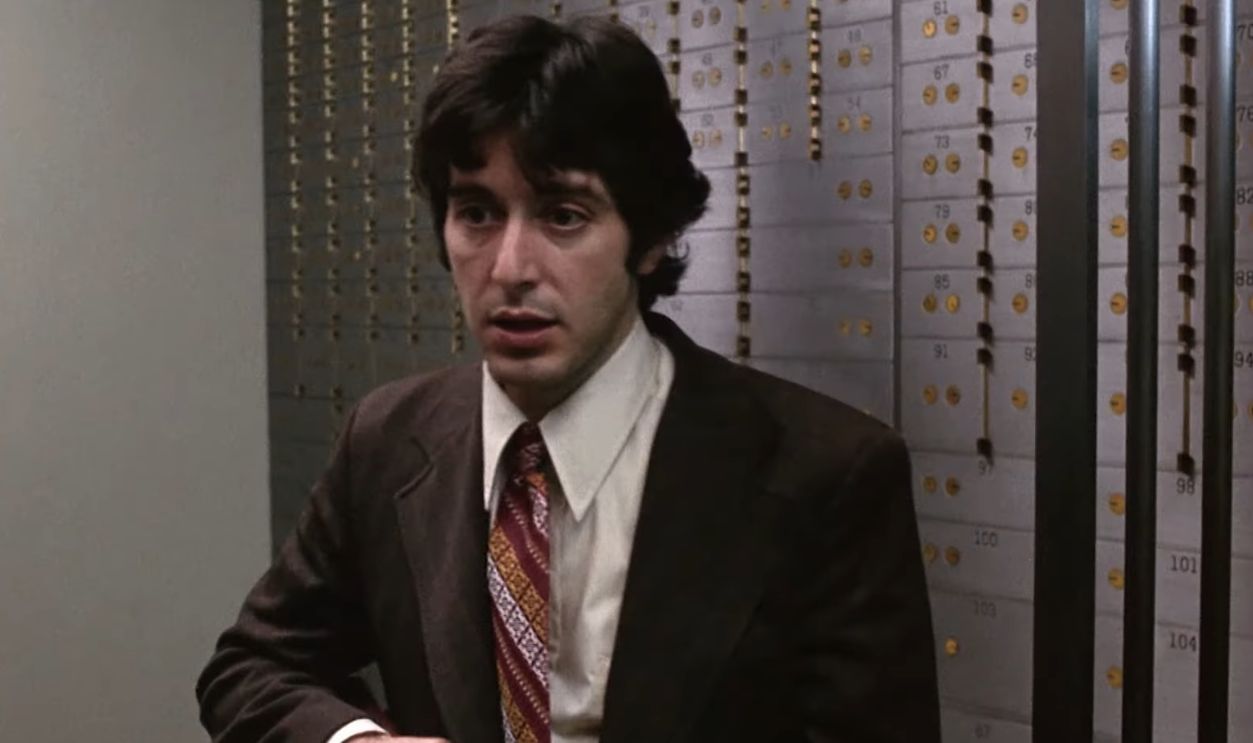
1975 Should’ve Won: “Dog Day Afternoon”
Al Pacino spends most of Dog Day Afternoon stuck inside a bank, yet the movie never stops moving. The moment he walks outside and starts shouting “Attica!” turns a robbery into something much bigger, but the film is also funny, sad and deeply human. Cuckoo’s Nest was excellent, but we would lean ever so slightly toward Pacino and Sidney Lumet. What about you?
 Screenshot from Dog Day Afternoon, Warner Bros. (1975)
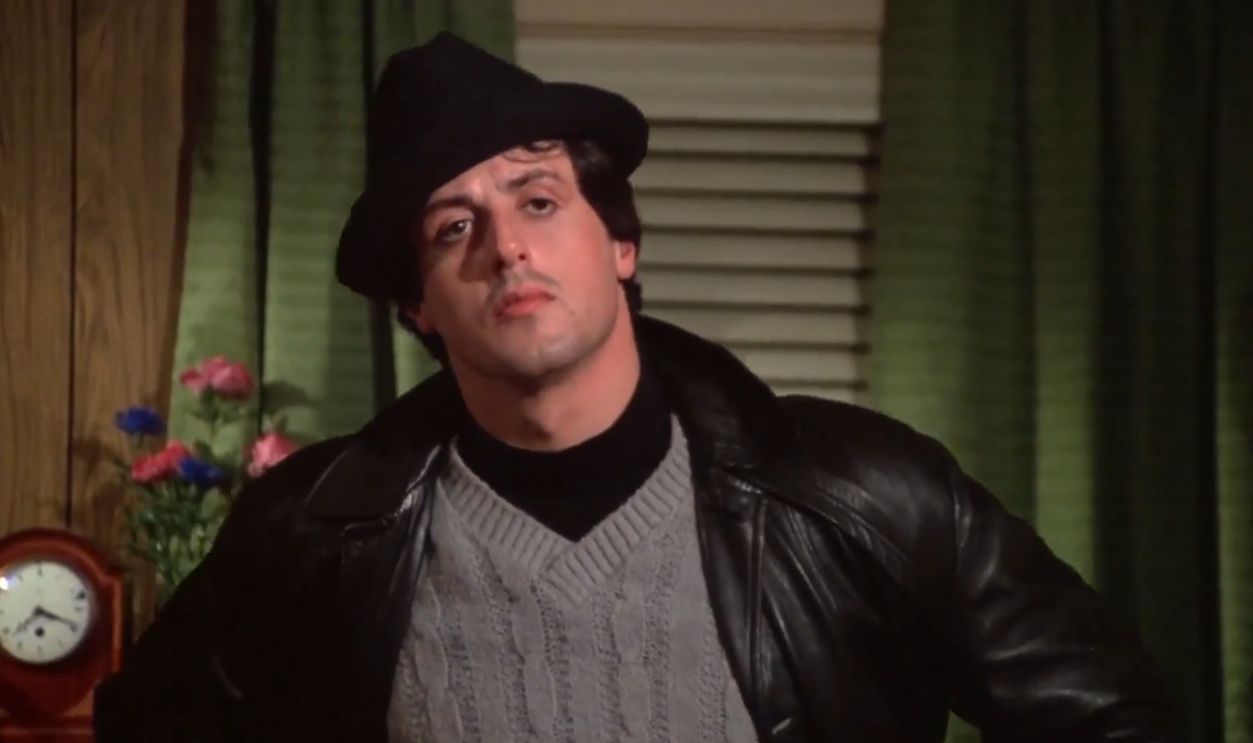
1976 Winner: “Rocky”
Of course Oscar voters fell for Rocky. Sylvester Stallone’s underdog story was emotional, uplifting and built to make an audience cheer. By the time he charges up those museum steps, the movie already has you. In most years, nobody would complain. But 1976 also gave us Taxi Driver, All the President’s Men and Network.
 Screenshot from Rocky, United Artists (1976)
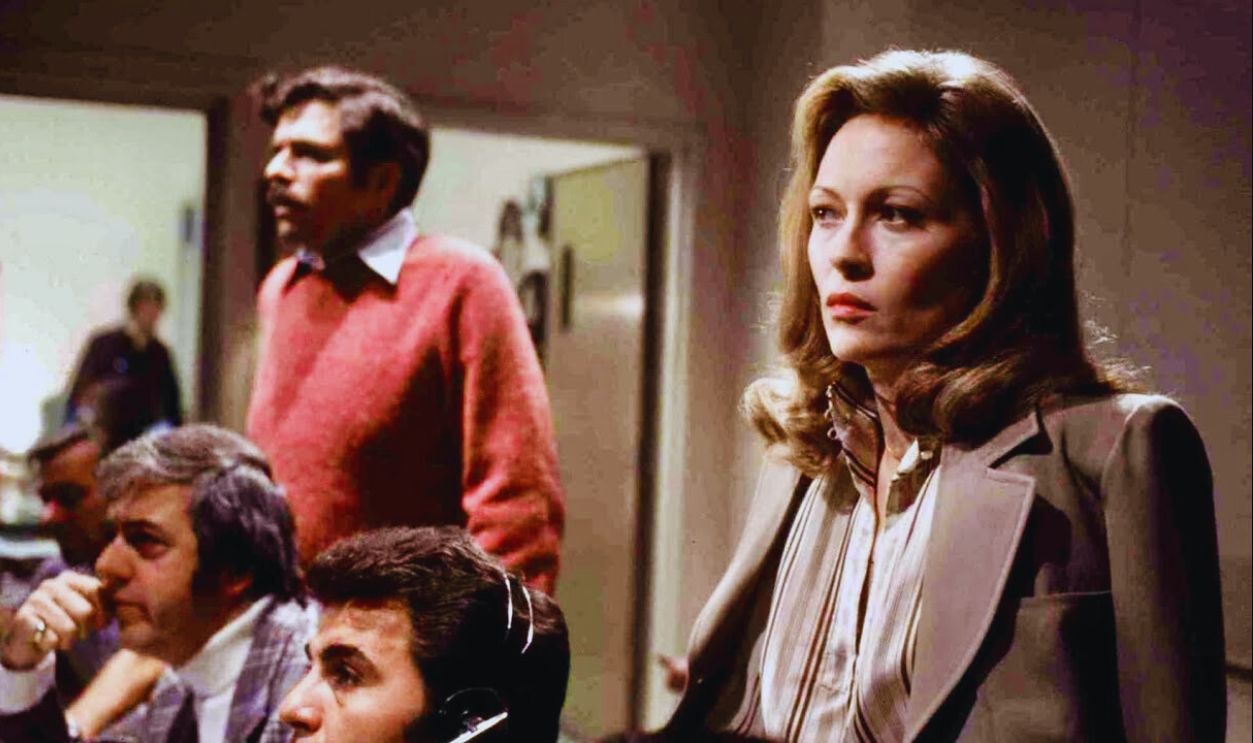
1976 Should’ve Won: “Network”
The “mad as hell” scene is famous, but Network is much more than one speech. Paddy Chayefsky saw news becoming entertainment, anger becoming a product and viewers being fed whatever kept them watching. It was supposed to be an outrageous satire. Now parts of it feel like somebody accidentally found a script from the future. But if you’d gone with Taxi Driver instead, we couldn’t really argue against it.
 Screenshot from Network, Metro-Goldwyn-Mayer (1976)
1977 Winner: “Annie Hall”
Comedies rarely win Best Picture. Romantic comedies win even less often. Oscar voters usually prefer war, tragedy, historical importance or at least someone staring sadly through a rain-covered window. But Annie Hall was so inventive, funny and emotionally honest that even the Academy could not pretend it was just a comedy.
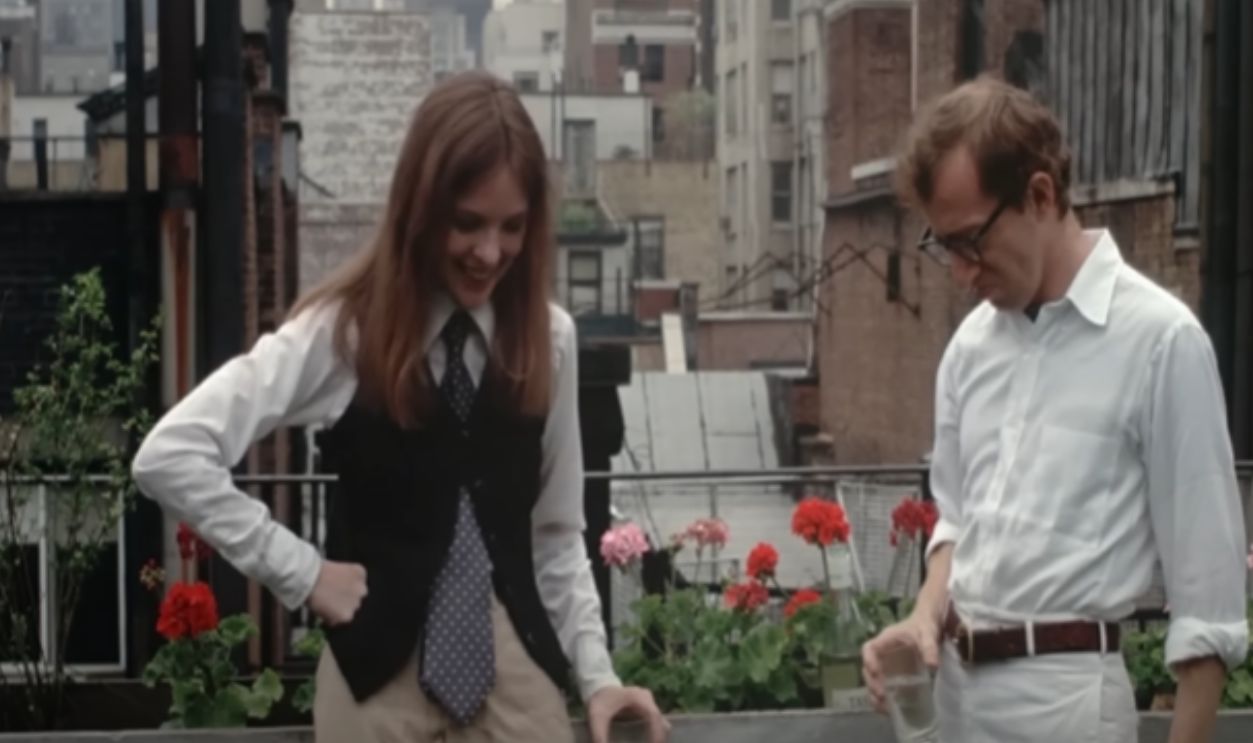 Screenshot from Annie Hall, United Artists (1977)
1977 Should’ve Won: “Annie Hall”
Yes, Star Wars changed movies forever. But Annie Hall was the better film that year. The split-screen therapy scene, the subtitles revealing what Alvy and Annie are really thinking and that entire lobster disaster were funny because the relationship underneath them felt real. A romantic comedy almost never wins Best Picture. This one absolutely deserved it.
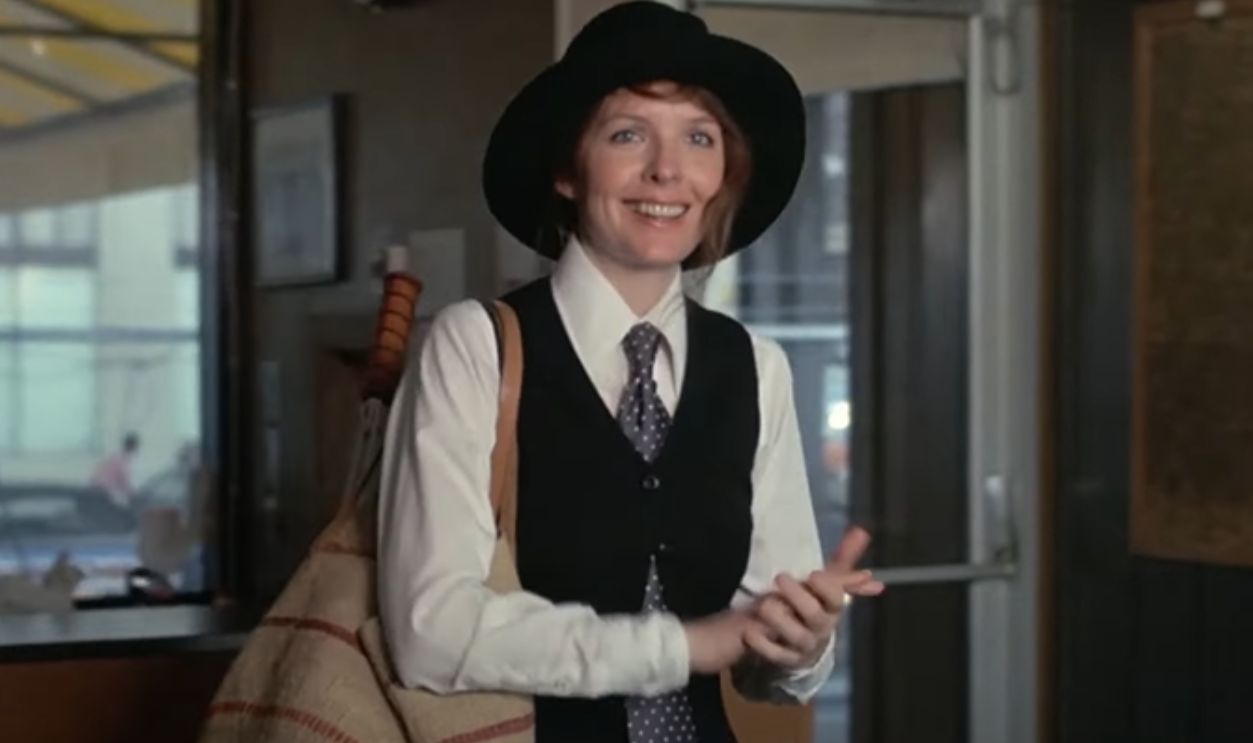 Screenshot from Annie Hall, United Artists (1977)
1978 Winner: “The Deer Hunter”
The Deer Hunter is long, heavy and in no hurry to make things easy for the audience. But it earns that patience. Robert De Niro, Christopher Walken and Meryl Streep give the movie enormous emotional weight, and the Russian-roulette scenes remain nearly impossible to watch without feeling your entire body tighten.
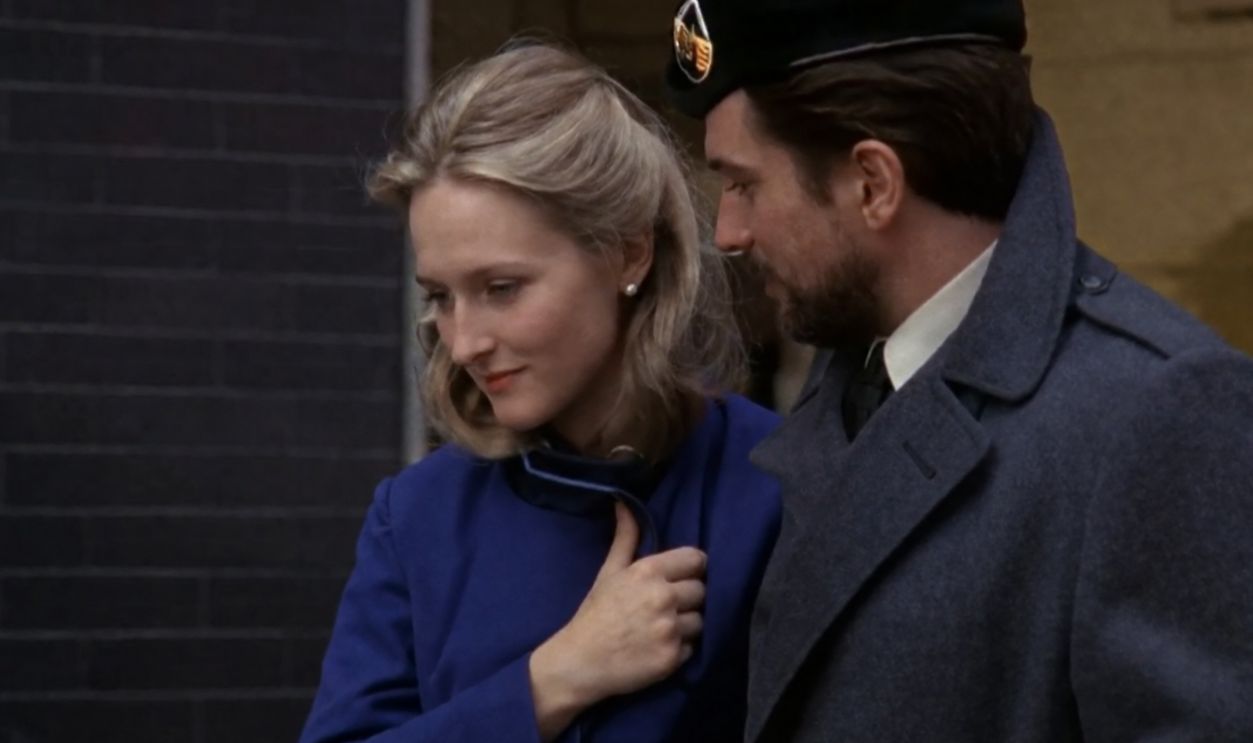 Screenshot from The Deer Hunter, NBCUniversal (1978), enhanced
1978 Should’ve Won: “The Deer Hunter”
Coming Home was quieter and more intimate, but The Deer Hunter reached for something bigger. Even the long wedding sequence matters because it lets us know these people before everything is torn apart. By the time Michael and Nick face each other again, the film has made the damage feel painfully personal. The Academy got it right.
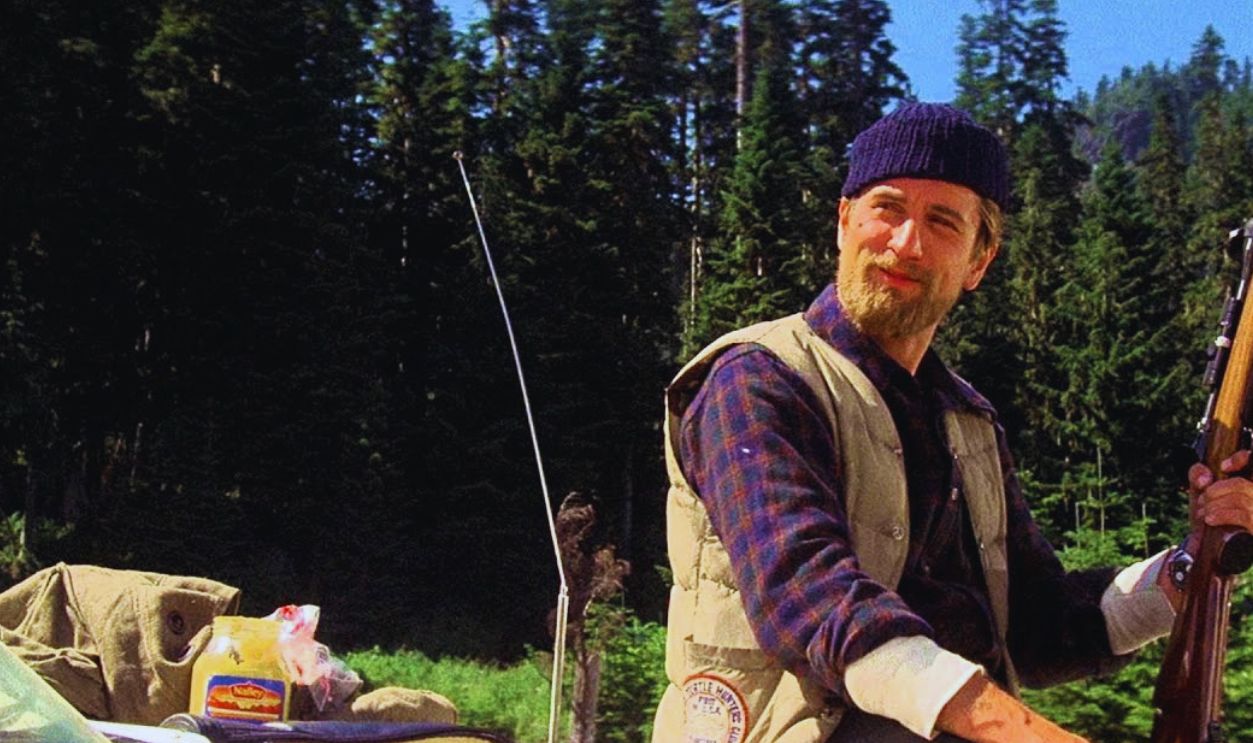 Screenshot from The Deer Hunter, Universal Pictures (1978)
1979 Winner: “Kramer vs. Kramer”
Kramer vs. Kramer is a great movie, and there is no need to tear it down to make the case for something else. Dustin Hoffman frantically making French toast while trying to prove he has everything under control tells us almost everything about Ted Kramer. The family drama feels painfully real, and its five Oscars were completely deserved.
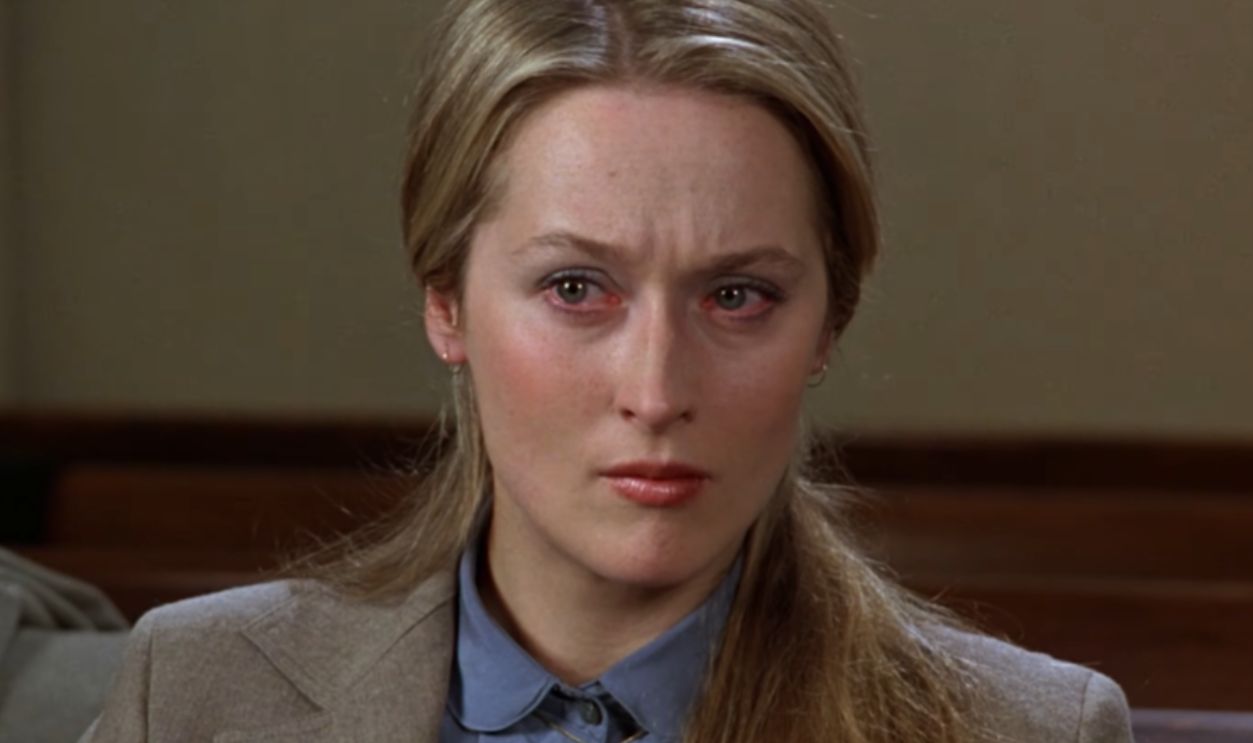 Screenshot from Kramer vs. Kramer, Sony Pictures Entertainment (1979)
1979 Should’ve Won: “Apocalypse Now”
From the helicopters arriving to Wagner’s Ride of the Valkyries to Colonel Kurtz waiting at the end of the river, Apocalypse Now feels less like a movie than something Coppola barely survived. It should have made this the third Coppola film to win Best Picture that decade.
And had The Conversation not been released the same year as The Godfather Part II, we probably would have put four Coppola films in the winners’ column. Apparently, the only director capable of stopping Coppola in the 70s was Coppola.
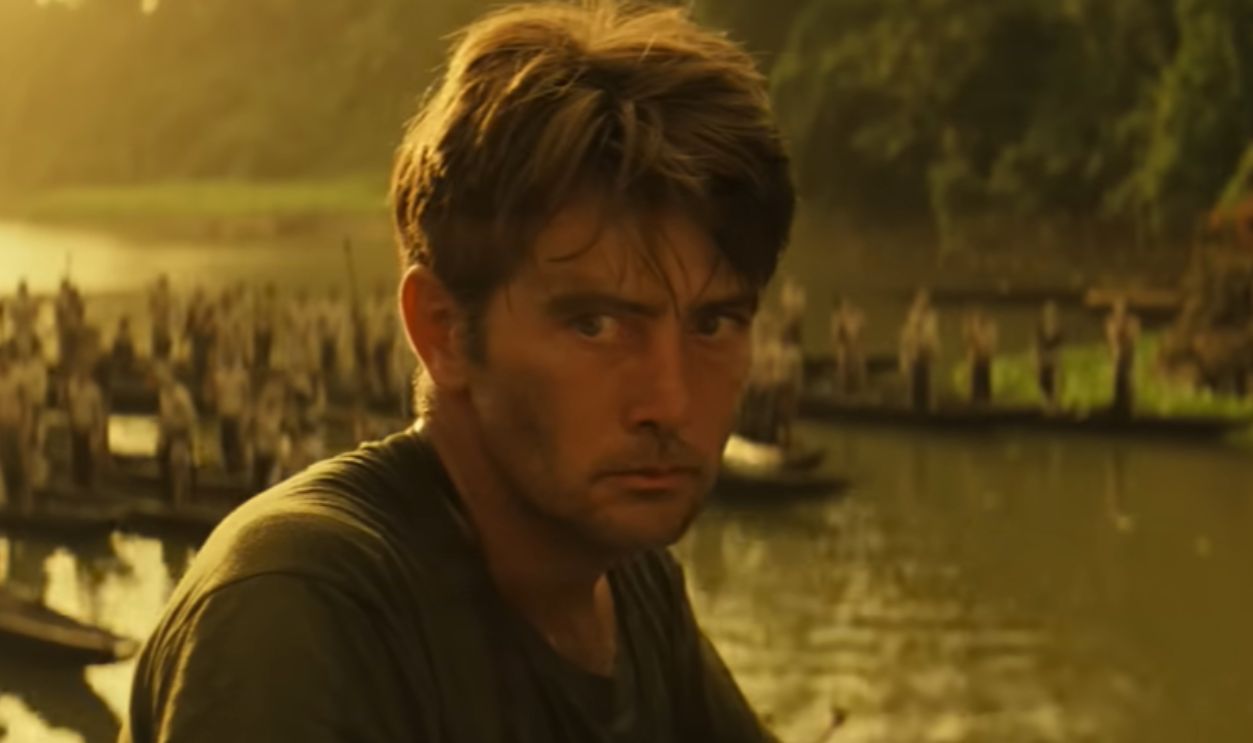 Screenshot from Apocalypse Now, United Artists (1979)
So, How Many Did Oscar Get Right?
By this count, the Academy chose correctly four times: The Godfather, The Godfather Part II, Annie Hall and The Deer Hunter. But the real problem with the 70s wasn’t that the Academy made bad choices. It was that Hollywood kept making multiple masterpieces every year—a pretty good problem for all of us movie lovers.
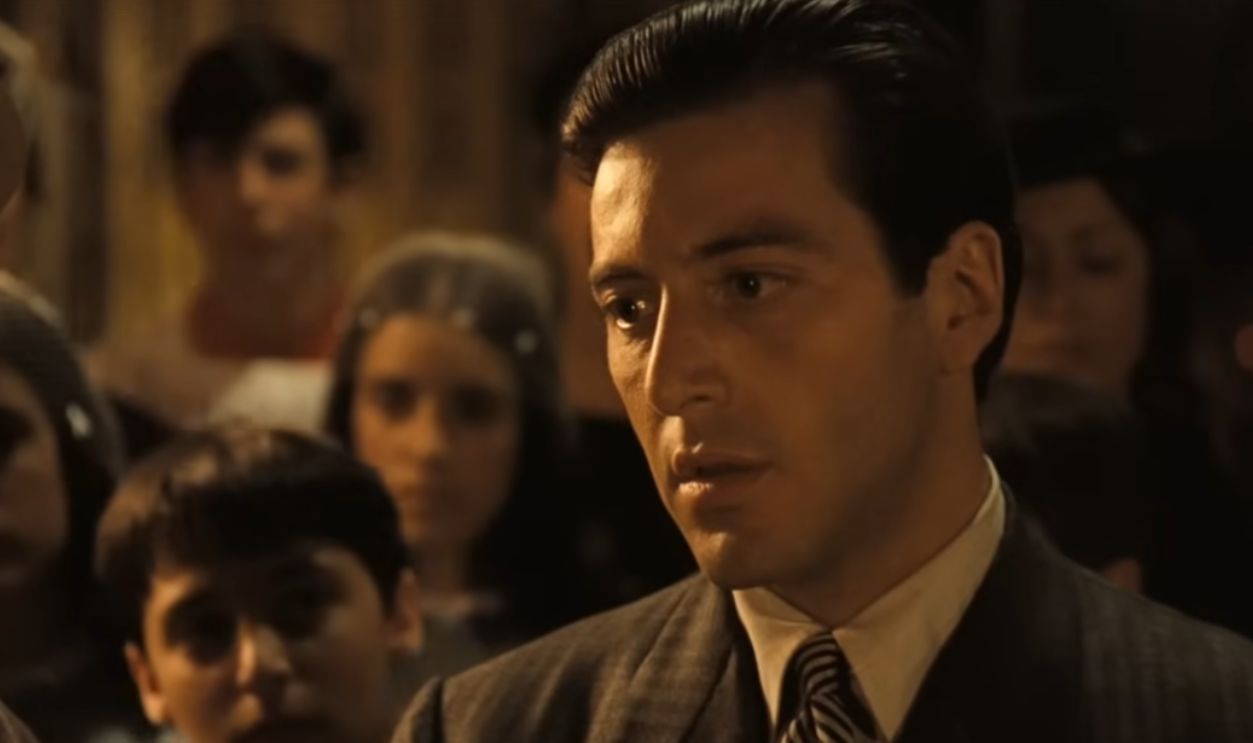 Screenshot from The Godfather, Paramount Pictures (1972)
But back to the initial question: Which winners would you change?
You Might Also Like:
Best Picture Winners You've Probably Never Heard Of
The Best Movie Endings Ever Made