When Ending It Was The Hardest Part
Sticking the landing is one of television’s toughest challenges. Years of character development, fan theories, and emotional investment all come down to a single episode (or sometimes two). When finales work, they become legendary. When they don’t, they spark outrage, think pieces, and endless rewatches fueled by disbelief. These are the TV finales that made bold, baffling, or polarizing decisions—and ensured they’d never stop being debated.
“Last Forever: Part One and Two”—How I Met Your Mother (2014)
After nine seasons of buildup, the reveal of the Mother was immediately undercut by a rapid-fire montage that killed her off and reunited Ted with Robin. Fans felt the show reversed years of character growth in minutes. The backlash was so intense that an alternate ending was released, cementing this finale as one of TV’s most infamous miscalculations.
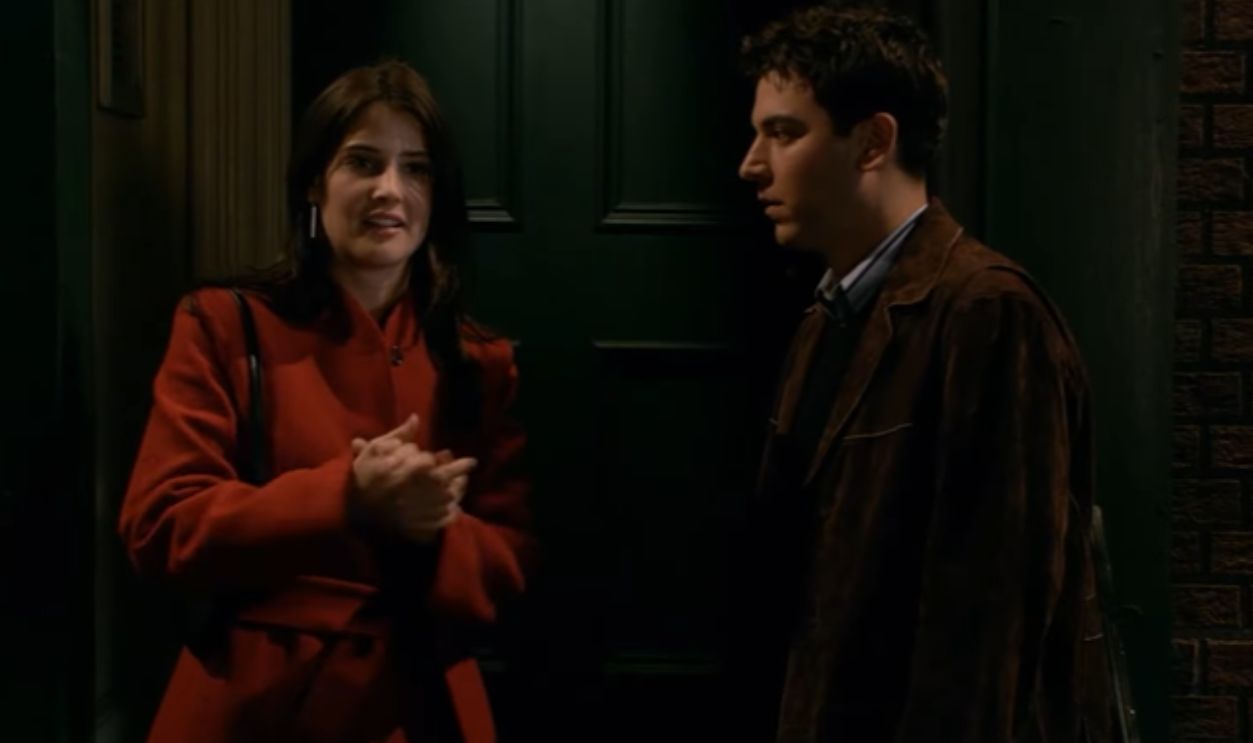 Screenshot from How I Met Your Mother, CBS (2005–2014)
“The Iron Throne”—Game Of Thrones (2019)
The final episode crowned Bran king, exiled Jon Snow, and wrapped up a sprawling epic at breakneck speed. Critics and fans alike argued that character arcs (especially Daenerys’) were rushed and unearned. What was once the most celebrated show on television ended with petitions, memes, and a lasting sense of disappointment.
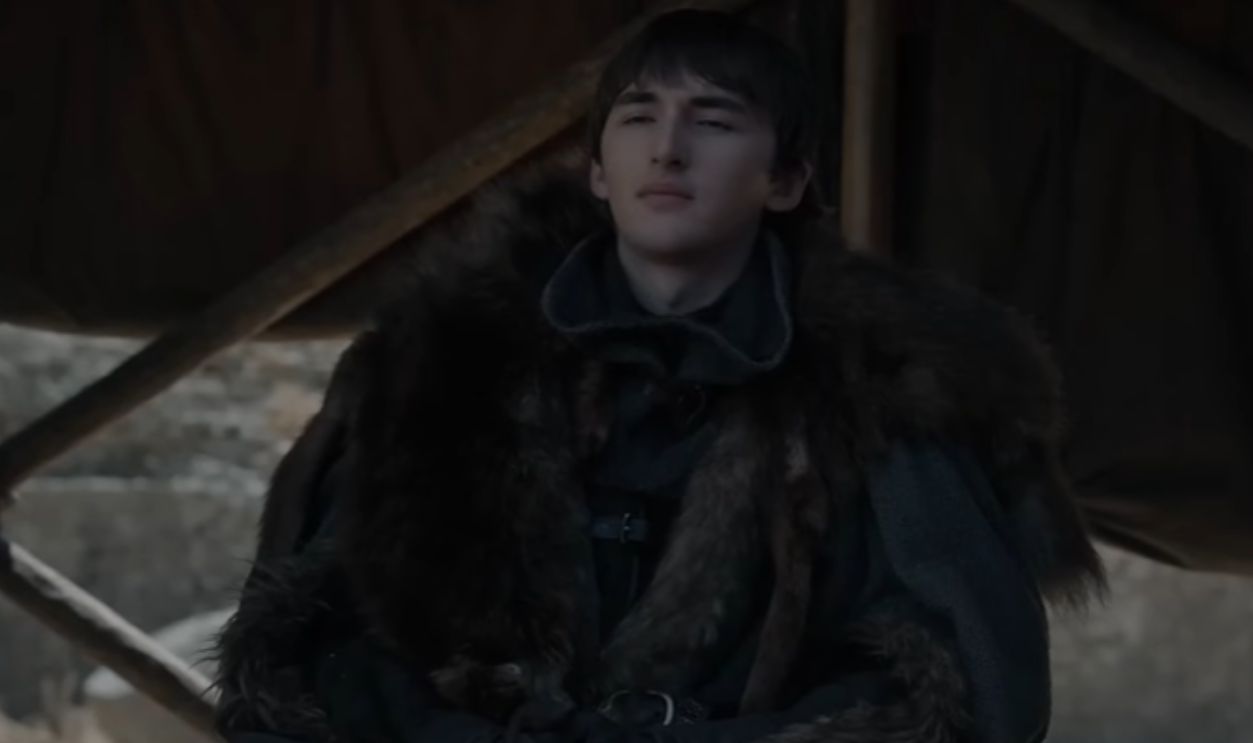 Screenshot from Game of Thrones, HBO (2011–2019)
“The Finale”—Seinfeld (1998)
Instead of sentimentality, Seinfeld doubled down on its “no hugging, no learning” ethos. Jerry, George, Elaine, and Kramer were put on trial, with past characters returning to testify against them. Many viewers expected a warmer sendoff, but the show chose irony over affection, splitting audiences straight down the middle.
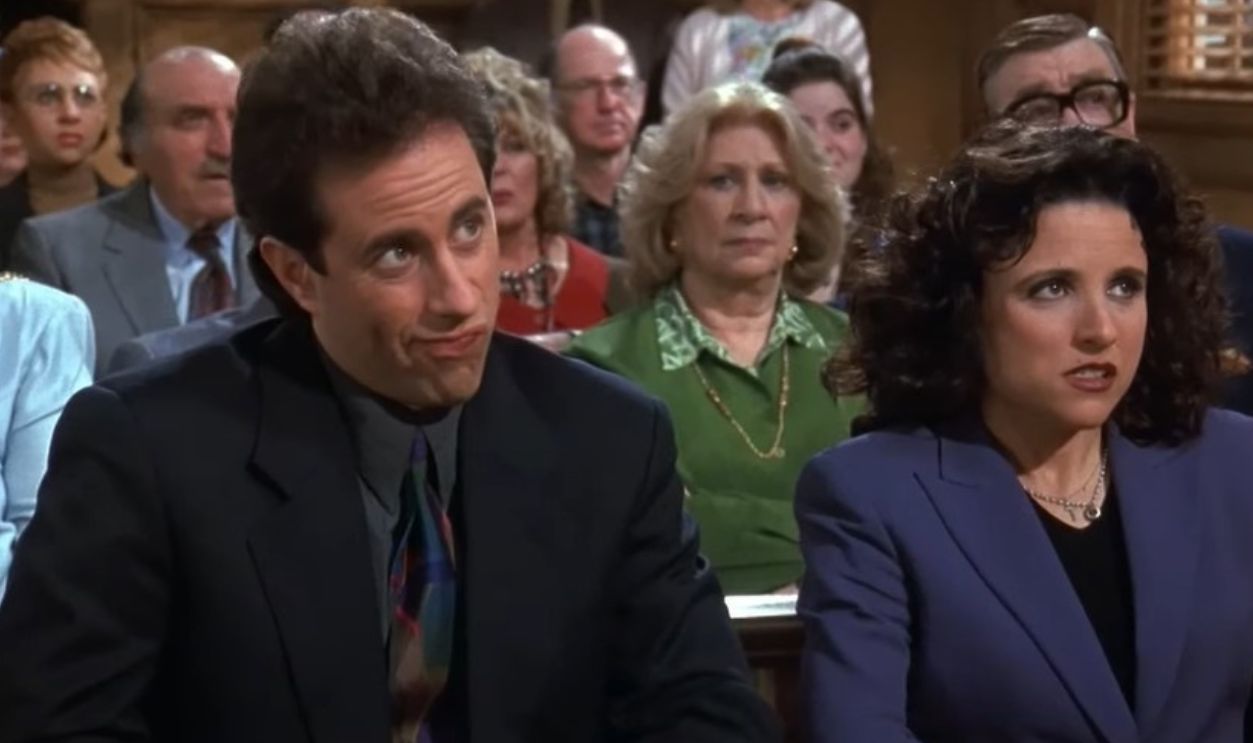 Screenshot from Seinfeld, NBC (1989–1998)
“Made In America”—The Sopranos (2007)
The sudden cut to black during Tony’s diner scene instantly became television legend. Was Tony killed? Arrested? Nothing happened at all? Creator David Chase refused to explain, turning ambiguity into the point. Some called it genius. Others called it infuriating. Everyone kept talking about it.
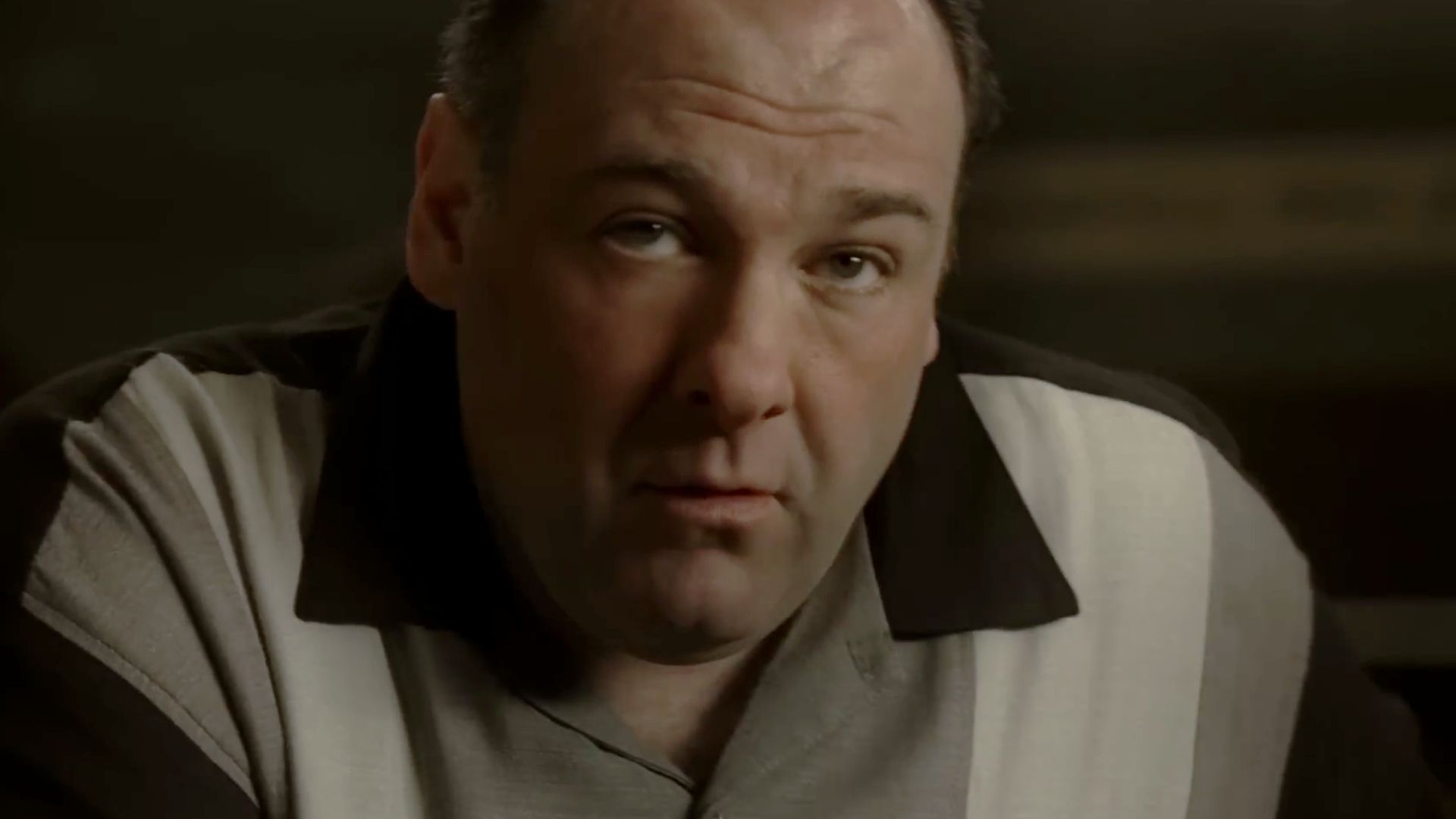
“Person To Person”—Mad Men (2015)
Don Draper’s final moment—meditating before seemingly inventing the famous Coke ad—left viewers debating whether he found enlightenment or simply commodified it. The finale was quiet, reflective, and intentionally unresolved, dividing fans who wanted clarity from those who appreciated the thematic ambiguity.
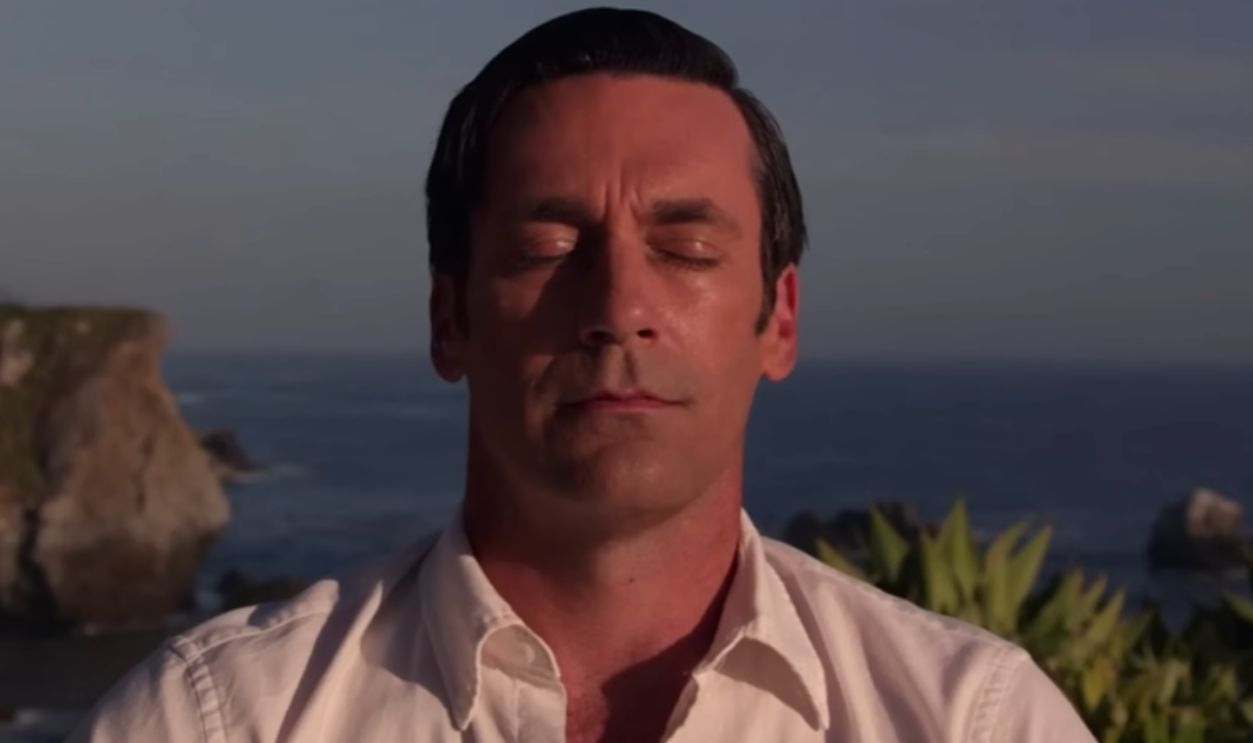 Screenshot from Mad Men, AMC (2007–2015)
“Into That Good Night”—Roseanne (1997)
The original finale revealed that much of the show had been a fictionalized coping mechanism for grief, rewriting major relationships and even deaths. While ambitious, the twist alienated viewers who felt emotionally manipulated. It remains one of sitcom history’s most controversial narrative rug-pulls.
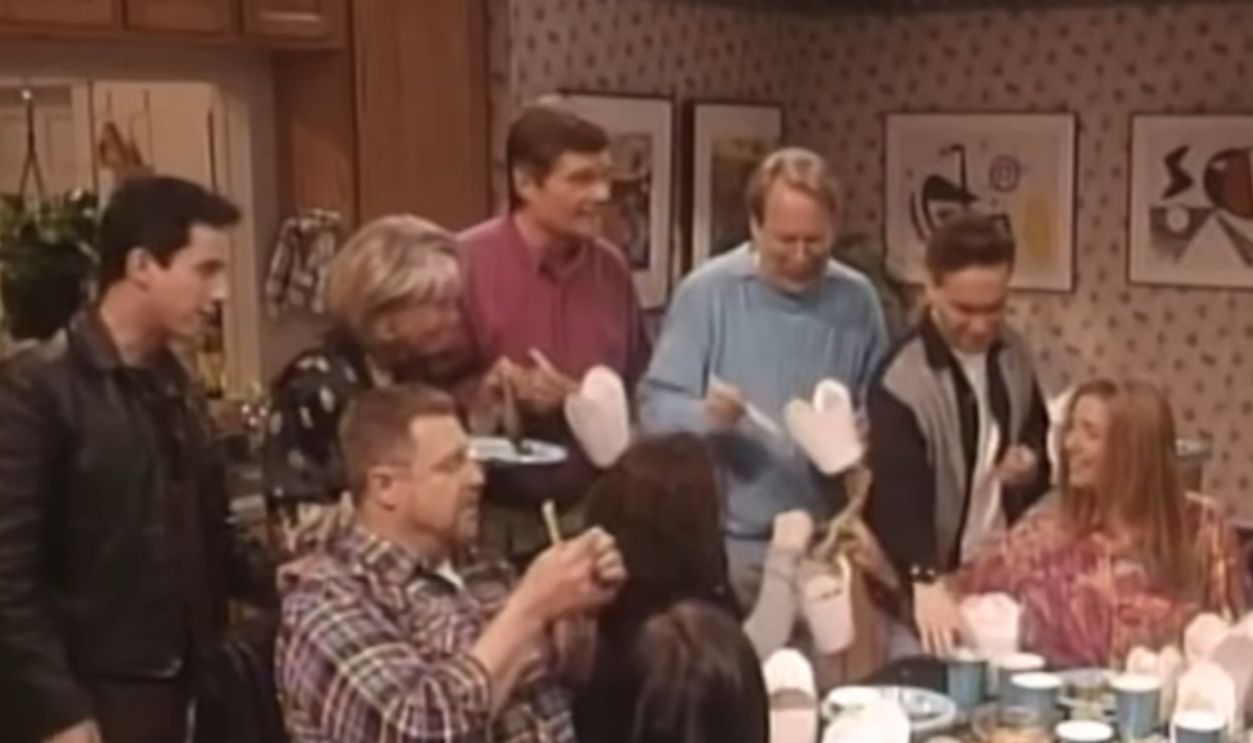 Screenshot from Roseanne, ABC (1988–1997)
“Daybreak”—Battlestar Galactica (2009)
After seasons of dense mythology and political allegory, the finale leaned heavily into spiritual explanations. Angels, destiny, and divine intervention answered questions science fiction had framed as rational. Some viewers loved the poetic ending; others felt it abandoned the show’s grounded complexity.
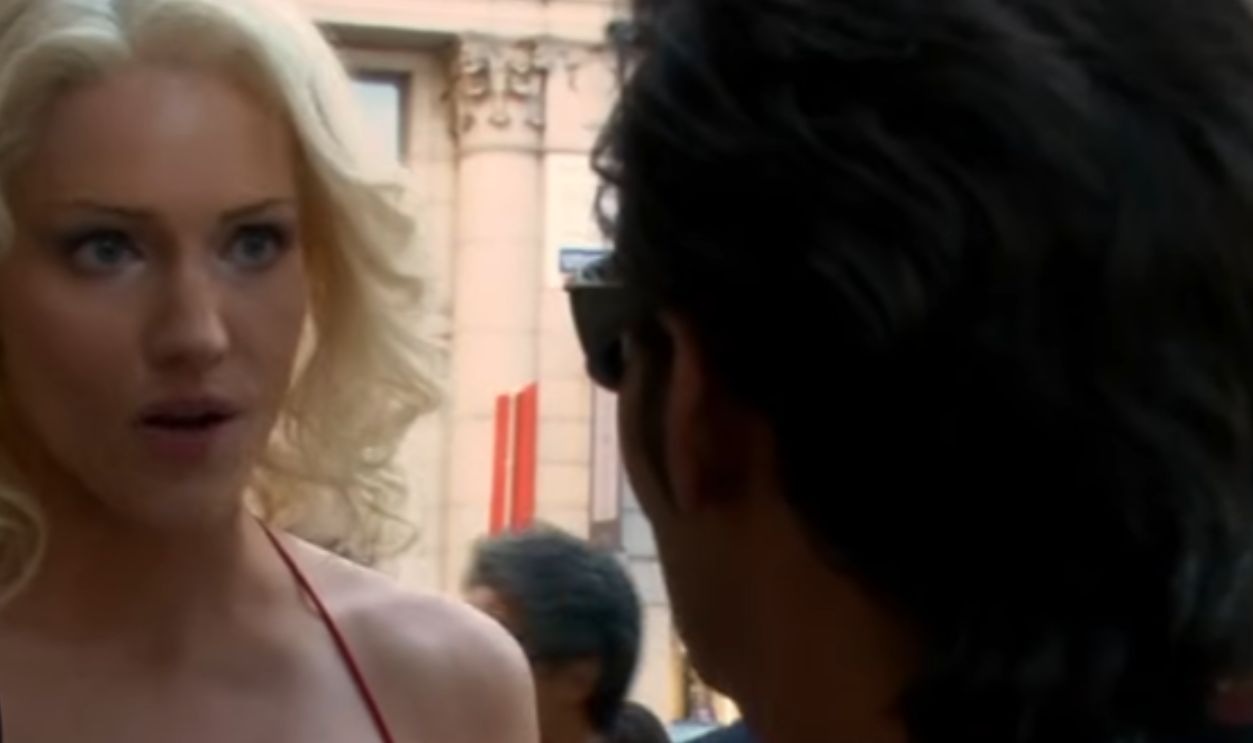 Screenshot from Battlestar Galactica, Syfy (2004–2009)
“Till Death Do Us Part”—Pretty Little Liars (2017)
Years of mystery culminated in reveals many fans found convoluted and unsatisfying. The identity of AD, secret twins, and last-minute twists felt more confusing than clever. For a show built on puzzles, the final solution left many feeling cheated.
 Screenshot from Pretty Little Liars, Freeform (2010–2017)
“New York, I Love You XOXO”—Gossip Girl (2012)
The reveal that Dan Humphrey was Gossip Girl shocked viewers—and not always in a good way. Fans questioned how the twist held up logically and whether it made sense for the character. The finale aimed for jaw-dropping but landed somewhere between surprising and nonsensical.
 Screenshot from Gossip Girl, The CW (2007–2012)
“Mirror Image”—Quantum Leap (1993)
Rather than a traditional finale, the episode ended with text stating that Sam Beckett never returned home. There was no emotional goodbye, no closure—just a quiet acknowledgment of endless wandering. The understated ending haunted fans for decades.
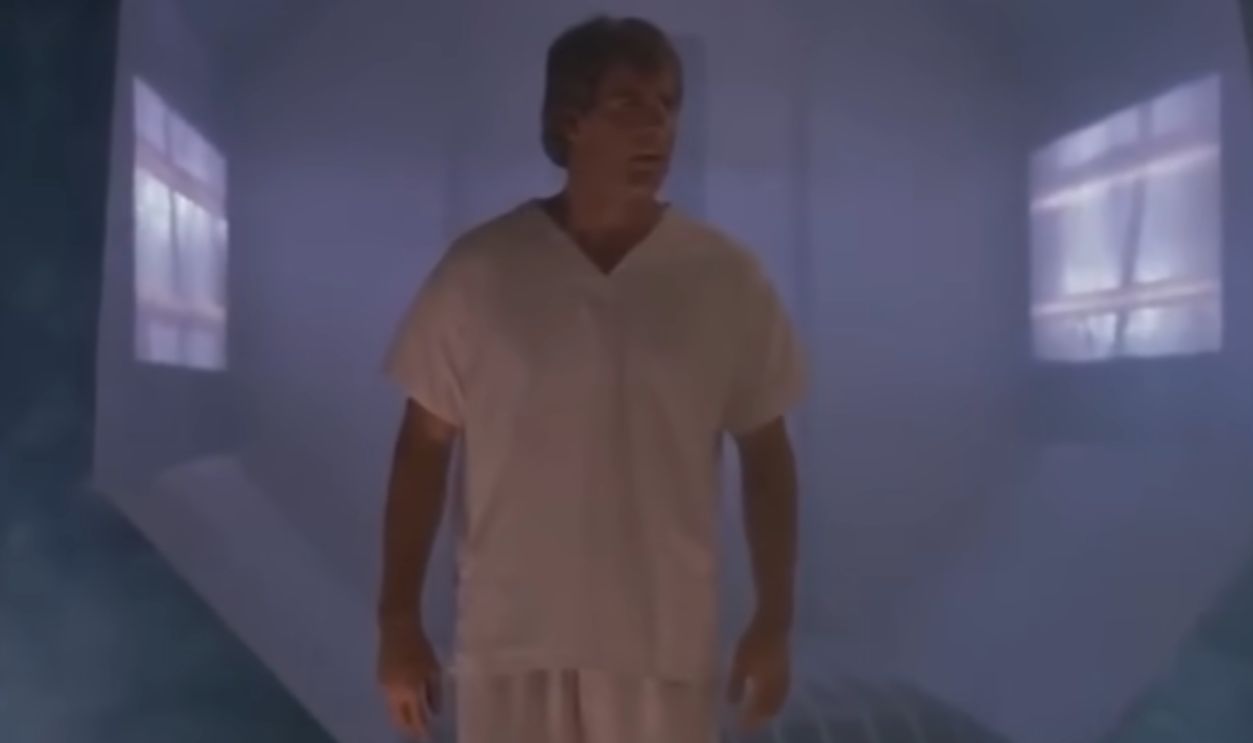 Screenshot from Quantum Leap, NBC (1989–1993)
“The Truth” / “My Struggle IV”—The X-Files (2002, 2016)
The original finale leaned into conspiracy overload, while the revival ended with cliffhangers and retcons that frustrated longtime viewers. Rather than answers, fans got more questions—twice. The lack of resolution across both endings left the mythology feeling permanently unfinished.
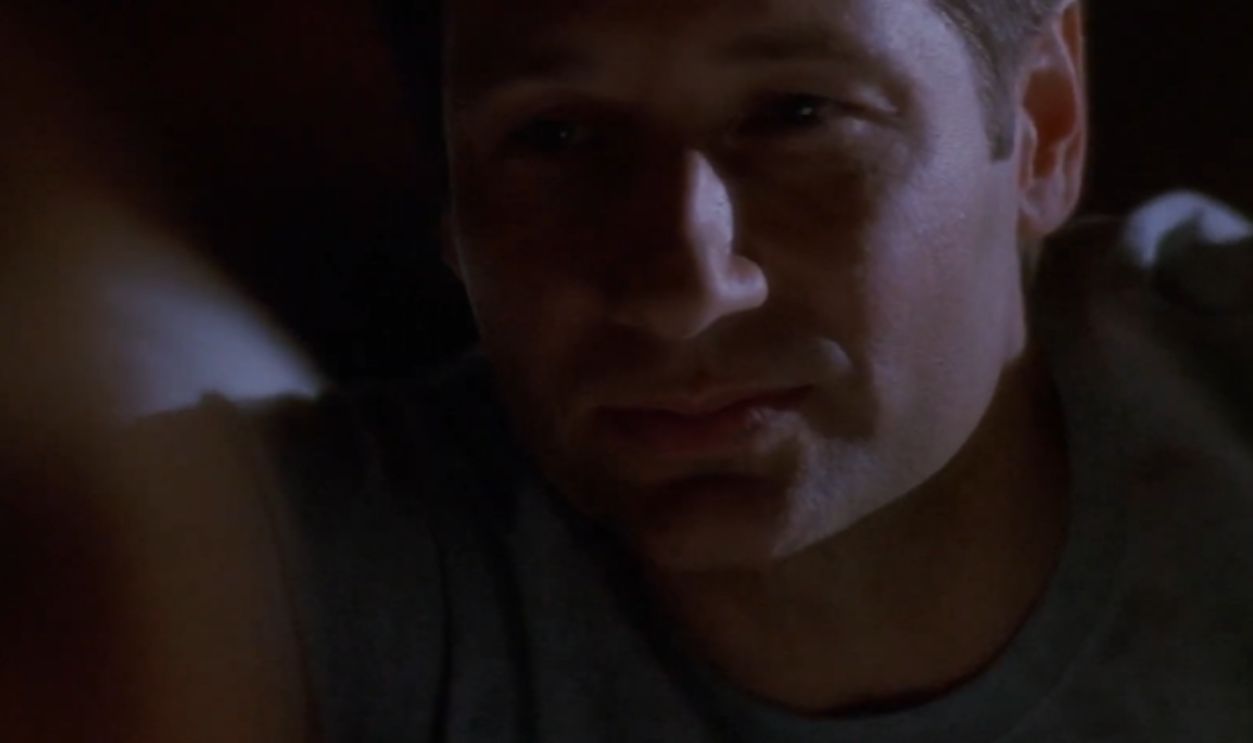 Screenshot from The X-Files, Fox (1993–2018)
“An American Girl in Paris”—Sex And The City (2004)
Carrie choosing Big (again) sparked fierce debate. After seasons of independence and growth, many fans felt the finale romanticized a toxic relationship. Others saw it as true to Carrie’s character. Either way, it ignited arguments that still rage today.
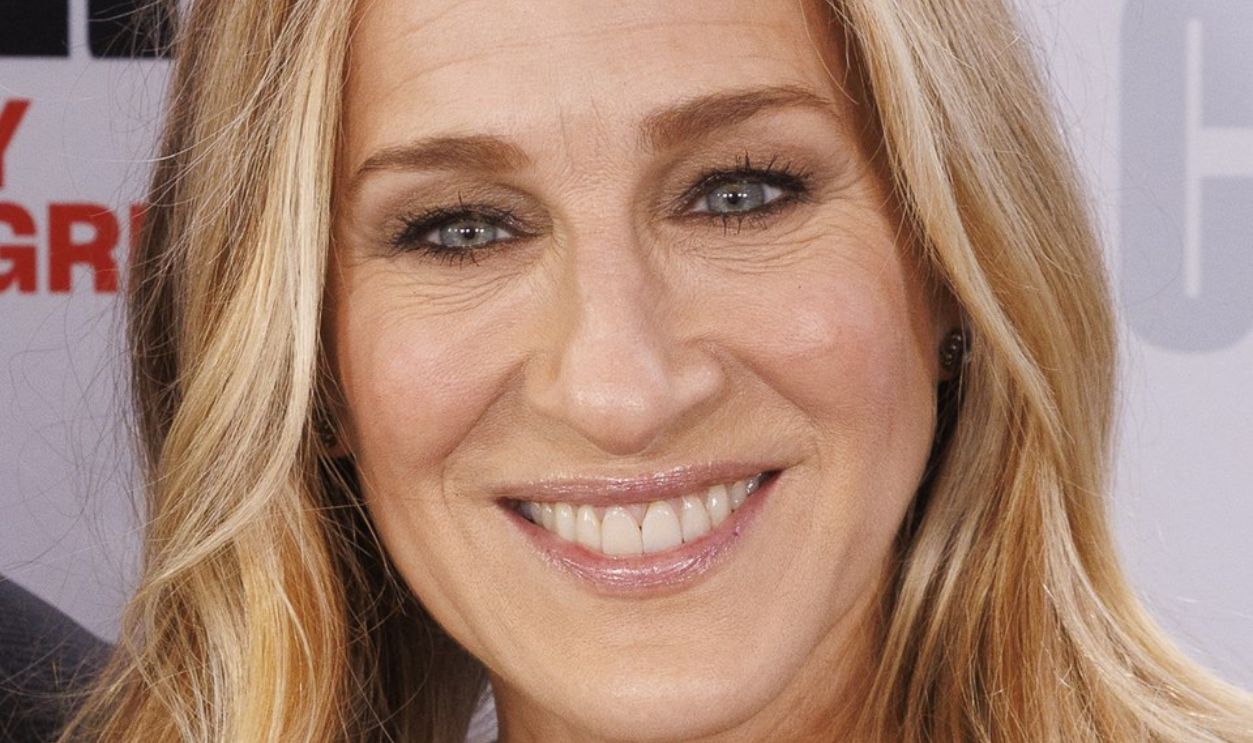 Library of Congress Life, Wikimedia Commons
“Remember The Monsters?”—Dexter (2013)
Dexter fakes his death and becomes a lumberjack. That sentence alone explains the outrage. After eight seasons of moral complexity, the finale sidestepped justice, consequence, and closure. It was so unpopular that the show later produced an entirely new ending.
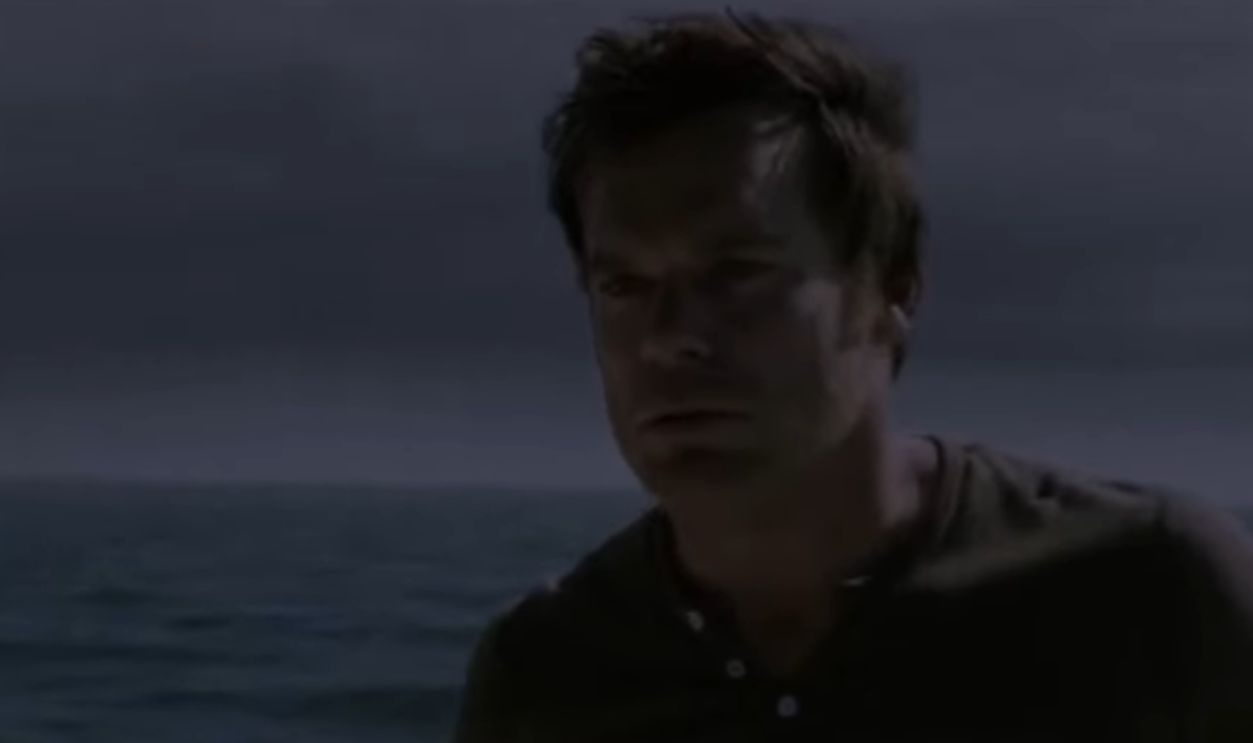 Screenshot from Dexter, Showtime (2006–2013)
“The End: Part 1 and 2”—Lost (2010)
The finale focused on emotional closure rather than solving every mystery, revealing that the flash-sideways timeline was a form of afterlife. Some fans felt deeply moved; others felt misled. The debate over whether Lost answered “enough” questions still divides viewers.
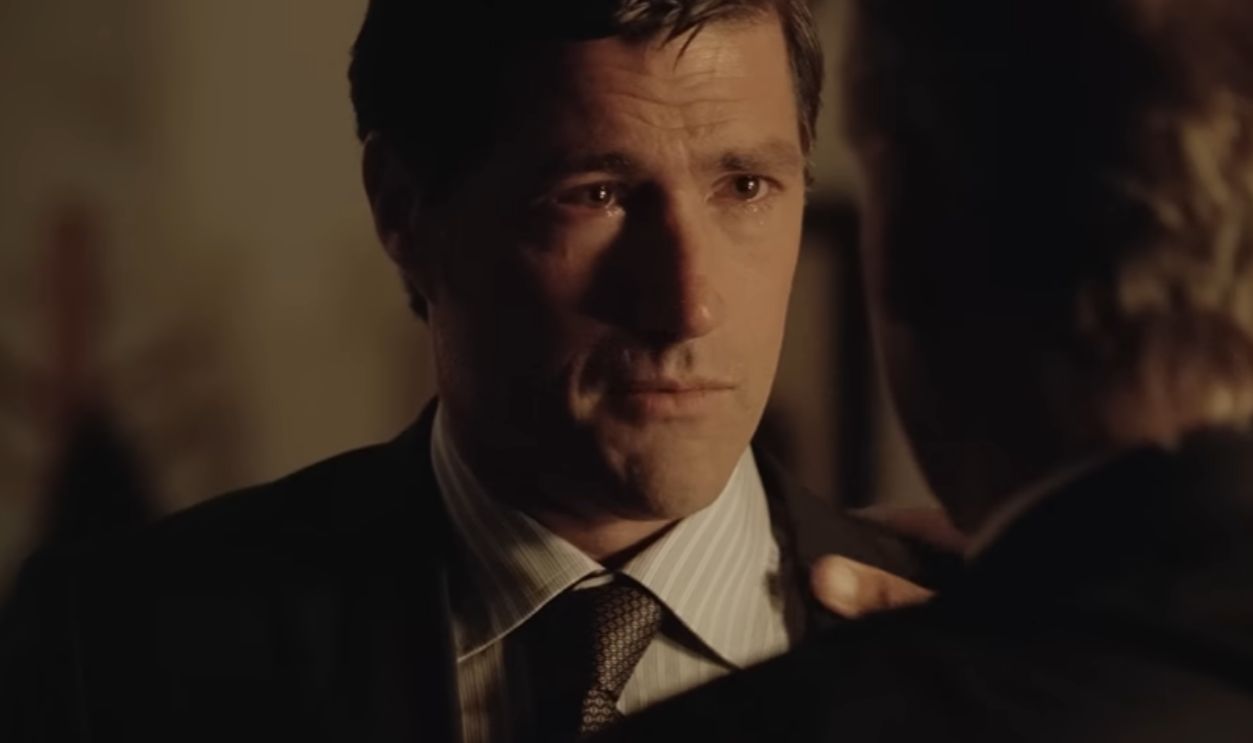 Screenshot from Lost, ABC (2004–2010)
“The Last One”—St. Elsewhere (1988)
In a twist decades ahead of its time, the entire series was revealed to exist inside the imagination of an autistic child staring into a snow globe. The bold decision recontextualized everything—and sparked controversy that still echoes through TV history.
 Screenshot from St. Elsewhere, NBC (1982–1988)
“Birth 101”—Murphy Brown (2018)
Reviving a classic sitcom for a modern finale brought political commentary front and center. While true to the show’s DNA, some viewers felt the ending leaned too hard into messaging at the expense of character resolution, making it a divisive farewell.
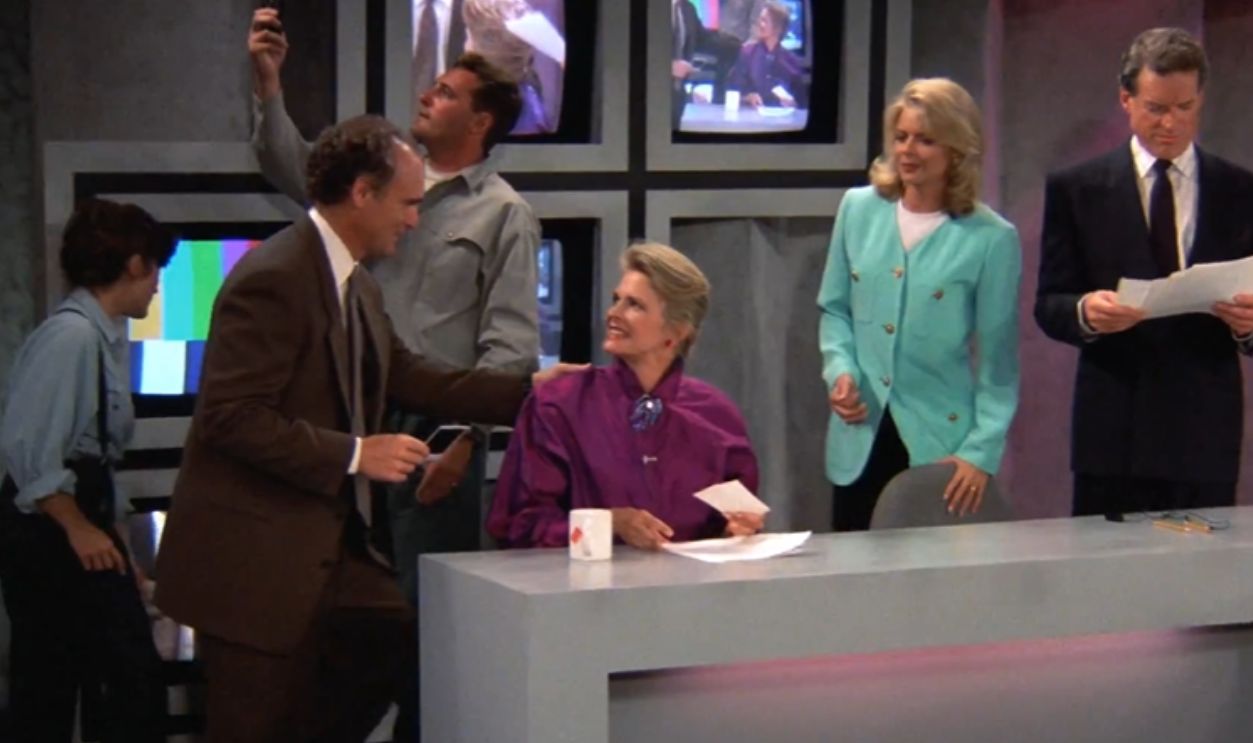 Screenshot from Murphy Brown, CBS (1988–2018)
“Blake”—Blake’s 7 (1981)
The finale ends with nearly every main character gunned down in a brutal, silent standoff. No triumph. No escape. Just sudden death. It shocked audiences and redefined how bleak a sci-fi ending could be.
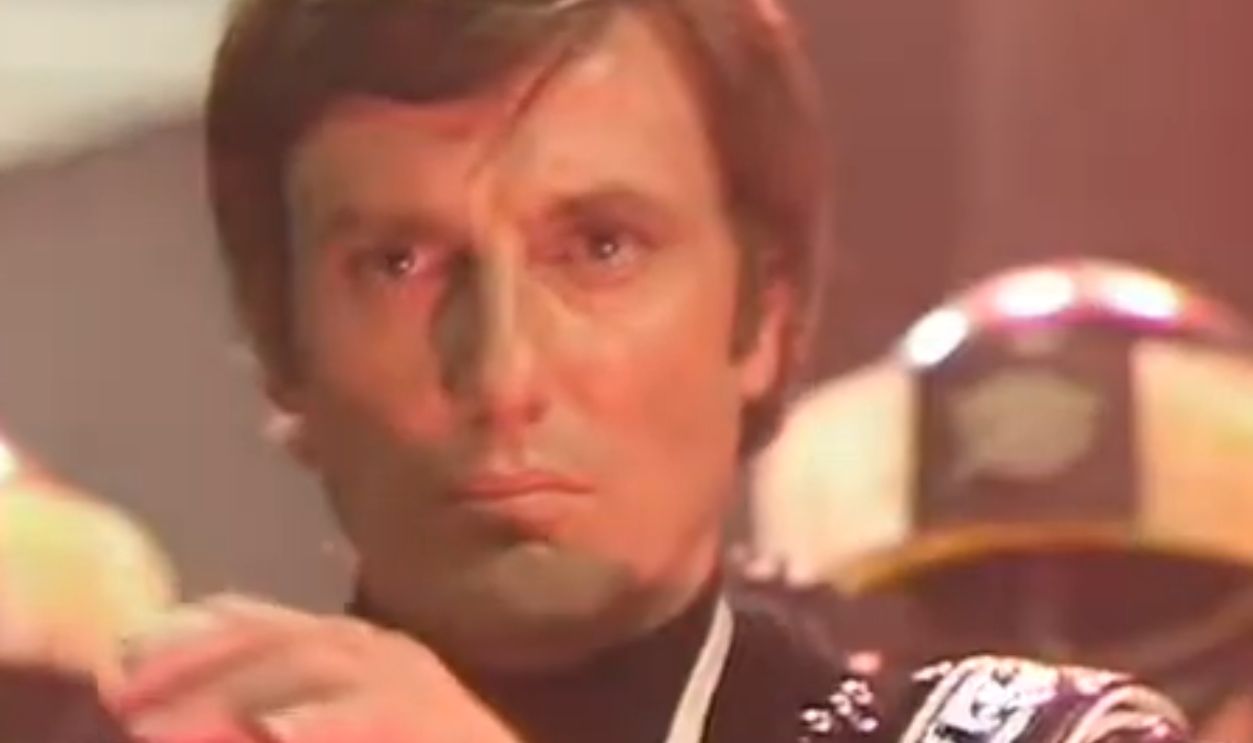 Screenshot from Blake’s 7, BBC (1978–1981)
“Turnabout Intruder”—Star Trek: The Original Series (1969)
Not intended as a finale, this episode nevertheless became the show’s last. Its dated gender politics and uneven quality made it an awkward final note for a franchise that would later become iconic.
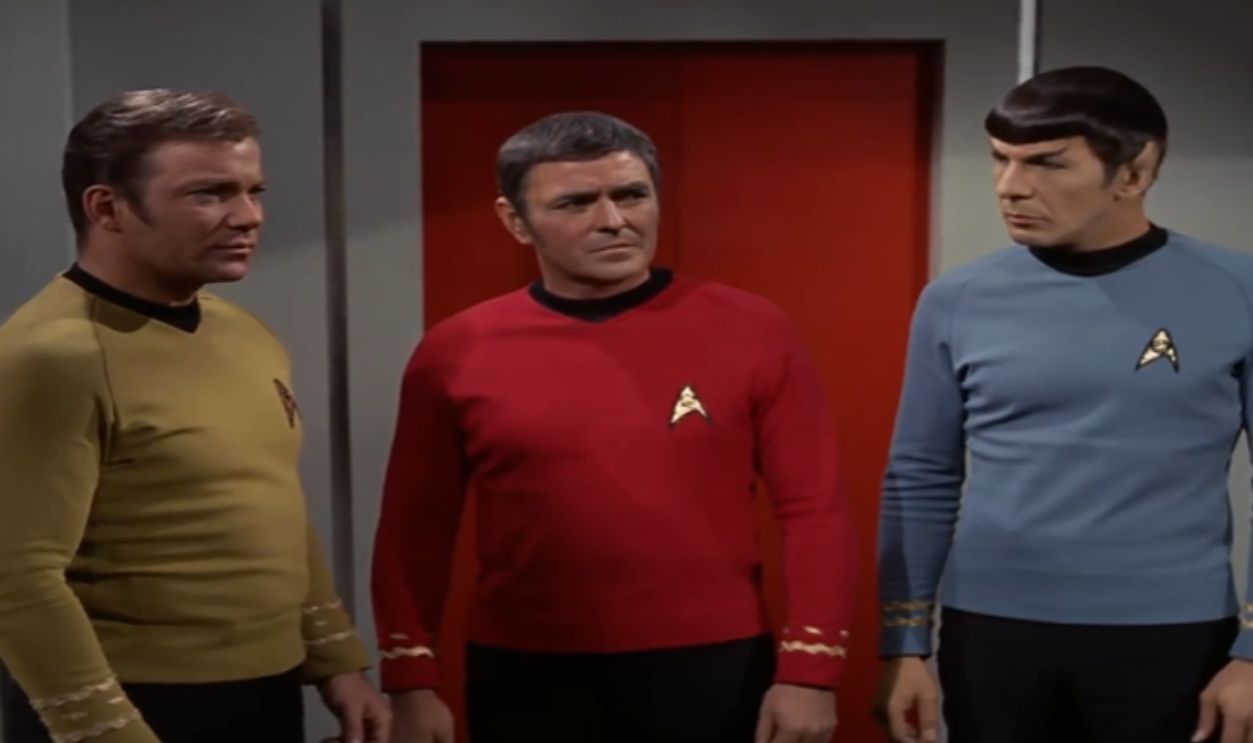 Screenshot from Star Trek: The Original Series, NBC (1966–1969)
“Little House: The Last Farewell”—Little House On The Prairie (1984)
Rather than let the town fall into enemy hands, the residents destroy it themselves. The explosive, emotional finale was shocking for such a wholesome series, closing the show on a note of sacrifice and irreversible loss.
 Screenshot from Little House on the Prairie, NBC (1974–1983)
“Changing Nature”—Dinosaurs (1994)
A family sitcom ends with ecological apocalypse and mass extinction. The final episode sees the world freezing over due to corporate negligence, with the Sinclair family accepting their fate. It’s devastating, unexpected, and still one of the darkest endings in TV history.
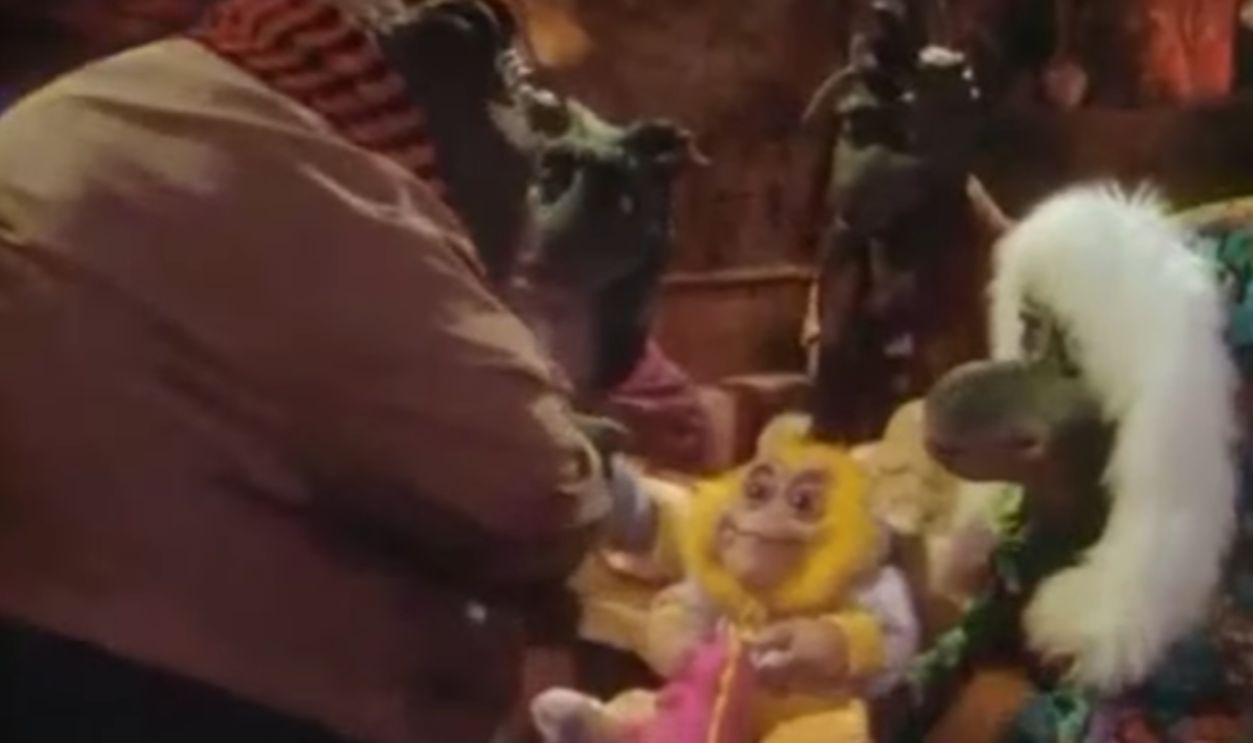 Screenshot from Dinosaurs, ABC (1991–1994)
You May Also Like:
TV Shows That Were Amazing...Until The Series Finale
The Most Rewatchable TV Shows Of All Time