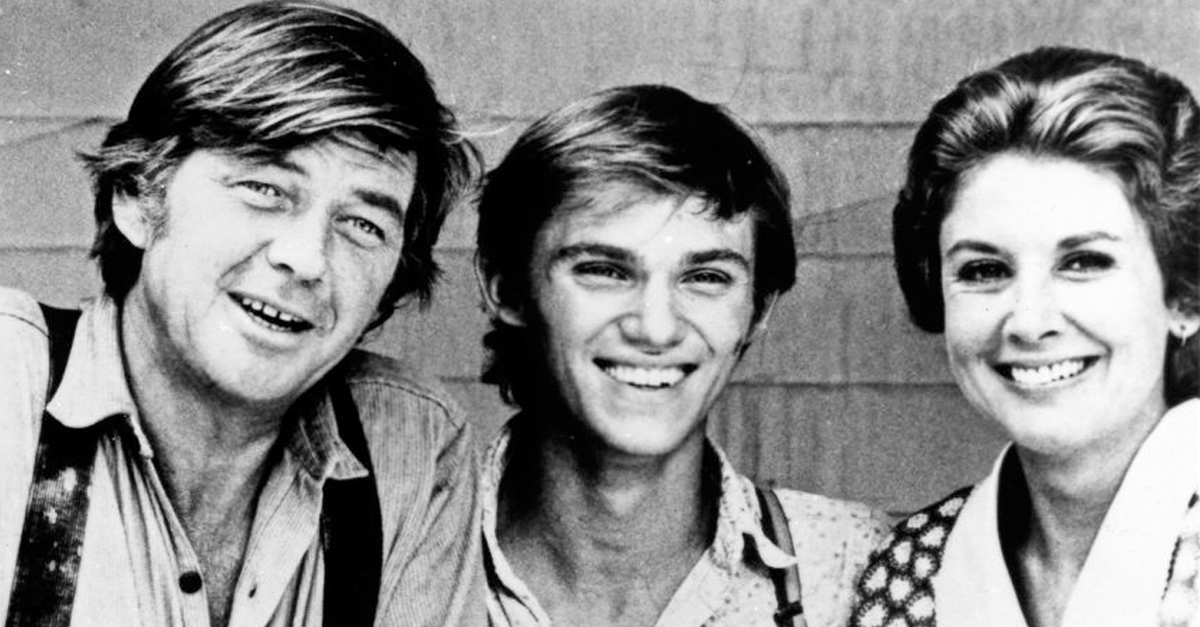
Ralph Waite Was Not Chasing Hollywood
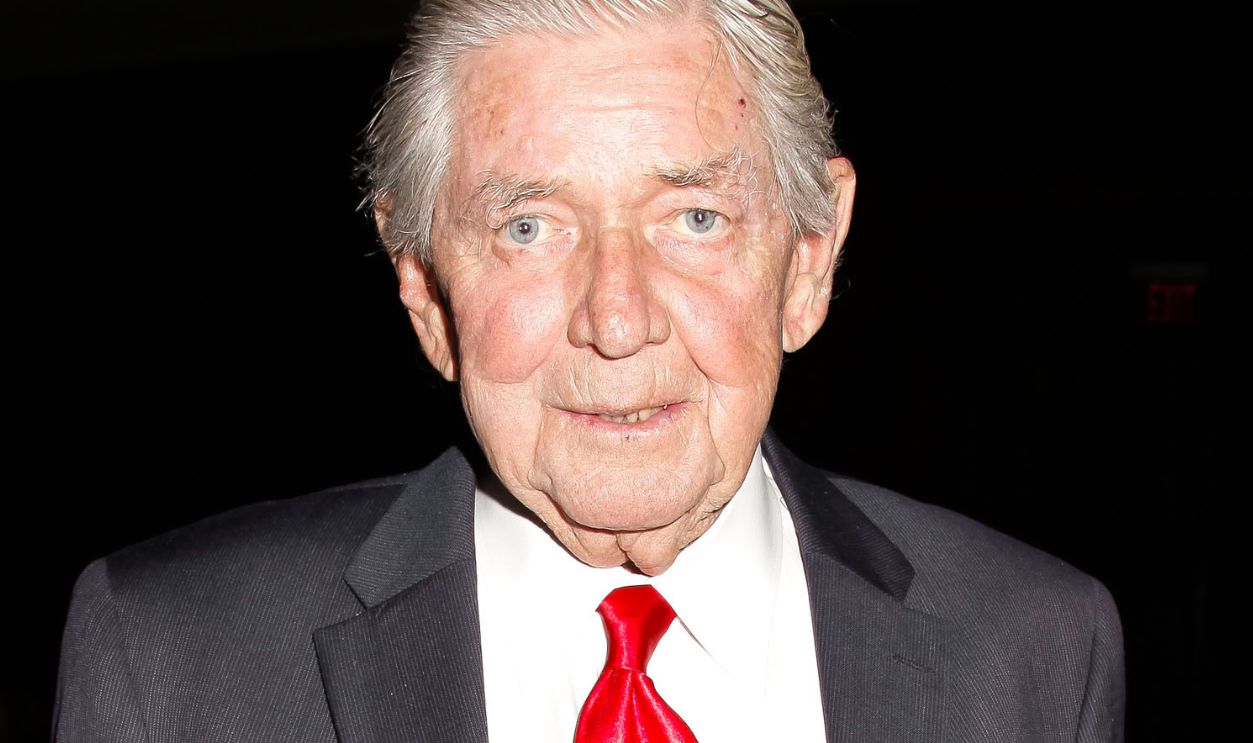
Ralph Waite became famous as John Walton Sr., the steady father at the center of The Waltons. Yet acting was not the career he planned as a young man. Before television made him familiar to millions, Waite had already lived several very different lives.
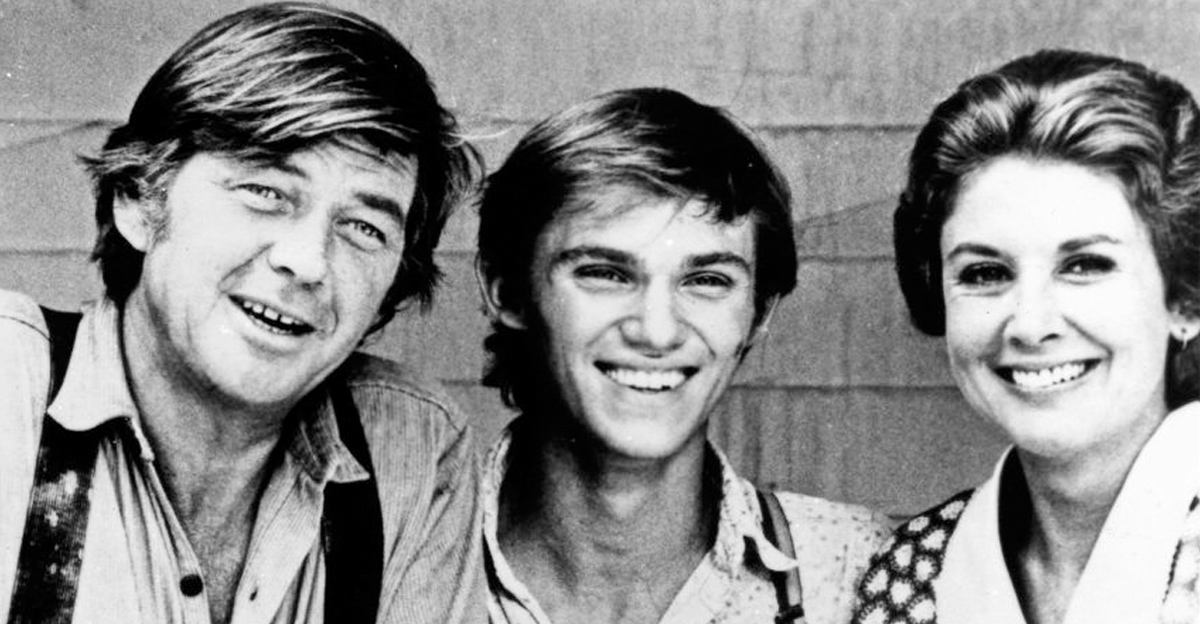 FilmPublicityArchive/United Archives via Getty Images
He Came From White Plains
Waite was born in White Plains, New York, on June 22, 1928. He grew up far from the Hollywood world that later defined his public image. His early path pointed toward service, education, and ministry rather than cameras and scripts.
 Michael Ochs Archives, Getty Images
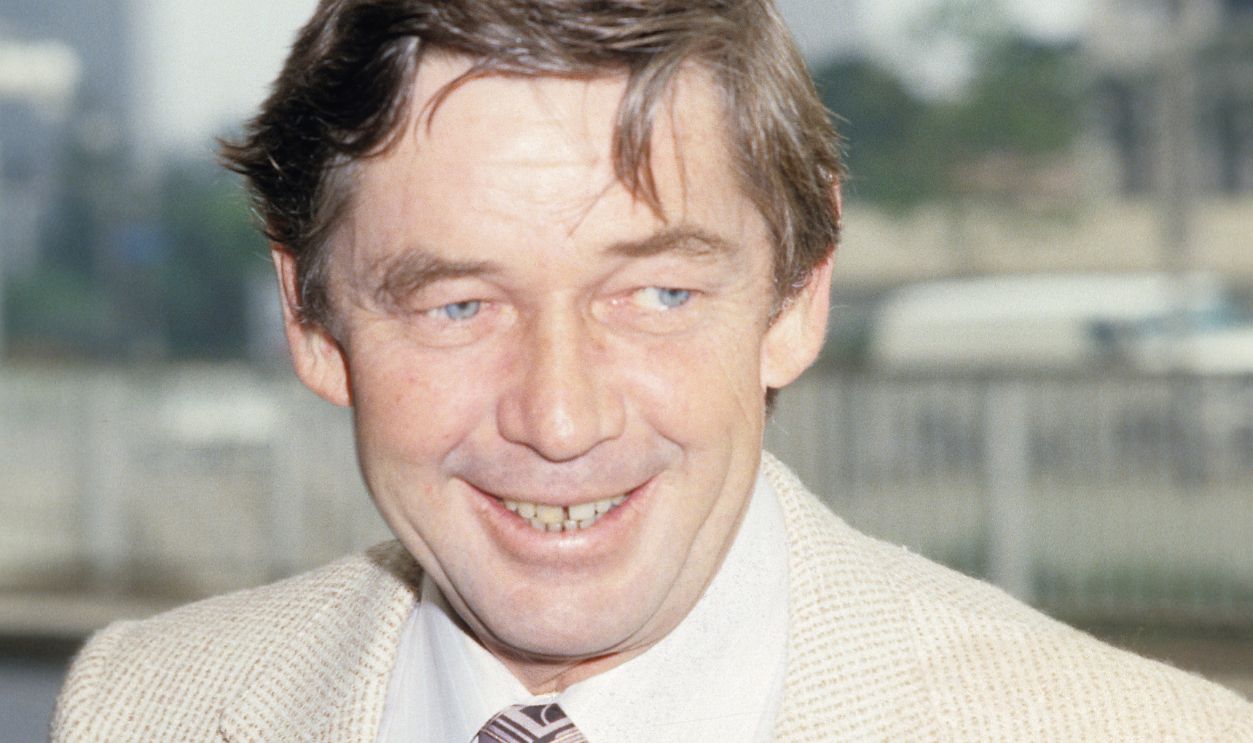
The Marines Came First
After high school, Waite served in the United States Marine Corps from 1946 to 1948. That experience came years before he became known as a gentle television patriarch. It also added to the grounded, disciplined quality that later made John Walton feel believable.
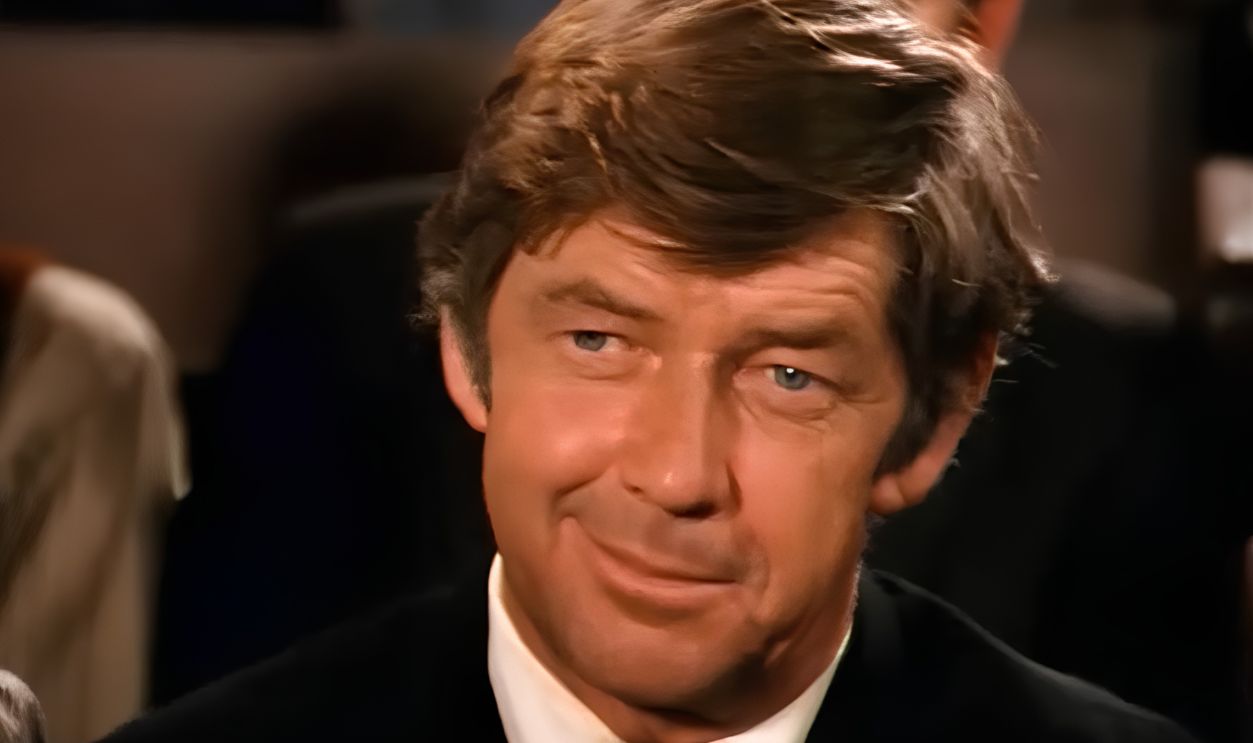 Screenshot from The Waltons, Warner Bros. Discovery (1972-1981), enhanced
College Opened Another Door
After his military service, Waite attended Bucknell University. He graduated with a Bachelor of Arts degree, but he still had not chosen acting as his destination. His life was moving forward, but not in a straight line toward show business.
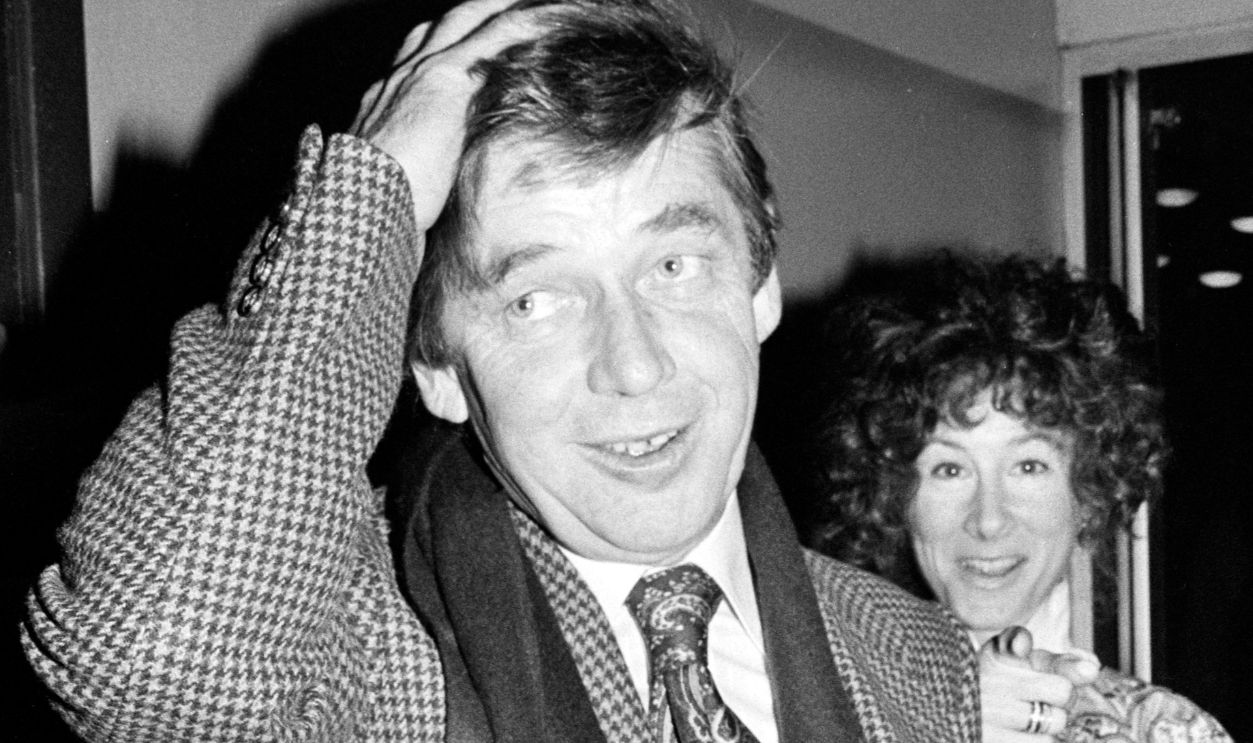
He Worked As A Social Worker
Waite briefly worked as a social worker after college. That job fit with the service-oriented pattern of his early adulthood. It also gave him direct contact with real people and real struggles, something that would later deepen his performances.
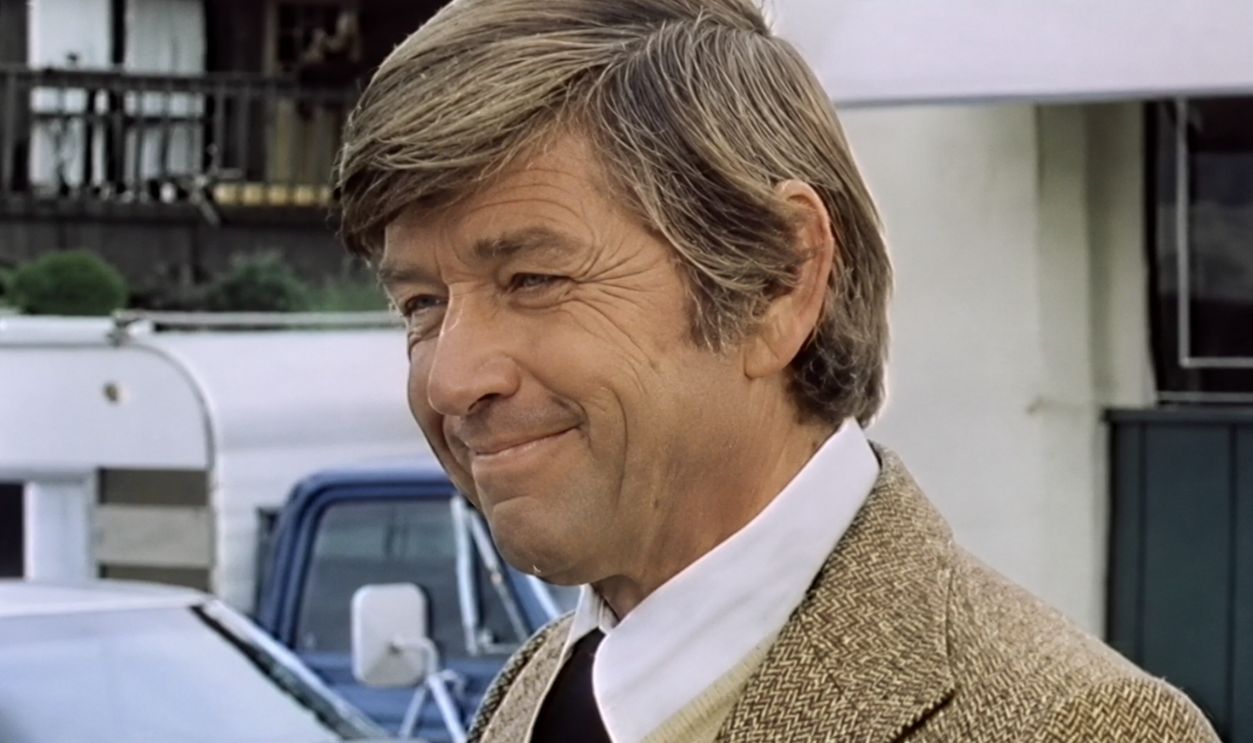 Screenshot from The Secret Life of John Chapman, Paramount (1976), enhanced
Yale Divinity School Changed His Course
Waite went on to study at Yale Divinity School. He earned a divinity degree in 1956 and became an ordained Presbyterian minister. At that point, acting still looked more like a distant possibility than a realistic career.
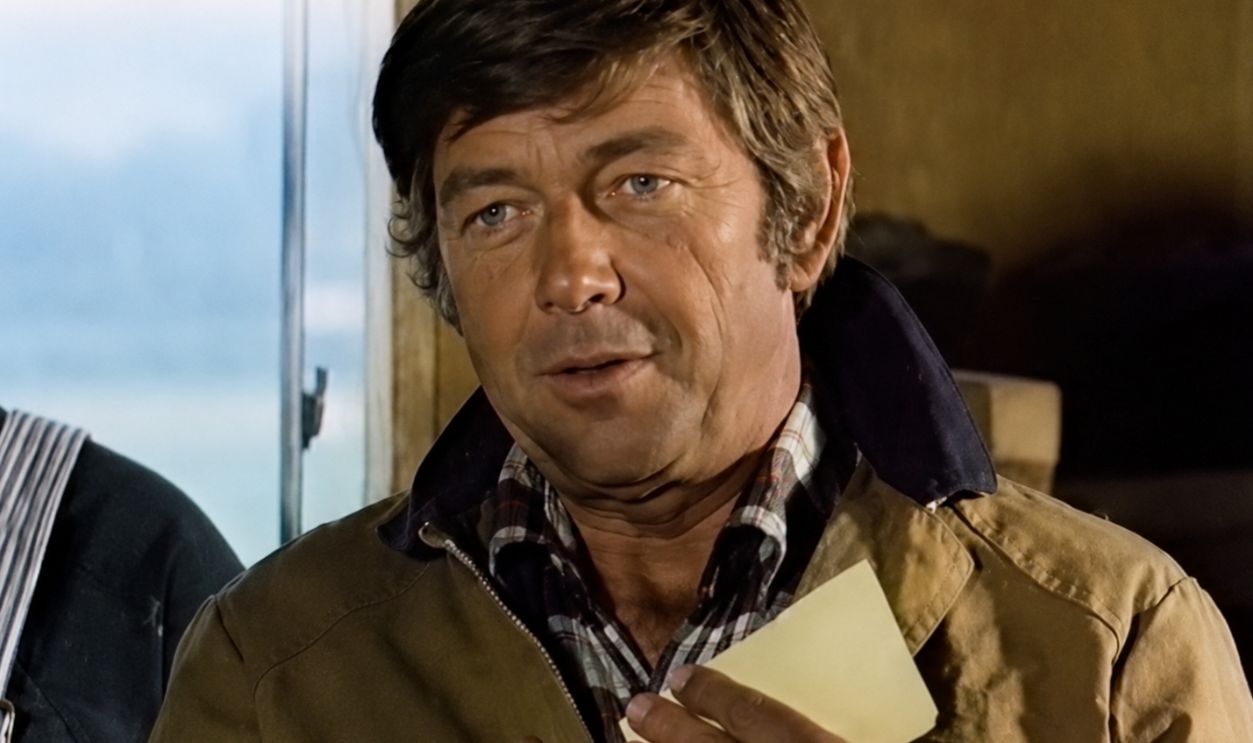 Screenshot from The Secret Life of John Chapman, Paramount (1976), enhanced
He Served As A Minister
Waite served congregations on Long Island and Fisher’s Island. Ministry gave him a public role built around language, empathy, and presence. Those skills would eventually matter onstage, though he did not know that yet.
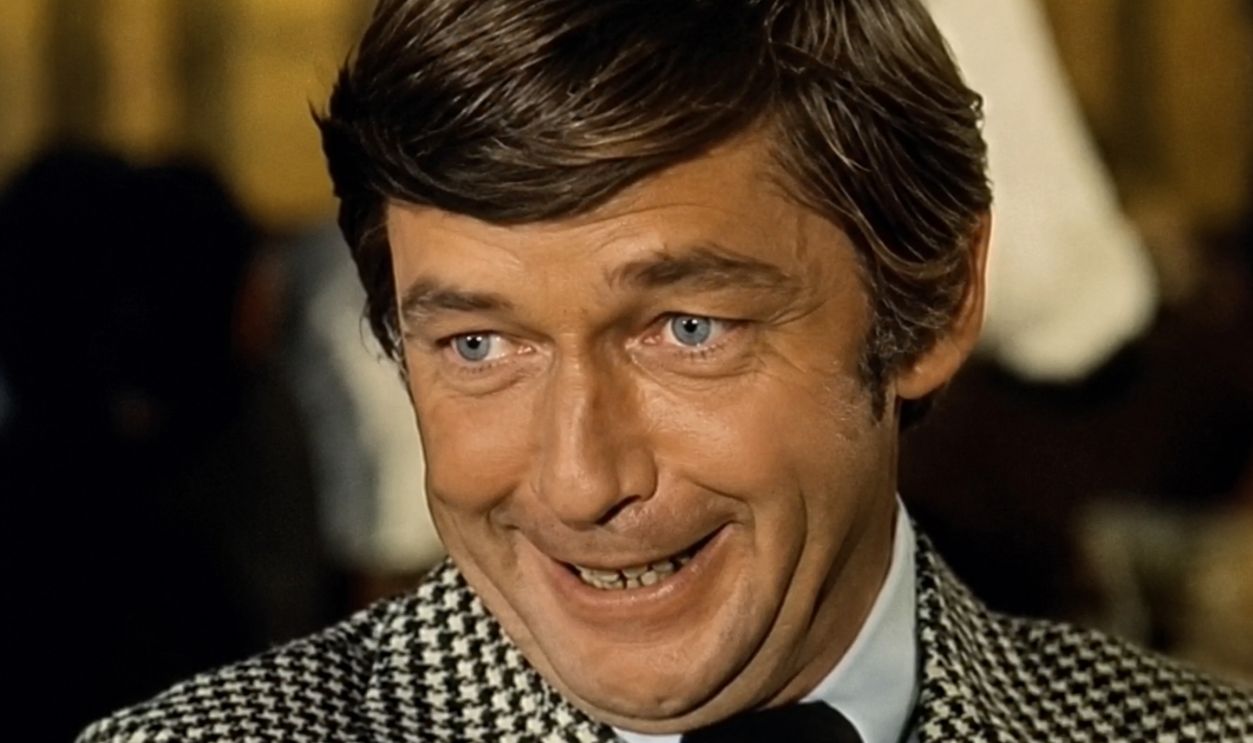 Screenshot from The Secret Life of John Chapman, Paramount (1976), enhanced
He Left The Ministry
Waite left the ministry in 1959. He moved to New York City with his wife Beverly and their children. Instead of stepping directly into acting, he took another practical job connected to religion and books.
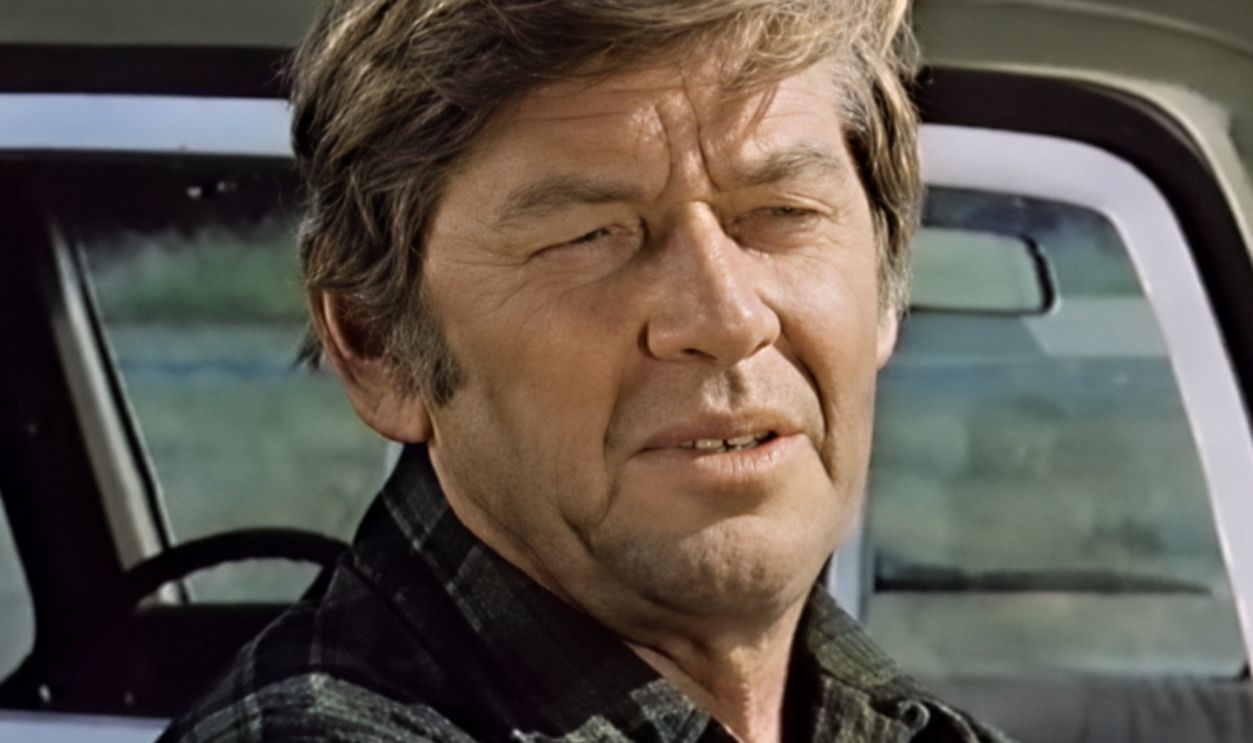 Screenshot from The Secret Life of John Chapman, Paramount (1976), enhanced
Publishing Was His Next Stop
Waite worked as a religious editor at Harper & Row. It was a stable, thoughtful job and still far removed from Hollywood stardom. Then, in his early thirties, a small creative experiment changed everything.
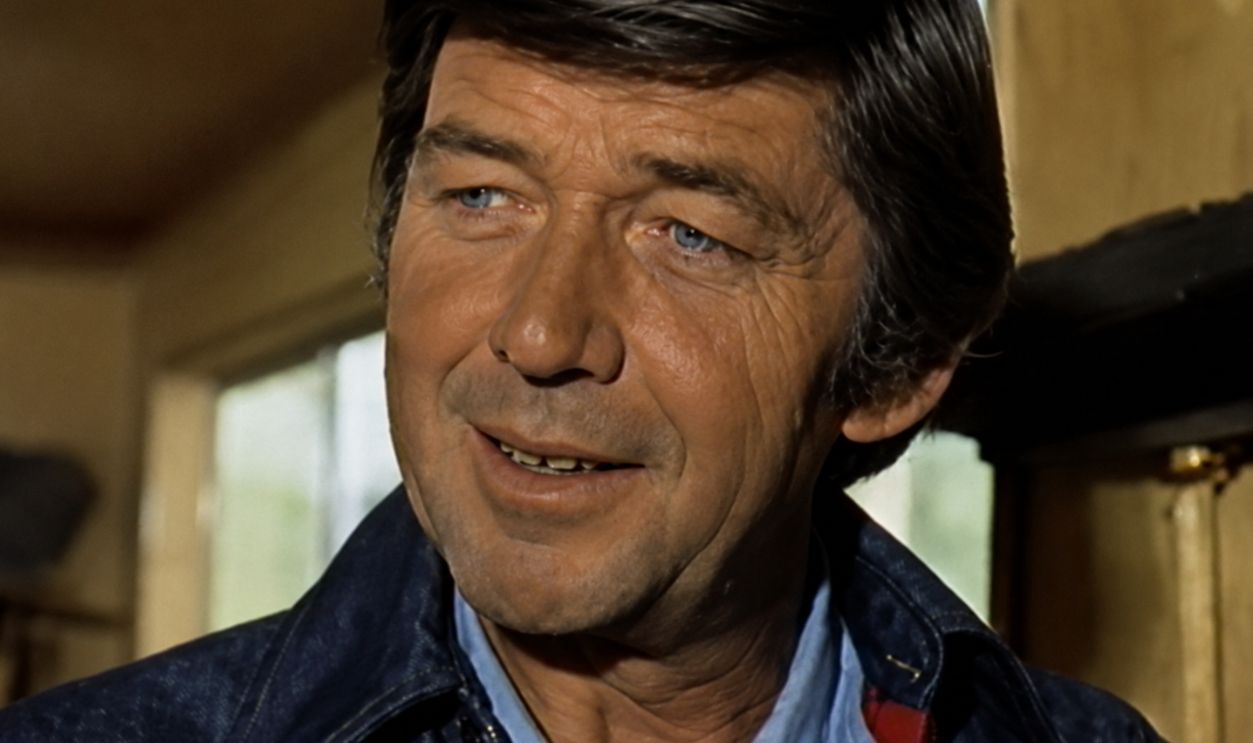 Screenshot from The Secret Life of John Chapman, Paramount (1976), enhanced
One Acting Class Surprised Him
Waite later recalled sitting in on an acting class while working in publishing. He said he tried a scene and fell in love with it. That moment helps explain why he never expected to become an actor, because acting arrived after several other serious careers.
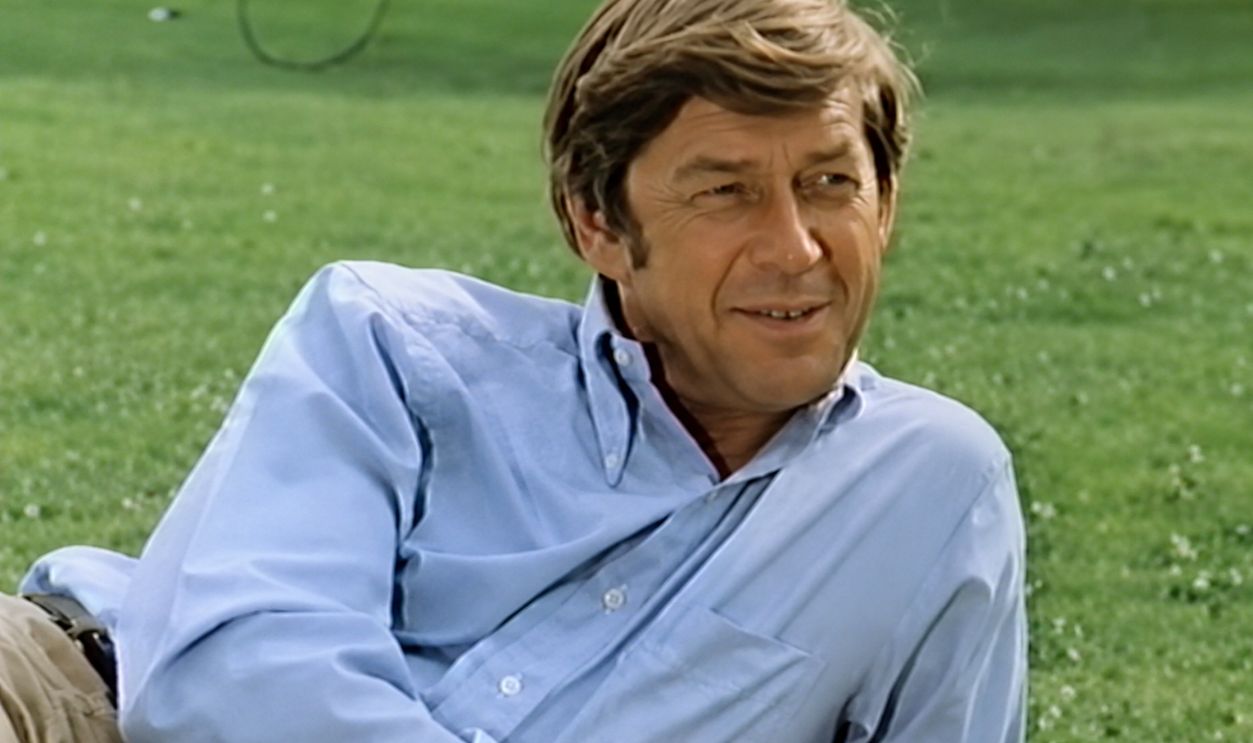 Screenshot from The Secret Life of John Chapman, Paramount (1976), enhanced
He Was Already In His Thirties
The Television Academy noted that Waite did not pursue acting until his thirties. That made him unusual in an industry often built around early ambition. He was not a child performer or a young hopeful chasing auditions from the start.
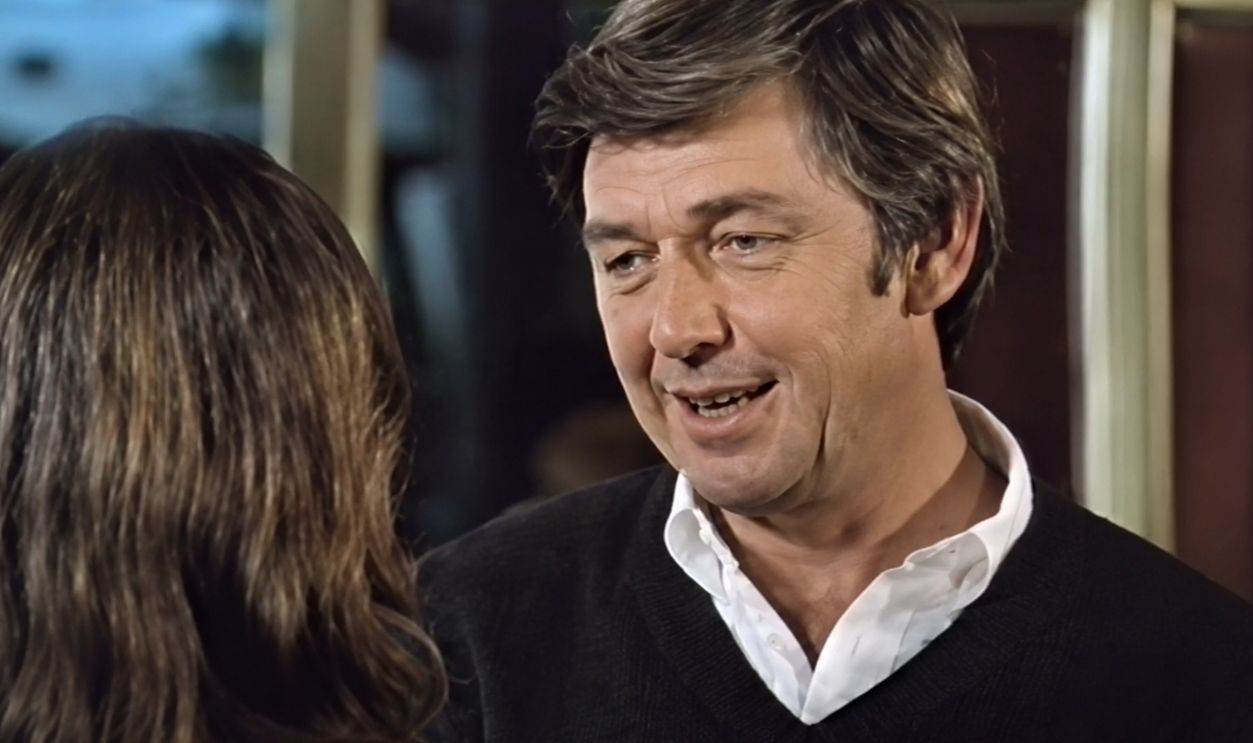 Screenshot from The Secret Life of John Chapman, Paramount (1976), enhanced
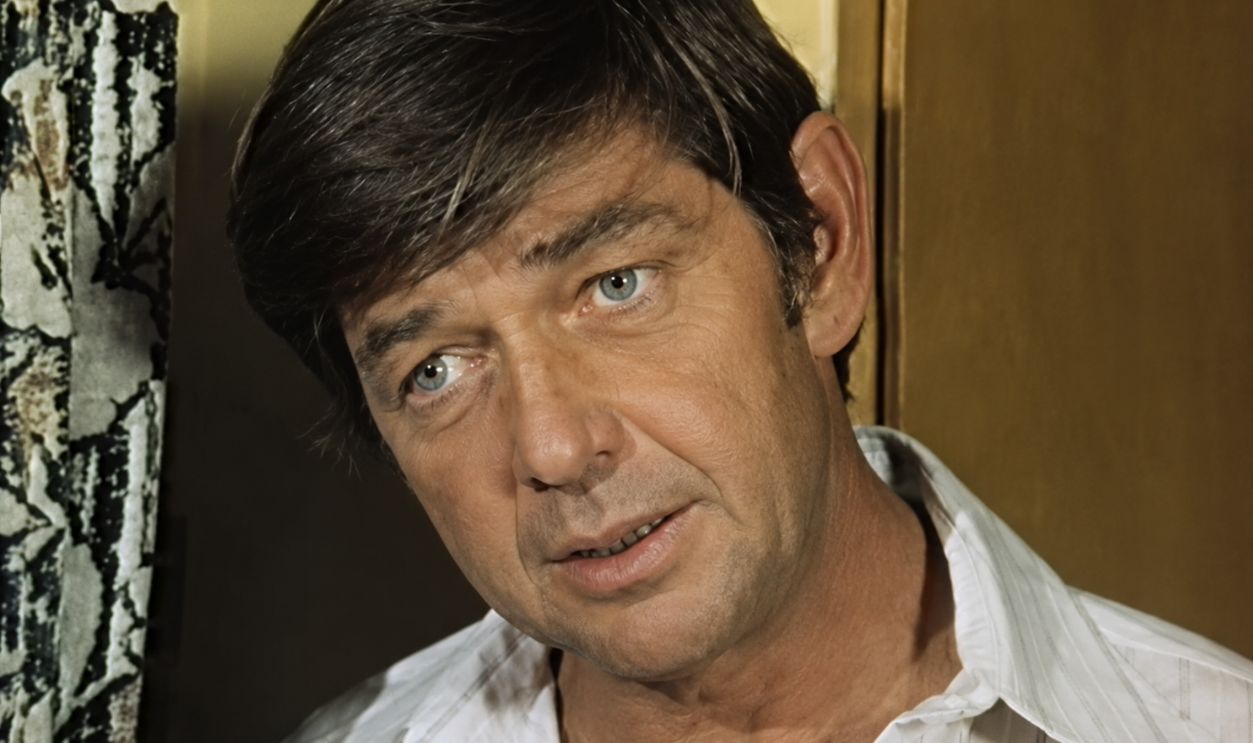
The Stage Became His Training Ground
Waite made his stage debut in The Balcony at Circle in the Square Theatre in 1960. The New York stage gave him a demanding place to learn his craft. He built his acting career through theater before television made him a household name.
 Screenshot from The Secret Life of John Chapman, Paramount (1976), enhanced
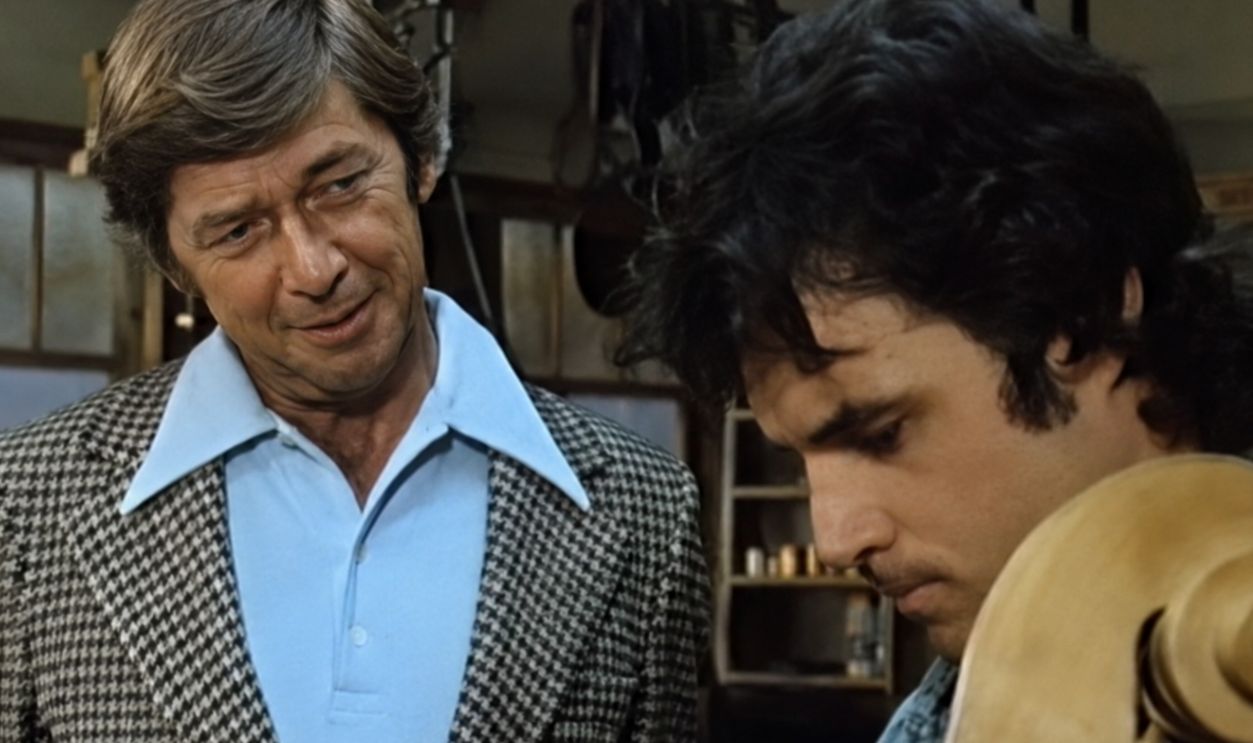
Broadway Soon Followed
Waite appeared on Broadway during the 1960s. His credits included major stage productions such as Blues for Mister Charlie and Hogan’s Goat. This period proved that his late start had not held him back.
 Screenshot from The Secret Life of John Chapman, Paramount (1976), enhanced
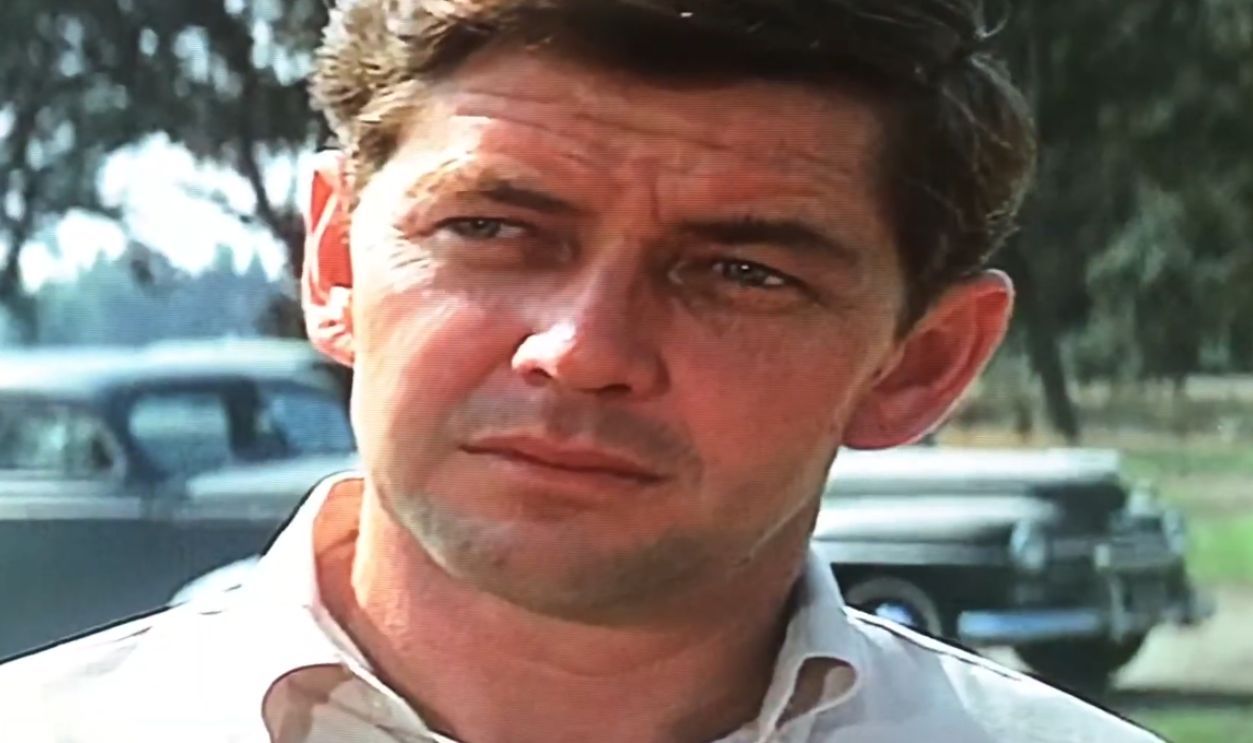
Film Roles Came Next
Waite’s screen career began building in the late 1960s. He appeared in Cool Hand Luke in 1967 and Five Easy Pieces in 1970. These were not starring roles, but they placed him inside major films with major actors.
 Screenshot from Cool Hand Luke, Warner Bros. Discovery (1967)
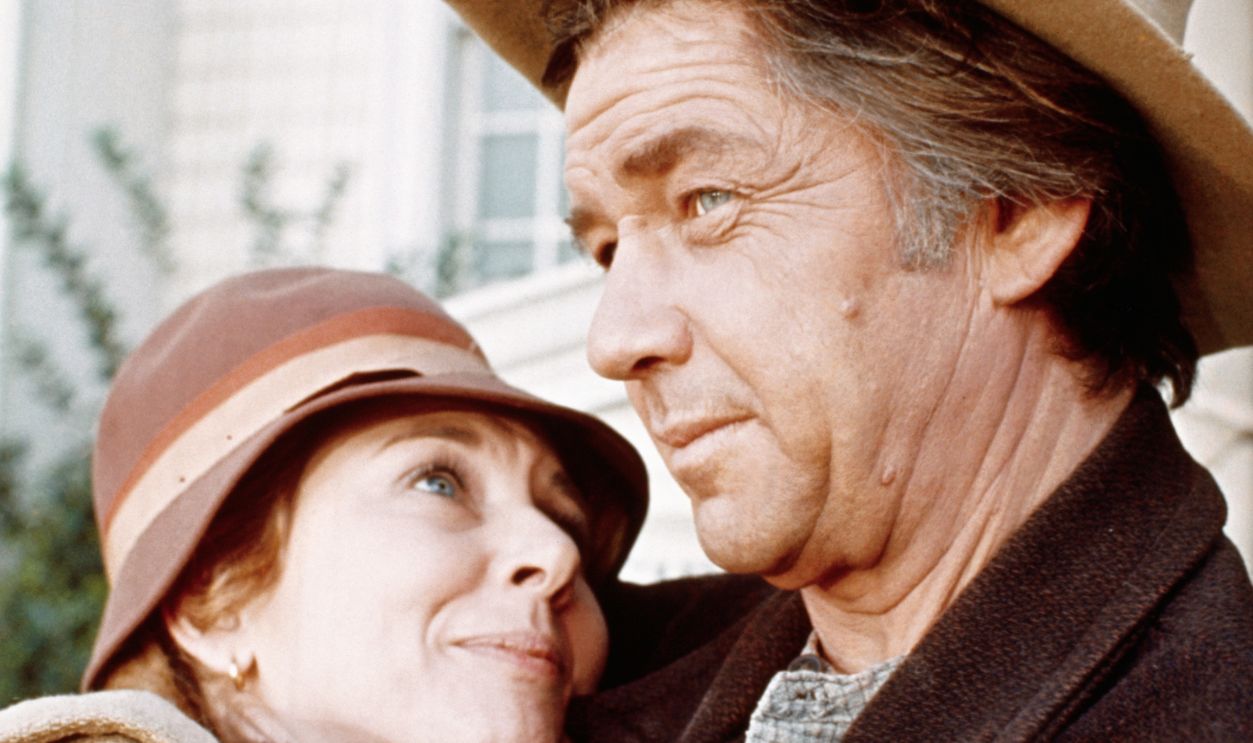
The Waltons Made Him Famous
In 1972, Waite began playing John Walton Sr. on The Waltons. The CBS drama followed a large family in Virginia’s Blue Ridge Mountains during the Depression era. Waite’s warmth and authority helped make the character one of television’s most beloved fathers.
He Played Strength Without Showboating
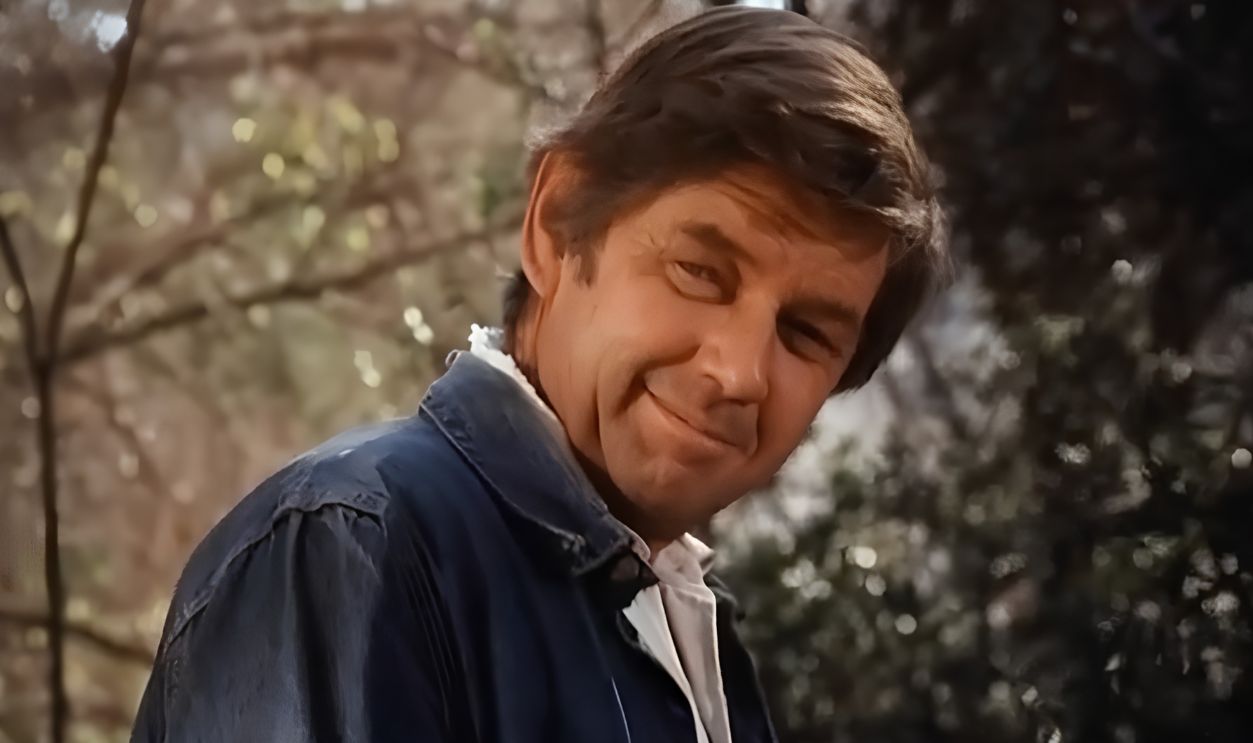
John Walton Sr. was tough, loving, and steady. Waite made him feel like a real working father rather than a polished television symbol. His years before acting helped give the role a lived-in honesty.
 Screenshot from The Waltons, Warner Bros. Discovery (1972-1981), enhanced
The Role Earned Emmy Recognition
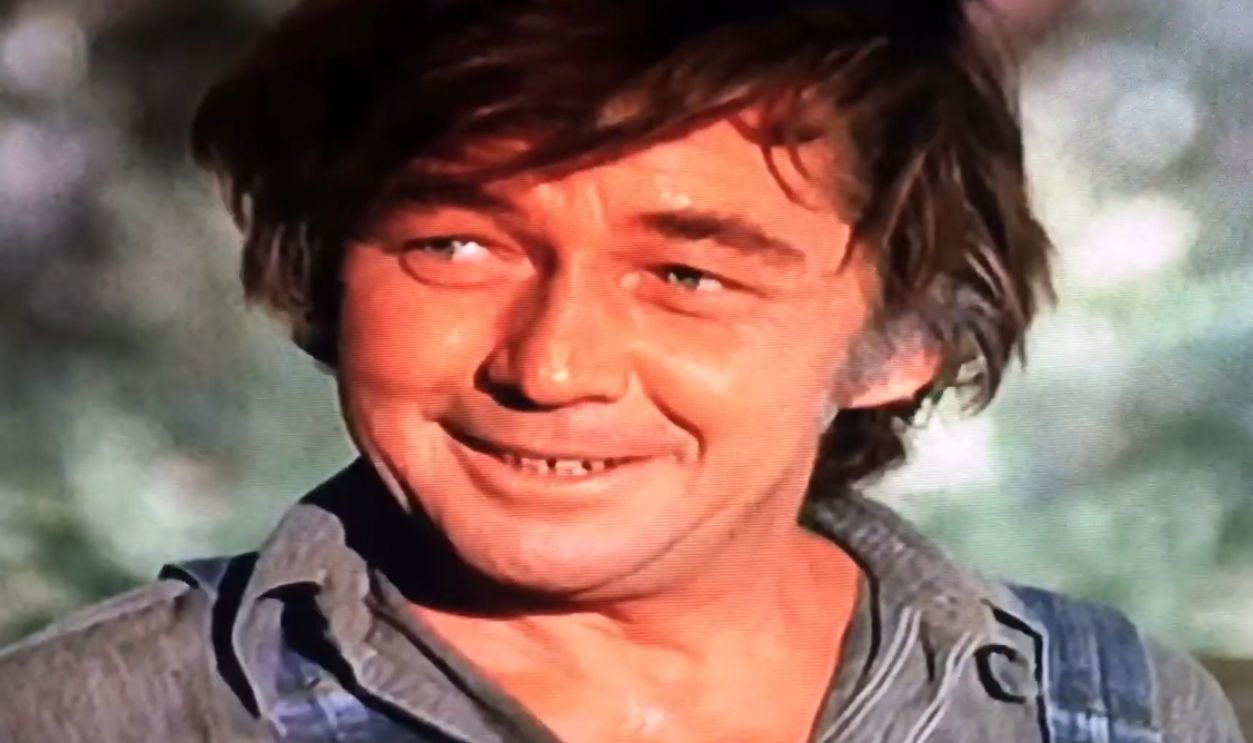
Waite received a Primetime Emmy nomination for The Waltons. He later received another Emmy nomination for Roots. Those honors showed how far he had traveled from ministry, publishing, and social work.
 Screenshot from The Waltons, Warner Bros. Discovery (1972-1981)
He Also Directed Episodes
Waite did more than act on The Waltons. He directed some episodes of the series as well. That behind-the-camera work showed how deeply he had grown into the profession he once never expected to enter.
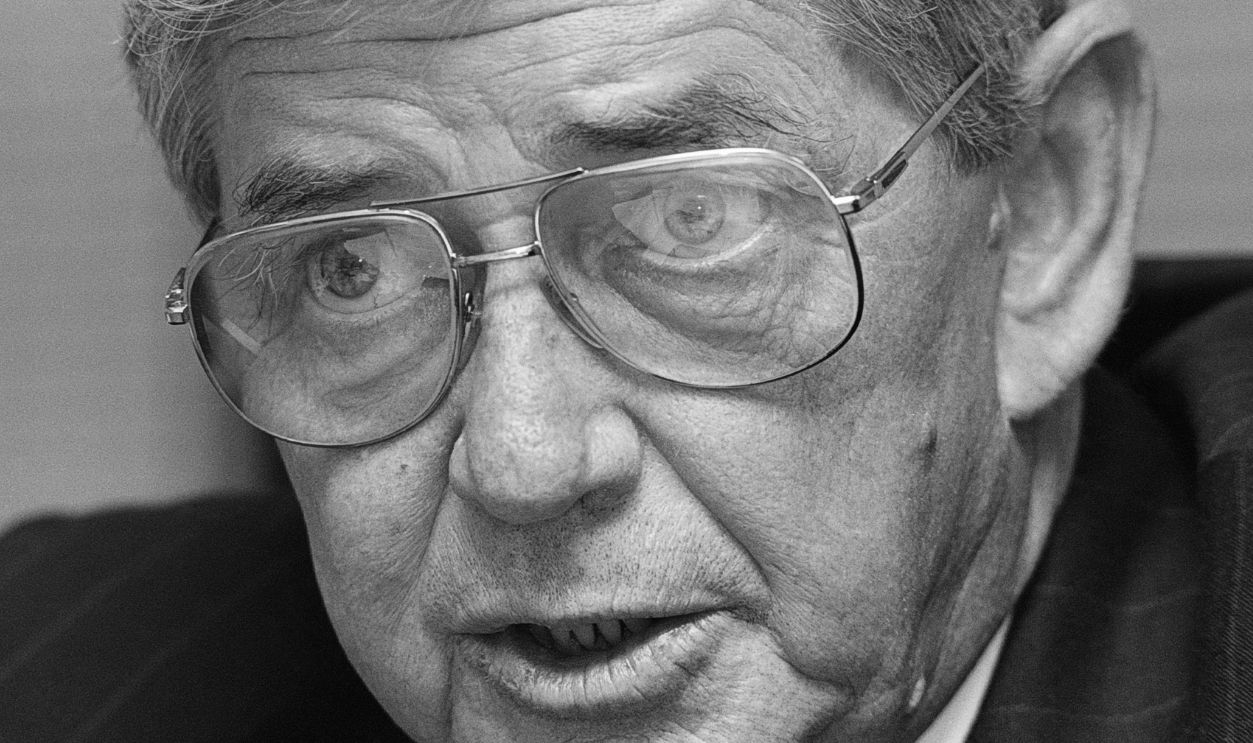
He Stayed Busy After Walton’s Mountain
Waite continued acting long after The Waltons ended. He appeared in films such as The Bodyguard and Cliffhanger. He also returned to television in later roles that introduced him to younger viewers.
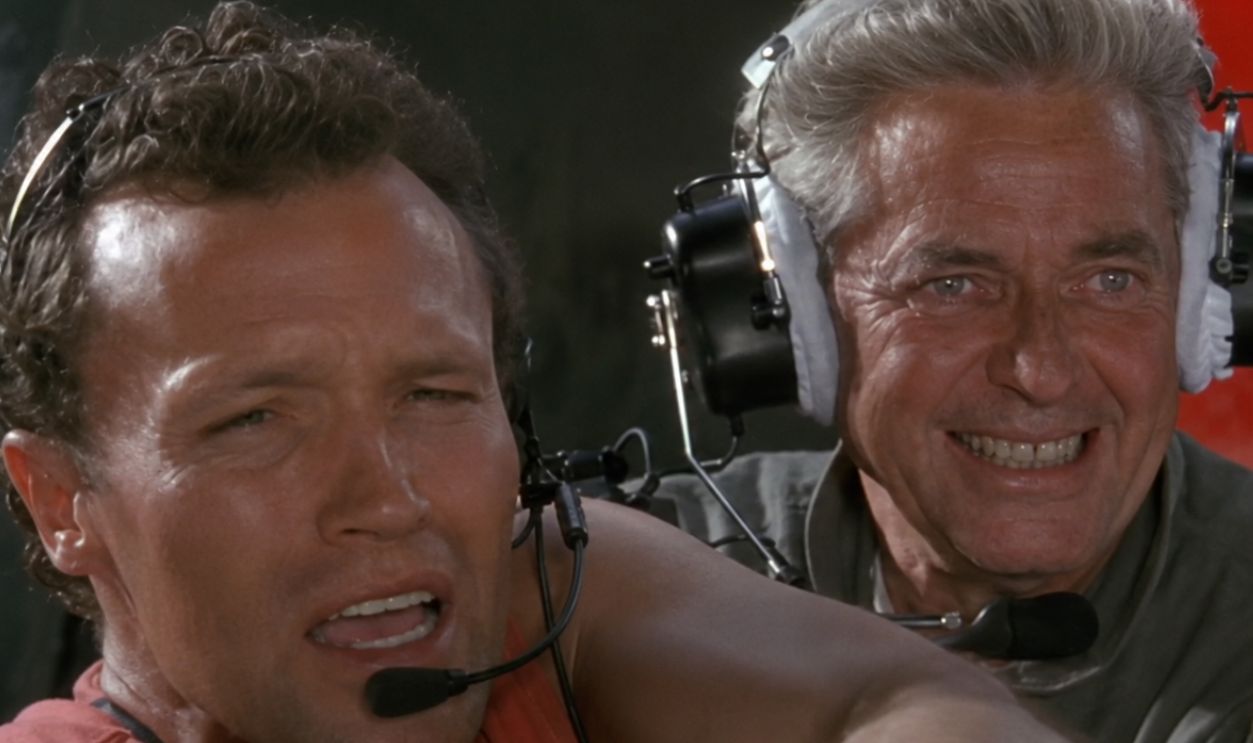 Screenshot from Cliffhanger, Sony Pictures Entertainment (1993), enhanced
NCIS Gave Him A New Audience
In later years, Waite played Jackson Gibbs on NCIS. The role connected him with a different generation of TV fans. Once again, he played a father figure with warmth, history, and quiet force.
 Screenshot from NCIS, Paramount (2003-)
Bones Added Another Family Role
Waite also appeared on Bones as Seeley Booth’s grandfather. It was another example of the kind of role audiences trusted him to play. By then, his screen presence carried decades of emotional credibility.
His Real Life Kept Shaping His Image
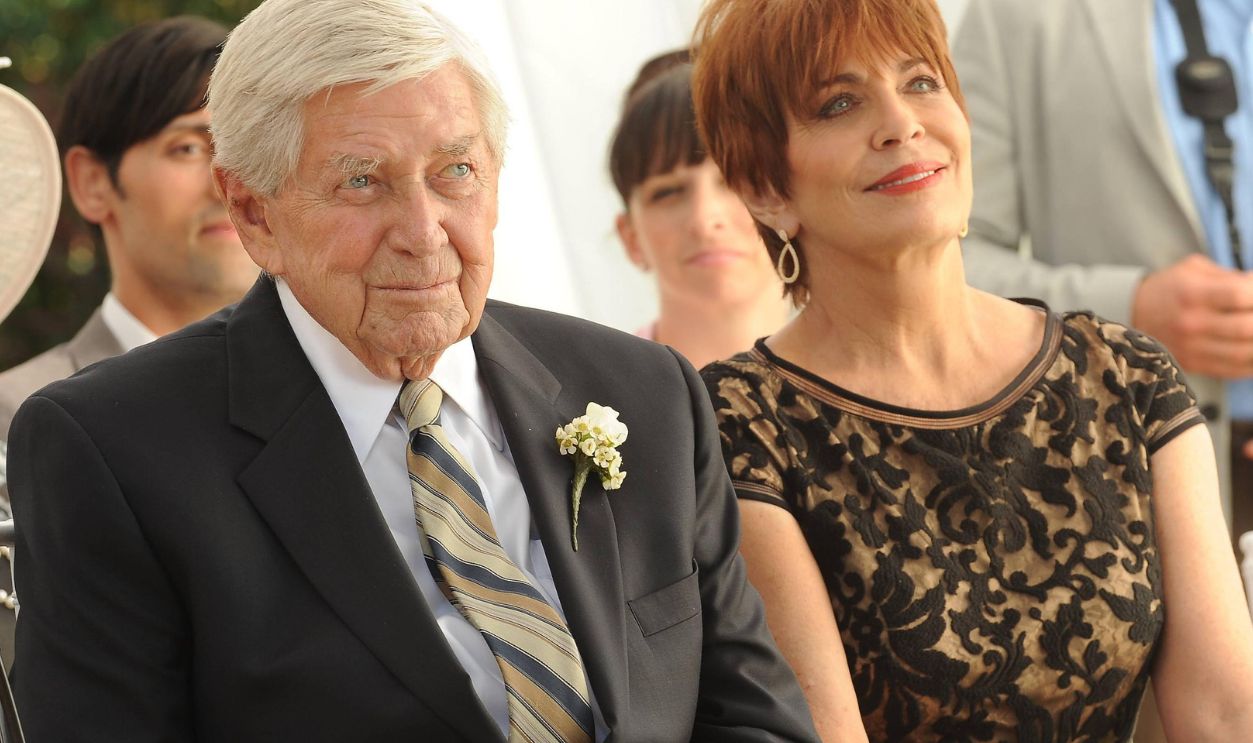
Waite’s life outside acting remained connected to service, politics, and faith. He ran for Congress more than once in California, though he did not win. He also returned to church life later in life after decades away from organized religion.
The Late Start Became His Strength
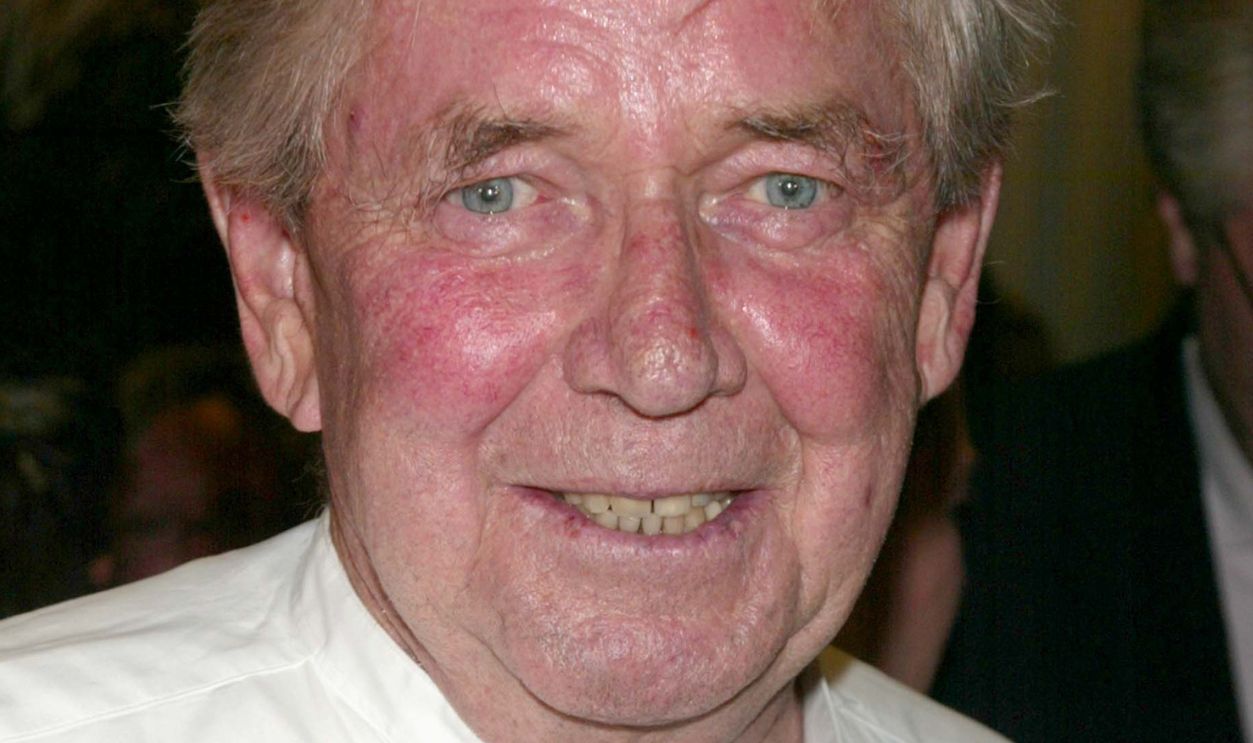
Waite’s path to acting was not smooth or obvious. That was exactly what made it compelling. He brought a minister’s voice, a social worker’s awareness, and a Marine’s steadiness into a profession he discovered later than most.
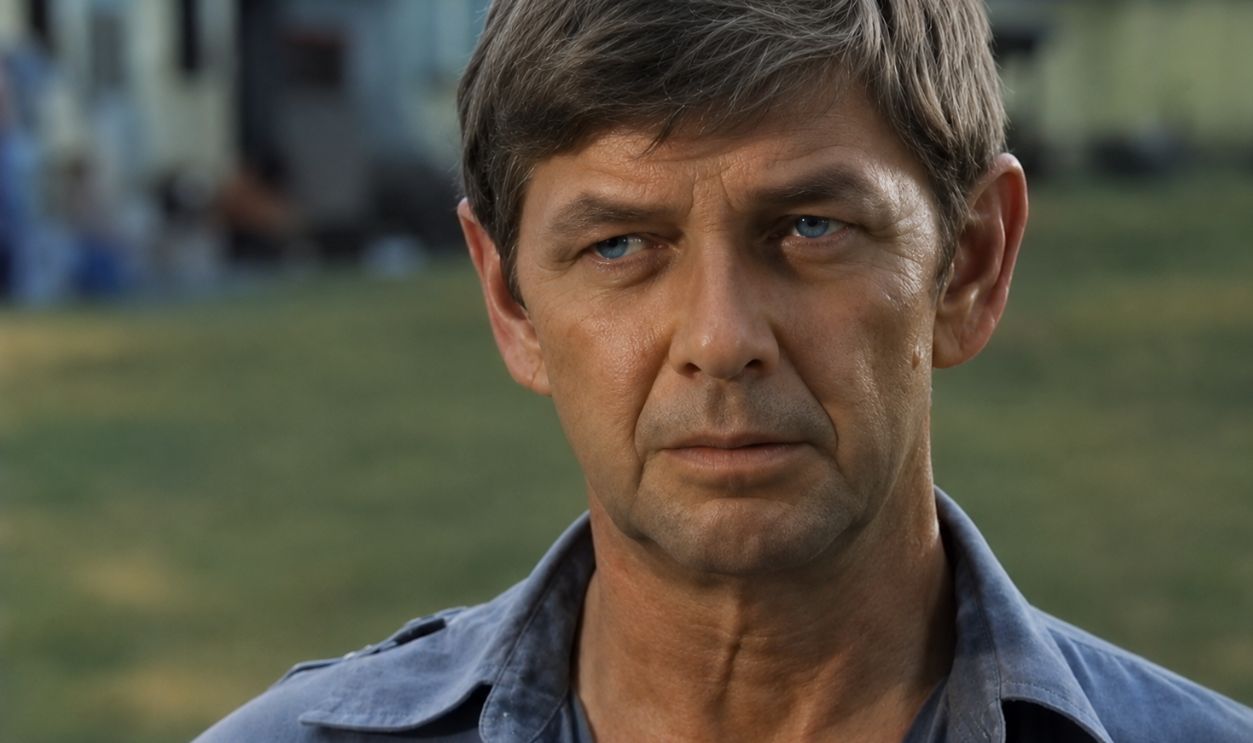 Screenshot from Angel City, Cinevision Global (1980), enhanced
He Never Fit The Usual Star Story
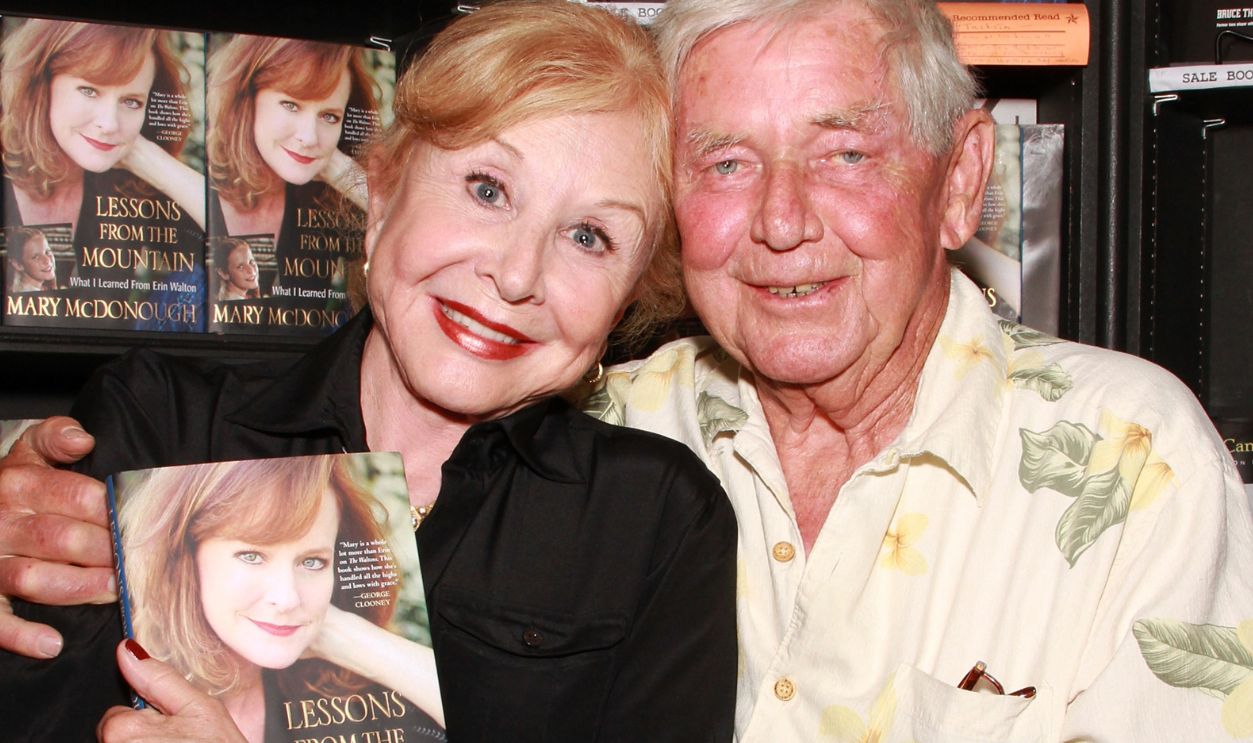
Many actors describe wanting fame from childhood. Waite’s story was different. He became a star after first trying to serve, study, preach, edit, and understand people.
That Is Why Fans Believed Him
Audiences believed Ralph Waite because he seemed to know the weight of ordinary life. His performance as John Walton Sr. drew power from experience rather than image. The surprise is not that he became an actor, but that once he did, he seemed born for it.