He Did Not Need To Be Perfect.
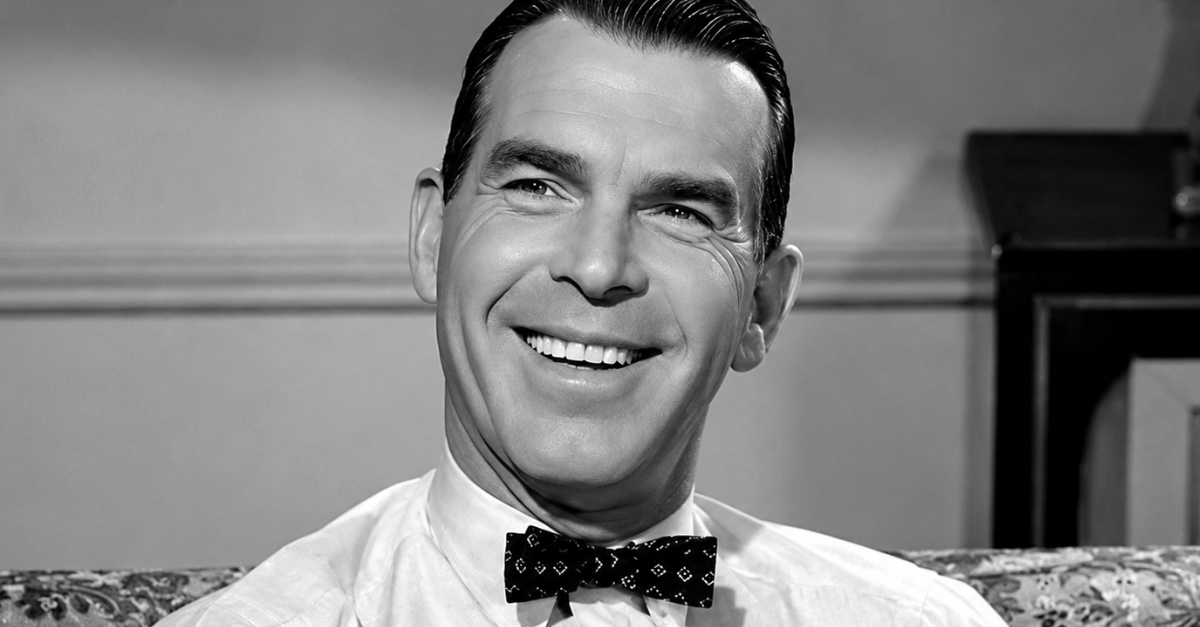
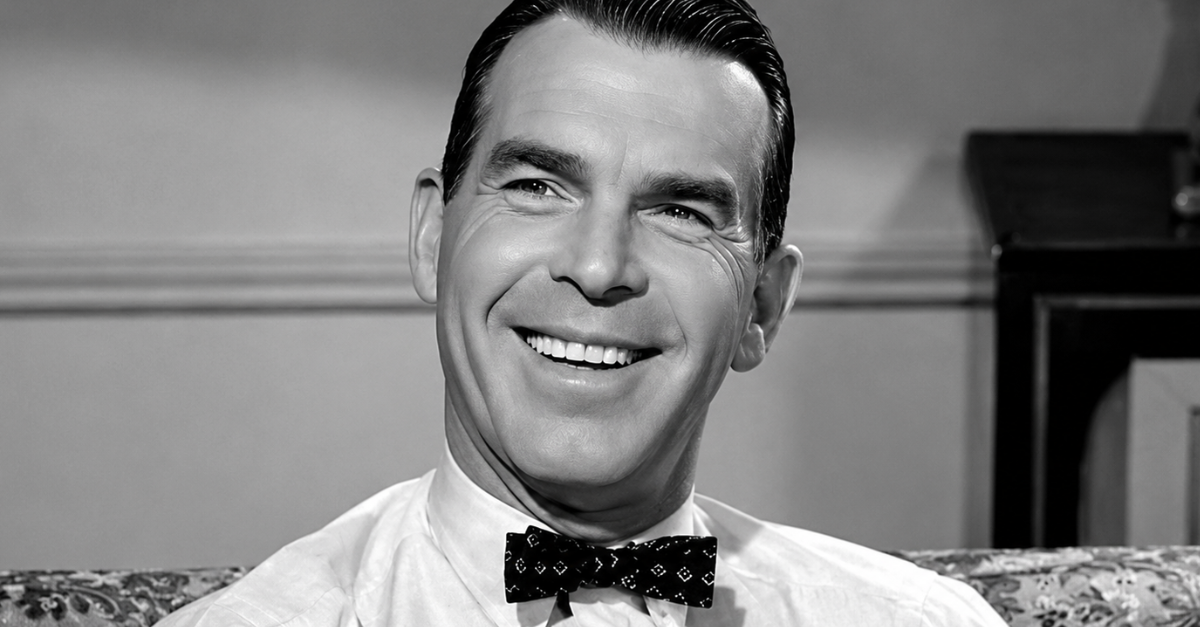
As widowed engineer Steve Douglas, Fred MacMurray played a television father who was calm, capable, occasionally baffled, and visibly responsible for keeping a complicated household together. Over 12 seasons, My Three Sons helped prove that a sitcom family could survive without a traditional mother at its center.
He Began As A Single Father
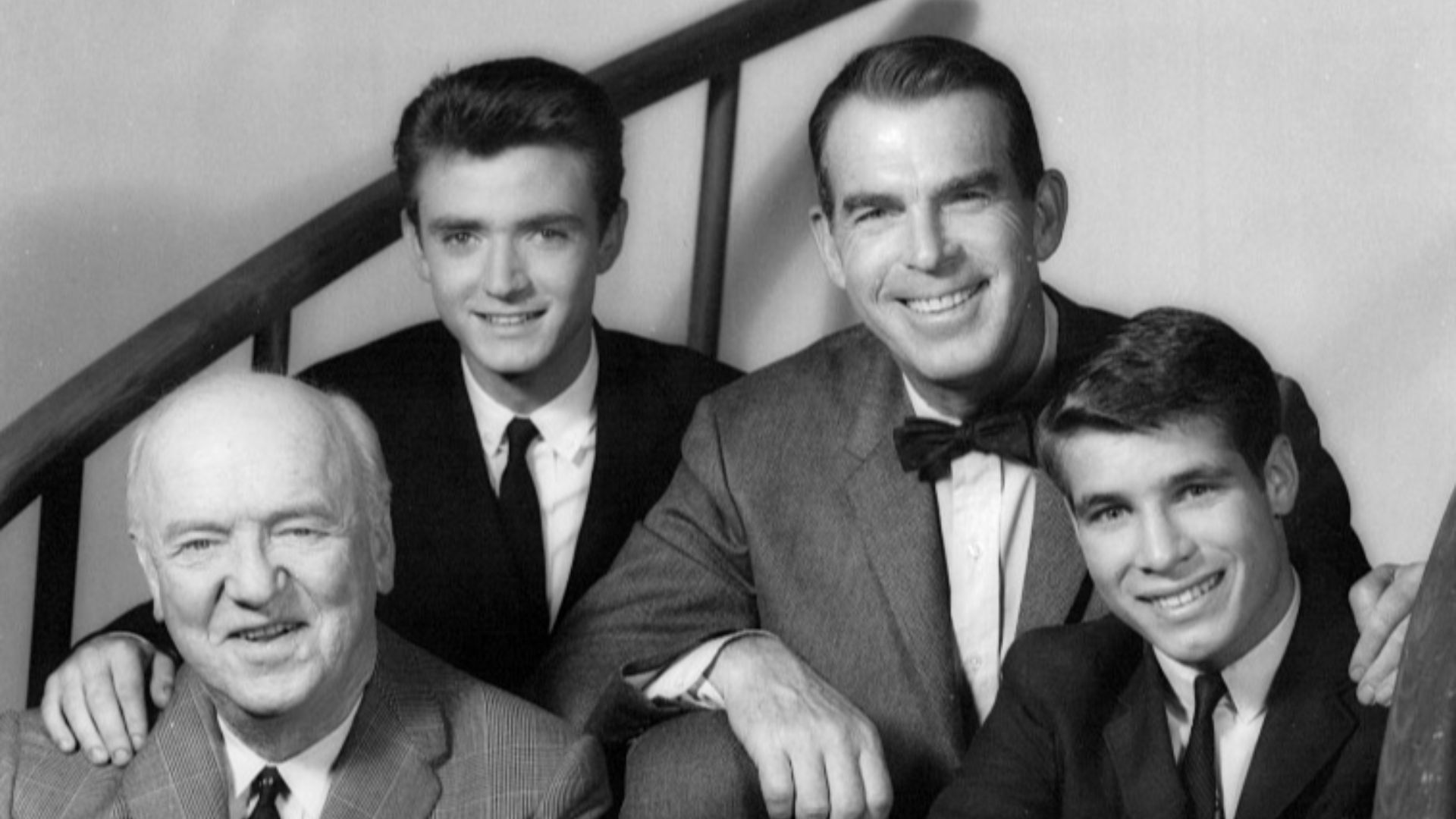
When My Three Sons premiered in 1960, Steve Douglas was a widower raising Mike, Robbie, and Chip. The household received help from the boys’ grandfather Bub, but Steve remained the family’s emotional and practical center. That premise separated the series from many domestic comedies built around a married mother and father. MacMurray made the unusual arrangement seem comfortable rather than tragic.
Steve Douglas Was Not A Sitcom Buffoon
MacMurray did not play Steve as an incompetent father who needed his children to rescue him every week. Steve was an aeronautical engineer with a demanding professional life and enough common sense to handle most domestic emergencies. He could be confused by his sons, but the humor rarely stripped him of his dignity. That made him a reassuring authority figure without turning him into an impossible superman.
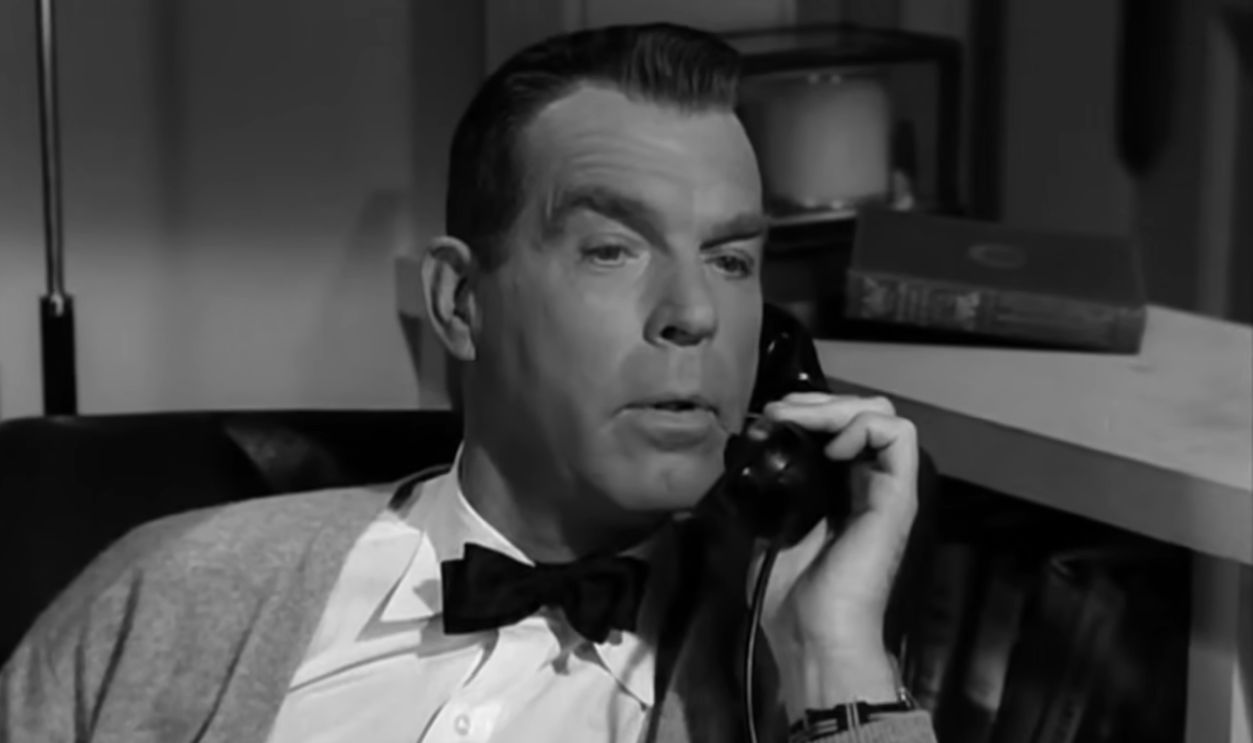 Screenshot from My Three Sons, ABC (1960–1972)
He Made Fatherhood Look Like Daily Work
Steve’s parenting usually involved ordinary problems rather than sweeping speeches. He dealt with school trouble, sibling arguments, dating, money, household confusion, and the consequences of his sons’ decisions. MacMurray approached those scenes with patience and a sense that raising children required constant attention. The result made fatherhood feel like an active responsibility rather than a title automatically granted to the man of the house.
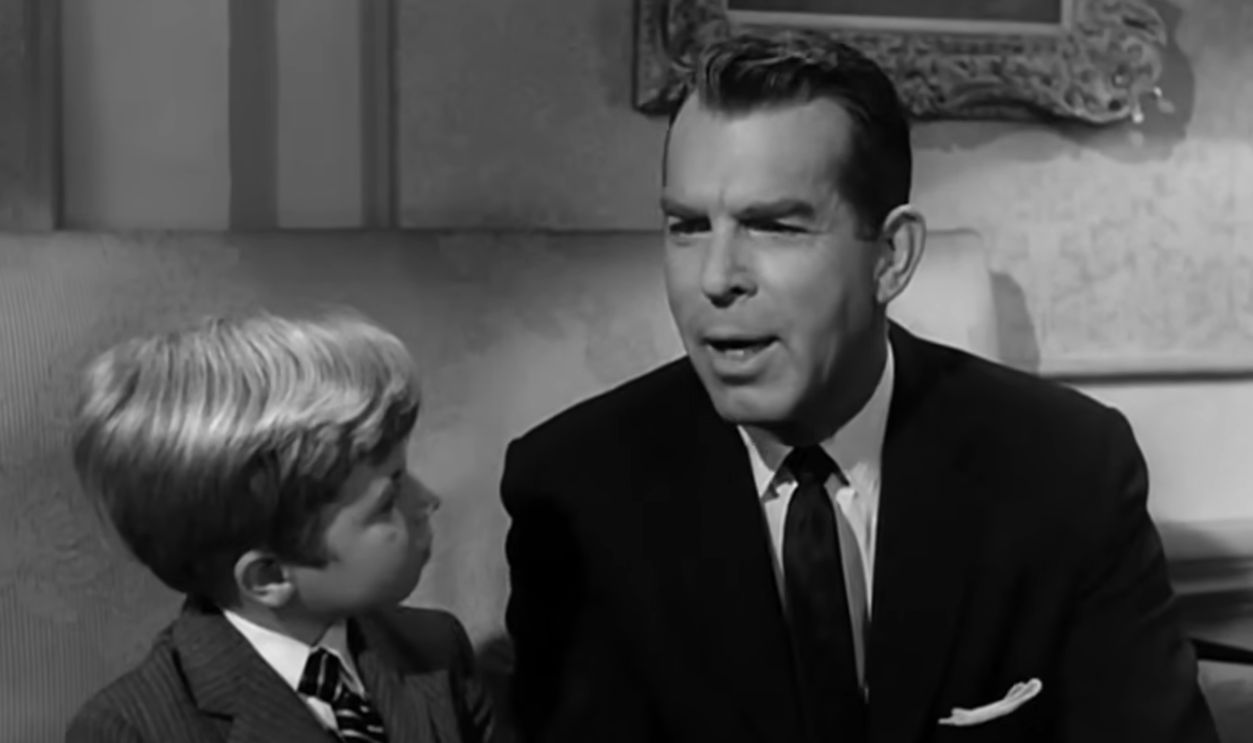 Screenshot from My Three Sons, ABC (1960–1972)
His Calmness Became The Character’s Strength
Steve rarely needed to dominate a scene with shouting or theatrical outrage. MacMurray’s relaxed delivery suggested a father who preferred thinking through a problem before reacting. That restraint gave the boys room to make mistakes without making the household feel unstable. His quietness became a form of authority.
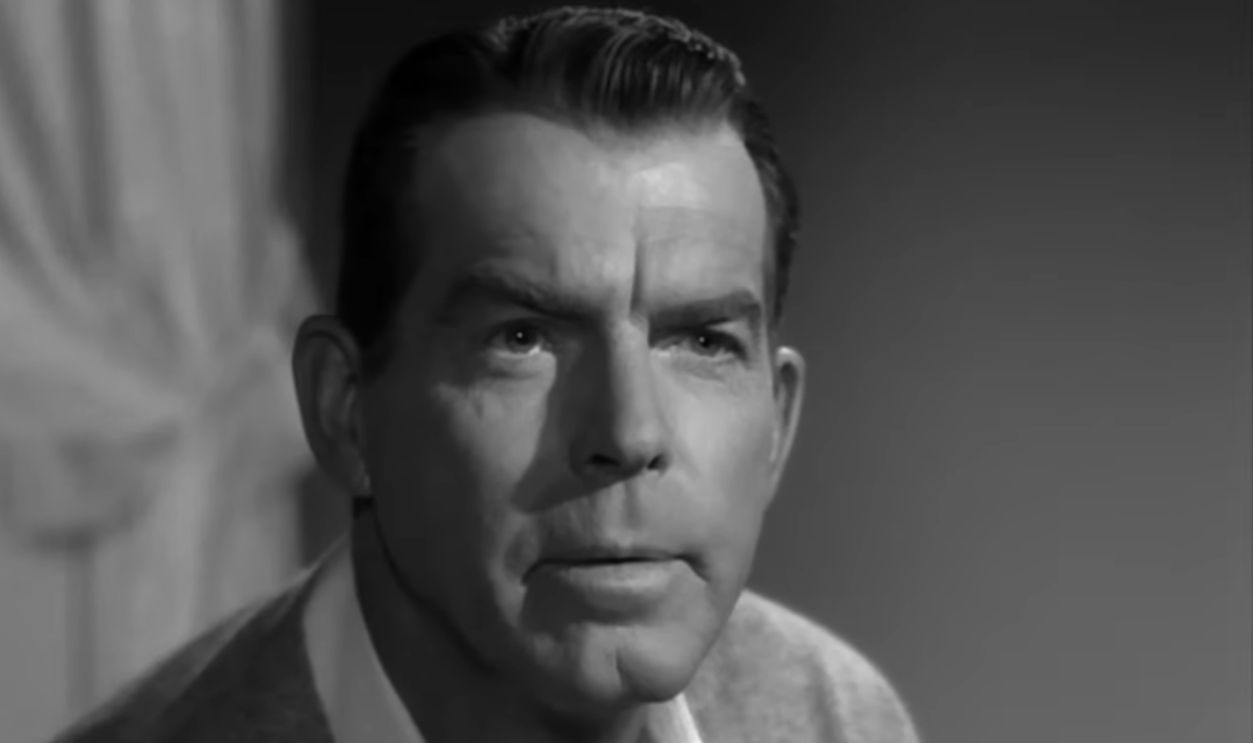 Screenshot from My Three Sons, ABC (1960–1972)
He Looked Like A Real Working Dad
MacMurray had already spent decades playing leading men, villains, professionals, and ordinary Americans on film. By the time he became Steve Douglas, he carried the ease of someone who did not need to prove he was the star. His plainspoken manner and mature appearance fit a father balancing engineering work with home life. He seemed more like a dependable neighbor than a polished television patriarch.
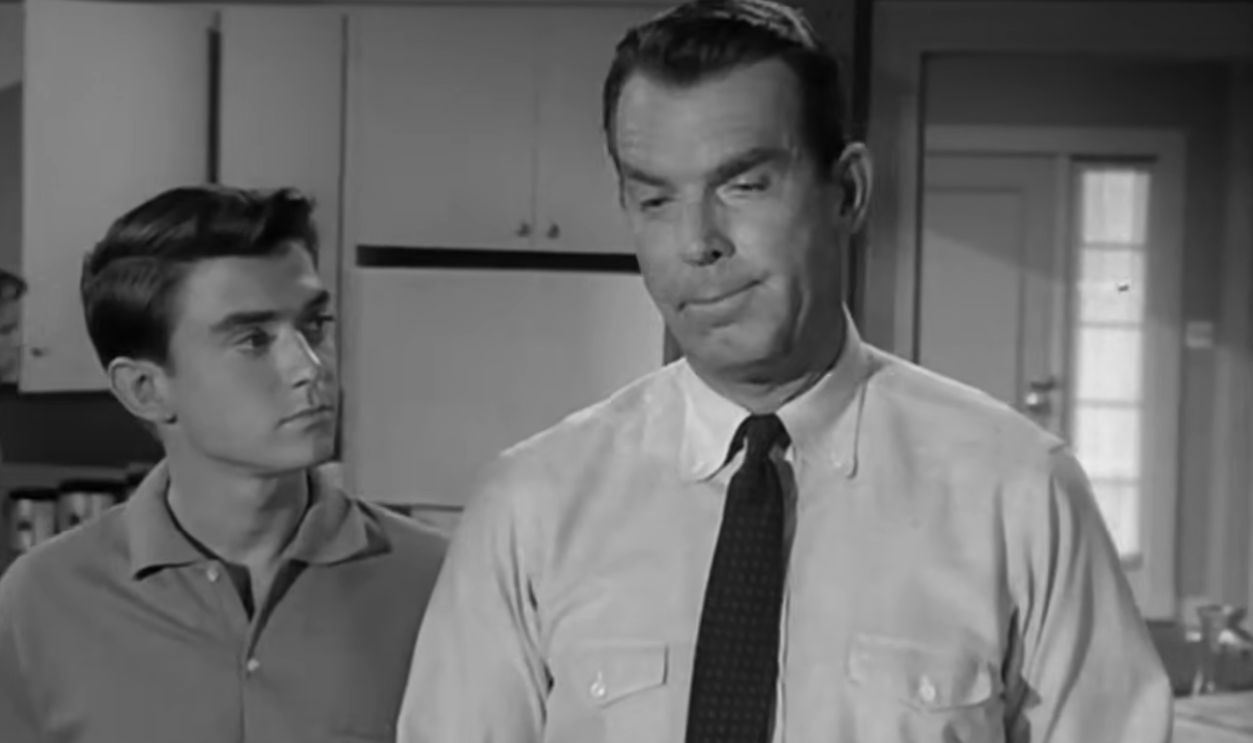 Screenshot from My Three Sons, ABC (1960–1972)
His Movie Past Made Steve More Interesting
Audiences familiar with Double Indemnity knew MacMurray could play a compromised and deeply flawed man. Disney films such as The Shaggy Dog and The Absent-Minded Professor displayed a warmer comic side. Steve Douglas drew on that broad range without becoming as dark as his noir characters or as frantic as his Disney inventors. MacMurray’s history gave his gentle father more texture than the scripts needed to explain.
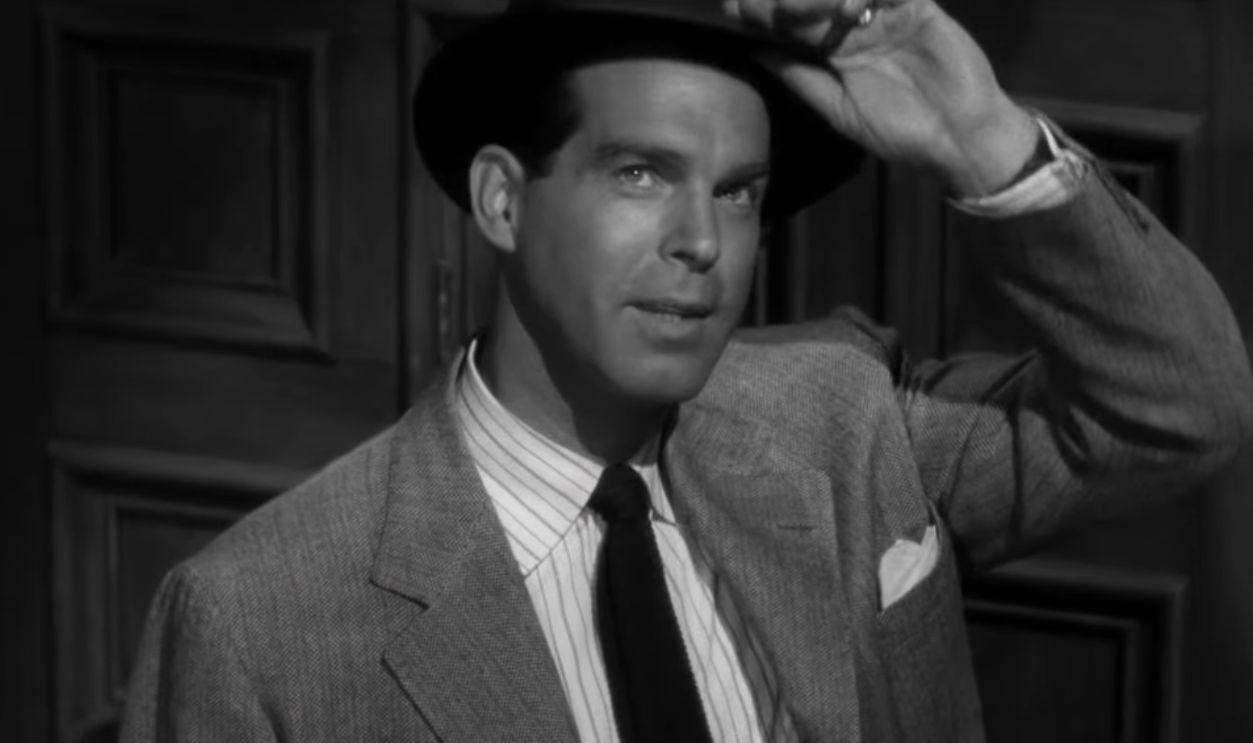 Screenshot from Double Indemnity, Paramount Pictures (1944)
The Role Reversed His Screen Image
MacMurray had sometimes played selfish, weak, or morally questionable men in films including Double Indemnity and The Apartment. My Three Sons asked viewers to accept him as one of television’s safest and most trustworthy fathers. The transformation worked because he did not oversell Steve’s goodness. He played decency as a habit rather than a performance.
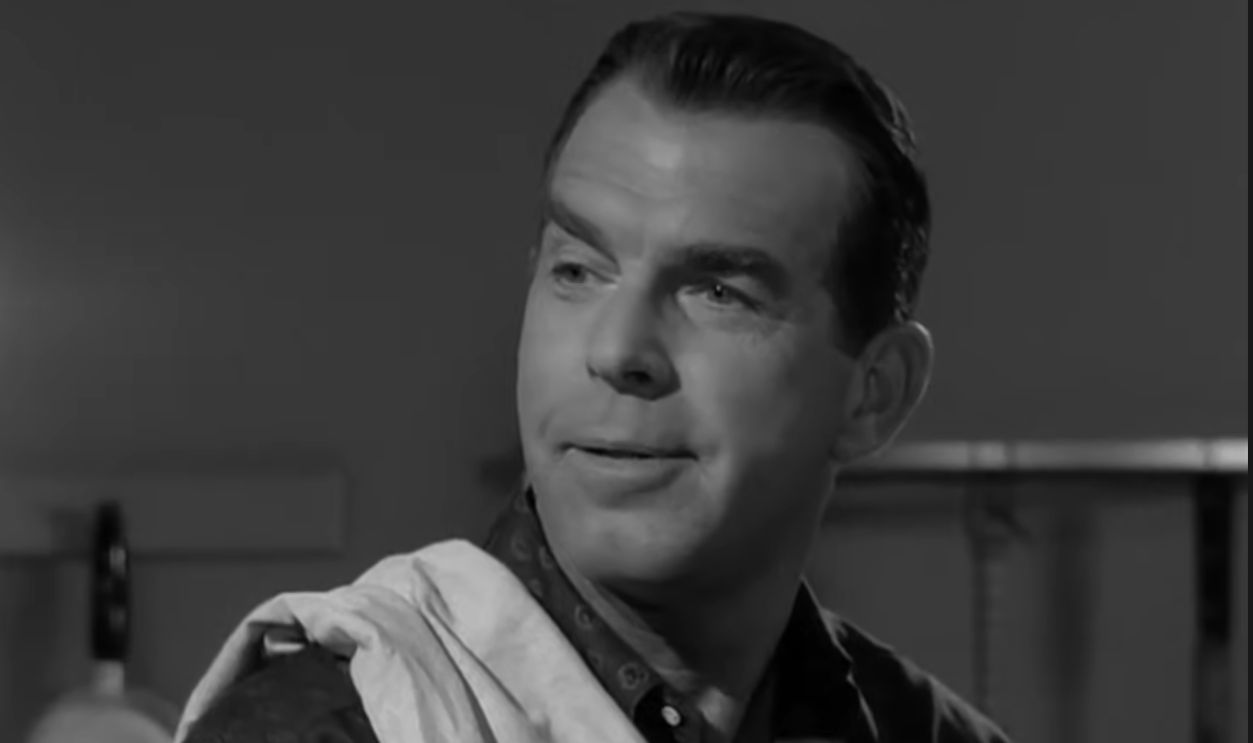 Screenshot from My Three Sons, ABC (1960–1972)
He Understood Family Life Personally
MacMurray was not merely pretending to understand parenthood. He and his first wife adopted two children, and he later adopted two daughters with June Haver. His first wife died in 1953, leaving him a widowed parent before he remarried the following year. Those experiences did not make Steve Douglas autobiographical, but they gave MacMurray genuine familiarity with unconventional family structures.
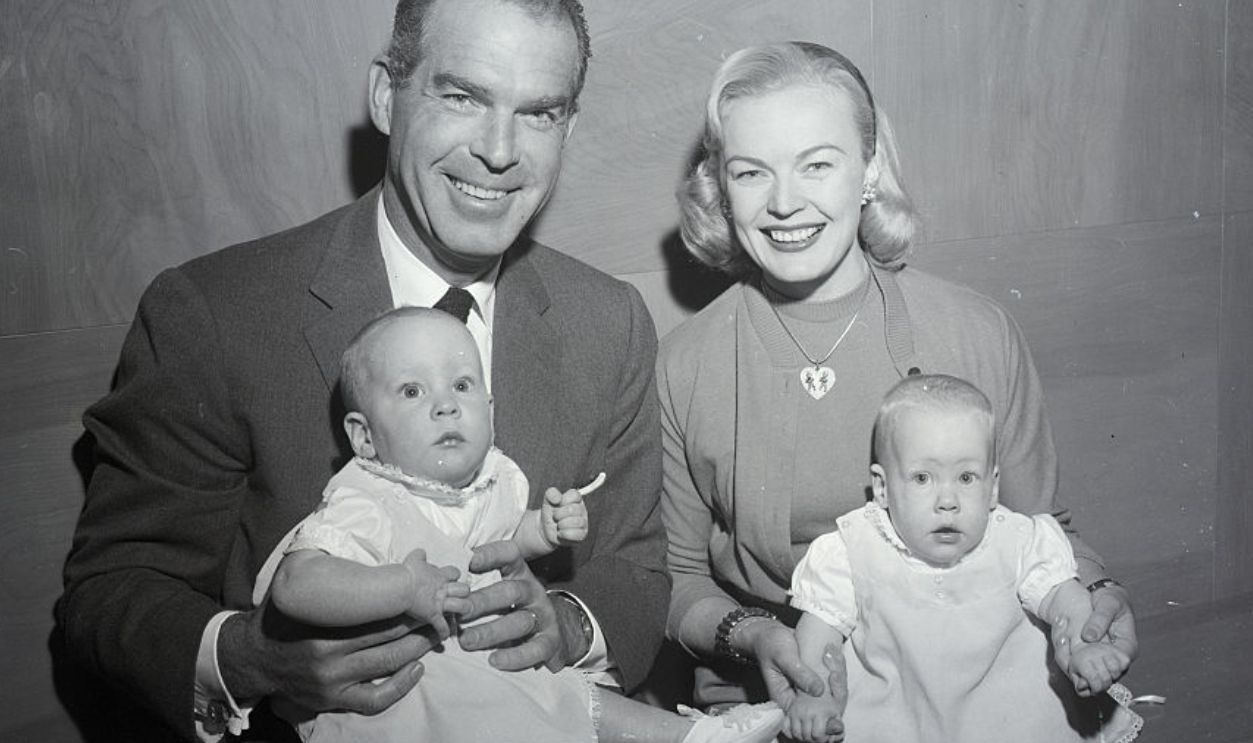
The Household Needed More Than One Man
Bub O’Casey, played by William Frawley, helped with cooking, cleaning, and childcare during the early seasons. William Demarest later joined as Uncle Charley, another gruff man whose affection was usually hidden beneath complaints. Their presence showed that domestic care did not have to belong exclusively to women. The Douglas home became a male household in which several generations shared the work.
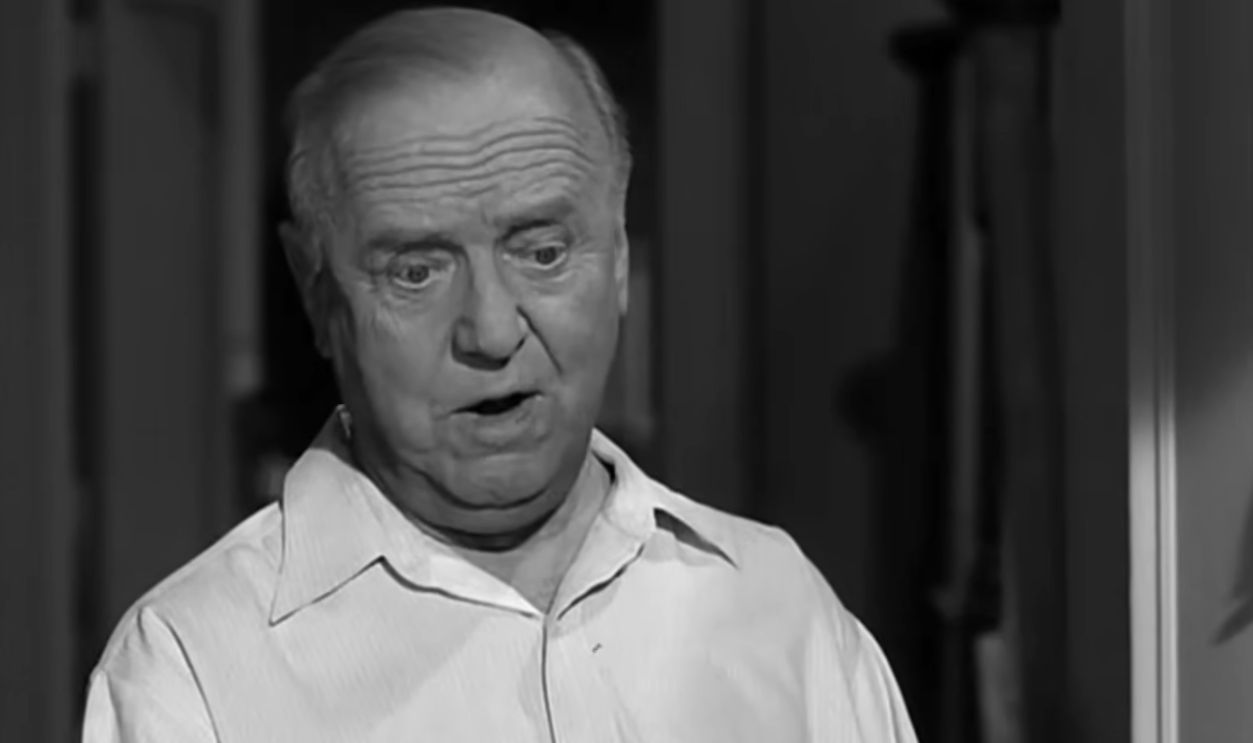 Screenshot from My Three Sons, ABC (1960–1972)
Bub Challenged The Perfect-Dad Formula
Steve did not have every answer, and Bub did not always agree with his decisions. Their generational differences created disagreements over discipline, household habits, and the boys’ behavior. MacMurray allowed Steve to listen, reconsider, and occasionally admit that someone else understood the situation better. That flexibility made him seem more modern than fathers who ruled by unquestioned decree.
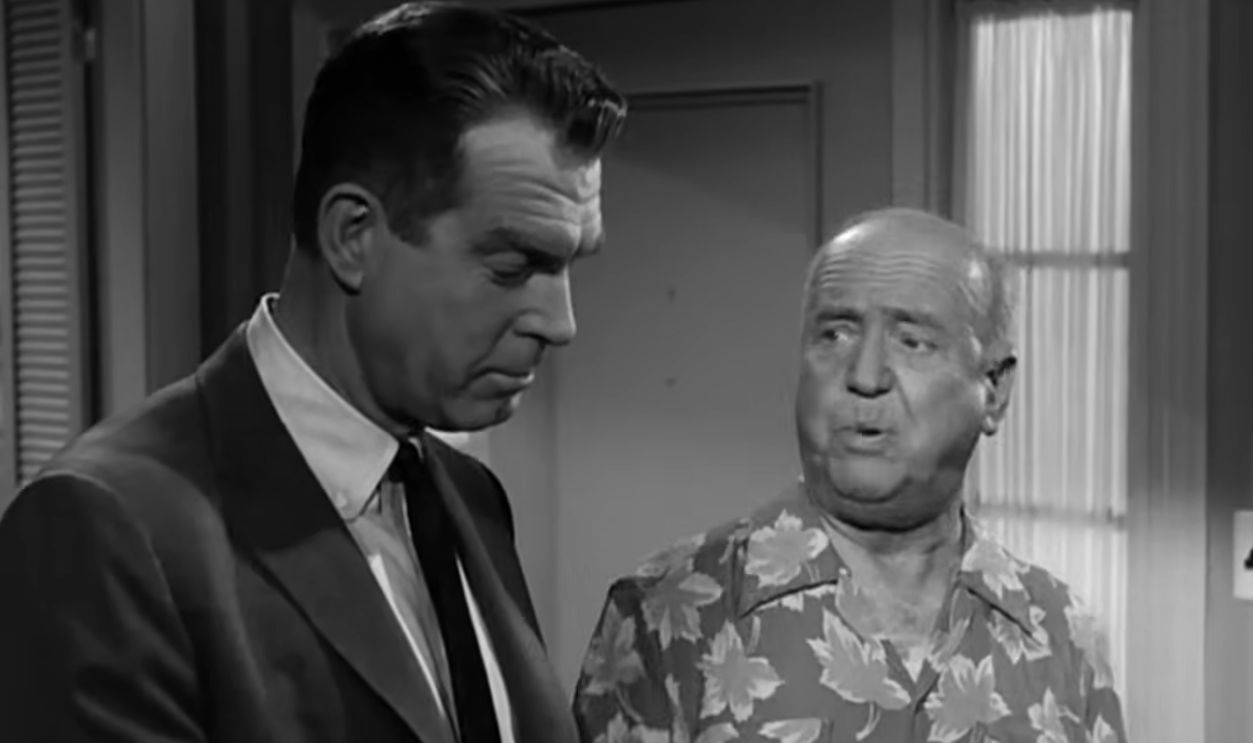 Screenshot from My Three Sons, ABC (1960–1972)
Uncle Charley Kept The Family Unpolished
When William Demarest replaced Frawley, Uncle Charley brought a rougher and more irritable energy into the home. Steve had to manage his sons while also accommodating an older relative who resisted domestic refinement. MacMurray’s steadiness kept Charley’s bluster from overturning the family balance. Their partnership suggested that a functional home did not have to look orderly or sentimental.
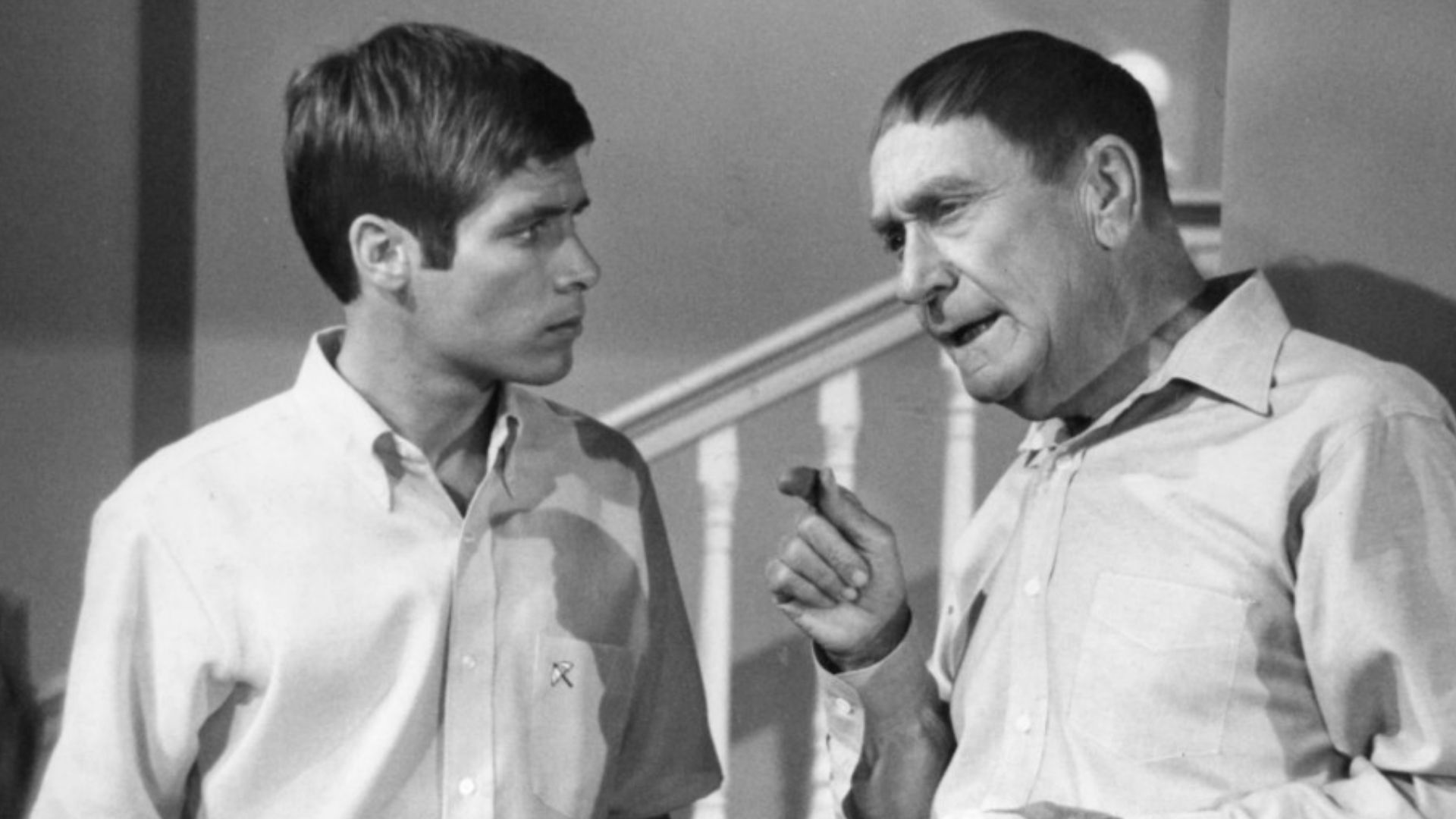 CBS Television, Wikimedia Commons
The Sons Were Allowed To Grow Up
Mike, Robbie, and Chip did not remain frozen at the same ages for the entire series. They dated, married, left home, and took on new responsibilities as the program evolved. Steve therefore had to change from the father of schoolboys into the father of young adults. MacMurray adjusted without making Steve seem threatened by his sons’ independence.
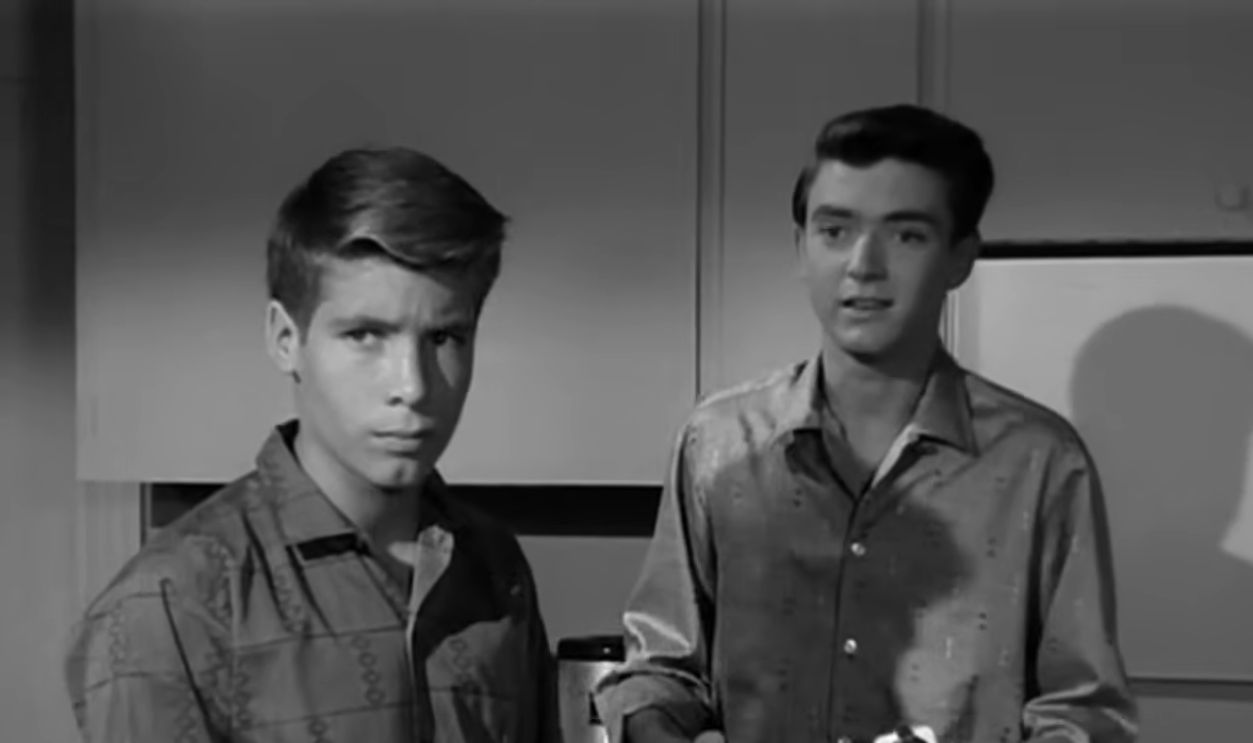 Screenshot from My Three Sons, ABC (1960–1972)
Mike’s Departure Changed The Family
Tim Considine left after Mike married Sally, removing the eldest original son from the regular cast. Rather than ending the premise, the series allowed the Douglas household to reconfigure itself. Steve remained the stable link between the show’s earlier and later forms. MacMurray’s consistency helped audiences accept a family that kept changing around him.
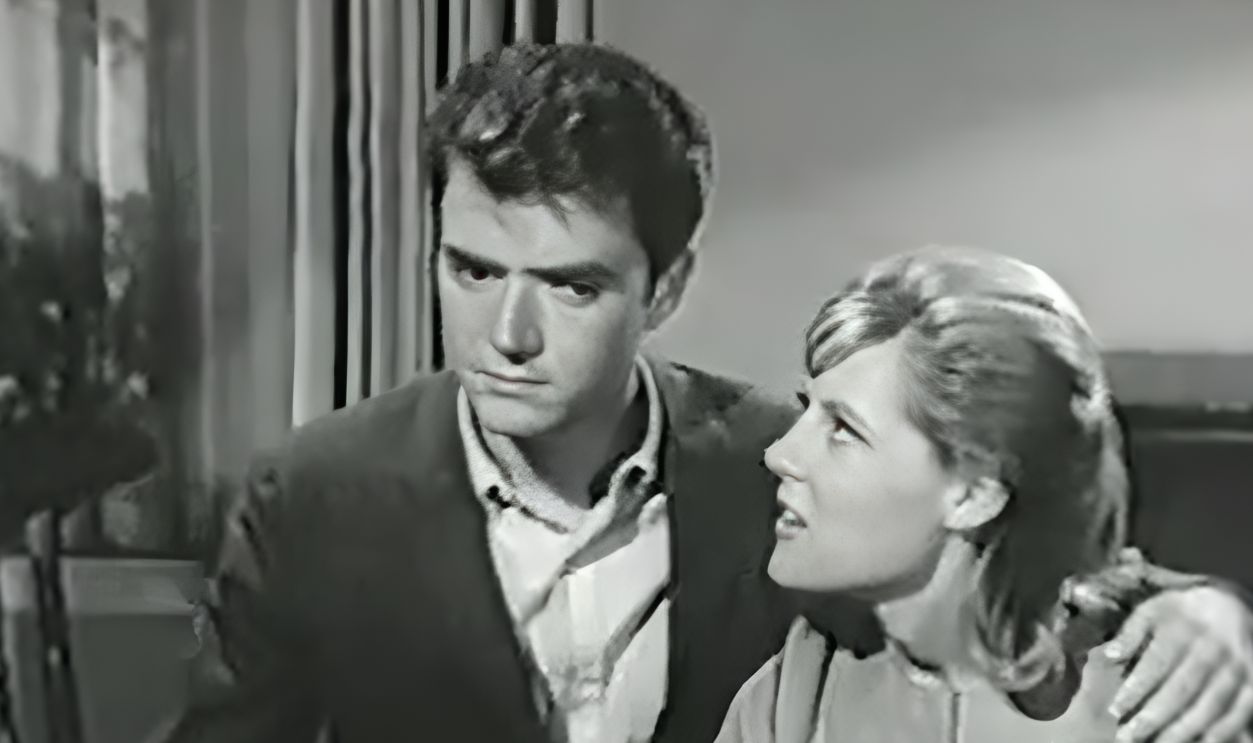 Screenshot from My Three Sons, ABC (1960–1972), Modified
Steve Chose To Adopt Ernie
To preserve the central idea of three sons, Steve adopted Chip’s friend Ernie after Mike left the household. The story expanded Steve’s fatherhood beyond biology and obligation. He became a parent because he chose to welcome another child into the family. That decision quietly broadened the program’s definition of what made someone a son.
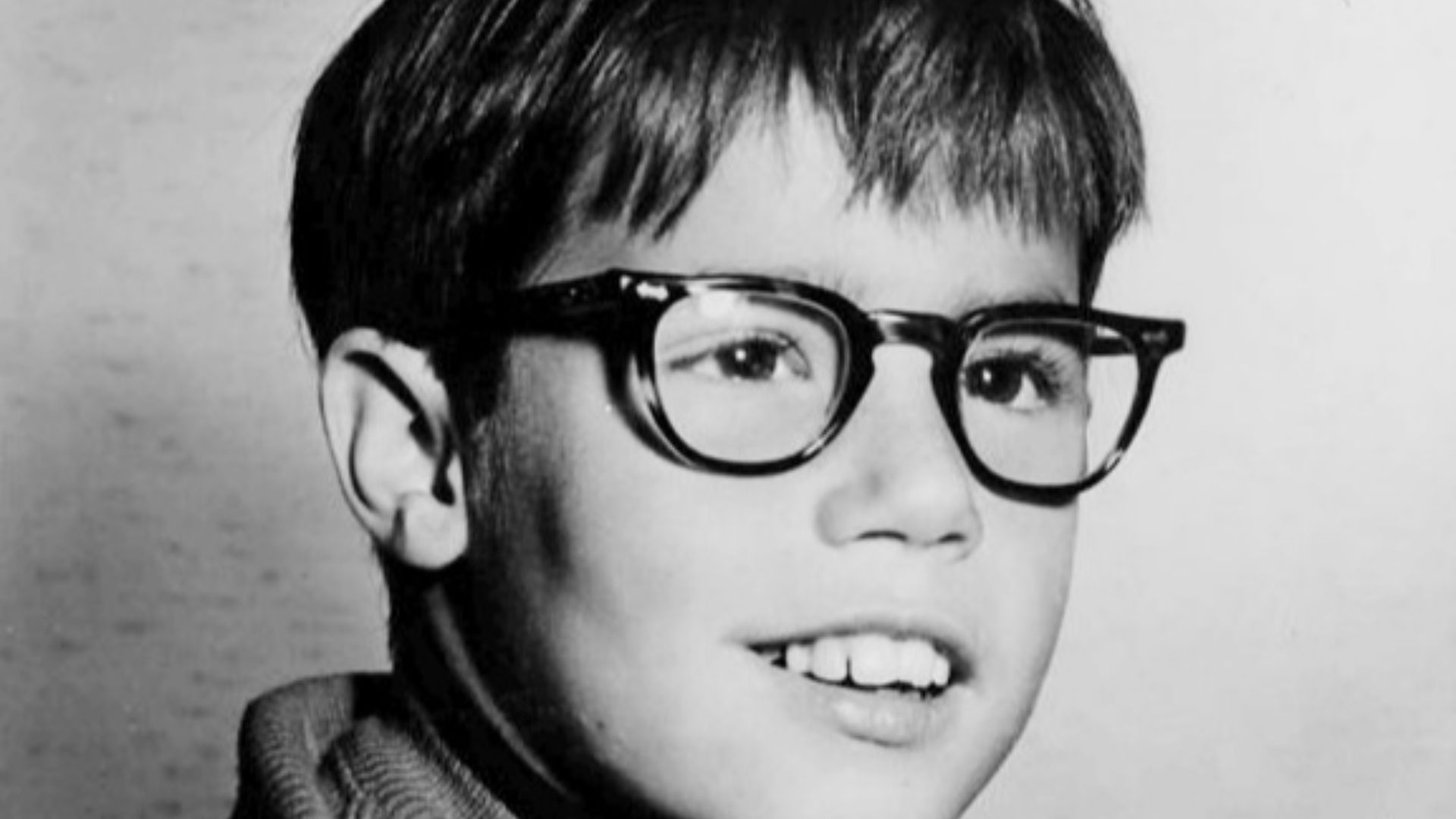 ABC Television, Wikimedia Commons
Adoption Was Treated As Family Building
The series did not present Ernie as a temporary guest once Steve adopted him. He became Ernie Douglas and remained a central member of the household. MacMurray played the transition without excessive drama, helping the new relationship feel natural. For viewers in an era of narrowly defined television families, that normality carried real significance.
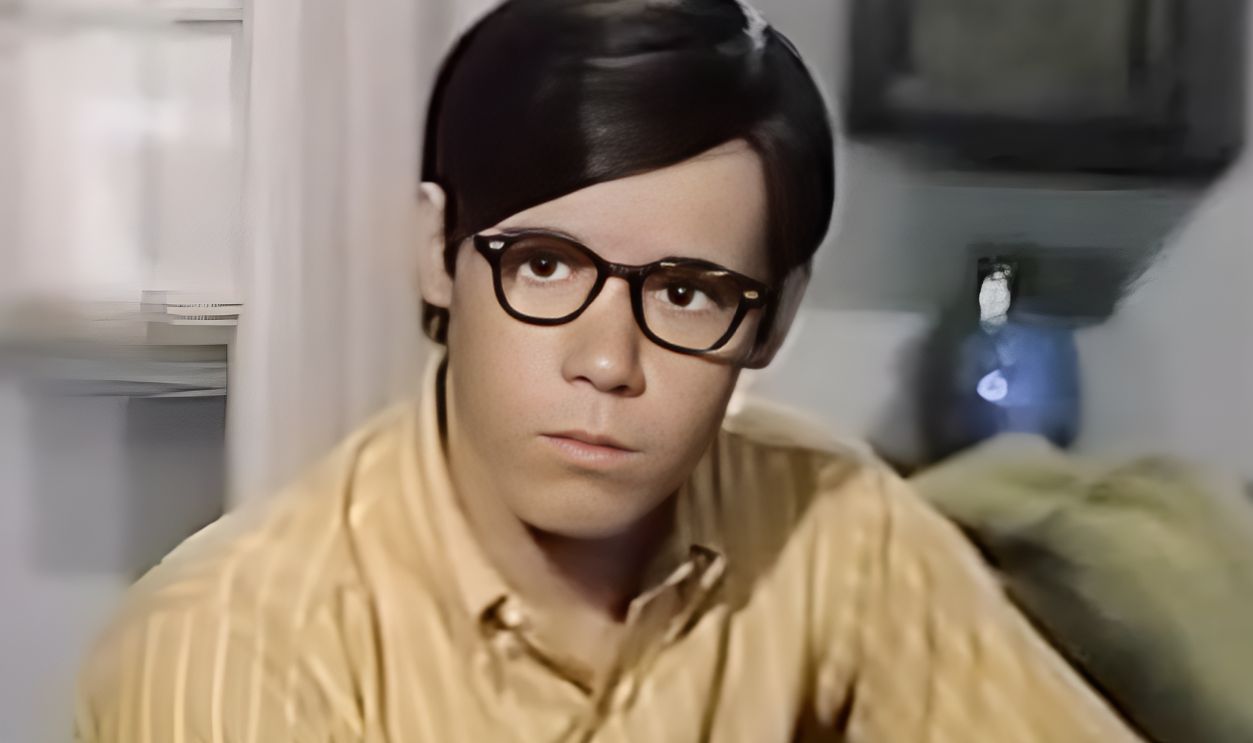 Screenshot from My Three Sons, ABC (1960–1972), Modified
Steve Eventually Let Love Back In
For much of the series, Steve’s identity was tied to being a widowed father. In the later seasons, he married Barbara Harper, played by Beverly Garland. The storyline allowed him to build a new marriage without erasing the family history that had defined the show. MacMurray made the shift feel like growth rather than a replacement of everything that came before.
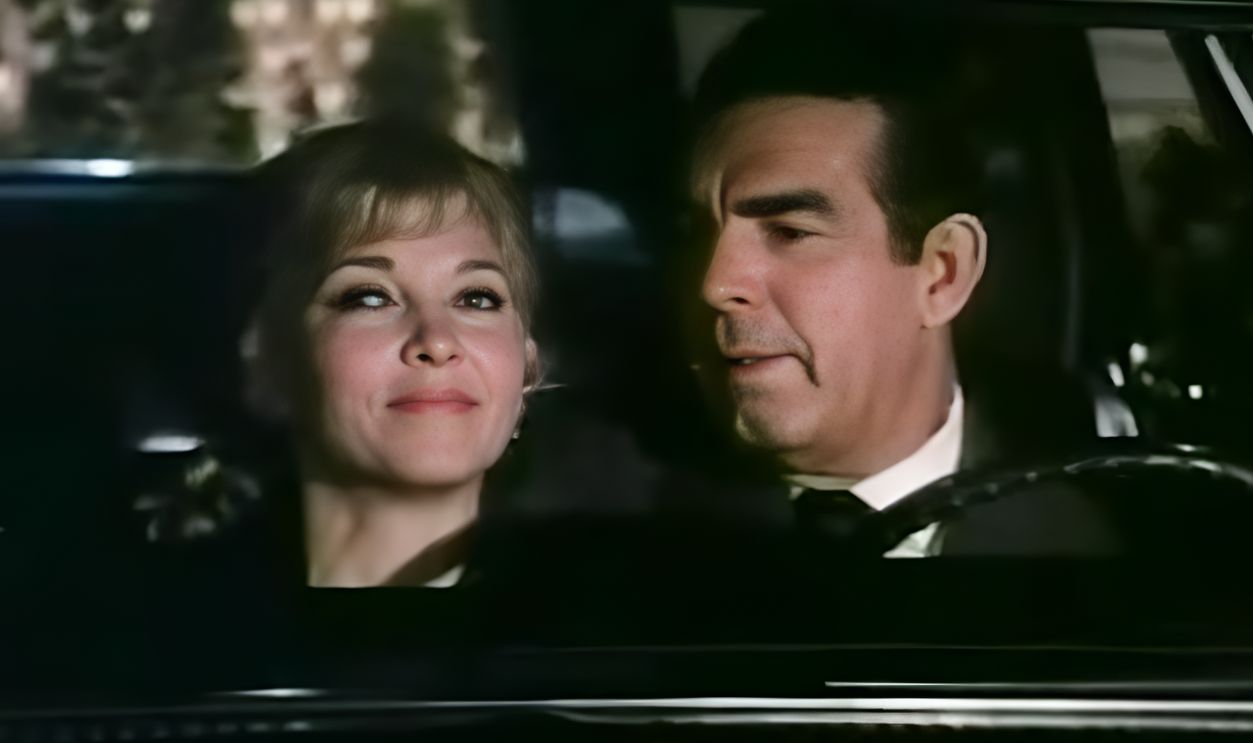 Screenshot from My Three Sons, ABC (1960–1972), Modified
His Second Marriage Expanded The Family Again
Barbara entered the marriage with a young daughter named Dodie, whom Steve adopted. The father of sons became responsible for a daughter as well, and the household became a blended family. That development pushed the sitcom beyond its original all-male structure. Steve’s identity as a father proved flexible enough to include children who arrived through different paths.
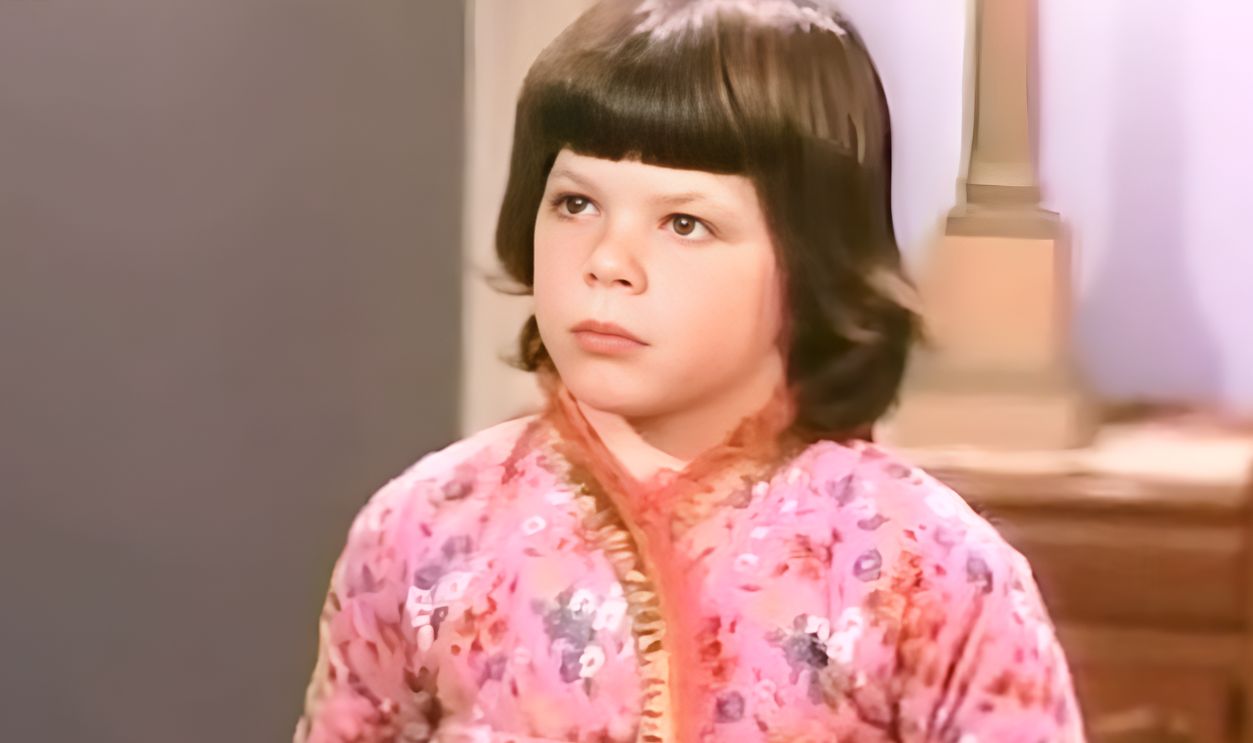 Screenshot from My Three Sons, ABC (1960–1972), Modified
He Could Share Authority With Barbara
Barbara was not introduced merely to take over every household duty that the men had supposedly been handling incorrectly. She became Steve’s partner within a family that had already developed its own habits. MacMurray’s performance allowed Steve to remain central without treating marriage as a threat to his authority. Their relationship showed a father adapting to partnership after years of parenting alone.
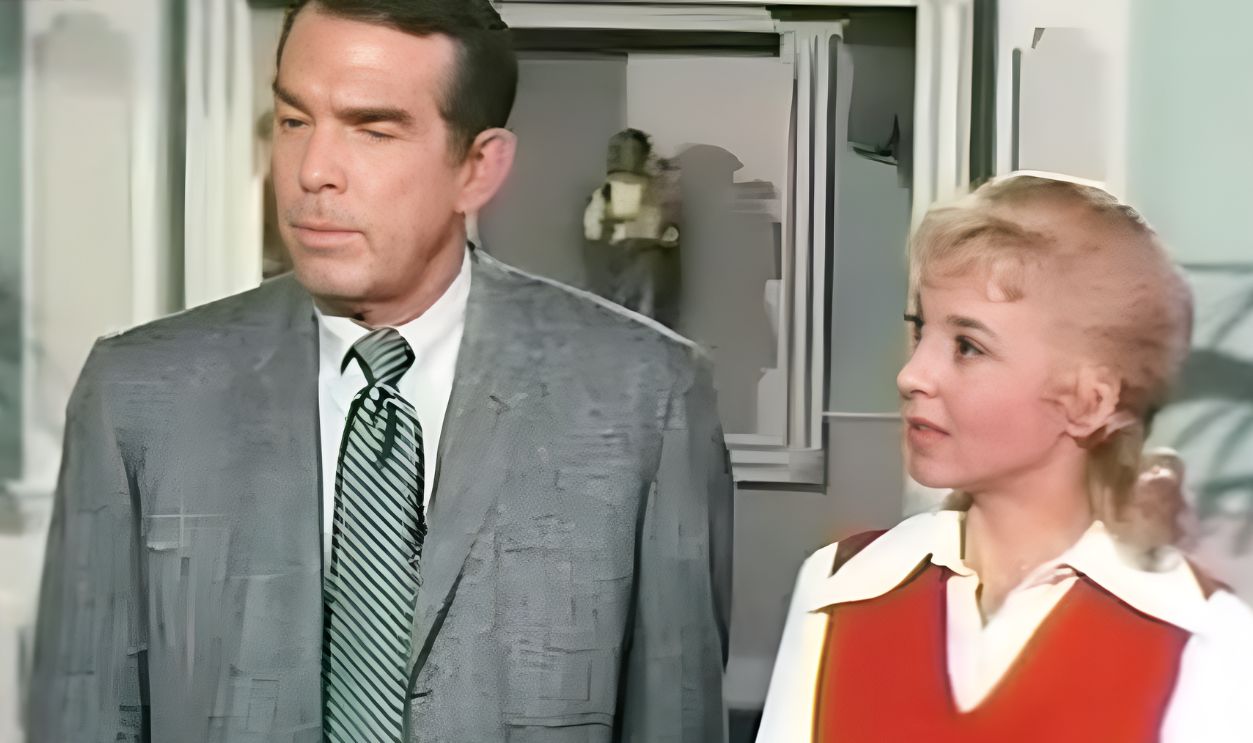 Screenshot from My Three Sons, ABC (1960–1972), Modified
He Was Affectionate Without Becoming Sentimental
MacMurray rarely played emotional scenes as though Steve were delivering a lesson directly to the audience. Affection often appeared through a small look, a patient question, or a quiet effort to help. That understatement made warmer moments feel earned. Steve loved his children deeply, but the series did not require him to announce it every few minutes.
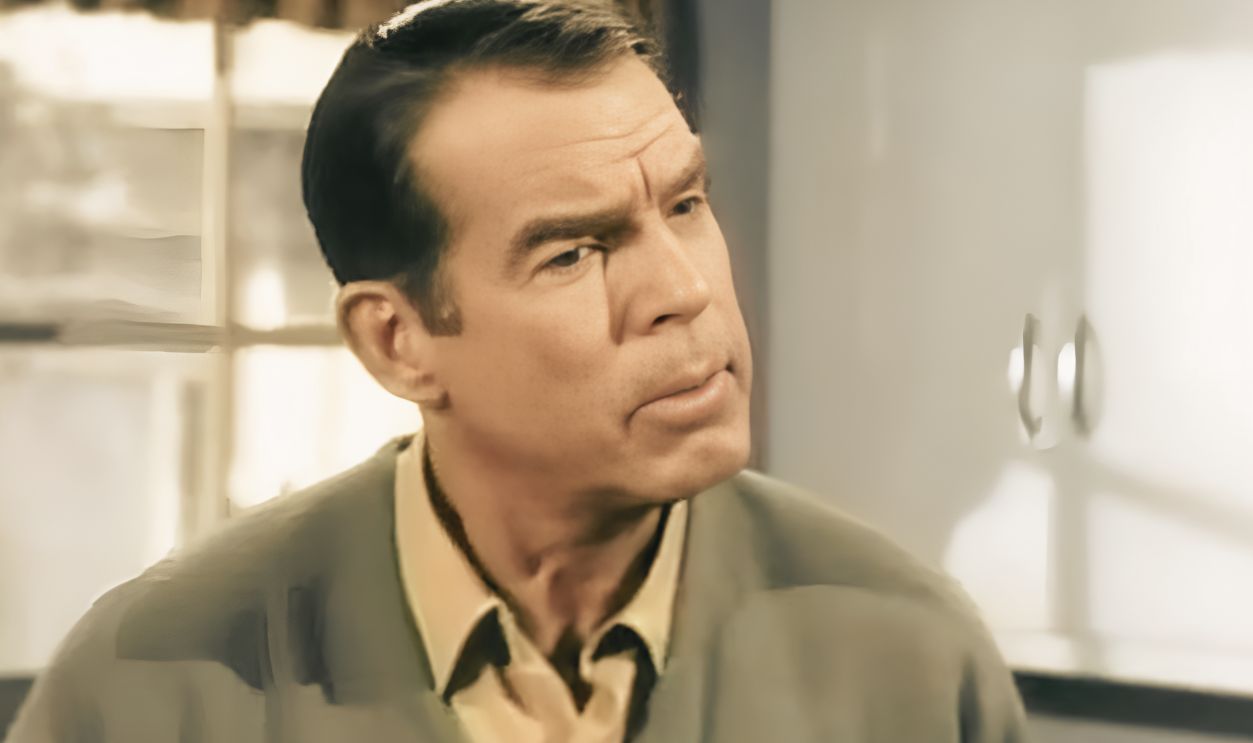 Screenshot from My Three Sons, ABC (1960–1972), Modified
He Let The Children Be Funny
MacMurray did not compete with the younger actors for every joke. His reactions often provided the calm frame around their confusion, schemes, and sibling battles. By playing the straight man, he made the boys seem funnier while keeping the family believable. That generosity is one reason Steve felt like a father rather than a comedian wearing a father costume.
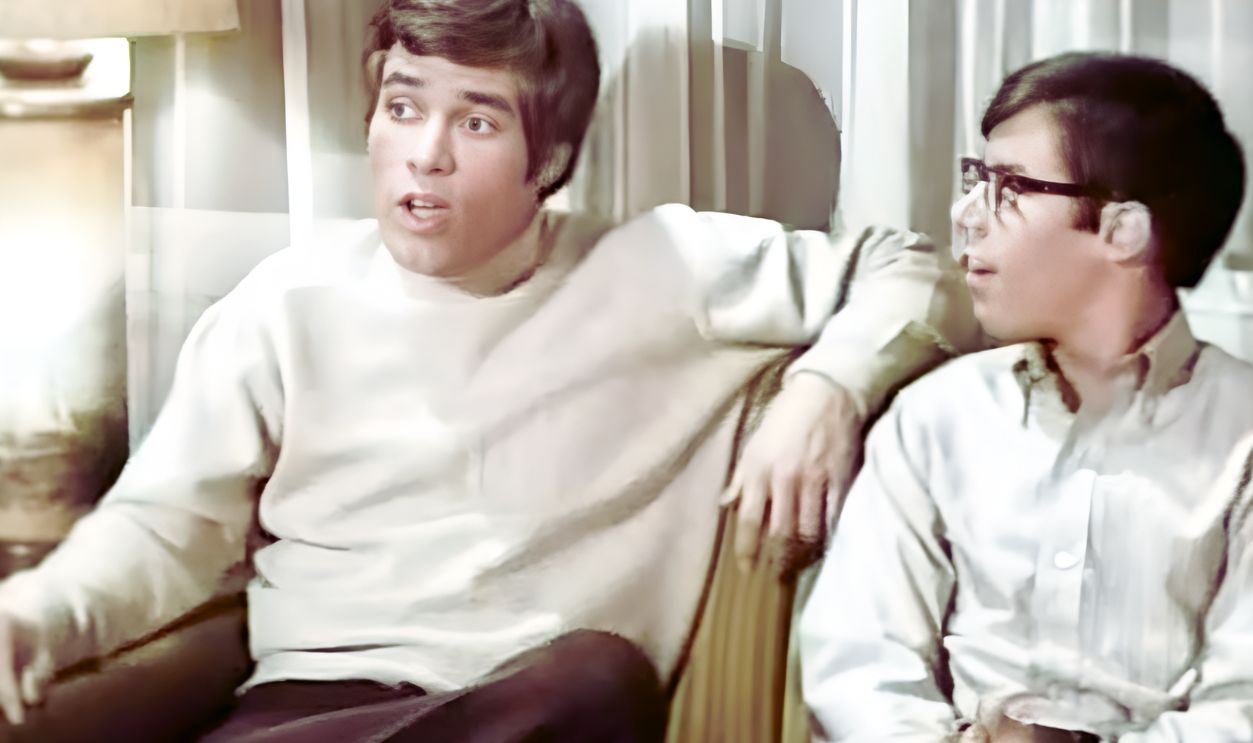 Screenshot from My Three Sons, ABC (1960–1972), Modified
His Famous Schedule Changed Production
MacMurray agreed to television only after securing an unusual filming arrangement. His scenes were shot in concentrated production blocks, with the rest of each episode completed around his availability. Cast members and directors later described filming episodes out of sequence to accommodate the system. The arrangement became one of the show’s most important production innovations.
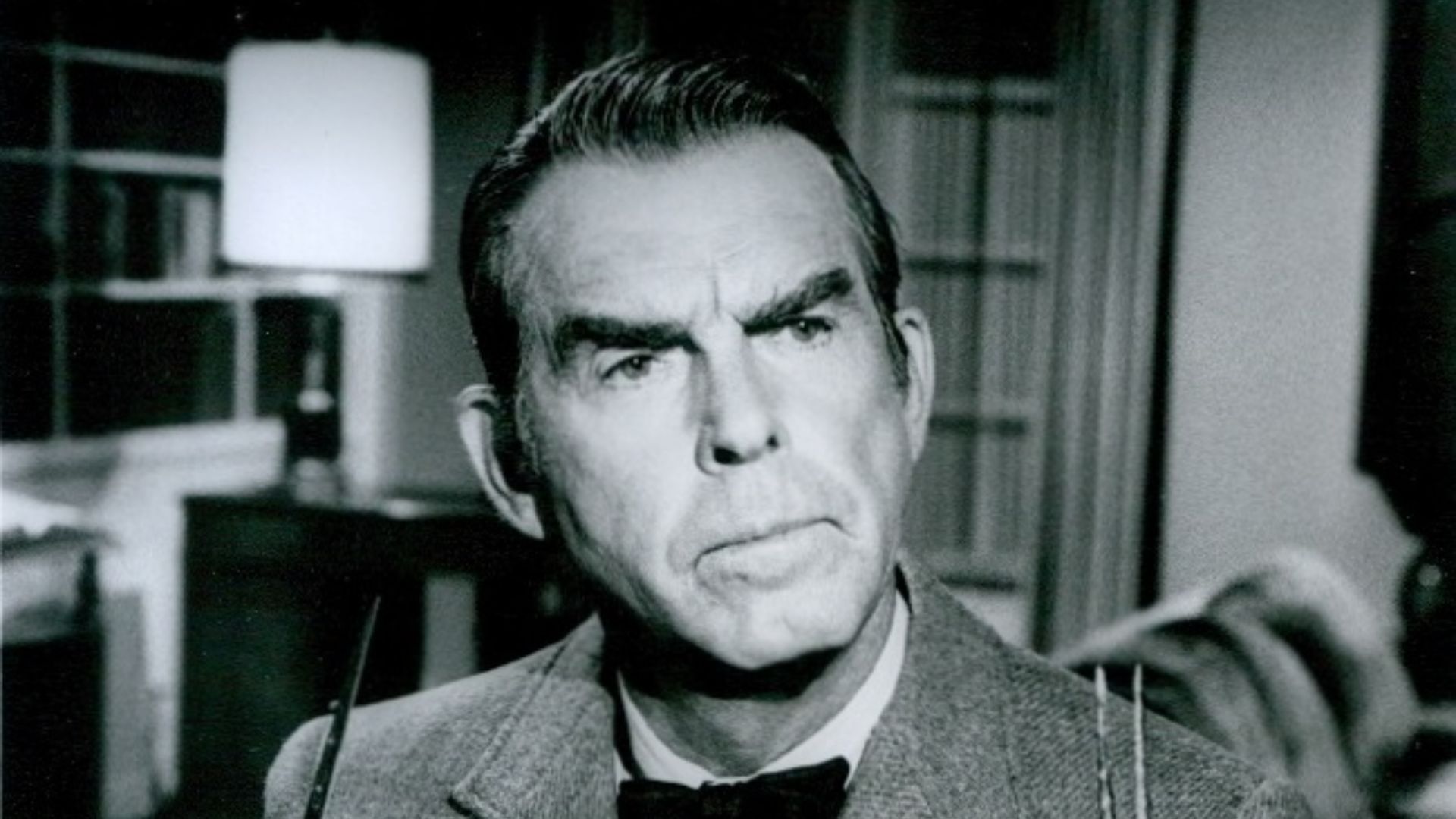 CBS Television, Wikimedia Commons
The Schedule Could Have Hurt The Performance
Because MacMurray’s material was filmed separately and out of order, emotional continuity could have become a serious problem. He often had to perform pieces of many different episodes within a short period. Yet viewers rarely sensed the complicated method behind the finished scenes. His professionalism helped preserve the illusion of an ordinary family moving through one week at a time.
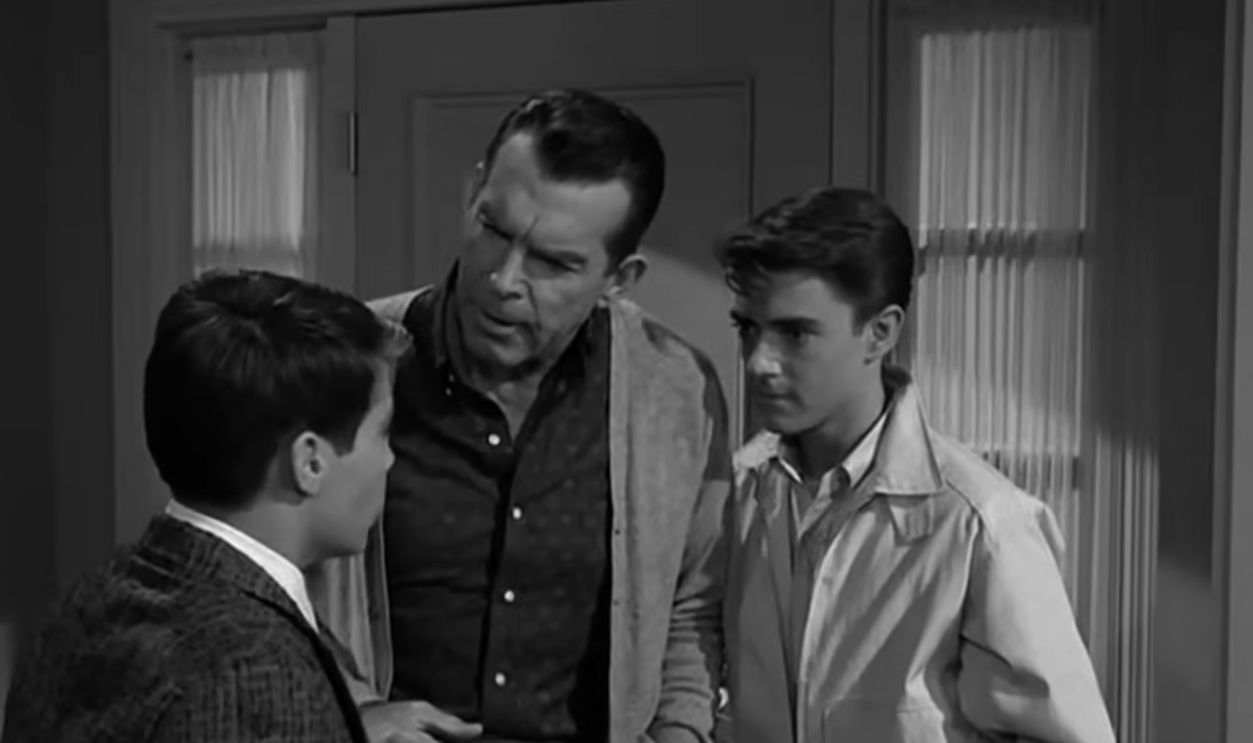 Screenshot from My Three Sons, ABC (1960–1972)
He Made A Movie Star Fit Television
My Three Sons was conceived as a vehicle for MacMurray, who also owned a substantial interest in the program. His contract demonstrated that an established film star could enter a weekly series without surrendering complete control of his time. The show’s longevity made that experiment difficult for the industry to ignore. It helped establish a model for designing television production around major talent.
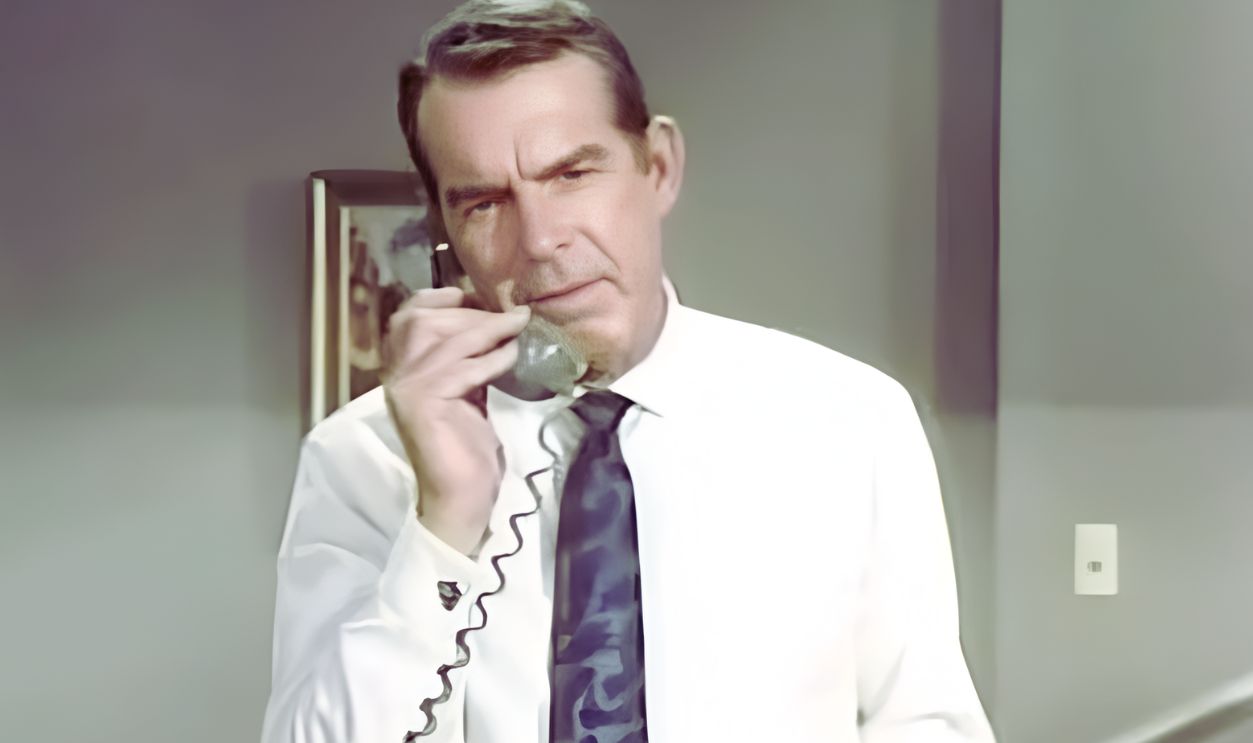 Screenshot from My Three Sons, ABC (1960–1972), Modified
The Show Survived A Network Move
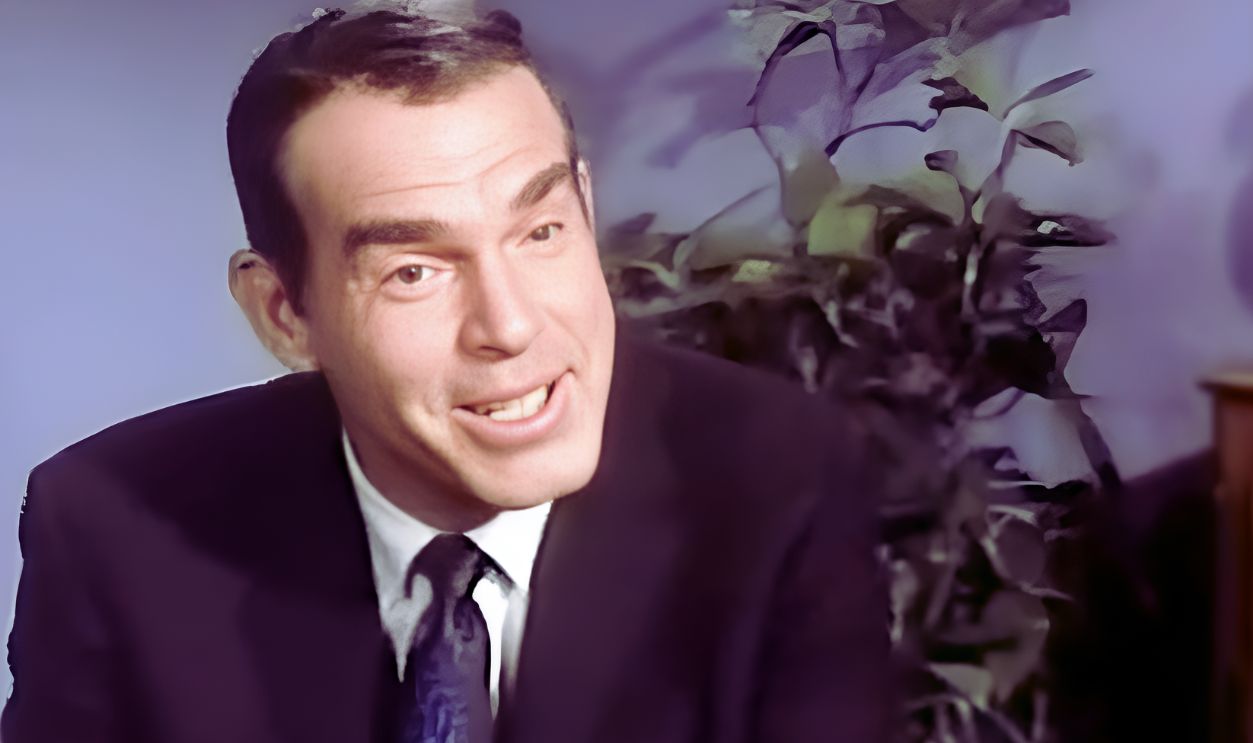
The first five seasons aired on ABC in black and white. The series then moved to CBS, changed to color, and continued for another seven seasons. Cast members and family arrangements changed, yet MacMurray’s Steve Douglas remained the recognizable center. That endurance strengthened his image as the father who could guide a family through almost any transition.
 Screenshot from My Three Sons, ABC (1960–1972), Modified
Twelve Seasons Built Unusual Trust
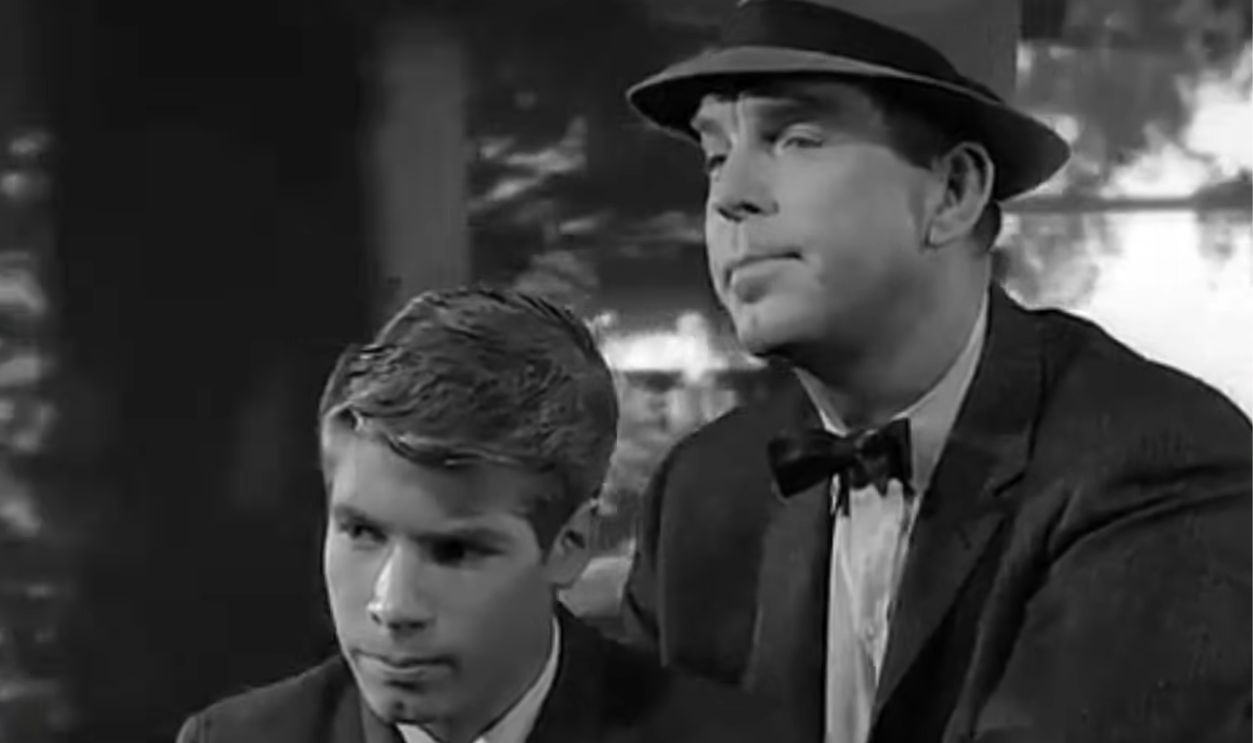
The series ran from 1960 to 1972, making it one of the longest-running domestic comedies of its period. Its respectable long-term ratings kept the Douglas family in American homes through major cultural and social changes. Viewers watched Steve raise children, welcome new relatives, remarry, and become a grandfather. Few television fathers had been allowed to evolve across so much fictional time.
 Screenshot from My Three Sons, ABC (1960–1972)
His Fatherhood Was Stable But Not Frozen
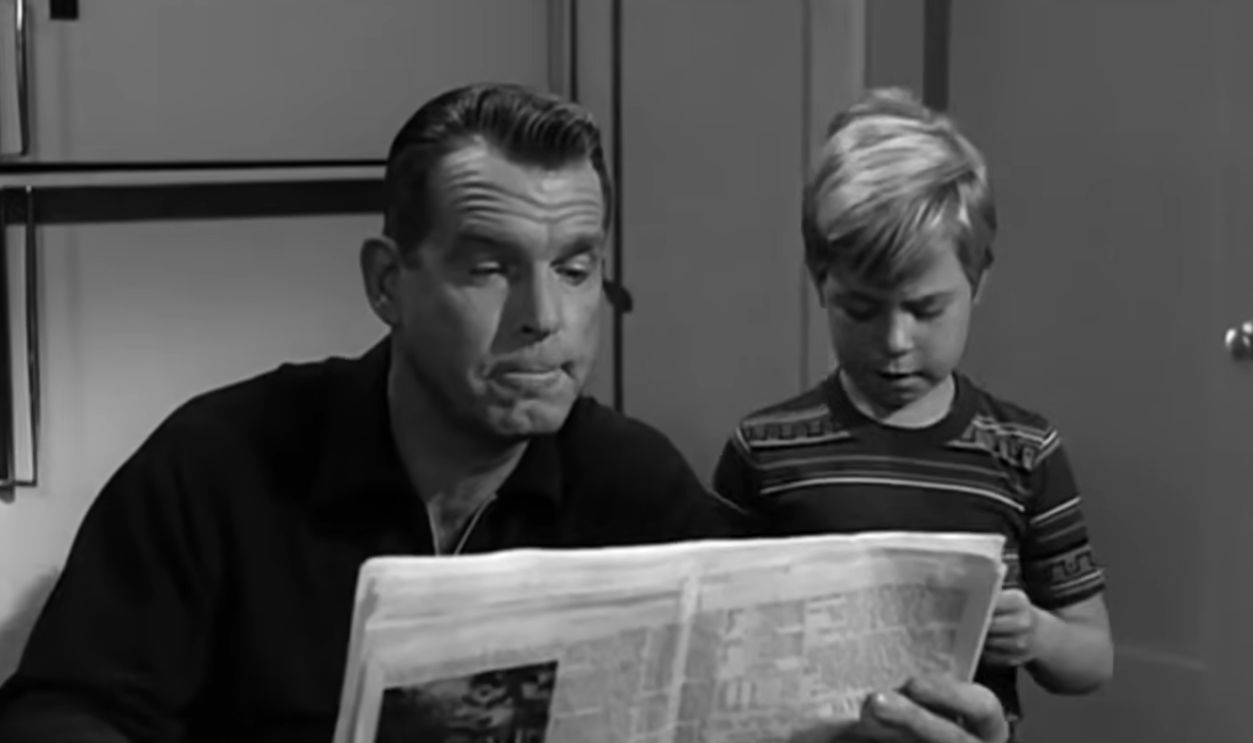
Steve represented reliability, but the show around him did not preserve one rigid family arrangement. Sons left, another was adopted, wives and children joined the household, and the family relocated. MacMurray gave the audience a steady emotional reference point while accepting those changes. That combination allowed the sitcom to celebrate stability without arguing that families must remain unchanged.
 Screenshot from My Three Sons, ABC (1960–1972)
Steve Douglas Quietly Broadened The Sitcom Dad
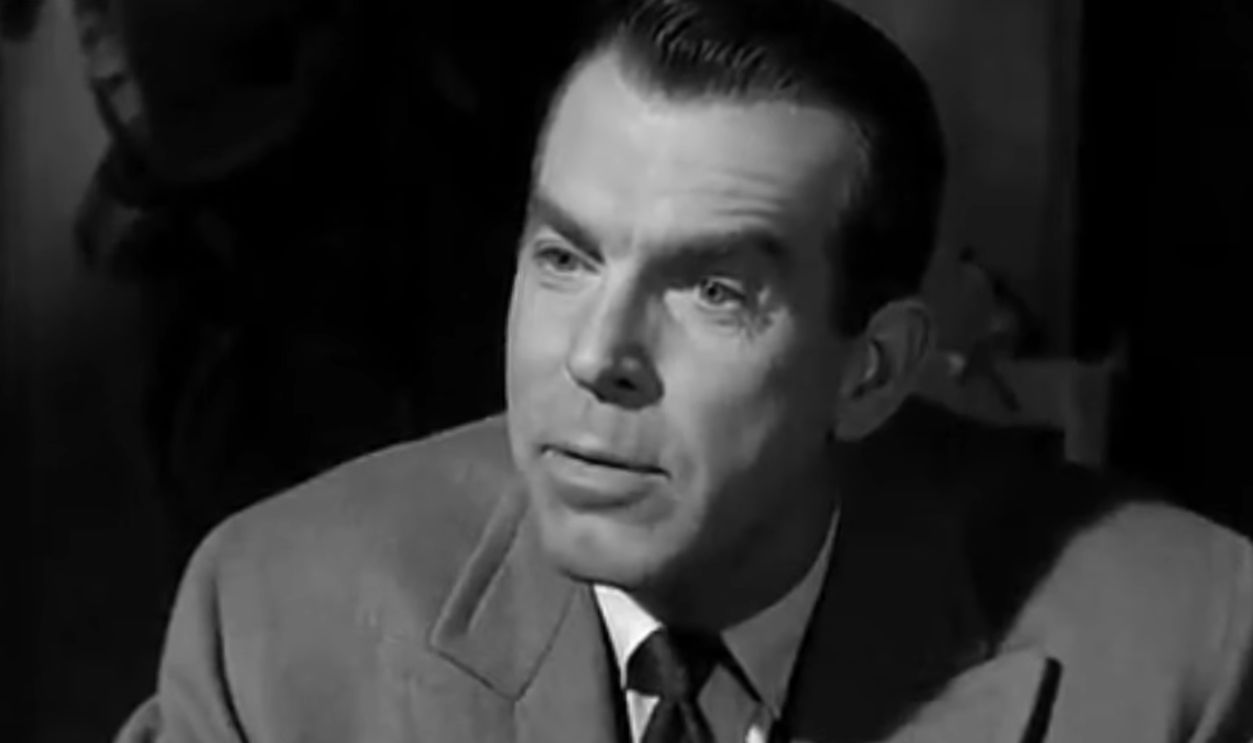
Steve was a widower, a professional, an adoptive parent, a remarried husband, a stepfather, and eventually a grandfather. He could be authoritative without becoming domineering, affectionate without becoming saccharine, and occasionally wrong without becoming ridiculous. MacMurray made all those qualities coexist in one restrained performance. The result helped television imagine a father as the true center of domestic life, not merely the man who returned home at the end of the episode.
 Screenshot from My Three Sons, ABC (1960–1972)
You May Also Like:
Forgotten Detective Shows From The 1980s That Briefly Dominated Television
Great 70s TV Shows That Were Canceled Way Too Soon—How Many Do You Remember?