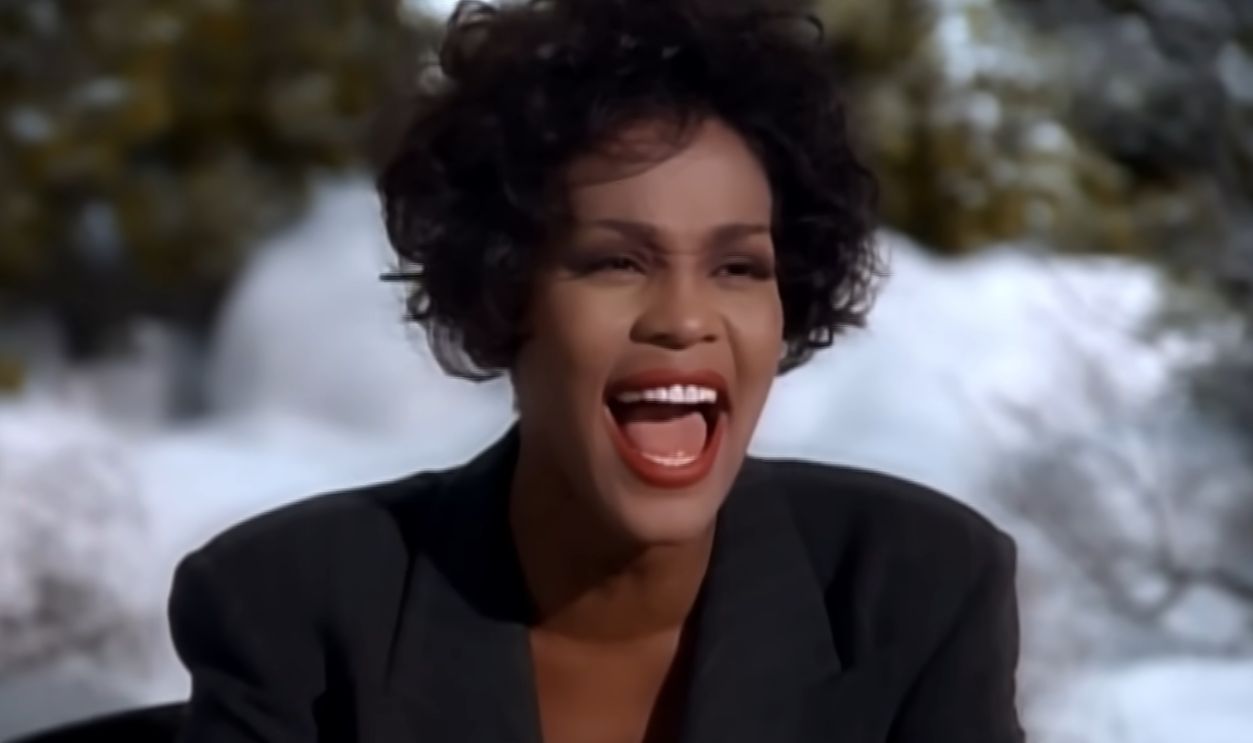
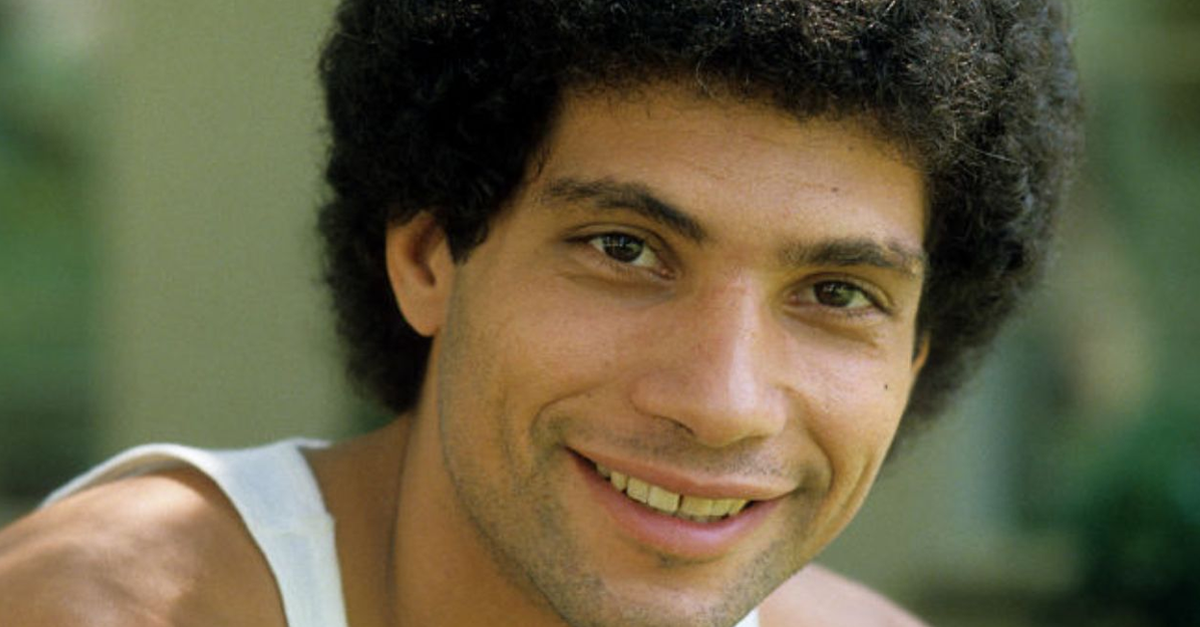
Two Roles Defined His Range
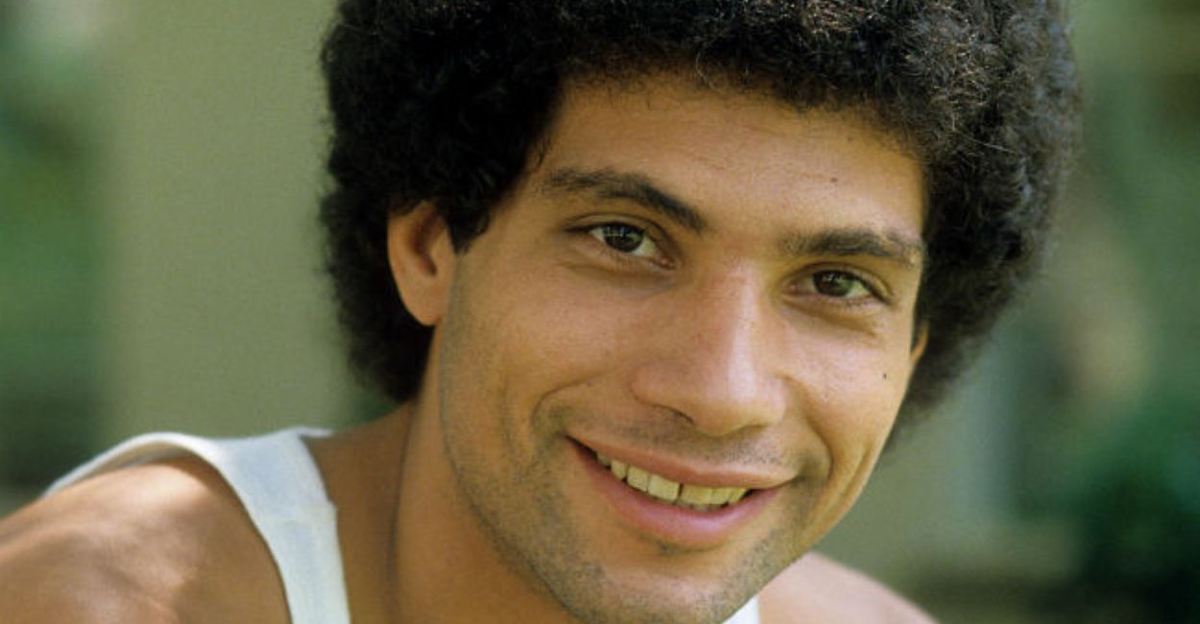
Robert Hegyes first became famous as the irrepressible Juan Epstein on Welcome Back, Kotter. Audiences knew him as a grinning Sweathog who treated school rules as invitations to negotiate. Years later, Hegyes joined Cagney & Lacey as Detective Manny Esposito. The contrasting roles revealed that the familiar sitcom troublemaker could also fit comfortably inside a serious police drama.
 Michael Ochs Archives, Getty Images
A New Jersey Performer Was Born
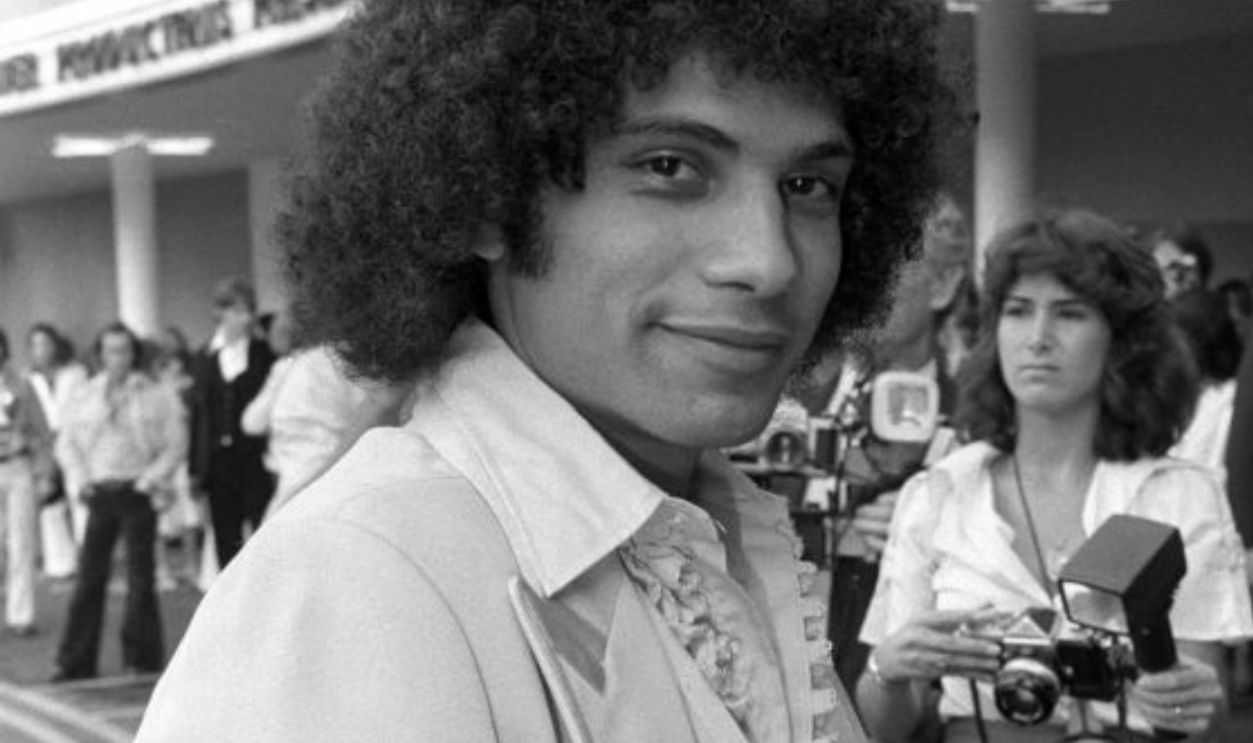
Robert Bruce Hegyes was born in Perth Amboy, New Jersey, on May 7, 1951. He grew up in nearby Metuchen as the eldest of four children. His father was Hungarian American, while his mother came from an Italian American family. Long before Hollywood discovered him, Hegyes began developing his personality and ambitions in a close-knit New Jersey community.
 Fairchild Archive, Getty Images
Theater Captured His Attention Early
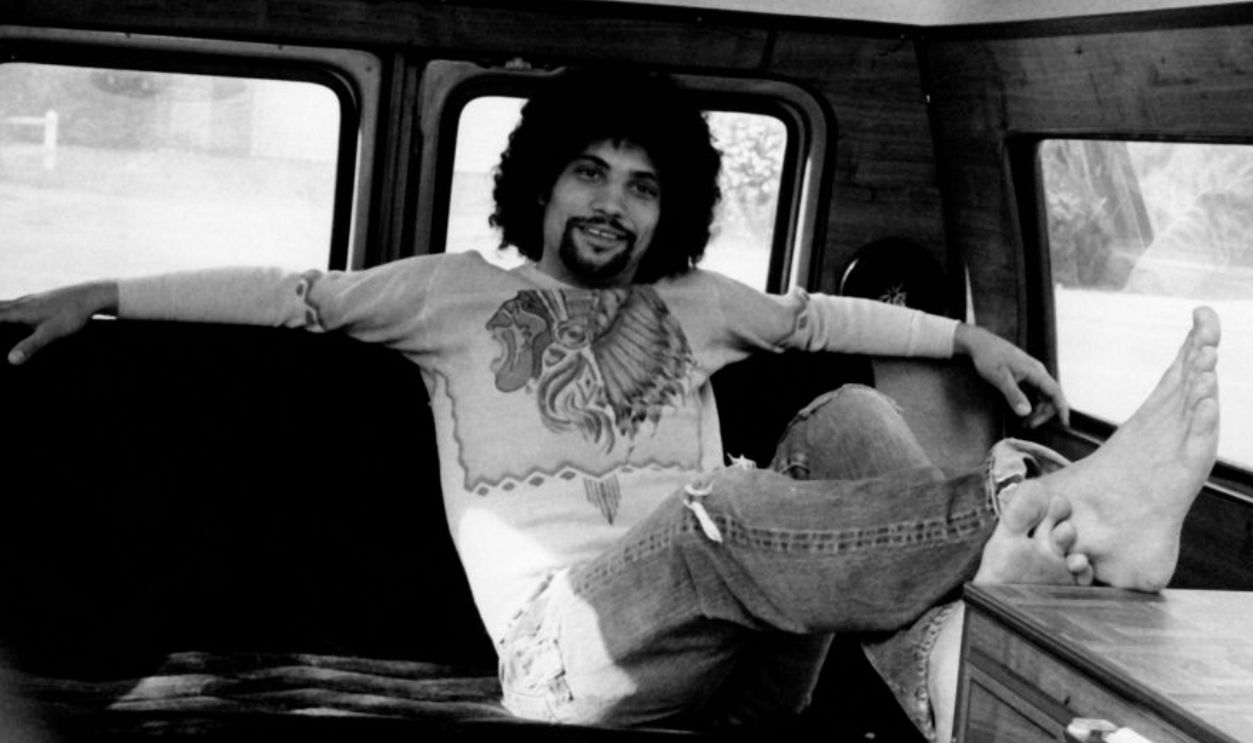
Hegyes became involved in acting while attending Metuchen High School. His mother encouraged him to participate in theater as a teenager. Drama teacher Barton Shepard also helped him develop his abilities onstage. That early encouragement turned performance from an interest into a possible profession.
College Prepared Him For More
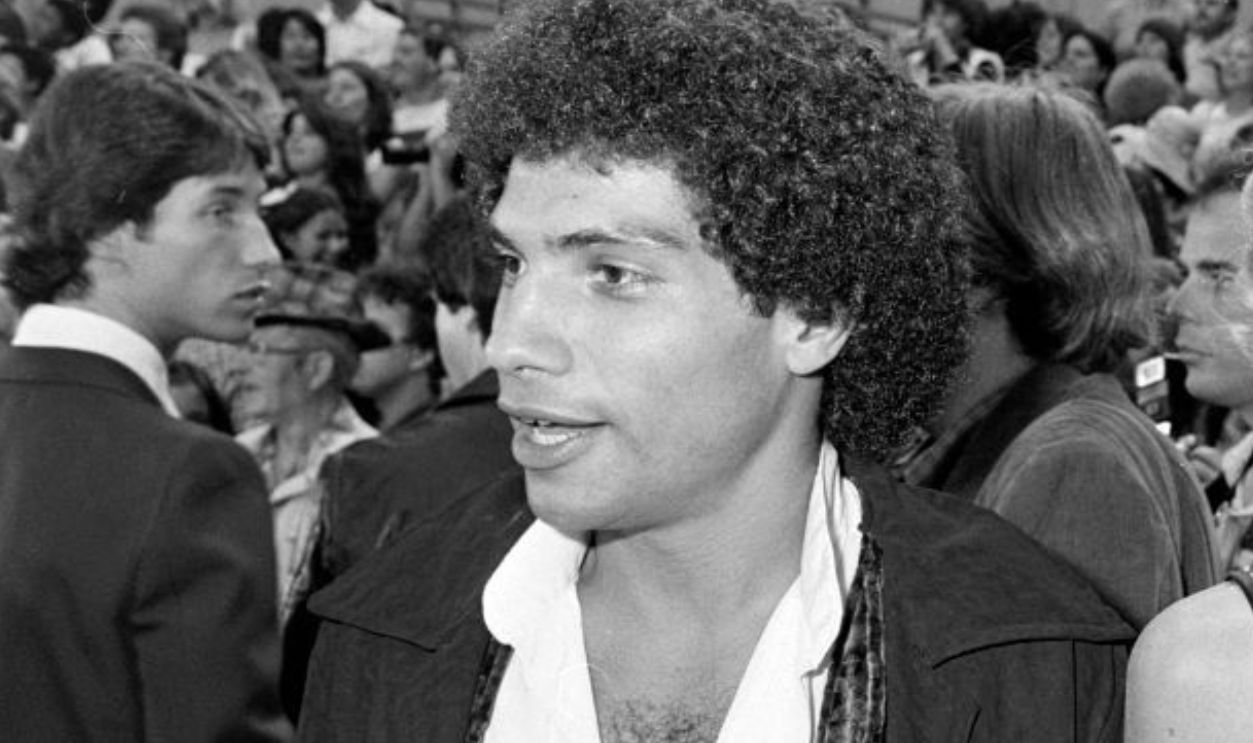
Hegyes attended Glassboro State College, which later became Rowan University. He graduated with a degree in speech, theater, and secondary education. The combination prepared him to perform while also giving him the qualifications to teach. Both disciplines would eventually become lasting parts of his career.
 Fairchild Archive, Getty Images
New York Offered His First Break
After college, Hegyes moved into the New York theater world. He appeared in the Off-Broadway drama Naomi Court early in his professional career. That performance helped him secure another opportunity on Broadway. Television fame was approaching, but Hegyes first learned his craft in front of live audiences.
Broadway Put Him In The Right Place
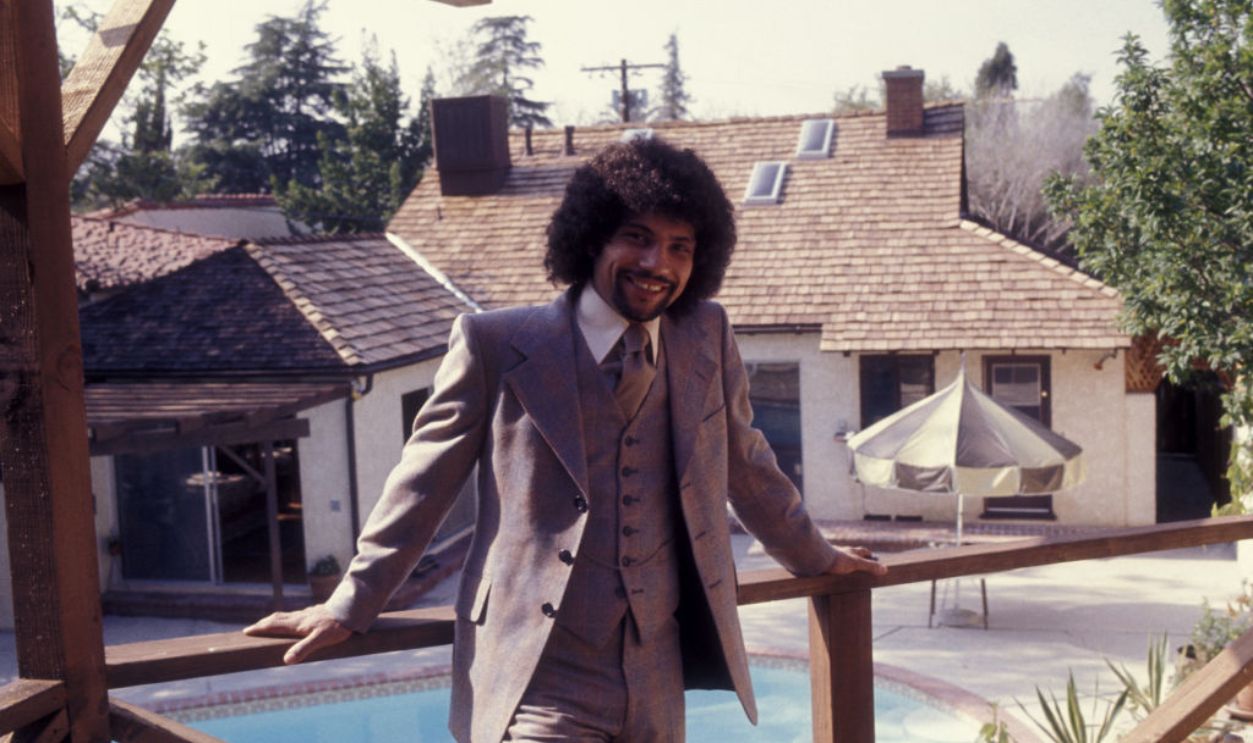
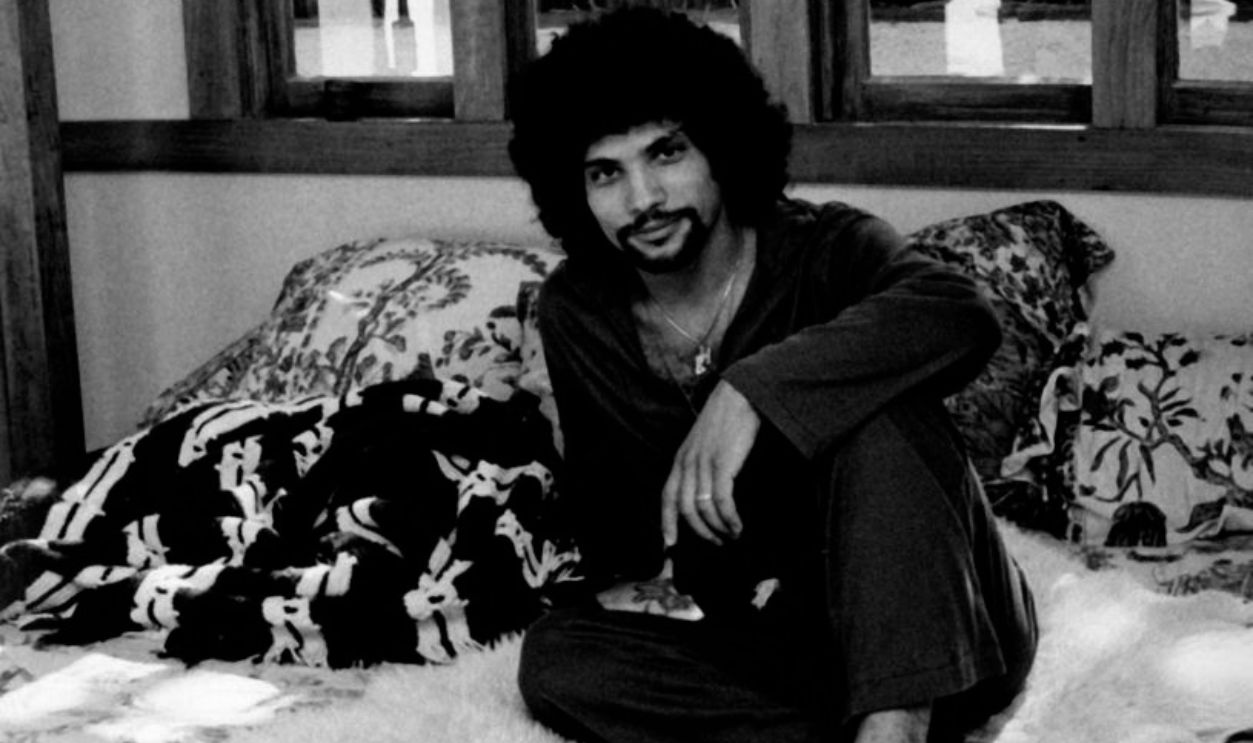
Director Len Cariou cast Hegyes in the 1975 play Don’t Call Back. He appeared at the Helen Hayes Theatre alongside Arlene Francis and Dorian Harewood. The production closed after its opening-night performance, but the credit still placed Hegyes on Broadway. While working in New York theater, he auditioned for the television role that changed his life.
Gabe Kaplan Turned Memories Into Comedy
Comedian Gabe Kaplan developed Welcome Back, Kotter from stories in his stand-up routine. Much of that material concerned the colorful classmates he remembered from school in Brooklyn. Producer Alan Sacks heard Kaplan perform and helped him shape the stories into a sitcom. Their central idea brought a former underachiever back to his old school as a teacher.
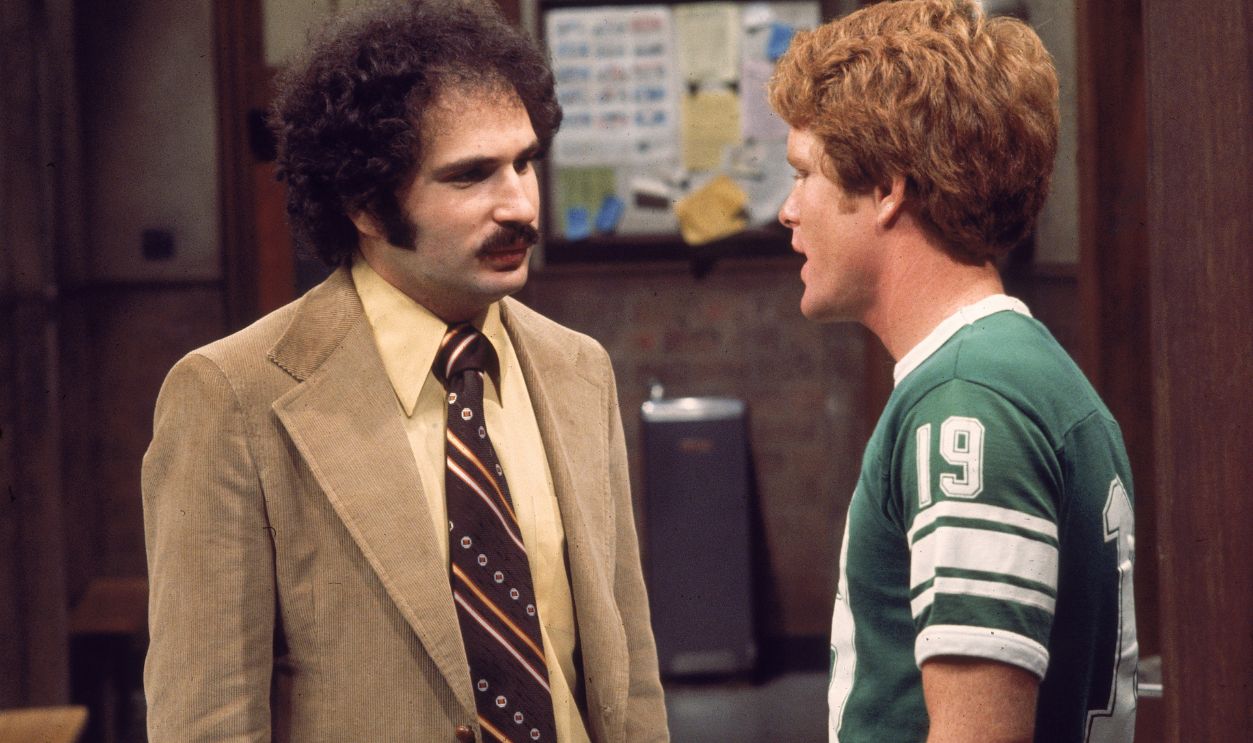
Juan Epstein Began As A Compromise
The original concept included five principal students, including separate Jewish and Puerto Rican characters. ABC executive Michael Eisner believed the group contained one student too many. He suggested combining the two characters into a Puerto Rican Jewish teenager. That practical network note produced the unforgettable Juan Epstein.
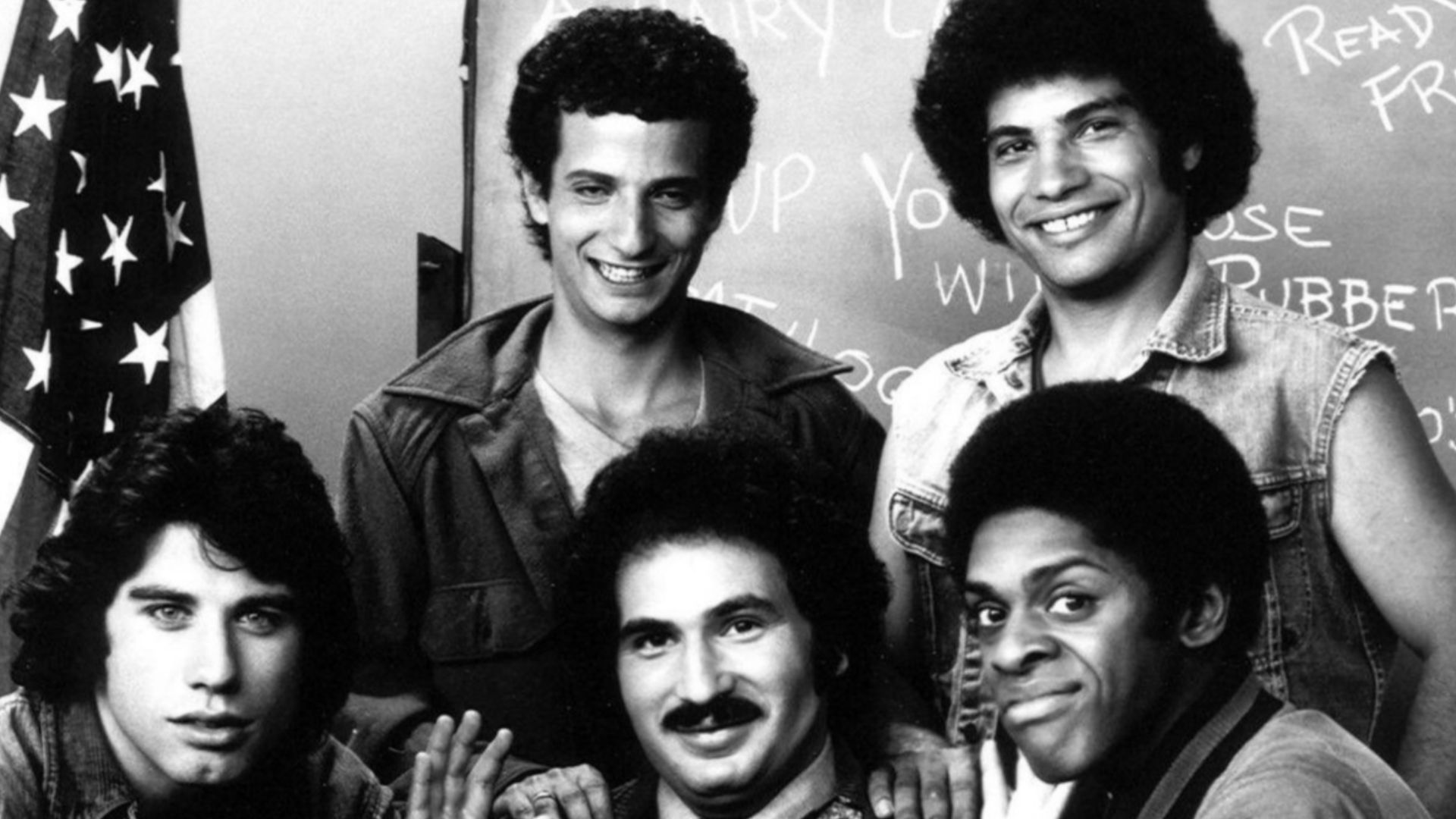 ABC Television, Wikimedia Commons
Hegyes Reshaped The Role
Epstein was initially imagined as a large student who did not recognize his own strength. Writer Mark Evanier later recalled that Hegyes auditioned for another part. The producers responded so strongly to the actor that they redesigned Epstein around him. Hegyes transformed the character into a quick, expressive schemer with a talent for turning every excuse into a performance.
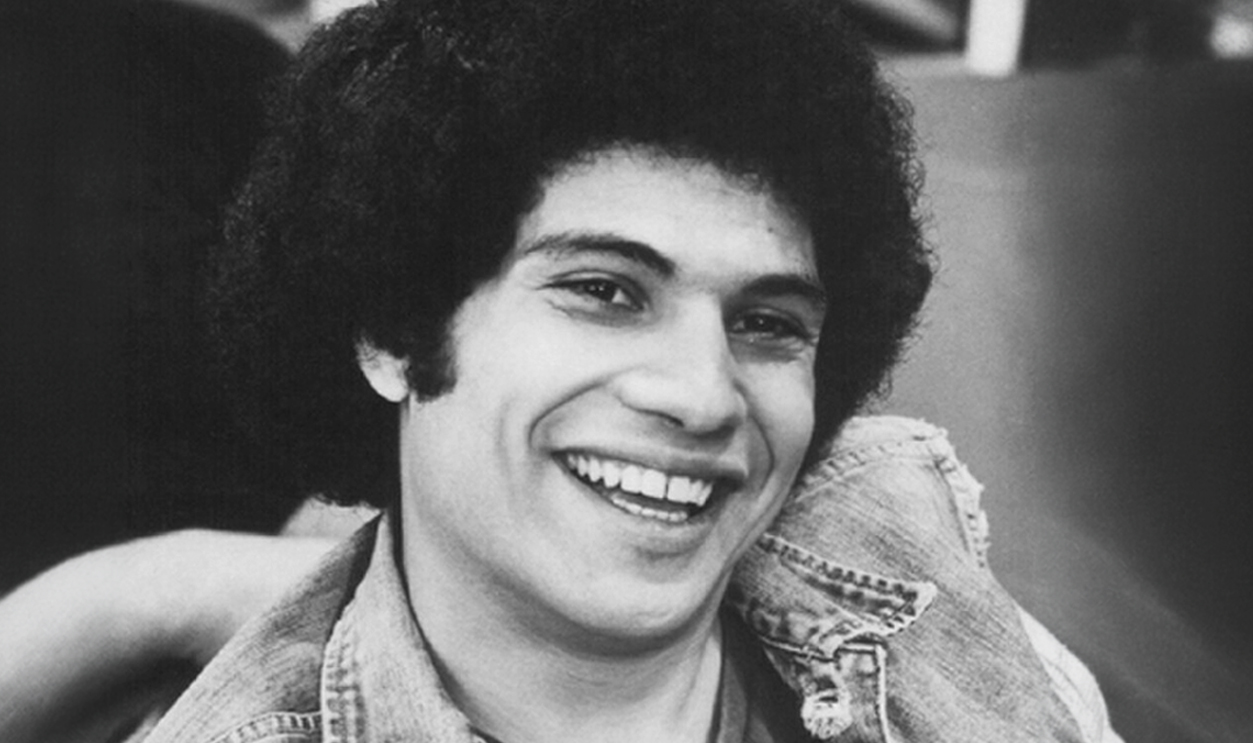 ABC Television Network., Wikimedia Commons
That Name Said Everything
Epstein’s full name was Juan Luis Pedro Felipo de Huevos Epstein. Its exaggerated length perfectly suited a teenager who never did anything quietly. The character’s Puerto Rican and Jewish background reflected the unusual circumstances of his creation. Hegyes made the combination feel natural by concentrating on Epstein’s personality rather than treating his identity as the entire joke.
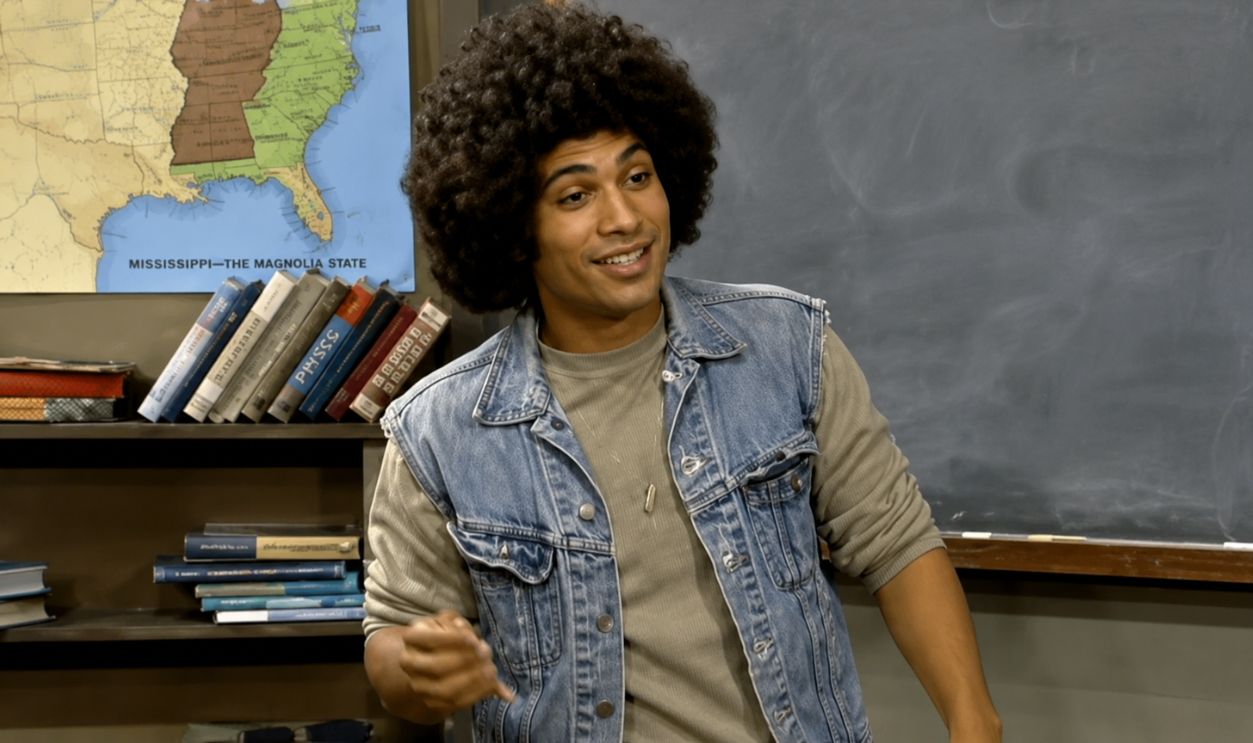 Screenshot from Welcome Back, Kotter, ABC (1975–1979)
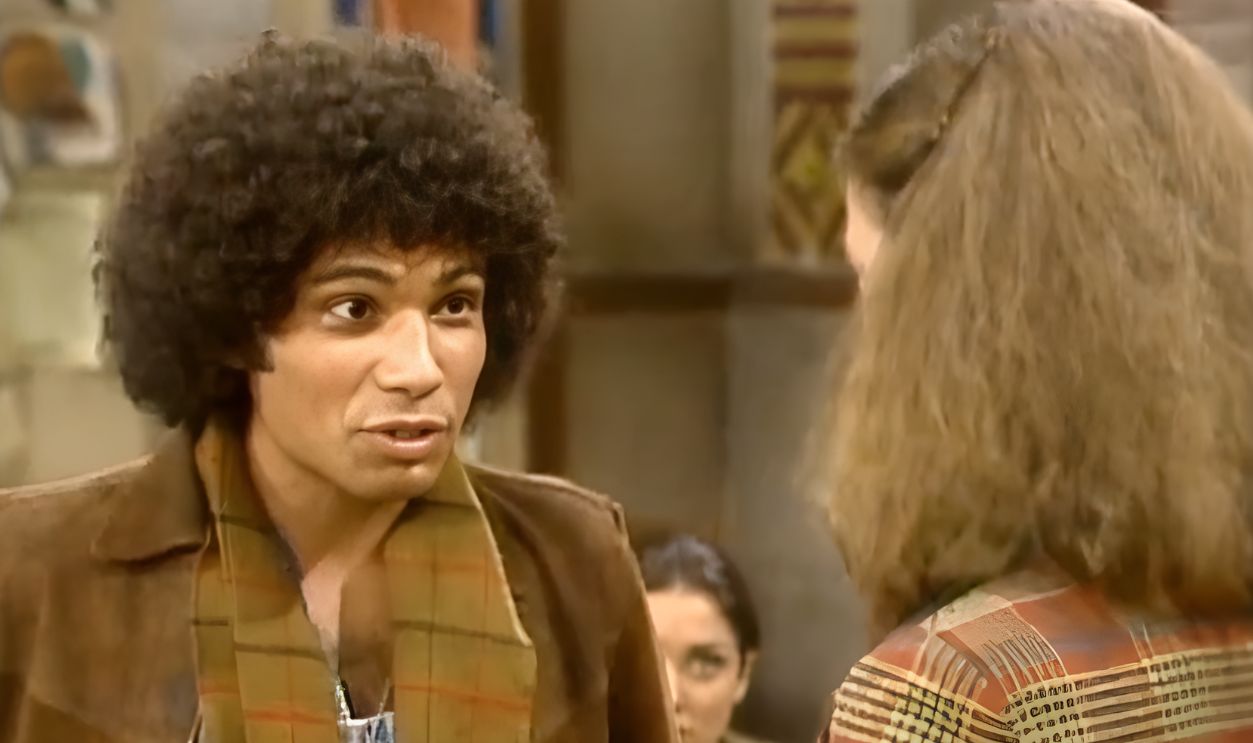
His Excuse Notes Became Legendary
Epstein frequently arrived with forged notes explaining his absences or questionable behavior. His paperwork rarely survived close examination because he signed it “Epstein’s Mother.” The joke became one of Welcome Back, Kotter’s most memorable recurring bits. Hegyes sold it through Epstein’s absolute confidence that one more ridiculous excuse might finally work.
 Screenshot from Welcome Back, Kotter, ABC (1975–1979), Modified
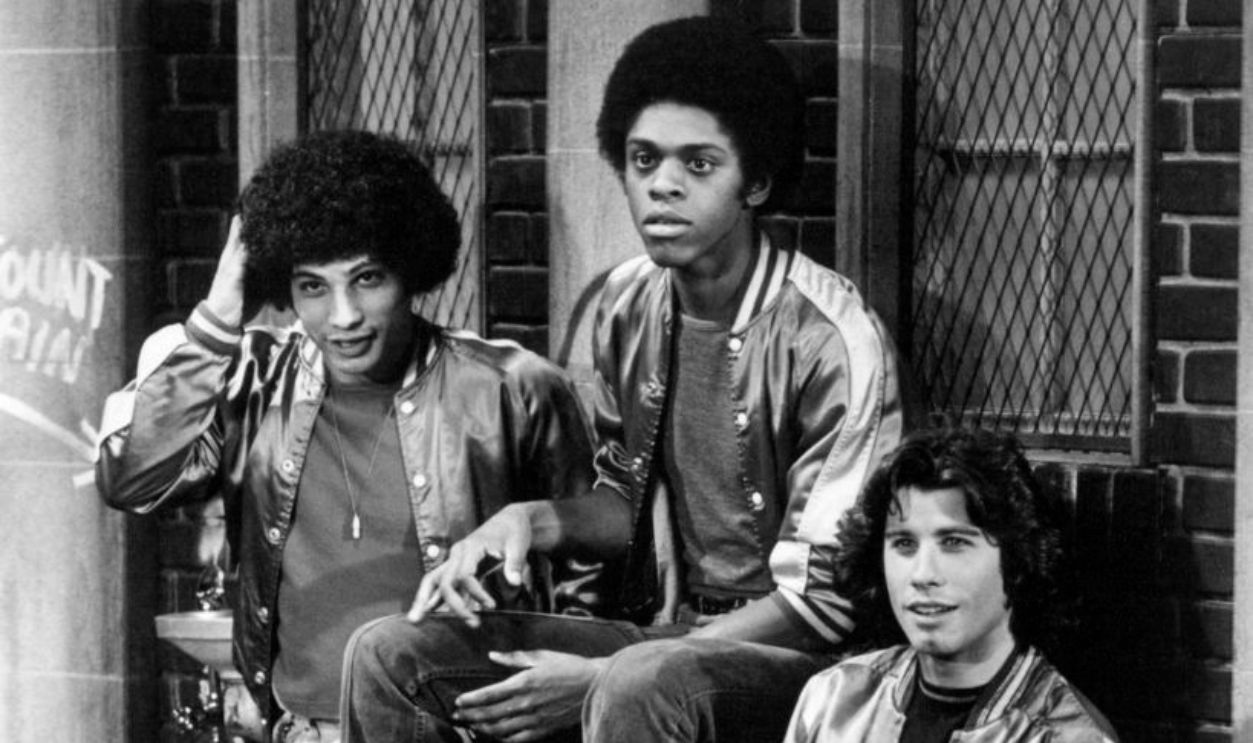
Every Sweathog Brought Something Different
Epstein shared the classroom with John Travolta’s Vinnie Barbarino, Lawrence Hilton-Jacobs’s Freddie Washington, and Ron Palillo’s Arnold Horshack. Gabe Kaplan played Gabe Kotter, the teacher responsible for managing them. Each student possessed a distinct voice and comic rhythm. Hegyes gave the group its energetic instigator, a character always ready to challenge authority or encourage another bad idea.
 Silver Screen Collection, Getty Images
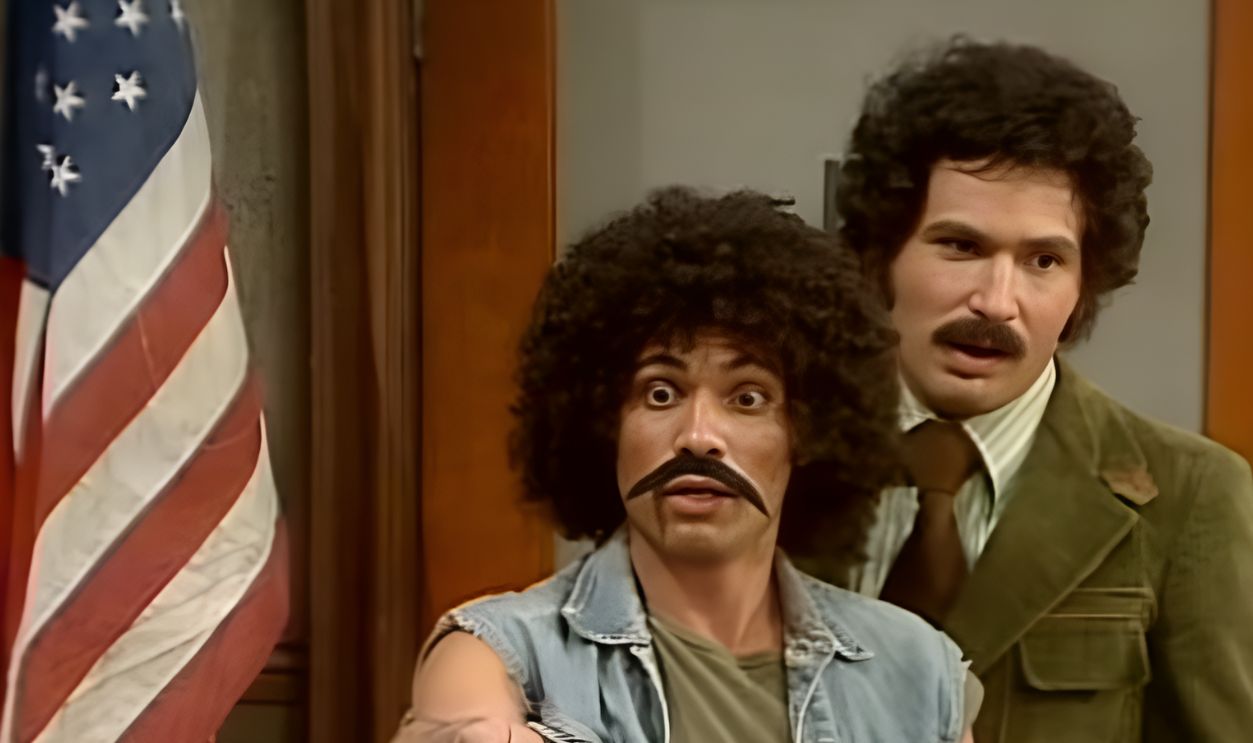
Mischief Never Made Him Mean
Epstein could act like a neighborhood tough guy, but Hegyes rarely allowed the attitude to become threatening. His wide grin usually revealed how much fun the character was having. Even Epstein’s rebellion carried a sense of playful theater. That balance made it possible for viewers to enjoy his rule-breaking without losing affection for him.
 Screenshot from Welcome Back, Kotter, ABC (1975–1979), Modified
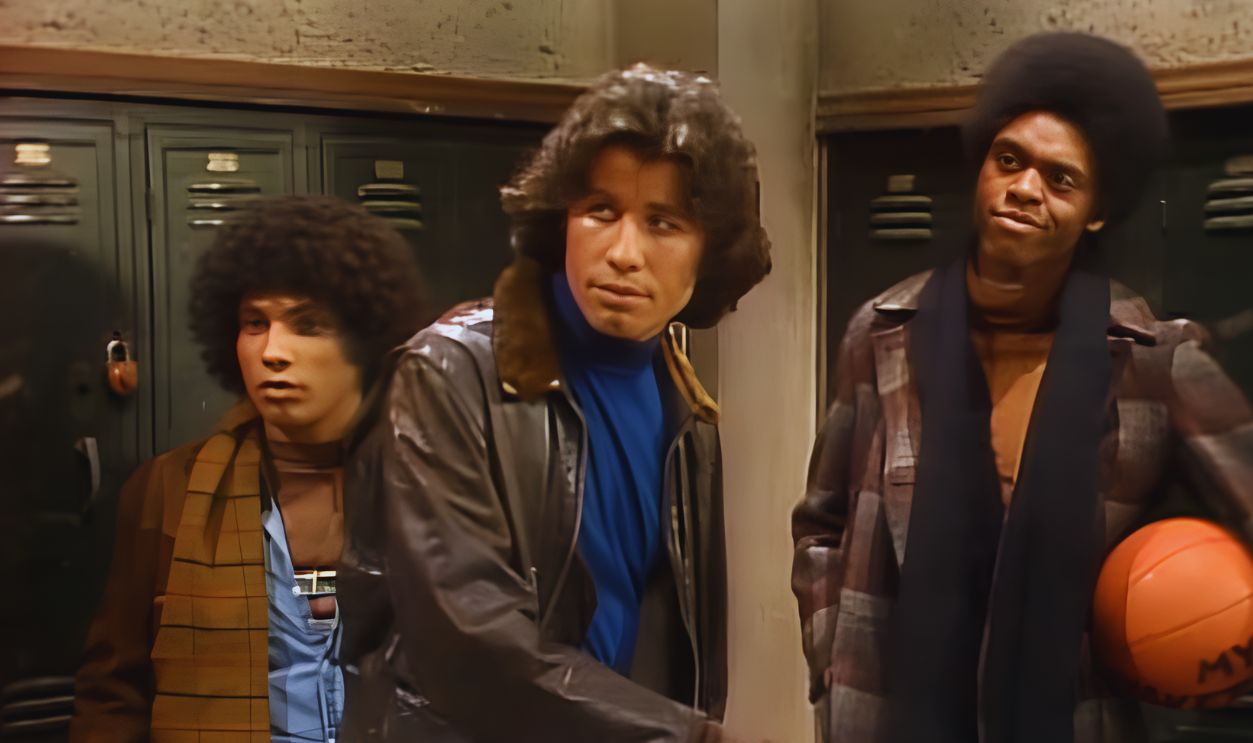
Success Arrived Almost Immediately
Welcome Back, Kotter premiered on ABC in September 1975 and quickly attracted a large audience. The Sweathogs generated fan mail, merchandise, and an extraordinary amount of attention for the young cast. John Sebastian’s theme song, “Welcome Back,” reached number one on the Billboard Hot 100 in 1976. Hegyes had gone from Broadway newcomer to nationally recognized television personality in remarkably little time.
 Screenshot from Welcome Back, Kotter, ABC (1975–1979), Modified
Epstein Became A Powerful First Impression
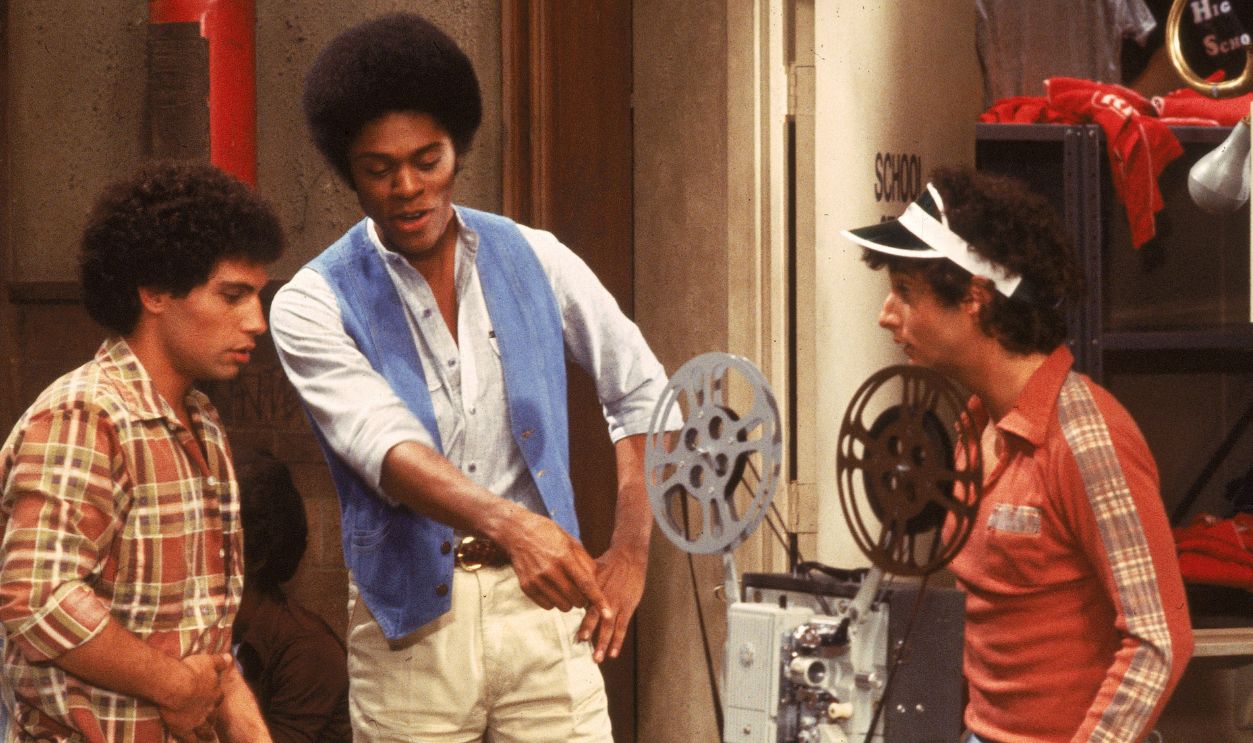
The role gave Hegyes fame, but it also established a very specific public image. Viewers associated his face, voice, and abundant hair with Epstein’s adolescent bravado. The character remained recognizable long after the series left the air. Hegyes therefore faced the familiar challenge of showing that a beloved sitcom persona did not represent the limits of his acting.
Work Continued Beyond Buchanan High
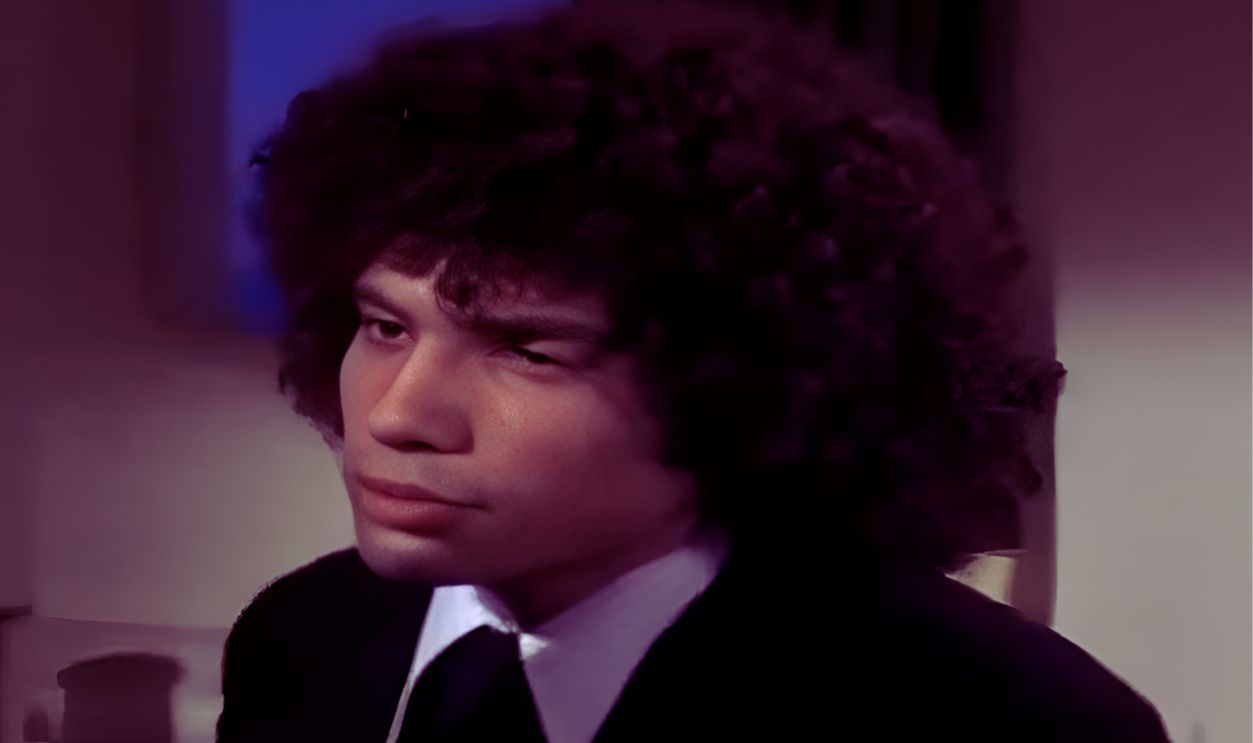
Welcome Back, Kotter ran for four seasons, from 1975 through 1979. Hegyes continued appearing on television after the comedy ended. His later credits included The Love Boat, CHiPs, NewsRadio, Diagnosis: Murder, and The Drew Carey Show. Those guest roles kept him visible while gradually separating the actor from the Sweathog desk.
 Screenshot from The Love Boat, ABC (1977–1987), Modified
A Police Drama Changed The Setting
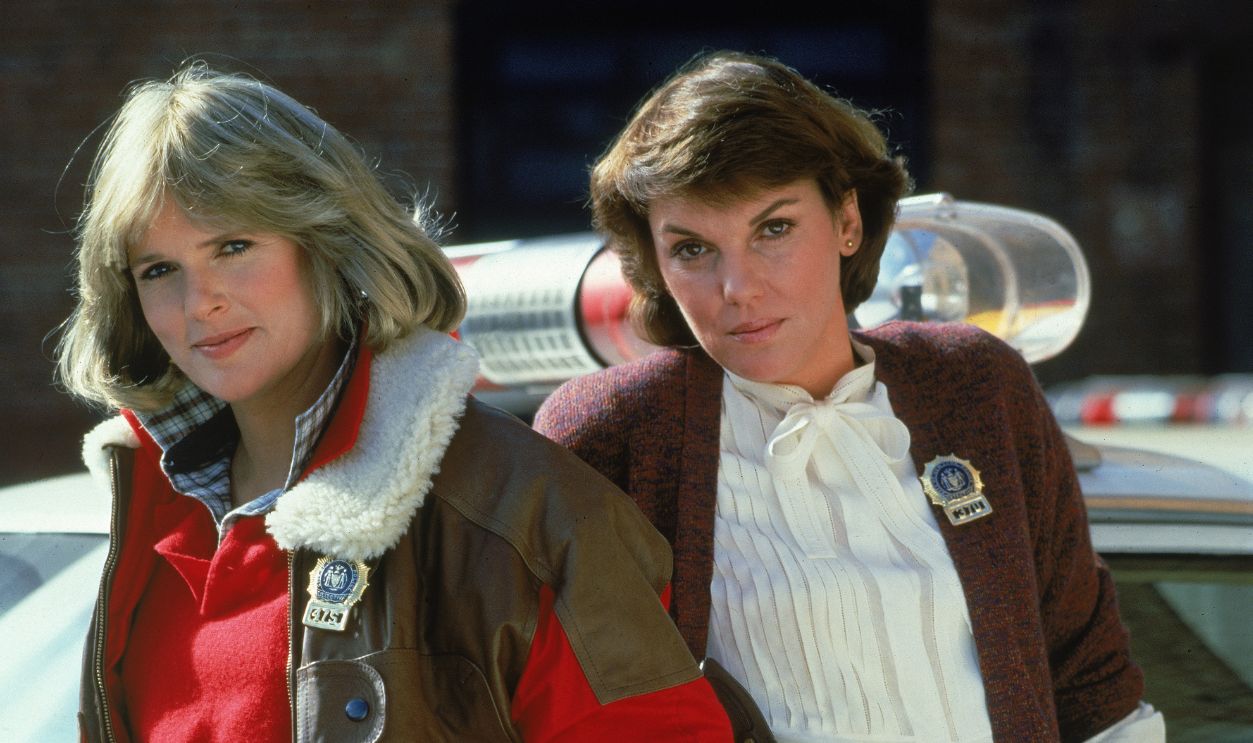
The most significant departure arrived when Hegyes joined Cagney & Lacey. The CBS drama followed New York detectives Christine Cagney and Mary Beth Lacey, played by Sharon Gless and Tyne Daly. Its stories combined police investigations with the pressures facing the women at work and at home. Hegyes entered a series with a more grounded tone than the broad classroom comedy that had made him famous.
 Pictorial Parade, Getty Images
Manny Esposito Was No Sweathog
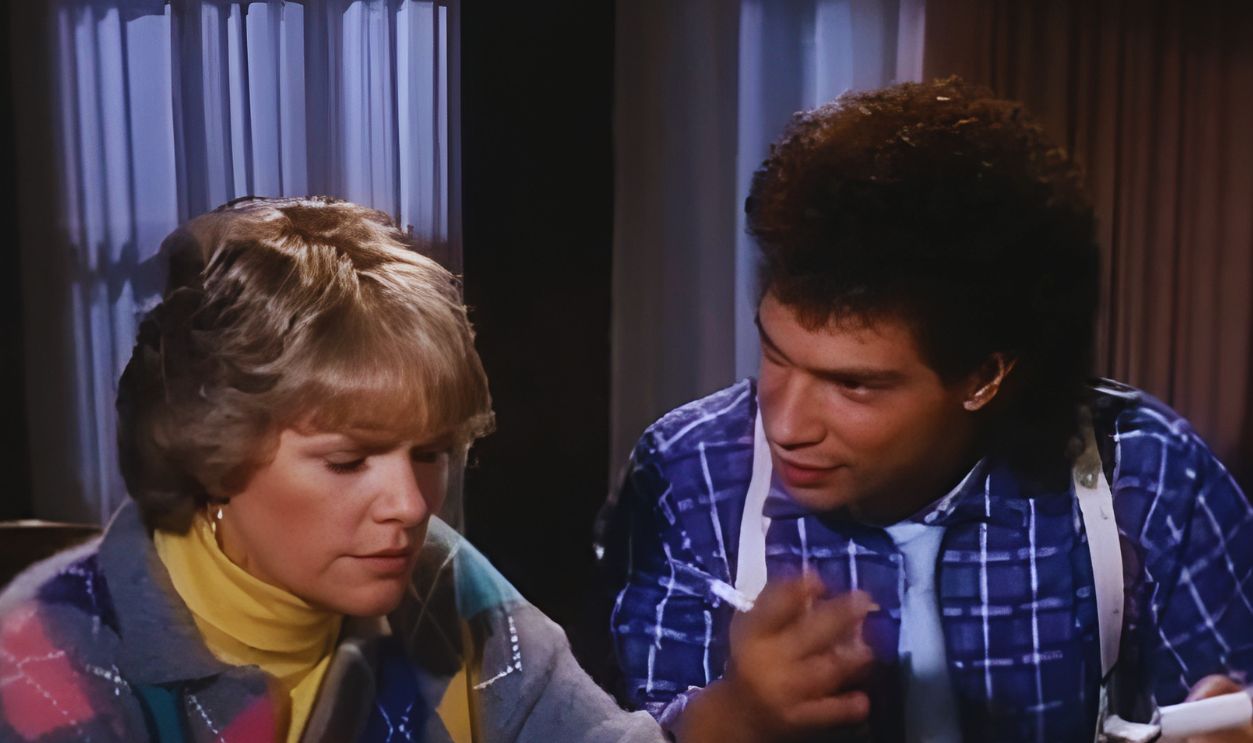
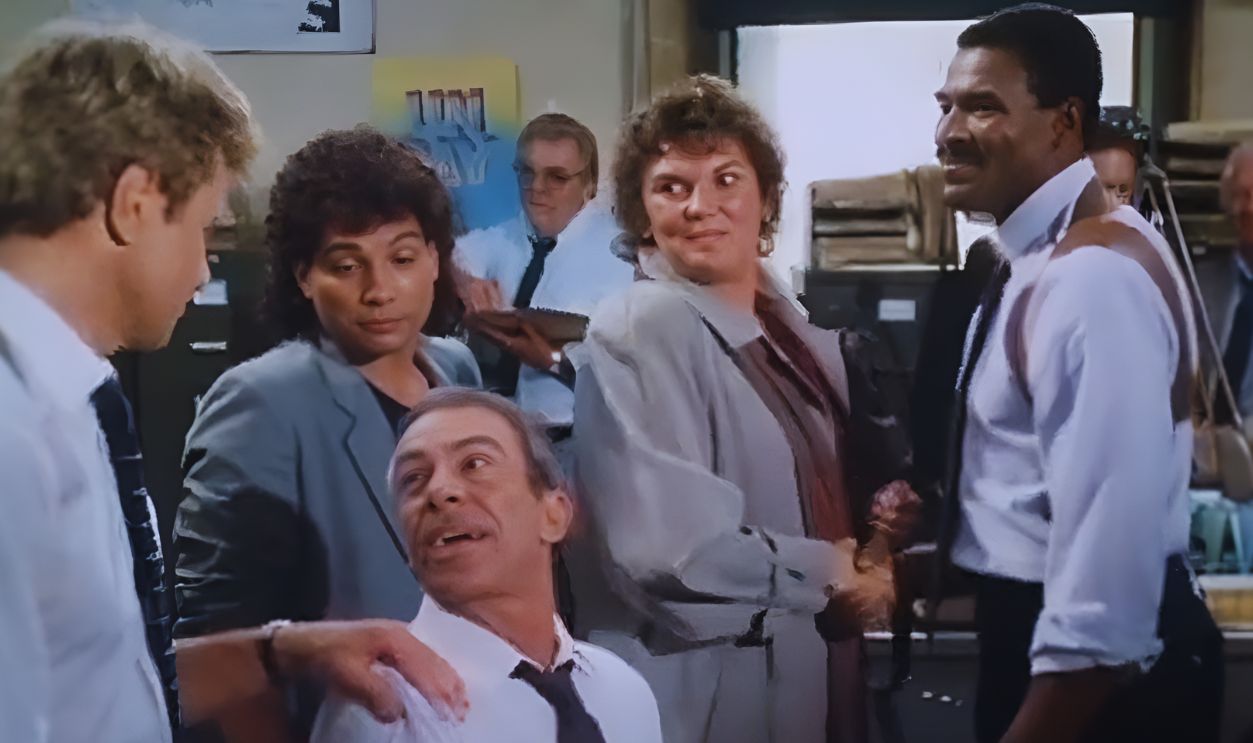
Hegyes played Detective Manny Esposito, a member of the police world surrounding Cagney and Lacey. Esposito carried professional responsibilities that Epstein would have spent an entire episode avoiding. The role did not rely on forged notes, schoolyard boasts, or adolescent rebellion. It allowed Hegyes to appear as a credible adult inside a functioning precinct.
 Screenshot from Cagney & Lacey, CBS (1982–1988), Modified
Restraint Replaced The Broad Antics
Epstein demanded big reactions and immediate comic energy. Esposito required Hegyes to work within dramatic scenes and support the tone of an ensemble police series. That shift encouraged a more restrained side of his screen presence. The expressive performer remained recognizable, but the performance no longer depended on reminding viewers of his famous sitcom character.
 Screenshot from Cagney & Lacey, CBS (1982–1988), Modified
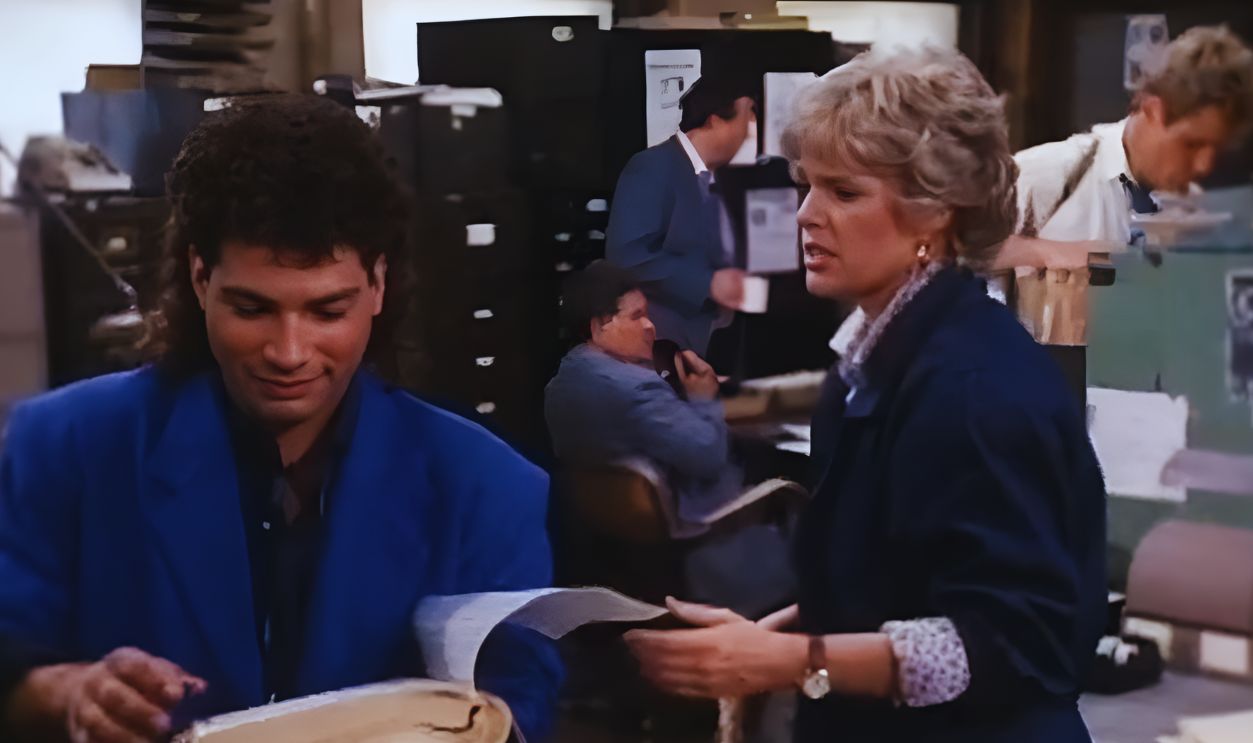
The Supporting Role Served The Story
Hegyes joined a drama built around the partnership between Cagney and Lacey. His responsibility was to strengthen that world rather than redirect every scene toward himself. This supporting position demonstrated a discipline already visible in his work with the Sweathogs. He knew when to provide energy, when to react, and when to let another performer carry the moment.
 Screenshot from Cagney & Lacey, CBS (1982–1988), Modified
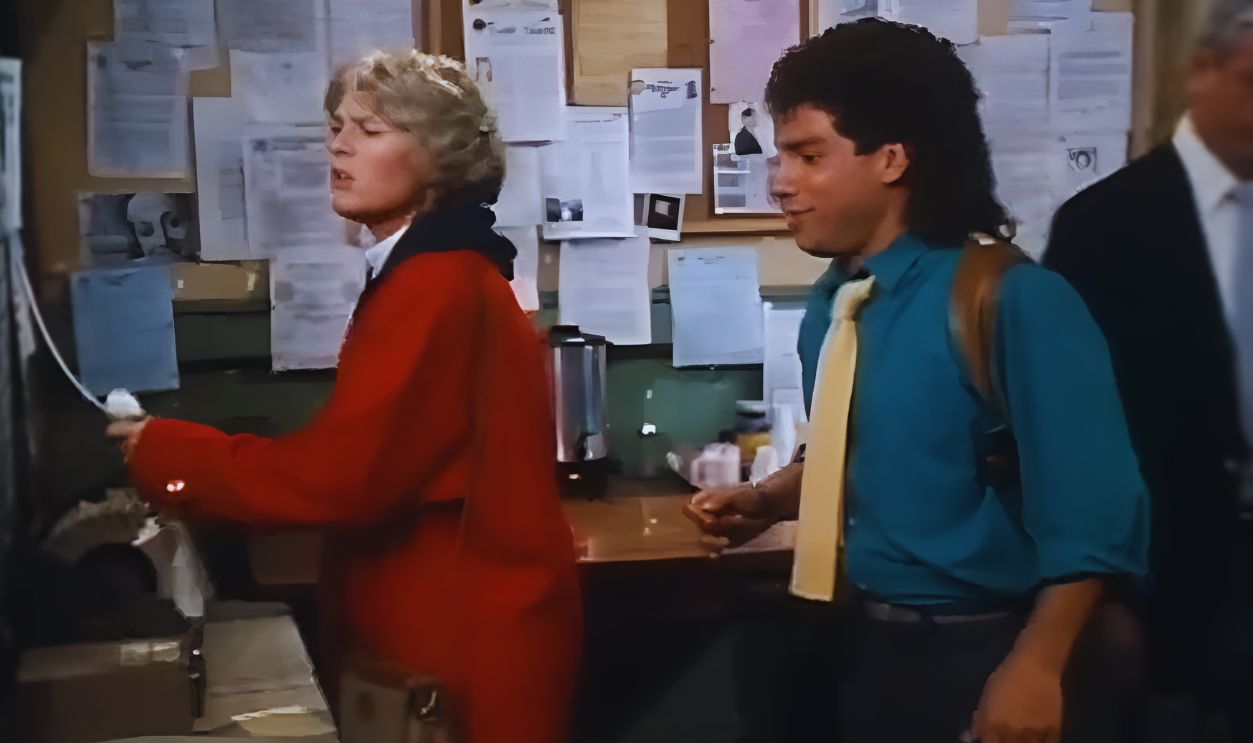
The Casting Challenged Expectations
To many viewers, Hegyes still looked like the student who had once tried to fool Mr. Kotter. Seeing him as a detective created an immediate contrast with that familiar image. Yet his work on Cagney & Lacey was not simply a novelty appearance. He became a regular presence on an Emmy-winning drama and proved that his television career could accommodate a more serious register.
 Screenshot from Cagney & Lacey, CBS (1982–1988), Modified
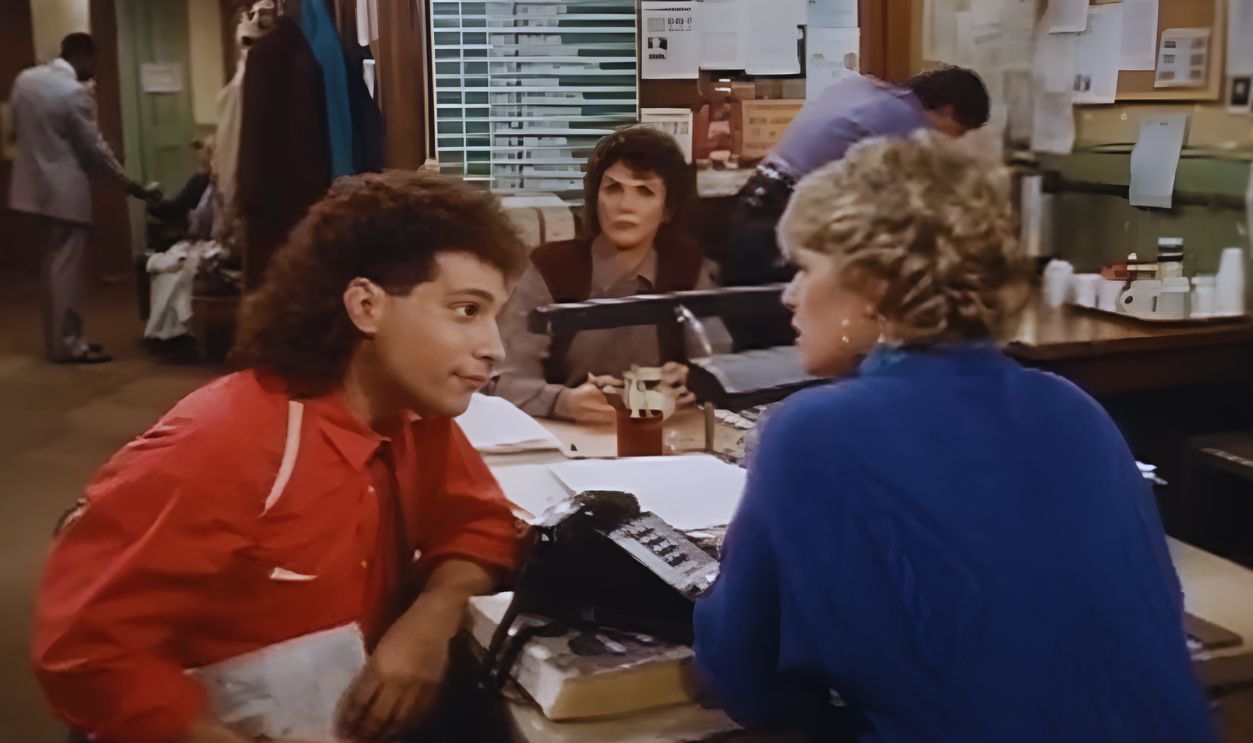
Comedy Had Hidden His Versatility
Hegyes’s dramatic abilities should not have been entirely surprising. He had trained in theater before reaching television and had performed in both Off-Broadway and Broadway productions. Epstein showcased his comic timing so effectively that it overshadowed those earlier credentials. Manny Esposito gave audiences a clearer reminder that Hegyes had entered the business as a trained actor rather than a sitcom personality.
 Screenshot from Cagney & Lacey, CBS (1982–1988), Modified
He Also Moved Behind The Camera
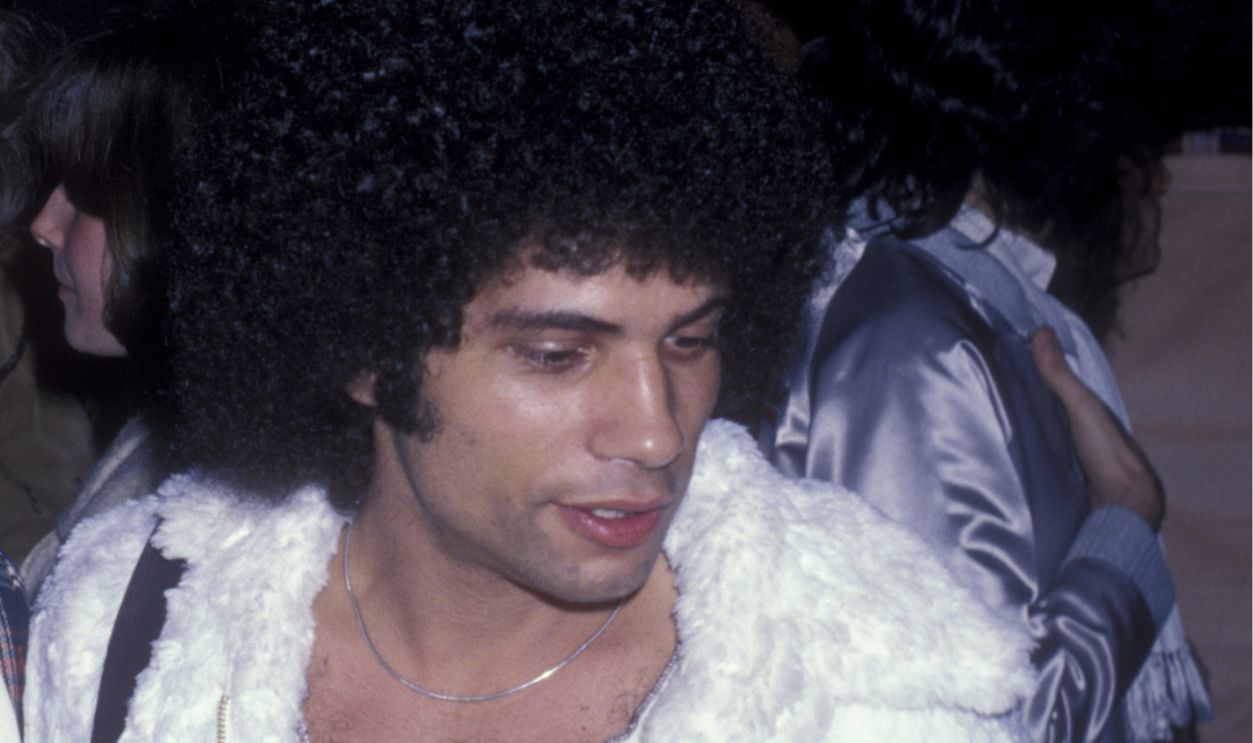
Hegyes expanded his creative responsibilities while Welcome Back, Kotter was still running. He directed episodes of the series and became one of its directors at age 25. He later continued studying the production side of television. That interest showed that Hegyes wanted a broader career than simply repeating the role that first made him famous.
 Ron Galella, Ltd., Getty Images
Chico Marx Remained An Inspiration
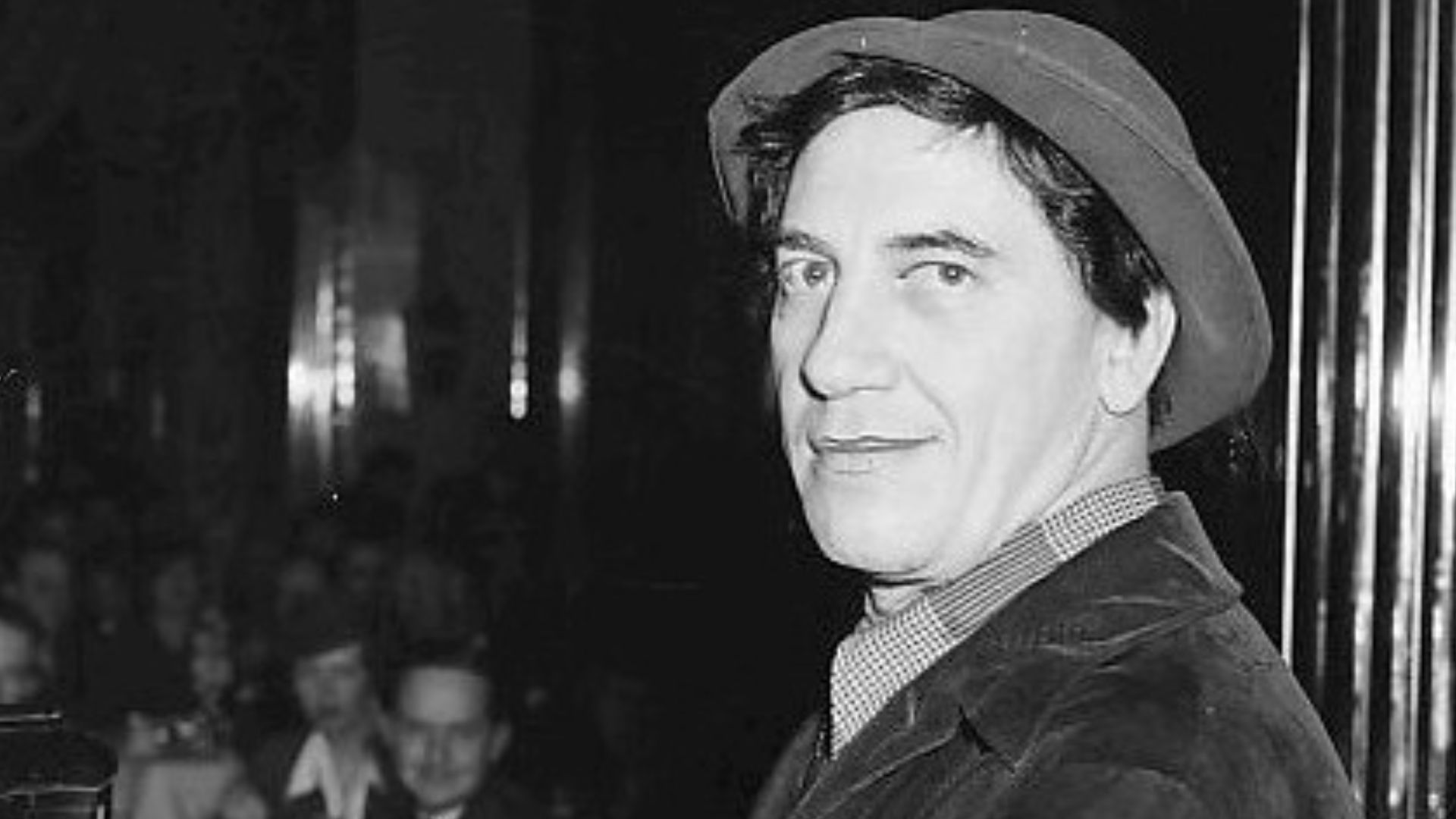
Hegyes also found another creative outlet through his admiration for Chico Marx. He played Chico in a touring production of An Evening With Groucho. His former Kotter colleague Gabe Kaplan later performed Groucho opposite Hegyes’s Chico in another stage project. The character allowed Hegyes to return to fast comic exchanges while drawing upon one of his earliest influences.
 Allison-Lighthall photographers, Chicago, Wikimedia Commons
The Classroom Eventually Became Real
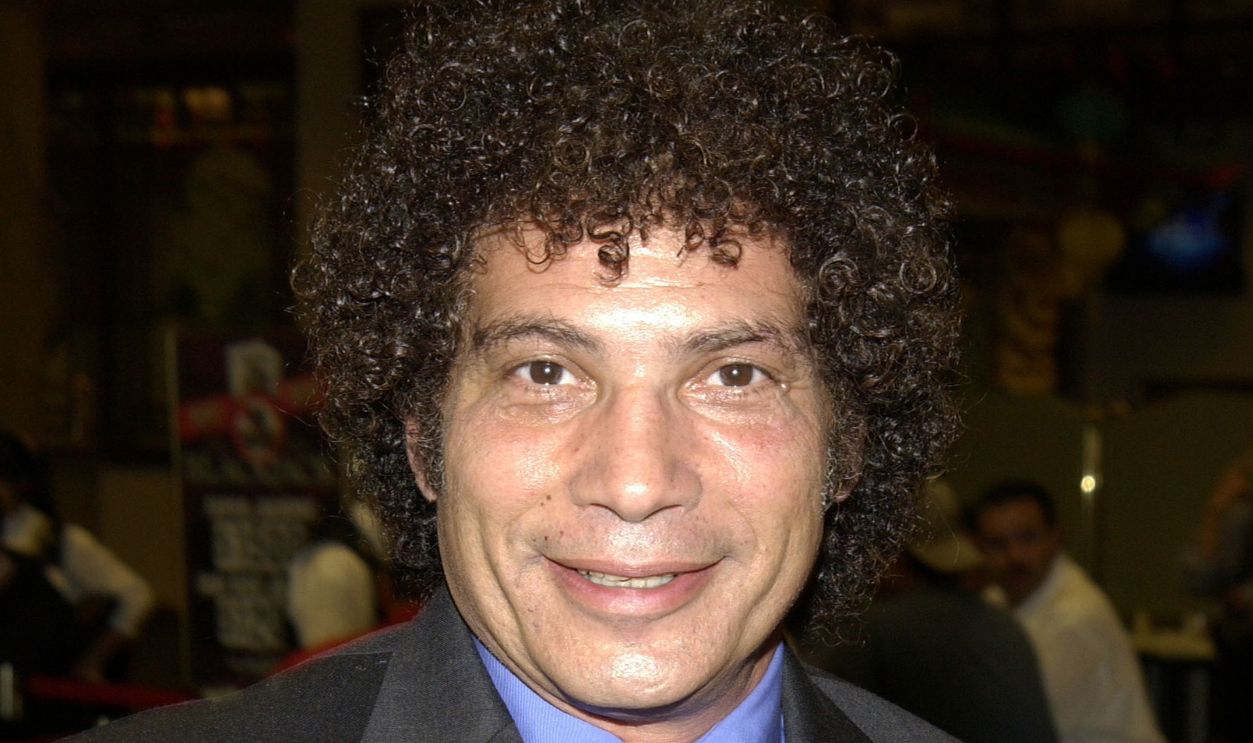
Hegyes later returned to Rowan University as an artist-in-residence and associate professor. He taught subjects connected to theater, film, radio, television, and public speaking. He also worked as an adjunct instructor at Brooks College in California. The former television student had become an actual educator with professional experience to share.
Television Never Forgot Epstein
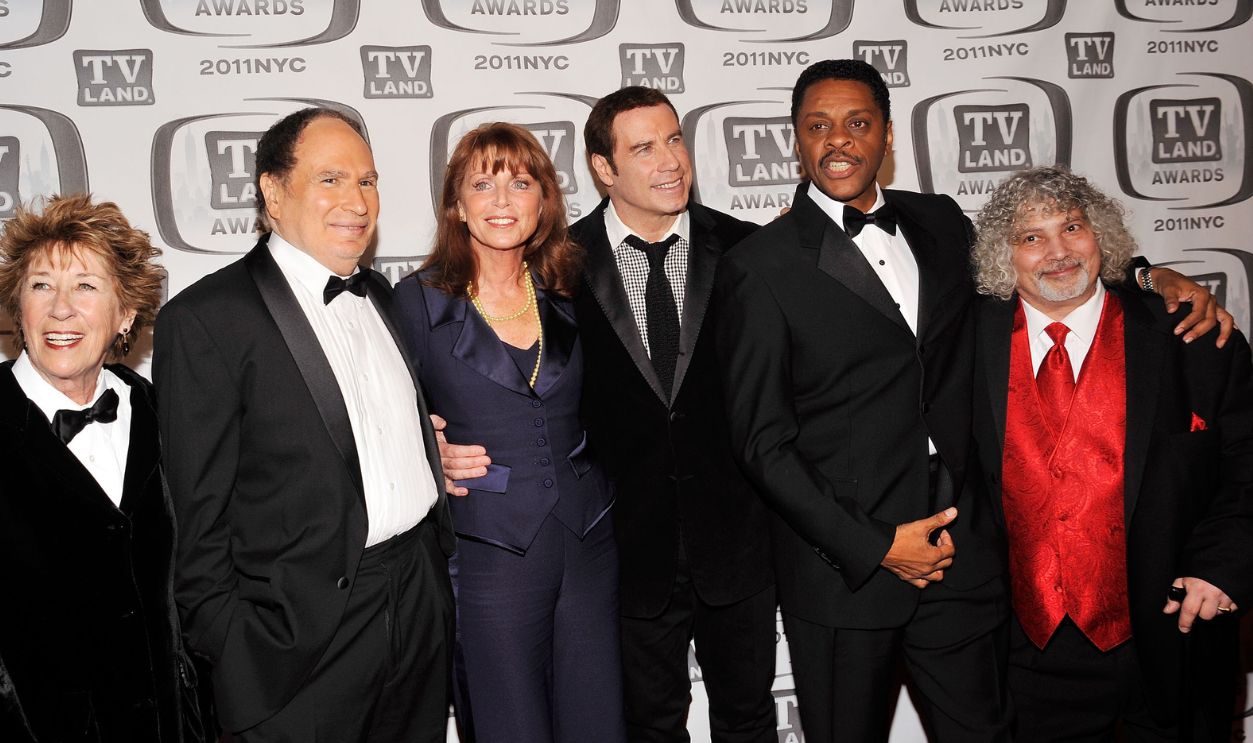
The cast of Welcome Back, Kotter was chosen to receive a 35th Anniversary Award at the 2011 TV Land Awards. The recognition confirmed that the Sweathogs still occupied a special place in television nostalgia. Hegyes died on January 26, 2012, after arriving at a New Jersey hospital in cardiac arrest. He was 60 years old.
His Two Best-Known Roles Belonged Together
Juan Epstein and Manny Esposito occupied opposite sides of authority. One cheerfully resisted the rules, while the other worked inside a profession built upon enforcing them. Together, the roles capture more of Robert Hegyes’s range than either performance does alone. Welcome Back, Kotter made him beloved, but Cagney & Lacey proved the Sweathog was only one part of the actor.
You May Also Like:
How Welcome Back, Kotter Launched John Travolta's Incredible Career