One Role Could Rewrite An Entire Career
These actors had already spent years learning their craft before one frightening performance changed the calls they received from Hollywood. Some fought the new image, some embraced it, and a few discovered that being unforgettable as the bad guy could be both a blessing and a trap.
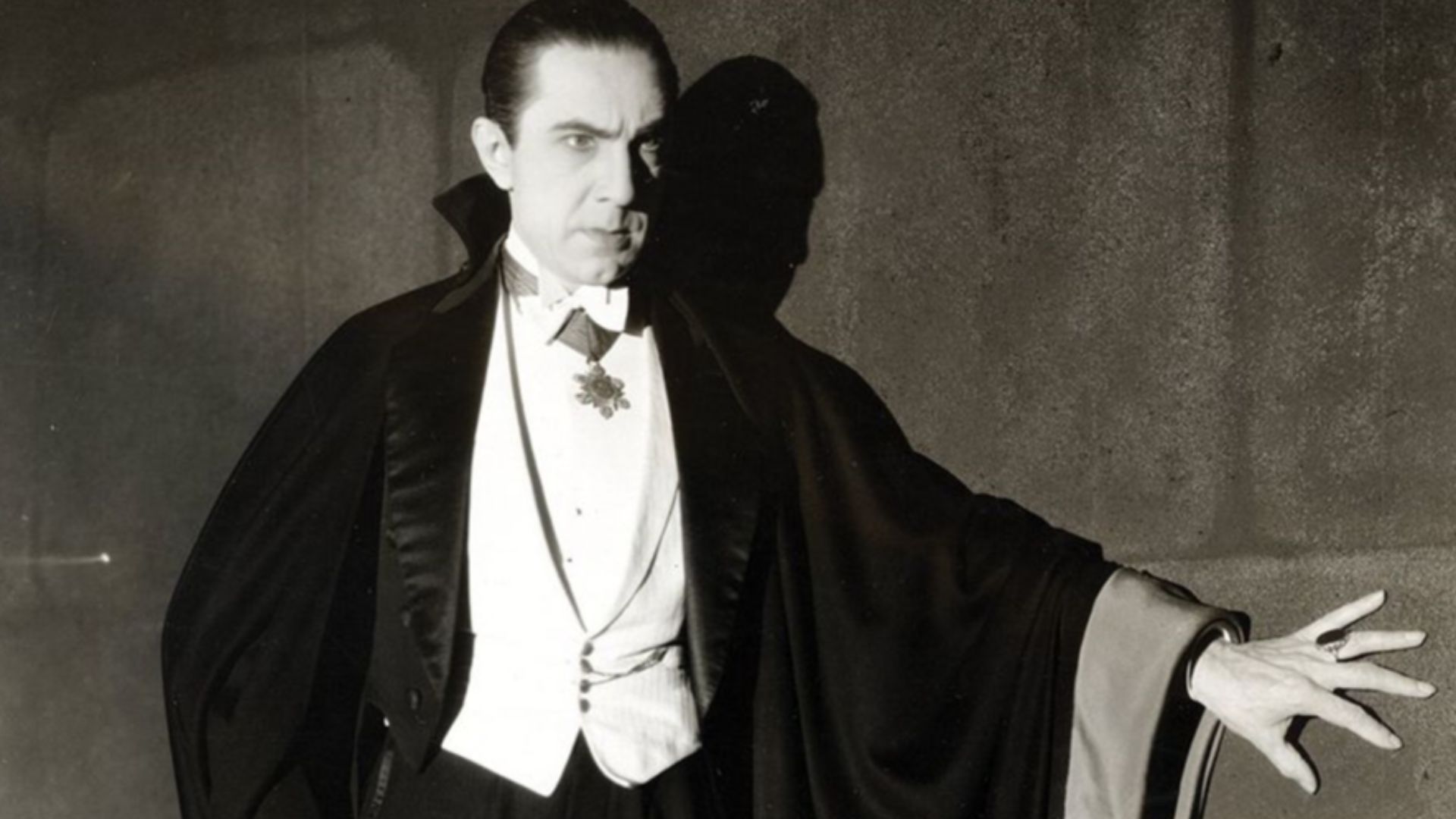
Bela Lugosi Became Dracula And Never Really Came Back
Bela Lugosi had spent years acting on European stages before playing Dracula on Broadway and then in the 1931 film. The movie made him a star, but it also convinced producers that his accent, stare, and commanding presence belonged in horror and sinister roles. Turner Classic Movies notes that the part effectively locked him into that screen world for the rest of his career.
 Unknown authorUnknown author, Wikimedia Commons
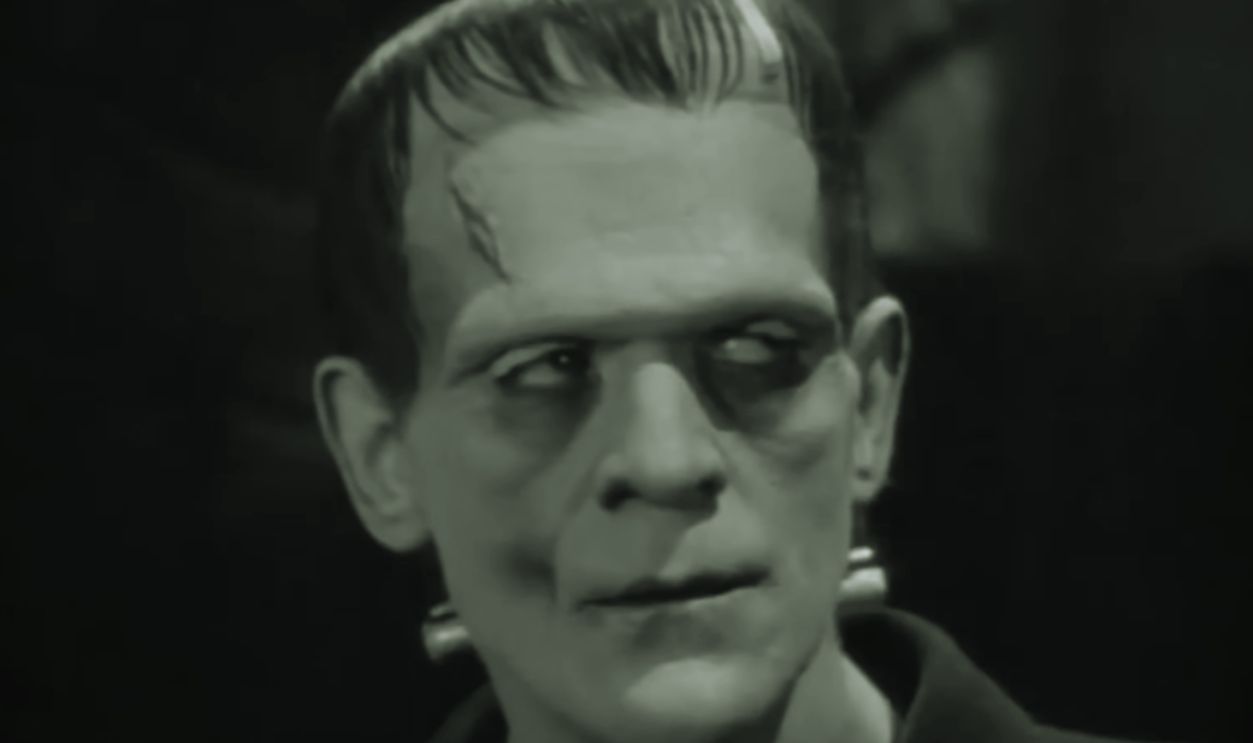
Boris Karloff Spent Years Waiting For Frankenstein
Boris Karloff had worked for more than a decade and appeared in scores of small film roles before Frankenstein changed everything. His Monster made him famous almost overnight and led directly to The Mummy and an entire career built around monsters, madmen, and frightening outsiders. Karloff took the situation with good humor, once saying audiences actually seemed disappointed when he played someone harmless.
 Screenshot from Frankenstein, NBCUniversal (1931)
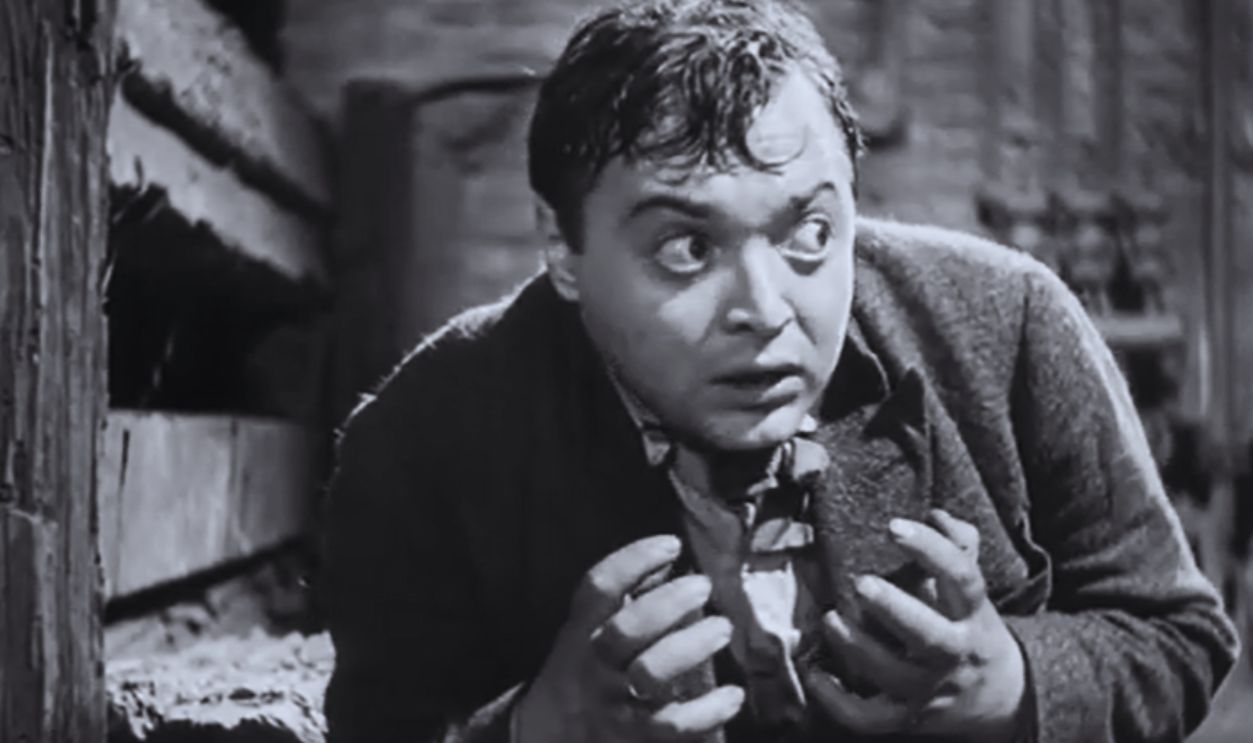
Peter Lorre Couldn't Escape M
Peter Lorre developed his craft in experimental European theater before Fritz Lang cast him in M. His disturbing performance made him an international star, but it also became a template studios repeatedly used when casting him. TCM says Lorre spent much of his later career playing variations on murderers, strange outsiders, and unstable men.
 Screenshot from M, The Criterion Collection (1931)
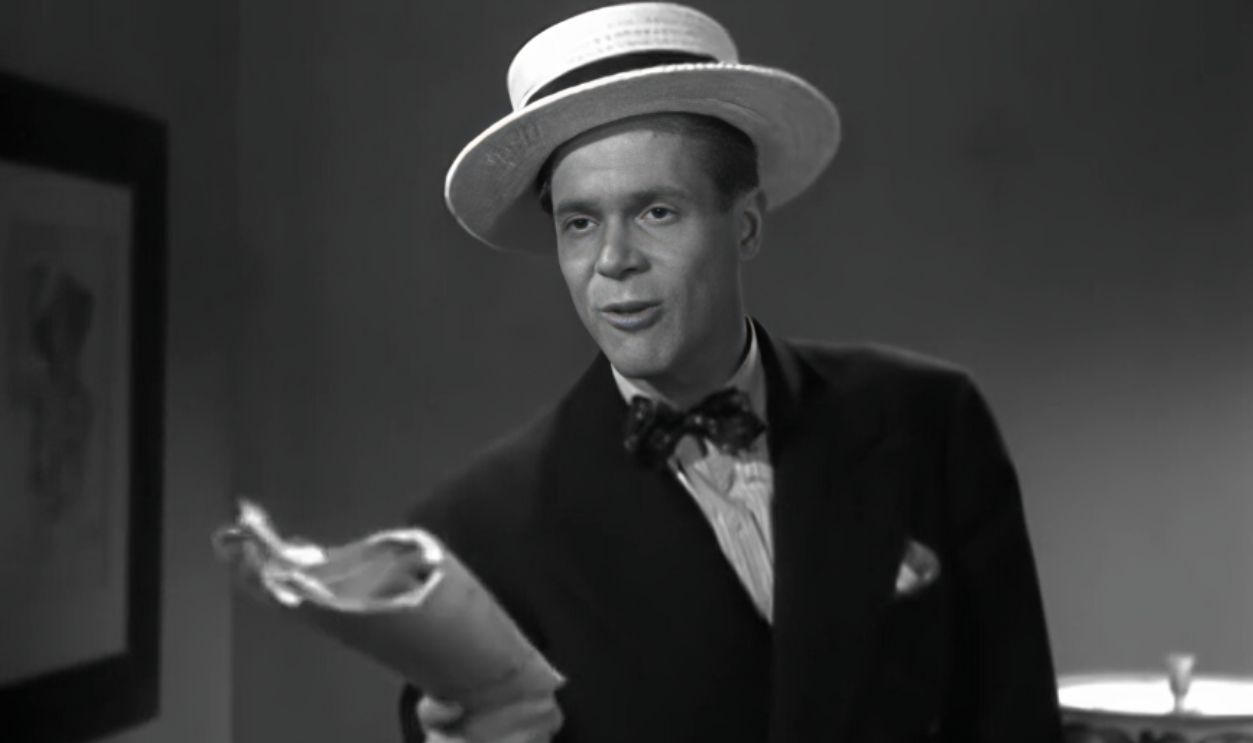
Dan Duryea's Sneer Became A Career
Dan Duryea originally established himself onstage and even repeated his Broadway role in the film version of The Little Foxes. Hollywood soon discovered that his sharp voice and contemptuous smile made him remarkably effective as a menace. By the middle of the 1940s, movies such as The Woman in the Window and Scarlet Street had turned villainy into his professional trademark.
 Trailer screenshot, Wikimedia Commons, Enhanced
Robert Ryan Was Too Convincing In Crossfire
Robert Ryan had stage and film experience before Crossfire gave him the part that altered his career. His terrifying portrayal of the bigoted Montgomery earned an Academy Award nomination, but Ryan later believed it also encouraged Hollywood to keep casting him as dangerous men. TCM notes that he had mixed feelings about the film partly because of the typecasting that followed.
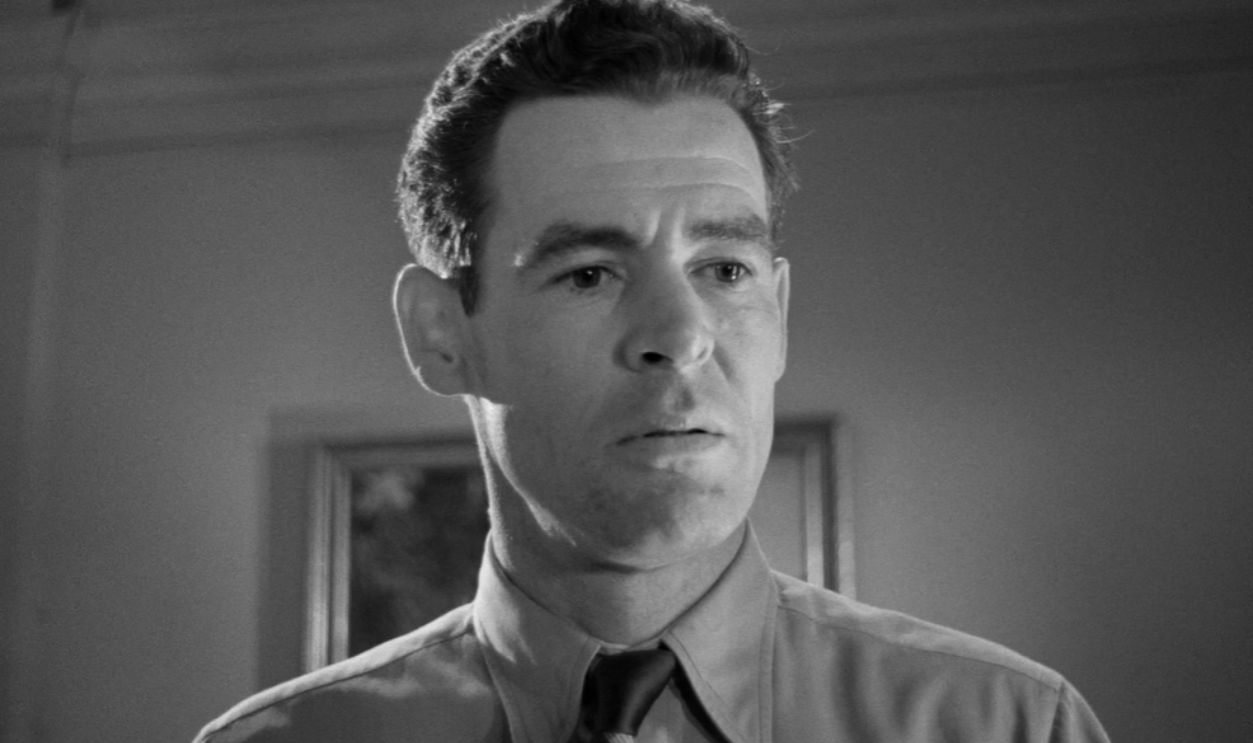 Screenshot from Crossfire, Warner Bros. (1947)
Richard Widmark Terrified Hollywood On His First Major Film
Richard Widmark had already spent years working in radio and on Broadway when Hollywood finally gave him Kiss of Death. His giggling Tommy Udo became an instant sensation and earned him his only Academy Award nomination. The success backfired professionally when Fox began offering him a succession of disturbed criminals and other variations on the character.
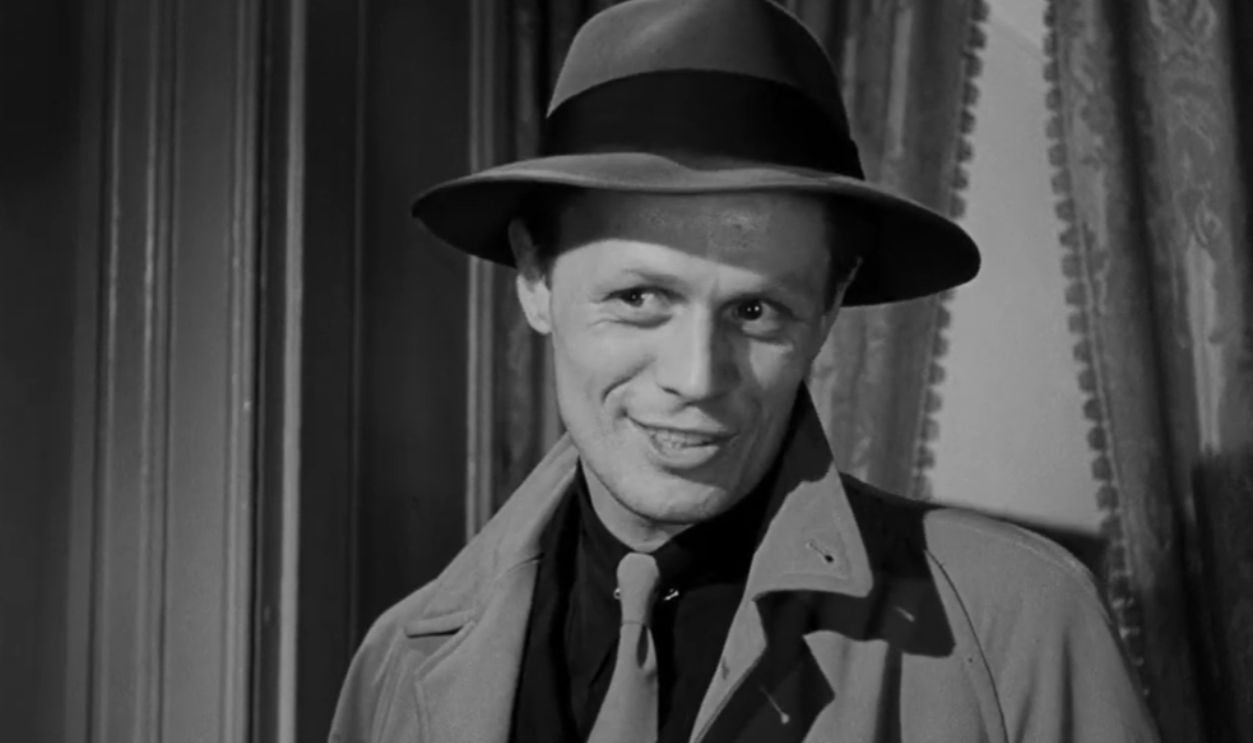 Screenshot from Kiss of Death, The Walt Disney Company (1947)
Vincent Price Found His Real Career In House Of Wax
Vincent Price had been a stage actor and polished dramatic performer for years before House of Wax arrived in 1953. The film became a major turning point and suddenly made Price enormously valuable as a sinister screen presence. Afterward, he found steady work playing dangerous aristocrats, murderous eccentrics, and other elegant figures of menace.
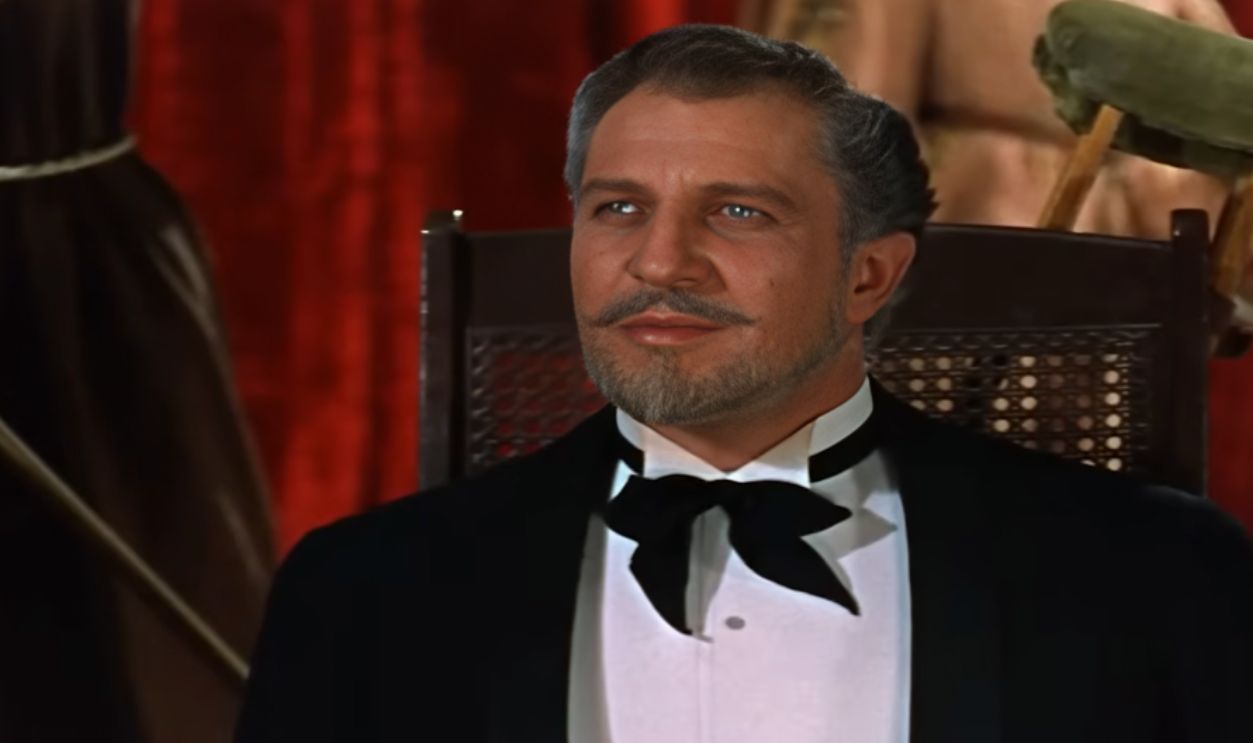 Screenshot from House of Wax, Warner Bros. (1953), Enhanced
Jack Palance Looked Too Dangerous To Ignore
Jack Palance came out of theater and made an immediate impression in intense screen roles before Shane cemented the image. His black-clad gunfighter Jack Wilson barely needed dialogue to seem frightening, and the performance earned him an Academy Award nomination. Palance later became frustrated when producers repeatedly offered him similarly threatening characters.
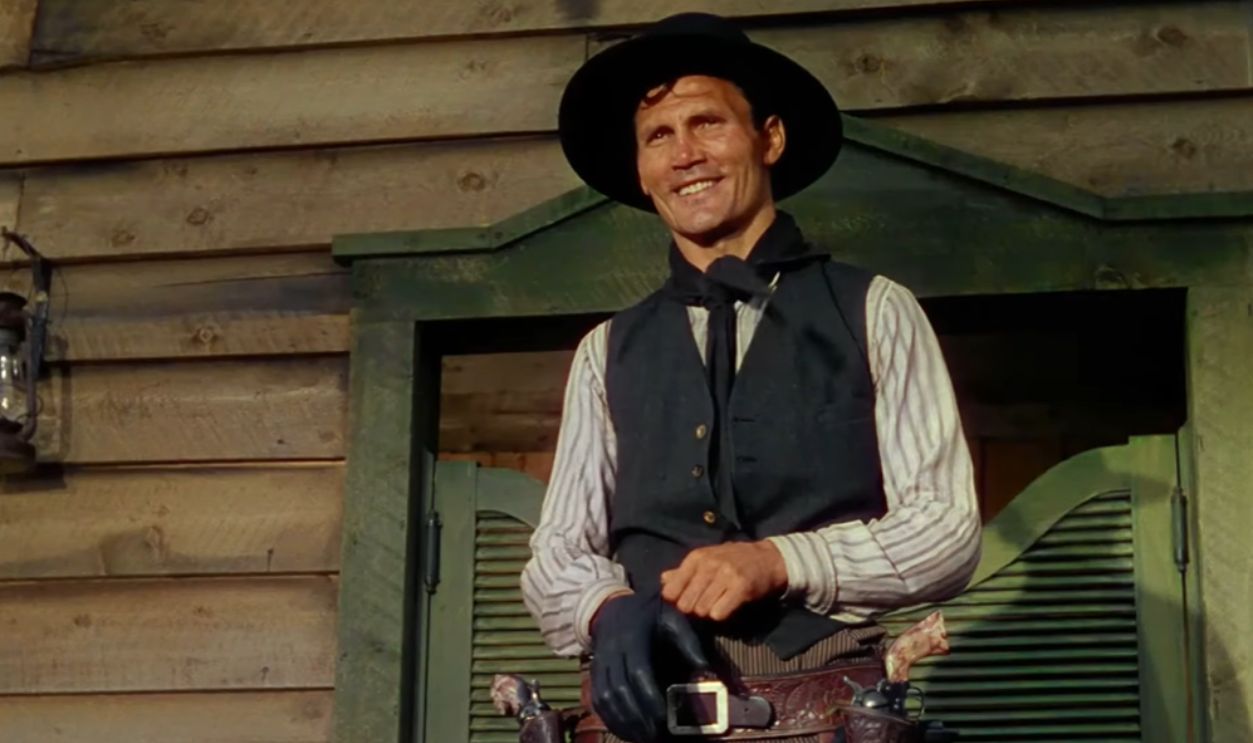 Screenshot from Shane, Paramount (1953)
Christopher Lee Became Dracula For An Entire Generation
Christopher Lee had already appeared in numerous films before Hammer's Dracula made his towering presence impossible to ignore. Lee later admitted that from the late 1950s through about 1970 he was heavily typecast as villains. He eventually escaped the narrowest version of the stereotype, but Dracula followed him for the rest of his life.
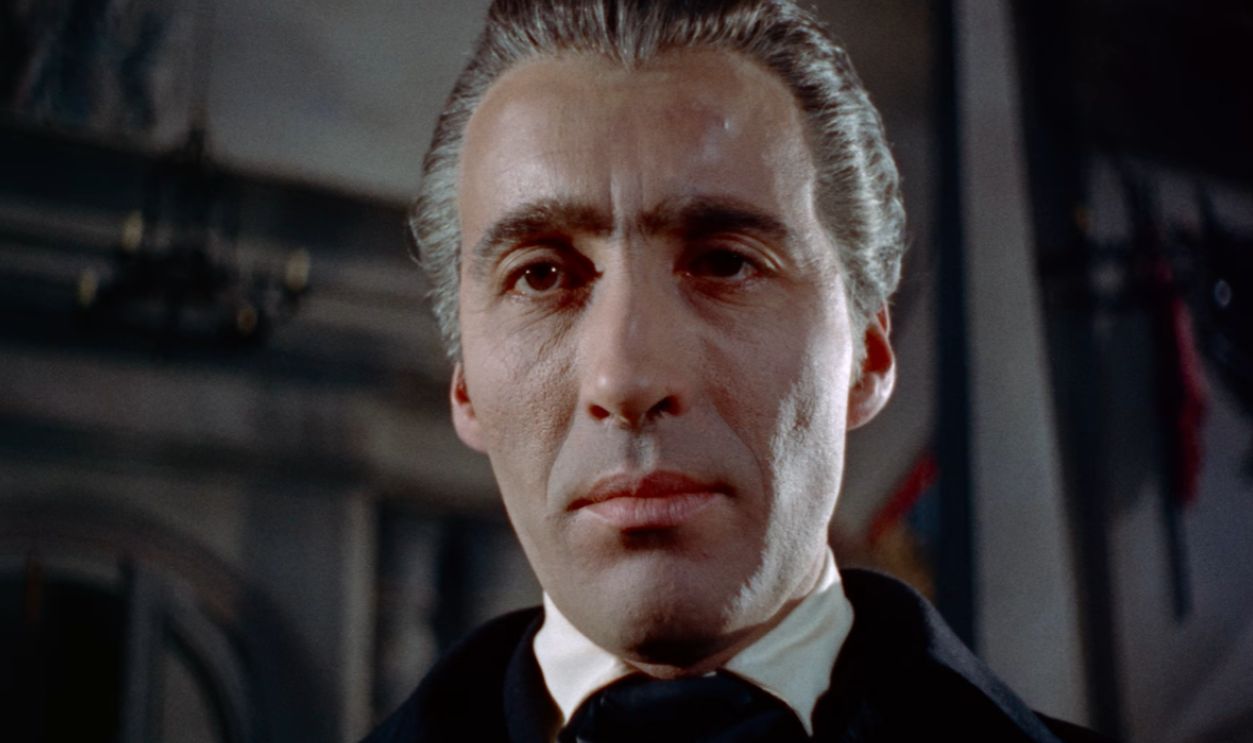 Screenshot from Dracula, Warner Bros. (1958)
Henry Silva Couldn't Convince Hollywood He Wasn't A Heavy
Henry Silva trained at the Actors Studio and worked onstage before his severe features began attracting Hollywood's attention. Roles such as the menacing Chink in The Tall T helped establish the pattern. Silva later complained that the industry had simply decided he was a heavy, leading to decades of gangsters, killers, and threatening henchmen.
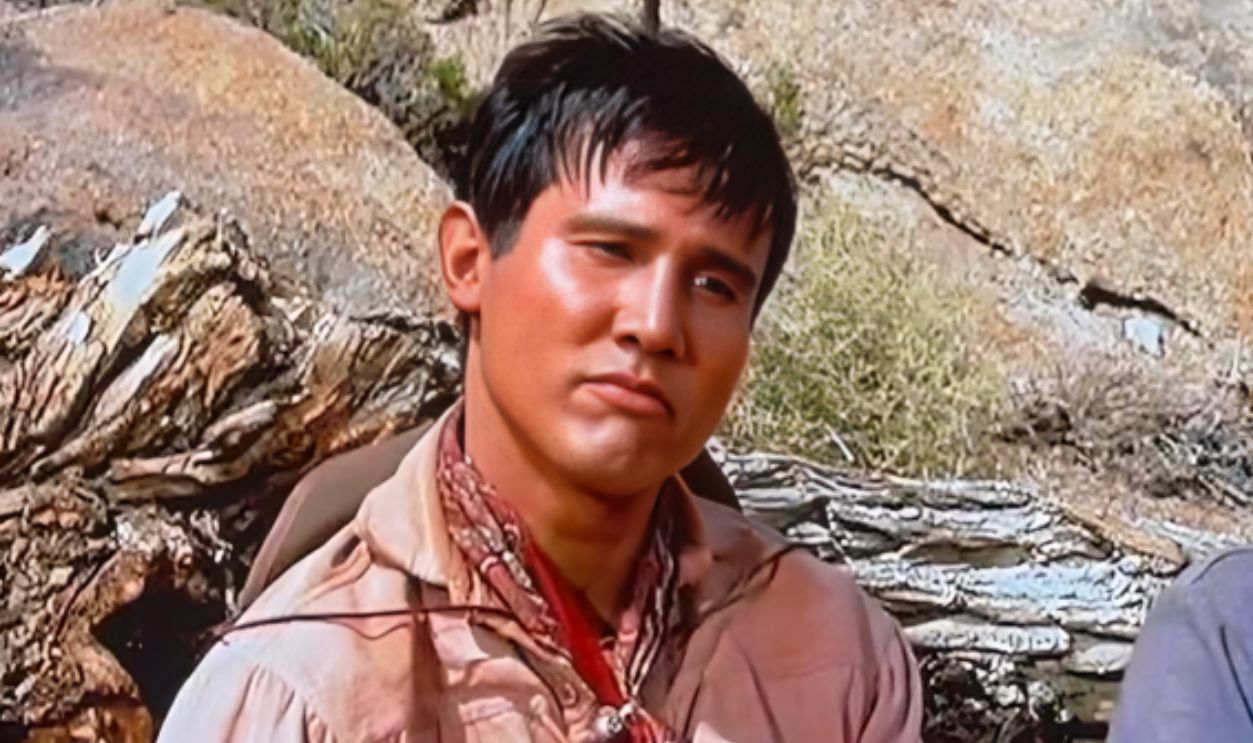 Screenshot from The Tall T, Sony Pictures Entertainment (1957), Enhanced
Donald Pleasence Made Unease Look Effortless
Donald Pleasence spent years in repertory theater and became a respected stage performer before movies began exploiting his intense eyes and unusual voice. By the 1960s, he had become so convincing as unstable or sinister men that villains turned into one of his specialties. His unforgettable Blofeld in You Only Live Twice helped make that screen image even harder to shake.
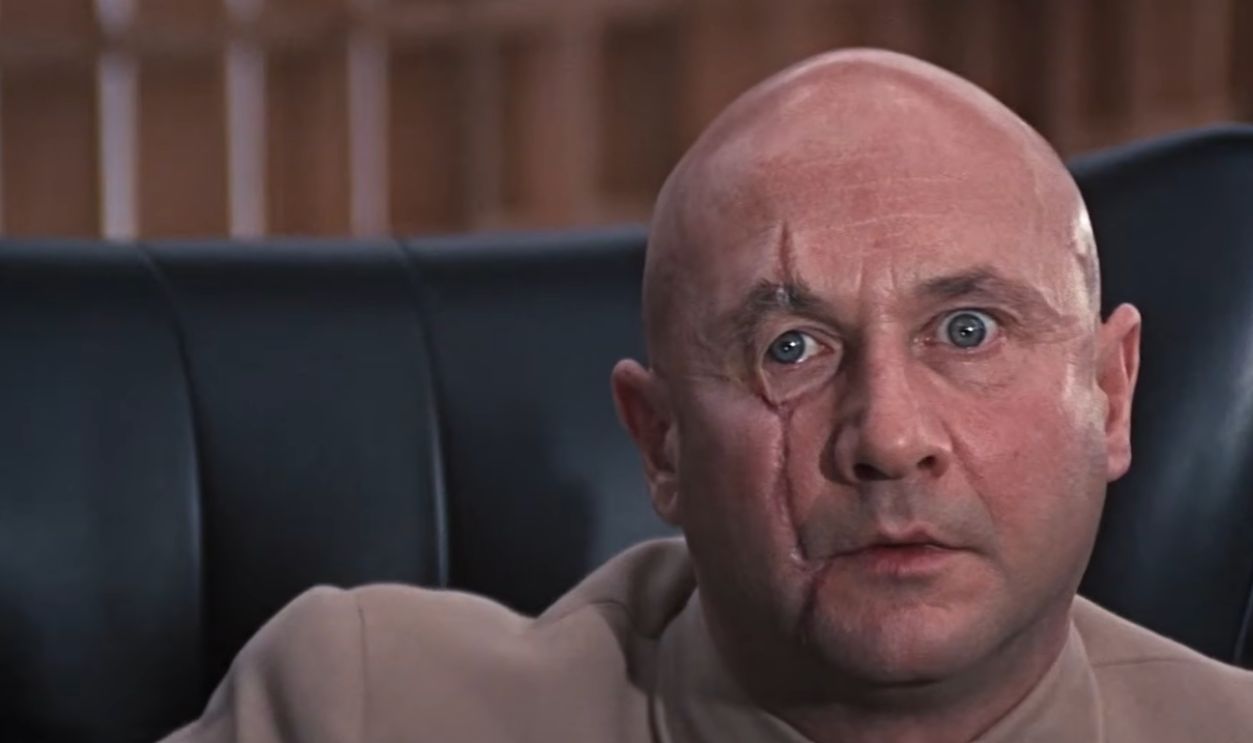 Screenshot from You Only Live Twice, Amazon MGM Studios (1967)
Anthony Perkins Became Norman Bates
Anthony Perkins had been an Oscar-nominated young leading man before Alfred Hitchcock cast him in Psycho. Norman Bates changed the way audiences and producers looked at him almost instantly. Perkins later said the film typecast him, and roles involving disturbed or psychologically complicated men followed him for decades.
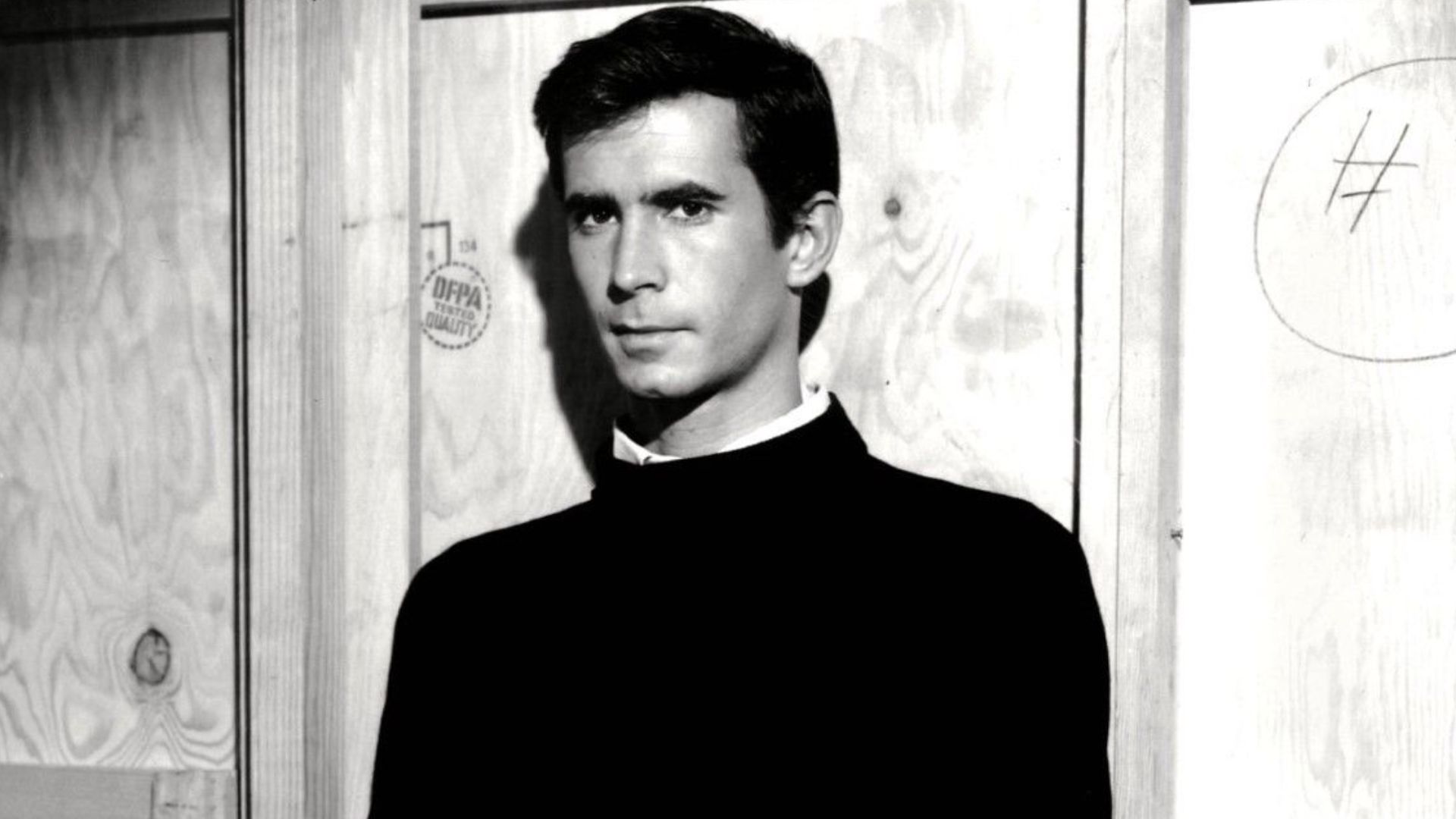 Paramount Pictures, Wikimedia Commons
Malcolm McDowell Spent Decades Living Down Alex
Malcolm McDowell was already an acclaimed British actor when Stanley Kubrick gave him Alex in A Clockwork Orange. The performance became so potent that McDowell later said he spent years trying to live down the image it created. The Los Angeles Times noted that villains subsequently became a major part of his professional stock-in-trade.
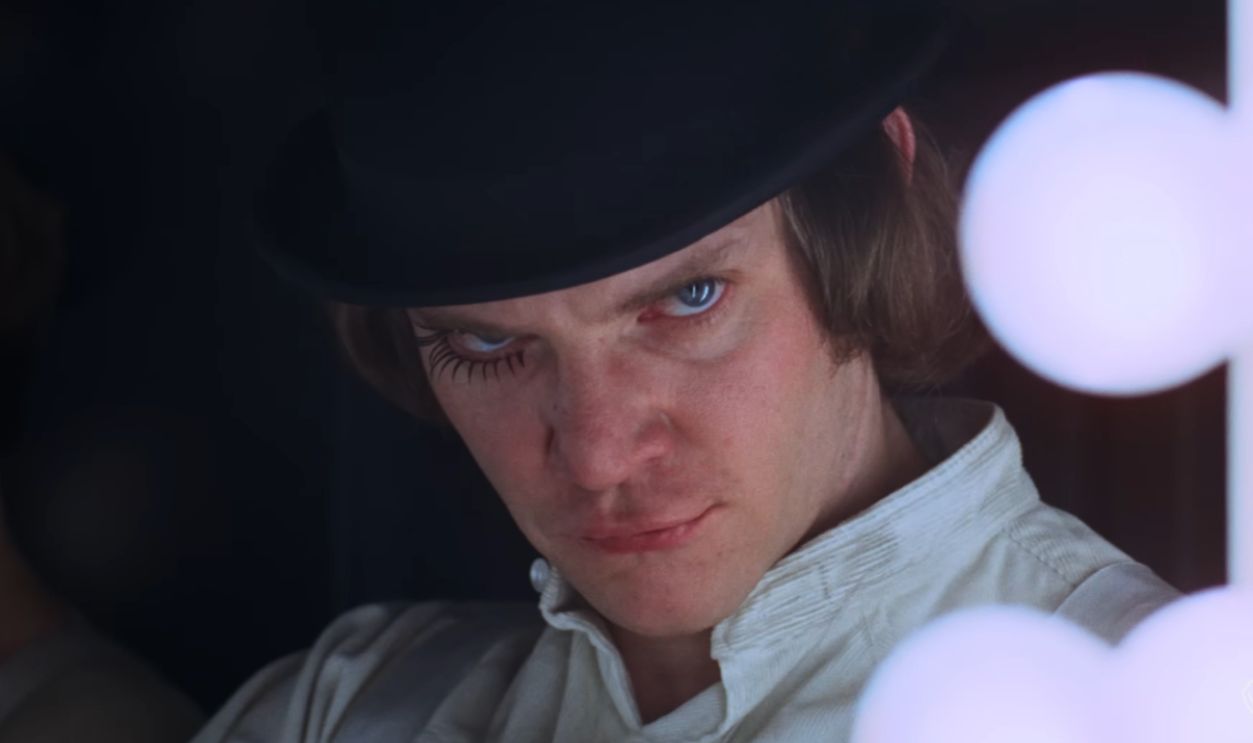 Screenshot from A Clockwork Orange, Warner Bros. (1971)
Bruce Dern Became The Man Who Killed John Wayne
Bruce Dern spent years playing television heavies and unusual supporting characters before The Cowboys gave him an act audiences found almost unforgivable. His character kills John Wayne's rancher, turning Dern into the man generations of Wayne fans loved to hate. Dern later said the first strong images Hollywood had of him were always bad guys, and producers kept returning to them.
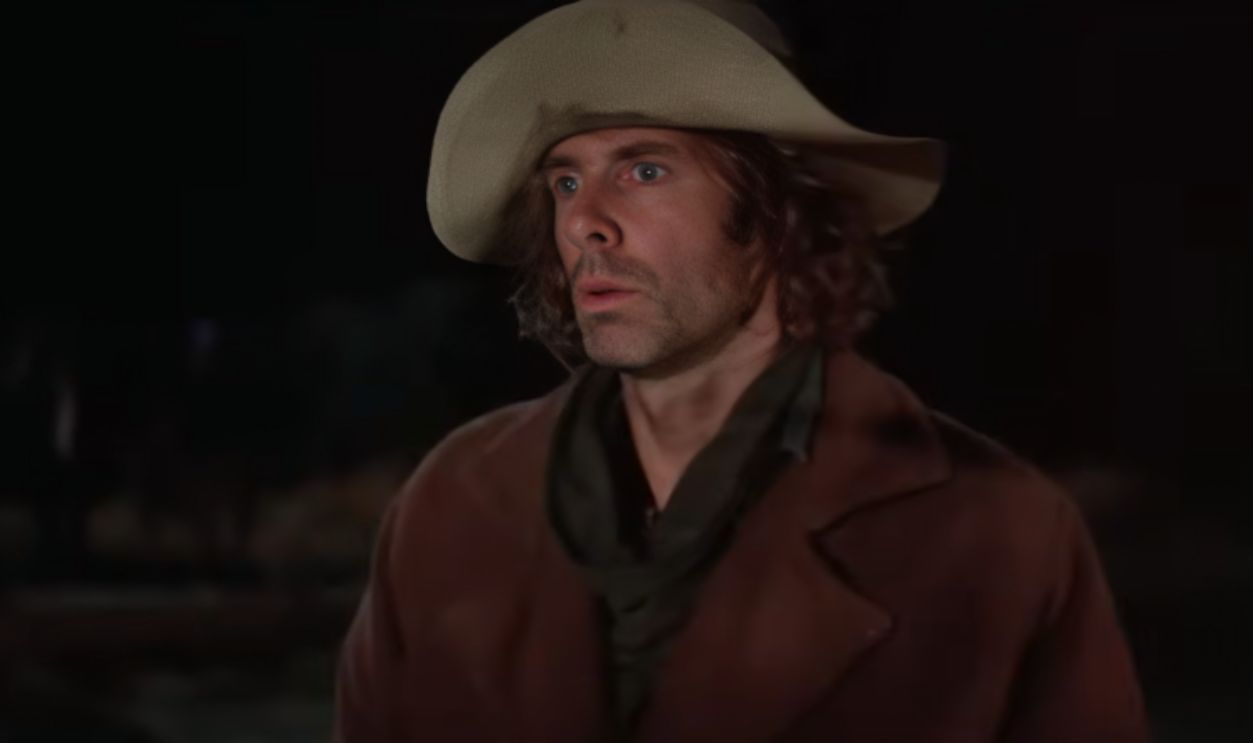 Screenshot from The Cowboys, Warner Bros. (1972), Enhanced
Louise Fletcher Won An Oscar And Inherited The Villains
Louise Fletcher had been acting for years, with a long break to raise her children, before One Flew Over the Cuckoo's Nest. Nurse Ratched brought her an Academy Award and became one of film's defining authority figures. The Los Angeles Times later reported that many of the parts Fletcher was offered afterward were villains because Hollywood could not forget Ratched.
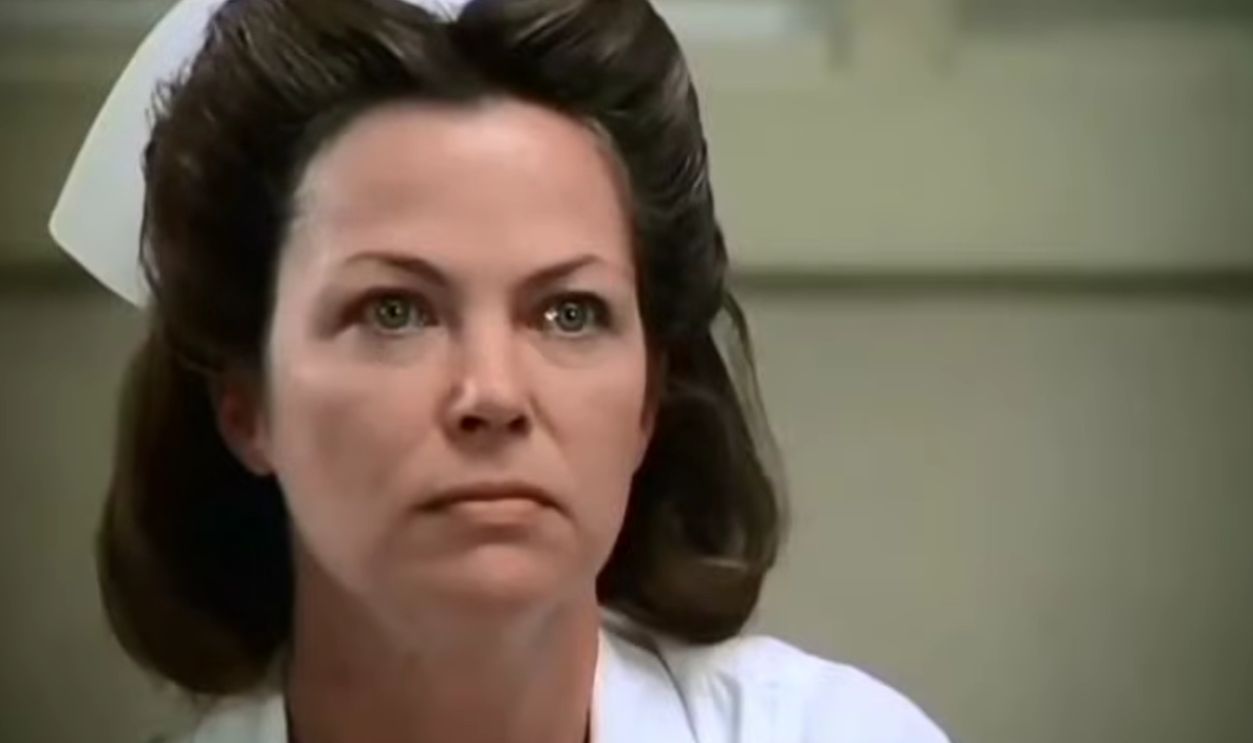 Screenshot from One Flew Over the Cuckoo's Nest, Warner Bros. (1975)
Terence Stamp Returned As General Zod
Terence Stamp had once been one of Britain's most exciting young leading men, then watched his career slow dramatically. His comeback as General Zod in the Superman films introduced him to an enormous new audience as a chilling villain. Years later, Stamp admitted he became worried that Hollywood intended to keep him in villain roles indefinitely.
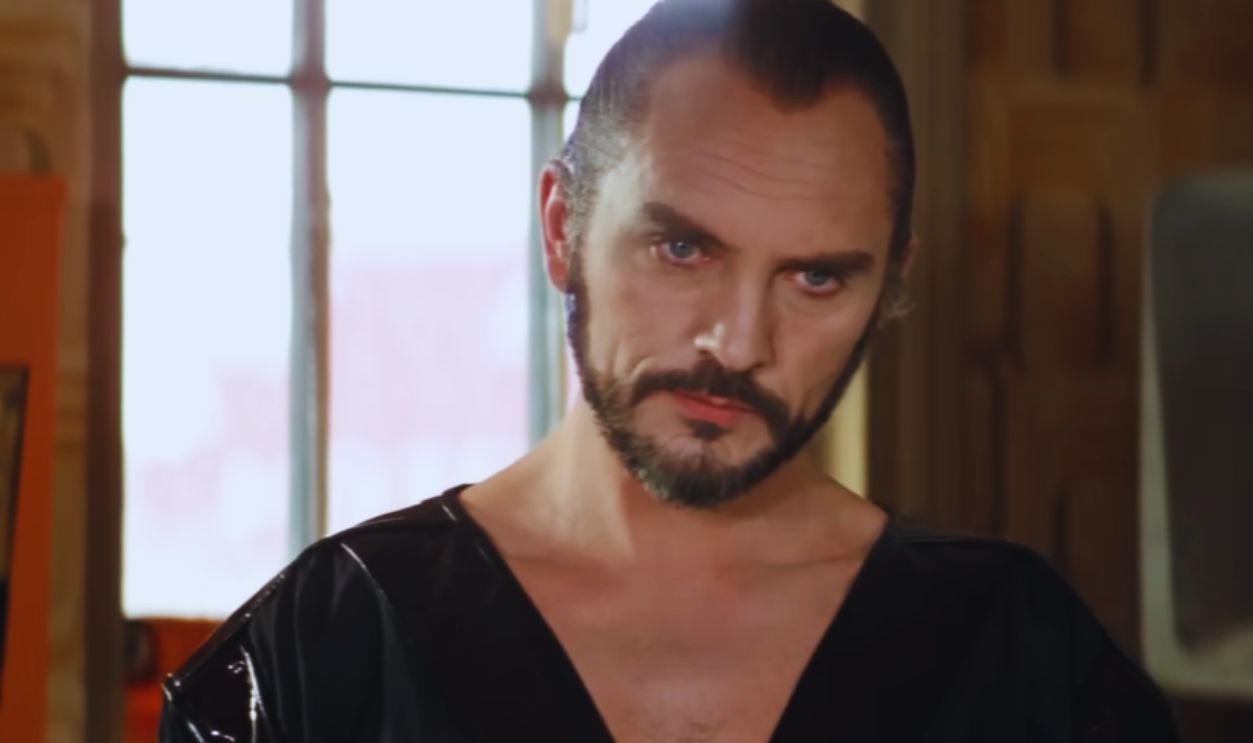 Screenshot from Superman II, Warner Bros. (1980)
Rutger Hauer Became Hollywood's Icy European Threat
Rutger Hauer had already built a substantial career in the Netherlands before American movies discovered him. Blade Runner made Roy Batty his signature role, and The Hitcher reinforced his reputation for frightening intensity. Hauer later tried to shake the menacing typecasting, but Hollywood repeatedly returned to his frosty, dangerous screen presence.
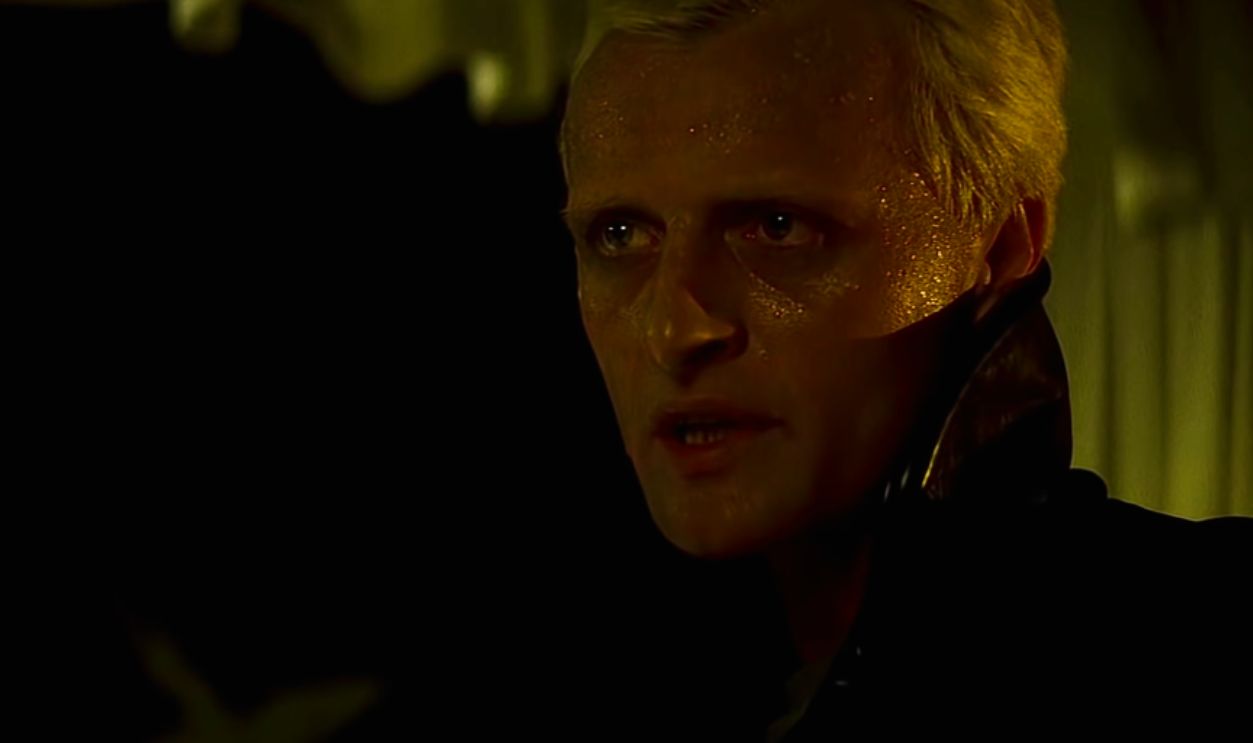 Screenshot from Blade Runner, Warner Bros. (1982)
Robert Englund Put On Freddy's Glove And Changed Everything
Robert Englund was already a working character actor with years of television and film credits when A Nightmare on Elm Street arrived. Freddy Krueger became an unexpected pop-culture phenomenon and permanently connected Englund with horror. Englund later acknowledged that he would always be associated with the character, even while expressing gratitude for the career it gave him.
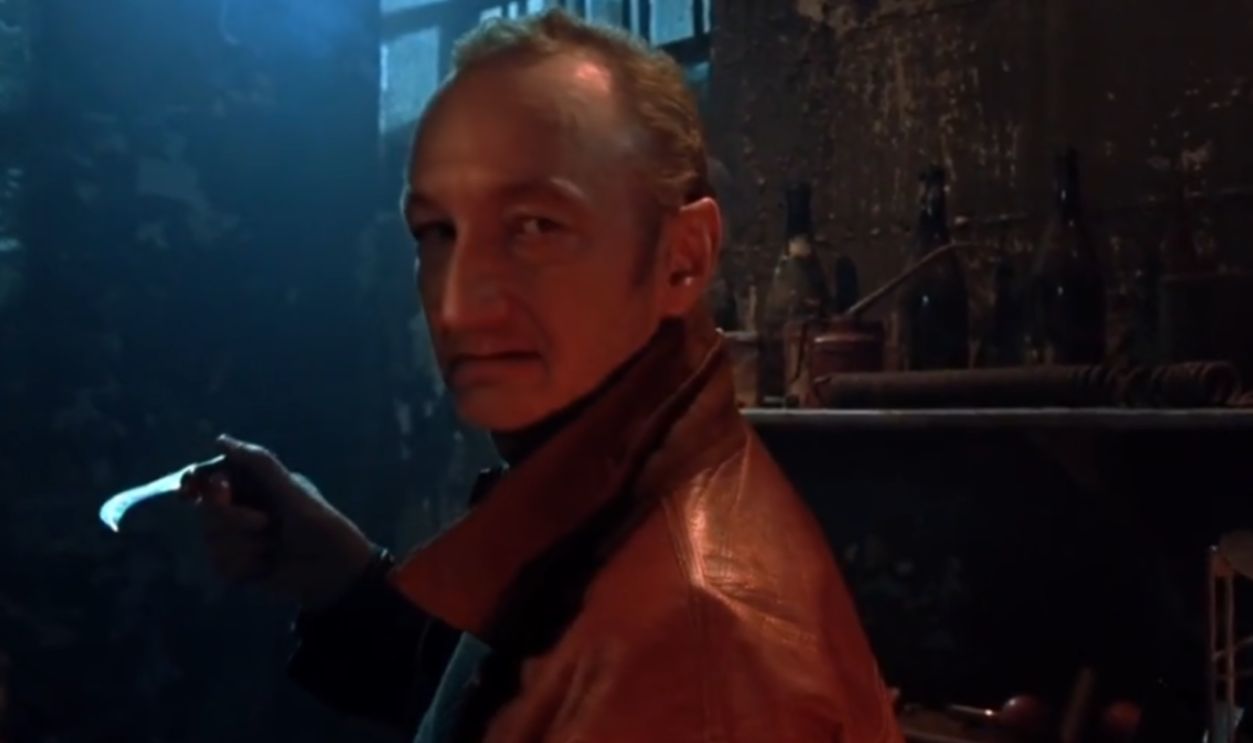 Screenshot from A Nightmare on Elm Street, Warner Bros. (1984)
Dennis Hopper's Comeback Turned Him Into A Favorite Villain
Dennis Hopper had been acting since the 1950s and had already lived several Hollywood careers before David Lynch cast him as Frank Booth in Blue Velvet. The terrifying performance helped restore Hopper's standing as an actor, but it also triggered another kind of typecasting. He subsequently received a steady stream of snarling villain roles in films including Speed and Waterworld.
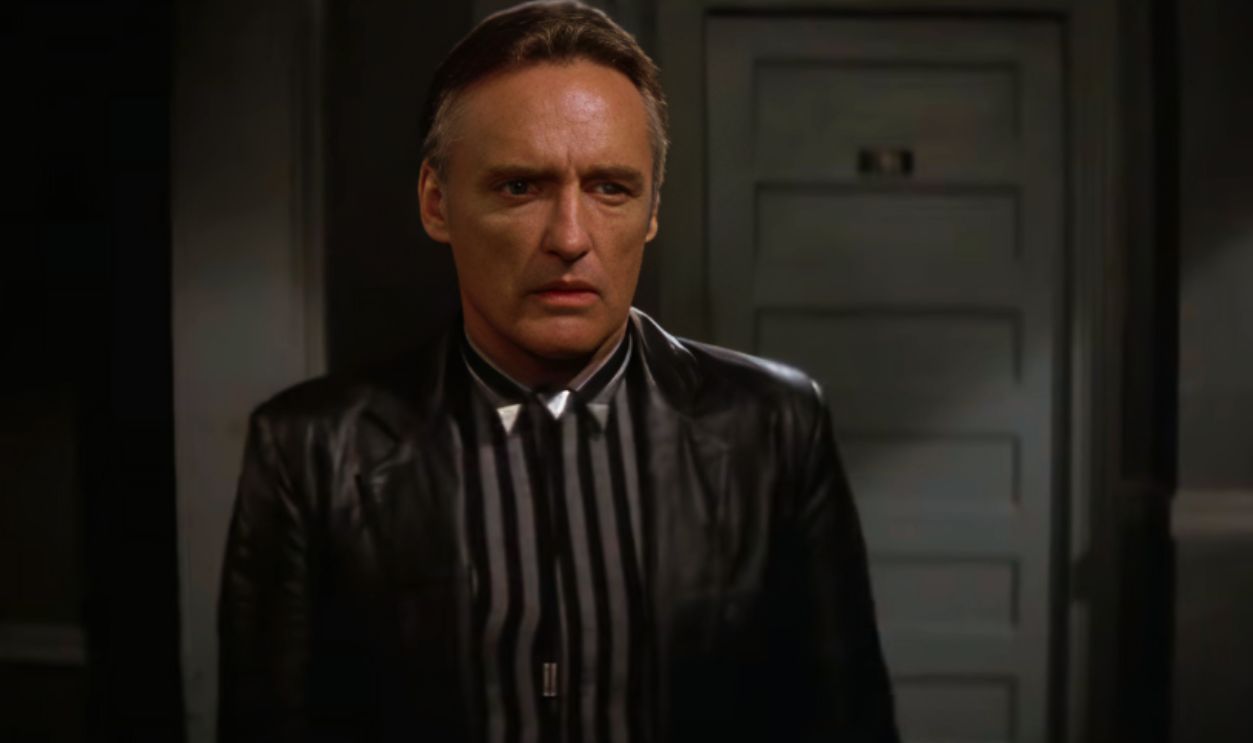 Screenshot from Blue Velvet, Amazon MGM Studios (1986), Enhanced
Alan Rickman Became A Movie Villain On His First Try
Alan Rickman was an accomplished stage actor when he reached Hollywood in his 40s. His very first feature film, Die Hard, made Hans Gruber one of modern cinema's most celebrated villains. Emma Thompson later recalled that Rickman had become so typecast in dark parts that she had difficulty convincing others he could play the gentle Colonel Brandon in Sense and Sensibility.
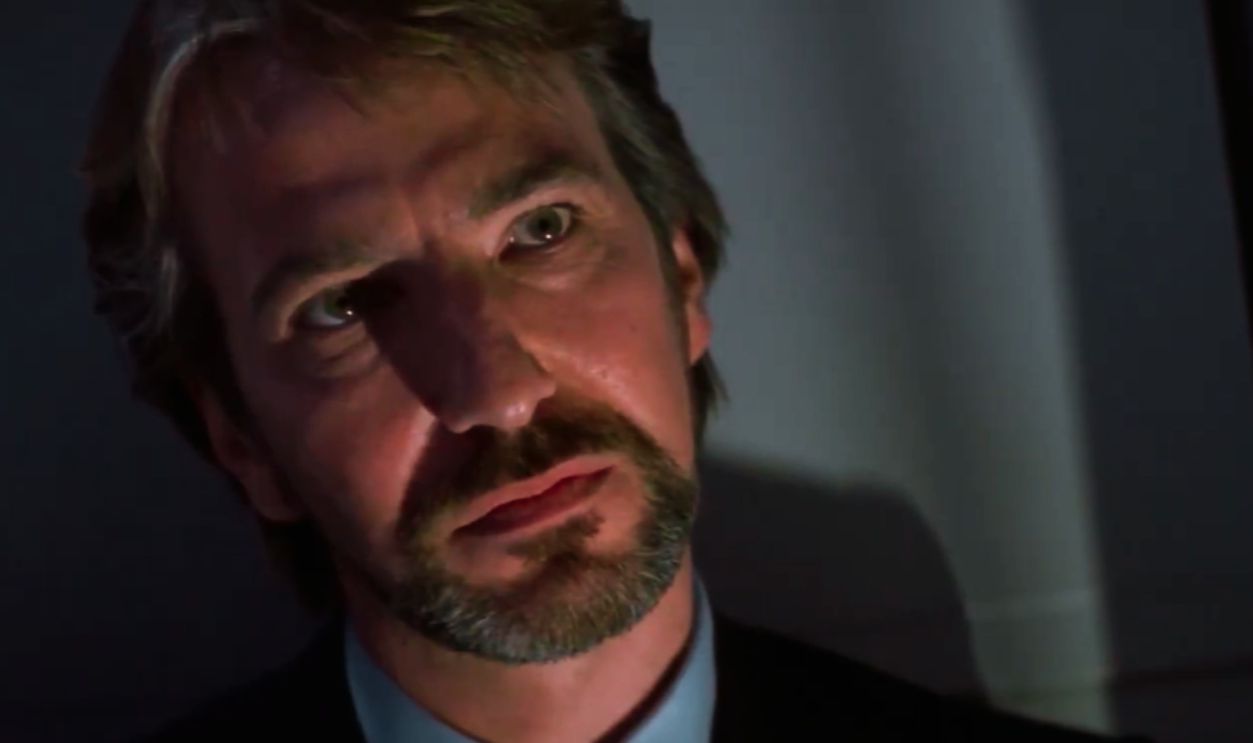 Screenshot from Die Hard, The Walt Disney Company (1988)
Ronny Cox Discovered Being Nice Had Been Holding Him Back
Ronny Cox had spent years being cast as thoughtful, decent men after Deliverance. Then Paul Verhoeven made him corporate villain Dick Jones in RoboCop, and Cox said his career suddenly took another enormous leap. The performance opened the door to a run of bad guys, including another memorable villain in Total Recall.
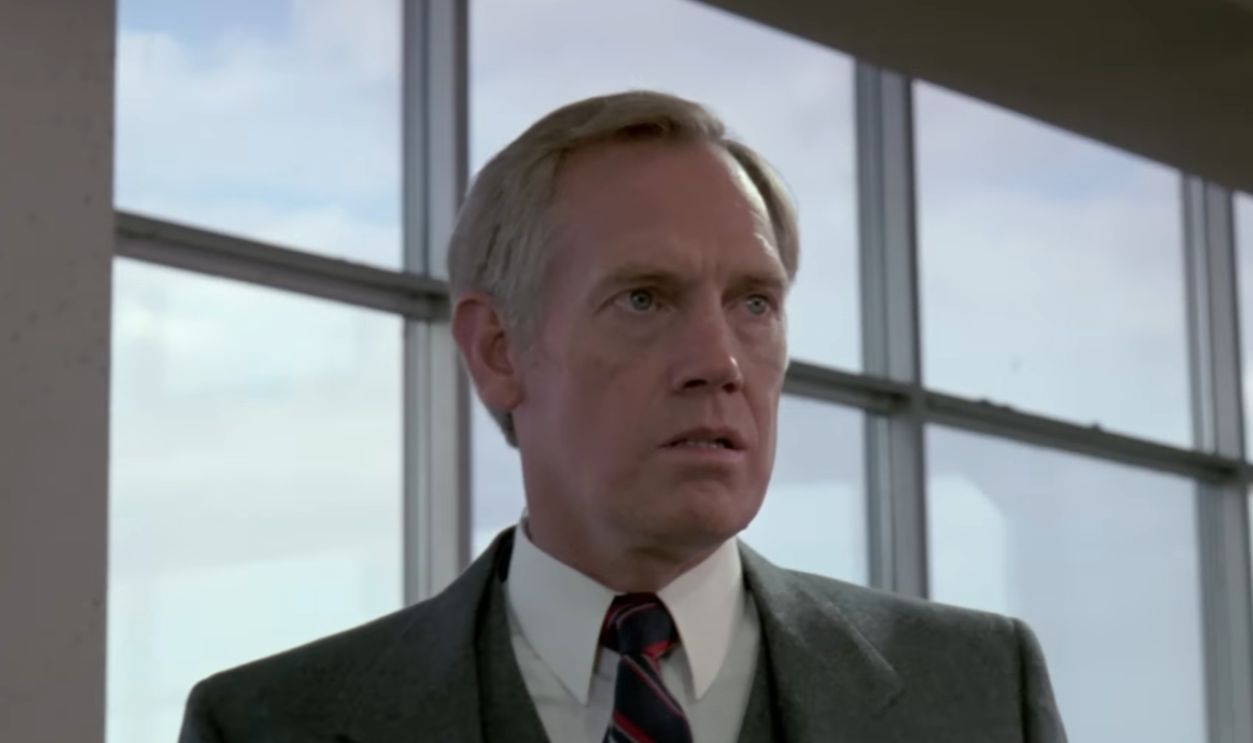 Screenshot from RoboCop, Amazon MGM Studios (1987)
Kurtwood Smith Made Clarence Boddicker Impossible To Forget
Kurtwood Smith spent years working onstage and taking screen supporting roles before RoboCop. His vicious Clarence Boddicker became one of the movie's most memorable creations, and Smith has said the part did a tremendous amount for his career. Hollywood thereafter discovered that the mild-looking actor could be remarkably convincing as intimidating authority figures and dangerous men.
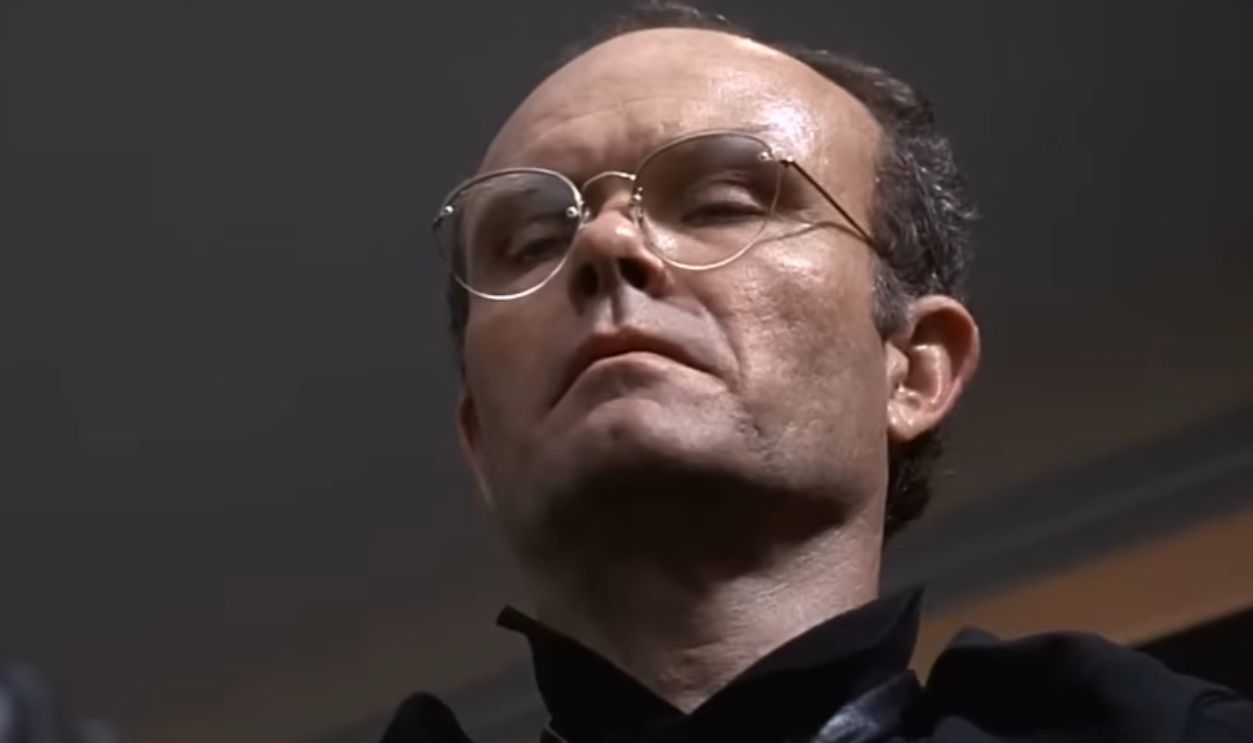 Screenshot from RoboCop, Amazon MGM Studios (1987)
Ralph Fiennes Started His Film Stardom In Darkness
Ralph Fiennes had spent most of his 20s building an impressive stage career before Schindler's List made him internationally famous. His chilling Amon Goeth brought him an Oscar nomination and established how effectively he could play controlled menace. Later Hollywood roles repeatedly returned to that ability, from Red Dragon to Voldemort in the Harry Potter films.
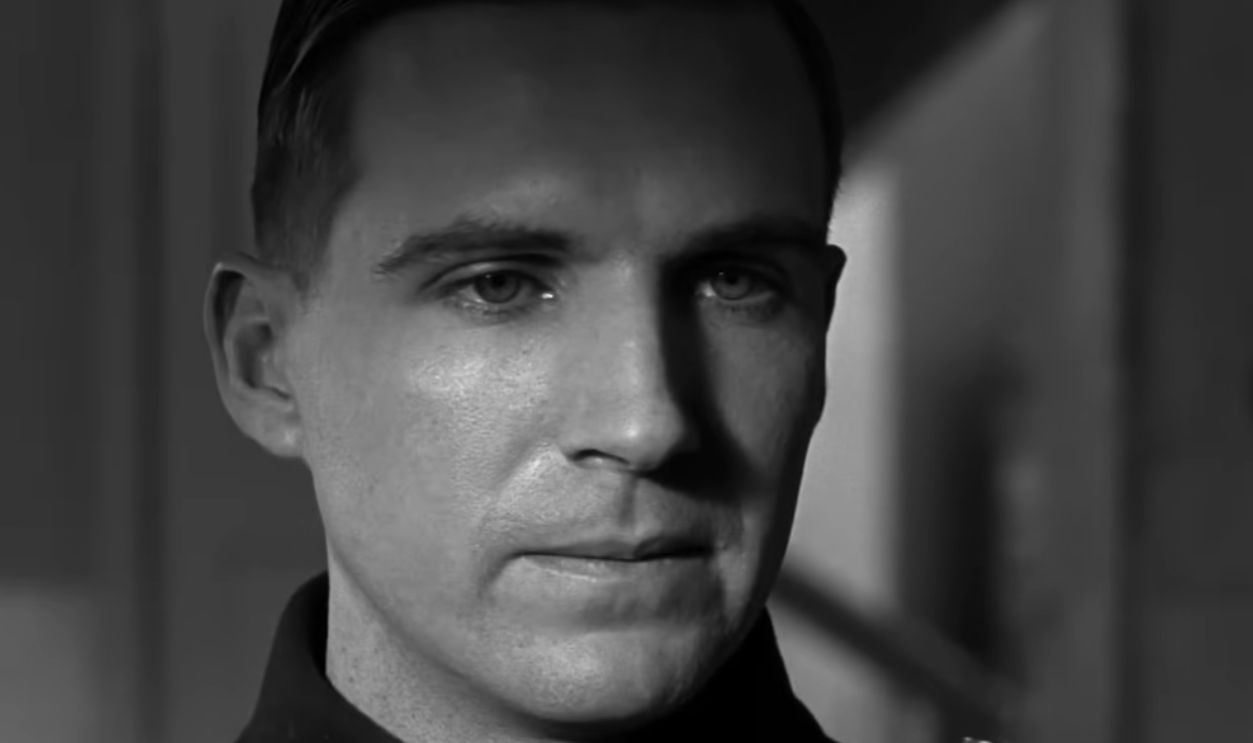 Screenshot from Schindler’s List, NBCUniversal (1993)
Jason Isaacs Became Hollywood's Polished Bad Guy
Jason Isaacs worked for years in British television, theater, and film before The Patriot introduced a huge audience to his villainous Colonel Tavington. Hollywood quickly realized how effectively Isaacs could combine charm with cruelty. Captain Hook and Lucius Malfoy followed, making elaborate villains one of the defining threads of his career.
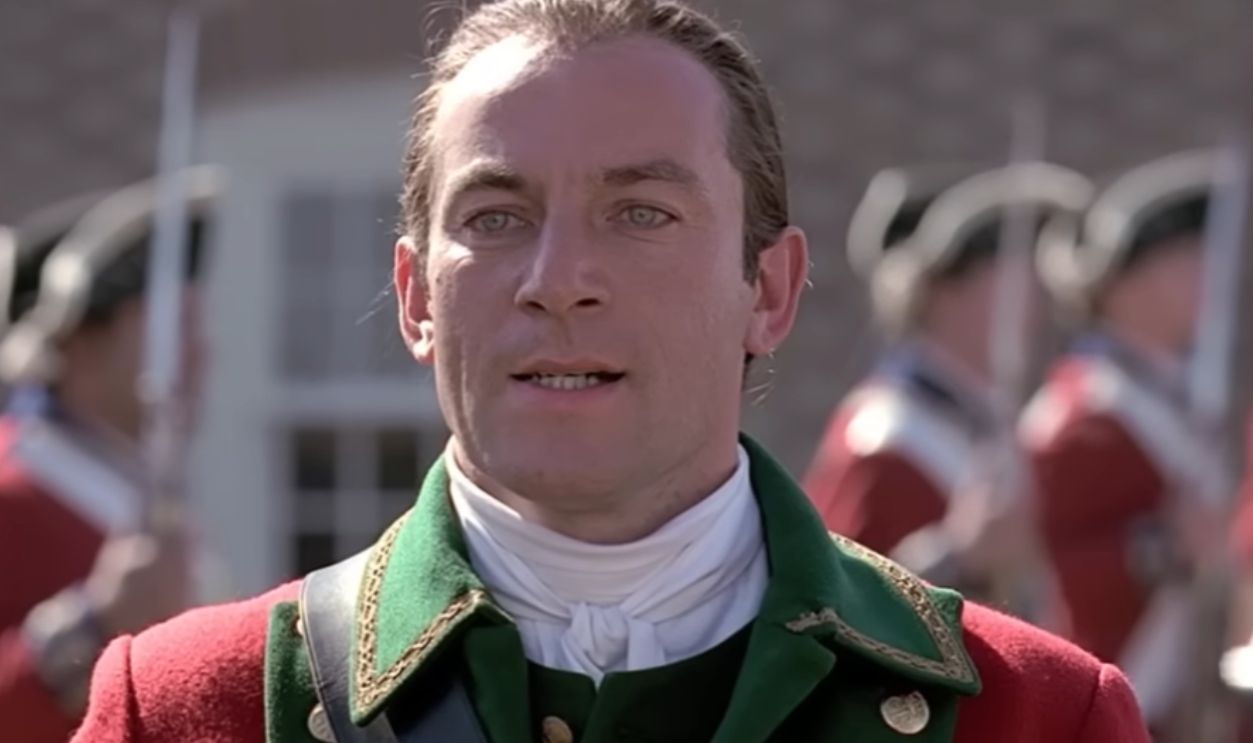 Screenshot from The Patriot, Sony Pictures Entertainment (2000)
Mads Mikkelsen Became Hollywood's Favorite European Villain
Mads Mikkelsen was already a major Danish actor when Casino Royale introduced him internationally as Le Chiffre. The performance helped establish a peculiar divide in his career, with European films frequently making him the leading man while Hollywood repeatedly offered antagonists. Mikkelsen has joked that his accent helped him corner the market on international bad guys.
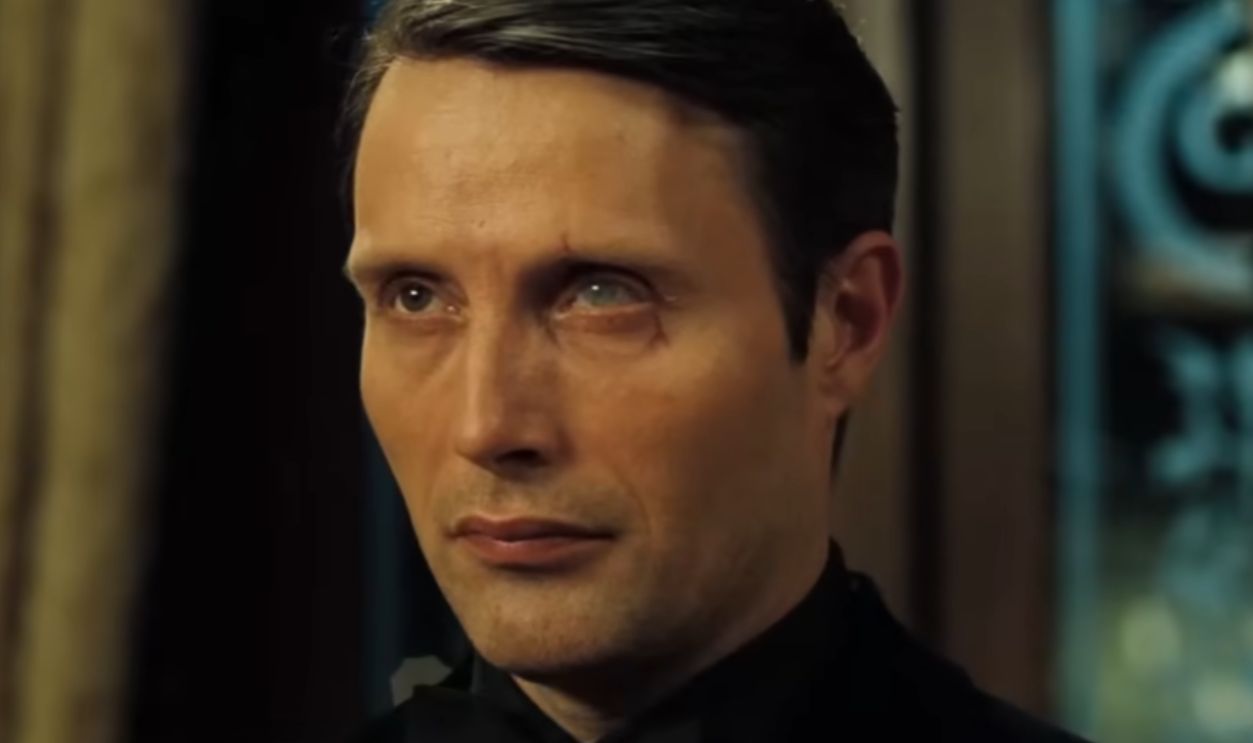 Screenshot from Casino Royale, Amazon MGM Studios (2006)
Christoph Waltz Became Dangerous Overnight In America
Christoph Waltz had worked for decades in European television and theater before Quentin Tarantino cast him as Hans Landa in Inglourious Basterds. The role won him an Academy Award and completely transformed his international career. Hollywood soon discovered a taste for casting Waltz as intelligent men who might be charming, funny, and impossible to trust.
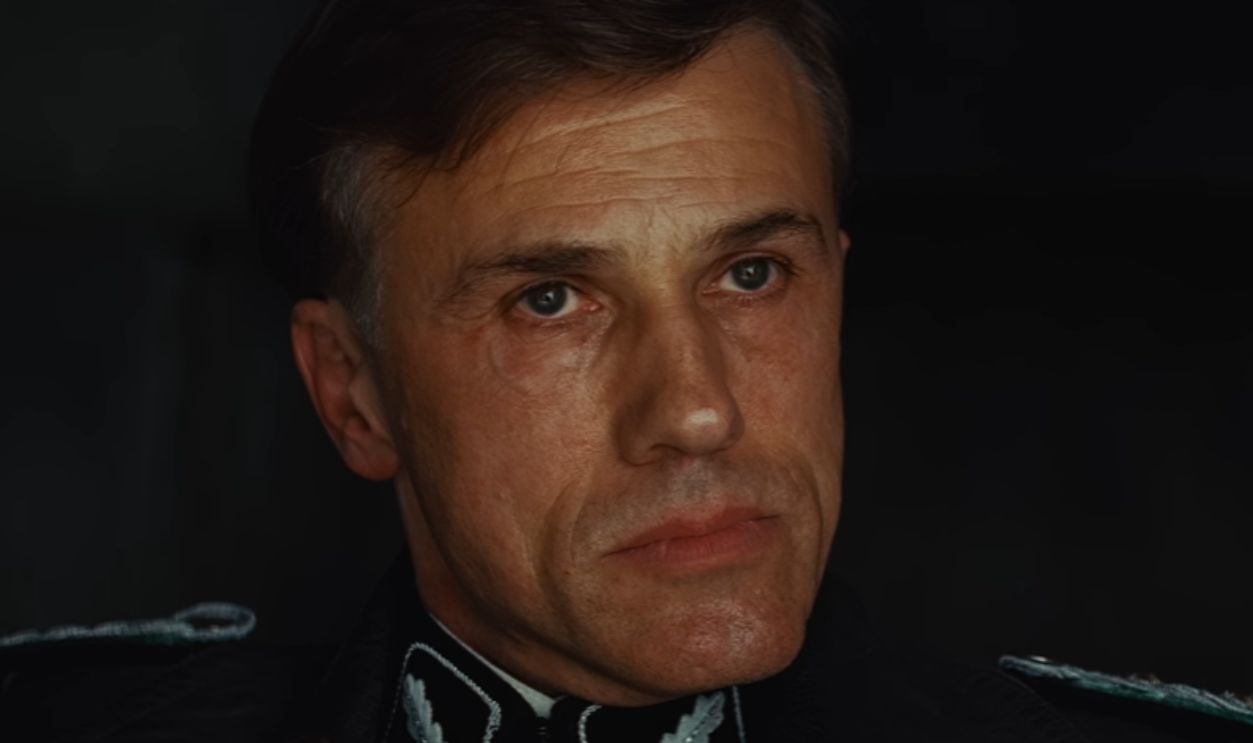 Screenshot from Inglourious Basterds, NBCUniversal (2009)
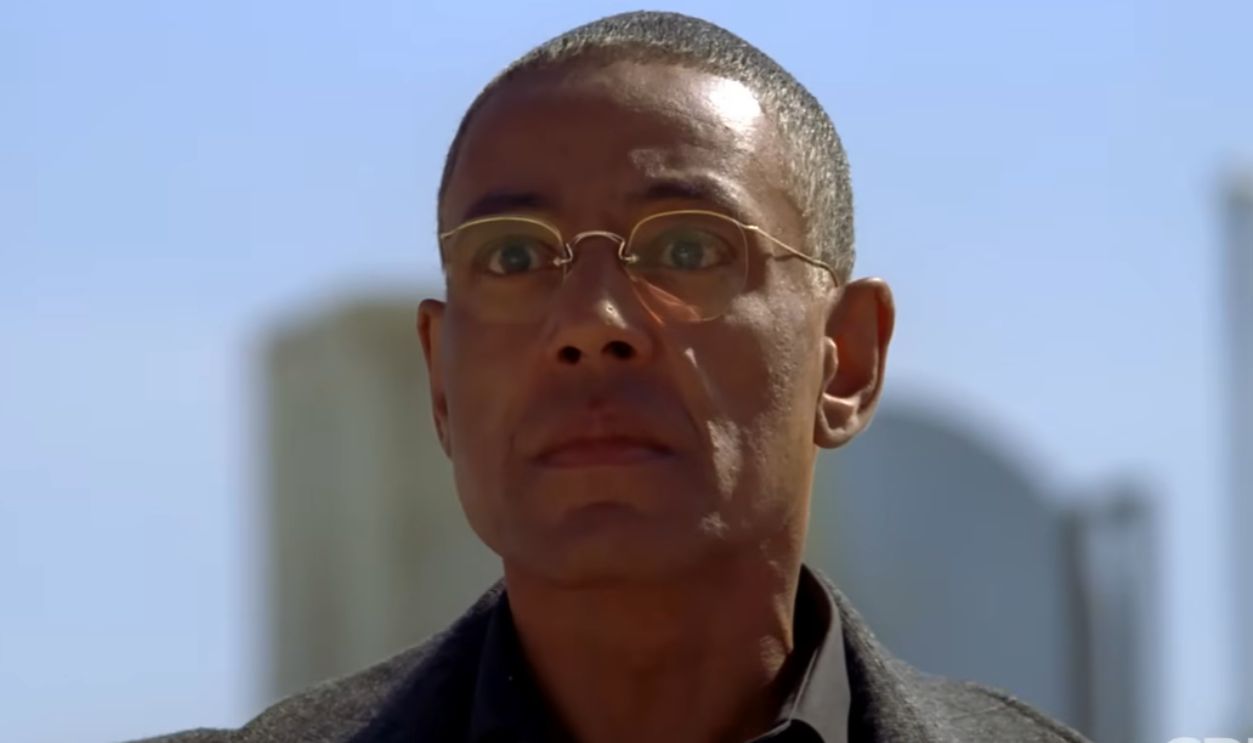
Giancarlo Esposito Became The Calmest Villain On Television
Giancarlo Esposito had acted since childhood and built decades of credits before Gus Fring arrived on Breaking Bad. His controlled performance turned him into one of television's signature villains and changed what producers expected from him. Esposito later said that once an actor plays an iconic bad guy, people begin actively wanting and expecting more of the same.
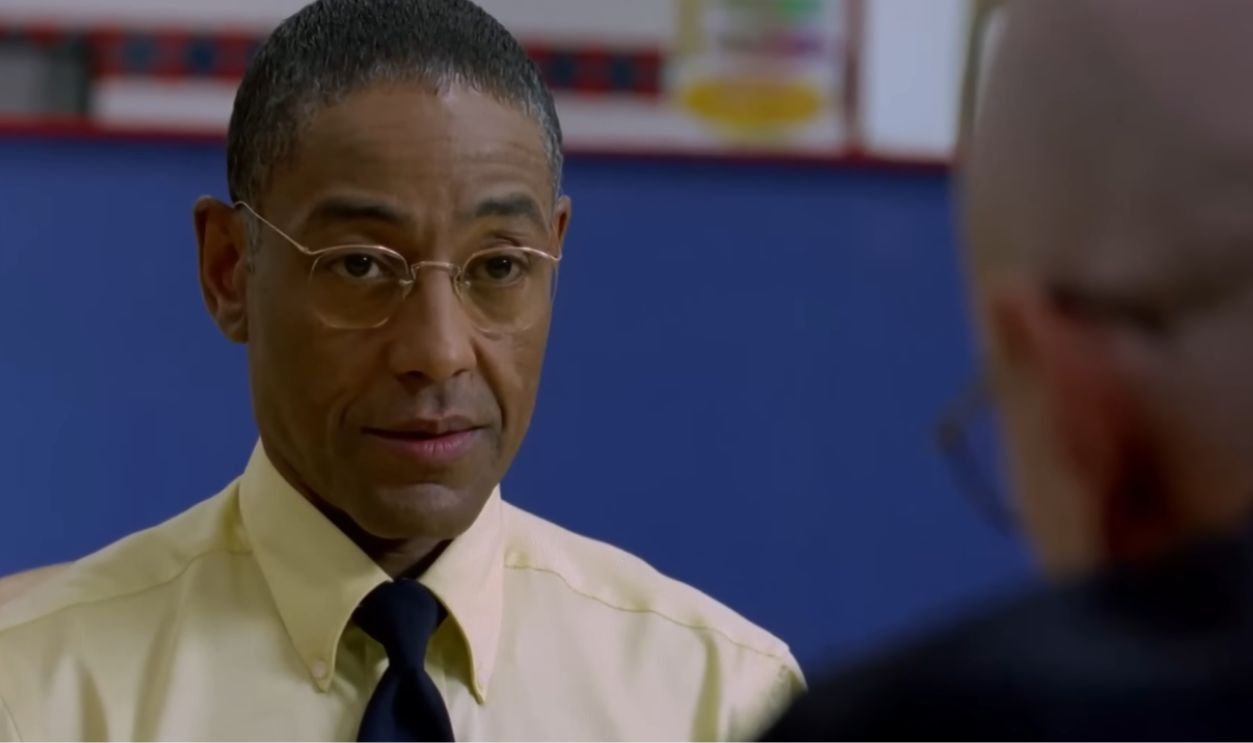 Screenshot from Breaking Bad, Sony Pictures Entertainment (2008-2013)
Andrew Scott Went From Baby Face To Professional Antagonist
Andrew Scott had been acting professionally since the 1990s before Sherlock transformed him into the unnervingly playful Moriarty. Afterward, roles such as the antagonist in Spectre reinforced the image. Scott later admitted he had grown tired of being known for monstrous characters and consciously began seeking work that would show something different.
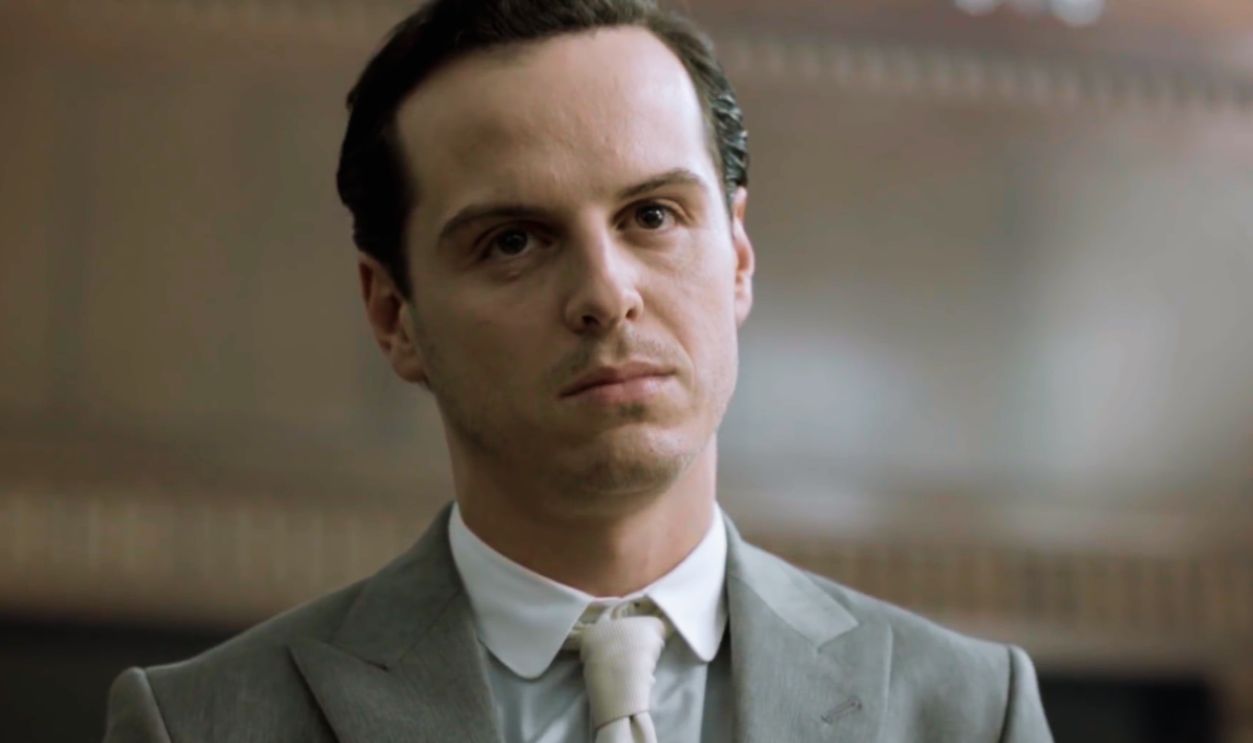 Screenshot from Sherlock, BBC Studios (2010-2017)
Jackie Earle Haley's Comeback Took A Very Dark Turn
Jackie Earle Haley had been a successful child and teenage actor before leaving Hollywood for more than a decade. His deeply unsettling performance in Little Children brought him back with an Academy Award nomination and completely changed the kinds of roles people imagined for him. Dark parts quickly followed in Watchmen, Shutter Island, and the A Nightmare on Elm Street remake.
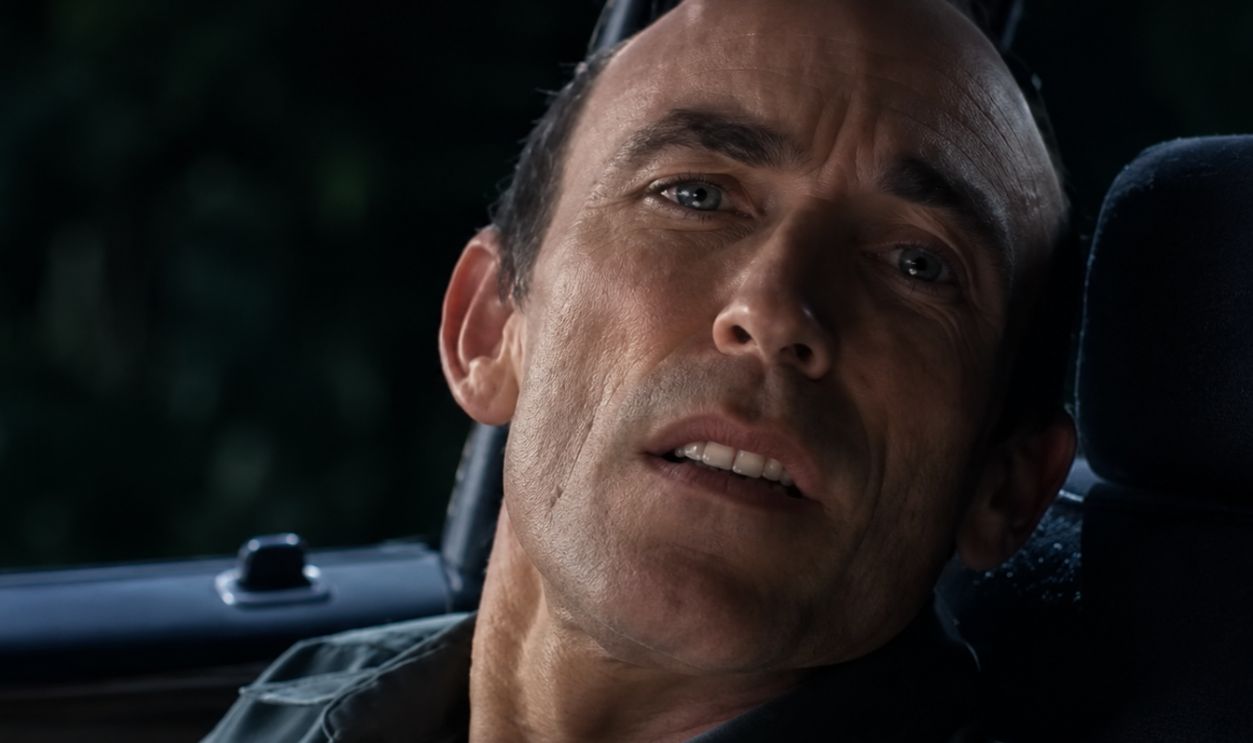 Screenshot from Little Children, Warner Bros. (2006), Enhanced
The Villain Could Be Harder To Kill Than The Character
Typecasting did not mean these performers lacked range. In many cases, the problem was exactly the opposite: they were so convincing once that Hollywood kept asking them to reproduce the same dangerous magic, sometimes for the rest of their careers.
 Screenshot from Breaking Bad, Sony Pictures Entertainment (2008-2013)
You May Also Like:
Actors’ Most Memorable Breakout Roles
Movie Stars Who Started With Television
1960s Movies That Started Like Old Hollywood And Ended Like The 1970s
Sources: 1, 2, 3, 4, 5, 6, 7, 8, 9, 10, 11, 12, 13, 14, 15, 16, 17, 18, 19, 20, 21, 22, 23, 24, 25, 26, 27, 28, 29, 30, 31, 32, 33, 34, 35, 36, 37, 38, 39, 40, 41, 42, 43, 44, 45, 46, 47, 48