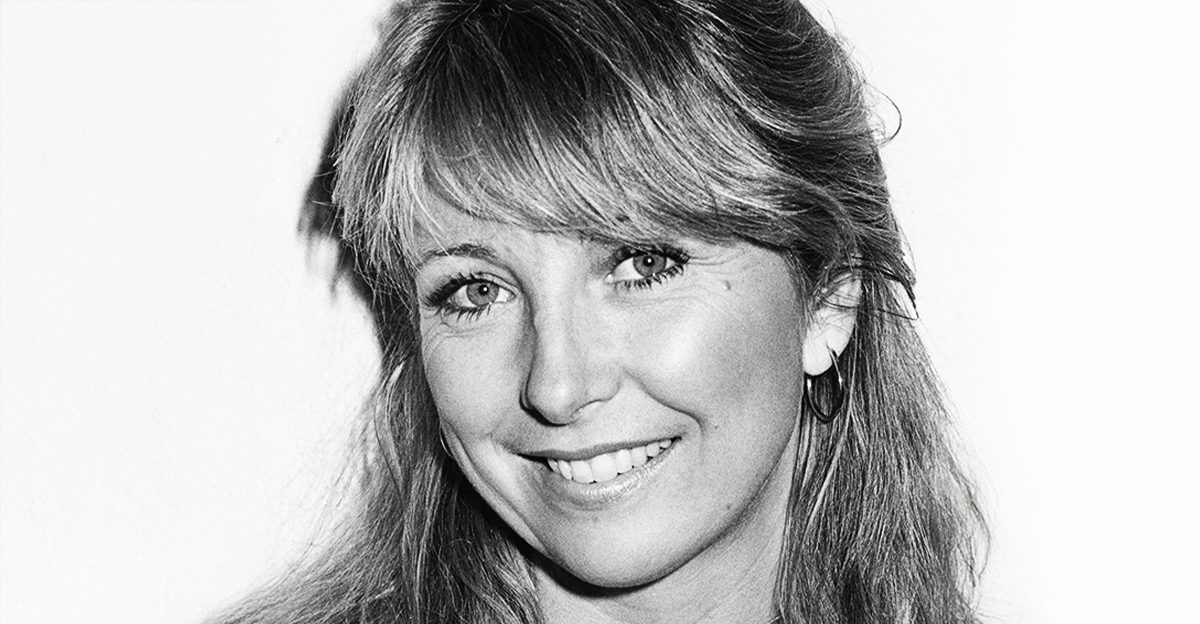
When The Laughter Stopped
With her infectious smile, impeccable comic timing, and wonderfully expressive face, Teri Garr became one of Hollywood's most endearing actresses. But there was a frightening downside to her popularity. In July 1990, approximately a year after the tragic death of actress Rebecca Schaeffer, Garr found herself receiving court protection from an unwanted admirer.
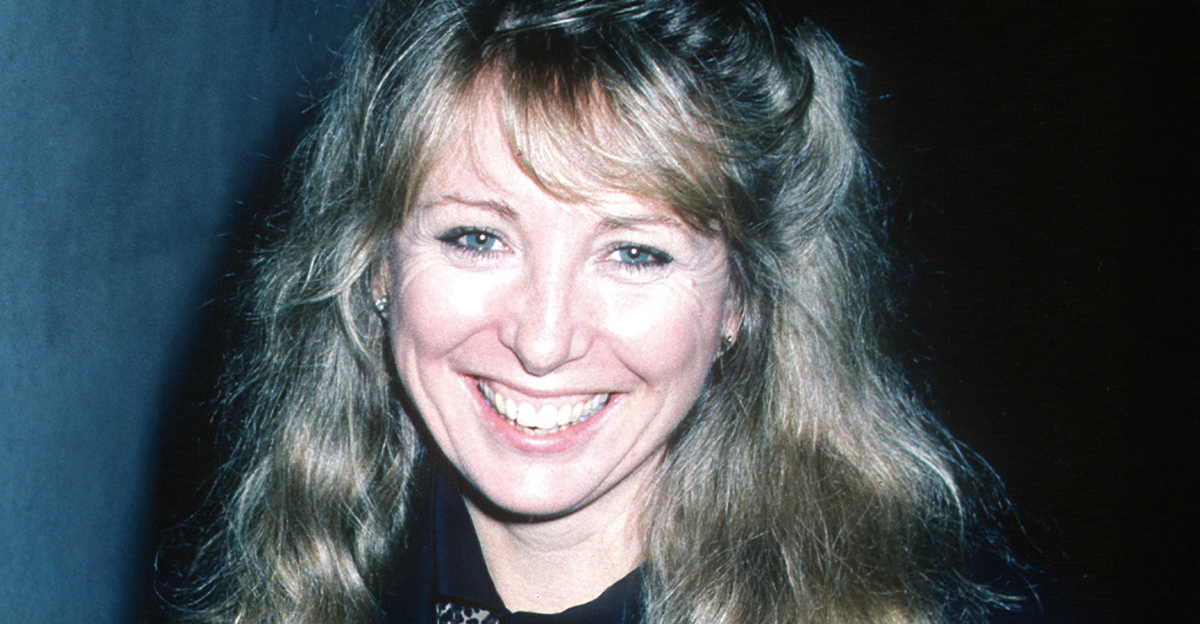 Photo by Ron Galella/Ron Galella Collection via Getty Images
Born Into Show Business
Terry Ann Garr was born on December 11, 1944, into a family already familiar with the entertainment industry. Her father, Eddie Garr, was a vaudeville comedian and actor, while her mother, Phyllis, was a dancer and former Radio City Rockette. Garr spent much of her childhood in North Hollywood, not far from the studios where she would eventually work.
An Early Family Tragedy
Garr was just 11 years old when her father died, leaving her mother with three children to support. Phyllis found work in Hollywood wardrobe departments, allowing the family to maintain its connections to show business. Meanwhile, young Teri immersed herself in dance, initially dreaming of becoming a professional ballerina rather than a movie star.
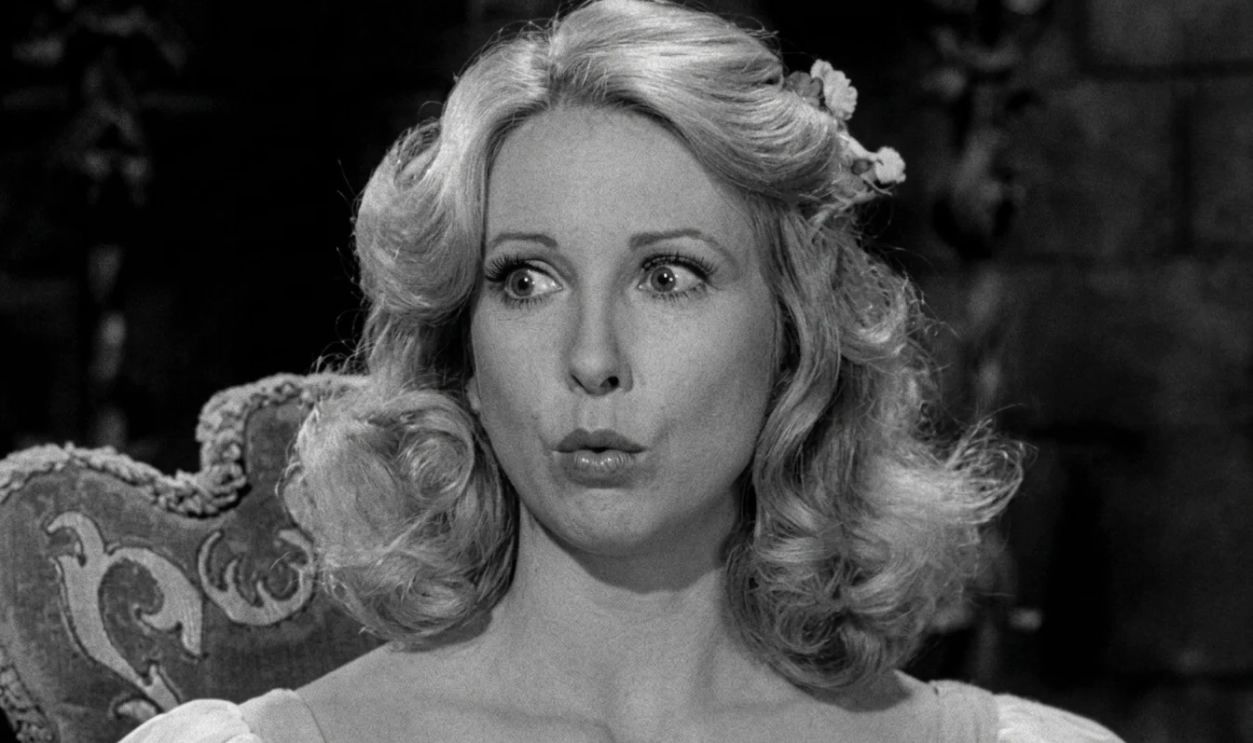 Screenshot from Young Frankenstein, 20th Century Fox (1974)
Discovering Her Comic Talent
Garr started taking dance lessons at six and was performing with ballet companies in San Francisco and Los Angeles by the time she was 14. At 16, she joined a touring production of West Side Story. She also attended San Fernando Valley State College, now California State University, Northridge, before pursuing a professional entertainment career.
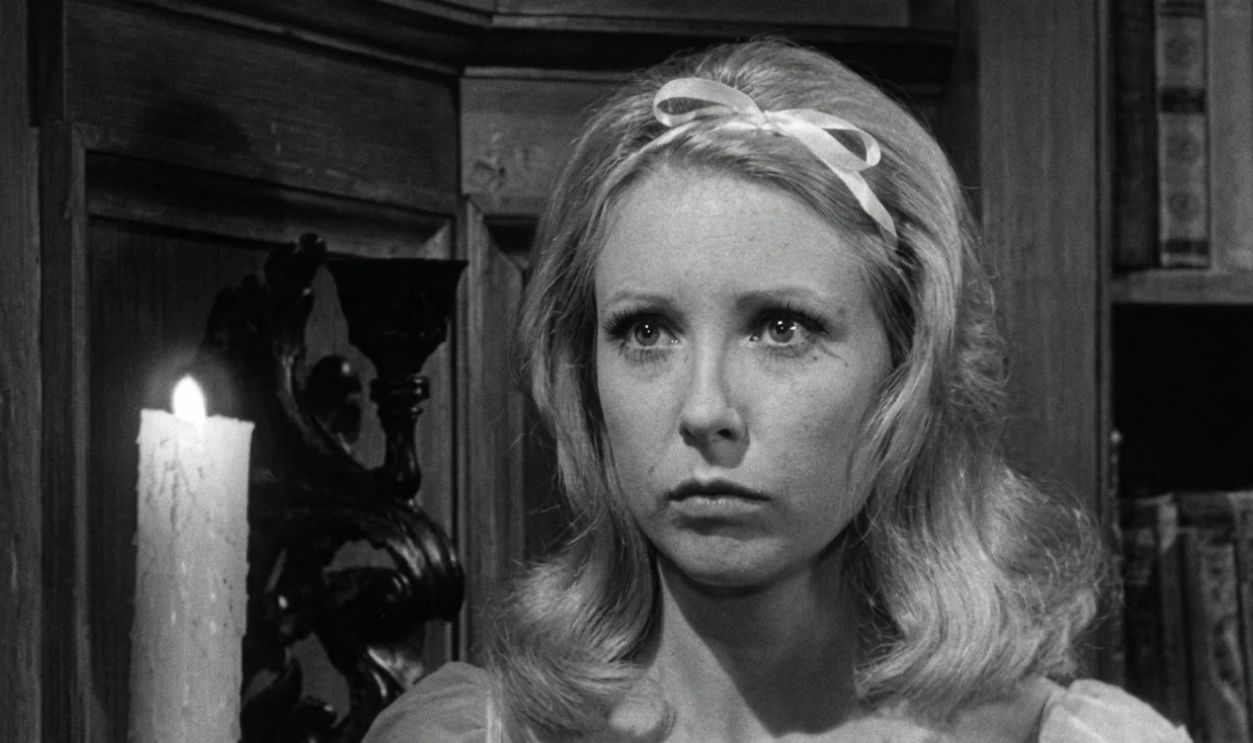 Screenshot from Young Frankenstein, 20th Century Fox (1974)
Dancing With The King
During the 60s, Garr found regular employment as a background dancer in Hollywood musicals. Choreographer David Winters helped her secure appearances in several Elvis Presley movies, including director George Sidney's Viva Las Vegas (1964), co-starring Ann-Margret. She eventually appeared in nine Presley films, although audiences rarely knew her name.
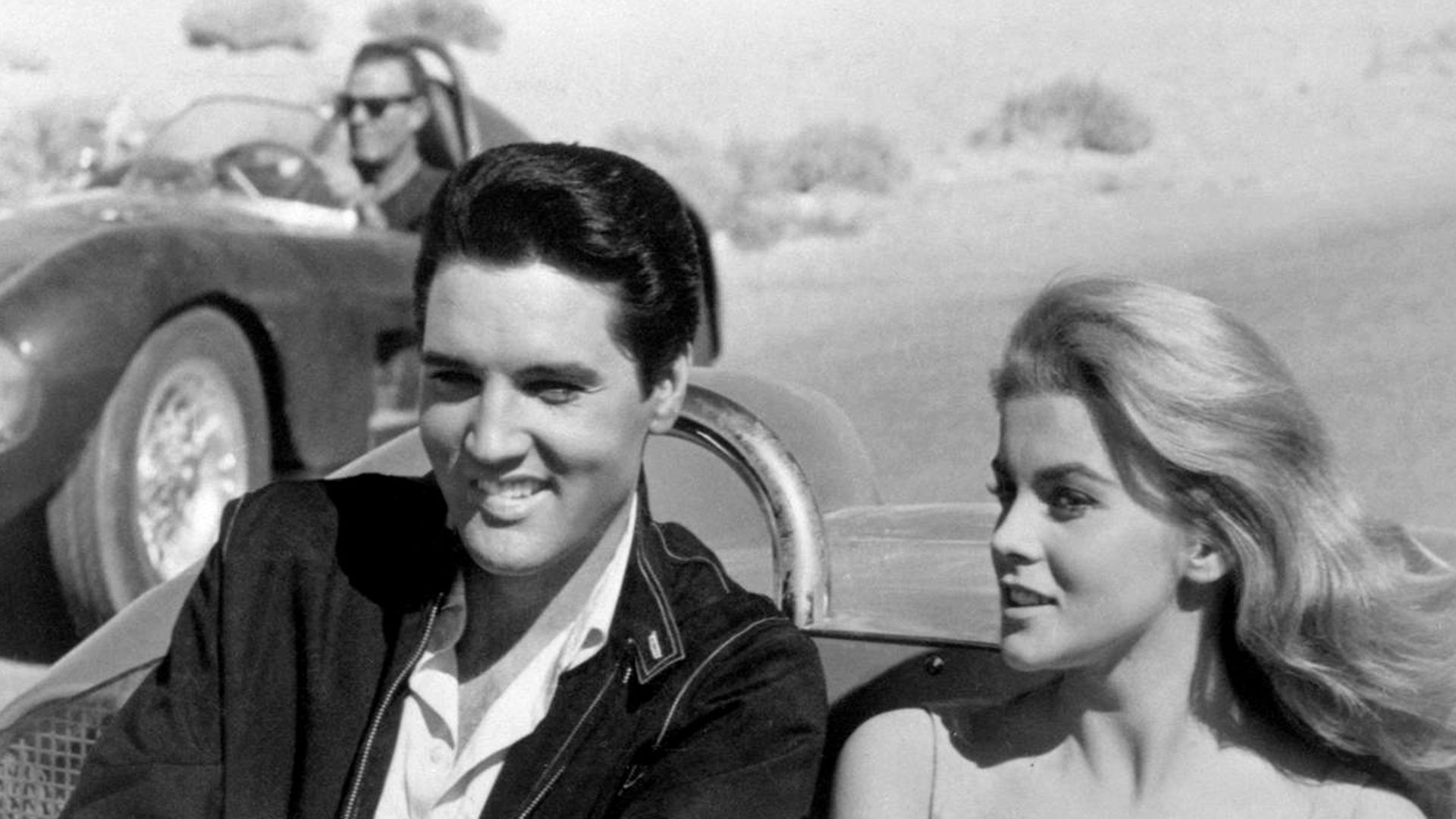 Unknown authorUnknown author, Wikimedia Commons
A Familiar Face On Television
Garr also danced on popular musical variety programs such as Shindig! and Hullabaloo. Working alongside performers including future pop star Toni Basil, she became part of the energetic youth-oriented entertainment scene of the mid-60s. Nevertheless, Garr wanted to move beyond dancing and establish herself as a legitimate actress.
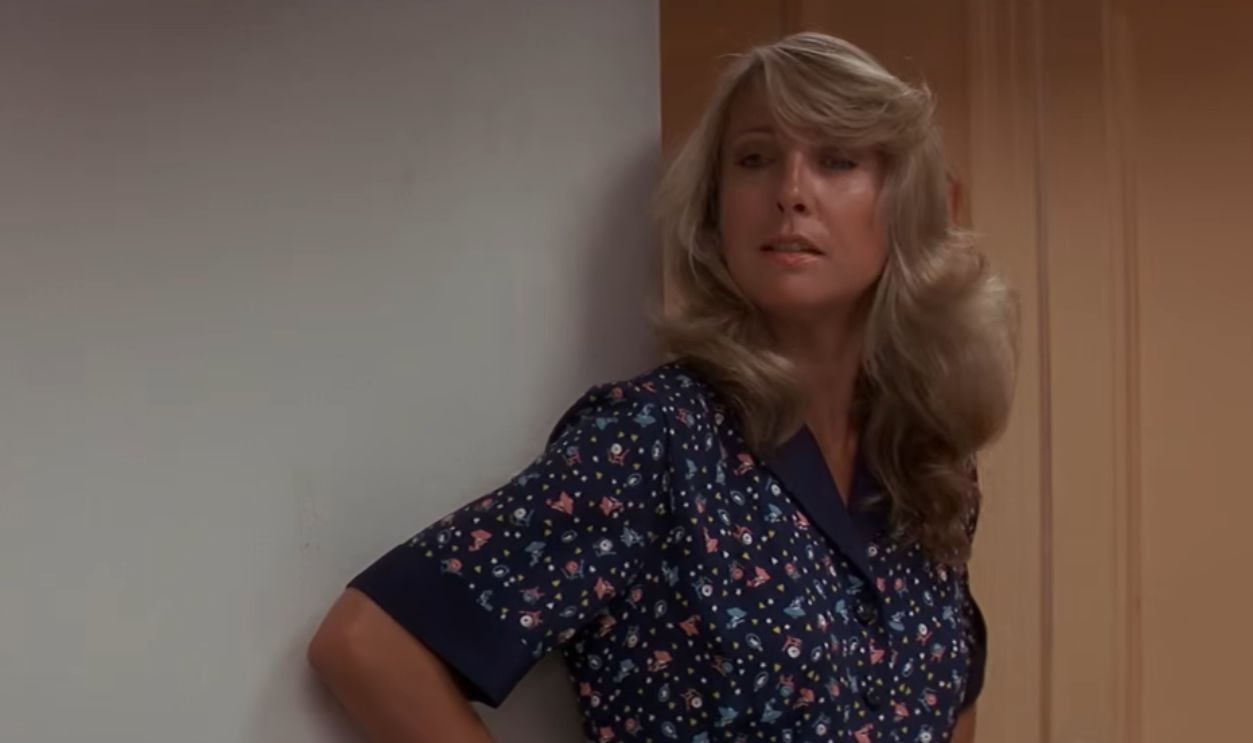 Screenshot from Tootsie, Columbia Pictures (1982)
An Unlikely Breakthrough
In 1968, Garr landed a memorable role in the Star Trek episode "Assignment: Earth." She played Roberta Lincoln, a secretary who becomes involved with Gary Seven, a mysterious human agent trained by extraterrestrials and played by Robert Lansing. The episode was intended to introduce characters for a potential spin-off series. Although the series never materialized, the appearance represented an important milestone in Garr's transition from dancing to acting.
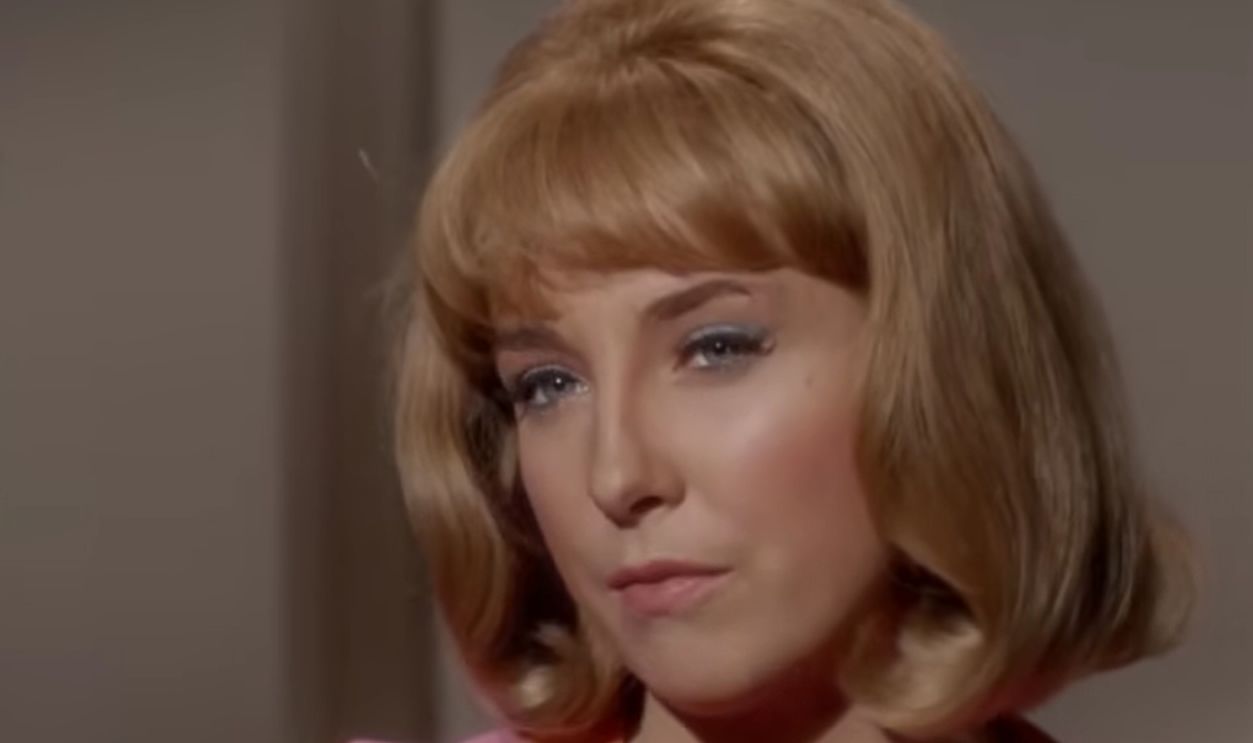 Screenshot from Star Trek, Desilu Productions / Paramount Television (1966–1969)
She Paid Her Dues
As the 60s gave way to the 70s, Garr accumulated television credits on shows including The Andy Griffith Show, That Girl, McCloud, and The Bob Newhart Show. She also became a familiar performer on The Sonny & Cher Comedy Hour, where her dancing abilities and natural sense of humor made her particularly well suited to musical numbers and comedy sketches.
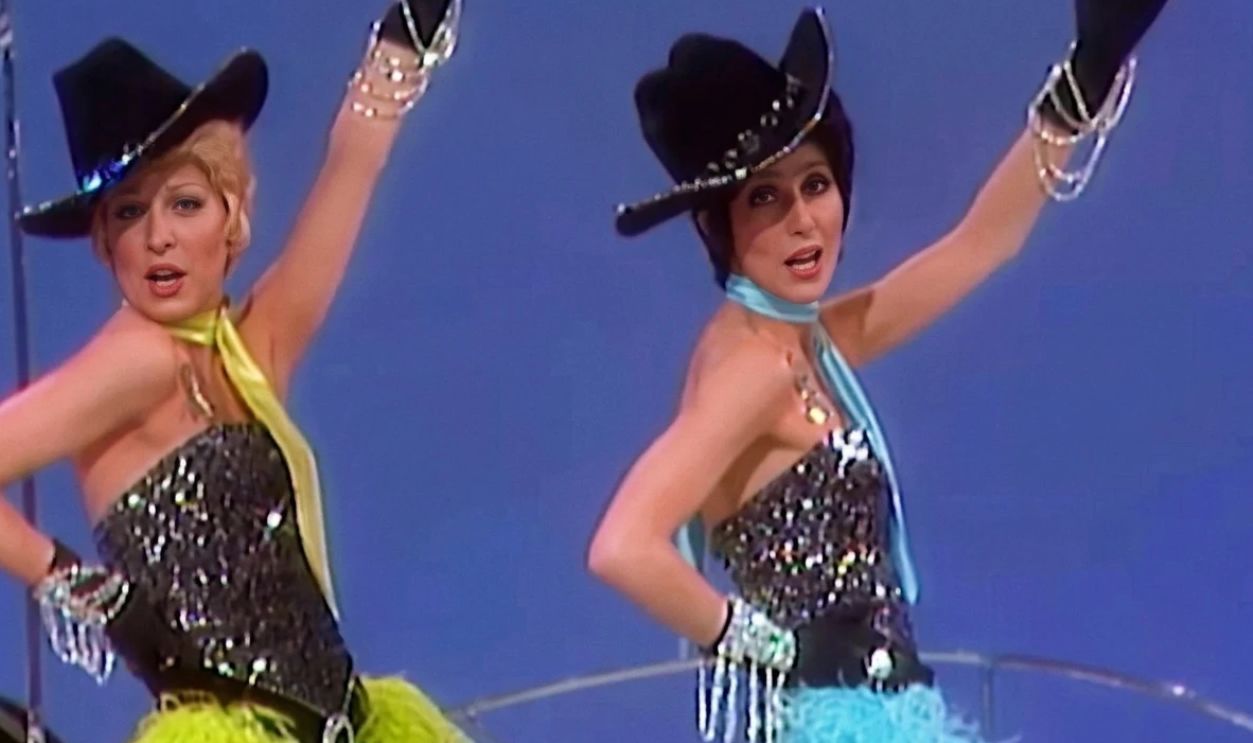 Screenshot from The Sonny & Cher Comedy Hour, CBS (1971–1974)
Coppola Recognized Her Talent
Garr's film career took an important turn when Francis Ford Coppola cast her in The Conversation (1974). Playing the neglected girlfriend of Gene Hackman's intensely private surveillance expert, Garr showed an ability to handle emotionally complicated dramatic material. It was a significant departure from the anonymous dancing roles that had characterized her early years in Hollywood.
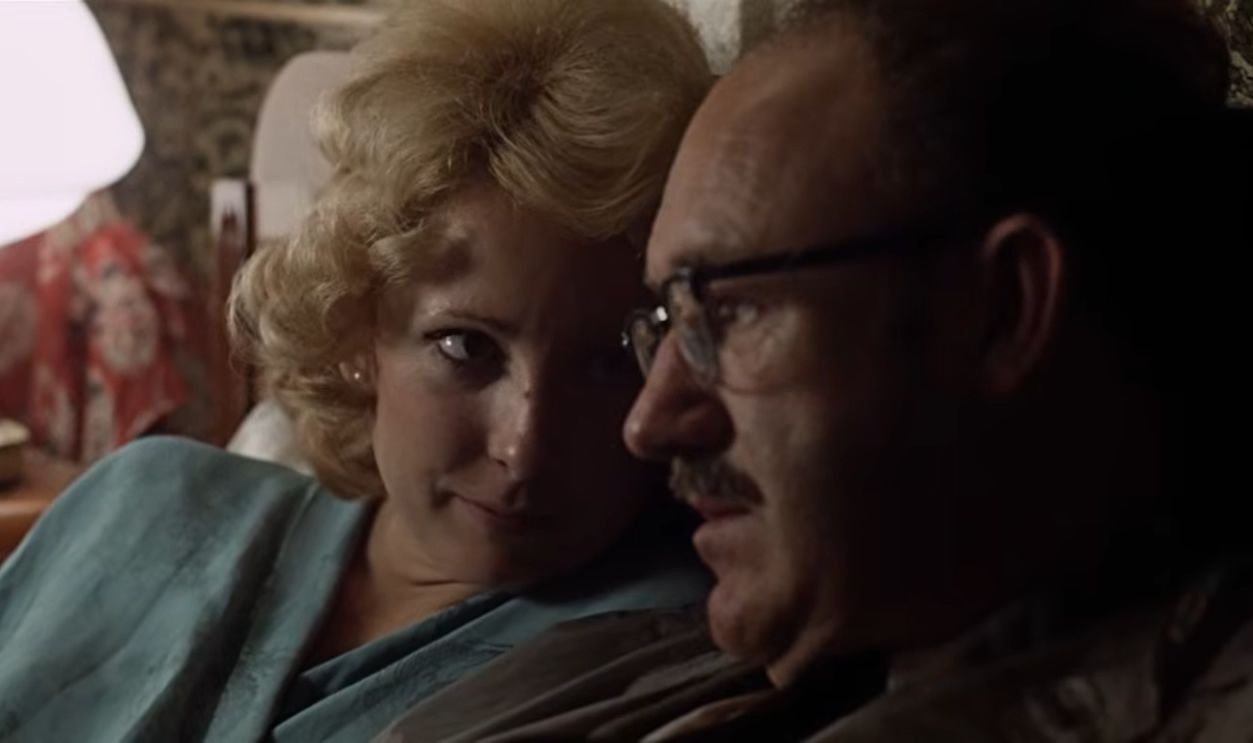 Screenshot from The Conversation, Paramount Pictures (1974)
Mel Brooks Made Her Famous
Later that year, Garr appeared as Inga, the enthusiastic laboratory assistant in Mel Brooks's Young Frankenstein (1974). Starring alongside Gene Wilder, Marty Feldman, Madeline Kahn, and Peter Boyle, Garr held her own among some of the finest comic performers of the era. Her exaggerated German accent and seemingly innocent delivery made her an indispensable part of the movie's humor.
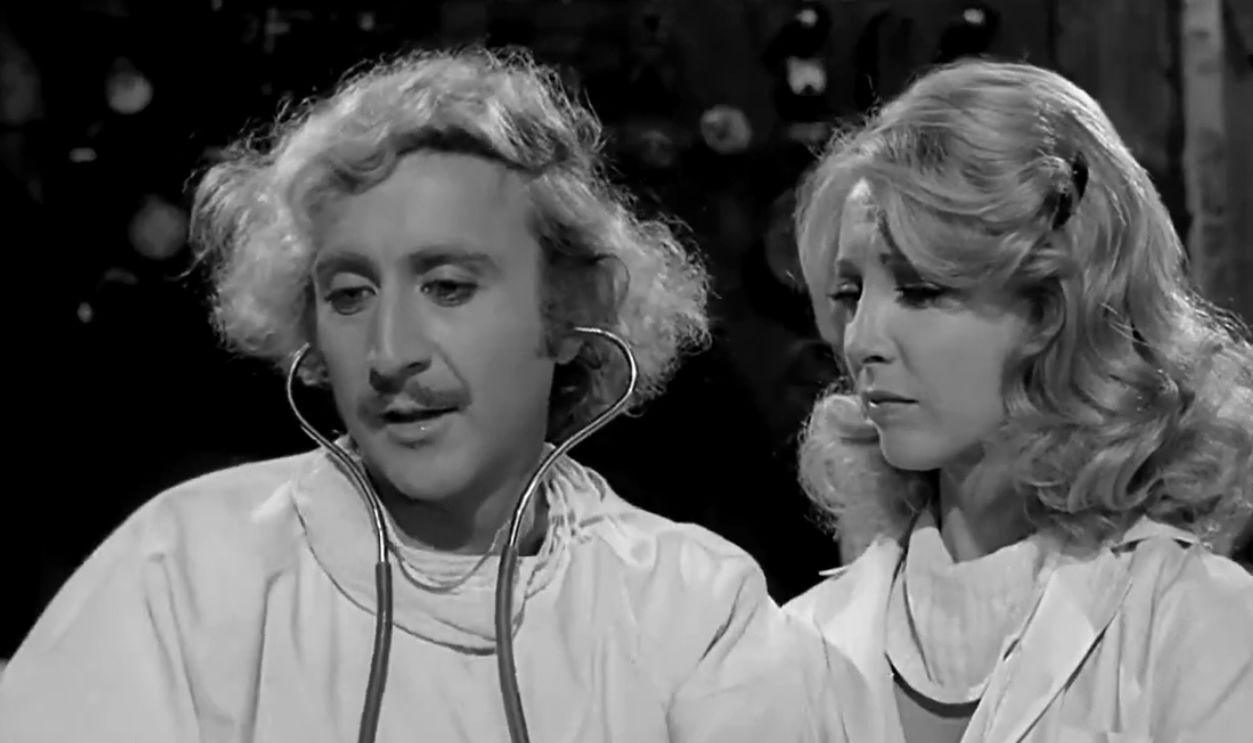 Screenshot from Young Frankenstein, 20th Century Fox (1974)
Two Very Different Screen Husbands
In 1977, Garr appeared in two enormously successful movies. In Carl Reiner's Oh, God! (1977), she played the understandably skeptical wife of John Denver's character, who claimed to be receiving instructions from God, played by George Burns. Garr brought a welcome sense of everyday realism to the movie's extraordinary premise.
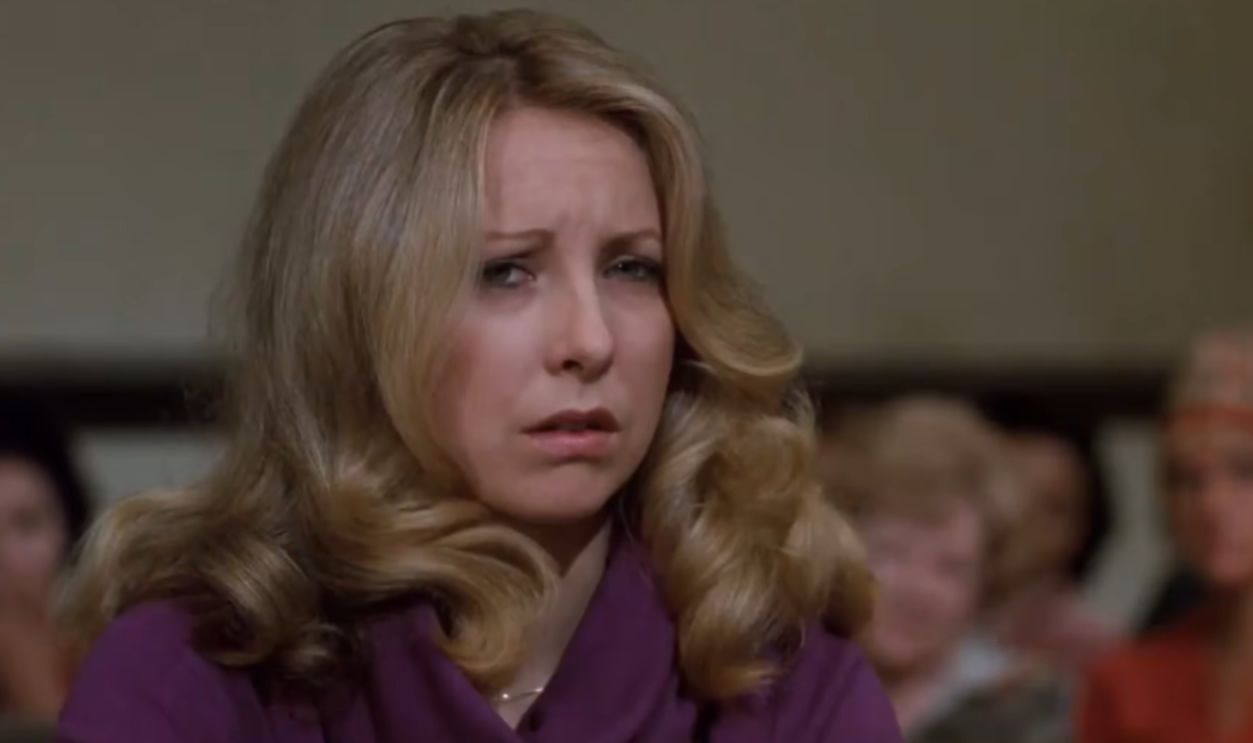 Screenshot from Oh, God!, Warner Bros. (1977)
She Worked With Spielberg
Garr's other major success that year was Steven Spielberg's Close Encounters of the Third Kind (1977). As Ronnie Neary, the wife of Richard Dreyfuss's increasingly obsessed Roy Neary, Garr portrayed the frustration of a woman watching her family disintegrate. Her performance gave the science-fiction spectacle a painful and thoroughly human dimension.
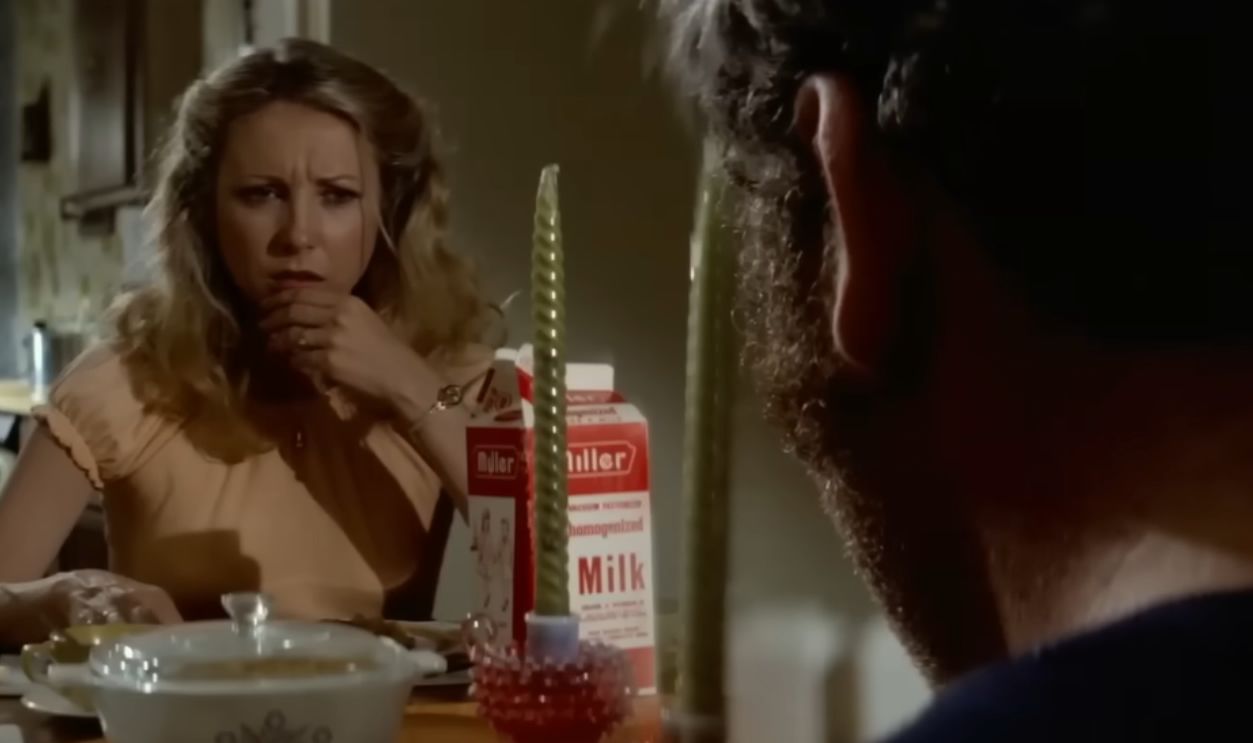 Screenshot from Close Encounters of the Third Kind, Columbia Pictures (1977)
More Than A Comedienne
Garr continued demonstrating her dramatic abilities in Carroll Ballard's acclaimed adventure film The Black Stallion (1979), starring Kelly Reno and Mickey Rooney. Playing the mother of a boy who survives a shipwreck, Garr showed that she could deliver a warm, understated performance without relying on the comic mannerisms that audiences had gotten accustomed to seeing from her.
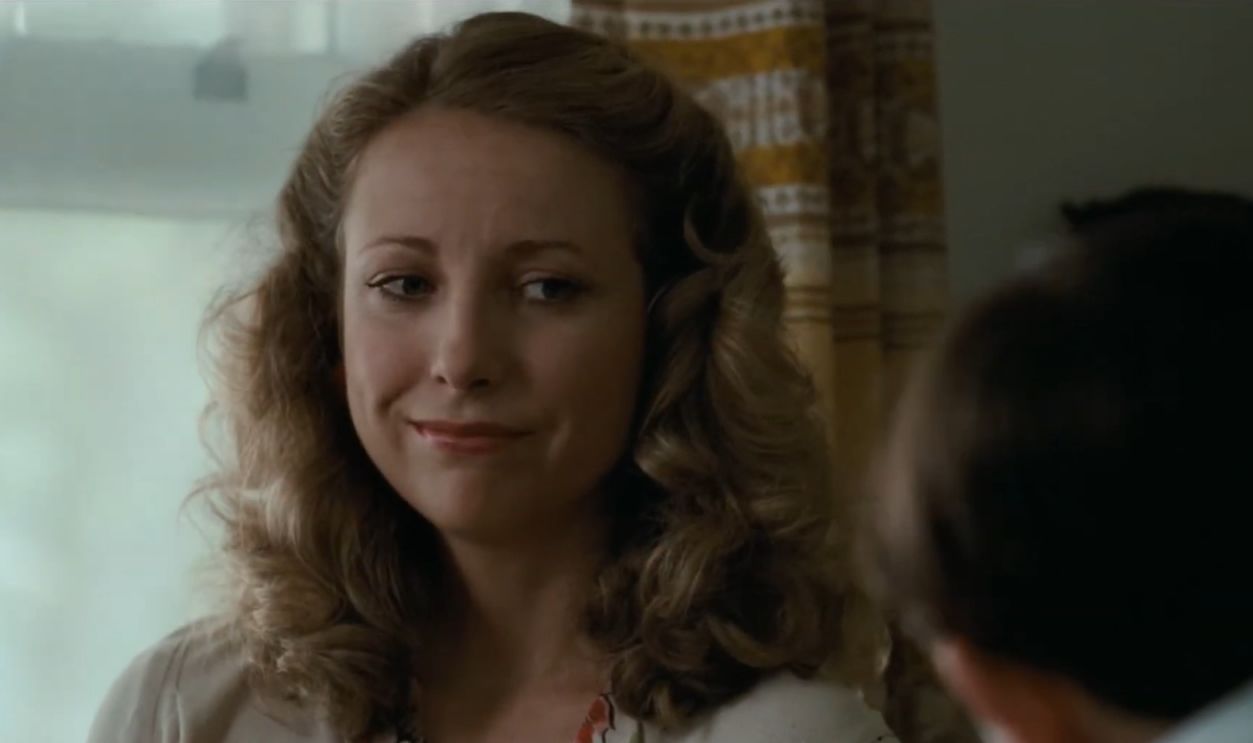 Screenshot from The Black Stallion, United Artists (1979)
A Natural On Live Television
As Garr's movie career flourished, television audiences discovered that she was just as entertaining without a script. She became a popular guest on The Tonight Show Starring Johnny Carson and hosted Saturday Night Live for the first time in 1980. She would return to host the latter program in 1983 and 1985.
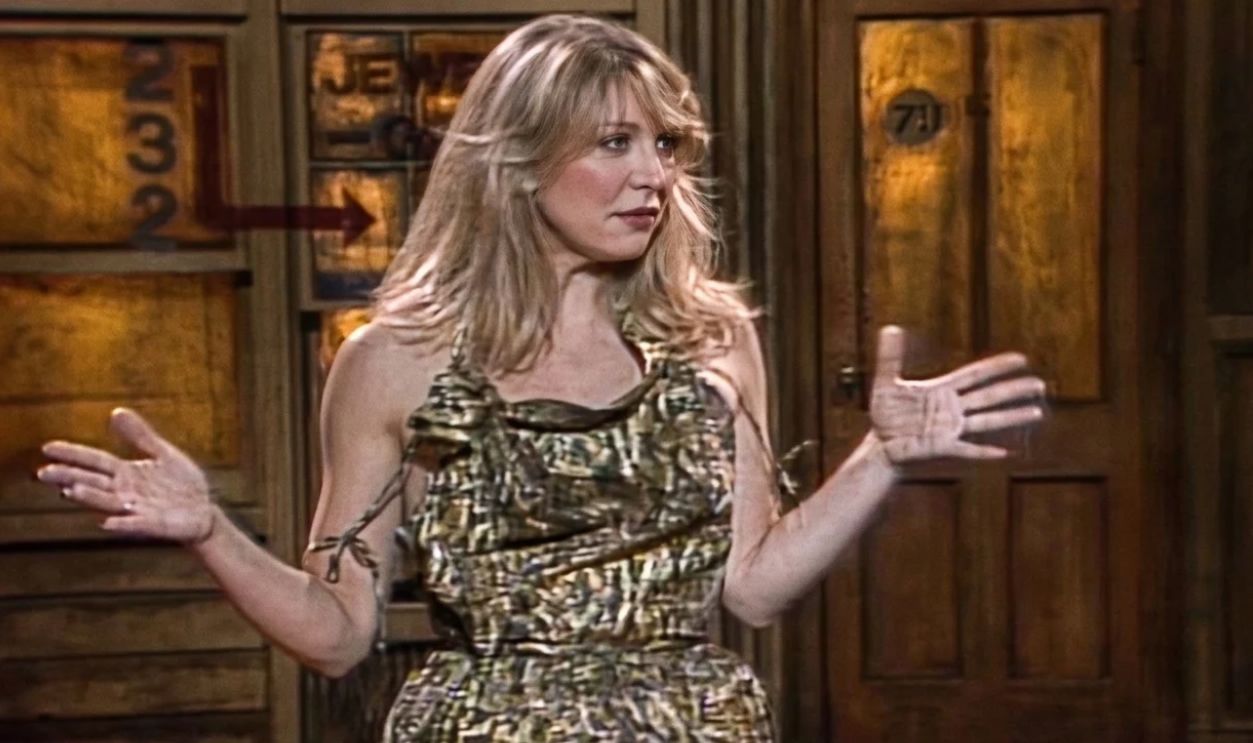 Screenshot from Saturday Night Live, NBC (1975–)
She Reunited With Coppola
Garr secured a leading role opposite Frederic Forrest in Francis Ford Coppola's ambitious musical romance One from the Heart (1982). The elaborately designed production also featured Nastassja Kinski and Raúl Juliá. Although the movie was a notorious box office disappointment, it provided Garr with another opportunity to move beyond supporting roles and demonstrate her versatility.
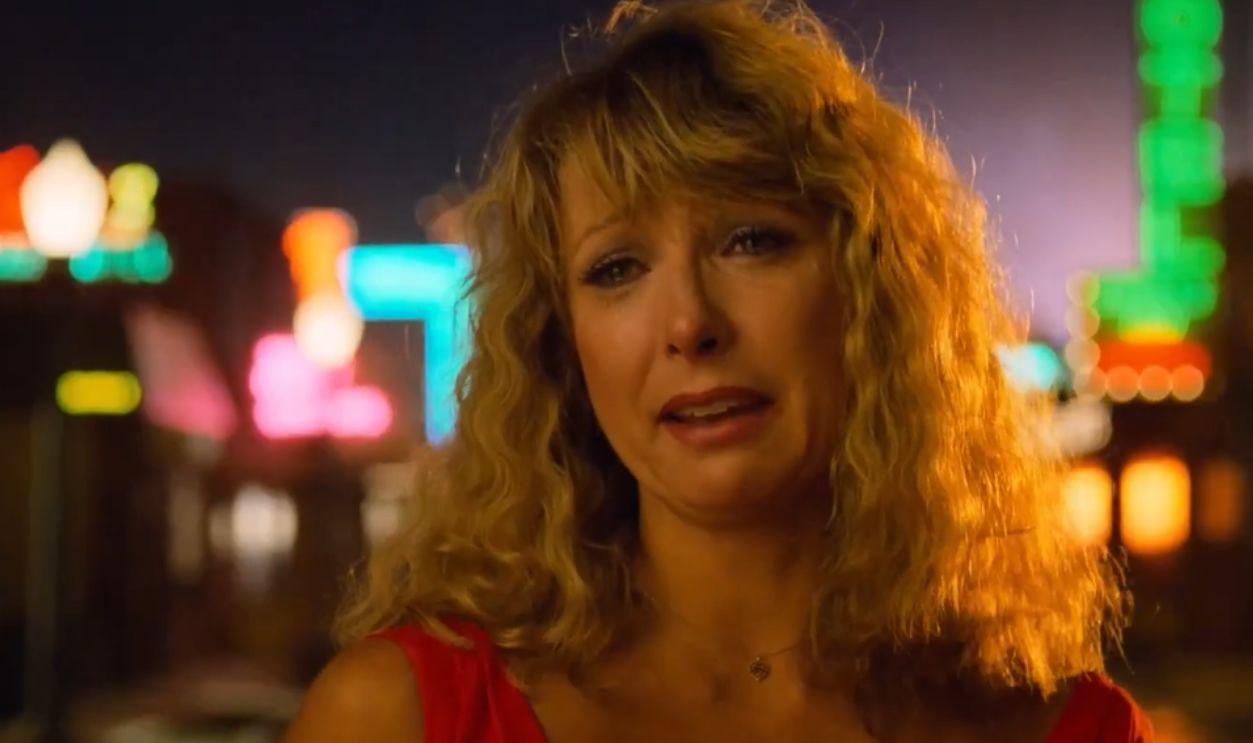 Screenshot from One from the Heart, Columbia Pictures (1982)
An Oscar-Worthy Performance
Garr's career reached another milestone with Sydney Pollack's Tootsie (1982). As struggling actress Sandy Lester, she played a friend of Dustin Hoffman's character whose romantic involvement with him further complicates his elaborate deception. Garr's performance earned her an Academy Award nomination for Best Supporting Actress, although she ultimately lost to her co-star Jessica Lange.
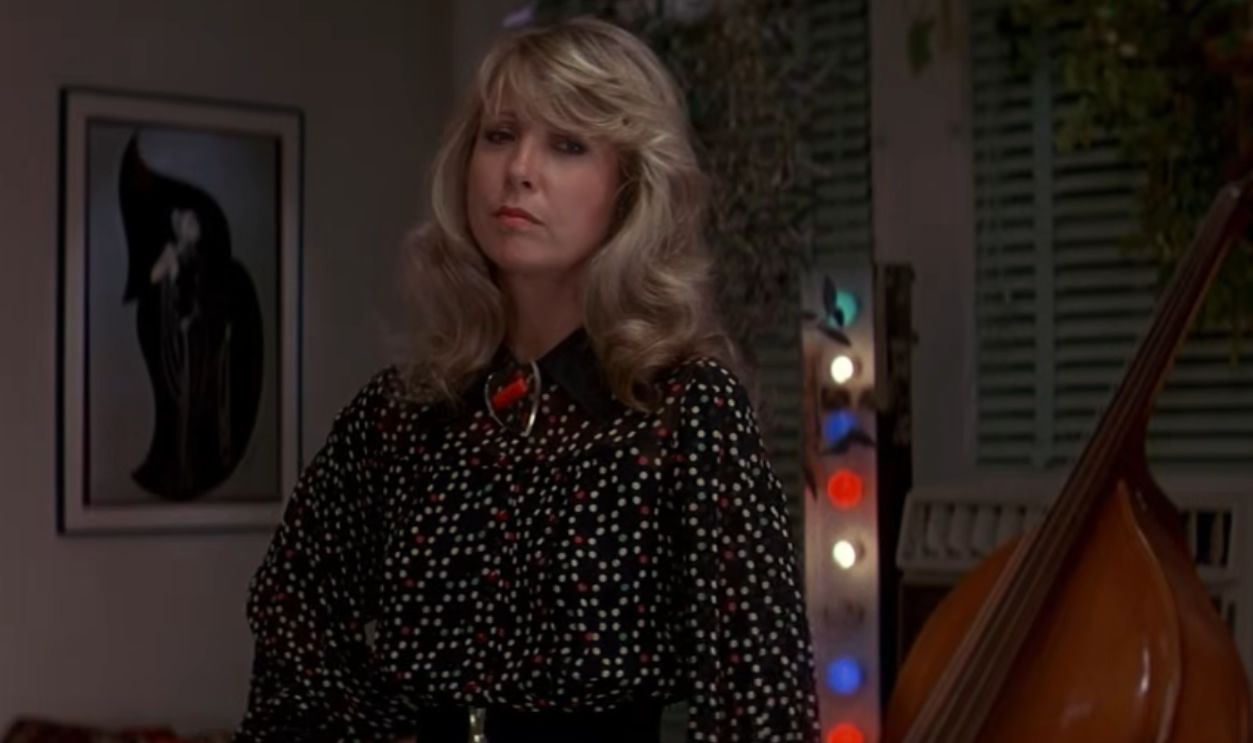 Screenshot from Tootsie, Columbia Pictures (1982)
Letterman's Favorite Foil
Starting in the early 80s, Garr became a recurring guest on Late Night with David Letterman. Her playful arguments with Letterman and ability to turn ordinary conversations into comic exchanges made their interviews particularly entertaining. Their chemistry even inspired speculation about a romance. Letterman would later acknowledge how much Garr's appearances contributed to the success of his fledgling program.
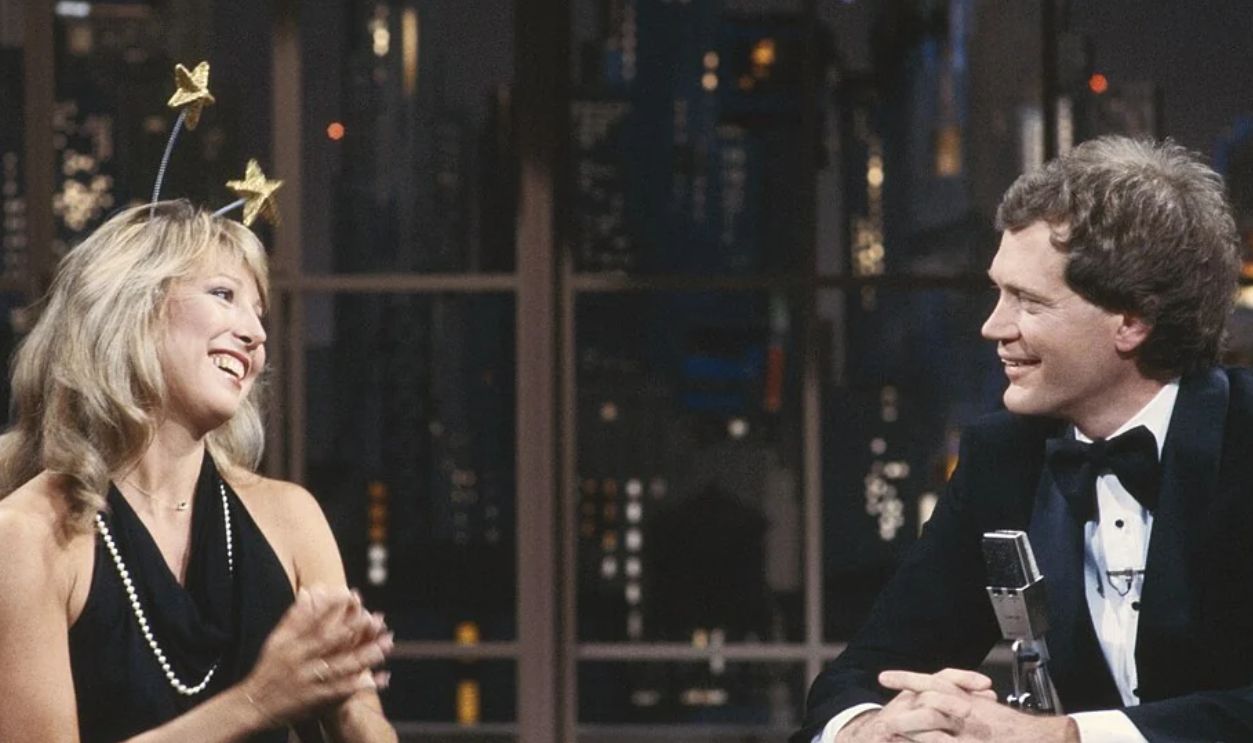 Gotfryd, Bernard, photographer, Wikimedia Commons
A Hollywood Comedy Favorite
Garr enjoyed another commercial triumph with Stan Dragoti's Mr. Mom (1983), co-starring Michael Keaton. Playing a mother who returns to the workforce while her unemployed husband takes responsibility for the household, Garr helped turn changing American attitudes toward traditional gender roles into a highly successful comedy. The movie cemented her reputation as one of Hollywood's most dependable comic actresses.
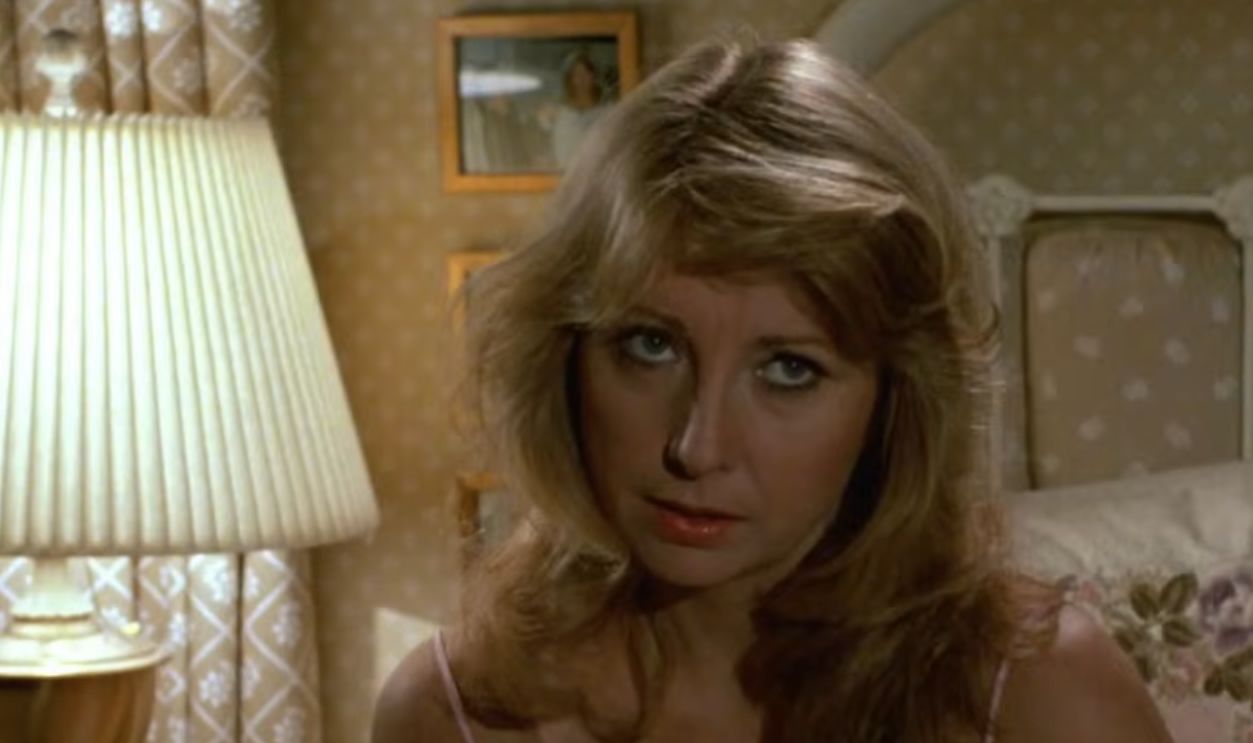 Screenshot from Mr. Mom, 20th Century Fox (1983)
She Kept Challenging Herself
Garr continued working with prestigious directors throughout the decade. In Martin Scorsese's eccentric black comedy After Hours (1985), starring Griffin Dunne, she played Julie, an eccentric waitress whose growing resentment contributes to the main character's increasingly disastrous night. She also demonstrated her dramatic abilities opposite Ellen Burstyn in Anthony Page's acclaimed television adaptation of Pack of Lies (1987).
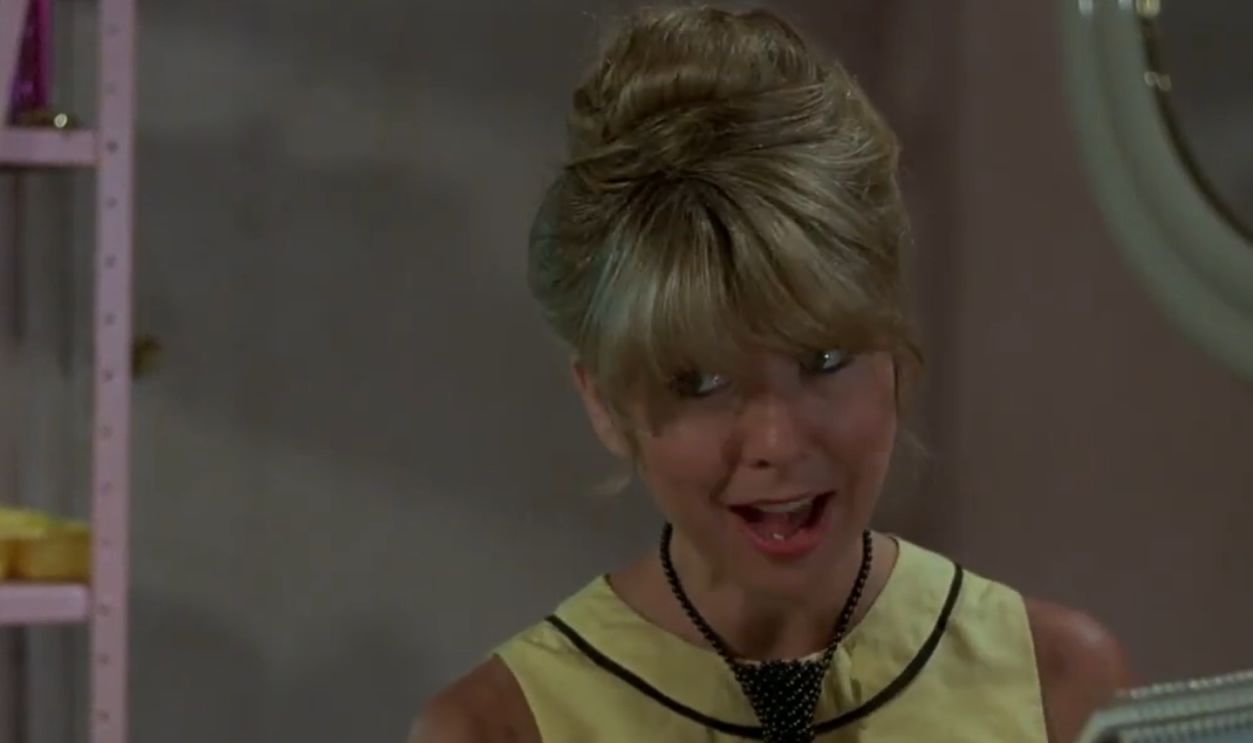 Screenshot from After Hours, Warner Bros. (1985)
Closing Out The 80s
Garr reunited with Richard Dreyfuss in Joe Pytka's horse-racing comedy Let It Ride (1989), which also featured David Johansen and Jennifer Tilly. By the end of the decade, she had accumulated an enviable collection of movie and television credits. But an incident unfolding away from the cameras would soon force her to confront a troubling aspect of celebrity life.
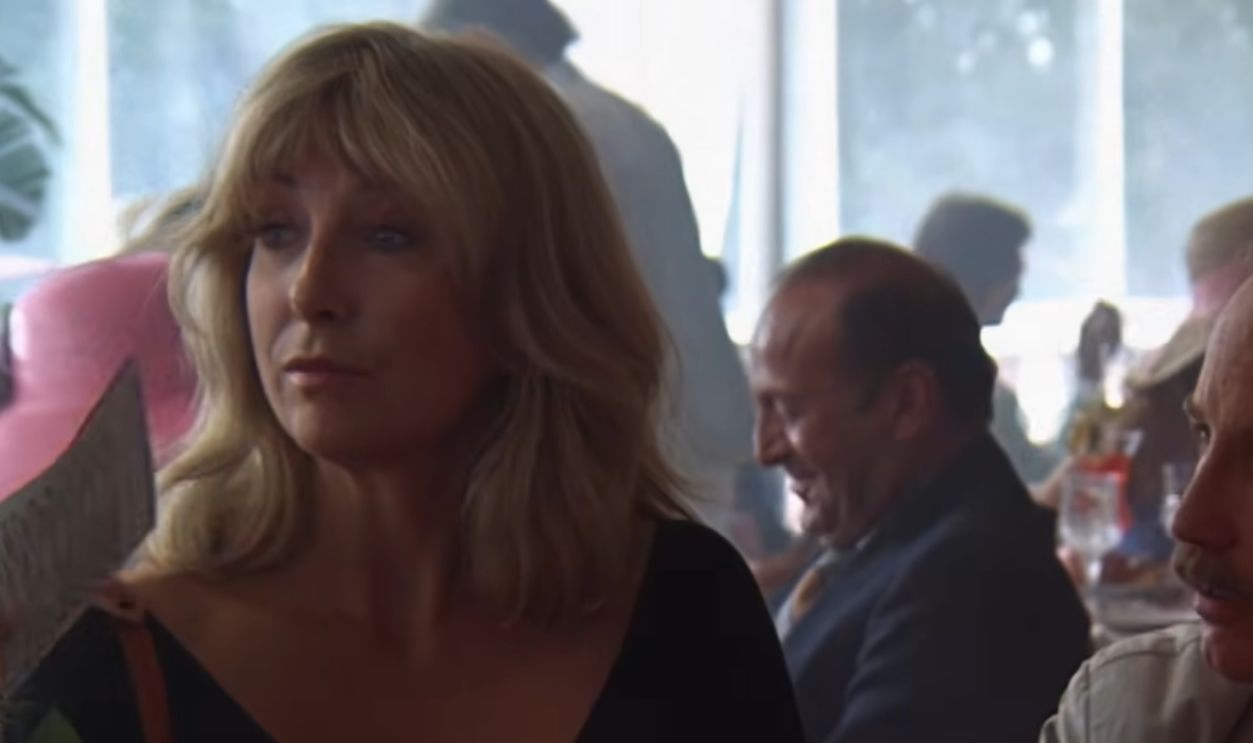 Screenshot from Let It Ride, Paramount Pictures (1989)
A Tragedy Shook Hollywood
In July 1989, Hollywood was rocked by the slaying of 21-year-old actress Rebecca Schaeffer, best known for co-starring with Pam Dawber on My Sister Sam. Schaeffer's death at the hands of a stalker exposed the potentially devastating consequences of celebrity obsession. Suddenly, unwanted attention from strangers had taken on a worrisome significance throughout the entertainment industry.
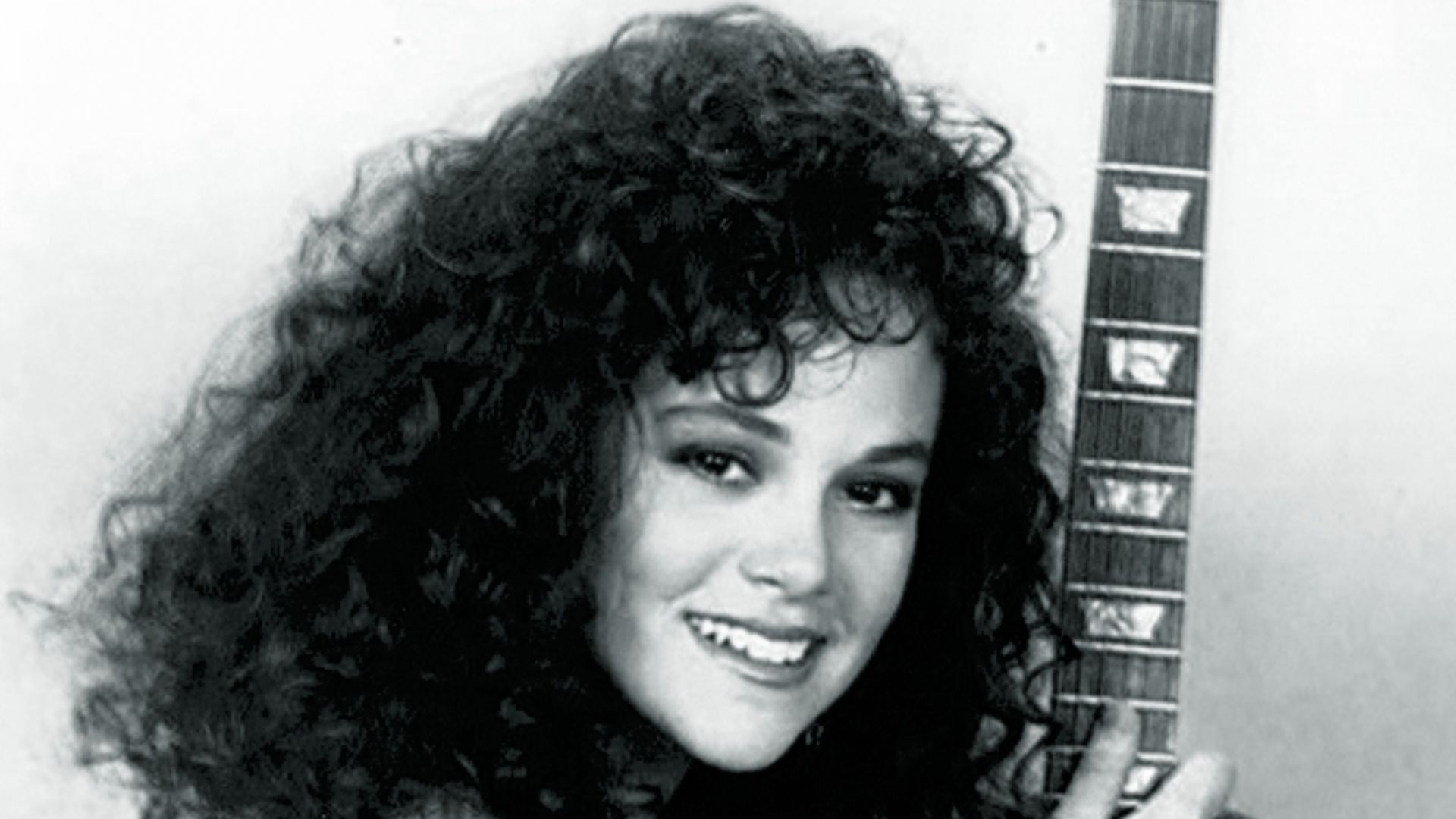 CBS Network, Wikimedia Commons
An Admirer Went Too Far
In July 1990, Garr became the subject of news reports concerning a woman charged with stalking her. Legal proceedings resulted in a court order restricting the woman's contact with the actress. Although relatively few details of the case are readily available, the incident illustrated how unwanted attention could interfere with the private lives of Hollywood performers.
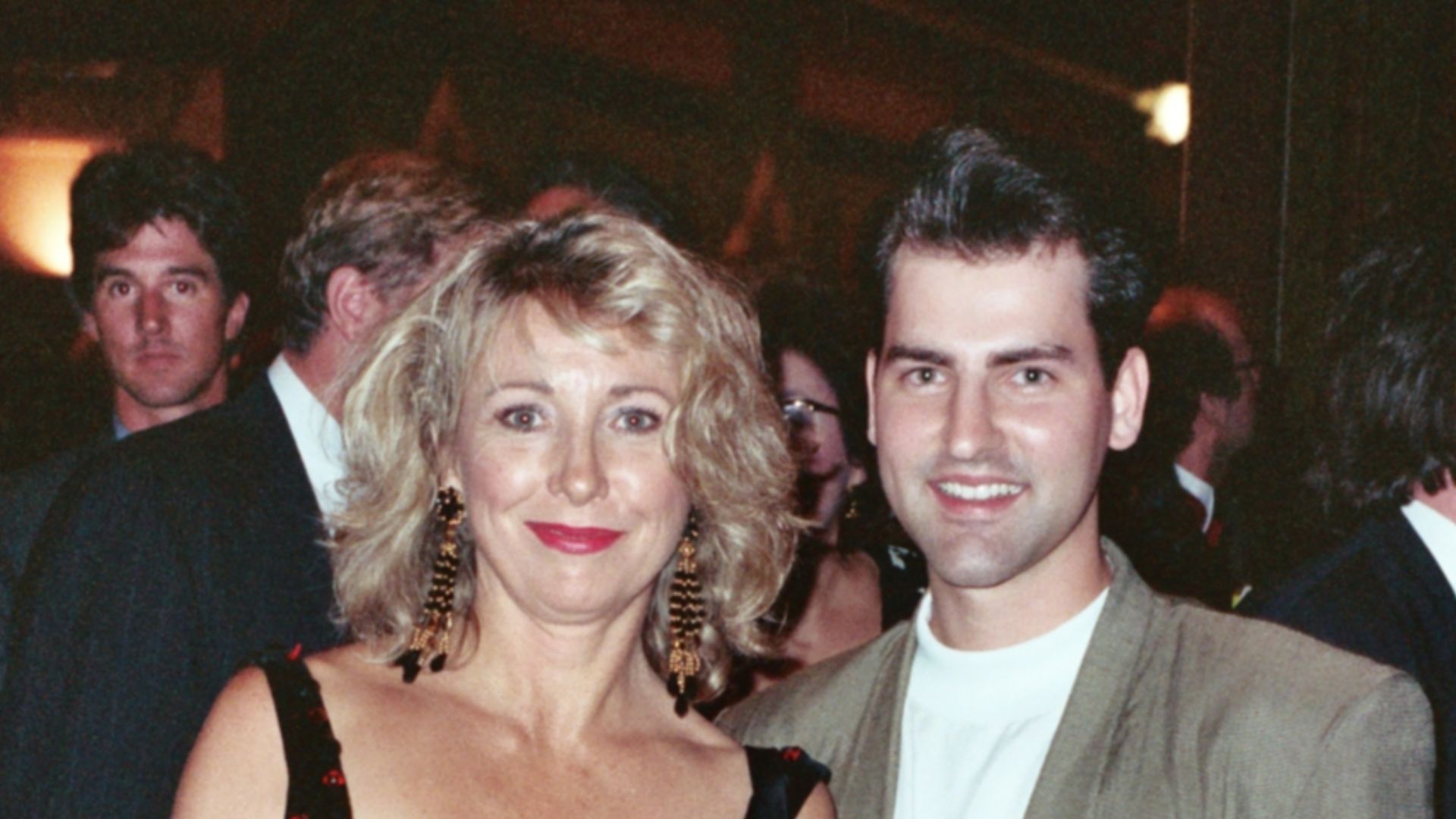
She Received Court Protection
In July 1990, a Los Angeles County judge ordered the woman charged with stalking Garr to stop contacting the actress. The order reportedly required her to remain at least 100 yards away from Garr, her home, and her workplaces for three years. Garr now had court-imposed restrictions intended to protect her personal safety and privacy.
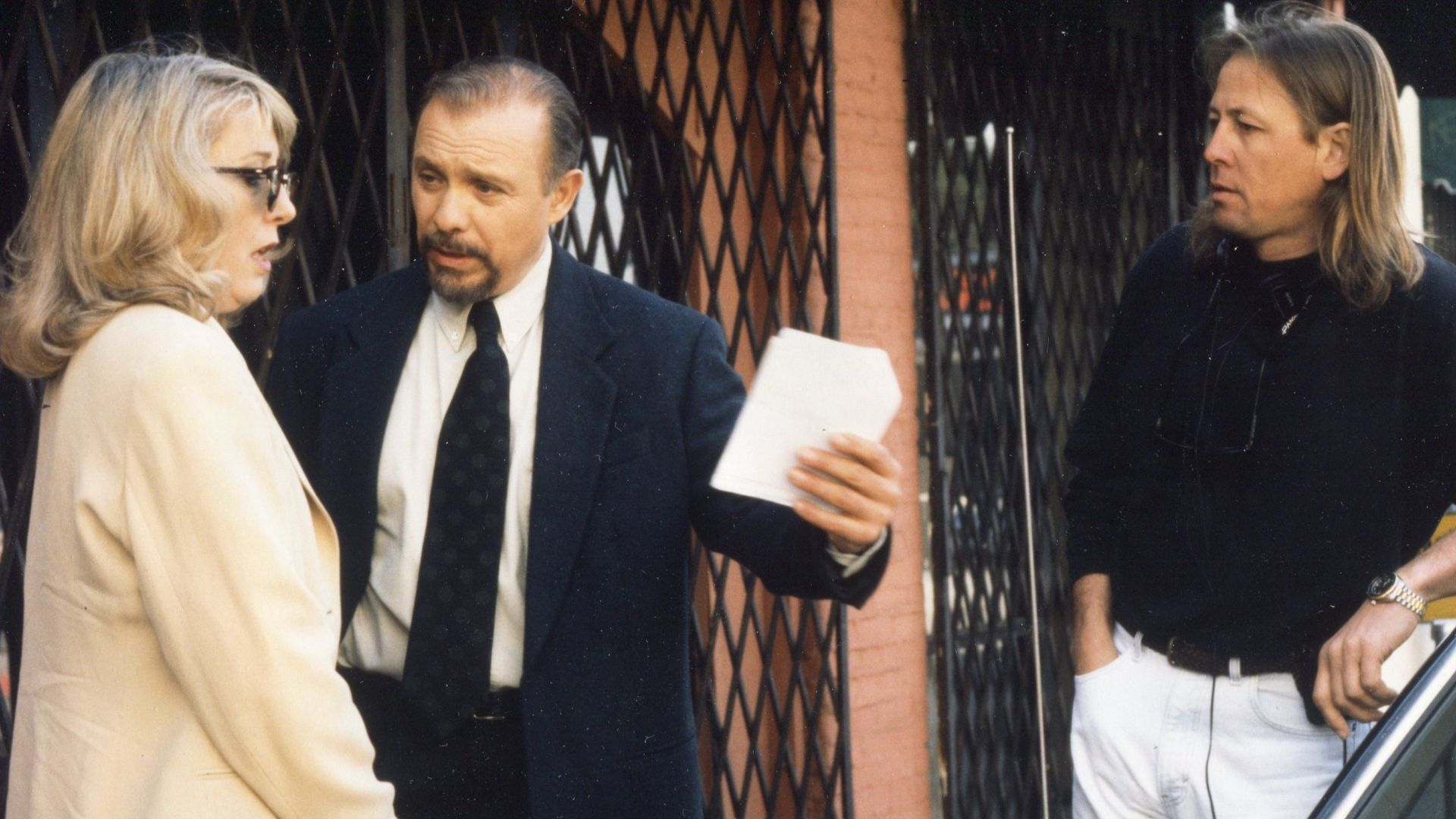 Director Kevin Meyer, Wikimedia Commons
Hollywood Took Stalking Seriously
Garr's case unfolded during an important turning point in the legal treatment of stalking. In 1990, California became the first American state to enact a specific anti-stalking law, with the Schaeffer tragedy helping drive legislative reform. For celebrities and ordinary citizens alike, persistent unwanted attention was increasingly being recognized as a serious safety issue rather than merely an inconvenience.
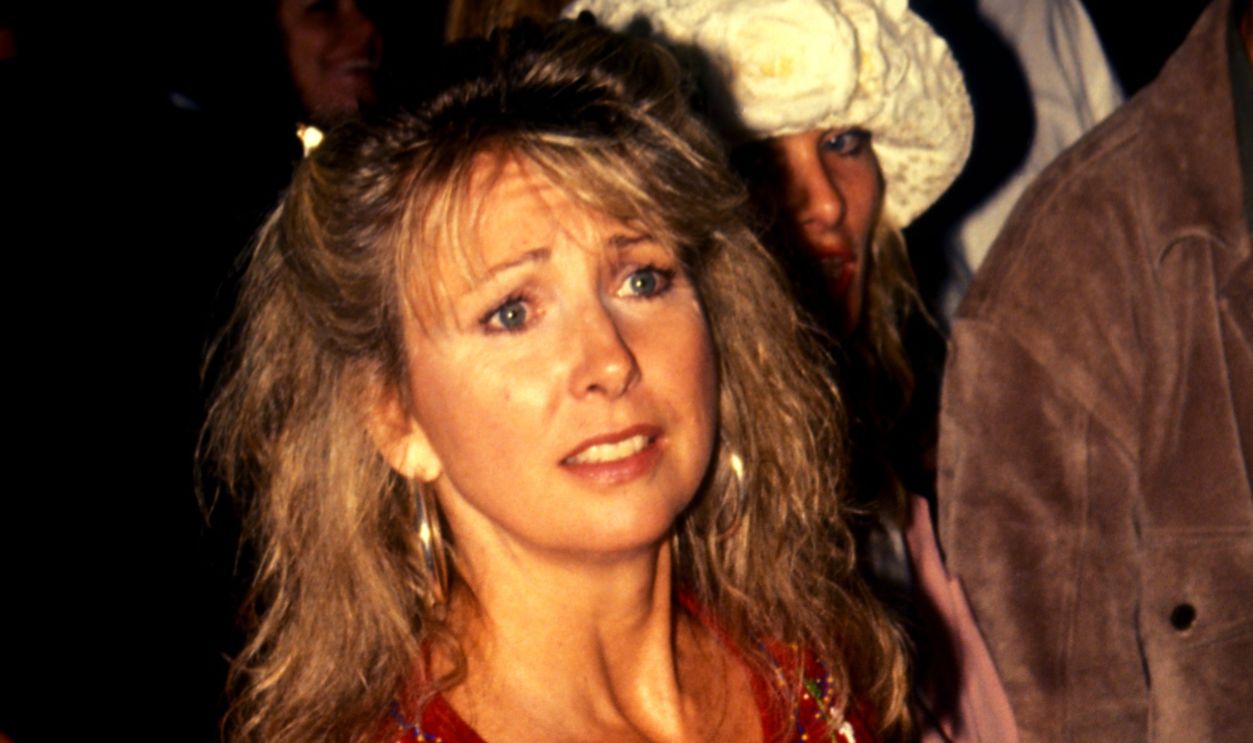
A New Chapter In Her Life
Garr went on working throughout the 90s, appearing alongside Jim Carrey, Jeff Daniels, and Lauren Holly in Peter Farrelly's Dumb and Dumber (1994). Her personal life also underwent significant changes. In 1993, she married building contractor John O'Neil, with whom she adopted a daughter named Molly. Although the marriage ended in divorce in 1996, being a mom continued to be an important part of Garr's life.
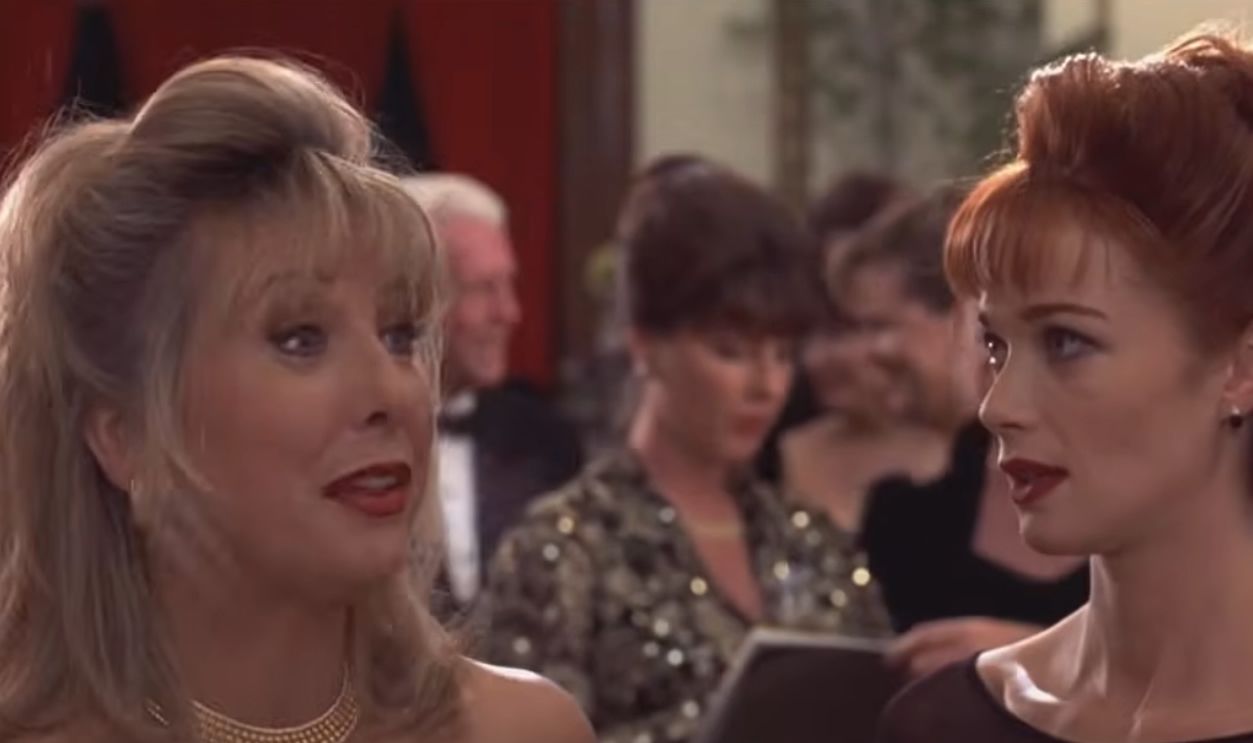 Screenshot from Dumb and Dumber, New Line Cinema (1994)
A Familiar Face Faced New Challenges
Garr introduced herself to a younger generation of television viewers in 1997 when she began a recurring role on Friends as Phoebe Abbott, the biological mother of Lisa Kudrow's character. However, Garr had been experiencing intermittent neurological symptoms since the early 80s. In 1999, she was finally diagnosed with multiple sclerosis, a condition she publicly disclosed in 2002.
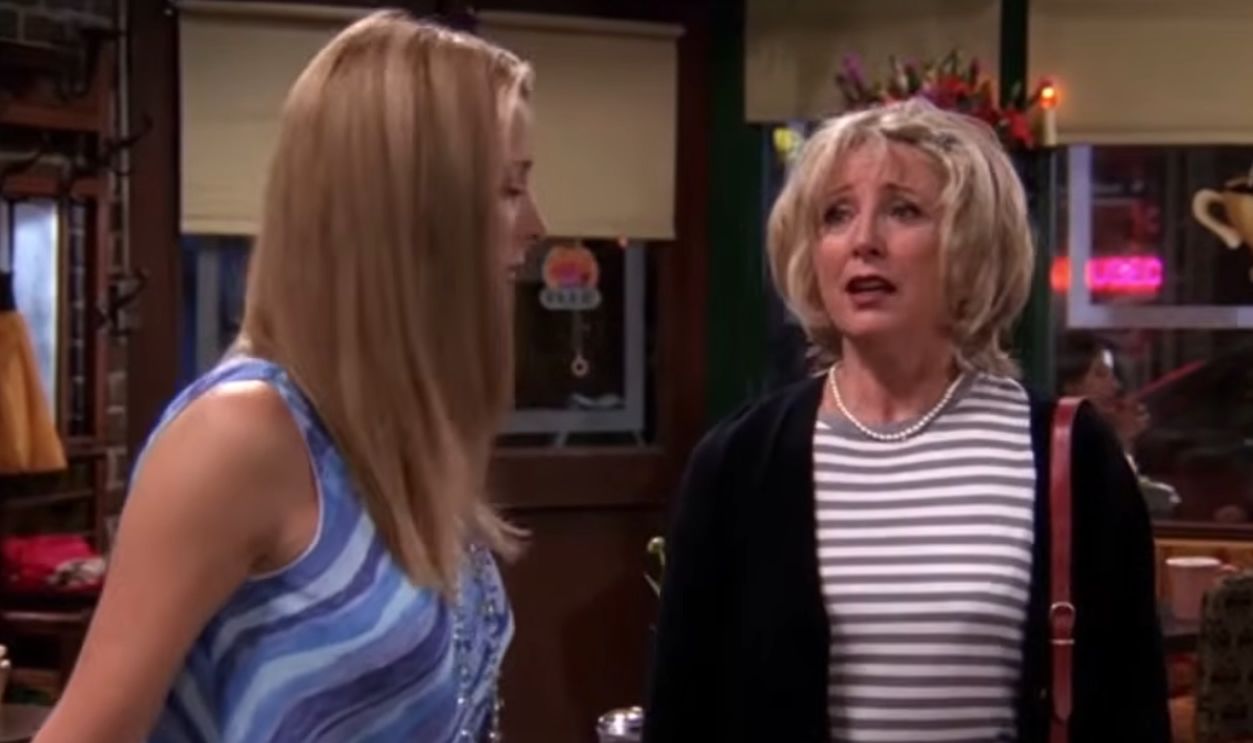 Screenshot from Friends, Warner Bros. Television (1994–2004)
She Never Lost Her Humor
Garr became an advocate for people living with multiple sclerosis and published her memoir, Speedbumps: Flooring It Through Hollywood, in 2005. She survived a ruptured brain aneurysm in 2006 and continued to make occasional appearances before retiring from acting in 2011. On October 29, 2024, Garr died at age 79 from complications of multiple sclerosis, leaving behind a fascinating range of different roles—and generations of comedy fans who still look back fondly on her work.
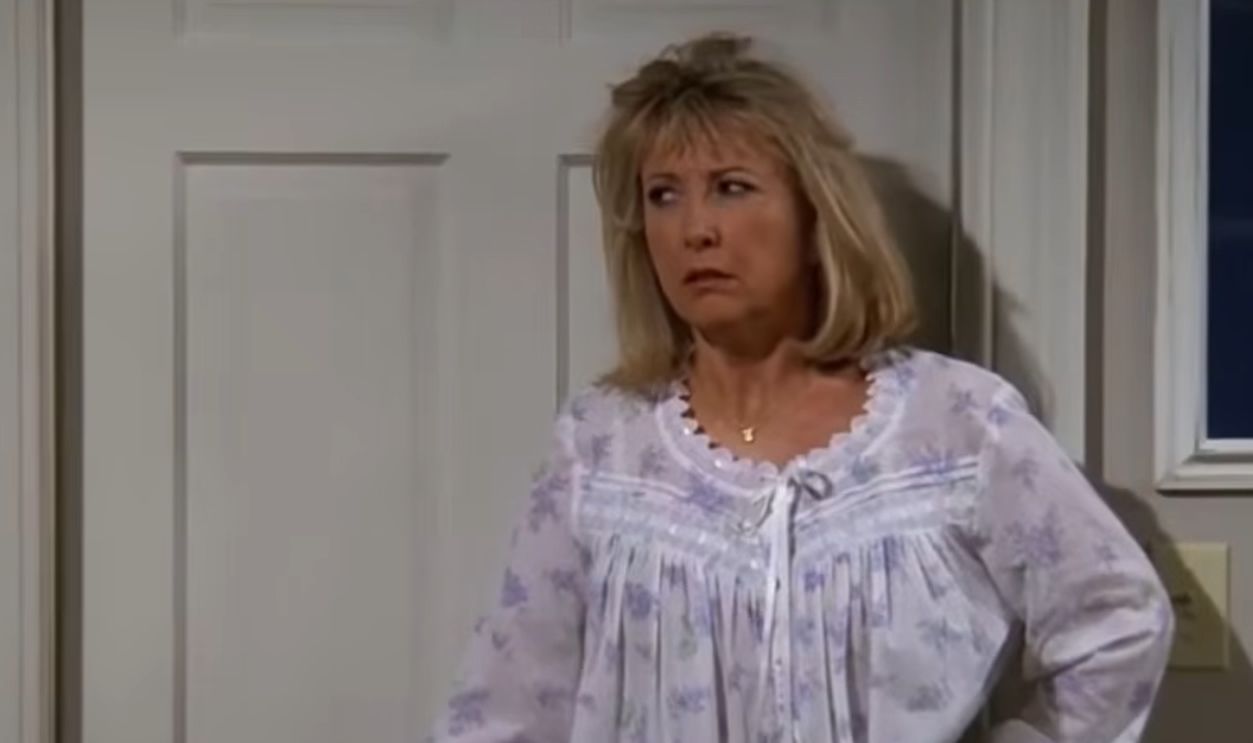 Screenshot from Friends, Warner Bros. Television (1994–2004)
You May Also Like:
1980s Comedy Movies Everyone Used to Quote, Then They Faded Away. How Many Can You Still Quote?