The Saddest Little Girl At The Oscars
Tatum O’Neal made history when she won an Academy Award for Paper Moon. She was 10 years old on Oscar night, holding the biggest prize in Hollywood before most children had even finished elementary school. But behind that astonishing moment was a painful truth: neither of her famous parents was there to watch her win.
She Was Born Into A Hollywood Family
Tatum Beatrice O’Neal was born in Los Angeles in 1963, the daughter of actor Ryan O’Neal and actress Joanna Moore. From the outside, she seemed born into glamour. Her father became a major star, and her mother had a successful screen career. But the family behind the names was deeply unstable.
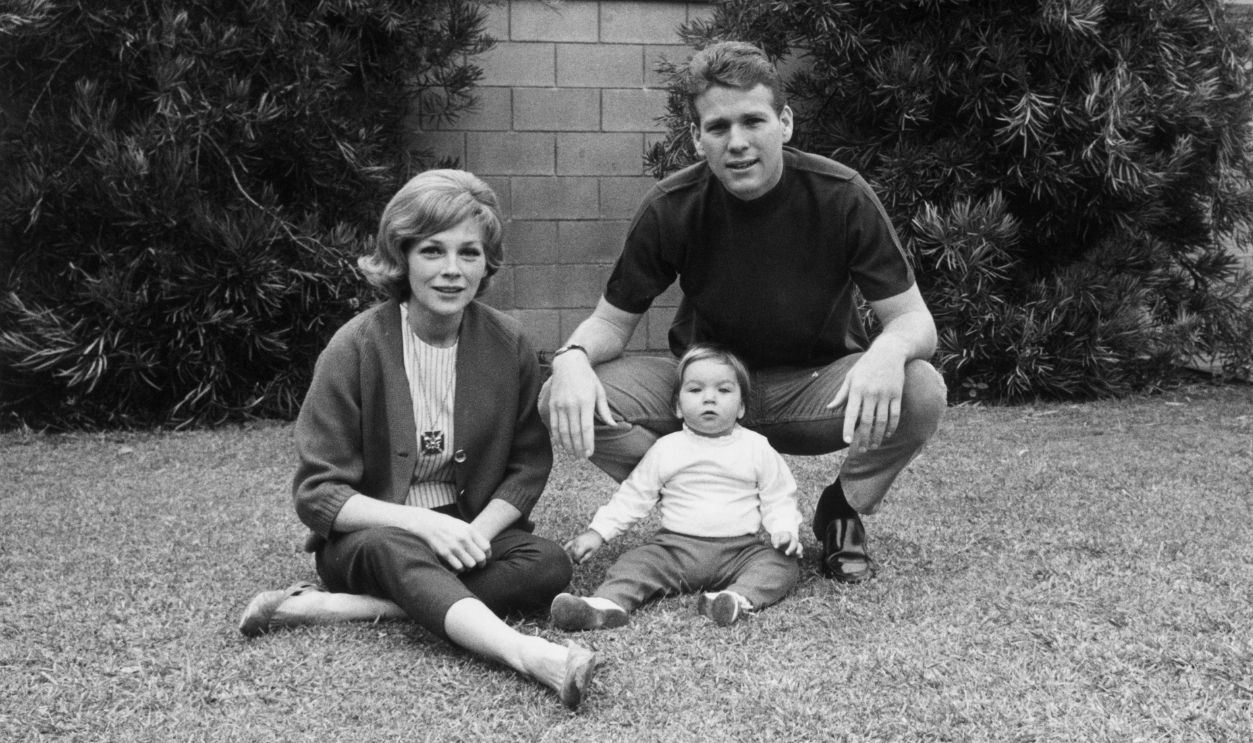 Fotos International, Getty Images
Her Parents’ Marriage Fell Apart Early
Ryan O’Neal and Joanna Moore married in 1963, the year Tatum was born, and separated in 1966. Their split left Tatum and her younger brother Griffin caught between two troubled adults. The Hollywood image was polished, but the childhood underneath was already marked by conflict, addiction, and neglect.
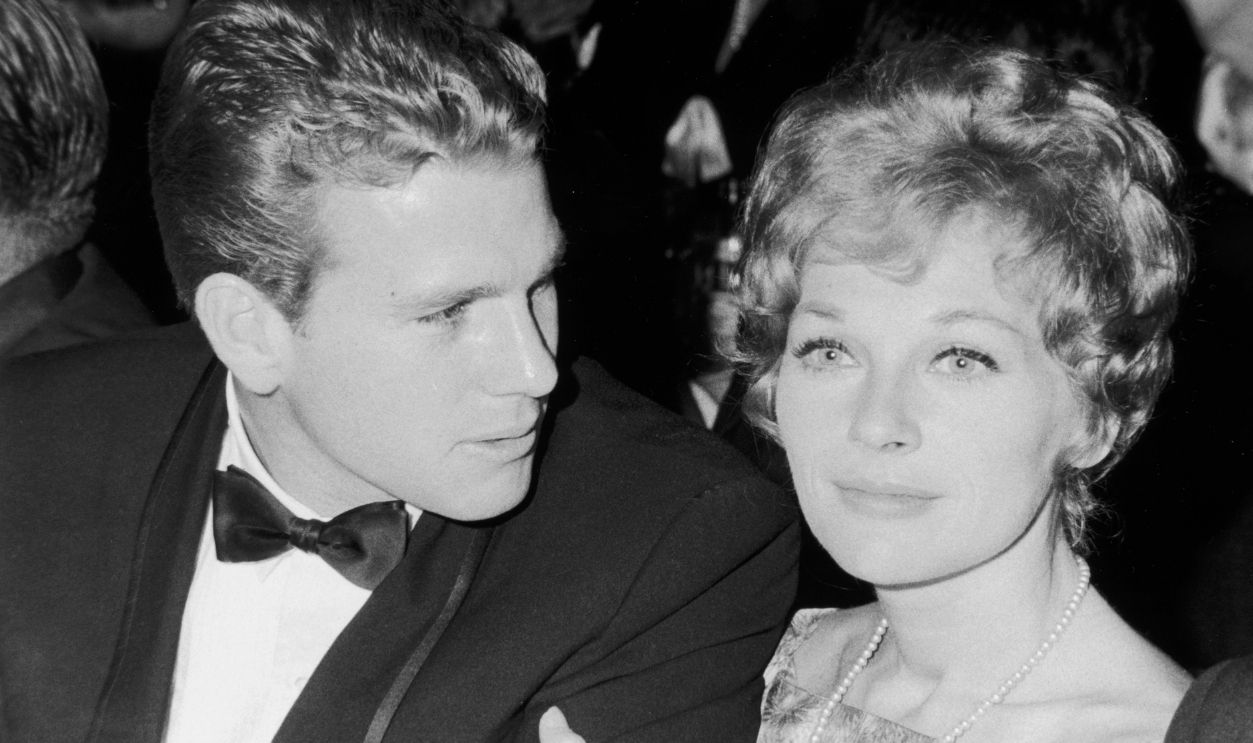
Joanna Moore Had Her Own Acting Career
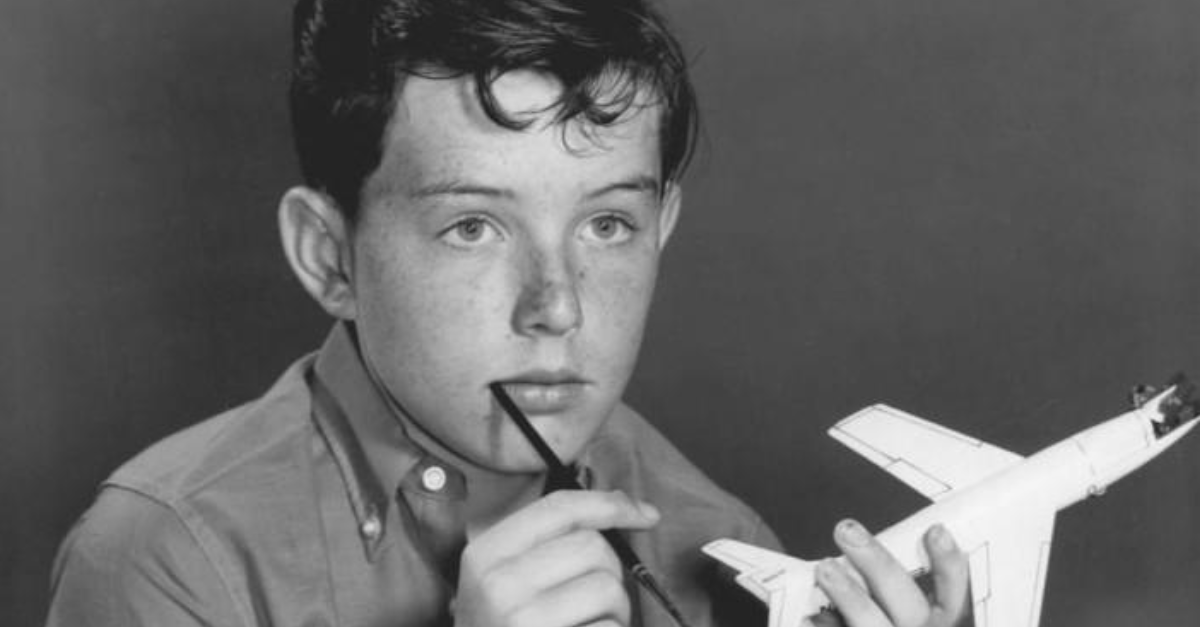
Moore was not simply “Tatum’s mother". She was an actress known for roles in television and film, including appearances on The Andy Griffith Show. But her life was also shaped by addiction, health struggles, and personal instability. Those problems eventually affected her ability to care for her children.
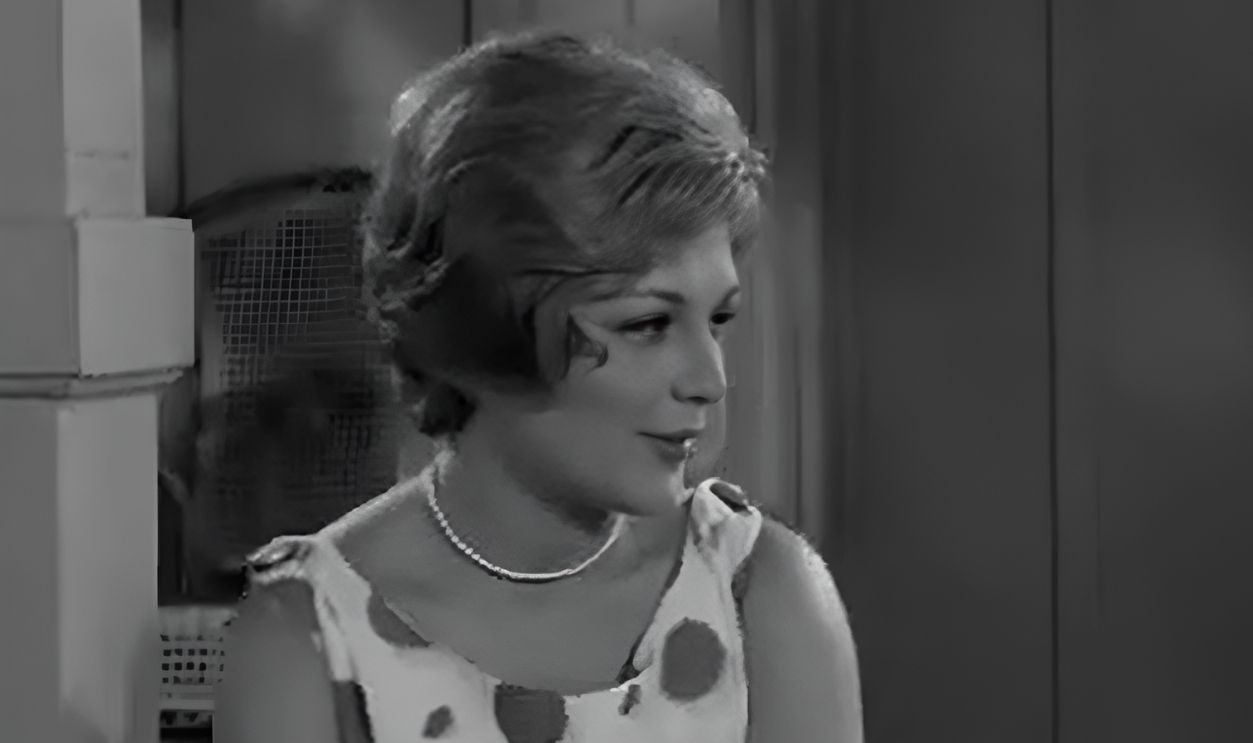 Screenshot from The Andy Griffith Show, CBS (1960–1968), Modified
Tatum Later Described A Chaotic Childhood
In interviews and memoirs, Tatum described her early years with painful bluntness. She said she and Griffin lived through frightening instability while in their mother’s care. The details she later shared made clear that her childhood had not felt protected, glamorous, or safe.
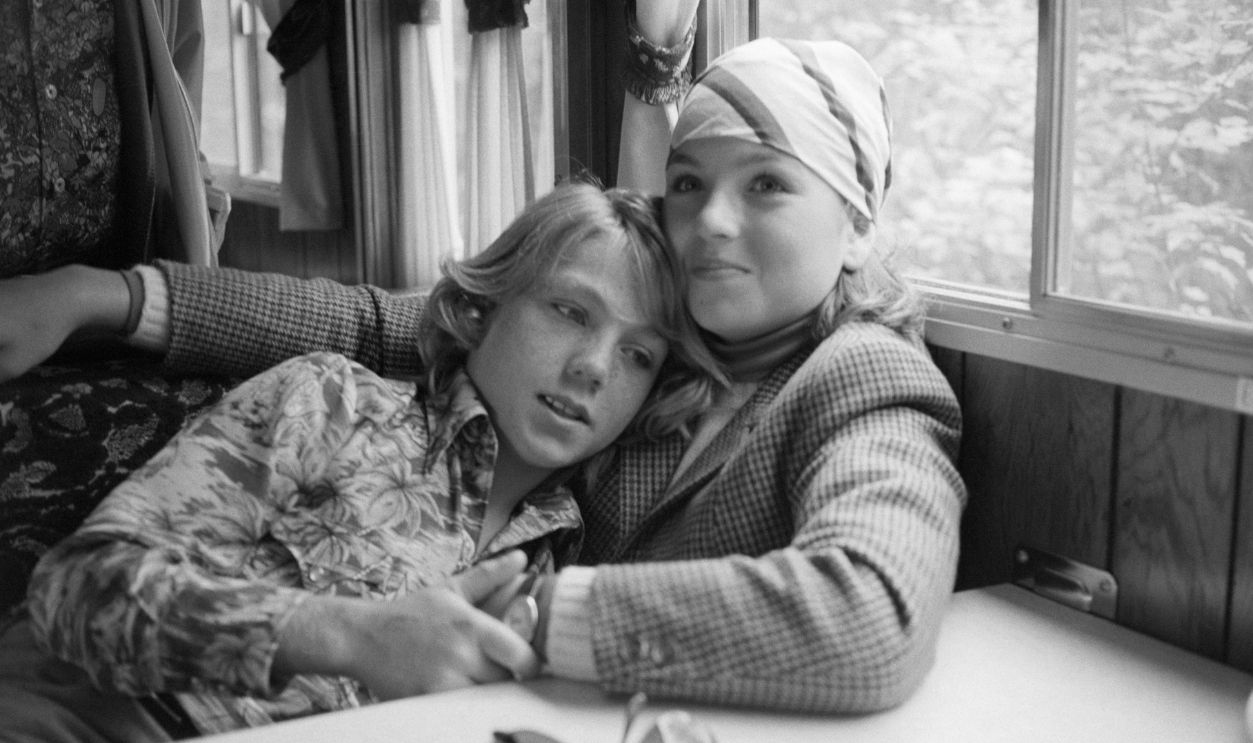
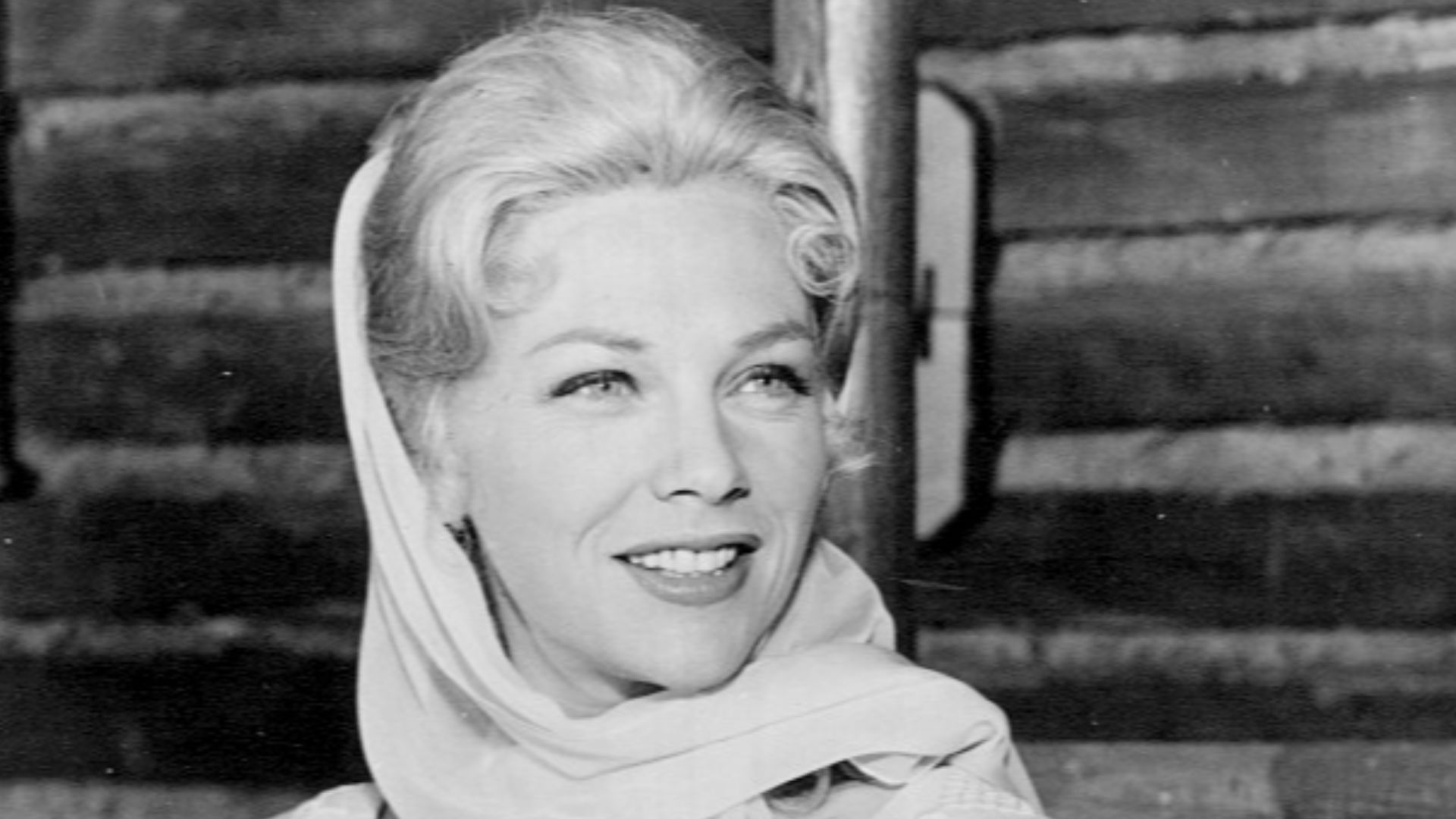
Her Mother Lost Custody
Tatum later said her mother’s substance use led to Joanna Moore losing custody when Tatum was still very young. Other accounts note that Moore lost custody after struggles with drinking, addiction, and legal trouble. The result was that Tatum and Griffin eventually went to live with their father.
 ABC Television, Wikimedia Commons
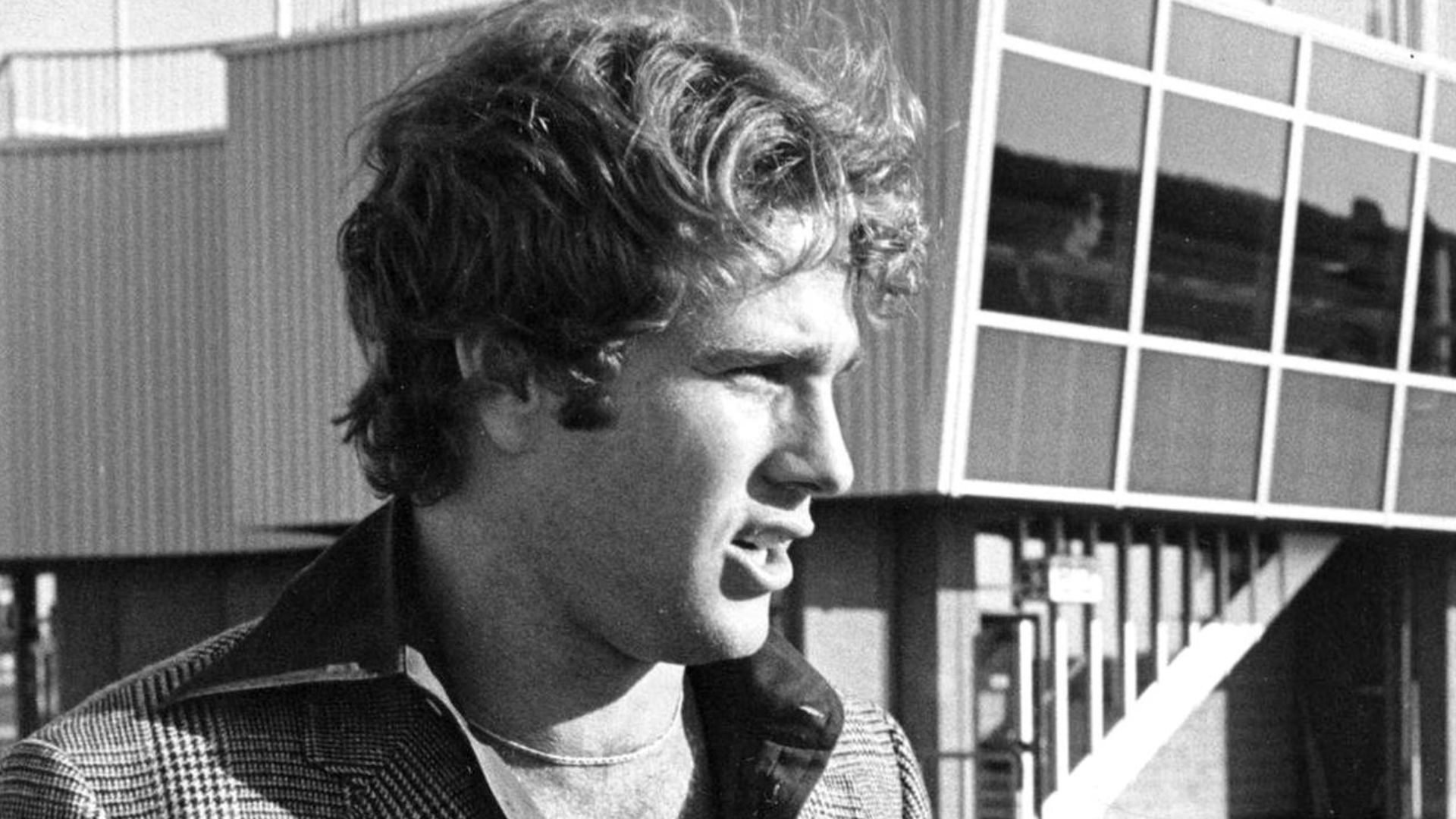
Moving To Ryan Did Not Fix Everything
Going to live with Ryan O’Neal did not automatically bring peace. Tatum later described her father as volatile, competitive, and emotionally difficult. What should have been a rescue from one unstable home became another painful chapter in a childhood shaped by adult chaos.
 AnonymousUnknown author / Lehtikuva, Wikimedia Commons
Then Came Paper Moon
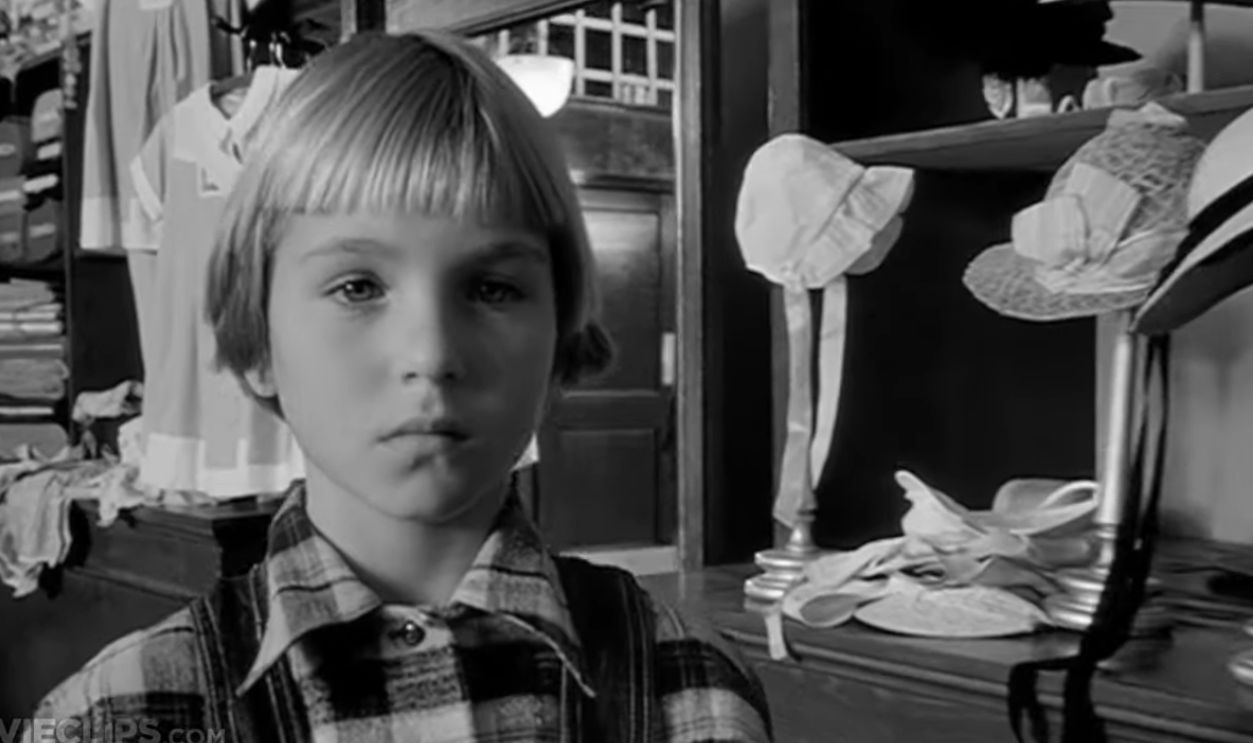
In 1973, Tatum made her film debut opposite Ryan in Peter Bogdanovich’s Paper Moon. She played Addie Loggins, a sharp, unsentimental girl traveling through Depression-era America with a con man who may or may not be her father. The role fit her with startling precision.
 Screenshot from Paper Moon, Paramount Pictures (1973)
She Stole The Movie
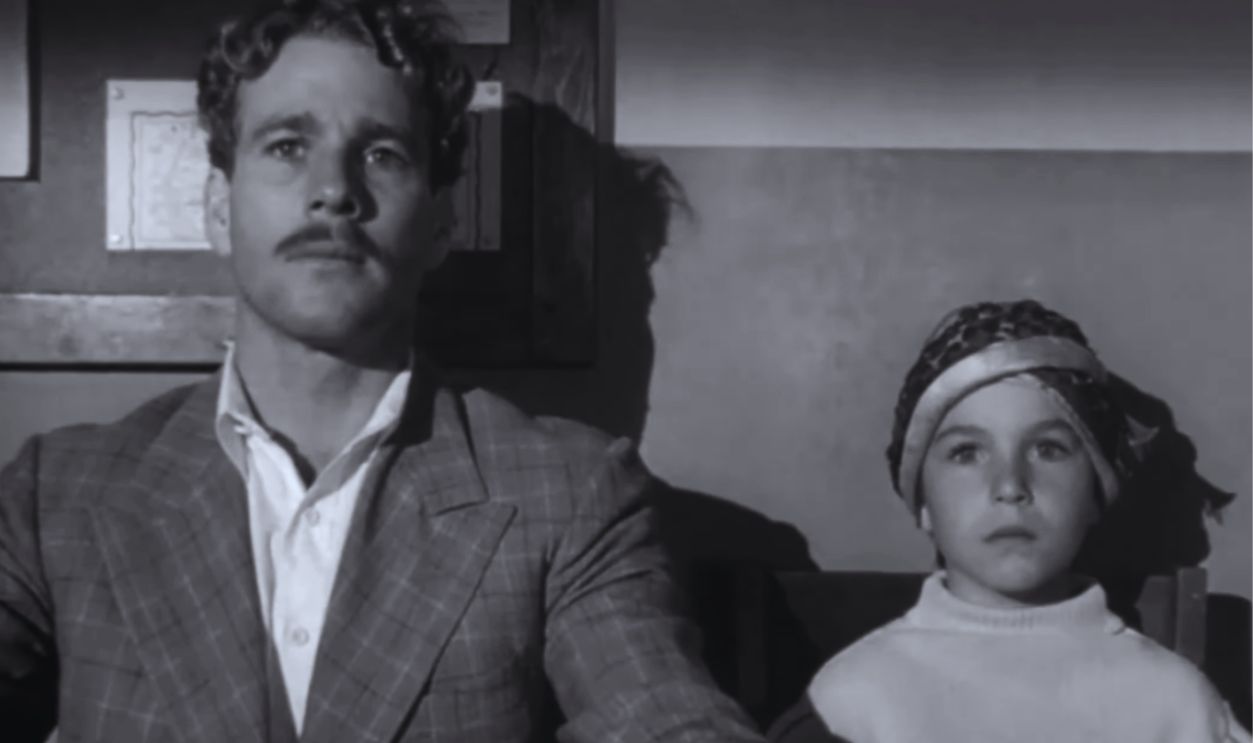
Ryan was already the established star, but Tatum’s performance became the revelation. She was funny, tough, watchful, and heartbreakingly unsentimental. Critics and audiences saw a child actor who did not feel cute or coached. She seemed real, which made her impossible to ignore.
 Screenshot from Paper Moon, Paramount Pictures (1973)
The Father-Daughter Casting Made It More Powerful
Part of the film’s magic came from the real relationship between Ryan and Tatum. Their characters bickered, schemed, and circled each other emotionally. On screen, that tension felt electric. Off screen, it carried the complicated energy of a father and daughter already locked in a difficult bond.
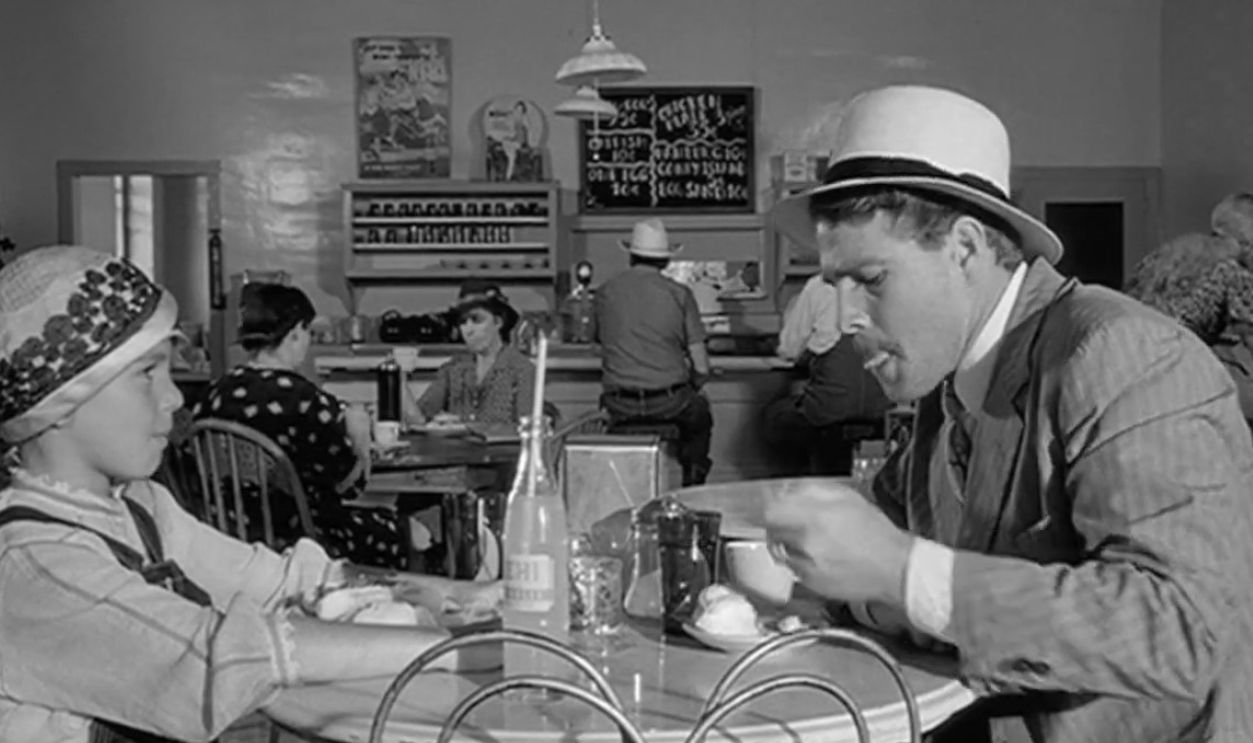 Screenshot from Paper Moon, Paramount Pictures (1973)
The Oscar Nomination Changed Everything
When Tatum was nominated for Best Supporting Actress, she became part of Academy Award history before she was old enough to fully understand it. But according to later accounts, the nomination also intensified pain inside the family. Her father had not been nominated, and that imbalance mattered.
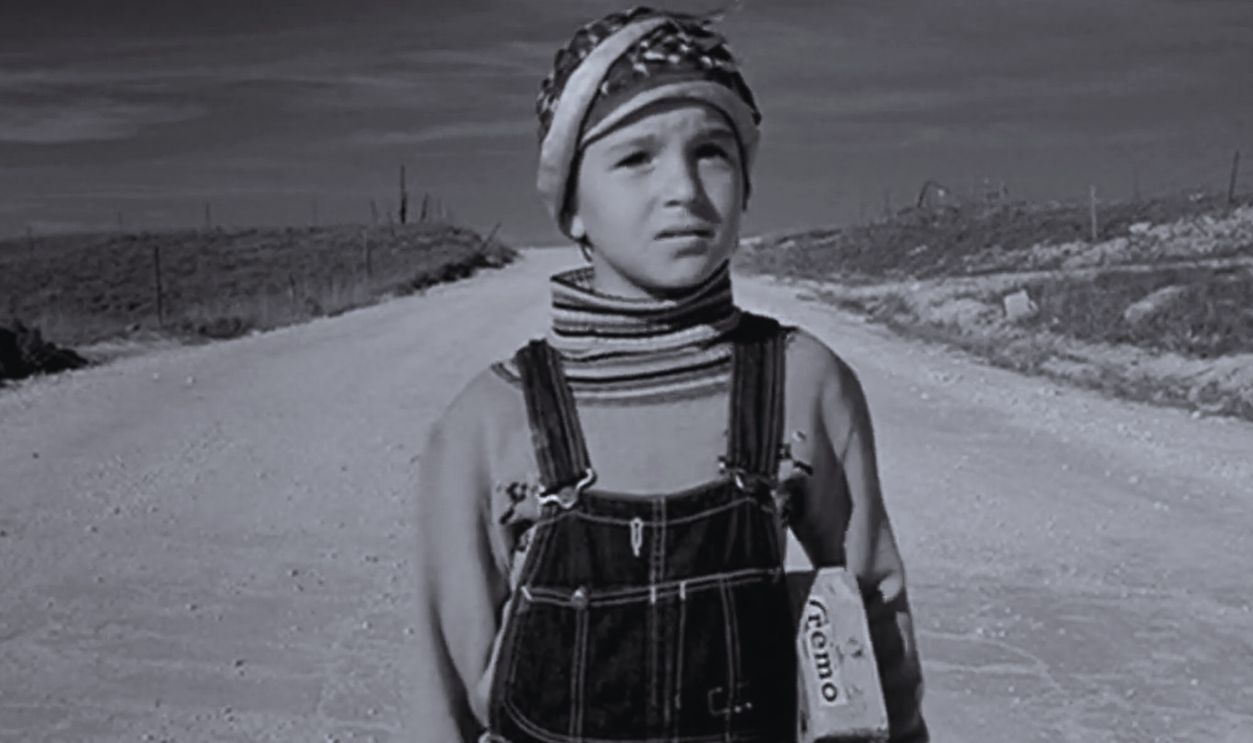 Screenshot from Paper Moon, Paramount Pictures (1973)
She Later Said Her Father Was Jealous
Tatum later claimed that Ryan became jealous of her success around Paper Moon. The claim became one of the most painful parts of her Oscar story. A child’s triumph should have brought protection and pride. Instead, she remembered it as something that deepened tension with her father.
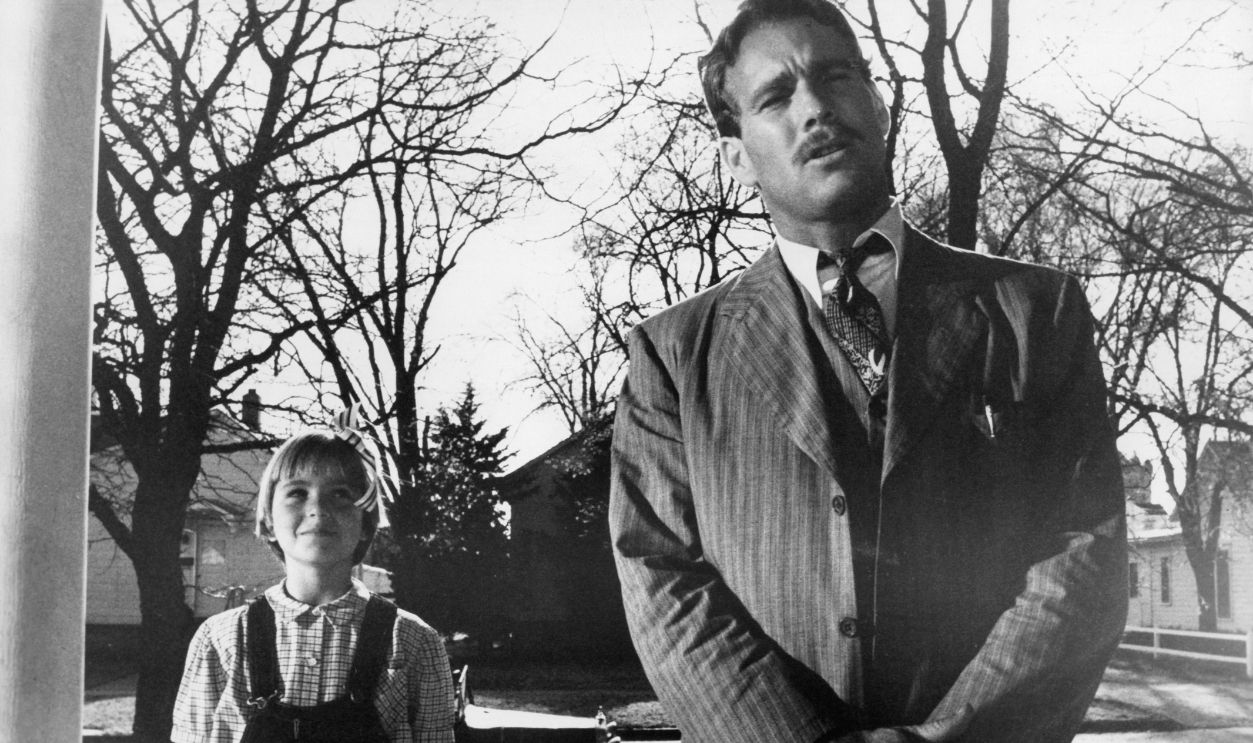
Reports Said His Jealousy Was “Out Of Control”
Later reporting on Tatum’s memoir described her claim that Ryan’s jealousy during awards season was “out of control". The line is devastating because it reverses what people expect from a parent. The adult star should have been cheering for his child, not competing with her.
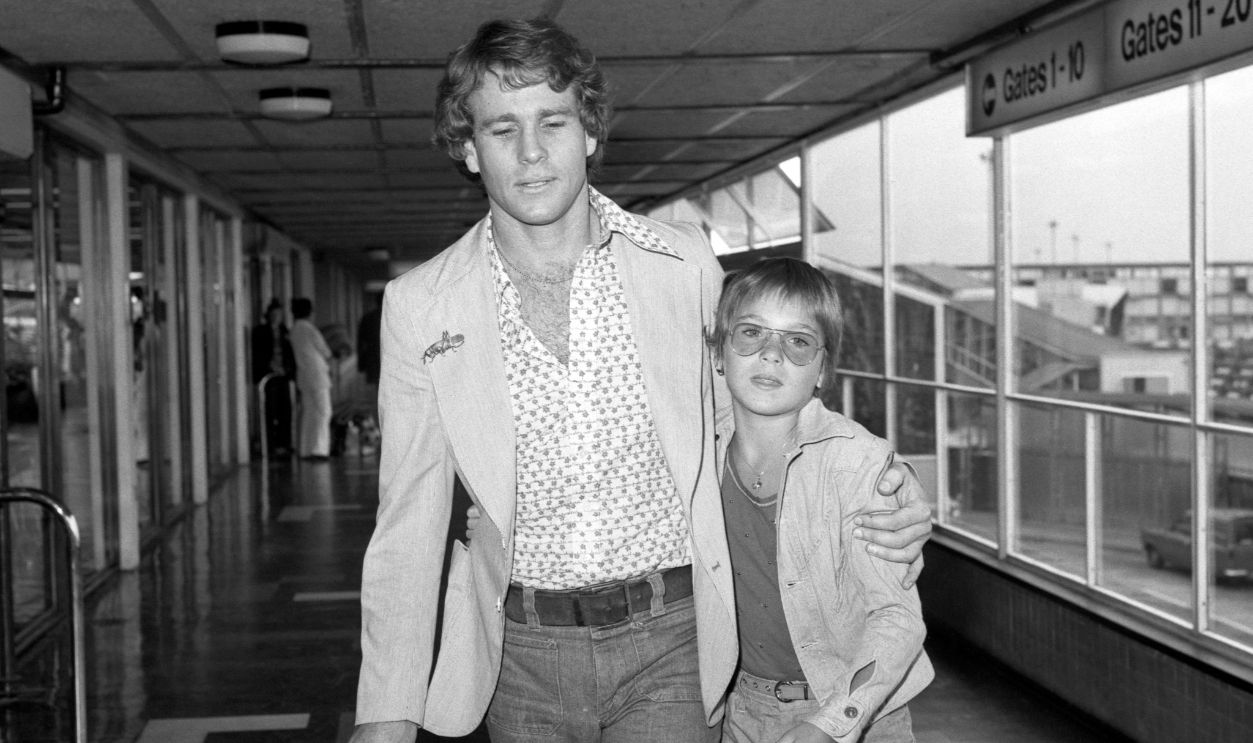
Ryan Later Acknowledged Family Resentment
Ryan O’Neal later acknowledged that Tatum’s Oscar created jealousy and resentment within the family. That admission did not erase Tatum’s pain, but it supported the idea that her win was not treated as a simple family celebration. Her success became part of a much larger family wound.
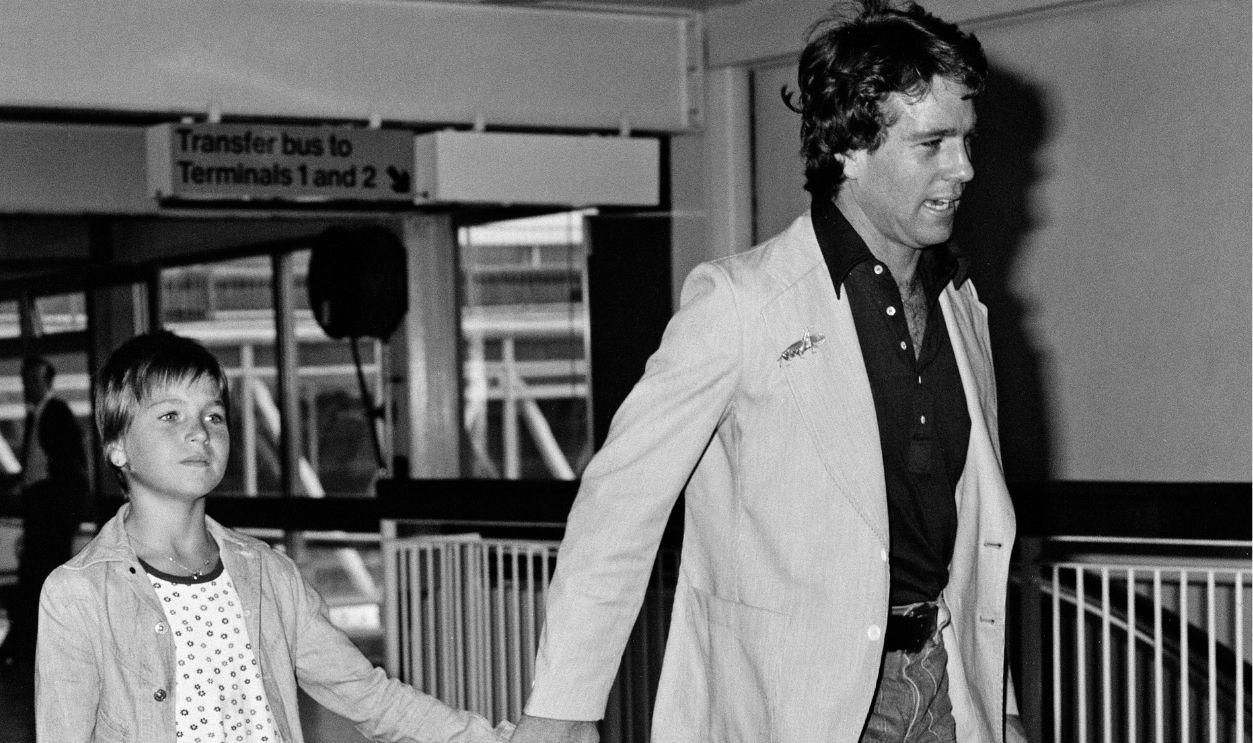
The Oscar Night Was Missing Her Parents
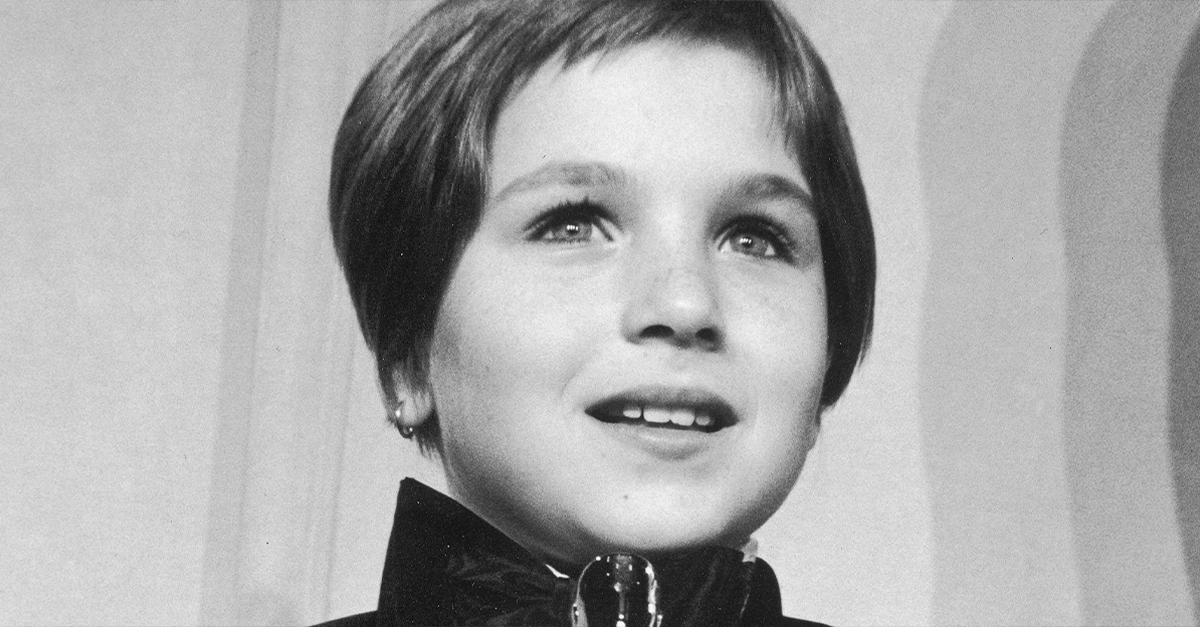
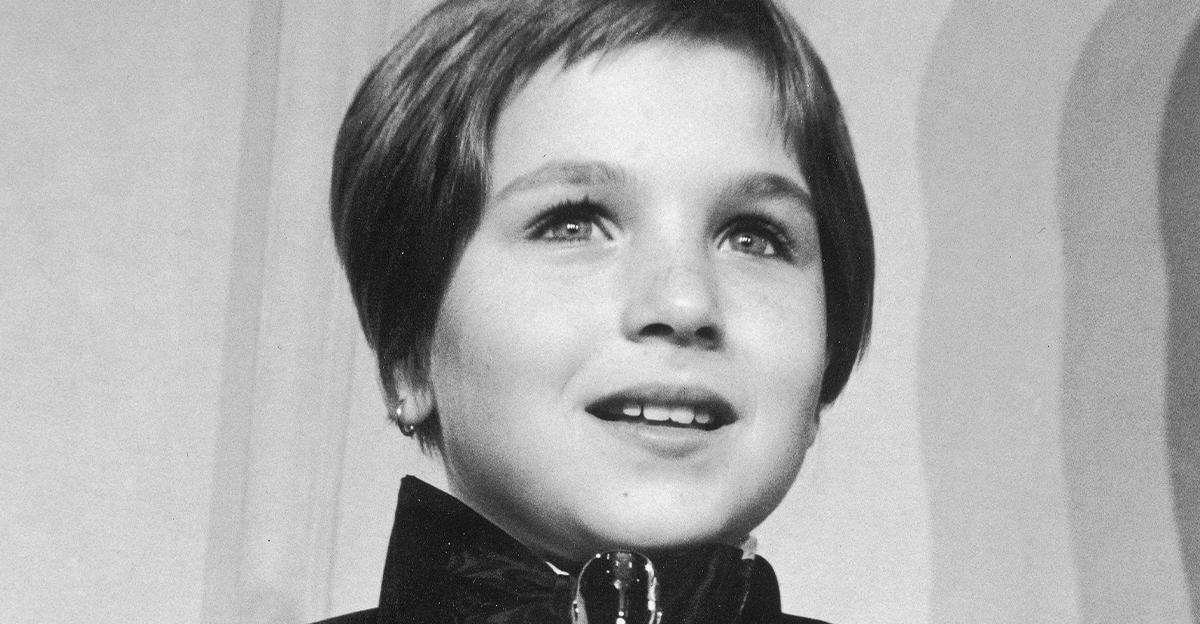
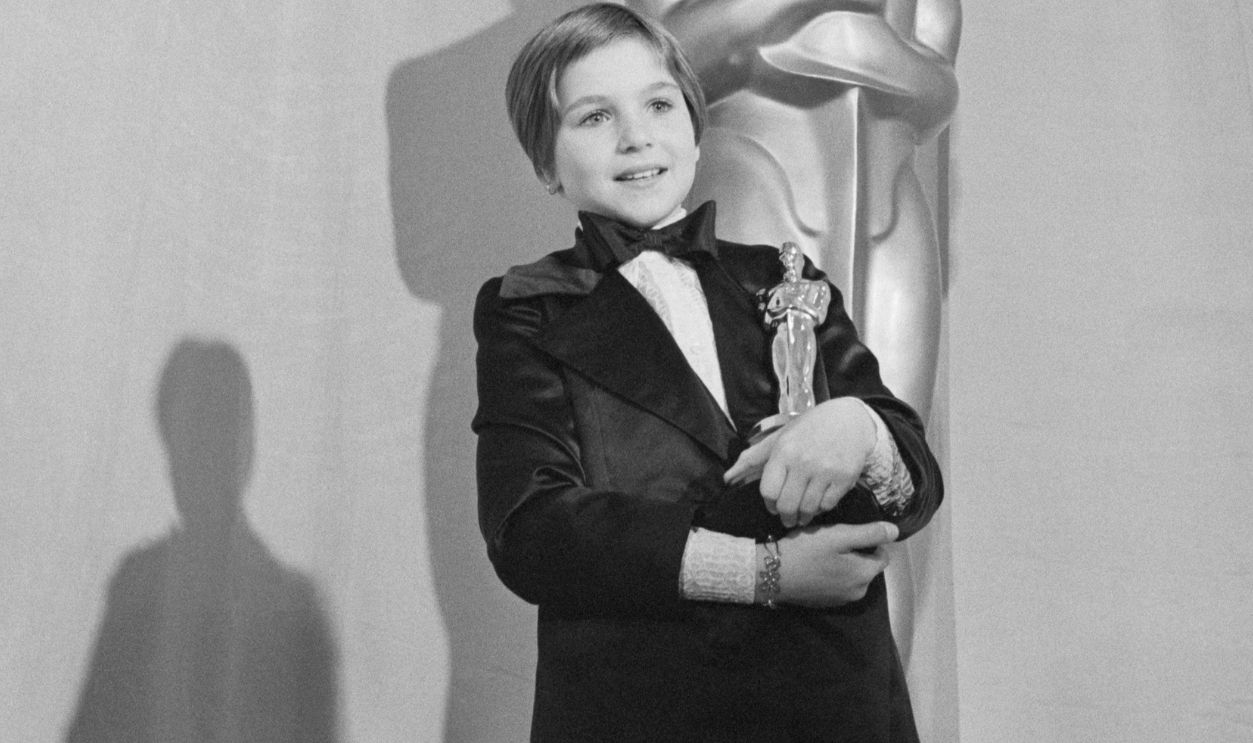
At the 1974 Academy Awards, Tatum won Best Supporting Actress for Paper Moon. She was 10 years old at the ceremony, and neither Ryan O’Neal nor Joanna Moore was there to see it happen. For the public, it was a charming historical moment. For Tatum, it became tied to abandonment.
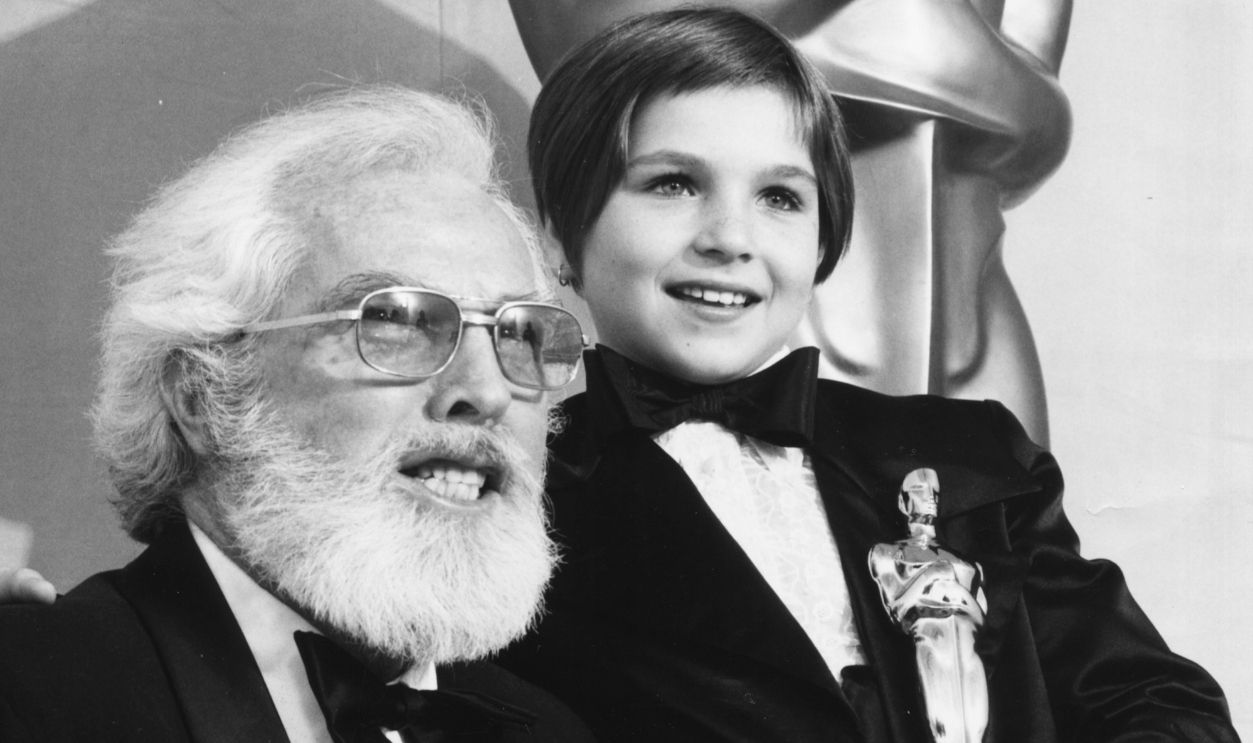 Authenticated News, Getty Images
She Thanked Her Father Anyway
When Tatum accepted the award, she thanked director Peter Bogdanovich and her father. Even in the middle of a win he did not attend, she still publicly named Ryan. The little girl on stage was reaching toward a parent who was not in the room.
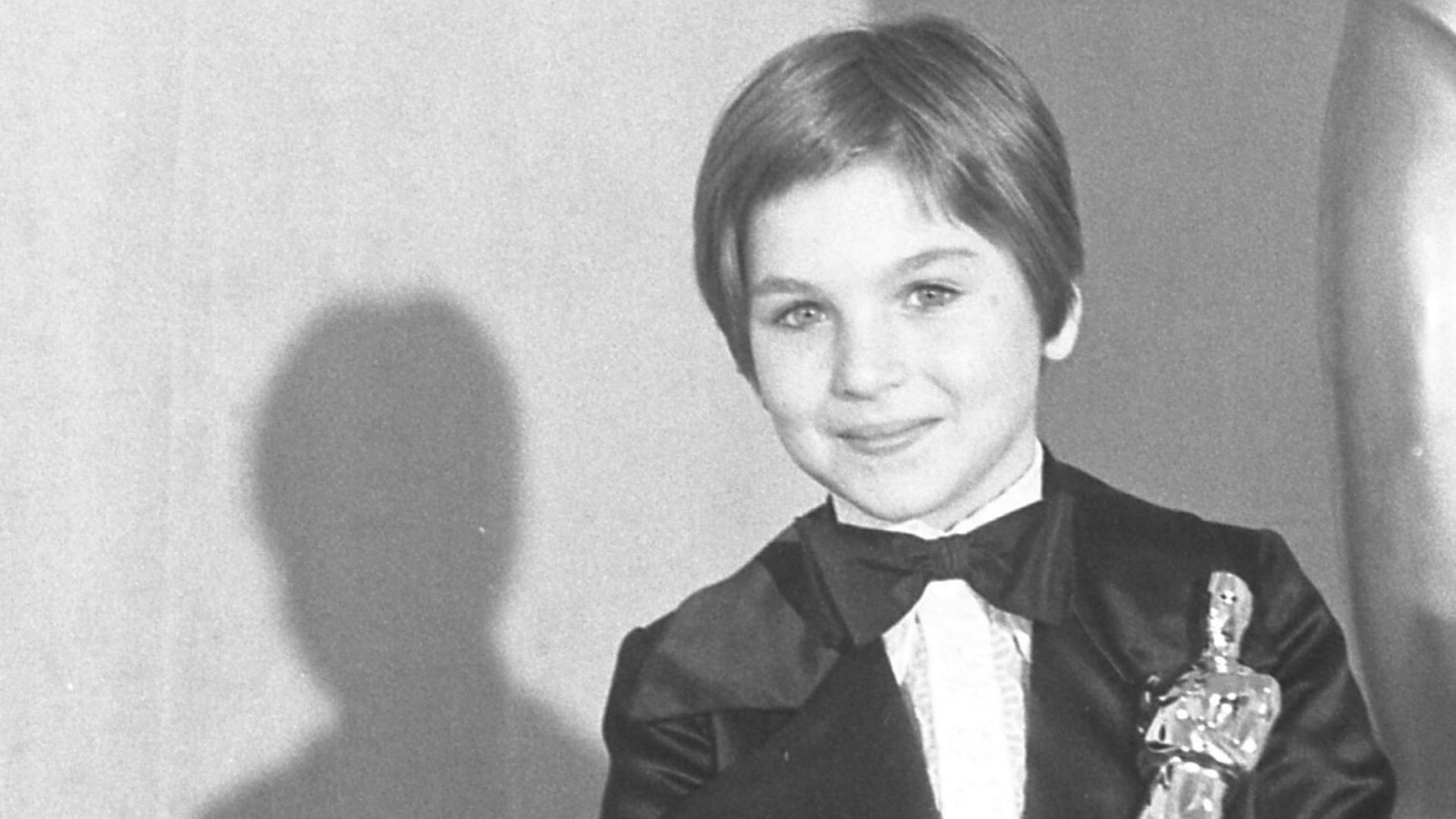 Los Angeles Times, Wikimedia Commons
She Became The Youngest Competitive Oscar Winner
Tatum’s win made her the youngest person ever to win a competitive Academy Award. The record became part of Oscar history and is still one of the first facts people mention about her career. But the record alone does not capture what that night felt like to her.
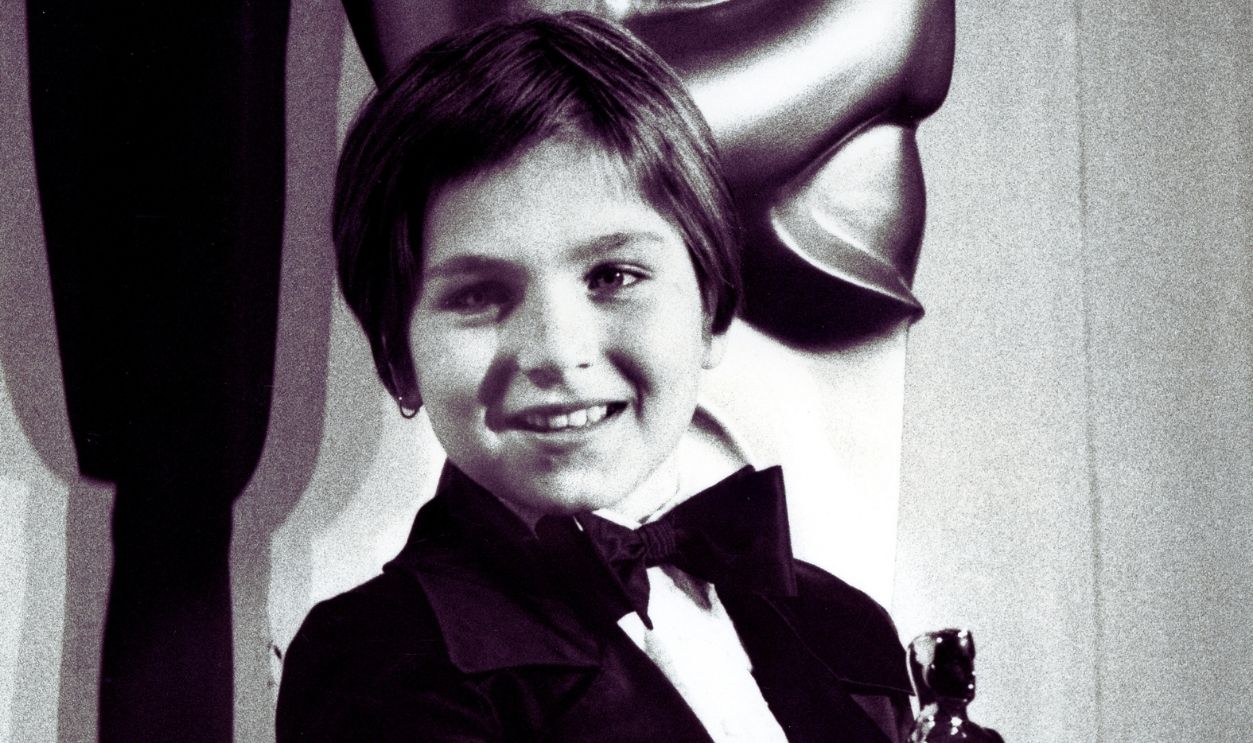
The Public Saw A Fairy Tale
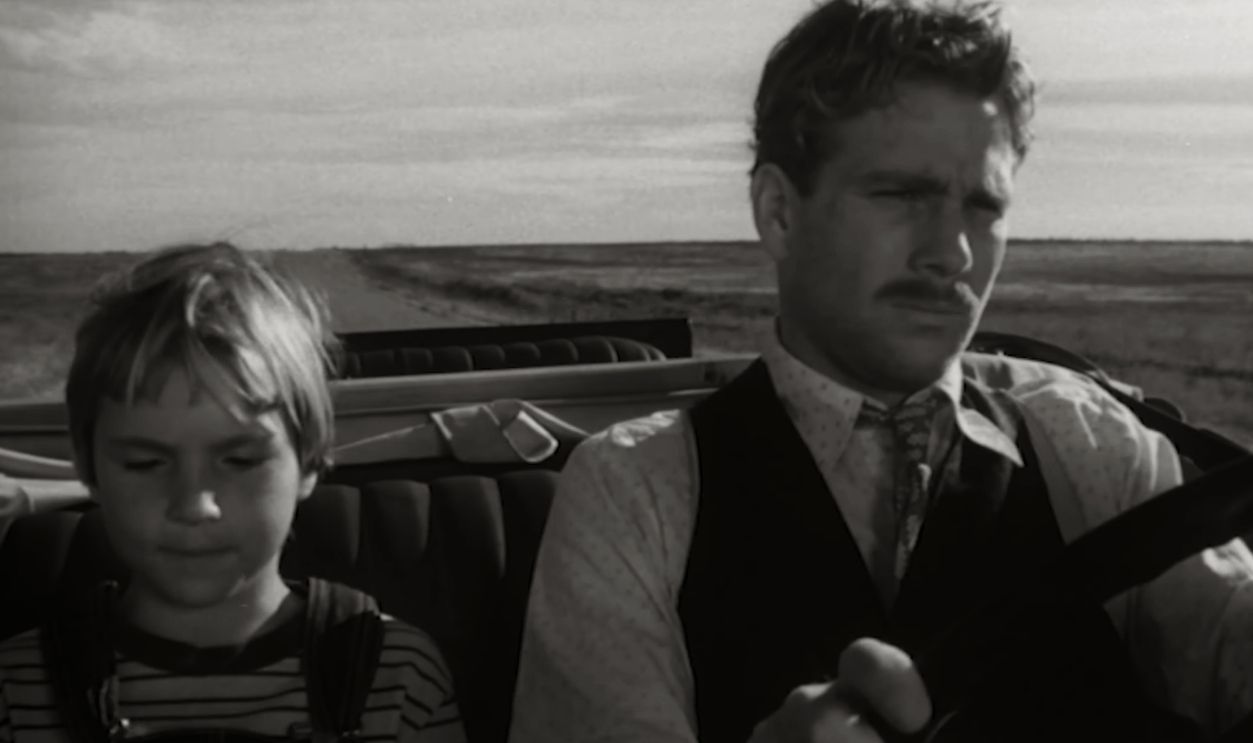
From the outside, the story seemed almost magical: a 10-year-old girl wins an Oscar for her film debut opposite her famous father. It looked like Hollywood innocence at its most dazzling. However, all that glitters is not gold. Behind the scenes, Tatum was just a child carrying adult emotional burdens.
 Screenshot from Paper Moon, Paramount Pictures (1973)
Tatum Remembered Sadness, Not Celebration
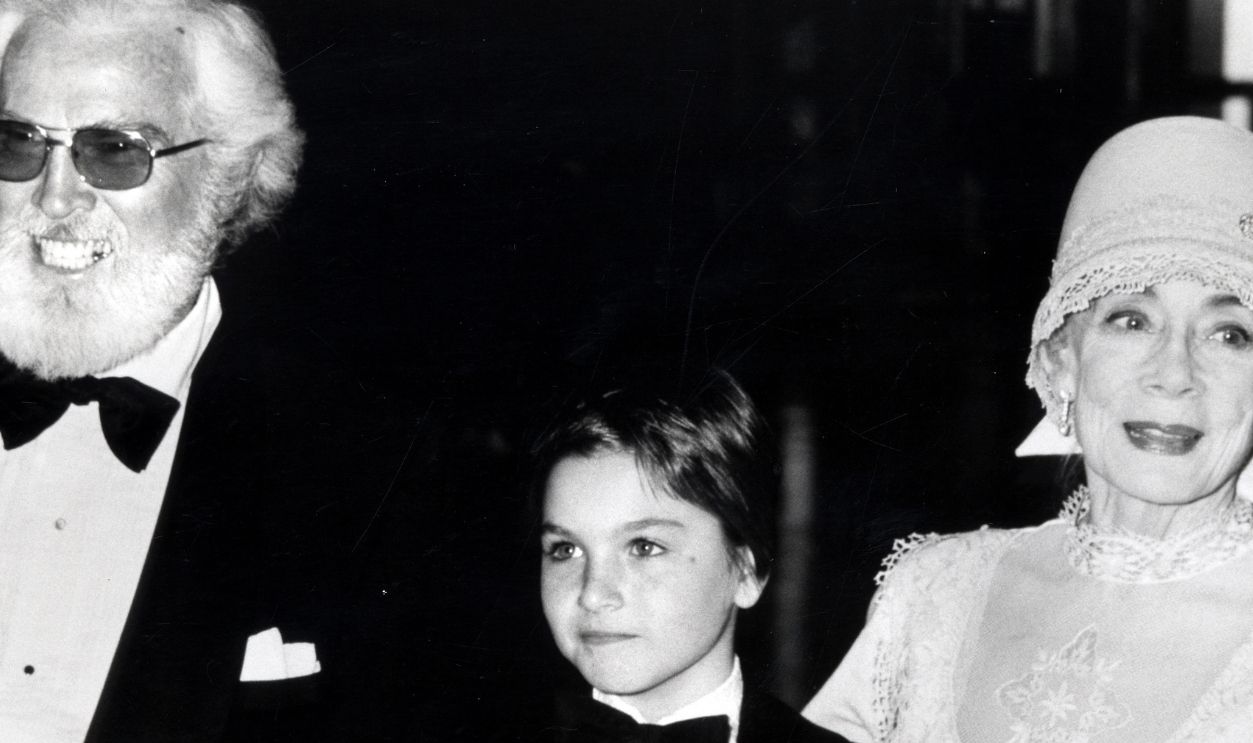
In later reflections, Tatum wrote that the feeling she most associated with winning the Oscar was sadness. She described feeling abandoned by both parents. The biggest night of her young life became another reminder of who was missing.
Joanna Moore Stayed Silent
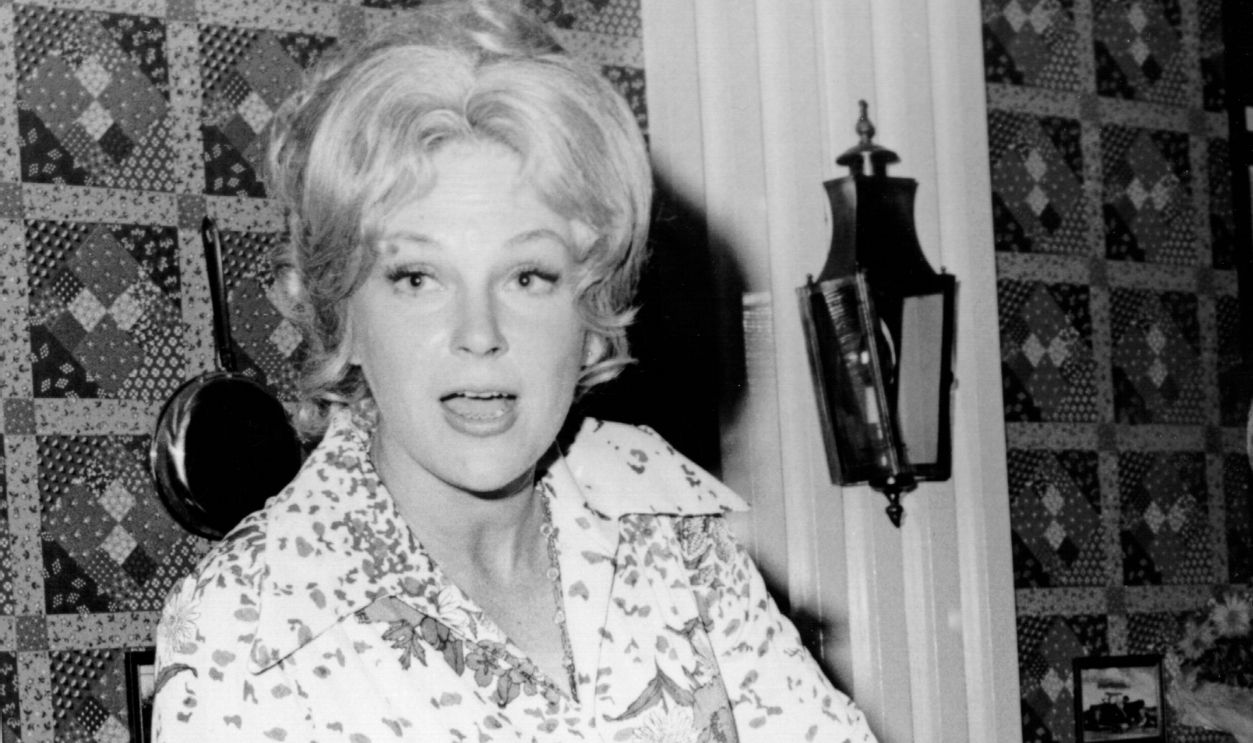
Tatum later said her mother did not respond to the Oscar victory in the way she needed. Joanna’s absence and silence added another wound to the night. Her mother had already lost custody, and the emotional distance between them seemed to stretch into Tatum’s most public triumph.
 Michael Ochs Archives, Getty Images
Ryan Sent A Note From Afar
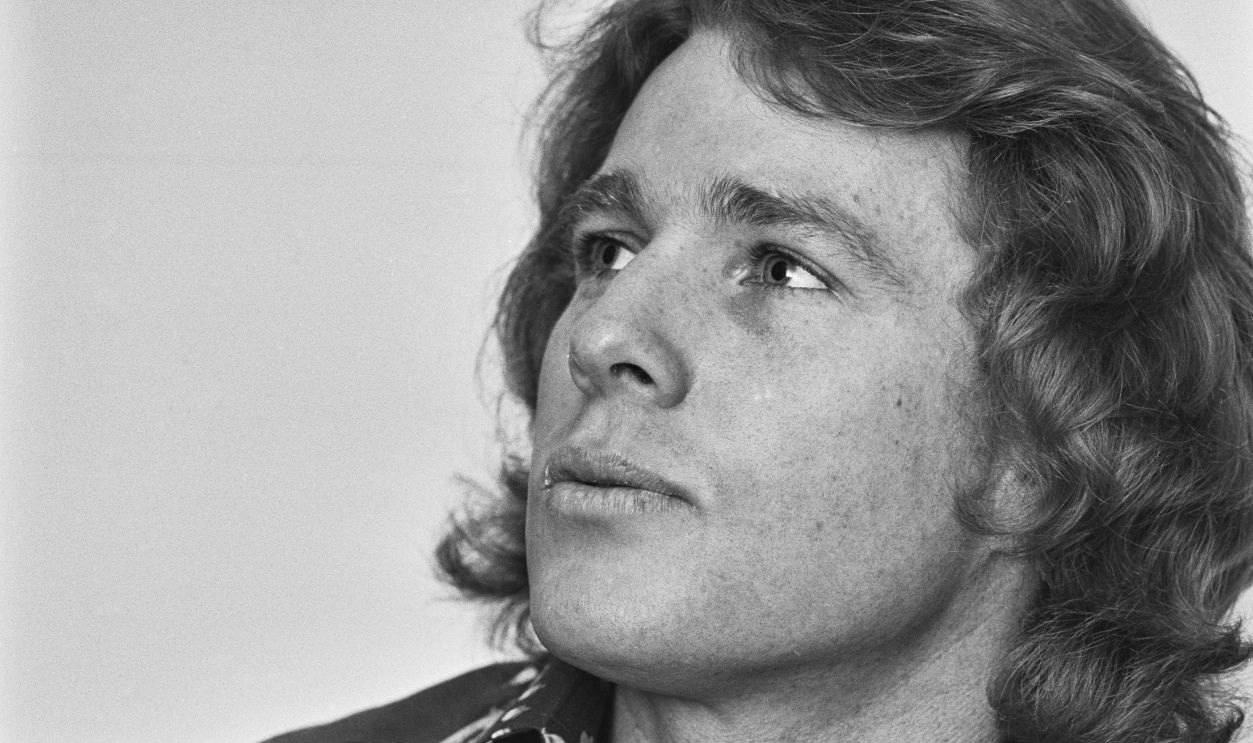
Some accounts note that Ryan sent Tatum a congratulatory note after the win. But even that gesture could not change the central fact of the night: he was not sitting in the audience when she made history. For Tatum, the absence of both parents became part of the memory.
Success Made Her More Vulnerable
After the Oscar, Tatum became one of the most famous child actors in Hollywood. Fame brought money, attention, offers, and power that no child could reasonably be expected to manage alone. Without stable parental protection, success became another form of danger.
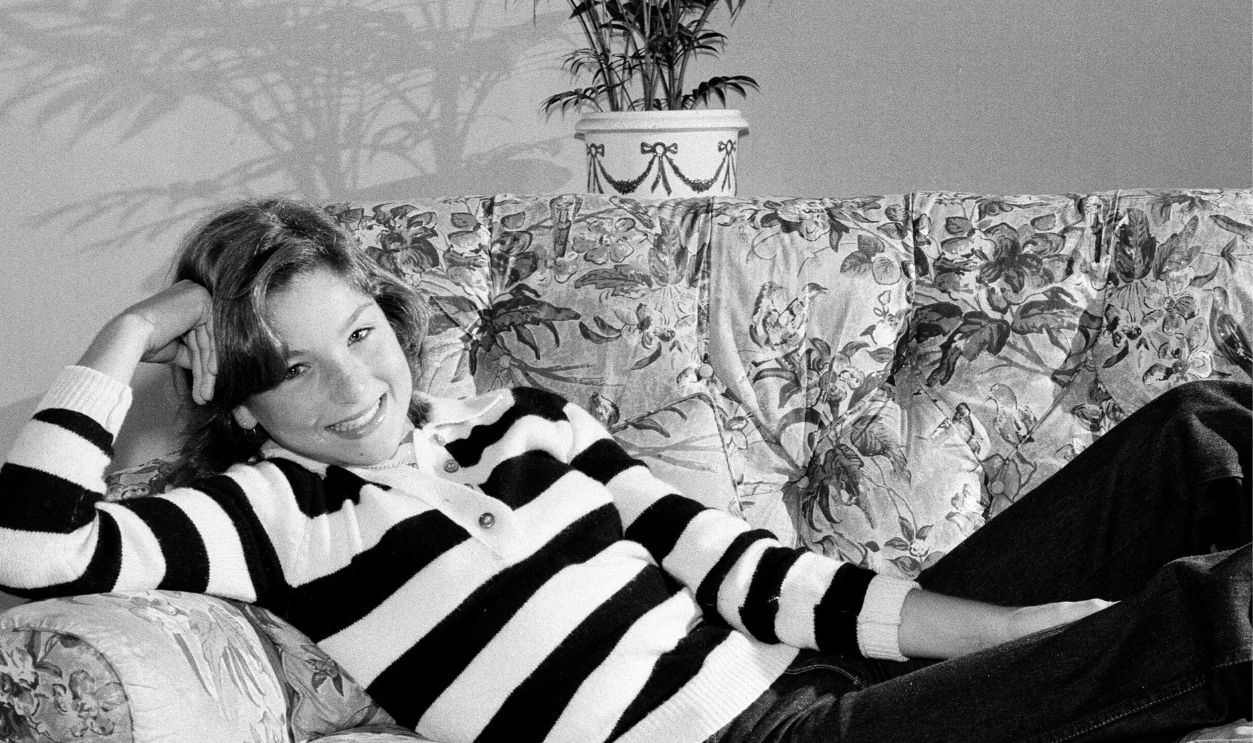
She Became The Highest-Paid Child Actor
Tatum’s early success helped make her one of the highest-paid child actors of her era. She followed Paper Moon with films such as The Bad News Bears and Little Darlings. But money and attention did not heal the wounds that had been there before she became famous.
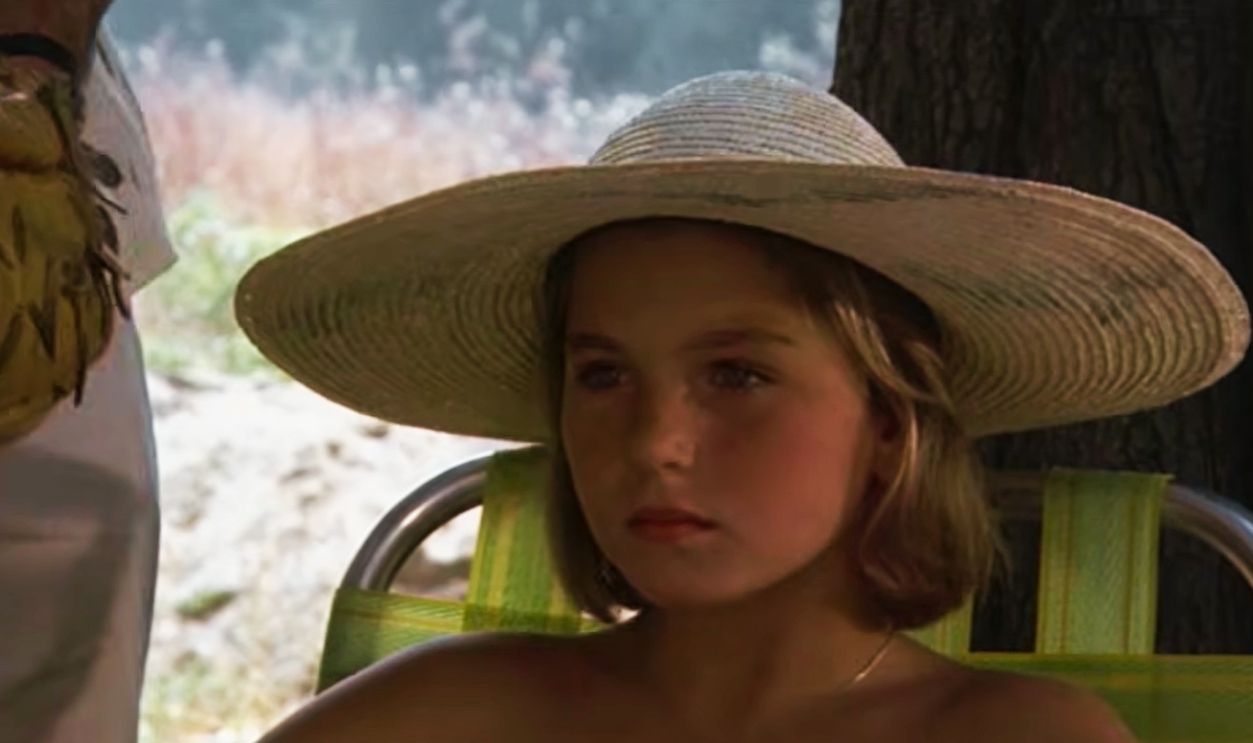 Screenshot from The Bad News Bears, Paramount Pictures (1976)
The Roles Kept Coming
Hollywood wanted more of the tough, precocious girl who had stunned audiences in Paper Moon. Tatum worked through childhood and adolescence, but she later described a life already touched by substance use, trauma, and emotional confusion. The public career kept moving while the private child struggled.
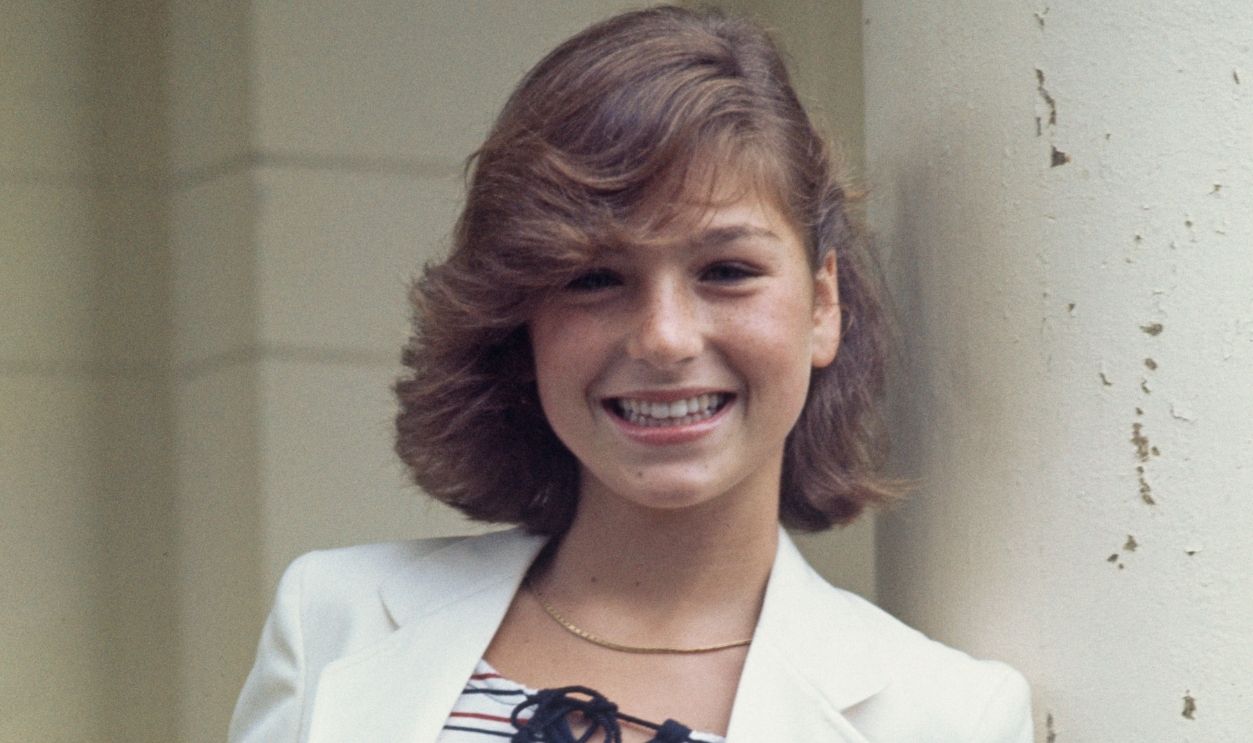
Her Relationship With Ryan Stayed Painful
The father-daughter relationship remained one of the defining struggles of Tatum’s life. She later wrote about estrangement, anger, longing, and attempts to reconcile. Ryan’s fame, charm, and volatility made the bond difficult to escape and almost impossible to make simple.
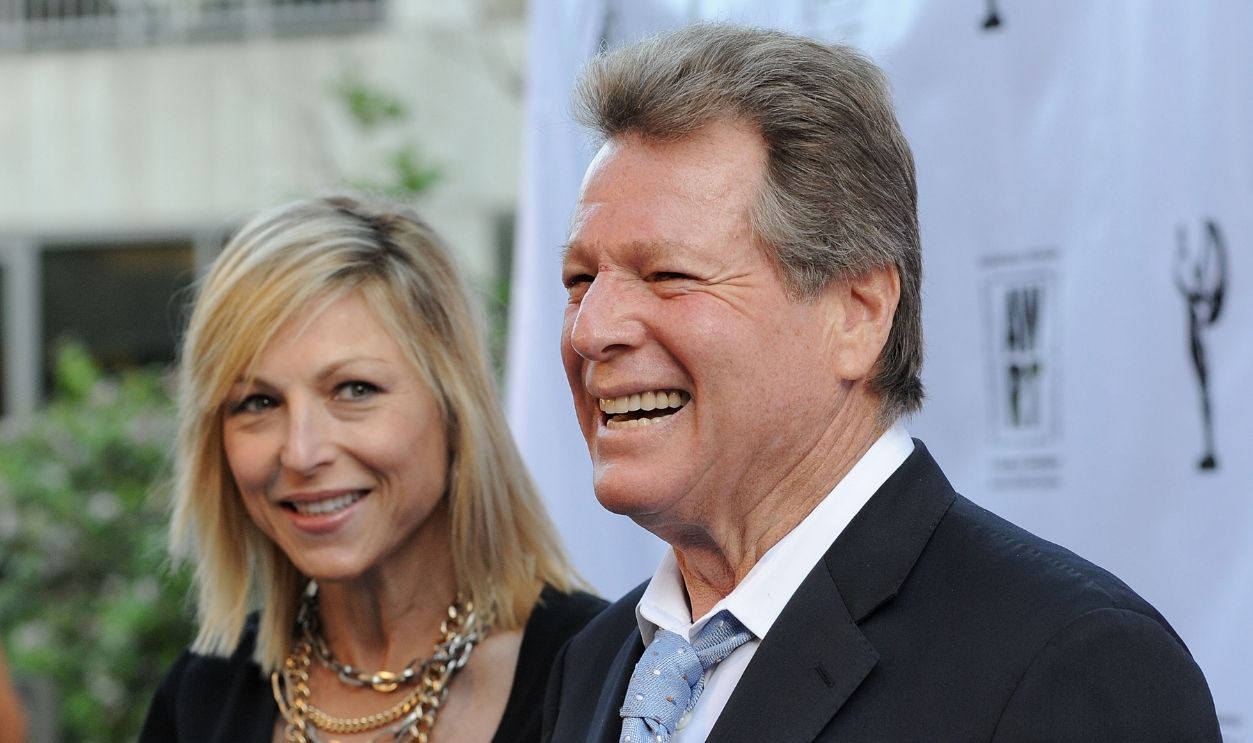
Her Mother’s Life Ended Sadly Too
Joanna Moore continued struggling for years and passed of lung cancer in 1997. Tatum later spoke about being with her mother near the end. Their relationship had been damaged by custody loss and addiction, but the grief of losing her mother still became part of Tatum’s long story of family pain.
Tatum Later Faced Her Own Battles
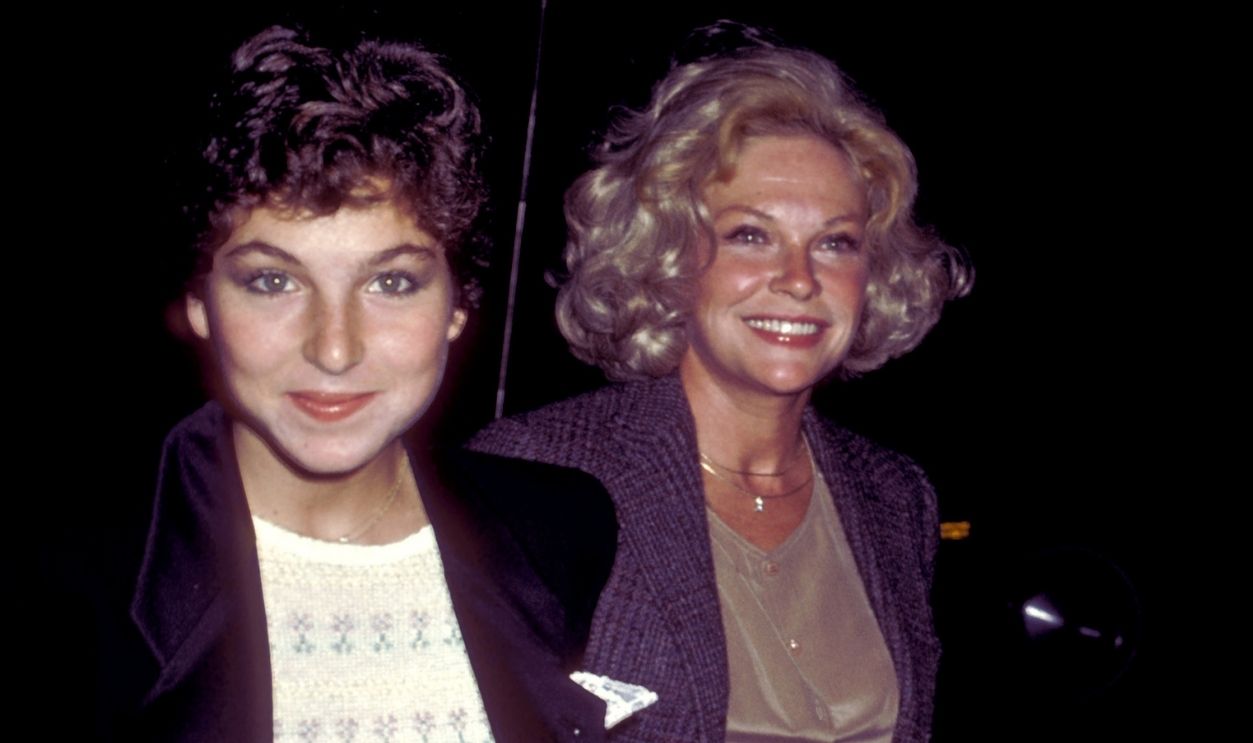
As an adult, Tatum struggled with addiction, divorce, custody battles, and public scrutiny. Those struggles were often covered harshly, but they cannot be separated from the childhood that came before them. Her Oscar did not protect her from pain. In some ways, it made the pain more visible.
She Tried To Reconcile With Her Father
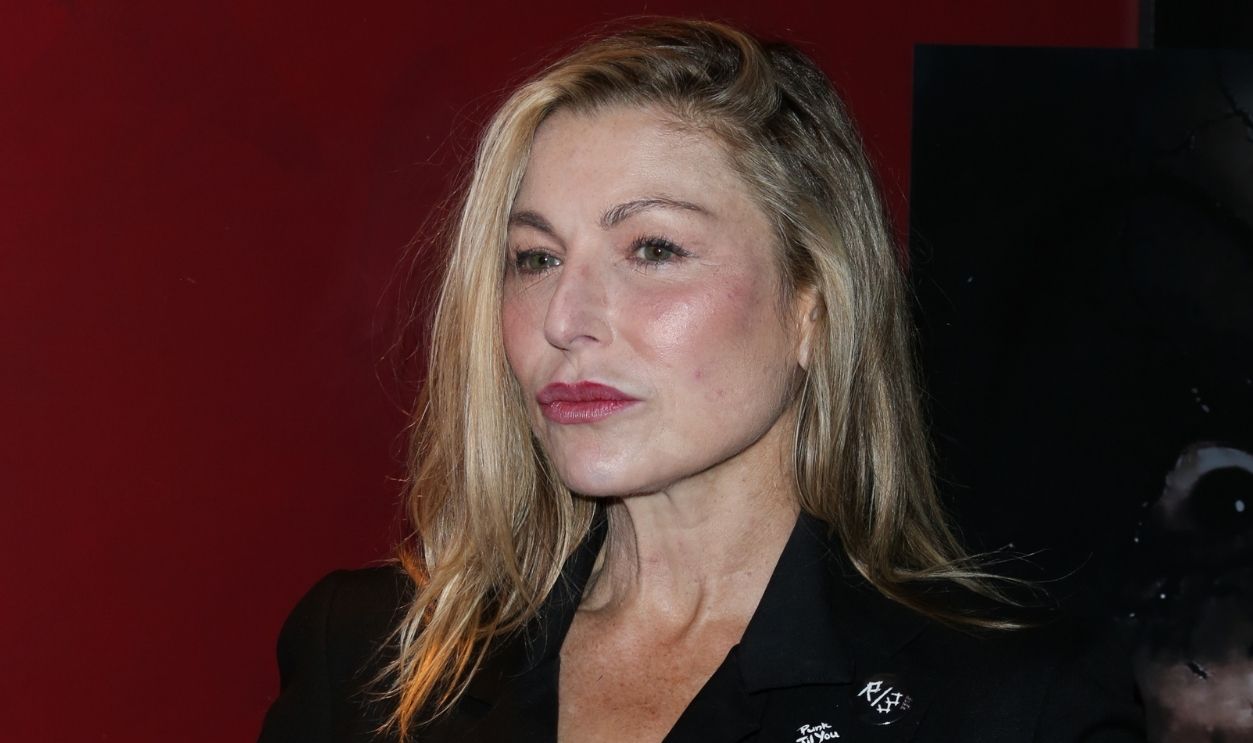
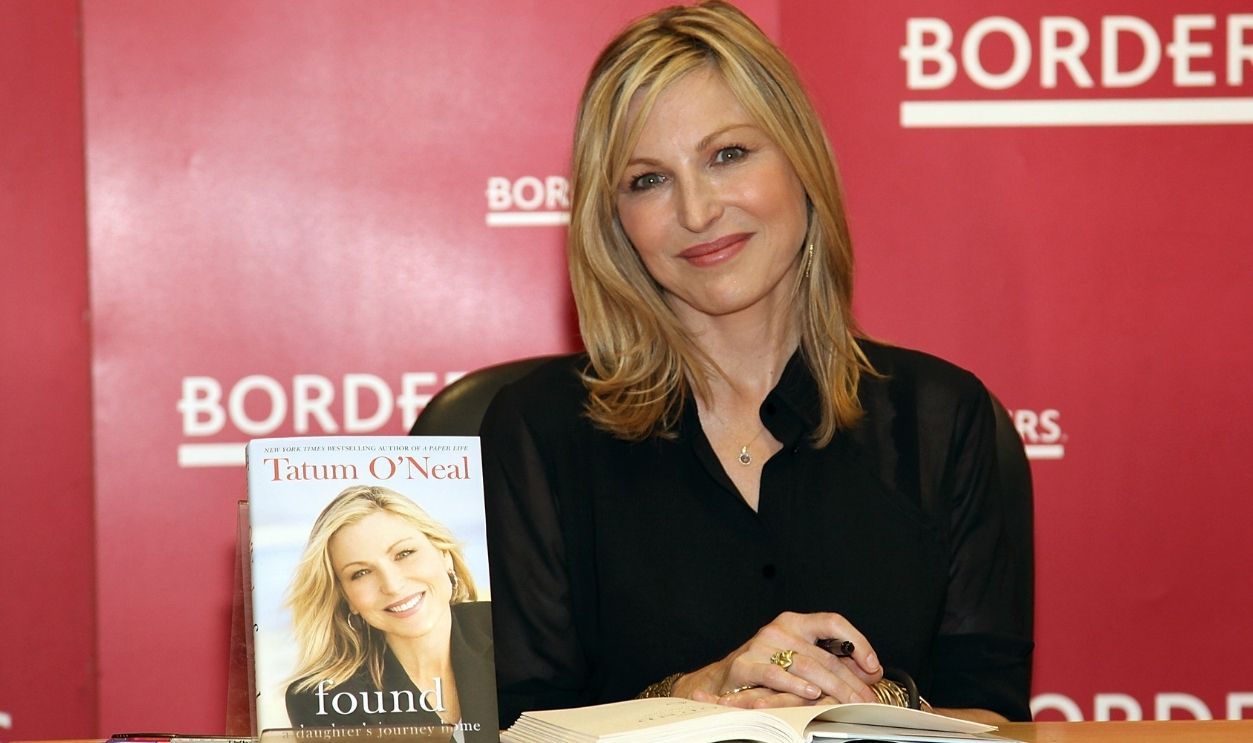
Years later, Tatum and Ryan attempted to repair their relationship, including through the reality series Ryan and Tatum: The O’Neals and her memoir Found: A Daughter’s Journey Home. The effort showed how deeply she still wanted something from him, even after decades of hurt.
She Still Paid Tribute After His Passing
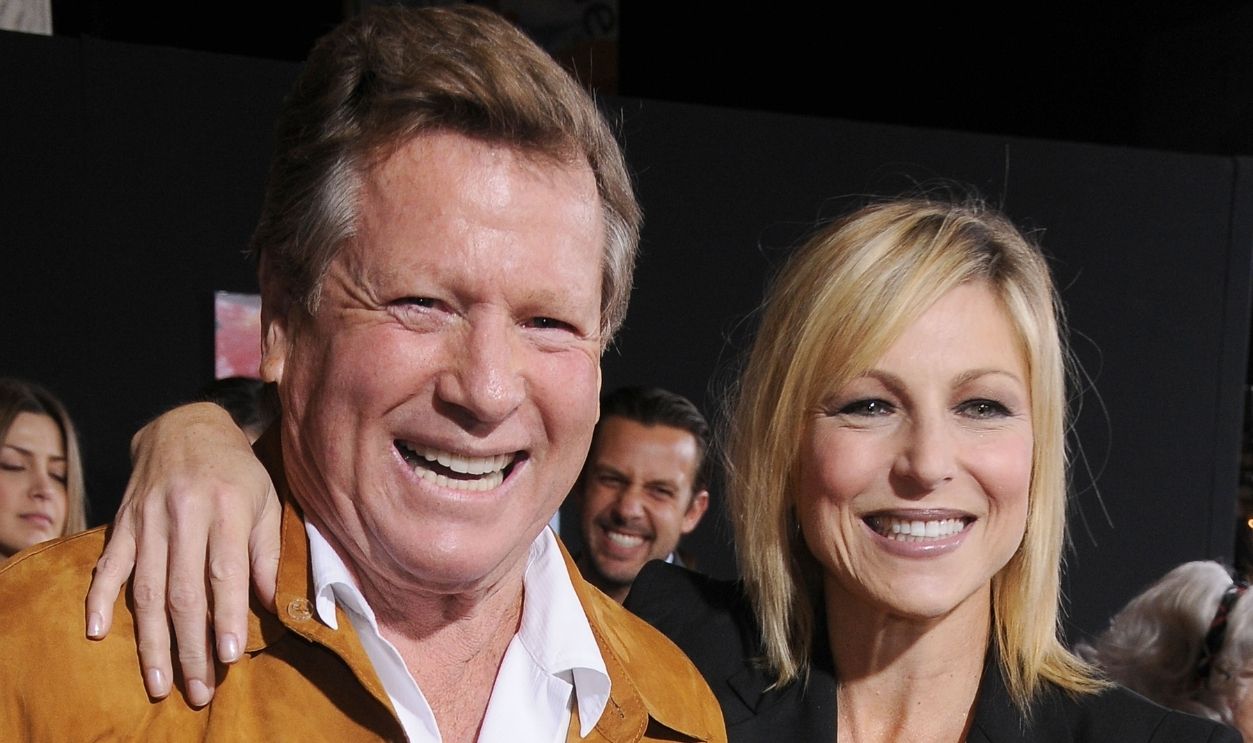
When Ryan O’Neal passed in 2023, Tatum publicly expressed sorrow and said she felt lucky that they had ended on better terms. That response did not erase the past. But it suggested that, after years of pain, jealousy, estrangement, and longing, some form of love had survived.
Her Oscar Story Had A Dark Side
Tatum O’Neal’s Oscar win should have been a child’s triumph surrounded by parental pride. Instead, her father was reportedly jealous, her mother had lost custody, and neither parent was there when she won. The result is one of Hollywood’s saddest success stories: a little girl made history while feeling abandoned by the people who should have been cheering the loudest.
You May Also Like:
The Best Feel-Good Movies To Lift Your Spirits
The Toughest Women In Classic Westerns. How Many Do You Remember?
Evelyn Nesbit Became America’s First Media Obsession, Then Her Life Turned Into A Public Spectacle
Sources: 1, 2, 3, 4, 5, 6, 7, 8, 9, 10, 11, 12, 13, 14, 15, 16, 17, 18