A Girl Born Far From The Spotlight
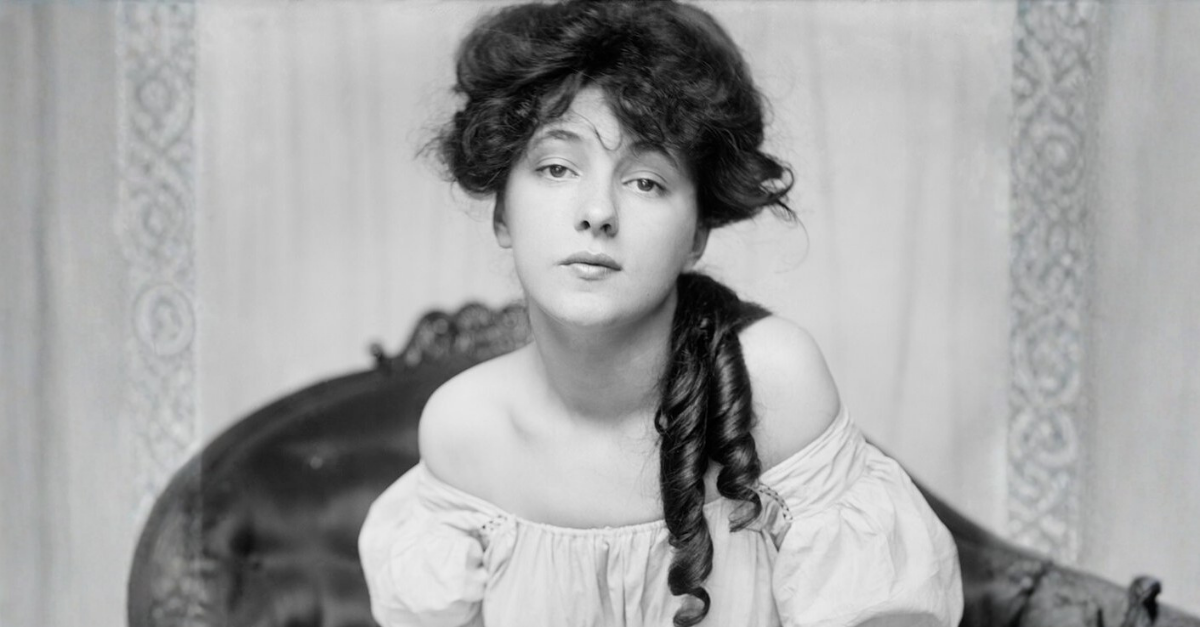
Florence Evelyn Nesbit was born on December 25, 1884, in Tarentum, Pennsylvania, near Pittsburgh. Before New York newspapers made her famous, her childhood was shaped by financial insecurity after her father passed, leaving her mother to support Evelyn and her younger brother, Howard.
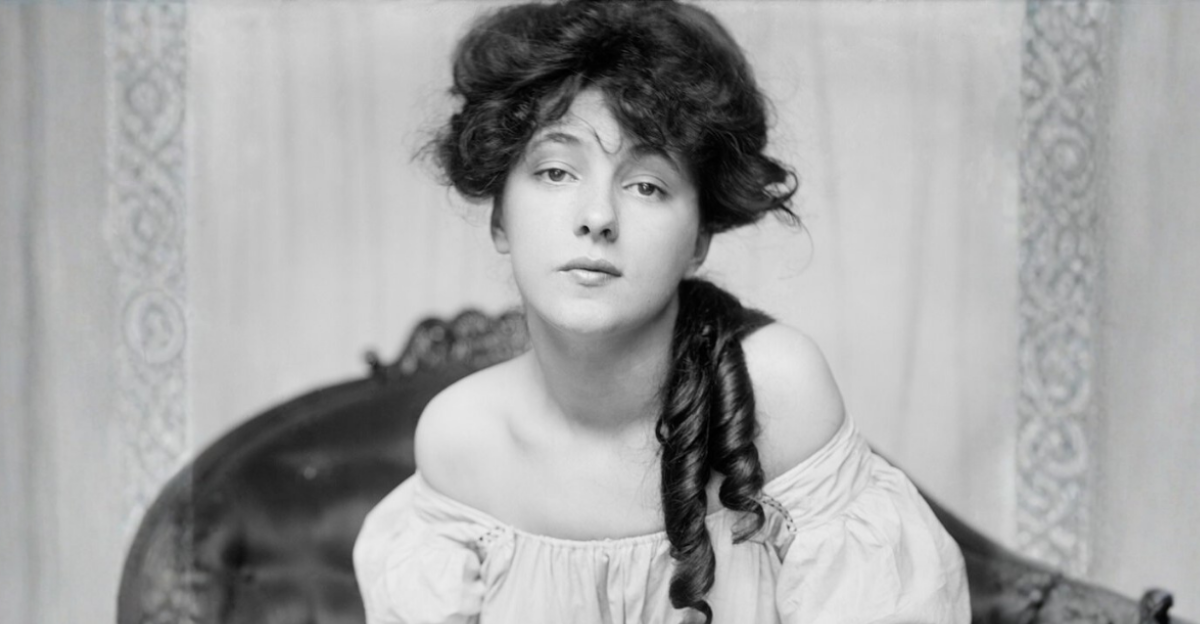 United States Library of Congress's Prints and Photographs division, Wikimedia Commons
Philadelphia Changed Everything
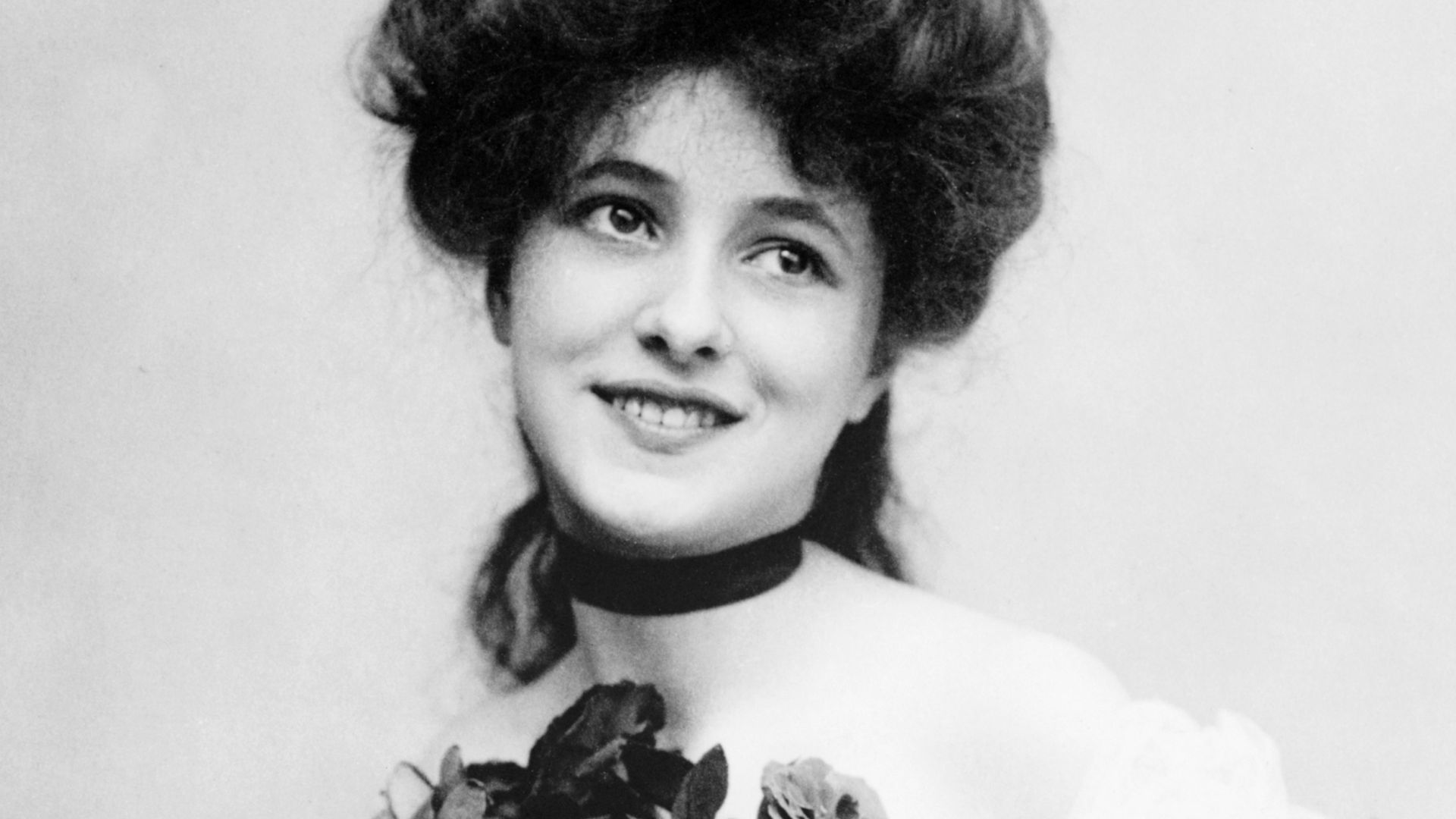
In 1899, the family moved to Philadelphia hoping for steadier work. Evelyn and her mother found jobs at Wanamaker’s department store, but money remained tight. A paid portrait sitting introduced the teenager to professional modeling and revealed a more lucrative path.
 Otto Sarony, Wikimedia Commons
She Became The Family Breadwinner
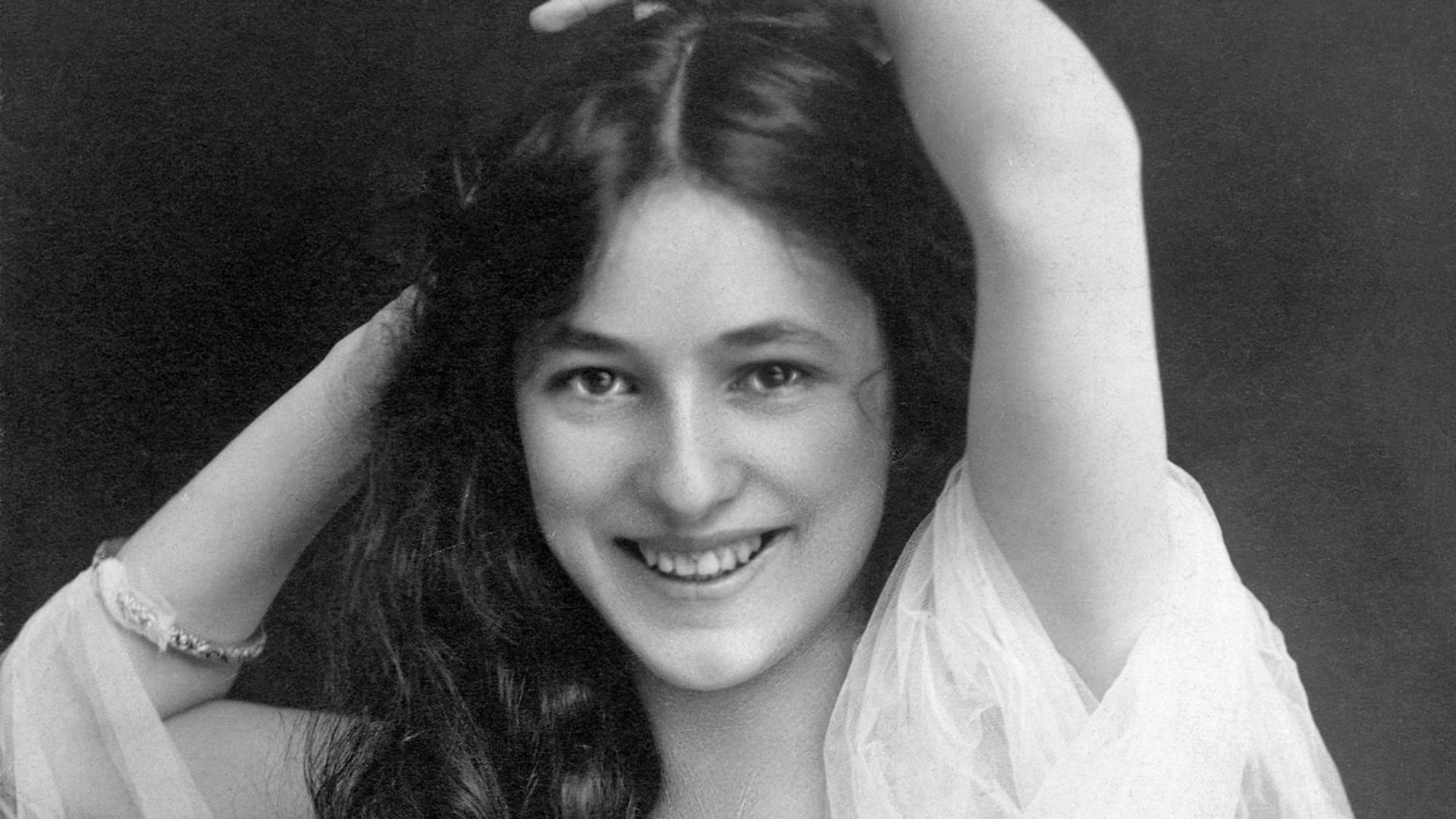
By her mid-teens, Nesbit was posing for painters, sculptors, photographers, illustrators, and advertisers. PBS historian Paula Uruburu notes that Evelyn became the primary breadwinner for her family, an enormous responsibility for someone still in her teens.
 Otto Sarony, Wikimedia Commons
New York Made Her Famous Almost Overnight
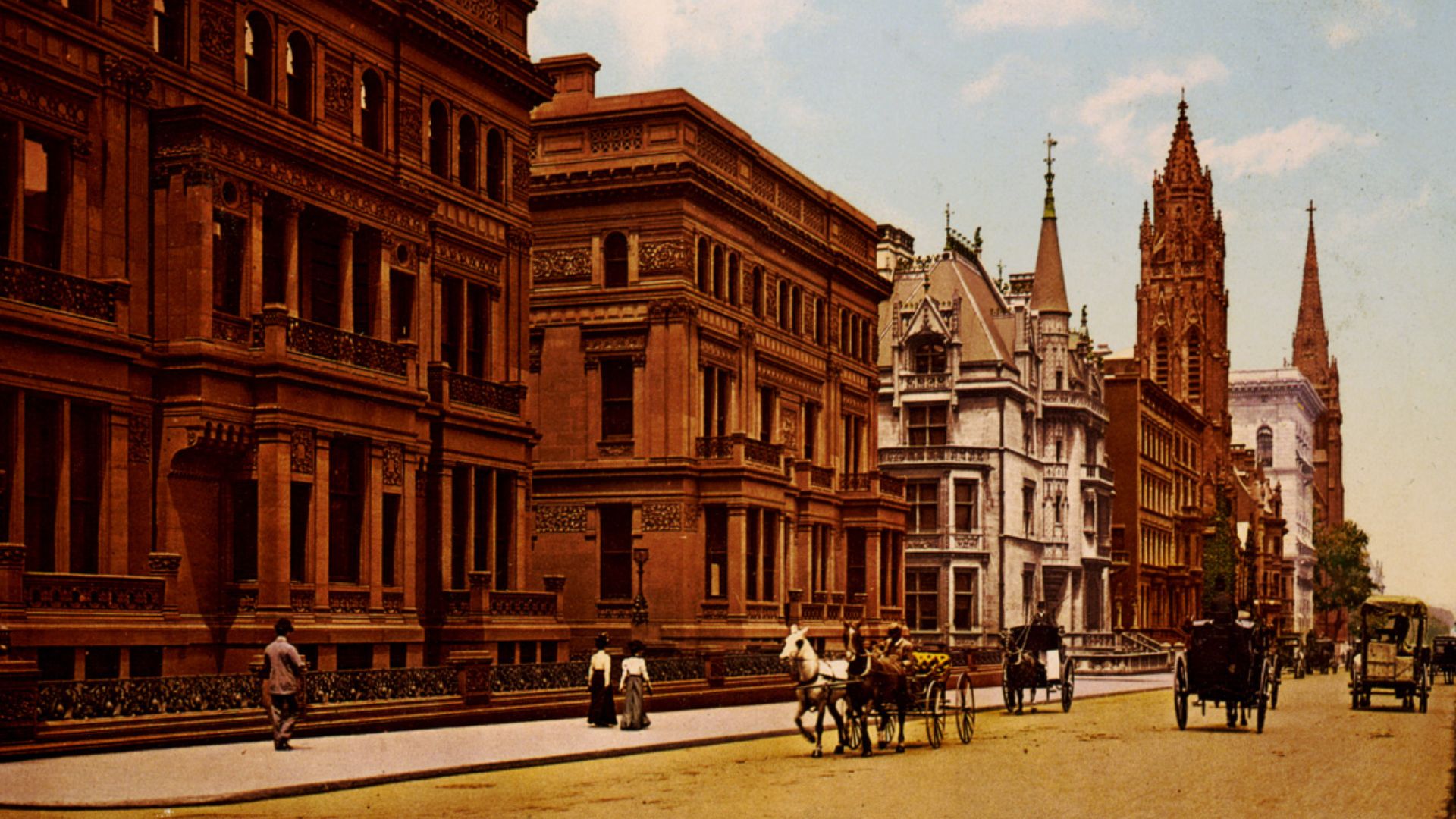
Nesbit arrived in New York around the end of 1900 and rapidly became one of the city’s most sought-after young models. Her face appeared widely in photographs and illustrations, giving her visual celebrity before movies, radio, or television could manufacture stars nationally.
 Detroit Publishing Co., Wikimedia Commons
Charles Dana Gibson Helped Create An Icon
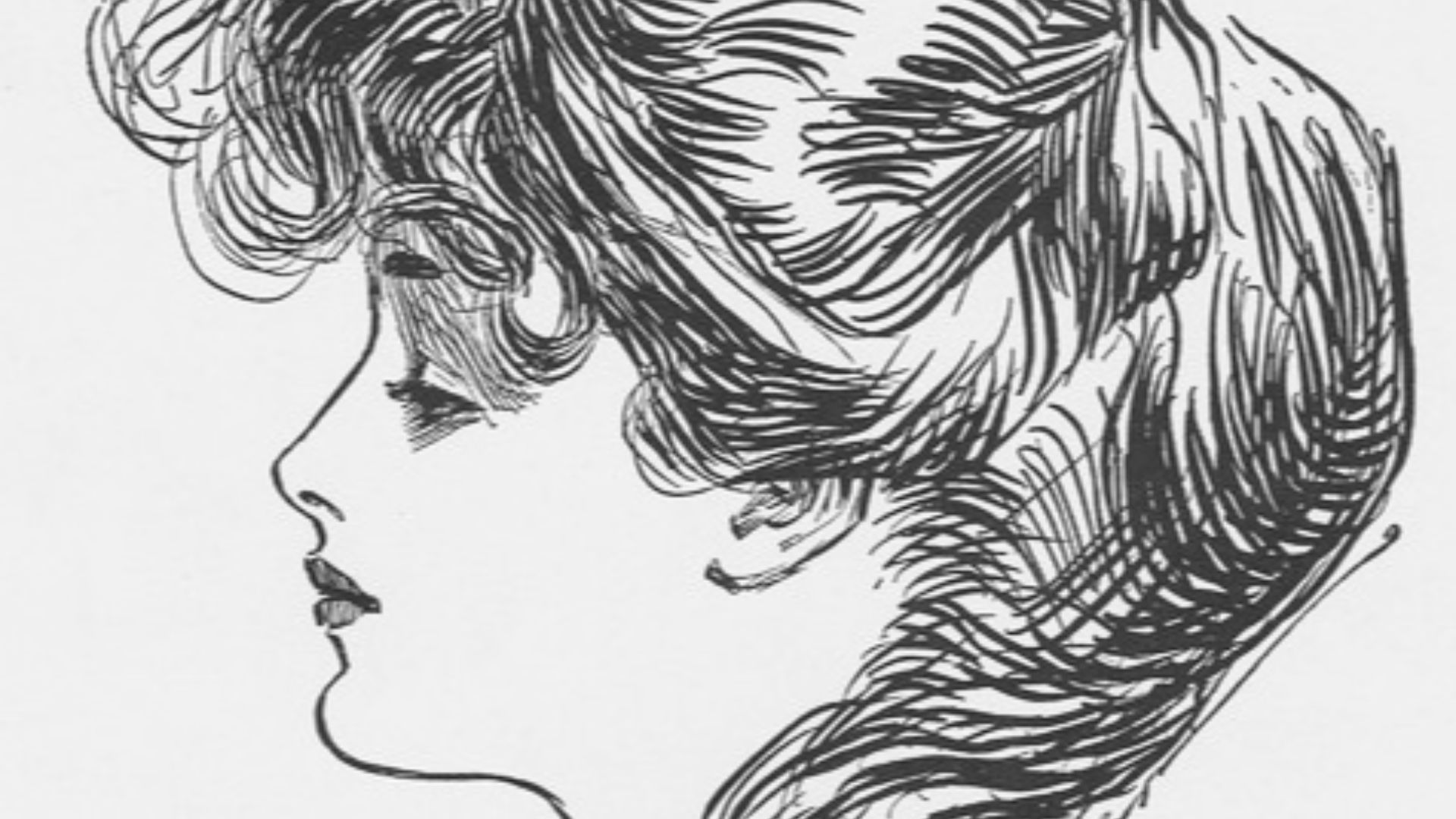
Among the artists who worked with Nesbit was Charles Dana Gibson, creator of the “Gibson Girl”. He drew her with flowing hair shaped like a question mark in The Eternal Question, attaching her face to the era’s fashionable ideal of feminine beauty.
 Charles Dana Gibson, Wikimedia Commons
The Camera Loved Her Too
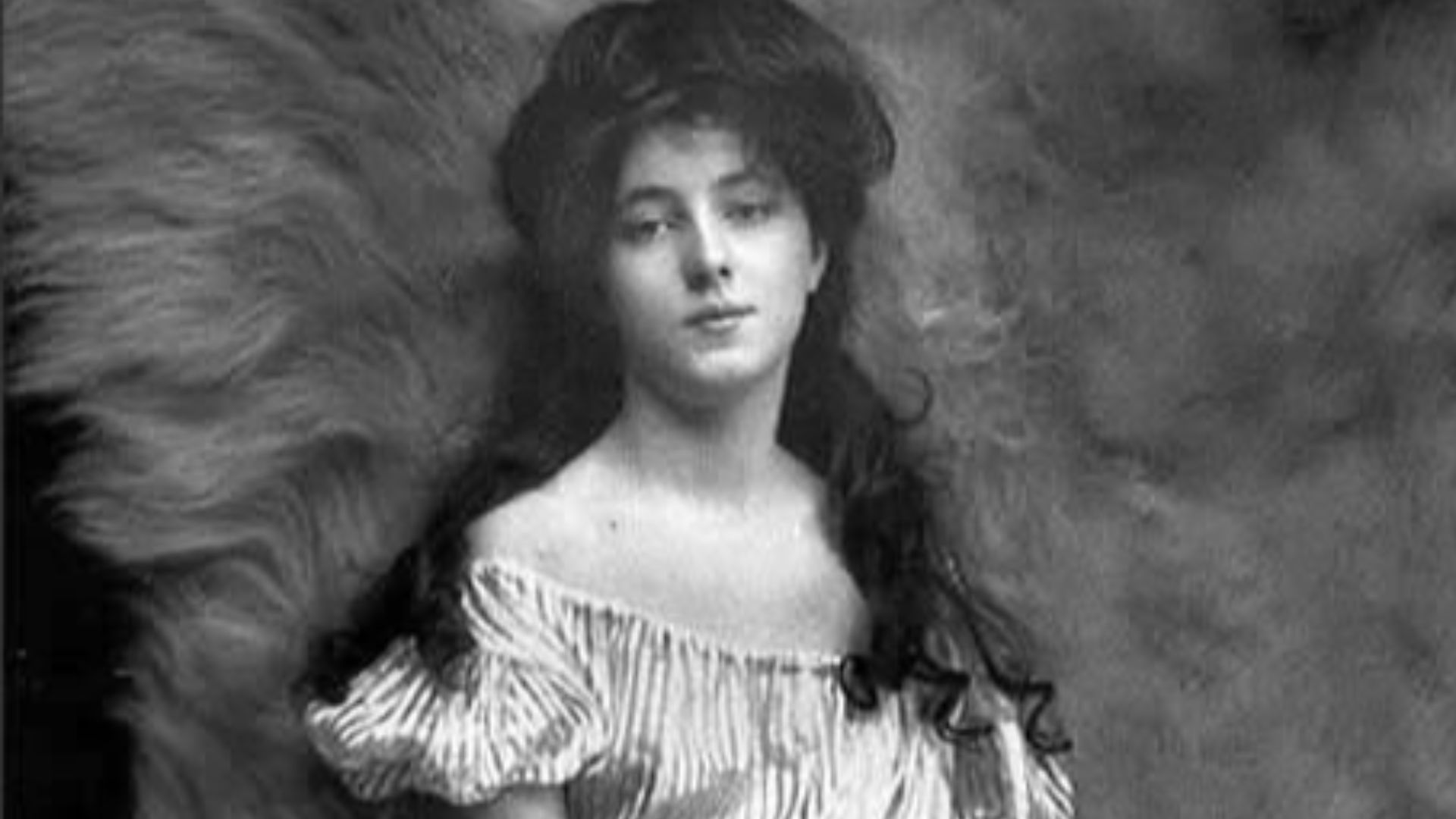
Photographer Rudolf Eickemeyer Jr. made some of Nesbit’s best-known portraits in 1901 and 1902. One famous image, Tired Butterfly, showed her reclining on a polar-bear rug. Those photographs preserved the youthful image the public would associate with her for decades.
 Rudolf Eickemeyer, Jr. (1862–1932), Wikimedia Commons
Broadway Was The Next Step
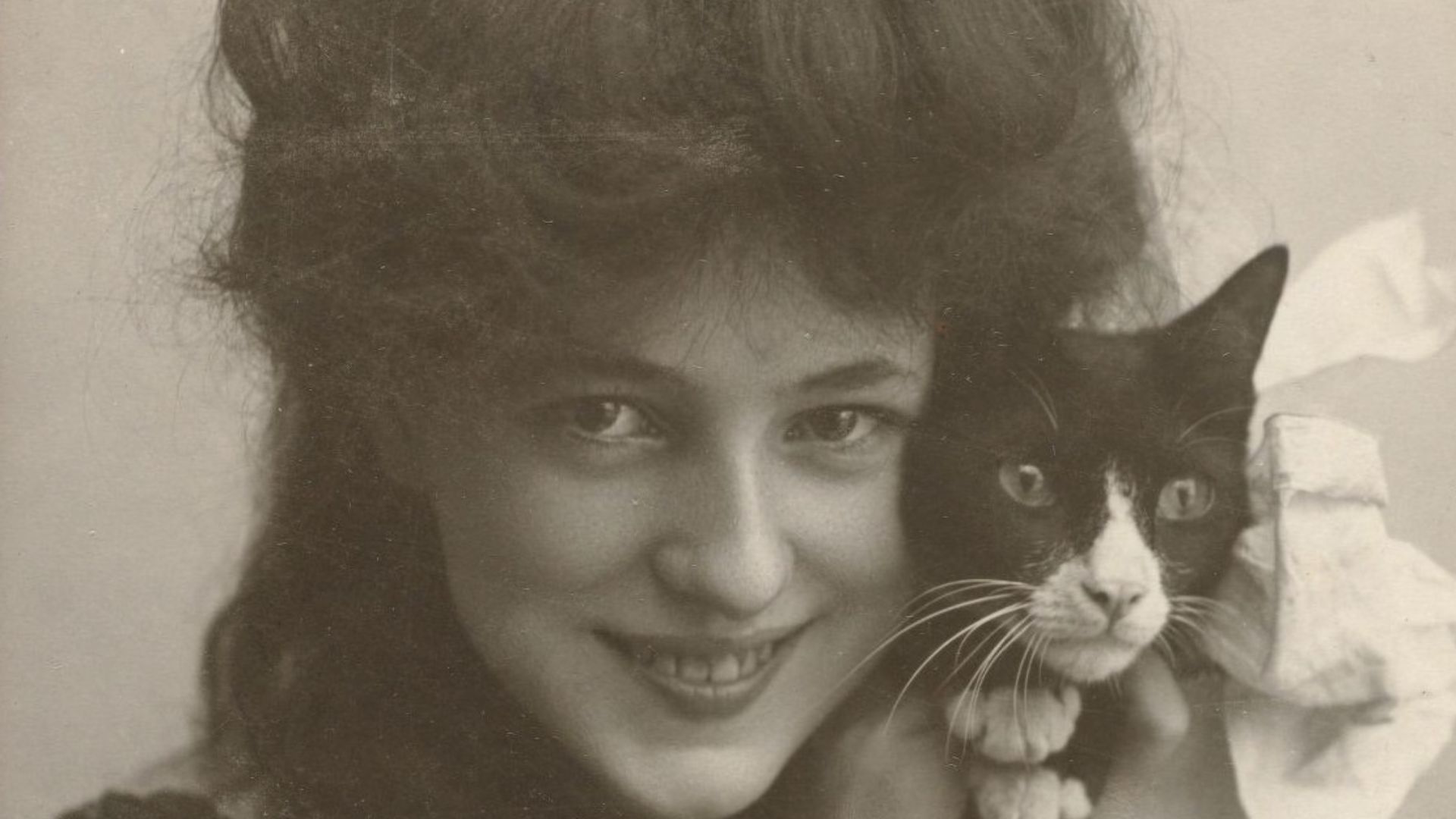
Nesbit became a replacement performer in the hit musical Florodora and later appeared in The Wild Rose, Tommy Rot, and The Girl from Dixie. She was modeling by day while building a stage career at night.
 Otto Sarony, Wikimedia Commons
She Was A Celebrity Before The Scandal
The later trial often overshadows this point: Nesbit was already widely recognizable. PBS describes her as an overnight sensation who attracted extraordinary press attention. Her fame began with fashion, theater, photography, and illustration, making her an early mass-media celebrity.
 E Eickemeyer, Wikimedia Commons
Stanford White Entered Her World
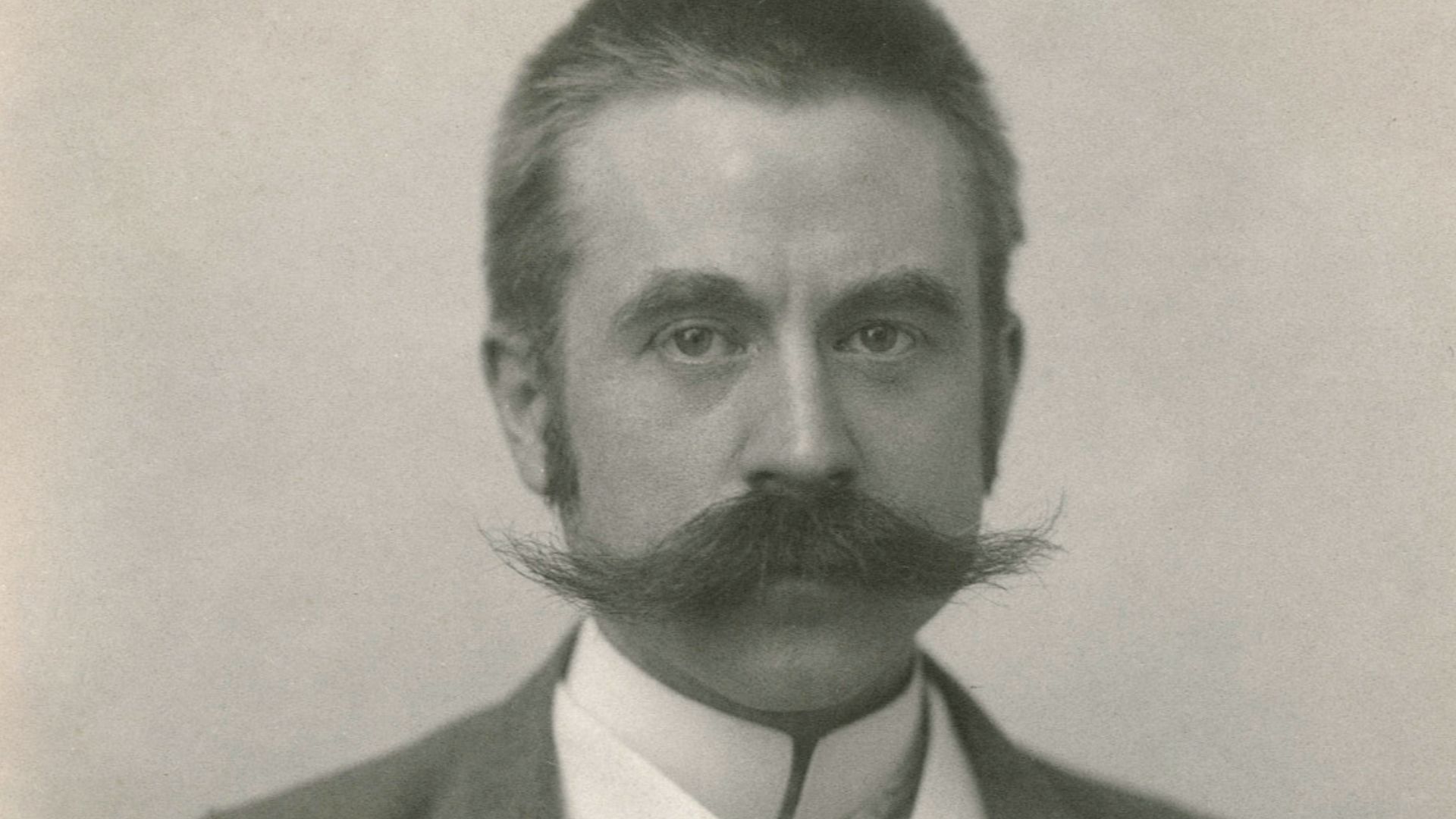
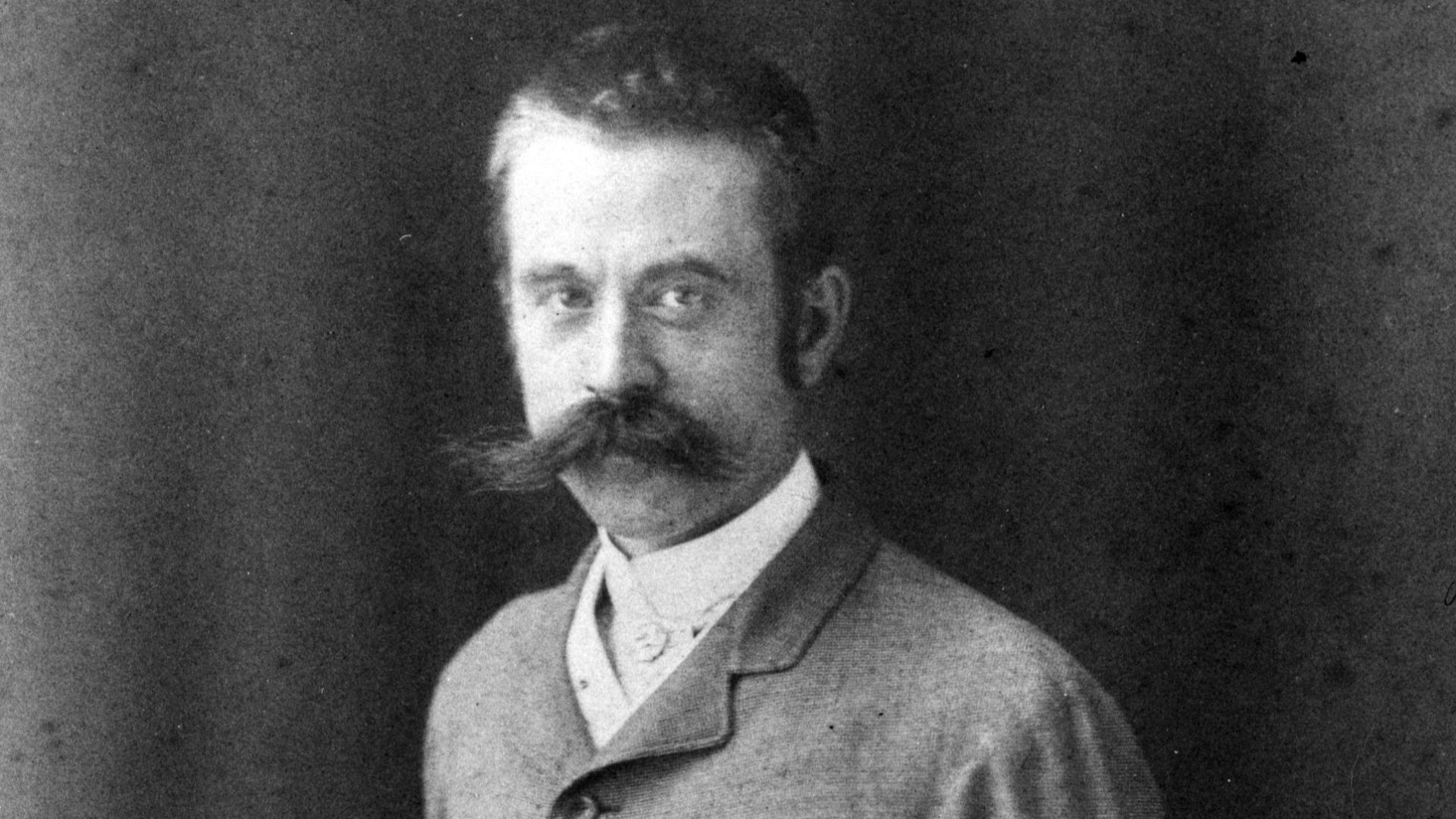
Prominent architect Stanford White, a partner in McKim, Mead & White, moved through New York’s elite social and theatrical circles. After meeting Nesbit, he became a benefactor to her family, helping with expenses, accommodations, education, and her stage career.
 George Cox, restored by Adam Cuerden, Wikimedia Commons
Their Relationship Became The Story Everyone Wanted
Nesbit later testified that White gave her champagne, after which she lost consciousness and awoke unclothed. PBS notes that accounts describe the encounter differently, but her courtroom version became central to the case and to White’s posthumous reputation.
 Illus. in: Critic, 1895, v. 26, p. 329., Wikimedia Commons
The Red Velvet Swing Became A Symbol
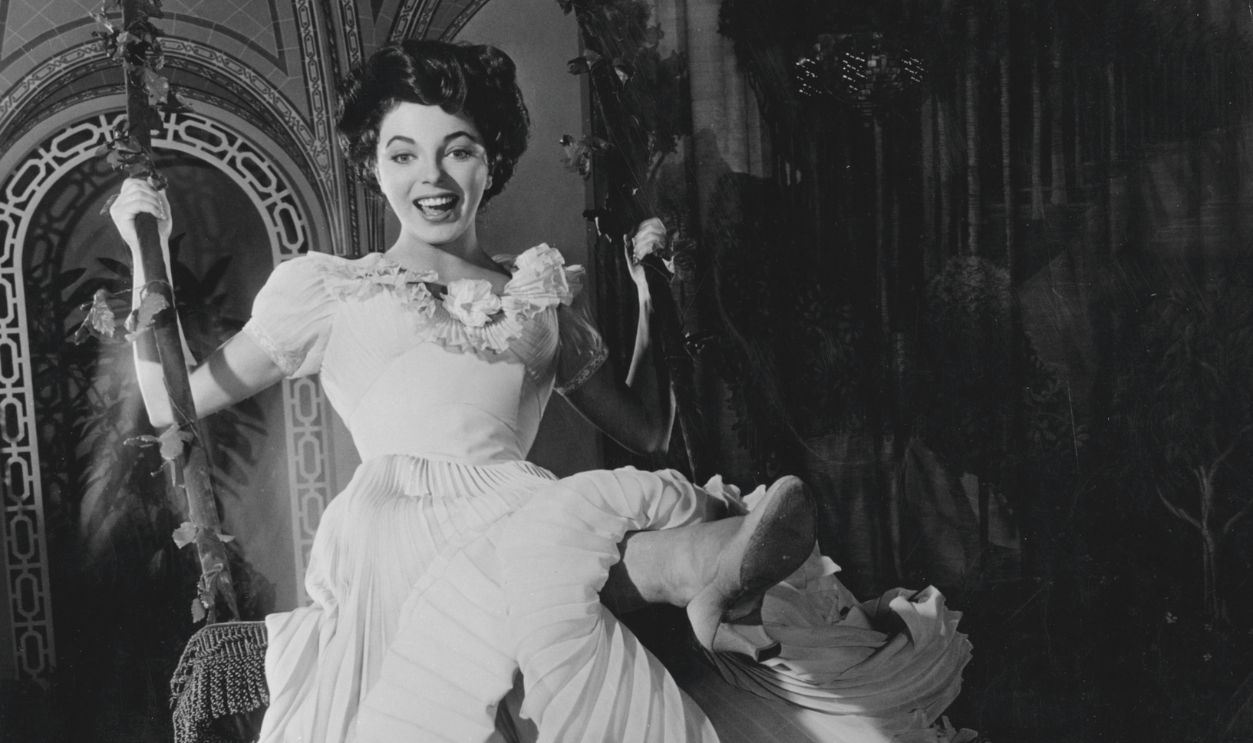
White’s private rooms featured a red velvet swing that Nesbit used during visits. Once the scandal exploded, the detail proved irresistible to popular culture. It eventually supplied the title for the 1955 Hollywood movie The Girl in the Red Velvet Swing.
Harry Thaw Would Not Stop Pursuing Her
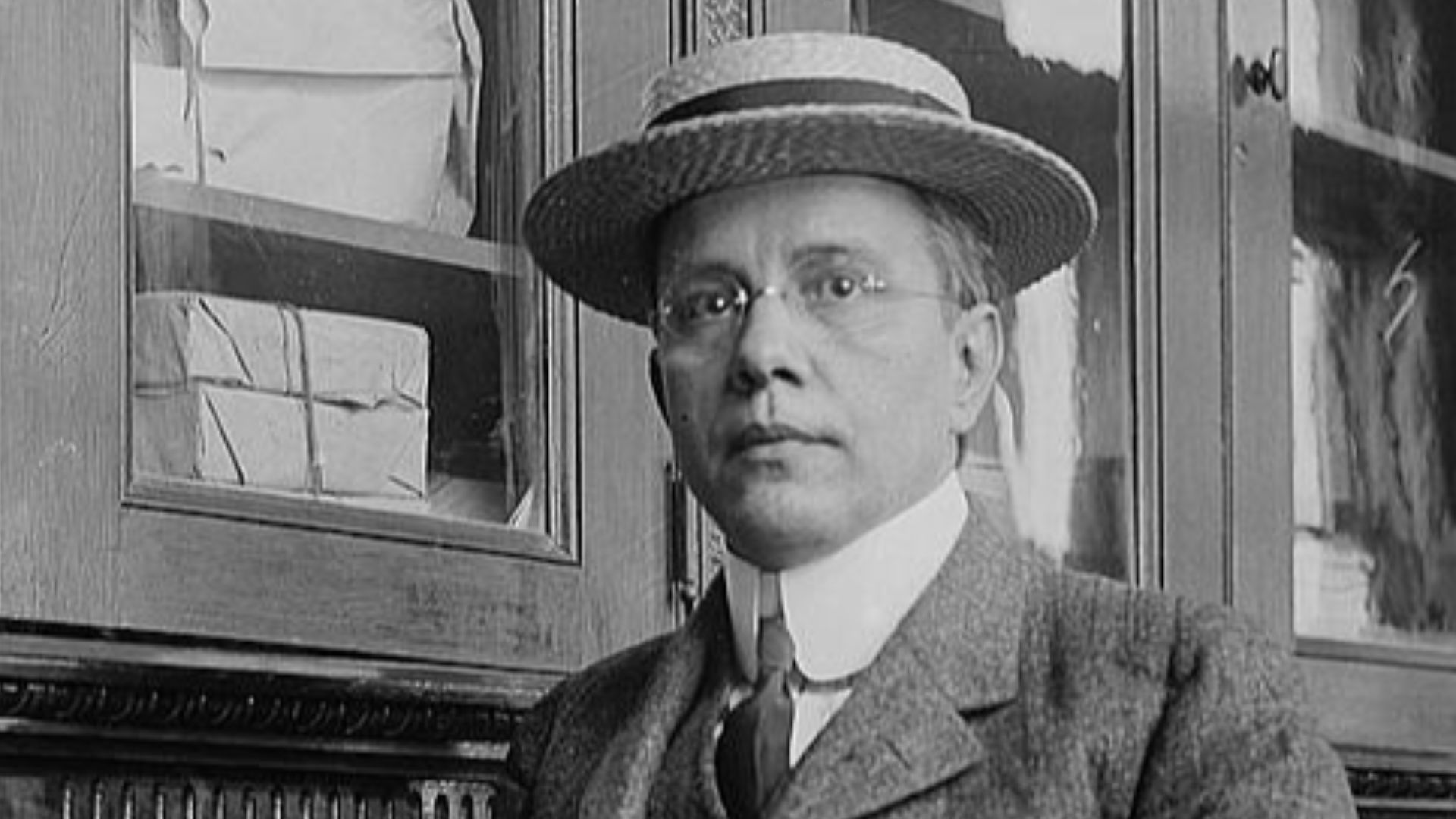
Harry Kendall Thaw, heir to a wealthy Pittsburgh family, pursued Nesbit with gifts, flowers, and repeated marriage proposals. She resisted him for a long time. His fixation on Stanford White, however, became increasingly central to their relationship.
Europe Revealed A Darker Side Of Thaw
Thaw traveled in Europe with Nesbit and her mother, and Nesbit later described frightening episodes of his behavior. She said he became violent toward her after demanding details about her relationship with White, an account preserved in later histories.
 Unknown authorUnknown author, Wikimedia Commons
She Married Thaw In 1905
Despite earlier reluctance, Nesbit married Harry Thaw on April 4, 1905. Their marriage tied one of New York’s most recognizable young women to one of Pittsburgh’s wealthiest families, but it did not end Thaw’s obsession with White.
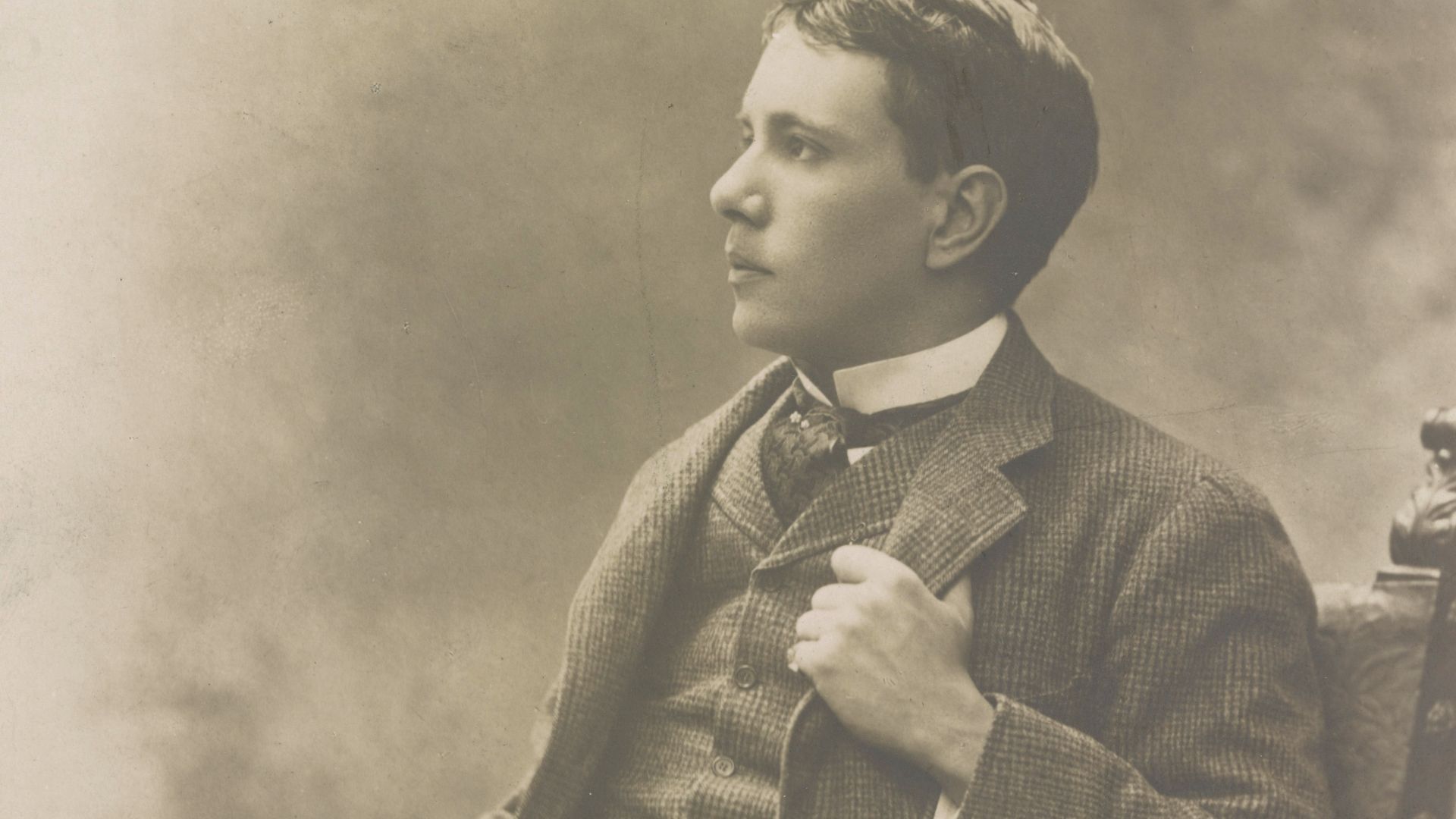 Miscellaneous Items in High Demand, PPOC, Library of Congress, Wikimedia Commons
One Night In June Changed Everything
On June 25, 1906, Nesbit and Thaw encountered White while out in New York. Later that evening, all three were at the rooftop theater of Madison Square Garden, a building White had designed. Thaw was suddenly within steps of his longtime rival.
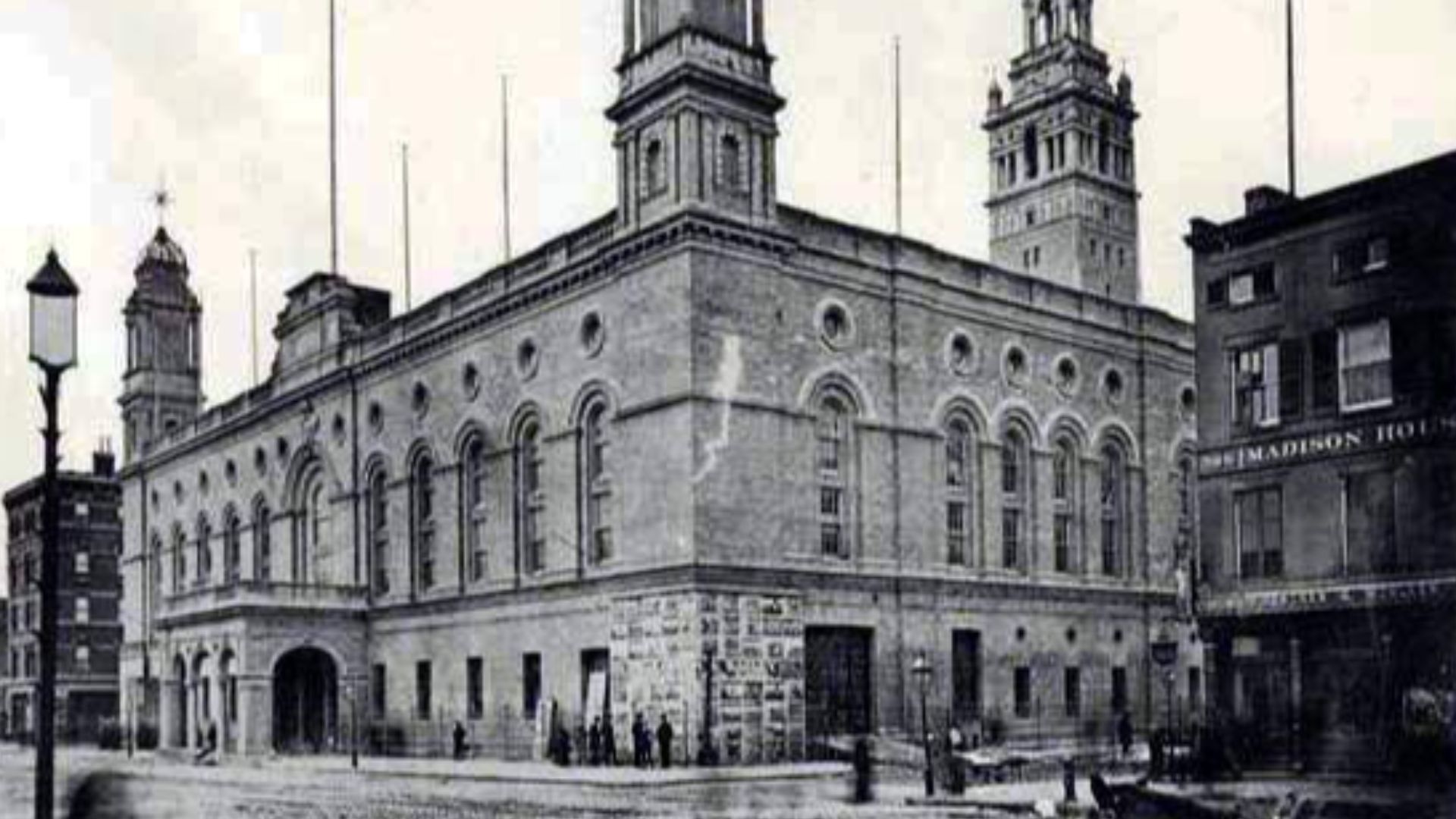 Unknown authorUnknown author, Wikimedia Commons
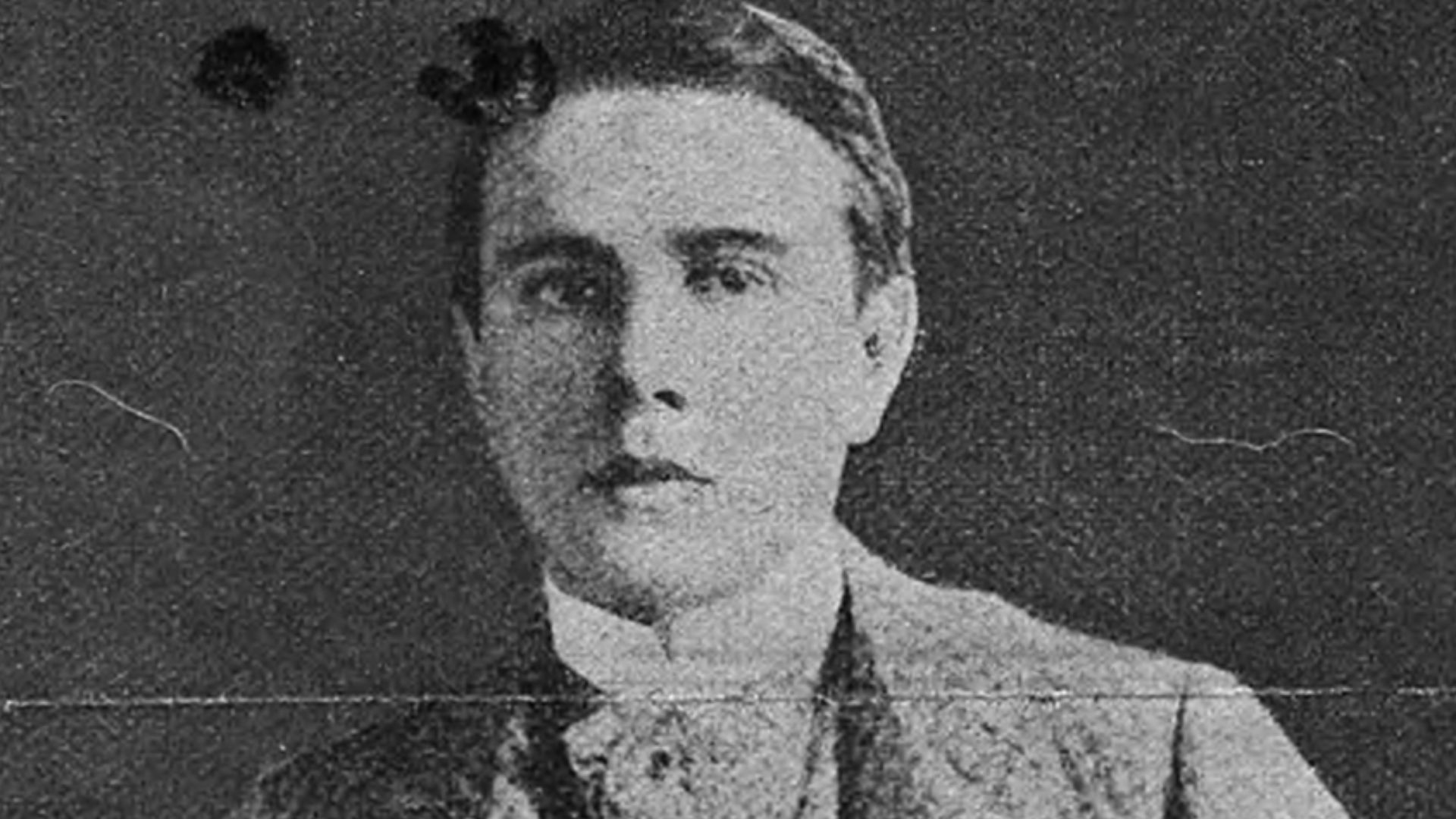
Thaw Shot White In Front Of A Crowd
During the rooftop performance, Thaw approached White and shot him multiple times at close range. White passed at the scene. It happened in a fashionable public venue before numerous witnesses, instantly transforming private resentment into national news.
The Newspapers Went Into Overdrive
The fallout arrived when New York’s competitive daily press was mastering sensational mass circulation. PBS reports that the New York World was selling an extra 100,000 copies a day within a week, while coverage increasingly centered on Nesbit.
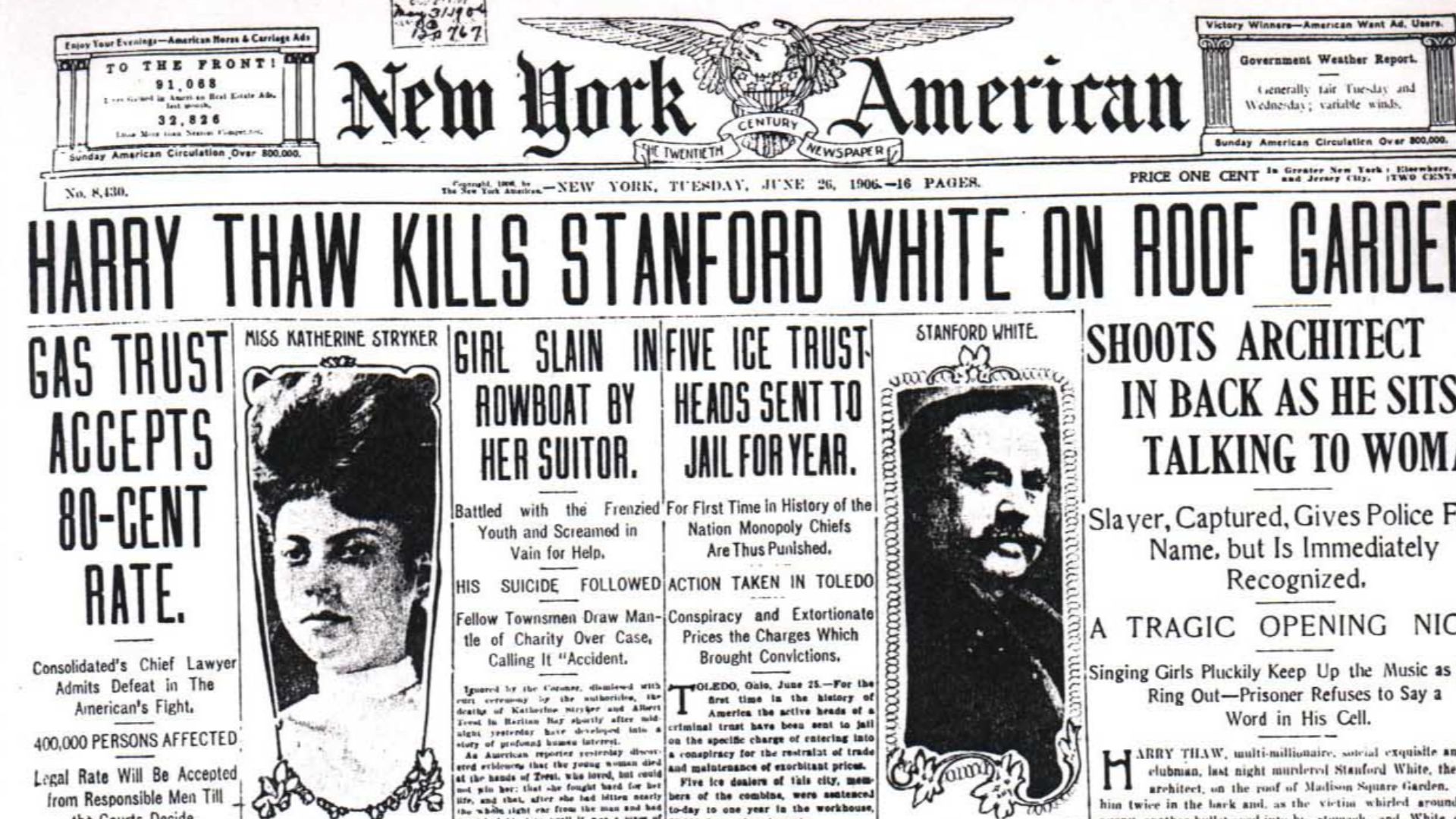 Unknown authorUnknown author, Wikimedia Commons
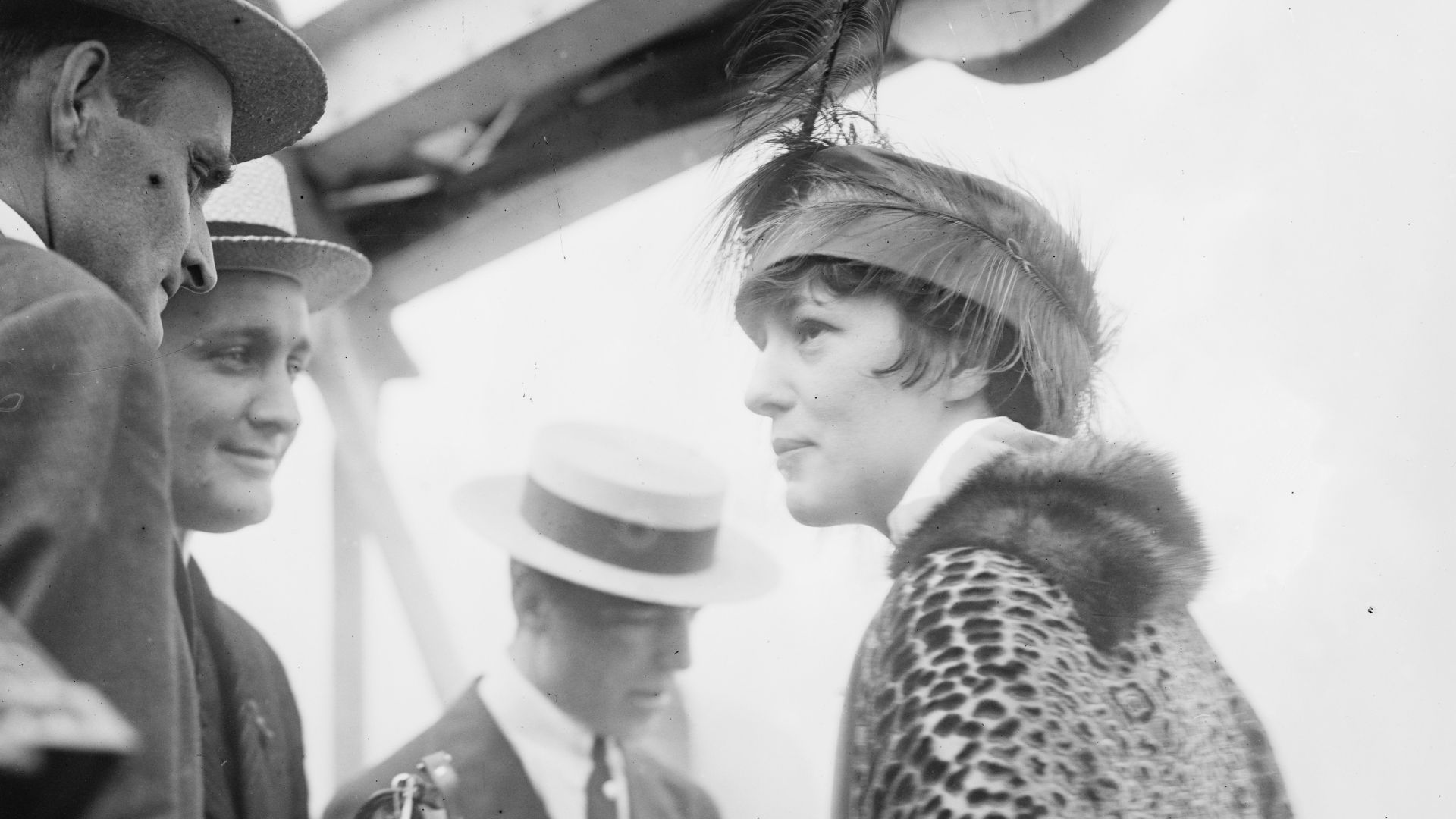
Evelyn Became The Main Attraction
The public already knew Nesbit’s face, so newspapers had a ready-made celebrity at the story’s center. Her clothes, expressions, history, relationships, and courtroom appearances became copy. The scandal turned her private life into public property.
 Bain News Service, publisher, Wikimedia Commons
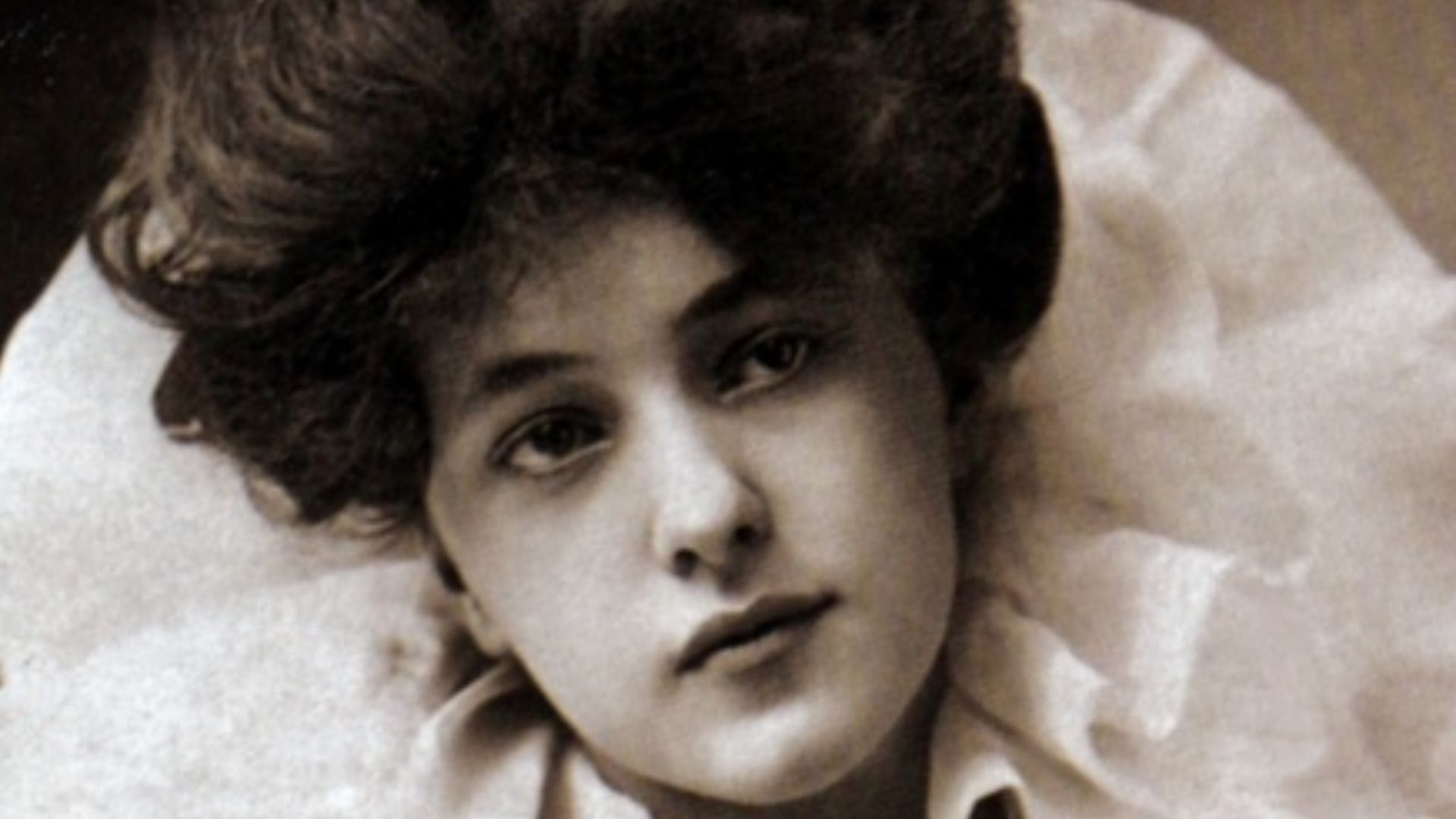
The First Trial Put Her Past On Display
Thaw’s first trial began on January 23, 1907. His lawyers argued that he had been temporarily insane when he took out White, making Nesbit’s account of what Thaw had been told about White crucial to the defense.
 Otto Sarony, Wikimedia Commons
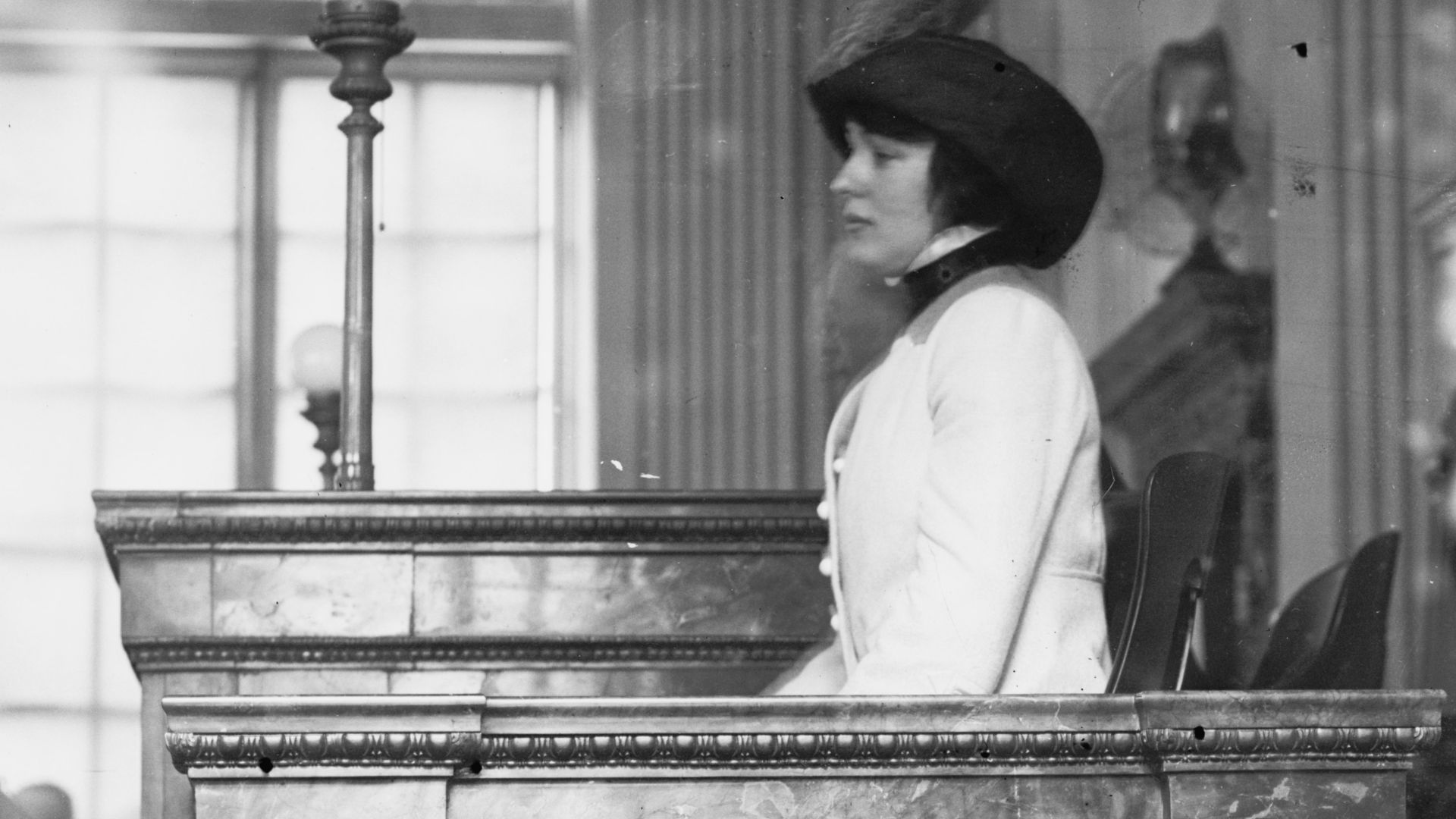
Her Testimony Became National Entertainment
Nesbit described her relationship with White in intimate detail before a courtroom packed with lawyers, reporters, and illustrators. PBS notes that the trial was reported internationally. Experiences from her teenage years were now being analyzed and sold to millions of strangers.
 Bain News Service, publisher, Wikimedia Commons
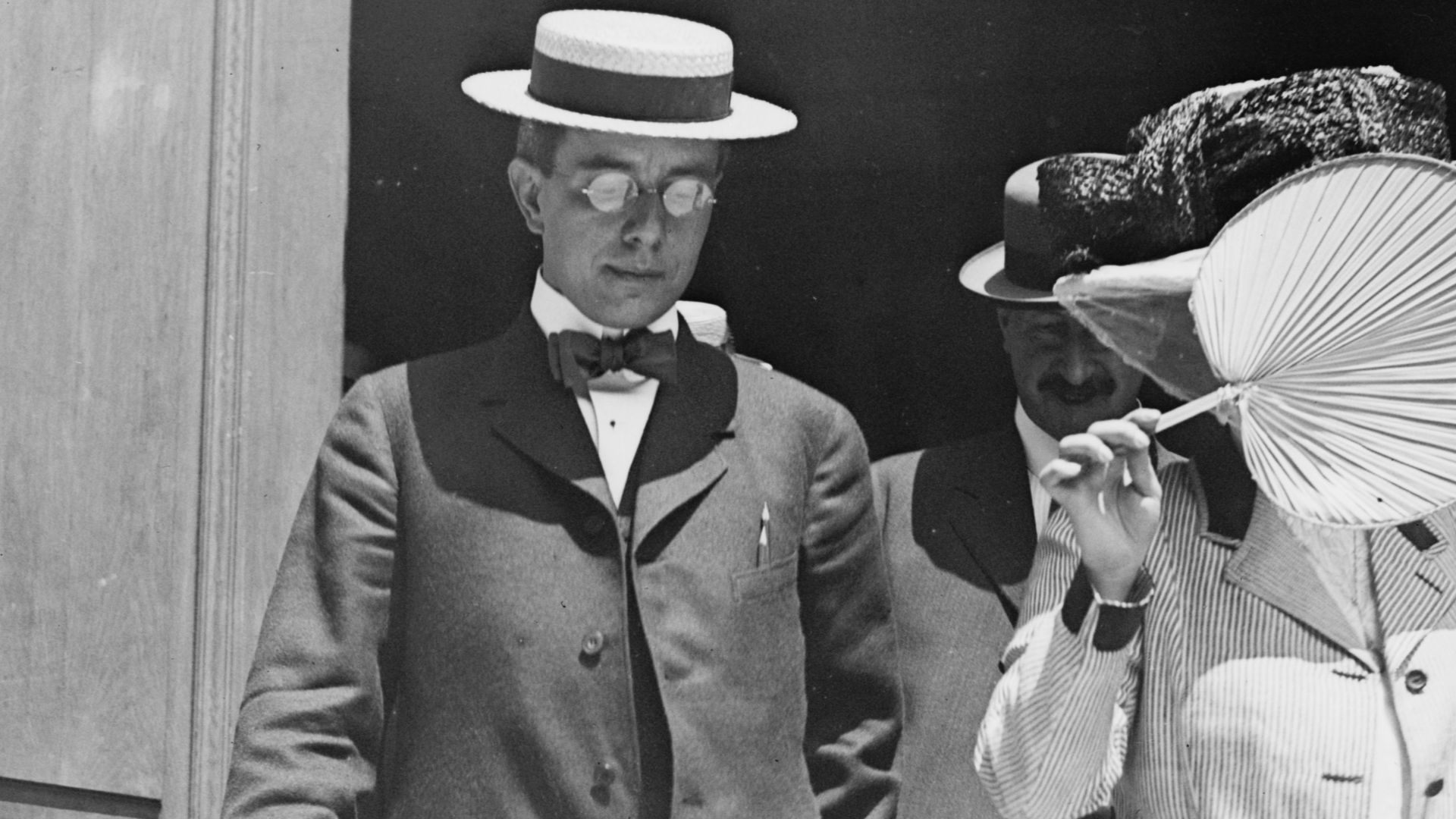
The Jury Could Not Agree
After an eleven-week trial, jurors deliberated for nearly two days but remained deadlocked. The first proceeding ended without a verdict in April 1907. Rather than cooling public interest, the hung jury guaranteed another round of headlines.
 Bain News Service, publisher, Wikimedia Commons
The Second Trial Sent Thaw To An Asylum
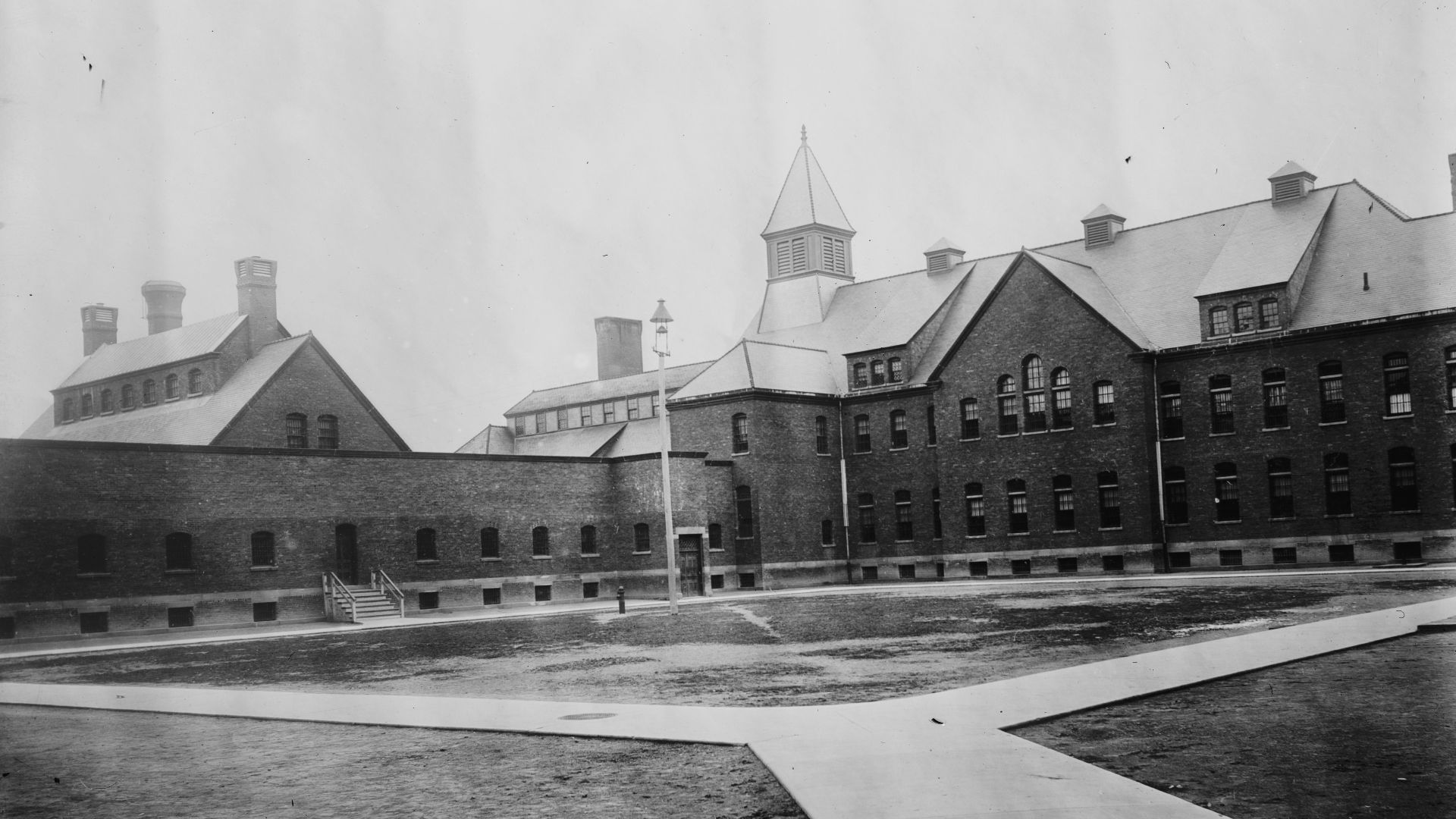
At the 1908 retrial, Thaw’s defense shifted from temporary insanity to a broader claim of mental illness. On February 1, the jury found him not guilty by reason of insanity. He was committed to Matteawan State Hospital.
 Bain News Service, publisher, Wikimedia Commons
The Marriage Finally Ended
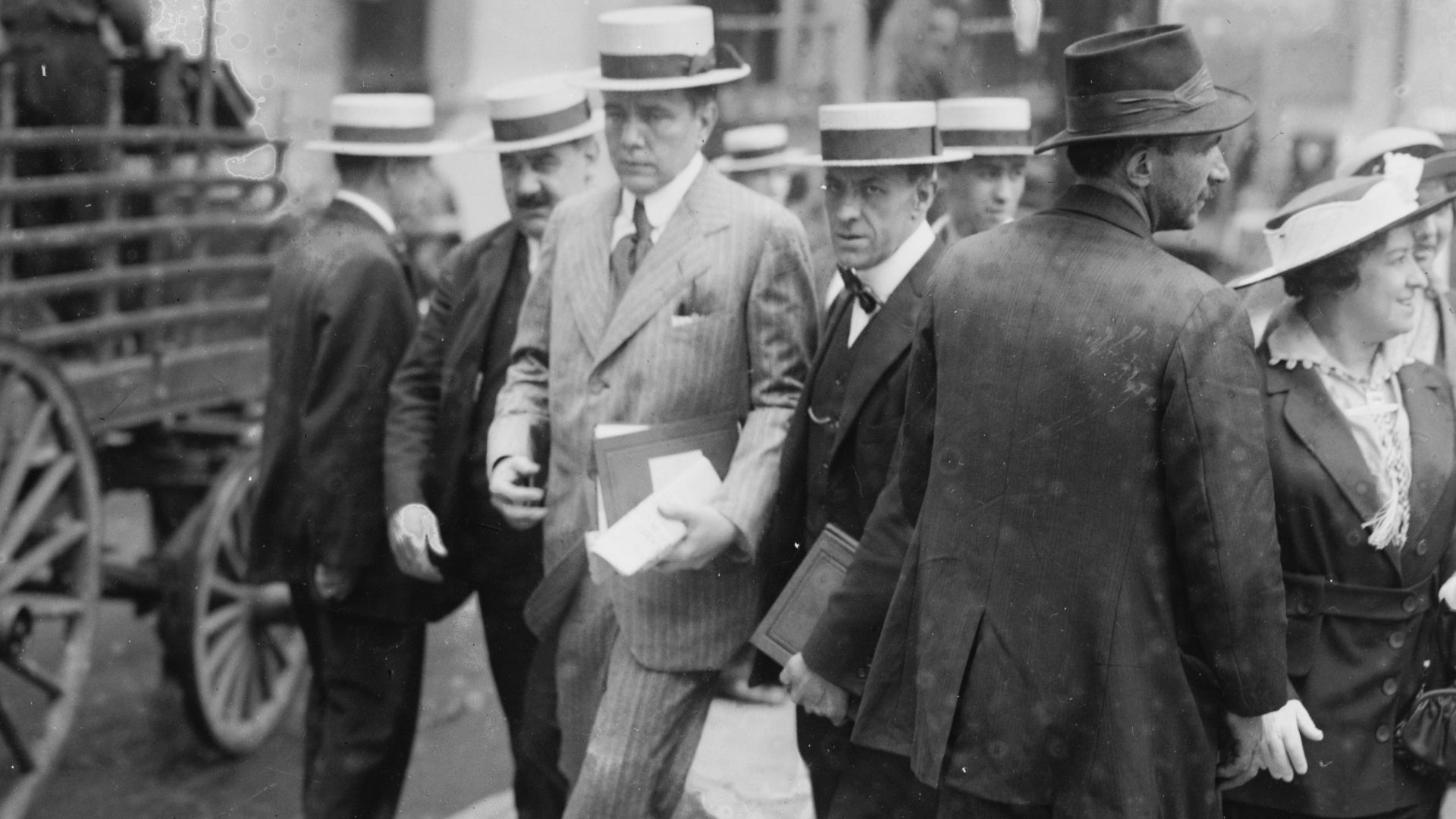
Thaw escaped from Matteawan in 1913, was returned to American custody, and was ultimately declared sane in 1915. He then moved to end his marriage to Nesbit, nearly a decade after the case first consumed the press.
 Bain News Service, publisher, Wikimedia Commons
She Kept Working Long After The Headlines
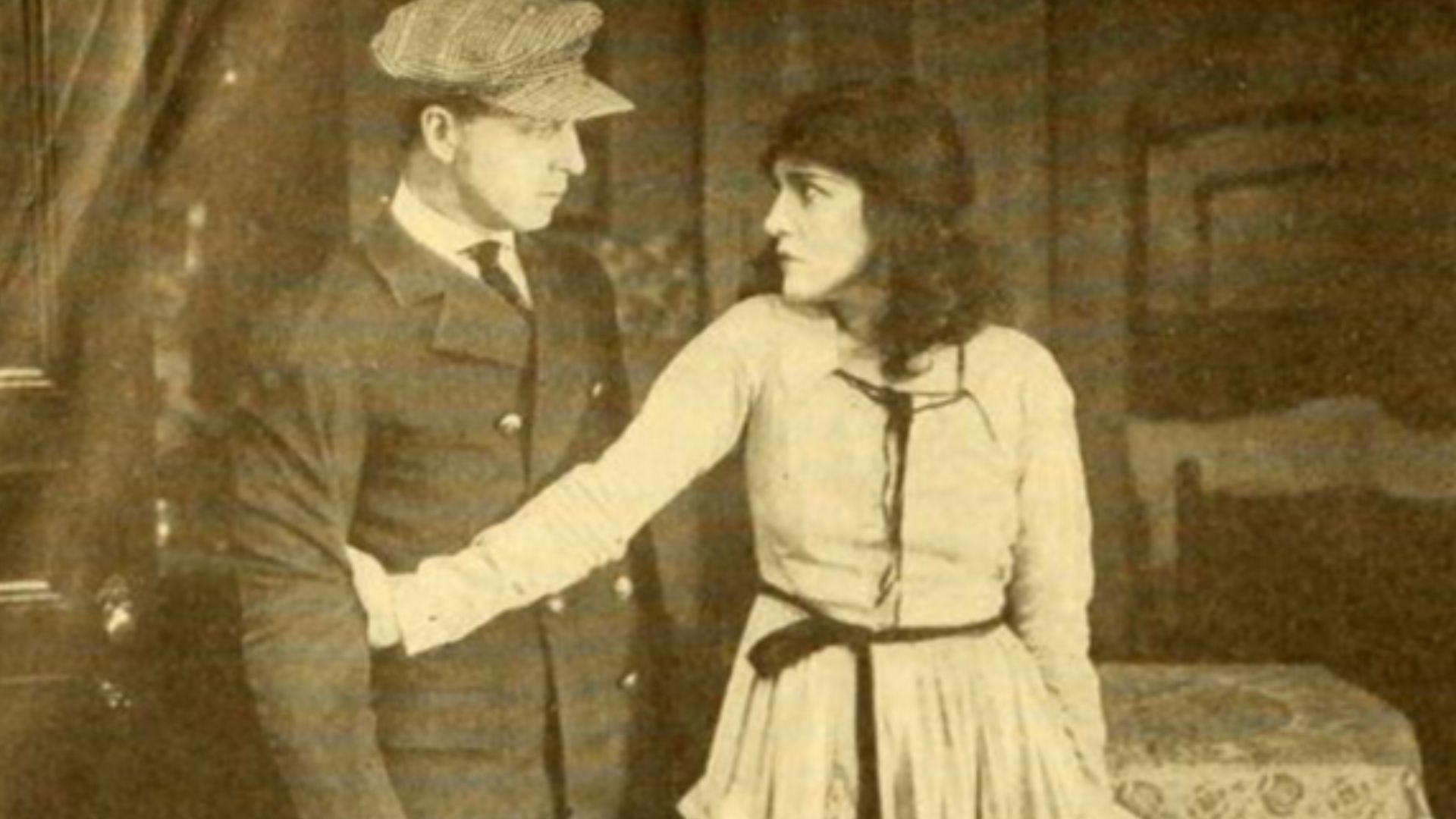
Nesbit returned to performing, toured in vaudeville, and appeared in silent films. Her son Russell appeared with her in the 1917 drama Redemption. She later married dancer Jack Clifford, wrote two memoirs, consulted on the 1955 film about her life, and died in Santa Monica in 1967.
 Fox Film Corporation, Wikimedia Commons
You May Also Like:
Are You A TV Buff? How Many Of These Sitcom Trivia Questions Can You Answer?