

A Star Whose Bright Future Was Cut Devastatingly Short
Susan Peters seemed destined for a long Hollywood career. She was young, talented, beautiful, and already respected by major studios. Then, on New Year's Day 1945, a single accidental gunshot changed everything. The injury left her paralyzed, altered her career forever, and began a heartbreaking final chapter that ended when she was only 31.
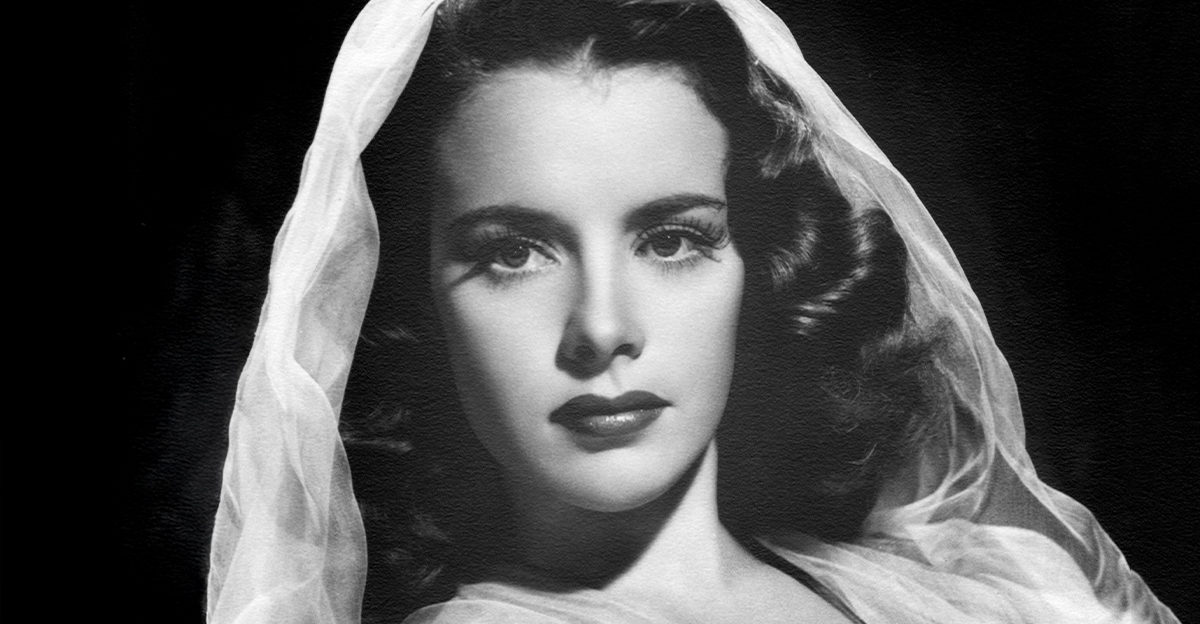 Universal History Archive, Getty Images
She Was Born Far From Hollywood Glamor
Susan Peters was born Suzanne Carnahan on July 3, 1921, in Spokane, Washington. Her early life was touched by hardship, including the death of her father when she was still a child. After her family moved west, California eventually became the place where her dream of acting began to take shape.
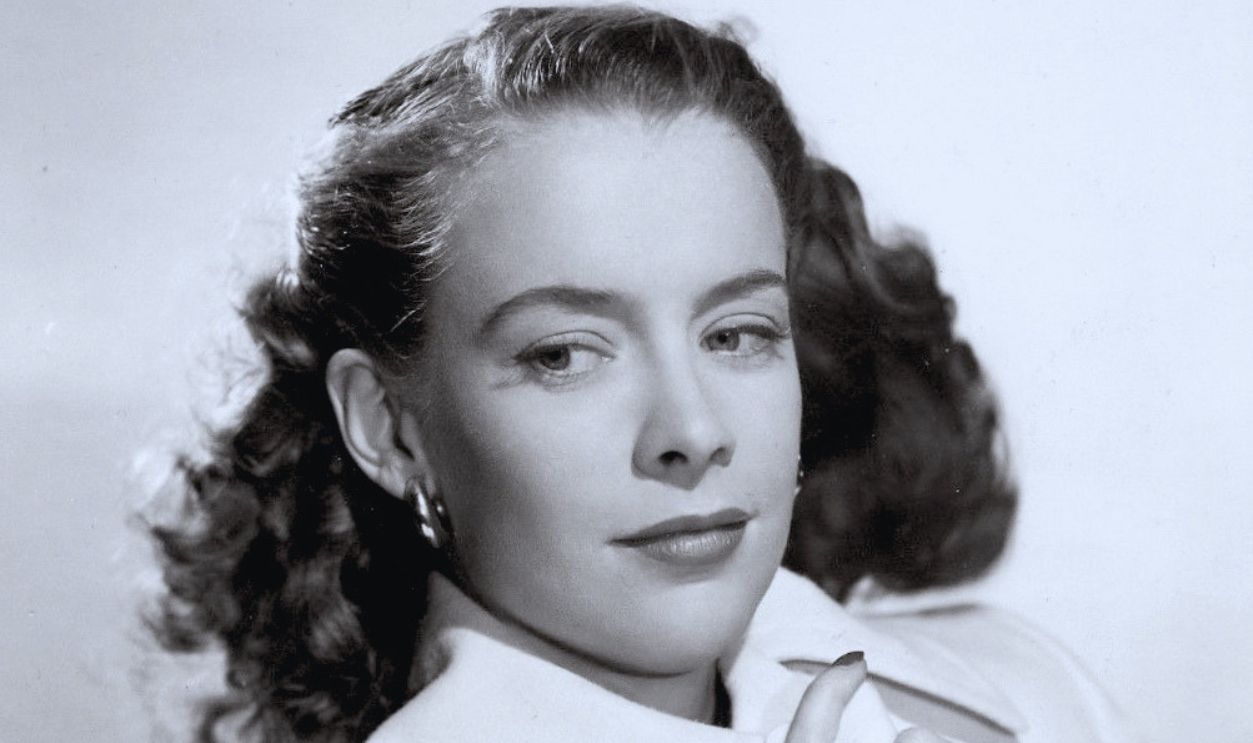 Spalding, Mary M.; for Columbia Pictures, Wikimedia Commons
Acting Gave Her A Way Forward
Peters attended Hollywood High School and studied acting, developing the poise and discipline that would help her stand out. She was not simply another pretty face trying her luck in movies. She had a serious interest in performance and the quiet intensity studios often noticed in young contract players.
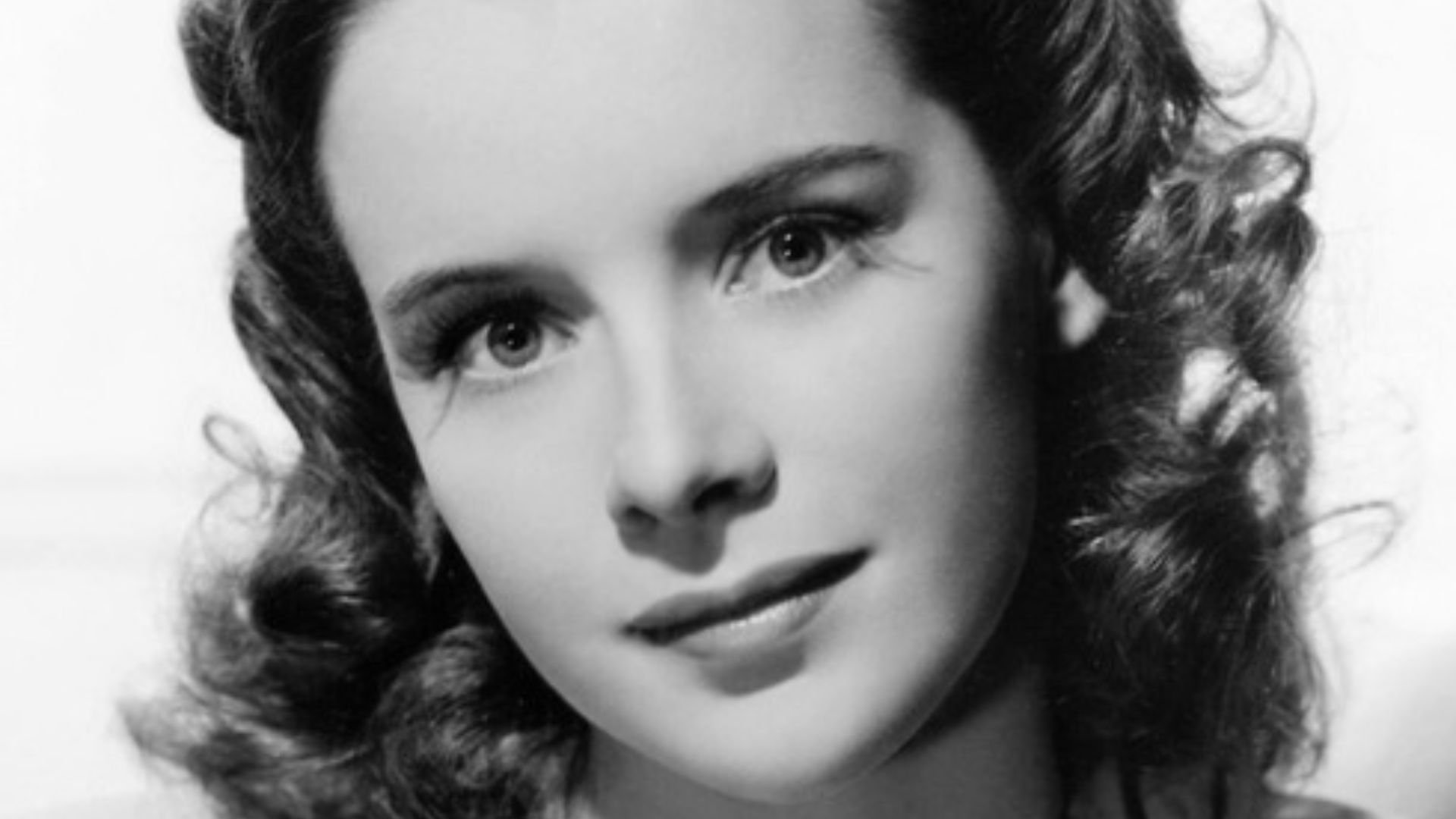 Unknown authorUnknown author, Wikimedia Commons
Warner Bros. Gave Her Early Work
Like many young actresses of the era, Peters began with small and sometimes uncredited parts. Warner Bros. gave her early screen opportunities, but those roles did not immediately make her famous. She had to work through the lower ranks before Hollywood began to understand her potential.
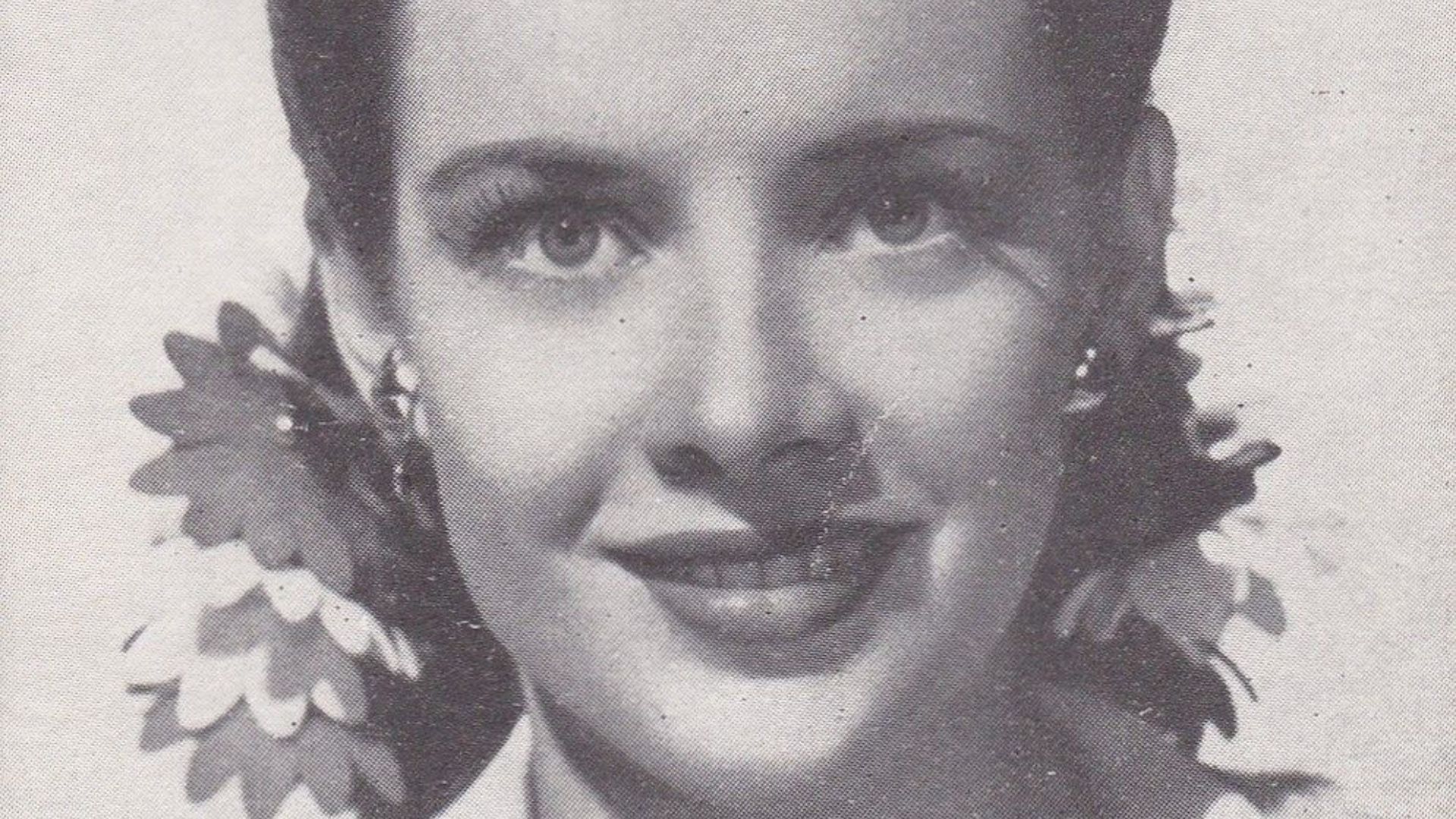 Unknown authorUnknown author, Wikimedia Commons
MGM Saw Something Special In Her
Peters' career changed when she moved into MGM's orbit. The studio was famous for building stars, and she seemed to fit its polished world beautifully. With her soft presence and emotional sensitivity, she soon became someone the studio could imagine shaping into a major dramatic actress.
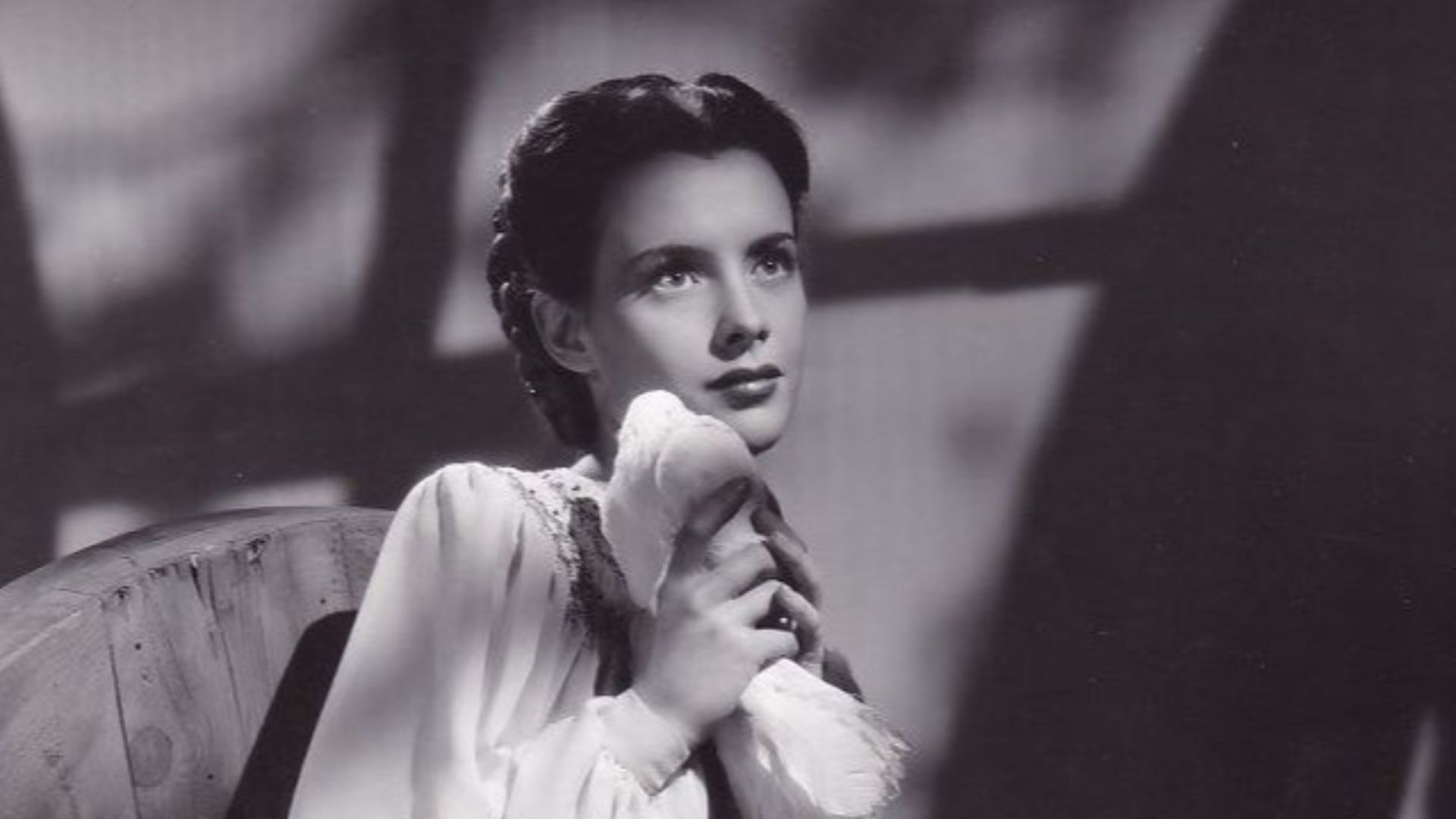
Random Harvest Made People Notice
In 1942, Peters appeared in Random Harvest, a romantic drama starring Ronald Colman and Greer Garson. Her supporting performance earned her an Academy Award nomination and transformed her from a promising young actress into someone Hollywood insiders took seriously. Little did she know, fate had a horrifying plan in store for her.
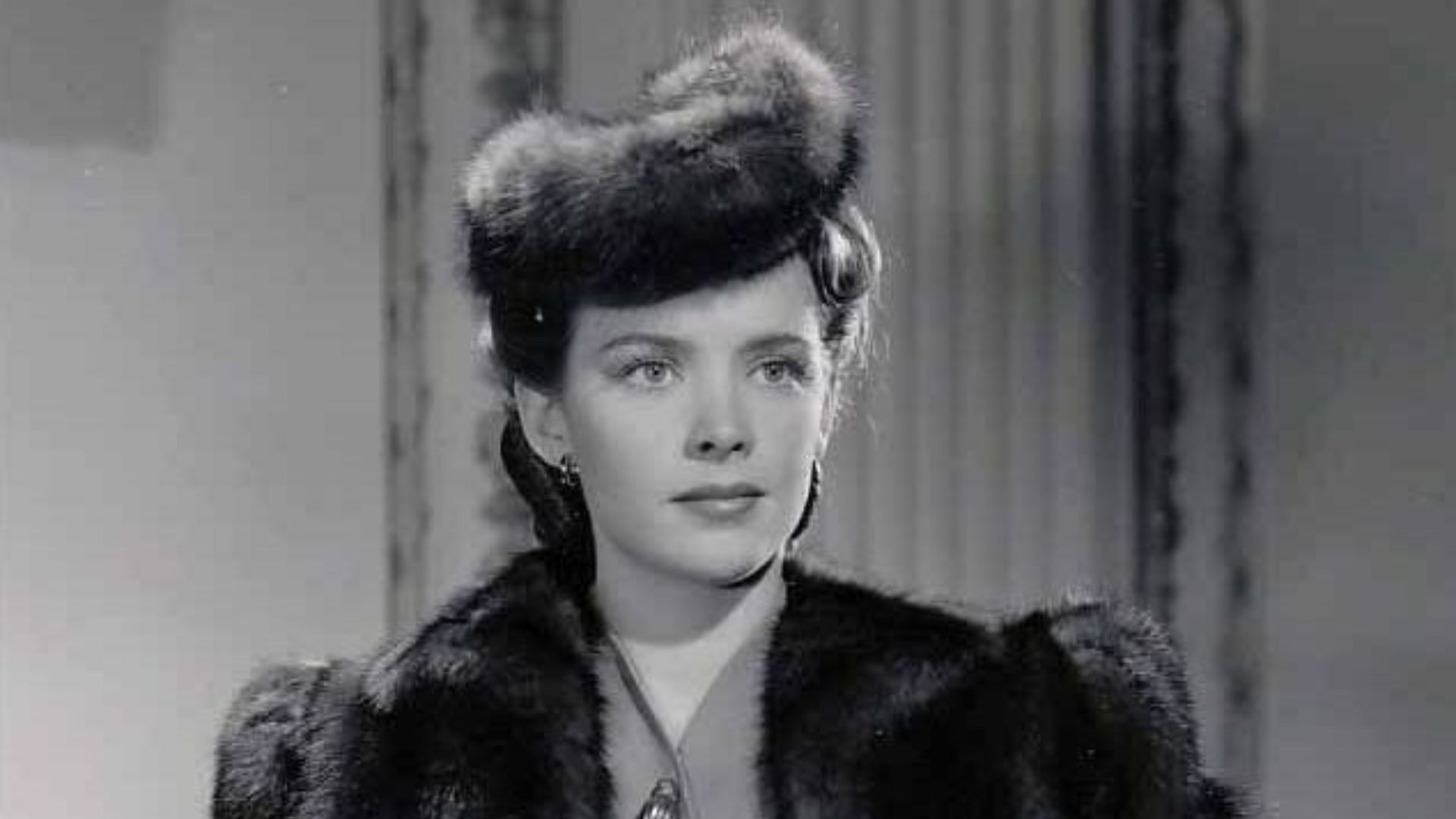 Unknown; MGM portrait, Wikimedia Commons
She Was Suddenly A Star Of Tomorrow
After Random Harvest, Peters' future looked bright. Trade publications and studio observers saw her as one of Hollywood's rising talents. She had youth, beauty, recognition, and momentum, which was an extraordinary combination for an actress barely into her twenties.
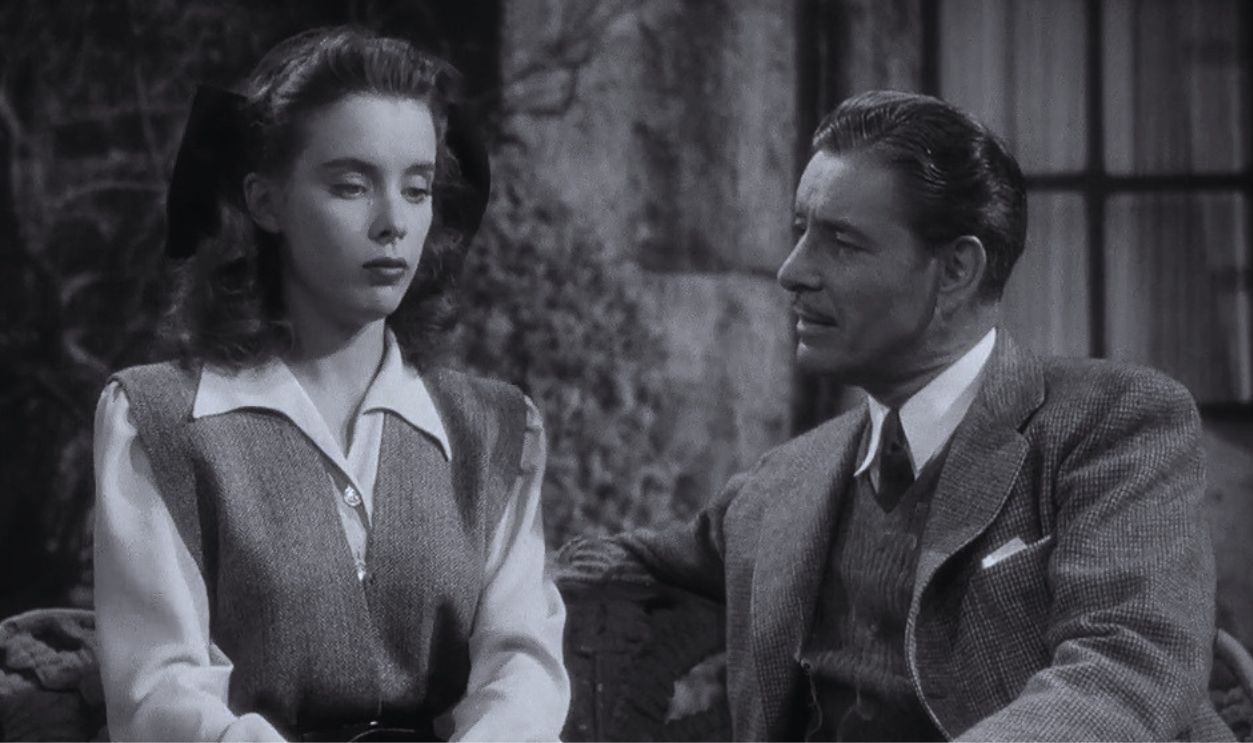 Screenshot from Random Harvest (1942)
Her Marriage Seemed Like Another Happy Turn
In 1943, Peters married actor and future director Richard Quine. To outsiders, her life appeared to be coming together beautifully. She had a growing career, a young marriage, and the kind of studio support that could turn promise into lasting stardom. Then tragedy struck.
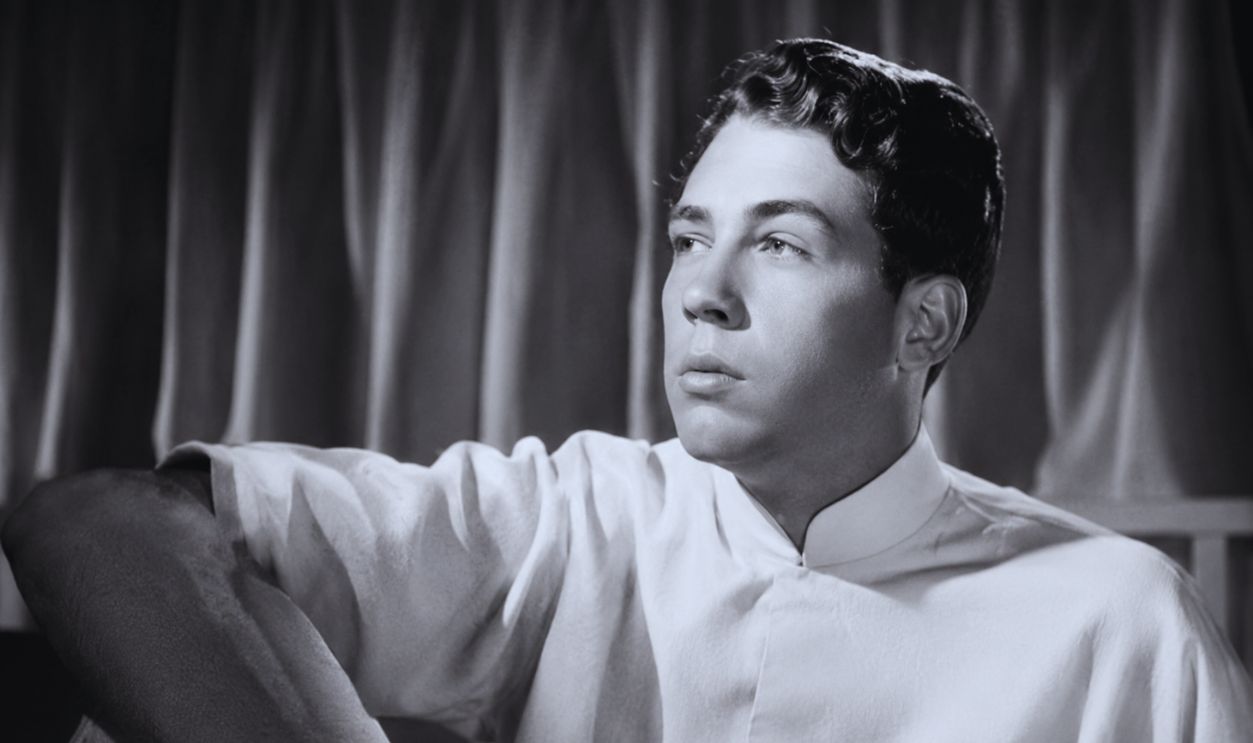 Unknown Author, Wikimedia Commons
The Accident Happened On New Year's Day
On January 1, 1945, Peters was on a duck-hunting trip near San Diego with her husband and relatives. During the outing, a rifle accidentally discharged. The bullet struck Peters and lodged in her spine, causing a devastating injury that changed the entire course of her life.
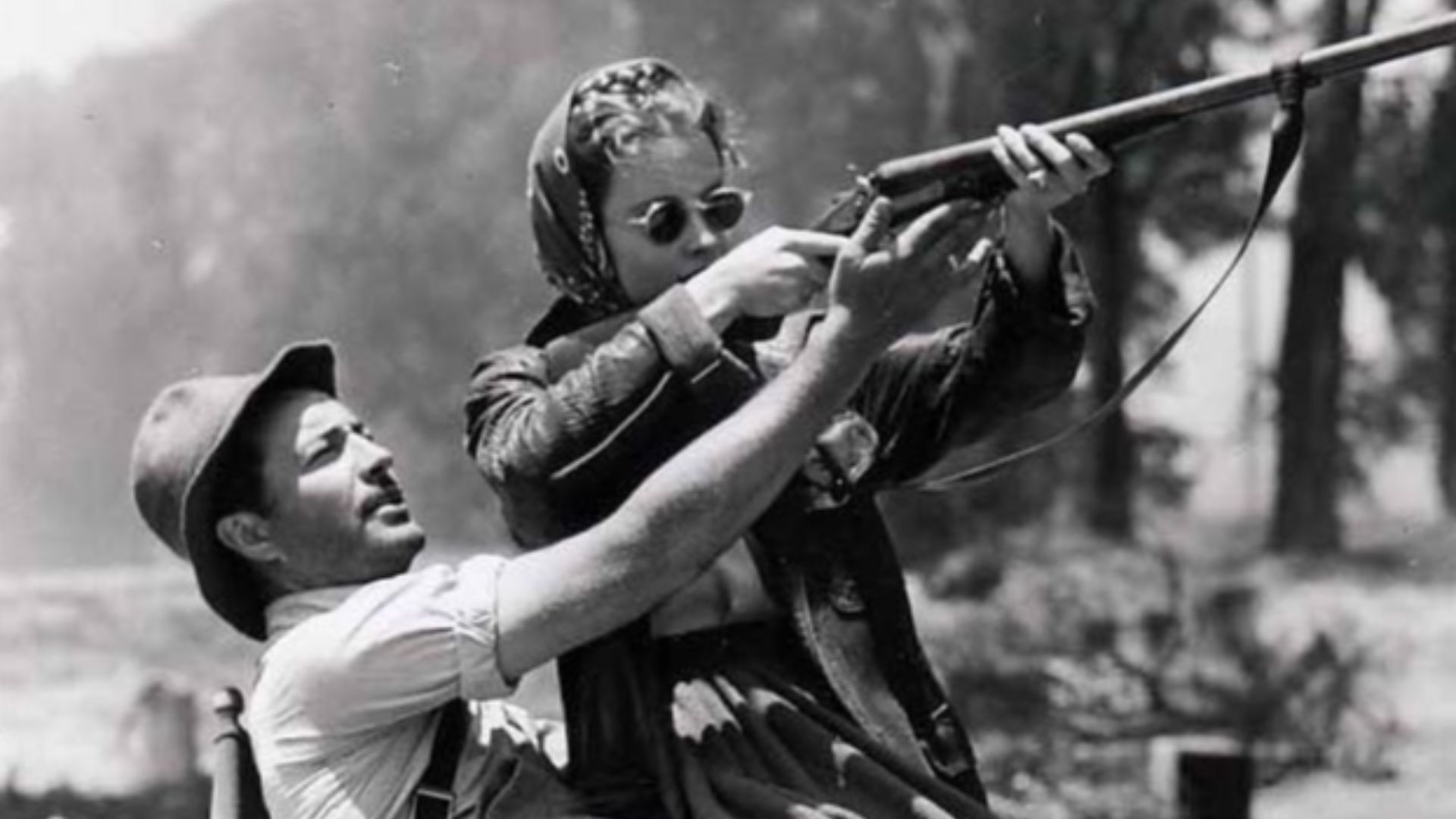
She Was Only 23 Years Old
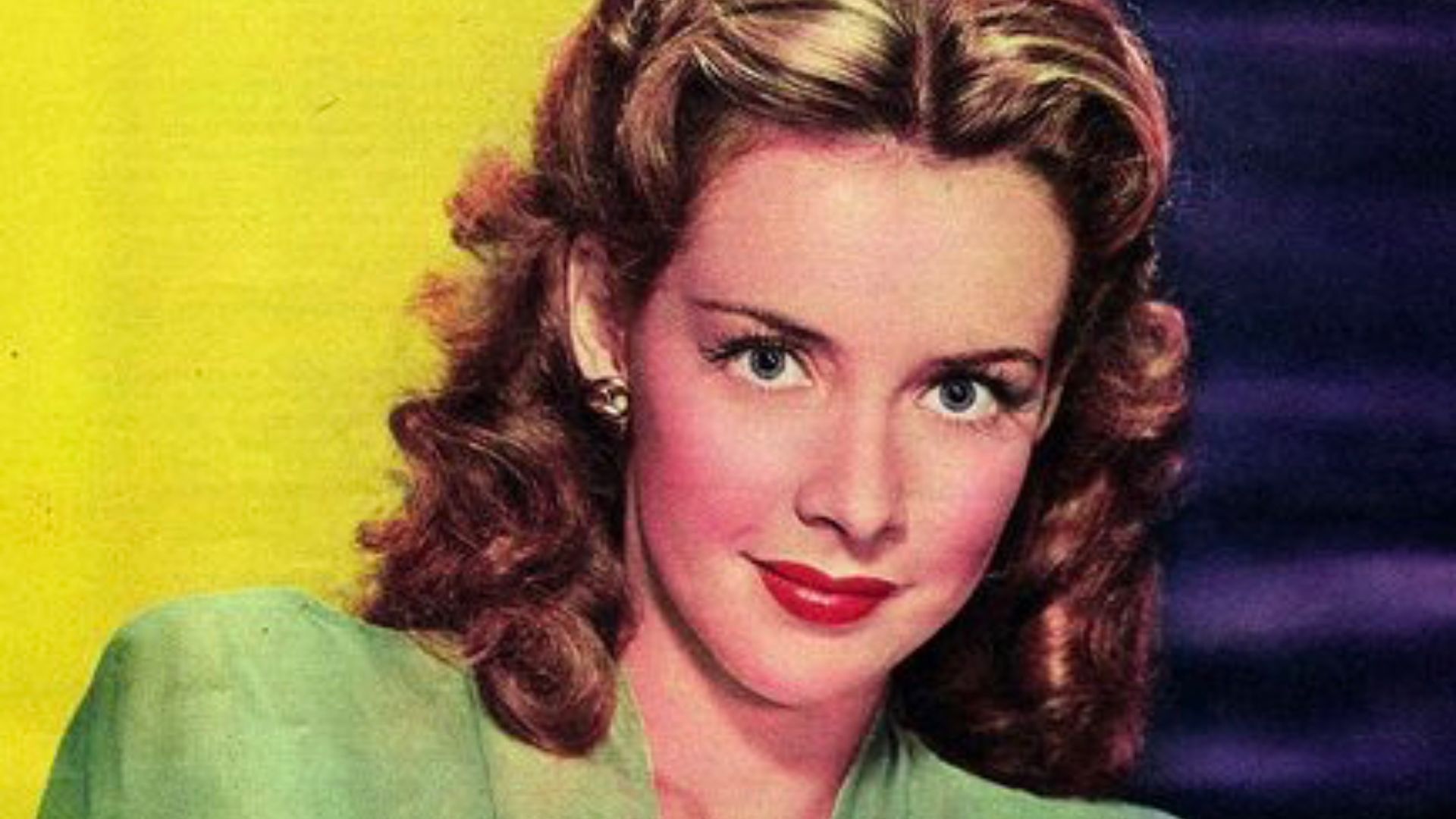
The tragedy was especially cruel because Peters was only 23. She had not yet reached the career heights many expected for her. In one shocking moment, the future that had seemed so full of possibility became uncertain, painful, and physically transformed.
 Unknown authorUnknown author, Wikimedia Commons
The Injury Left Her Paralyzed
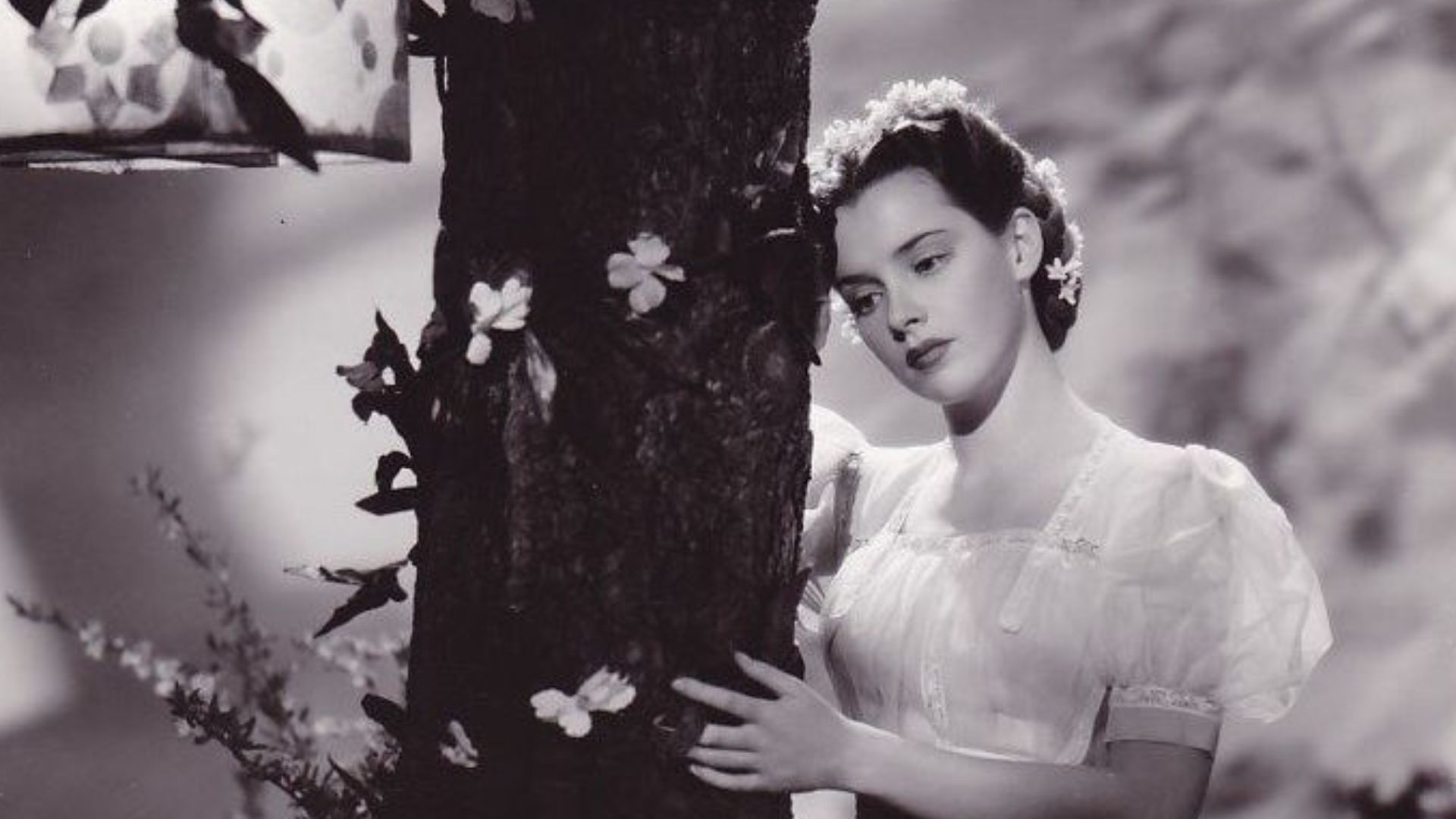
The bullet damaged Peters' spinal cord and left her permanently paralyzed from the waist down. She would use a wheelchair for the rest of her life. In the 1940s, Hollywood had little imagination for disabled performers, making her professional future painfully unclear.
 Unknown authorUnknown author, Wikimedia Commons
Her Mother's Death Deepened The Pain
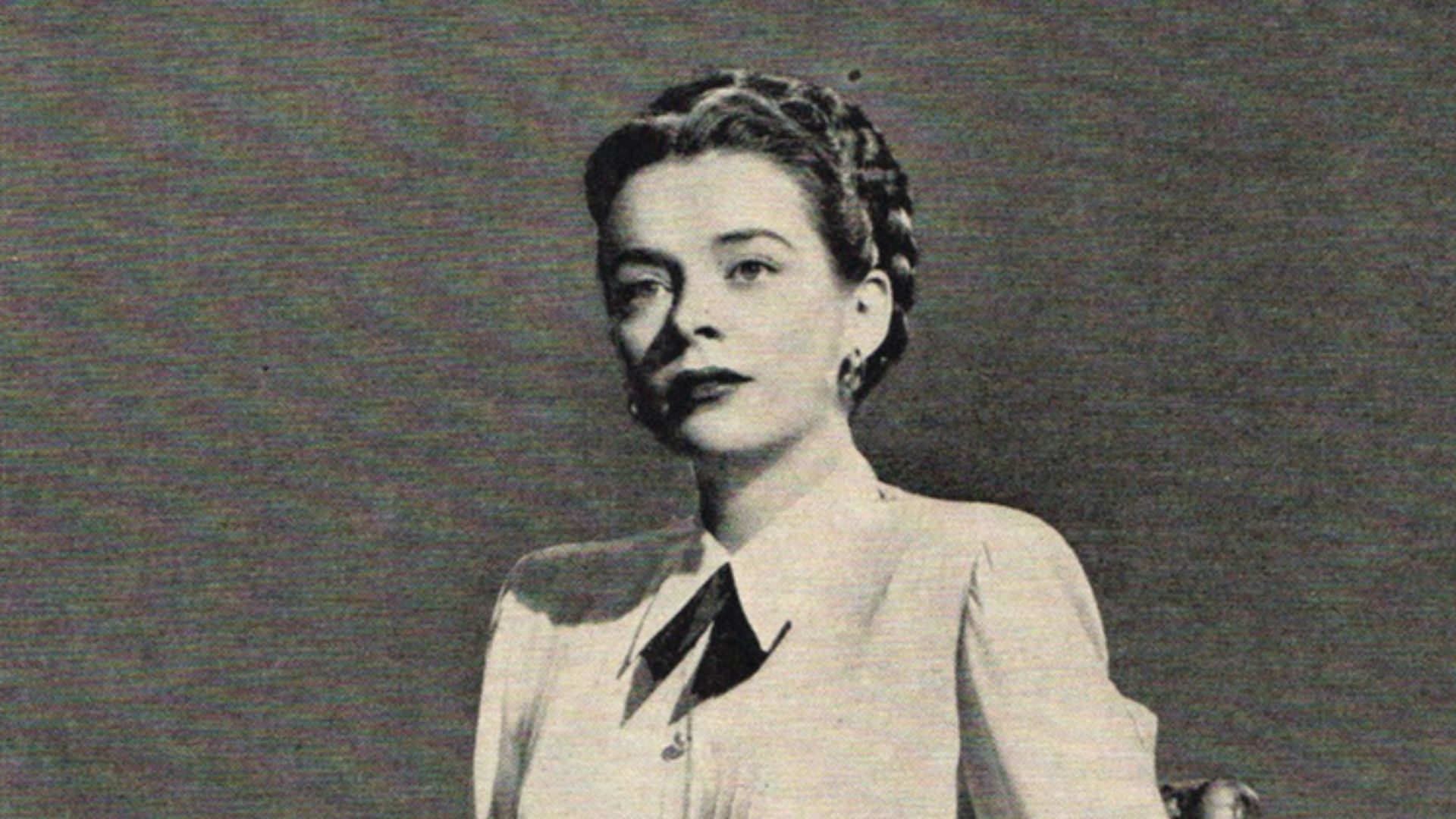
The year of the accident brought another emotional blow. Peters' mother, who had reportedly kept vigil during her daughter's hospitalization, died later in 1945. For a young woman already facing paralysis and uncertainty, the loss added another layer of grief.
 Unknown authorUnknown author, Wikimedia Commons
MGM Tried To Keep Her On Salary
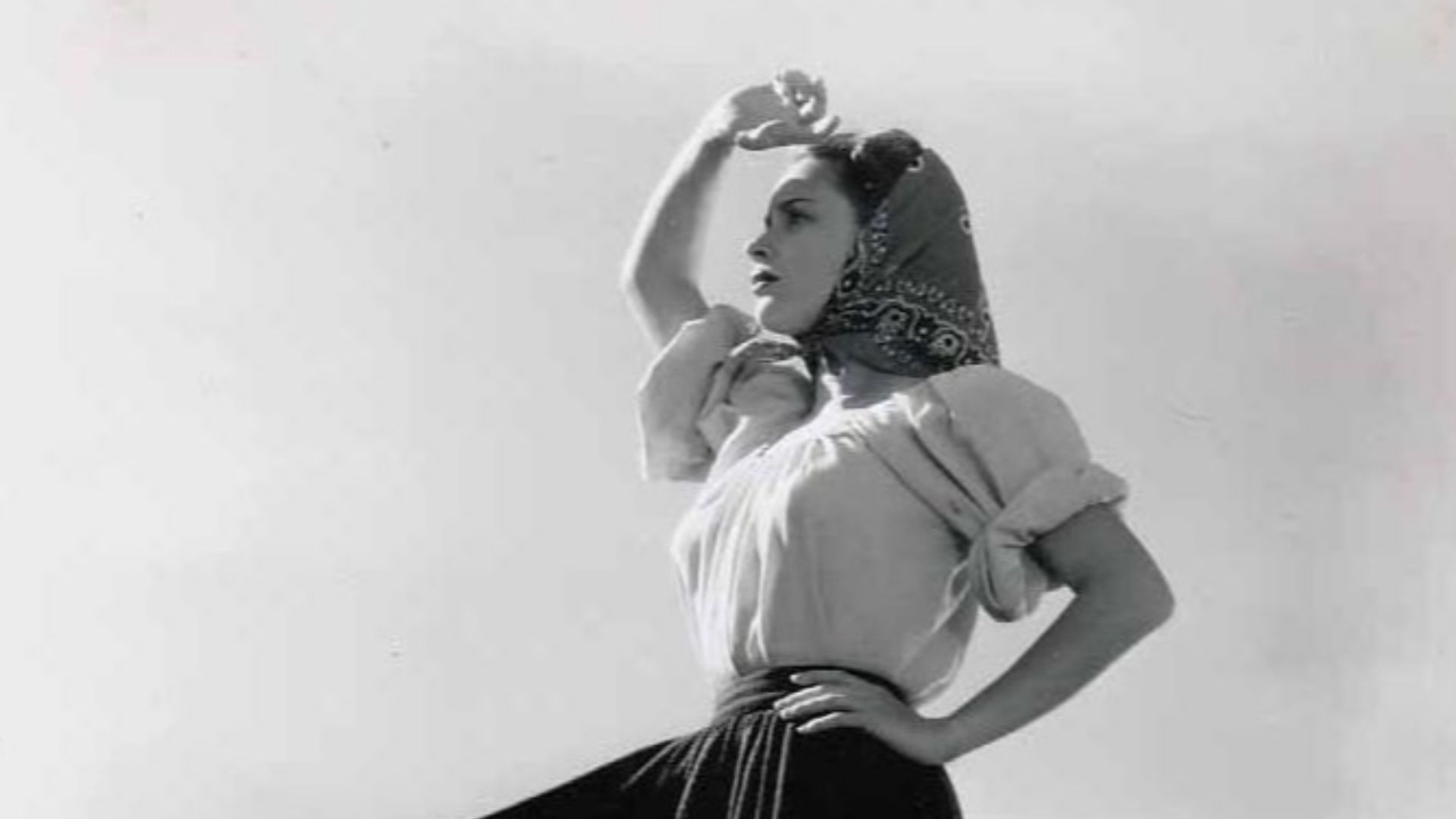
MGM initially continued paying Peters and covering medical expenses, but the studio struggled to find roles that respected her talent. The scripts offered to her often centered on sentimental disability stories, and Peters resisted being reduced to pity or inspiration.
 Unknown authorUnknown author, Wikimedia Commons
She Refused To Trade On Her Disability
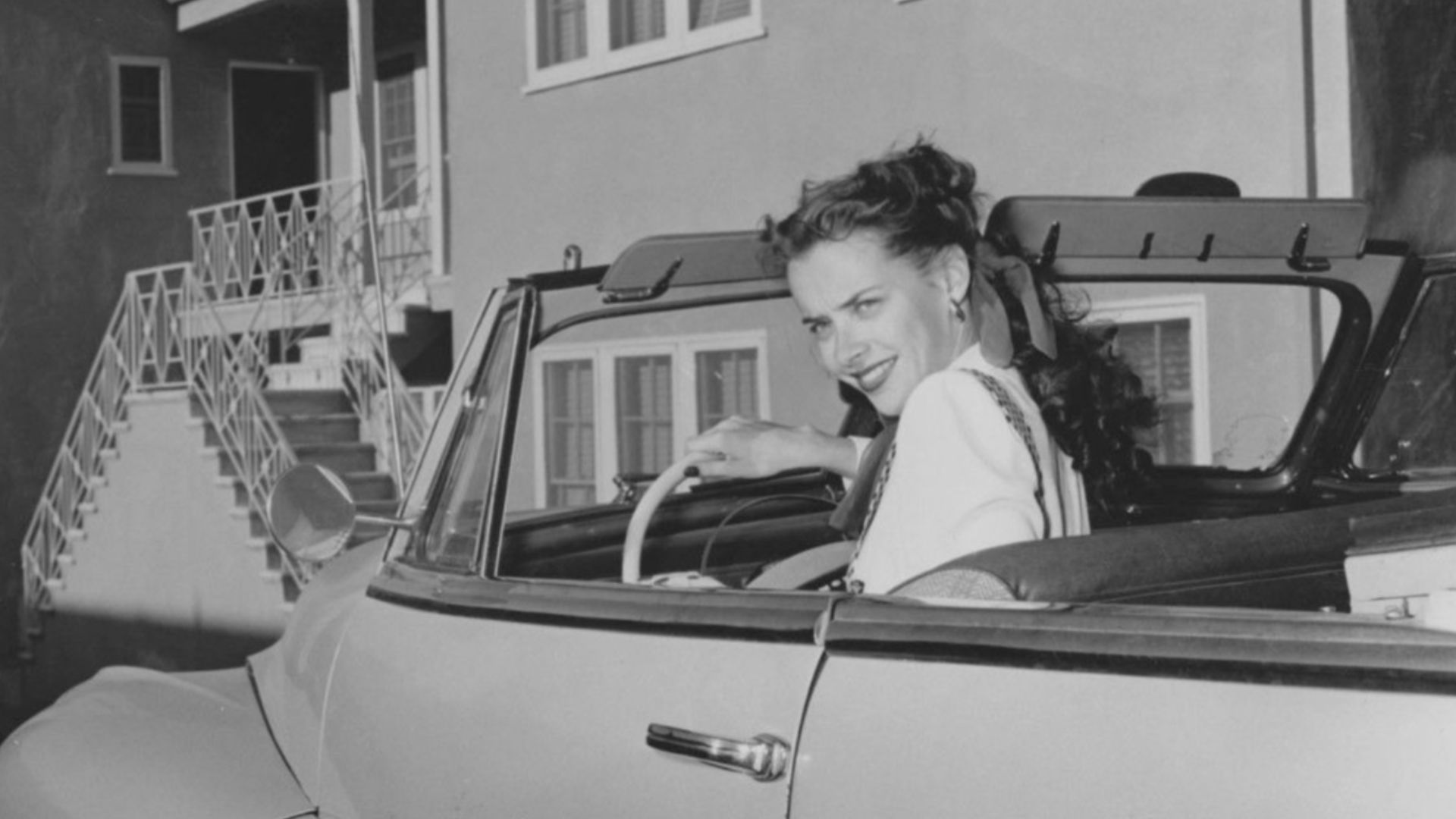
Peters reportedly disliked scripts that treated disabled women as saintly or helpless. She wanted meaningful work, not roles that exploited her condition. That dignity made her choices more difficult, but it also revealed how strongly she wanted to remain an actress on her own terms.
 Unknown authorUnknown author, Wikimedia Commons
Hollywood Did Not Know What To Do With Her
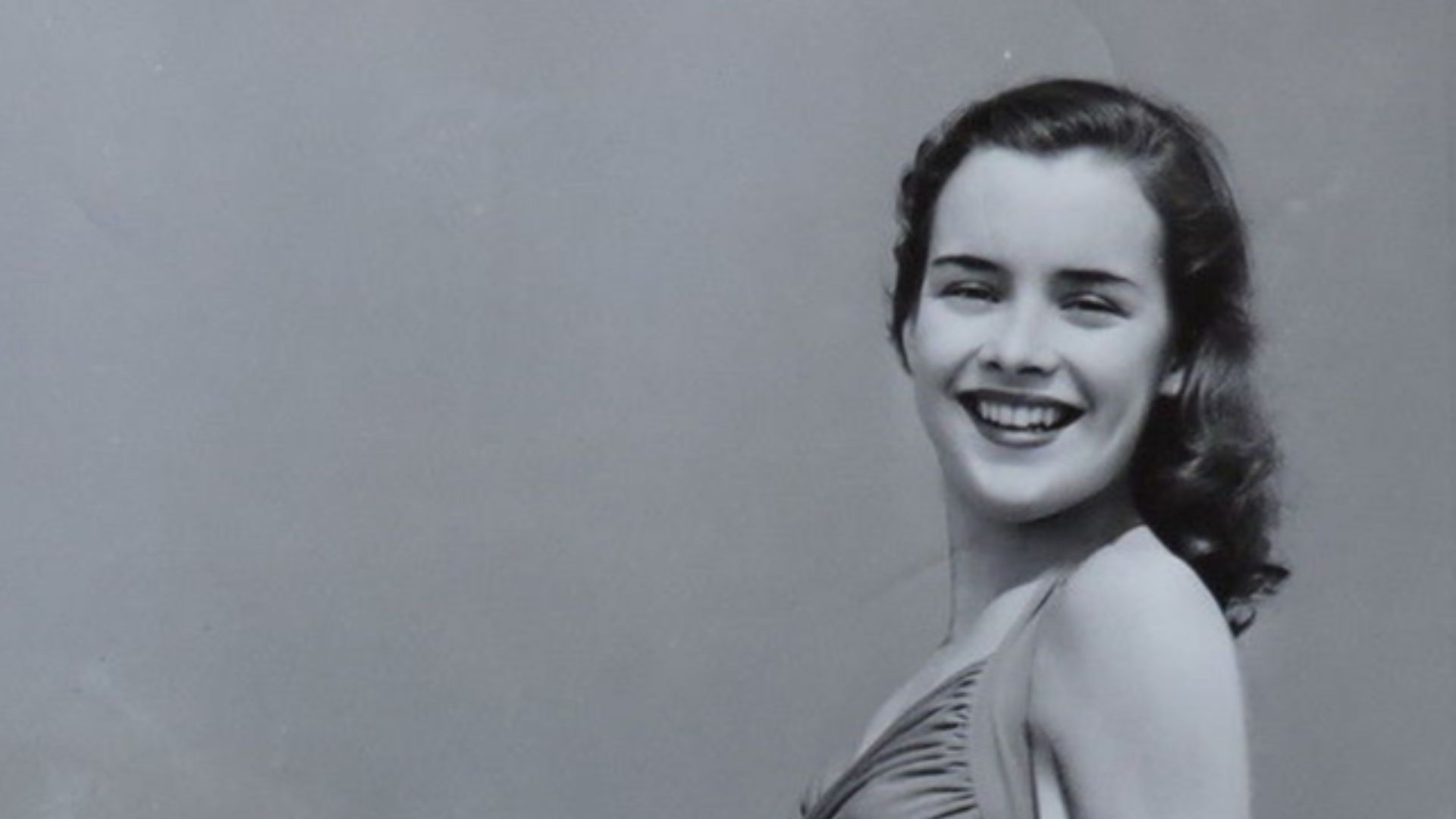
The industry that had once celebrated her promise now seemed confused by her wheelchair. Producers could imagine her as tragic, noble, or fragile, but rarely as complex. The failure was not Peters' talent-it was Hollywood's limited vision.
 Schuyler Crail, Wikimedia Commons
She Made A Brave Screen Comeback
In 1948, Peters returned to film in The Sign of the Ram, playing a wheelchair-using character with sharp intelligence and emotional darkness. The role allowed her to appear on screen again, but it did not fully restore the career that had been waiting for her before the accident.
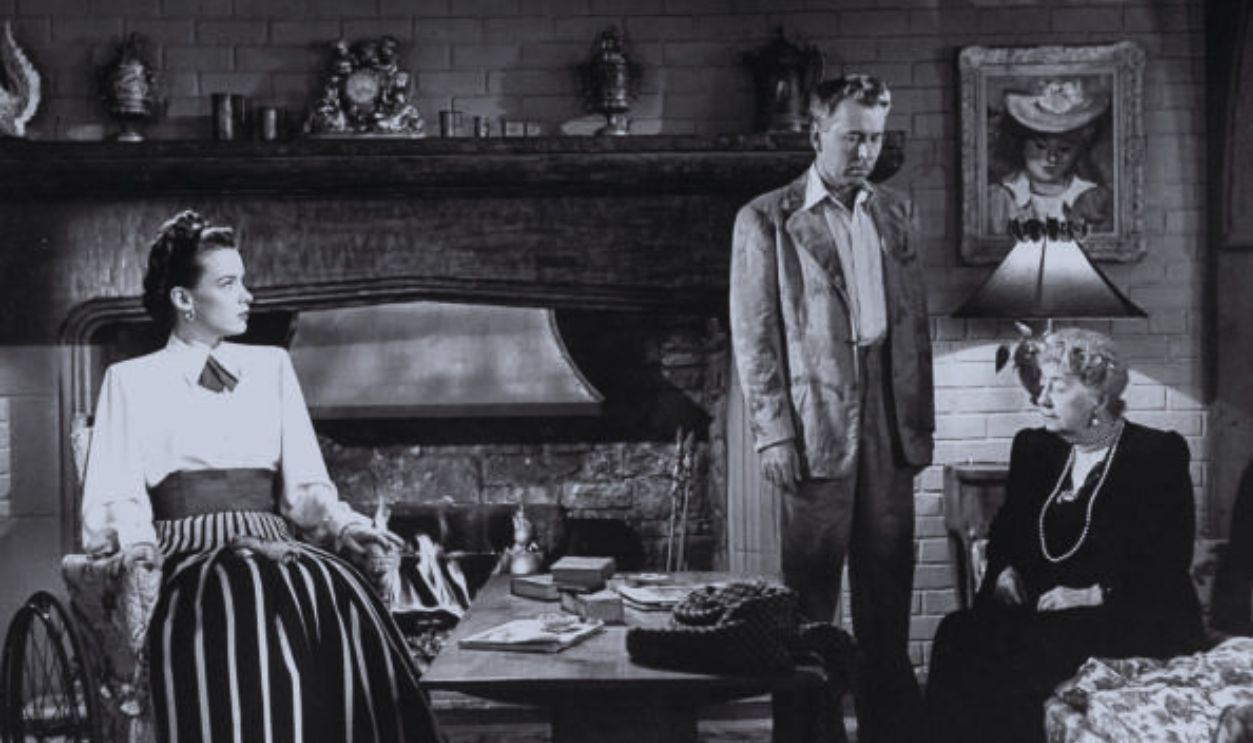 Screenshot from The Sign of the Ram, Columbia Pictures (1948)
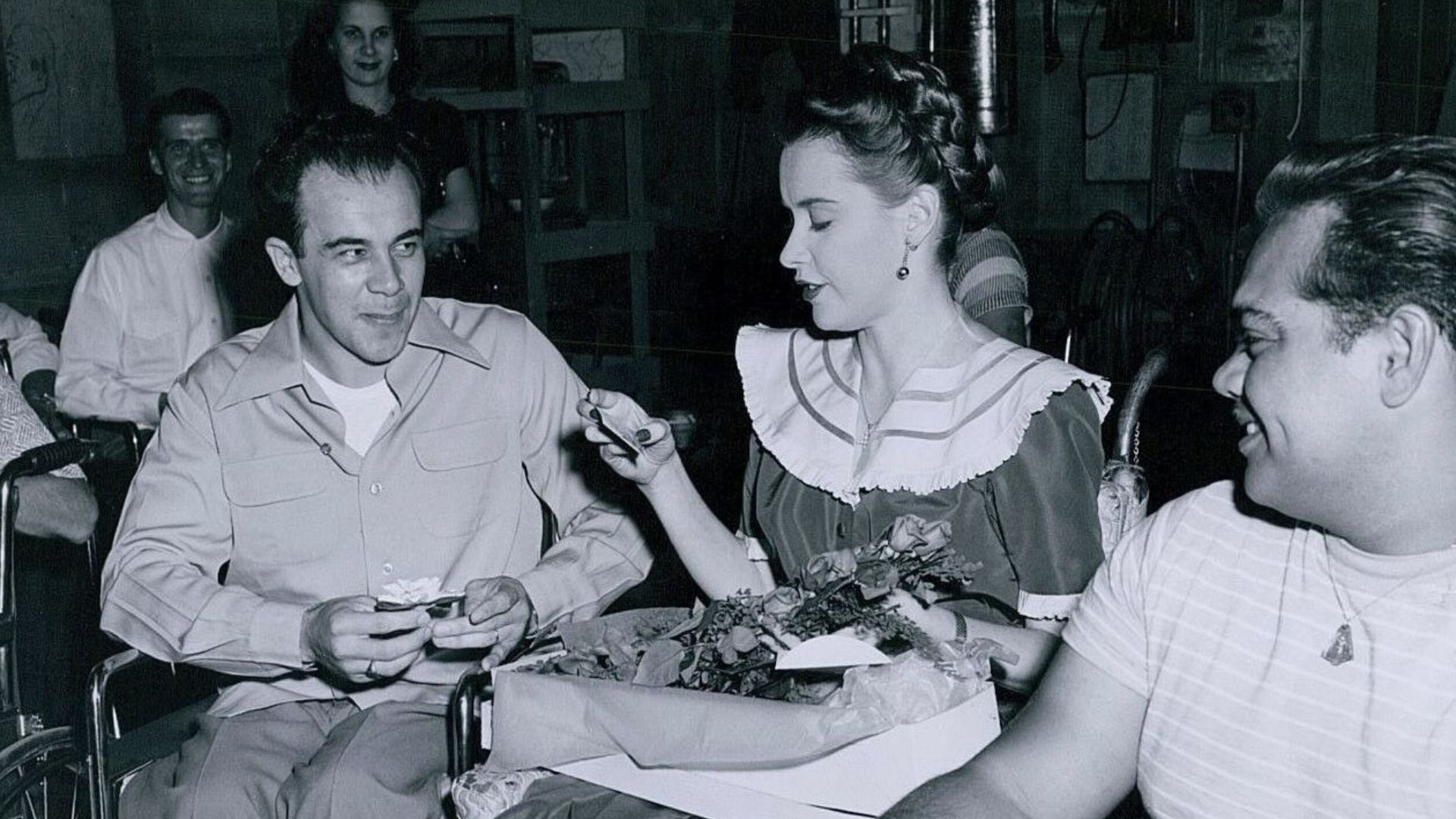
Theater Gave Her Another Chance
Peters later turned to the stage, appearing in productions such as The Glass Menagerie and The Barretts of Wimpole Street. Theater offered her roles with emotional weight, and critics admired her courage and skill. Still, the work was physically demanding and hard to sustain.
 Columbia Pictures, Wikimedia Commons
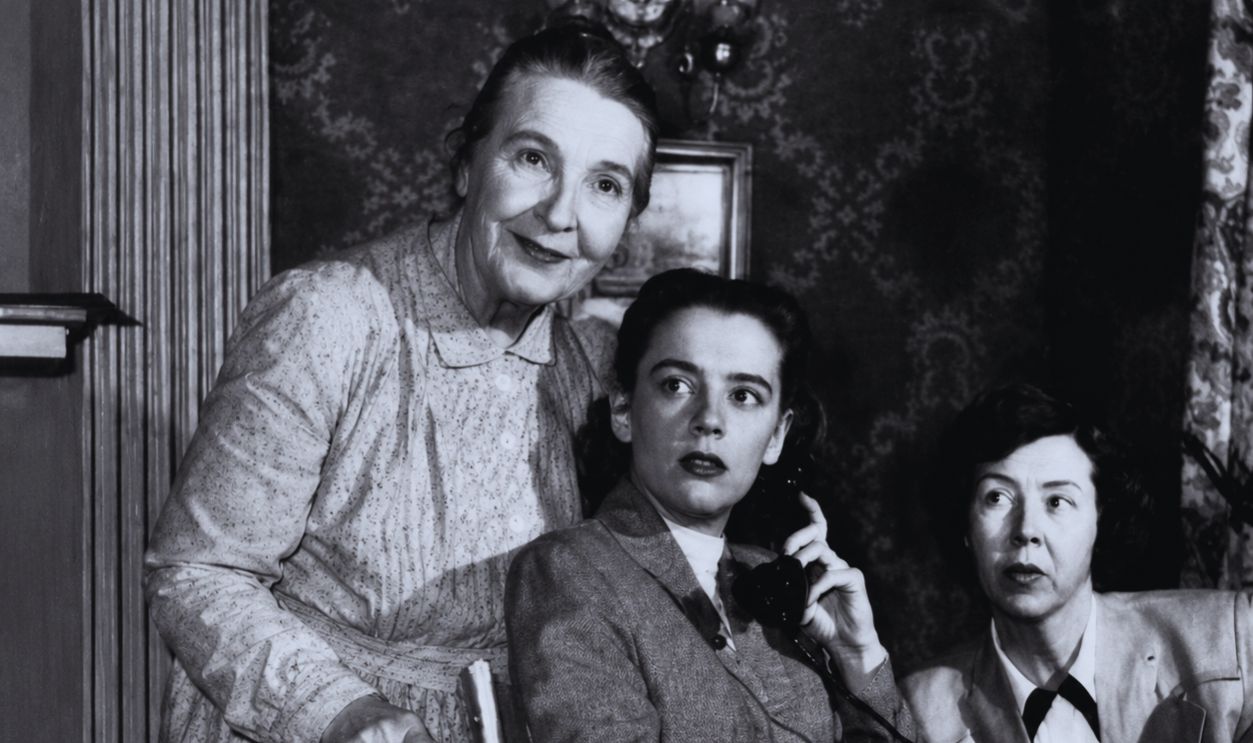
Television Briefly Opened A New Door
In 1951, Peters starred in Miss Susan, a live television drama in which she played a lawyer who used a wheelchair. The show gave her visibility in a new medium, but the demanding production schedule took a toll. Her health continued to decline.
 Screenshot from Miss Susan, NBC (1951)
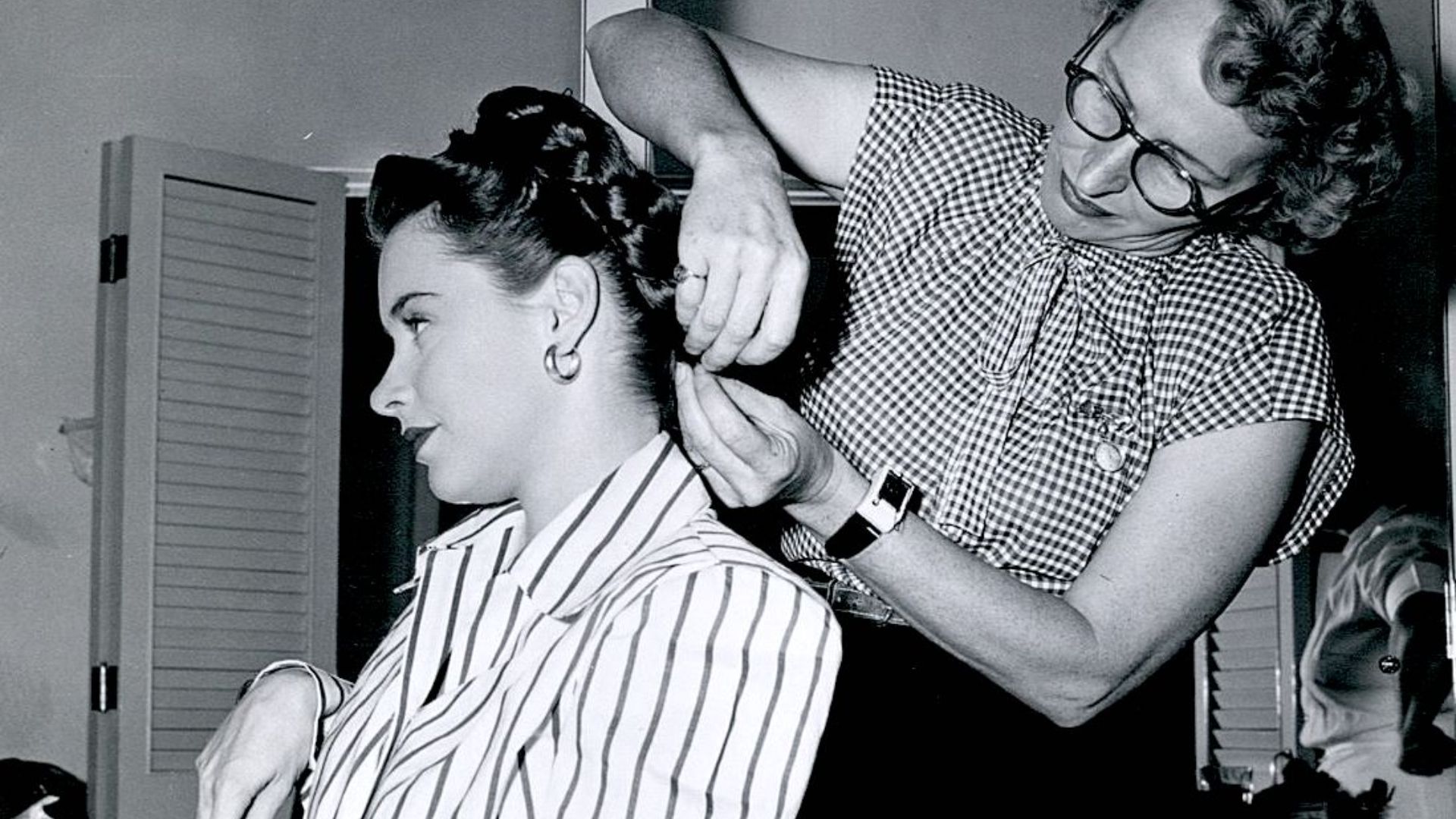
Her Marriage Eventually Fell Apart
Peters and Richard Quine adopted a son, but their marriage did not survive the strain of the years after the accident. The collapse of her marriage left her even more isolated. What had once looked like a promising young Hollywood life had become painfully fragile.
 Unknown authorUnknown author, Wikimedia Commons
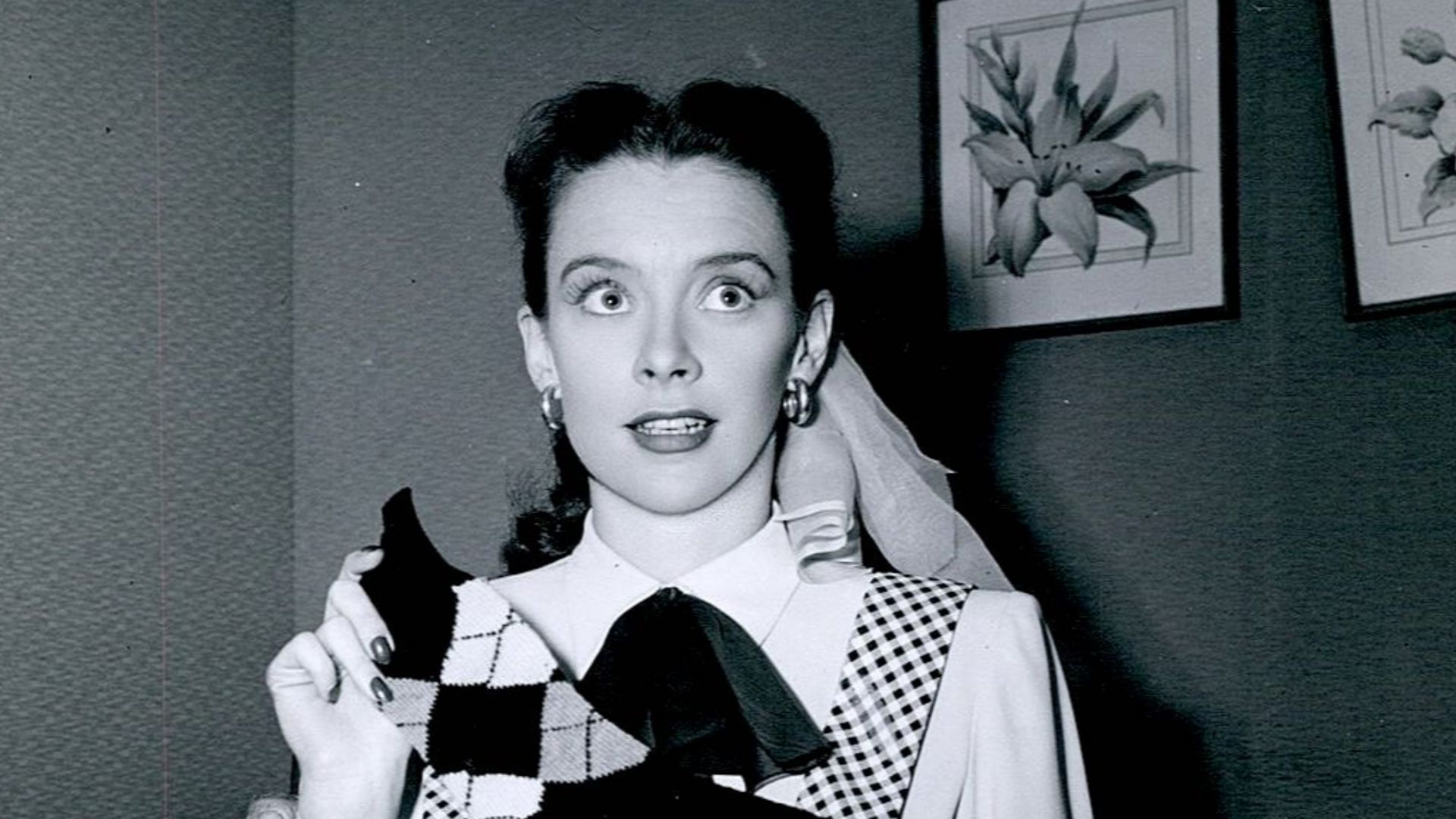
Depression And Illness Took Hold
By the early 1950s, Peters was struggling with depression, limited career options, and worsening health. Accounts of her final years describe a woman worn down by physical complications, emotional pain, and the loss of the future she had once seemed certain to have.
 Unknown authorUnknown author, Wikimedia Commons
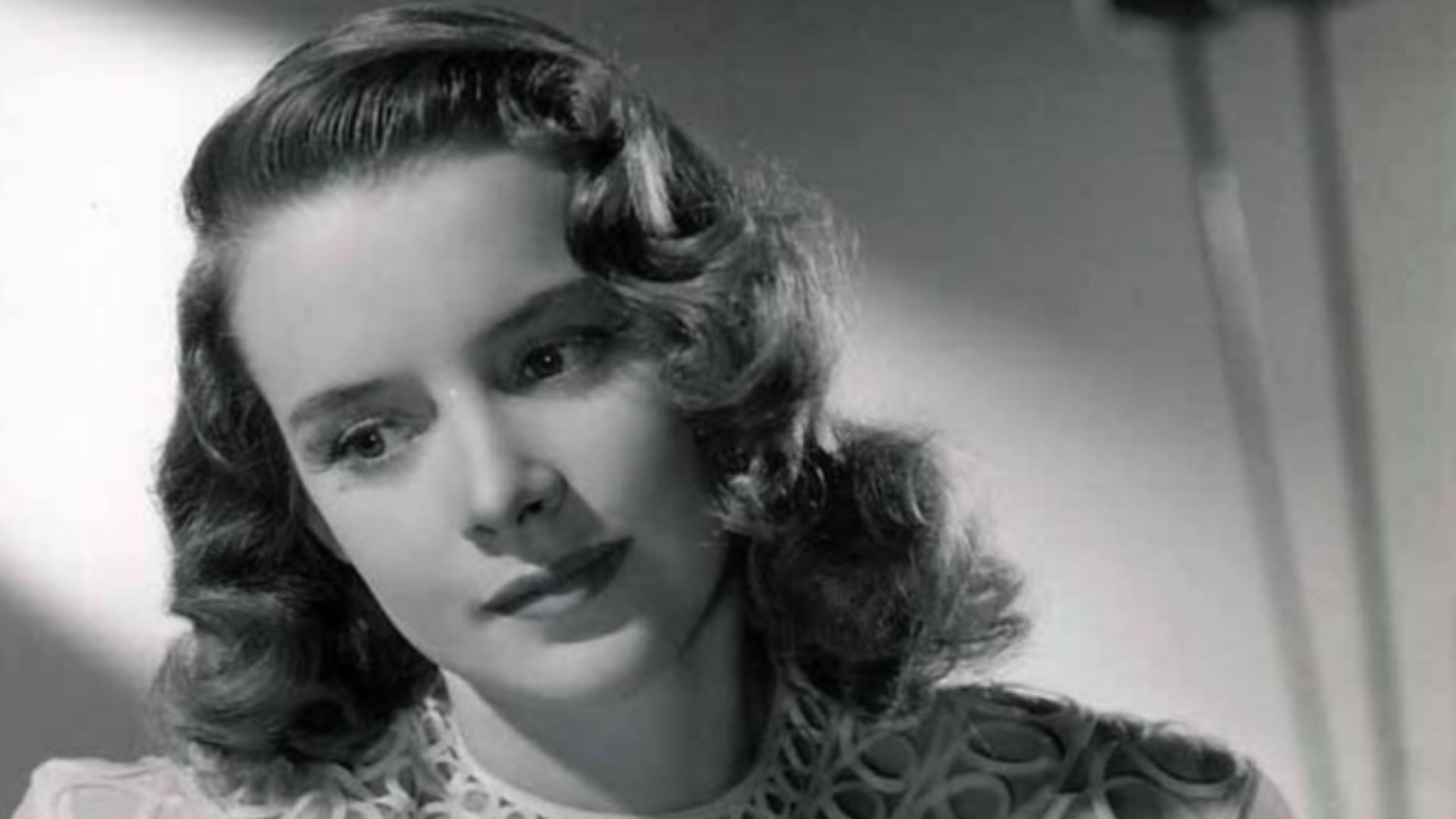
She Began Starving Herself
By late 1952, Peters had reportedly lost the will to eat or drink. Her doctor later said her death was hastened by self-induced dehydration and starvation, after years of depression, paralysis-related illness, and fading hope.
 Clarence Sinclair Bull, Wikimedia Commons
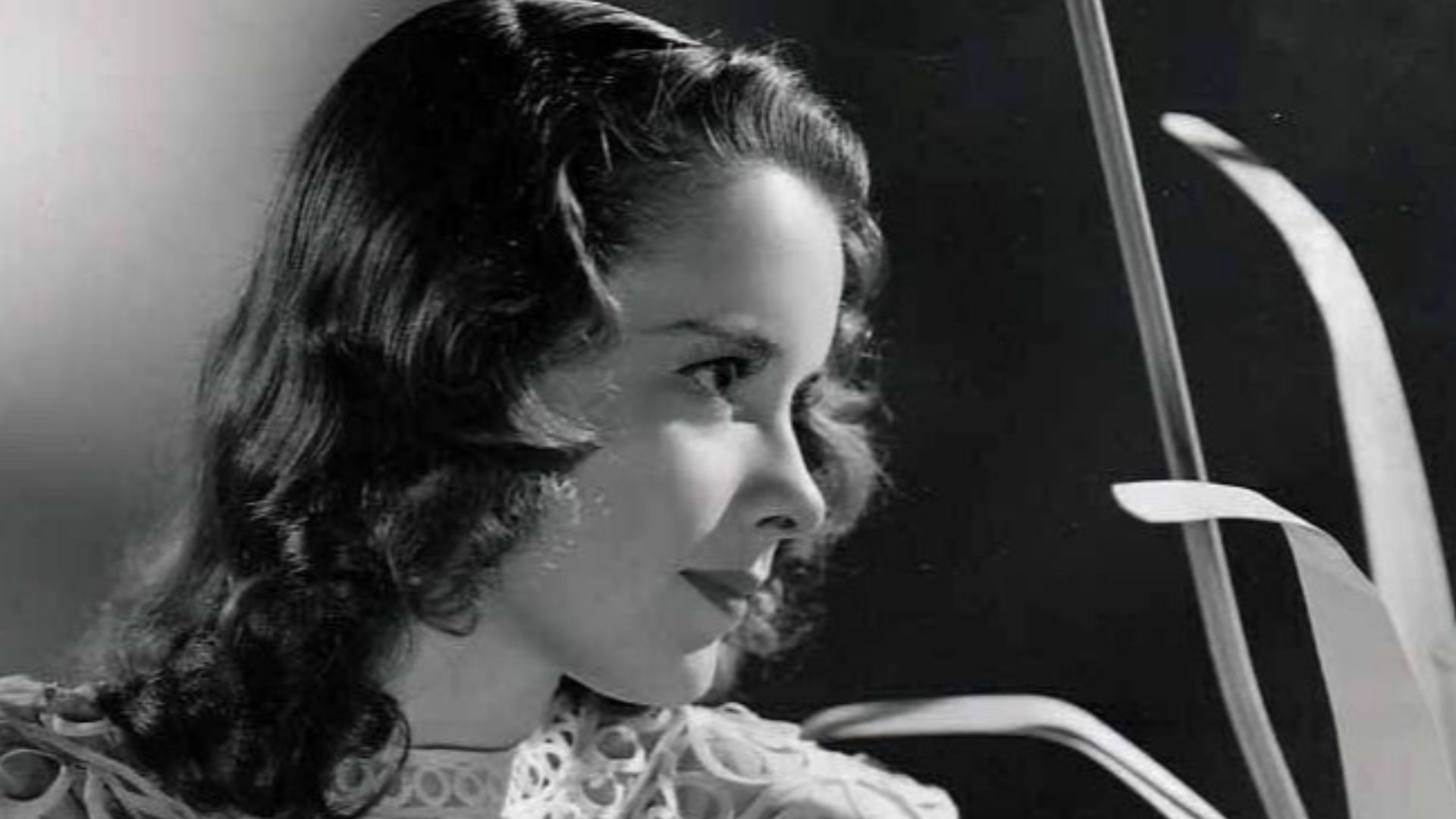
Her Body Could No Longer Fight
The starvation weakened a body already vulnerable from paralysis, chronic kidney infections, and pneumonia. What made the ending so tragic was that Peters had fought so hard to keep working, only to reach a point where exhaustion and despair overwhelmed her.
 Clarence Sinclair Bull, Wikimedia Commons
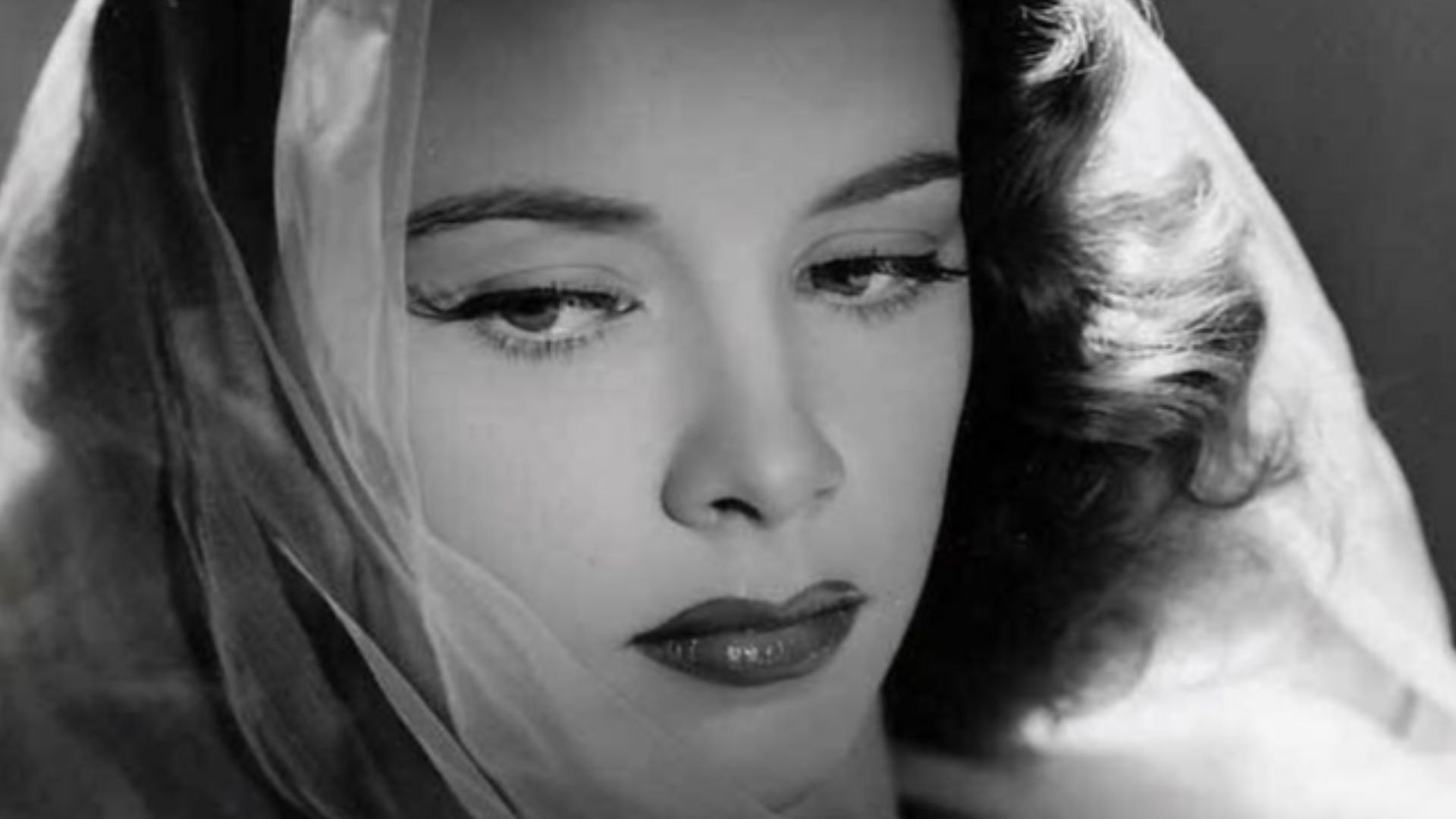
Her Death Was More Than A Medical Tragedy
Susan Peters died on October 23, 1952, in Visalia, California. She was just 31 years old. Her demise was officially tied to kidney infection and pneumonia, but accounts also emphasize starvation and dehydration in her final weeks. Her decline reflected not only physical complications, but the emotional devastation of losing the career and future she once had.
 Unknown authorUnknown author, Wikimedia Commons
Her Legacy Is Still Deeply Moving
Peters' story remains powerful because it was not only about tragedy. It was also about talent, dignity, resistance, and the struggle to keep working in an industry that could not imagine a disabled actress as fully human. Her life was brief, but her courage left a lasting impression.
 Credited to Credited to "Coburn", Wikimedia Commons
You May Also Like:
The Acting Legend Of Anne Bancroft
Gina Lollobrigida: The Italian Siren Who Conquered Hollywood



.jpg%20)