More Than Baby Doll
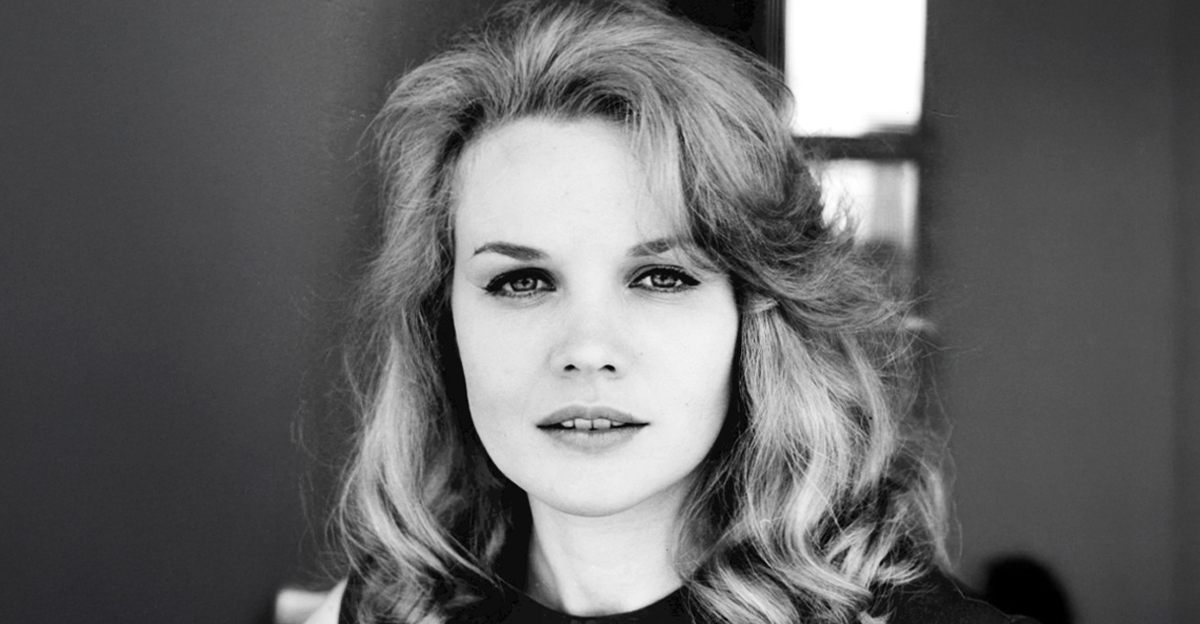
Carroll Baker’s career took her from poverty and vaudeville to Broadway, Hollywood stardom, European thrillers, character roles, and writing. Her journey included an Oscar nomination, bitter studio battles, personal upheaval, and a remarkable reinvention after the American film industry that created her star image largely stopped offering her work.
 Public domain, via Wikimedia Commons
A Difficult Pennsylvania Childhood
Born May 28, 1931, in Johnstown, Pennsylvania, Baker was raised in a Catholic family. Her father was a traveling salesman, and her parents separated when she was eight. Baker moved with her mother and younger sister to Turtle Creek, where the family struggled financially for much of her childhood.
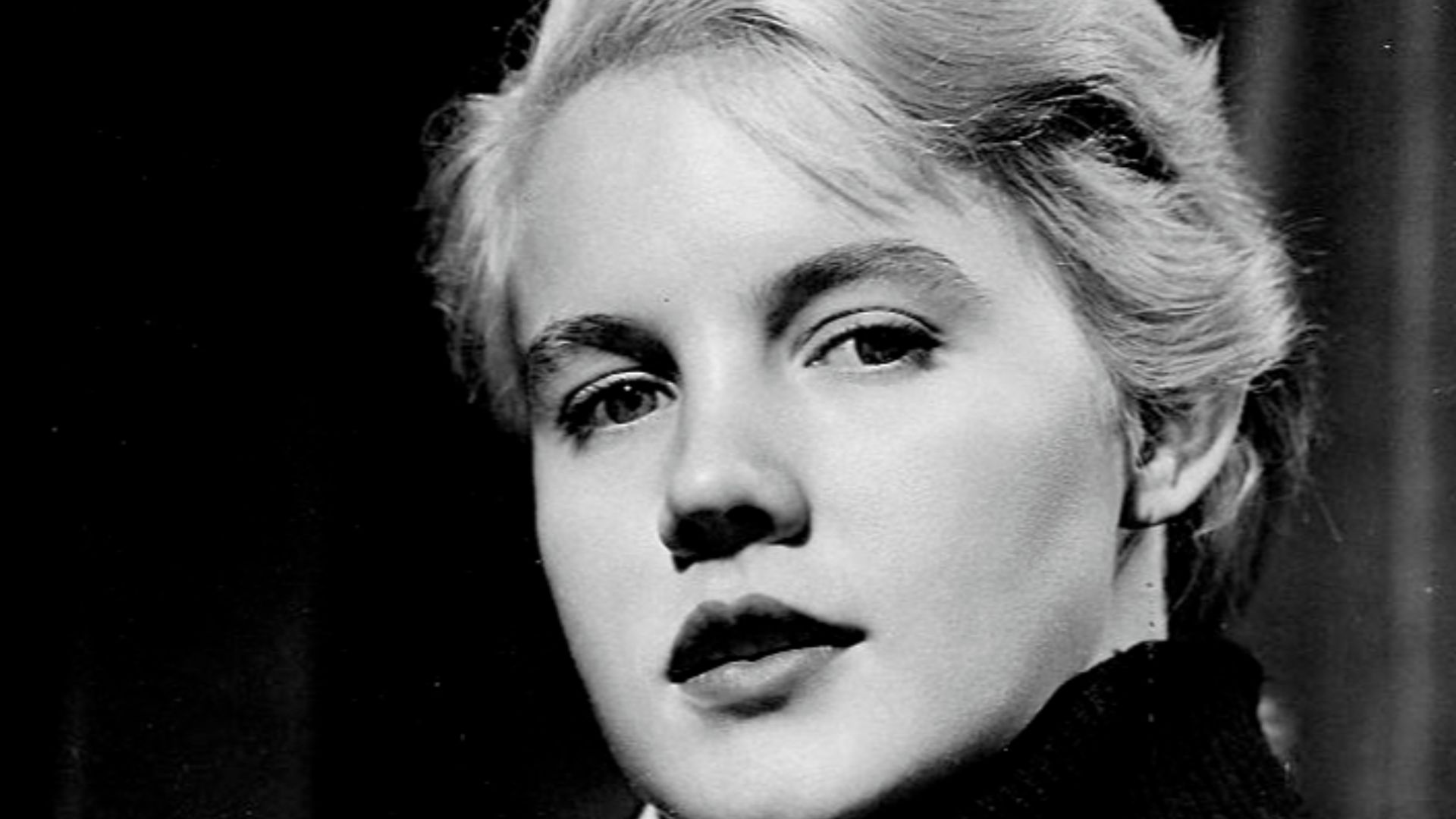 Warner Brothers, Wikimedia Commons
Performing From An Early Age
Baker attended Greensburg High School, participating in debate, marching band, and school musicals. At 18, she moved with her family to St. Petersburg, Florida, and attended junior college. After one year, she became a magician’s assistant, joined a dance company, and worked professionally as a dancer.
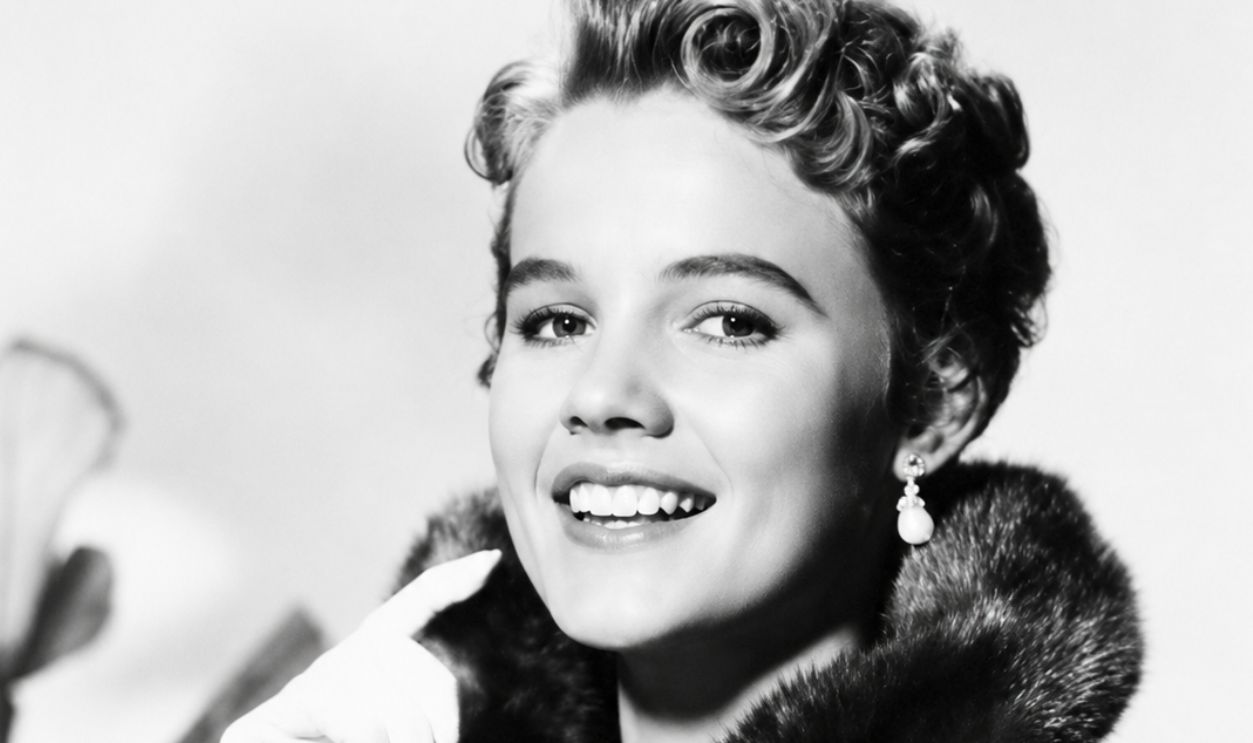 Studio press, Wikimedia Commons, enhanced
Vaudeville And Beauty Pageants
In 1949, Baker won the prestigious title of Miss Florida Fruits and Vegetables. Two years later, she moved to New York City and rented a basement apartment with a dirt floor in Queens. She supported herself through nightclub dancing and chorus work in traveling vaudeville productions.
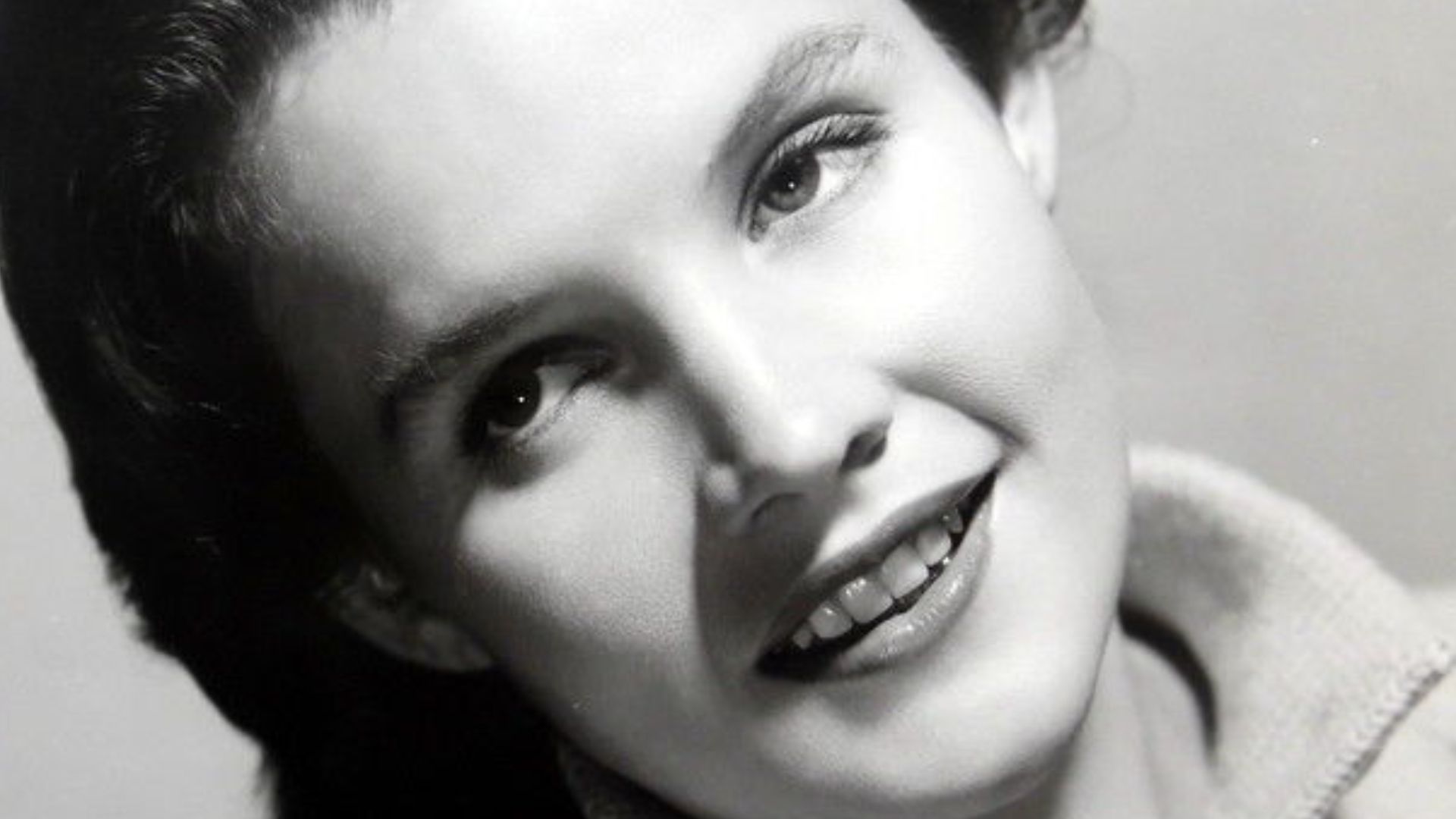 Unknown author, Wikimedia Commons
A Painful First Marriage
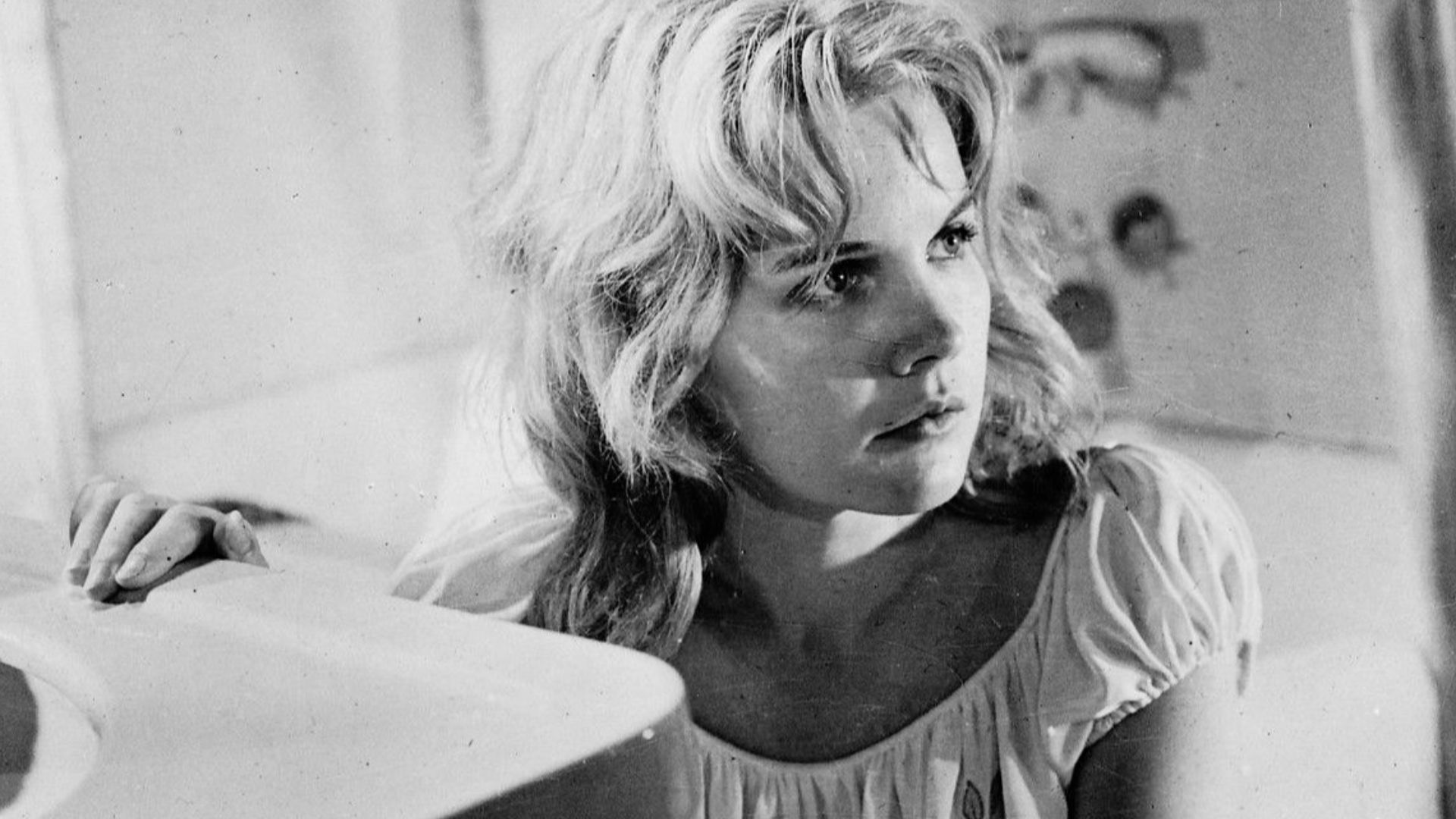
In 1953, Baker married 54-year-old hotel owner Louie Ritter, but the marriage ended within a year. Baker later alleged that Ritter had sexually assaulted her when she was still a virgin during the early period of their relationship. After the marriage ended, she devoted herself more seriously to acting.
 United Artists, Wikimedia Commons
Learning The Method
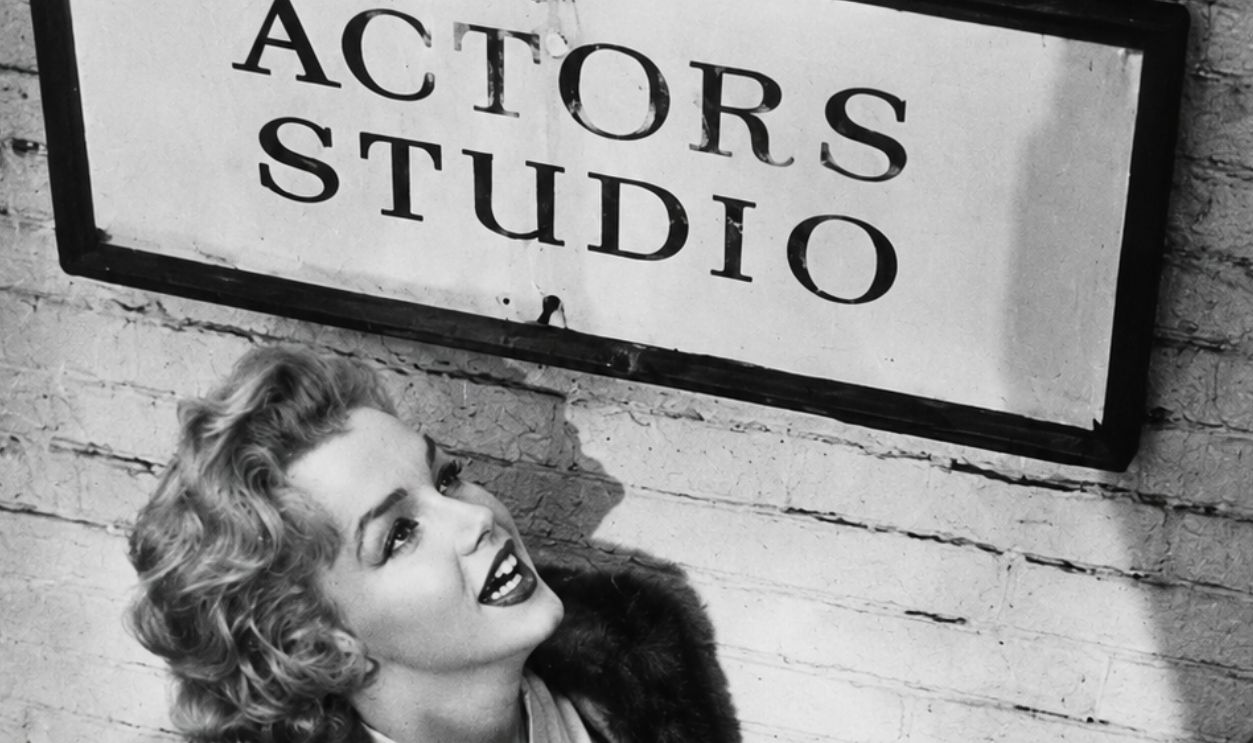
After studying at HB Studio, Baker enrolled at the Actors Studio in 1952 and trained under Lee Strasberg. Her classmates included Marilyn Monroe, Rod Steiger, Shelley Winters, Ben Gazzara, and Mike Nichols. The Method-based training helped establish the emotionally grounded approach that would define her most celebrated performances.
 Macfadden Publications New York, publisher of Radio-TV Mirror, Wikimedia Commons, enhanced
Television And Broadway Beginnings
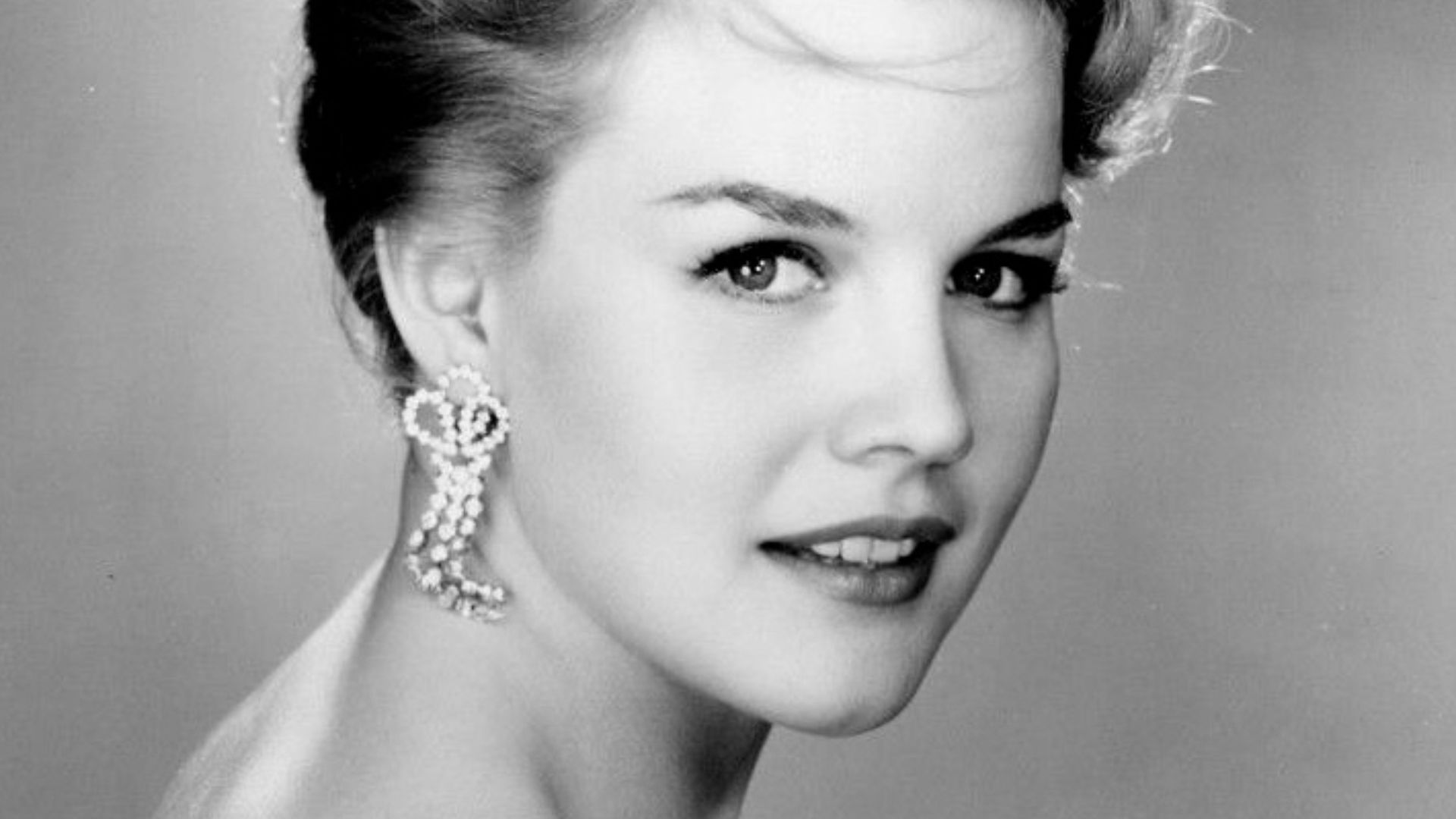
Baker appeared in commercials and performed on Monodrama Theater before making a small film appearance in Easy to Love (1953). She then reached Broadway, appearing in Escapade in 1953 and All Summer Long opposite Ed Begley Sr during its 1954 run.
Marriage And A Family
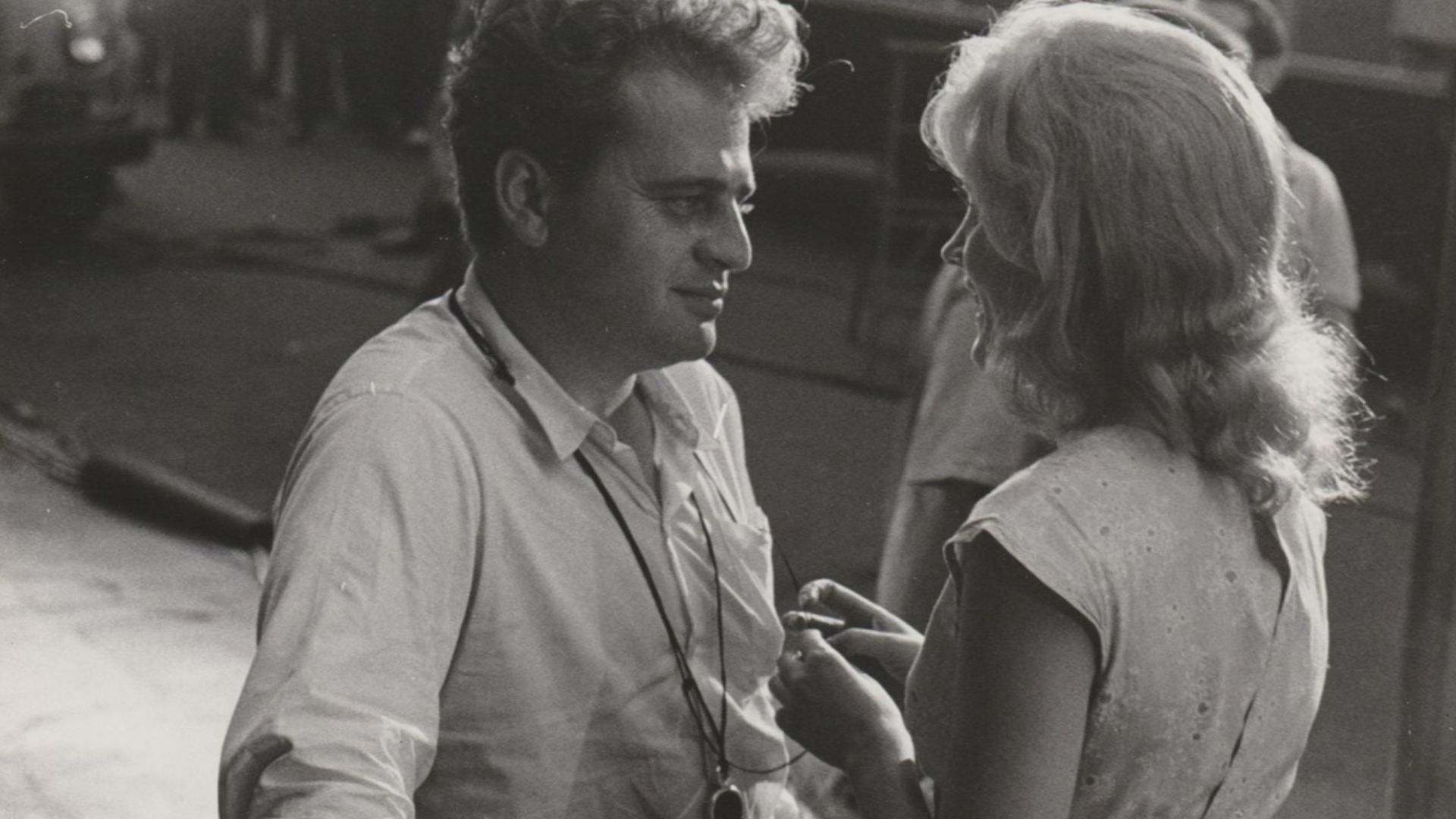
Baker met director Jack Garfein at the Actors Studio and married him in April 1955. Raised Catholic, she converted to Judaism for the marriage. The couple had two children, daughter Blanche, born in 1956, and son Herschel, born in 1958. Their personal and professional lives would frequently overlap.
 Prometheus Releasing, Wikimedia Commons
Two Breakthrough Films
Baker chose the supporting role of Luz Benedict II in Giant (1956), appearing with Liz Taylor, Rock Hudson, and James Dean. At almost the same time, Elia Kazan and Tennessee Williams selected her for the title role in Baby Doll (1956), the performance that transformed her career.
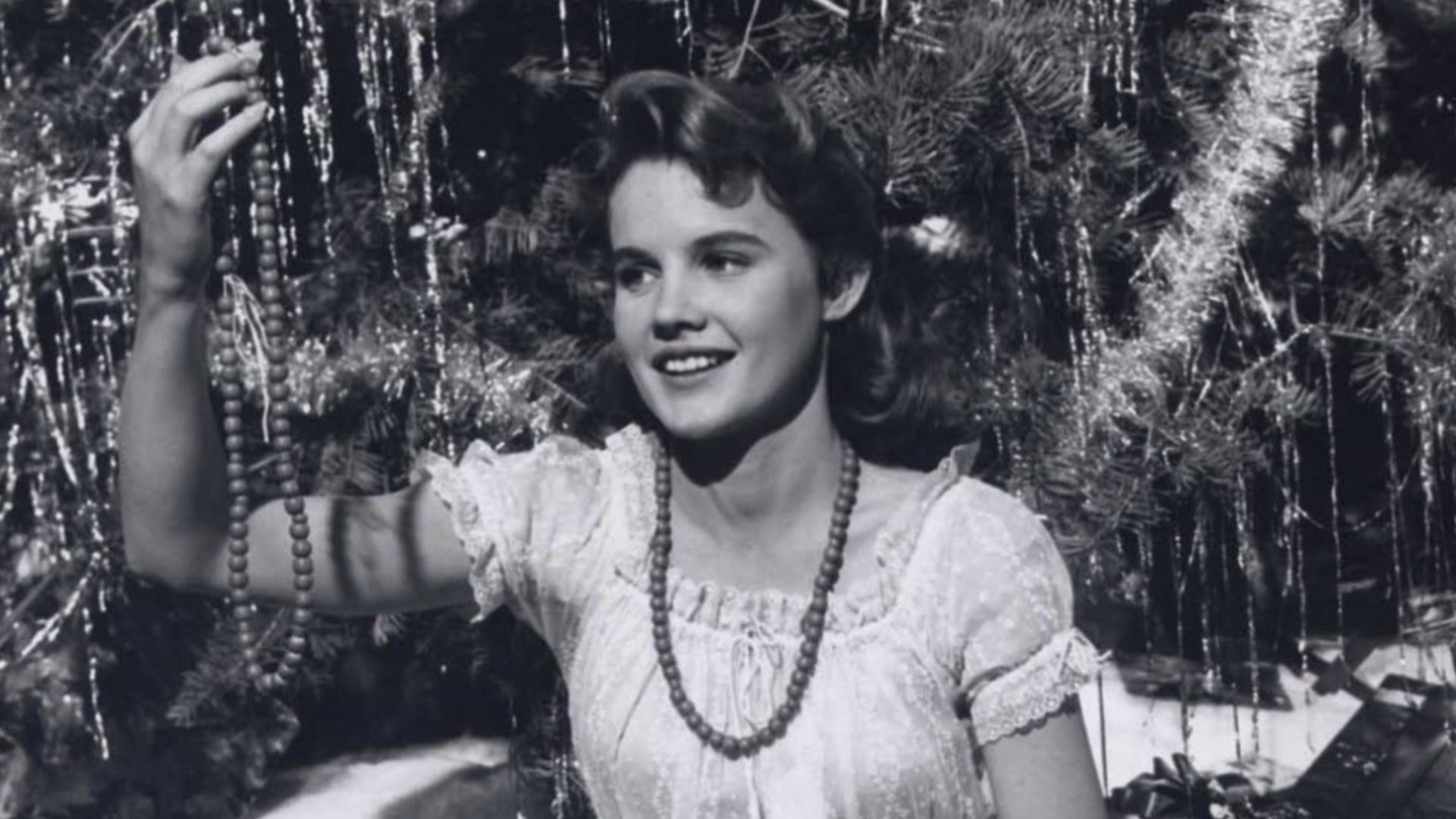 Unknown author, Wikimedia Commons
Baby Doll Creates A Star
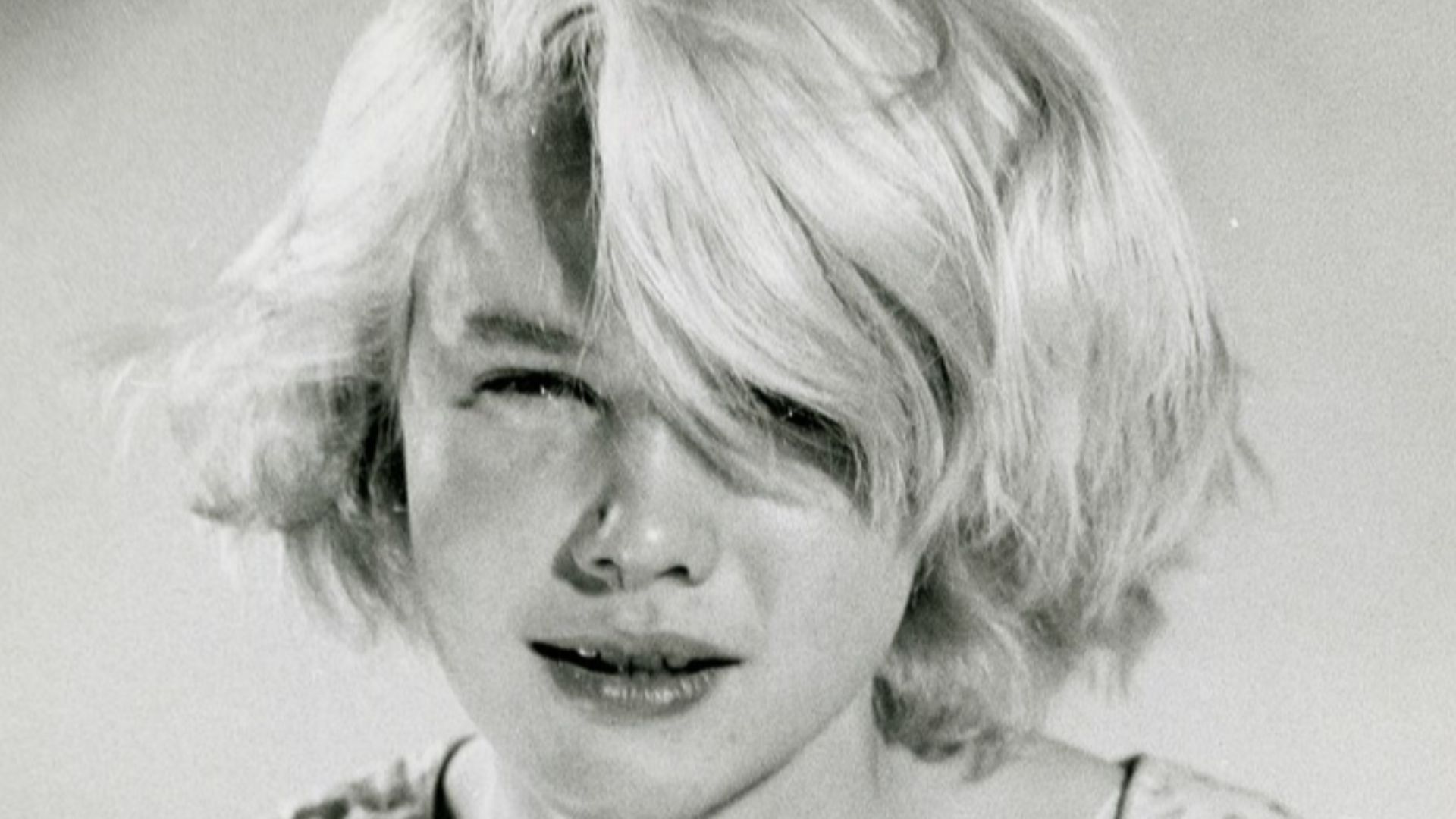
Filmed immediately after Giant (1956), Baby Doll (1956) cast Baker as the sexually naïve young bride of a failed cotton gin owner. The provocative advertising and religious condemnation generated enormous controversy, while Baker’s performance brought critical acclaim and established her almost overnight as an A-list actress.
 Peter Basch, Wikimedia Commons
Awards And Sudden Fame
Baker received an Academy Award nomination for Best Actress and a Golden Globe drama nomination for Baby Doll (1956). She also shared the Golden Globe for Most Promising Newcomer with Jayne Mansfield and Natalie Wood, and her sudden fame was reinforced by magazine covers and major publicity.
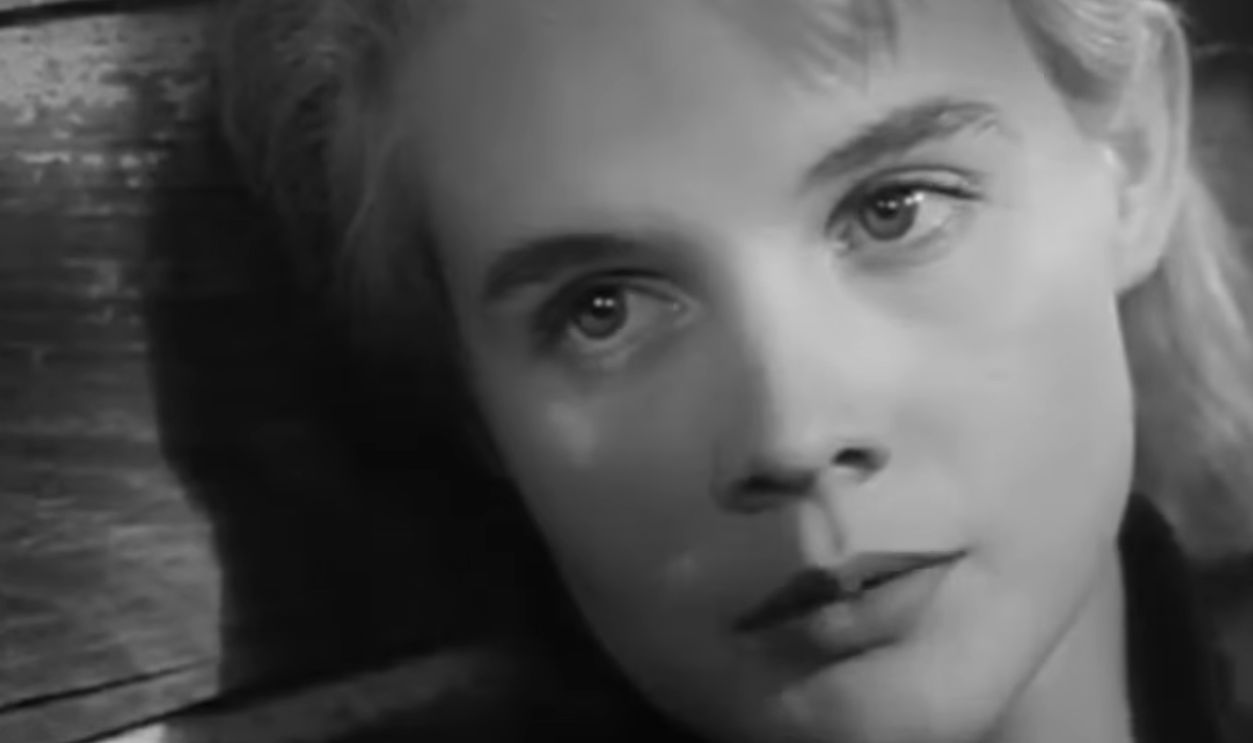 Screenshot from Baby Doll, Warner Bros. Discovery (1956)
Warner Bros Tightens Control
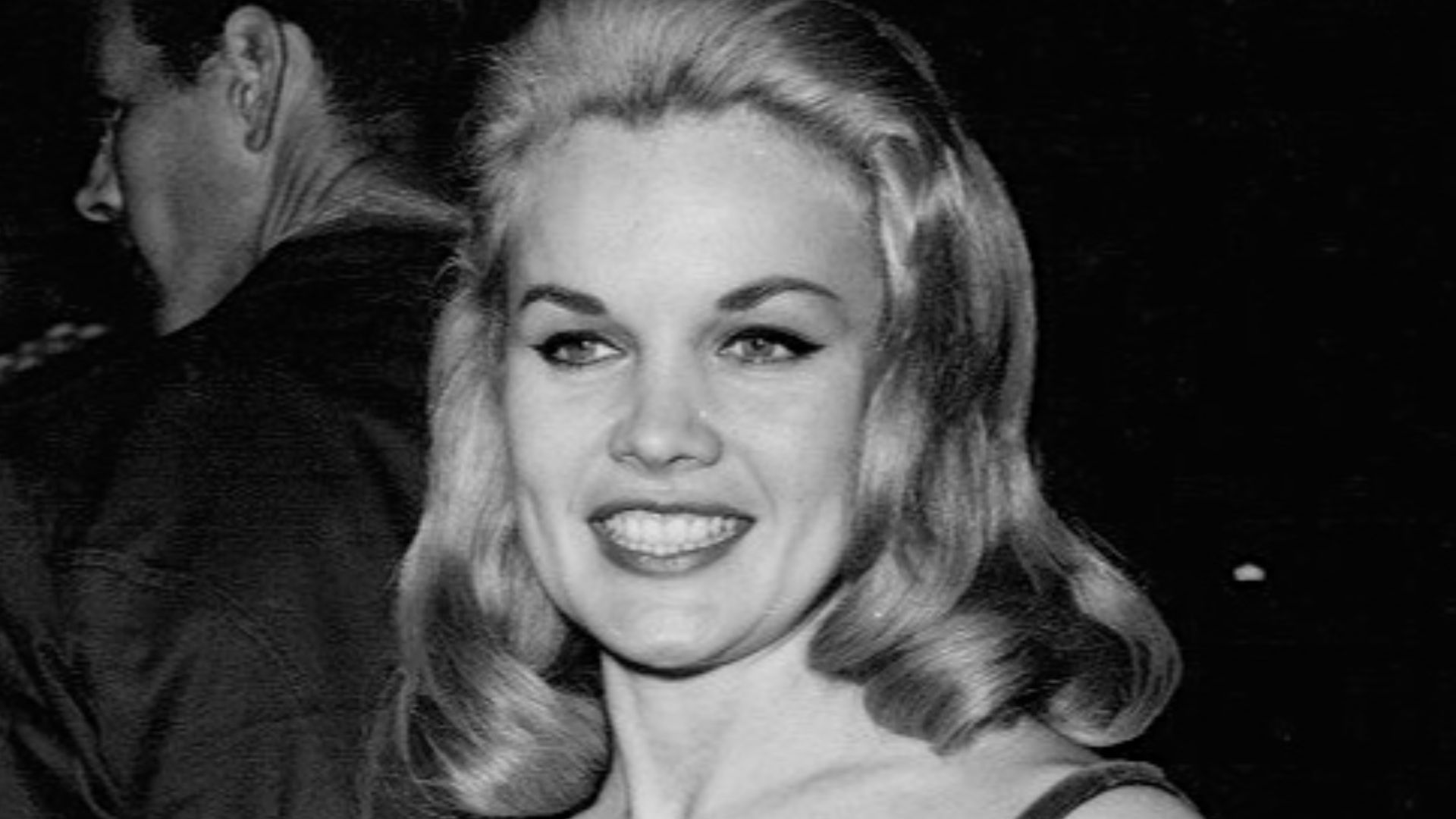
Success did not give Baker control over her choices. After she refused a role in Too Much, Too Soon (1958), Warner Bros. suspended her. The suspension prevented her from appearing in The Brothers Karamazov (1958), while her contract also blocked opportunities in Cat on a Hot Tin Roof (1958) and The Three Faces of Eve (1957).
Defying The Studio
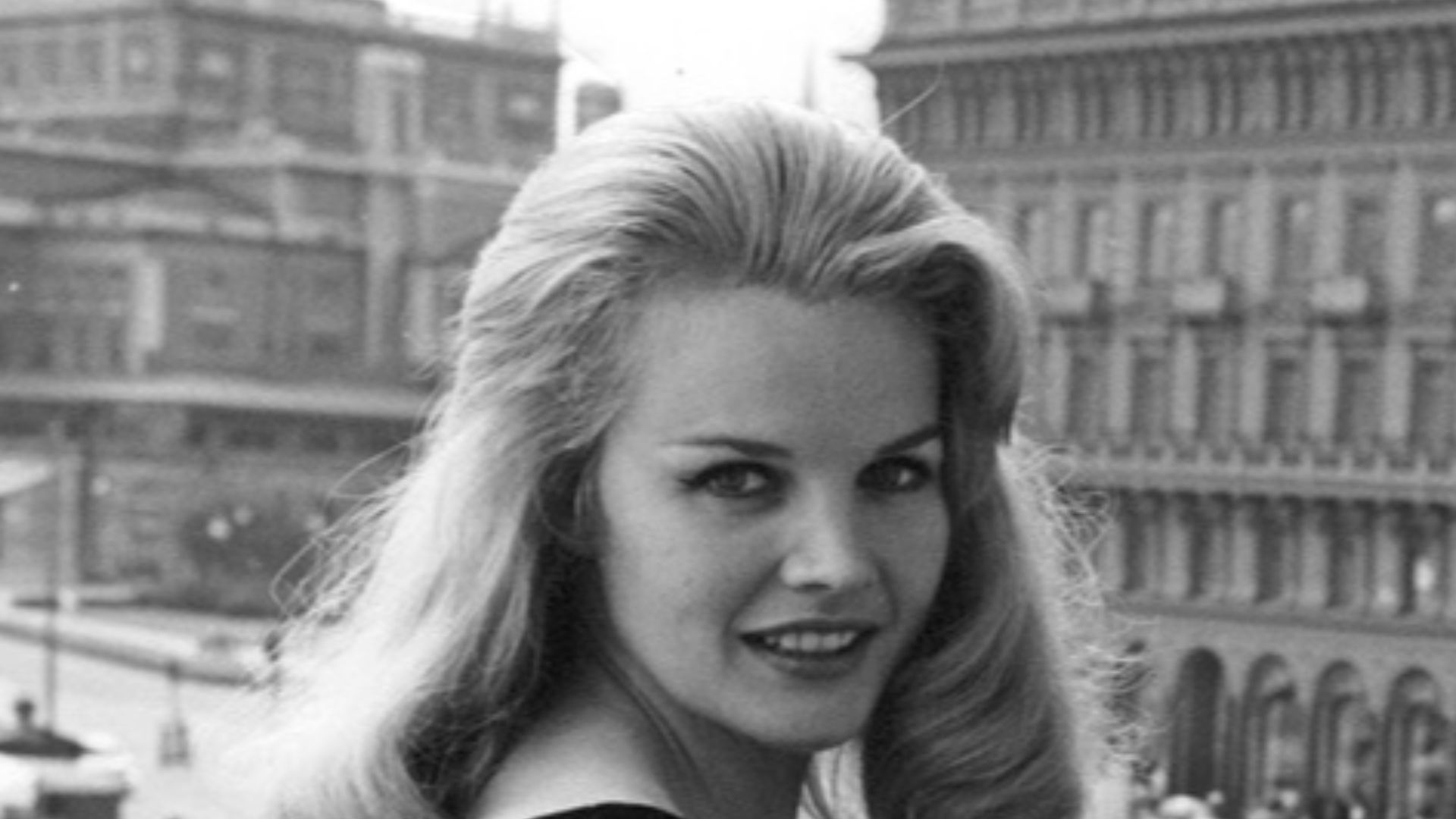
Tensions escalated when Baker appeared onstage in Arms and the Man against Warner Bros.’ wishes. She later described herself as arriving near the end of the old studio system, when restrictive contracts still allowed companies tremendous influence over which roles actors could accept or refuse.
 Olle Ohlsson, Wikimedia Commons
A Punishing Western Shoot
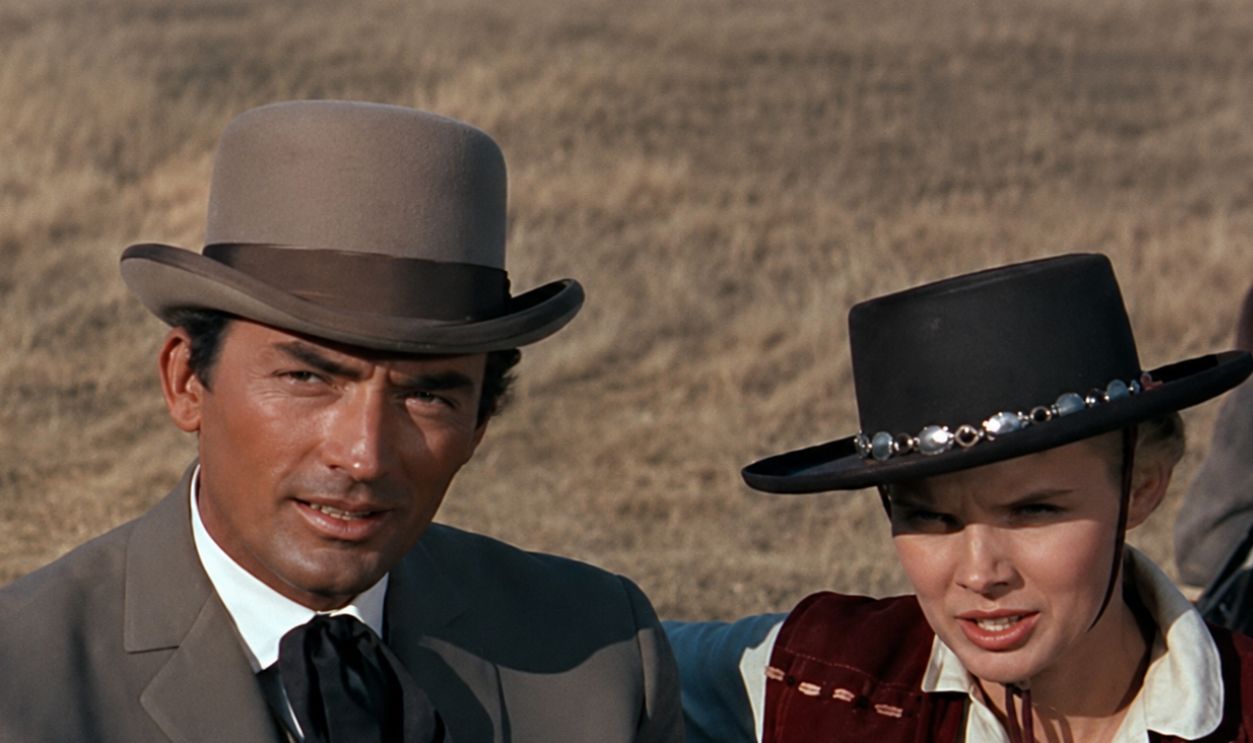
Once her suspension ended, Baker starred opposite Gregory Peck in William Wyler’s The Big Country (1958). The shoot was difficult. Four months pregnant, Baker wore restraining garments, while Wyler reportedly pushed her through more than 60 repetitions of one take before ultimately using the first version.
 MGM, Wikimedia Commons, enhanced
Buying Her Freedom
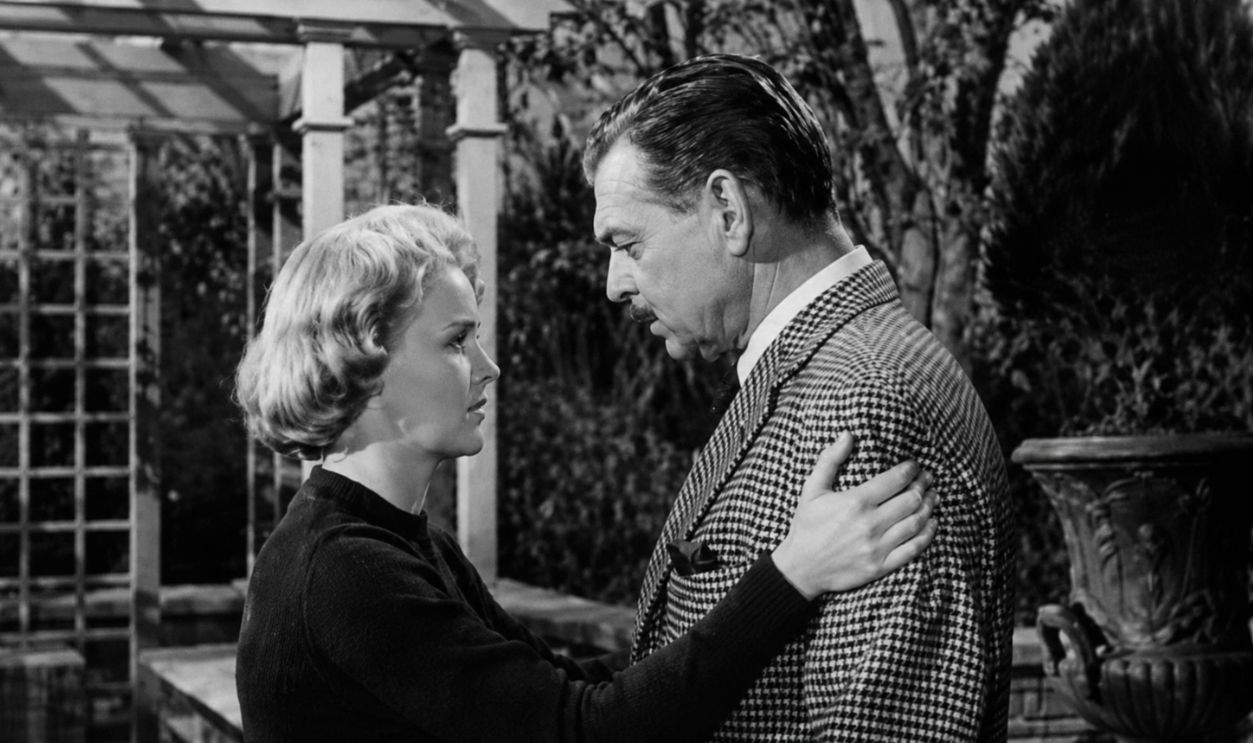
Baker next played a nun opposite Roger Moore in The Miracle (1959). She disliked the film so intensely that she bought herself out of her Warner Bros. contract, leaving her deeply in debt. She then appeared opposite Clark Gable in the Paramount romantic comedy But Not for Me (1959).
 Screenshot from But Not for Me, Paramount Global (1959), enhanced
Taking Independent Risks
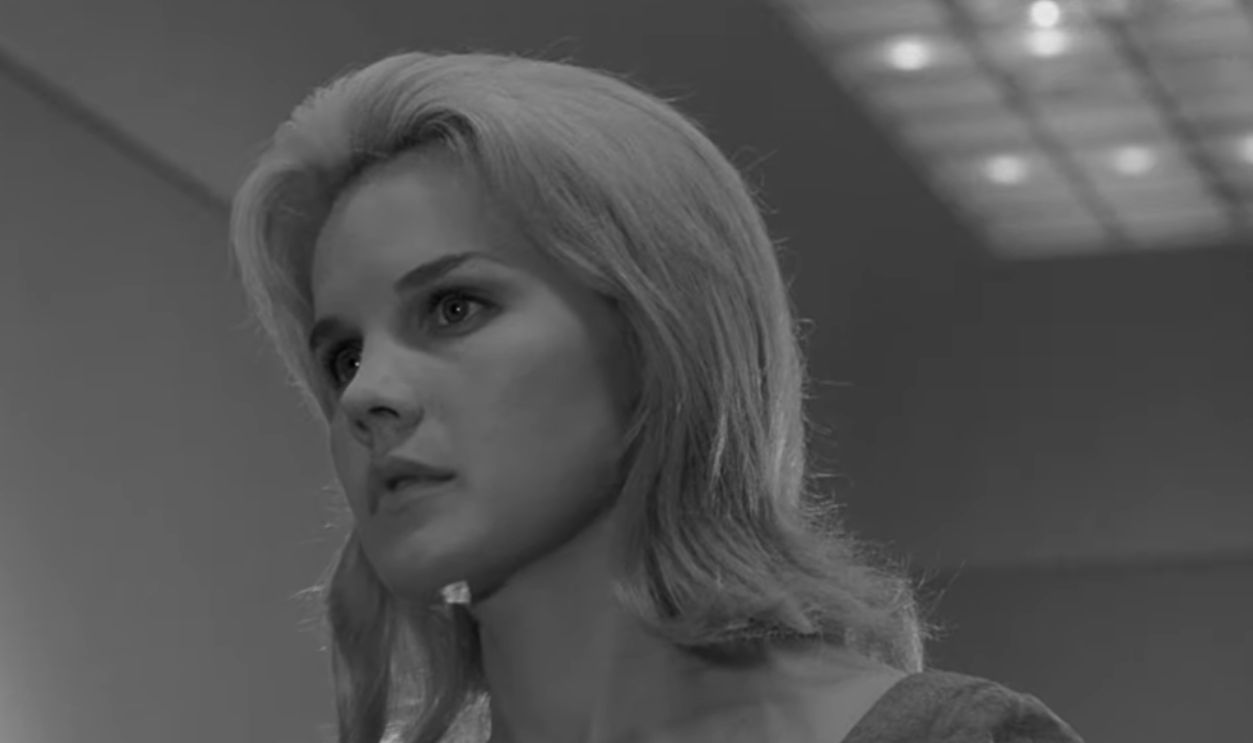
Free of Warner Bros., Baker pursued challenging material. In Jack Garfein’s independent film Something Wild (1961), she played a traumatized college student. Preparing through Method techniques, Baker lived alone in a Lower East Side boarding house and worked as a department-store salesgirl before filming the controversial drama.
 Screenshot from Something Wild, Amazon MGM Studios (1961)
Heading West Again
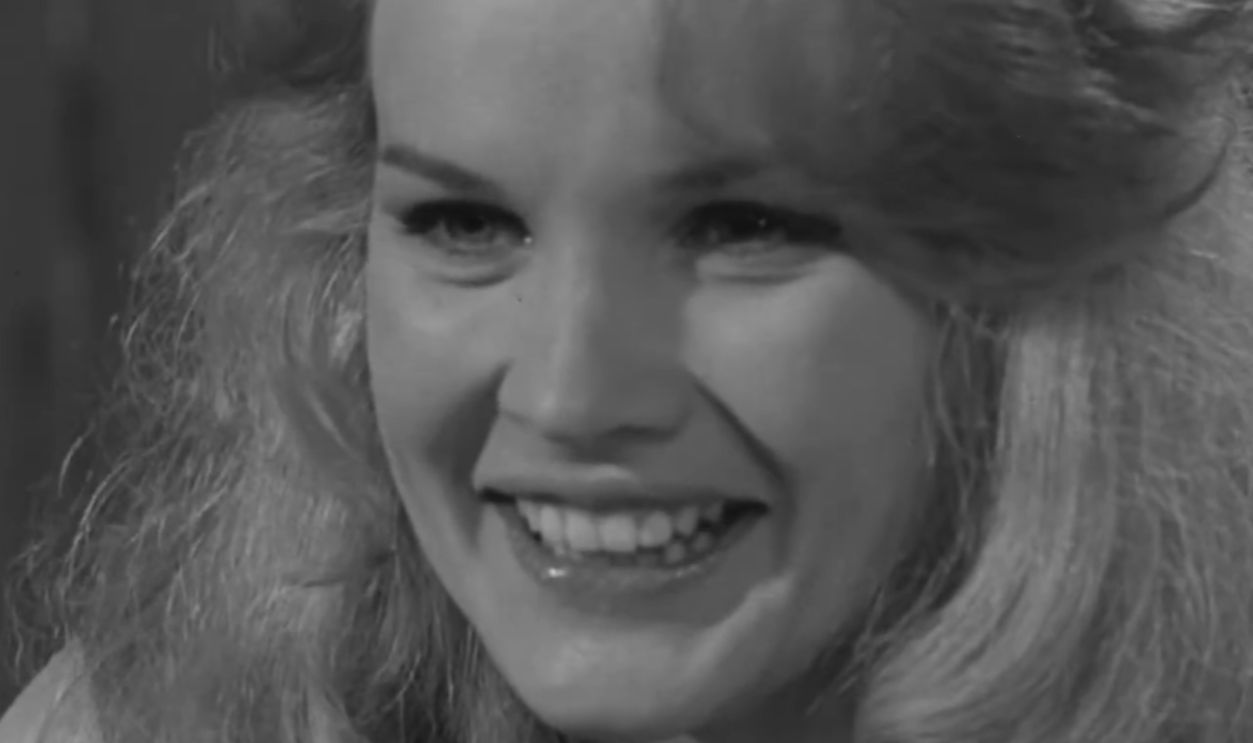
Baker continued with Bridge to the Sun (1961) and the independent Station Six-Sahara (1962). She then joined the enormous ensemble of How the West Was Won (1962), appearing alongside Jimmy Stewart, Debbie Reynolds, Gregory Peck, and Karl Malden before relocating with her family to Los Angeles.
 Screenshot from Station Six-Sahara, StudioCanal (1963)
Hollywood Reinvents Her Image
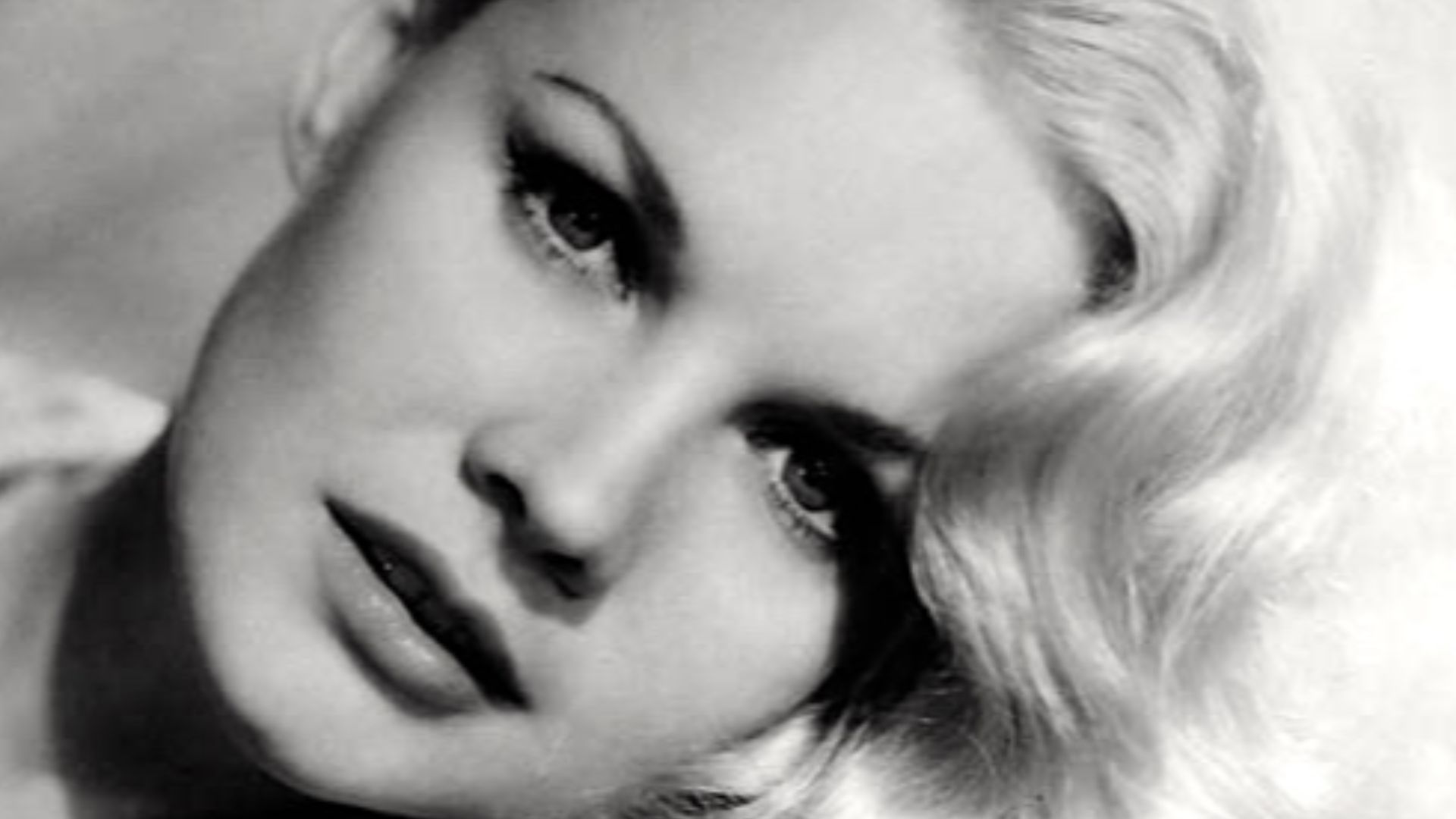
After acclaimed work in Cheyenne Autumn (1964), Baker found renewed commercial fame playing a cynical, alcoholic movie star in The Carpetbaggers (1964). Producer Joseph E. Levine began promoting her heavily as a blonde bombshell sex symbol, an image Baker felt increasingly overshadowed her ambitions as a serious actress.
 Paramount Pictures, Wikimedia Commons
Becoming Harlow
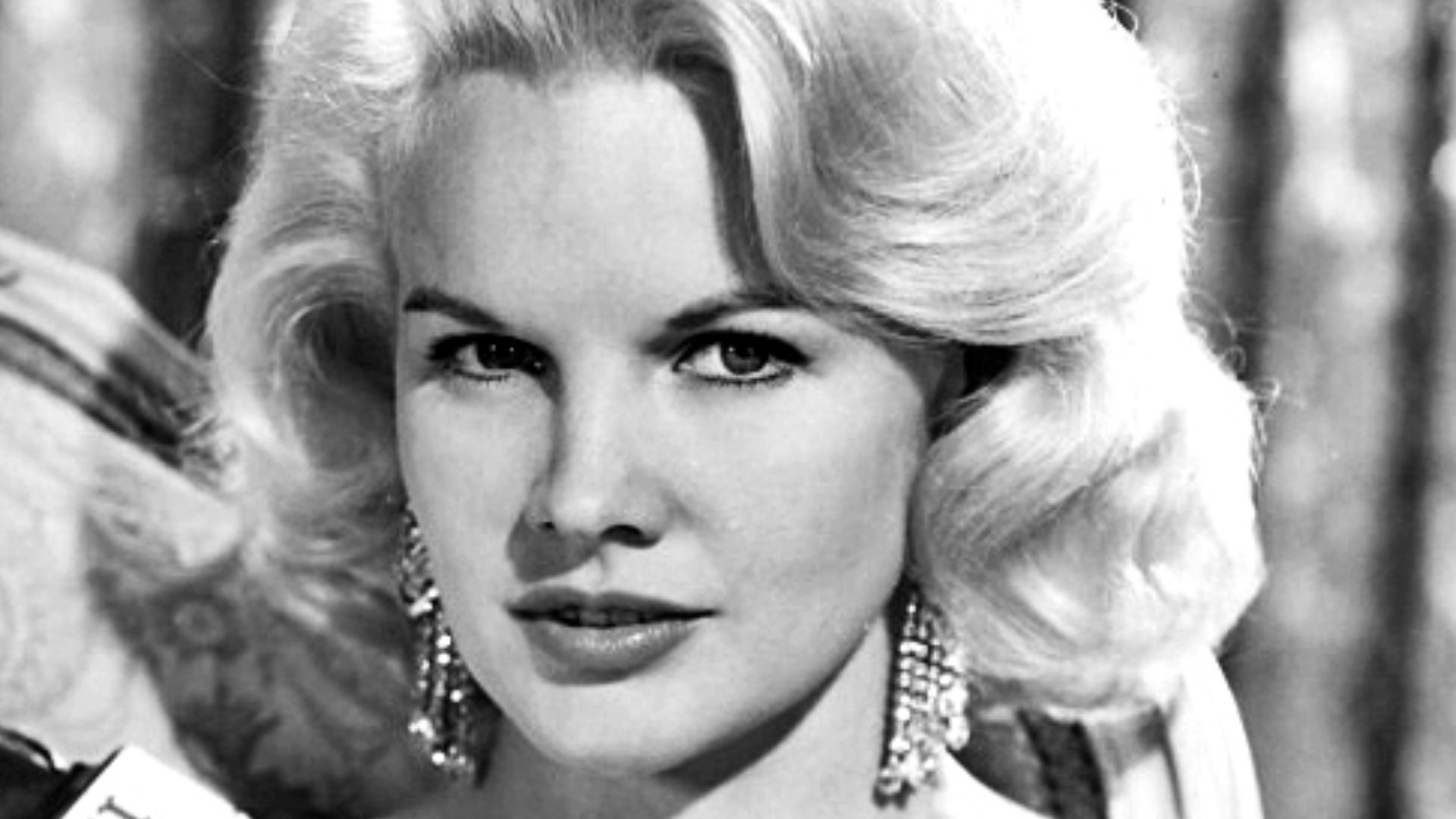
Levine cast Baker in Sylvia (1965) and then as Jean Harlow in Harlow (1965). The latter received enormous advance publicity but a lukewarm critical reception. Baker’s relationship with Levine deteriorated, and her growing dissatisfaction with how her career was being controlled soon erupted into legal conflict.
 Paramount Pictures, Wikimedia Commons
A Transformative USO Tour
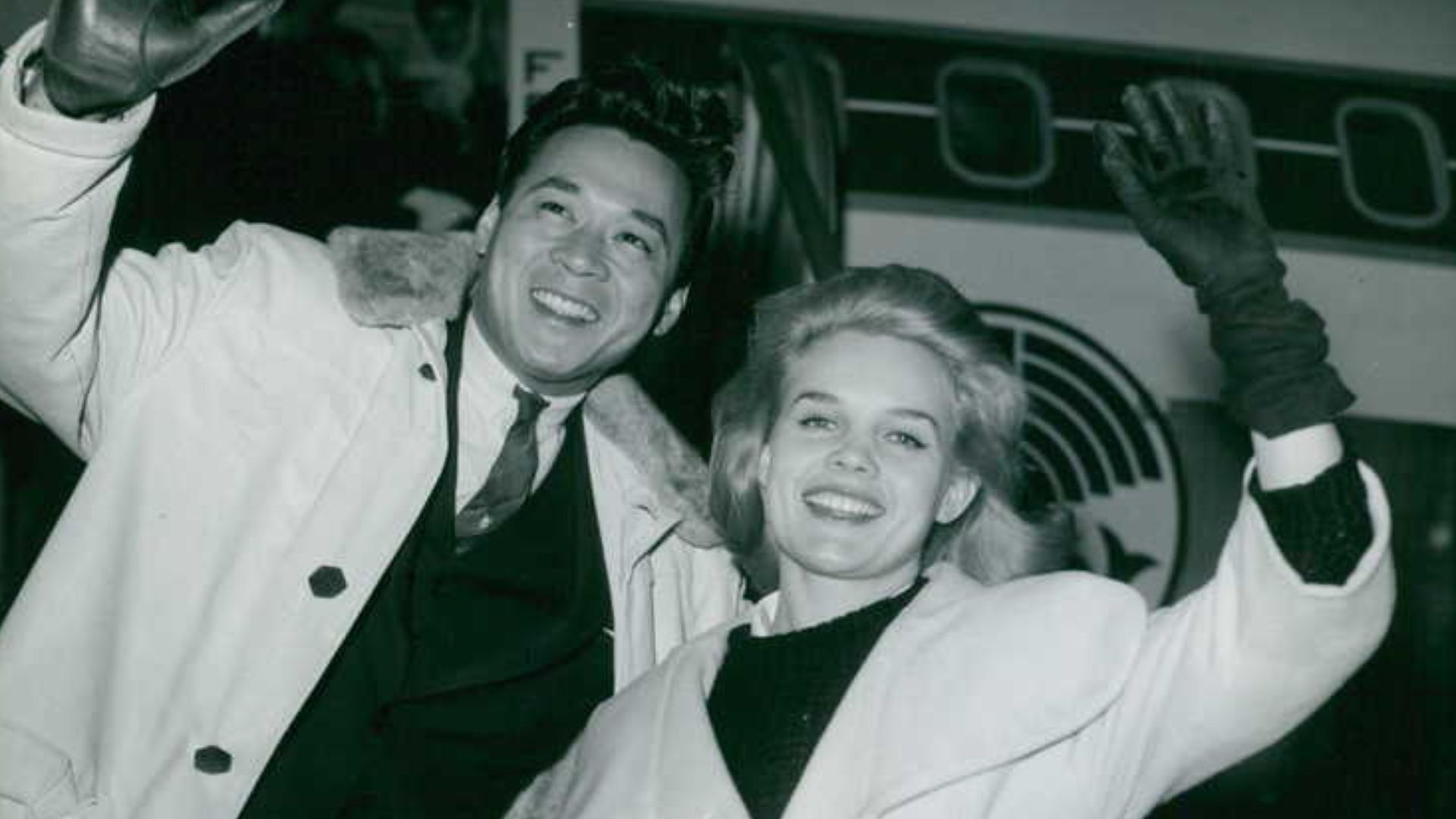
In 1965, Baker joined Bob Hope’s Christmas USO troupe, entertaining American troops in Vietnam and elsewhere in Southeast Asia. She later described visiting wounded servicemen in hospitals as a reformative experience that changed her perspective on her own professional and personal struggles.
 Unknown press, Wikimedia Commons
Hollywood Stops Calling
Baker sued Joseph E Levine in 1966 over her Paramount contract. Paramount fired her and froze paychecks from Harlow (1965), leaving her heavily in debt, although she was eventually awarded compensation. With her marriage falling apart and Hollywood work scarce, Baker separated from Garfein and looked toward Europe.
![Collectie / Archief : Fotocollectie Anefo
Reportage / Serie : [ onbekend ]
Beschrijving : Producer](https://www.factinate.com/storage/app/media/theshot/2026/7/4/17831822546f5618e56d3b2730f51347800597a395023c22bc.jpg) Rob Bogaerts / Anefo, Wikimedia Commons
Rob Bogaerts / Anefo, Wikimedia Commons
Starting Over In Italy
After separating from Garfein, Baker moved to Europe with her two children and eventually settled in Rome. She learned to speak Italian and rebuilt her career through European productions, including Her Harem (1967), and The Sweet Body of Deborah (1968).
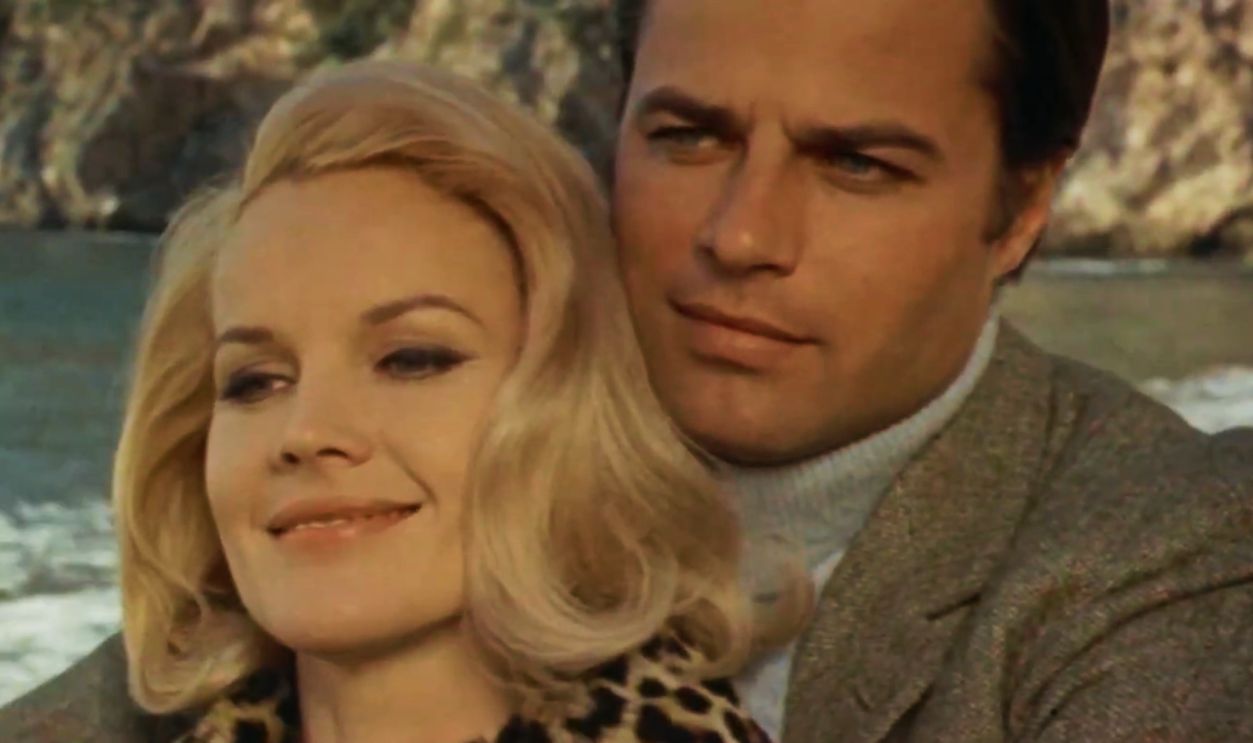 Screenshot from The Sweet Body of Deborah, Variety Distribution S.r.l. (1968)
A Darker Screen Persona
Throughout the late 1960s and early 1970s, Baker embraced giallo, horror, and exploitation films. Her credits included So Sweet... So Perverse (1969), A Quiet Place to Kill (1970), Knife of Ice (1972), and Baba Yaga (1973), roles far removed from her original Hollywood image.
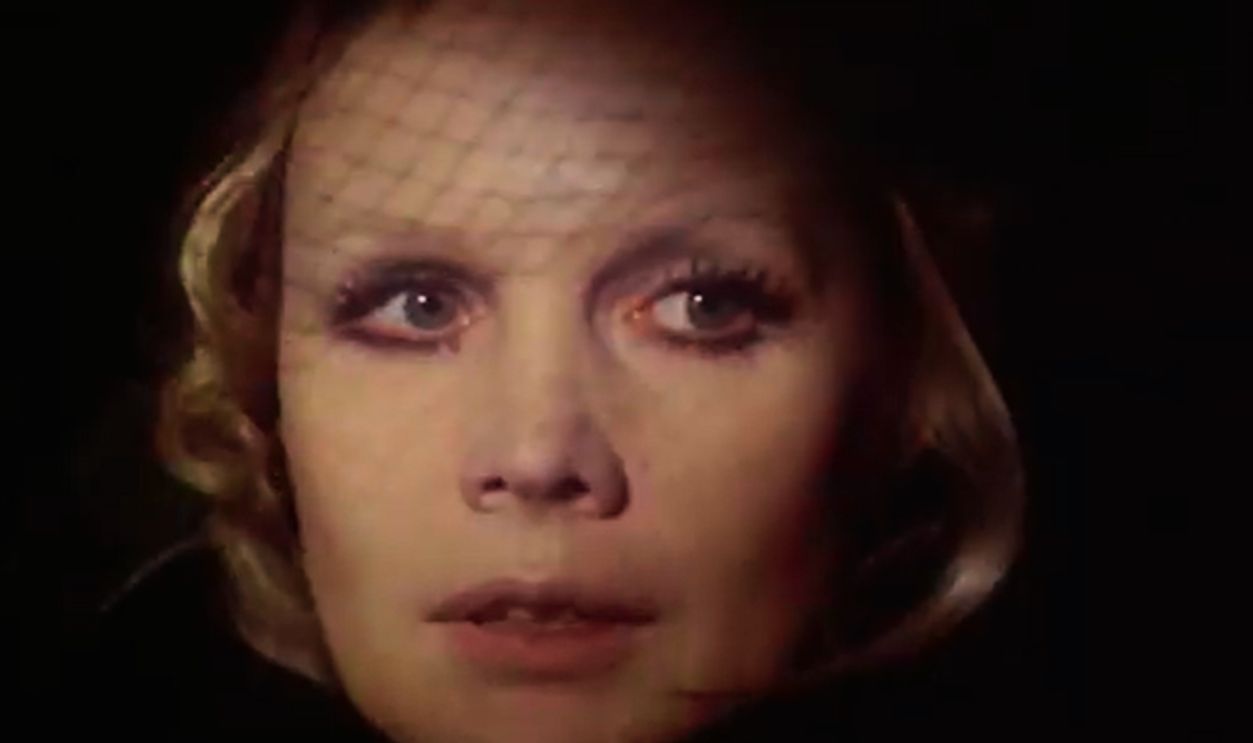 Screenshot from Baba Yaga, Severin Films (1973)
Returning As A Character Actress
Baker returned to an American film production with Bad (1977), playing a Queens beauty salon owner who arranges jobs for hitmen. During theater work in England and Ireland, she met British stage actor Donald Burton in 1978. They married in 1982 and remained together until his death in 2007.
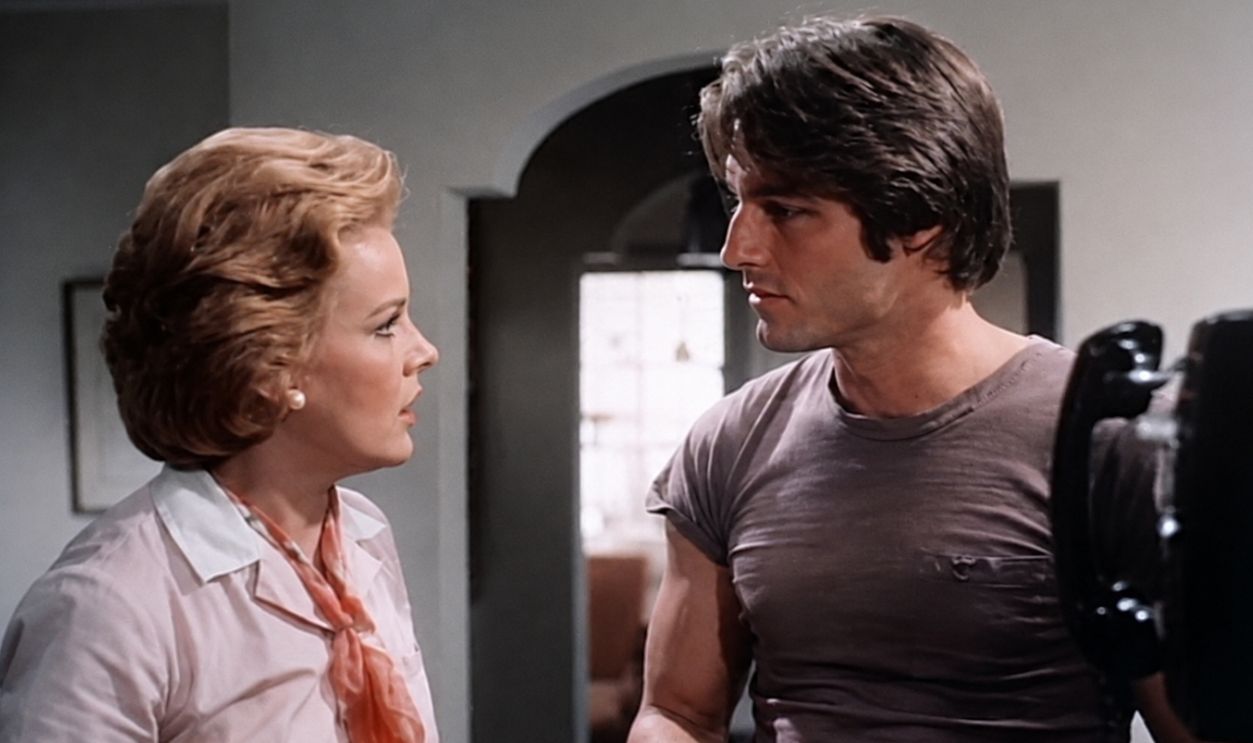 New World Pictures, Wikimedia Commons, enhanced
A Powerful Second Act
By the 1980s, Baker had become a character actress. She played Dorothy Stratten’s mother in Star 80 (1983), appeared in Native Son (1986), and earned praise for Ironweed (1987), in which she held the screen alongside Jack Nicholson and Meryl Streep.
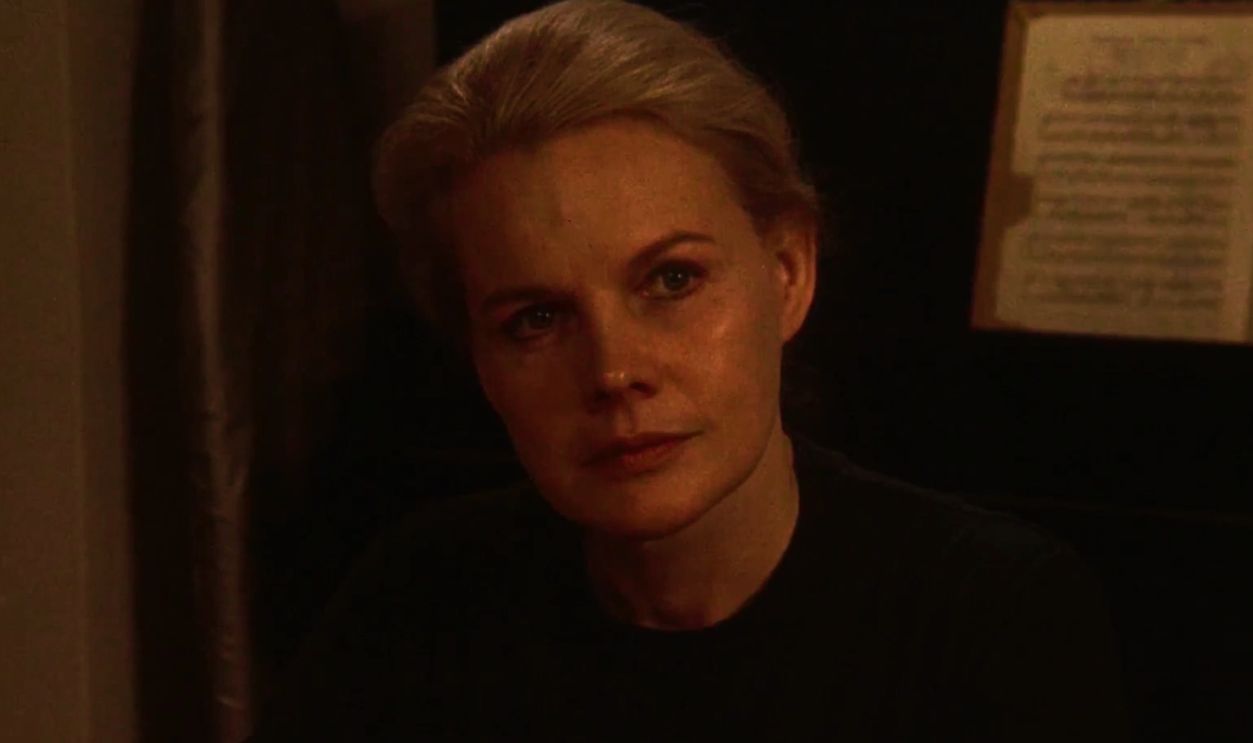 Screenshot from Star 80, Warner Bros. Discovery (1983)
Movies And Television Continue
Baker appeared in Kindergarten Cop (1990) and David Fincher’s The Game (1997), while television brought appearances on Tales from the Crypt, Murder, She Wrote, L.A. Law, Chicago Hope, and Roswell. Her final screen role came before her formal retirement in 2003.
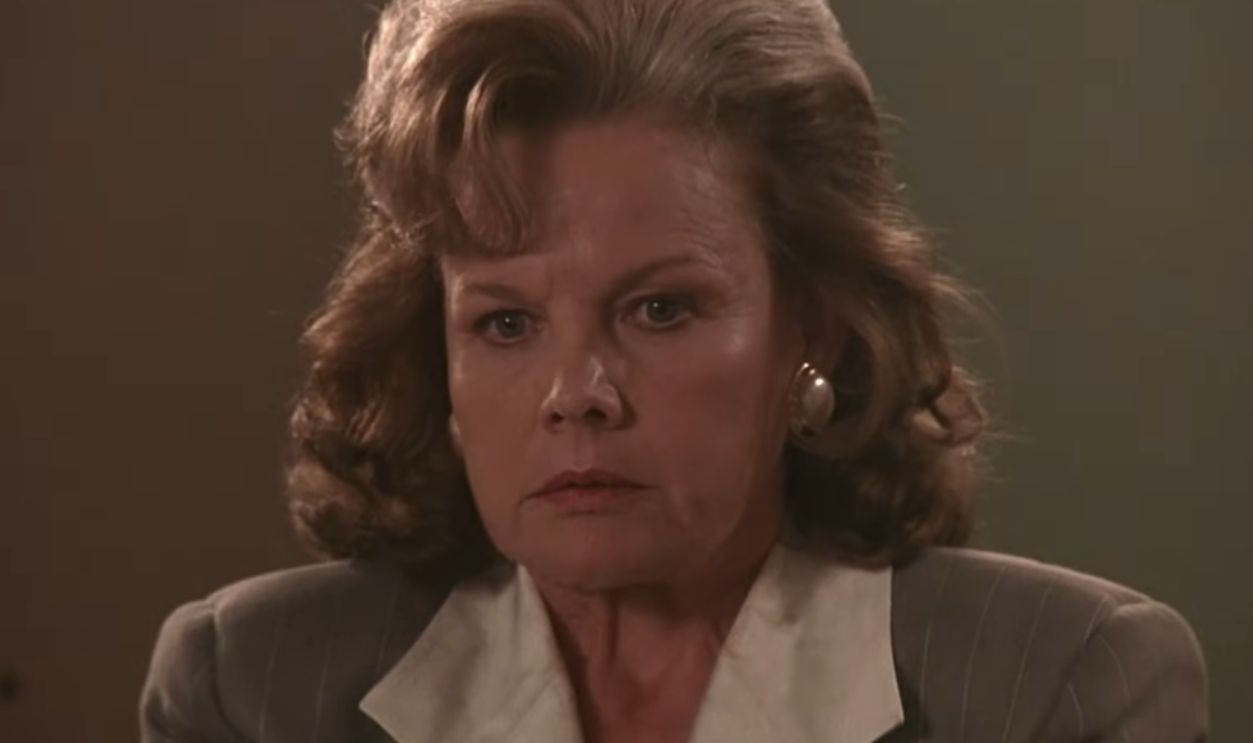 Screenshot from Kindergarten Cop, NBCUniversal (1990)
Writing Her Own Ending
Baker also built a writing career, publishing: Baby Doll: An Autobiography in 1983; the travel memoir To Africa with Love in 1986; and the novels Who Killed Big Al? and A Roman Tale. Her career ultimately spanned five decades and more than 80 acting roles, leaving a legacy defined as much by reinvention and persistence as early stardom.
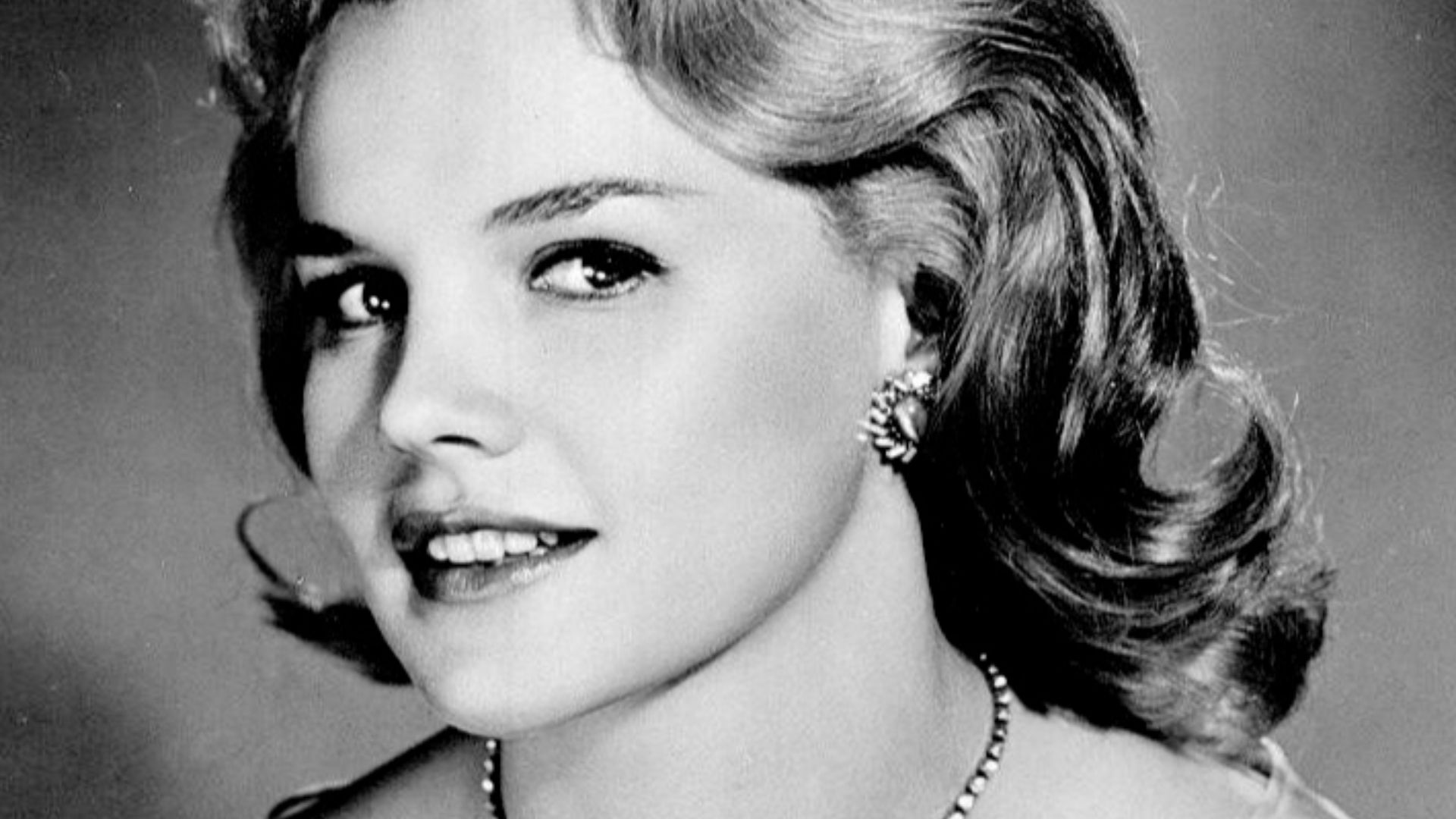 Universal Pictorials, Wikimedia Commons
You May Also Like:
The Acting Legend Of Eli Wallach
Rod Steiger: A Career Of Highs And Lows