Talent Without a Safety Net
Hollywood loves neat arcs. Rise, stumble, comeback, applause. Linda Fiorentino’s story ignored that script entirely, which made people uneasy. Talent showed up. Power pushed back. Silence followed. This piece looks at how that happened and why it still matters.

Growing Up Far From Hollywood’s Orbit
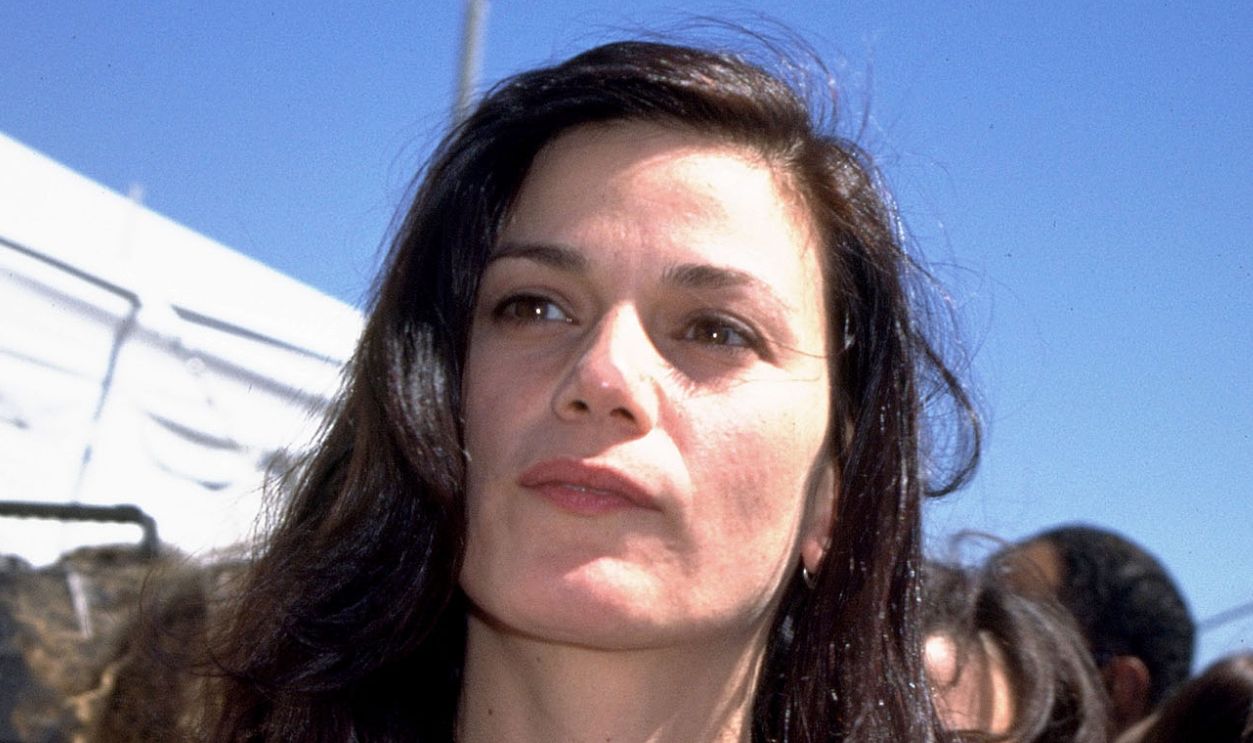
Linda Fiorentino was raised in Philadelphia, outside entertainment pipelines or industry networks. Acting entered her life through interest, not access. That distance mattered later. Without built-in protection or advocacy, her career relied almost entirely on individual choices and how others interpreted them.
Entering Film Without a Marketed Identity
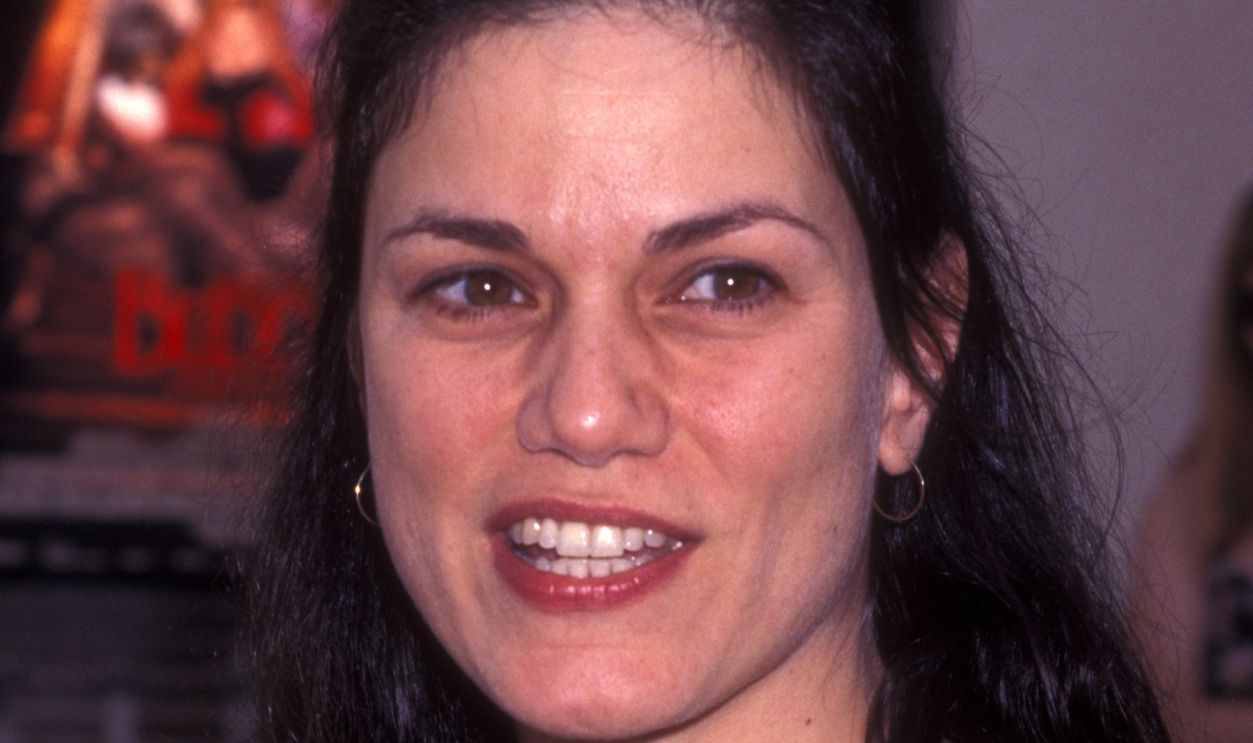
When Fiorentino arrived in Hollywood during the early 1980s, studios loved categories. Sweet or safe. She did not land comfortably in any of them. Casting directors noticed her presence, but they also seemed unsure what to do with someone who did not adjust herself to fit expectations.
 Ron Galella, Ltd., Getty Images
Early Roles That Signaled Something Different
Films like Vision Quest and Gotcha! presented Fiorentino as cool, controlled, and emotionally reserved. She did not soften her edges to invite sympathy. Audiences leaned in, intrigued by the restraint. However, inside the industry, those same qualities created uncertainty about how to package her next.
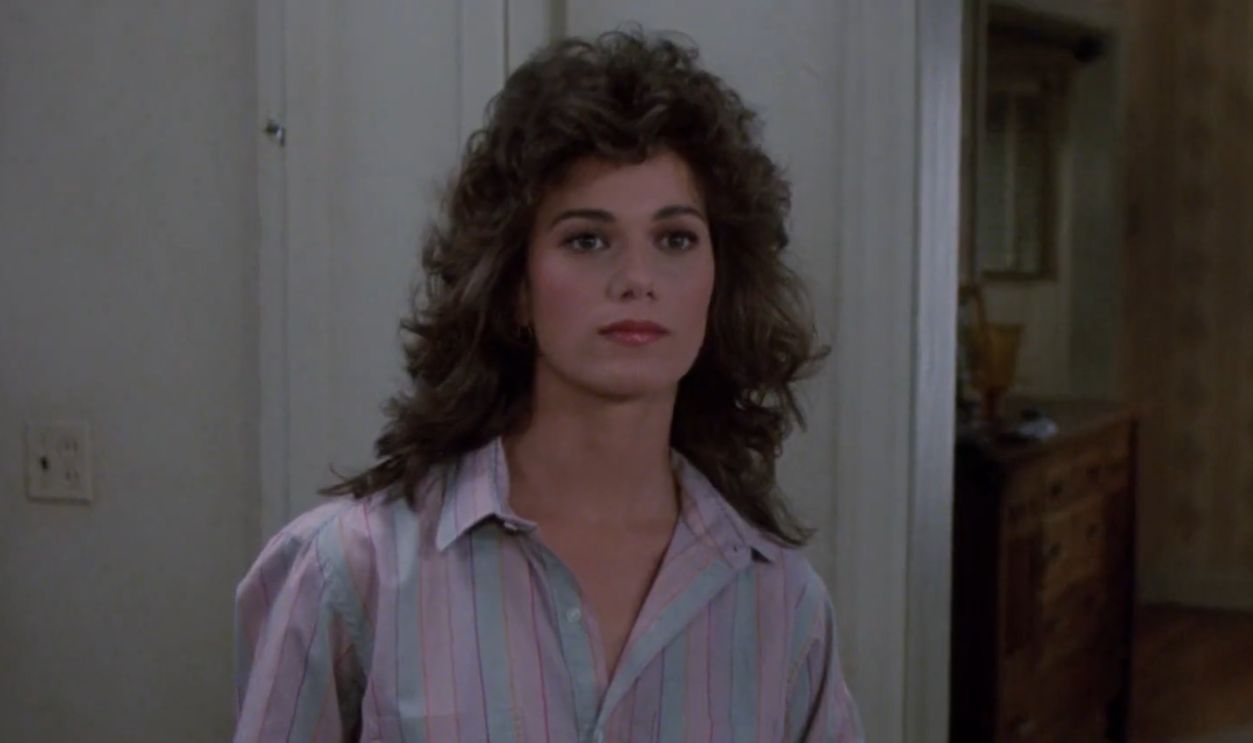 Screenshot from Vision Quest, Warner Bros. Pictures (1985)
Hollywood’s Expectations for Female Adaptability
At the time, many actresses advanced by signaling flexibility, both on- and off-screen. Image shifts and tonal adjustments smoothed careers. Fiorentino showed little interest in that exchange. She kept her boundaries intact, even as that decision subtly shaped which opportunities continued to come her way.

Early Success Without Institutional Cushion
Work came steadily, but no studio alignment buffered her position. Without a safety net, reputation carried extra weight. When friction appeared, momentum became fragile, exposing her career to perception over performance.

The Role That Changed How She Was Seen
When The Last Seduction arrived in 1994, it caught people off guard. Fiorentino’s performance felt sharp, unapologetic, and in full control. Audiences were unsettled in the best way while critics praised her. Hollywood, however, seemed unsure how to reward a woman who refused to make likability a requirement.
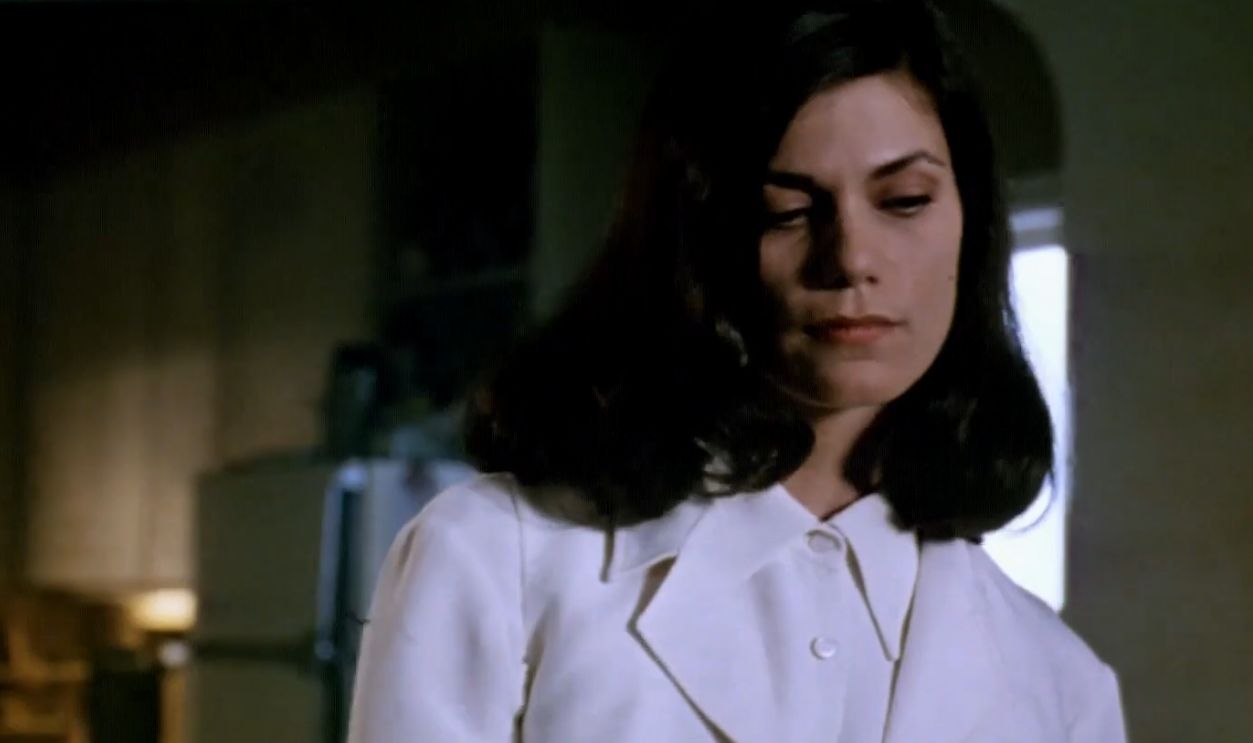 Screenshot from The Last Seduction, October Films (1994)
Acclaim Without the Safety Net of Awards
Although the performance drew widespread critical praise, Fiorentino never entered the Oscar race because the film aired on television before its theatrical release. That technical detail carried real consequences, since awards of attention often function as long-term protection rather than mere recognition.
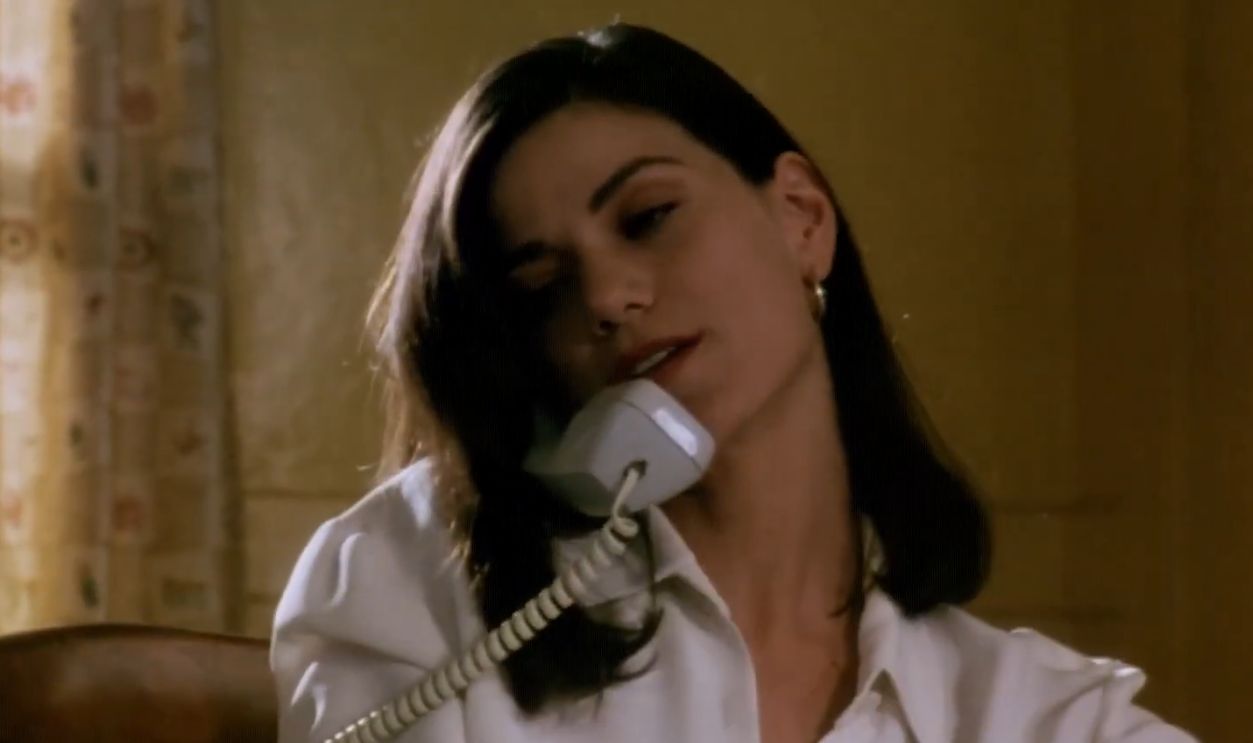 Screenshot from The Last Seduction, October Films (1994)
When Success Does Not Translate to Leverage
A breakout performance usually opens up opportunities, yet Fiorentino’s momentum stalled in ways that felt disproportionate to her success. Meetings continued, and interest lingered, but concrete offers narrowed, revealing how admiration does not always translate into influence when an actress resists familiar expectations.
How “Difficult” Enters the Conversation
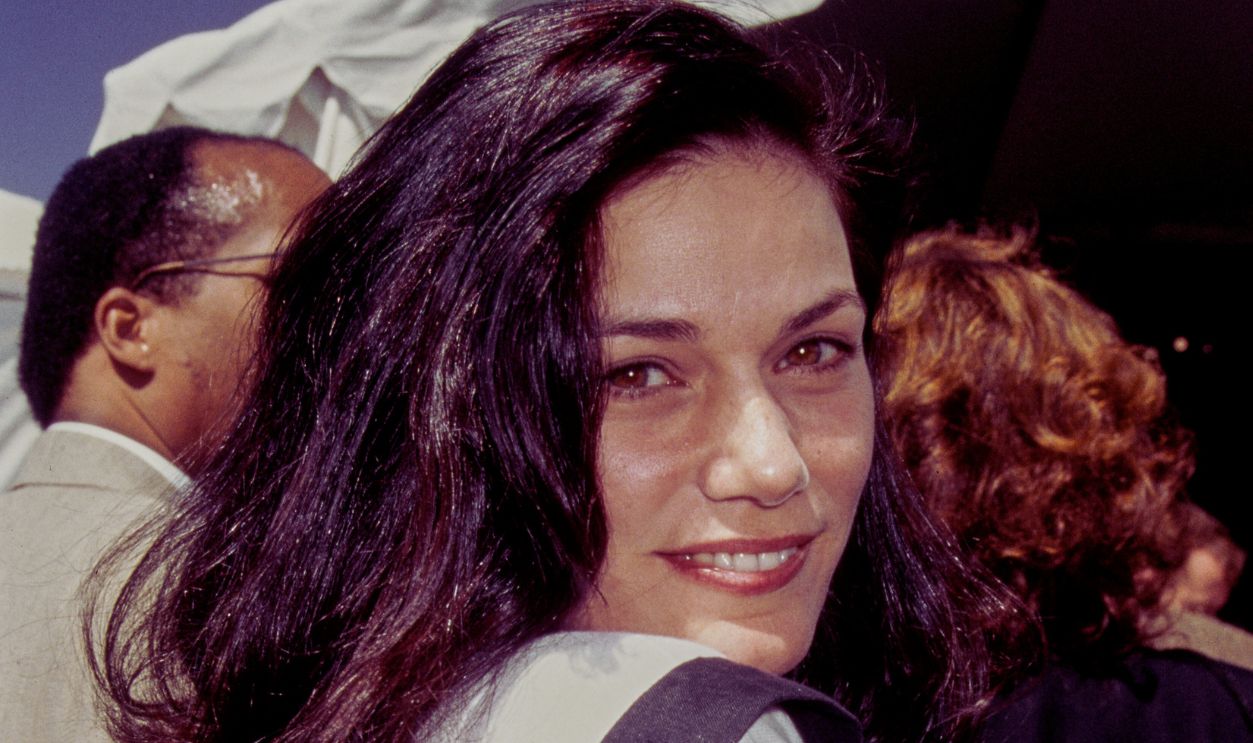
Around this period, vague descriptions of Fiorentino as “difficult” began circulating without clear incidents attached, which allowed perception to grow without challenge. In an industry built on assumptions, repetition often carries more weight than verification, especially when silence fills the gaps.
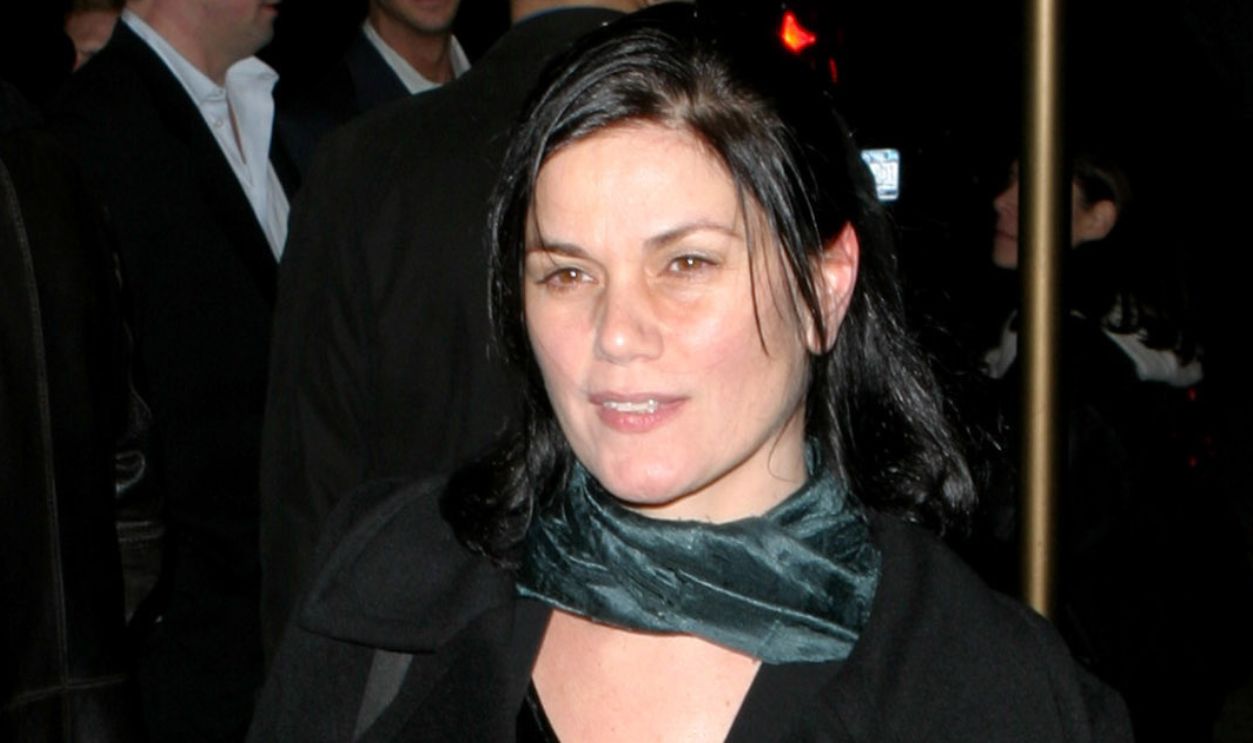
When Perception Starts Working Ahead of Reality
Once caution attaches to a name, it rarely waits for proof before shaping decisions. Fiorentino’s reputation began to precede her into rooms she never entered, slowing opportunity through hesitation rather than rejection, which proved far harder to counter or correct.
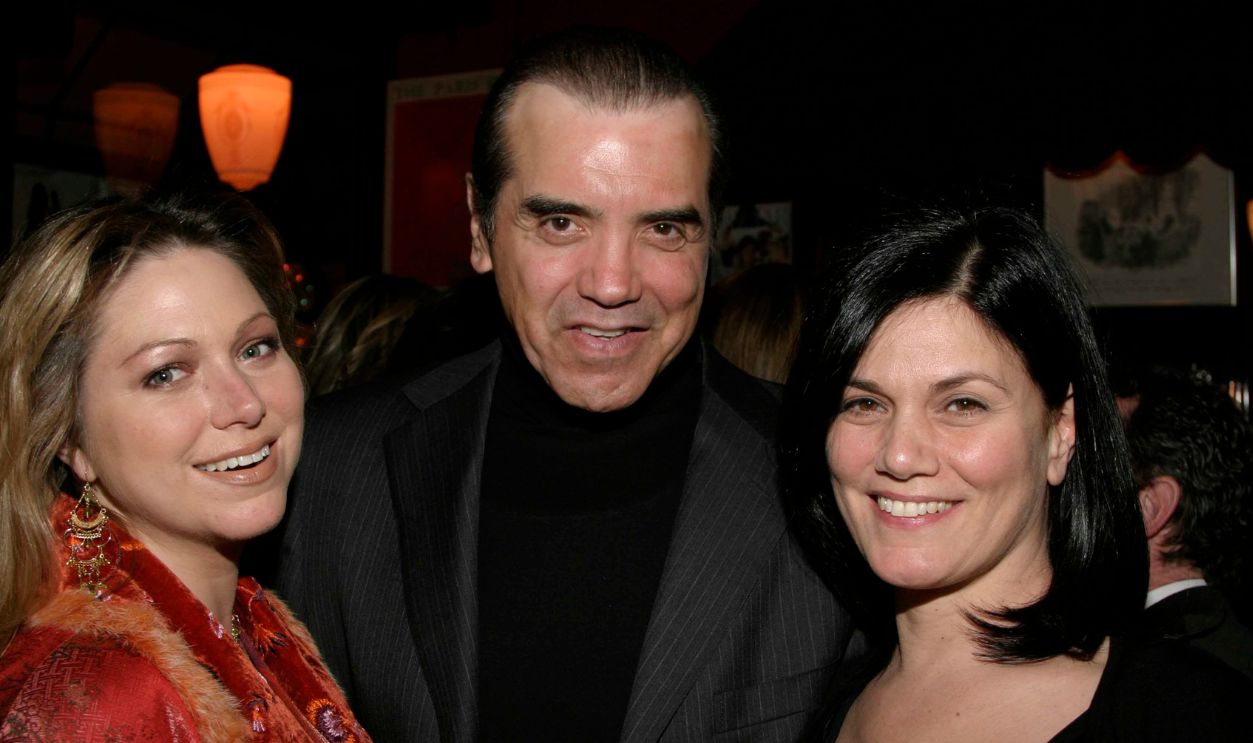 Patrick McMullan, Getty Images
Men in Black and a Different Kind of Spotlight
Men in Black placed Linda Fiorentino in one of the most visible films of the late 1990s, as it paired her with a massive franchise and global audience. Onscreen, she held her own with ease, yet offscreen stories soon began to overshadow the performance in ways the film’s success could not counterbalance.
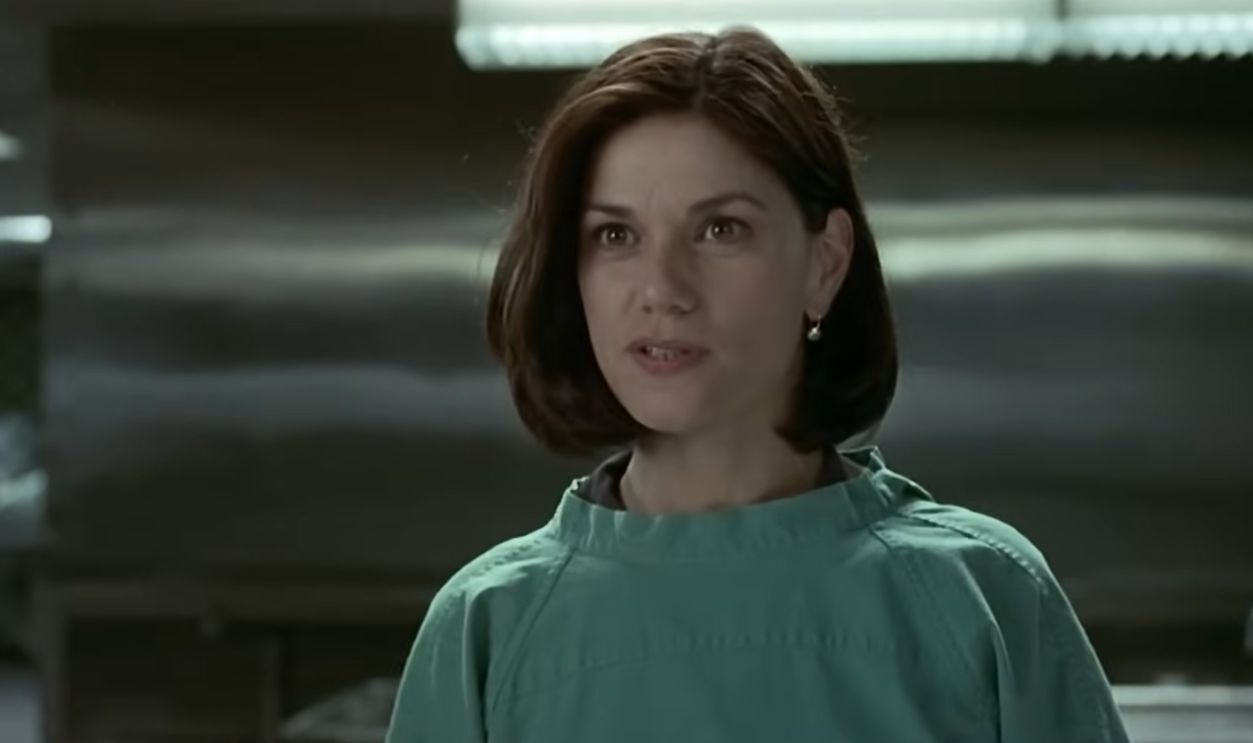 Screenshot from Men in Black, Sony Pictures Releasing (1997)
Behind the Scenes Tension Enters the Record
Comments from director Barry Sonnenfeld later described friction during production, which became one of the few concrete sources tied to Fiorentino’s reputation. Those remarks carried weight because they came from a powerful voice, even though they represented a single working relationship rather than a documented pattern.

How Quickly the Industry Mood Shifted
After Men in Black, the opportunity did not expand the way franchise exposure usually does. Instead, momentum slowed, and conversations around Fiorentino grew cautious. Success remained visible on paper, but enthusiasm behind the scenes cooled in ways that were difficult to reverse.
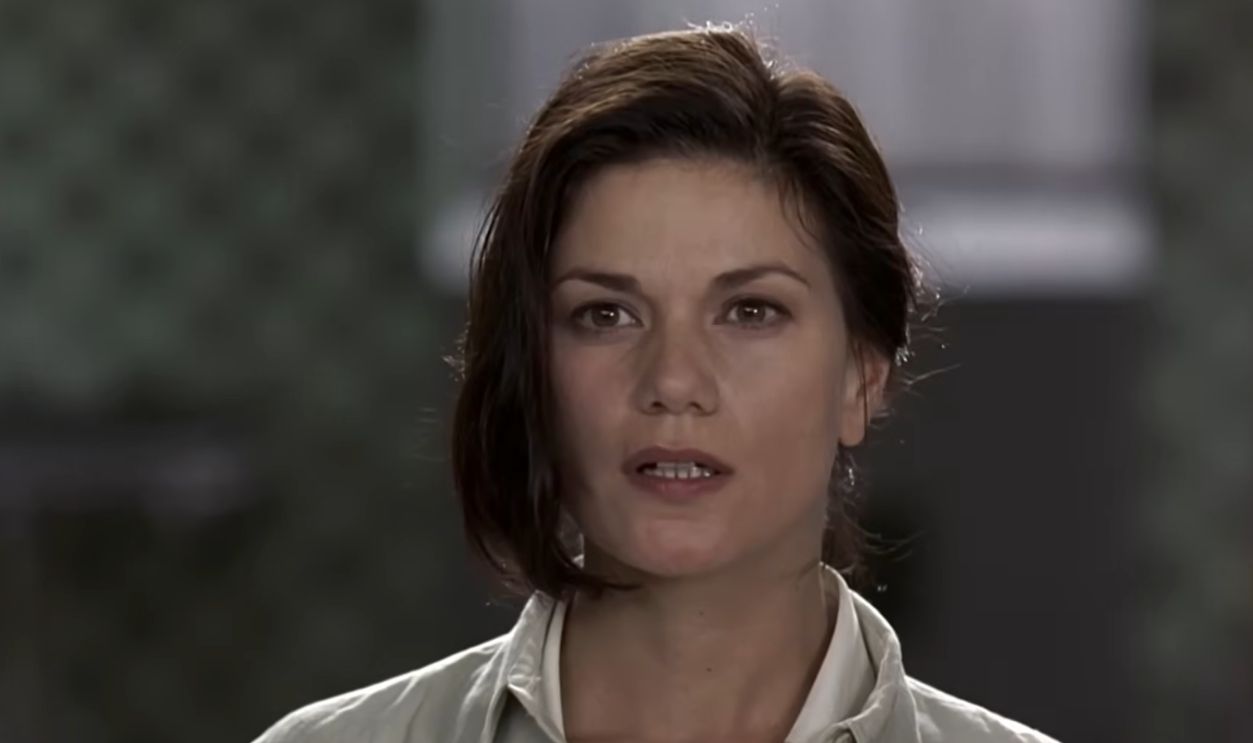 Screenshot from Men in Black, Sony Pictures Releasing (1997)
The Silence That Followed the Stories
Notably absent during this period were public defenses or clarifications from studio leaders or collaborators willing to push back against the narrative. Silence filled the space where nuance could have lived, allowing assumption to settle in as fact without the need for confrontation or proof.
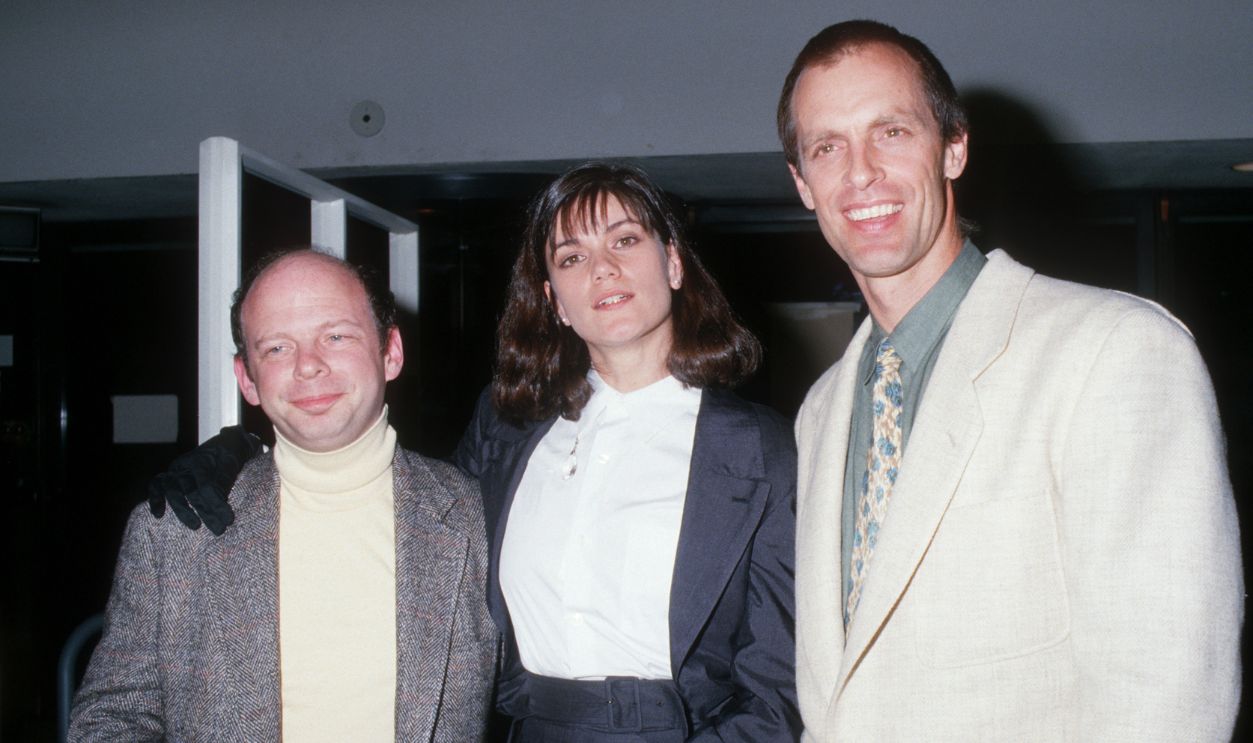 Ron Galella, Ltd., Getty Images
When Roles Begin to Narrow Quietly
As time passed, leading roles became less frequent, replaced by smaller parts and fewer offers overall. The shift happened without a clear failure point, which made it harder to challenge and easier for the industry to treat the change as natural rather than a perception-driven outcome.
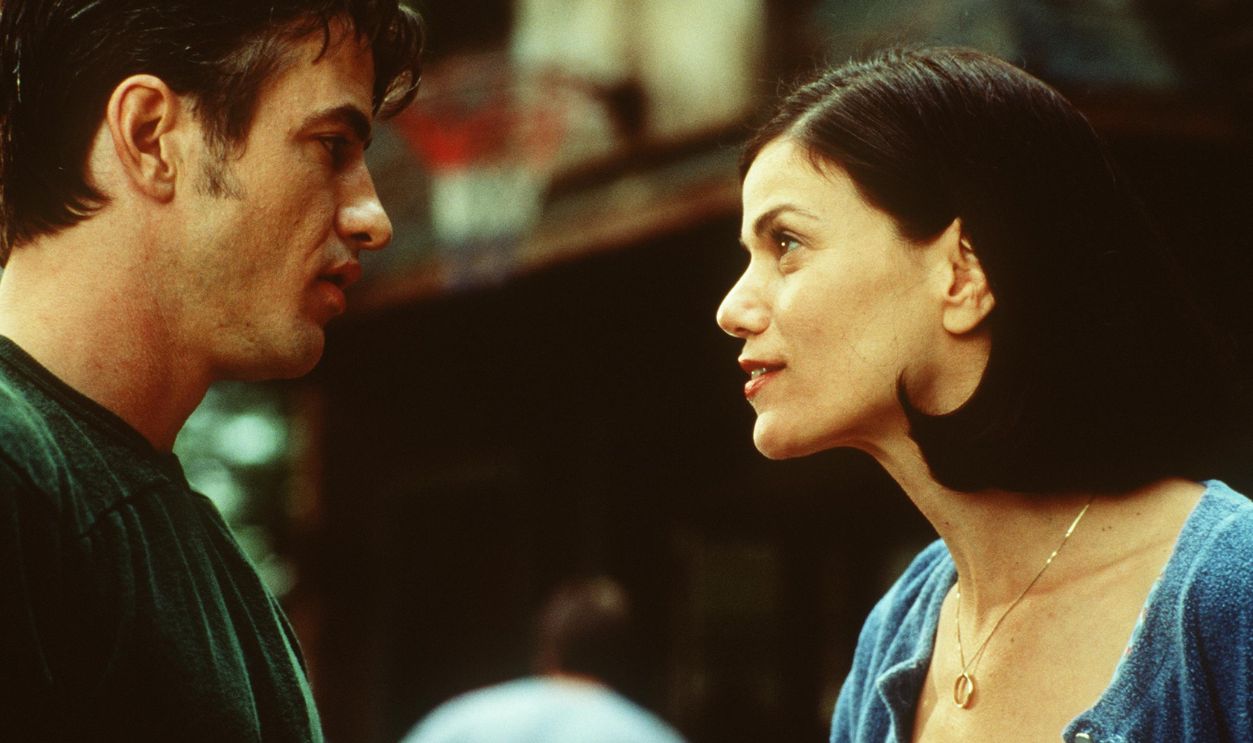
A Double Standard Few Wanted to Name
Male actors with reputations for temper or control often continued working without interruption, while similar behavior from actresses carried lasting consequences. Fiorentino’s experience fit an older pattern, where assertiveness translated into risk rather than authority once power dynamics tilted against her.

Control Over Image Became a Liability
Fiorentino never rushed to soften her image through apologetic interviews or public explanations, which left little counterweight to the stories circulating about her. In an industry that favors visible compliance, refusing to manage perception sometimes reads as confirmation rather than independence.
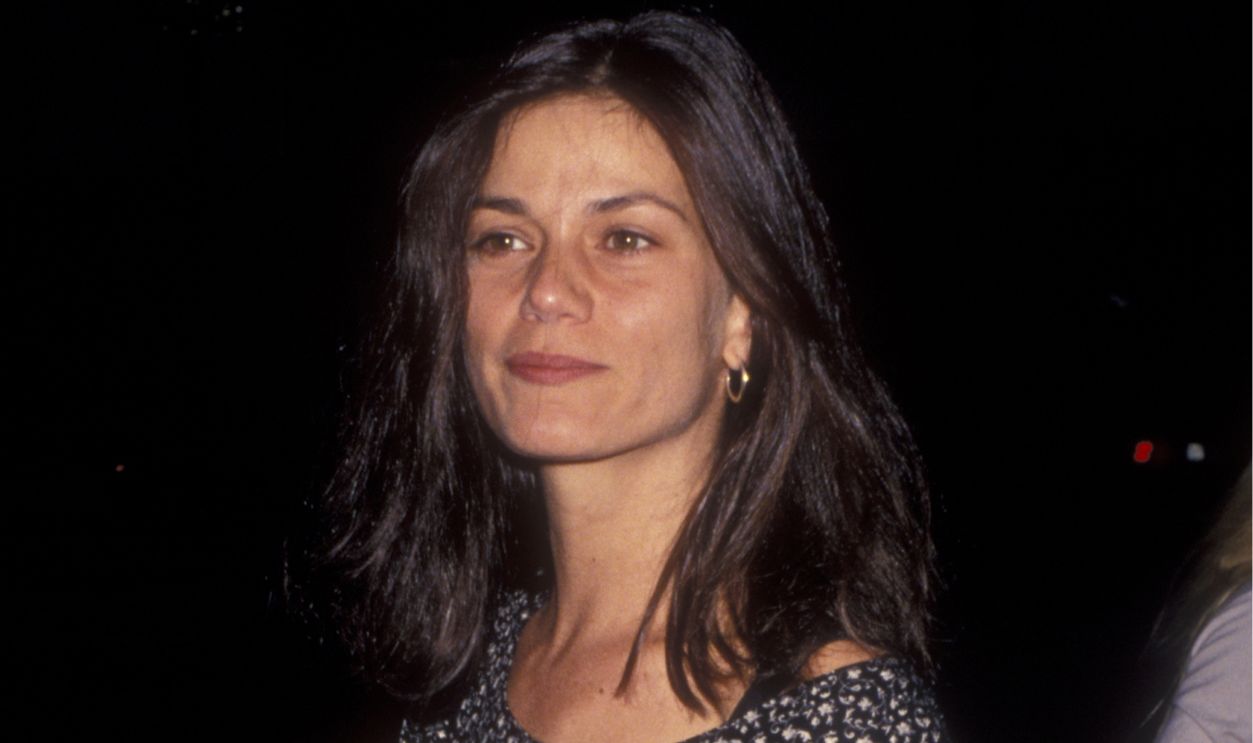 Ron Galella, Ltd., Getty Images
Stepping Back Without an Announcement
Fiorentino did not make a public departure from acting. Her roles gradually became less frequent, then nearly nonexistent. The absence felt sudden to audiences, despite the lack of any formal break, statement, or defining controversy.
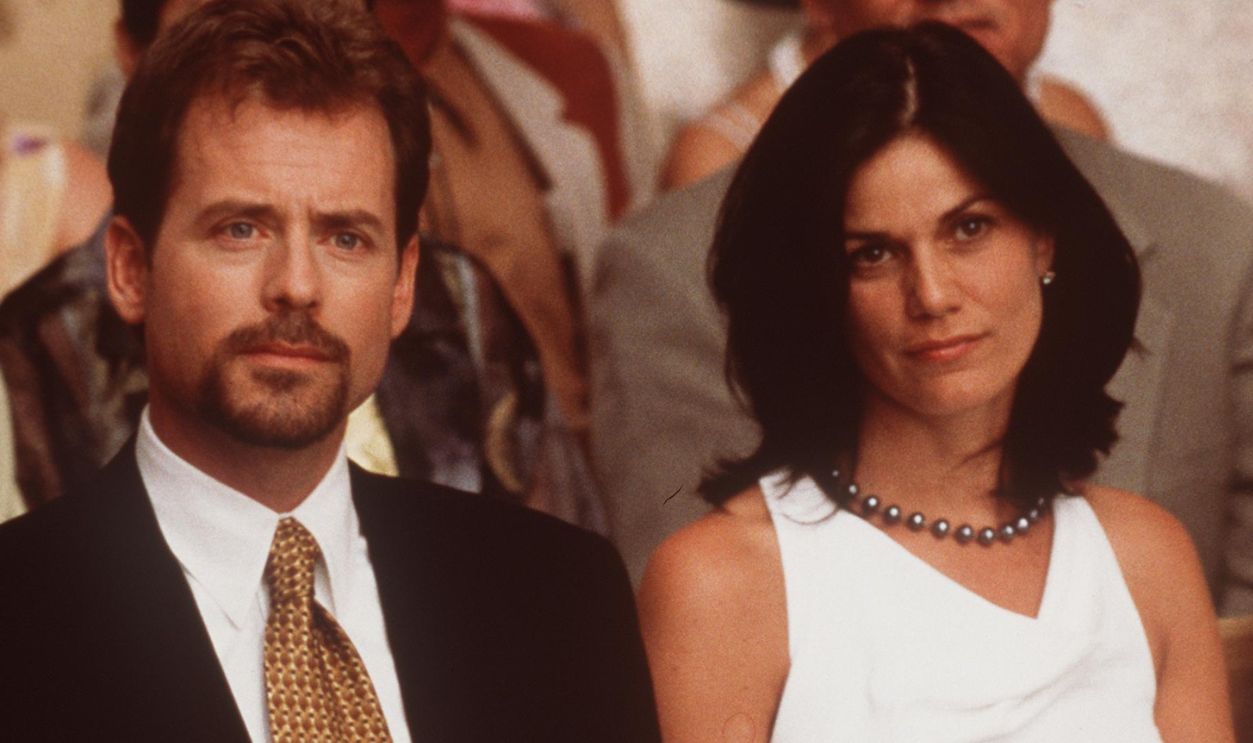
A Career That Ended Before the Conversation Changed
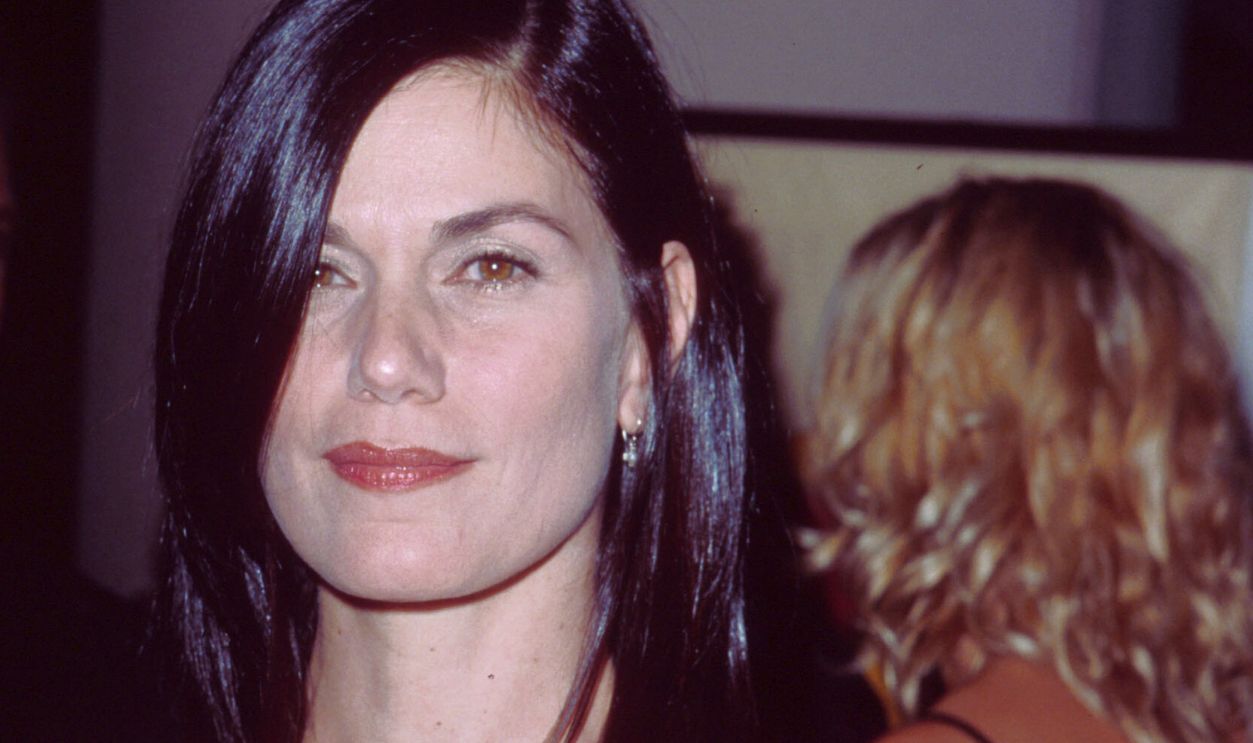
Her withdrawal unfolded long before public discussions about power imbalance and gender bias gained traction. Without the language or the platform that exist today, Fiorentino’s experience remained isolated, interpreted as a personal failure rather than a systemic issue.
Reevaluation Arrived Too Late to Help
Years later, critics and audiences began reassessing her work through a different lens, recognizing the confidence and restraint that once unsettled expectations. However, by then, the industry had already moved on, which left admiration without opportunity and context without consequence.
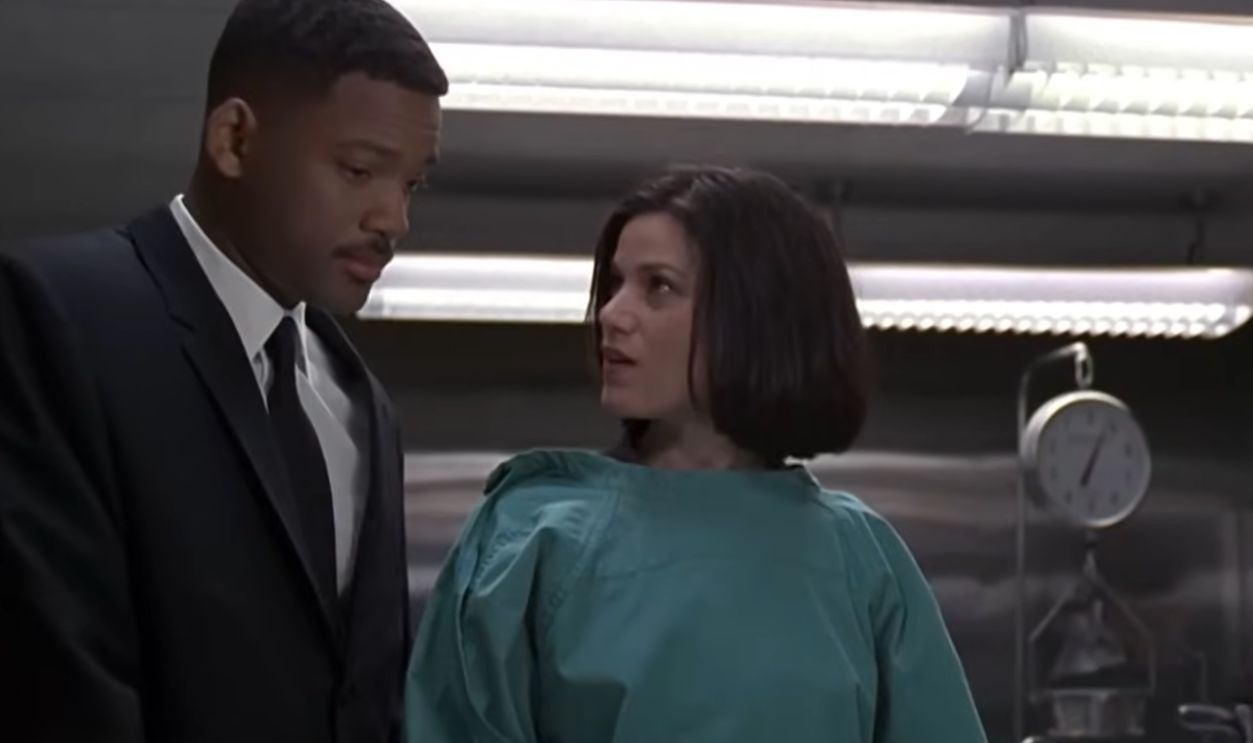 Screenshot from Men in Black, Sony Pictures Releasing (1997)
Rumor Outpaced the Record
Very little concrete documentation ever supported the stories that followed Fiorentino through the industry. Hearsay traveled faster than verifiable accounts, and once those impressions settled, they shaped decisions without requiring evidence, rebuttal, or formal acknowledgment.

Hollywood’s Long Memory for Resistance
The industry often forgives box office disappointment more easily than defiance. Fiorentino’s refusal to adjust herself for comfort lingered longer than any single dispute, demonstrating how memory in Hollywood favors compliance and quietly penalizes those who challenge control.
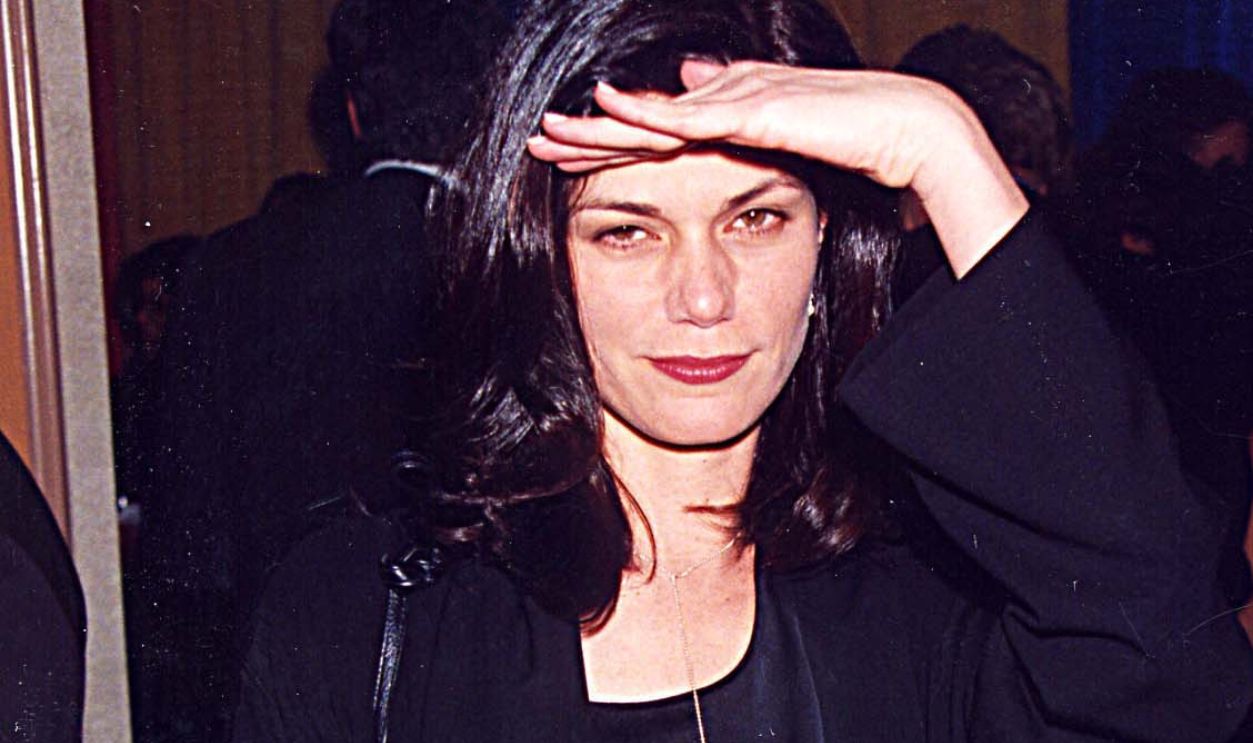
The Comeback That Never Came
Unlike many peers, Fiorentino never received a late-career revival framed as rediscovery or redemption. Without advocates pushing for her return, her absence hardened into finality, even though talent and audience interest never truly disappeared.
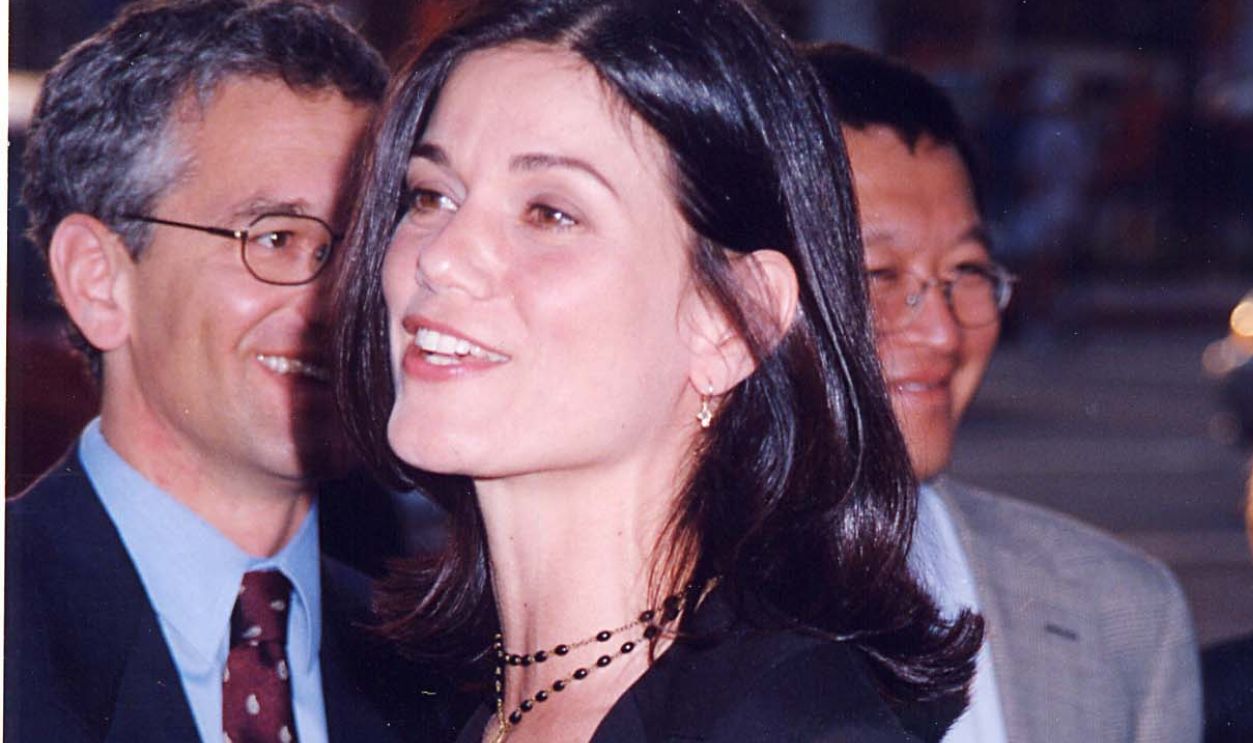
The Cost of Not Playing Along
Fiorentino’s story illustrates how saying no can carry consequences that unfold slowly and without confrontation. Careers rarely end with slammed doors; they narrow through hesitation, missed calls, and decisions made elsewhere until opportunity simply stops arriving.
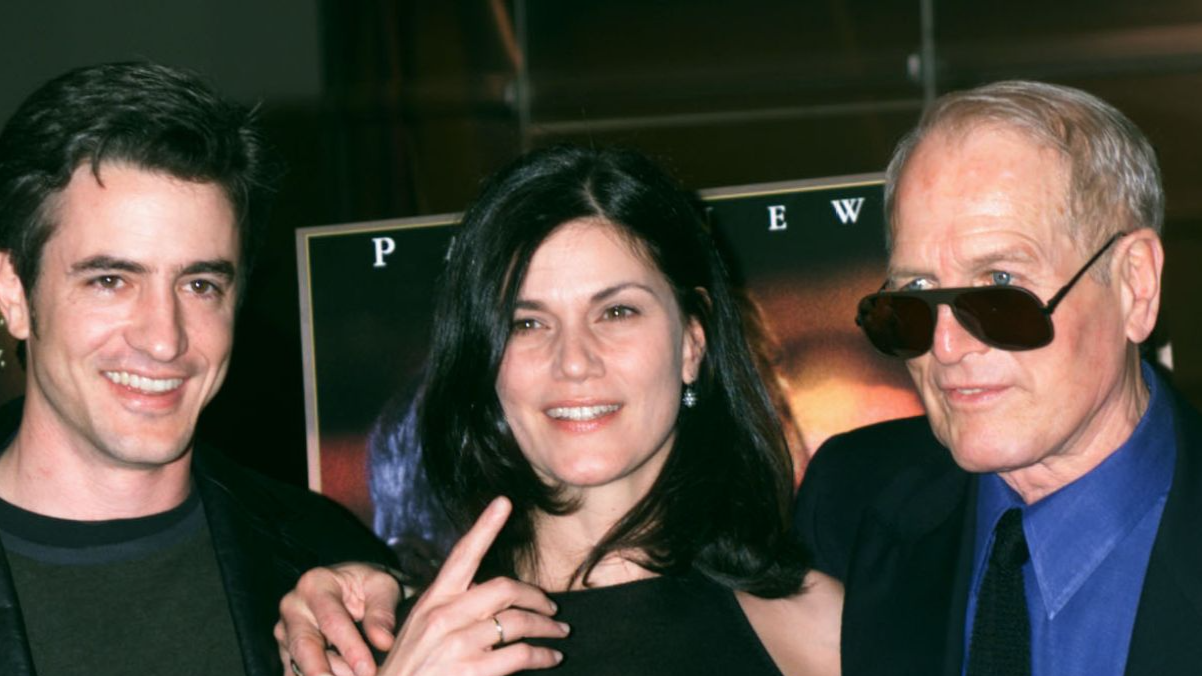
What Her Story Still Tells Us
Linda Fiorentino’s career reveals less about temperament and more about power and perception. Her legacy lives as a reminder that Hollywood sometimes quietly punishes independence, leaving the audience to discover the truth only after the moment to change it has passed.