
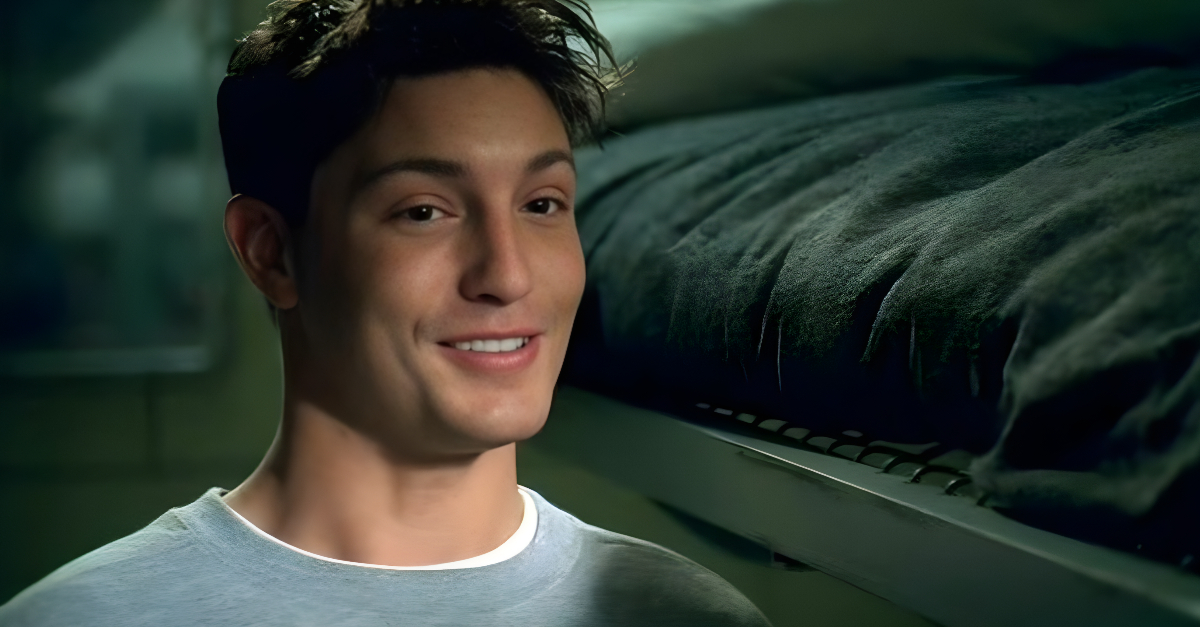
A Breakout Role That Changed Everything
Overnight fame stories usually follow a familiar script. A breakout role. A hit show. Suddenly, an actor’s face is everywhere. Lane Garrison’s rise looked like it was following that exact path. But behind the momentum was a volatility few viewers ever saw coming—and dire consequences that would arrive with shocking speed.
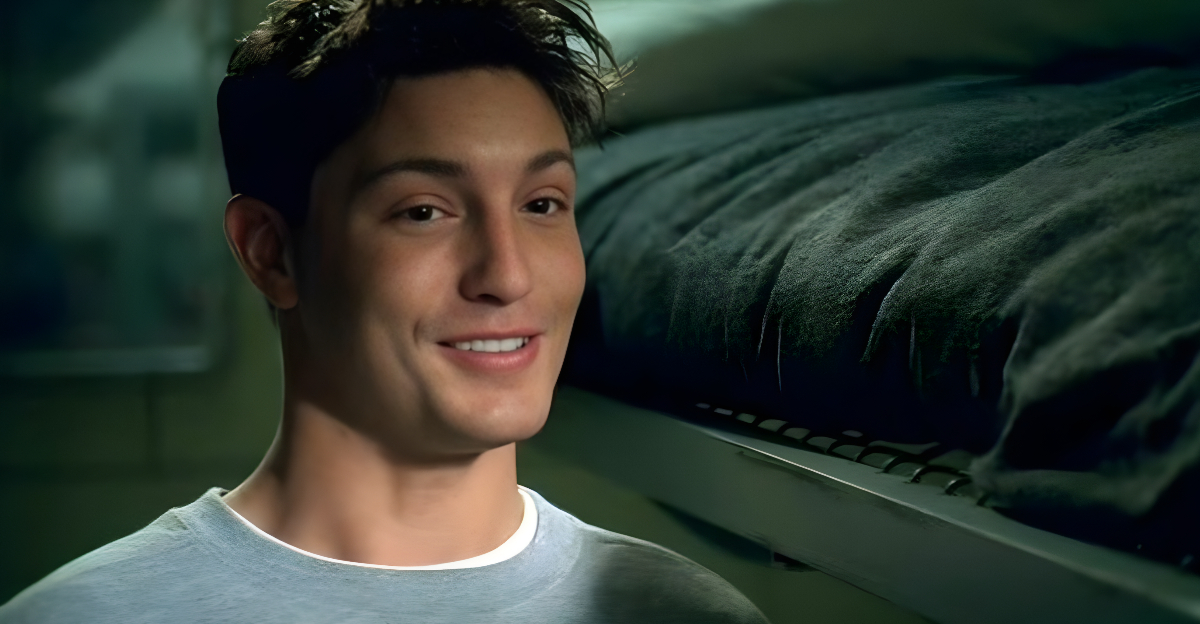
Before Anyone Knew His Name
Before Prison Break, Lane Garrison was doing what thousands of young actors do—auditioning constantly, picking up small roles, and hoping something would stick. He appeared in minor TV parts and indie projects, steadily building a résumé but still far from a household name or long-term stability.
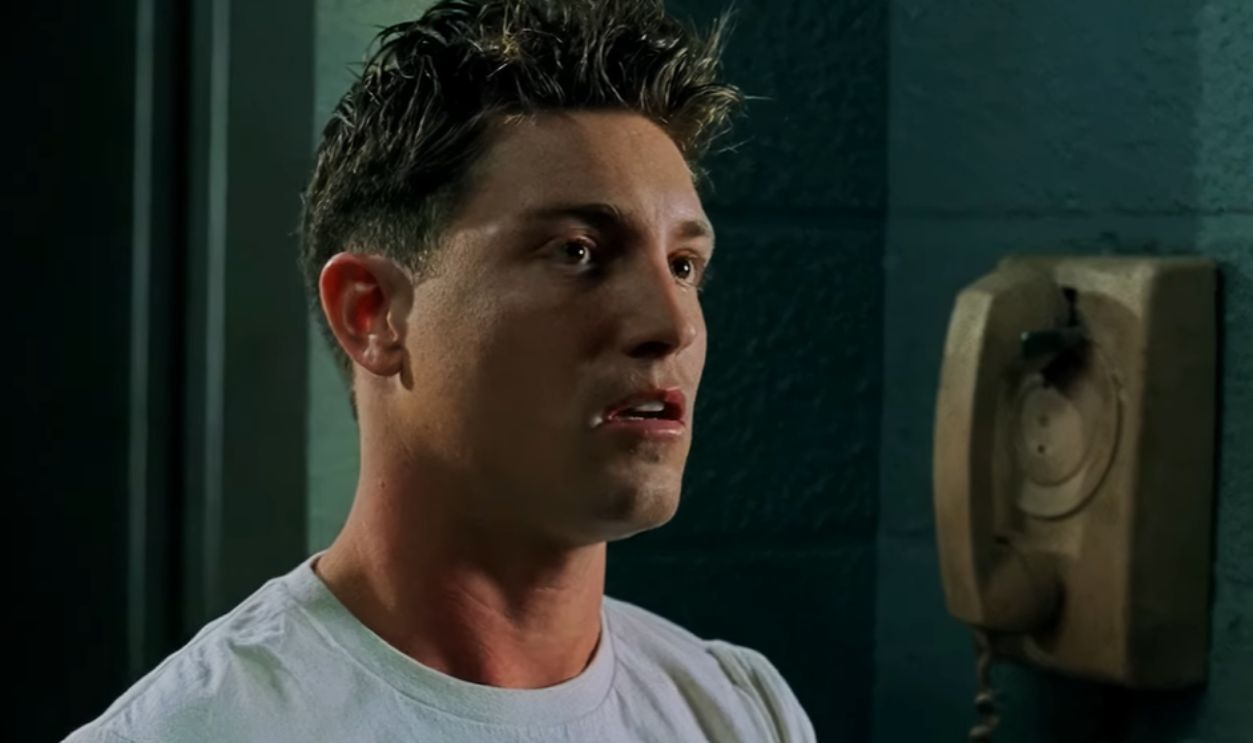 Screenshot from Prison Break, FOX (2005–2017)
An Unstable Start Away From Home
Lane Garrison grew up in Richardson, Texas, but by age seventeen had moved out due to a troubled relationship with his mother. After leaving home, he spent about a year living with family minister Joe Simpson—the father and manager of pop stars Jessica and Ashlee Simpson—before heading to Los Angeles at eighteen to pursue acting.

The Role That Opened the Door
In 2005, everything changed when Garrison was cast as David “Tweener” Apolskis on Prison Break. The character was nervous, funny, and vulnerable—an inmate viewers immediately connected with. The show became a massive hit, and Garrison suddenly had visibility most actors only dream about.
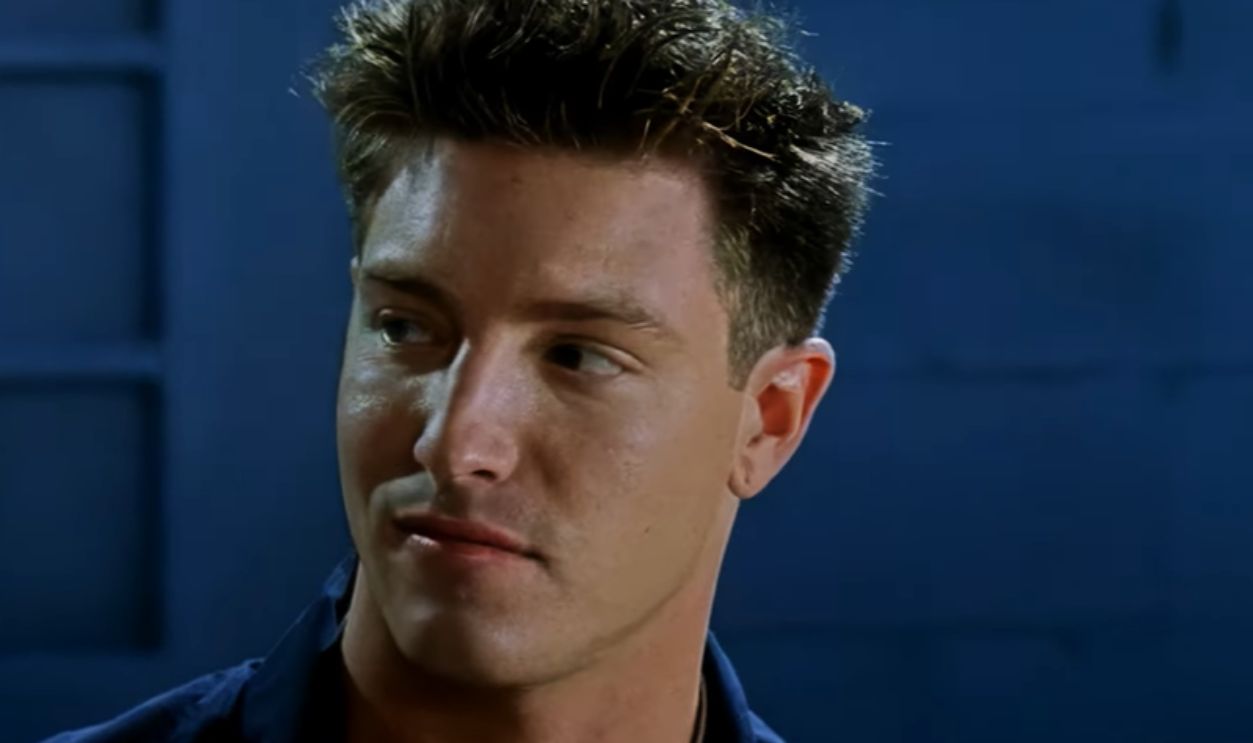 Screenshot from Prison Break, FOX (2005–2017)
Why Tweener Stood Out
Tweener wasn’t the toughest or smartest inmate, but he felt real. Garrison played him with anxiety, humor, and fear, making the character oddly sympathetic. Fans responded quickly. Critics noticed. For a brief moment, it looked like Garrison had found the perfect role at exactly the right time.
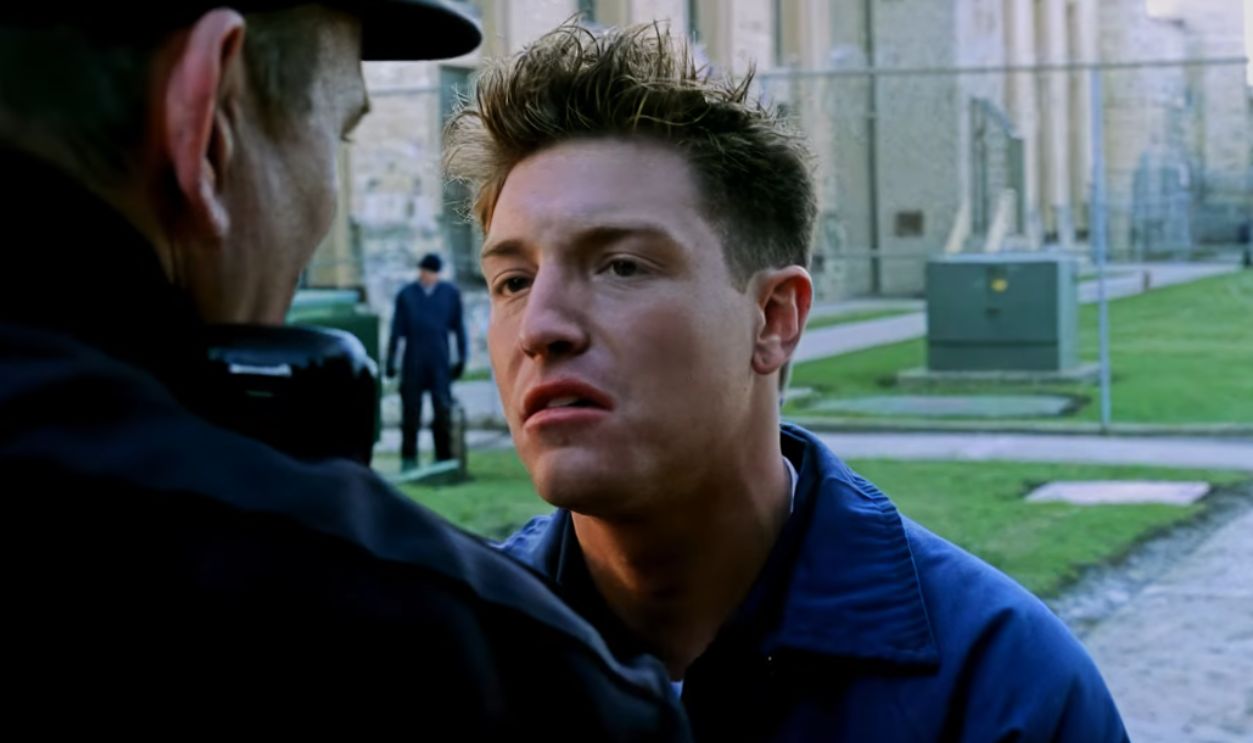 Screenshot from Prison Break, FOX (2005–2017)
Sudden Fame, Sudden Pressure
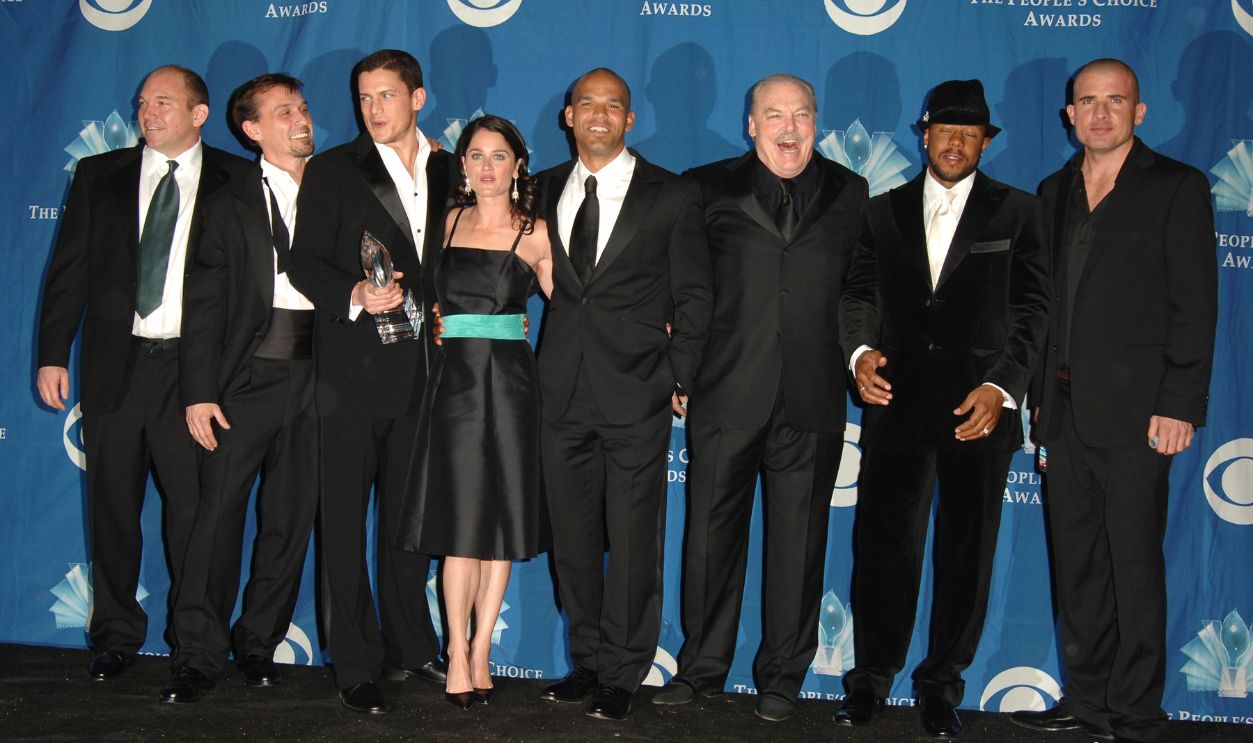
The success of Prison Break moved fast. Red carpets, interviews, fan attention—things Garrison hadn’t experienced before arrived all at once. Later reporting would describe a young actor struggling to adjust, surrounded by attention and opportunity without much structure or guidance to slow things down.
Life Off Camera
Away from the set, Garrison’s personal life was becoming increasingly chaotic. Friends later described impulsive behavior and constant partying. While his career momentum suggested control and confidence, his off-screen choices were heading in the opposite direction—toward recklessness rather than restraint.
The Night Everything Changed
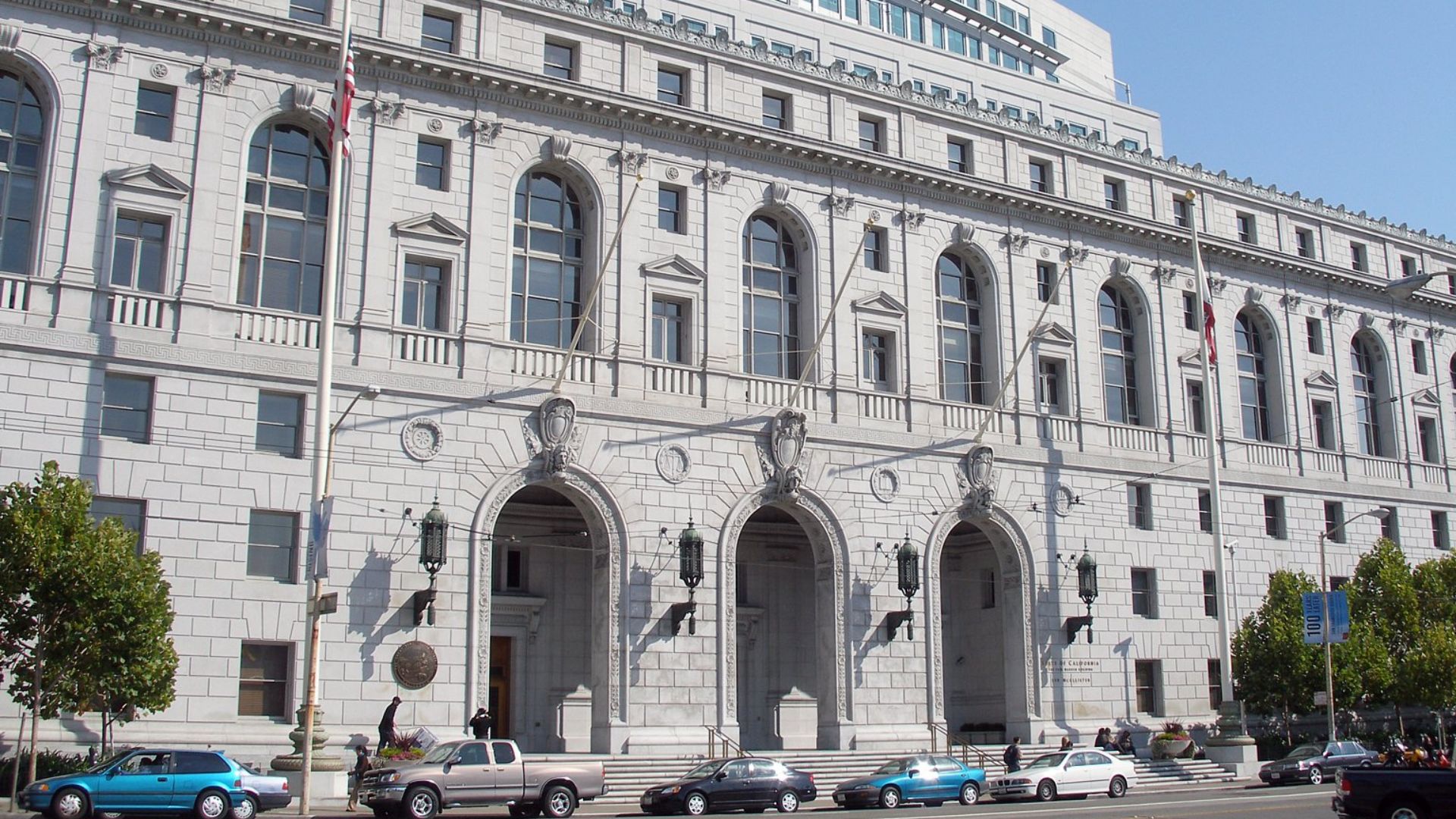
In December 2006, Garrison was involved in a violent car crash in Beverly Hills. He ran a red light and collided with another vehicle. A 17-year-old passenger, Vahagn Setian, was killed. The incident immediately shifted his story from Hollywood success to tragedy.
Charges and Public Shock
Prosecutors charged Garrison with vehicular manslaughter and related offenses. Court filings cited significant impairment at the time of the crash. The case drew widespread attention, in part because of Prison Break, but mostly because of the devastating loss of life involved.
 Coolcaesar at English Wikipedia, Wikimedia Commons
From Headlines to Courtrooms
As the legal process unfolded, Garrison’s acting career effectively froze. Court appearances replaced auditions. His name appeared in news reports rather than casting lists. The irony of his most famous role—a convicted felon—became impossible for the media to ignore.
A Guilty Plea
In 2007, Garrison pleaded guilty to vehicular manslaughter and additional charges connected to the crash. In court, he acknowledged responsibility for what happened. The plea spared a trial but did nothing to soften the reality of the outcome—or what was coming next.
The Sentence
Garrison was sentenced to 40 months in state prison, along with fines and mandatory programs. The judge emphasized accountability and the irreversible loss suffered by the victim’s family. Just two years after his breakout role, Garrison was entering a real prison—not a television set.
Public Apology
After sentencing, Garrison released a statement expressing remorse, saying he was “deeply sorry” and that he would “live with this every day.” The words were brief, restrained, and sober—very different from the reckless image that had preceded the crash.
Hollywood Moves On
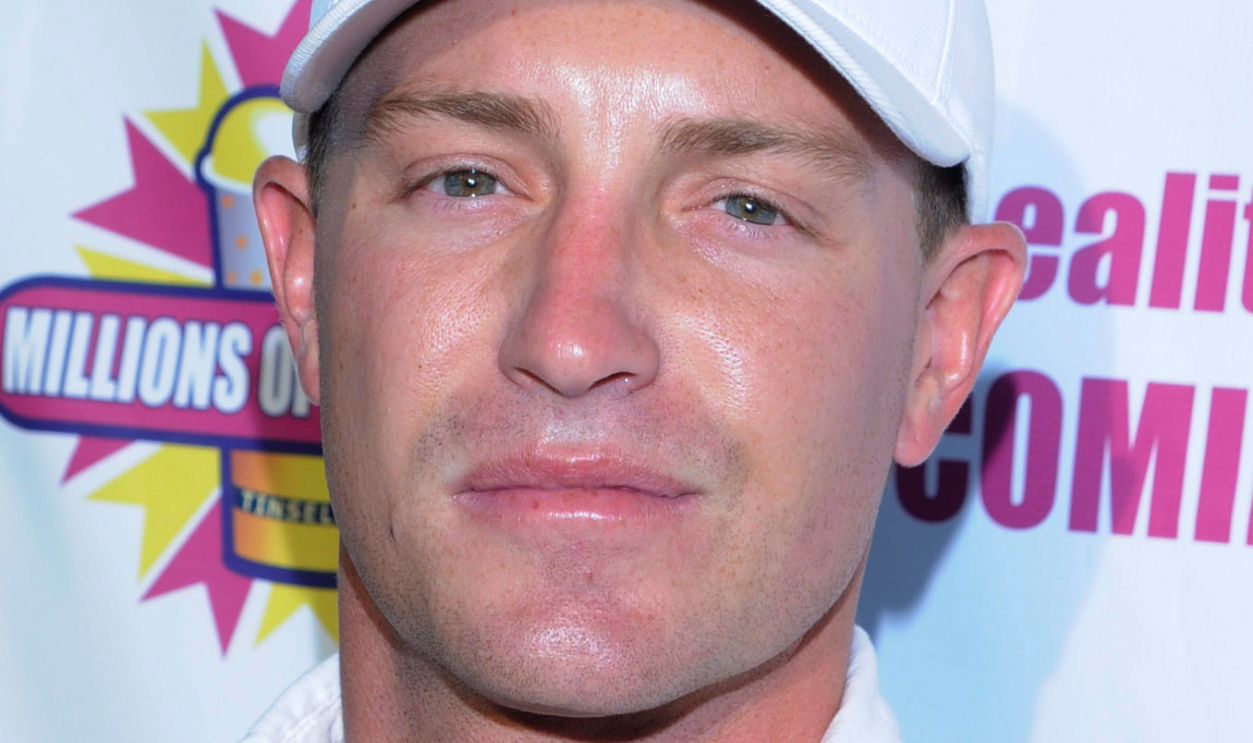
Hollywood rarely waits. As Garrison served his sentence, Prison Break continued without him, and new actors filled the cultural spotlight. Fame that once felt permanent disappeared quietly. There were no comeback headlines—just absence.
Life Behind Bars
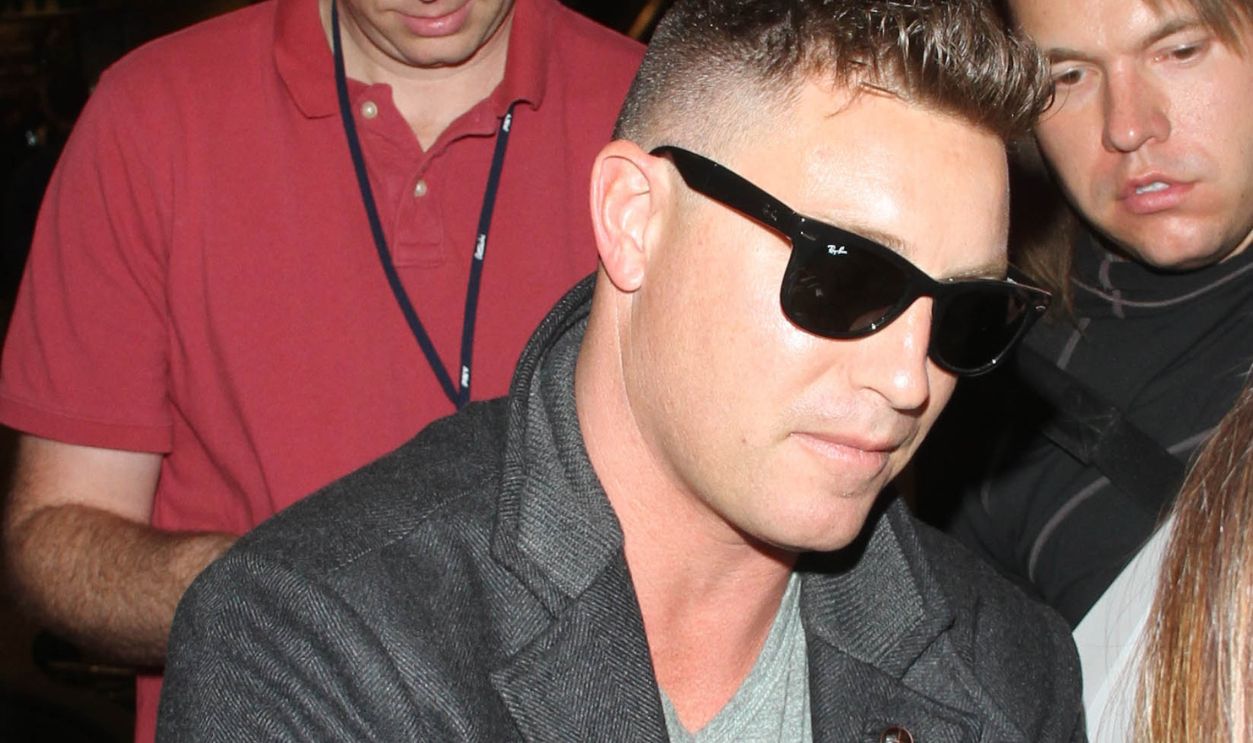
While incarcerated, Garrison reportedly participated in rehabilitation and education programs. Unlike his character on television, there were no clever escapes or dramatic turns. Prison was routine, controlled, and unforgiving—defined by time rather than attention.
Release and Reality
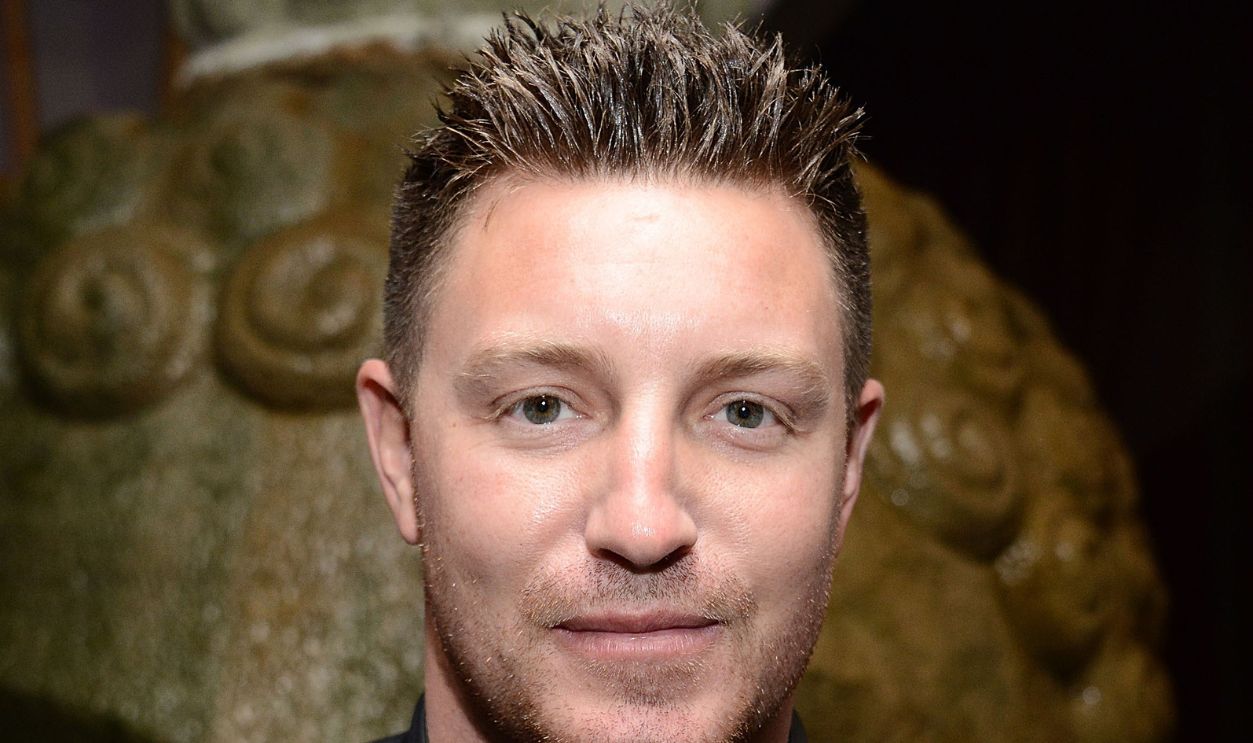
Garrison was released early on parole in 2009. By then, public memory of his acting career had faded, while the crime remained firmly attached to his name. Any attempt at returning to acting would have to confront that imbalance head-on.
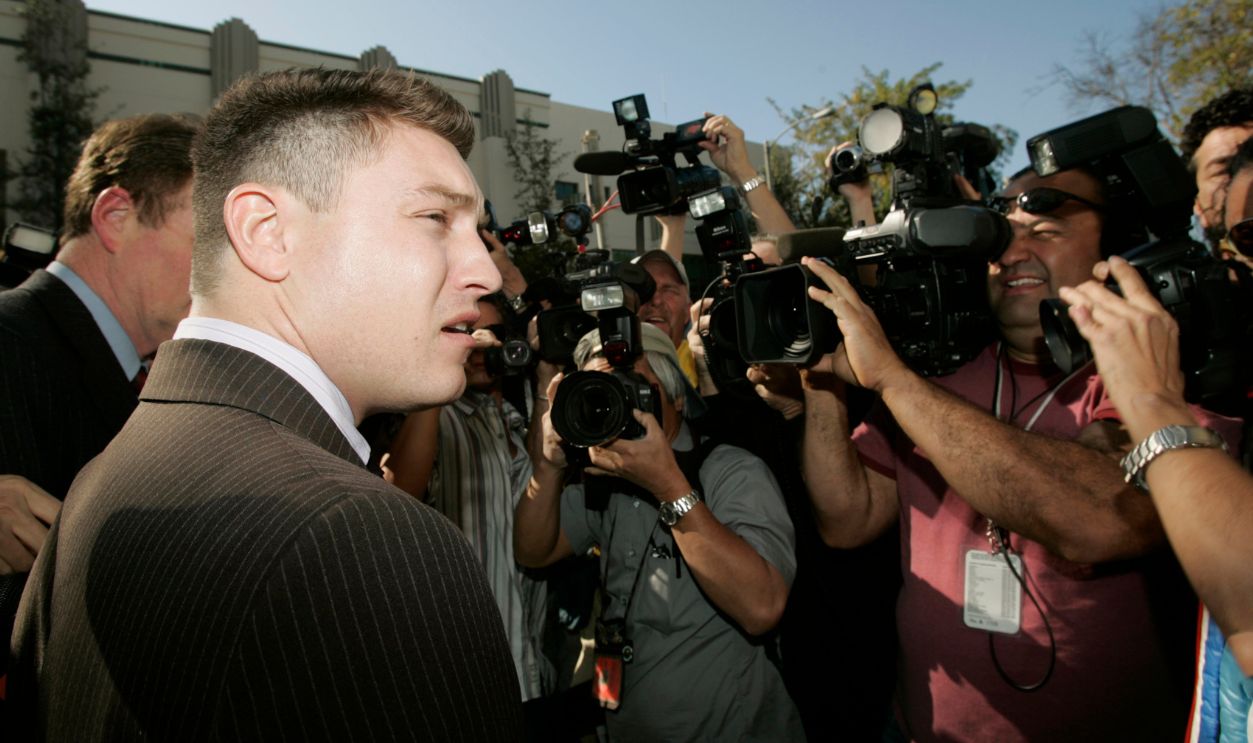
Returning to Acting—Quietly
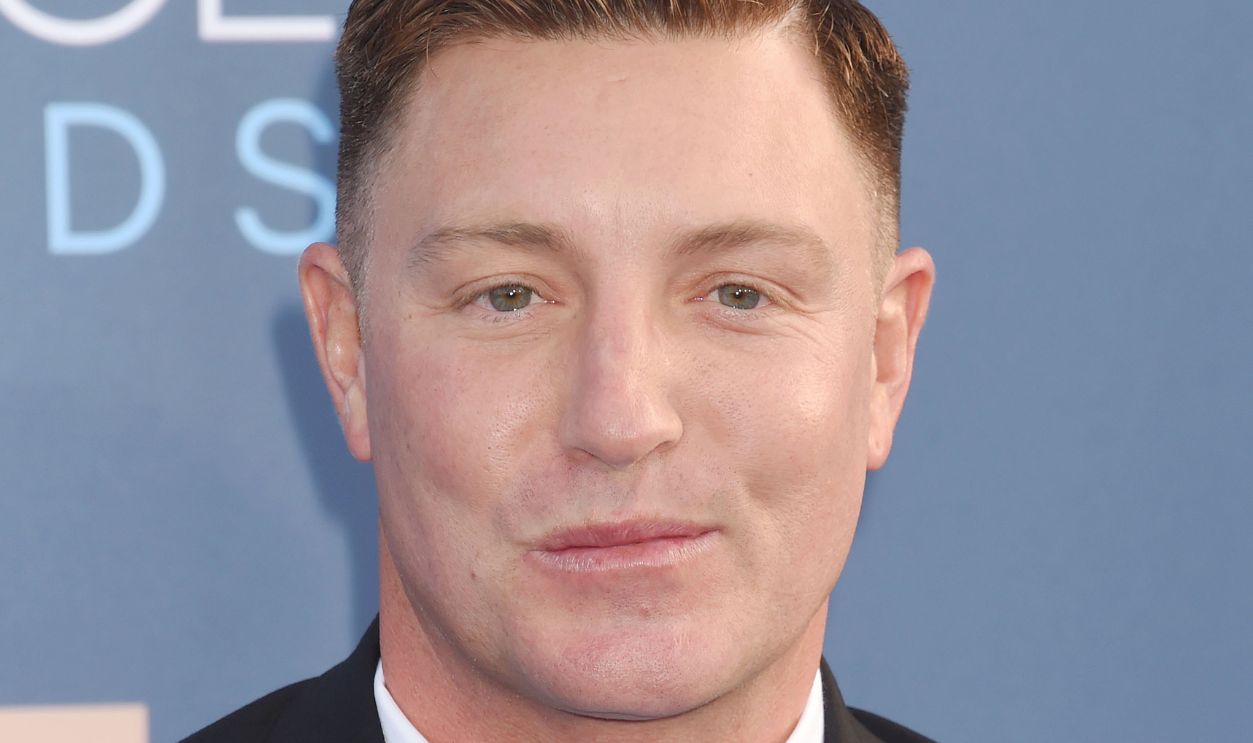
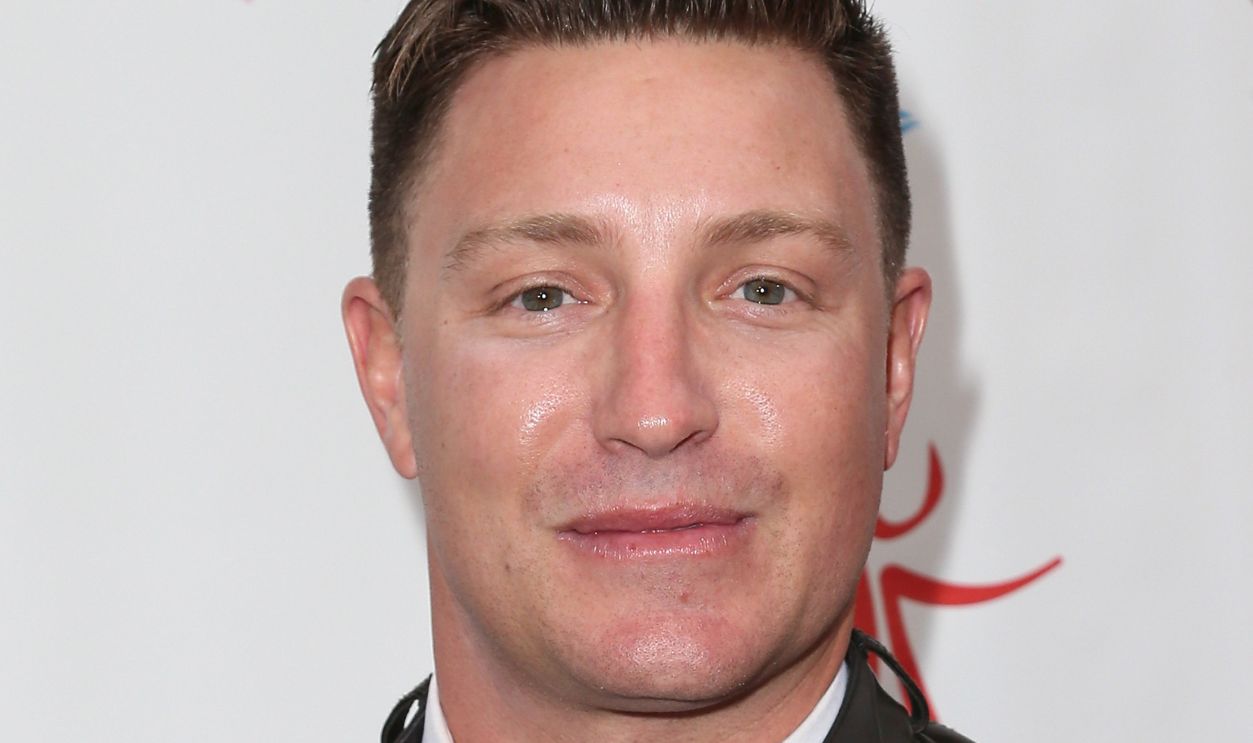
After his release, Lane Garrison returned to acting slowly and without fanfare. His early post-prison work consisted mostly of small film roles and guest television appearances, a clear step down from his Prison Break visibility but evidence that he was still working steadily.
 David Livingston, Getty Images
Steady Work, Smaller Roles
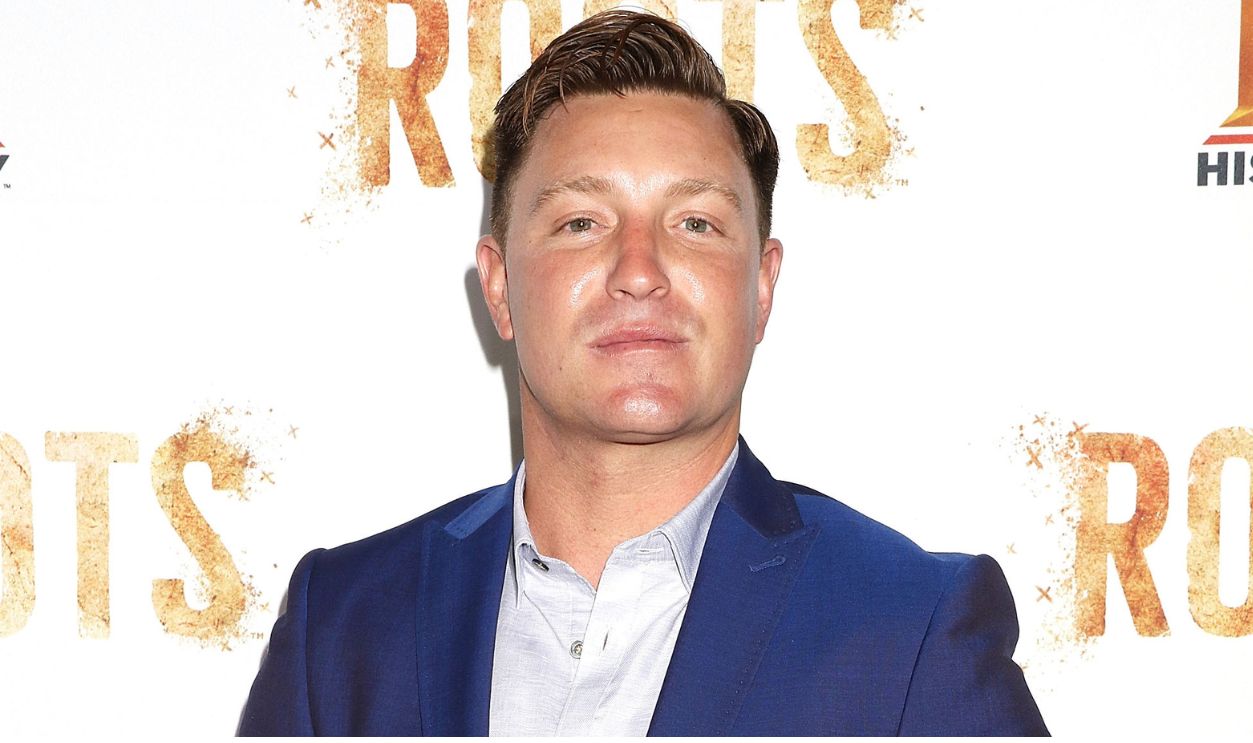
Throughout the 2010s, Garrison appeared in films such as Camp X-Ray, The Iron Orchard, The Divorce Party, and 12 Mighty Orphans. On television, he had roles on NCIS, Better Call Saul, Roots, Messengers, Yellowstone, and later Mayor of Kingstown, often playing hardened or morally complicated characters.
 Michael Loccisano, Getty Images
Writing, Producing, and Staying Employed
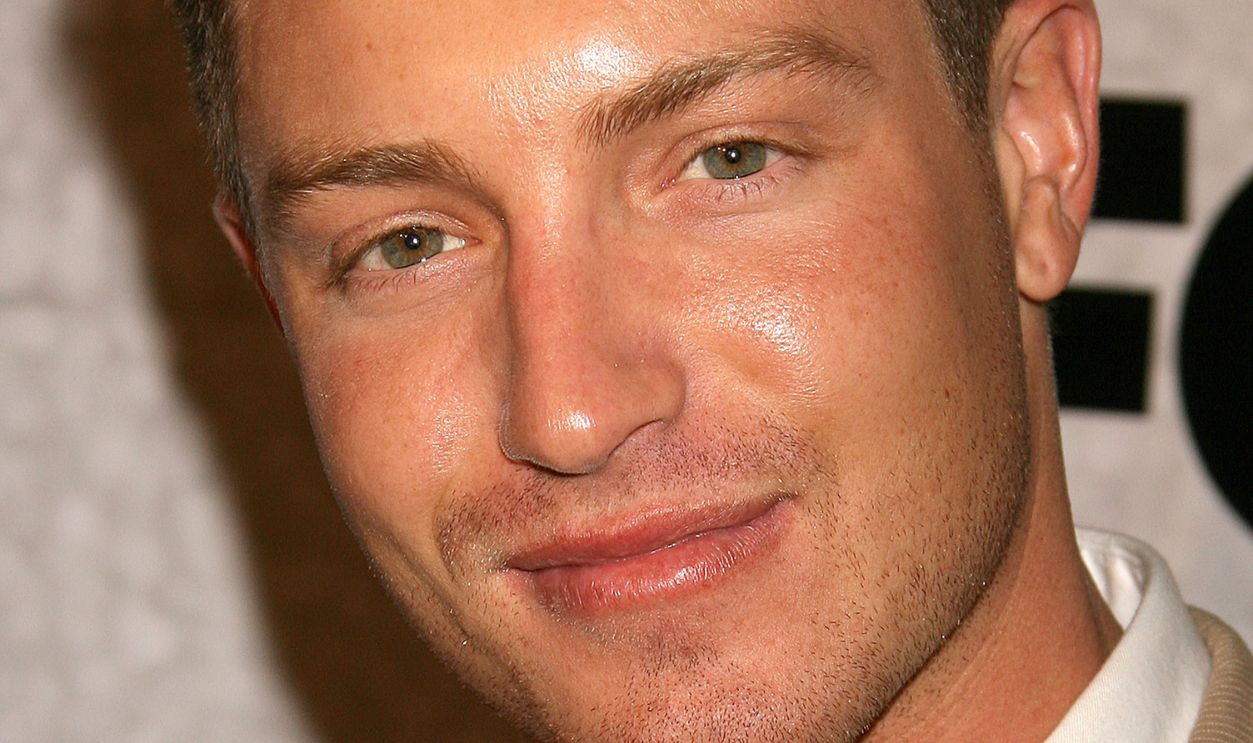
In addition to acting, Garrison picked up writing and producing credits, including work on The Divorce Party and 12 Mighty Orphans. While he never returned to leading-man status, he rebuilt a working career in the industry—active, consistent, and largely out of the spotlight.
Public Statements and Family Life
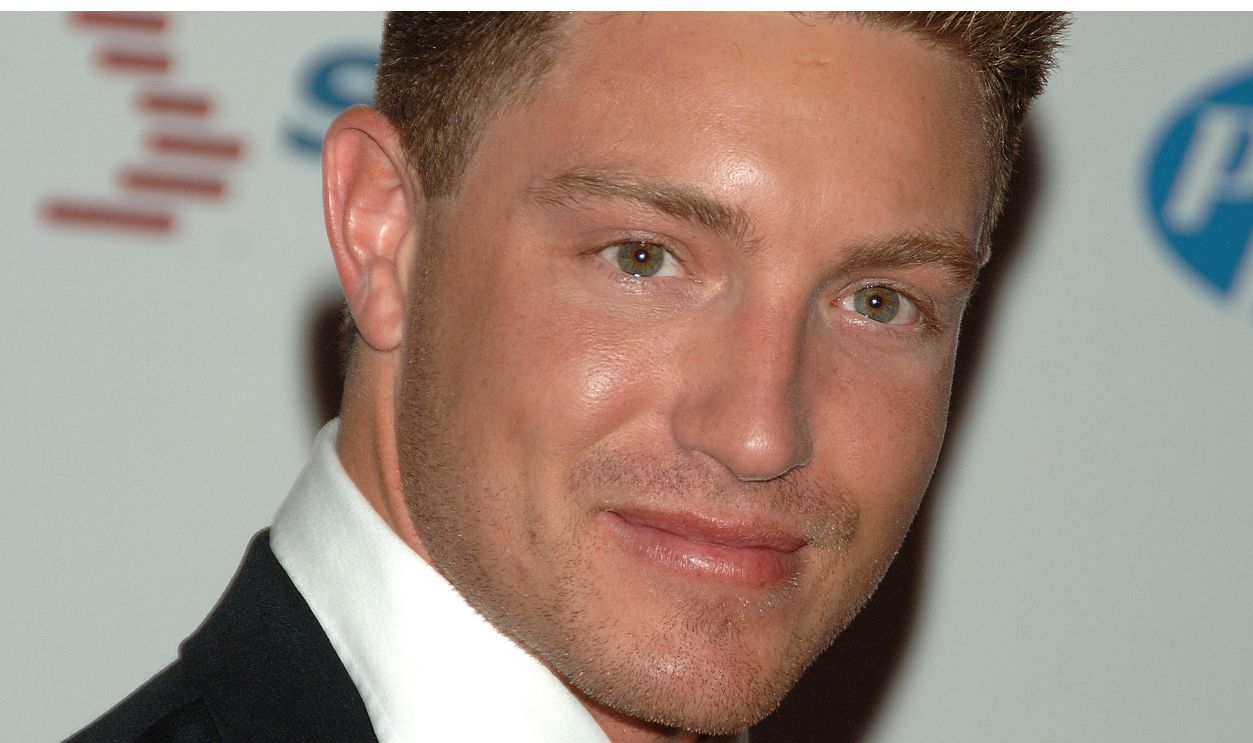
After his release, Lane Garrison made several public statements acknowledging responsibility for the crime and expressing remorse for the harm caused. He has spoken about sobriety, accountability, and the impact of prison on his outlook. In 2018, he became a father, a change he has described as grounding.
The Cruel Irony
It’s difficult to ignore the parallel. Garrison became famous portraying incarceration—then experienced it firsthand. But the comparison only goes so far. One was entertainment. The other involved real loss, real grief, and consequences that extended far beyond one life.
 Dimitrios Kambouris, Getty Images
What Fame Couldn’t Protect
If anything, Garrison’s story is a reminder that visibility doesn’t equal immunity. Success didn’t insulate him from consequences. It amplified them. The fall was faster precisely because the rise had been so public.
When Fiction Turns Real
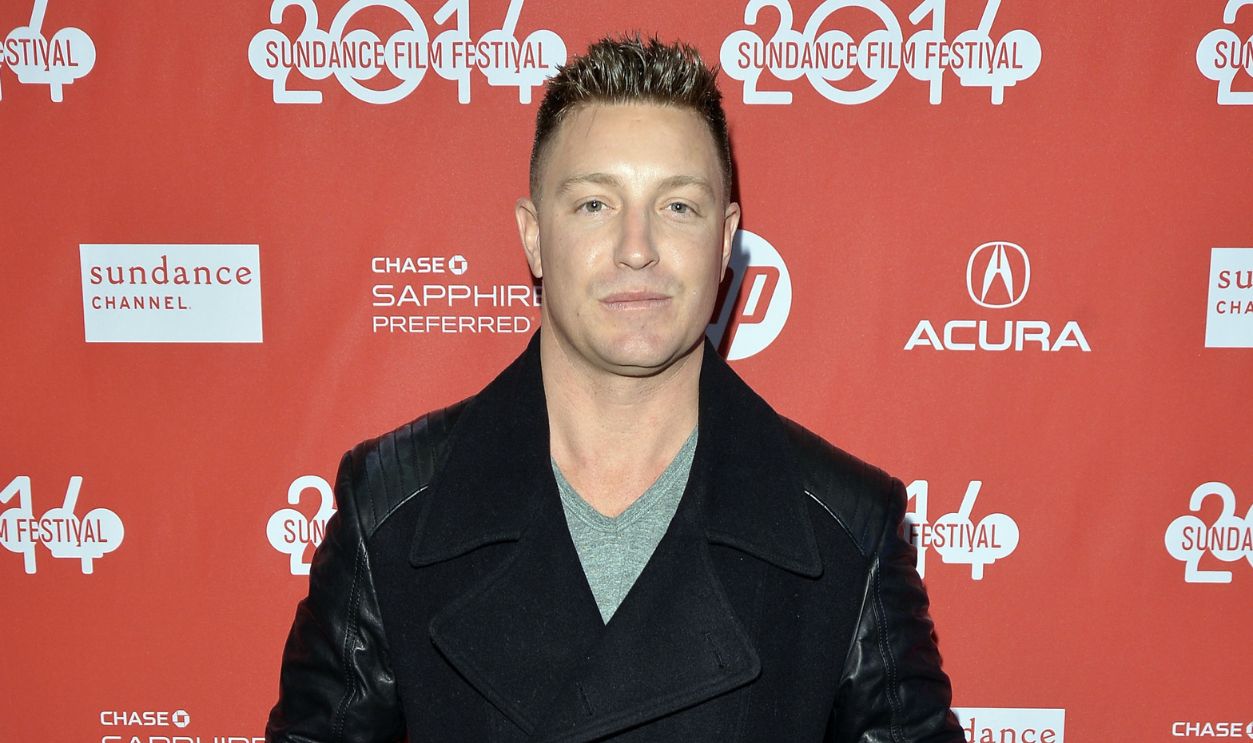
Lane Garrison’s life didn’t mirror his role—it collided with it. What began as a breakout performance became an uncomfortable footnote in a much darker narrative. Fame arrived first. Prison followed. And nothing afterward erased the damage in between.

You Might Also Like:
Elizabeth Hurley Is 60—And Somehow Looks Better Than Women Half Her Age
.jpg)