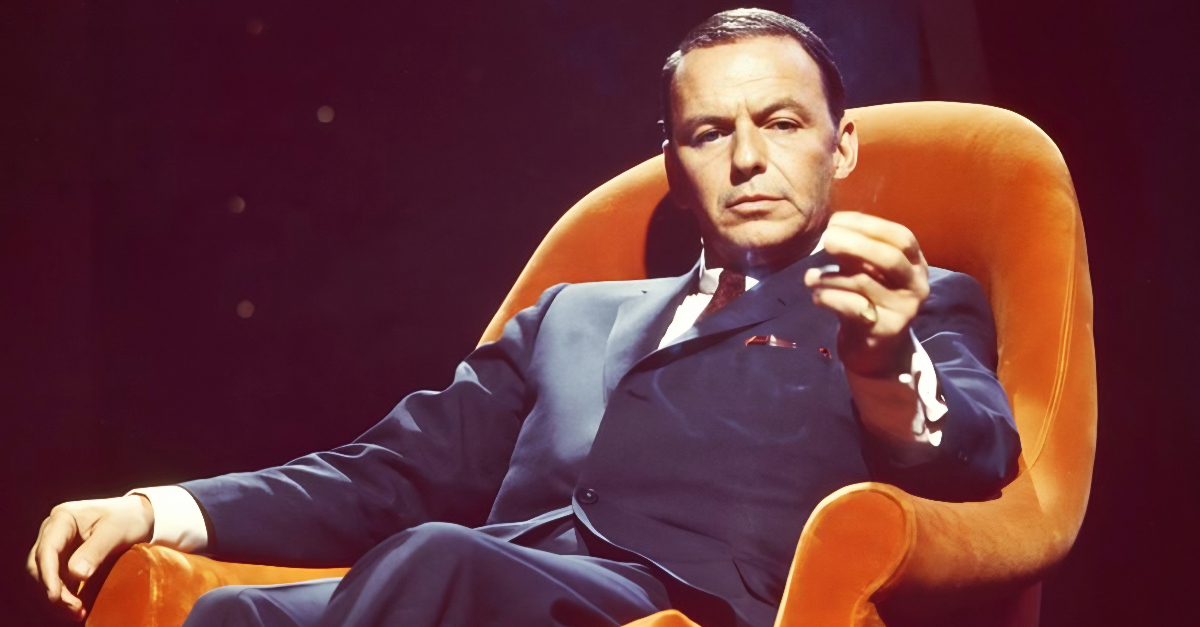
The Sound You Think You Know
You already know the voice. The phrasing. The effortless cool. The late-night sadness wrapped in confidence. Frank Sinatra feels inevitable—like he emerged fully formed.
But what many people forget is that there was a moment when Old Blue Eyes looked like he was headed for failure. Then everything turned around, thanks to one man: Nelson Riddle. A man almost no one remembers—which is just the way Sinatra wanted it.
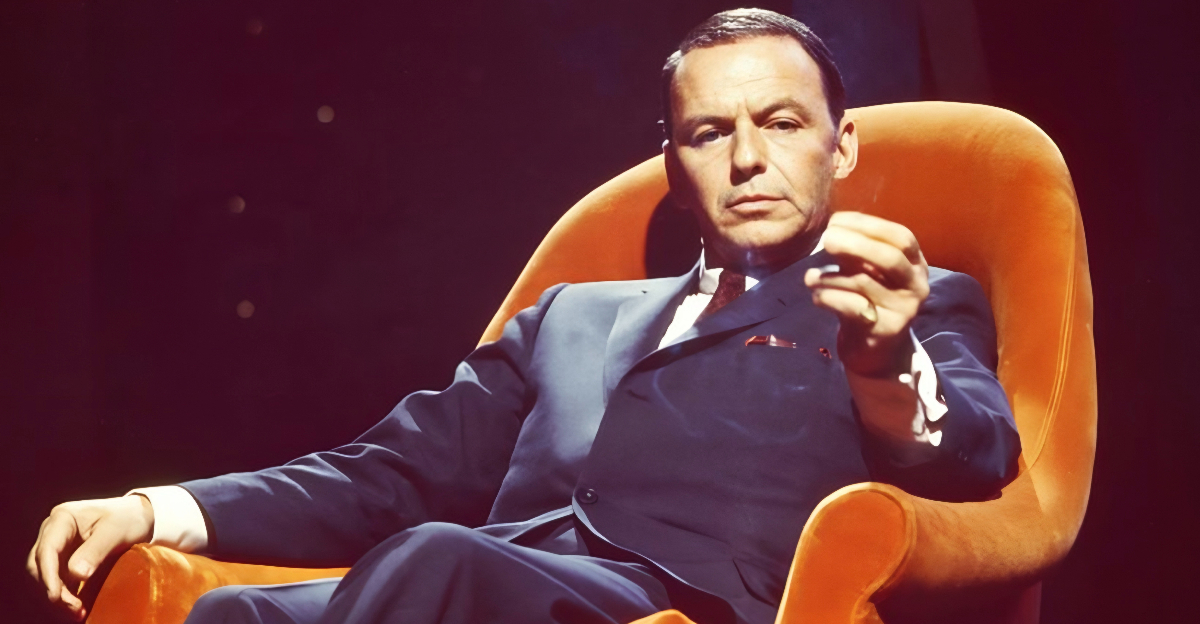 Silver Screen Collection, Getty Images
Sinatra Wasn’t Always Untouchable
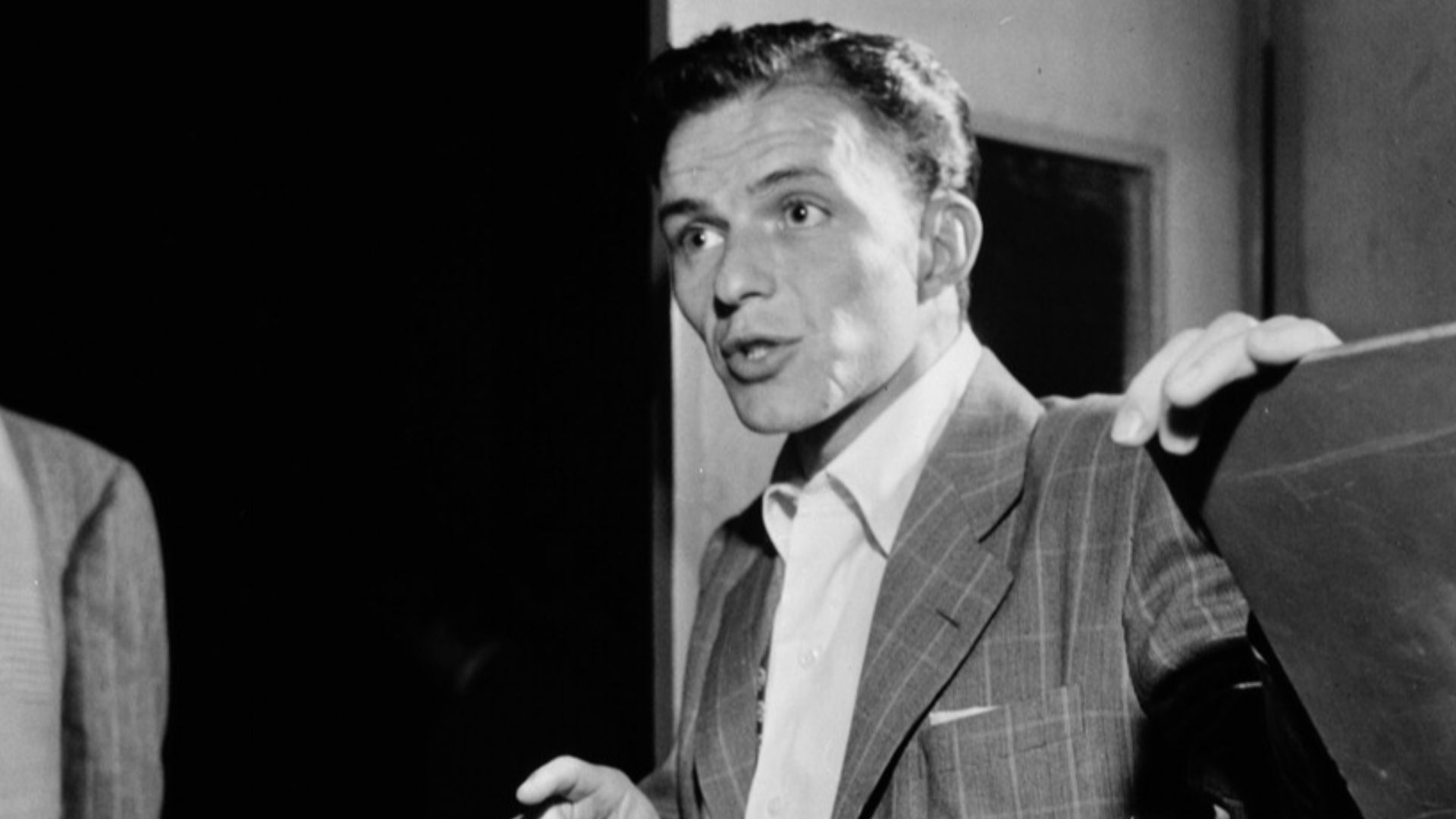
By the late 1940s, Sinatra’s career was in serious trouble. His popularity had crashed, his voice was damaged, and the press had turned on him. He went from screaming fans to near irrelevance in just a few years. Hollywood had started to move on.
 The Library of Congress, Wikimedia Commons
The Comeback Needed More Than a Voice
Sinatra didn’t just need new songs. He needed a new identity. Something grown-up. Something cool. Something that made heartbreak sound elegant instead of desperate. That transformation wouldn’t come from vocal power alone—it needed architecture.
 The Library of Congress, Wikimedia Commons
Enter Nelson Riddle
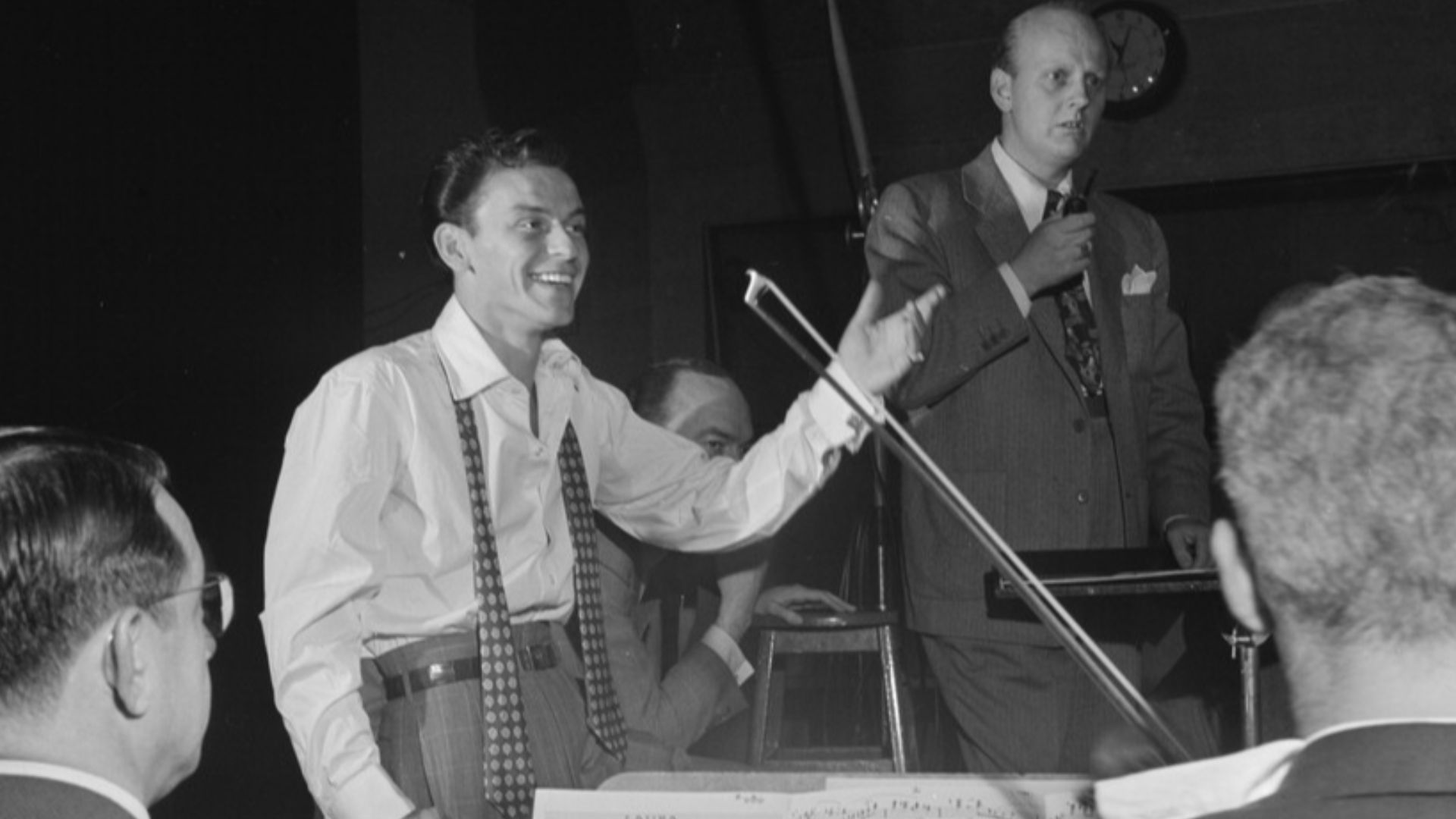
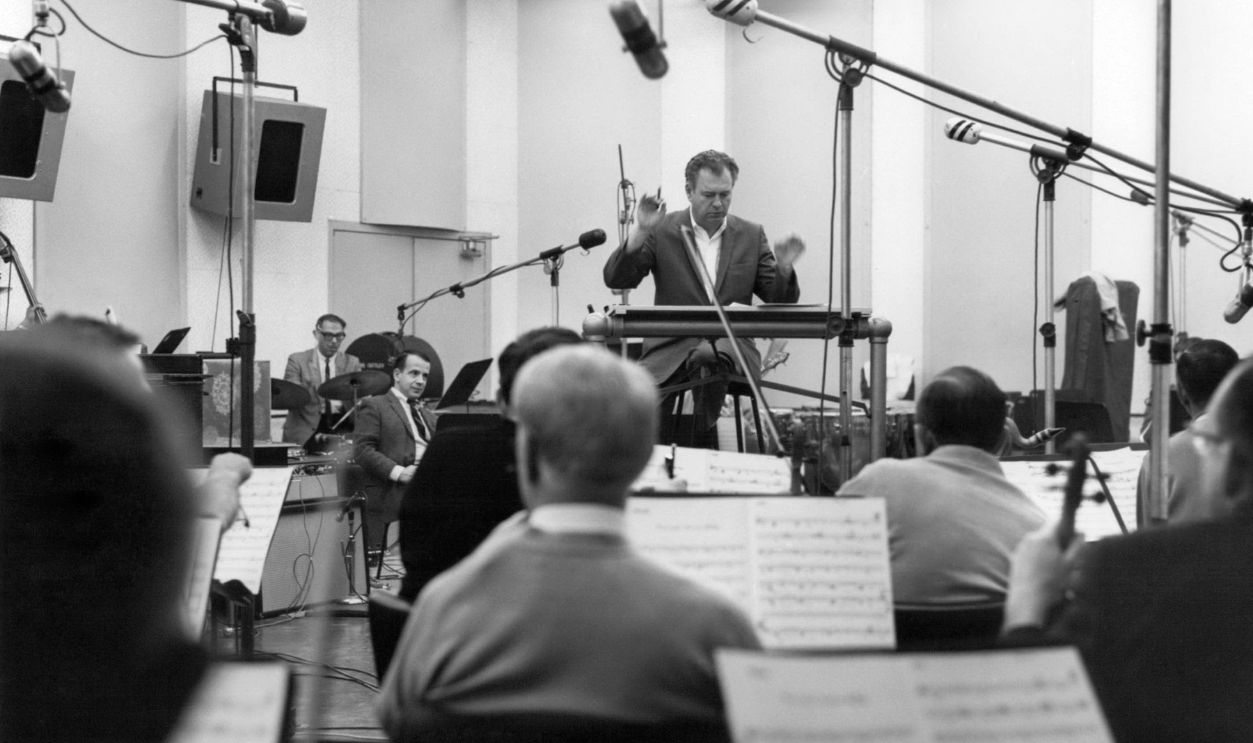
Nelson Riddle was a young arranger with an ear for space, restraint, and emotional timing. He understood how to let silence work. How to let a voice lean instead of shout. When Sinatra and Riddle first worked together in the early 1950s, something clicked immediately.
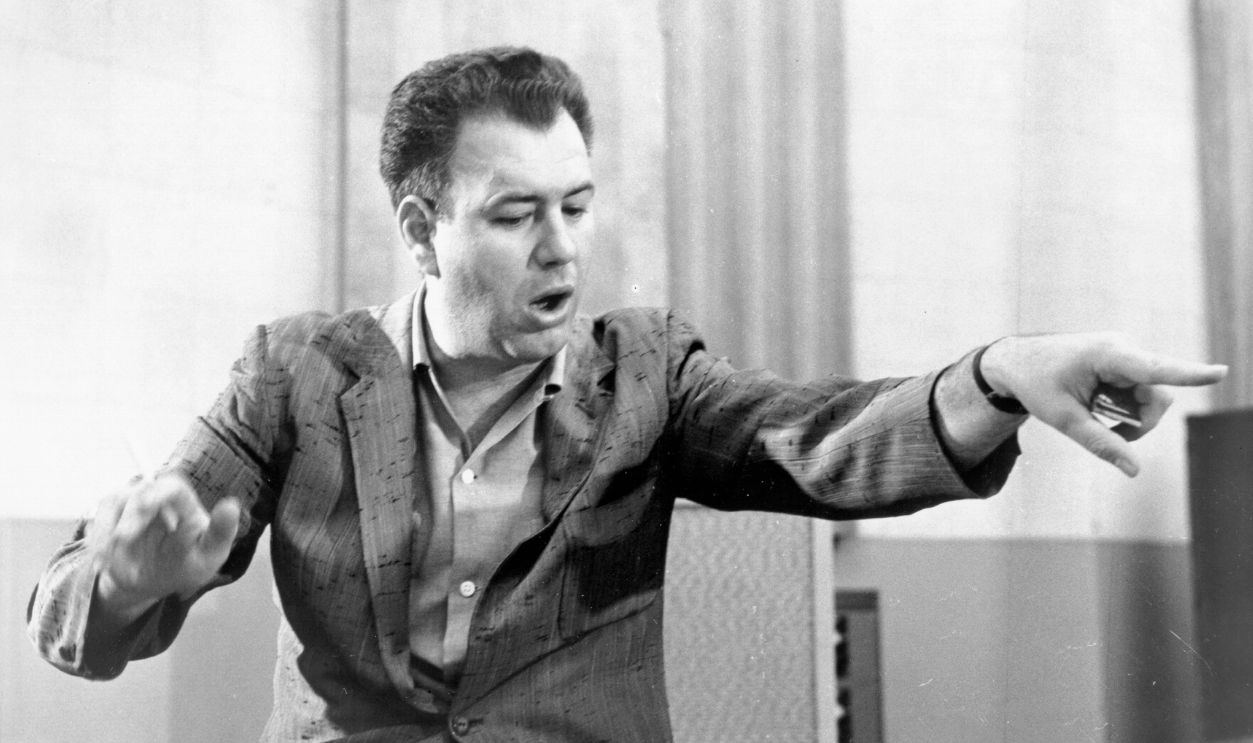 Michael Ochs Archives, Getty images
“The Greatest Arranger in the World”
Sinatra openly praised Riddle’s talent, once calling him “the greatest arranger in the world.” Riddle didn’t overpower the songs—he framed Sinatra inside them, like a spotlight that never showed itself.
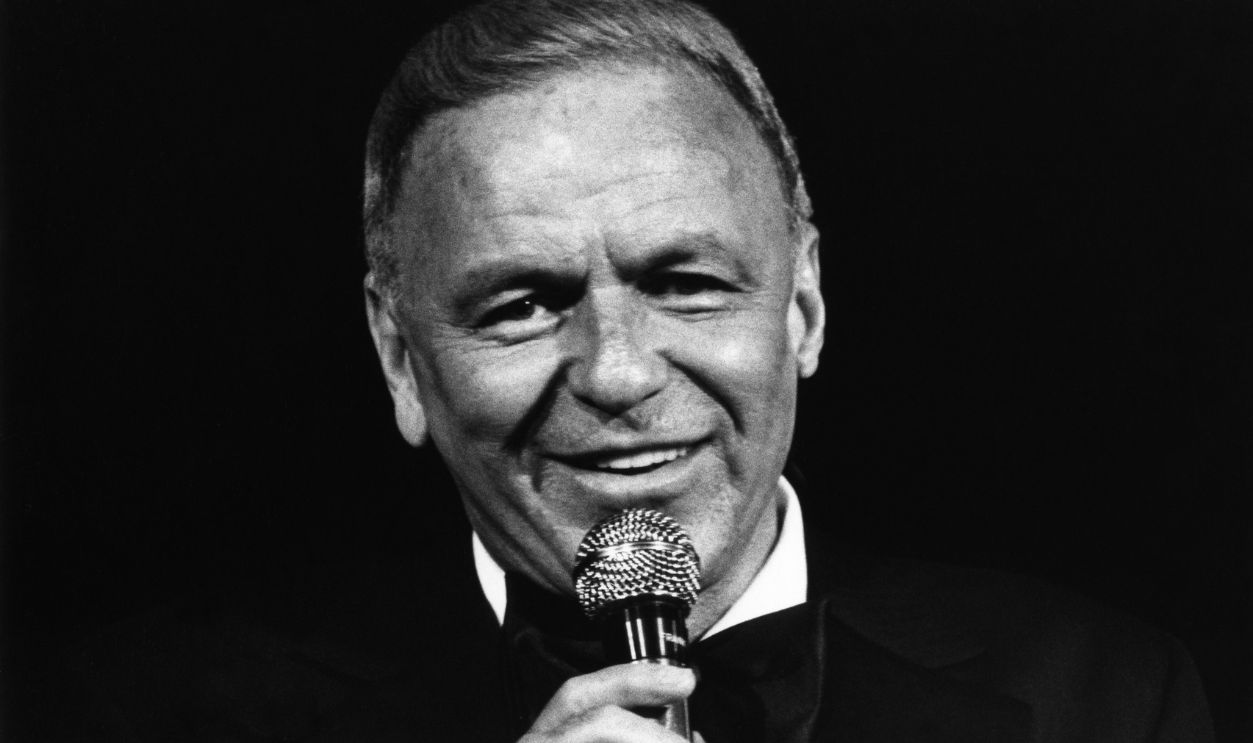 Joan Adlen Photography, Getty Images
Reinventing Frank Sinatra
Riddle stripped away the syrupy orchestration of Sinatra’s earlier years. In its place came swinging precision, lonely strings, muted brass, and arrangements that sounded like 2 a.m. conversations. Sinatra suddenly felt modern. Dangerous. Adult.
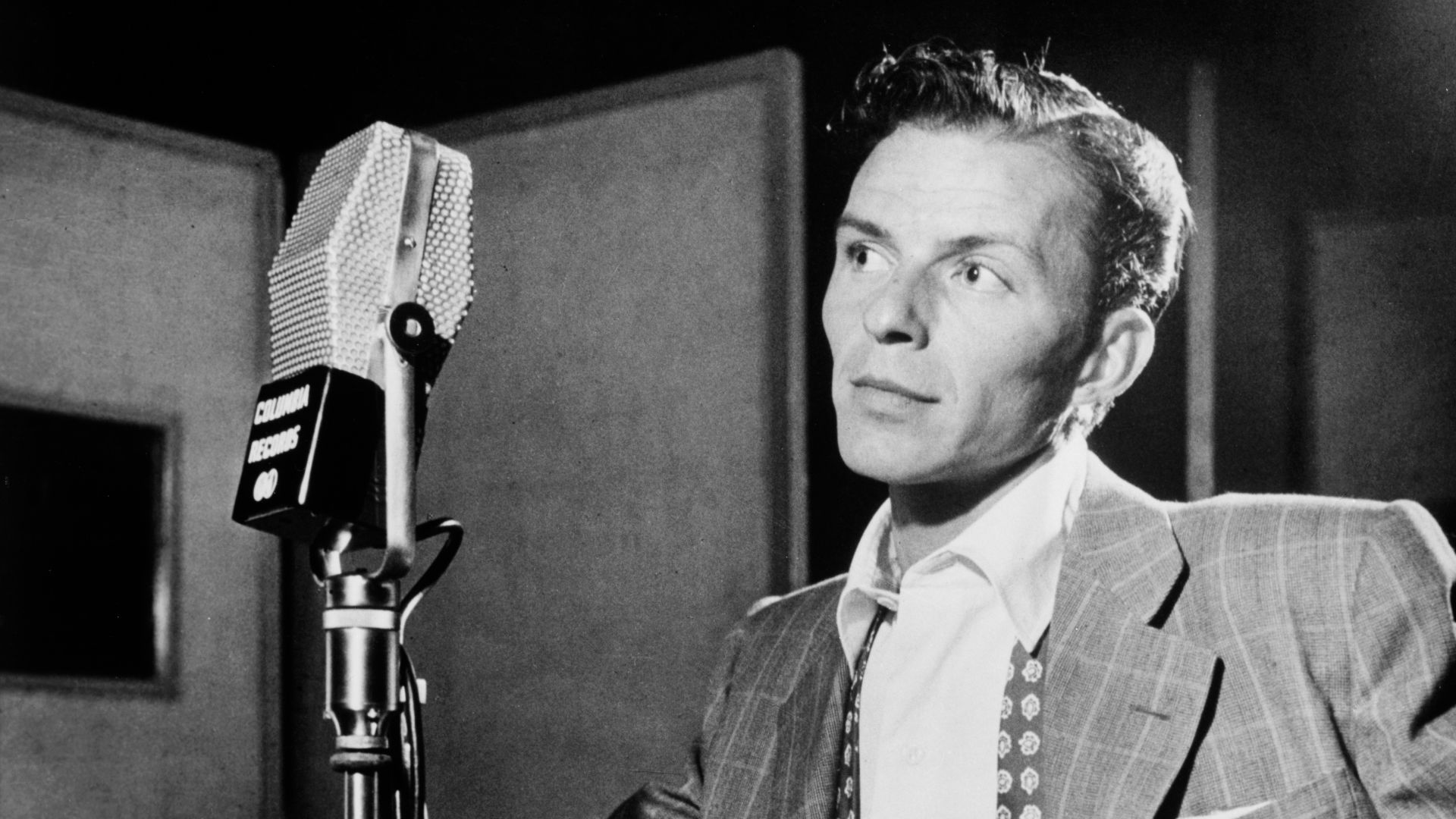 William P. Gottlieb, Wikimedia Commons
Albums That Changed Everything
In the Wee Small Hours, Songs for Swingin’ Lovers!, Only the Lonely. These weren’t just collections of songs—they were emotional journeys. Music historians now credit these records with helping invent the modern concept album. Riddle shaped every inch of them.
The Voice Got the Applause
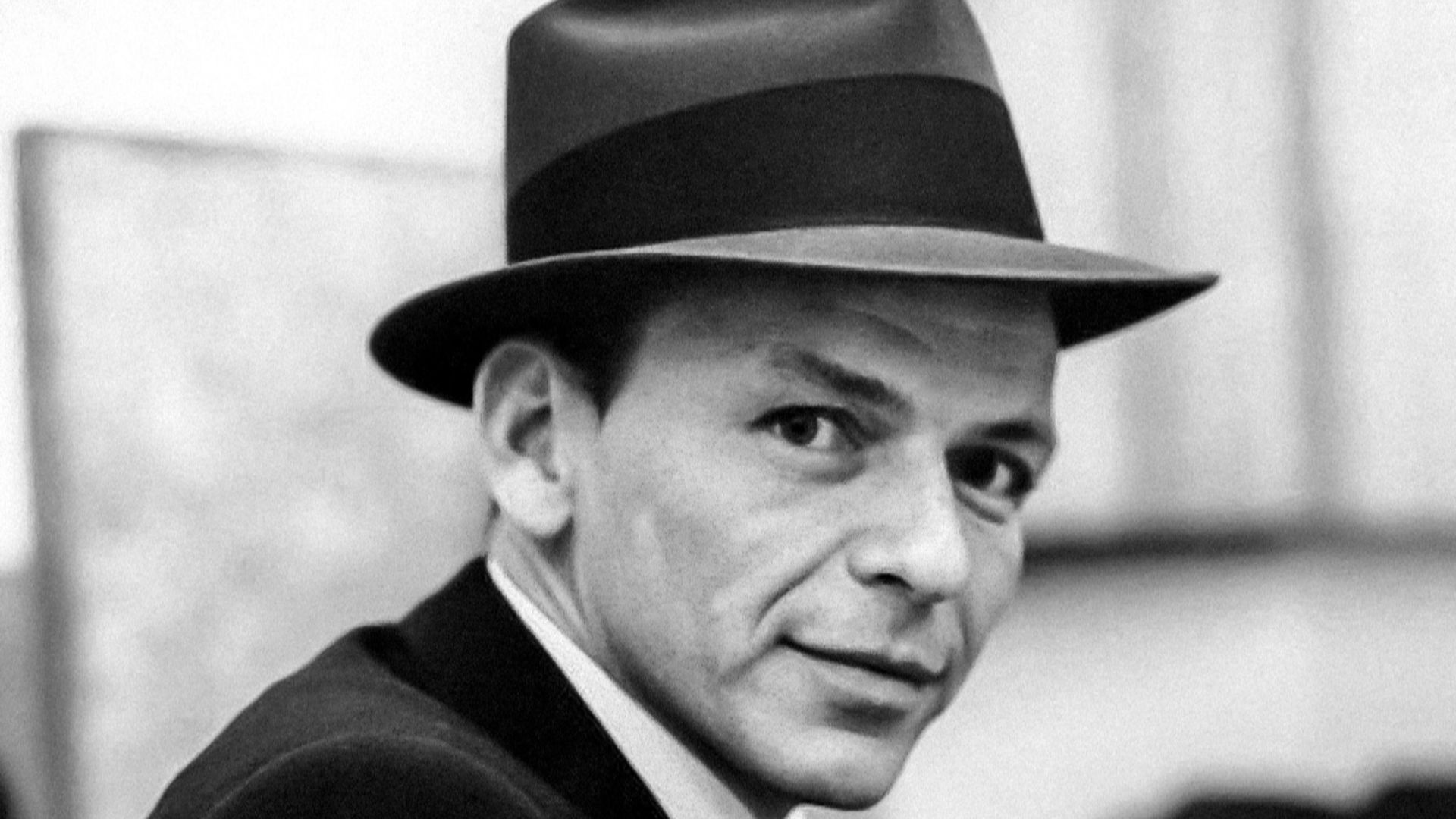
Audiences heard Sinatra. Critics praised Sinatra. Magazine covers showed Sinatra. But the sound they loved—the pacing, the mood, the ache—was built by Riddle’s pen. He was essential, but invisible.
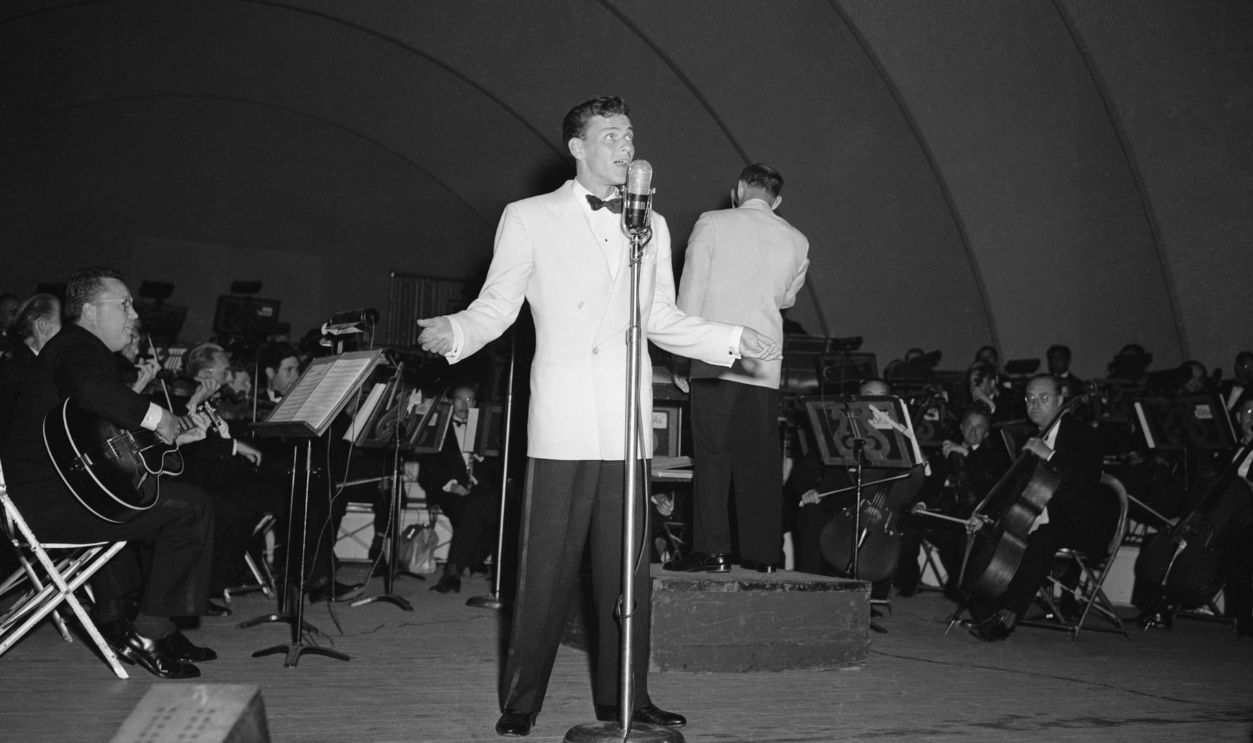
The Partnership Wasn’t Always Easy
As Sinatra’s power returned, tensions grew. Sinatra didn’t like being seen as dependent on any one collaborator. He bristled at suggestions that Riddle’s arrangements were doing too much of the work. The balance began to shift.
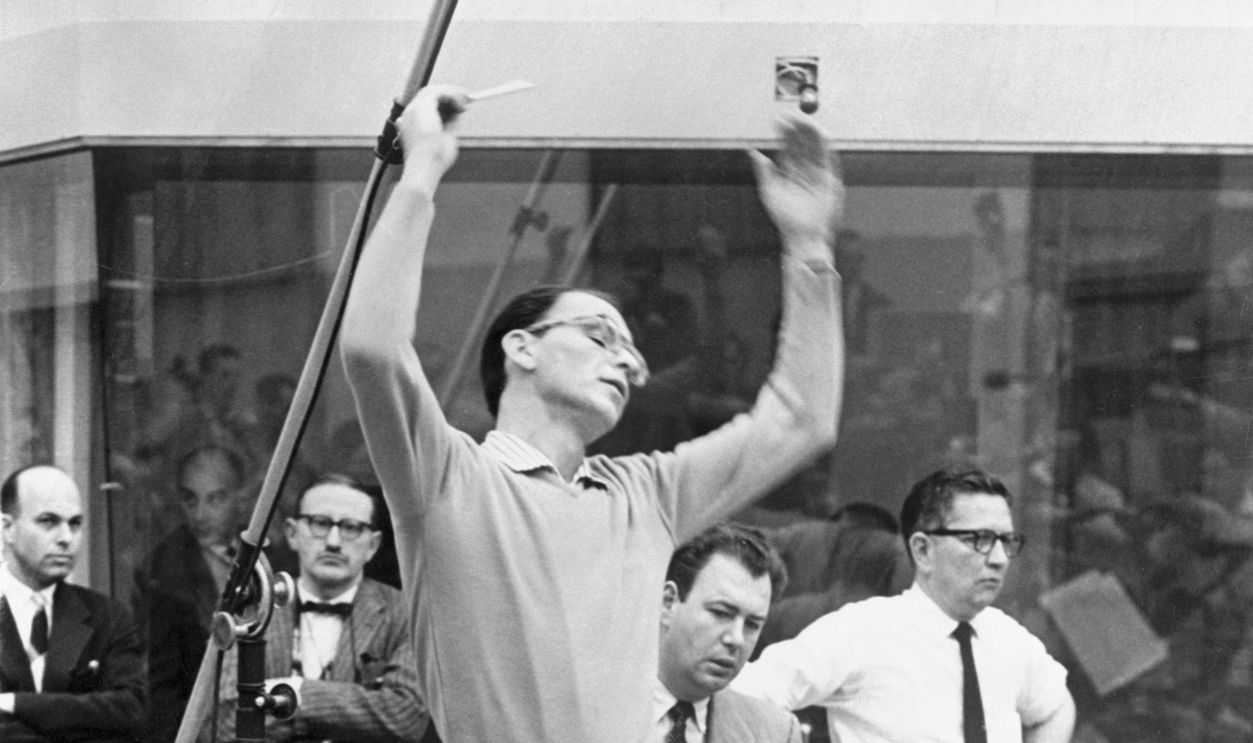
“Don’t Ever Say He Made Me”
According to biographers, Sinatra pushed back hard against the idea that anyone “made” him. He believed the voice was everything. Riddle, careful and private, never publicly challenged that narrative—even as it hardened around him.
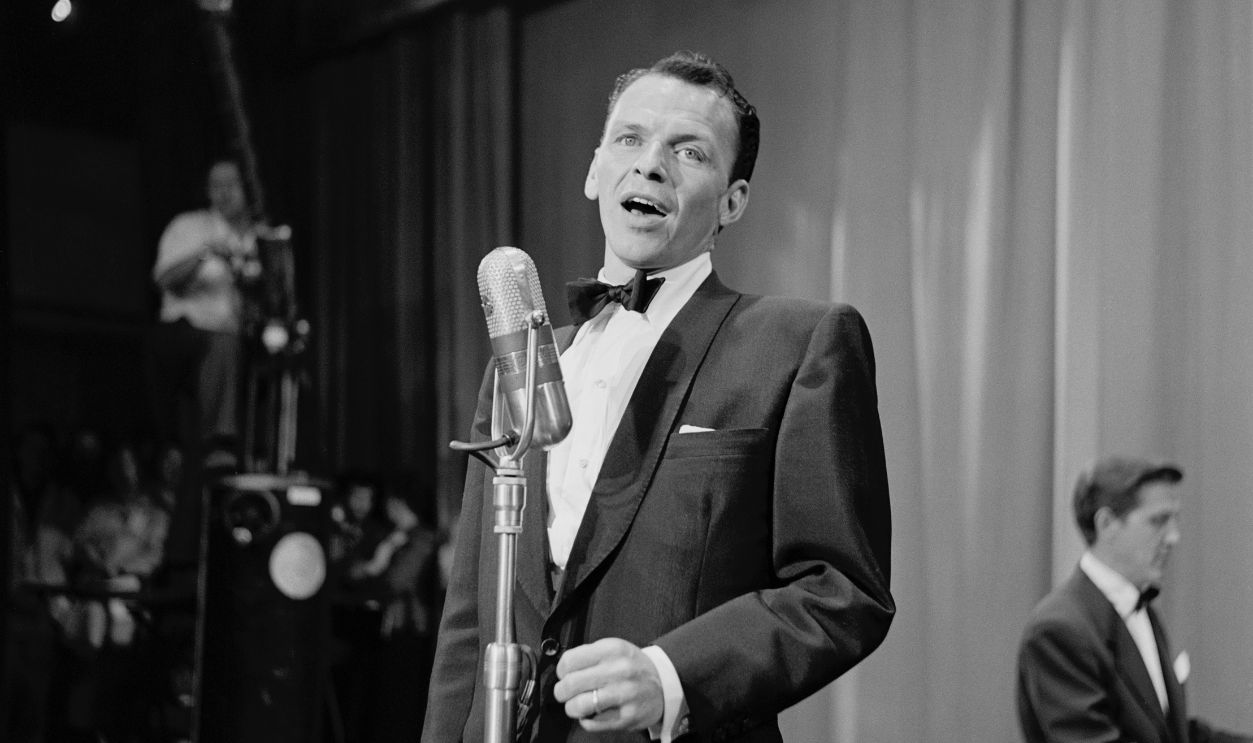
The Story Starts to Change
As Sinatra became a cultural institution, the comeback story simplified. The struggle. The resilience. The singular genius. The arranger who rebuilt the sound quietly faded out of the telling. Not attacked—just omitted.
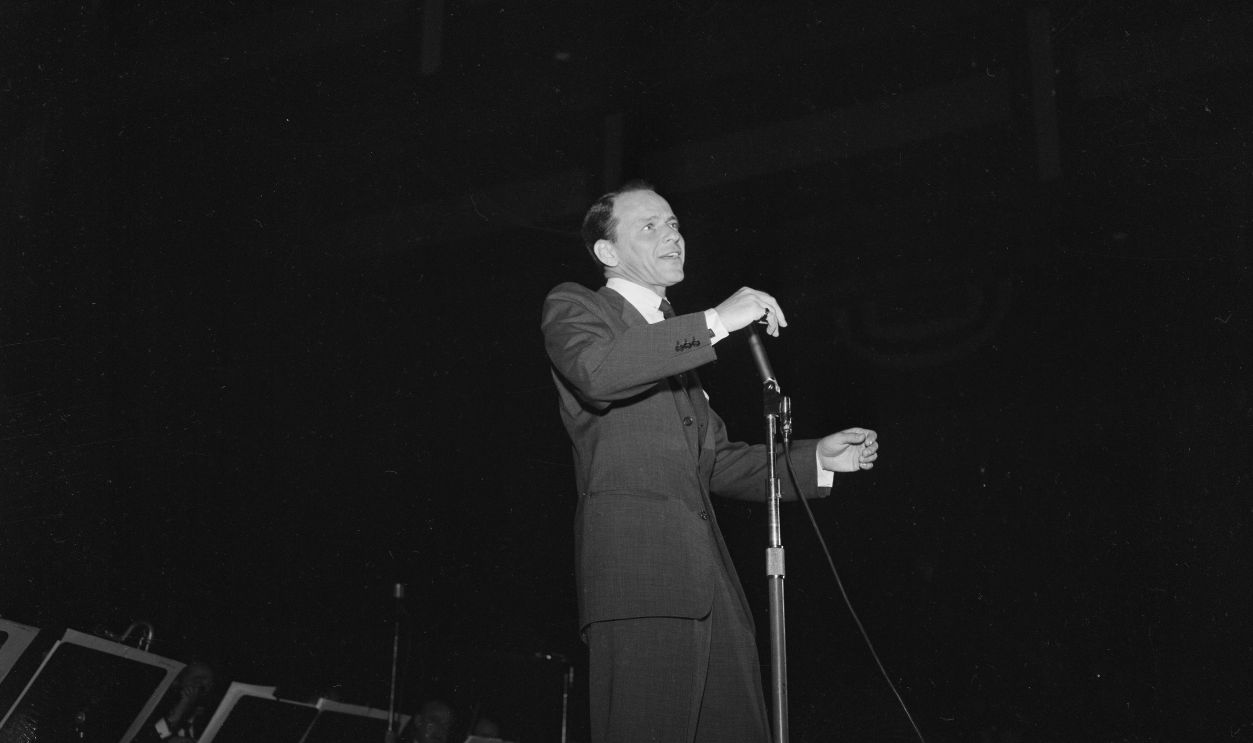 San Francisco Chronicle/Hearst Newspapers, Getty Images
Riddle Was Replaced, Not Celebrated
Sinatra moved on to other arrangers, most notably Don Costa. The collaborations were successful—but different. Still, there was no public reckoning. No acknowledgment of what Riddle had built or how much of the legend rested on that foundation.
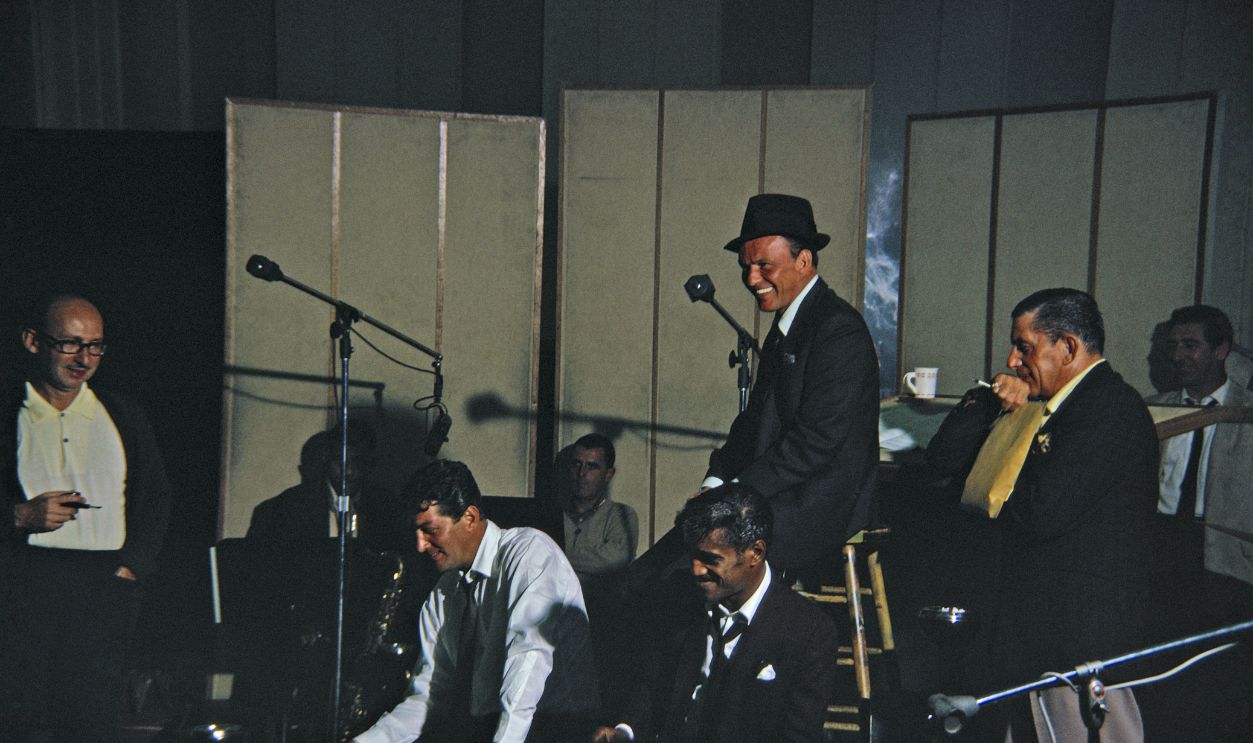 Michael Ochs Archives, Getty Images
The Erasure Was Subtle
Sinatra didn’t denounce Riddle. He didn’t block his career. He simply stopped talking about him. And in a world where Sinatra controlled the narrative, silence was enough.
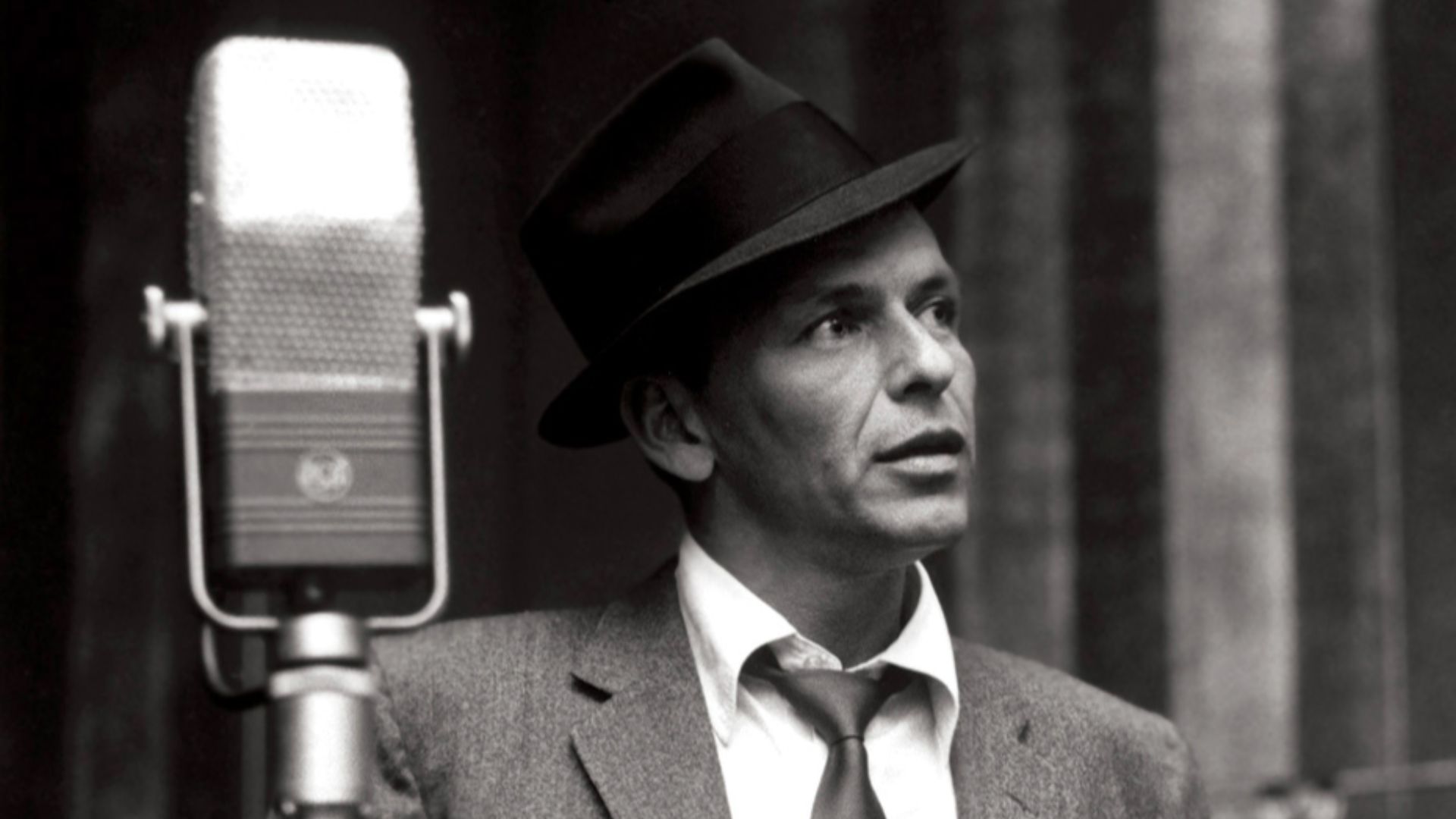
Riddle Slipped Into the Background
Despite major awards and industry respect, Riddle’s name gradually faded from the public story of Sinatra’s rise. Later in life, his work would be rediscovered and celebrated again—but by then, the legend had already been written without him.
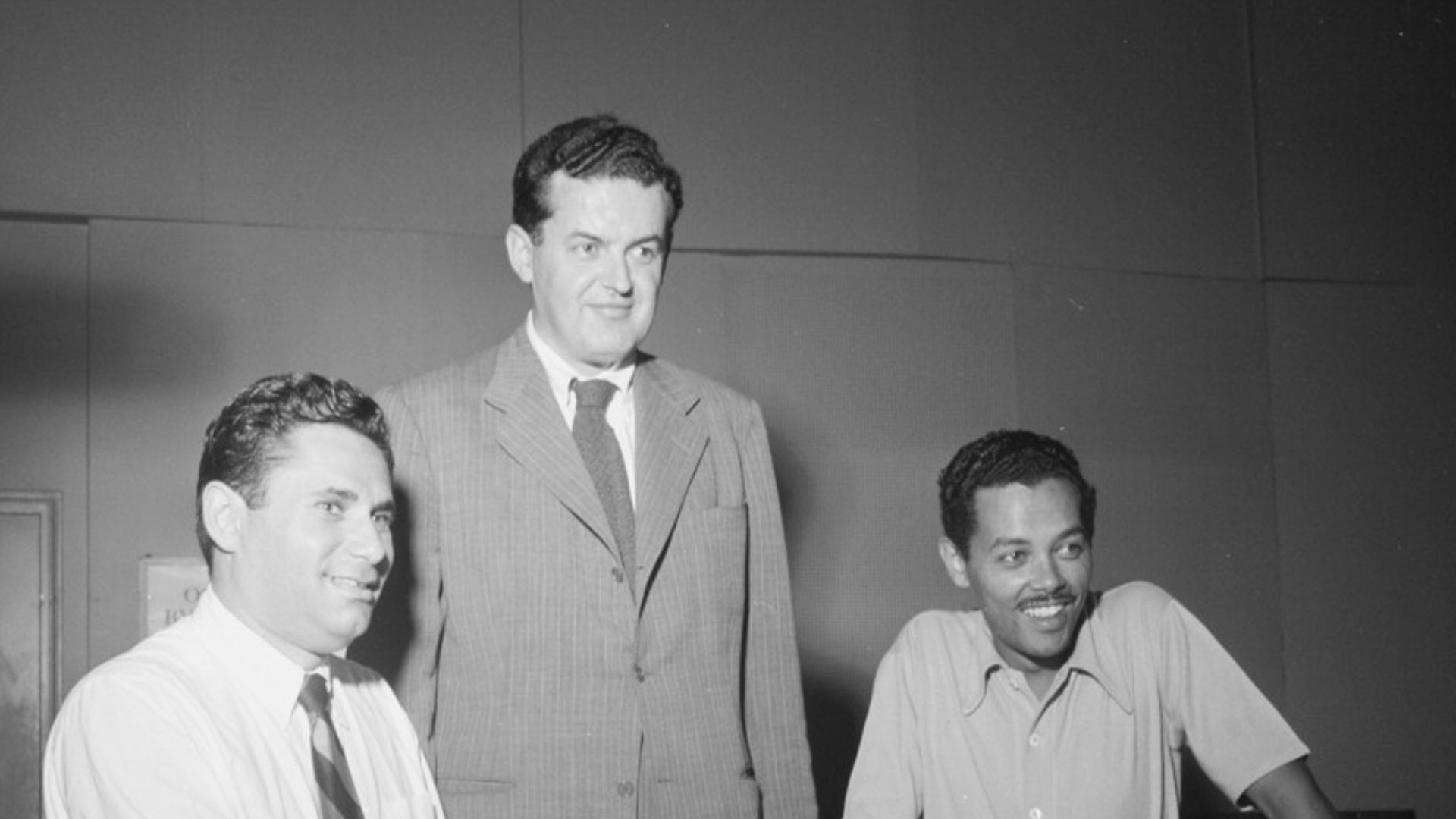 The Library of Congress, Wikimedia Commons
Critics Never Forgot
Music historians and critics continued to emphasize Riddle’s importance. Writers like Will Friedwald and scholars cited his Capitol-era work as foundational, noting that Sinatra’s greatest recordings were inseparable from Riddle’s restraint and emotional intelligence.
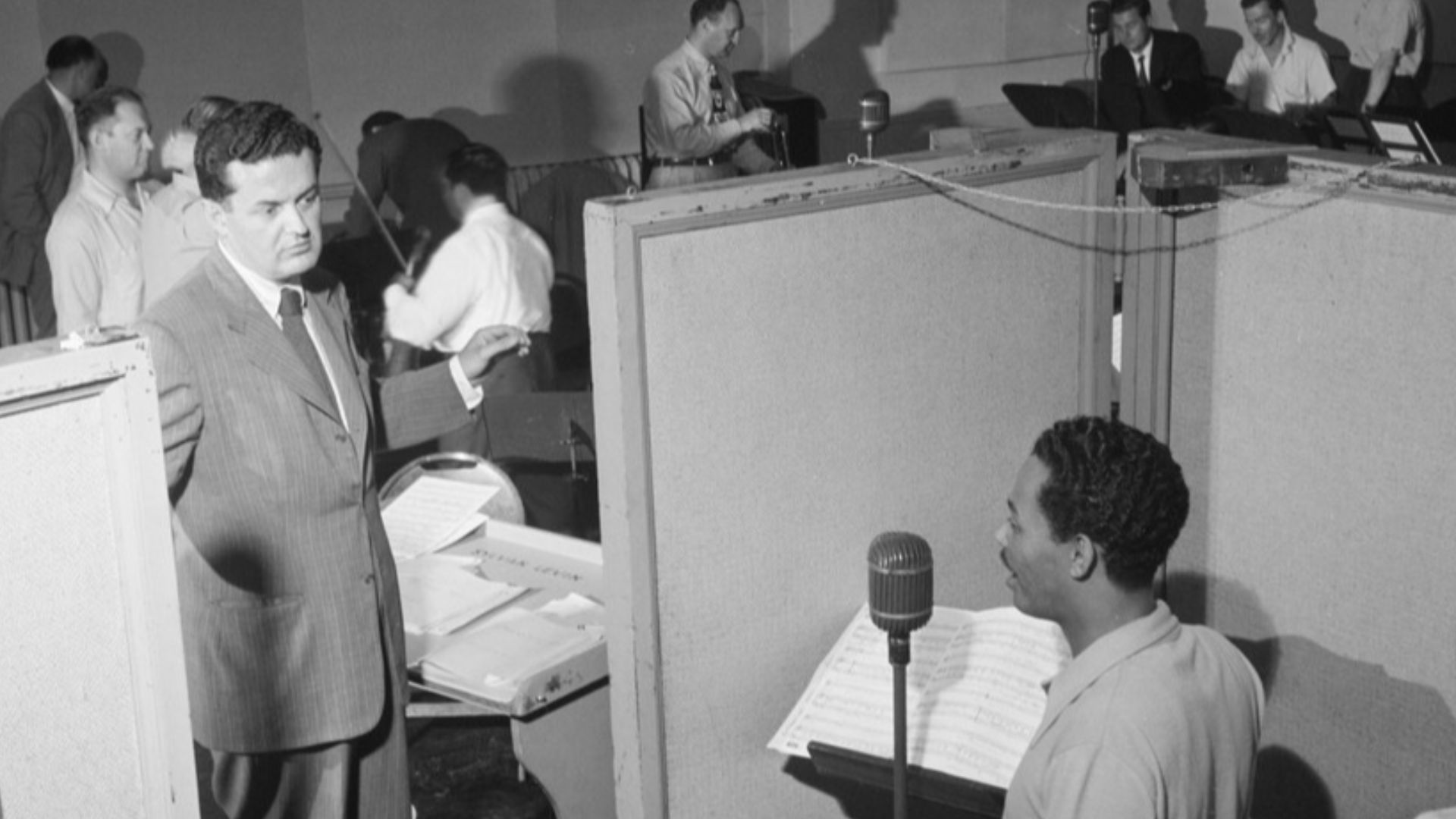 The Library of Congress, Wikimedia Commons
Sinatra’s Myth Kept Growing
Meanwhile, Sinatra’s image calcified into legend. The cool. The control. The authority. The idea that he alone shaped his destiny. The story left little room for collaborators—especially ones who worked best from the shadows.
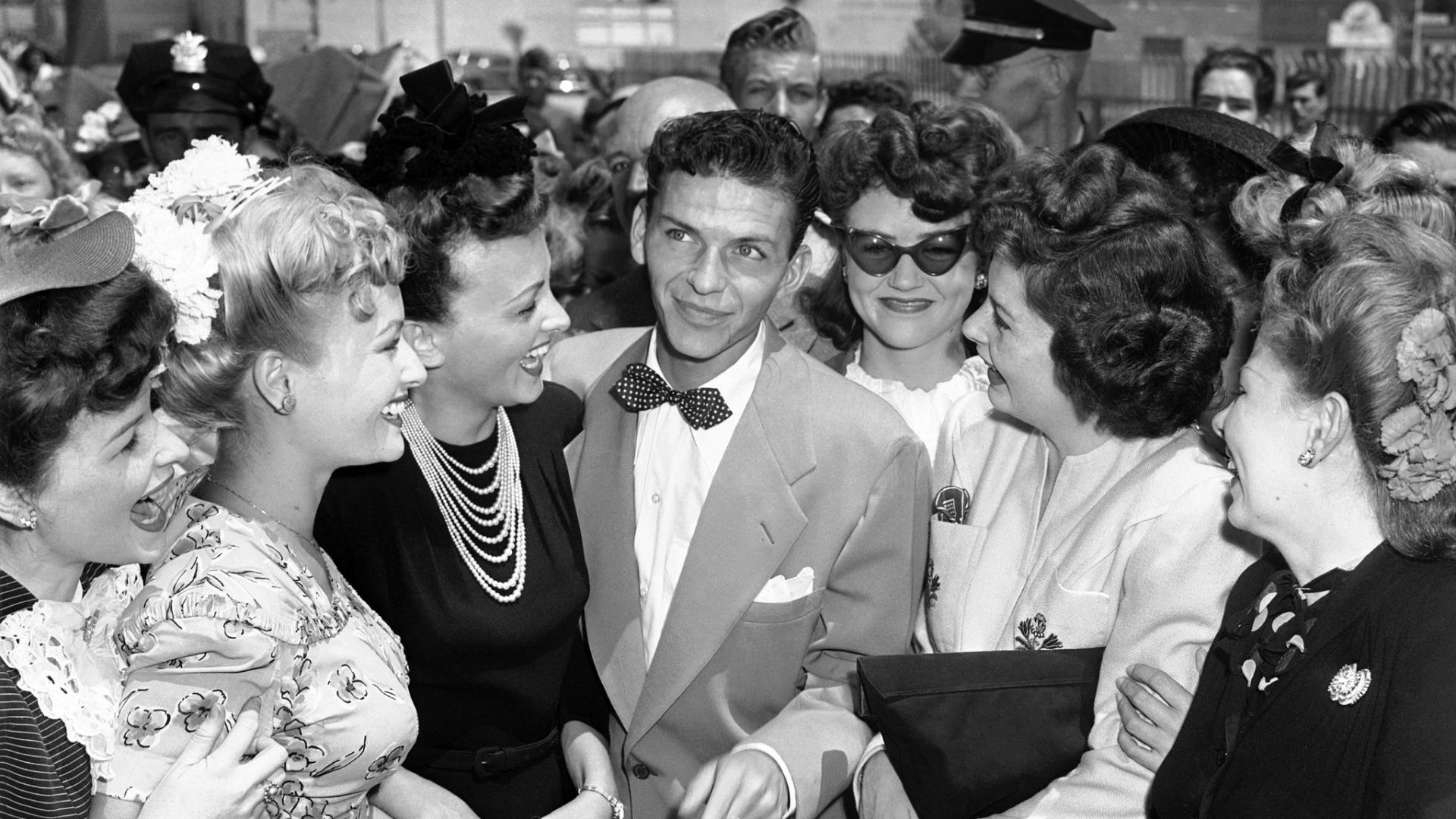 Photograph by John T. Burns for the Associated Press., Wikimedia Commons
Jealousy?
There’s no evidence Sinatra feared Riddle. The record suggests something colder: a desire to own the story completely. To be remembered as singular. Shared authorship didn’t fit the myth.
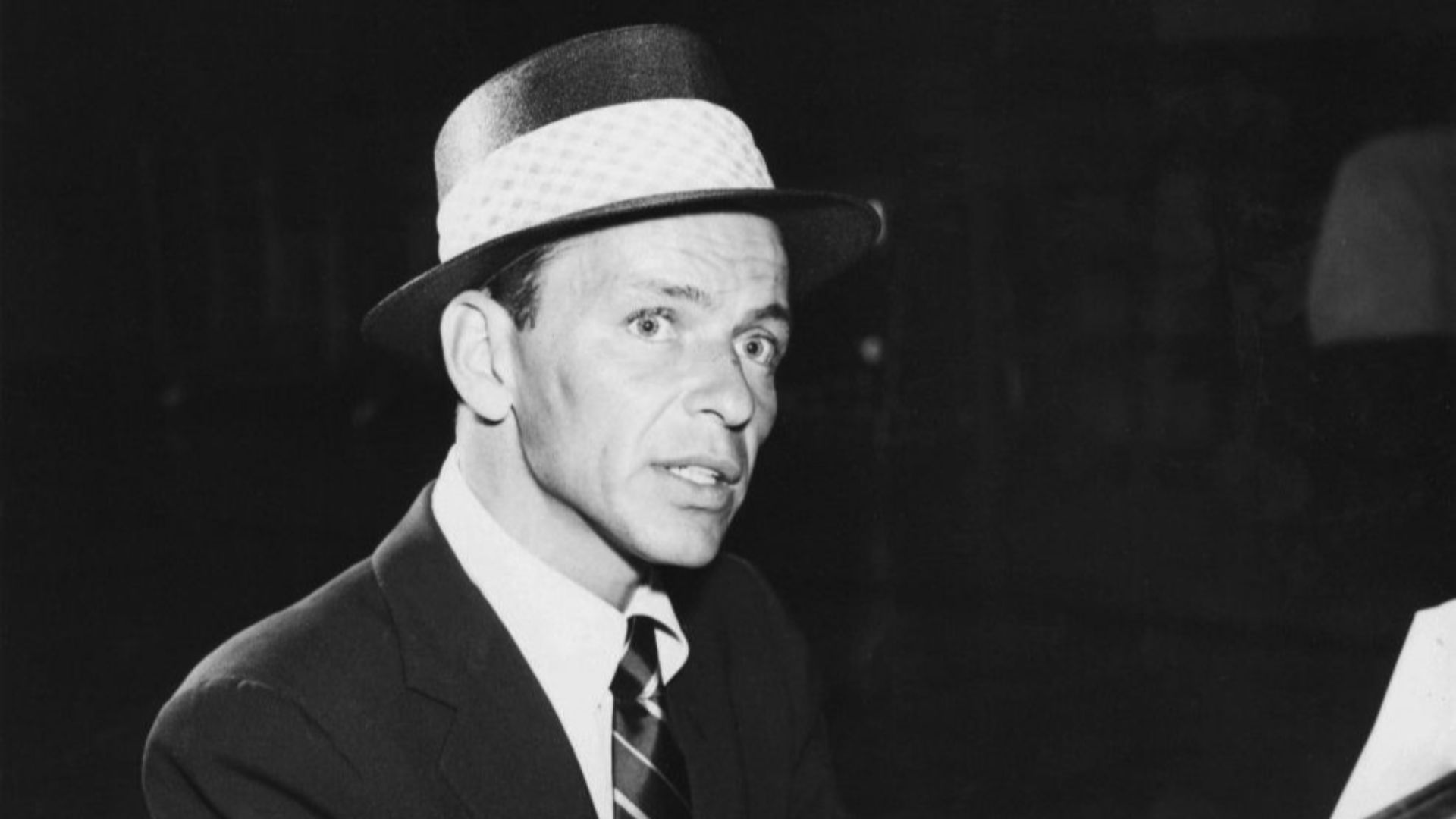 NBC Television, Wikimedia Commons
Power Changes the Story
When Sinatra needed help, Riddle was essential. When Sinatra no longer did, the collaboration became optional—and then forgettable. That’s how erasure often works. Not with malice. With momentum.
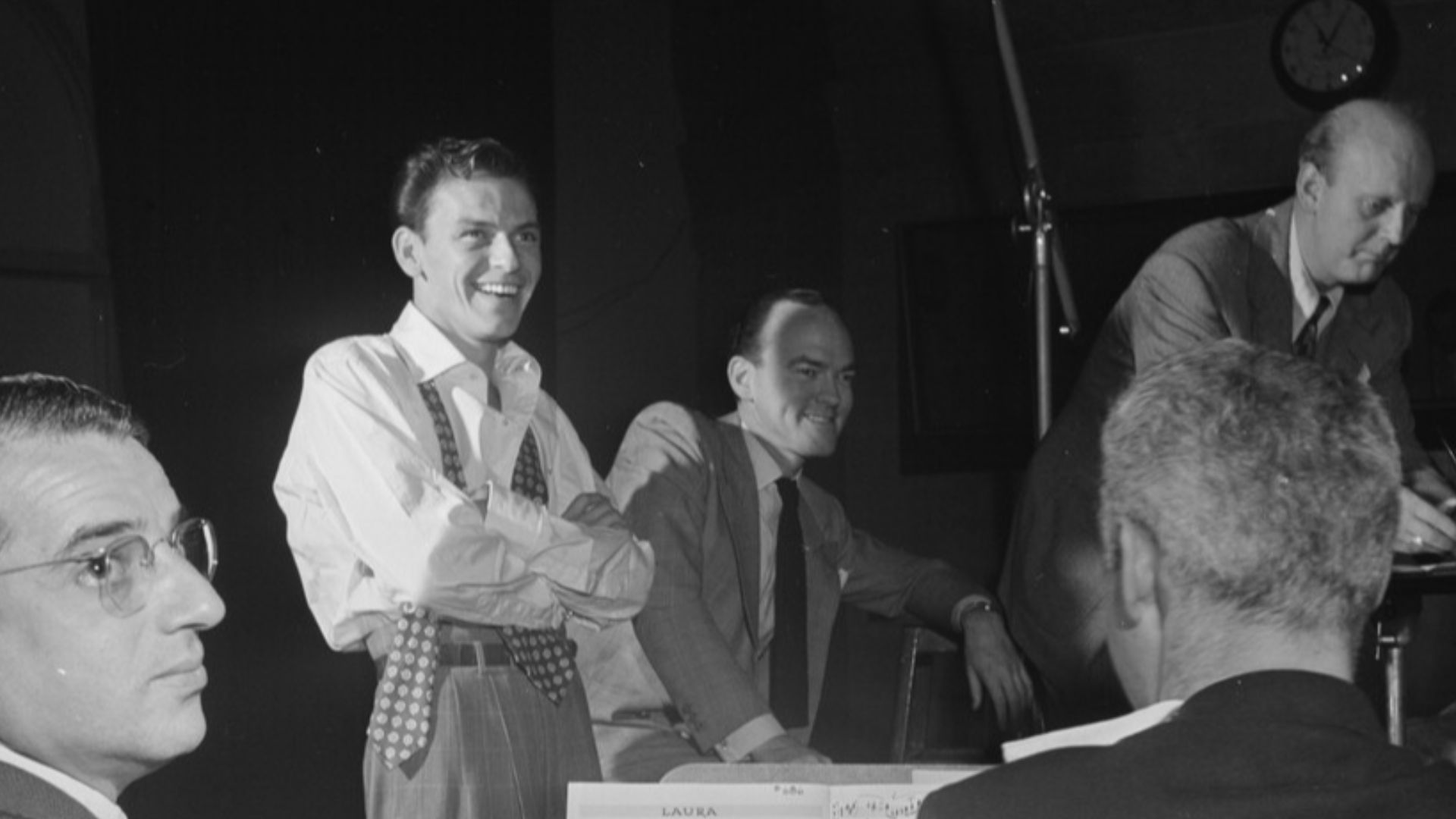 The Library of Congress, Wikimedia Commons
The Sound Still Belongs to Riddle
Listen closely to those records. The pauses. The tension. The way the orchestra seems to breathe with Sinatra instead of overpowering him. That’s Riddle. It always was.
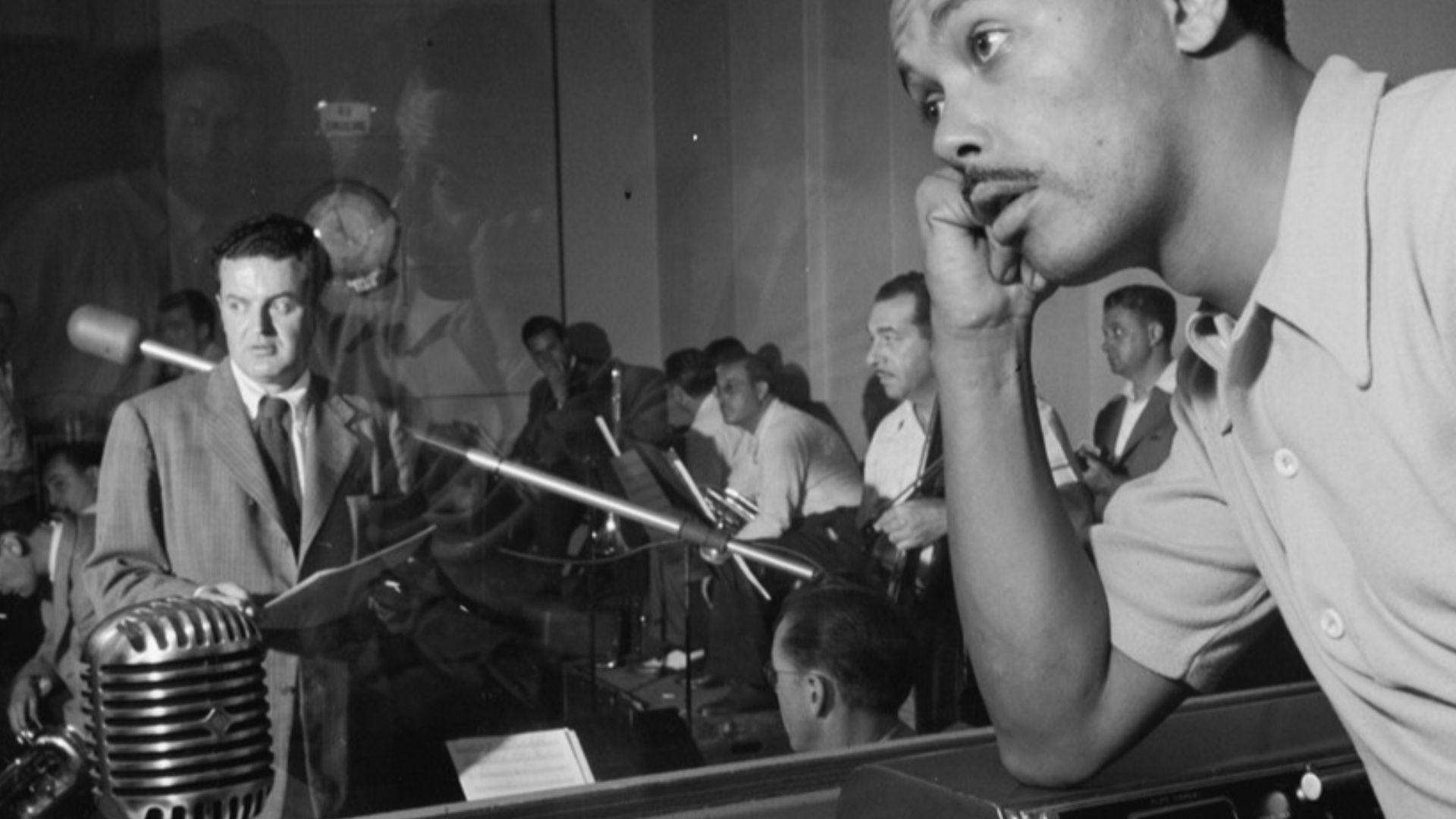 The Library of Congress, Wikimedia Commons
History Is Catching Up
In recent decades, Riddle’s reputation has quietly grown. Musicians cite him constantly. Scholars reframe Sinatra’s legacy as collaborative rather than solitary. The myth is cracking—slowly.
 Silver Screen Collection, Getty Images
Legends Need Architects
Frank Sinatra was extraordinary. That’s not in question. But legends don’t build themselves. They’re shaped by people whose names rarely make the headline—and whose absence is felt long after they’re gone.
 Audio Mix House from United States, Wikimedia Commons
The Story Sounds Different Once You Know
Once you hear Nelson Riddle, you can’t unhear him. And once you see how the story was told without him, it’s hard not to notice what’s missing. The voice survived. The credit didn’t.
You Might Also Like:
Rock Bands That Peaked With Their First Album—And Never Made Anything As Good After