Hollywood’s Great Lover Had A Disastrous First Marriage
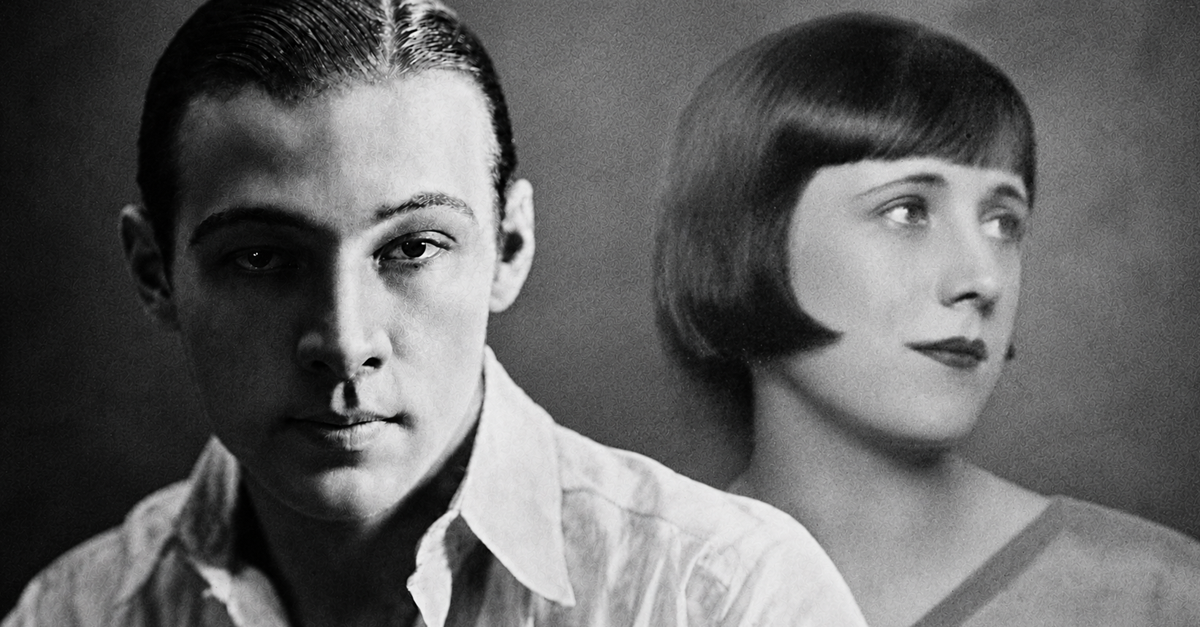
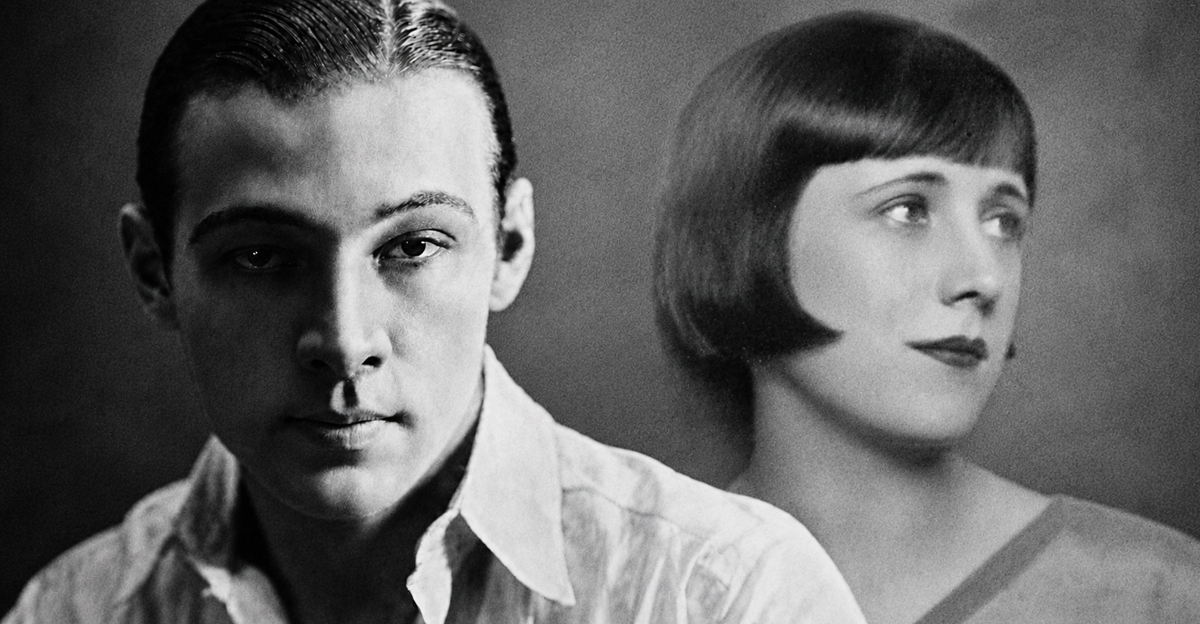
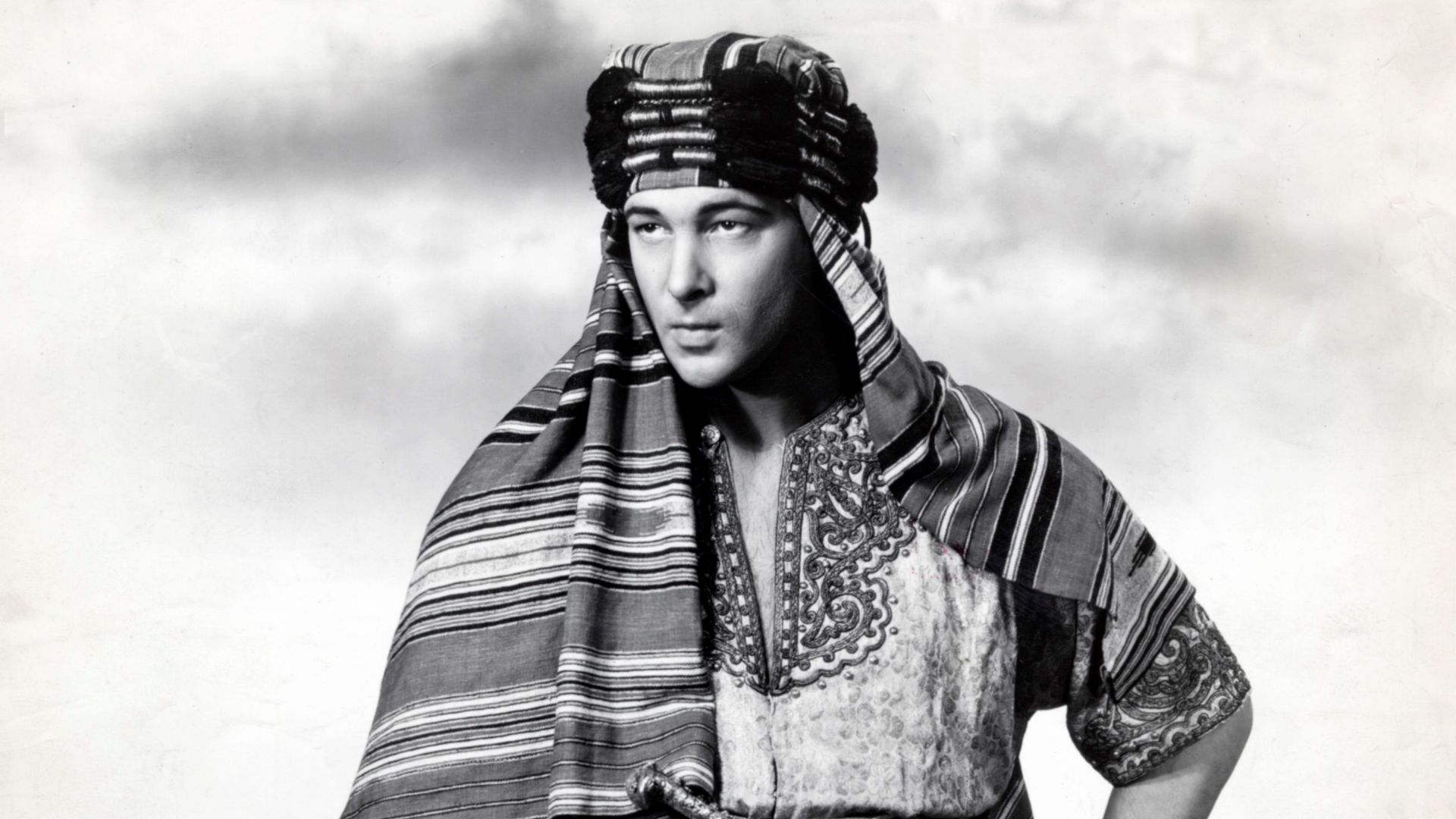
Rudolph Valentino became one of silent Hollywood’s greatest romantic idols, but his own love life rarely matched the fantasy on screen. His first marriage, to actress Jean Acker, effectively collapsed within hours of the ceremony. Before the night was over, Valentino was standing outside a locked hotel-room door while his new bride refused to let him enter.
 Unknown author, Wikimedia Commons; Unknown photographer, Wikimedia Commons
Valentino Arrived In America With Big Dreams
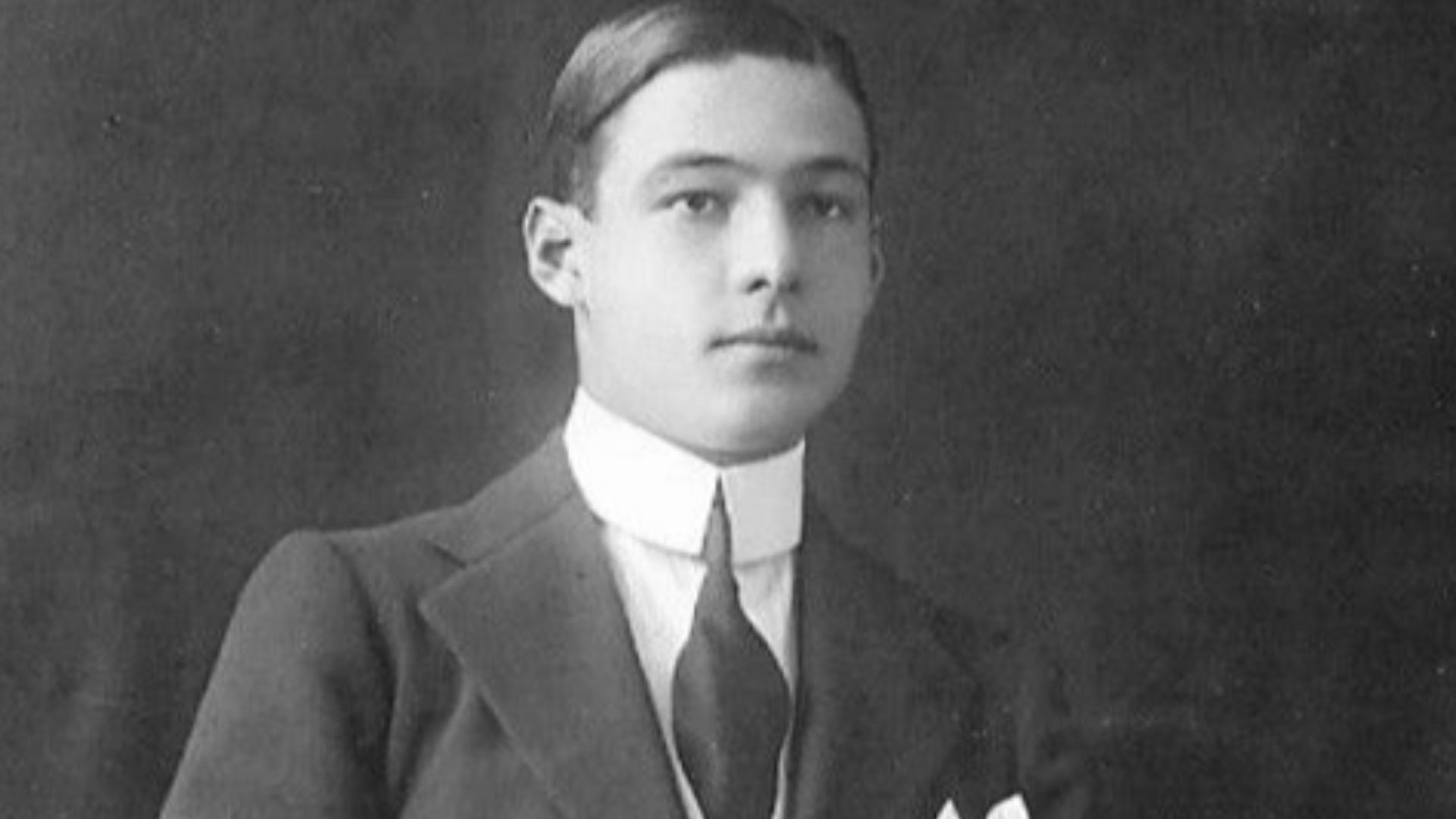
Born Rodolfo Guglielmi in Castellaneta, Italy, in 1895, Valentino immigrated to the United States in 1913. He struggled financially in New York before finding work as a taxi dancer and exhibition dancer. His graceful movements and striking appearance eventually helped lead him toward motion pictures.
 Unknown authorUnknown author, Wikimedia Commons
California Offered Him Another New Beginning
Valentino reached Los Angeles in 1917 and began appearing in small film roles. Casting directors frequently used his dark features to place him in villainous or exotic supporting parts. He was working steadily by 1919, but the extraordinary fame associated with his name was still several years away.

Jean Acker Had Built Her Own Screen Career
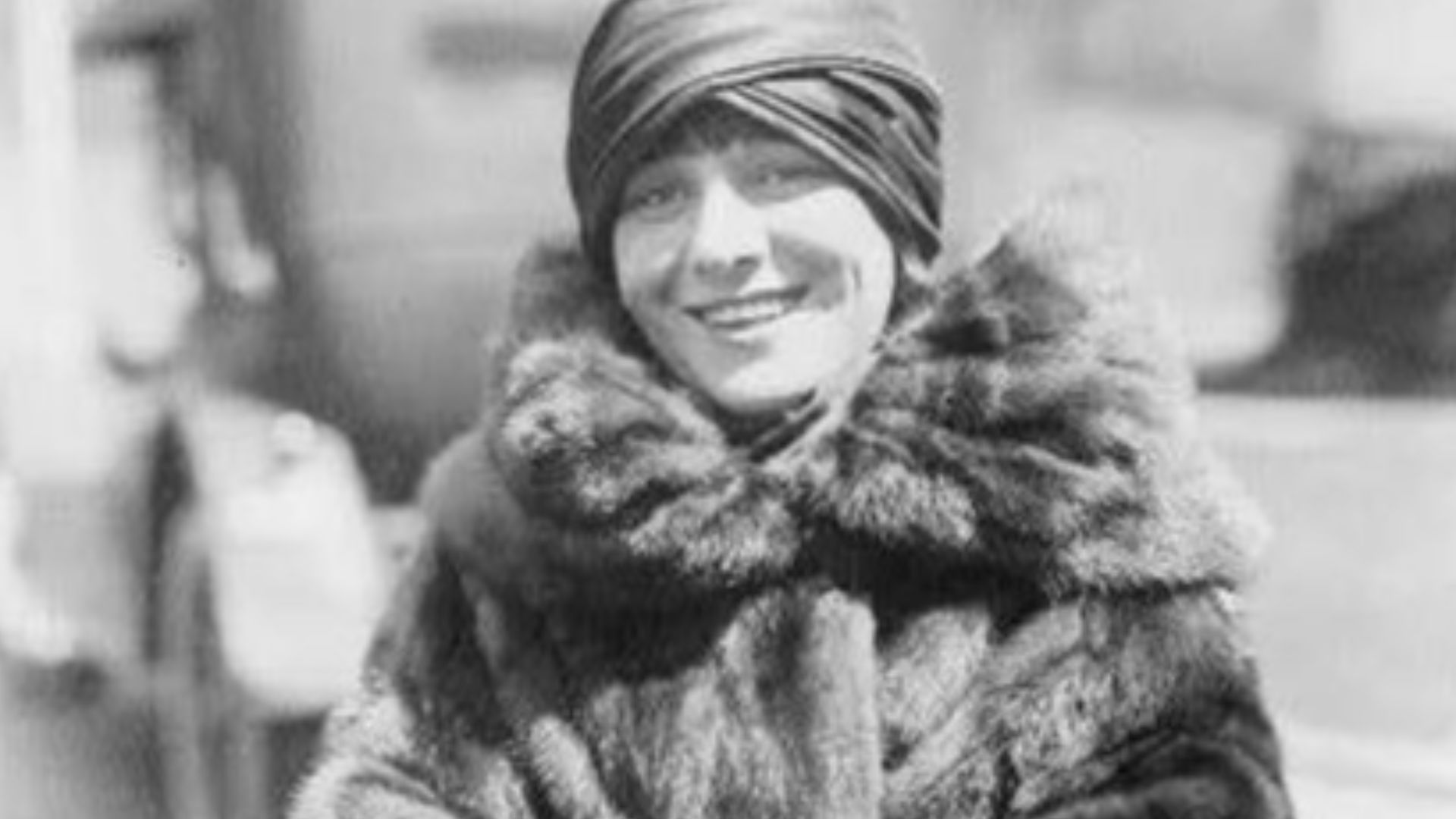
Acker was born in Trenton, New Jersey, and began acting during the silent-film era. Her credits would eventually include Checkers, Lombardi, Ltd., Brewster’s Millions, and The Woman in Chains. She arrived in Hollywood in 1919 with more professional experience than the man she would soon marry.
 Unknown authorUnknown author, Wikimedia Commons
They Met Inside Hollywood’s Social World
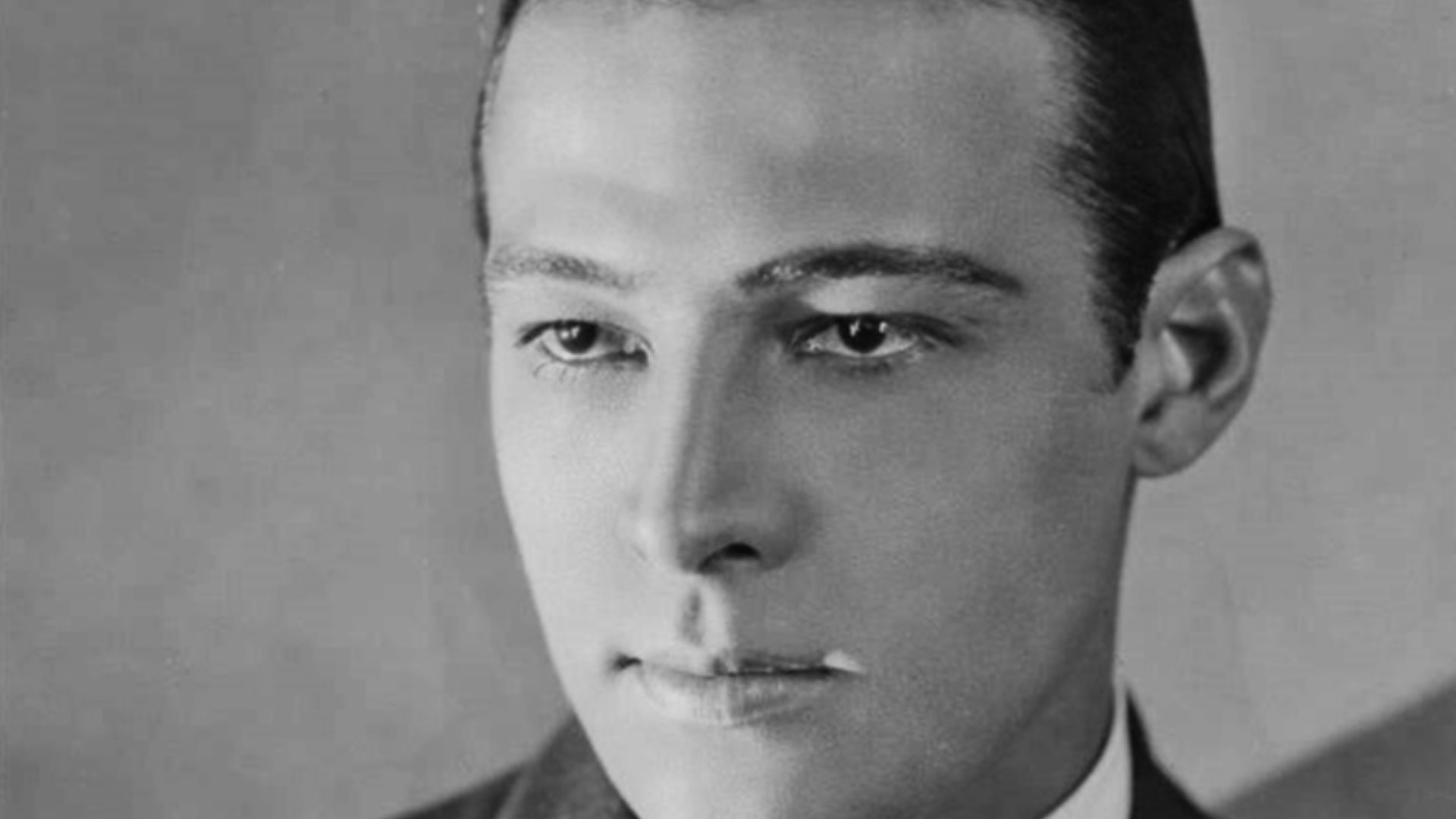
Acker and Valentino reportedly met at a party in 1919. Their introduction came at a time when parties and professional connections frequently overlapped in the growing film community. Valentino was immediately attracted to the actress, and the relationship developed quickly.
 Donald Biddle Keyes, Wikimedia Commons
Acker Already Had A Complicated Personal Life
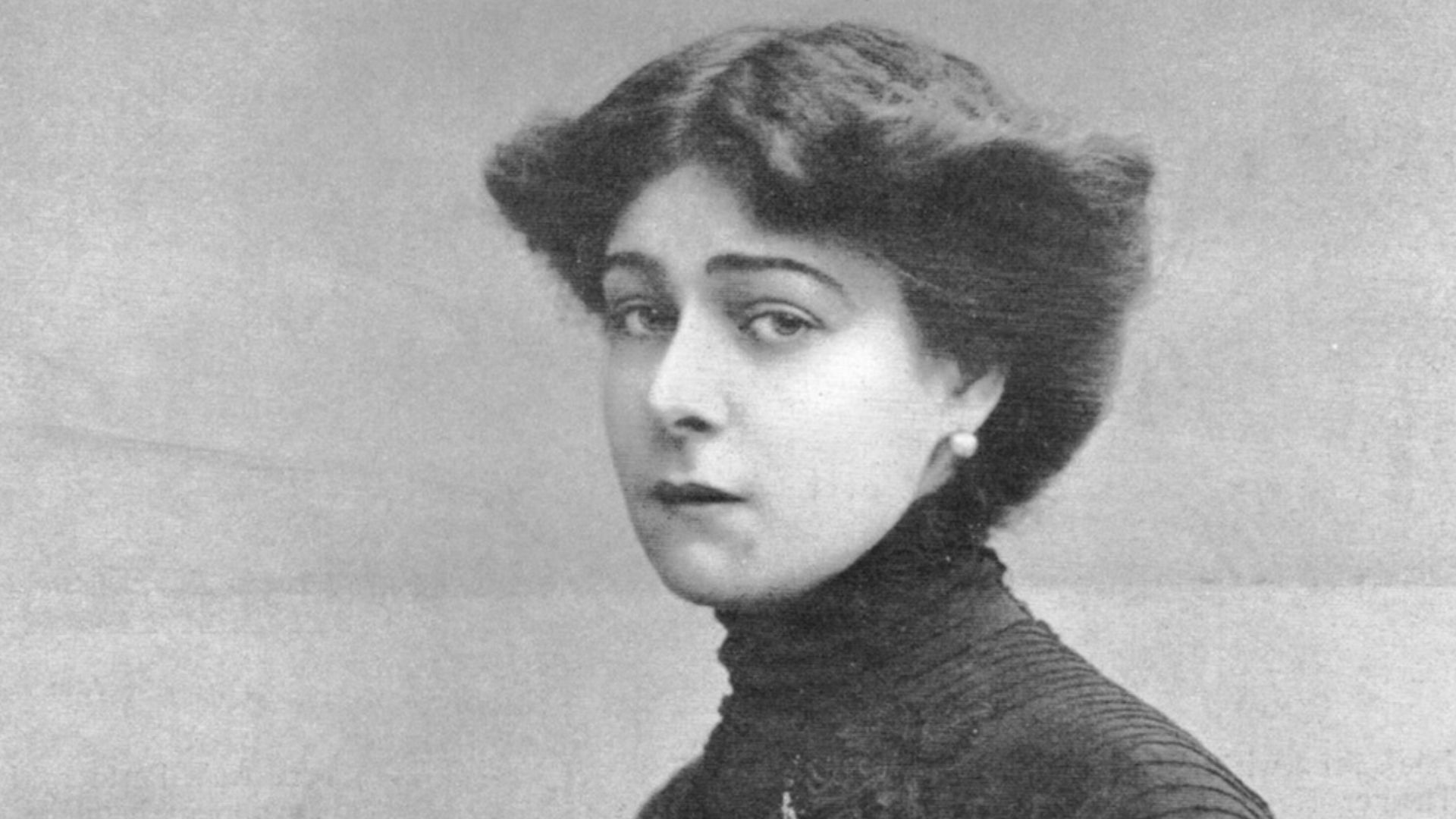
Published accounts describe Acker as romantically involved with prominent actress Alla Nazimova. She was also connected to actress Grace Darmond, creating a complicated emotional situation. Valentino entered her life while those relationships were still shaping her decisions.
 Photographer not credited, Wikimedia Commons
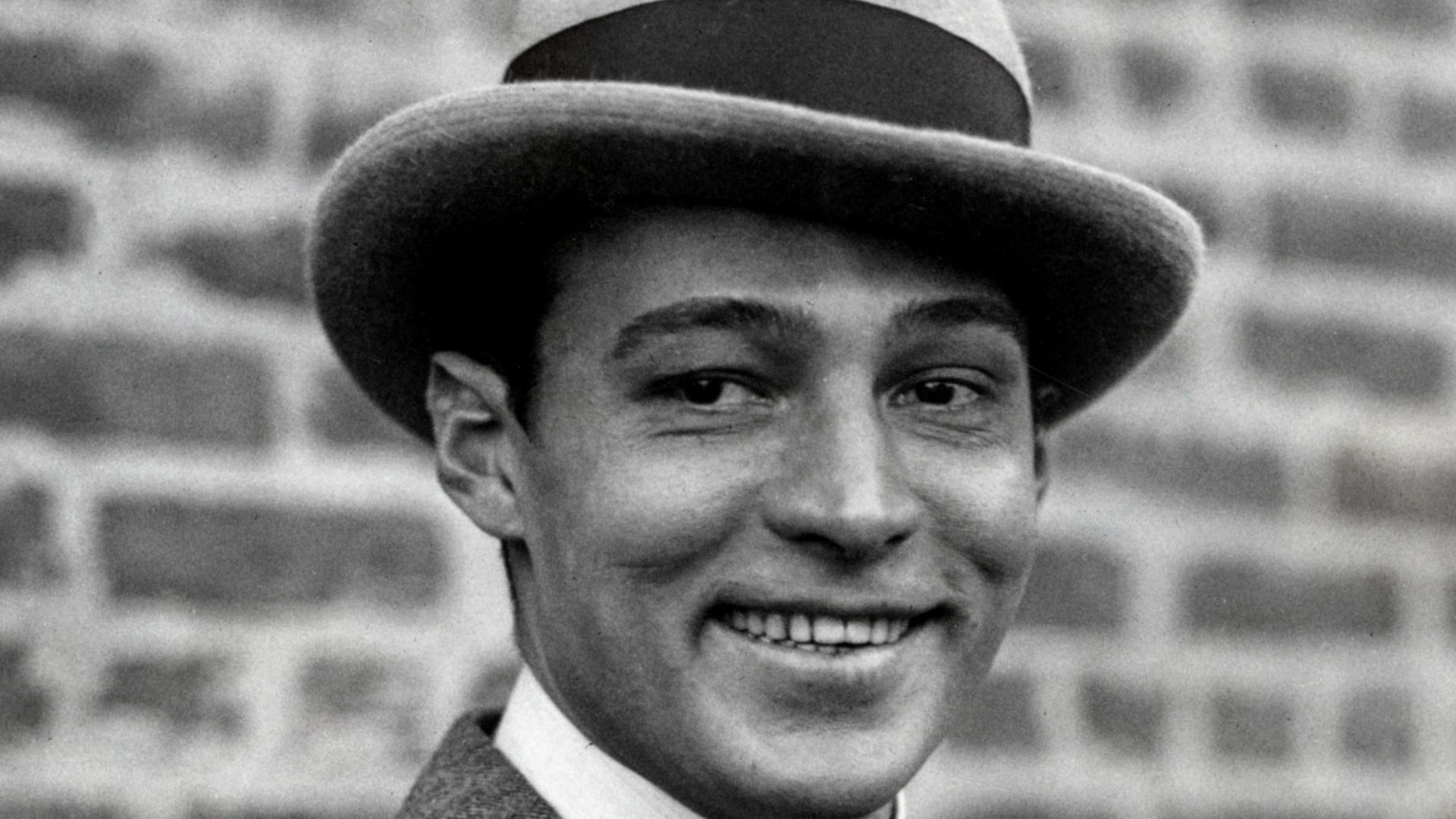
Their Courtship Moved At Remarkable Speed
Acker and Valentino knew each other for only about two months before marrying. That whirlwind pace left little time for either person to understand what the other expected from marriage. The decision would soon appear especially impulsive, even by Hollywood standards.
 Unknown authorUnknown author, Wikimedia Commons
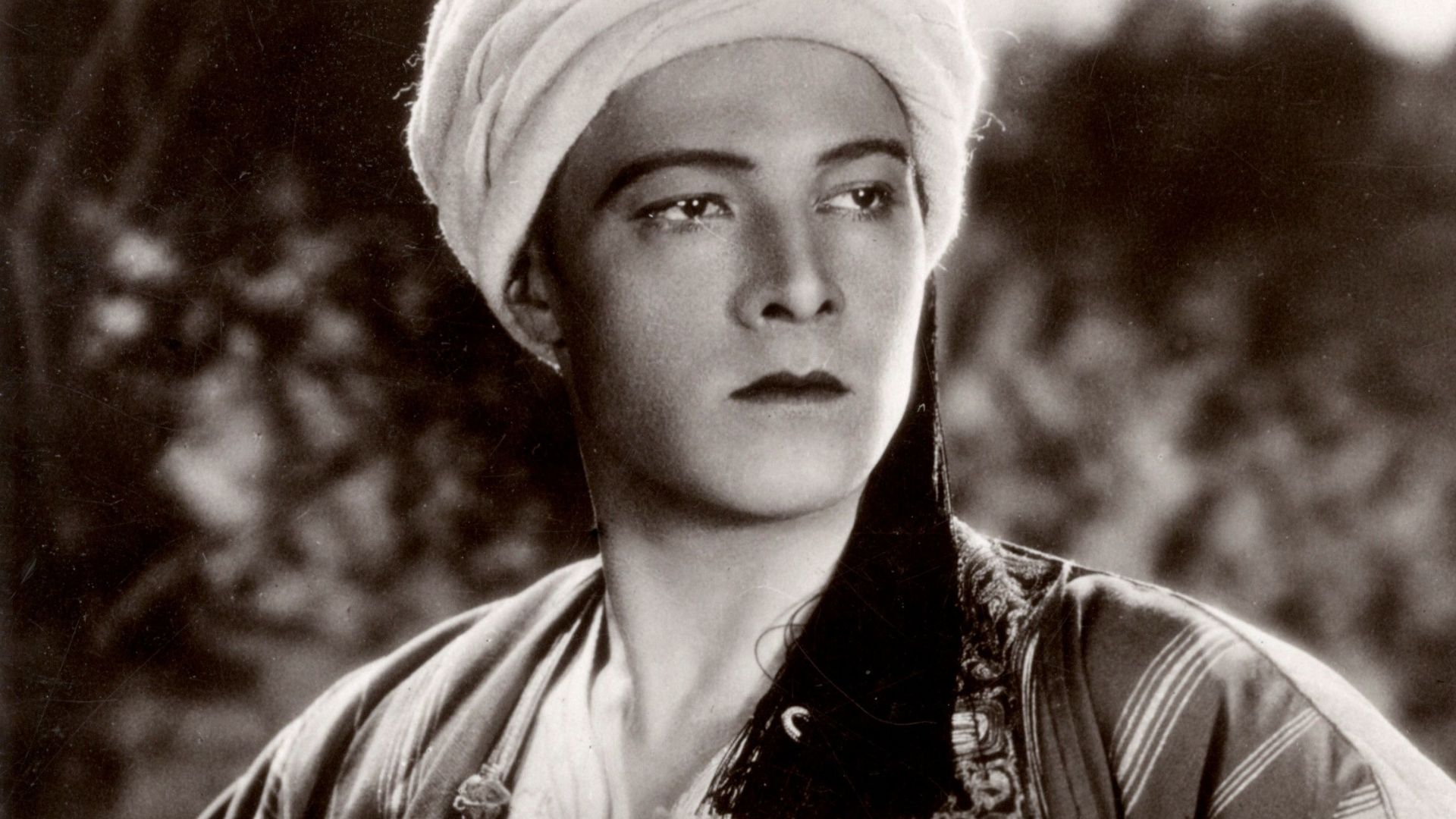
A Dare Reportedly Became A Proposal
Valentino reportedly dared Acker to marry him while they were horseback riding in Beverly Hills. Whether he expected her to accept or was simply acting on a romantic impulse, Acker agreed. The pair married on November 6, 1919, beginning a union that lasted far longer on paper than it did in practice.
 Unknown authorUnknown author, Wikimedia Commons
Doubt Arrived Almost Immediately
Accounts of the wedding indicate that Acker began regretting her decision around the time of the ceremony. The newlyweds went to the Hollywood Hotel, one of the film community’s best-known gathering places. Once there, Acker’s hesitation turned into an unmistakable refusal.
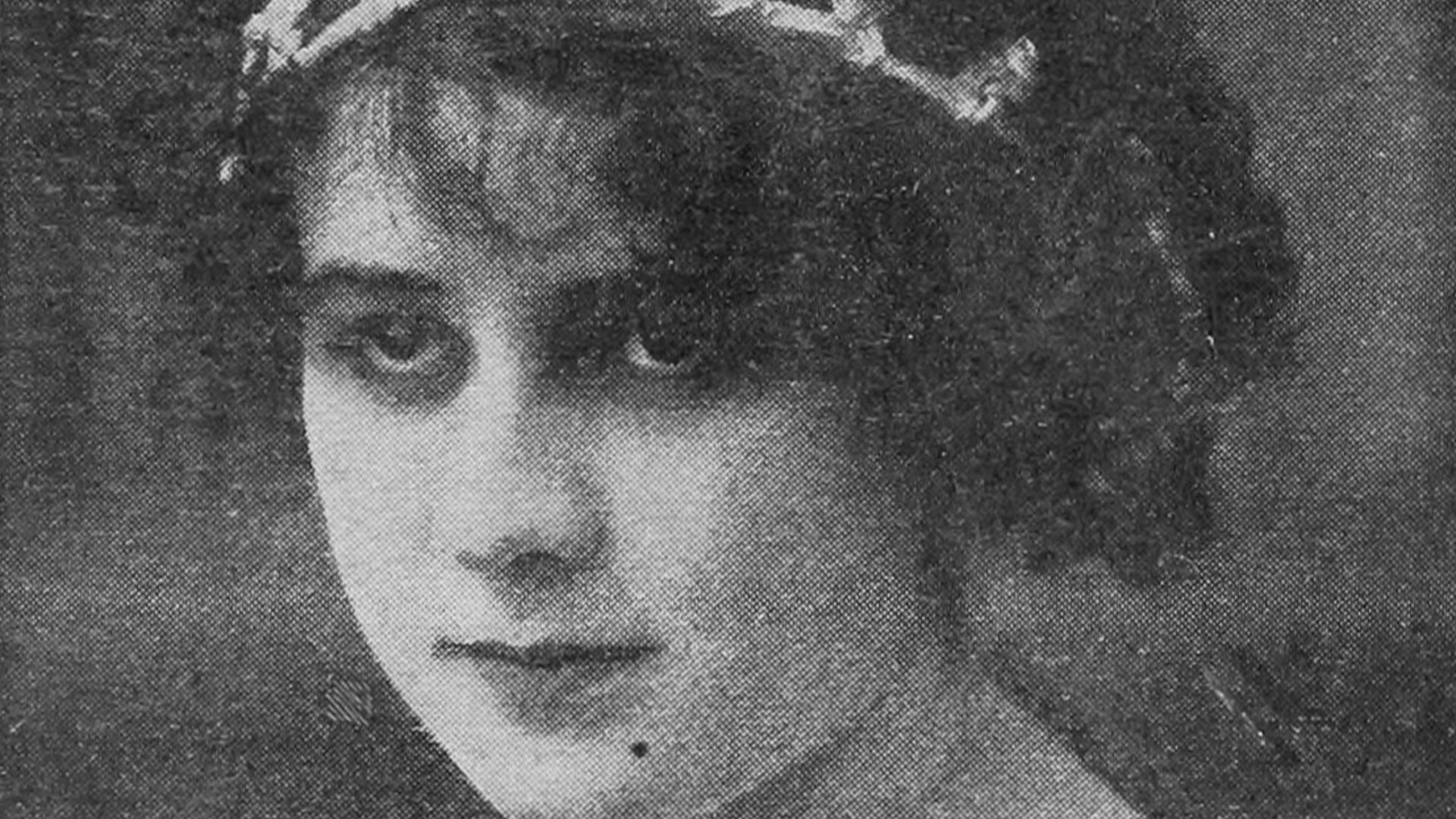
The Bride Locked The Door
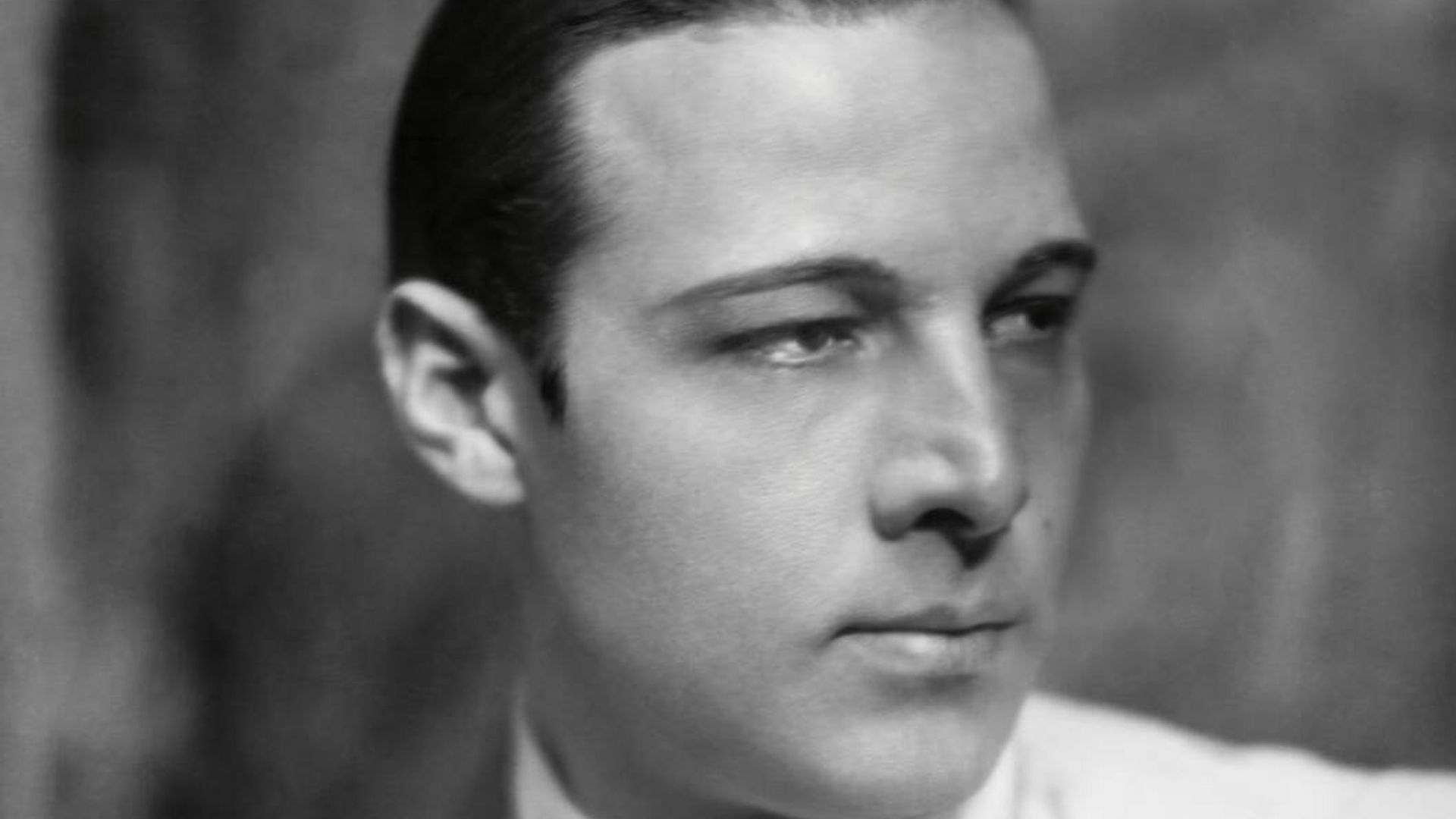
Acker entered the couple’s hotel suite and locked Valentino outside. The stunned groom knocked and pounded on the door, but his new wife would not admit him. It was a brutally direct ending to what should have been their first private night as husband and wife.
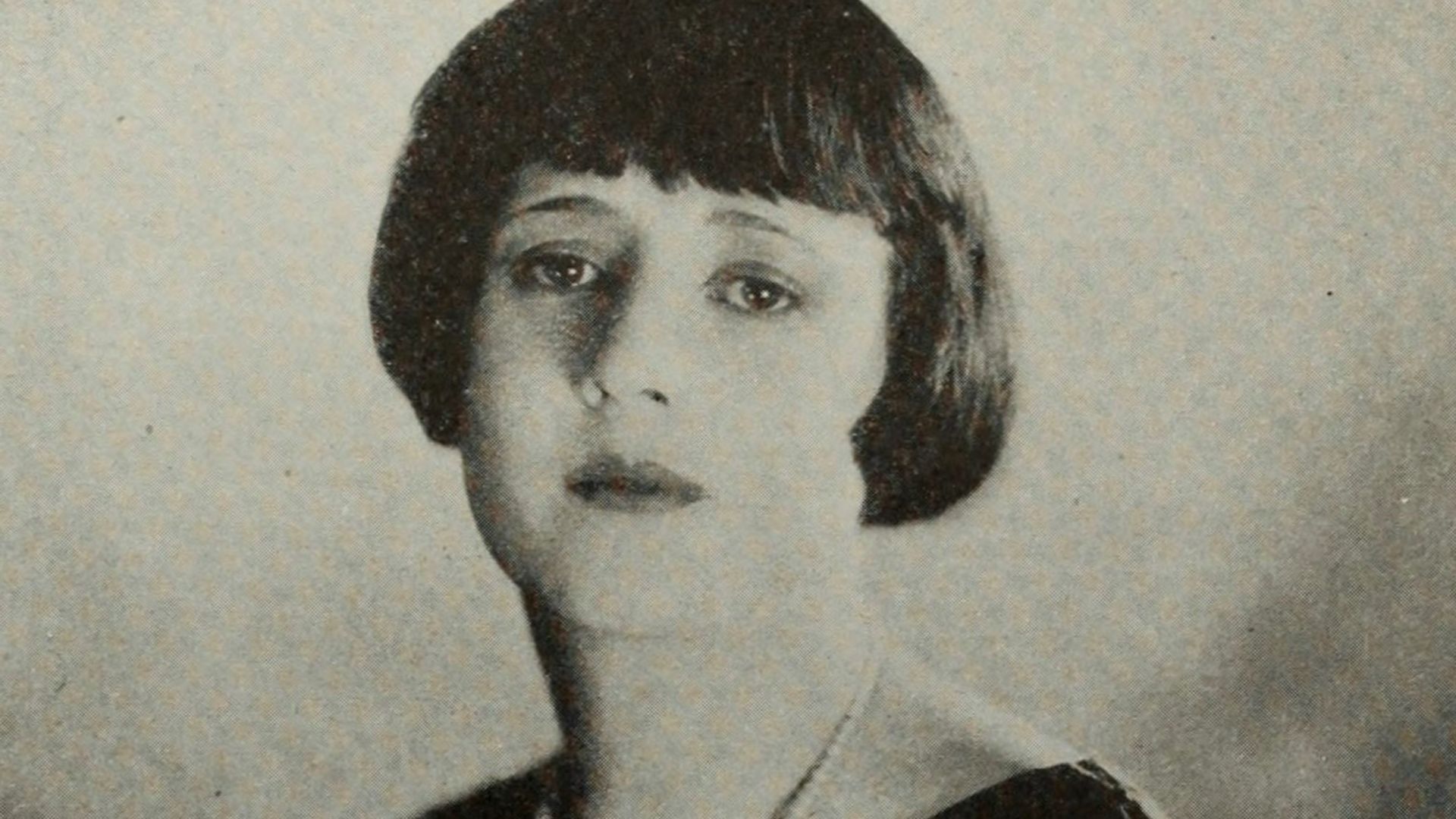
Valentino Waited In The Hallway
The rejected groom reportedly remained outside for approximately 20 minutes. Acker still refused to open the door, leaving him with no way to salvage the evening. Valentino finally gave up and went home alone.
 Henry Waxman, Wikimedia Commons
The Marriage Was Never Consummated
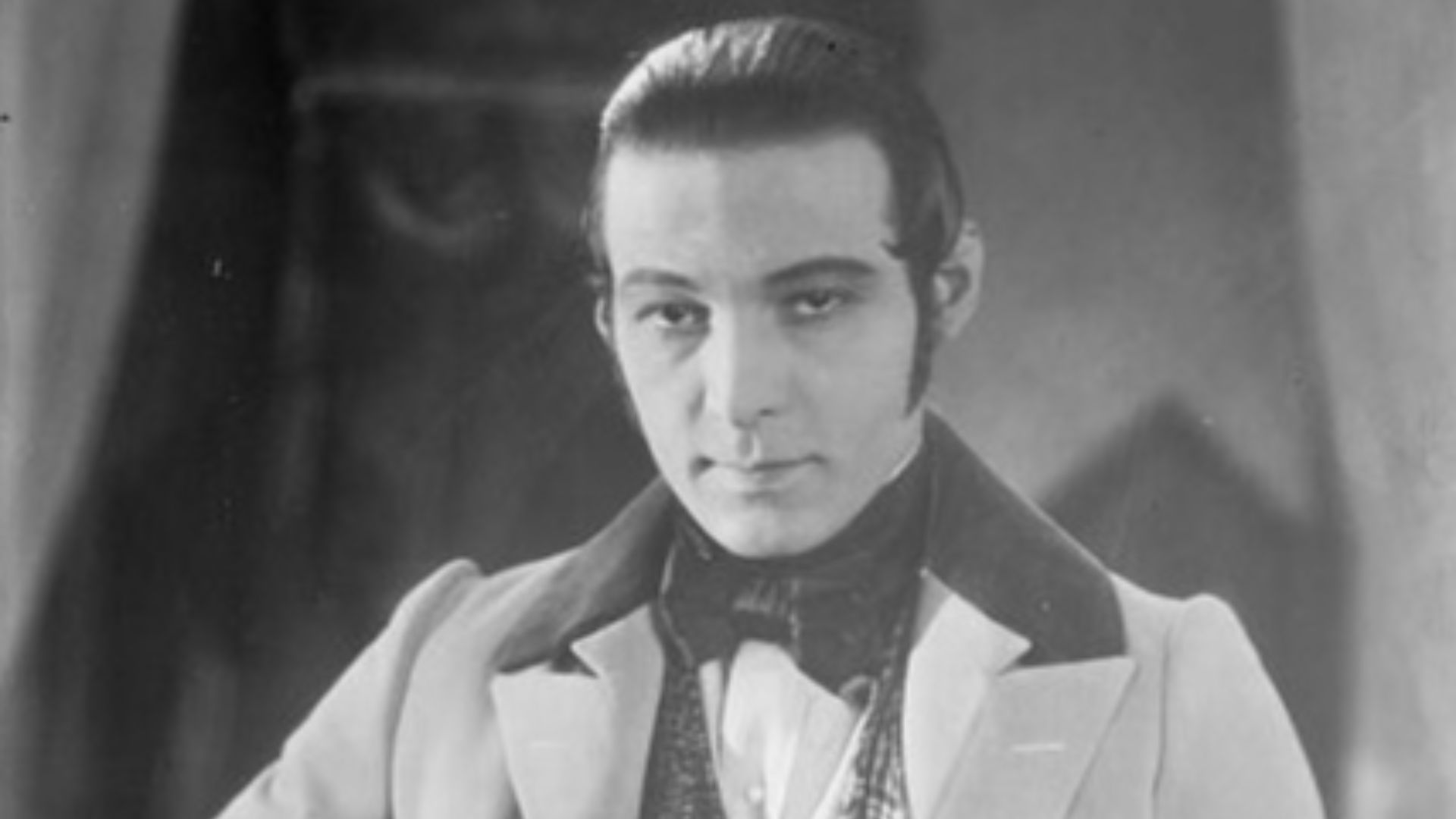
Published accounts agree that the marriage was never consummated. The couple separated almost immediately, although the legal relationship continued after their extraordinarily brief attempt at married life. What looked like an impulsive romance had effectively ended before the wedding night was over.
 Bain News Service, publisher, Wikimedia Commons
The Exact Reason Remains Uncertain
Acker did not leave behind one definitive, universally accepted explanation for locking the door. Later stories offered several possible reasons, but the surviving accounts do not allow historians to prove exactly what changed her mind. The most responsible conclusion is that she regretted the marriage and refused to continue with it.
Acker Later Offered A Medical Explanation
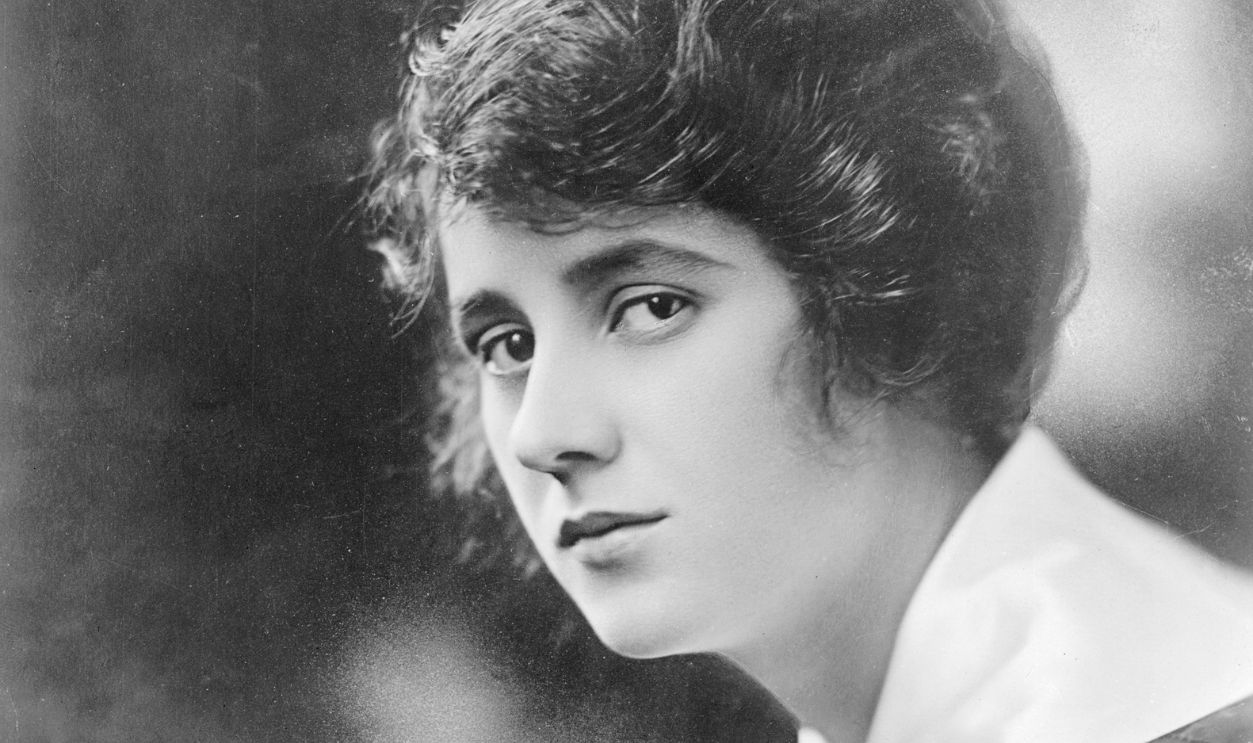
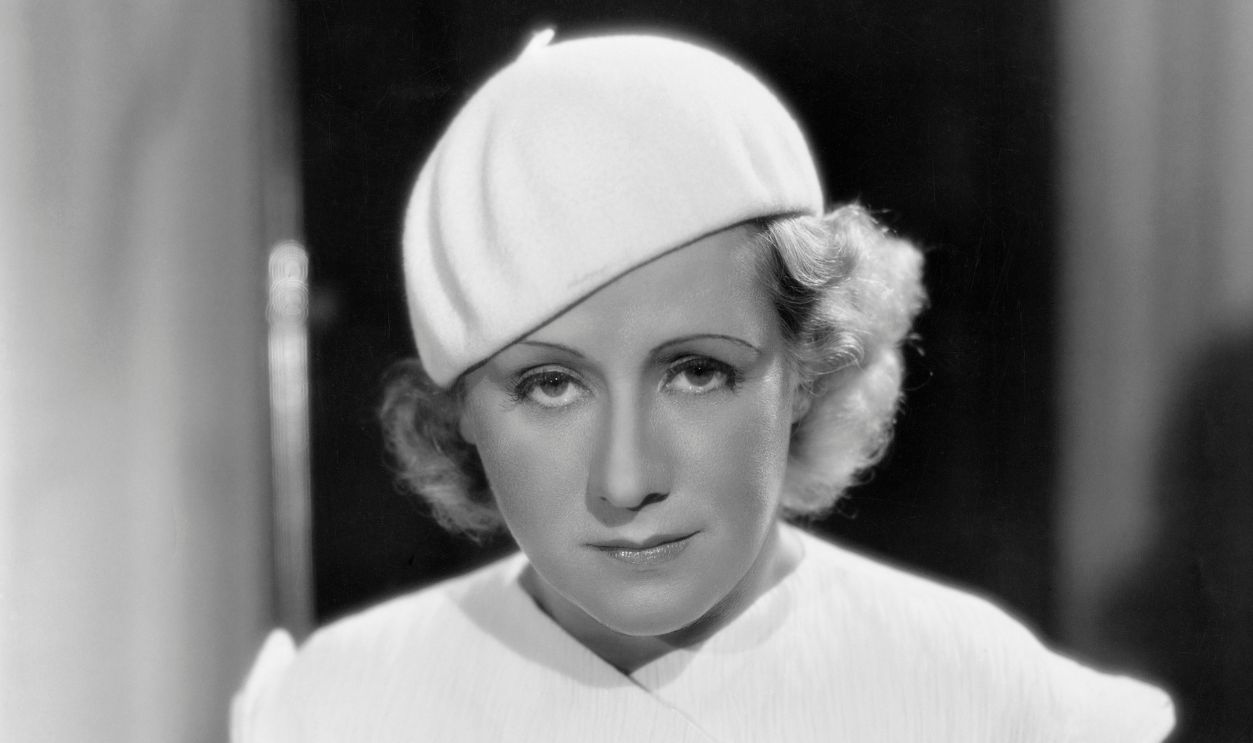
According to Emily W. Leider’s biography of Valentino, Acker later claimed Valentino had told her he had gonorrhea. She said that disclosure was why she refused to sleep with him. The explanation emerged years afterward, so it should be understood as Acker’s later account rather than a medically verified fact.
 John Springer Collection, Getty Images
Her Relationships Also Shaped The Story
Acker’s relationships with women have frequently been cited when discussing the failed marriage. She had been involved with Nazimova and was linked romantically to Darmond around this period. Some writers have suggested she realized she had made a mistake by marrying a man, but her precise motives that night cannot be established with certainty.
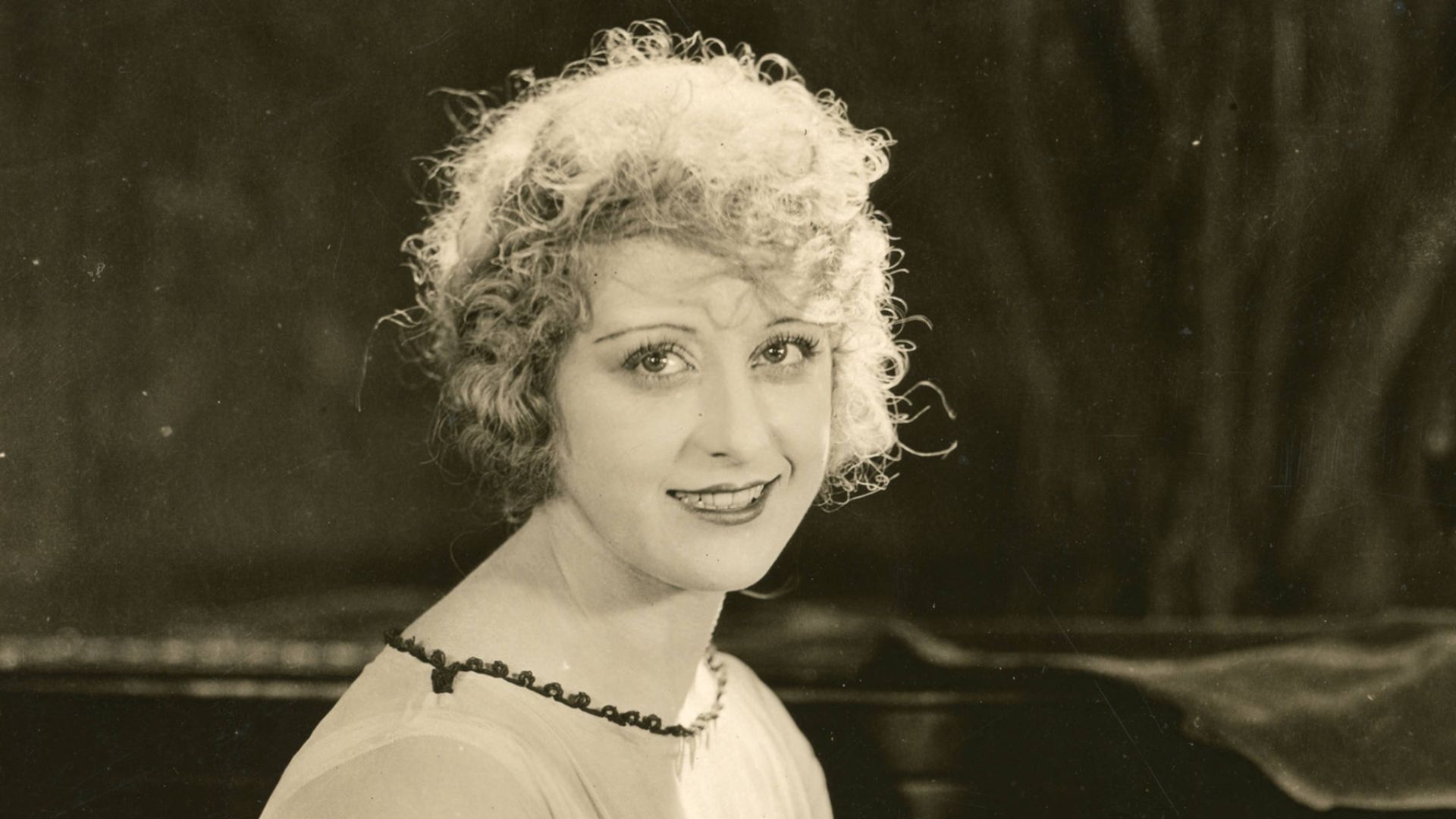 Unknown authorUnknown author, Wikimedia Commons
Separation Did Not Bring An Immediate Divorce
Despite the disastrous wedding night, Acker and Valentino remained legally connected. Their separation became a prolonged legal problem instead of a quick annulment. Acker eventually sued for divorce, citing desertion, while financial support also became part of the dispute.
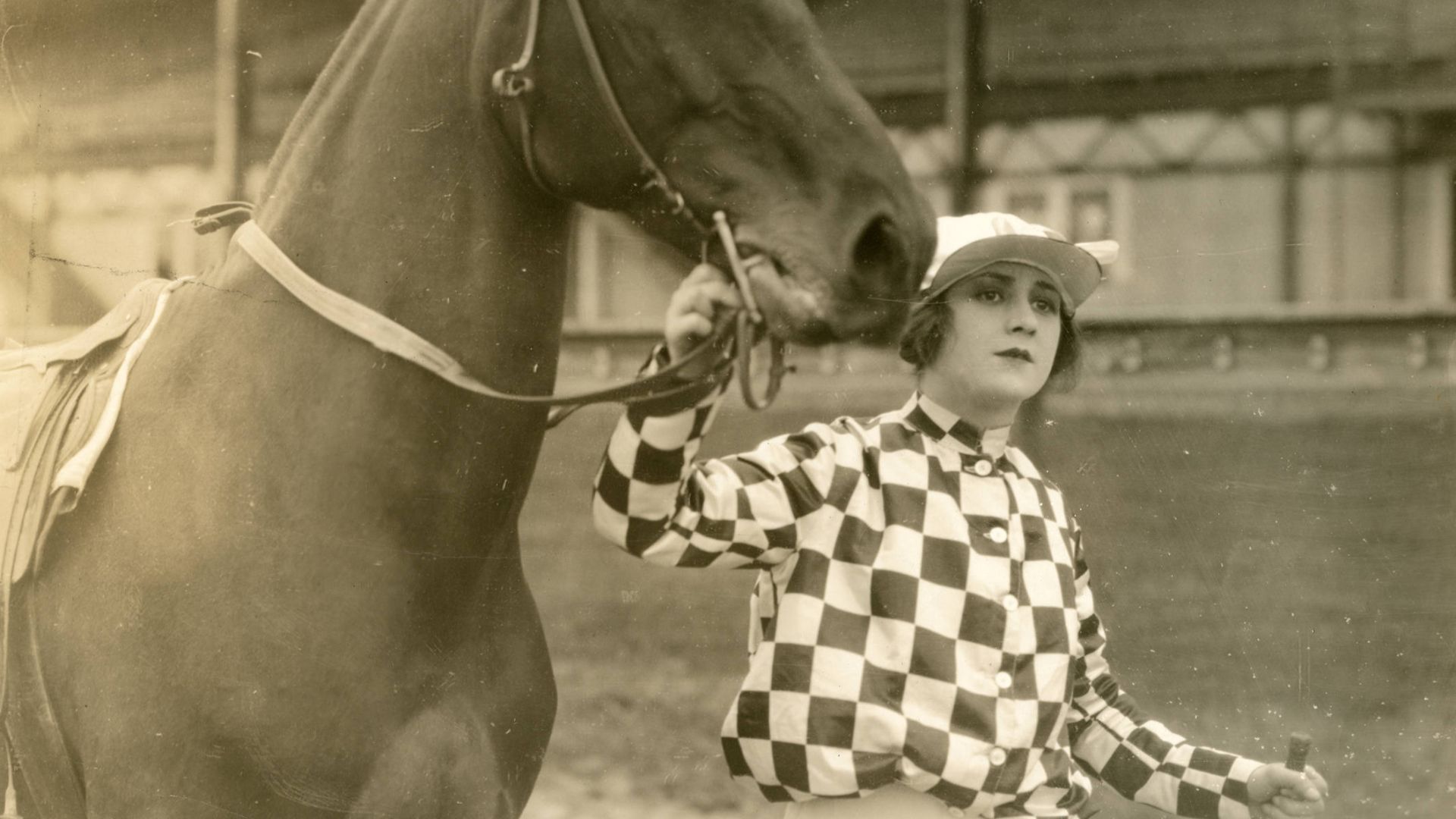 Unknown authorUnknown author, Wikimedia Commons
Valentino Was Still Waiting For His Breakthrough
The man Acker rejected was not yet the internationally famous Valentino remembered today. He had screen experience, but Hollywood still tended to place him in smaller roles built around his appearance. His professional fortunes changed dramatically while the failed marriage remained unresolved.
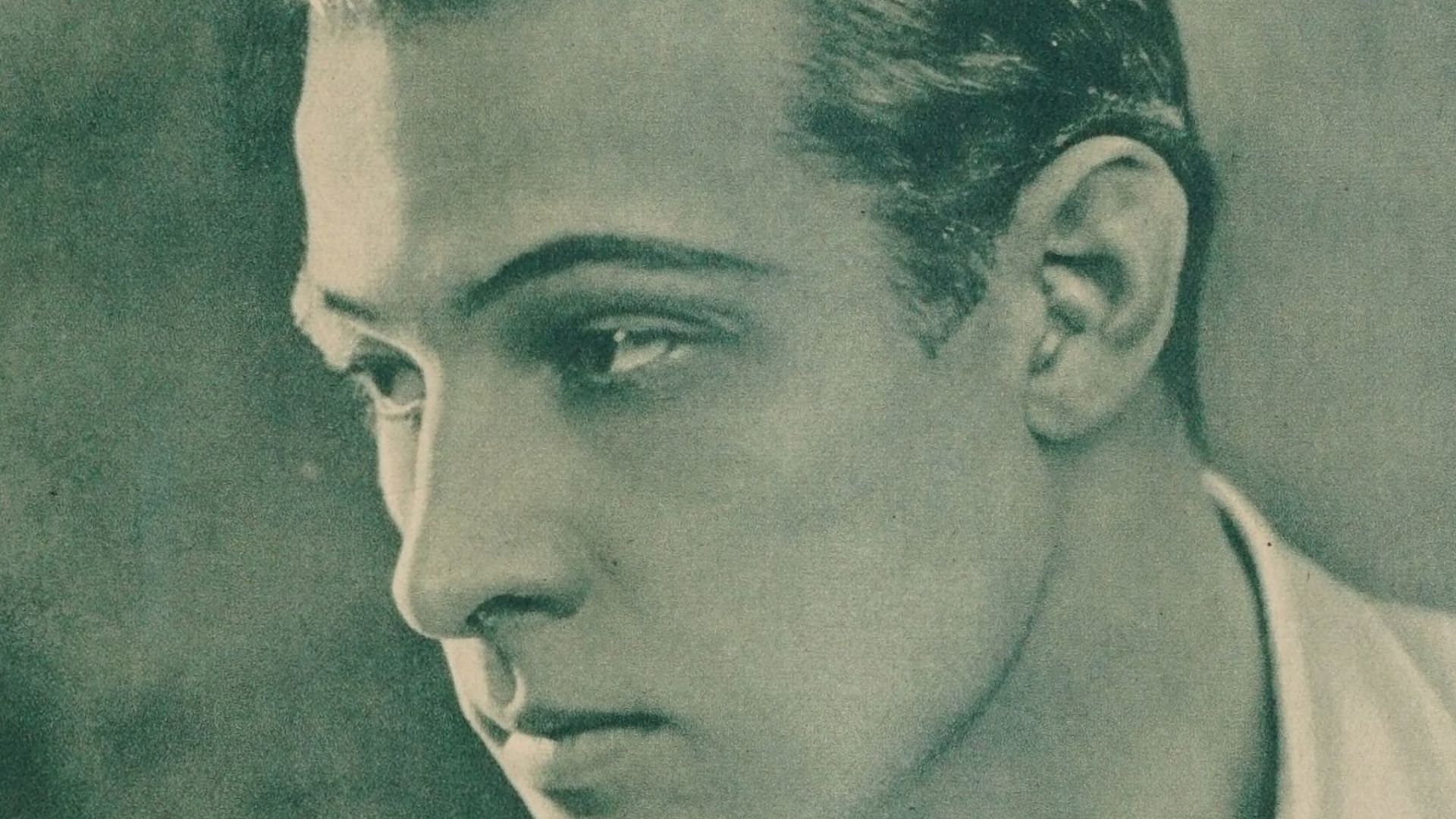 Unknown photographer, Wikimedia Commons
One Tango Changed Everything
Screenwriter June Mathis helped secure Valentino the role of Julio Desnoyers in The Four Horsemen of the Apocalypse. Released in 1921, the ambitious Metro production featured his famous tango sequence and transformed him into a major star. The Library of Congress describes it as the top box-office success of 1921.
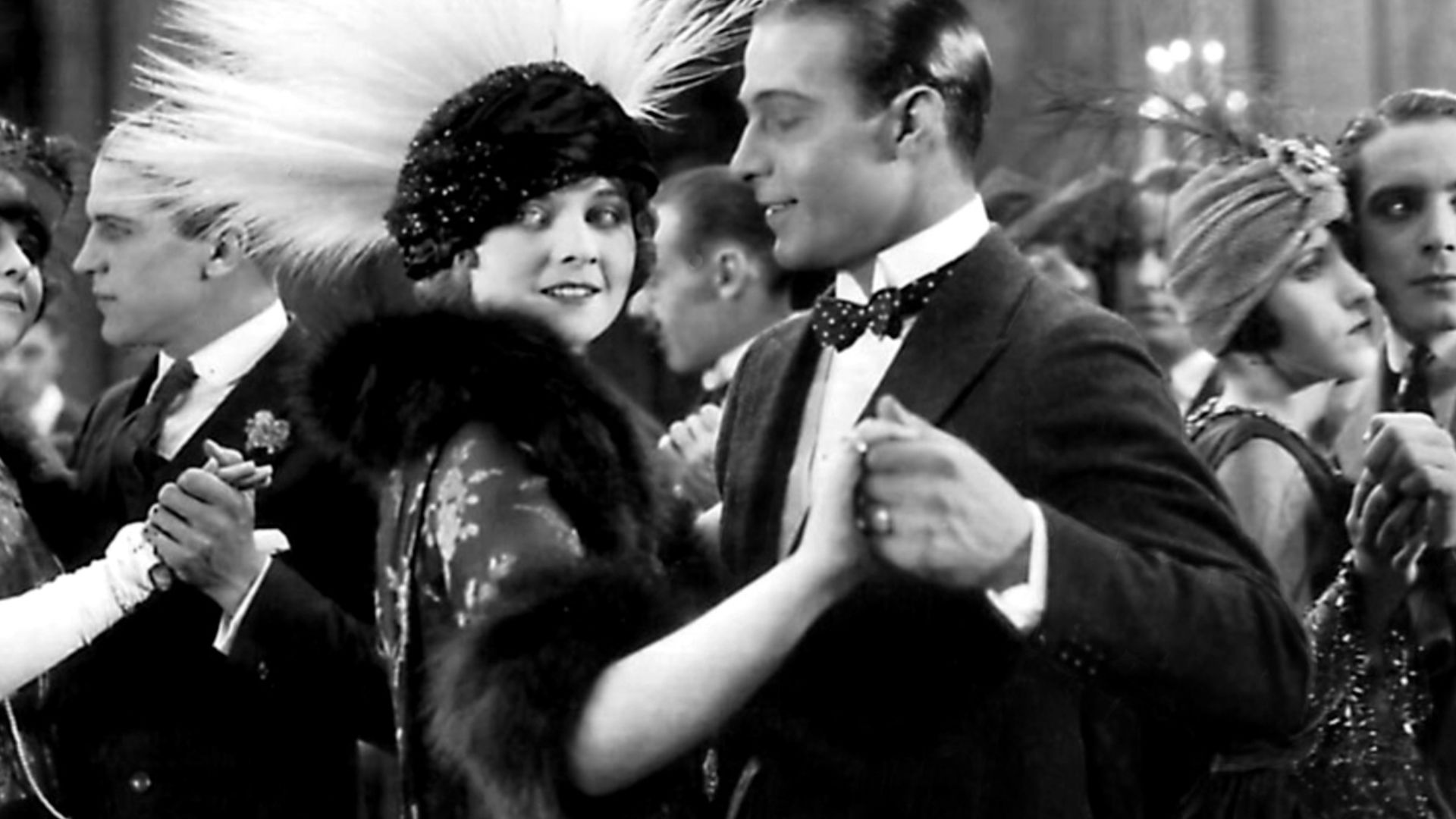 Metro Pictures Corp., Wikimedia Commons
The Sheik Created A Global Heartthrob
Valentino’s next great triumph, The Sheik, arrived later in 1921. The film established the romantic screen image that would define him for generations. It also made him the most popular male box-office star of his time.
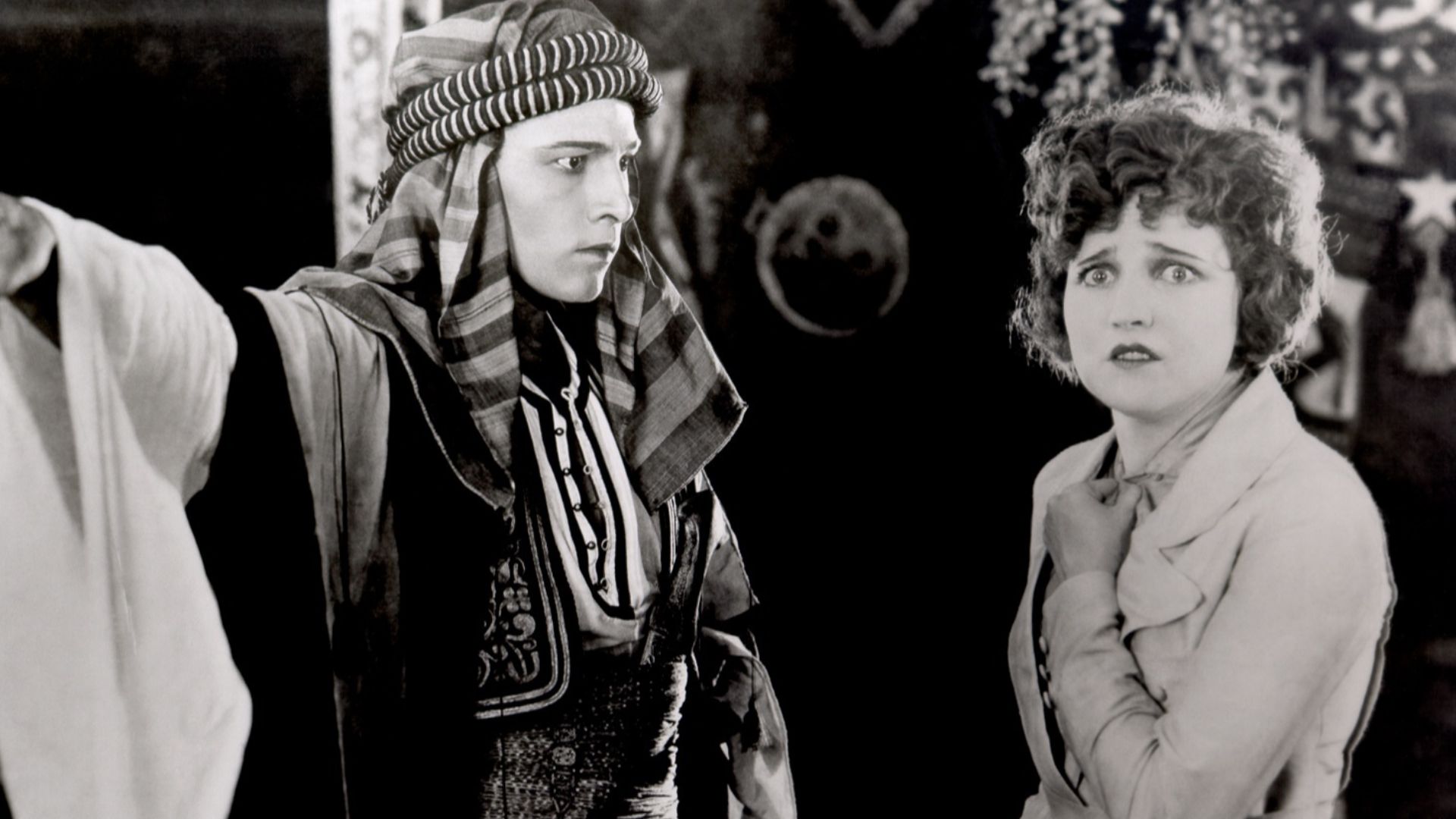
Their Positions Had Completely Reversed
Acker had entered the marriage as the more established performer, but Valentino was now a phenomenon. His face filled theaters and fan magazines while their broken relationship attracted new public interest. The marriage that had begun in obscurity became a sensational piece of Hollywood history.
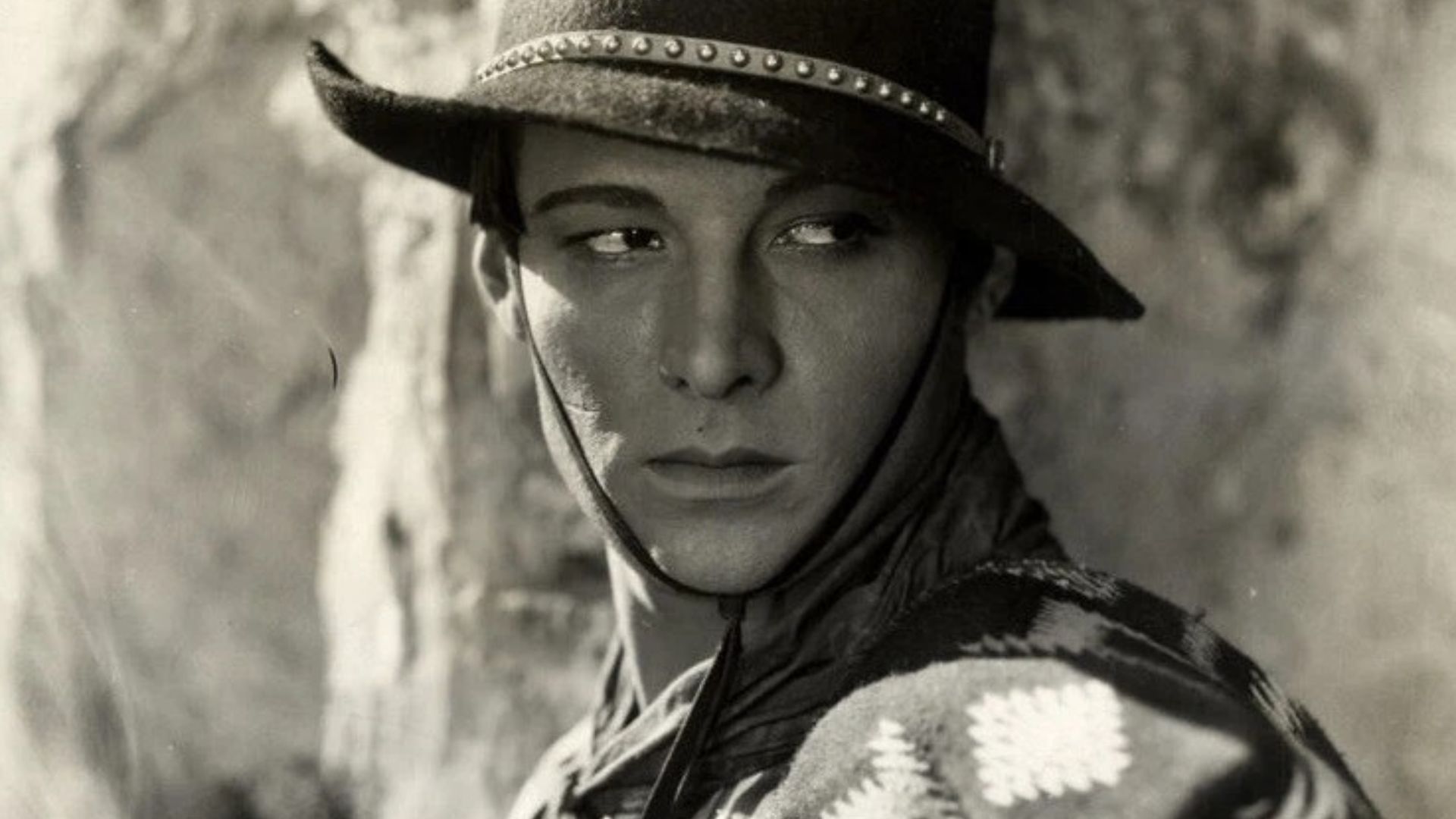 Unknown authorUnknown author, Wikimedia Commons
The Court Finally Addressed The Marriage
Acker pursued divorce proceedings while Valentino also sought freedom from the marriage. Sources sometimes assign different years to the split because California divorce cases involved a waiting period between an initial decree and complete legal freedom to remarry. A January 1922 court ruling favored Valentino, but the timing of that final freedom soon created another serious problem.
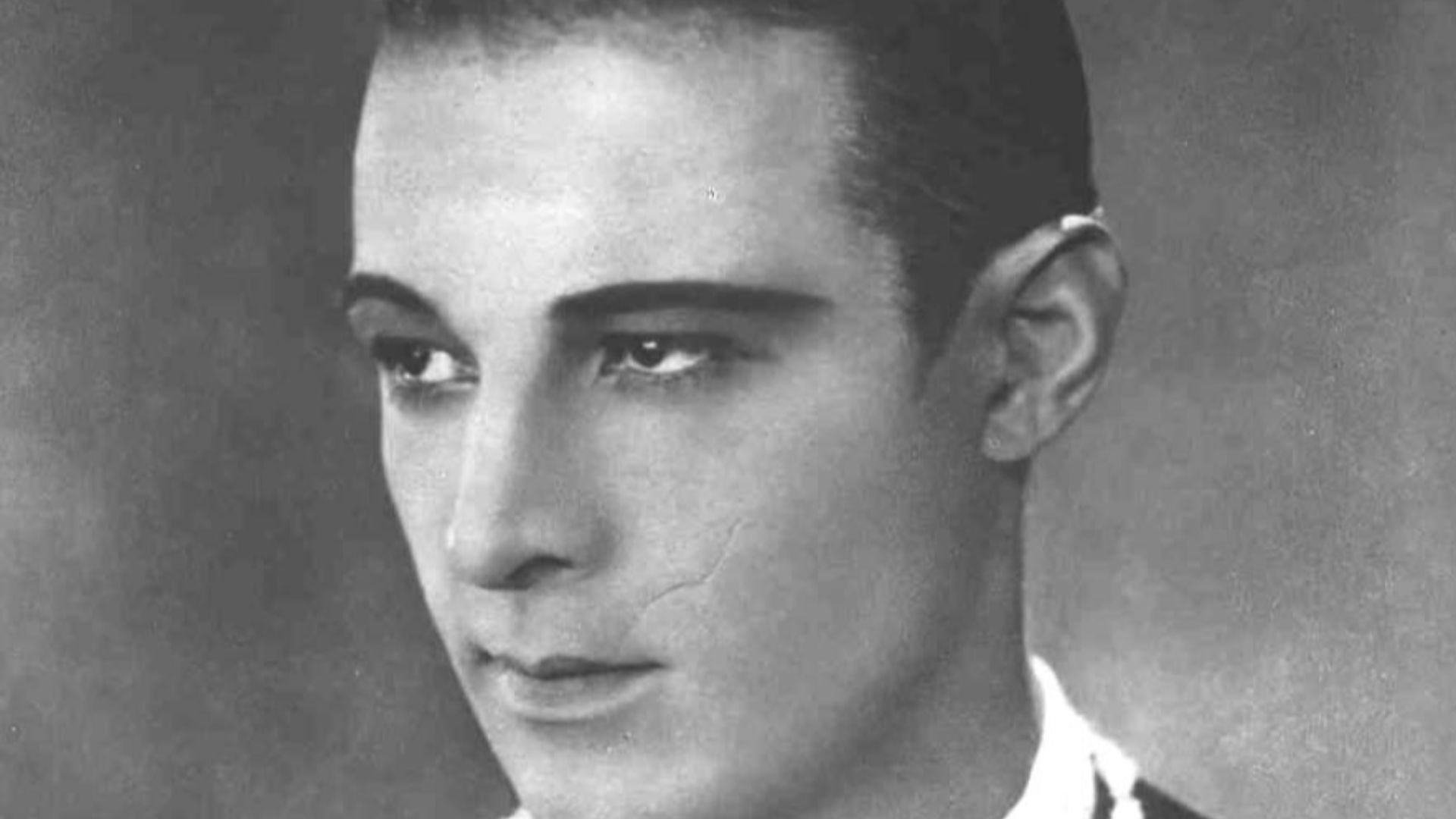 Paramount Pictures, Wikimedia Commons
Acker Continued Using His Famous Name
Once Valentino became a star, his name carried considerable publicity value. Acker successfully sued Valentino for the right to use the name Mrs. Rudolph Valentino. She toured in vaudeville and was credited under that name in the 1923 film The Woman in Chains.
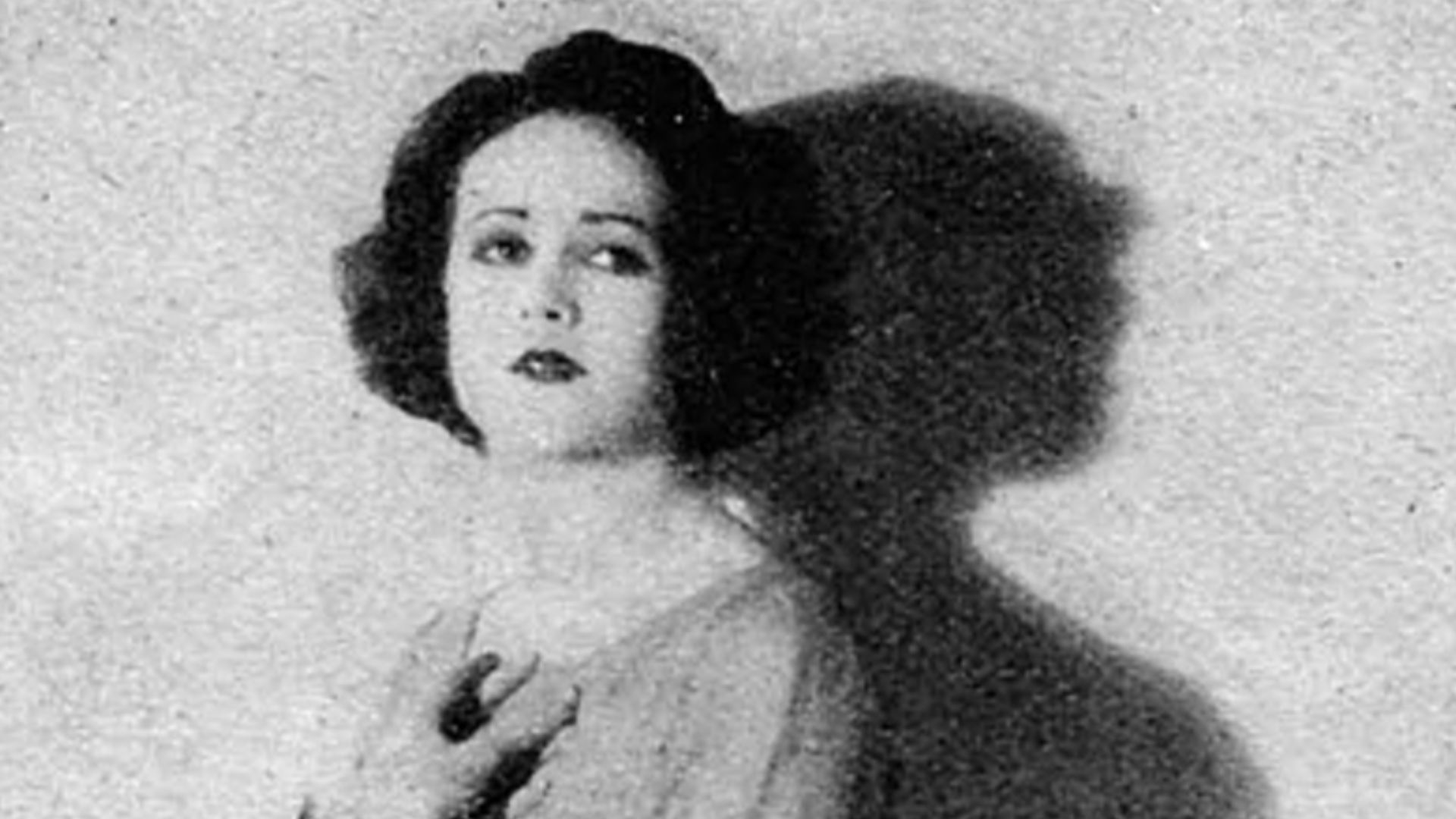 Screenland, Inc. Evans, Wikimedia Commons
Valentino Fell In Love Again
Valentino became involved with dancer, costume designer, and artistic collaborator Natacha Rambova. They met through productions connected to Nazimova and soon developed an intense relationship. Valentino wanted to marry Rambova, but California’s divorce restrictions required him to wait.
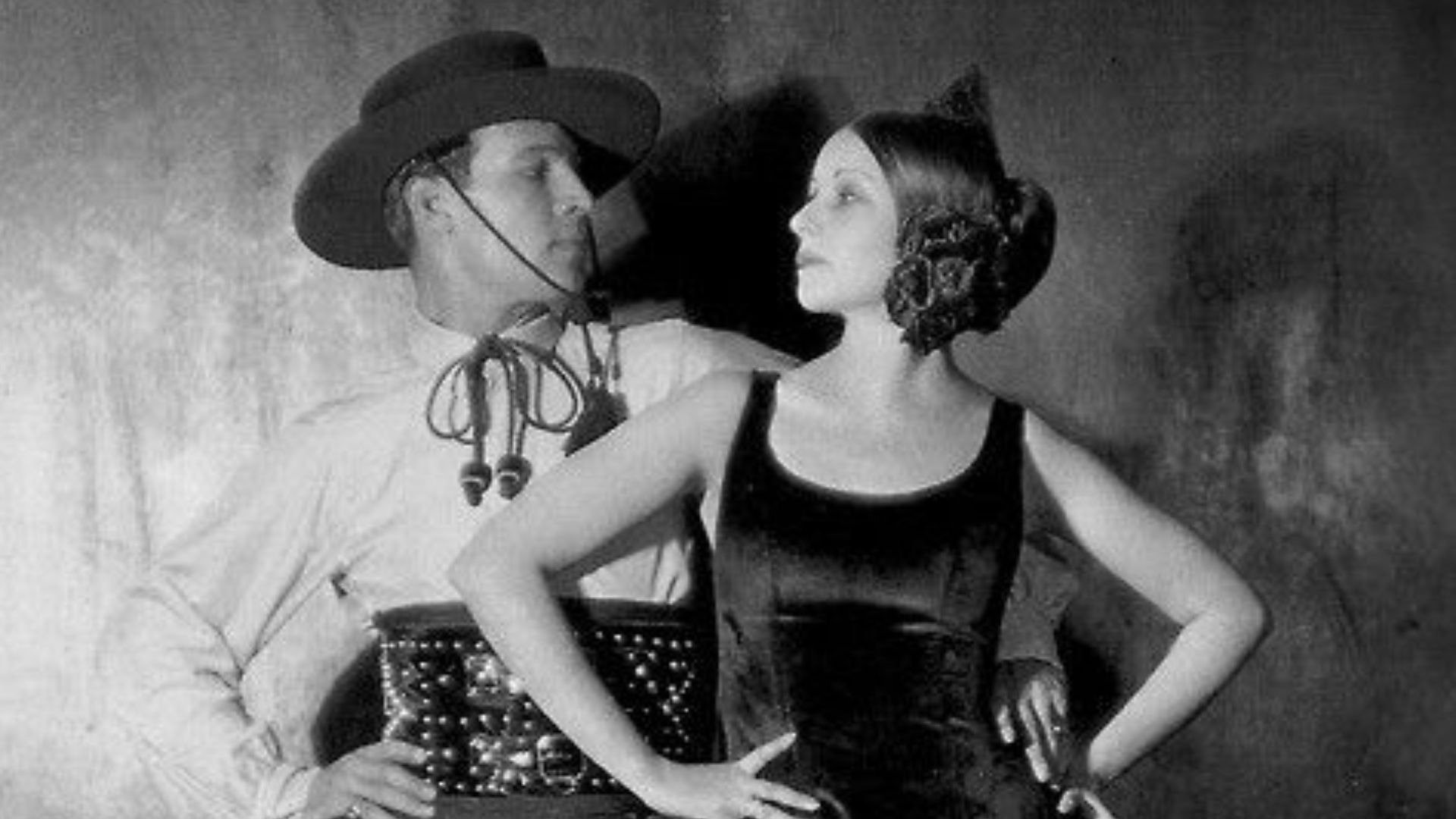
He Remarried Before He Was Legally Free
Valentino and Rambova crossed into Mexico and married in May 1922. California law required divorced people to wait a full year before remarrying, and Valentino’s waiting period had not expired. Upon returning to the United States, the silent-film idol was arrested and charged with bigamy.
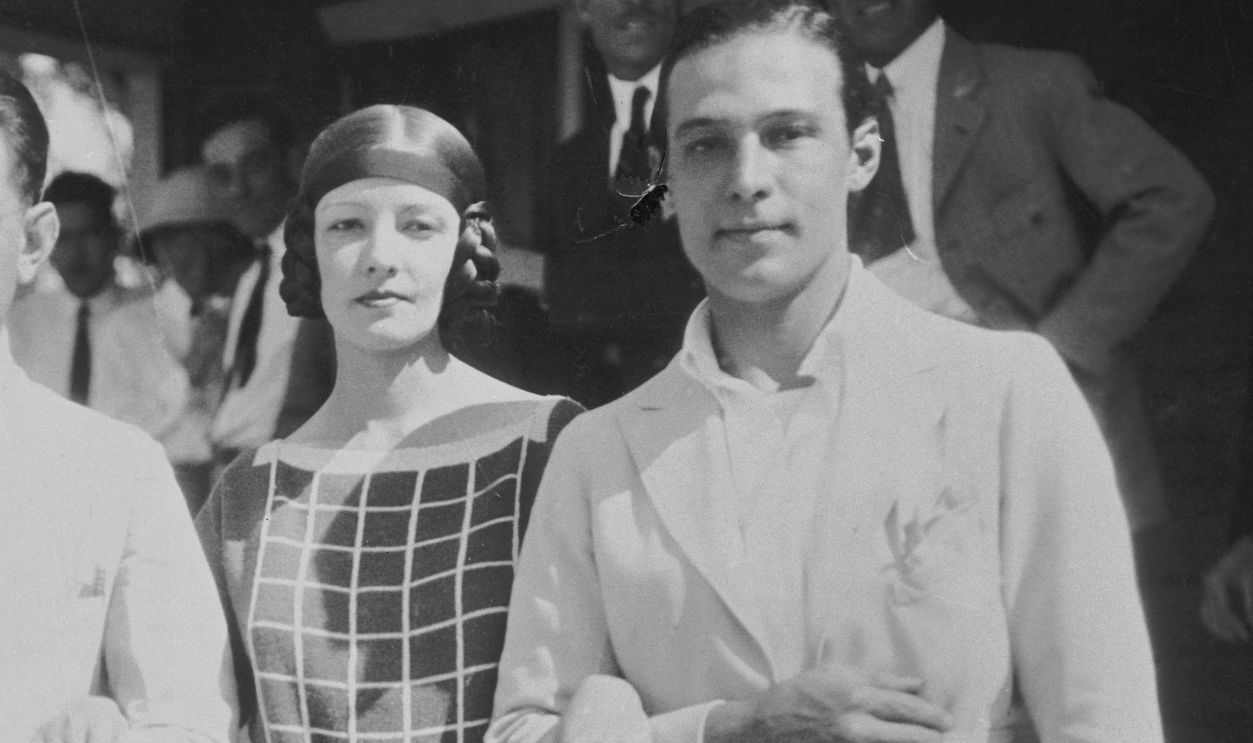
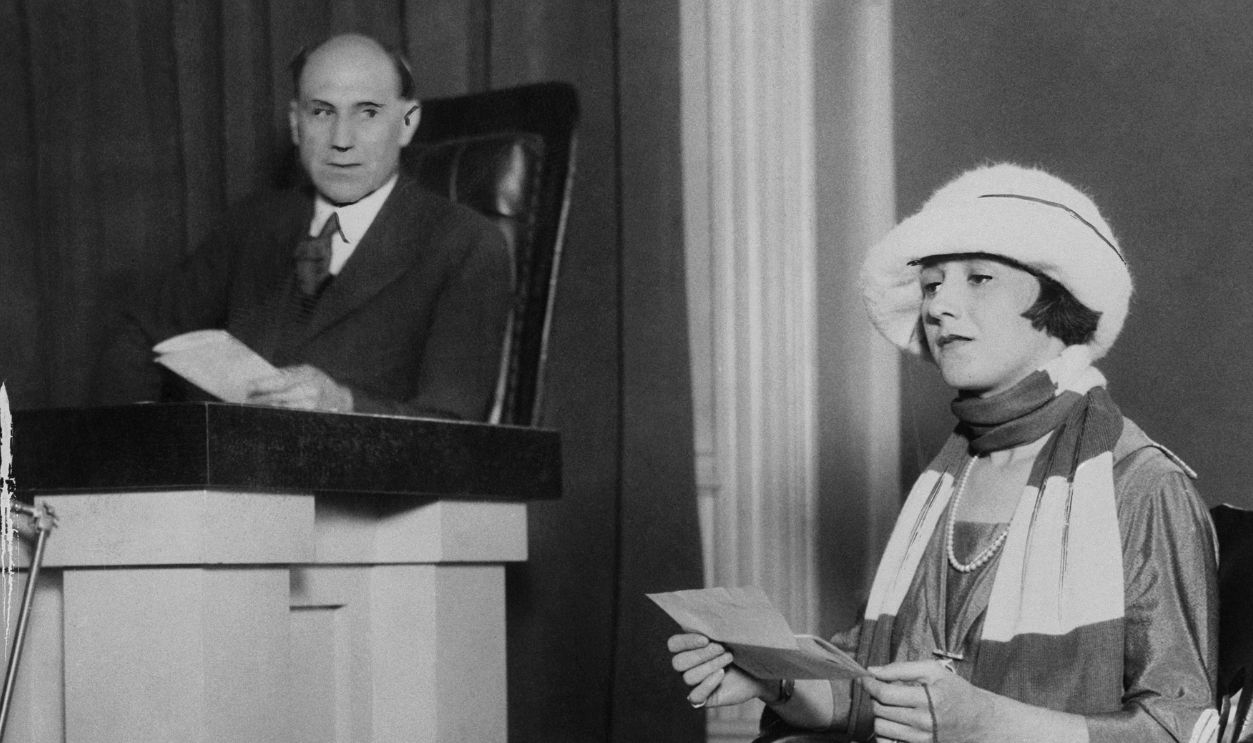
Acker Appeared In The Bigamy Case
The legal drama returned Acker to the center of Valentino’s life. She testified during the preliminary proceedings while prosecutors attempted to prove that Valentino and Rambova had lived together as husband and wife in California. The charge was dismissed in June 1922 after a judge found insufficient evidence to hold Valentino for trial.
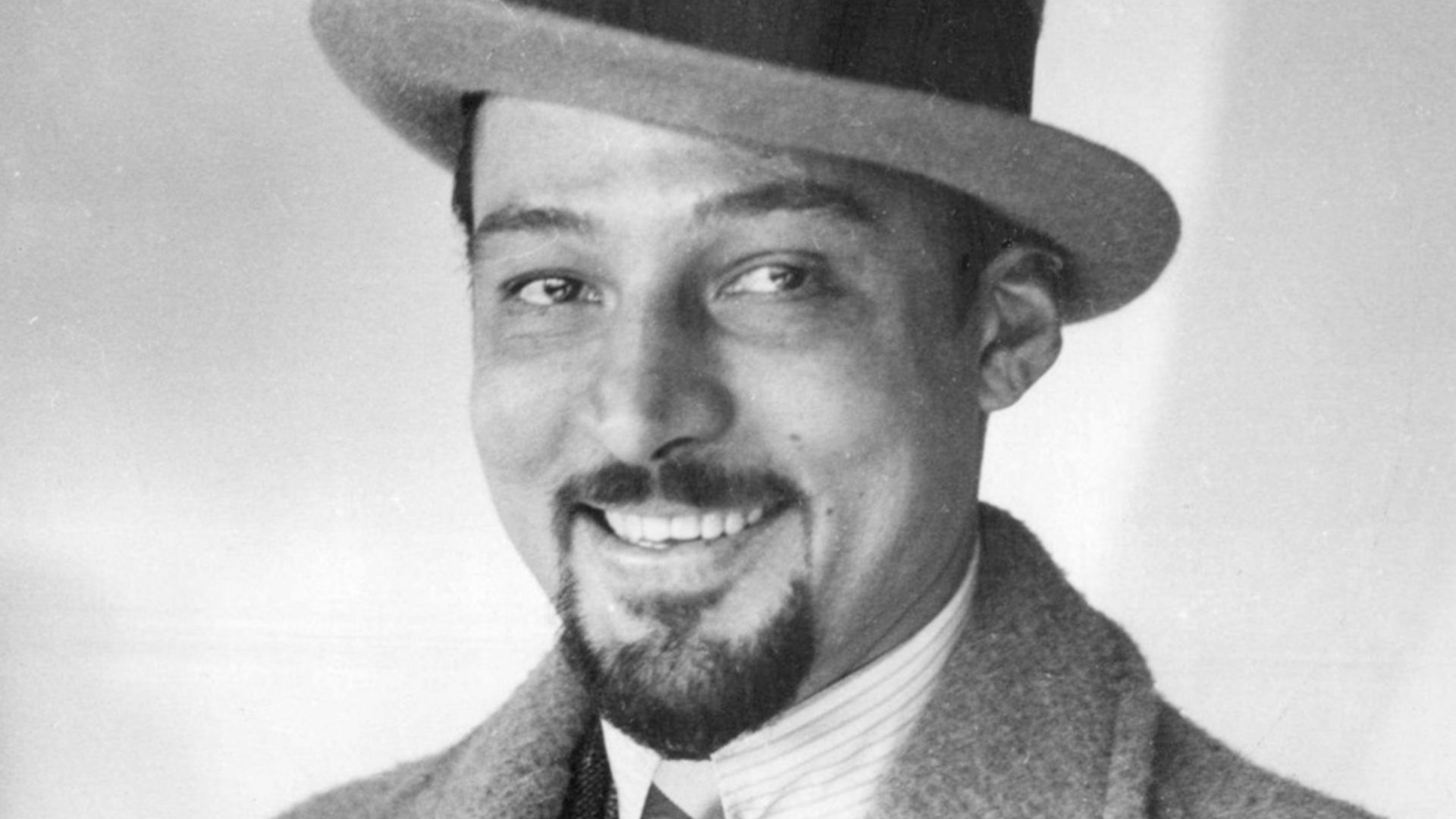
Time Eventually Softened Their Hostility
The bitterness between Acker and Valentino lasted for years, but they reportedly reconciled before his death. They never restored the marriage or resumed a romantic relationship. Their eventual peace provided a gentler final chapter to a story that had begun with humiliation and legal conflict.
 Wide World Photos, Wikimedia Commons
Valentino’s Death Brought Acker Back Into The Spotlight
Valentino died in New York on August 23, 1926, following complications from surgery for appendicitis and perforated ulcers. He was only 31, and tens of thousands of grieving admirers gathered to pay their respects. Acker responded by writing the memorial song “We Will Meet at the End of the Trail,” with sheet music featuring images of the former couple.
 Unknown authorUnknown author, Wikimedia Commons
One Locked Door Became Hollywood History
Acker continued acting in smaller roles and later shared a long relationship with Chloe Carter, remaining with her until Acker’s death in 1978. Valentino’s career lasted only a few more years after their marriage, but it permanently changed the meaning of screen stardom. Their wedding night survives because it exposed the striking gap between the Great Lover’s public fantasy and the heartbreak waiting for him behind a locked door.
You May Also Like:
Angela Lansbury Was 19 When She Married Richard Cromwell. Nine Months Later, It Was Over.
Why Hollywood Betrayed Tab Hunter To Protect Rock Hudson's Image