Several Lives In One
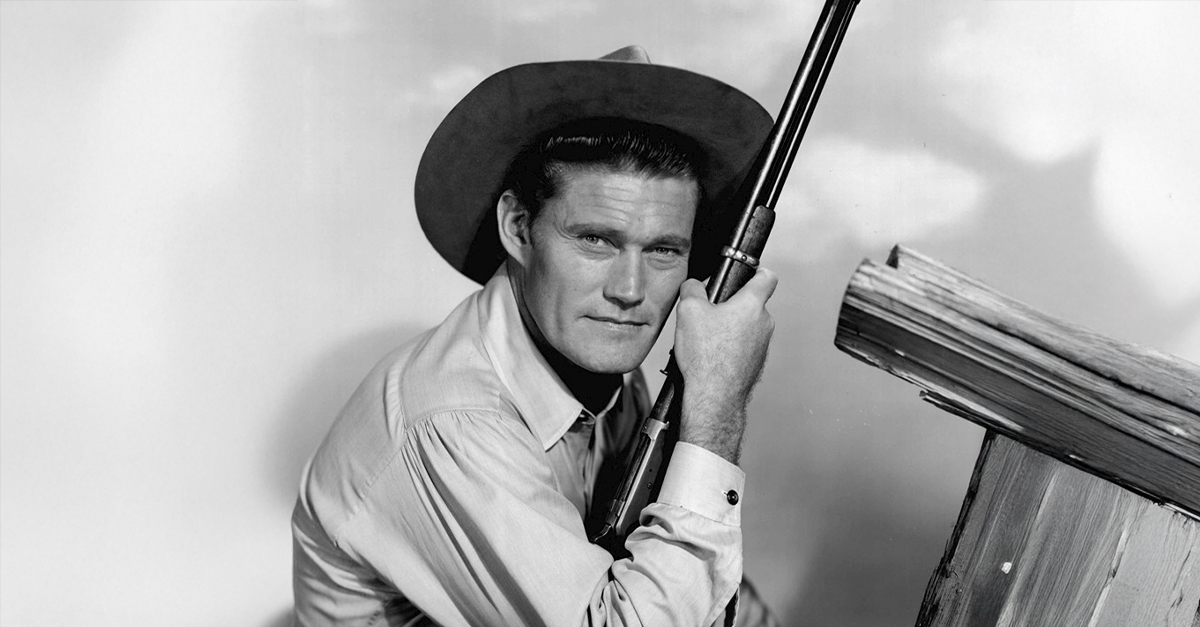
Before he became television’s most iconic marksman, Chuck Connors lived several lives in one. A Depression-era Brooklyn kid, a two-sport professional athlete, a Hollywood Western star, and an unlikely Cold War bridge figure, Connors built a career on strength and reinvention. But behind the legend of The Rifleman stood a restless competitor whose ambition affected his personal relationships.
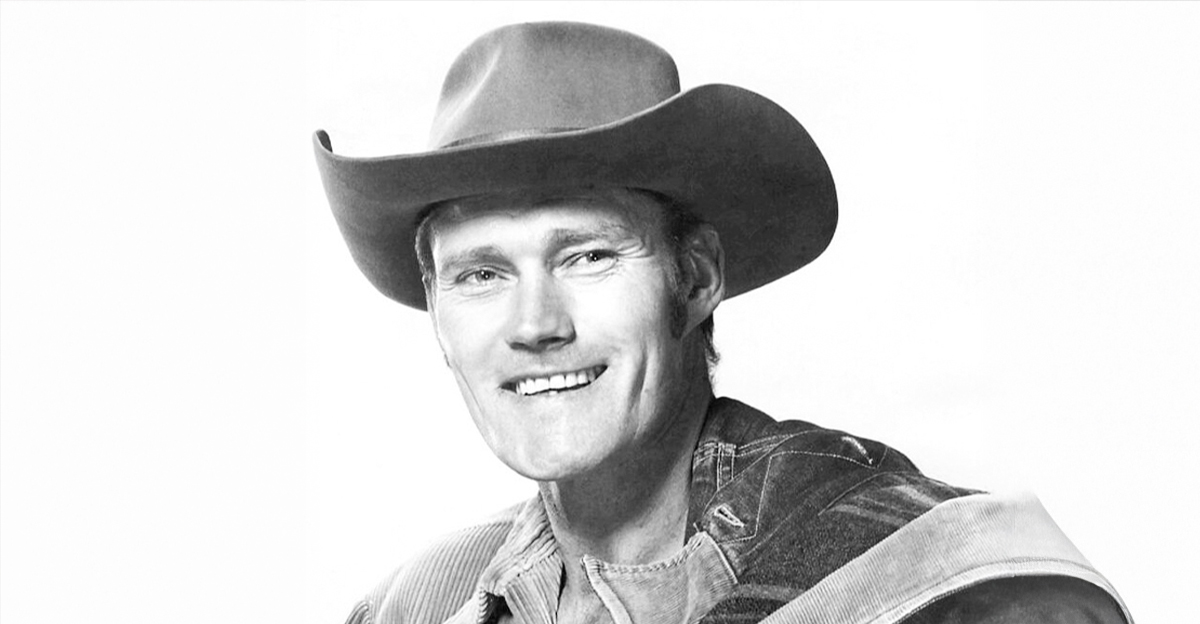 10 October 1959-Date stamp had to be reversed to show ABC press release, due to bad scan.
Brooklyn Beginnings
Chuck Connors was born Kevin Joseph Aloysius Connors in 1921 in Brooklyn, New York, the son of Irish immigrants who placed a high value on toughness, discipline, and integrity. Tall, broad-shouldered, and fiercely competitive, he came of age during the Depression with remote but smoldering dreams of athletic glory. Sports offered him an escape and a strong identity, putting him on a path that would soon lead him far from Brooklyn’s gritty streets.
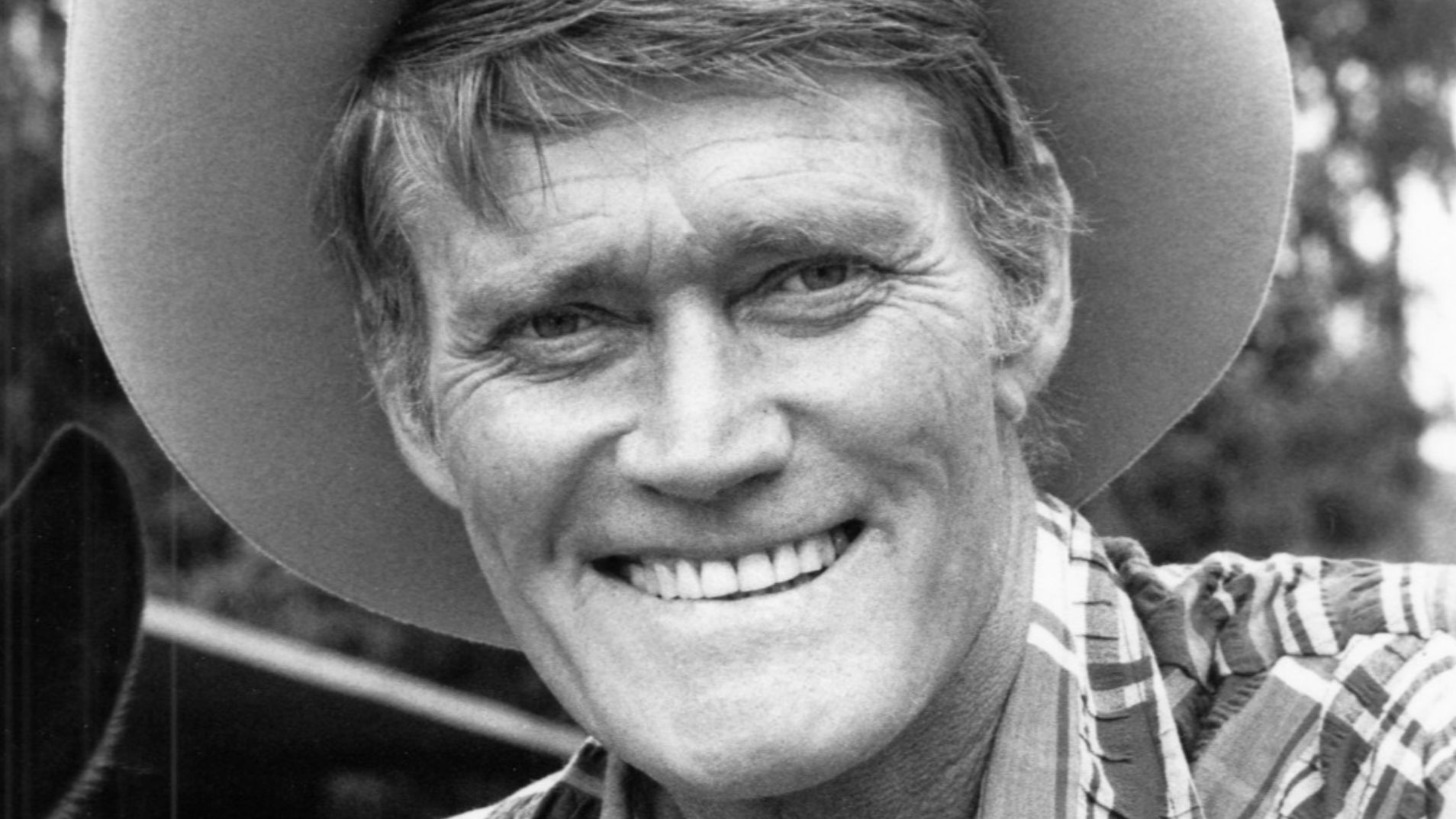 NBC Television, Wikimedia Commons
Hoop Scholarship And A Growing Reputation
Connors earned a basketball scholarship to Seton Hall University in New Jersey, where his size and intensity made him an immediate standout. College ball honed his discipline to a razor’s edge, and hinted at professional promise. Though academics were secondary to athletics, the experience grew his horizons, showing he could compete beyond the horizons of his own neighborhood. But global events were about to expand his horizons even more.
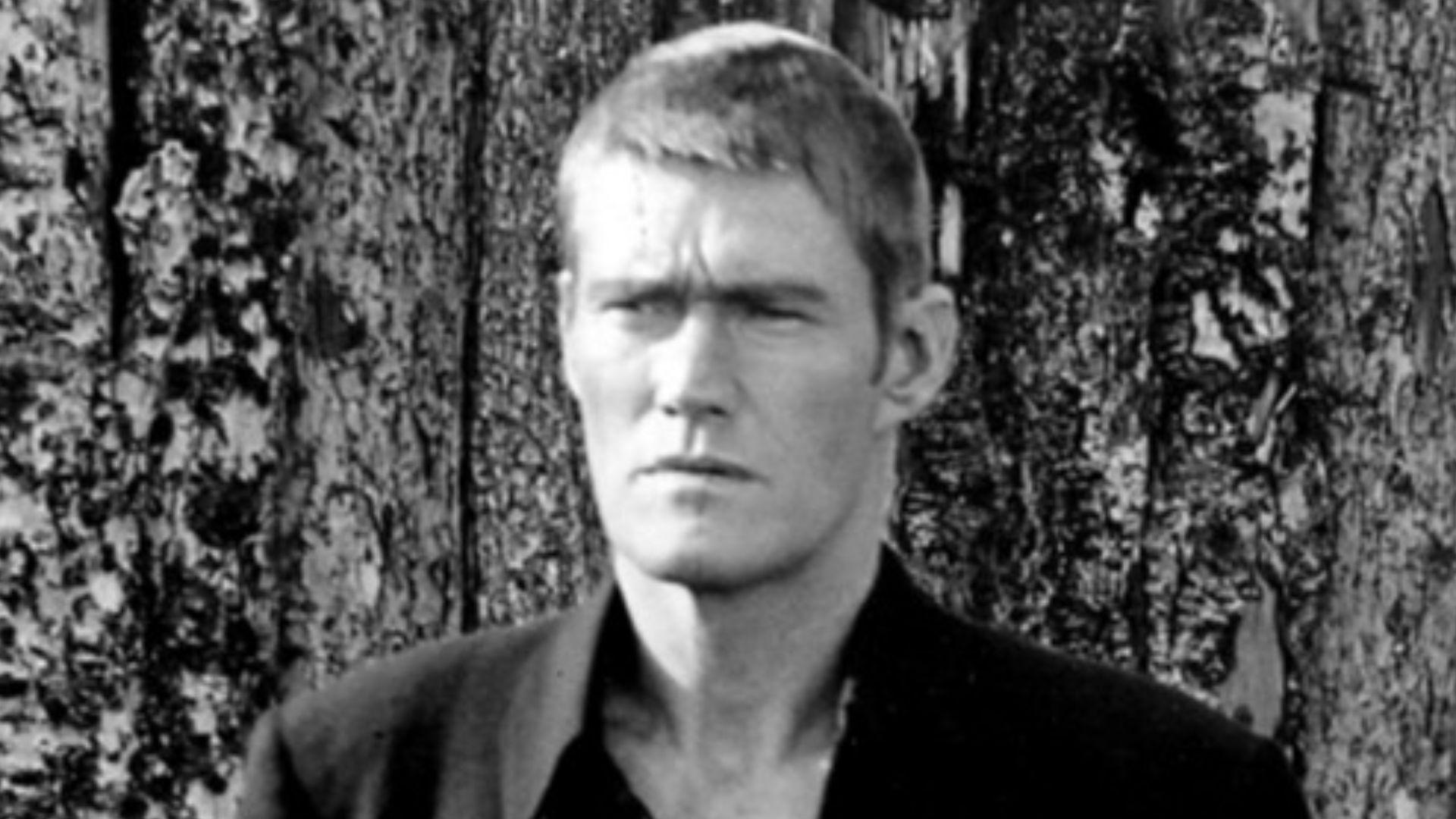 NBC Television, Wikimedia Commons
Answering The Call
During World War II, Connors enlisted in the U.S. Army, serving on home ground as an armored instructor. Military life deepened and strengthened his structure and resilience, traits that would define both his athletic and acting careers. Connors didn’t see combat overseas, but the war years forced him to grow up fast. When the country returned to peacetime, so did his hunger to pursue his pro sports ambitions.
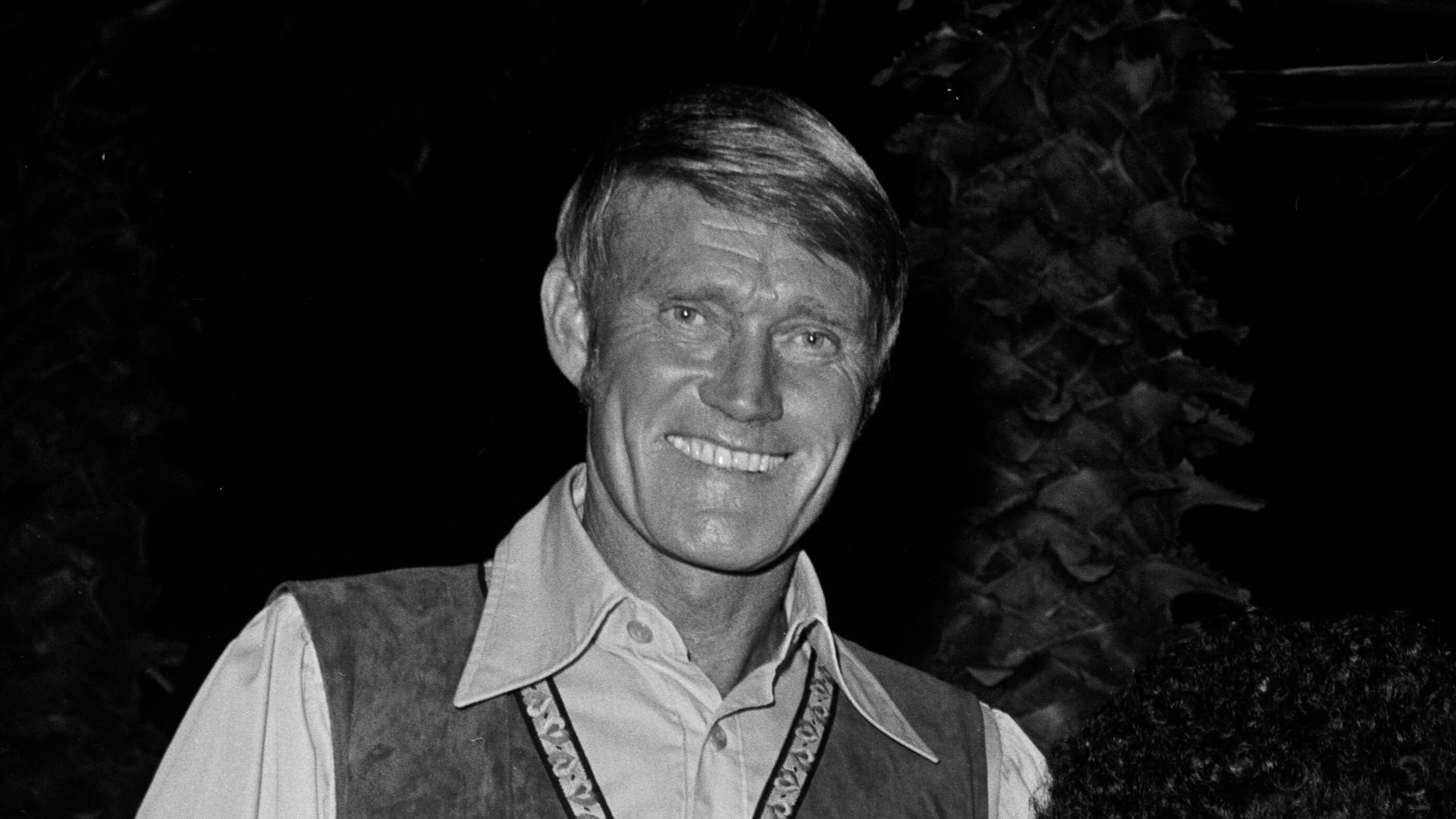 Los Angeles Times, Wikimedia Commons
A Brief Leap Into The NBA
Connors made his mark as one of the few men in history to play in both Major League Baseball and the NBA. He suited up briefly for the Boston Celtics in the league’s early days, showcasing his versatility on the court. Though his basketball stint didn’t last very long, it looked like he might find a firmer foothold on baseball’s field of dreams.
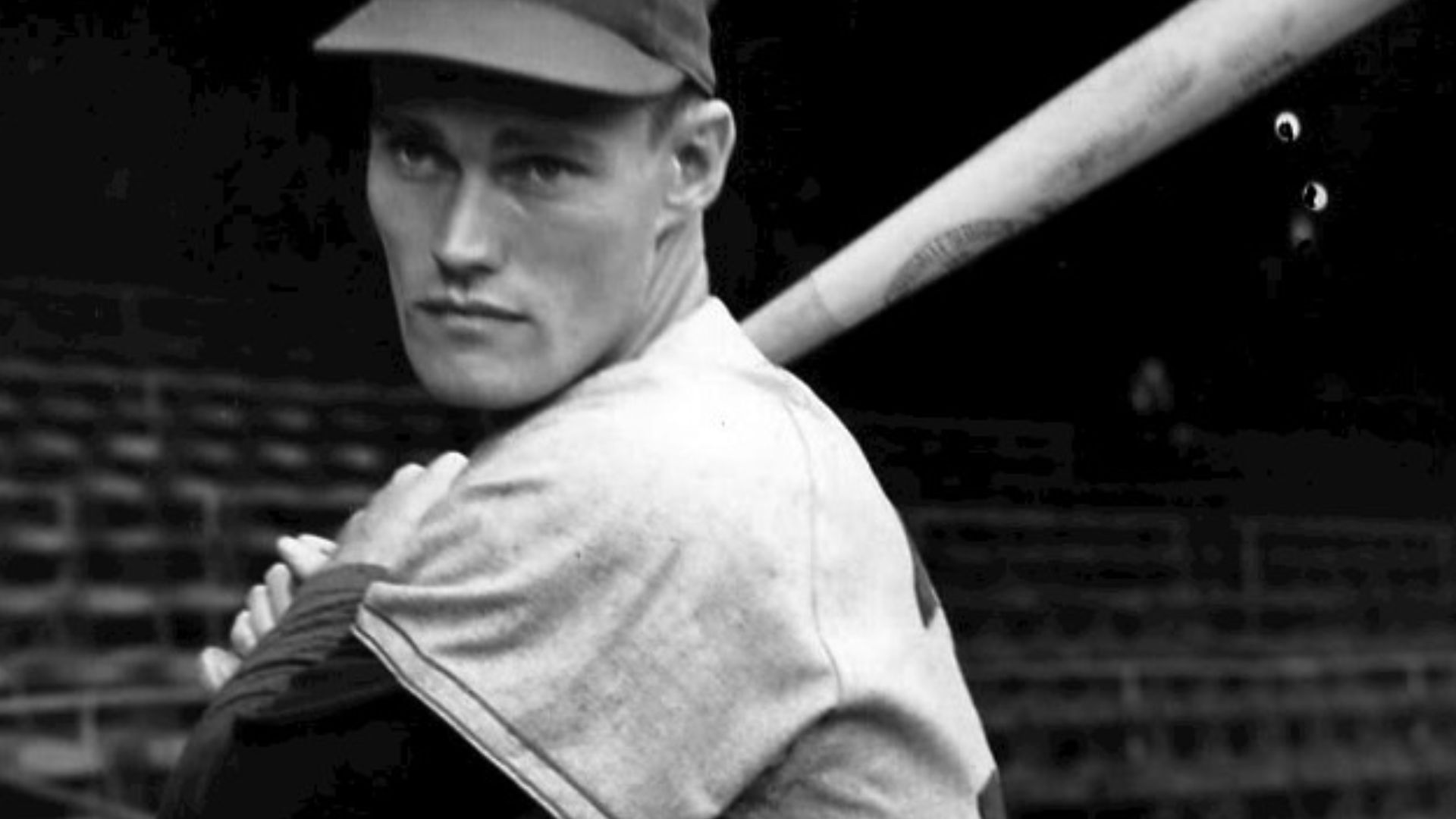 Photo Associates, Wikimedia Commons
Major League Dream Come True
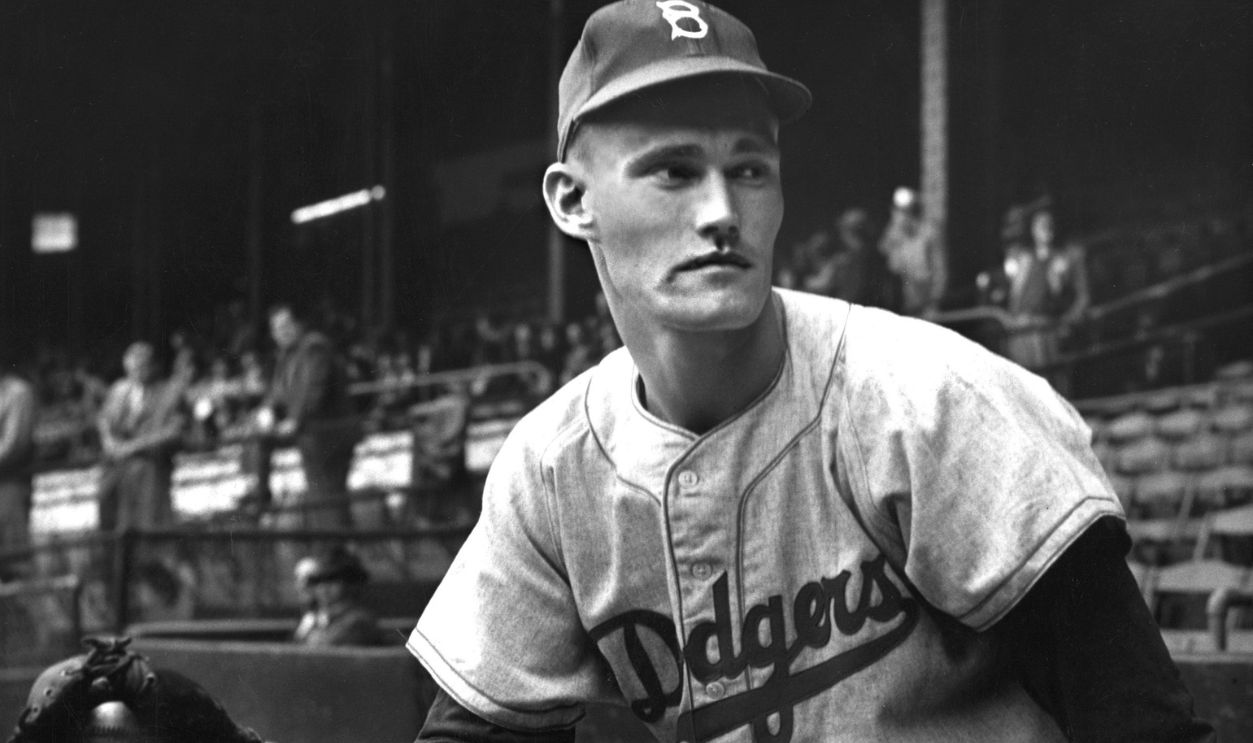
Connors signed with the Brooklyn Dodgers organization before going on to play for the Chicago Cubs. As a first baseman, he flashed potential with the bat and glove, but struggled with consistency at the major league level. The majors proved unforgiving, and a permanent spot on a big-league roster eluded him. Slowly the reality dawned: pro sports wouldn’t provide long-term security.
 Sporting News Archive, Getty Images
Facing The End Of A Sports Career
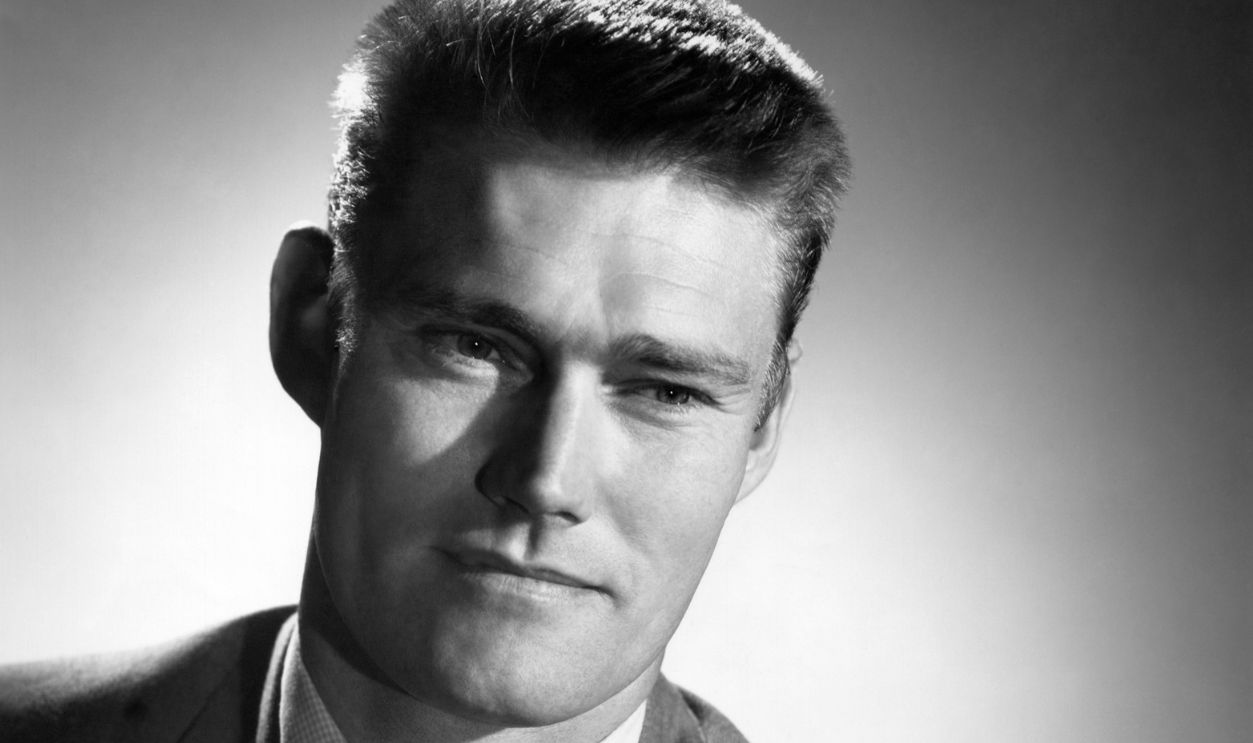
By the early 50s, Connors found himself already aging out of professional sports without the superstar résumé he had always dreamt of. Injuries and roster cuts took their toll physically and mentally. It was a painful thing for such a fiercely competitive man to let go of his lifelong dream. Yet the rough return to reality was just what Connors needed to propel him toward an unexpected second act in Hollywood.
 De Carvalho Collection, Getty Images
Unlikely Turn Toward Acting
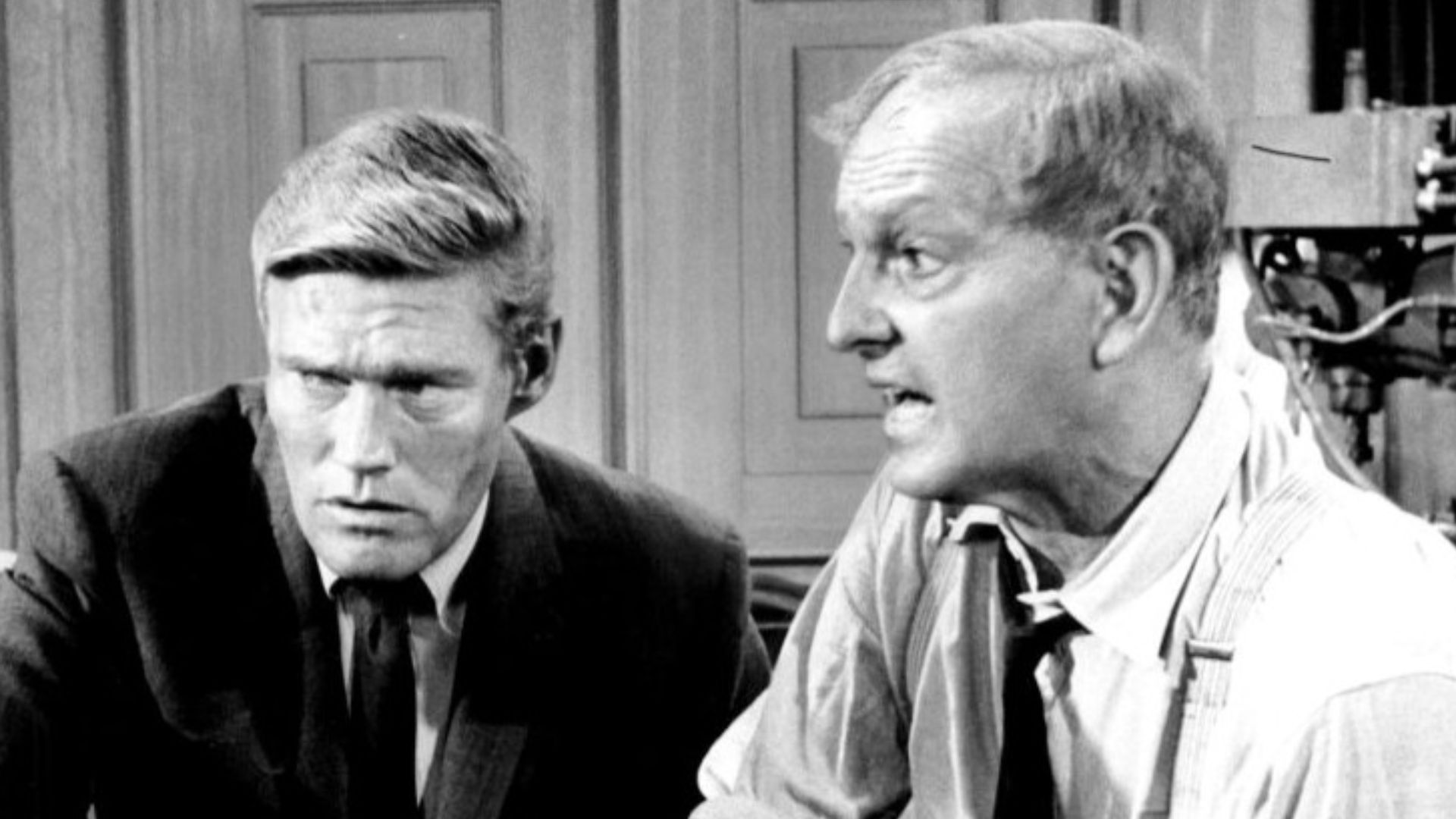
Connors landed small roles, thanks due in part to some of the same qualities that made him a good athlete: his towering frame and commanding presence. Directors saw a natural authority in Connors that was perfect for Westerns and war films. His athletic discipline translated to his habits on set, where long hours demanded physical stamina. Still learning the craft, he haunted the studios looking for a breakout role.
 Photographer: Leigh Wiener, Wikimedia Commons
Hollywood Finds Its Cowboy
Connors’ defining moment arrived in 1958 with The Rifleman. As Lucas McCain, Connors portrayed a widowed rancher raising his young son while meting out his own brand of frontier justice with a modified Winchester rifle. The role was a complex blend of strength and tenderness, transforming Connors from journeyman actor into a household name almost overnight.
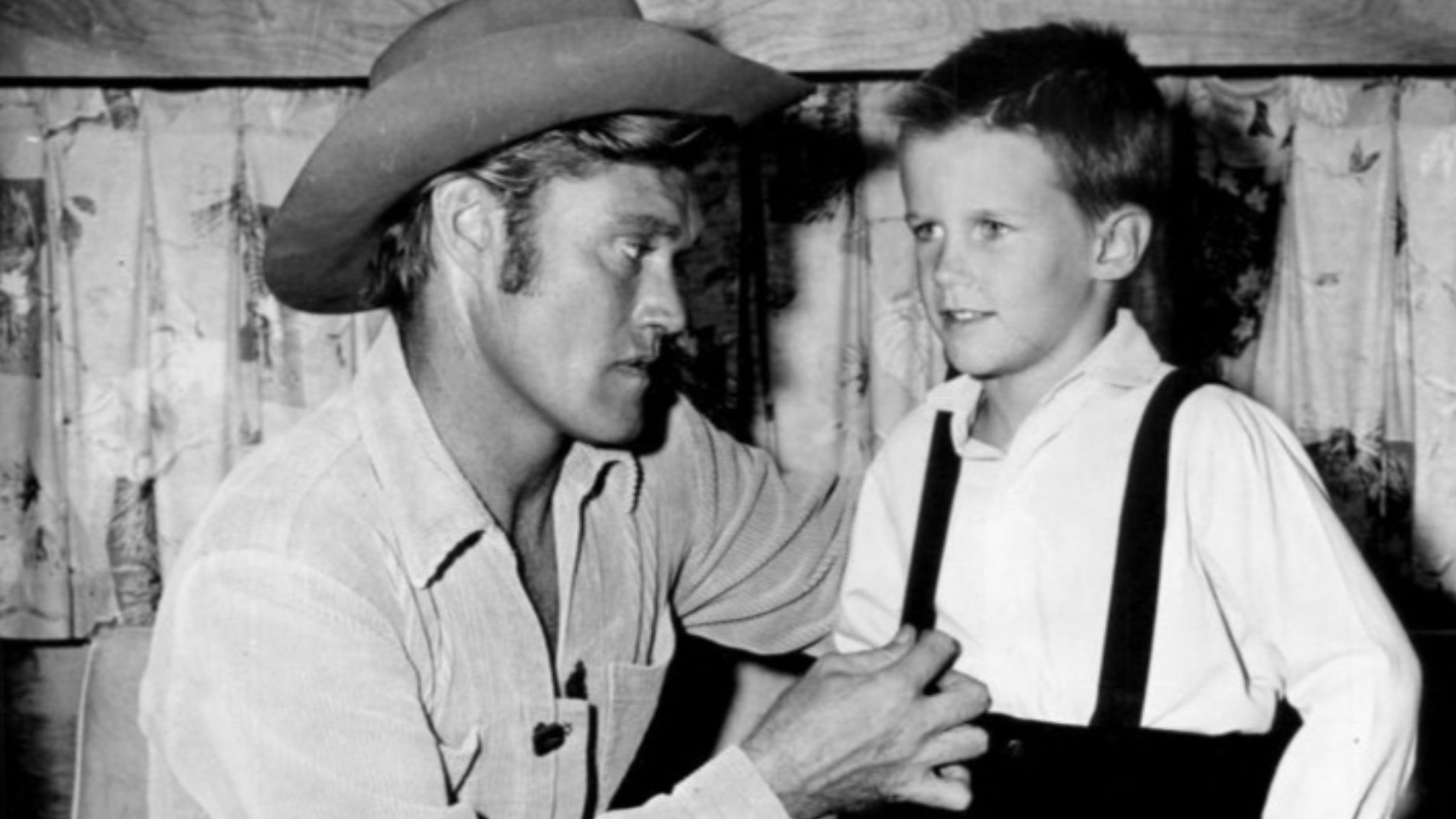 ABC Television, Wikimedia Commons
The Father America Trusted
Audiences embraced Lucas McCain as a moral compass amid the chaos of the Wild West. Connors’ chemistry with young co-star Johnny Crawford felt authentic, giving the show emotional gravity beyond the gunslinging. Week after week, Connors walked tall as the embodiment of integrity and parental devotion. But success brings its own complications, especially when an actor becomes totally inseparable from a single role in the public’s imagination.
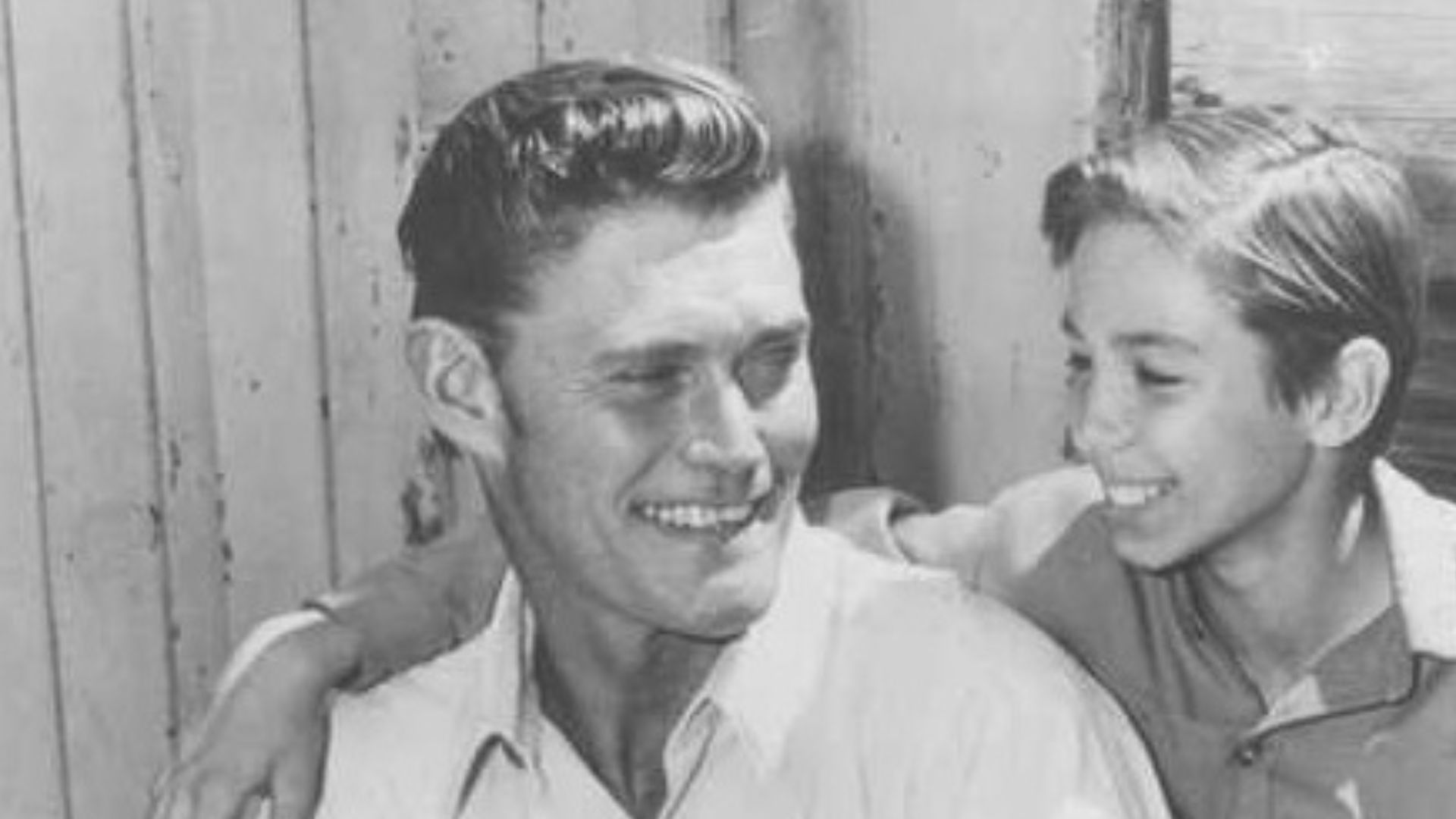 ABC Television, Wikimedia Commons
The Burden Of Typecasting
The Rifleman ran from 1958 to 1963, cementing Connors’ fame but narrowing his casting prospects. Producers saw him as Lucas McCain first and everything else second. Even in an era when Westerns dominated television, he found himself boxed in. The same rugged persona that helped him land his career began quietly closing in around it.
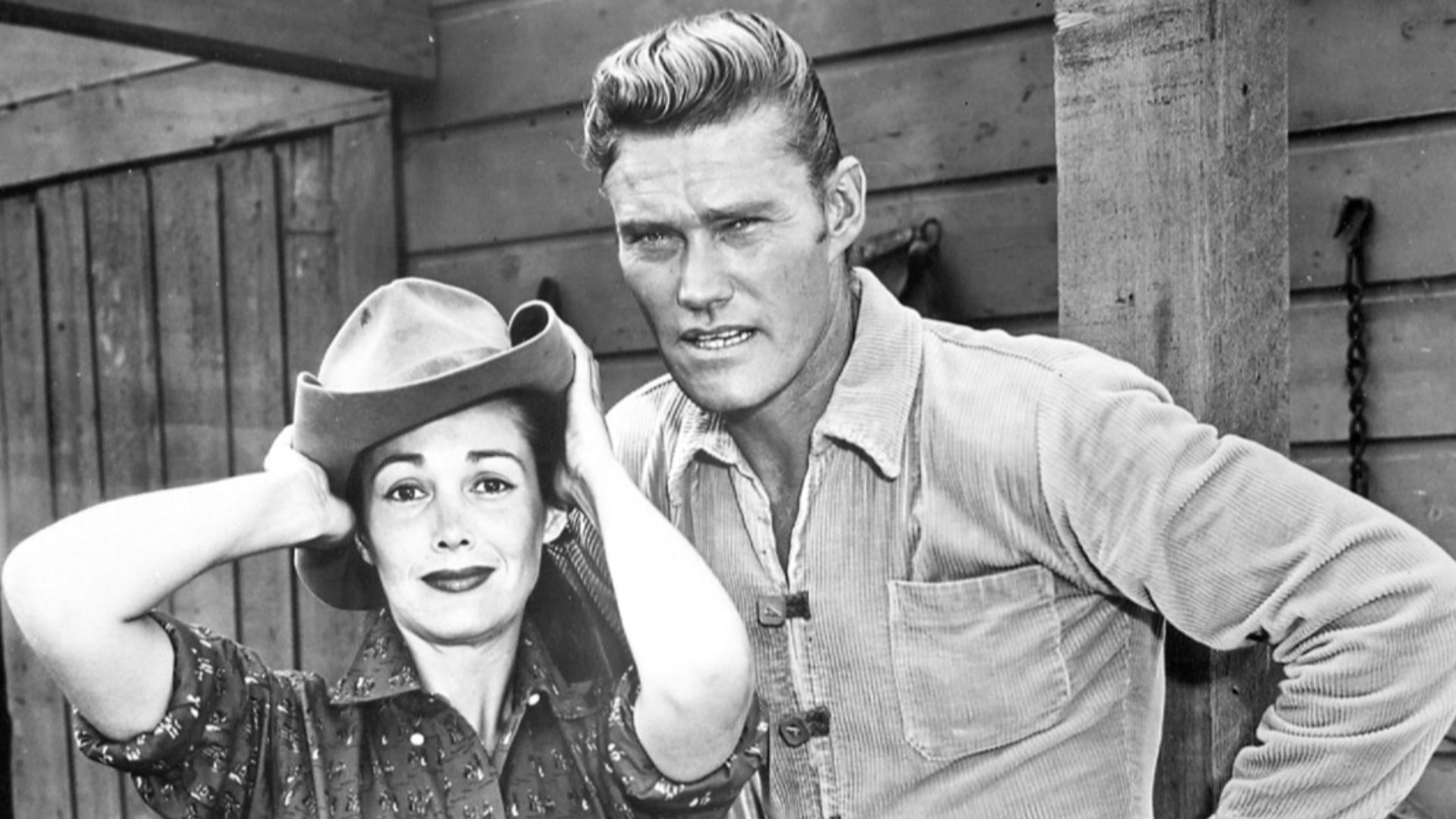 ABC Television, Wikimedia Commons
Reinventing Himself On Screen
In spite of all this, Connors found a steady stream of work in films and television after The Rifleman ended, taking roles in Westerns, war dramas, and crime series. He leaned into tough-guy authority figures, sampling different variations on his frontier identity. Though nothing he did later would quite match The Rifleman’s peak success, he proved to be a durable performer. But while his career enjoyed steady work, he struggled to find stability in his personal life.
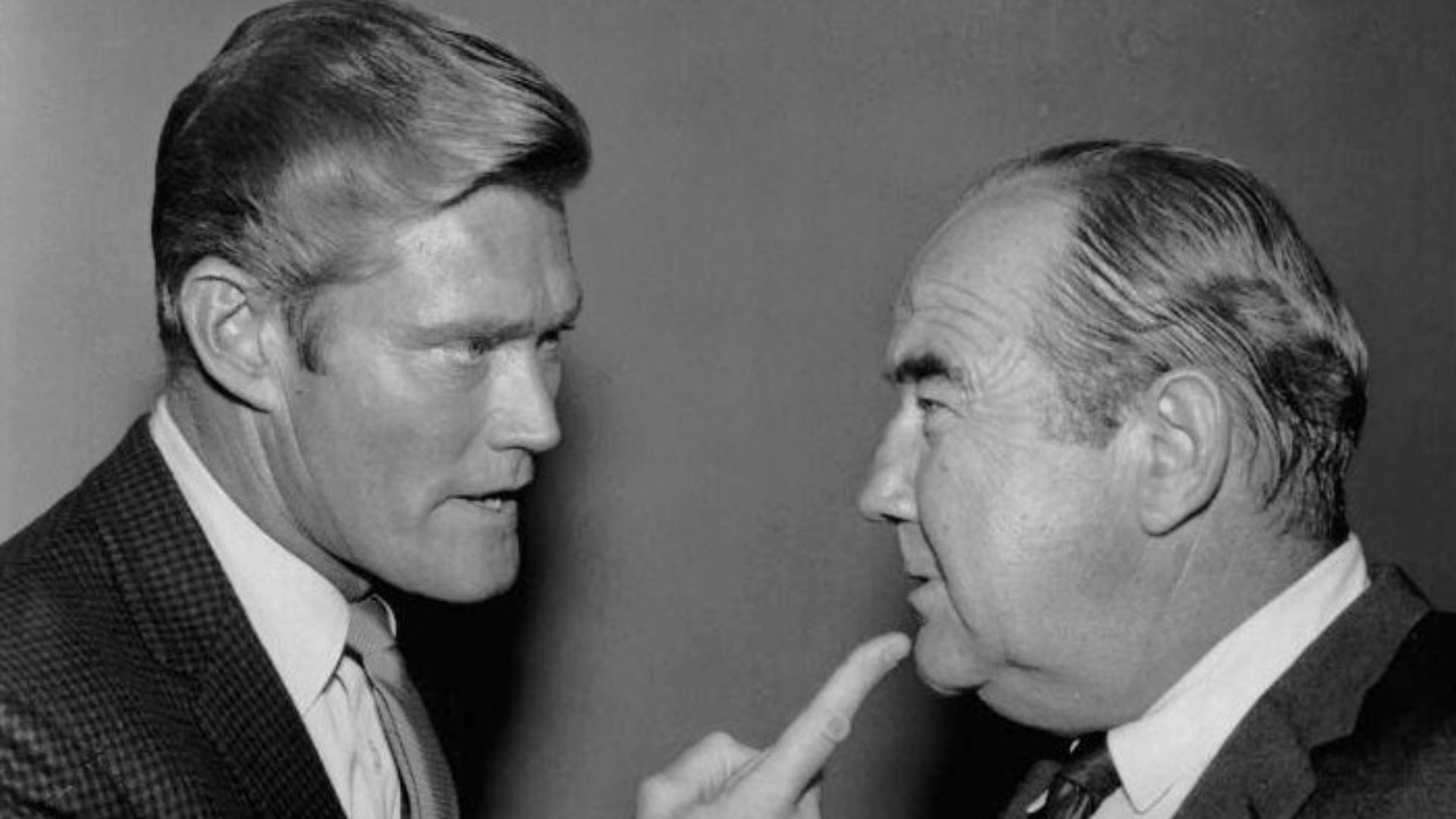 ABC Television, Wikimedia Commons
First Marriage And Early Fatherhood
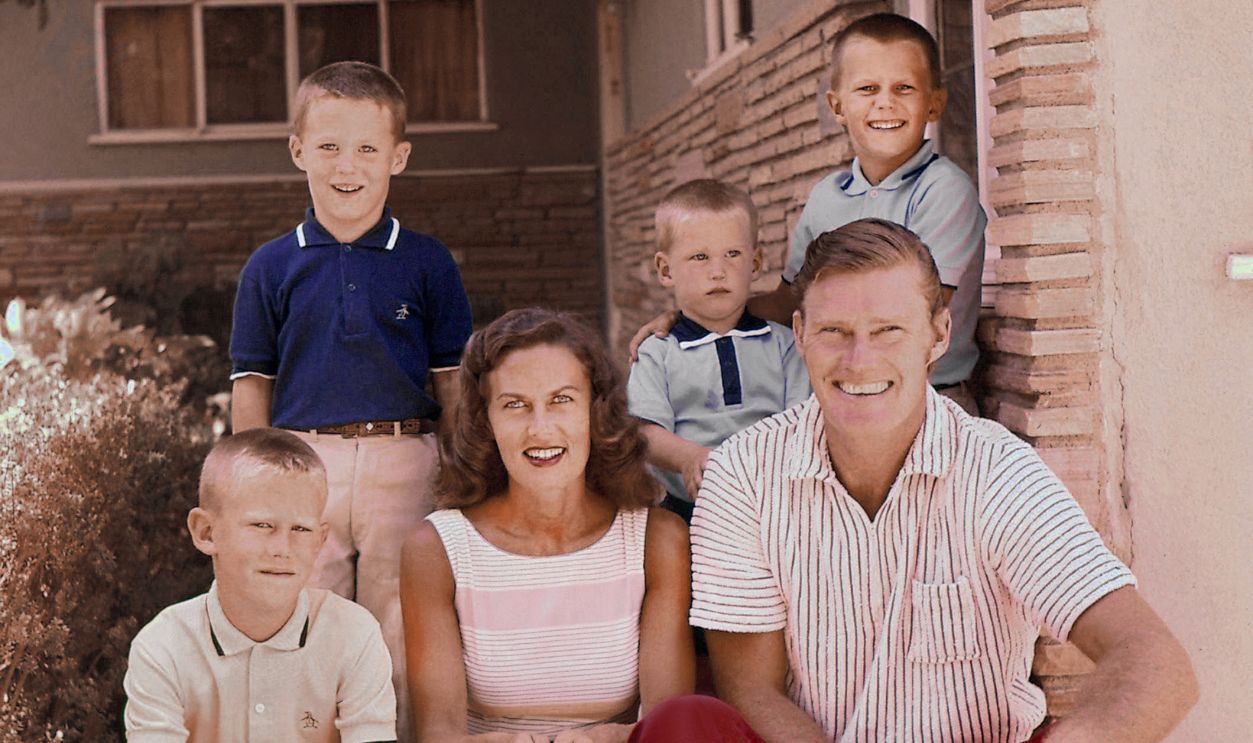
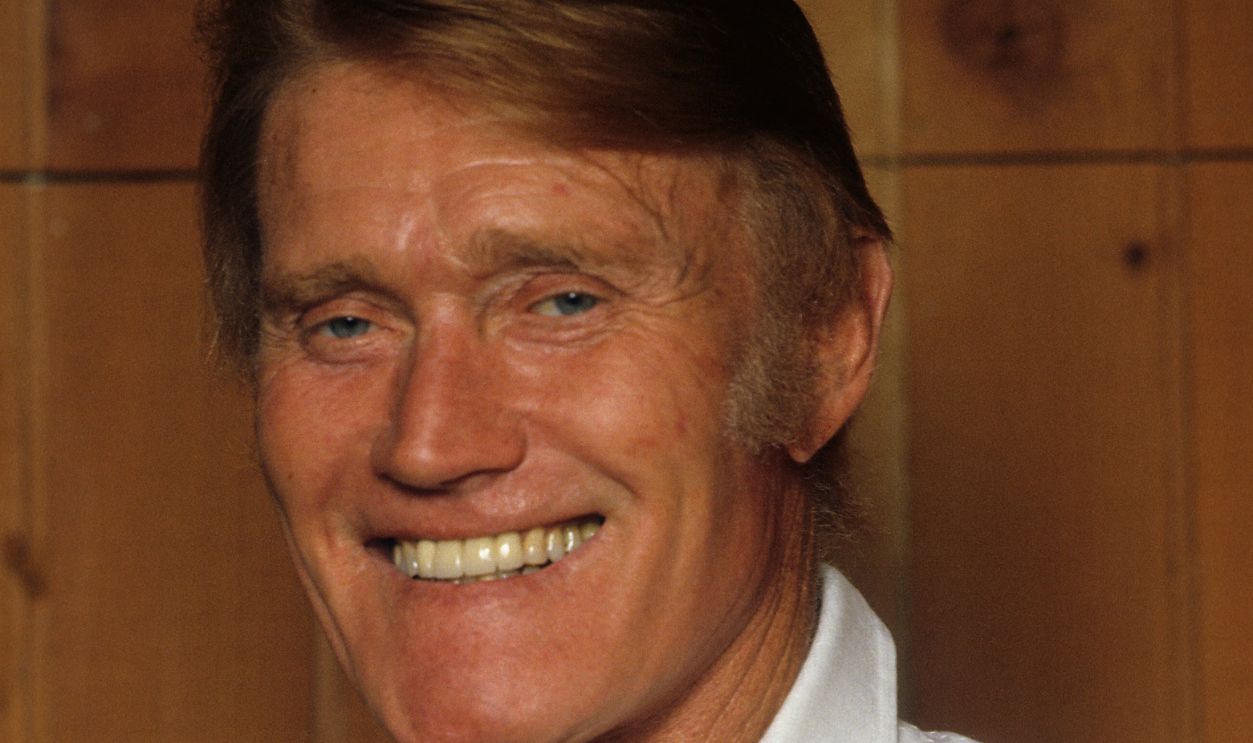
Connors married his first wife, Elizabeth Jane Riddell, in 1948, and the couple had four sons together. For a time, family life mirrored the wholesome father image he portrayed onscreen. But the pressures of career ambitions, constant work, and travel strained the marriage to the breaking point; the couple divorced in 1961.
 Donaldson Collection, Getty Images
Romance Under The Spotlight
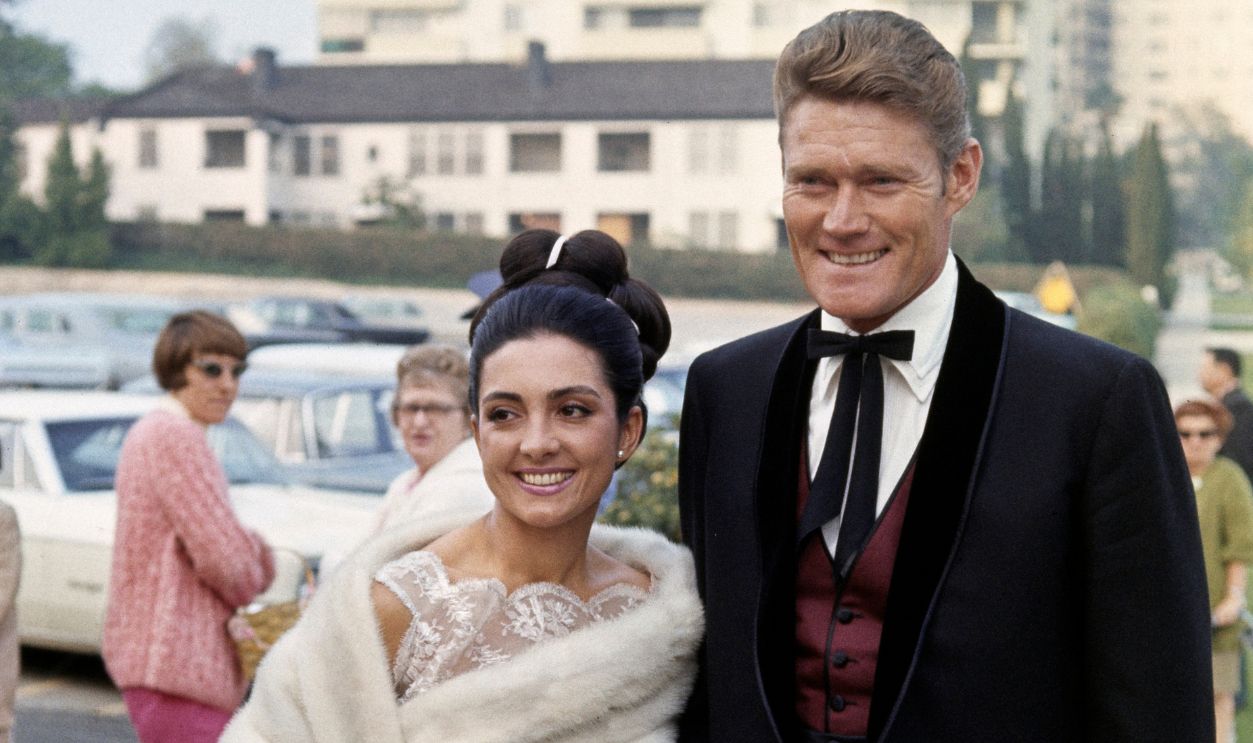
Connors’ second marriage was to actress Kamala Devi in 1963. The two first met on the set of the film Geronimo (1962), in which Connors played the title character. Devi showed up alongside Connors onscreen several more times through the 1960s, and the couple carried the image of show-business harmony. But diverging ambitions and changing opportunities were a constant source of tension between the two. By 1973, that marriage too had ended.
A Third Attempt At Stability
Connors married his third wife, Faith Quabius, in 1977. The two had met back in 1973 when they both appeared on the film Soylent Green. Once again, the relationship began amid public optimism. Yet the pattern repeated itself; differences and personal strains surfaced. They divorced in 1979, underscoring that Connors’ private life was far less steady than his unwavering frontier persona suggested. Connors would never remarry after that.
 Silver Screen Collection, Getty Images
Vigorous Political Activity
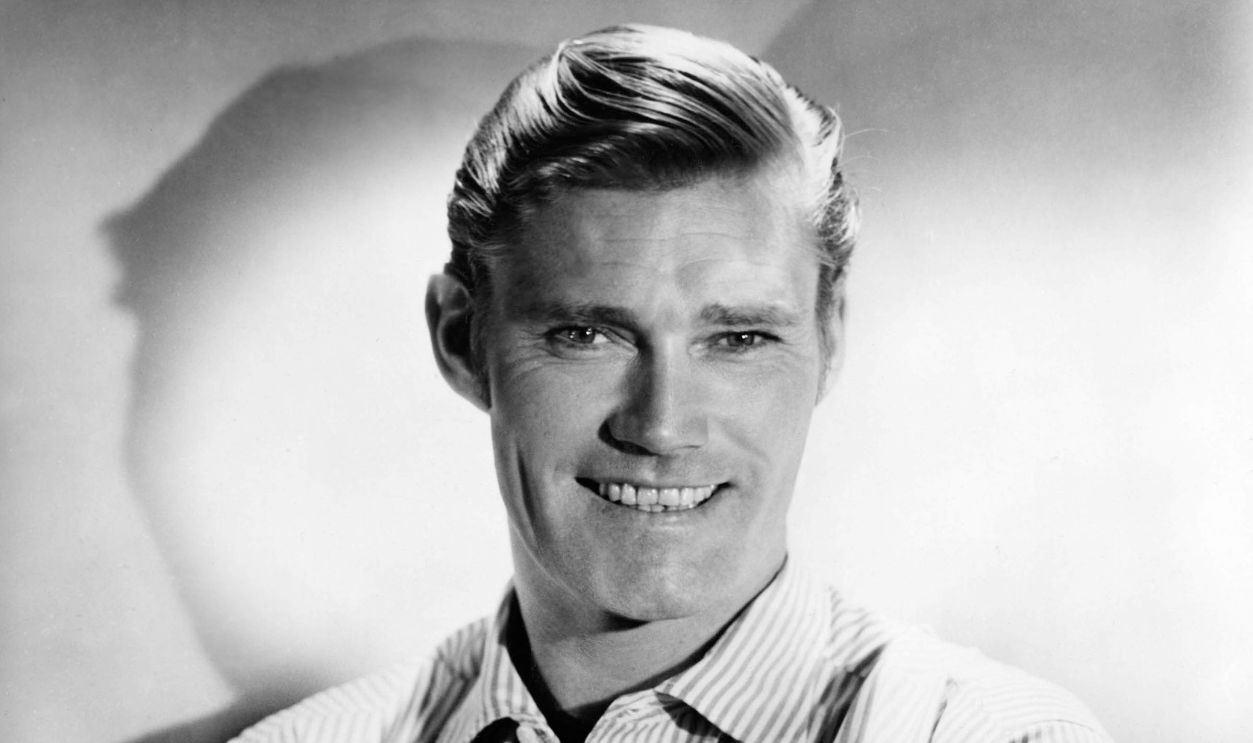
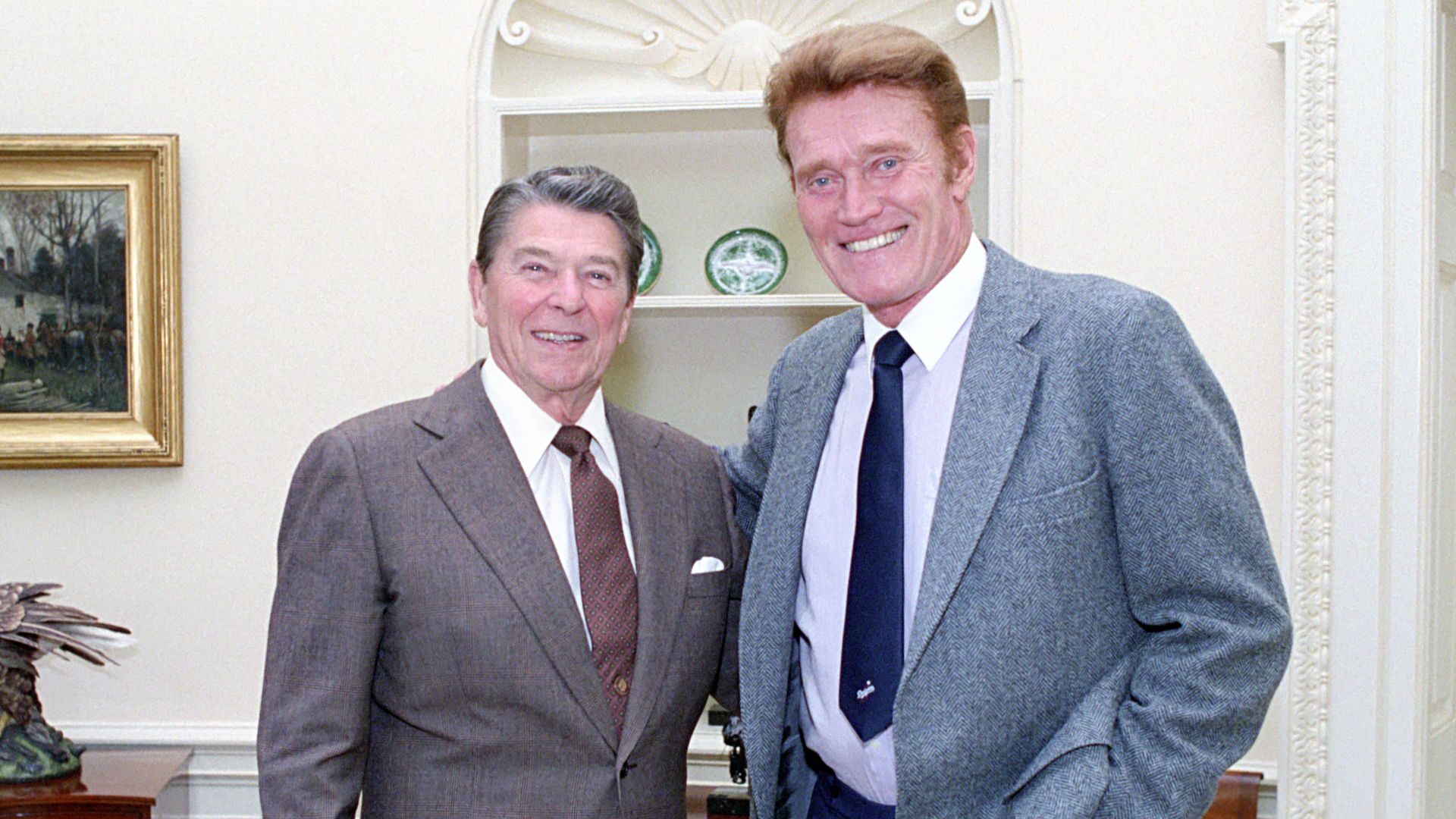
Connors was an outspoken guy in his political leanings. A staunch conservative, he backed Republican candidates like Barry Goldwater and Ronald Reagan, lending his celebrity notoriety to political campaign events. His towering physical presence translated well to rally stages, where he promoted strong national defense and traditional values, Republican positions that would be the backdrop of one of his most unusual international friendships.
A Cowboy In Moscow
In the early 70s, Connors visited the Soviet Union, where The Rifleman had gained surprising popularity. But what started out as cultural outreach would evolve into something more unexpected. Soviet leader Leonid Brezhnev admired Connors personally, setting the stage for a friendship few could have imagined during the international rivalry of the Cold War.
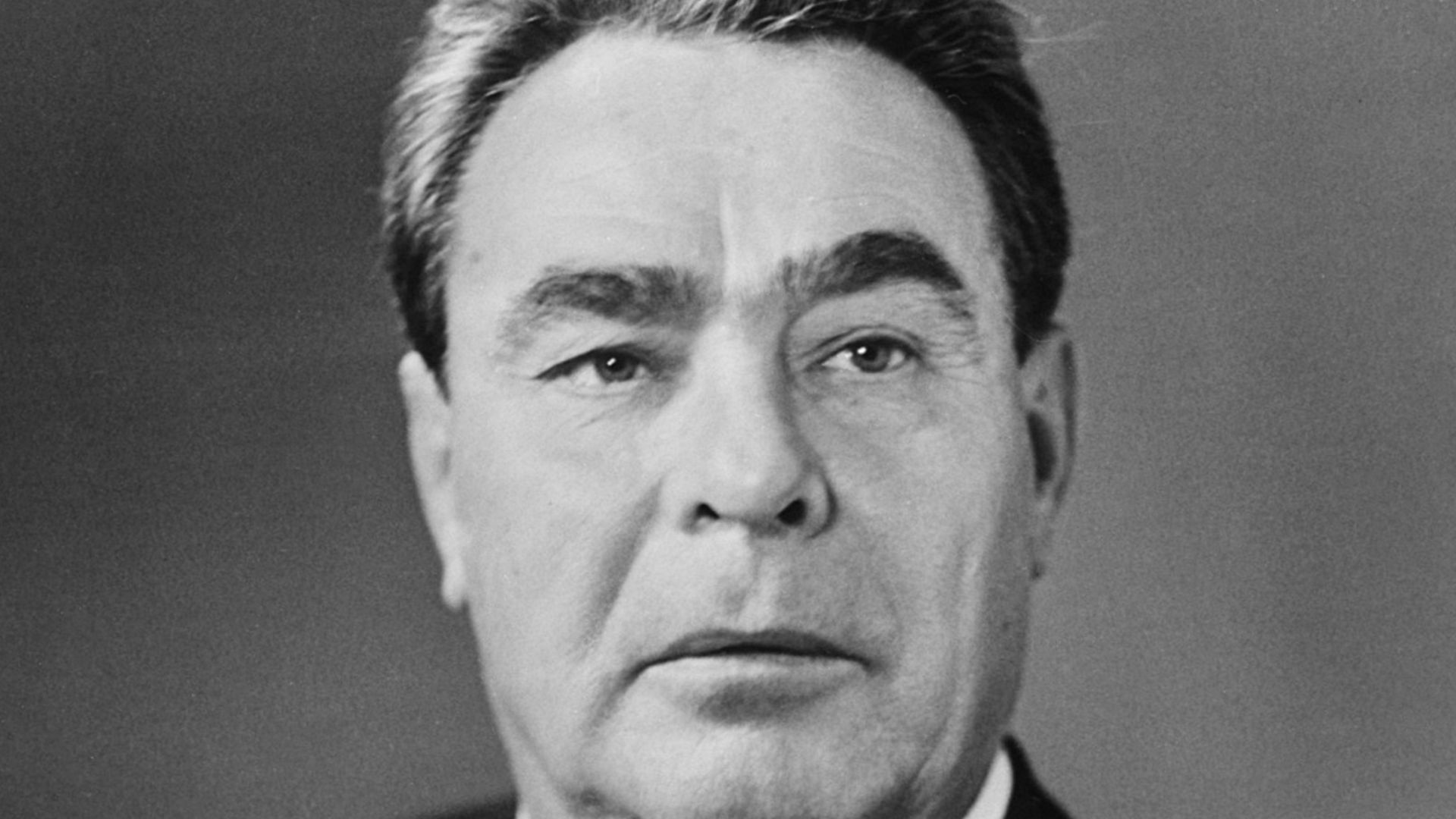 Vladimir Musaelyan, Wikimedia Commons
Brezhnev’s Favorite Western Star
Brezhnev reportedly enjoyed The Rifleman very much and developed a fondness for Connors, seeing in him a symbol of rugged old school masculinity. Their meetings were warm and highly publicized. Connors even gifted Brezhnev with a pair of Colt revolvers, which became one of the Soviet leader’s prized possessions. For Americans who’d grown used to viewing the Soviet Union as an adversary, the images were surreal and powerful.
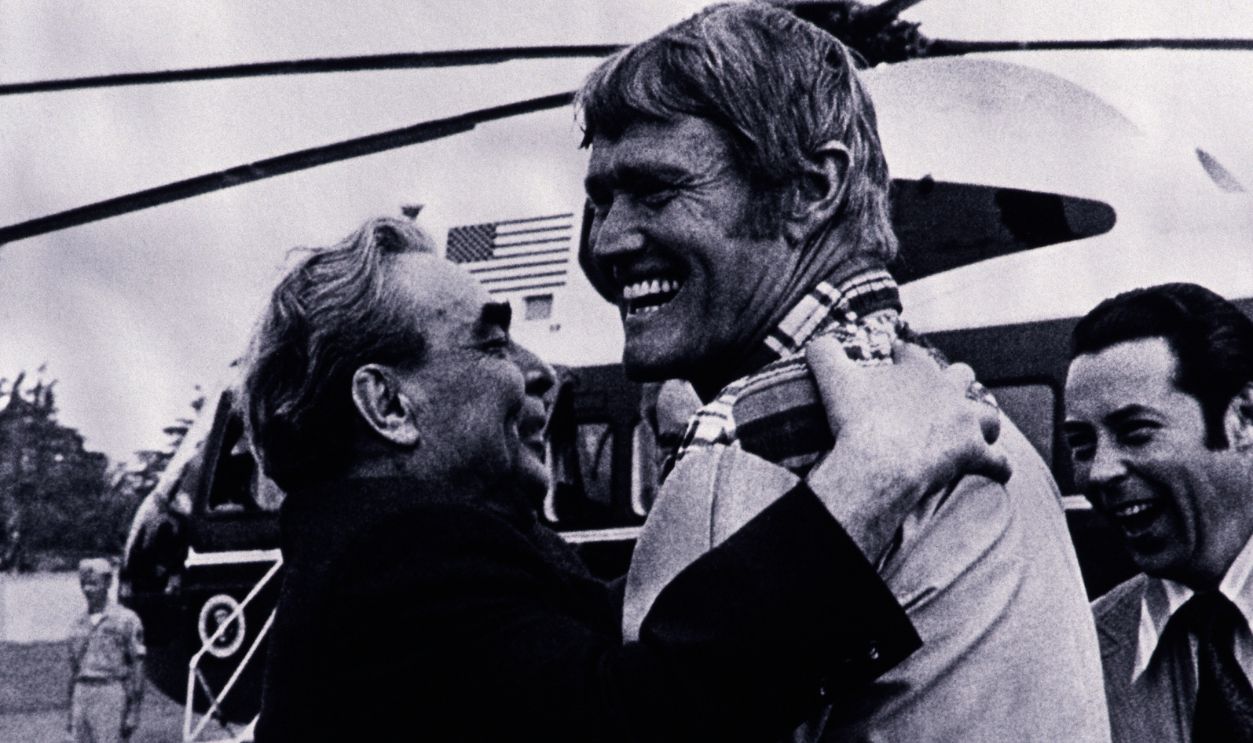
Diplomat Without A Portfolio
Connor carried no official diplomatic capacity, but his friendship with Brezhnev carried symbolic weight. Connors was there with President Nixon to greet Brezhnev on his arrival in the US for a state visit in 1973. Critics may have questioned the optics of it, but supporters saw a case of constructive bridge-building. Either way, the friendship elevated Connors beyond a mere television celebrity.
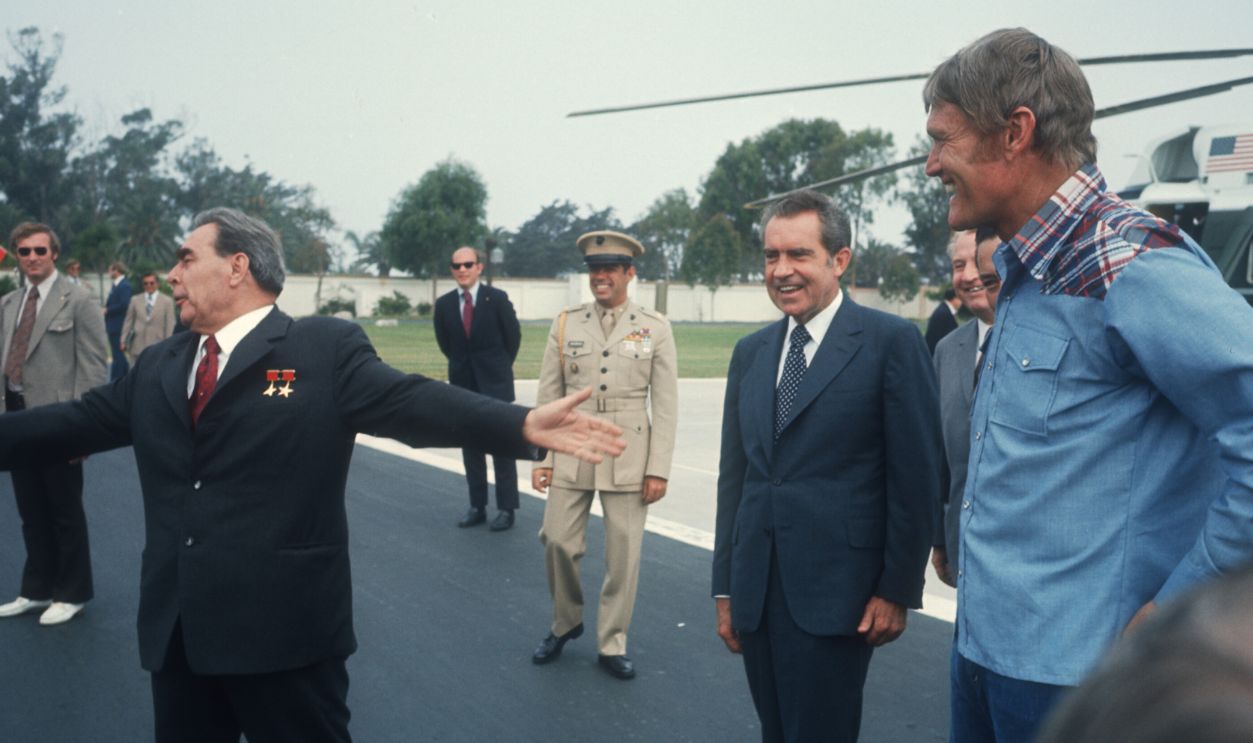
A Symbol Across The Iron Curtain
Photographs of Connors with Brezhnev circulated widely, turning a TV cowboy into a minor Cold War curiosity. He maintained his conservative beliefs even as he engaged Soviet leadership, creating a layered public image. As global tensions fluctuated, Connors continued balancing show business and politics while staying true to his own system of values.
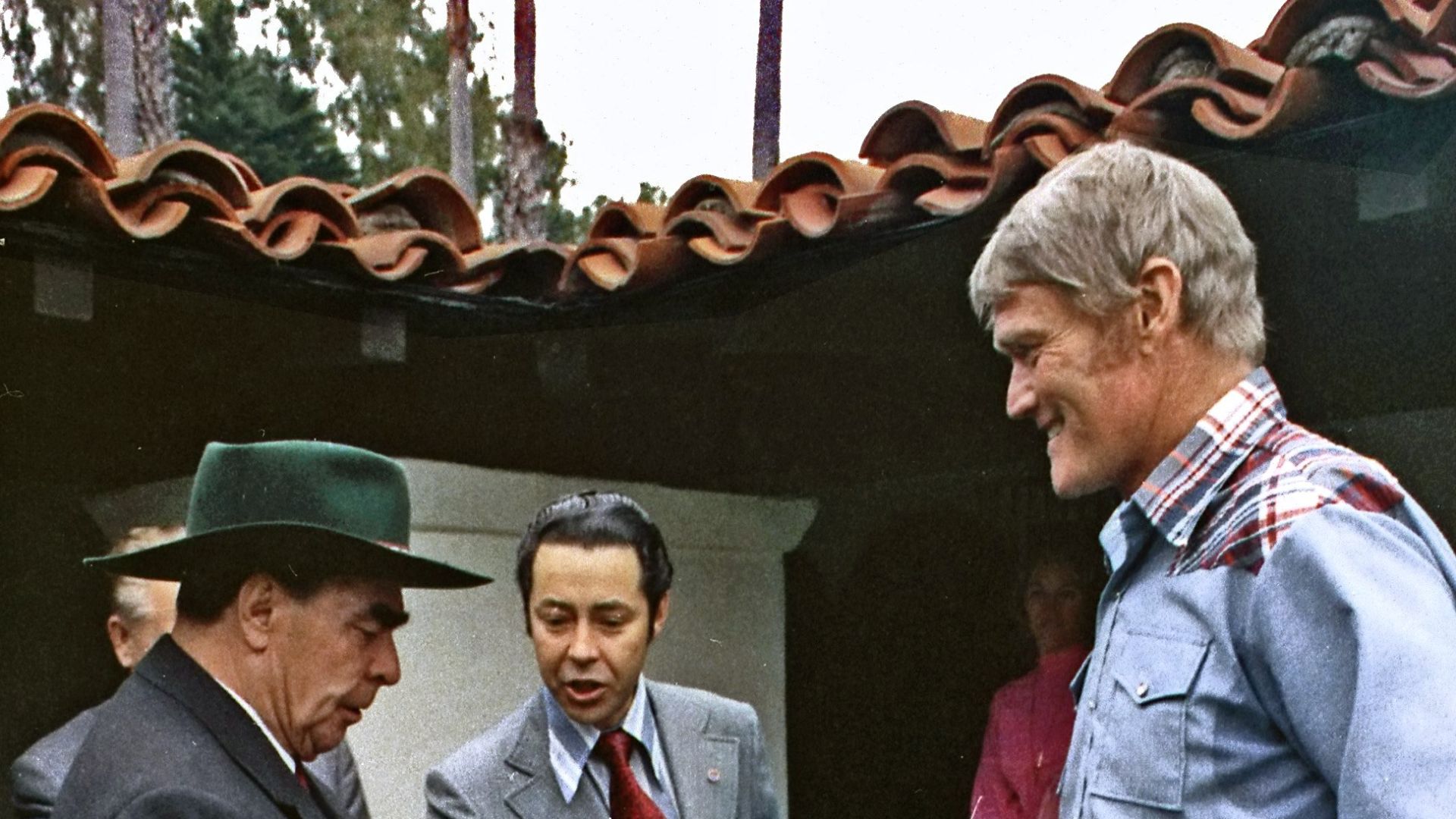 Moore, Robert, White House photographer, Wikimedia Commons
Career In The 1980s
By the 1980s, Connors appeared in guest roles and supporting parts, often as stern authority figures or patriarchs. Though the era of Westerns had gone into a long sunset since its heyday in the 50s and 60s, nostalgia for The Rifleman endured. Connors embraced all the numerous acting opportunities that came his way, understanding that Lucas McCain was the character that had made it all possible.
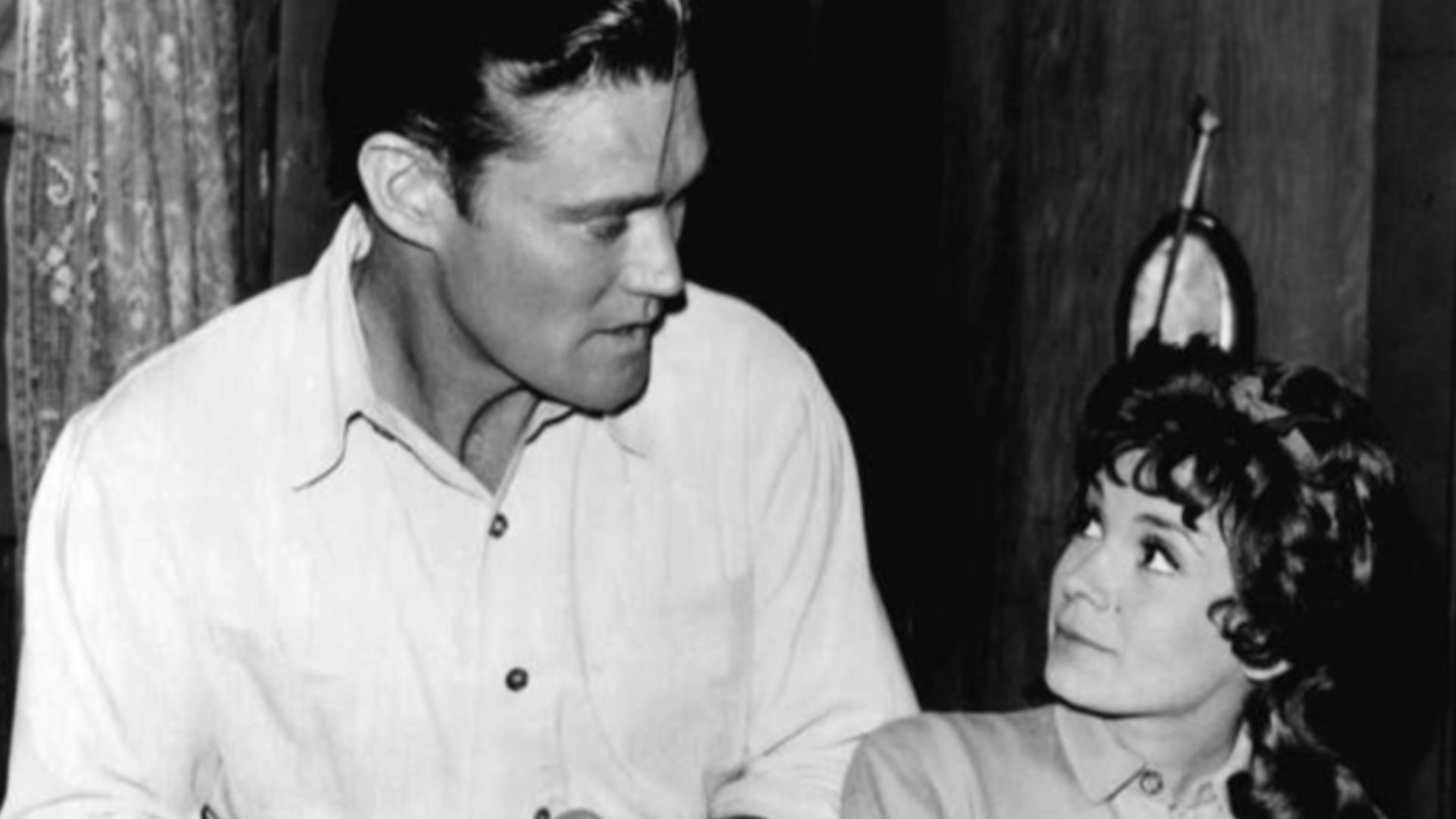 ABC Television, Wikimedia Commons
Health Challenges And Slowing Pace
Father Time had patiently begun to slow Connors’ once imposing physicality. Years of athletic strain and a demanding career had left their mark. Still, he remained publicly active, guest-starring in shows like Murder, She Wrote, The Love Boat, Spenser: For Hire, and other 80s TV fare. Yet the inevitable end of his story was approaching.
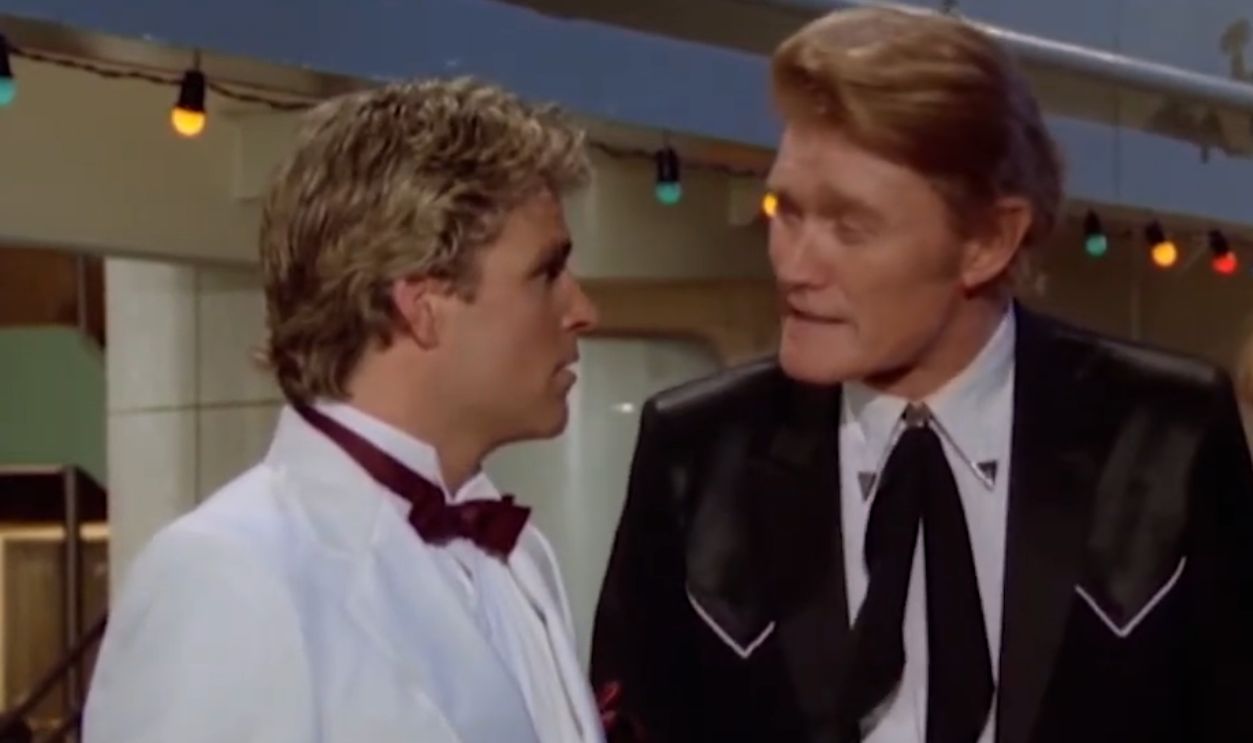 Screenshot from The Love Boat, ABC (1977–1986)
The Final Year
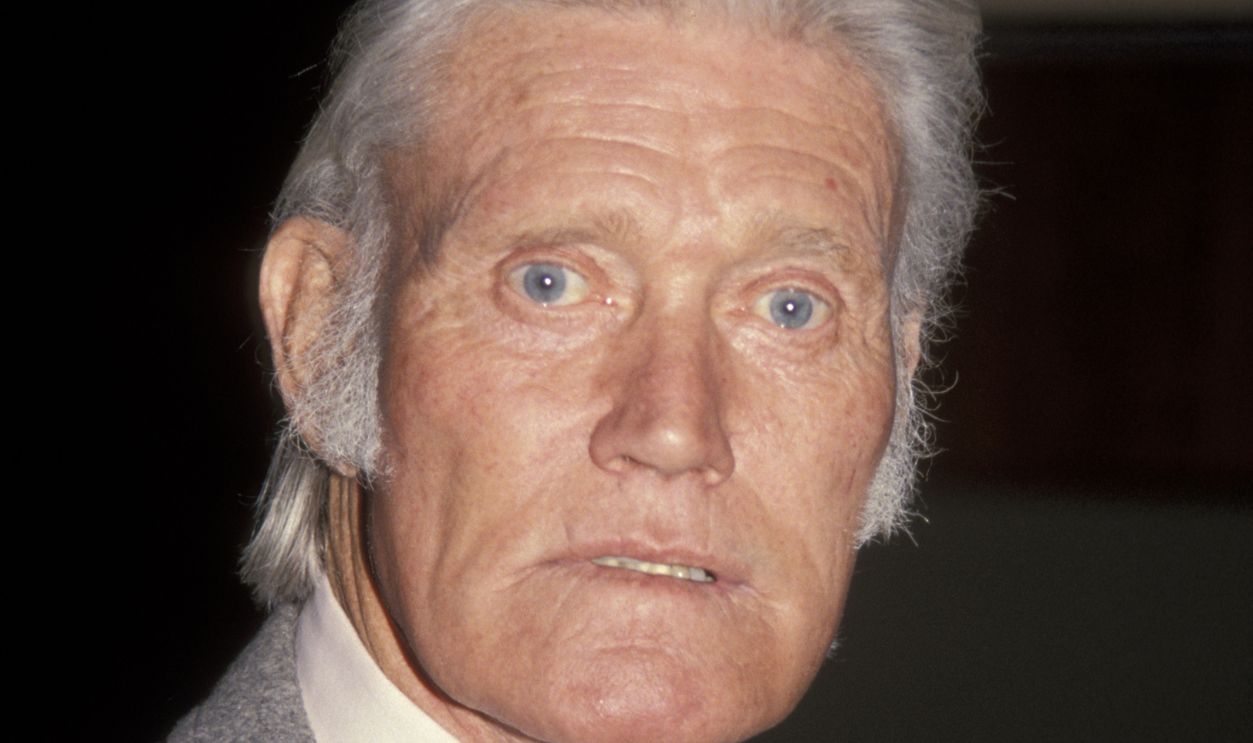
In 1992, Connors was diagnosed with lung cancer. The once-vigorous athlete and commanding TV frontiersman faced his final chapter with the stoic dignity of a cowboy on the range looking at his last sunset. But even as illness advanced, he remained connected to fans who still saw him as Lucas McCain.
Passing Of A TV Titan
Chuck Connors died on November 10, 1992, at the age of 71. Tributes to his legacy poured in from Hollywood colleagues, political allies, and fans worldwide. For many, it felt like the passing of an era in TV history, as one of the Western genre’s defining faces faded from the screen for the last time.
Legacy In The Memory Of Audiences
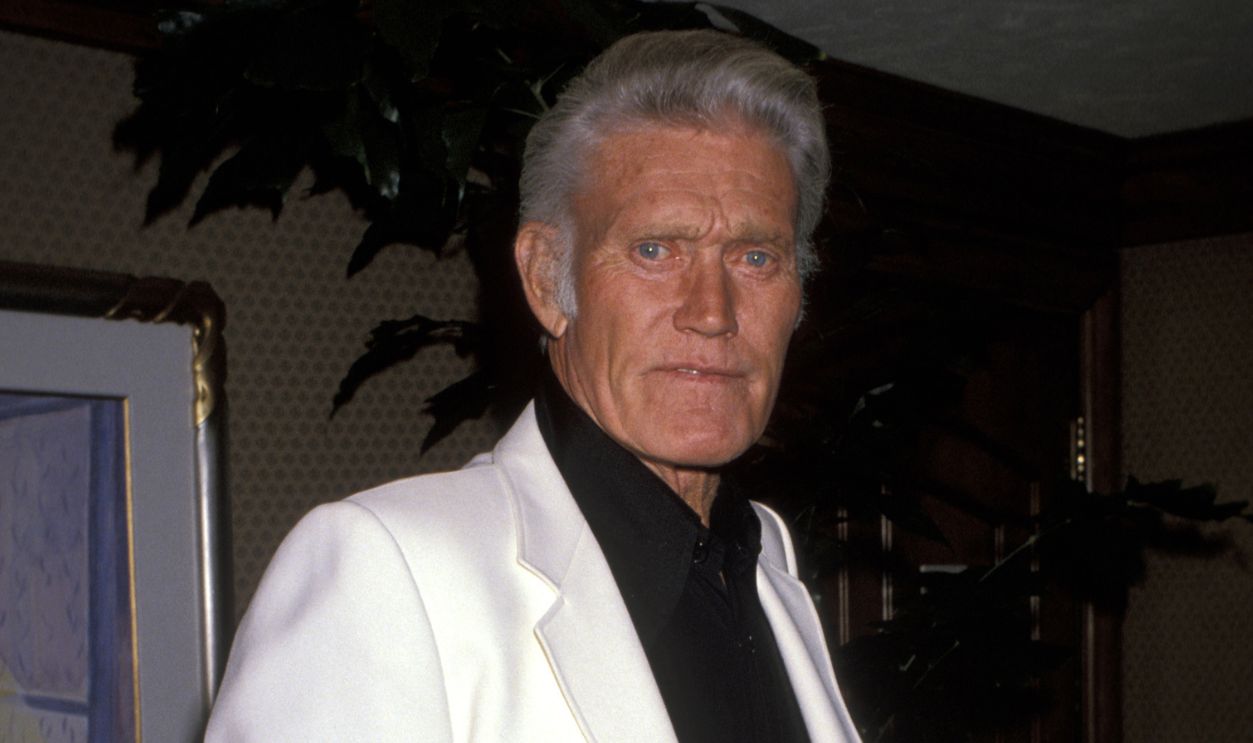
The Rifleman lives on in reruns and cultural memory, introducing new generations to Chuck Connors’ blend of toughness and warmth. The two-sport professional athlete, Western icon, and Cold War emissary had journeyed a long way from the hardscrabble streets and playgrounds of Brooklyn.
 Donaldson Collection, Getty Images
You May Also Like:
The Most Snubbed TV Shows At The Emmys
Tough Guy Actors Who Refused To Cry Or Die On Screen