
A mind that never stopped
For decades, Robin Williams’ brain was his superpower. Directors described him as operating at a speed no one else could match. Then in 2013, subtle changes began surfacing. The energy was still there—but something underneath it was shifting.

The network return
In 2013, Williams returned to network television with The Crazy Ones, starring opposite Sarah Michelle Gellar. It was his first leading TV role in decades. During production, he was already experiencing rising anxiety and cognitive changes he couldn’t yet explain.
 Greg Hernandez, Wikimedia Commons
Subtle changes behind the scenes
Susan Schneider Williams later said symptoms intensified in late 2013—insomnia, anxiety, and confusion. At the time, neither of them understood what was happening. They only knew something felt wrong.
 Chad J. McNeeley, U.S. Navy, Wikimedia Commons
Still showing up to work
In early 2014, while filming Night at the Museum: Secret of the Tomb in Vancouver and London, Williams was already battling worsening neurological symptoms. Director Shawn Levy later said he seemed “less sharp.” But he kept coming to set and finishing scenes.
 Screenshot from Night at the Museum: Secret of the Tomb, 20th Century Fox (2014)
The diagnosis he thought he had
In May 2014, Williams was diagnosed with Parkinson’s disease. He kept it private, telling only close friends. Parkinson’s explained tremors—but not the paranoia, memory fluctuation, and severe anxiety he was experiencing.
 Maj. Enrique Vasquez, Wikimedia Commons
The sitcom ended
That same month, The Crazy Ones was canceled after one season. The professional setback arrived alongside his diagnosis, adding uncertainty during an already destabilizing time.
 Screenshot from The Crazy Ones, CBS (2013)
What no one knew yet
After his death in August 2014, an autopsy revealed diffuse Lewy body dementia (LBD). Neuropathologists found widespread Lewy bodies throughout his brain. During his final months, he did not know this was the true cause.
 jasonshellen, Wikimedia Commons
“He was aware something was wrong”
Susan Schneider Williams later said, “He was aware that he was losing his mind and there was nothing he could do about it.” He felt the deterioration—but lacked a name for it.
 Eva Rinaldi, Wikimedia Commons
A perfect storm
Susan described his final year as a “perfect storm.” Parkinson’s symptoms. Undiagnosed LBD. Severe anxiety. Depression. Multiple conditions overlapping at once, each amplifying the others.
 Steve Jurvetson from Menlo Park, USA, Wikimedia Commons
Misdiagnosed for months
Throughout late 2013 and early 2014, he experienced insomnia, loss of smell, constipation, paranoia, and cognitive fluctuation—hallmark symptoms of LBD. Many patients are initially misdiagnosed with Parkinson’s or depression. Williams was.
 John J. Kruzel / American Forces Press Service, Wikimedia Commons
The fluctuation effect
Lewy body dementia causes dramatic fluctuation. A patient can seem clear one day and confused the next. Susan later explained that some days he felt almost normal. Other days were overwhelming.

The man who never needed a script
For decades, Williams rarely relied strictly on memorized dialogue. Directors let cameras run while he improvised entire sequences. In 2014, memory slips forced him to rehearse carefully—something that felt foreign and frightening.
 Photographer's Mate Airman Milosz Reterski, Wikimedia Commons
Rehearsing out of fear
Susan Schneider Williams said he practiced lines repeatedly because he was terrified of forgetting them. He began asking whether he was slipping mentally—searching for reassurance from those around him.
 Sgt. Thomas Benoit, Wikimedia Commons
“Is it me? Is it just normal aging?”
At one point, he asked, “Is it me? Is it just normal aging?” The question captured the uncertainty. He sensed change—but couldn’t determine whether it was illness or simply getting older.
 Sgt. 1st Class Jeff Troth, Wikimedia Commons
“I just want to reboot my brain”
Billy Crystal later recalled Williams saying, “I just want to reboot my brain.” It sounded almost like classic Robin phrasing—but beneath it was exhaustion and awareness that something fundamental wasn’t working.
 U.S. Marines Corps photo/Staff Sgt. Luis P. Valdespino Jr., Wikimedia Commons
A brain like a Ferrari
Years earlier, Williams joked, “My brain is like a Ferrari engine in a go-kart body.” For most of his life, that speed created brilliance. By 2014, that same intensity may have felt overwhelming and uncontrollable.
 Eva Rinaldi, Wikimedia Commons
Medication complications
In mid-2014, doctors were adjusting medications for Parkinson’s and anxiety. LBD patients can be highly sensitive to certain drugs, sometimes worsening confusion and agitation. Stabilizing symptoms became increasingly difficult.
 S Pakhrin from DC, USA, Wikimedia Commons
Anxiety escalated
Susan later described his anxiety as severe and constant in the months before his death. LBD often produces intense paranoia and mood instability. At the time, doctors were still trying to isolate causes.
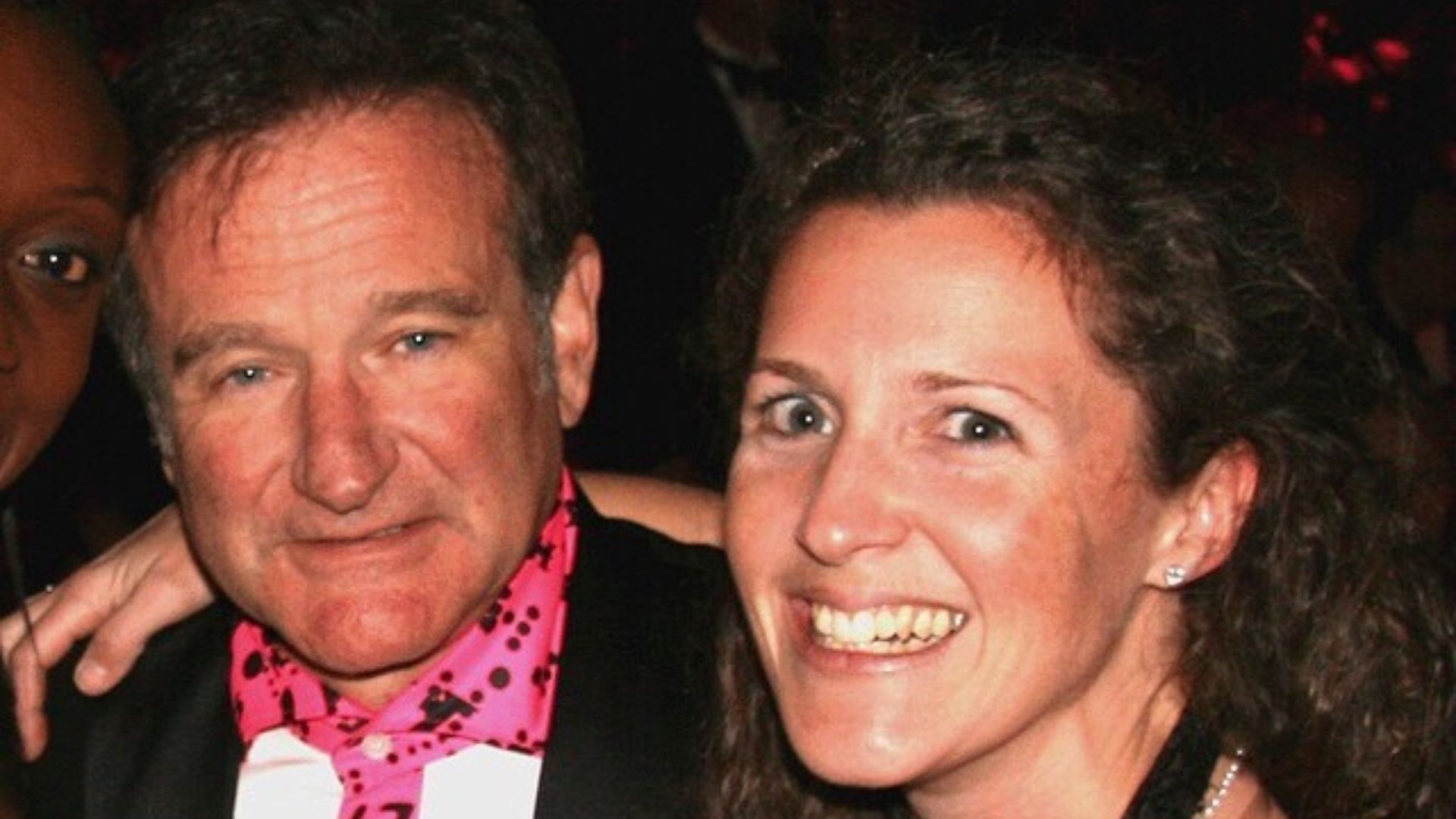 Nicki Dugan Pogue from San Francisco, USA, Wikimedia Commons
He had been sober
Williams had long been open about addiction in earlier decades. In 2014, he entered a Minnesota treatment center as a proactive sobriety check-in—not because of relapse. His neurological decline was separate from substance use.
 No machine-readable author provided. Darsie assumed (based on copyright claims)., Wikimedia Commons
A quieter performance
Filmed before his diagnosis but released after his death, Boulevard showed a subdued, internal performance. Critics later noted how restrained it felt compared to his earlier explosive comedic work.
 U.S. Air Force photo / Airman 1st Class Tabitha M. Mans, Wikimedia Commons
He kept trying to riff
During filming in 2014, Shawn Levy said Williams still attempted improvisation—but with visible uncertainty. The instinct to experiment with lines remained, even when the rhythm wasn’t as effortless as before.
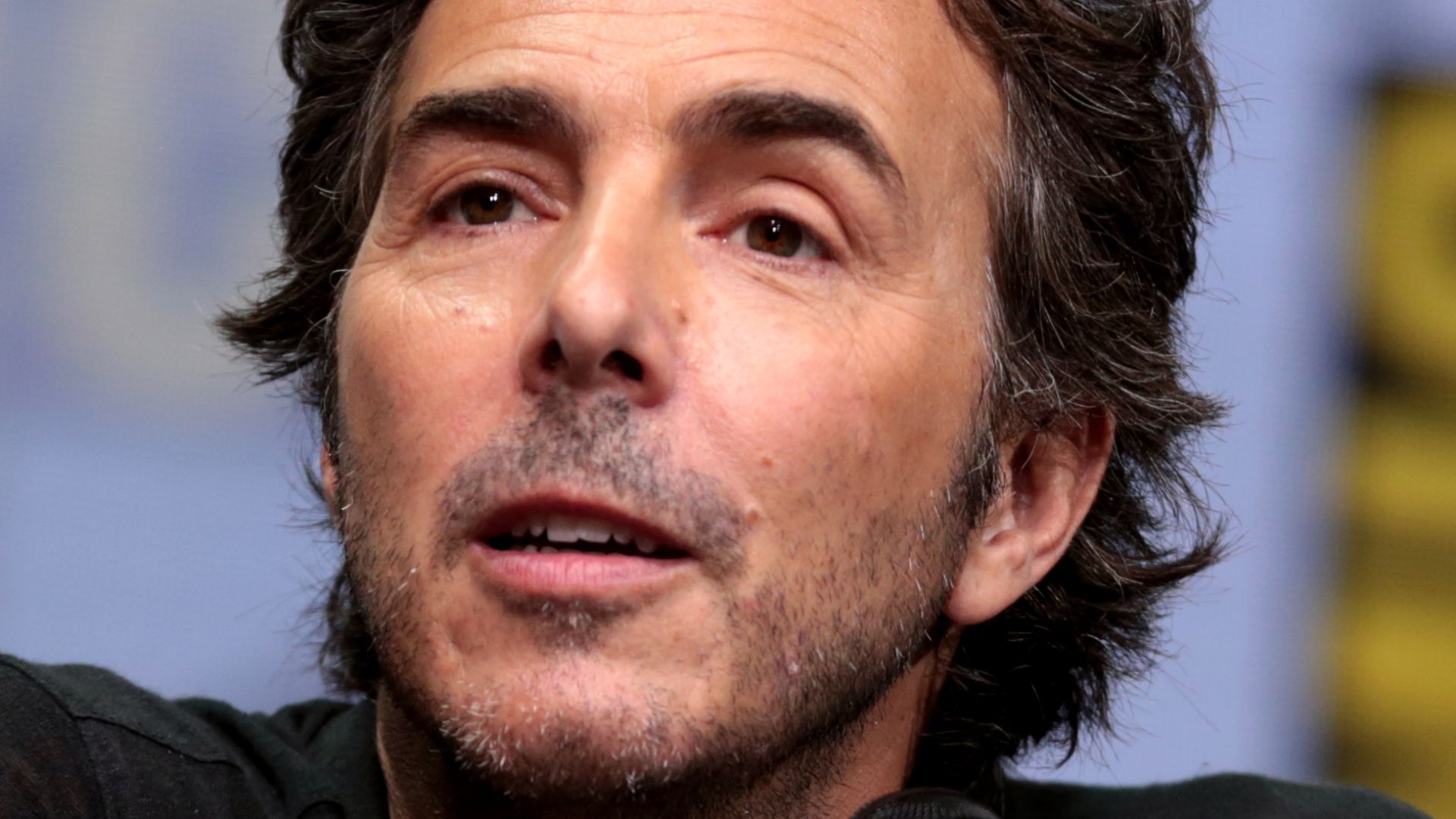 Gage Skidmore, Wikimedia Commons
Losing confidence
Susan Schneider Williams later said he began worrying he was “losing it.” For someone whose identity depended on timing and speed, doubting his comedic instincts wasn’t minor—it struck at the core of who he believed he was.
 Sgt. 1st Class Jeff Troth, Wikimedia Commons
The severity revealed
After his death, neuropathologist Dr. J. William Langston said the level of Lewy body pathology was among the most severe he had seen. The neurological damage was widespread and advanced.
 Chairman of the Joint Chiefs of Staff from Washington D.C, United States, Wikimedia Commons
The truth came too late
The autopsy confirmed diffuse Lewy body dementia. For months, he had been fighting a degenerative brain disease without understanding its name. The clarity arrived only after he was gone.
 Charles Haynes, Wikimedia Commons
Could an earlier diagnosis have changed anything?
Lewy body dementia has no cure and no treatment that stops its progression. Experts say an earlier diagnosis likely would not have reversed the disease. But clearer answers might have reduced medication complications—and eased the fear of not knowing.
 Eva Rinaldi, Wikimedia Commons
The instinct never left
Even as symptoms progressed through 2014, he continued trying to make people laugh. The tragedy isn’t that he stopped being funny. It’s that he never fully understood what was happening inside his own mind.
You Might Also Like:
Lindsay Wagner Broke New Ground As TV’s Bionic Woman
Mitch Hedberg Jokes That Prove He Was The Greatest One-Liner Comedian Of All Time