Hollywood's Reluctant Tough Guy
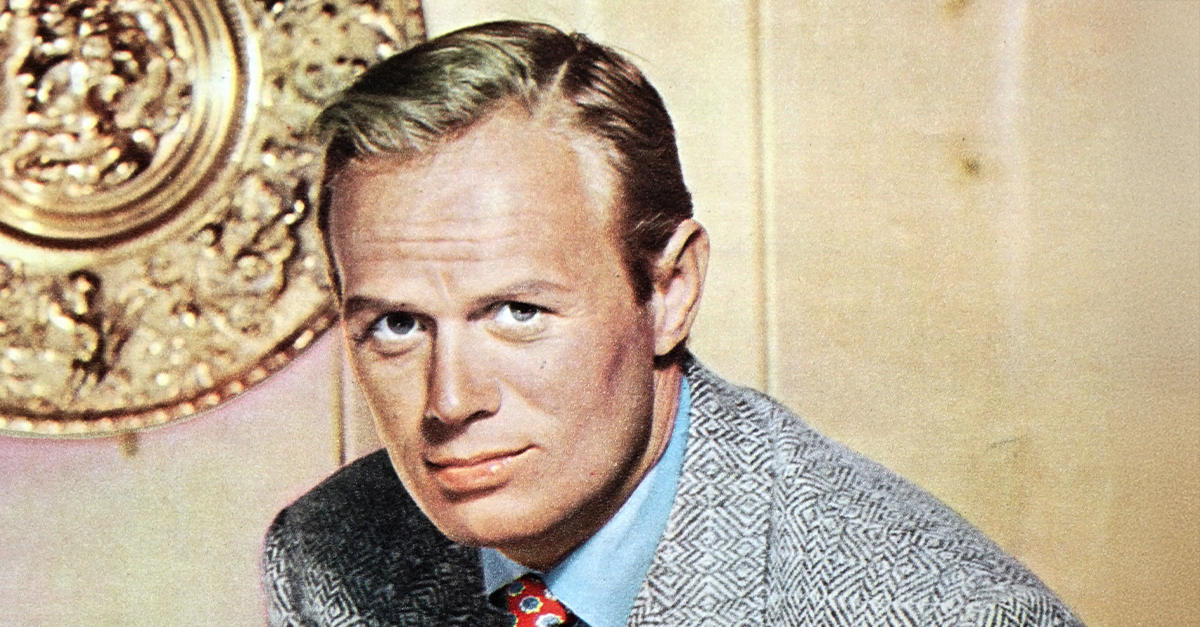
Richard Widmark built one of the most respected careers in American film, yet his greatest success began with a role that almost went to someone else. Widmark overcame typecasting to become a versatile leading man, appearing in acclaimed dramas, westerns, war films, and thrillers. Along the way he earned a reputation as one of Hollywood's most intelligent and dependable performers.
Minnesota Beginnings
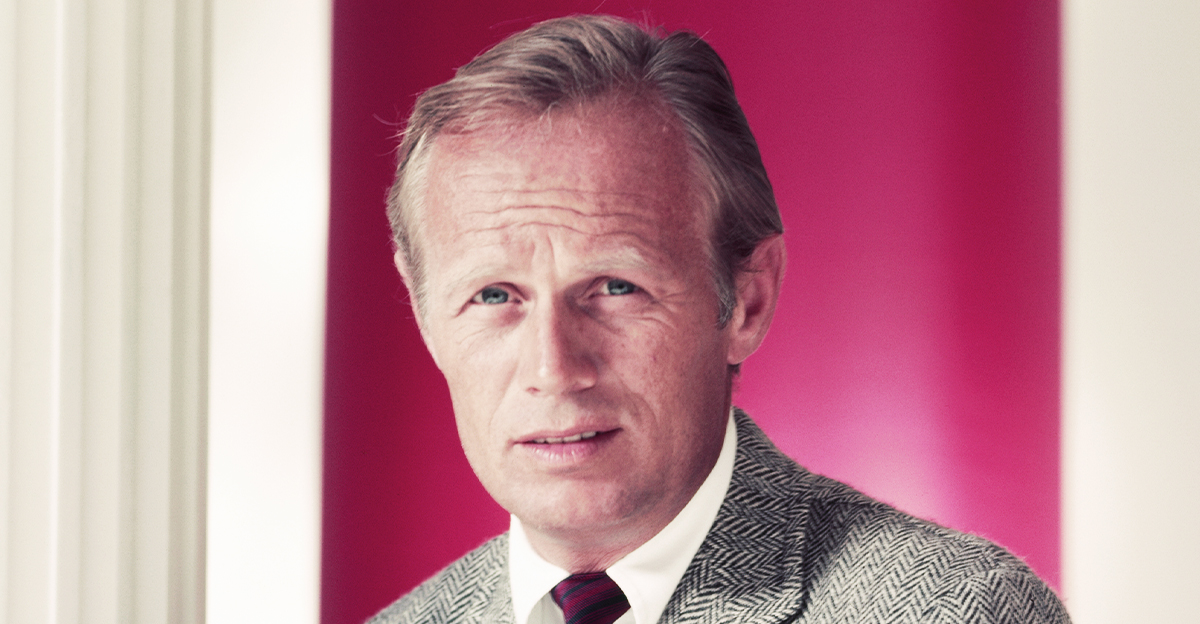
Richard Widmark was born on December 26, 1914, in Sunrise Township, Minnesota. His father Carl Henry Widmark was a traveling salesman, causing the family to move frequently during childhood. Those experiences exposed him to many communities and helped shape the adaptability he later brought to acting.
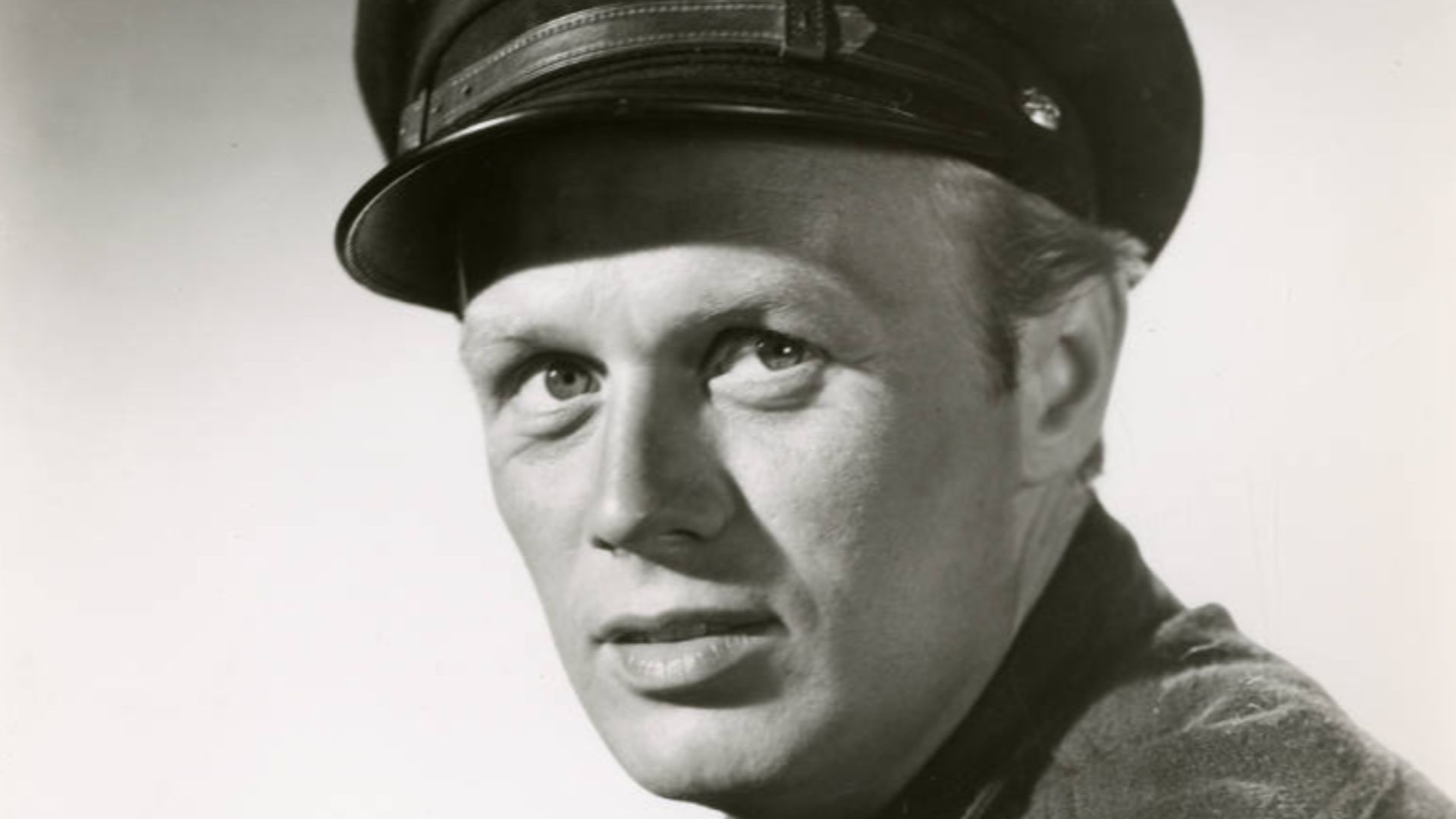 Unknown authorUnknown author, Wikimedia Commons
A Serious Childhood Injury
As a boy, Widmark suffered a perforated eardrum that damaged his ear and left him with hearing difficulties for the rest of his life. Despite the injury, he excelled in school and developed an interest in speech, public performance, and dramatic expression.
 Universal History Archive/Universal Images Group via Getty Images
Discovering Performance
Widmark attended Lake Forest College in Illinois, where he studied speech and drama. During his college years he became increasingly involved in theatrical productions and discovered talents that eventually pointed him toward a professional career in entertainment.
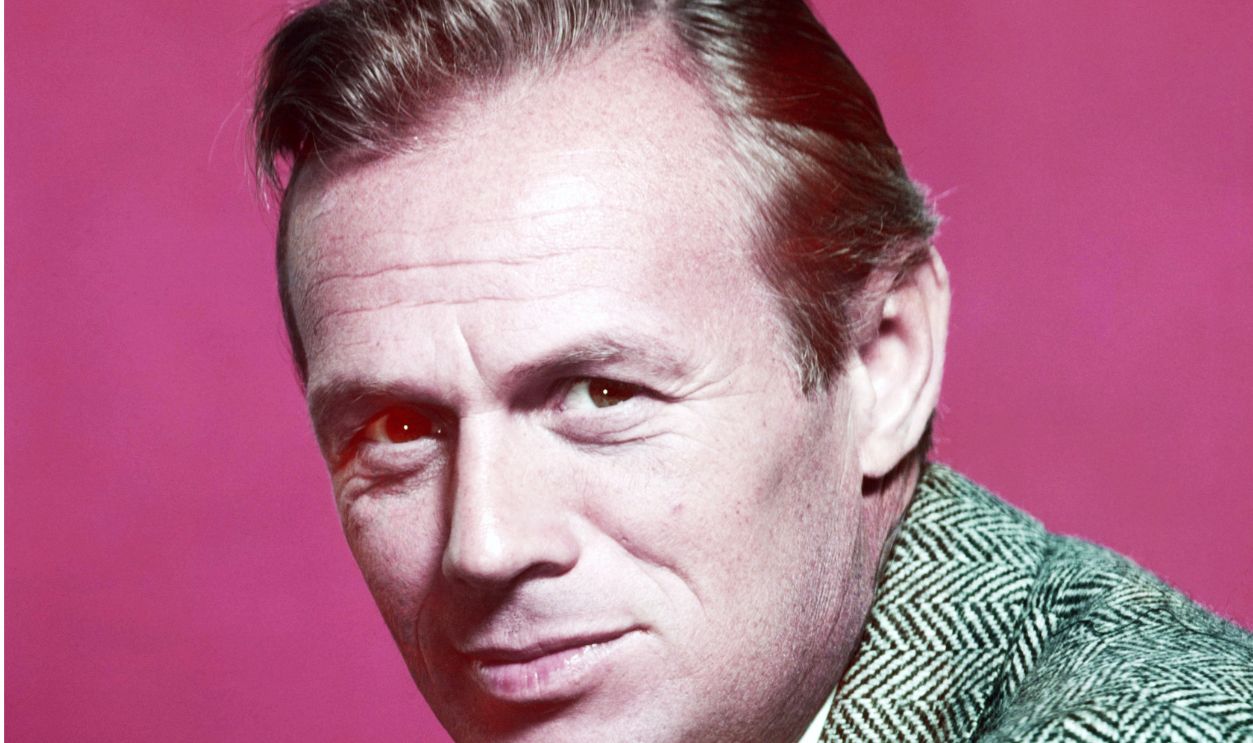 Silver Screen Collection, Getty Images
Teaching Before Acting
After graduating in 1936, Widmark remained at Lake Forest College as a speech instructor. While teaching, he continued appearing in productions and refining the communication skills that later served him well in radio, film, and television.
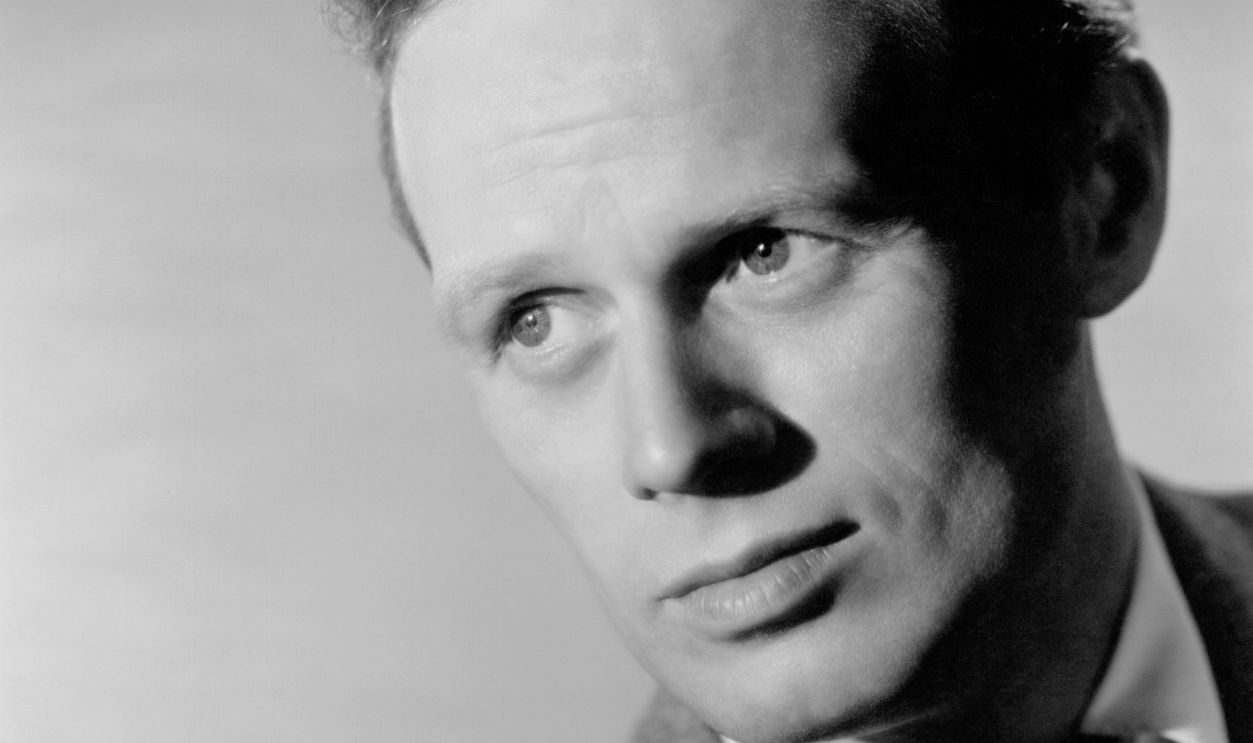 De Carvalho Collection, Getty Images
Entering Radio
In the late 1930s, Widmark moved into radio. He quickly became a reliable performer in dramatic broadcasts, gaining valuable experience through countless roles. Radio provided both steady employment and a practical training ground for his future screen career.
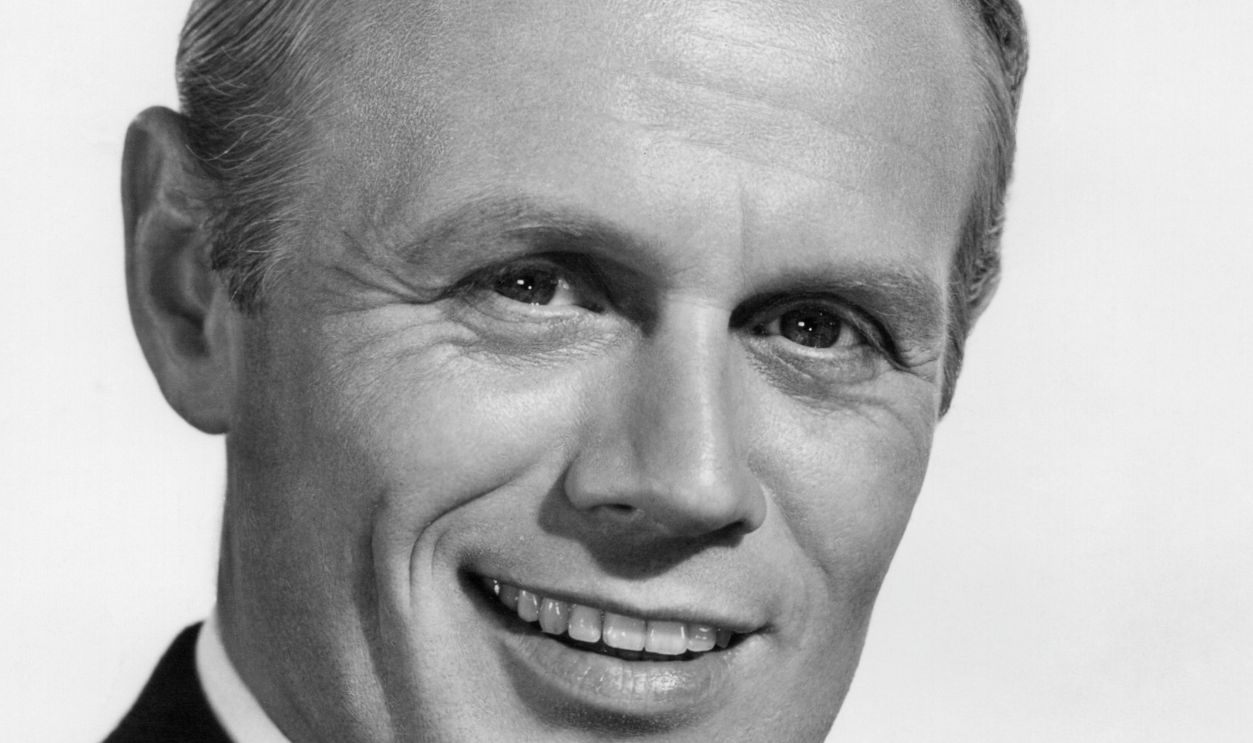 De Carvalho Collection, Getty Images
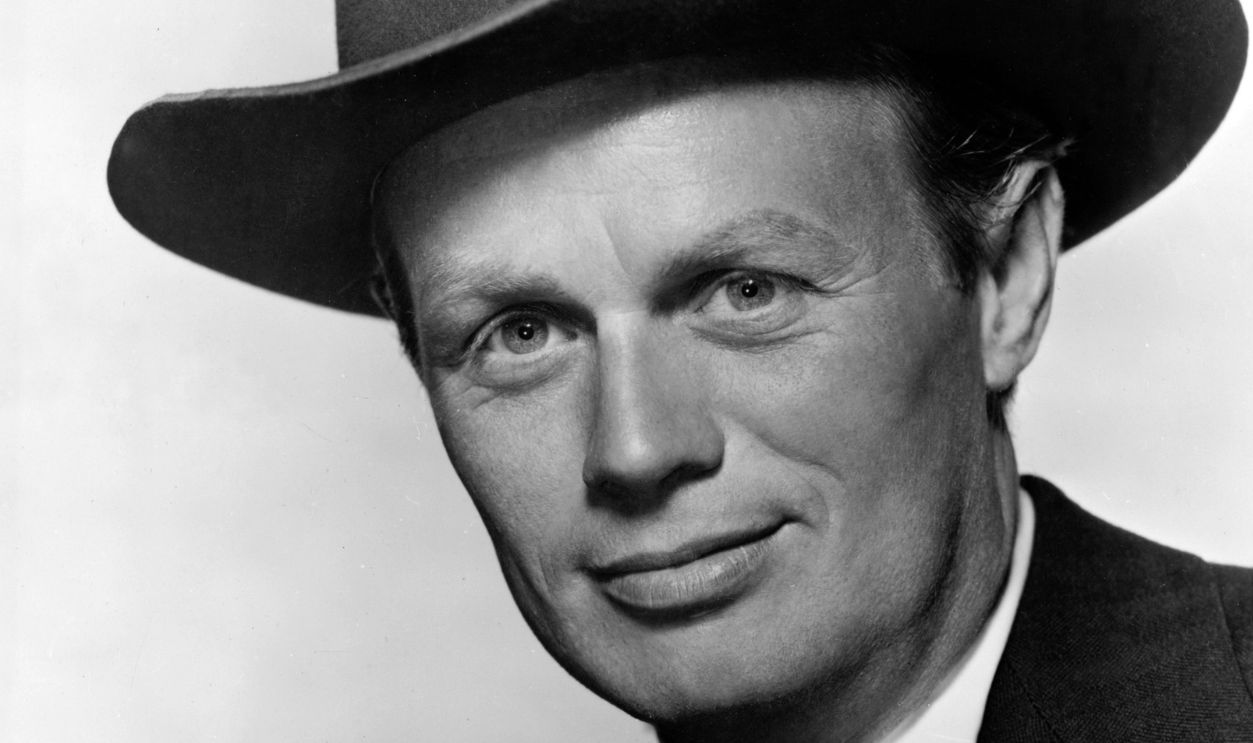
Wartime Disappointment
When World War II began, Widmark wanted to serve in the armed forces. His damaged ear led to medical rejection, preventing military service. The disappointment stayed with him throughout the war and remained one of the defining frustrations of his early adulthood.
 Silver Screen Collection, Getty Images
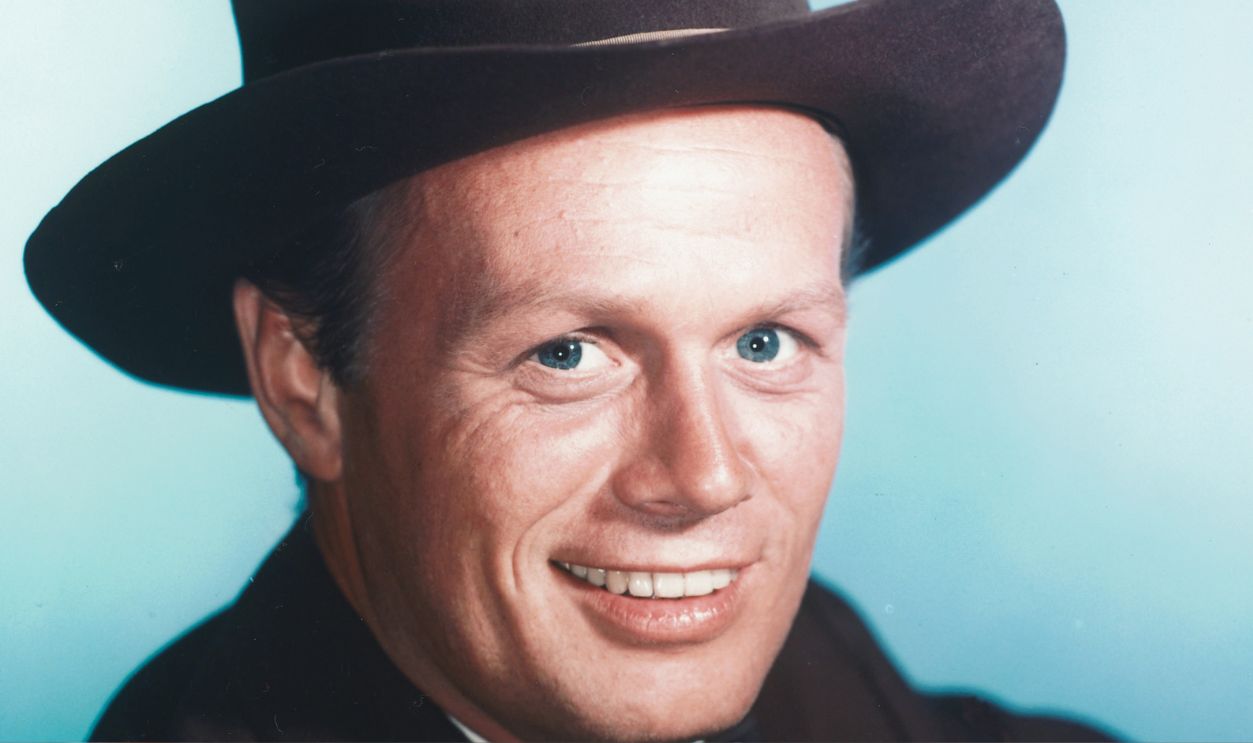
Supporting The War Effort
Unable to enlist, Widmark contributed through wartime broadcasting and entertainment activities. Like many performers of the era, he participated in efforts intended to support morale and keep Americans informed and engaged during the conflict.
 Silver Screen Collection, Getty Images
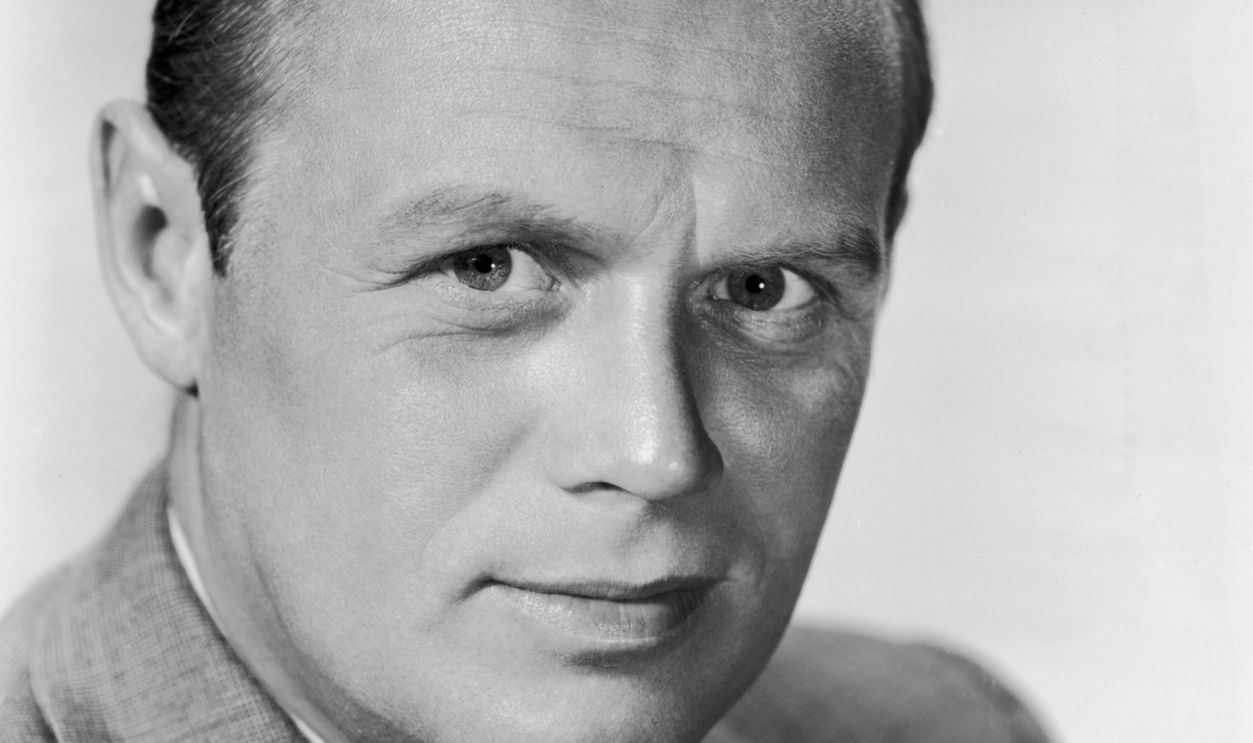
His Brother's Service
The war carried a personal cost for Widmark's family. His younger brother Carl served in the military during World War II. Though Carl survived the war, Richard was reportedly deeply affected by his brother's experiences and later death at a relatively young age, a loss that haunted him for years.
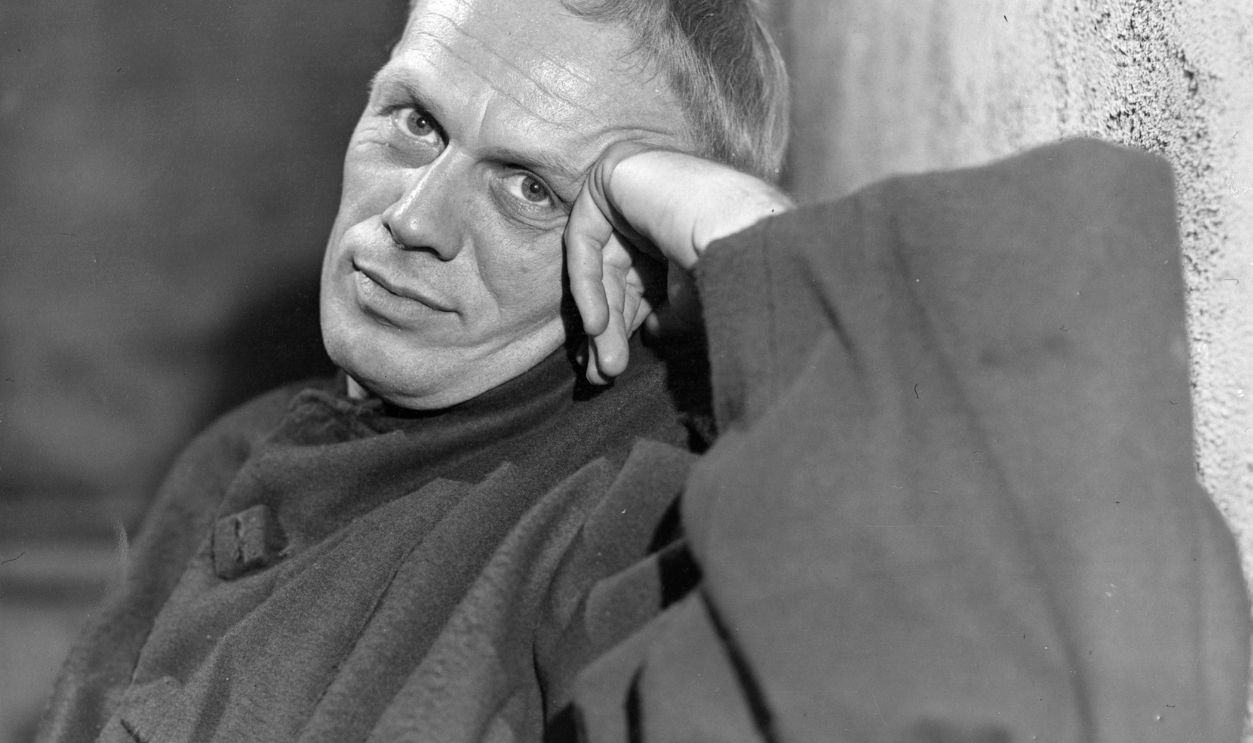
Broadway Success
Widmark's success in radio and stage productions during the 1940s attracted Hollywood attention. As his reputation grew on Broadway, studios began to view him as a promising performer capable of making the transition from radio to motion pictures.
Rejected For Tommy Udo
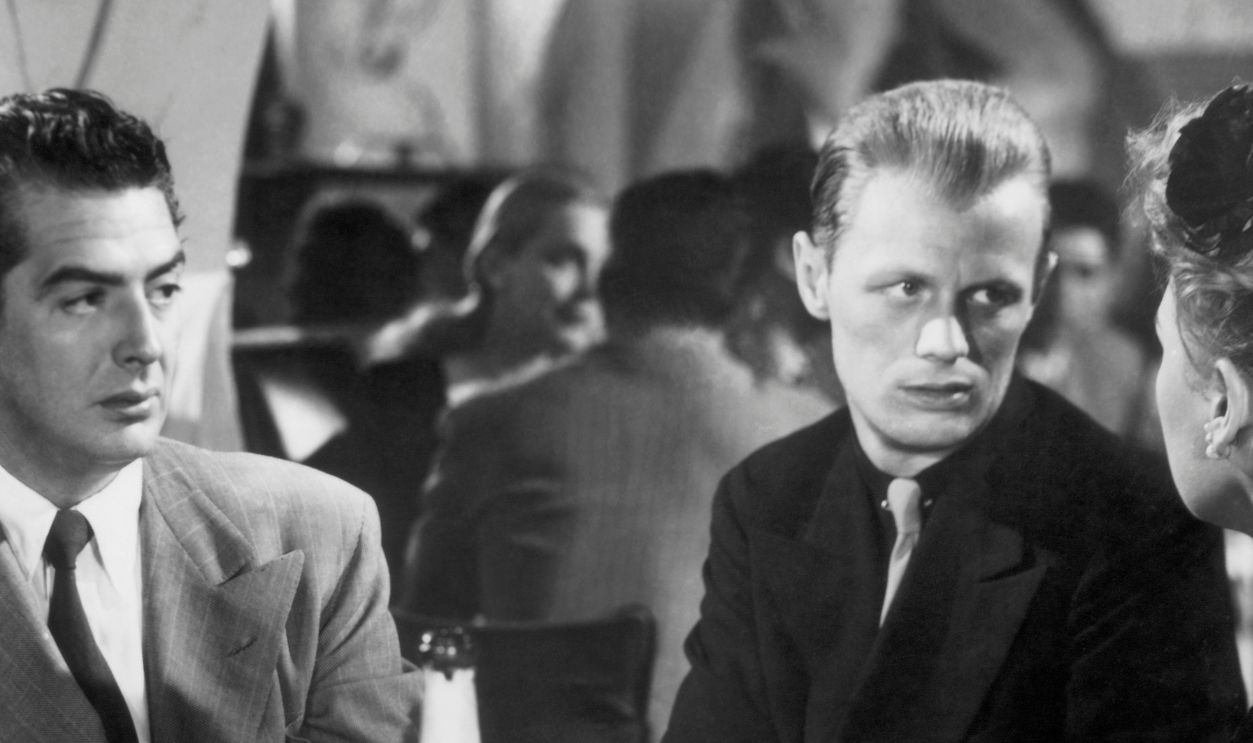
When casting began for Kiss of Death (1947), director Henry Hathaway initially opposed hiring Widmark. Studio chief Darryl F. Zanuck disagreed and overruled him. The film starred Victor Mature, Brian Donlevy, and Coleen Gray alongside the unknown newcomer.
 Sunset Boulevard, Getty Images
Creating Tommy Udo
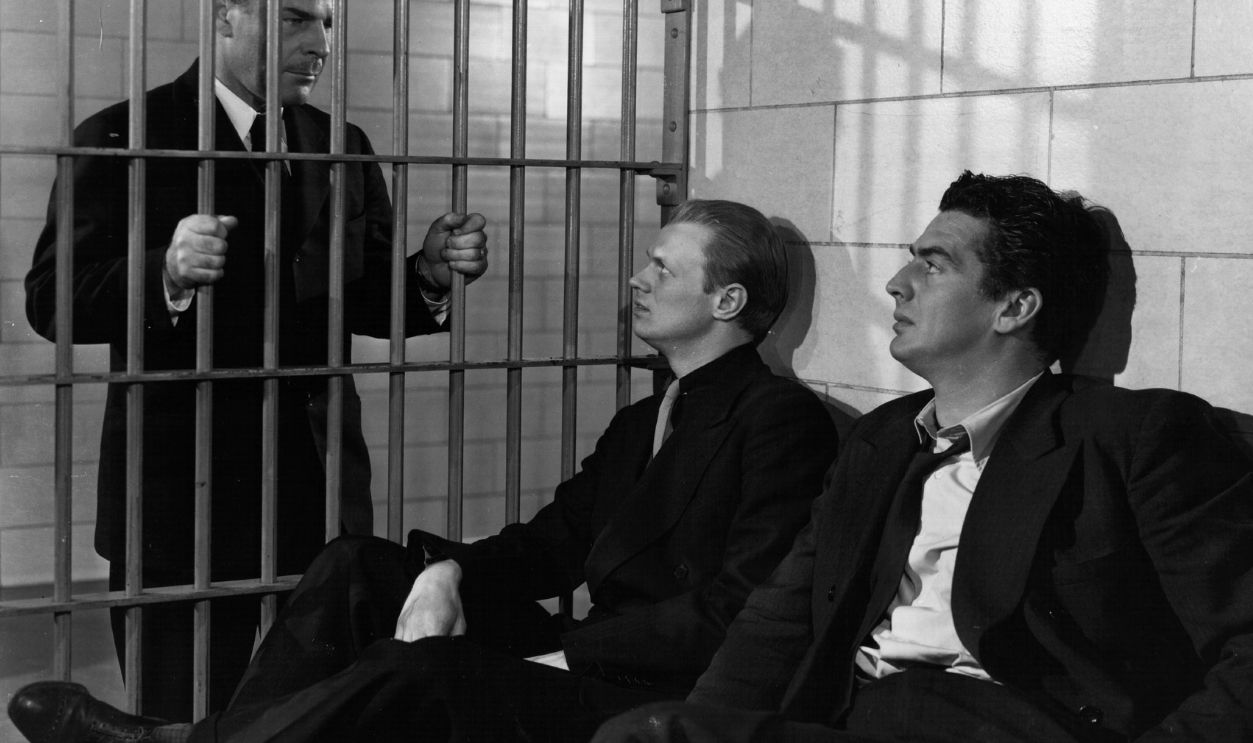
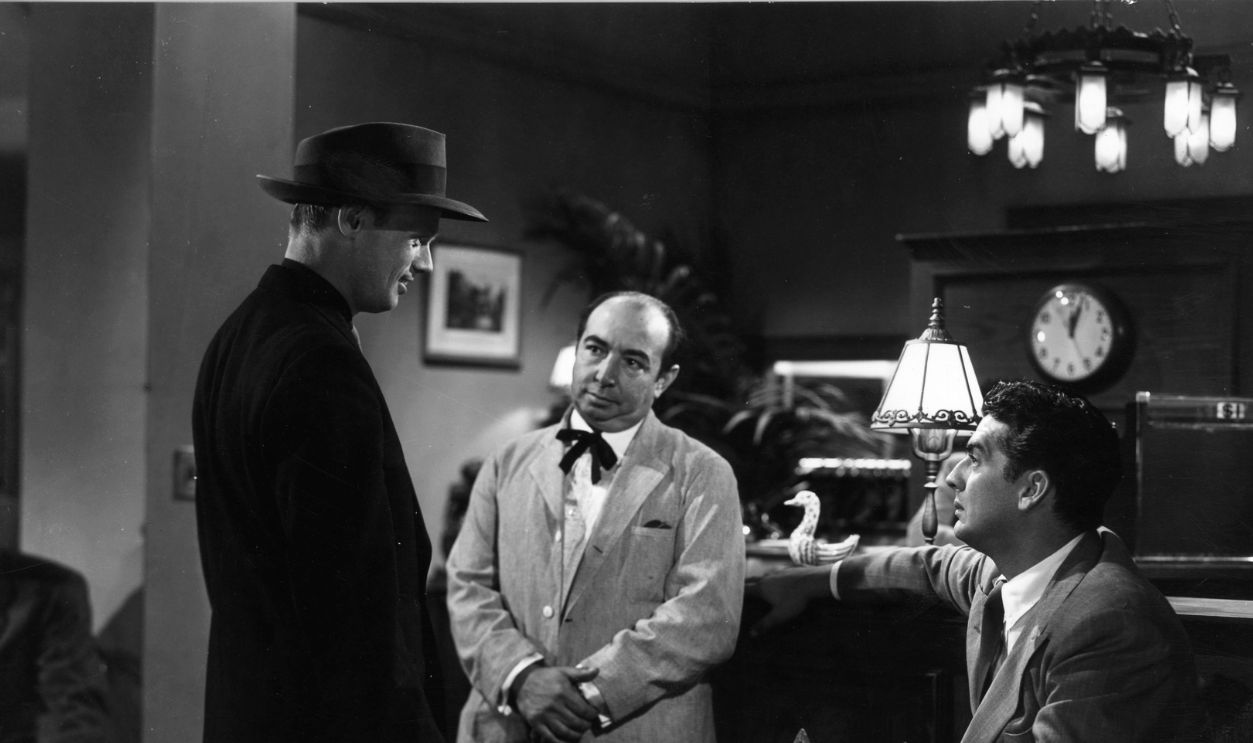
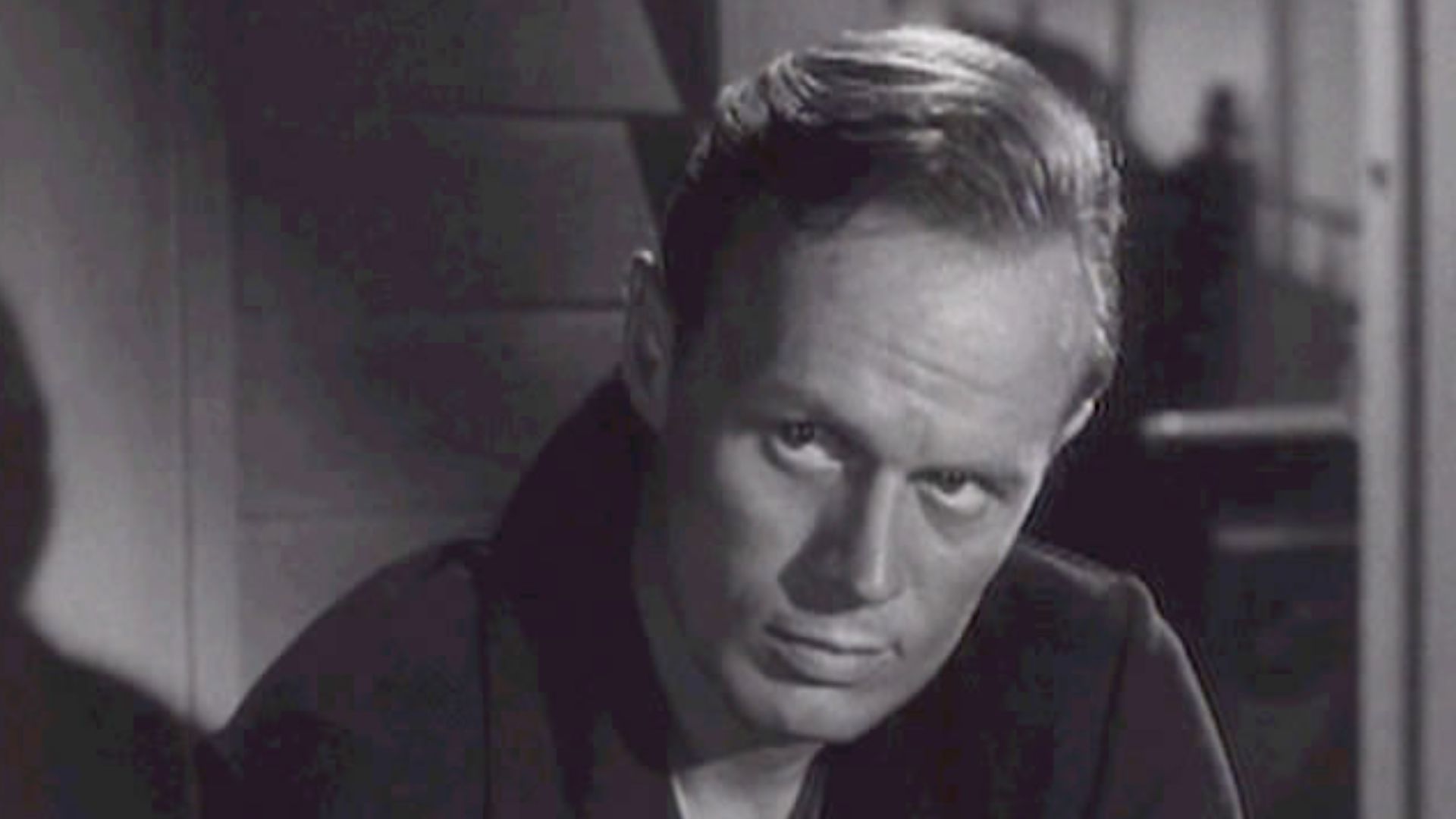
In Kiss of Death, Widmark portrayed the sadistic Tommy Udo. He modeled the character's eerie laugh on the Joker from Batman comic books. Acting opposite Victor Mature and Coleen Gray, he created one of cinema's most unforgettable villains.
The Wheelchair Scene
The most notorious moment in Kiss of Death occurs when Tommy Udo terrorizes a wheelchair-bound woman (played by Mildred Dunnock) before sending her tumbling down a staircase to her death. The shocking sequence became legendary.
Oscar Recognition
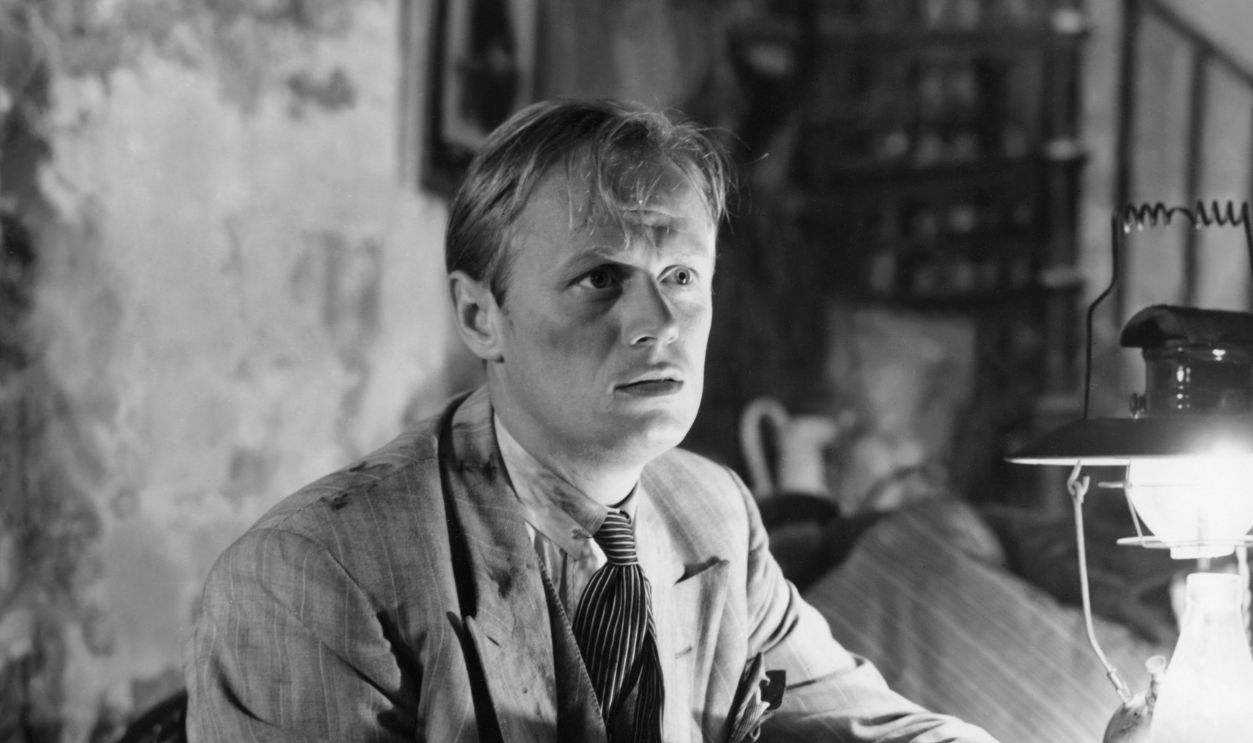
Widmark's debut performance in Kiss of Death earned him an Academy Award nomination for Best Supporting Actor. It hadn't taken him long to establish himself as a major talent.
 Sunset Boulevard, Getty Images
Trapped By Villain Roles
Following Kiss of Death, studios frequently cast Widmark as criminals, psychopaths, and dangerous figures. Although the performances were acclaimed, they created typecasting challenges that he spent years overcoming through more varied and sympathetic roles.
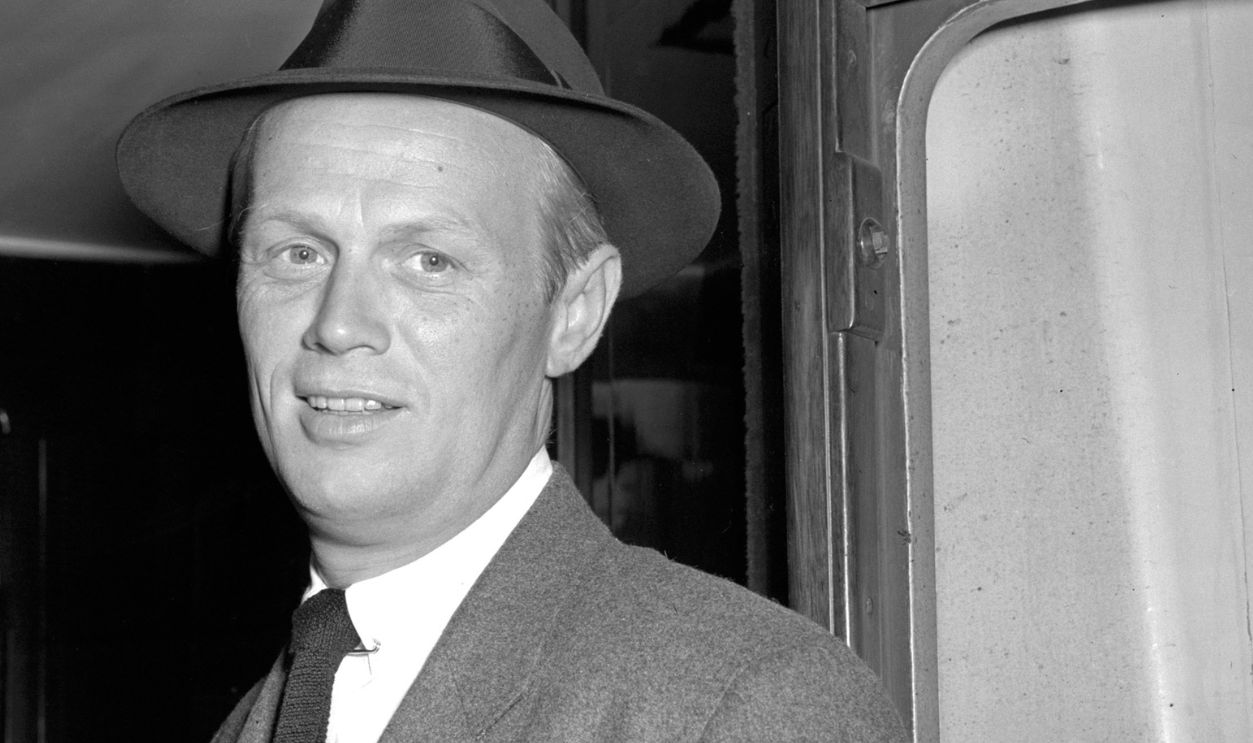
A Friendship With Sidney
Widmark starred opposite Sidney Poitier in Joseph L. Mankiewicz's No Way Out (1950). Also featuring Linda Darnell, the film marked Poitier's screen debut. The experience began a friendship and professional relationship that lasted for decades.
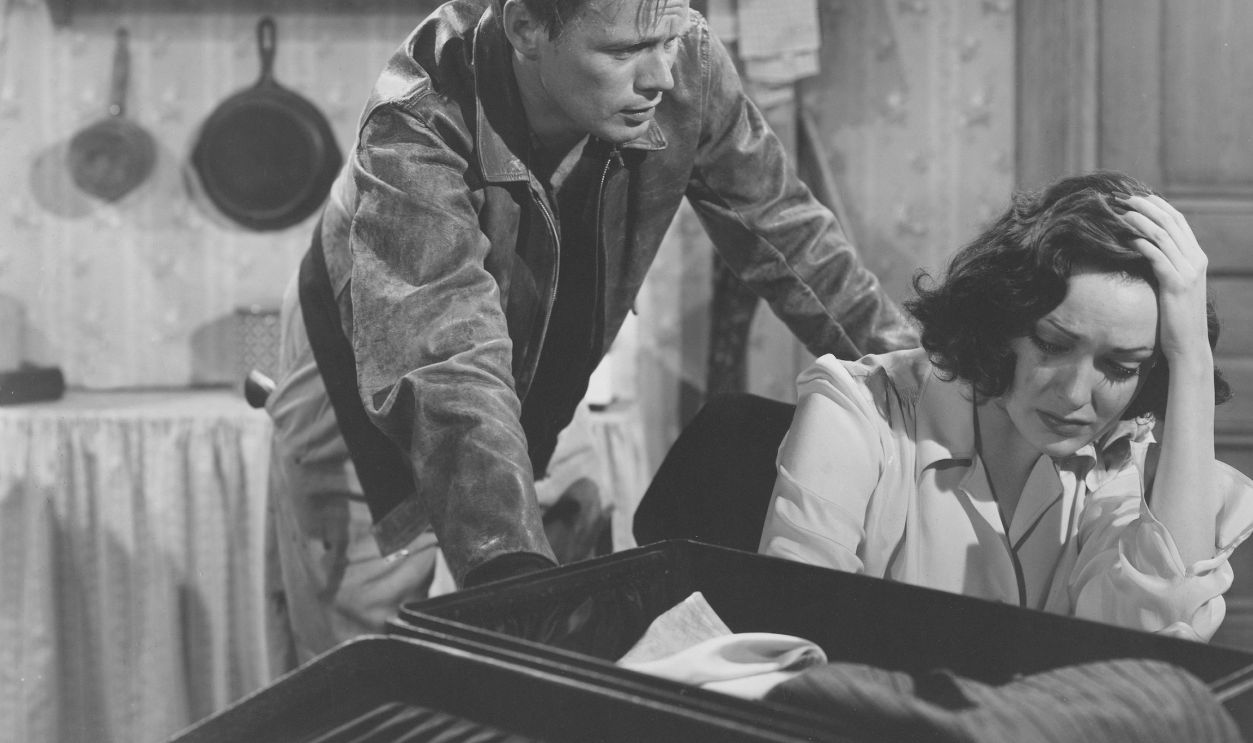 20th Century Fox, Getty Images
Expanding His Range
Determined not to remain a screen villain, Widmark sought a broader range of roles. During the early 1950s he increasingly portrayed military officers, lawmen, journalists, and other heroic characters, demonstrating versatility beyond his frightening early screen image.
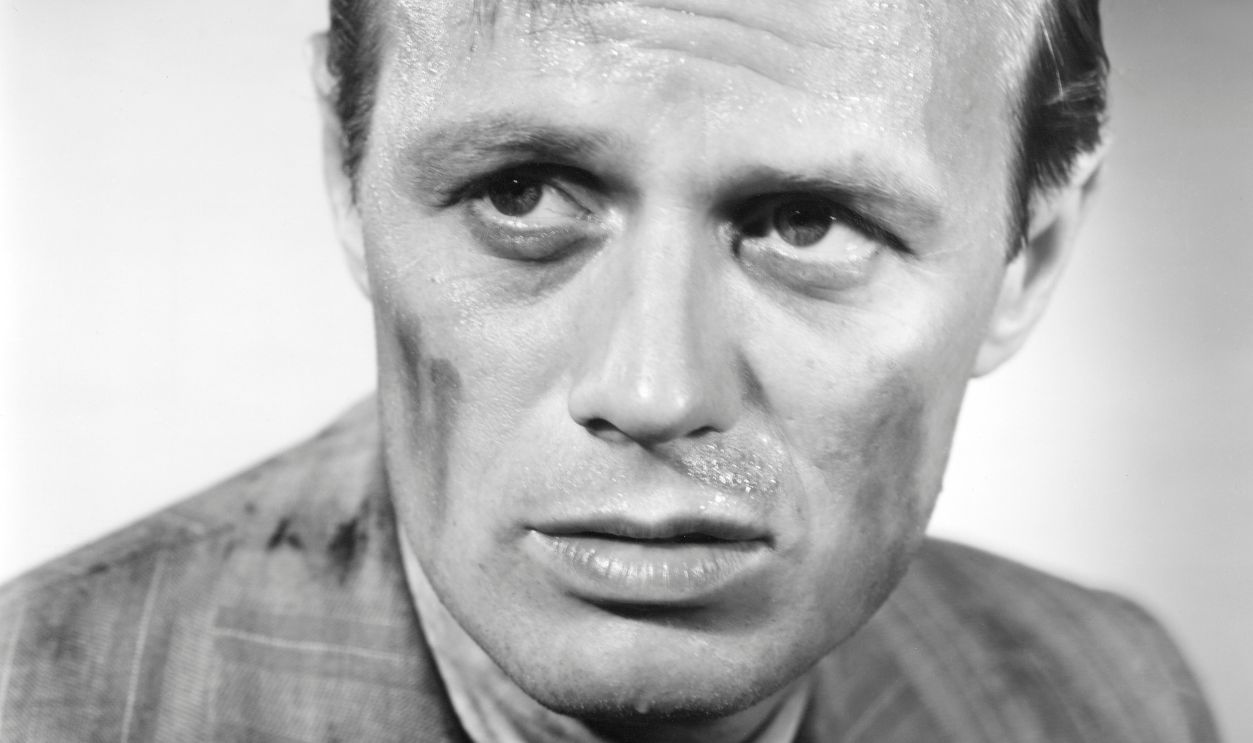 Sunset Boulevard, Getty Images
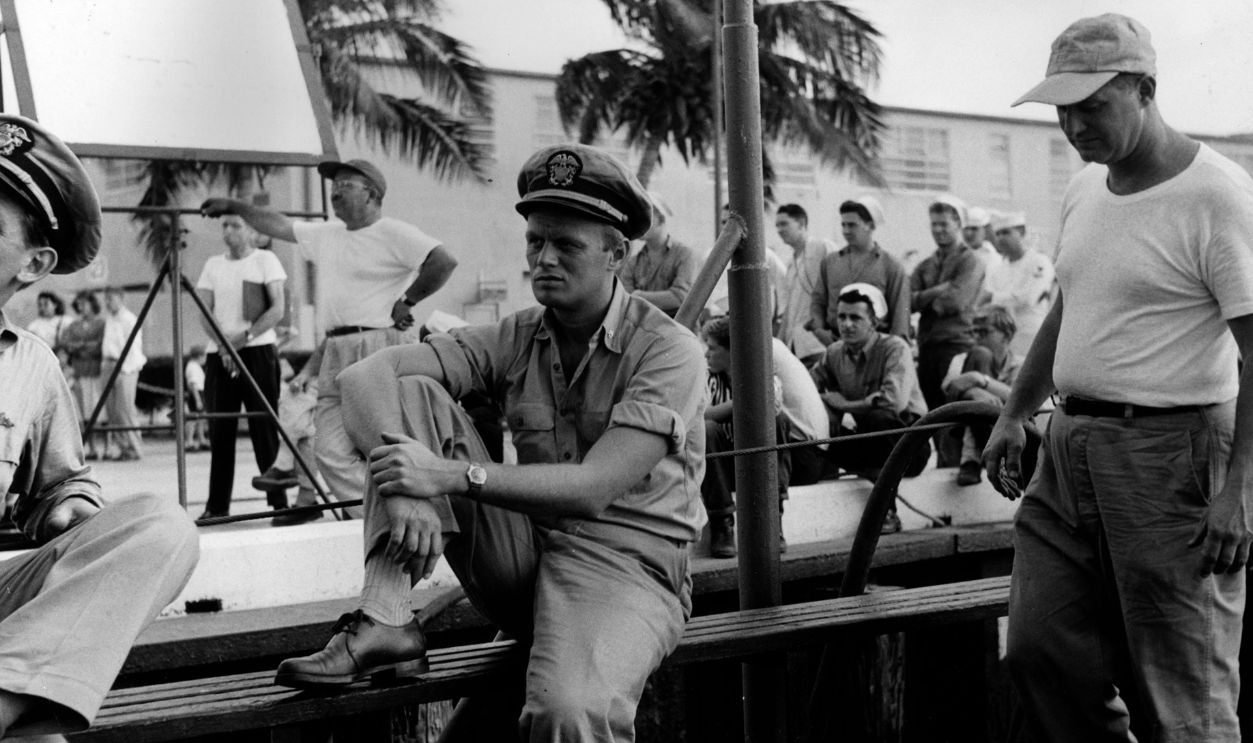
Inspiring Future Frogmen
Directed by Lloyd Bacon, The Frogmen (1951) starred Widmark alongside Dana Andrews and Gary Merrill. His portrayal of a demanding Underwater Demolition Team commander impressed audiences, and many Navy SEALs later claimed the film inspired their interest in naval special operations.
Marilyn Monroe Co-Star
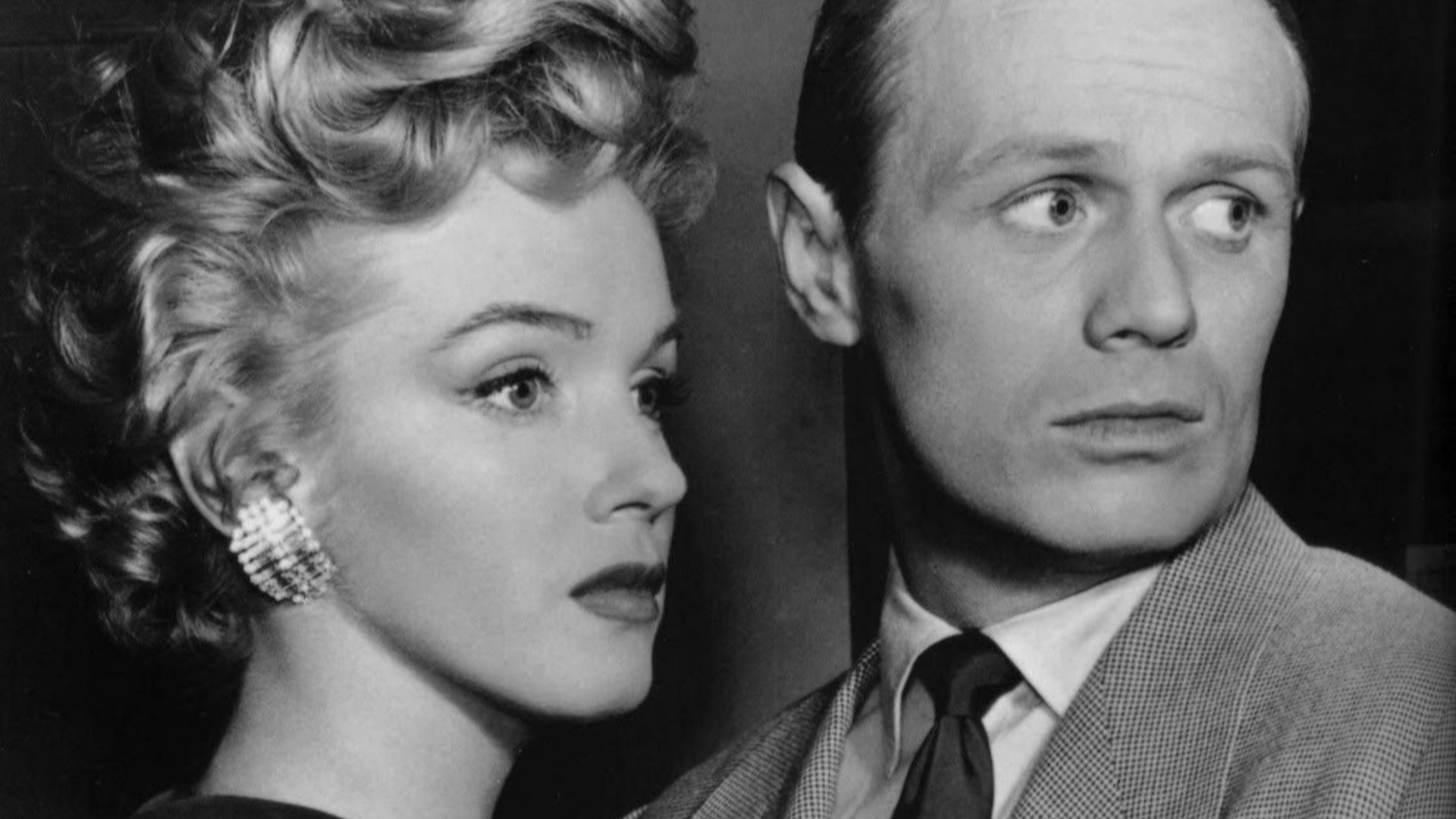
Widmark starred opposite Marilyn Monroe in Roy Ward Baker's Don't Bother to Knock (1952). The cast also included a young Anne Bancroft. The psychological drama provided Monroe with one of her earliest opportunities to display serious dramatic abilities.
 Historical Media, Wikimedia Commons
Visiting Lucy's World
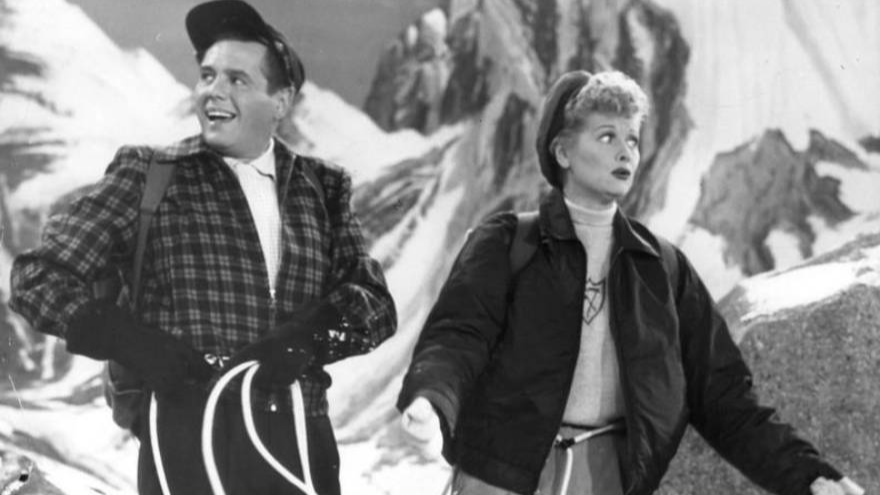
Widmark revealed a lighter side through a guest appearance as himself on I Love Lucy. Acting alongside Lucille Ball and Desi Arnaz, he demonstrated comic timing that audiences rarely saw in his tough-guy film performances.
Confronting John Wayne
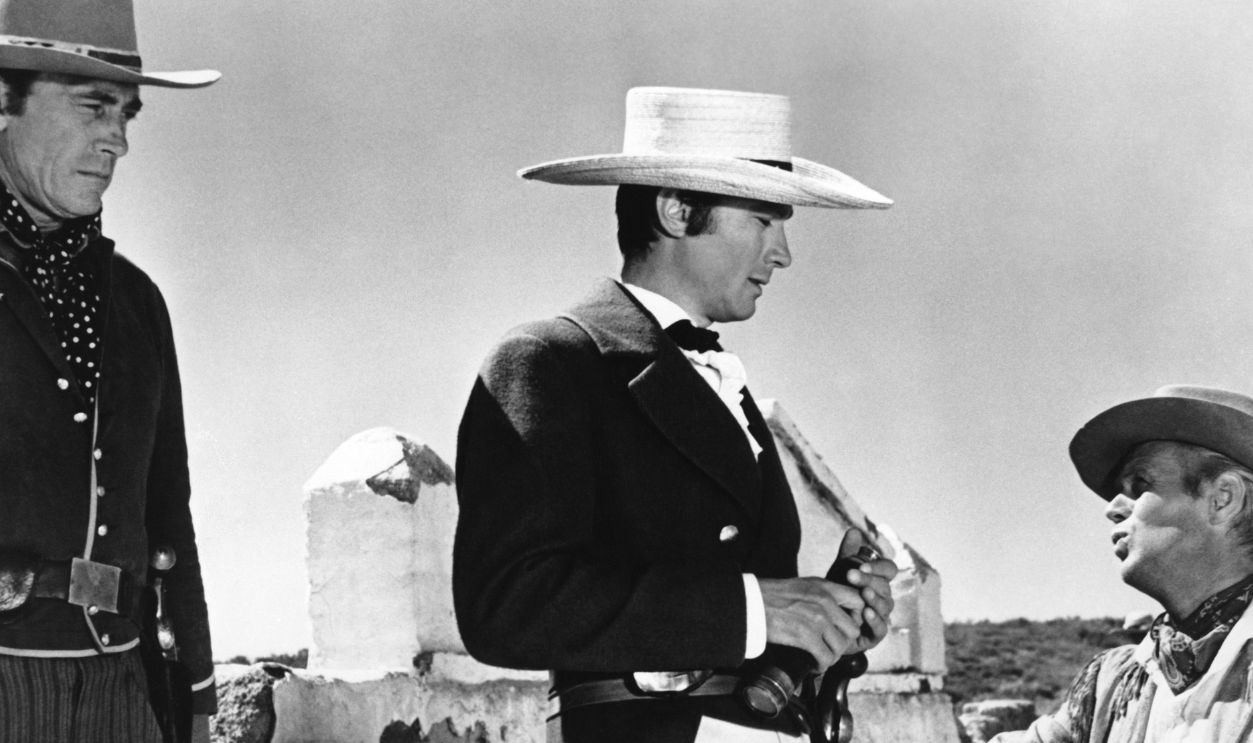
Widmark joined John Wayne, Laurence Harvey, and Richard Boone in Wayne's The Alamo (1960). During production, Widmark and Wayne reportedly disagreed over aspects of the film, creating tensions between two strong-willed Hollywood stars. At one point, an incensed Wayne reportedly threw Widmark up against a wall.
 Michael Ochs Archives, Getty Images
Judgment At Nuremberg
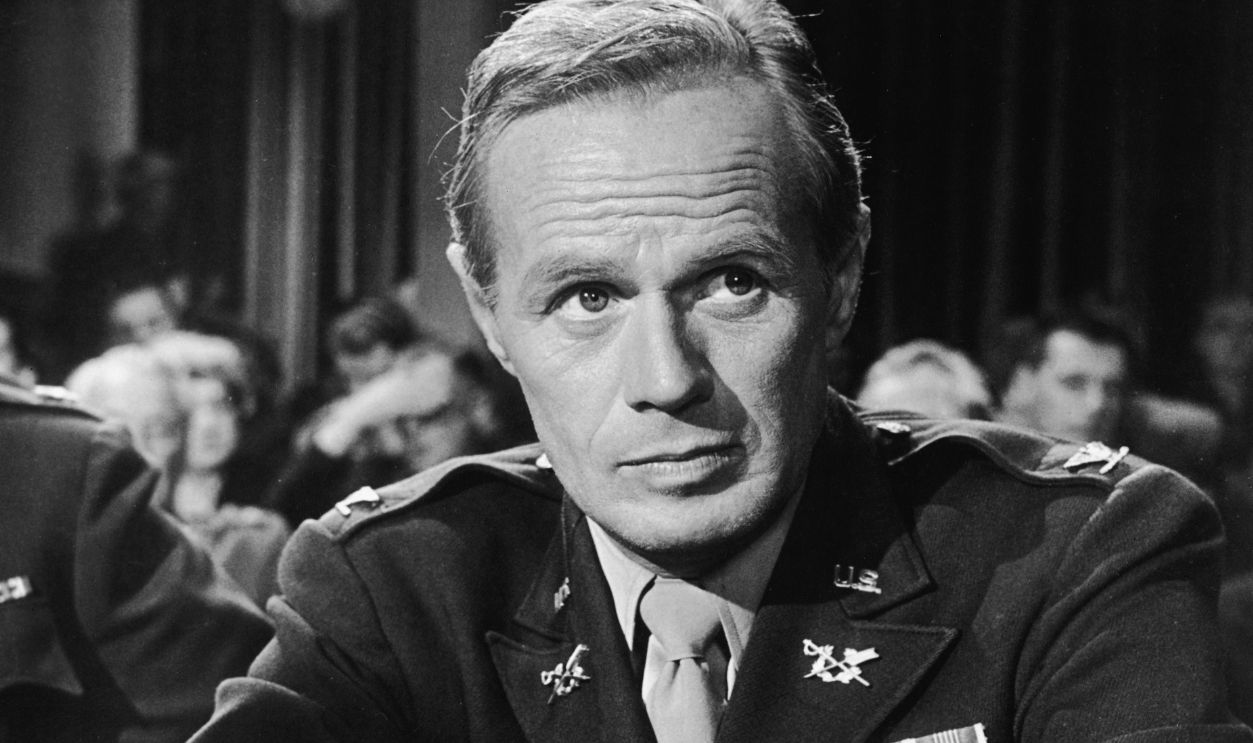
Directed by Stanley Kramer, Judgment at Nuremberg (1961) featured an extraordinary cast including Spencer Tracy, Burt Lancaster, Maximilian Schell, and Judy Garland. Widmark's role helped place him within one of the era's most respected courtroom dramas.
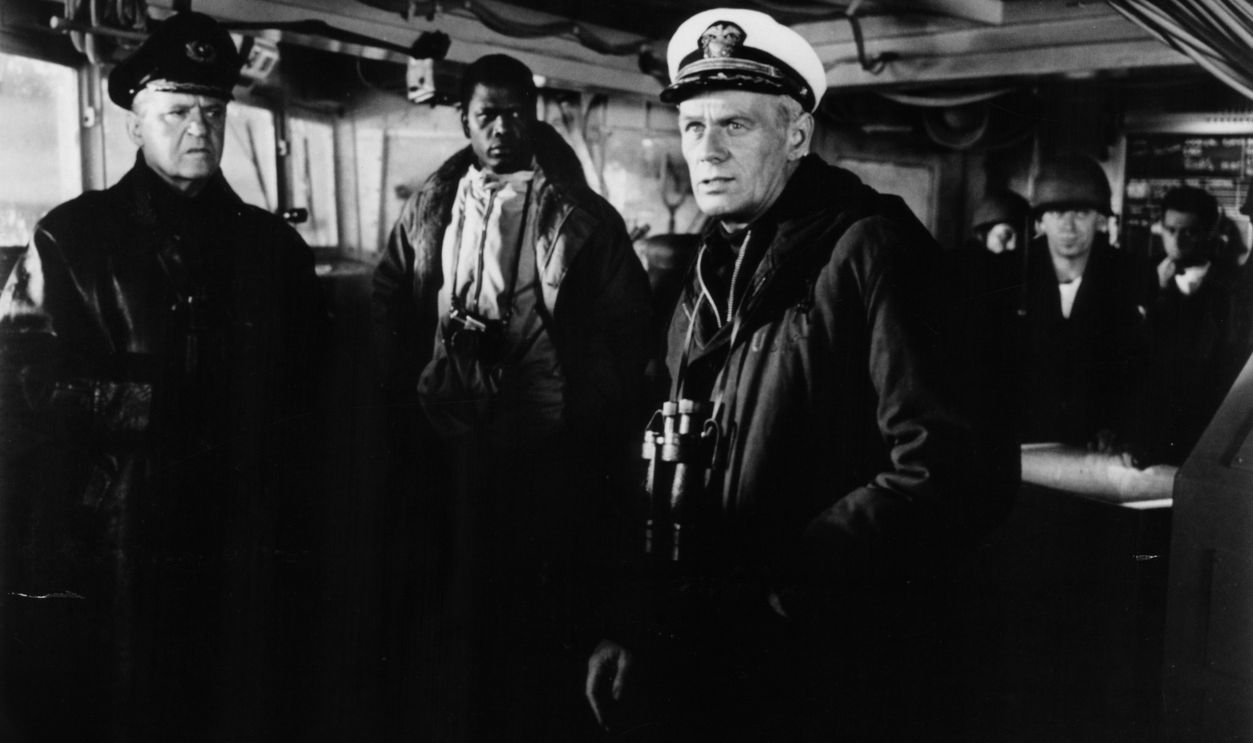
The Bedford Incident
In James B. Harris's Cold War thriller The Bedford Incident (1965), Widmark starred opposite Sidney Poitier and Martin Balsam. His performance as a determined naval commander anchored a tense story about military confrontation and nuclear brinkmanship.
 Michael Ochs Archives, Getty Images
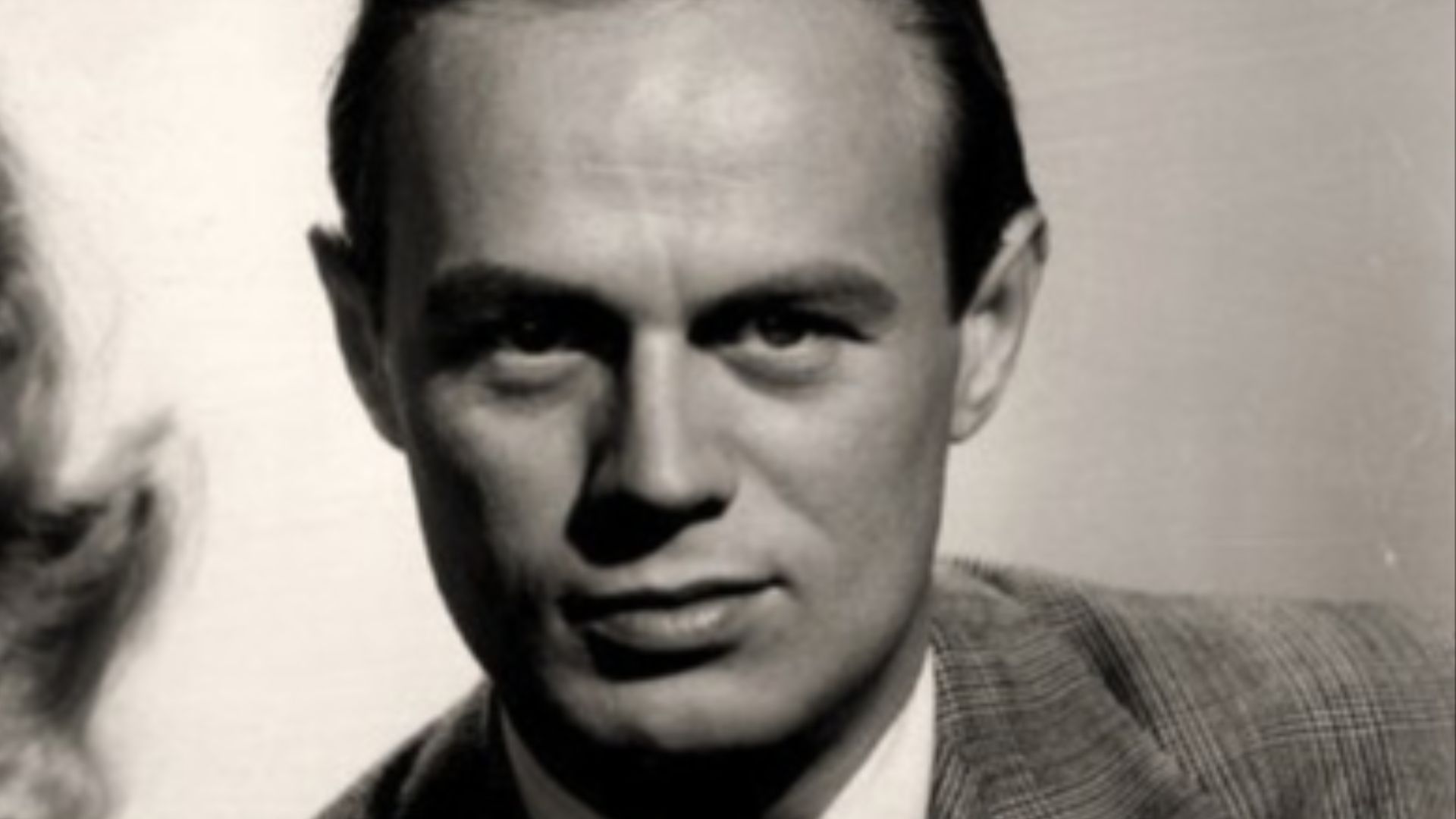
Producer And Veteran Star
As his career progressed, Widmark expanded into producing while continuing to act. He remained a respected presence in Hollywood through the 1960s, 1970s, and 1980s, balancing film projects with occasional television appearances.
 unknown (20th Century Fox), Wikimedia Commons
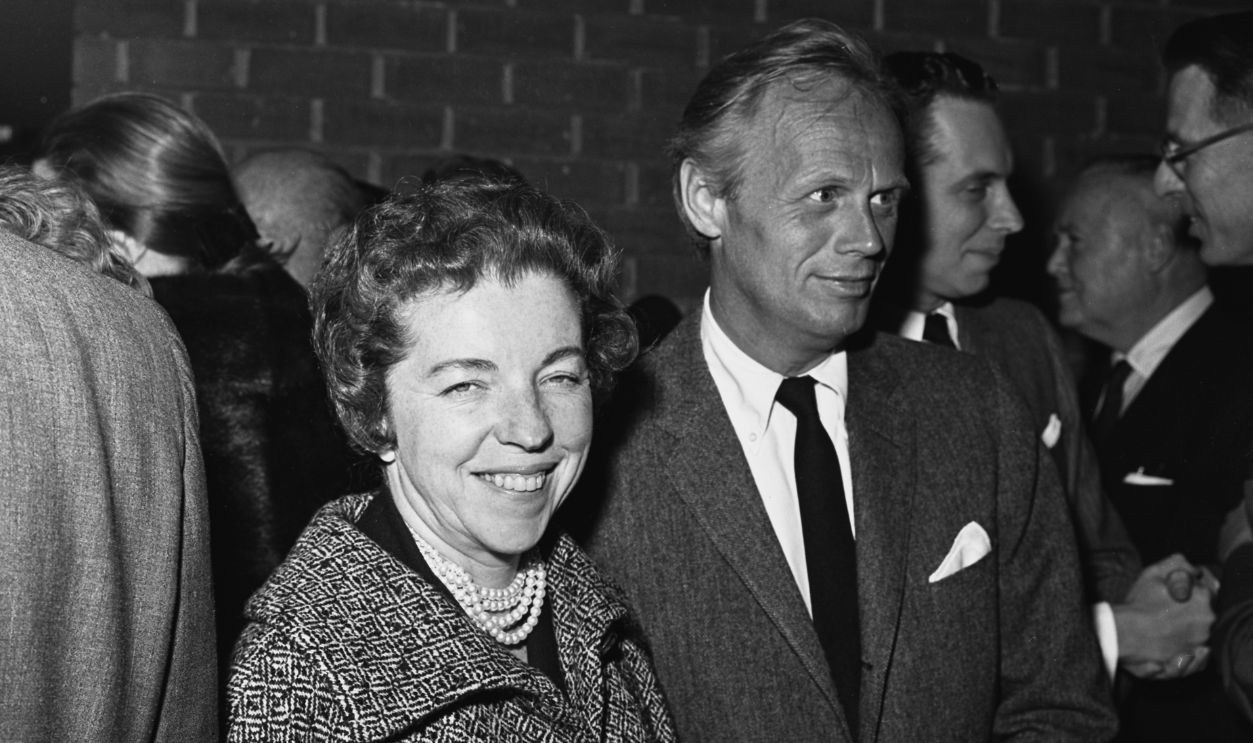
A Remarkable Marriage
Widmark married screenwriter Jean Hazlewood in 1942. Their marriage lasted more than five decades until her death in 1997. Long-lasting Hollywood marriages were uncommon, making their enduring partnership especially notable.
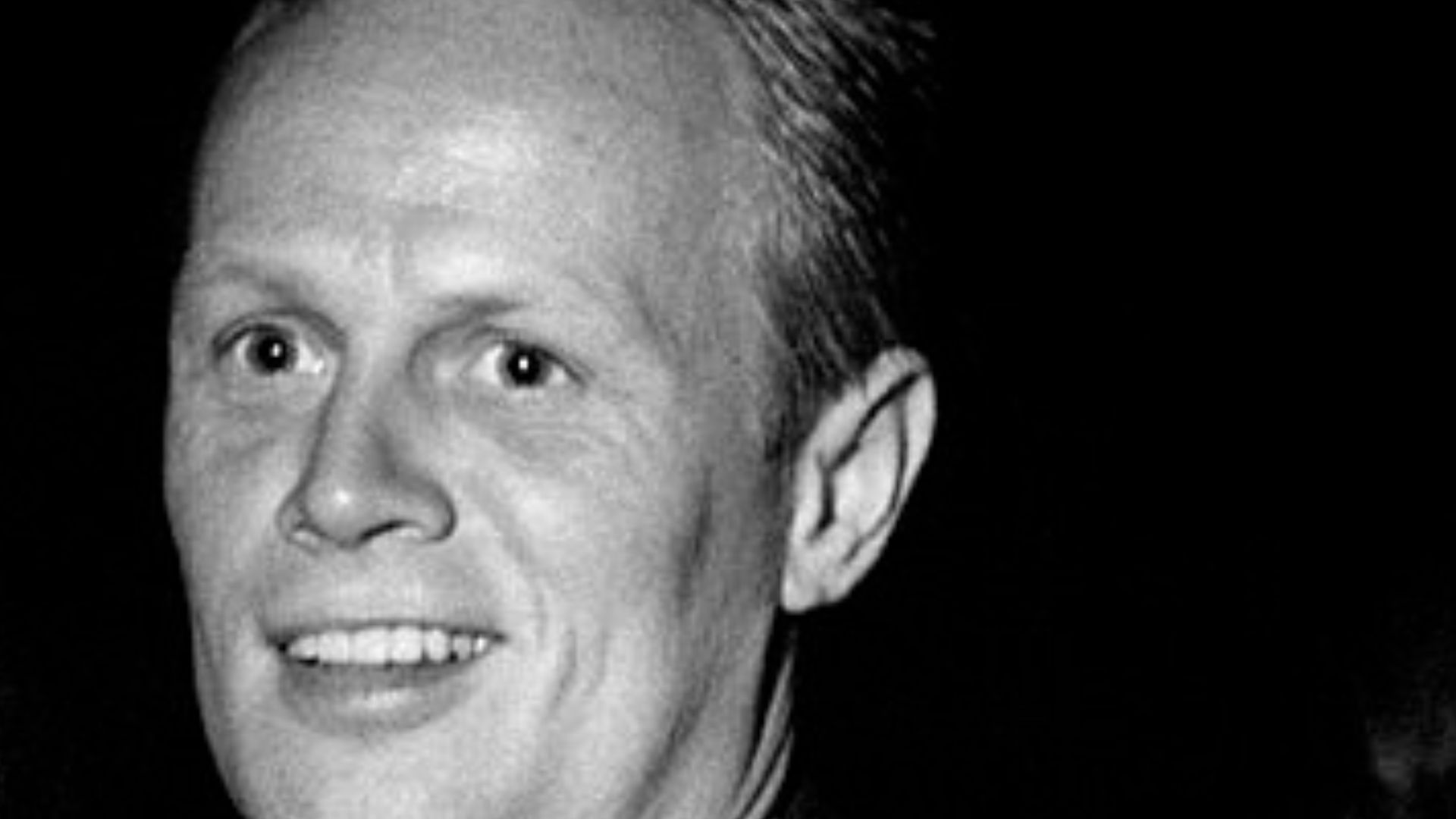
A Second Chance
After Hazlewood's death, Widmark married Susan Blanchard, the former wife of Henry Fonda. The marriage brought companionship during his later years as he increasingly stepped away from public life and acting.
 Unknown (Mondadori Publishers), Wikimedia Commons
Final Years And Advocacy
Widmark spent much of his later life in Roxbury, Connecticut. He became known for supporting gun-control measures even while acknowledging that he'd made a large part of his career playing roles in movies with plenty of gun-toting action. But aside from this, he generally maintained a private lifestyle while enjoying the respect earned from a distinguished acting career.
Death And Legacy
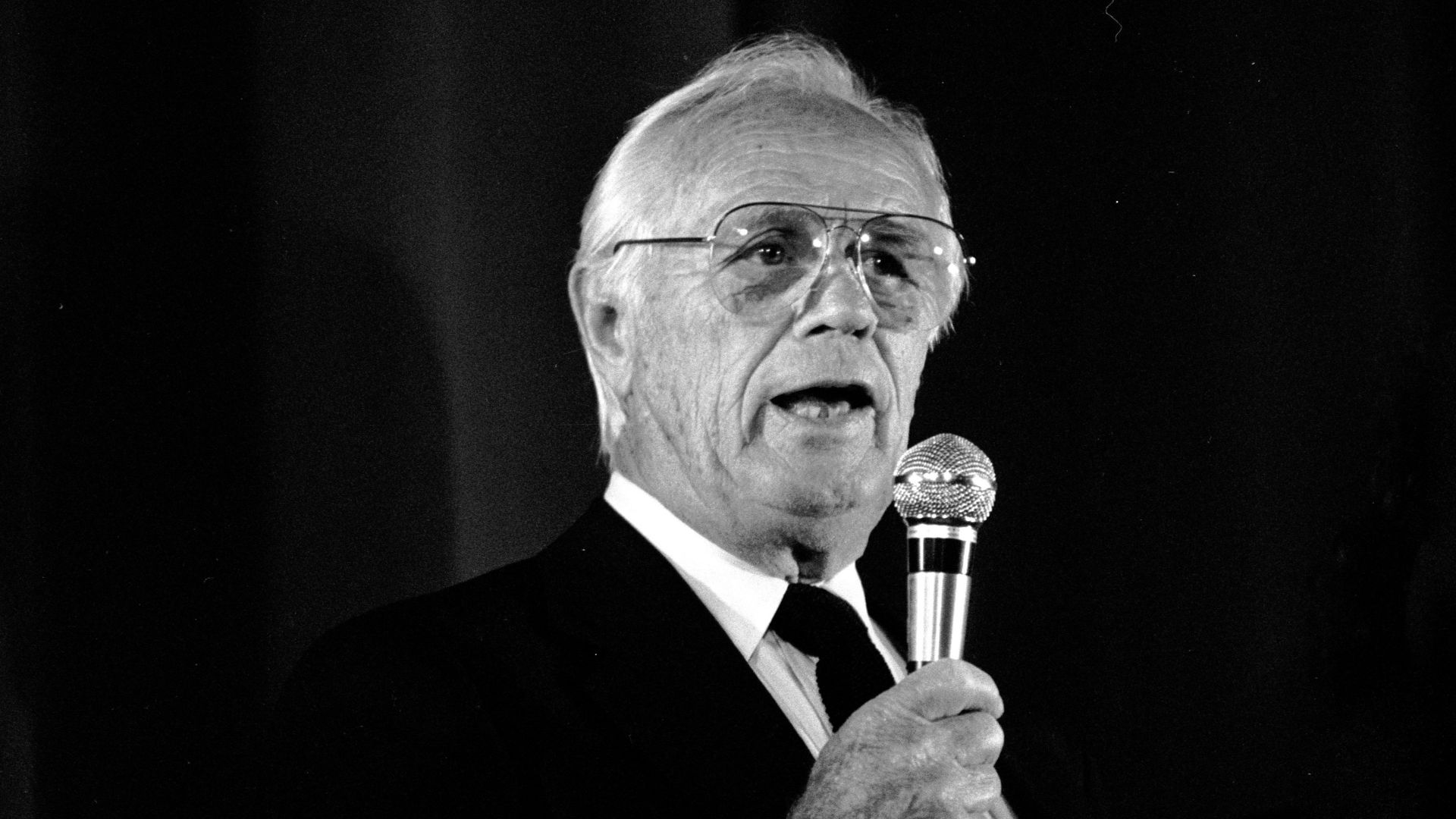
Richard Widmark died on March 24, 2008, at his home in Roxbury, Connecticut. Tributes celebrated his range, from terrifying villains to honorable heroes. His performance as Tommy Udo remains iconic, while his broader body of work continues to be admired.
 Roland Godefroy, Wikimedia Commons
You May Also Like:
Barbara Stanwyck Was a Screen Legend—But Her Surprising Choices Made Her Unique in Hollywood
The Uphill Battles Of Sterling Hayden
Lonely Facts About Omar Sharif, The Smouldering Egyptian Bad Boy