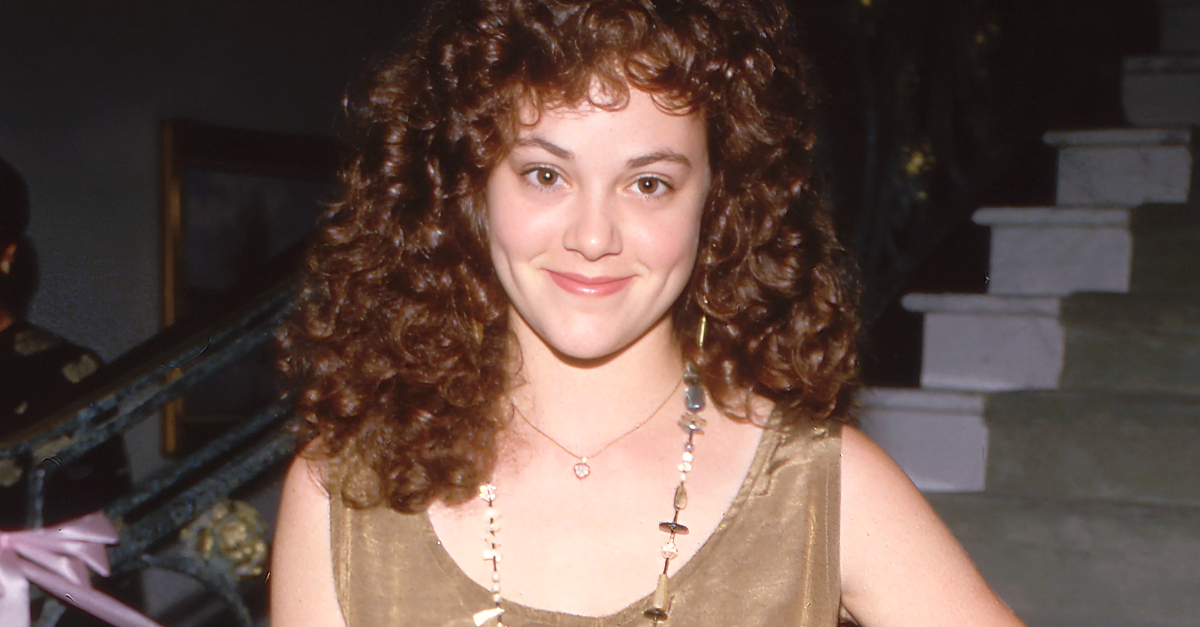
She Answered The Door Like It Was Any Other Day
It started with something completely ordinary—a knock at the door. Rebecca Schaeffer had just gotten home and thought it might be work-related. Instead, that moment would expose a flaw no one had really questioned until it was too late.
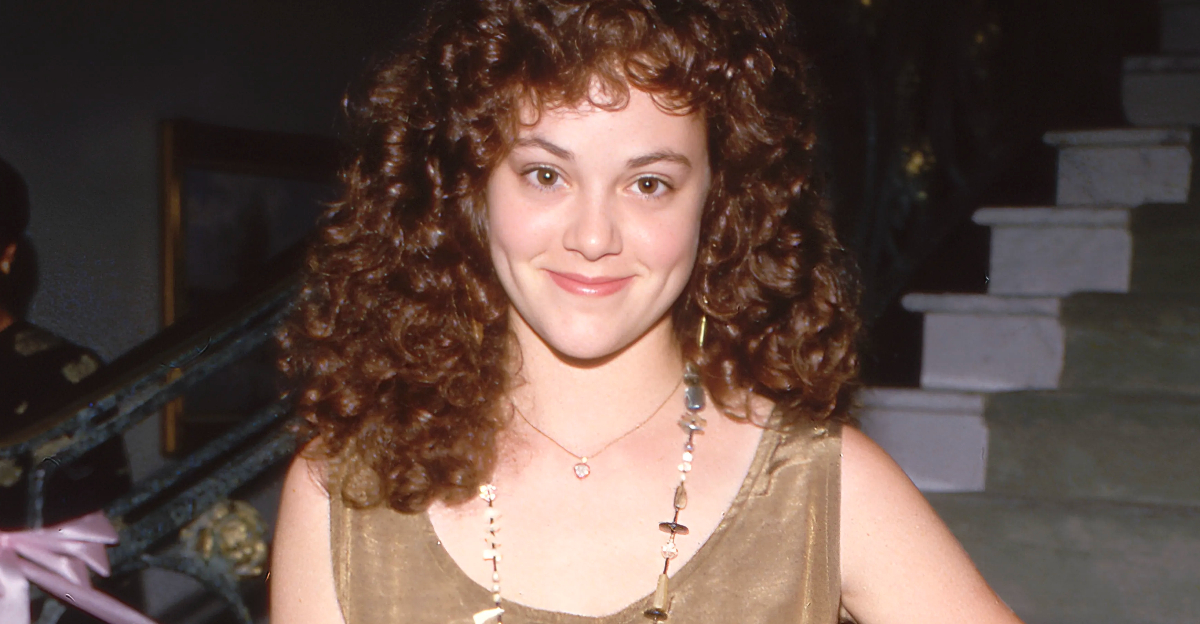
A Face People Were Starting To Recognize
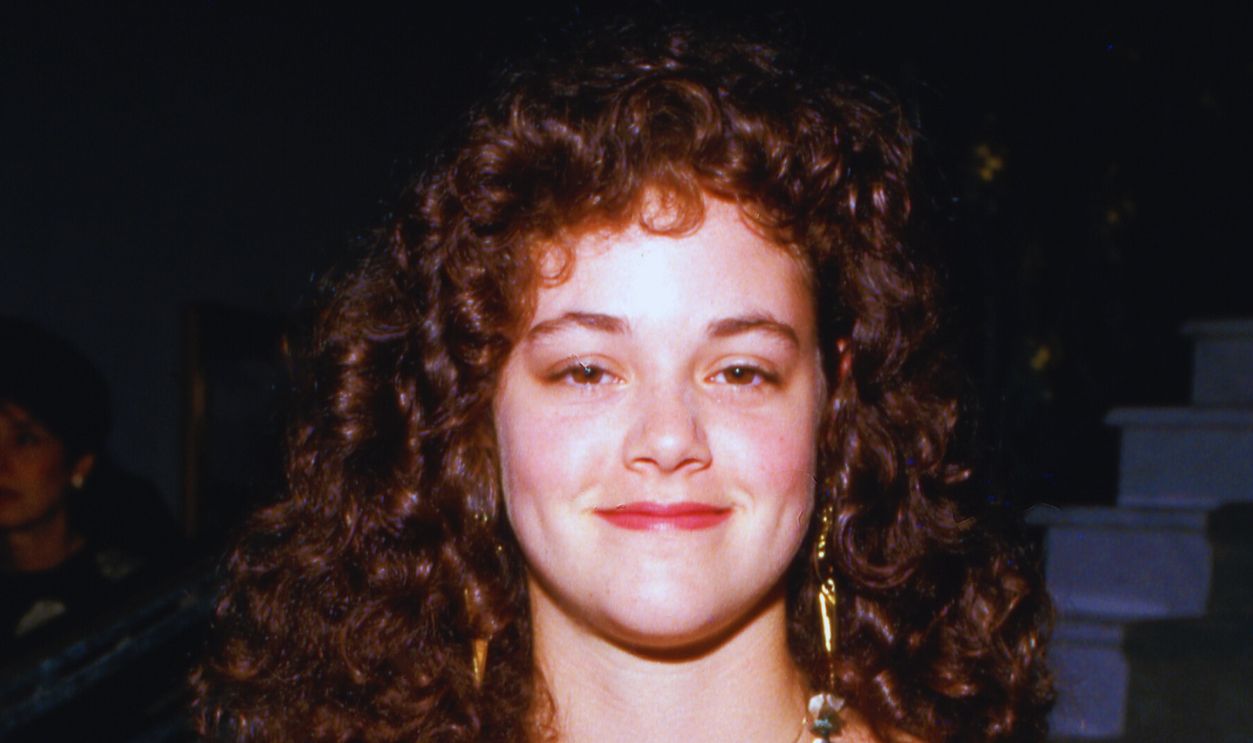
By the late 80s, Rebecca Schaeffer was becoming a familiar face on TV. She had an easy, natural presence—someone audiences instantly liked. The kind of performer who didn’t feel manufactured and gave the sense she was just getting started.
Her Break Came Fast
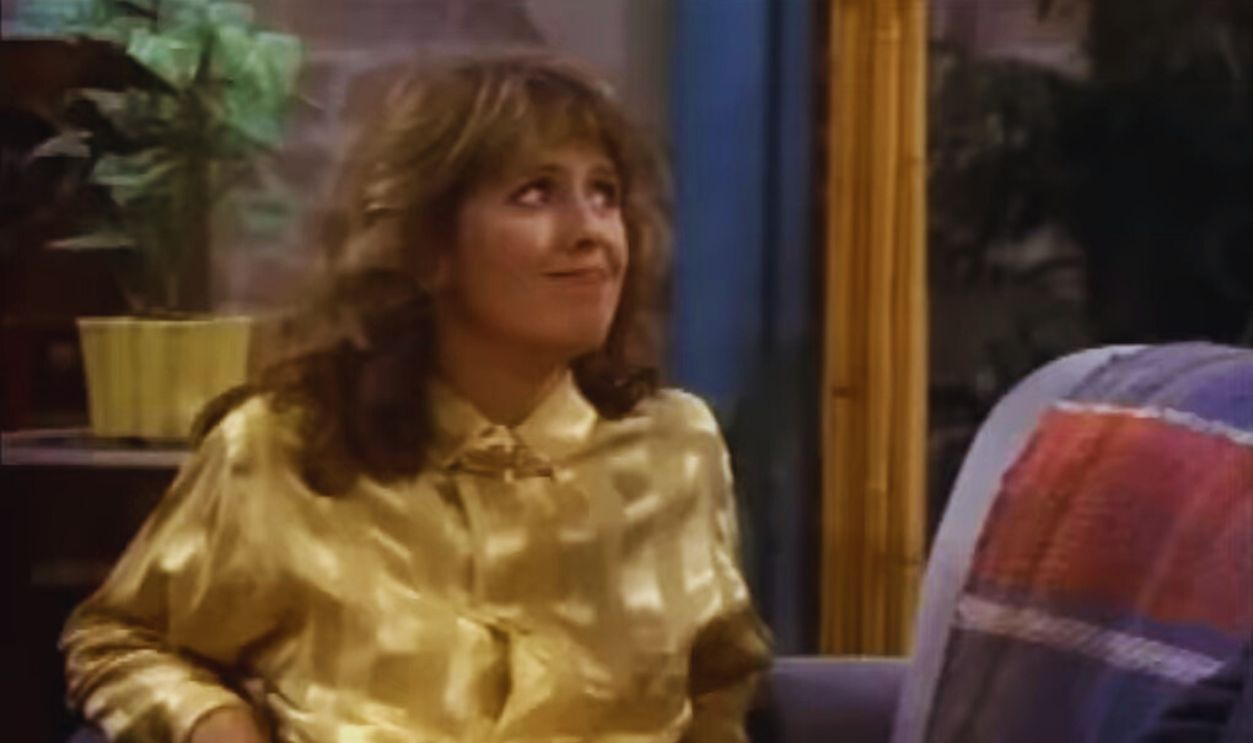
In 1986, she landed a leading role on My Sister Sam, a CBS sitcom starring Pam Dawber. At just 18, Schaeffer was suddenly in millions of living rooms every week, building real momentum early in her career.
 Screenshot from My Sister Sam, Warner Bros. Television
A Show That Put Her On The Map
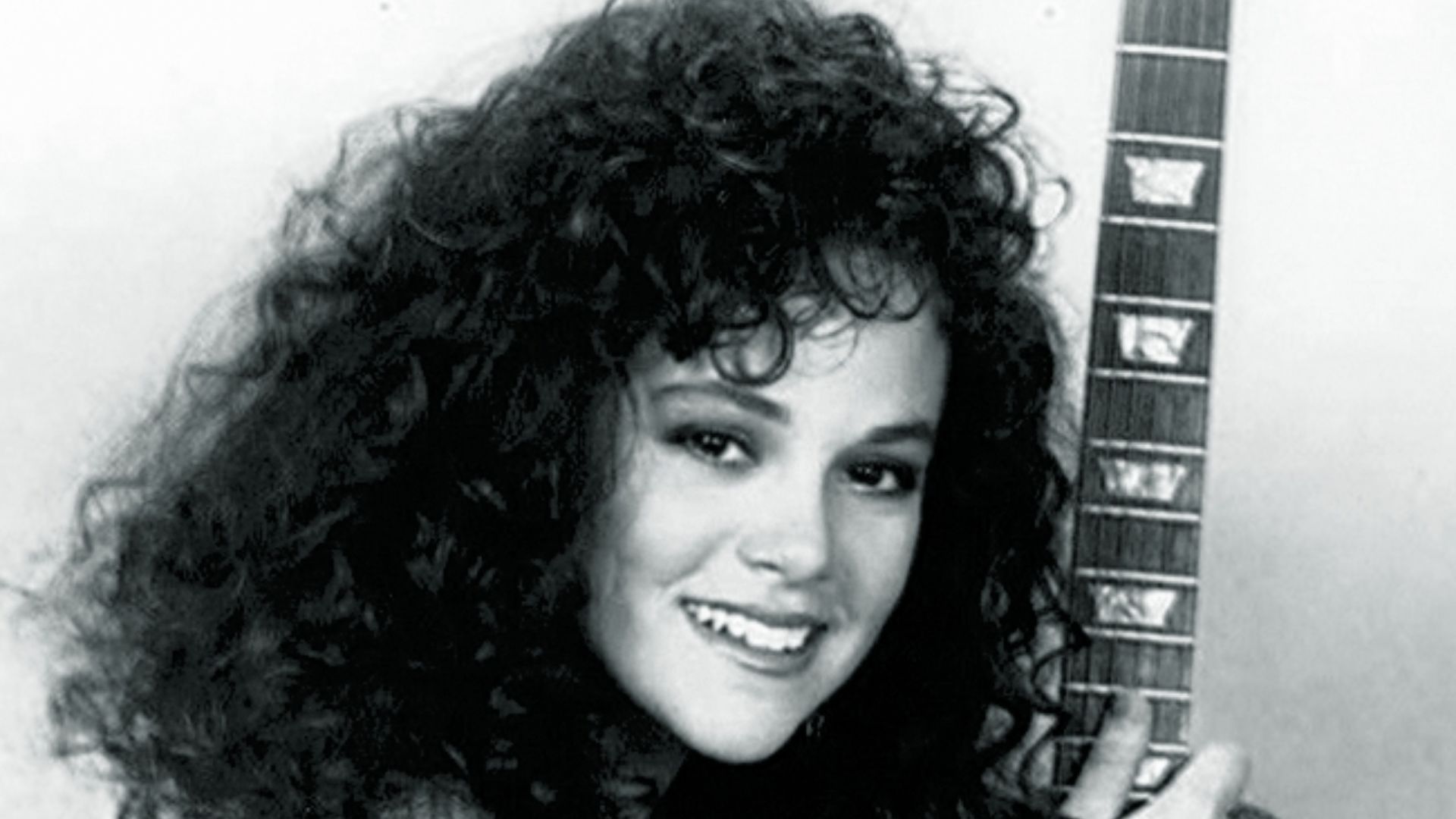
My Sister Sam ran for two seasons and gave Schaeffer national exposure. She wasn’t just part of the cast. She stood out. It positioned her as someone ready to take the next step beyond television.
 CBS Network, Wikimedia Commons
More Opportunities Were Coming
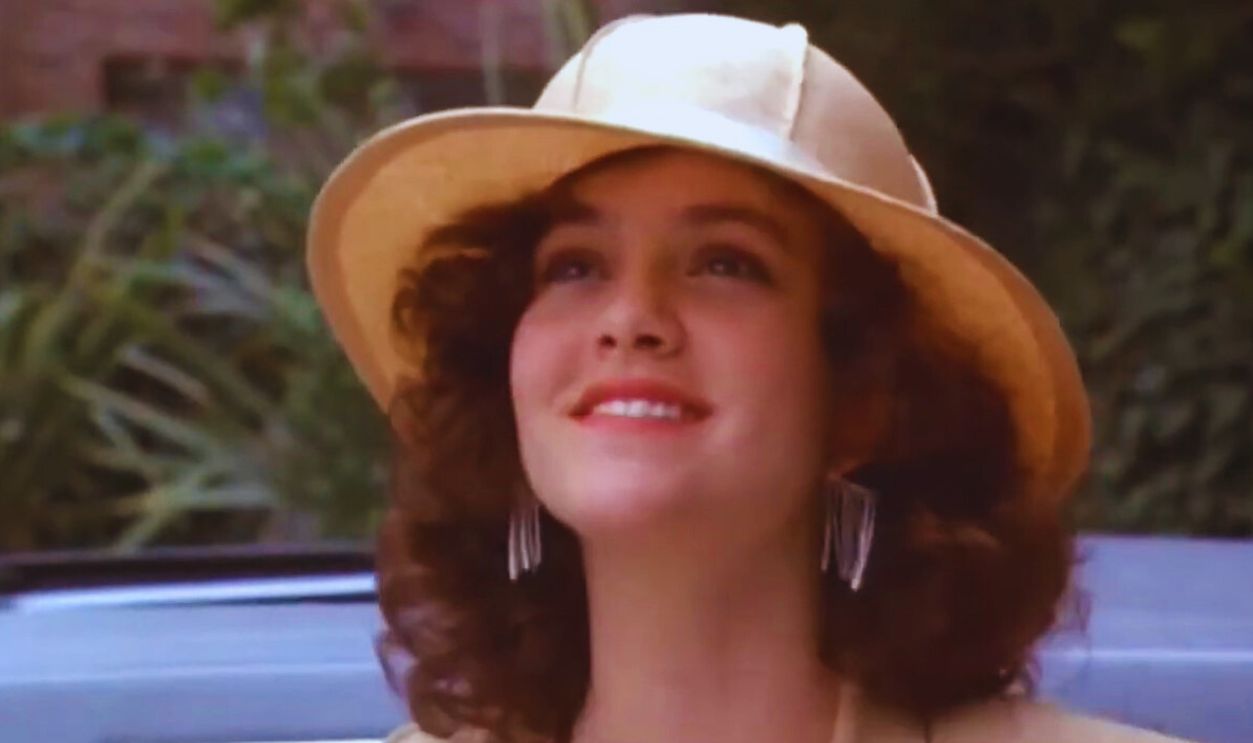
After the show ended in 1988, she kept working. She appeared in films like Scenes from the Class Struggle in Beverly Hills and Beverly Hills Brats, building a résumé that showed she was actively moving toward bigger roles.
 Screenshot from Scenes from the Class Struggle in Beverly Hills, Cinecom Pictures (1989)
Living Without Barriers
Schaeffer lived in a standard West Hollywood apartment building. No gates, no guards, no serious security. For a rising actress, her life was unusually open, something that didn’t seem concerning at the time.
A Fan Who Took It Too Far
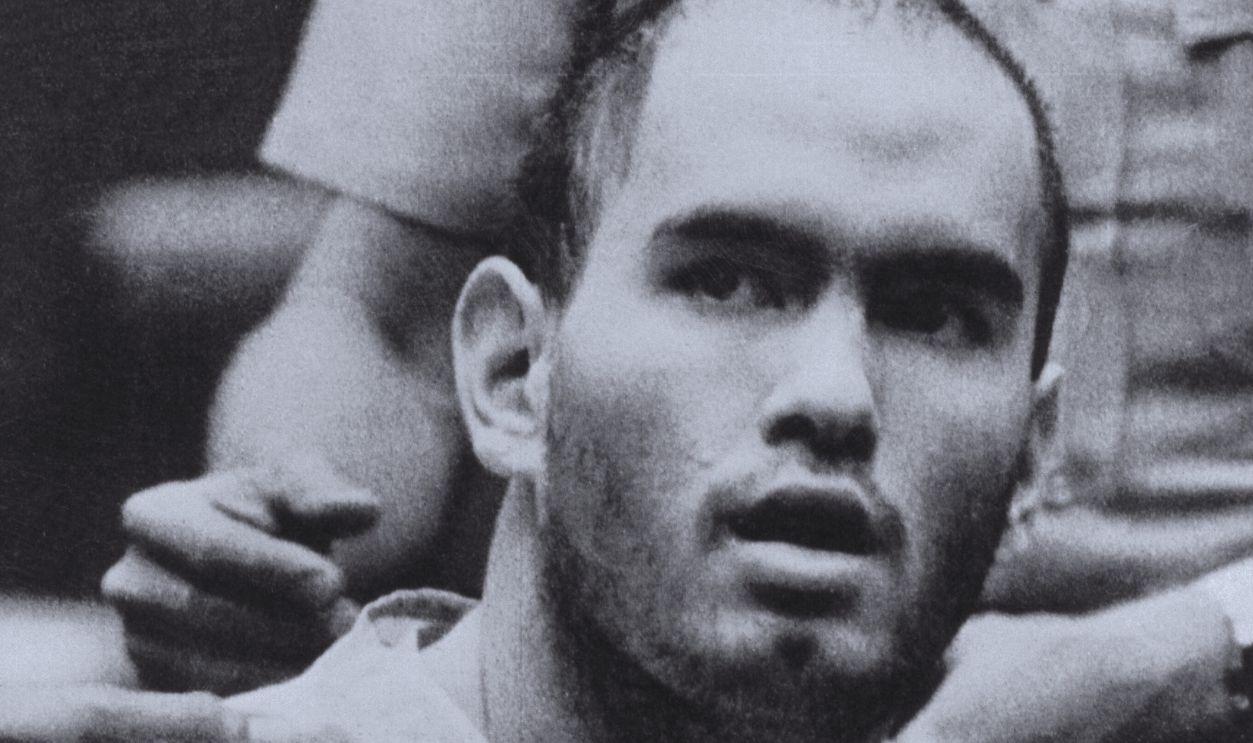
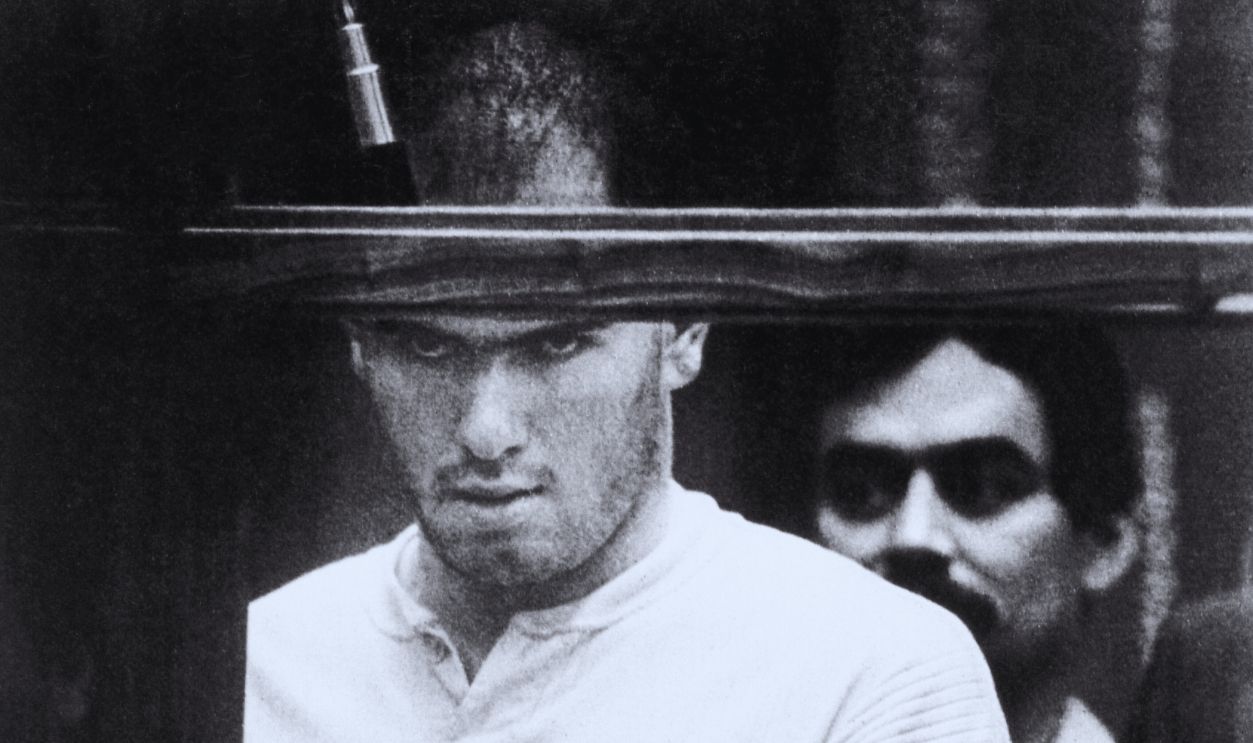
Robert John Bardo, a 19-year-old from Arizona, became fixated on Schaeffer after seeing her on television. What started as admiration quickly turned into something more intense and increasingly detached from reality.
The Letters Started First
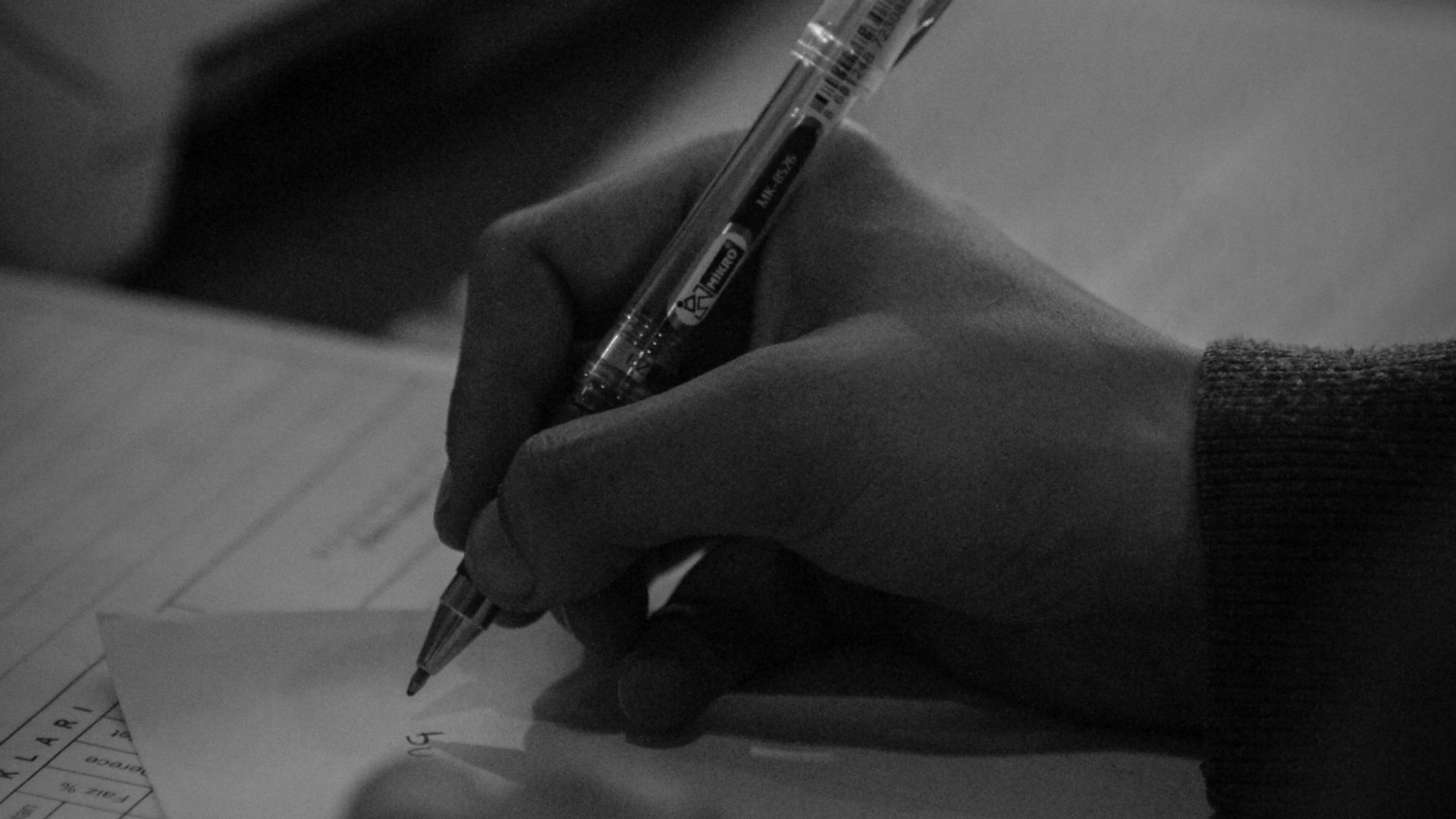
Bardo wrote multiple fan letters to Schaeffer. When he didn’t receive a response, his fixation didn’t fade—it became more focused, more personal, and increasingly detached from reality.
 Burak Bahadir Buyukkilinc, Pexels
An Early Warning Sign
He traveled to Los Angeles more than once and attempted to visit the set of My Sister Sam. Security turned him away. At the time, it seemed like an isolated incident, not something that would escalate further.
A Shift In His Obsession
After seeing Schaeffer in a more mature film role, Bardo became angry. He later claimed it conflicted with the image he had created of her, turning admiration into resentment.
How He Got Her Address
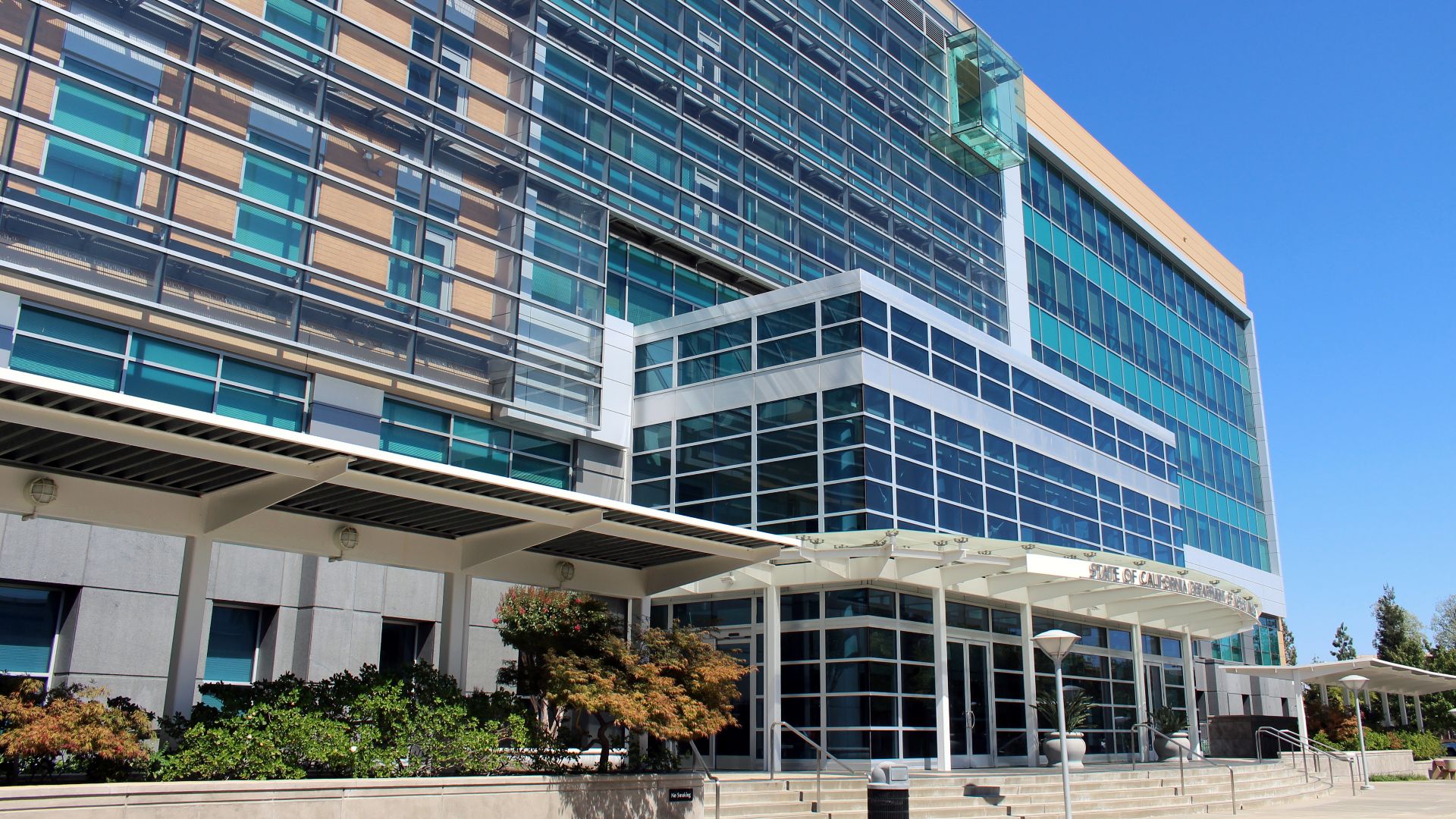
Bardo hired a private investigator to locate Schaeffer’s home. Using her license plate number, the investigator obtained her address through California DMV records linked to her vehicle registration—for a small fee reportedly around $250, with no notification.
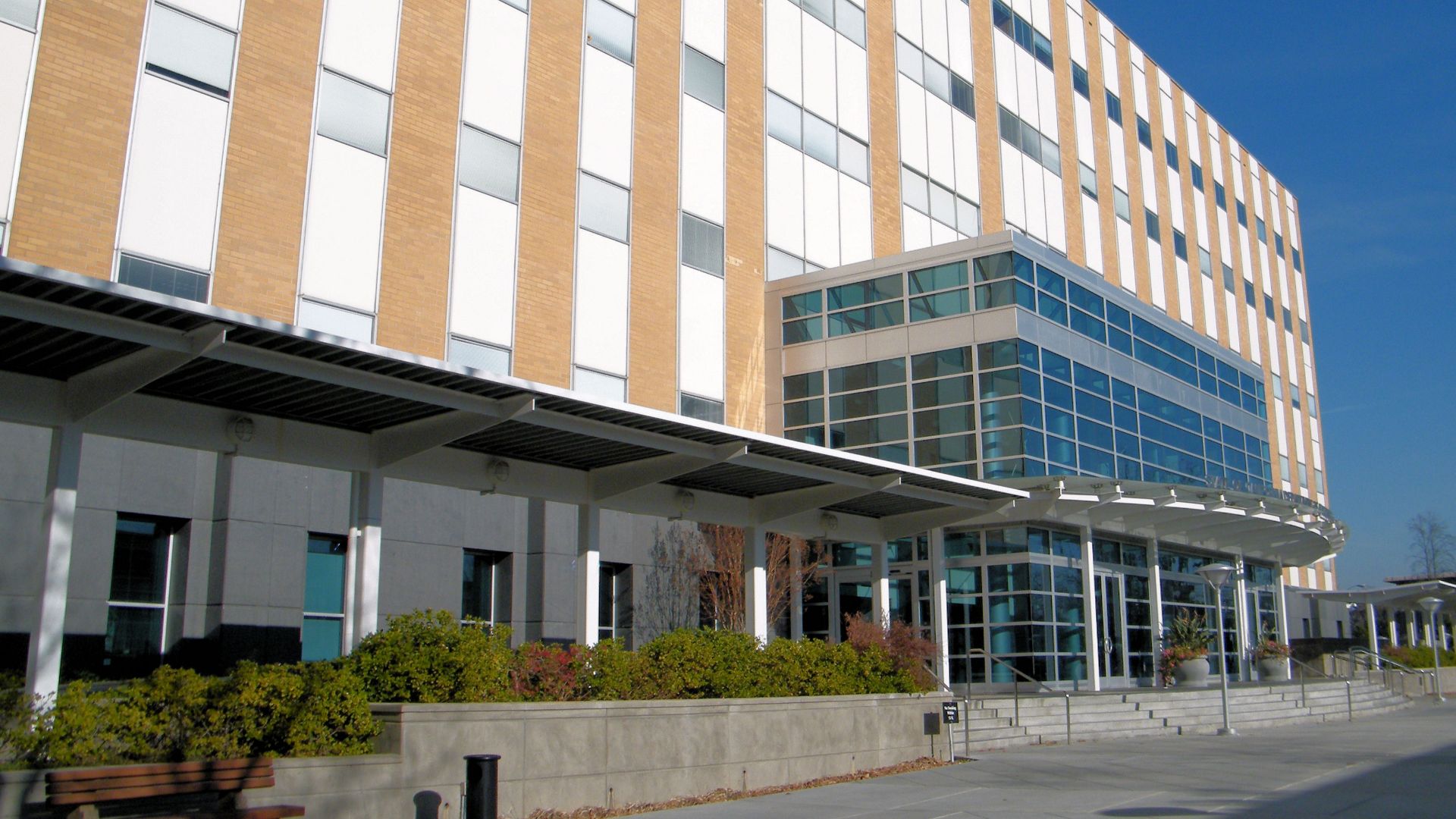 Coolcaesar at en.wikipedia, Wikimedia Commons
A System No One Questioned
At the time, personal information like home addresses could be accessed through state records for a small fee. There were few restrictions and almost no awareness of how easily that access could be abused.
He Showed Up At Her Door
On July 18, 1989, Bardo went to Schaeffer’s apartment. Earlier that same day, he approached her, handed her a letter, and asked for an autograph. She told him she was busy and asked him to leave, and he did. But he came back later, more determined.
She Thought It Was Work
That morning, Schaeffer had just returned from an audition for The Godfather Part III. When someone knocked on her door later, she is believed to have thought it was a script delivery.
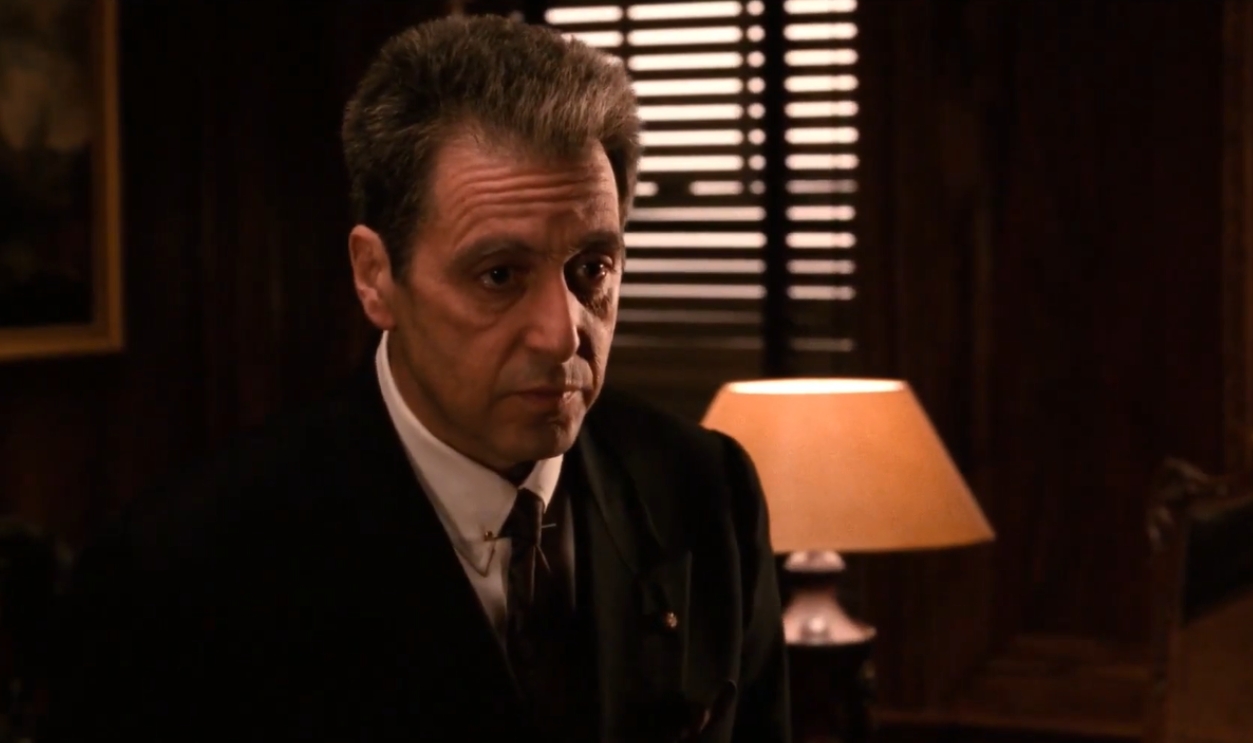 Screenshot from The Godfather Part III, Paramount Pictures (1990)
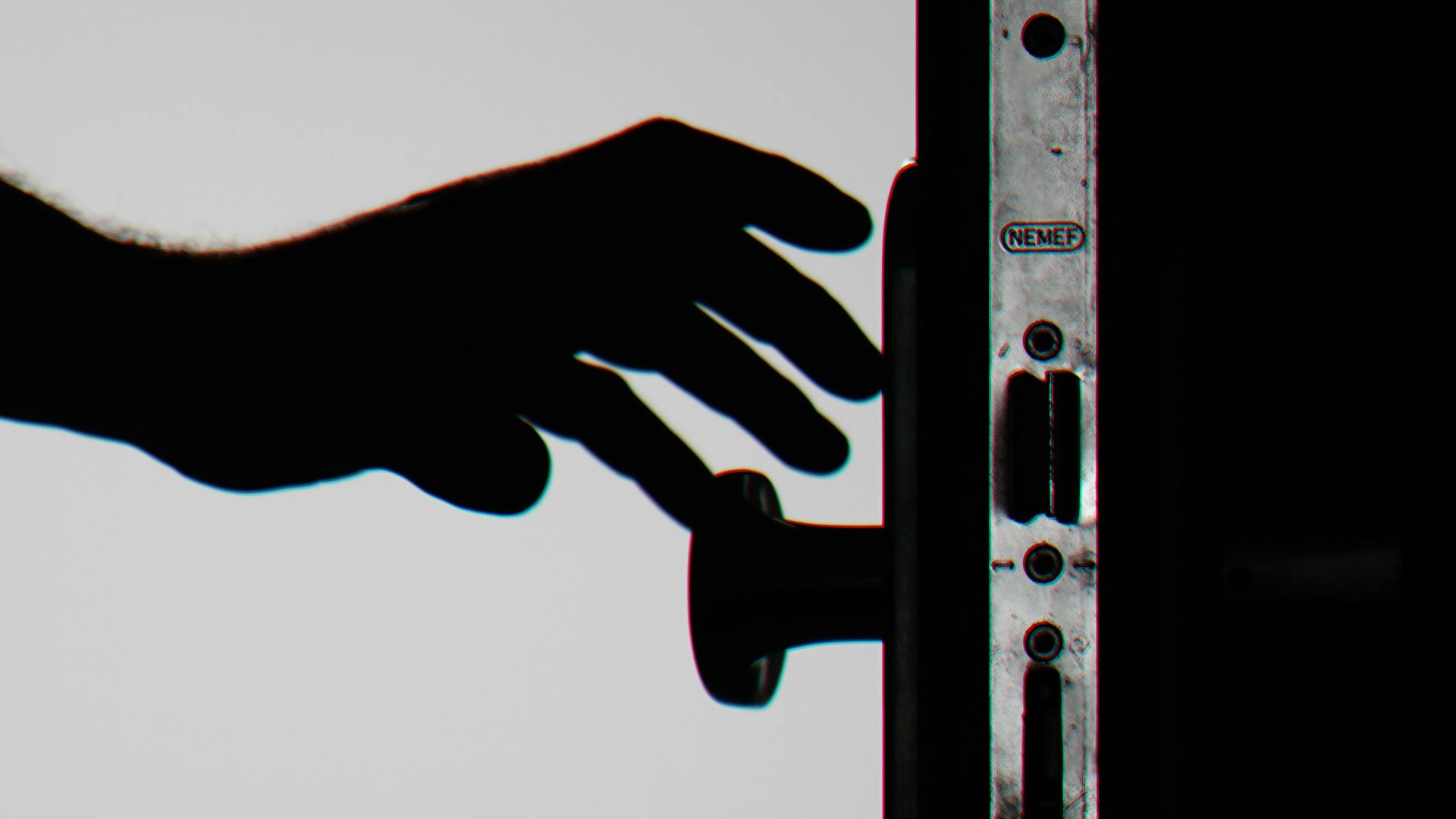
The Second Knock
When she answered the door again, expecting something routine, the situation escalated instantly. What should have been an ordinary moment became something irreversible in seconds.
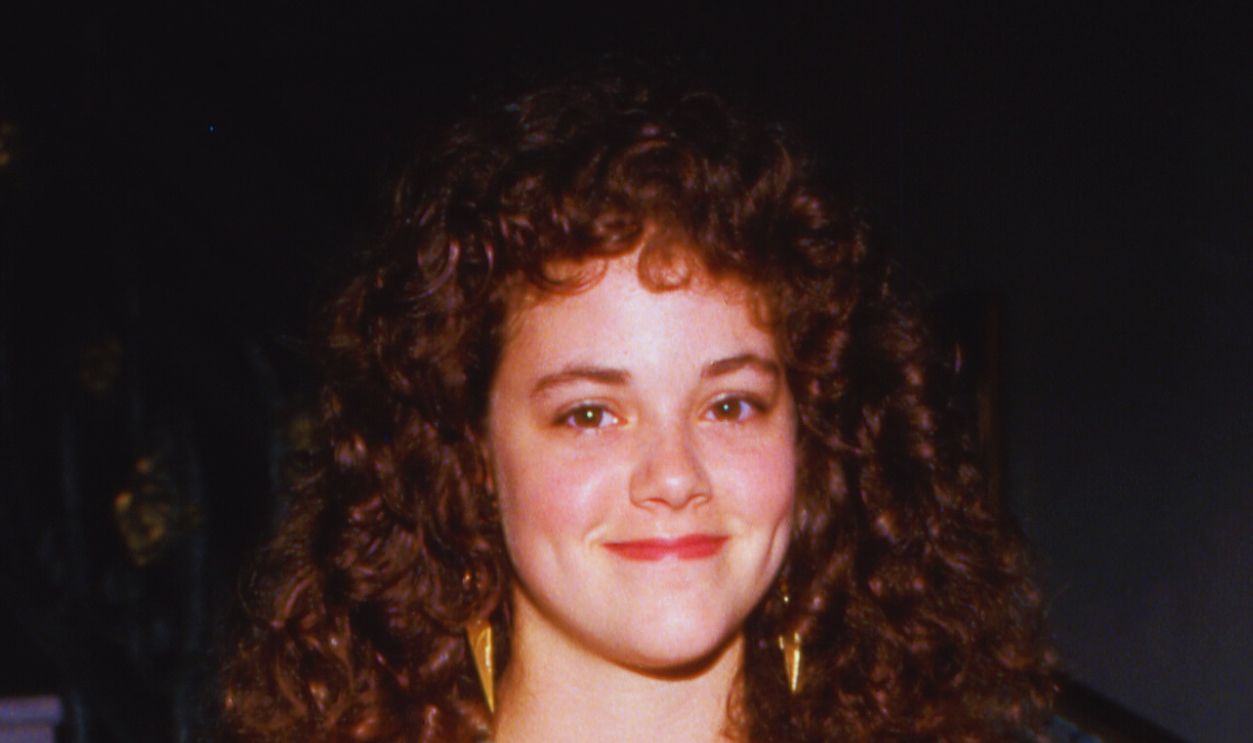
She Was Just 21
Rebecca Schaeffer was only 21 years old. Her career was still forming and still growing. The sense that she was on the verge of something bigger made what happened even harder to process.
What He Had With Him
When Bardo was later arrested, he reportedly had a copy of The Catcher in the Rye. The detail drew unsettling comparisons to other high-profile cases involving obsession and fixation.
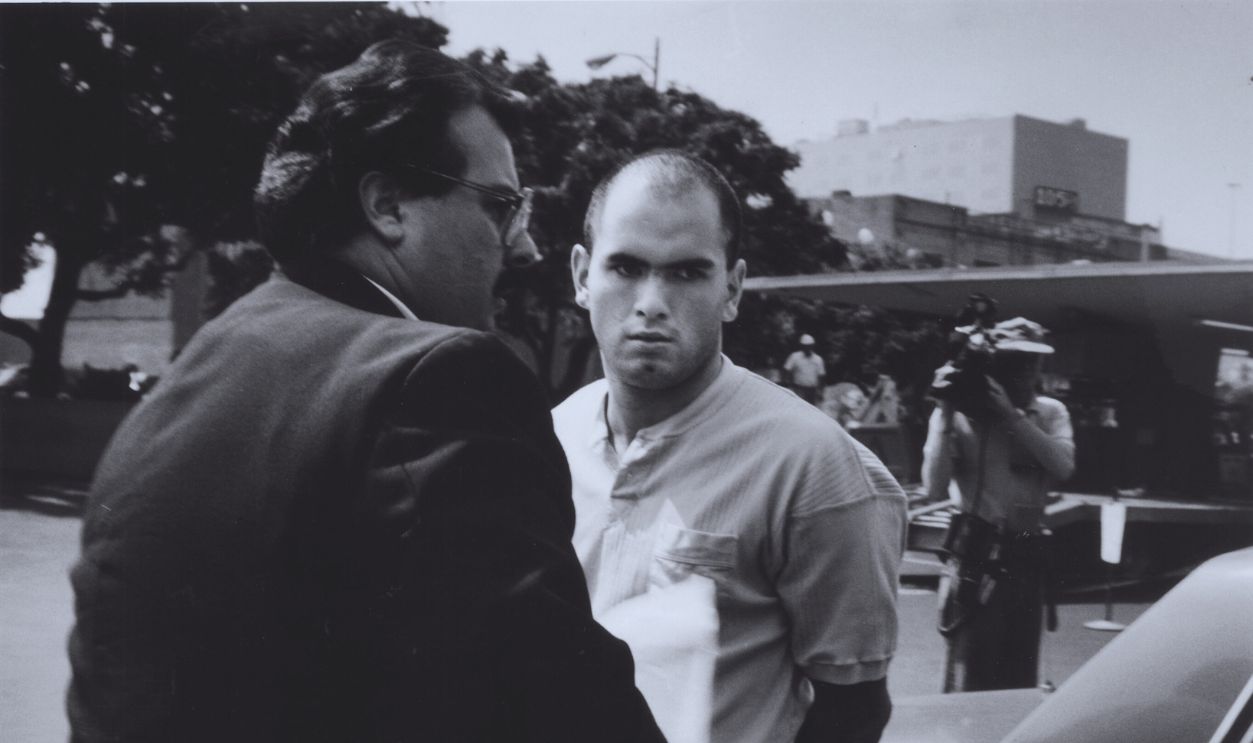
The Arrest Came Quickly
Bardo fled after the attack but was arrested the next day in Arizona. Investigators also confirmed he had purchased the weapon the day before in Tucson, underscoring how planned the encounter had become.
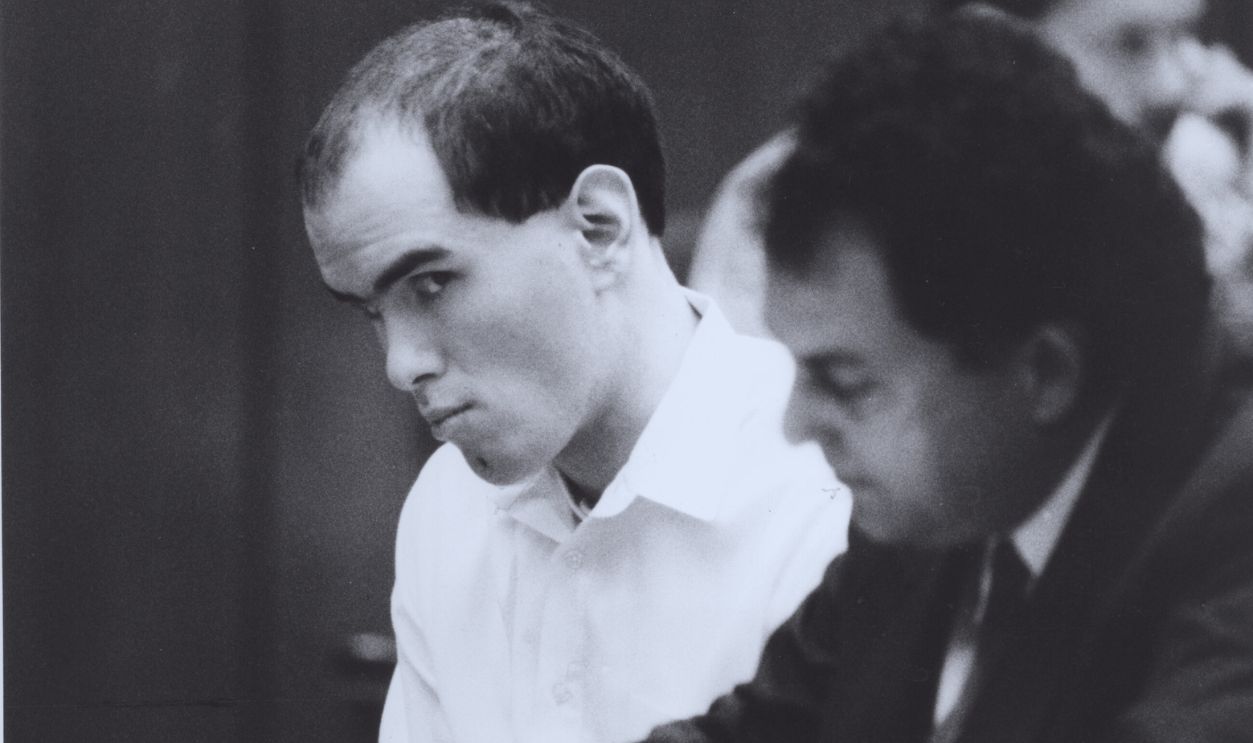
The Outcome
He was convicted of first-degree murder and sentenced to life in prison without the possibility of parole, bringing a legal conclusion to a case that had already shaken the industry.
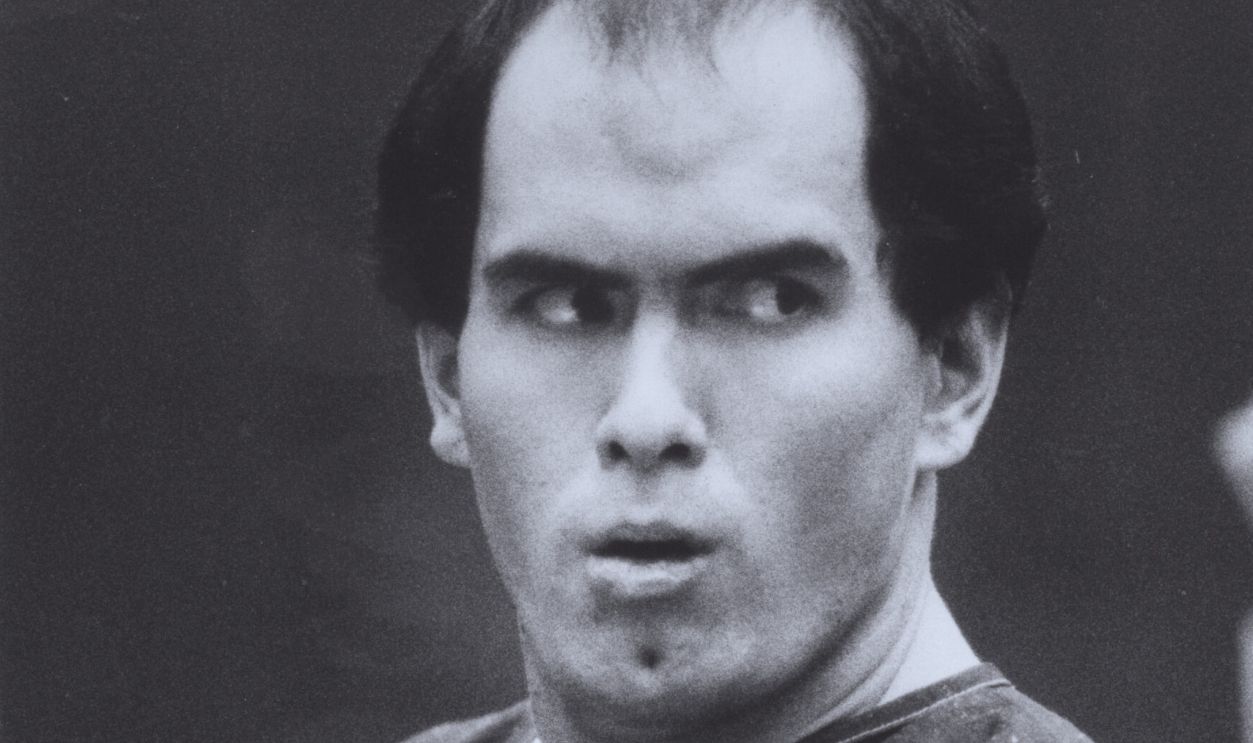
The Real Shock Came After
As details emerged, one fact stood out. Her address had been obtained legally. That realization shifted the focus from the crime itself to the system that had made it possible.
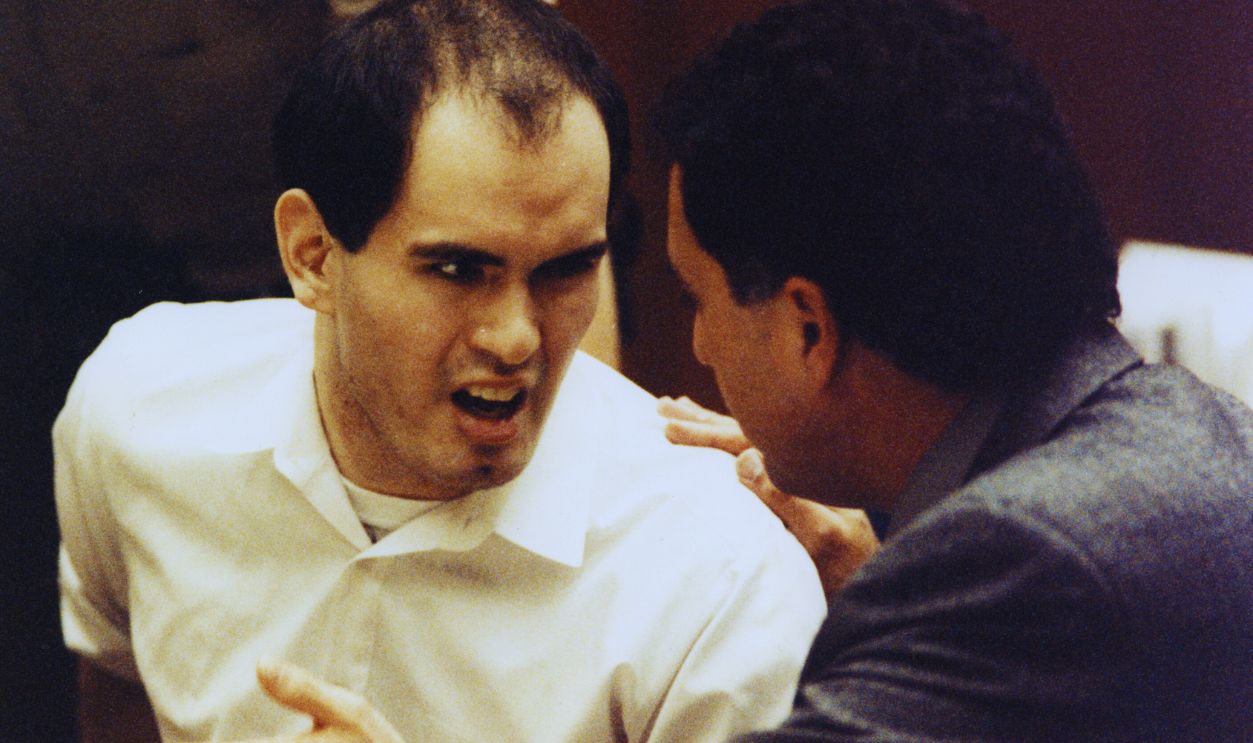 Anacleto Rapping, Getty Images
Hollywood Started Paying Attention
Actors and industry professionals began questioning privacy and safety. For many, this was the moment they realized how exposed public figures and even private citizens actually were.
Laws Began To Change
California quickly restricted access to DMV records after her death. Her case later became a key factor in the push for the federal Driver’s Privacy Protection Act of 1994, restricting how personal information could be released.
Anti-Stalking Laws Took Shape
In 1990, California passed the first modern anti-stalking law in the U.S., making it easier to prosecute repeated harassment and threatening behavior before it escalated further.
A Ripple Effect Beyond Hollywood
These legal changes didn’t just protect celebrities in Hollywood either. They extended to everyday people, limiting how personal data could be accessed and shared across the country.
A Show That Didn’t Continue
My Sister Sam was canceled shortly after Schaeffer’s death. What had once been a stepping stone in her career became permanently tied to the tragedy that followed.
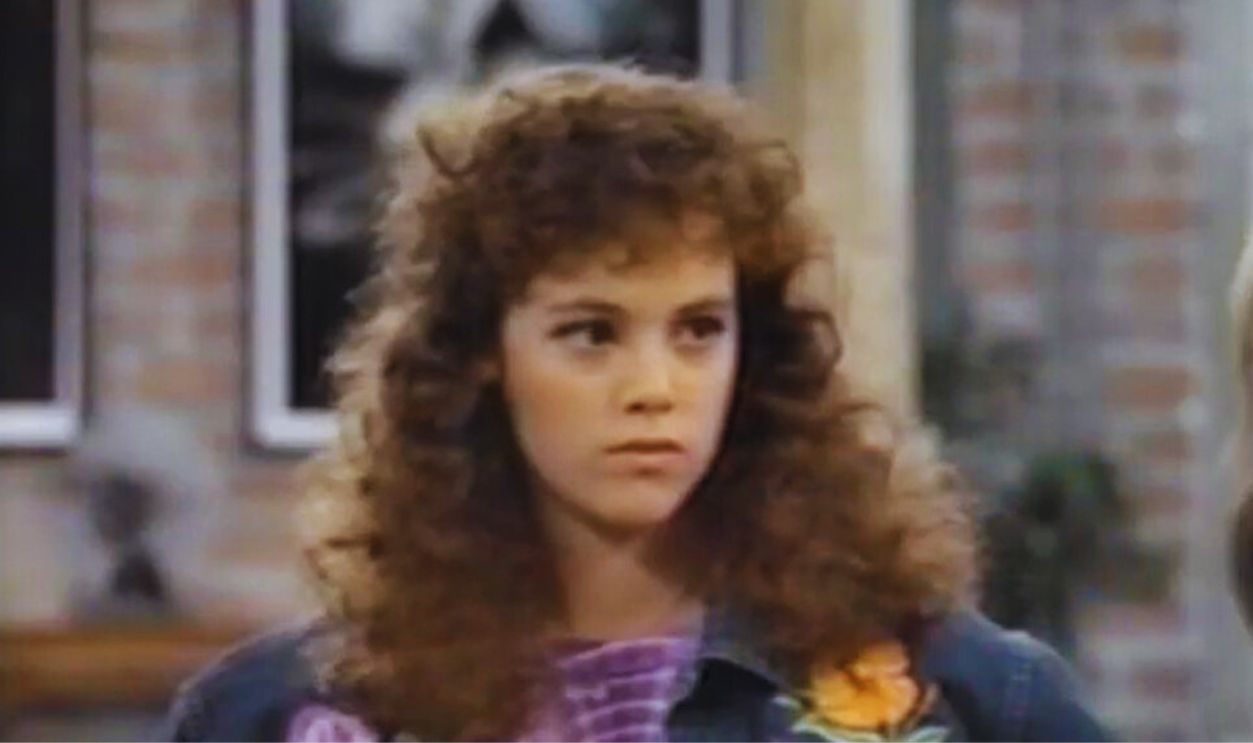 Screenshot from My Sister Sam, Warner Bros. Television (1986–1988)
Why Her Story Still Matters
Her story still resonates today. In a world where personal information is even easier to access, it serves as a reminder of how quickly that access can become dangerous without the right protections.
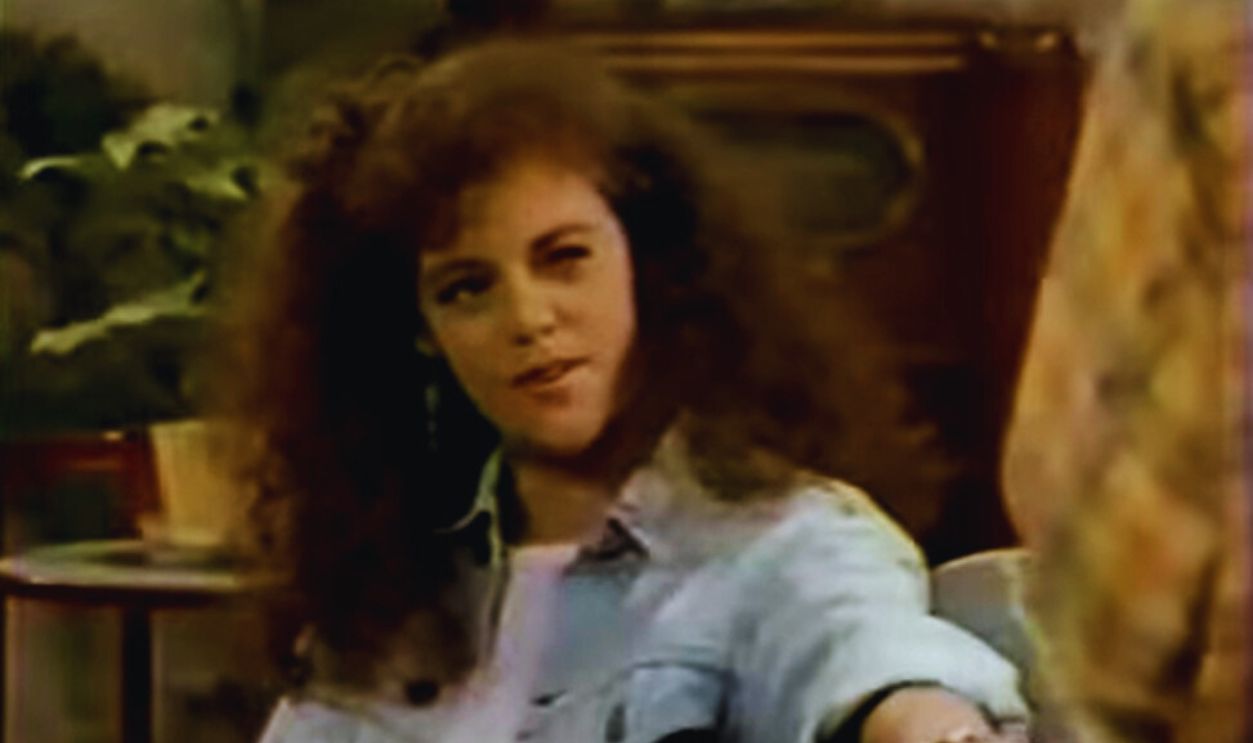 Screenshot from My Sister Sam, Warner Bros. Television (1986–1988)
You Might Also Like:
Carol Burnett’s Laughter Hid A Lifetime Of Heartbreak—And She Still Changed Comedy