When A Laugh Track Covered A Lot
Classic sitcoms were built for fast laughs, and a studio audience often rewarded whatever landed in the room. That meant jokes could skate by even when they punched down. Rewatching those bits now can feel like opening a time capsule that still has sharp edges.
 CBS Television, Wikimedia Commons
The “Take My Wife” Era
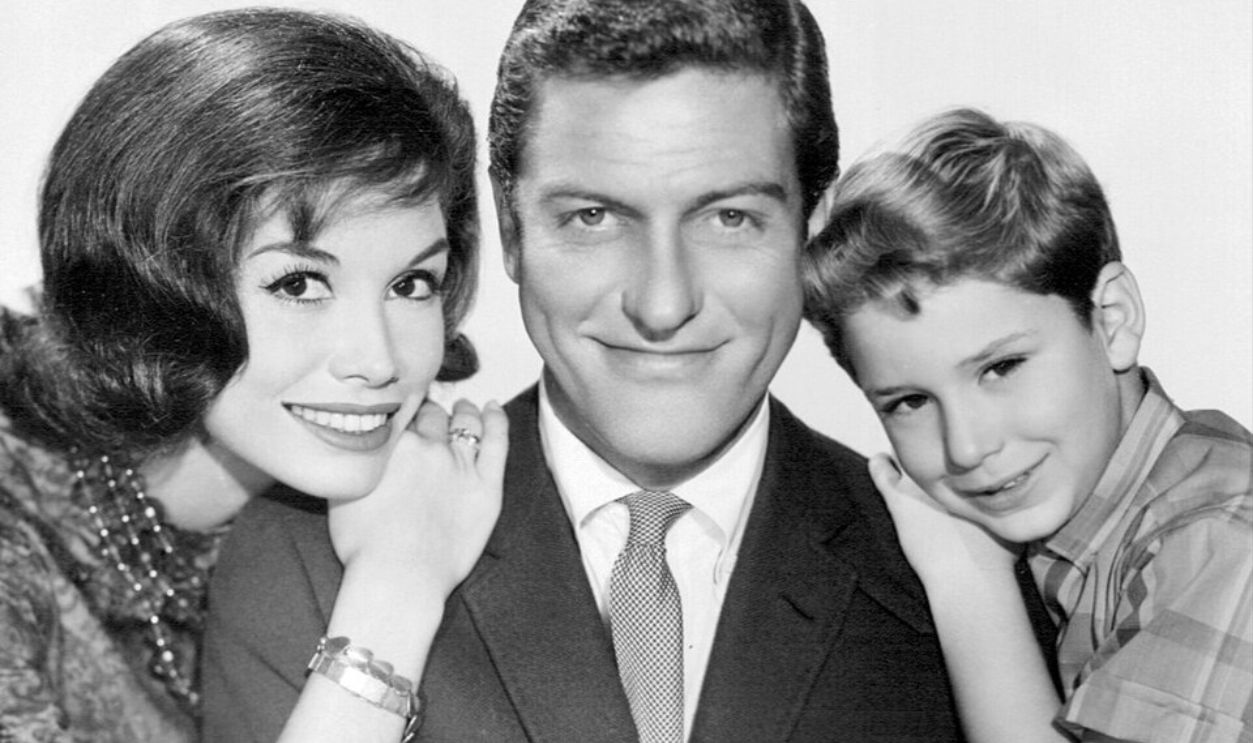
Old TV loved the stock “I hate my spouse” setup, especially when husbands framed marriage like a trap. Those lines were common in mid-century stand-up and bled into early sitcom writing. Modern comedies still do relationship jokes, but the default punchline is less often “wife bad.”
The shift is not subtle once you start listening for it.
 CBS Television, Wikimedia Commons
Hitting Your Spouse As A Punchline
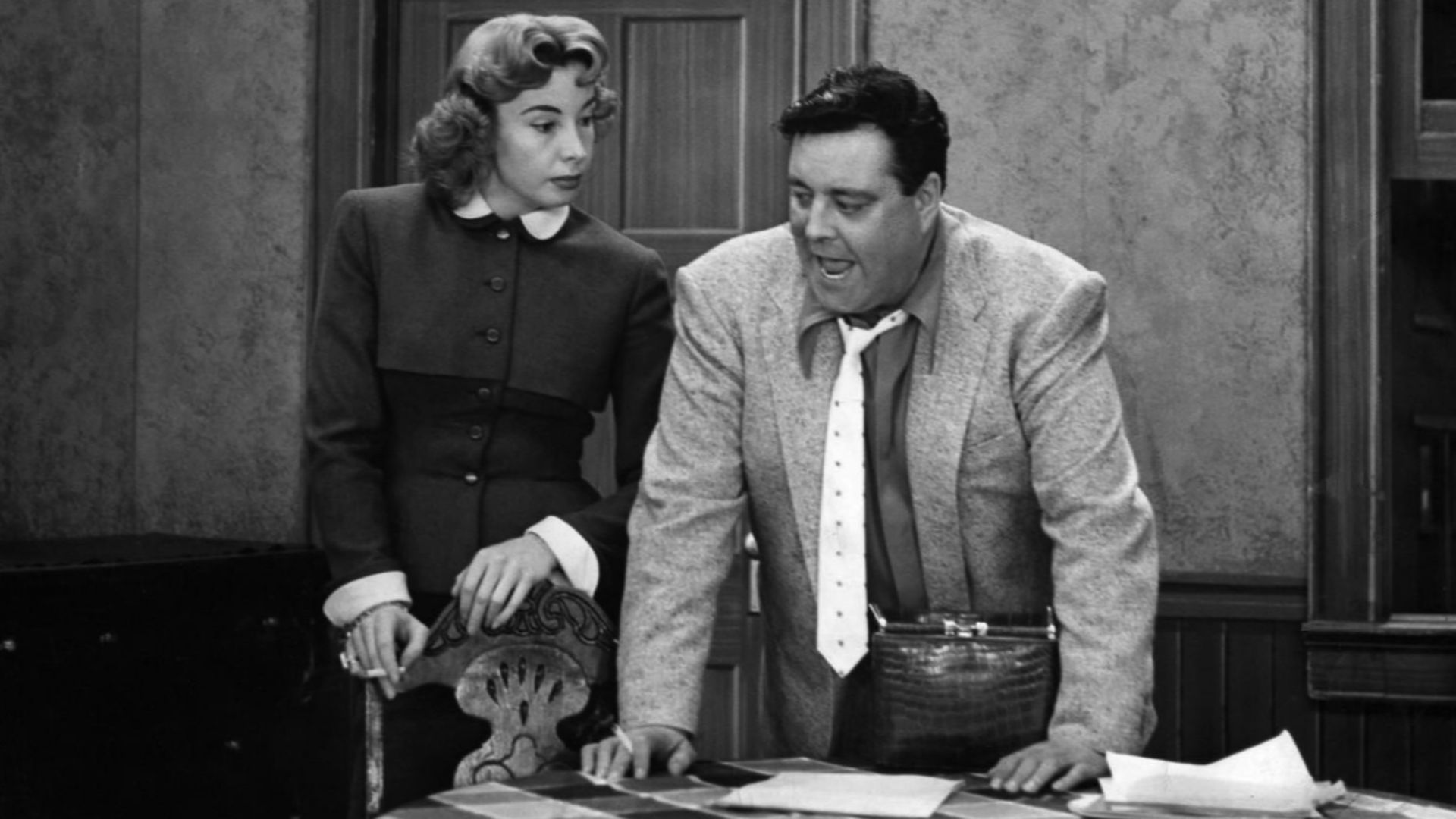
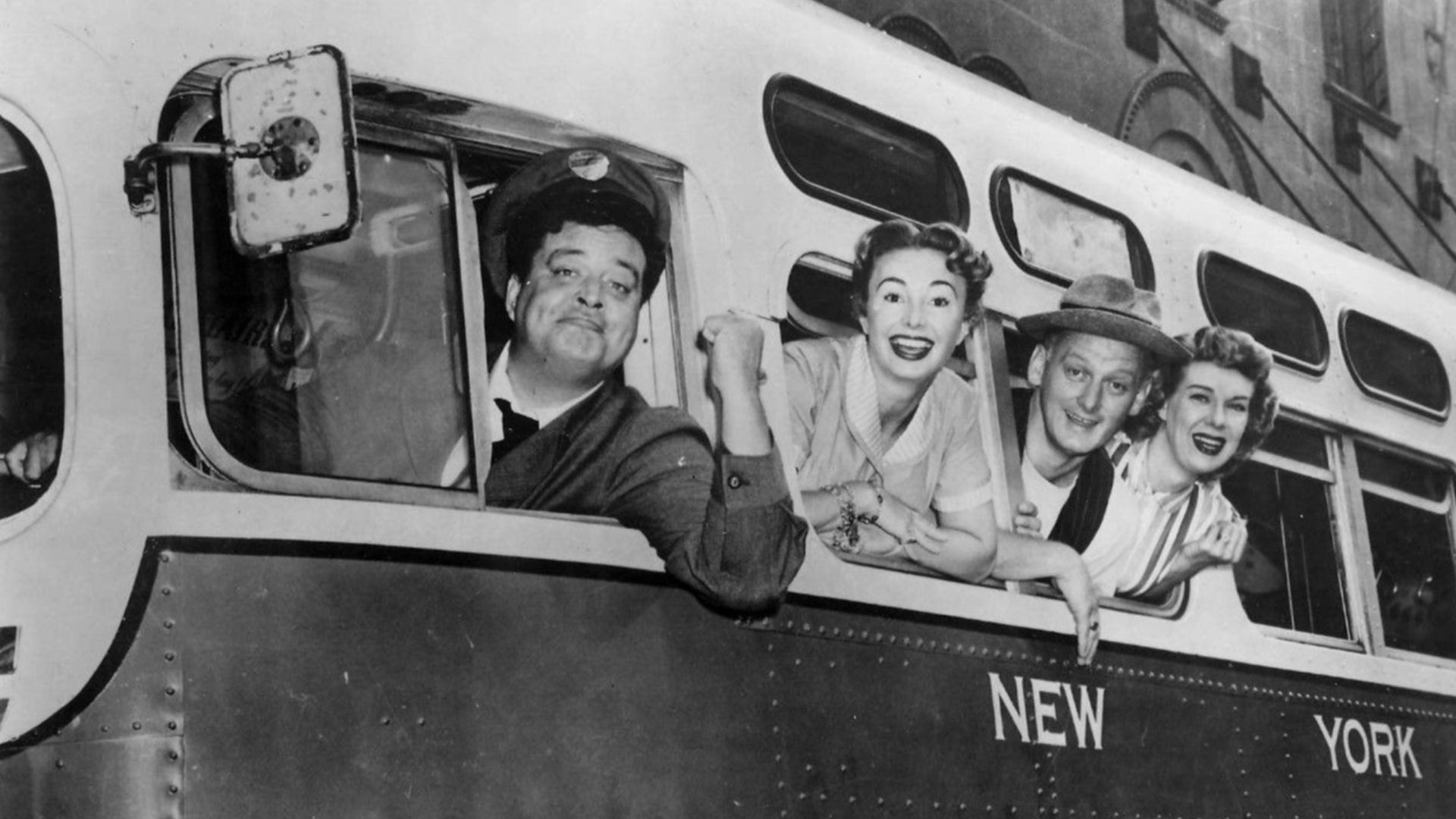
The Honeymooners is famous for Ralph Kramden’s “One of these days… pow, right in the kisser” line aimed at Alice. The show did not depict him hitting her, but the threat itself was played for laughs so much it became a catchphrase. That kind of repeated gag would draw heavy criticism and cancellation on today’s network TV. It is one of the clearest examples of how tastes changed, even when the “harm” stayed verbal.
 CBS Television, Wikimedia Commons
“Boys Will Be Boys” Workplace Harassment
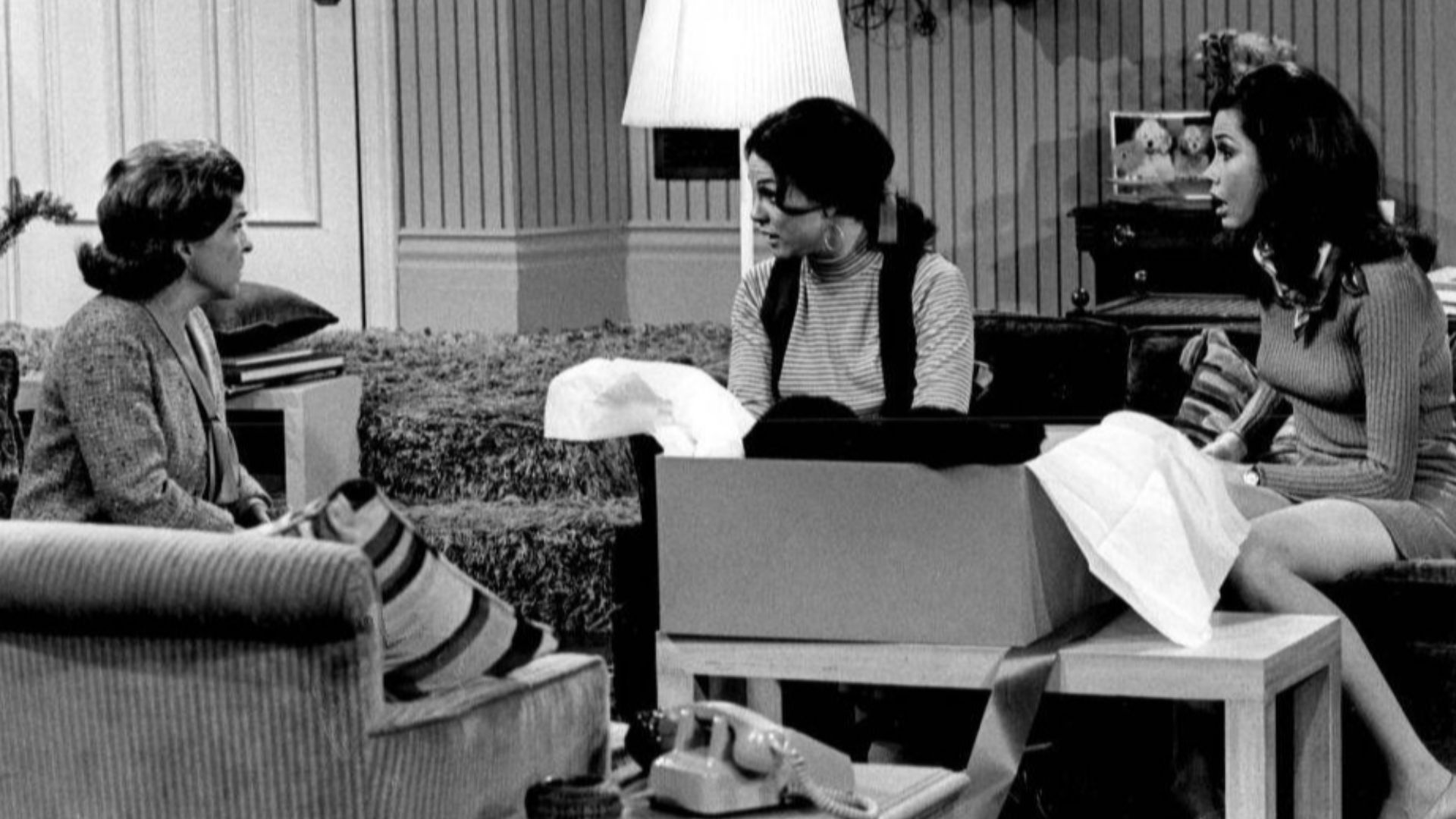
Older workplace sitcoms often treated persistent flirting as harmless and inevitable. In The Mary Tyler Moore Show, blatant sexism from men at the station is part of the comedy. The show frequently critiques those attitudes through Mary’s reactions, but many jokes still lean on harassment as a casual and comical norm. Watching now, you can feel the room laughing at things that would make a modern HR instructor have an aneurysm.
 CBS Television, Wikimedia Commons
The Gag: “No Means Try Again Later”
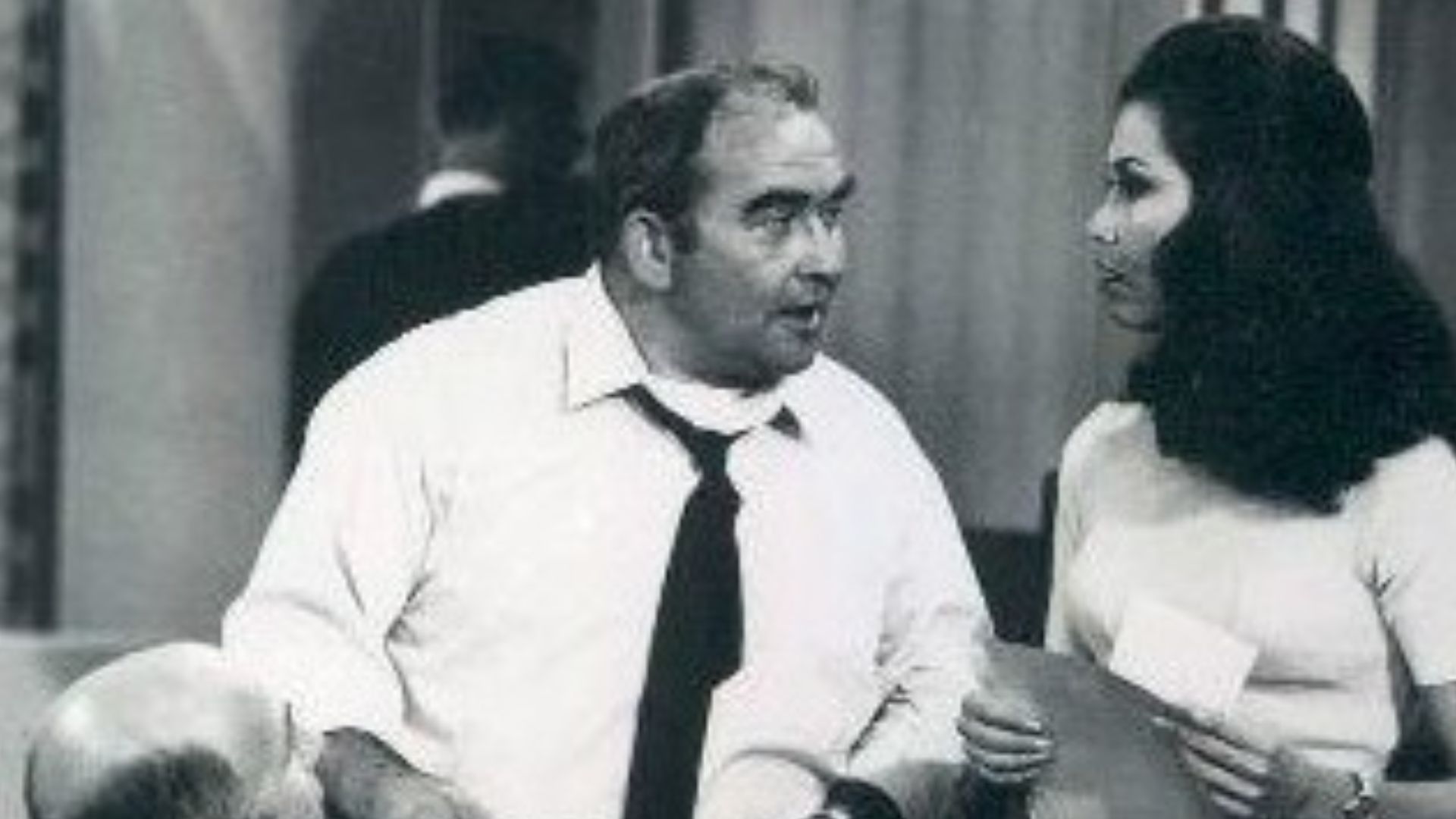
Many old sitcom plots treated a woman’s refusal as a hurdle, not something to be respected. Characters kept pushing until the date happened, and the audience was expected to root for the man's persistence, which was usually rewarded. Contemporary TV is far more careful about consent, especially in romantic storylines. Rewatch those older scenes and you will notice how often the “romance” is really just pressure.
 CBS Television, Wikimedia Commons
Gay Panic, Played For Easy Points
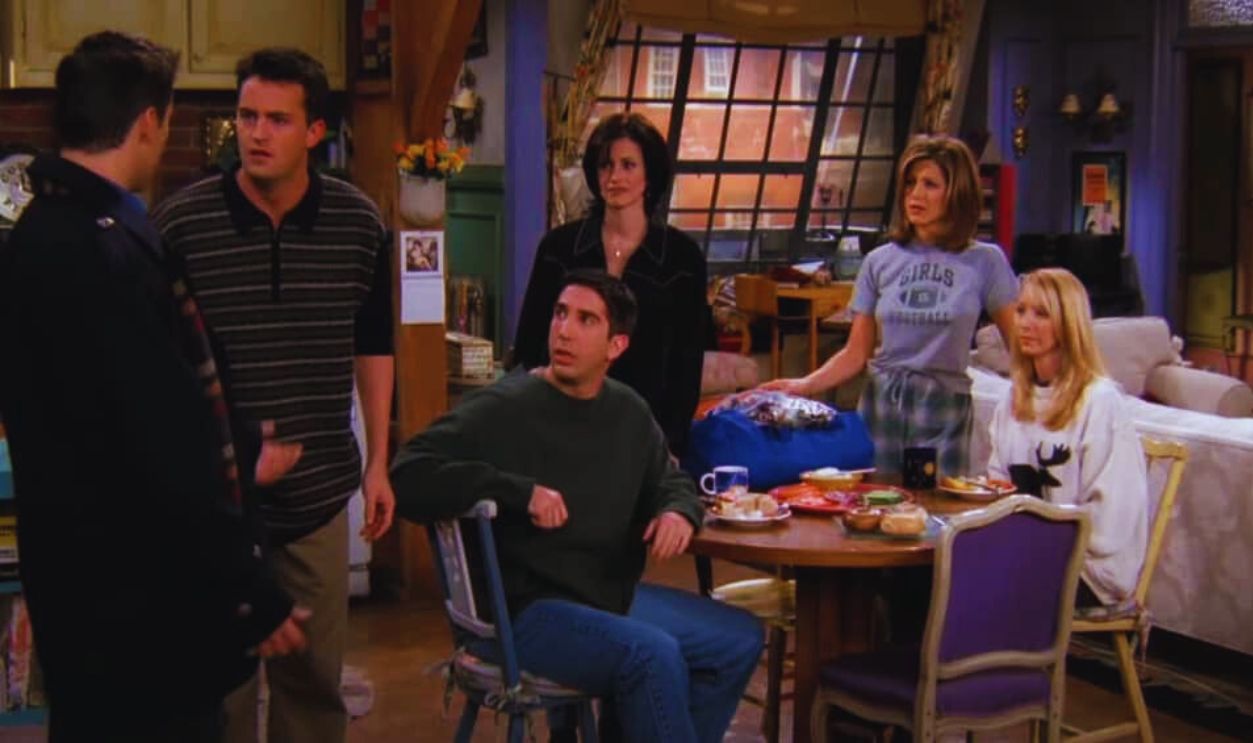
“Terrified to be thought of as gay” used to be a reliable sitcom engine. This trend probably reached its peak in the 90s with sitcoms like Friends, where comedy constantly came from the male characters' utter horror at the thought that someone might think they are, gasp, gay.
 Screenshot from Friends, Warner Bros. Television (1994–2004)
Transphobic Mix-Ups And Cruel Reveals
Old sitcoms sometimes used cross-dressing or trans-coded characters as shock reveals. The laugh was almost always a quick “look at this crazy person!” Modern TV still has plenty of cross-dressing, but the trope of "transitioning = shorthand for crazy" doesn't fly anymore.

“Man In A Dress” As The Entire Bit
Classic sitcoms regularly used men in women’s clothing as an instant laugh cue constantly. The humor typically relied on rigid gender rules and the idea that femininity on a man is inherently ridiculous. That premise has become a much tougher sell in mainstream comedy. Today it is more likely to be framed as character-based, not “point and laugh.”
 Screenshot from Bosom Buddies, ABC (1980-1982)
Casual Racist Stereotypes In Prime Time
Some older sitcoms leaned on stereotypes that networks would not touch now. Jokes about accents, “exotic” neighbors, or ethnic food as gross were common background noise. Just look at any mention of "sushi" in any show before 2000. In many cases, writers were aiming for quick recognition rather than accuracy. The problem is that “recognition” often meant repeating the same tired caricatures.

When A Sitcom Went Full Bigotry On Purpose
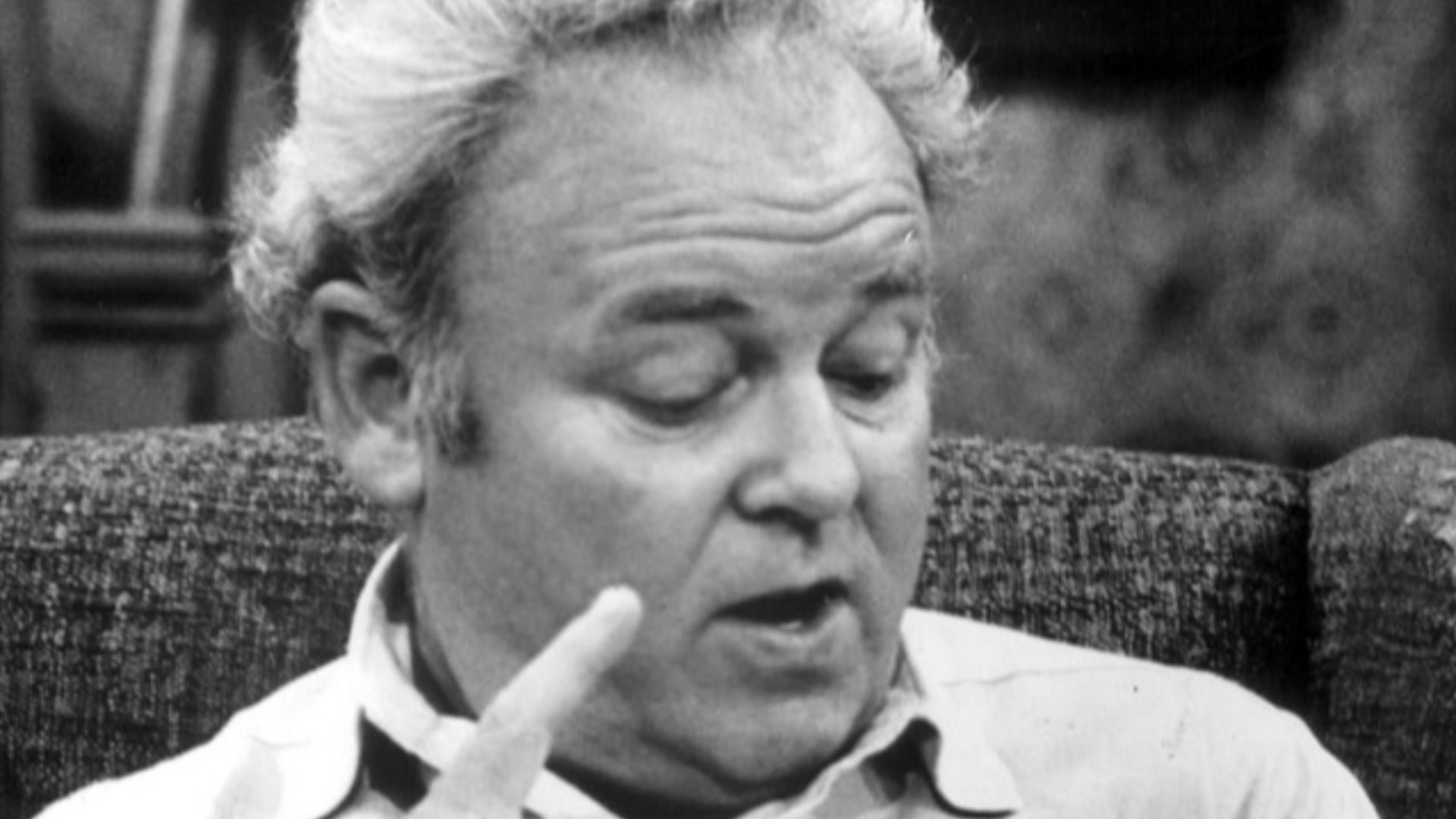
All in the Family put prejudice on screen through Archie Bunker, and the point was often to expose and mock his bigotry. But despite the show's genuine intentions, it frequently included racial and ethnic slurs that are jarring today. The intent was satirical, but audiences did not always take it that way. That tension is part of why the show still sparks arguments decades later.
 CBS Television, Wikimedia Commons
The Laugh Was “He Said The Slur”
In some older comedies, the line reading of a slur could get a bigger laugh than the actual joke structure. That is not limited to one show, but All in the Family is the best-known example because it aired on a major network and became a cultural landmark. Modern broadcast standards are far stricter about what can be said in a punchline. The result is that the “shock word” is no longer the shortcut it once was.
 CBS Television, Wikimedia Commons
Ethnic Characters Reduced To One Trait
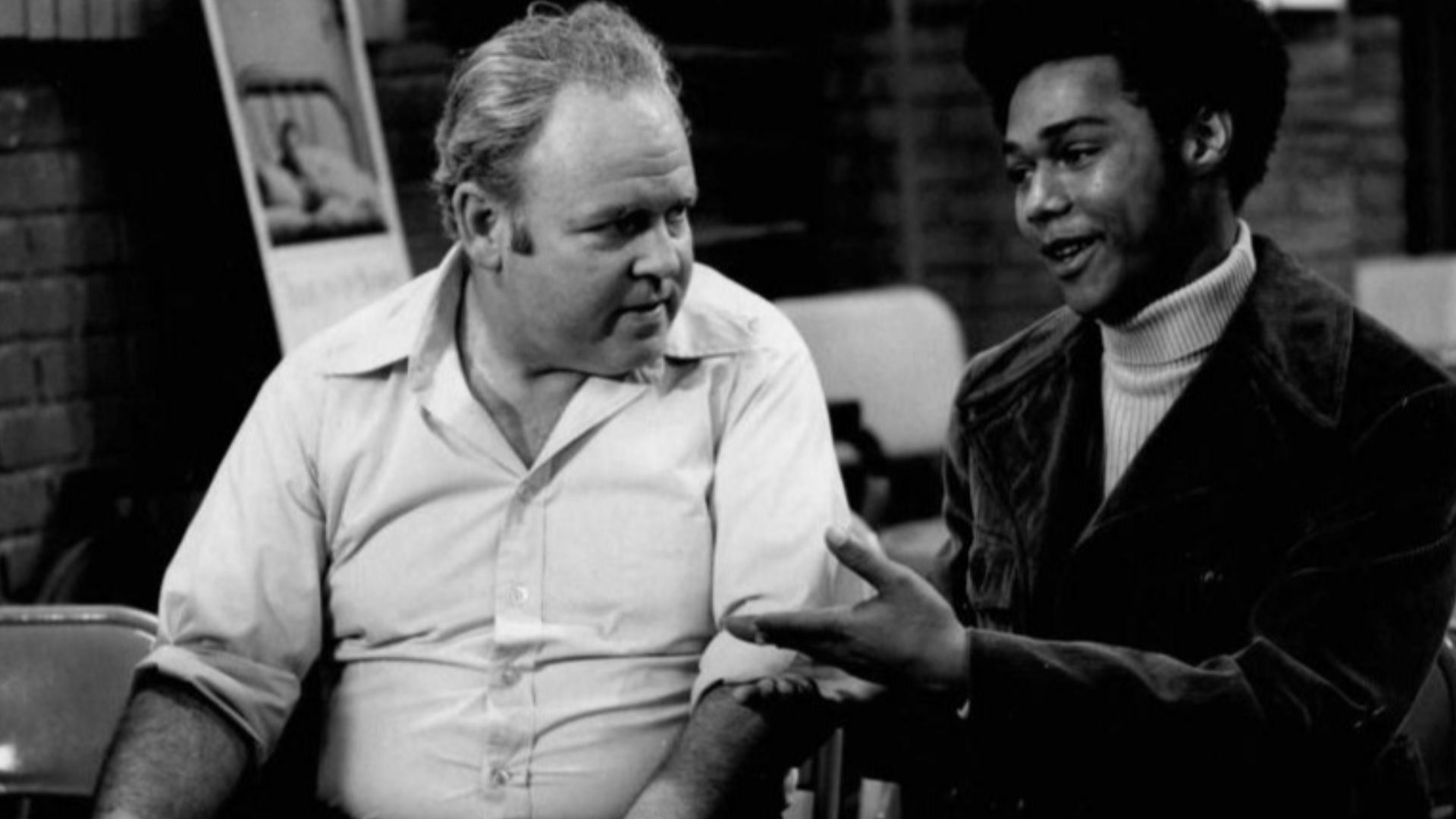
Old sitcoms often turned side characters into walking stereotypes. A character’s entire identity could be “the Italian one,” “the Jewish one,” or “the foreign one,” and the jokes rarely moved beyond that. Even when shows meant well, the writing almost exclusively treated culture like a costume. That kind of flattening is exactly what contemporary casting and writing teams try to avoid.
 CBS Television, Wikimedia Commons
Yellowface And The Legacy Of Old TV
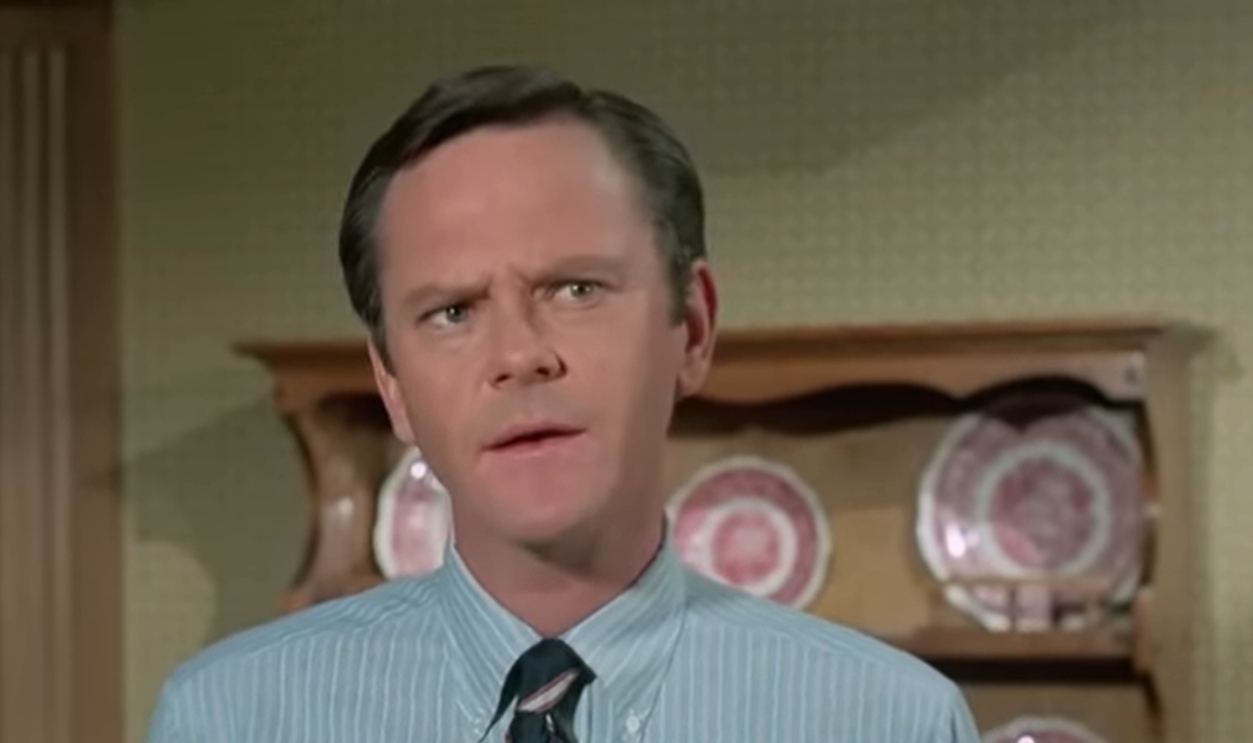
American TV has a long history of using non-Asian actors to play Asian characters, complete with fake teeth and makeup to make their eyes grotesquely slanted. That practice is widely criticized now, and modern productions generally avoid it. Sitcoms with infamous yellowface infractions include Get Smart and Bewitched.
 Screenshot from Bewitched, ABC (1964-1972)
Fat Jokes Were Treated Like Neutral Small Talk
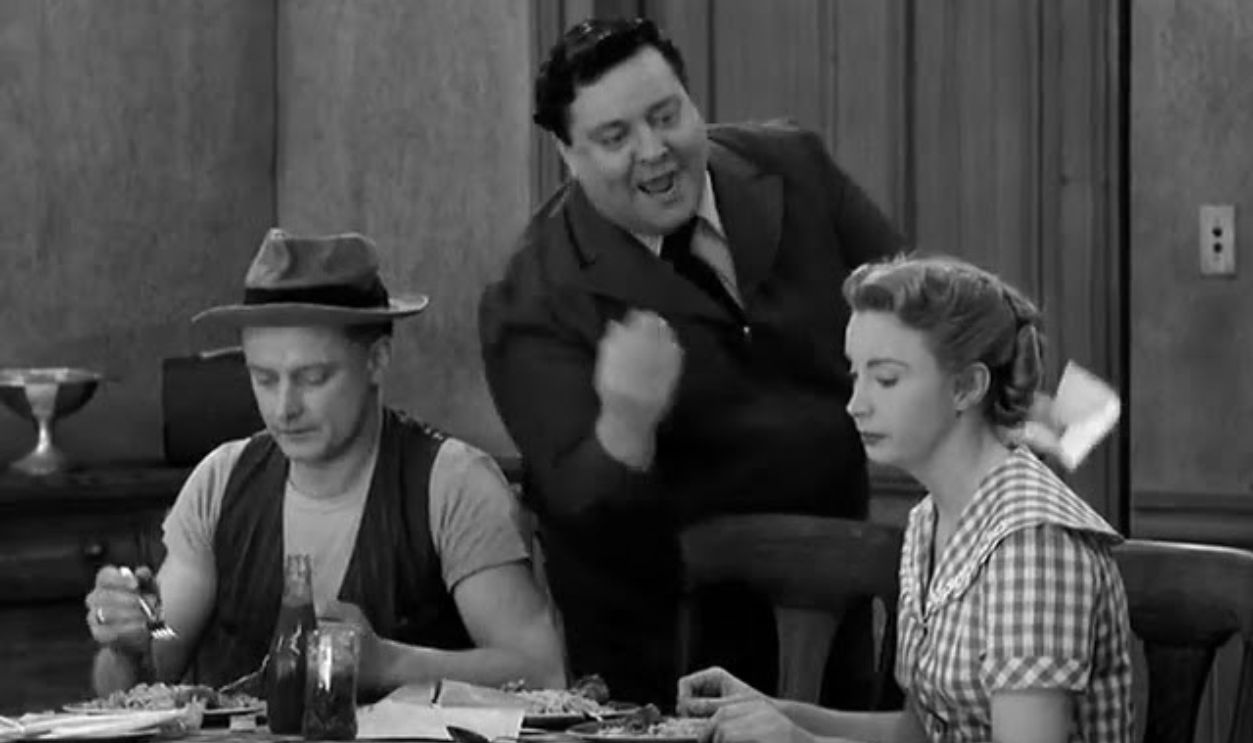
Many classic sitcoms used weight as a default insult or an easy punchline. Characters were mocked for eating, for body size, or for not fitting beauty standards. That kind of humor still exists, but it gets more pushback now, especially when it targets someone who is not in on the joke. Once you notice how often it appears, it is hard to unhear.
 Screenshot from The Honeymooners, CBS (1955-1956)
Diet Culture As A Running Gag
Old scripts regularly treated dieting as a woman’s main hobby and her self-worth as tied to thinness. The comedy came from failure, guilt, and constant policing by partners or friends. Modern sitcoms still cover insecurity, but they are more likely to aim the joke at the pressure itself. Older shows often played the pressure straight.
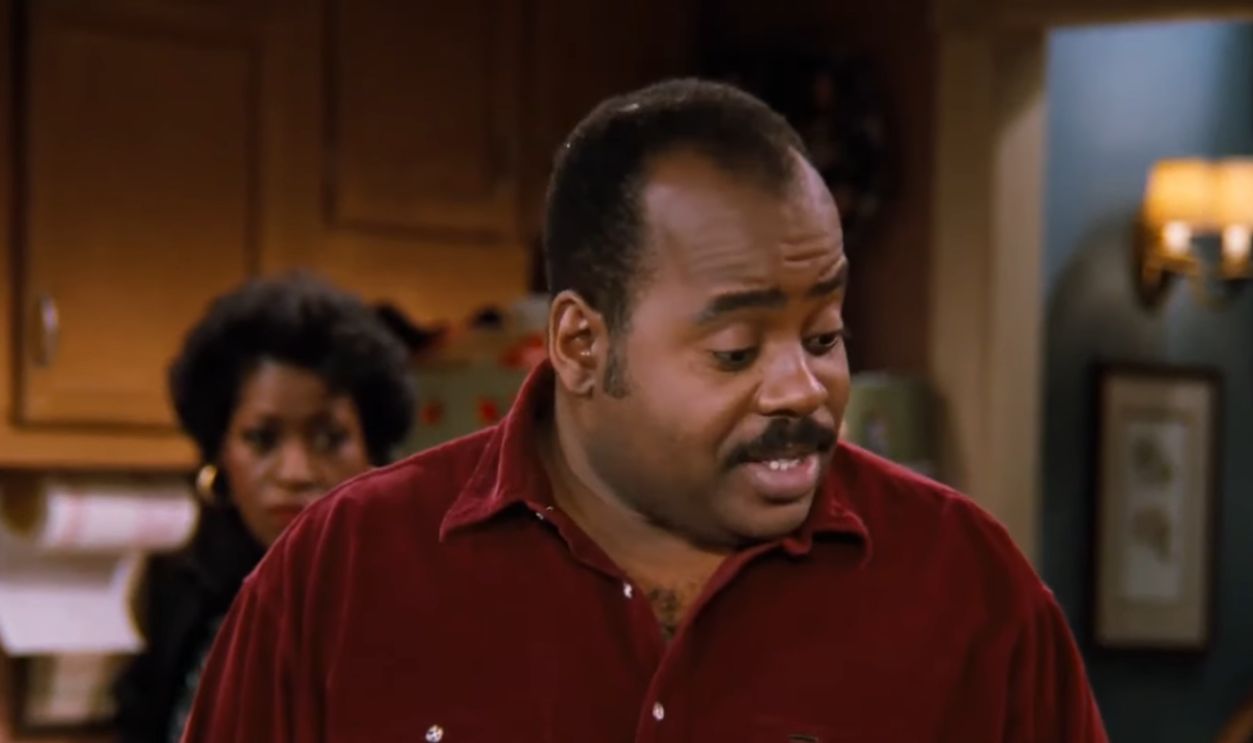 Screenshot Of Family Matters, Warner Bros. Television (1997-1998)
“Ugly” As A Character’s Whole Deal
Classic sitcoms loved a “plain” character whose function was to be rejected. Laughs came from cruel comparisons, pity dates, and characters reacting in horror. That kind of writing is harder to justify now because it turns appearance into moral ranking. The next time you rewatch a favorite, pay attention to who never gets to be the romantic lead.
 Screenshot from Ugly Betty, ABC Studios (2006–2010)
Mocking Disability Like It Was A Harmless Quirk
Older comedies sometimes used disability as shorthand for cluelessness, weakness, or weirdness. Physical gags could also drift into making impairment itself the joke. Modern TV is more likely to write disabled characters as fully rounded people and avoid “laughing at” disability. The contrast is obvious when the laugh track hits at the wrong moment.
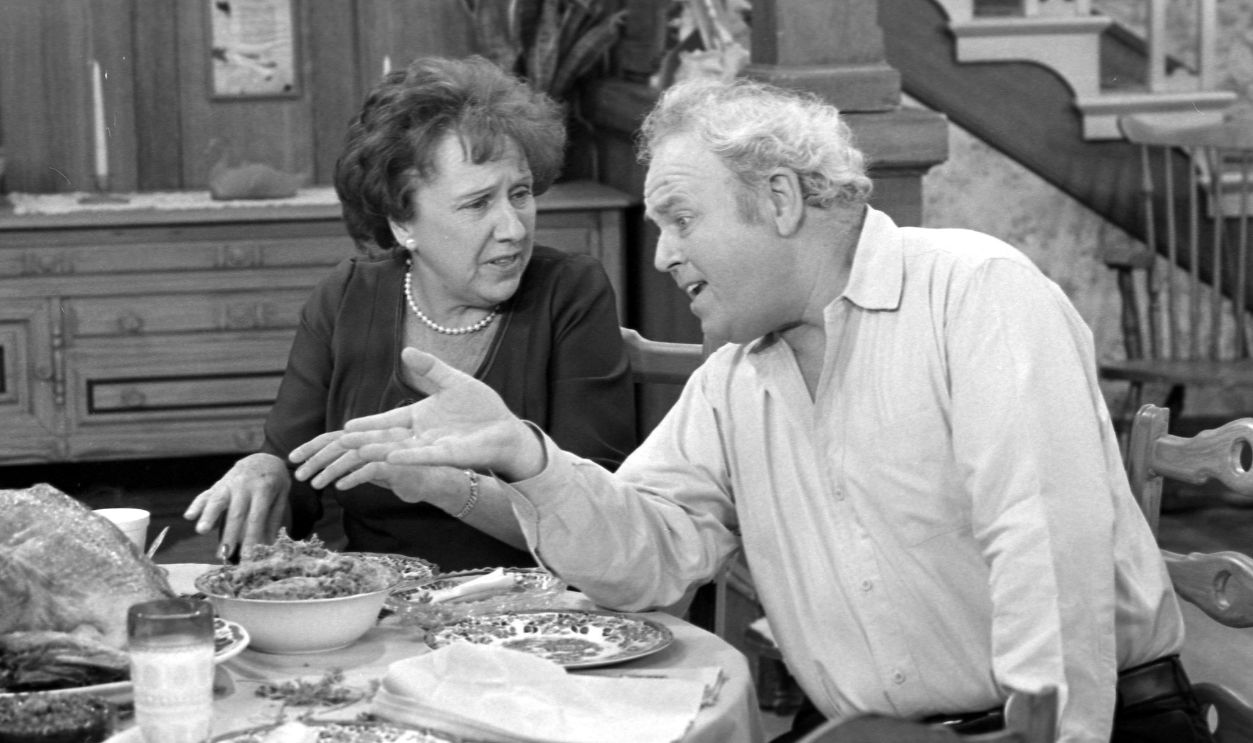 Donaldson Collection, Getty Images
Mental Health Played As A Straight-Up Insult
Words and stereotypes about mental illness were common comedic ammo on old TV. Characters got labeled “crazy” as an insult, and institutionalization jokes popped up as punchlines. Contemporary sitcoms still joke about therapy and anxiety, but they tend to show more basic awareness. The old approach often treated mental health like a scary costume.
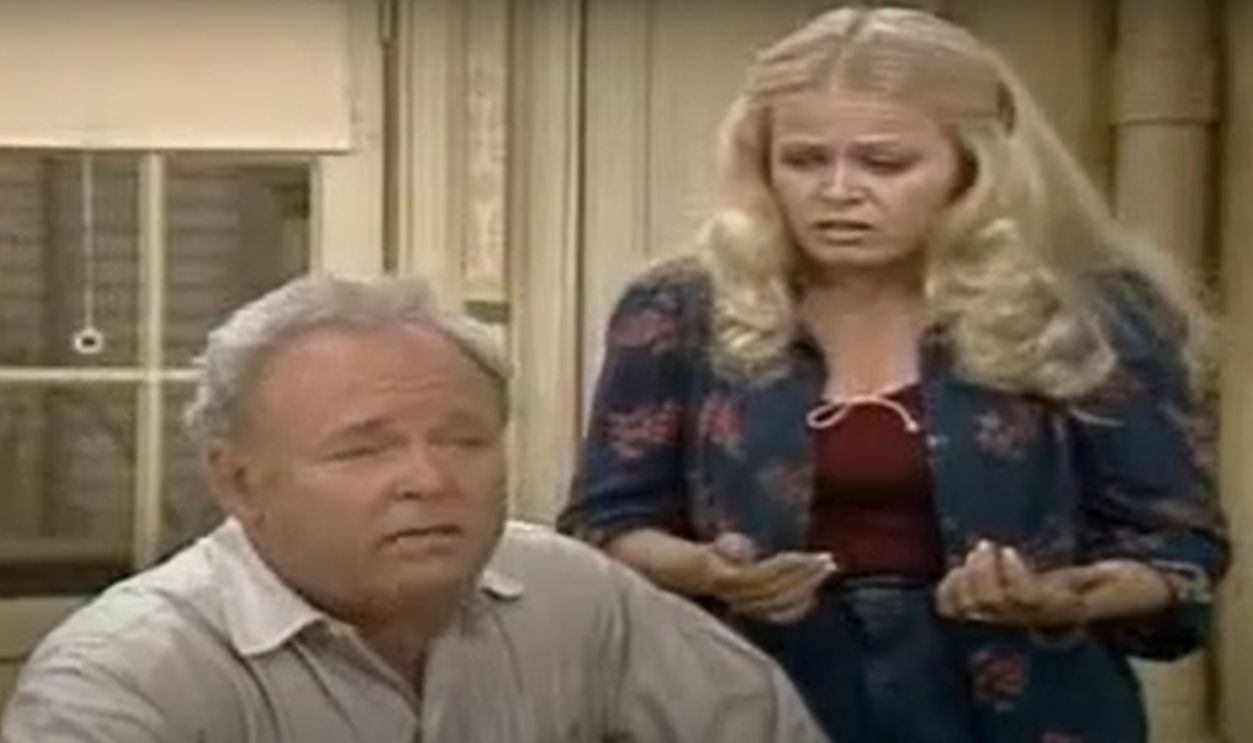 Screenshot from All in the Family, CBS (1971–1979)
Alcoholism And Dysfunction As Cozy Comedy
Some classic sitcoms treated heavy drinking as charming, especially for certain character types. The joke was often “look how much they can drink” rather than “this is a problem.” Characters still drink in modern comedies, but they are more likely to show consequences over time.
Older shows often kept everything reset by next week—"consequences" were antithetical to the whole idea.
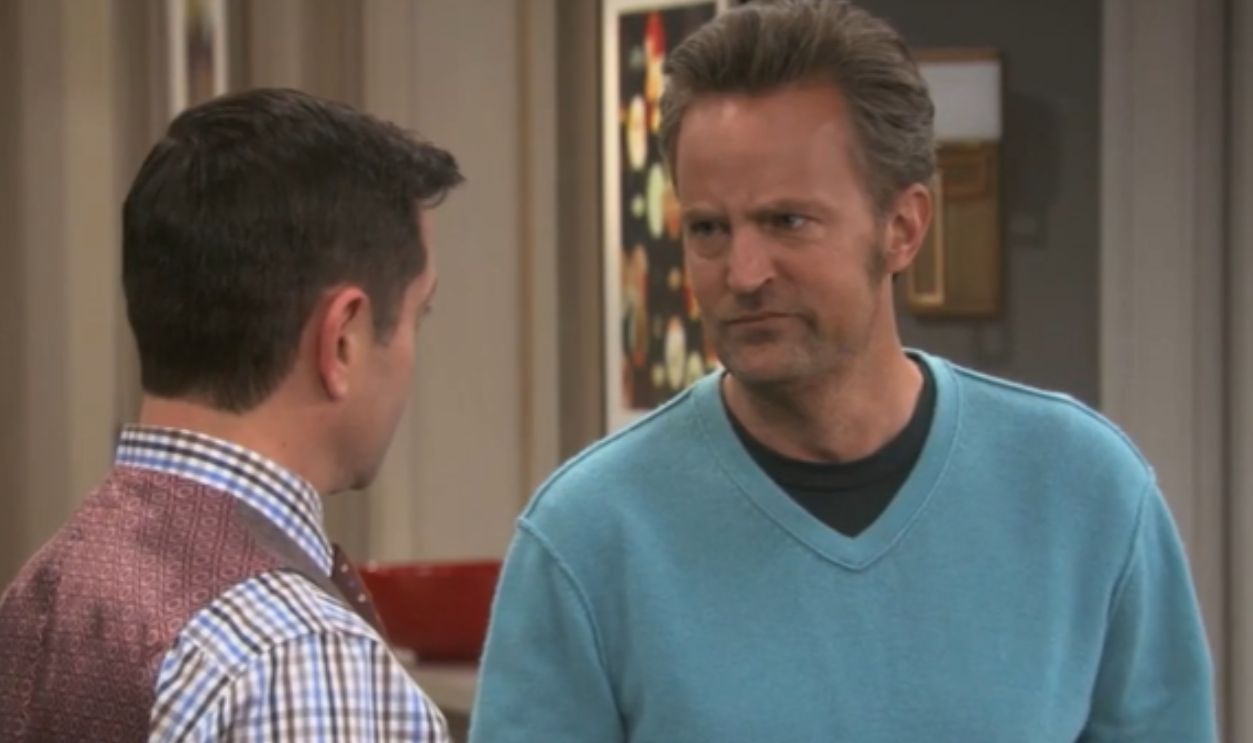 Screenshot from The Odd Couple, CBS (2015)
Spanking And “Discipline” As Cute Family Humor
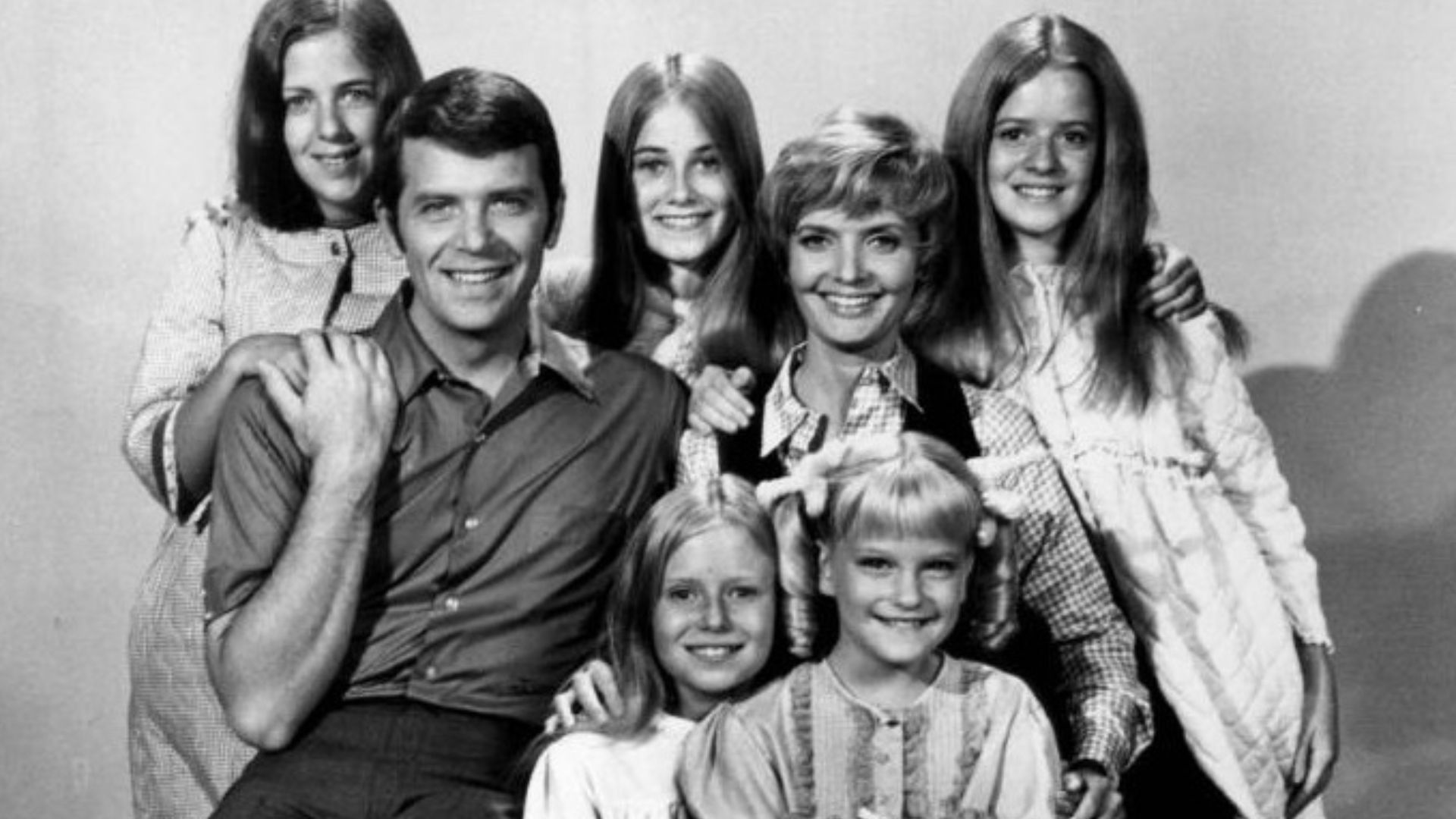
Older family sitcoms frequently framed spanking as normal parenting, sometimes even as a lesson with a wink. Social attitudes about corporal punishment vary, but mainstream TV now tends to be more cautious about presenting it as a joke. The shift is partly about child welfare conversations becoming more public. What once read as “tough love” can now look like a red flag.
 ABC Television., Wikimedia Commons
Kids As Punchlines, Not People
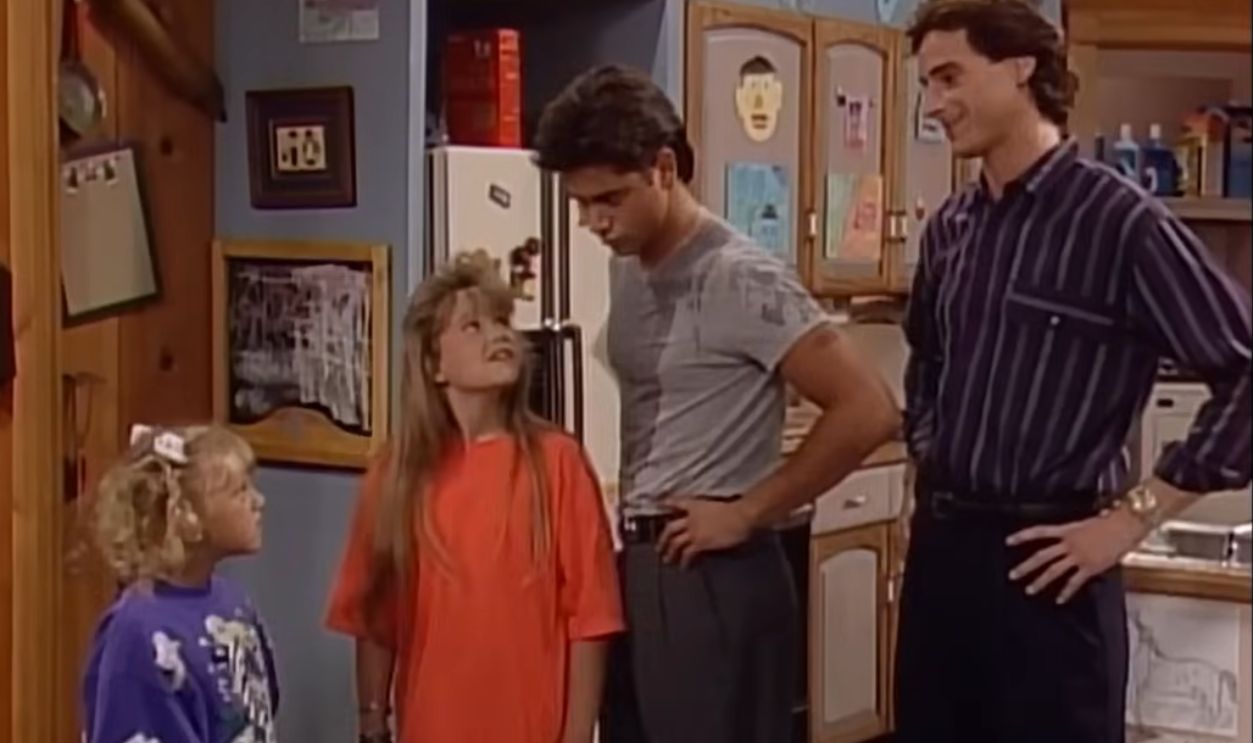
Classic sitcom kids were often there to be scolded, embarrassed, or used as setups for adult jokes. The humor leaned on humiliation, especially around puberty and dating. Modern family comedies still tease kids, but many aim for more empathy. The next slide gets into a specific humiliation trope that was everywhere.
 Screenshot from Full House, ABC (1987–1995)
Puberty Panic And Creepy Adult Commentary
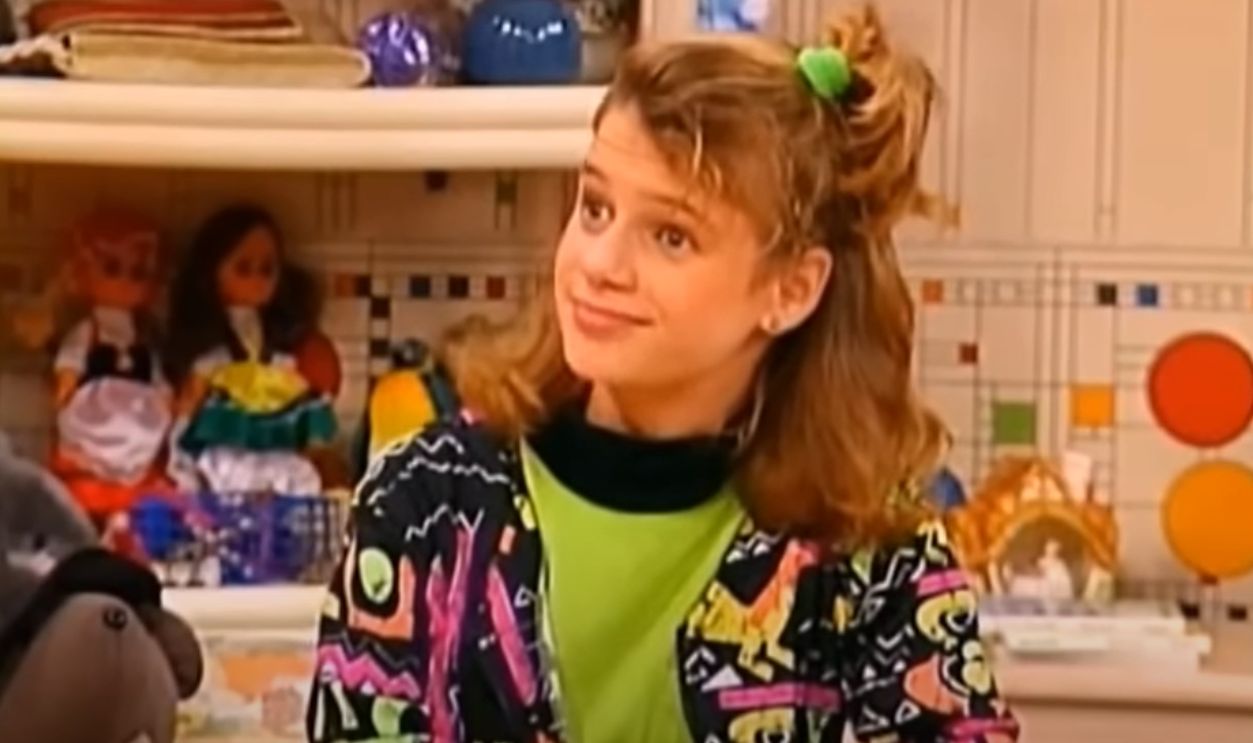
Older sitcoms sometimes mined laughs from adults commenting on teen bodies or “suddenly she’s a woman” style lines. Those jokes were framed as awkward but harmless, even when they were invasive. Today, writers are far more careful when they write about minors.
 Screenshot from Full House, ABC (1987-1995)
Cheating Jokes Framed As Clever, Not Cruel
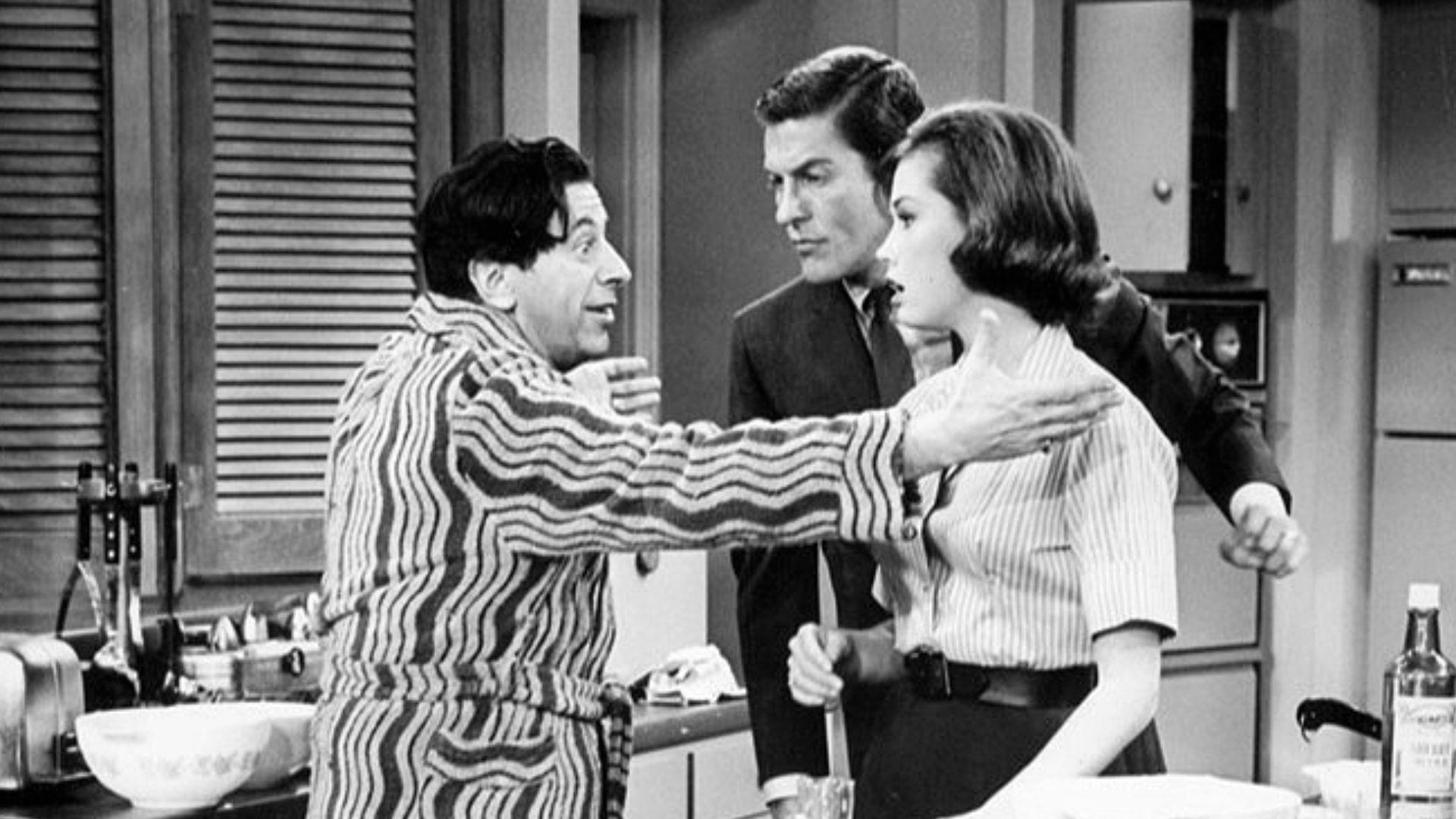
Many classic sitcoms treated affairs or attempted affairs as a goofy adventure. The laughter came from close calls and elaborate lies. Modern TV still does infidelity plots, but it plays the emotional fallout more seriously. Old sitcom logic often treated betrayal like a prank.
 CBS Television Uploaded by We hope at en.wikipedia, Wikimedia Commons
Consent-Free Kissing As “Romance”
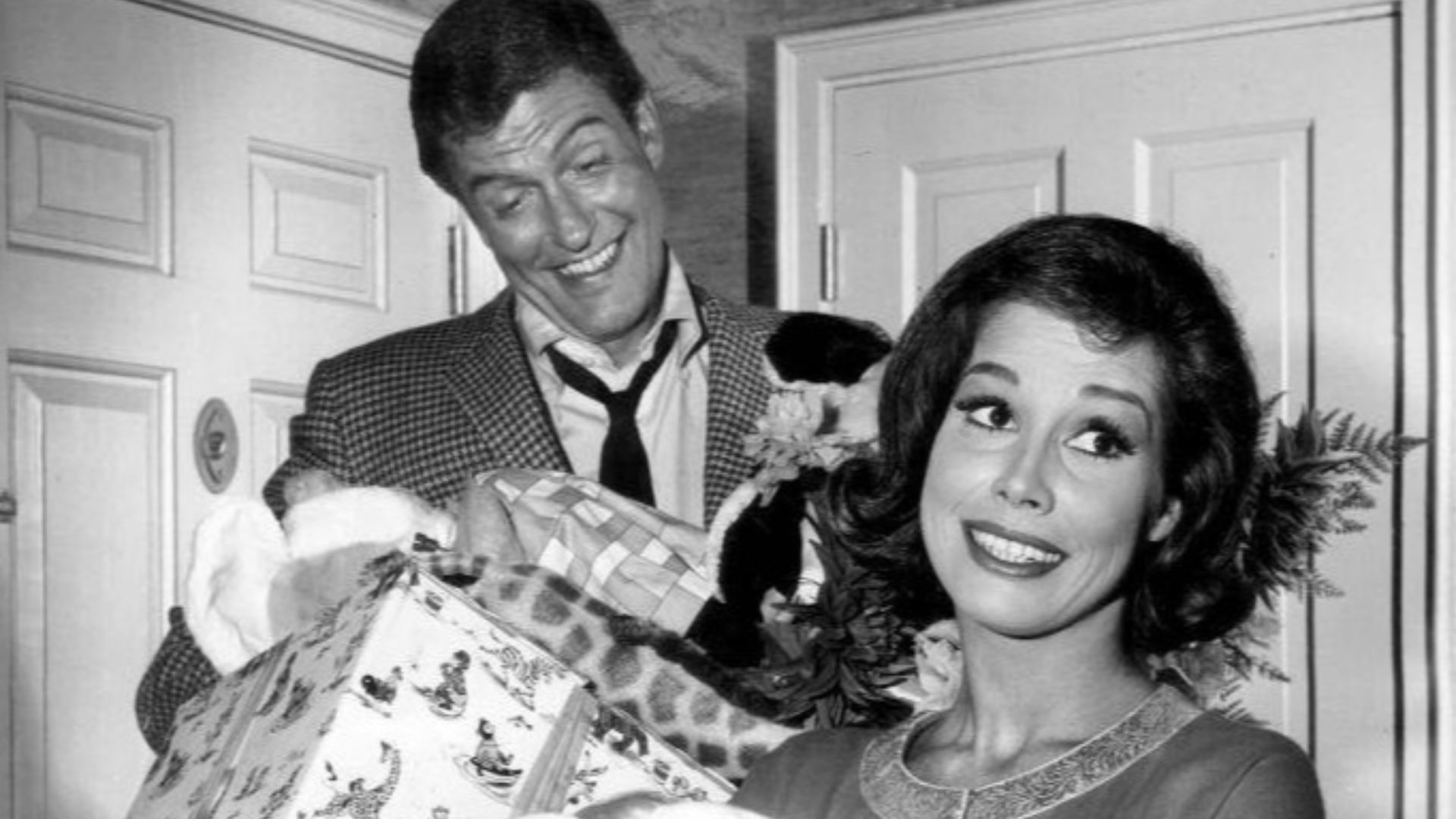
Surprise kisses and forced embraces were once filmed like big romantic moments. Sitcoms used them as quick proof that a character was desirable or “took charge.” Today, that reads more like a boundary violation than a swoon. The camera language changed along with the culture.
 CBS Television, Wikimedia Commons
Clueless Dads And Weaponized Incompetence
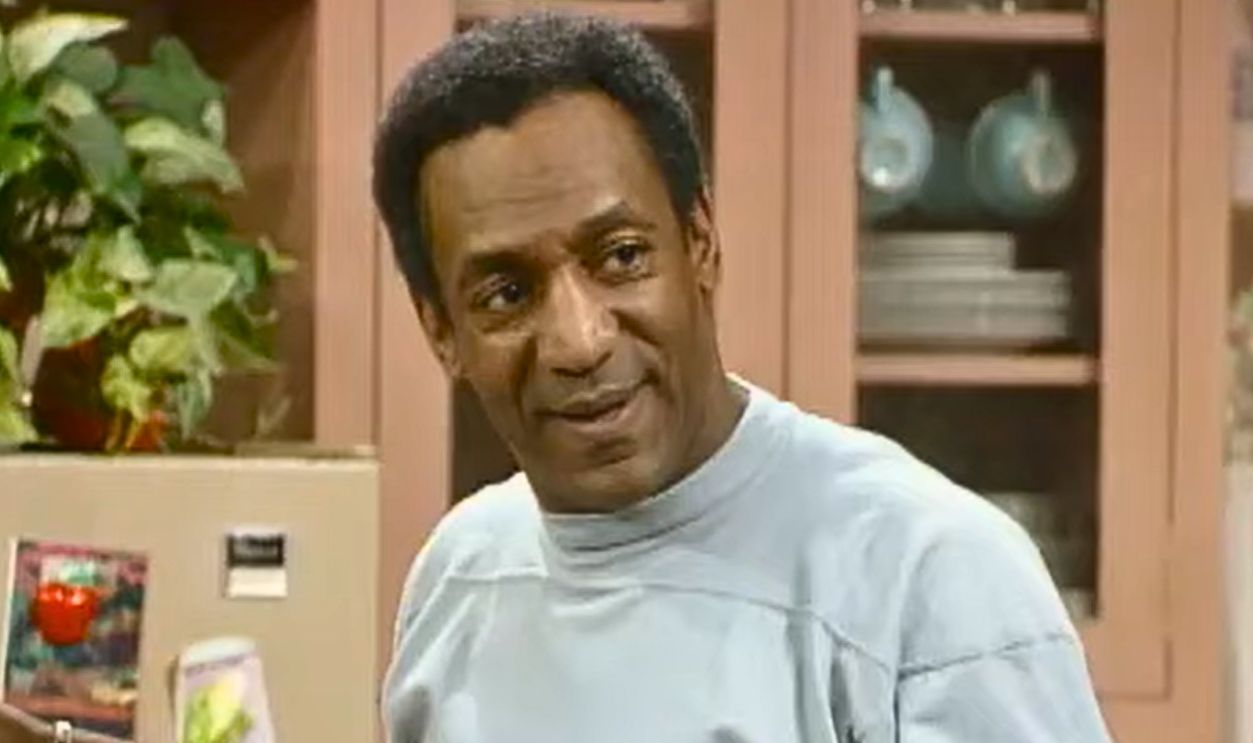
Older sitcoms often treated fathers as utterly helpless around housework and childcare. The joke was that men could not possibly manage domestic life—that was a woman's job. Sitcoms today still do flawed dads, but there's an understanding that modern couples split the job.
 Screenshot Of The Cosby Show, Viacom (1984-1992)
Sexism As The Default Setting
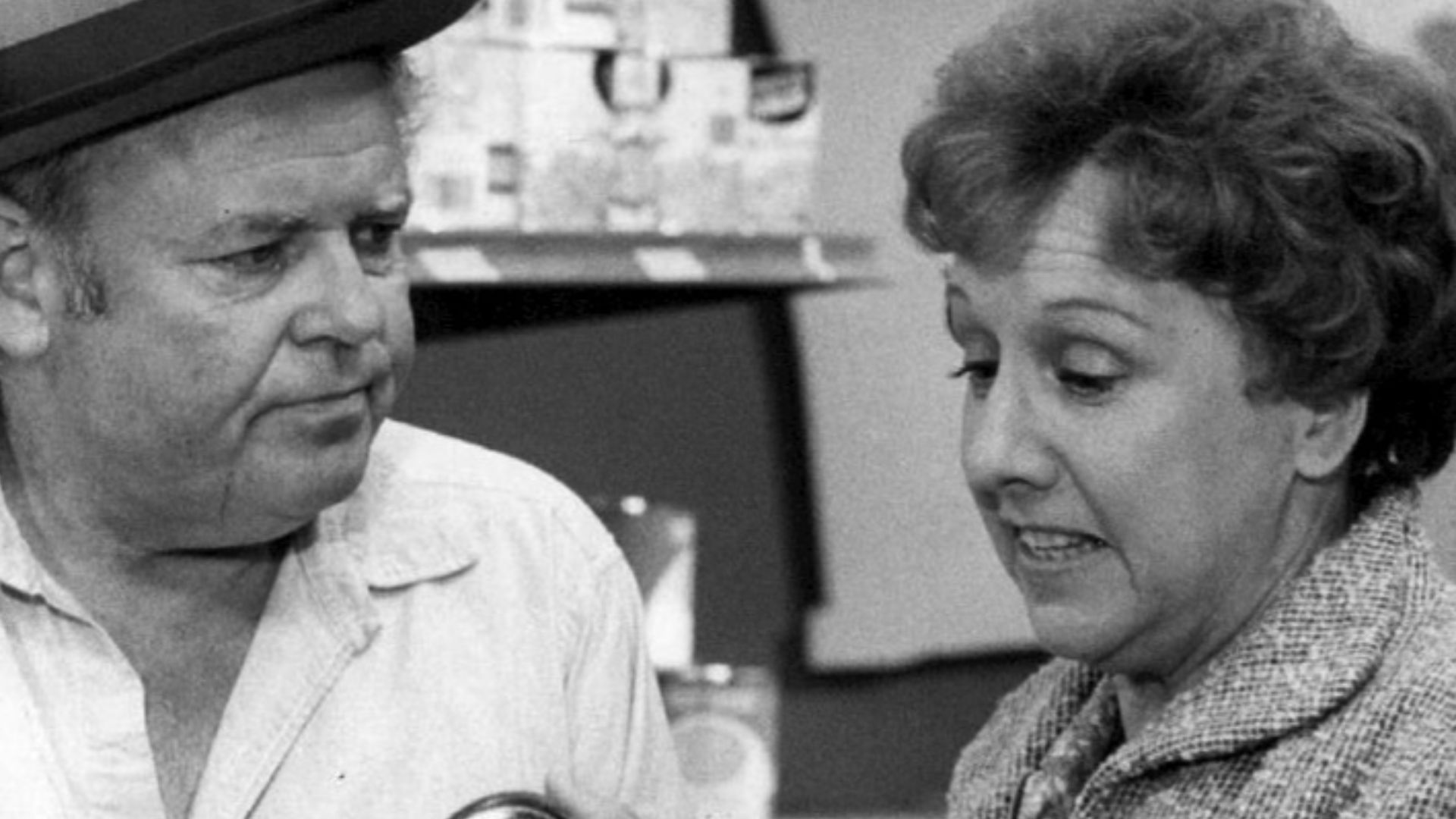
Many classic sitcoms were built on assumptions about what men and women “should” do. Characters who broke those rules were often punished with ridicule. Some shows used that ridicule to critique sexism, but plenty just relied on it. The difference between satire and reinforcement is not always clear in reruns.
 CBS Television, Wikimedia Commons
Why These Jokes Feel So Loud Now
Modern audiences have more language for harm, more representation on screen, and more ways to talk back publicly. That makes old punchlines land differently, even when the original writers thought they were being light. None of this erases the craft in classic sitcom pacing and performance. It just means the laughs came with baggage, and that baggage is easier to spot now.