

A Light That Went Out Too Soon
When Marlon Brando made his only film as a director, he chose a relatively unknown Mexican actress to play his leading lady. Pina Pellicer's haunting performance in One-Eyed Jacks (1961) brought her international acclaim and suggested a remarkable career ahead. But behind her growing success was a deeply private woman whose life would end tragically at just 30 years old.
A Childhood In Mexico City
Josefina Yolanda Pellicer López de Llergo was born on April 3, 1934, in Mexico City. Her father was a lawyer, and her family included several artistically inclined relatives. Her uncle, Carlos Pellicer, was a celebrated Mexican poet. One of her younger sisters, Pilar Pellicer, would also become a successful actress. Growing up in this environment, Pina developed an interest in the performing arts that would eventually lead her toward the stage and screen.
Finding Her Place Onstage
Pellicer began pursuing acting in Mexico, where she developed a reputation for unusual sensitivity and emotional honesty. She performed in theatrical productions and was sometimes described as a prodigy of Mexican theater. Unlike performers who relied on exaggerated gestures, Pellicer had a restrained, naturalistic style. Her expressive face and quiet intensity made her particularly suited to characters experiencing emotional conflict, qualities that would become unmistakable in her best-known films.
An Unexpected Hollywood Opportunity
In the late 1950s, Pellicer was cast in an ambitious American Western that would become One-Eyed Jacks (1961). The production originally involved director Stanley Kubrick, but creative disagreements eventually led to his departure. Brando took over directing duties while also playing the leading role. For Pellicer, the opportunity meant working alongside one of Hollywood's biggest stars before she had established a substantial screen career of her own.
 None visible/Paramount Pictures, Wikimedia Commons
Playing Opposite Marlon Brando
In One-Eyed Jacks (1961), Brando portrayed Rio, an outlaw seeking revenge against his former partner, played by Karl Malden. Pellicer played Louisa, the young woman who becomes romantically involved with Rio. Katy Jurado portrayed Louisa's mother, while Ben Johnson and Slim Pickens appeared in supporting roles. Pellicer's understated performance provided a tender contrast to Brando's brooding character, helping give the unconventional Western much of its emotional weight.
Another Remarkable Film Arrives
Although One-Eyed Jacks (1961) was filmed earlier, Pellicer's first major film to reach audiences was Macario (1960), directed by Roberto Gavaldón. Based on a story by B. Traven, the Mexican fantasy drama starred Ignacio López Tarso as a desperately poor woodcutter and. Pellicer as his devoted wife. The film received an Academy Award nomination for Best Foreign Language Film, bringing international attention to Mexican cinema and further establishing Pellicer's reputation as a gifted actress.
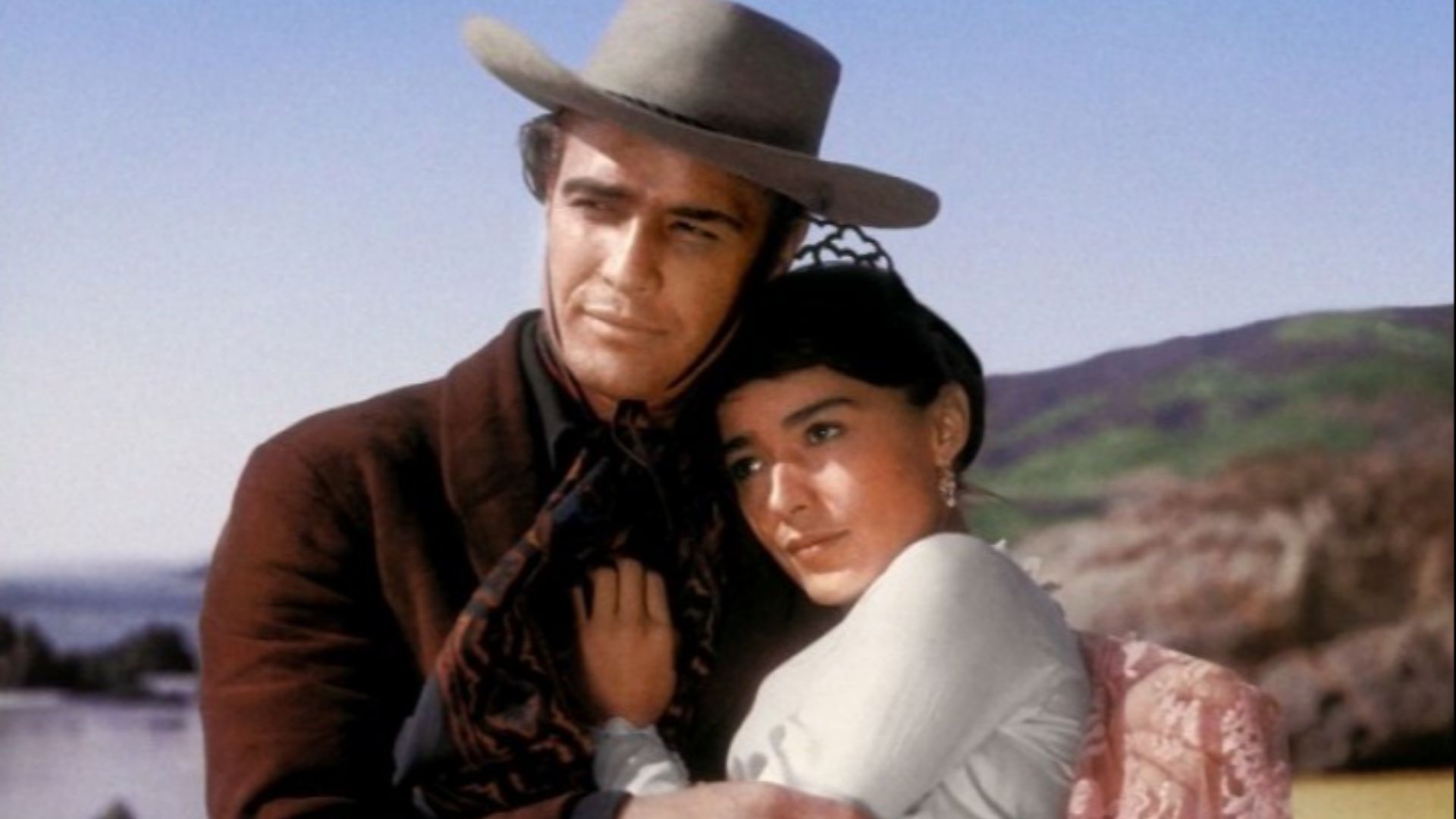 unknown (Paramount Pictures), Wikimedia Commons
International Recognition Finally Comes
When One-Eyed Jacks (1961) finally reached theaters, Pellicer's performance earned particular admiration overseas. At the 1961 San Sebastián International Film Festival in Spain, she received the award for Best Actress, while the film won the festival's Golden Shell. It was an extraordinary achievement for a performer still near the beginning of her career. Her delicate screen presence even prompted comparisons with Audrey Hepburn, suggesting that international stardom might be within reach.
Returning To European Cinema
Pellicer's growing reputation took her to Spain, where she starred in Rogelia (1962), directed by Rafael Gil. The drama gave her another leading role and demonstrated that her appeal extended beyond Hollywood and Mexico. Rather than concentrating exclusively on American films, she continued pursuing opportunities in Spanish-language cinema. Her career was developing in several directions, although the number of films she would ultimately complete would end up heartbreakingly small.
 None visible/Paramount Pictures, Wikimedia Commons
Her Final Mexican Triumph
Pellicer delivered another memorable performance in Días de otoño (1963), directed by Roberto Gavaldón and co-starring Ignacio López Tarso. She played Luisa, a young woman whose disappointments lead her into an increasingly elaborate fantasy about her personal life. The psychologically complex role showcased Pellicer's ability to portray vulnerability without sacrificing emotional depth. Around this period, she also made guest appearances on American television, including The Fugitive in 1963 and The Alfred Hitchcock Hour in 1964.
A Life Ends At Thirty
Despite her professional accomplishments, Pellicer kept her private life largely hidden from the public. She briefly married businessman Ramón Naves in 1963, but the marriage ended within months. In December 1964, Pellicer took her own life in Mexico City at the age of 30. Accounts of the tragedy differ slightly on the precise date, although December 4 is the one most frequently reported. The news shocked admirers who had watched her emerge as one of Mexico's most promising young actresses. The full extent of her personal struggles remains difficult to establish.
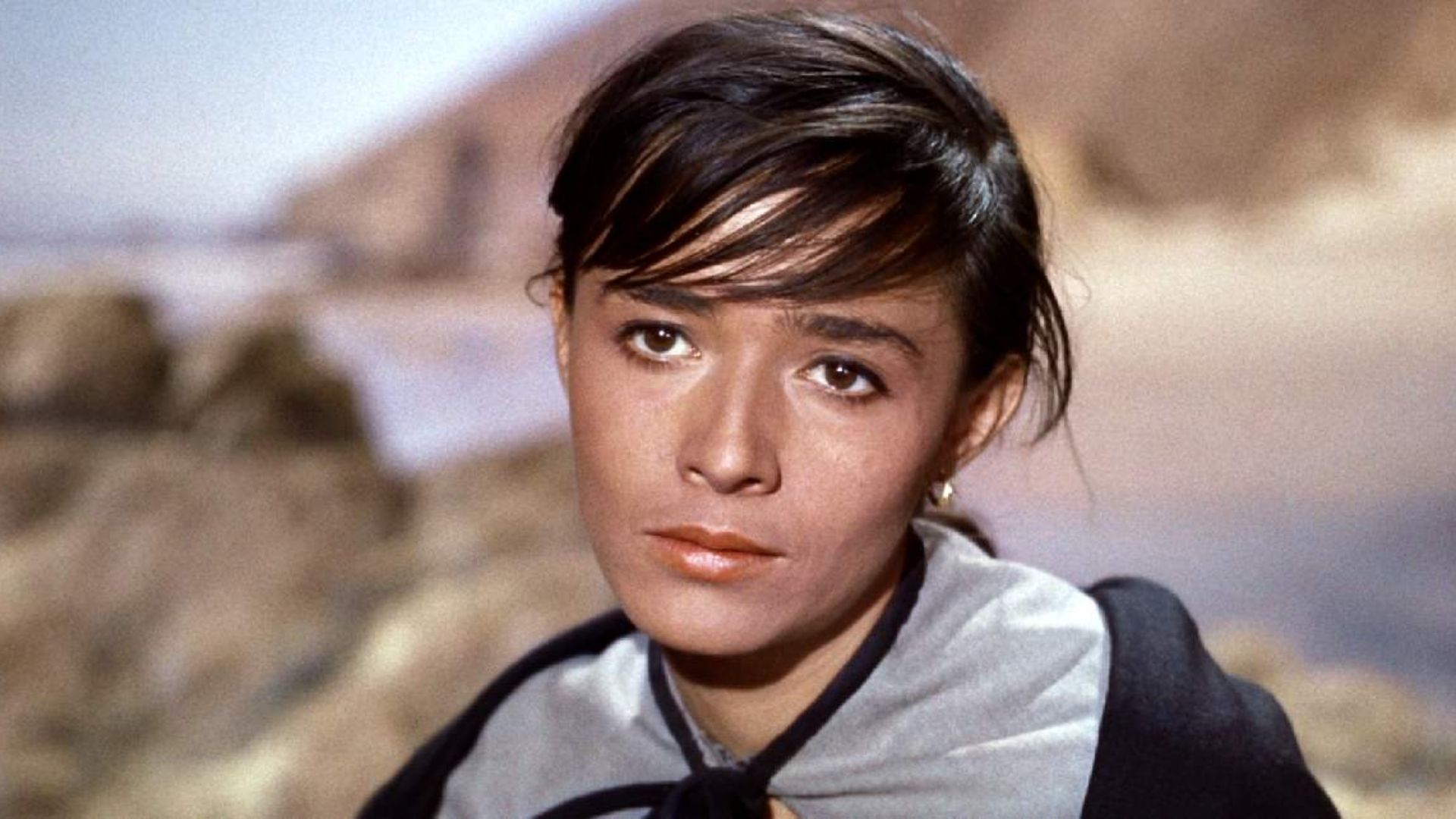 Film screenshot (Paramount Pictures), Wikimedia Commons
The Career That Might Have Been
Pellicer's final film, El pecador (1965), was released posthumously. She left behind only a handful of major screen performances, but their emotional power has endured. Her work in Macario (1960) and Días de otoño (1963) remains especially significant in Mexican cinema, while One-Eyed Jacks (1961) continues introducing her to classic Hollywood audiences. What makes her story so heartbreaking isn't simply that we lost her at such a young age. It's that she had already shown extraordinary talent, only to leave generations of film lovers with the aching thought of what she might have accomplished.
You May Also Like:
Classy 1960s Actresses Who Should Have Been On TV More
Movie Stars Who Made Just One Western—And Absolutely Nailed It