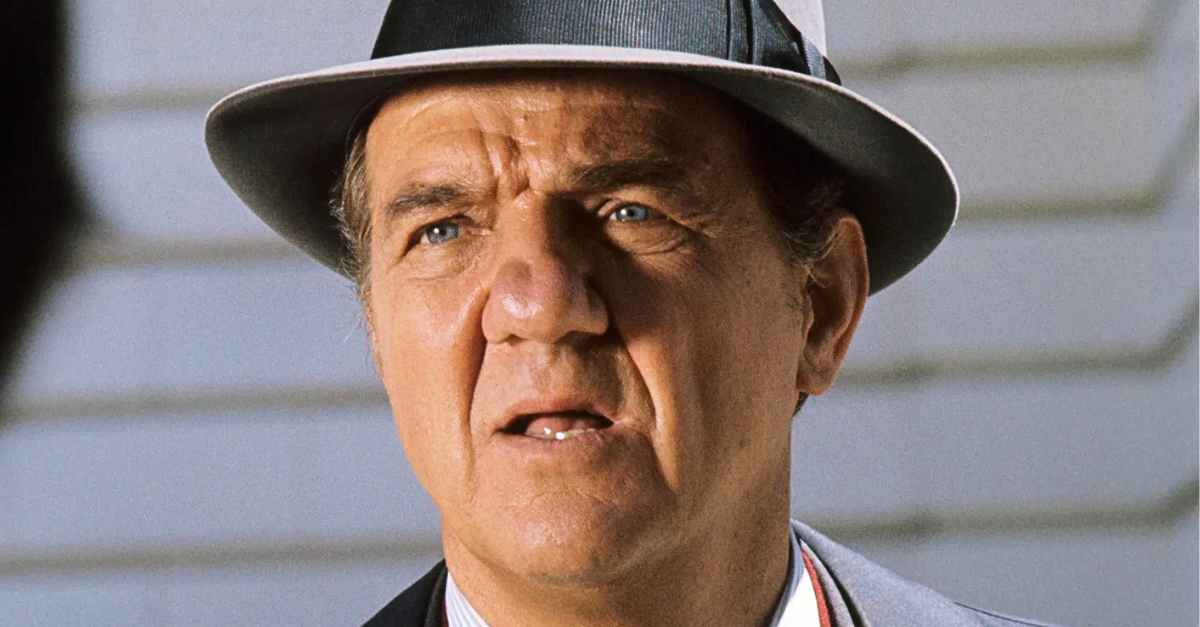
Karl Malden Was Already An Oscar Winner.
Then The Streets of San Francisco put his weathered face, rumpled authority, and unmistakable voice into American living rooms every week. As Lieutenant Mike Stone, Malden transformed a respected character actor into one of television’s most familiar and trusted stars.
 ABC Photo Archives / Getty Images
He Arrived With An Oscar Already In Hand
Karl Malden was hardly an unknown when The Streets of San Francisco premiered in 1972. He had won the Academy Award for Best Supporting Actor for A Streetcar Named Desire and earned another nomination for On the Waterfront. Even so, those celebrated films belonged to an earlier Hollywood era. Television gave him the opportunity to introduce himself to an entirely new audience.
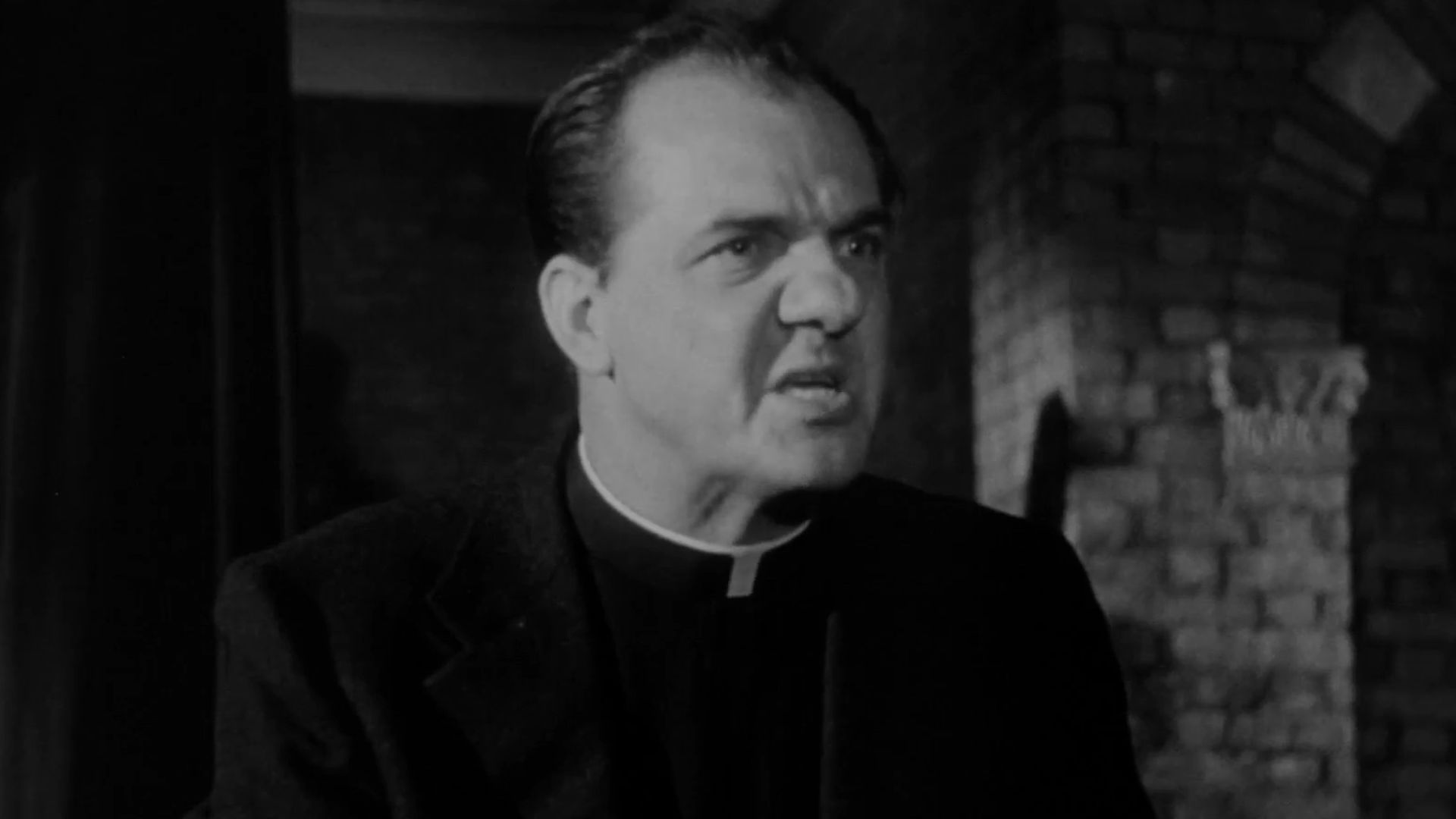 Trailer screenshottrailer at IMDB, Wikimedia Commons
Moviegoers Knew His Face Before His Name
For decades, Malden had excelled as the unforgettable man standing beside more conventionally glamorous stars. He played priests, husbands, soldiers, fathers, and authority figures with a grounded intensity that made every scene feel more believable. Audiences recognized his face from films such as Patton, Baby Doll, and How the West Was Won. Mike Stone finally gave that familiar face top billing every week.
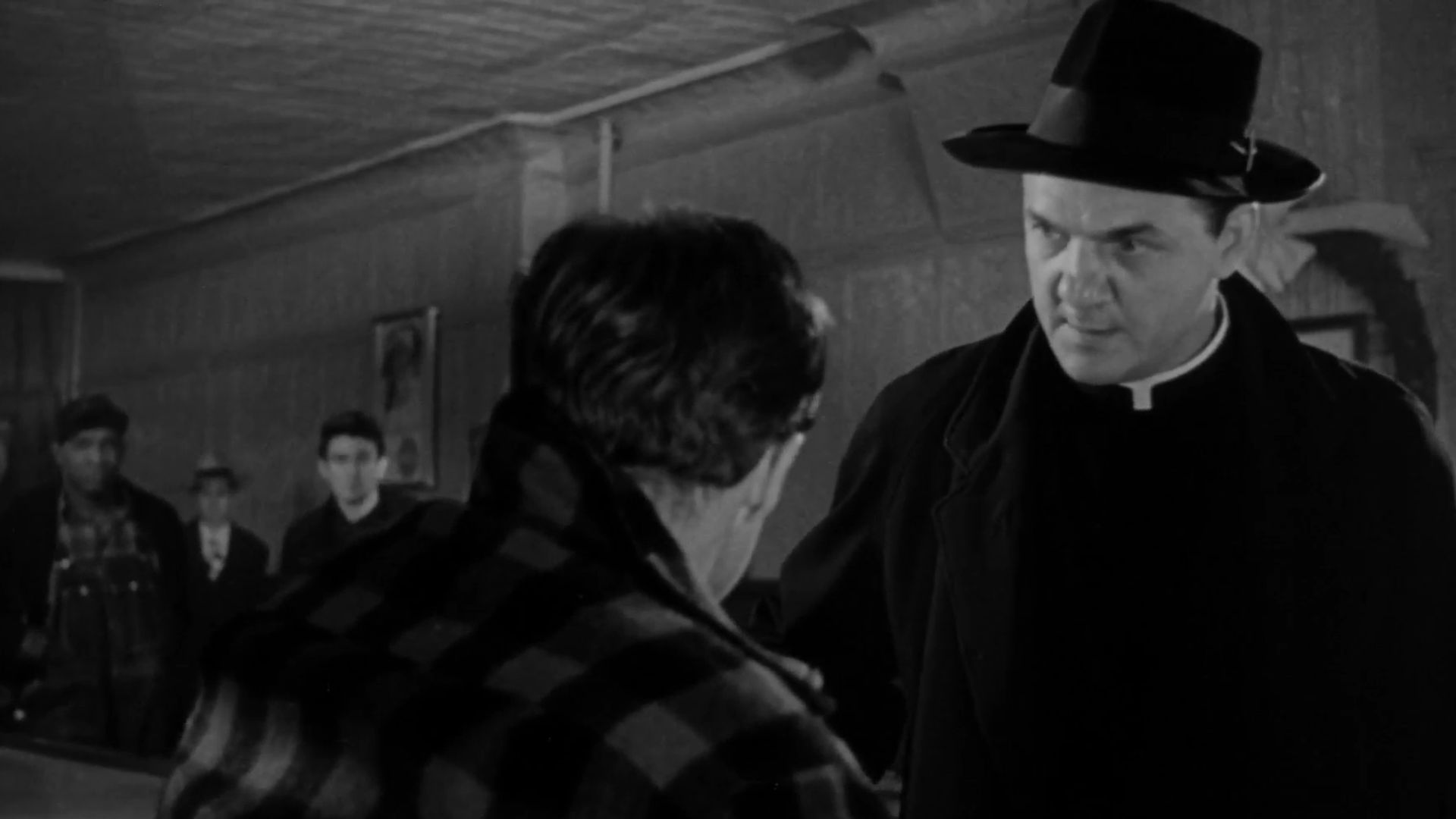 Trailer screenshottrailer at IMDB, Wikimedia Commons
Television Made Him The Main Event
Malden had spent much of his film career as a celebrated supporting actor. The Streets of San Francisco placed him at the center of the investigation, the action, and the emotional story. Lieutenant Mike Stone was not somebody else’s sidekick or troubled relative. For five seasons, Malden was the man viewers tuned in to follow.
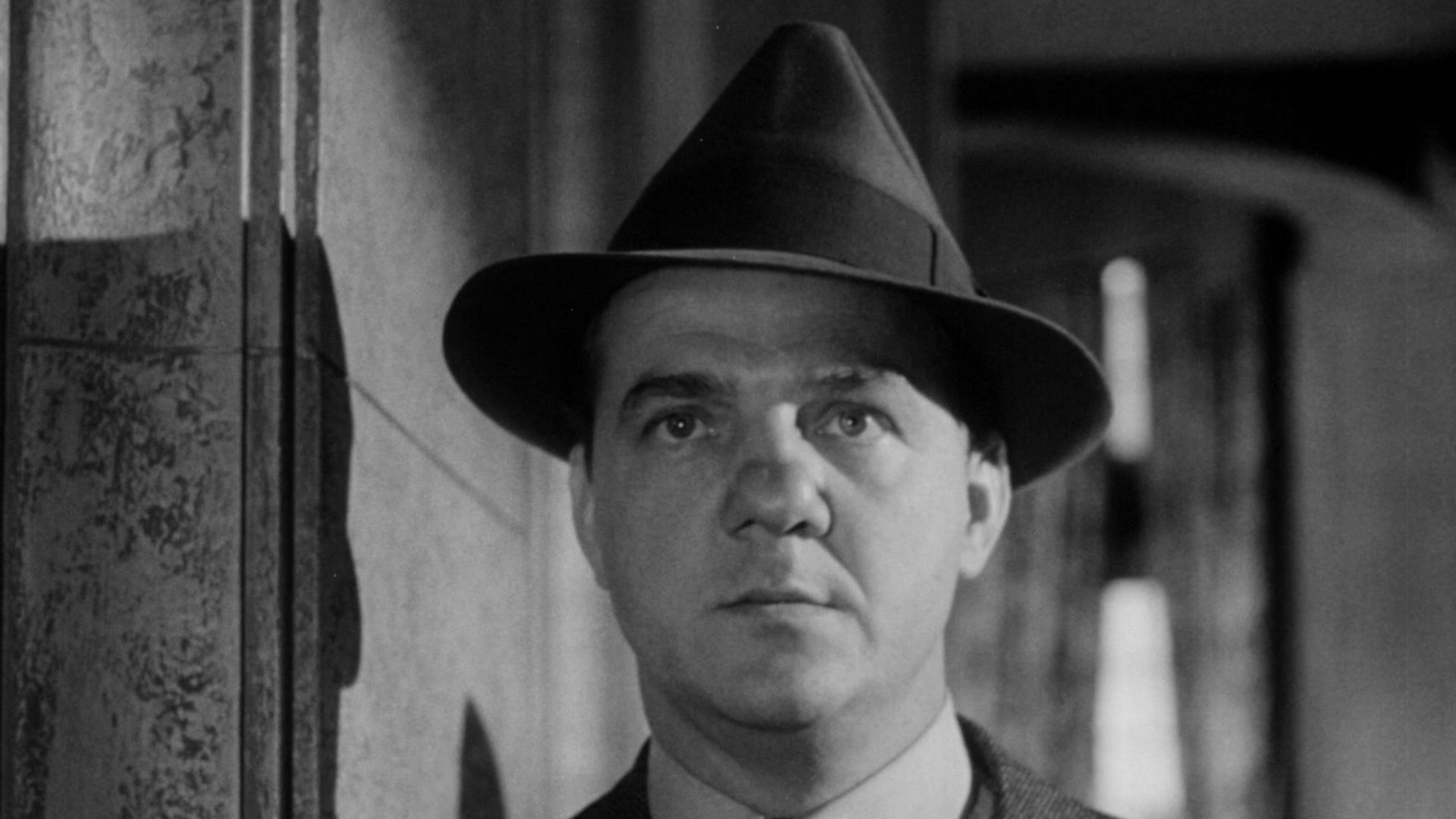 Warner Bros. Pictures (Q8016302), Wikimedia Commons
Mike Stone Fit Him Perfectly
Stone was a veteran homicide inspector with more than two decades of experience. He was practical, persistent, and usually several steps ahead of the younger officers around him. Malden’s weathered features and direct manner made that experience instantly convincing. He looked like a man who had spent years reading suspects instead of posing for publicity photographs.
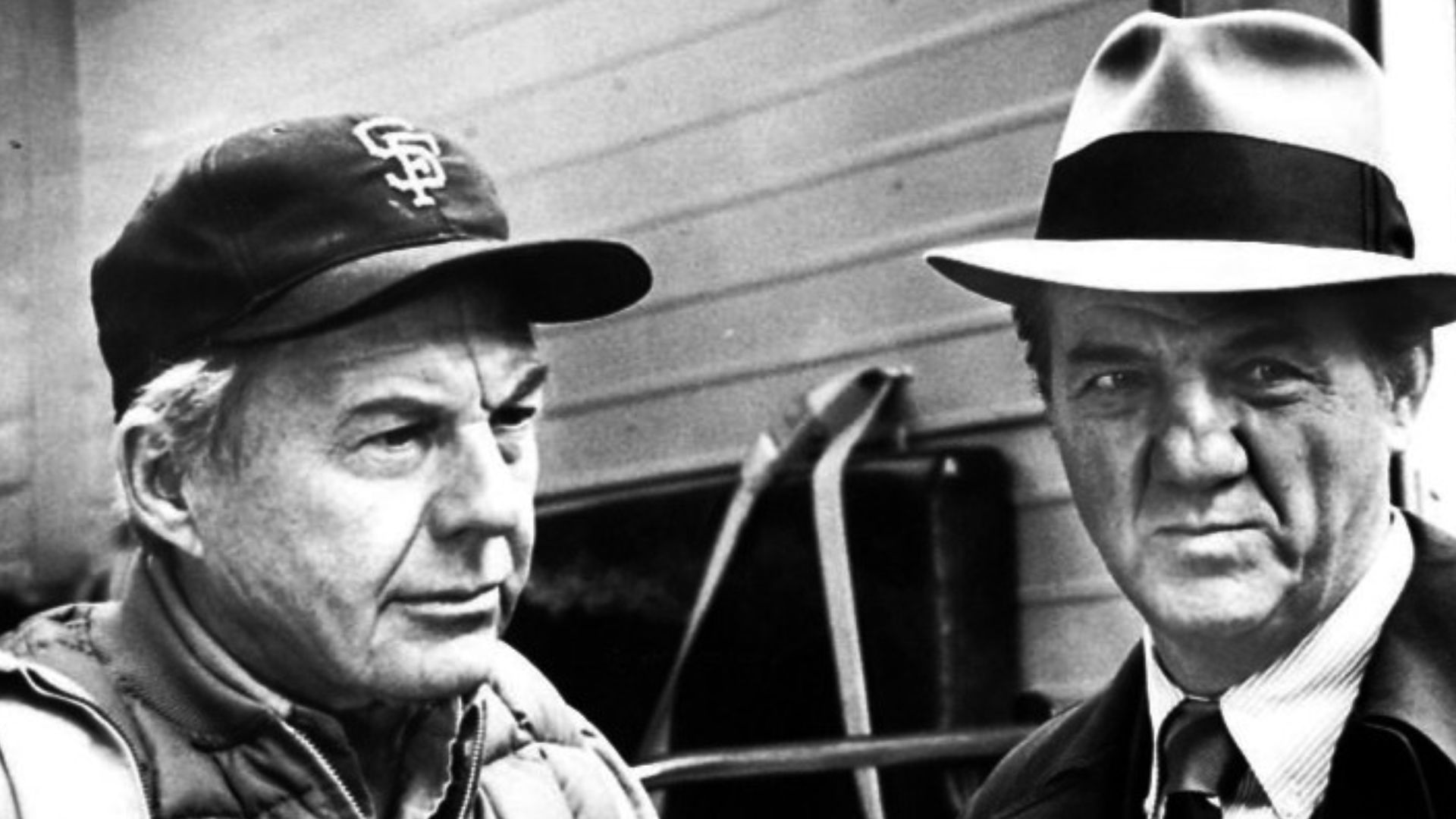 ABC Television, Wikimedia Commons
His Face Finally Became An Advantage
Malden never fit Hollywood’s polished leading-man mold, and he knew it. His broad features and famously distinctive nose gave him the look of an ordinary working man rather than a manufactured star. That quality made Mike Stone more believable than a glamorous television detective might have been. Viewers could imagine Stone walking into a real precinct and immediately taking charge.
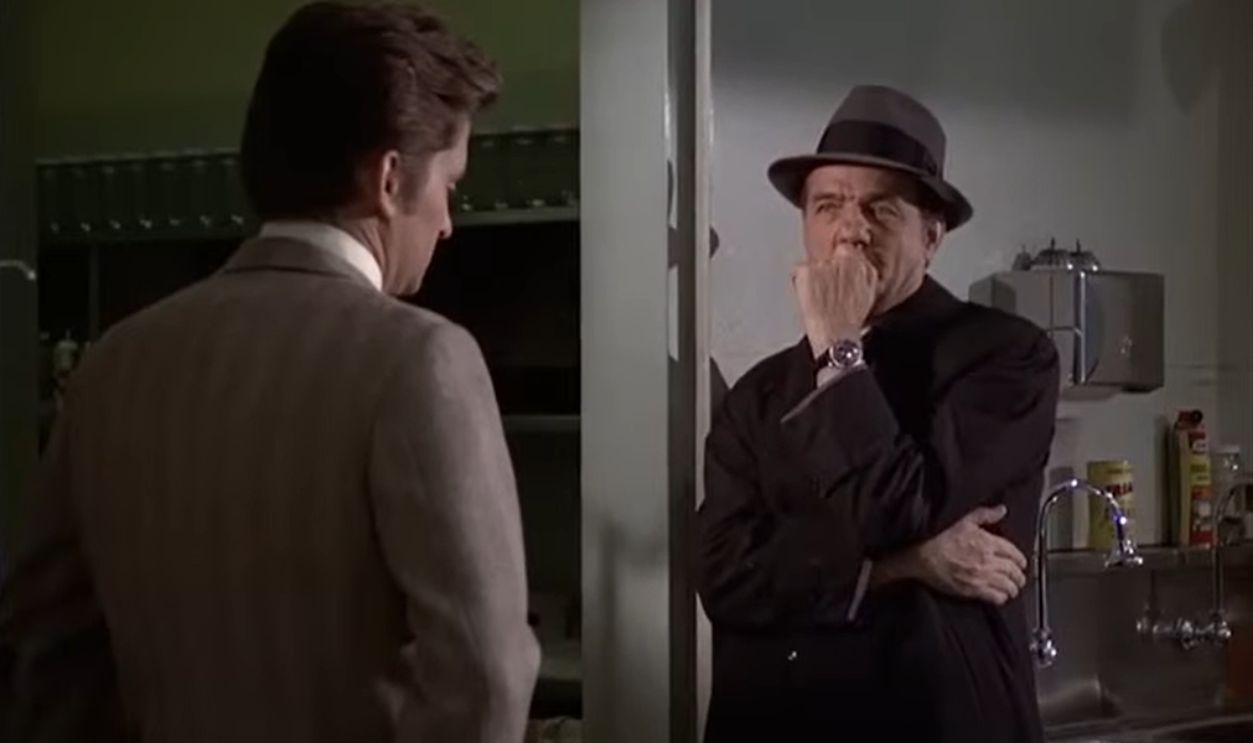 Screenshot from The Streets of San Francisco, ABC (1972–1977)
He Made Authority Feel Human
Mike Stone could be forceful without becoming cold. He pushed witnesses, challenged suspects, and corrected his partner, but Malden rarely allowed the character to become a one-note disciplinarian. Stone’s authority came from experience rather than intimidation. That balance made him the kind of television cop audiences could respect without fearing.
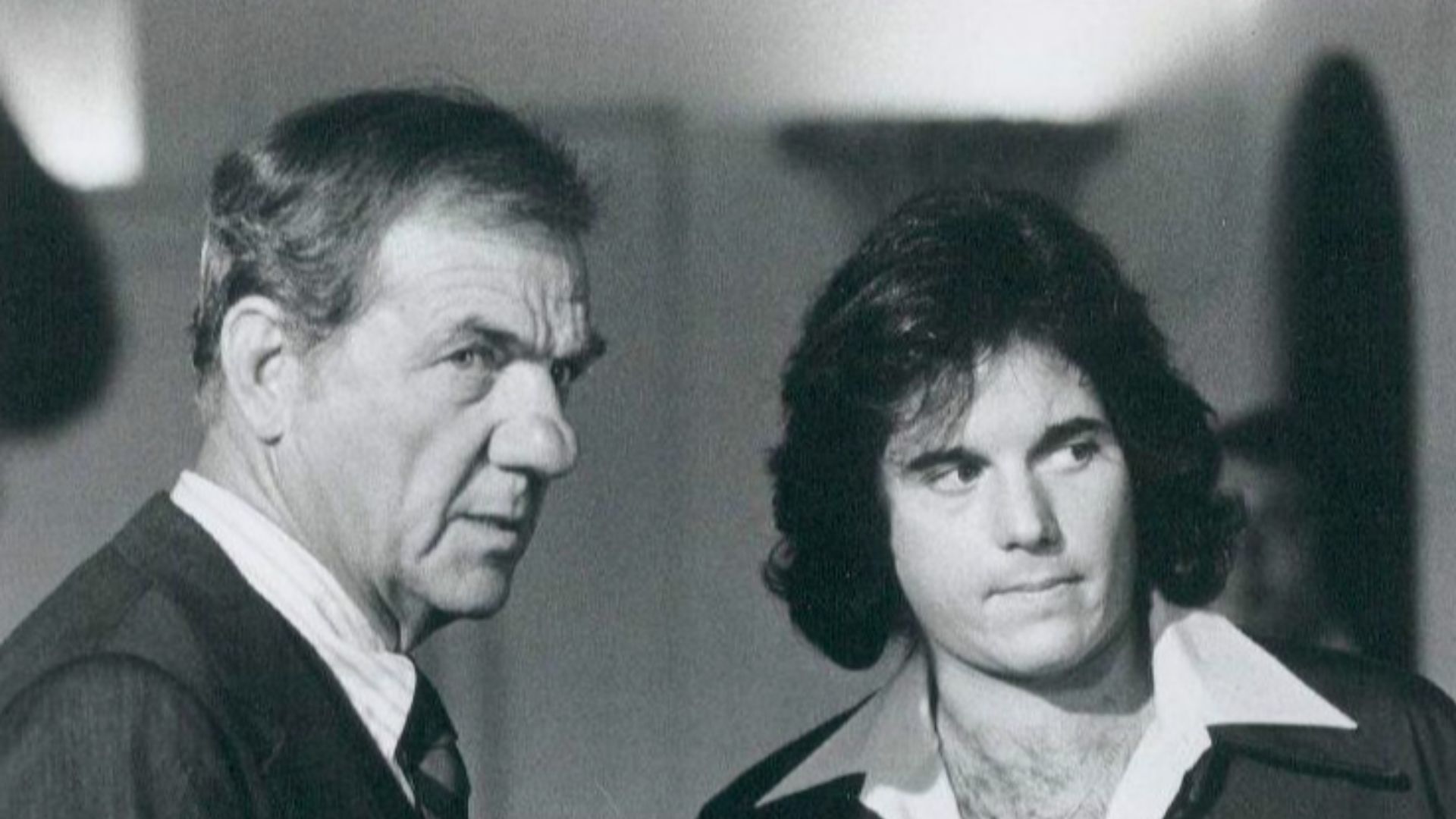 ABC Television, Wikimedia Commons
Michael Douglas Created The Perfect Contrast
Michael Douglas played Steve Keller, Stone’s younger and more energetic partner. Their age difference created a natural teacher-and-student relationship that became the emotional center of the series. Keller brought new ideas and youthful impatience, while Stone supplied judgment and perspective. The contrast made Malden’s experience feel essential rather than old-fashioned.
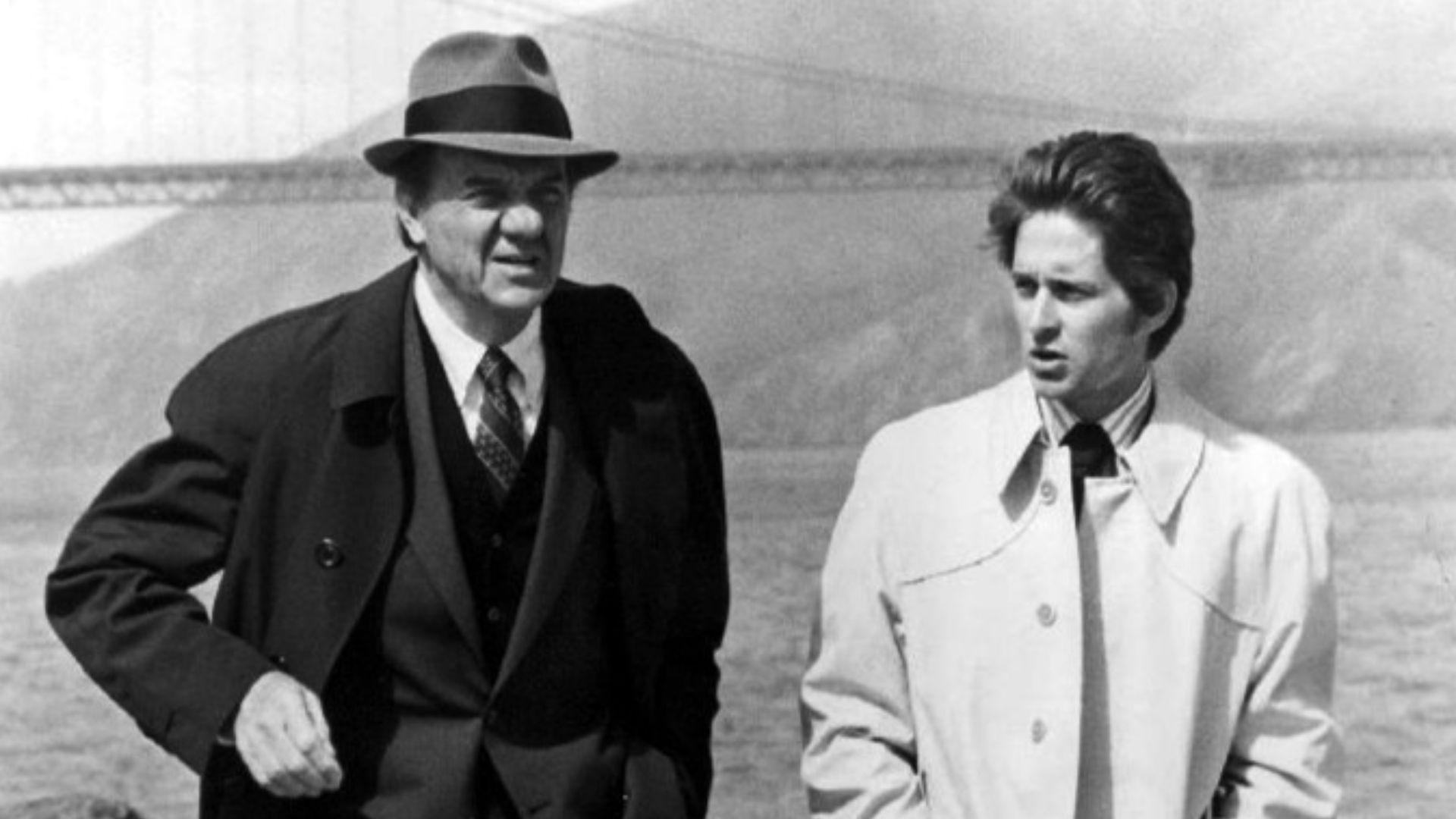 ABC Television, Wikimedia Commons
Malden Became Douglas’s Real Mentor
The mentorship did not stop when the cameras did. Douglas later credited Malden with teaching him discipline, preparation, and how to behave as the leader of a production. He described The Streets of San Francisco as a foundational job that shaped the rest of his career. Watching Stone guide Keller became even richer once viewers understood that Malden was also guiding Douglas.
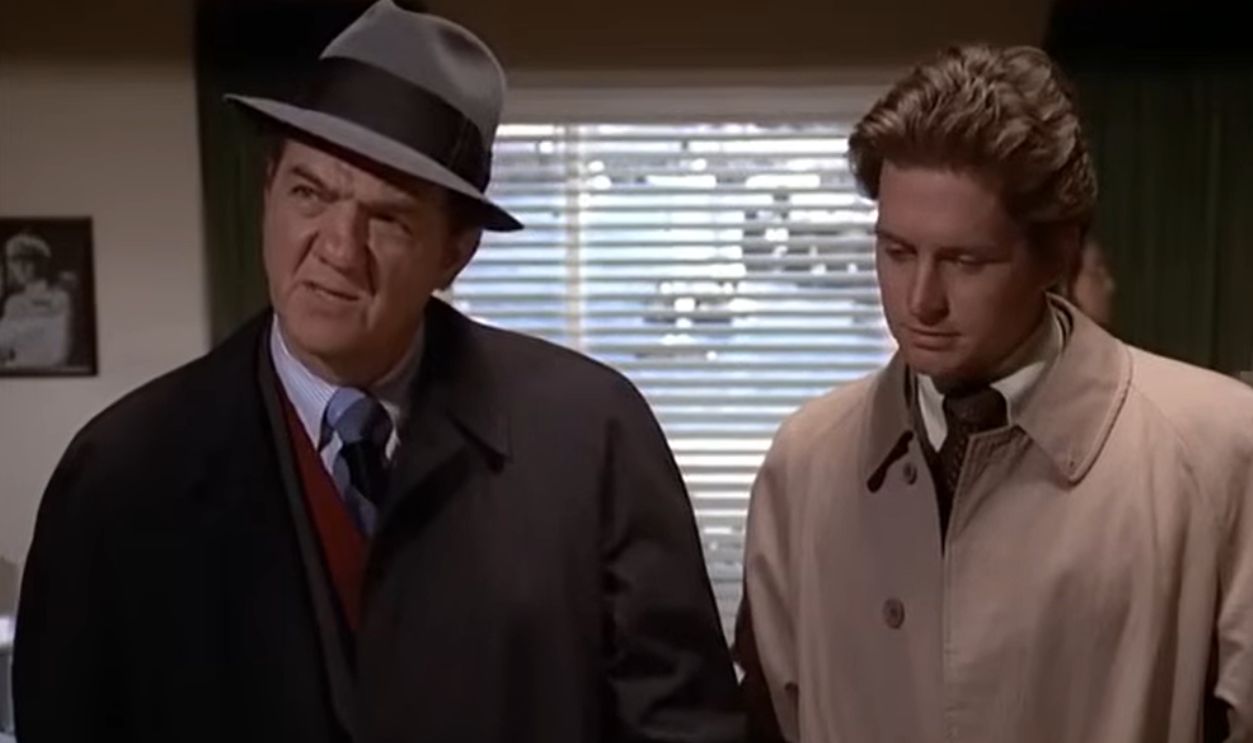 Screenshot from The Streets of San Francisco, ABC (1972–1977)
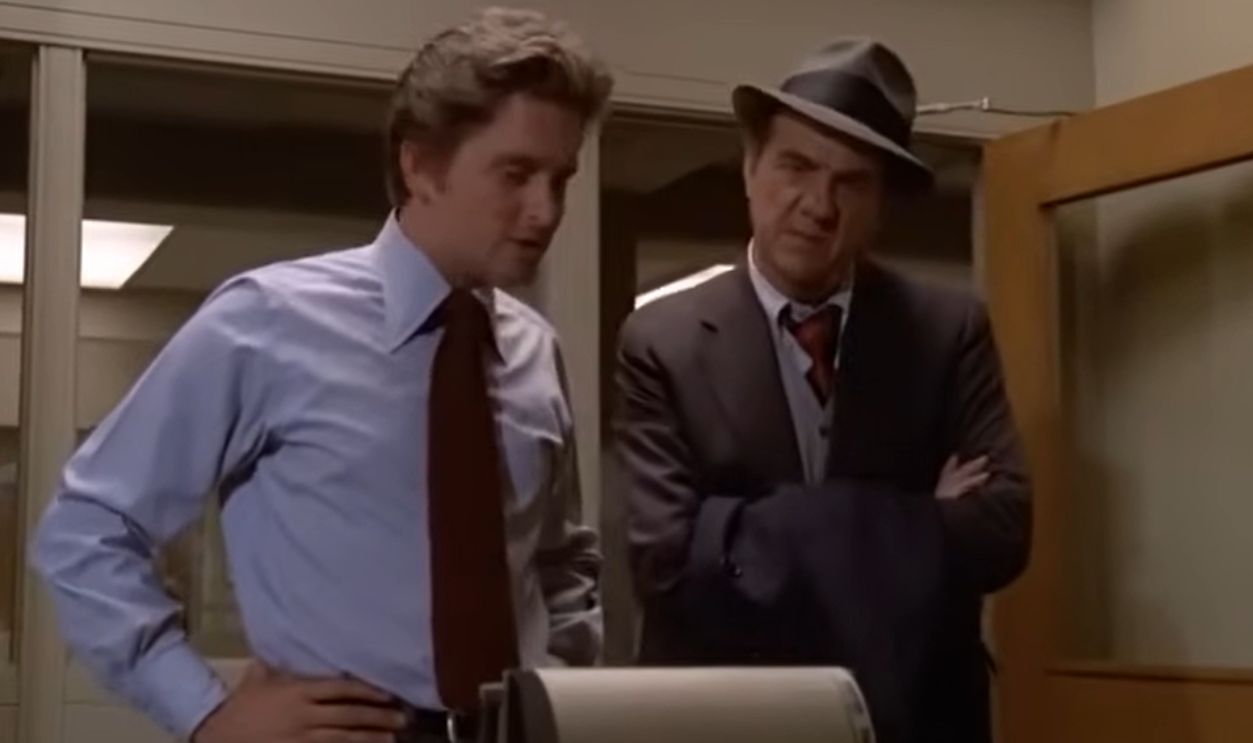
Their Bond Felt Like Family
Stone and Keller’s relationship gradually became warmer than a standard police partnership. Stone could lecture Keller like a father, but he also respected the younger detective’s instincts and growth. Years later, Malden reportedly referred to Douglas as the son he never had, while Douglas called him a mentor. That genuine affection helped explain why their scenes together felt so natural.
 Screenshot from The Streets of San Francisco, ABC (1972–1977)
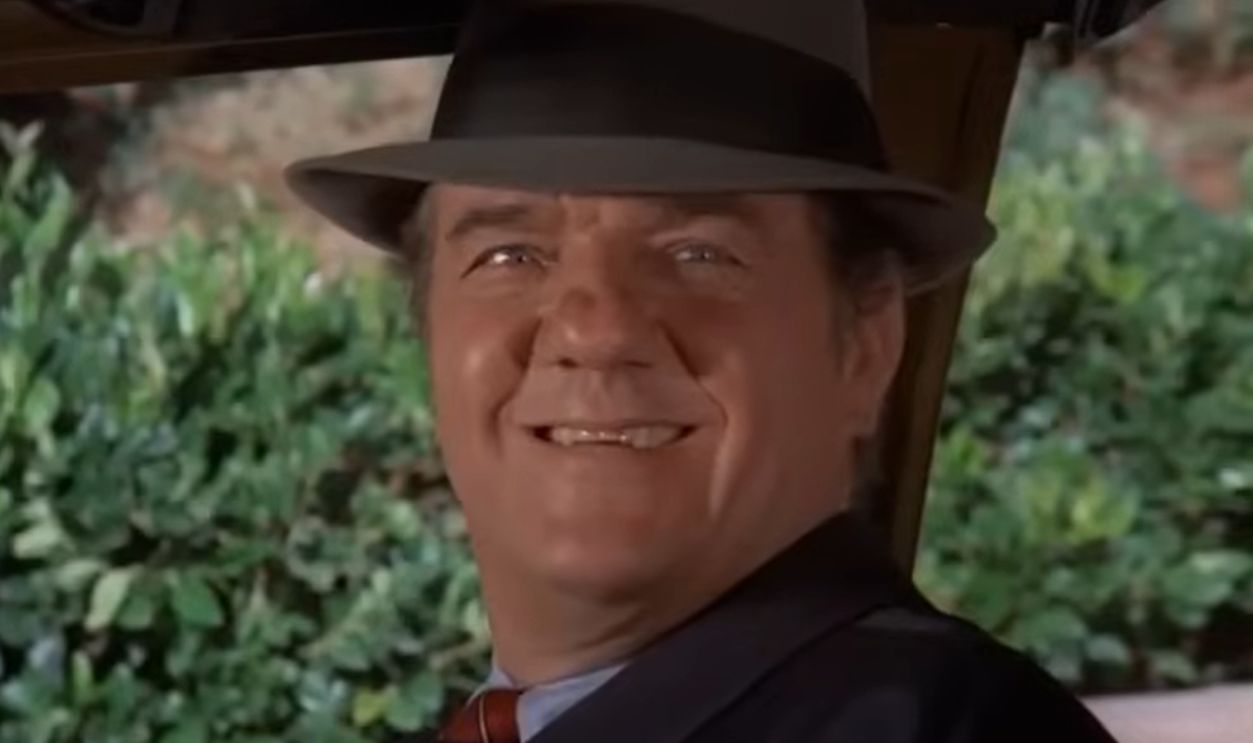
Malden Set The Tone On Day One
Douglas once recalled nearly wrecking a police car while filming on San Francisco’s steep hills during his first day. He feared the mistake might end his new job before it had really begun. Malden responded with humor rather than humiliation, easing the younger actor’s panic. It was an early example of the steady leadership that Douglas would remember for decades.
 Screenshot from The Streets of San Francisco, ABC (1972–1977)
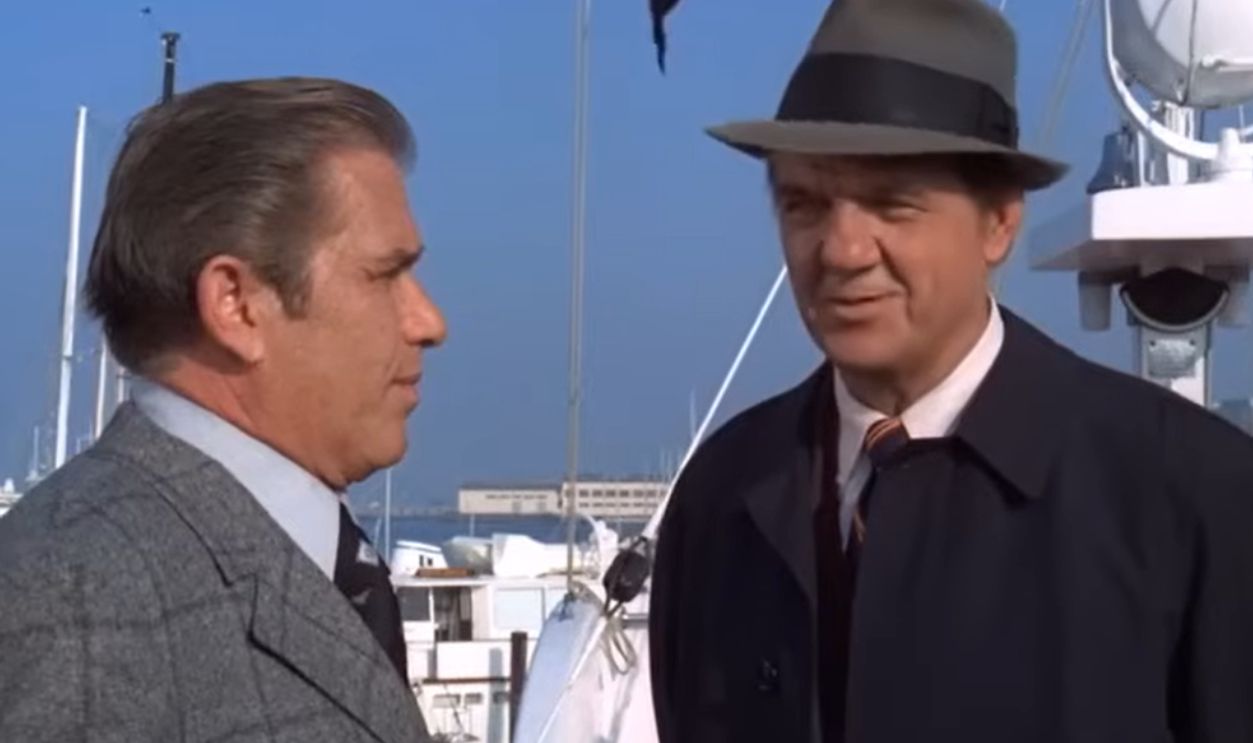
The City Gave Him A Bigger Stage
The series was filmed extensively on location instead of relying entirely on studio streets. San Francisco’s hills, waterfront, bridges, neighborhoods, and crowded downtown gave every investigation an unusual visual energy. Mike Stone did not simply work in an anonymous television city. He moved through one of the most recognizable landscapes in America.
 Screenshot from The Streets of San Francisco, ABC (1972–1977)
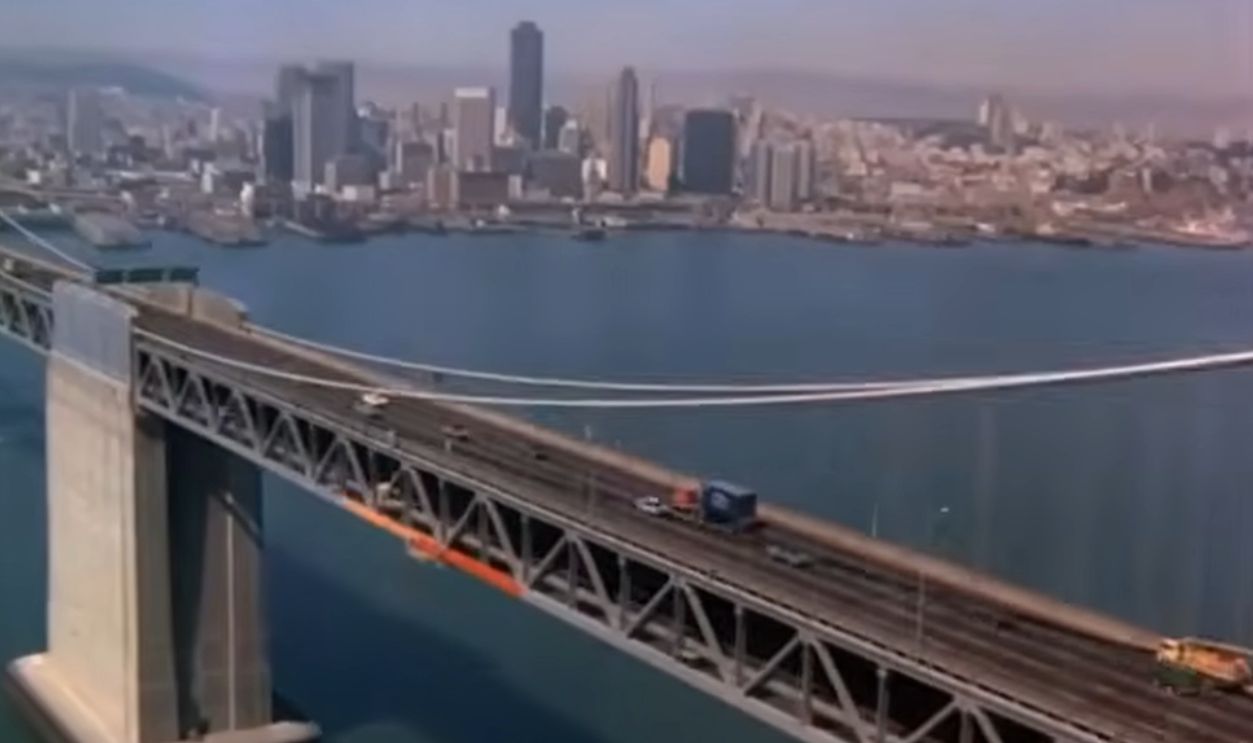
San Francisco Became Another Character
The title promised viewers the city itself, and the production delivered it. Episodes captured neighborhoods, businesses, streets, and landmarks as they appeared during the 1970s. Modern viewers can now watch the series almost like a moving historical record. Malden’s detective became permanently connected to the city’s hills and fog.
 Screenshot from The Streets of San Francisco, ABC (1972–1977)
The Hills Made Every Chase Feel Dangerous
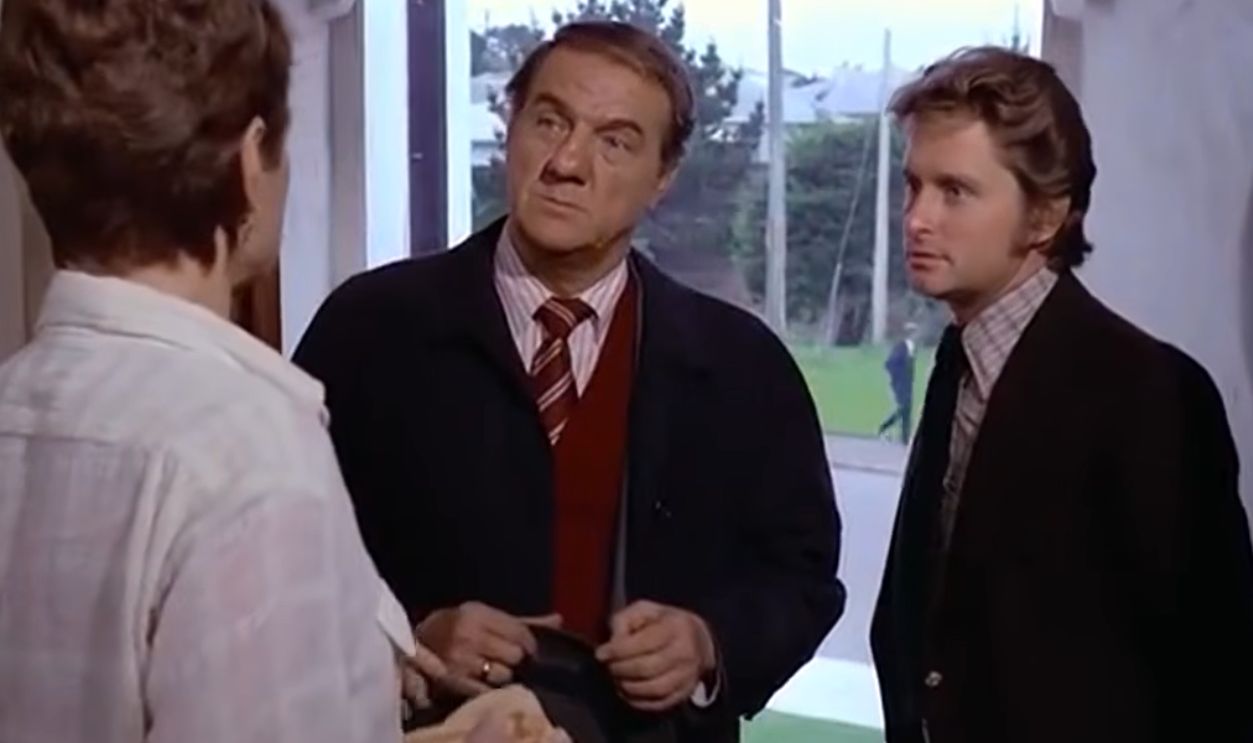
San Francisco offered visual possibilities that flatter studio lots could not imitate. Cars bounced down steep streets, detectives raced up staircases, and suspects disappeared through tightly packed neighborhoods. Even routine police work looked more urgent against the city’s dramatic terrain. Malden’s sturdy physical presence helped anchor all that motion.
 Screenshot from The Streets of San Francisco, ABC (1972–1977)
The Show Had A Powerful Television Pedigree
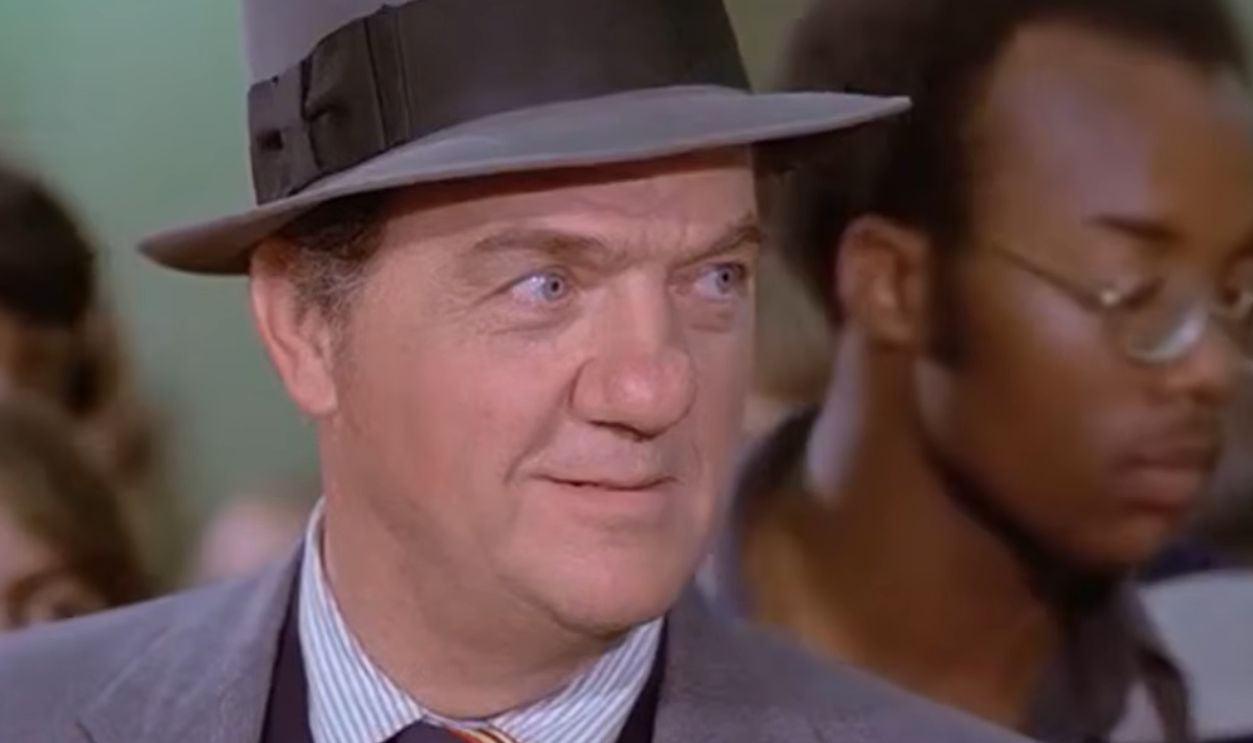
Producer Quinn Martin was already associated with successful dramas such as The Fugitive and The F.B.I. His productions were known for strong storytelling, clear structure, and memorable guest performers. That dependable formula gave Malden a polished weekly showcase. The series felt substantial enough to suit an actor with his film and stage credentials.
 Screenshot from The Streets of San Francisco, ABC (1972–1977)
A Novel Supplied The Original Case
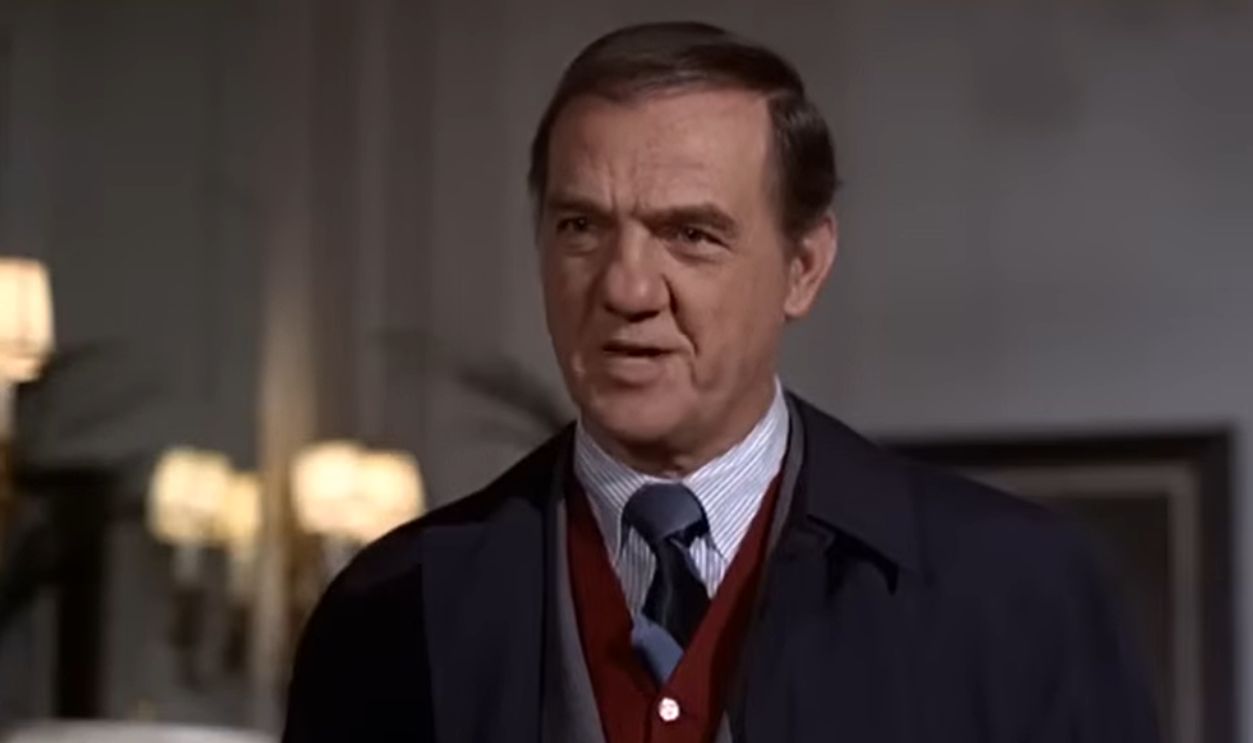
The television project began with a pilot inspired by Carolyn Weston’s detective novel Poor, Poor Ophelia. The pilot established Malden’s experienced officer and Douglas’s younger partner before ABC ordered the weekly series. That literary starting point gave the show a serious investigative foundation. Malden then supplied the human weight that held the formula together.
 Screenshot from The Streets of San Francisco, ABC (1972–1977)
The Weekly Format Changed Everything
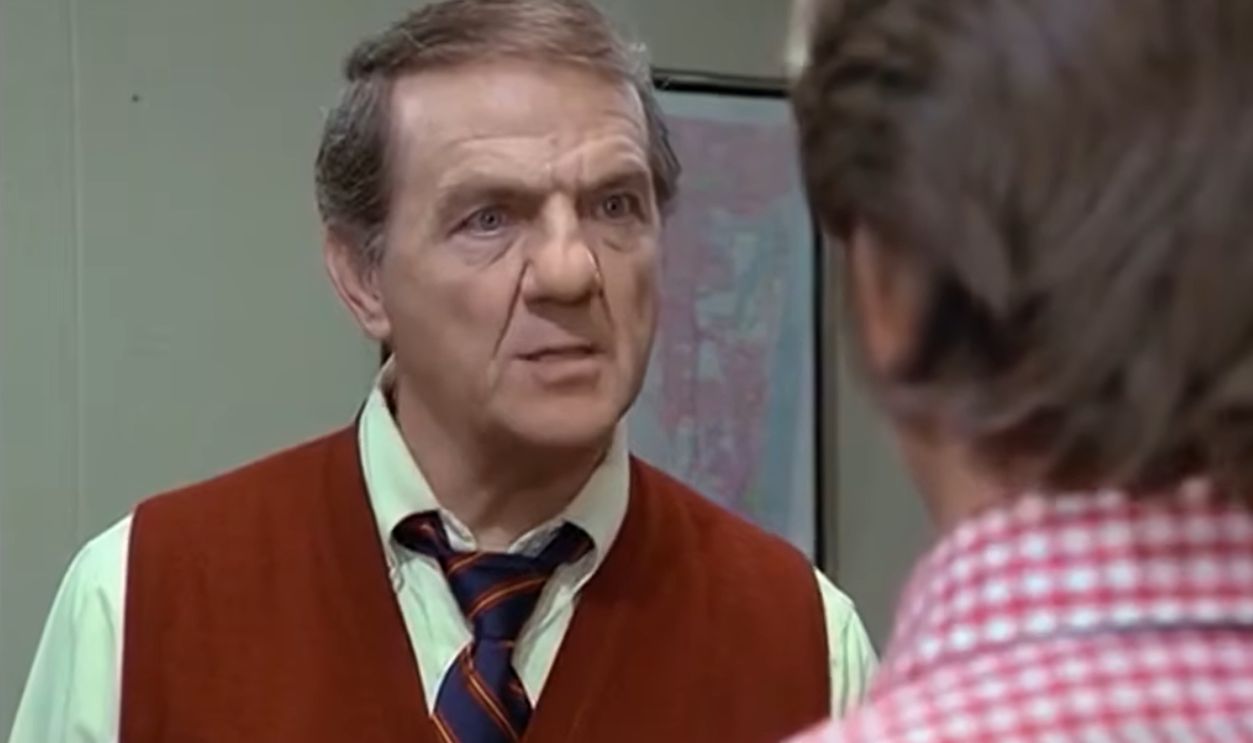
A film might give audiences two hours with an actor before sending them home. Television brought Malden back into living rooms every week, allowing familiarity to build gradually. Viewers learned Stone’s habits, values, relationships, and investigative style over years. That repetition transformed a respected actor into someone who felt personally known.
 Screenshot from The Streets of San Francisco, ABC (1972–1977)
He Reached Viewers Who Missed His Classics
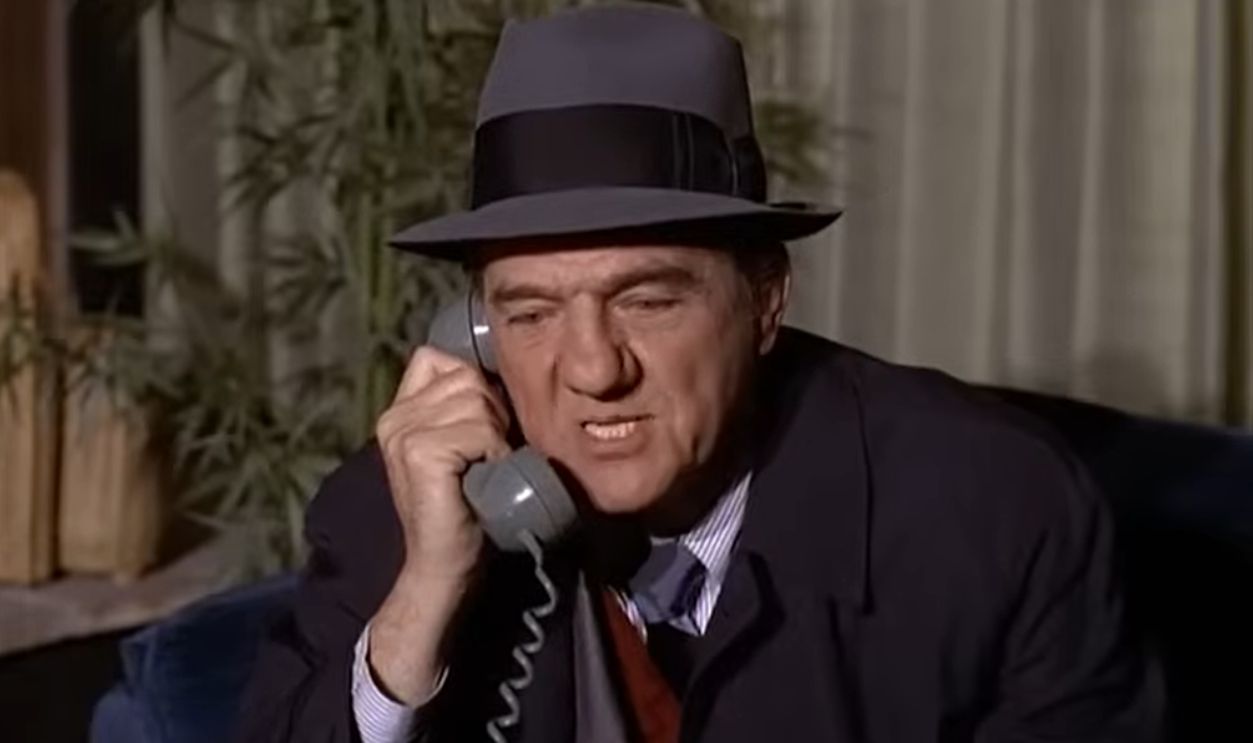
Many television viewers had never seen Malden’s Broadway work or his most acclaimed early films in theaters. The Streets of San Francisco required no knowledge of Mitch from A Streetcar Named Desire or Father Barry from On the Waterfront. Mike Stone stood completely on his own. The role introduced Malden’s strengths to families who knew him first and foremost as a television detective.
 Screenshot from The Streets of San Francisco, ABC (1972–1977)
Emmy Voters Kept Taking Notice
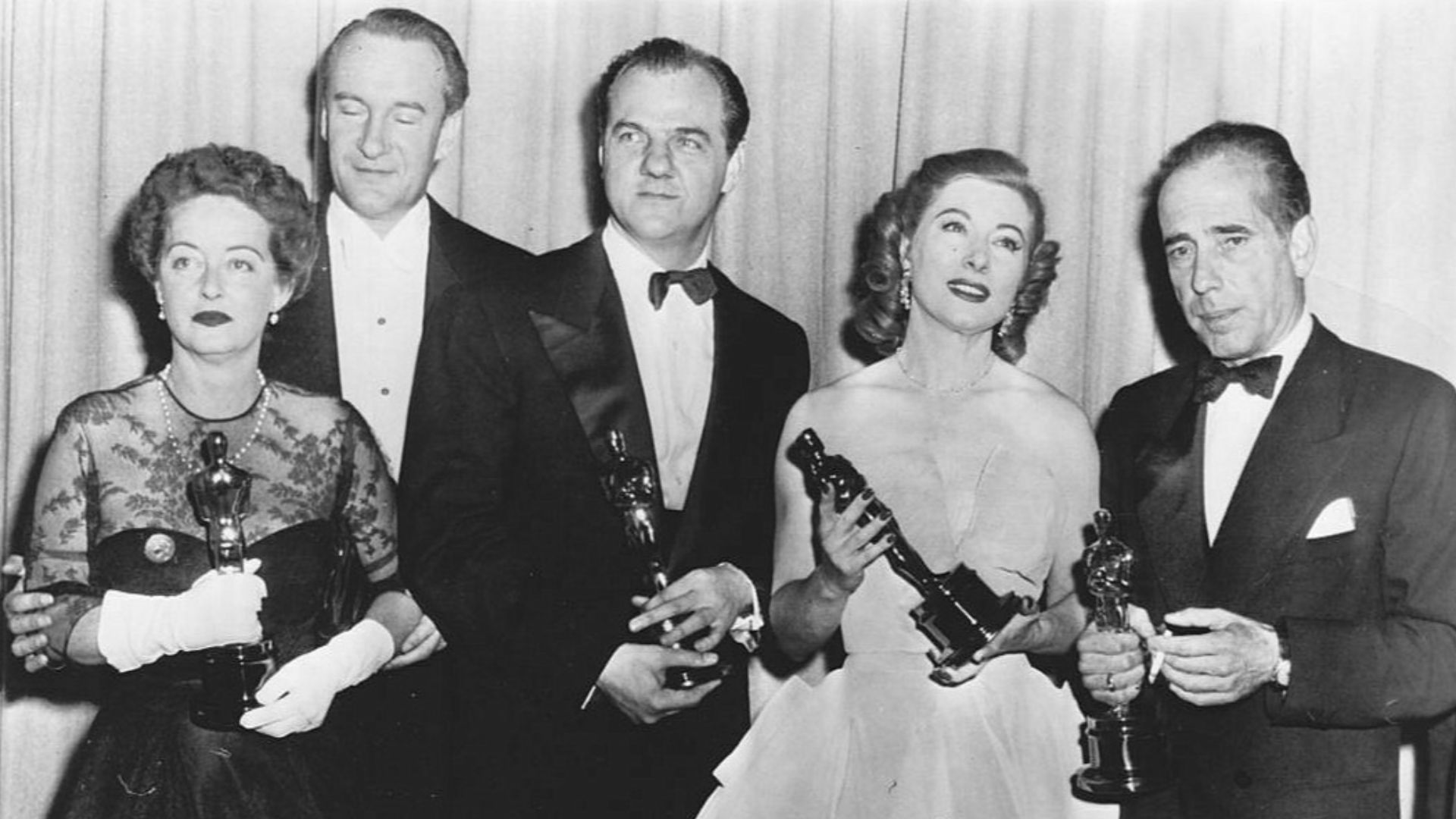
The series collected 16 Emmy nominations during its run. Malden repeatedly received recognition for his performance as Stone, confirming that the role was more than a comfortable late-career television job. Awards voters saw the same authority and emotional depth that film audiences had admired. The difference was that television now delivered those qualities on a weekly schedule.
 Unknown authorUnknown author, Wikimedia Commons
He Never Played Stone As A Superhero
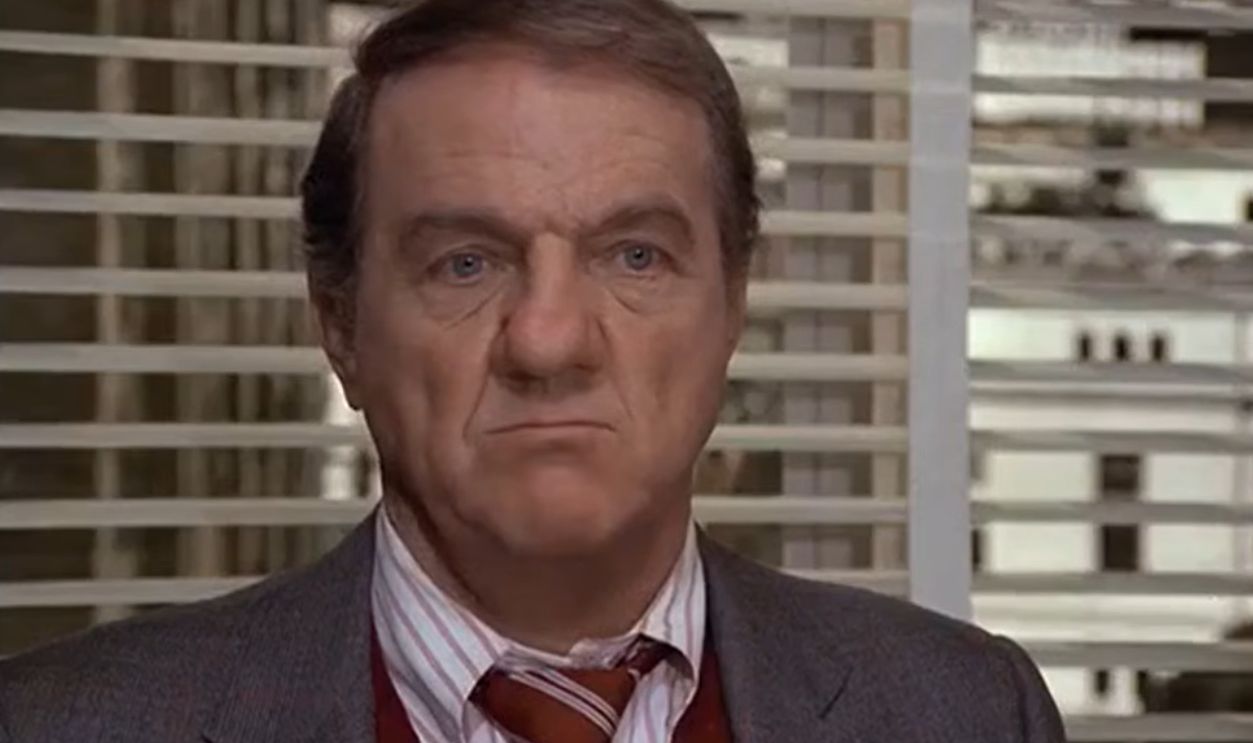
Mike Stone was capable, but he was not invincible. He relied on questioning, observation, experience, and teamwork more than spectacular violence. Malden resisted the temptation to make him impossibly cool or emotionally detached. Stone’s appeal came from competence, which often proved more satisfying than swagger.
 Screenshot from The Streets of San Francisco, ABC (1972–1977)
The Cases Let Him Show Real Range
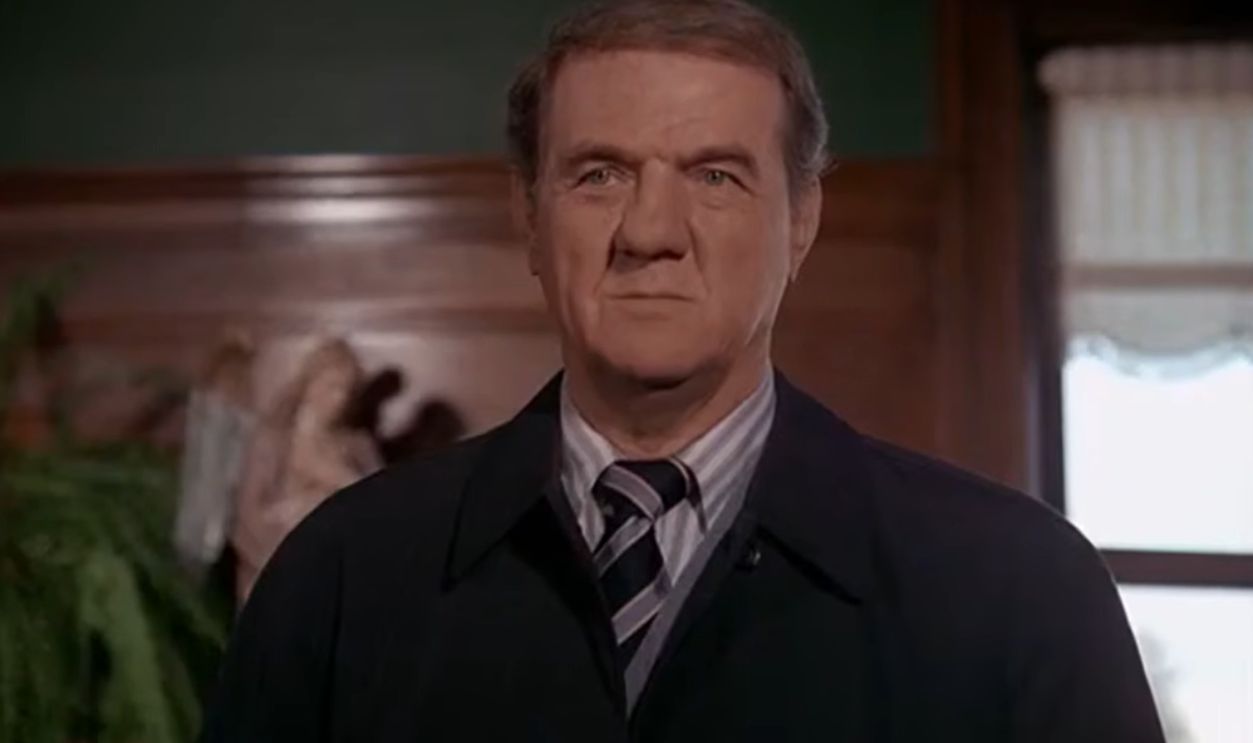
A police procedural could move from action to grief within a single episode. Stone confronted killers, frightened families, grieving parents, vulnerable witnesses, and officers facing difficult choices. Those stories allowed Malden to be stern in one scene and compassionate in the next. His dramatic range kept the character from becoming repetitive.
 Screenshot from The Streets of San Francisco, ABC (1972–1977)
The Guest Stars Kept The Drama Fresh
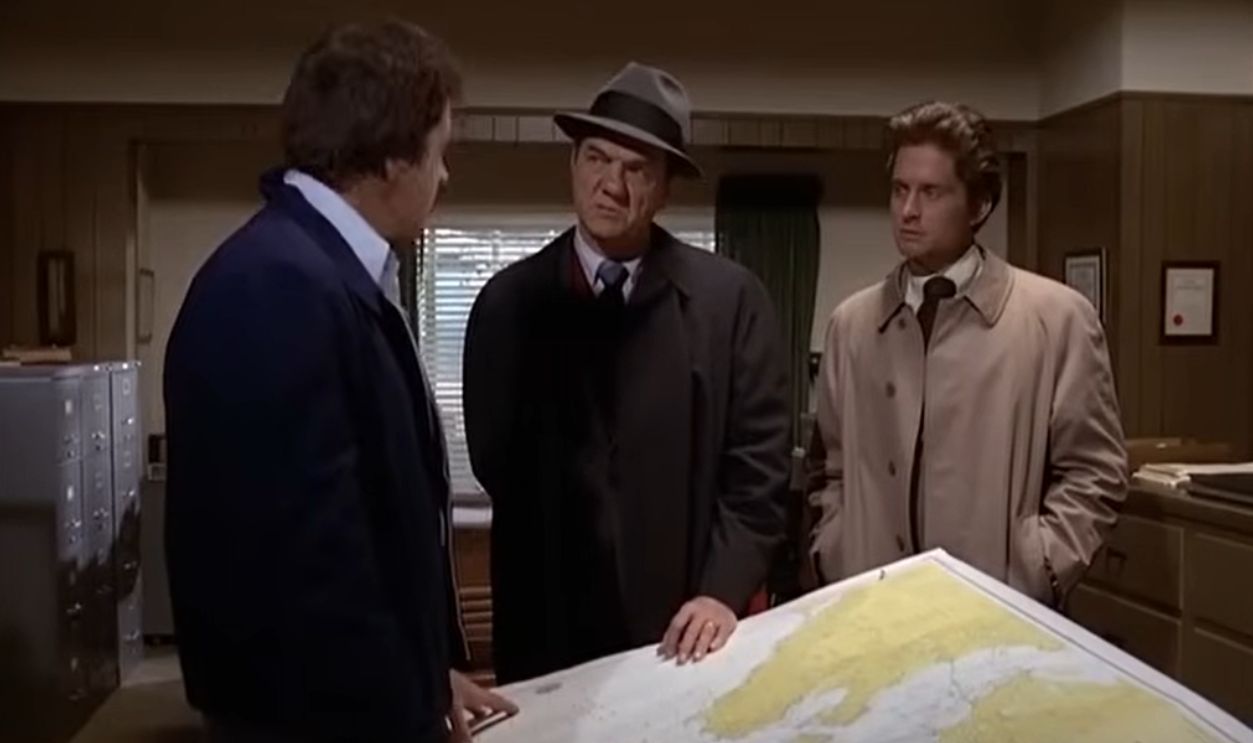
The series regularly featured performers who were already famous or on their way to larger careers. Each new suspect, victim, relative, or witness gave Malden a different acting partner and emotional problem. His generous, reactive style helped those guest performances land. Stone remained the constant even as the people surrounding him changed every week.
 Screenshot from The Streets of San Francisco, ABC (1972–1977)
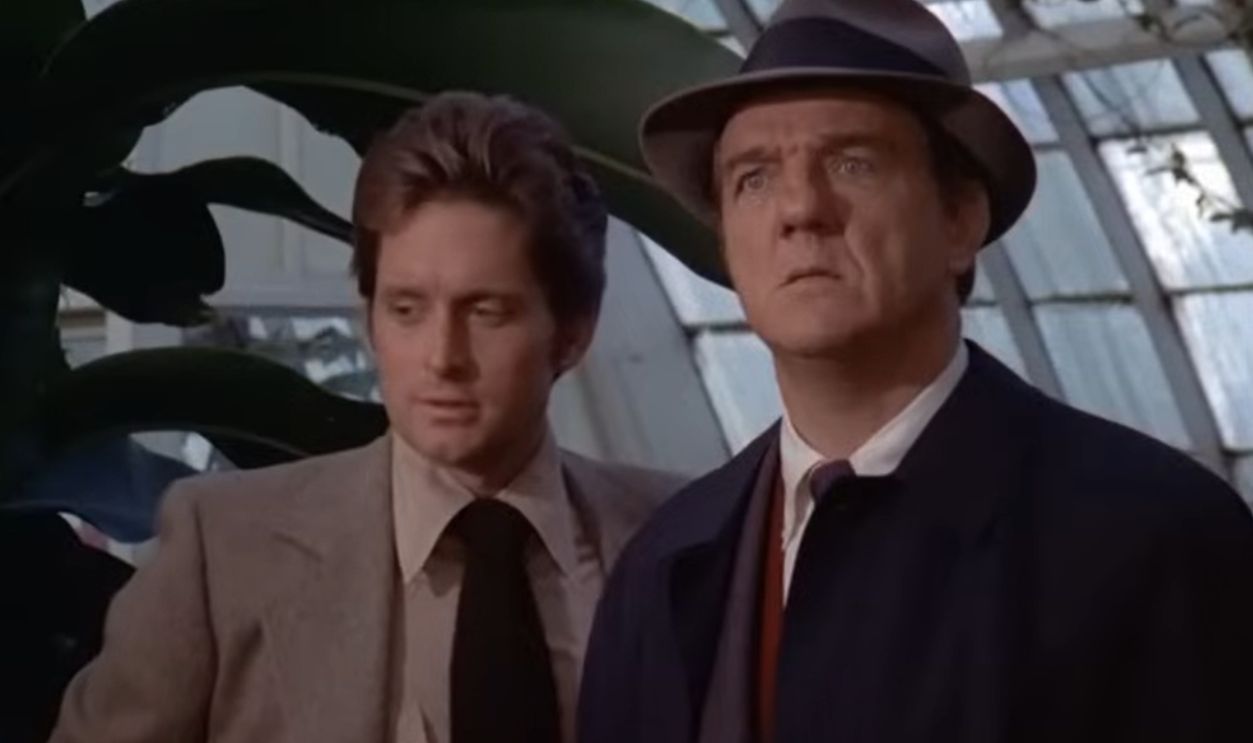
He Helped Launch Michael Douglas
Douglas considered the series his first major break. Working opposite an Academy Award winner gave the younger actor both visibility and a demanding professional education. Douglas earned Emmy nominations and left the program with the confidence to pursue major film work and producing. Malden’s household-name revival therefore became tied to the rise of another future Hollywood giant.
 Screenshot from The Streets of San Francisco, ABC (1972–1977)
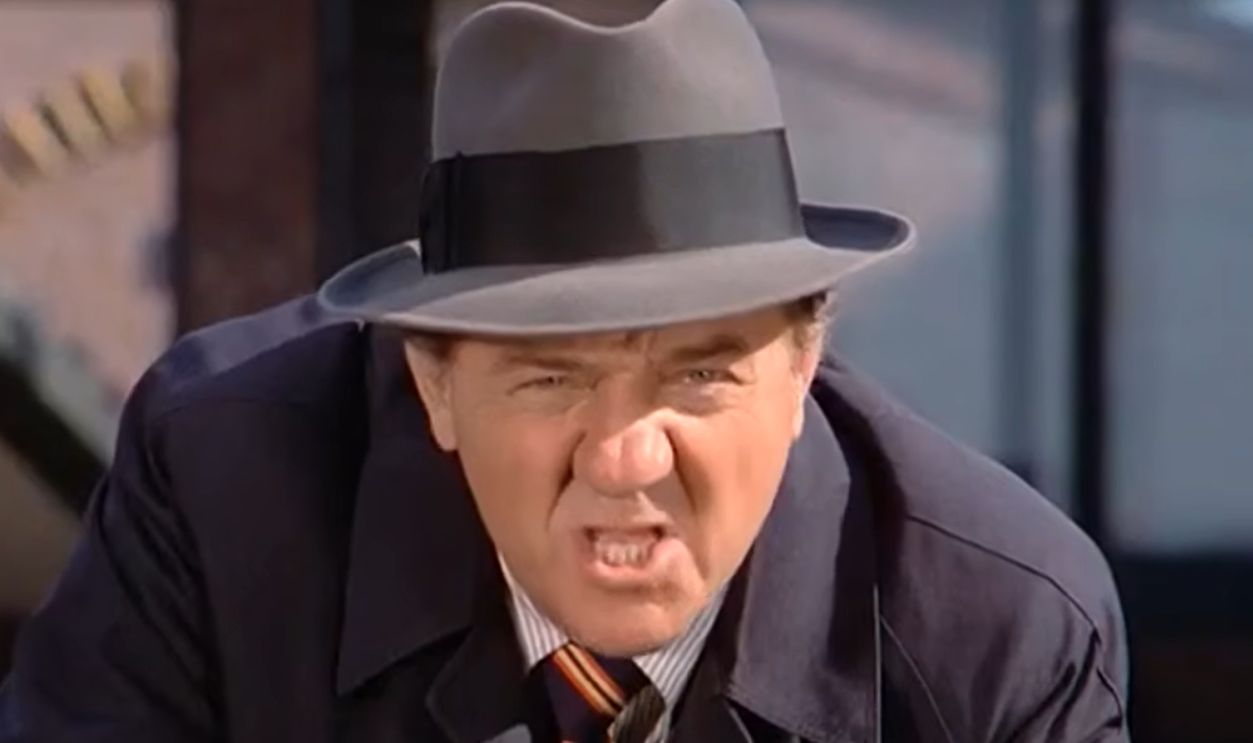
Douglas’s Departure Proved Malden’s Importance
Douglas left during the final season after establishing himself beyond the series. Richard Hatch joined the cast as Inspector Dan Robbins, giving Stone a new younger partner. The change altered the chemistry audiences had followed for years. Malden remained the show’s anchor, but the original mentor-protégé pairing had been impossible to replace completely.
 Screenshot from The Streets of San Francisco, ABC (1972–1977)
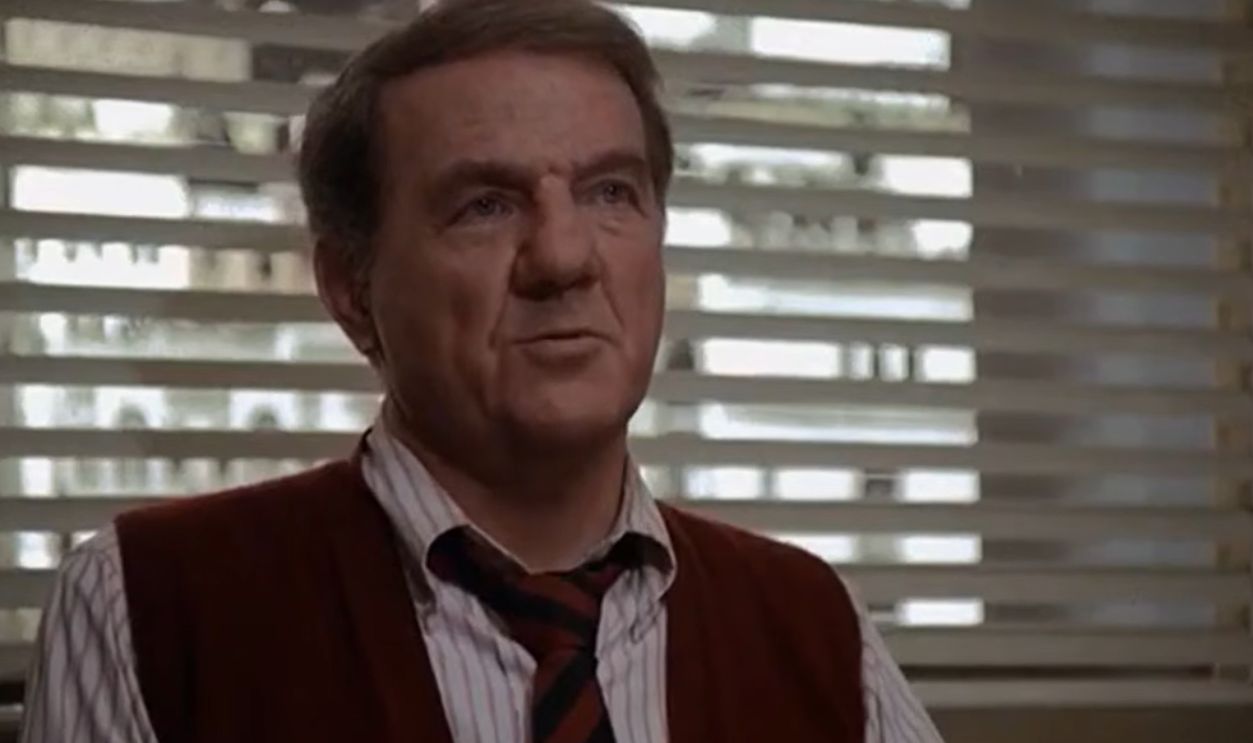
The Show Gave Him A Second Pop-Culture Identity
Before the series, Malden was associated with intense dramas and prestigious films. Afterward, millions knew him instantly as the tough but decent Lieutenant Stone. He was no longer merely the acclaimed actor from classic cinema. He had become one of the defining television detectives of the 1970s.
 Screenshot from The Streets of San Francisco, ABC (1972–1977)
American Express Made Him Even More Familiar
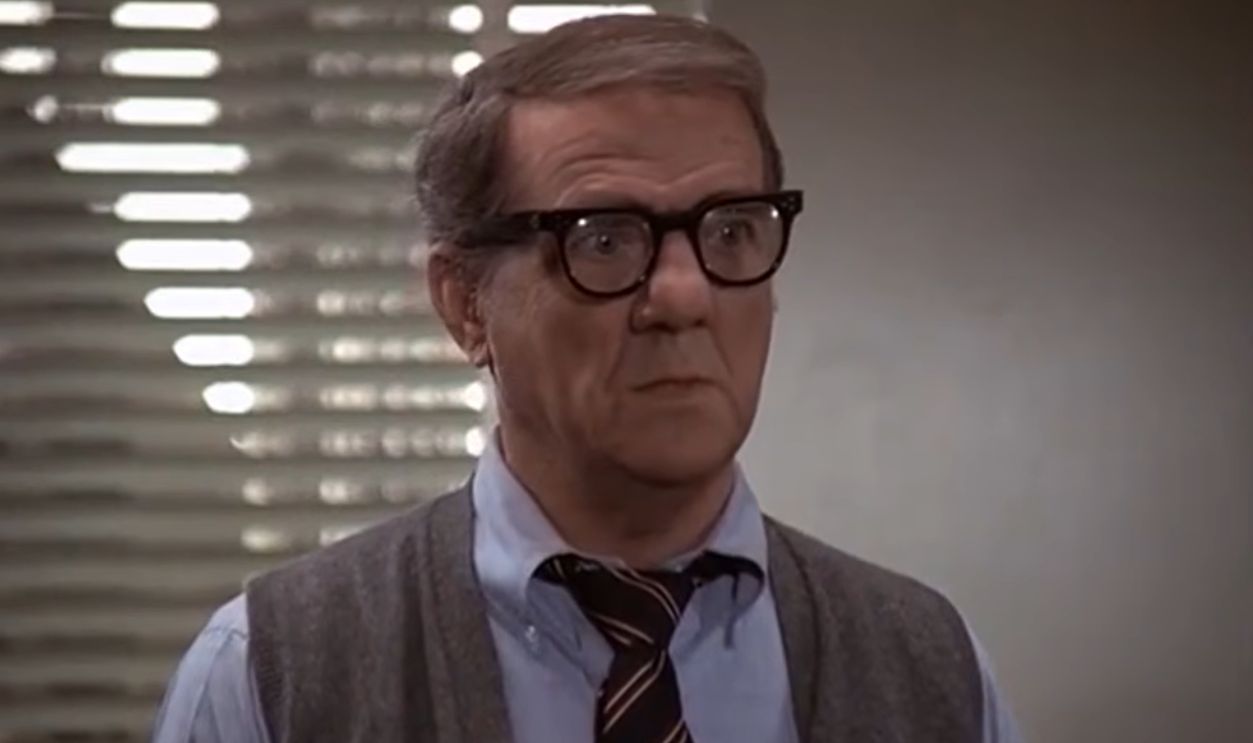
During the same period, Malden became the face of American Express travelers-check advertising. His warning not to leave home without them became one of advertising’s most recognizable messages. The commercials reinforced the qualities viewers associated with Mike Stone: reliability, authority, and concern for ordinary people. Between the series and the advertisements, Malden seemed to be everywhere.
 Screenshot from The Streets of San Francisco, ABC (1972–1977)
His Television Fame Outlasted The Original Run
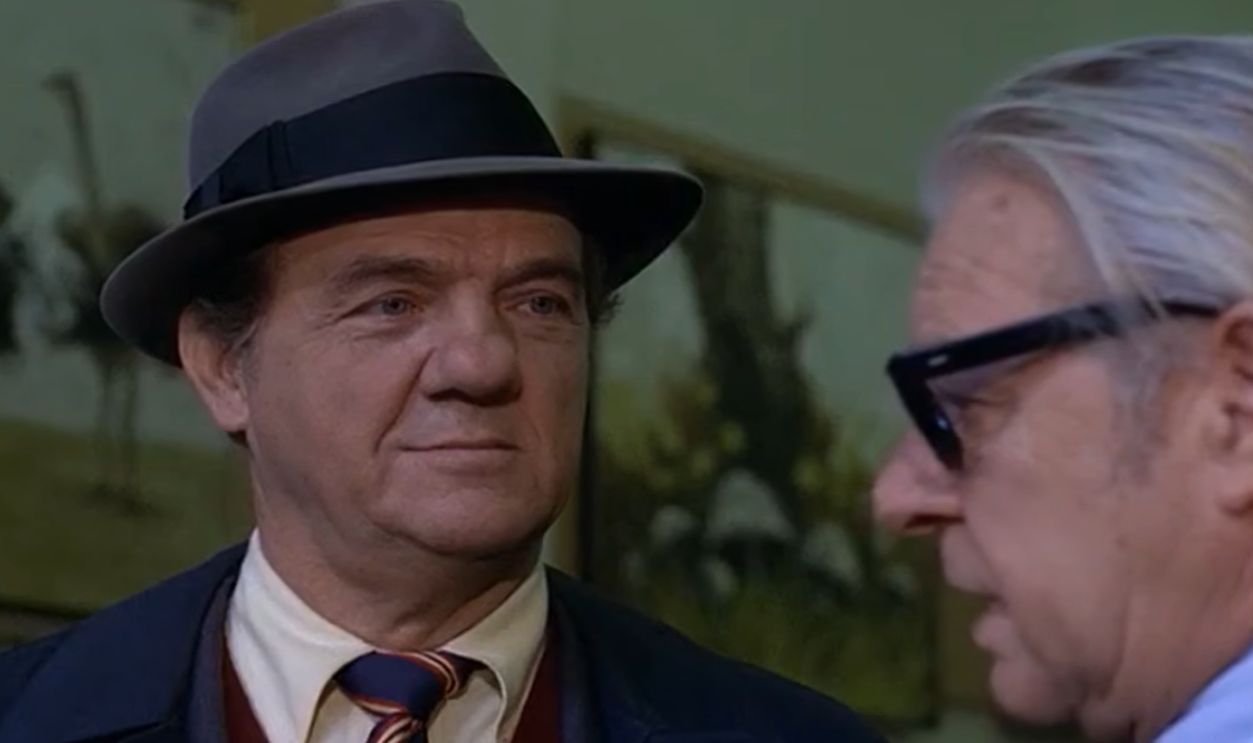
The Streets of San Francisco ended in 1977, but reruns kept Malden visible. The series also returned through home-video releases, streaming availability, and nostalgic celebrations of classic crime television. Viewers continued discovering Stone and Keller long after the original Thursday-night broadcasts. Malden’s second wave of fame never entirely disappeared.
 Screenshot from The Streets of San Francisco, ABC (1972–1977)
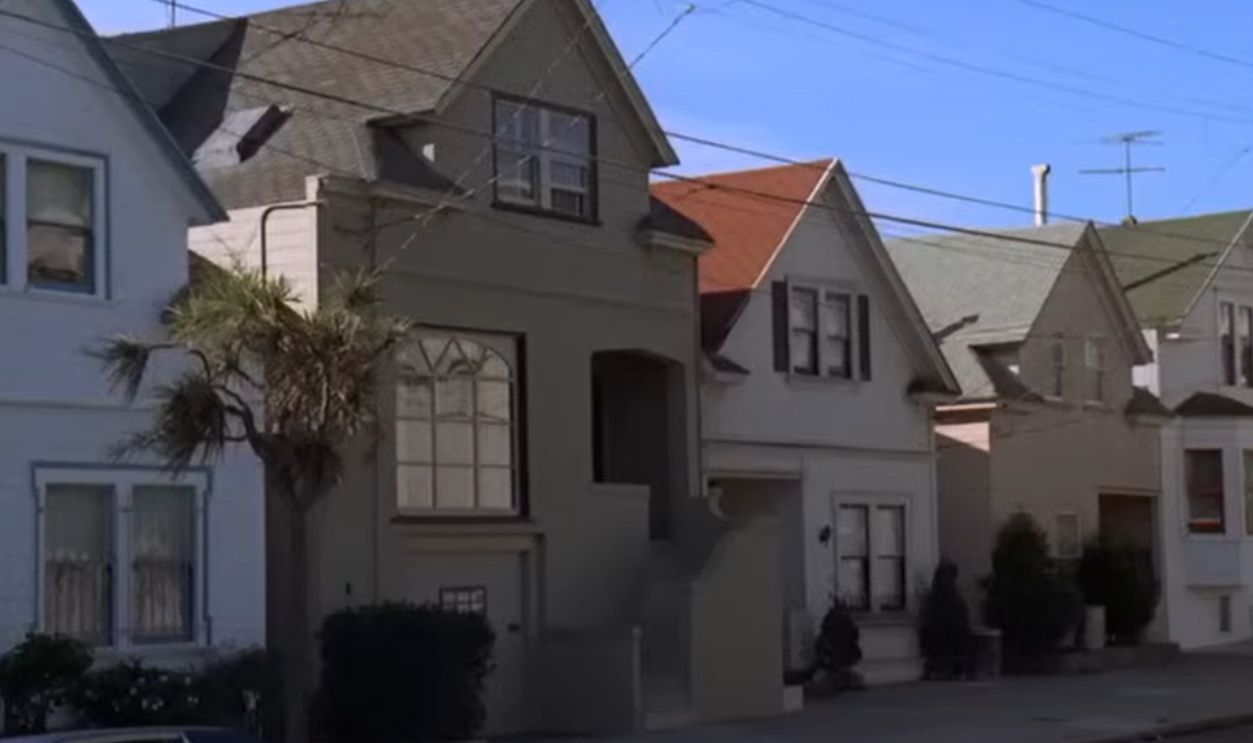
The City Still Remembers The Series
Decades later, San Francisco viewers continue praising the show’s authentic use of local streets and neighborhoods. A 2025 San Francisco Chronicle reader poll named it the city’s greatest television series. Fans described watching old episodes to recognize locations and revisit a vanished version of San Francisco. Malden remains the human face of that televised time capsule.
 Screenshot from The Streets of San Francisco, ABC (1972–1977)
Mike Stone Revealed What Malden Always Did Best
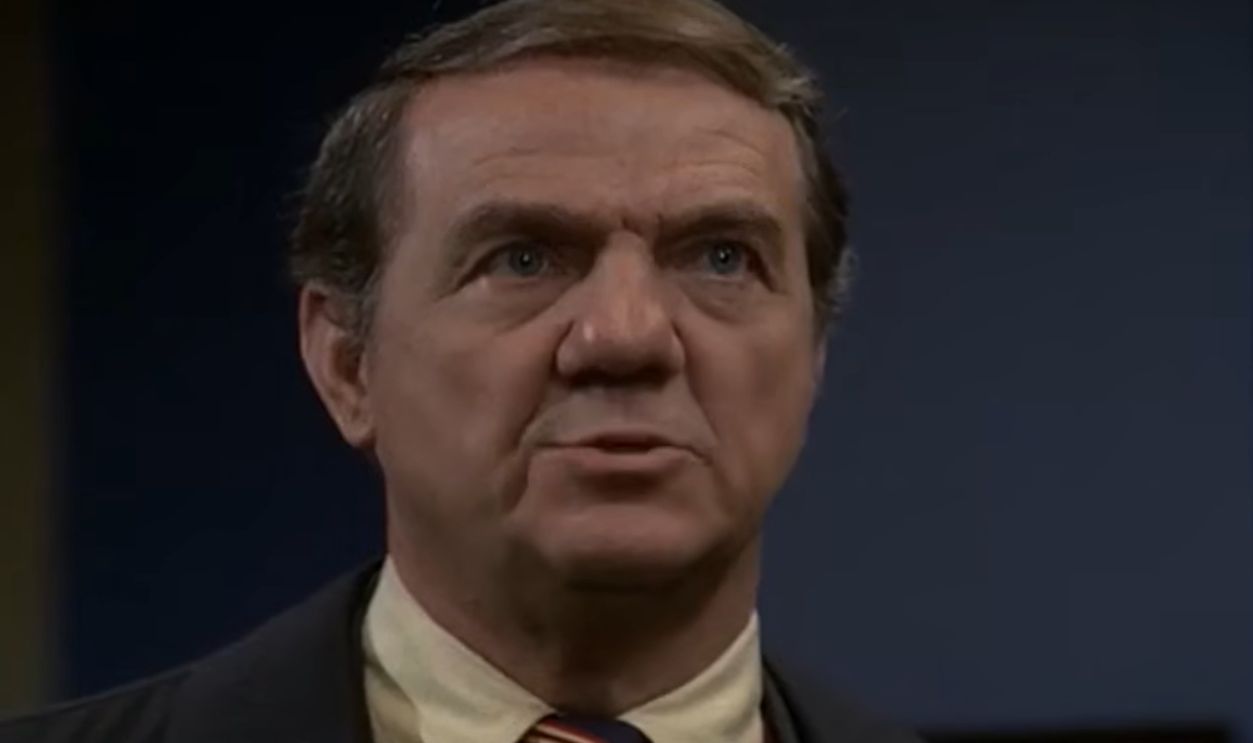
Malden’s greatest strength was making ordinary men feel extraordinary without losing their humanity. Mike Stone was not glamorous, mysterious, or larger than life. He was dependable, perceptive, stubborn, and decent. Those qualities turned an established character actor into a household name all over again.
 Screenshot from The Streets of San Francisco, ABC (1972–1977)
You May Also Like:
Actors Who Reinvented Themselves After Hollywood Wrote Them Off
Actors Who Made An Epic Comeback After Everyone Thought They Were Washed Up