The Gentleman Who Made Espionage Look Easy
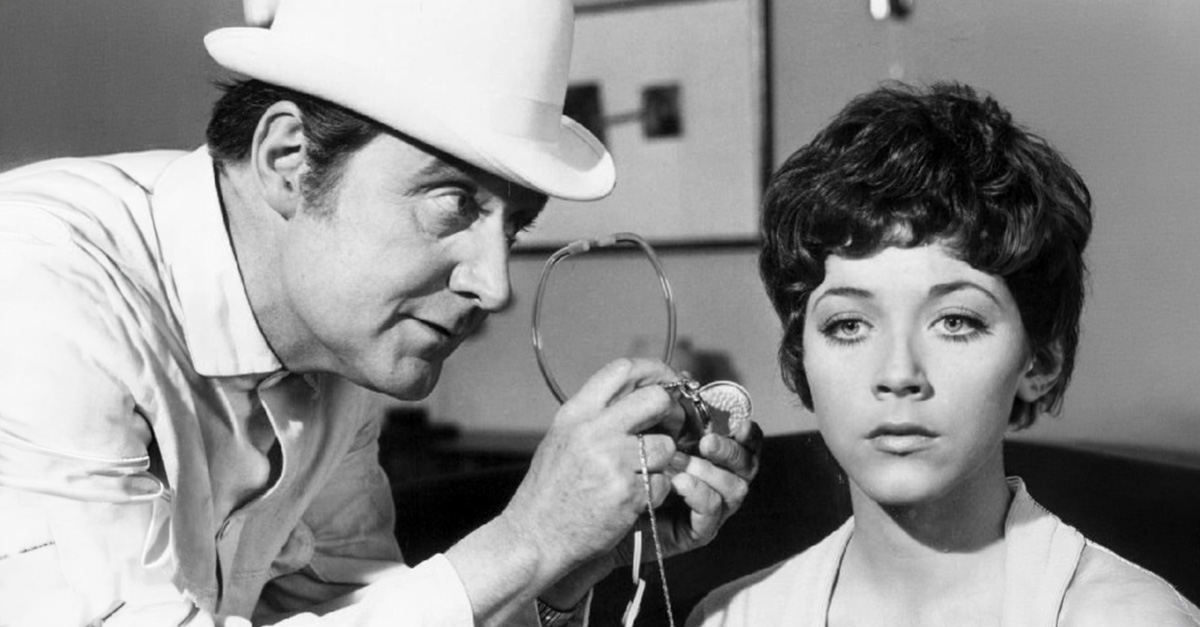
Patrick Macnee did not play John Steed like an ordinary television spy. He smiled at danger, wore a bowler hat like armor, and made an umbrella seem handier than a pistol. With The Avengers, he helped turn British cool into an international television sensation.
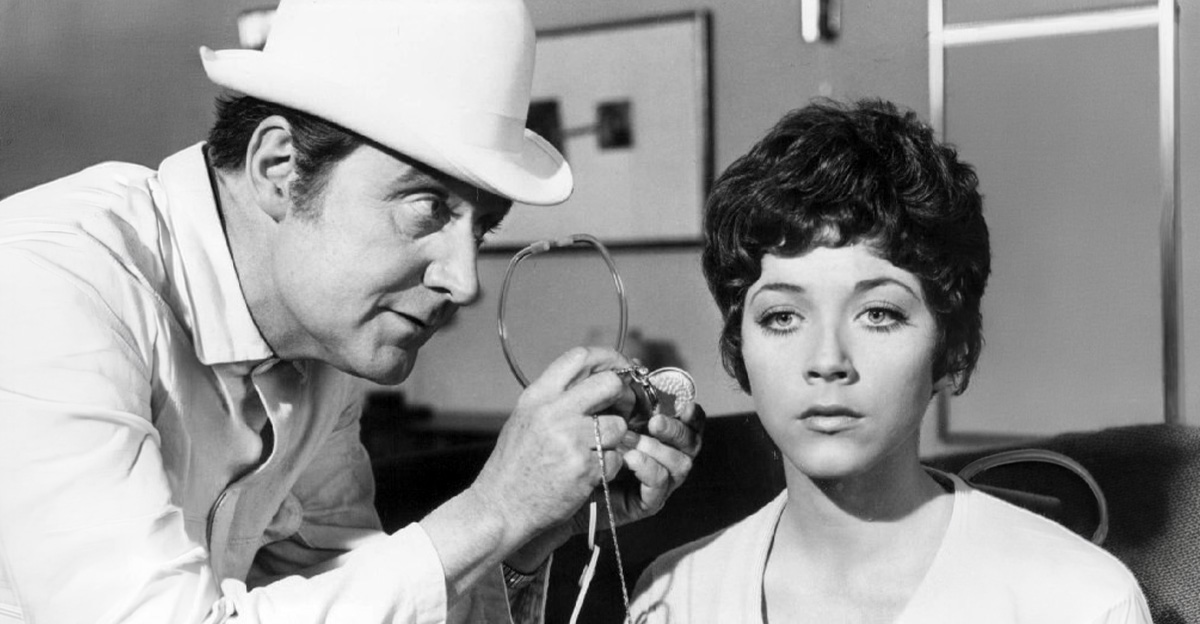 ABC Television., Public domain, via Wikimedia Commons
An Unusual Start In London
Born Daniel Patrick Macnee in London in 1922, he grew up in a privileged but unconventional household. His father trained racehorses, while his mother largely raised him after the marriage broke down. That eccentric upbringing later seemed oddly suited to the polished world of John Steed.
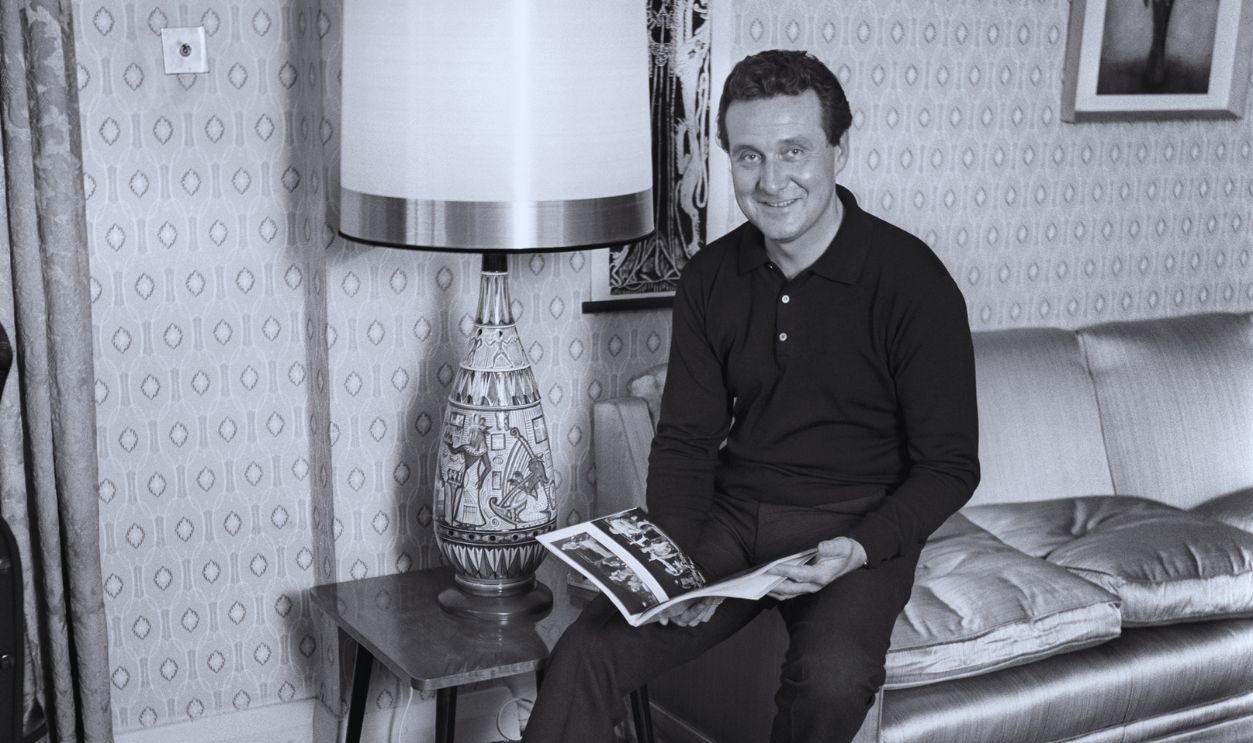
Eton Could Not Contain Him
Macnee attended Eton, where school theatre introduced him to performing. He also developed a rebellious streak and was eventually asked to leave. Rather than choose a safer career, he trained at the Webber Douglas Academy and set his sights on the stage.
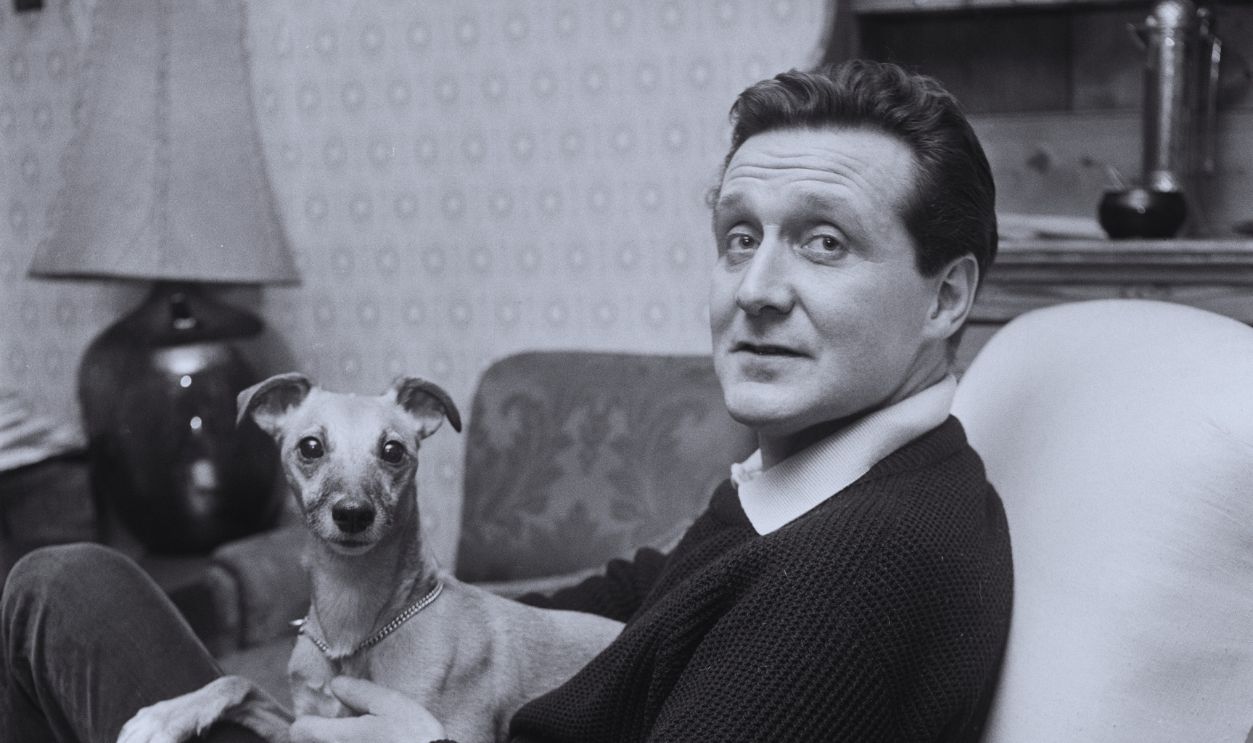
War Changed The Plan
The Second World War interrupted Macnee’s early career. He joined the Royal Navy and served aboard motor torpedo boats in the English Channel. The experience left him with a lasting dislike of guns, something that later shaped Steed’s unusually restrained approach to violence.
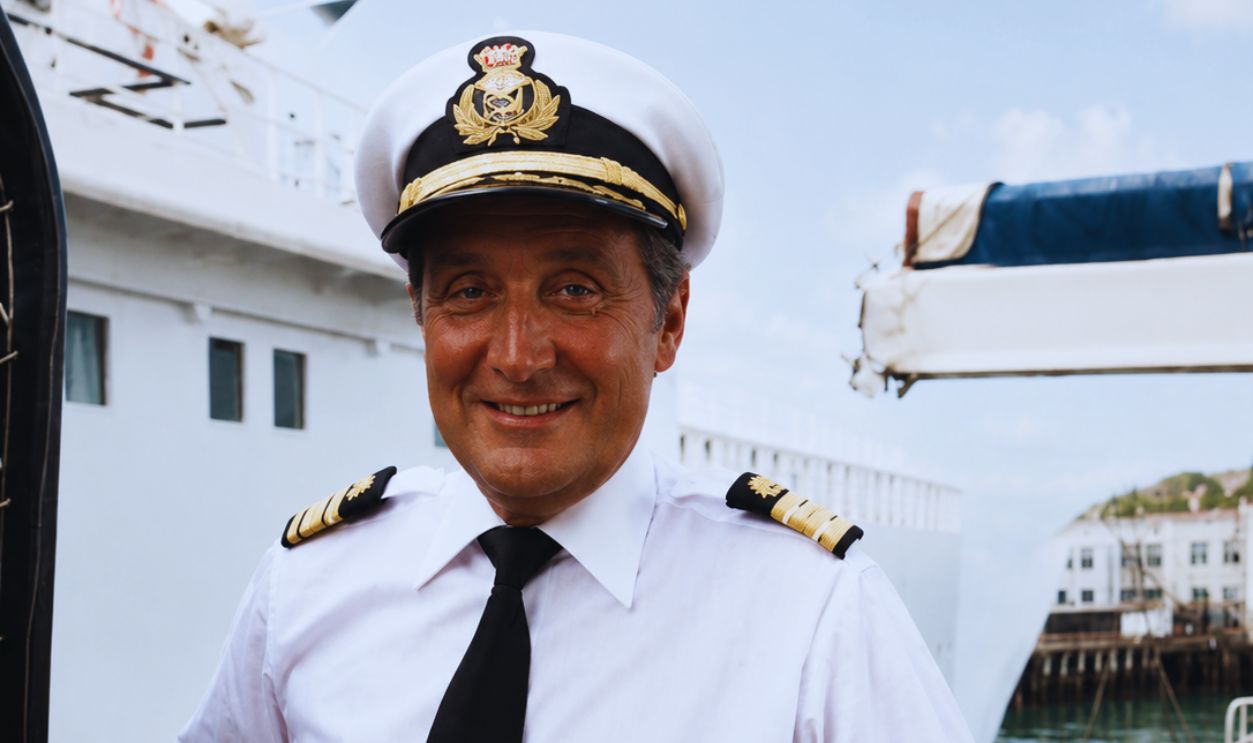 NBC Television, Wikimedia Commons
Starting Again After Service
Returning to acting after the war was hardly glamorous. Macnee found stage work and small film parts, including an appearance in Laurence Olivier’s Hamlet, but no instant breakthrough. He learned the less romantic skill every working actor needs: how to keep going.
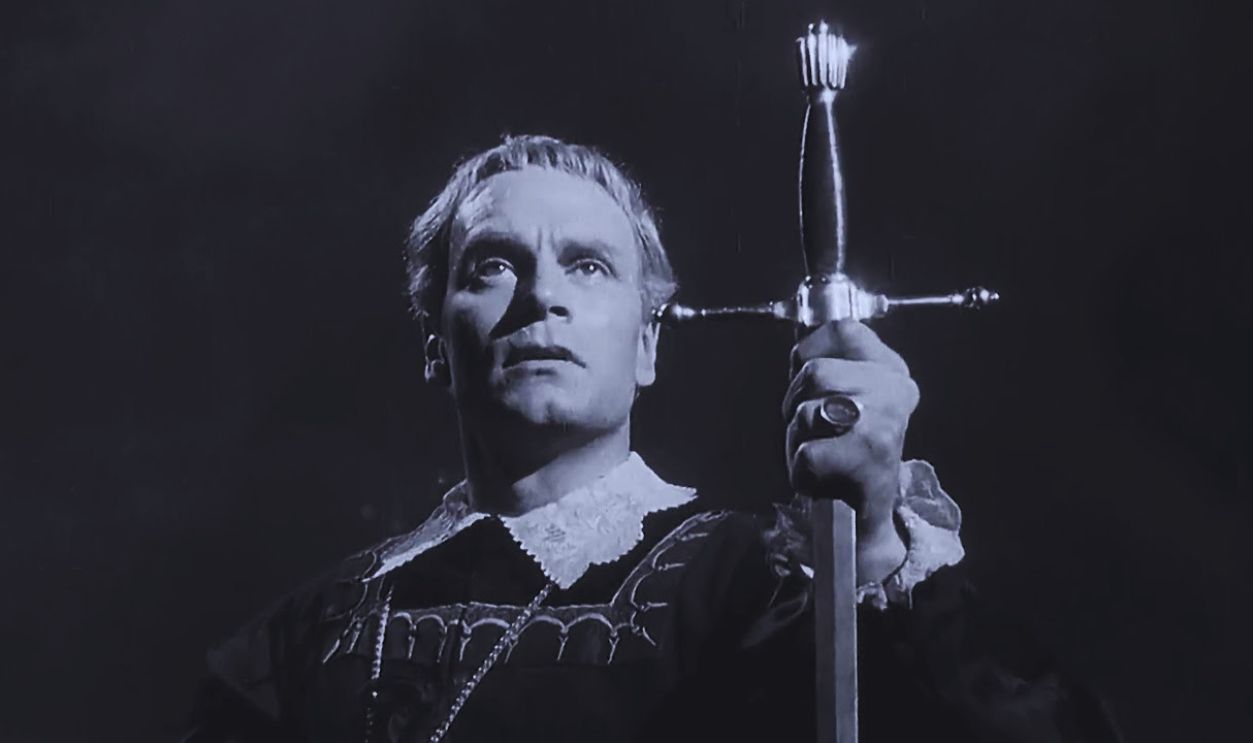 Screenshot from Hamlet, Universal Pictures (1948)
Canada Offered A Fresh Start
Frustrated by uneven opportunities in Britain, Macnee headed to Canada during television’s live-broadcast boom. He worked extensively in television and theatre, often under intense conditions. Those years sharpened his timing, voice, and ability to stay calm when things went wrong.
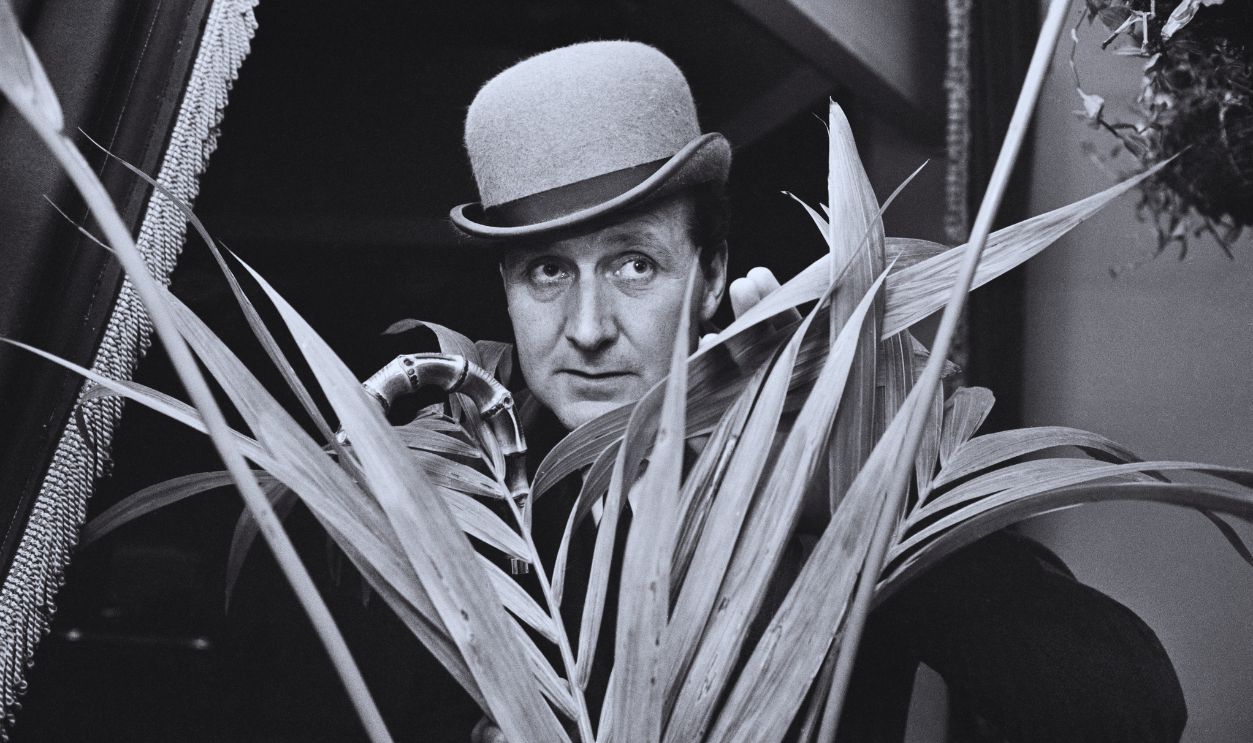
Small Roles Kept Coming
During the 1950s, Macnee appeared in The Battle of the River Plate, Les Girls, and television dramas across Britain and North America. He even turned up in The Twilight Zone. The jobs were respectable, but his defining role remained nowhere in sight.
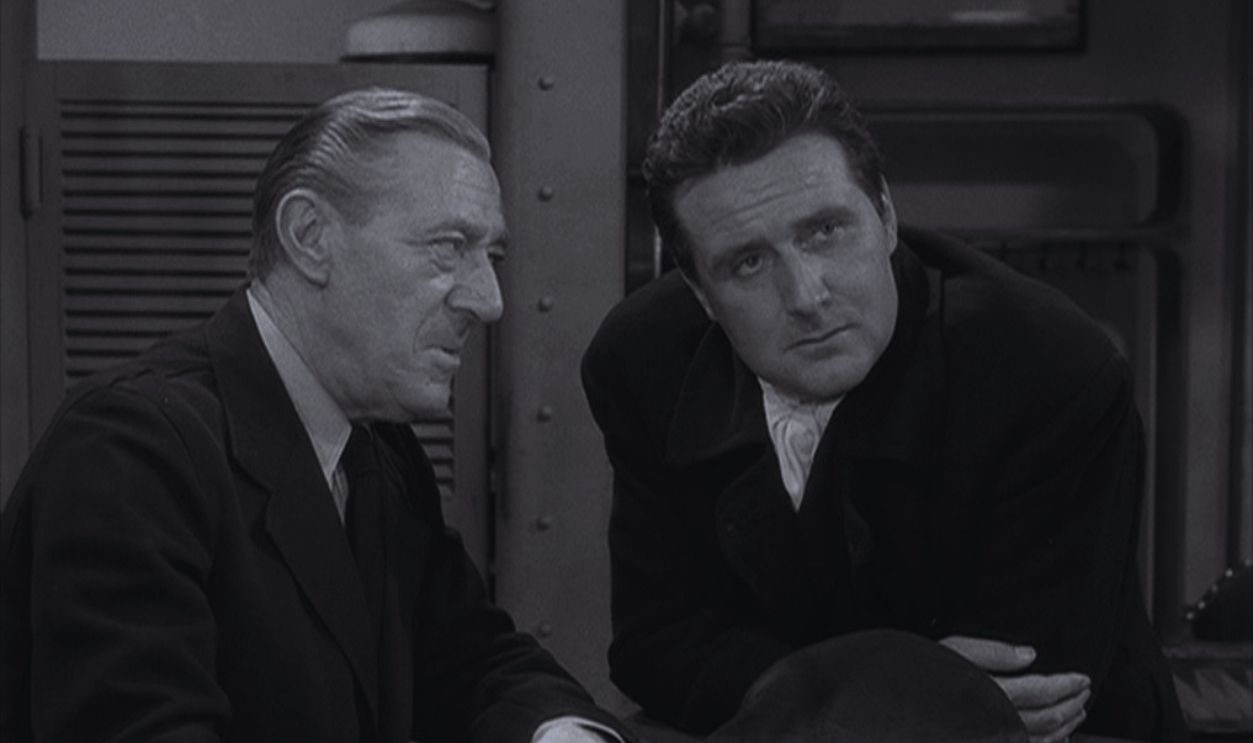 Screenshot from The Twilight Zone, Cayuga Productions / CBS (1959–1964)
He Nearly Left Acting Behind
By the end of the decade, Macnee was tired of chasing parts. Producing began to look safer than acting. He worked behind the scenes on The Valiant Years, based on Winston Churchill’s wartime memoirs, and seriously considered changing direction.
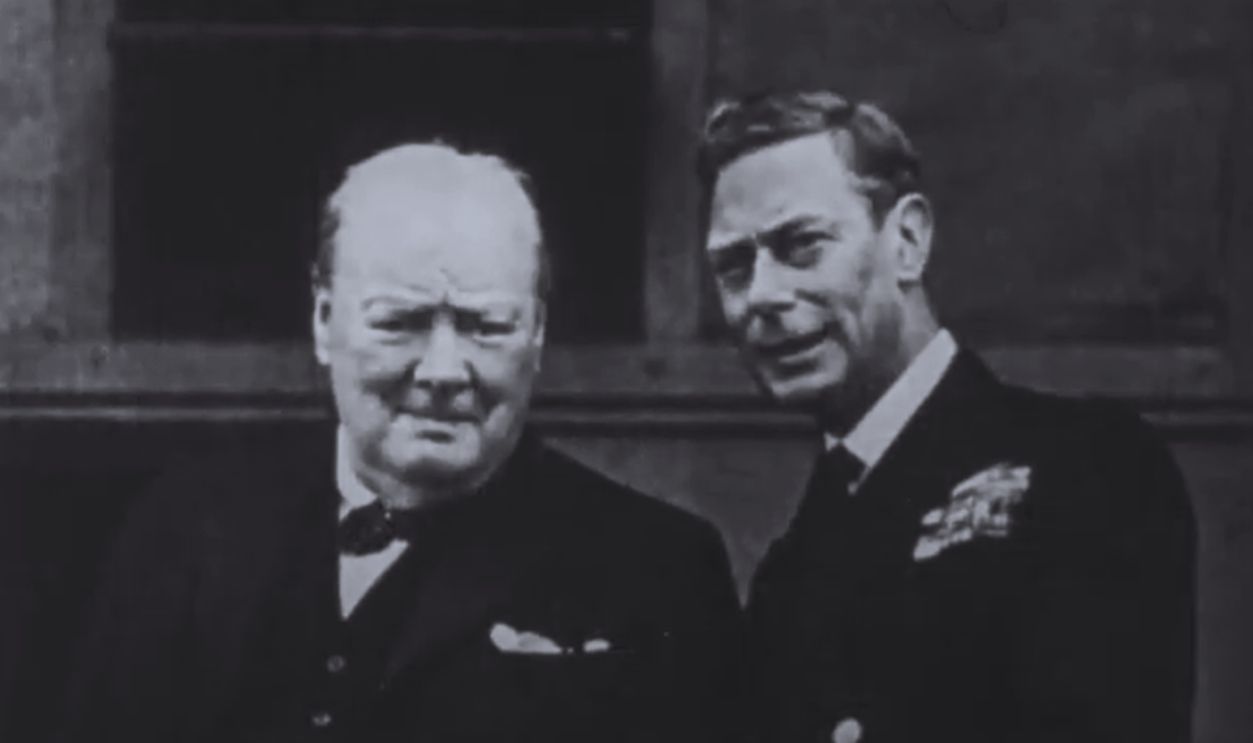 Screenshot from Winston Churchill: The Valiant Years, Screen Gems / ABC (1960–1961)
Then Came The Avengers
Producer Leonard White invited Macnee to join a new crime series called The Avengers. At first, it centered on Ian Hendry as Dr. David Keel, a physician drawn into danger. Macnee’s John Steed was the mysterious government operative guiding him through each case.
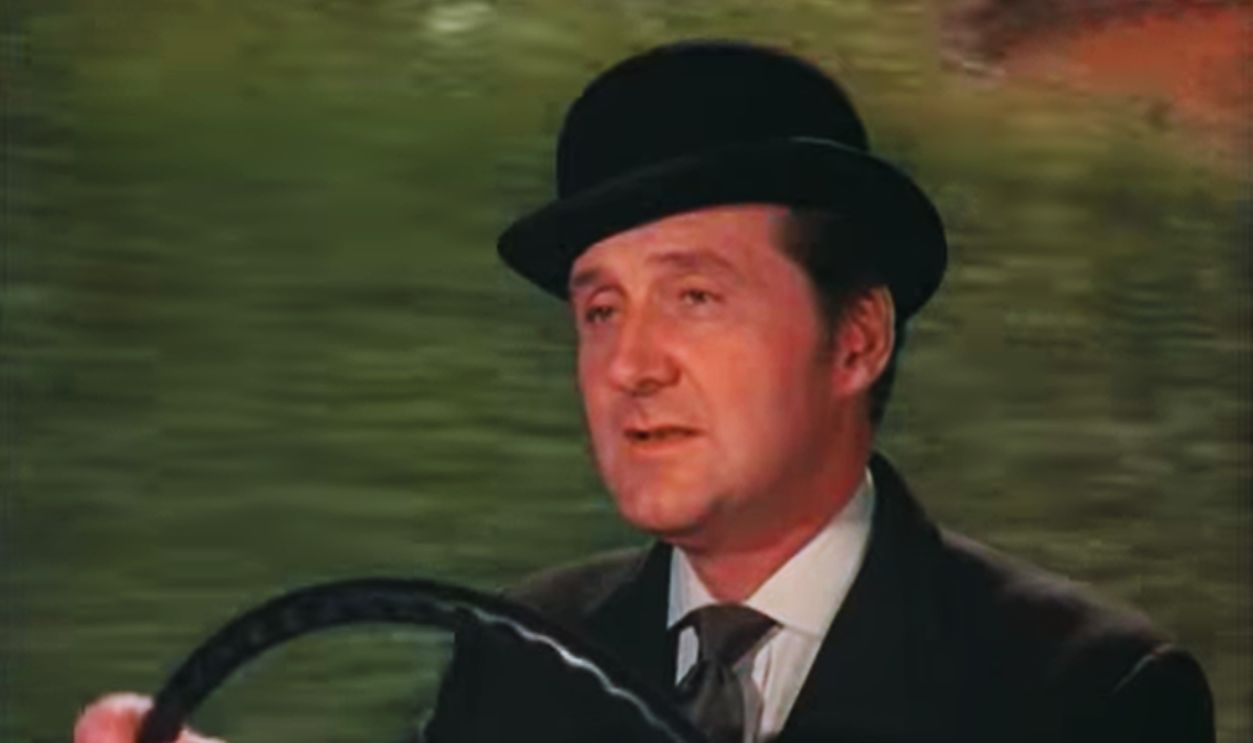 Screenshot from The Avengers, Associated Television (ATV) (1961–1969)
Steed Was Not Yet Steed
The earliest John Steed was rougher and darker than the character audiences remember. He wore trench coats, moved through shadows, and could seem genuinely threatening. Macnee gradually added humor and charm, turning Steed from a supporting figure into the show’s essential center.
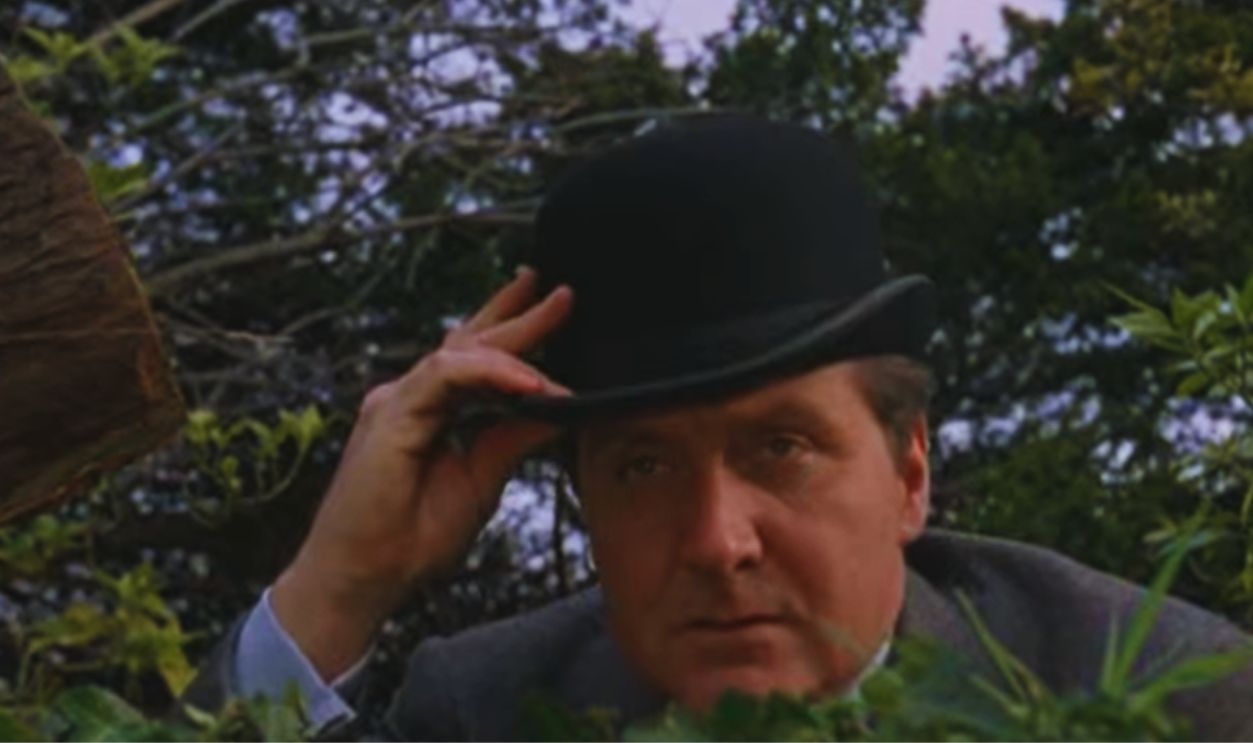 Screenshot from The Avengers, Associated Television (ATV) (1961–1969)
A Departure Created An Opening
When Ian Hendry left after the first series, The Avengers needed a new leading force. Macnee stepped forward. Instead of copying conventional tough guys, he leaned into wit, charm, and British self-control. The sidekick became one of television’s most distinctive stars.
The Bowler Hat Changed Everything
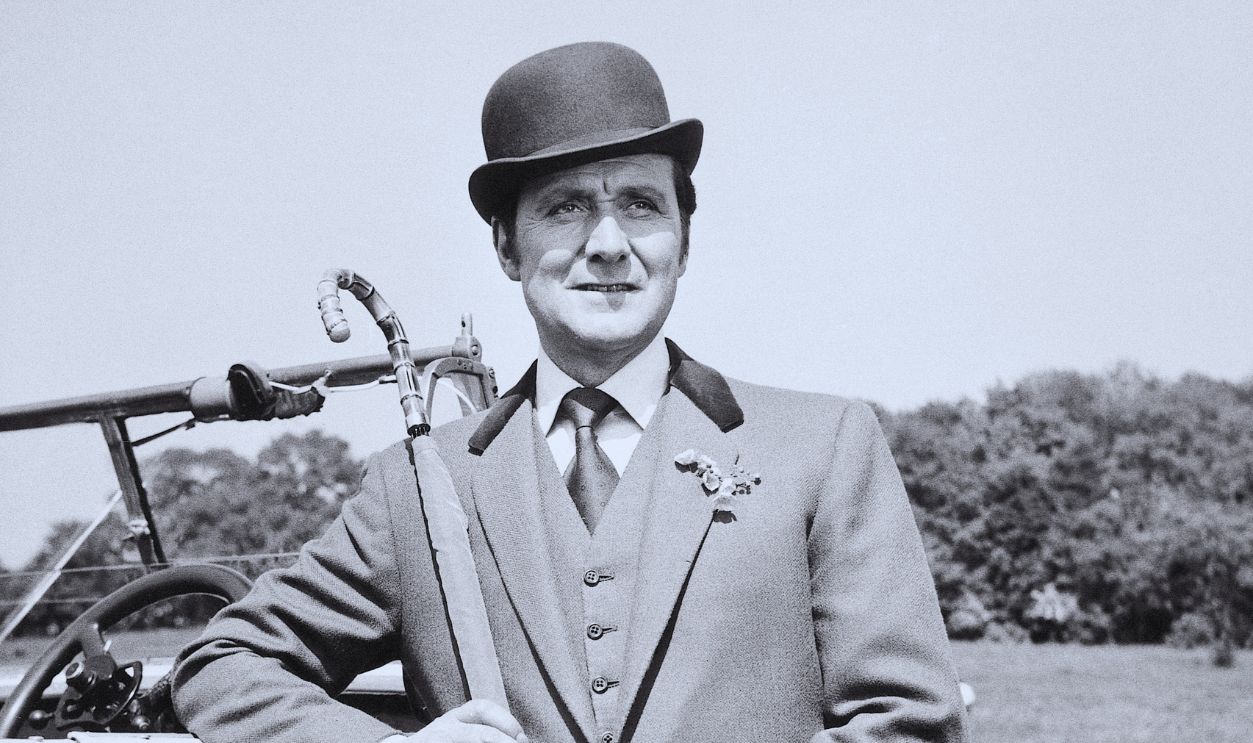
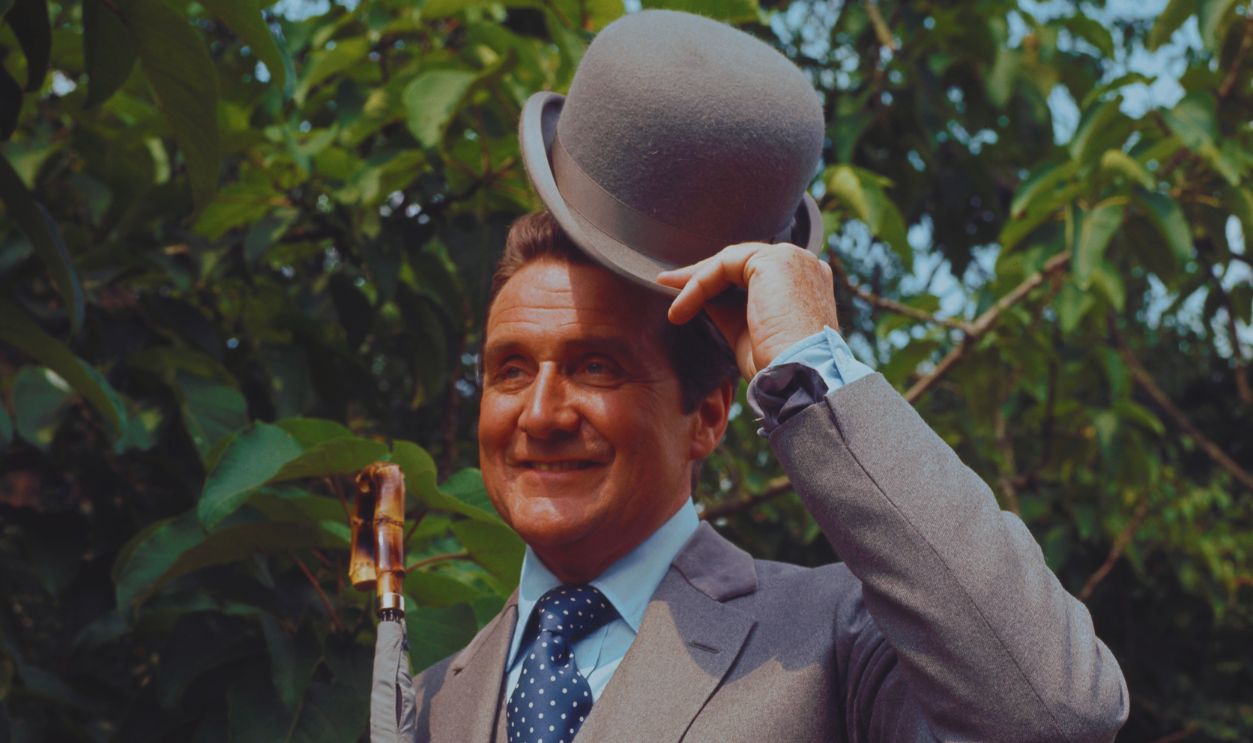
Steed’s bowler hat, tailored suits, carnation, and umbrella created an instantly recognizable silhouette. The clothes mixed old-fashioned respectability with something sly and modern. Macnee helped shape the look, turning a traditional city gentleman into a pop-culture hero.
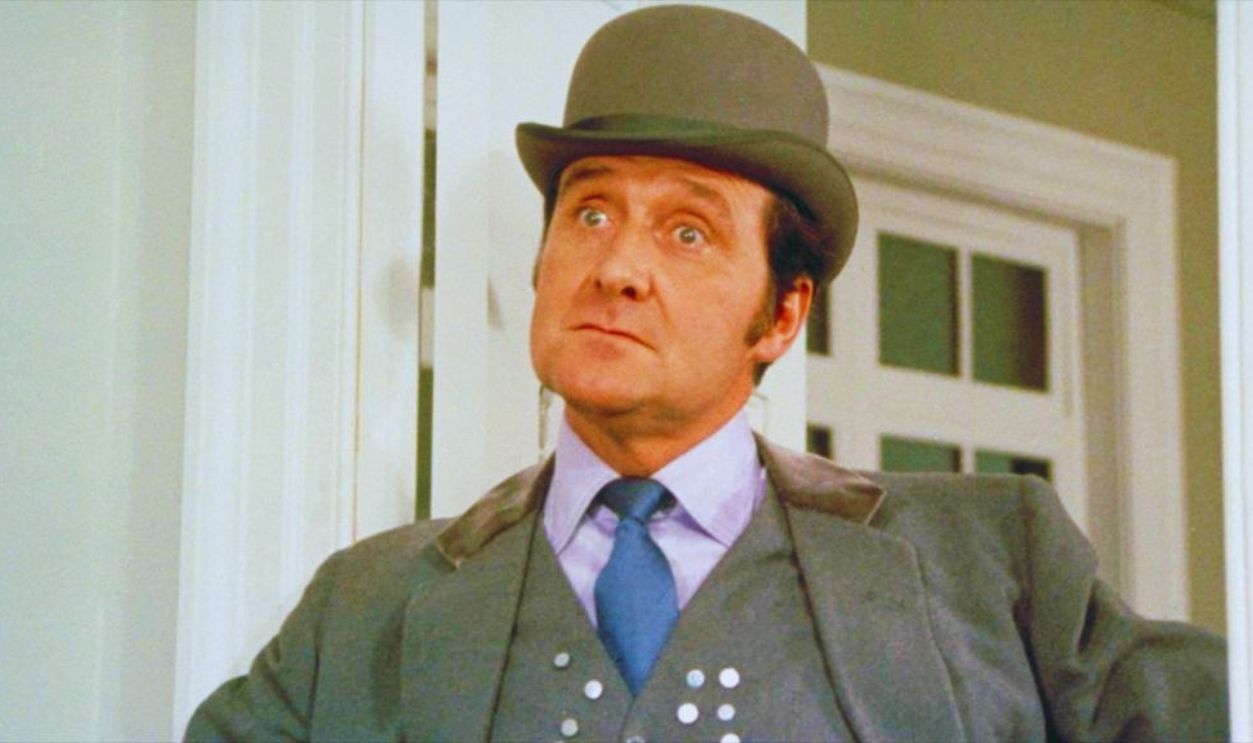 Screenshot from The Avengers, Associated Television (ATV) (1961–1969)
The Umbrella Became A Weapon
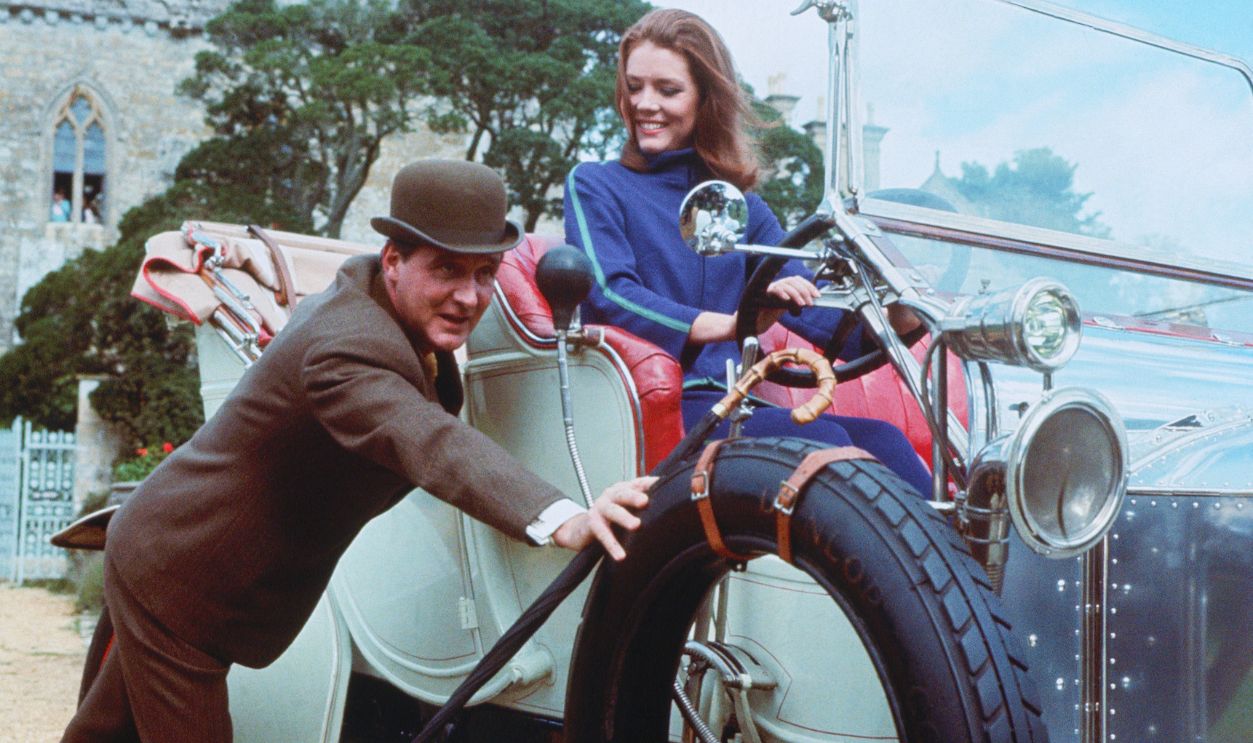
Steed rarely carried a gun. His umbrella, however, could conceal blades, gadgets, or whatever the story required. It was elegant, absurd, and perfectly matched the show. Macnee’s wartime experiences helped make Steed a hero who preferred invention and timing to bullets.
Cathy Gale Changed The Chemistry
Honor Blackman’s Cathy Gale gave the series the partner it needed. Intelligent, tough, and skilled in judo, she was no helpless assistant. Macnee and Blackman traded dry jokes and playful challenges, creating a partnership that felt equal, flirtatious, and ahead of its time.
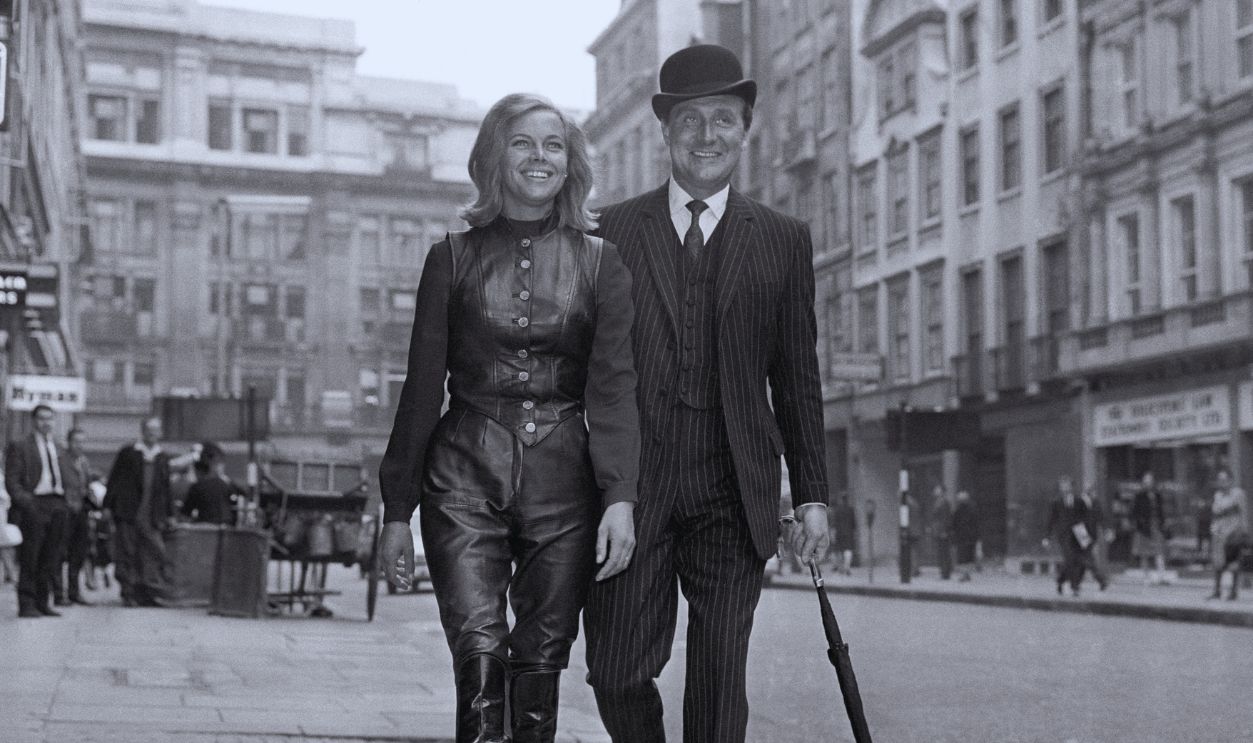
Steed Knew When To Step Back
One of Macnee’s smartest choices was allowing his female co-stars to look strong without making Steed seem weak. He did not need to win every fight or dominate every scene. His confidence came from respecting capable partners, which made the character feel surprisingly modern.
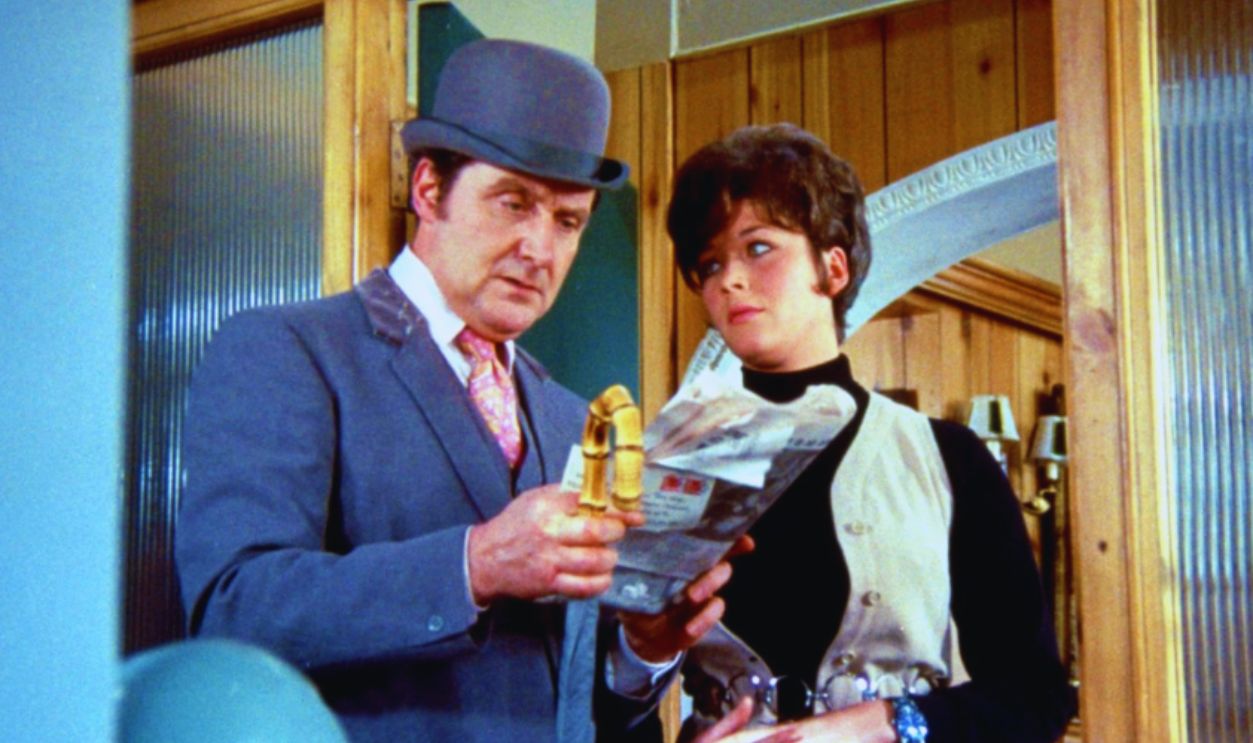 Screenshot from The Avengers, Associated Television (ATV) (1961–1969)
The Show Found Its Sense Of Fun
As The Avengers evolved, realistic crime plots gave way to stranger stories, sharper comedy, and playful exaggeration. Secret societies, eccentric masterminds, and bizarre machines became normal. Macnee guided viewers through the madness with the calm expression of a man expecting tea.
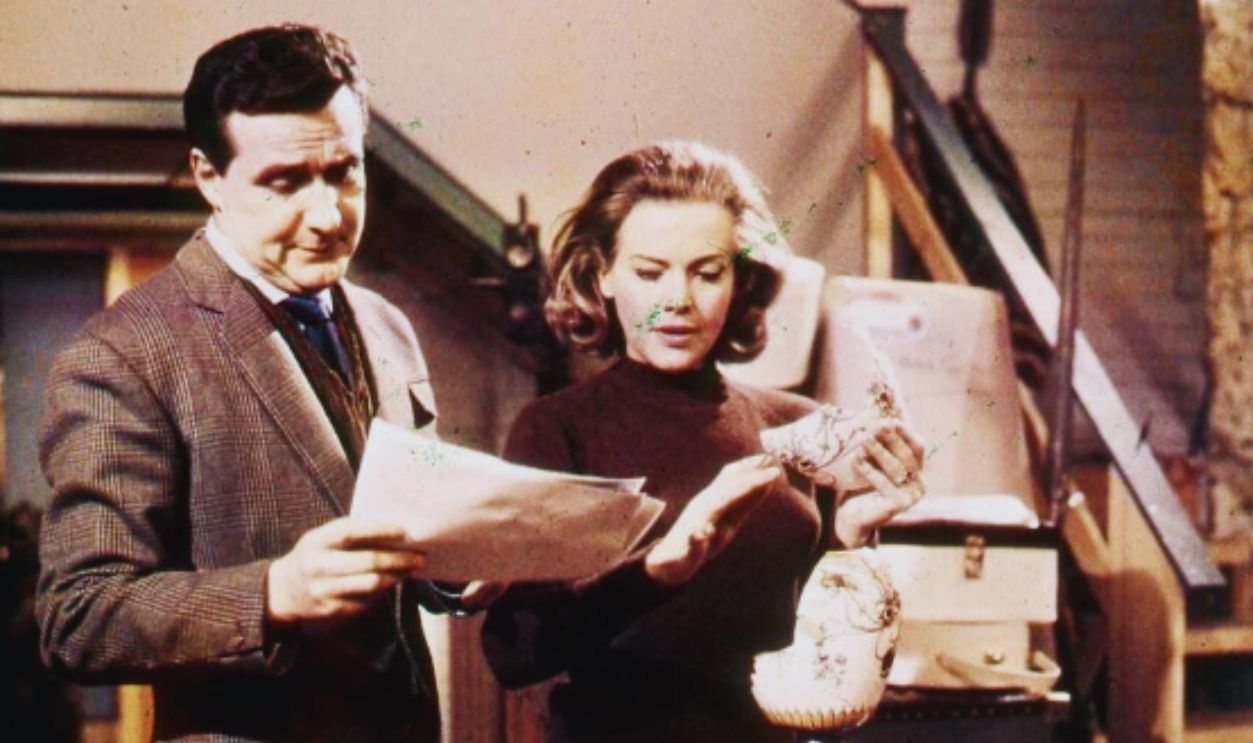 Screenshot from The Avengers, Associated Television (ATV) (1961–1969)
Emma Peel Arrived In Style
When Diana Rigg joined as Emma Peel, the series entered its most famous era. Rigg brought intelligence, athletic energy, and terrific comic timing. Macnee’s relaxed charm matched her perfectly, and their scenes could shift from danger to teasing banter in seconds.
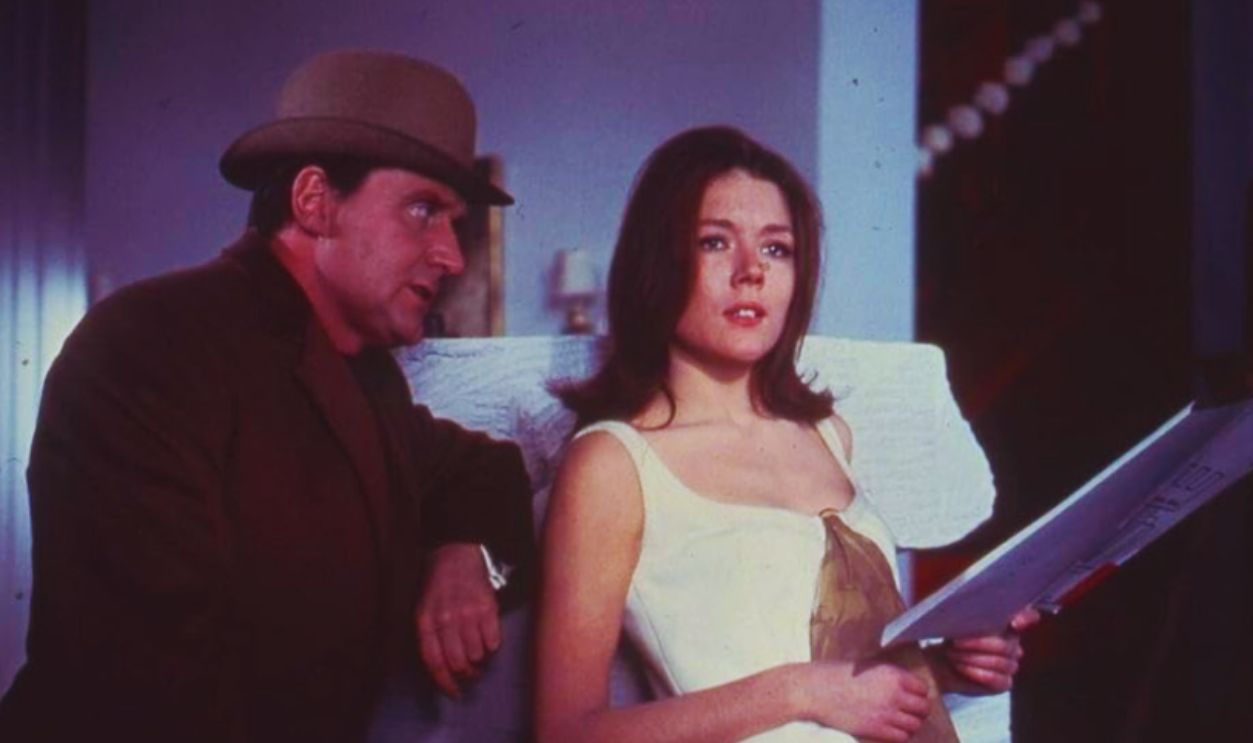 Screenshot from The Avengers, Associated Television (ATV) (1961–1969)
Their Flirtation Stayed Effortless
Steed and Mrs. Peel clearly adored each other, but the series avoided a conventional romance. A raised eyebrow or carefully delivered line did more than a dramatic kiss could. Macnee and Rigg trusted viewers to notice the sparks without stopping the adventure to explain them.
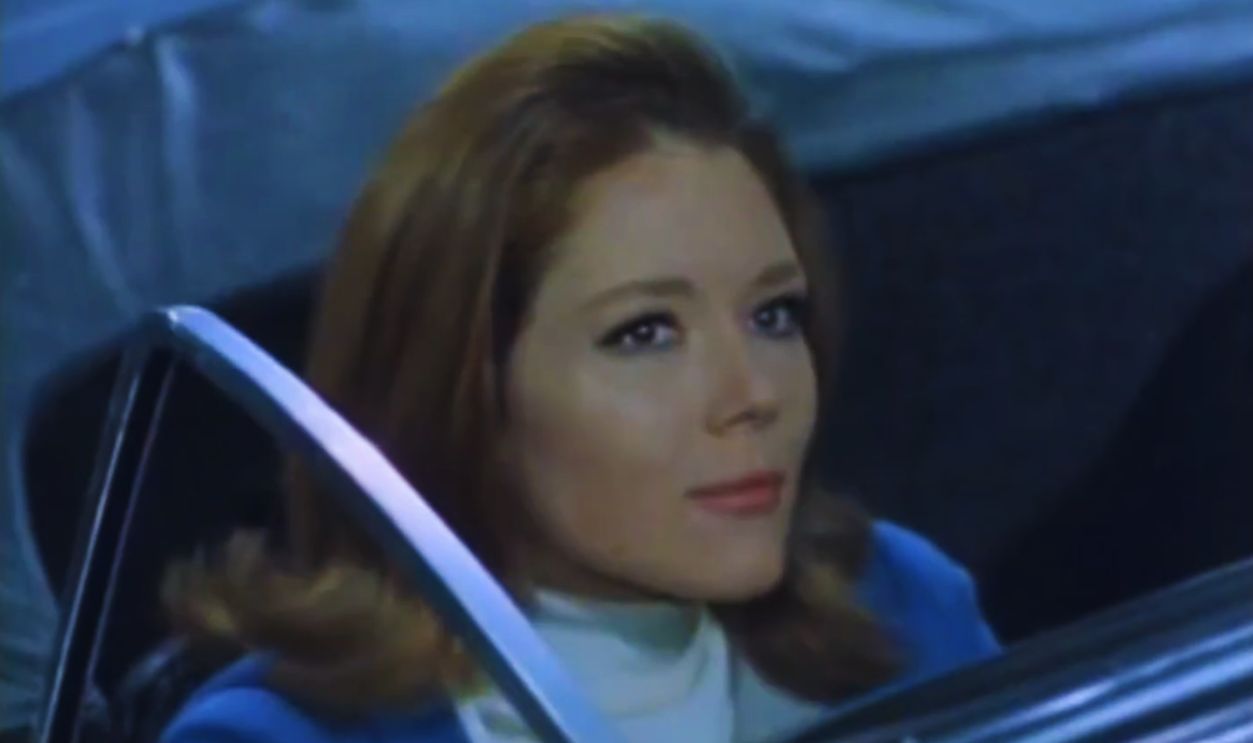 Screenshot from The Avengers, Associated Television (ATV) (1961–1969)
Swinging London Reached Television
With its fashion, design, and playful attitude, The Avengers captured the feeling of 1960s Britain without pretending to be realistic. Steed represented tradition, while his partners represented modern independence. Together, they made old England and swinging London look perfectly compatible.
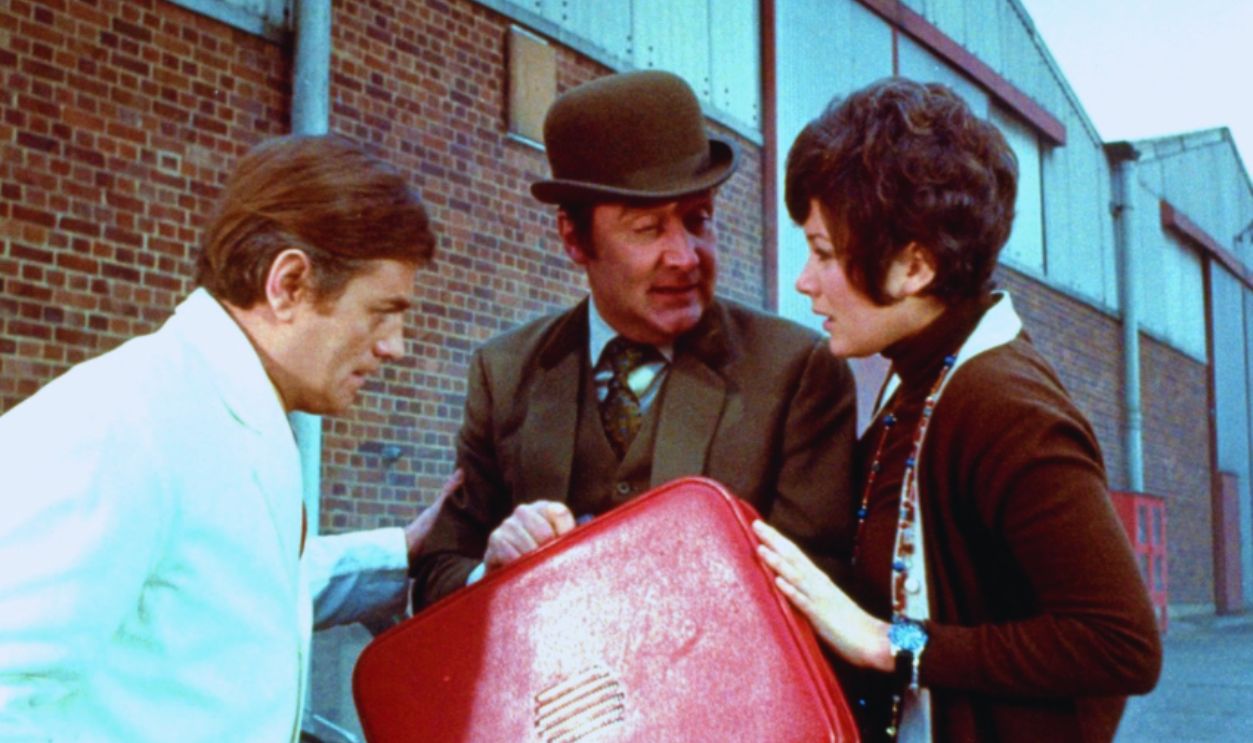 Screenshot from The Avengers, Associated Television (ATV) (1961–1969)
America Finally Took Notice
American interest pushed The Avengers toward filmed production and eventually color. The series became richer, stranger, and more cinematic. On US network television, Macnee’s eccentric performance helped it stand apart from the harder-edged spy shows crowding schedules during the Bond craze.
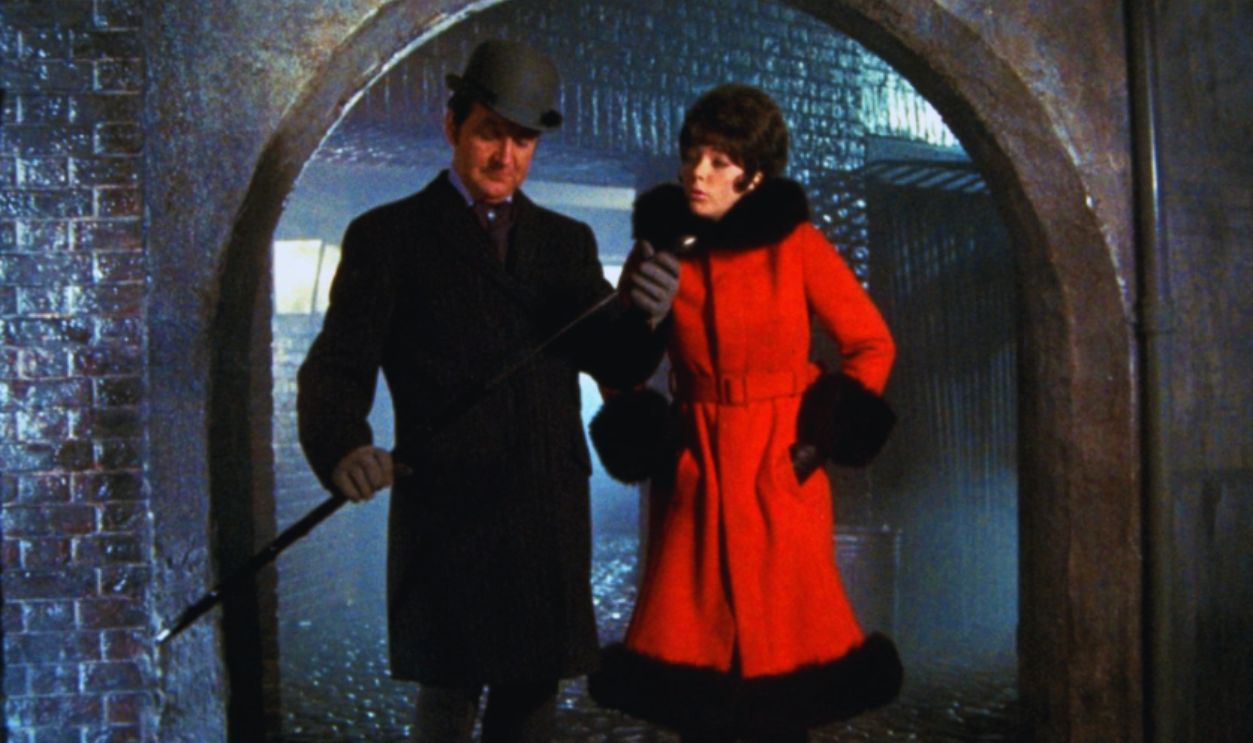 Screenshot from The Avengers, Associated Television (ATV) (1961–1969)
The Plots Became Delightfully Impossible
Later episodes seemed determined to prove that no idea was too odd. Killer robots, shrinking technology, murderous towns, and surreal conspiracies all appeared. Macnee never overplayed the joke. By treating each threat seriously, he made even the wildest story feel almost reasonable.
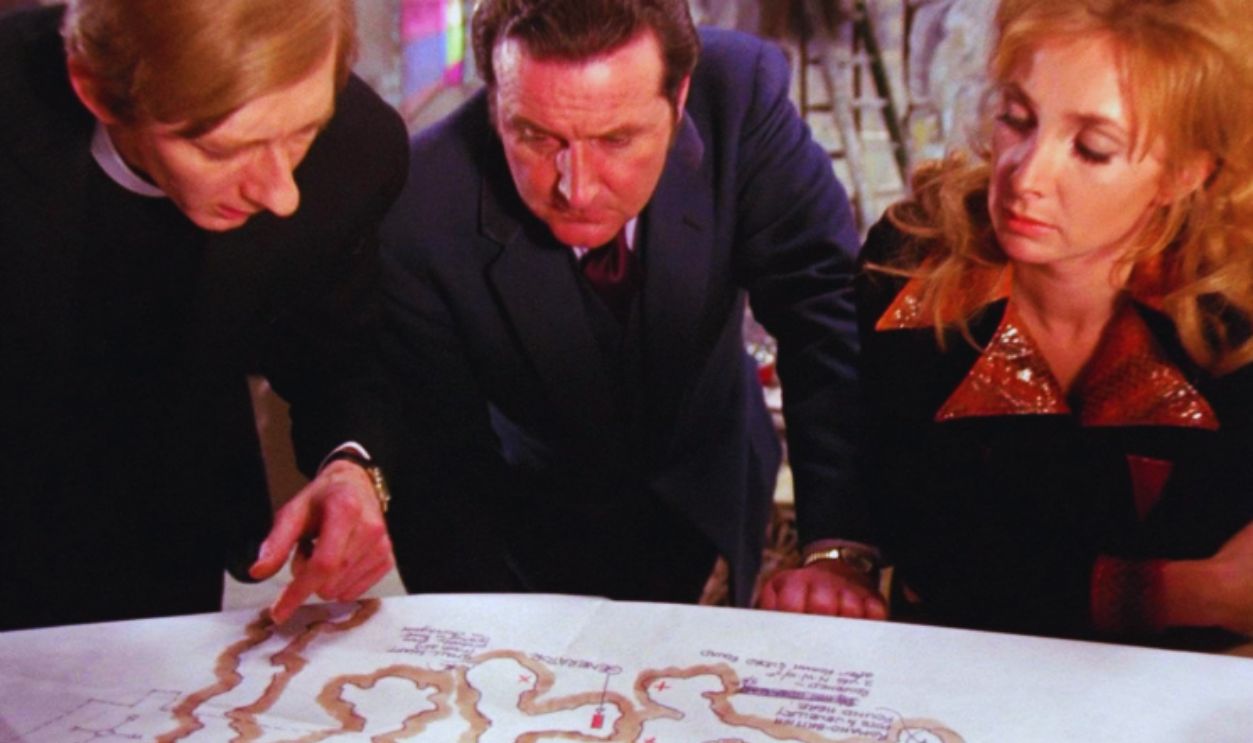 Screenshot from The Avengers, Associated Television (ATV) (1961–1969)
Tara King Entered The Picture
After Diana Rigg left, Linda Thorson joined as the younger agent Tara King. The dynamic changed, with Steed becoming more of a mentor. The final period was uneven, but Macnee remained dependable, holding everything together with warmth and polished comic rhythm.
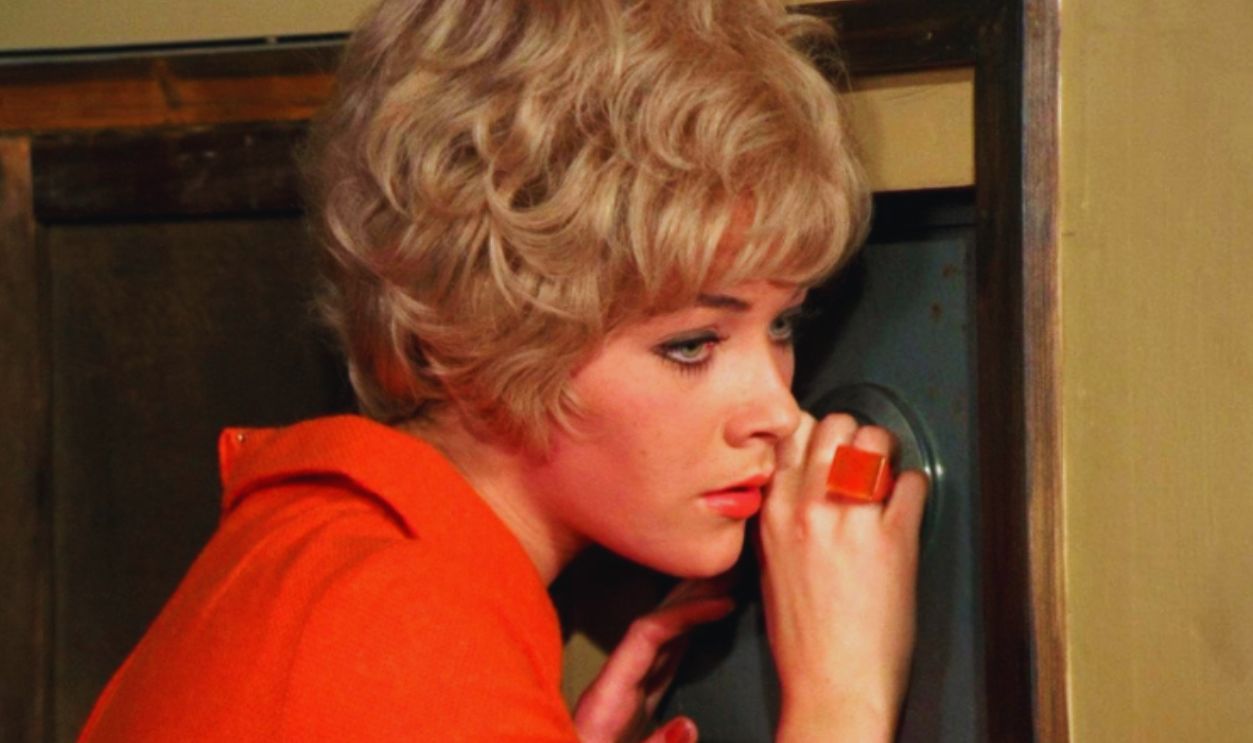 Screenshot from The Avengers, Associated Television (ATV) (1961–1969)
The Original Run Ended
The Avengers finished its original run in 1969, completing its transformation from crime drama to colorful spy fantasy. Changing schedules and the loss of American financial support helped stop production. Macnee walked away internationally famous and permanently linked to one immaculate gentleman.
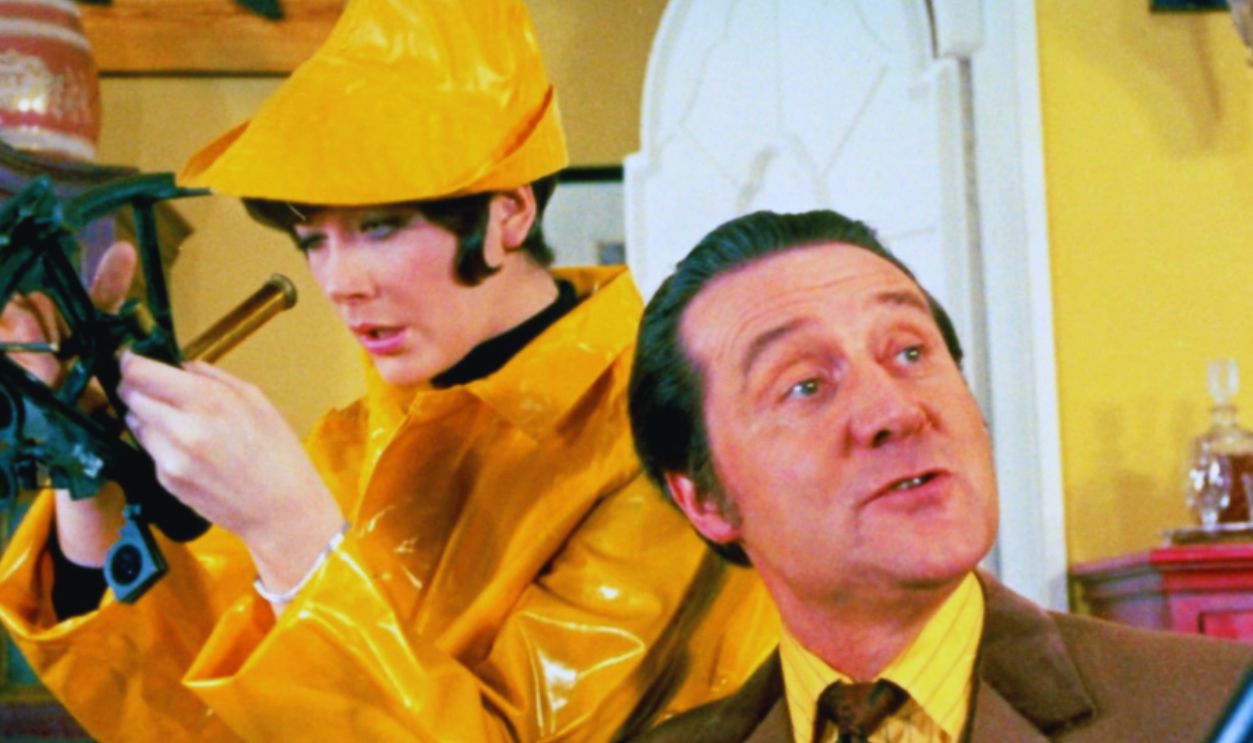 Screenshot from The Avengers, Associated Television (ATV) (1961–1969)
Steed Returned For More
In 1976, Macnee returned in The New Avengers, joined by Joanna Lumley as Purdey and Gareth Hunt as Mike Gambit. The revival added tougher action and a contemporary feel. It never fully recreated the original magic, but Macnee slipped easily back into Steed’s world.
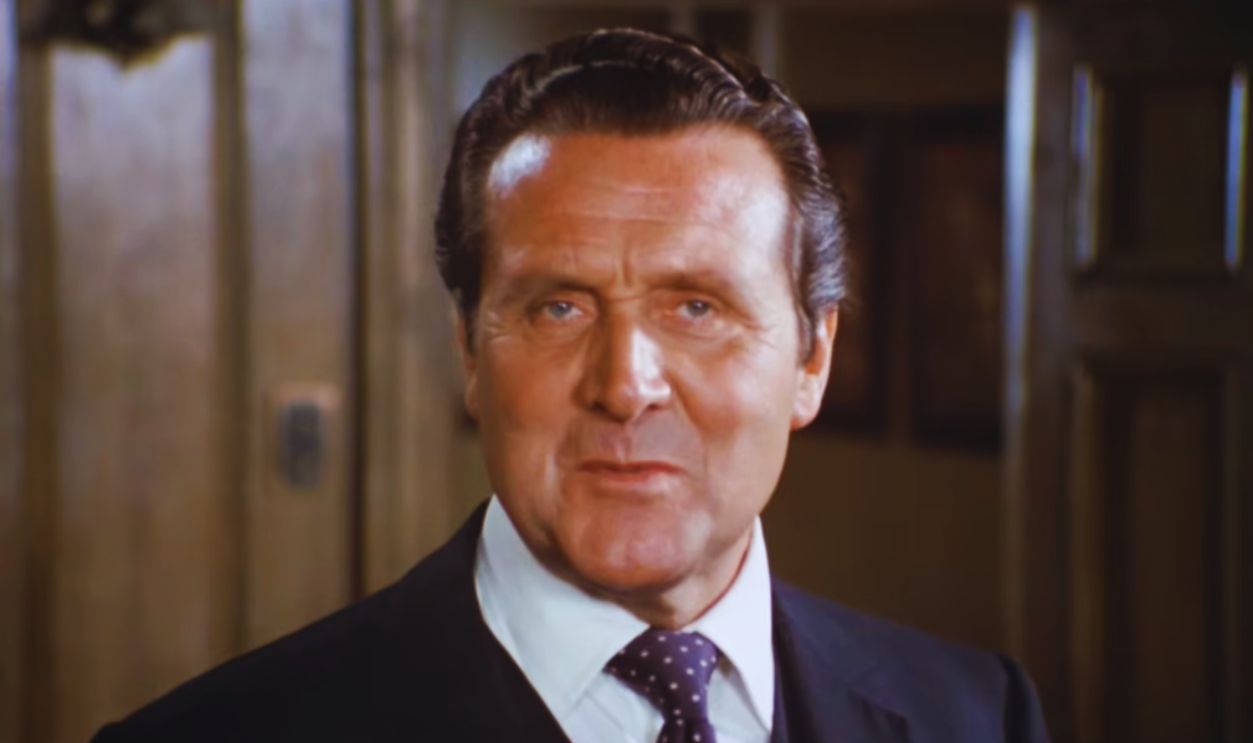 Screenshot from The New Avengers, Avengers Enterprises / ITV (1976–1977)
Life After The Bowler Hat
Macnee continued working in film, television, and theatre. He appeared in Battlestar Galactica, played Watson in Sherlock Holmes in New York, turned up in This Is Spinal Tap, and joined Roger Moore in A View to a Kill. The career kept moving.
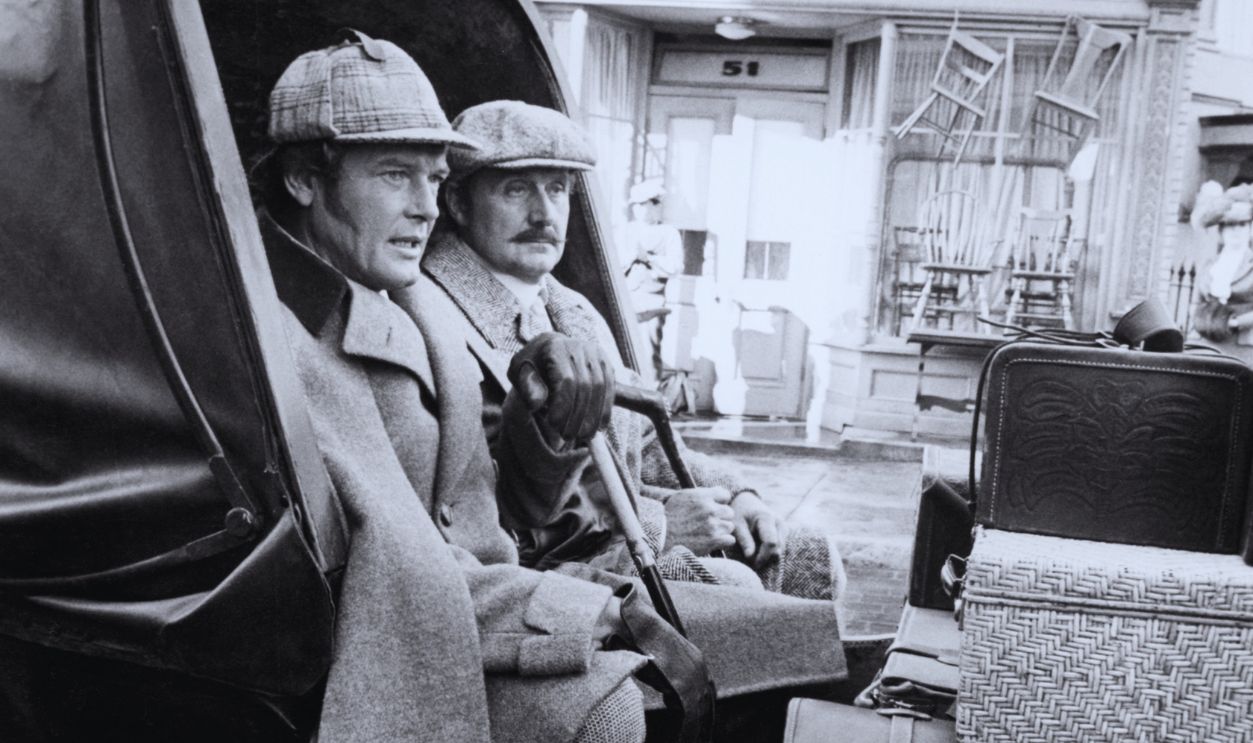 Silver Screen Collection, Getty Images
He Learned To Embrace The Icon
Some actors spend years escaping the role that made them famous. Macnee treated Steed as a gift. He returned for documentaries, advertisements, and affectionate cameos, even appearing in an Oasis video. The hat and umbrella became his passport into television history.
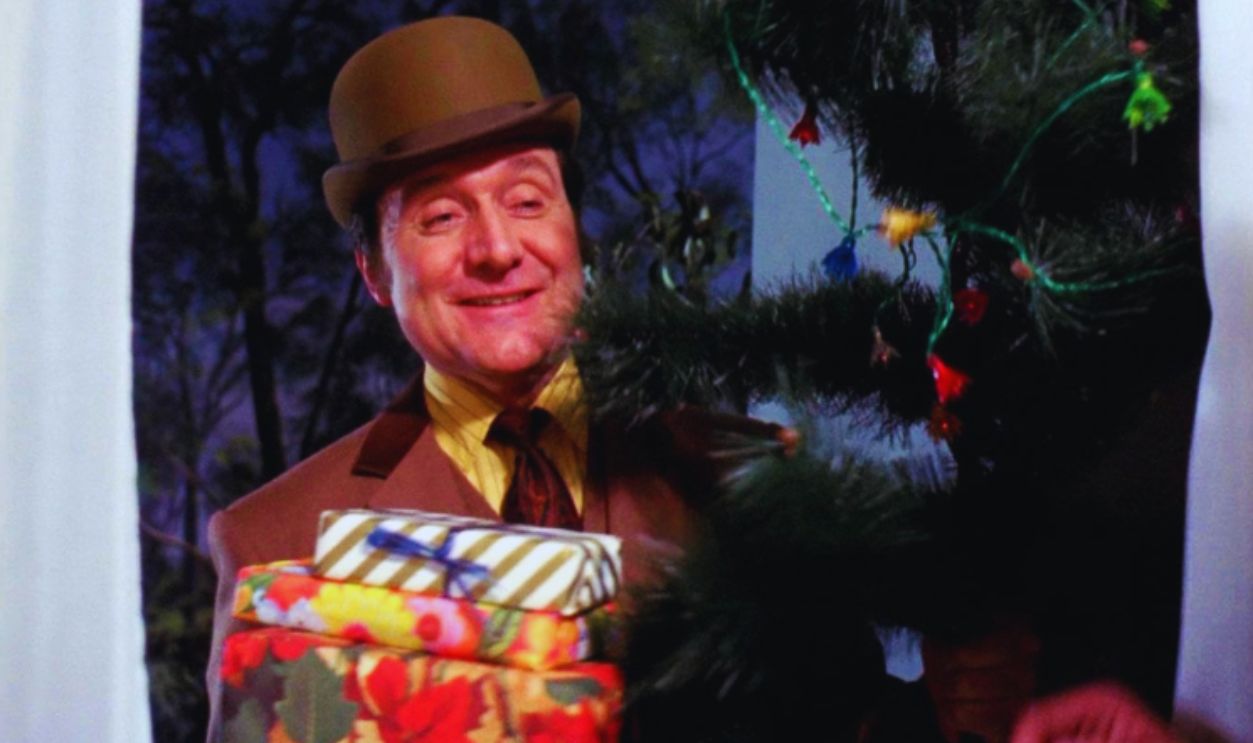 Screenshot from The Avengers, Associated Television (ATV) (1961–1969)
Forever Ready For Tea And Trouble
Patrick Macnee made John Steed stylish without making him shallow, funny without making him foolish, and old-fashioned without making him outdated. That balance helped The Avengers charm Britain, America, and beyond. Decades later, the bowler hat still signals that adventure is coming.
You May Also Like;
How Taxi Helped Launch Some Of Hollywood's Biggest Stars
The Hardest Jeopardy Questions Of All Time—How Many Can You Answer?
Classic TV Bosses Audiences Loved To Hate—Do They Remind You Of Anyone?