Some Bosses Inspire Loyalty.
Others inspire mutiny, nervous laughter, and daydreams about quitting before lunch. Television turned the worst traits of real managers into unforgettable comedy and drama, giving us tyrants, narcissists, micromanagers, and schemers who may have felt a little too familiar.
Louie De Palma Made The Garage Miserable
At Sunshine Cab Company, dispatcher Louie De Palma treated a little authority like permission to humiliate everyone beneath his dispatch cage. Danny DeVito made him abusive, amoral, and proudly unpleasant, yet funny enough that viewers waited for his next insult. Louie was the boss who knew exactly how limited his power was and squeezed every drop from it. The Television Academy has called him one of television’s most despised characters.
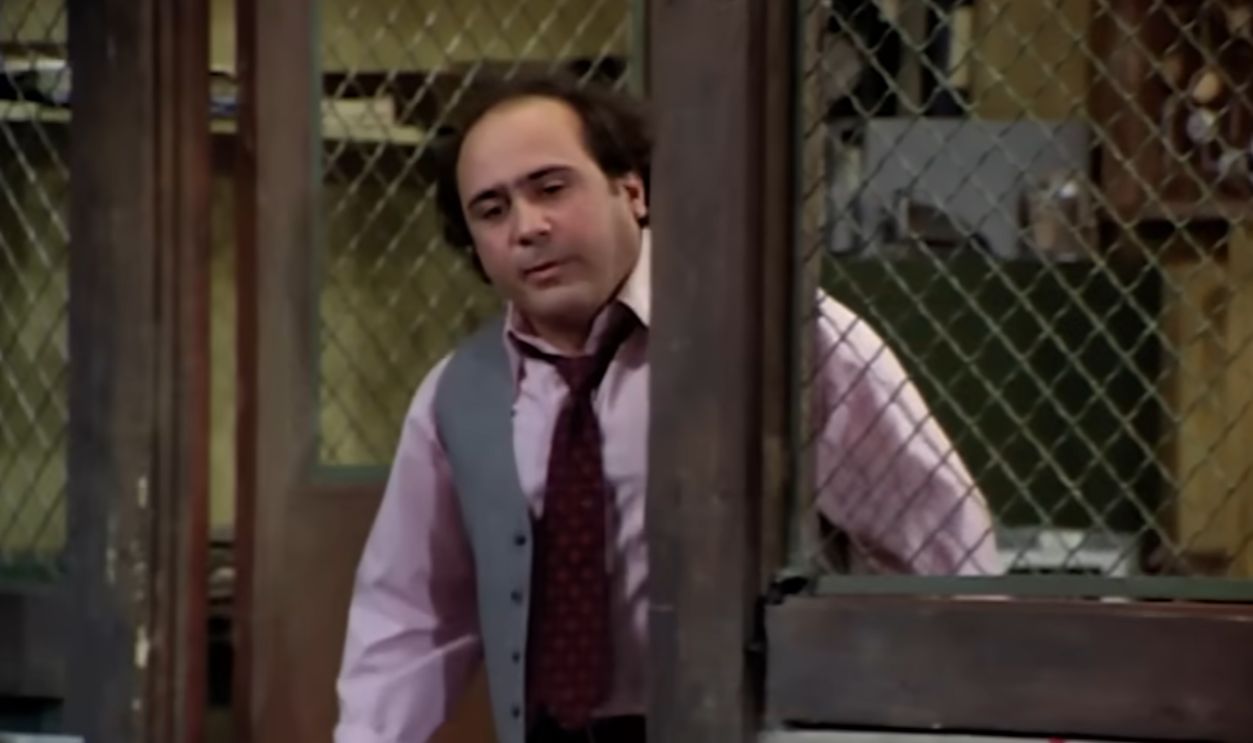 Screenshot from Taxi, Paramount Global Distribution Group (1978-1983)
Mr. Burns Put Profit Above Humanity
At Springfield’s nuclear plant, Mr. Burns viewed workers as replaceable and wealth as the only language worth speaking. Harry Shearer’s brittle delivery made every “excellent” sound like a threat. His cartoon cruelty was absurd, but the heartless capitalism underneath it felt painfully recognizable. Homer’s fear of his employer gave the joke a familiar workplace sting.
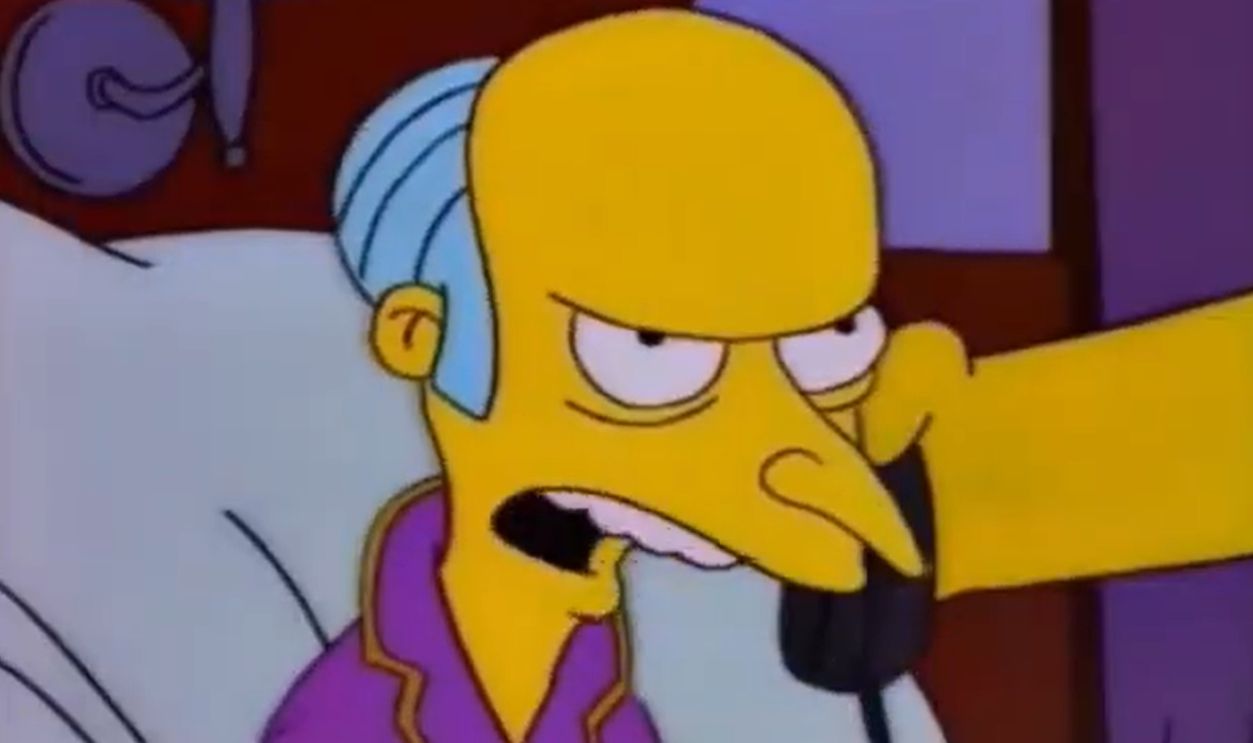 Screenshot from The Simpsons, Fox (1989–Present)
Michael Scott Wanted Friendship More Than Respect
Michael Scott began The Office as a manager with almost no redeeming qualities. Over time, Steve Carell revealed an excellent salesman and a desperately lonely man beneath the inappropriate meetings and disastrous jokes. NBC later called him an unconventional model for both a good boss and a good friend. Viewers loved to hate him until many realized they simply loved him.
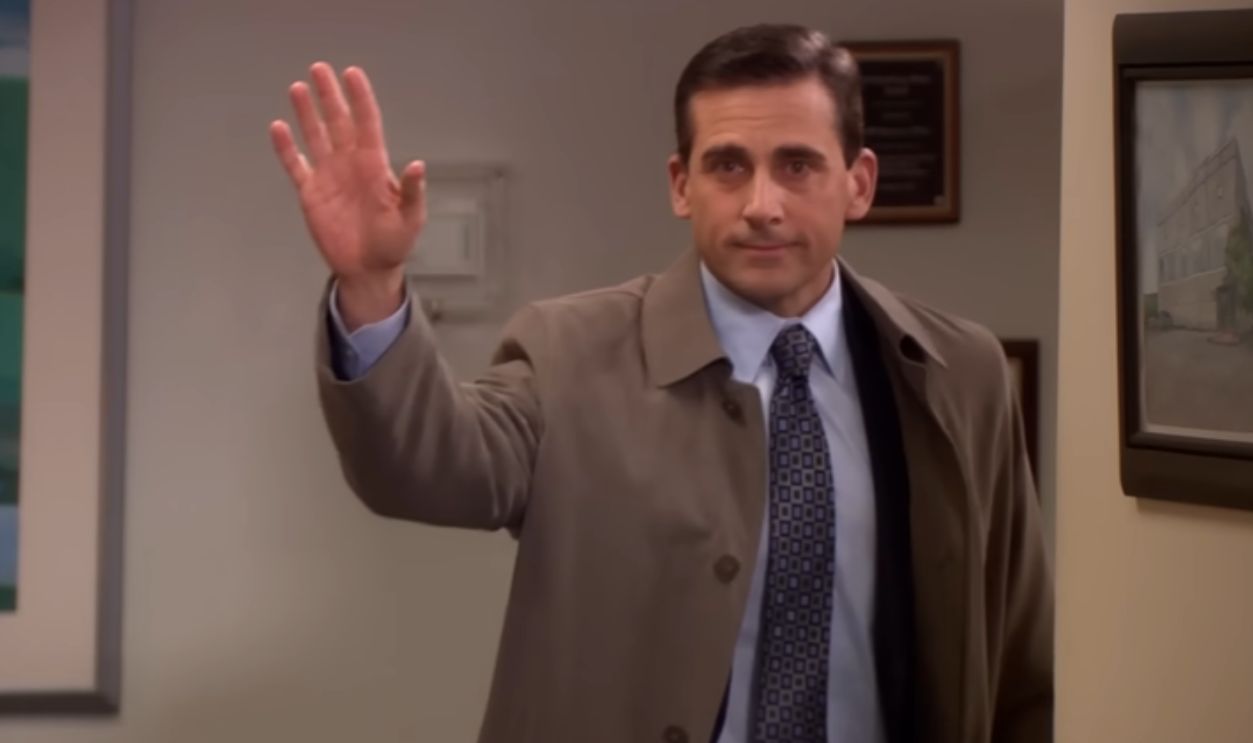 Screenshot from The Office, NBC (2005–2013)
Tony Soprano Brought Work Stress Home
Tony Soprano was a New Jersey Mafia boss who entered therapy to manage panic attacks, family conflict, and the pressures of organized crime. James Gandolfini made him frightening, funny, and vulnerable enough to transform television’s idea of an antihero. The people working for Tony knew a poor performance review could become fatal. Compared with him, an angry message from human resources feels manageable.
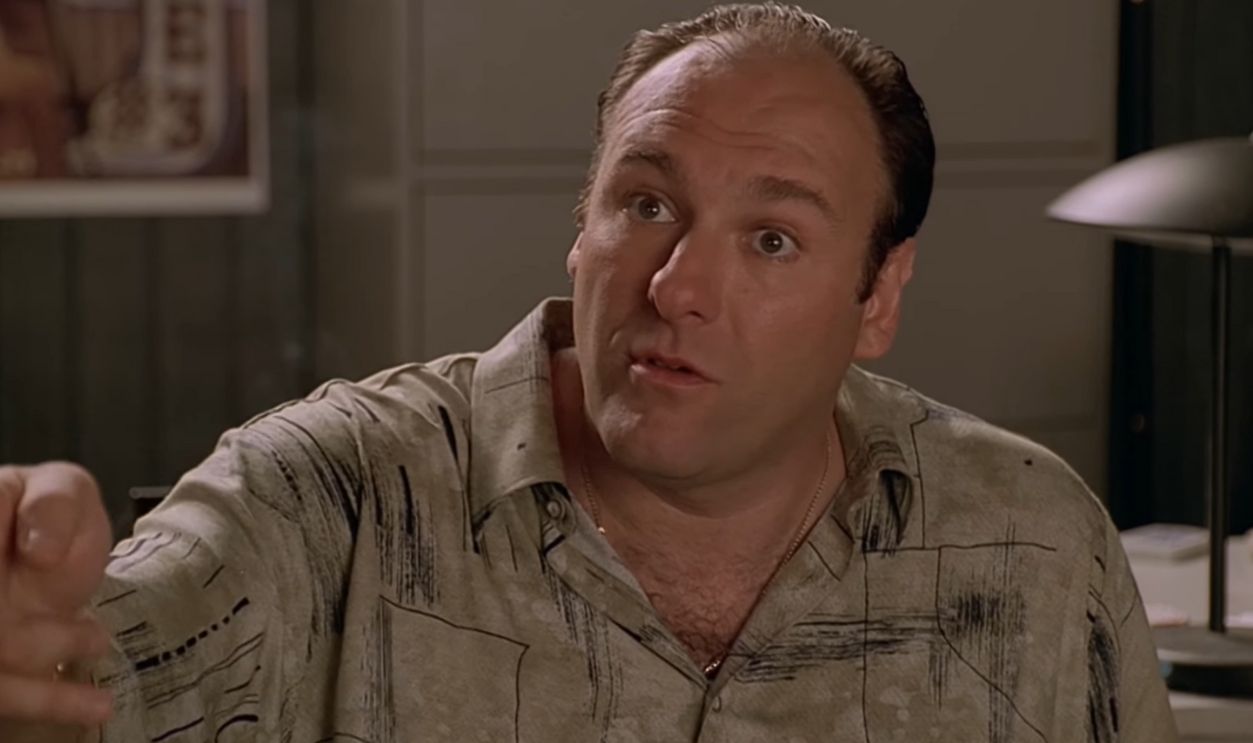 Screenshot from The Sopranos, HBO (1999–2007)
Selina Meyer Treated Staff Like Ammunition
Selina Meyer depended on her political staff while blaming them whenever ambition met reality. Veep built cringe comedy from her social disasters, self-absorption, and relentless hunger for power. The Television Academy described her as narcissistic but initially well-meaning, and Julia Louis-Dreyfus won six Emmys for the role. Selina was the boss who demanded loyalty while remaining loyal only to the next opportunity.
 Screenshot from Veep, HBO (2012-2019)
Logan Roy Made Approval Impossible
Logan Roy ruled Waystar Royco and his family through money, fear, and endlessly withheld approval. Vanity Fair described him as an abusive patriarch and media mogul. Brian Cox made Logan monstrous without turning him into a cartoon. He kept employees and children competing because uncertainty protected his power.
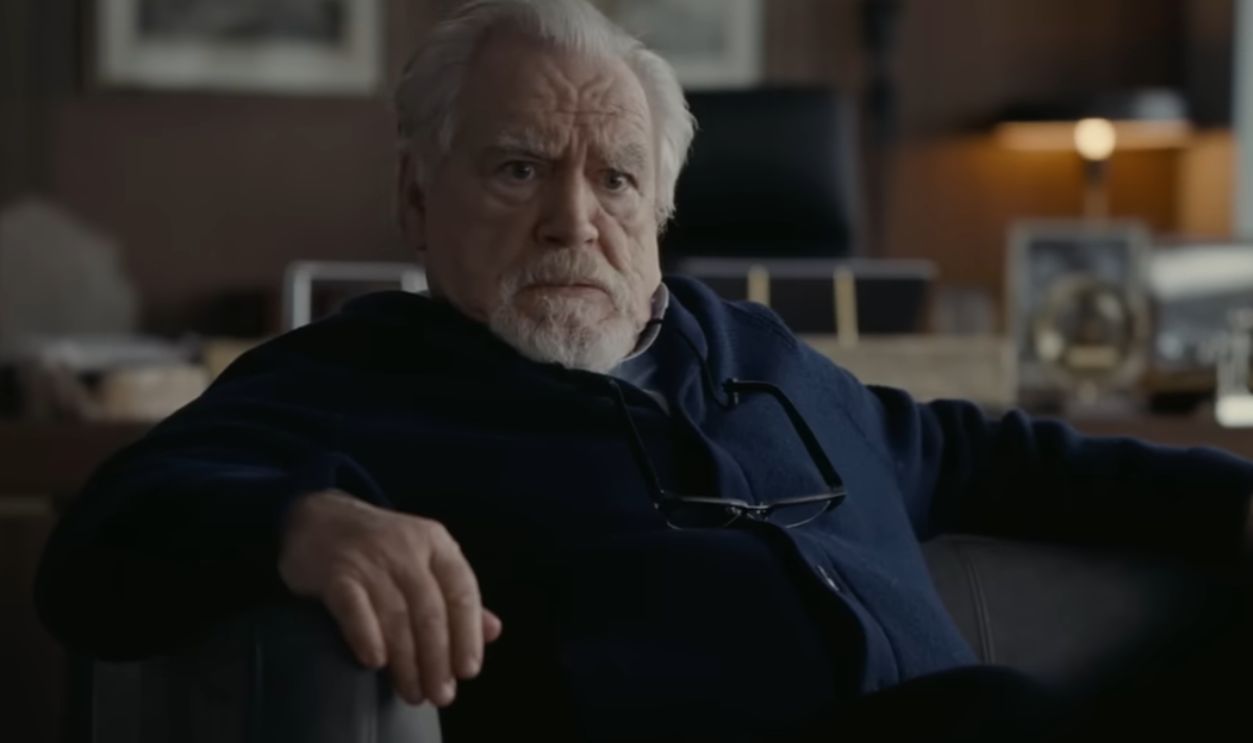 Screenshot from Succession, HBO (2018-2023)
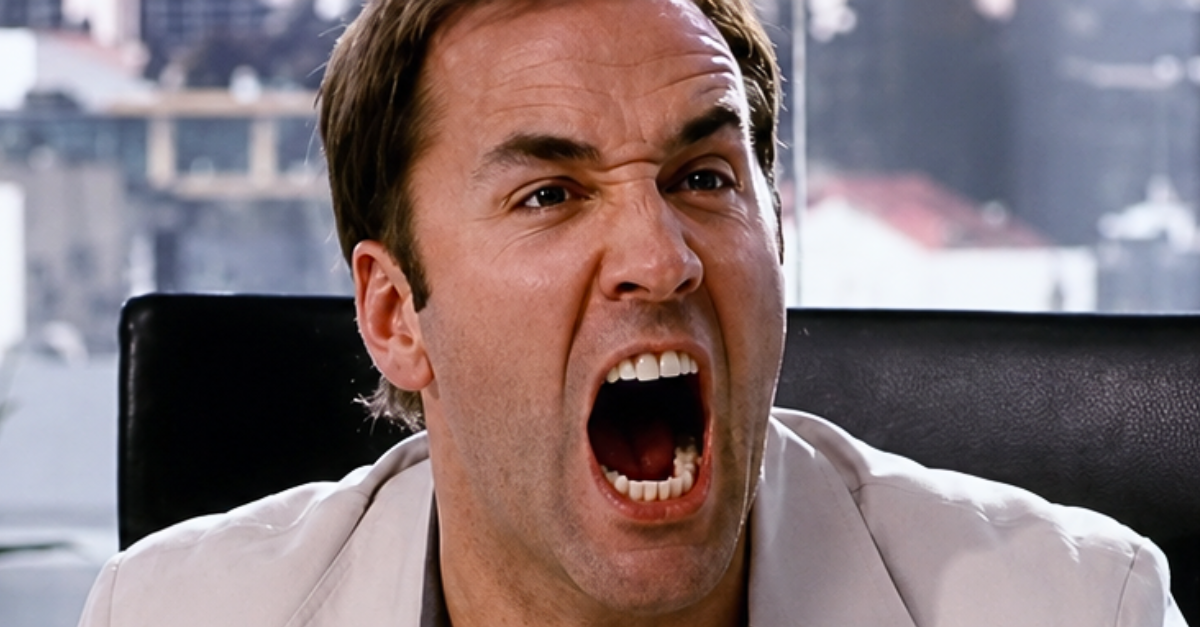
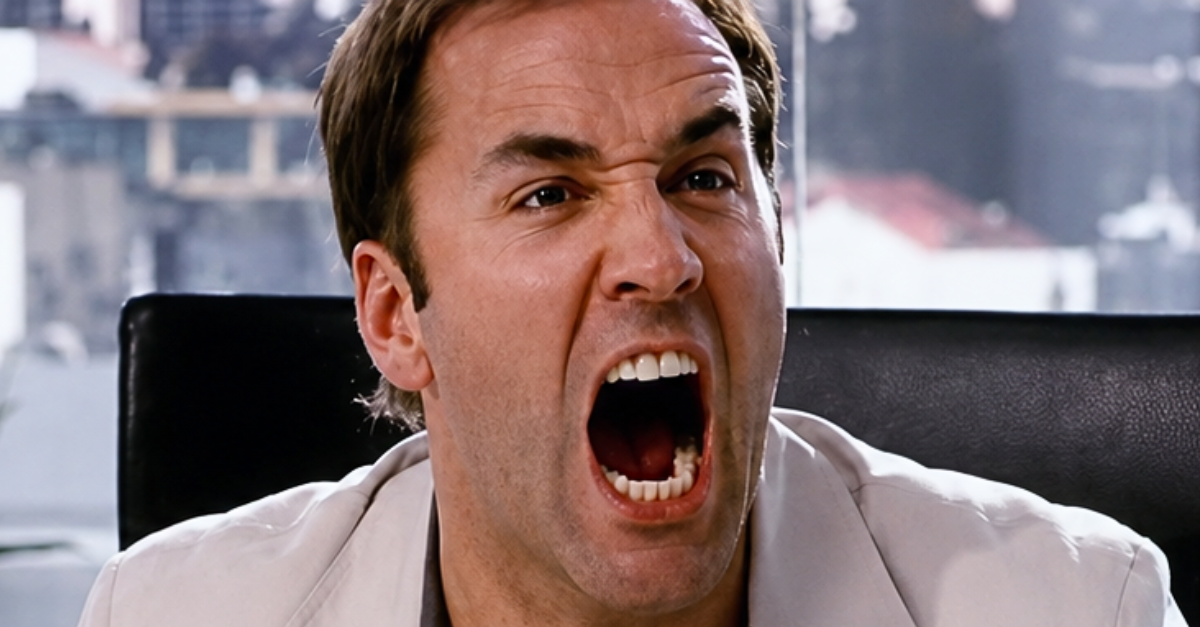
Ari Gold Turned Screaming Into Management
Hollywood agent Ari Gold treated shouting, insults, and relentless pressure as normal management tools. His assistant Lloyd endured enough abuse to make a promotion feel like survival training. Jeremy Piven’s explosive performance earned three Emmy Awards and a Golden Globe. Ari was the boss who called abuse motivation and expected gratitude afterward.
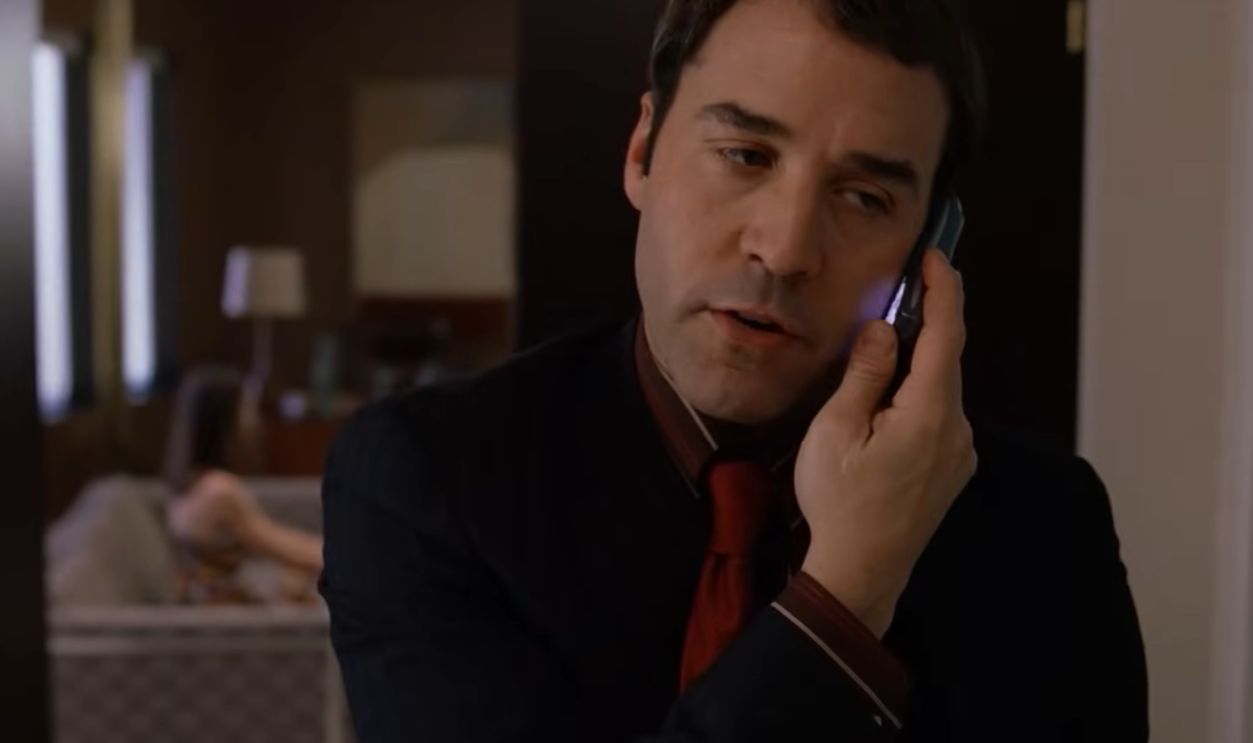 Screenshot from Entourage, HBO (2004-2011)
Mr. Spacely Made Two Hours Feel Endless
George Jetson’s futuristic workday could be only two hours long, yet Cosmo Spacely still made the office feel oppressive. The tiny tycoon became the tyrannical boss haunting George’s supposedly effortless future. Even pneumatic tubes that carried employees to the boss’s office could not make management more humane. The joke still lands because technology apparently changes faster than office culture.
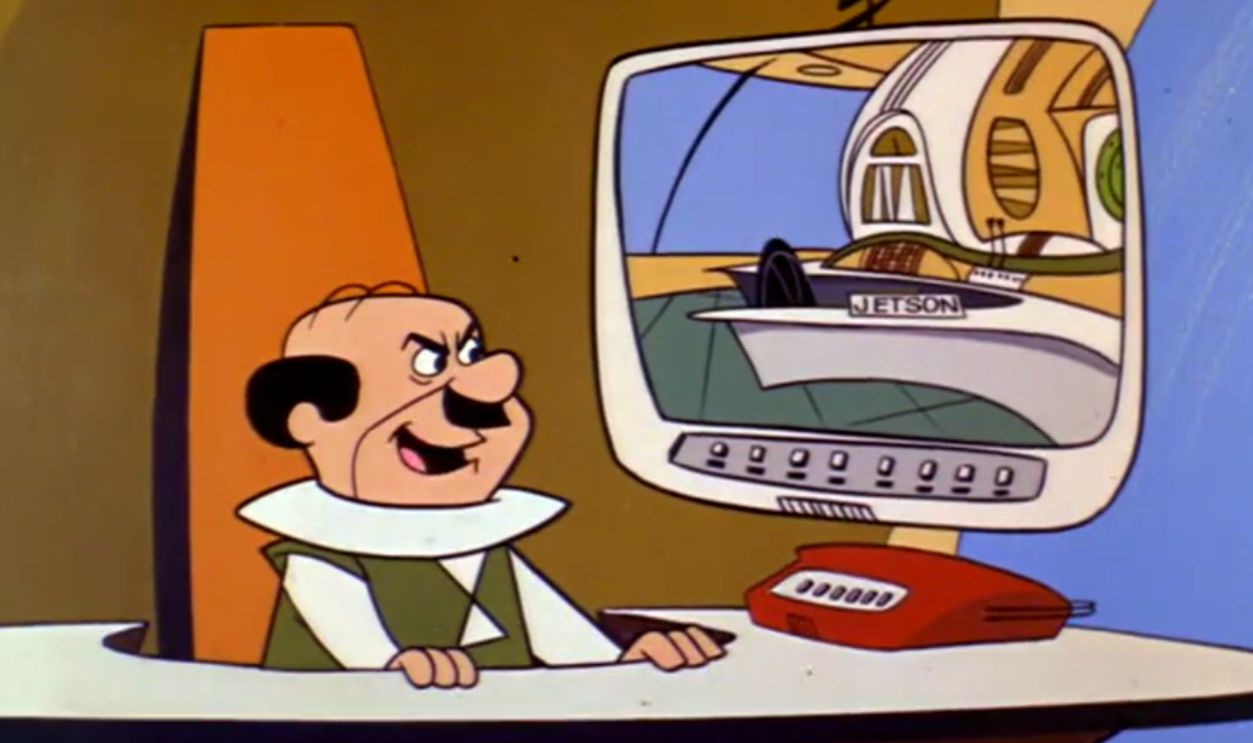 Screenshot from The Jetsons, Screen Gems (1962-1963)
Mr. Slate Brought Pressure To Bedrock
Fred Flintstone answered to Mr. Slate at the rock quarry, proving overbearing bosses predated the wheel. John Stephenson’s stern voice made Slate sound permanently disappointed with Fred’s latest mistake. The character turned industrial management into a Stone Age joke without losing the anxiety of being summoned by the boss. Anyone who has dreaded a call from the front office understood Fred immediately.
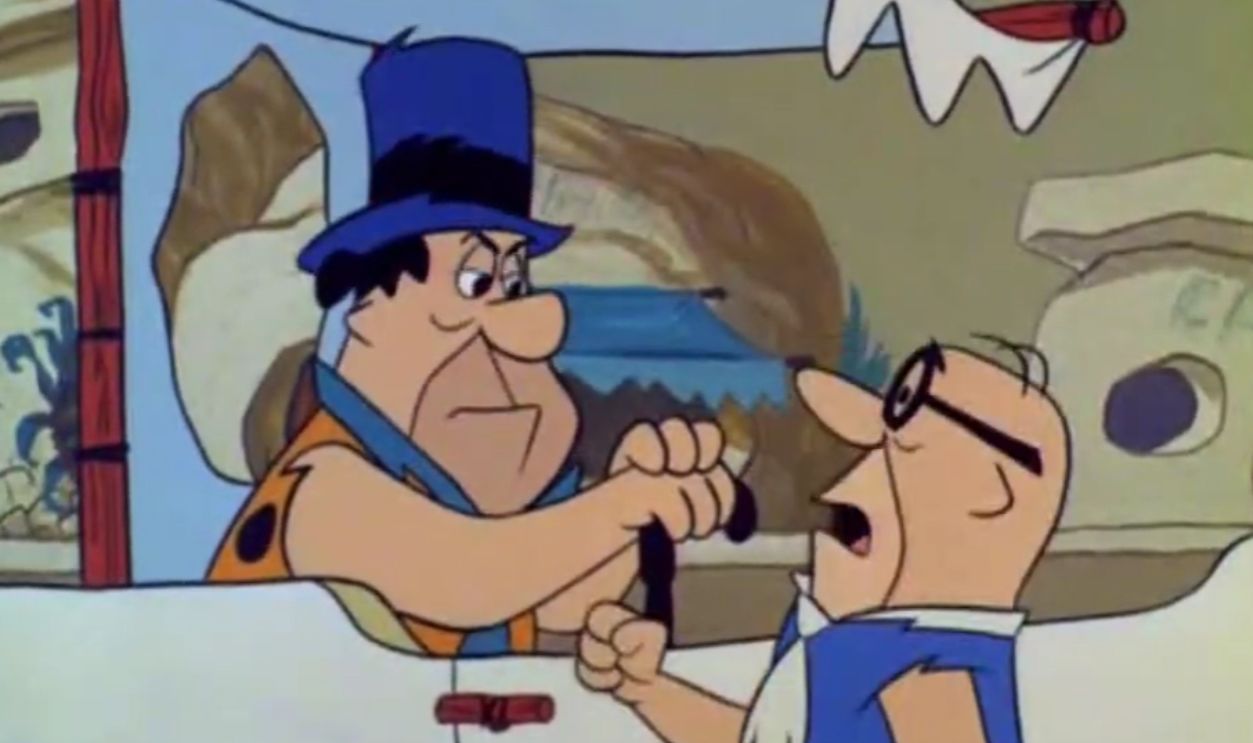 Screenshot from The Flintstones, Screen Gems (1960-1966)
Larry Tate Sold Out His Employees Fast
Darrin Stephens’s advertising boss Larry Tate brought client panic straight into the Stephens household. Television Academy sources describe him as neurotic, self-absorbed, and boorish. David White made those qualities funny by letting Larry’s confidence collapse whenever pressure arrived. He was the supervisor who wanted every success credited upward and every problem pushed down.
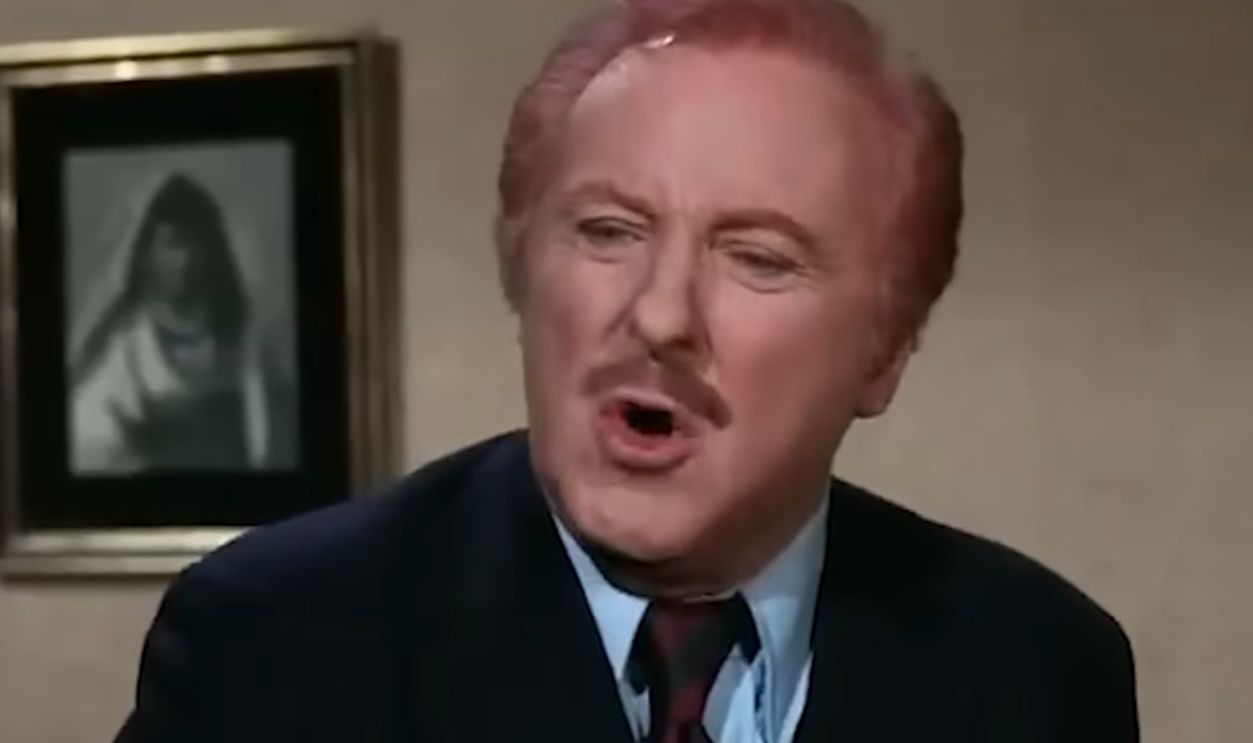 Screenshot from Bewitched, ABC (1964–1972)
Alan Brady Made Ego Company Policy
Rob Petrie wrote jokes for television star Alan Brady, but the harder task was managing his boss’s enormous ego. Carl Reiner played Brady as both egomaniacal and tyrannical. That made every visit to the writers’ room feel like a possible disaster. Alan was the boss who expected applause before the meeting had even started.
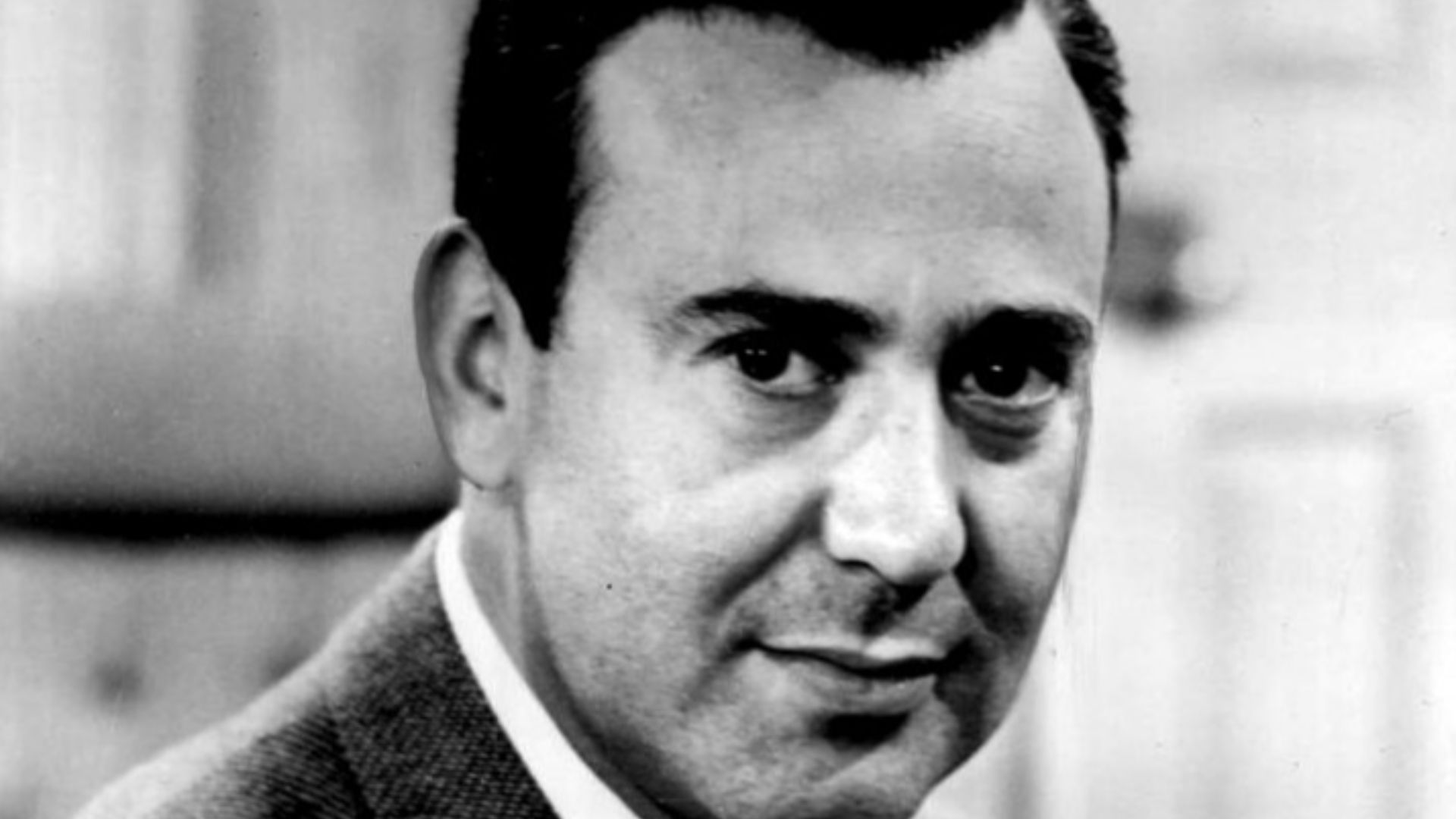 Rogers & Cowan, public relations, Wikimedia Commons
Sergeant Carter Could Shout Through Concrete
Gunnery Sergeant Vince Carter was supposed to turn Gomer Pyle into a Marine, and he approached the assignment at maximum volume. The Television Academy describes him as high-octane and short-fused. Frank Sutton made Carter intimidating while allowing flashes of reluctant affection to slip through. Many viewers knew a boss who sounded furious even when giving ordinary instructions.
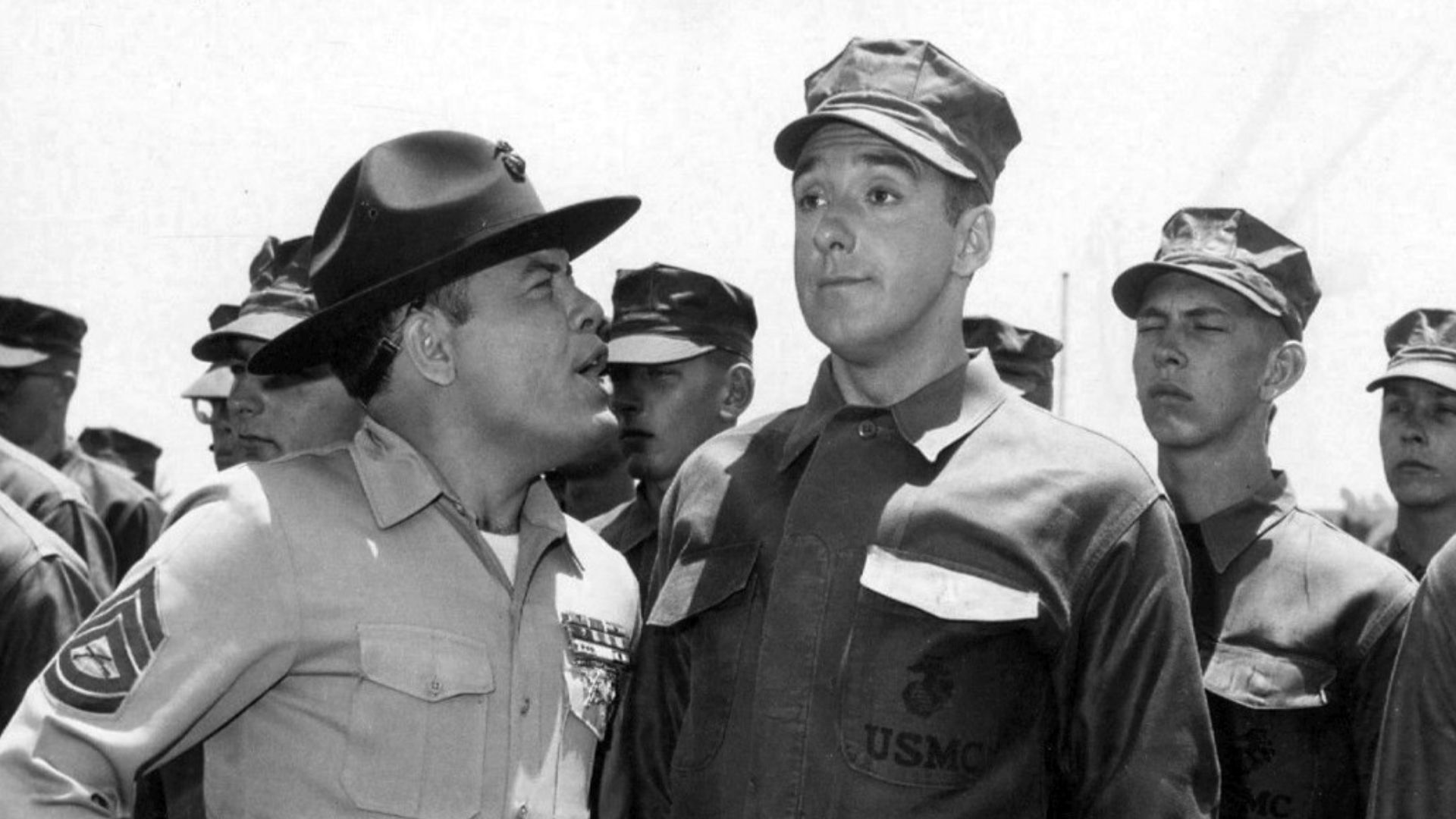 CBS Television, Wikimedia Commons
Colonel Klink Lost Control Of His Own Camp
Colonel Wilhelm Klink was commandant of Stalag 13, which should have made him the most powerful person there. Instead, Hogan and the prisoners repeatedly outmaneuvered him while he clung to rank and appearances. Werner Klemperer made Klink vain, anxious, and wonderfully easy to fool. He became the boss whose uniform carried more authority than he did.
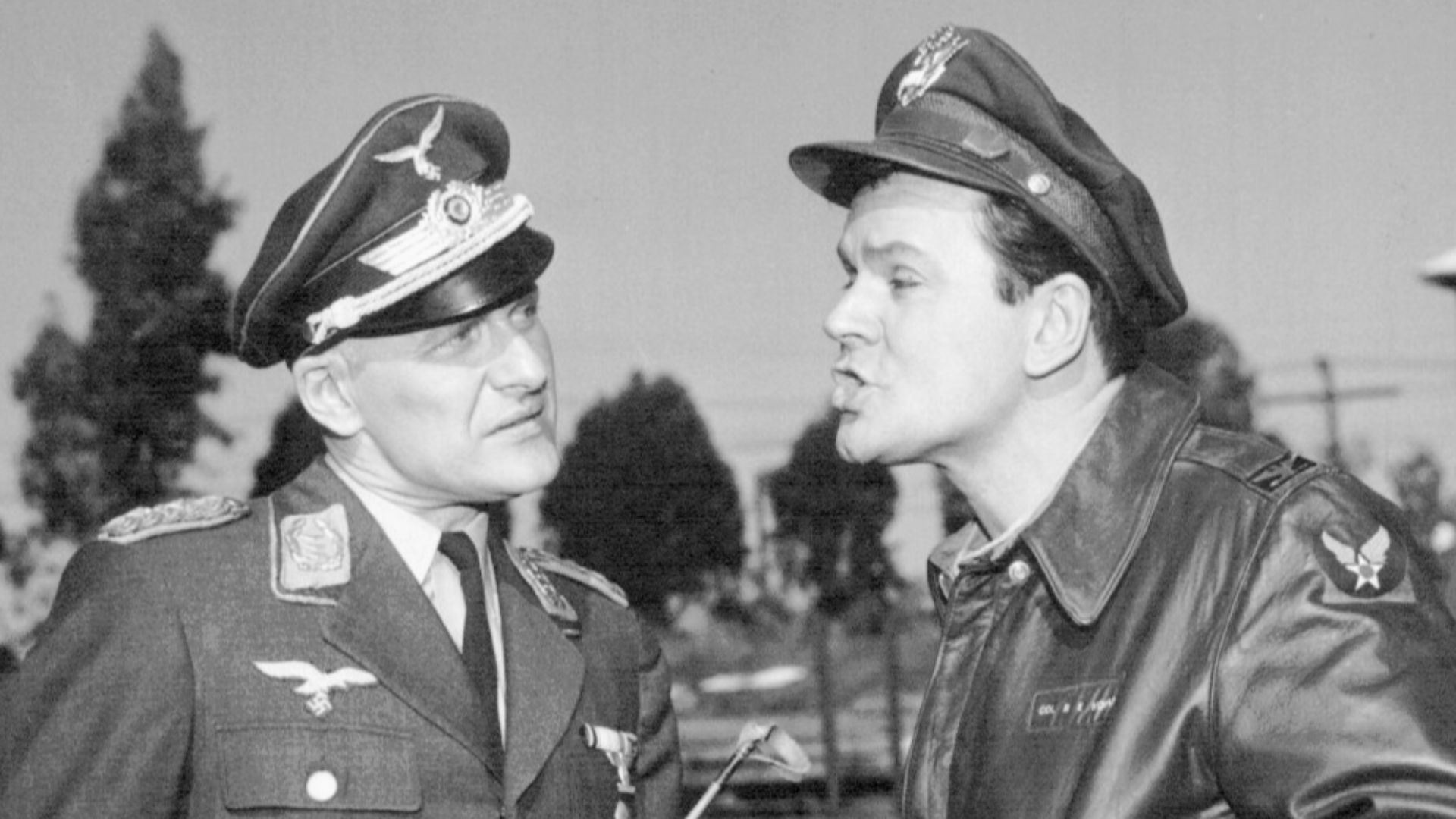 CBS Television, Wikimedia Commons
Mel Sharples Served Attitude With Every Shift
At Mel’s Diner, owner and cook Mel Sharples was as grouchy and stingy as his employees expected. Alice, Flo, and Vera handled customers while also learning how to handle him. Vic Tayback made Mel’s bluster irritating, funny, and occasionally almost tender. He resembled the small-business boss who called the workplace a family whenever it suited him.
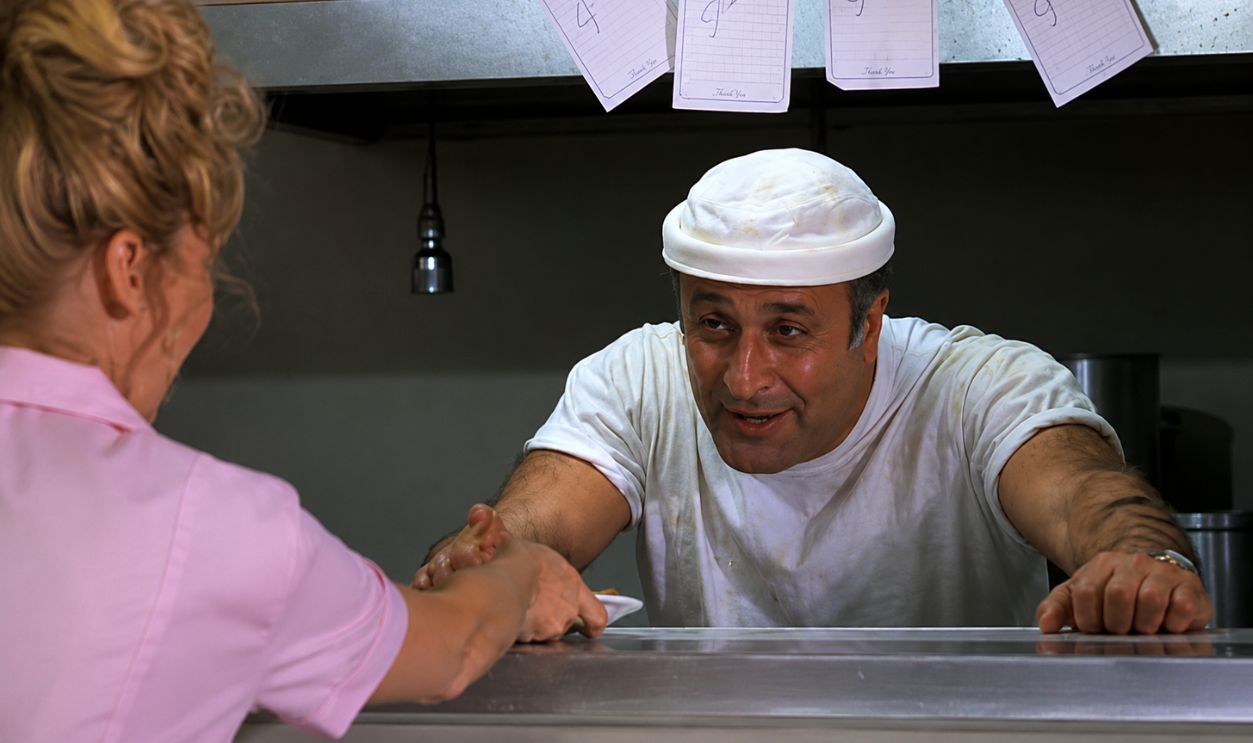 Screenshot from Alice Doesn't Live Here Anymore, Warner Bros. Pictures (1974), Enhanced
J.R. Ewing Made Business Personal
J.R. Ewing treated Ewing Oil as both an empire and a weapon. Larry Hagman gave the scheming, adulterous villain enough sly charm that viewers enjoyed despising him. Shady deals and family betrayals became routine parts of his workday. He set the template for every smiling executive who could ruin a life before lunch.
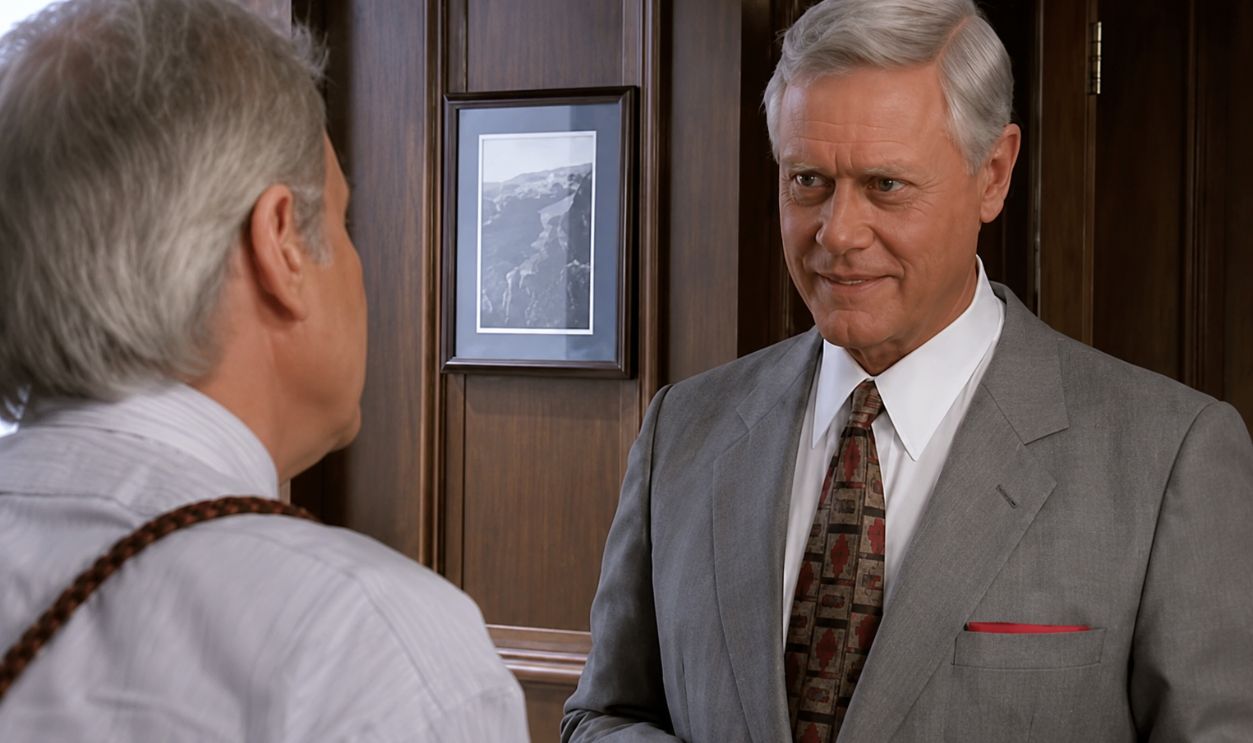 Screenshot from Dallas, Warner Bros. Television Distribution (1978-1991)
Alexis Carrington Weaponized The Corner Office
Alexis Carrington Colby turned business into another battlefield in her war with Blake. Joan Collins played the socialite and businesswoman as conniving, unscrupulous, and impossibly glamorous. Alexis once plotted to combine Denver-Carrington and ColbyCo with herself in charge, which captured her management philosophy perfectly. She made a power suit look as threatening as any weapon.
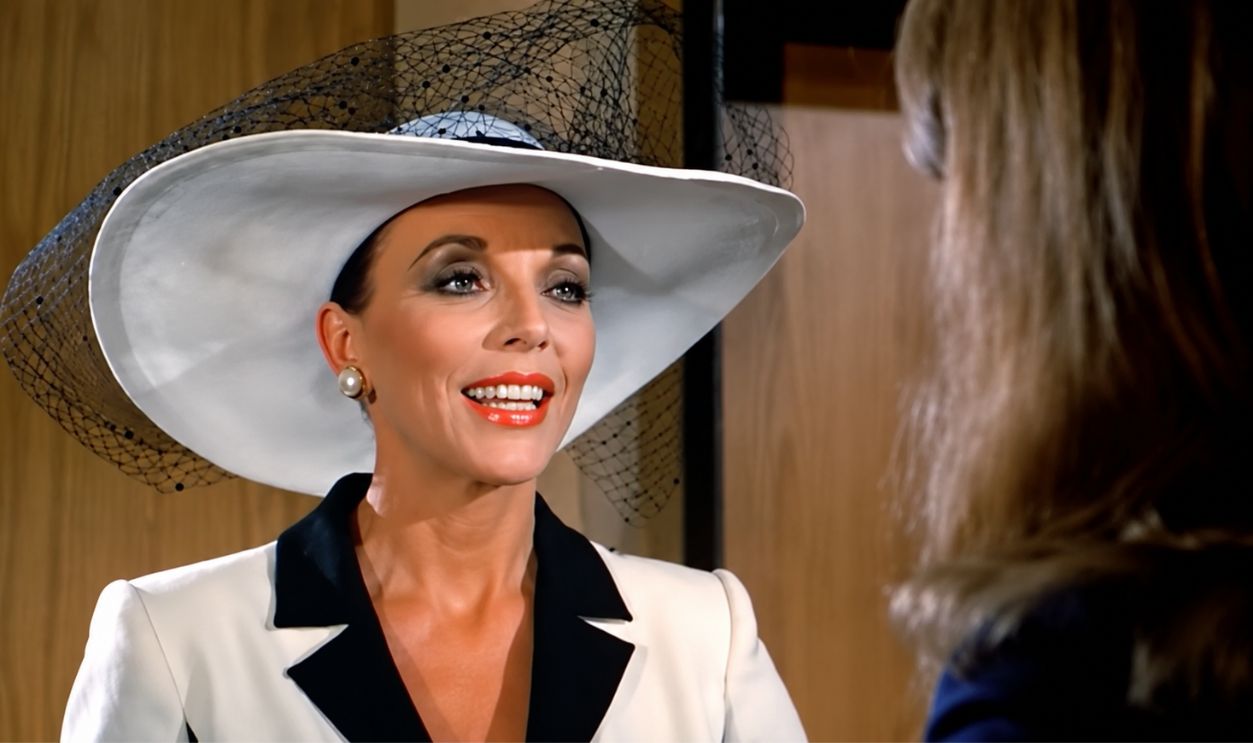 Screenshot from Dynasty, ABC (1981–1989), Enhanced
Angela Channing Ruled By Family Decree
Angela Channing controlled Falcon Crest’s wine empire with the certainty of someone who considered opposition a personal defect. The Television Academy remembered her as the prime-time soap’s villainess, and Jane Wyman made the role formidable. Angela mixed family loyalty, business strategy, and intimidation until nobody could separate them. She was the boss who treated every disagreement like treason.
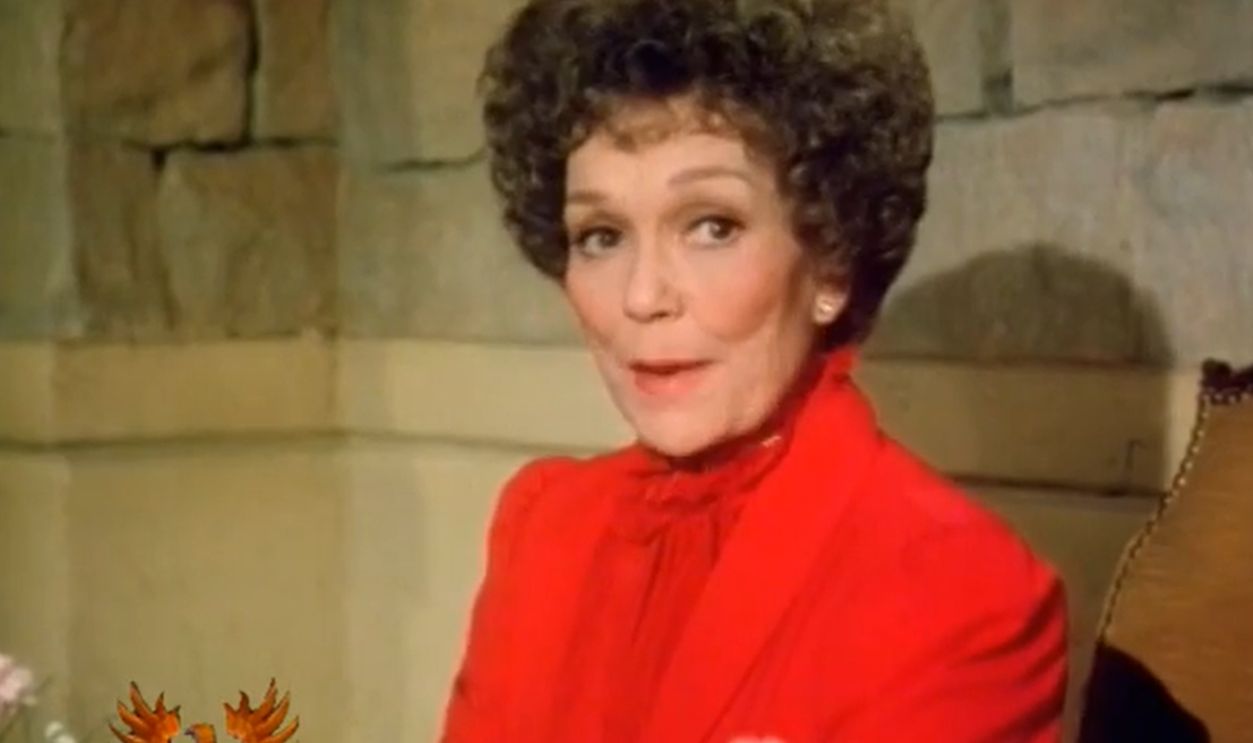 Screenshot from Falcon Crest, CBS (1981–1990)
Buffalo Bill Bittinger Punished The Whole Studio
Talk-show host Bill Bittinger wanted national fame, but being stuck in Buffalo made everyone around him pay for his frustration. AARP described him as smarmy, arrogant, and dimwitted. Dabney Coleman turned those defects into a sharp portrait of workplace narcissism during the show’s two-season run. Bill was the boss who confused having an audience with being admired.
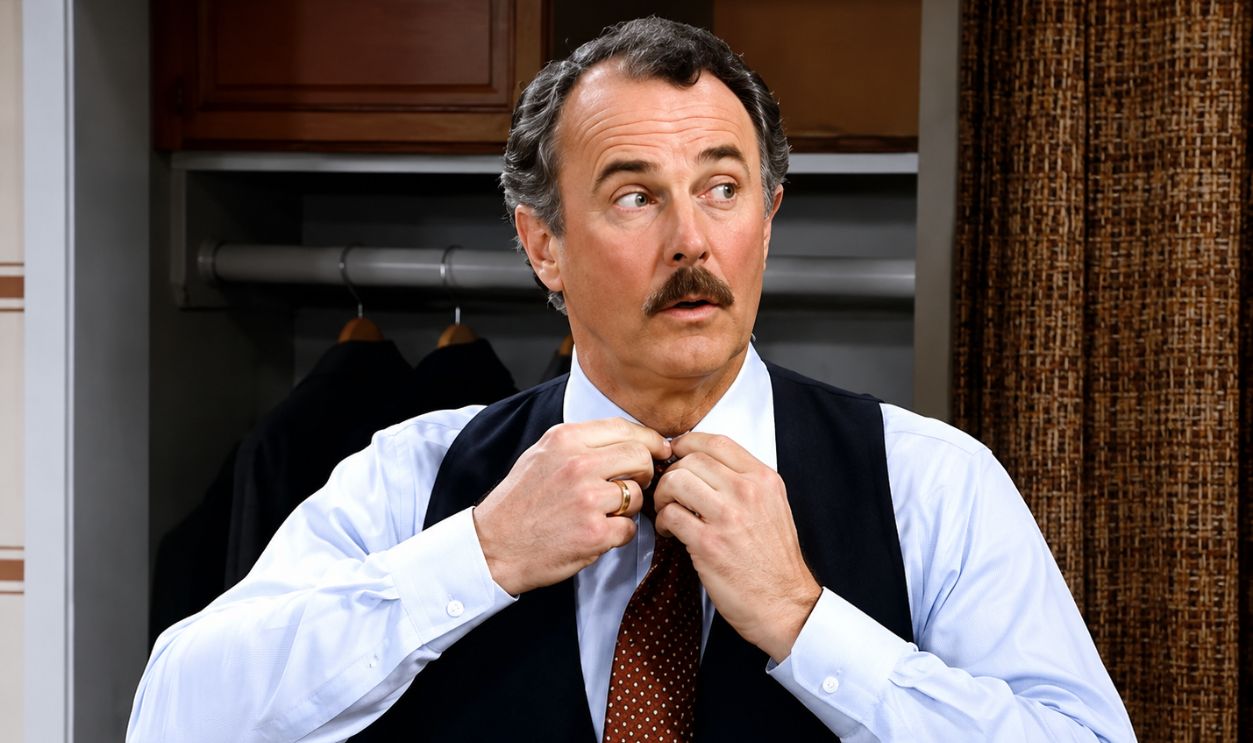 Screenshot from Buffalo Bill, NBC (1983–1984), Enhanced
Steinbrenner Never Stopped Talking
Seinfeld’s George Steinbrenner was usually seen from behind while Larry David supplied the booming voice. As George Costanza’s Yankees boss, he rambled about food and made decisions that seemed to follow their own strange logic. Major League Baseball still celebrates the caricature as one of the series’ most enduring baseball jokes. Anyone trapped in a meeting with a boss who loved his own voice knew the pain.
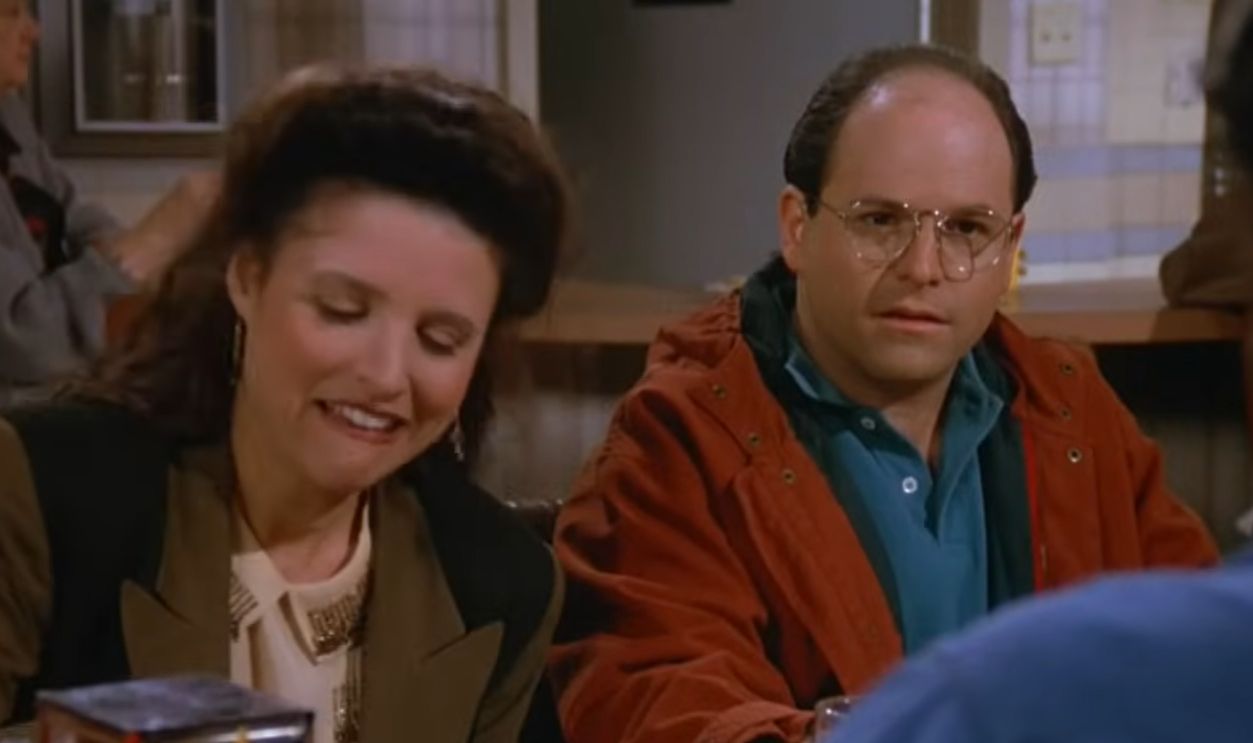 Screenshot from Seinfeld, NBC (1989–1998)
Basil Fawlty Hated Hospitality
Basil Fawlty ran a hotel despite seeming to resent guests, staff, and the entire idea of hospitality. John Cleese based him on Donald Sinclair, a real Torquay hotelier whose behavior fascinated the Monty Python team. Basil’s snobbery and explosive temper repeatedly turned small problems into disasters. He was less a manager than a warning about putting the angriest person in charge.
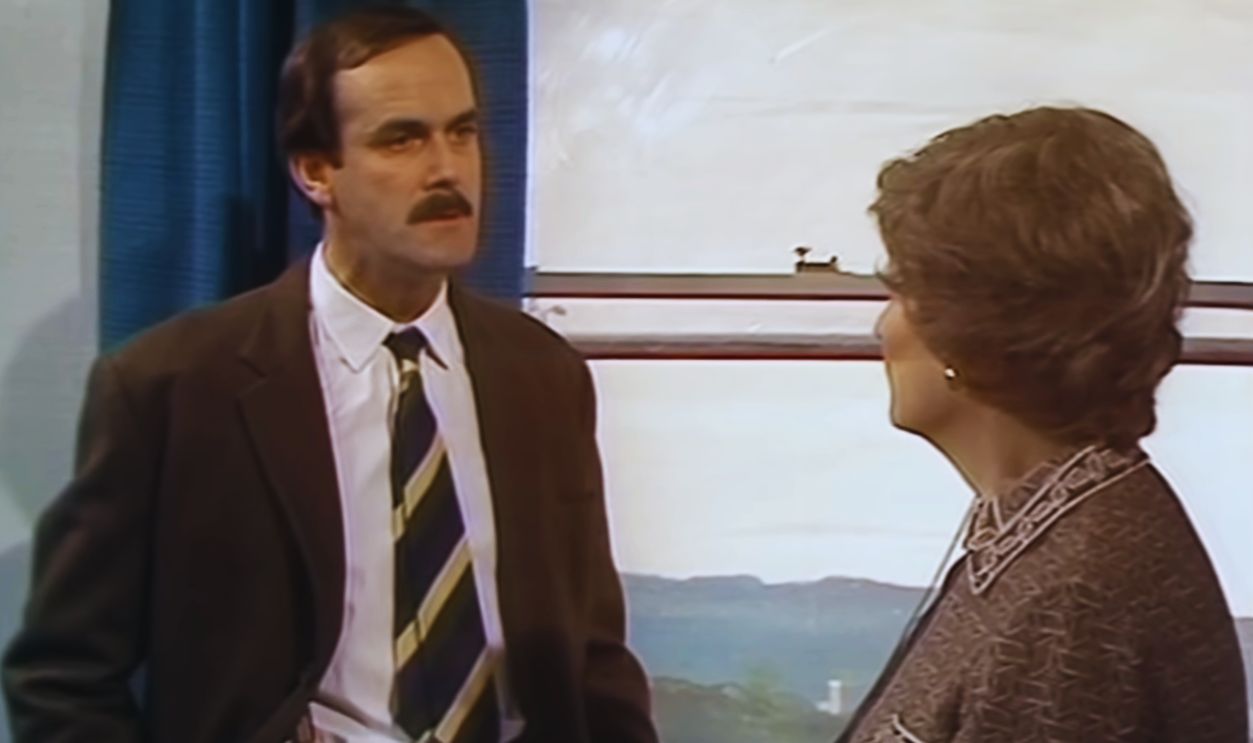 Screenshot from Fawlty Towers, BBC (1975–1979)
David Brent Mistook Cringing For Admiration
David Brent managed Wernham Hogg’s Slough branch while imagining himself as an entertainer, philosopher, and beloved friend. The New Yorker described him as insecure and delusional, which made his attempts at charm almost physically painful. Ricky Gervais drew aspects of Brent from managers he had encountered, and the character helped turn The Office into a global format. Brent was the boss who needed employees to laugh more than he needed them to work.
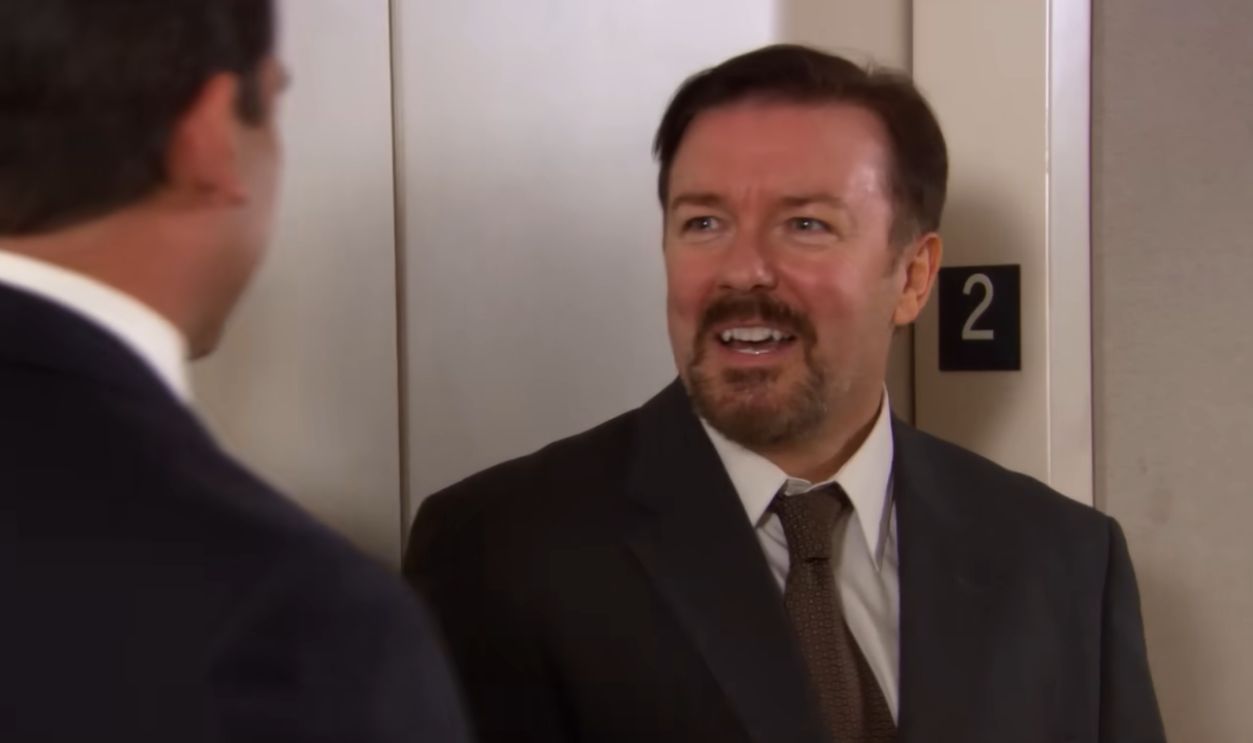 Screenshot from The Office, NBC (2005–2013)
Jan Levinson Made Corporate Feel Icy
Jan Levinson entered Dunder Mifflin as Michael Scott’s intimidating corporate superior. Her polished executive image gradually cracked as her relationship with Michael erased professional boundaries. Entertainment Weekly described her as a frosty, imperious sales executive accustomed to commanding underlings. Jan reminded viewers that the most composed manager can still create the largest mess.
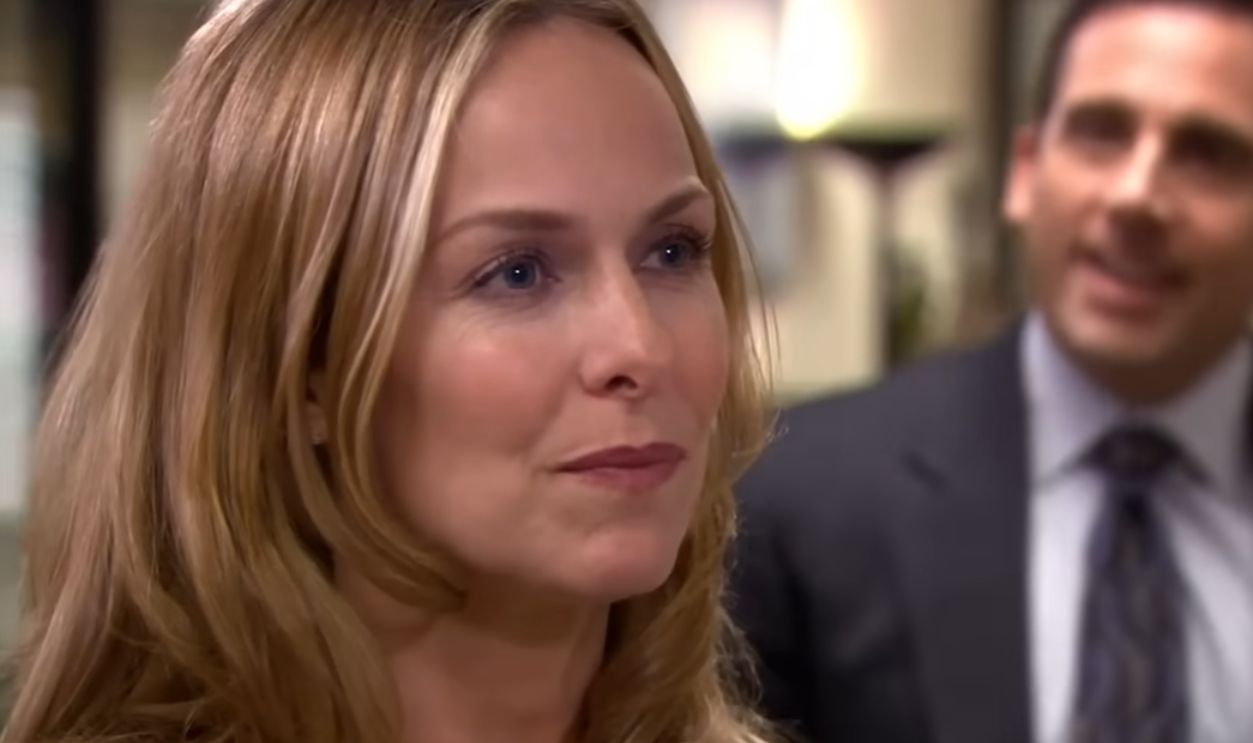 Screenshot from The Office, NBC (2005–2013)
Bob Kelso Made Medicine Feel Like Accounting
Dr. Bob Kelso held the chief of medicine position at Sacred Heart for most of the original Scrubs run. Entertainment Weekly described him as the hospital’s cantankerous chief. Ken Jenkins played Kelso as a smiling authoritarian, then gradually exposed more humanity beneath the job. He was the boss who could make “good morning” sound like a disciplinary warning.
 Screenshot from Scrubs, Buena Vista Television (2001-2010)
Wilhelmina Slater Dressed For The Takeover
At Mode magazine, Wilhelmina Slater was equal parts ruthless executive and immaculate fashion statement. People identified her as the magazine’s creative director and a self-absorbed diva. Vanessa Williams earned three Emmy nominations while making Wilhelmina bold, complex, and dangerously entertaining. She was the boss employees feared, copied, and secretly wanted to impress.
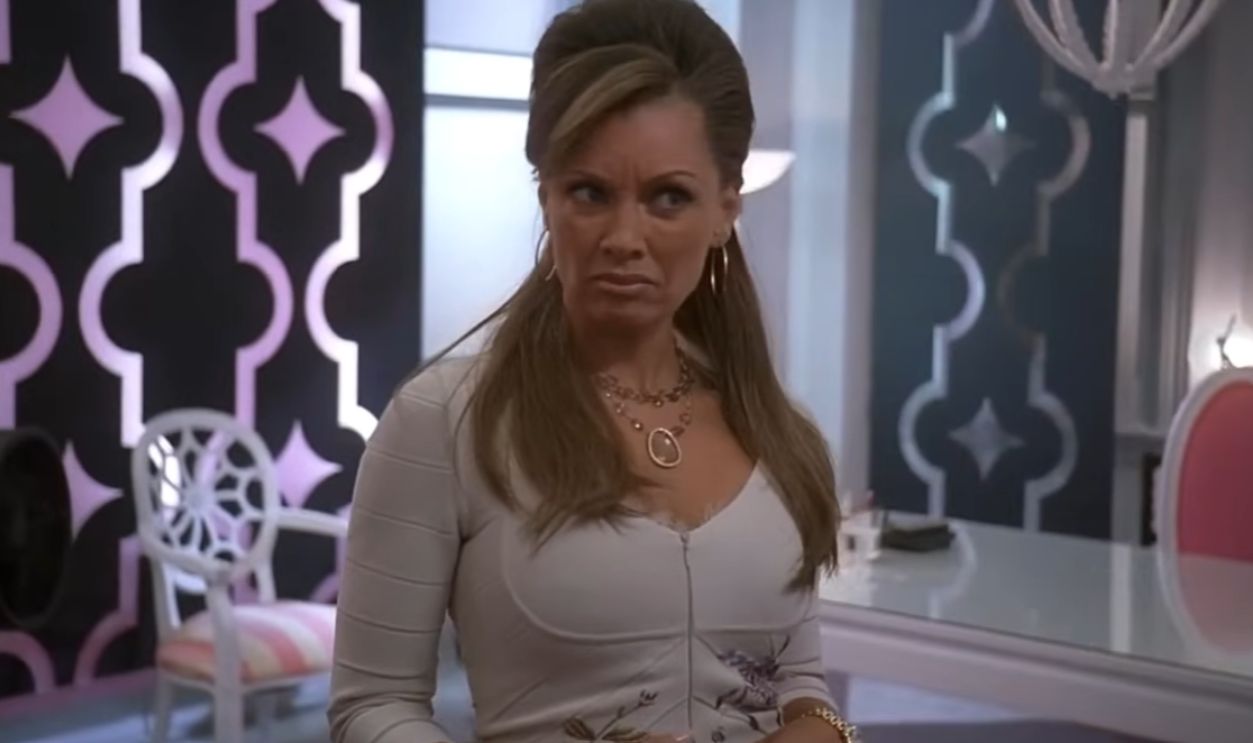 Screenshot from Ugly Betty, ABC (2006–2010)
Gus Fring Made Politeness Terrifying
Gustavo Fring presented himself as the calm owner of Los Pollos Hermanos while secretly running an international drug empire. AMC’s employee-training shorts even let him explain workplace rules with unnerving precision. Giancarlo Esposito made perfect manners feel more threatening than shouting. Gus was the boss who noticed everything and never needed to repeat himself.
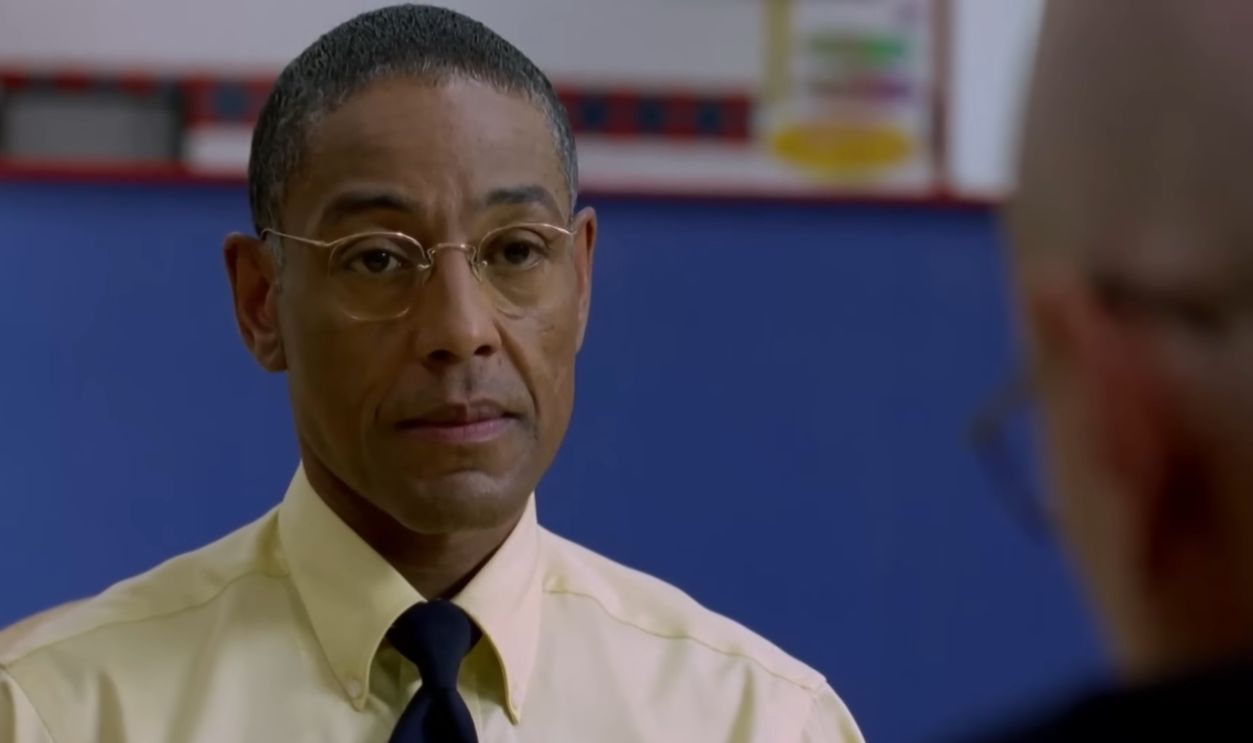 Screenshot from Breaking Bad, Sony Pictures Television (2008–2013)
Don Draper Made Talent An Excuse
Don Draper began Mad Men as Sterling Cooper’s creative director and the most gifted pitchman in the room. His talent drew loyalty, but his secrecy and volatile choices made him a dangerous person to depend on. The Television Academy described him as a high-powered, philandering advertising executive. Don was the boss employees wanted to impress even when working for him threatened to consume them.
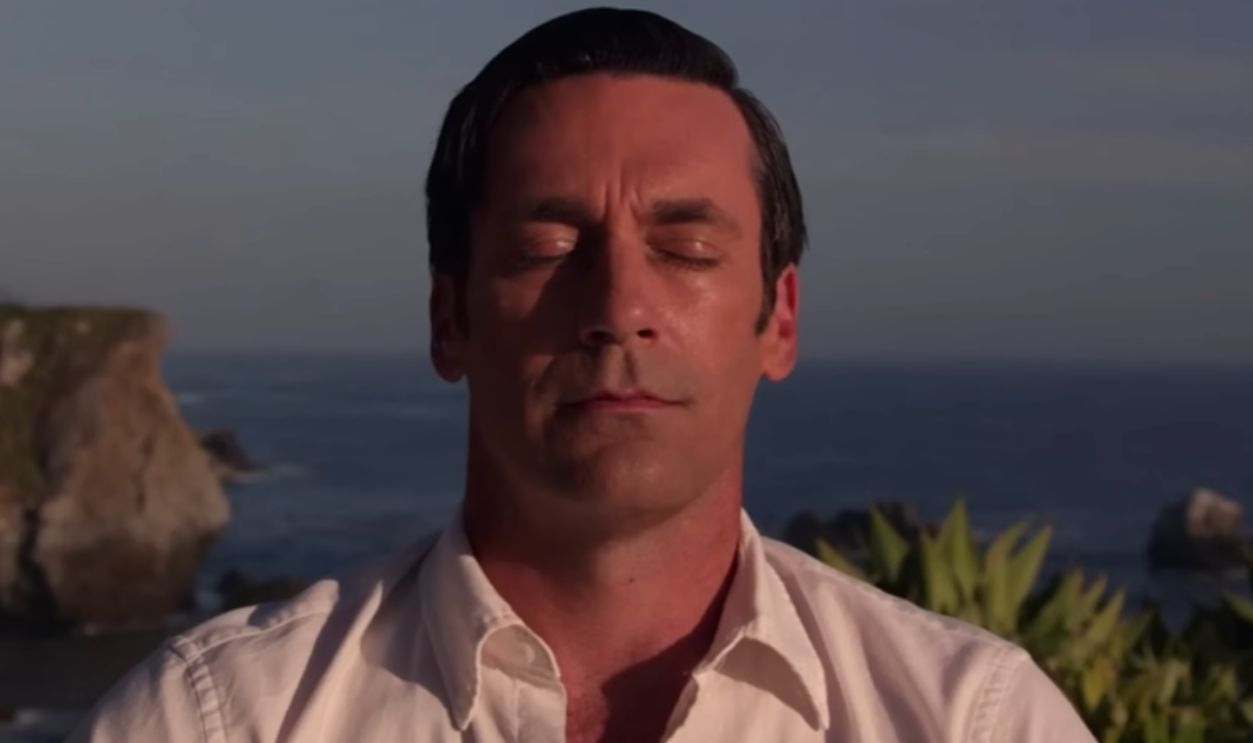 Screenshot from Mad Men, AMC (2007–2015)
Patty Hewes Made Mentorship Dangerous
Patty Hewes was one of New York’s most revered and reviled litigators, and her protégé Ellen Parsons quickly learned why. FX described Patty’s tactics as bare-knuckle and their relationship as turbulent and cutthroat. Glenn Close won two consecutive Emmys for the role. Patty was the boss who offered extraordinary opportunity and made accepting it feel like signing away your life.
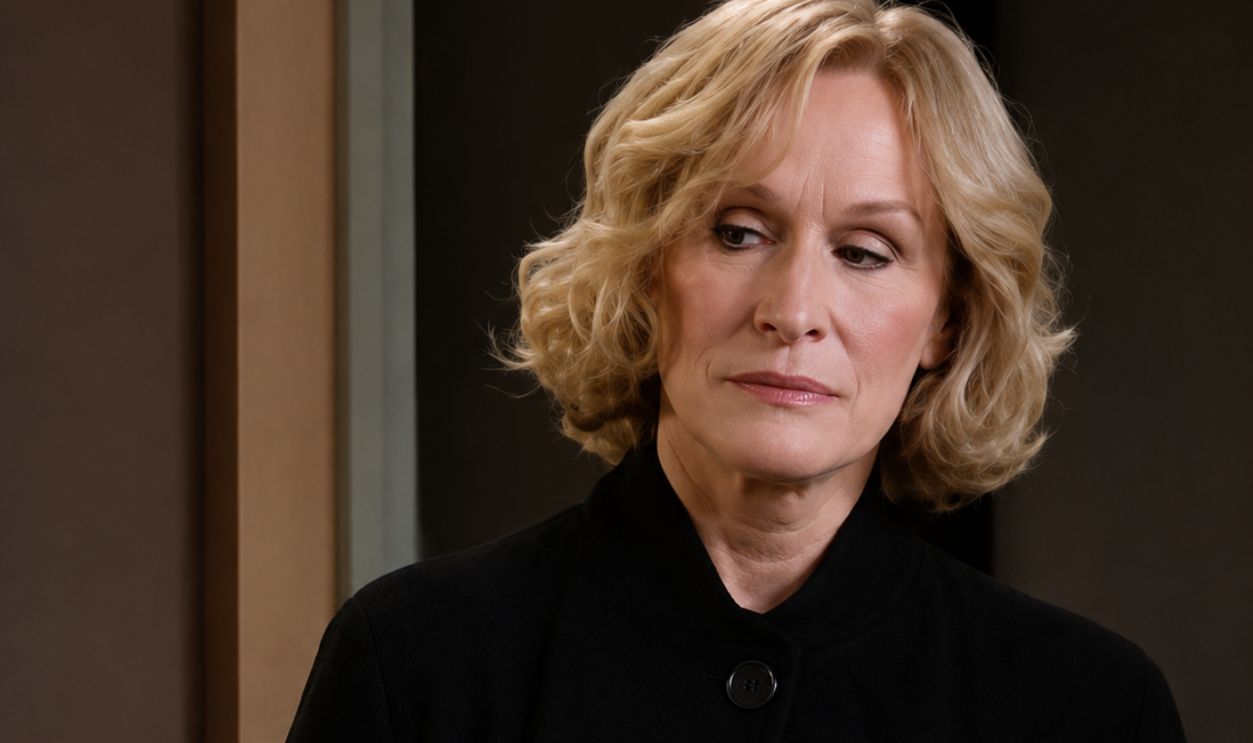 Screenshot from Damages, FX (2007–2012), Enhanced
You May Also Like:
Side Characters People Loved More Than The Leads
Classic TV Characters Who Zoomers Would Cancel Today
The Best Anti-Heroes In TV History
Sources: 1, 2, 3, 4, 5, 6, 7, 8, 9, 10, 11, 12, 13, 14, 15, 16, 17, 18, 19, 20, 21, 22, 23, 24, 25, 26, 27, 28, 29, 30, 31, 32, 33, 34, 35, 36, 37, 38, 39, 40, 41, 42, 43, 44, 45, 46, 47, 48, 49, 50, 51, 52