I Thought It Was Just Another TV Role
When Star Trek first premiered in 1966, few people imagined it would become one of the most influential television series ever made. Nichelle Nichols accepted the role of Lieutenant Uhura at a time when meaningful opportunities for Black actresses were extremely limited. Ironically, she nearly walked away after the show's first season, setting the stage for one of television's most remarkable turning points.
Television Looked Very Different
American television in the mid-1960s offered few prominent roles for Black women. Most characters were limited by stereotypes or appeared only briefly. Seeing a Black woman serving as a respected officer aboard a futuristic starship was unlike anything audiences had seen before.
Meet Lieutenant Uhura
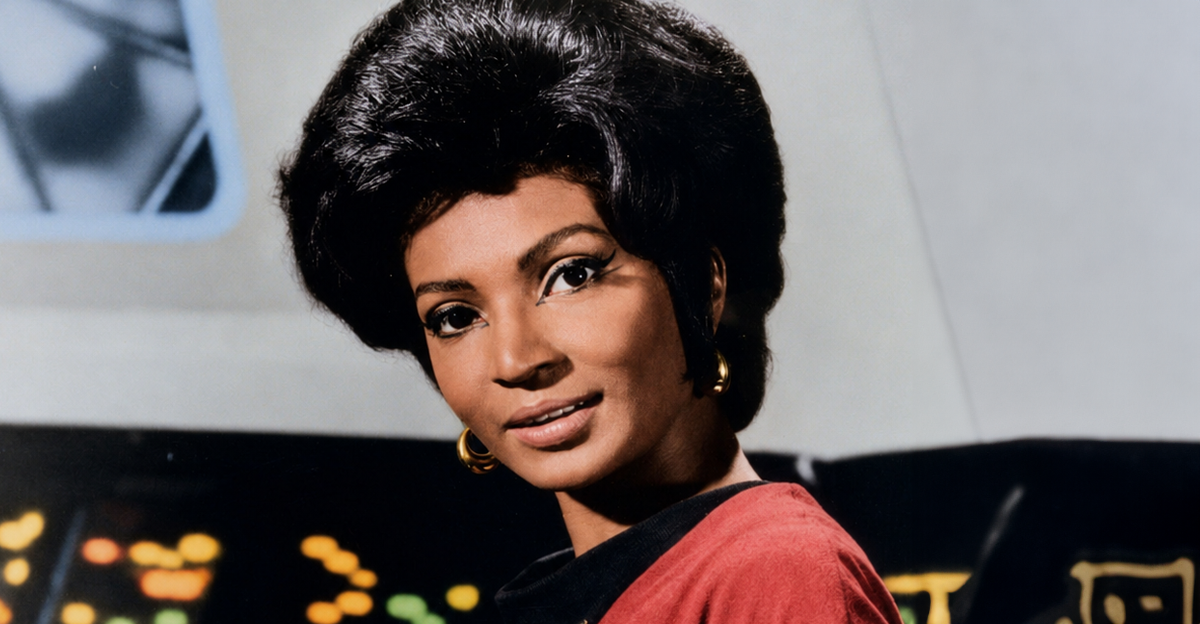
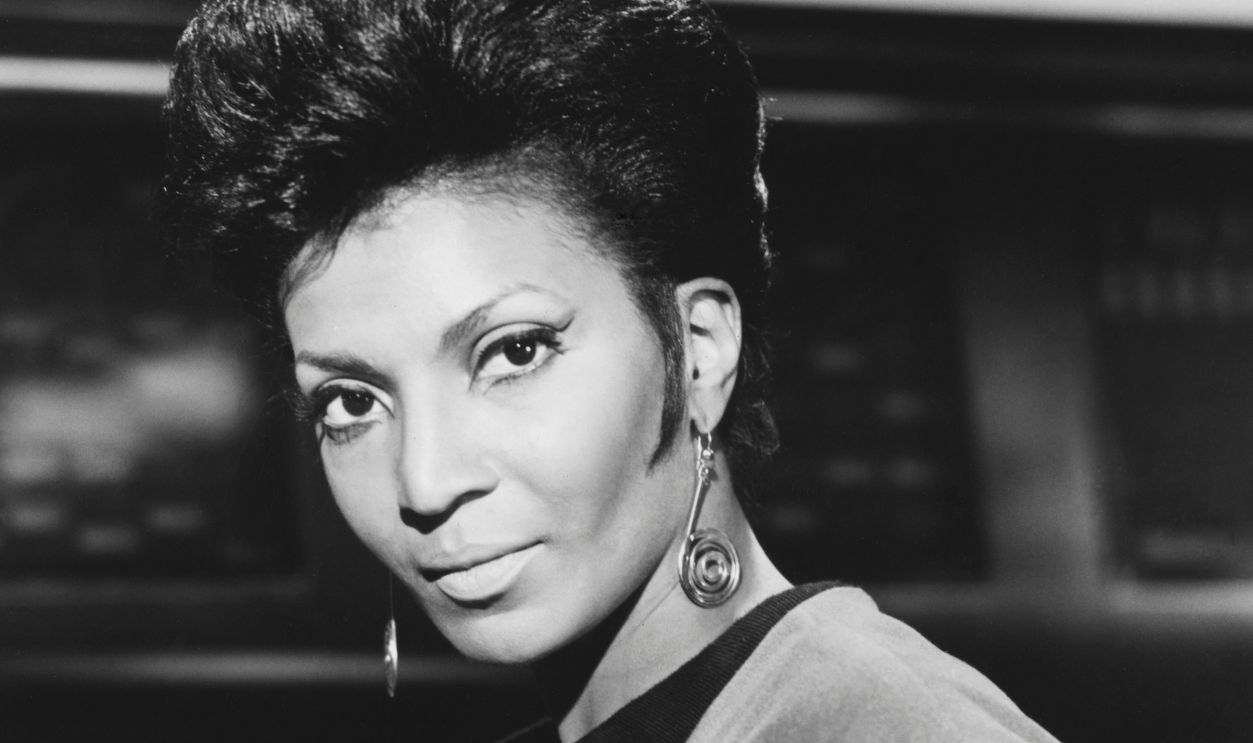
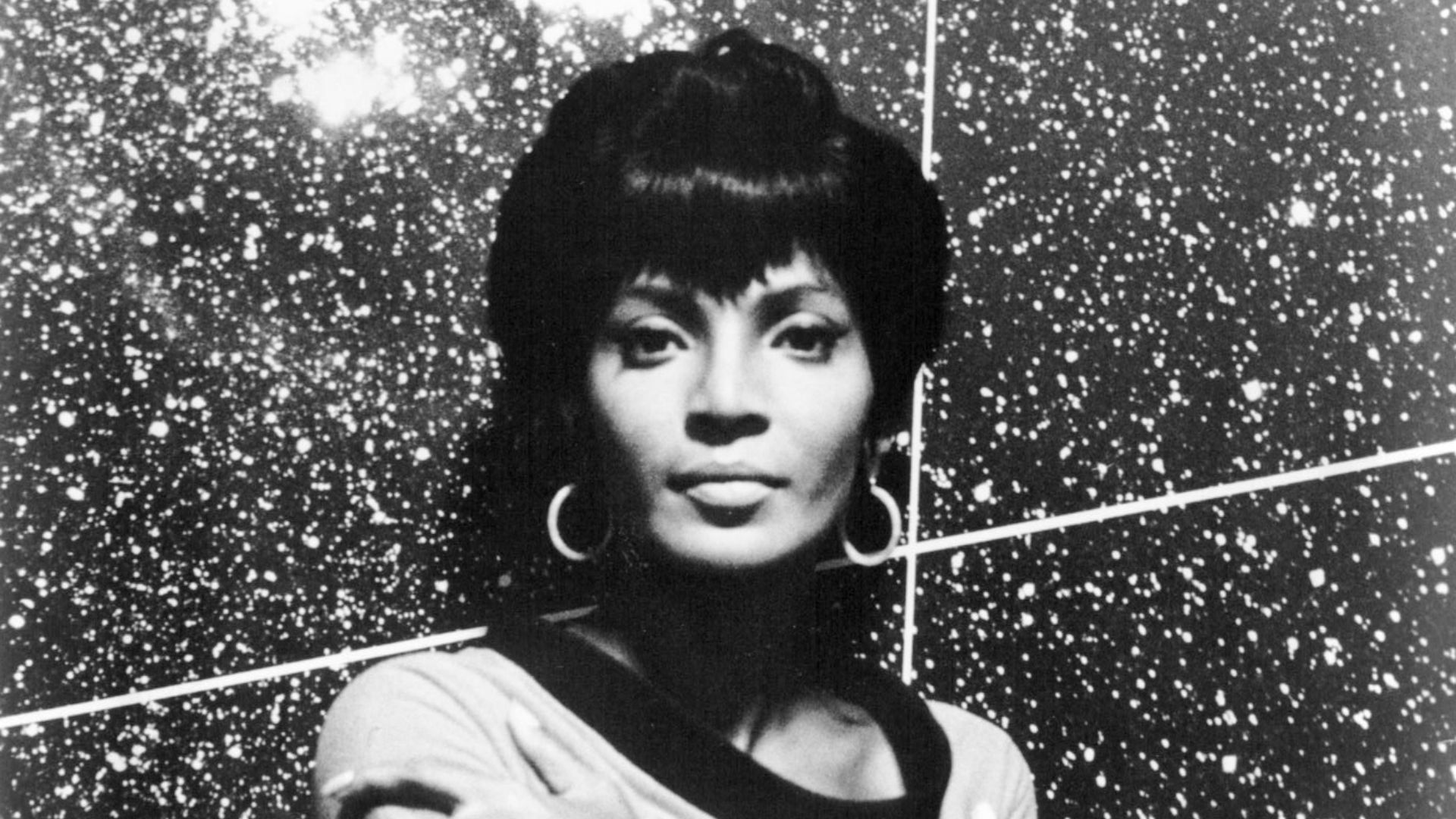
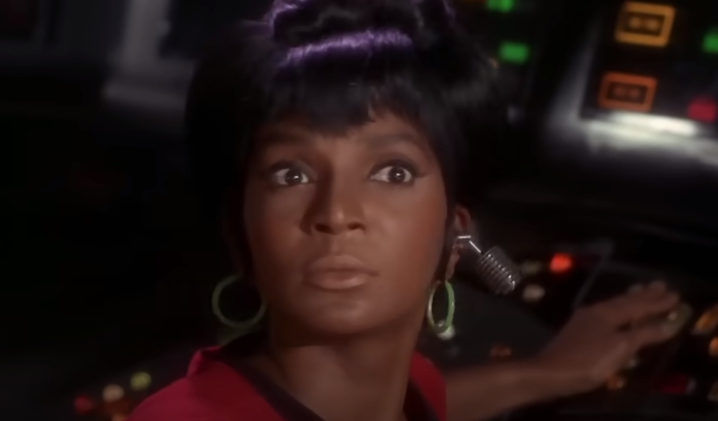
Nichelle Nichols portrayed Lieutenant Nyota Uhura, the Enterprise's communications officer. She was intelligent, capable, multilingual, and treated as an equal member of the bridge crew. Gene Roddenberry intentionally imagined a future where race was no barrier to opportunity.
 Screenshot from Star Trek, NBC (1966–1969)
Nichols Never Planned To Stay Forever
Although Star Trek would eventually define her career, Nichols originally viewed television differently. Her background was in musical theater, and Broadway remained her true ambition. She believed a stage career offered greater artistic fulfillment than a supporting television role.
 John Springer Collection, Getty Images
A Broadway Opportunity Appeared
Near the end of the first season, Nichols received an opportunity that excited her. She decided she wanted to return to live theater and prepared to leave Star Trek. To her, the decision felt completely natural.
Gene Roddenberry Was Disappointed
Nichols met with creator Gene Roddenberry to tell him she planned to resign. Roddenberry tried to explain that the show was attempting something bigger than ordinary television. When she remained determined, he asked her to think it over during the weekend before making the decision final.
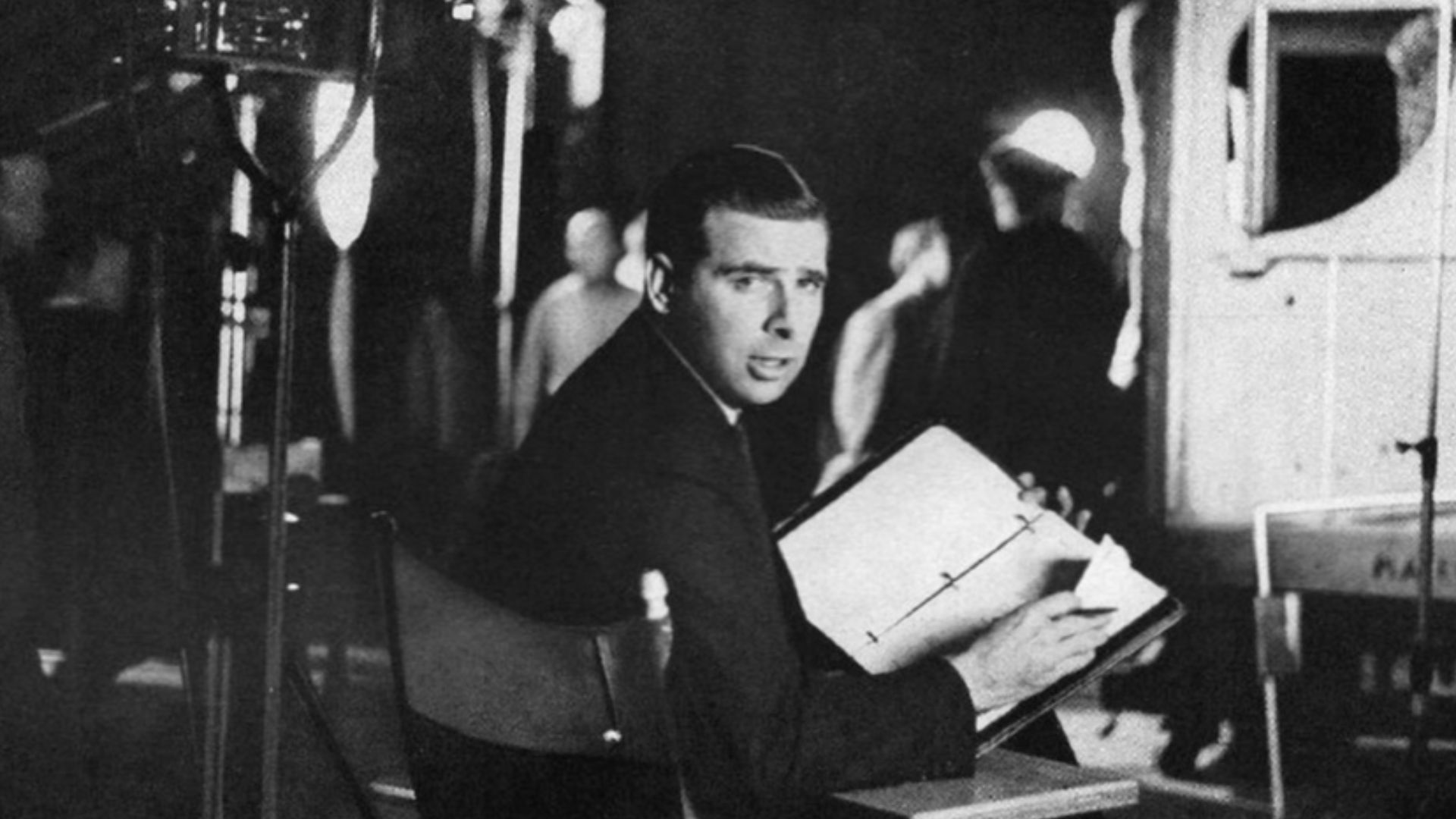 Mutual of New York (MONY), Wikimedia Commons
One Weekend Changed Everything
Roddenberry placed her resignation letter in his desk rather than immediately accepting it. He encouraged her to take a few days before making such an important choice. Nichols agreed, believing she would still leave when Monday arrived.
An Unexpected Invitation
That weekend, Nichols attended an NAACP event in Beverly Hills. During the gathering, an organizer approached her with an unusual message. Someone attending the event claimed to be her biggest fan and wanted to meet her.
She Expected A Typical Fan
Nichols assumed another enthusiastic television viewer wanted an autograph. She had no reason to expect anything extraordinary. Instead, she turned around and came face to face with Dr. Martin Luther King Jr.
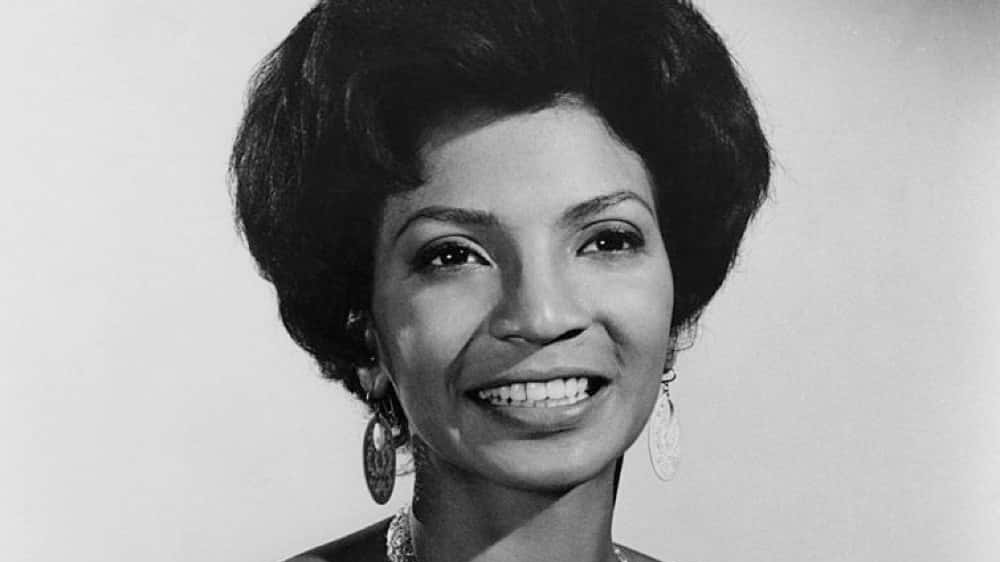
Martin Luther King Jr. Loved Star Trek
King immediately told Nichols that he was her greatest admirer. According to Nichols, he said Star Trek was the only television show he allowed his children to stay up late to watch. His enthusiasm completely surprised her.
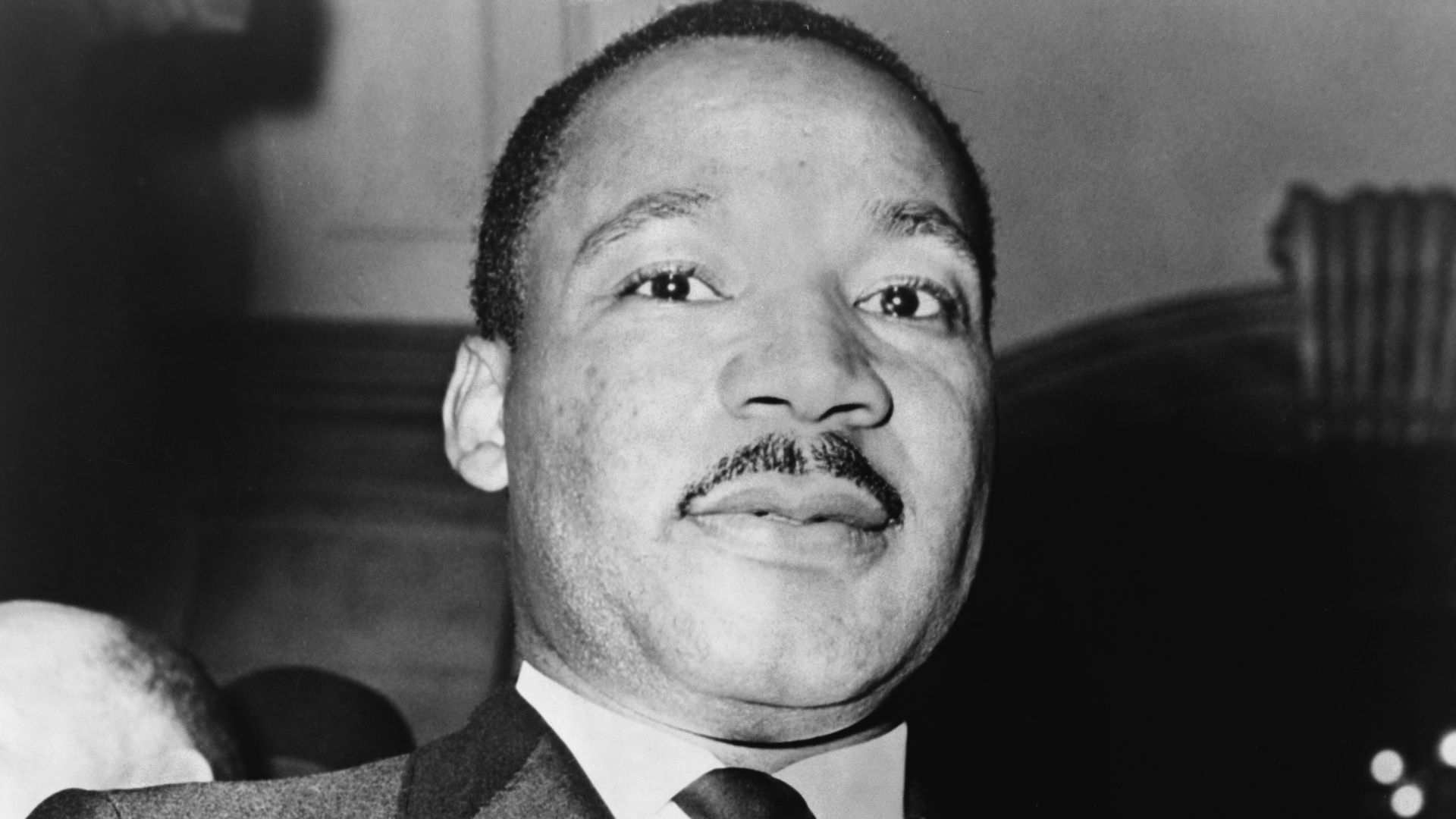 Phil Stanziola, NYWT&S staff photographer, Wikimedia Commons
She Mentioned Her Big Decision
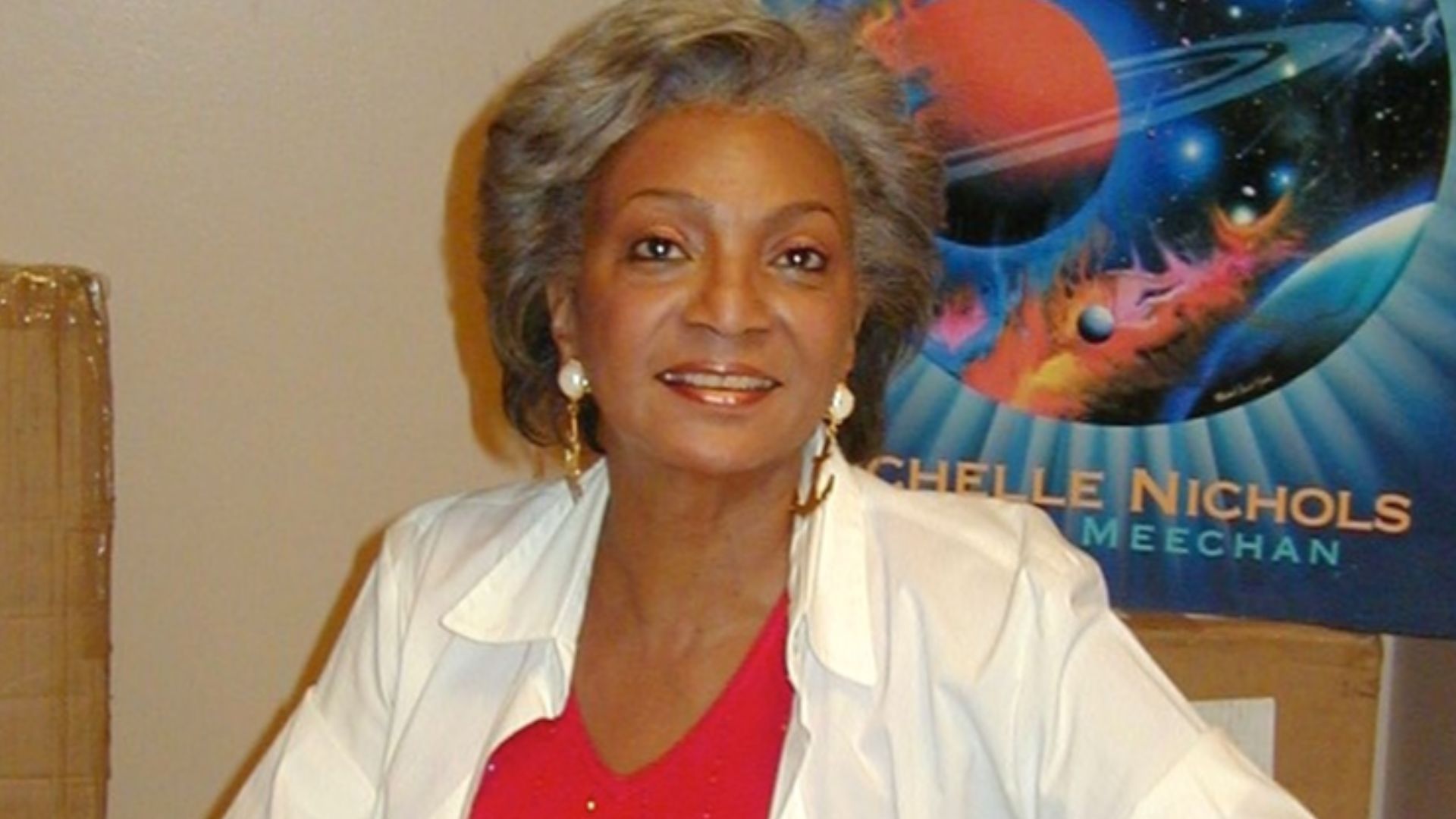
During their conversation, Nichols casually explained that she would soon be leaving the series. She expected King to congratulate her on pursuing Broadway. Instead, his response caught her completely off guard.
 Natural Gas - Tim Fritz, Wikimedia Commons
King Told Her She Could Not Leave
King urged Nichols not to resign. According to Nichols, he told her, "You cannot. You have changed the face of television forever." He explained that Lieutenant Uhura represented something millions of Americans had never seen before. To him, her role carried enormous importance during the Civil Rights Movement.
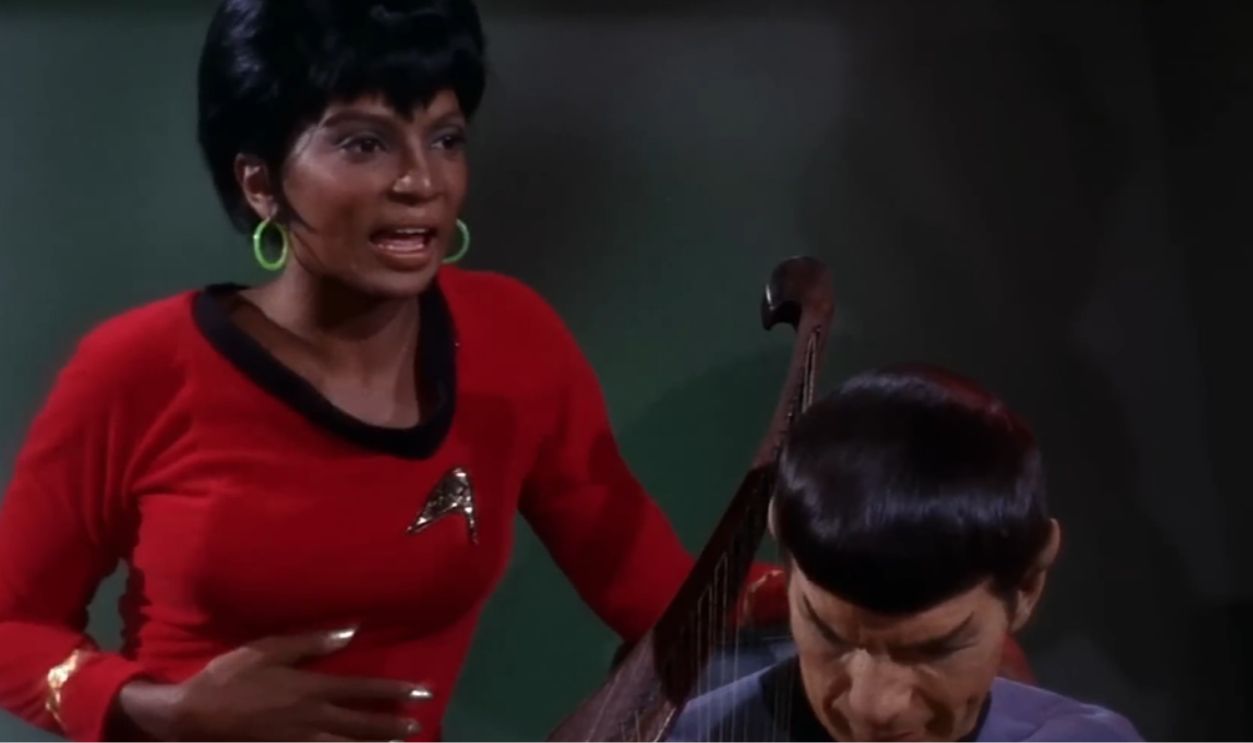 Screenshot from Star Trek, NBC (1966–1969)
Representation Had Real Power
King believed Nichols was portraying something television rarely showed. Uhura was not defined by race or limited to stereotypical roles. She was a respected professional serving alongside colleagues of every background.
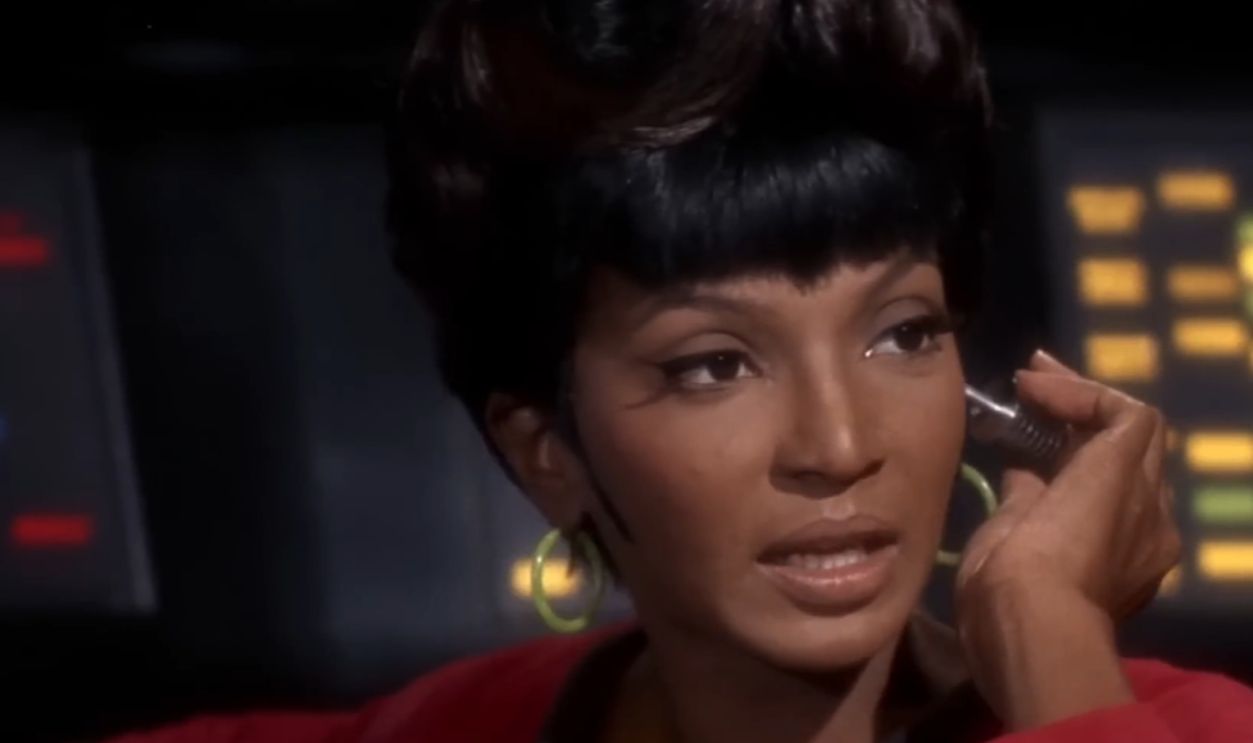 Screenshot from Star Trek, NBC (1966–1969)
Nichols Saw Her Role Differently
Before meeting King, Nichols mainly viewed Star Trek as another acting job. His comments helped her recognize the cultural significance of her character. She later said that conversation completely changed her perspective.
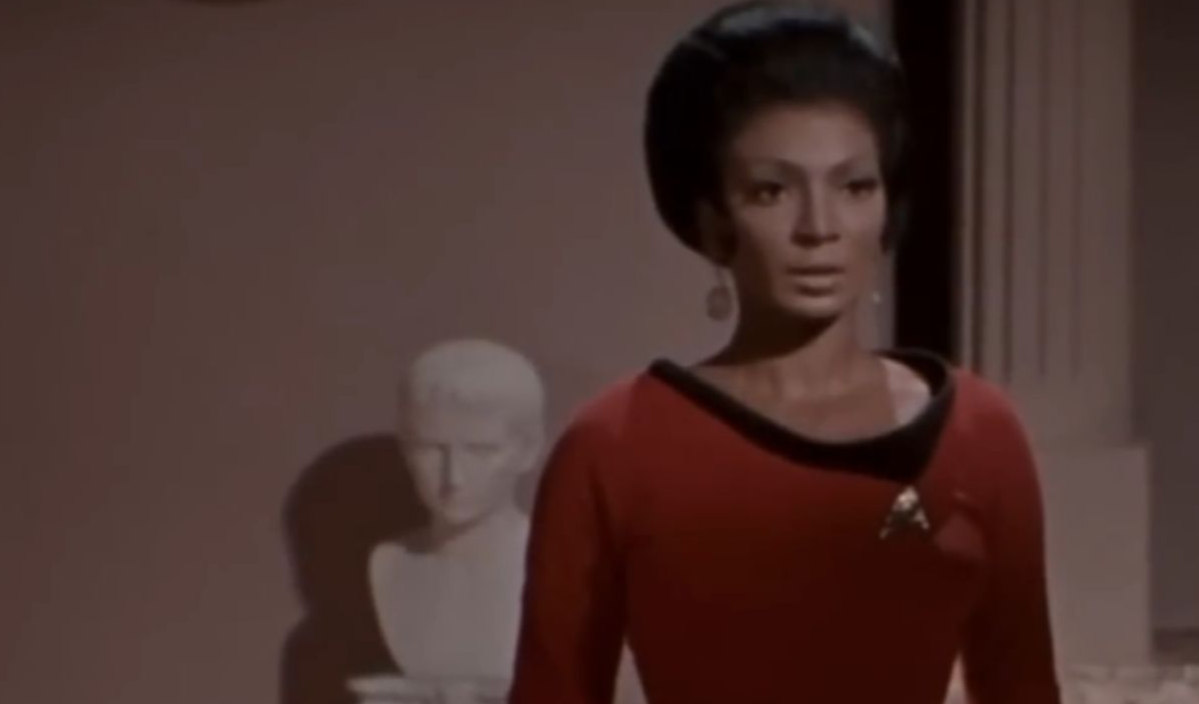 Screenshot from Star Trek, NBC (1966–1969)
Monday Brought A New Decision
When Nichols returned to work, she informed Roddenberry that she had decided to remain with the series. She shared everything King had told her. Roddenberry reportedly replied that someone finally understood what he had hoped to accomplish with the show.
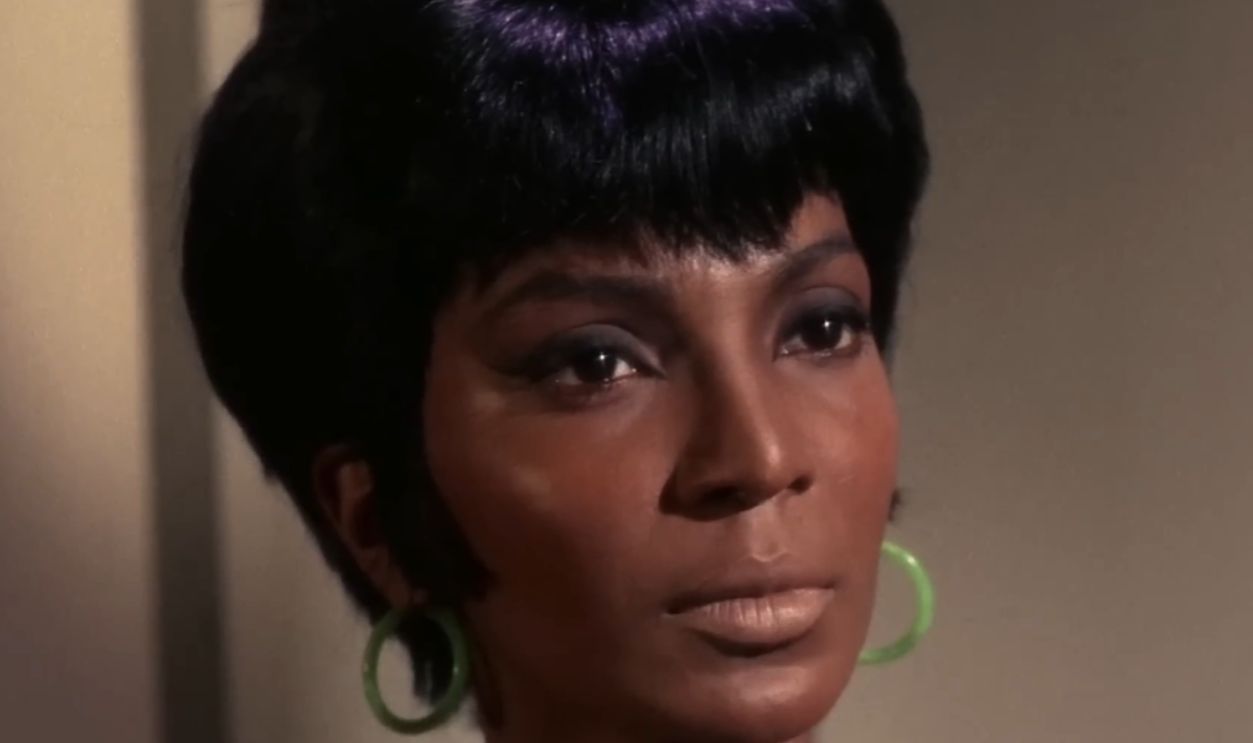 Screenshot from Star Trek, NBC (1966–1969)
Uhura Stayed On The Bridge
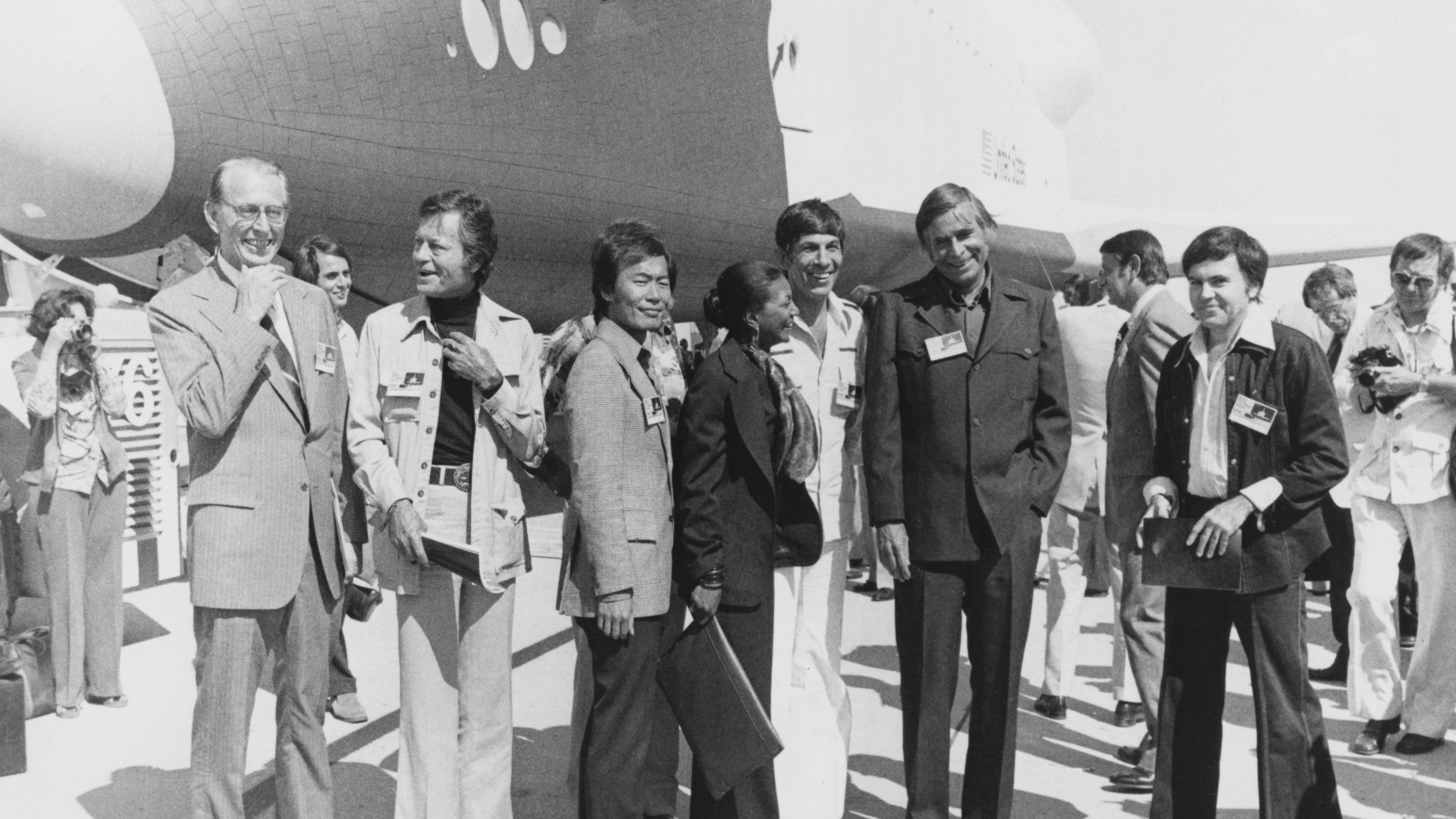
Nichols remained with the original Star Trek throughout its three-season television run. She also returned for the feature films that reunited the original cast. Her decision ensured that Lieutenant Uhura became one of science fiction's most enduring characters.
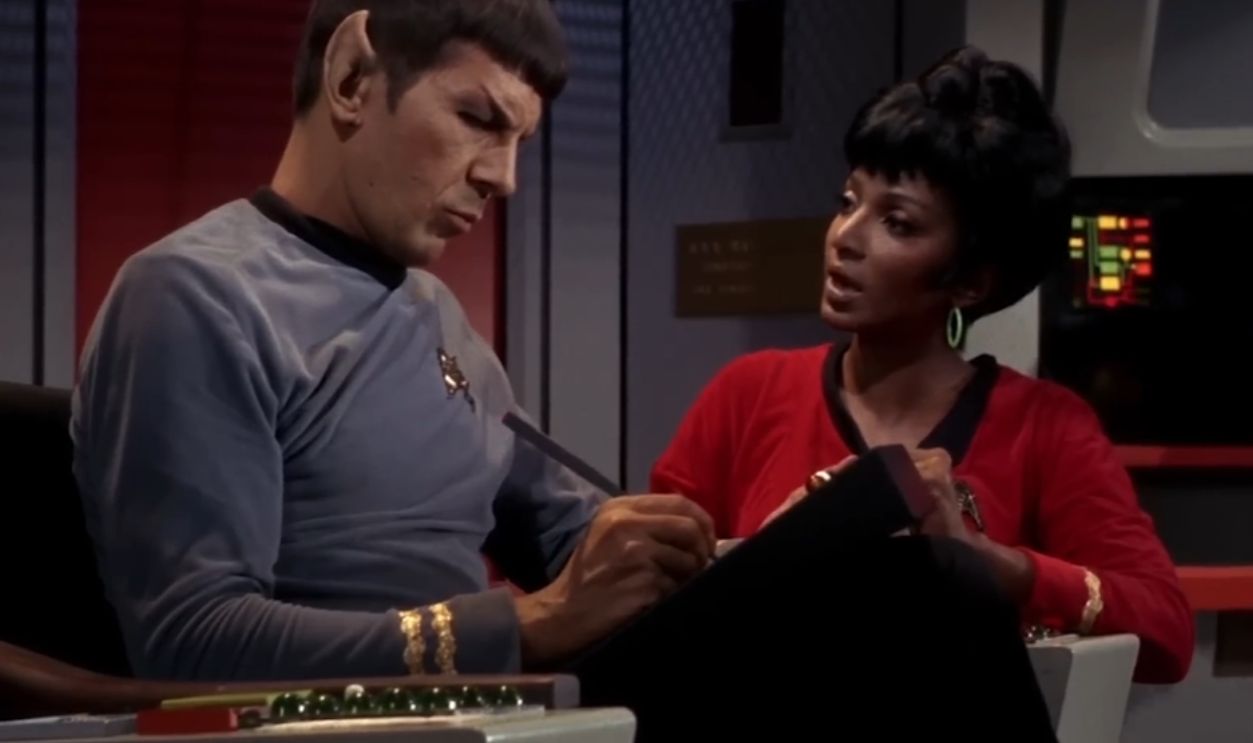 Screenshot from Star Trek, NBC (1966–1969)
A Barrier Continued To Fall
Uhura's visibility helped expand ideas about who could be portrayed as a leader in science fiction. Young viewers saw a future where race did not determine opportunity or authority. That vision became central to Star Trek's identity.
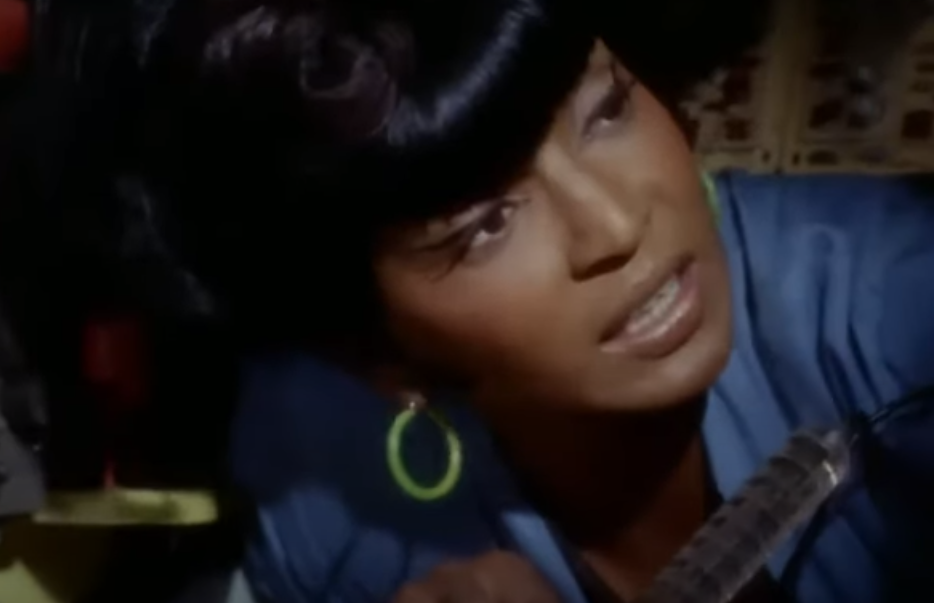 Screenshot from Star Trek, NBC (1966–1969)
Then Came A Historic Television Moment
In 1968, Nichols and William Shatner shared an on-screen kiss during the episode "Plato's Stepchildren." The scene is widely remembered as one of the earliest interracial kisses involving scripted television leads in American network television. It became one of the franchise's defining moments.
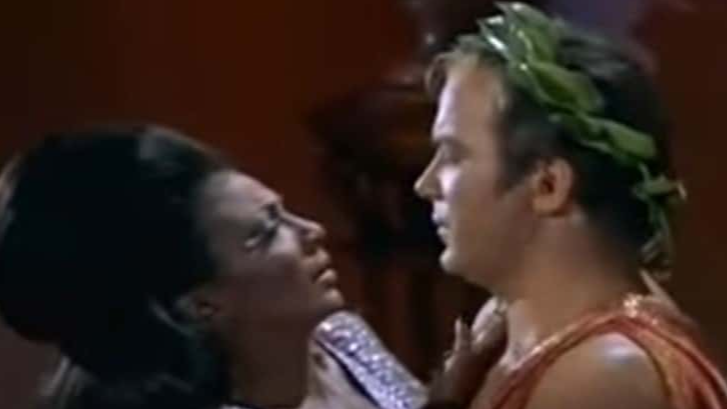 Screenshot from Star Trek, NBC (1966–1969)
Her Influence Reached Beyond Television
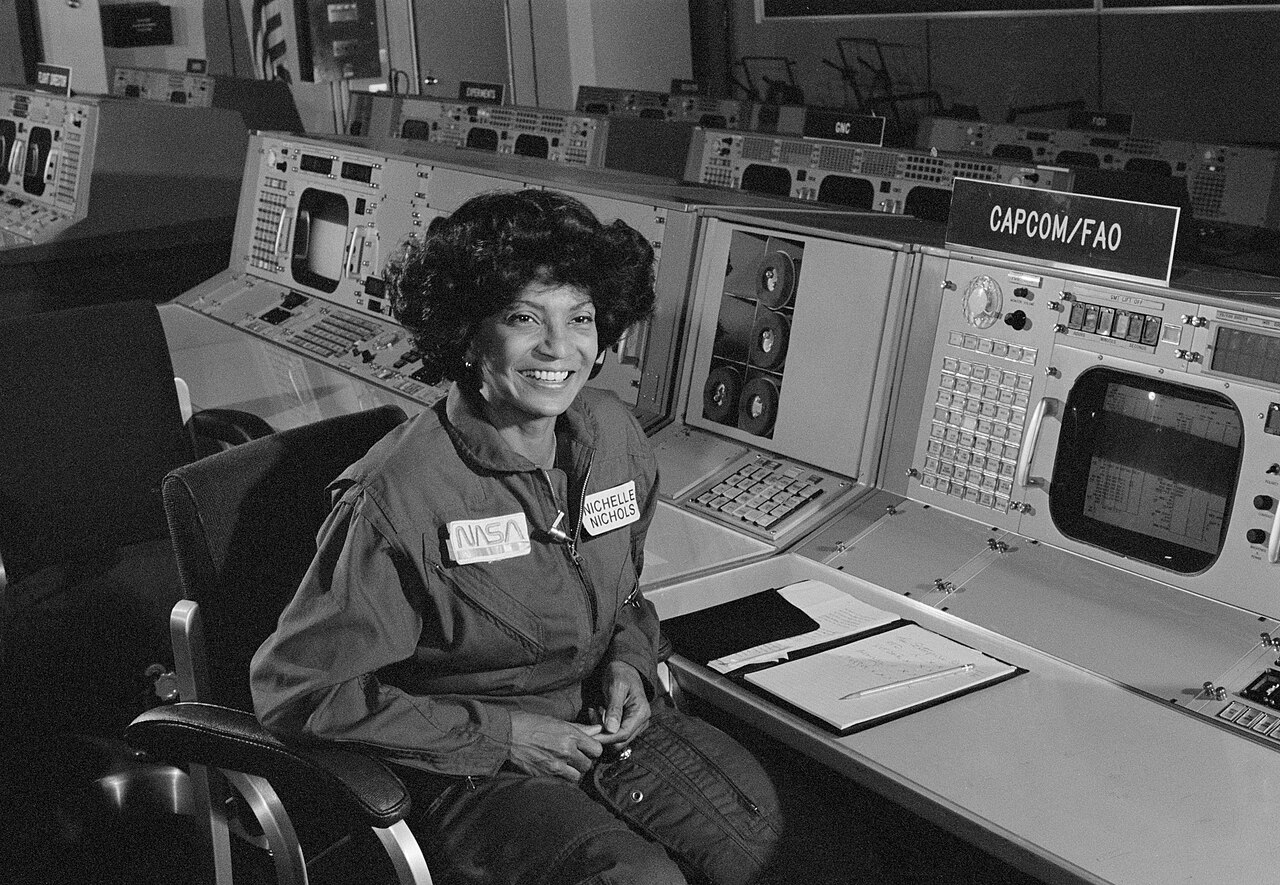
Nichols later became involved with NASA recruitment efforts through a contractor working on the agency's outreach programs. She helped encourage more women and people from underrepresented backgrounds to apply to the astronaut corps. Several future astronauts credited those recruitment efforts with broadening awareness of NASA opportunities.
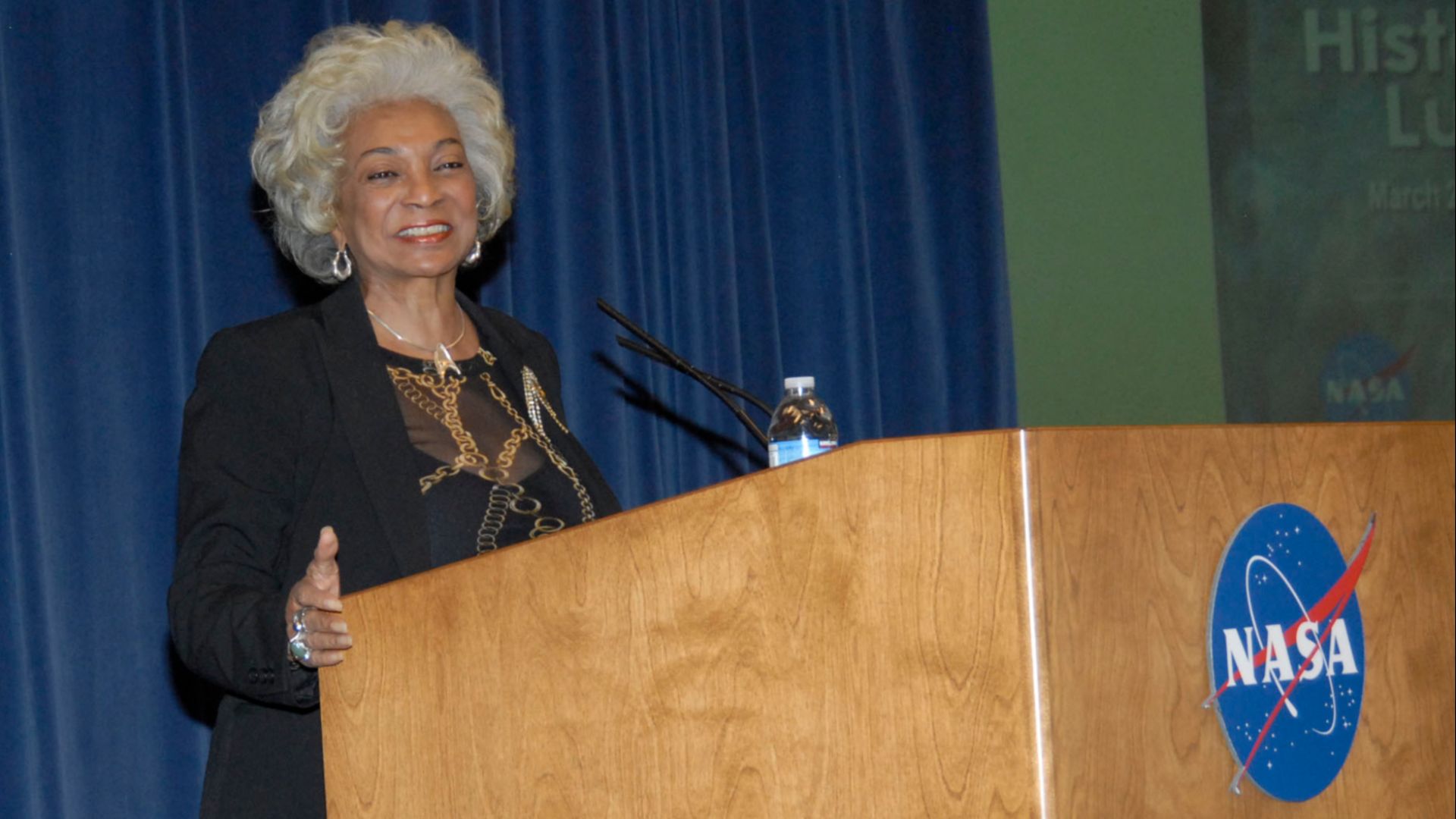 Laura Mowry, Wikimedia Commons
Astronauts Grew Up Watching Uhura
Many astronauts have spoken about the inspiration they found in Star Trek. Seeing Uhura on the bridge suggested that space exploration could include people from every community. Nichols often met astronauts who told her they had admired her character while growing up.
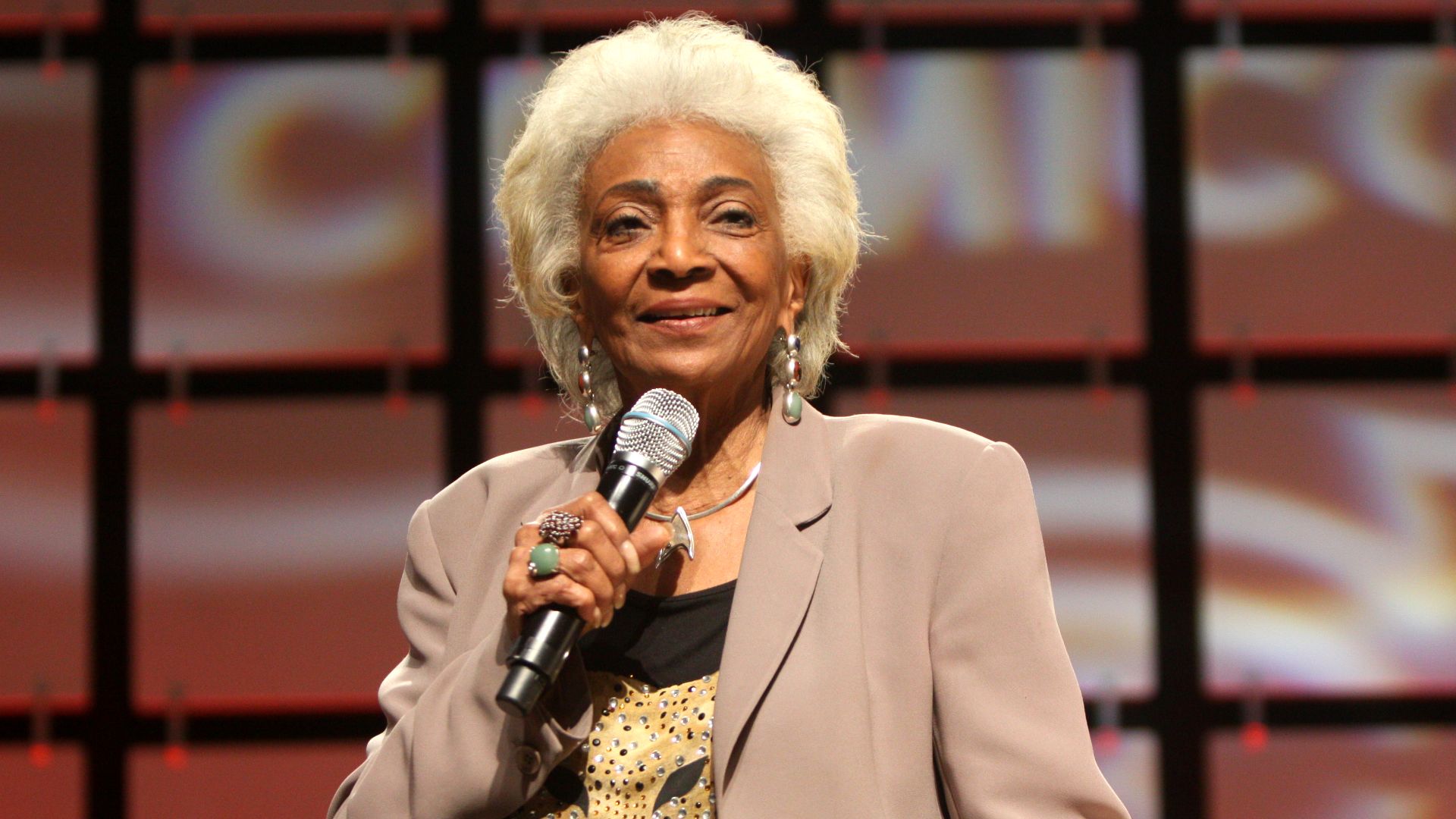 Gage Skidmore from Surprise, AZ, United States of America, Wikimedia Commons
The Story Became Television Legend
For decades, Nichols repeatedly shared the story of her meeting with King in interviews and public appearances. The account became one of the most celebrated behind-the-scenes moments in television history. It demonstrated how entertainment and social change sometimes intersect in unexpected ways.
Historians Continue To Highlight The Meeting
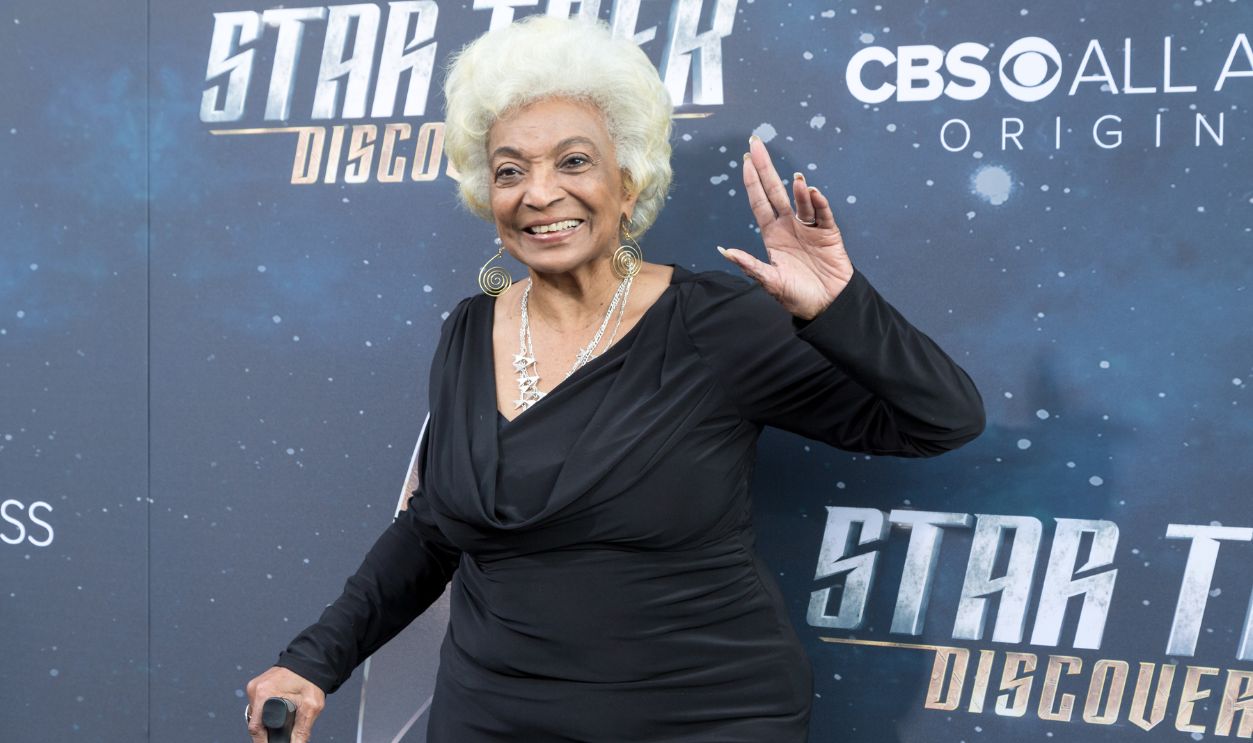
Writers covering television history regularly point to Nichols's decision as a pivotal cultural moment. The story appears in documentaries, biographies, and major publications examining the Civil Rights era and television's evolution. It remains one of the defining examples of representation influencing society.
Nichols Never Forgot That Conversation
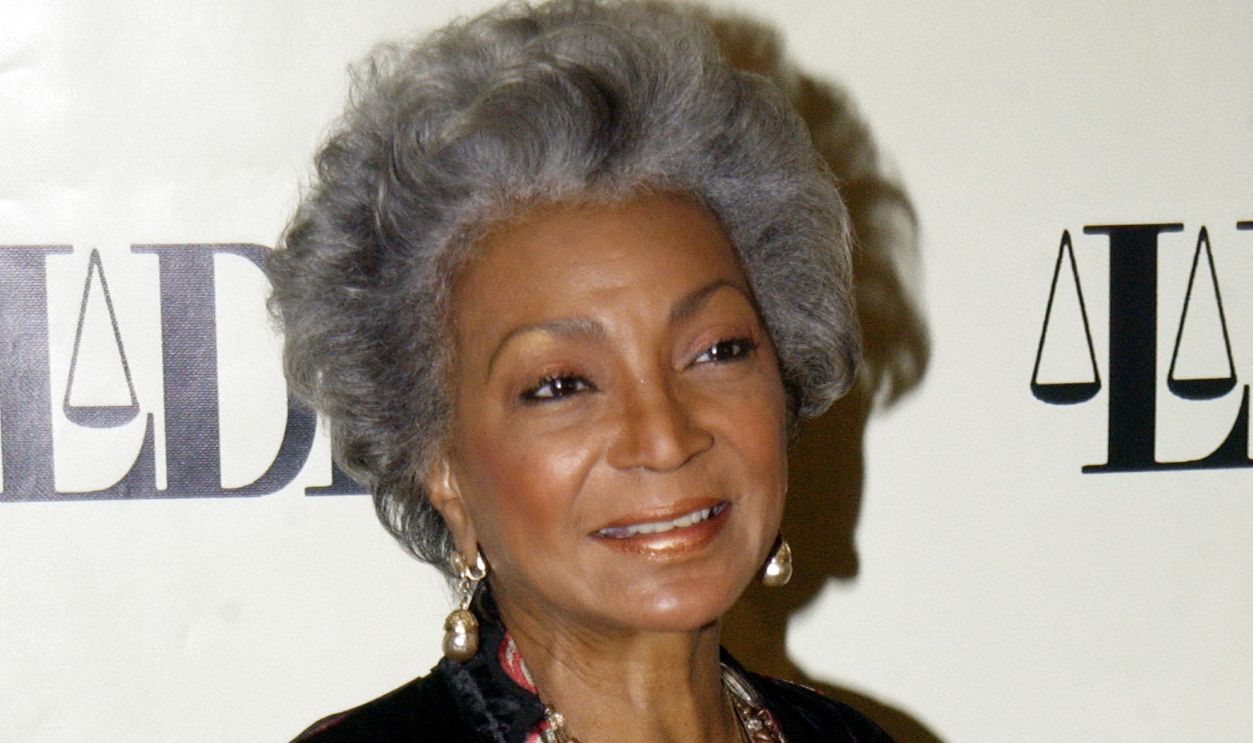
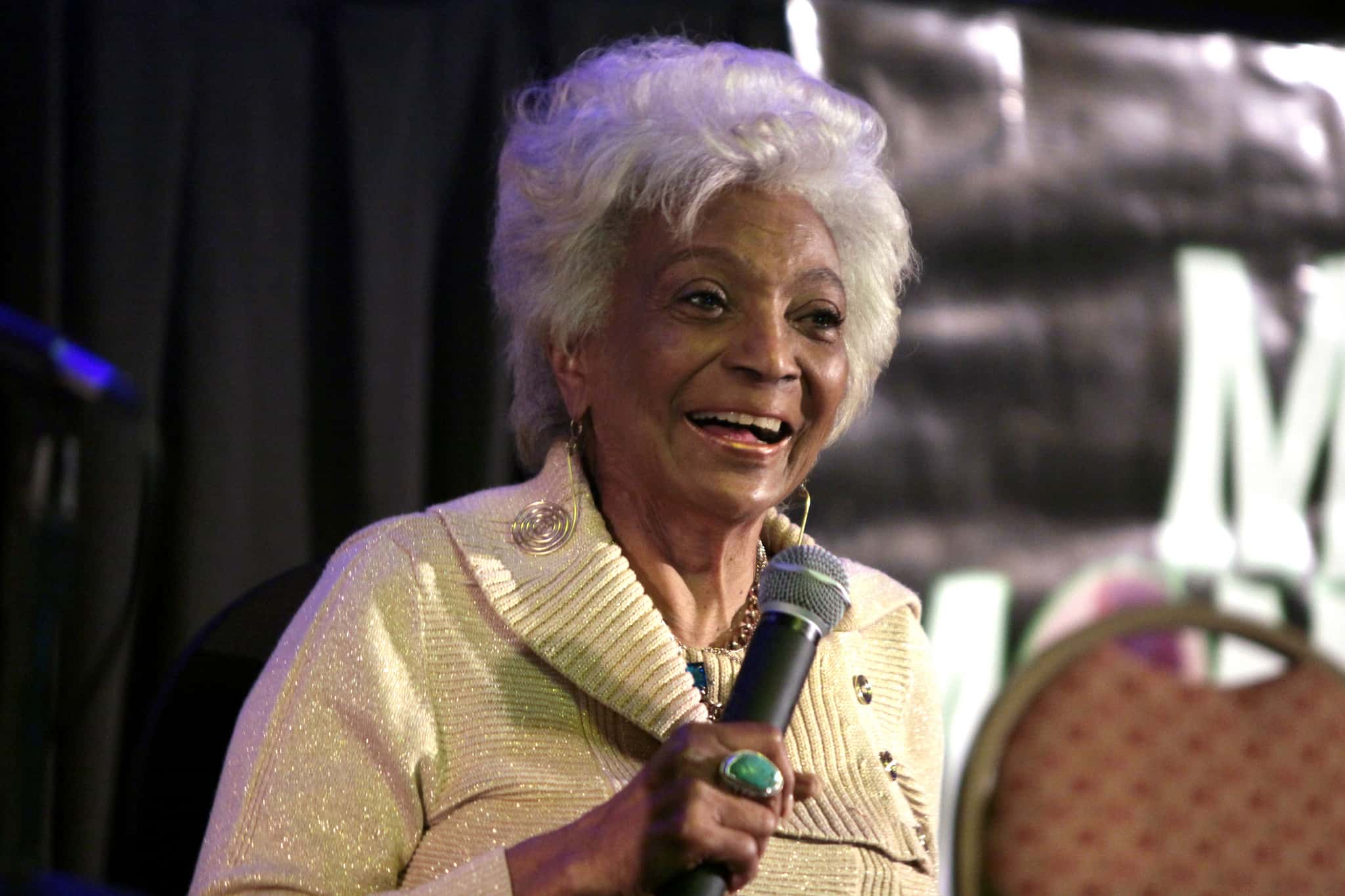
Throughout her life, Nichols credited King's encouragement with changing the course of her career. She often said she was grateful that he helped her understand the importance of staying. Looking back, she believed it was one of the most meaningful conversations she ever had.
 Gage Skidmore from Surprise, AZ, United States of America, Wikimedia Commons
One Decision Echoed For Generations
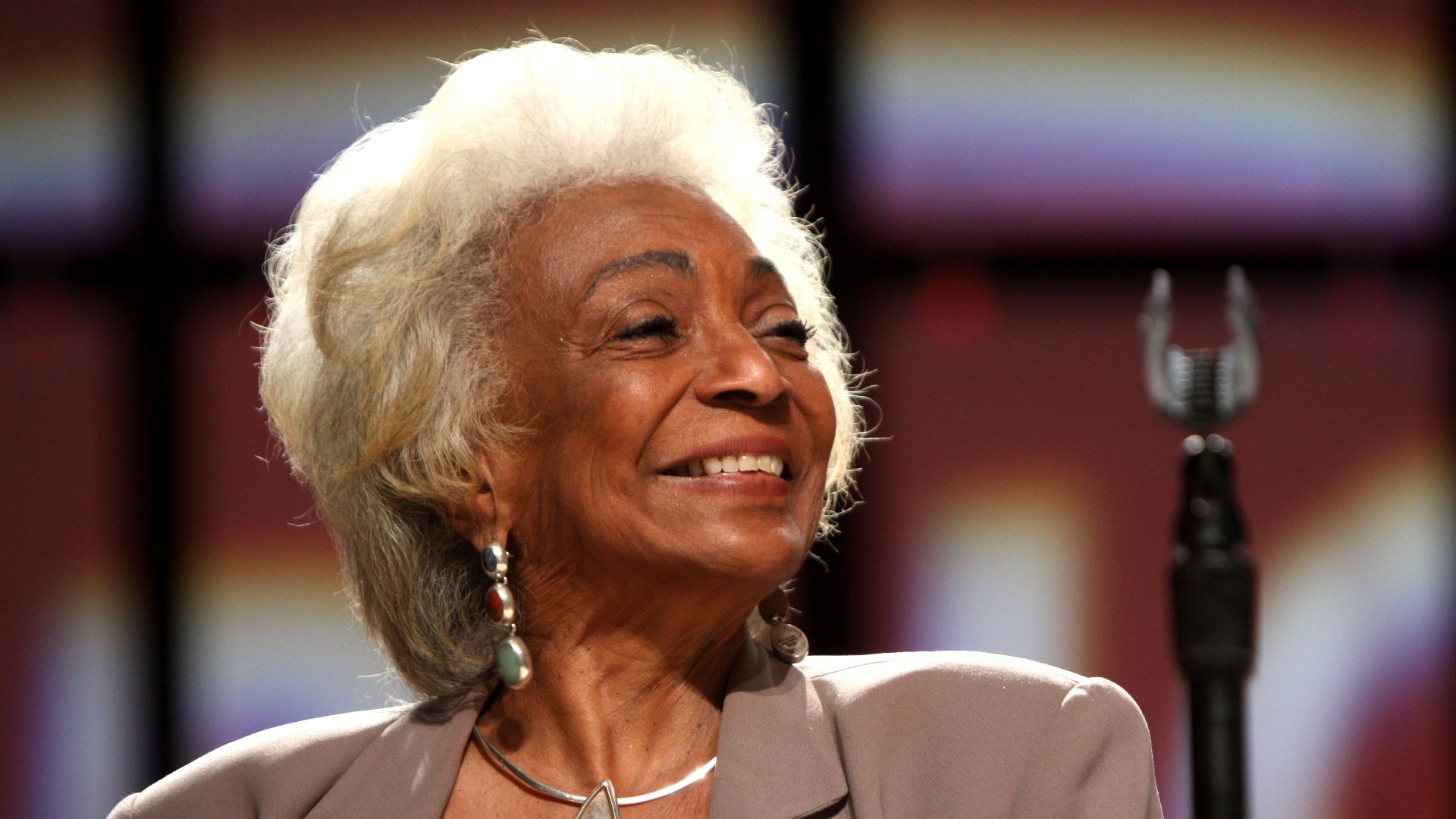
If Nichols had left after the first season, television history might have unfolded very differently. Instead, Lieutenant Uhura became a symbol of inclusion, progress, and optimism that influenced generations of viewers. Sometimes a single conversation truly does change history.
 Screenshot from Star Trek, NBC (1966–1969)
You May Also Like:
Why Leonard Nimoy's Life Was So Much More Than Mr. Spock