Sometimes The Drama Was Happening Between Takes
The 1970s produced some legendary screen pairings, but not all of them were having nearly as much fun once the cameras stopped. Egos collided, acting styles clashed, pranks went too far, and a few directors found themselves managing situations that were considerably uglier than ordinary creative disagreement.
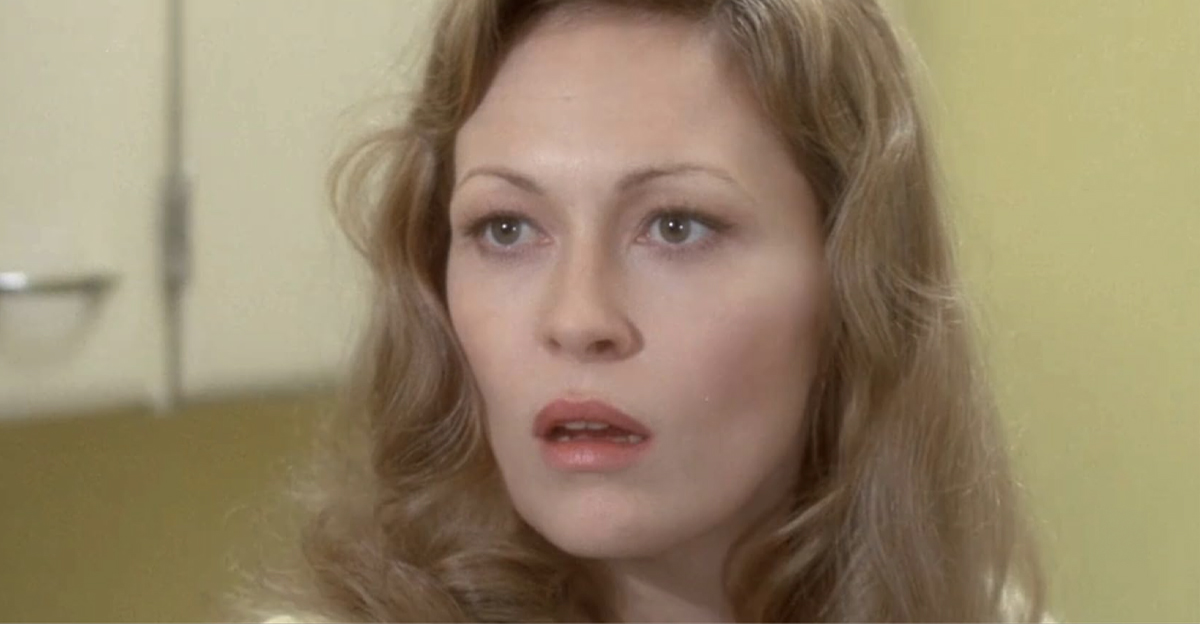
 Screenshot from Network, MGM Studios (1976)
Dustin Hoffman & Meryl Streep — Kramer vs. Kramer (1979)
The problems started almost immediately. Meryl Streep thought Joanna Kramer had been written as an obvious villain and pushed director Robert Benton to give her character a real explanation for leaving her husband and child. Benton agreed with her, but Dustin Hoffman was already sensitive about the attention his relatively unknown co-star was receiving. When Streep wanted to rearrange dialogue in the restaurant confrontation, Hoffman became furious. He later admitted, "I hated her guts... But I respected her".
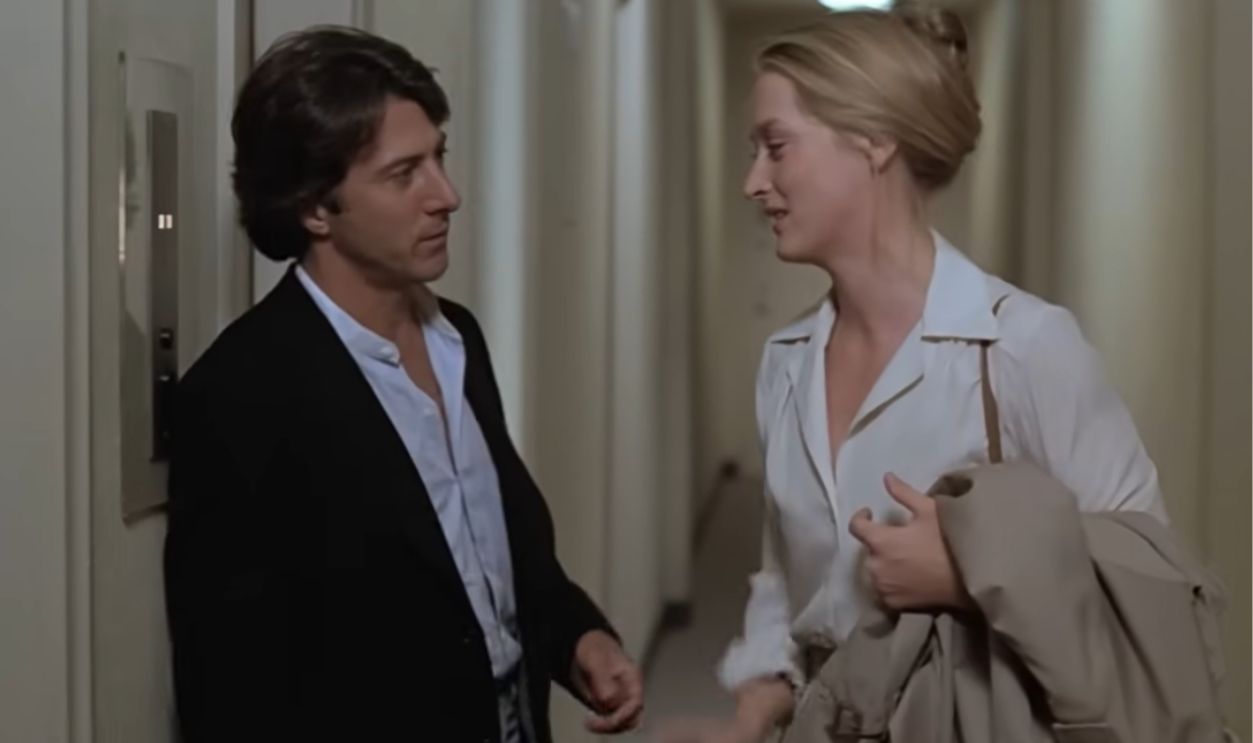 Screenshot from Kramer vs. Kramer, Columbia Pictures (1979)
Dustin Hoffman & Meryl Streep (Cont'd)
The friction became much more personal than an argument over dialogue. Streep said Hoffman slapped her unexpectedly during filming, leaving his handprint visible from the previous take. Accounts from the production also describe Hoffman deliberately invoking the recent passing of Streep's partner John Cazale while she was performing, apparently hoping to provoke stronger emotion. During the restaurant sequence, an agitated Hoffman suddenly smashed a glass against the wall, leaving Streep's startled reaction in the finished film. Streep later described the incident simply: "It was overstepping".
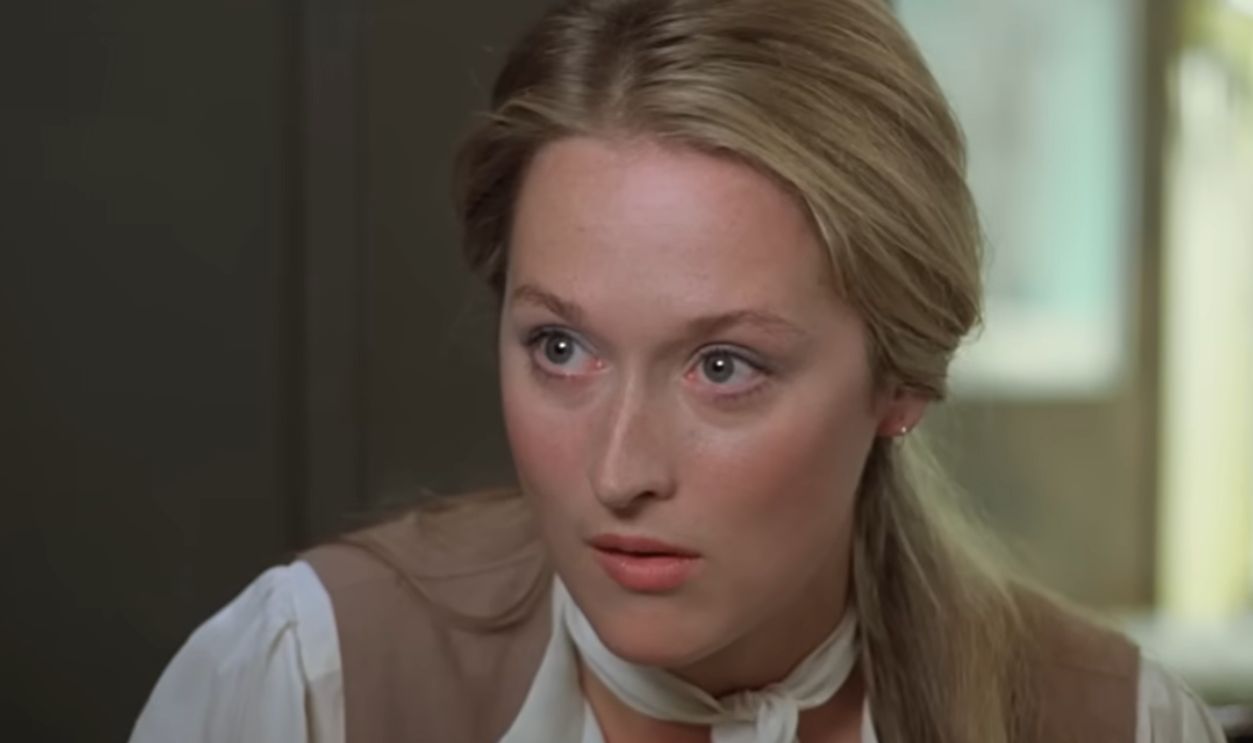 Screenshot from Kramer vs. Kramer, Columbia Pictures (1979)
Steve McQueen & Paul Newman — The Towering Inferno (1974)
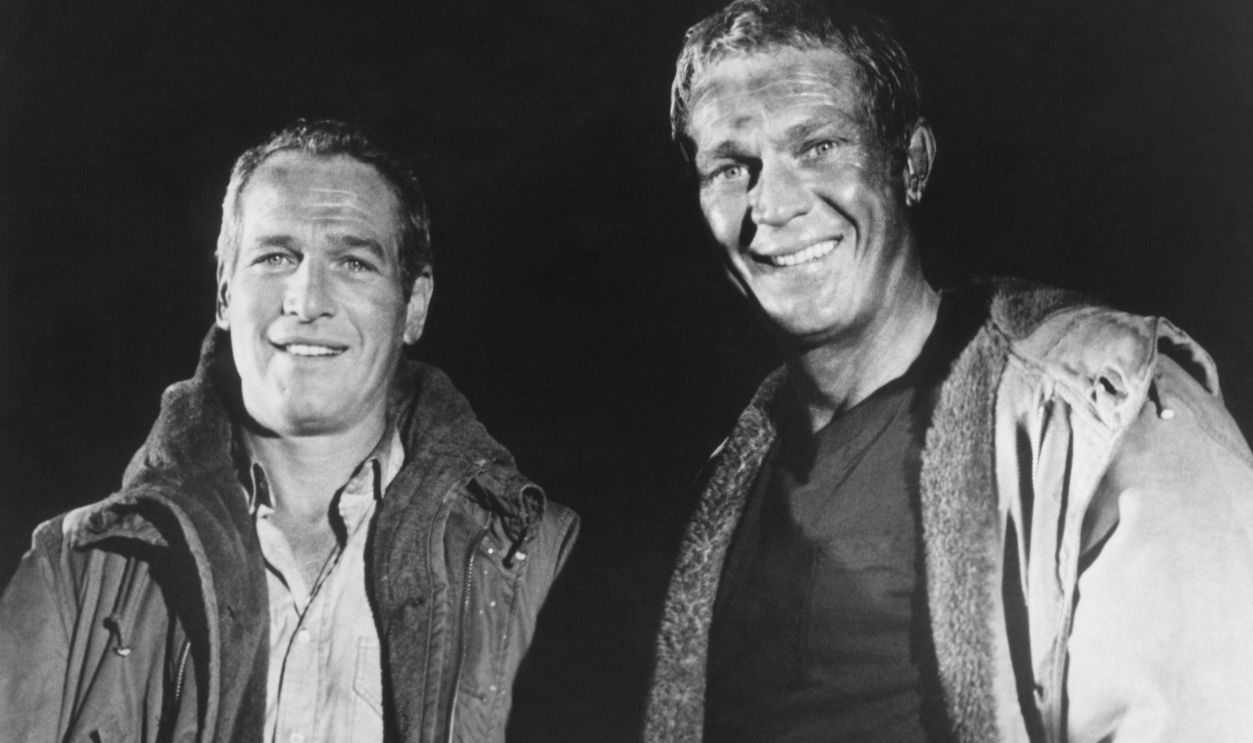
Steve McQueen's competition with Paul Newman began long before cameras rolled. McQueen had appeared in a tiny role in Newman's Somebody Up There Likes Me in 1956 and reportedly vowed that one day he'd receive higher billing. By The Towering Inferno, he finally had enough power to demand parity. He insisted that Newman and he receive the same salary, the same percentage of profits, and, remarkably, exactly the same number of lines in the screenplay.
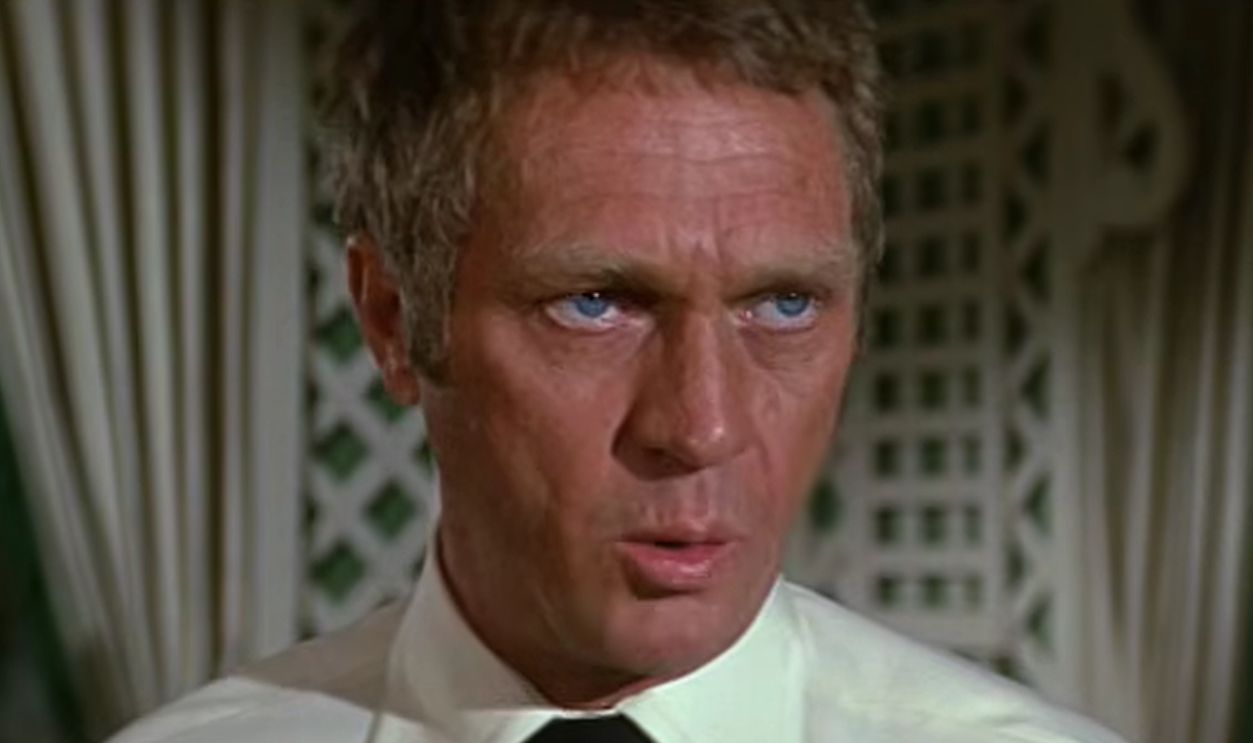 Screenshot from The Towering Inferno, 20th Century Fox (1974)
Steve McQueen & Paul Newman (Cont'd)
Even their billing became a negotiation. The compromise placed Newman's name slightly higher on promotional material but McQueen's farther to the left, meaning either man could theoretically claim top billing depending on how it was read. McQueen also maintained a much more guarded atmosphere on set, refusing visitors and press interviews, while Newman remained relaxed. Newman apparently didn't return the hostility with equal intensity, which made the rivalry rather one-sided, but McQueen remained determined that nobody could look at the finished production and call Newman its uncontested star.
Robert Shaw & Richard Dreyfuss — Jaws (1975)
Robert Shaw could apparently be generous to Richard Dreyfuss in private and brutal to him in front of other people. Dreyfuss remembered Shaw ridiculing his acting prospects and once suggesting he'd have a career only if Hollywood needed "another Jewish character man like Paul Muni". Dreyfuss retaliated rather than quietly taking it. One of his favorite provocations was grabbing Shaw's booze and throwing it into the ocean, a particularly effective way to infuriate a famously heavy drinker.
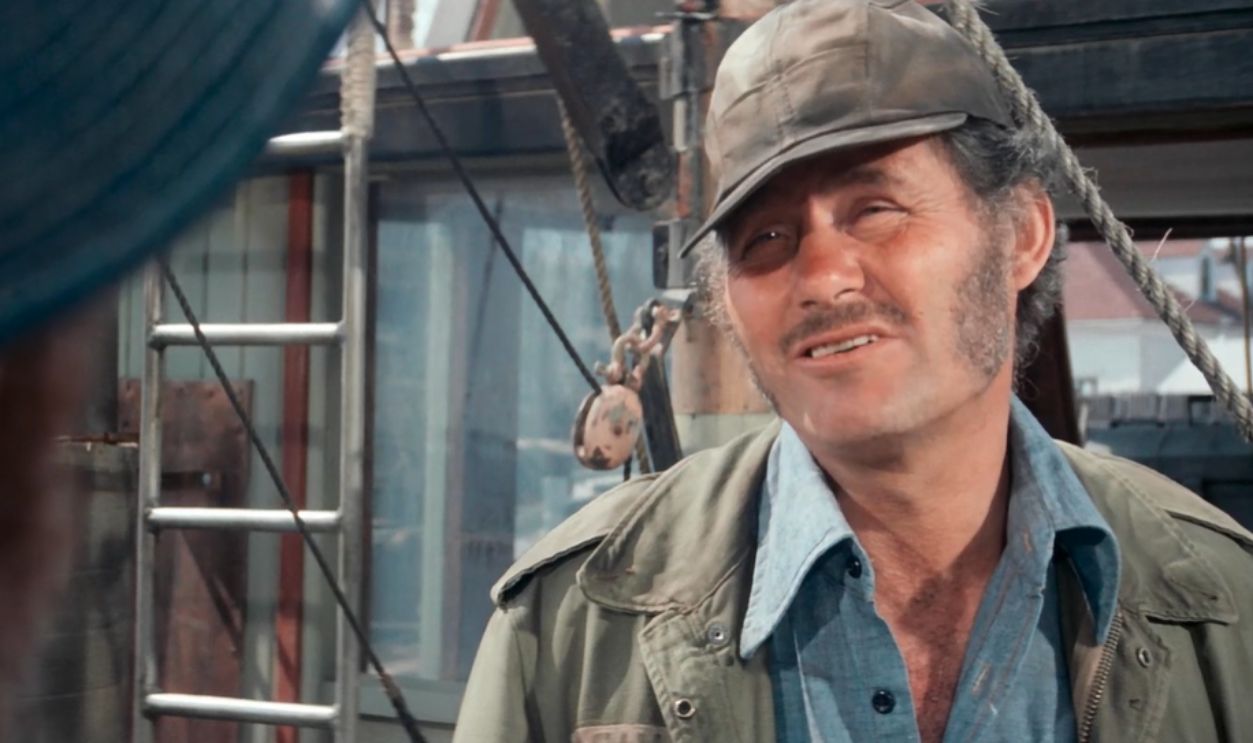 Screenshot from Jaws, Universal Pictures (1975)
Robert Shaw & Richard Dreyfuss (Cont'd)
Their feud occasionally edged toward something more dangerous. Shaw loudly questioned Dreyfuss's courage and dared him to climb roughly 75 feet up the mast of the Orca and jump into the ocean, increasing the cash offer as he taunted him. Steven Spielberg finally intervened and ordered Dreyfuss not to do it regardless of the money. The strange thing was that Shaw could turn around privately and behave completely differently, once sitting with Dreyfuss and reading him his entire play The Man in the Glass Booth. Dreyfuss later remembered the relationship as far more complicated than simple hatred.
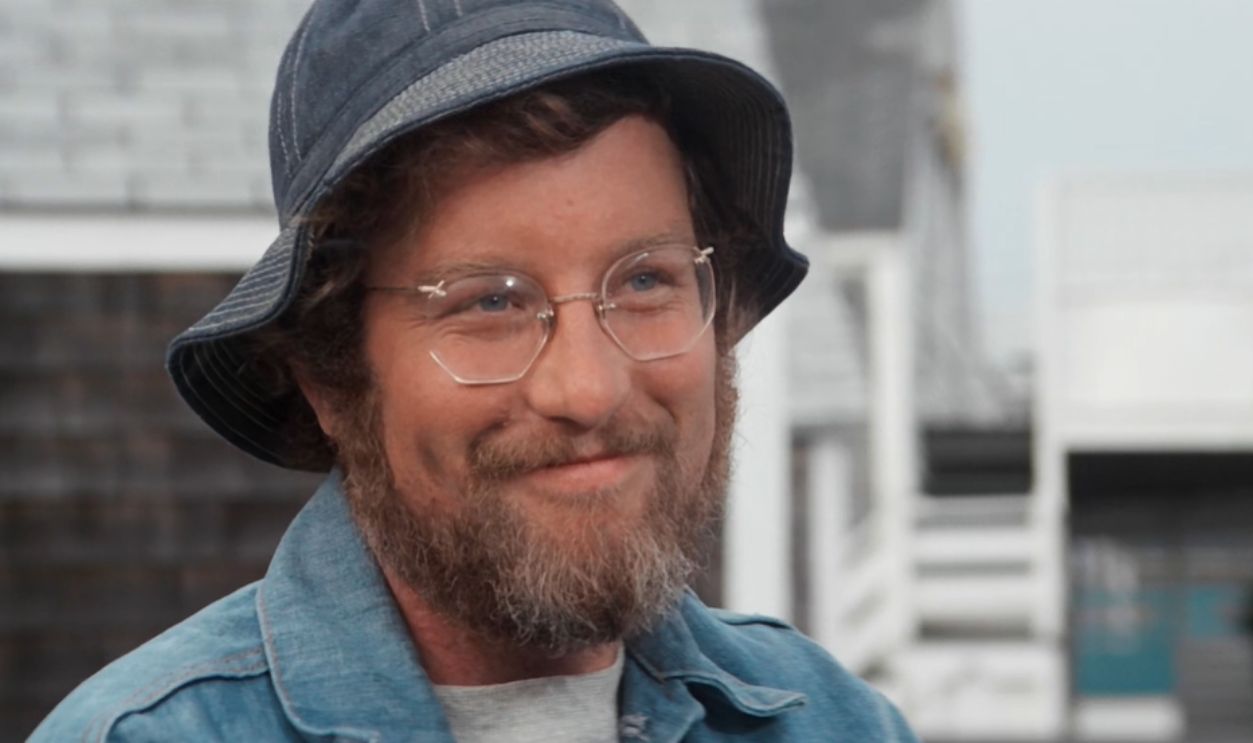 Screenshot from Jaws, Universal Pictures (1975)
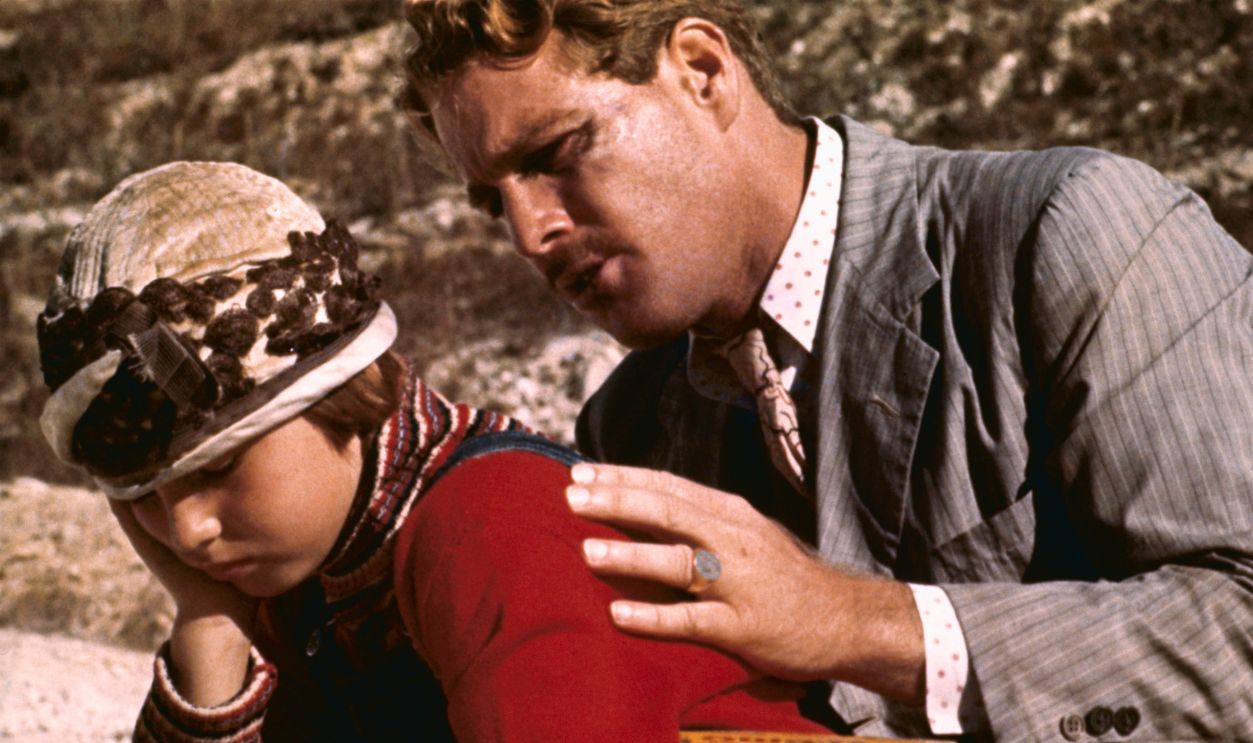
Ryan O'Neal & Tatum O'Neal — Paper Moon (1973)
The difficulties on Paper Moon were particularly uncomfortable because the stars weren't merely co-workers. Ryan O'Neal was acting opposite his eight-year-old daughter, who had virtually no filmmaking experience and initially struggled with the repetition required on a movie set. Director Peter Bogdanovich remembered Ryan exploding when Tatum needed take after take, complaining that he'd already performed scenes dozens of times while she still hadn't gotten her lines right. Bogdanovich later summarized his task bluntly: "I had to keep Ryan from killing her".
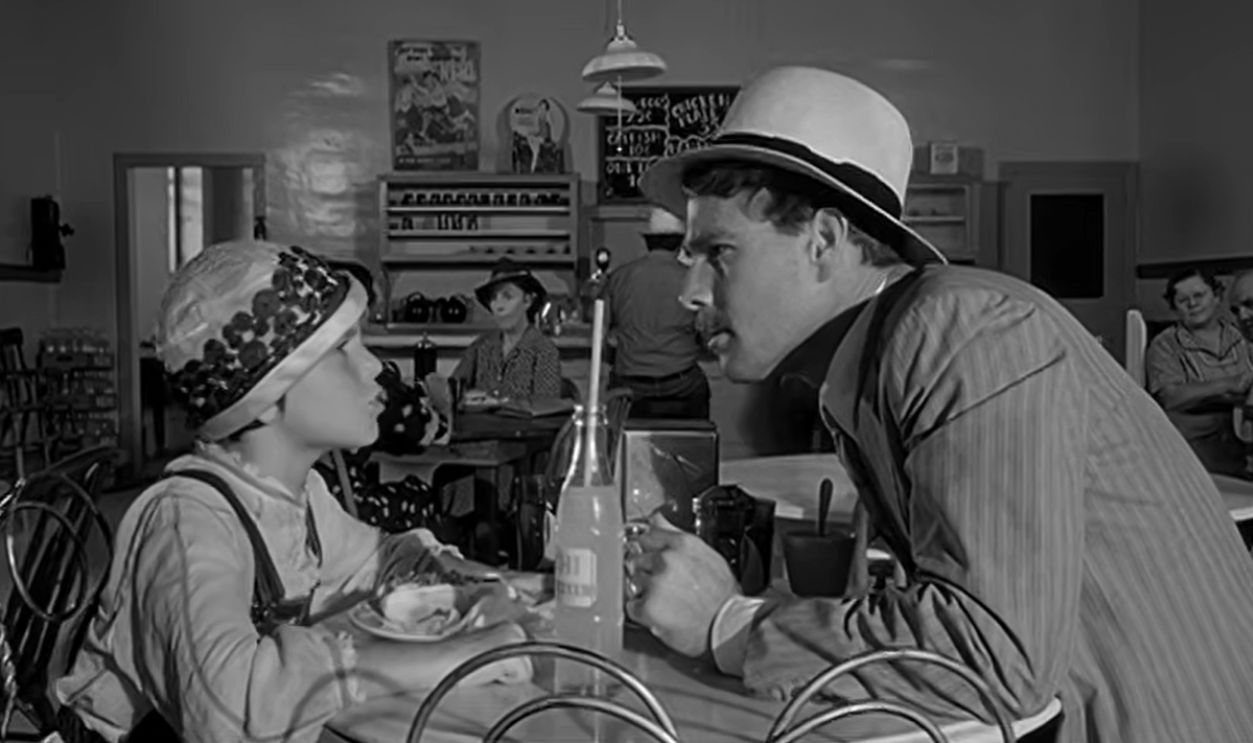 Screenshot from Paper Moon, Paramount Pictures (1973)
Ryan O'Neal & Tatum O'Neal (Cont'd)
Bogdanovich recalled Tatum being somewhat detached from the filmmaking process during the first few weeks, which only intensified Ryan's impatience. The director eventually learned to use rather than fight that irritability, because Moses Pray was supposed to be perpetually aggravated by Addie anyway. Tatum improved quickly and ultimately became the production's revelation. She won the Academy Award for Best Supporting Actress at age ten, while Bogdanovich later suggested that Ryan's fear of being upstaged by his own daughter actually helped draw out one of his strongest performances.
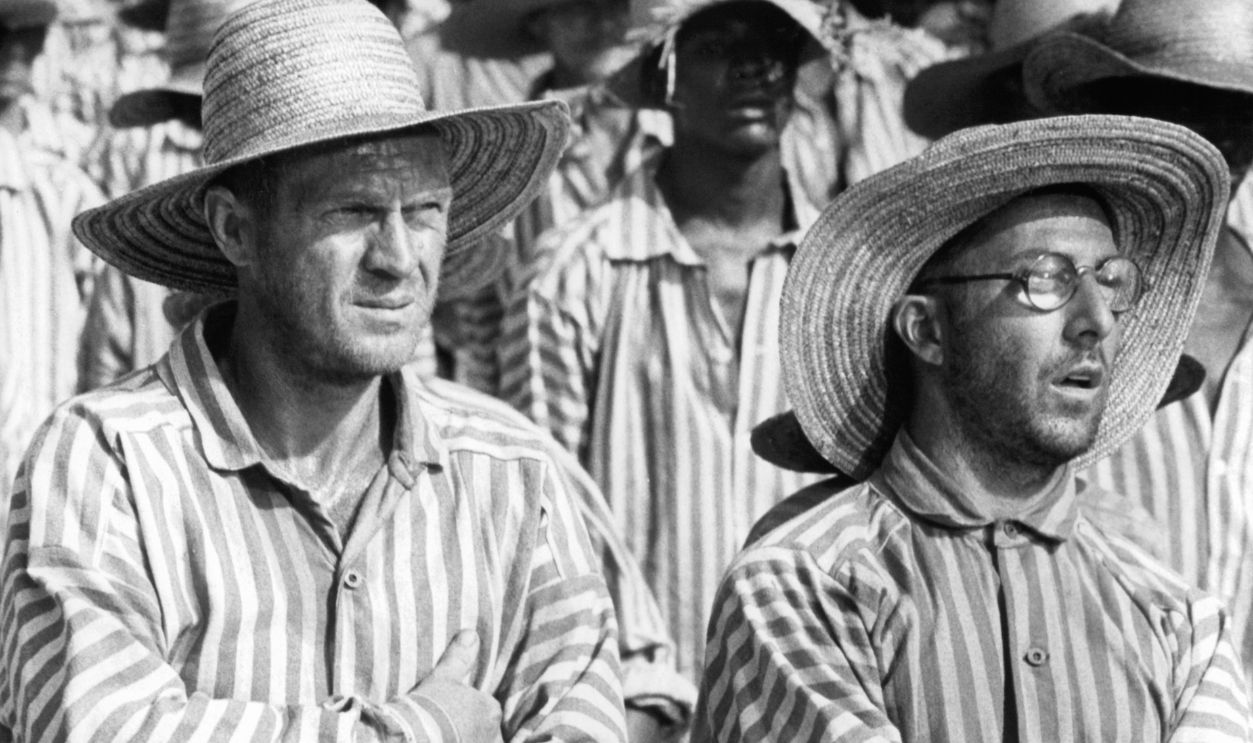
Steve McQueen & Dustin Hoffman — Papillon (1973)
Dustin Hoffman thought equal billing with Steve McQueen meant they were entering Papillon on roughly equal terms. Then he discovered McQueen was reportedly being paid about $750,000 more. Hoffman became angry and, according to production accounts, temporarily uncooperative. The actors generally didn't socialize during breaks and barely spoke once principal photography ended. On set, their contrasting approaches created another source of friction: Hoffman liked exploring scenes, while McQueen preferred stripping performances down to the absolute minimum.
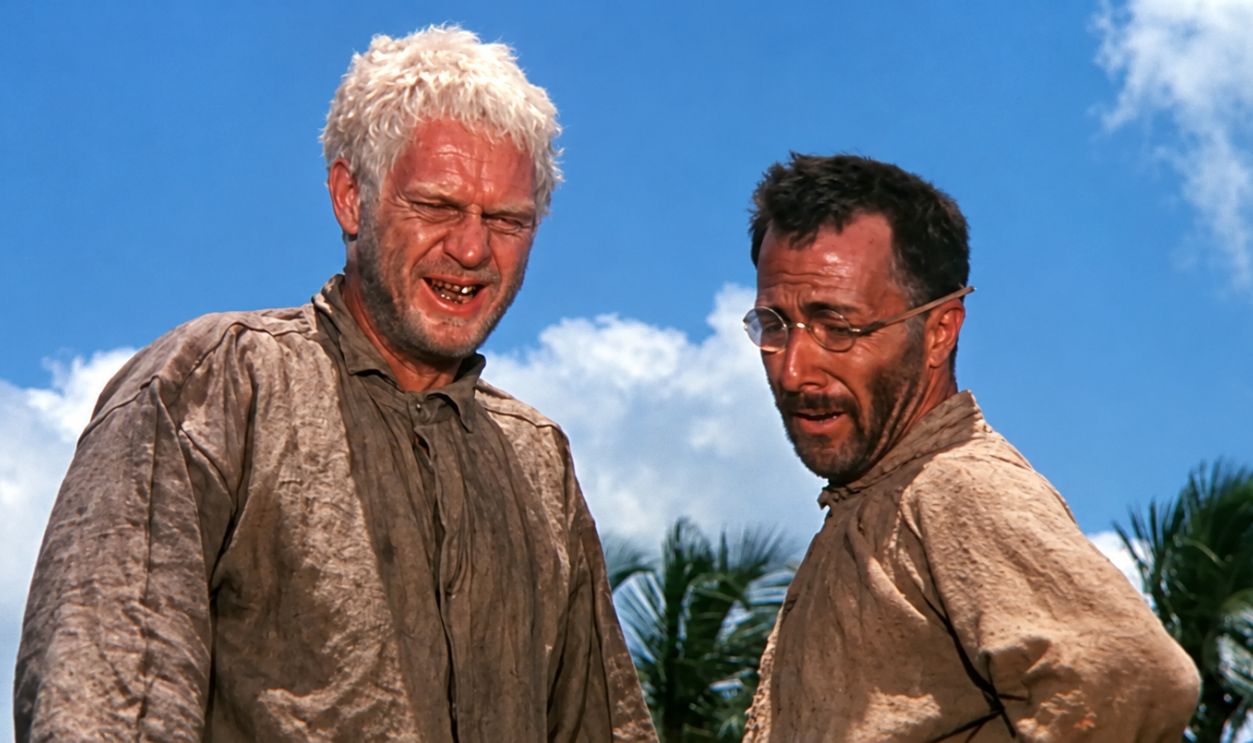 Screenshot from Papillon, Allied Artists Pictures (1973), Enhanced
Steve McQueen & Dustin Hoffman (Cont'd)
When Hoffman once tore through a speech at high speed, McQueen interrupted him: "Less, man, less". His message was essentially to discard the extra acting and simplify everything. Another incident was more openly territorial. Hoffman invited several friends to watch filming, only for McQueen to have them removed from the set. Hoffman's opinion of him remained wonderfully contradictory. He called their relationship a "friendly rivalry" and remembered McQueen as gracious away from work, yet on another occasion referred to him as "that son of a ---".
Marlon Brando & Dennis Hopper — Apocalypse Now (1979)
Dennis Hopper arrived on Apocalypse Now desperate to work with his idol Marlon Brando, only for the relationship to implode almost immediately. The original trigger was a misunderstanding. Hopper had been reading a Green Beret manual and jokingly asked Brando whether he'd read "the book". Brando thought Hopper meant Joseph Conrad's Heart of Darkness, which Francis Ford Coppola had already criticized him for not reading. Brando erupted, reportedly shouting about having to hear criticism from "this punk," before storming away.
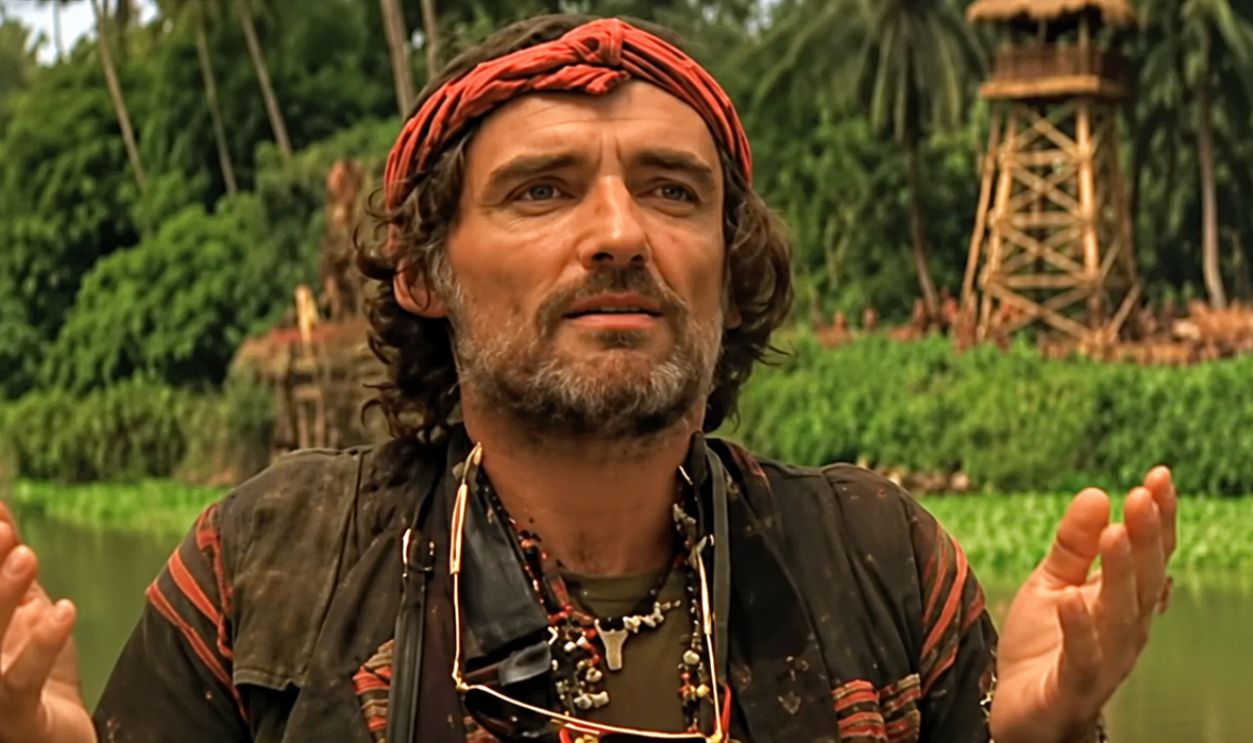 Screenshot from Apocalypse Now, United Artists (1979), Enhanced
Marlon Brando & Dennis Hopper (Cont'd)
Hopper then made everything worse. During an outing to see Seven Samurai, he loudly referred to disparaging comments Brando had once made about Hopper's late friend James Dean and effectively challenged him. Their confrontation came close enough to a fight that filming them together became untenable. Brando eventually told Coppola he'd perform scenes involving Hopper only if their portions were filmed separately: Hopper could do his part, Brando would listen, and they would never actually share the set. Coppola had to construct their apparent interaction through staging and editing.
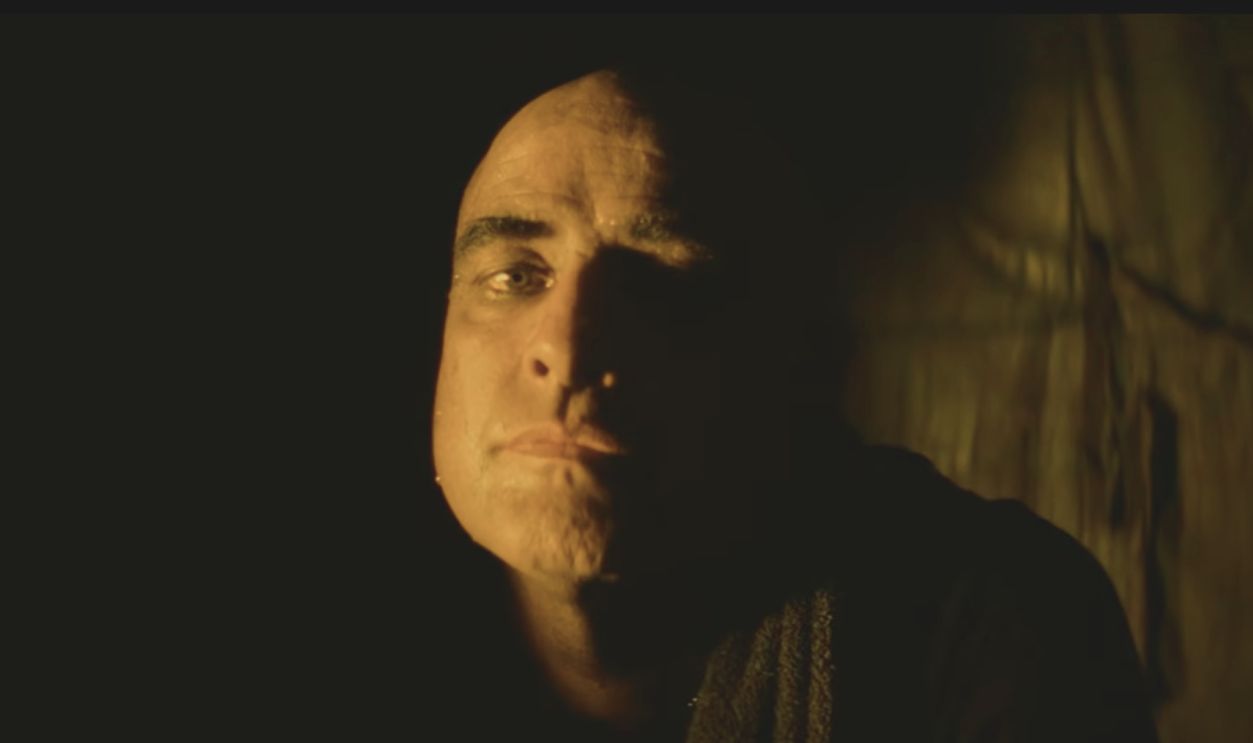 Screenshot from Apocalypse Now, United Artists (1979), Enhanced
Robert Redford & Dustin Hoffman — All The President's Men (1976)
Robert Redford had spent years developing All the President's Men, so he wasn't merely Hoffman's co-star. He was also deeply involved in shaping the production and protective of its restrained tone. Hoffman worked differently. He liked trying variations and searching for discoveries inside scenes rather than settling quickly. Accounts of the production describe moments of tension when Hoffman wanted another approach while Redford was thinking about time, structure, and a film he had personally fought to get made.
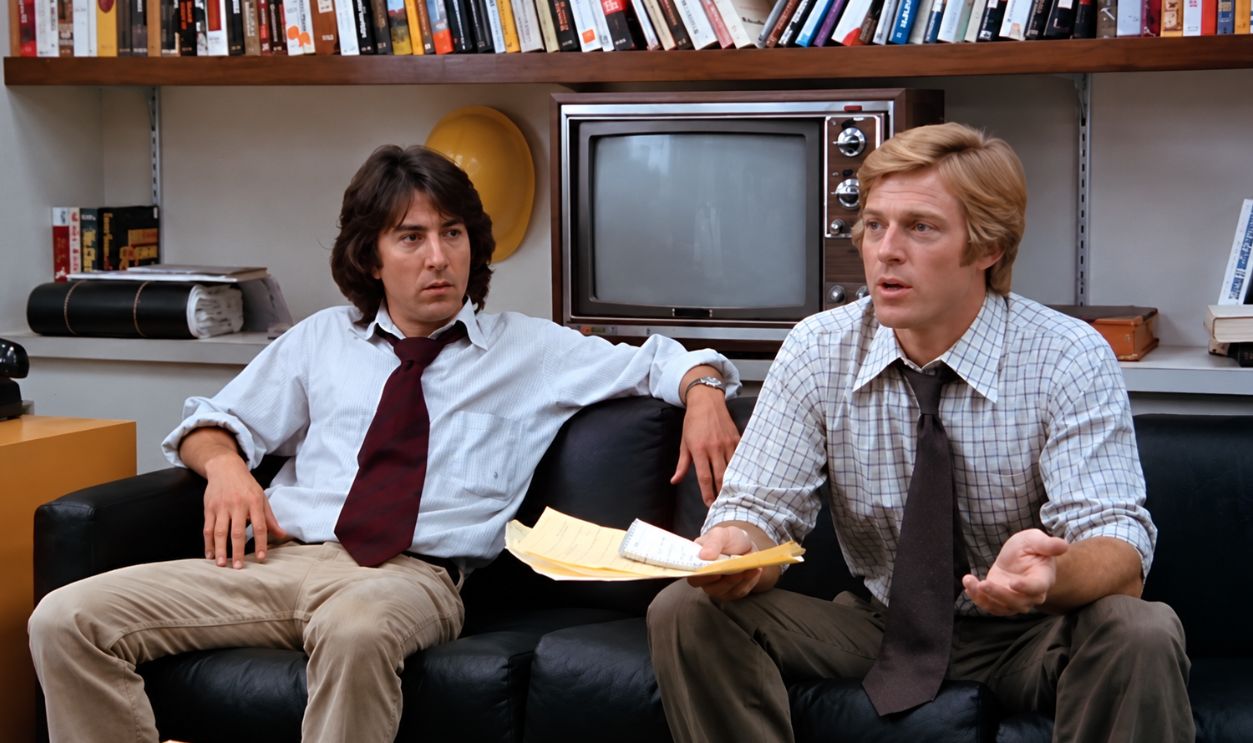 Screenshot from All the President’s Men, Warner Bros. Pictures (1976), Enhanced
Robert Redford & Dustin Hoffman (Cont'd)
The differences didn't become a personal feud, but they continued into how the material was shaped. Hoffman favored more emotional possibilities than Redford ultimately wanted in a film deliberately designed to avoid turning Woodward and Bernstein into conventional movie heroes. Hoffman later expressed frustration that some stronger emotional material had disappeared from the final cut. Redford defended the restraint. Their disagreement was fundamentally about what kind of movie they were making: Hoffman was looking for opportunities as an actor, while Redford was protecting the cool, reportorial tone of the larger project.
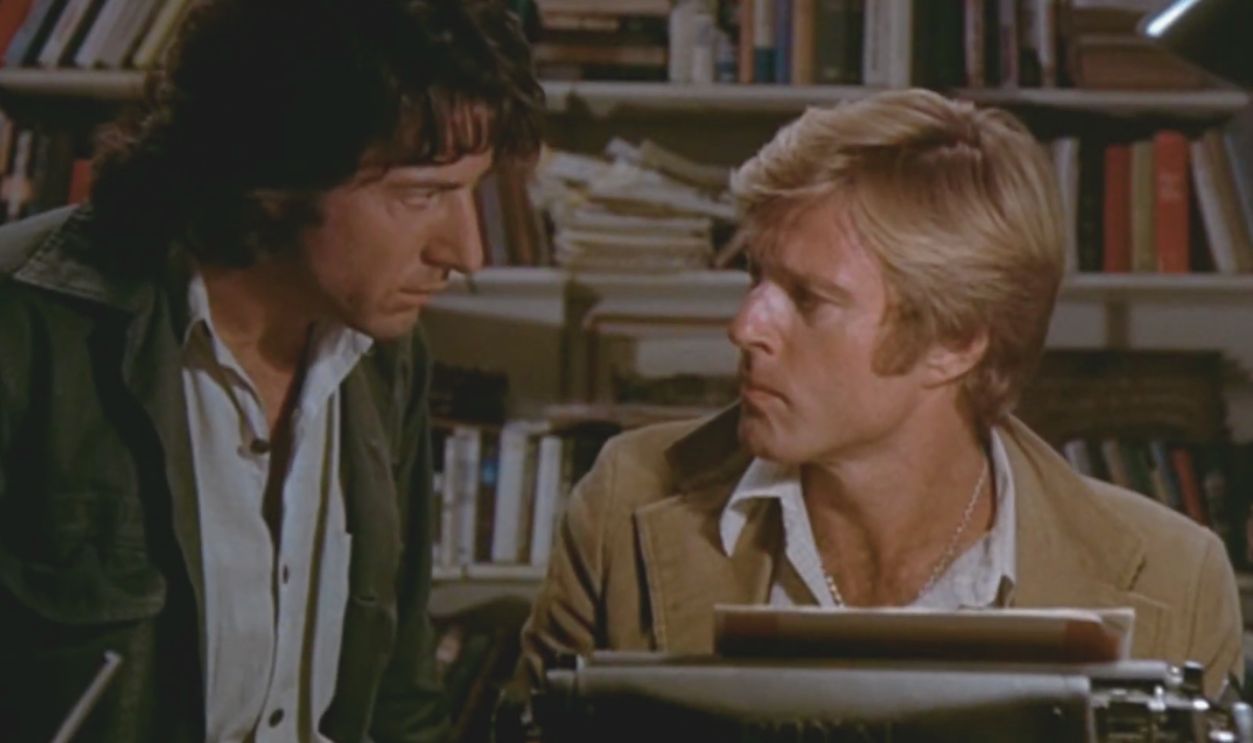 Screenshot from All the President’s Men, Warner Bros. Pictures (1976), Enhanced
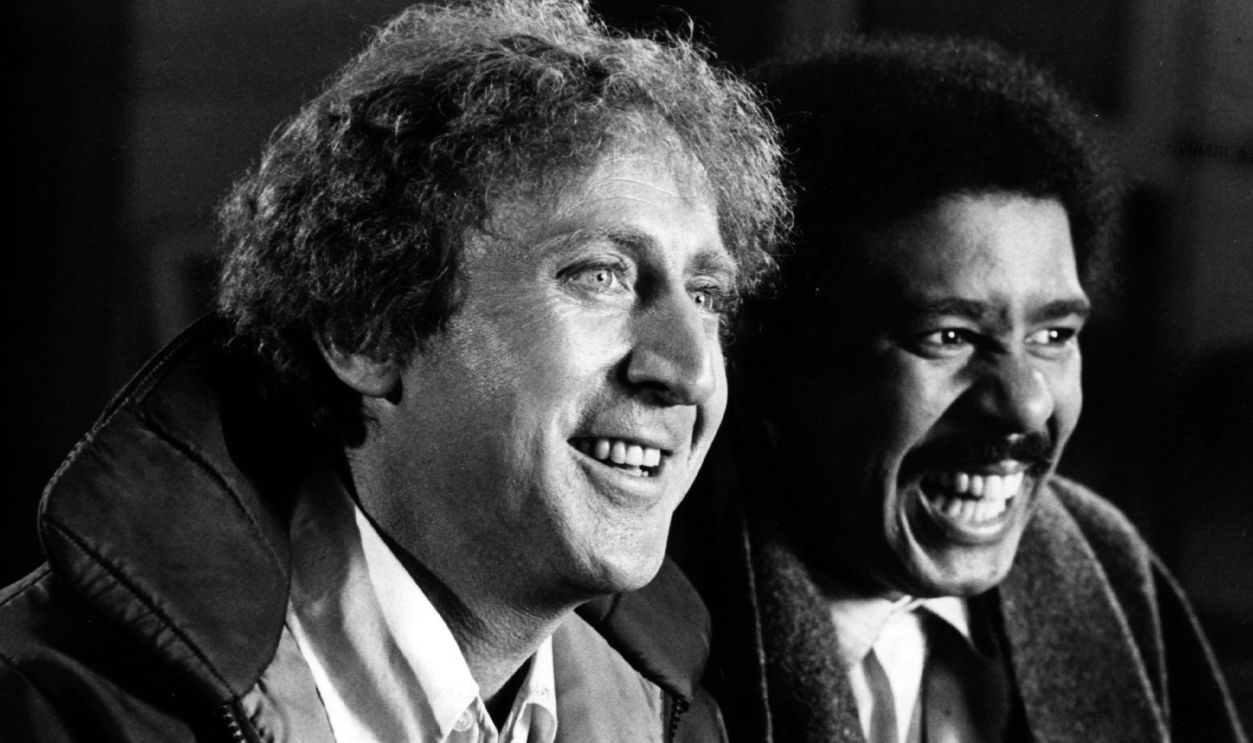
Gene Wilder & Richard Pryor — Silver Streak (1976)
The odd thing about Gene Wilder and Richard Pryor is that the famous offscreen turbulence associated with their partnership wasn't especially severe during Silver Streak. Producers had actually worried about hiring Pryor because of his reputation for unpredictability, to the point that an understudy was reportedly considered. Instead, he behaved professionally. Wilder was astonished by how freely Pryor departed from the script, forcing Wilder, who hadn't normally improvised on film, to abandon his planned responses and simply follow him.
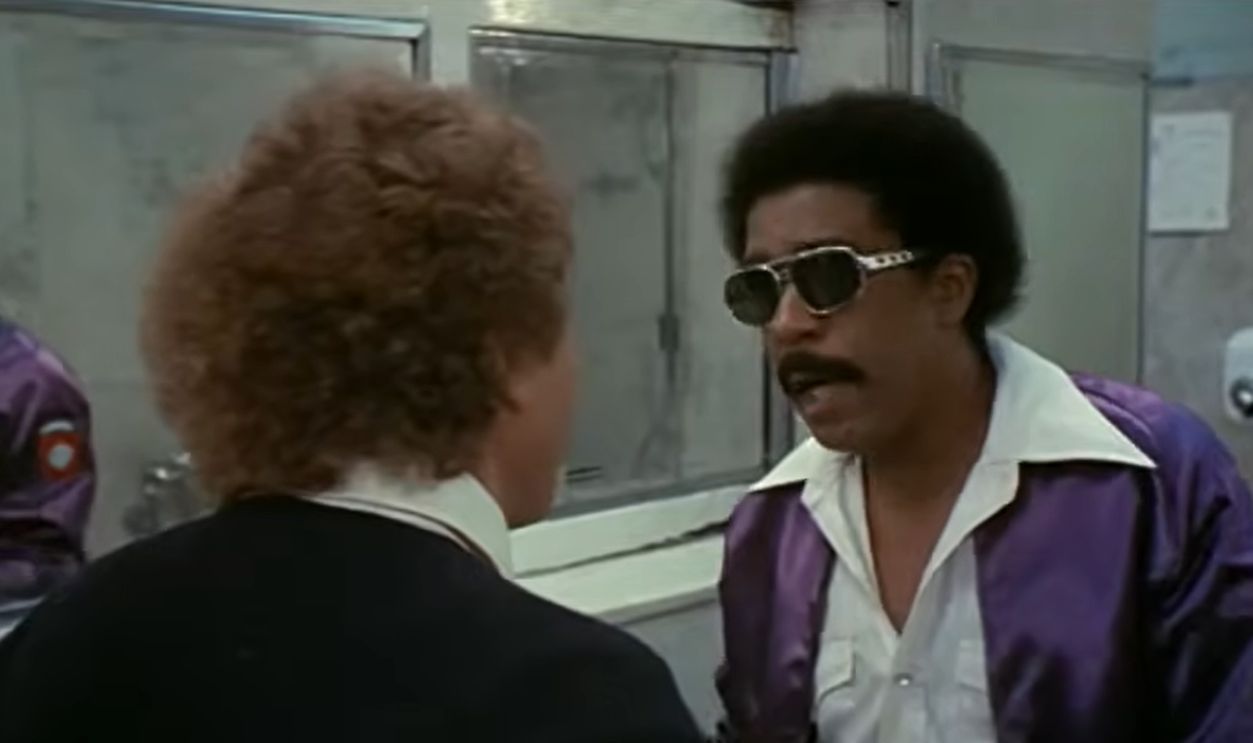 Screenshot from Silver Streak, 20th Century Fox (1976)
Gene Wilder & Richard Pryor (Cont'd)
Their later working relationship exposed the gulf between them more clearly. Pryor's substance use, lateness, and unpredictable behavior could make subsequent productions difficult, while Wilder was considerably more controlled. Wilder later emphasized that their extraordinary onscreen connection never translated into a close private friendship: they rarely socialized and largely occupied separate worlds. That makes Silver Streak less a story of two men feuding than the beginning of a strange professional relationship in which they could understand each other instantly in front of a camera while remaining surprisingly distant once it stopped.
William Holden & Faye Dunaway — Network (1976)
The trouble between William Holden and Faye Dunaway really belonged to their previous movie, The Towering Inferno, but everyone remembered it when they were reunited on Network. Holden had become furious over Dunaway's habit of leaving him waiting while she dealt with hair, makeup, and telephone calls. The worst incident allegedly came after she kept him waiting roughly two hours for an important scene. By the time she finally arrived, Holden had run out of patience.
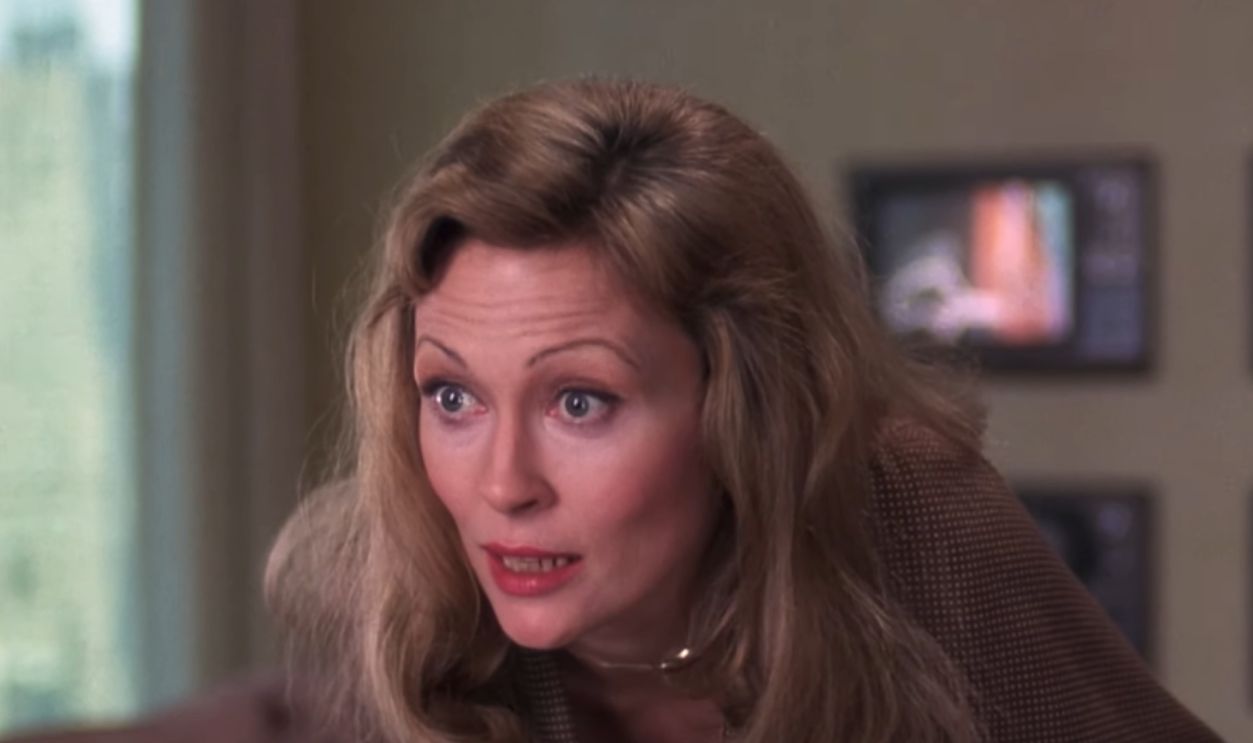 Screenshot from Network, United Artists (1976)
William Holden & Faye Dunaway (Cont'd)
According to Holden biographer Bob Thomas, he grabbed Dunaway by the shoulders, shoved her against a soundstage wall, and warned that if she did it again he'd push her "through that wall". Crew members reportedly noticed that her punctuality improved afterward. Dunaway later wrote that The Towering Inferno had left a bad taste in Holden's mouth. Their history caused genuine concern when Sidney Lumet cast them together again in Network, although this time the two managed to get through production without a repeat of the earlier explosion.
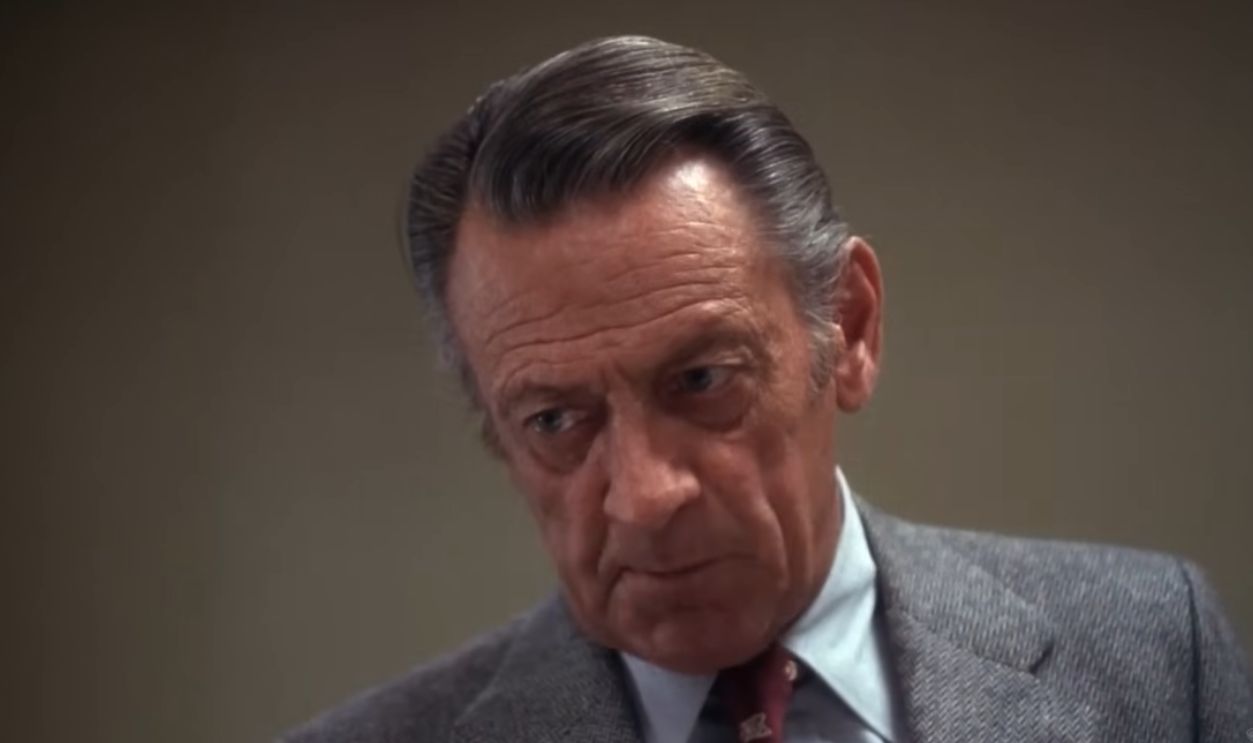 Screenshot from Network, United Artists (1976)
Jacqueline Bisset & Nick Nolte — The Deep (1977)
Reports surrounding The Deep describe Jacqueline Bisset and Nick Nolte as getting off to a poor start personally. That presented an obvious problem because they were playing a couple and spending months together through an unusually physical shoot filled with location work and underwater sequences. Nolte was still an emerging movie star, while Bisset was already far more established internationally. Whatever the precise source of their early irritation, accounts from the production consistently describe the initial atmosphere between them as anything but romantic.
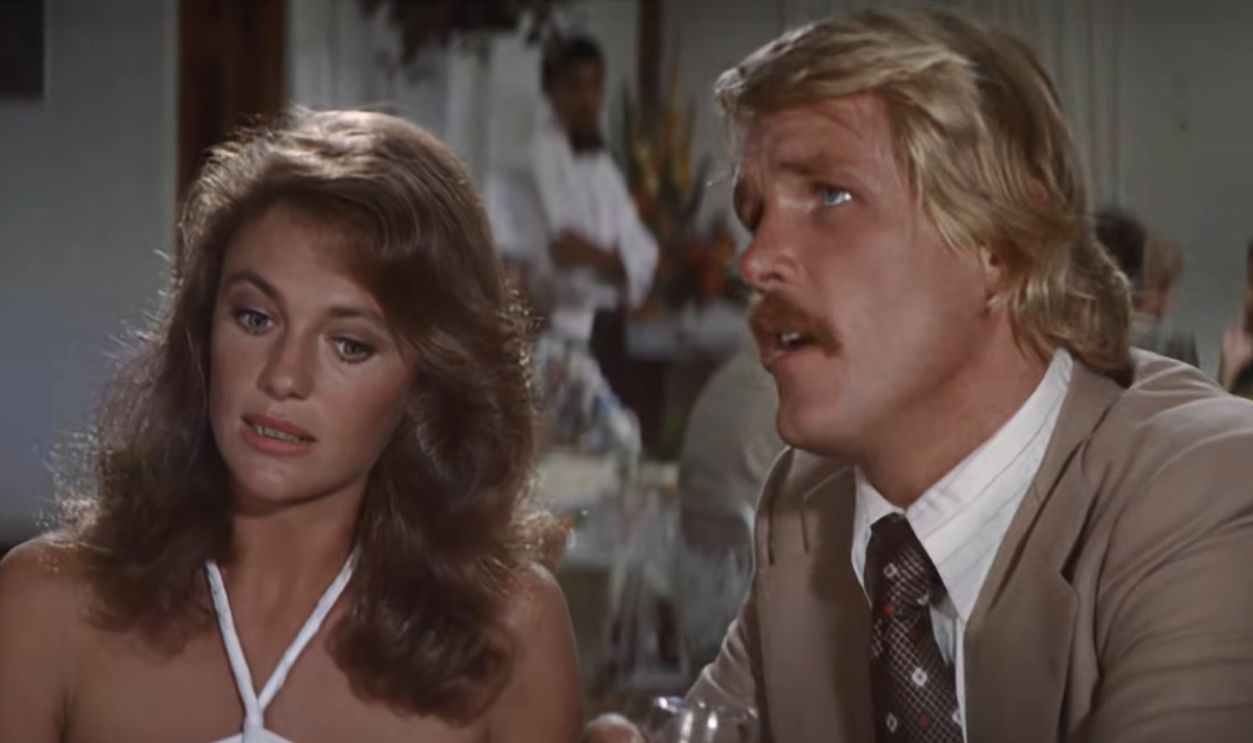 Screenshot from The Deep, Columbia Pictures (1977)
Jacqueline Bisset & Nick Nolte (Cont'd)
Then the relationship apparently swung in the opposite direction. Bisset and Nolte reportedly became romantically involved during filming, much to producer Peter Guber's delight. Guber supposedly believed the shift was visibly helping their scenes. It's one of the stranger entries because the "feud" effectively burned itself out while the cameras were still rolling. The pair began the production struggling to get along and ended it close enough for their relationship to become part of the movie's behind-the-scenes mythology.
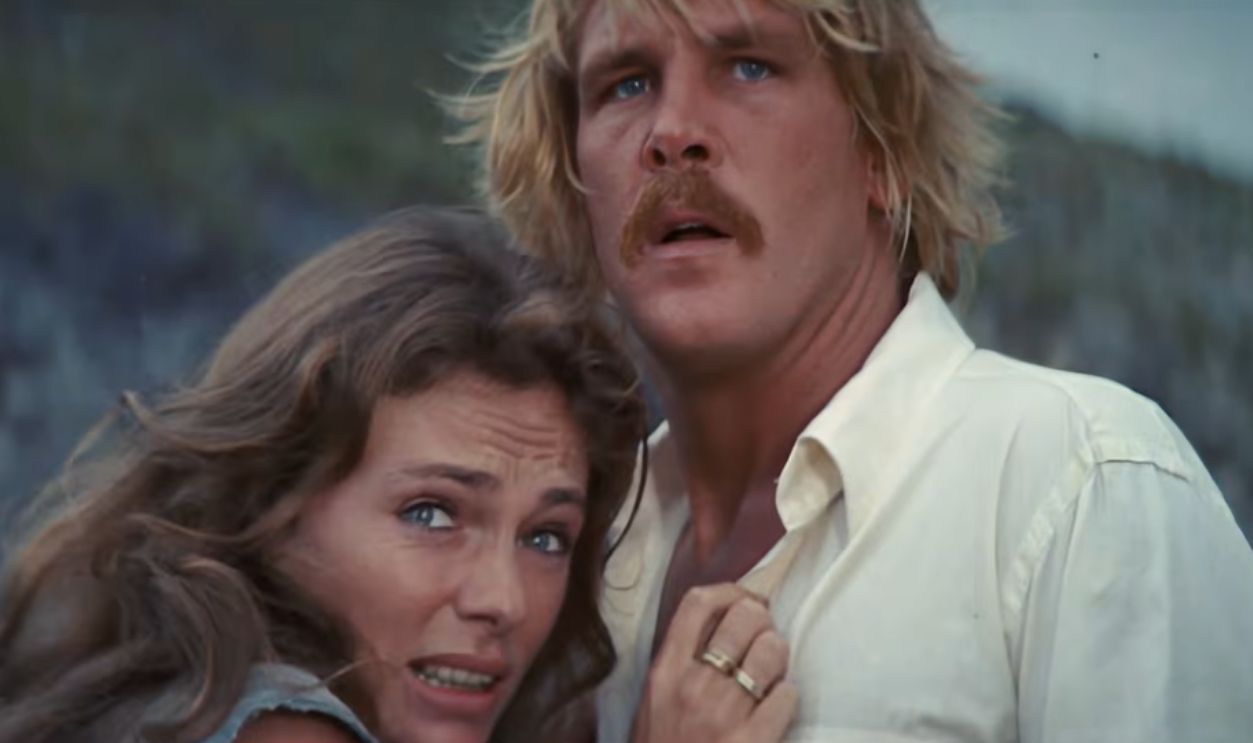 Screenshot from The Deep, Columbia Pictures (1977)
Dustin Hoffman & Laurence Olivier — Marathon Man (1976)
The supposed battle between Dustin Hoffman's Method acting and Laurence Olivier's classical technique has been repeated so often that it now sounds like one of Hollywood's great feuds. Hoffman supposedly deprived himself of sleep before arriving exhausted on set, where Olivier looked at him and asked why he didn't simply "try acting". The story became irresistible because it reduced two entire schools of performance to one devastating Olivier punchline.
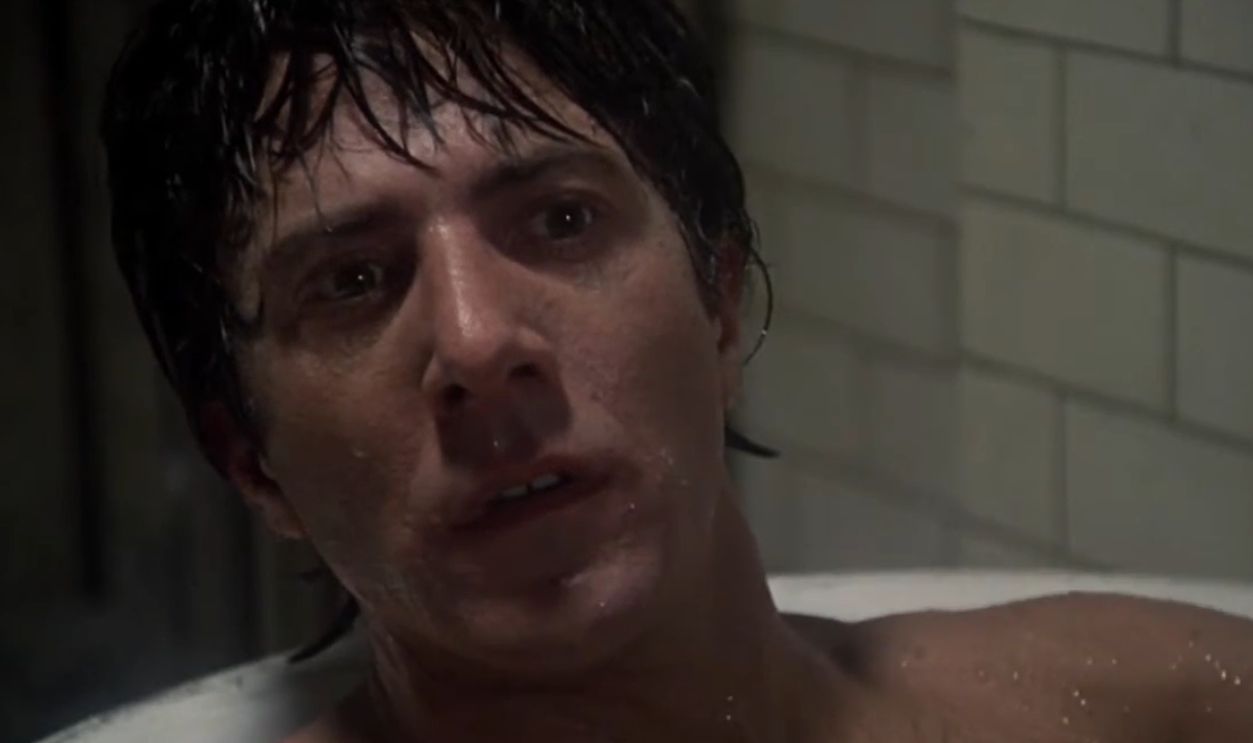 Screenshot from Marathon Man, Paramount Pictures (1976)
Dustin Hoffman & Laurence Olivier (Cont'd)
Hoffman later explained that the reality was much friendlier. He'd spent time away from Olivier while filming in New York, then returned joking that he'd stayed awake for days to prepare for an exhausted scene. Hoffman said the remark was really a wink about having partied all weekend during the Studio 54 era. Olivier responded with his famous acting joke and, according to Hoffman, "We laughed about it". Their approaches really were different, but the legendary Hoffman-Olivier feud was largely a myth created by turning friendly teasing into a philosophical showdown.
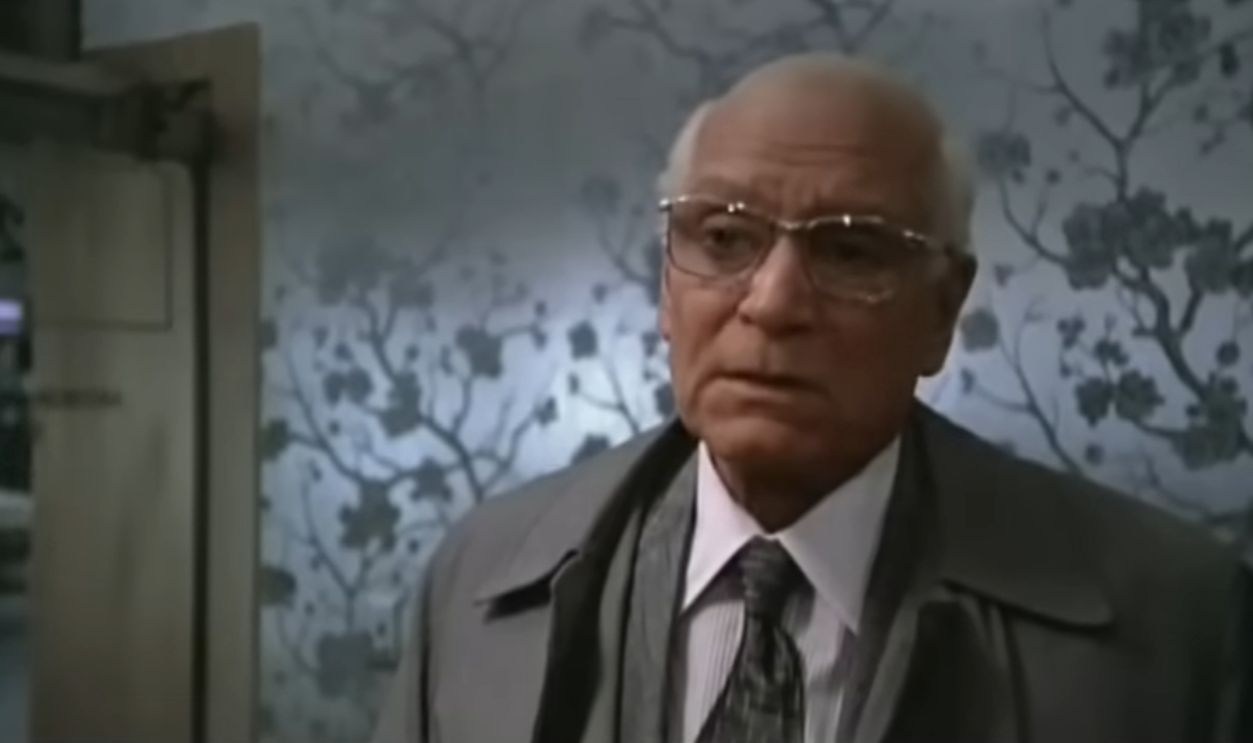 Screenshot from Marathon Man, Paramount Pictures (1976)
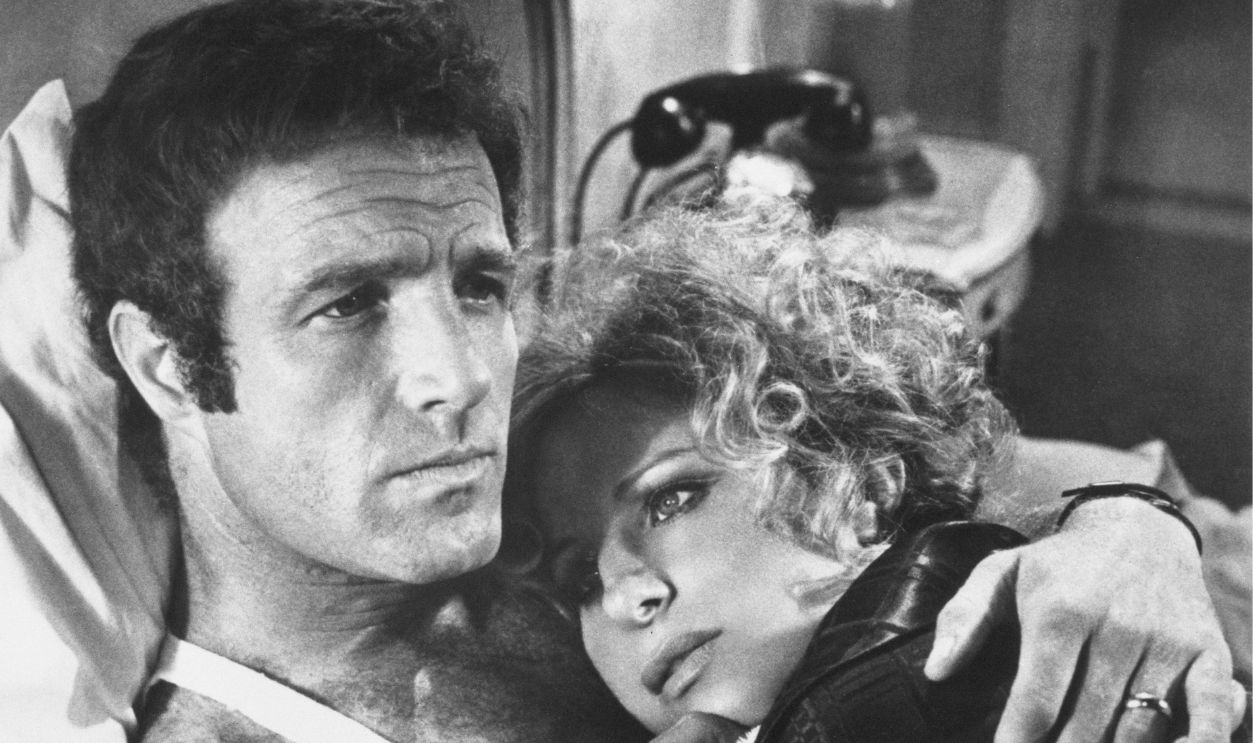
Barbra Streisand & James Caan — Funny Lady (1975)
James Caan wasn't feuding constantly with Barbra Streisand on Funny Lady, but he did enjoy provoking a co-star known for wanting careful control over her performances. The clearest example came while filming an argument in Fanny Brice's dressing room. The scene called for Fanny to dump powder on Billy Rose and Billy to retaliate. Streisand objected to actually having the powder thrown into her face because she worried it might be dangerous or enter her lungs.
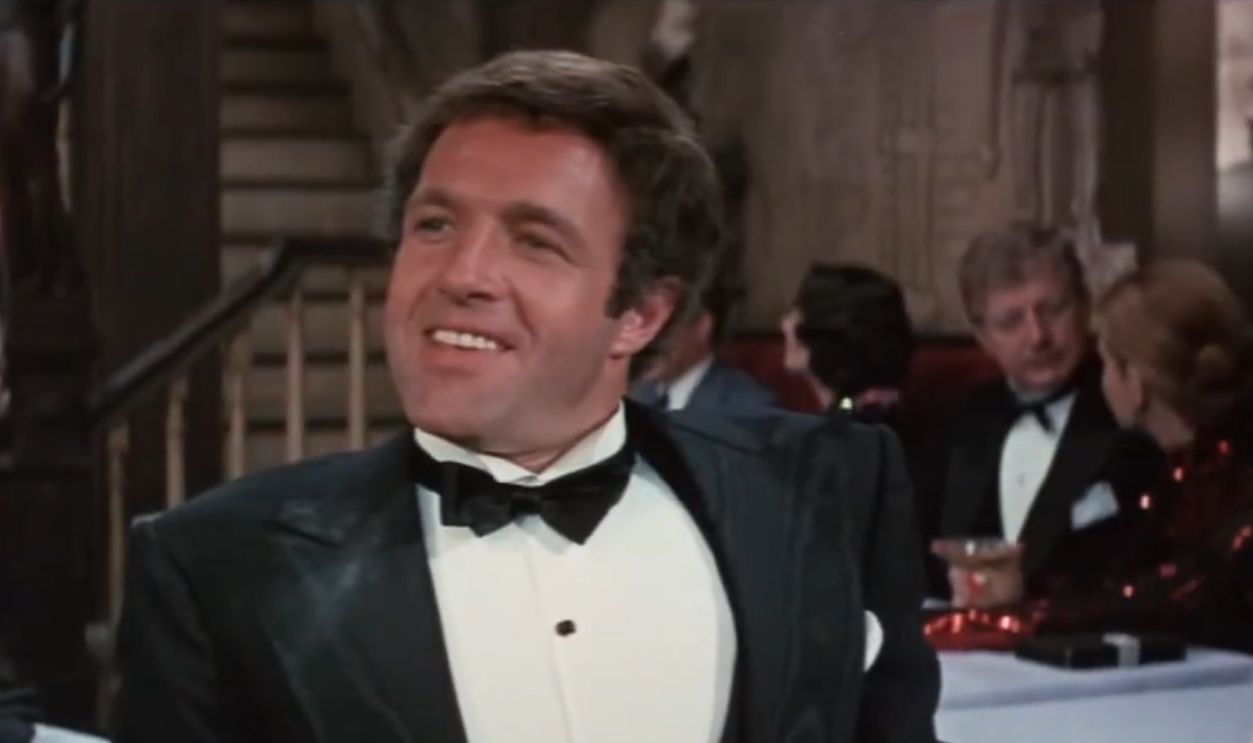 Screenshot from Funny Lady, Columbia Pictures (1975)
Barbra Streisand & James Caan (Cont'd)
Caan appeared to agree. He told Streisand he'd make the throwing motion without actually hitting her. Once the cameras were rolling, he broke the agreement and dumped the remaining powder directly onto her face. Caan later remembered her immediately calling him names while he laughed uncontrollably, before she eventually started laughing too. The editors apparently removed the audio of Streisand's reaction, though her mouth can still be seen moving. What became a funny Caan anecdote began with him deliberately doing exactly what his co-star had asked him not to do.
Brad Davis & Paul L. Smith — Midnight Express (1978)
Director Alan Parker remembered the early scenes between Brad Davis and Paul L. Smith as "quite traumatic". Smith, playing sadistic guard Hamidou, was determined to make his performance aggressively physical. Stunt coordinator Roy Scammell explicitly instructed him not to actually hurt Davis. According to Parker, those instructions didn't solve the problem. Smith's physicality repeatedly crossed from carefully staged aggression into contact forceful enough that Parker had to decide whether what he was capturing was movie illusion or genuine harm.
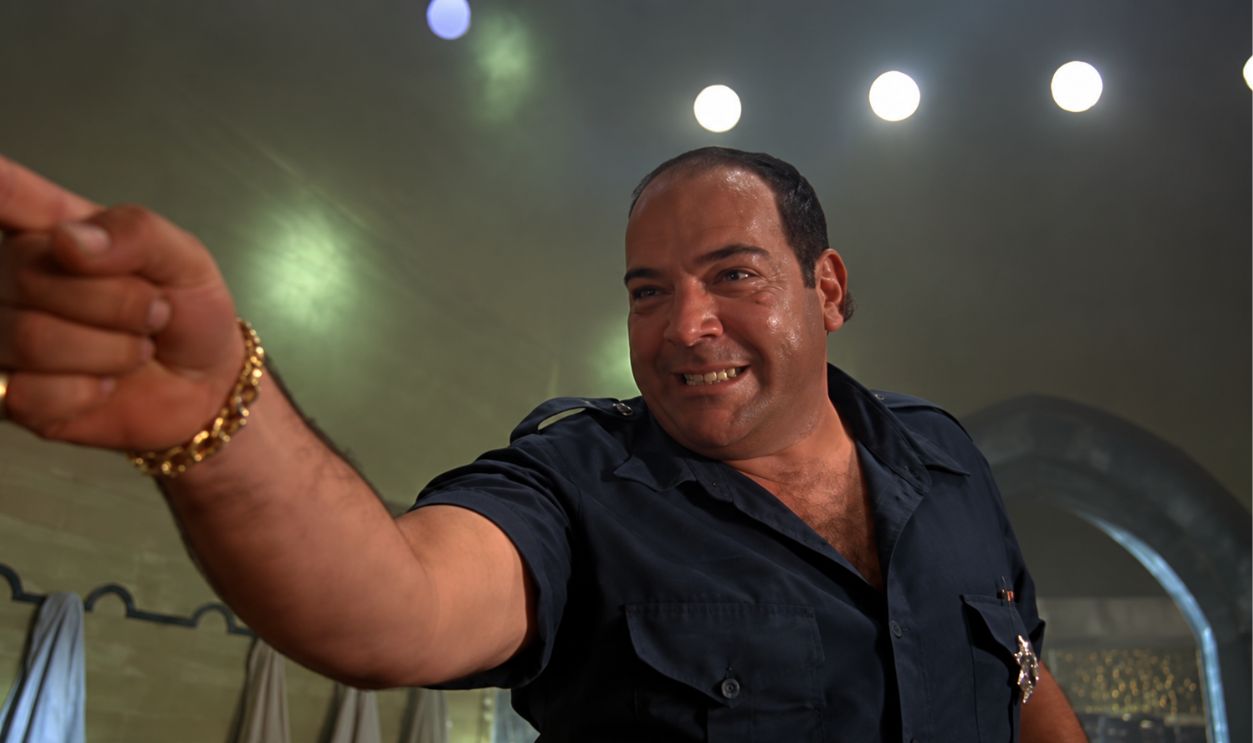 Screenshot from Midnight Express, Columbia Pictures (1978), Enhanced
Brad Davis & Paul L. Smith (Cont'd)
Davis wasn't the only actor who objected. Parker remembered Randy Quaid and John Hurt pushing back against what they saw as Smith's "aggressive excesses". Hurt finally became furious after Smith struck Paolo Bonacelli hard enough to damage his false teeth and then physically yanked real hairs from Hurt's beard. This wasn't simply two performers with incompatible techniques. The director and stunt coordinator had already established limits, and Smith kept pushing through them. Of all the conflicts here, it's one of the clearest cases where on-set hostility became an actual safety problem.
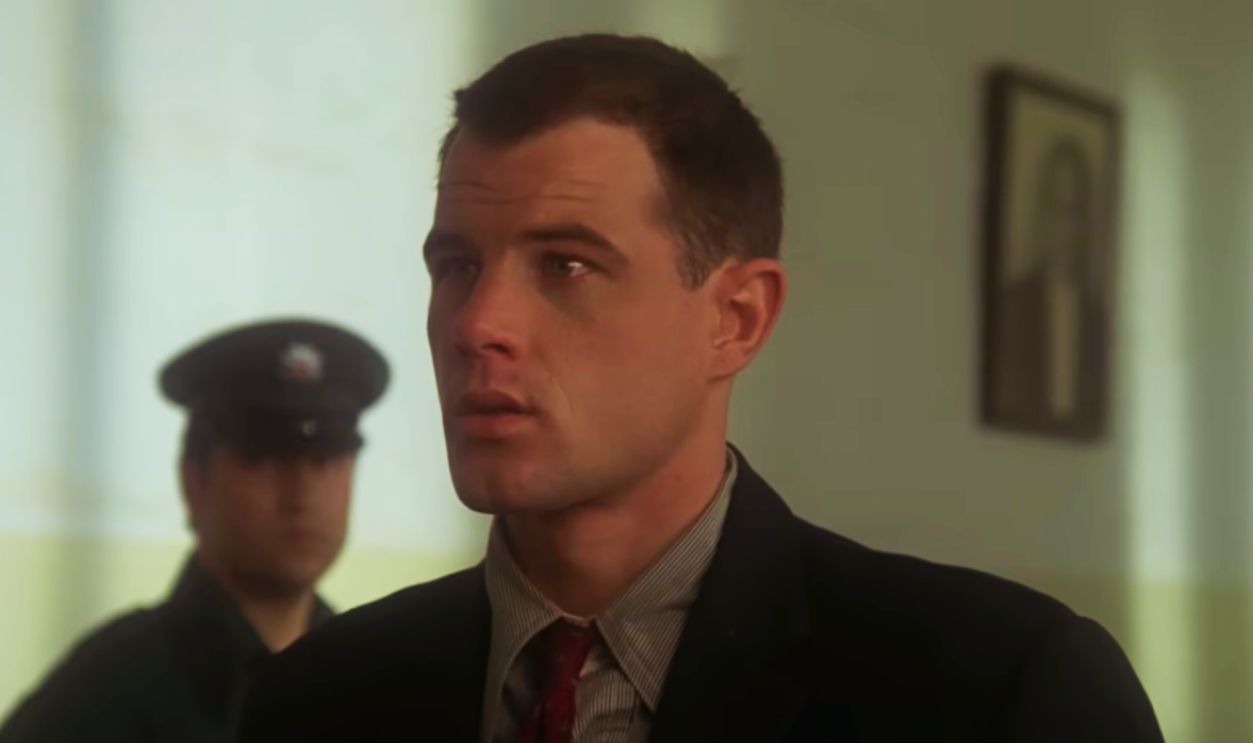 Screenshot from Midnight Express, Columbia Pictures (1978), Enhanced
The Best Chemistry Doesn't Require The Worst Behavior
The 1970s produced extraordinary films partly because actors with wildly different personalities and methods were constantly thrown together. Sometimes friction sharpened a scene because talented people pushed against one another creatively. But there's an important difference between disagreement and violating somebody's boundaries. The most interesting lesson from these stories isn't that Hollywood was better when sets were harsher. It's that great actors repeatedly turned difficult situations into great performances, even when they shouldn't have been required to.
You May Also Like:
Co-stars who hated each other, but had to pretend on screen. Could you tell?
Forgotten Horror Stars Who Terrified the 1970s, Then Slowly Faded From Memory