When Horror Stars Still Had Faces
Before masked villains and endless sequels took over, 1970s horror belonged to unforgettable performers. Some were elegant legends, others were terrifying newcomers, and several could make audiences nervous simply by entering a room. Ranked by popularity, influence, and lasting horror fame, here are the decade’s 25 greatest stars.
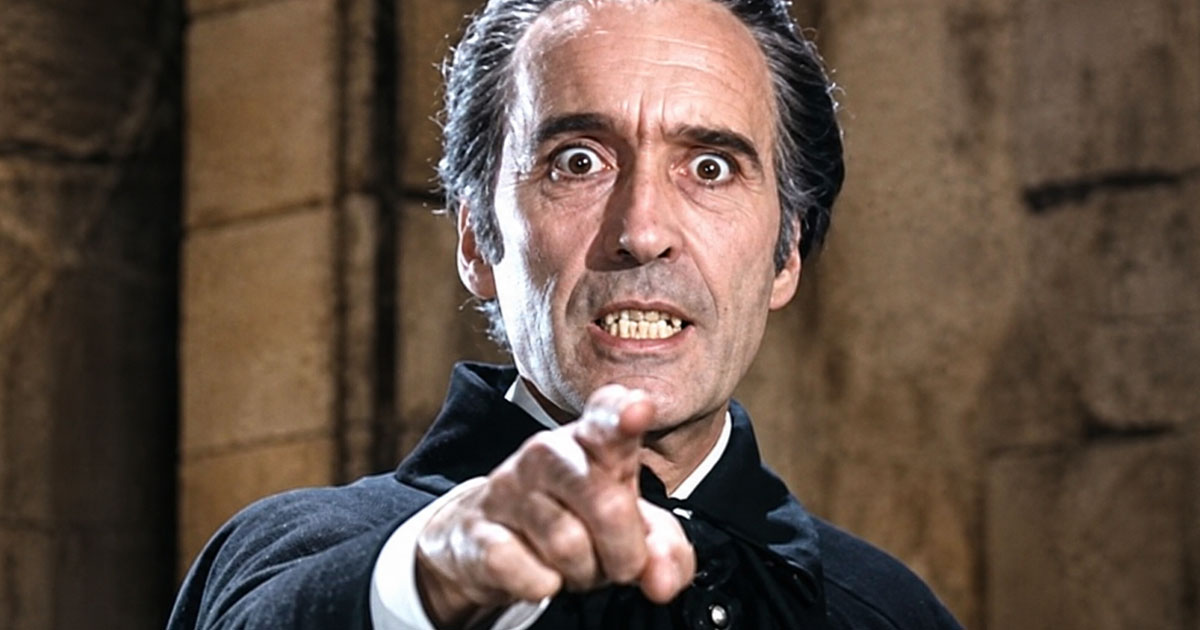
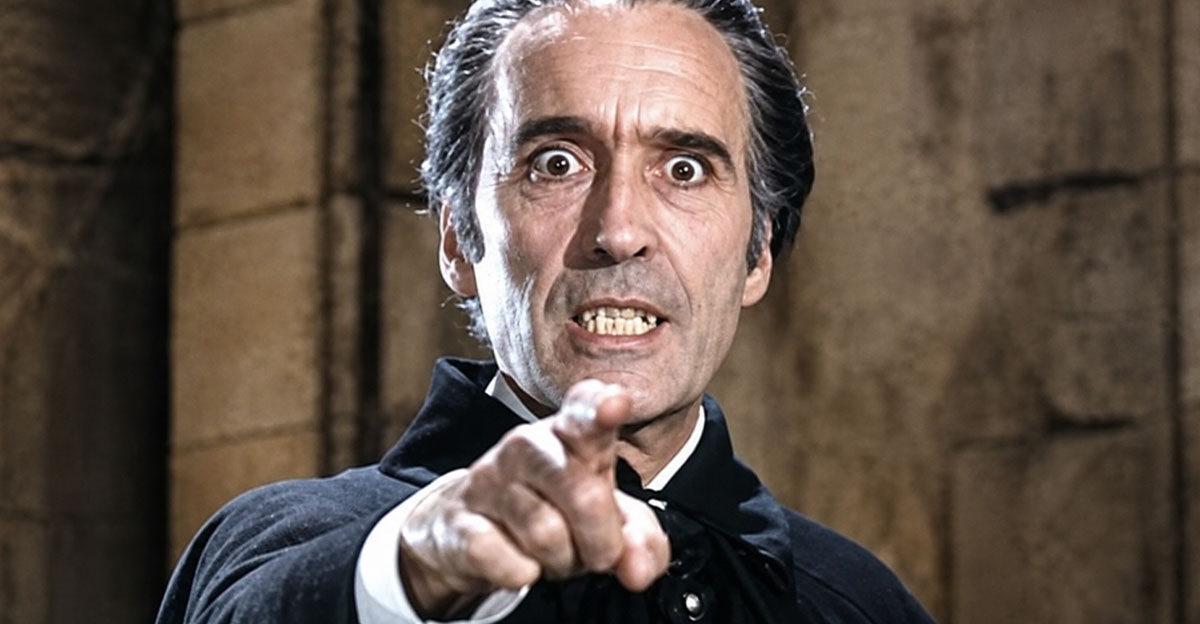 Prime Video, Horror of Dracula (1958)
#25: John Amplas
George A. Romero discovered John Amplas performing onstage and cast him as the mysterious title character in Martin. Released in 1977, the unsettling film never clearly confirms whether Martin is truly a vampire or simply a deeply troubled young man. Amplas gave the low-budget production its unnerving realism, becoming a cult favorite among serious Romero fans.
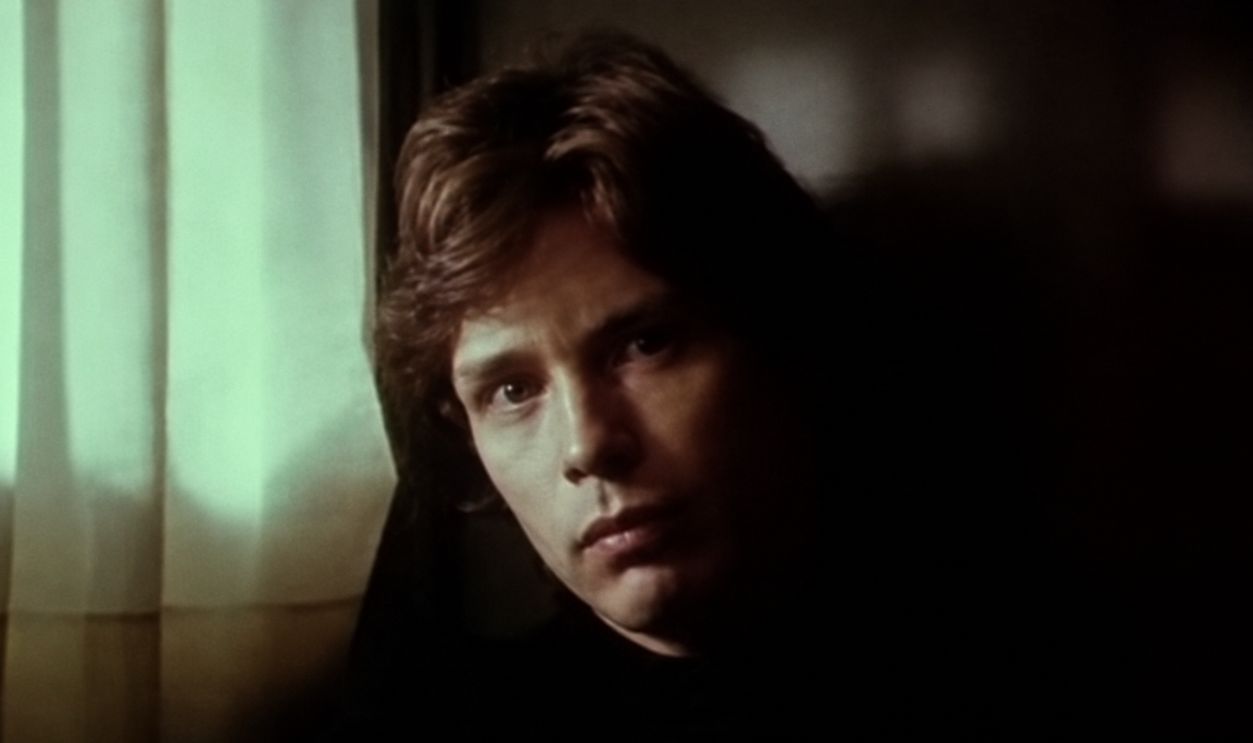 Screenshot from Martin, Libra Films (1977)
#24: David Hess
David Hess brought a frighteningly believable menace to Wes Craven’s The Last House on the Left in 1972. As Krug Stillo, Hess did not resemble a traditional movie monster. He looked and behaved like someone audiences might actually encounter, which made him considerably harder to forget. His performance helped establish the decade’s grittier, less theatrical style of horror.
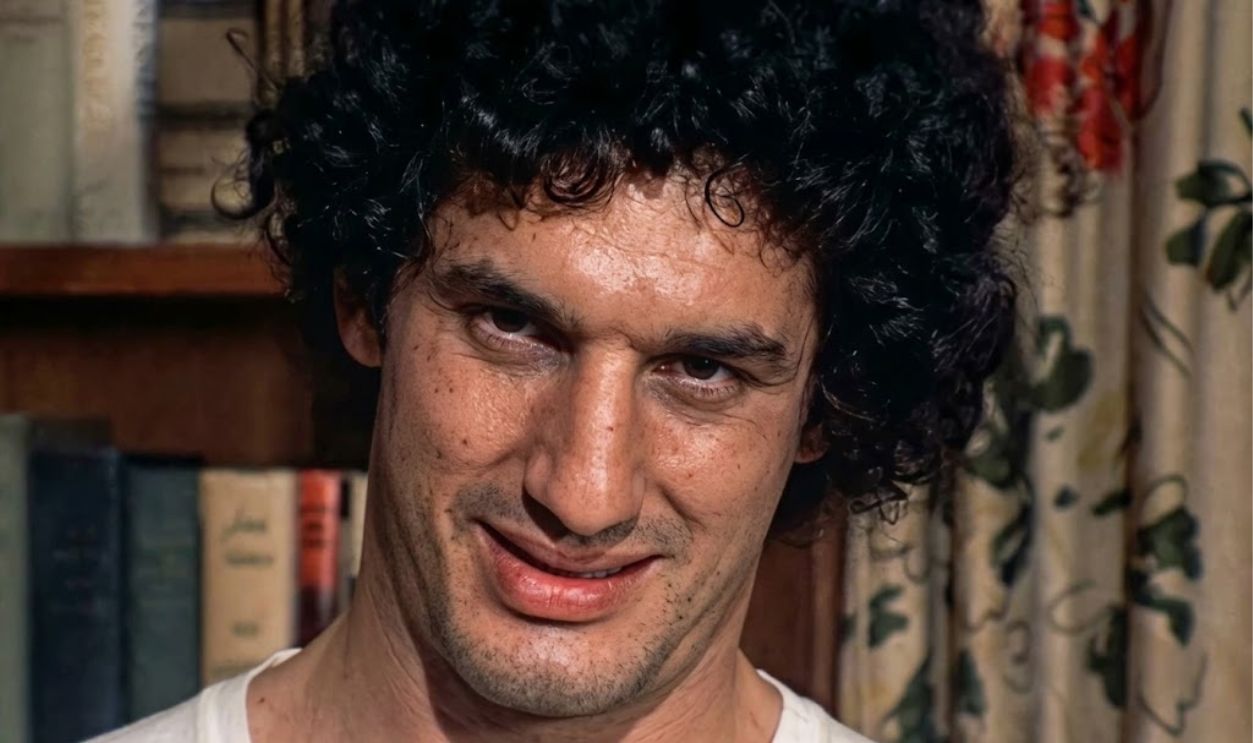 Screenshot from The Last House on the Left, American International Pictures (1972), Enhanced
#23: Robert Quarry
Robert Quarry briefly looked ready to inherit the vampire throne from Christopher Lee. He starred in Count Yorga, Vampire and its sequel, giving the bloodsucker a smooth, modernized personality suitable for 1970s California. Quarry later appeared opposite Vincent Price in Dr. Phibes Rises Again and Madhouse, proving he could hold his own beside horror royalty.
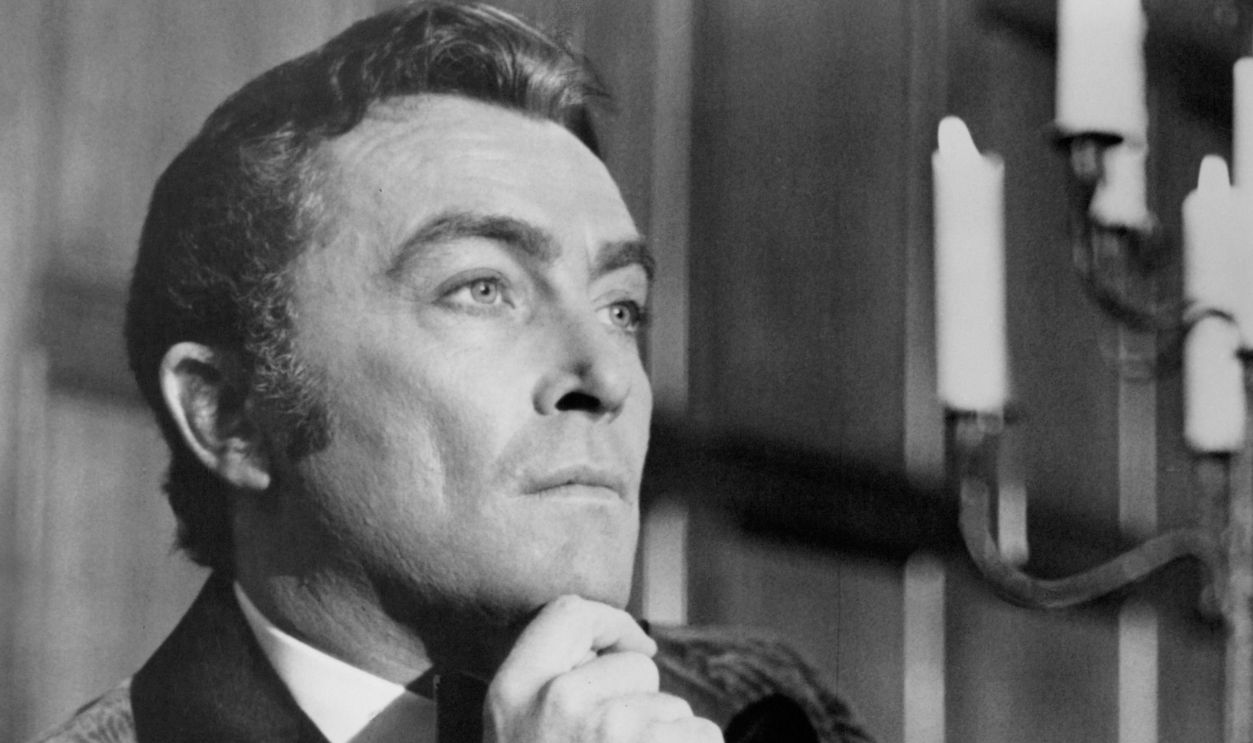 Michael Ochs Archives, Getty Images
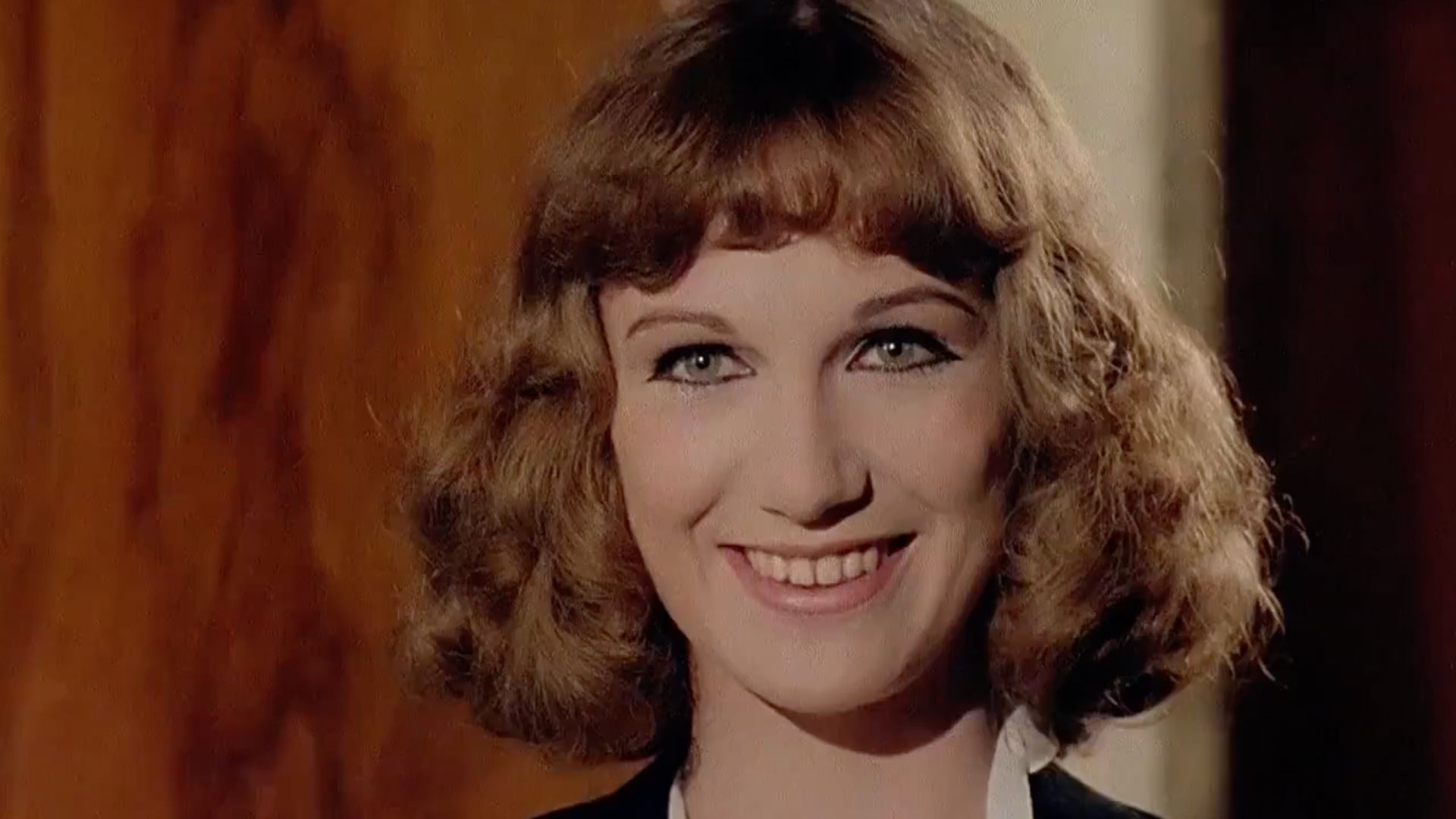
#22: Daria Nicolodi
Daria Nicolodi became one of the defining faces of Italian horror through her collaborations with director Dario Argento. She starred in Deep Red and Mario Bava’s Shock, while also co-writing Suspiria. Nicolodi brought intelligence, nervous energy, and humor to stories that otherwise might have disappeared completely into clouds of colored lighting and extremely theatrical blood.
#21: Jessica Harper
With her wide, expressive eyes and quietly vulnerable screen presence, Jessica Harper was ideal for the dreamlike nightmares of 1970s cinema. She appeared in Phantom of the Paradise before starring as American ballet student Suzy Bannion in Suspiria. Harper’s grounded performance gave audiences someone to follow while absolutely nothing around her behaved according to normal logic.
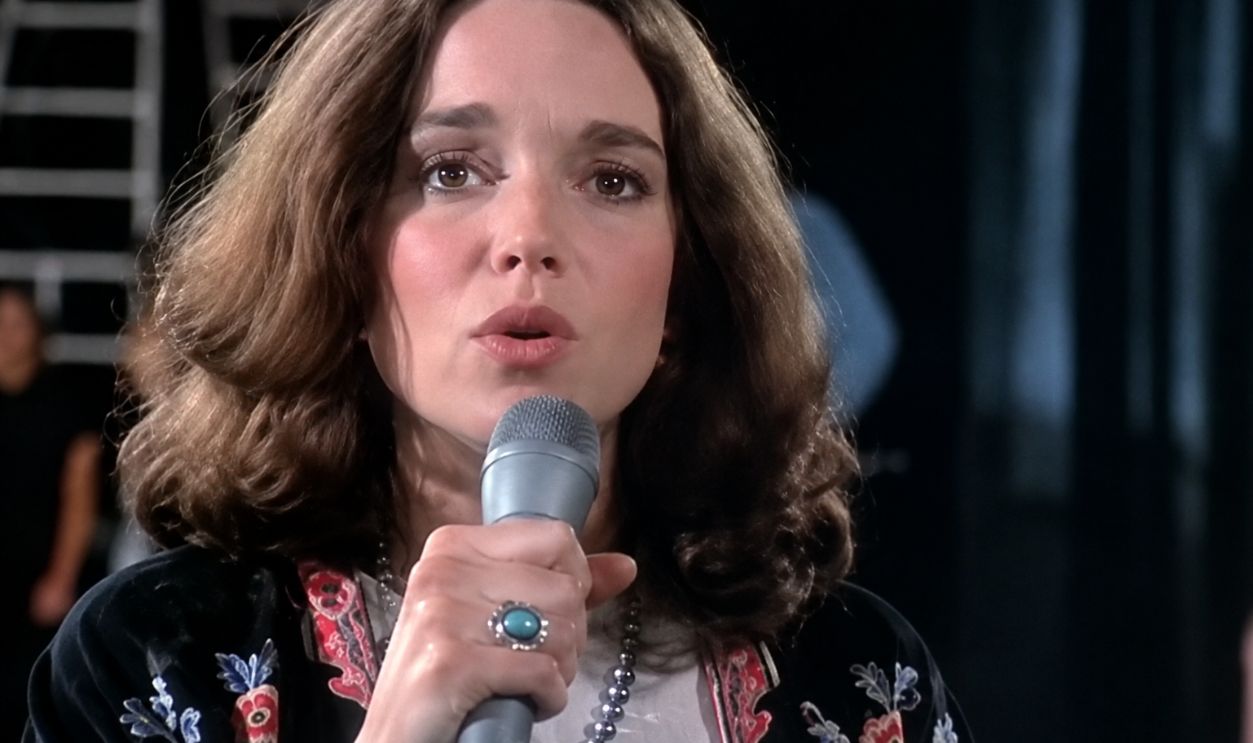 Screenshot from Phantom of the Paradise, 20th Century Fox (1974)
#20: Michael Berryman
Michael Berryman became one of horror’s most recognizable character actors after playing Pluto in Wes Craven’s The Hills Have Eyes. His startling appearance made an immediate impression, but his aggressive physical performance made the character truly memorable. One photograph of Berryman eventually became nearly as famous as the film, appearing on posters, video boxes, and bedroom walls.
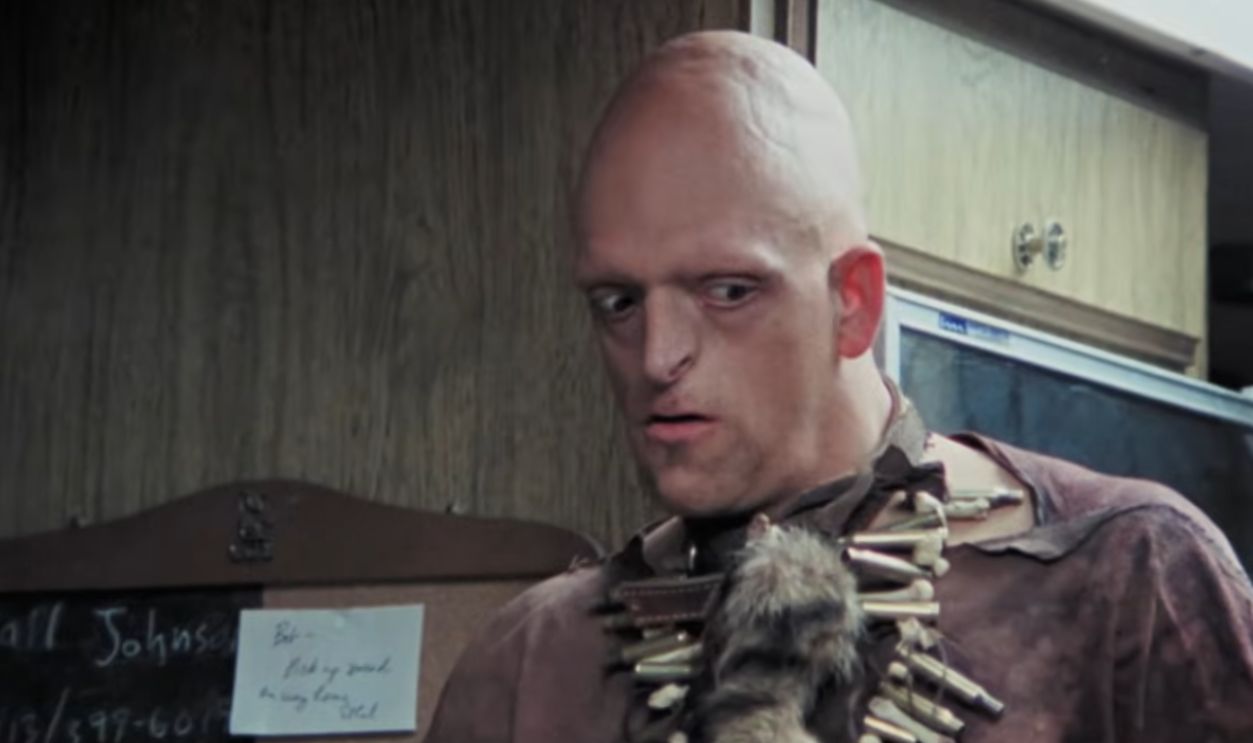 Screenshot from The Hills Have Eyes, Vanguard (1977)
#19: Angus Scrimm
Angus Scrimm needed only one movie to become a horror icon. As the Tall Man in 1979’s Phantasm, he transformed a dark suit, a stern expression, and the word “boy” into nightmare fuel. His towering presence gave the strange, low-budget production its unforgettable villain and launched a role Scrimm would continue playing through multiple sequels.
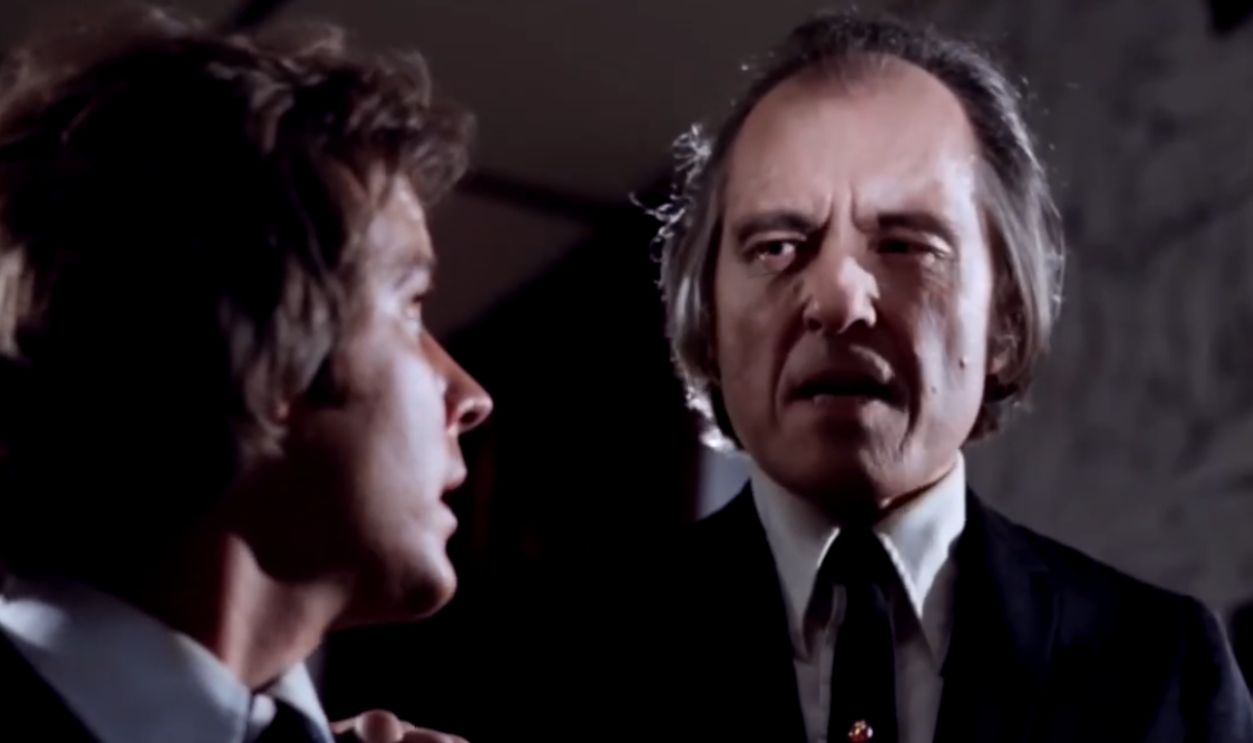 Screenshot from Phantasm, Avco Embassy Pictures (1979)
#18: Marilyn Burns
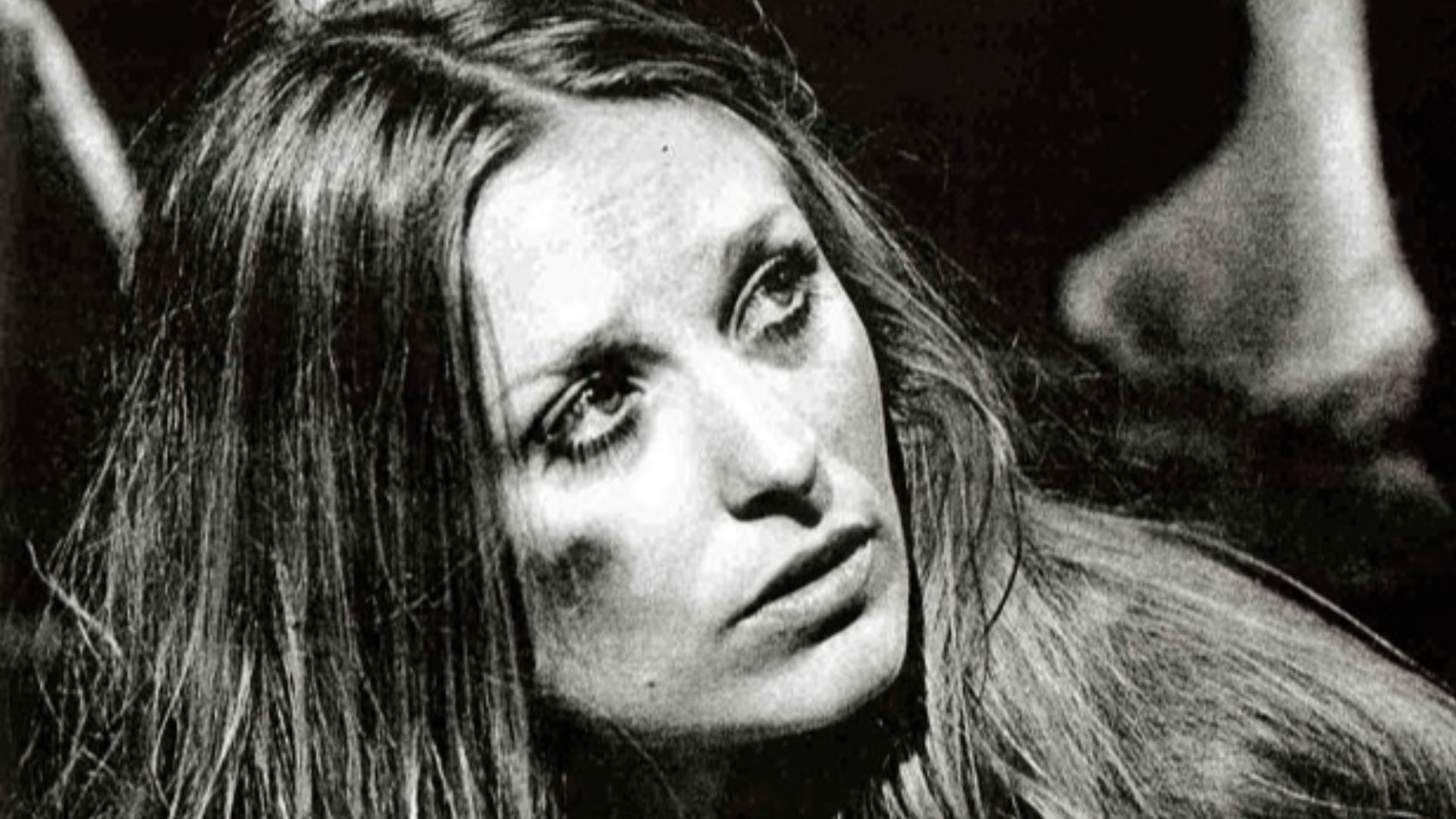
Marilyn Burns earned her place in horror history as Sally Hardesty in The Texas Chain Saw Massacre. Her exhausting final escape remains one of the most intense stretches in 1970s horror. Burns spent much of the film screaming, running, and looking genuinely terrified, which was entirely reasonable considering Leatherface was following her with a very loud piece of gardening equipment.
#17: Udo Kier
Few actors could stare into a camera quite like Udo Kier. He played the title roles in Flesh for Frankenstein and Blood for Dracula, two outrageous Paul Morrissey productions filled with gore, dark comedy, and deliberately excessive performances. Kier’s aristocratic appearance and icy delivery turned him into an international cult star who always seemed suspiciously comfortable around coffins.
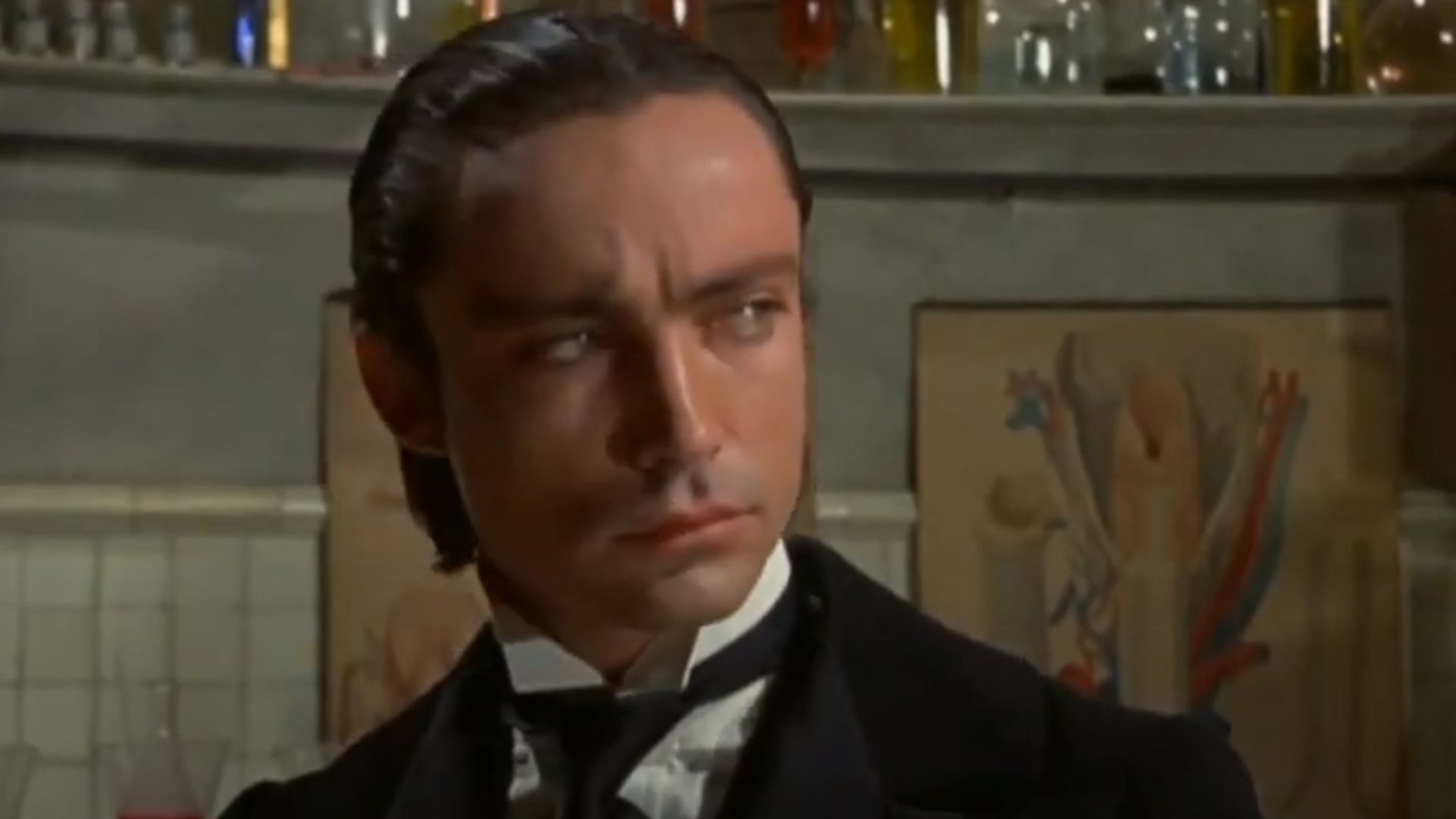 Compagnia Cinematografica Champion, Wikimedia Commons
#16: William Marshall
William Marshall brought theatrical authority and genuine dignity to Blacula in 1972. Instead of treating Prince Mamuwalde as a joke, Marshall played him as a tragic, intelligent man cursed by Dracula after opposing the slave trade. He returned for Scream Blacula Scream, ensuring the character became far more memorable than the wonderfully ridiculous title initially suggested.
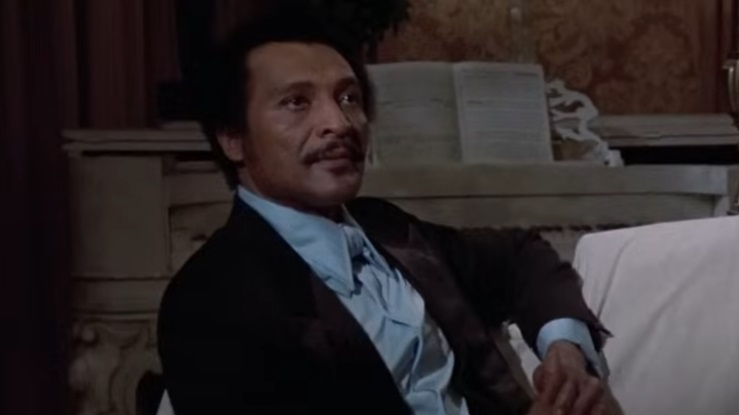 Screeshot from American International Pictures, Blacula (1972)
#15: Roddy McDowall
Roddy McDowall had already enjoyed a long career before becoming a valuable presence in 1970s horror. His standout genre performance came in The Legend of Hell House, where he played a physically gifted medium traumatized by an earlier visit to the haunted mansion. McDowall balanced nervous vulnerability with unexpected strength, making him the film’s emotional center.
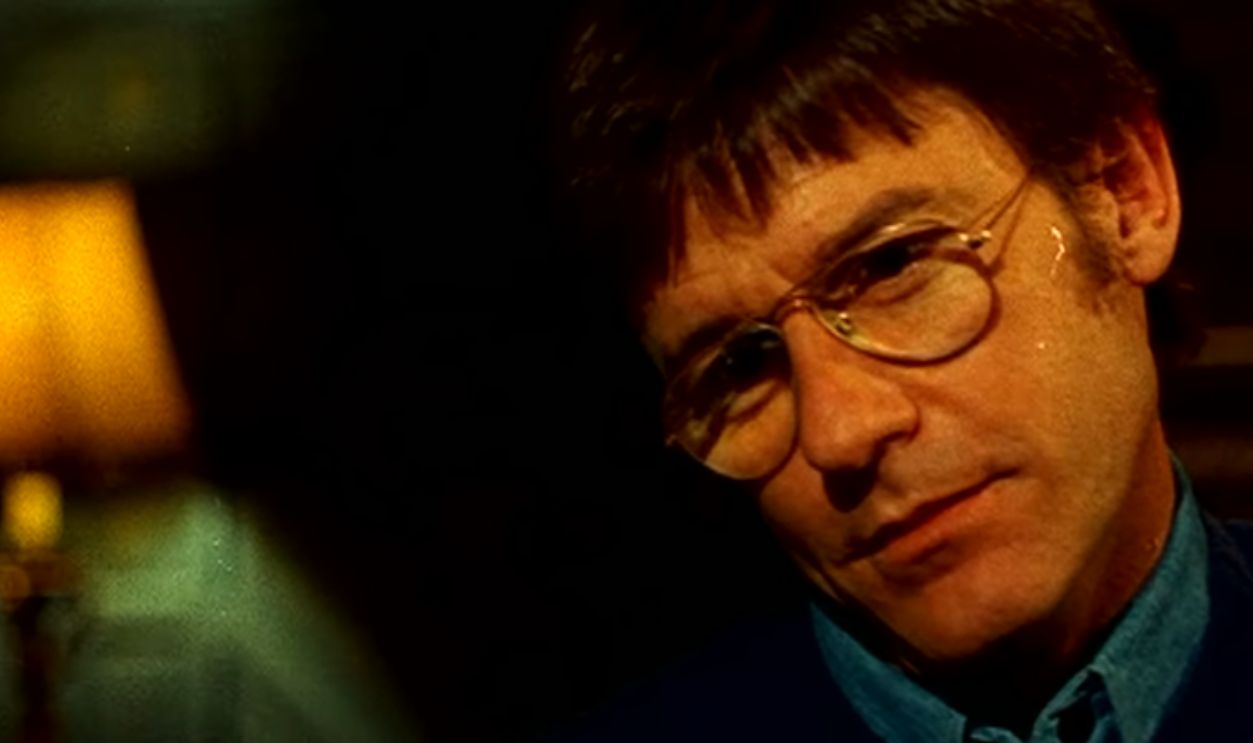 Screenshot from The Legend of Hell House, 20th Century Fox (1973)
#14: Karen Black
Karen Black became a household name through mainstream films, but horror fans remember the remarkably unsettling projects she made during the decade. In the television anthology Trilogy of Terror, she played several characters across three stories, including a woman terrorized by a tiny Zuni doll. She followed it with Burnt Offerings, another cheerful reminder never to rent suspicious old houses.
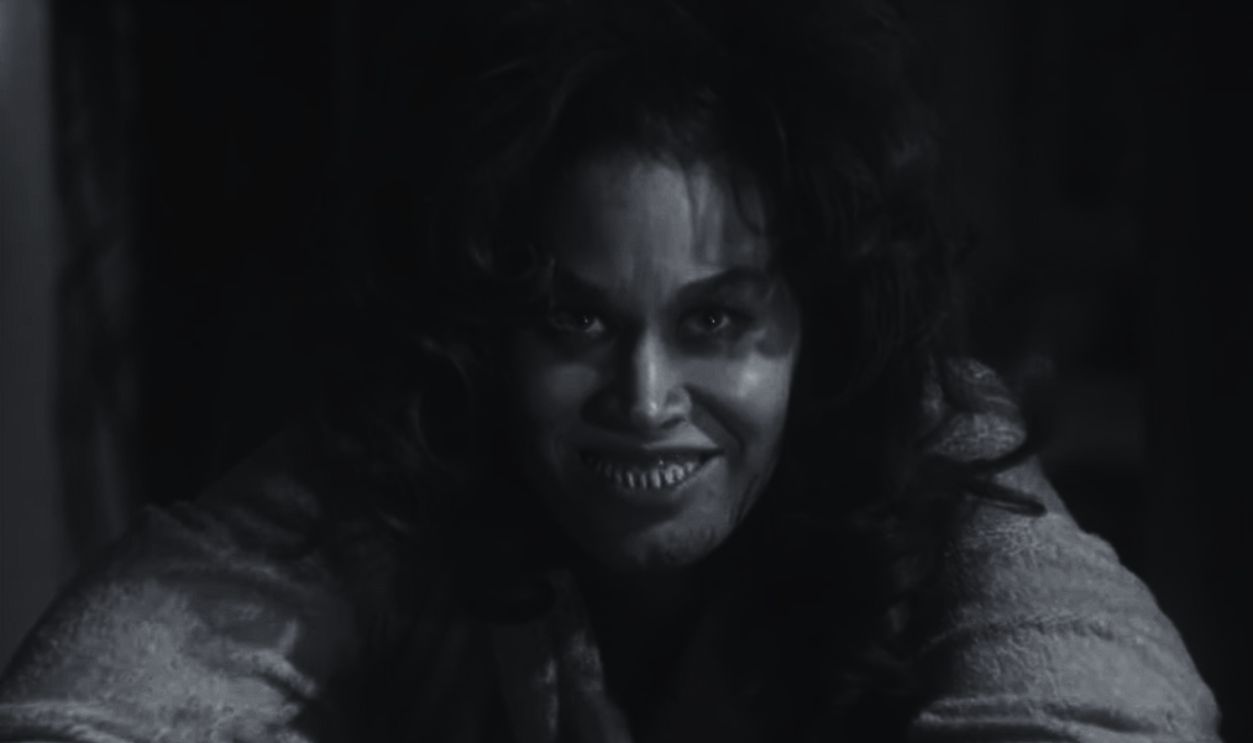 Screenshot from Trilogy of Terror, ABC (1975)
#13: Margot Kidder
Before becoming Lois Lane, Margot Kidder built an impressive horror résumé. She starred in Brian De Palma’s psychological thriller Sisters, played the sharp-tongued Barb in Black Christmas, and ended the decade in the enormously successful The Amityville Horror. Kidder’s humor and naturalism helped make even the most outrageous supernatural situations feel uncomfortably plausible.
 Screenshot from The Amityville Horror, American International Pictures (1979)
#12: Oliver Reed
Oliver Reed always appeared capable of causing trouble, even when his character was supposedly behaving. He starred in Ken Russell’s controversial The Devils, played the increasingly disturbed father in Burnt Offerings, and ended the decade with David Cronenberg’s The Brood. Reed brought volcanic intensity to horror, making viewers suspect that the supernatural threat might not be the most dangerous thing onscreen.
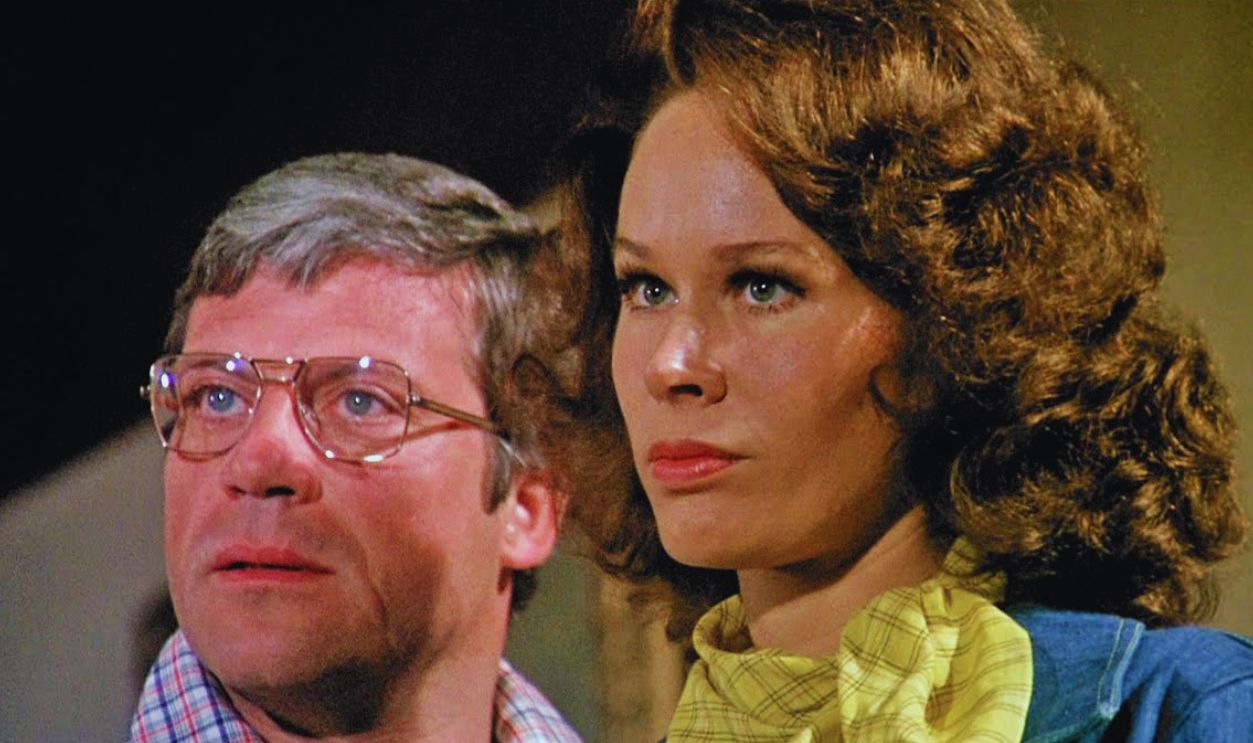 Screenshot from Burnt Offerings, United Artists (1976)
#11: Donald Sutherland
Donald Sutherland starred in two of the decade’s most respected horror films. In Don’t Look Now, he played a grieving father drawn into a haunting mystery in Venice. Five years later, he led Invasion of the Body Snatchers. His famous final expression in that film became one of the most recognizable images in science-fiction horror history.
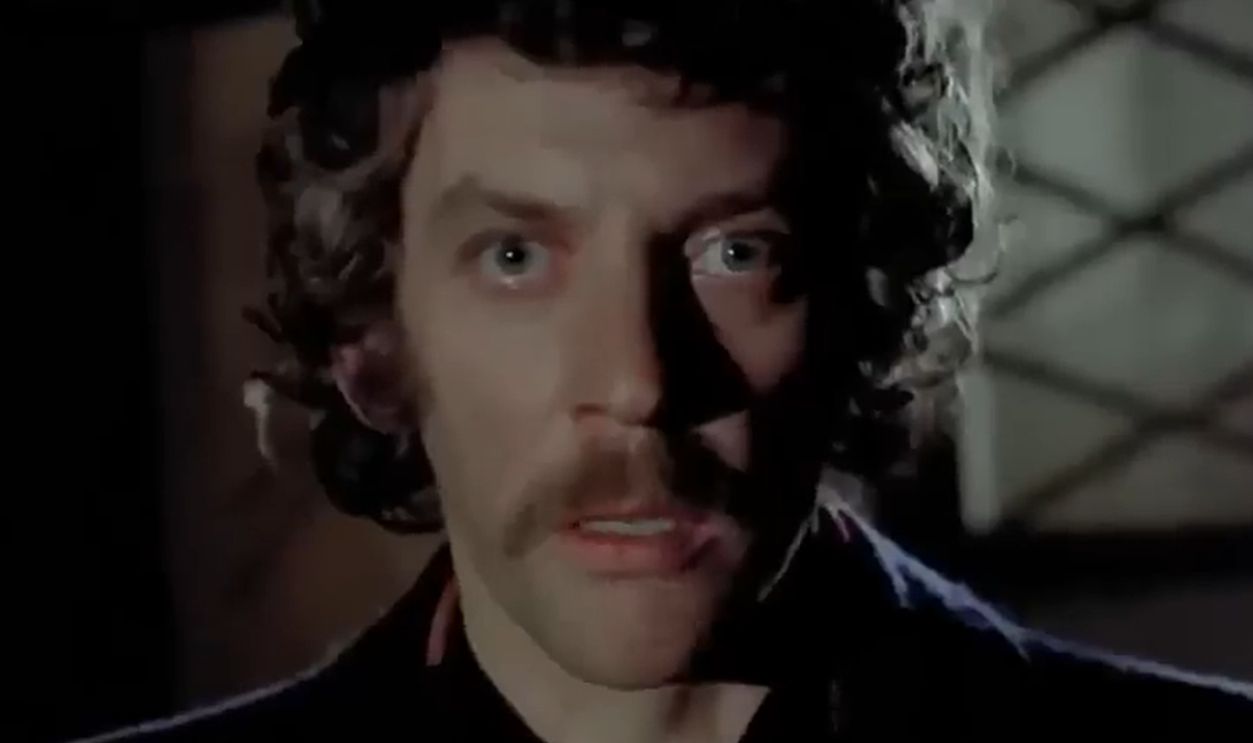 Screenshot from Don’t Look Now, British Lion Films (1973)
#10: Anthony Hopkins
Long before Hannibal Lecter requested a carefully selected beverage, Anthony Hopkins was already frightening audiences. He starred in Audrey Rose as a man convinced that a young girl carried the spirit of his deceased daughter. In Magic, he played a disturbed ventriloquist controlled by his dummy, Fats. Hopkins made the relationship disturbingly convincing, which was not comforting for anyone who owned a puppet.
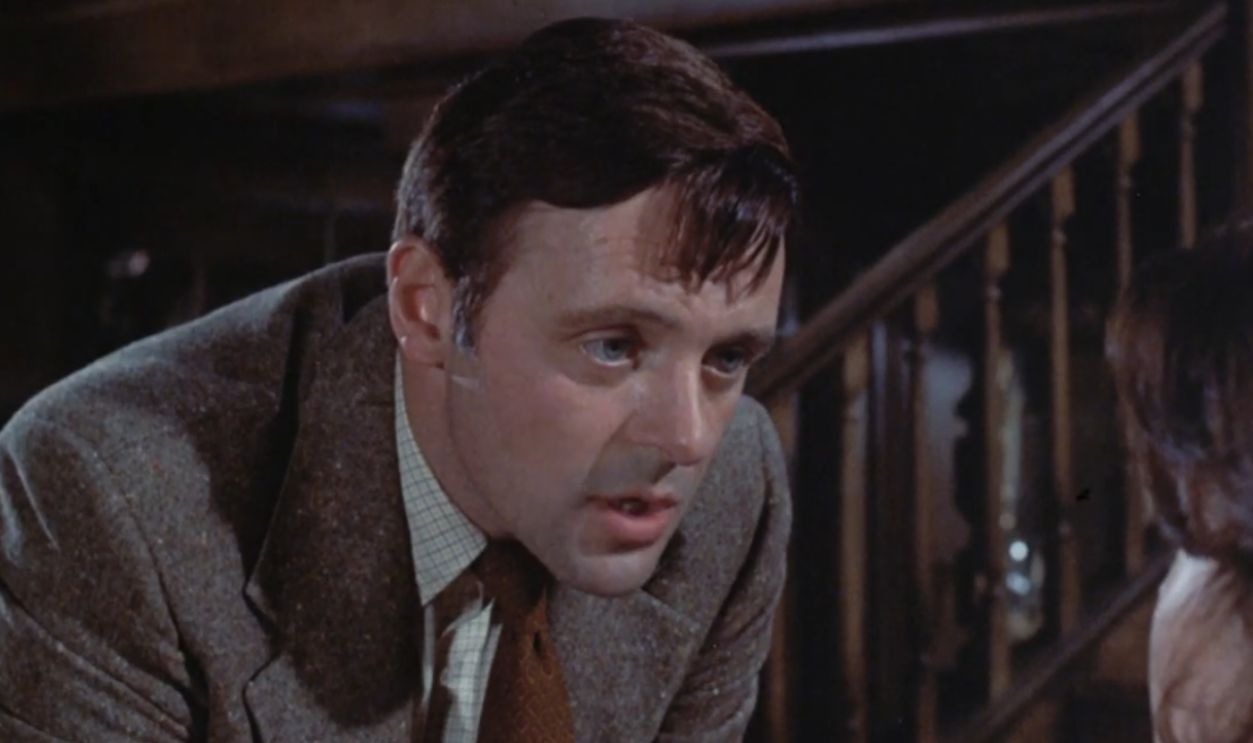 Screenshot from Audrey Rose, United Artists (1977)
#9: Gunnar Hansen
Gunnar Hansen’s performance as Leatherface changed movie monsters forever. In The Texas Chain Saw Massacre, he created the character through body language, panicked movement, and animal-like sounds rather than conventional dialogue. Leatherface was brutal but also strangely frightened and obedient. Hansen’s layered performance helped turn an inexpensive independent movie into one of horror cinema’s most influential landmarks.
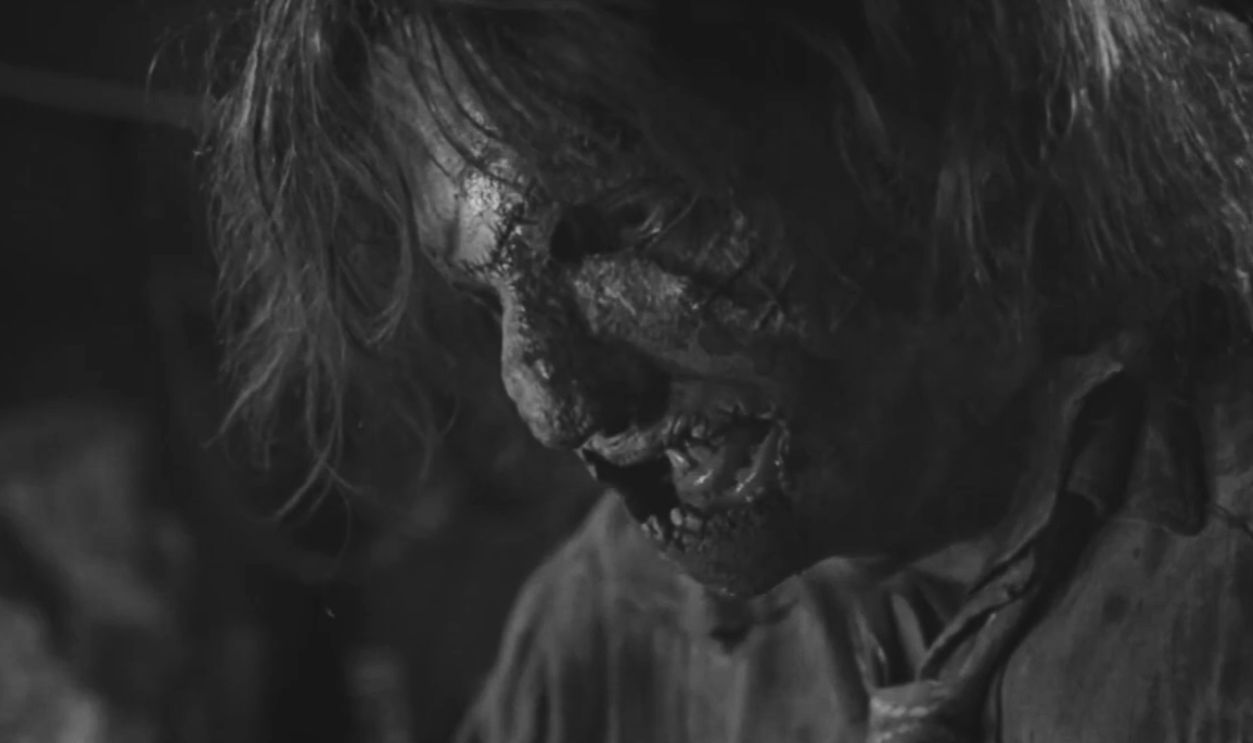 Screenshot from The Texas Chain Saw Massacre, Bryanston Distributing Company (1974)
#8: Sigourney Weaver
Sigourney Weaver closed the decade by introducing audiences to Ellen Ripley in Alien. Although Ripley was not initially presented as the obvious central hero, Weaver gradually took command of the film as the crew disappeared. Her intelligent, restrained performance helped redefine what a horror protagonist could be and launched one of science fiction’s most enduring characters.
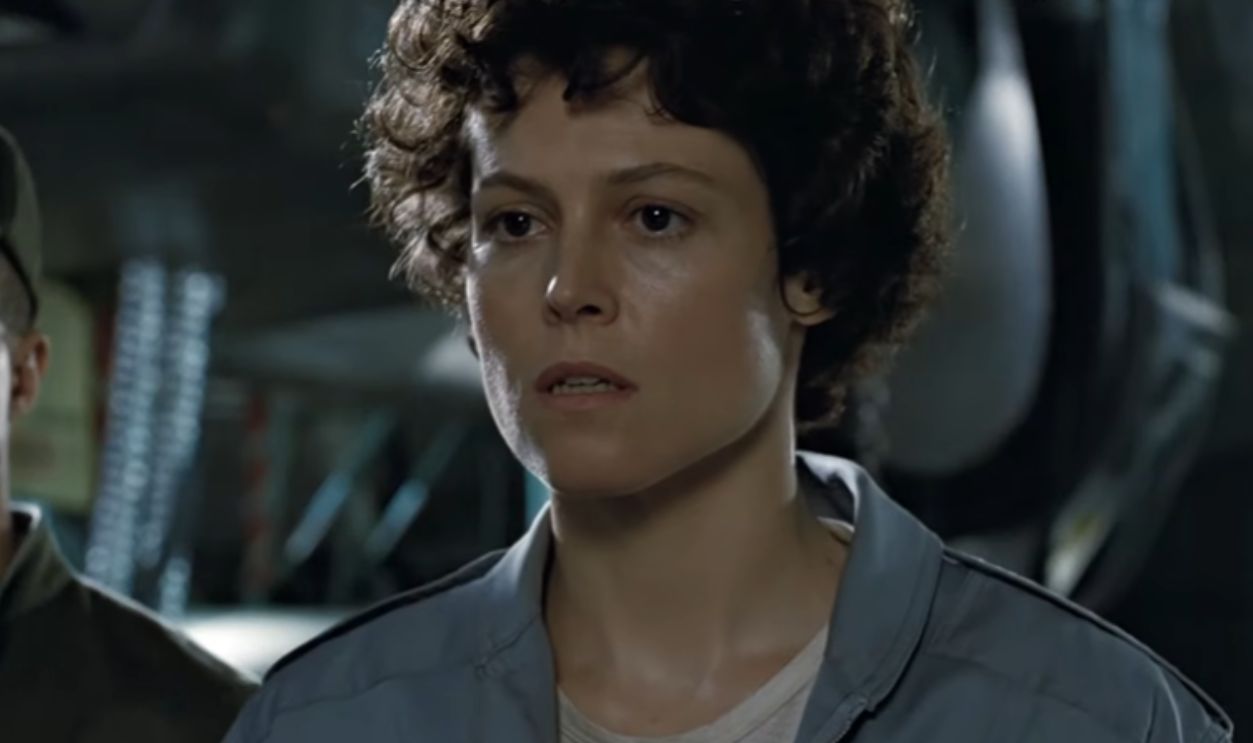 Screenshot from Alien, 20th Century Fox (1979)
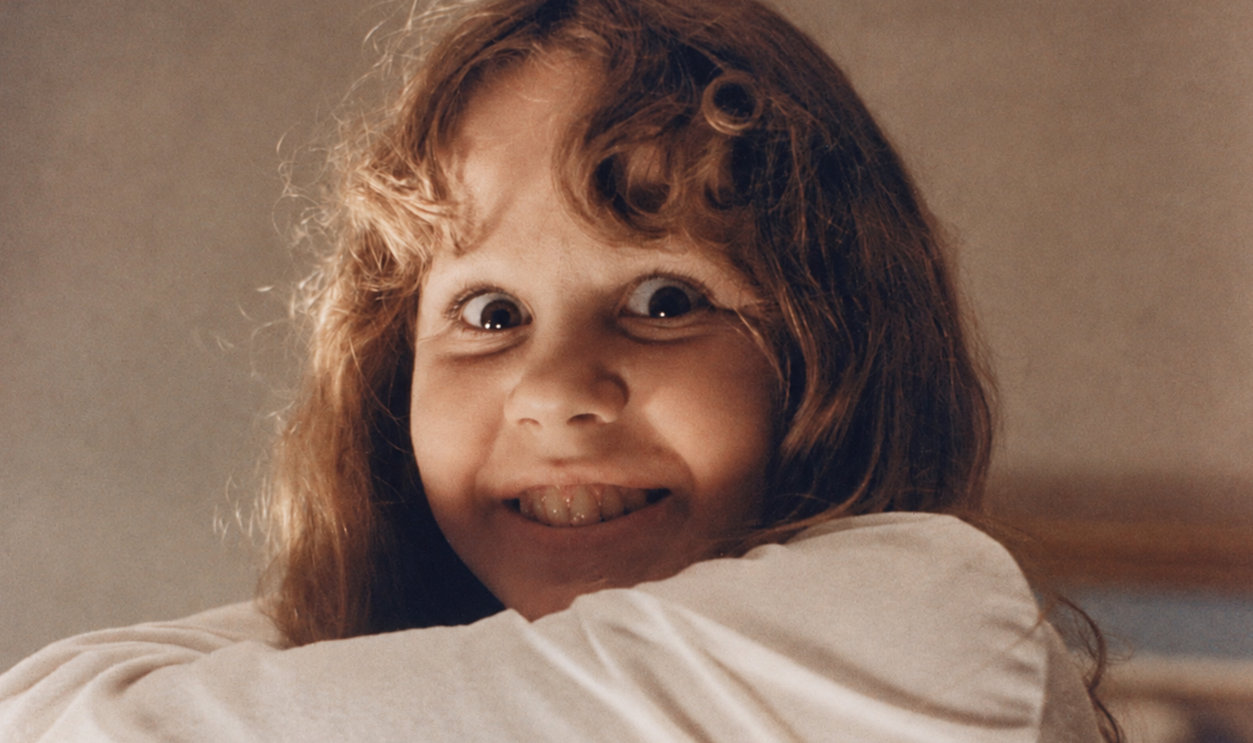
#7: Linda Blair
Linda Blair became internationally famous while still a teenager thanks to The Exorcist. Her performance as Regan MacNeil required her to shift from an ordinary child into something terrifying, earning her a Golden Globe and an Academy Award nomination. Blair returned for Exorcist II: The Heretic, but the original performance alone guaranteed her permanent membership in horror history.
#6: Sissy Spacek
Sissy Spacek gave one of the decade’s finest performances in Carrie. She made Carrie White painfully shy, sympathetic, and frightening, often within the same scene. Spacek received an Academy Award nomination for the role, an unusual achievement for a horror performance. Her blood-covered appearance at the prom became one of the defining images of 1970s cinema.
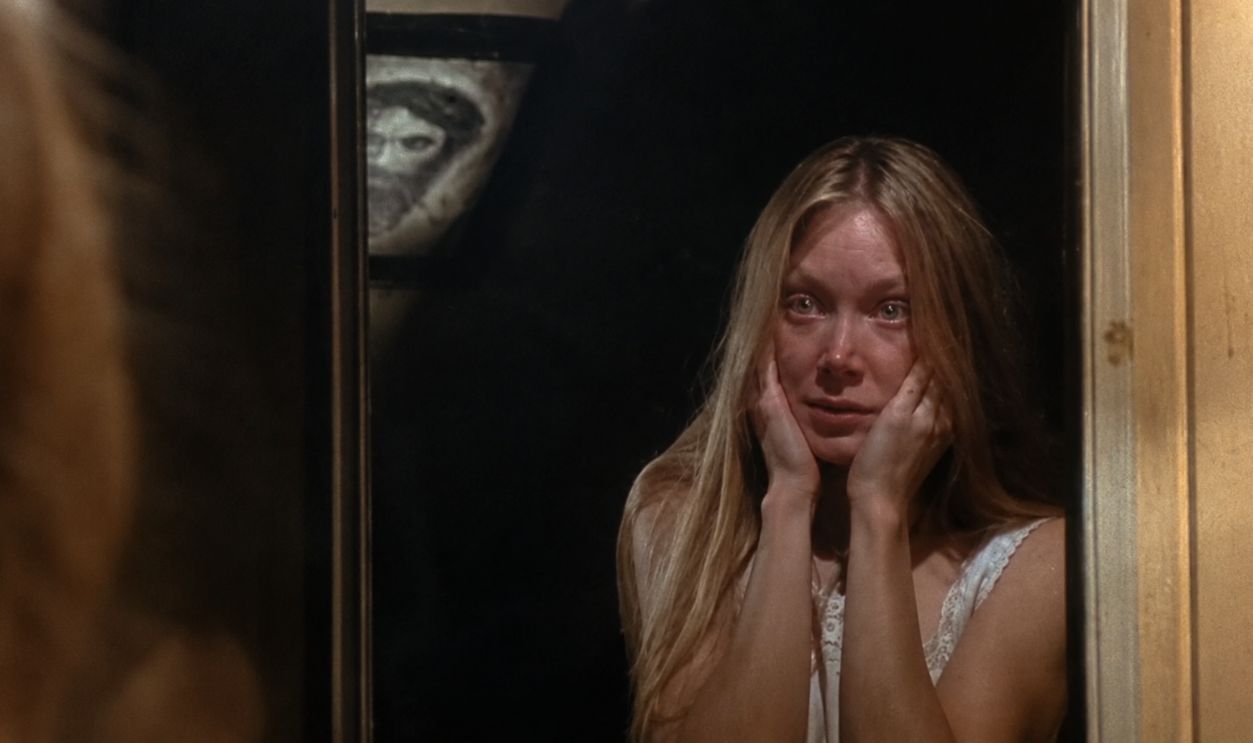 Screeshot from Carrie, United Artists (1976)
#5: Jamie Lee Curtis
Jamie Lee Curtis made her feature-film debut as Laurie Strode in Halloween. Her natural, understated performance helped audiences believe Laurie was an ordinary teenager rather than a future horror legend. Curtis conveyed intelligence and fear without turning the character into a helpless victim, helping establish the “final girl” model that countless slasher films would follow.
 Screenshot from Halloween, Sony Pictures (1978)
#4: Donald Pleasence
Donald Pleasence already had an impressive career when Halloween made him synonymous with horror. As Dr. Sam Loomis, he spent the film warning everyone that Michael Myers was not an ordinary criminal, usually while other characters reacted as though he desperately needed a vacation. Pleasence also appeared in Death Line, From Beyond the Grave, and Dracula during the decade.
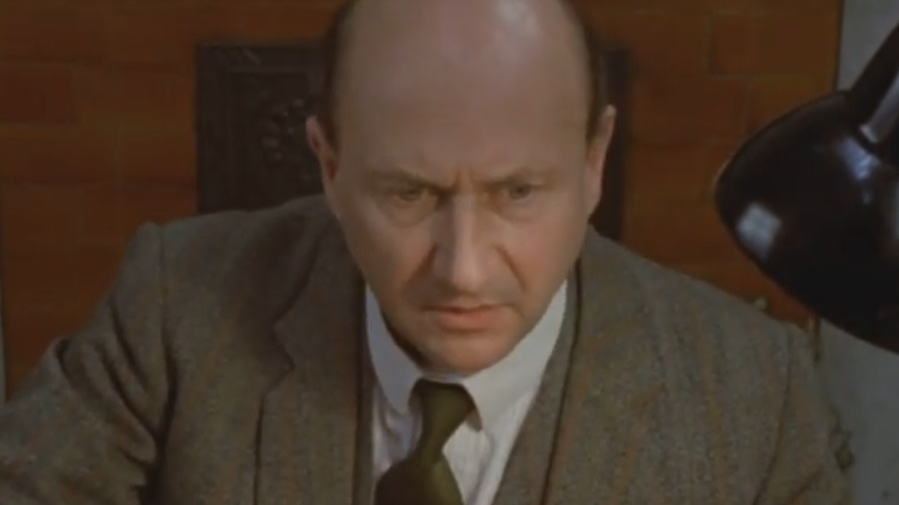 Screenshot from Death Line, AIP (1972)
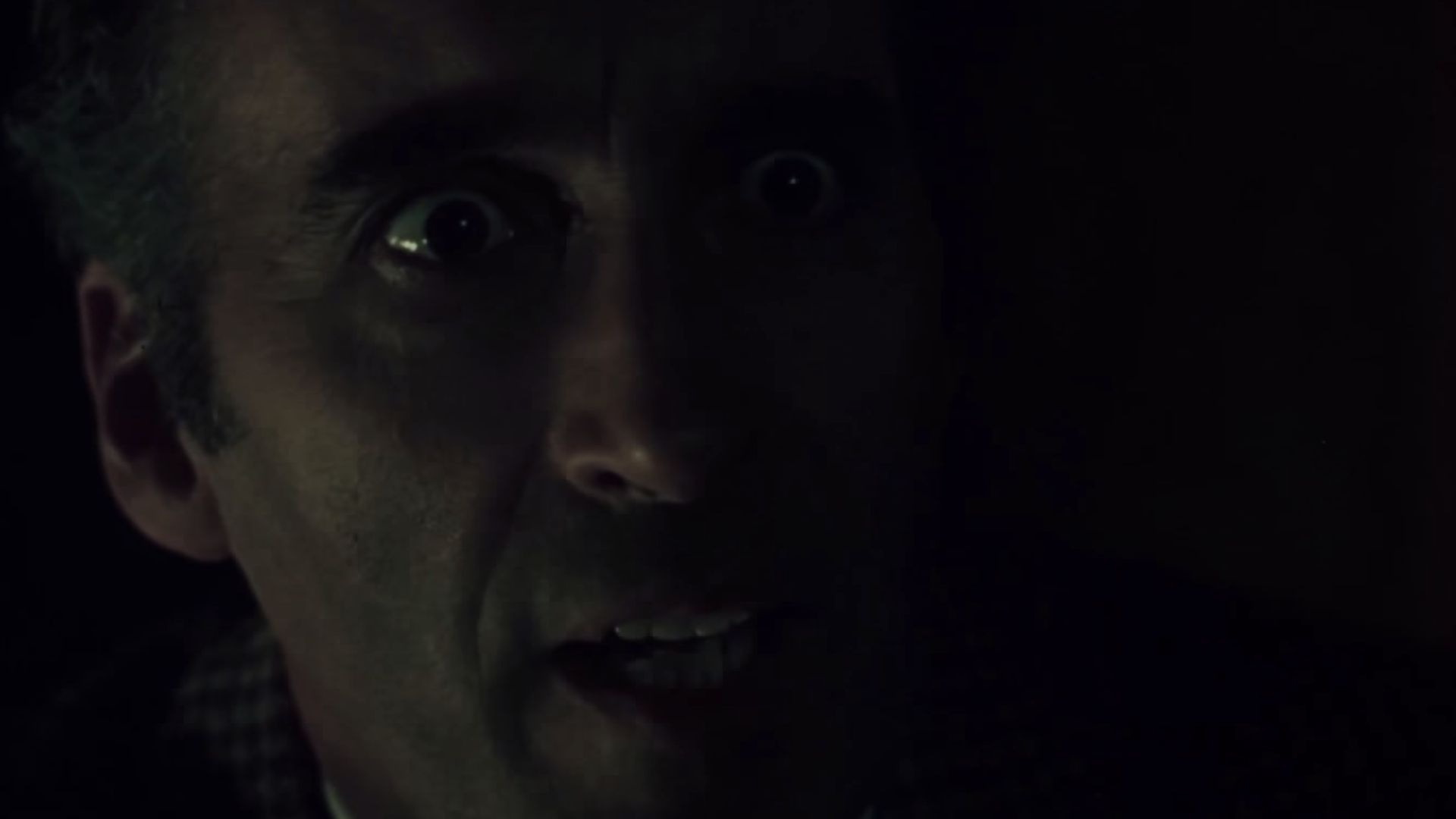
#3: Peter Cushing
Peter Cushing carried the dignity of classic British horror into the 1970s. His films included The Vampire Lovers, The House That Dripped Blood, Asylum, The Creeping Flesh, and Frankenstein and the Monster from Hell. Regardless of the budget or material, Cushing treated every role seriously, lending instant credibility to laboratories, haunted antiques, vampires, and highly questionable medical experiments.
#2: Christopher Lee
Sir Christopher Lee remained one of the world’s most imposing horror stars throughout the decade. He returned as Dracula in several Hammer productions, including Scars of Dracula and The Satanic Rites of Dracula. More importantly, he delivered one of his finest performances as Lord Summerisle in The Wicker Man, proving he did not need fangs to be deeply unsettling.
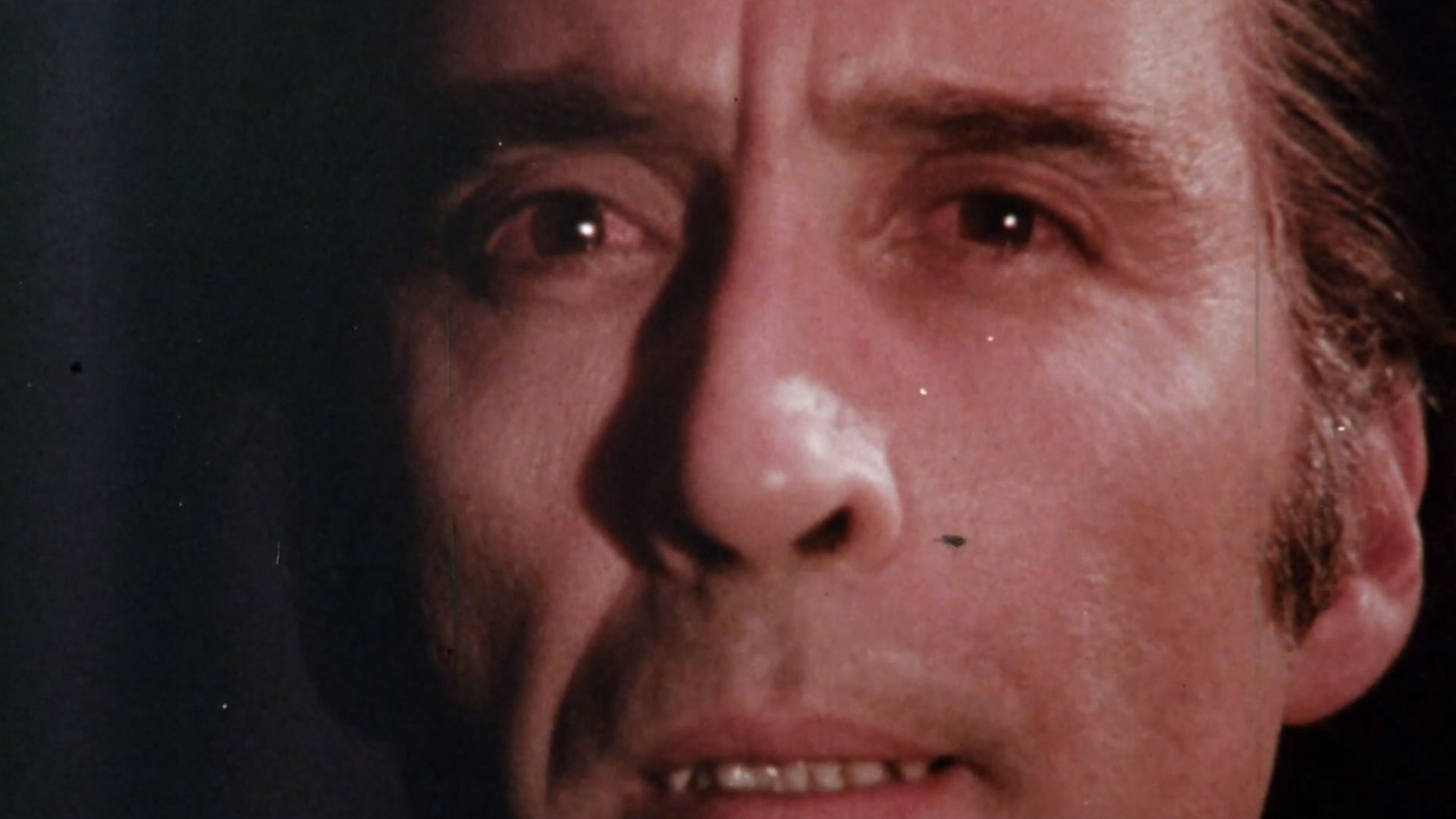
#1: Vincent Price
No actor represented 1970s horror showmanship better than Vincent Price. He starred in numerous classic horror films, including, The House of Wax, House on Haunted Hill, The Abominable Dr. Phibes, Dr. Phibes Rises Again, Theatre of Blood, and Madhouse, blending elegance, menace, tragedy, and wonderfully wicked humor. Price could make elaborate revenge seem like high art, and he remained charming even while disposing of people through methods no sensible person would describe at dinner.
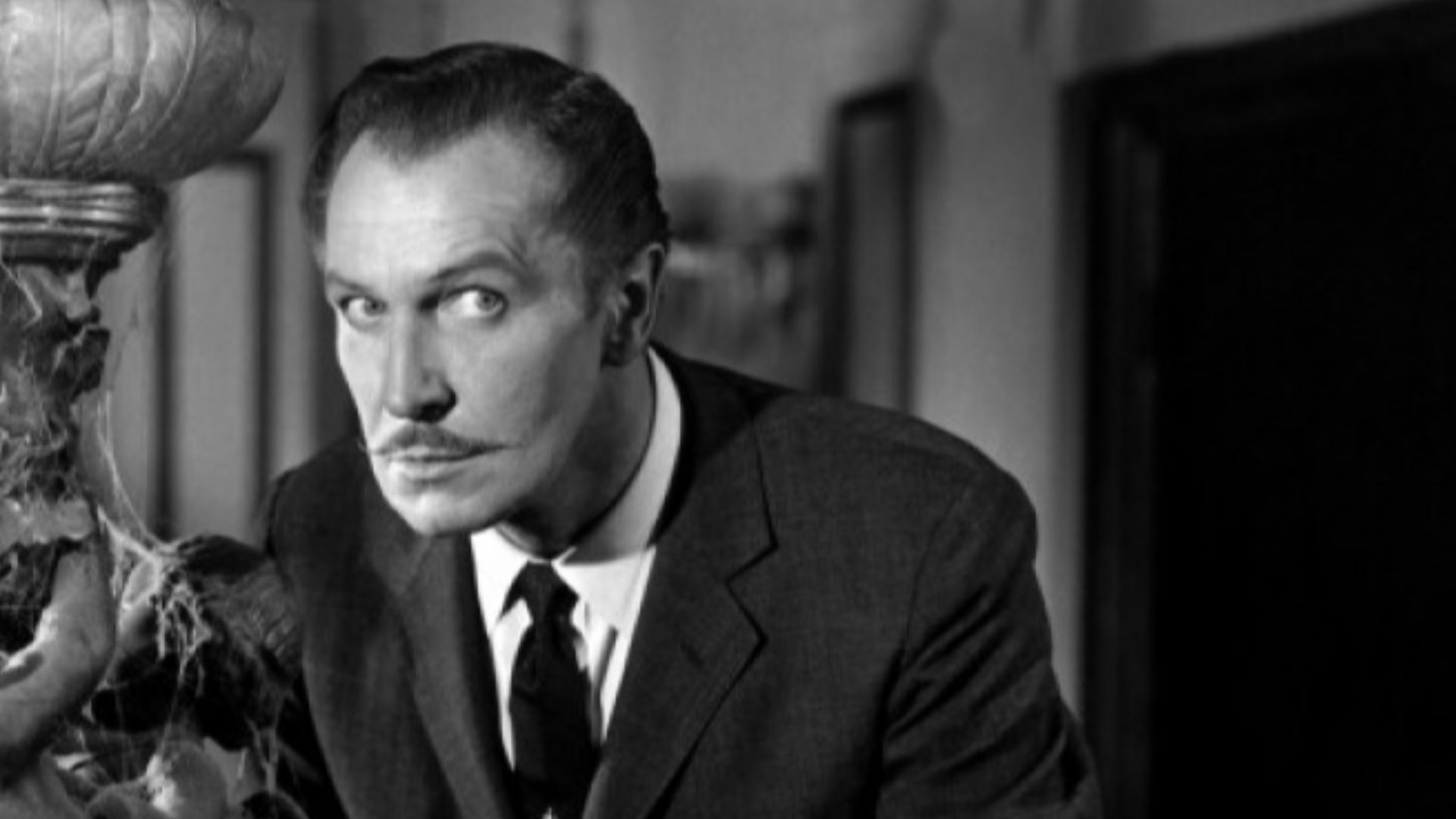 Allied Artists, Wikimedia Commons
You May Also Like:
Spy Thrillers From The 1960s and 70s That No One Remembers
Classic 1960s Westerns That No One Recognizes Today
Talk Shows From The 1960s That No One Remembers