
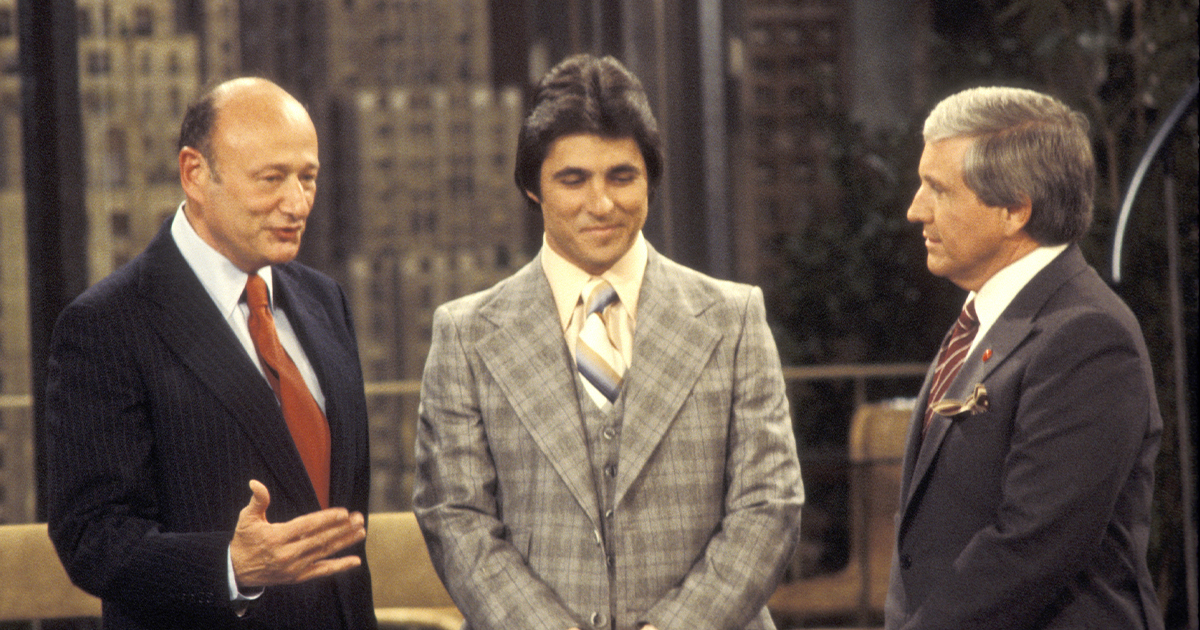
The Talk Shows Everyone Watched in the 1960s—But Somehow Forgot
Before podcasts, viral interviews, and celebrities sharing every thought on social media, there were talk shows. If you wanted to hear your favorite movie star tell a funny story or watch a politician dodge a difficult question, this was where it happened. Some of these shows drew millions of viewers every week. Today, though, many have quietly faded into television history.
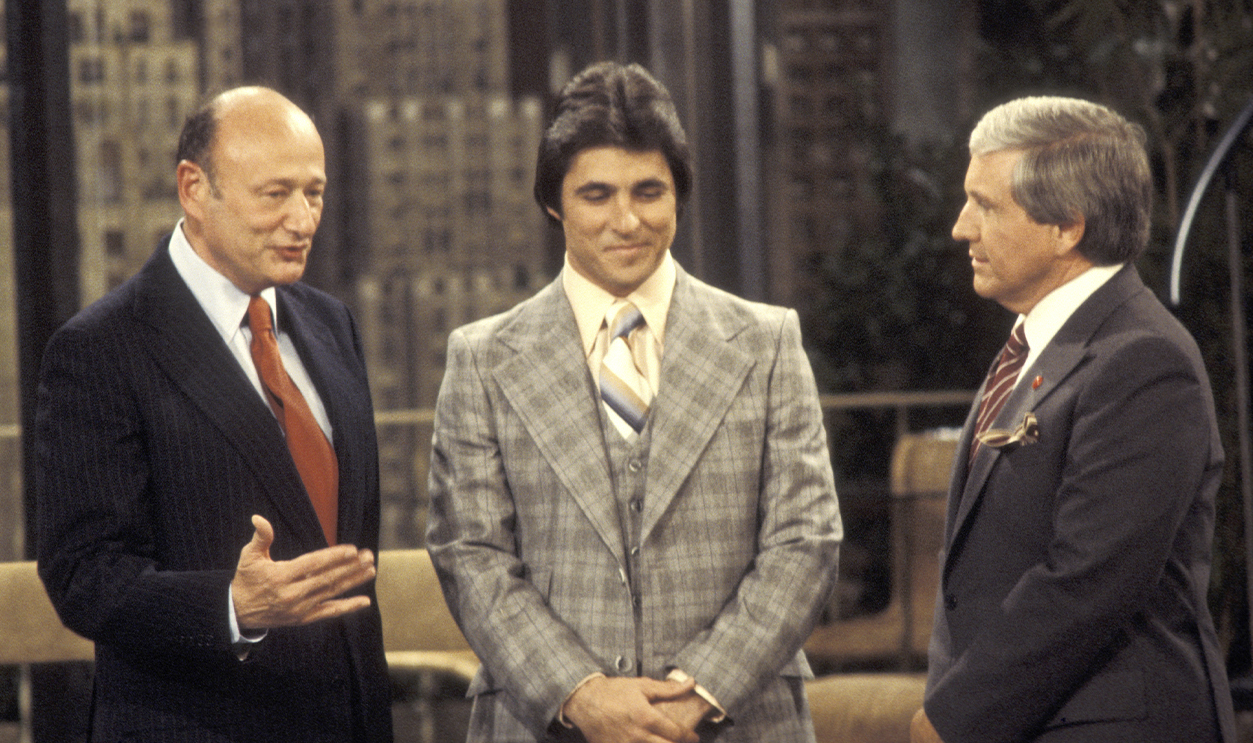
#25. The Hy Gardner Show
Newspaper columnist Hy Gardner brought his celebrity connections to television, interviewing actors, comedians, singers, and Broadway stars. His relaxed style made every guest feel comfortable, and viewers enjoyed hearing stories that rarely made it into newspapers.
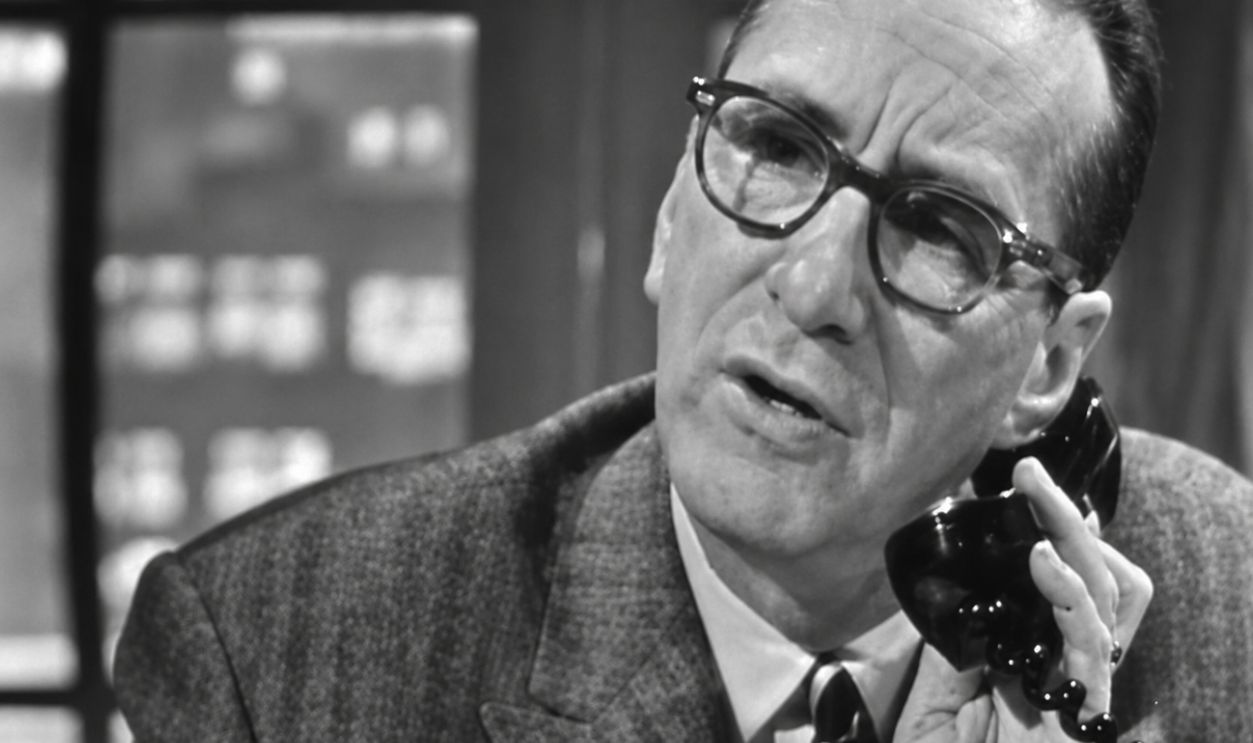 Screenshot from Hy Gardner Calling, WOR-TV (1954-1965), enhanced
#24. Girl Talk
Virginia Graham hosted this popular daytime series featuring actresses, authors, singers, and other well-known women. The conversations were friendly, surprisingly honest, and refreshingly free of the shouting matches that dominate some modern talk shows.
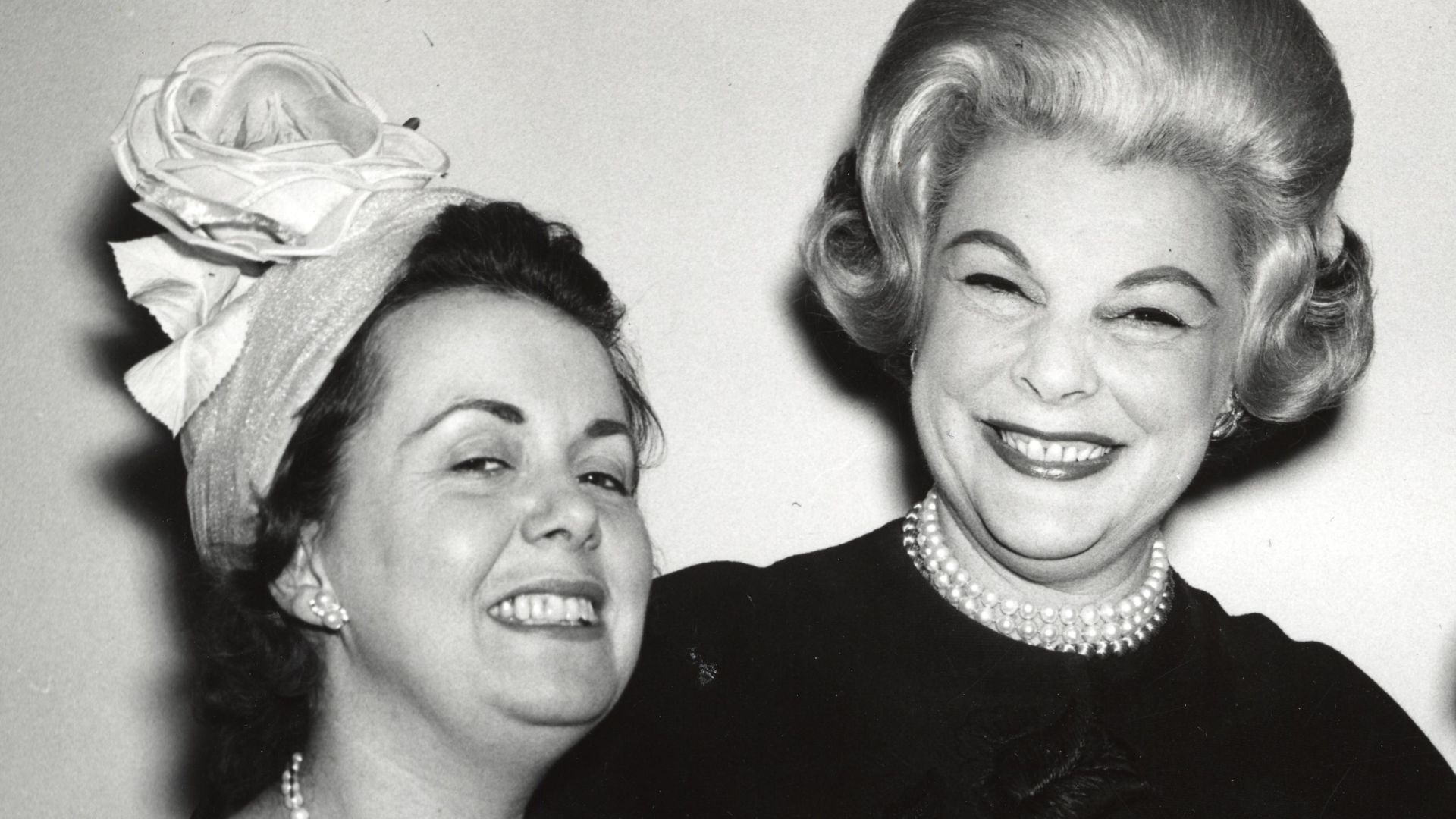 City of Boston Archives from West Roxbury, United States, Wikimedia Commons
#23. The Woody Woodbury Show
Comedian Woody Woodbury mixed celebrity interviews with nightclub-style humor. His relaxed delivery made guests laugh almost as much as the audience, and every episode felt like sitting in on an entertaining dinner conversation.
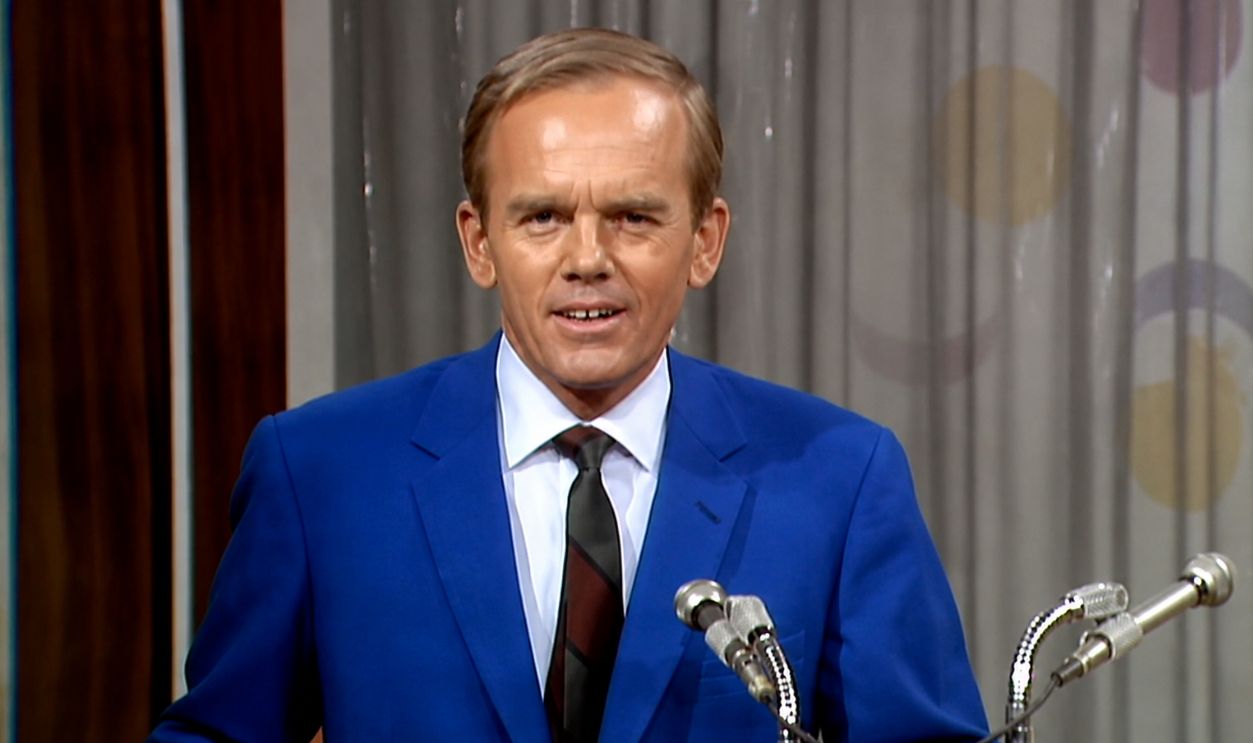 Screenshot from The Woody Woodbury Show, Metromedia Television (1967-1968), enhanced
#22. The Pierre Berton Show
Canadian broadcaster Pierre Berton interviewed politicians, writers, scientists, and entertainers with thoughtful questions instead of celebrity gossip. His calm approach proved that intelligent conversation could still make great television.
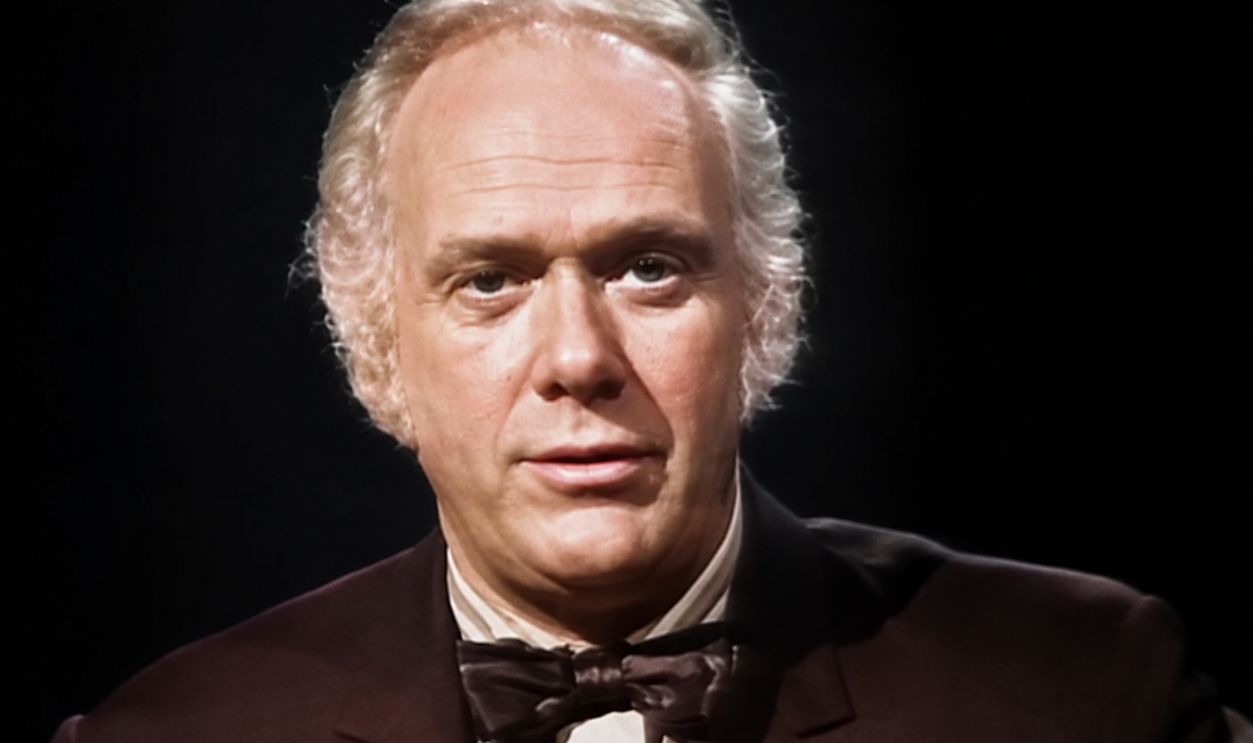 Screenshot from The Pierre Berton Show - Bruce Lee Interview, CHCH-TV (1971), enhanced
#21. The Steve Allen Show
Steve Allen helped invent the television talk show, and his syndicated program remained popular throughout the 1960s. Celebrity interviews, music, comedy sketches, and Allen's quick wit kept audiences coming back for more.
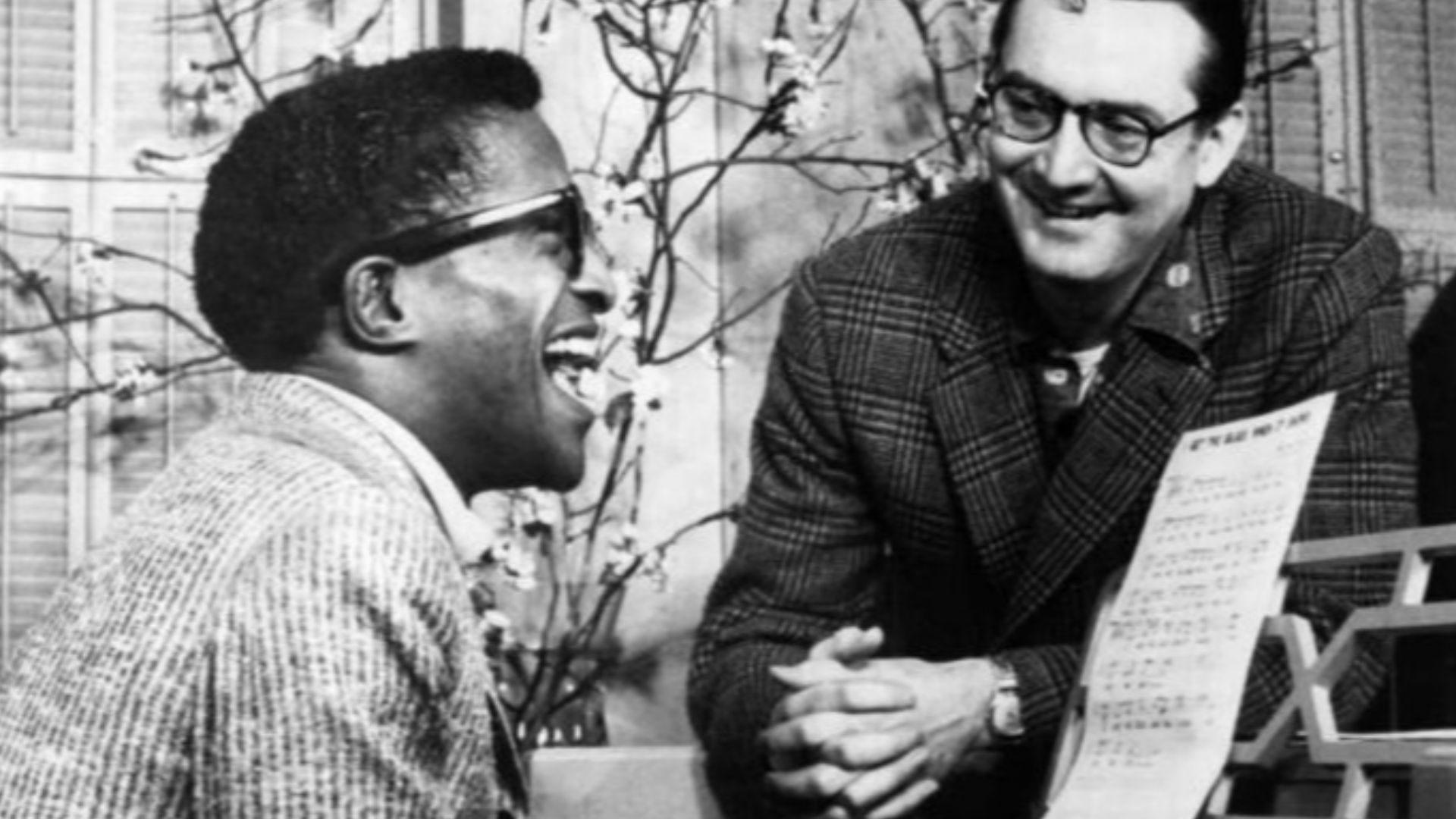 NBC Television, Wikimedia Commons
#20. The Les Crane Show
Les Crane wasn't afraid to tackle controversial issues. His guests often debated topics many television programs avoided, creating moments that felt surprisingly bold for the era. Sometimes viewers agreed, and sometimes they definitely didn't.
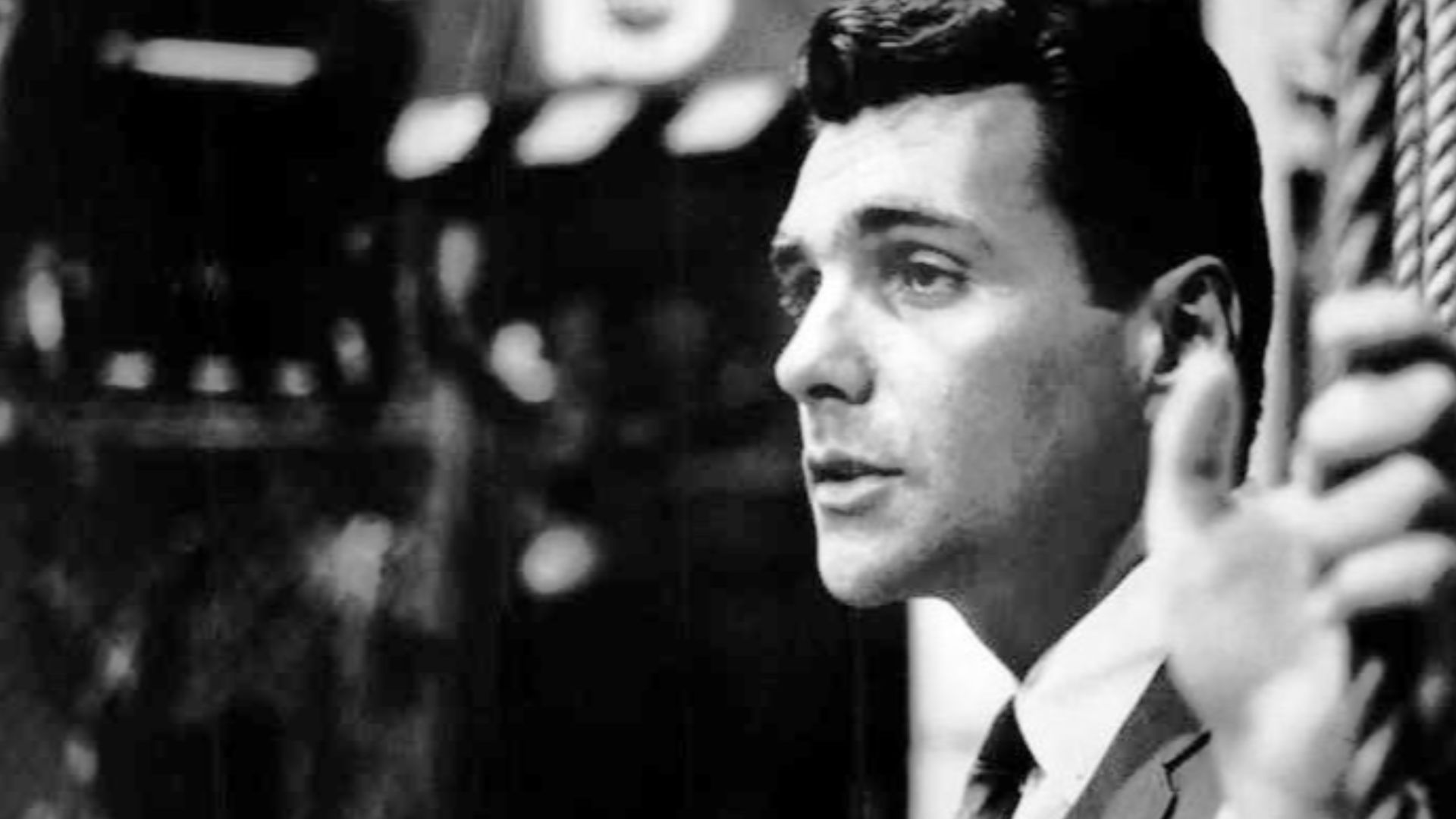 ABC Television, Wikimedia Commons
#19. The Joe Franklin Show
Joe Franklin interviewed thousands of performers during his remarkable career. Looking back today is almost like opening a time capsule, since many future stars appeared on his show years before becoming famous.
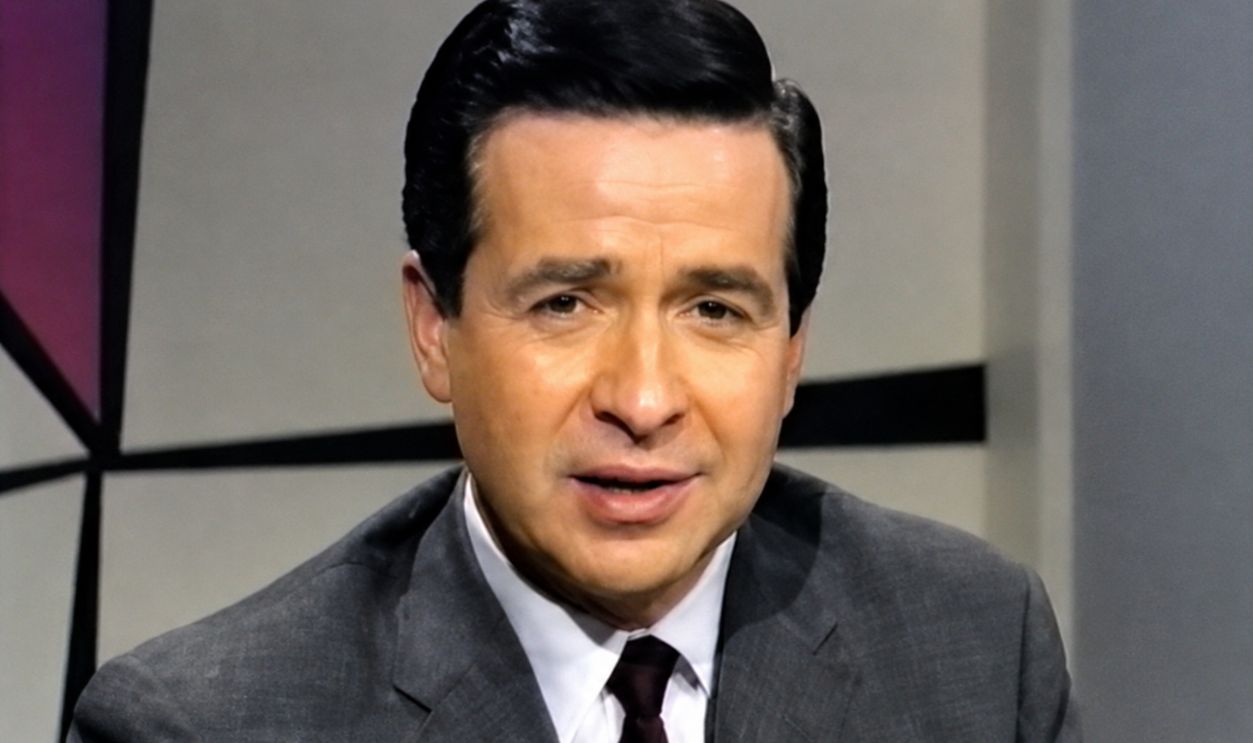 Screenshot from The Joe Franklin Show, WOR-TV (1951-1993), enhanced
#18. The Virginia Graham Show
Virginia Graham returned with another successful syndicated interview program featuring entertainers, politicians, and authors. Her warm personality encouraged guests to relax, which often led to conversations that felt refreshingly genuine.
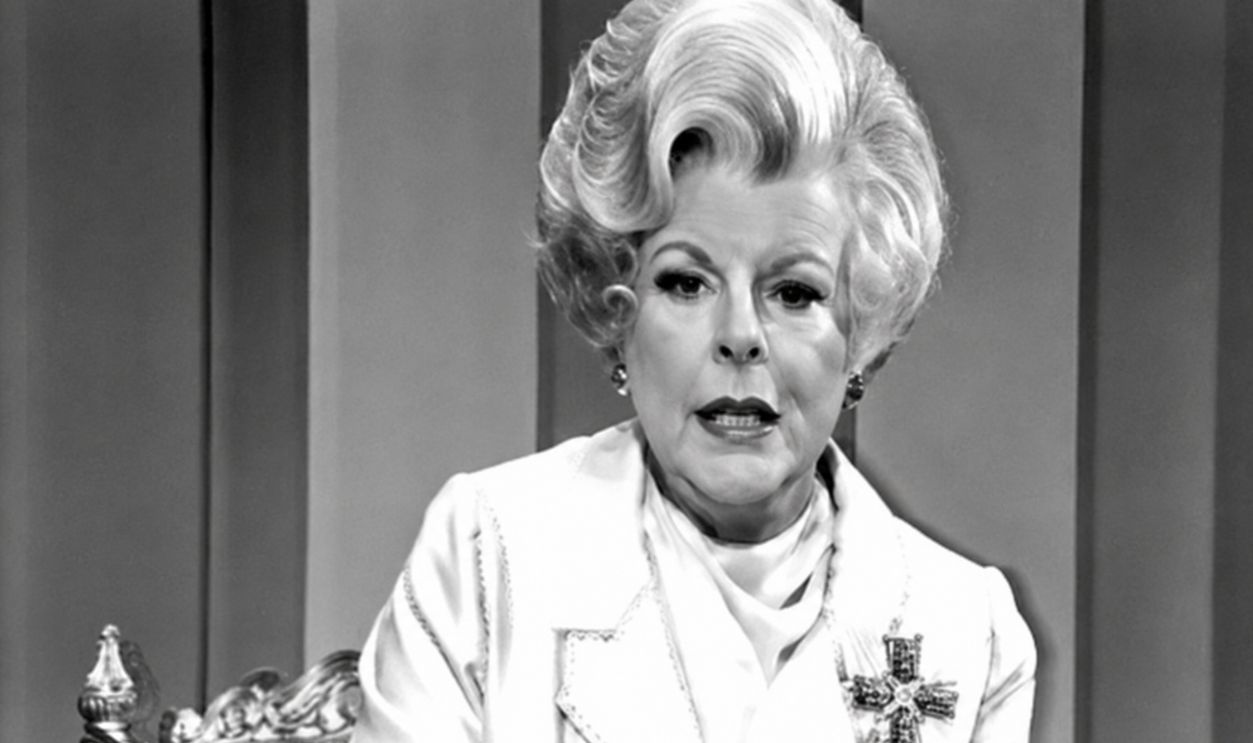 Screenshot from The Virginia Graham Show, Metromedia Producers Corporation (1970-1972), enhanced
#17. Open End
David Susskind ignored strict television time limits and simply let discussions continue naturally. The result felt surprisingly modern. It was basically a podcast decades before anyone knew what a podcast was.
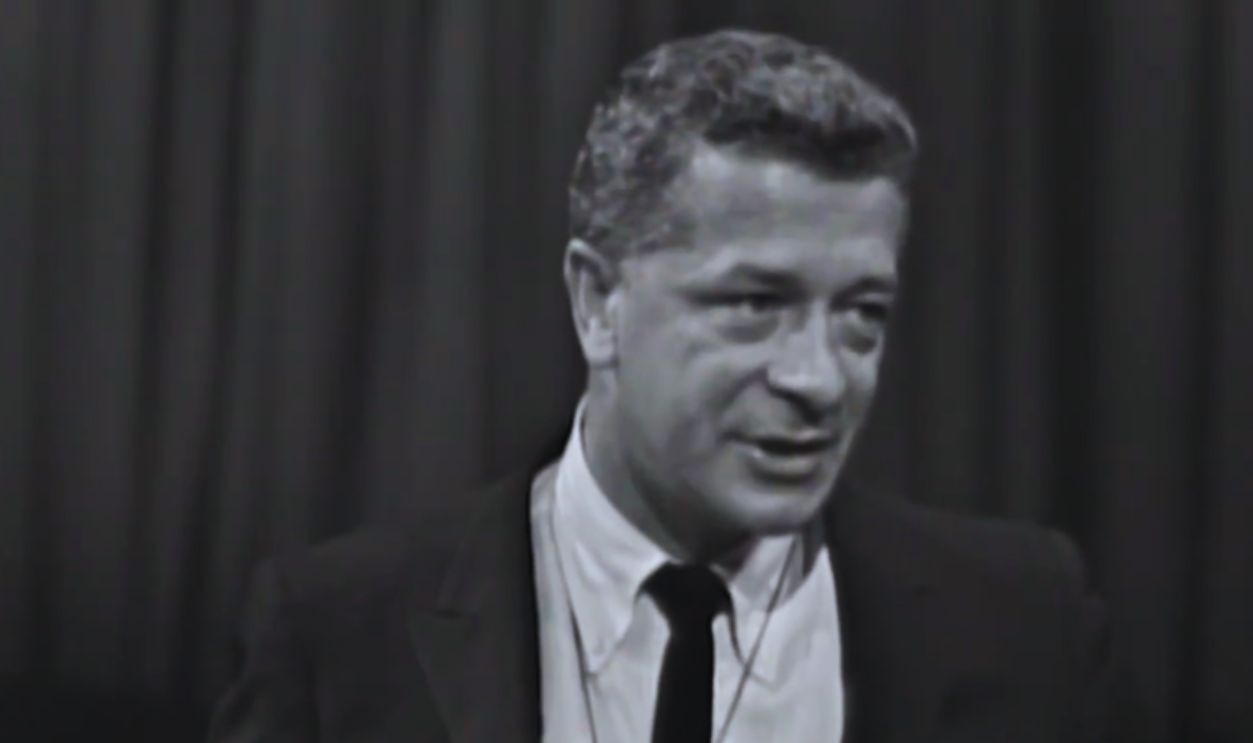 Screenshot from Open End, Pamandia (1958-1986)
#16. The Joey Bishop Show
Rat Pack member Joey Bishop entered late-night television in 1967. Competing with Johnny Carson was a difficult assignment, but Bishop's dry humor and laid-back style earned him a loyal audience.
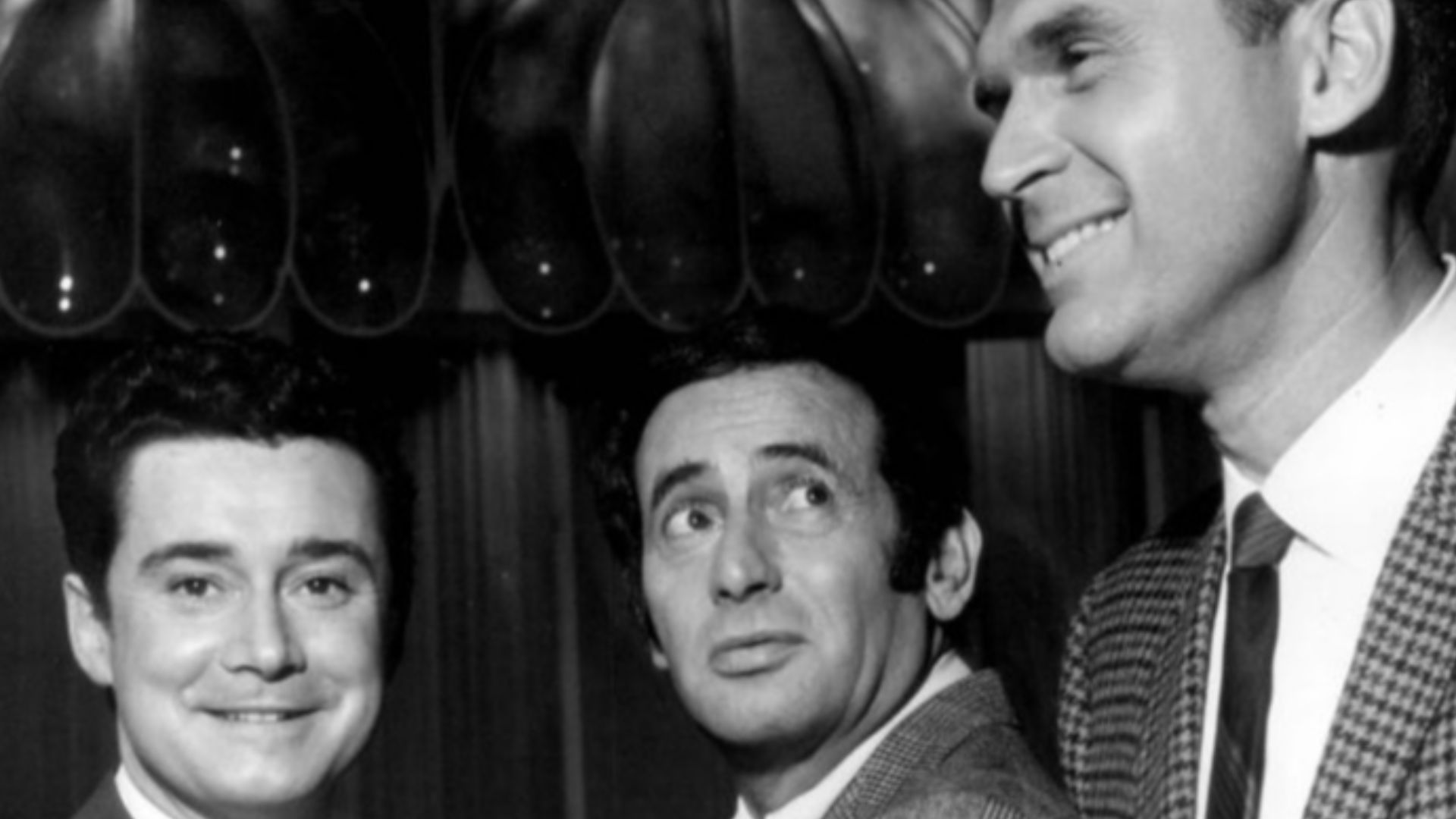 ABC Television, Wikimedia Commons
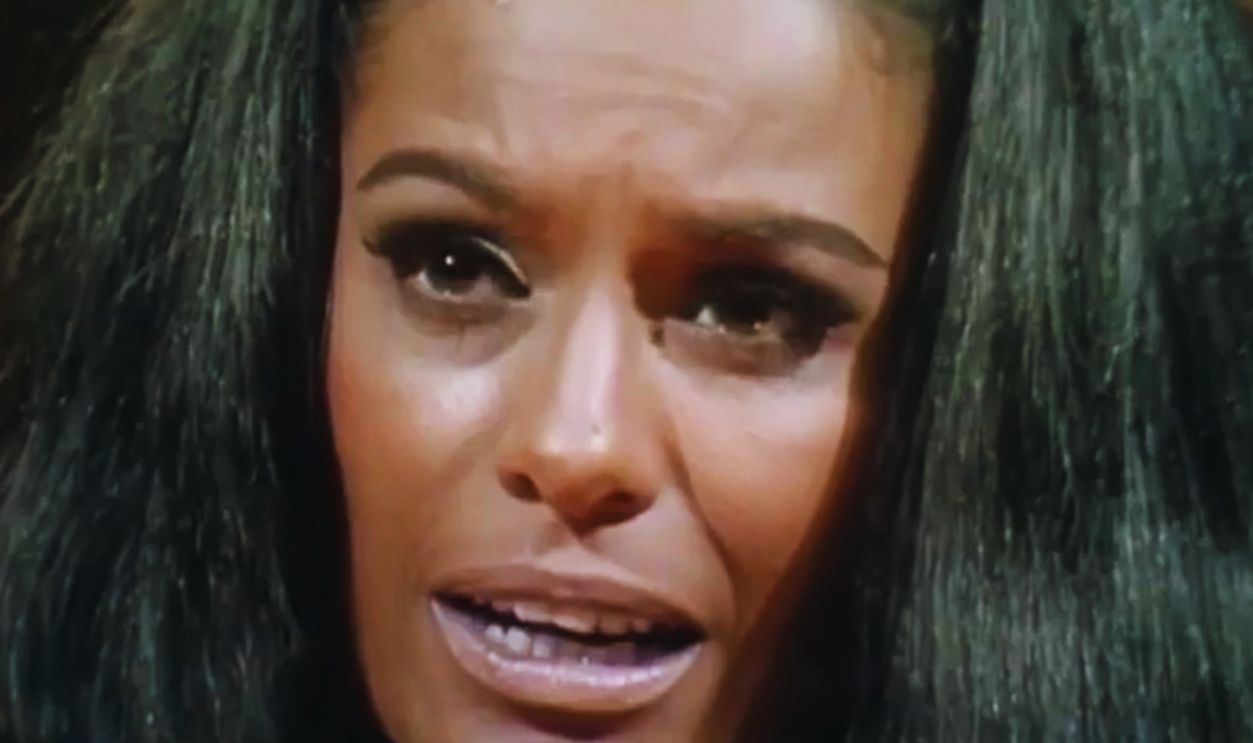
#15. The Barbara McNair Show
Singer and actress Barbara McNair welcomed entertainers, musicians, and comedians for lively interviews and performances. Although the series was short-lived, her warmth made every guest feel right at home.
#14. The Sammy Davis Jr. Show
Sammy Davis Jr. combined celebrity interviews with music and comedy. His incredible charisma carried every episode, and viewers happily tuned in just to see who might stop by next.
![Collectie / Archief : Fotocollectie Anefo
Reportage / Serie : [ onbekend ]
Beschrijving : Sammy Davis junior geeft persconferentie in Hilton, Amsterdam, Sammy Davis tijdens persconferentie koppen
Datum : 10 september 1976
Locatie : Amsterdam, Noord-Hollan](https://www.factinate.com/storage/app/media/theshot/2026/7/3/17830956369fda73746bd5d9fb7331ccf5ac21fa25b5d16f8c.jpg) Bert Verhoeff / Anefo, Wikimedia Commons
Bert Verhoeff / Anefo, Wikimedia Commons
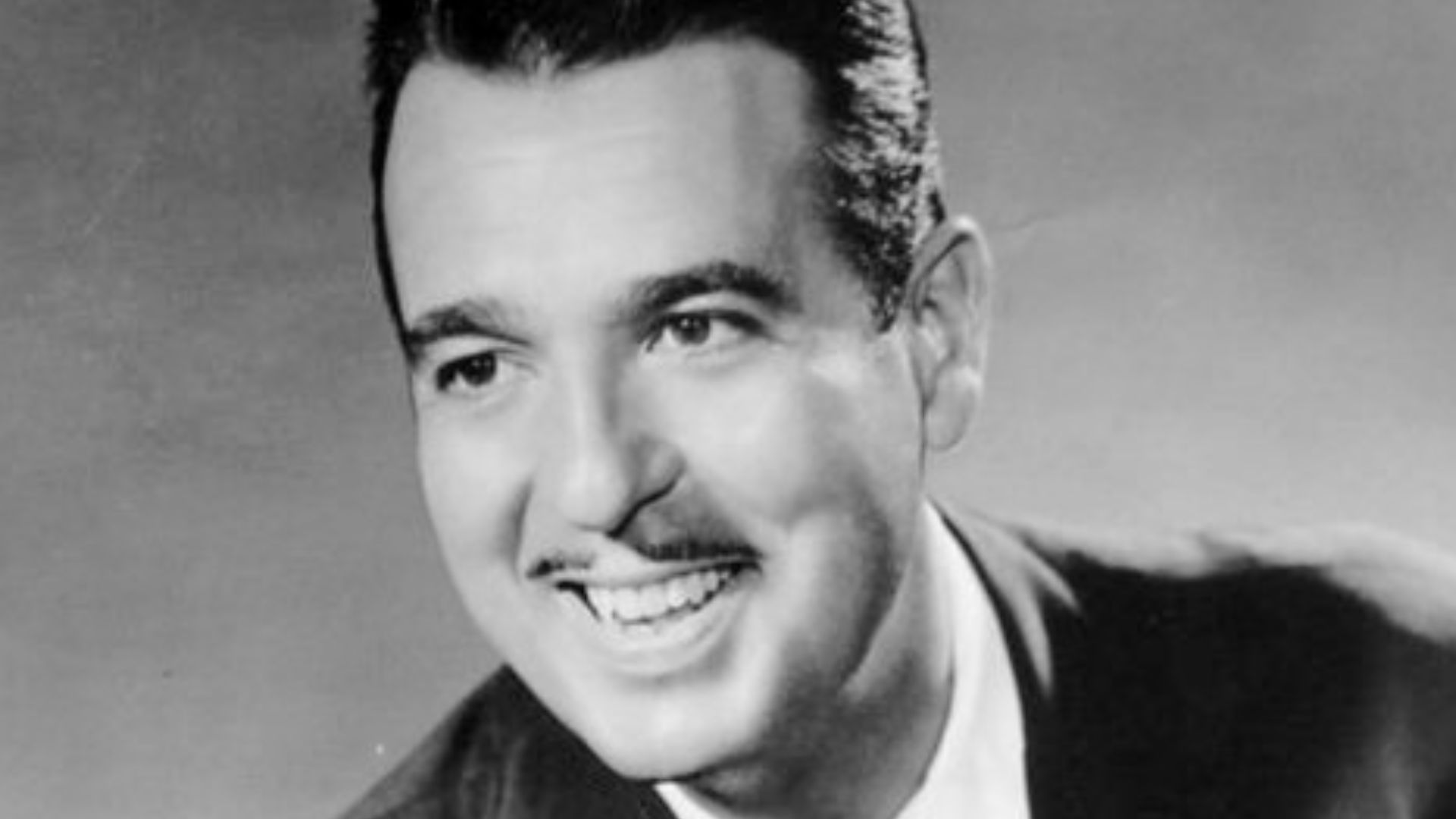
#13. The Tennessee Ernie Ford Show
Known primarily as a variety program, Tennessee Ernie Ford regularly interviewed performers and public figures alongside musical acts. His friendly personality helped make every conversation feel effortless.
 NBC Television, Wikimedia Commons
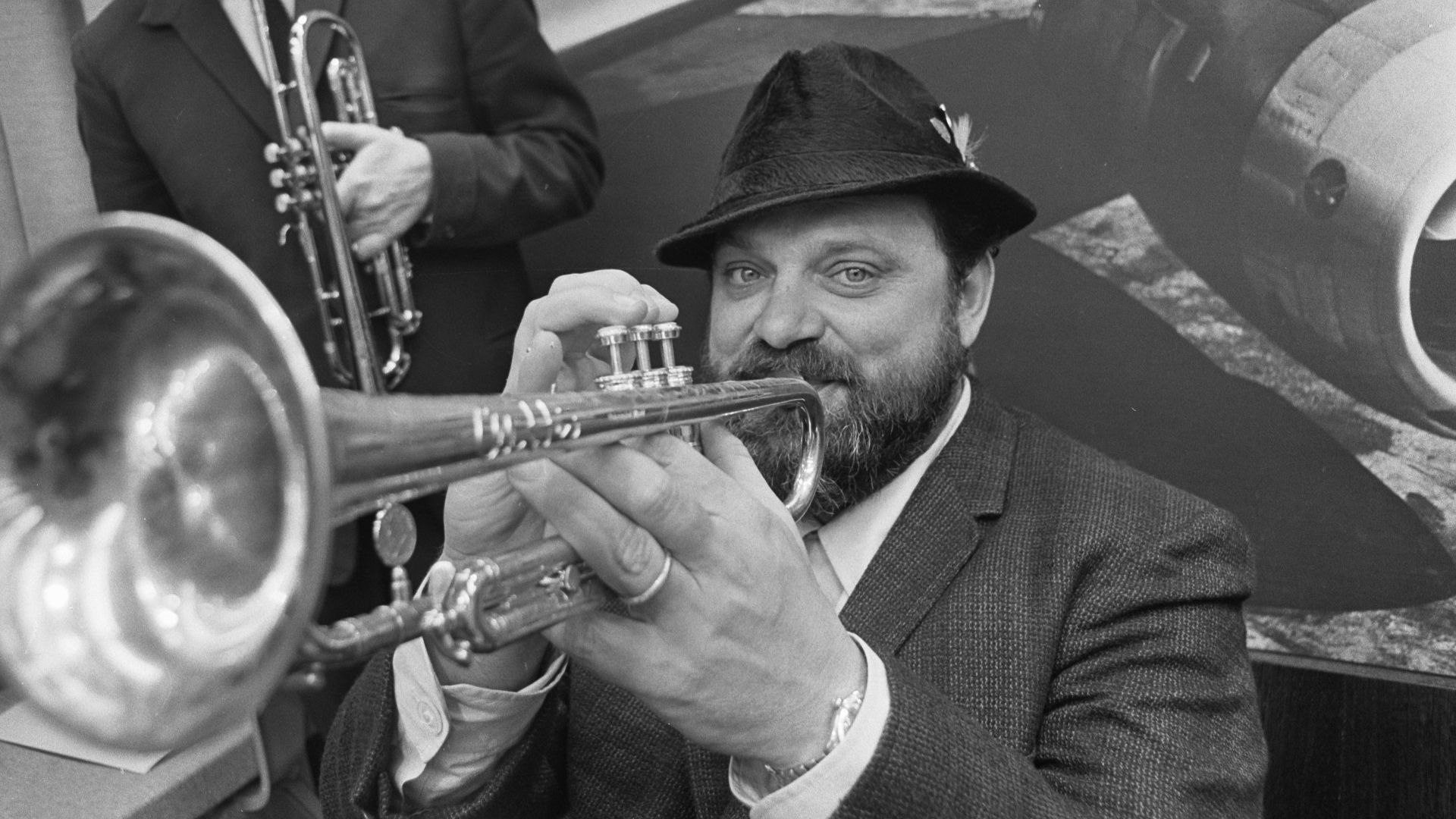
#12. The Al Hirt Show
Legendary trumpeter Al Hirt blended celebrity interviews with live music. The format gave audiences something a little different, and Hirt's easygoing style kept the conversations fun without taking themselves too seriously.
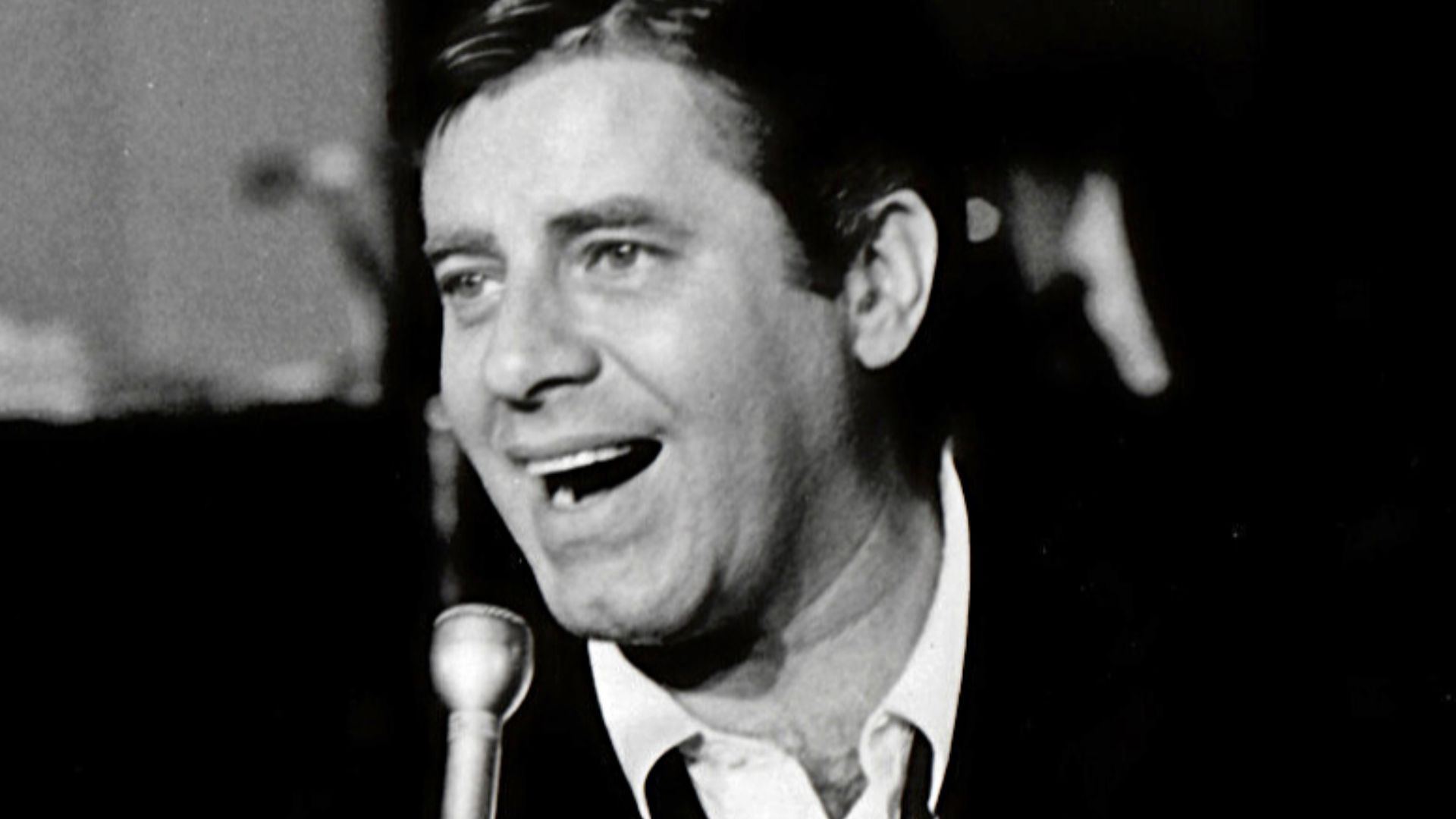
#11. The Jerry Lewis Show
Jerry Lewis hosted one of television's most unpredictable talk programs. His interviews often wandered into hilarious territory, and no one—including Lewis—ever seemed completely sure what would happen next.
#10. PM East
Broadcast from Philadelphia, PM East featured celebrity interviews, live performances, and discussions about current events. It became surprisingly influential and introduced many viewers to rising stars before they became household names.
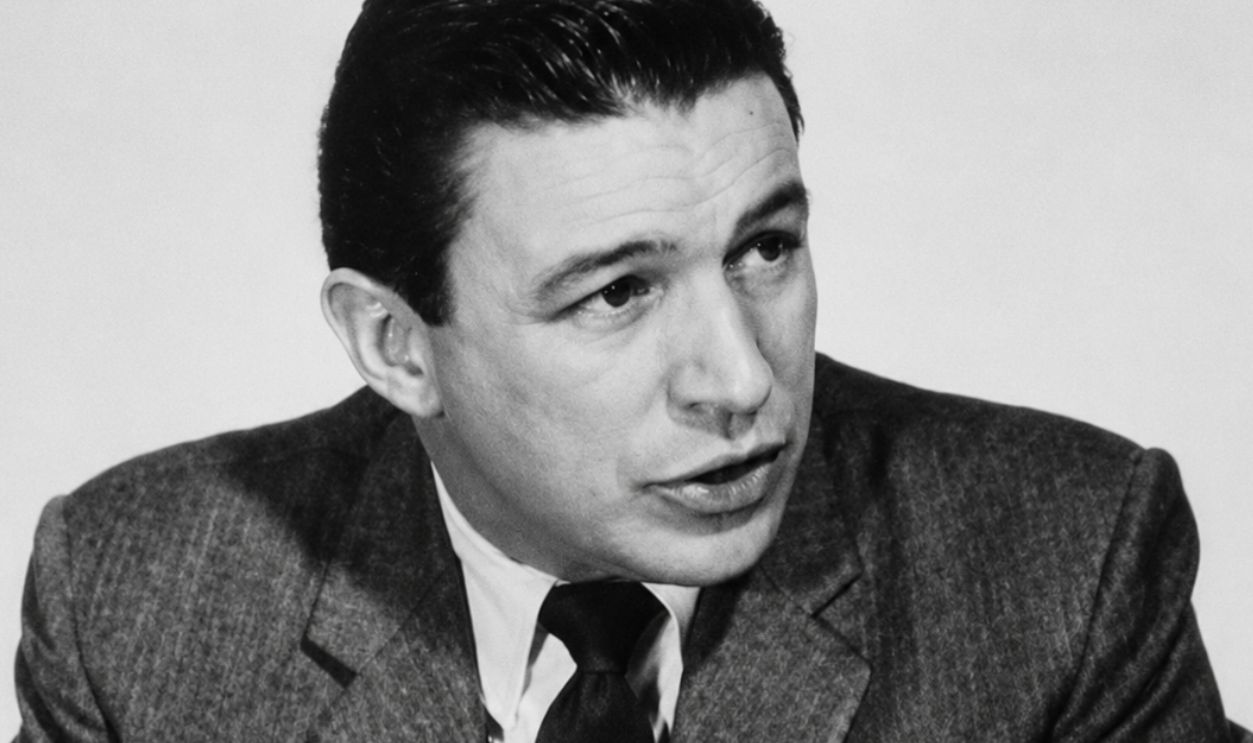 ABC Television, Wikimedia Commons, enhanced
#9. The David Frost Show
British journalist David Frost brought a sharper interview style to American television. Whether interviewing politicians or Hollywood stars, he asked thoughtful questions that often produced memorable answers.
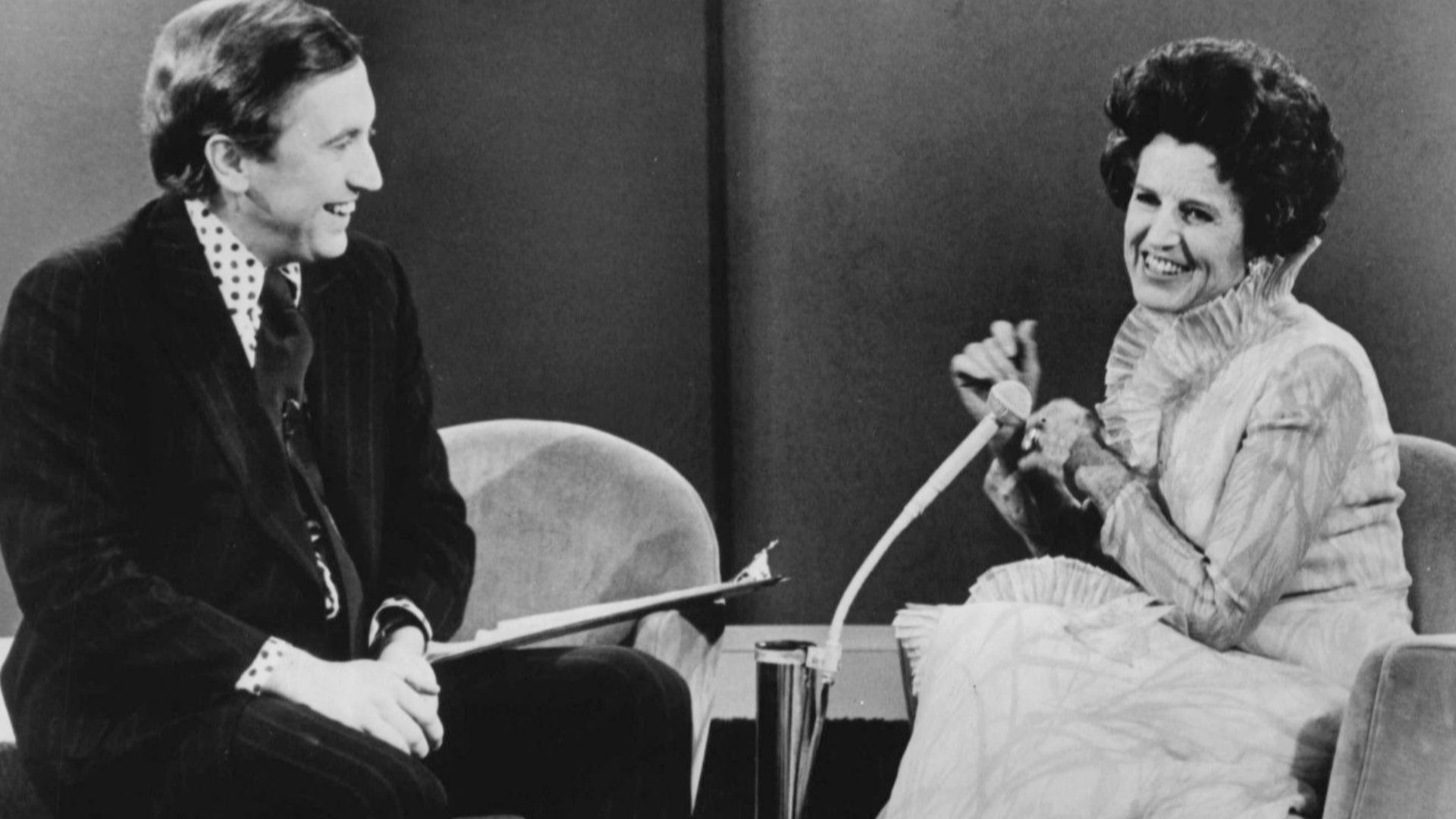 David Frost Show, Wikimedia Commons
#8. The Dick Cavett Show
When Dick Cavett debuted in 1968, he quickly earned a reputation for actually listening to his guests. Imagine that. His intelligent conversations remain some of the most respected interviews ever recorded.
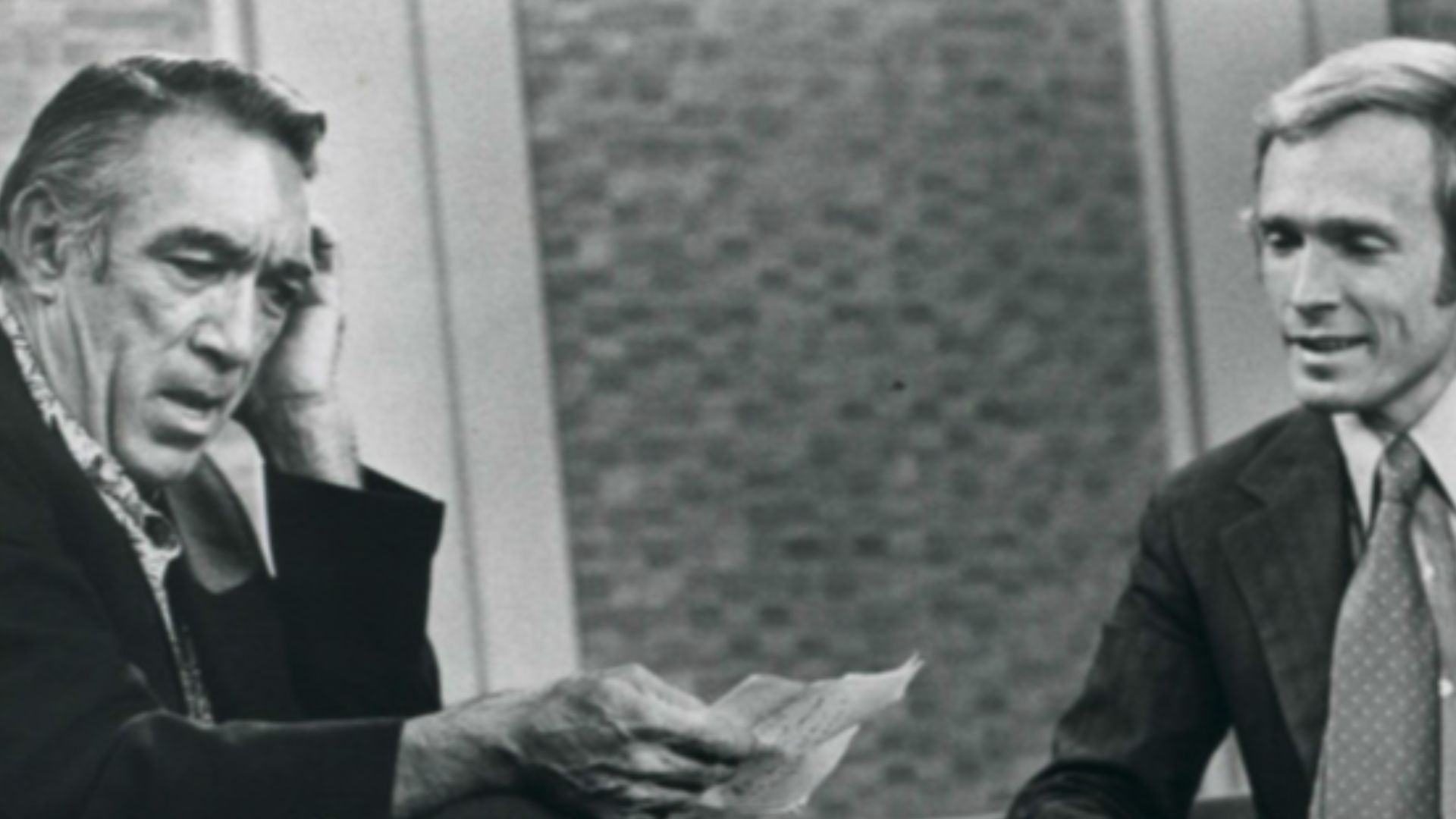 ABC Television, Wikimedia Commons
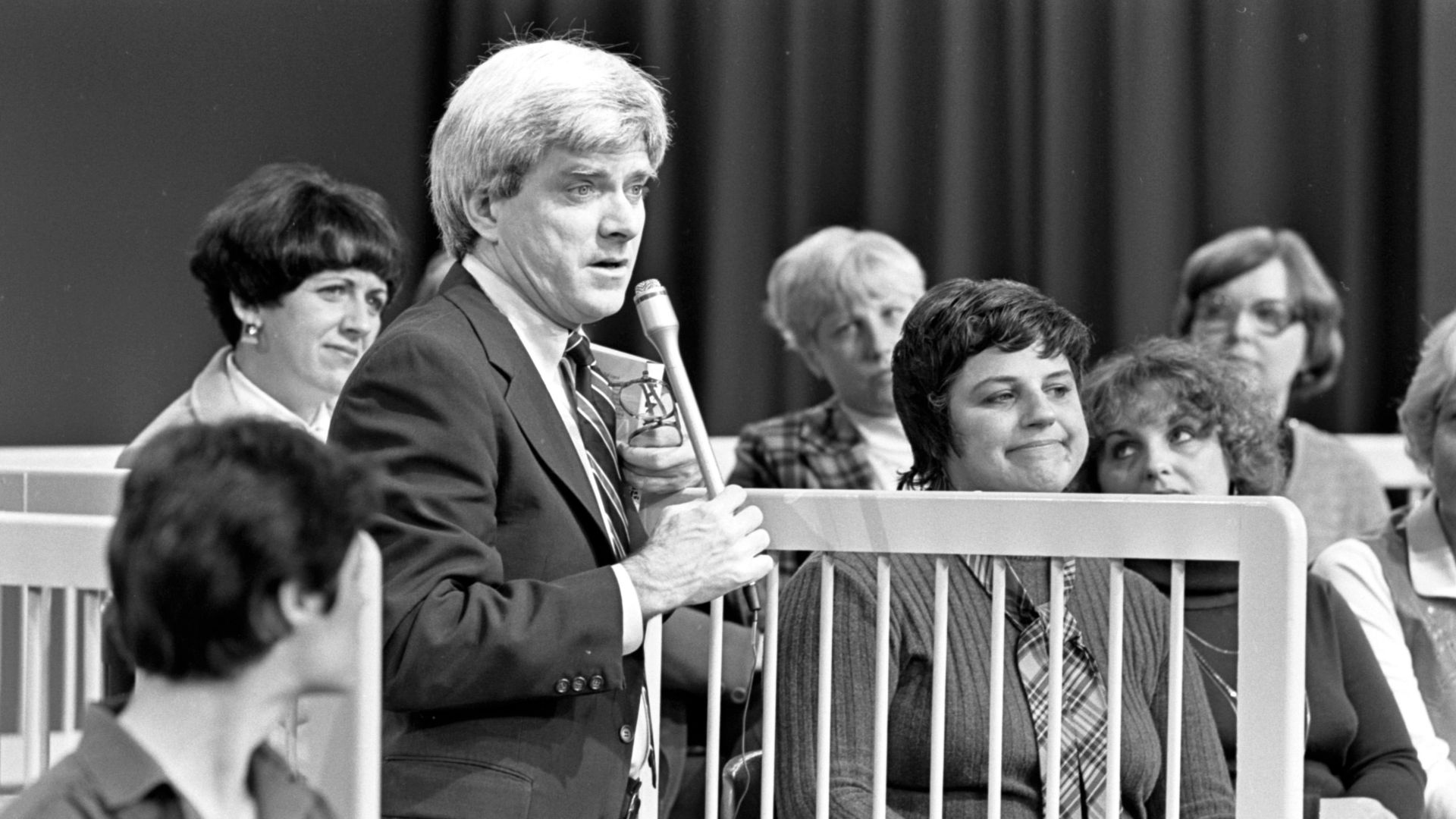
#7. The Phil Donahue Show
Phil Donahue changed daytime television by inviting audience participation and discussing serious topics instead of simply promoting celebrities. Countless future talk show hosts borrowed his formula.
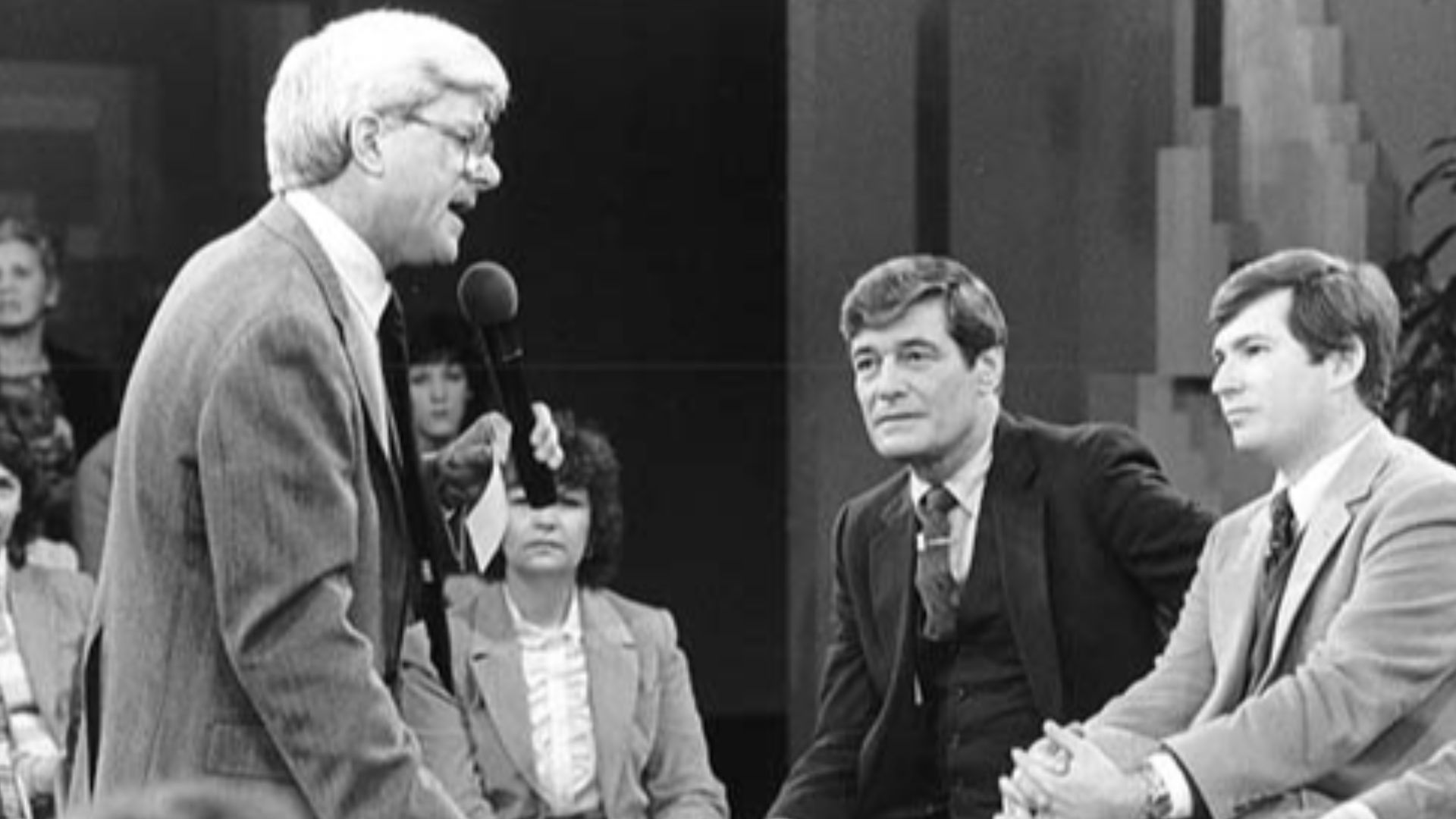 Office of Congressman Phil Crane, Wikimedia Commons
#6. The Mike Douglas Show
Mike Douglas became one of daytime television's biggest stars thanks to his rotating celebrity co-hosts. Every week brought new personalities, making viewers curious about who would show up next.
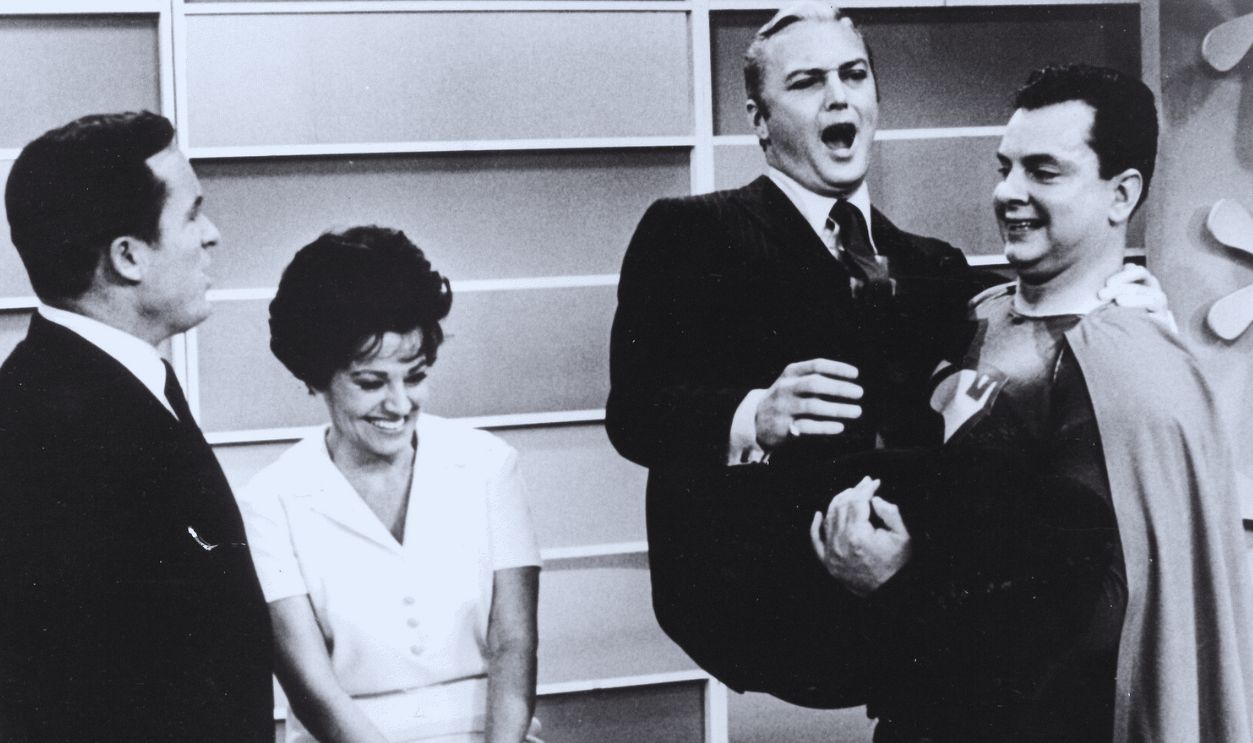
#5. The Merv Griffin Show
Merv Griffin's calm, friendly personality helped guests relax almost immediately. Some of television's biggest stars opened up in ways they rarely did anywhere else.
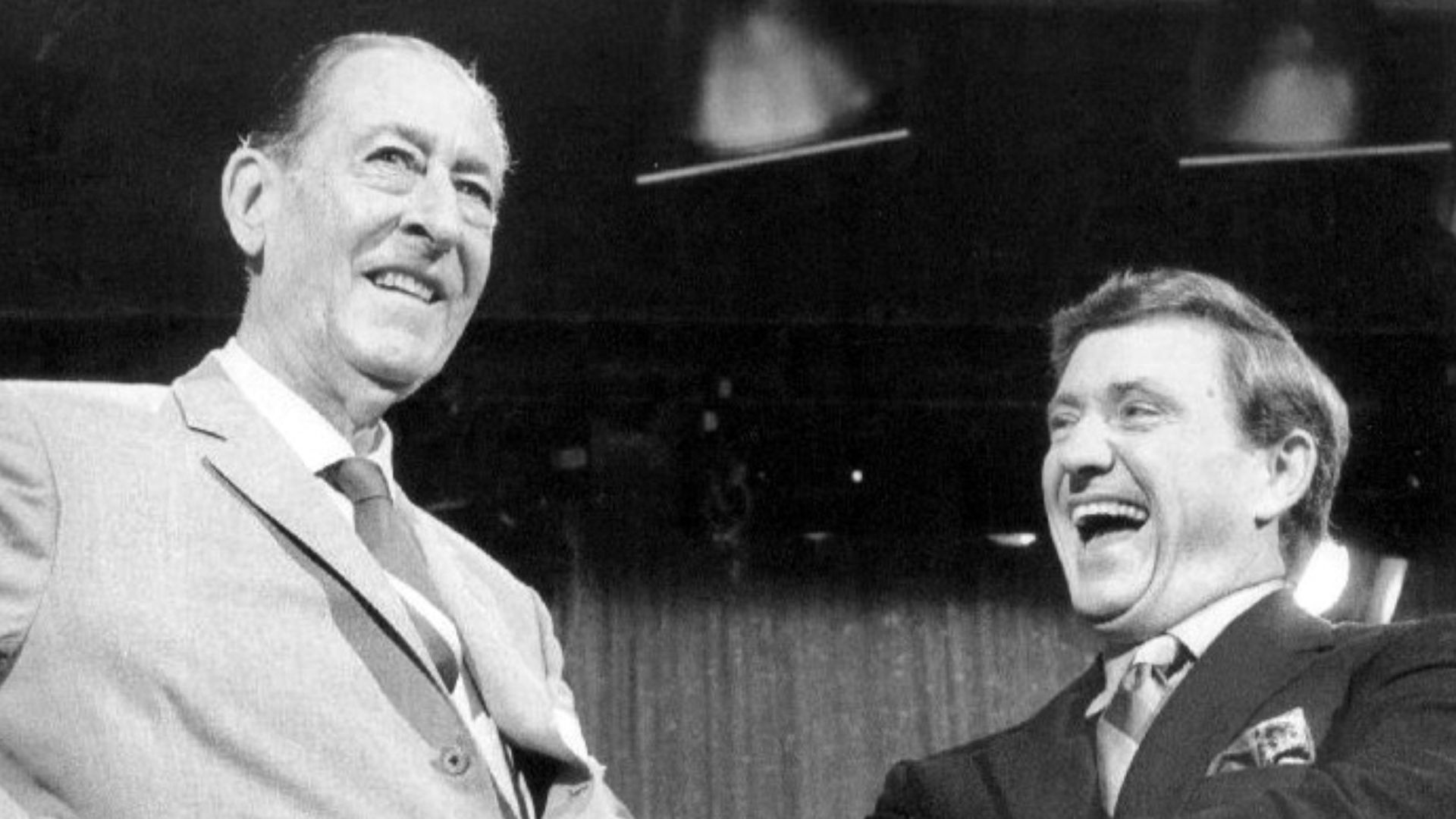 CBS Television, Wikimedia Commons
#4. The Kraft Music Hall
Although remembered as a variety show, its 1960s versions regularly featured extended celebrity interviews alongside music and comedy. It became one of television's most reliable entertainment showcases.
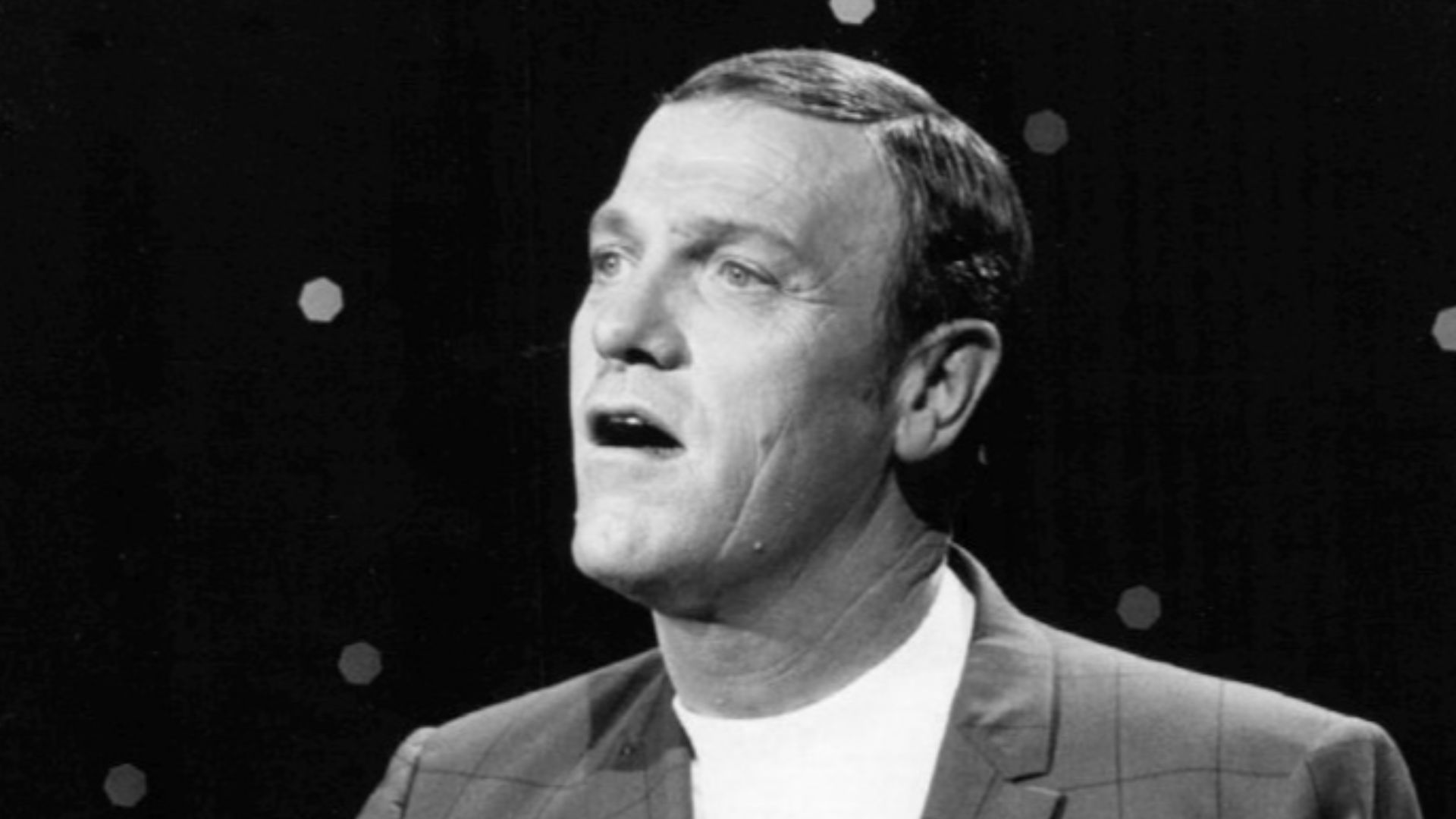 NBC Television, Wikimedia Commons
#3. The Regis Philbin Show
Long before national fame, Regis Philbin hosted a local daytime talk show in San Diego. Even then, his endless energy and quick wit hinted that much bigger things were waiting for him.
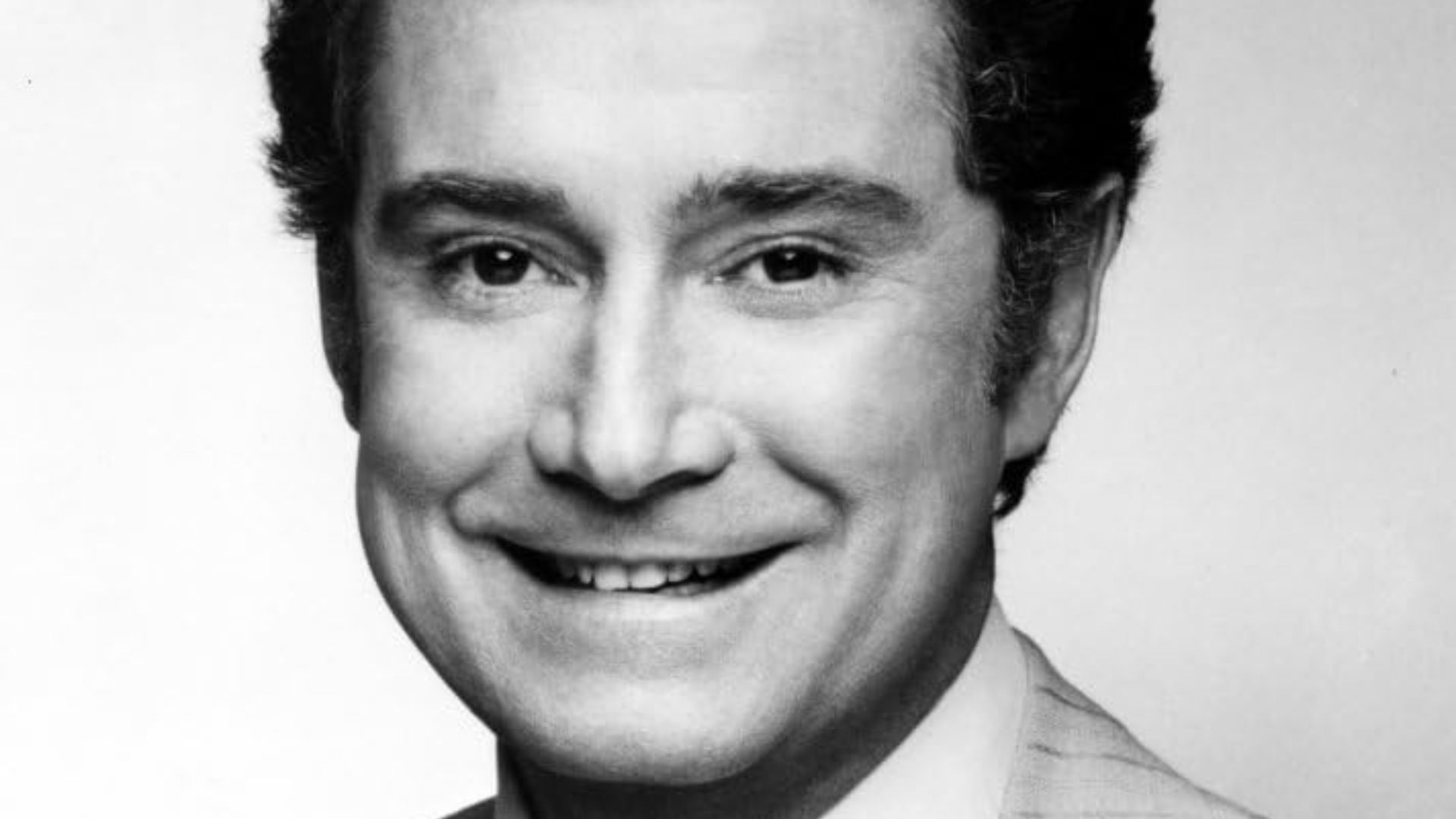 ABC Television, Wikimedia Commons
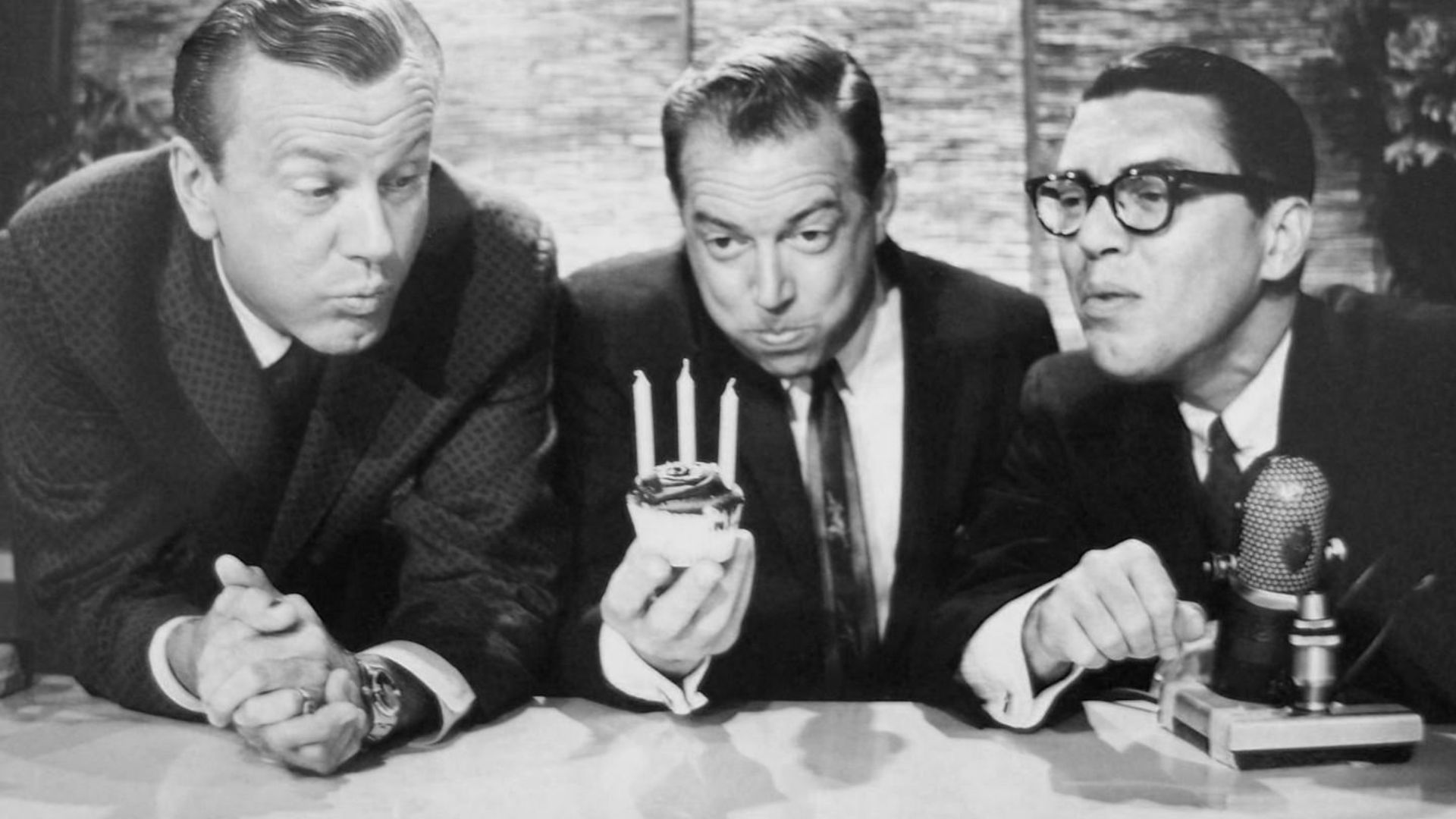
#2. The Tonight Show Starring Jack Paar
Before Johnny Carson became television royalty, Jack Paar transformed late-night television into a place for genuine conversation. His emotional style influenced nearly every host who followed.
 NBC Television, Wikimedia Commons
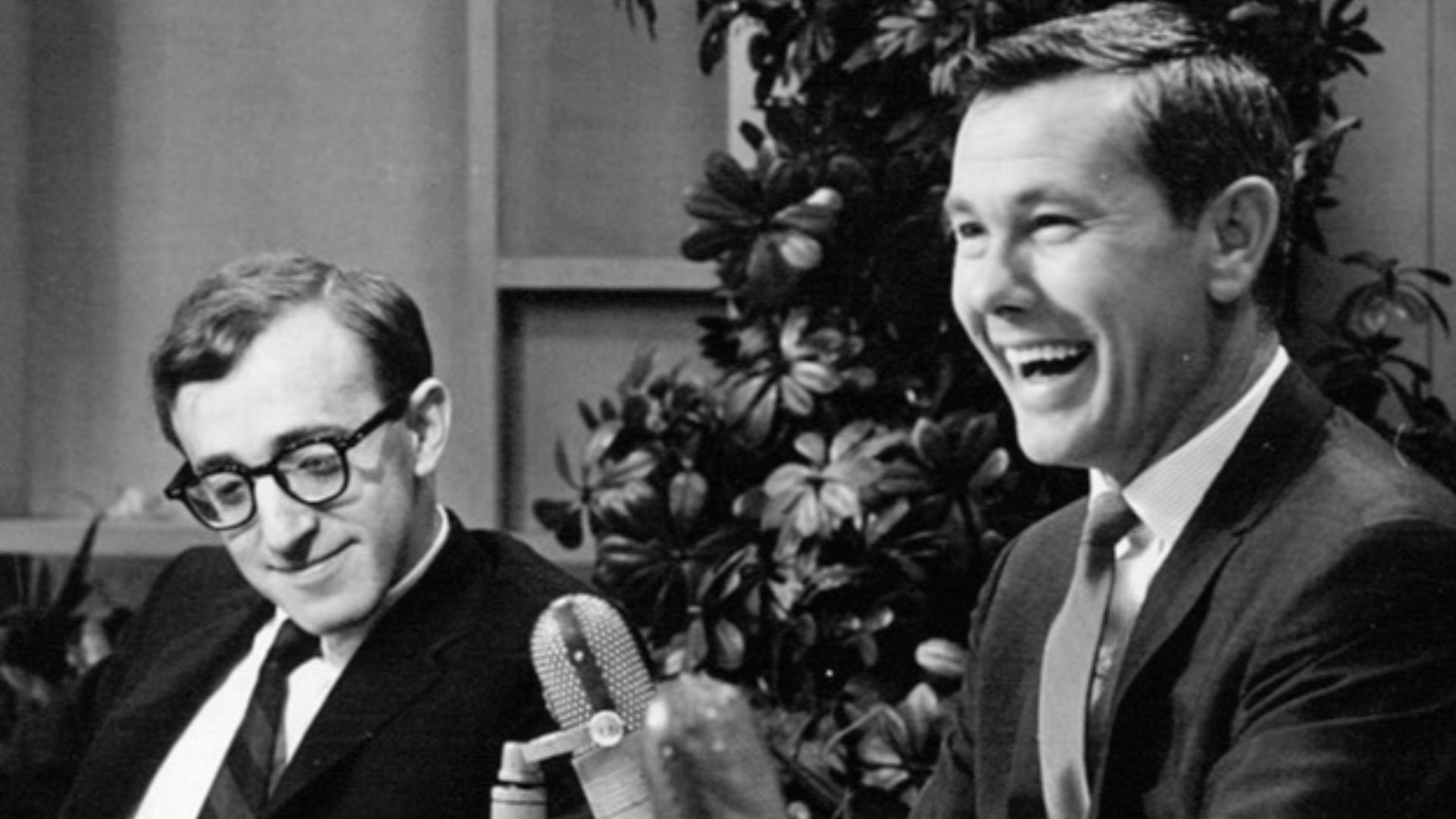
#1. The Tonight Show Starring Johnny Carson
When Johnny Carson took over in 1962, late-night television changed forever. His effortless humor, unforgettable monologues, and relaxed celebrity interviews made him the gold standard that future hosts spent decades trying to match.
 NBC Television, Wikimedia Commons
Final Thoughts
These programs proved you didn't need flashy sets, viral clips, or celebrity feuds to entertain millions. A funny host, an interesting guest, and a great conversation were enough. Even if many of these shows have faded from memory, their influence is still everywhere on television today.
 Martha Hartnett, Los Angeles Times, Wikimedia Commons
You May Also Like:
TV Shows That Were Huge Abroad—But Never Took Off In The U.S.
20 Years Ago, These Controversial Movies Were Hits—Today They’d Spark Outrage
30 of the Longest-Running TV Shows
.jpg)