The Star Who Took Her Greatest Secret To The Grave
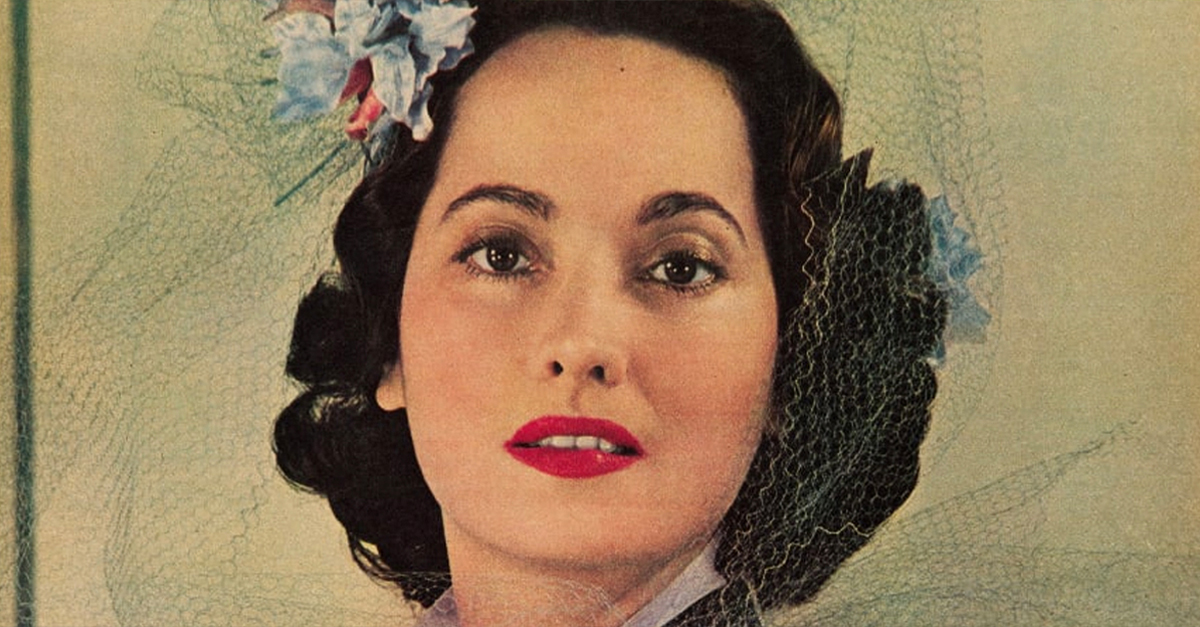
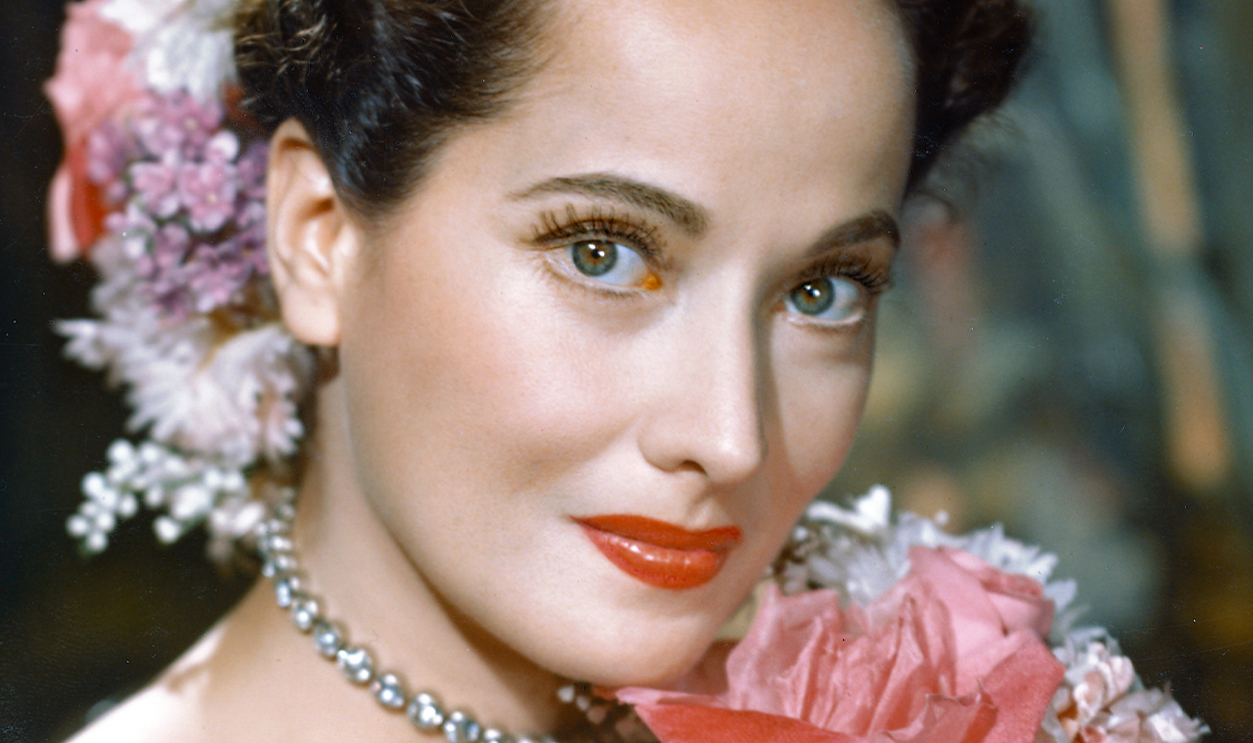
Merle Oberon became one of the most glamorous actresses of Hollywood’s Golden Age. Audiences were told she came from a respectable white British family and had been born in Tasmania.
The truth, however, was something else entirely.
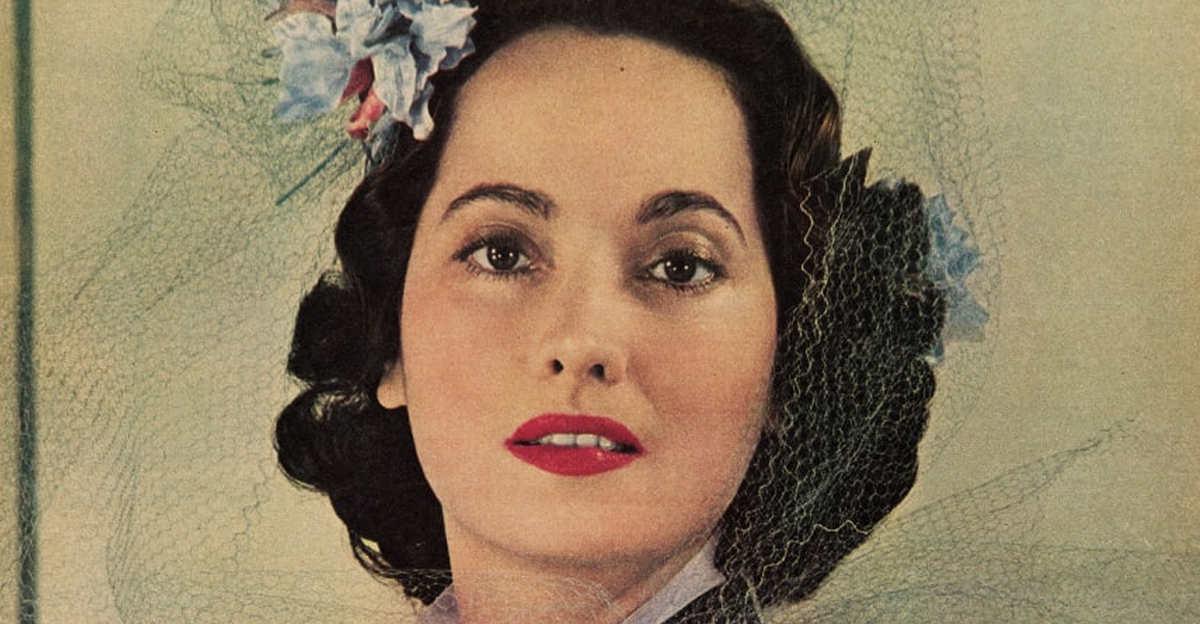 Harry Warnecke, Wikimedia CommonsThe Lie Was More Complicated Than Simply Being “British”
Oberon did build her public identity around being British, but the crucial deception concerned race and birthplace. Her publicity presented her as a white woman born in Tasmania to European parents. In reality, she was born in British India and came from a mixed-race family with roots in what is now Sri Lanka.
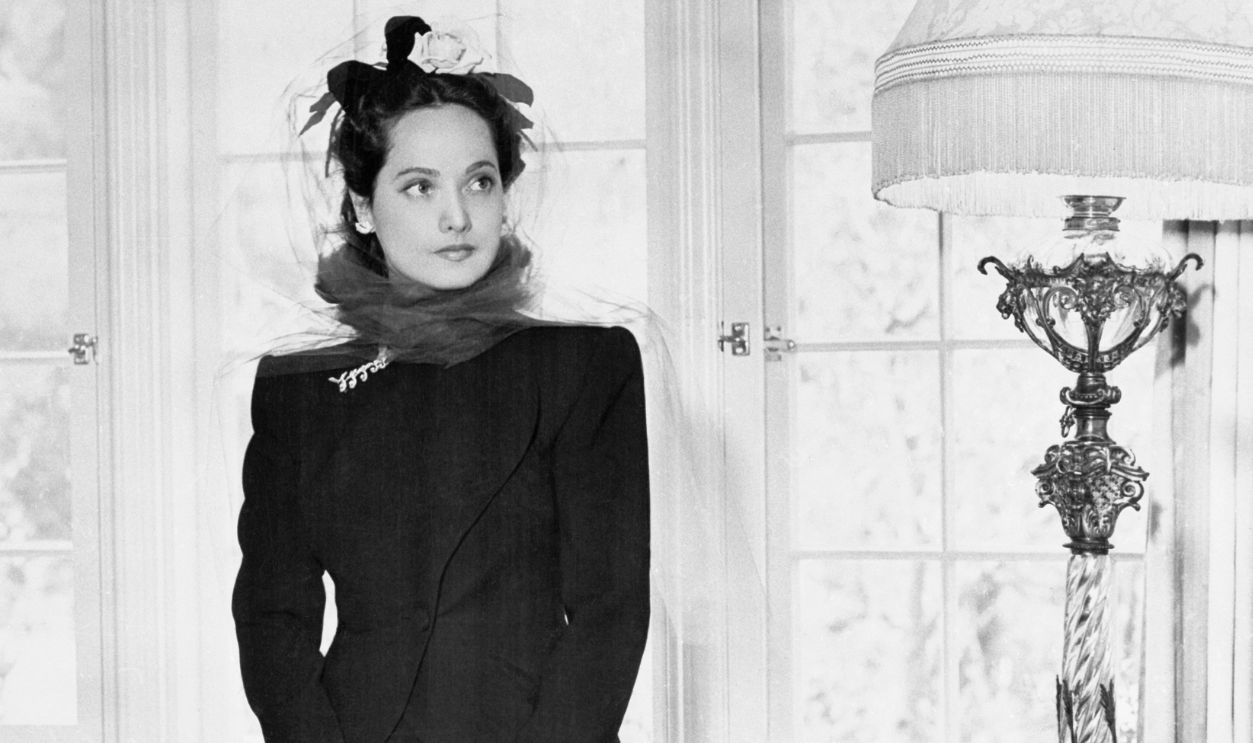
She Was Born Estelle Merle Thompson
Oberon was born in Bombay, now Mumbai, in 1911. Her family called her Queenie. Her early circumstances bore little resemblance to the aristocratic or comfortably British background Hollywood audiences would later hear about.
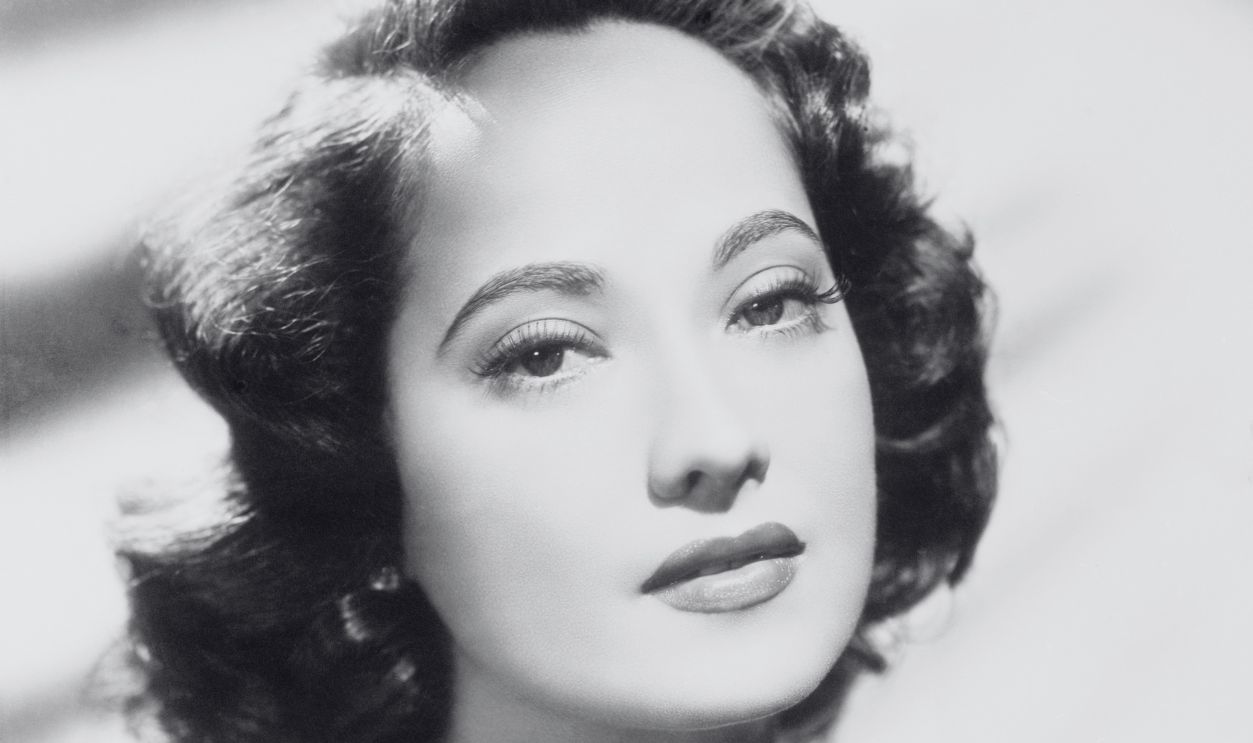
Even Her Own Family Story Was Hidden From Her
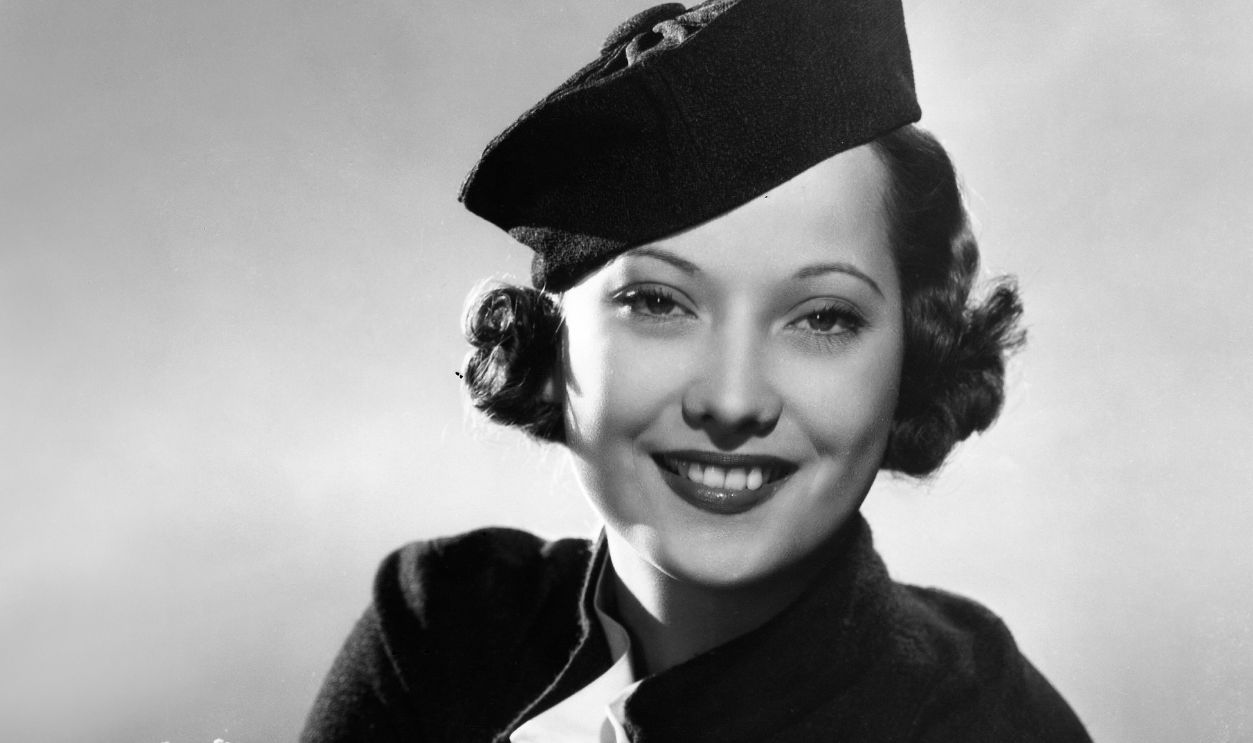
Modern research suggests Oberon grew up believing the woman who raised her, Charlotte, was her mother. Later investigation alleged that Charlotte was actually her grandmother and that Constance, whom Oberon believed was an older sister, was probably her biological mother.
 ullstein bild Dtl., Getty Images
The 1983 Biography Did Not Get Everything Right
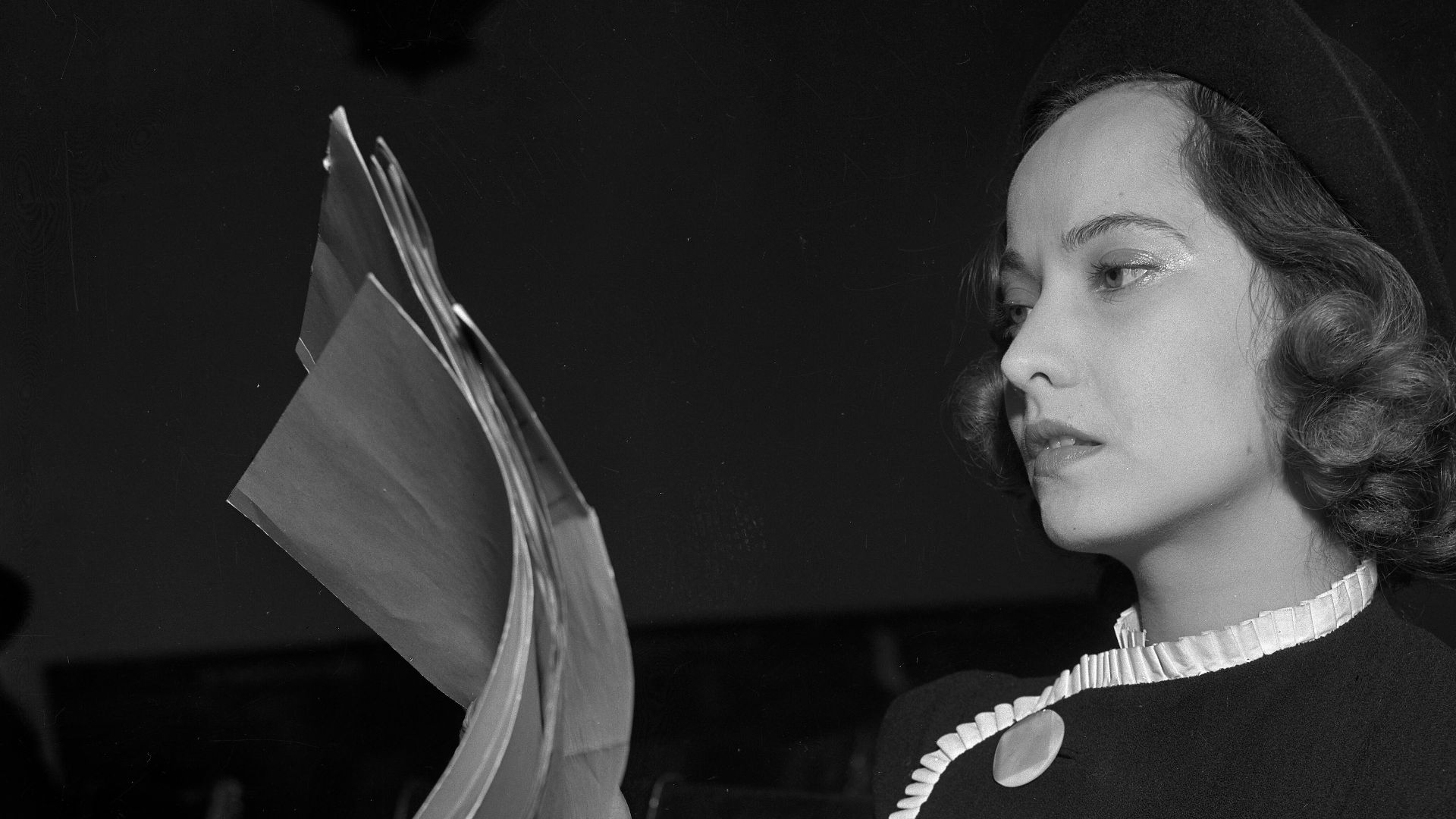
The first major posthumous biography, Princess Merle (1983), exposed Oberon’s Indian origins but misunderstood parts of her family tree. Later documentary work and Mayukh Sen’s 2025 biography corrected several details, including Charlotte’s role as grandmother rather than biological mother.
 Jake Getts, Los Angeles Times, Wikimedia Commons
Her Childhood Was Far From Glamorous
Oberon grew up with financial hardship in India. Later accounts describe a childhood in which her mixed background left her vulnerable to prejudice from both colonial British society and other communities around her. Race and class were realities she learned very early could close doors.
School Could Be Cruel
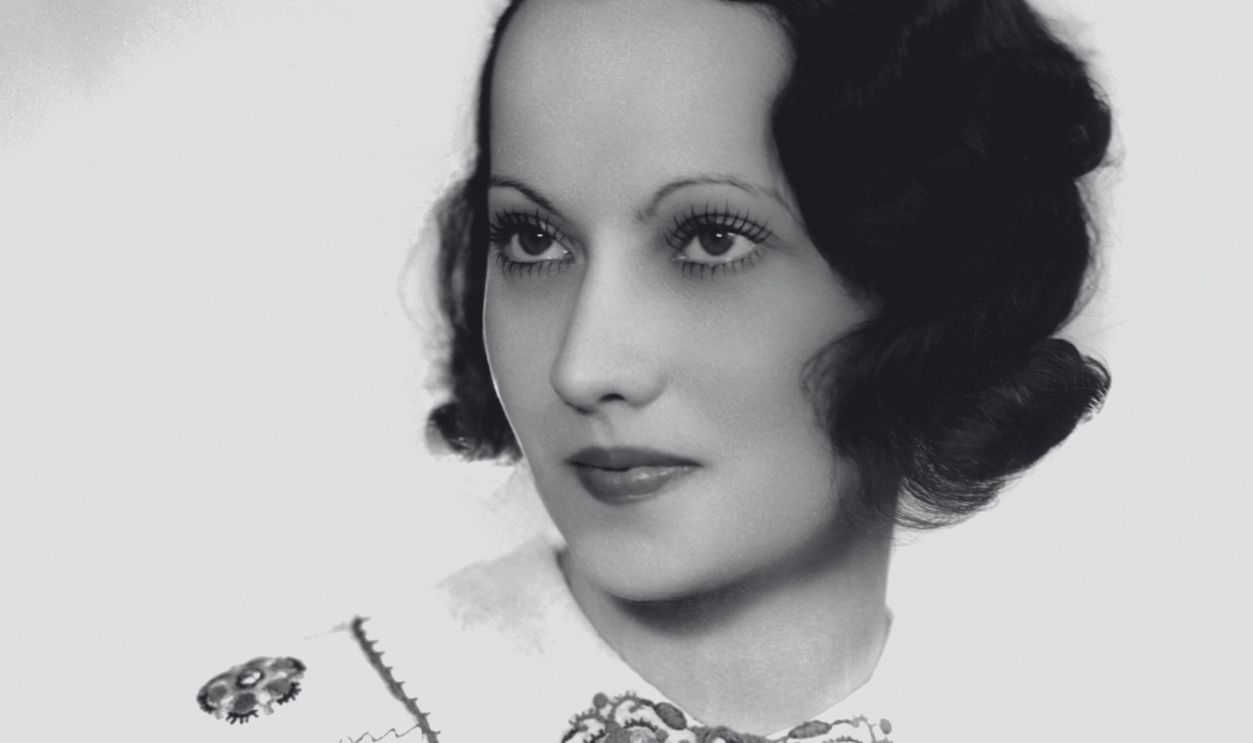
Accounts of Oberon’s youth describe her being mocked because of her appearance and mixed heritage. She eventually left formal schooling. Those experiences help explain why, years later, passing as white could look less like a glamorous reinvention and more like a way out of a social system that had already punished her.
She Learned Early That Appearance Could Change Her Future
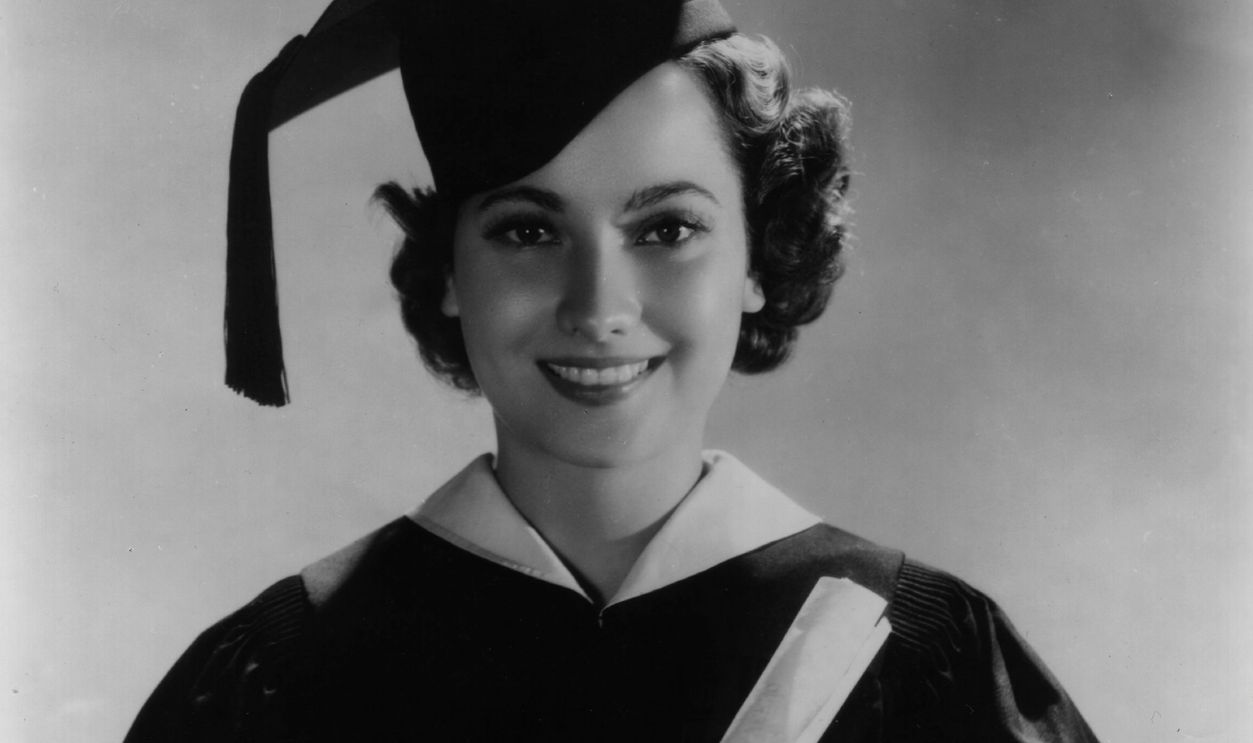
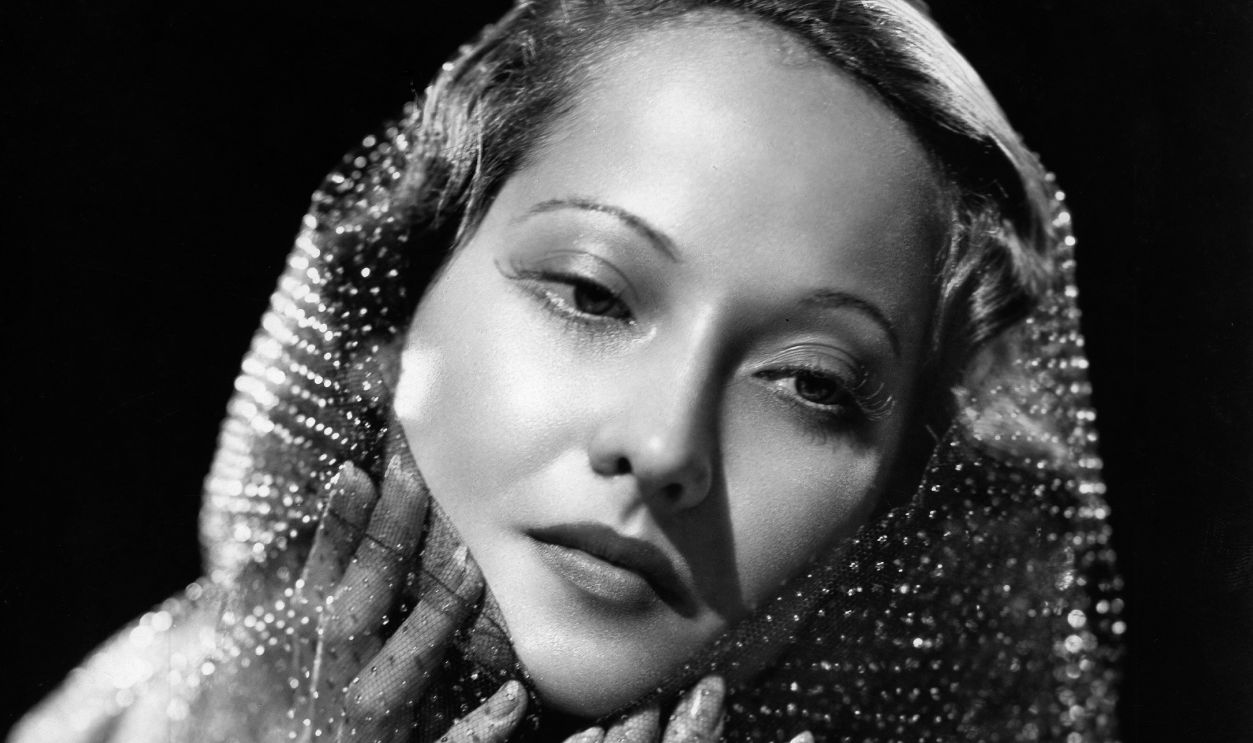
As a young woman, Oberon became acutely aware of how people reacted to her complexion and background. Later accounts describe her modifying her accent and appearance as she tried to enter European entertainment circles. Reinvention began before Hollywood ever knew her name.
 ullstein bild Dtl., Getty Images
She Left India To Chase A Different Life
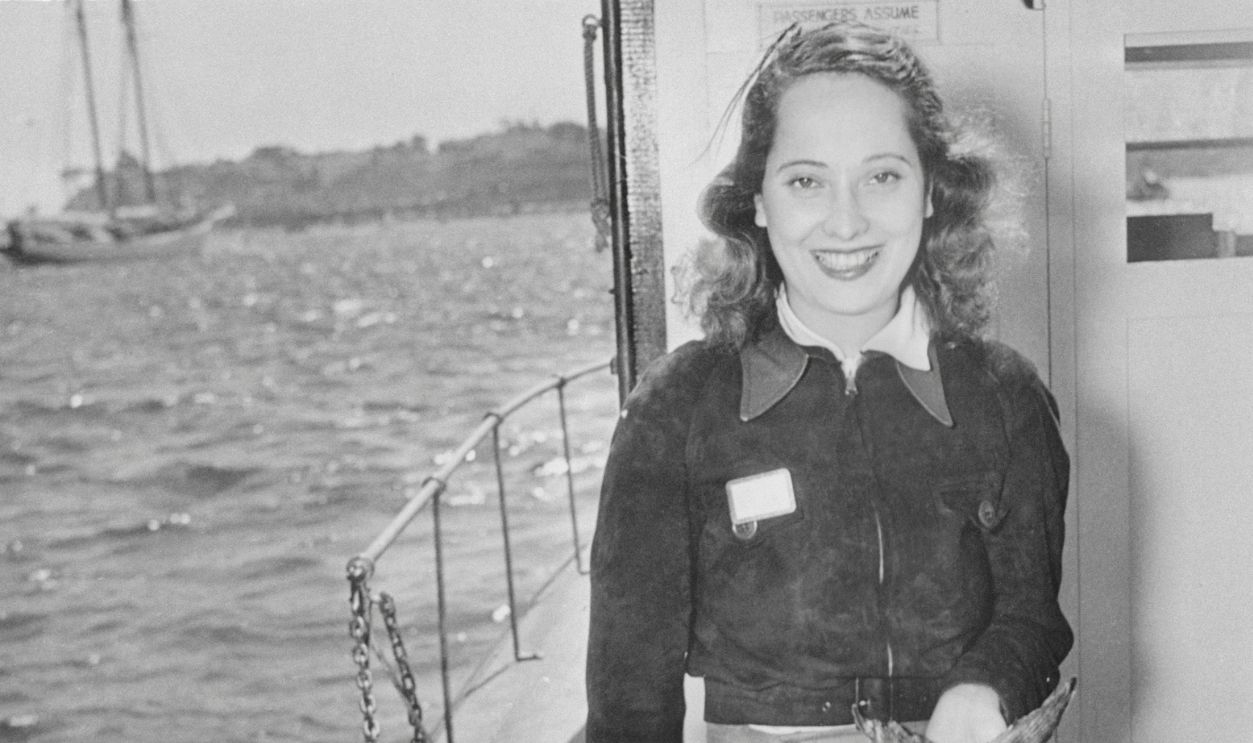
Oberon eventually made her way to Europe and then England, hoping to become an actress. The move gave Queenie Thompson the chance to construct another identity, one less constrained by the family history and racial classifications that had followed her in India.
Alexander Korda Helped Transform Her
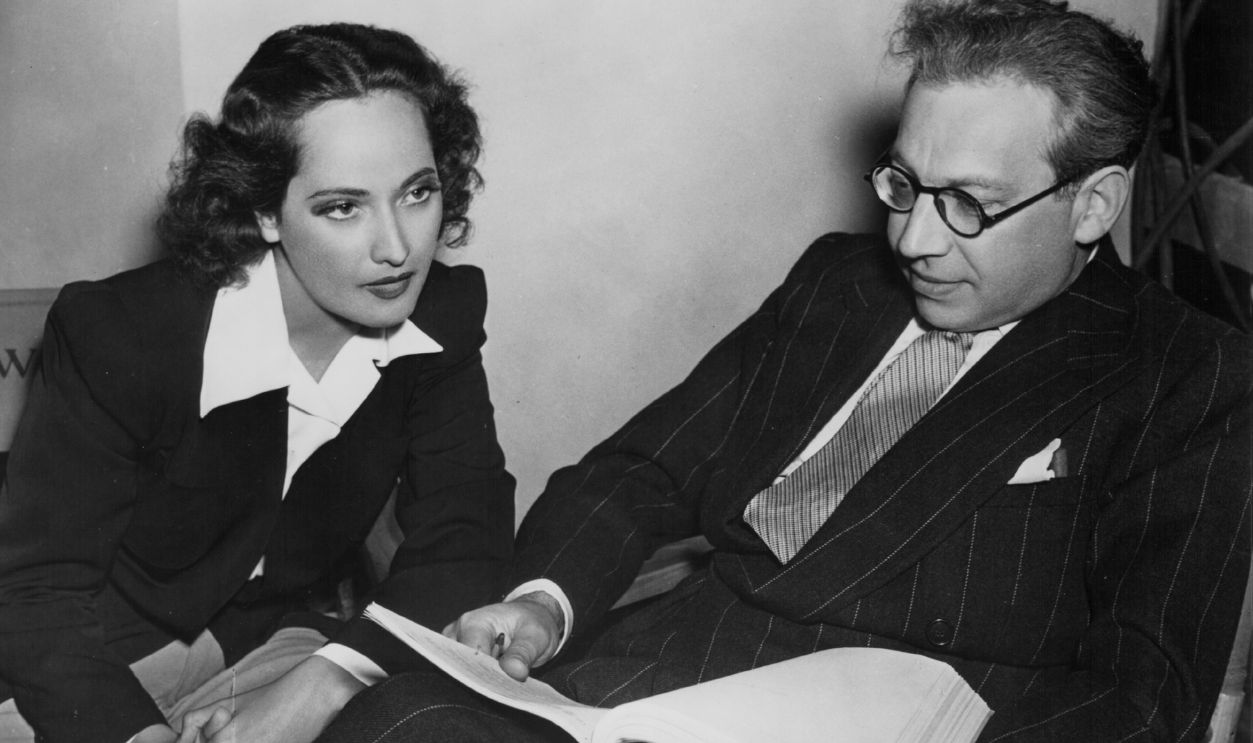
Producer and director Alexander Korda became one of the most important figures in Oberon’s career. Under his influence and that of his filmmaking circle, she was groomed as a sophisticated international star. Queenie Thompson became Merle Oberon, and her past became increasingly inconvenient.
Tasmania Became The Perfect Fiction
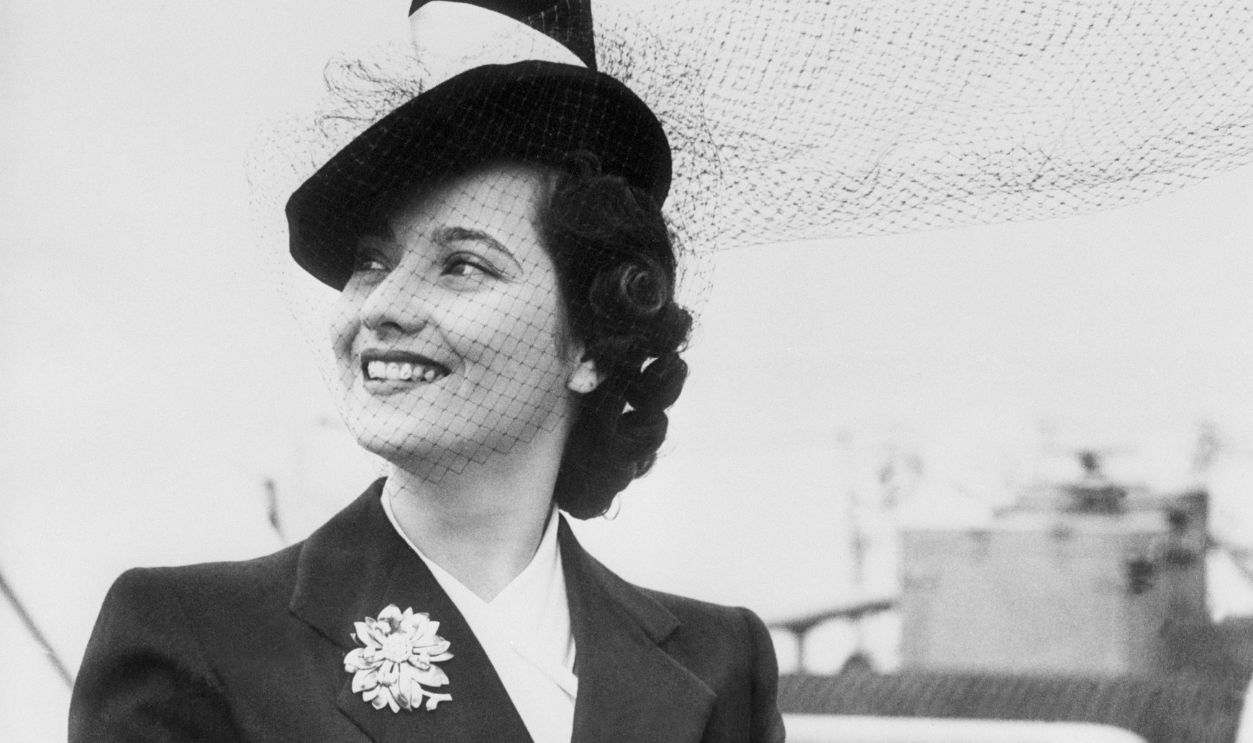
Her publicity story claimed that Oberon had been born in Tasmania. The location was useful precisely because it was distant from Britain and Hollywood and strongly associated with a white British settler society. It gave her an exotic touch without threatening the racial assumptions surrounding a leading lady.
The Story Became Surprisingly Detailed
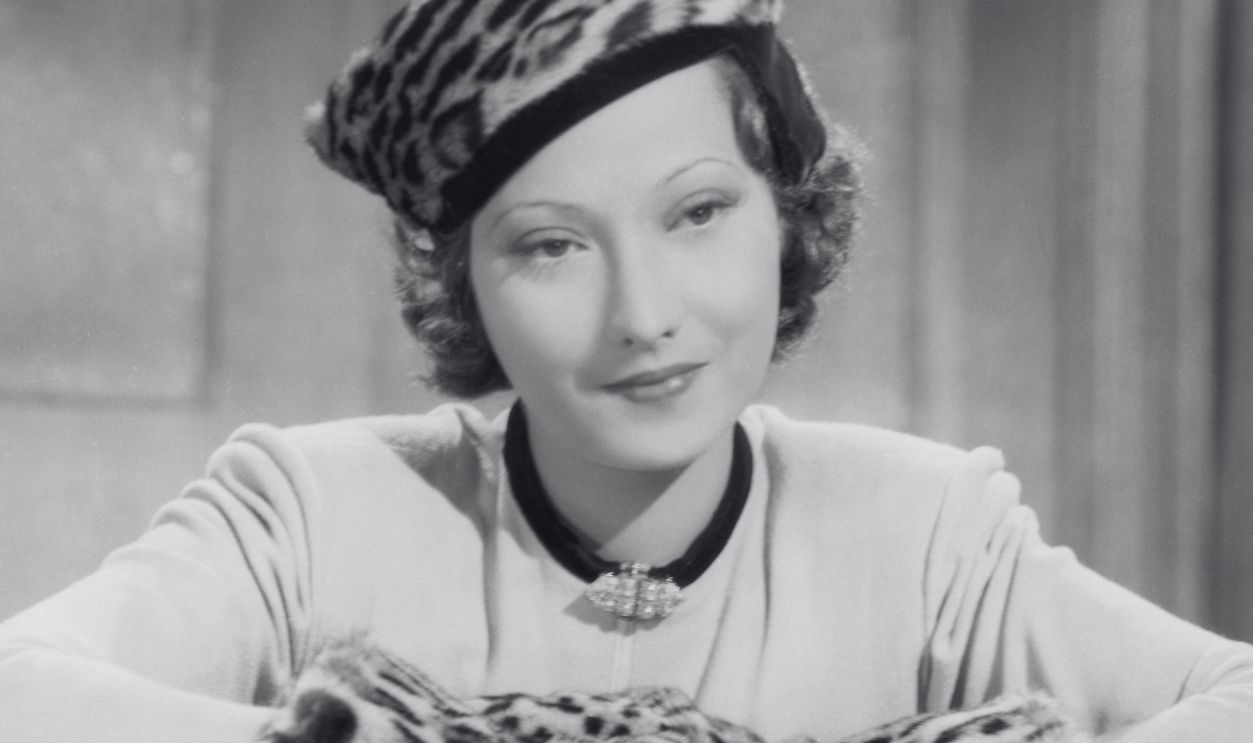
Oberon repeated variations of the Tasmanian story in interviews and publicity. She told Australian journalists she had left Tasmania when she was very young and claimed distant relatives occasionally surfaced because of her fame. The fiction became elaborate enough to survive for decades.
 Silver Screen Collection, Getty Images
Missing Records Had A Convenient Explanation
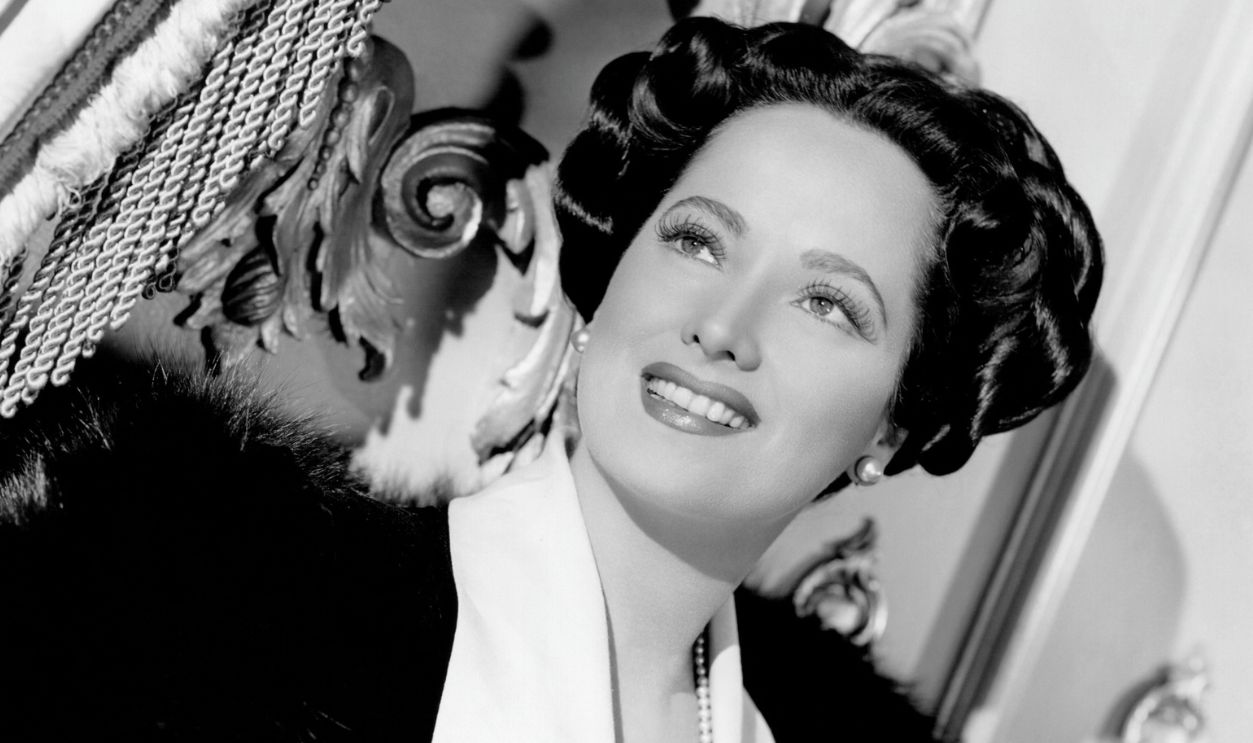
One version of the story maintained that documentation proving her Tasmanian birth had been destroyed. That explanation made the invented biography particularly difficult to disprove during an era when international records were far harder for journalists to check.
 De Carvalho Collection, Getty Images
Her Darker-Skinned Relative Became Another Risk
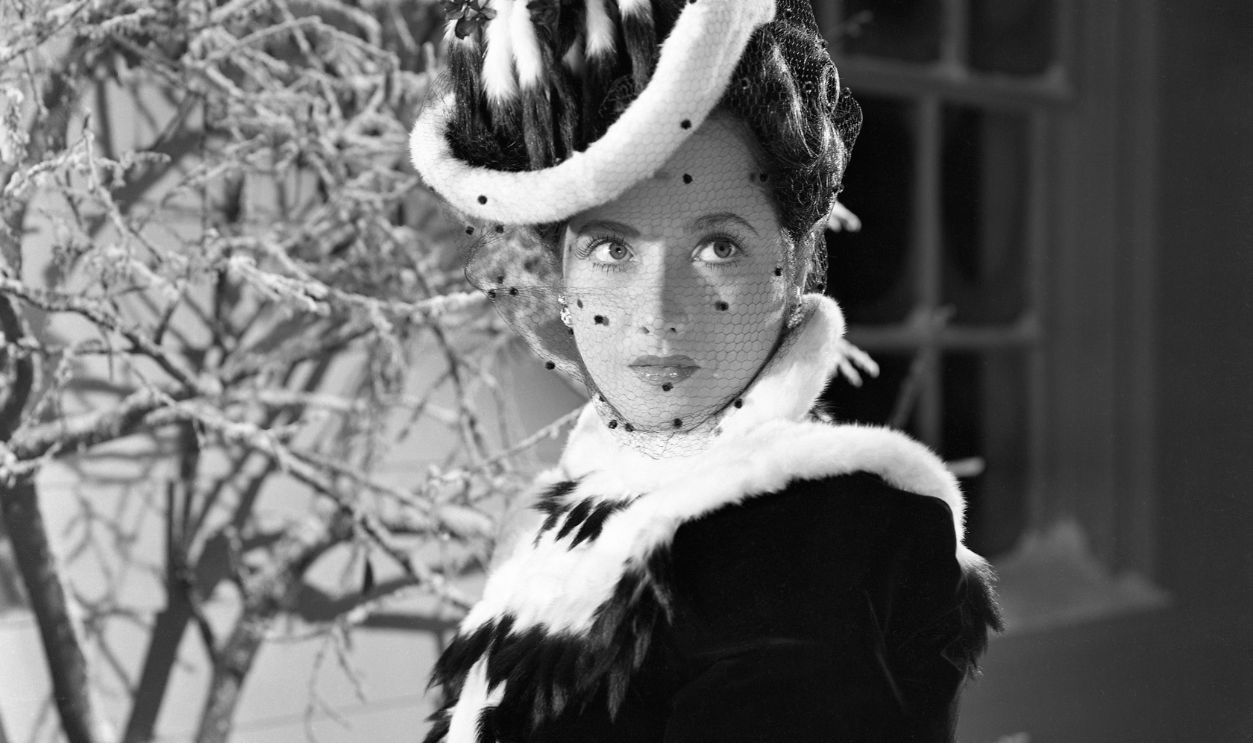
Later accounts say Oberon sometimes presented Charlotte, the woman who raised her and whom she believed to be her mother, as a maid when people encountered them together. The episode illustrates the brutal personal cost of maintaining a public identity based on being accepted as white.
 Silver Screen Collection, Getty Images
Hollywood Gave Her A Powerful Reason To Keep Hiding
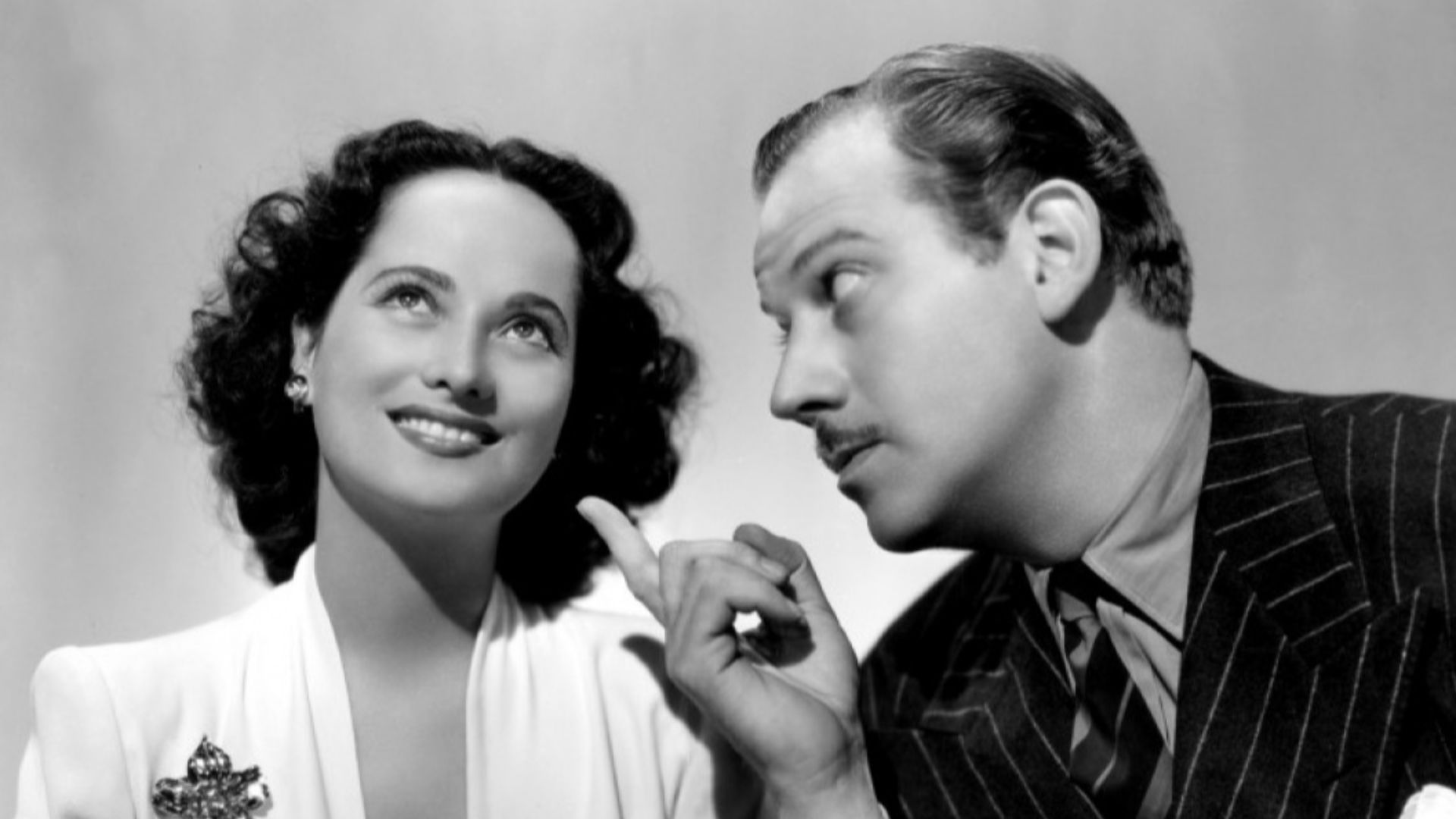
The film industry of the 1930s offered few opportunities to performers publicly identified as Asian or mixed-race. Hollywood’s Production Code also placed restrictions on depictions of interracial relationships. A romantic leading lady who was not perceived as white faced barriers that could have destroyed Oberon’s career.
 United Artists, Wikimedia Commons
She Was Pressured To Alter Her Appearance
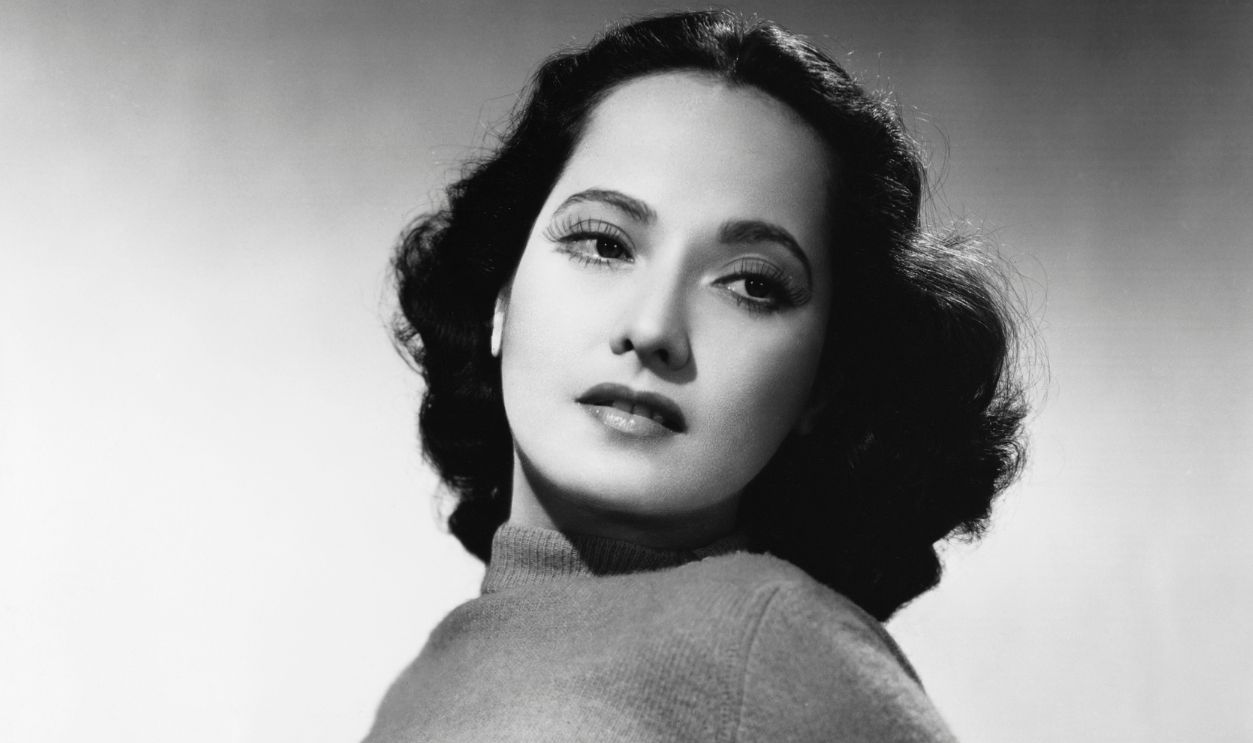
Sources describe Oberon using skin-lightening treatments as she pursued stardom. Later accounts also connect her image to carefully controlled makeup, lighting, and photography. Her famous beauty was real, but the industry repeatedly pushed that beauty toward a narrow definition of acceptable whiteness.
 John Springer Collection, Getty Images
Her Breakthrough Came As Anne Boleyn
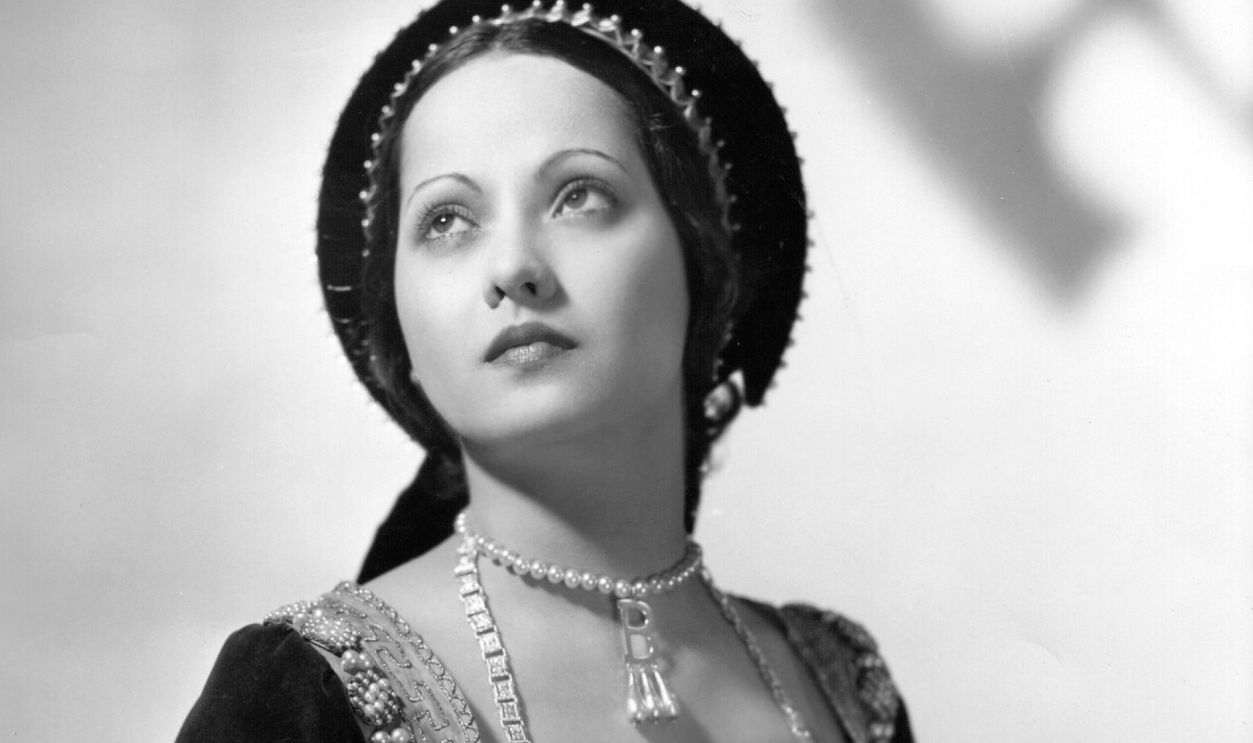
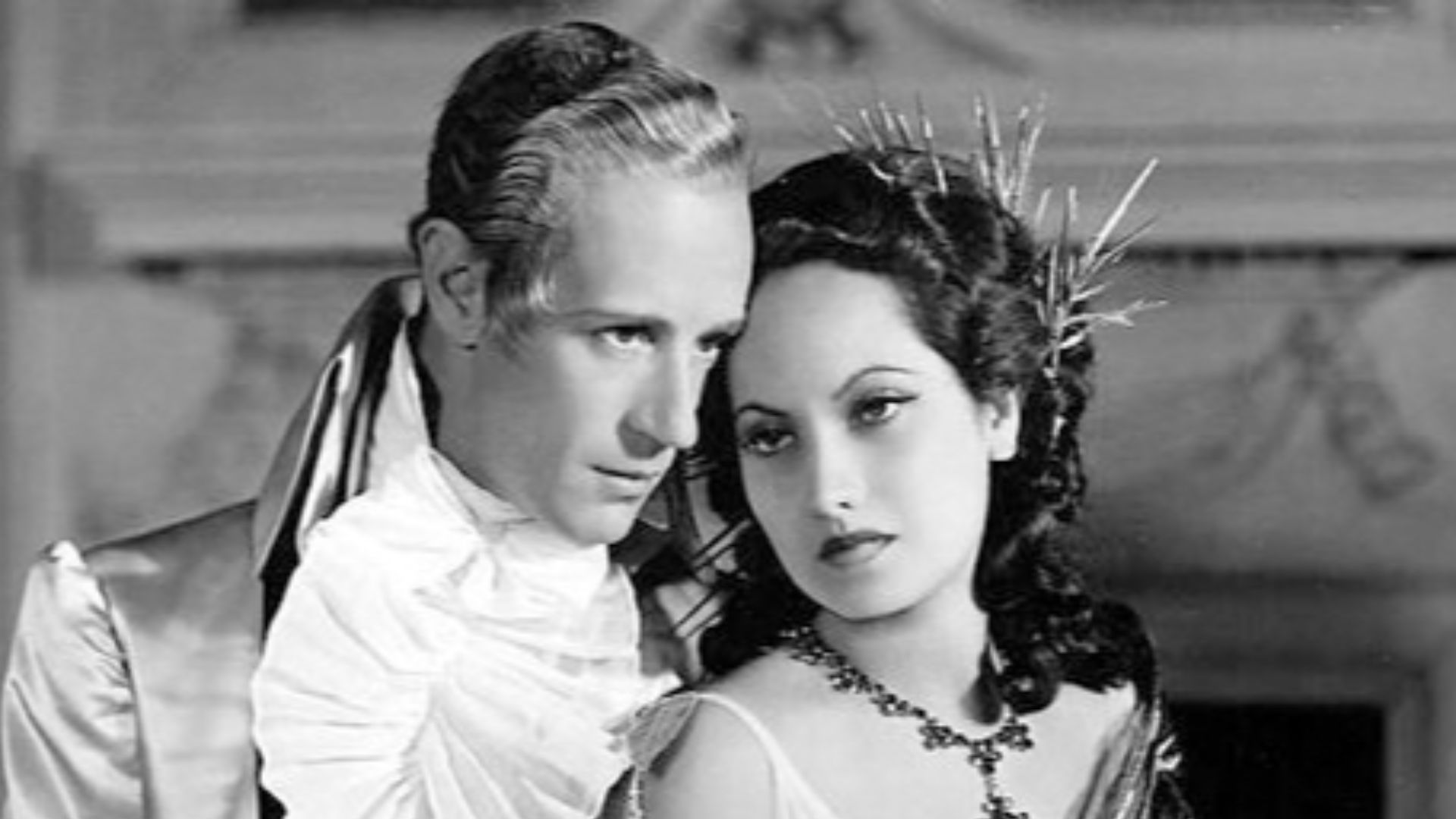
Oberon’s appearance as Anne Boleyn in The Private Life of Henry VIII in 1933 helped make her a star. She followed it with films including The Scarlet Pimpernel, building an image as an elegant European leading lady while the woman named Queenie disappeared further behind the publicity story.
Hollywood Soon Came Calling
Her success in British films helped carry Oberon to Hollywood, where she became a major romantic star. Yet the move also raised the stakes. The larger her fame became, the more dangerous it would have been to admit that the carefully constructed story of her racial background was false.
 Tunbridge photo for London Films, Wikimedia Commons
The Dark Angel Made Oscar History
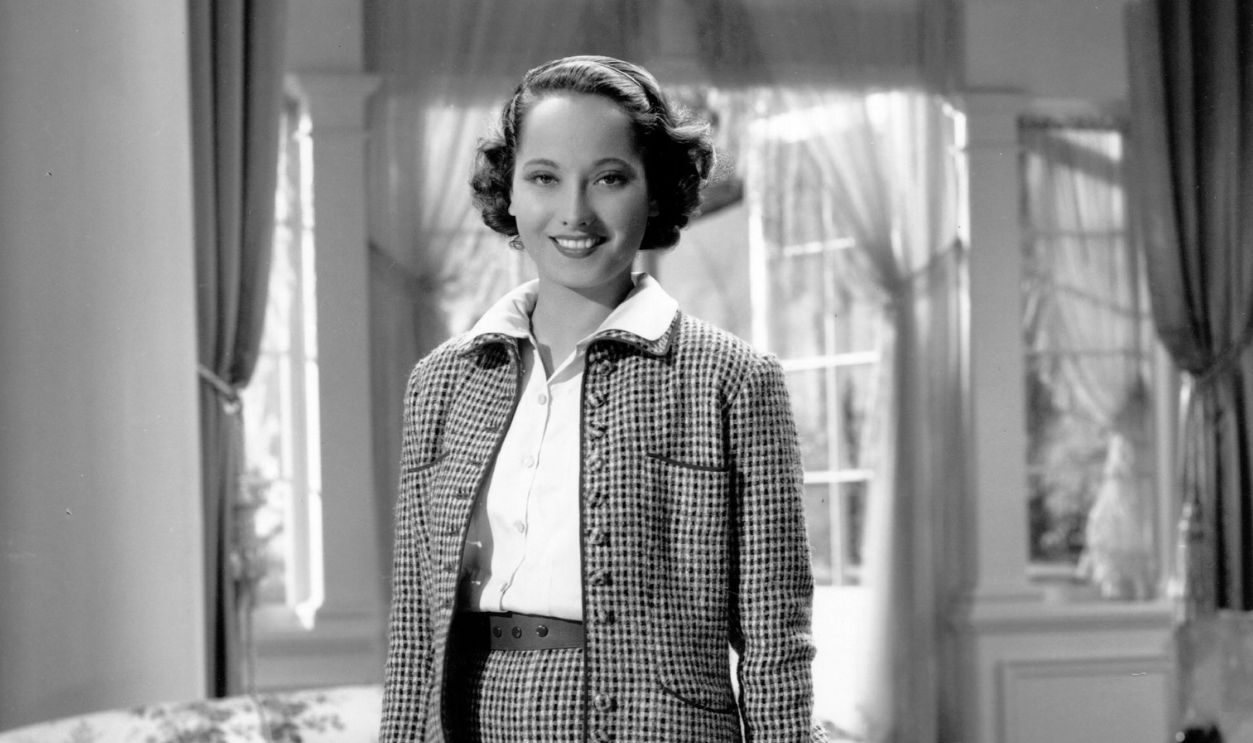
Oberon received a Best Actress nomination for The Dark Angel at the 1936 Academy Awards. She is now recognized as the first actress of Asian ancestry nominated in the category, though audiences at the time had no idea that an extraordinary representational milestone had occurred.
Even An Oscar Nomination Could Not Make The Truth Safe
Today, Oberon’s nomination seems historic. In the 1930s, however, revealing her ancestry could have threatened both the roles she received and the romantic image studios sold to audiences. Success did not free her from the deception. It arguably made preserving it more important.
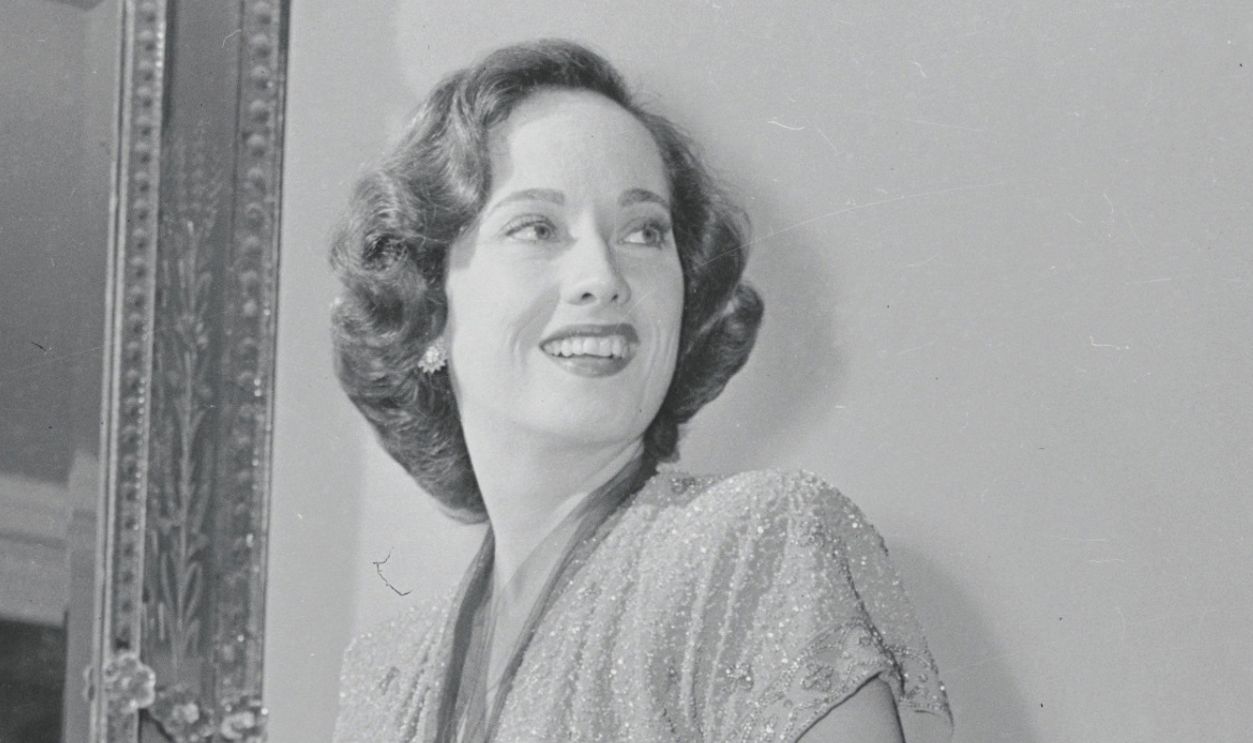
Wuthering Heights Made Her Immortal
In 1939, Oberon starred opposite Laurence Olivier as Cathy in Wuthering Heights, the performance for which she remains best remembered. By then she was presented as the embodiment of glamorous British sophistication, even though the life story supporting that image had been carefully manufactured.
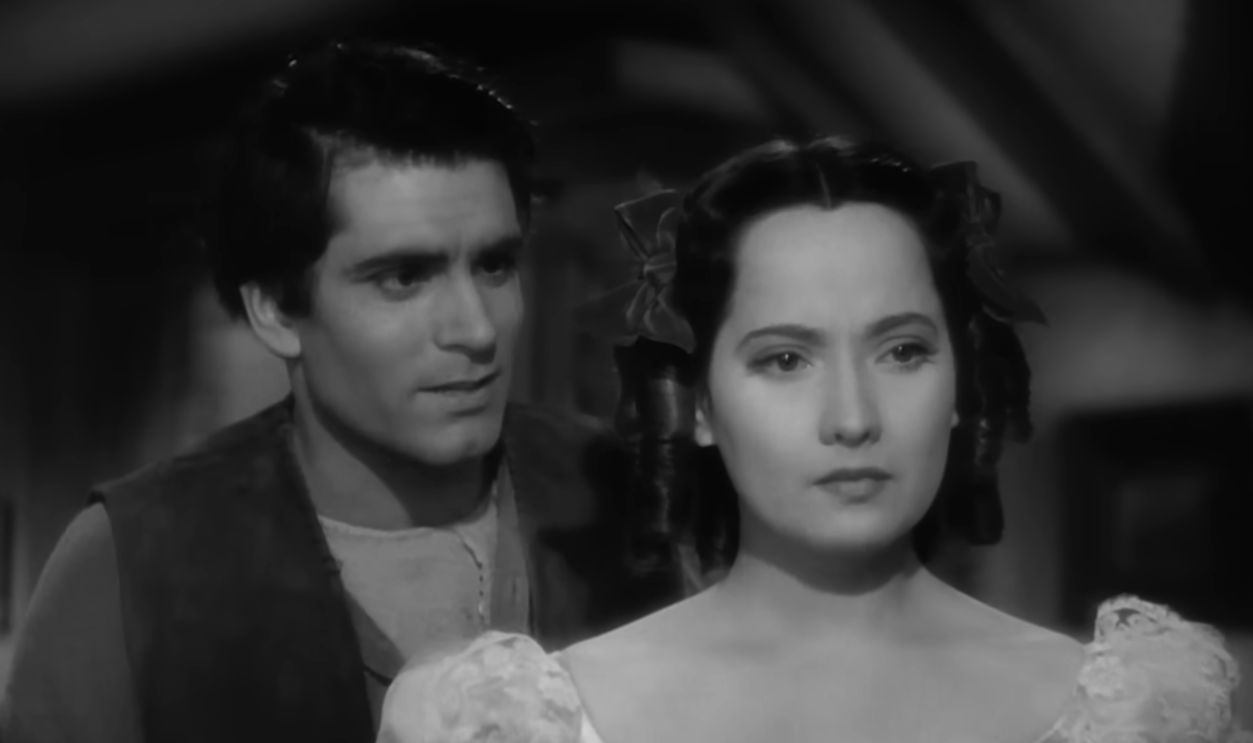 Screenshot from Wuthering Heights, United Artists (1939)
The Fiction Followed Her Beyond Hollywood
Australia embraced Oberon as one of its own. Newspapers celebrated the supposedly Tasmanian star, and the story became part of her international identity. The longer the claim circulated, the harder it became to admit that an entire country had been celebrating a connection that did not exist.
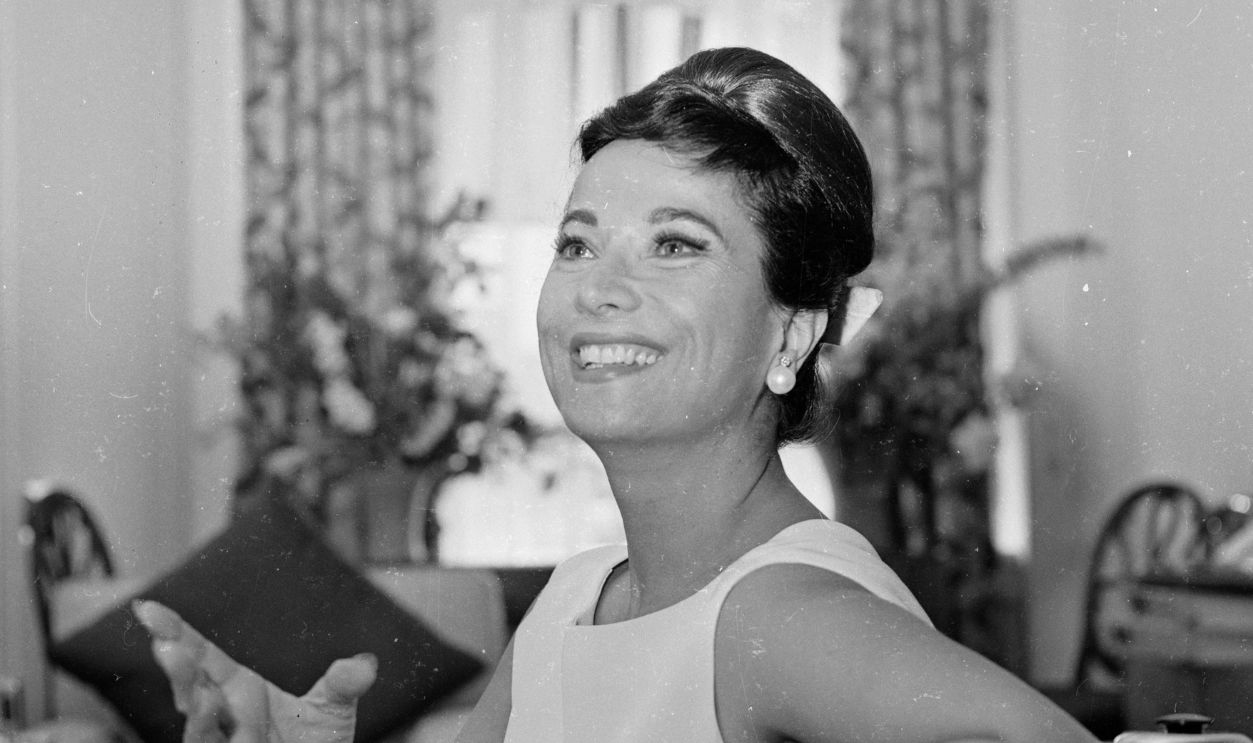
A 1965 Visit Nearly Put The Story Under Pressure
When Oberon visited Australia in 1965, reporters became eager for details about her supposed Australian upbringing. According to Australia’s National Film and Sound Archive, she abruptly curtailed the visit after journalists pressed for information, citing illness before leaving within days.
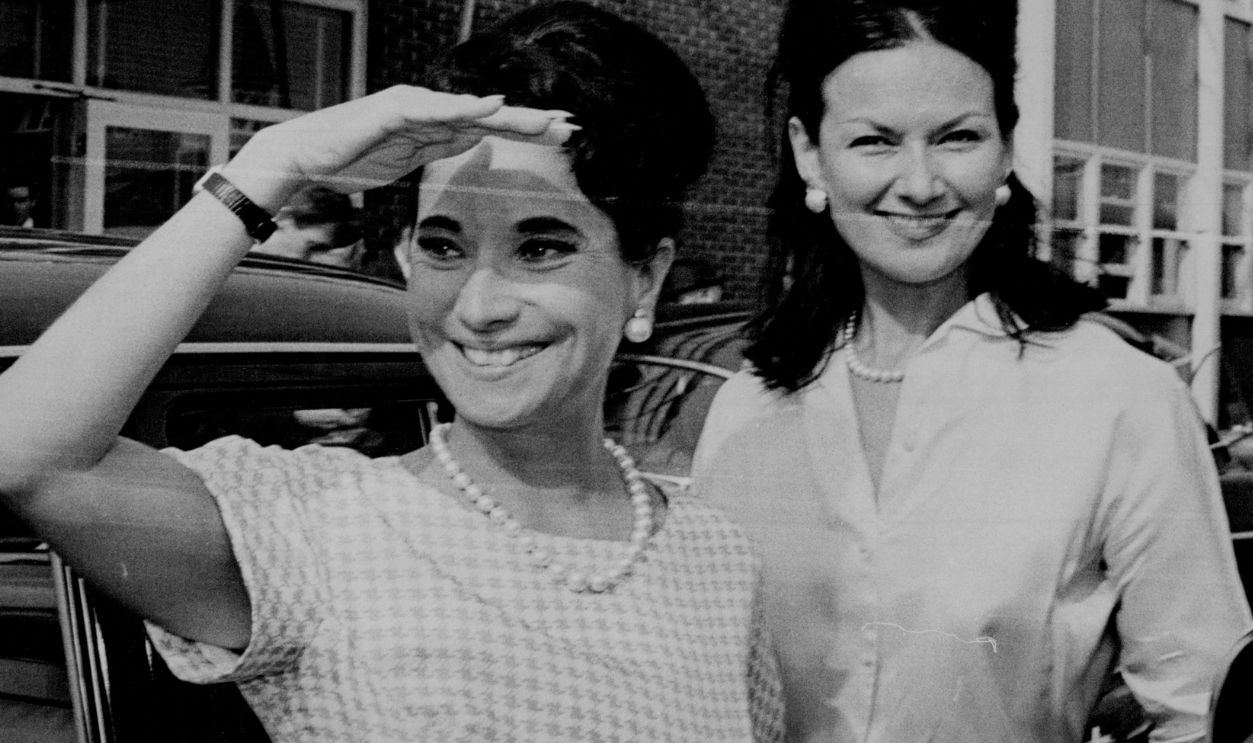 Fairfax Media Archives, Getty Images
She Was Still Repeating The Story Near The End Of Her Life
In 1978, only a year before her death, Oberon again discussed her supposed Tasmanian origins during a visit to Australia. She said she had been extremely young when she left and spoke warmly about Tasmanians considering her one of their own.
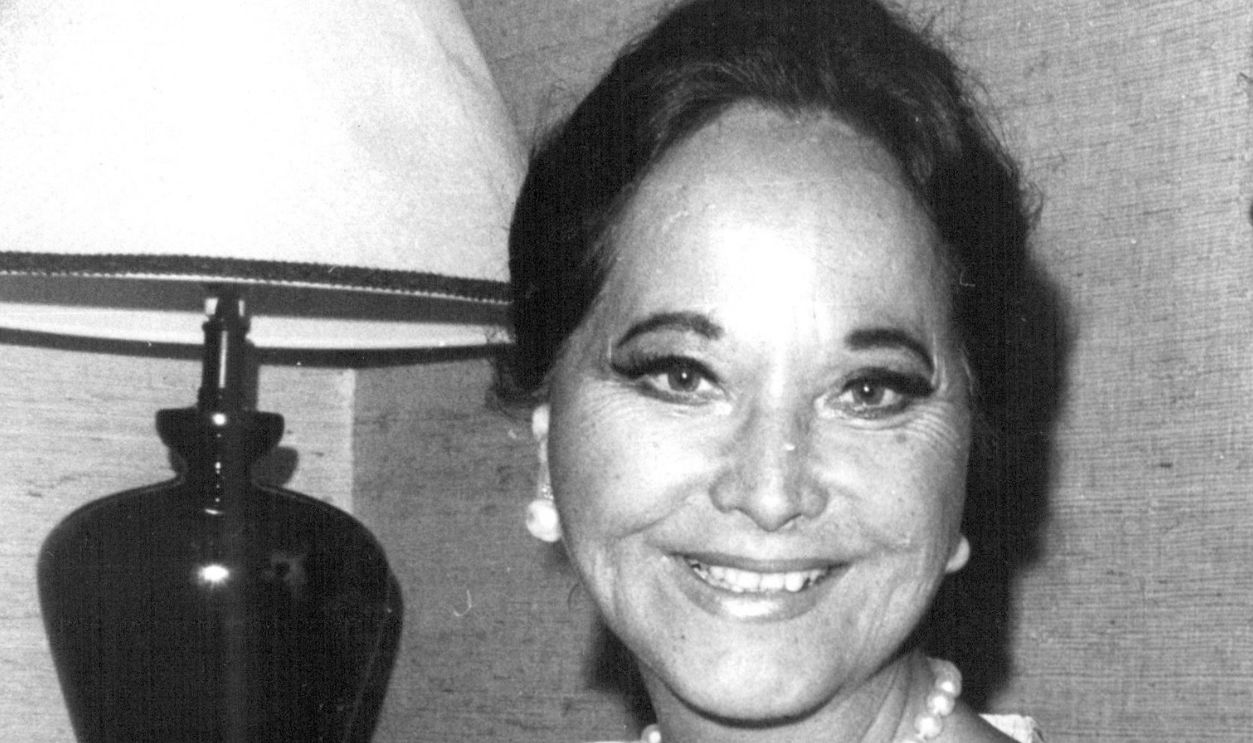 Fairfax Media Archives, Getty Images
She Never Publicly Told The Full Truth
Oberon passed in 1979 at age 68 following a stroke. She had never publicly acknowledged the full reality of her birthplace and mixed-race background. The public identity she constructed during the 1930s remained largely intact until after she was gone.
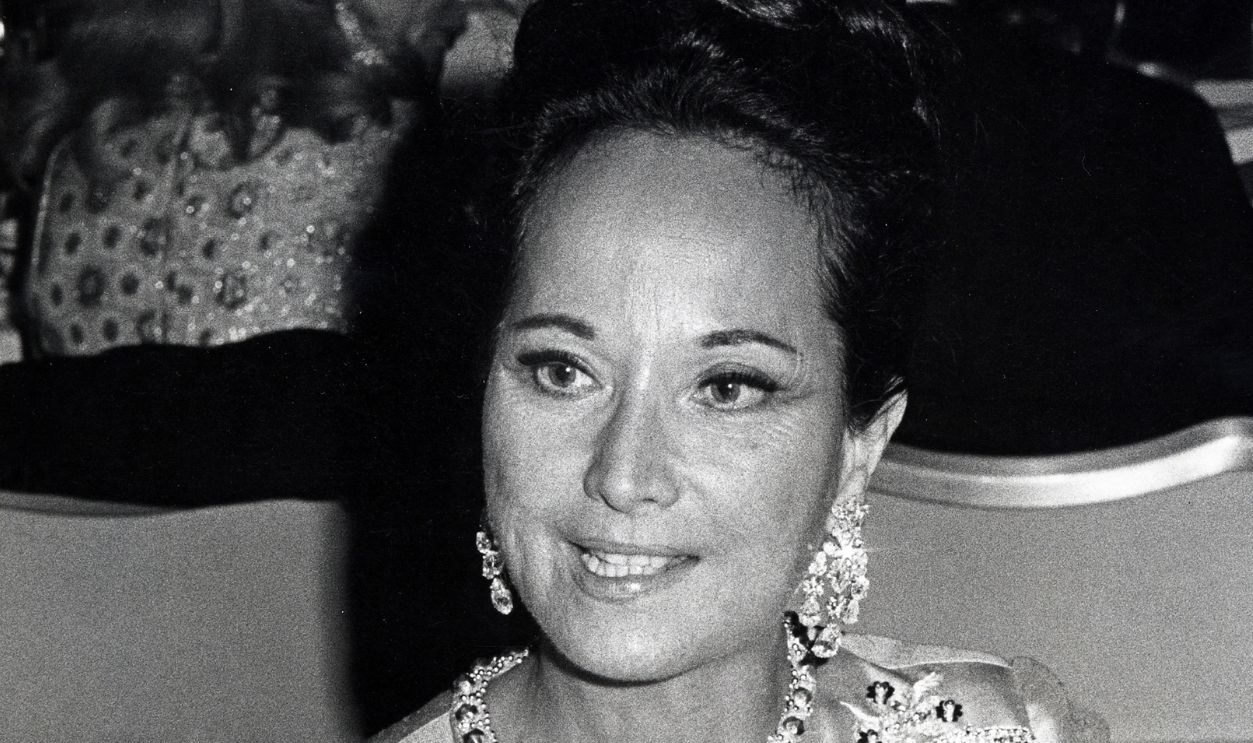 Ron Galella, Ltd., Getty Images
Then Princess Merle Changed The Story
In 1983, Charles Higham and Roy Moseley published Princess Merle: The Romantic Life of Merle Oberon. The biography was the first major work to expose publicly that Oberon had been born in India rather than Tasmania and that her racial background had been concealed.
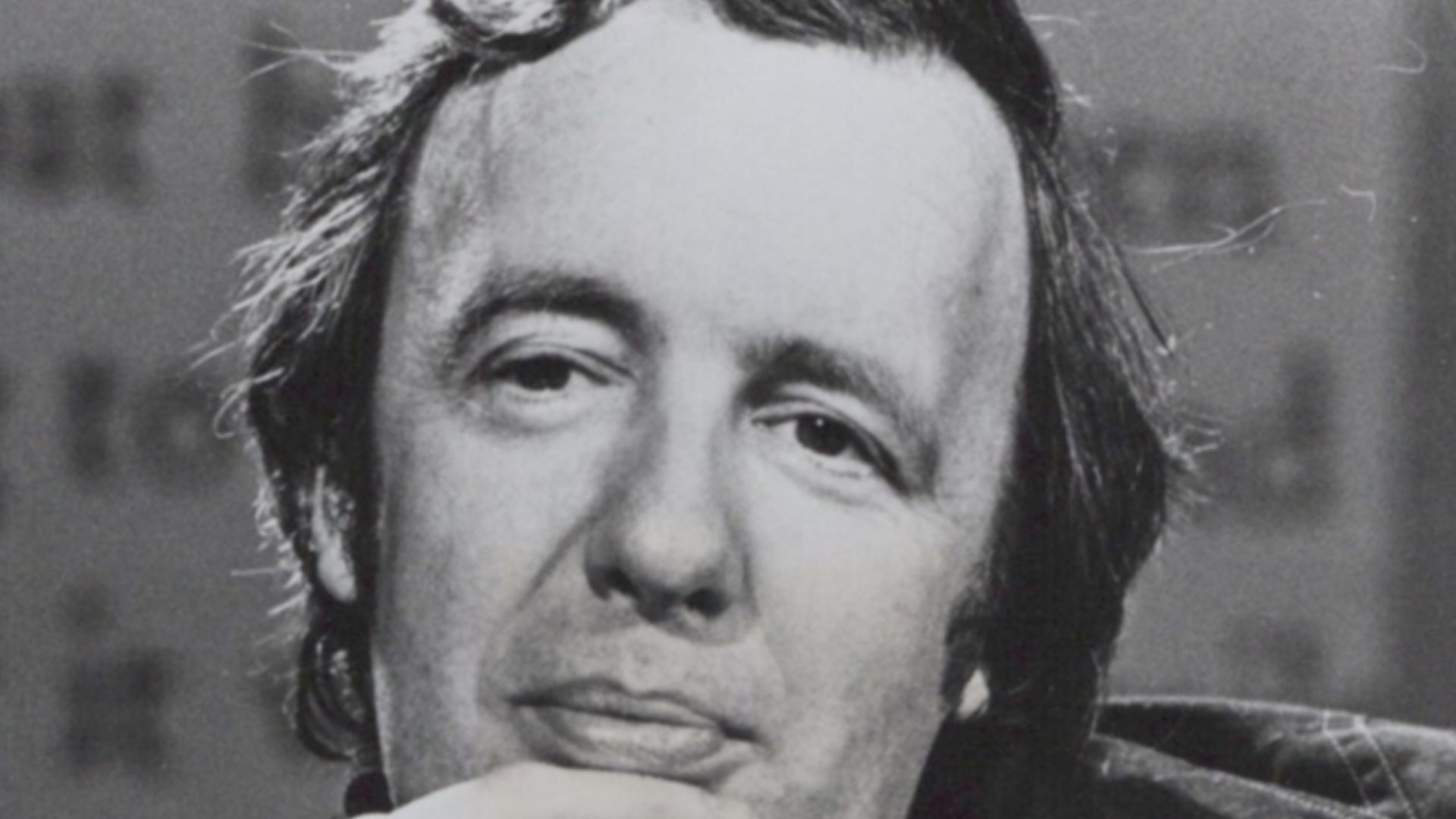
The Revelation Was Shocking—But Not Perfect
The biography broke the central secret, but later researchers found that it contained errors and questionable claims. Most importantly, it failed to understand that Charlotte was probably Oberon’s grandmother and Constance her biological mother. The truth arrived in stages rather than all at once.
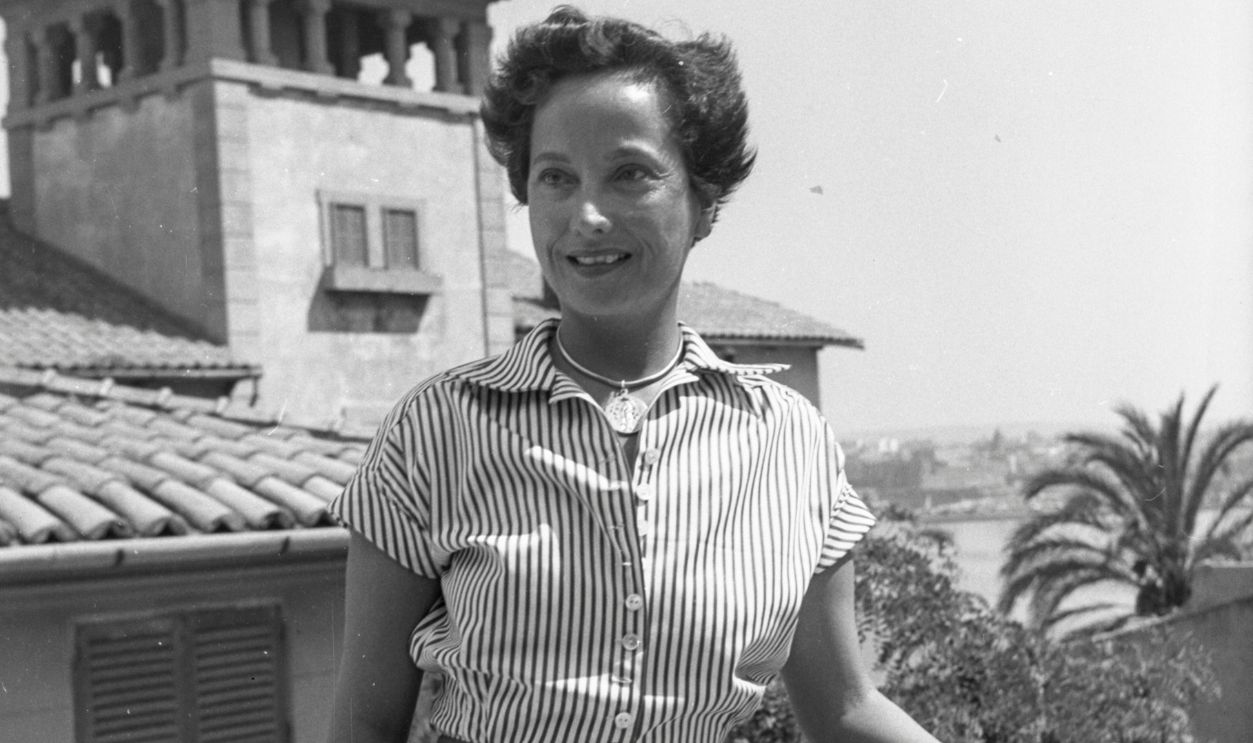
A Documentary Went Further
The 2002 Australian documentary The Trouble With Merle investigated Oberon’s invented Tasmanian identity and family history in greater depth. It helped bring documentary evidence and relatives’ accounts into a story that had spent decades buried beneath studio publicity.
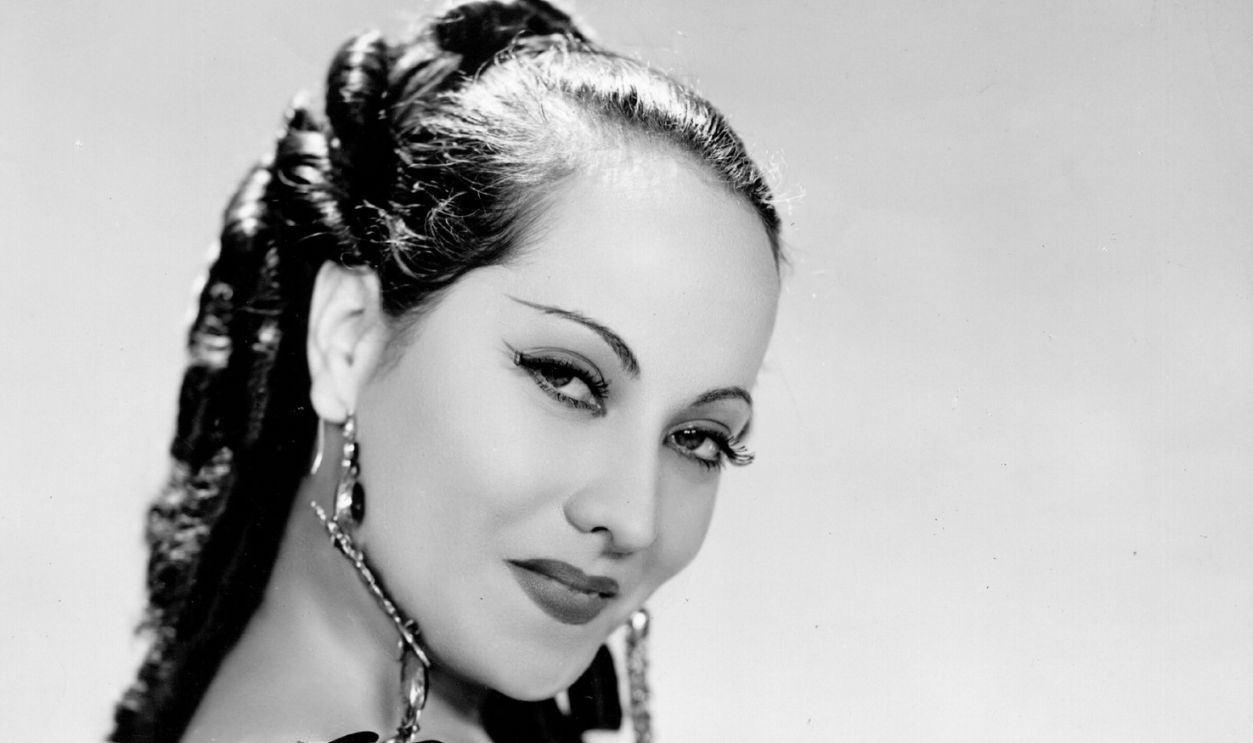
A New Biography Has Rewritten The Story Again
Mayukh Sen’s 2025 biography Love, Queenie: Merle Oberon, Hollywood’s First South Asian Star revisited the evidence, interviewed surviving relatives, and corrected older assumptions. It presents Oberon less as a woman simply ashamed of her heritage and more as someone navigating a system built to exclude her.
 Photographer not credited, Wikimedia Commons
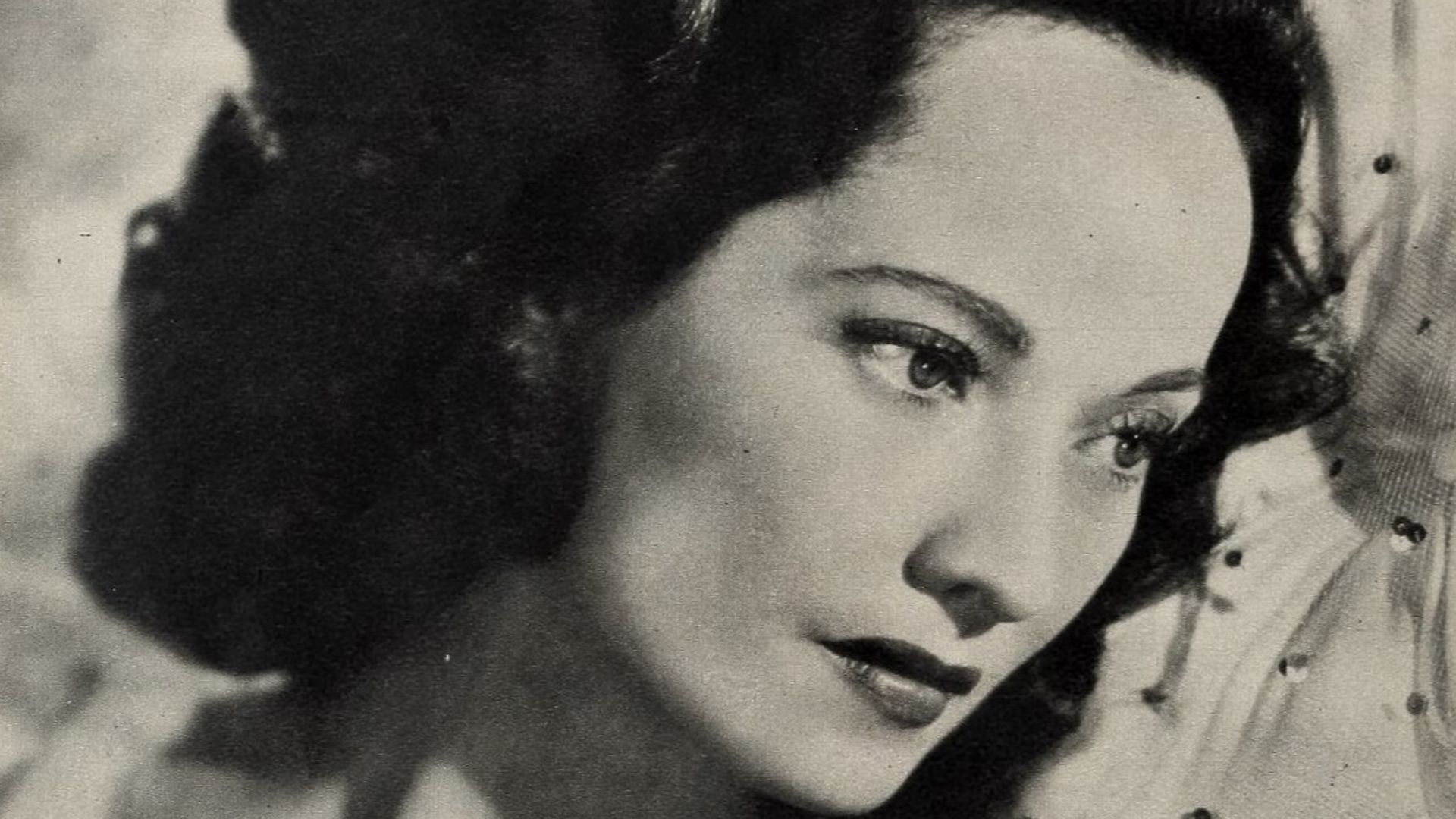
Even Her Family History Remains Complicated
Some details of Oberon’s parentage remain uncertain or disputed, and earlier biographies sometimes stated speculation as fact. What is solid is the larger picture: she was born in Bombay, came from a mixed South Asian family, and spent her career publicly presenting herself as white and Tasmania-born.
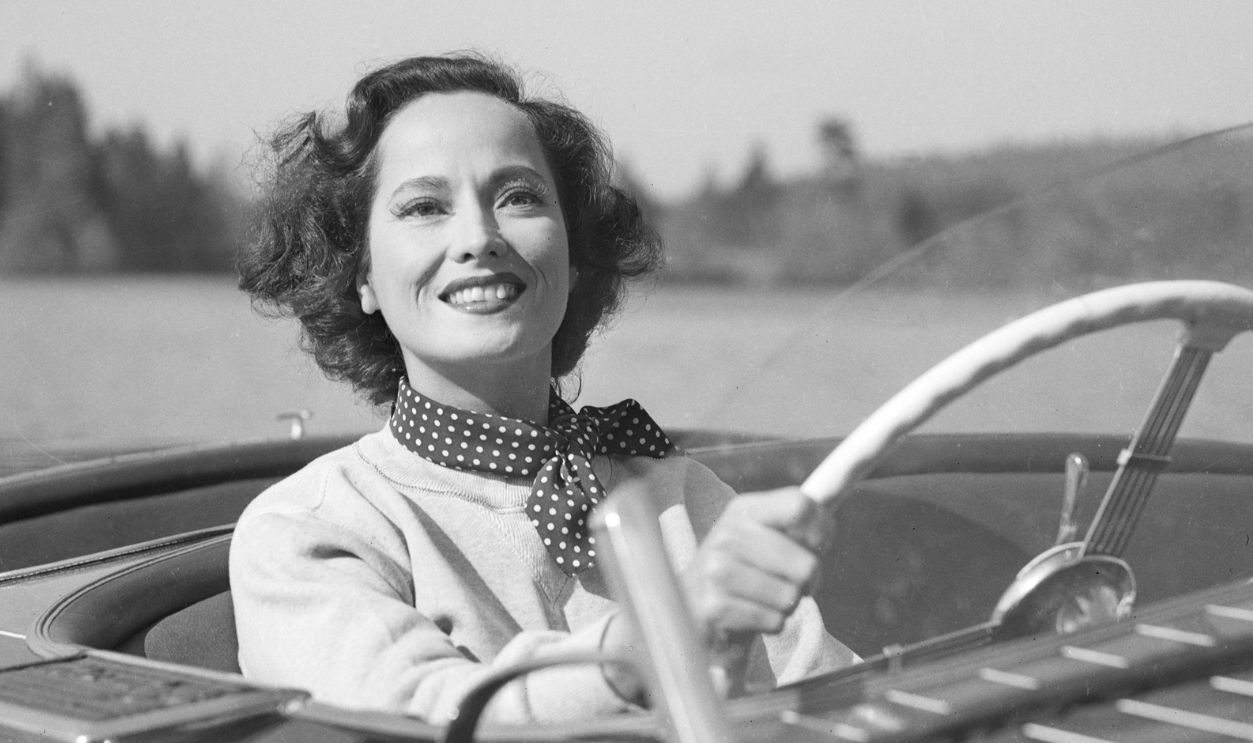
Her Secret Changes How We See Her Career
Oberon’s story is not merely an old Hollywood scandal. Her deception shows what a mixed-race South Asian woman believed she had to erase to become a romantic star in the 1930s. Every glamorous photograph and British heroine now carries the knowledge of what she could not safely say about herself.
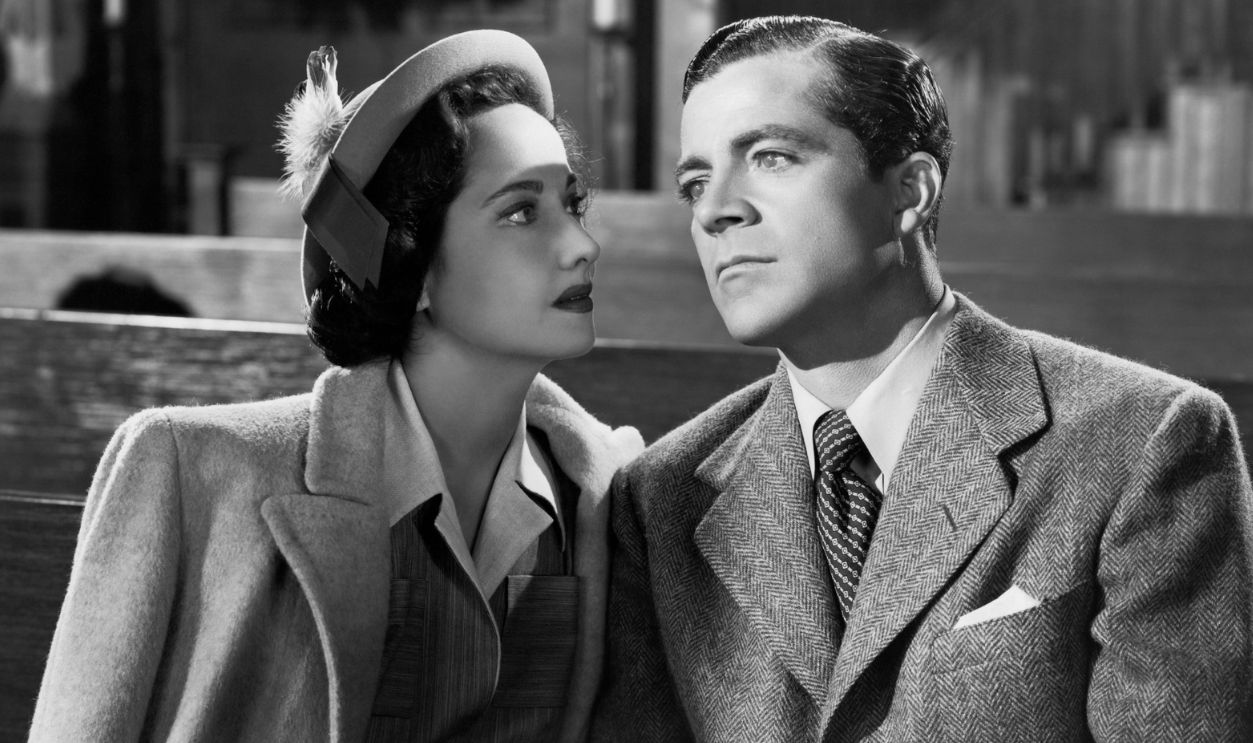 De Carvalho Collection, Getty Images
She Made History Without Being Allowed To Claim It
Oberon reached the Academy Awards decades before an openly Asian woman could do the same without concealing her identity. That gives her legacy a painful contradiction: she broke a barrier, but neither she nor her audience could acknowledge that she had broken it.
 Silver Screen Collection, Getty Images
You May Also Like:
Movies That Make Me Cry Every Single Time. How About You?
Justine Bateman Became A Family Ties Teen Idol, Then Took A More Unusual Road Than Fans Expected
Sources: 1, 2, 3, 4, 5, 6, 7, 8, 9, 10, 11, 12, 13, 14, 15, 16