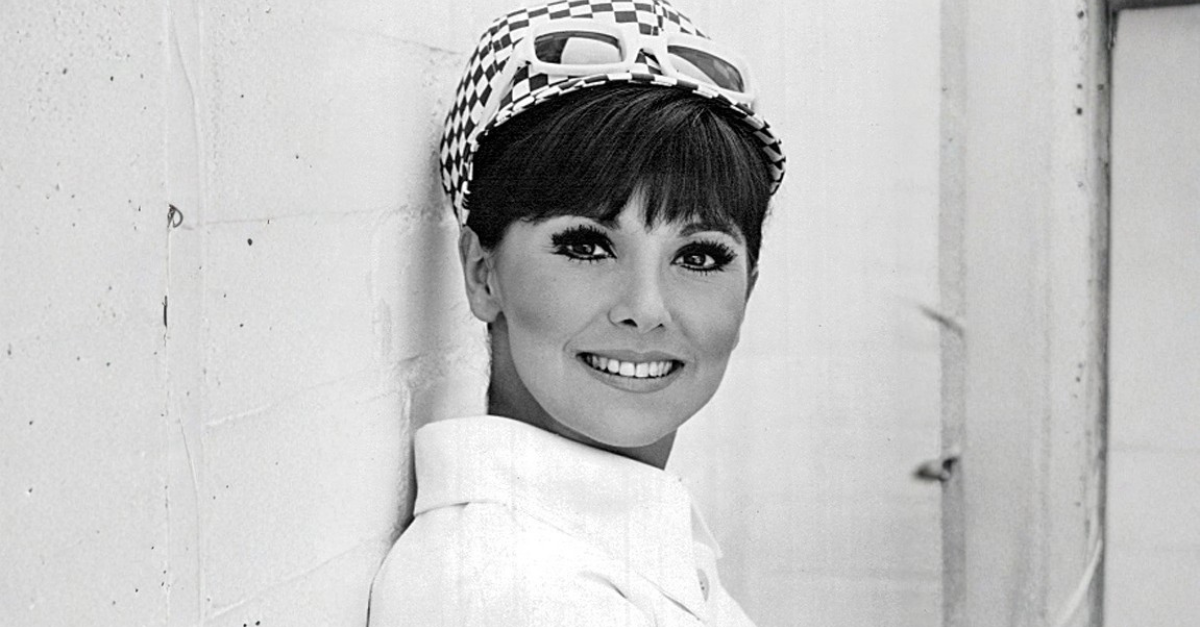
She Wanted To Be “The Somebody”
Before Marlo Thomas became Ann Marie, network sitcom women were usually defined through somebody else. Thomas wanted a heroine whose ambition belonged to her. That insistence shaped That Girl and foreshadowed a career in which she repeatedly chose projects that pushed against familiar expectations.
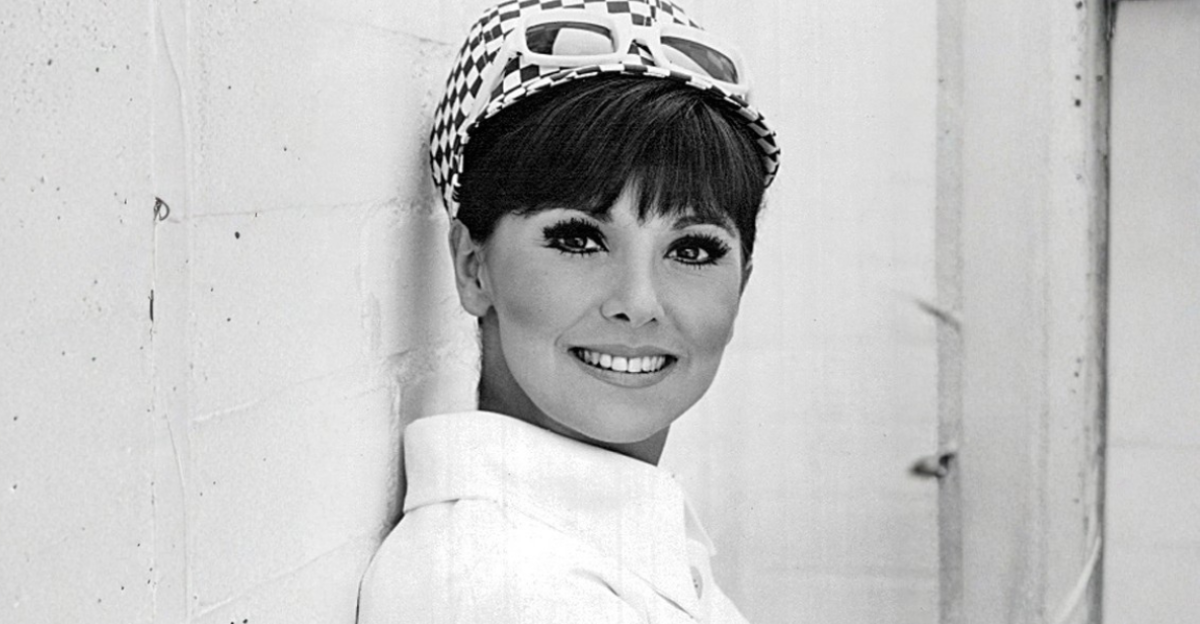
Show Business Was Already Home
Thomas grew up around entertainment as the daughter of comedian and television star Danny Thomas. She later recalled watching her father’s writers work through stories and learning his rule that comedy still had to respect the audience and make emotional sense.
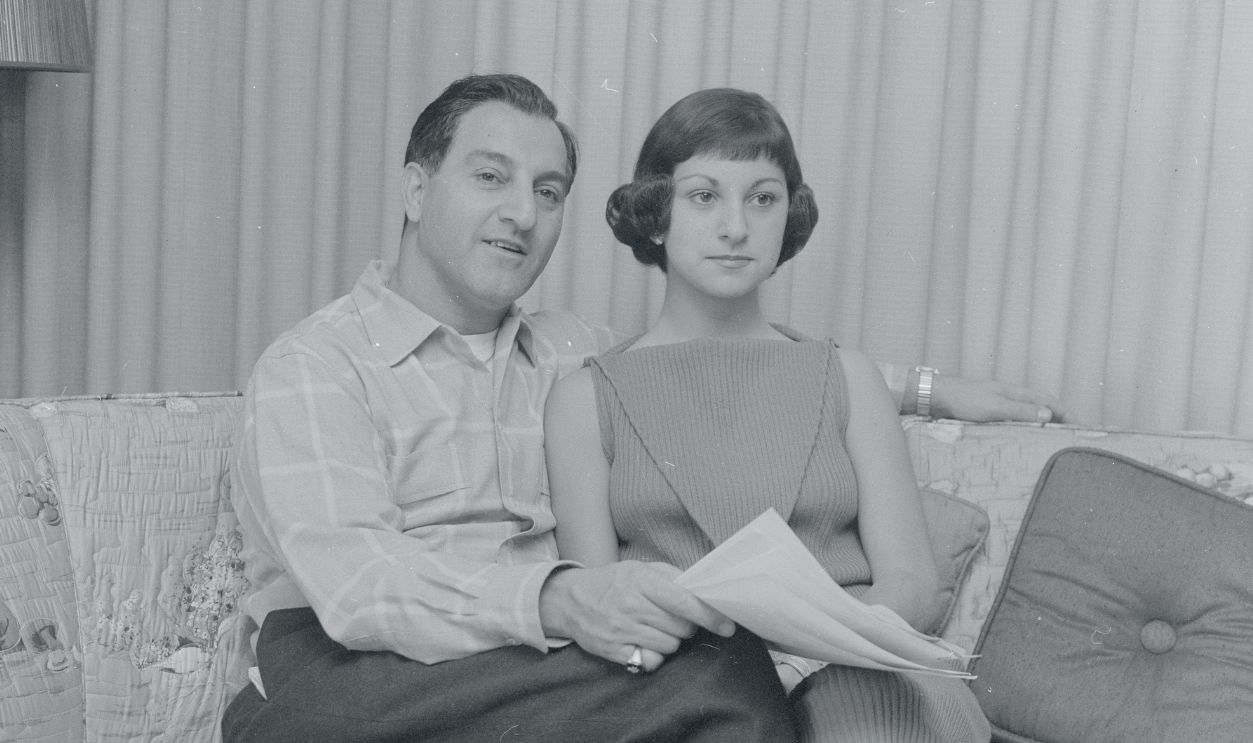
USC Lit The Fuse
At the University of Southern California, Thomas studied education and English, but acting kept tugging at her. A 1958 campus variety-show performance helped convince her father that she had caught what he called the acting “bug.”
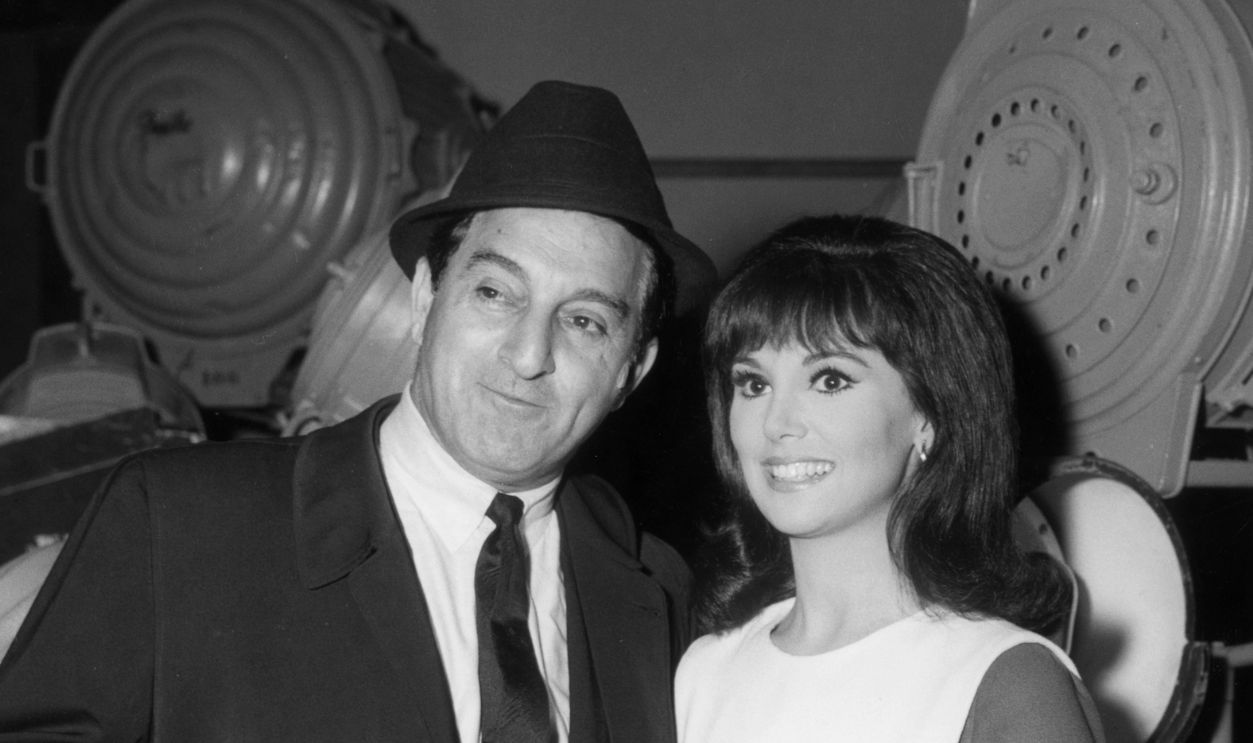
Television Came Before Stardom
Before she had a series of her own, Thomas built credits through guest appearances on programs including Bonanza and My Favorite Martian. Those early jobs gave her professional television experience before she became a leading lady and producer herself.
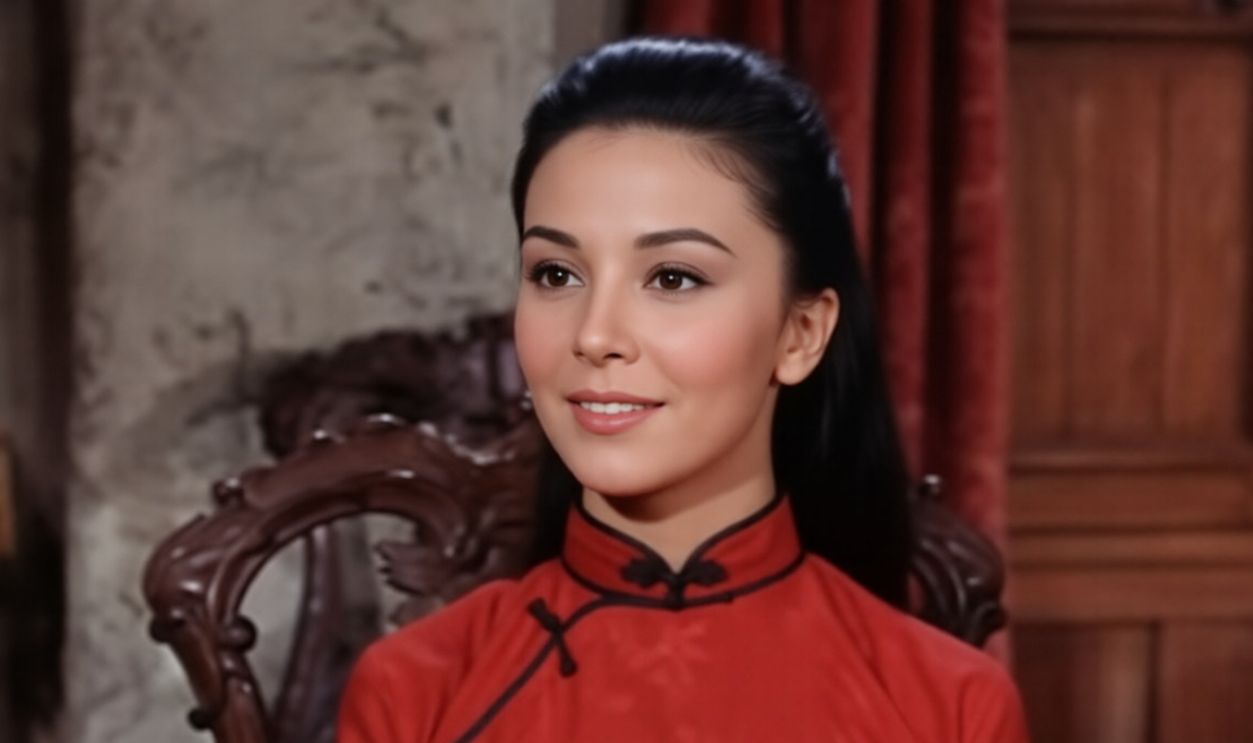 Screenshot from Bonanza, NBC (1959–1973), Enhanced
A Failed Pilot Created An Opening
Thomas starred in an ABC pilot called Two’s Company, but the network passed. The rejection still led somewhere unexpected: ABC programming chief Edgar Scherick and sponsor Clairol believed she could carry a show and began sending her other scripts.
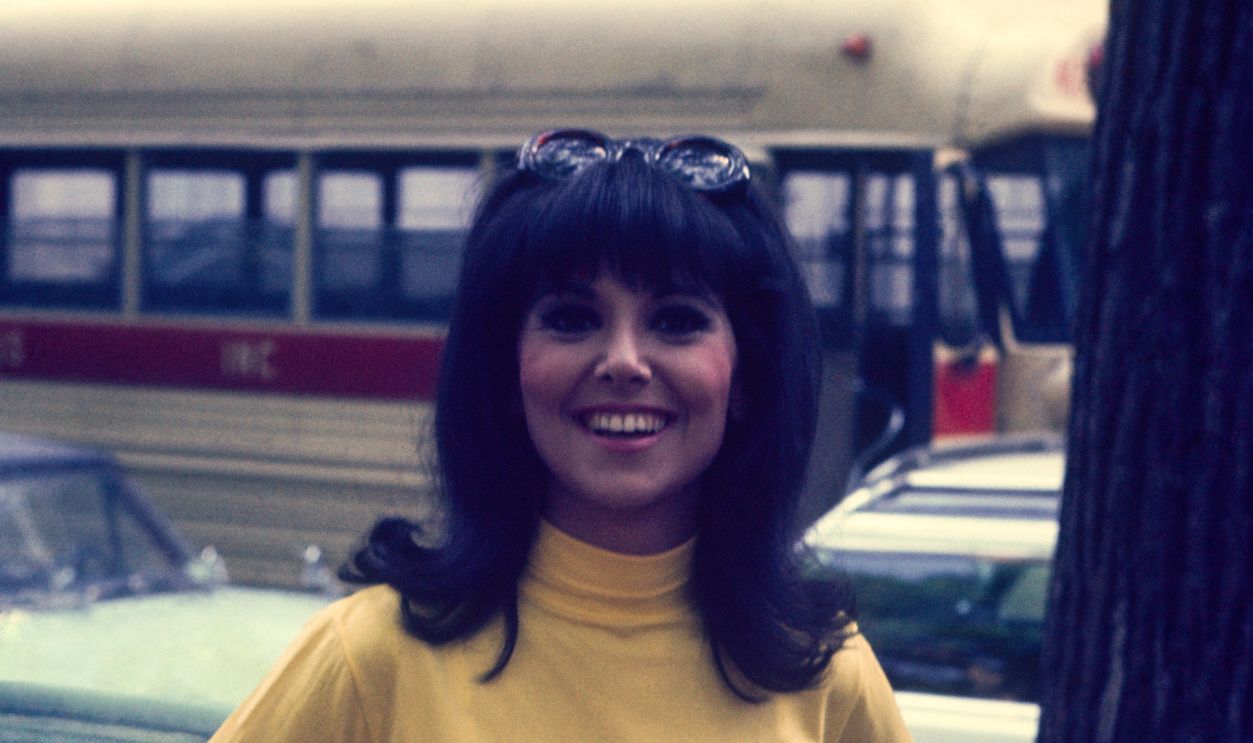
She Rejected The Scripts
Thomas disliked what she was offered. As she later remembered it, the women were repeatedly somebody’s wife, daughter, or secretary. She asked why television could not build a comedy around a young woman who was simply “the somebody” herself.
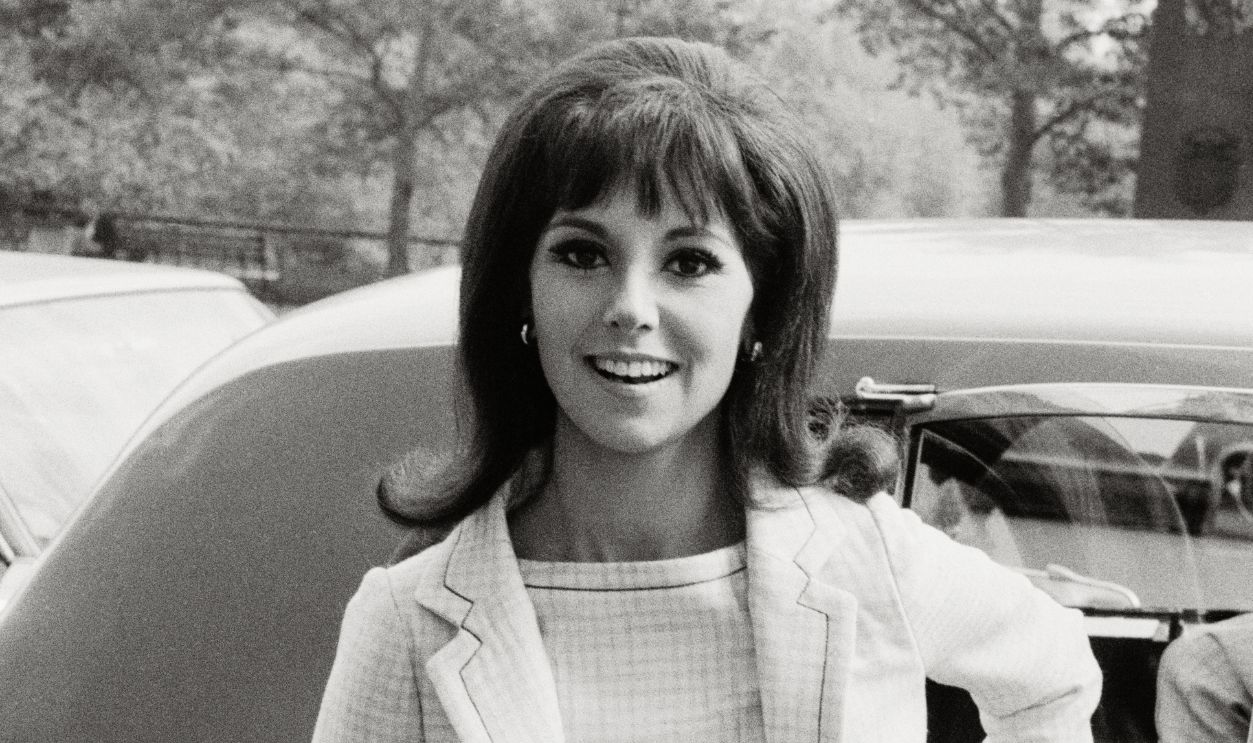
The Feminine Mystique Entered The Pitch
Thomas had read Betty Friedan’s The Feminine Mystique and saw television audiences changing alongside American women. She gave Scherick the book and argued that a self-directed young woman represented where the culture was heading.
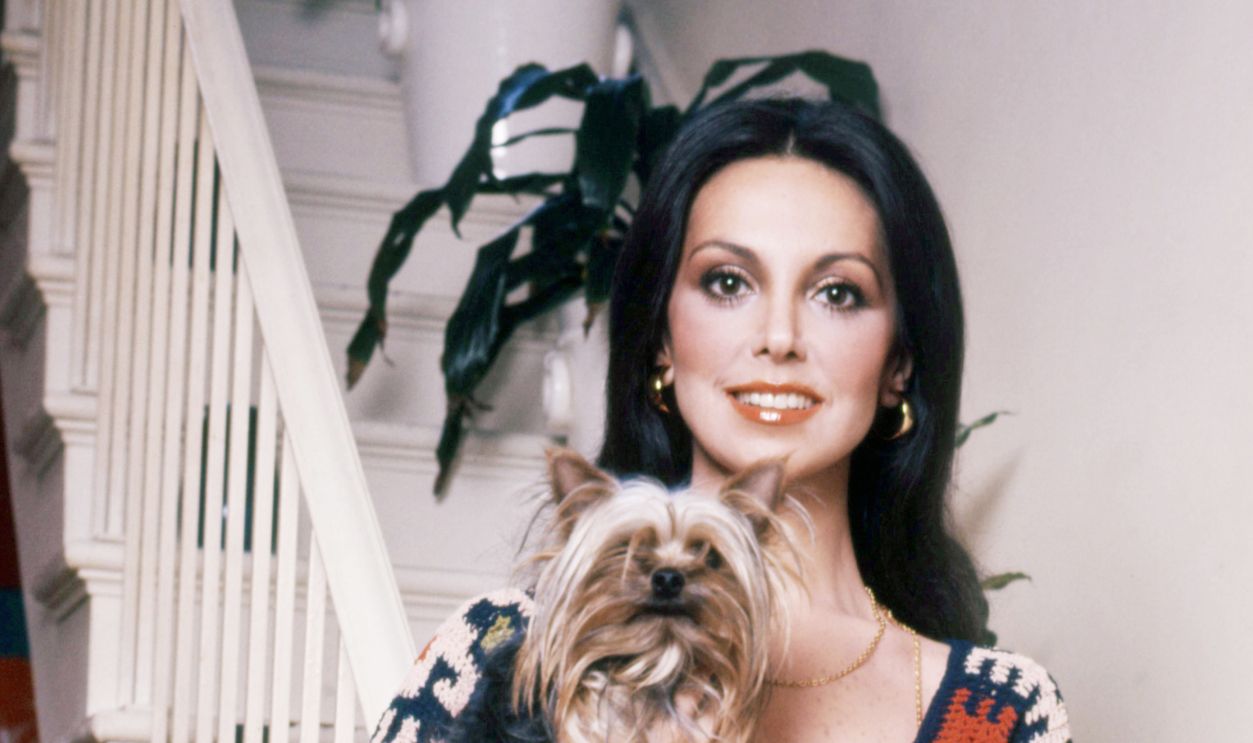 Silver Screen Collection, Getty Images
Ann Marie Got Her Own Life
That Girl premiered on ABC in 1966 with Thomas as Ann Marie, an aspiring actress living in New York. She had parents and a boyfriend, but the series centered her auditions, jobs, choices, mistakes, and goals rather than a quest to find a husband.
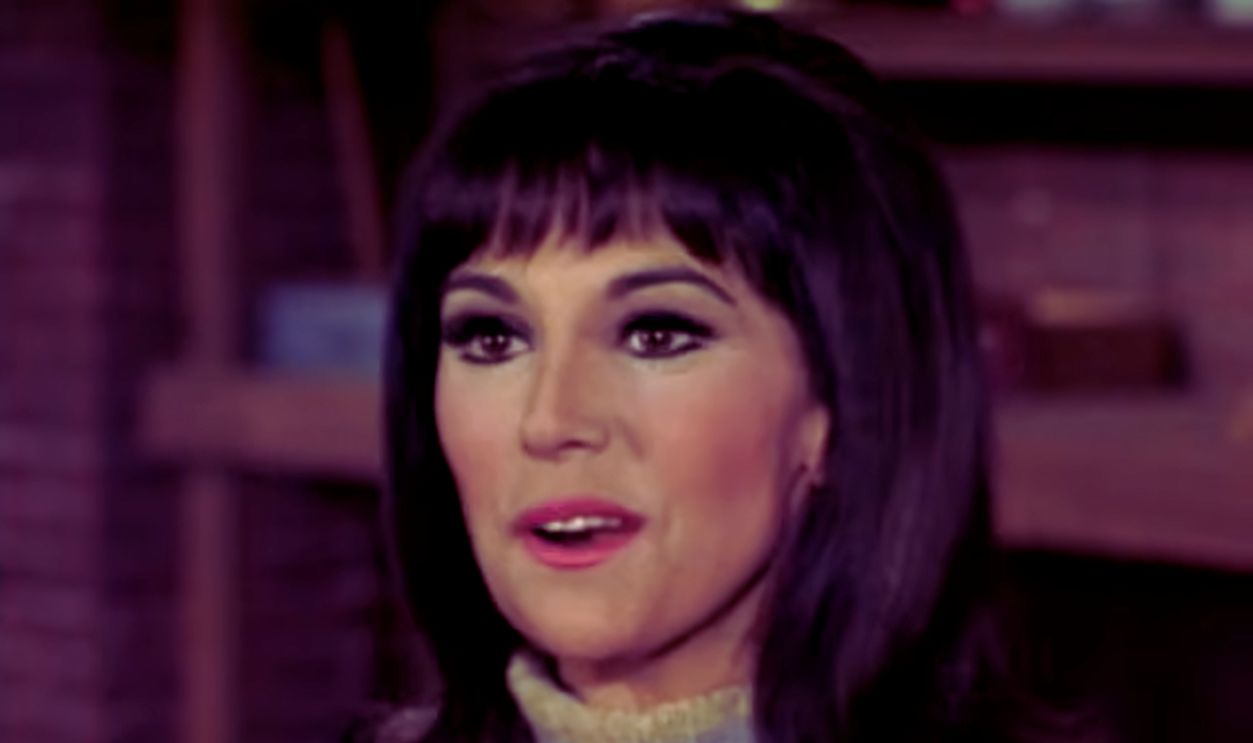 Screenshot from That Girl, ABC (1966–1971)
Thomas Had Power Behind The Camera
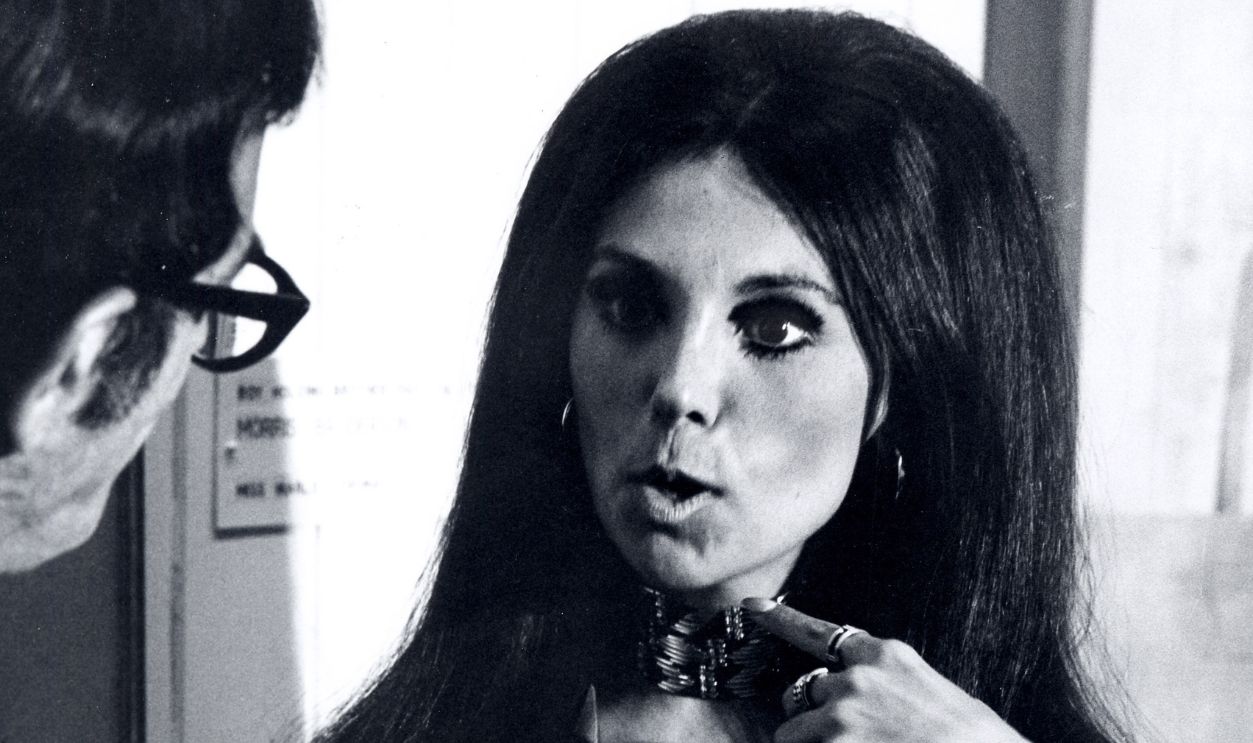
Her influence was not limited to acting. Thomas headed Daisy Productions and served as the show’s uncredited executive producer, reading scripts before table reads and pushing discussions about what Ann would realistically say about work, dating, and independence.
Hollywood Still Watched Her Closely
The freedom on screen had limits behind it. Thomas remembered network Standards and Practices scrutinizing a single woman’s story for sexual implications at a time when television remained far more conservative than the wider culture it was trying to depict.
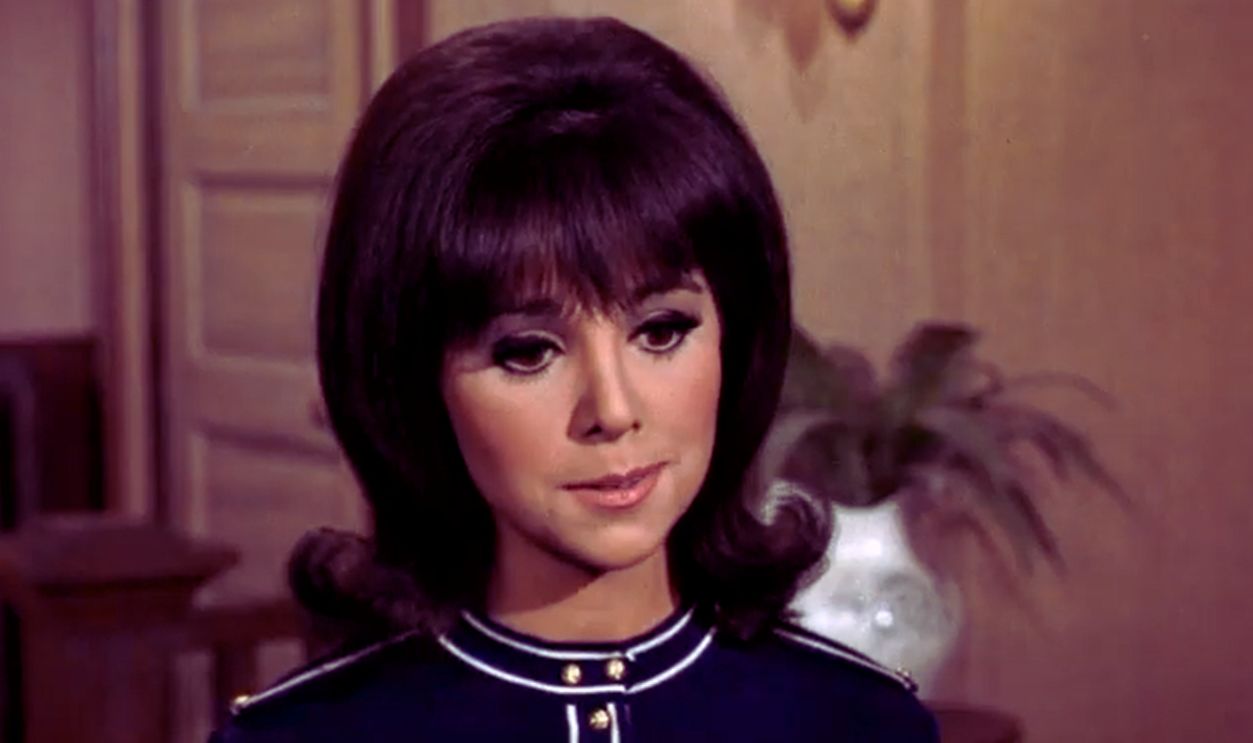 Screenshot from That Girl, ABC (1966–1971)
One Woman At The Writers’ Table
During the first season, Thomas was the only woman regularly participating in story discussions with an all-male writing staff. That meant she often had to explain the female perspective herself while stories about Ann’s dating and working life were developed.
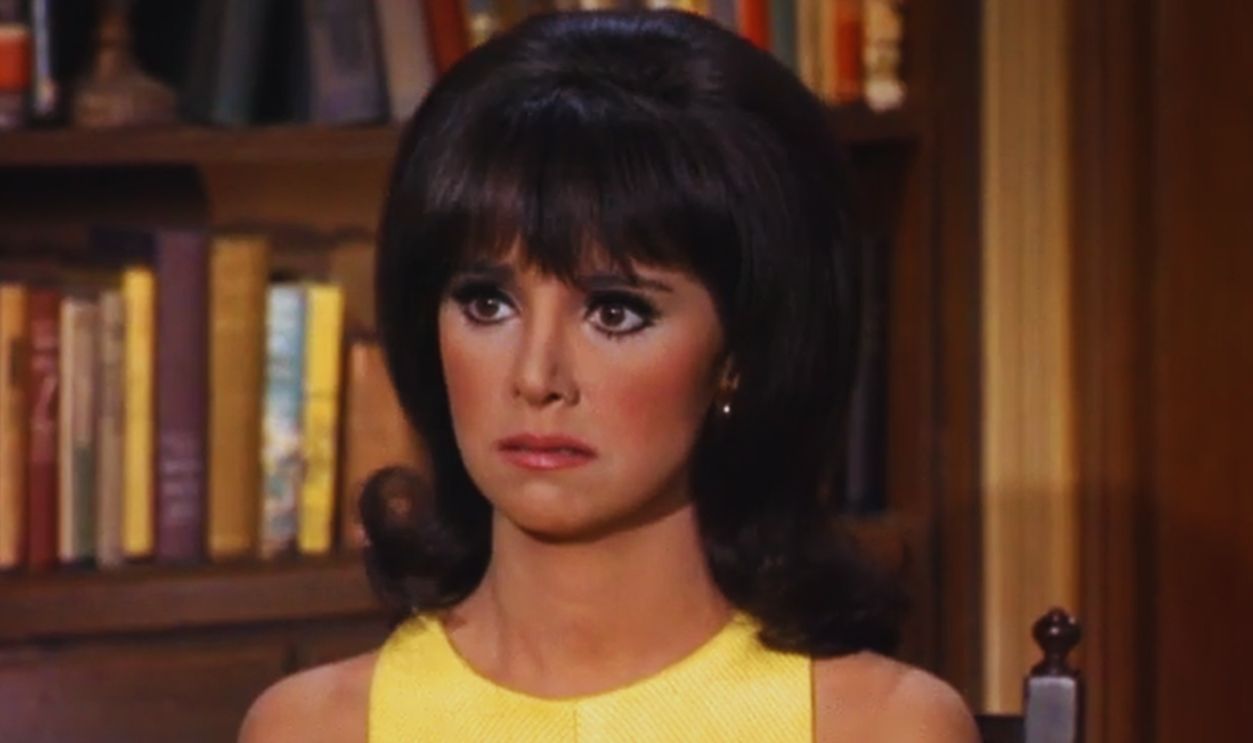 Screenshot from That Girl, ABC (1966–1971)
Ruth Brooks Flippen Changed The Equation
Producer Danny Arnold recognized the imbalance and brought in writer Ruth Brooks Flippen as a female story editor. Thomas later described the change as vital because she finally had another woman in the room when stories about Ann’s life were being shaped.
Ted Bessell Became Essential
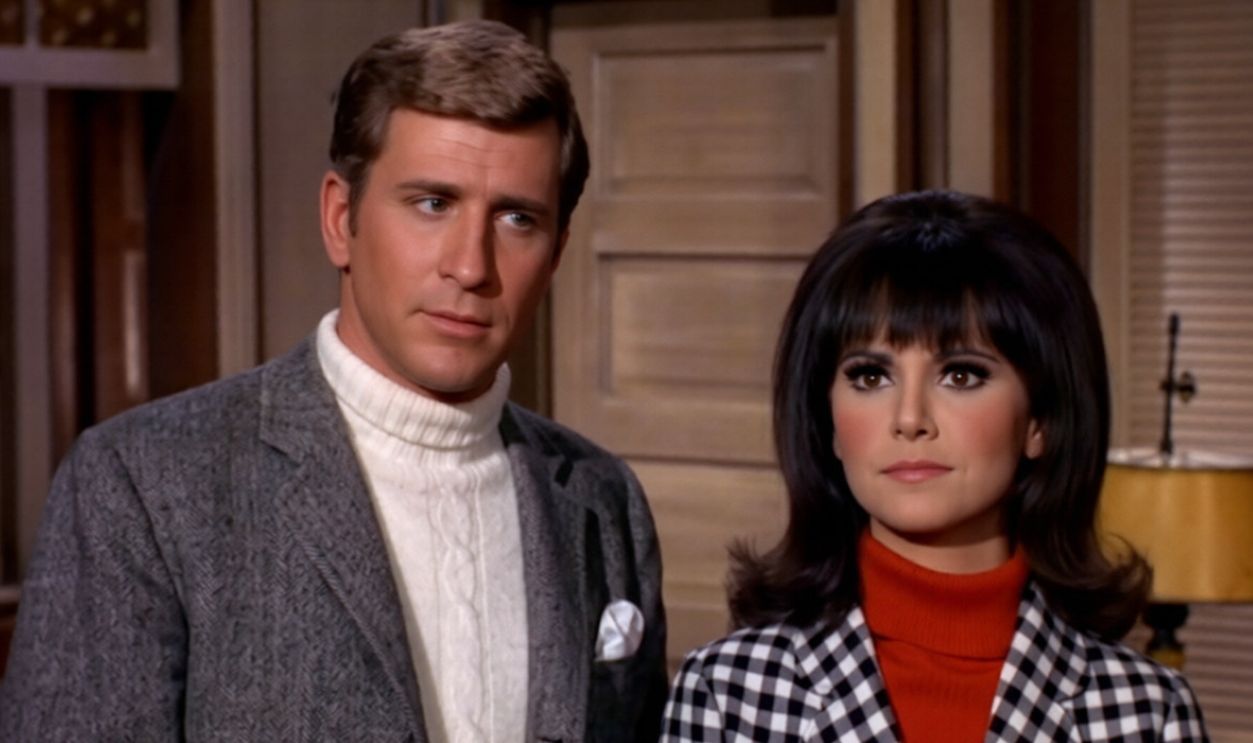
Ted Bessell played Donald Hollinger, Ann’s boyfriend, and Thomas later said there would have been no That Girl without him. Donald could be important to Ann without becoming the reason her ambitions or identity existed.
 Screenshot from That Girl, ABC (1966–1971), Enhanced
Success Came Fast
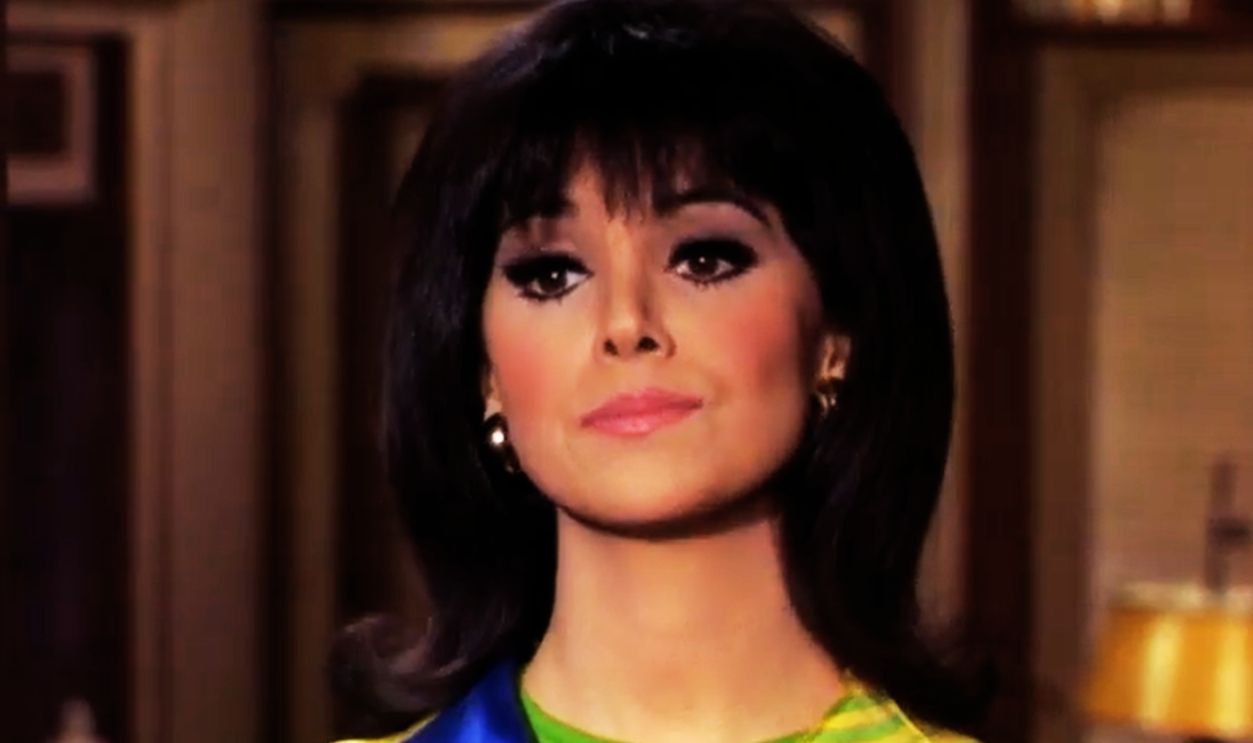
The experiment found an audience. That Girl won its time slot on premiere night, and Thomas won the 1967 Golden Globe for actress in a television series. She also received four Emmy nominations for playing Ann during the show’s run.
 Screenshot from That Girl, ABC (1966–1971)
She Wouldn’t Let Marriage “Finish” Ann
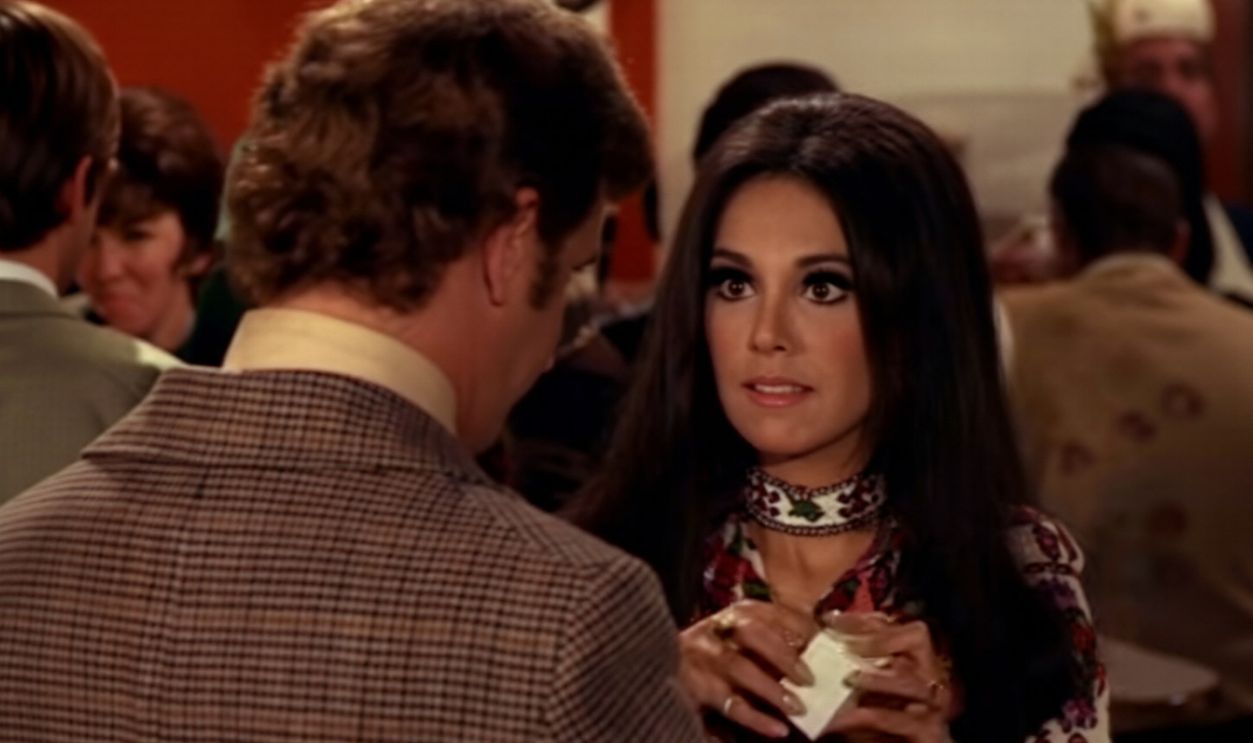
By the fifth season, Ann and Donald were engaged, and ABC wanted a wedding finale. Thomas refused. She believed ending the story with marriage would suggest that the proper reward for a woman’s years of independence was finally becoming a wife.
 Screenshot from That Girl, ABC (1966–1971), Enhanced
The Finale Made Its Point
Instead of a wedding, the series ended with Ann and Donald headed toward a women’s liberation meeting and becoming trapped in an elevator. It was an unconventional exit for a sitcom romance, and Thomas later recalled receiving approving letters from women afterward.
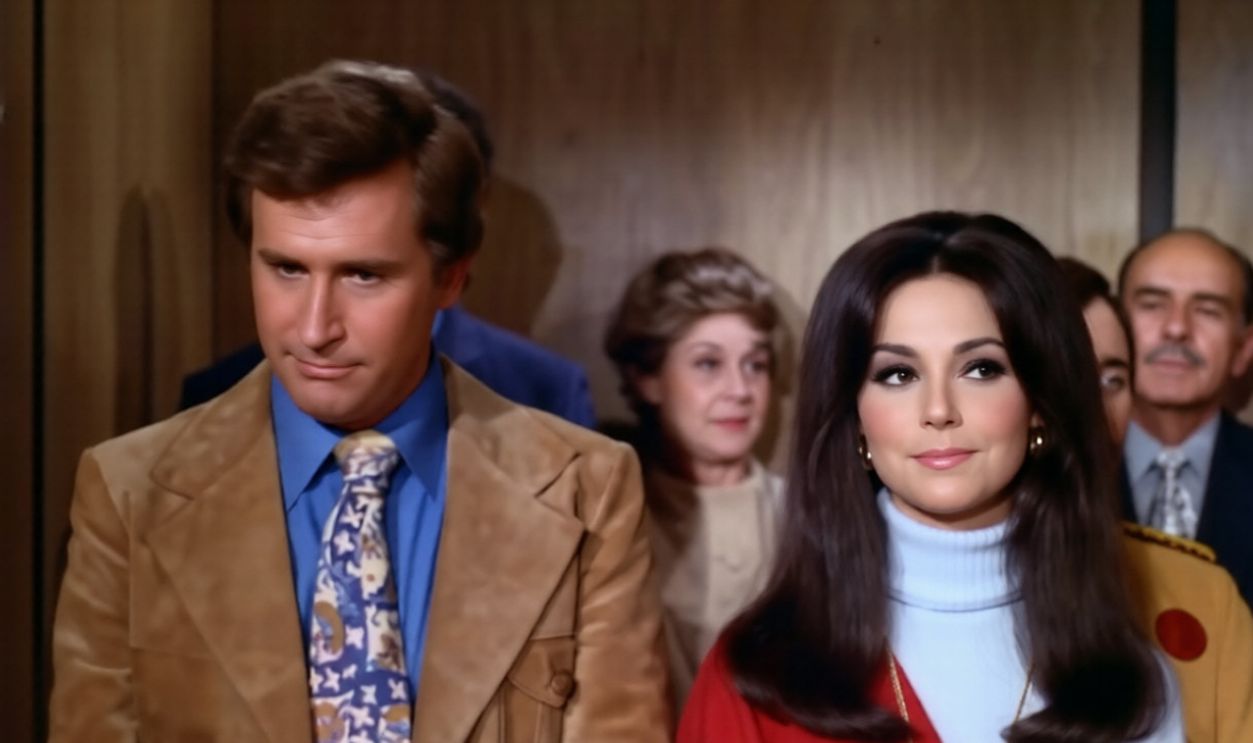 Screenshot from That Girl, ABC (1966–1971), Enhanced
She Walked Away While ABC Wanted More
That Girl ended in 1971 after five seasons even though ABC and others wanted to continue. Thomas felt Ann had reached the limits of what the show could honestly portray, so she chose to stop rather than continue simply because the series remained successful.
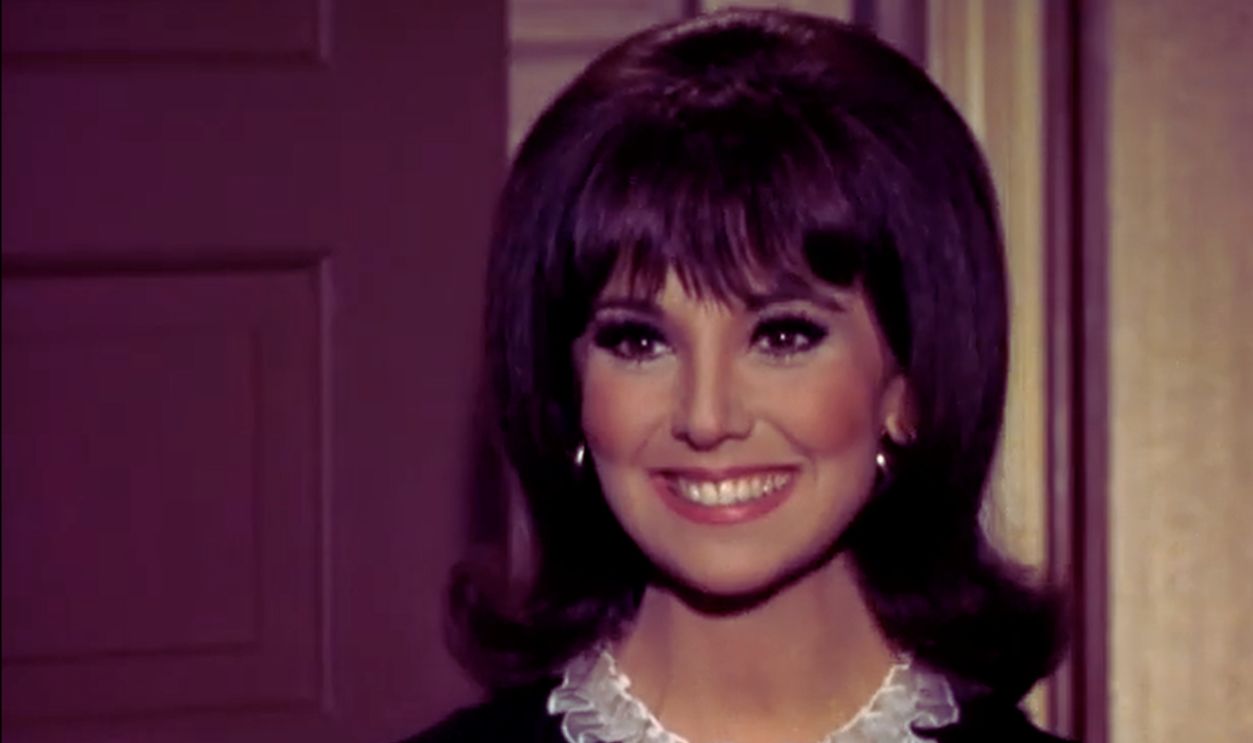 Screenshot from That Girl, ABC (1966–1971)
She Went Back To Acting School
ABC offered Thomas another series, but she did not rush into a replacement sitcom. Instead, she studied with Lee Strasberg in New York because she wanted to deepen her acting rather than immediately repeat the style that had made her famous.
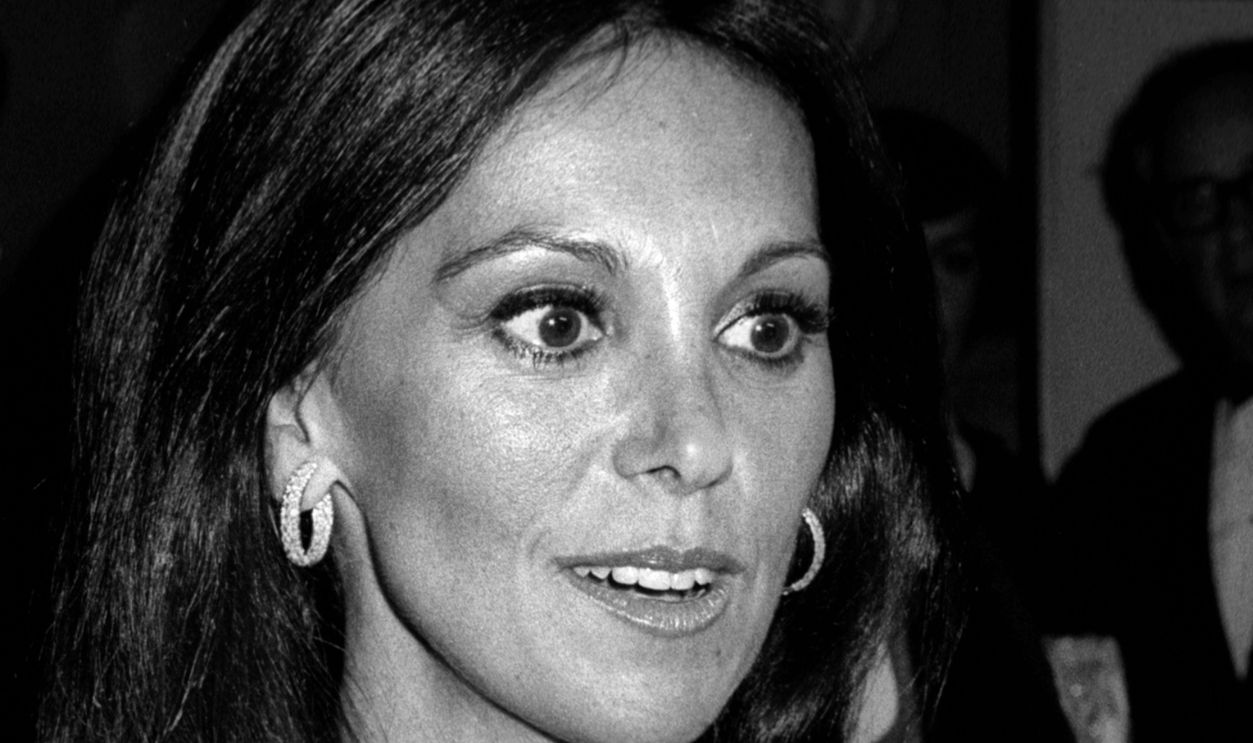
Drama Became Her Next Challenge
Thomas increasingly pursued television movies and dramatic material. Her later credits included The Lost Honor of Kathryn Beck and Consenting Adult, choices that moved her well away from Ann Marie’s bright comic world and gave her markedly different characters to play.
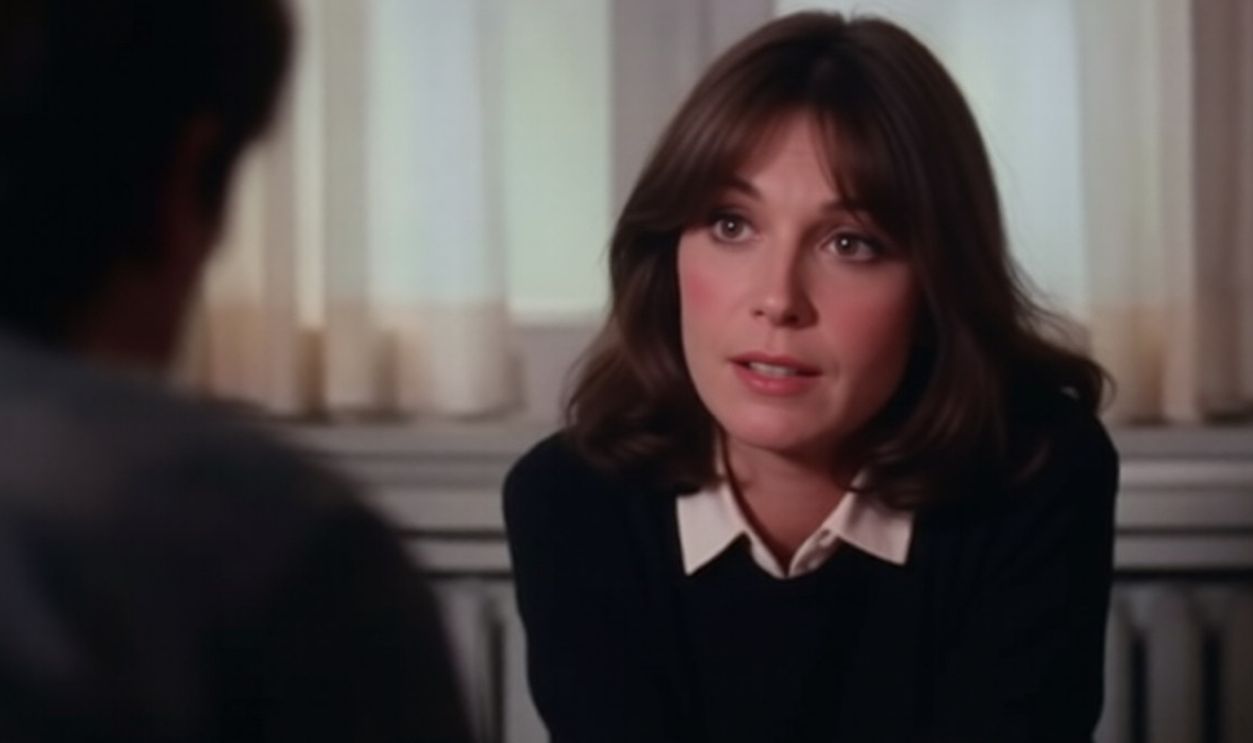 Screenshot from The Lost Honor of Kathryn Beck, CBS (1984), Enhanced
Nobody’s Child Proved Her Range
In 1986, Thomas starred in the CBS television movie Nobody’s Child. The performance won her the Primetime Emmy for Outstanding Lead Actress in a Miniseries or Special, giving her major recognition for dramatic acting two decades after That Girl began.
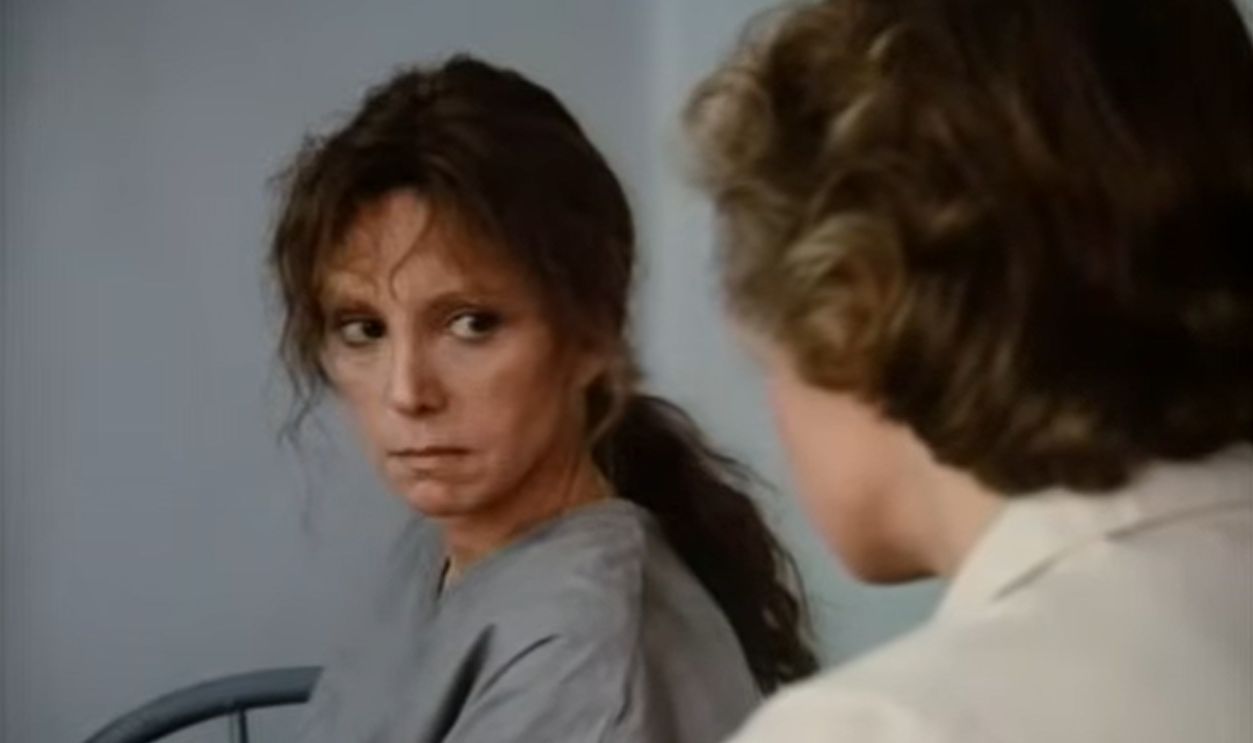 Screenshot from Nobody’s Child, CBS (1986)
Broadway Stayed In The Picture
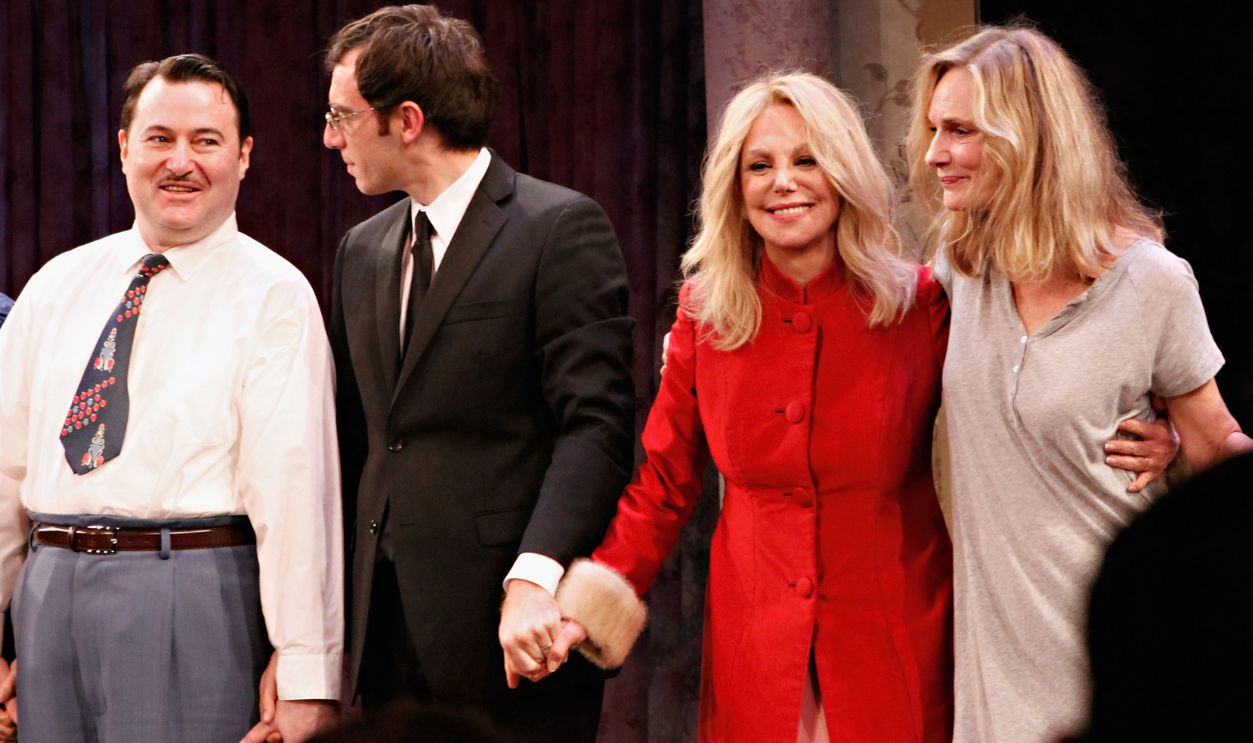
Thomas also kept returning to the stage. Her Broadway credits include Thieves, Social Security, The Shadow Box, and Elaine May’s George Is Dead, part of Relatively Speaking, reinforcing that television celebrity never became the only lane she pursued.
Free To Be Started With Her Niece
The idea for Free to Be… You and Me came after Thomas searched for children’s material for her niece and found gender stereotypes everywhere. She decided to create stories and songs encouraging children to imagine more possibilities for themselves.
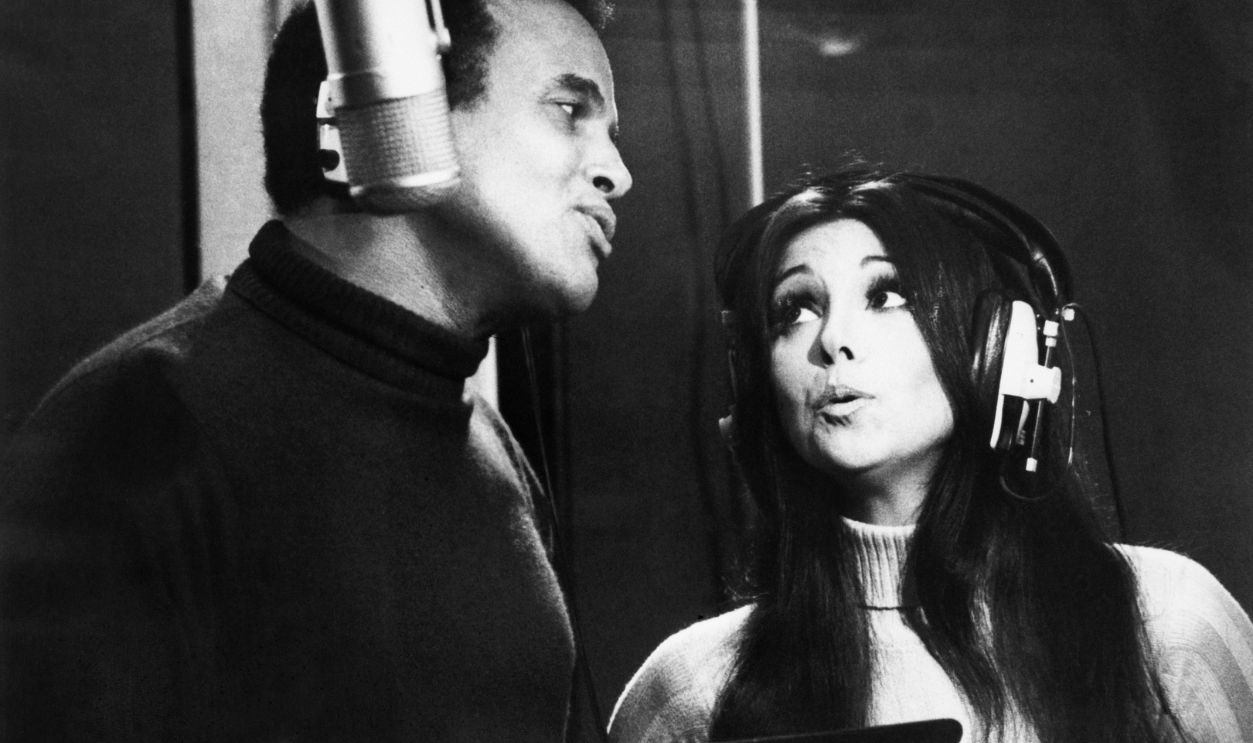
It Became Bigger Than One Album
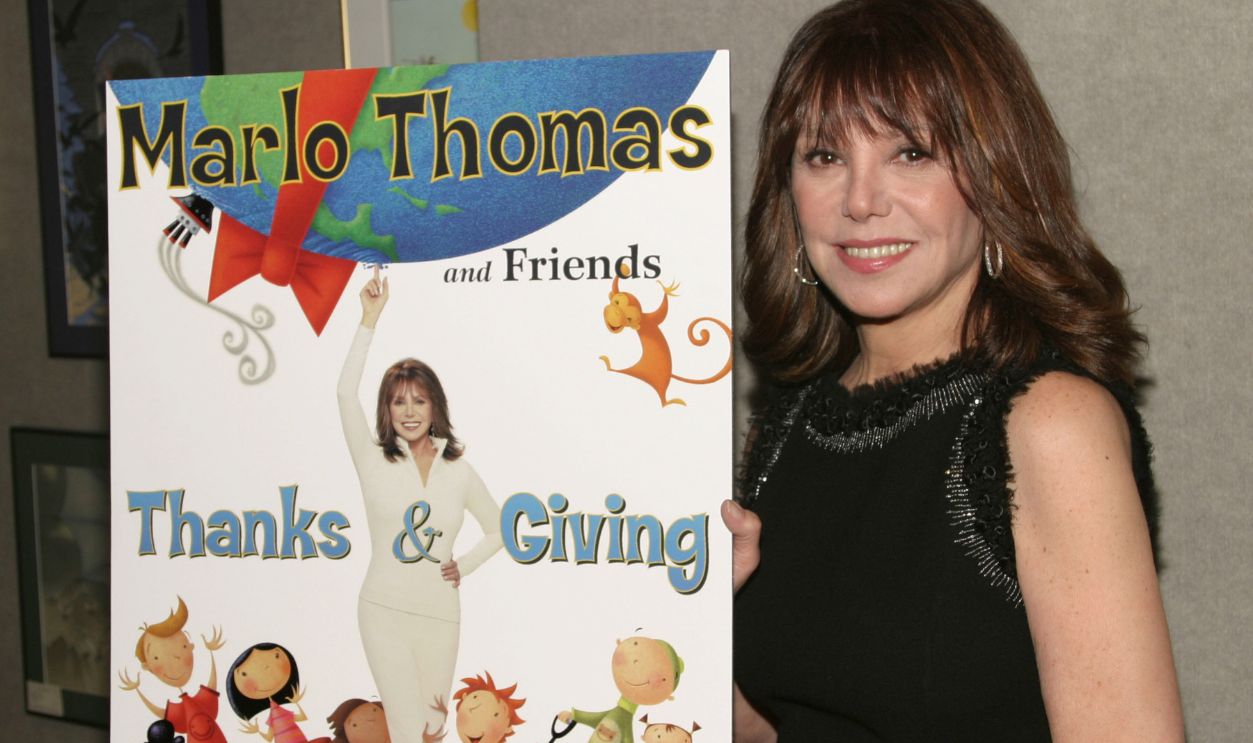
The 1972 album expanded into a book and a 1974 ABC special, which won an Emmy. The album later entered the National Recording Registry, while Thomas continued creating children’s work and eventually won a Grammy for Thanks & Giving All Year Long.
Friends Let Her Flip The Script
Decades after Ann Marie, Thomas appeared on Friends as Rachel Green’s mother, Sandra. Thomas described Sandra as the opposite of Ann: a woman leaving an unsatisfying marriage and looking to her daughter’s independence as inspiration for her own new life.
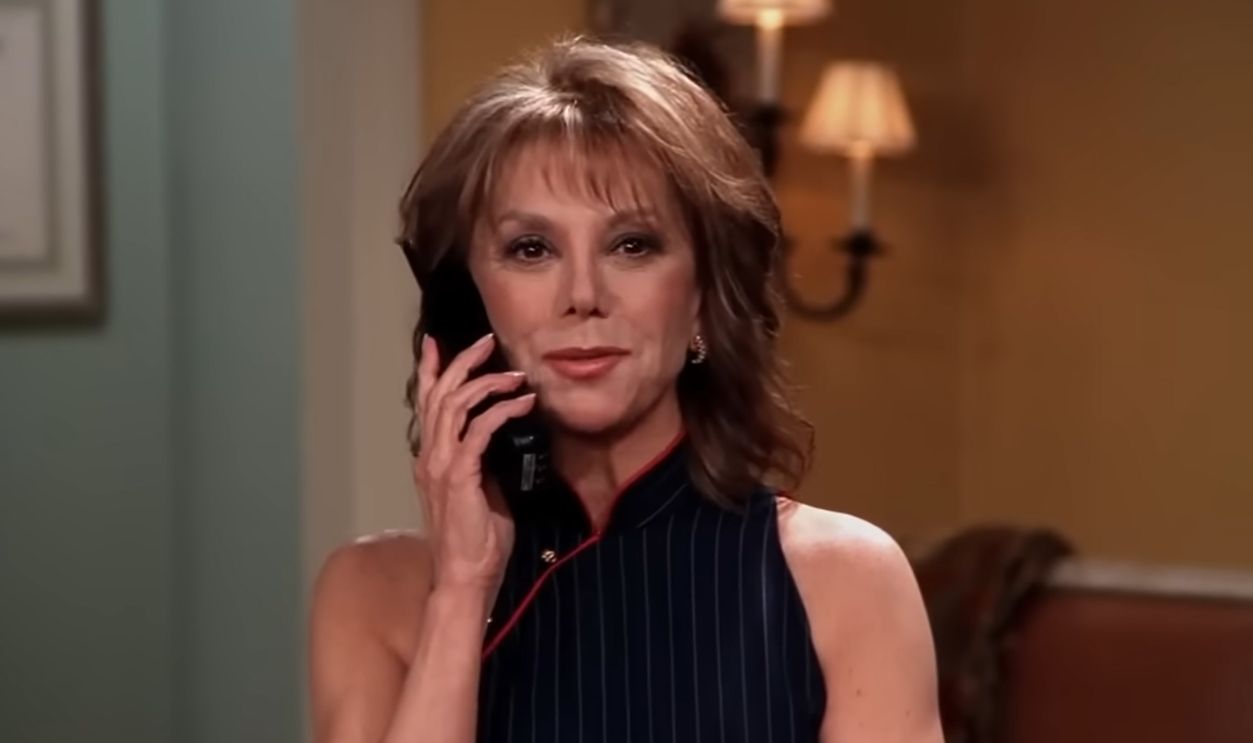 Screenshot from Friends, NBC (1994–2004)
Phil Donahue Changed Her View Of Marriage
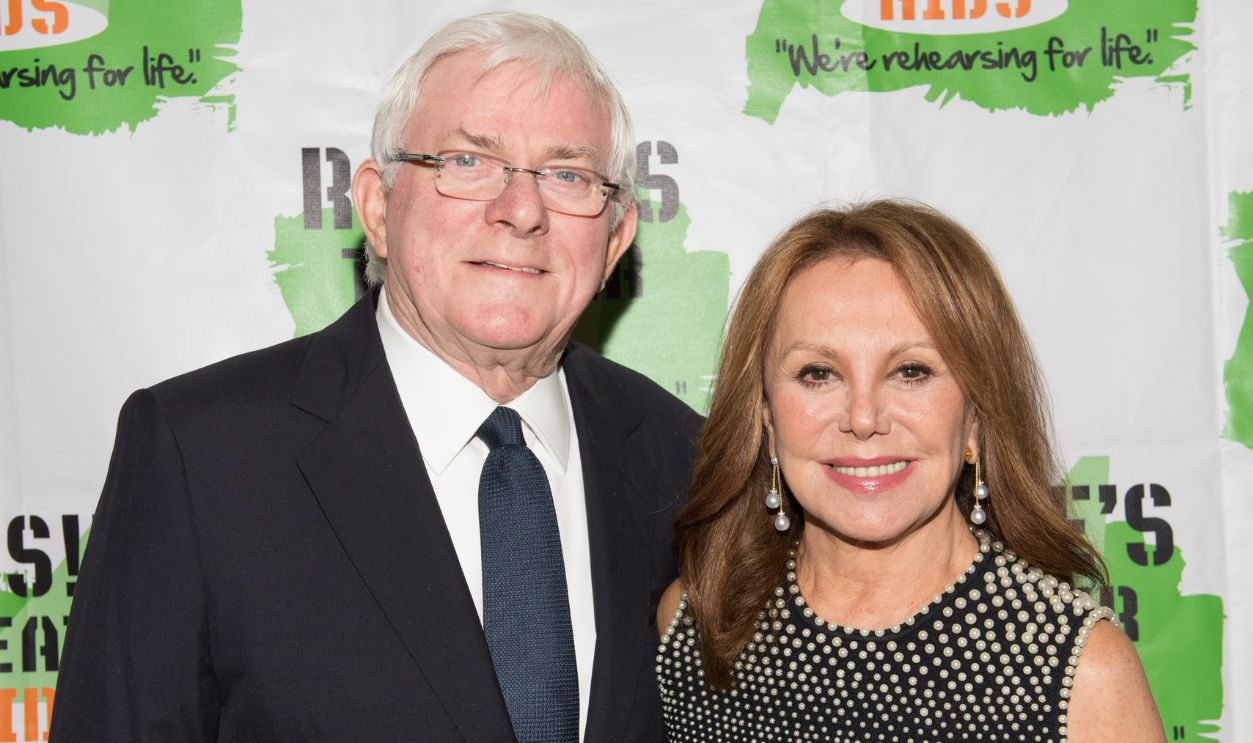
Thomas had resisted marriage for years, but meeting talk-show host Phil Donahue in 1977 changed her path. They married in 1980 and remained together for 44 years until his passing in 2024, later collaborating on a book examining lasting relationships.
Her Work Extended Beyond Hollywood
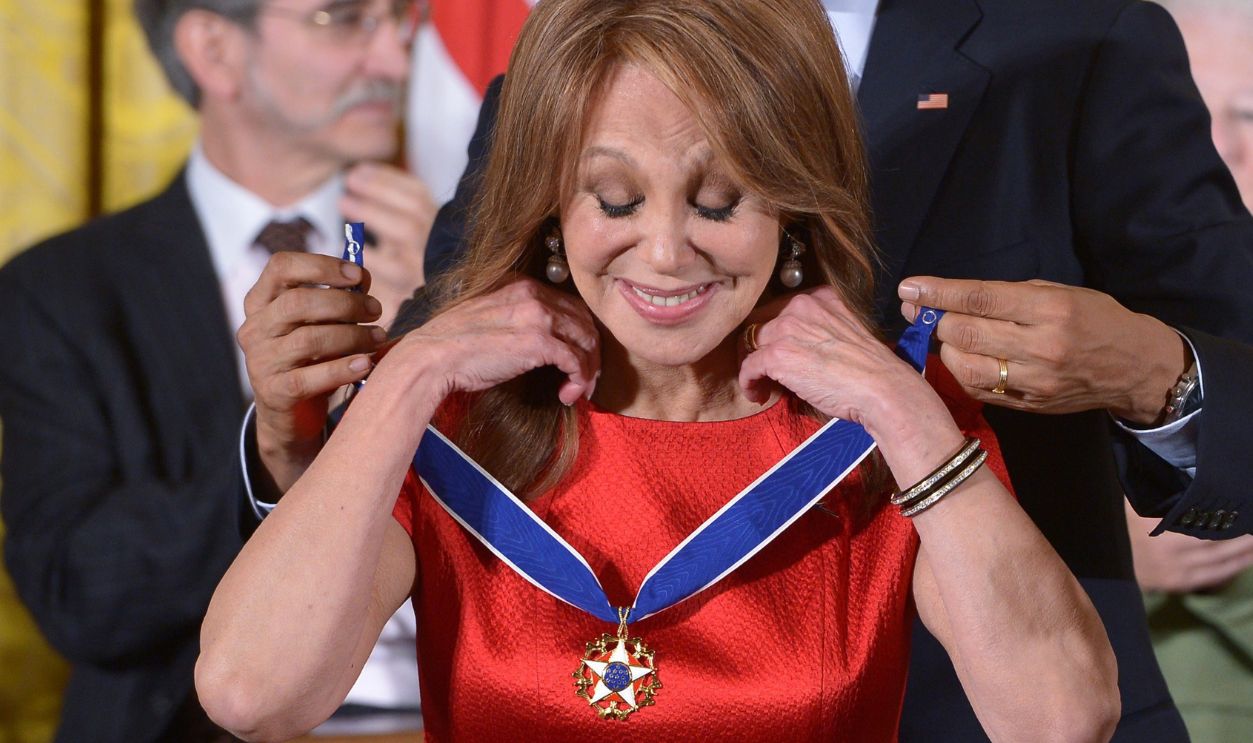
Thomas became a prominent advocate for St. Jude Children’s Research Hospital, founded by her father, serving as national outreach director and co-creating its Thanks and Giving campaign with her siblings. In 2014, President Barack Obama awarded her the Presidential Medal of Freedom.
You May Also Like:
Heartbreaking Facts About Ann Miller, The Star-Crossed Dancing Sensation
Vic Tayback Became Mel Sharples So Completely That Viewers Forgot How Long He Had Been Acting
Vulgar Facts About Lenny Bruce, Stand-Up Comedy’s Virtuous Villain