The Heroine Who Couldn’t Protect Herself From Hollywood
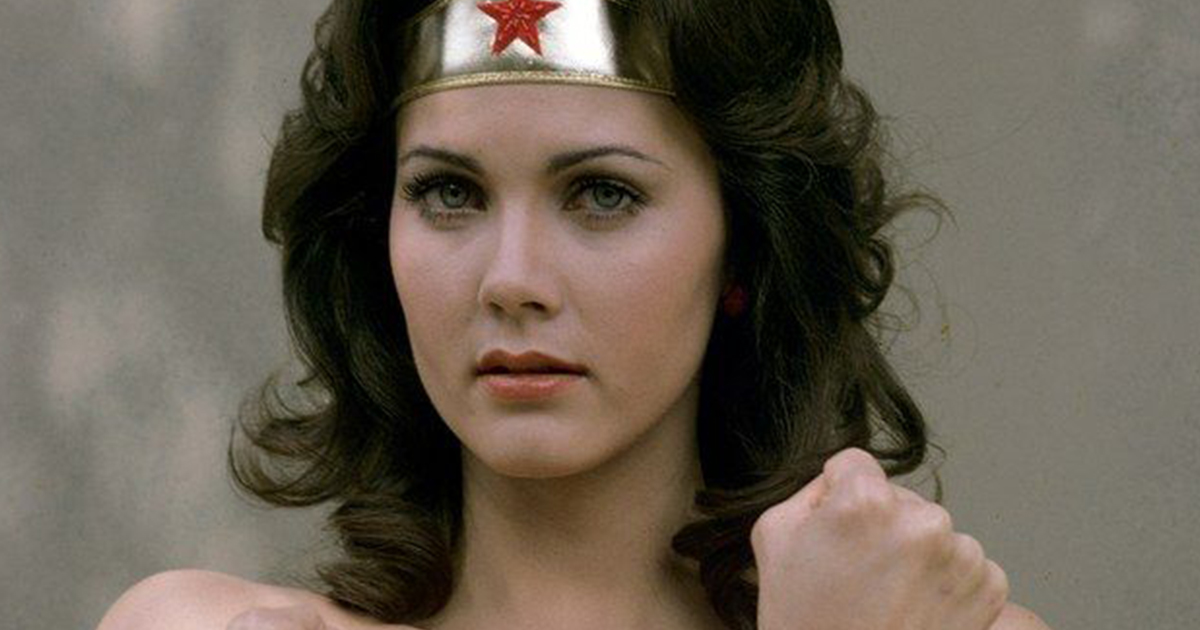
Playing Wonder Woman transformed 24-year-old Lynda Carter from a struggling actress into an international star almost overnight. Yet the role also brought dangerous stunts, relentless objectification, and disturbing behavior that lurked behind the scenes.
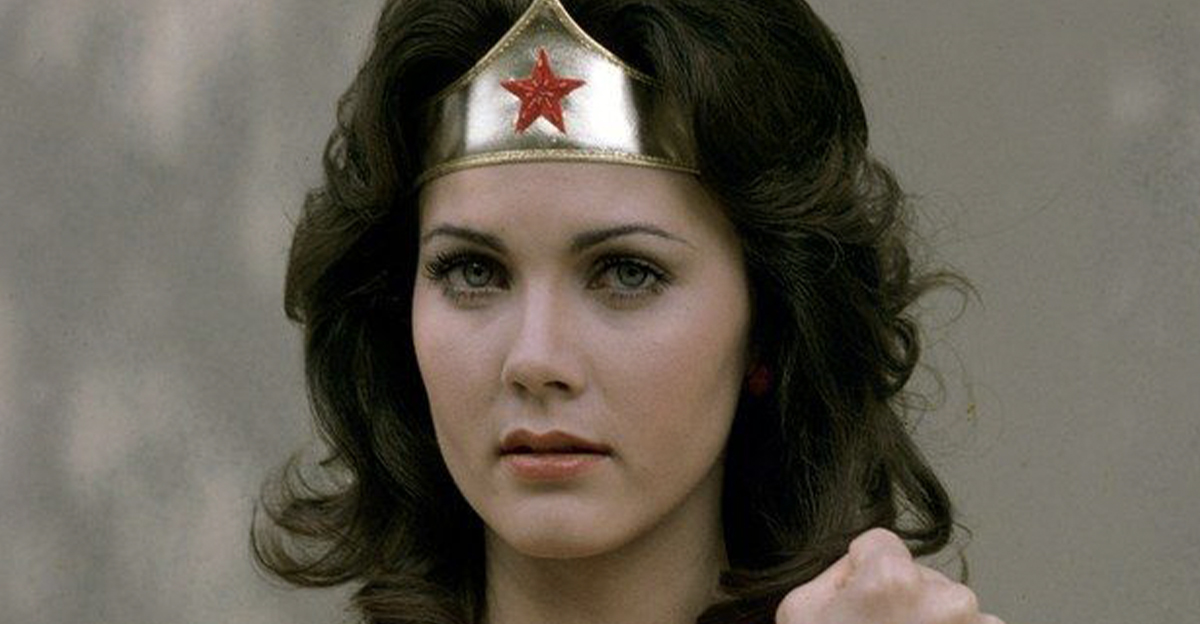 Warner Bros. Television, Wonder Woman (1975)
Her First Stage Was in Phoenix
Lynda Jean Cordova Carter was born in Phoenix, Arizona, on July 24, 1951. She made her performing debut in a local talent show at five, long before television viewers associated her with golden bracelets and a magic lasso.
Music Was Her Original Dream
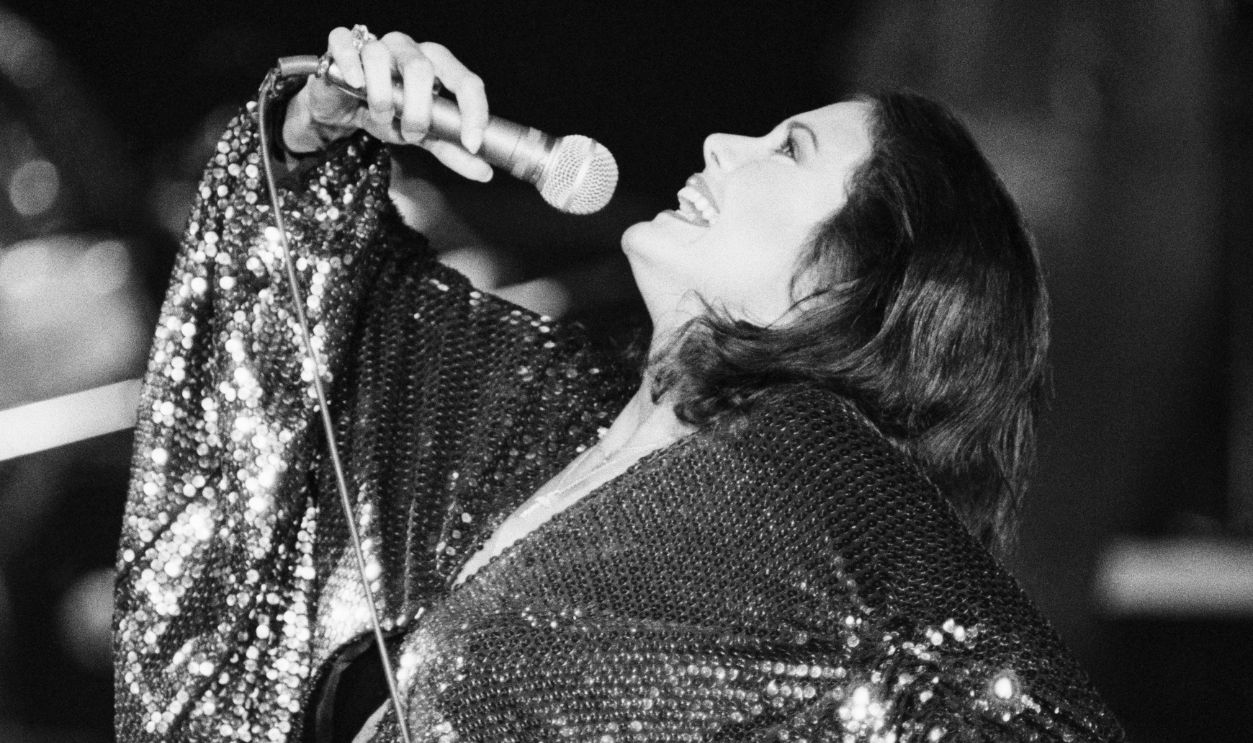
At 14, Carter joined a local group called Just Us and performed several nights each week near the University of Arizona. In 1968, she began touring from Las Vegas to New York’s Catskill Mountains with another band, the Relatives.

She Chased Music Before Hollywood
Carter briefly attended Arizona State University but left to pursue performing professionally. By 1970, she was singing with Speedy Garfin and the Garfin Gathering, still imagining that music—not acting—would become her route to stardom.
A Pageant Opened an Unexpected Door
In 1972, Carter represented Arizona and won the Miss World USA competition. She subsequently represented the United States at the Miss World pageant in London, where she reached the group of 15 semifinalists.
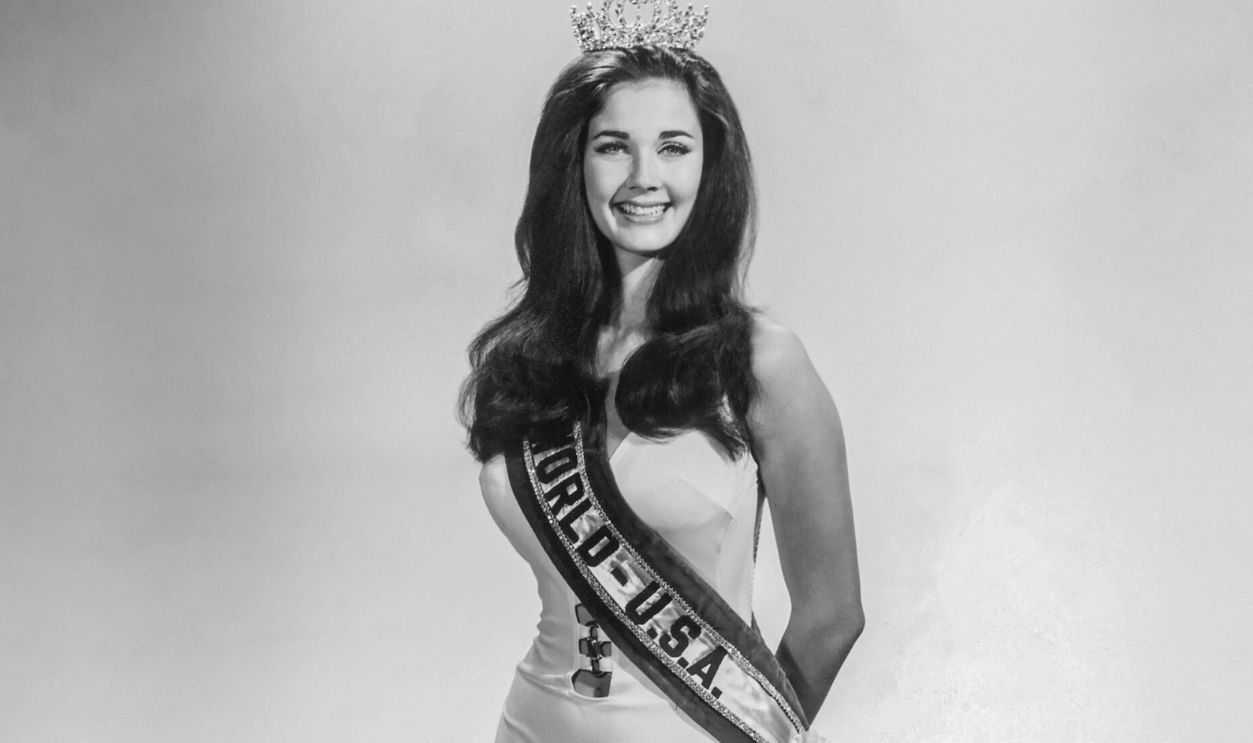 John Kisch Archive, Getty Images
She Used the Crown as a Beginning
Carter did not intend to spend her life appearing in pageants. After winning Miss World USA, she moved to Los Angeles, studied acting, continued singing and writing music, and began enduring the auditions familiar to nearly every unknown performer.

Hollywood Offered Only Small Openings
Her earliest television appearances included parts in Nakia and Matt Helm, followed by roles in Starsky & Hutch and the 1976 film Bobbie Jo and the Outlaw. None gave her lasting security, but they put her in front of casting directors.
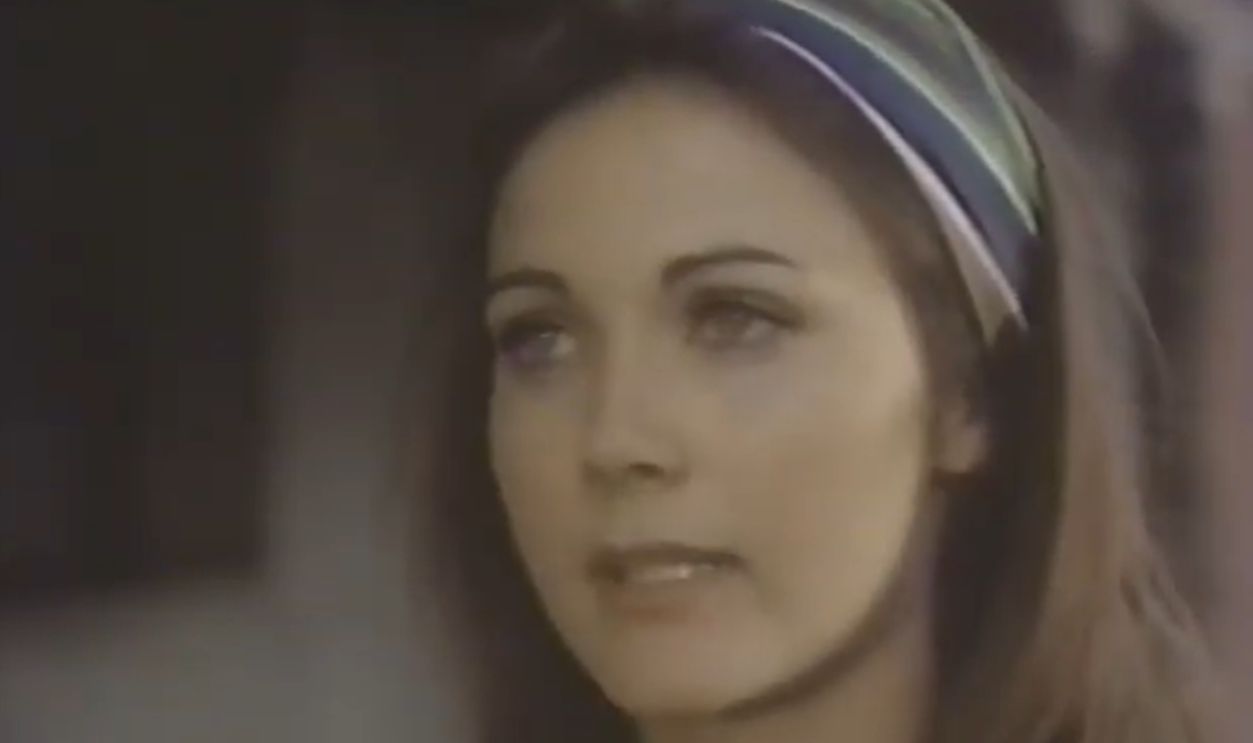 Screenshot from Nakia, ABC (1974)
One Screen Test Changed Her Life
Carter later explained that a producer saw a screen test she had completed for another project and recommended her for Wonder Woman. She tested for the superhero role and received the life-changing telephone call roughly three weeks later.
She Was Only 24
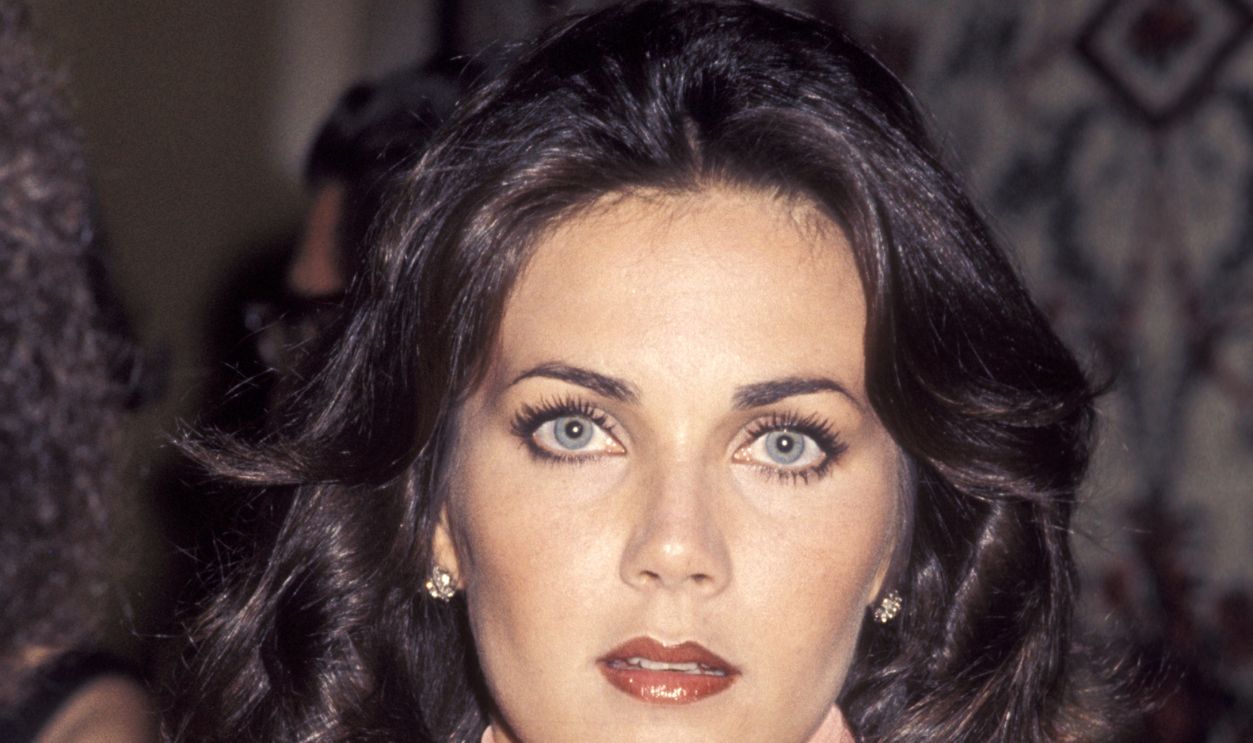
Carter had relatively little acting experience when she was selected to play Diana Prince and Wonder Woman. She was stepping into a character already known from decades of DC Comics, with the entire production depending upon audiences accepting her.
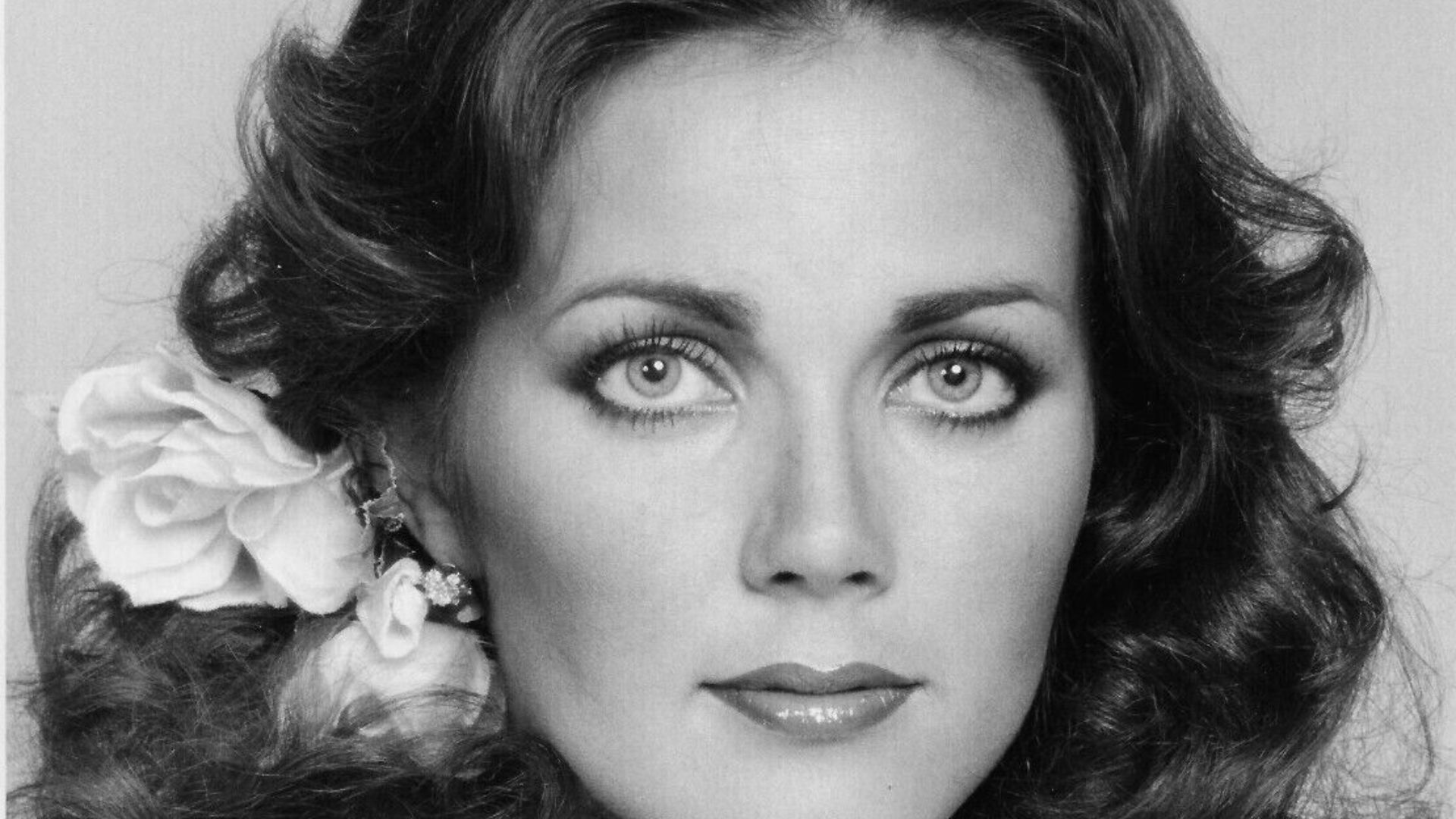 CBS Photo Division, Wikimedia Commons
Wonder Woman Arrived in Prime Time
The New Original Wonder Woman premiered as an ABC television movie on November 7, 1975. Set during World War II, it introduced Carter’s Amazon princess alongside Lyle Waggoner as American pilot and intelligence officer Steve Trevor.
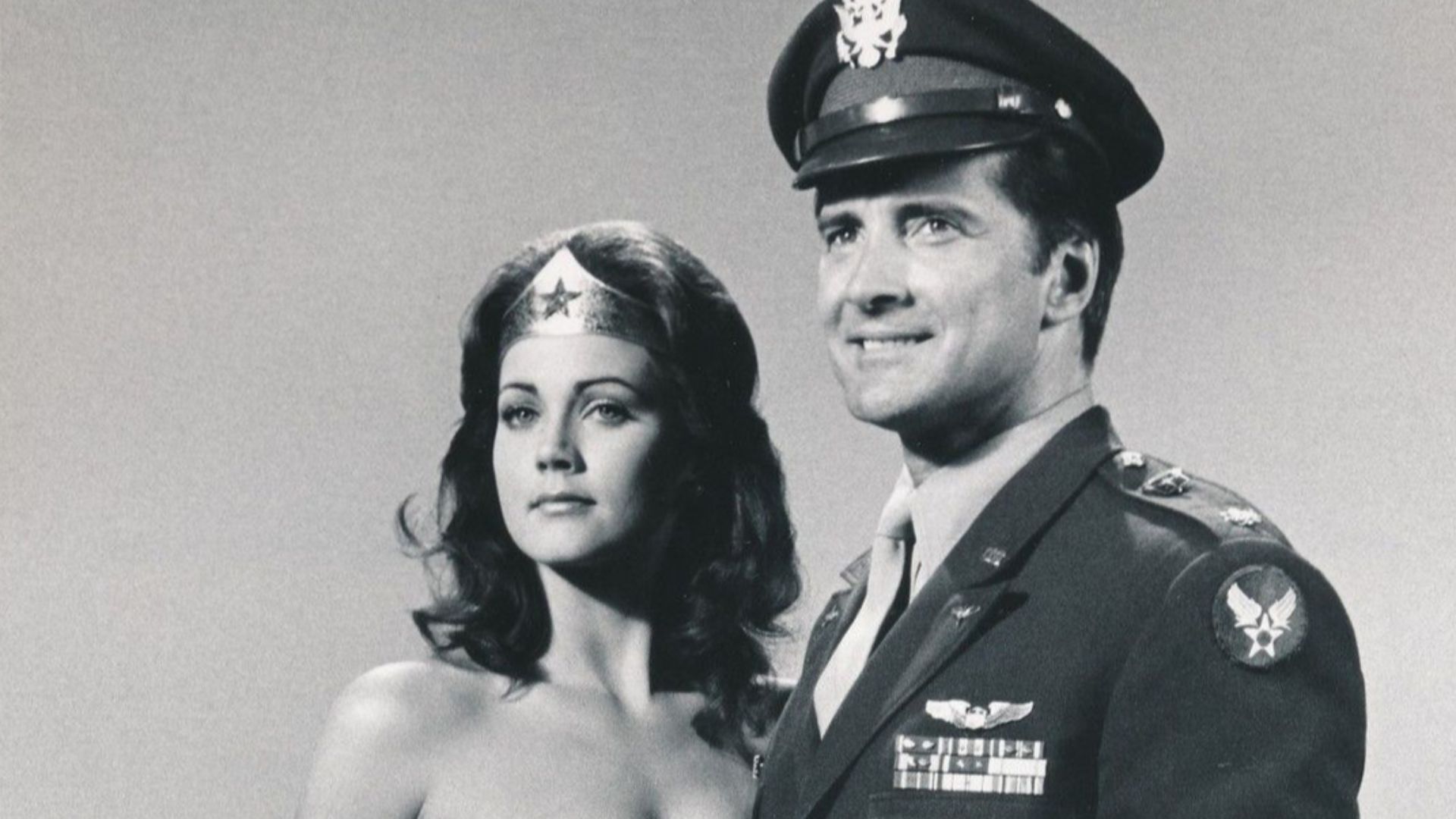 ABC Television, Wikimedia Commons
Stardom Came Almost Immediately
The pilot’s success led ABC to order additional installments and eventually a regular series. Carter’s face, hair, costume, bracelets, and confident pose were suddenly everywhere, turning a former pageant winner into one of television’s most recognizable women.
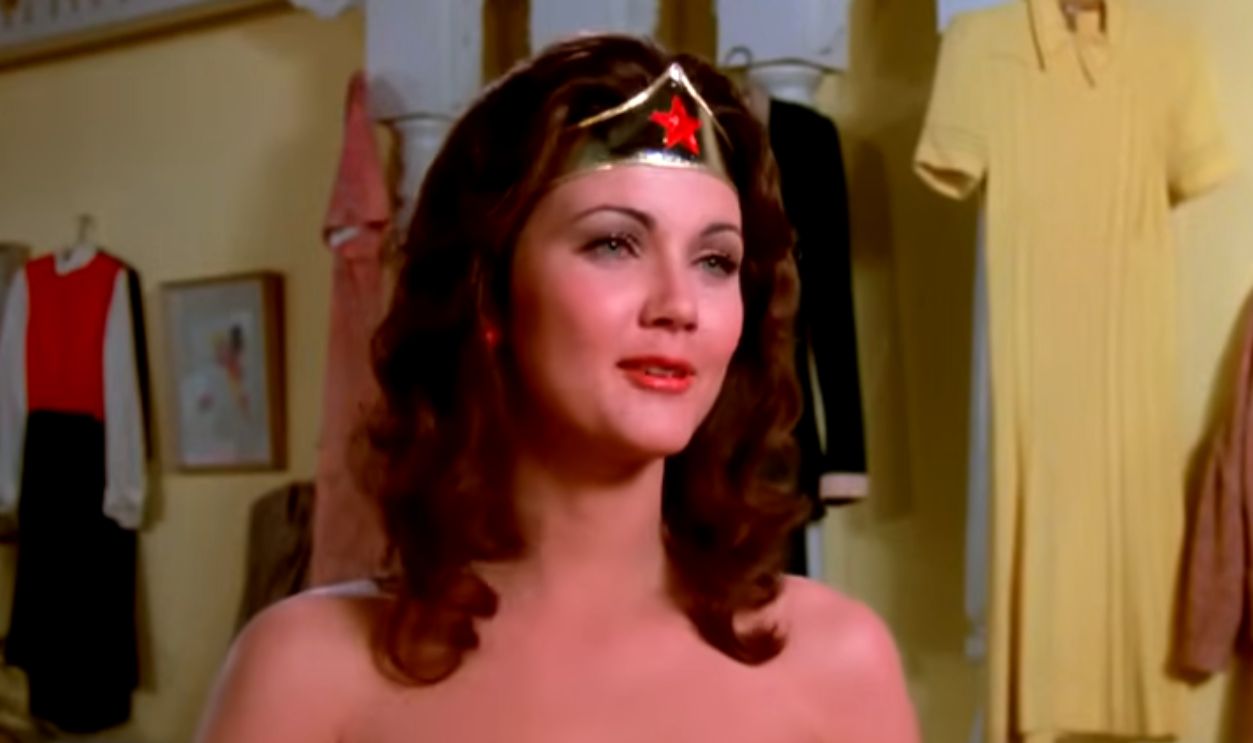 Screenshot from Wonder Woman, Warner Bros. Television (1975–1979)
Executives Expected Her to Fail
Carter later recalled that some television executives “didn’t think a woman could carry a whole TV series.” Female-led action programs remained unusual, so Wonder Woman had to overcome doubts that were rarely attached to male superheroes.
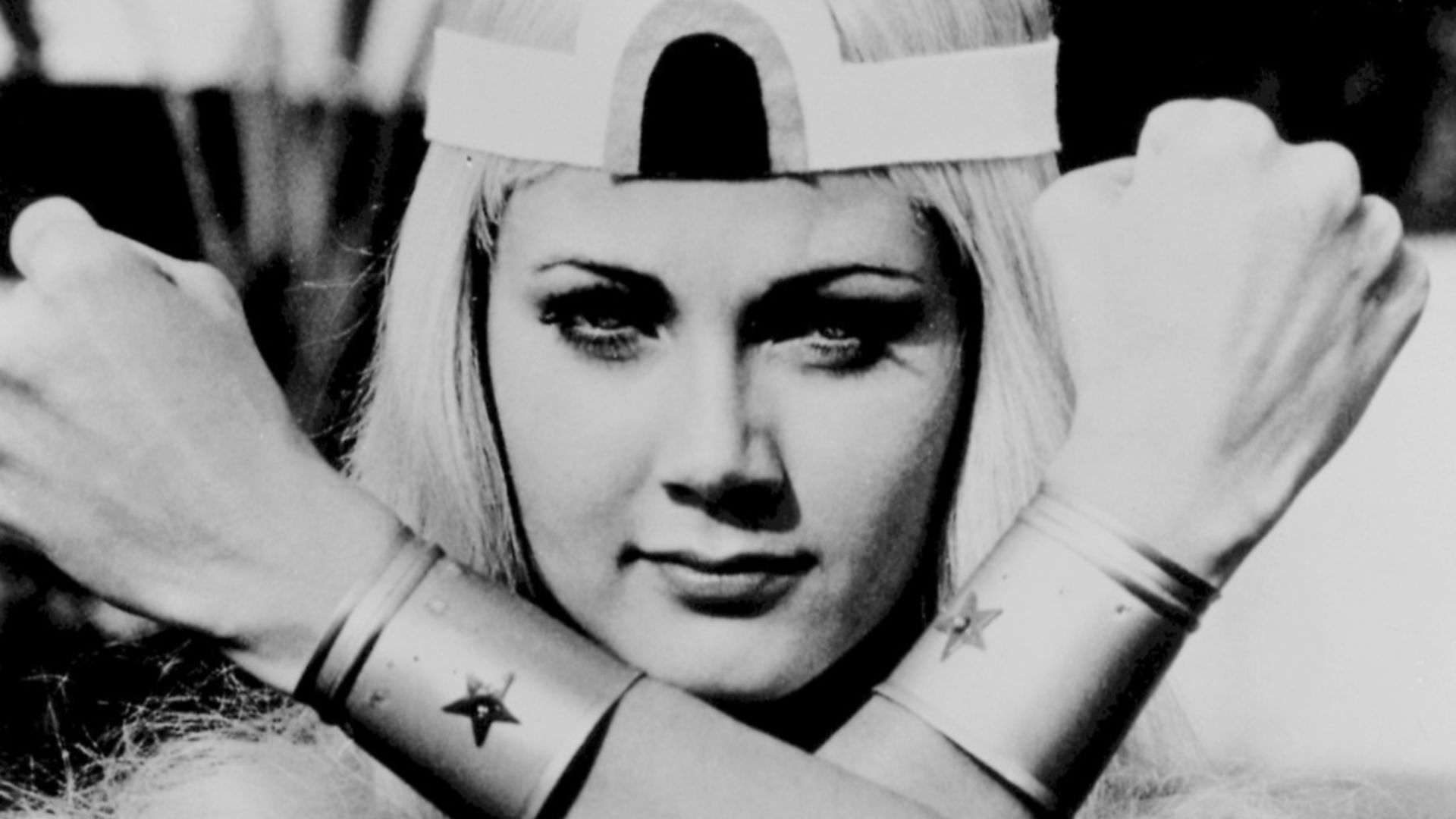 ABC Television, Wikimedia Commons
She Refused to Play a Cartoon
Carter wanted viewers to see more than a beautiful woman wearing an extraordinary costume. She envisioned Diana as “open, vulnerable, but self-assured,” someone who recognized problems, solved them, and possessed qualities that ordinary women could recognize in themselves.
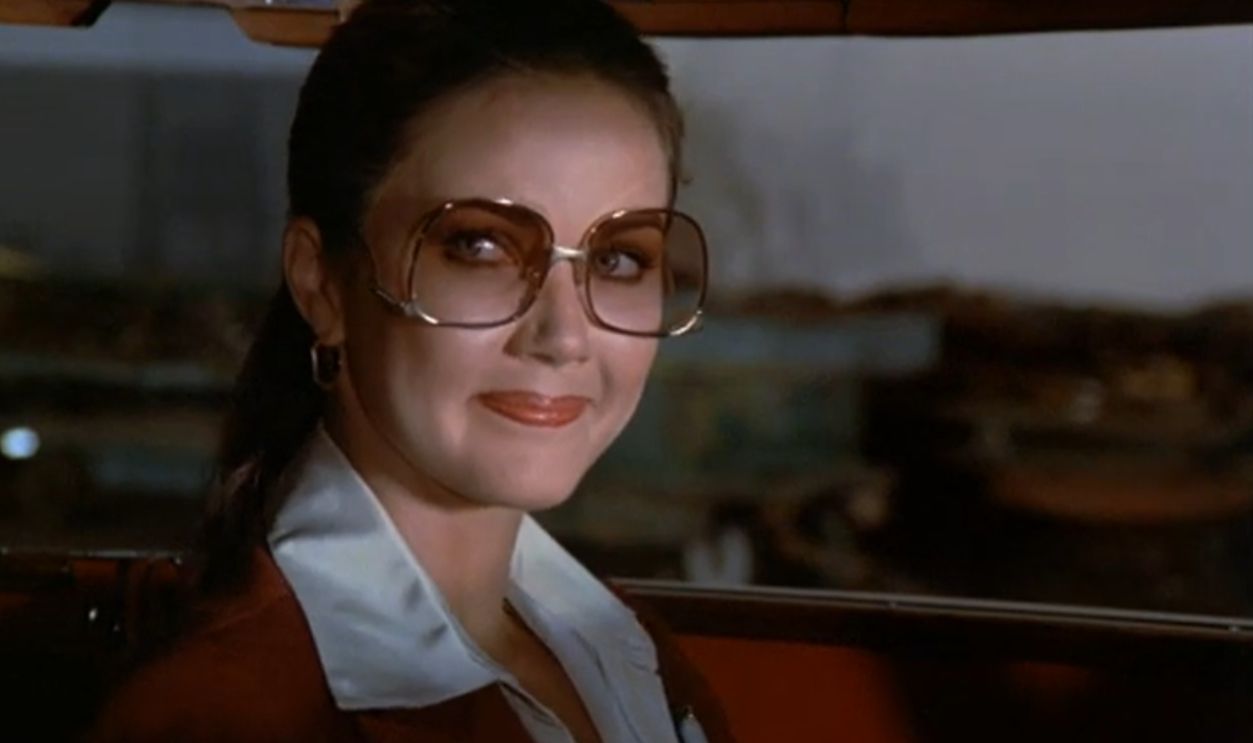 Screenshot from Wonder Woman, Warner Bros. Television (1975–1979)
Diana’s Strength Was Never Cruel
Carter understood that Wonder Woman’s power came from compassion rather than aggression. She played the heroine as intelligent, kind, and emotionally grounded—a woman who could stop villains without behaving as though violence itself made her powerful.
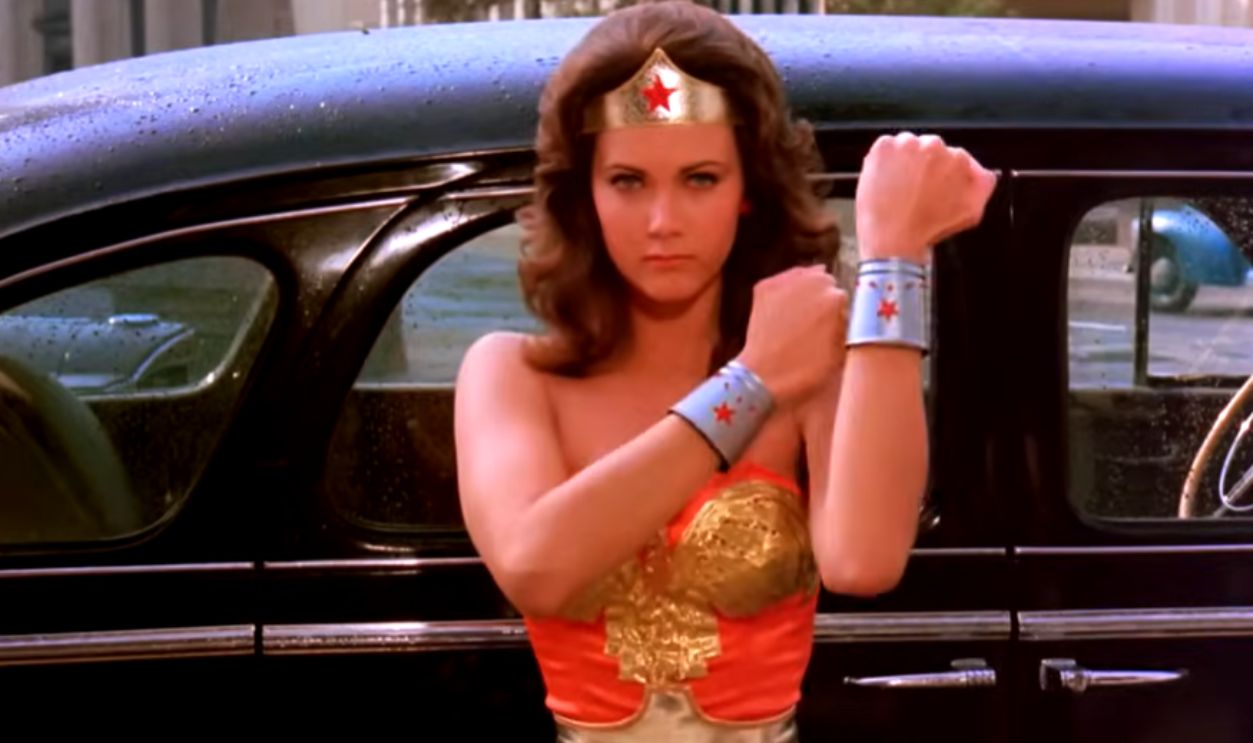 Screenshot from Wonder Woman, Warner Bros. Television (1975–1979)
The Costume Became a Complicated Symbol
The red, white, blue, and gold costume made Carter instantly recognizable, but it also encouraged some viewers and executives to concentrate on her body. She worked to ensure the character’s warmth and moral strength remained more memorable than the outfit.
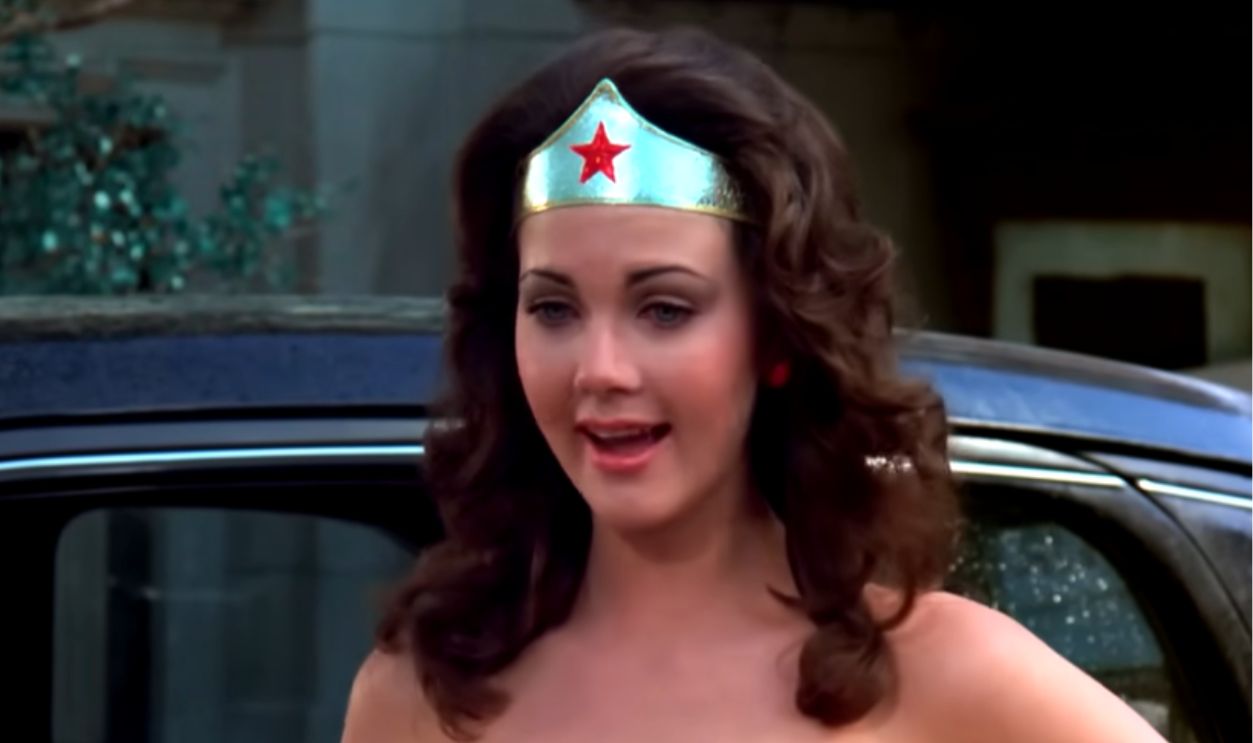 Screenshot from Wonder Woman, Warner Bros. Television (1975–1979)
One Spin Became Television History
Diana’s transformation into Wonder Woman became an iconic part of the series: Carter spun in place as a flash of light replaced her ordinary clothes with the famous costume. The simple effect became inseparable from her performance and was imitated for decades.
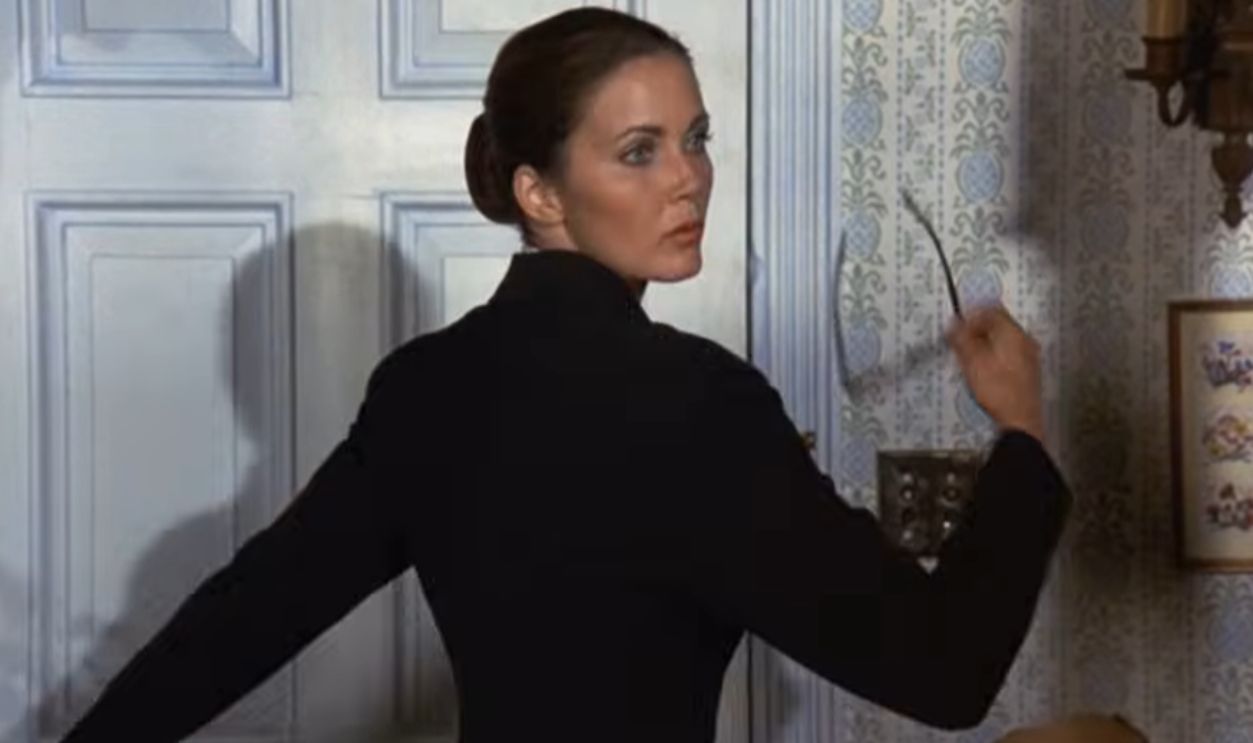 Screenshot from Wonder Woman, Warner Bros. Television (1975–1979)
ABC Nearly Ended the Adventure
The first season’s 1940s setting required period costumes, vehicles, and sets, making the series expensive. Despite encouraging ratings, ABC declined to renew it, leaving Carter’s breakthrough role in danger of disappearing almost as quickly as it had arrived.
 Jim.henderson, Wikimedia Commons
CBS Brought Her Into the 1970s
CBS rescued the series in 1977 but moved the story from World War II to the present day. Waggoner returned as the original Steve Trevor’s son, while Diana began confronting spies, criminals, futuristic technology, and increasingly science-fictional threats.

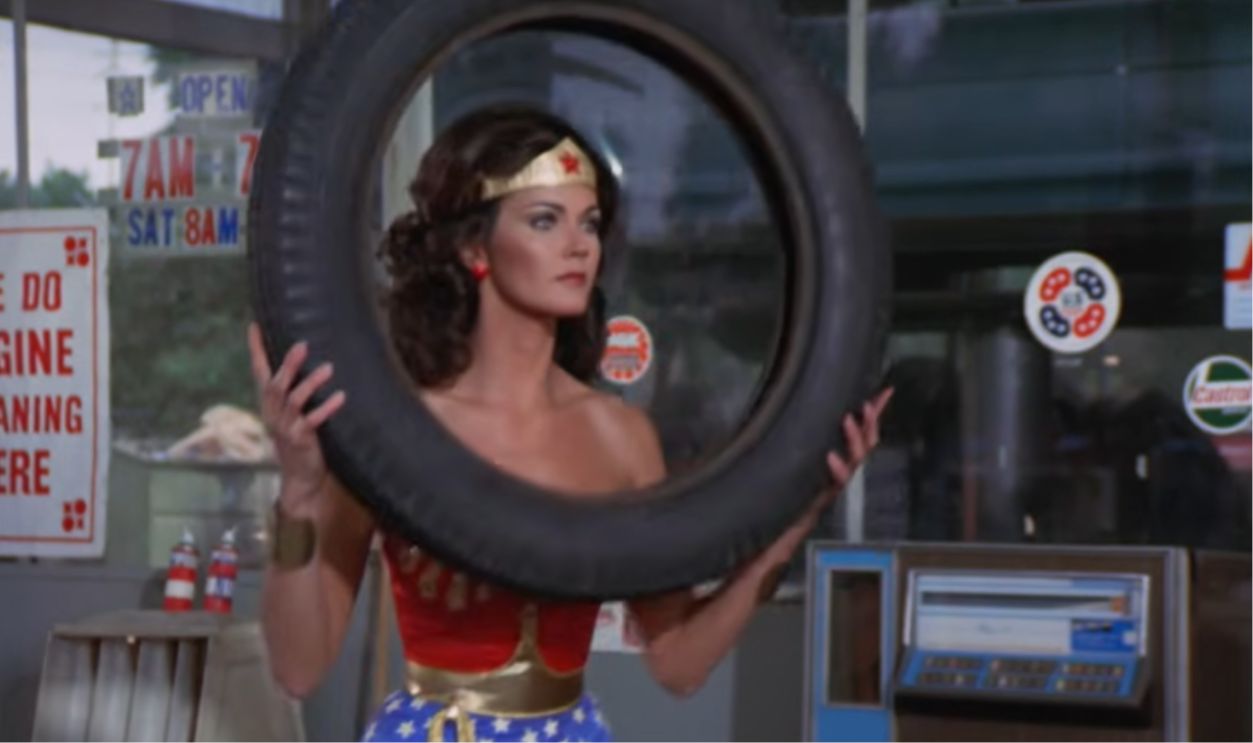
The Action Was Sometimes Real
Carter performed portions of her own stunt work, including a close-up in which Wonder Woman clung beneath a moving helicopter. She later joked that producers were unhappy about the risk, but she wanted the sequence to look convincing.
 Screenshot from Wonder Woman, Warner Bros. Television (1975–1979)
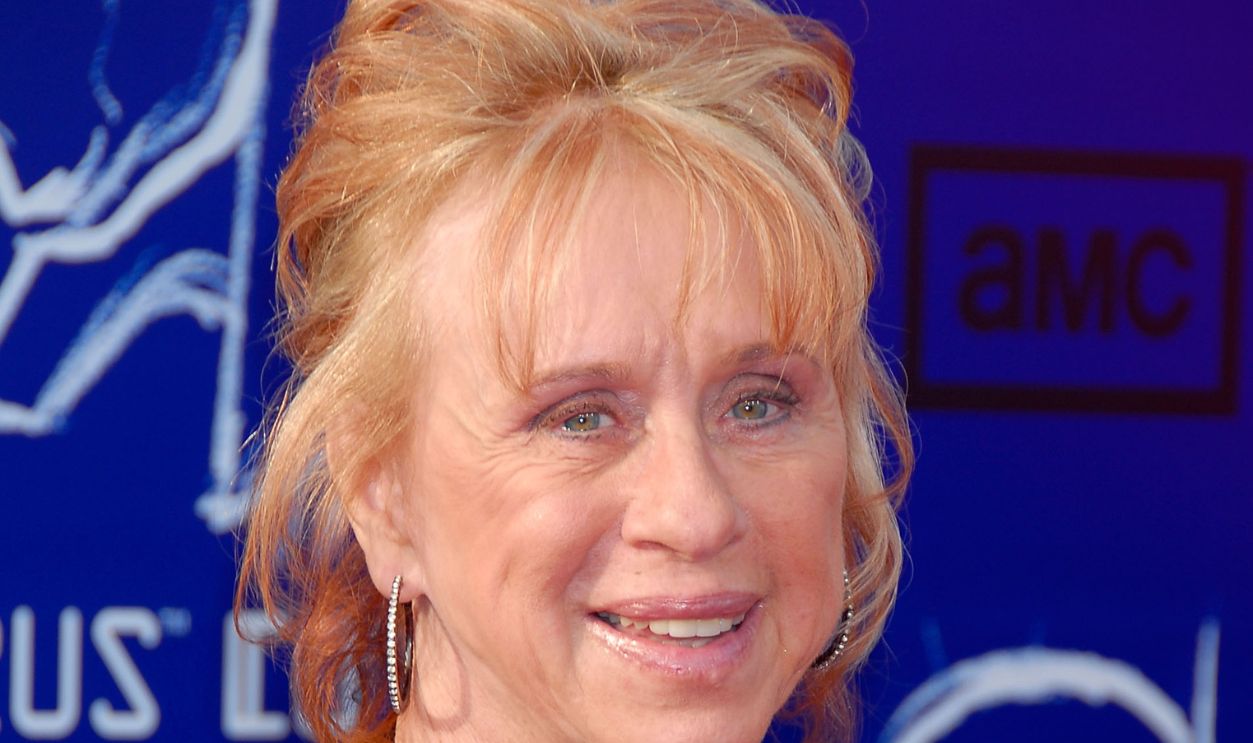
She Demanded a Woman’s Help
When Carter learned that a male stunt performer had initially been assigned to double for her, she pushed for a woman instead. Veteran stuntwoman Jeannie Epper became her principal double and remained with the series throughout its run.
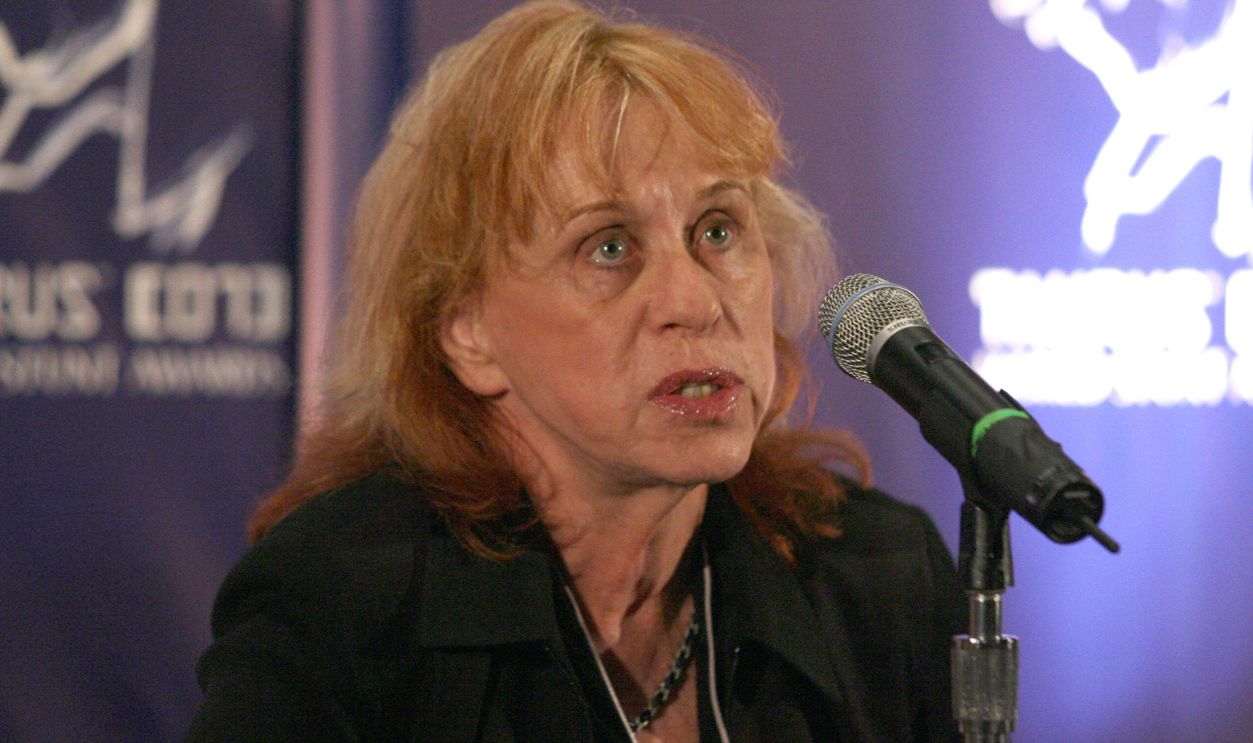
Two Wonder Women Worked Together
Carter later described herself and Epper as women who understood how to survive professionally in a male-dominated industry. Their collaboration helped Epper become one of Hollywood’s most celebrated stuntwomen while giving the television heroine more believable physical power.
The Series Ended Without Ceremony
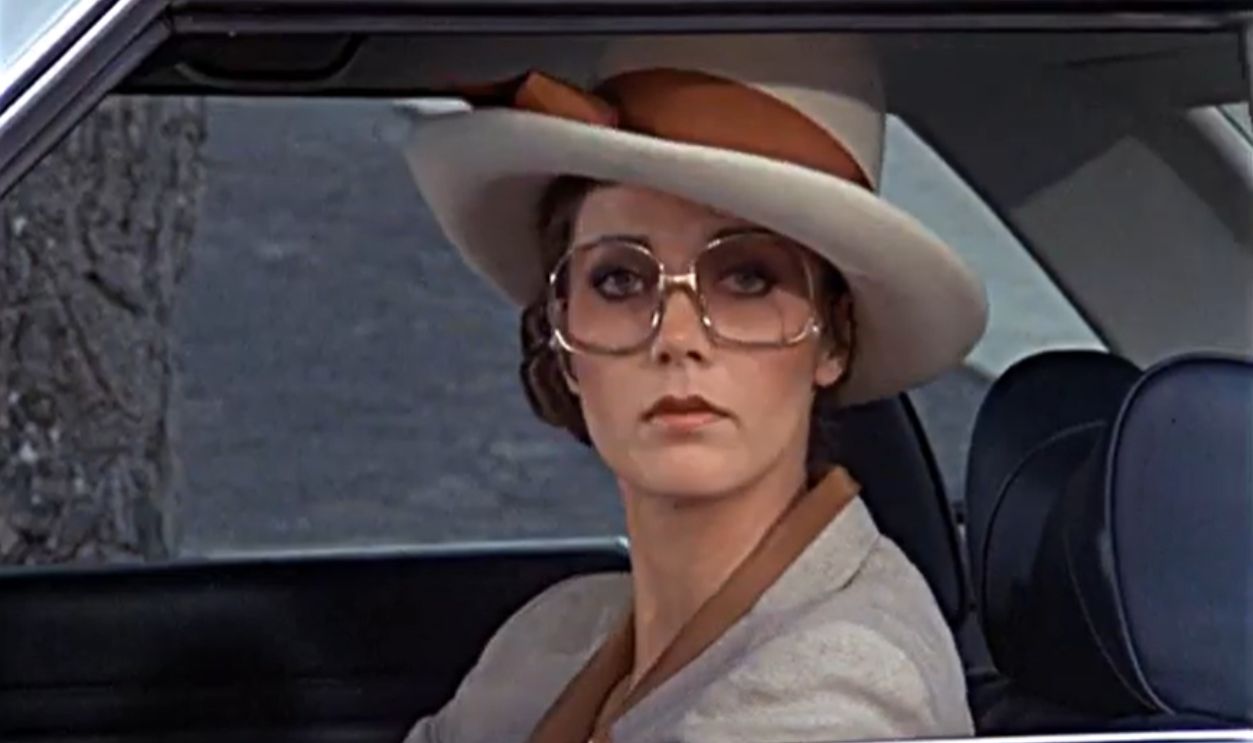
Wonder Woman concluded in 1979 after three seasons across ABC and CBS. Carter later described the ending as “unceremonious,” but syndication kept the episodes circulating, introducing her version of Diana Prince to generations who had missed the original broadcasts.
 Screenshot from Wonder Woman, Warner Bros. Television (1975–1979)
She Returned to Her First Love
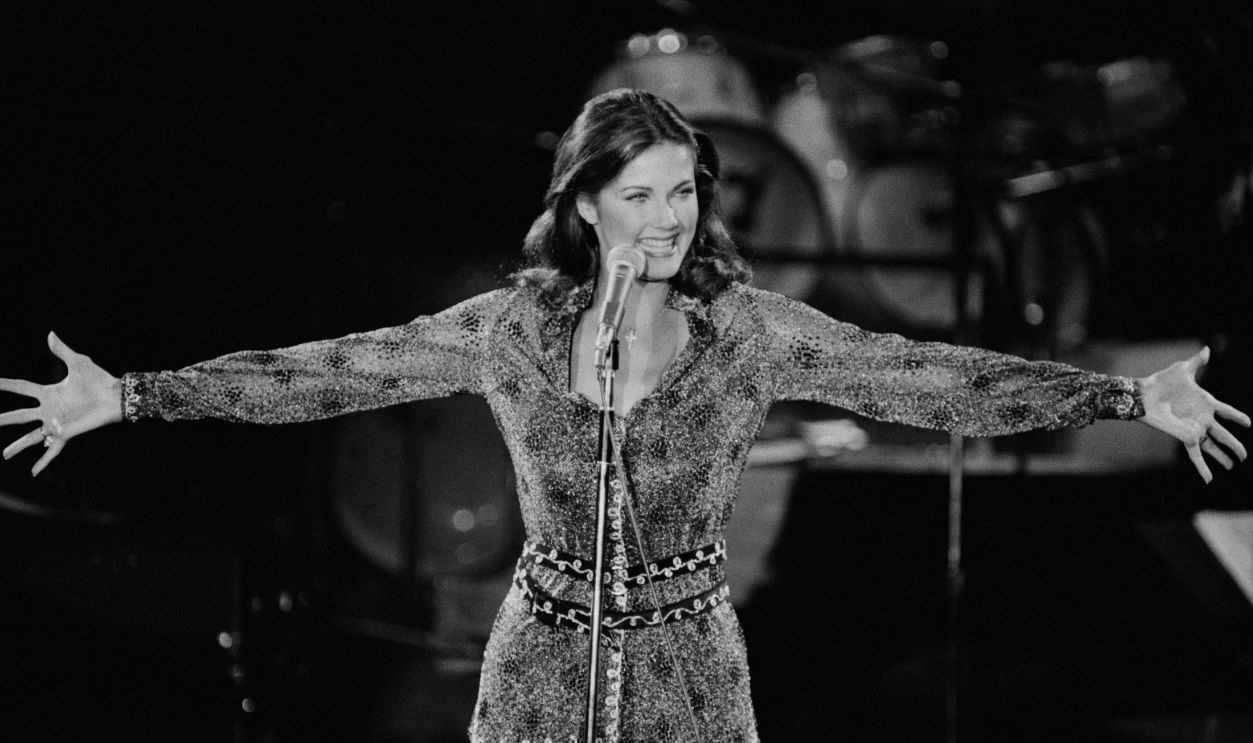
While still playing Wonder Woman, Carter released her debut album, Portrait, in 1978 and headlined at Caesars Palace in Las Vegas. She even performed two songs from the album during the show’s third season.
Television Let Her Show Every Talent
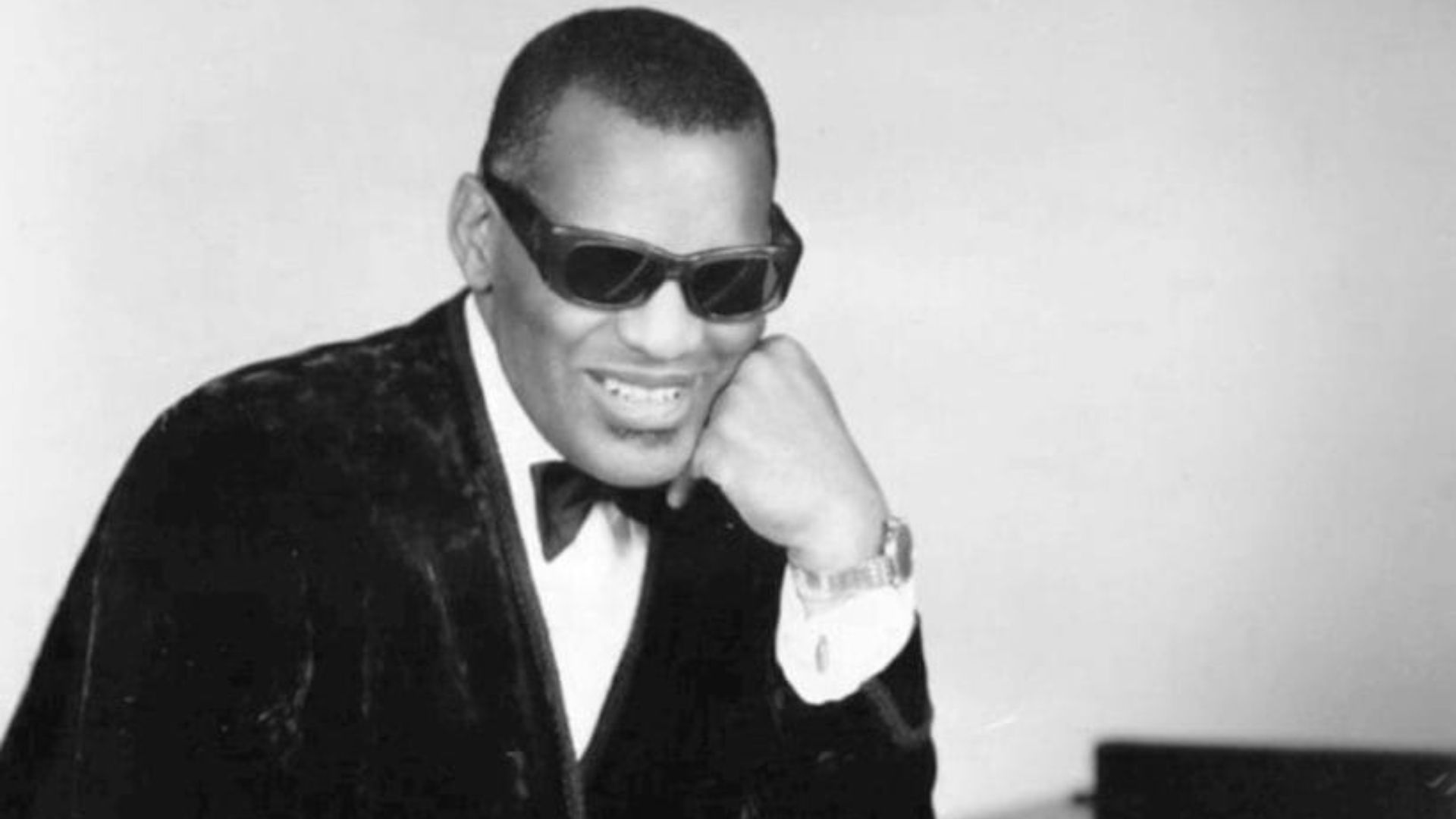
Carter produced and starred in five Emmy-nominated CBS variety specials that combined music, dancing, comedy, and celebrity guests. Her 1981 special Celebration, featuring Ray Charles and Jerry Reed, won an Emmy Award.
 William Morris Agency (management)/Photo by Maurice Seymour, New York., Wikimedia Commons
She Continued Without the Cape
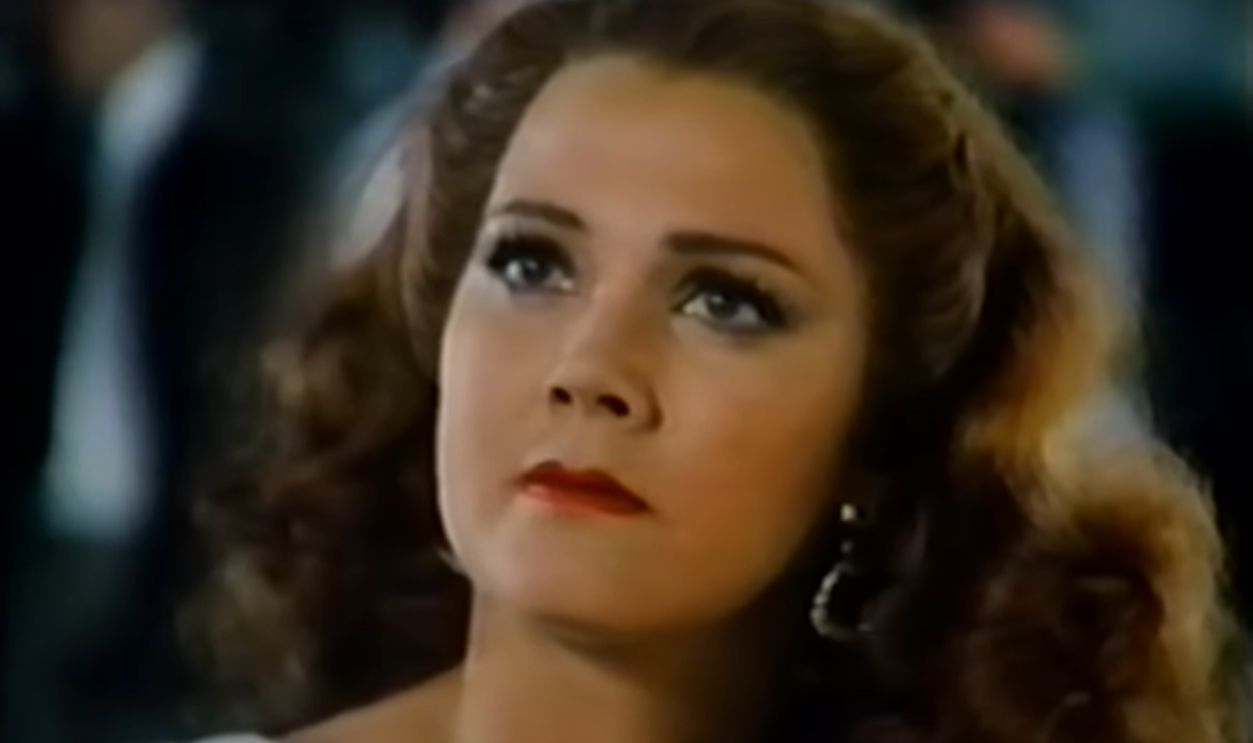
During the 1980s, Carter appeared in television movies including The Last Song and The Love Goddess, in which she portrayed Rita Hayworth. She also starred opposite Loni Anderson in the short-lived 1984 detective series Partners in Crime.
 Screenshot from Rita Hayworth: The Love Goddess, CBS (1983)
She Chose a Life Beyond Los Angeles
Carter eventually reduced her workload and raised her children near Washington, D.C., away from Hollywood’s constant attention. She later admitted that although she had spent considerable time on movie sets, her life then had not contained much personal “substance.”

She Never Abandoned Performing
Carter played Mama Morton in the 2005 London production of Chicago and returned to concert stages with her cabaret act. She also released albums including At Last in 2009 and Crazy Little Things in 2011.
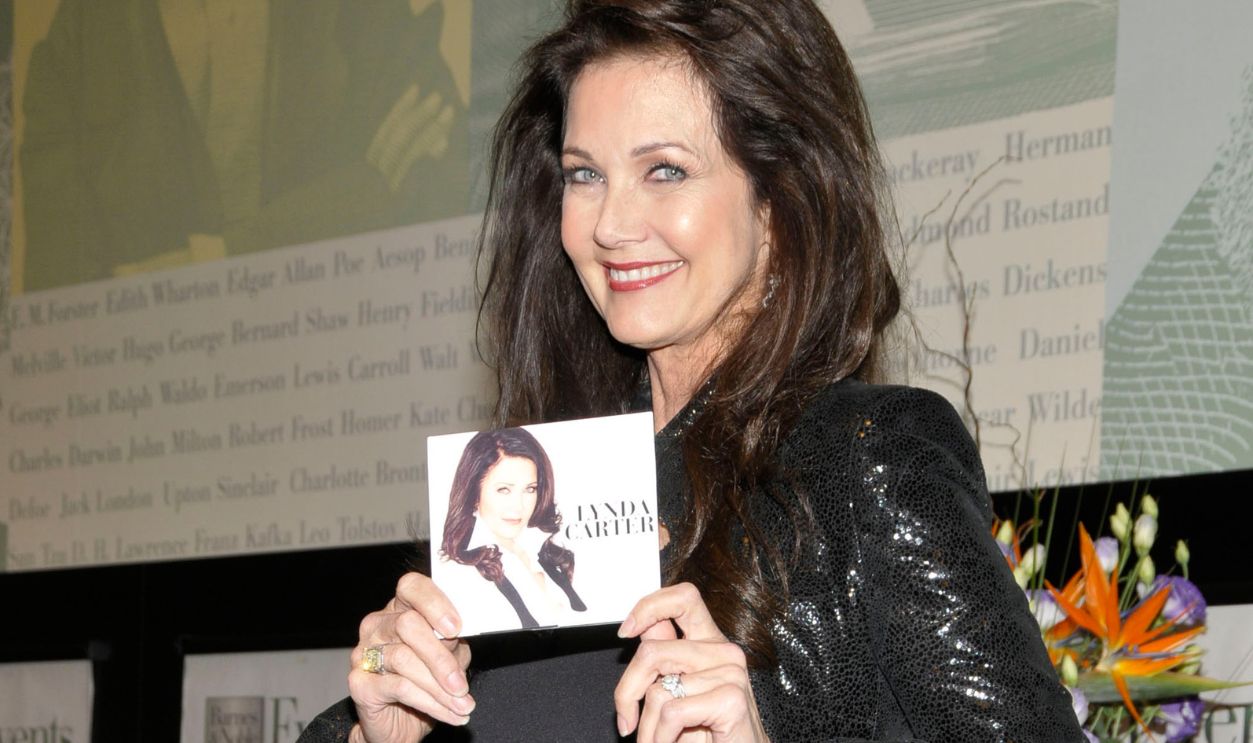 Eugene Gologursky, Getty Images
The DC Universe Welcomed Her Back
She appeared as Moira Sullivan on Smallville in 2007 and played US President Olivia Marsdin on Supergirl from 2016 to 2018. In 2020’s Wonder Woman 1984, she made a surprise appearance as the legendary Amazon warrior Asteria.
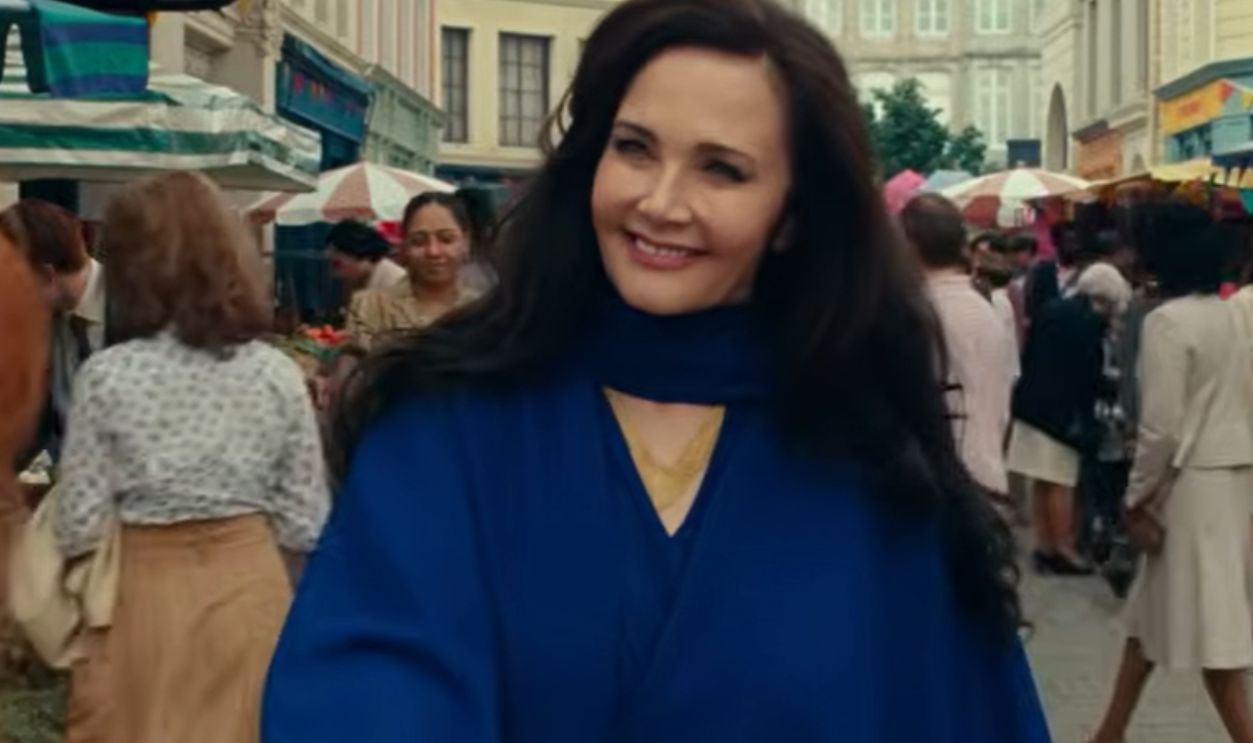 Screenshot from Wonder Woman 1984, Warner Bros. Pictures (2020)
The Icon Finally Spoke About the Cost
In 2018, amid the #MeToo movement, Carter revealed that inappropriate conduct had followed her through Hollywood. She said unwanted advances were widespread, while the possibility of losing work made challenging powerful men feel professionally dangerous.
 SportSuburban, Wikimedia Commons
One Powerful Man Remained Unnamed
Carter said she had been abused by a man accused of mistreating numerous other people, but she declined to identify him or describe what happened. After examining her legal options, she believed there was little she could add to the existing cases.

Women Had Their Own Warning System
Carter explained that women quietly protected one another by exchanging warnings about particular executives and casting directors. “Stay away from that guy” or “Watch out for this casting director” could be more useful than reporting behavior to people unlikely to believe them.
Reporting Could Destroy the Wrong Career
“Who are you going to tell, your agent?” Carter asked while discussing the culture surrounding harassment. “Who’s going to believe you?” In that environment, she feared that speaking publicly could damage her career while leaving the man responsible untouched.
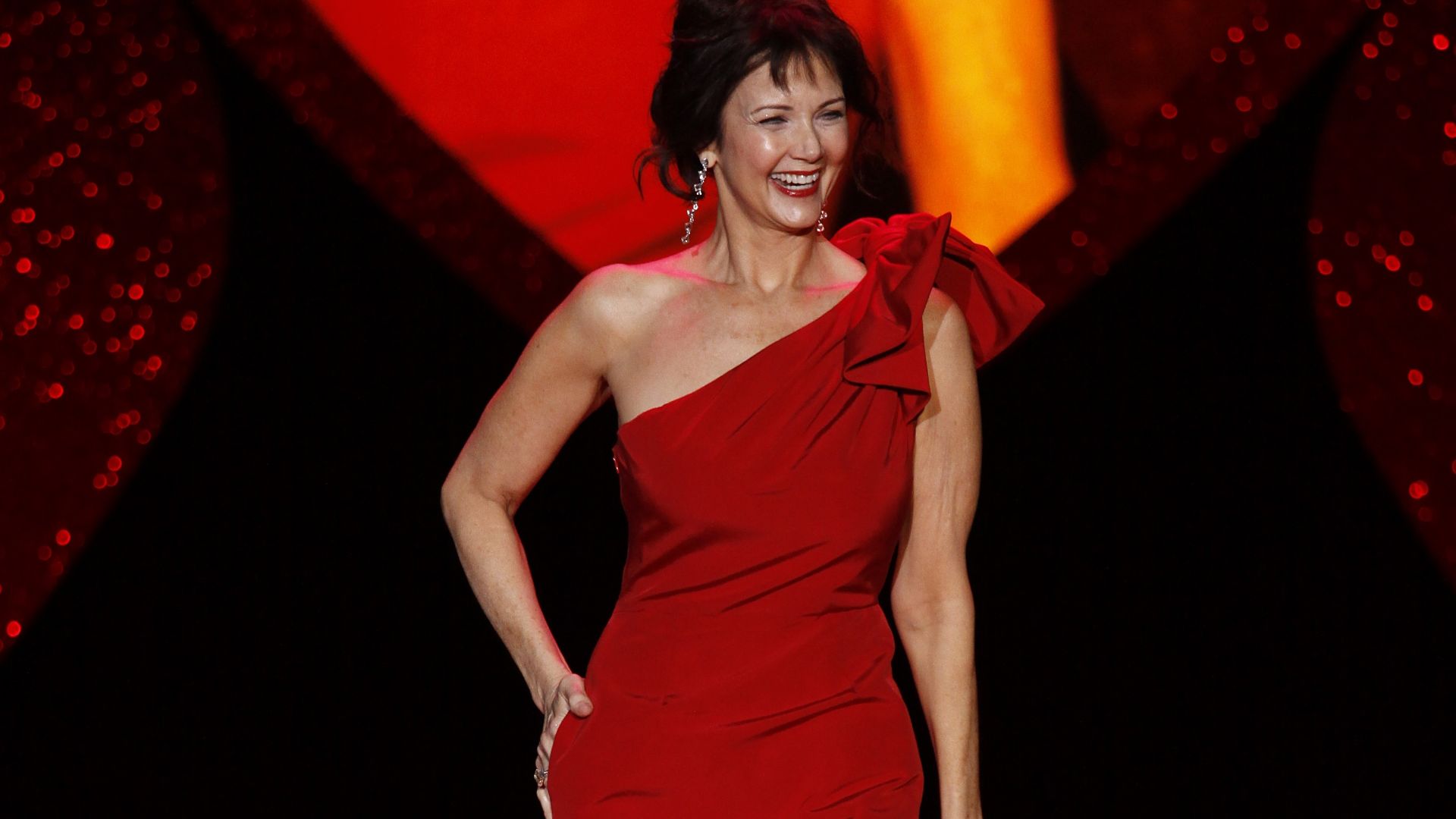 The Heart Truth, Wikimedia Commons
Someone Drilled Into Her Dressing Room
The most shocking violation reportedly occurred while Carter was making Wonder Woman on the Warner Bros. lot. She said a cameraman drilled a hole through her dressing-room wall to spy on her, but he was discovered, fired, and “drummed out of the business.”

You May Also Like:
Most actors spend a lifetime chasing one iconic role—Diana Rigg spent hers escaping it.
Susan Saint James became a defining face of 1970s television—but the most unexpected part of her story unfolded far from the cameras.