The Star Time Overlooked
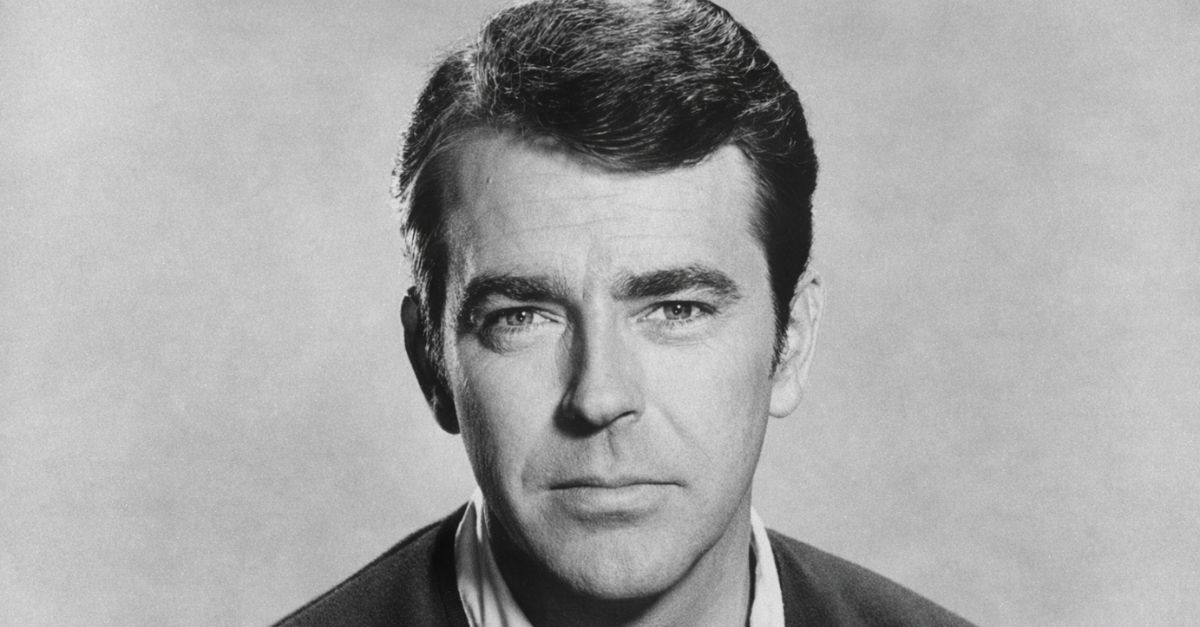
Ken Berry seemed destined for lasting stardom, headlining popular series and winning loyal audiences nationwide. But when television abruptly reinvented itself in the early 1970s, his career momentum stalled, even as he endured profound personal loss.
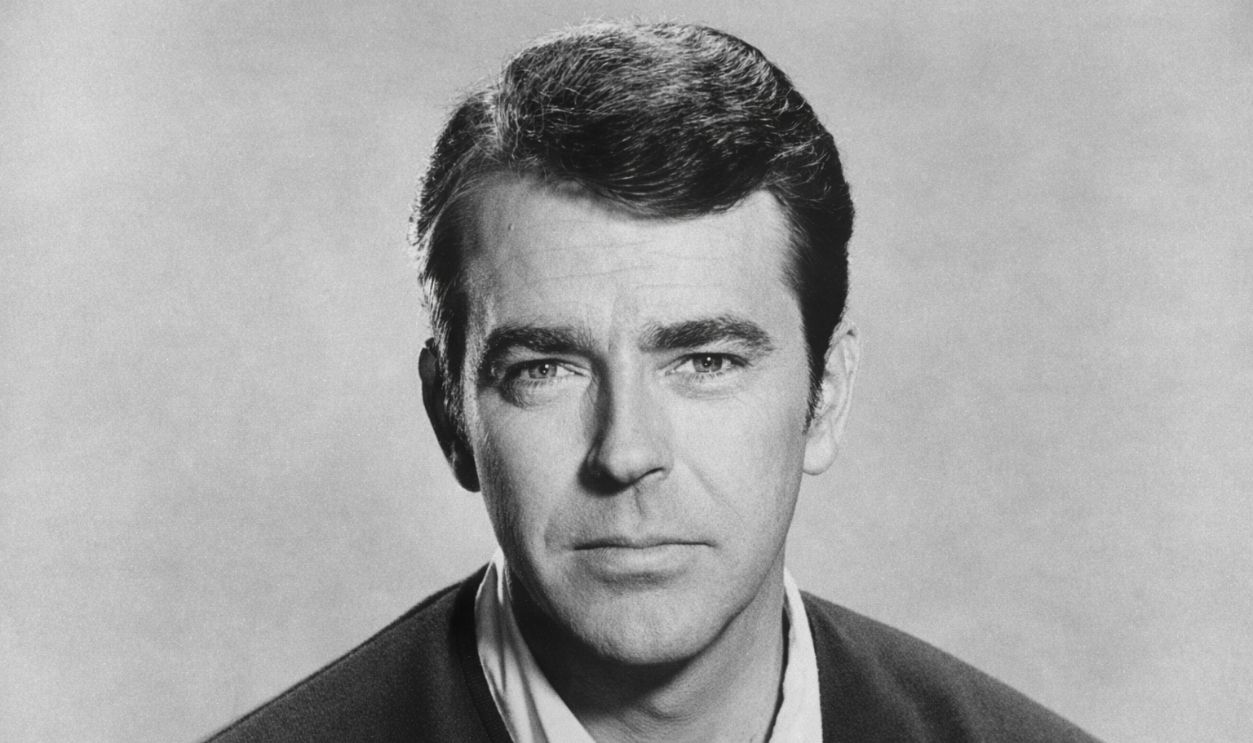 Bettmann, Getty Images, Modified
Where It All Began
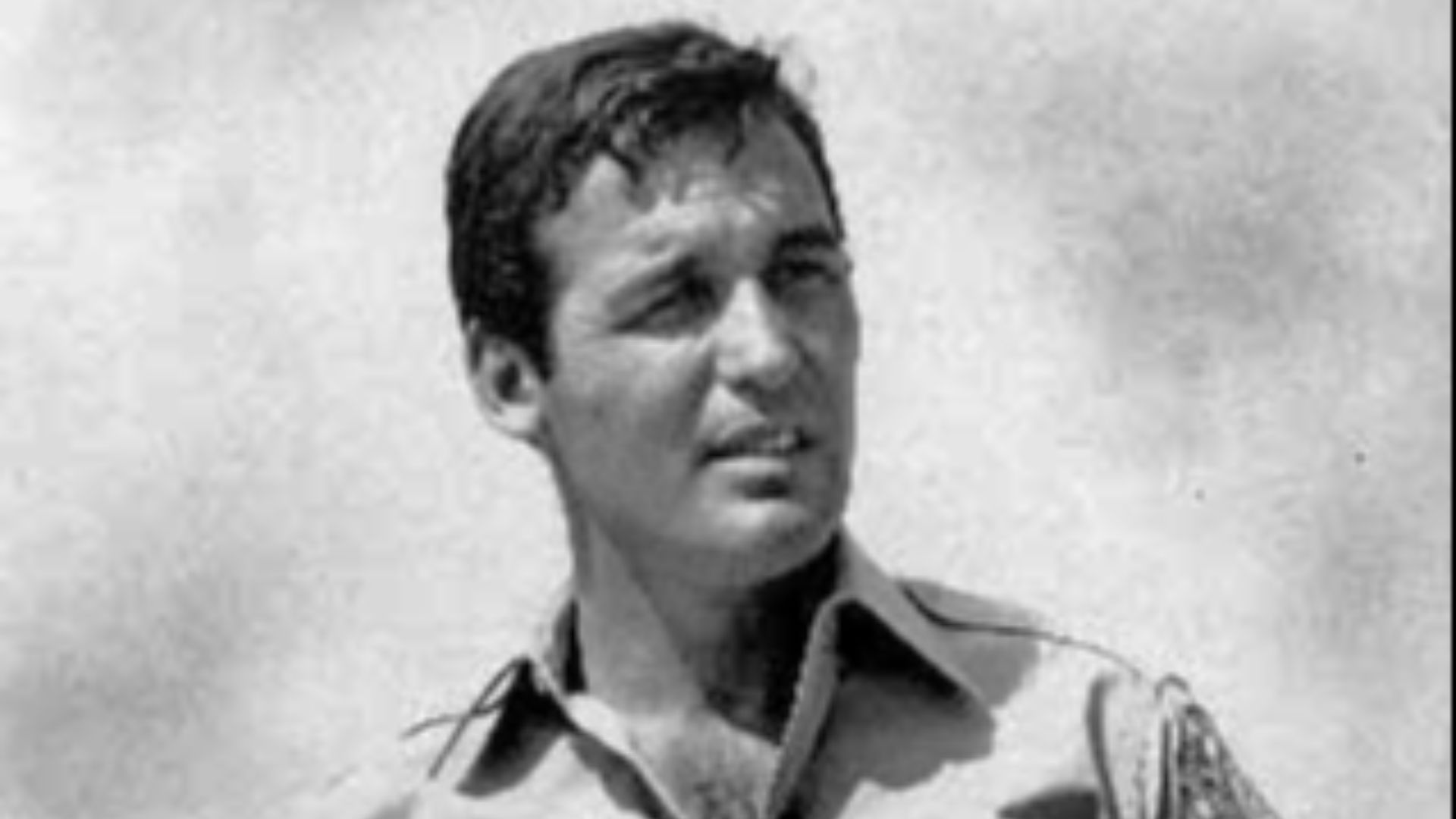
Kenneth Ronald Berry was born on November 3, 1933, in Moline, Illinois. It was a small industrial city on the banks of the Mississippi River. His father was an accountant, his mother a homemaker. It was a quiet, ordinary Midwestern childhood for a boy who grew up to be famous.

The Assembly That Changed Everything
When he was 12, Ken watched a dance performance at a school assembly and was completely transfixed. He walked out knowing exactly what he wanted to do with his life. His father recognized the fire and began booking him into local variety shows almost immediately.
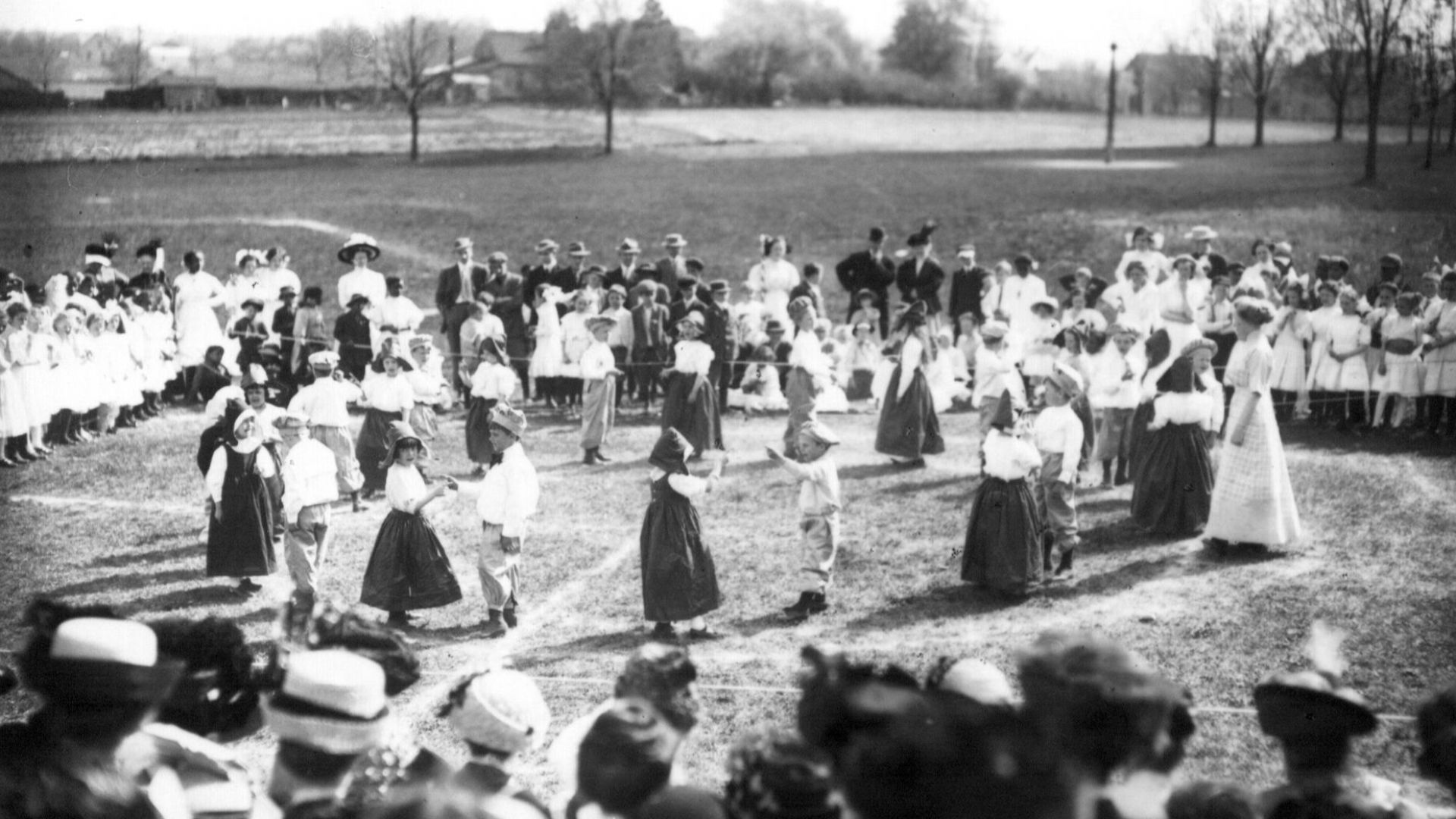 Snyder, Frank R. Flickr: Miami U. Libraries - Digital Collections, Wikimedia Commons
A Teenager On The National Stage
At the age of 15, he won a spot in the Horace Heidt Youth Opportunity Program (a traveling troupe that toured across America and performed internationally in Germany, Ireland, and England). It was his first real taste of professional performance, and he was barely old enough to drive.
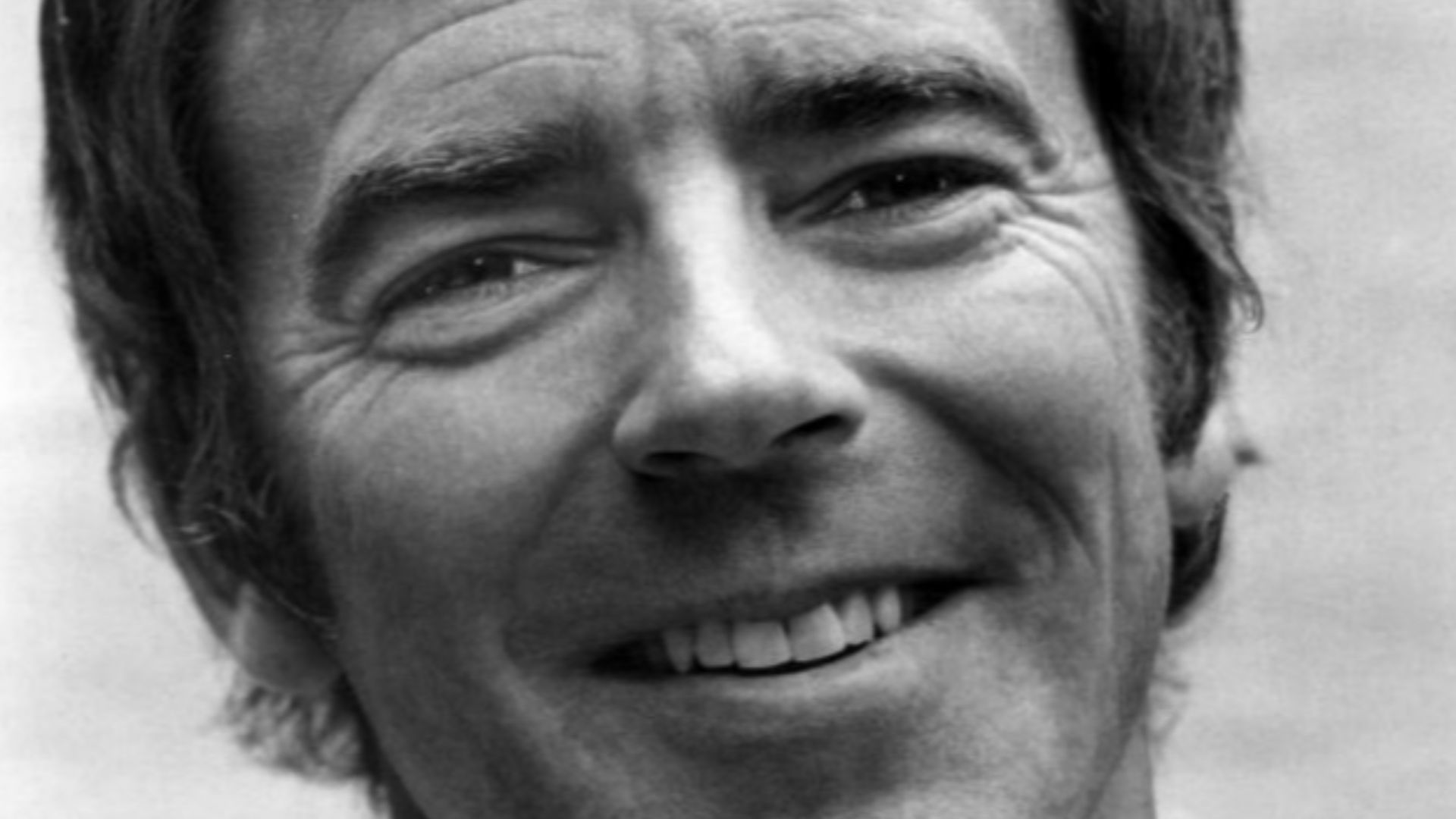 ABC Television, Wikimedia Commons
Joining The Army
Before Hollywood, Berry volunteered for the US Army. He earned a place on Arlene Francis's Talent Patrol, competed in the All-Army talent contest, and appeared on The Ed Sullivan Show. Even in uniform, the stage brought out his true self.
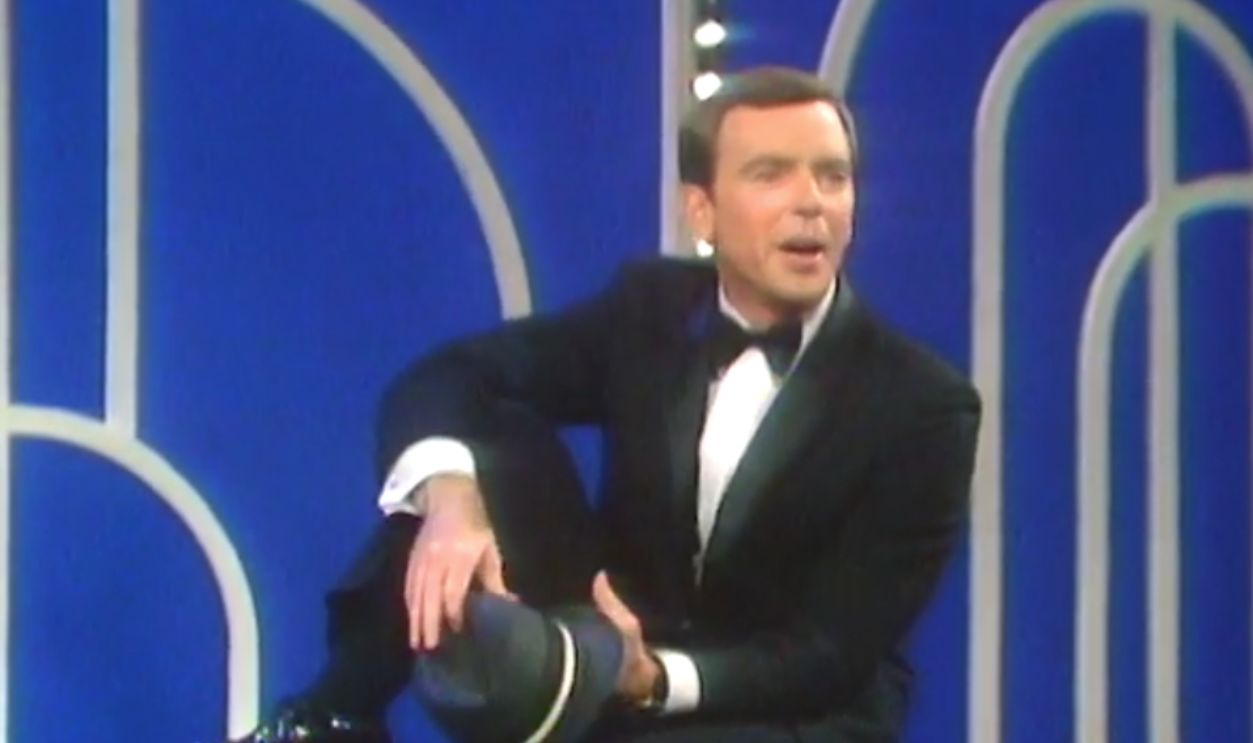 Screenshot from The Ed Sullivan Show, CBS (1948 - 1971)
The Sergeant Who Pointed Him West
While stationed at Fort McPherson in Georgia, his army sergeant was a young, unknown Leonard Nimoy, years before Star Trek made him a legend. When Berry's service ended in 1955, it was Nimoy who told him to move to California and pursue show business.
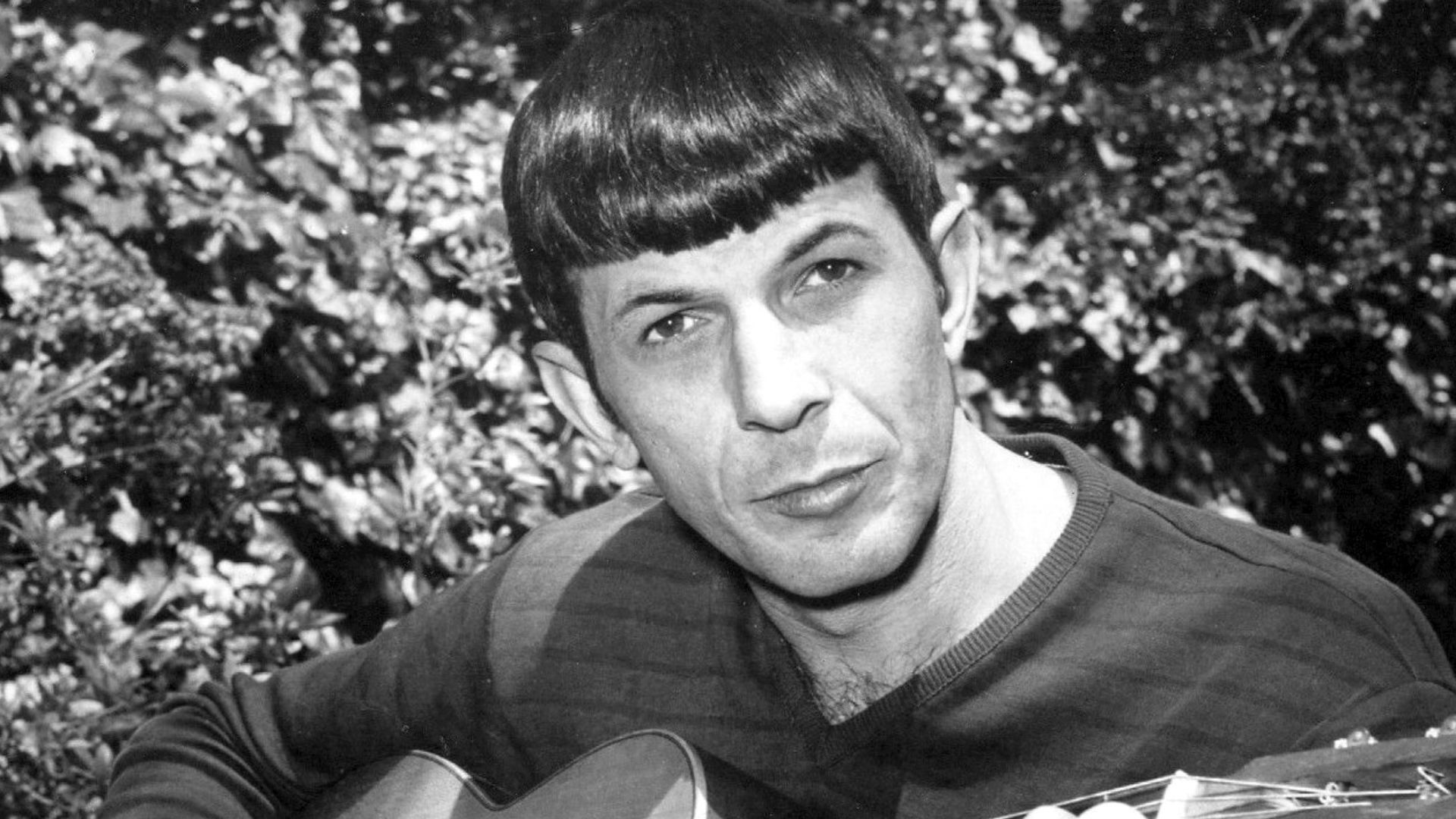 NBC Television, Wikimedia Commons
The Post-Army Hustle
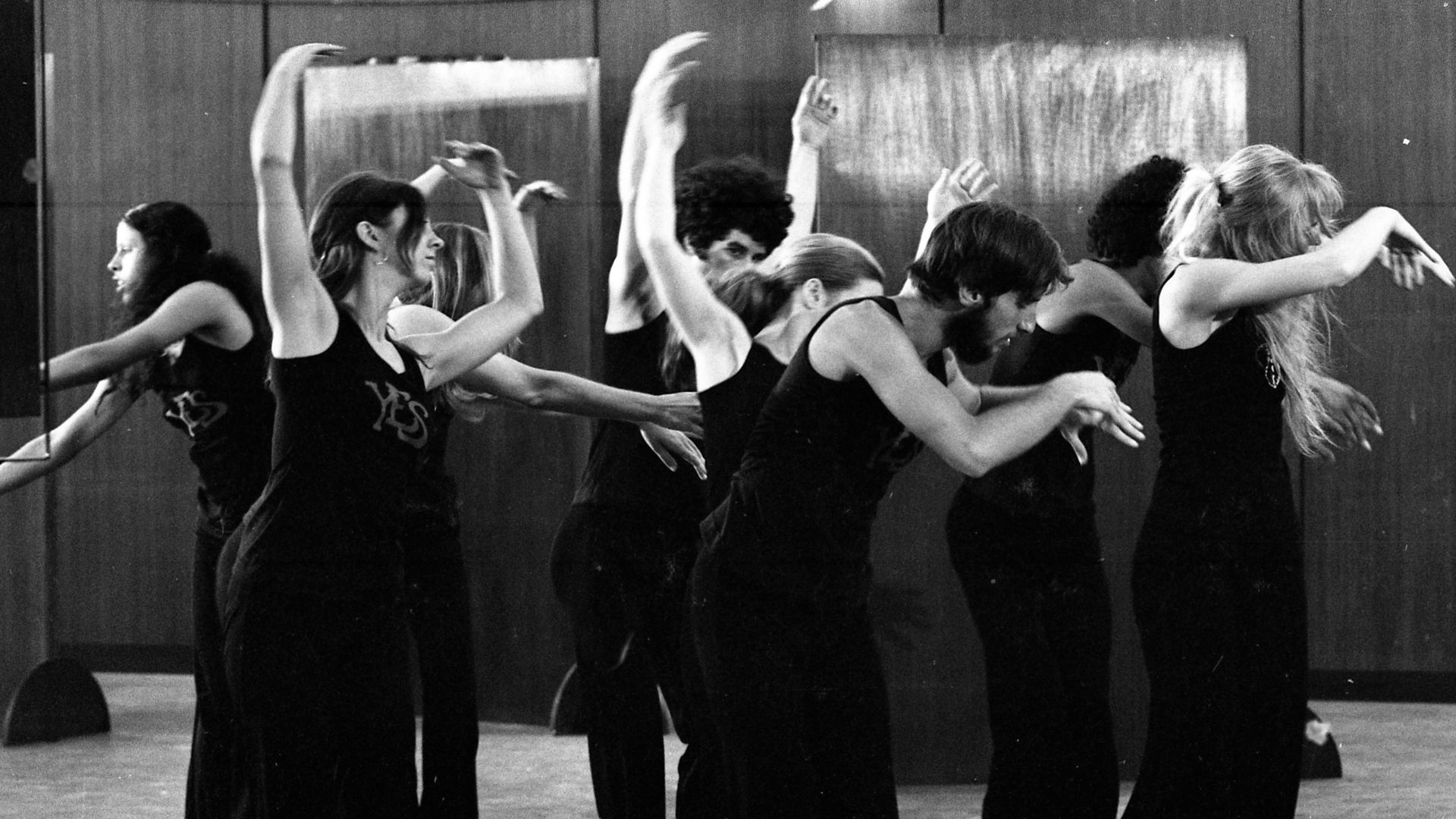
Berry arrived in California and used his GI Bill to enroll at Falcon Studios. He studied acting and vocals along with jazz dance. Universal Pictures even groomed him to replace Donald O'Connor in their Francis the Talking Mule film series. This went on until Mickey Rooney became available and took the part.
 IPPA photographer, Wikimedia Commons
The Billy Barnes Revue
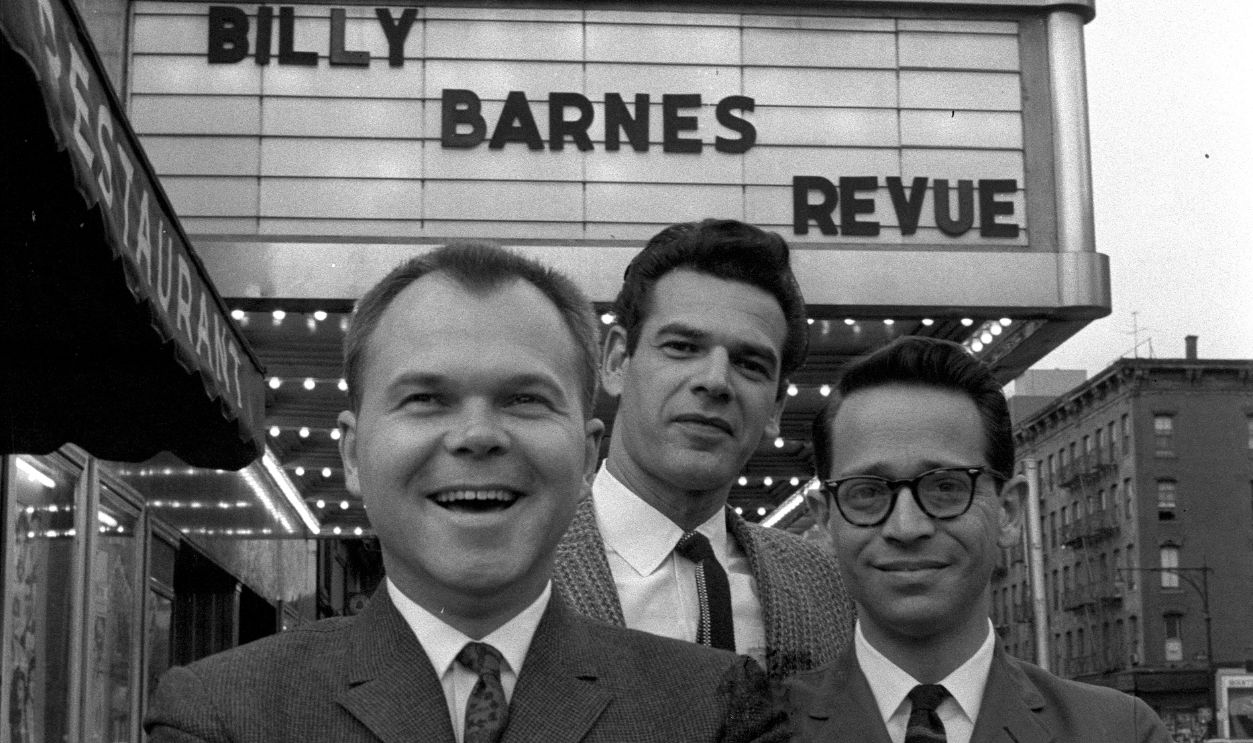
A referral landed him at the Cabaret Concert Theatre in Los Angeles, where composer Billy Barnes cast him in his celebrated ensemble revue. Berry earned just $11 a week. His co-performers included future familiar faces Bert Convy and Ann Morgan Guilbert.
Broadway Bound
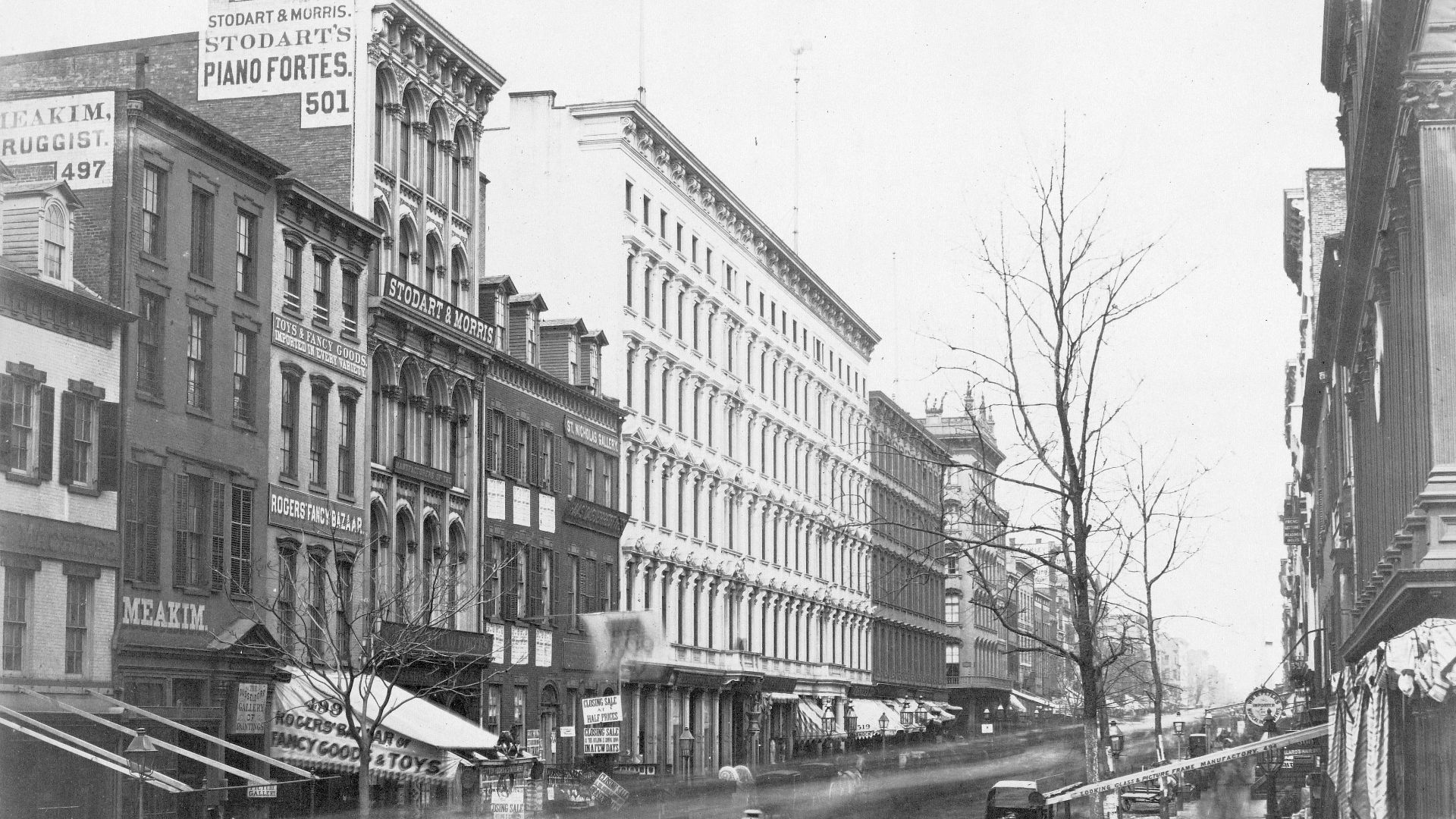
The Billy Barnes Revue earned strong enough reviews to transfer to Broadway in 1959. Then chaos struck when the cast missed a flight from Chicago after a promotional appearance on Playboy's Penthouse. The original cast was replaced. Berry's Broadway moment evaporated before it truly began.
 Silas A. Holmes, Wikimedia Commons
Lucille Ball Opens The Door
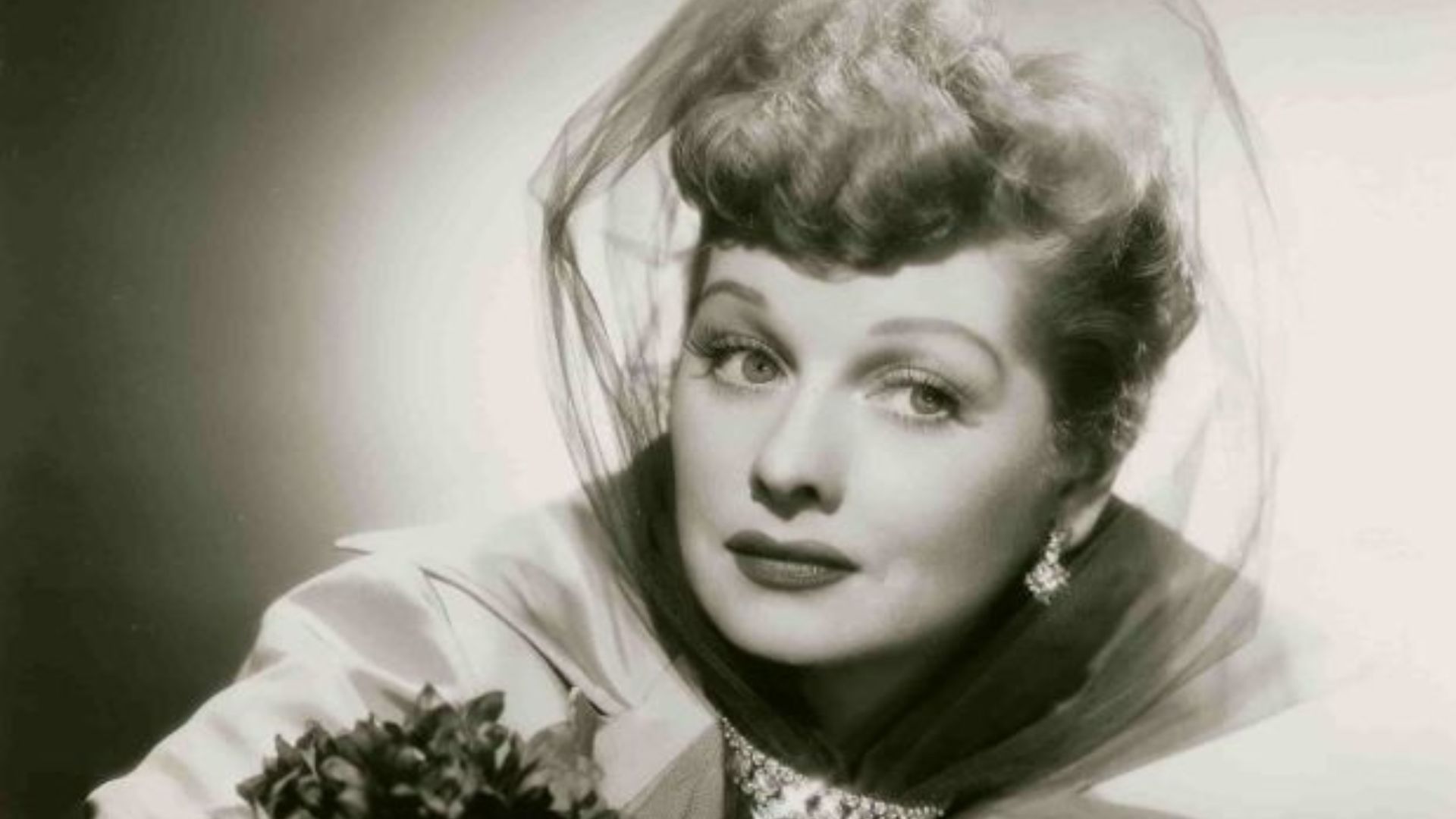
In the late 1950s, Lucille Ball attended The Billy Barnes Revue and was so impressed that she personally offered Berry a contract at Desilu Studios for $50 a week. He performed in both places simultaneously for six months. An endorsement from this woman in Hollywood was worth more than any paycheck.
 Whitey Schafer, Wikimedia Commons
Love At The Revue
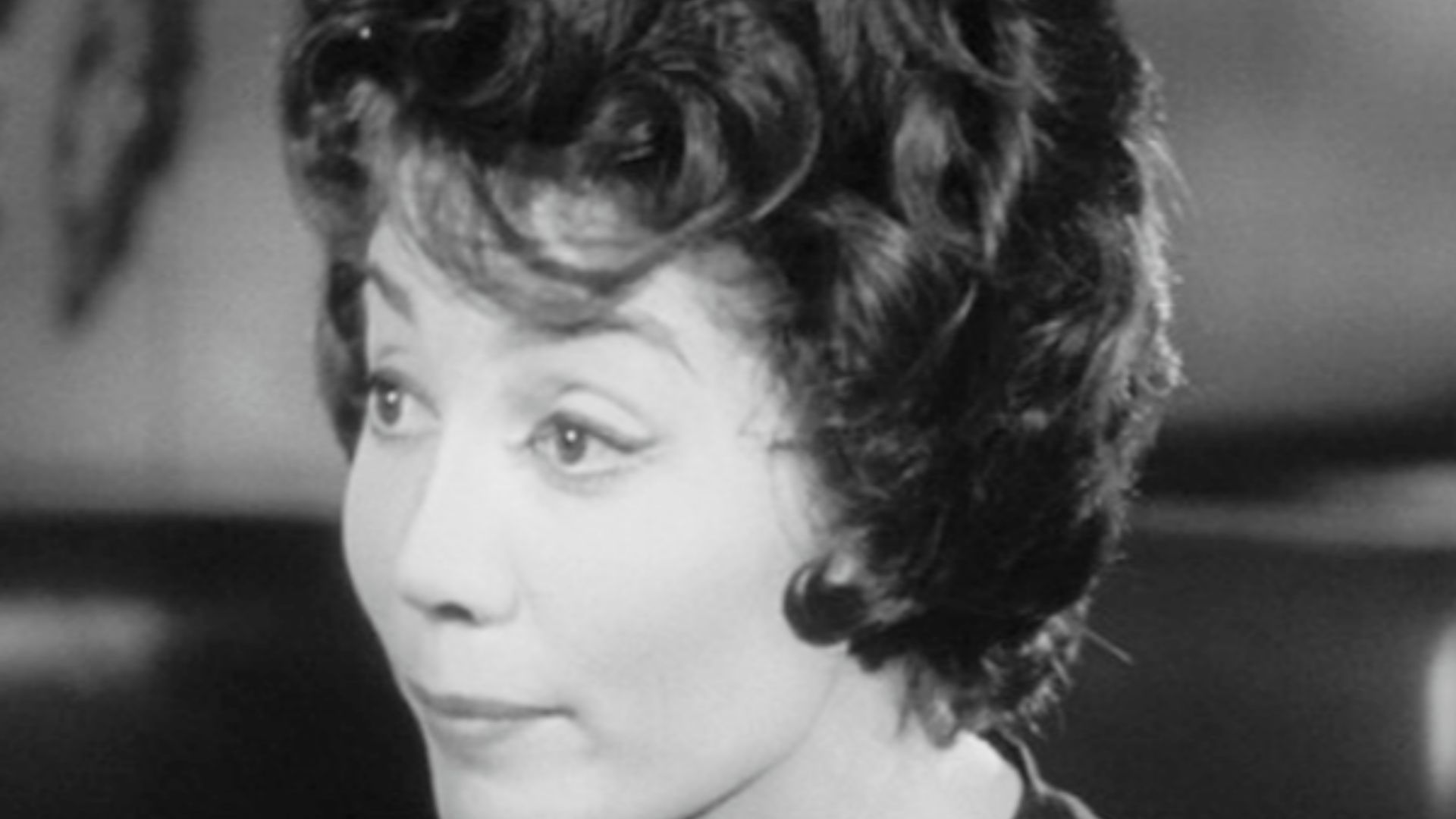
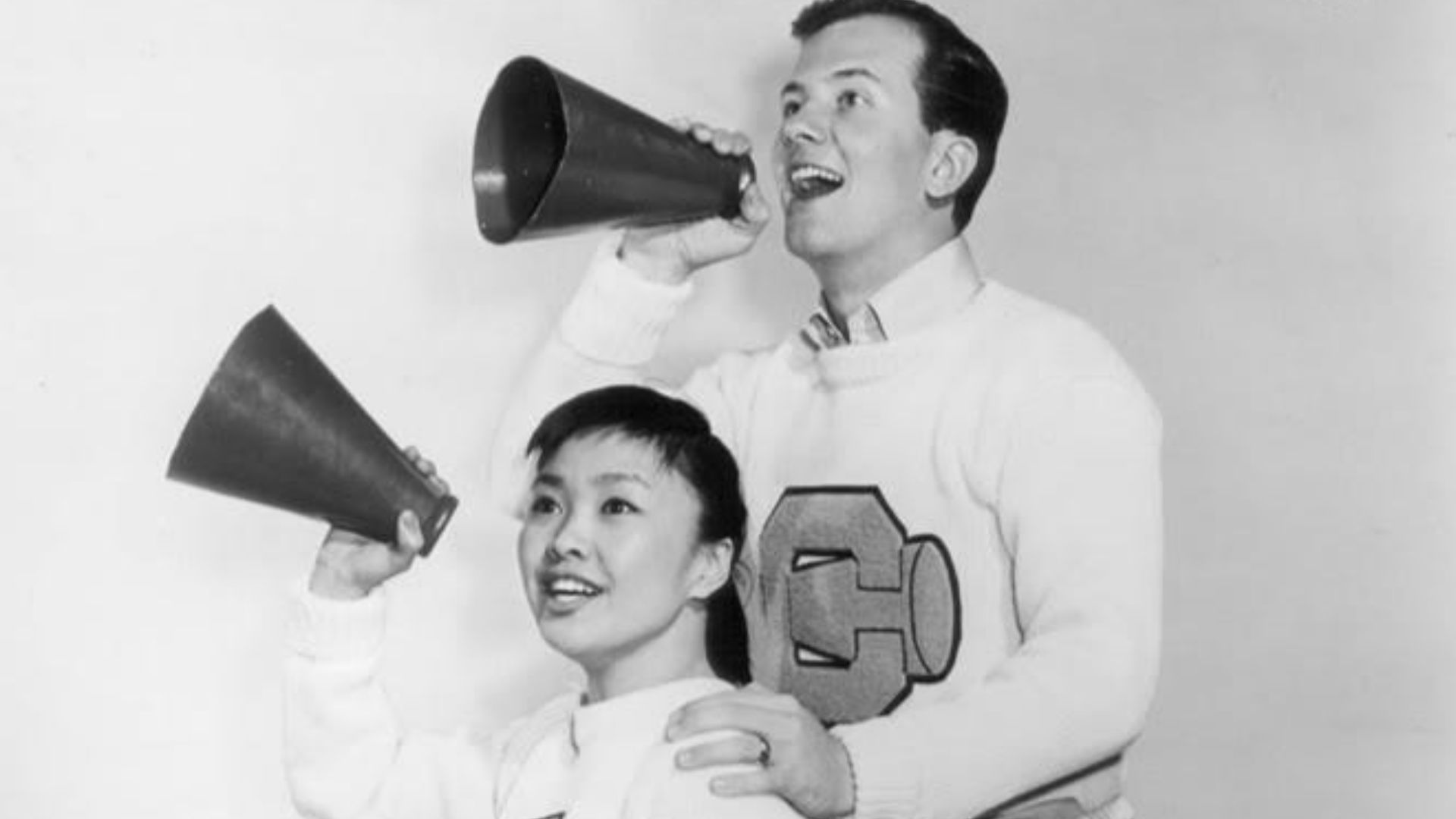
It was through The Billy Barnes Revue that Berry met actress and dancer Jackie Joseph. They married on May 29, 1960. Jackie was deeply connected to the entertainment world herself. By all accounts, the early years were happy as two performers building a life together in Hollywood.
 Roger Corman; cropped by Beyond My Ken (talk) 19:47, 8 July 2019 (UTC), Wikimedia Commons
Television Takes Notice
Berry's television debut came on ABC's The Chevy Showroom in 1957. Recurring roles followed with The Ann Sothern Show on CBS, and Dr. Kildare on NBC, where he provided comic relief alongside Richard Chamberlain. He was becoming a reliable, recognizable presence across American living rooms.
 ABC Television, Wikimedia Commons
A Son Born And Lost
On November 29, 1962, Ken and Jackie's son Joseph Larson Berry was born. Six days later, on December 5, he was gone. Berry almost never spoke about this loss publicly for the rest of his life. America knew him as the funny, light-footed entertainer. Nobody knew he was a grieving father.
Building A Family
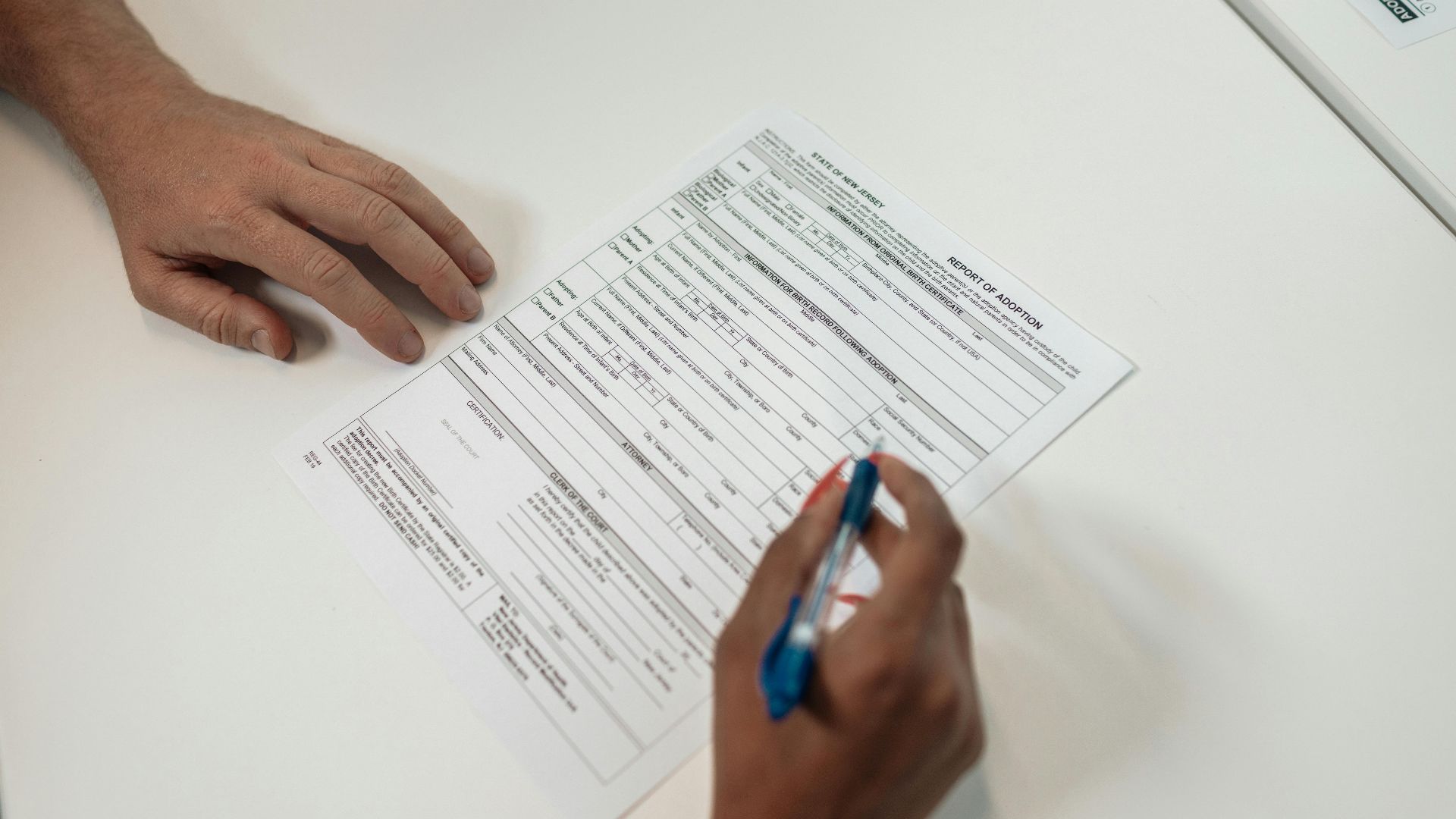
In the wake of their loss, Ken and Jackie chose adoption. Son John Kenneth arrived in May 1964, daughter Jennifer Kate in April 1965. The family of four settled into life just as Berry's career was about to take its biggest leap forward.
The Role That Made Him A Star
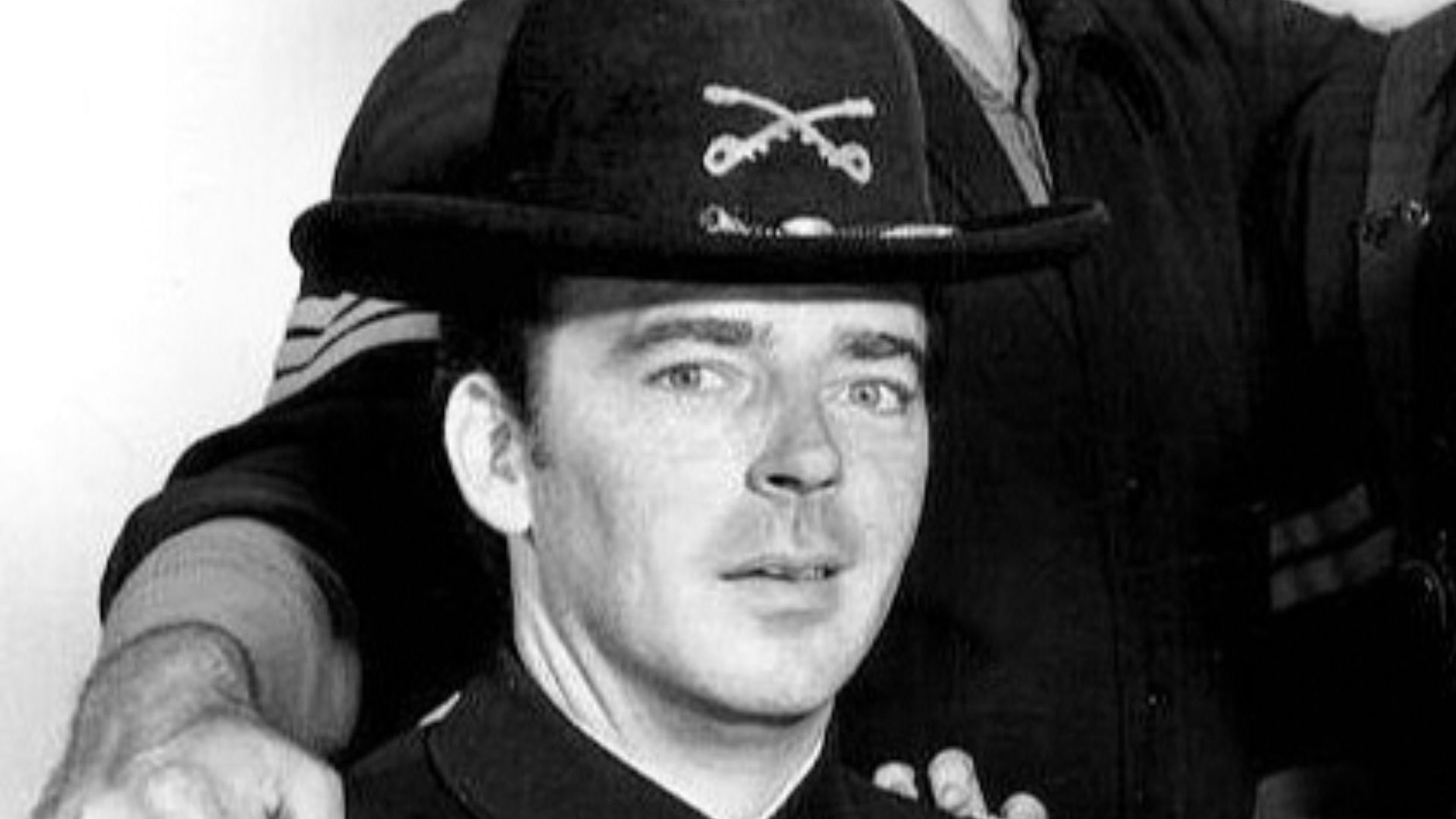
Berry landed the lead role on ABC's F Troop. It was a Western comedy set at the fictional Fort Courage, Kansas. His rubber-legged physical comedy and effortless slapstick made the show irresistible. It ran 65 episodes over two seasons and lived on in syndication for decades.
 ABC Photo-ABC Television, Wikimedia Commons
Stepping Into Andy's Shoes
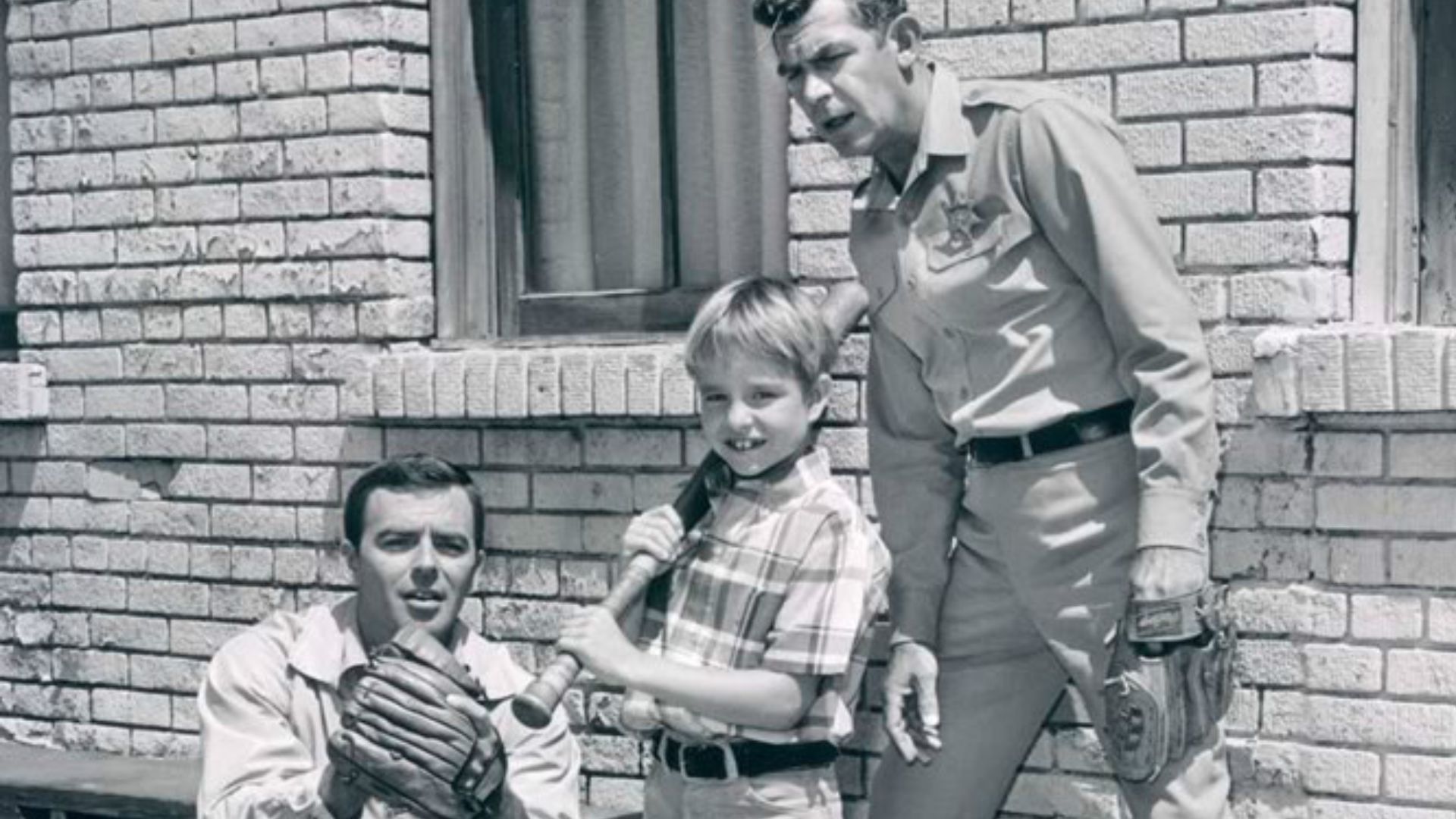
When Andy Griffith voluntarily walked away from the No. 1 show on television, CBS created a spinoff. Berry was cast as Sam Jones, a widowed farmer already introduced in Griffith's final season. Familiar faces like Aunt Bee, Goober, and Howard returned alongside him.
 CBS Television, Wikimedia Commons
Then The Axe Falls
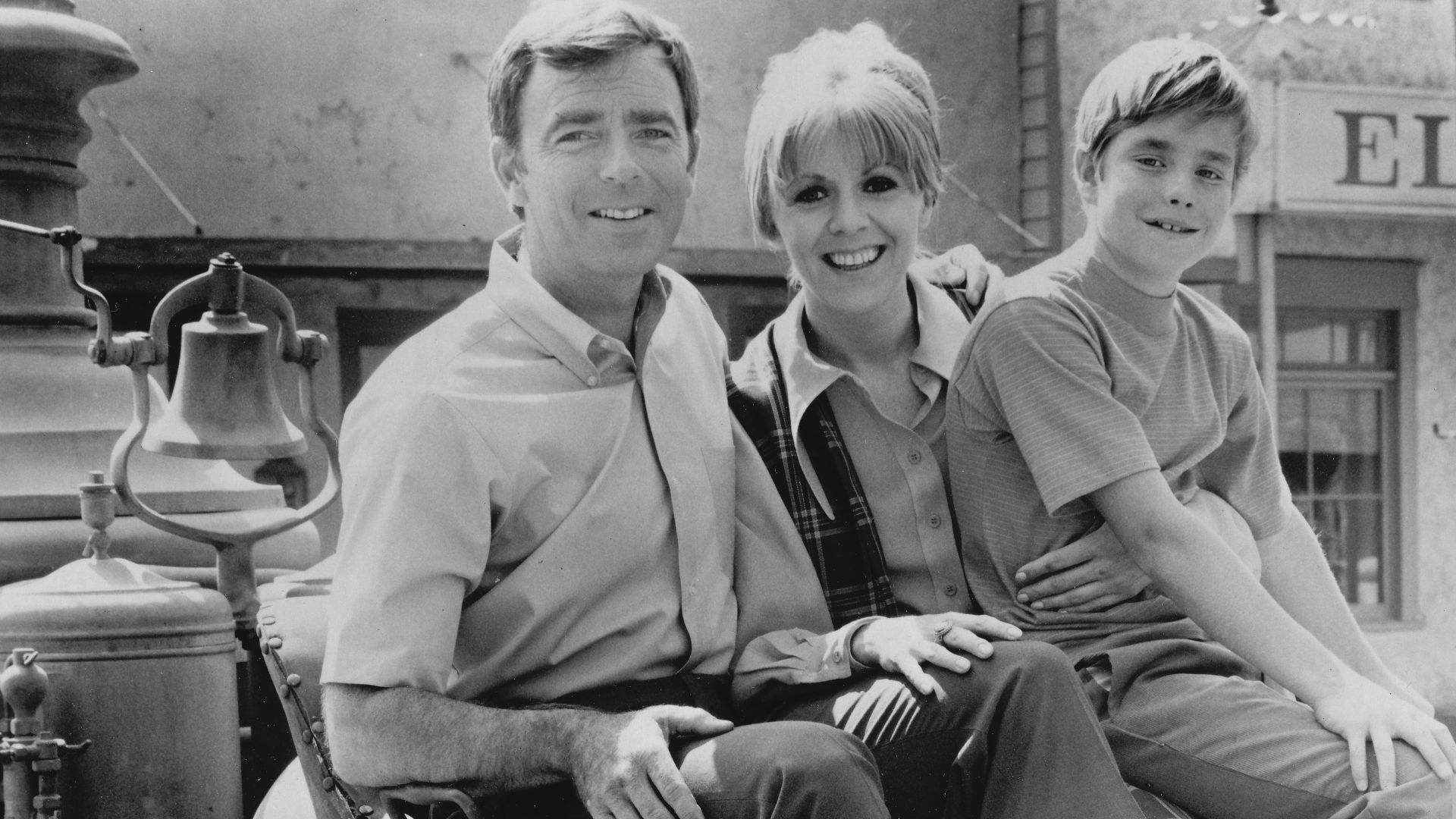
Despite finishing 15th in national ratings, Mayberry RFD was canceled in the spring of 1971. CBS made a sweeping decision to dump all rural-themed programming overnight—The Beverly Hillbillies, Green Acres, and Hee Haw all fell simultaneously. It became known as the "Rural Purge".
 CBS Television Network, Wikimedia Commons
Picking Up The Pieces
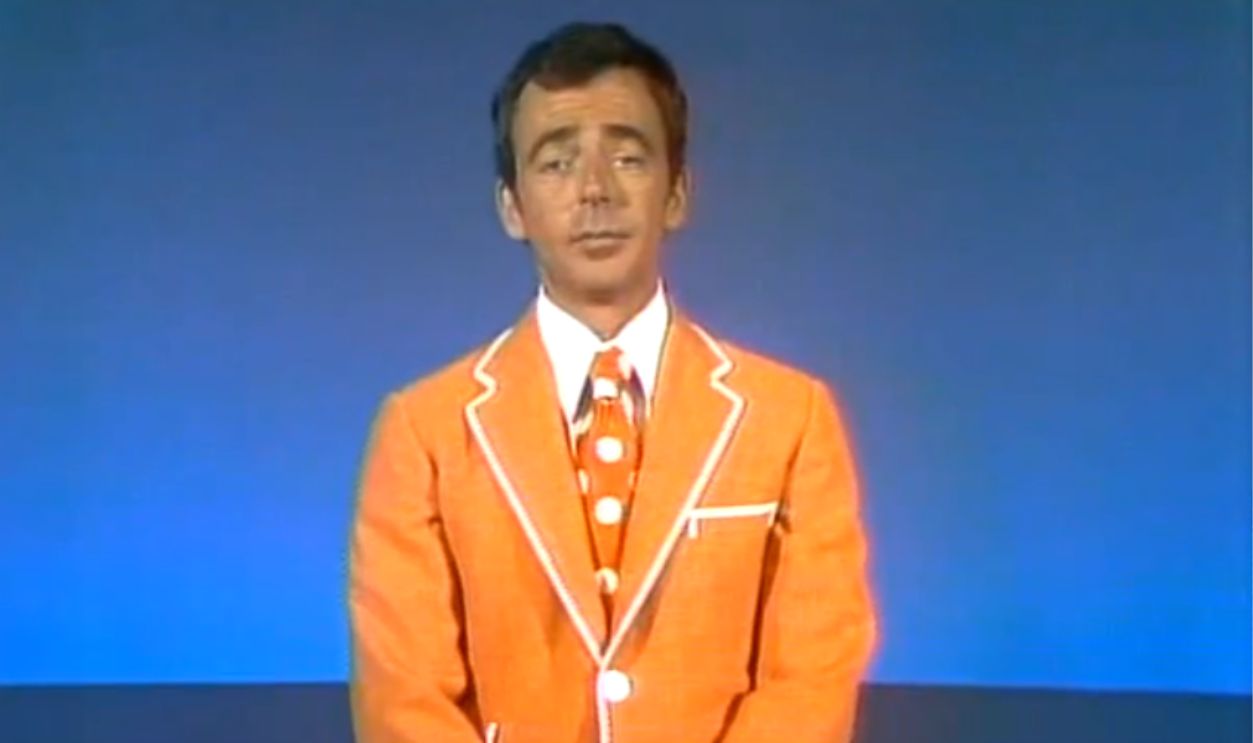
In 1972, he hosted The Ken Berry 'Wow' Show on ABC. This was a summer variety program that, remarkably, served as an early platform for Steve Martin, Cheryl Ladd, and Teri Garr before any of them were famous. It ran five episodes. The network didn't pick it up.
 Screenshot from The Ken Berry ‘Wow’ Show, ABC (1972)
Working But Fading (Mid-1970s)
Without a series to anchor him, Berry worked constantly as a guest star by appearing on The Bob Newhart Show, The Love Boat, Fantasy Island, Little House on the Prairie, and multiple Mitzi Gaynor specials. He was employed and in demand. But guest appearances don't make you a household name.
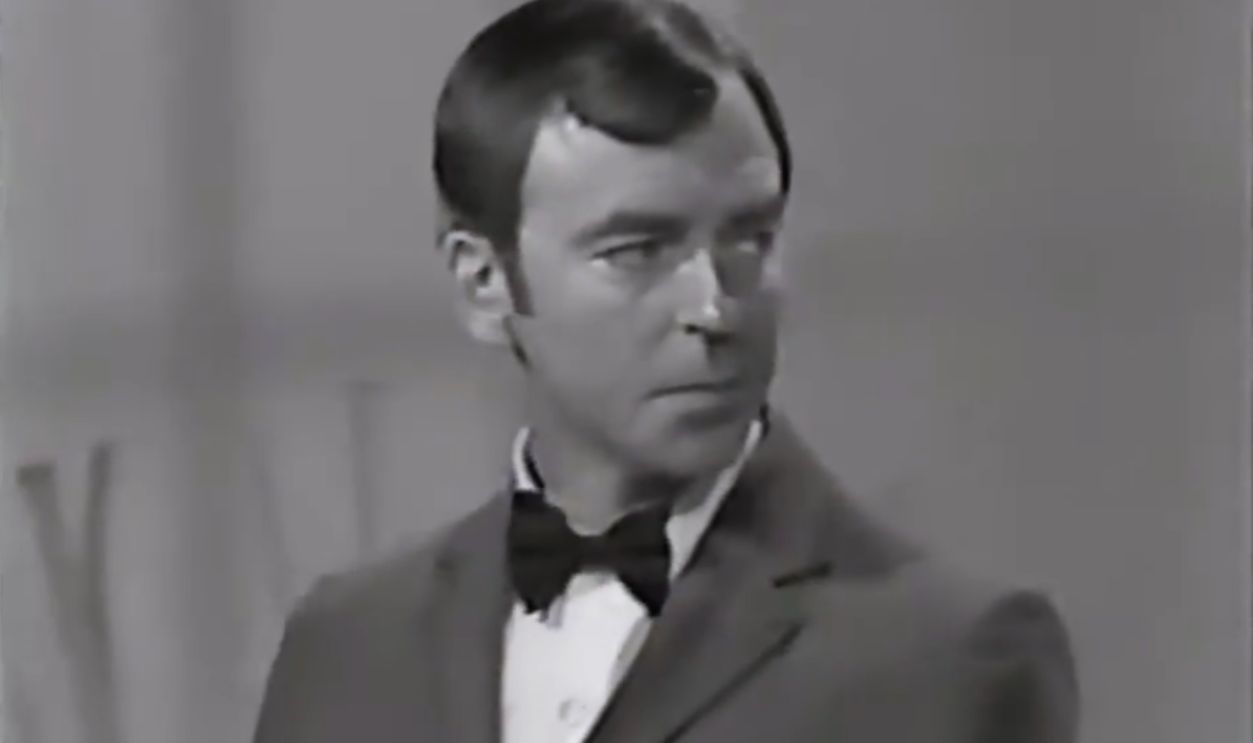 Screenshot from The Mitzi Gaynor Specials, CBS (1967–1978)
The Marriage Ends
After 16 years together, Ken and Jackie divorced in 1976. There was no public drama, just a painful ending. Notably, they remained on good terms for the rest of their lives. It was Jackie Joseph herself who would notify The Hollywood Reporter of Berry's death over four decades later.

Berry Goes To Disney
During the lean years, Berry made two notable film appearances for Disney. He starred in Herbie Rides Again in 1974, along with The Cat from Outer Space in 1978. Both were well-received family films, but neither reignited his career.
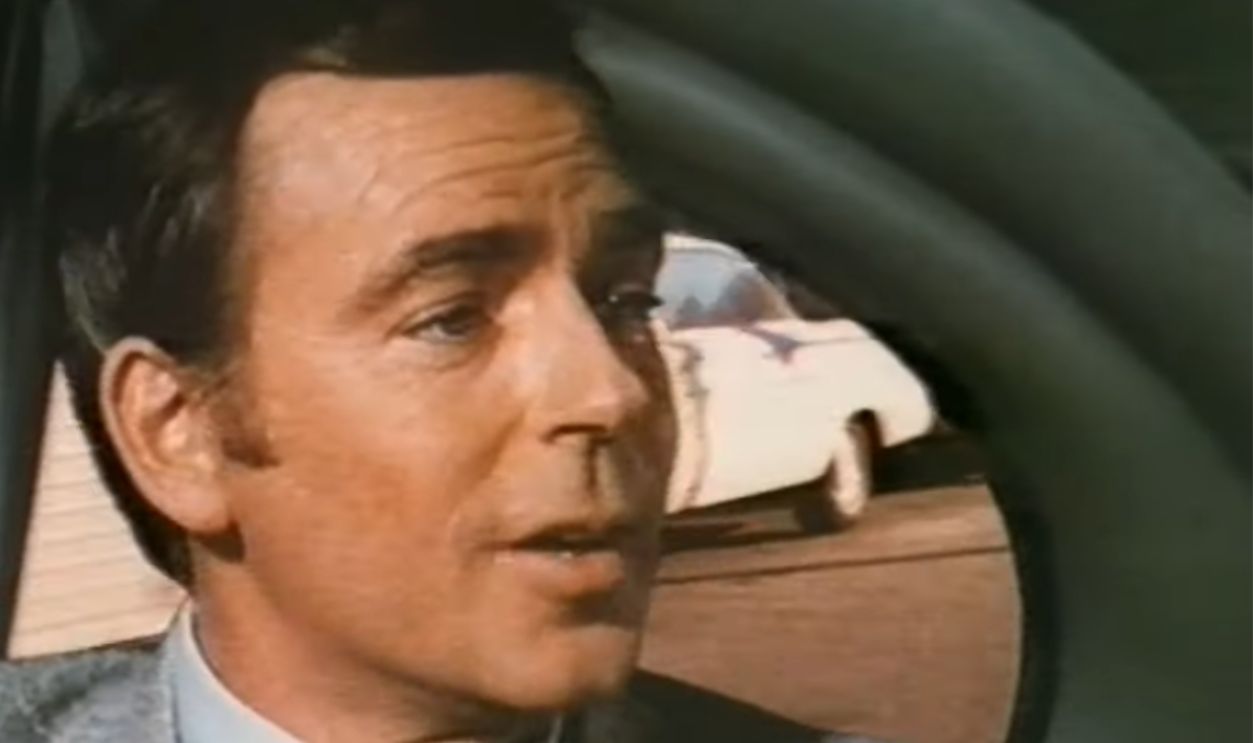 Screenshot from Herbie Rides Again, Walt Disney Productions (1974)
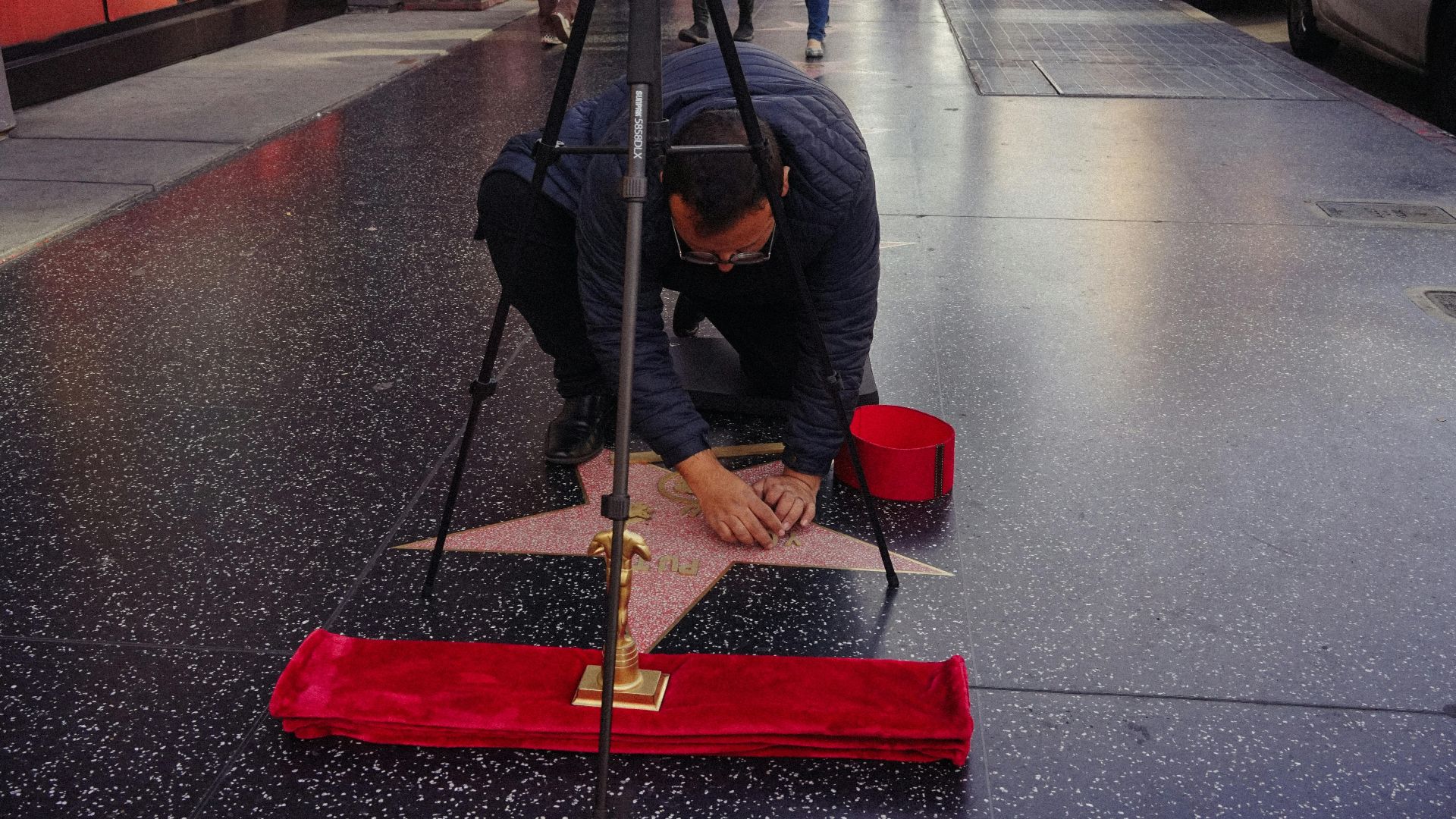
Hollywood Walk Of Fame (1980)
In 1980, despite his contributions to television, Ken Berry did not receive the widespread recognition he deserved, such as a star on the Hollywood Walk of Fame. But by the time the star was cemented into the pavement on Hollywood Boulevard, the mainstream industry had largely moved on without him.
A Way Back In
In 1982, Berry delivered a remarkable, dramatic performance in the TV movie Eunice. It was based on The Carol Burnett Show's beloved "The Family" sketch. Playing Phillip, Eunice's brother, he earned a Primetime Emmy Award nomination. It was proof to anyone still paying attention.
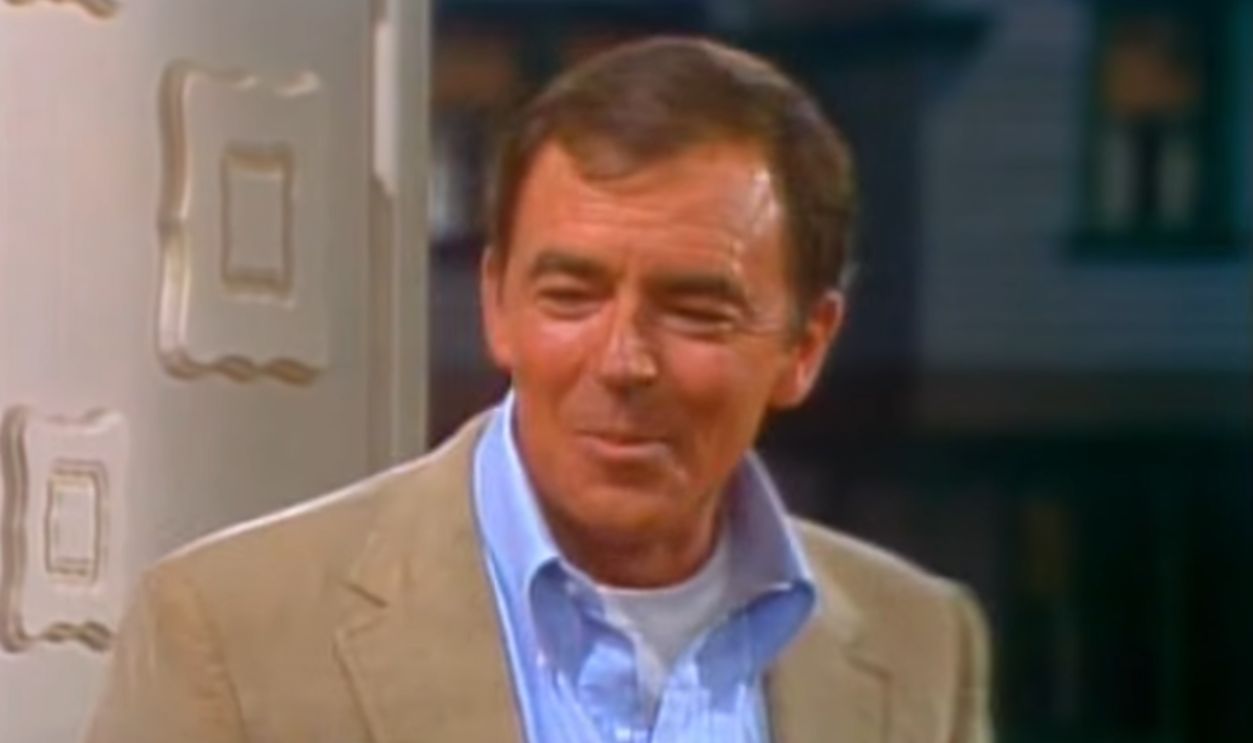 Screenshot from Eunice, CBS (1982)
The Second Act
Berry was cast as Vinton Harper in Mama's Family, starring Vicki Lawrence. The show debuted on NBC in 1983, was canceled after two seasons, and was revived in syndication in 1986. It ran for four more seasons and 130 total episodes. It became a cult classic.
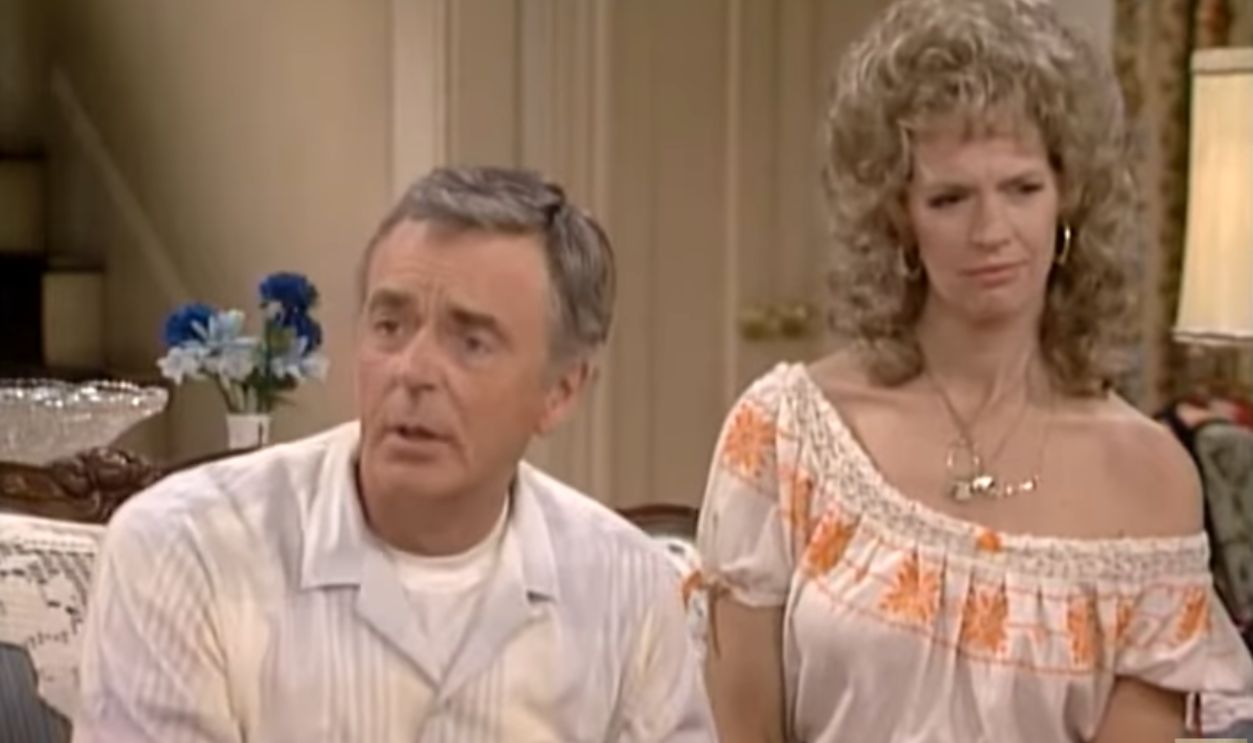 Screenshot from Mama’s Family, NBC (1983–1990)
Fading Out
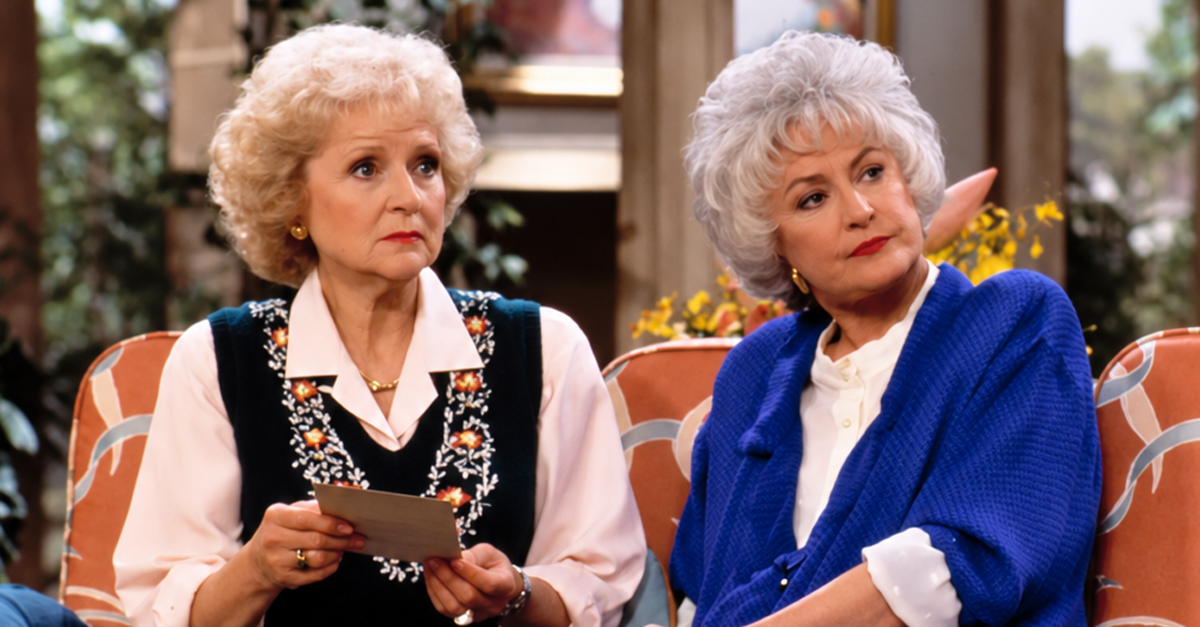
After Mama's Family, Berry stepped back from television. He performed in the 1993 stage production From the Top alongside Carol Burnett in Long Beach, California. Guest spots on The Golden Girls followed. His final on-screen role came in the CBS sitcom Maggie Winters in 1998.
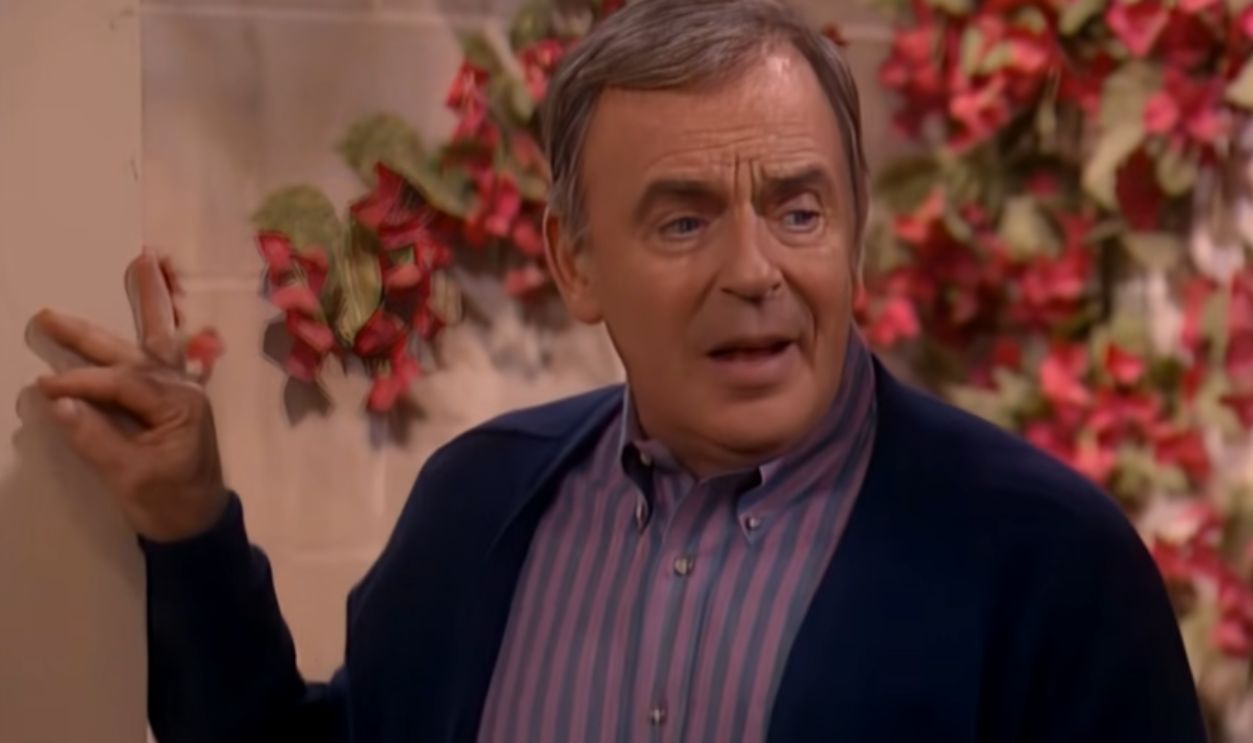 Screenshot from The Golden Girls, NBC (1985–1992)
His Final Years
After decades of loss, Berry found quiet stability with Susie Walsh, a stage manager who became his longtime companion for approximately the last 24 years of his life. He lived modestly, far from Hollywood. He owned and cherished a 1966 Mini Moke, and by all accounts, he was genuinely content.
 kitmasterbloke, Wikimedia Commons