
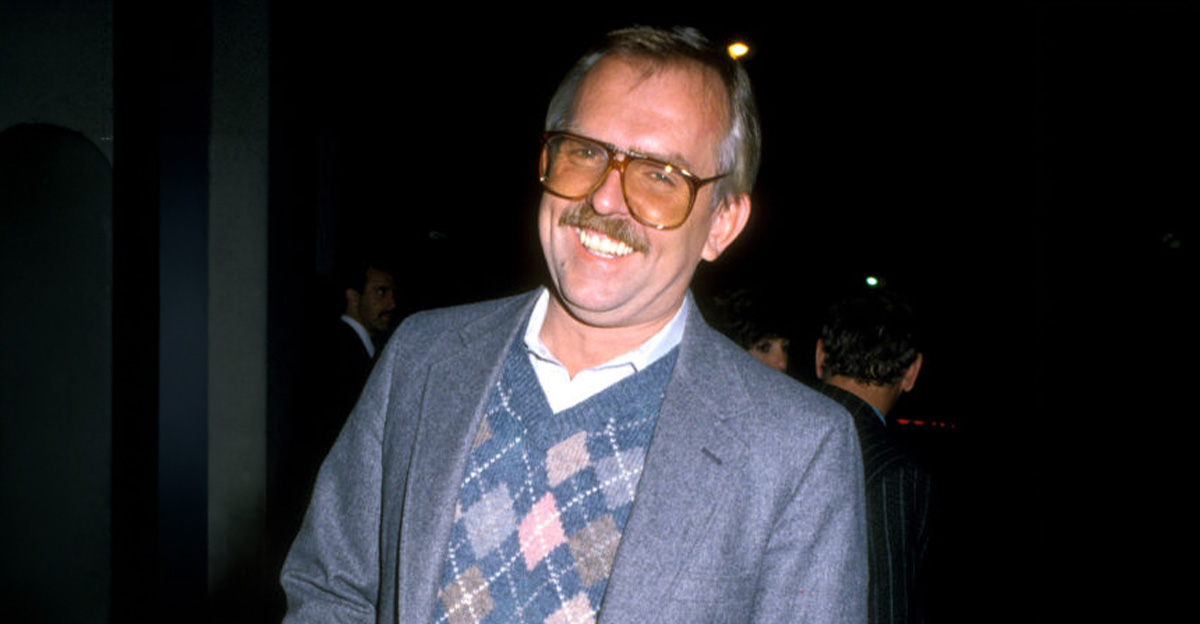
From Barstool Regular To Pixar Legend
For one generation, John Ratzenberger will forever be Cliff Clavin, the mustachioed mailman who could turn absolutely any conversation into a lecture nobody requested. For another generation, his face might draw a blank—but his voice is everywhere. Few actors have managed to become this familiar twice, in completely different ways.
Before Everybody Knew His Name
Ratzenberger was born in Bridgeport, Connecticut, in 1947, long before Boston barrooms or animated piggy banks entered the picture. His working-class background would eventually become surprisingly useful to his acting career. Ratzenberger always seemed believable as the guy who actually knew how to fix something—even when Cliff clearly did not.
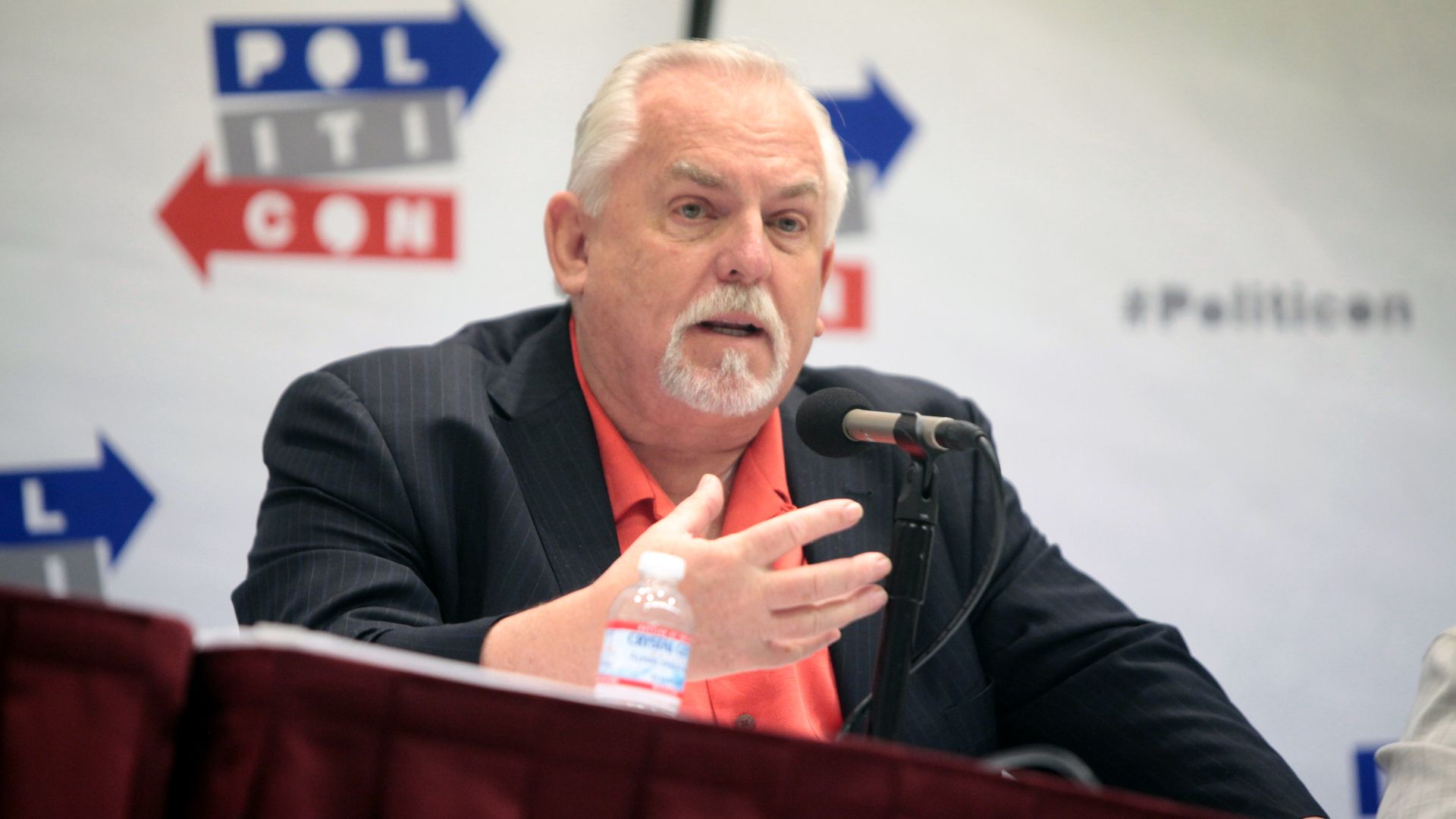 Gage Skidmore from Surprise, AZ, United States of America, Wikimedia Commons
He Took A Very Long Detour To London
In the early 1970s, Ratzenberger moved to London, originally expecting the trip to be fairly short. Instead, he stayed in Britain for roughly a decade. He worked various jobs while getting into performing, eventually finding himself in a thriving European film industry that desperately needed convincing American faces.
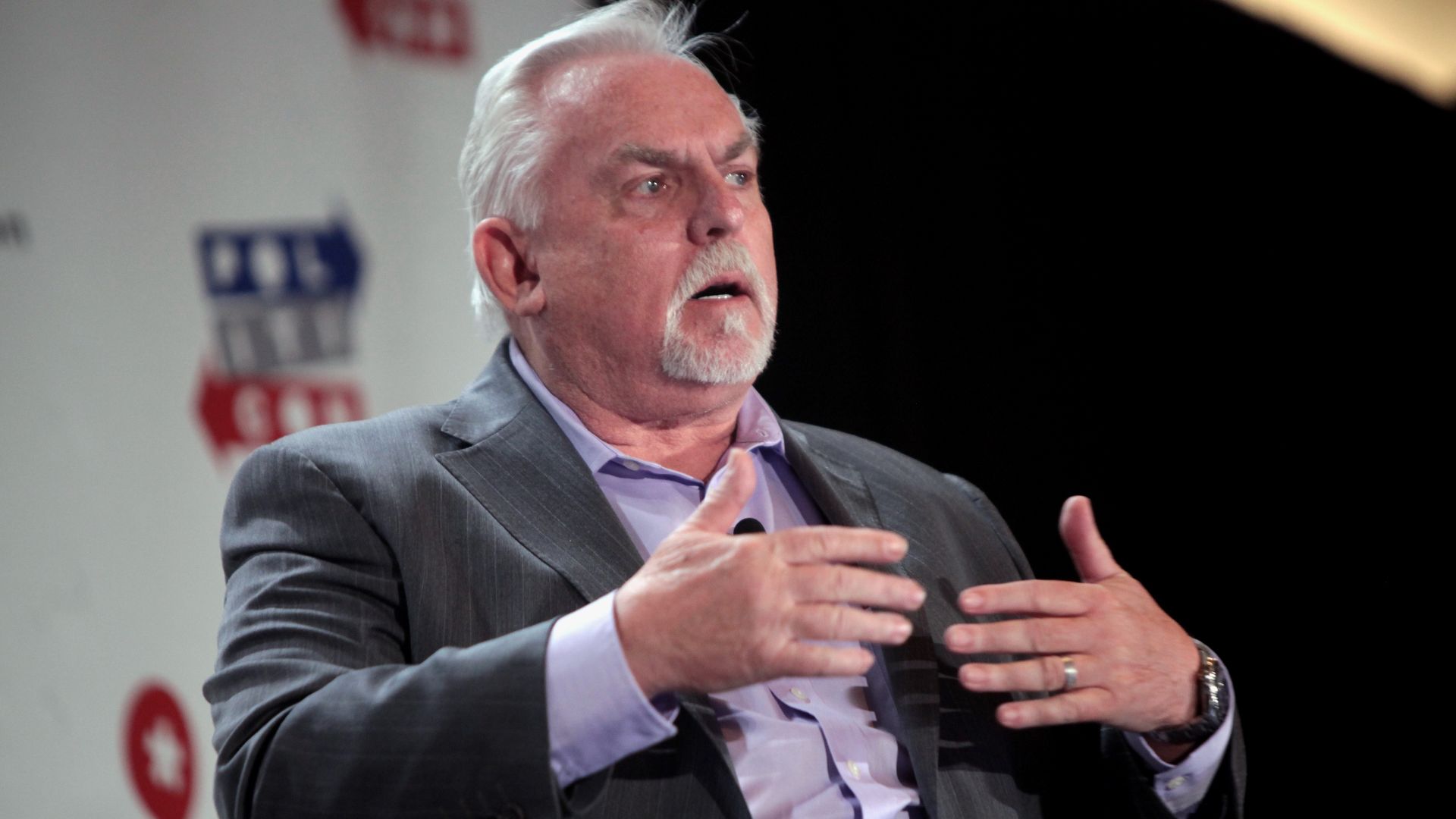 Gage Skidmore from Surprise, AZ, United States of America, Wikimedia Commons
Comedy Came Before Cliff
Ratzenberger formed an improvisational comedy act called Sal’s Meat Market with Ray Hassett. The pair performed extensively around Europe, giving Ratzenberger exactly the kind of quick-thinking experience that would later make Cliff Clavin possible. When someone can improvise confidently, even nonsense starts sounding suspiciously believable. That became Cliff’s entire superpower.
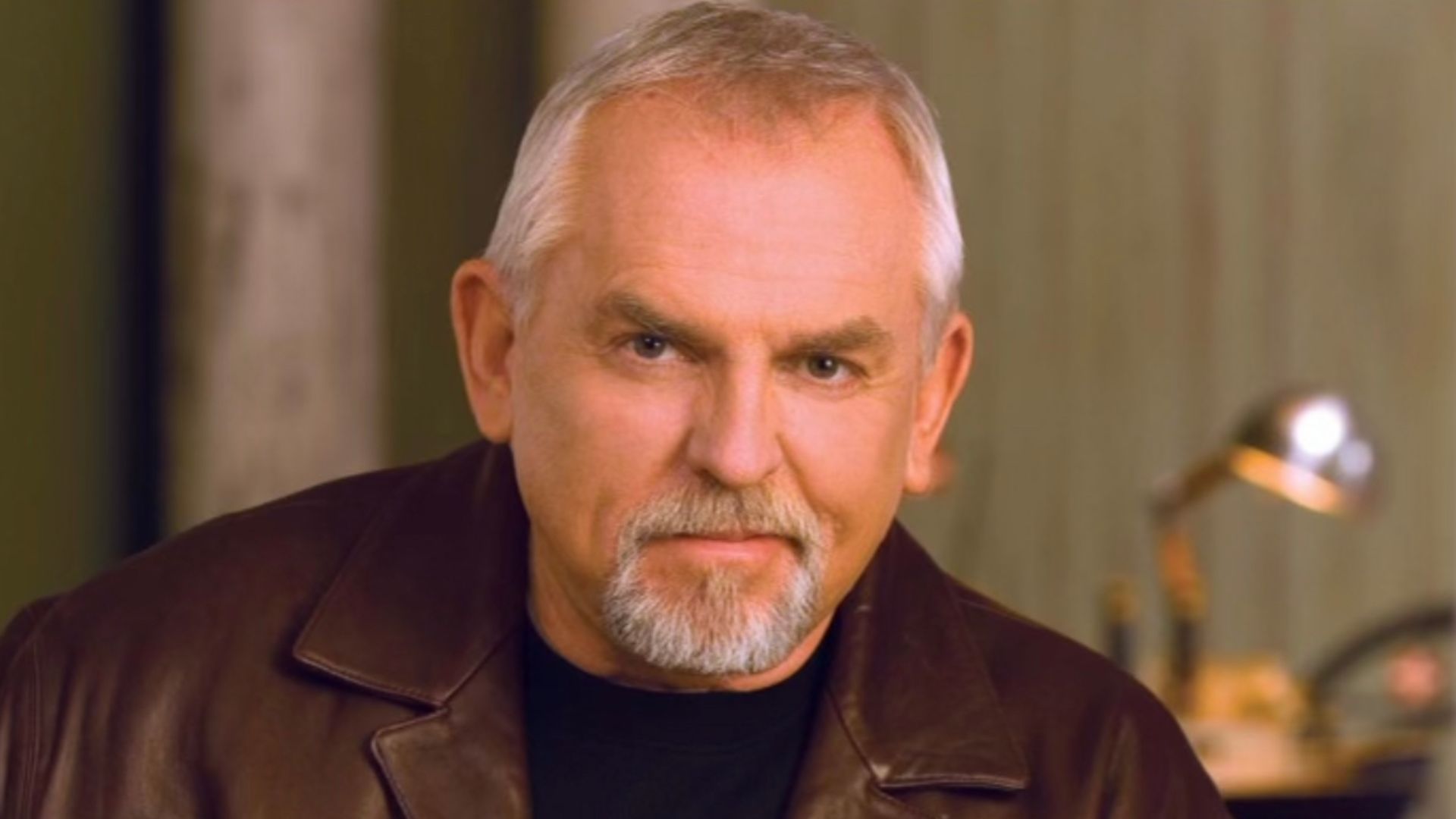 Author.KNovak, Wikimedia Commons
He Was Hiding In Huge Movies
Before Cheers, Ratzenberger quietly accumulated appearances in some enormous films. He turned up in A Bridge Too Far, Superman, Superman II, Gandhi, and other productions filmed in Europe. These generally weren’t glamorous starring parts, but Ratzenberger became extremely good at showing up, wearing the uniform, and getting the job done.
 Rob Mieremet / Anefo, Wikimedia Commons
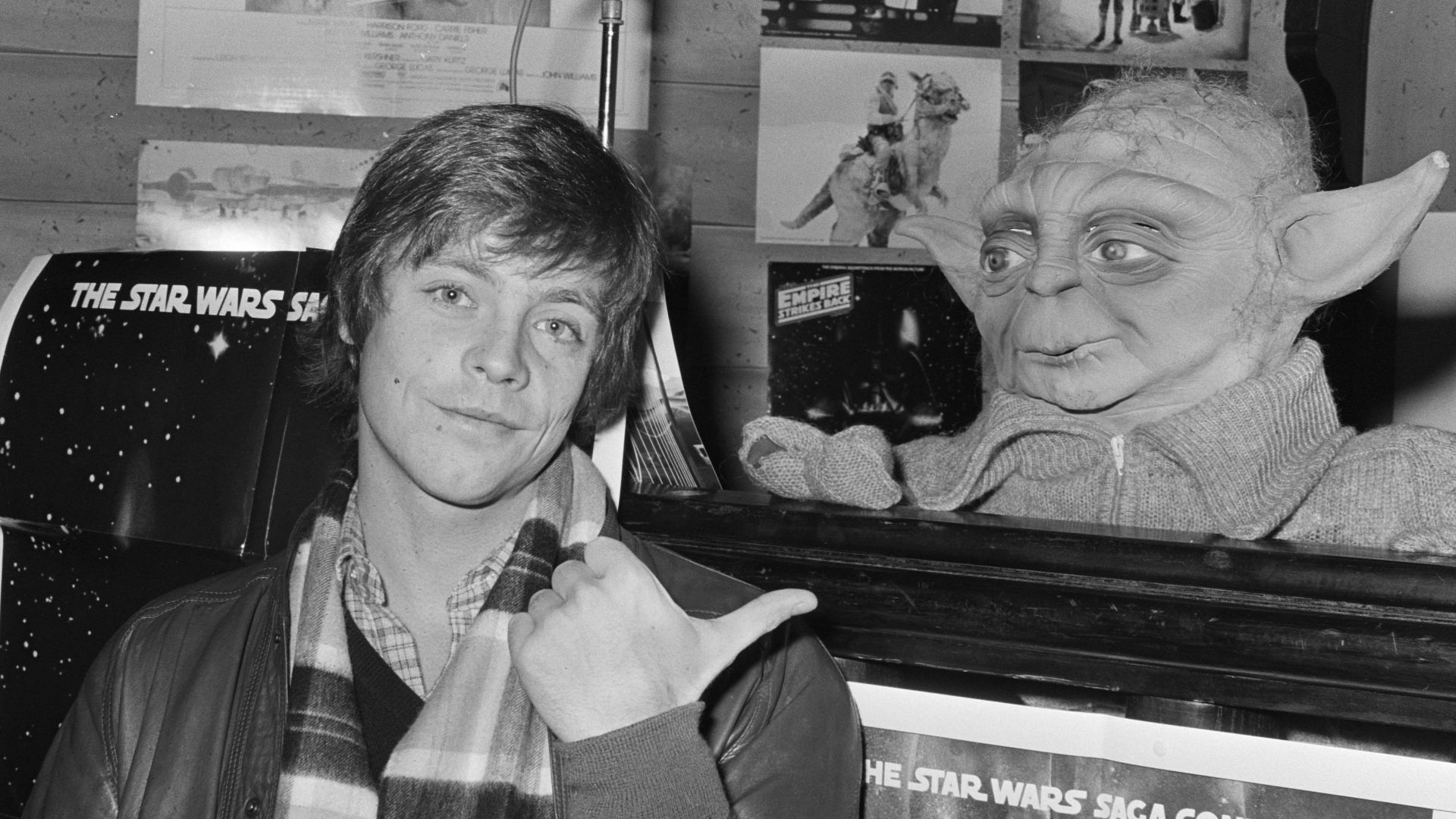
Yes, He Was In The Empire Strikes Back
That really is Ratzenberger in The Empire Strikes Back, playing Rebel officer Major Bren Derlin. It’s a relatively small appearance, but it means the man who later voiced Hamm the piggy bank somehow also helped defend Echo Base. His résumé was getting impressively nerd-friendly years before anybody realized it.
 Rob Bogaerts for Anefo, Wikimedia Commons
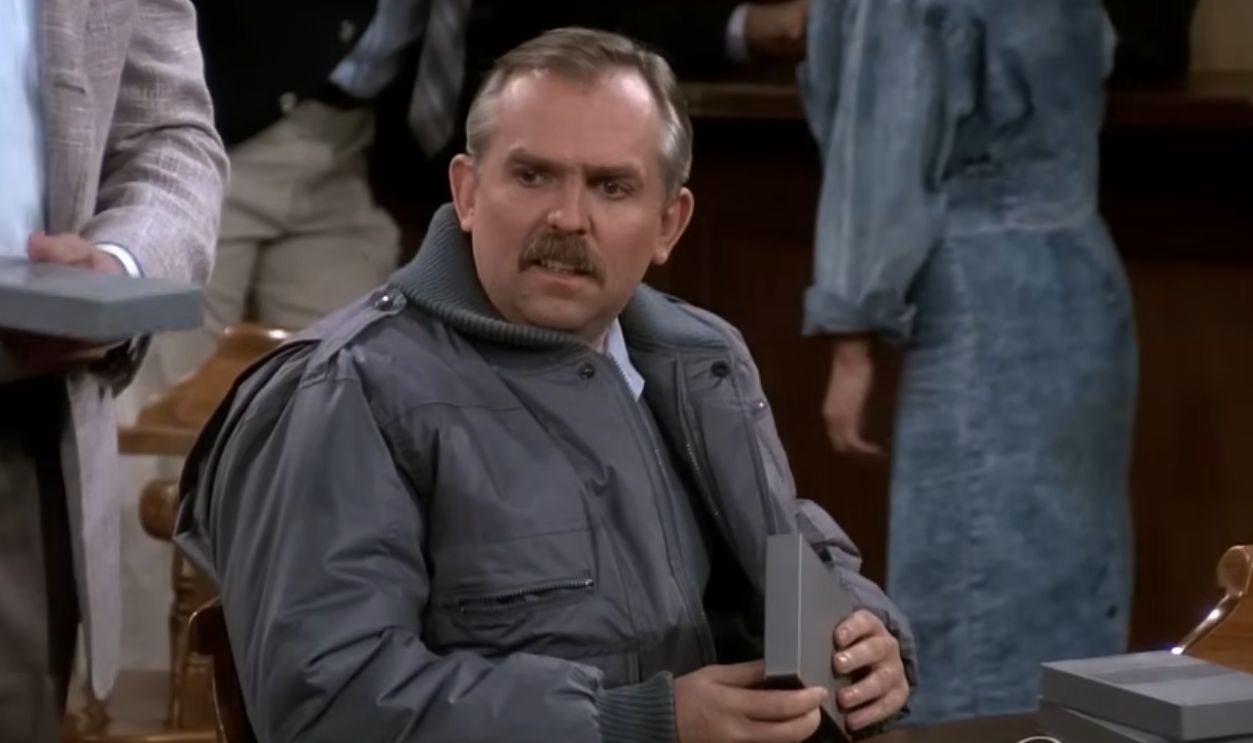
His Cheers Audition Nearly Went Nowhere
Ratzenberger arrived at his Cheers audition in 1982 expecting to read for one of the bar’s customers. By his own account, he felt the audition had gone badly. He was practically on his way out when he decided he might as well throw one final idea at the producers.
 Screenshot from Cheers, NBC (1982–1993)
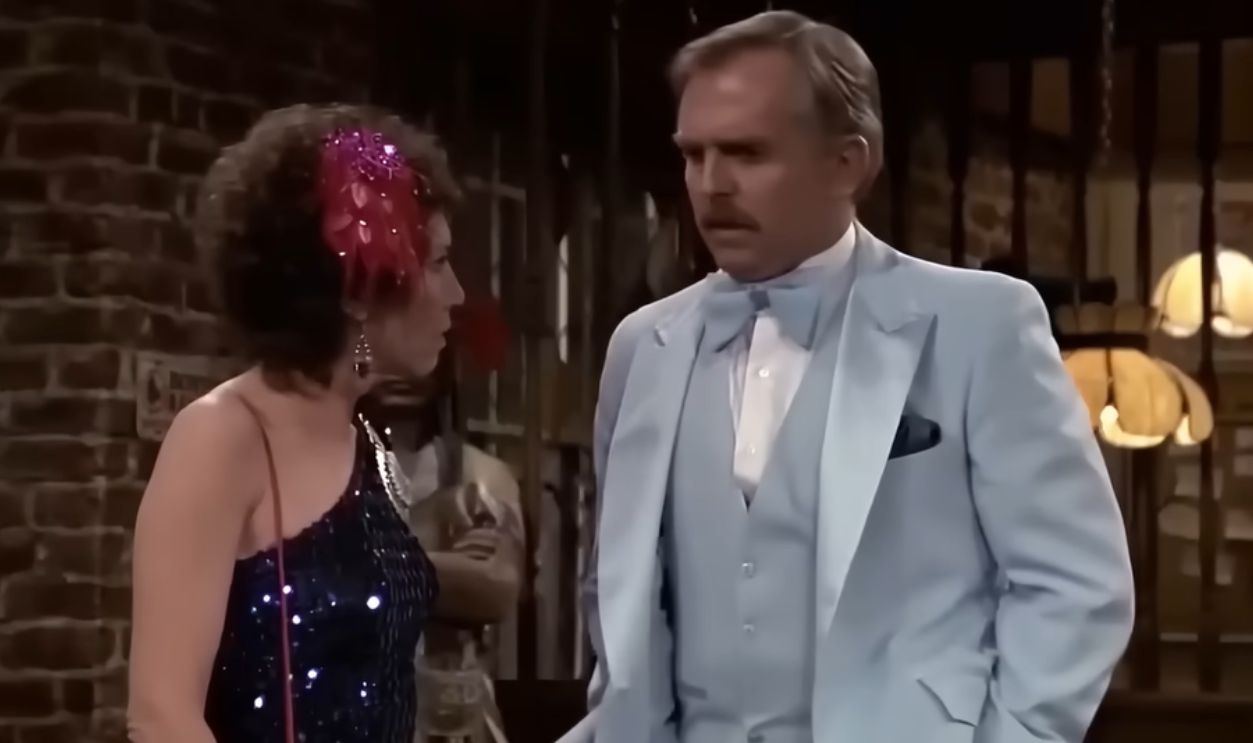
He Invented Cliff On The Way Out
Ratzenberger turned around and asked the producers whether their bar had a “bar know-it-all.” When they weren’t sure what he meant, he demonstrated. He improvised the sort of fellow who possessed an answer to every question, regardless of whether that answer had any connection to reality. Cliff Clavin was born.
 Screenshot from Cheers, NBC (1982–1993)
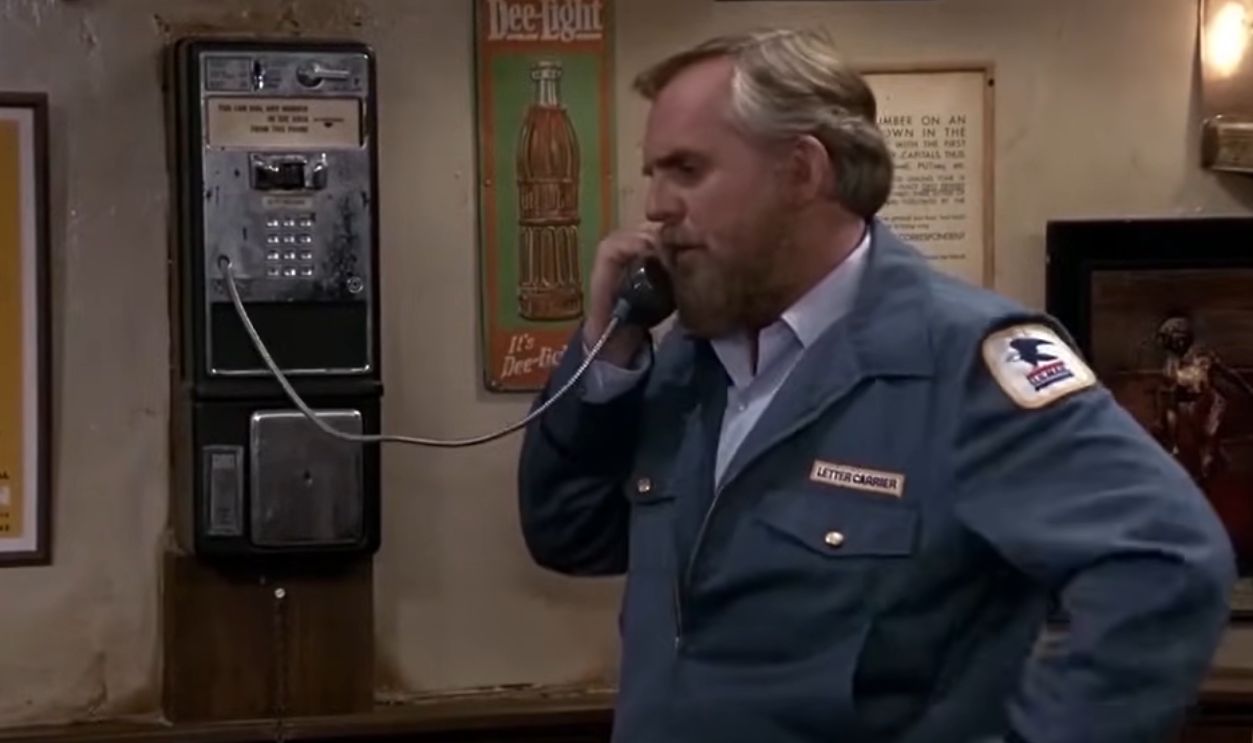
Suddenly, He Was A Mailman
Cliff was not part of the original conception of Cheers. Early on, the character was considered as a security guard before becoming a postal worker—a much better fit for someone who behaved as though delivering mail also provided access to all human knowledge. Ratzenberger had essentially talked himself into a television institution.
 Screenshot from Cheers, NBC (1982–1993)
The Voice Did Half The Work
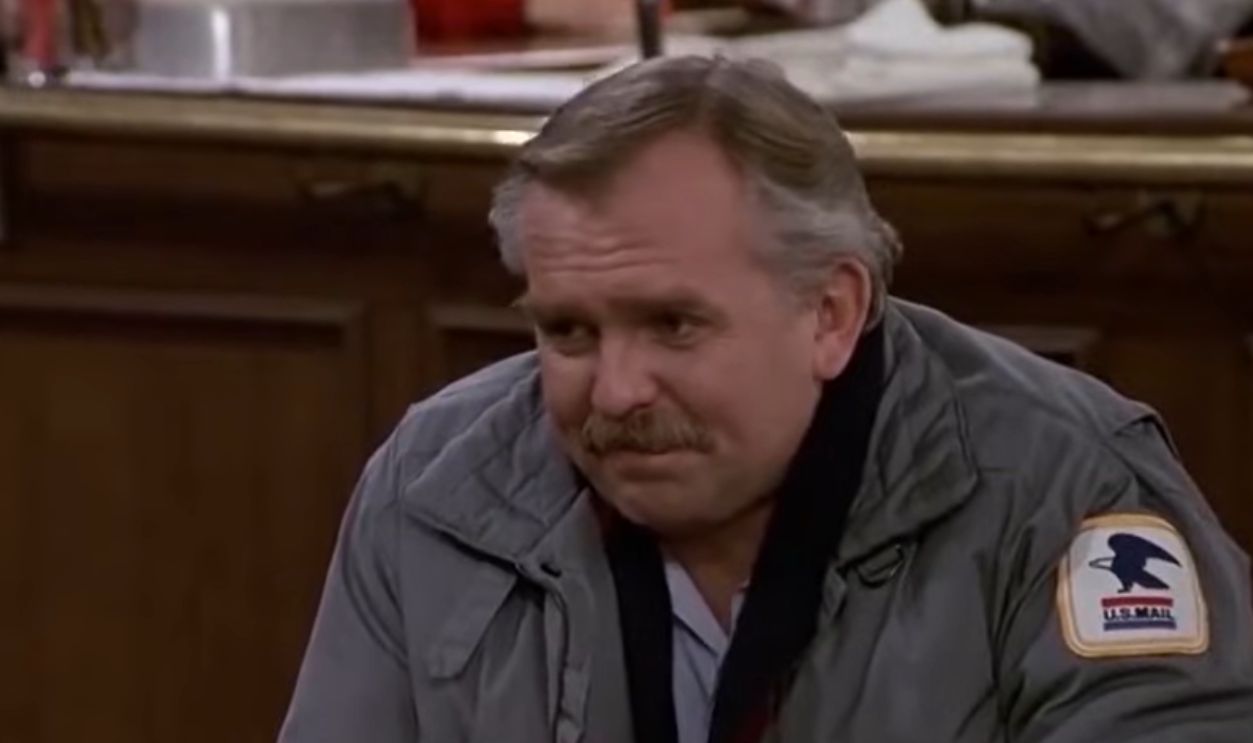
Cliff’s thick New England delivery was essential. Ratzenberger understood that the character couldn’t merely sound pompous; he needed to sound completely comfortable being pompous. Cliff never seemed to suspect that everyone around him was rolling their eyes. That unwavering confidence transformed ridiculous observations into some of the show’s funniest moments.
 Screenshot from Cheers, NBC (1982–1993)
The Facts Were Usually The Joke
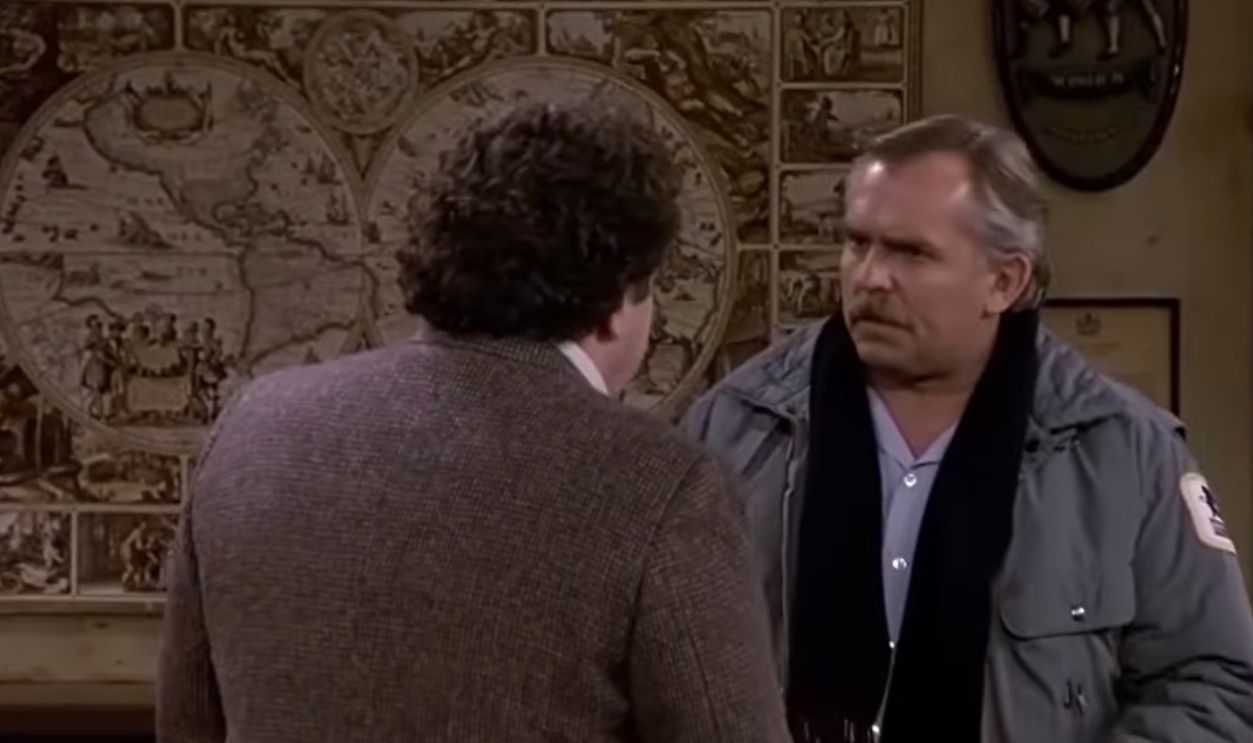
Cliff’s specialty was trivia—specifically, facts that sounded just credible enough to survive several seconds before collapsing under inspection. Ratzenberger was given room to improvise some of Cliff’s rambling observations, which made the character feel less scripted and more like somebody you desperately hoped wouldn’t sit beside you at dinner.
 Screenshot from Cheers, NBC (1982–1993)
Norm And Cliff Became Television Furniture
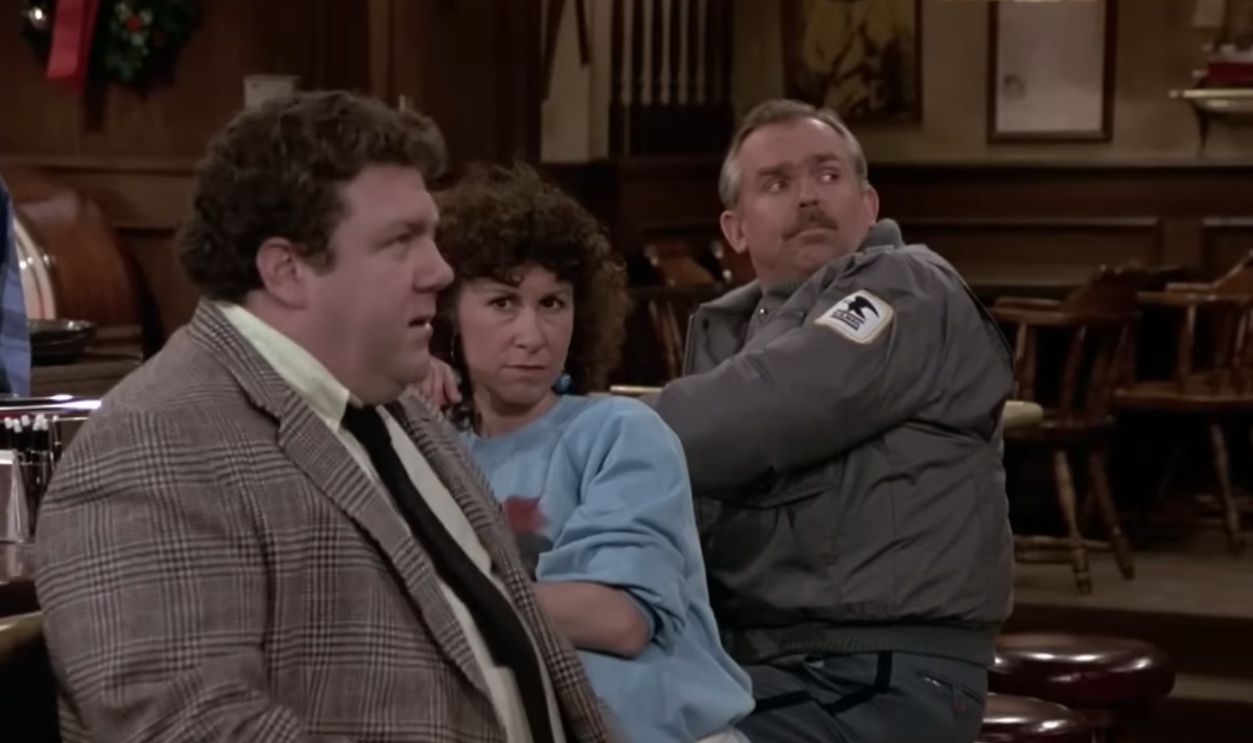
Cliff worked best beside George Wendt’s Norm Peterson. Norm was dry, resigned, and generally unwilling to waste unnecessary energy. Cliff had enough unnecessary energy for the entire room. Their friendship became one of Cheers’ most dependable ingredients, with Cliff supplying theories and Norm supplying the look that told viewers exactly what he thought of them.
 Screenshot from Cheers, NBC (1982–1993)
Carla Was Always Ready For Him
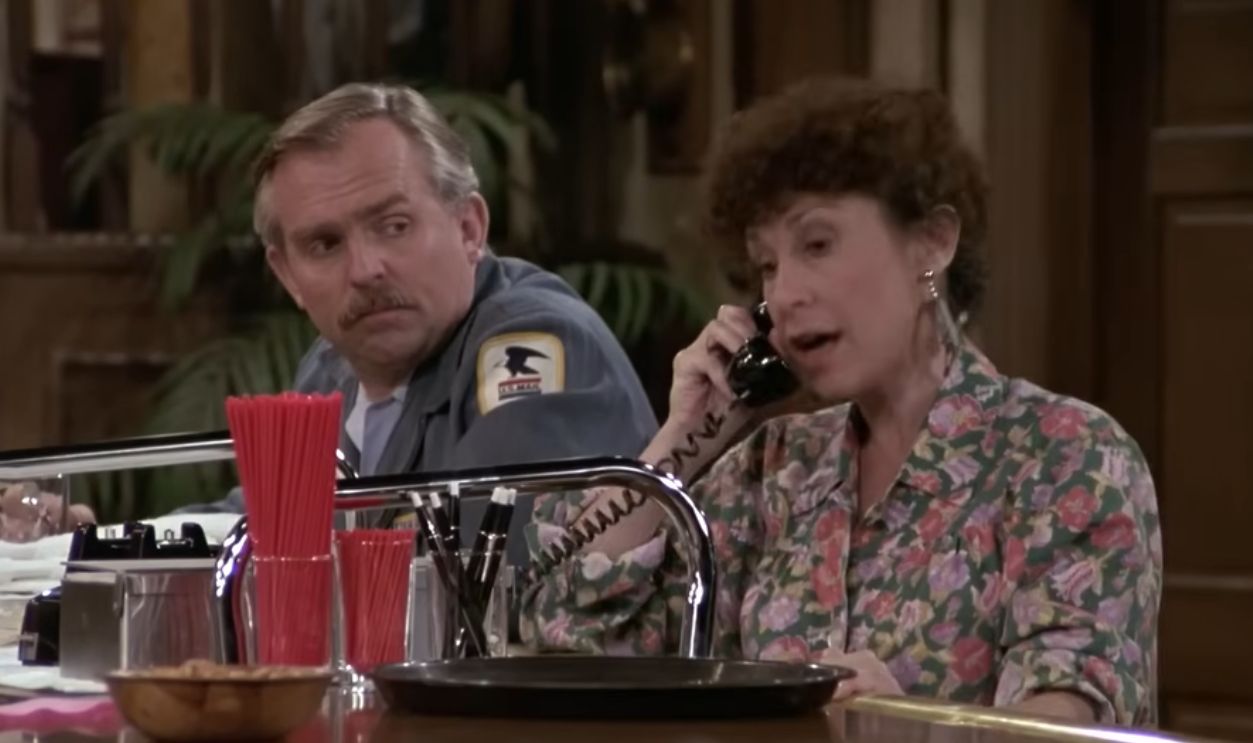
Rhea Perlman’s Carla Tortelli had very little patience for Cliff, which naturally made them a perfect comedy pairing. Cliff could begin a sentence believing he was about to enlighten the room, only for Carla to demolish him before he reached the point. Ratzenberger understood that Cliff was funniest when he never learned.
 Screenshot from Cheers, NBC (1982–1993)
Cliff’s Mother Explained Quite A Lot
As the series developed, viewers saw more of Cliff’s life beyond the bar, especially his relationship with his mother, Esther, played by Frances Sternhagen. Their closeness helped explain some of Cliff’s peculiarities. Beneath the endless trivia was a sheltered, awkward man whose confidence disappeared very quickly whenever real life interrupted his theories.
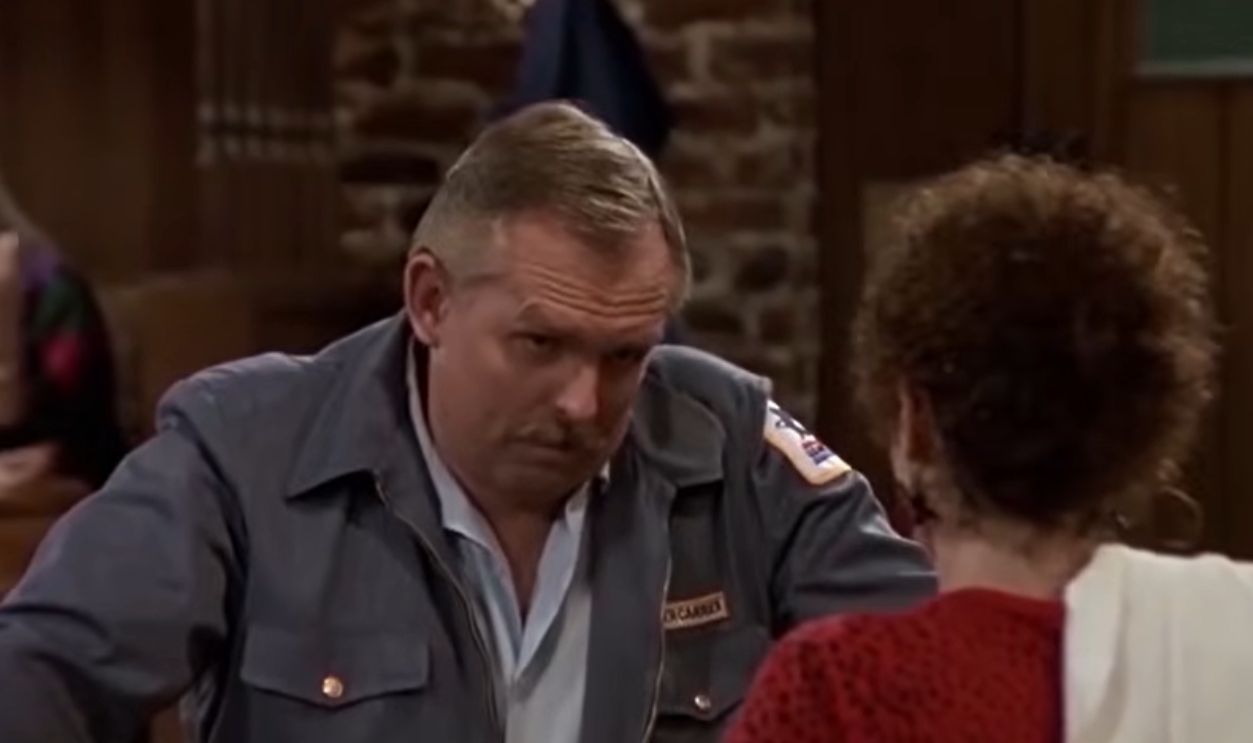 Screenshot from Cheers, NBC (1982–1993)
There Was More To Cliff Than One Joke
The easiest version of Cliff would have been a walking punchline. Ratzenberger gave him enough vulnerability to prevent that. Cliff could be irritating, insecure, lonely, boastful, strangely sweet, and occasionally heartbreaking. The audience laughed when he entered a conversation, but it also understood why he desperately wanted everyone to listen.
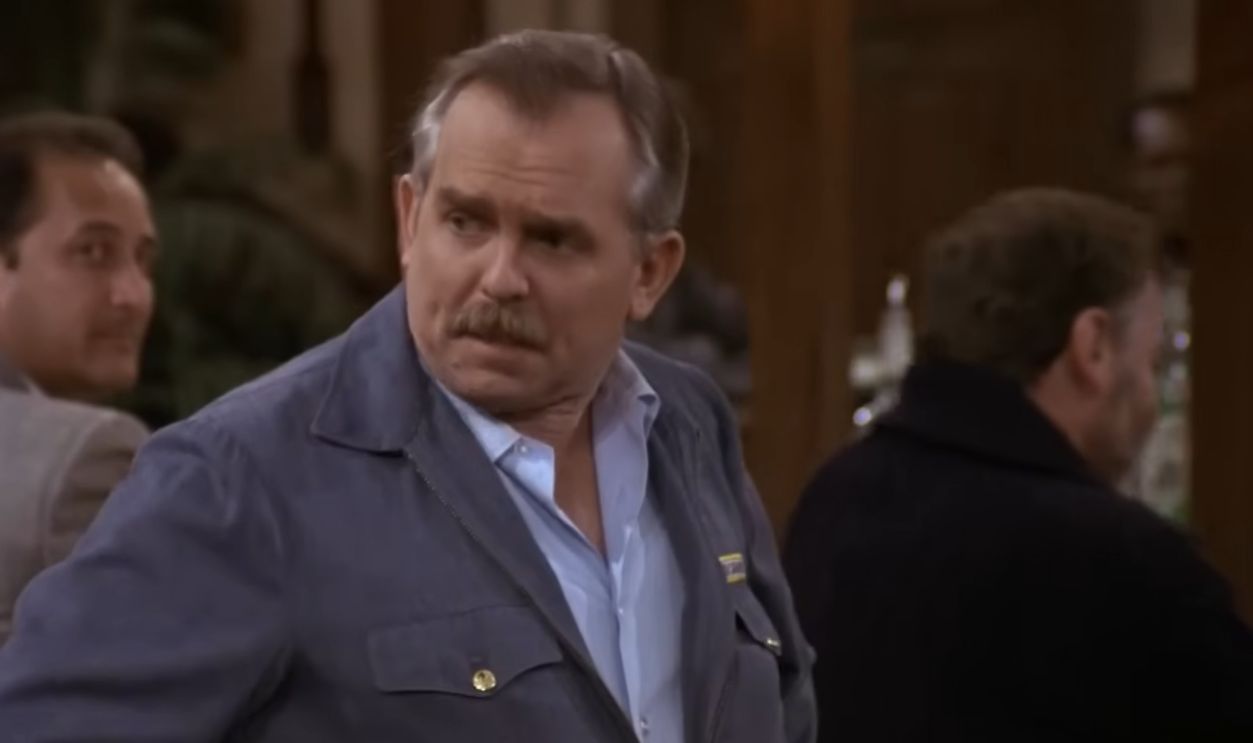 Screenshot from Cheers, NBC (1982–1993)
Emmy Voters Noticed Him Too
Ratzenberger’s work wasn’t merely popular with viewers. He received two Primetime Emmy nominations for Outstanding Supporting Actor in a Comedy Series, in 1985 and 1986. That was significant recognition on a show overflowing with exceptional comic performers. Cliff might have talked nonsense, but playing him convincingly required considerable precision.
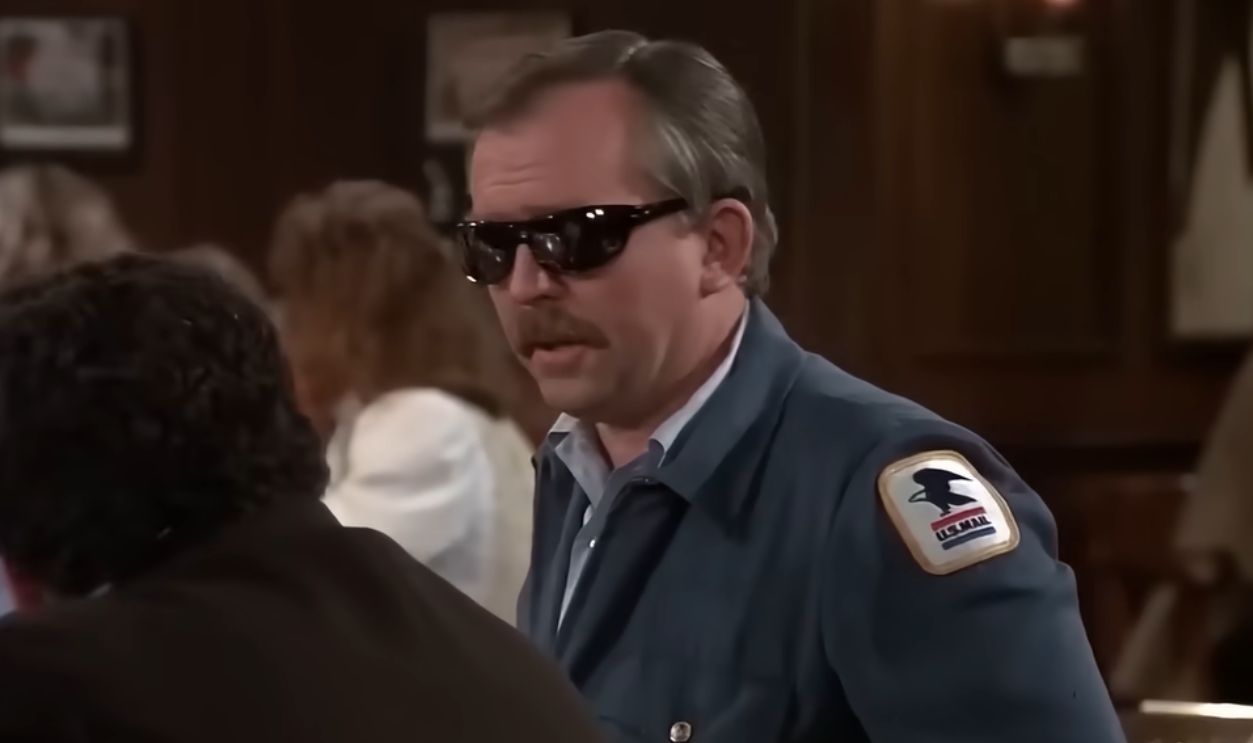 Screenshot from Cheers, NBC (1982–1993)
Eleven Years Is A Lot Of Trivia
Ratzenberger stayed with Cheers throughout its 11-season run from 1982 to 1993, appearing in nearly the entire series. By the end, Cliff’s postal uniform, mustache, and confidently raised eyebrows were as recognizable as the bar itself. Ratzenberger had arrived looking for work and left as a sitcom icon.
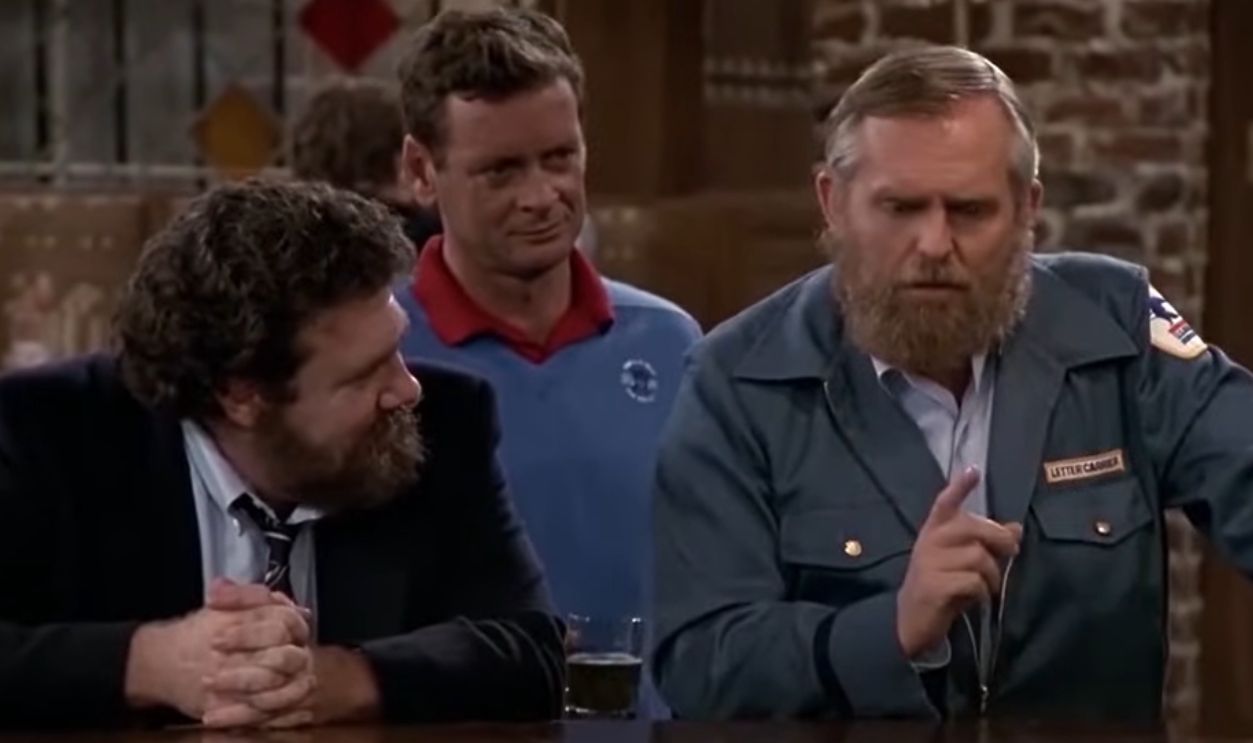 Screenshot from Cheers, NBC (1982–1993)
Saying Goodbye To Cheers
When Cheers ended in 1993, Ratzenberger faced the problem familiar to anyone who becomes inseparable from one character: What comes next? He would revisit Cliff occasionally, including appearances connected to the wider Cheers television universe, but he wisely avoided spending the rest of his career simply trying to recreate him.
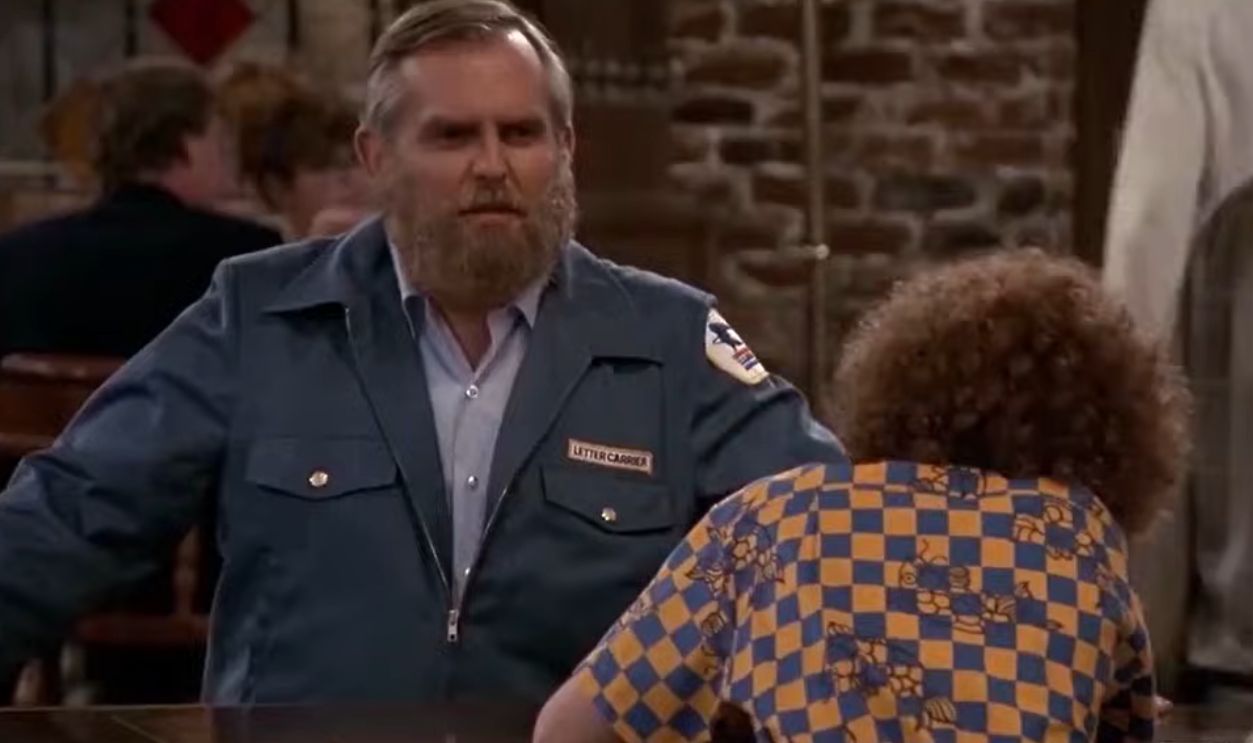 Screenshot from Cheers, NBC (1982–1993)
Life After The Bar Stayed Busy
Ratzenberger continued appearing across television and film after Cheers, taking guest roles and character parts rather than chasing another traditional sitcom starring vehicle. That suited him. His particular strength was always making a supporting character memorable within minutes. Give him three lines, and there was a good chance audiences remembered all three.
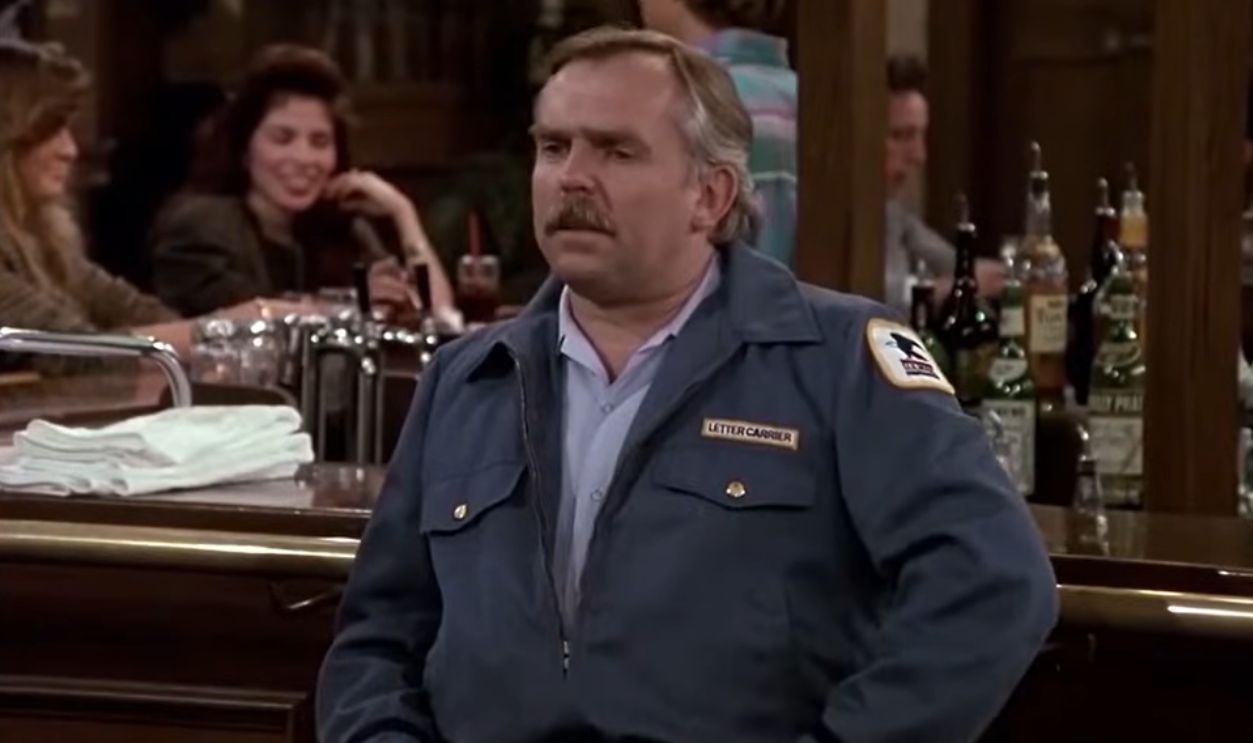 Screenshot from Cheers, NBC (1982–1993)
Made In America Felt Surprisingly Natural
In 2003, Ratzenberger began hosting the Travel Channel series Made in America, visiting factories and celebrating American manufacturing and skilled trades. Considering his own background in carpentry and other hands-on work, it never felt like a celebrity randomly touring factories. The program lasted several seasons and became another substantial chapter in his career.
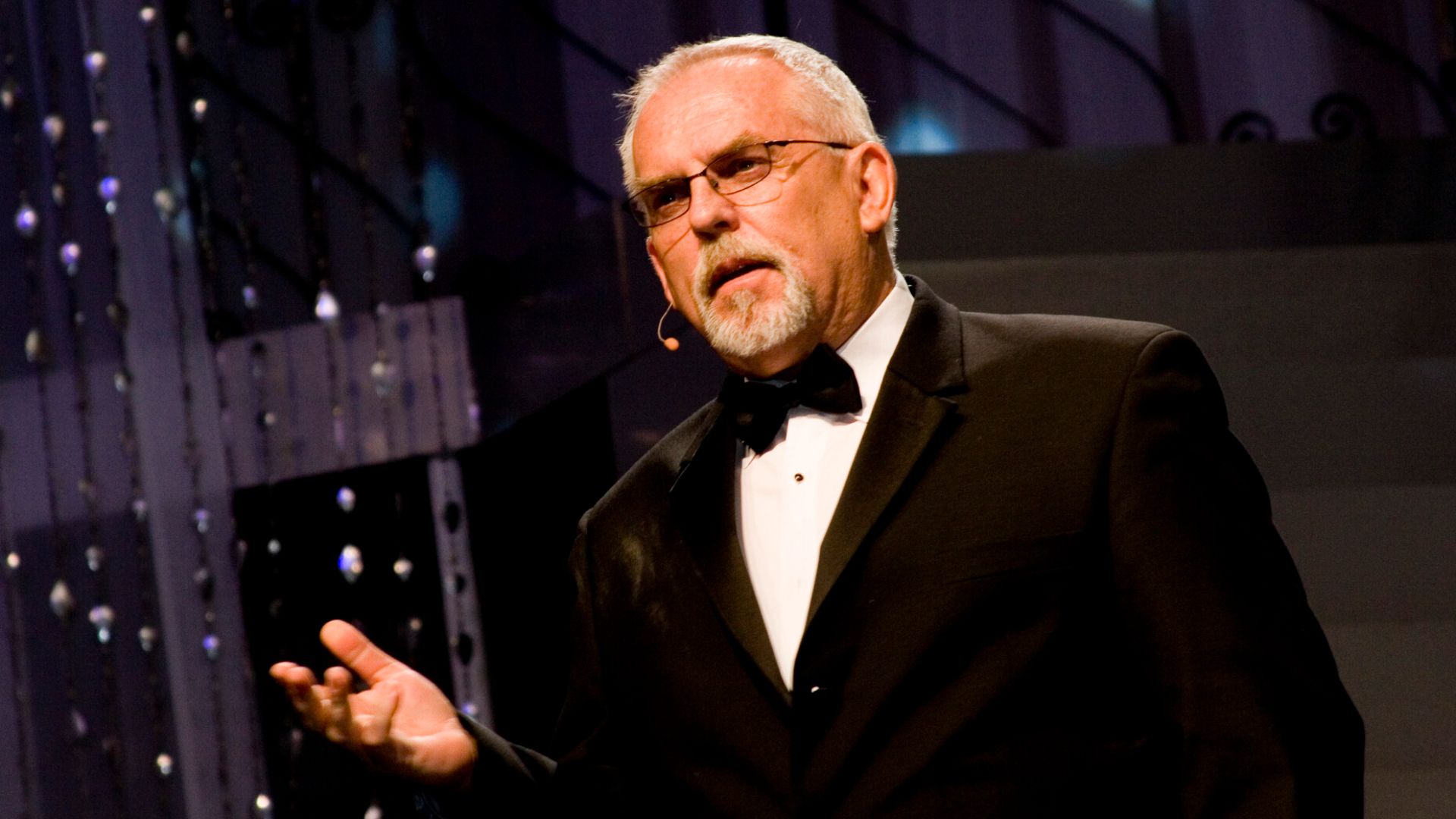 Movieguide®, Wikimedia Commons
Then A Piggy Bank Changed Everything
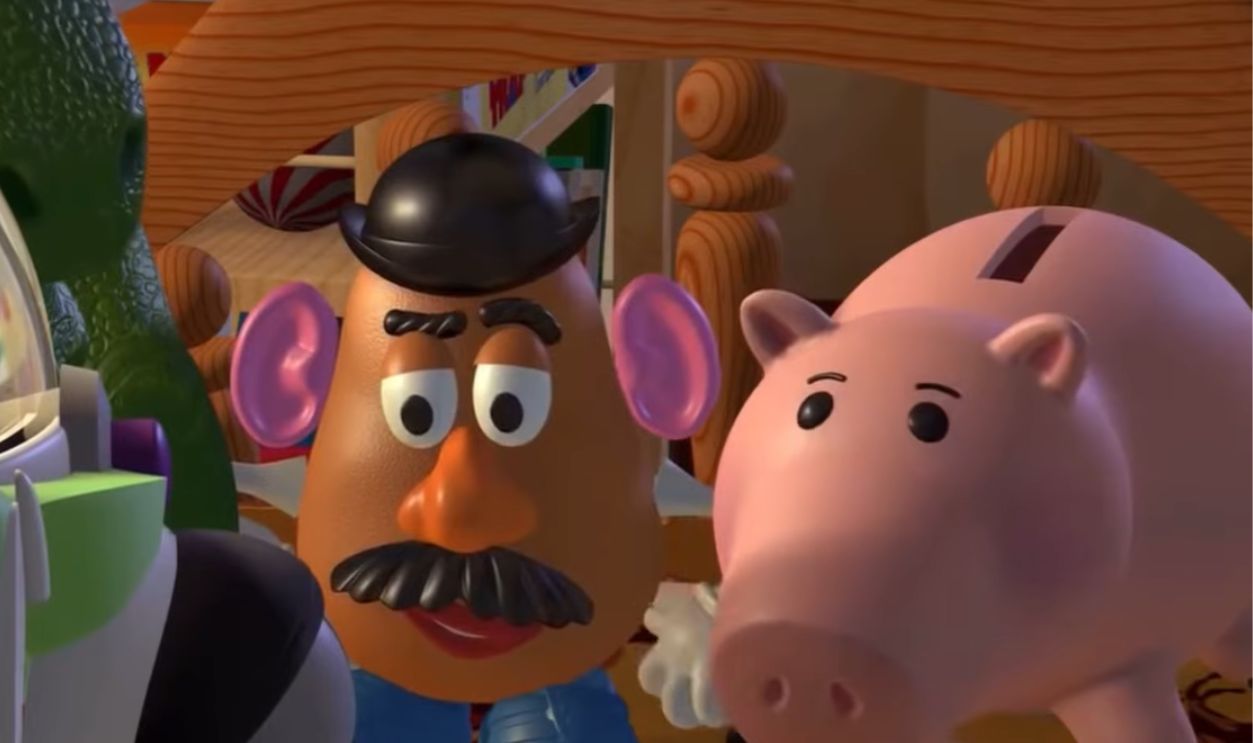
In 1995, Ratzenberger voiced Hamm, the sarcastic piggy bank in a little computer-animated movie called Toy Story. Nobody knew quite what Pixar would become yet. Hamm wasn’t the movie’s hero, but Ratzenberger’s recognizable grumbling delivery fit him perfectly. A whole second career had just started without much fanfare.
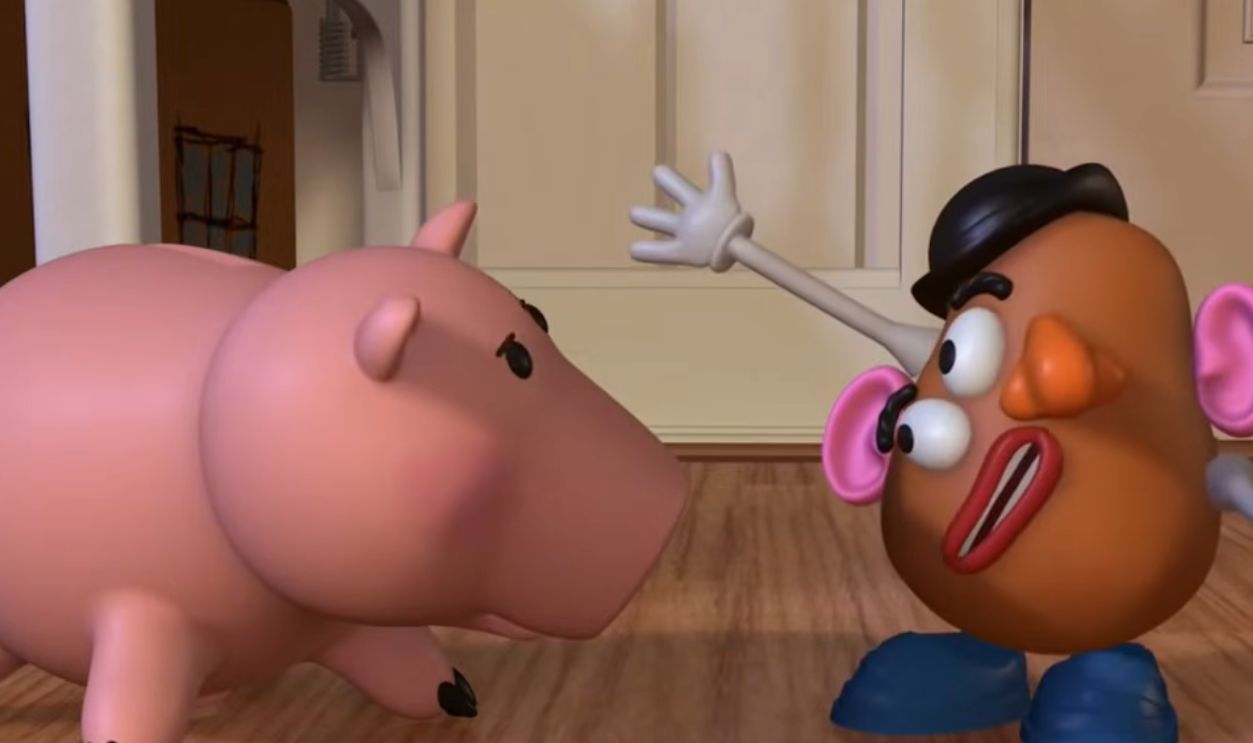 Screenshot from Toy Story, Pixar Animation Studios (1995)
Hamm Was Basically Cliff With Four Legs
Hamm’s appeal wasn’t difficult for longtime Cheers viewers to recognize. He was cynical, observant, opinionated, and always ready with commentary. Ratzenberger didn’t simply recycle Cliff, but Pixar understood how effectively his voice could communicate the personality of a guy who believes he has already figured everybody else out.
 Screenshot from Toy Story, Pixar Animation Studios (1995)
Pixar Made Him Its Good-Luck Charm
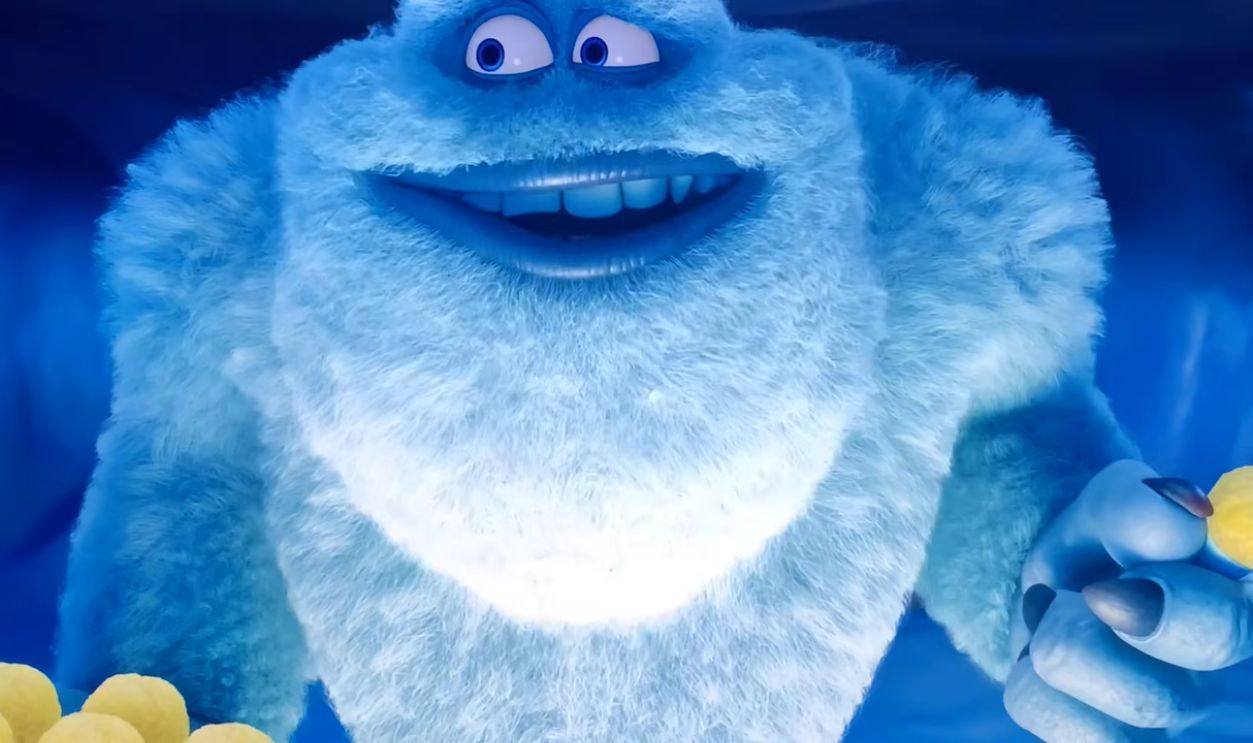
After Toy Story, Pixar kept calling. Ratzenberger voiced P.T. Flea in A Bug’s Life, the Abominable Snowman in Monsters, Inc., a school of fish in Finding Nemo, the Underminer in The Incredibles, and numerous other characters. His recurring presence became one of Pixar’s favorite traditions.
 Screenshot from Monsters, Inc., Pixar Animation Studios (2001)
One Voice Kept Turning Up Everywhere
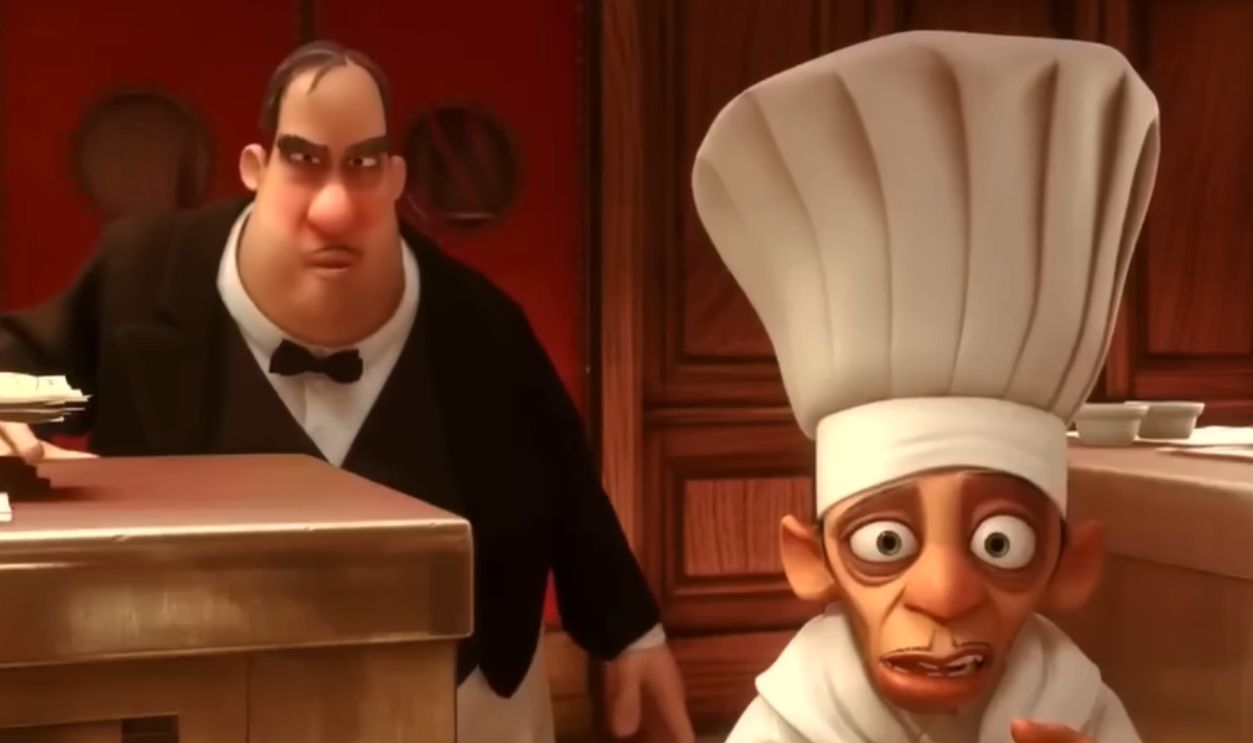
There was Mustafa in Ratatouille, John in WALL-E, construction worker Tom in Up, Gordon in Brave, Fritz in Inside Out, Earl in The Good Dinosaur, and more. Pixar even built a joke around Ratzenberger’s constant appearances into the end credits of Cars. At that point, everybody was in on it.
 Screenshot from Ratatouille, Pixar Animation Studios (2007)
Mack Became Another Signature Role
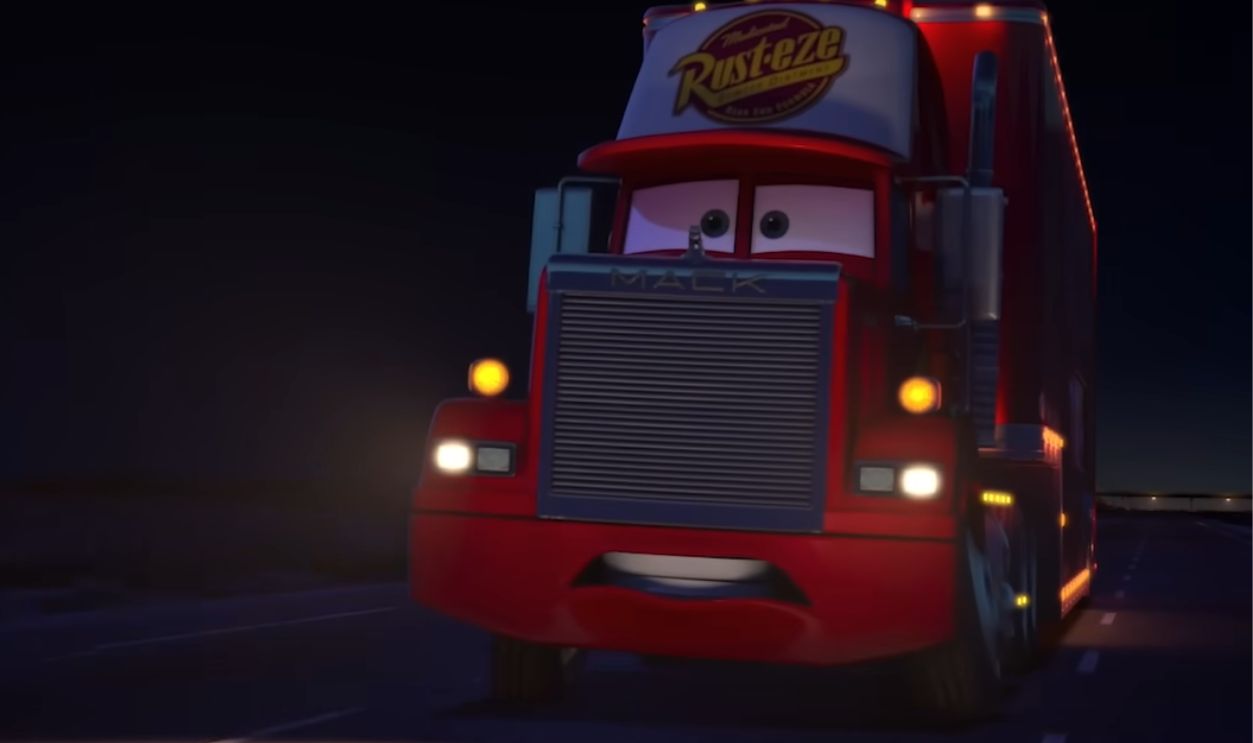
Perhaps his biggest Pixar character after Hamm was Mack, Lightning McQueen’s loyal transporter in the Cars movies. Ratzenberger’s friendly, blue-collar delivery was perfect for the dependable truck. For millions of children, that voice became associated with road trips and talking automobiles rather than Boston mail routes and unsolicited trivia.
 Screenshot from Cars, Pixar Animation Studios (2006)
Pixar Gave Him A Second Generation
Ratzenberger’s Pixar streak became remarkable because it wasn’t merely nostalgia. Kids who had never watched five minutes of Cheers grew up hearing him repeatedly. He even returned as Fritz in 2024’s Inside Out 2, decades after Cliff first pulled up a stool at Cheers.
 Screenshot from Inside Out 2, Pixar Animation Studios (2024)
Two Generations Know Completely Different Johns
Ask someone who watched television in the 1980s about John Ratzenberger, and they’ll probably picture Cliff leaning across Norm with another dubious fact. Ask their children, and they may hear Hamm or Mack instead. That strange generational split is something very few performers ever achieve, especially without becoming the leading man.
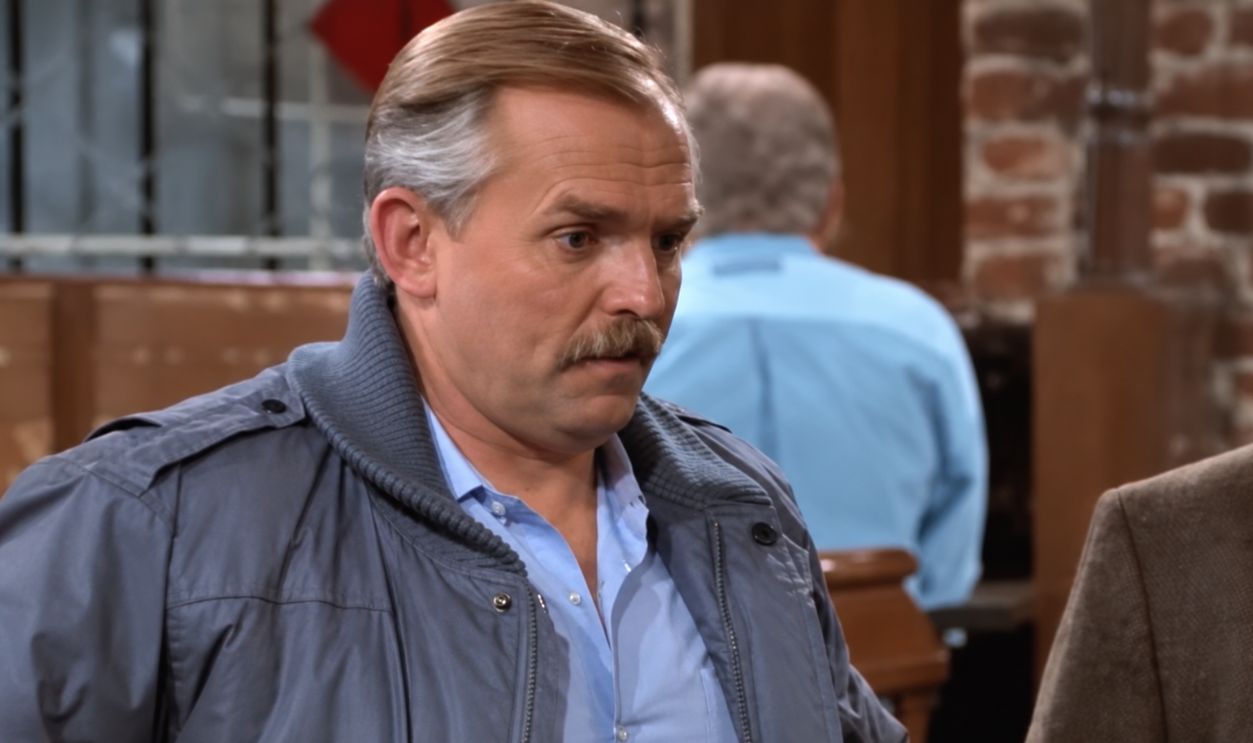 Screenshot from Cheers, NBC (1982–1993), Enhanced
Everybody Still Knows That Voice
John Ratzenberger created one of television’s great supporting characters almost as an afterthought, then followed it with one of animation’s most extraordinary voice-acting runs. Cliff Clavin should have been more than enough for one career. Instead, Ratzenberger became familiar to parents, children, and eventually grandchildren—sometimes without them realizing they were all fans of the same guy.
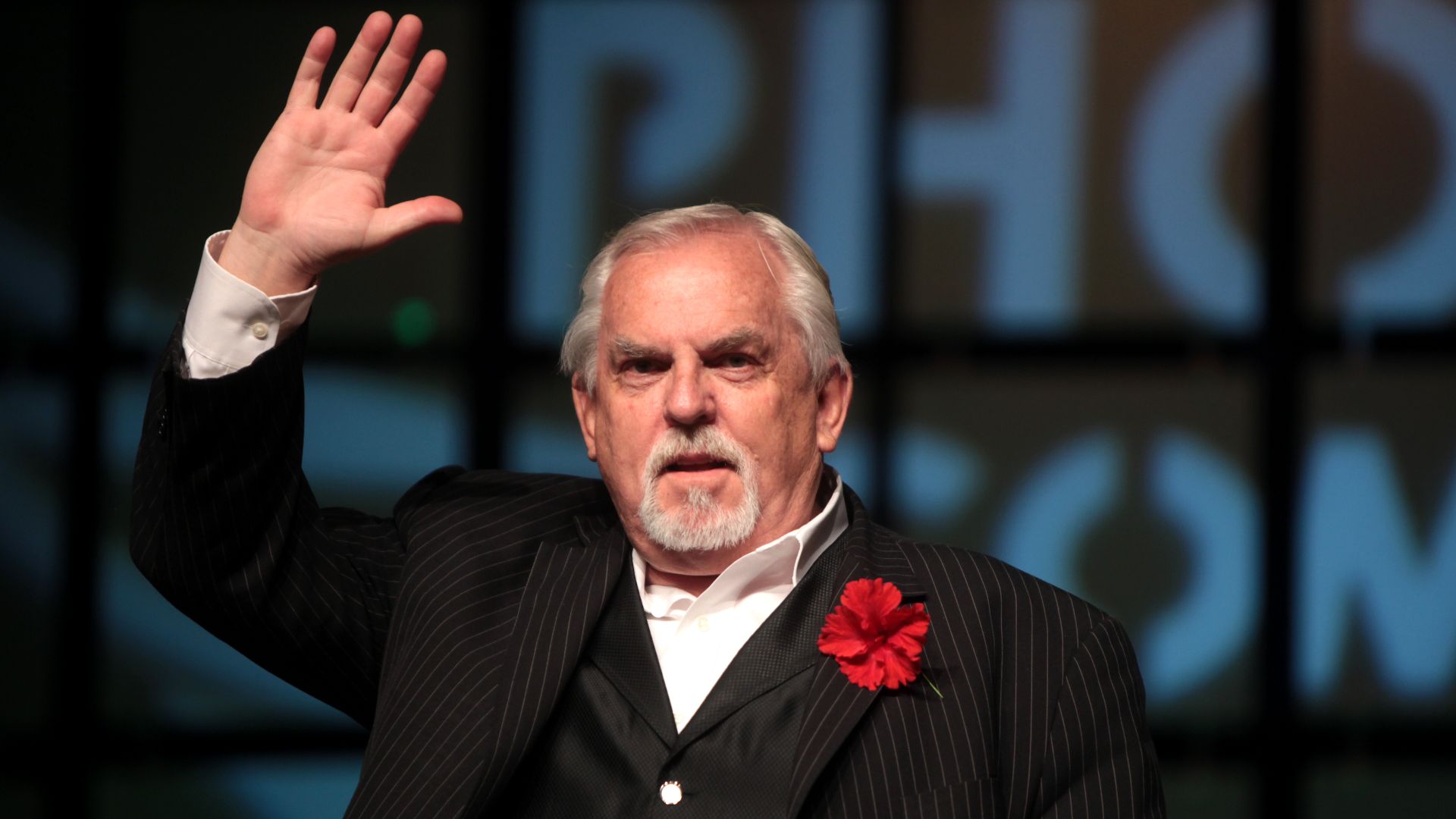 Gage Skidmore from Peoria, AZ, United States of America, Wikimedia Commons
You May Also Like:
Vic Tayback Became Mel Sharples So Completely That Viewers Forgot How Long He Had Been Acting
Jimmy Stewart: It Wasn't Always A Wonderful Life



.jpg)