The War Followed Him Home
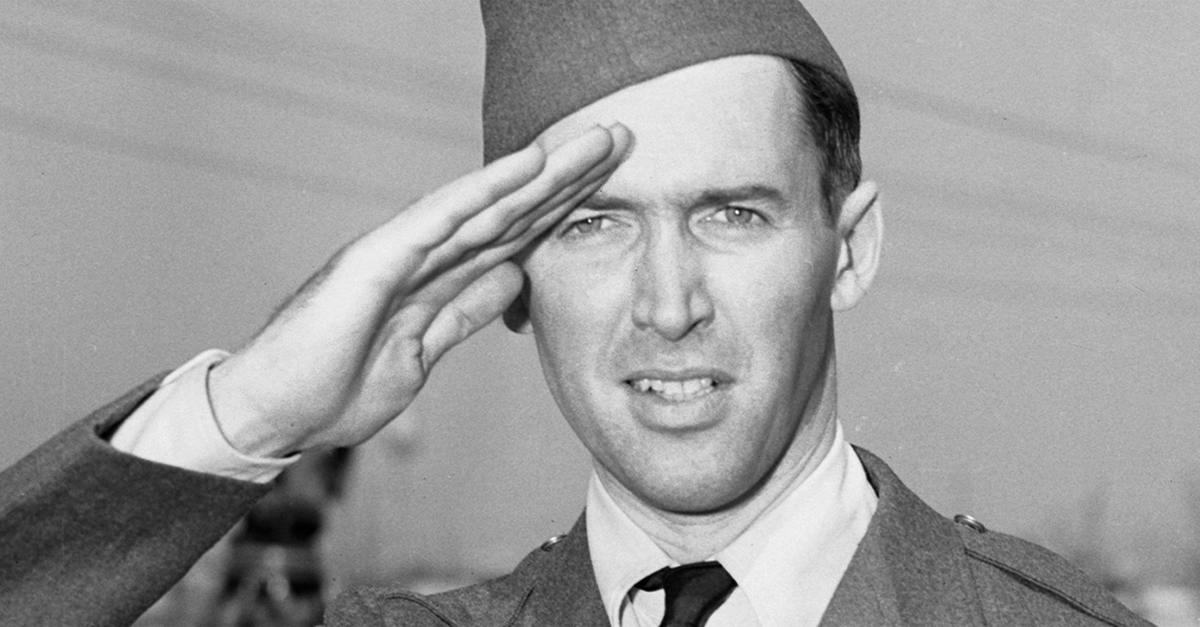
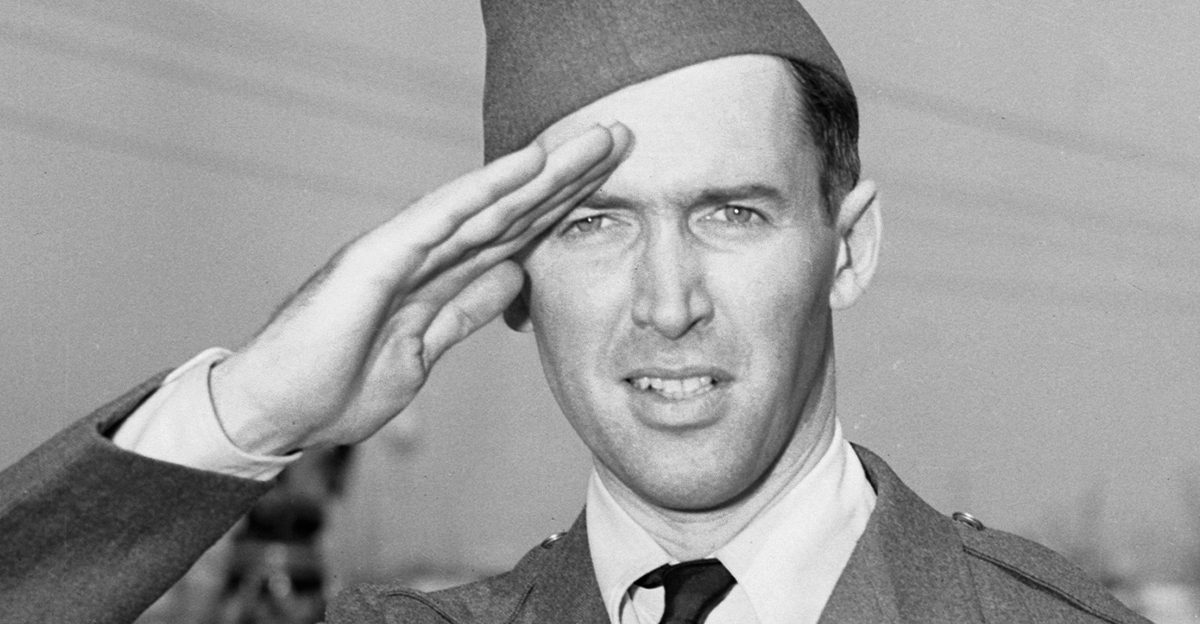
Jimmy Stewart went to war as one of Hollywood’s most beloved leading men and came back as someone much harder to describe. He had flown combat missions, led men through danger, and seen the cost of WWII up close. When he returned to acting, he was no longer the easygoing star audiences remembered.
He Had Been A Star Before The War
Before WWII, Jimmy Stewart had already become a major Hollywood figure. Films like Mr Smith Goes To Washington and The Philadelphia Story made him famous for decency, sincerity, awkward charm, and moral conviction. He seemed like the ordinary American hero Hollywood loved to believe in.
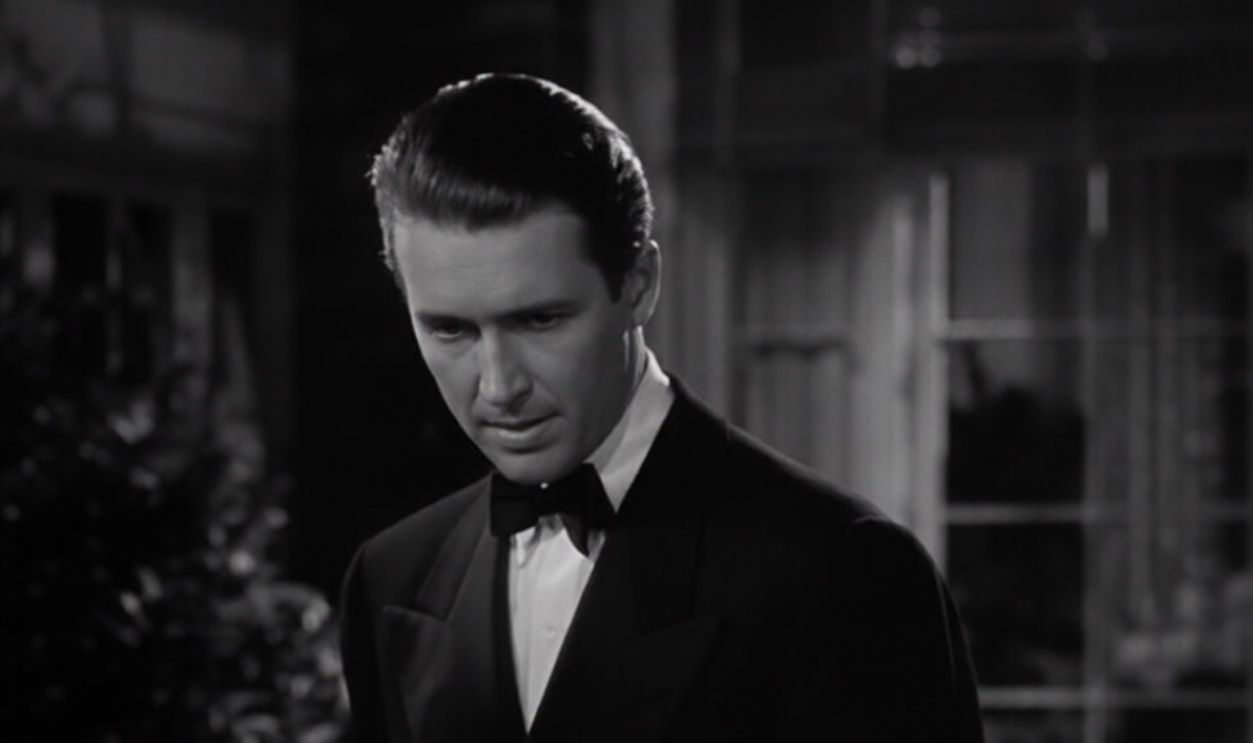 Screenshot from The Philadelphia Story, Metro Goldwyn Mayer (1940), Enhanced
He Was Not Playing At Patriotism
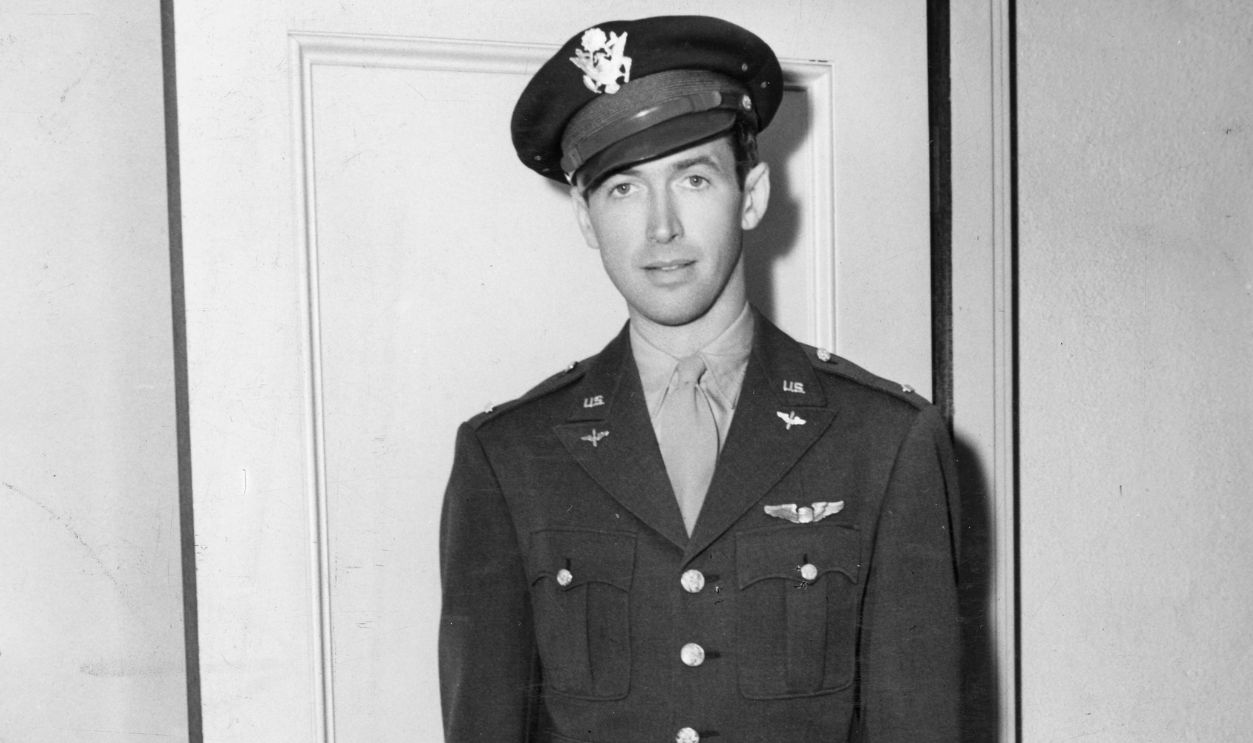
Stewart did not wait until Pearl Harbor to enter uniform. He was drafted into the US Armed Forces in 1941 and assigned to the Army Air Corps months before the United States entered WWII. At the time, he was already an Oscar-winning actor, which made his wartime service even more striking.
Flying Was Already Part Of His Life
Stewart was not merely a celebrity recruit looking for a safe assignment. He was already an experienced civilian pilot with hundreds of logged flying hours. That background helped him qualify for flight training and eventually shaped the role he would play in the conflict.
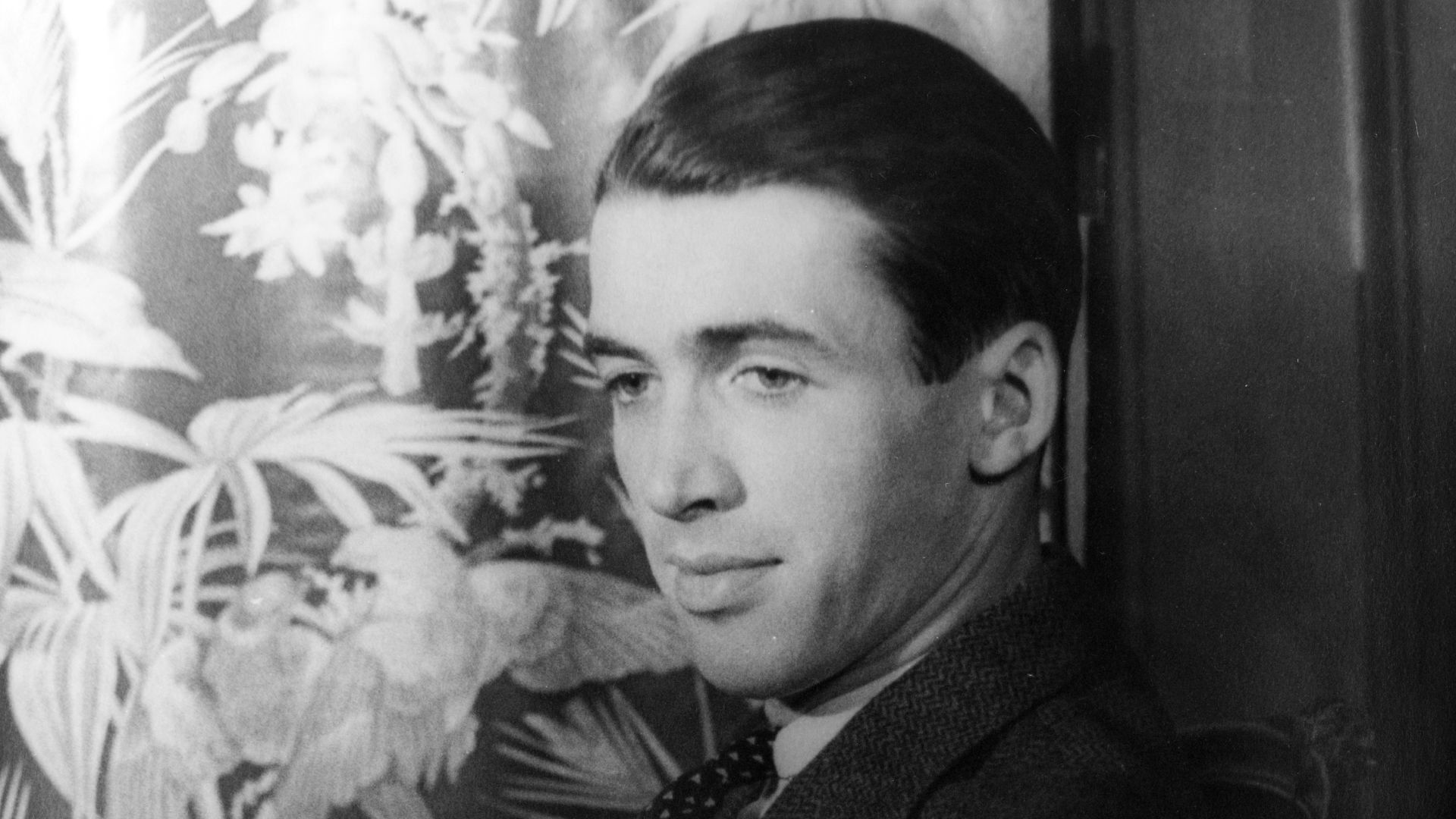 Carl Van Vechten, Wikimedia Commons
He Had To Fight To Serve In Combat
The military initially used Stewart in ways connected to publicity and training, but he wanted more than ceremonial service. He pushed for a combat assignment and eventually got one. That decision placed him far from Hollywood comfort and directly inside the air battle over Europe.
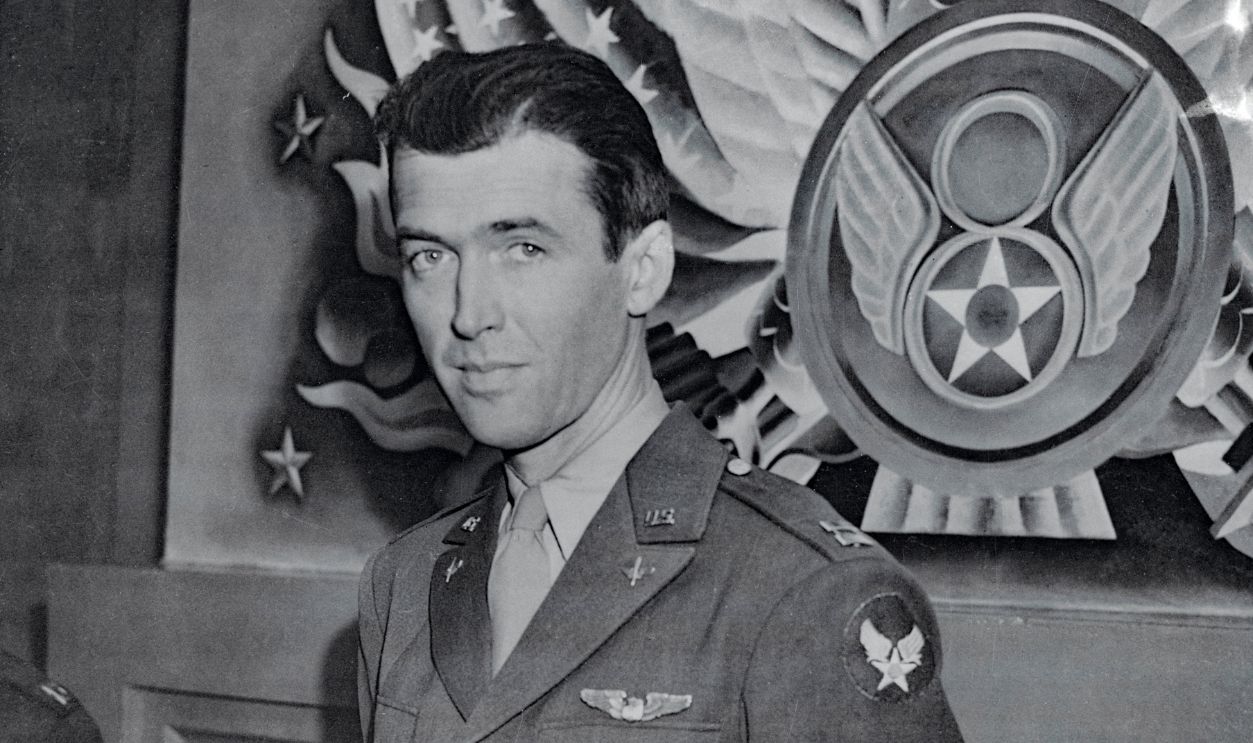
He Became A Bomber Pilot
Stewart flew B-24 Liberator bombers with the Eighth Air Force in Europe. He was assigned to the 445th Bomb Group and later the 453rd Bomb Group, where he took on leadership responsibilities. The former movie star became a serious officer under terrifying conditions.
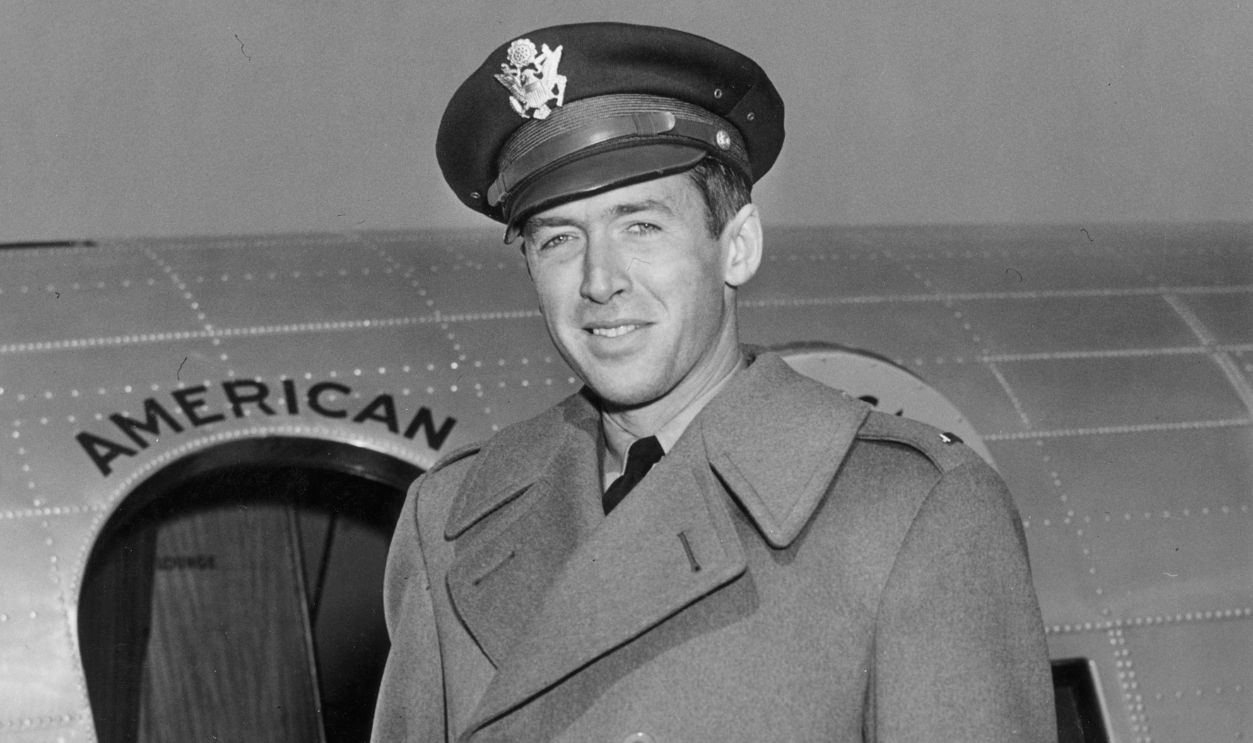
He Led Dangerous Missions
Stewart did not simply appear in uniform for photographs. He flew combat missions, led crews, and took part in operations where men and aircraft were lost. Accounts of his service emphasize that he was respected by the men around him and treated his responsibilities with intense seriousness.
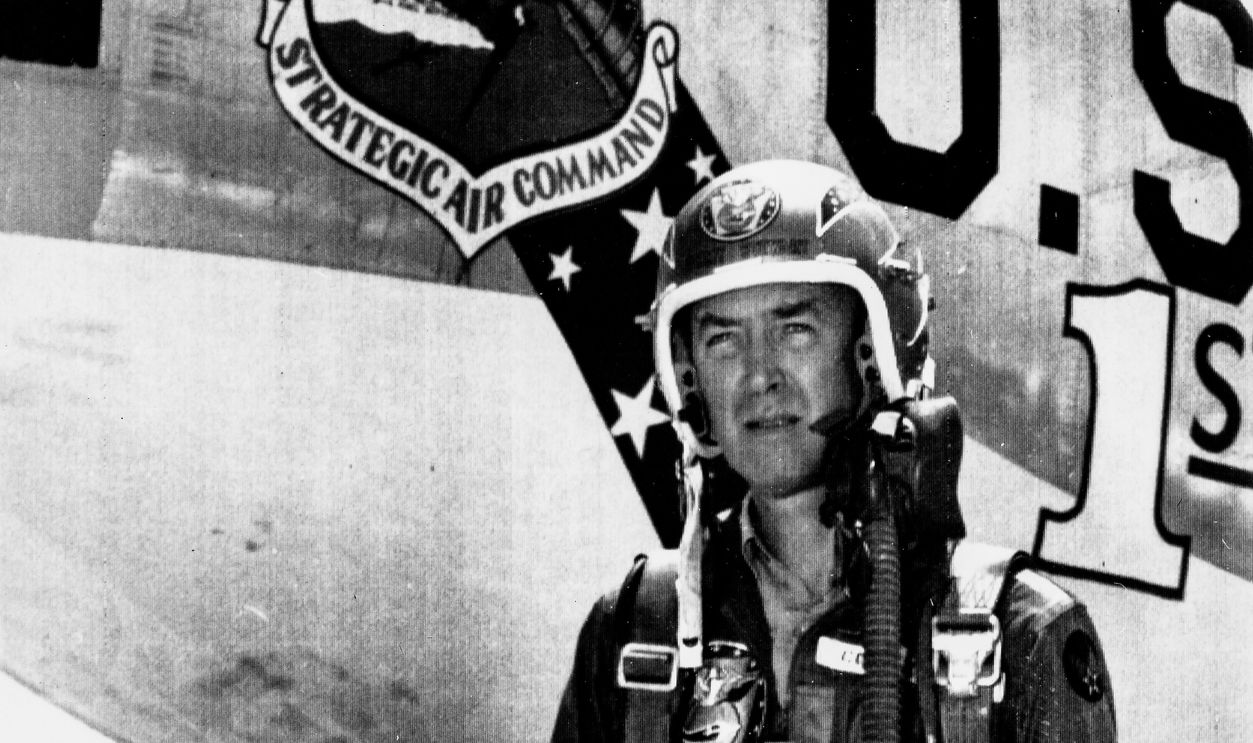
His Rank Kept Rising
By the end of WWII, Stewart had risen from private to colonel in the Army Air Forces. He later continued serving in the Air Force Reserve and eventually became a brigadier general. His military career was not a patriotic footnote. It was one of the defining chapters of his life.
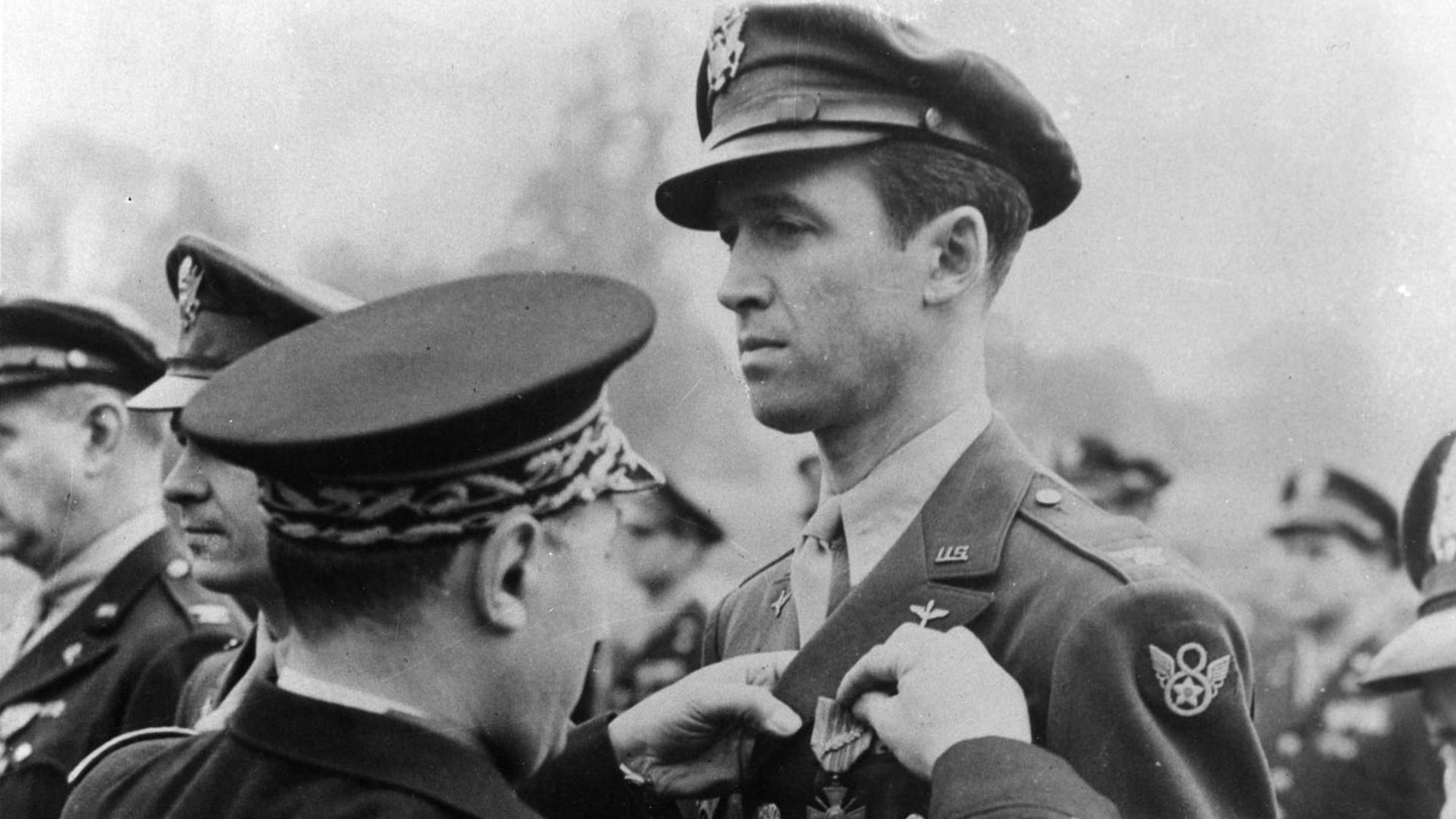
The Experience Changed Him Physically
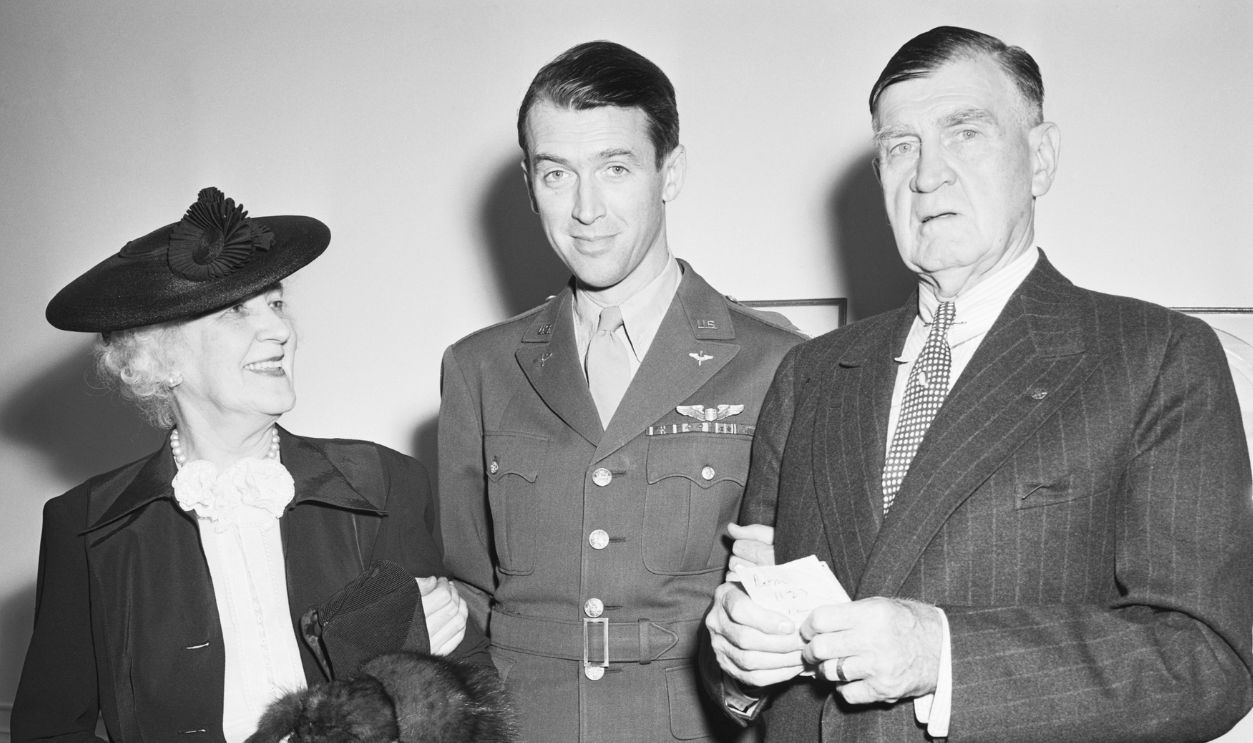
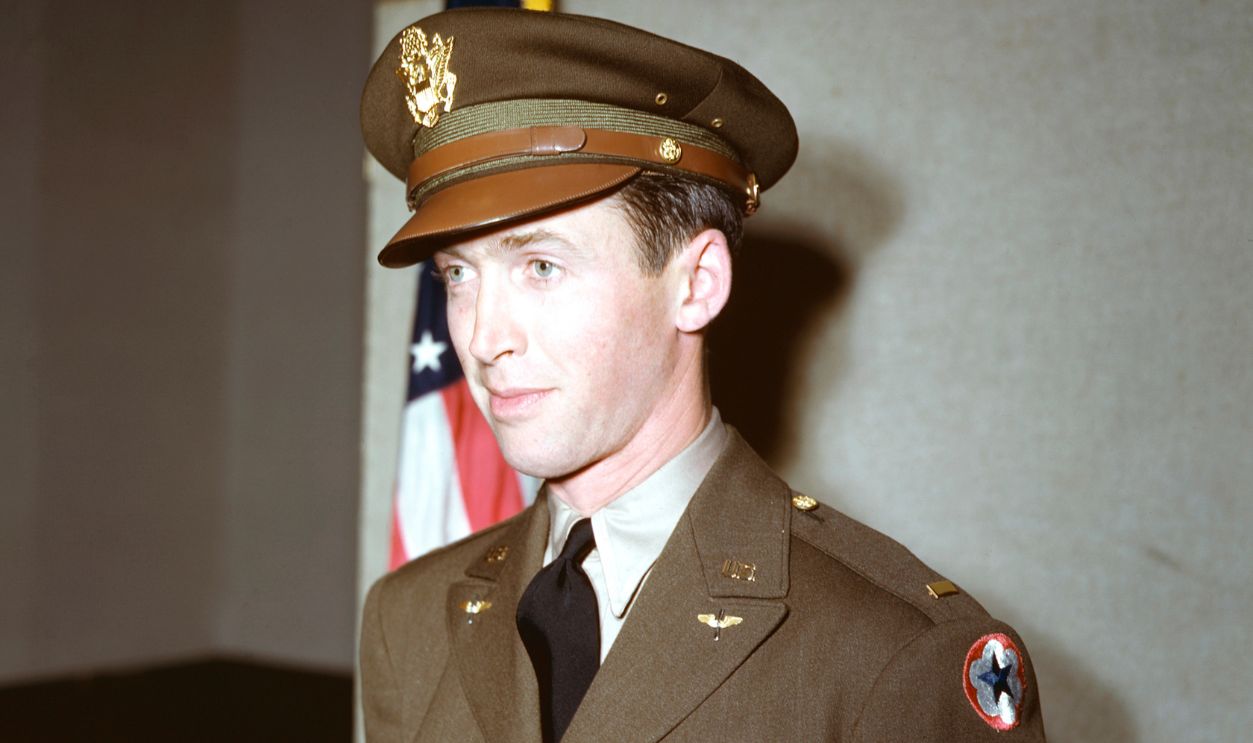
When Stewart returned from WWII, people noticed he looked different. He was thinner, older, and more worn than the star who had left Hollywood. The boyish softness that had made him so appealing in the 1930s was still there, but it now sat beside something more haunted.
It Changed Him Emotionally Too
Stewart rarely spoke in detail about combat, but biographers and later commentators have described symptoms consistent with battle fatigue or post-traumatic stress. He had seen the loss of life, pressure, fear, and responsibility in ways most actors never had. That burden followed him back into civilian life.
 Silver Screen Collection, Getty Images
He Did Not Want To Talk About His Service
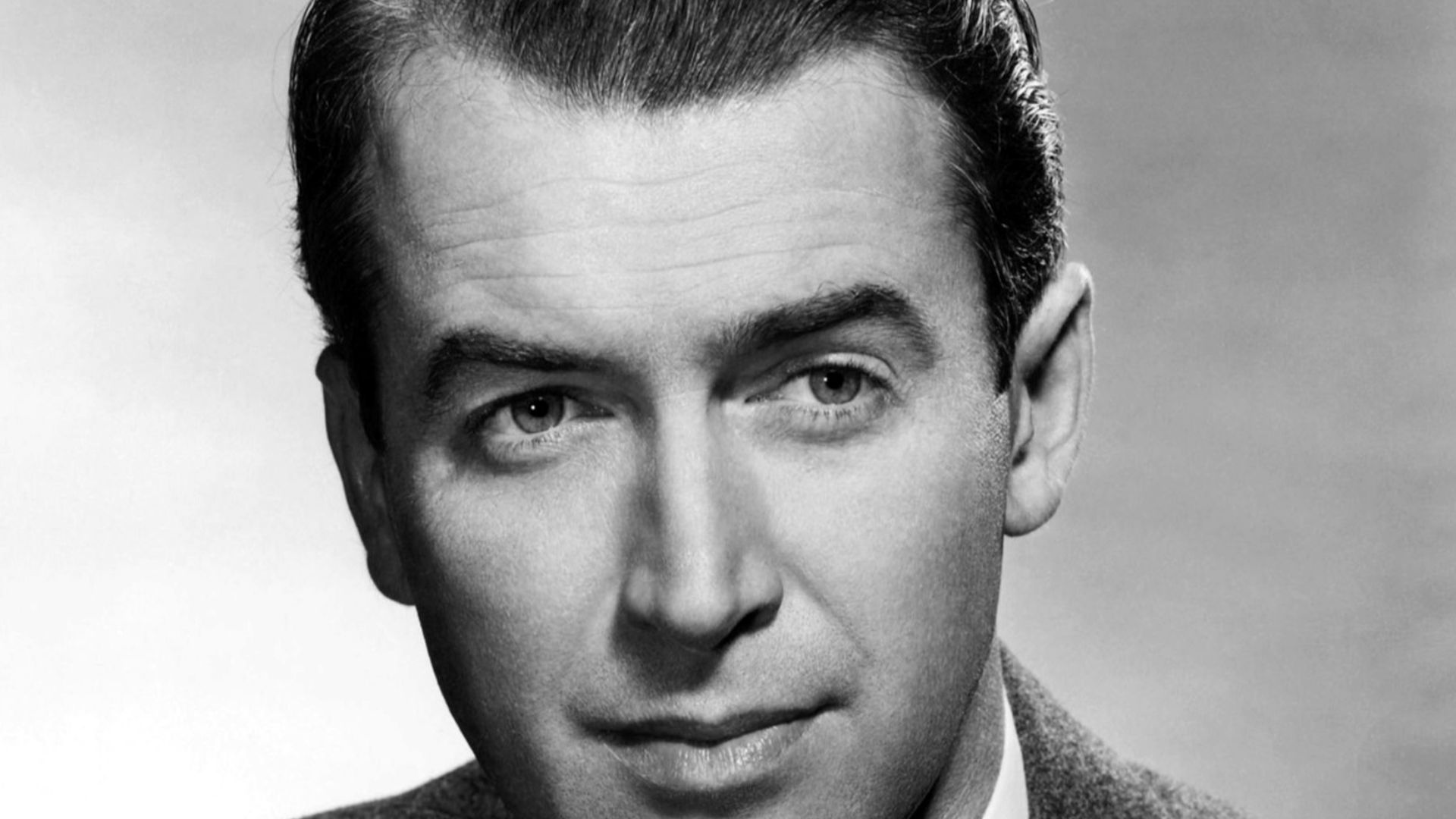
One telling detail is that Stewart reportedly did not want interviewers asking him about his service while he was returning to acting. That said, it would seem that Stewart never wanted to use his harrowing experiences in combat for publicity. He seemed to want distance from it, even as it shaped everything he brought home.
 Studio publicity still, Wikimedia Commons
Hollywood Felt Strange To Him
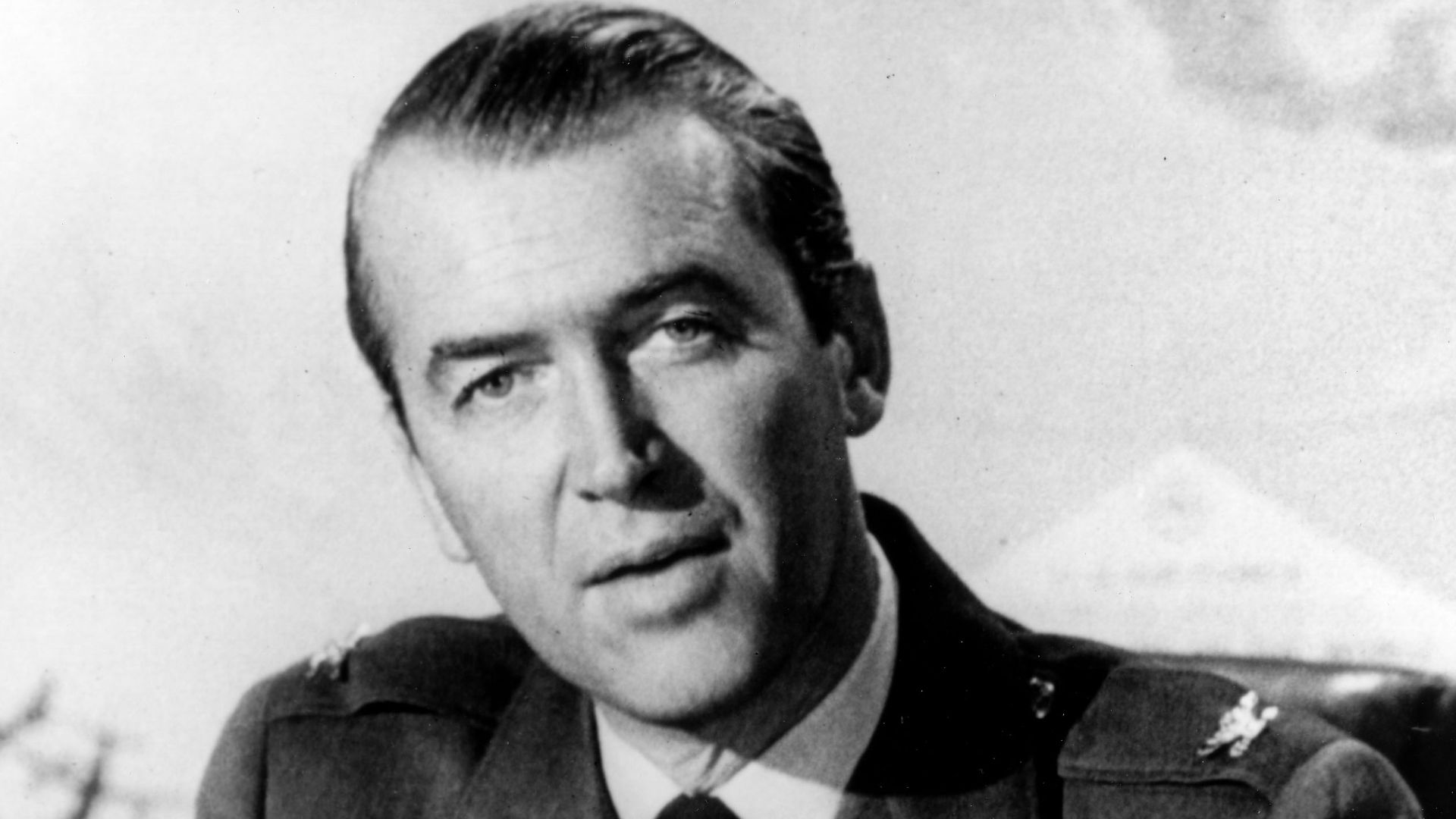
After the horrors of WWII, acting could suddenly feel trivial. Stewart struggled with whether performance was still a serious pursuit after what he had seen. During the making of his first postwar film, he reportedly wondered aloud whether acting was a “decent” thing to do.
 Petrusbarbygere, Wikimedia Commons
He Questioned Whether He Could Return
The idea that Stewart wanted to quit acting is best understood through that postwar uncertainty. He had not simply lost interest in movies. He was questioning whether he still belonged in Hollywood at all. He had left as a star and returned as a veteran who felt changed beyond easy repair.
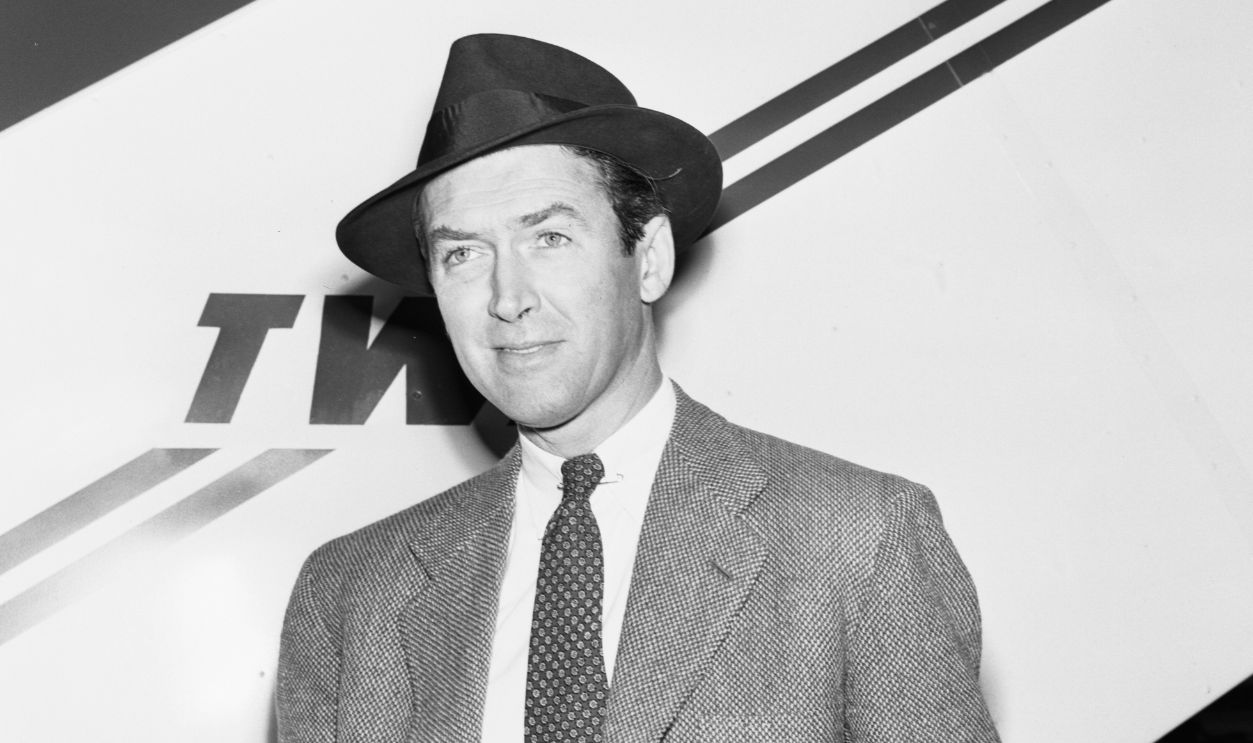 University of Southern California, Getty Images
Frank Capra Had Changed Too
Director Frank Capra had also served during WWII, making films for the military and returning to Hollywood with his own postwar ambitions. He wanted to launch Liberty Films, an independent company, and needed a story that could speak to a country trying to find itself again.
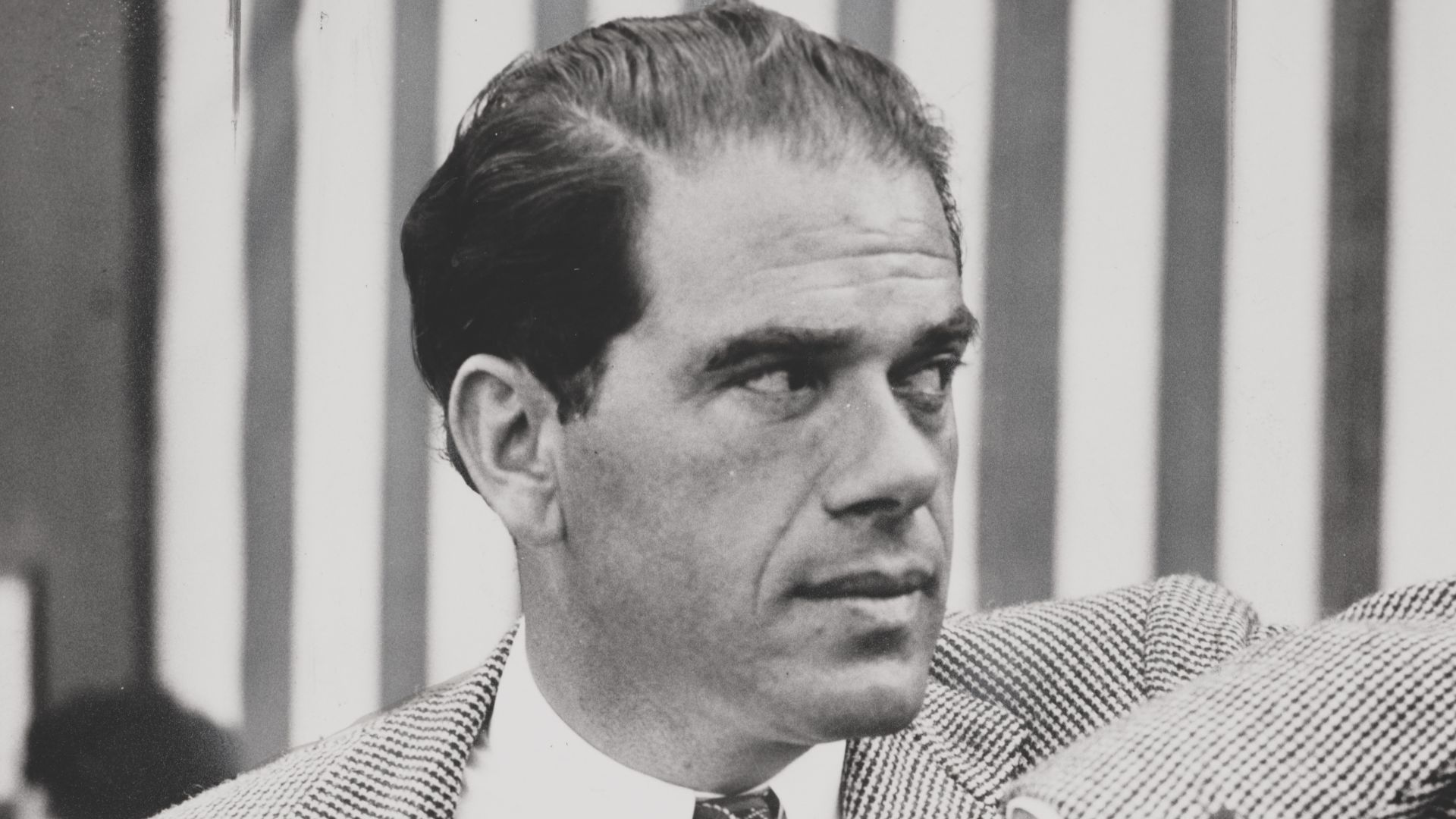 NYWT&S staff photographer, Wikimedia Commons
The Story Came From The Greatest Gift
It’s a Wonderful Life began with Philip Van Doren Stern’s short story The Greatest Gift. RKO had acquired the rights, then sold them to Capra’s Liberty Films. Capra saw in the story a chance to make a film about despair, community, purpose, and the unseen value of one life.
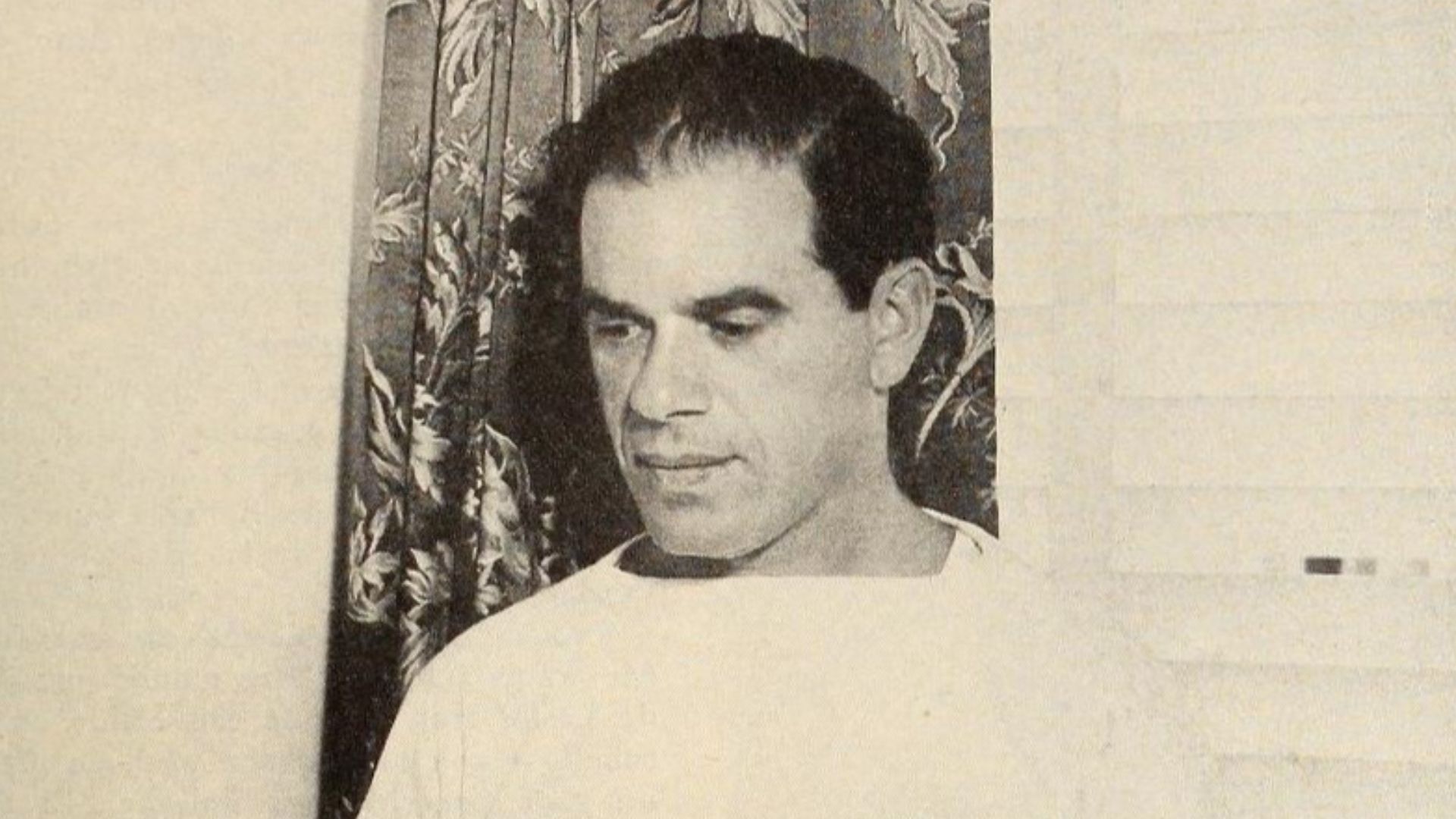 Photographer not credited, Wikimedia Commons
Capra Wanted Stewart As George Bailey
Capra sent the script to Stewart, and Stewart agreed to play George Bailey. It was a risky choice for both men. Capra was trying to restart his career after WWII, and Stewart was trying to find out if he could still act. The film became the first postwar movie for both of them.
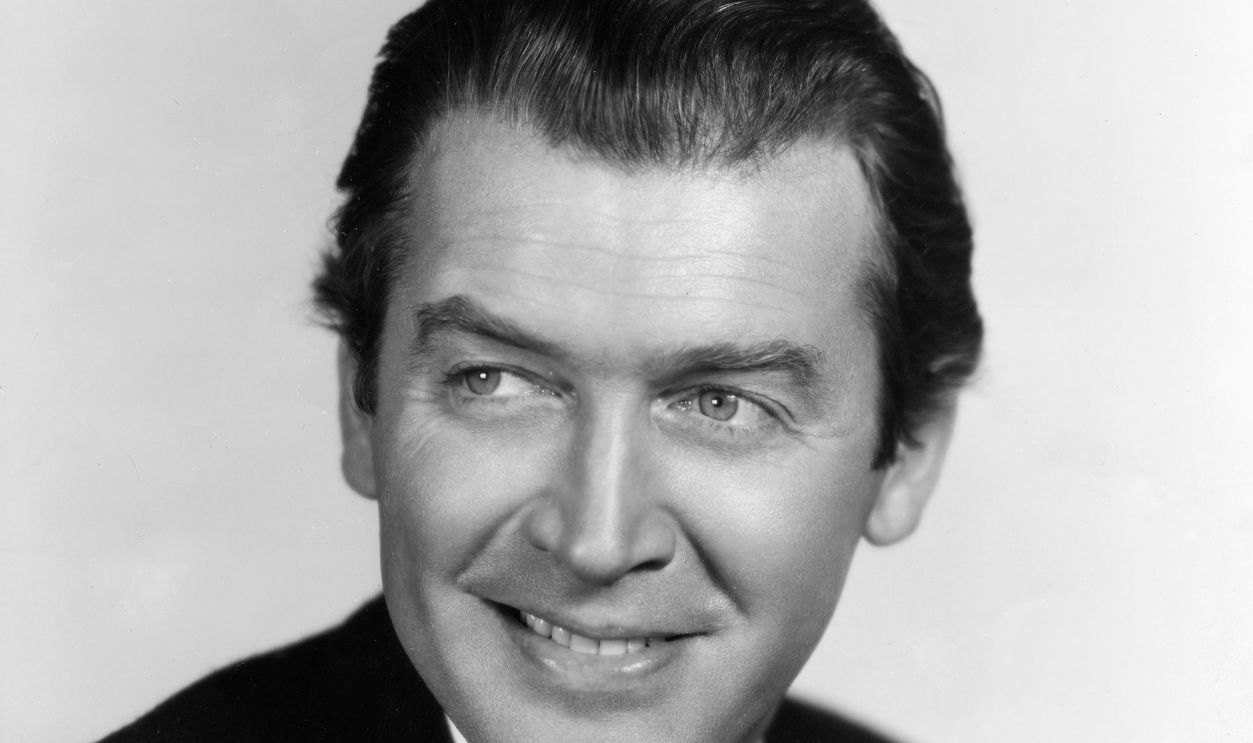 ullstein bild Dtl., Getty Images
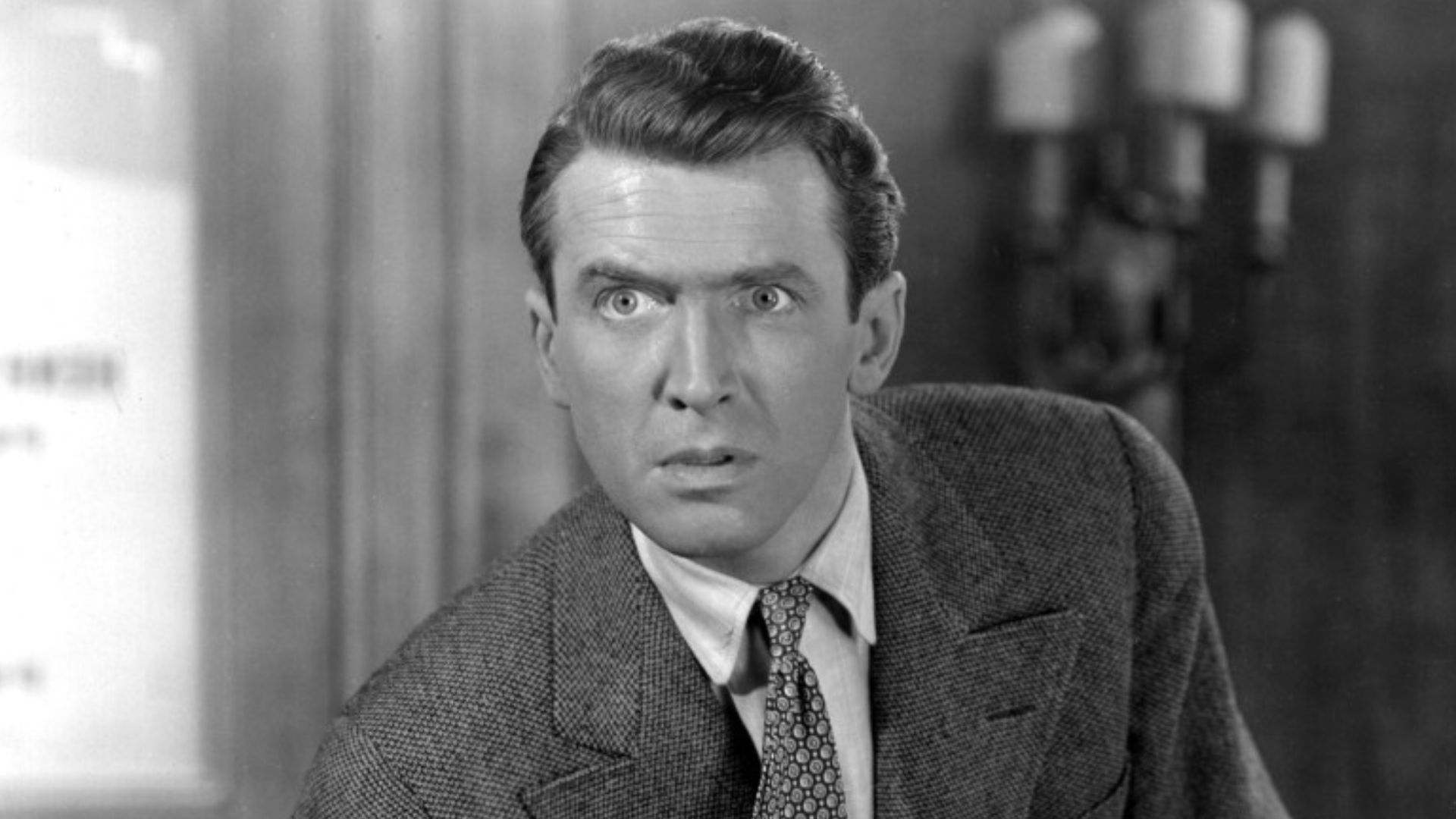
George Bailey Was The Perfect Postwar Role
On paper, George Bailey was a small-town dreamer trapped by duty. But after WWII, the role carried darker weight. George’s anger, panic, sacrifice, exhaustion, and desperate need to know his life mattered gave Stewart a way to act from places Hollywood had never seen in him before.
 Liberty Films, Wikimedia Commons
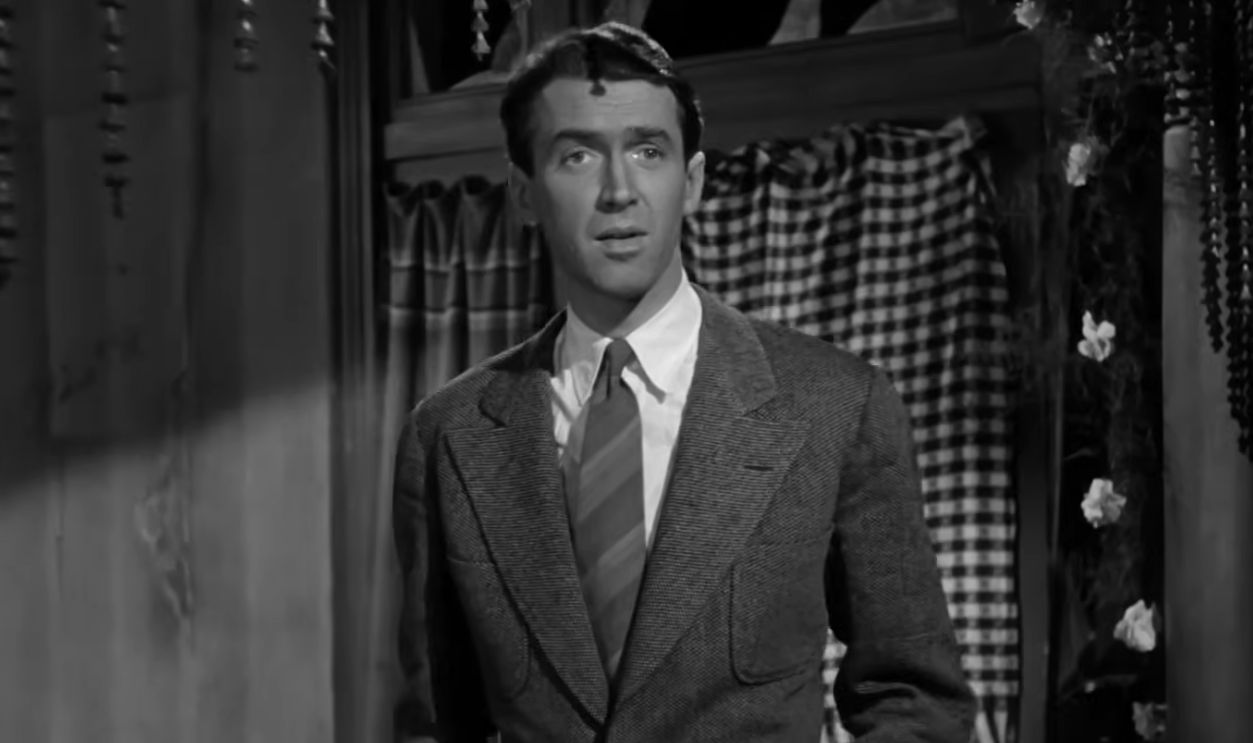
The Role Was Not Simple Sentiment
It’s a Wonderful Life is often remembered as a warm holiday classic, but much of it is emotionally brutal. George Bailey feels trapped, lashes out at his family, contemplates taking his own life, and believes he has wasted his life. For a veteran struggling to return to normal life, that despair had real force.
 Screenshot from It's a Wonderful Life, RKO Radio Pictures (1946)
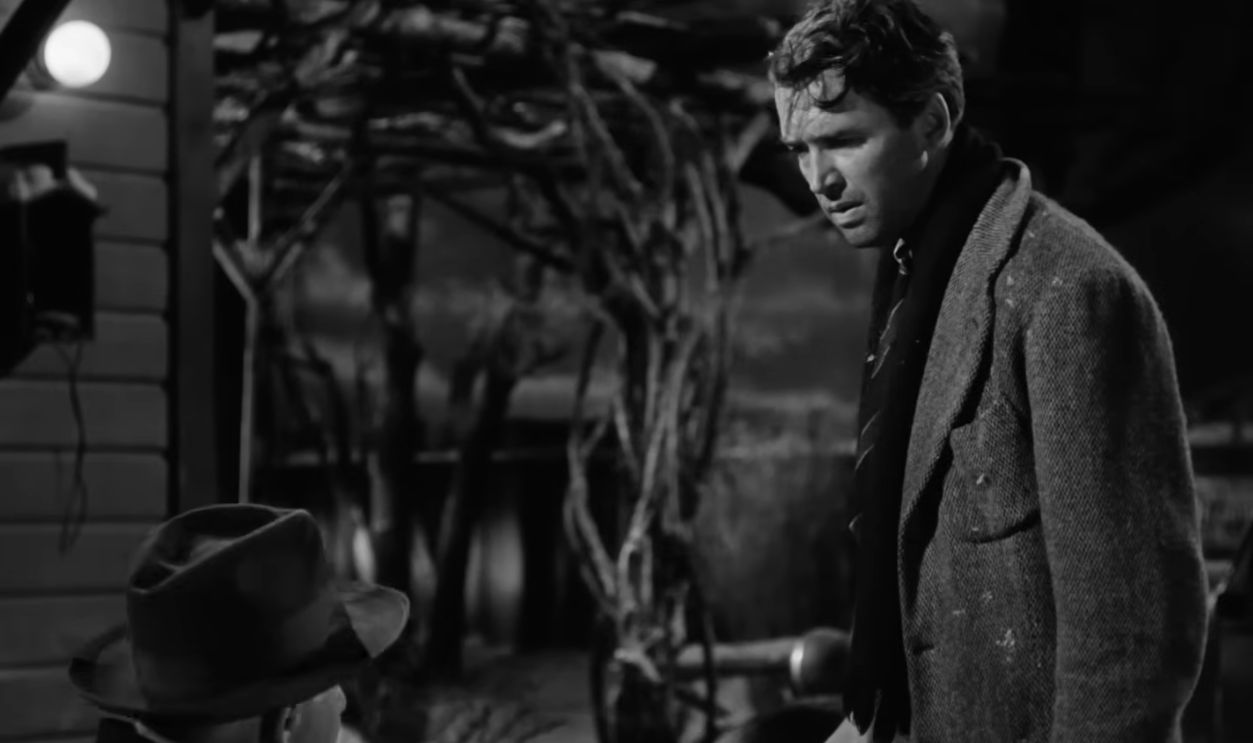
The Role Helped Him Find His Way Back
Later writers and historians have argued that Stewart’s performance shows a man rediscovering his craft after WWII. His old charm remained, but now it was mixed with rage, fear, shame, and spiritual exhaustion. George Bailey became the bridge between Stewart’s prewar innocence and his postwar depth.
 Screenshot from It's a Wonderful Life, RKO Radio Pictures (1946)
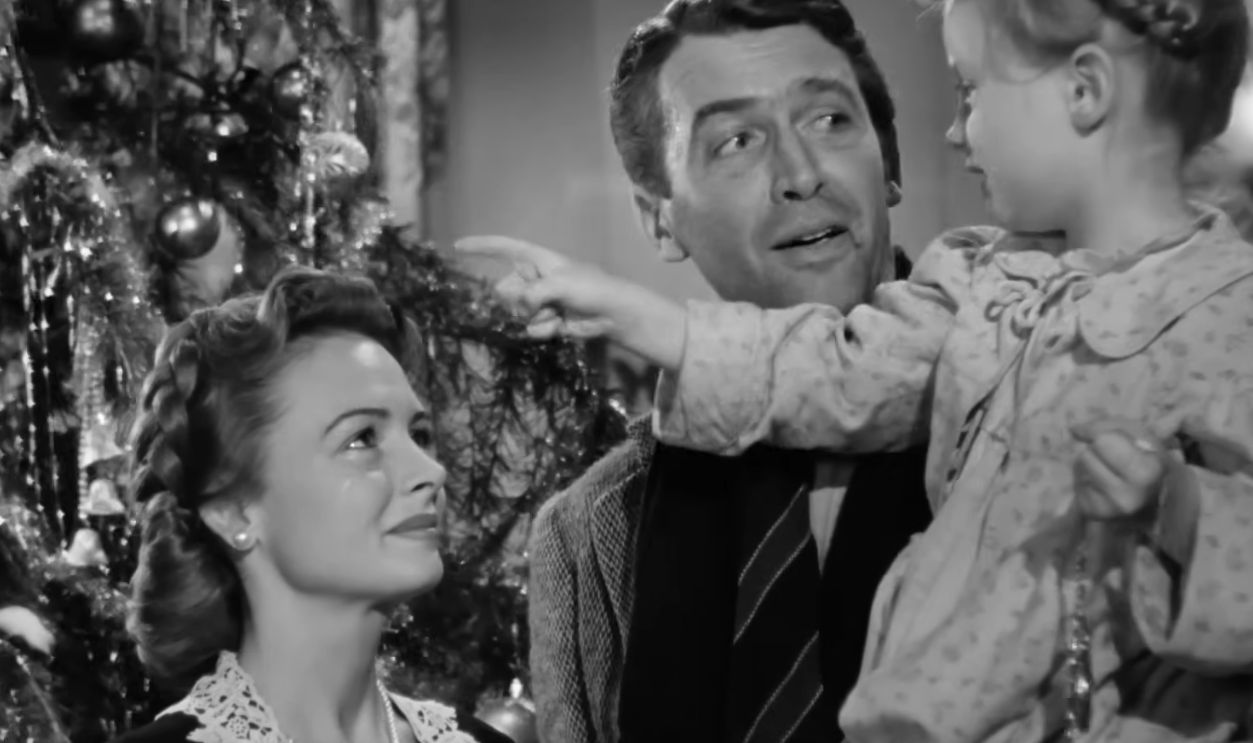
The Set Was Full Of Nerves
Stewart was nervous during production. In one remembered scene with Donna Reed, he reportedly felt anxious because it had been years since he had kissed a woman on screen. He was not simply returning to an old job. He was reentering a world that no longer felt natural.
 Screenshot from It's a Wonderful Life, RKO Radio Pictures (1946)
The Famous Prayer Scene Cut Deep
The barroom prayer scene became one of the clearest examples of Stewart’s changed acting. George Bailey, broken and desperate, asks God for help. Stewart later said the emotion overwhelmed him during the scene. The tears were real, and Capra understood that he could not simply ask him to repeat the moment.
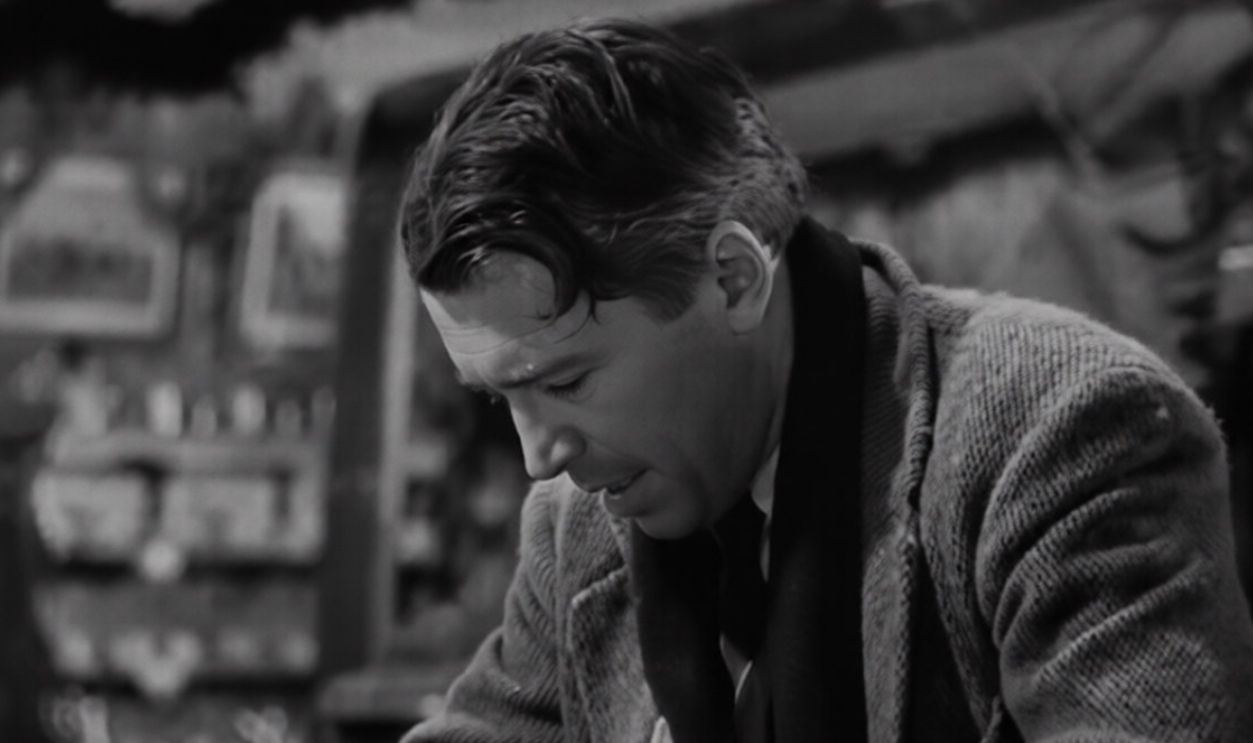 Screenshot from It's a Wonderful Life, RKO Radio Pictures (1946), Enhanced
Capra Protected The Moment
Because Stewart’s breakdown in the prayer scene was so raw, Capra reportedly used a blown-up close-up rather than forcing another take. That choice preserved the first emotional rupture. What appeared on screen was not polished movie sadness. It was something more exposed.
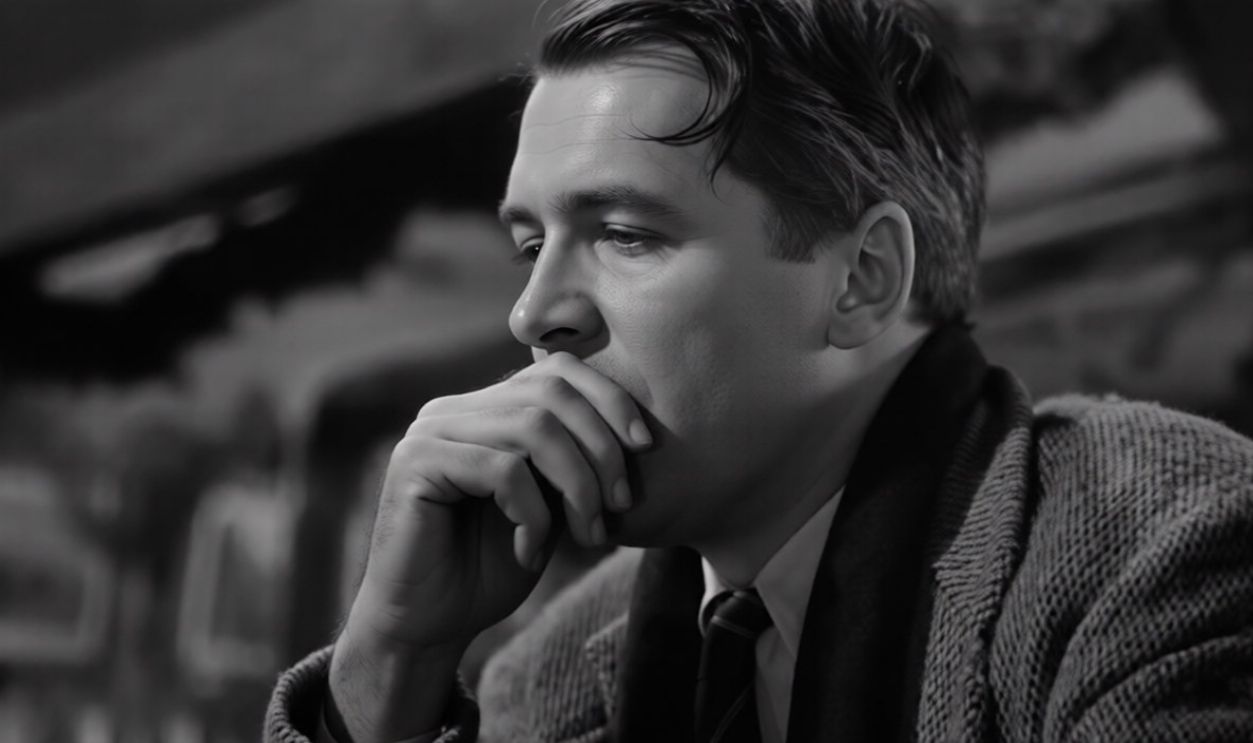 Screenshot from It's a Wonderful Life, RKO Radio Pictures (1946), Enhanced
Donna Reed Saw The Intensity Up Close
Donna Reed’s Mary Bailey gave Stewart someone to play against with warmth, frustration, and romantic longing. Their phone scene remains one of the film’s most electric moments, partly because Stewart’s George seems almost afraid of wanting a life. The performance is tender, but also shaken.
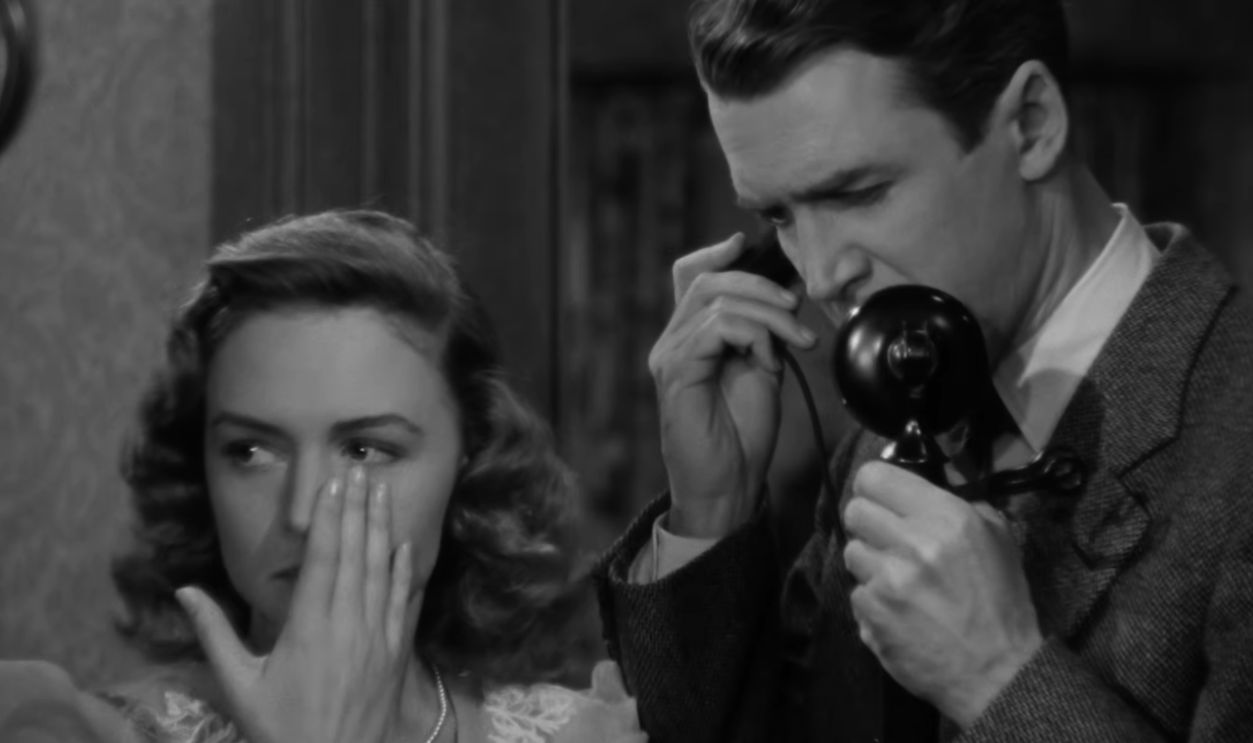 Screenshot from It's a Wonderful Life, RKO Radio Pictures (1946)
The Film Was Shot Like A Big Gamble
It’s a Wonderful Life was Liberty Films’ first production and a major investment. Capra built the town of Bedford Falls on a large RKO backlot set, creating a full small-town world for George Bailey to lose and regain. The movie looked warm, but the stakes behind it were enormous.
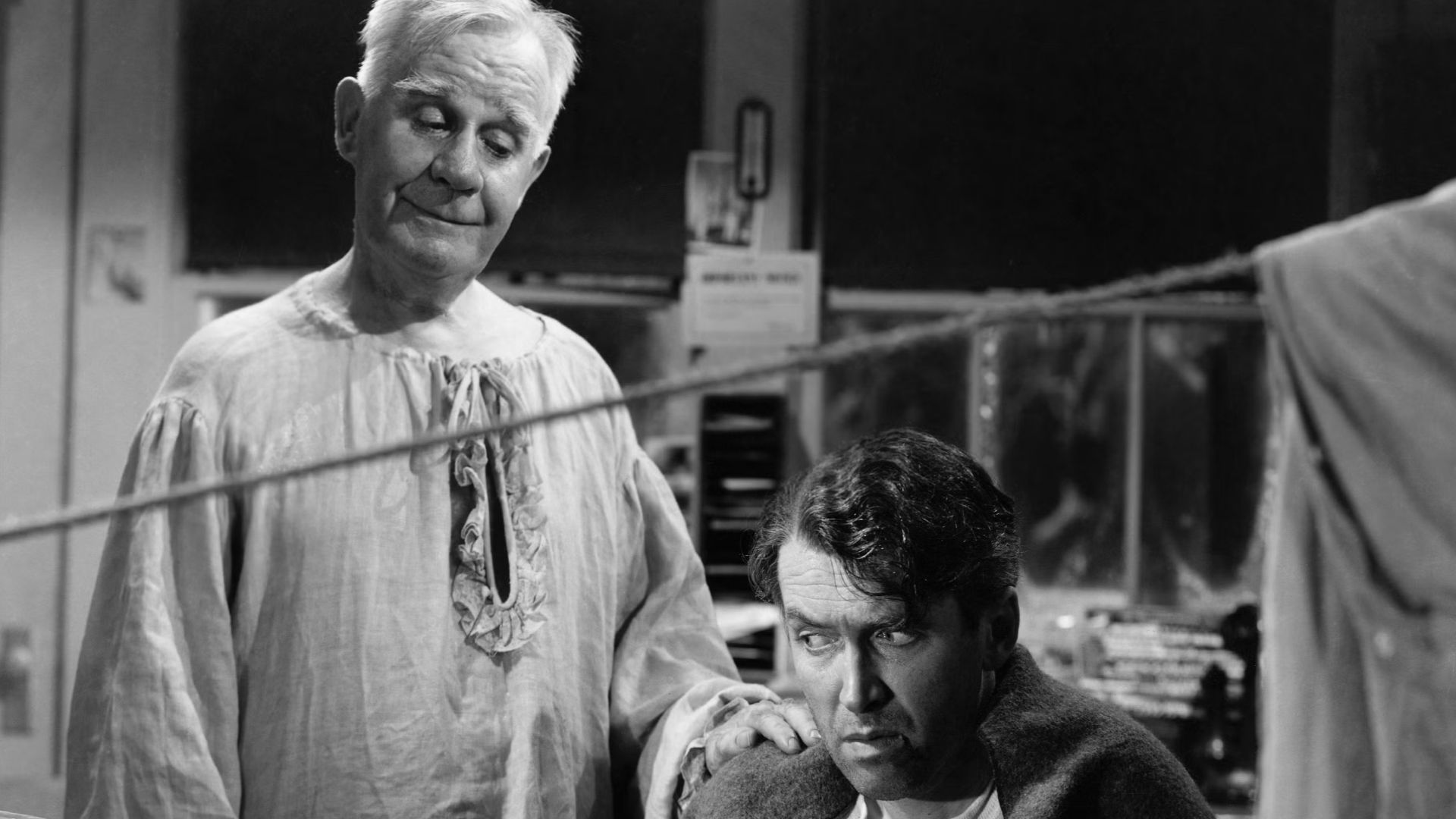 Liberty Films (Original holder of property rights), Wikimedia Commons
The Movie Did Not Feel Like A Triumph At First
Today, It’s a Wonderful Life is considered one of the great American films, but its original release was not a runaway success. It received mixed reviews, did not become the box-office hit its makers needed, and later became famous partly because of repeated television broadcasts.
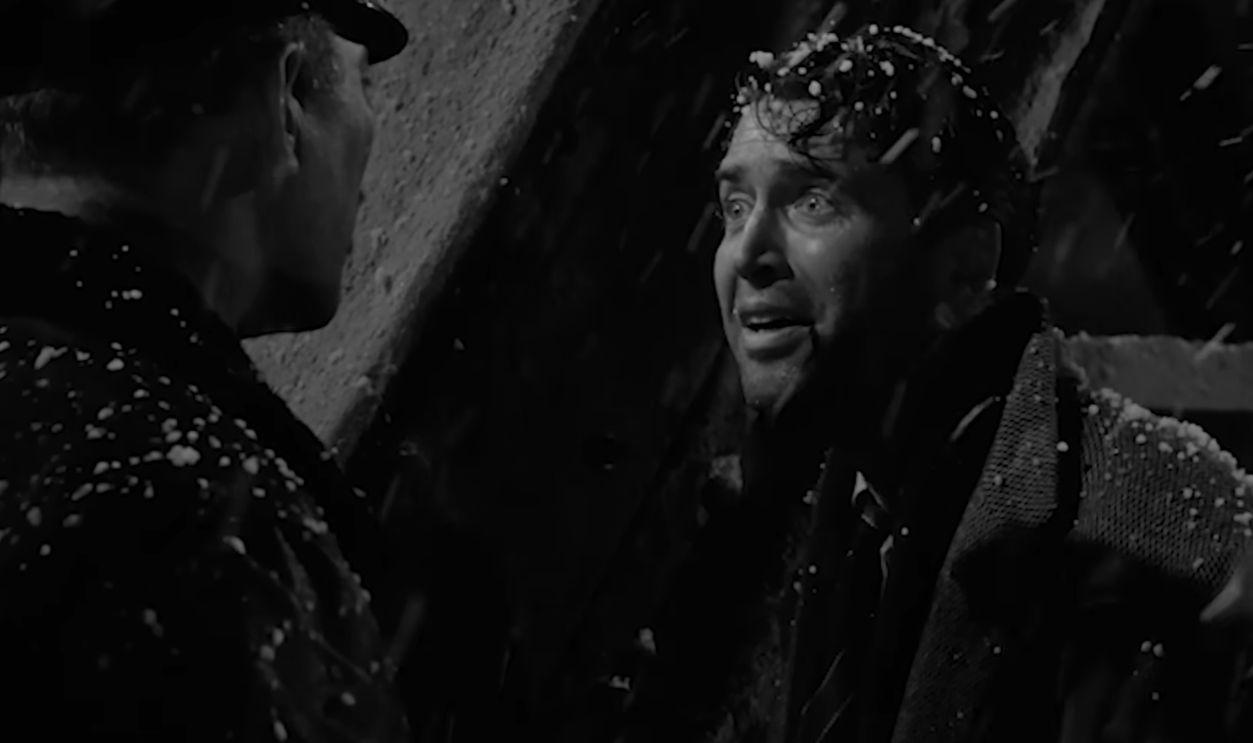 Screenshot from It's a Wonderful Life, RKO Radio Pictures (1946)
Stewart Still Earned An Oscar Nomination
Even though the film’s initial reception was complicated, Stewart’s performance was recognized. He received an Academy Award nomination for playing George Bailey. Despite his doubts, his stellar performance proved that he could return to acting—though perhaps not by becoming exactly the man he had been before WWII.
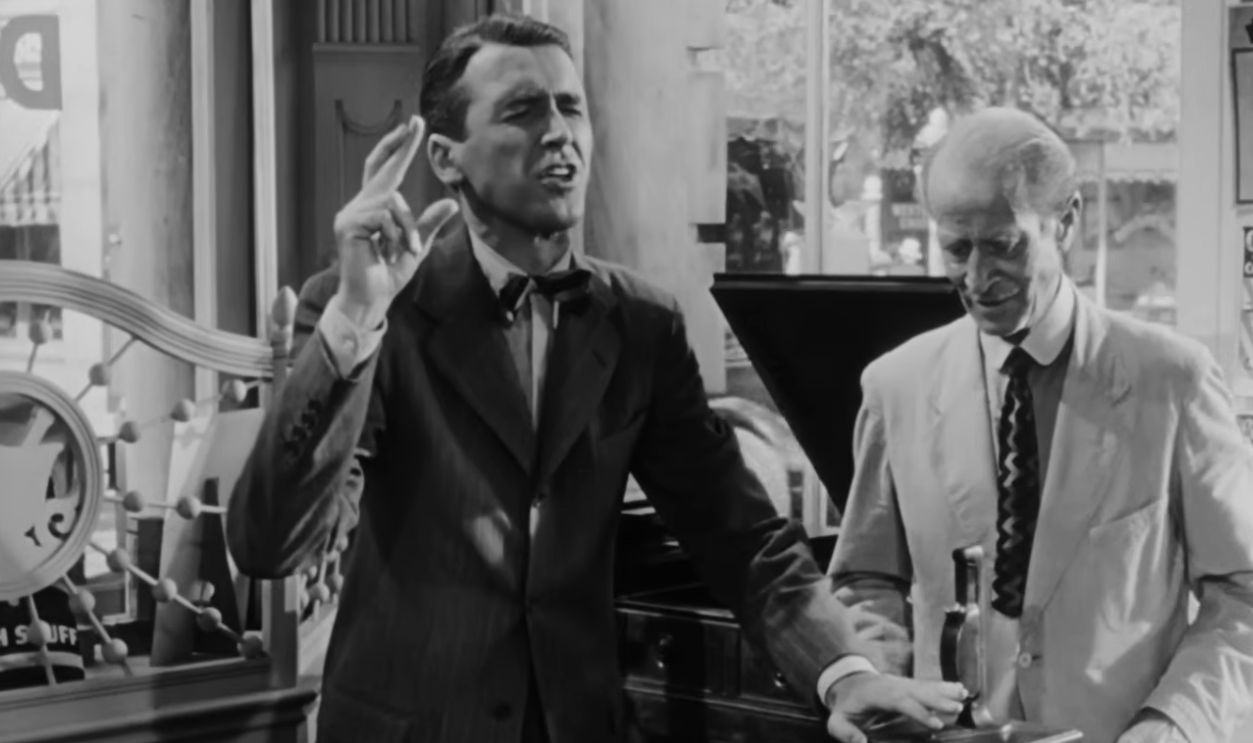 Screenshot from It's a Wonderful Life, RKO Radio Pictures (1946)
His Career Became Darker Afterward
The postwar Stewart was not just the sweet, stammering idealist of the 1930s. His later roles often had sharper edges. In westerns and thrillers, especially with directors such as Anthony Mann and Alfred Hitchcock, he played men touched by obsession, bitterness, guilt, fear, and moral compromise.
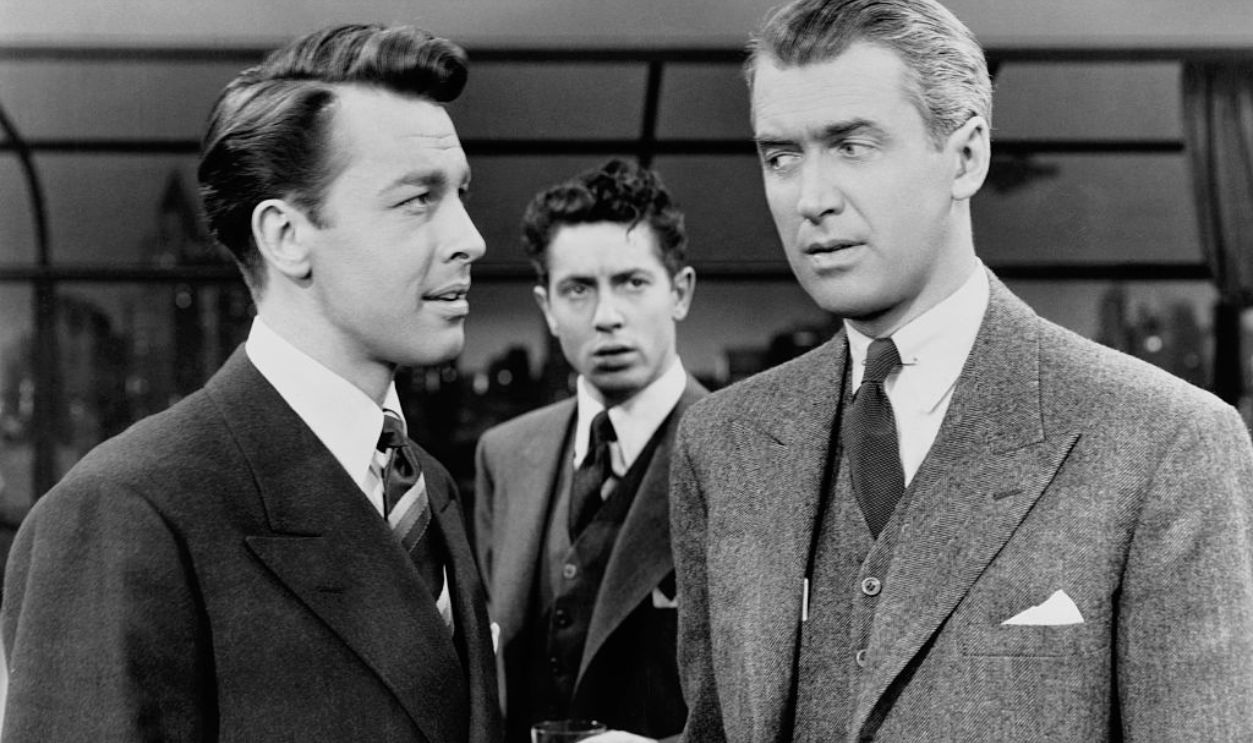 John Springer Collection, Getty Images
WWII Gave His Acting New Shadows
Stewart’s greatness after WWII came from the way he carried contradiction. He could still seem gentle and decent, but viewers could also feel anger and damage underneath. That made his later performances richer. WWII had taken something from him, but it had also given his acting a frightening new truth.
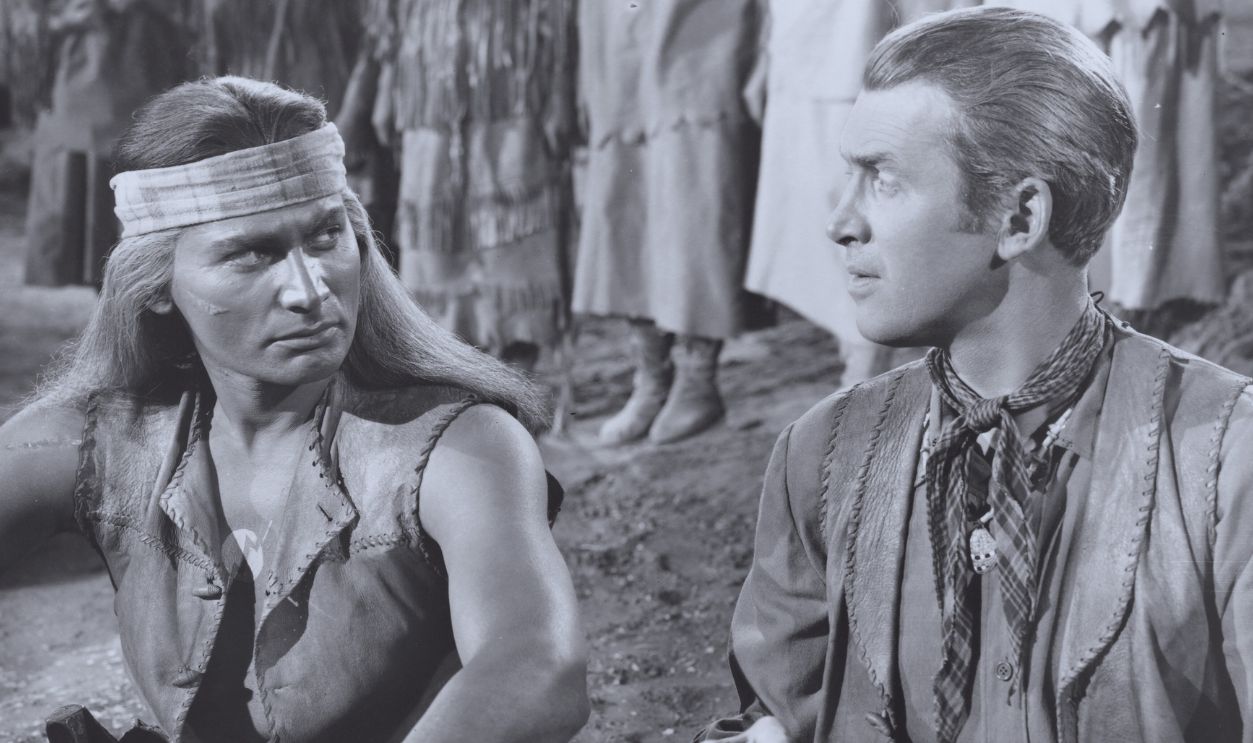 John Springer Collection, Getty Images
He Never Fully Left The War Behind
Stewart continued with the Air Force Reserve for decades, and his service remained part of his identity. Yet he rarely turned it into self-promotion. In public, he remained modest. On screen, however, the echoes of WWII had changed the emotional weather of his performances forever.
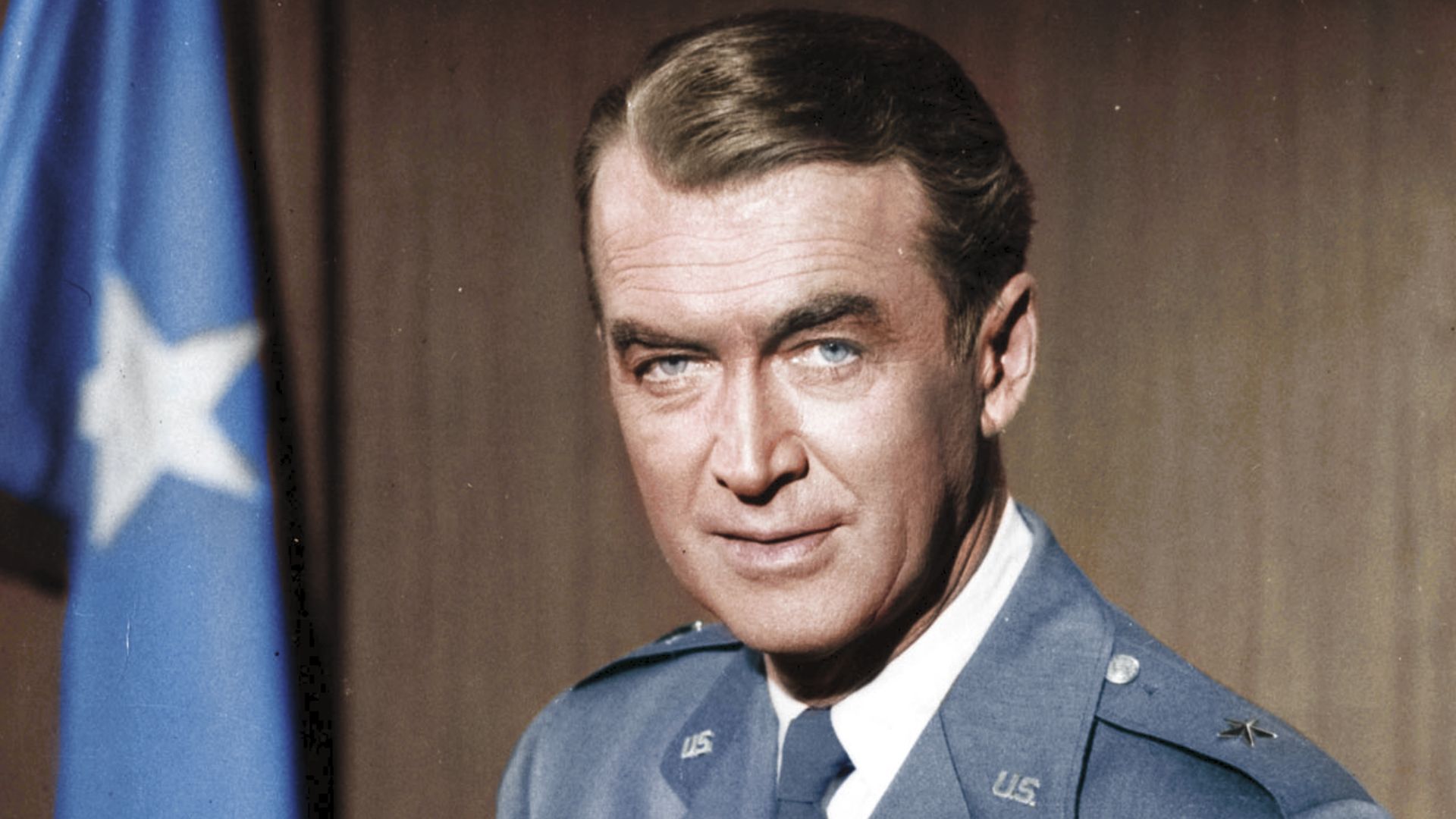 Cassowary Colorizations, Wikimedia Commons
You May Also Like:
What Happened to The Fall Guy Star Heather Thomas?
Kirk Cameron Had Everything A Teen Idol Could Want, Then He Chose A Completely Different Life
Heartbreaking Facts About Ann Miller, The Star-Crossed Dancing Sensation
Sources: 1, 2, 3, 4, 5, 6, 7, 8, 9, 10, 11, 12, 13, 14, 15, 16, 17, 18