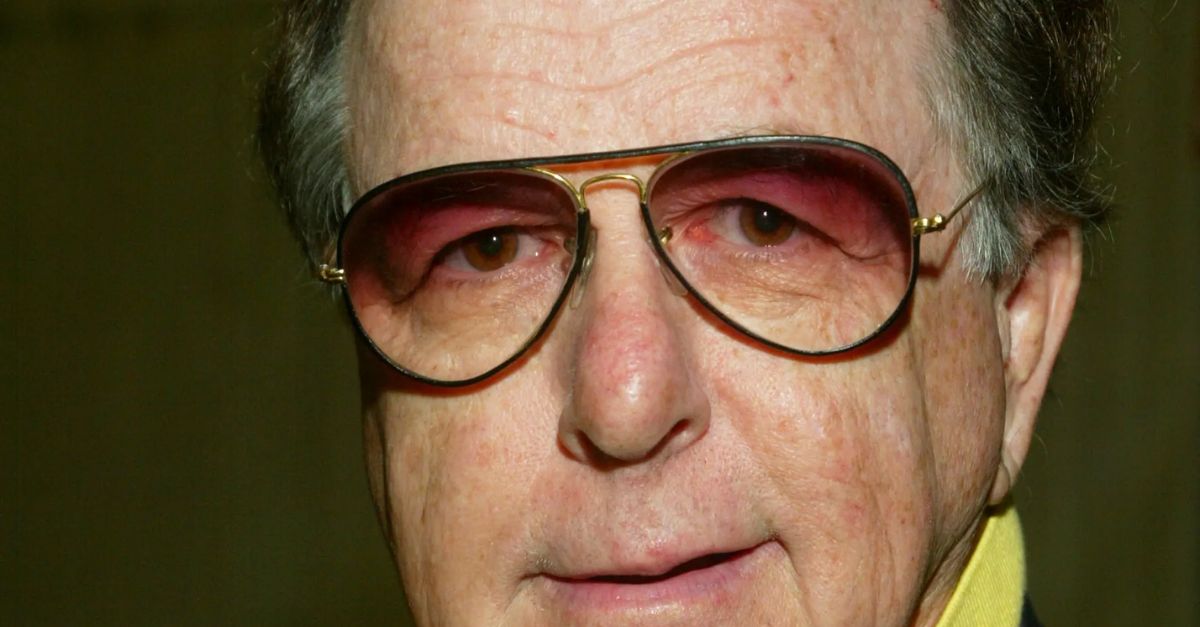
Still Here Remembering
Every December, It’s a Wonderful Life finds new viewers and fresh emotions. Time has thinned its cast, but a handful of actors who shaped its legacy are still here, preserving stories that connect the film’s past to the present.
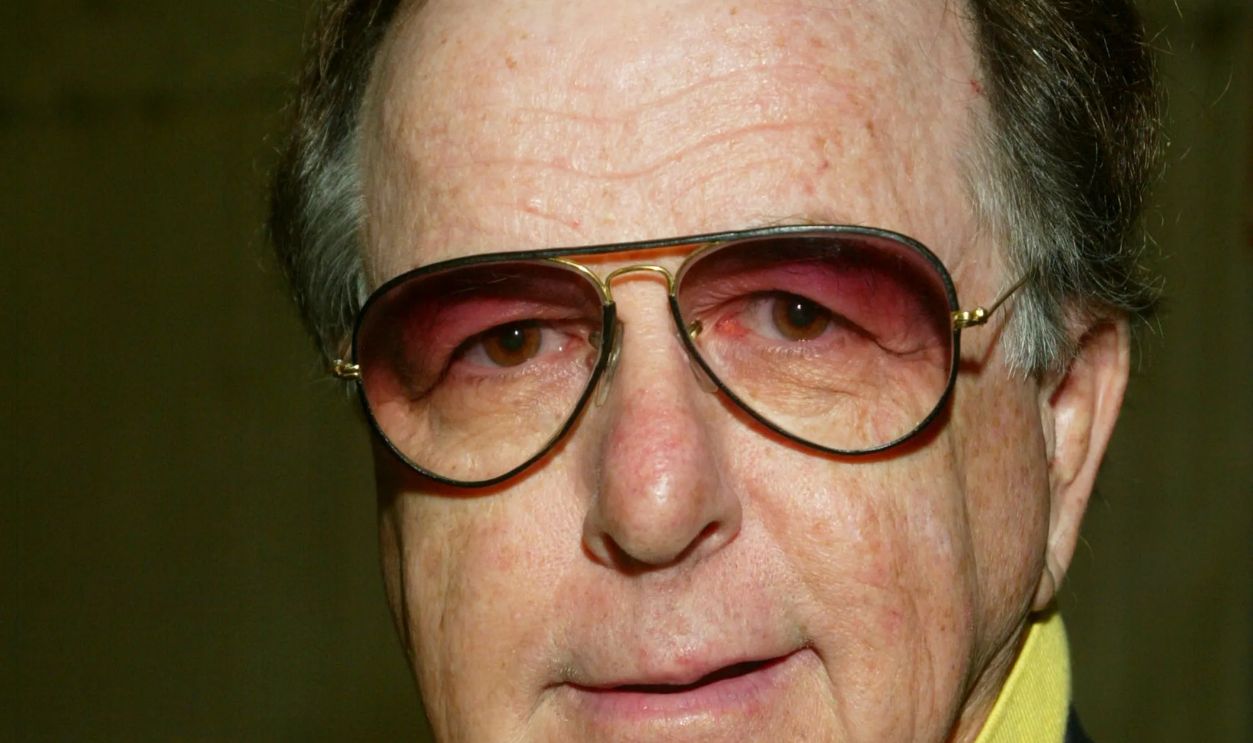
Karolyn Grimes And The Heart Of Zuzu Bailey
Some movie performances never age, even when the actors do. Karolyn Grimes, born July 4, 1940, played Zuzu Bailey, the youngest daughter whose quiet sweetness grounds It’s a Wonderful Life and keeps the Bailey family emotionally believable.
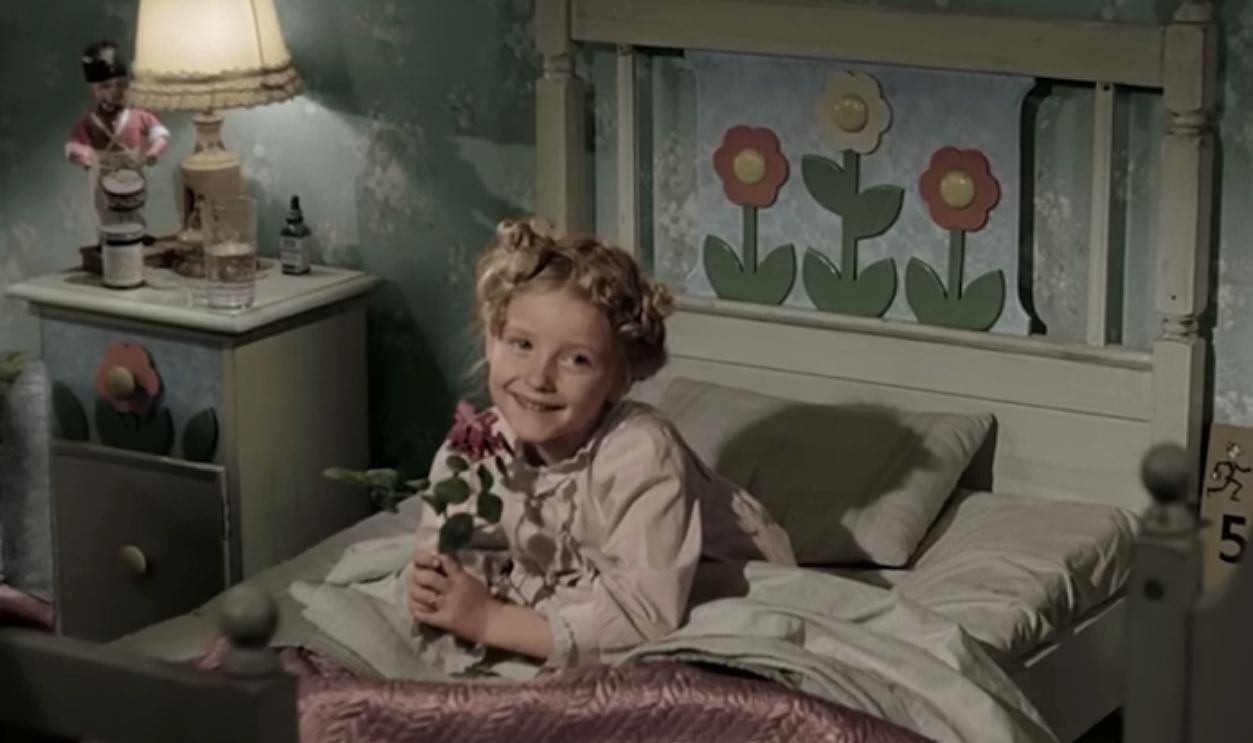 Screenshot from It’s a Wonderful Life, RKO Radio Pictures (1946)
Zuzu’s Psychological Role In The Story
Within the film’s structure, Zuzu acts as an emotional anchor. Her illness and recovery parallel George Bailey’s psychological crisis, reinforcing family attachment as a stabilizing force. Film scholars often cite this dynamic when explaining the movie’s long-term emotional power.
 Liberty Films, Wikimedia Commons
From Early Fame To A Quieter Life
Hollywood arrived unusually early for Karolyn Grimes. Born in California, she began acting before school age and appeared in multiple films. Later family tragedies pulled her away from studios, which turned childhood fame into a private chapter rather than a lifelong pursuit.
 John Mathew Smith & www.celebrity-photos.com from Laurel Maryland, USA, Wikimedia Commons
Career Beyond A Single Classic
Grimes worked steadily as a child actor outside of It's a Wonderful Life. Appearances in Blue Skies and The Bishop’s Wife expanded her resume. However, by the mid-1950s, she stepped away from acting, long before the film became a seasonal institution.
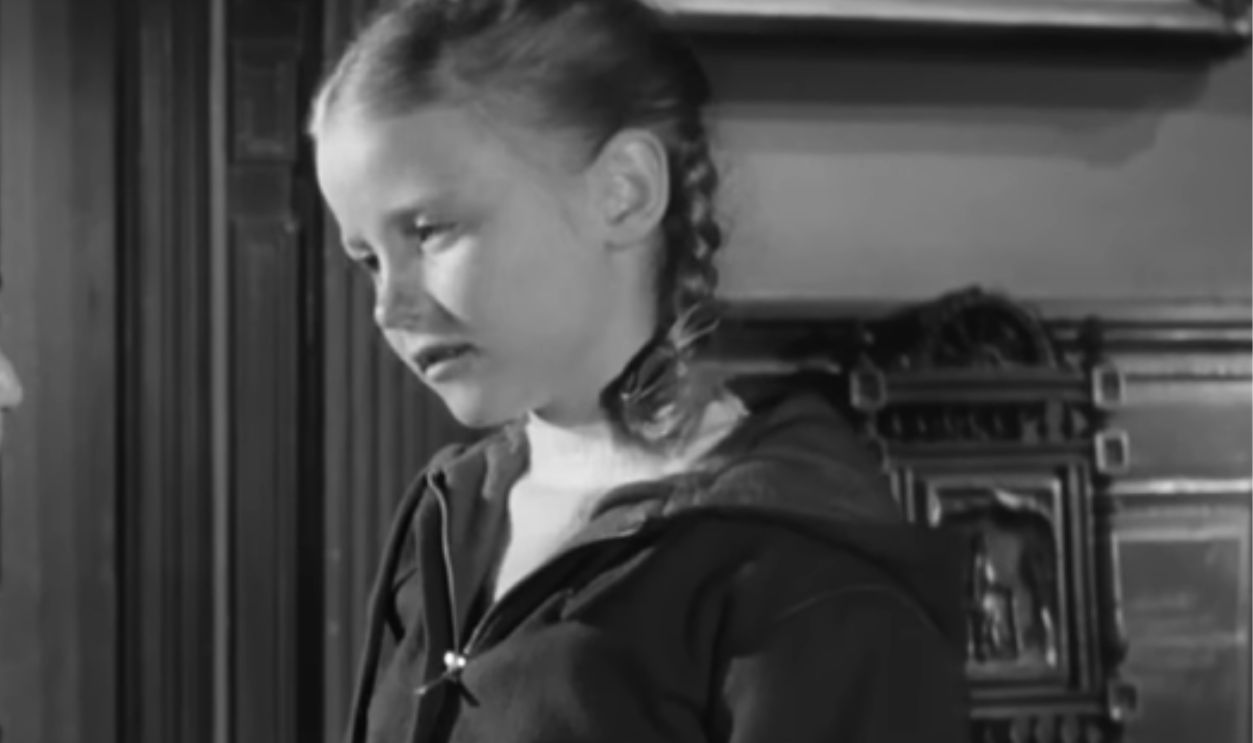 Screenshot from The Bishop’s Wife, RKO Radio Pictures (1947)
Resilience Beyond The Screen
Life tested Grimes way after the cameras stopped rolling. Orphaned as a teenager, she rebuilt herself far from Hollywood, trained as a medical technologist, and raised a family. Later personal losses added depth to the strength that audiences still sense in Zuzu.
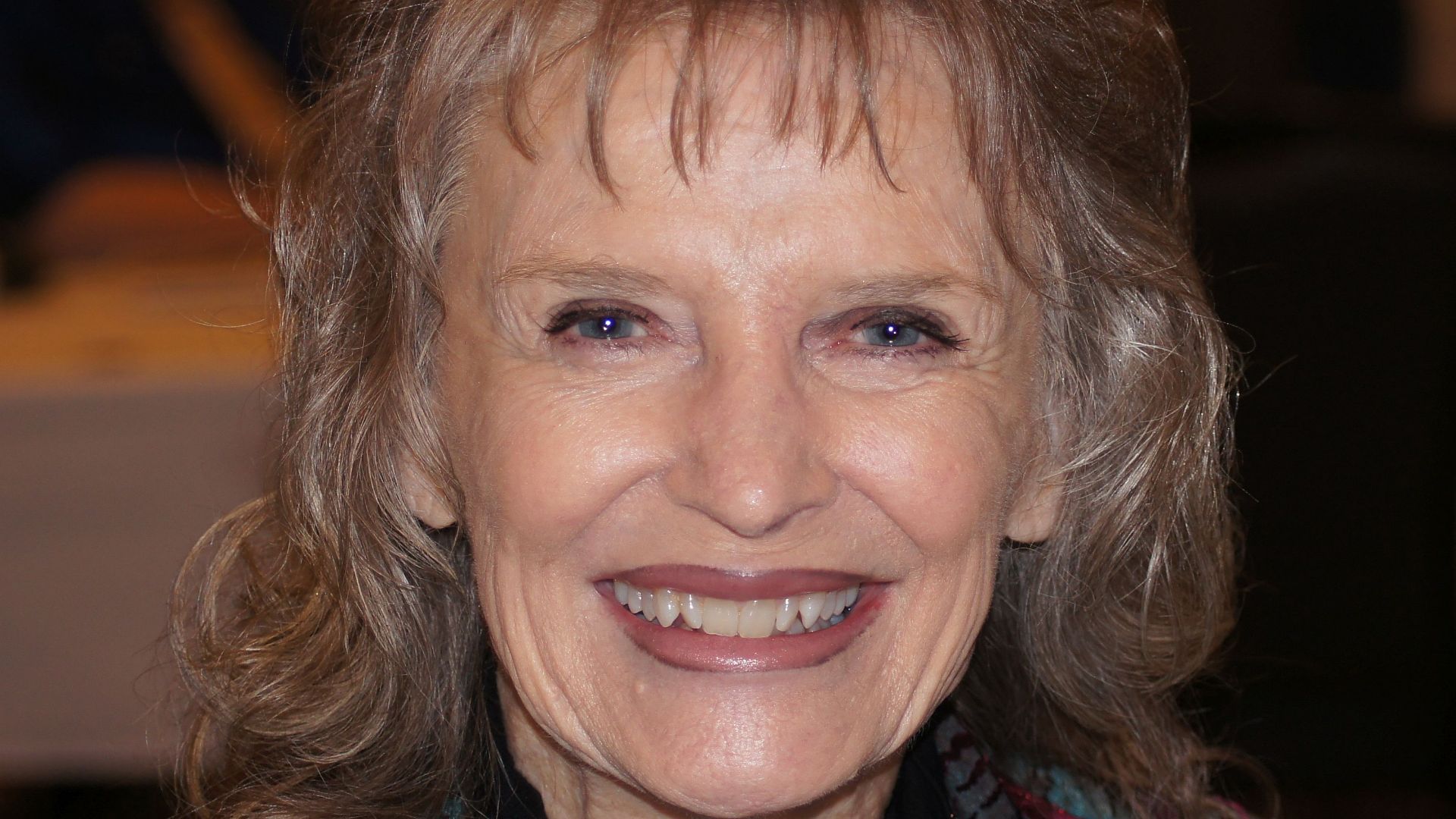 John Mathew Smith & www.celebrity-photos.com from Laurel Maryland, USA, Wikimedia Commons
Grimes As A Living Link To The Film
As of 2025, Karolyn Grimes remains one of the last surviving major cast members from It’s a Wonderful Life. Her continued presence offers firsthand insight into Frank Capra’s production style and the working atmosphere behind one of cinema’s most replayed films.
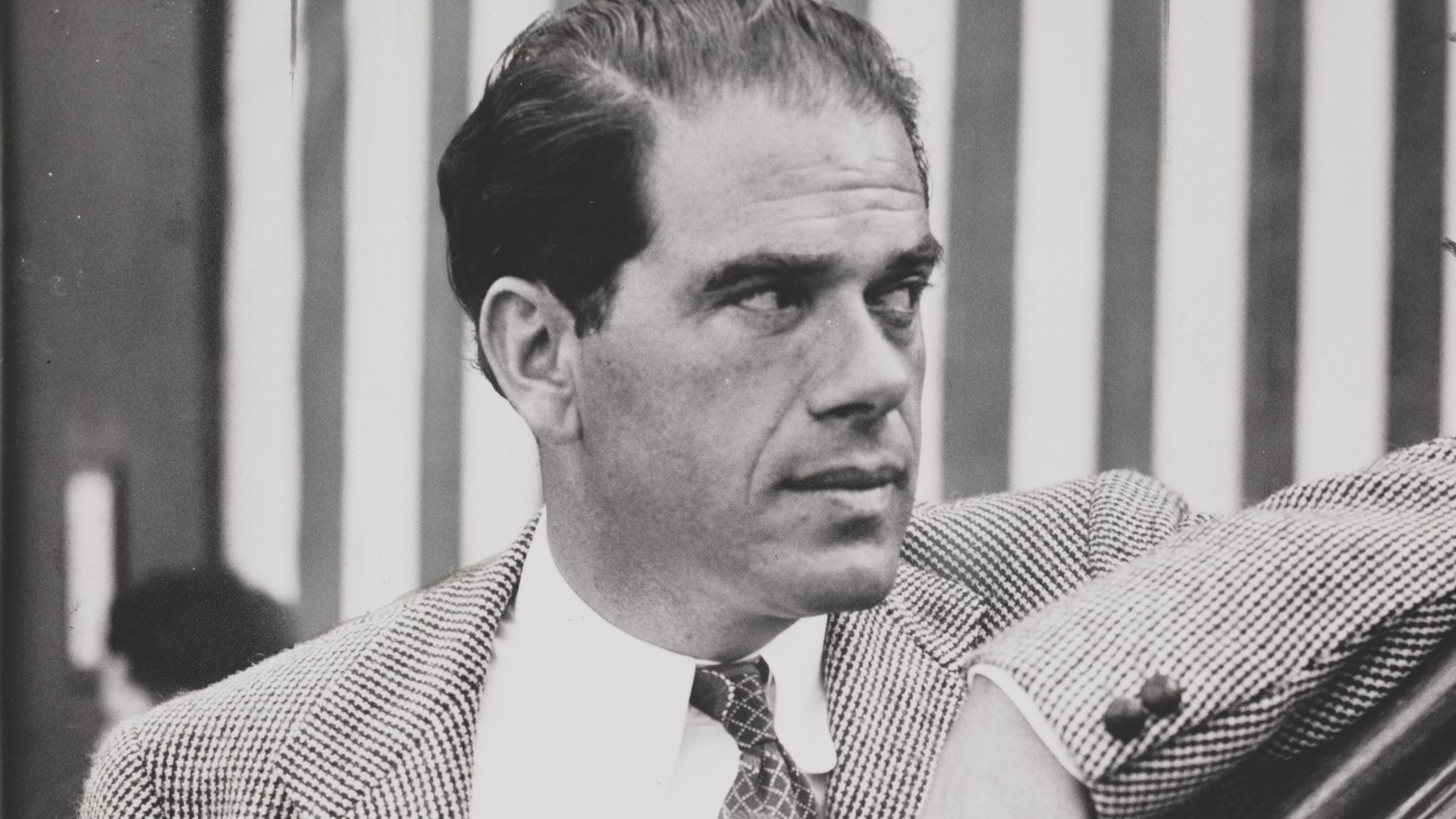 NYWT&S staff photographer, Wikimedia Commons
Public Appearances And Fan Engagement
Rather than retreat from the film’s legacy, Grimes actively supports it. She regularly appears at festivals, anniversary screenings, and holiday events, sharing memories that help contextualize the film’s history for audiences who discovered it decades after its release.
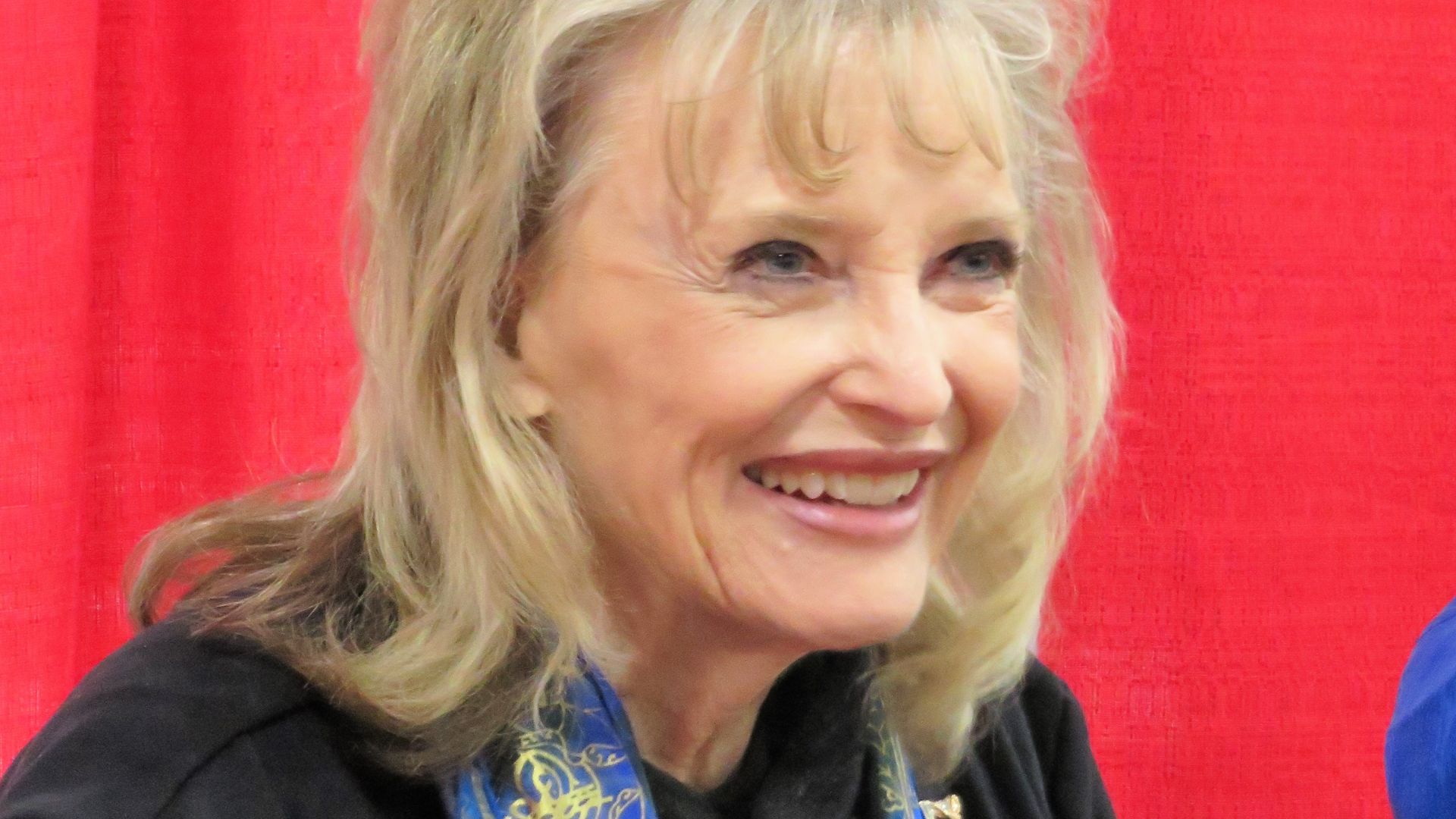
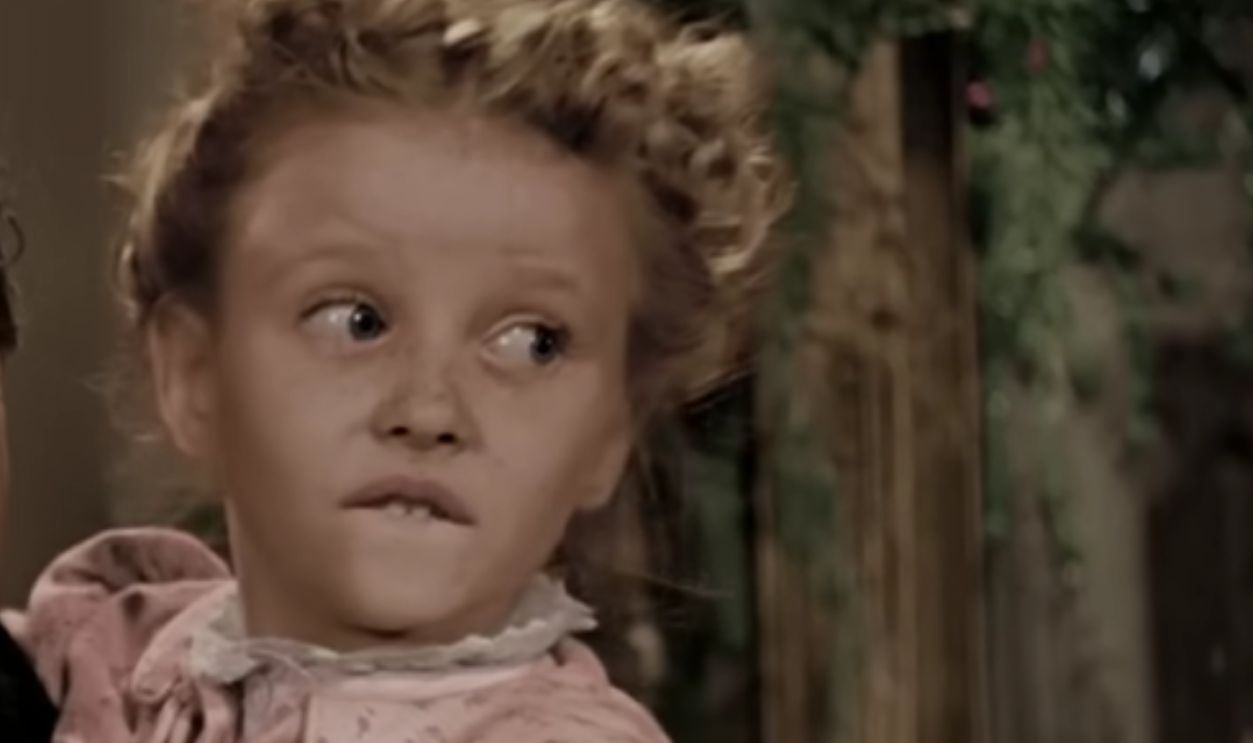
The Famous Line That Defined Zuzu
Zuzu’s line, “Every time a bell rings, an angel gets his wings,” became one of the film’s most quoted moments. Spoken simply by a child actor, it grew into a cultural shorthand for belief and reassurance, and audiences still ask Karolyn Grimes to repeat it publicly.
 Screenshot from It’s a Wonderful Life, RKO Radio Pictures (1946)
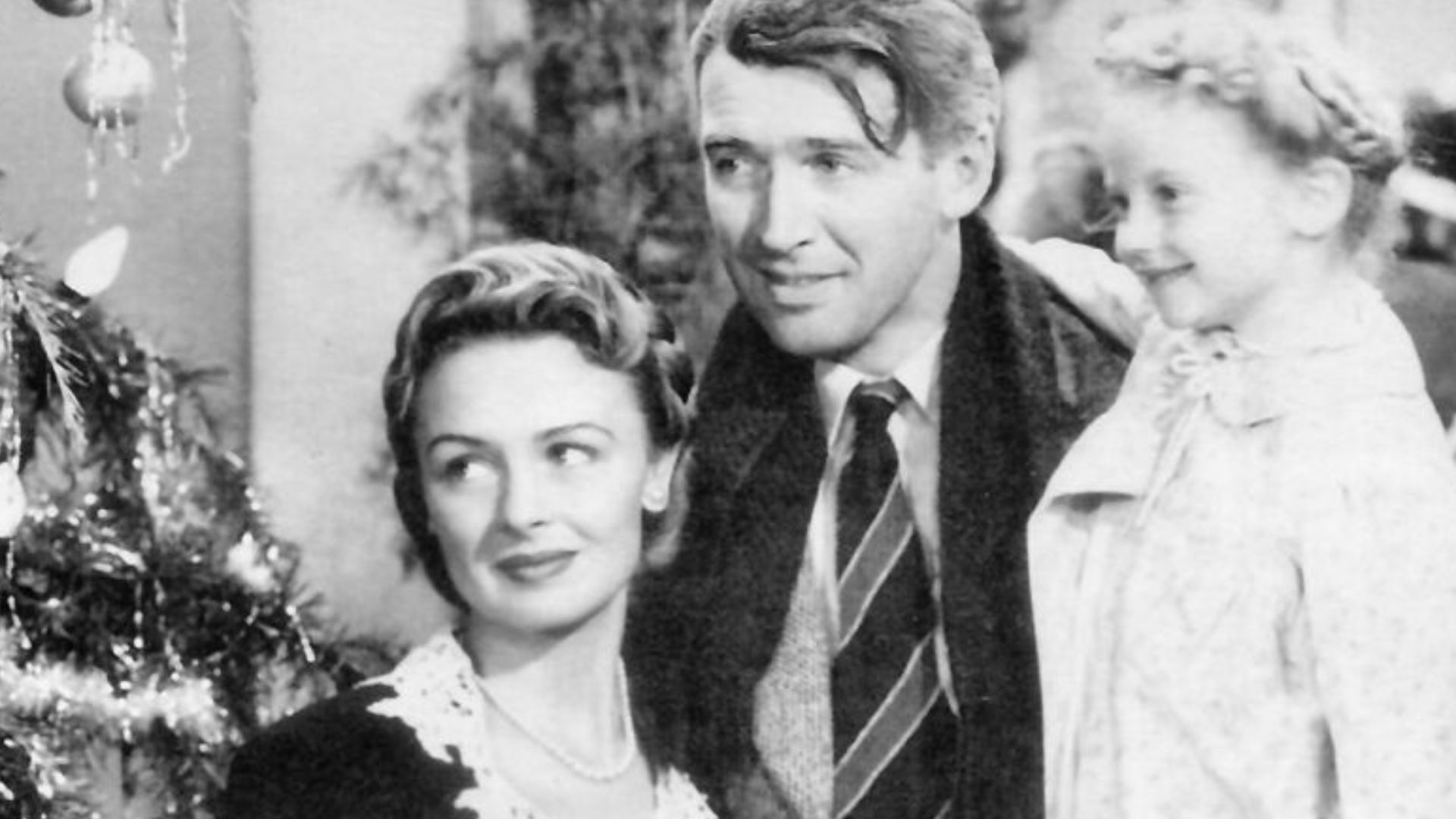
Rediscovery During The Film’s Revival
Initially overlooked after its 1946 release, It’s a Wonderful Life gained popularity through television broadcasts in the 1970s. Grimes learned of its cultural status only as an adult, and experienced renewed attention long after her acting career ended.
 RKO Radio Pictures, Wikimedia Commons
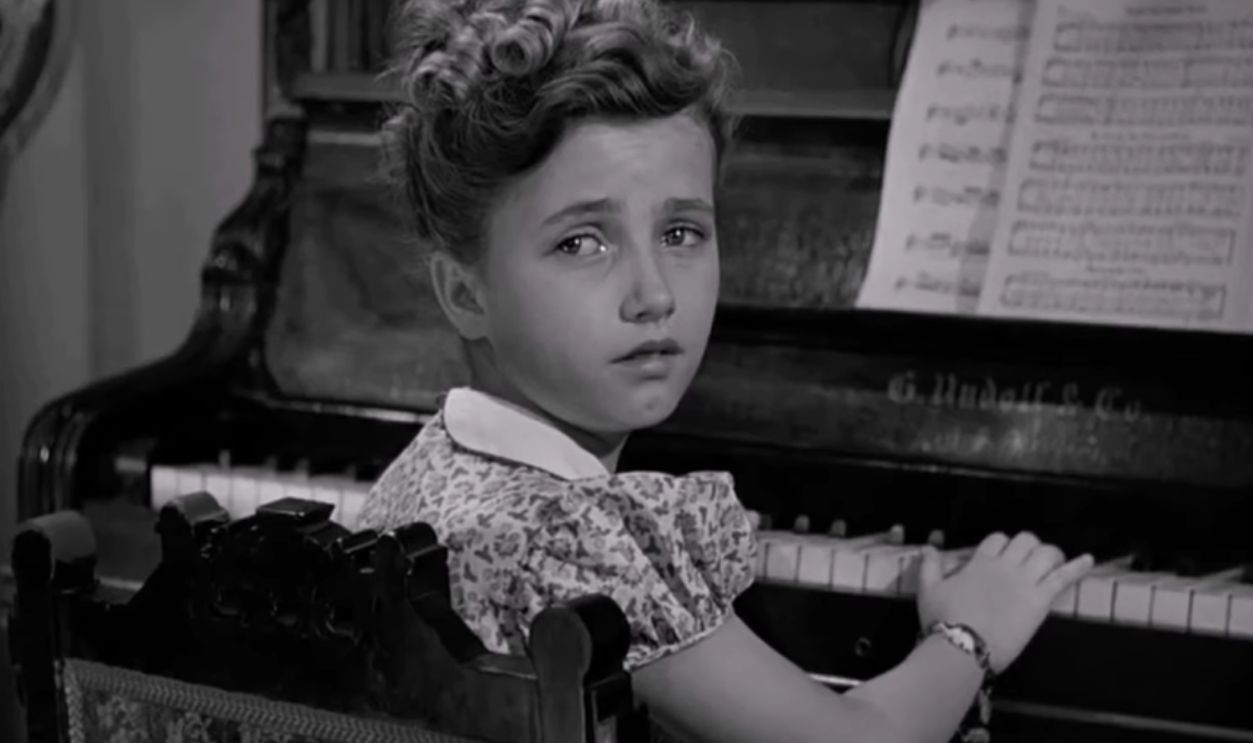
Introducing Carol Coombs As Janie Bailey
Carol Coombs, born October 15, 1935, portrayed Janie Bailey, the eldest daughter in It’s a Wonderful Life. Her character added emotional stability to the household, reinforcing the everyday family warmth that anchors George Bailey’s sense of responsibility and belonging.
 Screenshot from It’s a Wonderful Life, RKO Radio Pictures (1946)
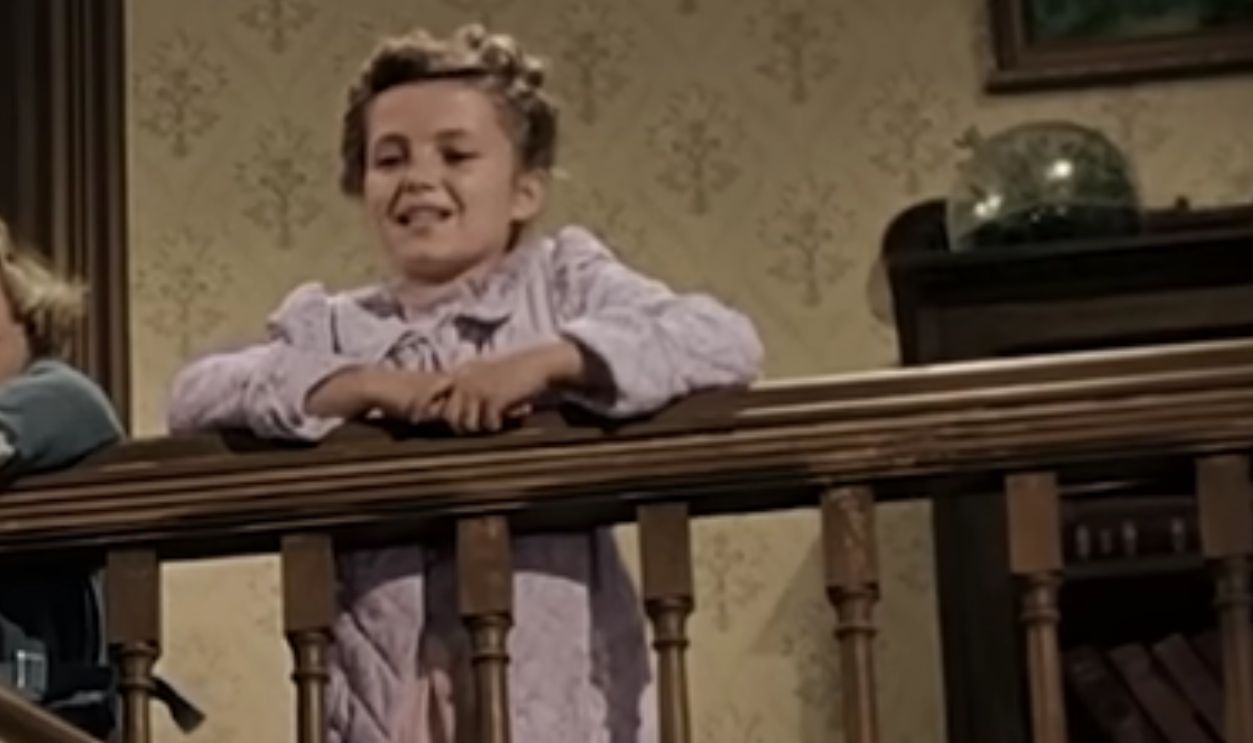
Janie’s Role In The Bailey Household
Janie represents maturity within the Bailey children. Through piano practice scenes and family interactions, her presence helps establish routine and normalcy, elements that heighten the emotional contrast when George confronts a world where his family never existed.
 Screenshot from It’s a Wonderful Life, RKO Radio Pictures (1946)
A Child Actor With Canadian Roots
Born in Toronto, Carol Coombs relocated to the United States as a child to pursue acting. Early exposure to Hollywood secured steady roles, with It’s a Wonderful Life later emerging as her most widely recognized appearance among twenty-four films.

Film Career Beyond The Holiday Classic
Across the 1940s and 1950s, studio casting placed Carol Coombs in more than two dozen productions. Most roles were brief, yet dependable, reflecting how studios relied on consistent child performers long before Janie Bailey became her defining part.
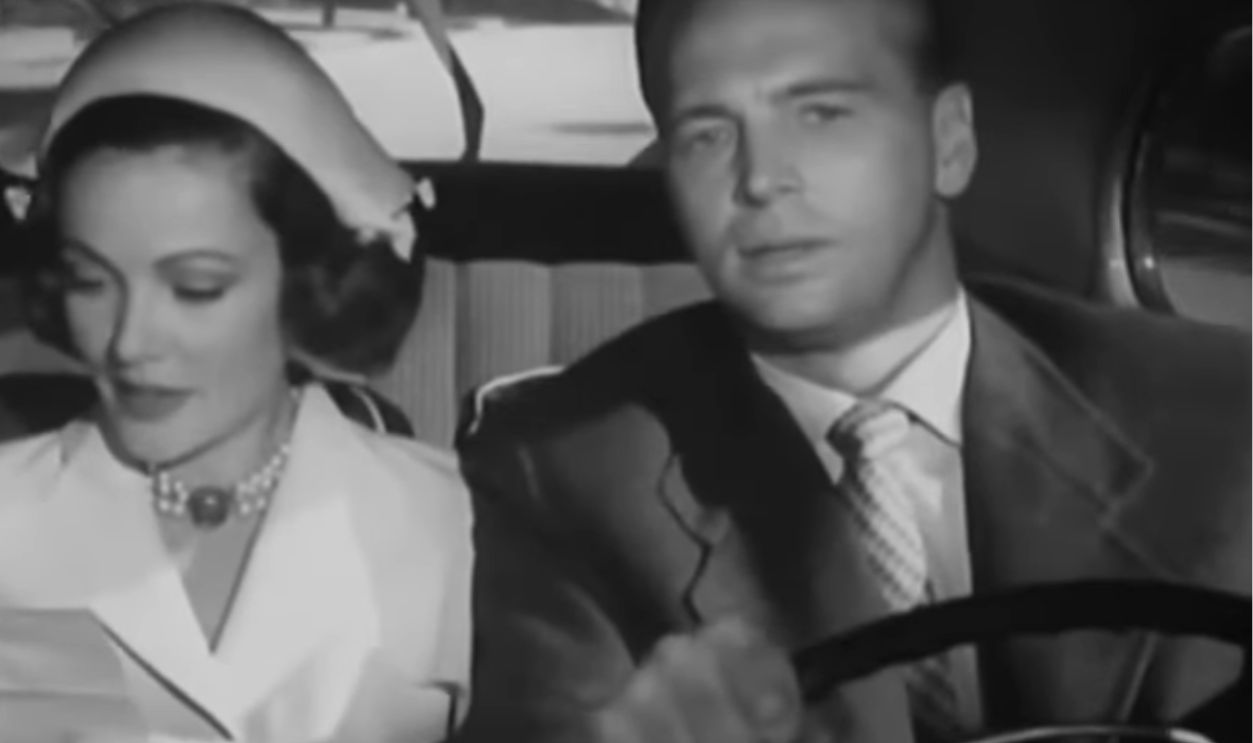 Screenshot from The Mating Season, Paramount Pictures (1951)
Family Life After Leaving The Screen
Life after acting centered on privacy for Carol Coombs. She settled in California, focused on raising her family and maintaining a distance from public attention, while quietly preserving memorabilia from It’s a Wonderful Life for personal remembrance.
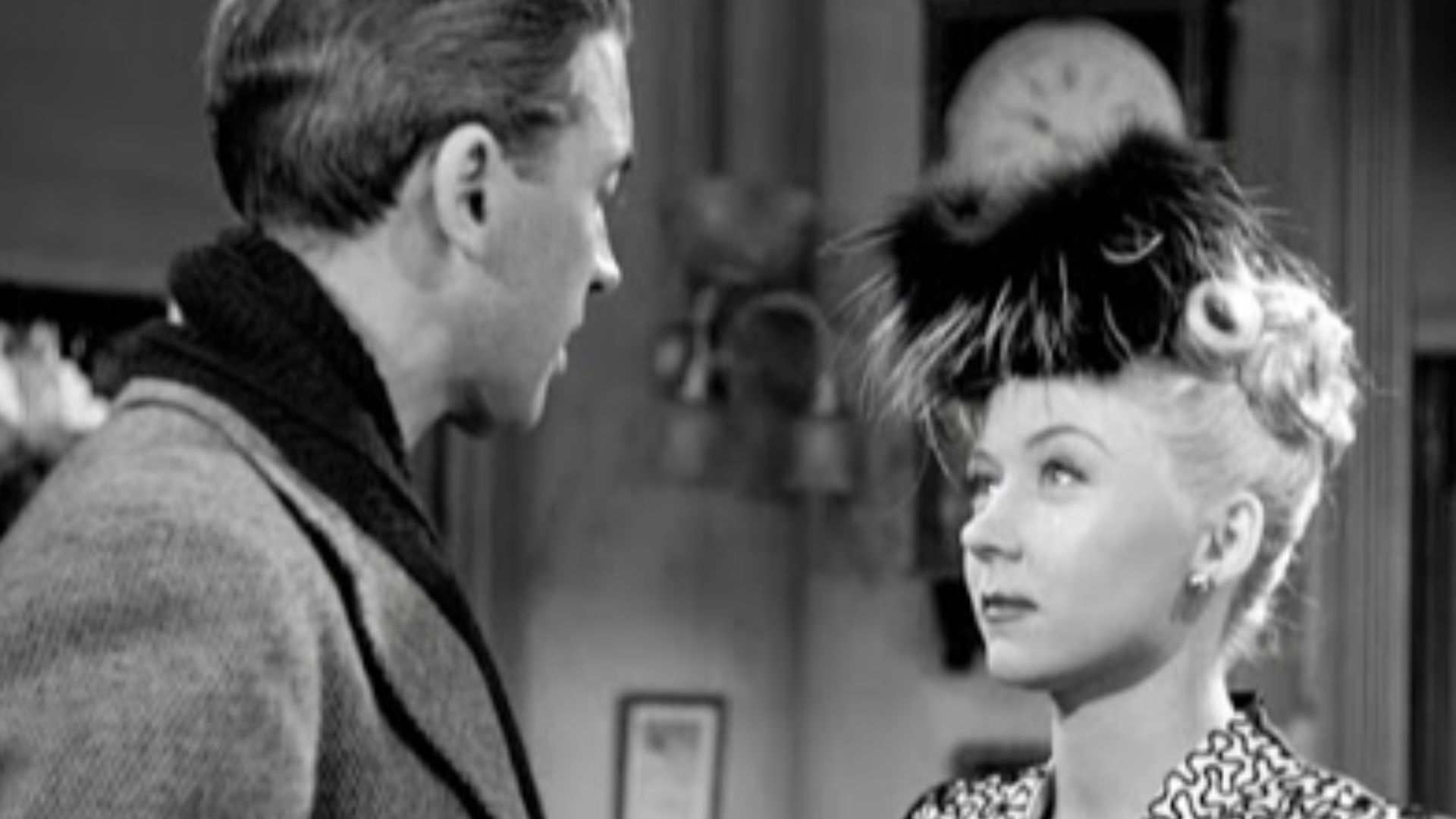 Liberty Films/RKO, Frank Capra, Wikimedia Commons
Sharing Her Experiences
Carol Coombs has described the set as “magical,” recalling the warmth of working alongside James Stewart in interviews with the OC Register. She also reflected on the film’s strong family message, saying it echoed her own upbringing. Coombs has even joked that her on-screen siblings behaved better than the real ones at home.
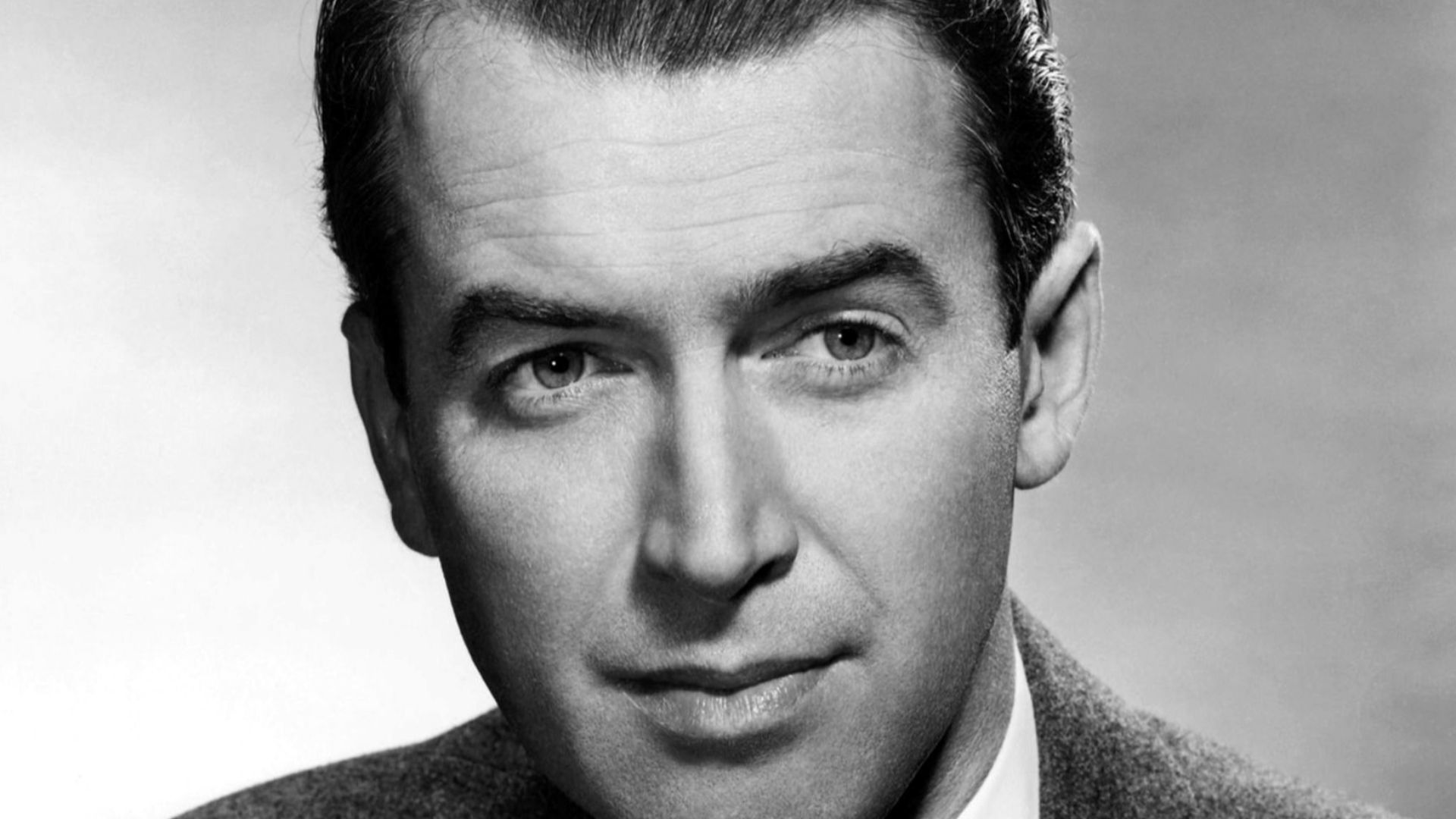 Studio publicity still, Wikimedia Commons
Health And Well-Being In 2025
As of 2025, Carol Coombs remains in good health at age 90. Living in California, she enjoys retirement surrounded by family, confirming her continued status as a surviving cast member without active involvement in public promotional activities.

Introducing Jimmy Hawkins As Tommy Bailey
Jimmy Hawkins, born November 13, 1941, portrayed Tommy Bailey, the youngest son in this famous Christmas movie It’s a Wonderful Life. His mischievous energy added realism to the household, which balances heavier themes with ordinary childhood behavior that grounded the Bailey family dynamic.
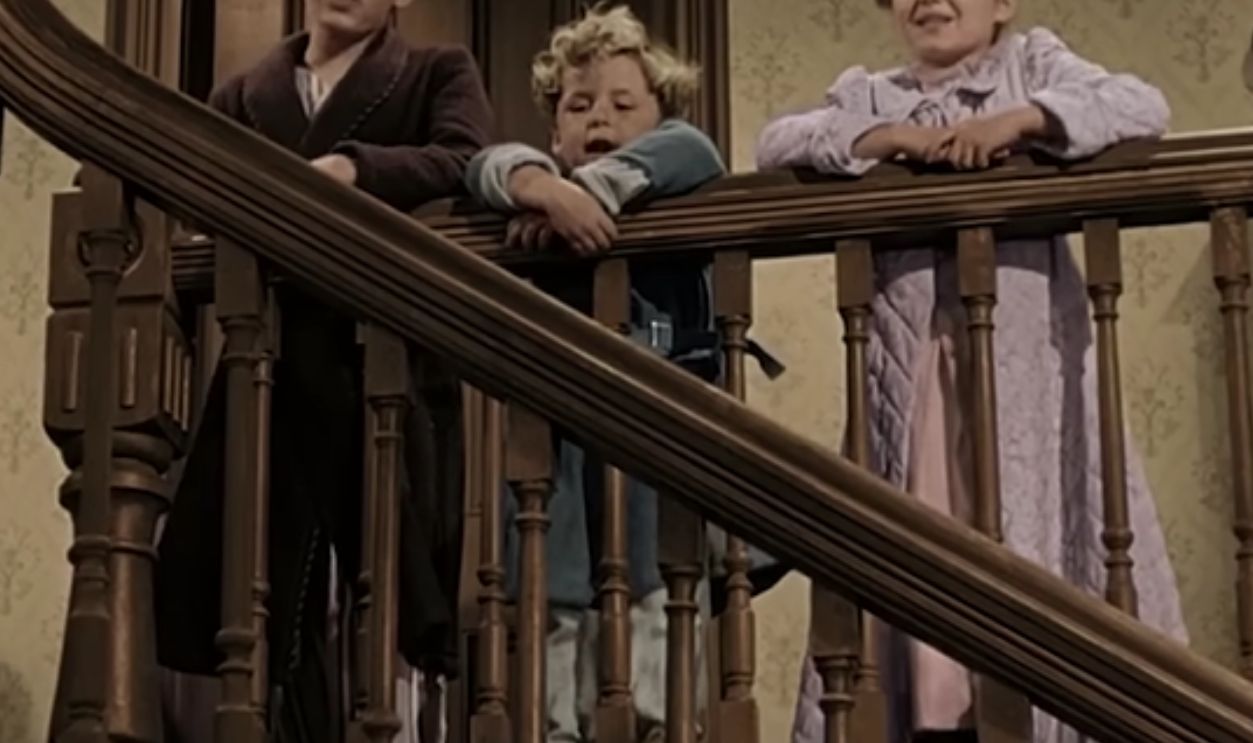 Screenshot from It’s a Wonderful Life, RKO Radio Pictures (1946)
Tommy Bailey’s Function In Key Scenes
Within the narrative, Tommy represents innocence untouched by adult despair. His presence also heightens emotional contrast during the alternate reality sequence, where the absence of family life sharpens George Bailey’s understanding of loss and personal significance.
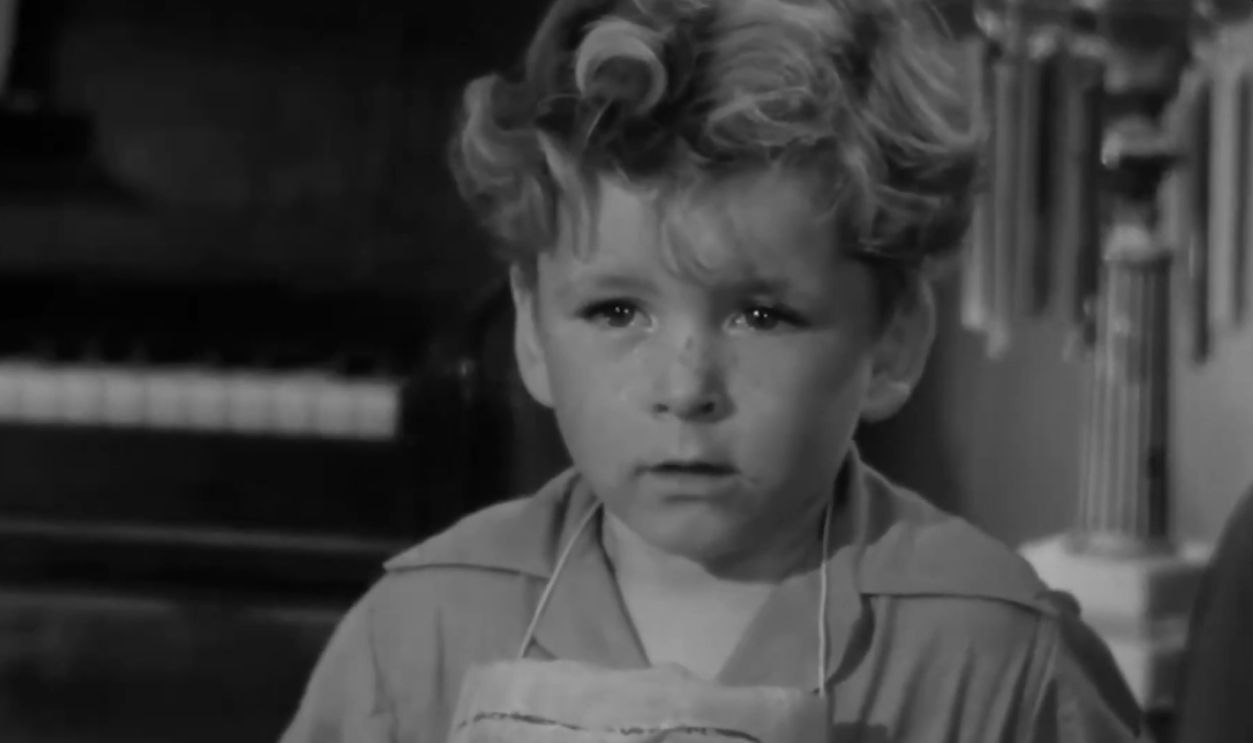 Screenshot from It’s a Wonderful Life, RKO Radio Pictures (1946)
Growing Up On Hollywood Sets
Hawkins, who was raised in LA, began acting early through a family already connected to the entertainment industry. Studio environments became familiar quickly, allowing him to perform comfortably on large productions while balancing school responsibilities common to working child actors of the era.
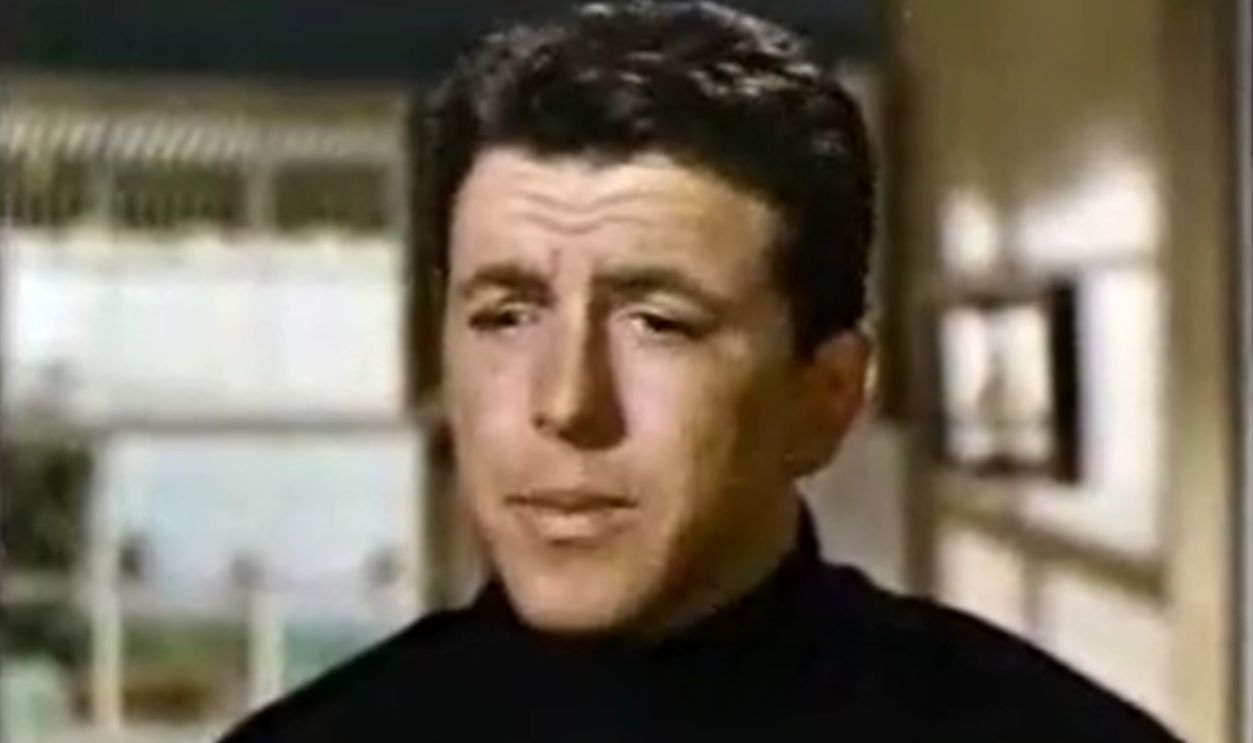 Screenshot from Gidget, Screen Gems / ABC Television (1965–1966)
Career Expansion Beyond One Film
Television extended Hawkins’s visibility after It’s a Wonderful Life. Roles on series like Annie Oakley and Leave It to Beaver further reflected the industry’s tendency to cast reliable child performers across similar family-centered programming during the 1950s.
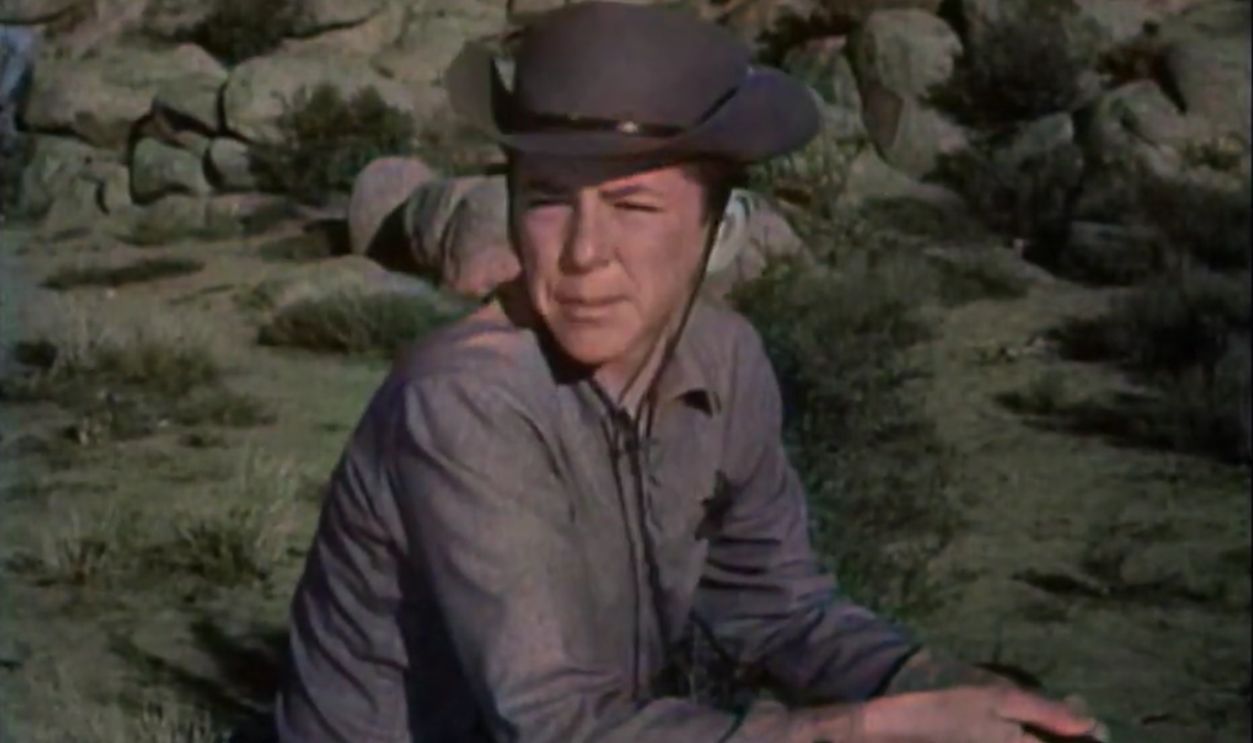 Screenshot from Annie Oakley, RKO Radio Pictures (1935)
Transition From Acting To Production Work
As adolescence approached, Hawkins shifted away from on-screen roles. Later work in producing and writing kept him tied to film history, allowing him to sustain involvement in entertainment without relying solely on child-star recognition.
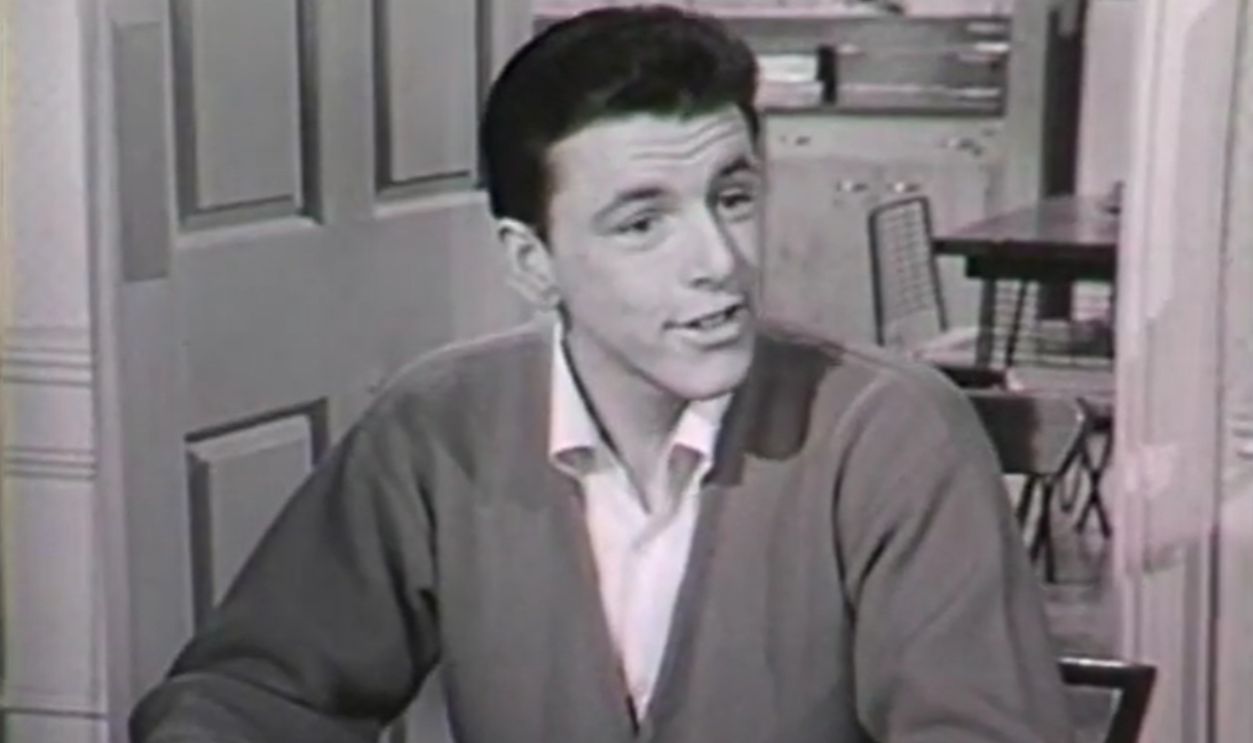 Screenshot from The Adventures of Ozzie and Harriet, ABC Television (1952–1966)
Writing And Historical Contributions
Beyond acting, Jimmy Hawkins documented the film’s history through several books focused on It’s a Wonderful Life. These works preserve production details, personal memories, and cultural context, which made his perspective valuable as one of the last surviving major cast members.
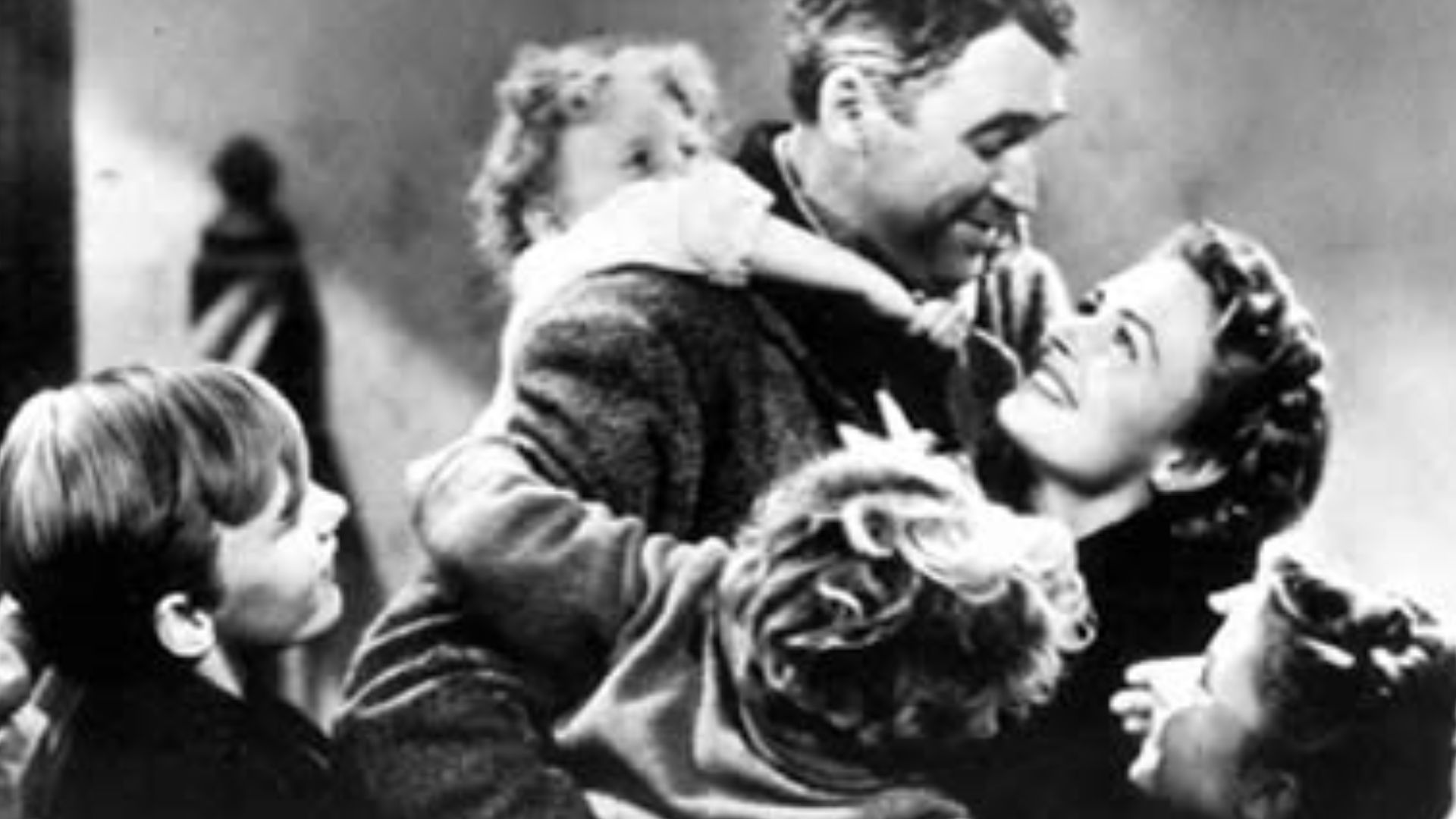 National Telefilm Associates, Wikimedia Commons
Festival Appearances And Public Engagement
Regular participation in anniversary screenings and film festivals keeps Hawkins connected to audiences. At these events, he discusses Frank Capra’s direction, working with Jimmy Stewart, and growing up within Hollywood’s mid-century studio system.
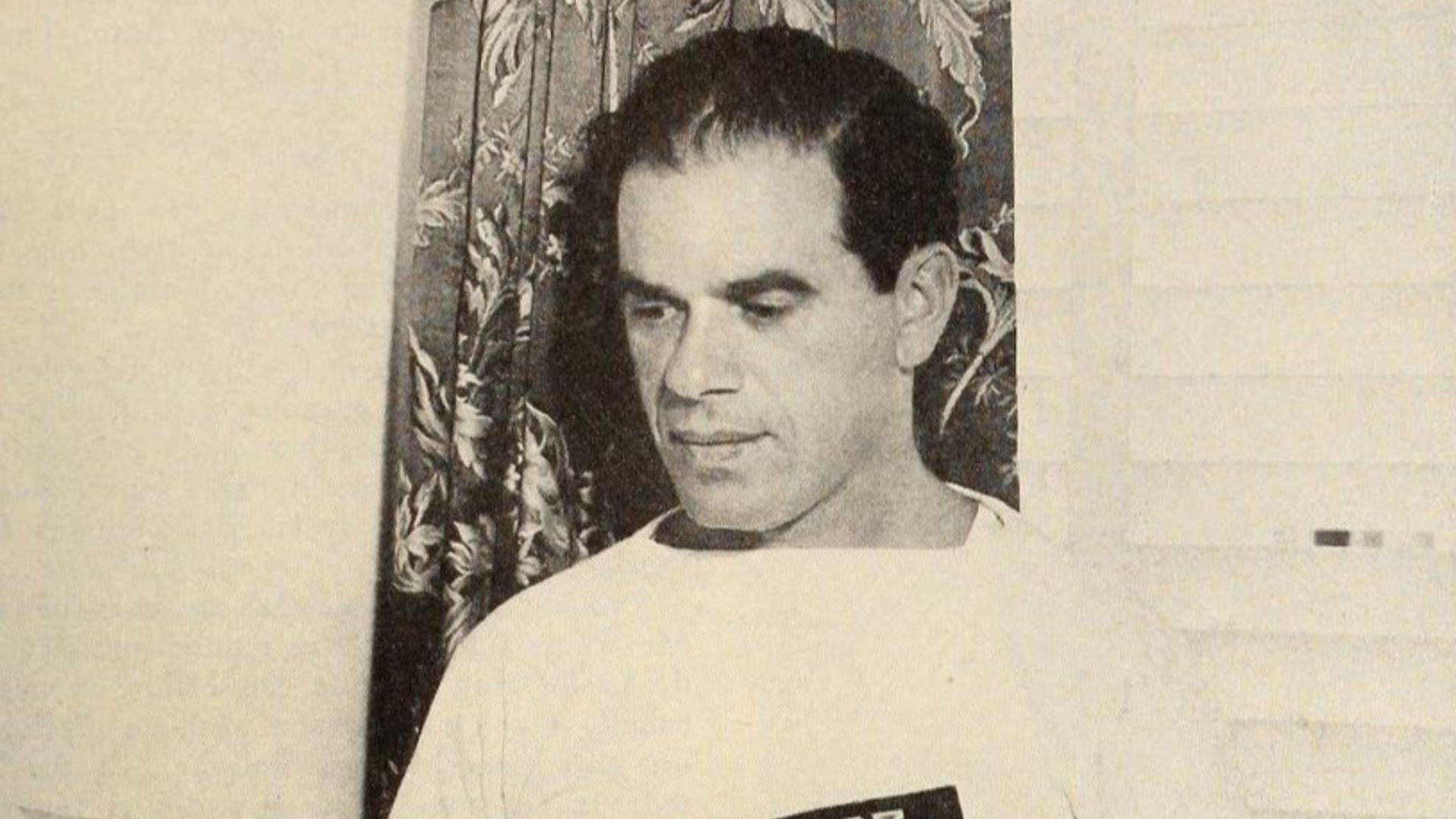 Photographer not credited, Wikimedia Commons
Continuing Legacy In 2025
As of 2025, Jimmy Hawkins remains active in film-related events and interviews. His ongoing involvement supports preservation efforts surrounding the movie and offers a firsthand insight that links contemporary viewers with a production era increasingly distant in living memory.
 Skiba, Justin M., Wikimedia Commons