
Subtitles, But Make It Prestigious
For a long time, the Oscars treated international films like they were politely waiting outside the main event. They had their own category, their own spotlight, and very rarely got invited into the Best Picture conversation. But every once in a while, a film came along that was just too good to ignore. From sweeping war epics to quiet character studies, here’s every international film that managed to break into the Best Picture race, reshuffled into a fresh order and ready for their overdue standing ovation.
 Screenshot from Anatomy of a Fall, www.amazonprime.com
Parasite
Bong Joon-ho’s Parasite didn’t just sneak into the Best Picture lineup—it kicked the door down and redecorated the entire room. Blending dark comedy, thriller elements, and razor-sharp social commentary, it became the first non-English-language film to actually win Best Picture. It’s not just a milestone—it’s the new standard.
 Screenshot from Parasite, CJ Entertainment (2019)
The Emigrants
This Swedish epic tells a deeply human story about leaving home in search of something better, and all the emotional weight that comes with it. It’s sprawling without losing its intimacy, making the struggles of migration feel personal rather than historical. You don’t just watch it—you feel every mile of the journey.
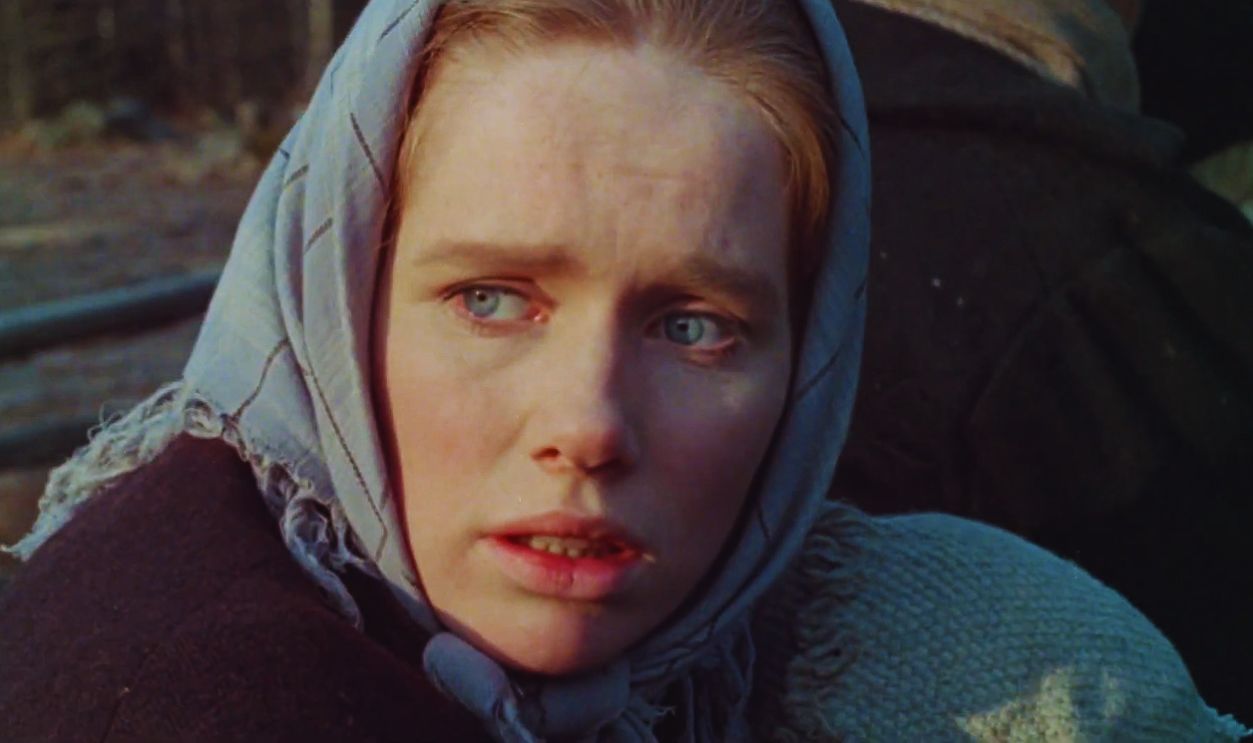 Screenshot from The Emigrants, Warner Bros. (1971)
Crouching Tiger, Hidden Dragon
Ang Lee’s Crouching Tiger, Hidden Dragon turned martial arts cinema into high art for global audiences. The film’s gravity-defying action is matched by its emotional depth, creating something that feels both epic and deeply romantic. It’s the rare blockbuster that also feels poetic.
 Screenshot from Crouching Tiger, Hidden Dragon, Sony Pictures Classics (2000)
Z
Fast, furious, and politically charged, Z proved that a thriller could also be a powerful piece of activism. Its urgency and real-world relevance made it impossible to ignore, even decades later. It’s the kind of film that feels like it’s moving at full speed—and taking you with it.
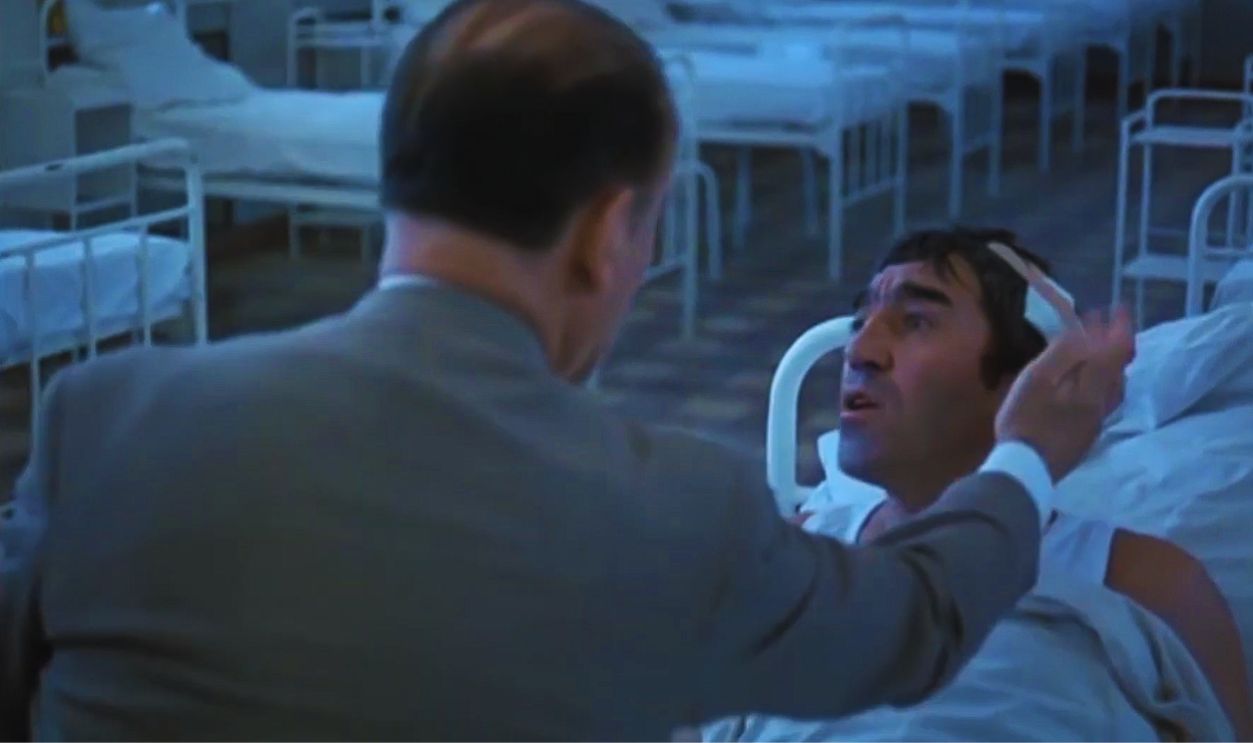 Screenshot from Z, Cinema V (1969)
Amour
Michael Haneke’s Amour is quiet, devastating, and completely unflinching. It explores love and aging with a level of honesty that can be hard to sit with—but impossible to forget. This isn’t just a film about endings—it’s about what remains when everything else fades.
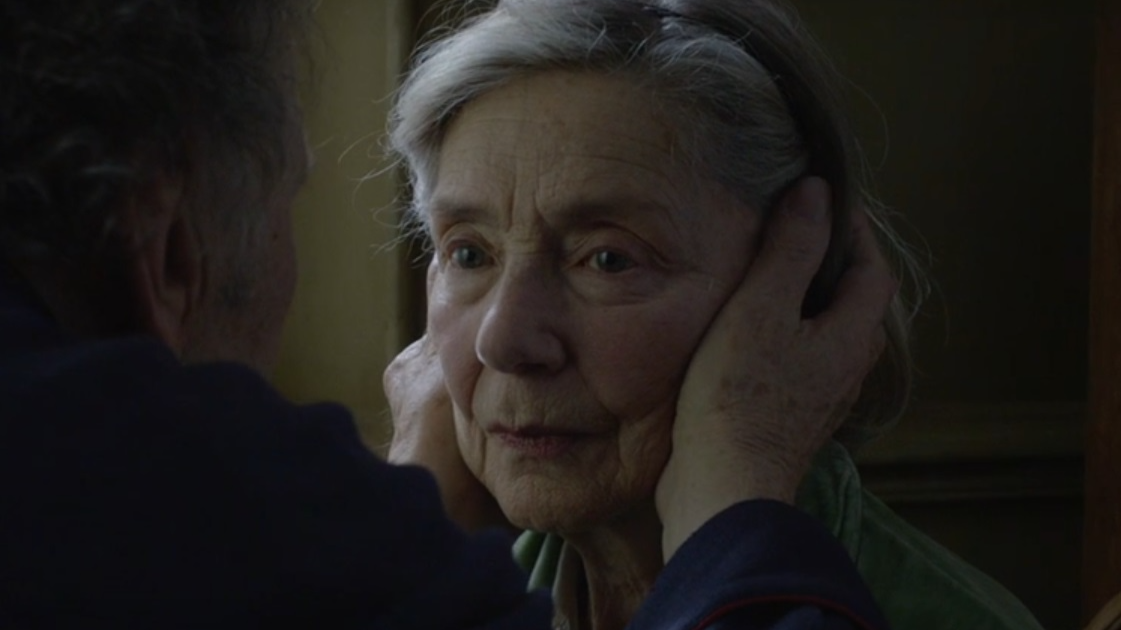 Screenshot from Amour, Sony Pictures Classics (2012)
All Quiet On The Western Front
This adaptation delivers a brutal, unfiltered look at the horrors of WWI. There’s no glory here—just survival, loss, and the slow erosion of humanity. It’s as immersive as it is devastating, reminding viewers exactly why those stories still matter.
 Screenshot from All Quiet on the Western Front, Netflix (2022)
The Postman (Il Postino)
A gentle, quietly moving film about friendship, poetry, and self-discovery, Il Postino builds its emotional power in subtle ways. It doesn’t rely on grand gestures—instead, it lets small, human moments do the work. By the end, it lands harder than you expect.
 Screenshot from Il Postino: The Postman, Miramax (1994)
Life Is Beautiful
Roberto Benigni’s Life Is Beautiful somehow balances whimsy and heartbreak in a way that feels almost impossible. Set during one of history’s darkest periods, it uses imagination as both shield and survival tool. It’s equal parts charming and crushing, and that contrast is exactly what makes it unforgettable.
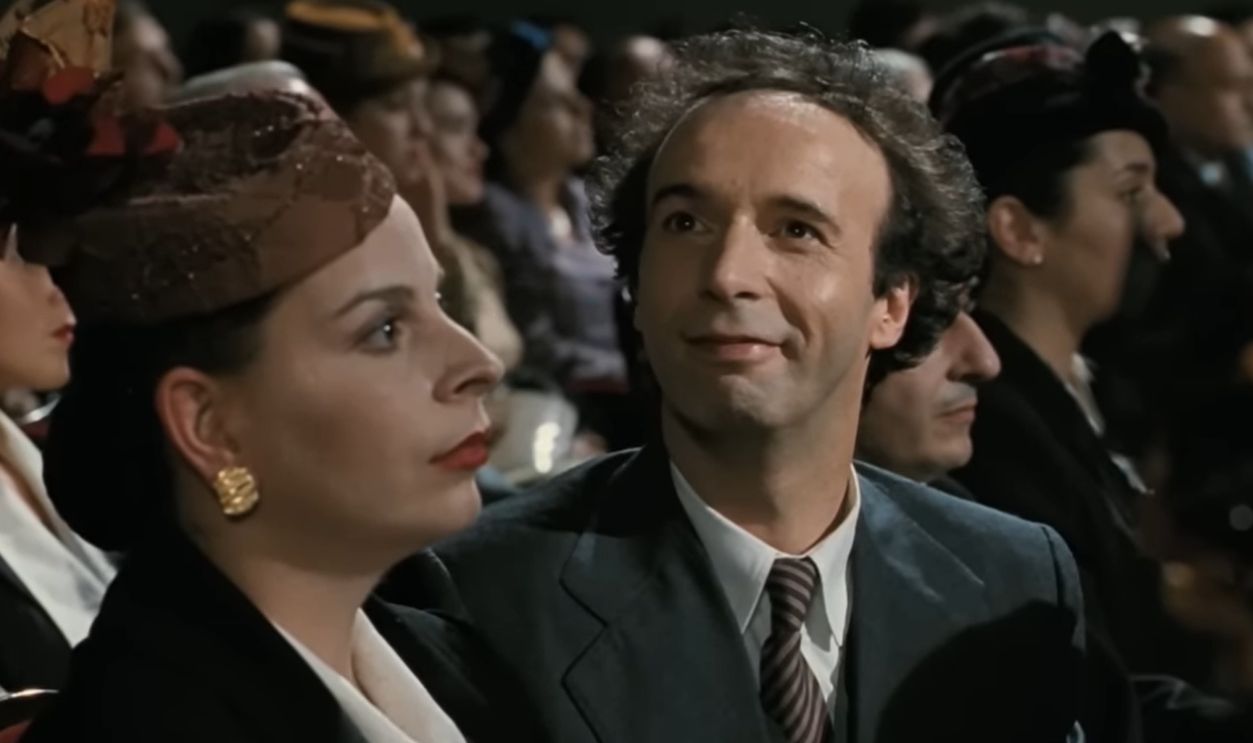 Screenshot from Life is Beautiful, Miramax (1997)
Roma
Alfonso Cuarón’s Roma turns everyday life into something cinematic and deeply personal. Shot in black and white, it captures memory, class, and family with incredible precision. It’s a quiet film—but one that echoes long after it ends.
 Screenshot from Roma, Netflix (2018)
Cries And Whispers
Ingmar Bergman doesn’t hold back here, diving headfirst into themes of suffering and family tension. The film’s stark visuals and emotional intensity make it feel almost overwhelming at times. But that’s exactly the point—it’s meant to stay with you.
 Screenshot from Cries and Whispers, New World Pictures (1972)
Drive My Car
This slow-burning Japanese drama is all about grief, connection, and the stories we tell ourselves to keep going. With its deliberate pacing and introspective tone, it rewards patience in a big way. It’s the kind of film that quietly pulls you in—and then doesn’t let go.
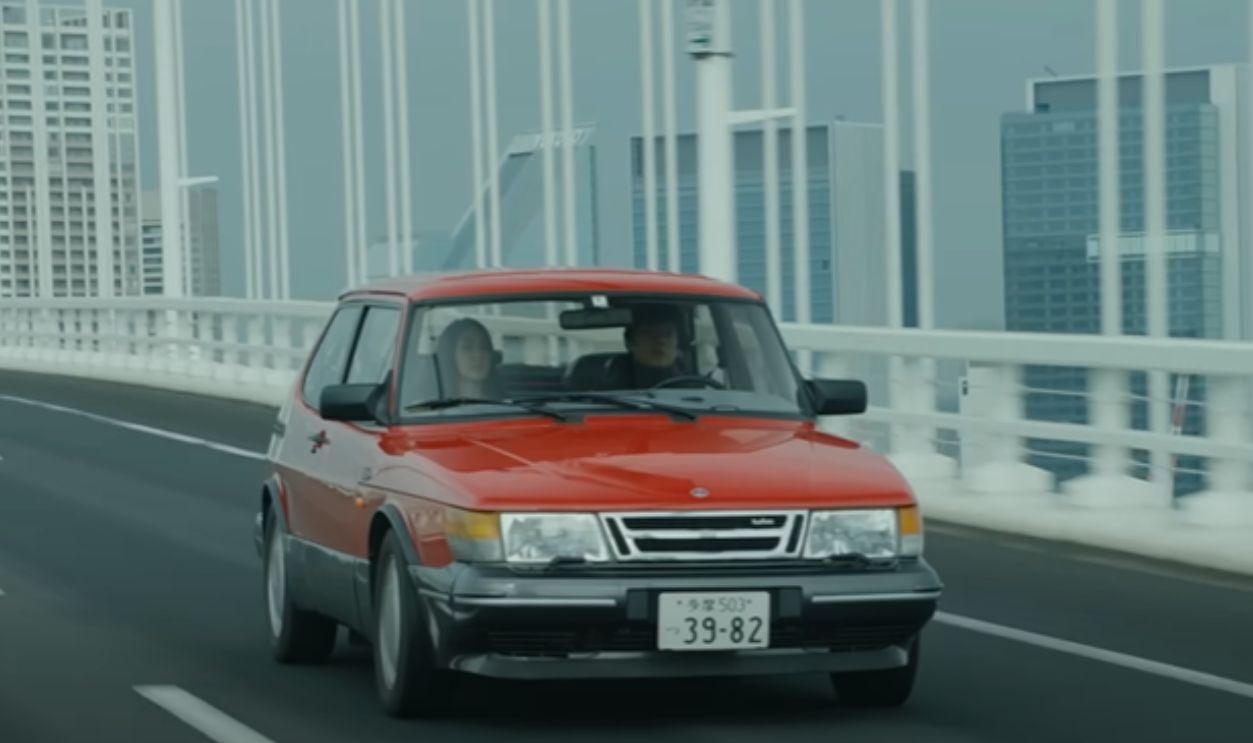 Screenshot from Drive My Car, Janus Films (2021)
La Grande Illusion
Back in 1938, La Grande Illusion quietly made history as the first non-English-language film nominated for Best Picture. Its exploration of class and humanity still feels surprisingly modern. It didn’t just open the door—it proved international films belonged in the conversation.
 Screenshot from La Grande Illusion, RAC (1937)
Anatomy Of A Fall
A courtroom drama that thrives on ambiguity, Anatomy of a Fall keeps you constantly second-guessing everything you think you know. It’s less about solving a mystery and more about understanding perception. By the end, you’re not looking for answers—you’re questioning the questions.
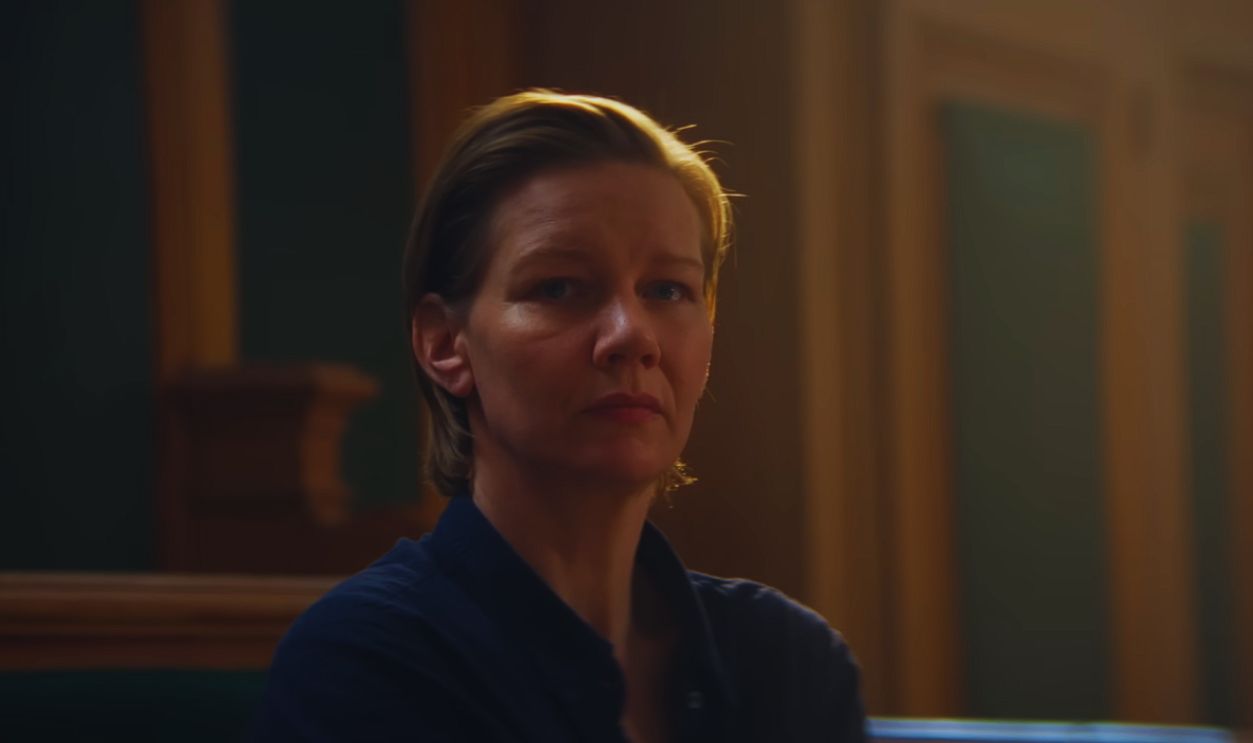 Screenshot from Anatomy of a Fall, Neon (2023)
The Zone Of Interest
This film takes a chillingly understated approach to unimaginable horror, focusing on what’s happening just outside the frame. That distance makes it even more unsettling, forcing viewers to confront the banality of evil in a completely new way. It’s haunting without ever raising its voice.
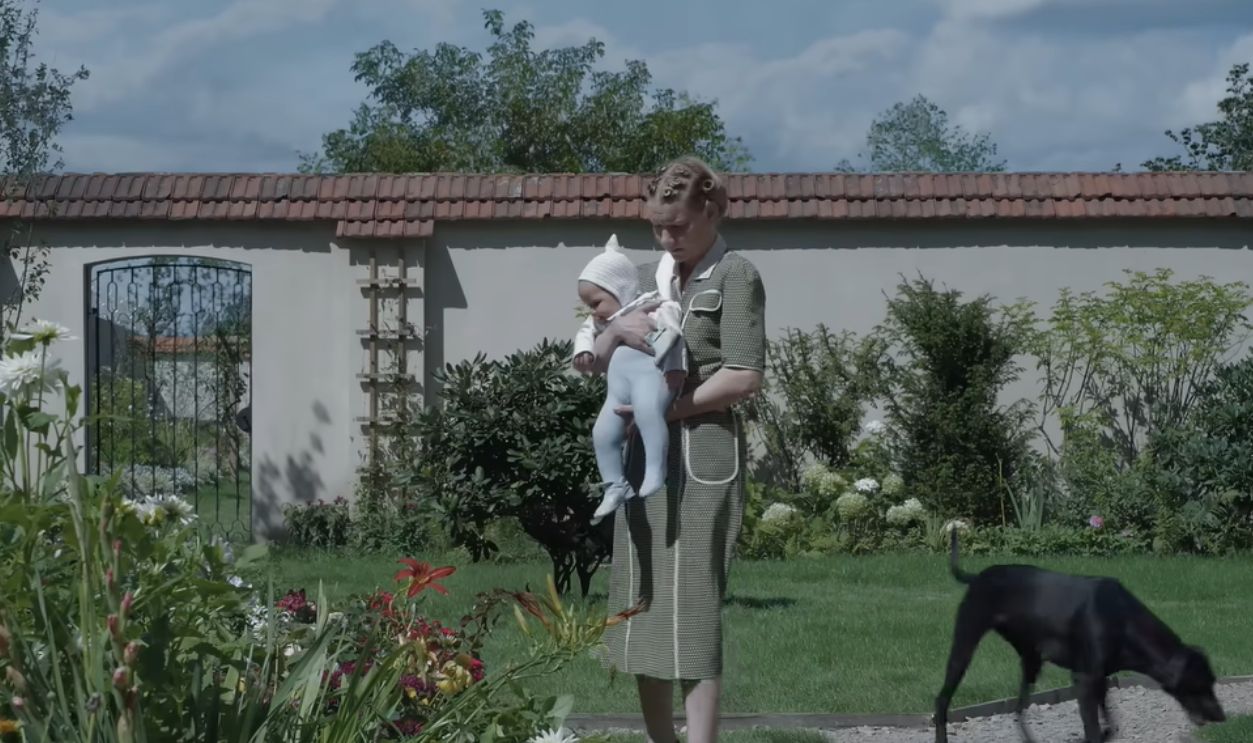 Screenshot from The Zone of Interest, A24 (2023)
The Academy Finally Got The Memo
For years, international films had to fight just to be seen in the Best Picture category. Now, they’re not just showing up—they’re defining the conversation. If this list proves anything, it’s that great storytelling doesn’t care what language it’s told in. And at long last, neither do the Oscars.
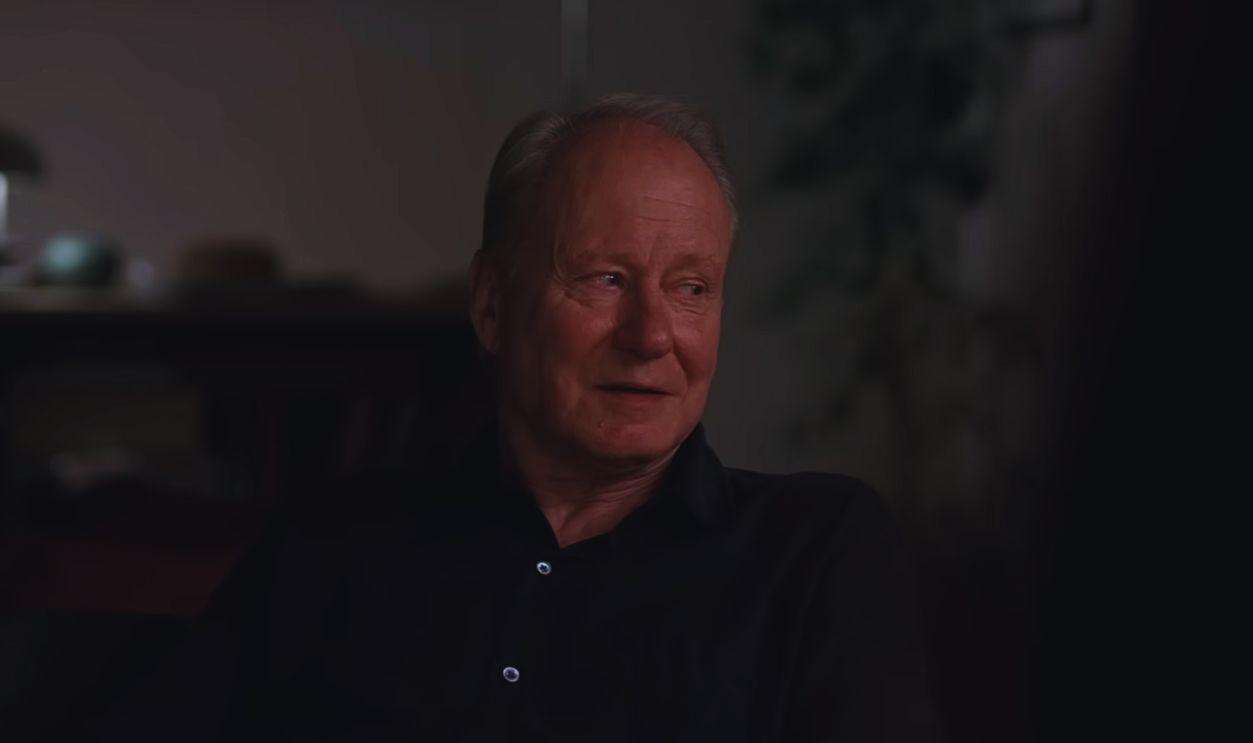 Sentimental Value, NEON / Mer Film (2025)
You May Also Like:
The Most Upsetting Romance Movies Of All Time
These Shameless 80s Comedies Could Never Be Made Today
Source: 1