The Phone Call That Changed Everything
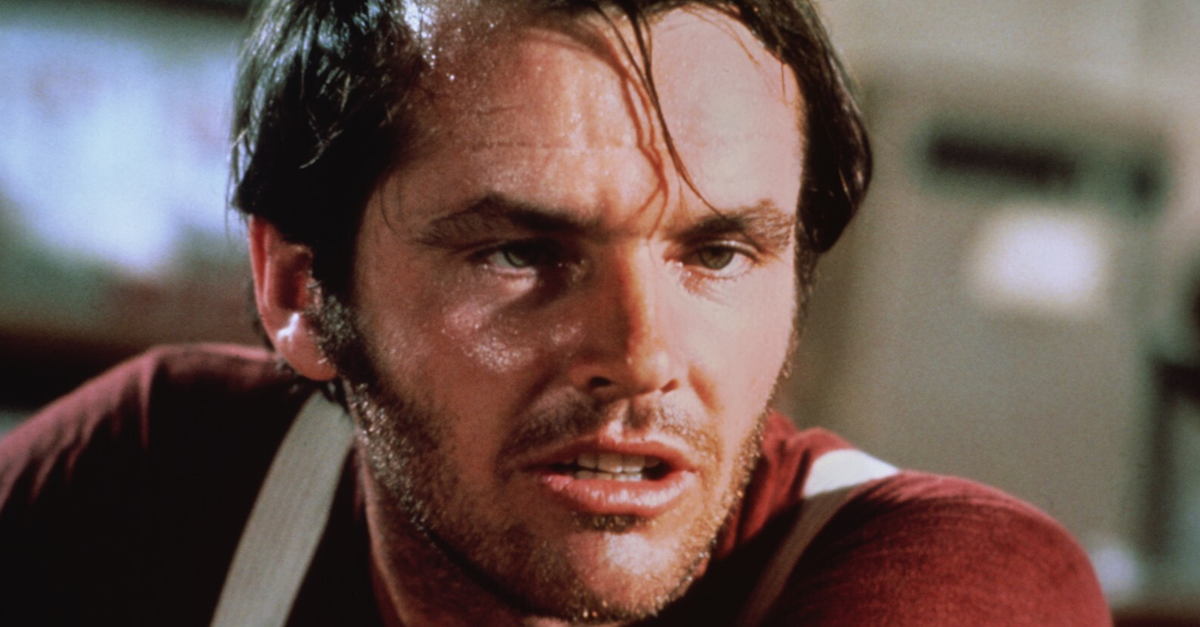
In 1974, Jack Nicholson was one of Hollywood's hottest stars, fresh off acclaimed performances in Easy Rider and Chinatown. Then, at 37, he received a phone call that turned his entire family history upside down. The woman he had always known as his older sister was actually his mother, and the shocking truth had been kept from him since birth.
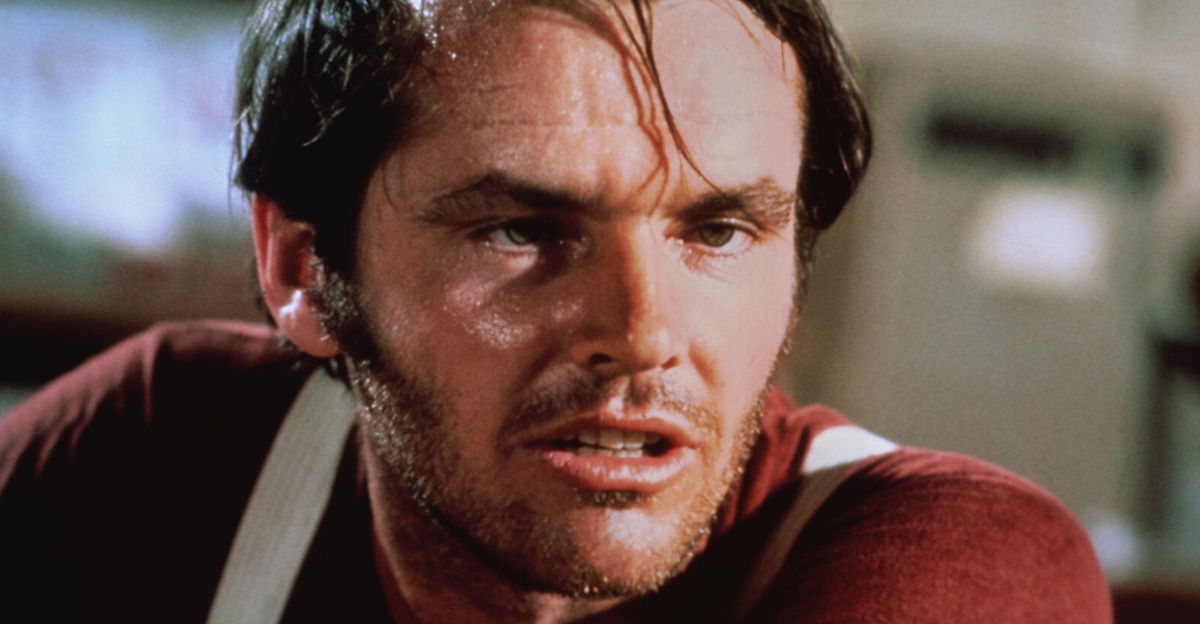 Screenshot from Easy Rider, Colombia Pictures (1969)
A Secret Hidden For Decades
Nicholson had grown up in New Jersey surrounded by a close-knit family, never suspecting anything unusual about his upbringing. But behind the seemingly ordinary household was an elaborate arrangement that several relatives had maintained since his birth in 1937. Remarkably, the secret remained intact even after Nicholson moved to Hollywood and became famous.
A Reporter Started Asking Questions
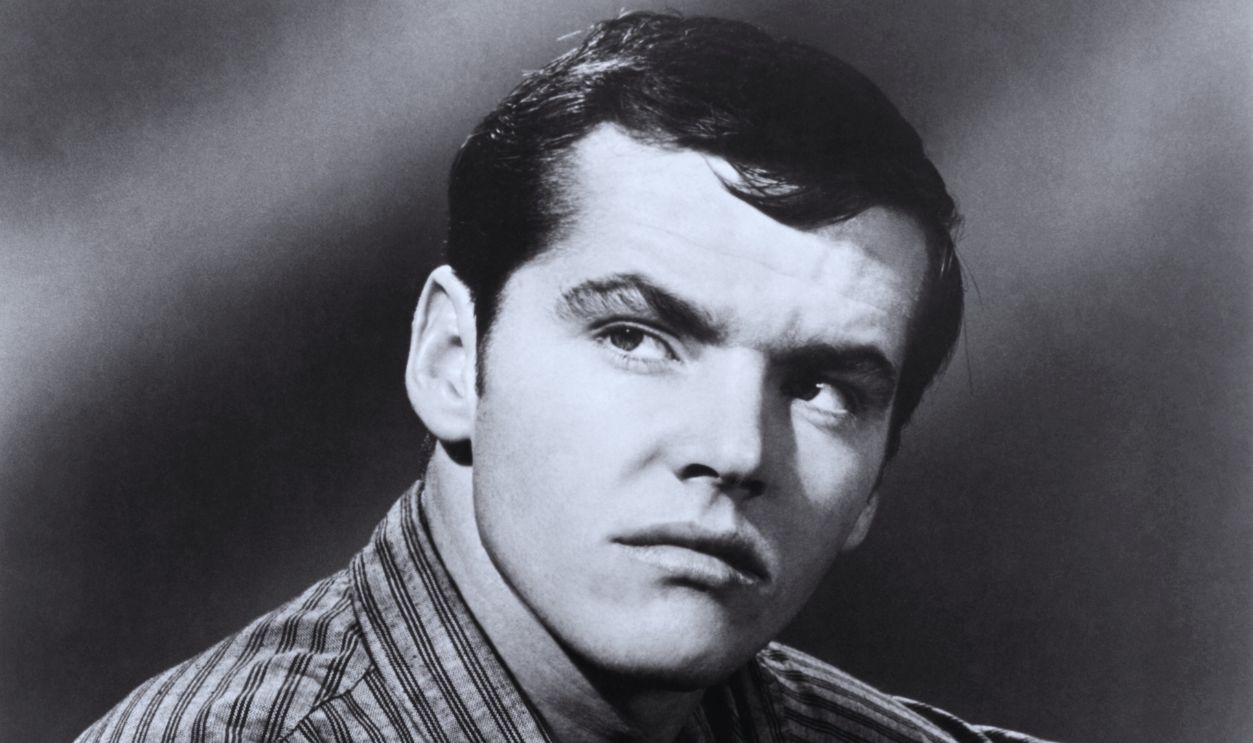
While preparing a 1974 cover story about Nicholson, Time magazine began investigating his background. Researchers uncovered discrepancies in his family history and contacted the actor about their findings. Stunned by what he heard, Nicholson turned to someone he trusted for answers.
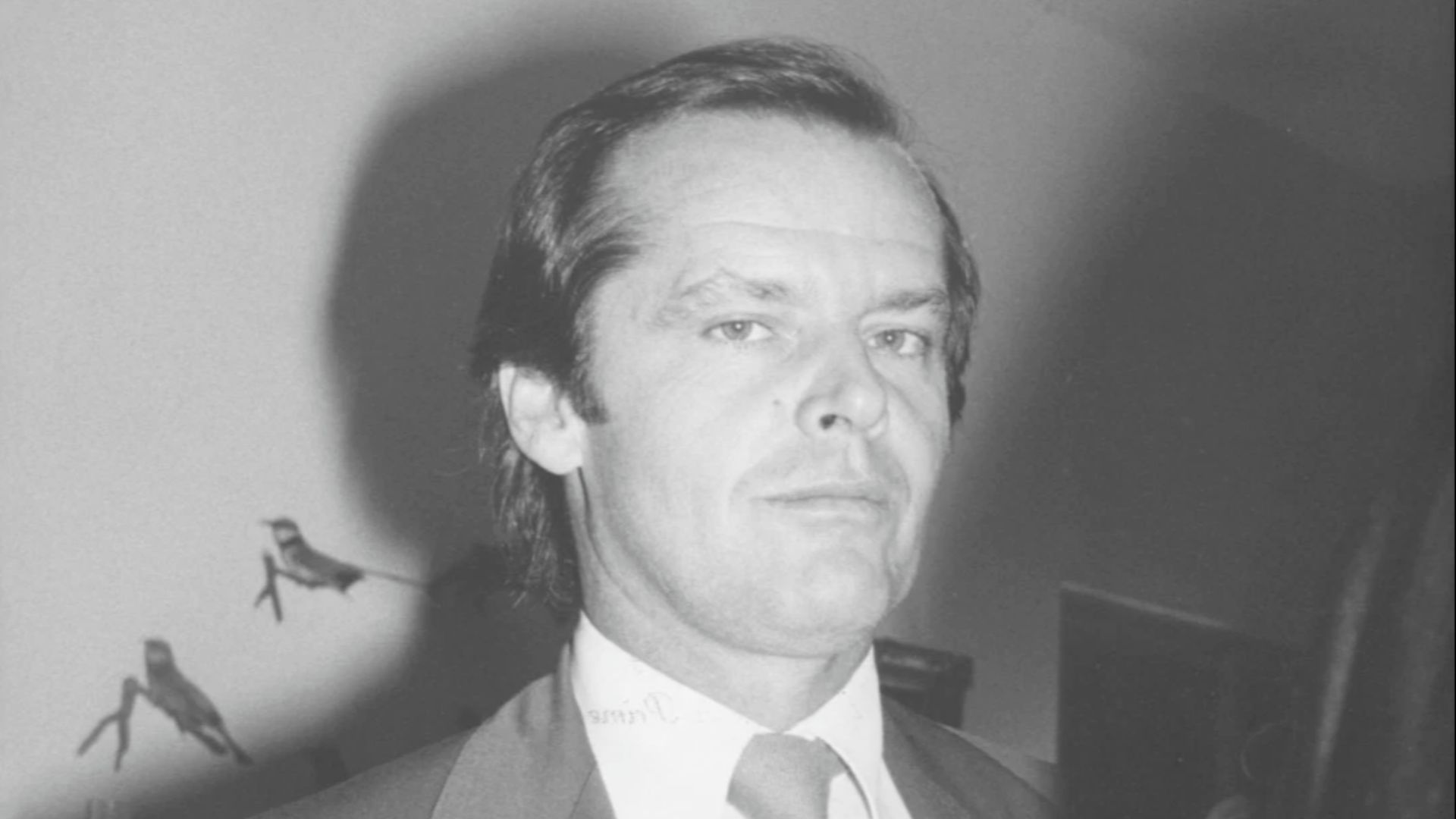 Alena Prime, Wikimedia Commons
His First Reaction Was Disbelief
Nicholson called George "Shorty" Smith, his brother-in-law and a longtime father figure, hoping to clear things up. But when he explained what the magazine had uncovered, Shorty insisted the story wasn't true. Relieved by the denial, Nicholson briefly believed the whole thing had been a mistake.
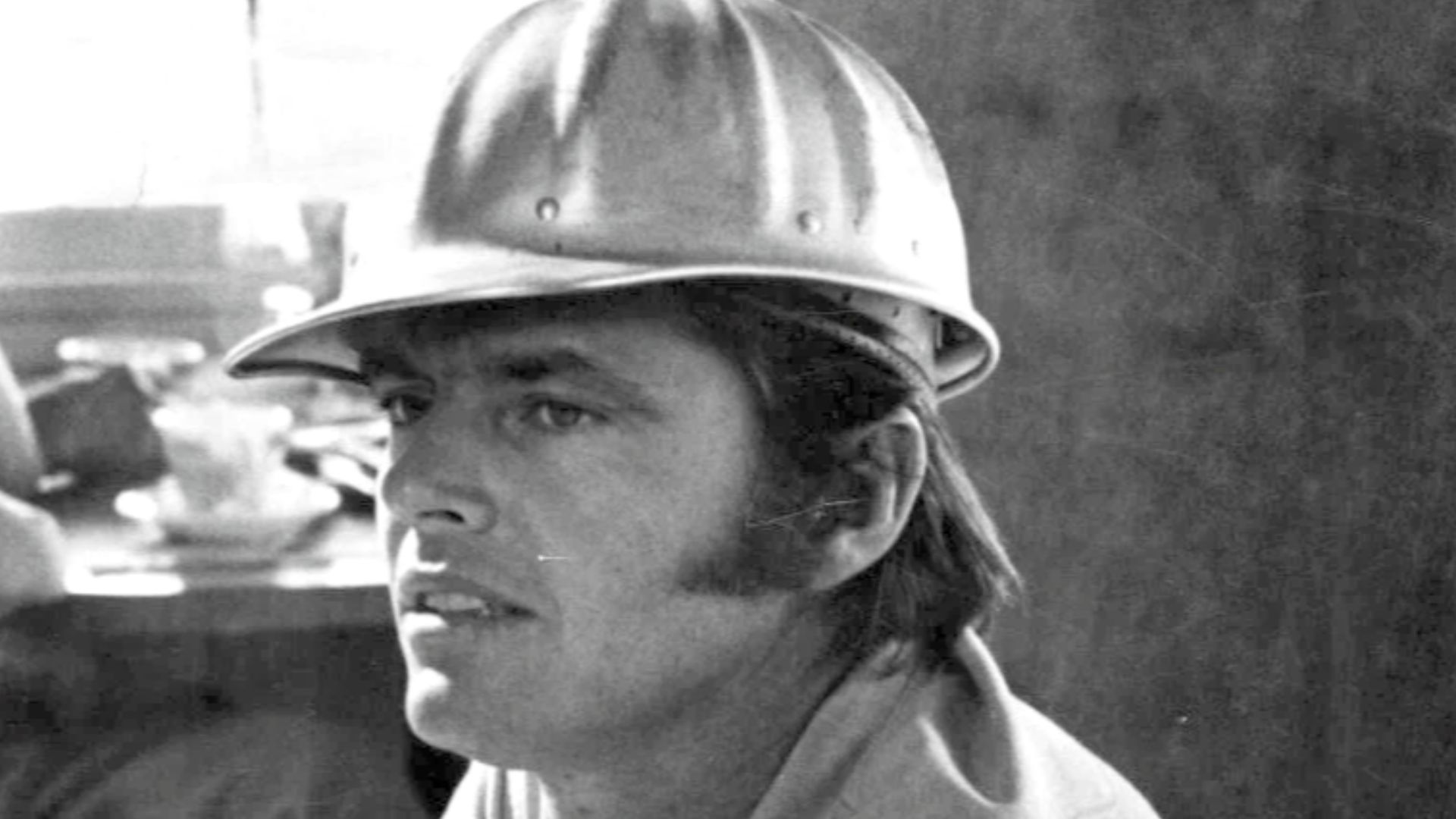 Unknown authorUnknown author, Wikimedia Commons
Then Came Another Call
Later, Shorty called Nicholson again, but this time he had something very different to say. His wife, Lorraine, had become emotional after hearing about the conversation and was ready to tell Jack what she knew. When Nicholson spoke with her, he finally received confirmation that the unbelievable story was true.
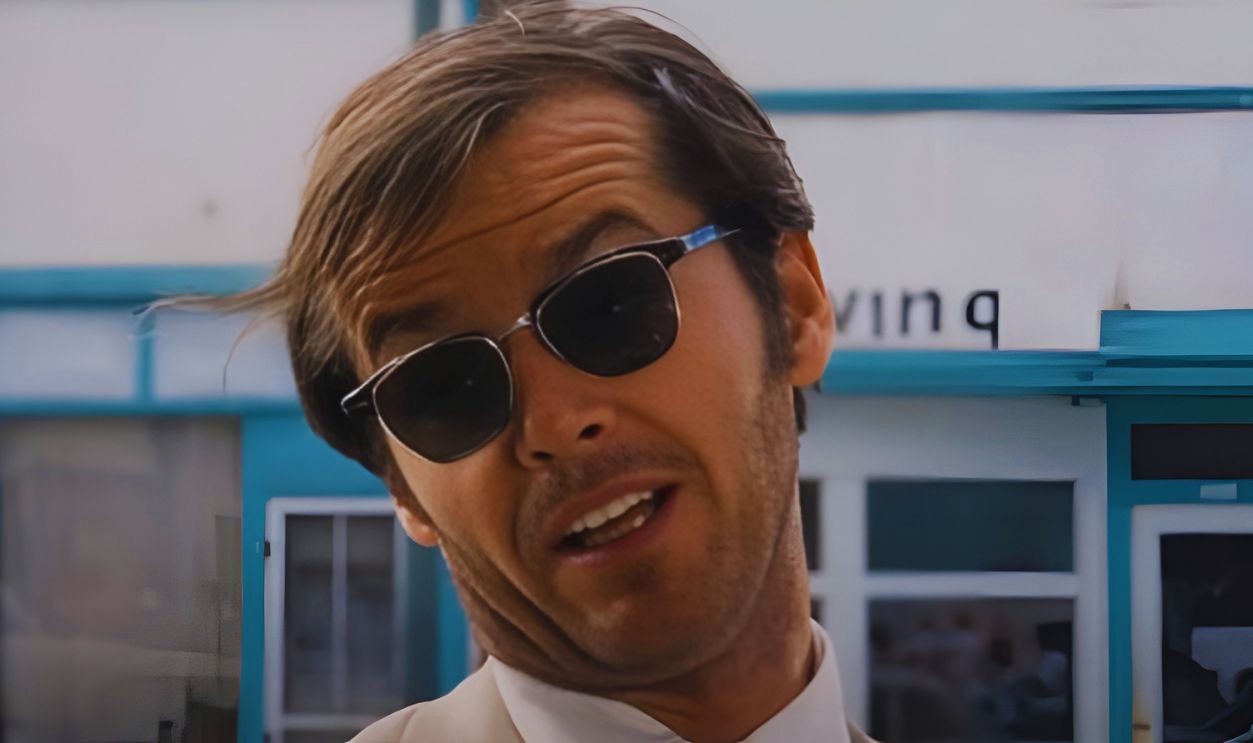 Screenshot from Easy Rider, Columbia Pictures (1969)
The Truth Went Back To 1937
Jack Nicholson was born on April 22, 1937, in Neptune, New Jersey, and grew up near the Jersey Shore. His household included John and Ethel May Nicholson, whom he knew as his parents, along with two older girls named June and Lorraine. Although the family appeared ordinary to young Jack, the relationships inside that home were far more complicated than he realized.
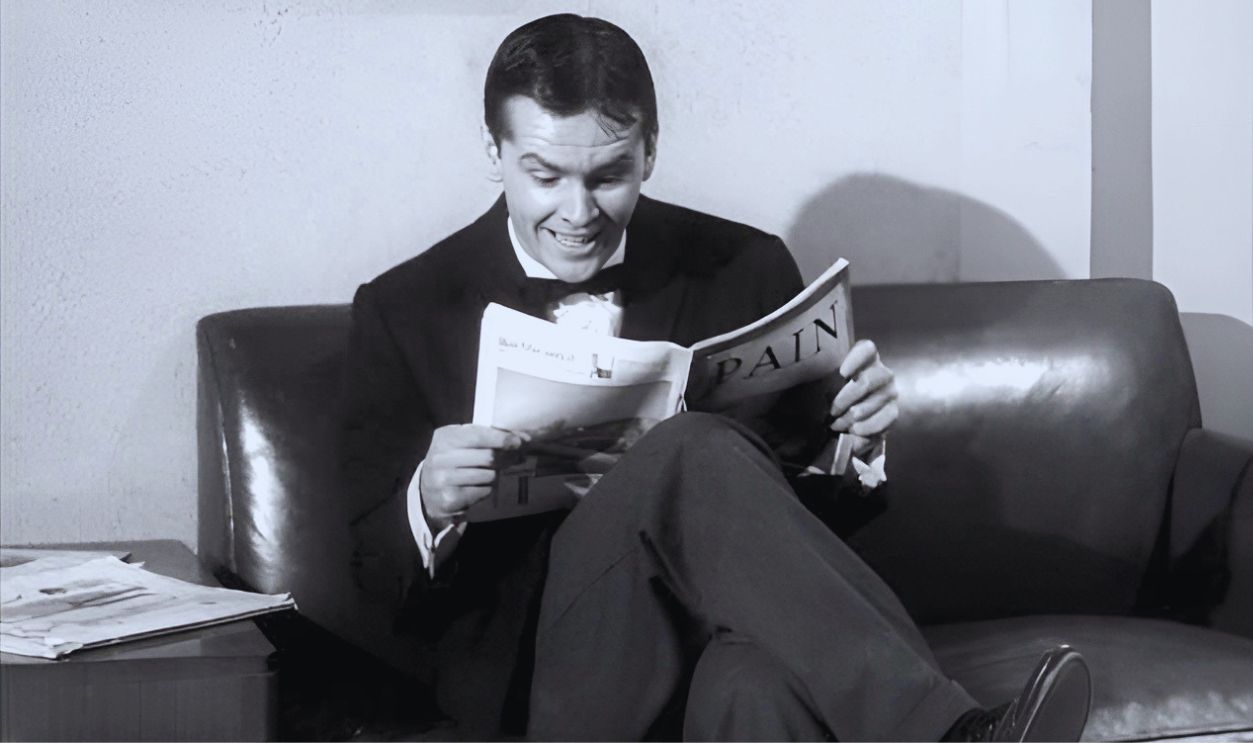 Roger Corman, Wikimedia Commons
His Mother Was Actually His Grandmother
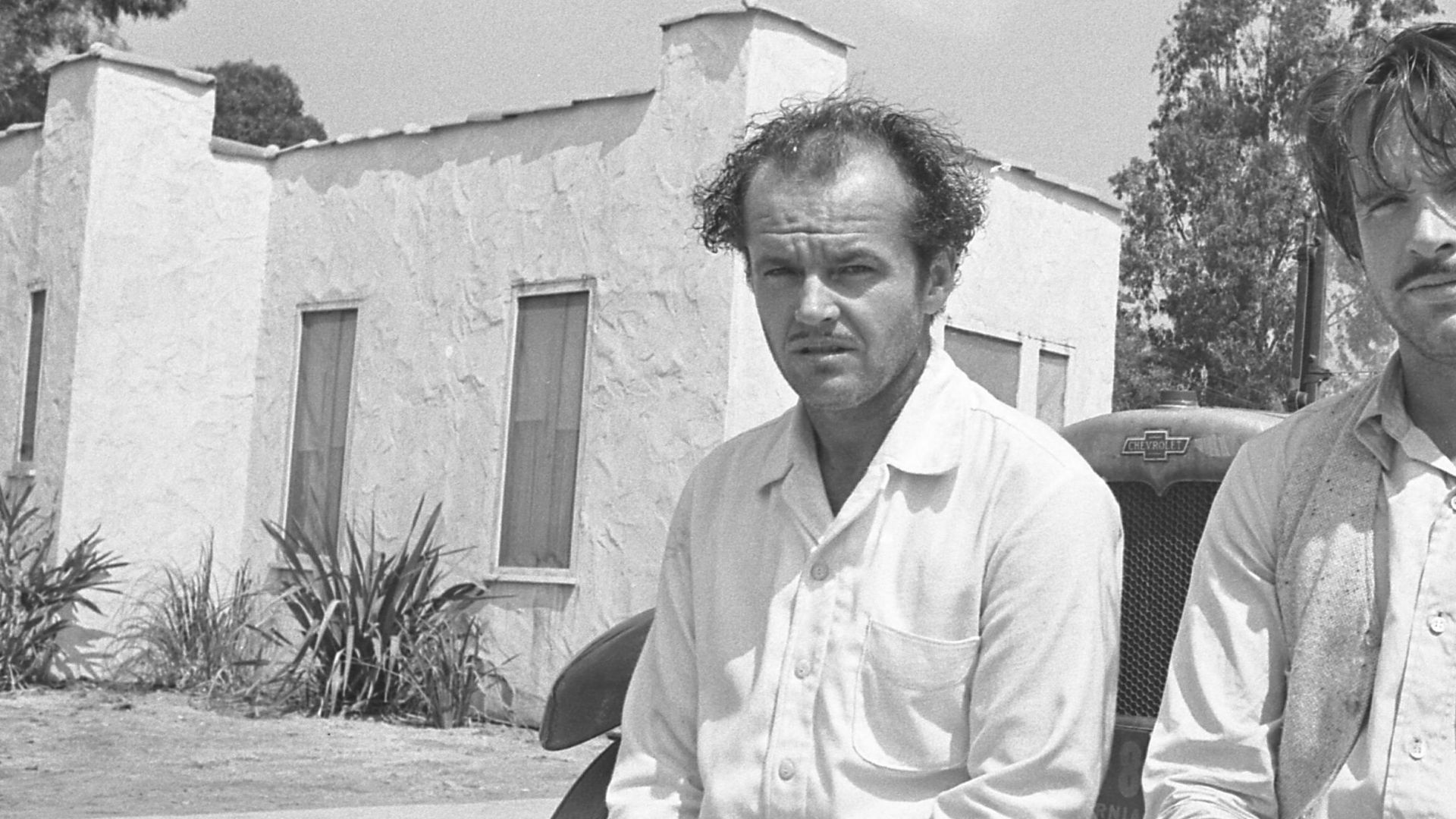
Ethel May Nicholson, whom Jack affectionately called "Mud," was the woman who raised him. She operated a successful beauty business from the family home and provided him with a comfortable upbringing. What Nicholson didn't know was that Ethel May was actually his maternal grandmother, having assumed the role of his mother shortly after his birth.
 Larry Bessel, Los Angeles Times, Wikimedia Commons
June Was More Than His Sister
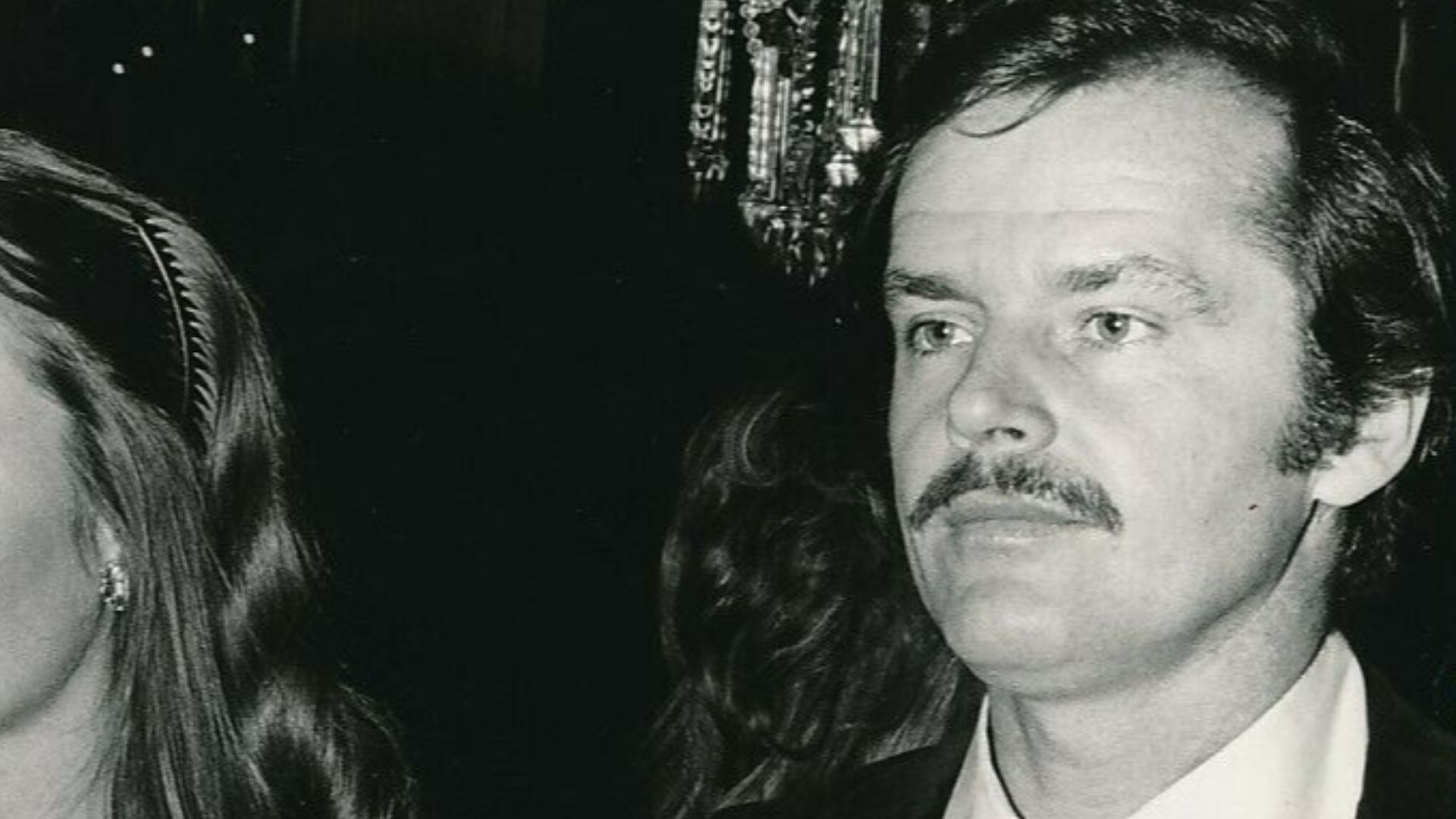
June Nicholson was a young woman with ambitions of working in show business. She was just 17 when she gave birth to Jack in 1937, but the family presented the baby as Ethel May's son. As a result, June became Jack's older sister in the family's public story, concealing the fact that she was his biological mother.
 Borsari, Peter, Wikimedia Commons
Why Did They Hide The Truth?
June was unmarried when Jack was born, at a time when motherhood outside marriage could carry considerable social stigma. Such circumstances help explain why families sometimes concealed a child's parentage, although Nicholson later acknowledged that he couldn't know exactly what motivated his relatives. Whatever their reasons, the women maintained the arrangement throughout his childhood and into his adult life.
 Screenshot from The Shining, Warner Bros. (1980)
His Other Sister Was His Aunt
The revelation didn't just change Nicholson's understanding of June and Ethel May. Lorraine, the other woman he had always considered his sister, was actually his maternal aunt. Even John Nicholson, whom Jack had known as his father, was really his grandfather, leaving nearly every major relationship in his childhood transformed.
 Screenshot from One Flew Over the Cuckoo's Nest, United Artists (1975)
June Had Her Own Remarkable Life
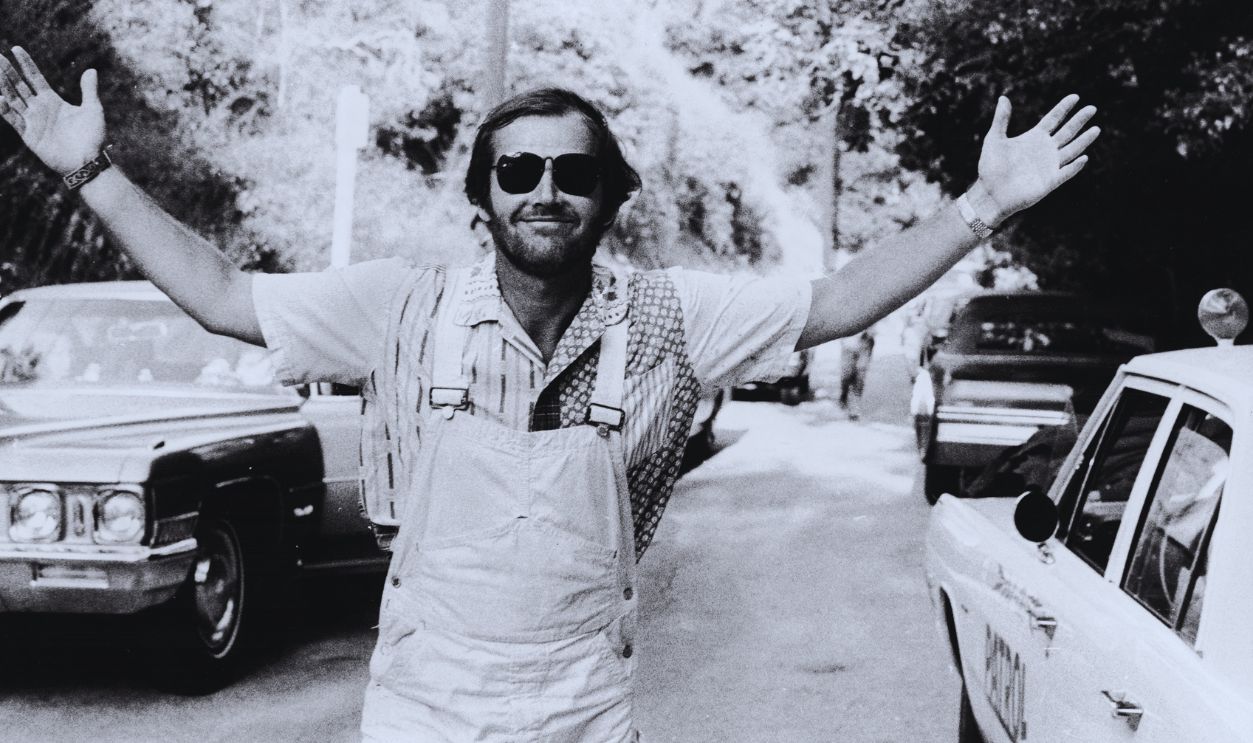
Long before Nicholson became famous, June had pursued a career in entertainment. She worked as a dancer associated with show-business producer Earl Carroll and spent time in Miami, where Carroll operated a glamorous nightclub. Nicholson later reflected on June's colorful experiences, recognizing that the woman he knew as his sister had lived a life filled with stories he would never fully hear.
 Pictorial Parade, Getty Images
His Childhood Was Surprisingly Happy
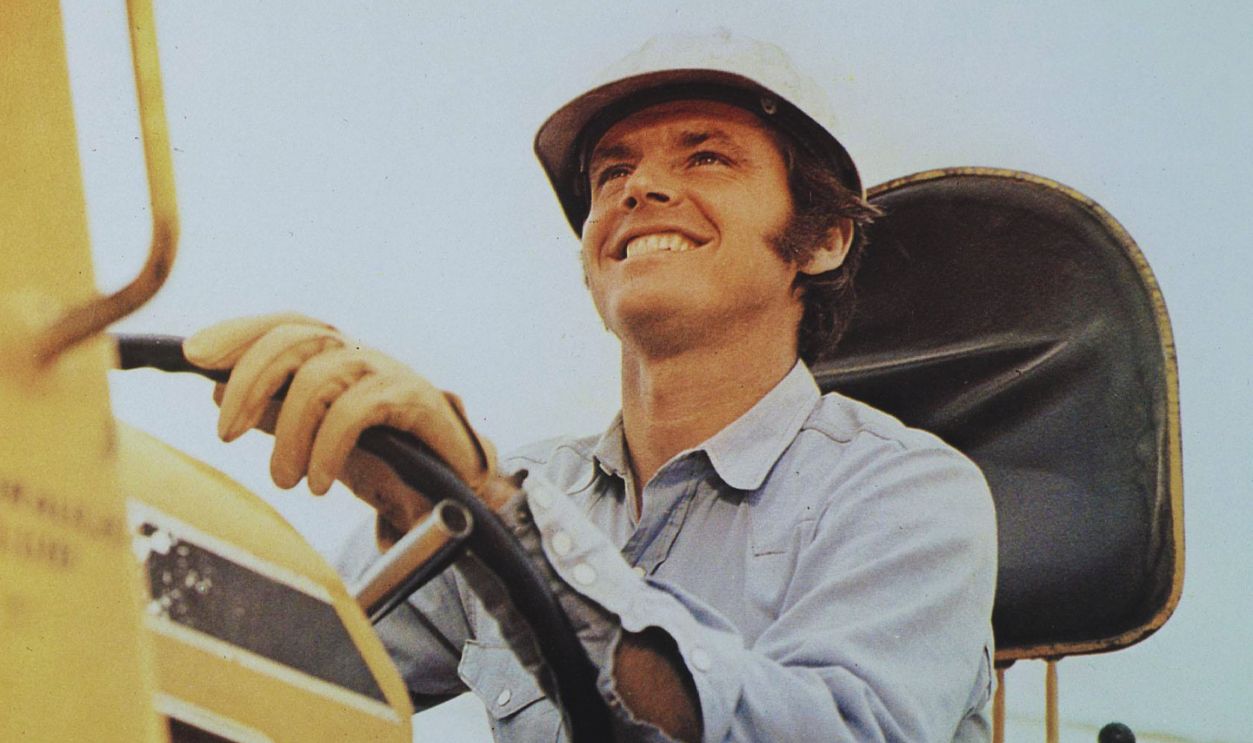
Despite the complicated family arrangement, Nicholson remembered growing up in a comfortable, loving household. Ethel May encouraged his independence, and he enjoyed considerable freedom around his New Jersey hometown. Years later, even after discovering the deception, he maintained that his family had given him a wonderful upbringing.
He Was A Bright But Rebellious Kid
Nicholson attended school in New Jersey, where his intelligence, humor, and independent streak quickly became apparent. He performed well academically and even skipped a grade, but he wasn't particularly enthusiastic about formal education. His interests increasingly turned toward movies, which offered a much more exciting future than the classroom.
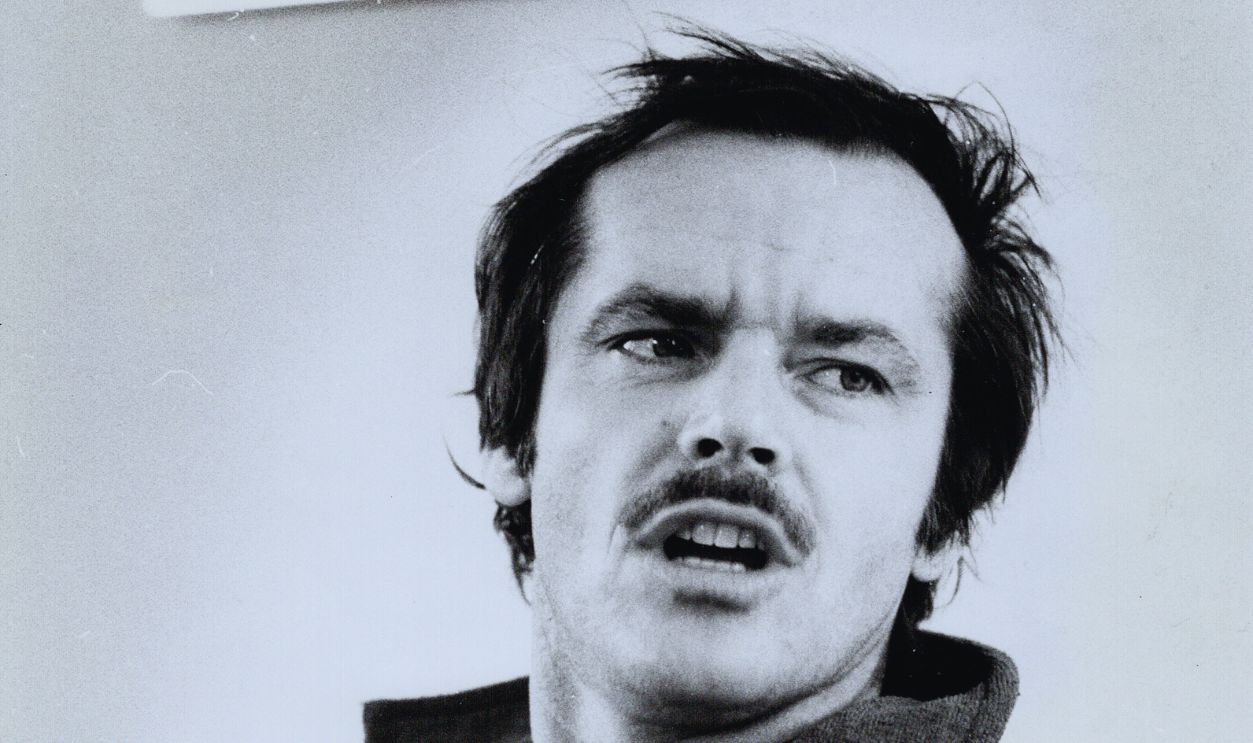
Hollywood Was Calling
As a teenager, Nicholson became fascinated by films and dreamed of entering the entertainment business. After high school, he traveled to California, where June had already established herself. He initially considered the trip temporary, but Hollywood quickly captured his imagination, and he decided to stay.
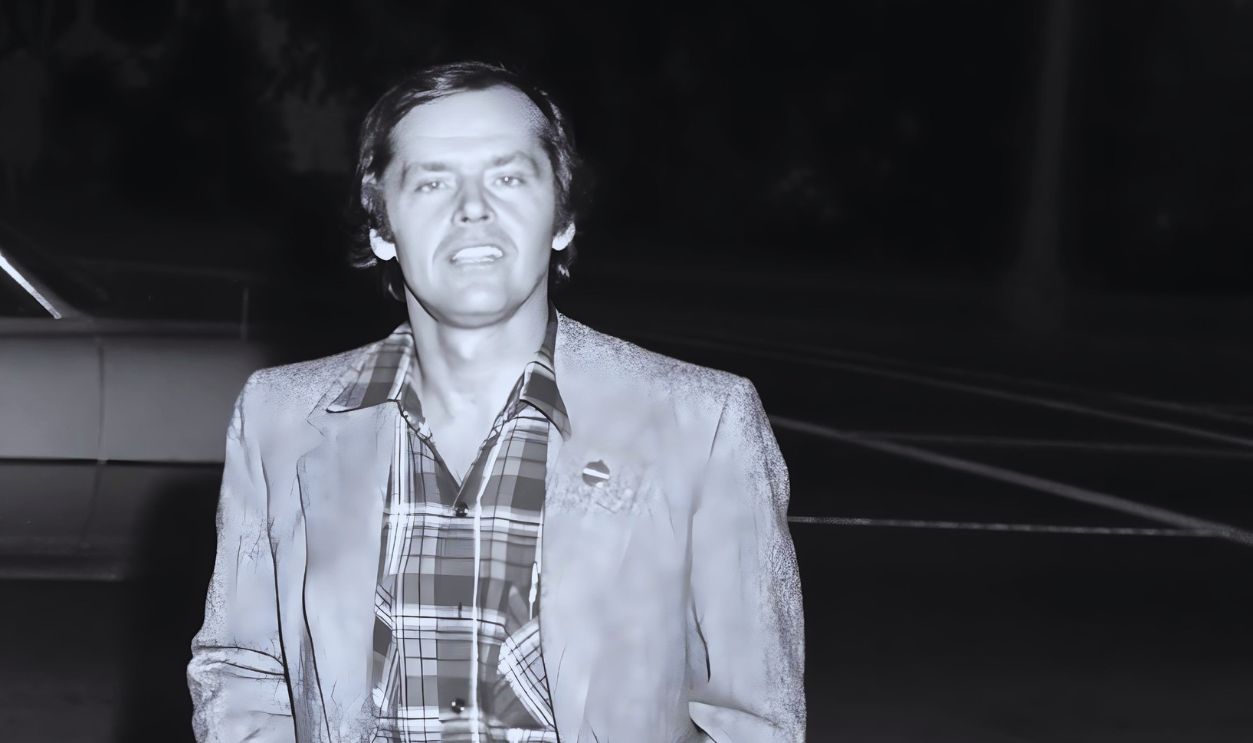 Fairchild Archive, Getty Images
His First Job Was At MGM
In 1955, Nicholson found work in the cartoon department at MGM, one of Hollywood's most famous studios. His position was an entry-level office job rather than a glamorous acting opportunity, but it gave him valuable exposure to the movie industry. He was finally inside the world he wanted to join, although becoming a star would take considerably longer.
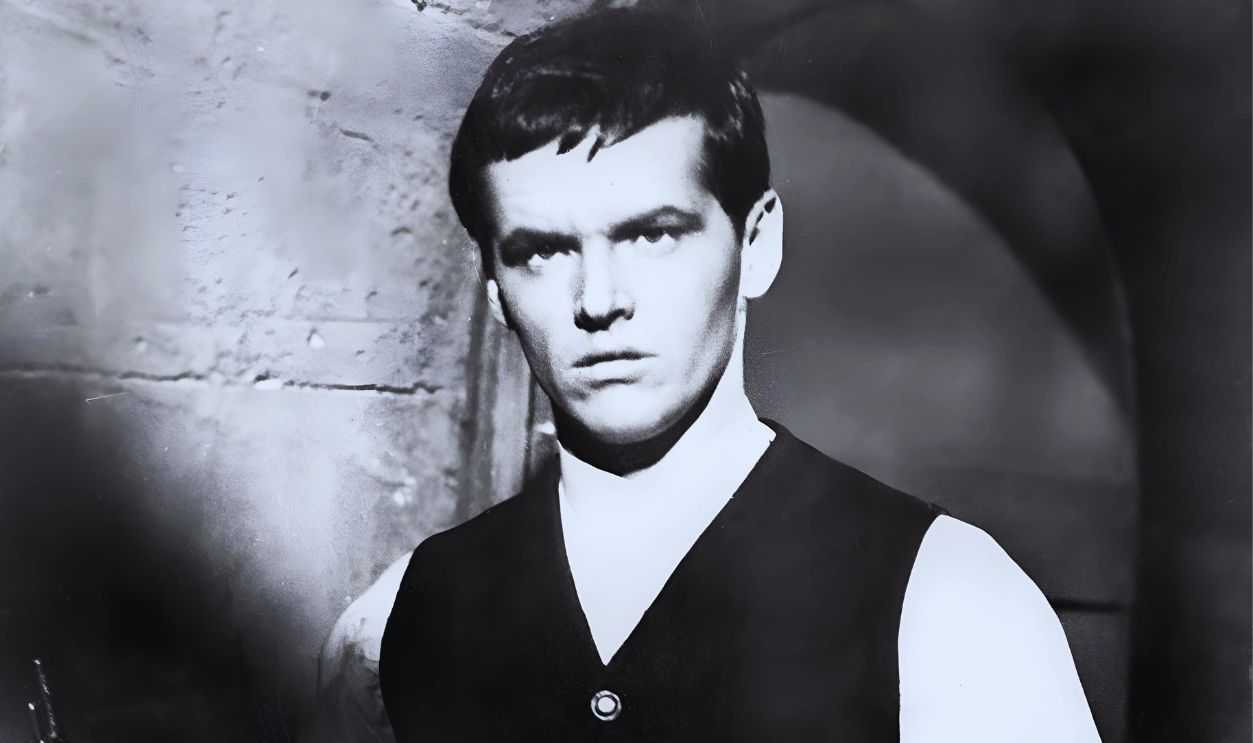 Silver Screen Collection, Getty Images
Fame Didn't Come Easily
Nicholson made his leading-role film debut in the 1958 thriller The Cry Baby Killer. He subsequently appeared in numerous low-budget productions, including Roger Corman's The Little Shop of Horrors and The Raven. These projects provided acting experience, but Nicholson spent much of the 1960s struggling to establish himself in Hollywood.
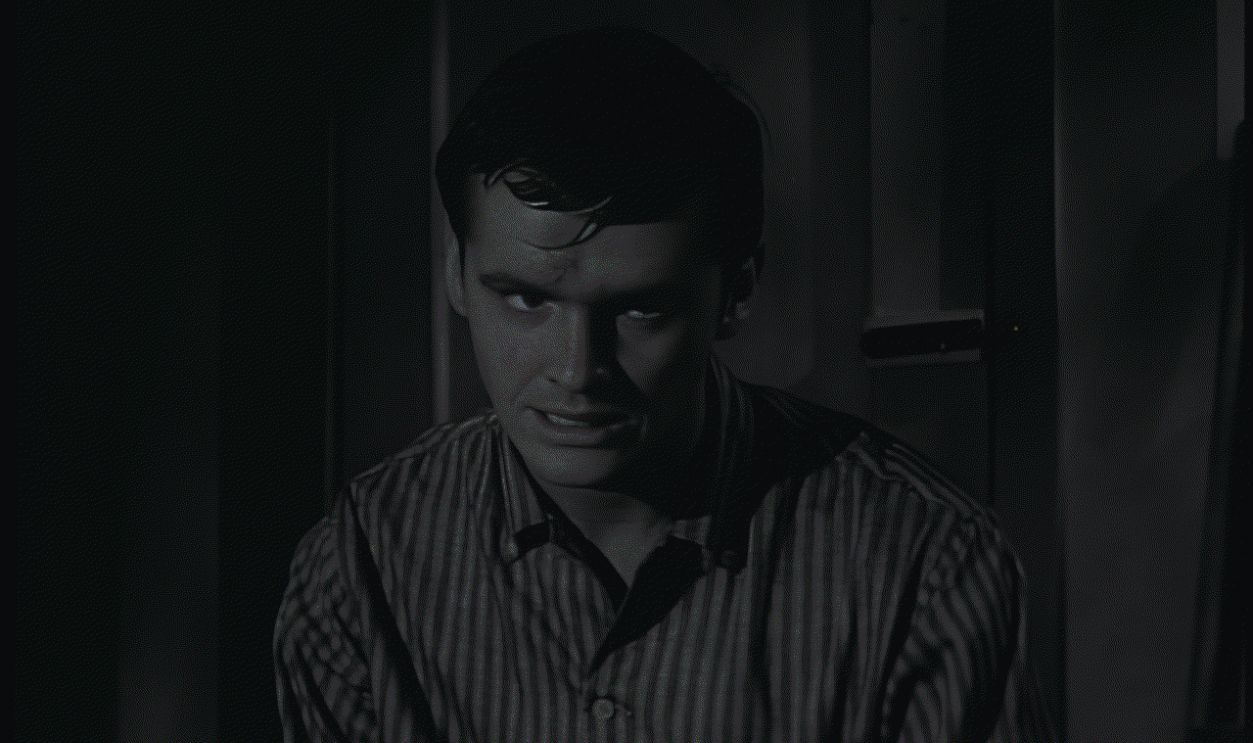 Screenshot from The Cry Baby Killer, Allied Artists Pictures (1958)
June Never Saw His Biggest Success
June died of cancer in 1963, more than a decade before Nicholson discovered that she was actually his biological mother. He was just 26 years old and still years away from the breakthrough that would make him famous. June never had the opportunity to explain the truth to him or witness the extraordinary heights his career would eventually reach.
Hollywood Finally Took Notice
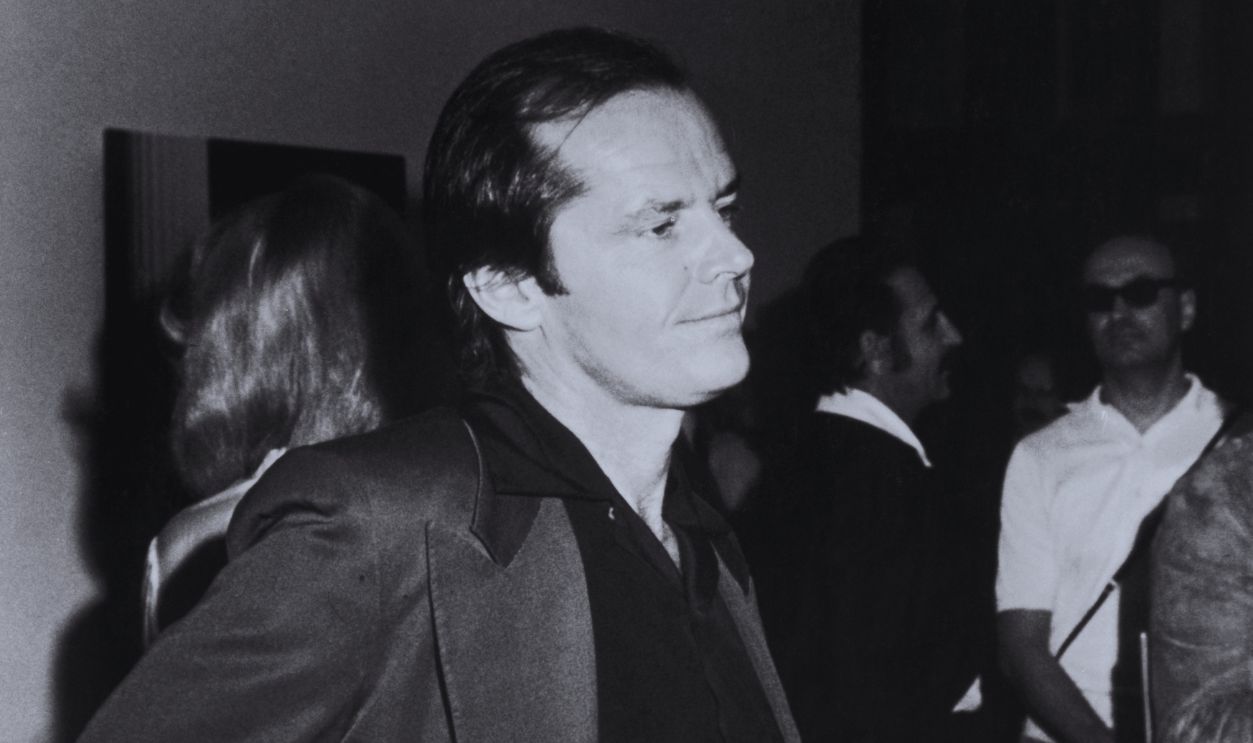
Nicholson's major breakthrough arrived with the 1969 counterculture classic Easy Rider, starring Peter Fonda and Dennis Hopper. His memorable performance as lawyer George Hanson earned him his first Academy Award nomination and introduced him to a much wider audience. After years of working in relative obscurity, Nicholson was suddenly one of Hollywood's most exciting new talents.
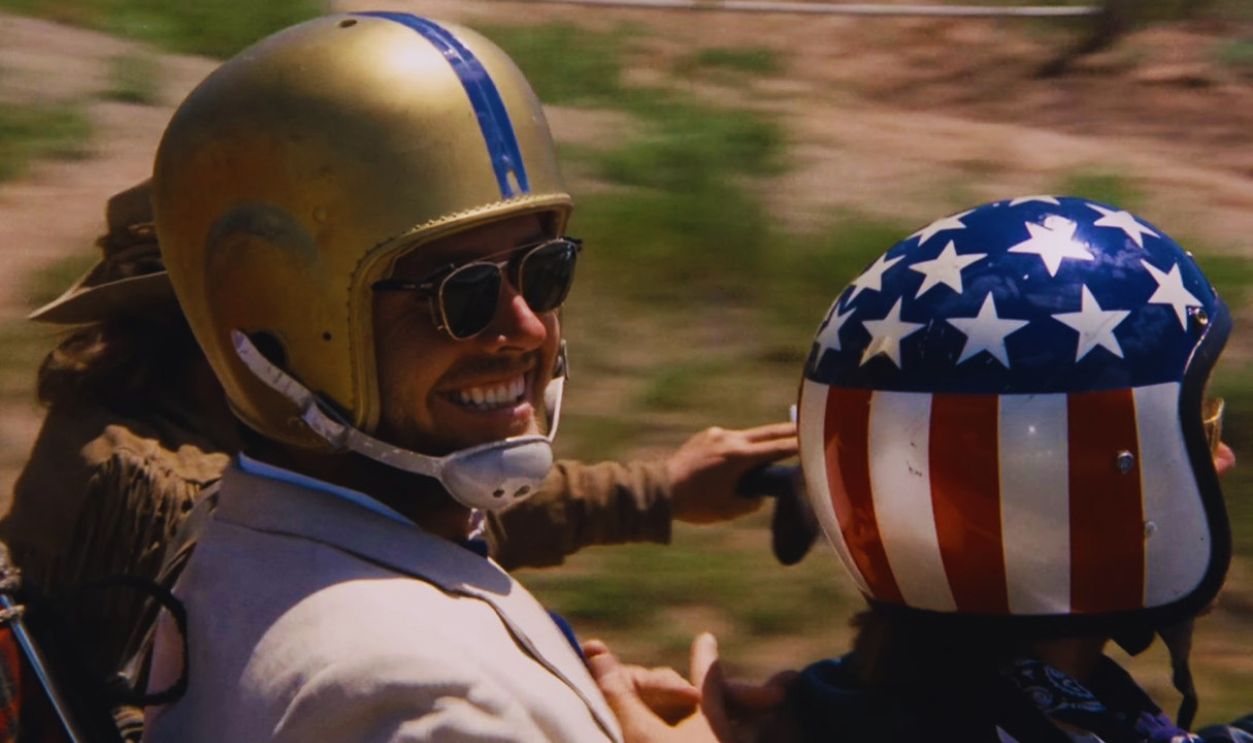 Screenshot from Easy Rider, Columbia Pictures (1969)
Then He Lost The Woman Who Raised Him
In 1970, Ethel May died, just as Nicholson's acting career was reaching new heights. He mourned her as his mother, still completely unaware that she had actually been his grandmother. By the time he learned the truth four years later, both women at the center of the secret were gone, making it impossible to ask them directly why they had concealed his parentage.
His Career Kept Getting Bigger
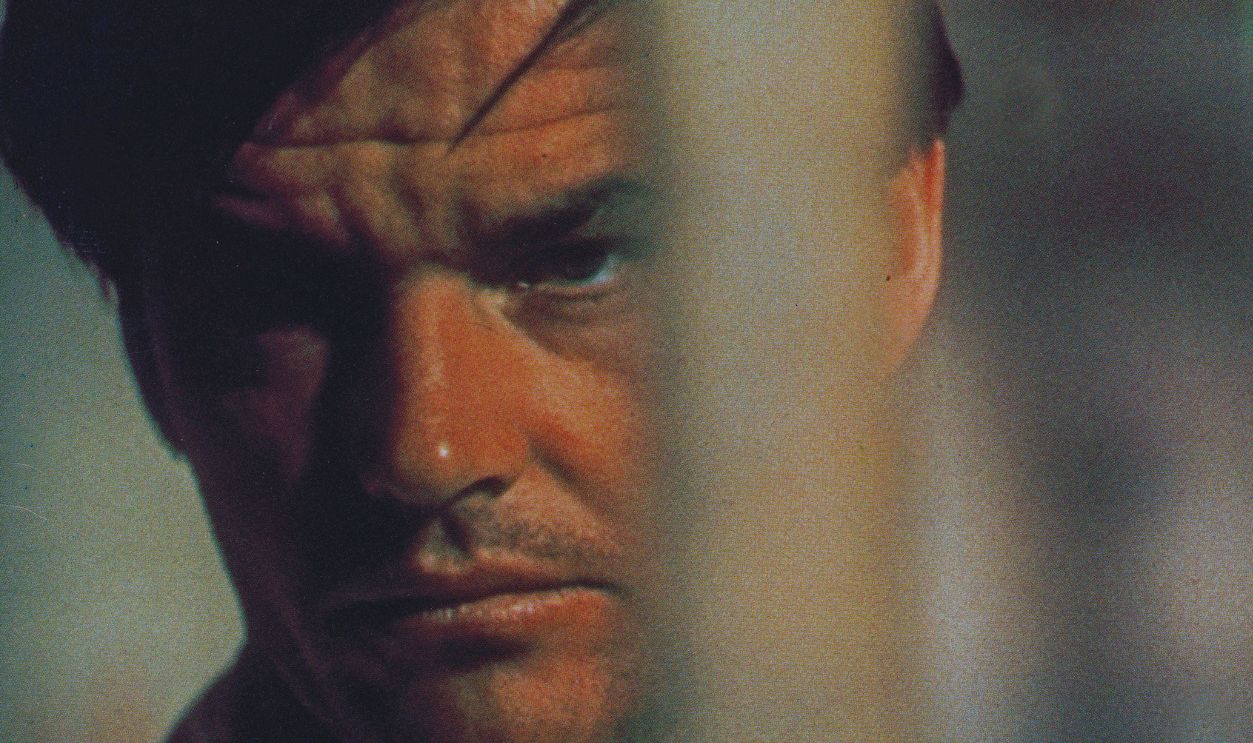
The success of Easy Rider opened the door to acclaimed performances in Five Easy Pieces, Carnal Knowledge, and The Last Detail. By 1974, Nicholson had become known for playing complicated characters who challenged conventional ideas about Hollywood leading men. That same year, his starring role in Chinatown would create one of the strangest coincidences of his entire career.
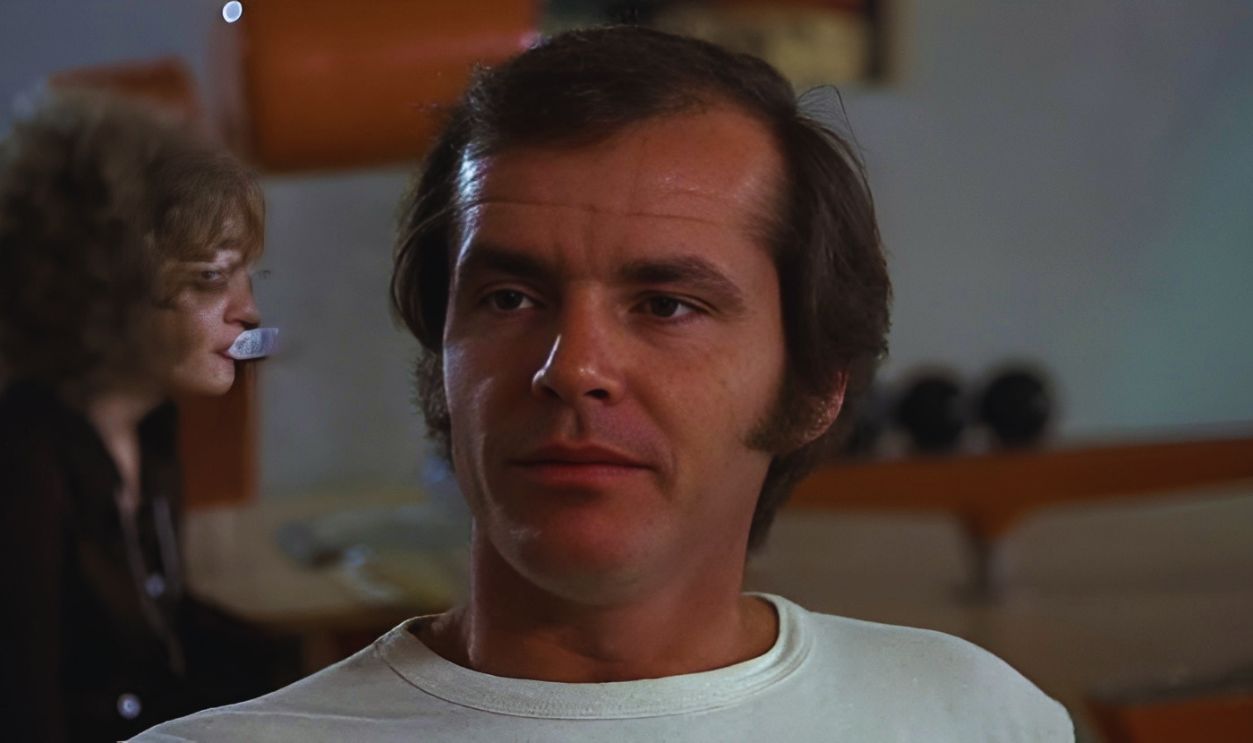 Screenshot from Five Easy Pieces, Columbia Pictures (1970)
The Coincidence Was Almost Unbelievable
In Chinatown, Nicholson plays private investigator Jake Gittes, who uncovers a disturbing family secret involving Faye Dunaway's character. During a famous confrontation, her character reveals that a young girl is both her daughter and her sister. The scene bears an extraordinary resemblance to Nicholson's own family revelation, making the timing of the discovery especially remarkable.
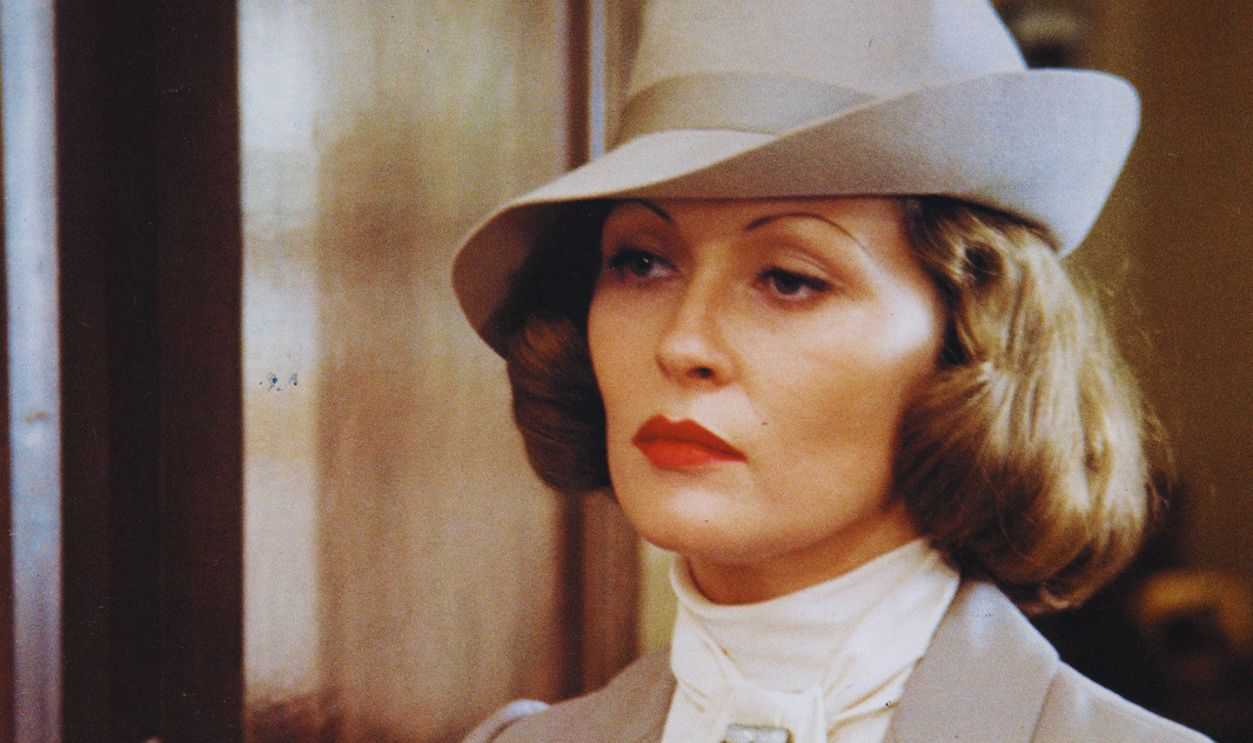 Screenshot from Chinatown, Paramount Pictures (1974)
But Did He Know While Filming?
The similarity between Chinatown and Nicholson's life was so striking that interviewers later questioned whether his personal experiences had influenced the movie. Nicholson confirmed that he hadn't yet discovered the truth about his family when he filmed the famous scene. The revelation came afterward, making the connection between the fictional story and his real life a remarkable coincidence.
 Screenshot from Chinatown, Paramount Pictures (1974)
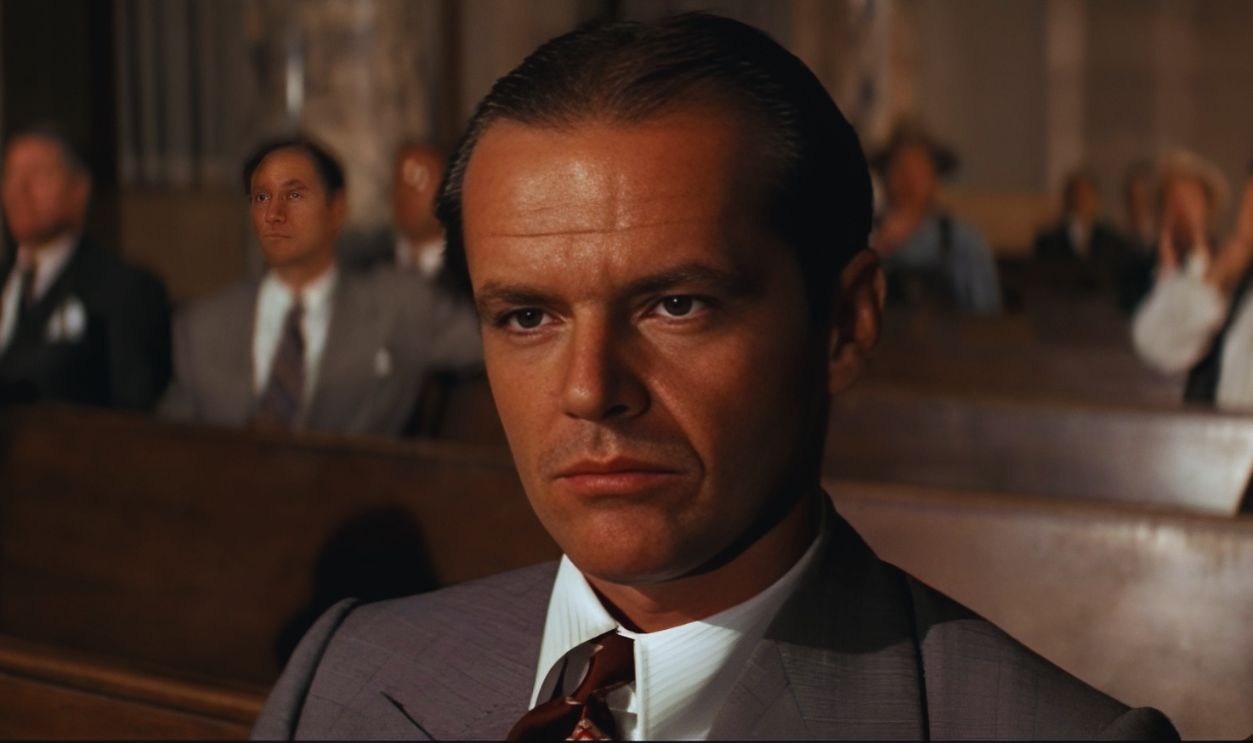
Time Magazine Never Published The Secret
Although its researchers had uncovered Nicholson's true parentage, Time left the information out of its August 12, 1974, cover story. Nicholson later recalled asking the magazine not to publish the revelation, explaining that he might someday want to write about it himself. The magazine respected his preference, and its published profile continued to describe June as his sister and Ethel May as his mother.
 Screenshot from Chinatown, Paramount Pictures (1974)
The Secret Extended Beyond His Family
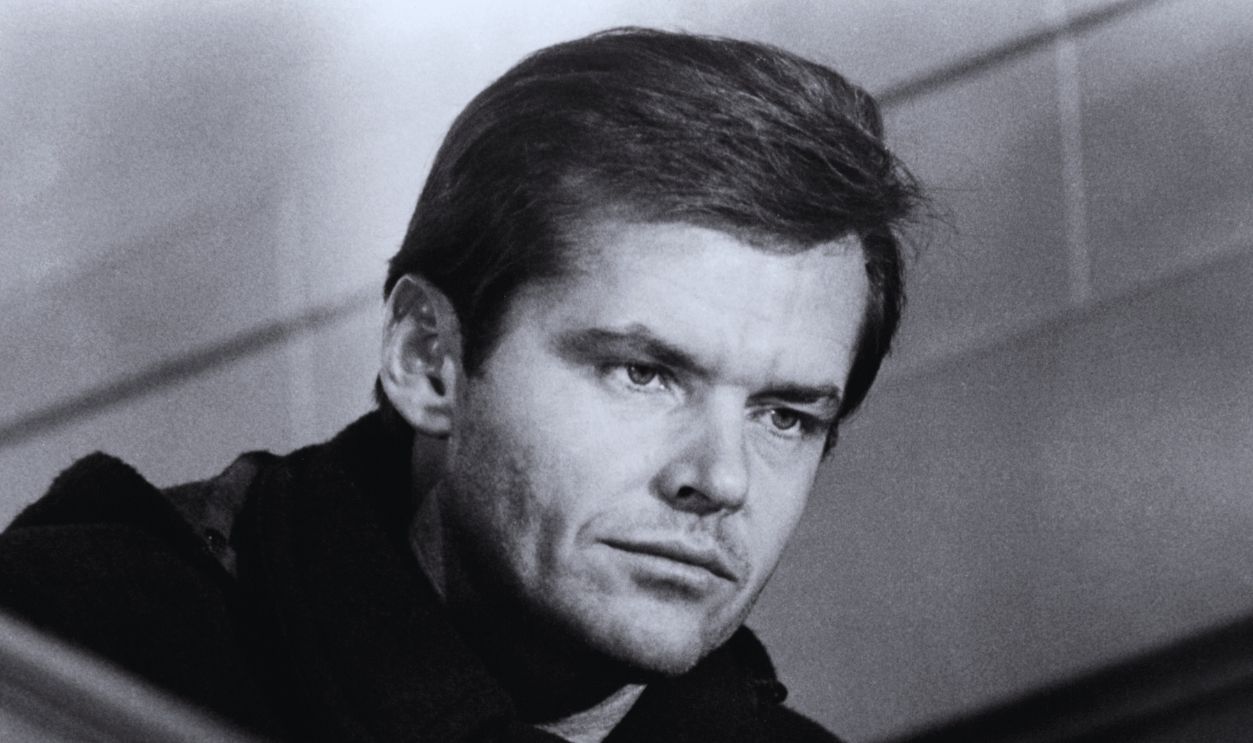
Once Nicholson knew the truth, he began wondering how many other people had been aware of it all along. He had grown up in a relatively small New Jersey community, yet nobody had ever told him that June was his mother. Nicholson later expressed amazement that so many people might have known the secret without ever letting anything slip.
 Silver Screen Collection, Getty Images
He Remembered Something Strange
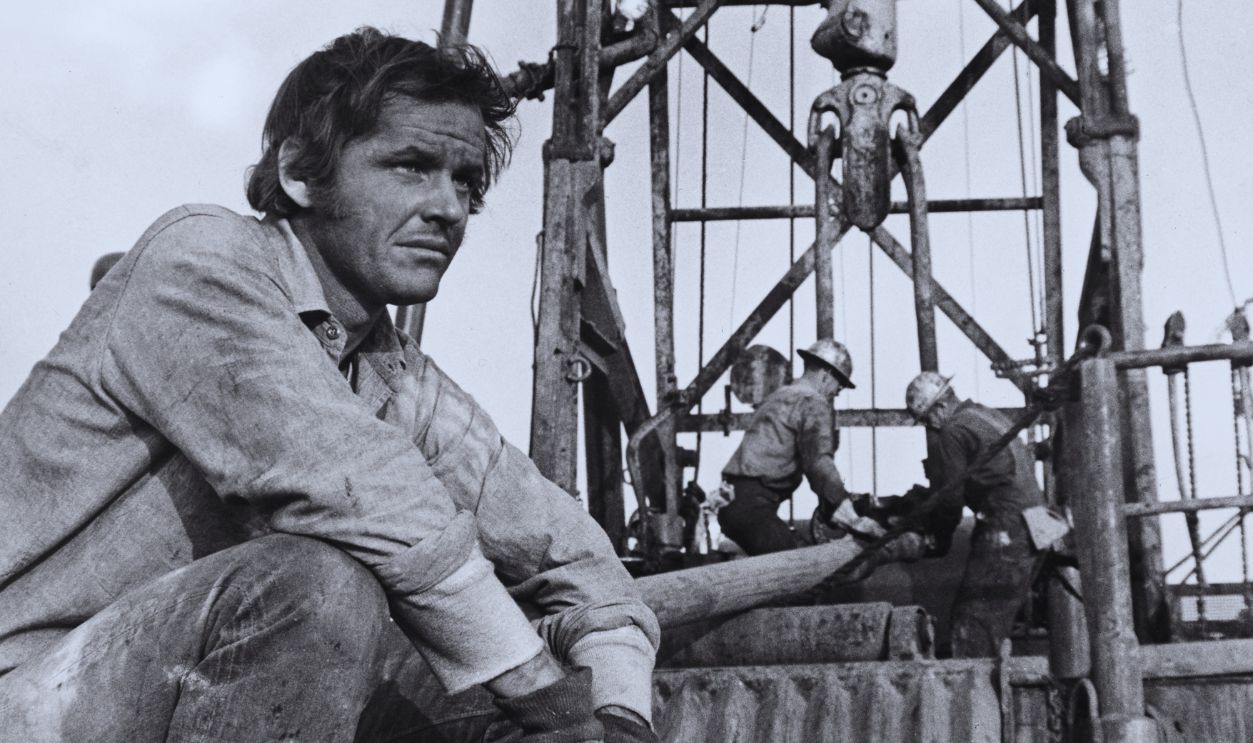
The revelation also brought back an unusual thought Nicholson had entertained during childhood. He recalled wondering why the relationship between the people he believed were his parents had broken down around the time of his birth. He never seriously investigated the coincidence, but learning the truth decades later gave that old suspicion a completely different meaning.
 Silver Screen Collection, Getty Images
June's Behavior Finally Made Sense
Nicholson also began reconsidering the way June had treated him when he was young. He remembered that she sometimes seemed unusually concerned about him, showing a level of protectiveness he hadn't fully understood. Once he knew she was his mother, those small memories became easier to explain, and he developed a new sense of empathy for her.
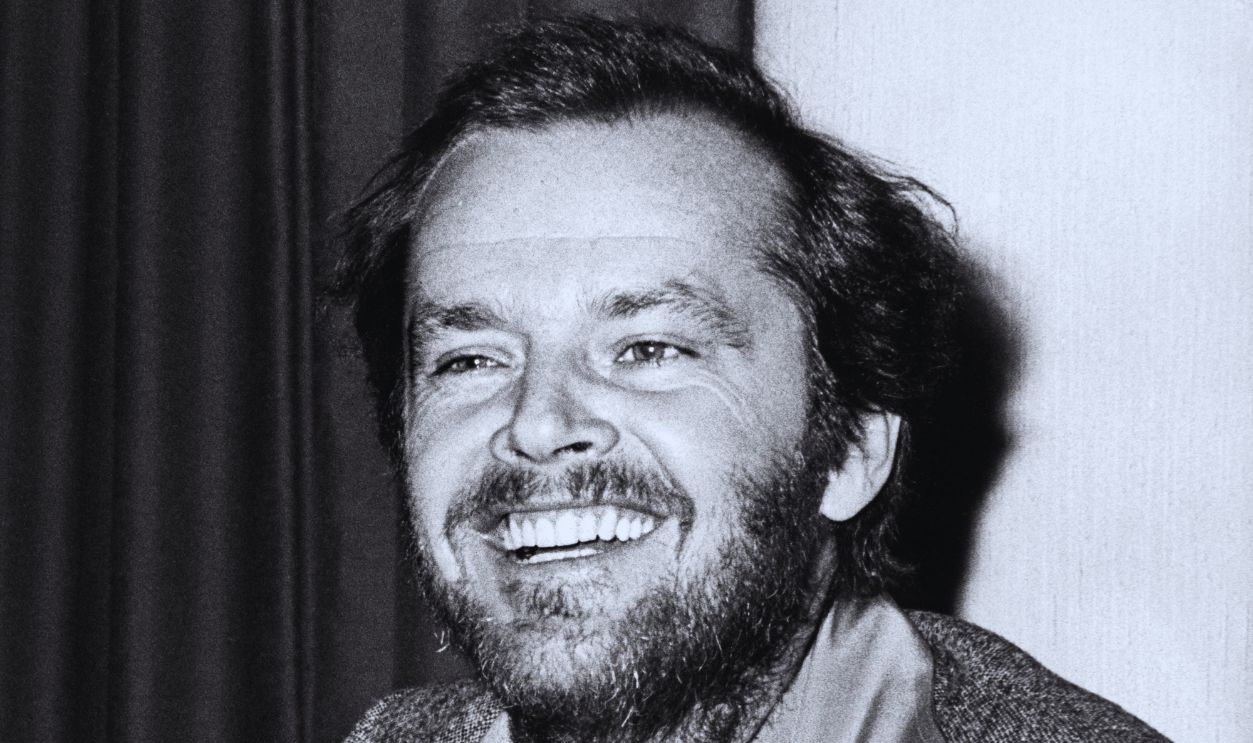
The Mystery Of His Biological Father
Although Nicholson eventually discovered his mother's identity, the question of his biological father remained considerably less certain. Different accounts have raised competing possibilities, and Nicholson himself acknowledged that the subject was never completely settled within his family. He chose not to pursue a definitive answer, explaining that he was already an adult with an established identity when the truth emerged.
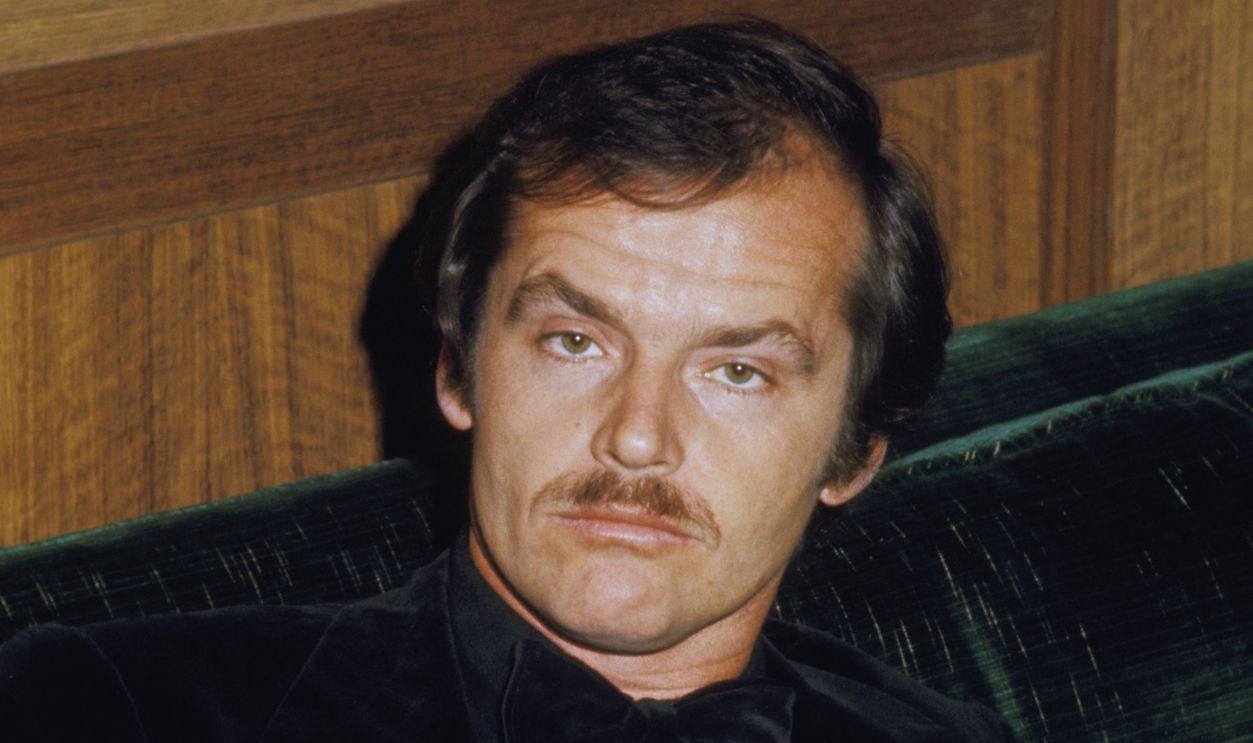 Ron Galella Collection, Getty Images
His Reaction Surprised Everyone
Nicholson later admitted that discovering the secret had overwhelmed him, but his lasting reaction wasn't anger. Instead, he came to feel gratitude toward June and Ethel May, recognizing the care they had given him throughout his childhood. He also acknowledged the complicated emotions of learning the truth after both women had died, knowing he would never have to confront them about their decision.
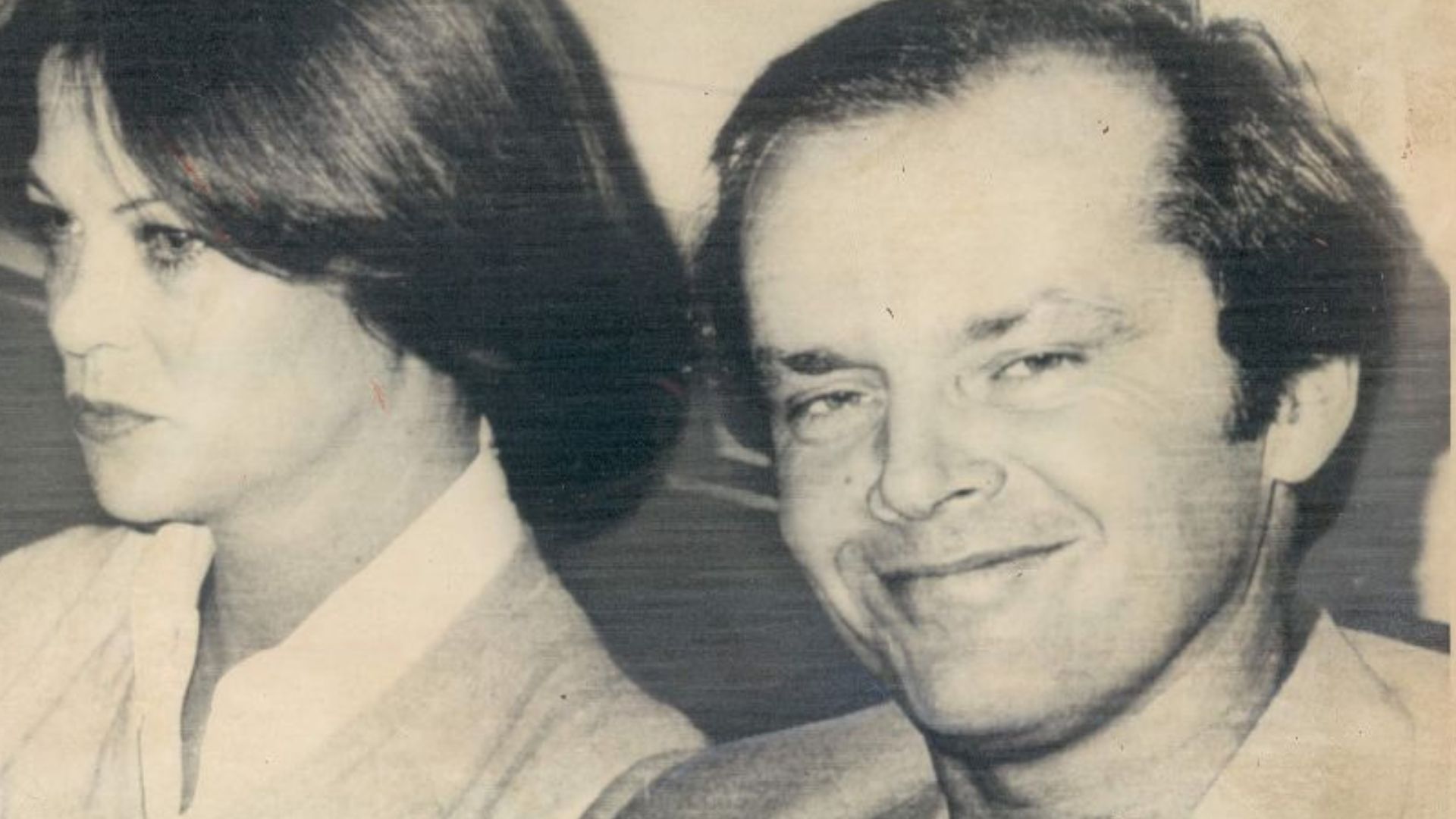 AP Wire Photo, Wikimedia Commons
He Considered Turning It Into A Movie
Nicholson eventually recognized that his extraordinary family history contained all the ingredients of a compelling Hollywood story. In a 2004 interview, he confirmed that he had considered writing a movie about June and the secret surrounding his birth. He never turned that particular story into a feature film, but the experience remained an important part of his understanding of his family.
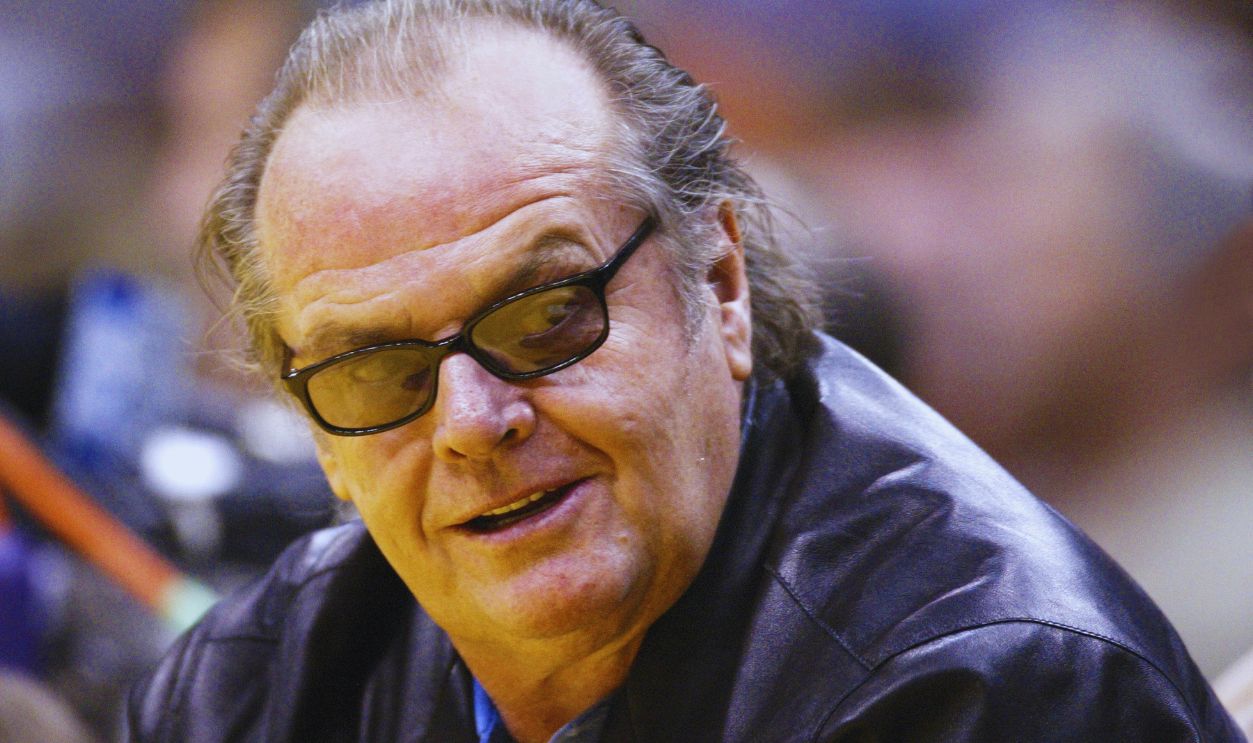
The Most Extraordinary Story Of His Life
Nicholson went on to win three Academy Awards and become one of Hollywood's most celebrated actors, appearing in classics such as One Flew Over the Cuckoo's Nest, The Shining, and As Good as It Gets. Yet even the most imaginative screenwriter would have struggled to invent a twist quite like the one he experienced in 1974. After spending 37 years believing he knew his own family history, Nicholson discovered that the most astonishing story of his life had been unfolding around him since the day he was born.
 Screenshot from The Shining, Warner Bros. Pictures (1980)
You May Also Like: