Never Too Late.
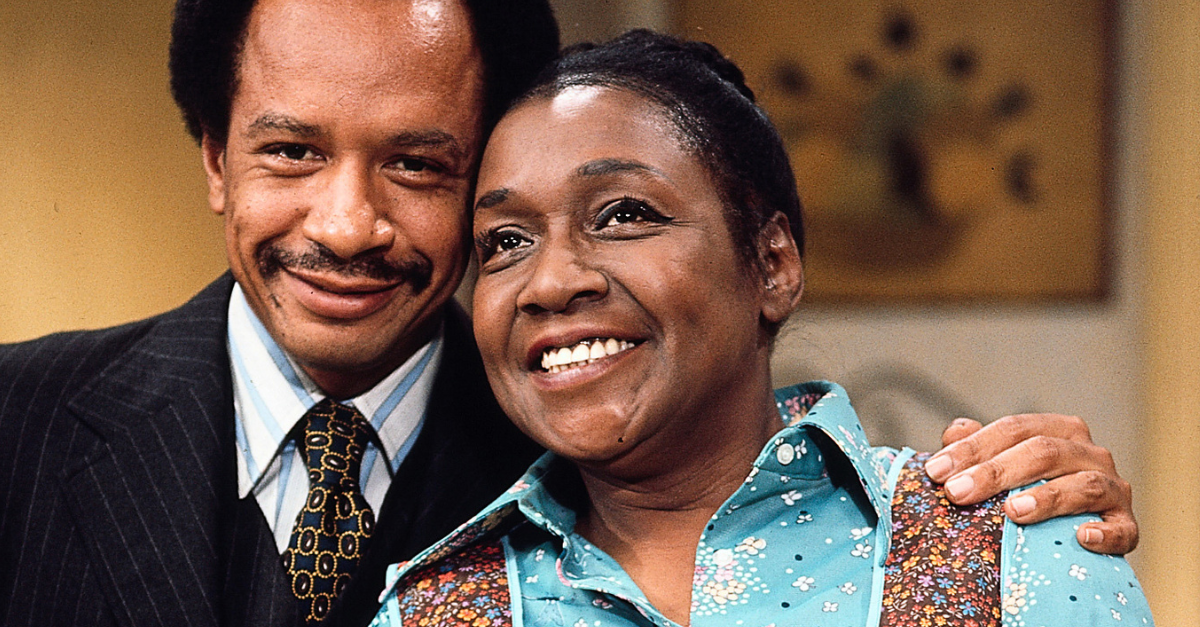
Isabel Sanford was already in her 50s when Louise Jefferson made her a nationally recognized television star, an age when Hollywood usually offered women fewer opportunities rather than life-changing ones. She turned that late arrival into an 11-season sitcom triumph, a historic Emmy victory, and one of television’s most enduring portraits of a wife who could love her husband while refusing to indulge his nonsense.
Stardom Was A Long Way From The Bronx
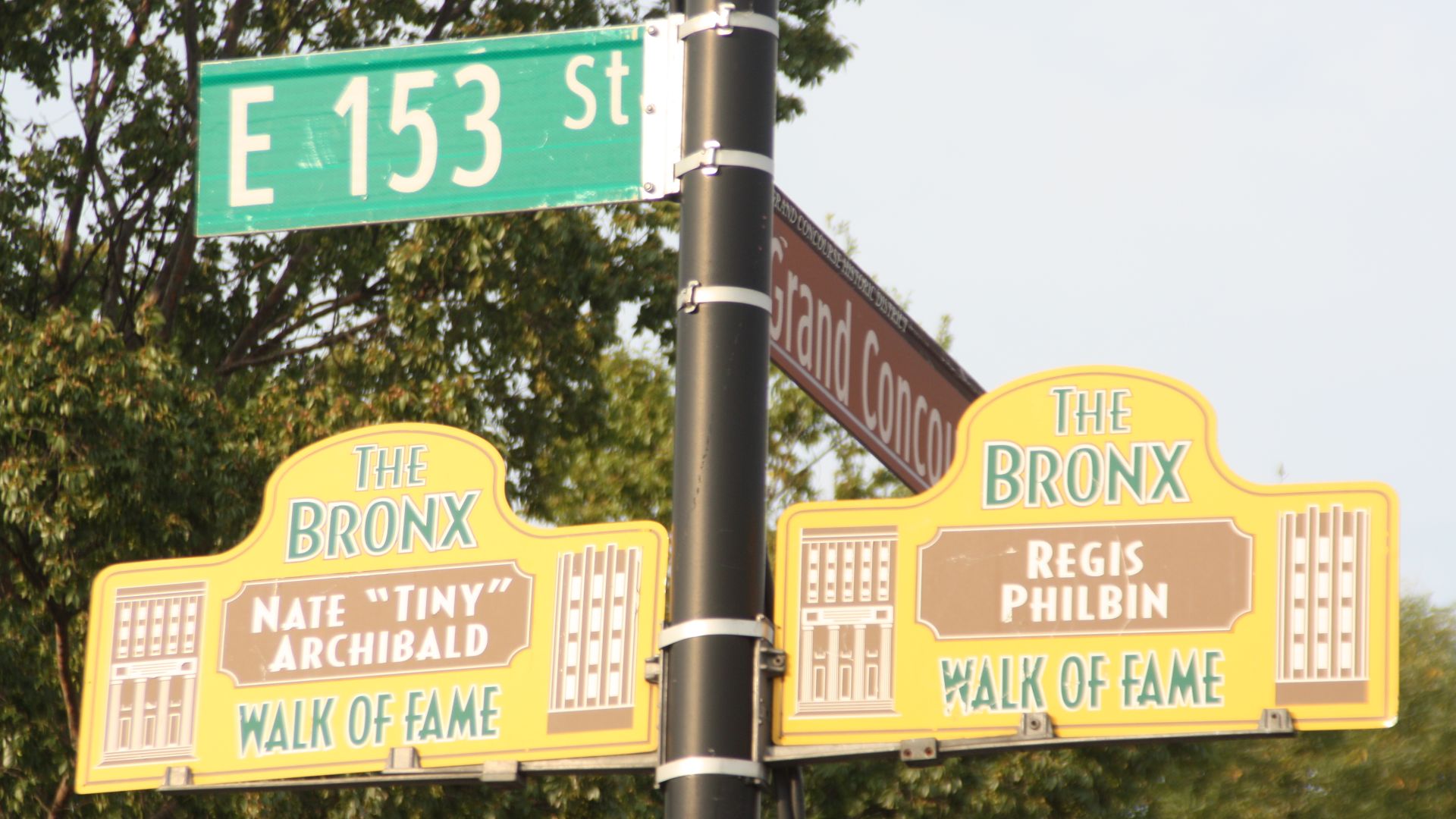
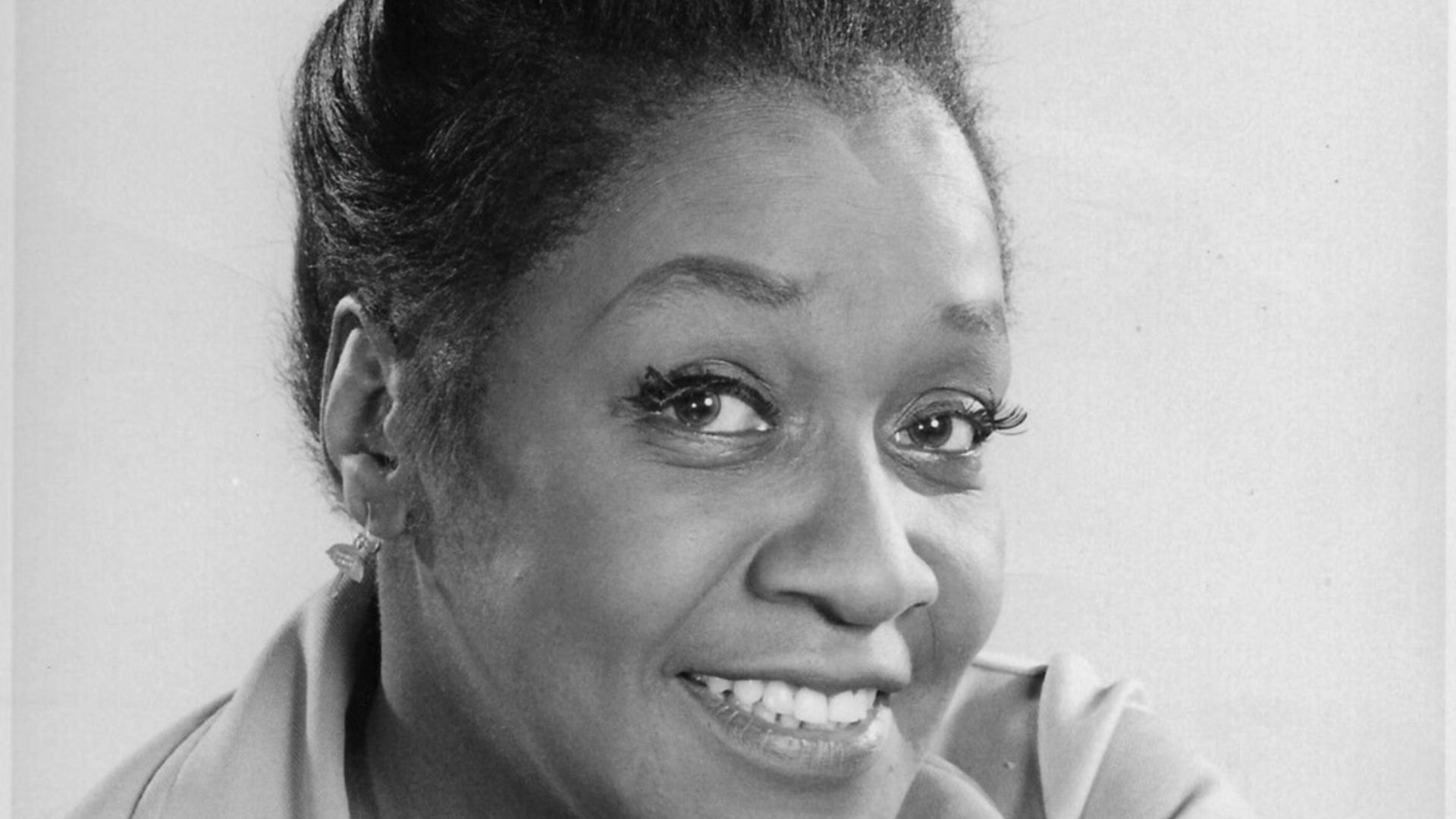
Sanford grew up in New York City and dreamed about performing long before television could make anyone famous. She later remembered imagining herself receiving standing ovations, an ambition that seemed enormous for a girl coming of age in the Bronx during the 1920s. Her eventual success mattered partly because it arrived after decades of persistence rather than an overnight discovery.
 Ira Leviton, Wikimedia Commons
Her Mother Feared The Acting Life
Sanford’s desire to perform did not automatically receive enthusiastic support at home. In her Television Academy oral history, she discussed her mother’s concerns about her entering show business and the teacher who encouraged her talent. Sanford nevertheless discovered early that she felt comfortable onstage. That confidence survived years when acting offered very little financial security.
The Apollo Gave Her An Early Test
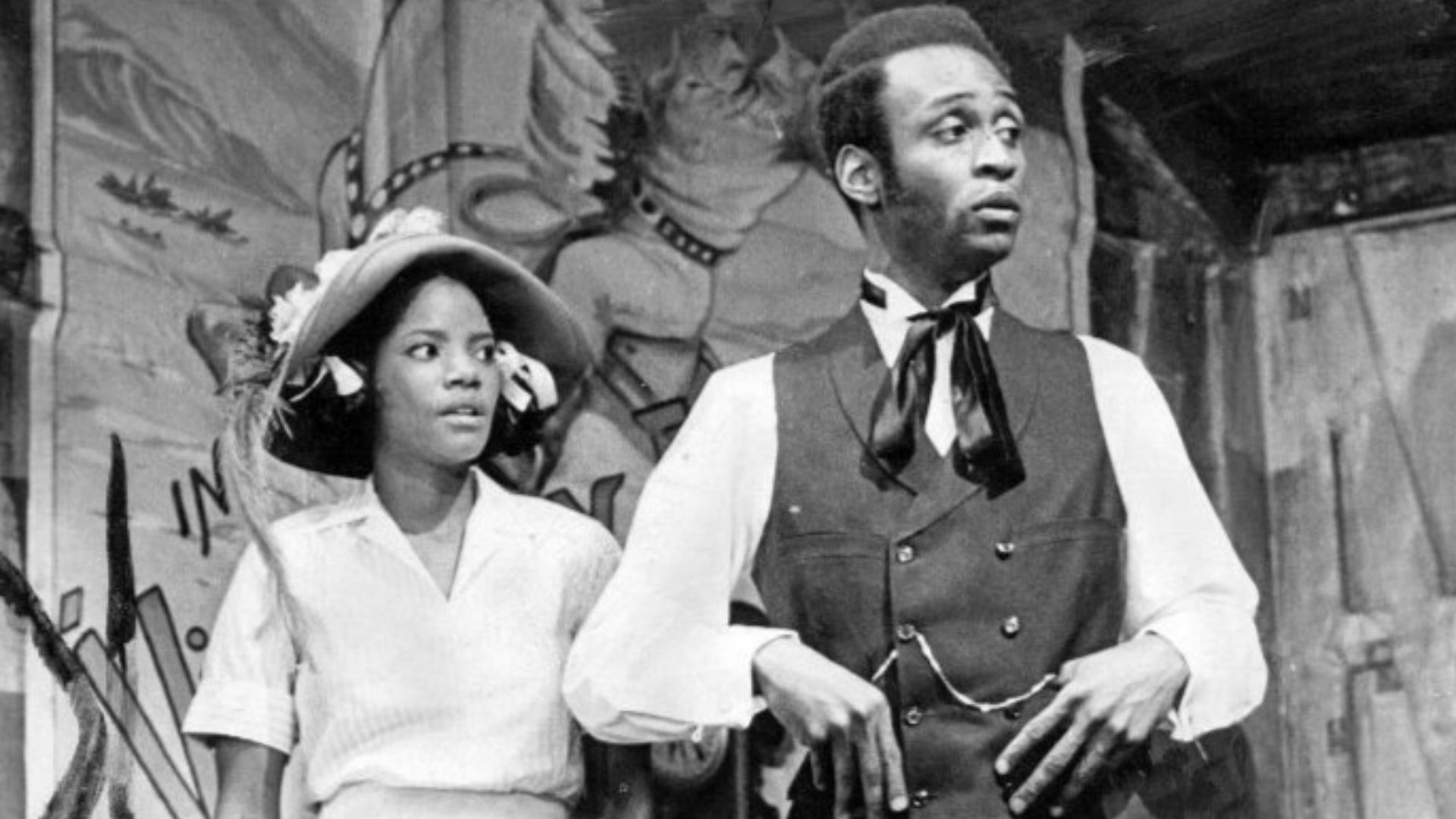
Sanford performed at the Apollo Theater’s famous Amateur Night before establishing herself professionally. She later worked with the Star Players and appeared with the American Negro Theatre in On Striver’s Row. These were serious proving grounds for a young Black actress trying to build a career when mainstream opportunities remained severely restricted. Television fame was still many years away.
 Ajay Suresh from New York, NY, USA, Wikimedia Commons
Motherhood Did Not End Her Ambition
Sanford married William E. Richmond and became the mother of three children. She later raised those children as a single mother, balancing family responsibility with an acting career that still had no guaranteed payoff. People reports that she relocated to Los Angeles in 1960 while raising her family. By then, she had already experienced enough adult life to bring unusual depth to the mothers she would eventually play.
She Spent Years Paying Her Stage Dues
Sanford worked extensively in theater before American television viewers knew her name. Her credits included productions of Purlie Victorious, Here Today, and James Baldwin’s The Amen Corner. She had already developed the timing, projection, and authority of a veteran performer while Hollywood still regarded her mainly as a character actress.
 Zodiac Photographers, New York, Wikimedia Commons
Moving West Did Not Produce Instant Success
Sanford moved to Los Angeles in 1960, but arriving in Hollywood did not immediately transform her into a screen star. She continued appearing onstage while taking whatever professional opportunities became available. Her Television Academy interview describes those years as part of a gradual transition from theater into film and television. The long wait makes her eventual sitcom dominance especially remarkable.
The Amen Corner Changed Her Trajectory
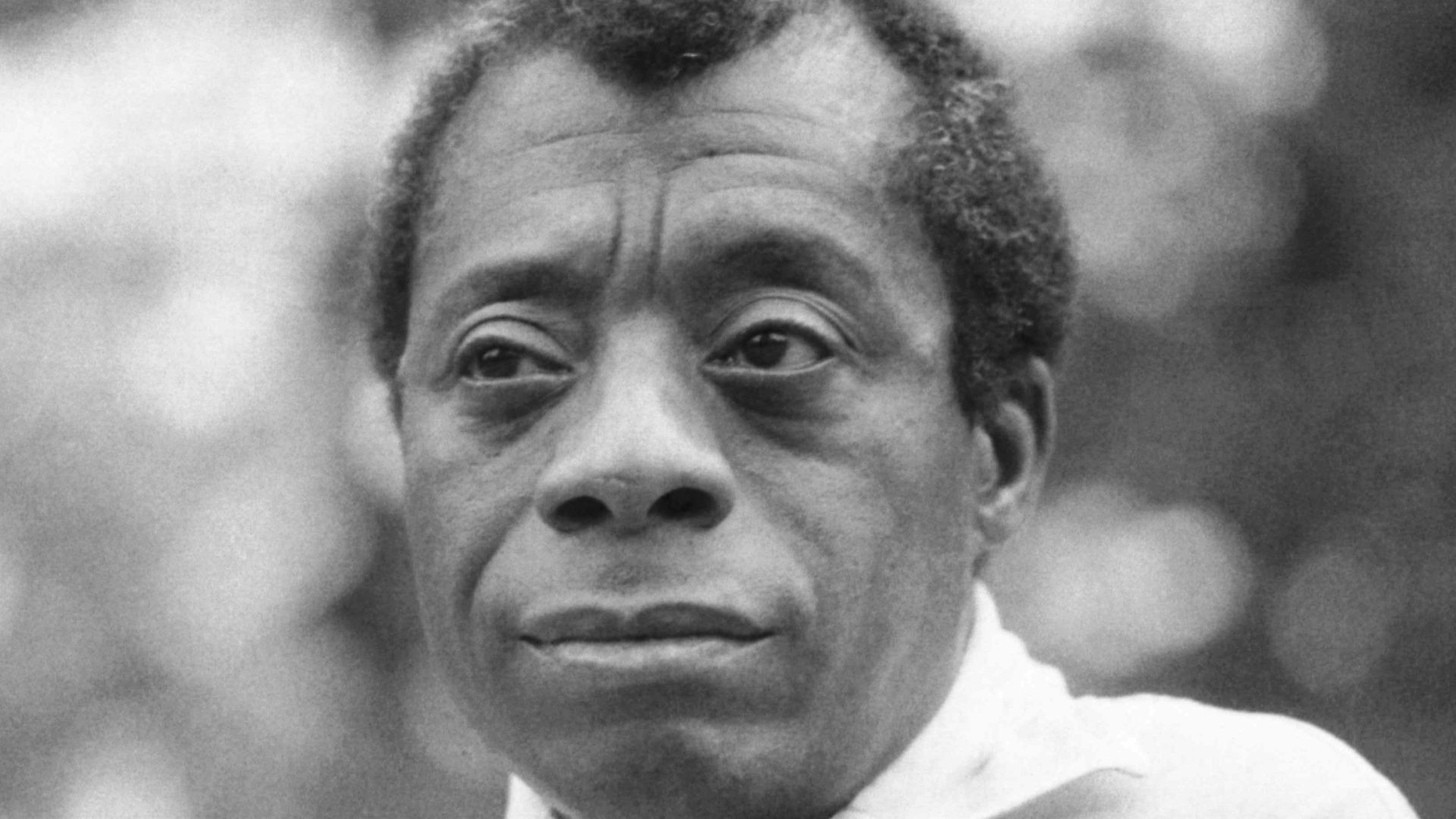
Sanford appeared in the Broadway production of James Baldwin’s The Amen Corner in 1965. Her performance attracted attention beyond the theater world and helped demonstrate that she could combine forceful personality with sharp comic instincts. People reports that the role directly helped lead to her first major movie opportunity.
 Allan warren, Wikimedia Commons
Guess Who’s Coming To Dinner Opened Hollywood’s Door
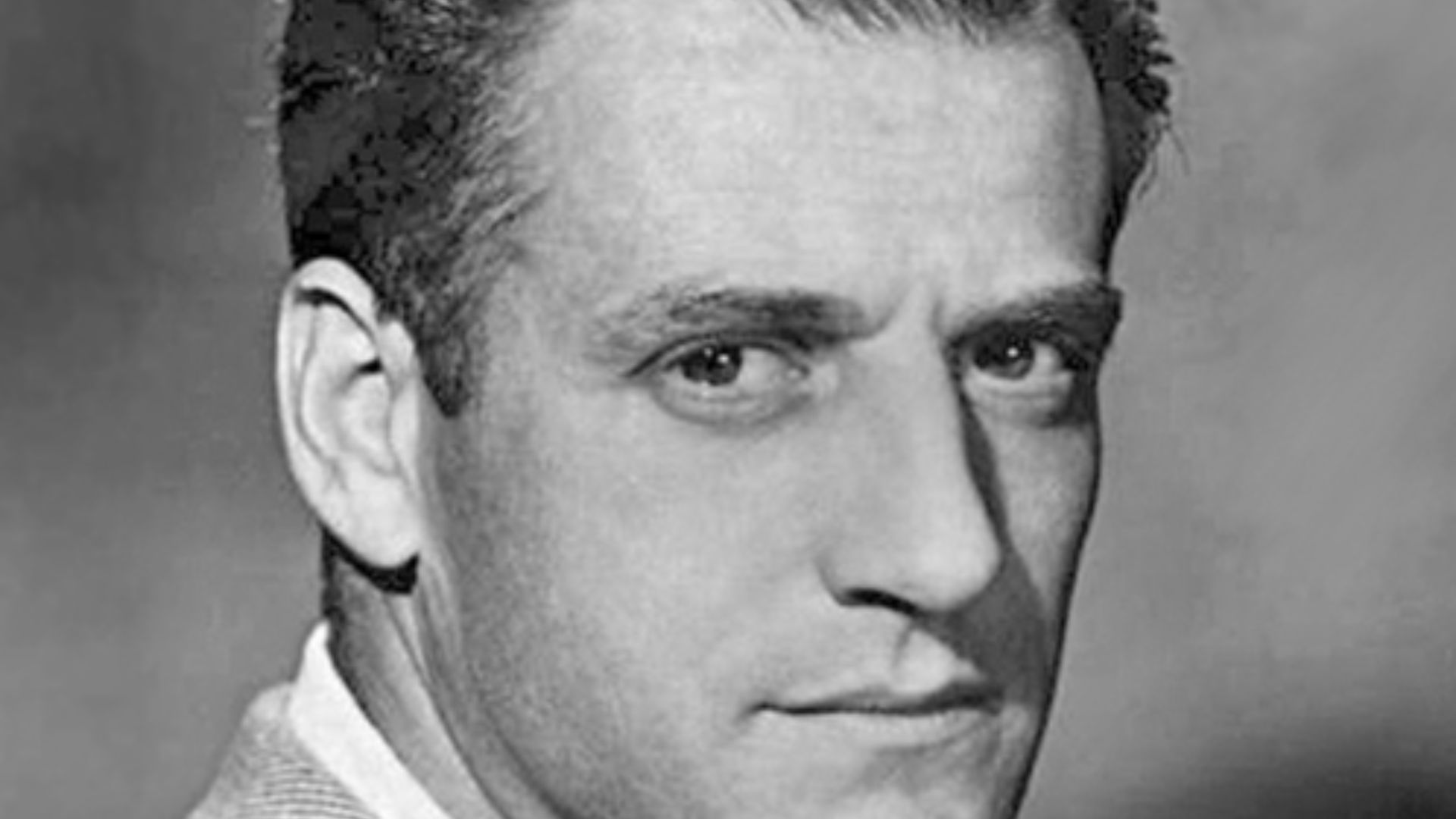
Stanley Kramer cast Sanford as Tillie in the 1967 film Guess Who’s Coming to Dinner. She shared the screen with Katharine Hepburn, Spencer Tracy, Sidney Poitier, and Katharine Houghton in a movie centered on an interracial engagement. TCM identifies the role as the part that moved Sanford into a much higher level of screen visibility. She was approaching 50 when that door finally opened.
Carol Burnett Saw Her Comic Potential
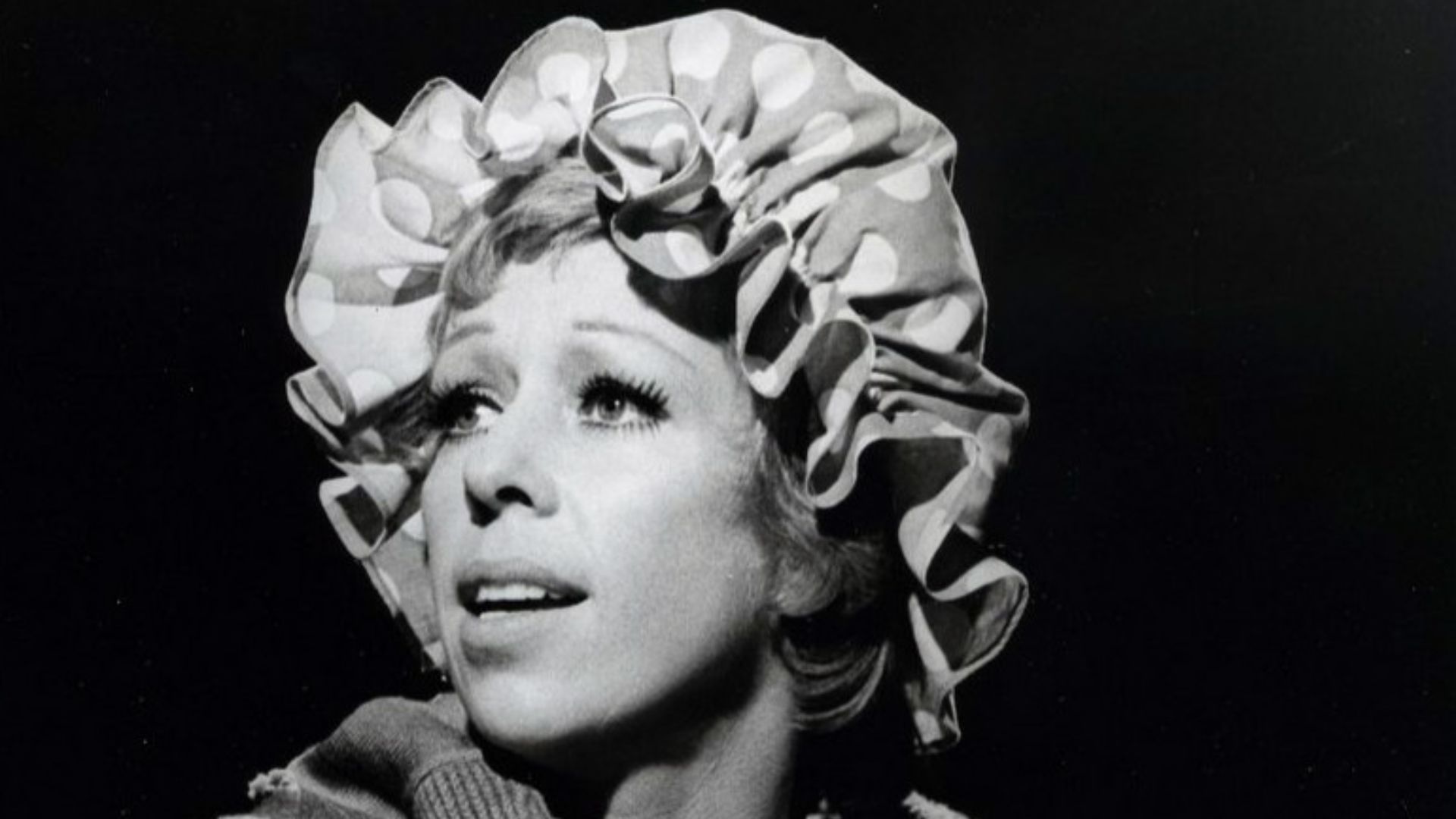
Sanford’s film work helped lead to appearances on The Carol Burnett Show. In her Television Academy interview, she remembered becoming a semi-regular on the celebrated sketch series before All in the Family changed her career. The opportunity demonstrated that her stern delivery could become extremely funny when paired with the right material. Hollywood was beginning to discover a comic performer who had spent decades preparing elsewhere.
 CBS Television, Wikimedia Commons
Norman Lear Knew Quickly That She Was Louise
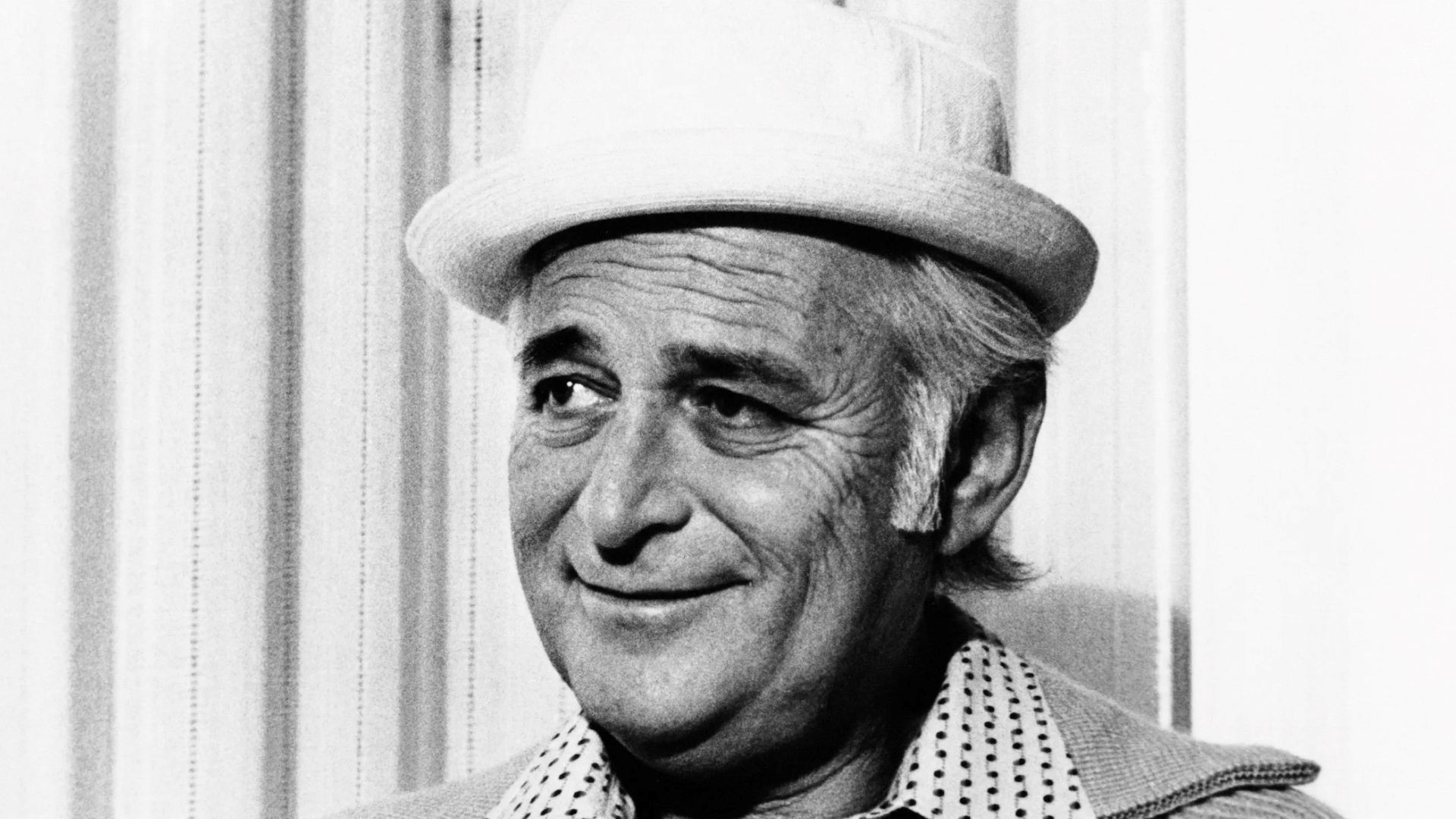
Sanford auditioned for Norman Lear for the role of Louise Jefferson on All in the Family. Lear later recalled that he knew very early in her reading that she was right for the character. She first appeared as Louise in the 1971 episode “Lionel Moves Into the Neighborhood.” Sanford was in her 50s when millions of viewers finally began recognizing her every week.
 PBS Television, Wikimedia Commons
Louise Arrived Before George Did
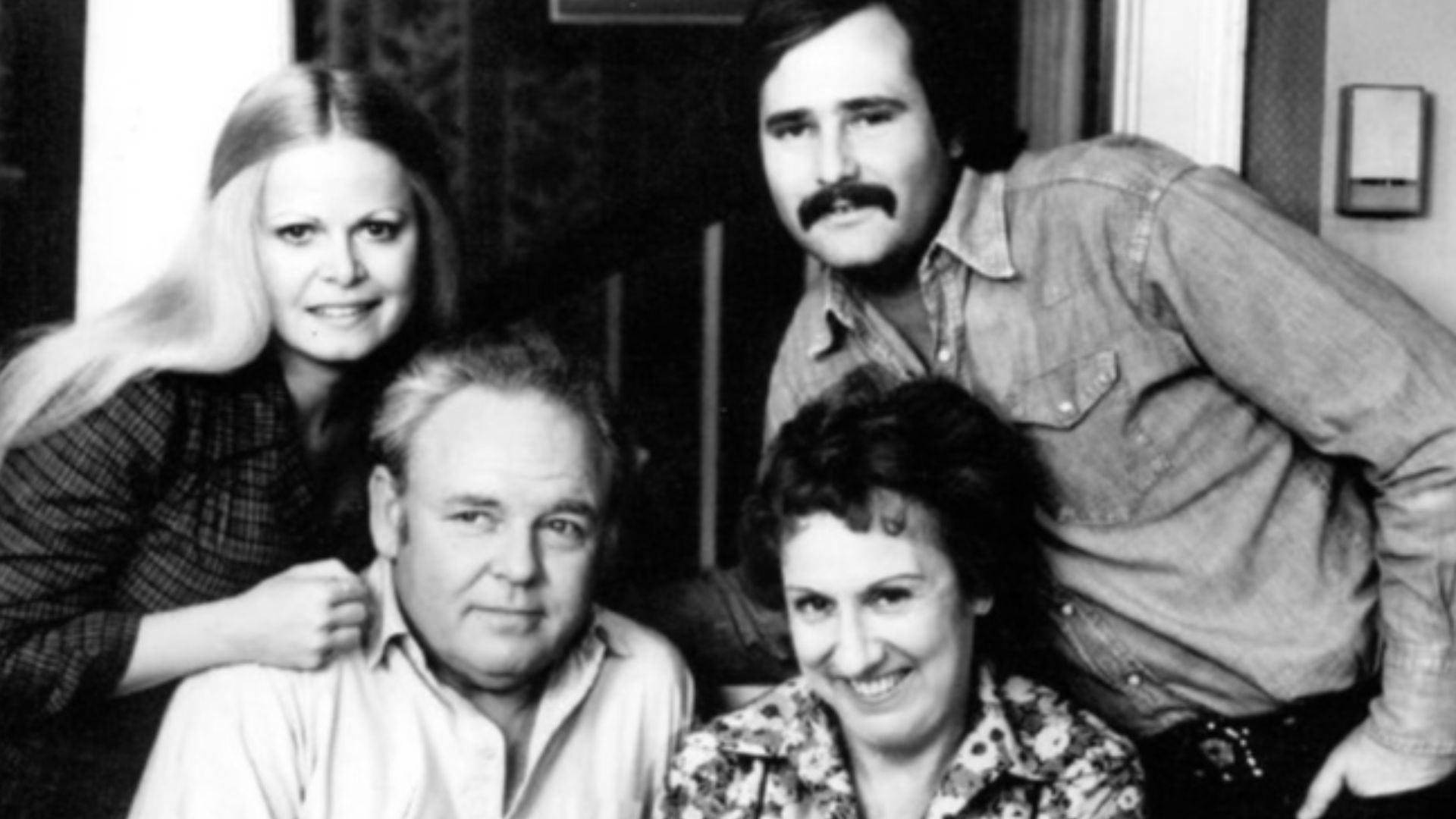
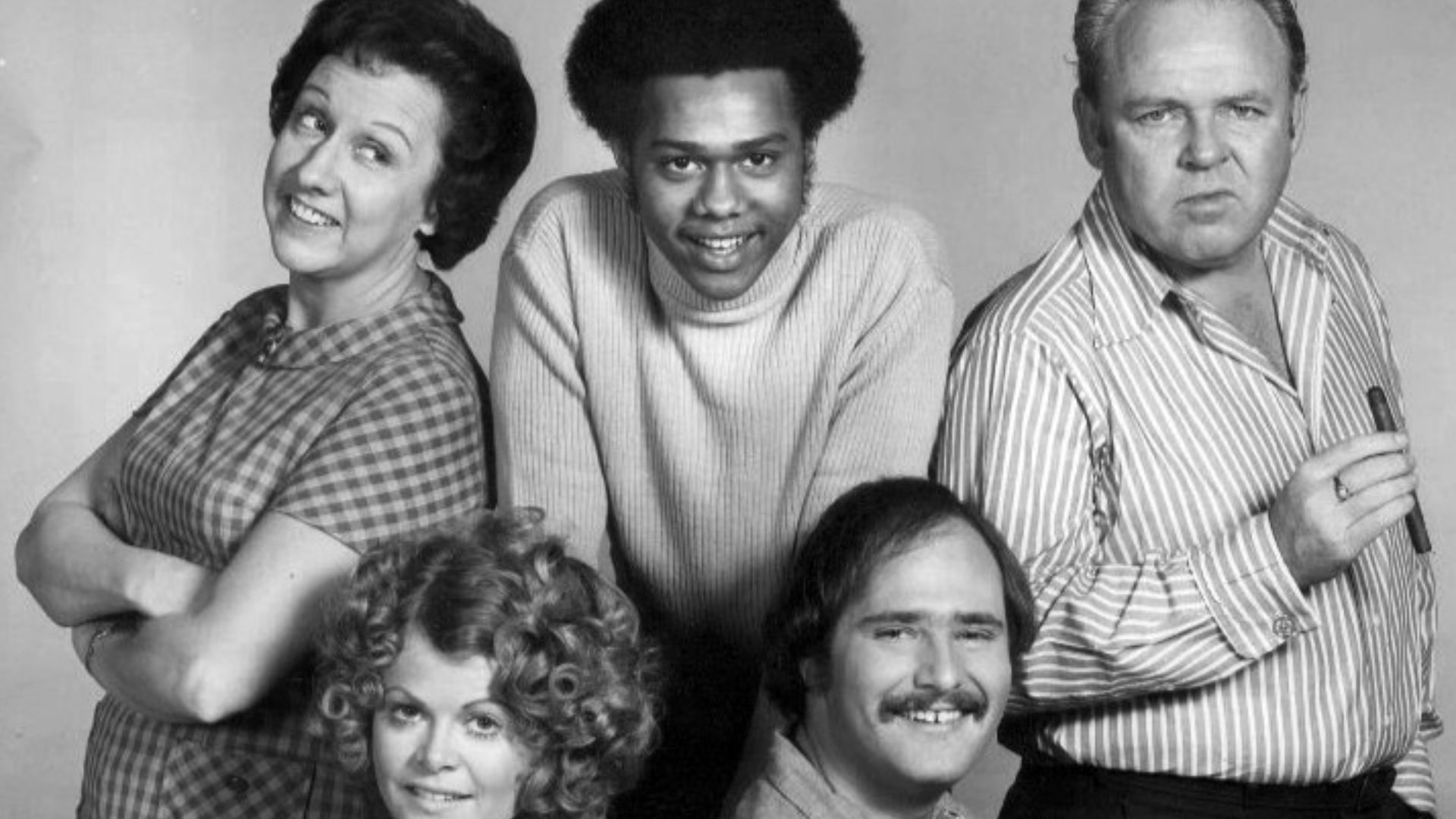
The Jefferson family entered All in the Family gradually. Louise and her son Lionel appeared before George Jefferson was ever seen, allowing Sanford to establish the family’s presence without relying on the character who would later become its loudest member. The Television Academy notes that producers delayed George’s arrival because Norman Lear specifically wanted Sherman Hemsley for the part. Sanford therefore helped build the Jefferson identity before the famous husband-and-wife act even existed.
 CBS Television, Wikimedia Commons
Edith Bunker Became An Unexpected Friend
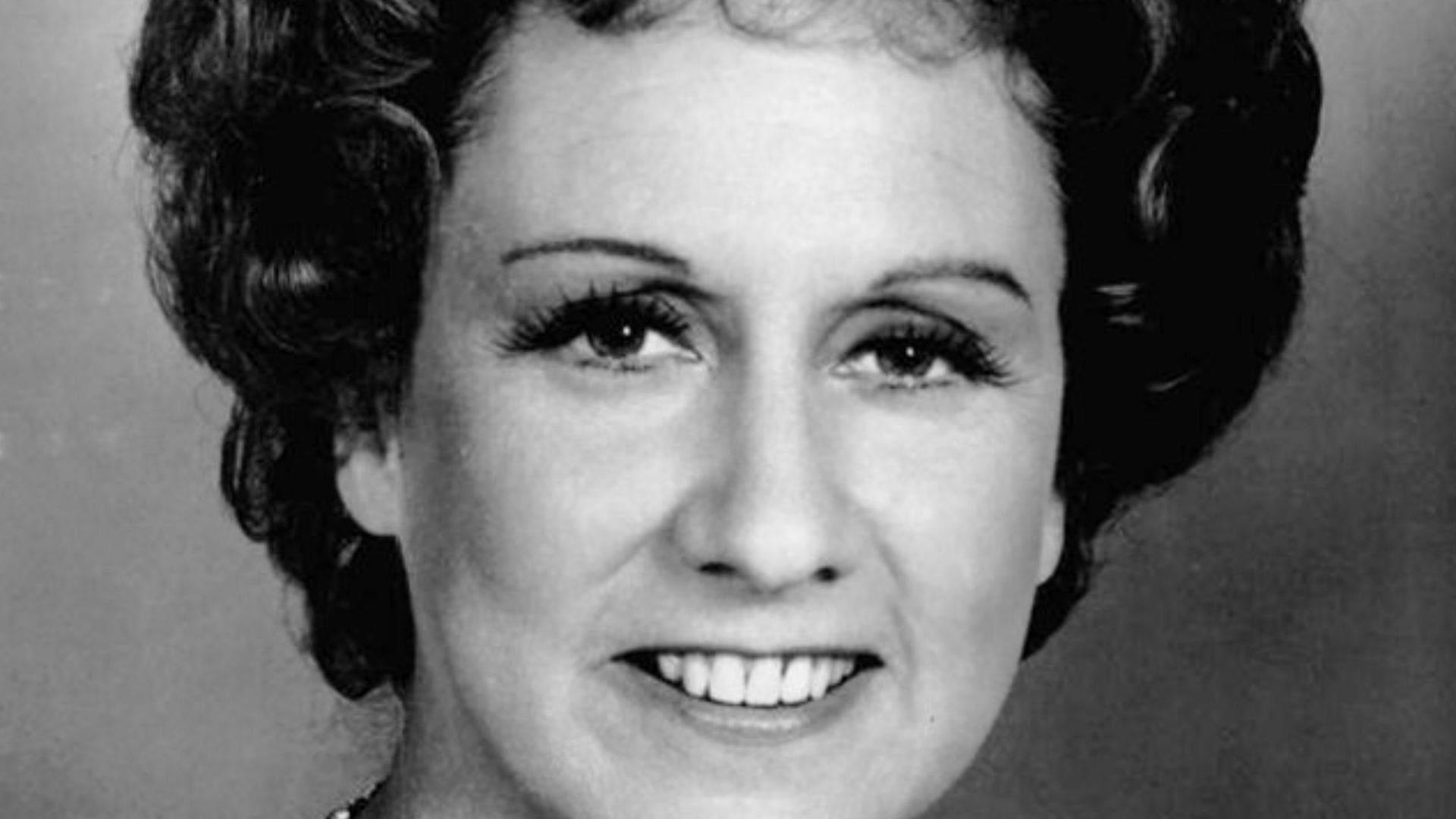
Louise’s friendship with Edith Bunker gave Sanford some of her warmest material on All in the Family. The two women could find common ground even when their husbands turned nearly every encounter into an argument. Sanford later remembered Louise’s goodbye scene with Jean Stapleton as an important moment. Their friendship showed that Louise could be compassionate without becoming passive.
 ABC Television, Wikimedia Commons
Sherman Hemsley Completed The Chemistry
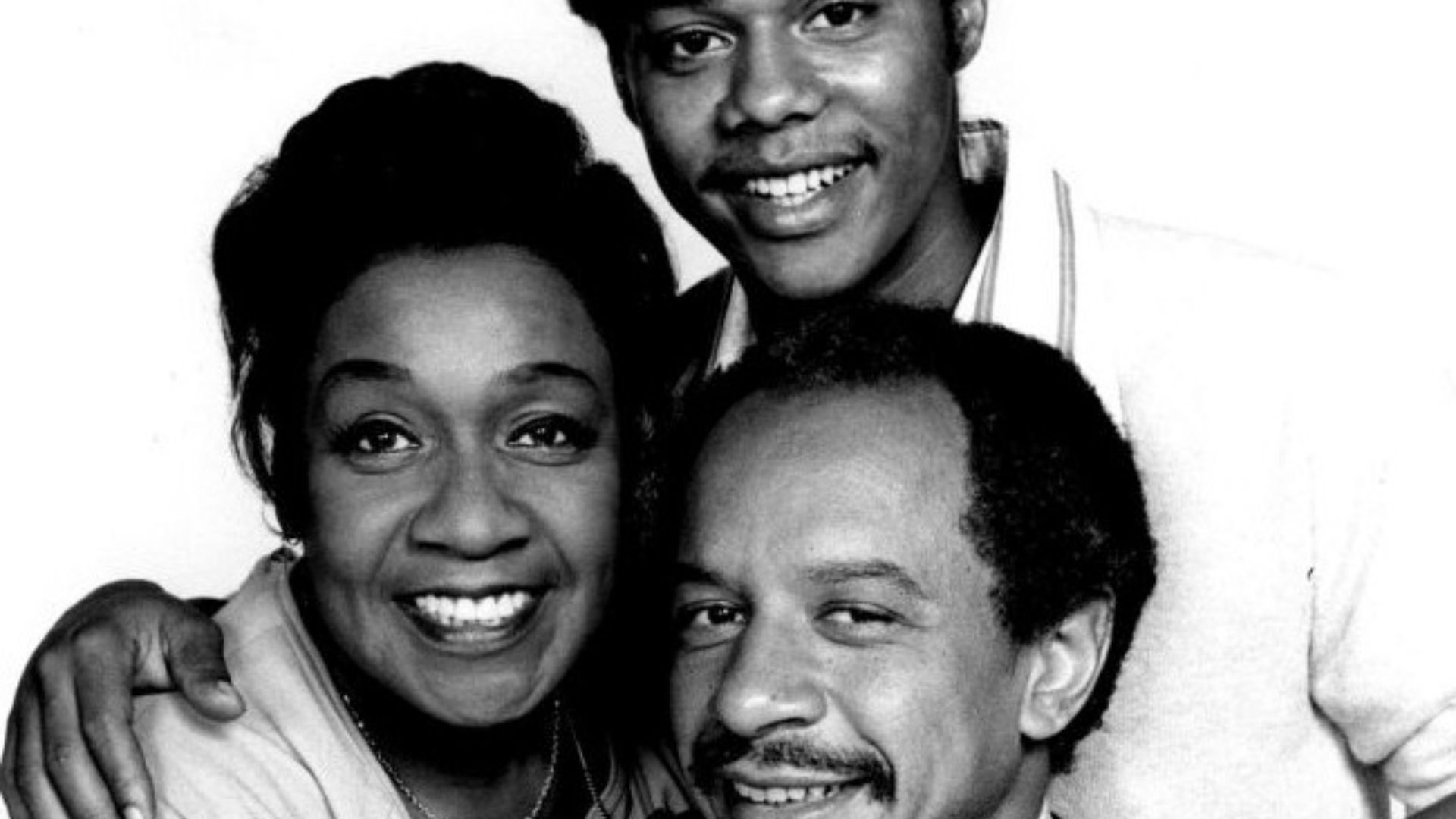
When Hemsley finally appeared as George, Sanford found the acting partner who would define the next phase of her career. George was loud, combative, ambitious, and frequently convinced that he was the smartest person in the room. Louise could stop him with a glance, a carefully timed sentence, or simple refusal to participate in his latest foolishness. Their contrasting energies turned marital disagreement into one of television’s most durable comedy engines.
 CBS Television Network, Wikimedia Commons
She Was Reluctant To Leave All In The Family
Sanford did not immediately celebrate when plans emerged to spin the Jeffersons into their own sitcom. She later discussed being reluctant to leave the security of All in the Family, which had become television’s highest-rated series. A new show offered greater prominence but also carried the possibility of rapid cancellation. Her eventual decision to take the risk changed television history.
 CBS Television, Wikimedia Commons
Moving On Up Changed Everything
The Jeffersons premiered on CBS on January 18, 1975. George’s successful dry-cleaning business allowed the family to leave Queens for a luxury apartment on Manhattan’s Upper East Side, giving prime time an affluent Black family at the center of its own comedy. The series ultimately ran for 11 seasons and more than 250 episodes. Sanford had finally become the co-lead of a major network hit in her late 50s.
Louise Became The Household’s Voice Of Reason
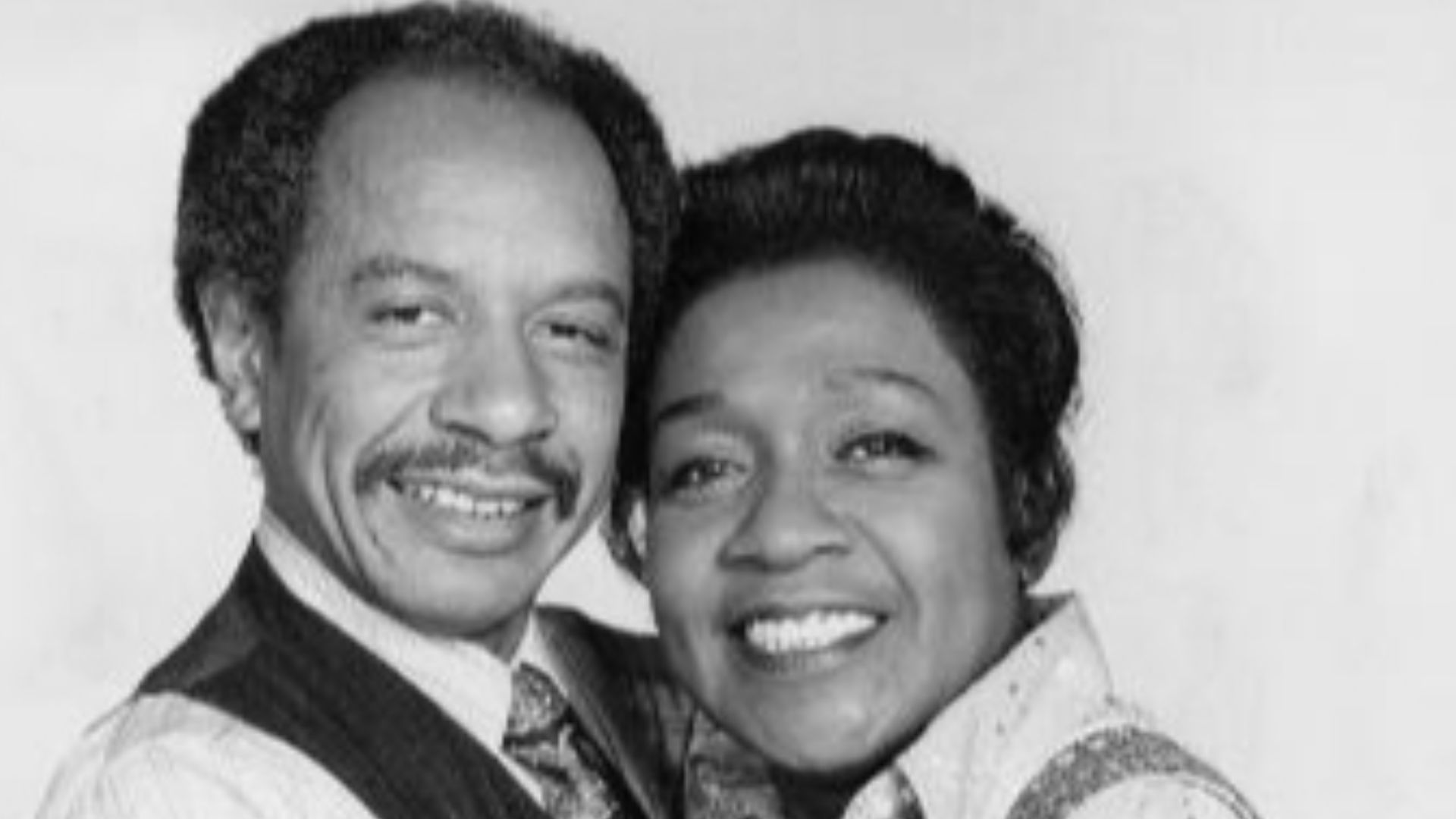
George generated many of the schemes, feuds, and explosive arguments, but Louise frequently brought the story back to reality. Actor Ernest Harden Jr. later described Louise as the program’s “voice of reason” and Sanford as similarly levelheaded. The role required more than reacting to Hemsley because Louise had to keep the audience emotionally connected to the marriage beneath the shouting. Sanford made common sense entertaining.

She Built Louise From Her Own Marriage
Sanford openly acknowledged that elements of Louise came from her own experience. She told the Television Academy that she patterned Louise partly after the way she had behaved with her husband. That personal connection helped explain why her responses to George rarely felt like generic sitcom-wife reactions. Louise sounded like a woman who knew how affection and irritation could occupy the same conversation.
 CBS Television Uploaded by We hope at en.wikipedia, Wikimedia Commons
George And Weezy Felt Like A Real Marriage
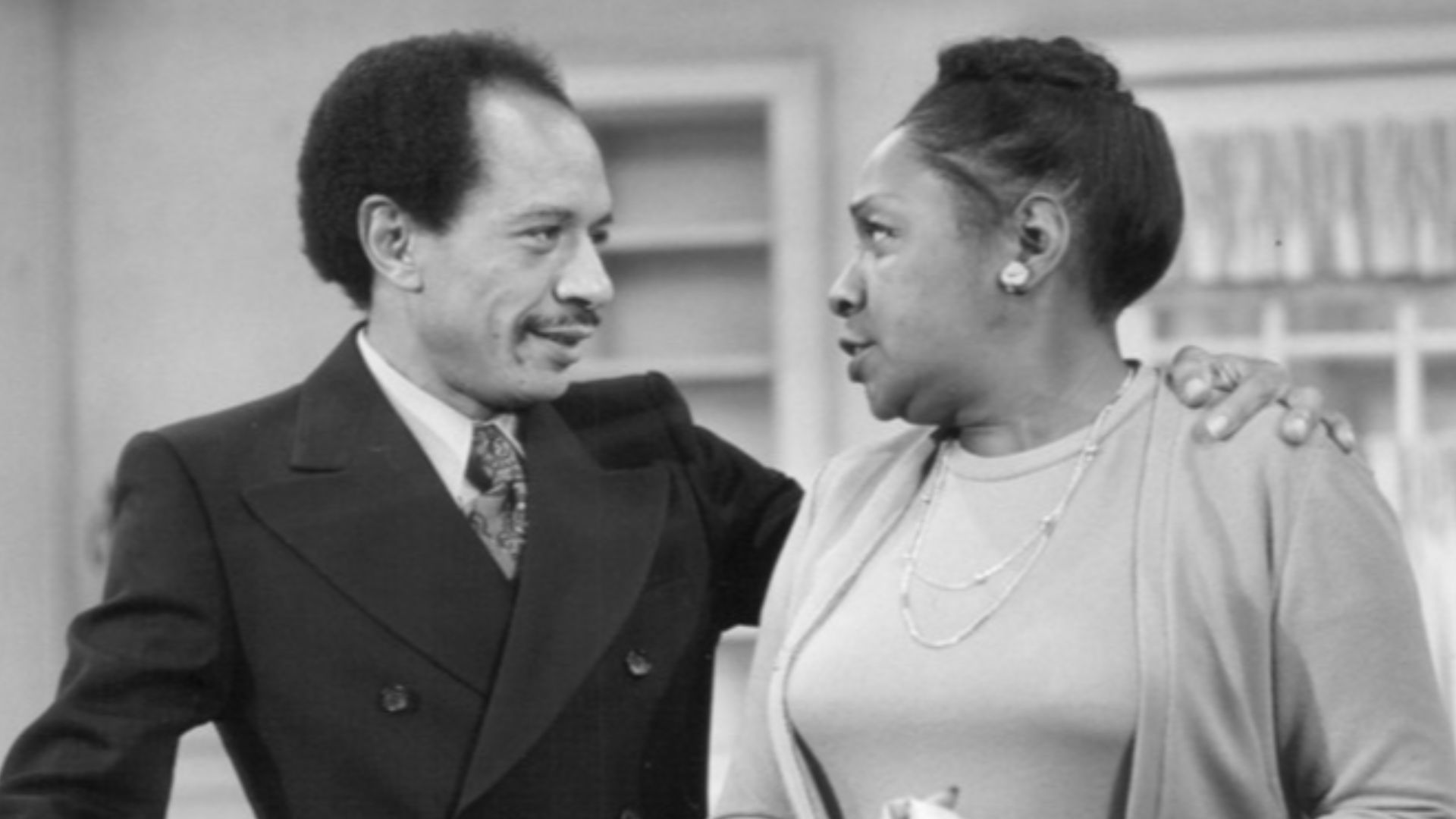
The Jeffersons could argue fiercely without convincing viewers that the marriage itself was collapsing. George might insult a neighbor or pursue another ridiculous idea, but Louise understood both his insecurity and the ambition that had lifted their family economically. Sanford played frustration without erasing affection. That balance made the couple feel married rather than merely paired by a casting director.
 CBS Television, Wikimedia Commons
Their Success Expanded Black Television Life
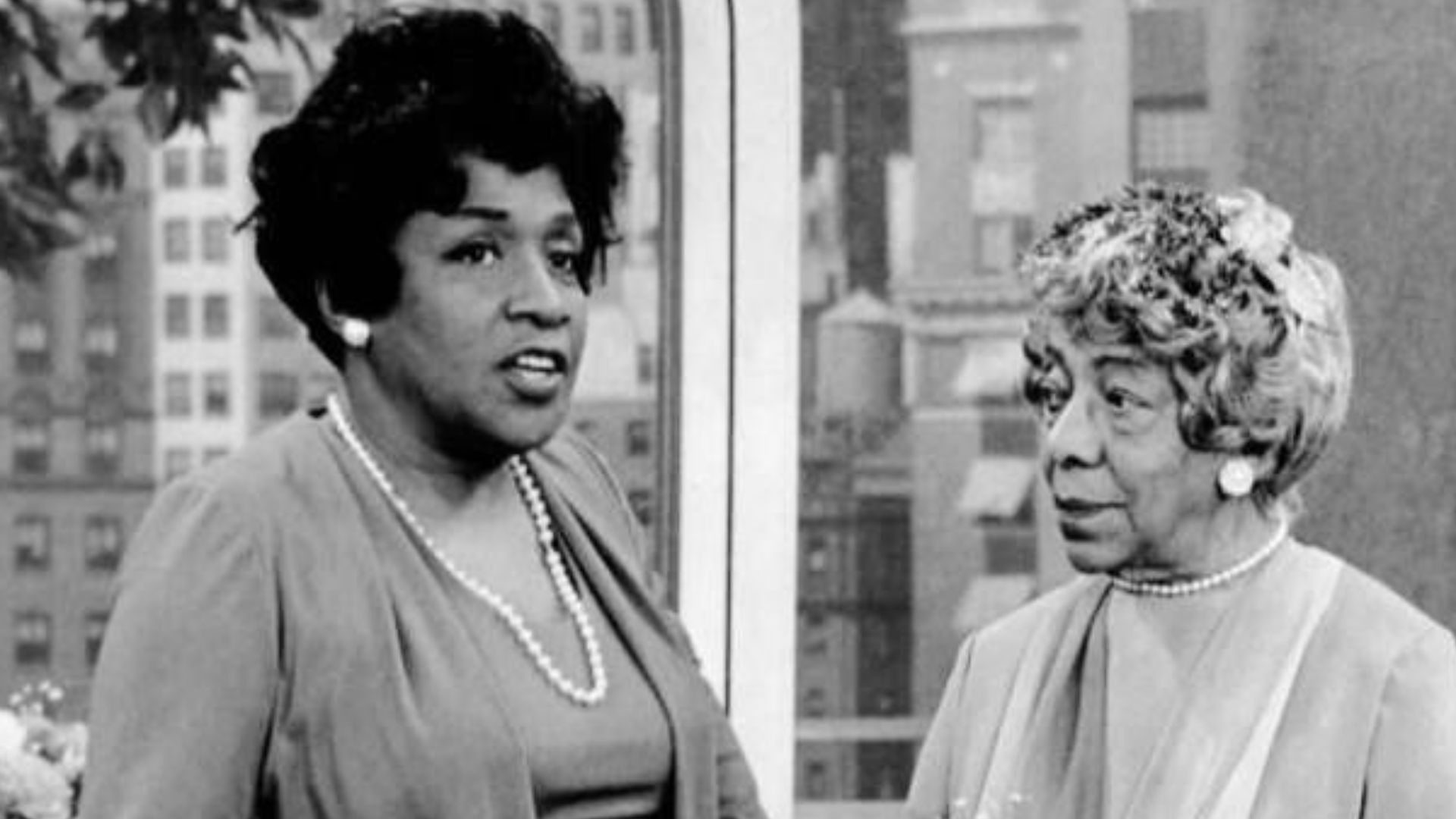
The Jeffersons placed Black prosperity at the center of a long-running network sitcom. George owned a successful business, while Louise lived in an expensive Manhattan apartment and moved through an interracial, economically varied social circle. The Television Academy’s 50th-anniversary retrospective emphasizes how unusual that representation was when the series began. Sanford gave that social change an intimate human face rather than allowing it to remain an abstract television milestone.
 Screenshot from The Jeffersons, CBS (1975–1985)
Florence Gave Louise Someone Who Fought Back
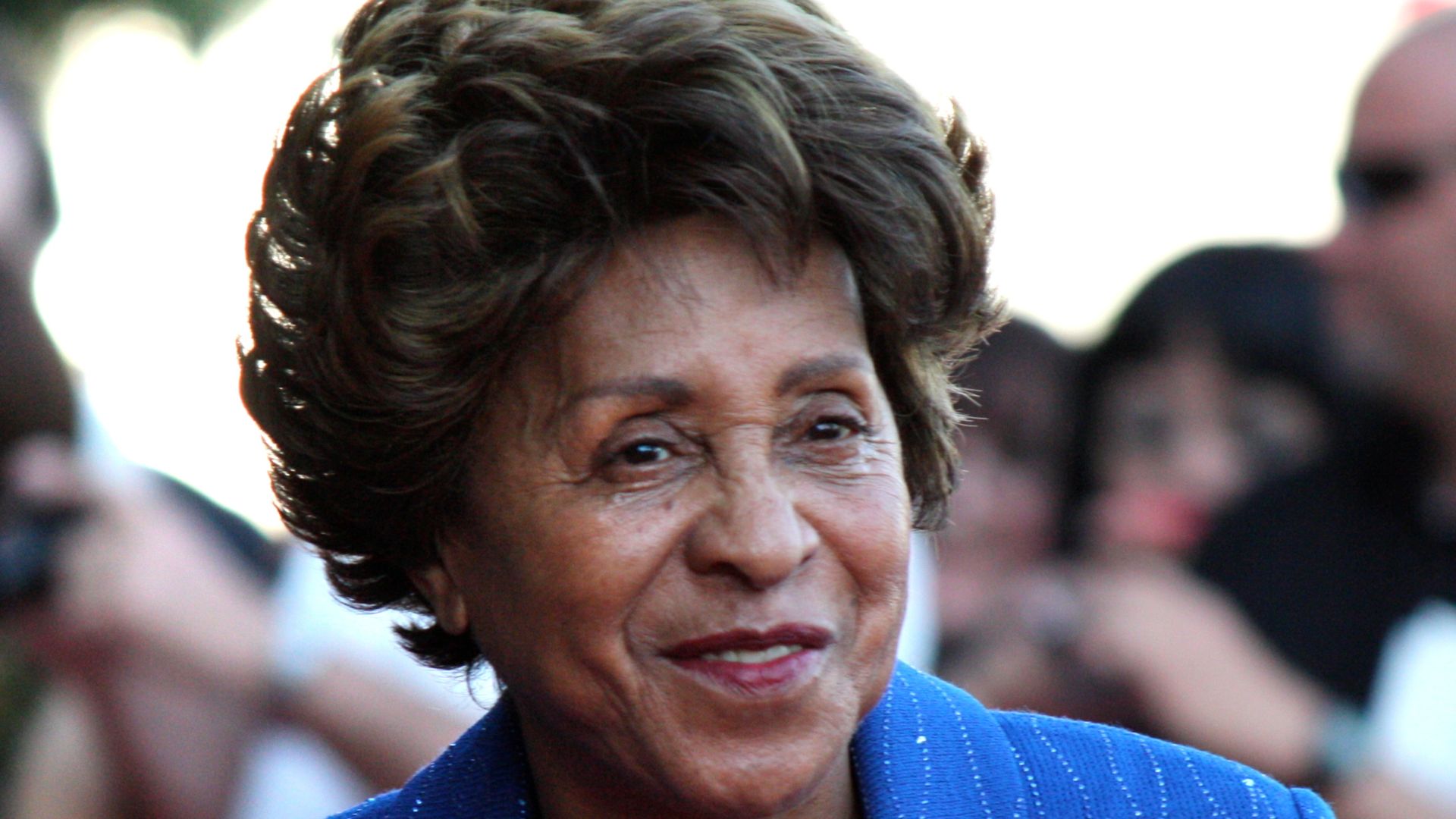
Marla Gibbs’s Florence Johnston refused to behave like the deferential television maid audiences might have expected. She insulted George freely and developed a comic relationship with Louise that gave the apartment another strong female voice. Sanford later spoke warmly about Gibbs and Florence in her Television Academy interview. Their scenes helped keep Louise from becoming isolated between her husband’s personality and the younger characters around them.
 bekahjan from California, USA, Wikimedia Commons
The Supporting Cast Made Louise More Interesting
The Jefferson apartment existed inside an unusually varied sitcom community. Helen and Tom Willis represented an interracial marriage, Mr. Bentley supplied eccentric neighborly chaos, Mother Jefferson challenged Louise from inside the family, and Lionel and Jenny brought generational conflicts. Sanford could shift from daughter-in-law frustration to maternal concern to sophisticated neighborly banter within the same episode. That range helped prevent Louise from becoming a single-note straight woman.
She Never Needed George’s Volume
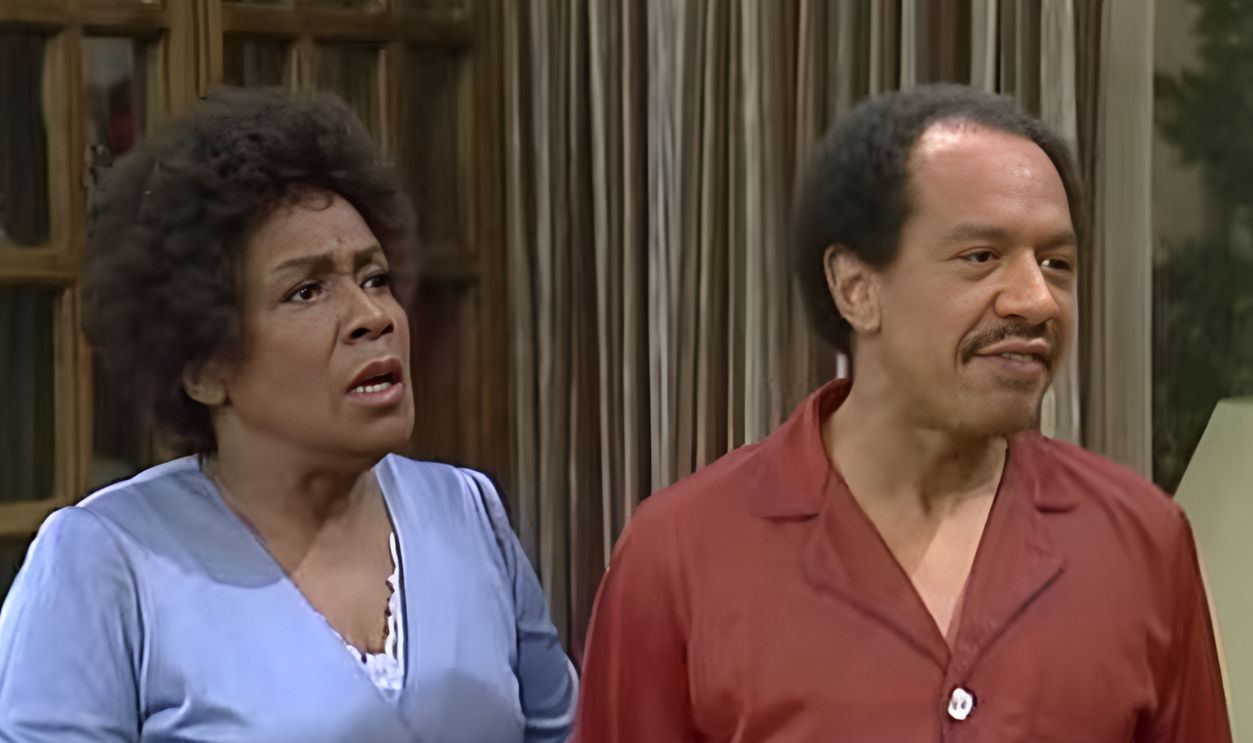
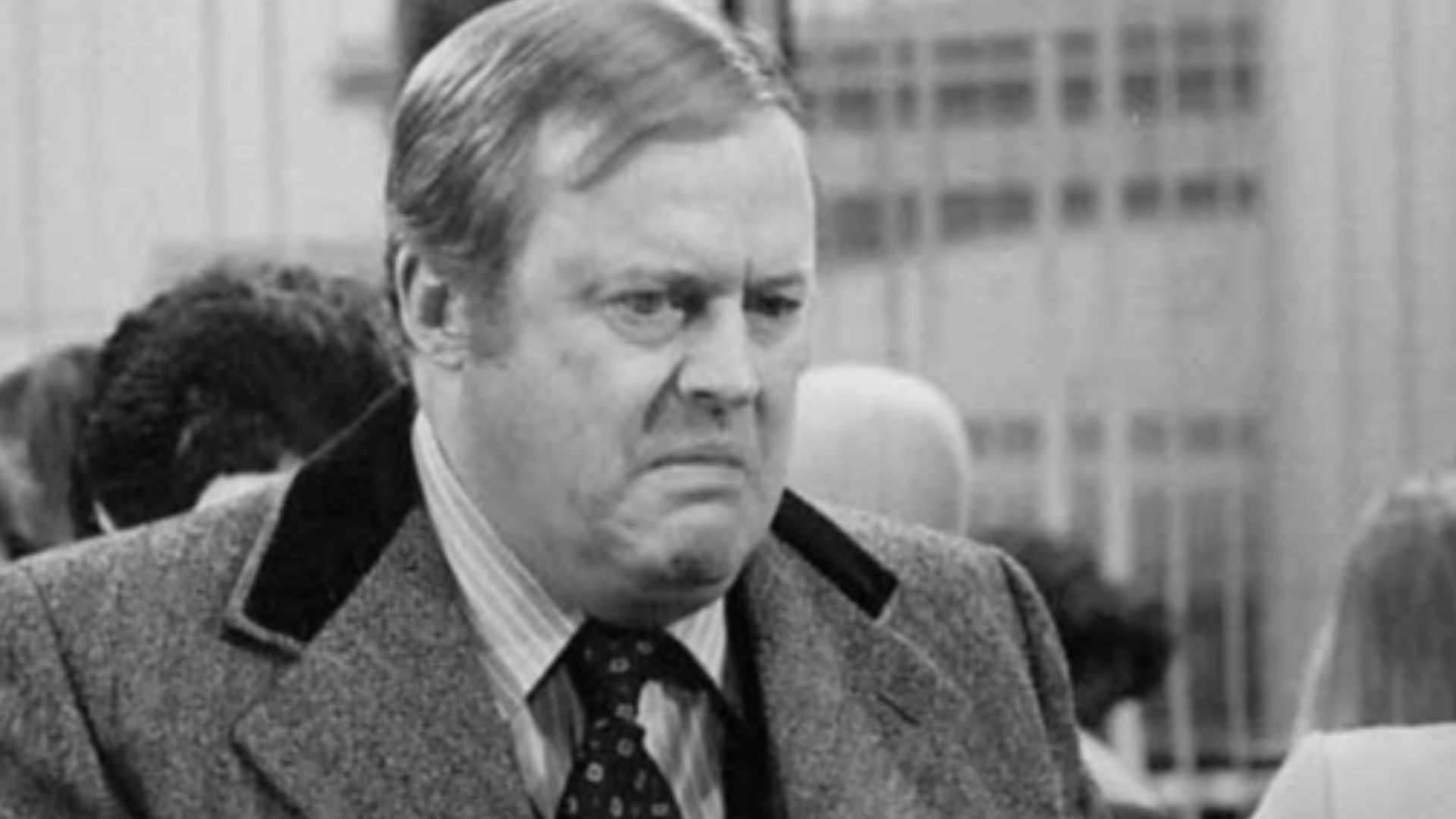
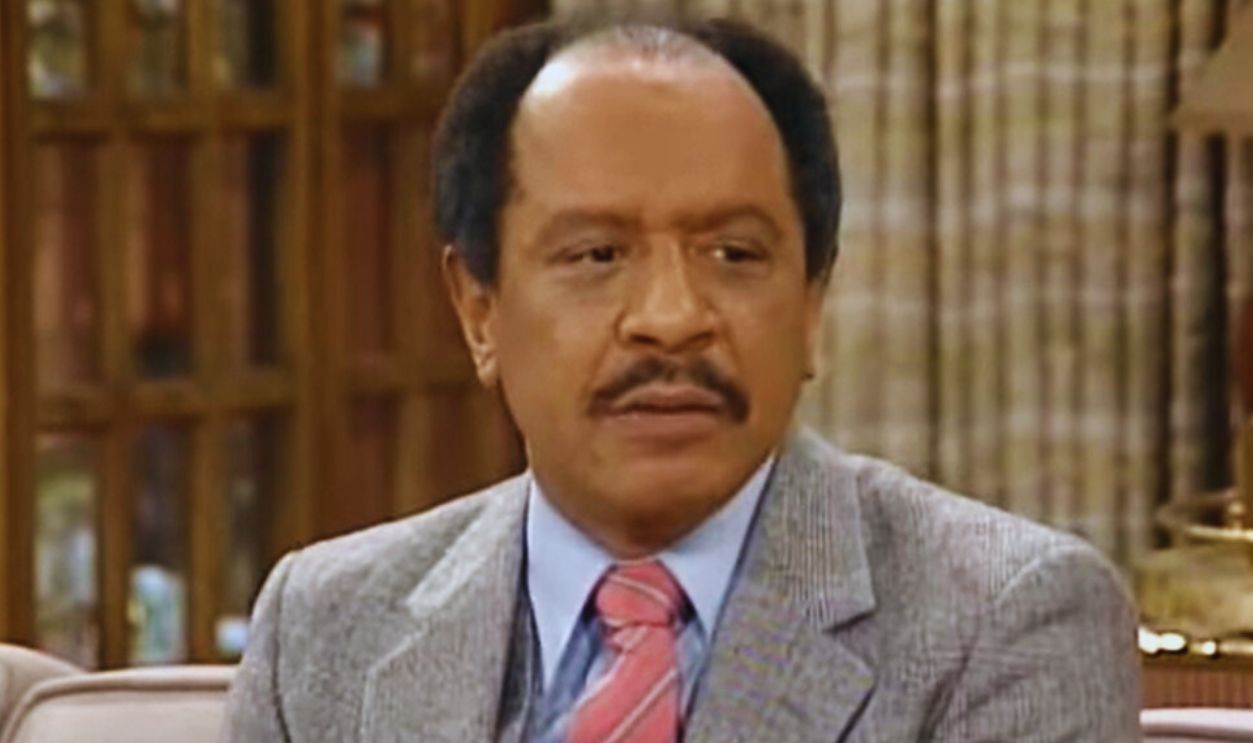
Hemsley could dominate a room through physical movement and vocal force, but Sanford developed a completely different kind of authority. Her pauses and controlled reactions often made George’s behavior look even more ridiculous. She did not need to match his volume because Louise’s confidence came from knowing exactly who she was. That restraint became one of Sanford’s most important comic tools.
 Screenshot from The Jeffersons, CBS (1975–1985)
Emmy Voters Kept Recognizing Her
Sanford accumulated seven Emmy nominations for playing Louise Jefferson. She also received five Golden Globe nominations and two NAACP Image Awards during the long run of the series. Those honors reflected sustained industry recognition rather than affection based only on nostalgia. An actress who had waited decades for national prominence was now being repeatedly acknowledged among television’s leading performers.
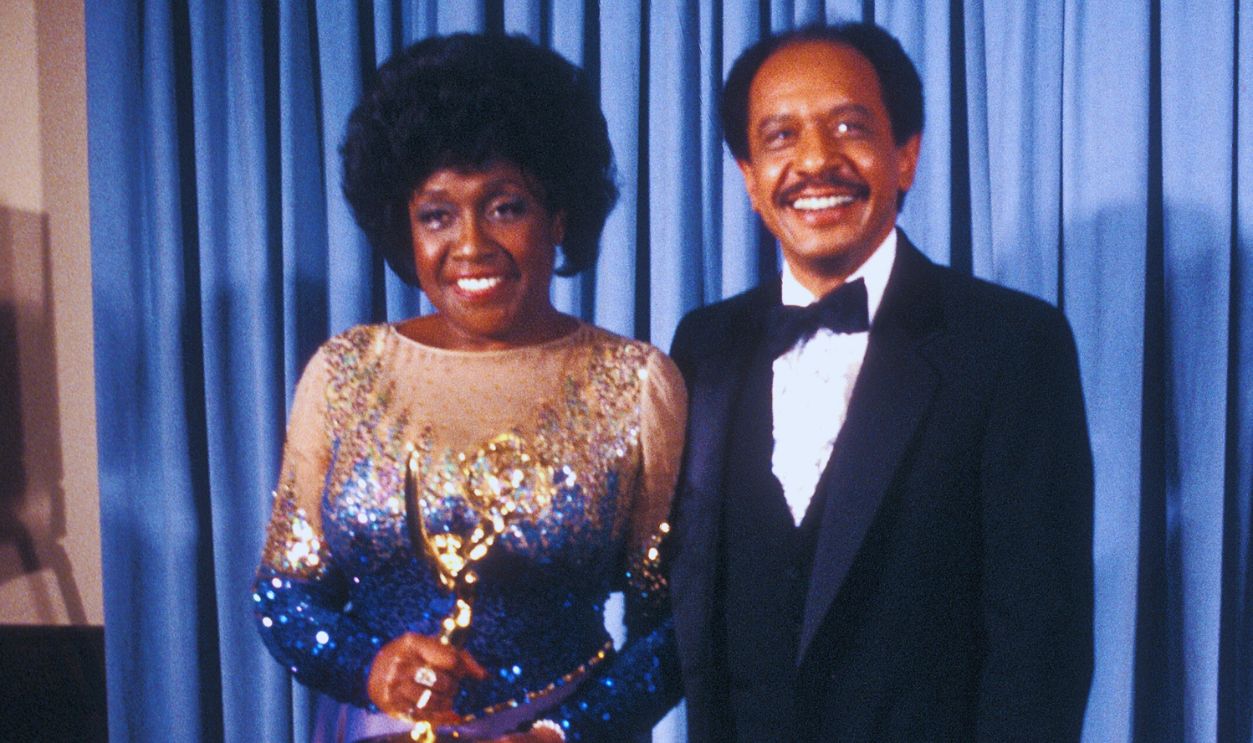
Her 1981 Victory Made History
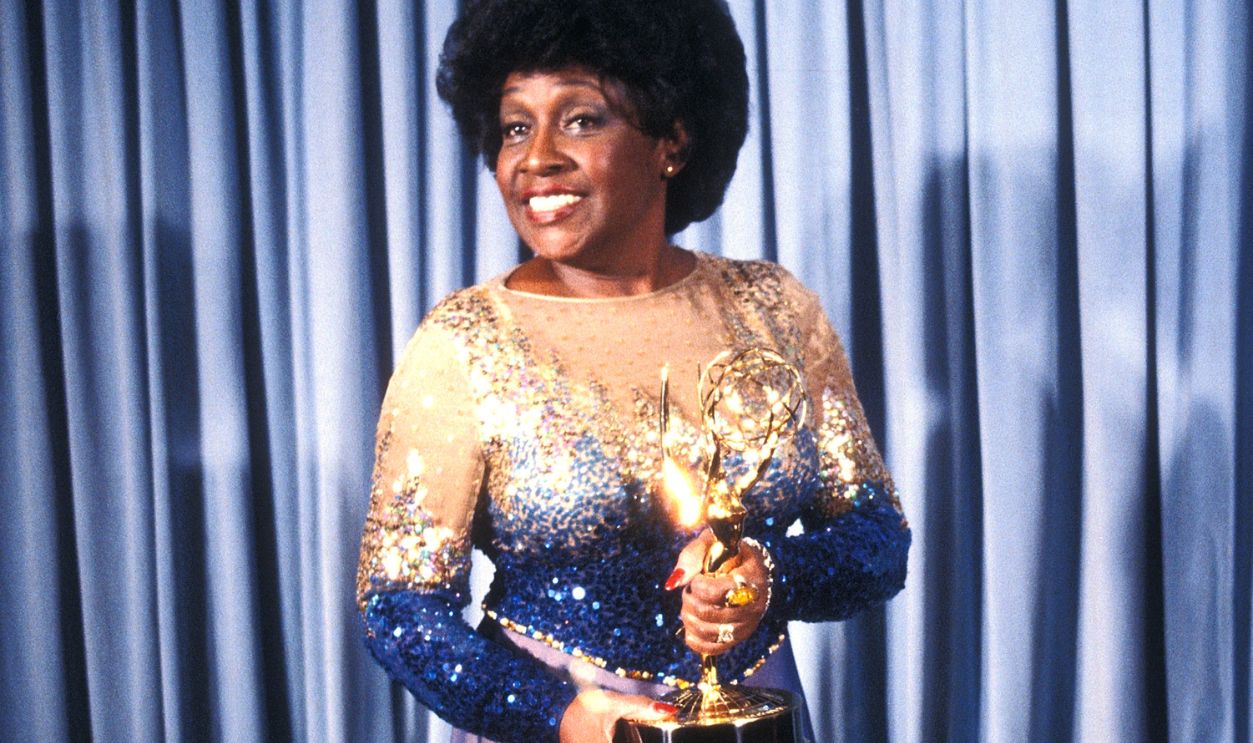
Sanford finally won the Emmy for Outstanding Lead Actress in a Comedy Series in September 1981. She became the first Black woman ever to win that category, a distinction that stood alone until Quinta Brunson won the same award in 2024. Sanford’s winning work included the seventh-season episode “And the Doorknobs Shined Like Diamonds.” The victory transformed an already successful career into a genuine piece of television history.
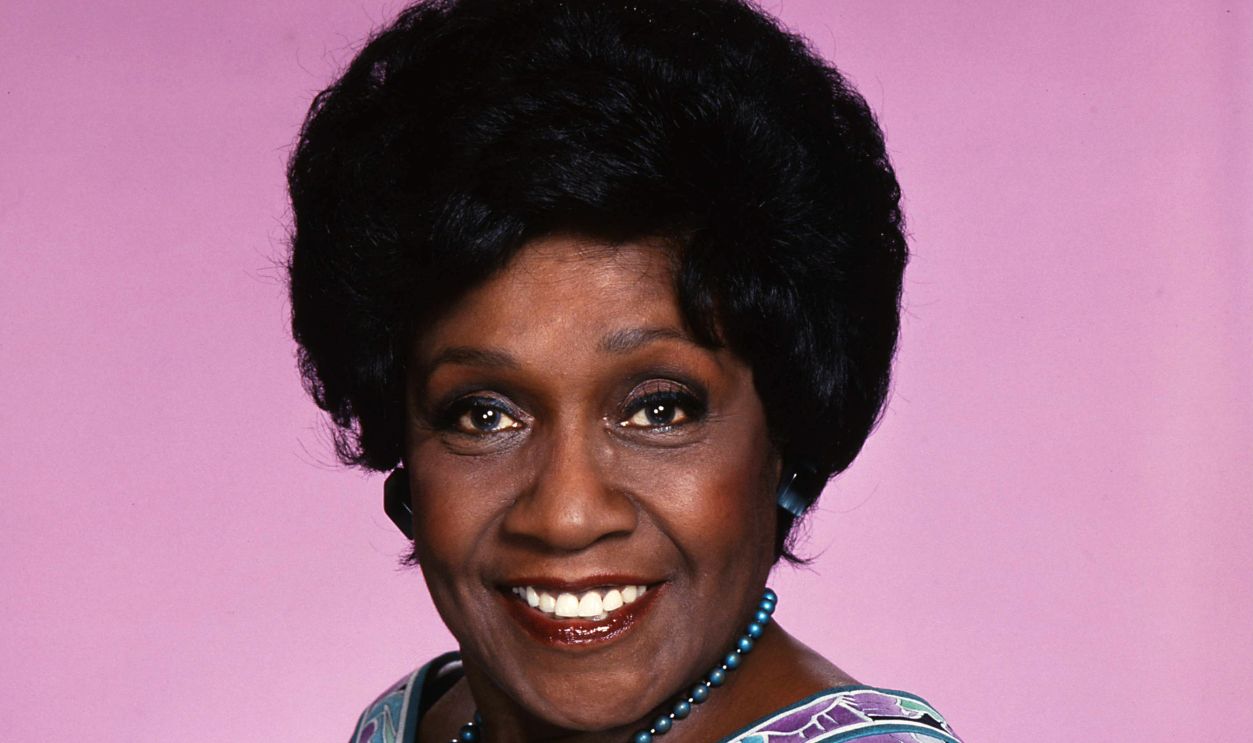 Michael Ochs Archive, Getty Images
She Was In Her Sixties When The Emmy Arrived
Sanford was born in 1917, meaning she was in her 60s when she finally held television’s highest acting prize. By ordinary Hollywood logic, the years of breakthrough opportunities should have been behind her. Instead, her biggest professional recognition arrived after she had spent decades raising children, doing theater, accepting supporting work, and waiting for television to recognize what she could do. Her age makes the victory as striking as the record it established.
The Show Ended Without Giving Her A Goodbye
CBS canceled The Jeffersons in 1985 after 11 seasons without producing a proper series finale. Sanford later said she was upset that the cast never received an official closing episode. The abrupt ending was especially strange for a program that had become one of television’s most successful spinoffs. Louise Jefferson simply disappeared from weekly television after a run that had lasted a decade.
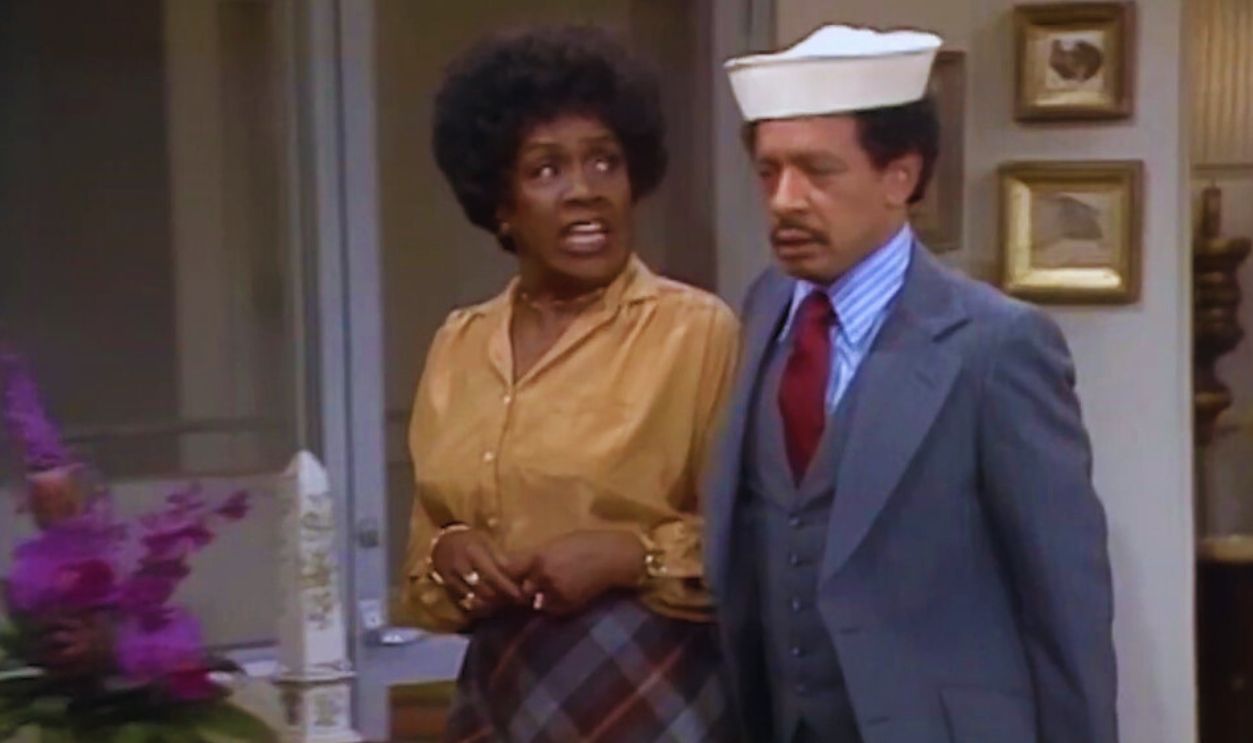 Screenshot from The Jeffersons, CBS (1975–1985)
Weezy Never Completely Left Her
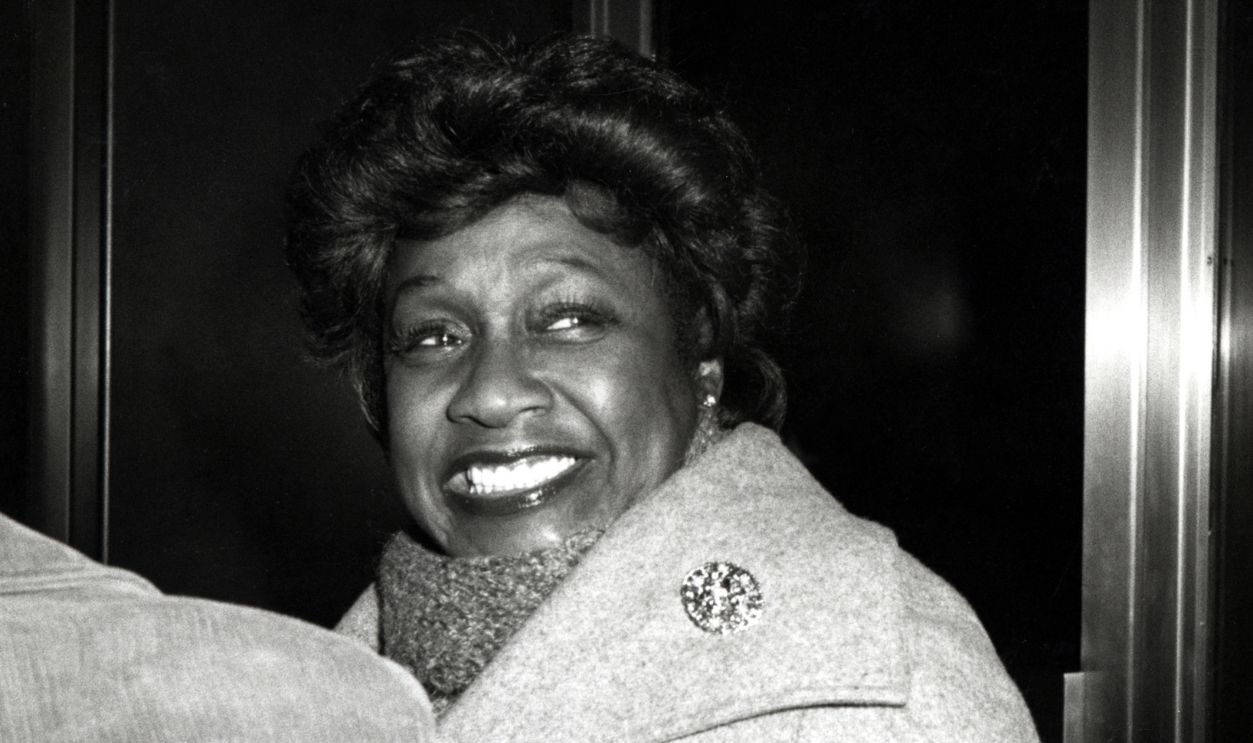
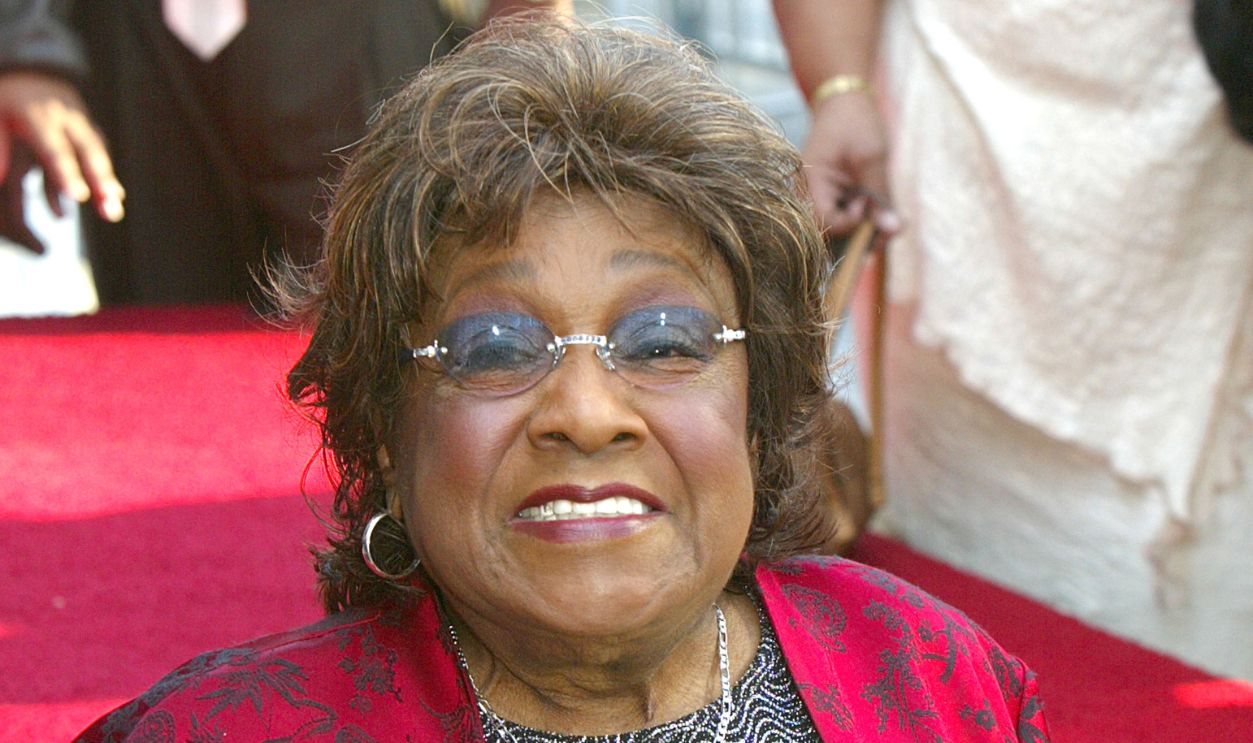
Sanford continued acting after The Jeffersons, appearing on shows including Living Single, The Steve Harvey Show, and Hangin’ with Mr. Cooper. She also reunited with Hemsley as George and Louise on The Fresh Prince of Bel-Air and in commercial campaigns, demonstrating how strongly viewers still associated them with the Jefferson marriage. Sanford received a Hollywood Walk of Fame star in January 2004 and died that July at age 86. The woman who had waited until middle age for television stardom ultimately spent the rest of her life as a sitcom legend.
 Mina1998 (msg), Wikimedia Commons
You May Also Like:
The Most Memorable Award Show Moments Of The 1970s
How Cannon Made William Conrad An Unlikely Television Leading Man
Why Barbara Stanwyck Brought Old Hollywood Authority To 1960s Television On The Big Valley