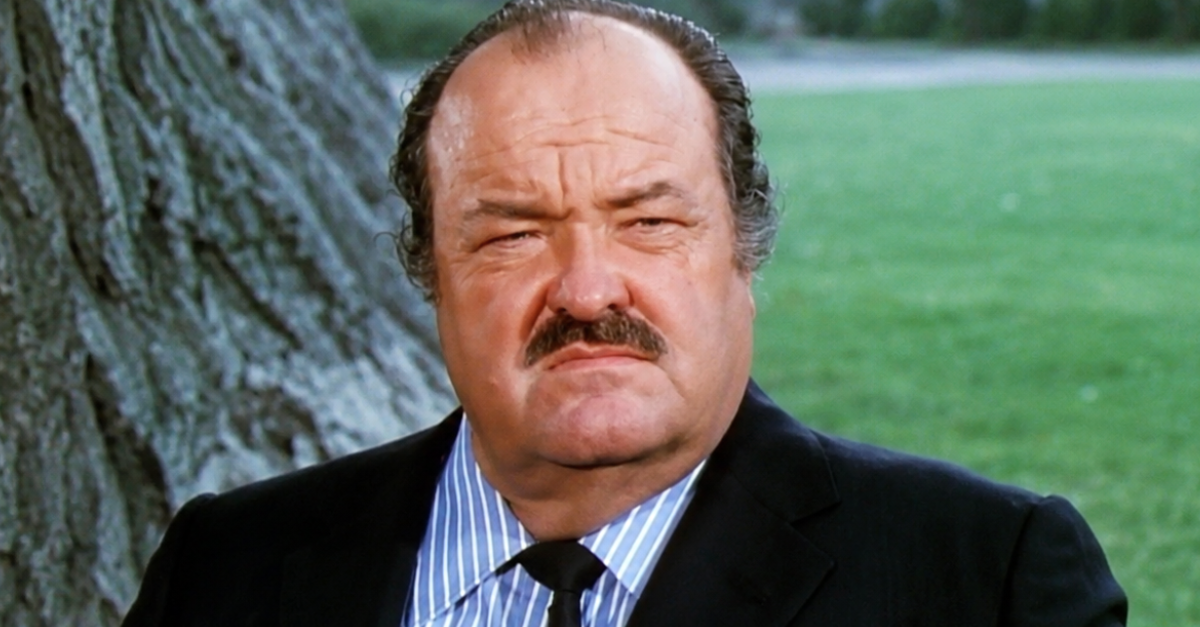
He Broke The Mold.
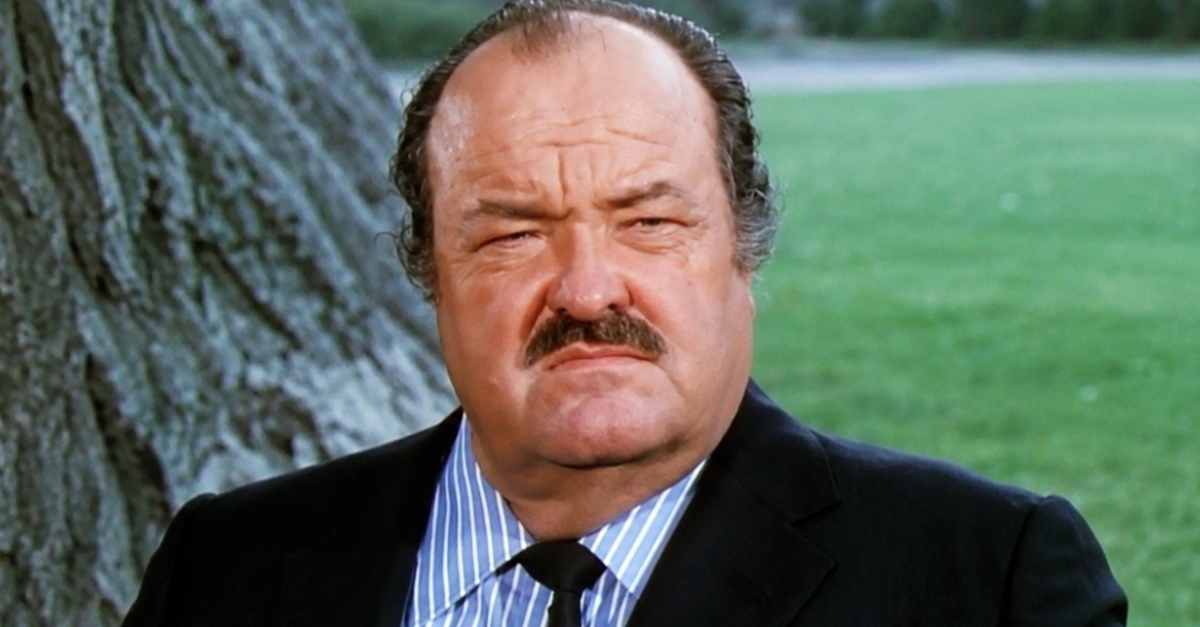
William Conrad did not resemble the lean, glamorous detectives who usually chased criminals across prime-time television, but Cannon made his weight, age, and rumbling voice essential parts of the appeal. After decades of being heard more often than seen, Conrad finally became the unmistakable face of his own hit series.
He Waited Decades For Top Billing
William Conrad was 50 when the television movie that launched Cannon aired in 1971. By then, he had already spent decades acting on radio, playing supporting film roles, directing, producing, and narrating television programs. He was hardly a newcomer, but he had never been positioned as a conventional screen idol. Cannon turned a veteran utility player into the only regular star of a network detective series.
Television Had Heard Him For Years
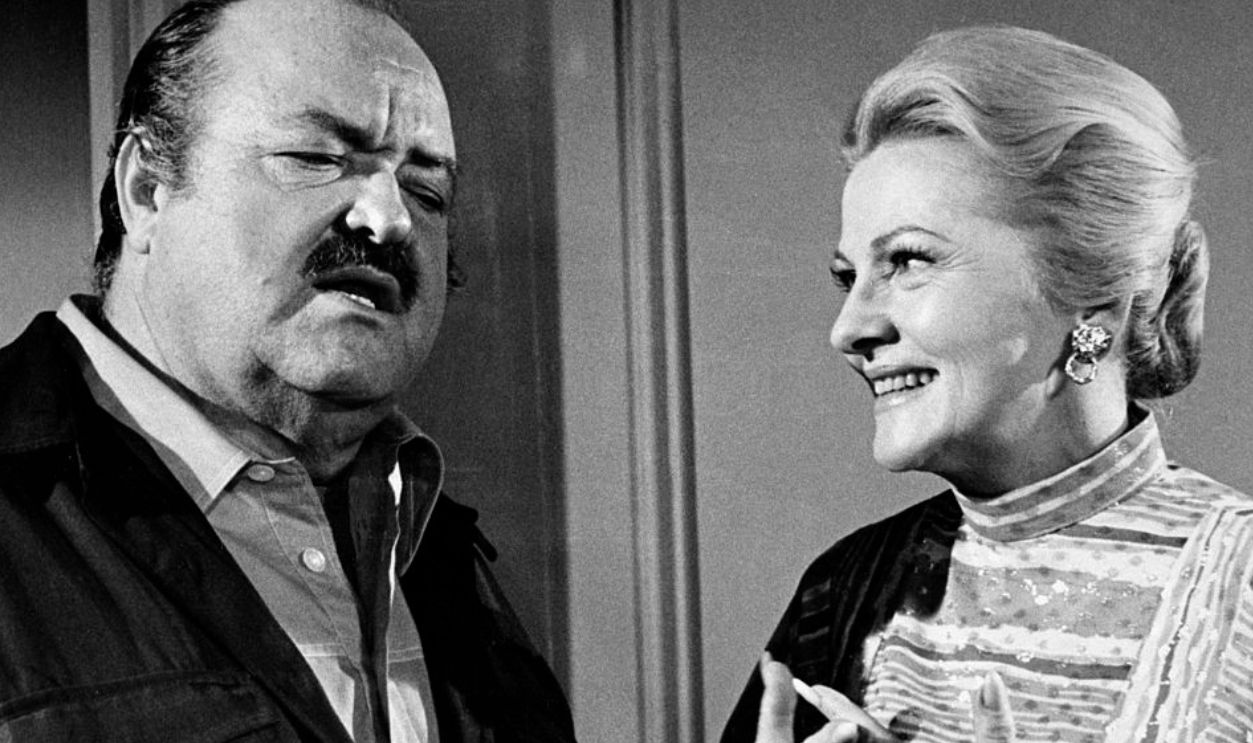
Conrad’s deep baritone was familiar long before many viewers connected it with his face. He narrated The Fugitive and supplied voices for Jay Ward’s animated television productions. His voice could make an ordinary sentence sound urgent, mysterious, or authoritative. When Cannon finally placed him on camera every week, audiences discovered the man behind one of broadcasting’s most recognizable sounds.
 CBS Photo Archive, Getty Images
Radio Had Already Made Him A Star
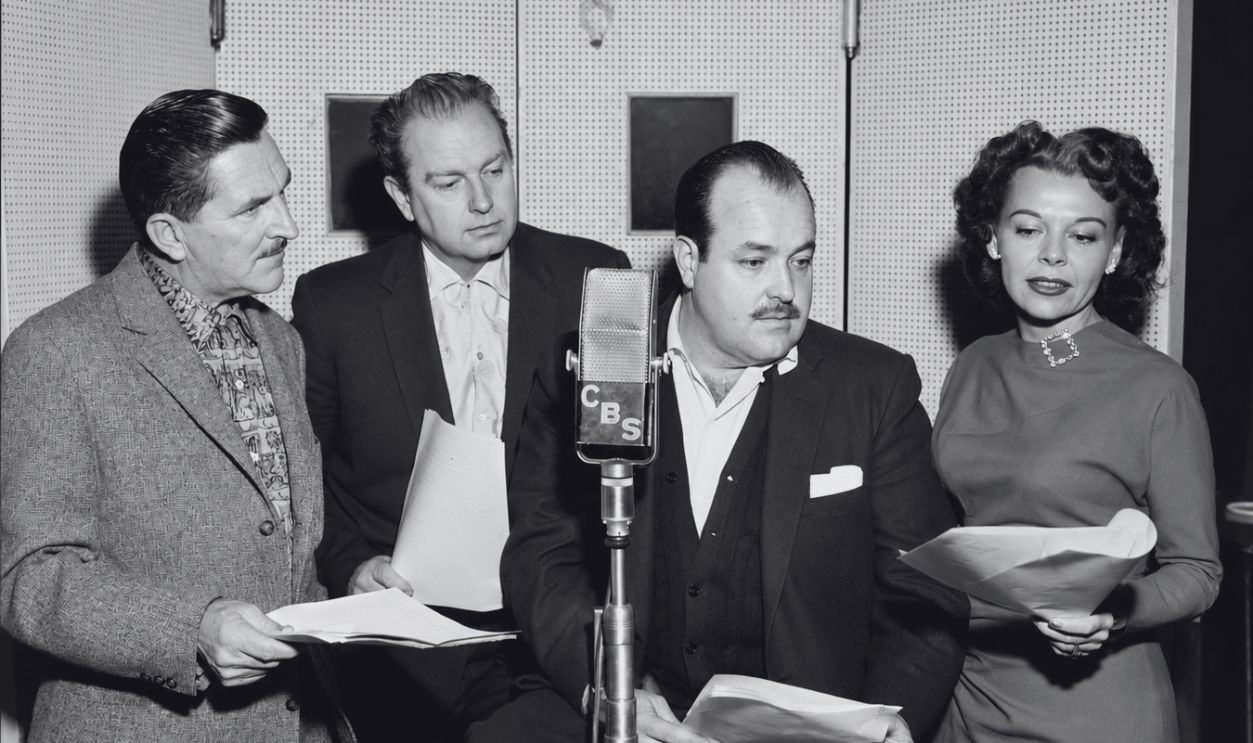
Conrad had been one of radio’s most prolific dramatic performers. He estimated that he appeared in more than 7,500 radio roles, and the Radio Hall of Fame later honored his enormous contribution to the medium. His greatest radio role was Marshal Matt Dillon on the original Gunsmoke. The public knew the character’s commanding voice, even though television eventually gave the role to another actor.
 CBS Photo Archive, Getty Images, Enhanced
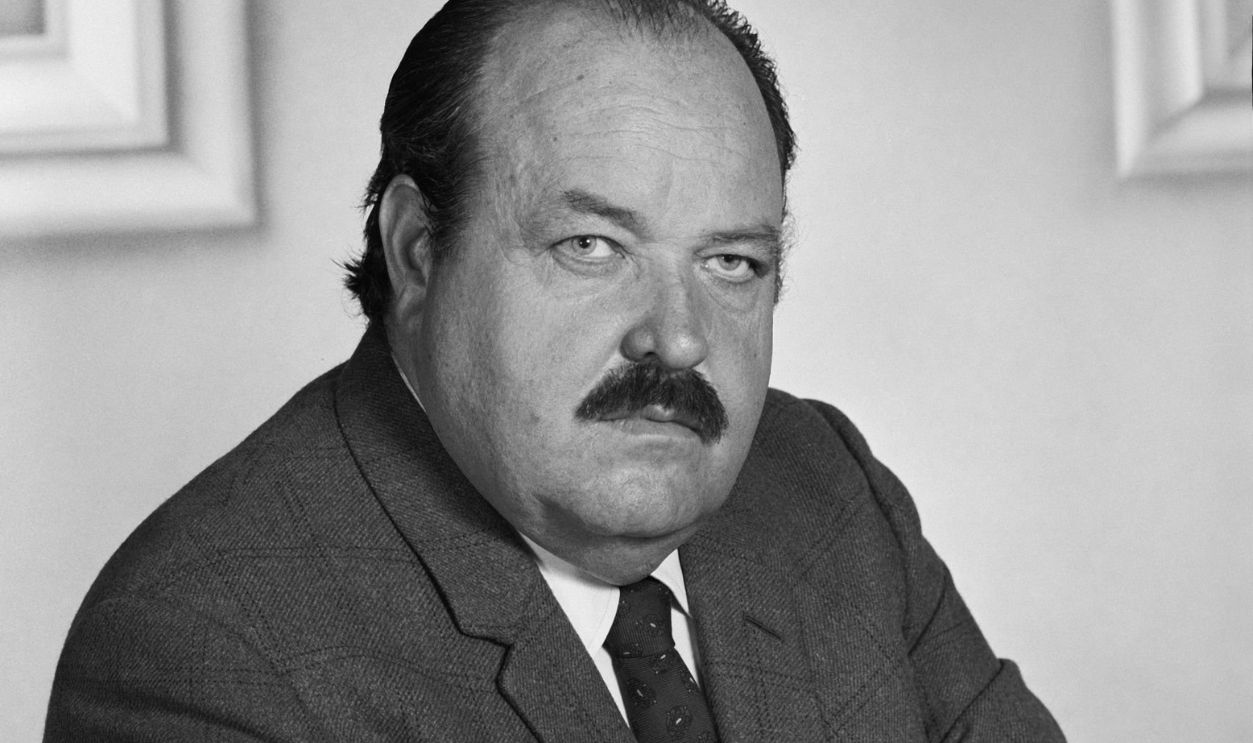
He Had Already Been Matt Dillon
Conrad originated the role of Matt Dillon when Gunsmoke began on CBS radio in 1952. His performance helped establish the marshal as tough, weary, and morally serious rather than a simple action hero. When the property moved to television, James Arness received the on-camera role. Conrad therefore understood what it felt like to create a leading man without being allowed to look like one.
 CBS Photo Archive, Getty Images
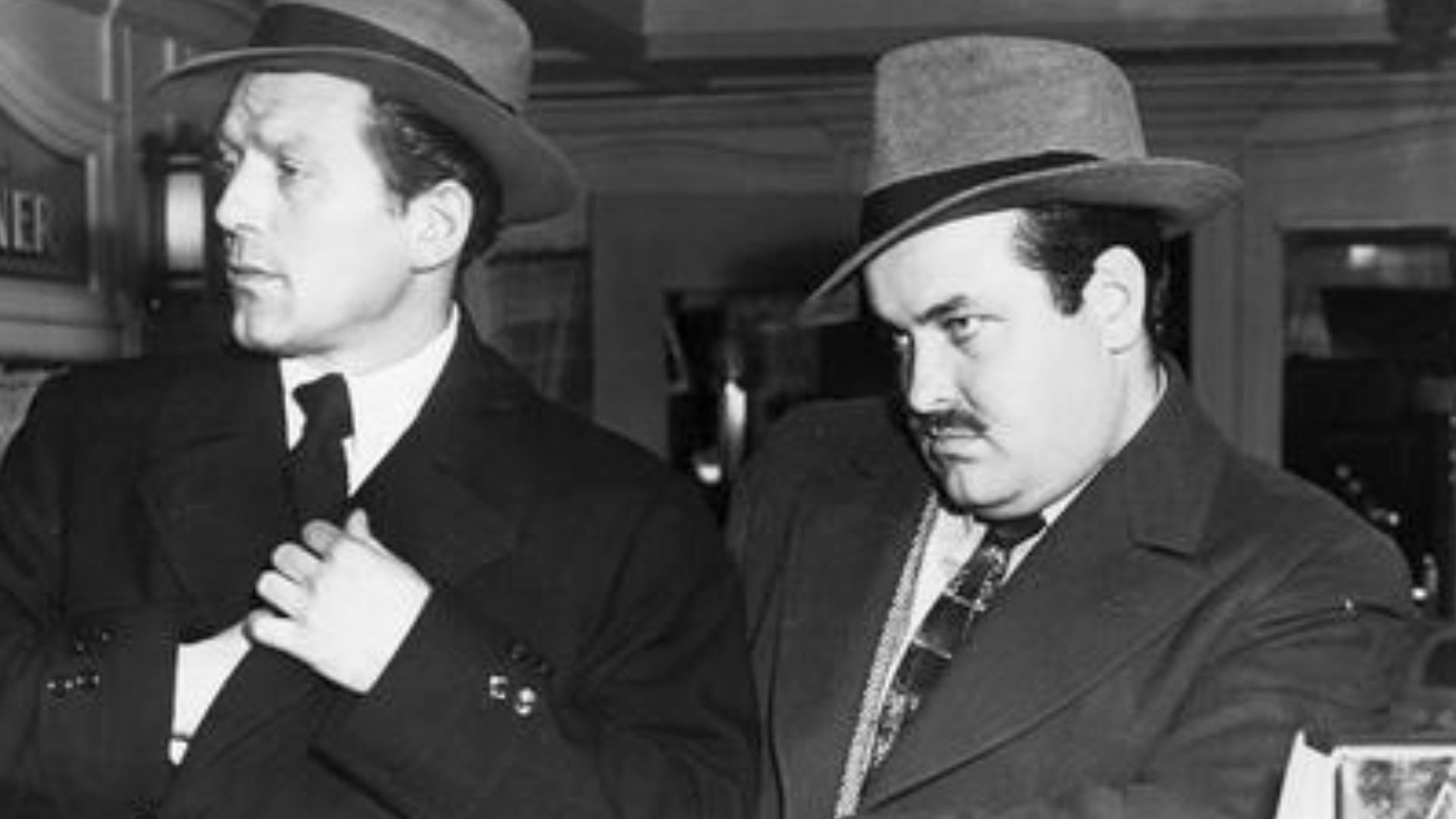
Hollywood Usually Cast Him As A Heavy
Conrad’s early screen career leaned toward criminals, threatening officials, and other intimidating supporting men. His first credited film role came as one of the killers sent after Burt Lancaster in the 1946 noir classic The Killers. His build and forceful voice made him useful whenever a story needed immediate menace. Those same qualities later made Frank Cannon look capable of frightening a suspect without pretending to be a matinee idol.
 Universal Pictures, Wikimedia Commons
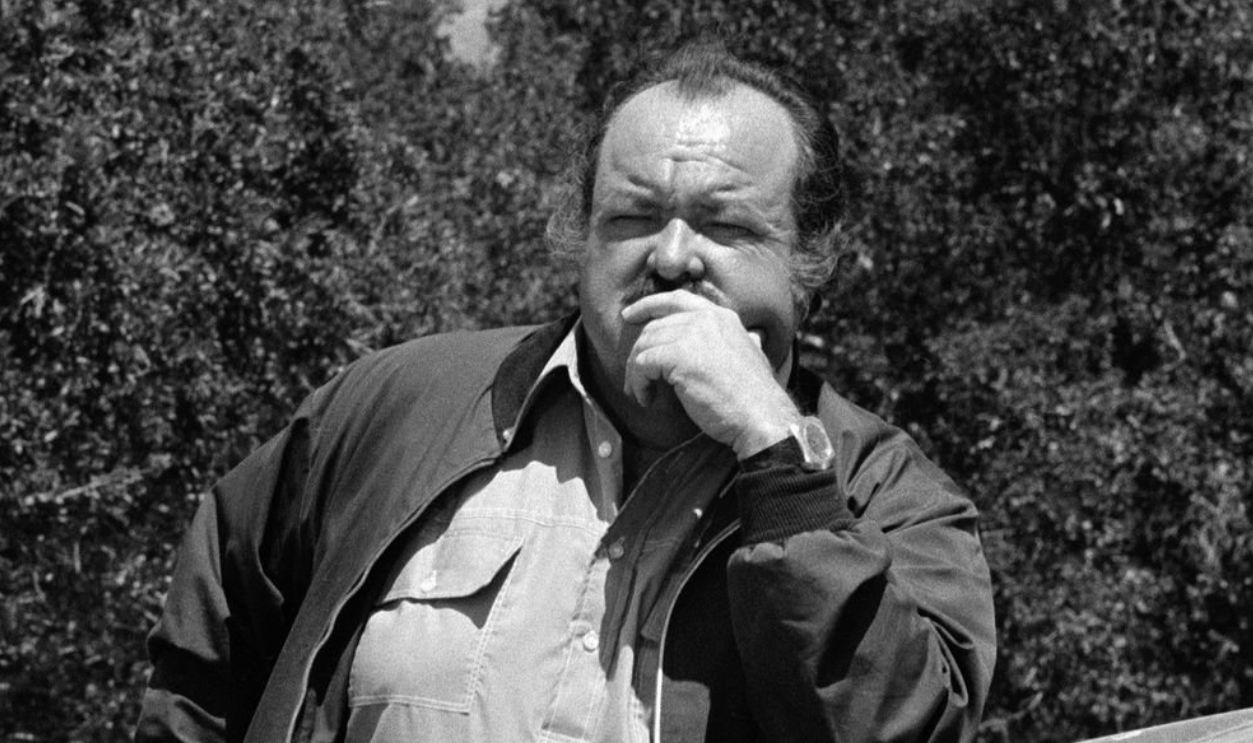
He Moved Behind The Camera
When leading screen roles remained scarce, Conrad expanded into directing and producing. He worked on television Westerns and crime programs, then produced and directed feature films for Warner Bros. His experience behind the camera gave him a practical understanding of pacing, staging, and storytelling. By the time he led Cannon, he knew how an entire production worked rather than concentrating only on his own performance.
 CBS Photo Archive, Getty Images
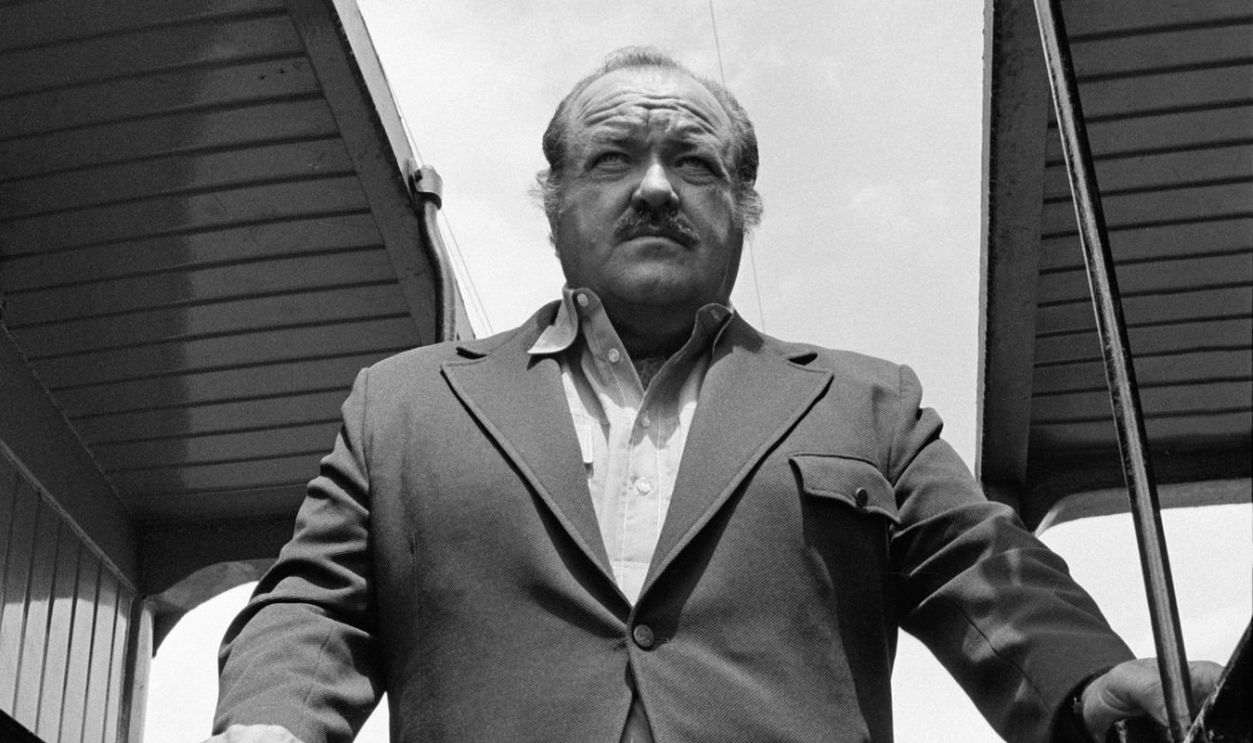
The Casting Sounded Almost Absurd
Conrad later recalled laughing when he was first offered Frank Cannon. The idea of an older, heavyset actor carrying an action-oriented detective series challenged nearly every visual expectation surrounding television heroes. Network executives reportedly debated whether audiences would accept such an unconventional lead. Once the pilot was completed, the doubts largely disappeared.
 CBS Photo Archive, Getty Images
Frank Cannon Looked Like Nobody Else
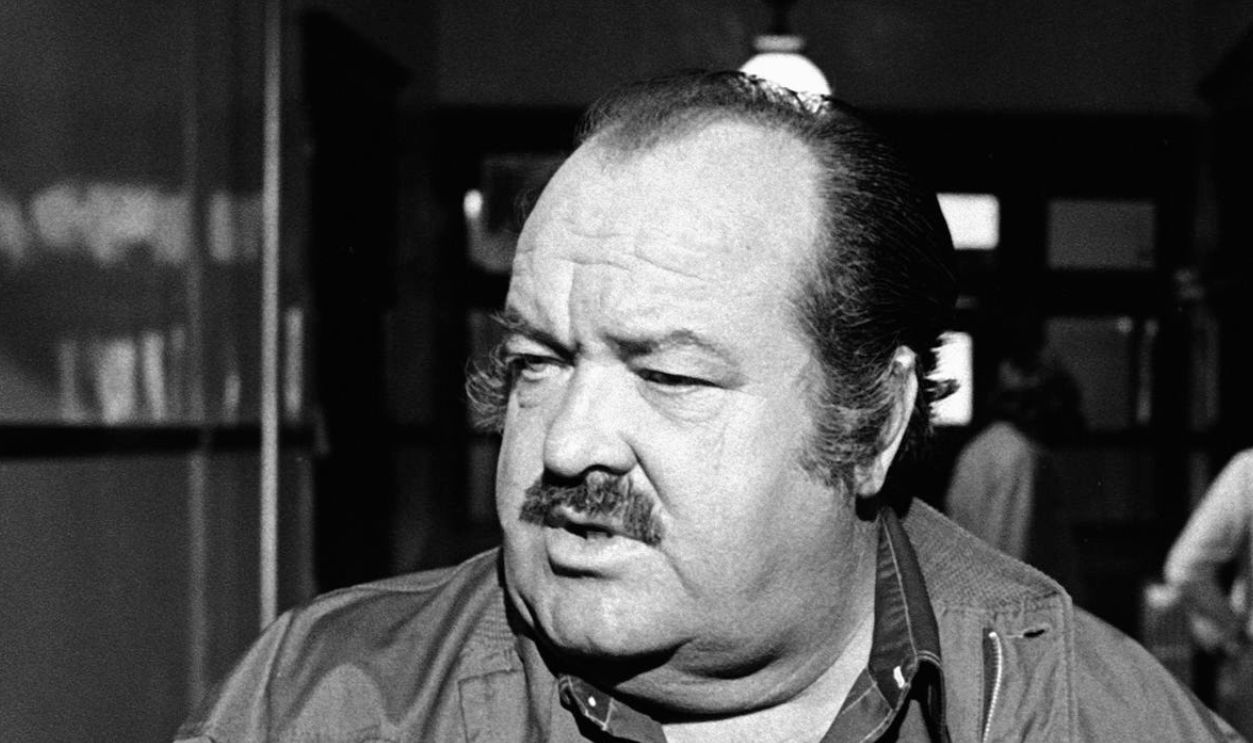
Prime-time detectives often relied on youth, athleticism, or polished masculine appeal. Cannon was visibly middle-aged, heavy, and unconcerned with disguising either fact. The series did not attempt to slim Conrad through wardrobe tricks or reduce him to a comic sidekick. His difference became the reason viewers could identify the show before he spoke a word.
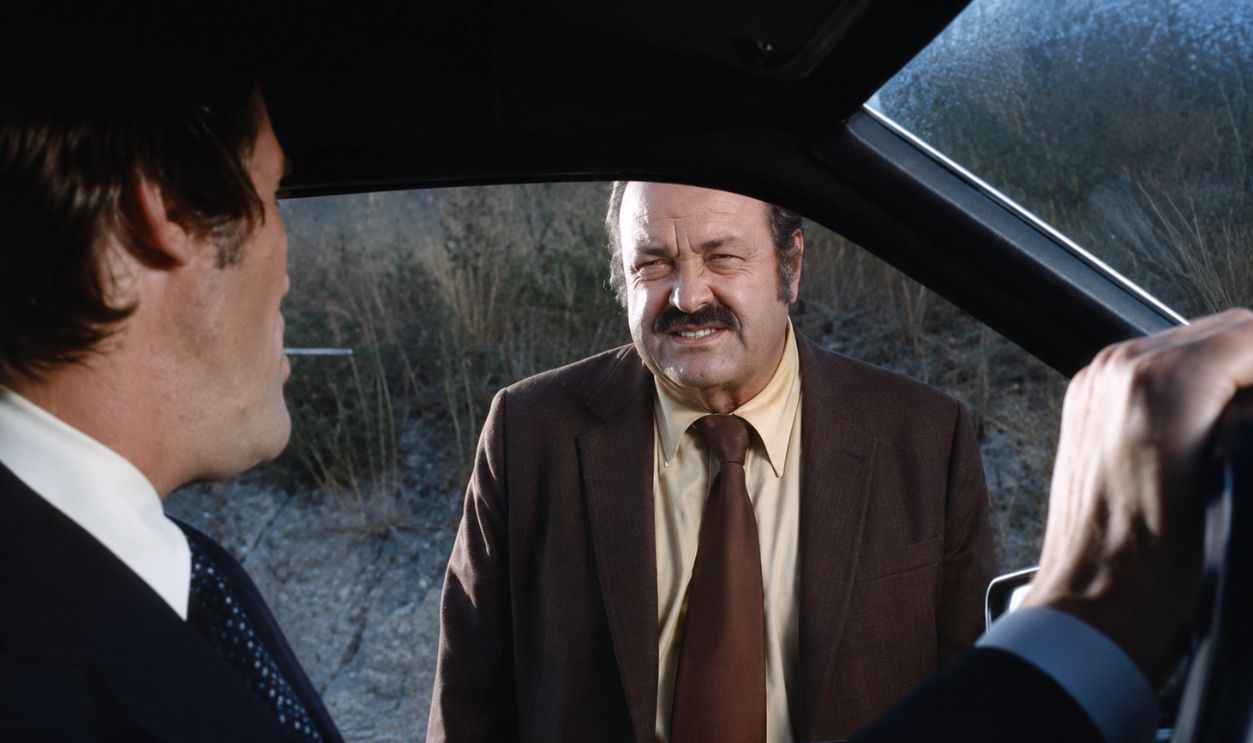 Screenshot from Cannon, CBS (1971-1976), Enhanced
His Size Was Part Of The Character
Frank Cannon enjoyed expensive food and did not apologize for his appetite. The show occasionally acknowledged his weight, but it did not treat him as incapable or ridiculous. He could drive, fight, investigate, and intimidate criminals while remaining entirely comfortable in his own body. That confidence helped turn a potential television punchline into a credible hero.
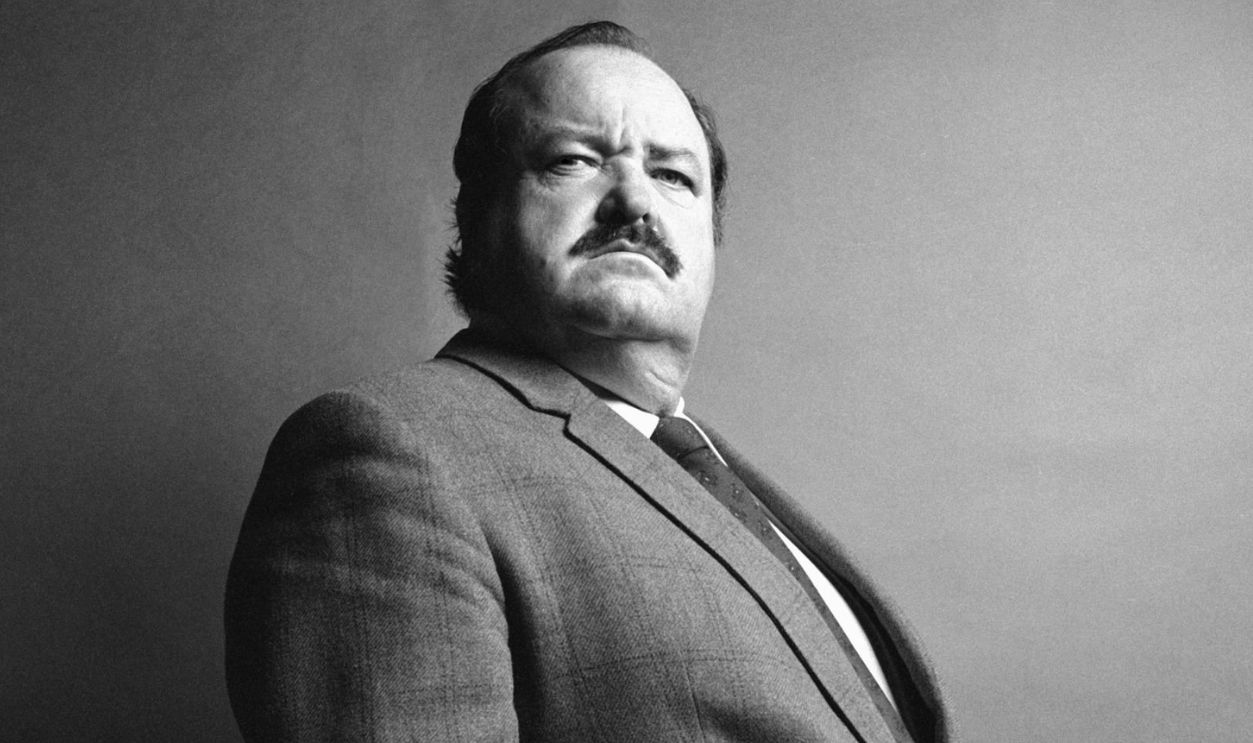 CBS Photo Archive, Getty Images
He Did Not Need To Outrun Everyone
Cannon solved cases through observation, questioning, research, and an experienced understanding of human behavior. He could handle physical danger, but the series did not depend on making him the fastest man in every chase. Conrad’s deliberate movement actually reinforced the idea that Cannon preferred thinking before acting. The character’s authority came from competence rather than athletic fantasy.
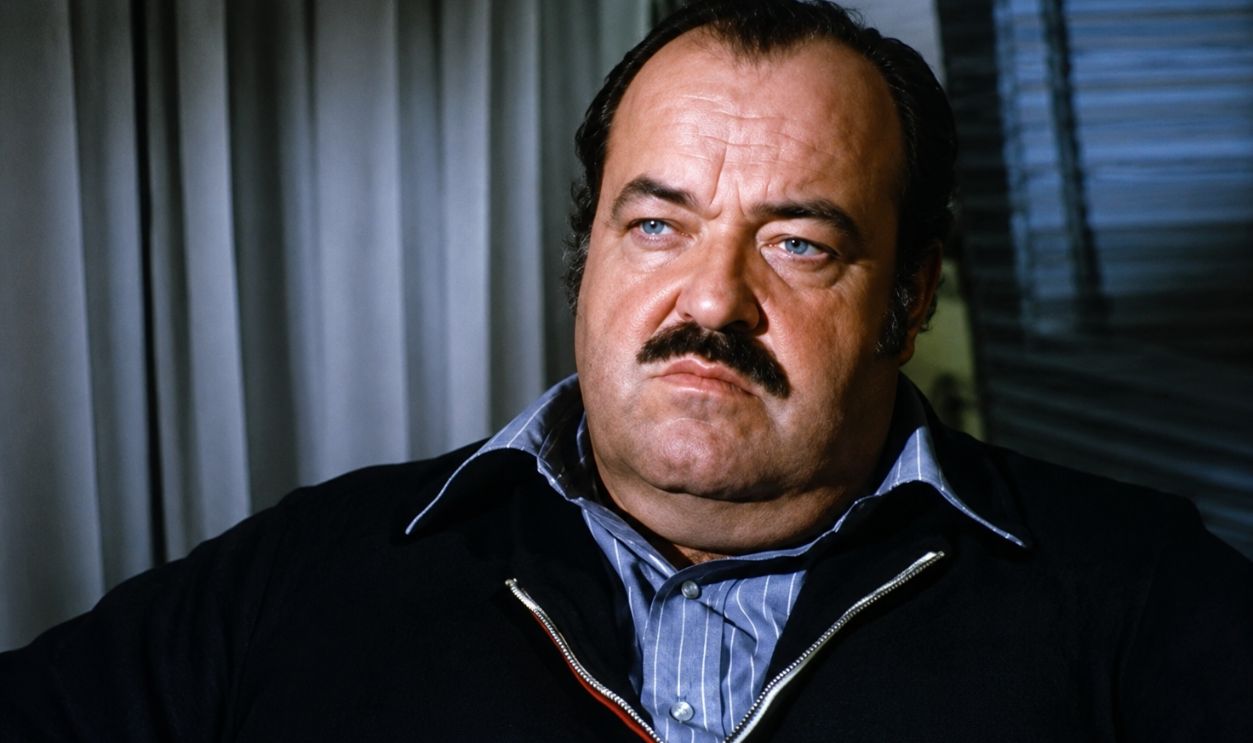 Screenshot from Cannon, CBS (1971-1976), Enhanced
That Voice Became A Detective Tool
Conrad’s baritone gave Frank Cannon instant command in interviews and confrontations. He could sound reassuring with a frightened witness, skeptical with a dishonest client, or threatening with a suspect. Decades of radio work had taught him how to alter a scene through rhythm and emphasis alone. The voice that had once carried Matt Dillon now gave a private detective unusual gravity.
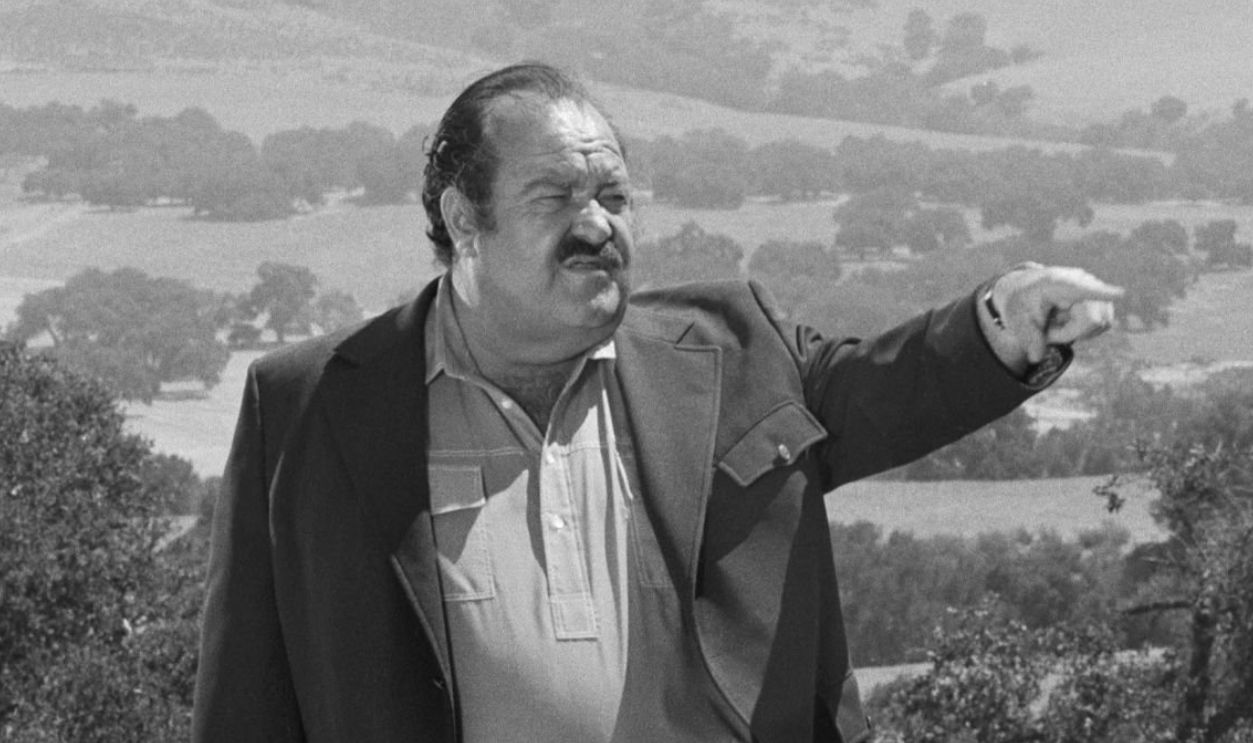 CBS Photo Archive, Getty Images
Cannon Was A Former Police Officer
Frank Cannon had worked for the Los Angeles Police Department before becoming a private investigator. His professional history explained his knowledge of procedure, his contacts within law enforcement, and his ability to move confidently through dangerous investigations. The character was not an amateur who happened to stumble onto crimes. Conrad played him as someone whose instincts had been sharpened by years of experience.
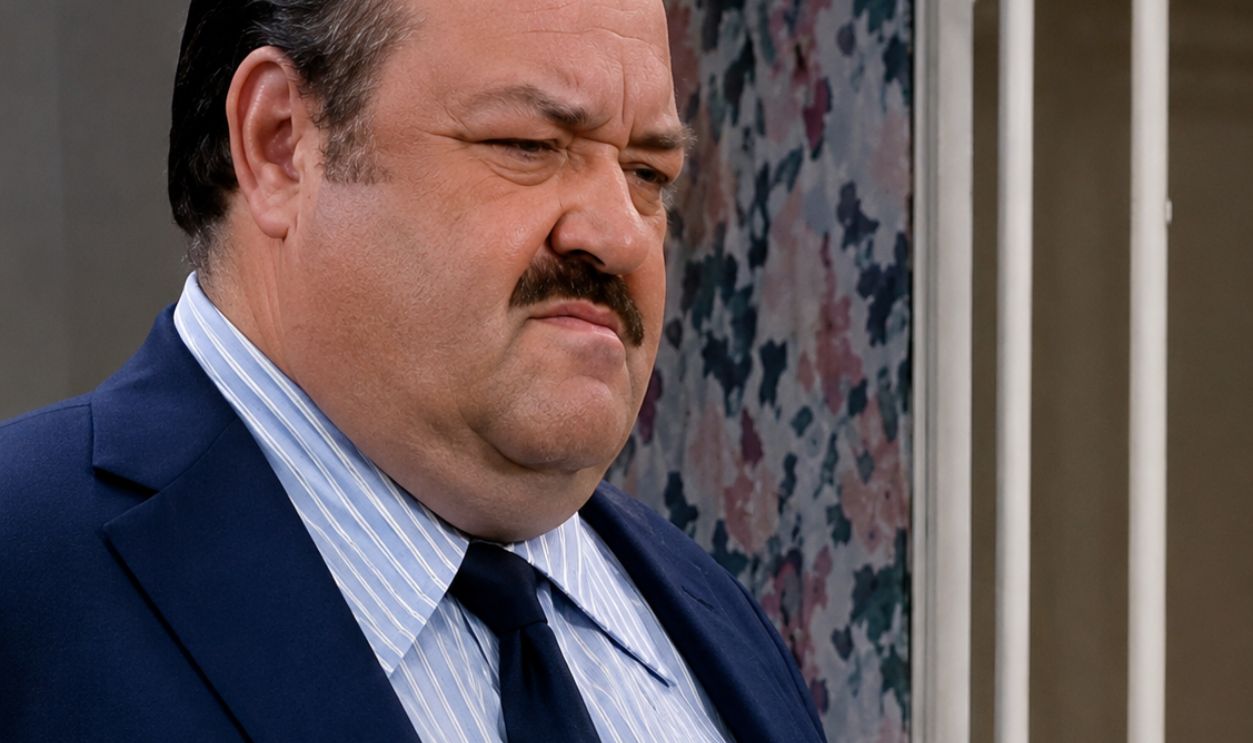 Screenshot from Cannon, CBS (1971-1976), Enhanced
Tragedy Gave Him A Private Wound
The series eventually revealed that Cannon’s wife and child had been killed by a car bomb intended for him. That loss helped explain why he had left police work and why certain cases affected him so personally. Conrad did not make the grief melodramatic or constantly visible. He carried it as buried history beneath Cannon’s professional control.
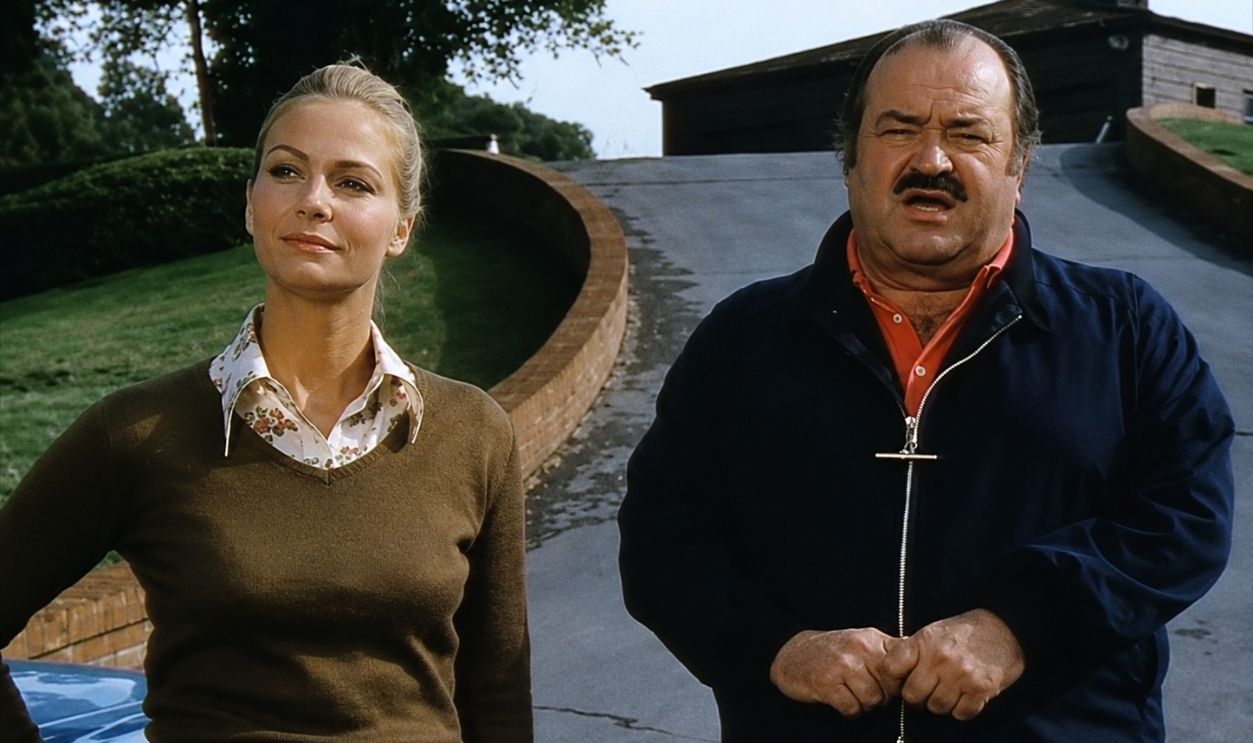 Screenshot from Cannon, CBS (1971-1976), Enhanced
He Worked Without A Permanent Partner
William Conrad was the only continuing principal cast member throughout the series. Guest actors, clients, suspects, and police contacts changed from episode to episode, leaving Conrad responsible for holding the format together. That structure placed unusual pressure on the title performer. His presence had to provide the familiarity that an ensemble normally supplied.
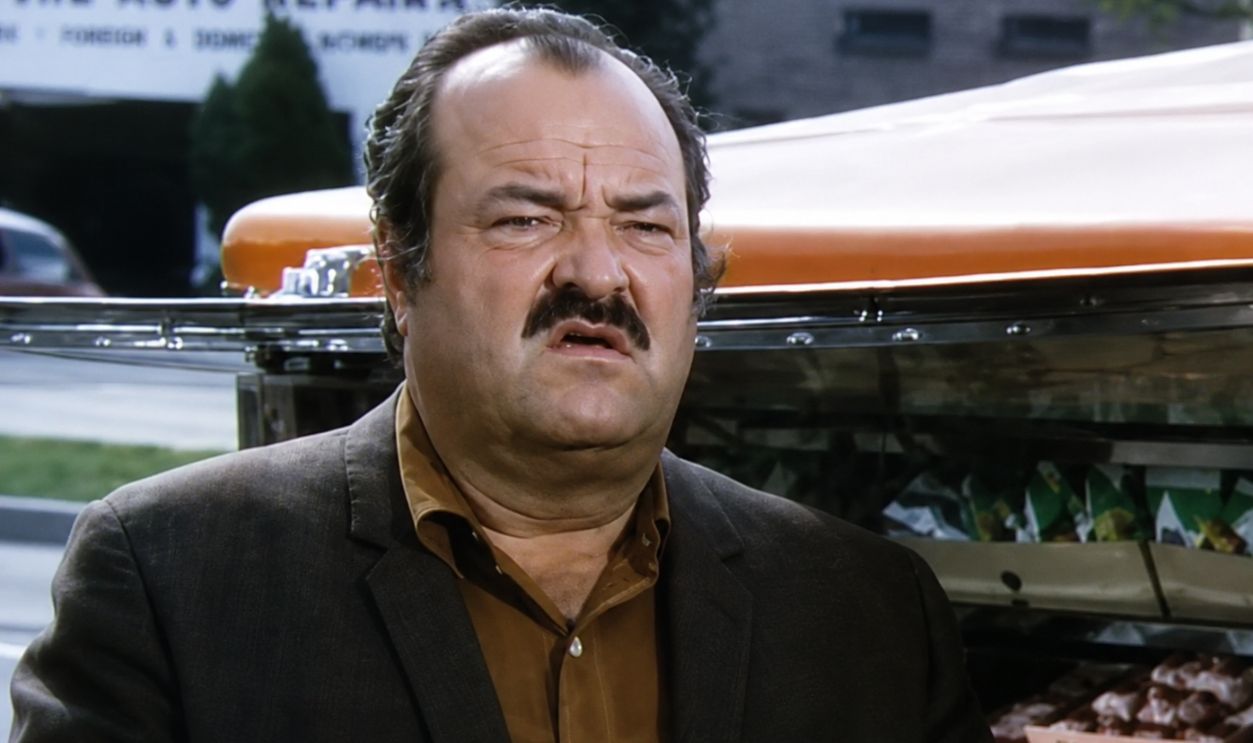 Screenshot from Cannon, CBS (1971-1976), Enhanced
Guest Stars Revolved Around Him
Like other Quinn Martin productions, Cannon regularly brought in recognizable actors for individual mysteries. Each episode gave Conrad new personalities and acting styles to confront. Television Academy interviews preserve memories from performers and directors who worked on the program. Cannon remained steady while the emotional and criminal worlds around him changed every week.
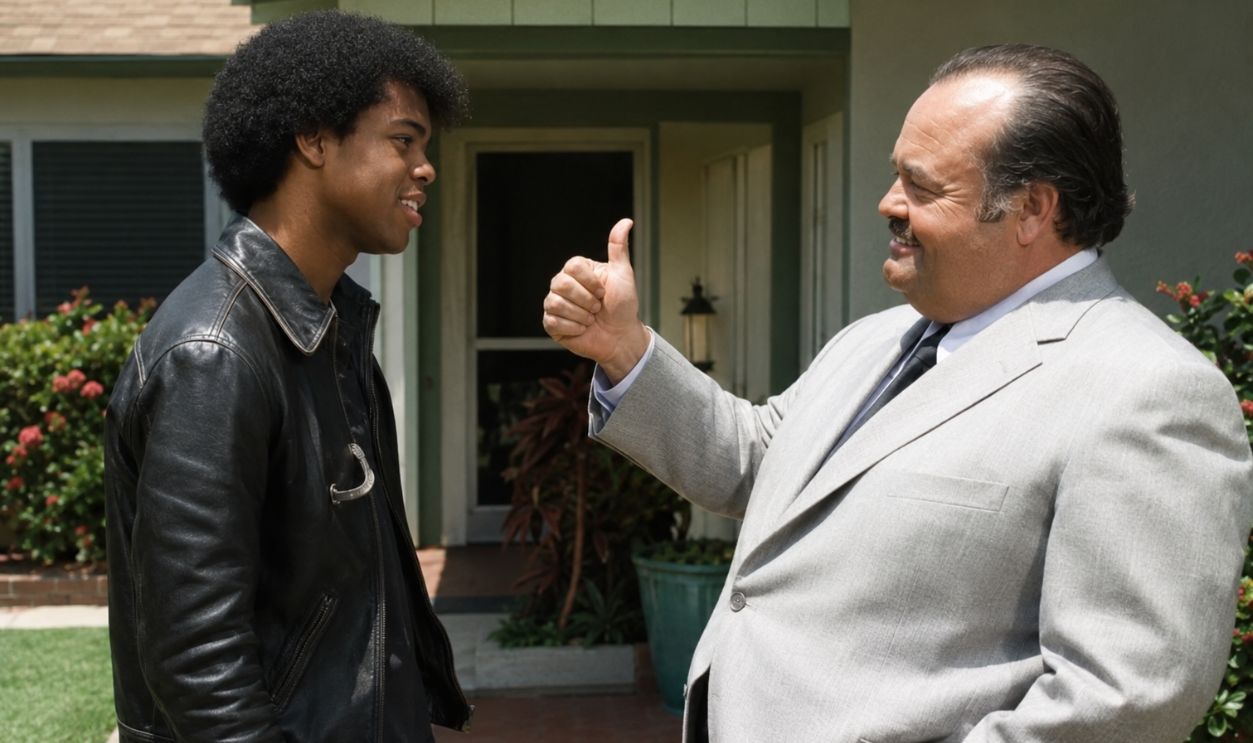 Screenshot from Cannon, CBS (1971-1976), Enhanced
Quinn Martin Knew Crime Television
Executive producer Quinn Martin had already built a reputation through programs such as The Fugitive and The F.B.I. His productions favored clear storytelling, dramatic guest roles, and an authoritative visual style. Cannon placed Conrad inside a proven structure without forcing him to imitate younger detectives. The familiar procedural format made the unconventional star easier for viewers to embrace.
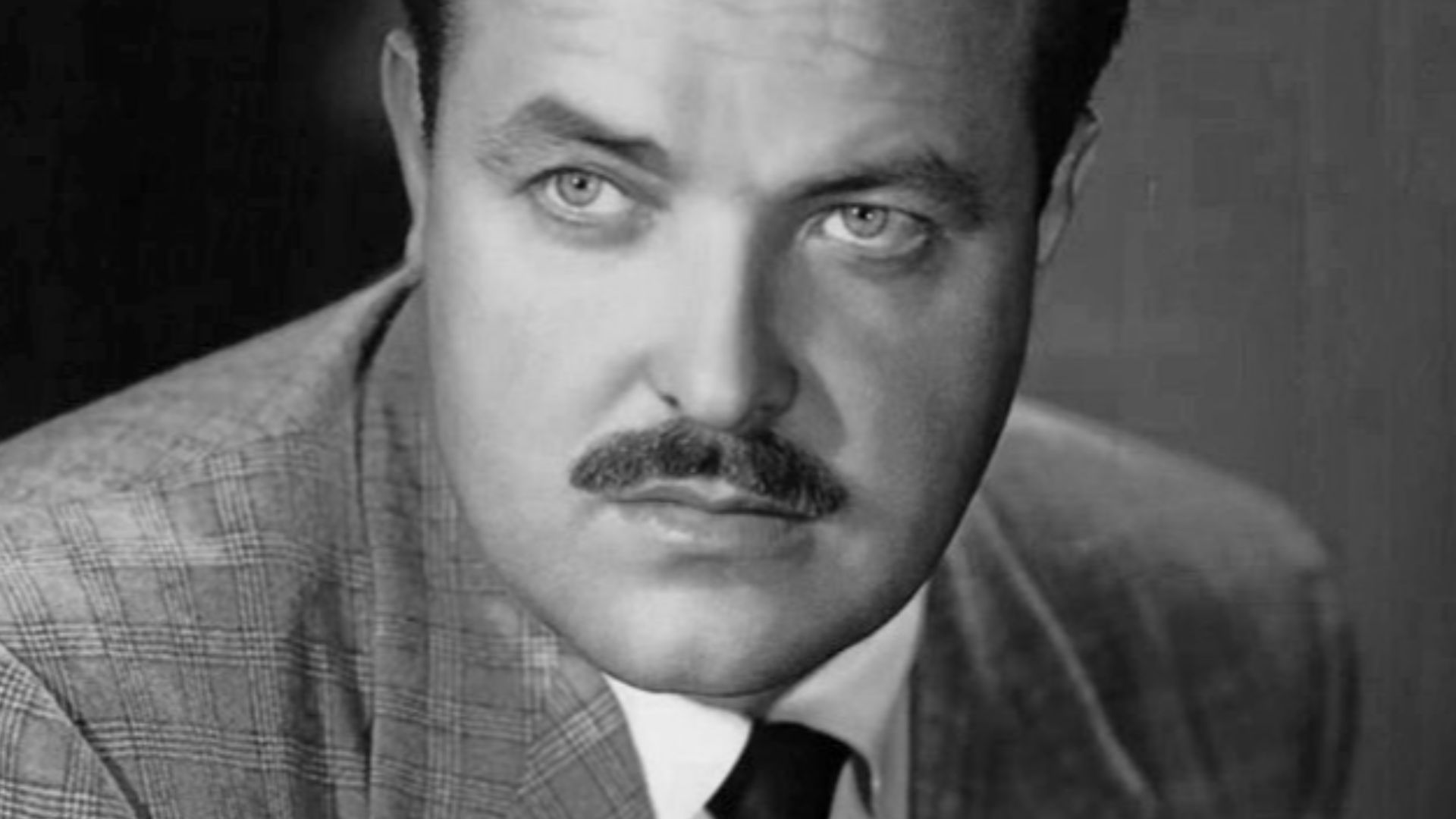
The Pilot Proved The Gamble Could Work
Cannon began as a feature-length television movie in March 1971. The story sent the private investigator into a murder case involving an old friend, immediately giving Conrad a serious dramatic showcase. CBS ordered the regular series, which began airing that September. The casting experiment had survived its first major test.
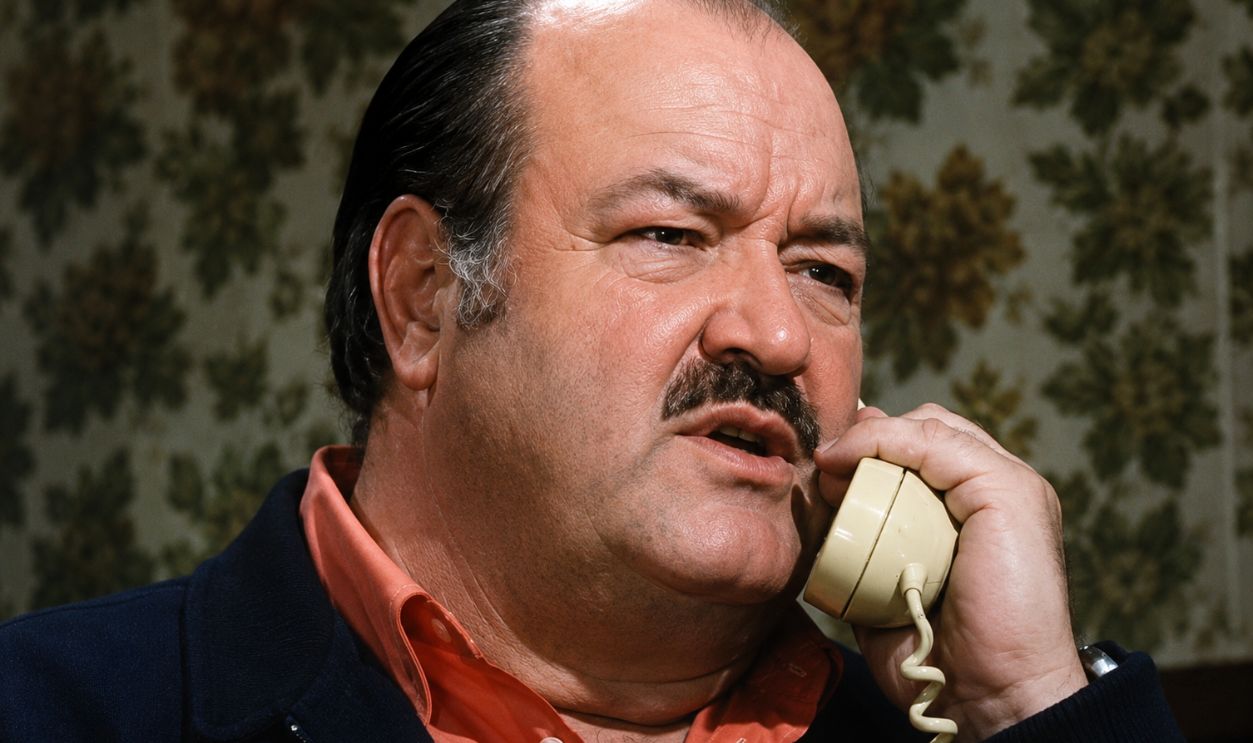 Screenshot from Cannon, CBS (1971-1976), Enhanced
Viewers Accepted Him Quickly
Contemporary discussion of the casting emphasized that network executives had worried about placing an atypical actor at the center of the show. The completed pilot changed minds, and audiences responded strongly enough to keep Cannon on CBS for five seasons. Conrad did not have to become thinner, younger, or more glamorous to retain the audience. The success demonstrated that viewers could accept a leading man who looked unlike the standard template.
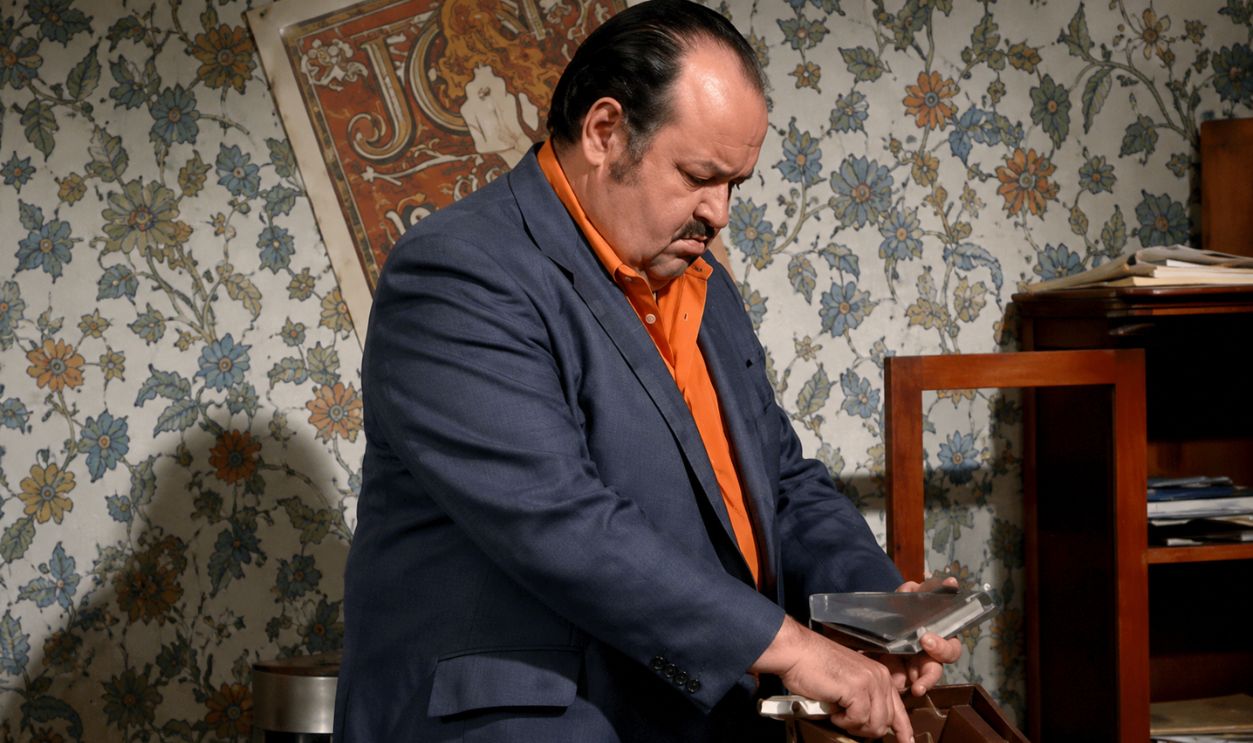 Screenshot from Cannon, CBS (1971-1976), Enhanced
He Made Intelligence Look Exciting
Cannon frequently solved problems by noticing contradictions and pressuring people into revealing more than they intended. Conrad’s controlled delivery made the process feel active even when he was sitting behind a desk or questioning someone in a quiet room. He projected the satisfaction of a man fitting evidence together. The series made mental confidence as important as physical force.
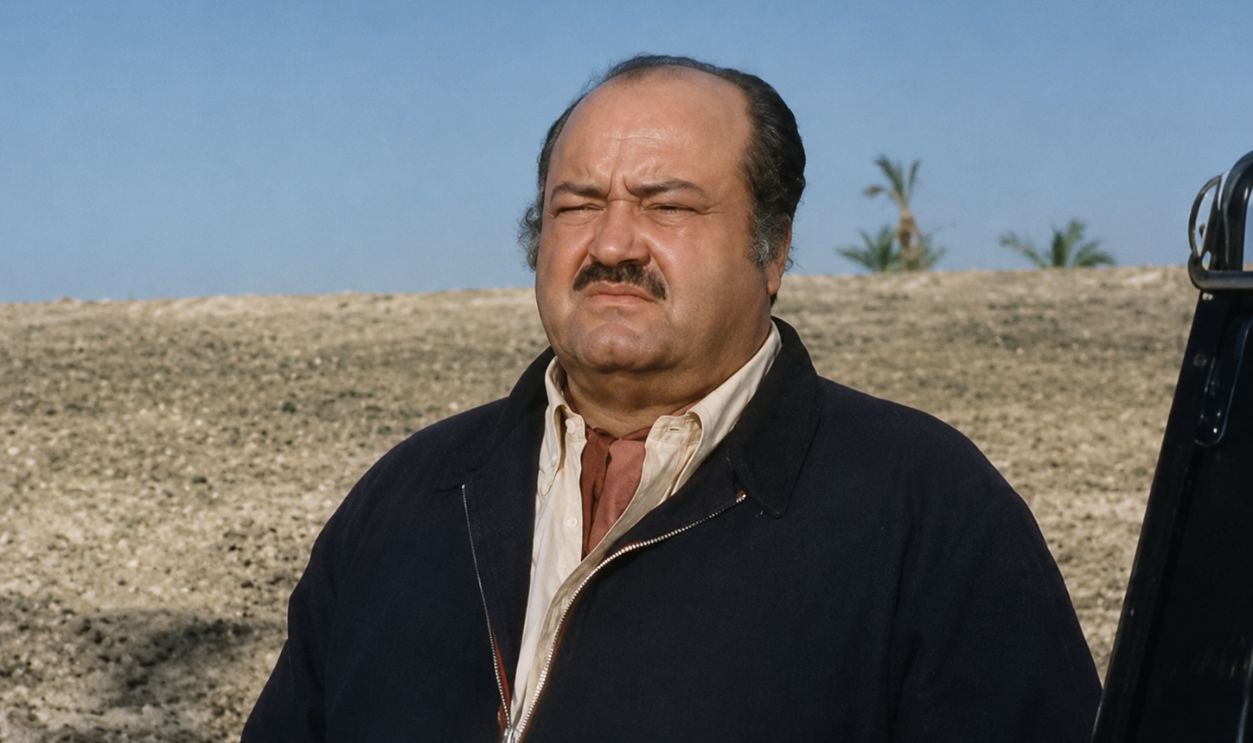 Screenshot from Cannon, CBS (1971-1976), Enhanced
His Luxury Added An Unexpected Twist
Frank Cannon was not a shabby detective surviving on cheap coffee and unpaid bills. He charged wealthy clients substantial fees and enjoyed expensive cars, food, and other comforts. Those tastes gave the character a playful streak that separated him from grim, self-denying investigators. Conrad made indulgence look like one of Cannon’s rewards for being exceptionally good at his work.
 Screenshot from Cannon, CBS (1971-1976), Enhanced
The Lincoln Became Part Of The Image
Cannon’s large luxury car matched the character’s appetite for comfort and his substantial physical presence. The vehicle also contained an early mobile telephone, allowing him to conduct business while moving between cases. That technology looked remarkably sophisticated to early 1970s audiences. The detective’s modern equipment reinforced the idea that he compensated for limited speed with preparation and resources.
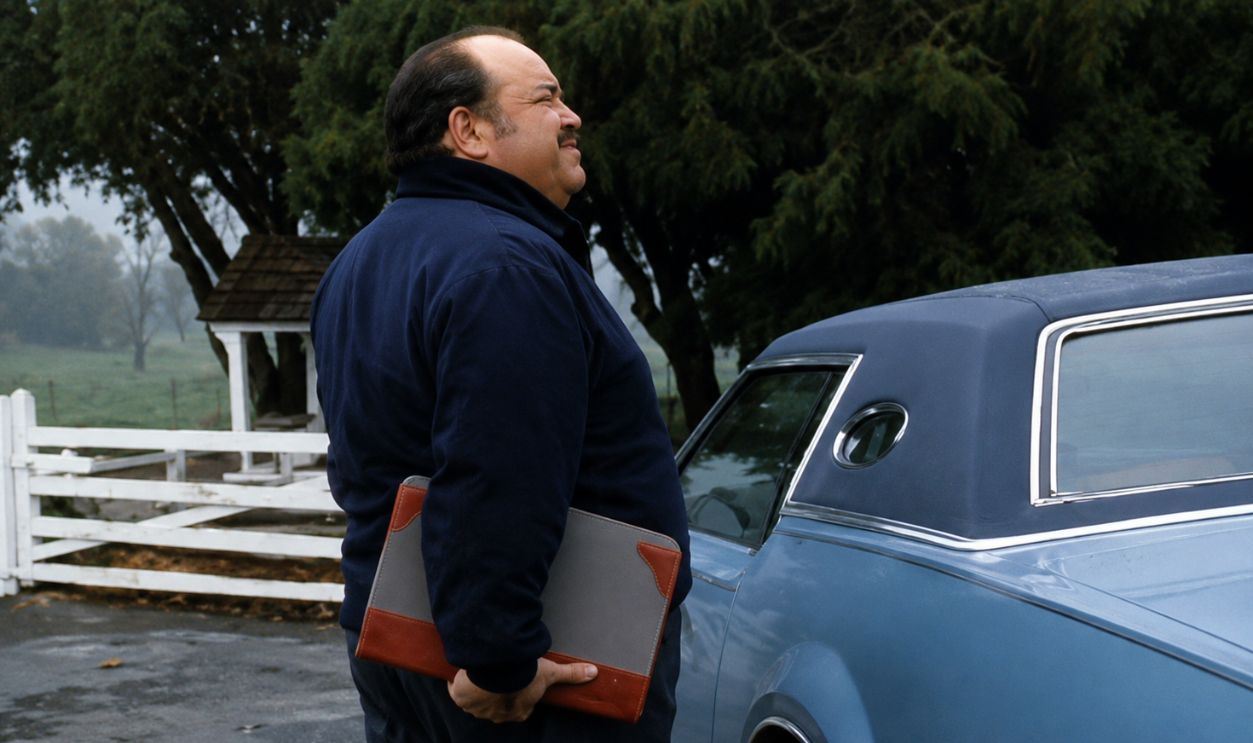 Screenshot from Cannon, CBS (1971-1976), Enhanced
He Could Still Handle Action
The series never presented Cannon as helpless when an investigation became violent. Conrad participated in fights, gunplay, dangerous confrontations, and location work while maintaining the character’s physical credibility. Cannon did not move like a younger athlete because he did not need to. He fought like a large, determined man who understood how to use his weight and experience.
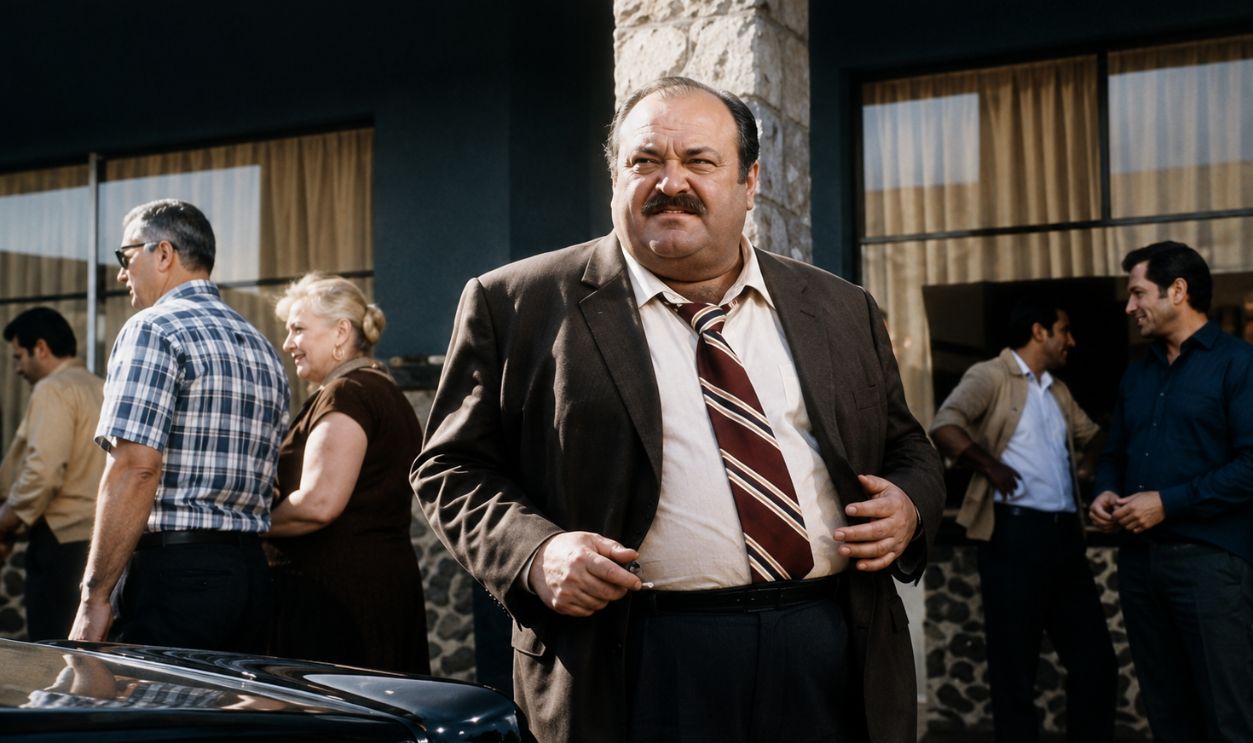 Screenshot from Cannon, CBS (1971-1976), Enhanced
Humor Kept Him Approachable
Conrad possessed a dry sense of humor that prevented Frank Cannon from becoming relentlessly severe. The character could joke about his appetites, respond sarcastically to an irritating suspect, or show amusement at someone underestimating him. Those lighter beats helped viewers enjoy his company between darker cases. Cannon was formidable, but he was never emotionally inaccessible.
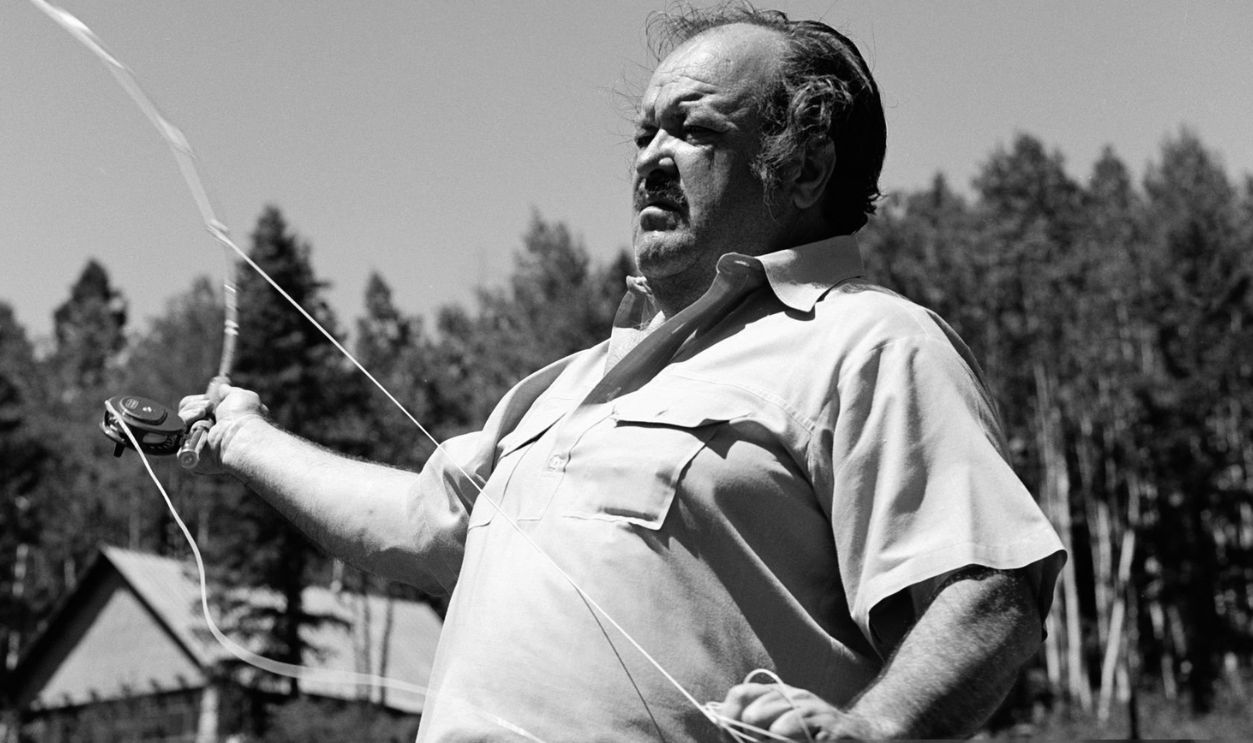 CBS Photo Archive, Getty Images
Emmy Voters Took Him Seriously
Conrad received Emmy nominations for his performance in both 1973 and 1974. The series itself also received an Outstanding Drama Series nomination. Those honors placed Conrad beside more conventionally cast dramatic leading men. Industry recognition confirmed that his success was not merely a novelty built around an unusual appearance.
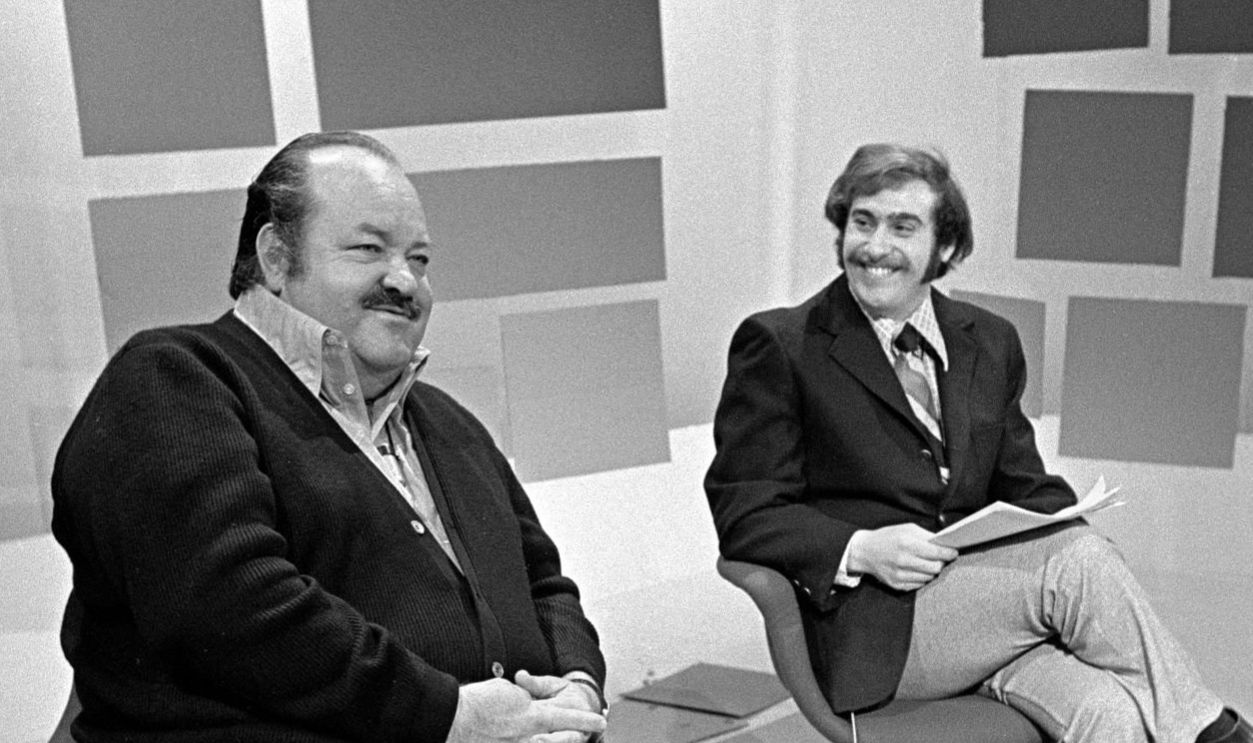 CBS Photo Archive, Getty Images
The Golden Globes Recognized Him Too
Conrad received Golden Globe nominations for his work on Cannon in 1972 and 1973. The program later received a nomination as a television drama. Repeated awards attention showed that his performance had become part of the series’ prestige. The unlikely leading man was now competing as one of television’s established dramatic stars.
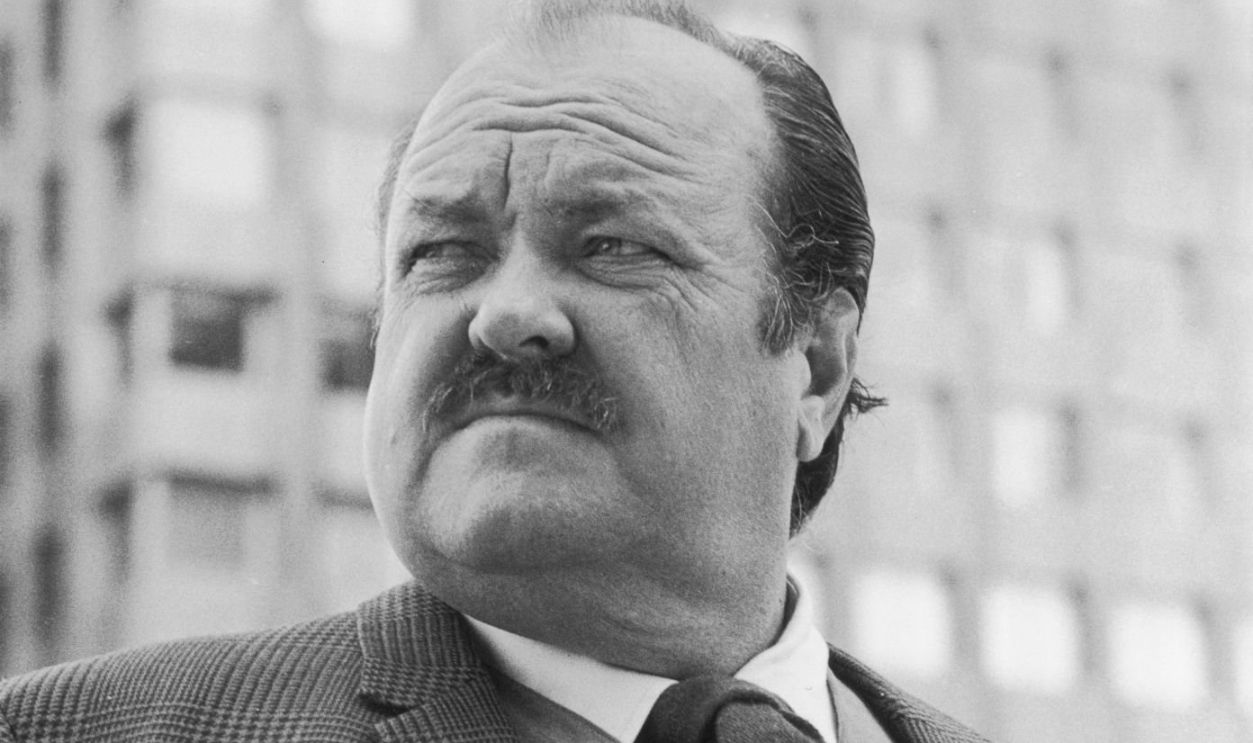
Five Seasons Changed His Career
Cannon ran on CBS from 1971 through 1976. After years as a radio star, supporting actor, narrator, director, and producer, Conrad finally possessed a television character permanently linked to his face. He returned as Frank Cannon in a 1980 television movie. The role also prepared audiences to accept him as the center of later series such as Jake and the Fatman.
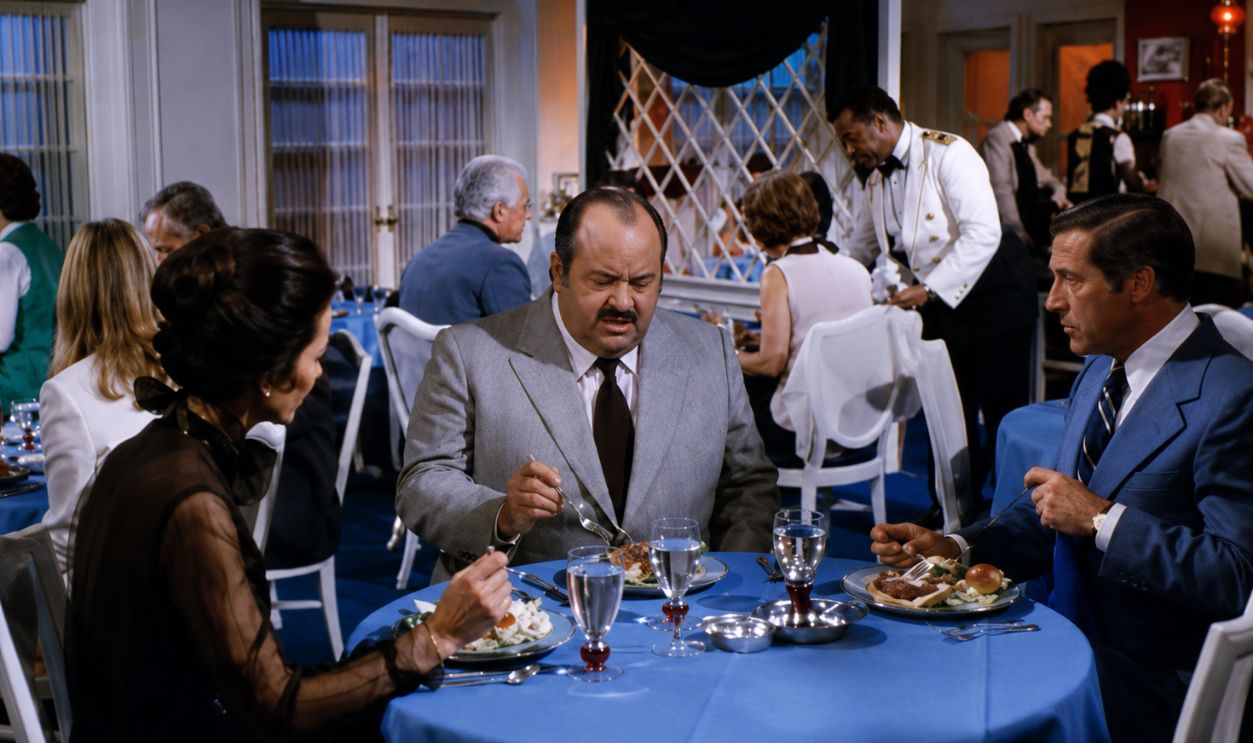 Screenshot from Cannon, CBS (1971-1976), Enhanced
He Opened The Door For Different Heroes
Conrad proved that an action lead did not need a narrow waist, youthful face, or conventional romantic image. Viewers accepted Frank Cannon because he appeared intelligent, capable, self-assured, and experienced. His body was visible, but it did not define the limits of what he could accomplish. The series broadened television’s idea of who was permitted to occupy the center of the frame.
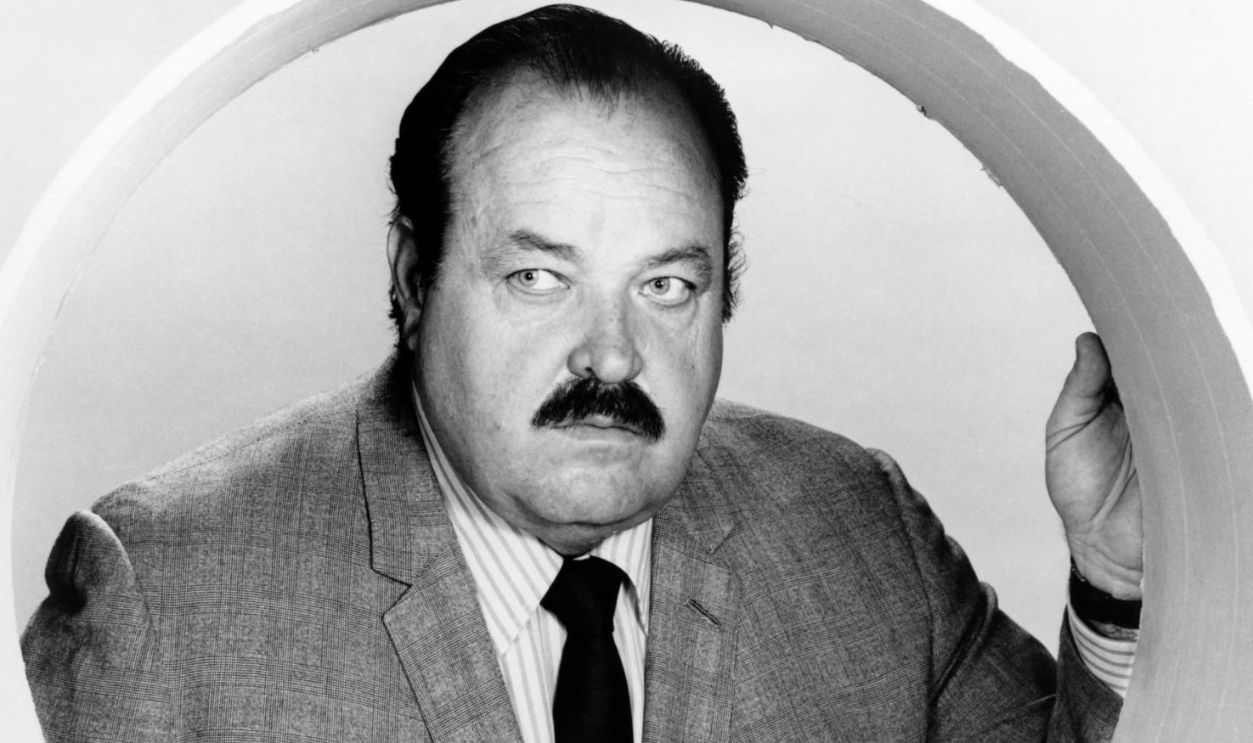 Silver Screen Collection, Getty Images
Cannon Made Him Impossible To Ignore
William Conrad had already enjoyed several careers before Cannon, but many of them depended on remaining unseen or supporting somebody else. Frank Cannon brought the voice, intelligence, humor, bulk, and authority together in one unmistakable figure. The qualities that once kept Conrad outside Hollywood’s leading-man ideal became the qualities that made him memorable. Cannon succeeded because it did not ask him to resemble anyone except William Conrad.
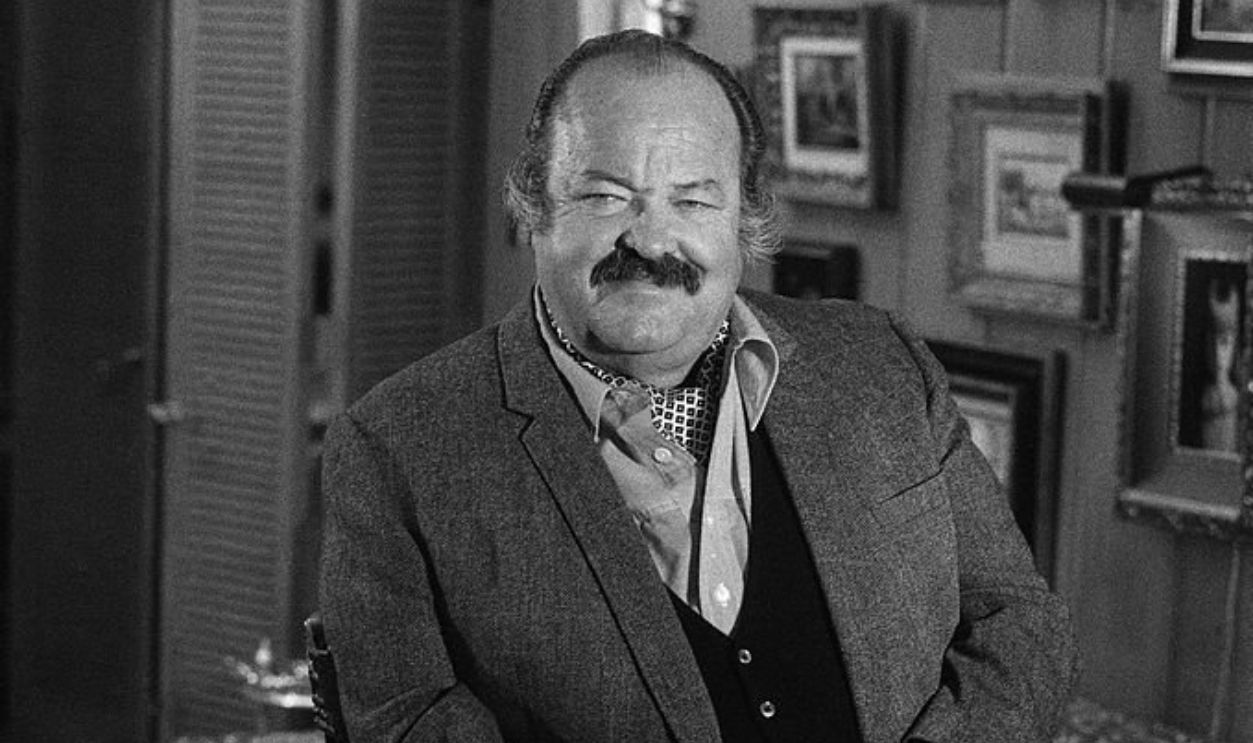
You May Also Like:
Hollywood Stars Who Made Successful Comebacks Through Television
Everyone Knew These 60s Movie Stars, But No One Remembers The Movies That Made Them Famous
Sources: 1, 2, 3, 4, 5, 6, 7, 8, 9, 10, 11, 12, 13, 14, 15, 16