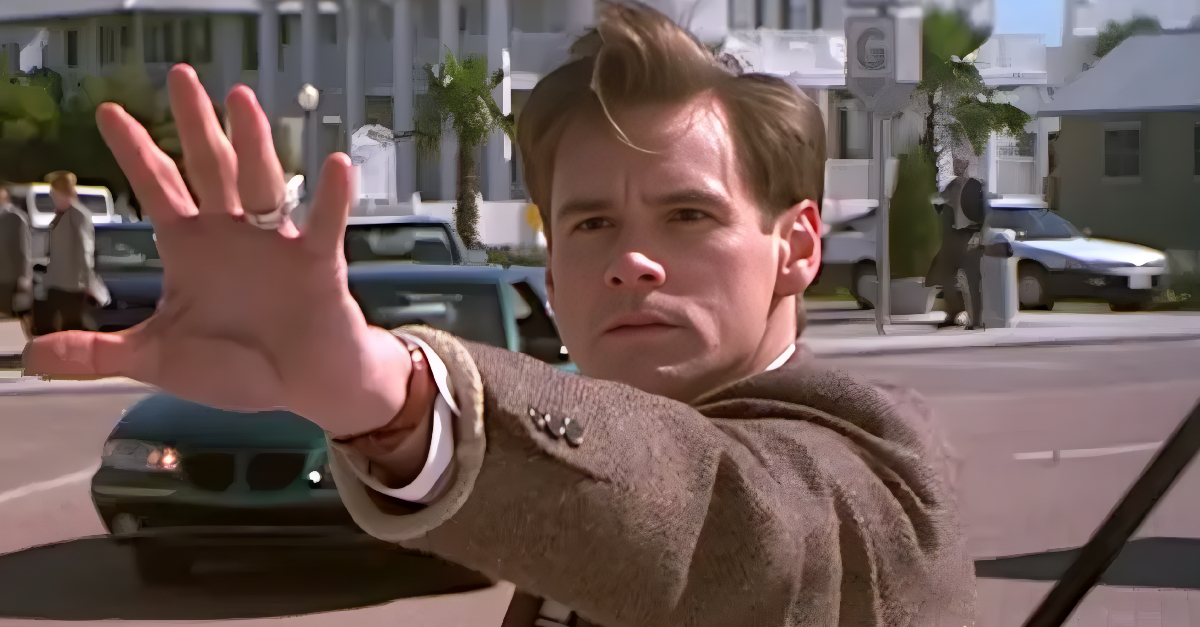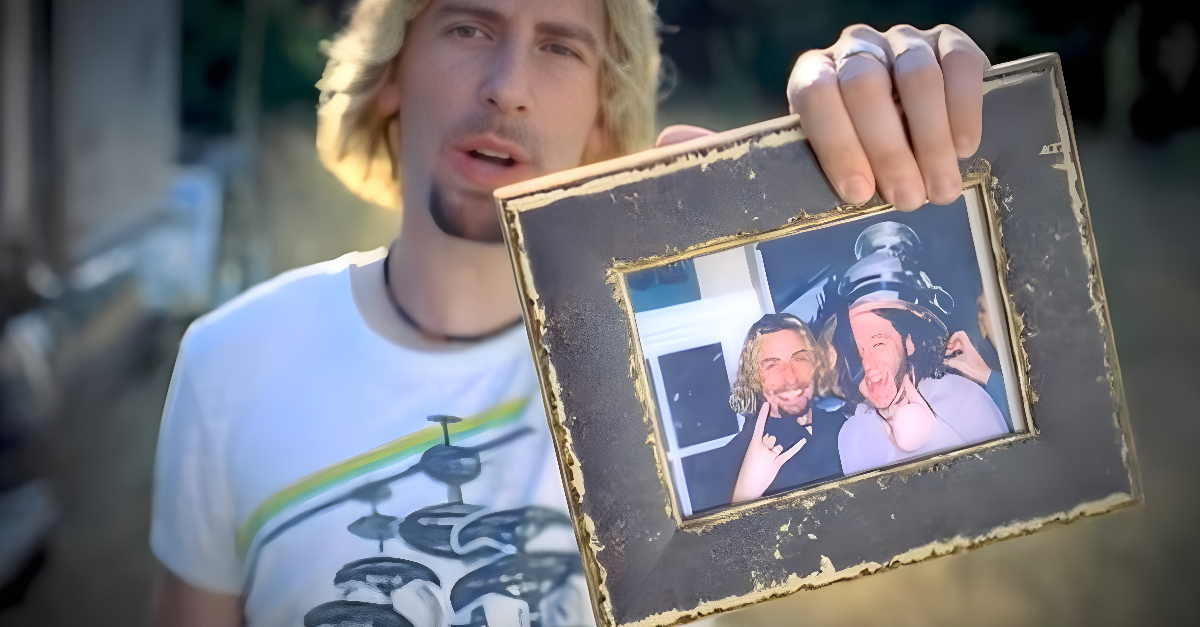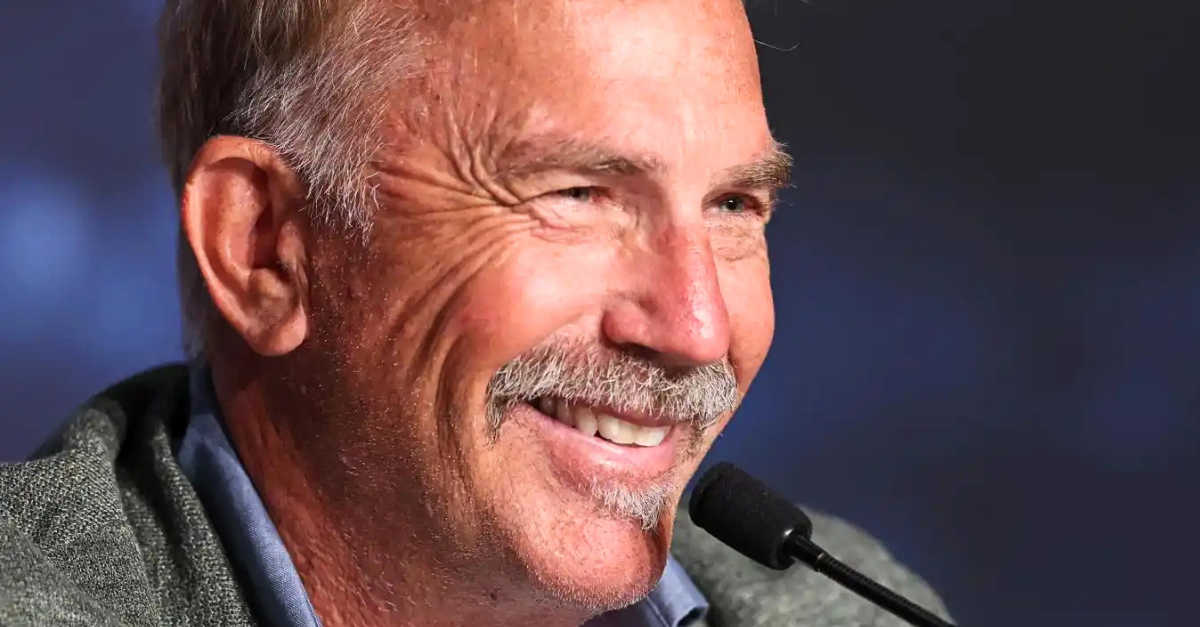
Hollywood Has A Short Memory.
Then, against all odds, a single television role changed everything, turning forgotten favorites into award winners, household names, and pop culture sensations once again. These remarkable comebacks prove that sometimes the biggest second act happens on the small screen.
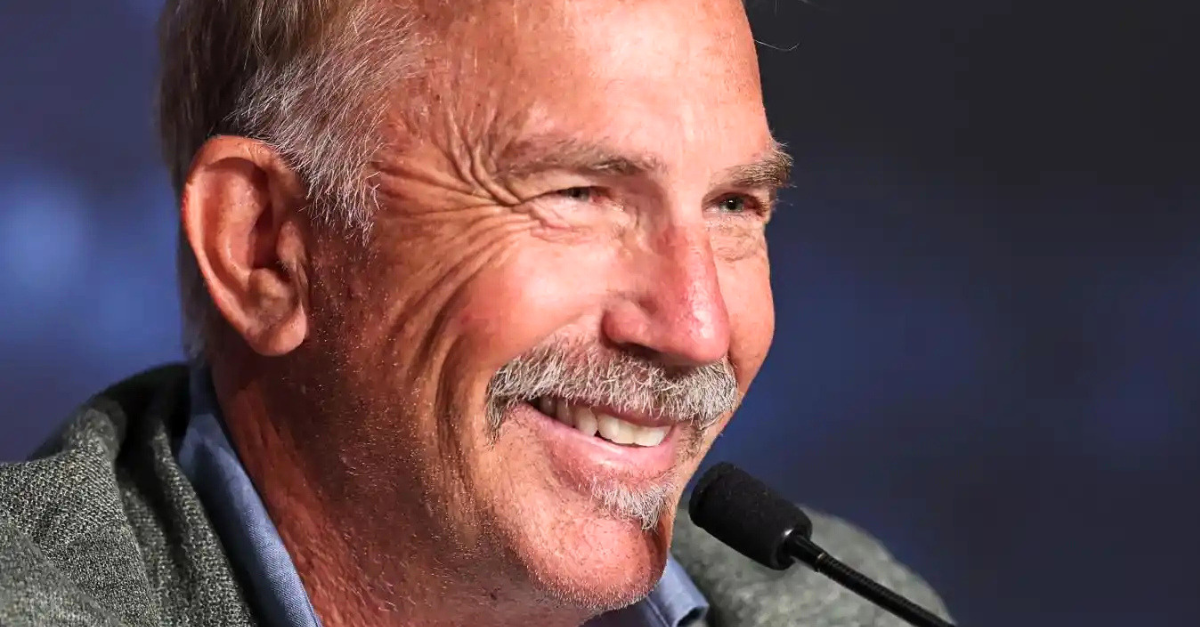 Pascal Le Segretain/Getty Images
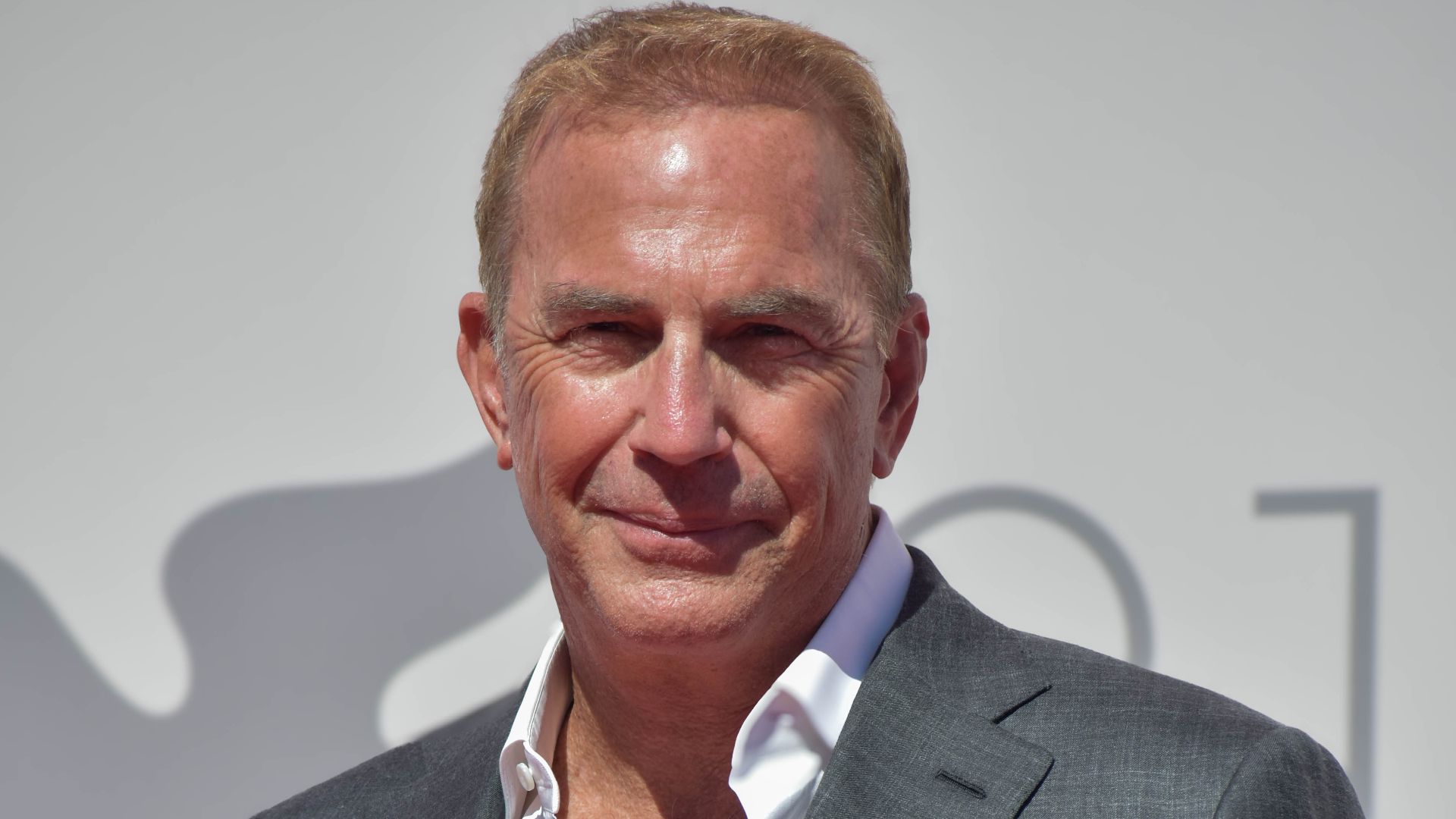
Kevin Costner Rode Back With Yellowstone
Kevin Costner built his legend on film, especially Westerns like Dances With Wolves and Open Range. Still, Yellowstone gave him a new kind of modern stardom as John Dutton, the hard-edged patriarch of a Montana ranching empire. The series became a massive cable hit and turned Costner into the face of one of television’s biggest franchises. For a movie star long associated with the big screen, TV gave him a whole new kingdom.
 Ariela Ortiz-Barrantes, Wikimedia Commons
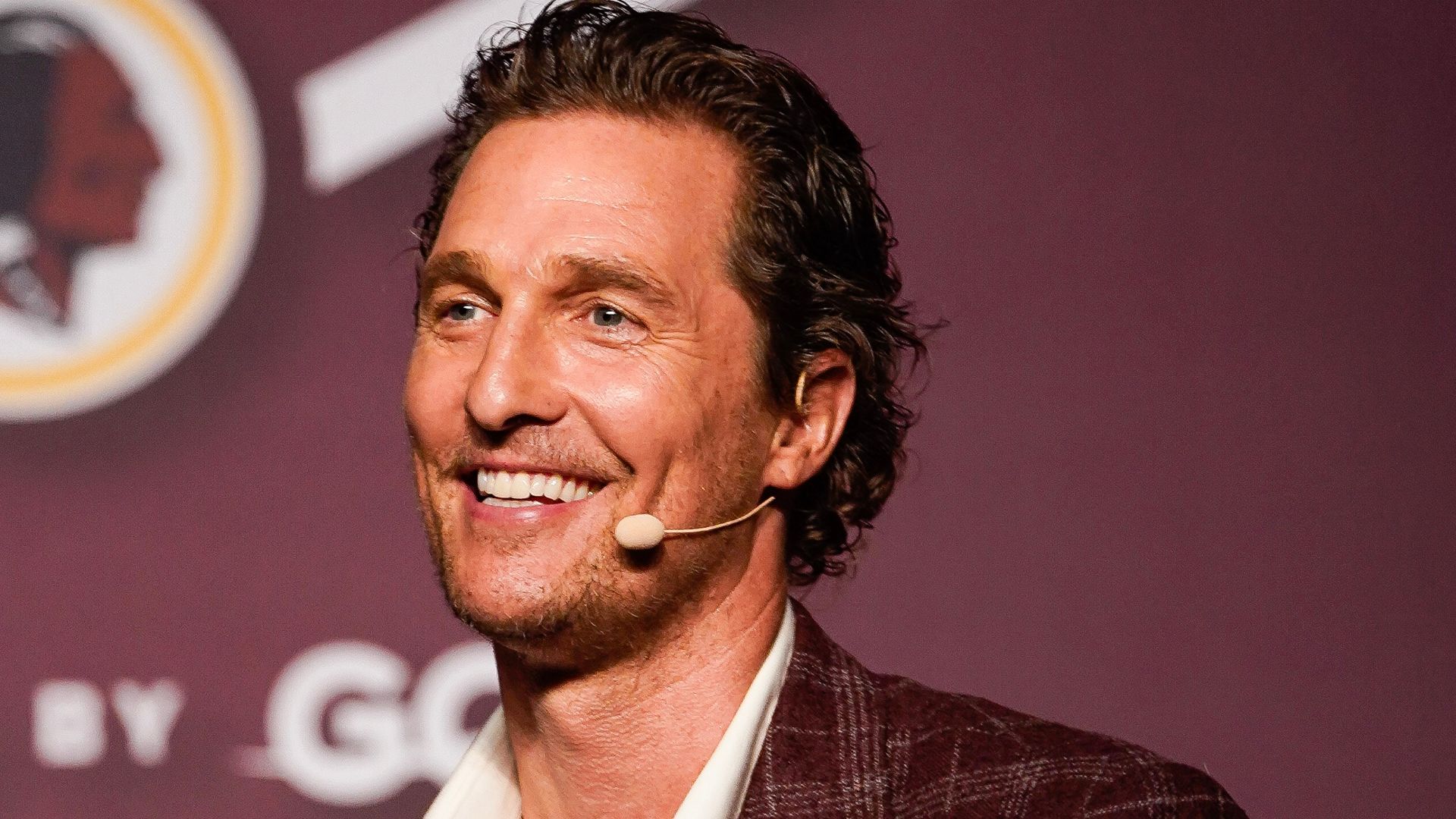
Matthew McConaughey Made TV Feel Cinematic
Matthew McConaughey’s career was already heating up again when True Detective arrived, but Rust Cohle pushed the McConaissance into overdrive. His performance opposite Woody Harrelson was eerie, philosophical, and impossible to look away from. The HBO drama made a limited television role feel as prestigious as a major film performance. It helped prove that movie stars could use TV to become even more powerful.
 All-Pro Reels from District of Columbia, USA, Wikimedia Commons
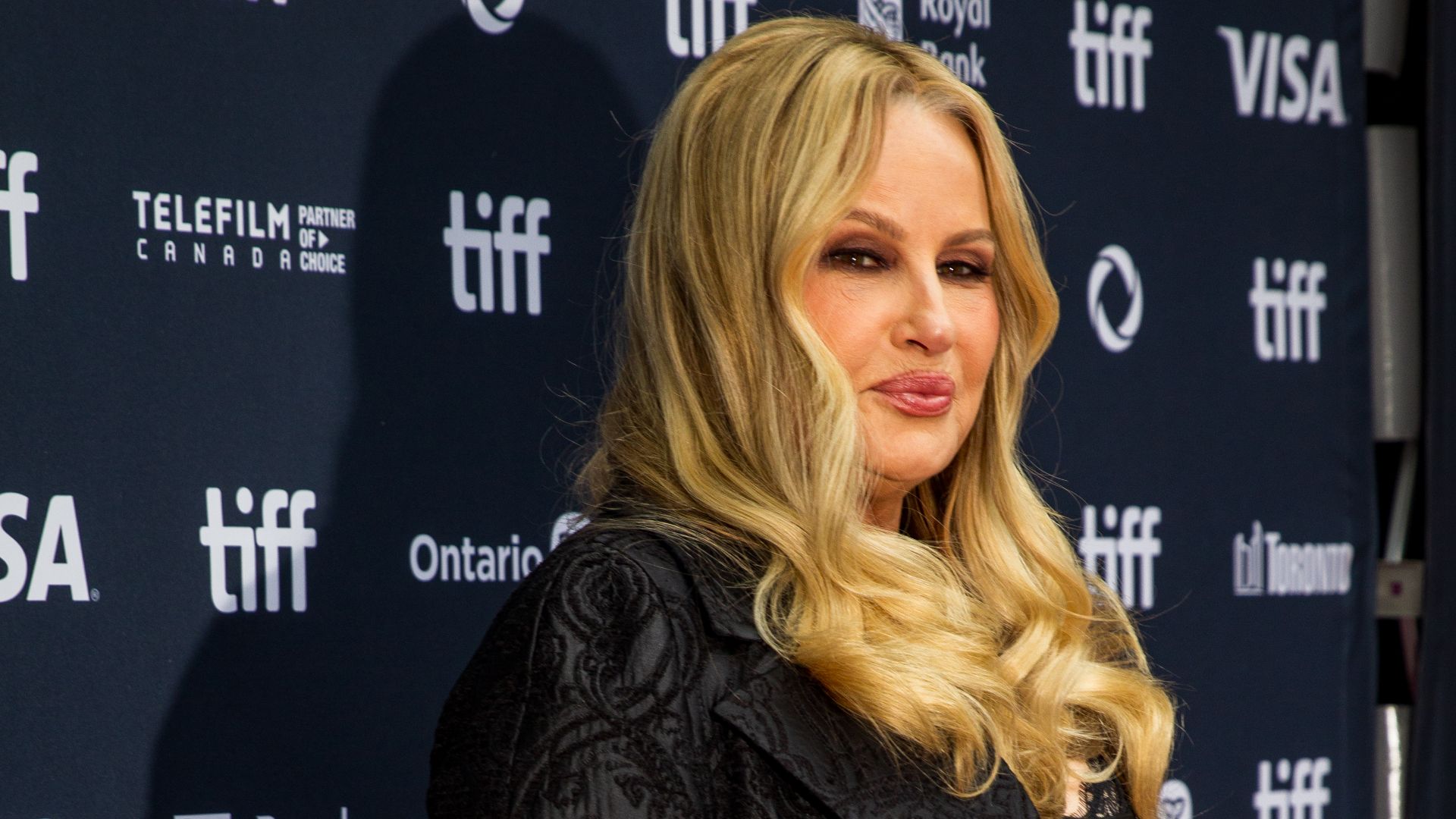
Jennifer Coolidge Became Unavoidable With The White Lotus
Jennifer Coolidge had been a cult favorite for years, but The White Lotus turned her into an awards-dominating star. As Tanya McQuoid, she was absurd, lonely, rich, tragic, and hilarious all at once. Coolidge won major awards for the role, including Emmys for both seasons she appeared in. Her television comeback became one of the most satisfying Hollywood stories of the decade.
 Adam Chitayat, Wikimedia Commons
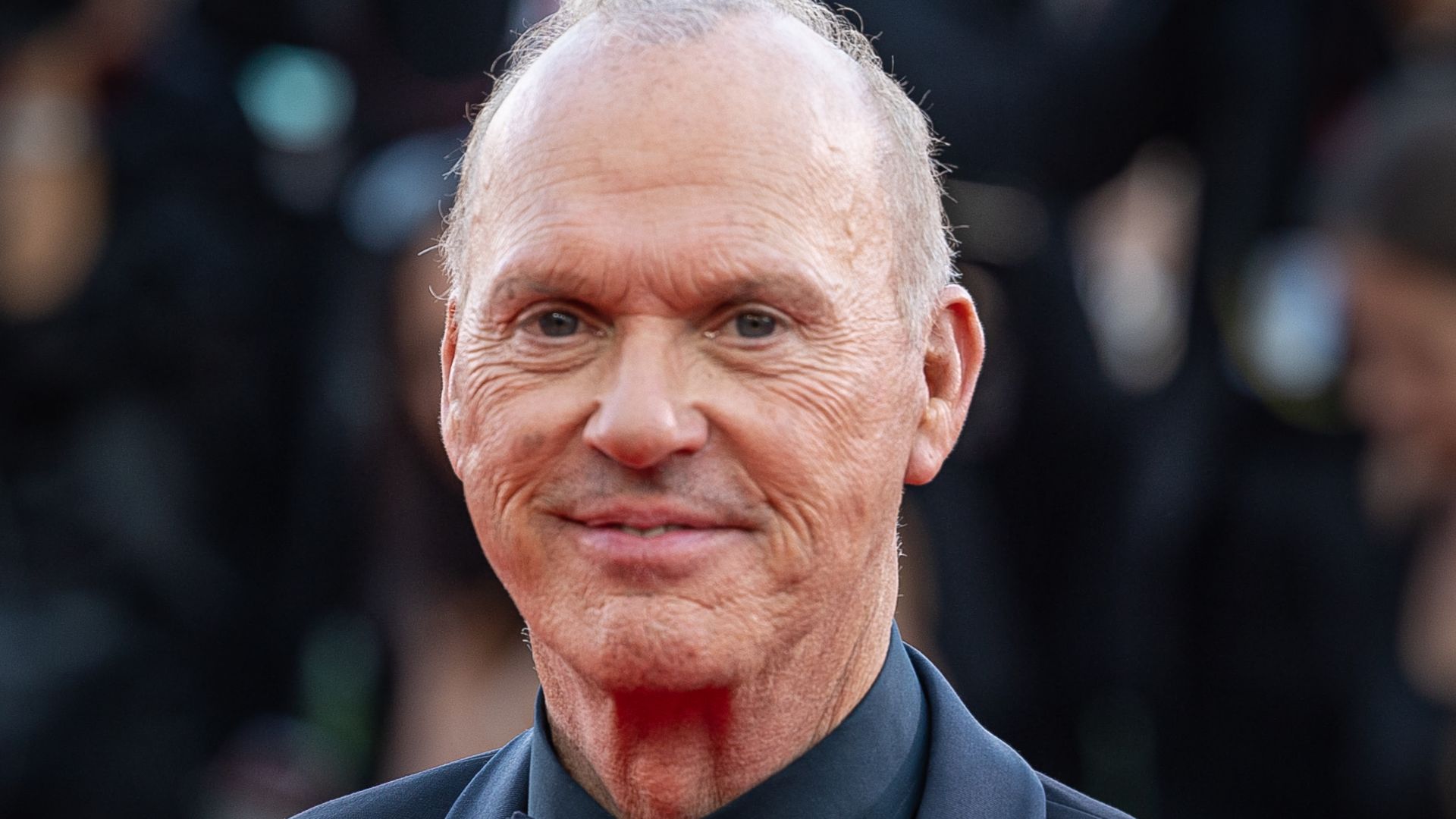
Michael Keaton Found His Fire In Dopesick
Michael Keaton had already returned to prestige film work with Birdman and Spotlight, but Dopesick gave him a major television triumph. He played Dr Samuel Finnix in Hulu’s opioid-crisis drama, and the role won him the Emmy for Outstanding Lead Actor in a Limited or Anthology Series or Movie. It proved that Keaton could still carry a serious, painful story with the same intensity that made him a star. Television did not just welcome him back, it handed him one of the biggest awards of his career.
 Harald Krichel, Wikimedia Commons
Winona Ryder Turned Stranger Things Into A Resurrection
Winona Ryder was already an icon from films like Beetlejuice, Heathers, and Reality Bites, but her career had quieted down by the 2000s. Then Stranger Things cast her as Joyce Byers, a frantic mother trying to save her missing son. The Netflix series became a global phenomenon, and Ryder’s performance reminded audiences how emotionally powerful she could be. Suddenly, one of the great stars of the 1990s felt essential again.
 Karon Liu from Toronto, Canada, Wikimedia Commons
Jessica Lange Became A Horror Queen
Jessica Lange had two Oscars before American Horror Story, but Ryan Murphy’s anthology series introduced her to a new generation. Her roles in the early seasons were glamorous, cruel, wounded, and completely magnetic. Lange won major awards for the series, including Emmys for Murder House and Coven. Television turned a legendary film actress into a modern cult icon.

Jason Bateman Escaped Child-Star Limbo
Jason Bateman had been famous since his teen years, but adult stardom was not guaranteed. Arrested Development changed everything by casting him as Michael Bluth, the dry, exhausted center of a ridiculous family. The role rebuilt his reputation as one of comedy’s sharpest straight men. Years later, Ozark pushed him even further by showing how dark and controlled he could be.
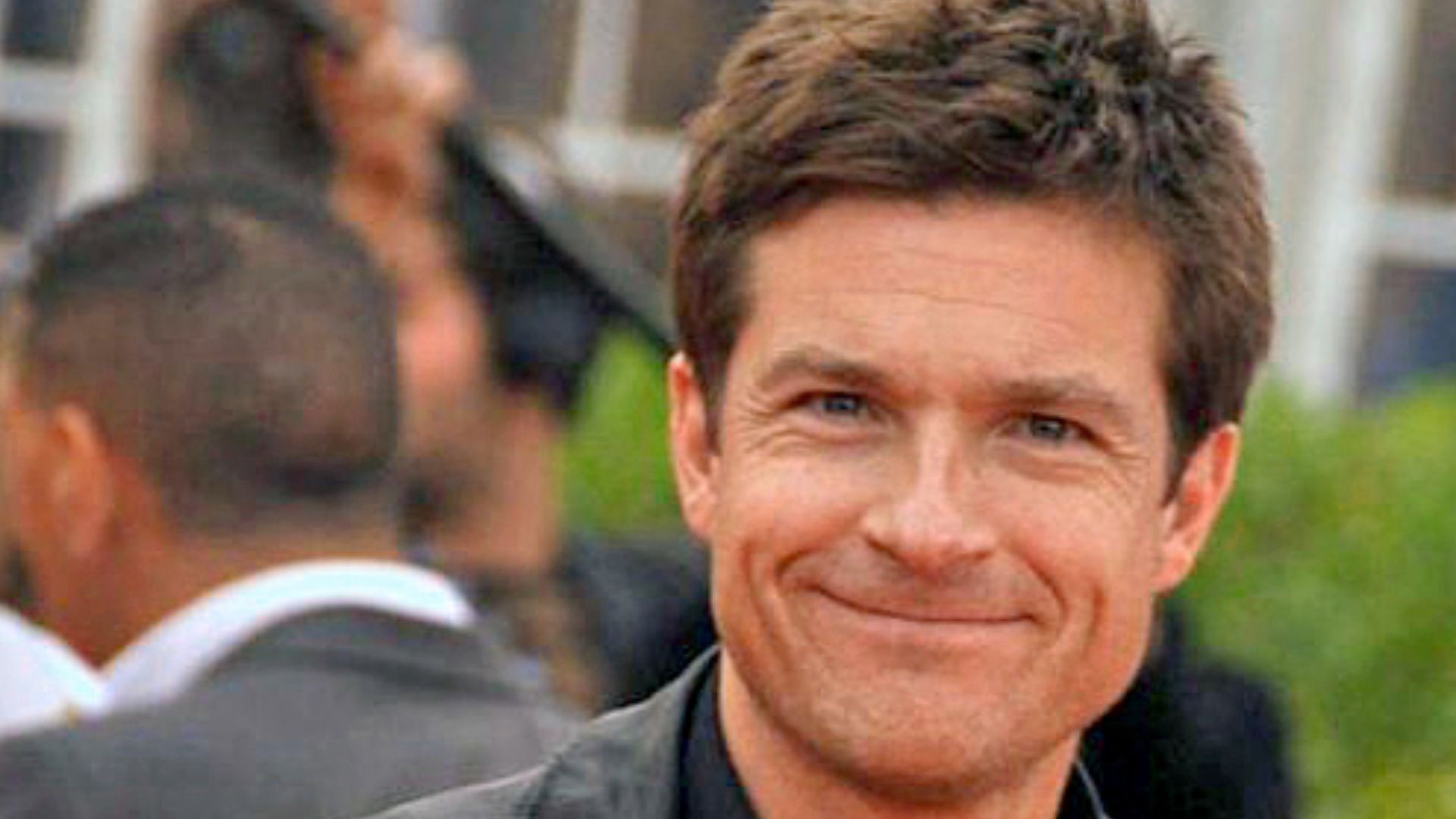 Georges Biard, Wikimedia Commons
Brendan Fraser Started The Brenaissance On TV
Brendan Fraser’s comeback is often connected to The Whale, but television helped warm audiences up first. On Doom Patrol, he voiced Cliff Steele, also known as Robotman, a broken man trapped inside a mechanical body. The role let Fraser be funny, wounded, angry, and tender without needing a traditional leading-man comeback vehicle. It was one of the first major sparks of the Brenaissance.
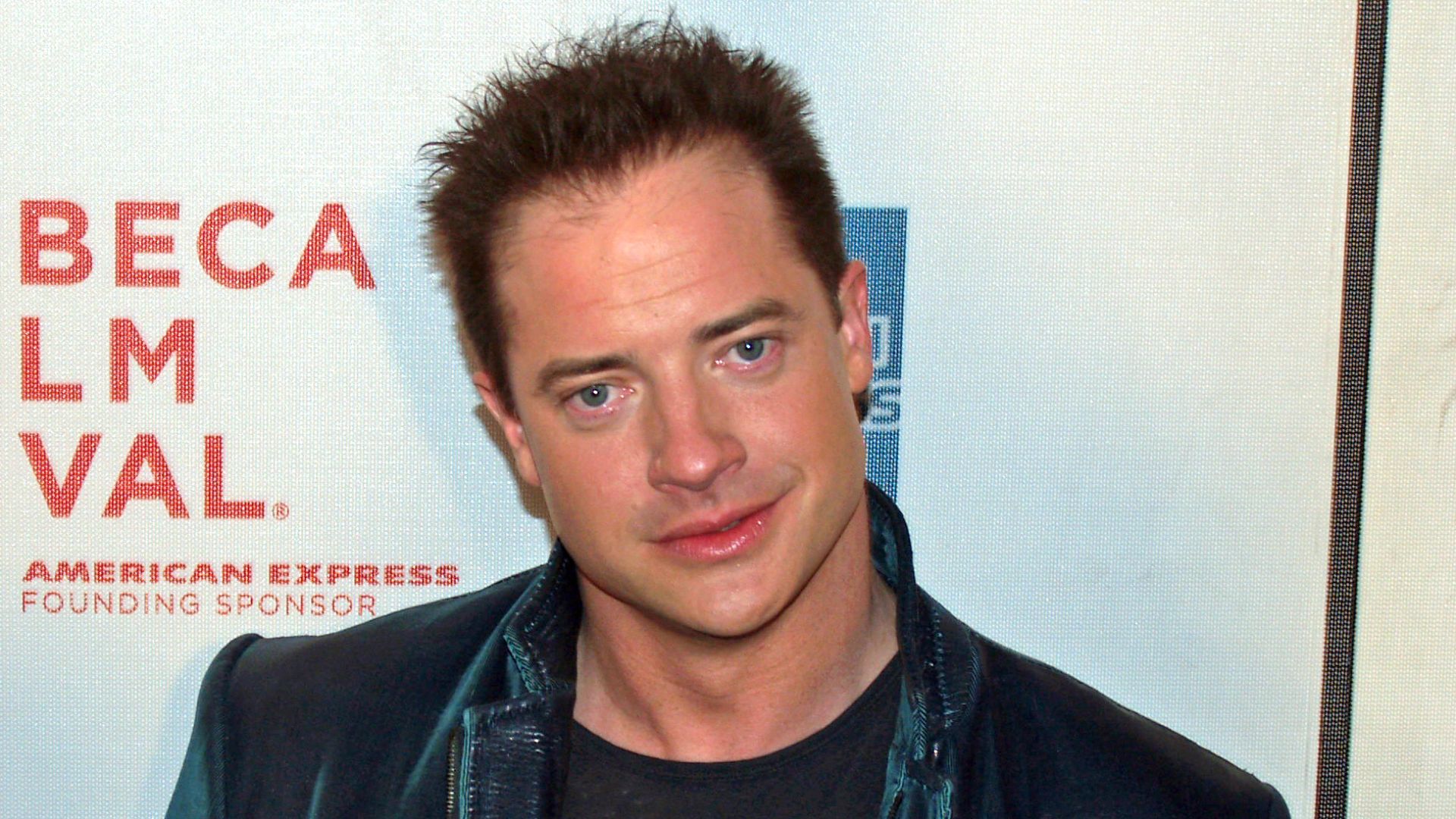 David Shankbone, Wikimedia Commons
Robert Downey Jr. Made Ally McBeal Electric
Before Iron Man saved his movie career, Robert Downey Jr. had a memorable television comeback on Ally McBeal. He joined the series as lawyer Larry Paul and quickly became one of its most talked-about additions. Downey won a Golden Globe for the role, even though his time on the show ended abruptly after legal troubles. For a brief moment, television reminded Hollywood exactly how charismatic he still was.
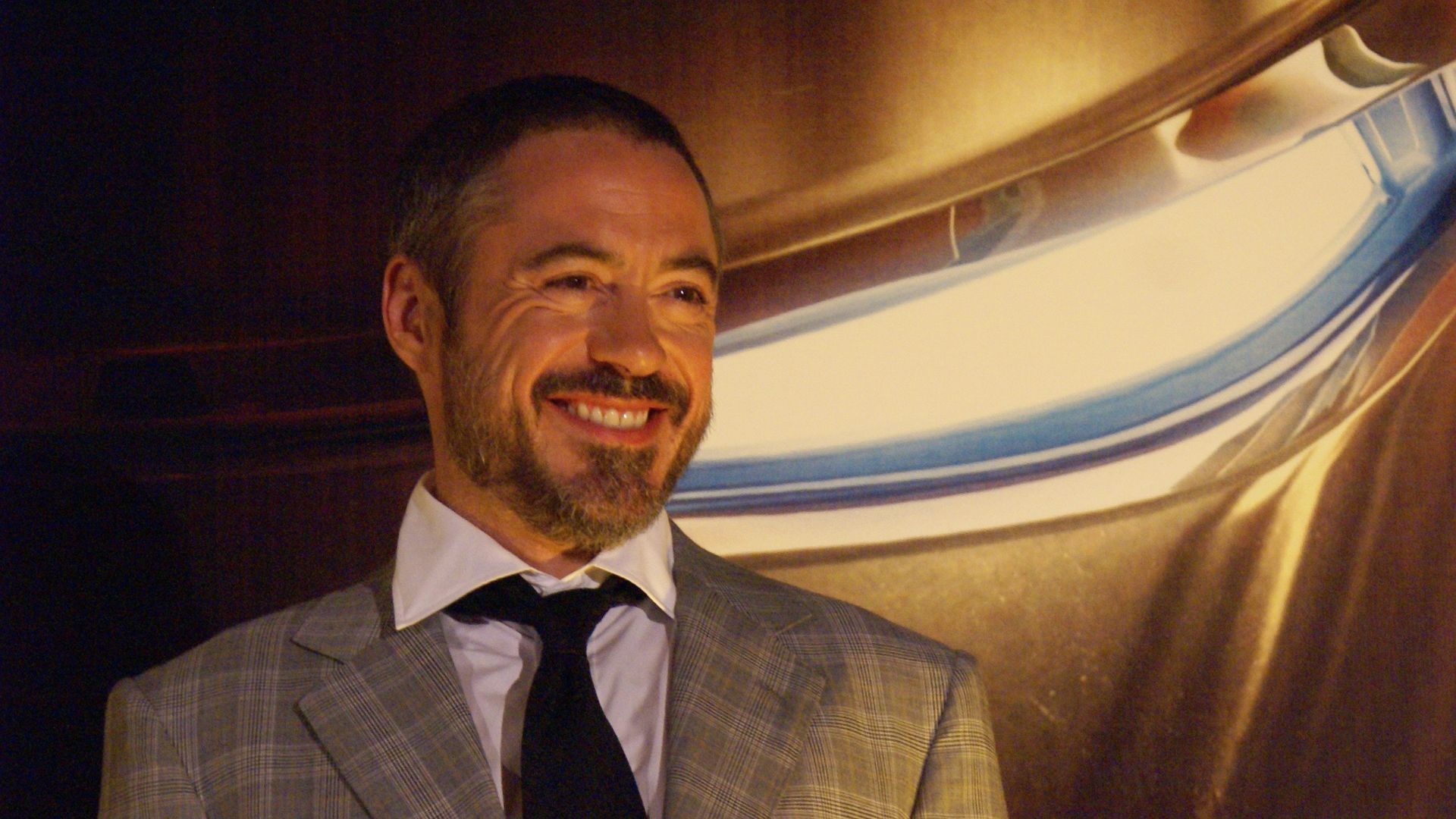 Edgar Meritano, Wikimedia Commons
Alec Baldwin Reinvented Himself On 30 Rock
Alec Baldwin had spent years as a film leading man and character actor before 30 Rock changed his image. As Jack Donaghy, he became a razor-sharp sitcom powerhouse with perfect comic timing. The role won him multiple Emmys and introduced him to viewers who knew him more as a comedy titan than a movie star. It was one of the most successful television reinventions of the 2000s.
 Gage Skidmore from Peoria, AZ, United States of America, Wikimedia Commons
Kiefer Sutherland Became TV’s Most Stressed Hero
Kiefer Sutherland had a long film career before 24, but Jack Bauer made him a television icon. The real-time thriller turned each season into a pressure cooker of terrorism, betrayal, and impossible choices. Sutherland won an Emmy for the role and became the face of one of the defining TV dramas of its era. His comeback did not whisper, it shouted into a cell phone while saving the world.
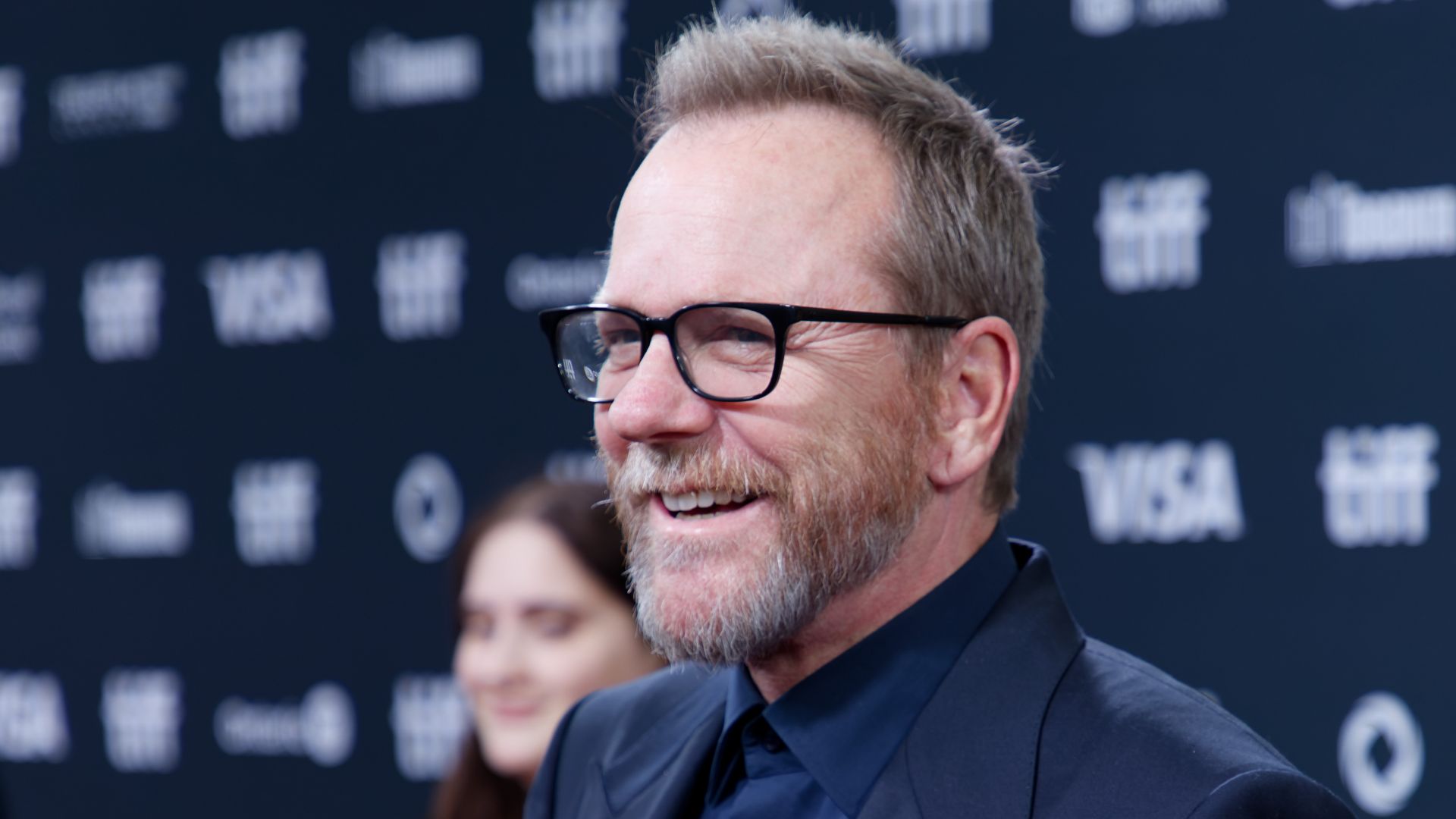 Kevin Payravi, Wikimedia Commons
Michael J. Fox Returned With Spin City
Michael J. Fox became a household name through Family Ties and Back To The Future, then made a major television return with Spin City. He played deputy mayor Mike Flaherty, bringing warmth and speed to the political sitcom. Fox won an Emmy for the role before leaving the series after publicly sharing his Parkinson’s diagnosis. His comeback showed how deeply audiences still loved him.
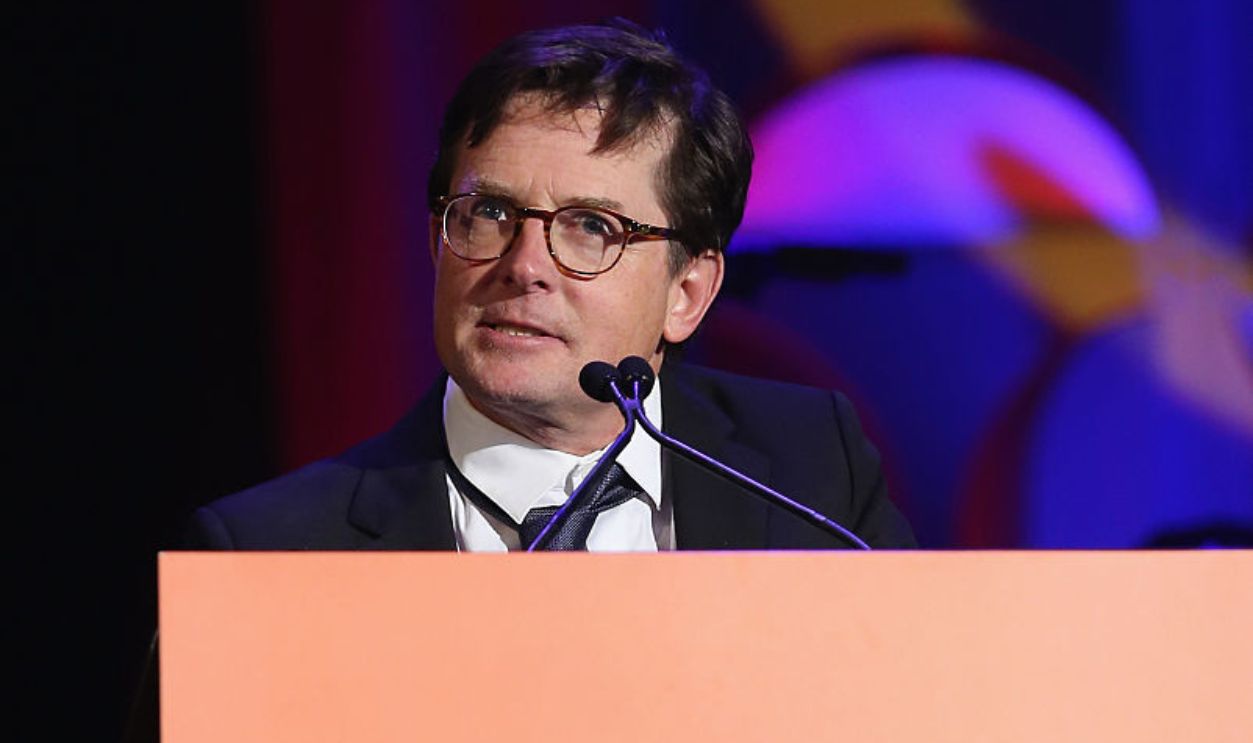 Neilson Barnard/MJF2014, Getty Images
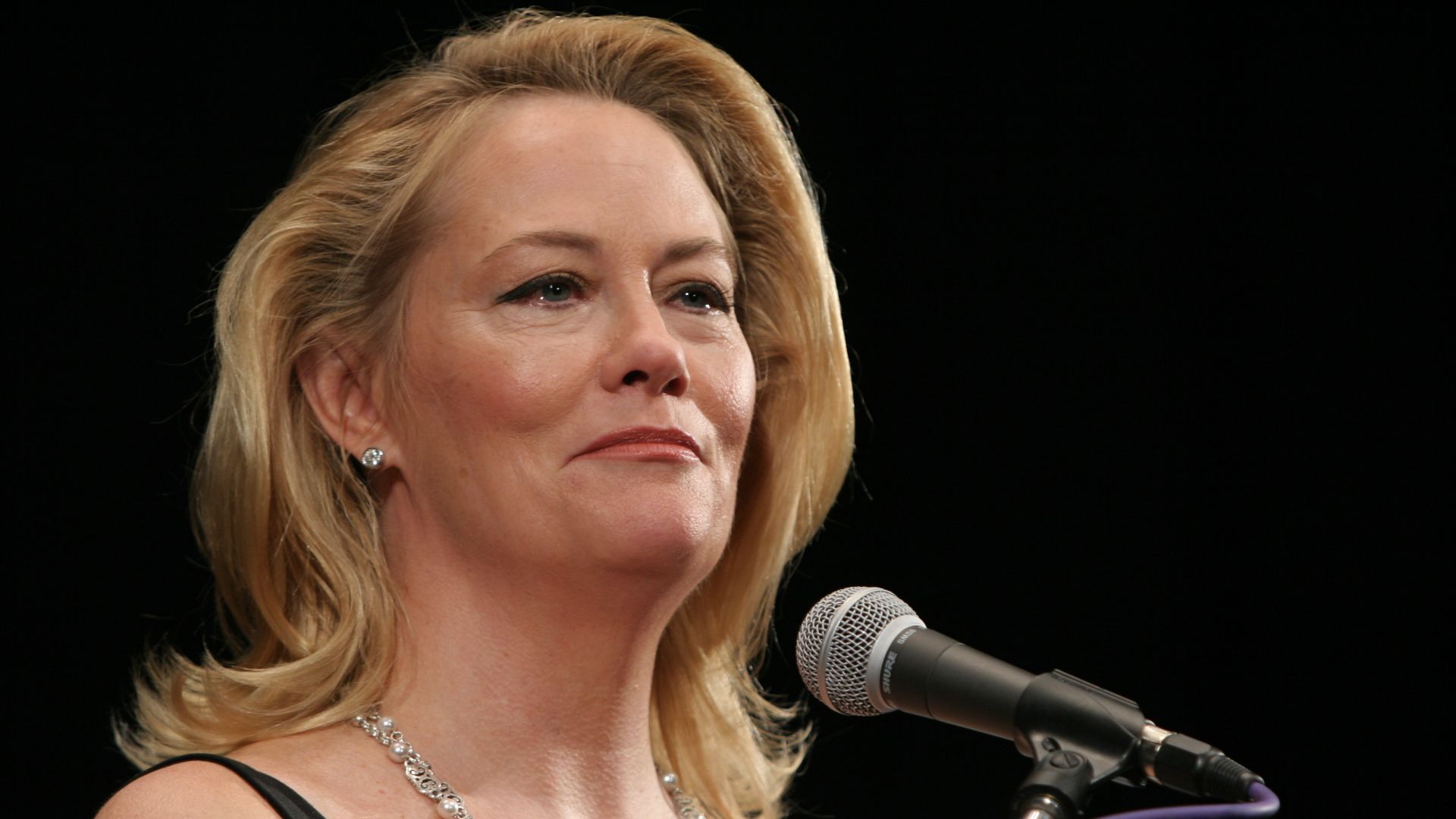
Cybill Shepherd Found A Second Act In Moonlighting
Cybill Shepherd was already known for films like The Last Picture Show and Taxi Driver when Moonlighting came along. As Maddie Hayes, she sparred with Bruce Willis in a romantic detective comedy full of banter and chaos. The show became a major hit and gave Shepherd one of the signature roles of her career. Television turned her from a former movie star into appointment viewing.
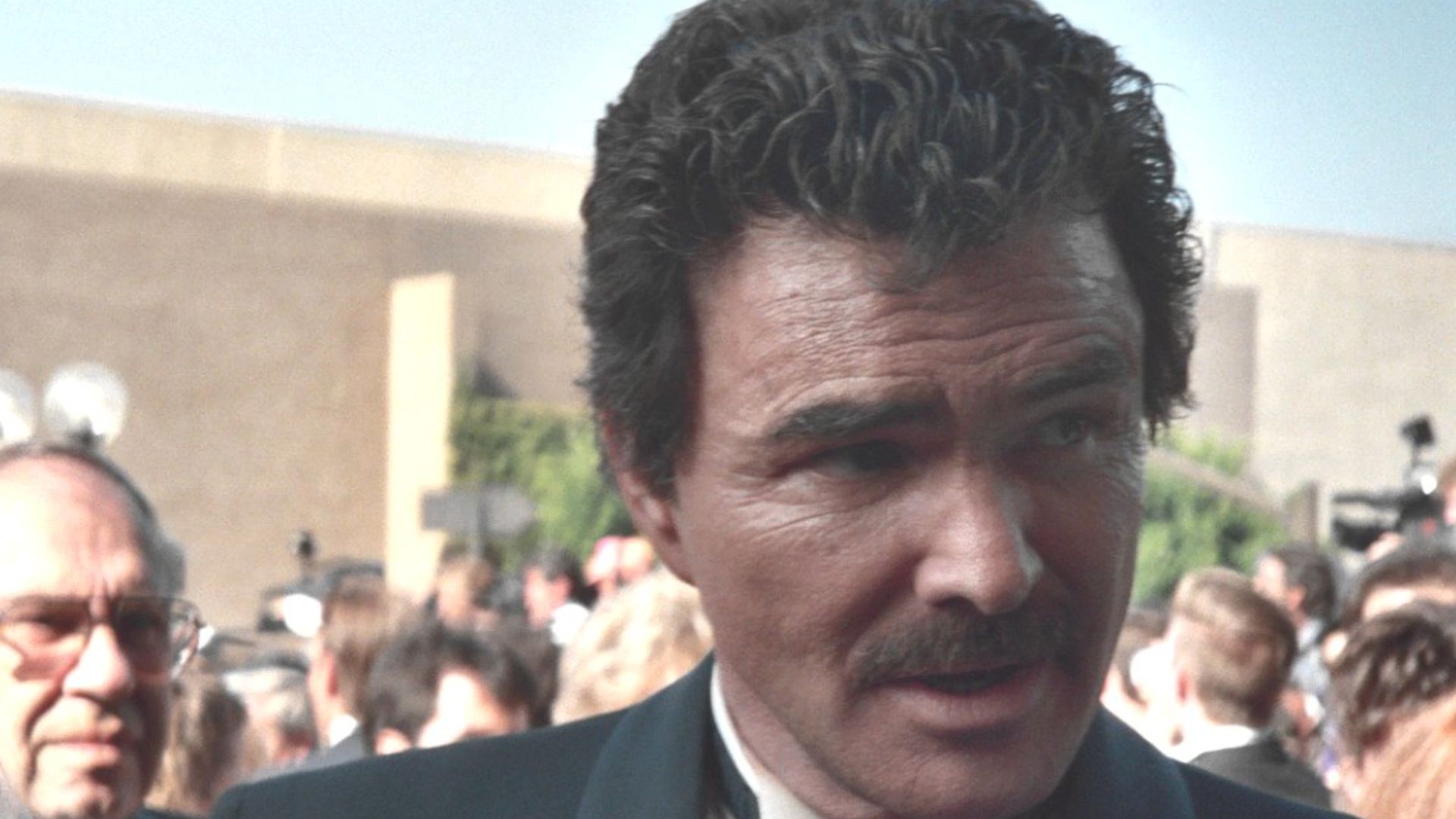
Burt Reynolds Won Again With Evening Shade
Burt Reynolds was one of the biggest movie stars of the 1970s, but his career had cooled by the time Evening Shade premiered. The sitcom cast him as Wood Newton, a former football player coaching in a small Arkansas town. Reynolds won an Emmy for the role, giving him a high-profile television victory. It was a warm, charming comeback for a star who had once ruled the box office.
Sally Field Found New Power In Brothers And Sisters
Sally Field had already conquered television and film, but Brothers And Sisters gave her a major late-career TV showcase. As Nora Walker, she played a mother holding together a complicated family full of secrets and grief. Field won an Emmy for the role, adding another major award to an already remarkable career. Television gave her a new platform for the emotional honesty she does best.
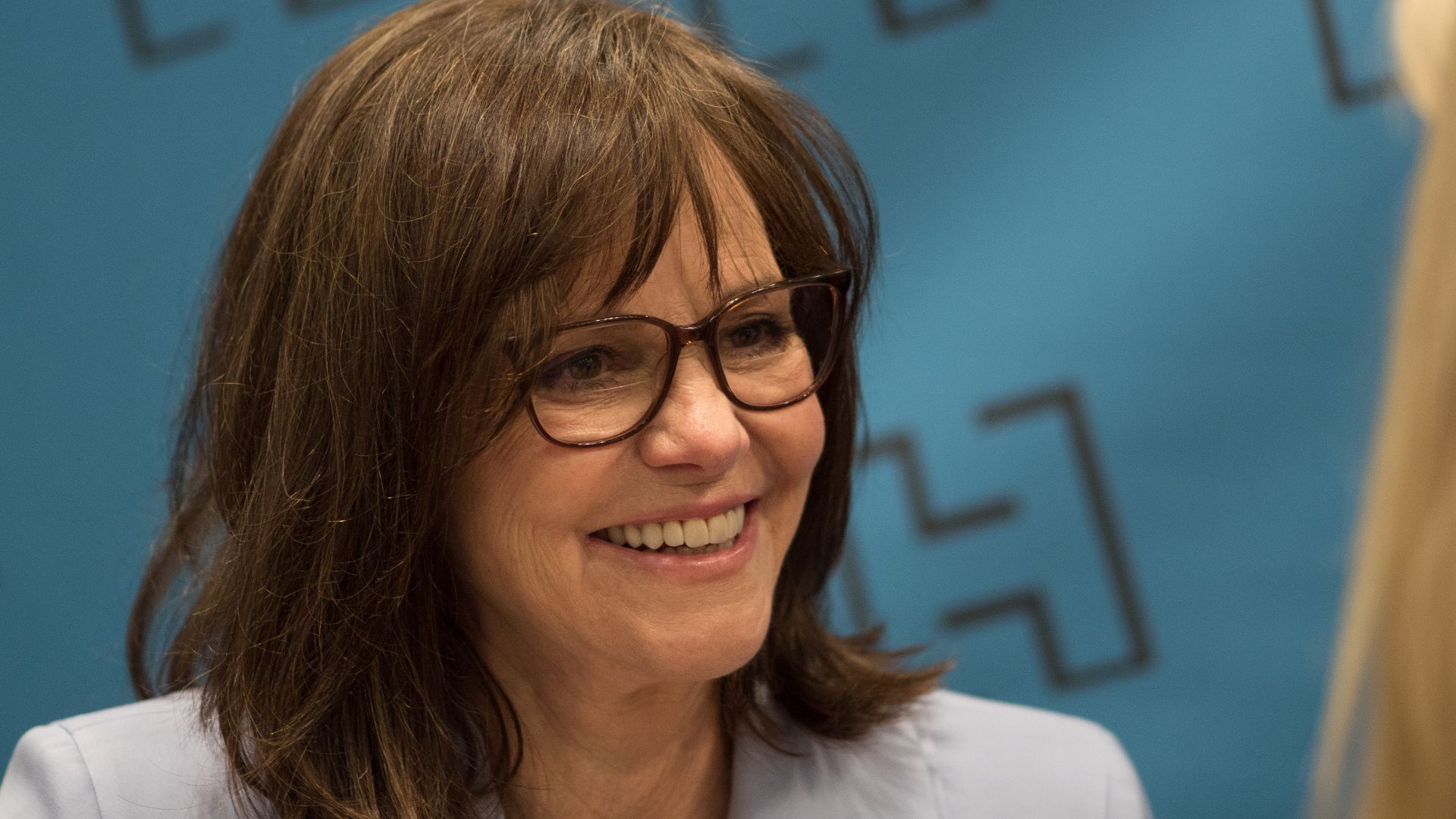 Rhododendrites, Wikimedia Commons
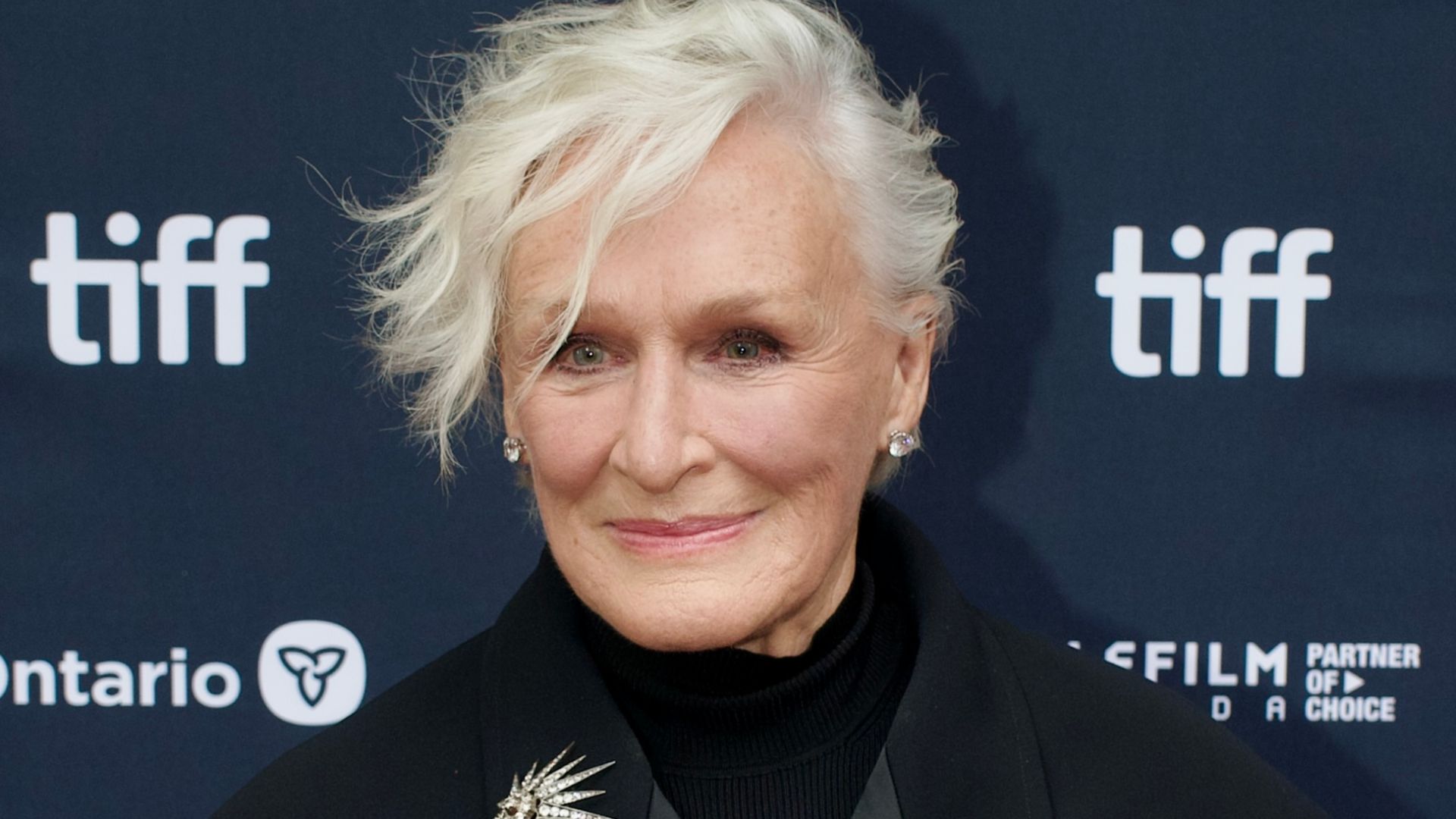
Glenn Close Took Her Steel To Damages
Glenn Close had long been one of film’s most commanding actresses, but Damages gave her a rare television role worthy of her force. She played Patty Hewes, a brilliant and ruthless lawyer who could destroy enemies with a smile. Close won two Emmys for the performance. The series proved that prestige TV could give veteran film stars characters as sharp as anything in the movies.
 Max Surprenant, Wikimedia Commons
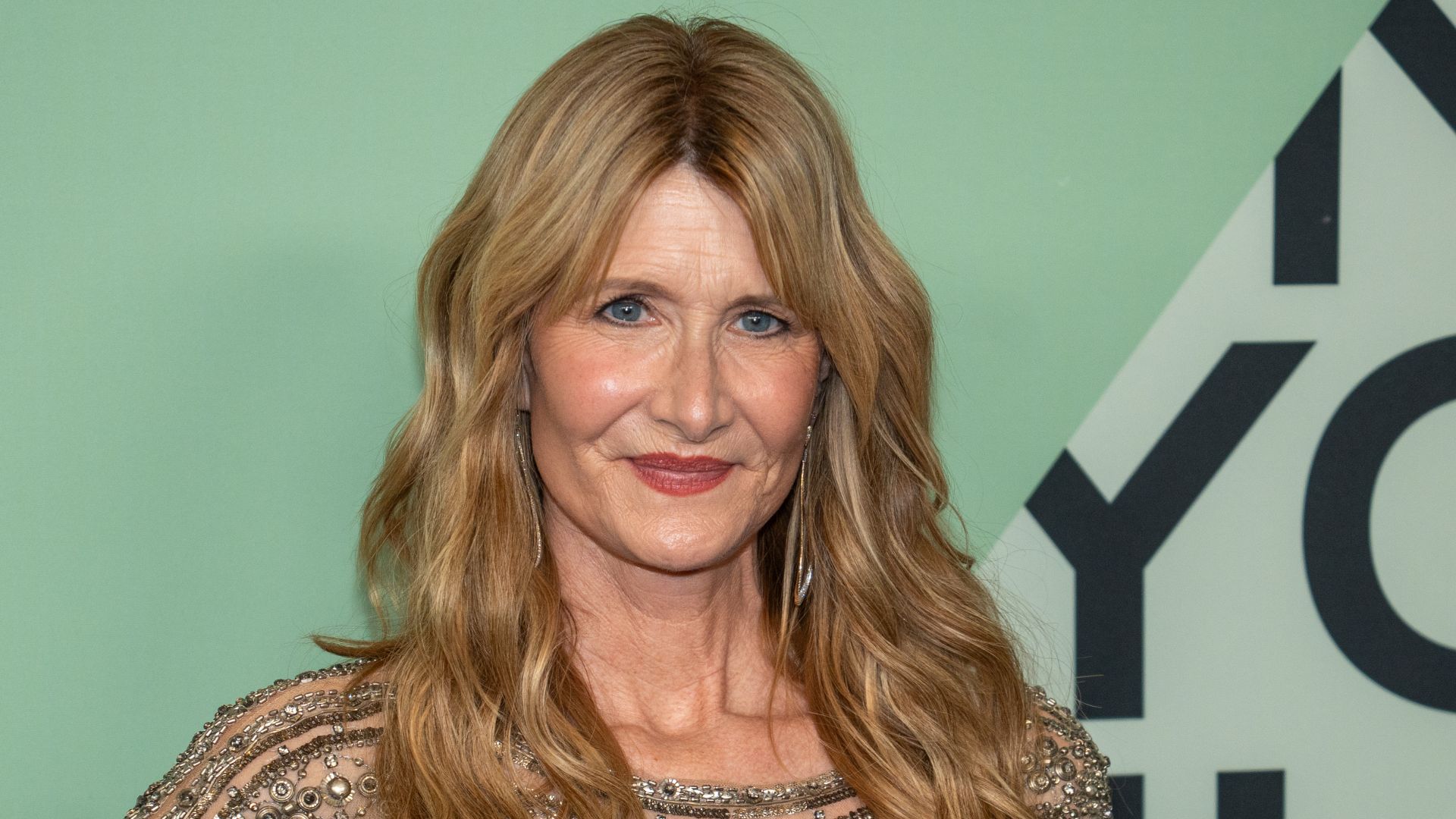
Laura Dern Found A New Groove On TV
Laura Dern never disappeared, but television helped give her career a powerful new rhythm. Enlightened showed her fearless comic and dramatic range, and Big Little Lies later turned her into a meme-friendly awards-season force. Her role as Renata Klein won her an Emmy and became one of the show’s most memorable performances. TV gave Dern room to be messy, furious, funny, and completely unforgettable.
 Bryan Berlin, Wikimedia Commons
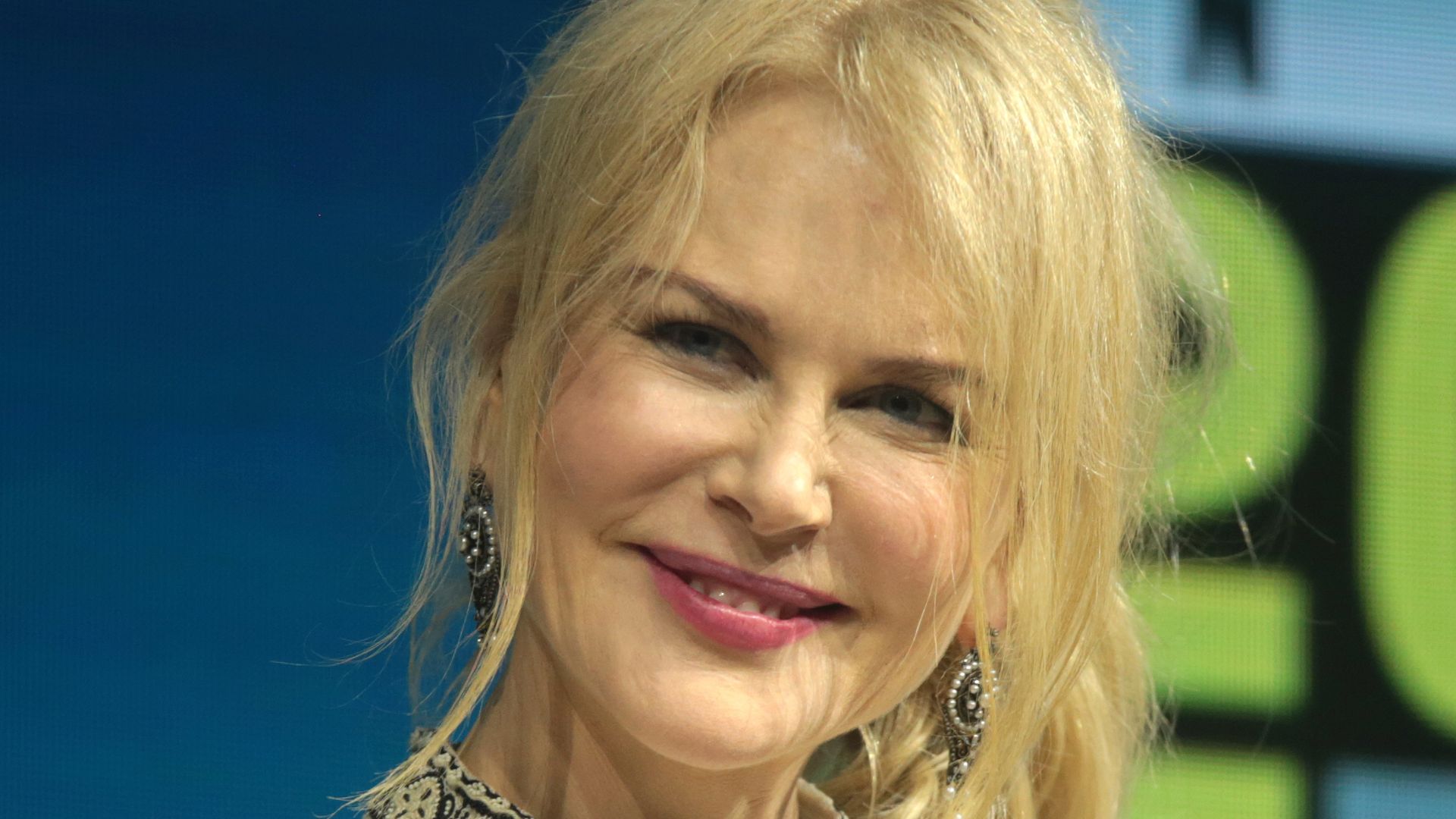
Nicole Kidman Made Prestige TV Glamorous
Nicole Kidman had already won an Oscar before Big Little Lies, but the HBO series gave her one of her most acclaimed later roles. As Celeste Wright, she played a woman trapped in an abusive marriage with devastating restraint. Kidman won an Emmy for the performance and helped confirm that prestige television had become a true home for major movie stars. Her comeback was not about returning from obscurity, but about finding fresh power in a new format.
 Gage Skidmore, Wikimedia Commons
Reese Witherspoon Built A TV Empire
Reese Witherspoon was already a film star, but Big Little Lies helped reshape her career as both performer and producer. She played Madeline Martha Mackenzie, a sharp-tongued mother hiding pain beneath perfection. The show became a major success and helped Witherspoon’s company, Hello Sunshine, become a major force in television. Her comeback was also a takeover.

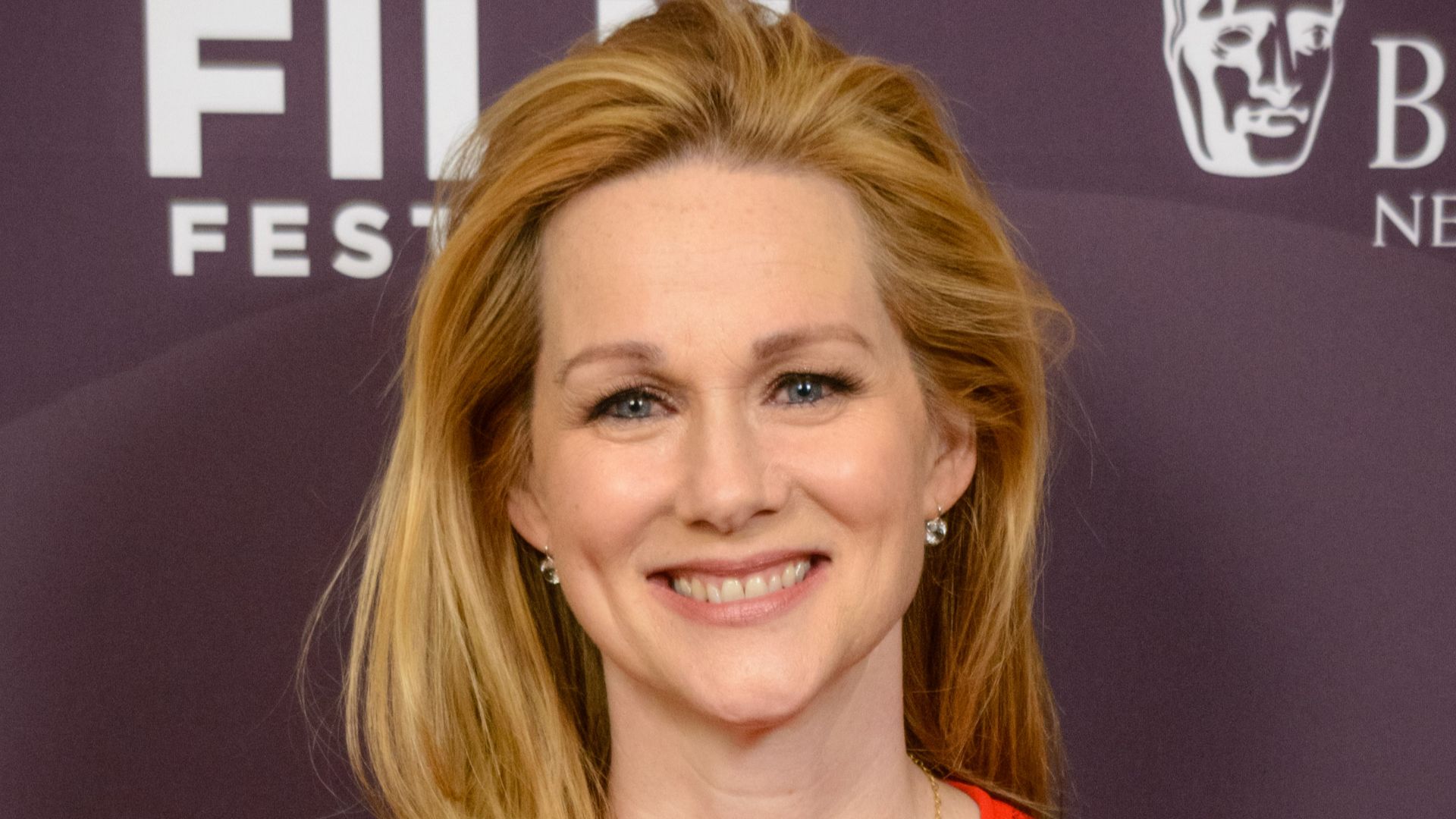
Laura Linney Went Dark With Ozark
Laura Linney had a respected film and stage career before Ozark, but the Netflix crime drama gave her a ferocious new television identity. As Wendy Byrde, she moved from anxious political wife to ruthless power player. The performance earned major awards attention and helped make the show one of Netflix’s signature dramas. Linney did not simply join a hit show, she helped make it dangerous.
 Montclair Film Festival, Wikimedia Commons
Claire Danes Reclaimed The Spotlight With Homeland
Claire Danes had been famous since My So-Called Life and Romeo + Juliet, but Homeland gave her an adult career-defining role. As Carrie Mathison, she played a brilliant CIA officer whose instincts and mental health struggles drove the story. Danes won multiple Emmys for the performance. Television gave her a role as intense and complicated as any film part could have been.
 David Shankbone, Wikimedia Commons
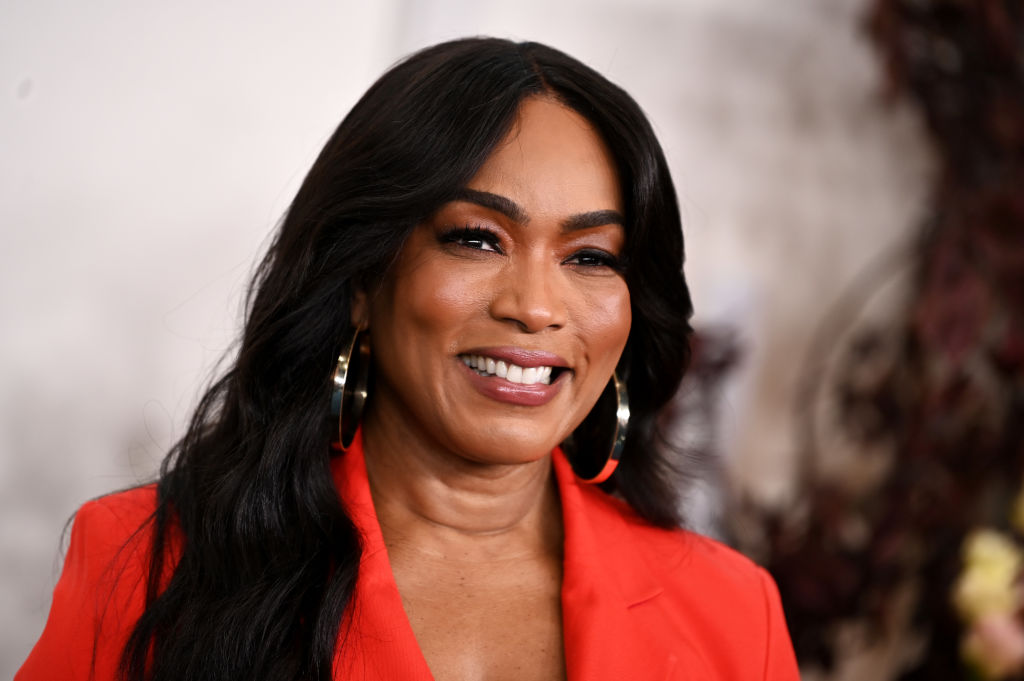
Angela Bassett Found A New Mainstream Hit With 9-1-1
Angela Bassett has been a powerhouse for decades, but 9-1-1 gave her a major network-TV platform. As Athena Grant, she brought authority, warmth, and gravity to a first-responder drama built around disasters and emotional stakes. The show became one of Fox’s biggest scripted hits before moving to ABC. Bassett’s television run proved that a veteran film star could still anchor a mainstream crowd-pleaser.
 Kristina Bumphrey, Getty Images
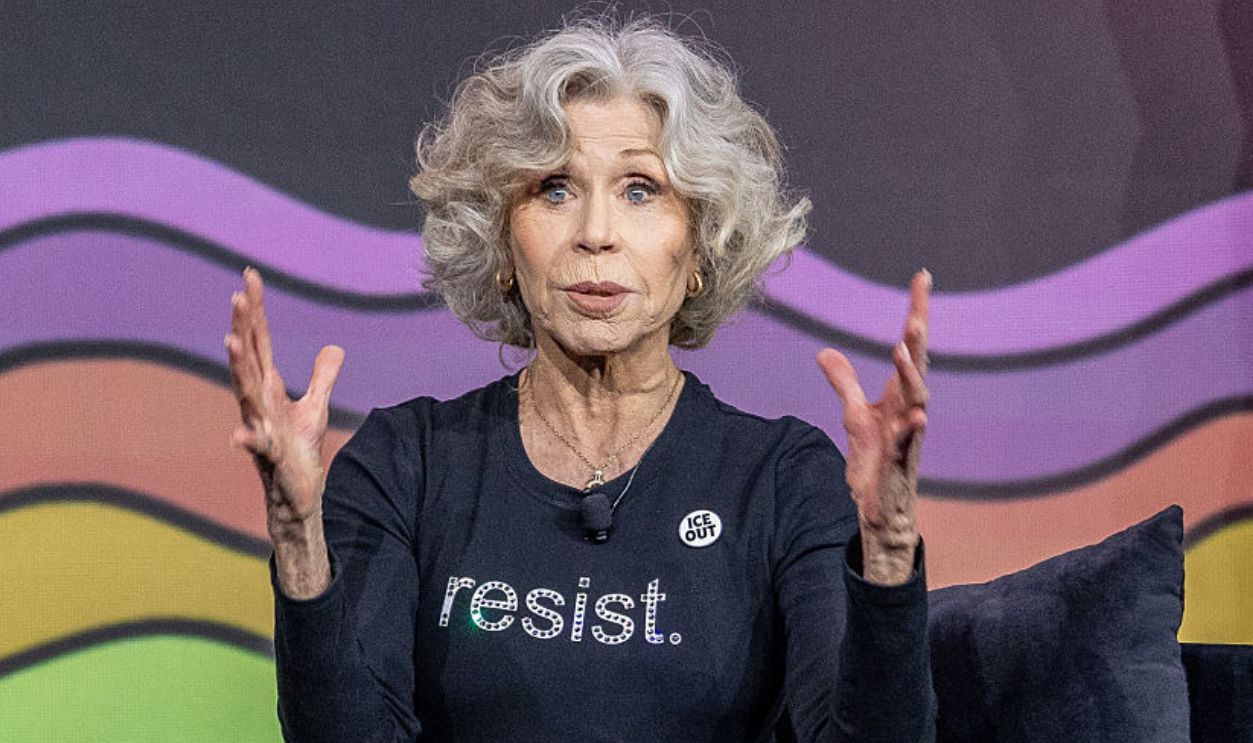
Jane Fonda Charmed A New Generation
Jane Fonda was already Hollywood royalty before Grace And Frankie, but the Netflix comedy gave her a beloved late-career hit. She played Grace Hanson opposite Lily Tomlin’s Frankie, and their chemistry powered the show for seven seasons. The series became one of Netflix’s longest-running originals. Fonda’s comeback worked because she leaned into age, friendship, and reinvention instead of pretending time had stopped.
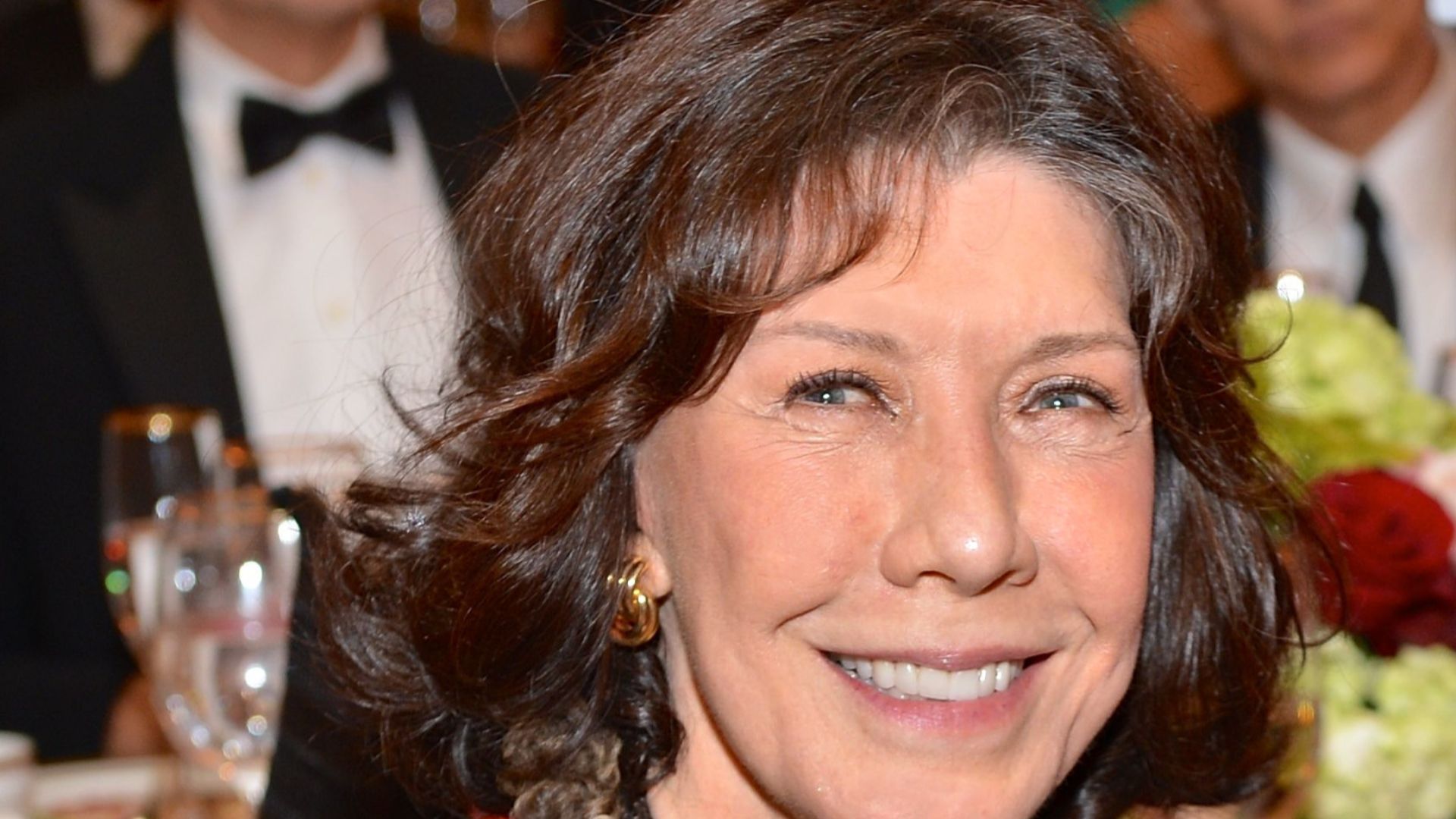
Lily Tomlin Found Her Perfect Partner Again
Lily Tomlin had a legendary comedy career long before Grace And Frankie, but the series brought her back to the center of pop culture. As Frankie Bergstein, she played a free-spirited artist rebuilding her life after a brutal family shake-up. The role earned Tomlin repeated awards attention and paired her beautifully with Jane Fonda. Television gave her another classic character when many stars would have been written off.
 U.S. Department of State, Wikimedia Commons
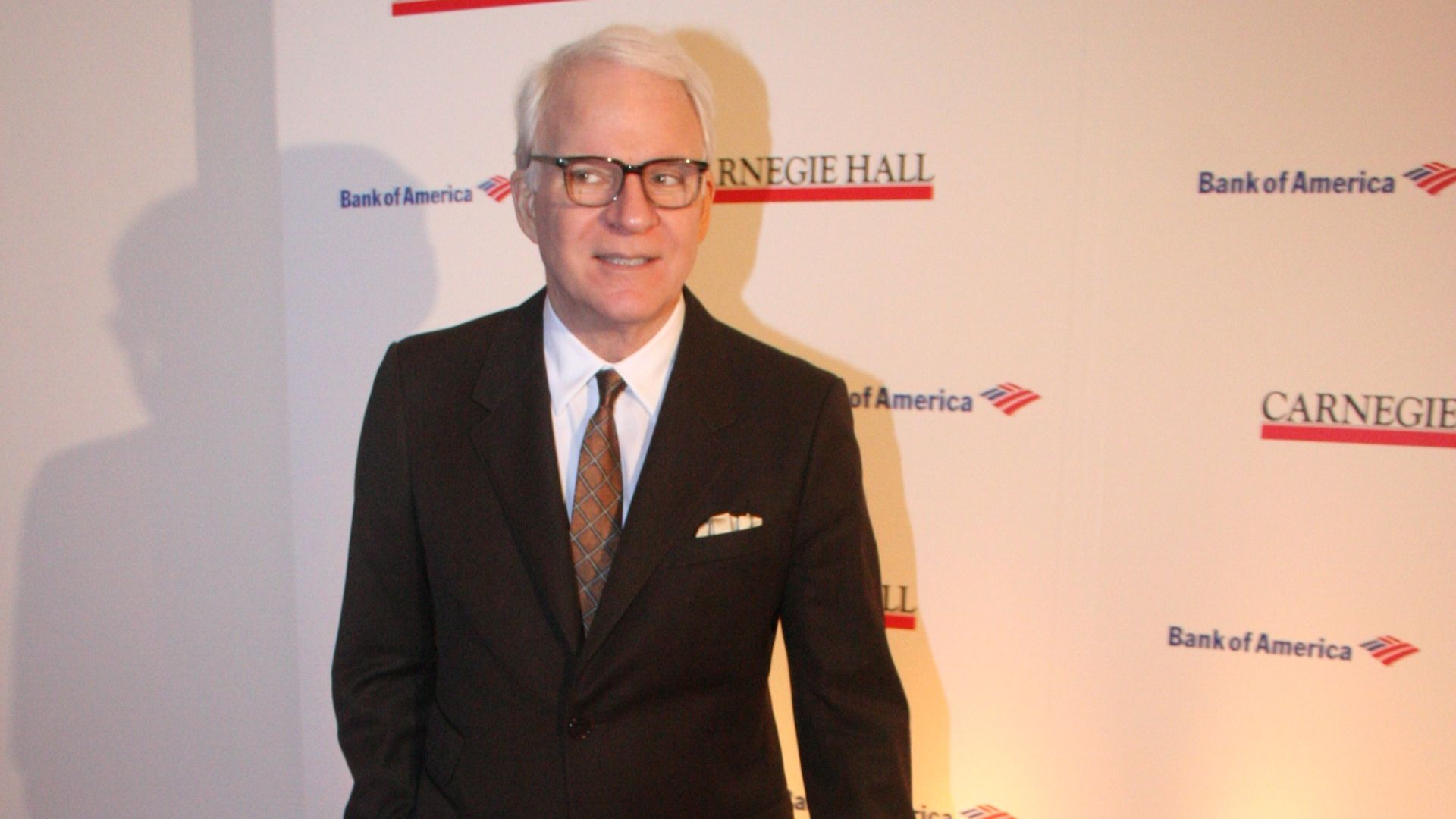
Steve Martin Became A Streaming Sleuth
Steve Martin had mostly stepped away from regular screen acting before Only Murders In The Building. The Hulu comedy cast him as Charles-Haden Savage, a former TV detective solving real murders in his apartment building. The series became a critical and awards favorite, pairing Martin with Martin Short and Selena Gomez. It was a clever comeback because it used Martin’s age, dryness, and oddball timing as strengths.
 Joella Marano from Manhattan, NY, Wikimedia Commons
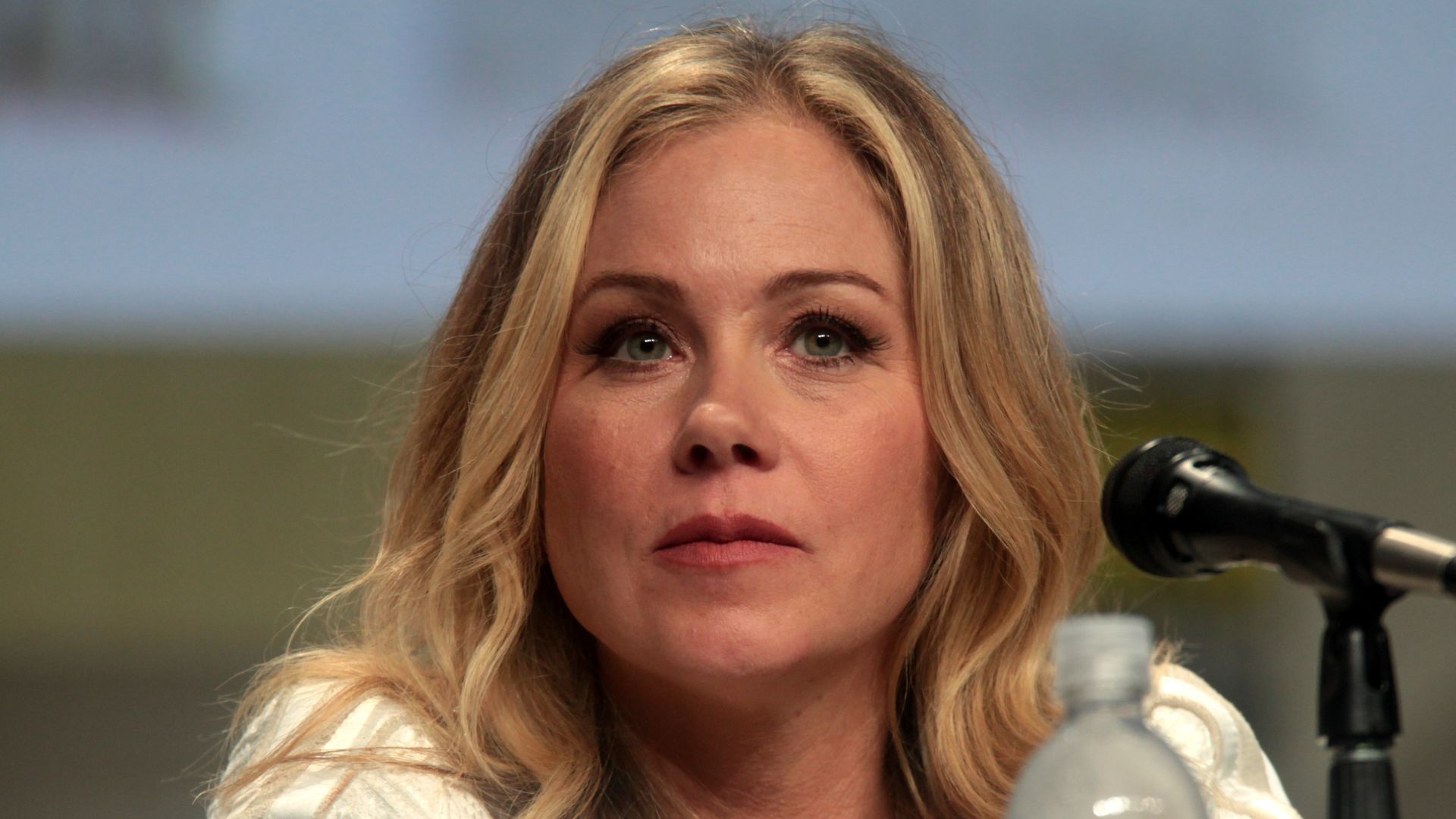
Christina Applegate Returned With Dead To Me
Christina Applegate had already survived the child-star machine and built a long comedy career, but Dead To Me gave her a sharper adult role. As Jen Harding, she mixed grief, rage, sarcasm, and vulnerability in a dark friendship comedy. The Netflix series earned her Emmy nominations and strong reviews. It was a reminder that Applegate could do much more than make people laugh.
 Gage Skidmore, Wikimedia Commons
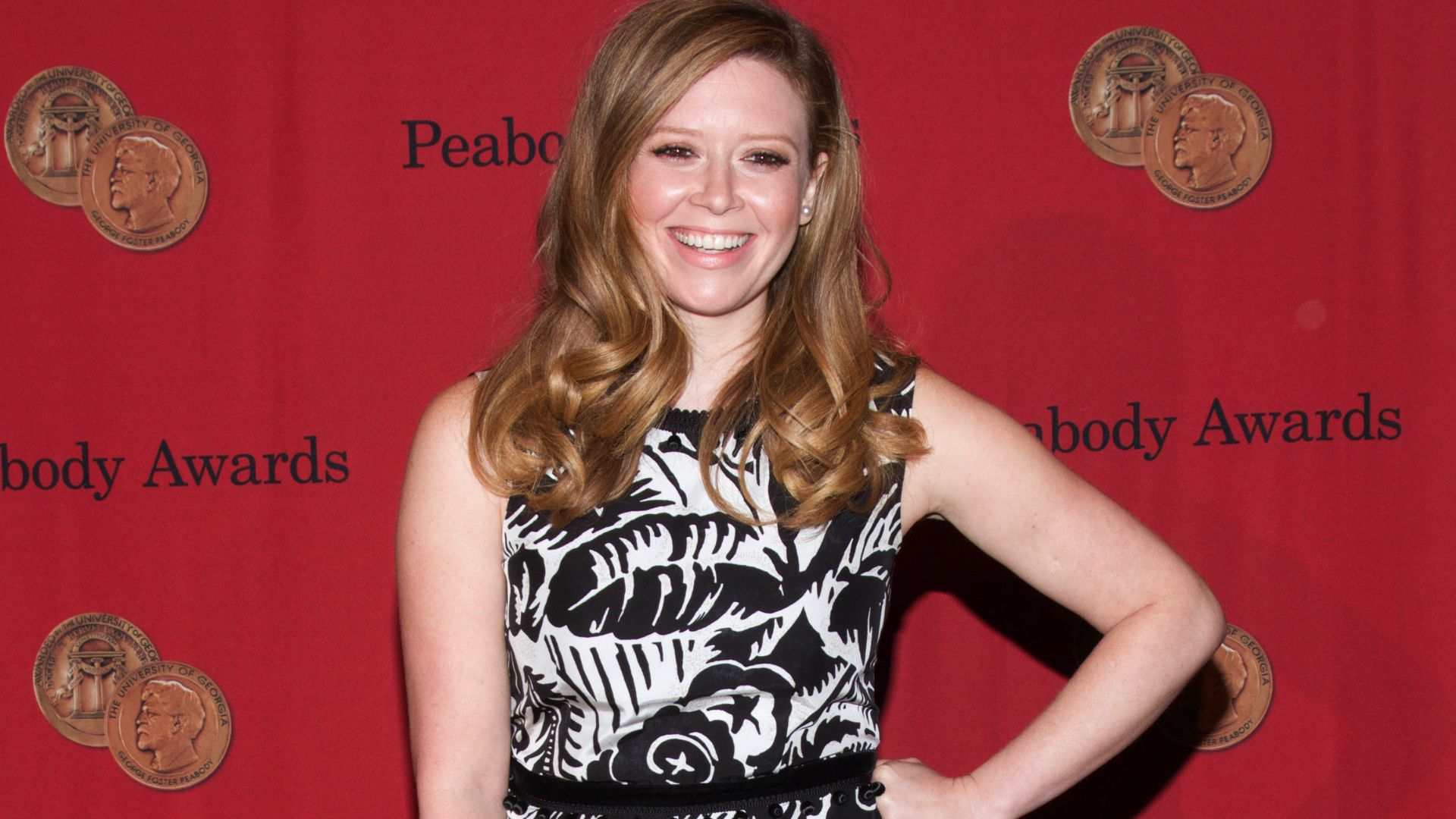
Natasha Lyonne Built Her Own Comeback
Natasha Lyonne had a turbulent period away from the spotlight before television helped bring her back in a big way. Orange Is The New Black reintroduced her to a huge audience, and Russian Doll made her a co-creator, star, and creative force. Her raspy, cynical, bruised charm became the center of a critically acclaimed series. TV did not just revive her career, it let her shape the comeback herself.
 Peabody Awards, Wikimedia Commons
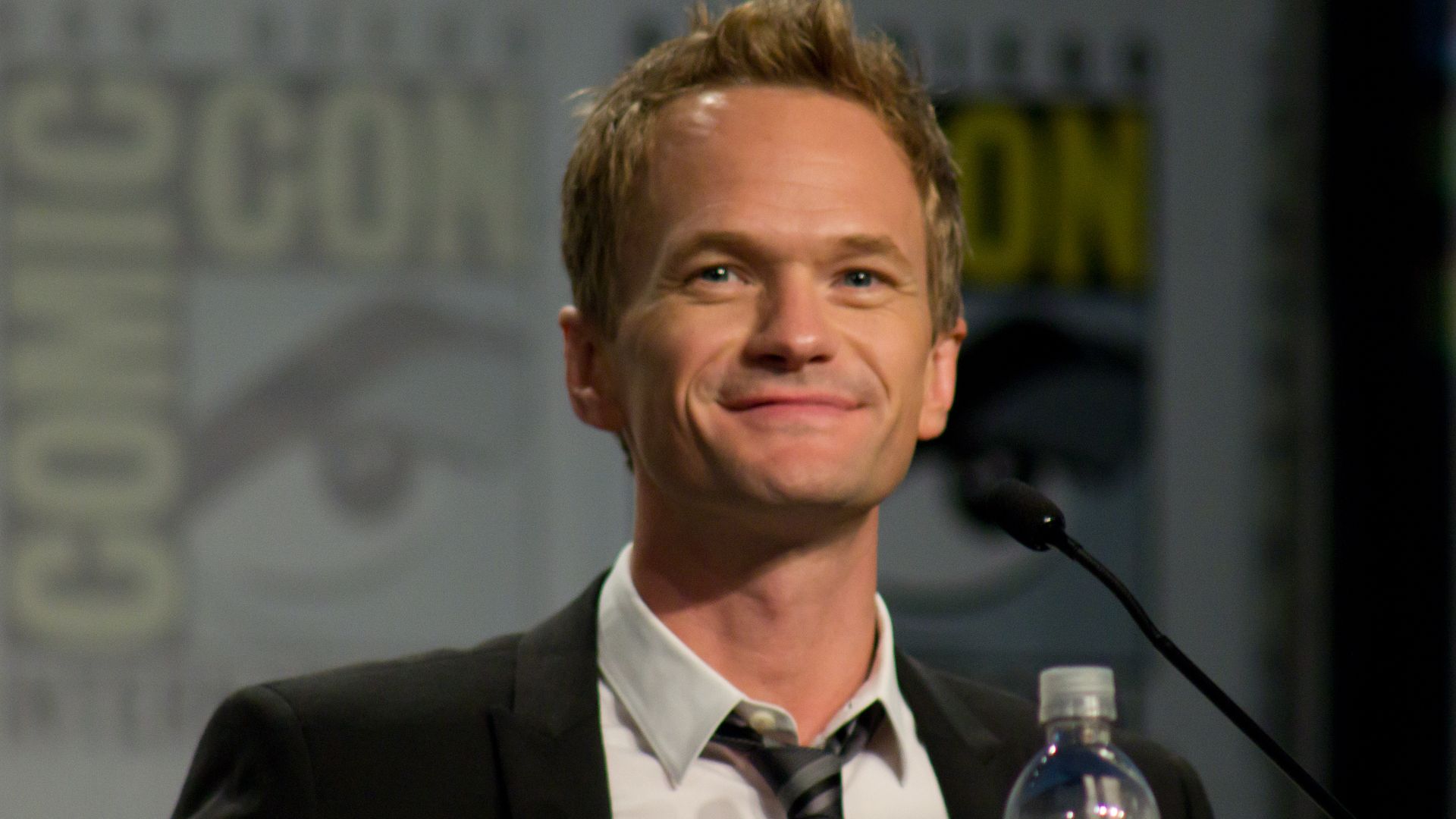
Neil Patrick Harris Escaped Child-Star Typecasting
Neil Patrick Harris became famous young as Doogie Howser, M.D., which could have trapped him forever in one role. How I Met Your Mother changed that by casting him as Barney Stinson, a flashy womanizer with endless catchphrases. The sitcom became a major hit and made Harris a mainstream adult star. It was one of TV’s cleanest examples of a child star rewriting his own image.
 vagueonthehow from Tadcaster, York, England, Wikimedia Commons
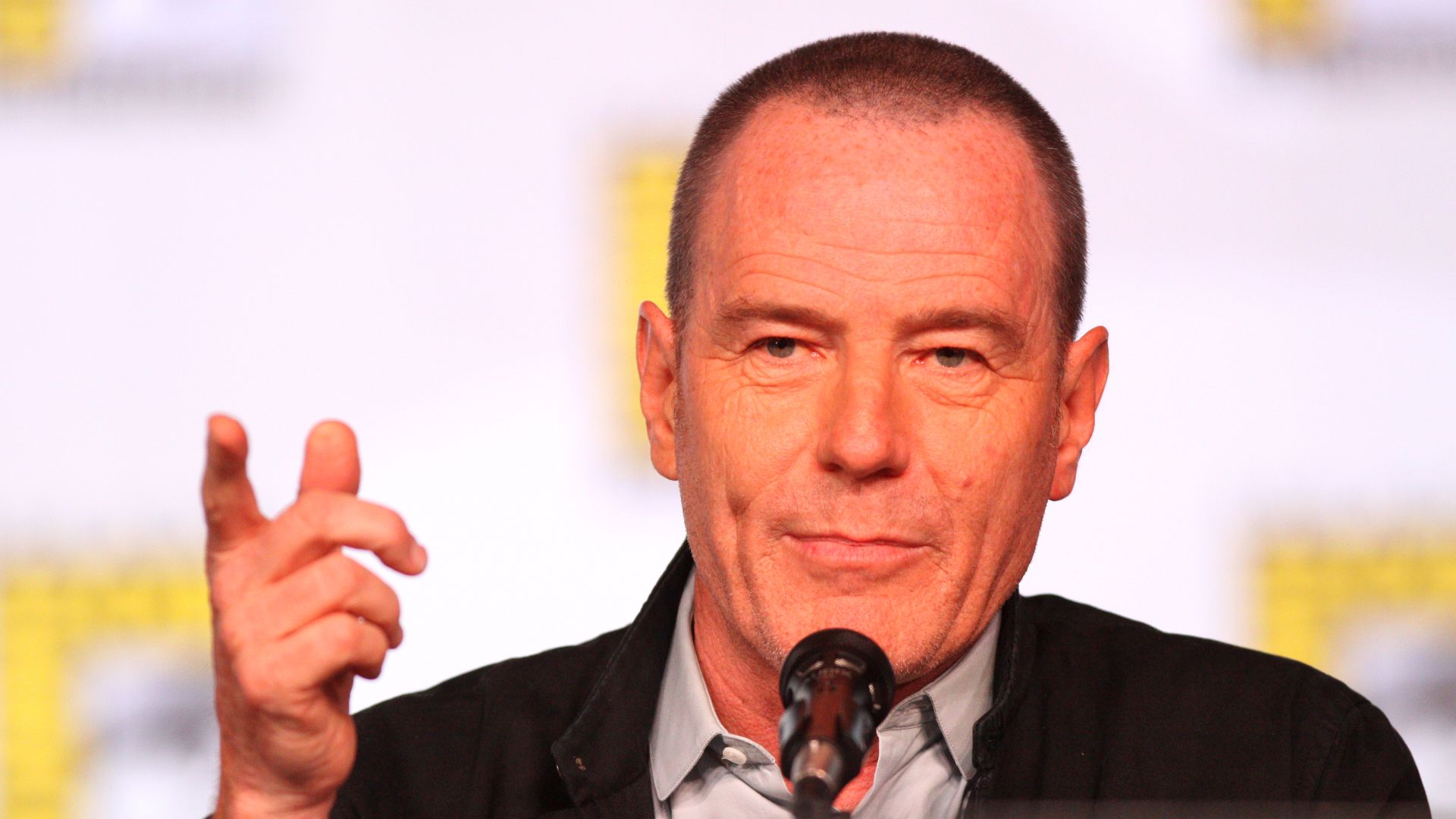
Bryan Cranston Went From Sitcom Dad To Prestige Monster
Bryan Cranston was best known to many viewers as the goofy father on Malcolm In The Middle before Breaking Bad. Then Walter White transformed him into one of the most acclaimed dramatic actors on television. Cranston won multiple Emmys for the role, and the show became a landmark of modern TV drama. His comeback was really a revelation, because audiences realized he had been hiding that darkness in plain sight.
 Gage Skidmore from Peoria, AZ, United States of America, Wikimedia Commons
Bob Odenkirk Became An Unlikely Leading Man
Bob Odenkirk was respected as a comedy writer and performer before Breaking Bad, but Saul Goodman changed his career. The slippery lawyer was so popular that he earned his own spinoff, Better Call Saul. That series turned Odenkirk into a dramatic leading man and brought him major awards recognition. Television took a cult comedy figure and revealed a serious actor underneath.
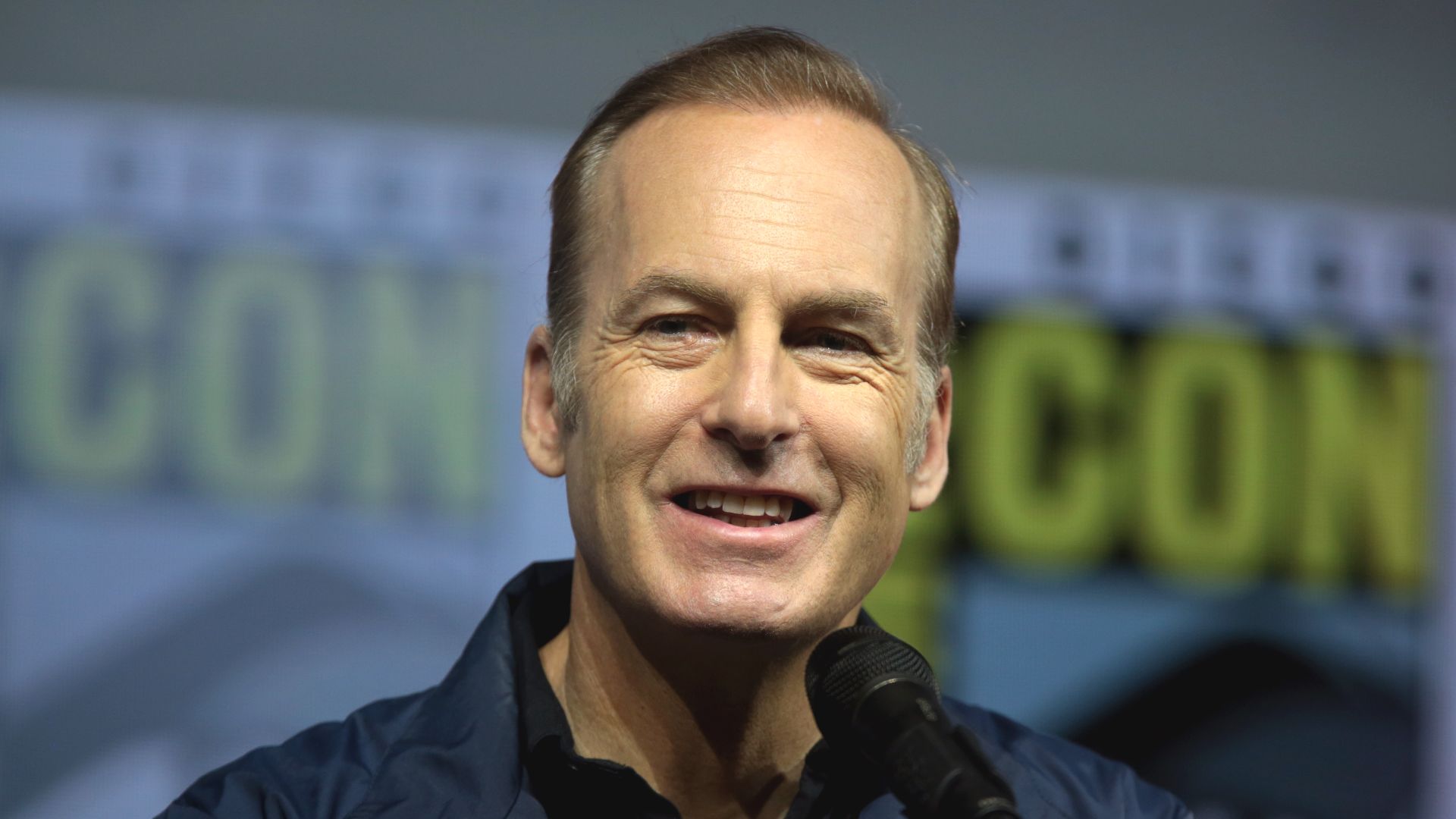 Gage Skidmore from Peoria, AZ, United States of America, Wikimedia Commons
You May Also Like:
Actors Who Made An Epic Comeback After Everyone Thought They Were Washed Up
Movie Stars Who Started With Television
Once Popular Actors Who Are Now Totally Forgotten
Sources: 1, 2, 3, 4, 5, 6, 7, 8, 9, 10, 11, 12, 13, 14, 15, 16, 17, 18, 19, 20, 21, 22, 23, 24, 25, 26, 27, 28, 29, 30, 31, 32, 33, 34, 35, 36, 37, 38, 39, 40, 41, 42, 43, 44, 45, 46, 47, 48, 49, 50, 51, 52, 53, 54, 55