She Owned The Room.
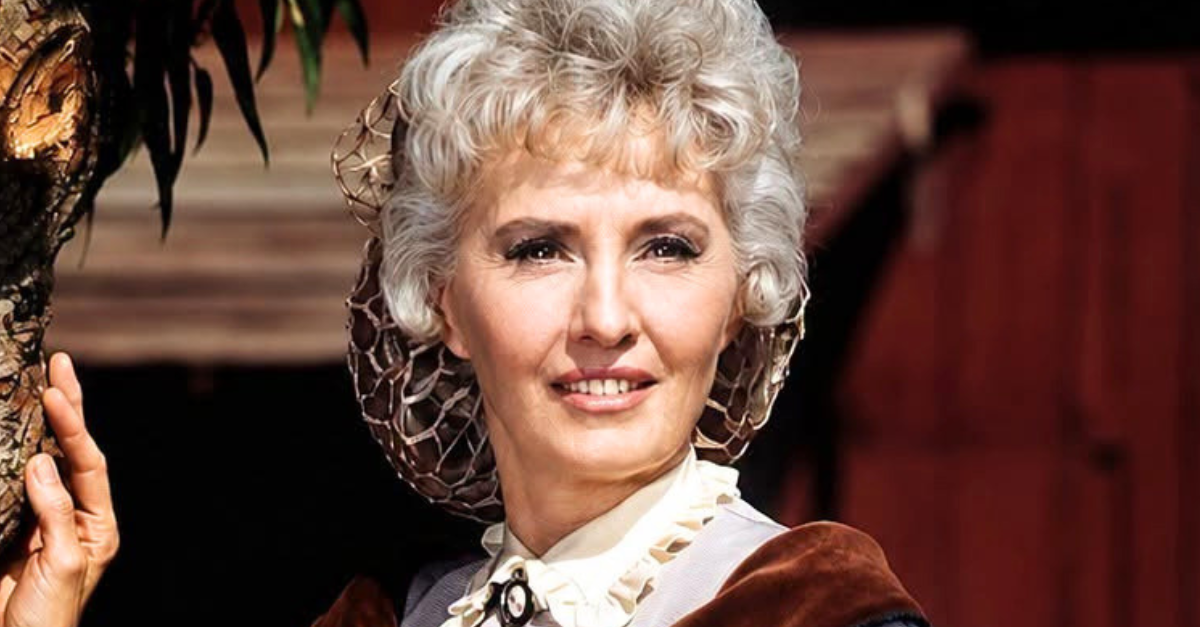
By the time Barbara Stanwyck became Victoria Barkley, she had spent more than three decades playing women who could outthink criminals, challenge powerful men, and survive nearly anything Hollywood threw at them. The Big Valley transformed that hard-earned screen authority into one of television’s most formidable frontier matriarchs.
 Silver Screen Collection/Getty Images
She Arrived As A Genuine Hollywood Legend
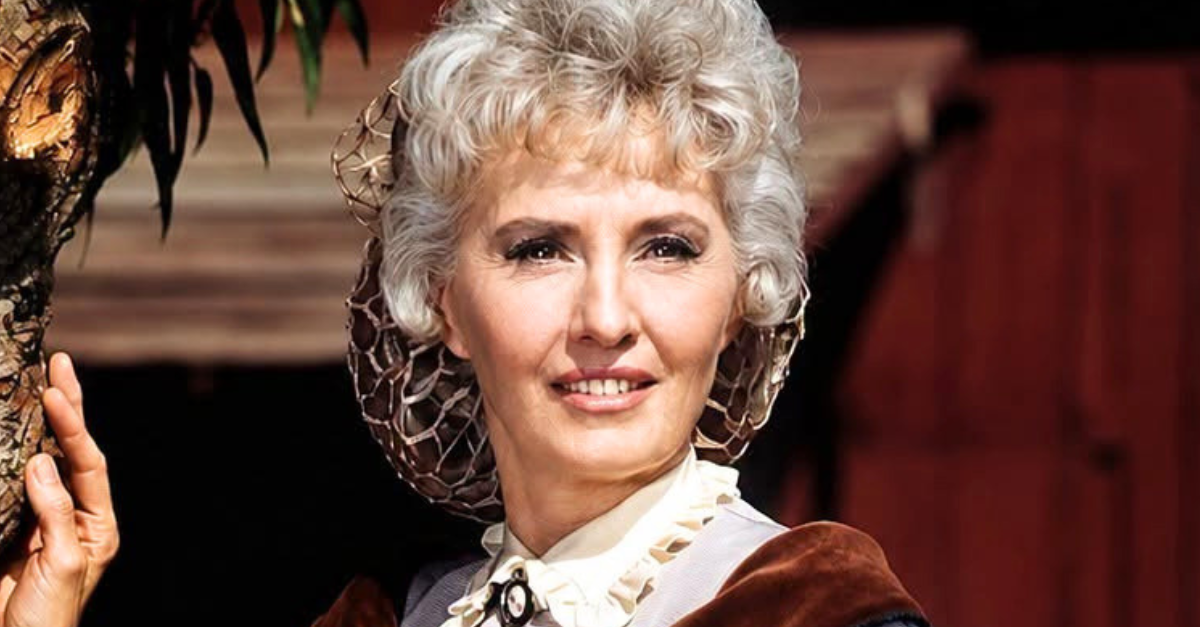
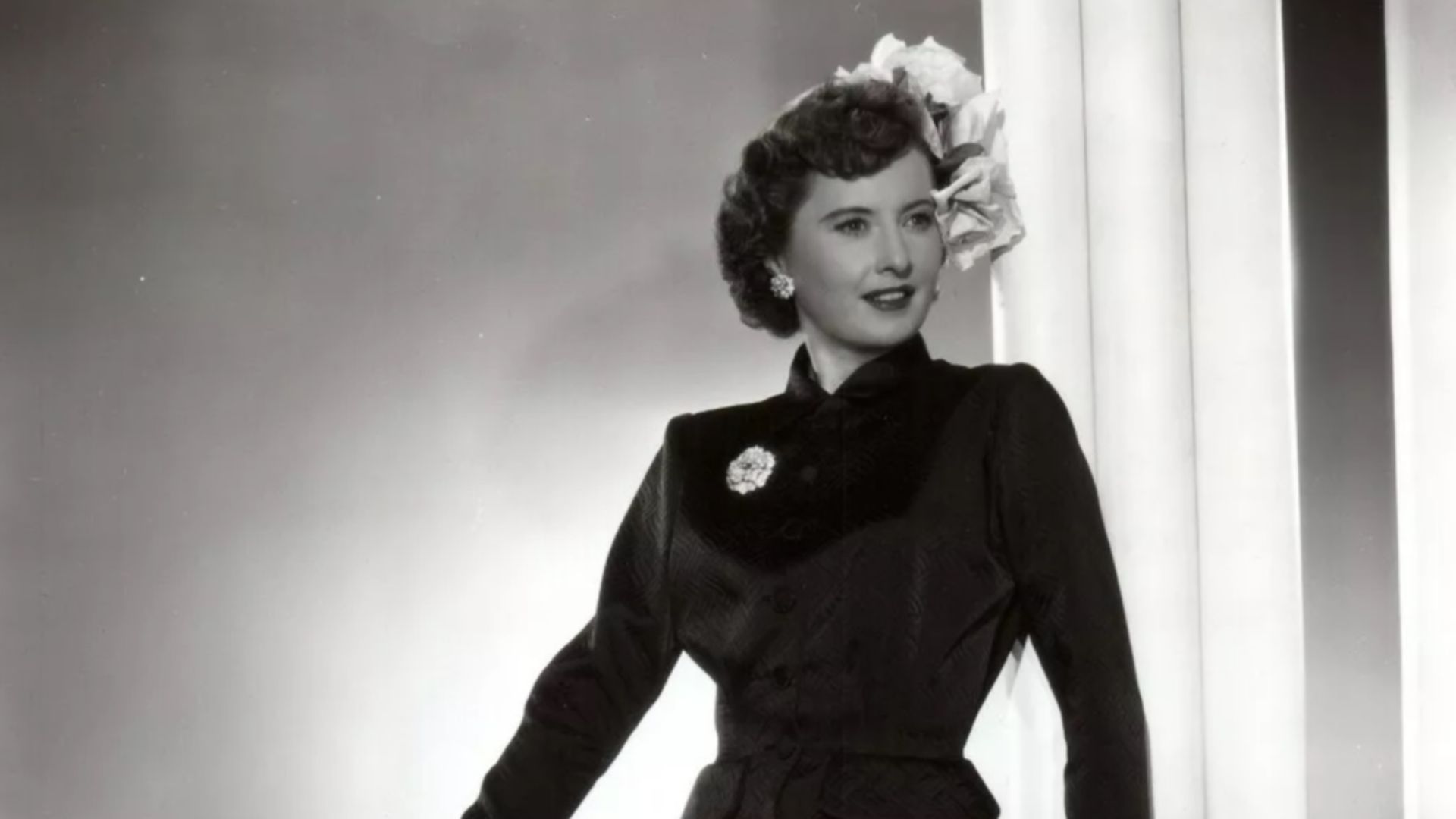
Barbara Stanwyck had already built an extraordinary film career before The Big Valley premiered in 1965. Her work stretched across comedy, melodrama, film noir, and Westerns, and she had received four Academy Award nominations by the time she moved firmly into television. Viewers were not simply meeting Victoria Barkley because they were watching an established movie star take command of a weekly series.
 Whitey Schafer, Wikimedia Commons
Victoria Barkley Was The Family’s True Leader
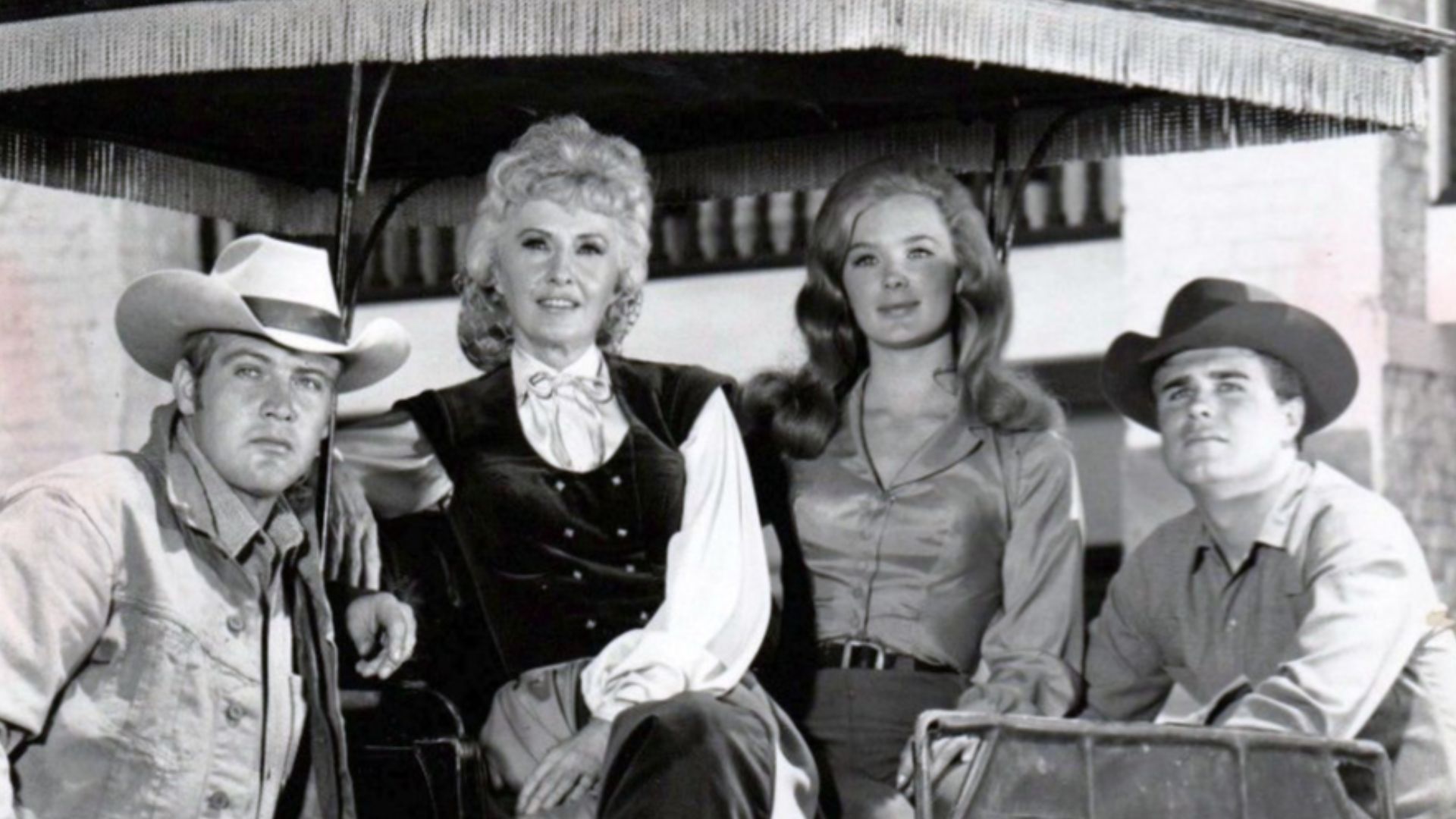
Victoria was the widowed head of the wealthy Barkley family in California’s San Joaquin Valley. Her adult sons handled legal, ranching, and business matters, but she remained the person whose judgment carried the greatest emotional authority. Stanwyck made that leadership seem natural because Victoria never behaved as though she needed anyone’s permission to run her own household.
 ABC Television, Wikimedia Commons
Old Hollywood Training Was In Every Scene
Stanwyck came from an era when leading performers were expected to control posture, voice, movement, and reaction with enormous precision. She could communicate disappointment with a glance and stop an argument simply by entering the room. Those skills gave The Big Valley a sense of dramatic weight that many weekly Westerns struggled to maintain.
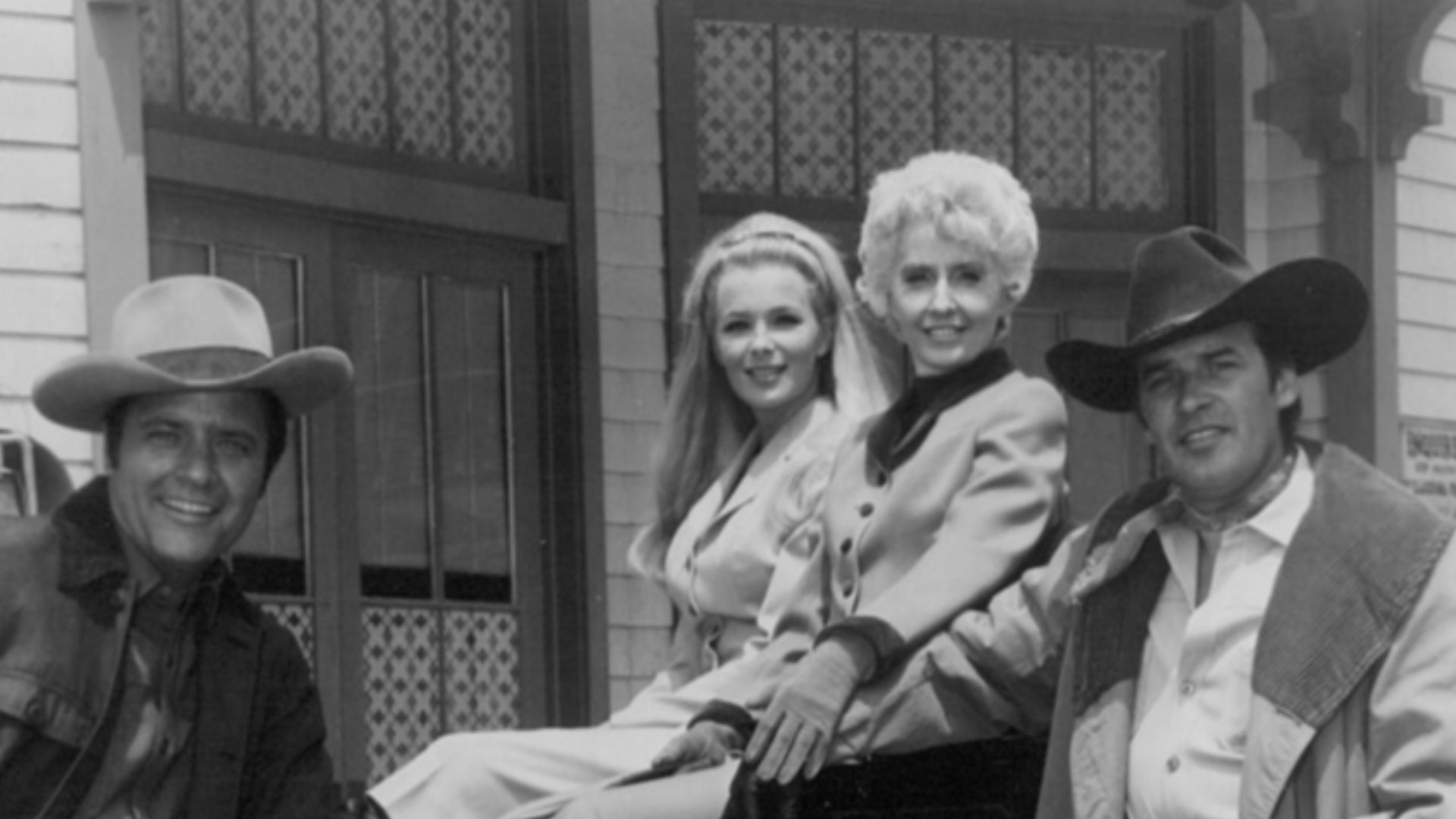
She Never Played Victoria As Fragile
Television could easily have treated a widowed mother as someone who needed constant protection from the men around her. Instead, Victoria rode horses, confronted enemies, defended the ranch, and entered dangerous situations herself. Stanwyck’s toughness made the character feel like the architect of the Barkley legacy rather than someone merely preserving her late husband’s property.
 McFadden, Strauss, Eddy & Irwin-public relations, Wikimedia Commons
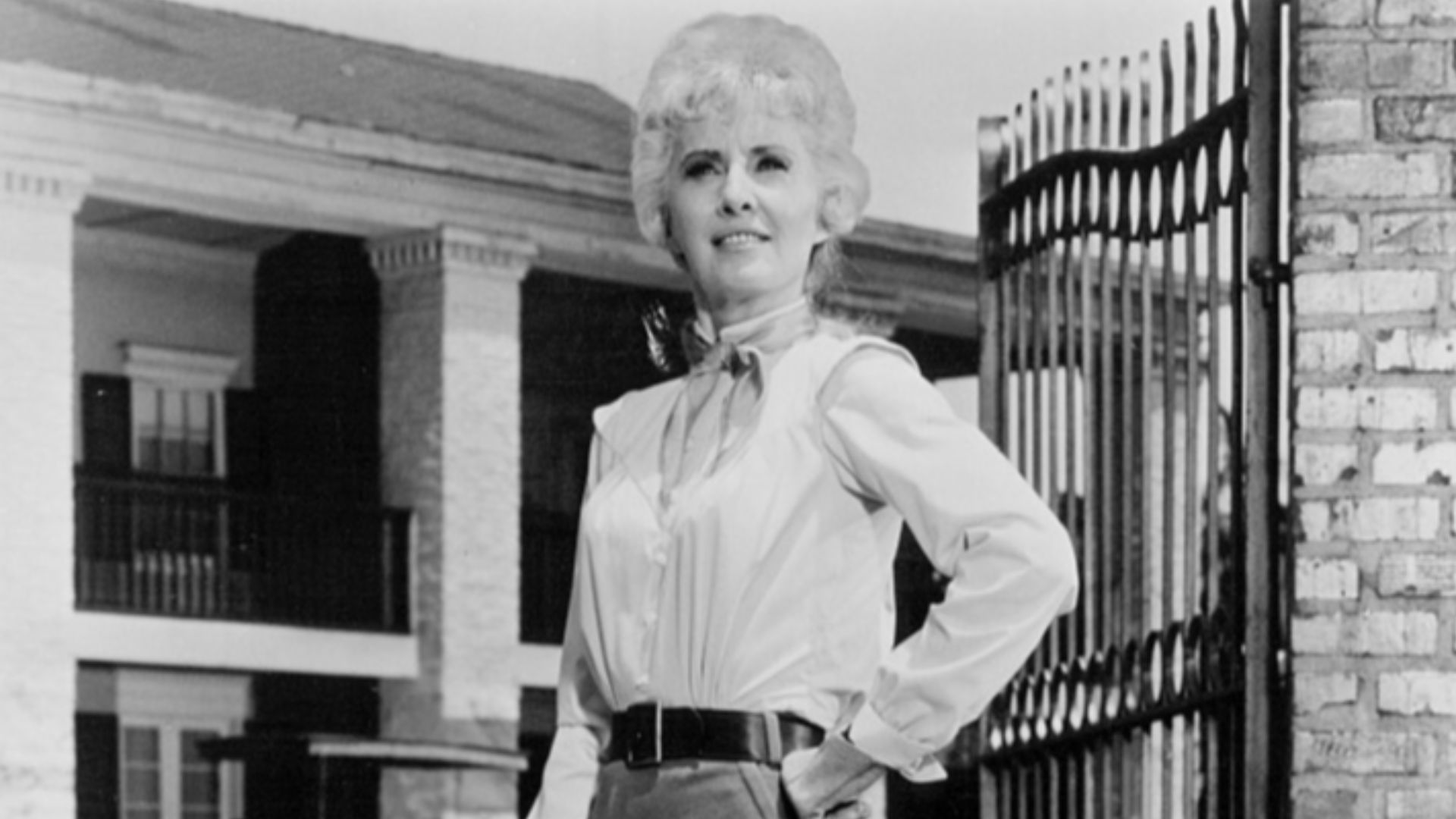
Westerns Were Already Part Of Her Identity
Stanwyck had starred in a substantial group of Western films before taking the television role. Her 1950s work included Cattle Queen of Montana, The Violent Men, The Maverick Queen, Trooper Hook, and Forty Guns. Victoria therefore felt like the culmination of years spent playing determined women in landscapes normally dominated by male stars.
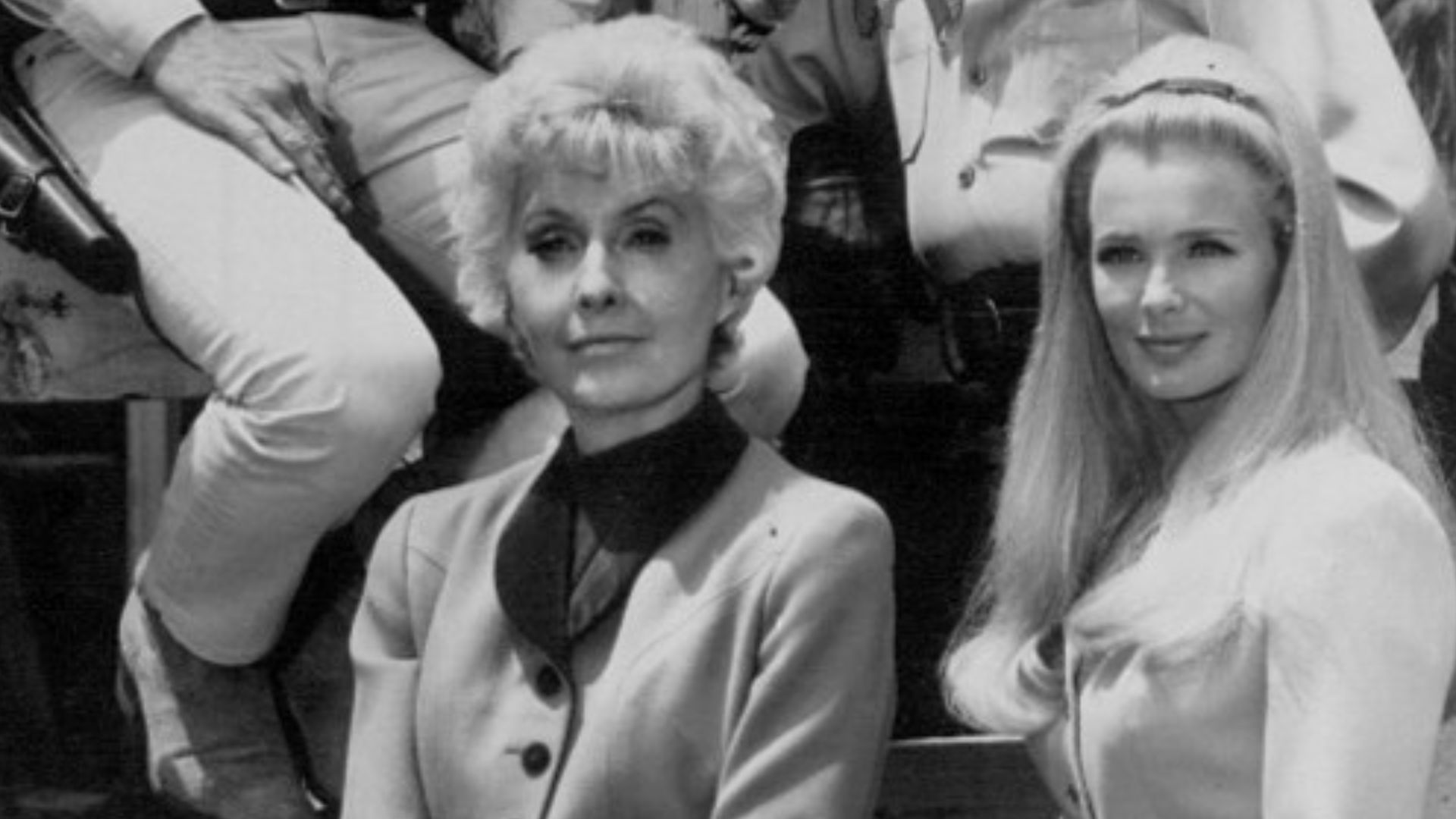
She Knew How To Ride Into Danger
Stanwyck was famous for embracing physically demanding work rather than standing safely on the sidelines. Accounts of her film career describe her performing difficult riding and stunt sequences, including dangerous work in Westerns. That experience made Victoria’s confidence around horses and frontier action look instinctive rather than carefully staged.
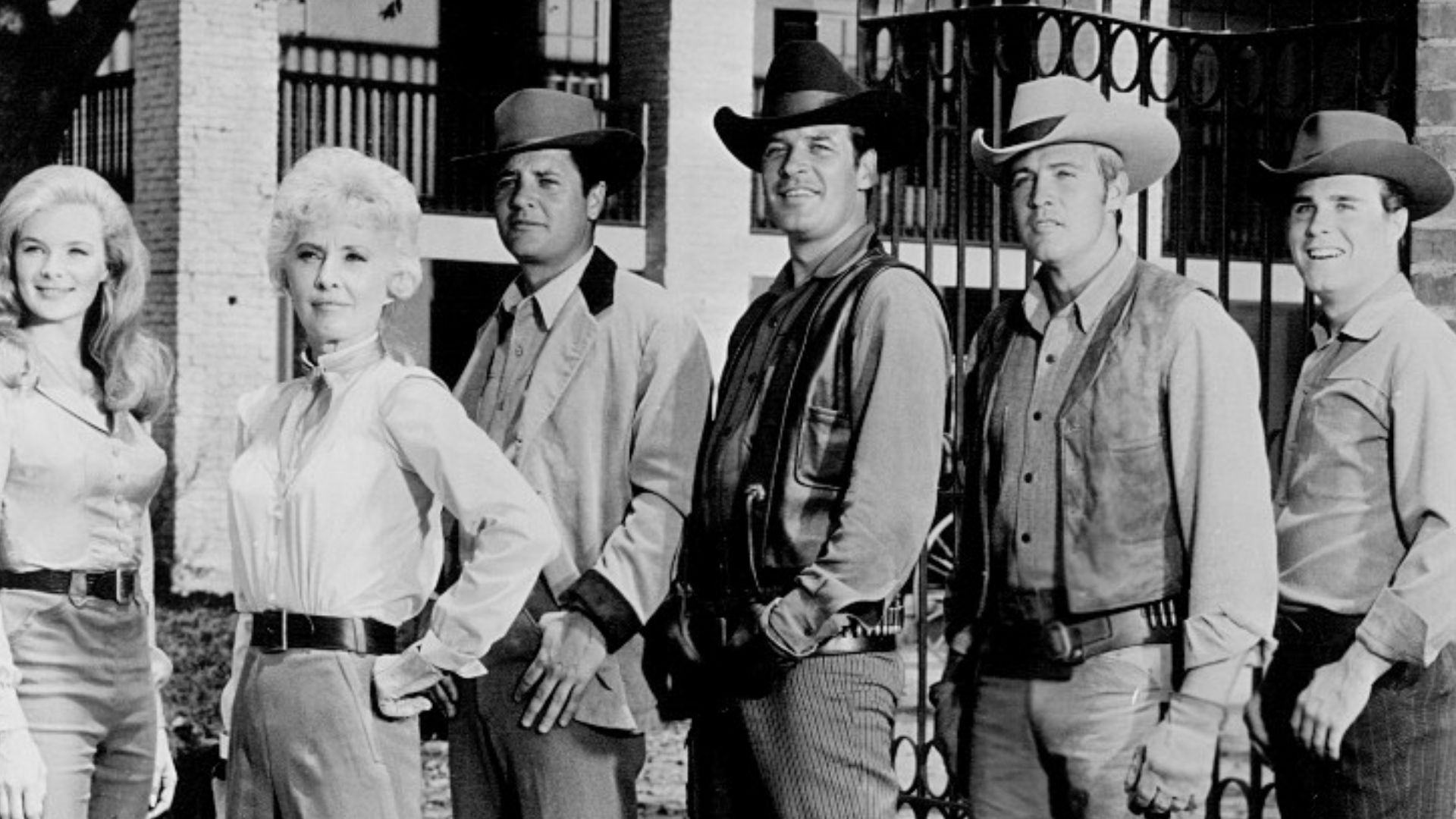 McFadden, Strauss, Eddy & Irwin-public relations, Wikimedia Commons
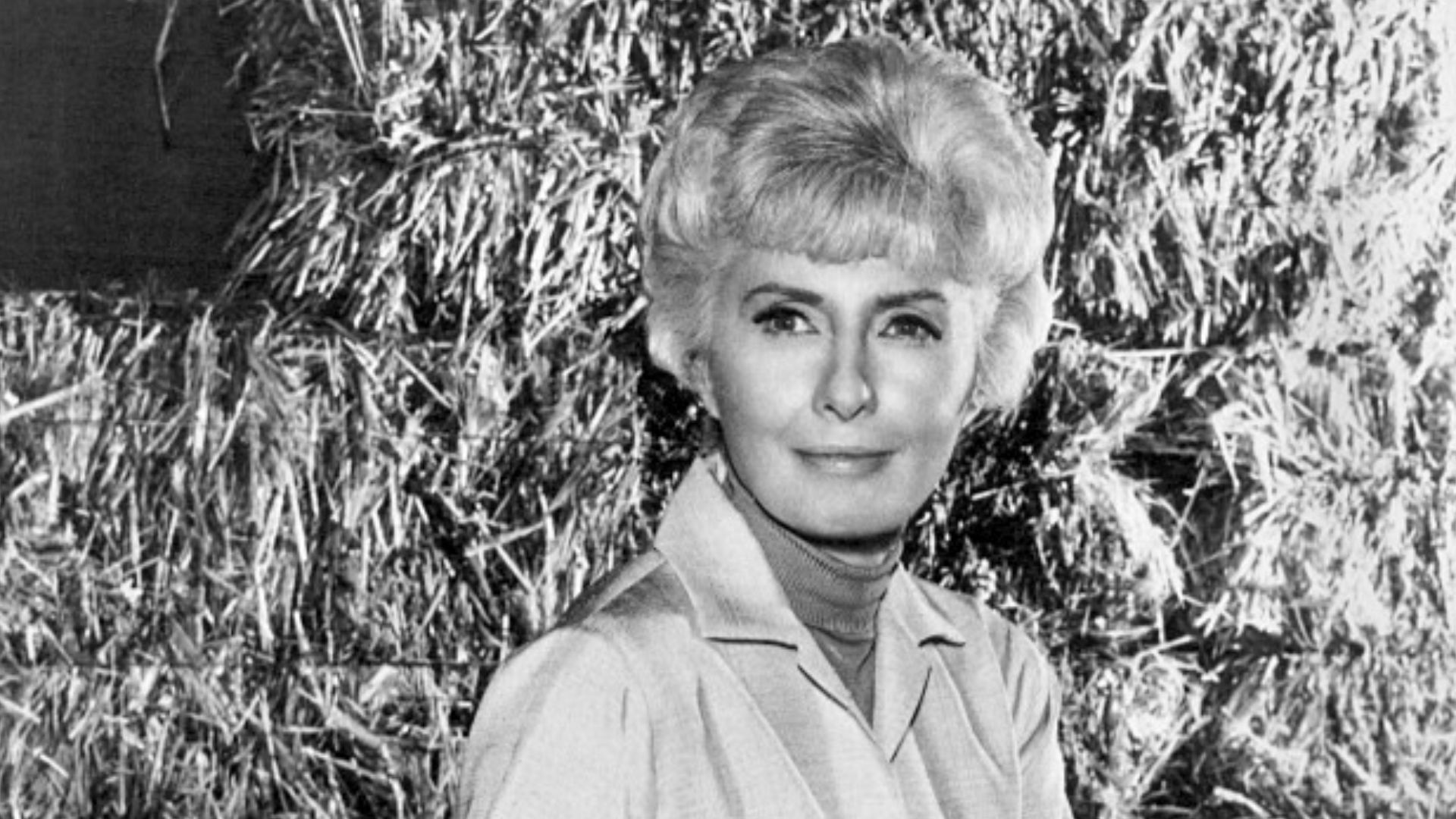
Her Face Carried A Lifetime Of Experience
Victoria Barkley was not written as a young woman beginning an adventure. She was a mother, widow, landowner, and survivor whose authority came from everything she had already endured. Stanwyck’s expressive face allowed viewers to sense that history even when a script did not explain it.
 ABC Television, Wikimedia Commons
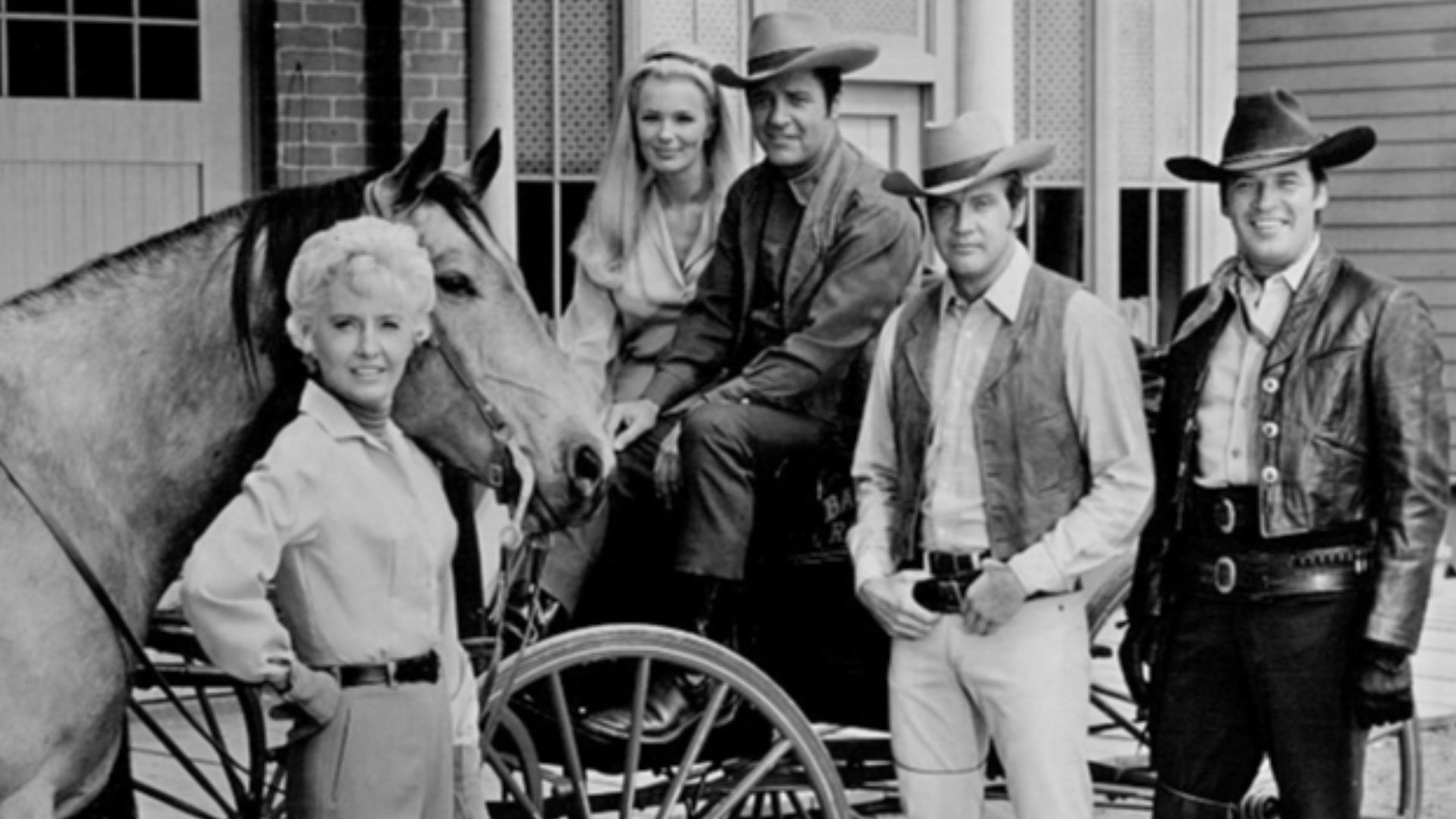
She Made Wealth Look Hard-Earned
The Barkleys lived comfortably, but Victoria never seemed softened by money. Stanwyck played her like someone who understood the danger, sacrifice, and labor behind the family’s fortune. That edge kept the Barkleys from becoming a polished frontier dynasty with no connection to the land.
 ABC Television, Wikimedia Commons
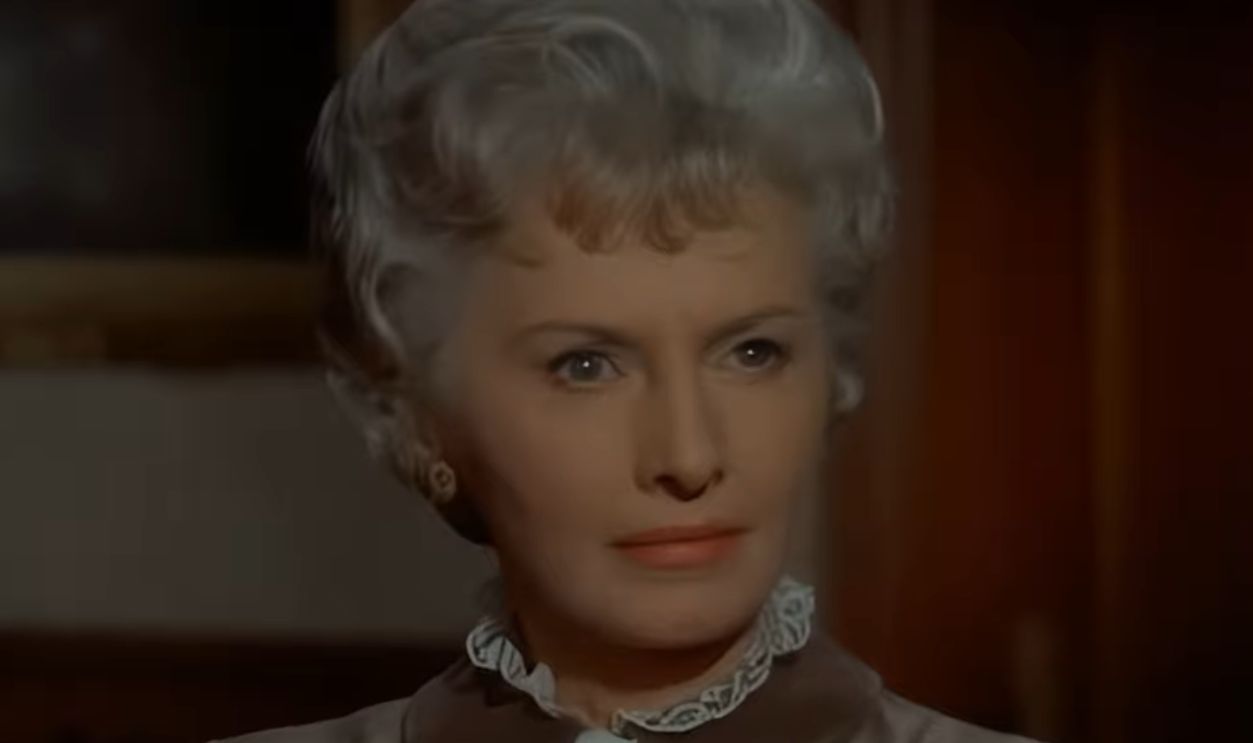
She Could Be Elegant Without Becoming Decorative
Victoria wore refined clothing and carried herself with the polish of a prosperous family matriarch. Yet Stanwyck never allowed the costumes or carefully arranged hair to turn her into background decoration. She could look completely composed while making it clear that she was the strongest person in the scene.
 Screenshot from The Big Valley, ABC (1965–1969)
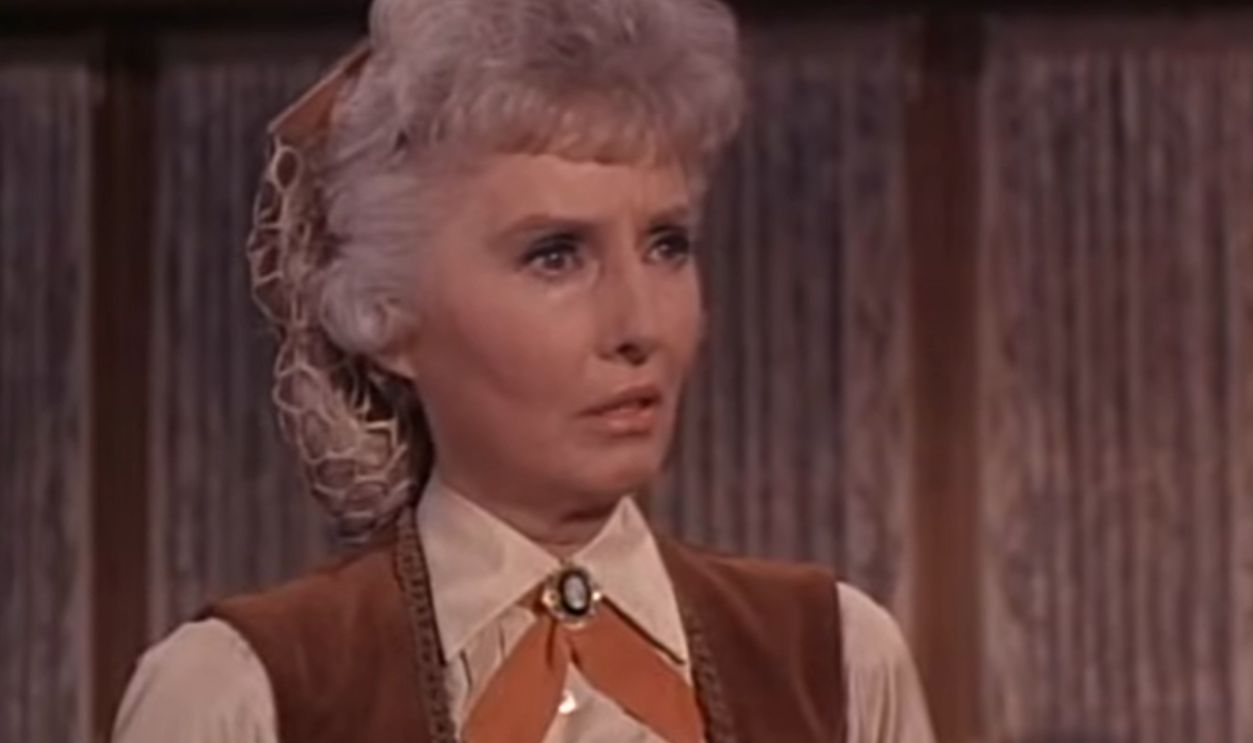
She Balanced Steel With Compassion
Stanwyck’s screen persona had always combined toughness with vulnerability. Victoria could stand against armed men, then offer warmth to someone who had been rejected or humiliated. That contrast prevented her from becoming a cold, one-dimensional symbol of power.
 Screenshot from The Big Valley, ABC (1965–1969)
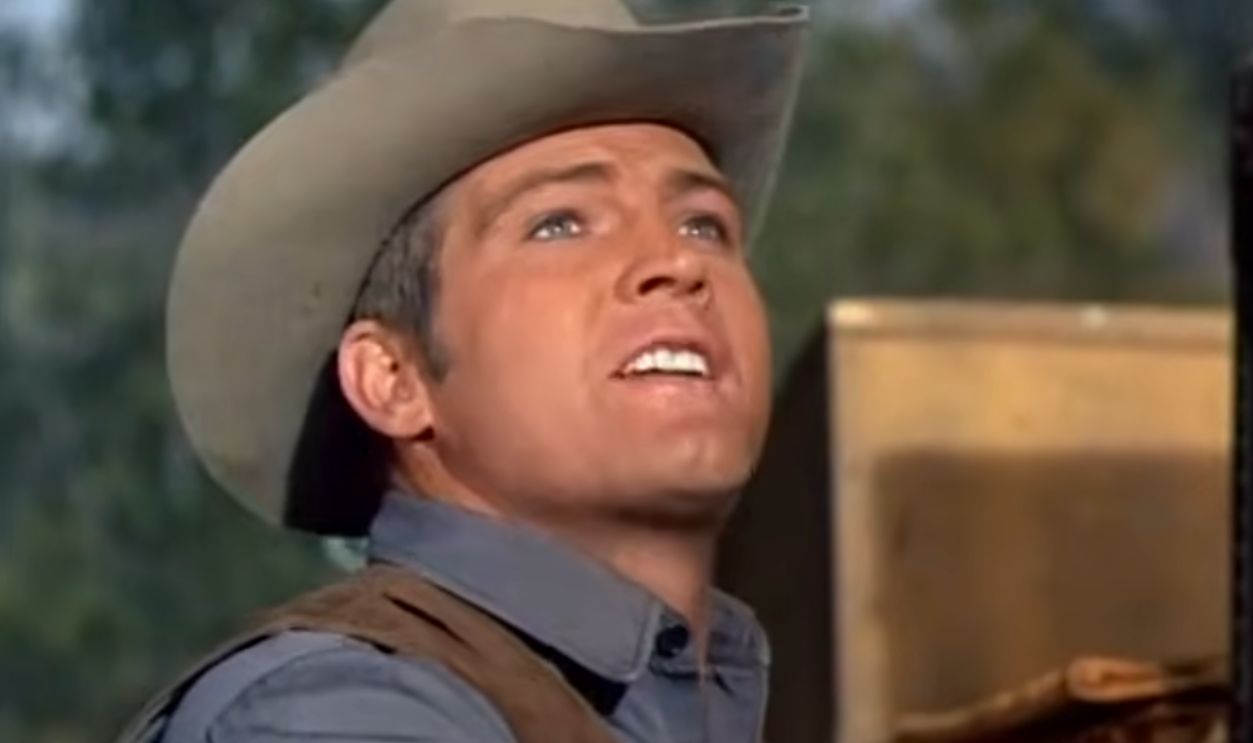
Heath Tested Her Sense Of Family
The series began with Heath arriving and claiming to be the late Tom Barkley’s illegitimate son. His presence threatened the family’s understanding of its past and forced Victoria to confront her husband’s betrayal. By accepting Heath, she demonstrated that protecting the family sometimes meant expanding it rather than defending old boundaries.
 Screenshot from The Big Valley, ABC (1965–1969)
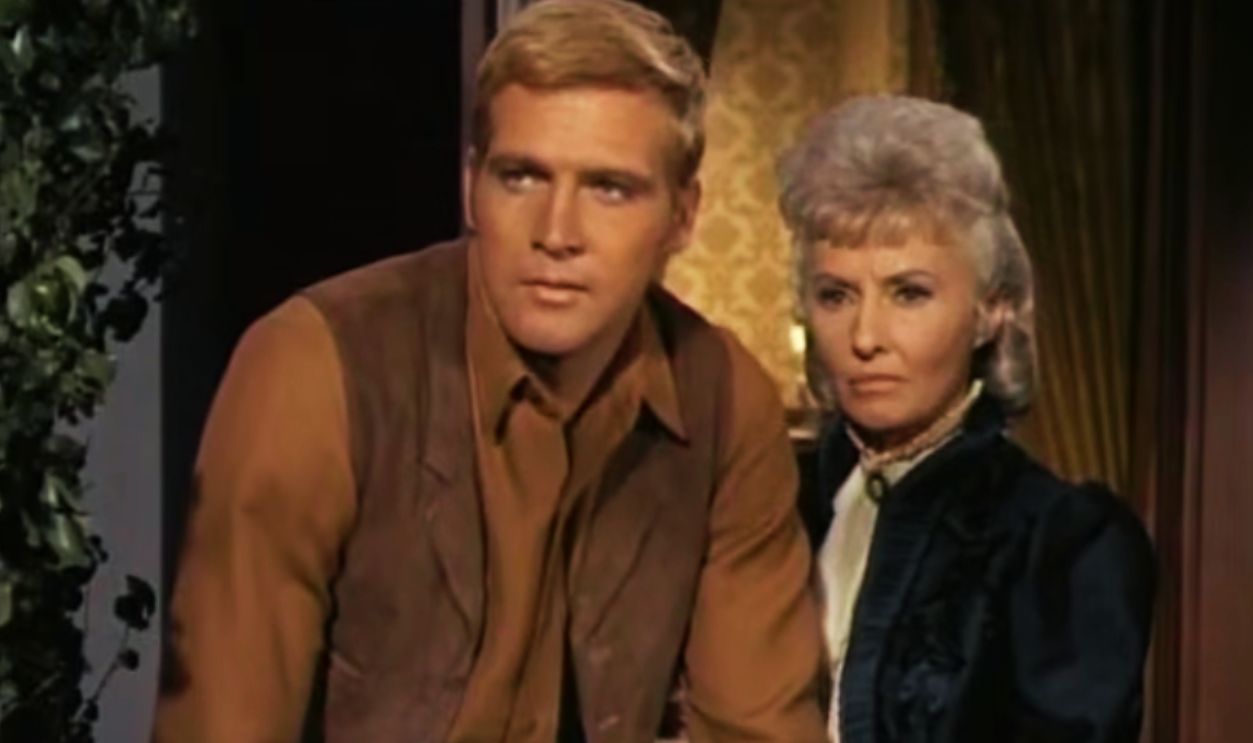
Lee Majors Benefited From Her Generosity
Heath became an early major role for Lee Majors, who was still establishing himself when the series began. Stanwyck’s authority gave their scenes emotional credibility, while her willingness to share the spotlight helped the younger actor grow within the ensemble. Majors later became a major television star through The Six Million Dollar Man and The Fall Guy.
 Screenshot from The Big Valley, ABC (1965–1969)
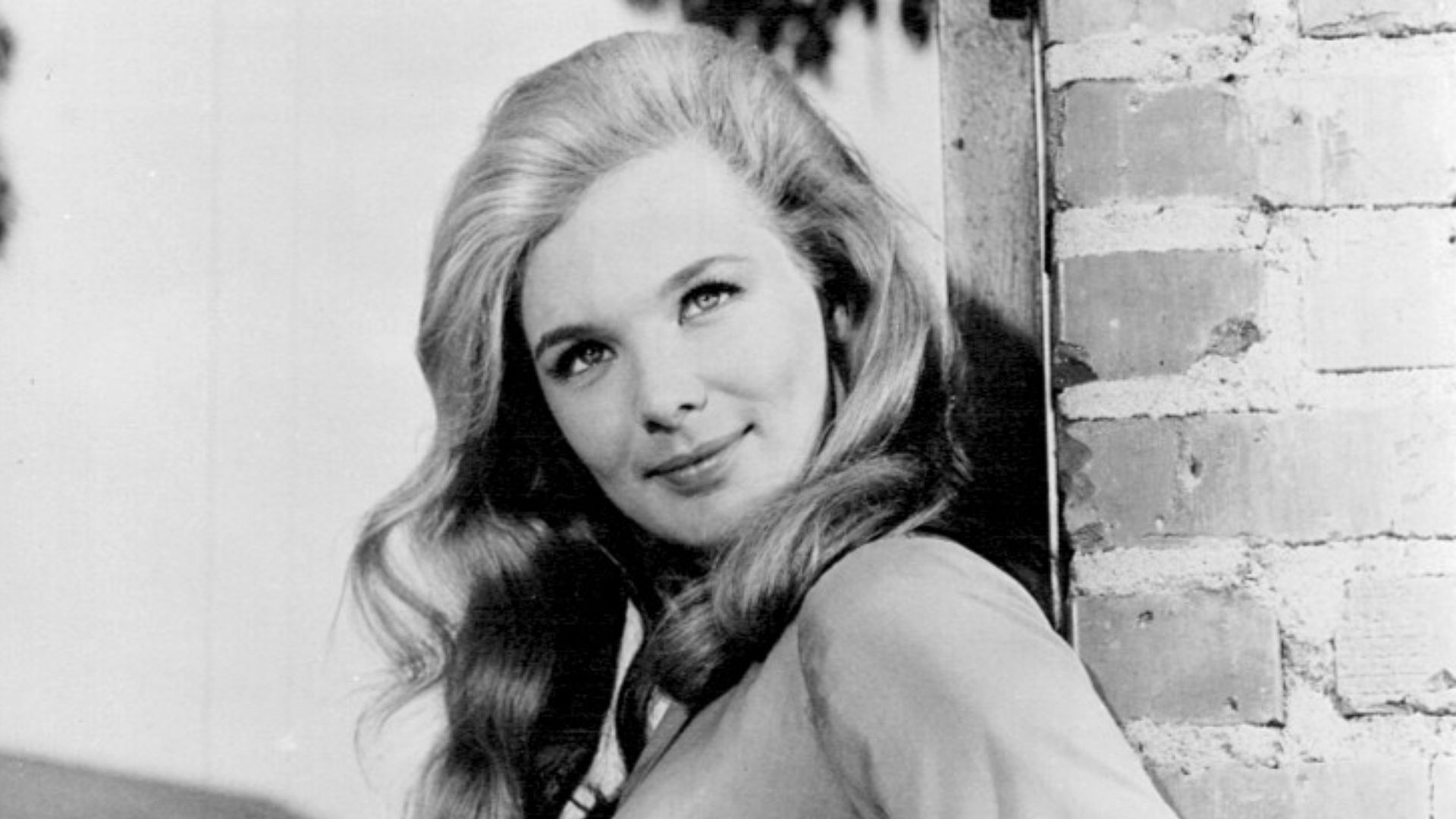
Linda Evans Had A Powerful Example
Linda Evans played Victoria’s daughter, Audra, before becoming one of television’s most recognizable stars on Dynasty. Working beside Stanwyck placed a relatively young actress next to someone known for discipline, preparation, and complete command of the camera. Their mother-daughter relationship also gave the series a female bond rarely placed at the center of a 1960s Western.
 McFadden, Strauss, Eddy & Irwin for Armstrong, the program's sponsor., Wikimedia Commons
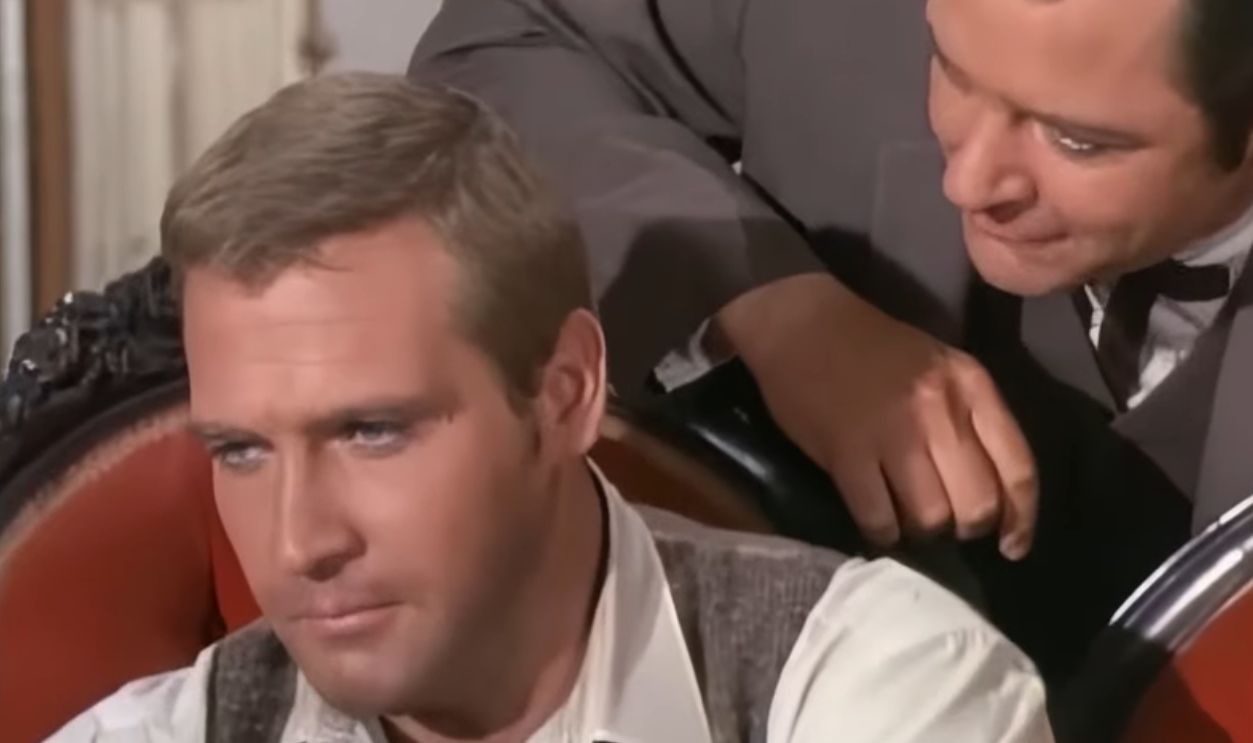
Her Sons Were Adults But She Still Commanded Them
Jarrod, Nick, Heath, and the other Barkley children were capable adults with strong opinions and independent lives. Victoria did not control them like children, but she could challenge their decisions and remind them what the family represented. Stanwyck made maternal authority feel compatible with respect for grown sons.
 Screenshot from The Big Valley, ABC (1965–1969)
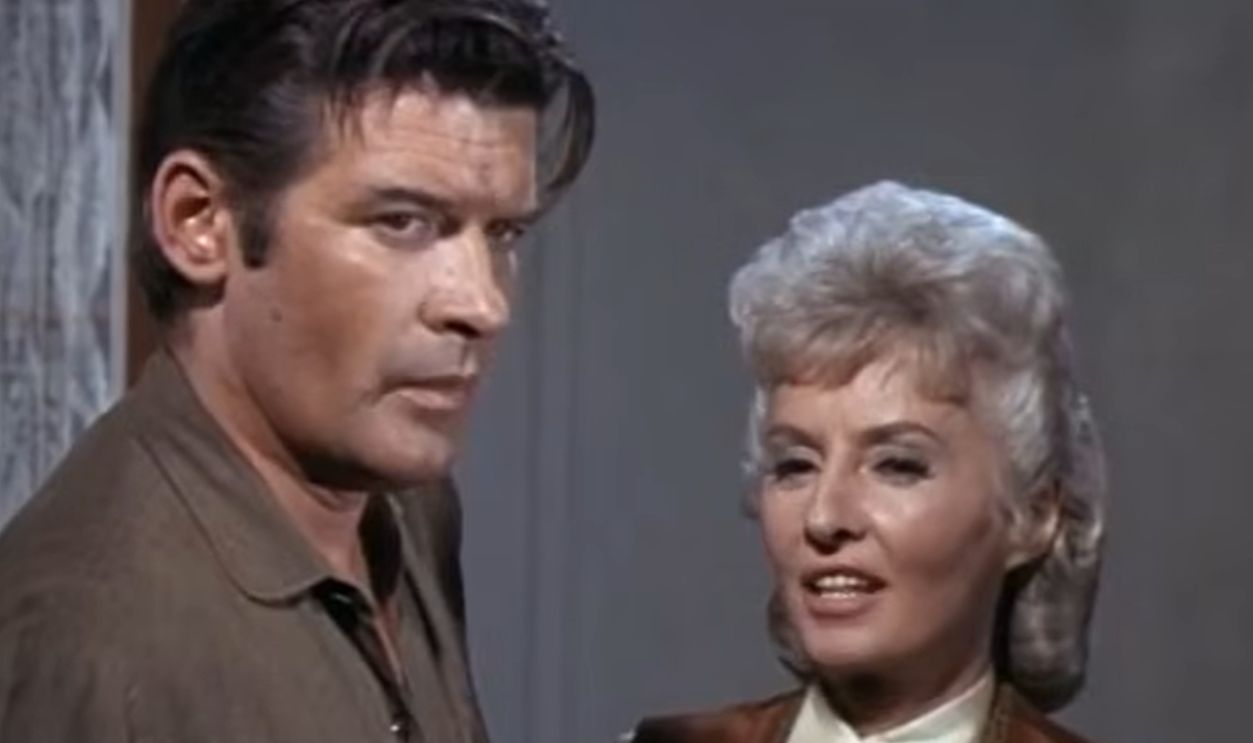
She Could Stop Nick Barkley Cold
Nick was fiery, physical, and quick to anger, which gave Peter Breck some of the show’s loudest confrontations. Victoria rarely tried to match his volume. Stanwyck instead relied on firmness and emotional certainty, making it believable that even the most explosive Barkley would eventually listen.
 Screenshot from The Big Valley, ABC (1965–1969)
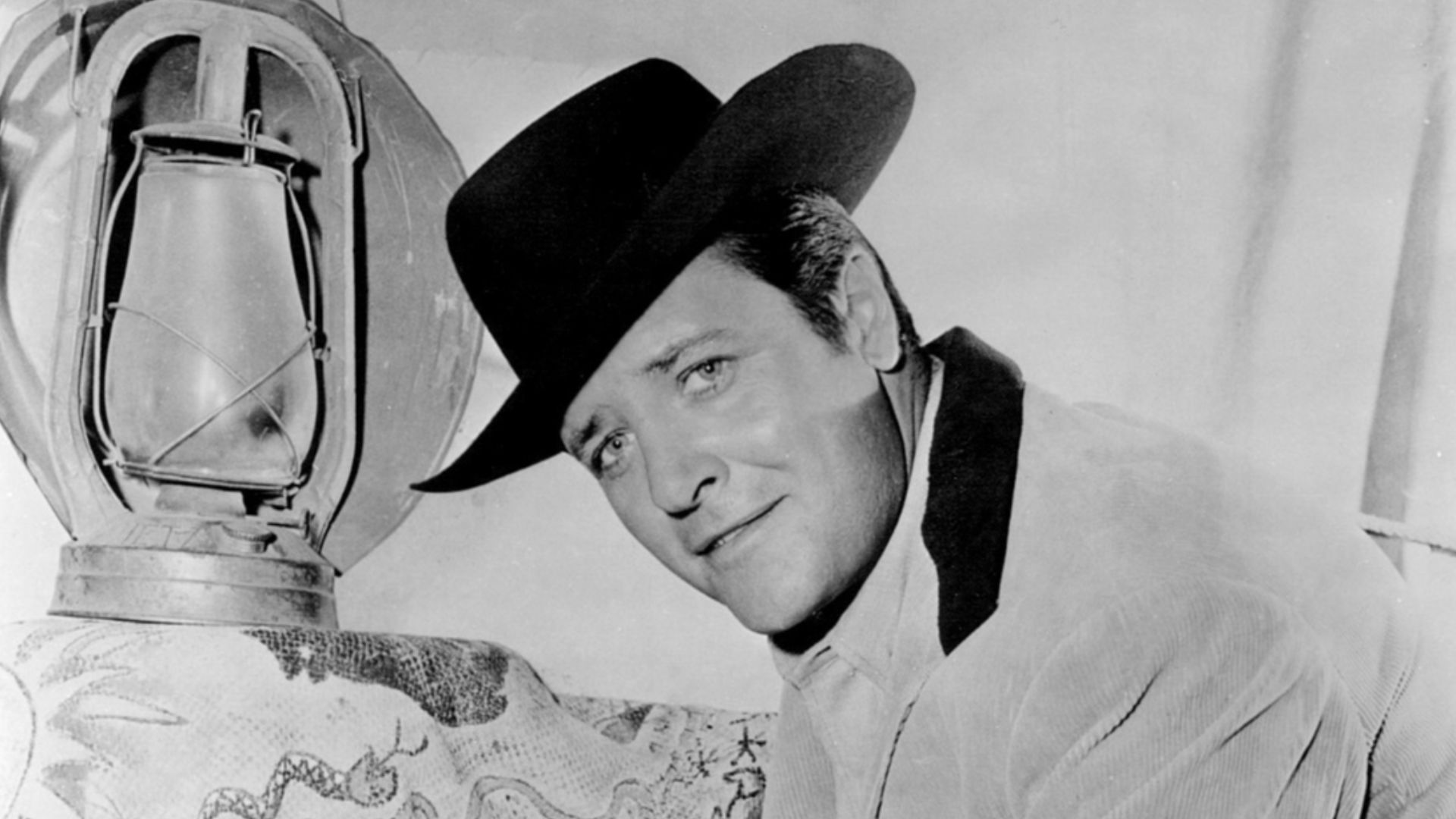
Jarrod Met Her As An Equal
Jarrod Barkley was a lawyer and the family’s most measured son. His intelligence meant Victoria could not simply order him around without explanation. Their conversations allowed Stanwyck to play authority through reason, shared values, and mutual respect rather than dominance.
 McFadden, Strauss, Eddy & Irwin for Armstrong, the program's sponsor., Wikimedia Commons
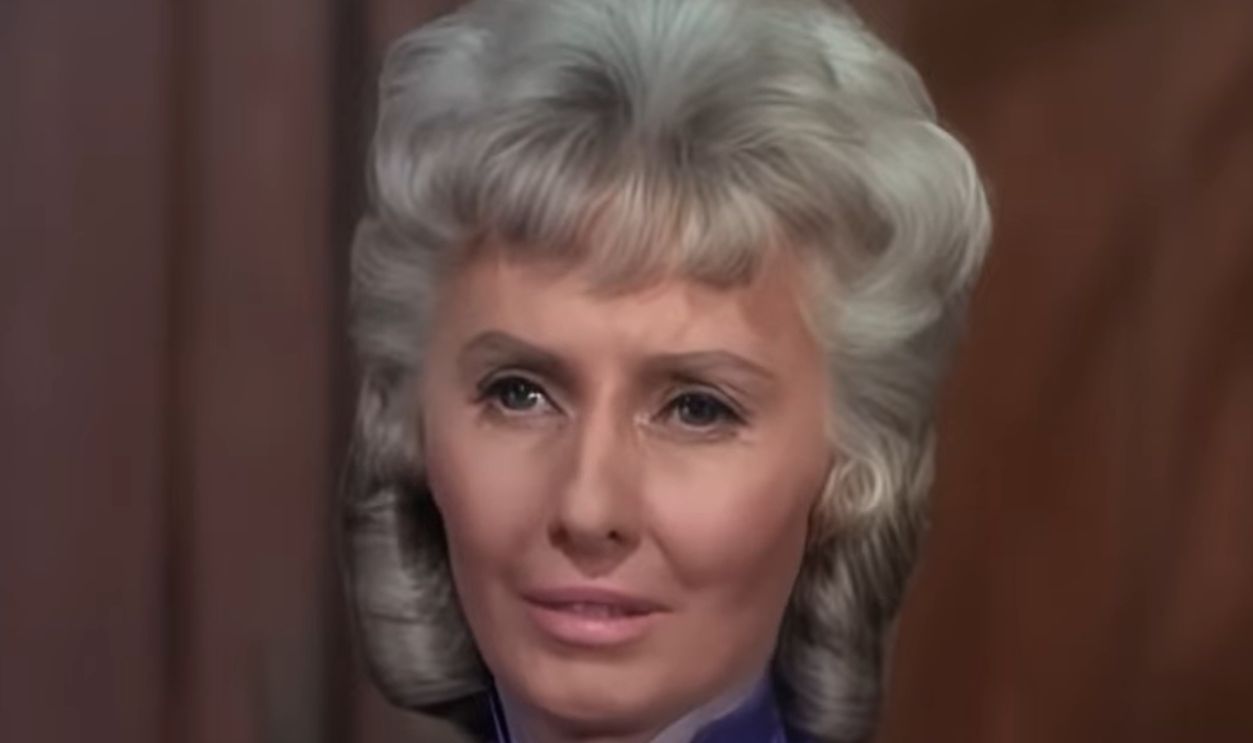
The Ensemble Never Diminished Her Presence
The Big Valley had a large continuing cast, and many episodes concentrated heavily on one of Victoria’s children or a guest character. Stanwyck did not need every plot to revolve around her to remain the series’ center of gravity. Even a brief appearance could remind viewers whose family and values held the show together.
 Screenshot from The Big Valley, ABC (1965–1969)
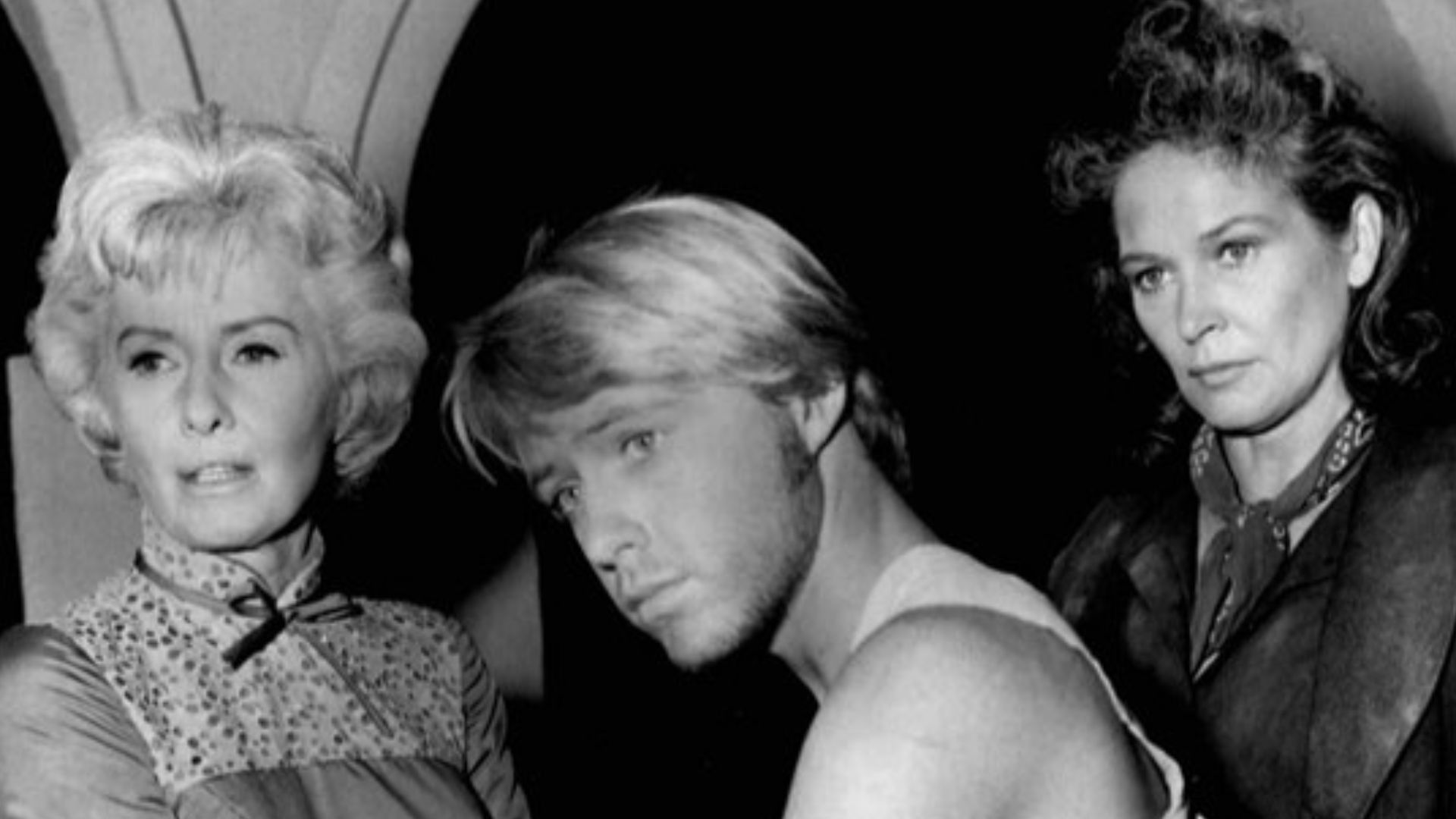
She Brought Movie-Star Scale To Weekly Television
The series premiered when the distinction between movie stars and television actors still carried significant weight. Stanwyck’s presence made The Big Valley feel more prestigious than a routine Western assignment. Her casting announced that television could offer roles substantial enough for one of classic Hollywood’s most respected performers.
 ABC Television, Wikimedia Commons
Television Had Already Rewarded Her
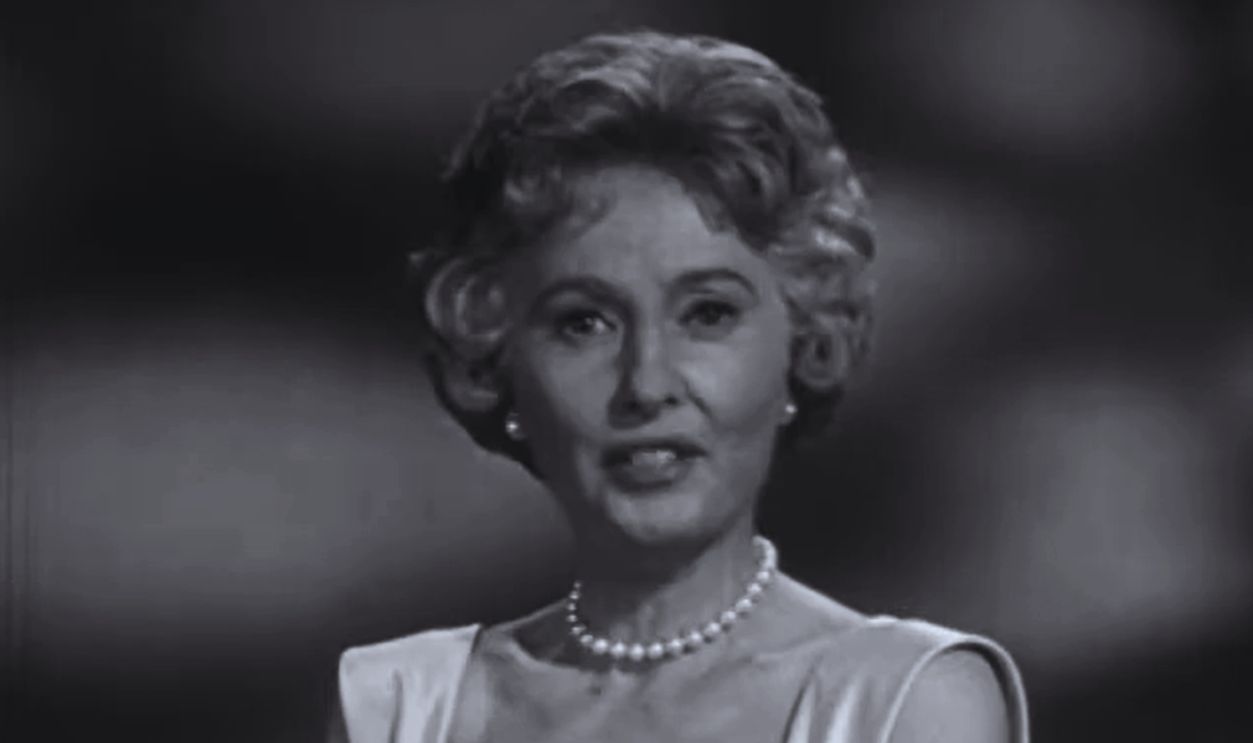
Before The Big Valley, Stanwyck had hosted and starred in the anthology program The Barbara Stanwyck Show. That series earned her an Emmy in 1961, proving she could command the smaller screen before she ever became Victoria Barkley. The earlier experience also prepared her for the pace and demands of weekly television production.
 The Barbara Stanwyck Show, NBC/Desilu Studios (1960–1961)
Victoria Earned Her Another Emmy
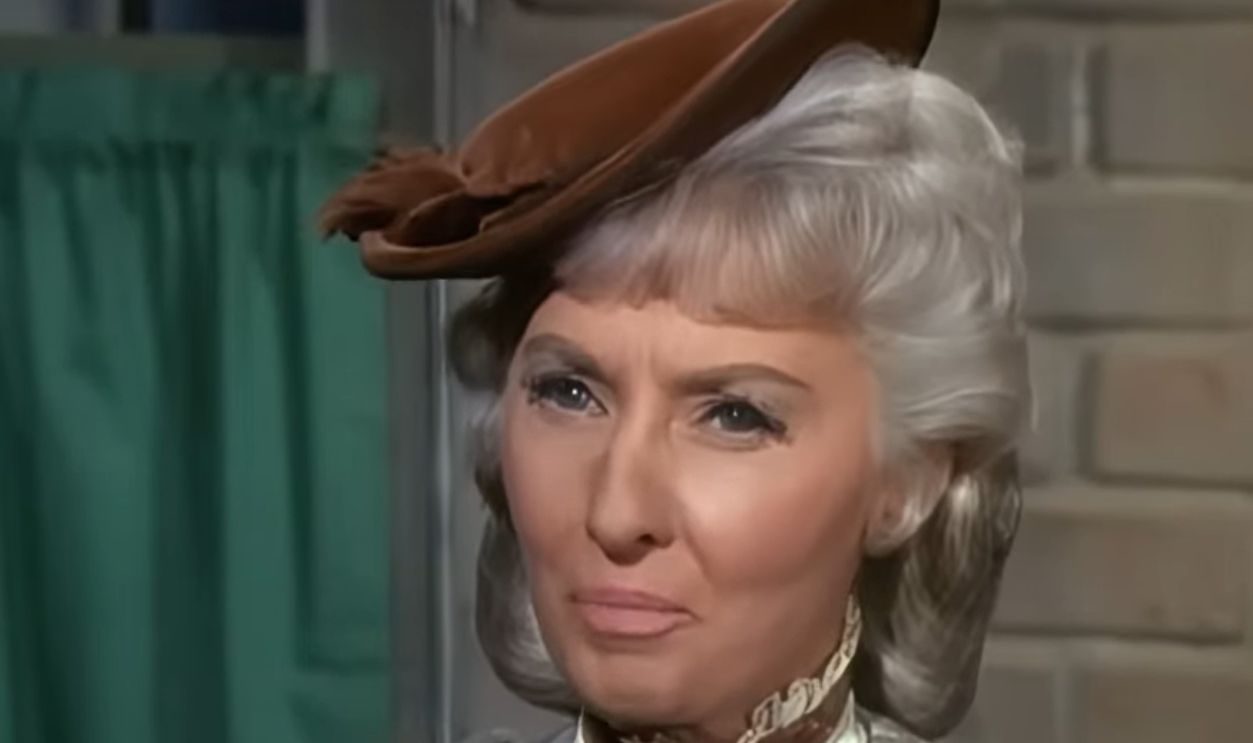
Stanwyck won the 1966 Emmy for Outstanding Continued Performance by an Actress in a Leading Role in a Dramatic Series. She received additional nominations for The Big Valley in 1967 and 1968. The recognition confirmed that her move to television had produced more than nostalgia because critics and peers saw genuinely distinguished work.
 Screenshot from The Big Valley, ABC (1965–1969)
The Golden Globes Kept Recognizing Her
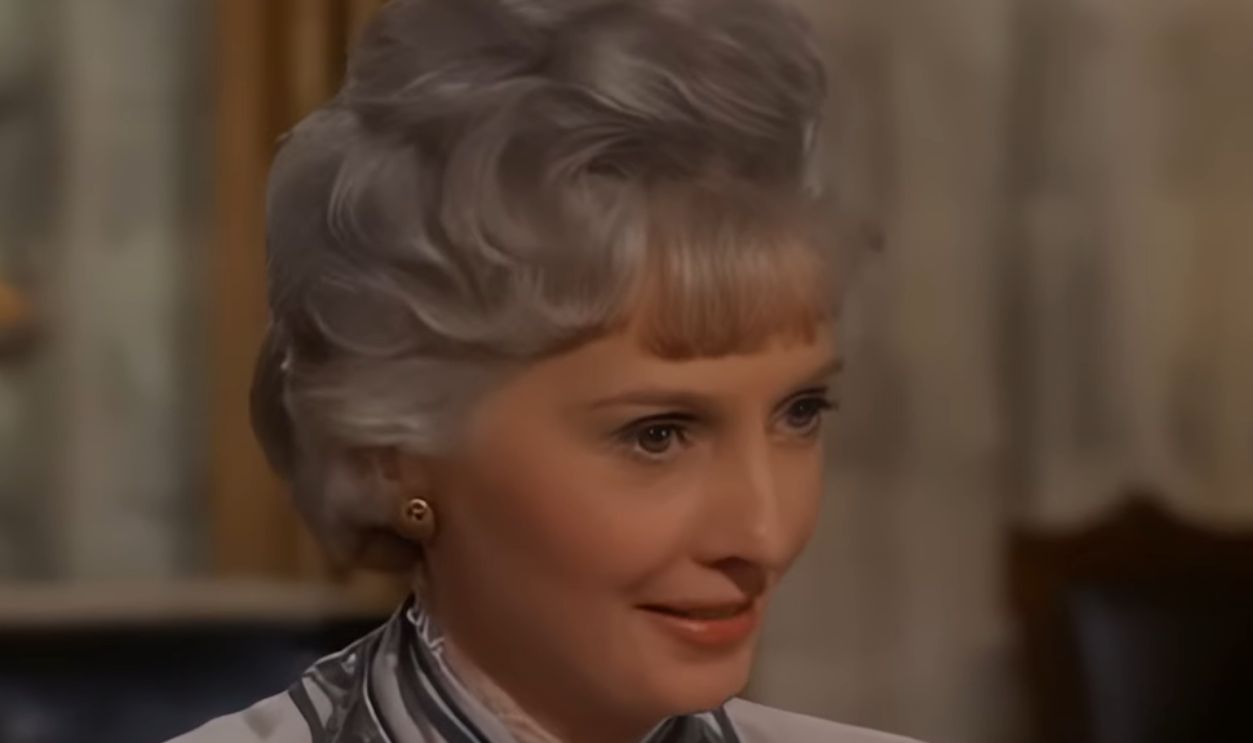
Stanwyck also received Golden Globe nominations for the series in 1966, 1967, and 1968. That consistent attention reflected how strongly her performance remained associated with the show across its run. Victoria was not simply an impressive pilot-episode creation because Stanwyck sustained her authority season after season.
 Screenshot from The Big Valley, ABC (1965–1969)
The Series Gave Her A New Generation
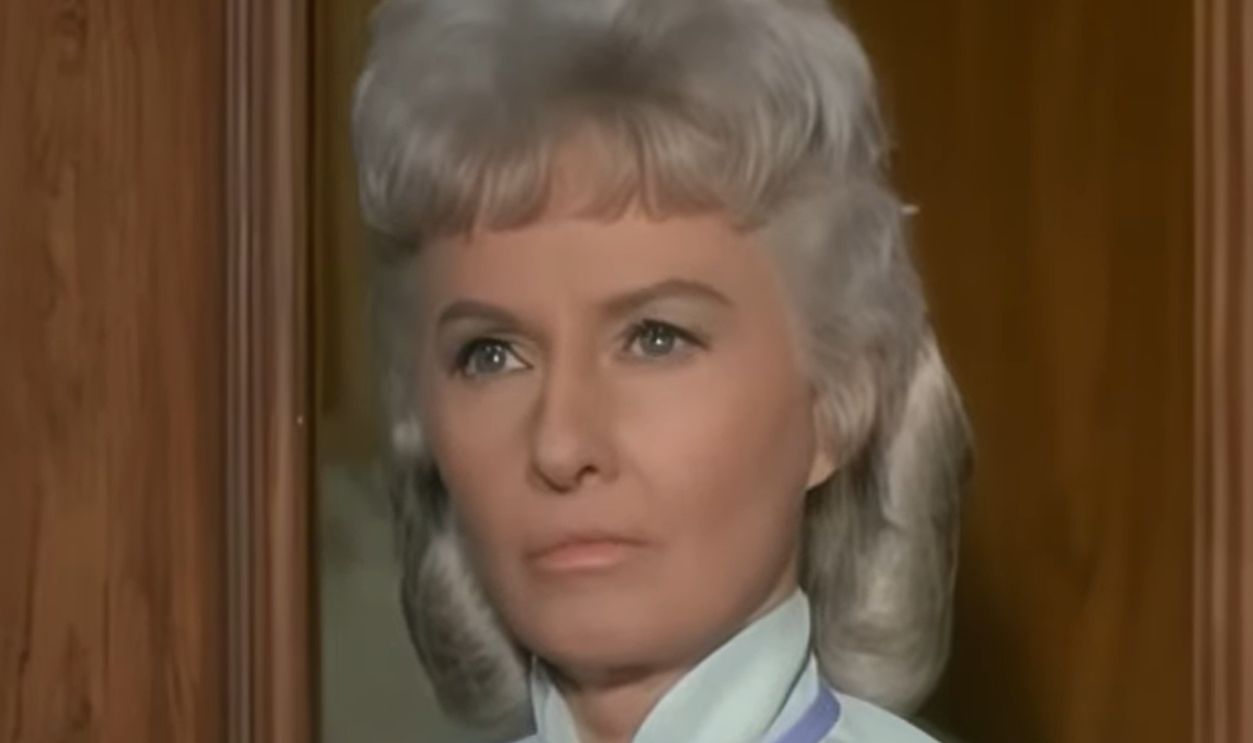
Many younger viewers had not seen Stanwyck’s major films when they originally reached theaters. For them, she was first and foremost Victoria Barkley, the silver-haired woman who could run a ranch and face down danger. The weekly exposure gave her a second public identity without erasing the formidable characters she had played in movies.
 Screenshot from The Big Valley, ABC (1965–1969)
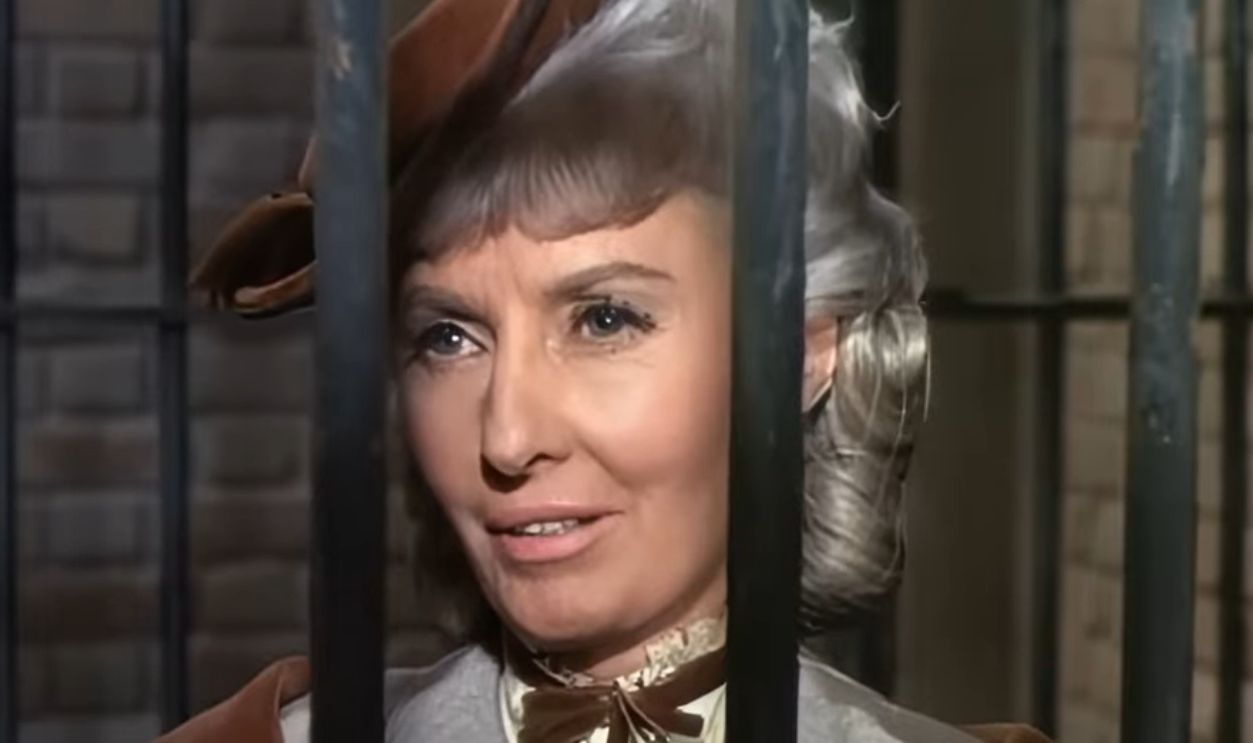
She Made A Female-Led Western Feel Natural
Television Westerns usually centered on male sheriffs, ranchers, gunfighters, and family patriarchs. The Big Valley placed a woman at the head of its most powerful family without constantly treating that fact as a novelty. Stanwyck’s unquestioned credibility helped audiences accept the arrangement immediately.
 Screenshot from The Big Valley, ABC (1965–1969)
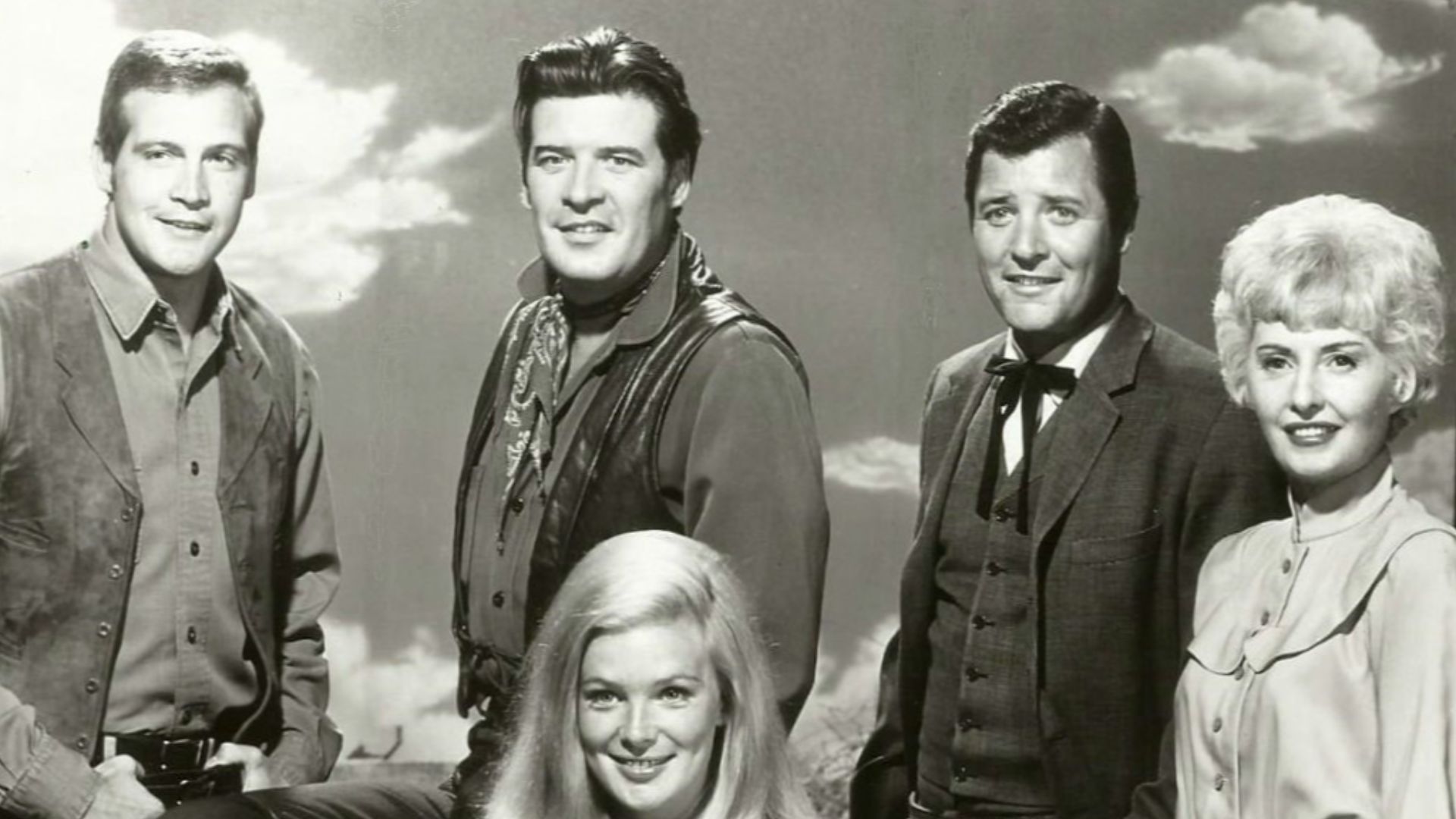
She Set A Professional Standard On The Set
Colleagues consistently remembered Stanwyck as prepared, disciplined, and respectful of crews. Television Academy interviews with people who worked with her describe her as a class act and a deeply professional performer. That reputation strengthened the authority viewers saw on screen because the production itself was led by someone who had earned similar respect behind the camera.
 ABC Television, Wikimedia Commons
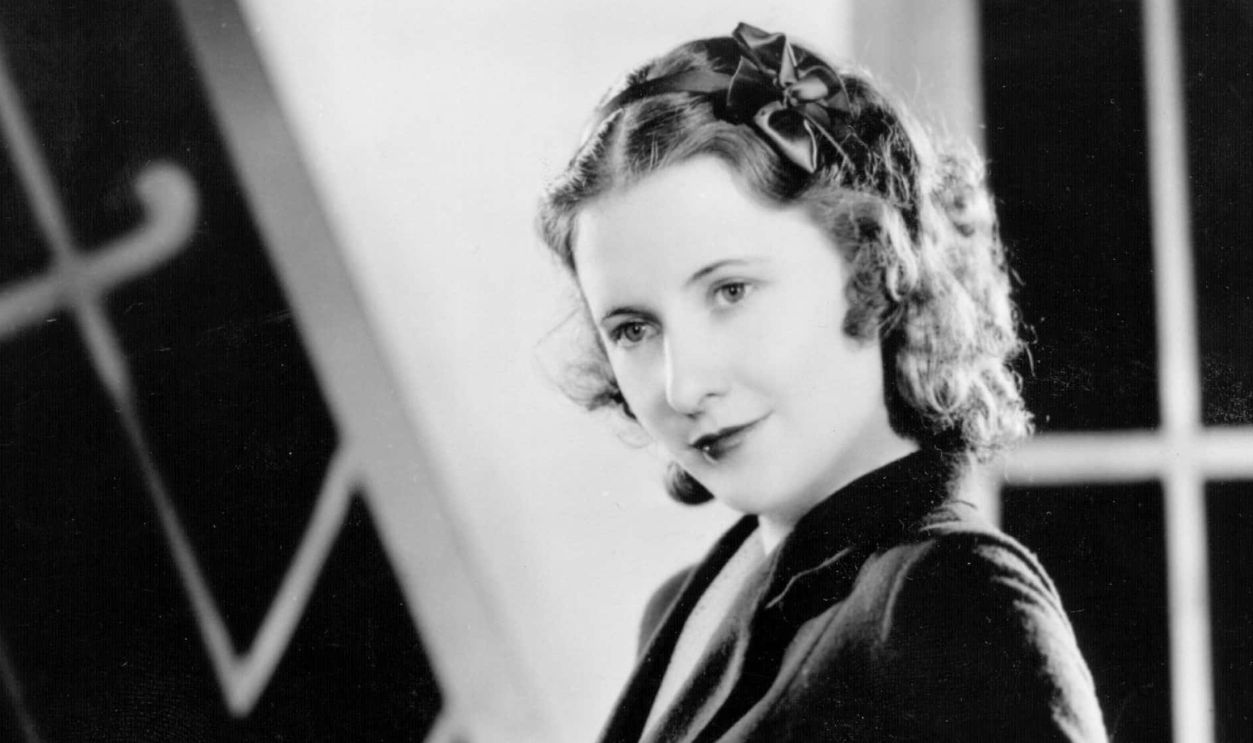
She Never Treated Television As A Demotion
Some film stars approached television as a reluctant retreat from the movies. Stanwyck committed fully, performing the role with the same seriousness she had brought to prestigious directors and major studio productions. That dedication helped remove the sense that weekly television was beneath a performer of her stature.
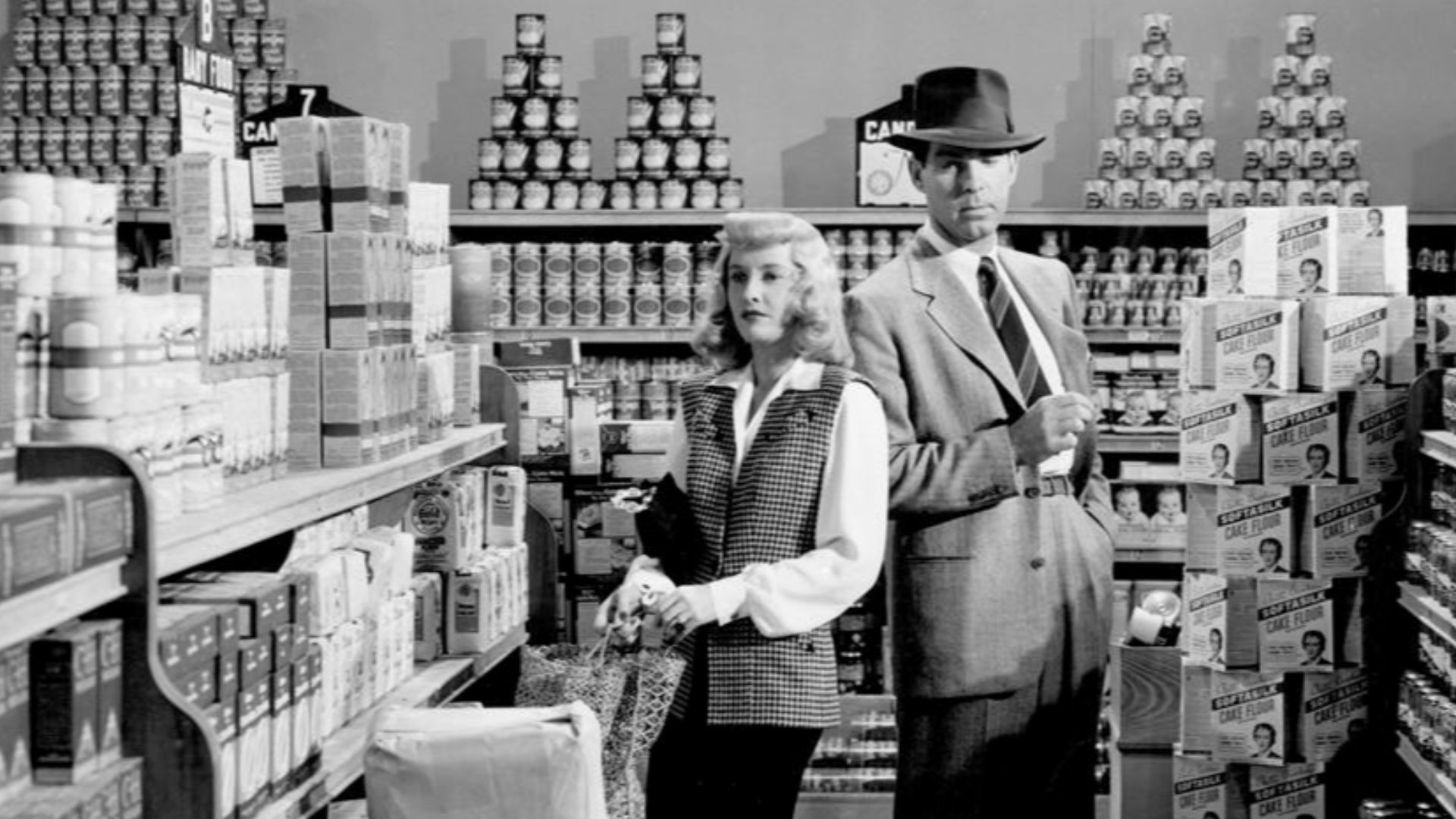
Victoria Became One Of Her Defining Roles
Stanwyck had played unforgettable women in Stella Dallas, The Lady Eve, Double Indemnity, and Sorry, Wrong Number. Even among that remarkable catalog, Victoria Barkley became one of the roles most closely connected to her name. Turner Classic Movies has described the frontier matriarch as one of the iconic parts of her later career.
 Time Inc.; photograph by Paramount Pictures (no photographer credited), Wikimedia Commons
Her Authority Outlasted The Series
The Big Valley ended in 1969 after four seasons, but Stanwyck continued returning to television in high-profile roles. She later won another Emmy for The Thorn Birds and appeared in Dynasty and The Colbys. Those later matriarchs carried echoes of Victoria’s steel, suggesting that television never forgot what Stanwyck had proved she could do.
She Made Power Look Completely Personal
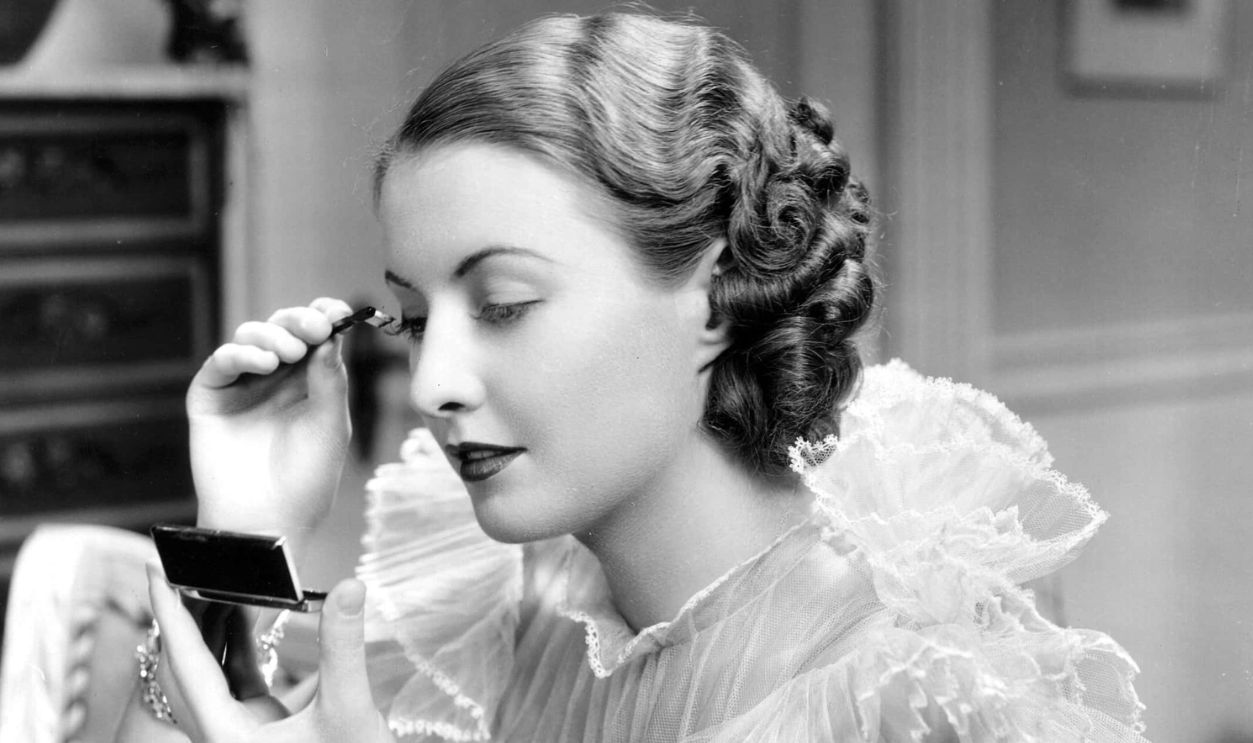
Stanwyck did not portray Victoria as powerful because a script declared her wealthy or important. She created authority through posture, discipline, intelligence, compassion, and the certainty that the Barkley family would not collapse while she was standing. That combination of old Hollywood technique and modern female strength is why Victoria still feels larger than the television Western around her.
You May Also Like:
TV Shows From The 60s That Deserve A Revival In 2025
TV shows from the 1960s that no one remembers—seriously, do you remember even 5 of these shows?
Sources: 1, 2, 3, 4, 5, 6, 7, 8, 9, 10, 11, 12, 13, 14, 15, 16, 17, 18, 19, 20, 21, 22, 23, 24, 25, 26, 27, 28