Before Kraus, Swenson Was A Very Different Kind Of Star
Inga Swenson had spent years playing sophisticated, dramatic, and musically demanding roles when Benson offered her something completely different. It hardly looked like the part that would become her television legacy. Then one exaggerated German accent changed everything.
Omaha Was An Unlikely Starting Point
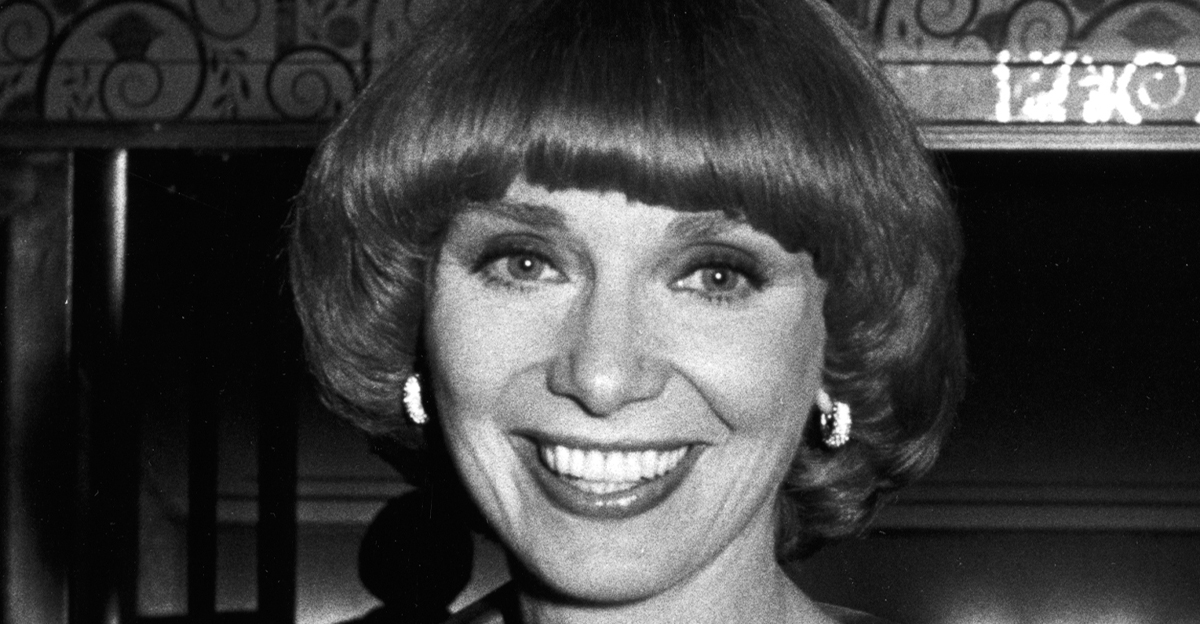
Inga Swenson was born in Omaha, Nebraska, on December 29, 1932. She became interested in theater young and was already performing professionally in summer stock while still a teenager. Nothing about her background was particularly German, a fact that would surprise plenty of Benson viewers decades later. Her real voice and manner were also far removed from the forceful Bavarian character who eventually made her famous.
 American Shakespeare Festival, Wikimedia Commons
Northwestern Gave Her Serious Training
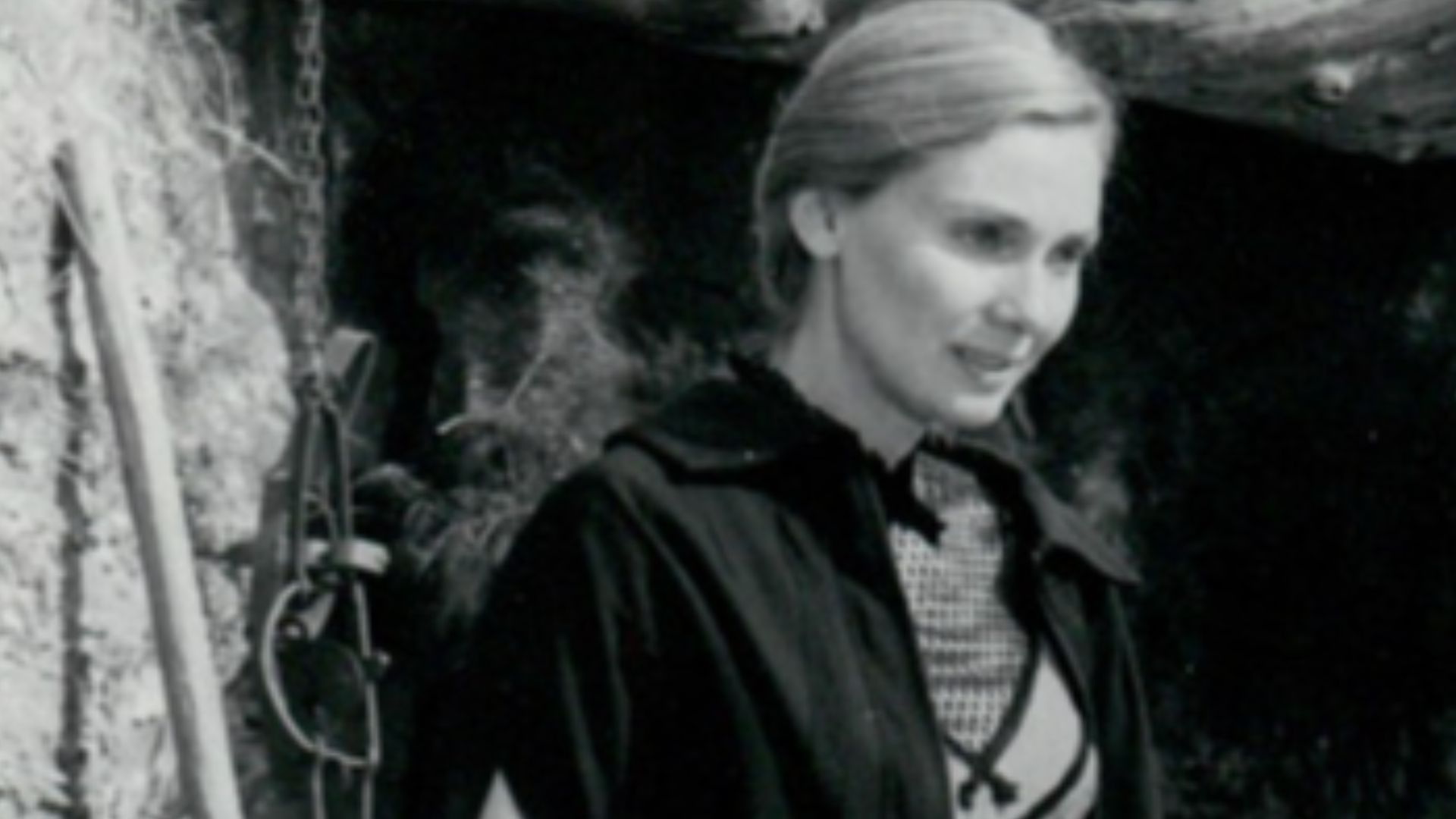
Swenson studied drama at Northwestern University, where she trained under noted acting teacher Alvina Krause. She continued sharpening her craft after college, studying with respected teachers including Uta Hagen and becoming associated with the Actors Studio. Swenson was not approaching acting casually. She was building the kind of classical foundation usually associated with stage drama rather than network sitcom punchlines.
 CBS Television Uploaded by We hope at en.wikipedia, Wikimedia Commons
She Had The Voice For Musical Theater Too
Swenson was also a trained lyric soprano, which opened another path into professional theater. Her Broadway career began with New Faces of 1956, a revue that also featured future stars including Maggie Smith. She followed that with The First Gentleman and gradually established herself as an actress who could handle both serious dramatic material and demanding musical roles.
 Frank Goodman & Lila Glaser, press reps for American Shakespeare Festival, Wikimedia Commons
Broadway Nearly Made Her Famous First
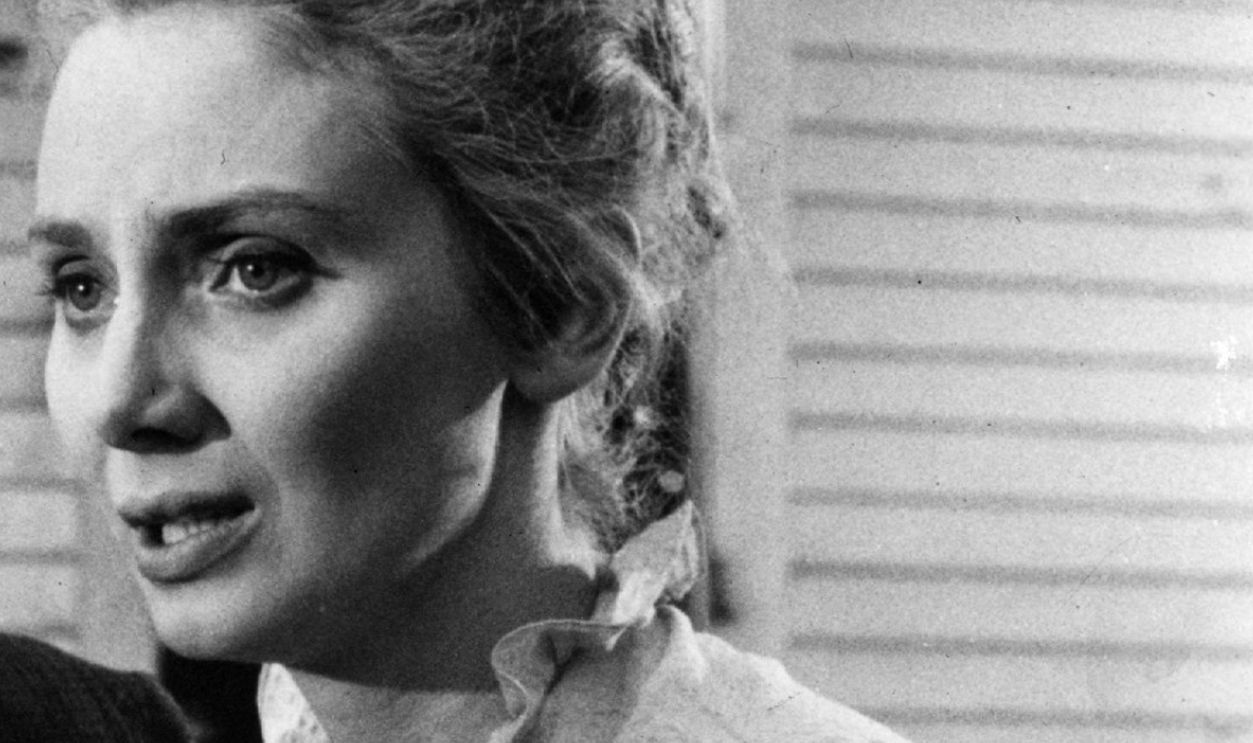
One of Swenson's most important stage roles came in 110 in the Shade, the musical adaptation of The Rainmaker. Playing Lizzie Curry, Swenson had to balance comedy, romance, vulnerability, and a difficult vocal score. The performance brought her a Tony Award nomination for Best Actress in a Musical. Swenson later identified Lizzie as one of her favorite roles, and it remains one of the clearest examples of just how far her talents extended beyond television comedy.
Another Tony Nomination Followed Quickly
Inga Swenson returned to Broadway in 1965 as Irene Adler in Baker Street, a musical built around Sherlock Holmes. Once again, her performance earned a Tony nomination for Best Actress in a Musical. Within only a few years, she had become a two-time Tony nominee with legitimate Broadway credentials. If someone had predicted that her most famous role would eventually involve shouting at a sarcastic television butler from another room, the career path would have sounded fairly ridiculous.
 Evening Standard, Getty Images
Hollywood Already Knew She Could Handle Drama
Swenson also found significant film work during the early 1960s. She appeared in Otto Preminger's political drama Advise & Consent and played Kate Keller, Helen Keller's mother, in the acclaimed 1962 adaptation of The Miracle Worker. The latter put her alongside Anne Bancroft and Patty Duke in an intensely dramatic story. Swenson's early screen career gave little indication that broad comedy would eventually become such an important part of her legacy.
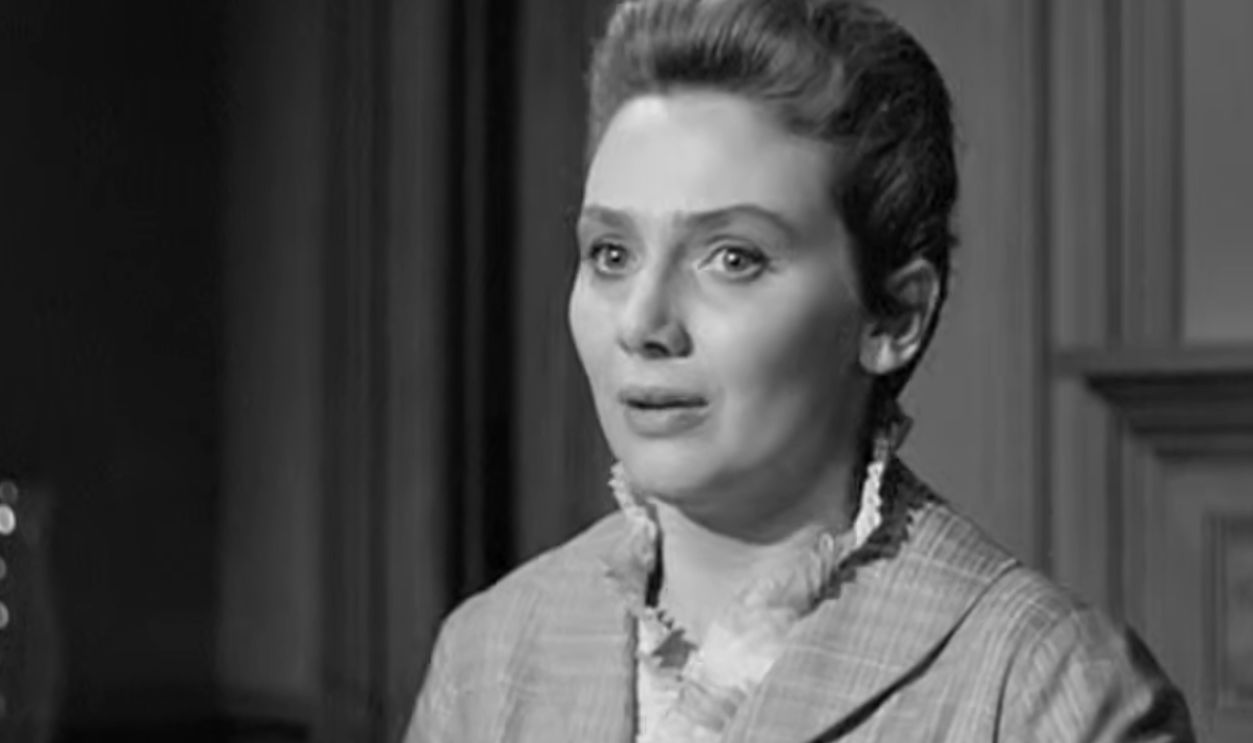 Screenshot from The Miracle Worker, United Artists (1962)
Television Slowly Became Part Of The Mix
As her stage career continued, Swenson made increasingly frequent television appearances. She turned up on dramas including Bonanza, Dr Kildare, The Defenders, Medical Center, The Rookies, and Barnaby Jones. On Bonanza, she even played Inger Cartwright, the mother of Hoss, in the episodes "Inger, My Love" and "Journey Remembered". For years, television largely used Swenson as a dramatic character actress rather than a comedian.
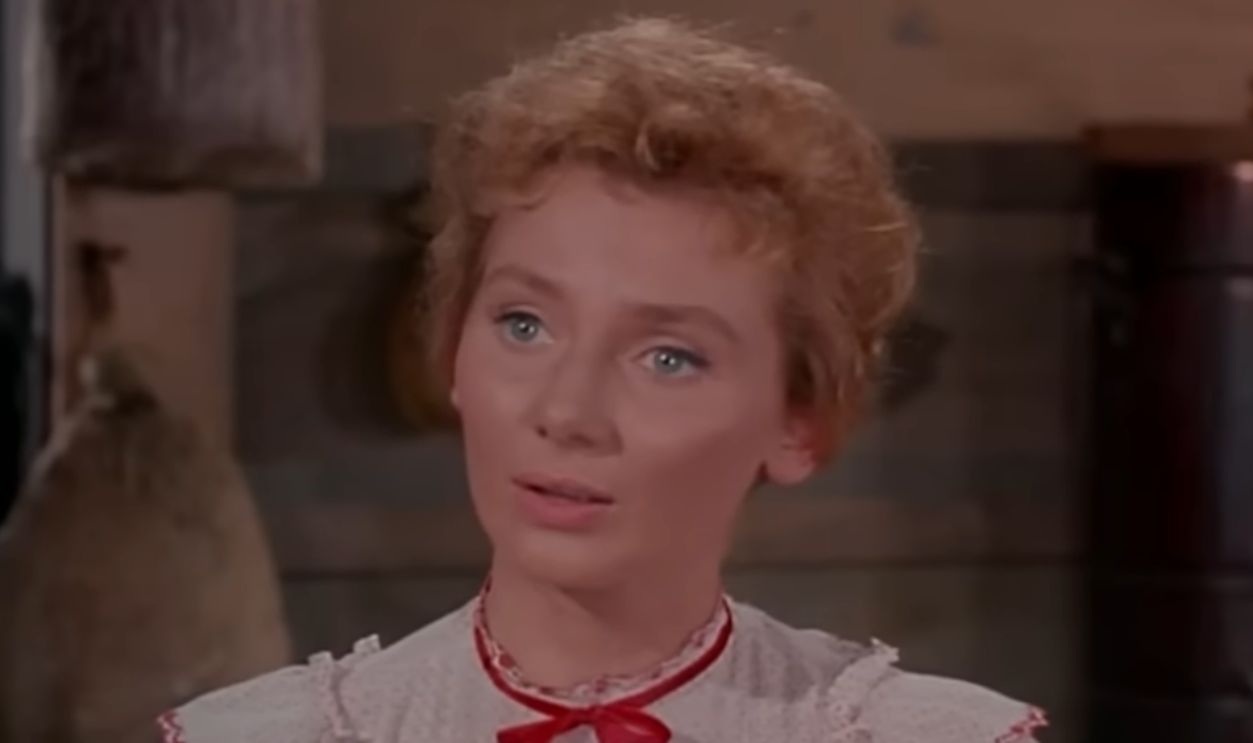 Screenshot from Bonanza, NBC (1959–1973)
Soap Revealed A Different Side Of Her
That changed dramatically when Swenson joined Soap in 1978. She played Ingrid Svenson, the scheming Swedish biological mother of Corinne Tate, in a recurring storyline. Soap was already famous for pushing sitcom conventions into bizarre territory, and Swenson demonstrated that her serious acting technique could become even funnier when applied to deliberately outrageous material. The producers noticed.
 Screenshot from Soap, ABC (1977–1981), Modified
Benson Was Born From Soap
Robert Guillaume's Benson DuBois had been one of Soap's breakout characters. Benson was the Tates' sarcastic butler, usually the smartest person in a household filled with absurdity. His popularity inspired ABC to launch Benson in 1979, moving the character into the household of widowed Governor Eugene Gatling. The spinoff needed a supporting cast capable of sparring with Guillaume without weakening his famously sharp comic rhythm. Inga Swenson turned out to be an ideal choice.
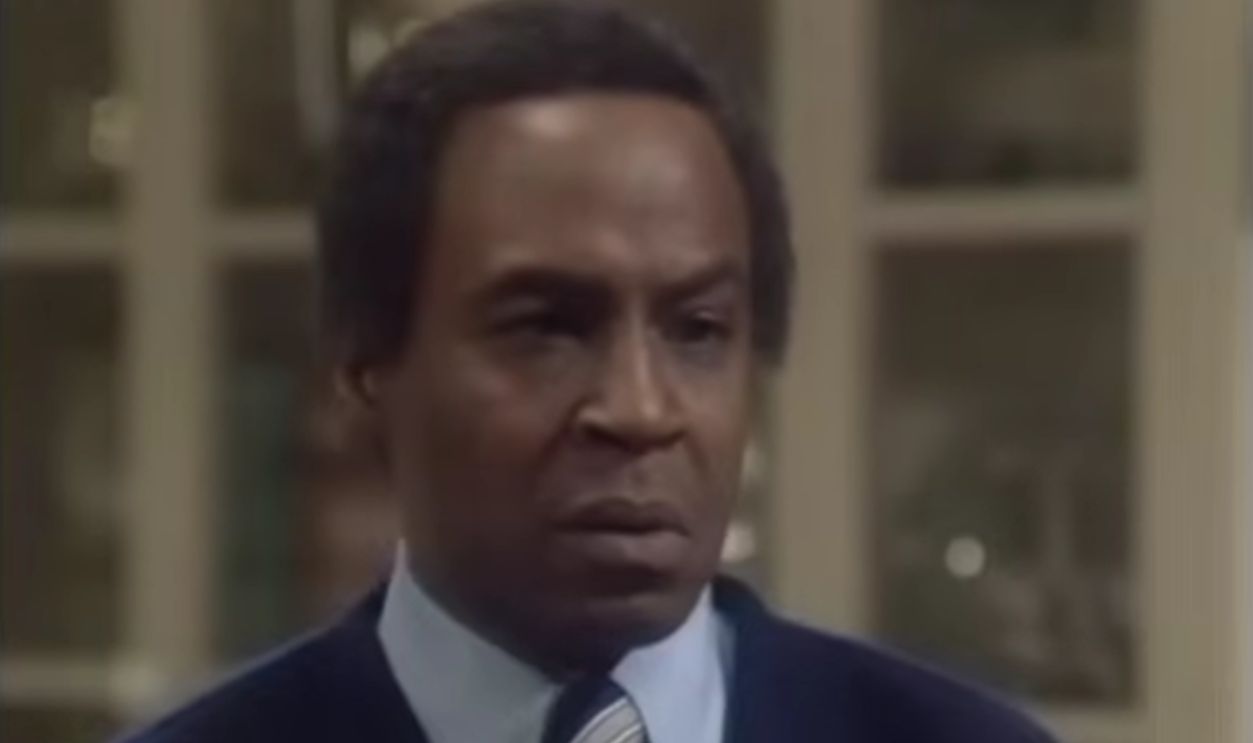 Screenshot from Benson, Columbia Pictures Television (1979–1986)
One German Accent Won Her The Part
When Swenson auditioned for Benson, she decided to read the role with a heavy German accent. She later remembered that the reaction in the room was immediate. The producers loved it, and Swenson landed the role of Gretchen Kraus, the governor's formidable German cook. It was an unexpectedly broad character for an actress with her background, but Swenson understood something crucial: Kraus would only work if she played the woman with complete conviction.
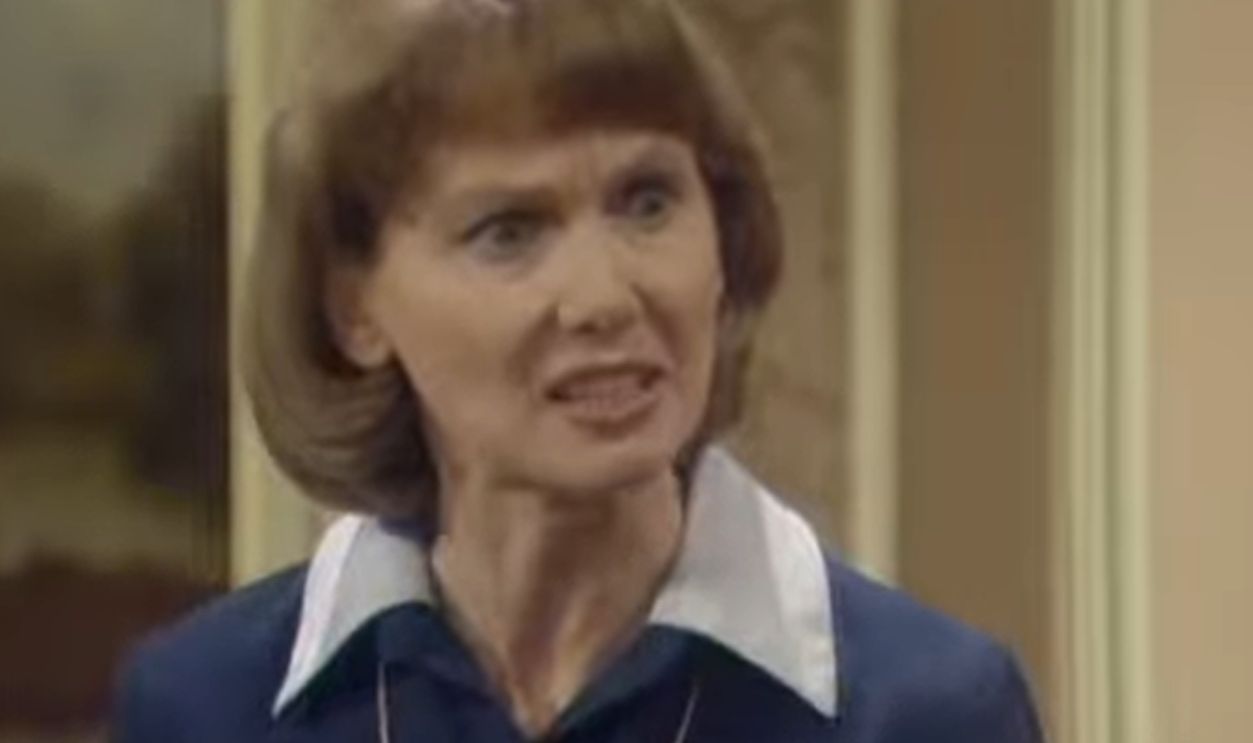 Screenshot from Benson, ABC (1979–1986)
Kraus Arrived Ready For Battle
From the beginning, Gretchen Kraus was not designed to fade quietly into the governor's kitchen. She was proud, stubborn, bossy, and absolutely certain that her way was the correct way. Benson was equally confident, which meant the two characters could barely occupy the same room without trading insults. Their arguments quickly became one of Benson's most reliable sources of comedy.
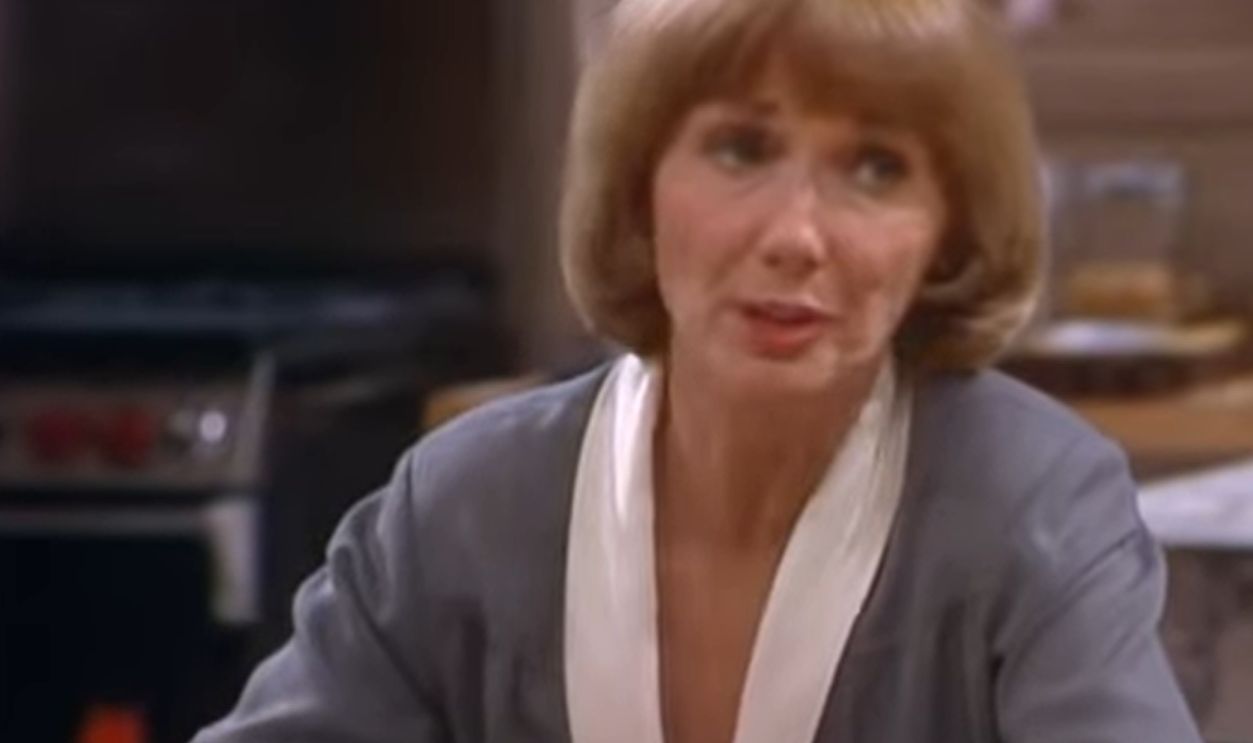 Screenshot from Benson, ABC (1979–1986)
Swenson And Guillaume Were Perfect Opponents
Robert Guillaume's comedy often depended on restraint. Benson could destroy someone with a raised eyebrow, a dry response, or a look that suggested he had already decided everyone around him was ridiculous. Inga Swenson attacked scenes from the opposite direction. Kraus could be loud, emphatic, and openly offended. Putting Guillaume's controlled sarcasm against Swenson's full-force indignation gave the series a comic rivalry that rarely needed an elaborate setup".
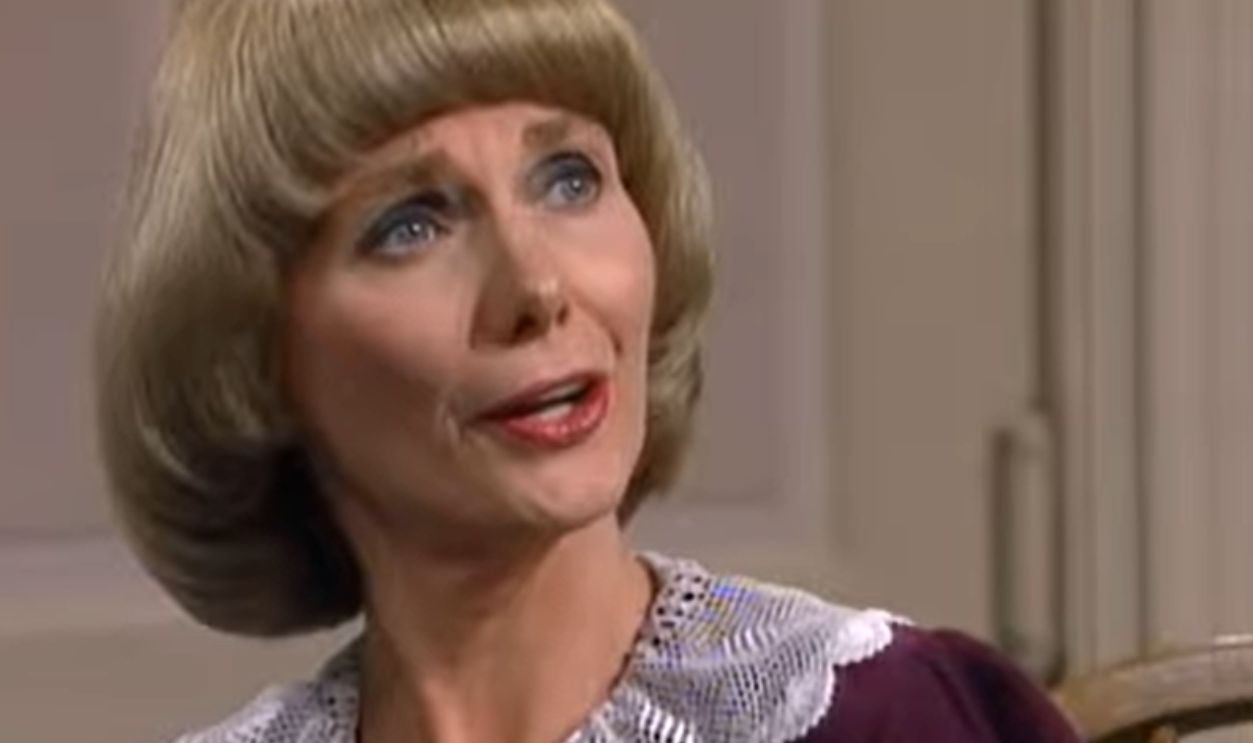 Screenshot from Benson, ABC (1979–1986)
I Hear You!" Became Her Signature
One of the show's most memorable recurring jokes involved Benson waiting until Kraus left a room before delivering one final insult under his breath. Just when he assumed she was safely out of earshot, Kraus would shout back, "I hear you!" The gag became so closely associated with the character that viewers could anticipate it and still laugh. Swenson's drawn-out delivery helped turn a simple comeback into a genuine catchphrase.
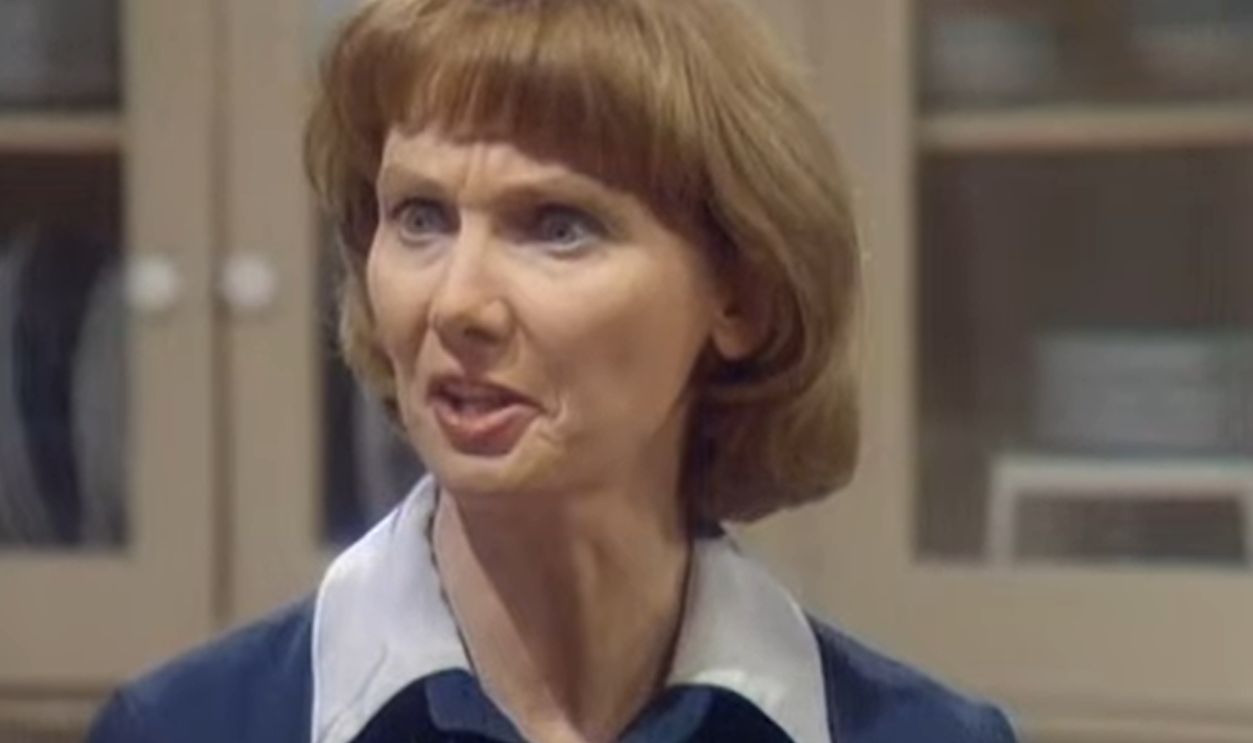 Screenshot from Benson, ABC (1979–1986)
Bavaria Became Its Own Running Joke
Kraus also had a habit of beginning stories with some variation on "When I was a little girl in Bavaria..". The stories helped create an increasingly elaborate fictional childhood for her while giving everyone else an opportunity to react with dread. Swenson delivered these memories with such seriousness that even the most ridiculous details sounded like sacred family history. It was another example of her using dramatic commitment to make comedy stronger.
 Screenshot from Benson, ABC (1979–1986)
People Actually Thought She Was German
Swenson's accent became so convincing that many viewers assumed she really was German. In reality, the supposedly Bavarian actress had grown up in Nebraska. The misunderstanding says plenty about how completely she disappeared into Kraus. Swenson didn't perform the accent as an occasional joke. She built an entire physical and vocal character around it, making it difficult for audiences unfamiliar with her earlier work to imagine her sounding any other way.
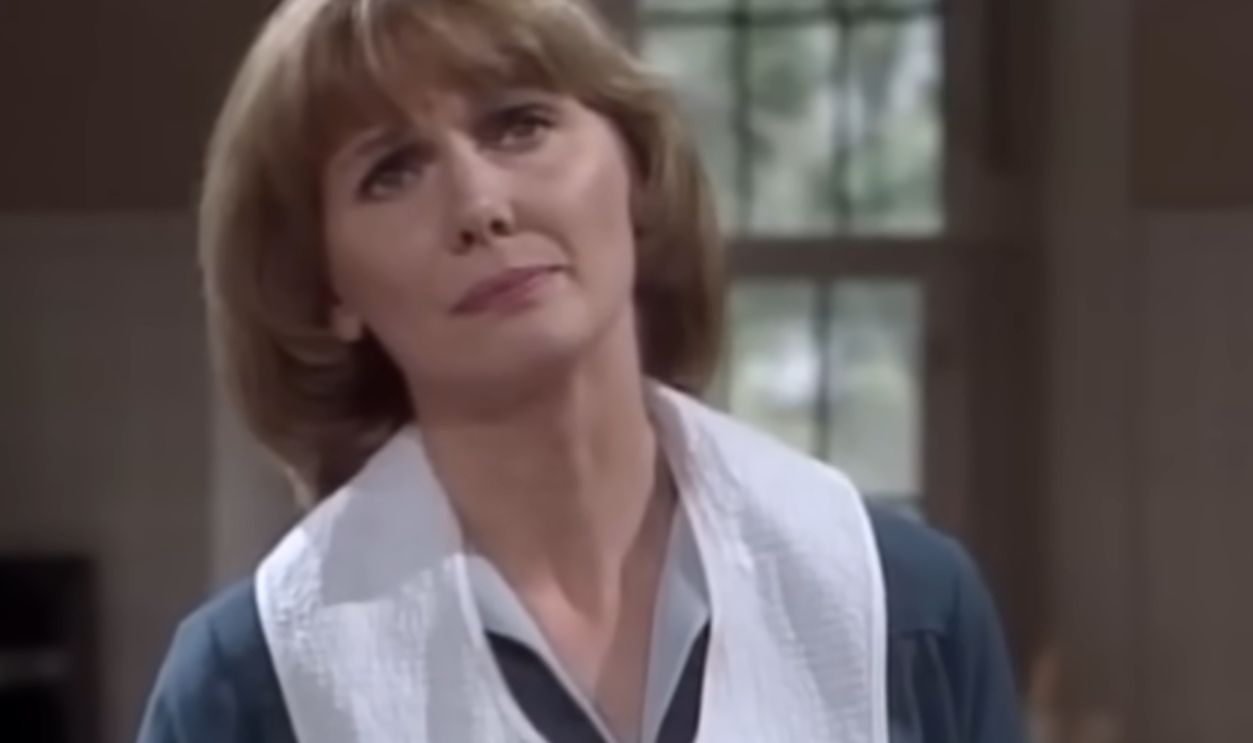 Screenshot from Benson, ABC (1979–1986)
Kraus Could Have Been A One-Note Character
On paper, Gretchen Kraus could easily have become a stereotype who existed solely to bark orders in a German accent. Inga Swenson prevented that by giving her genuine pride, vulnerability, loyalty, and affection beneath the authoritarian surface. Kraus might insult Benson relentlessly, but viewers gradually understood that the fighting itself was part of their relationship. The more the characters argued, the clearer it became that neither would tolerate someone else attacking the other.
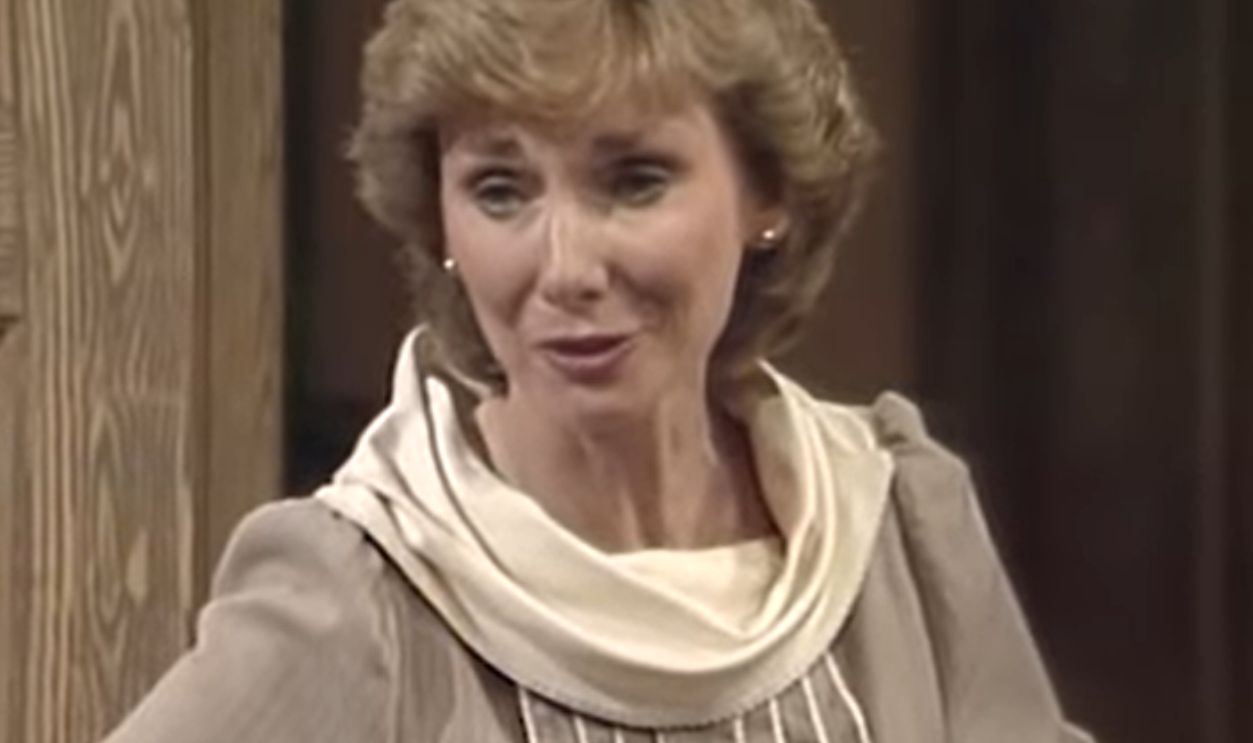 Screenshot from Benson, ABC (1979–1986)
The Character Grew Along With Benson
One of Benson's unusual strengths was that its characters did not remain frozen in exactly the same positions for seven seasons. Benson himself gradually climbed from managing the governor's household to increasingly important roles in state government. Kraus also moved beyond her original position as cook, eventually taking on greater administrative responsibilities, including work as budget director. That evolution let Swenson play Kraus as more than simply a household obstacle.
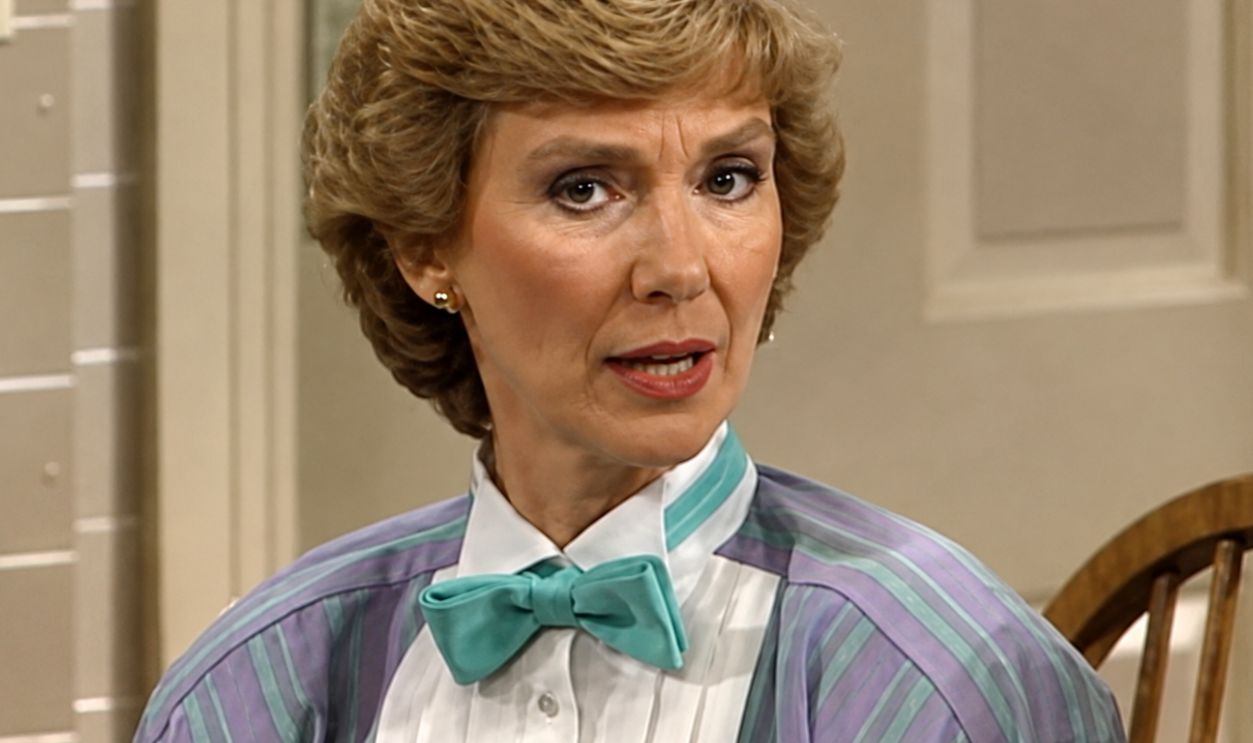 Screenshot from Benson, ABC (1979–1986), Modified
The Supporting Cast Became A Major Strength
Kraus was only one part of an unusually strong ensemble. James Noble played the absent-minded but kind Governor Gatling, while René Auberjonois became another major comic foil as the pompous Clayton Endicott III. Ethan Phillips, Didi Conn, Caroline McWilliams, Missy Gold, and others rotated through the governor's mansion and state offices. Swenson's ability to change her rhythm depending on the actor opposite her helped keep Kraus useful even as the supporting cast evolved.
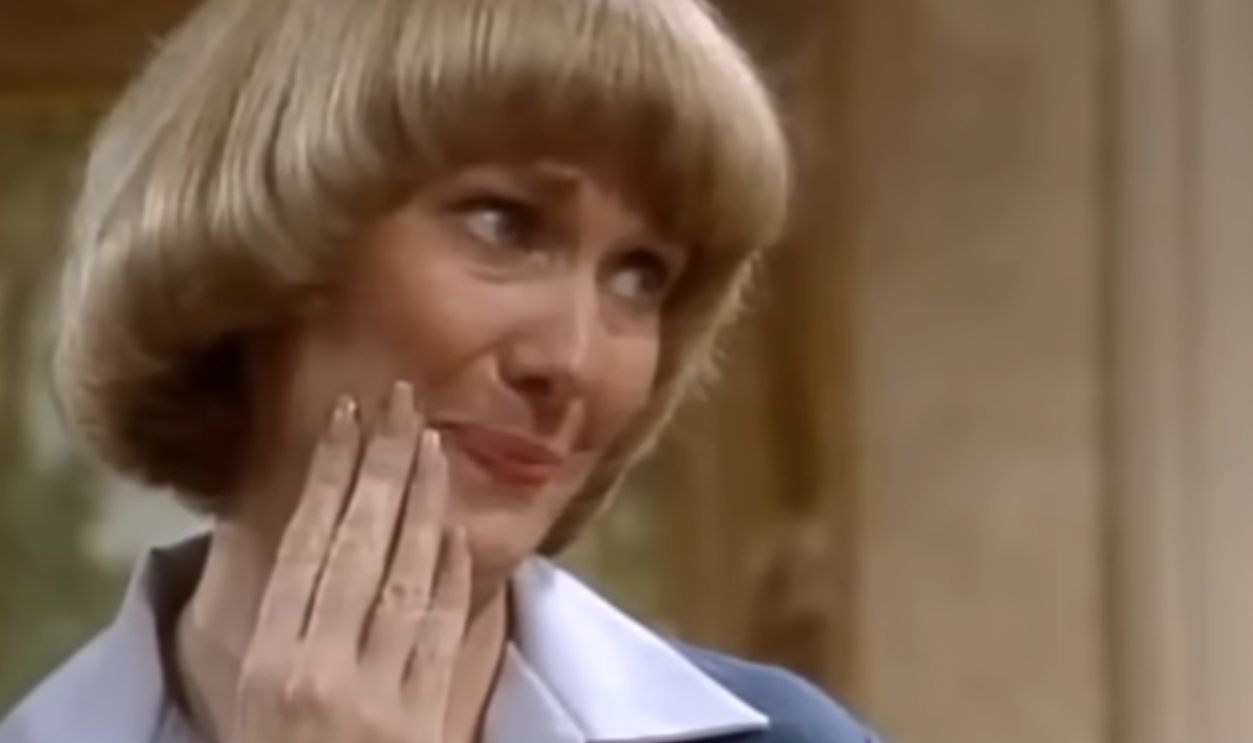 Screenshot from Benson, ABC (1979–1986)
Benson Was Doing Something Important Too
The show's comedy existed alongside a significant television milestone. Benson DuBois was a Black lead character whose intelligence, ambition, and authority increased over the course of the series. Guillaume was determined not to play Benson as either a servile stereotype or an unrealistically perfect symbol. By 1985, Benson's rise culminated in Guillaume becoming the first Black performer to win the Emmy for Outstanding Lead Actor in a Comedy Series. Kraus' relationship with Benson mattered within that framework because she treated him as a worthy rival from the beginning, not as someone beneath her.
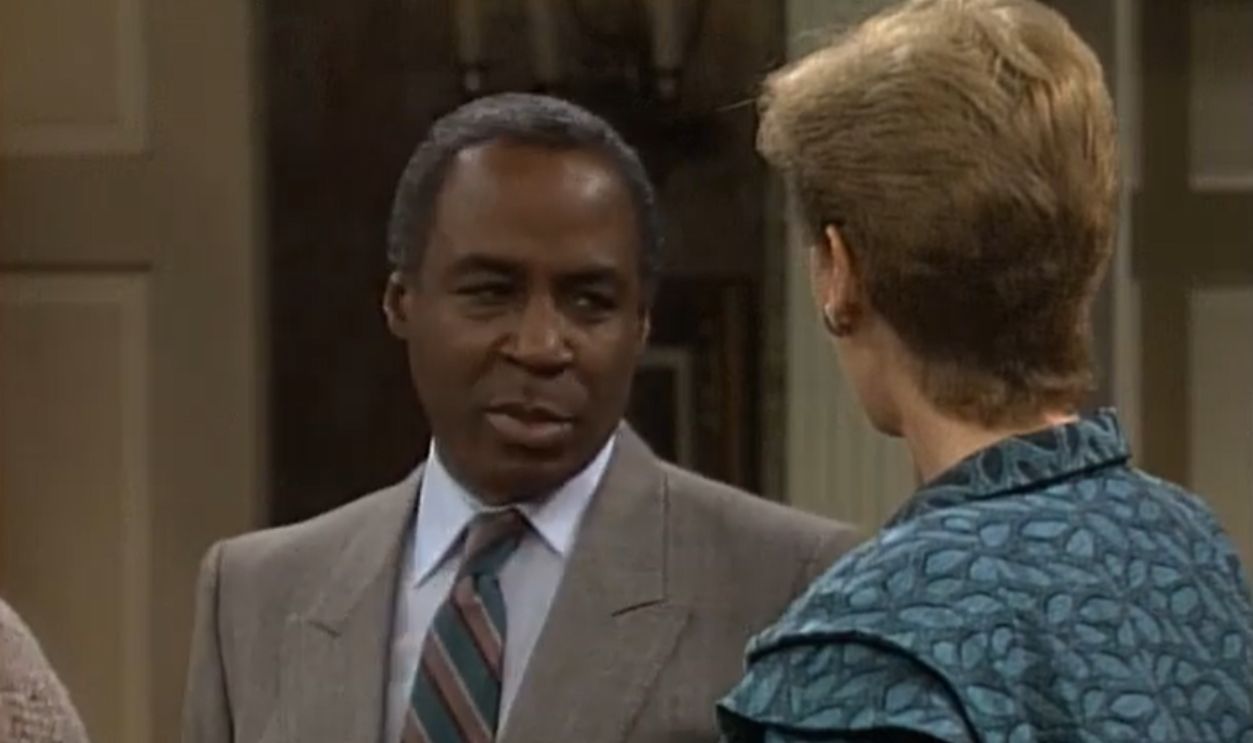 Screenshot from Benson, Columbia Pictures Television (1979–1986)
Seven Seasons Turned Kraus Into A TV Fixture
Benson ran on ABC from 1979 until 1986, producing 158 episodes across seven seasons. Swenson appeared in more than 150 of them, making Kraus one of the series' most consistent presences. Plenty of sitcom characters built around an exaggerated accent would have worn thin after a season or two. Swenson kept finding small variations in Kraus' indignation, pride, affection, and competitiveness that allowed the joke to keep working.
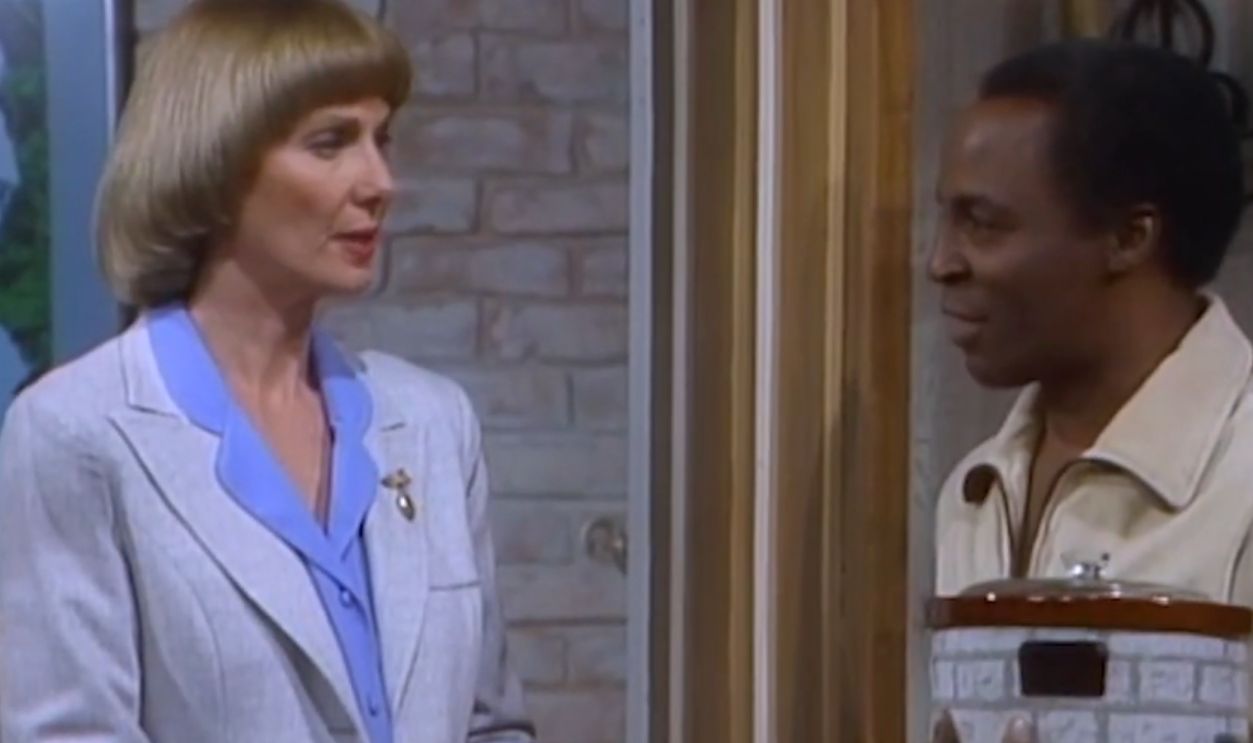 Screenshot from Benson, ABC (1979–1986)
The Emmys Noticed What Swenson Was Doing
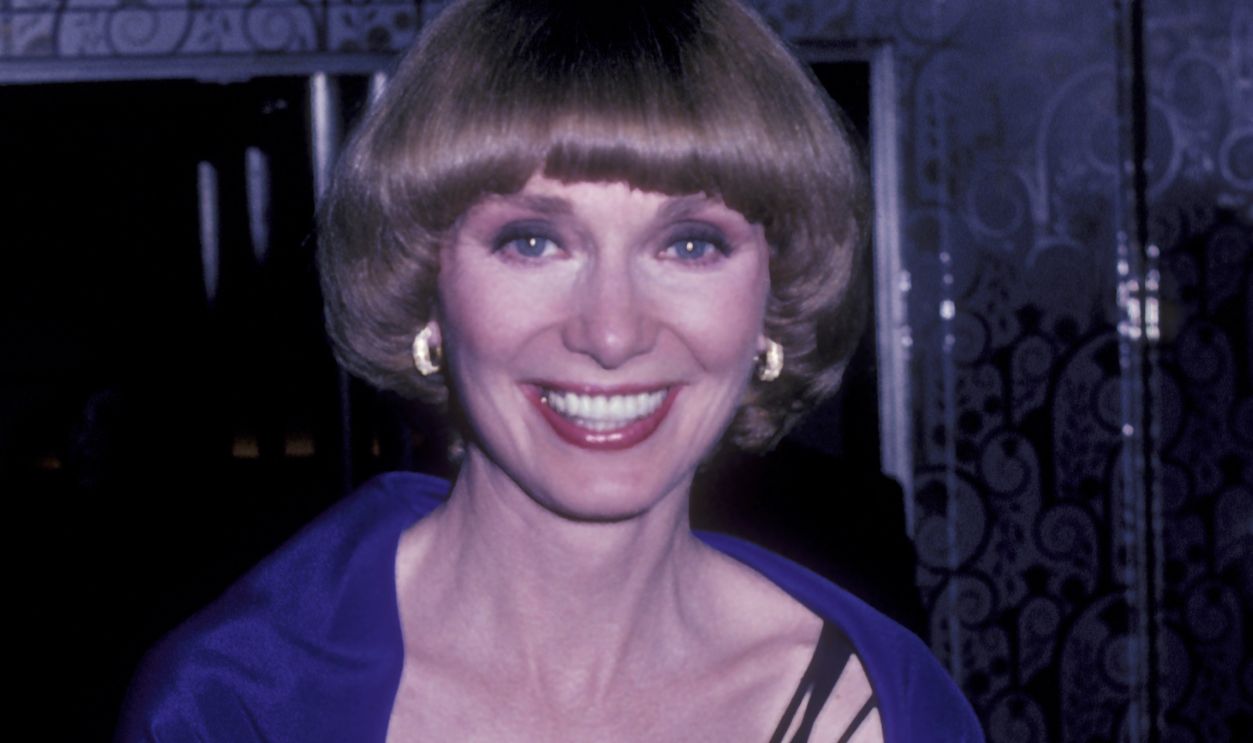
Inga Swenson received three Primetime Emmy nominations for her work on Benson, earning recognition in 1980, 1982, and 1985 for Outstanding Supporting Actress in a Comedy Series or its equivalent category at the time. She also received a Golden Globe nomination near the end of the show's run. The nominations were significant because they recognized that what looked broad on the surface required considerable precision underneath. Kraus was funny because Swenson knew exactly how seriously to take her.
The Rivalry Eventually Revealed A Friendship
As the series progressed, Benson and Kraus became less like genuine enemies and more like two old friends who happened to communicate almost exclusively through insults. Their affection rarely became sentimental, which was probably why it worked. When Benson eventually ran for governor against Gatling, Kraus emerged as one of his strongest supporters. After years of shouting at him, she had become one of the people most firmly in his corner.
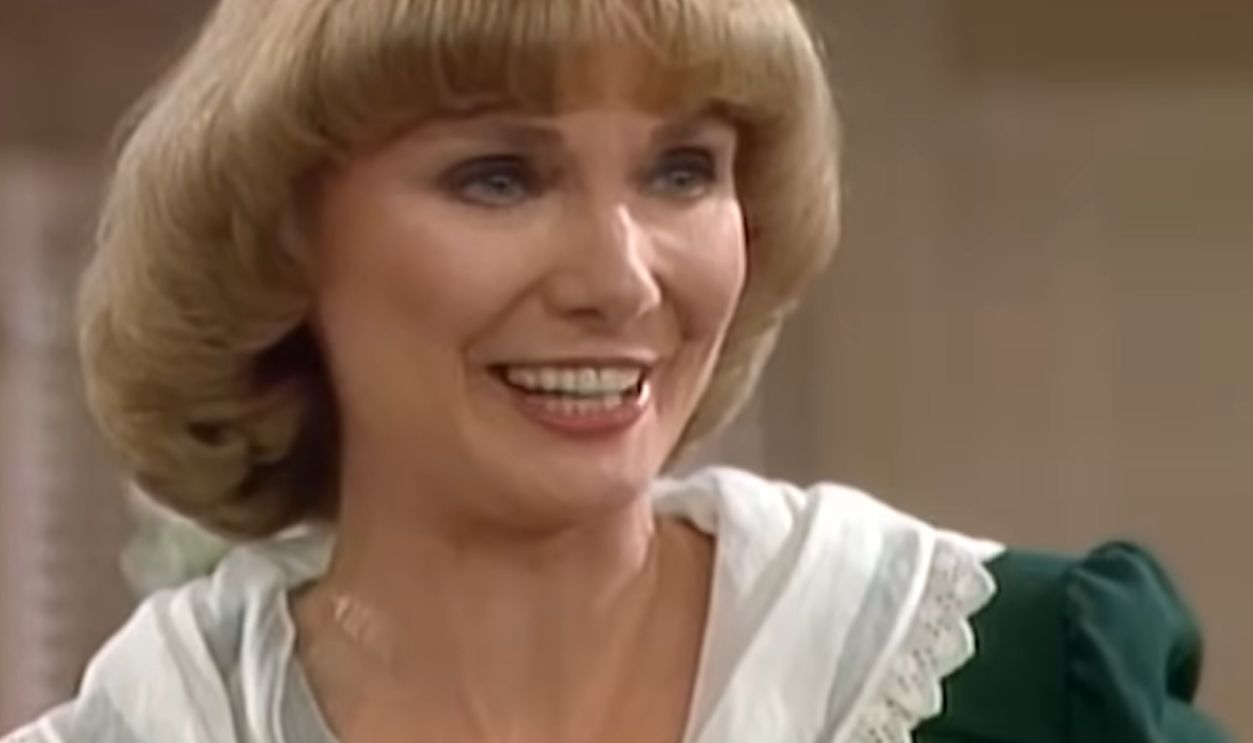 Screenshot from Benson, ABC (1979–1986)
Kraus Became Bigger Than The Accent
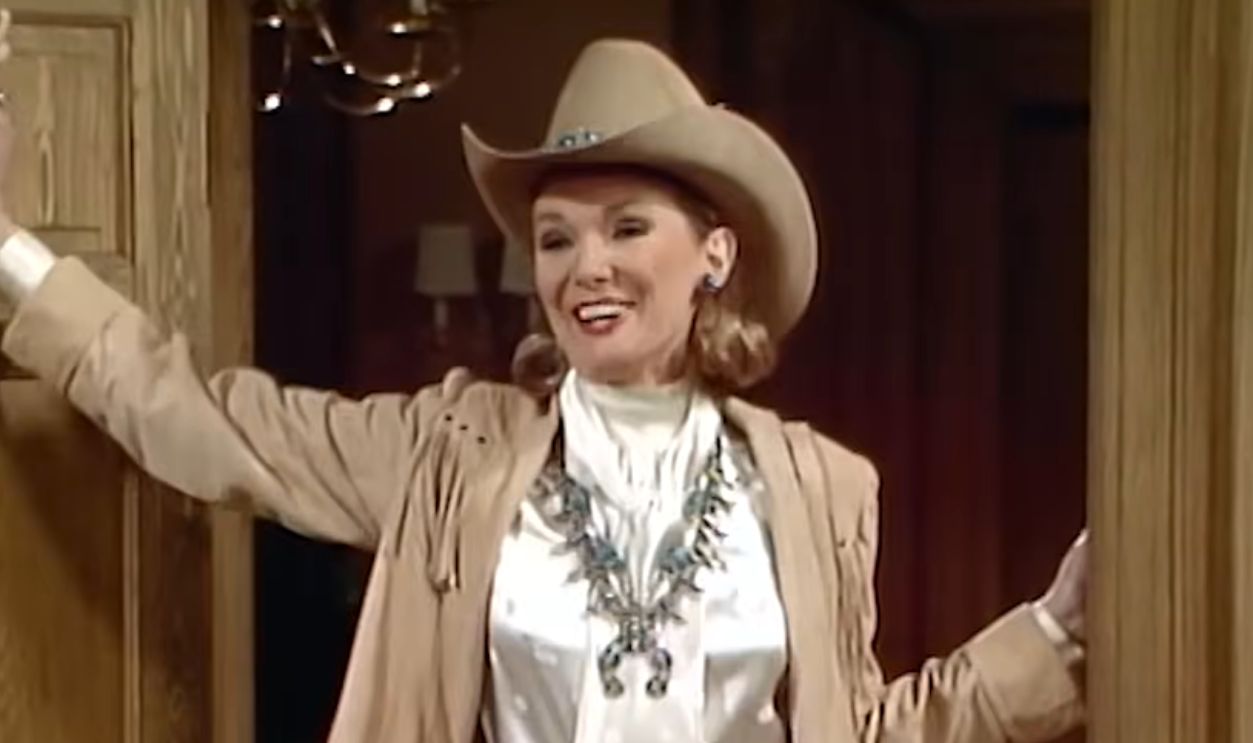
That evolution helped explain why the character survived in viewers' memories. The German accent and catchphrases made Kraus instantly recognizable, but Swenson's chemistry with Guillaume gave her staying power. Their scenes captured a type of sitcom relationship that audiences love: two people who would rather swallow nails than openly admit how much they respect each other. Kraus could enter a scene, fire one line at Benson, and change its entire energy.
 Screenshot from Benson, ABC (1979–1986)
Swenson Still Had More Roles Ahead
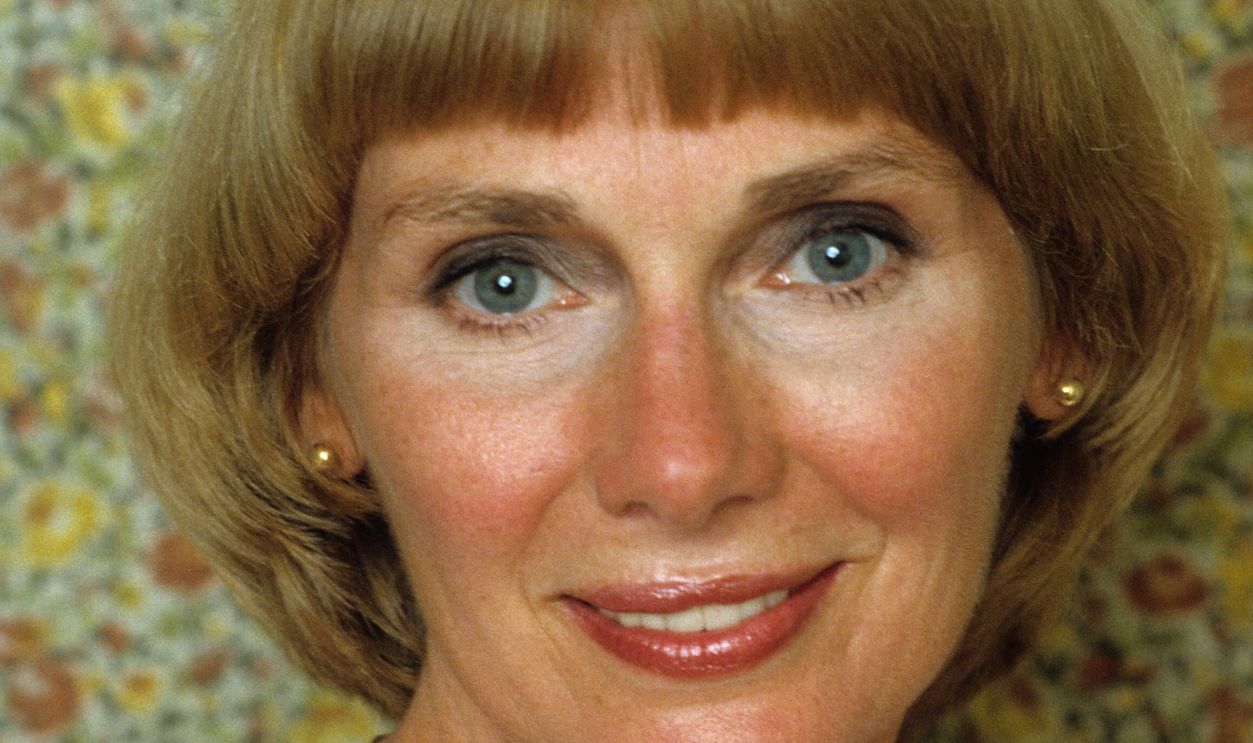
After Benson, Swenson returned to more dramatic material, including playing Maude Hazard in the miniseries North and South and its sequel. She also appeared on shows including Newhart, The Golden Girls, and Doctor Doctor. Her post-Benson work reminded viewers that the severe Bavarian housekeeper had always been only one part of a much broader acting career. Swenson eventually retired from acting in 1998 after more than four decades on stage and screen.
 Donaldson Collection, Getty Images
One Sitcom Role Rewrote Her Legacy
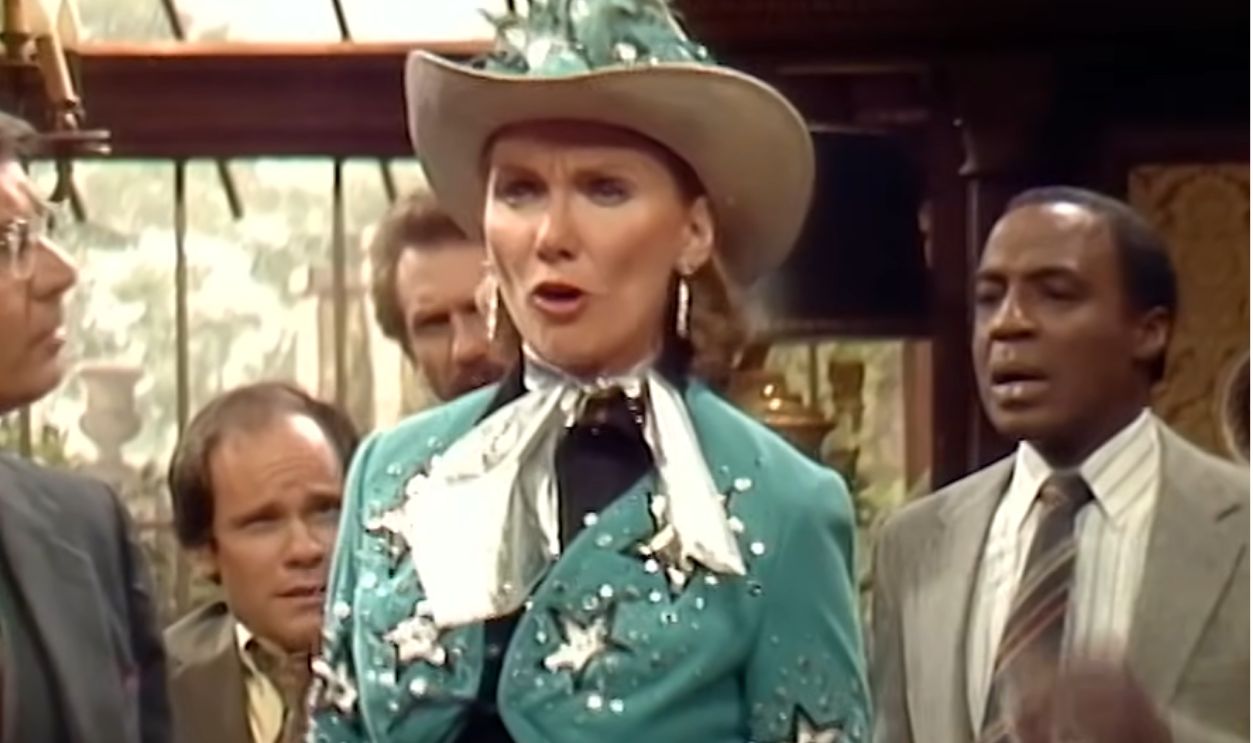
Inga Swenson died in 2023 at the age of 90, leaving behind two Tony nominations, distinguished dramatic roles, musical theater performances, films, and decades of television work. Yet Gretchen Kraus remained the character most closely attached to her name. That might have seemed improbable to the classically trained soprano who once played Helen Keller's mother, but it also says something about how good Swenson was. She took what could have been Benson's loudest supporting caricature and made Kraus sharp, human, endlessly quotable, and impossible to ignore. By the time the series ended, she wasn't merely the woman shouting from the kitchen. She was one of the reasons viewers kept coming back to the governor's mansion.
 Screenshot from Benson, ABC (1979–1986)
You May Also Like:
Katherine Helmond Made TV’s Weirdest Women Unforgettable
Tony Danza Went From Boxer To Sitcom Star Faster Than Anyone Expected