She Made Strange Look Effortless.
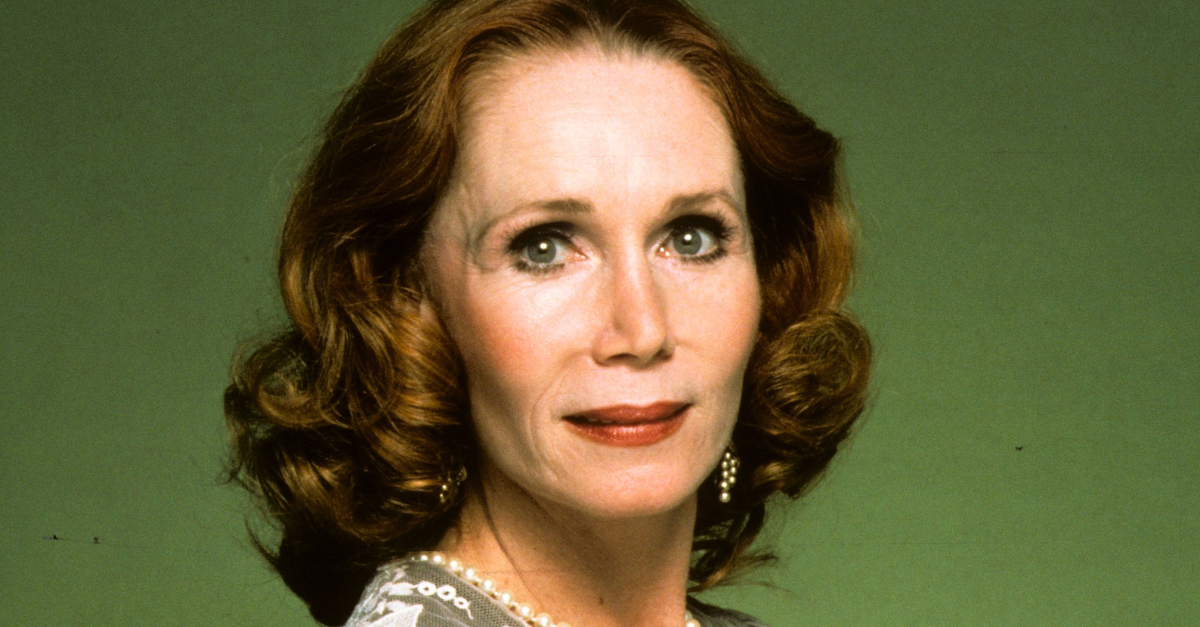
Katherine Helmond spent decades playing women who could be naïve, flirtatious, imperious, absent-minded, or gloriously inappropriate without ever reducing them to cartoons. From Jessica Tate on Soap to Mona Robinson on Who’s the Boss? and Lois Whelan on Everybody Loves Raymond, she repeatedly proved that television’s funniest woman did not have to be the youngest or most sensible person in the room.
 ABC Photo Archives / Getty Images
Galveston Gave Her A Long Way To Travel
Helmond was born in Galveston, Texas, on July 5, 1929. She later recalled being a shy child who discovered that acting gave her a place where she felt unusually comfortable. That transformation from reserved youngster to fearless performer became the foundation of a career that lasted more than five decades.

The Stage Became Her Real Acting School
Helmond spent years working in regional and summer-stock theater before television became her primary home. She performed for a decade in summer stock and also worked with the Hartford Stage Company and Trinity Repertory Company. When she was not acting, she taught the craft herself, including at Brown University and the American Musical and Dramatic Academy.

Broadway Did Not Make Her An Overnight Star
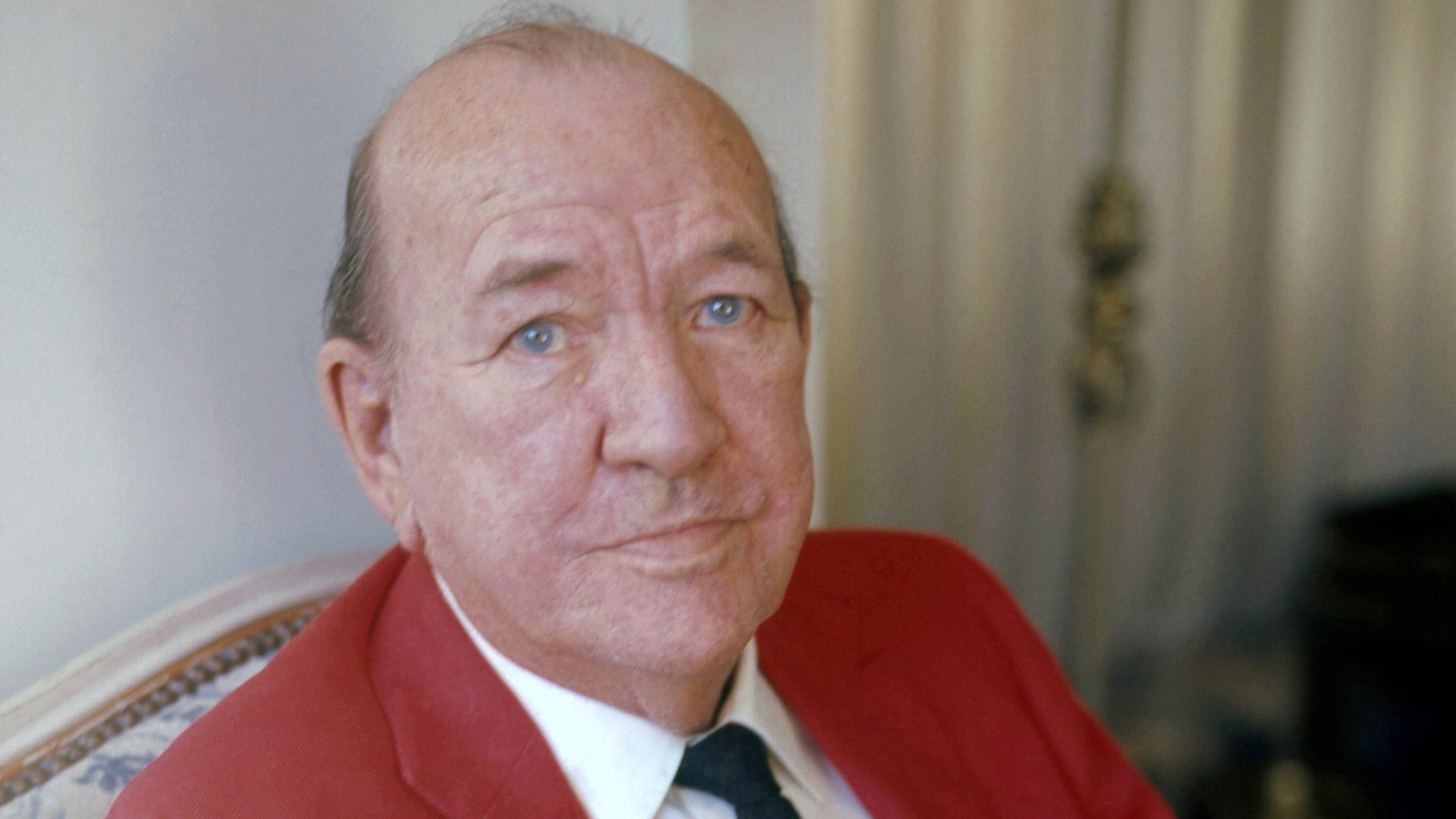
Helmond made her Broadway debut in the 1969 revival of Noël Coward’s Private Lives. She was already around 40, an age when many actresses were being told that their best opportunities were behind them. Instead, her most important screen roles were still years away.
 Allan warren, Wikimedia Commons
Eugene O’Neill Brought Her A Tony Nomination
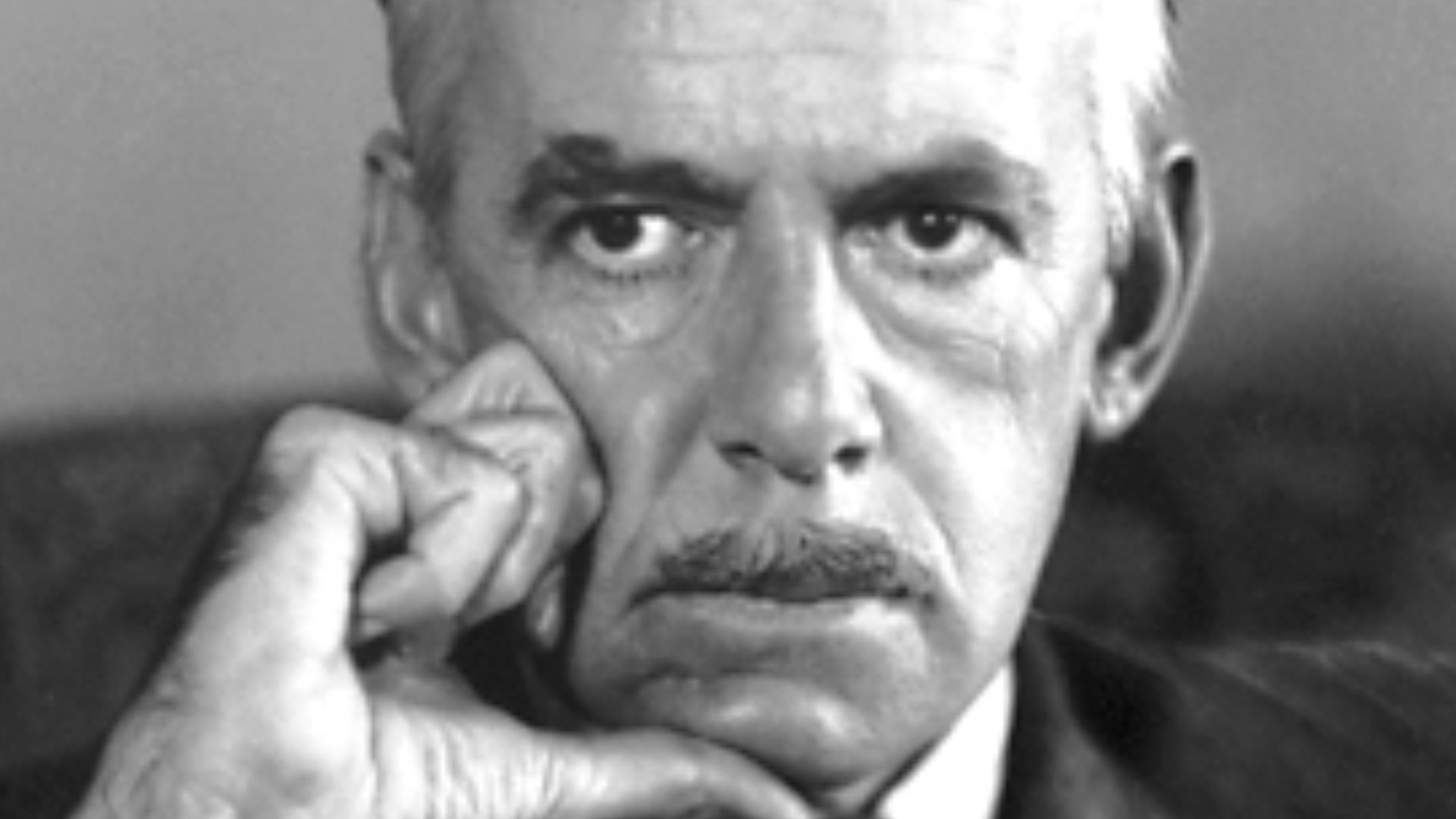
Her work as Margaret in the 1972 Broadway revival of Eugene O’Neill’s The Great God Brown earned Helmond a Tony nomination for featured actress in a play. The production was directed by Harold Prince and also featured John McMartin and John Glover. The nomination established Helmond as a serious stage actress before sitcom audiences ever knew how funny she could be.
 Nobel Foundation, Wikimedia Commons
Comedy Was Not Even Her Specialty Yet
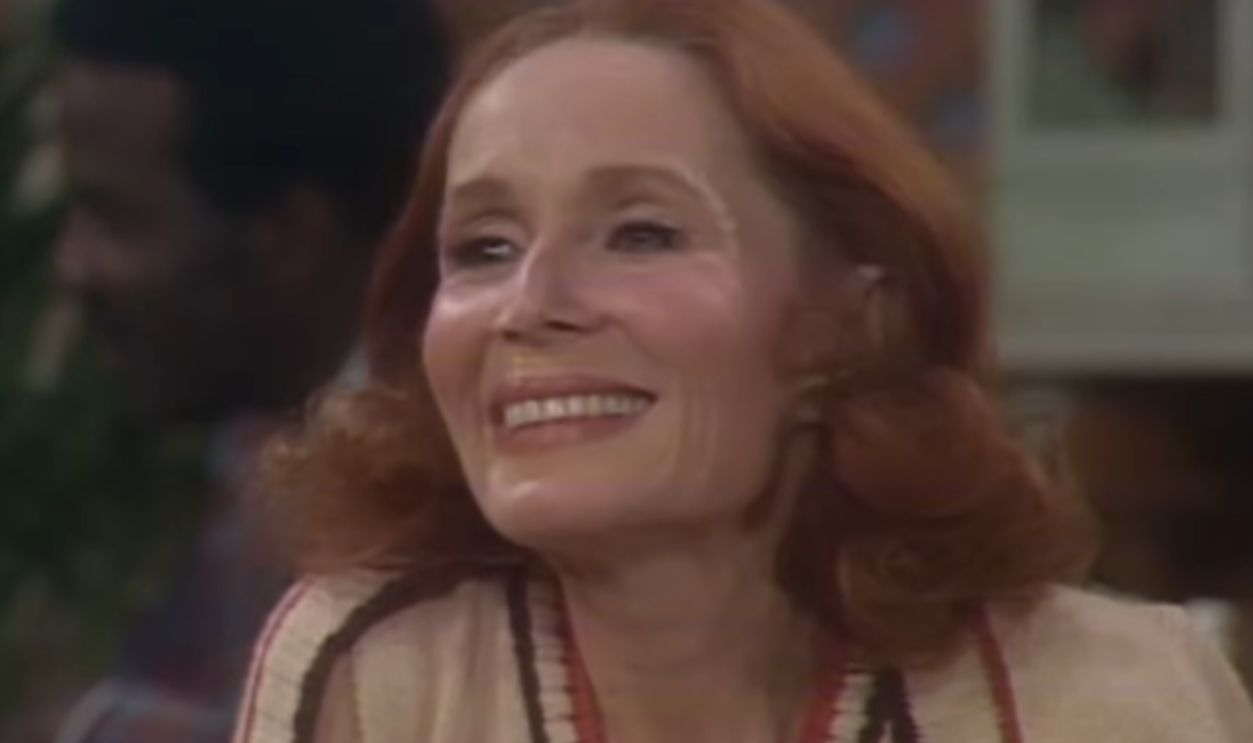
Helmond’s early career leaned heavily toward dramatic stage and television work. In her Television Academy interview, she described Soap as essentially her first major comedic role. That made what happened next even more remarkable because comedy would eventually become the work that defined her to millions.
 Screenshot from Soap, Columbia TriStar Home Entertainment (1977-1981)
Soap Found The Perfect Jessica Tate
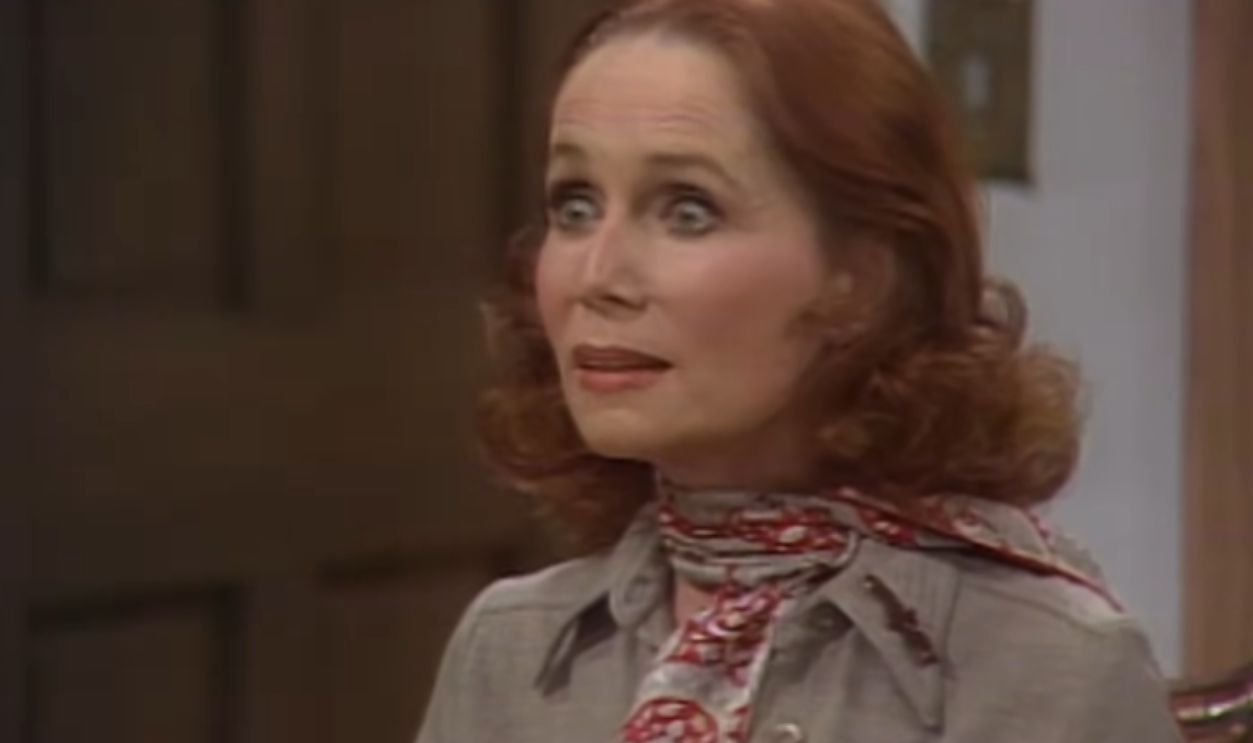
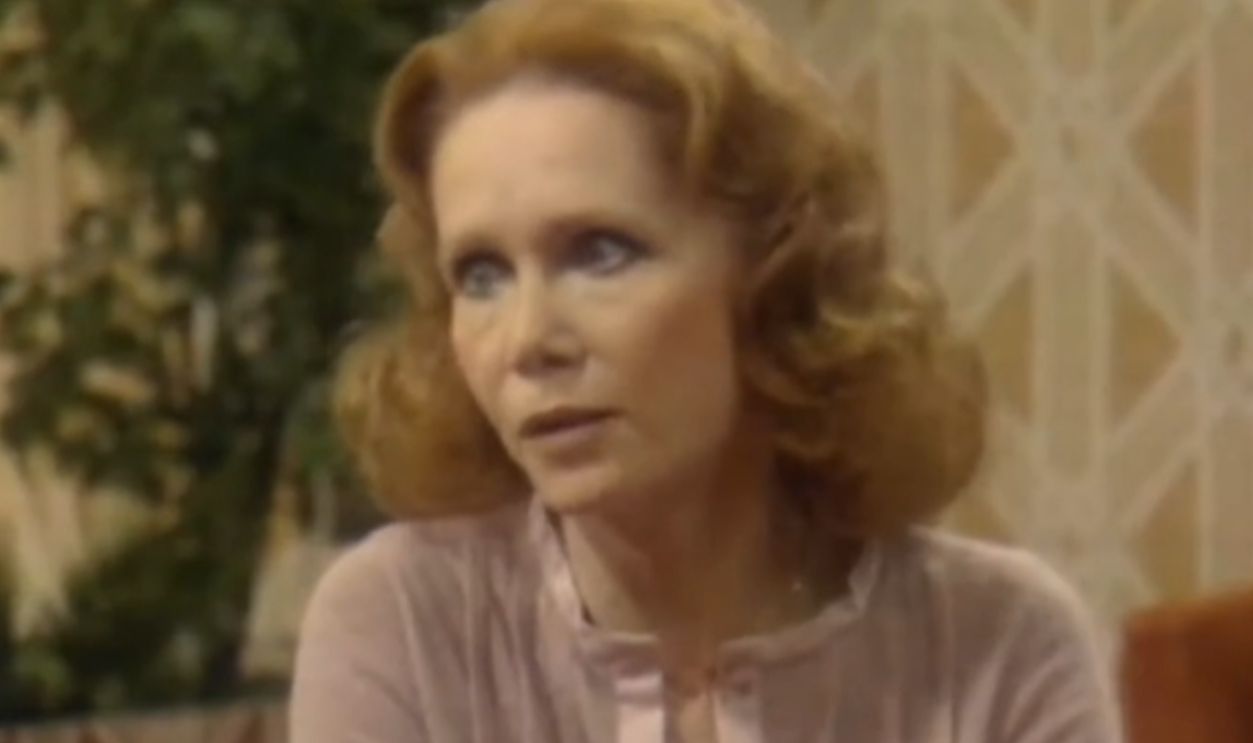
Soap premiered on ABC in 1977 as a parody of daytime serials, following the wildly complicated lives of the wealthy Tates and working-class Campbells. Helmond played Jessica Tate, the privileged family matriarch whose innocence often left her several steps behind the madness surrounding her. Helmond remembered thinking of Jessica as almost childlike, a woman who seemed to float through life even when disaster was unfolding around her.
 Screenshot from Soap, Columbia TriStar Home Entertainment (1977-1981)
Jessica Was Ditzy Without Being Empty
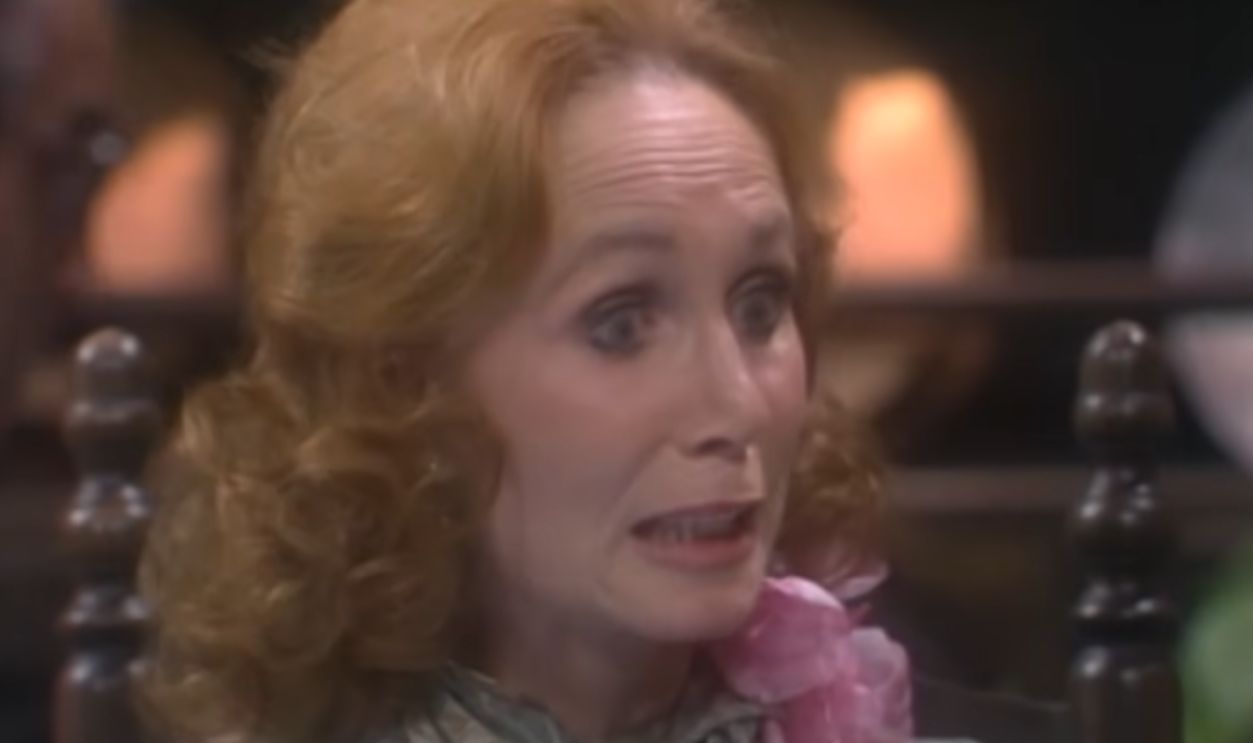
It would have been easy to make Jessica nothing more than a clueless rich woman. Helmond instead gave her enormous warmth, curiosity, and emotional sincerity. The character could misunderstand an obvious situation and still become the person viewers cared most about once the joke passed.
 Screenshot from Soap, Columbia TriStar Home Entertainment (1977-1981)
Soap Asked Her To Stay Serious Inside Absurdity
The show piled murders, kidnappings, affairs, cults, political controversy, and impossible plot twists onto its characters. Helmond’s trick was to make Jessica believe every ridiculous development completely. By refusing to signal that she was performing a spoof, she helped make the parody funnier.
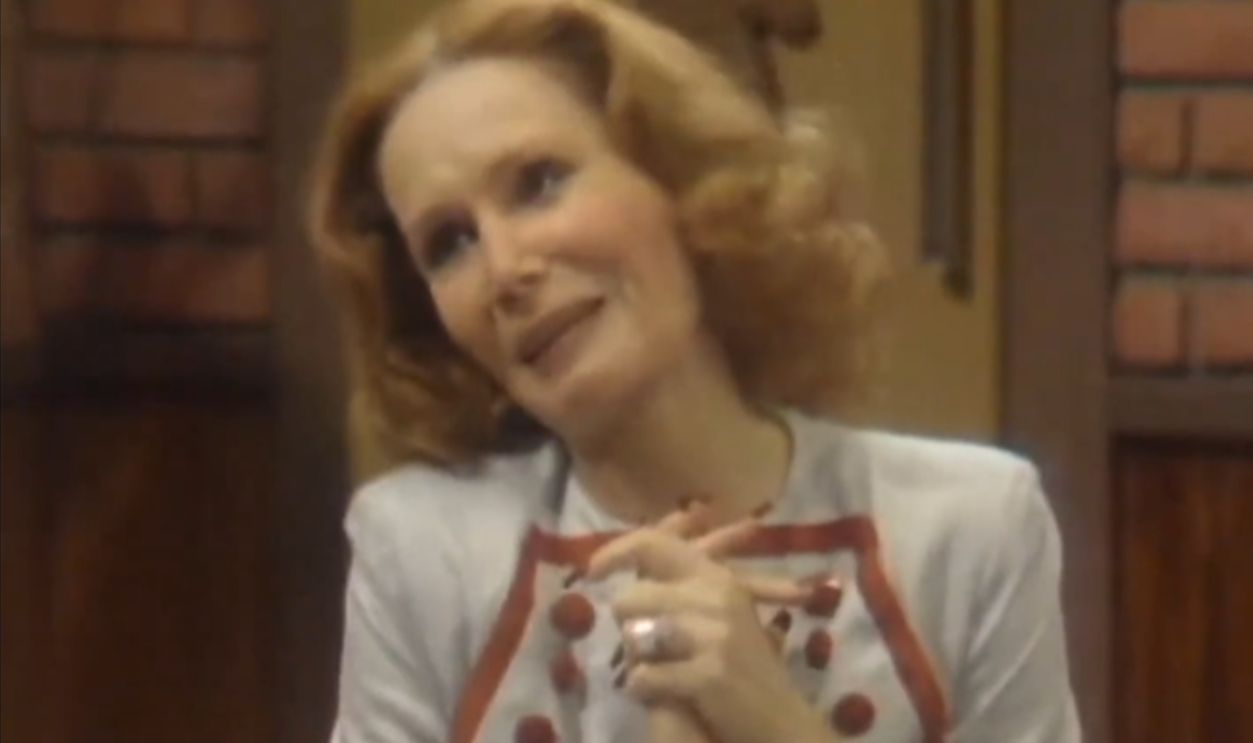 Screenshot from Soap, Columbia TriStar Home Entertainment (1977-1981)
The Show Was Controversial Before It Even Settled In
Soap drew criticism for its treatment of religion, and other subjects that network sitcoms rarely approached so directly in the late 1970s. Television Academy materials describe the resistance surrounding the series and the network’s concern about its content. Despite that controversy, it became a ratings success and ranked among the most-watched network programs during its first season.
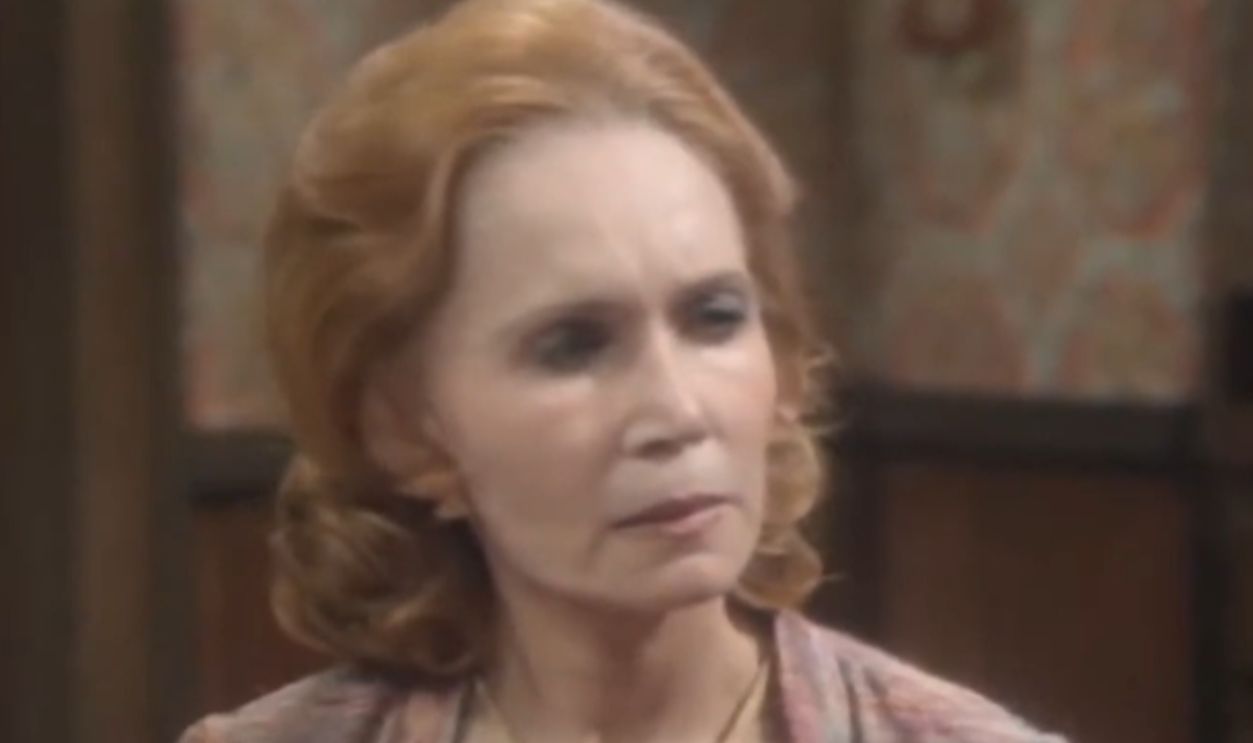 Screenshot from Soap, Columbia TriStar Home Entertainment (1977-1981)
The Ensemble Was Packed With Future Favorites
Helmond worked alongside Richard Mulligan, Cathryn Damon, Robert Guillaume, Billy Crystal, Robert Mandan, and other strong comic performers. Guillaume later spoke warmly about working with Helmond, while she remembered the chemistry of the ensemble in her own oral history. Jessica never had to dominate every scene because Soap worked by allowing strange personalities to collide.
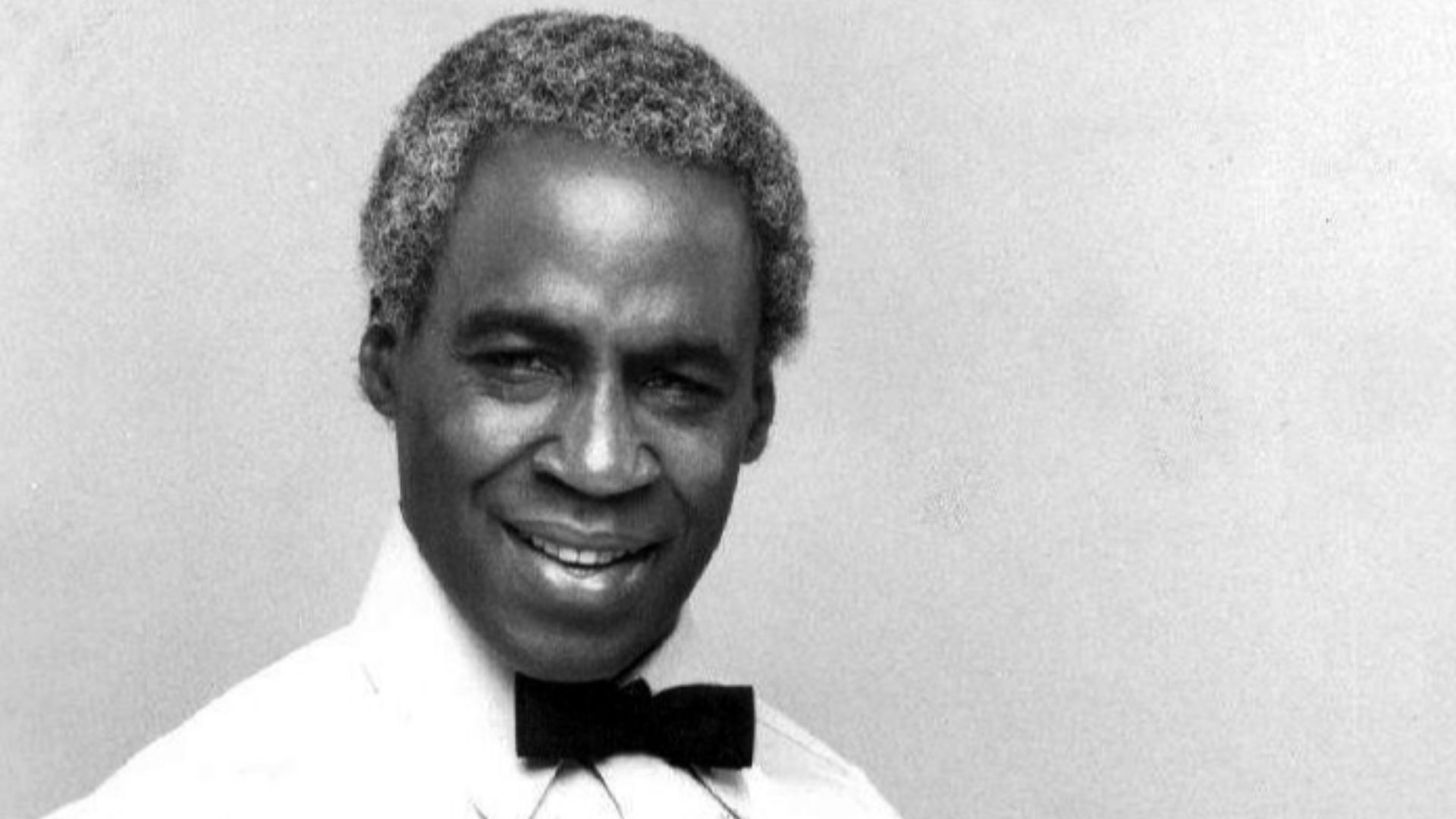 ABC Television, Wikimedia Commons
Four Emmy Nominations Proved Jessica Was No Fluke
Helmond received four consecutive Emmy nominations for lead actress in a comedy series for Soap, from 1978 through 1981. The Television Academy lists the nominations across the entire latter portion of the show’s run. An actress who had spent decades building a stage career had suddenly become one of television comedy’s most consistently recognized performers.
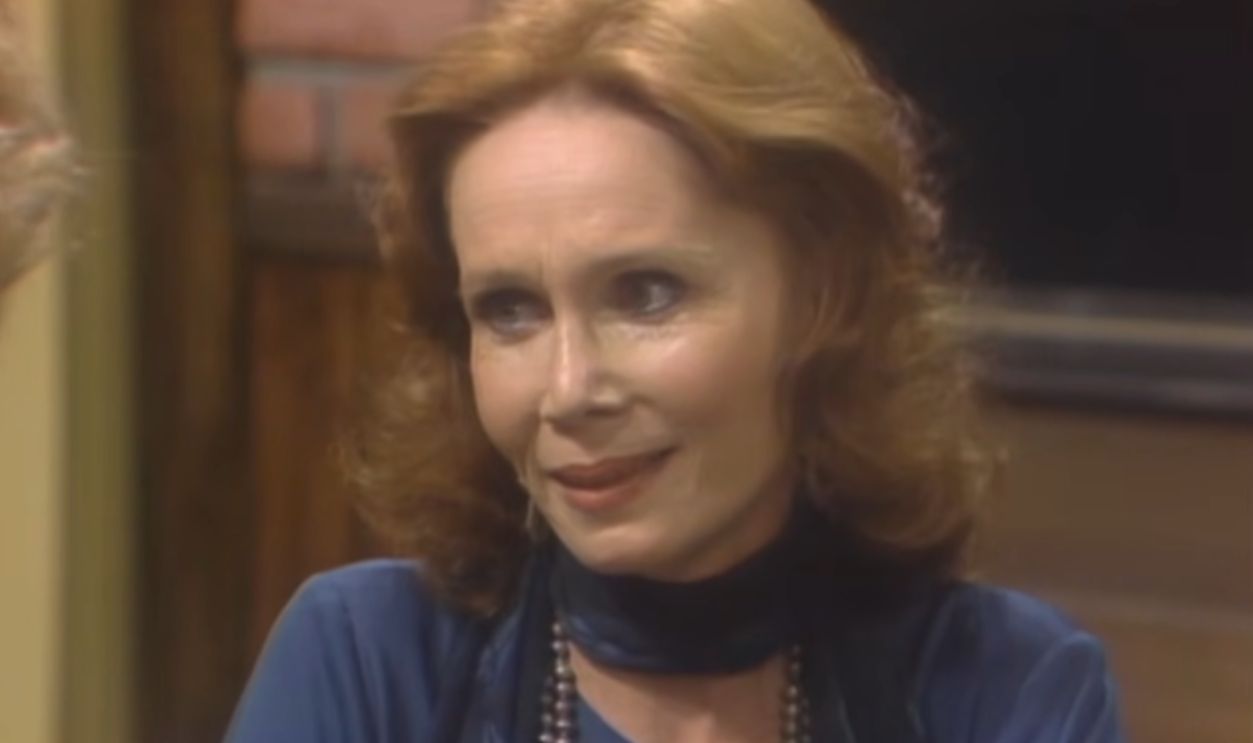 Screenshot from Soap, Columbia TriStar Home Entertainment (1977-1981)
A Golden Globe Made The Breakthrough Official
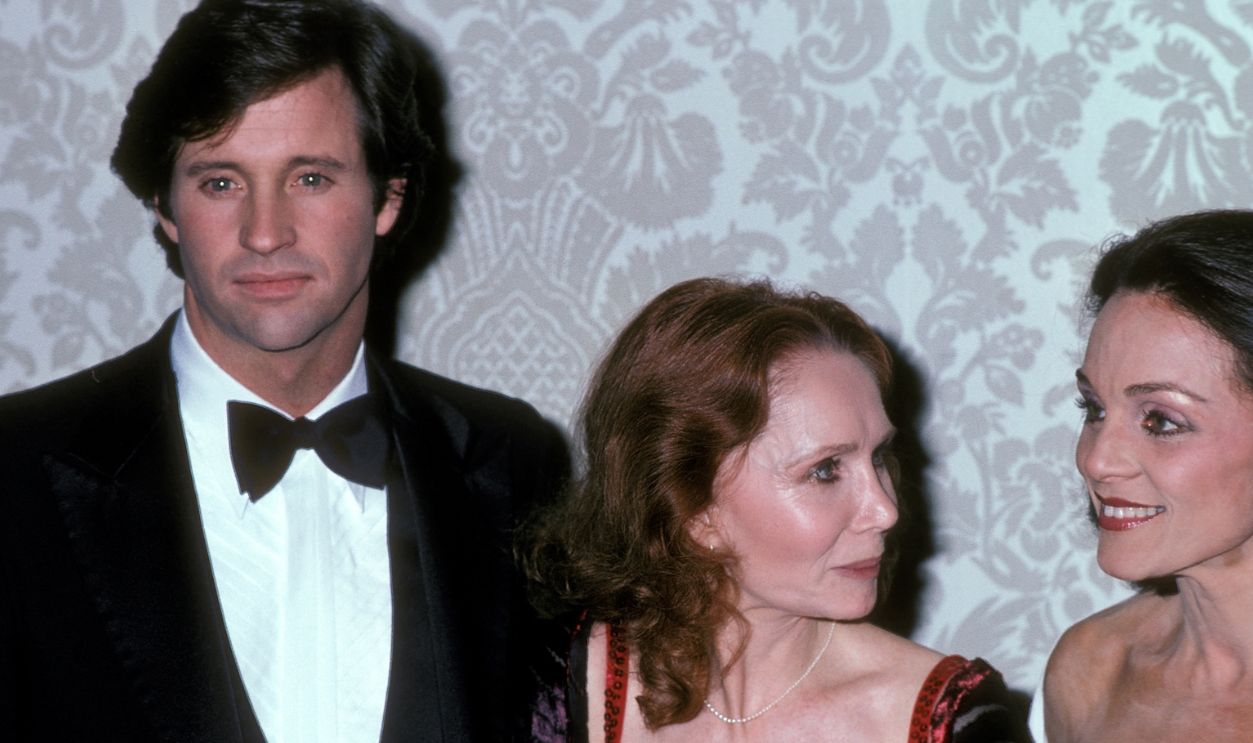
Helmond won the Golden Globe for best actress in a television comedy or musical for Soap in 1981. The award capped a remarkable reinvention for someone who had arrived on the series without considering herself primarily a comic actress. Jessica Tate turned Helmond into a television star in her late 40s and early 50s.
Soap Changed What Her Career Could Be
Helmond later discussed how dramatically Soap altered her professional life. The success opened doors to comedy, films, and later sitcoms that might never have considered her before Jessica. Instead of being trapped by one eccentric character, Helmond discovered that eccentricity itself could become a specialty with enormous range.
 Screenshot from Soap, Columbia TriStar Home Entertainment (1977-1981)
Who’s The Boss Gave Her A Completely Different Woman
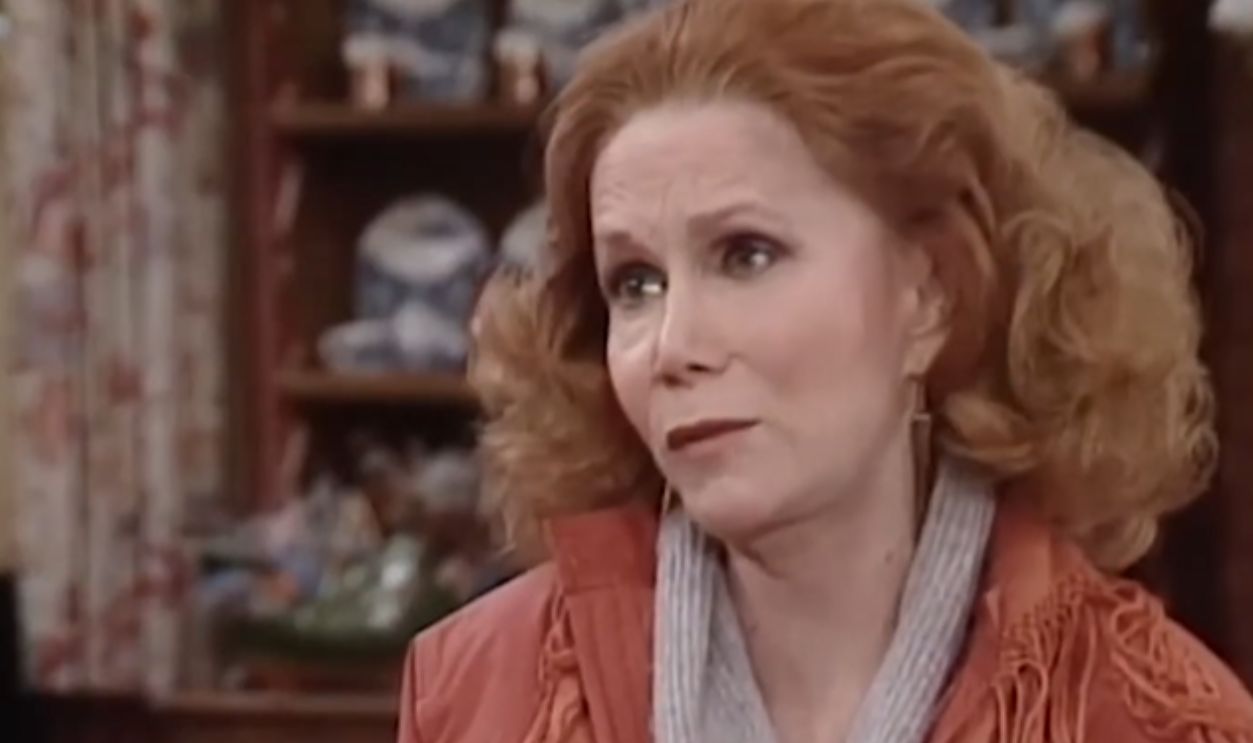
In 1984, Helmond joined Who’s the Boss? as Mona Robinson, the mother of Judith Light’s Angela Bower. Mona was nothing like sheltered Jessica because she was confident, adventurous, socially fearless, and delighted by the possibilities of later life. Helmond had found another eccentric matriarch, but she refused to repeat herself.
 Screenshot from Who's the Boss?, Sony Pictures Television (1984-1992)
Mona Refused To Behave Her Age
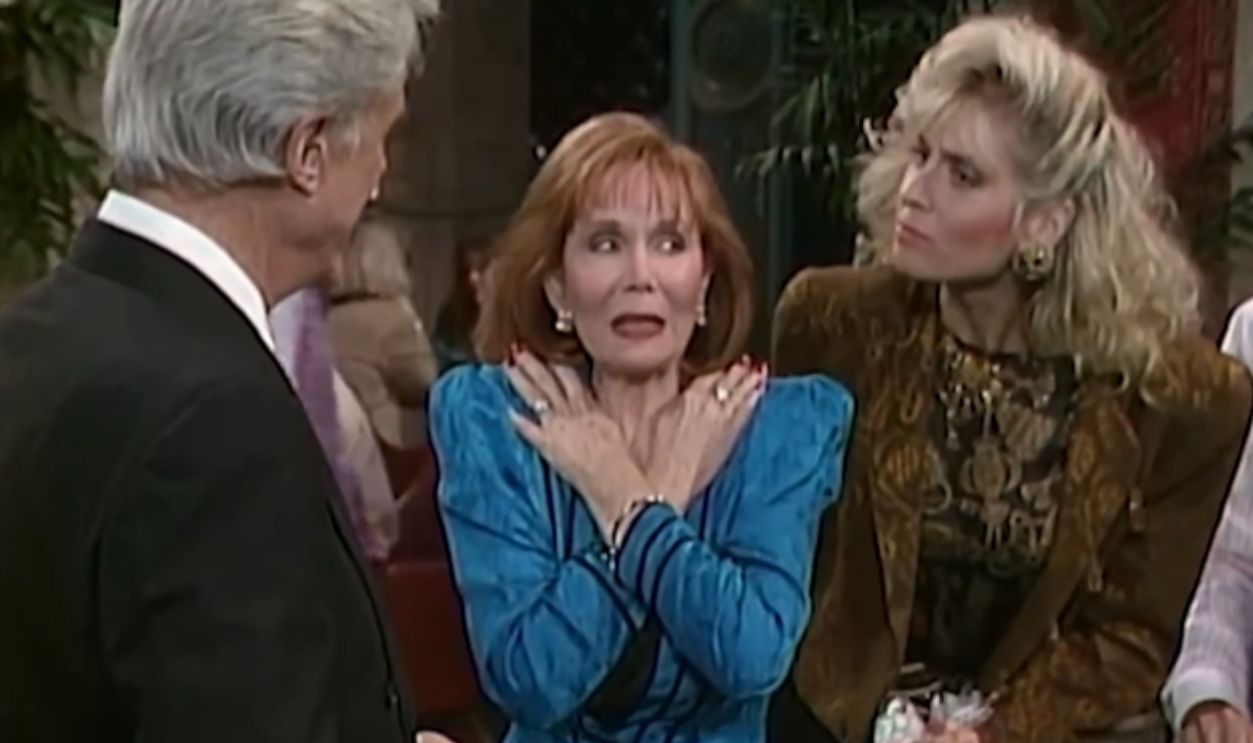
The series openly made Mona’s romantic life part of the comedy, and Helmond herself discussed how deliberately risqué the character could be. What made Mona refreshing was that the joke was not simply that an older woman wanted romance. She genuinely expected to have a full life.
 Screenshot from Who's the Boss?, Sony Pictures Television (1984-1992)
Helmond Saw Something Bigger In Mona
Helmond believed Mona could communicate an important idea about women whose husbands had died or whose traditional family roles had changed. She discussed the character as proof that life, pleasure, and curiosity could continue after widowhood. The laughs worked partly because the underlying message was surprisingly generous.
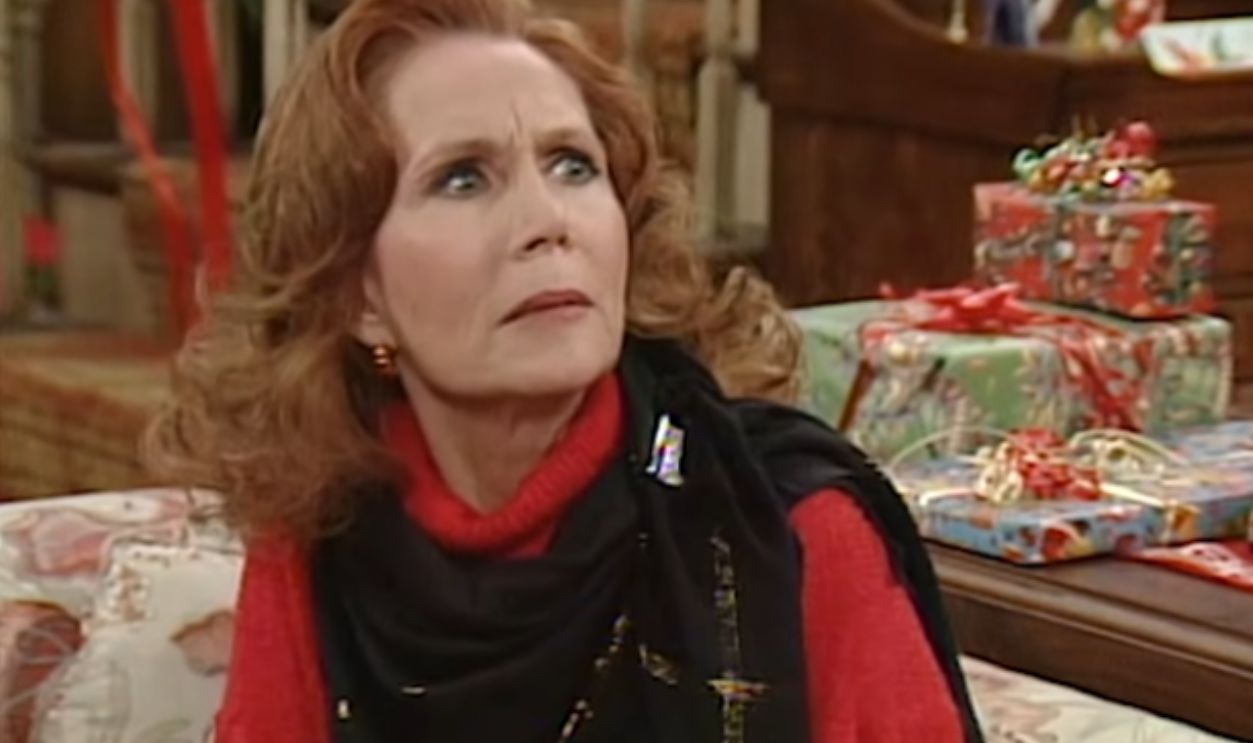 Screenshot from Who's the Boss?, Sony Pictures Television (1984-1992)
Judith Light Got A Mother Who Could Upstage Her
Judith Light played Angela as organized, professional, and often cautious. Mona’s impulsiveness therefore created a natural mother-daughter contrast. Light later remembered working with Helmond fondly, while Helmond described the strong relationship she had with the actress playing her daughter.
 TAO Management, Wikimedia Commons
Tony Danza Gave Mona Endless Material
Tony Danza’s Tony Micelli entered Angela’s household as a housekeeper and became the center of the show’s romantic tension. Mona instantly recognized possibilities that Angela often resisted admitting. Helmond’s playful scenes with Danza helped establish Mona as the family member most willing to say what everyone else was thinking.
 John Mathew Smith & www.celebrity-photos.com from Laurel Maryland, USA, Wikimedia Commons
Her Favorite Episode Sent Mona Back To College
Helmond identified an episode in which Mona attends a graduation dance with a college-aged man as a personal favorite. The story pushed the character’s age-defying romantic confidence into especially bold territory. It also captured why Helmond liked Mona because the character refused to accept other people’s assumptions about what older women should do.
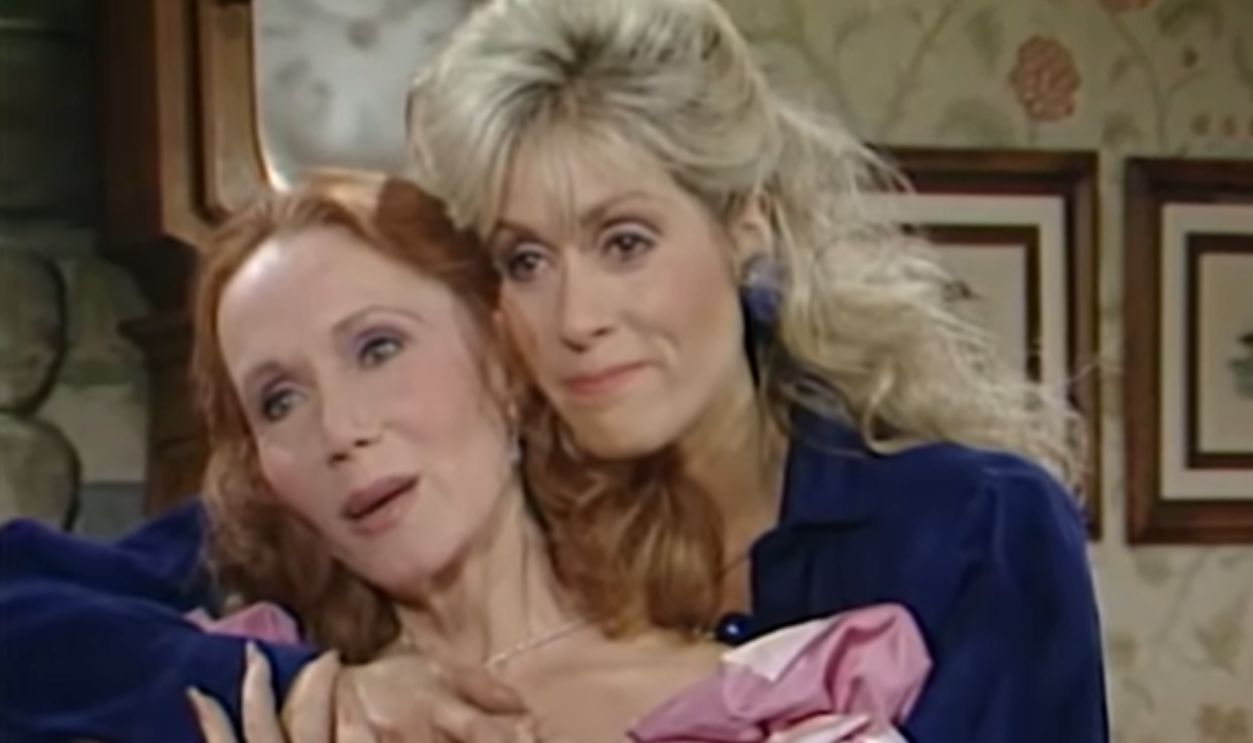 Screenshot from Who's the Boss?, Sony Pictures Television (1984-1992)
The Show Became A Genuine Ratings Powerhouse
Who’s the Boss? ran for eight seasons from 1984 through 1992. Television Academy’s 40th-anniversary history says the sitcom drew more than 30 million viewers at its peak and finished in the top 10 for several consecutive seasons. Mona therefore became one of Helmond’s most widely seen creations, not merely a cult favorite.
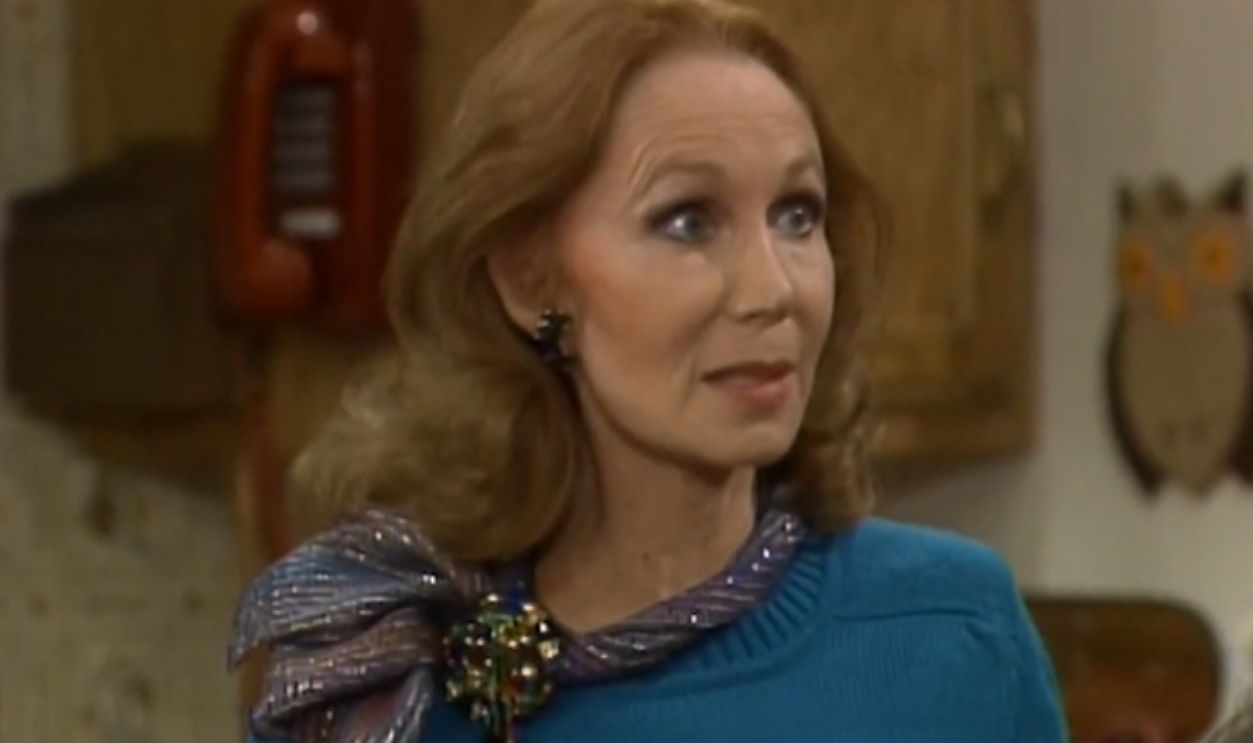 Screenshot from Who's the Boss?, Sony Pictures Television (1984-1992)
Emmy Voters Noticed Mona Too
Helmond received supporting-actress Emmy nominations for Who’s the Boss? in 1988 and 1989. That brought her total television academy recognition into a second decade and for a very different kind of character. Jessica’s airy innocence and Mona’s aggressive confidence were both funny, but almost nothing else about them was the same.
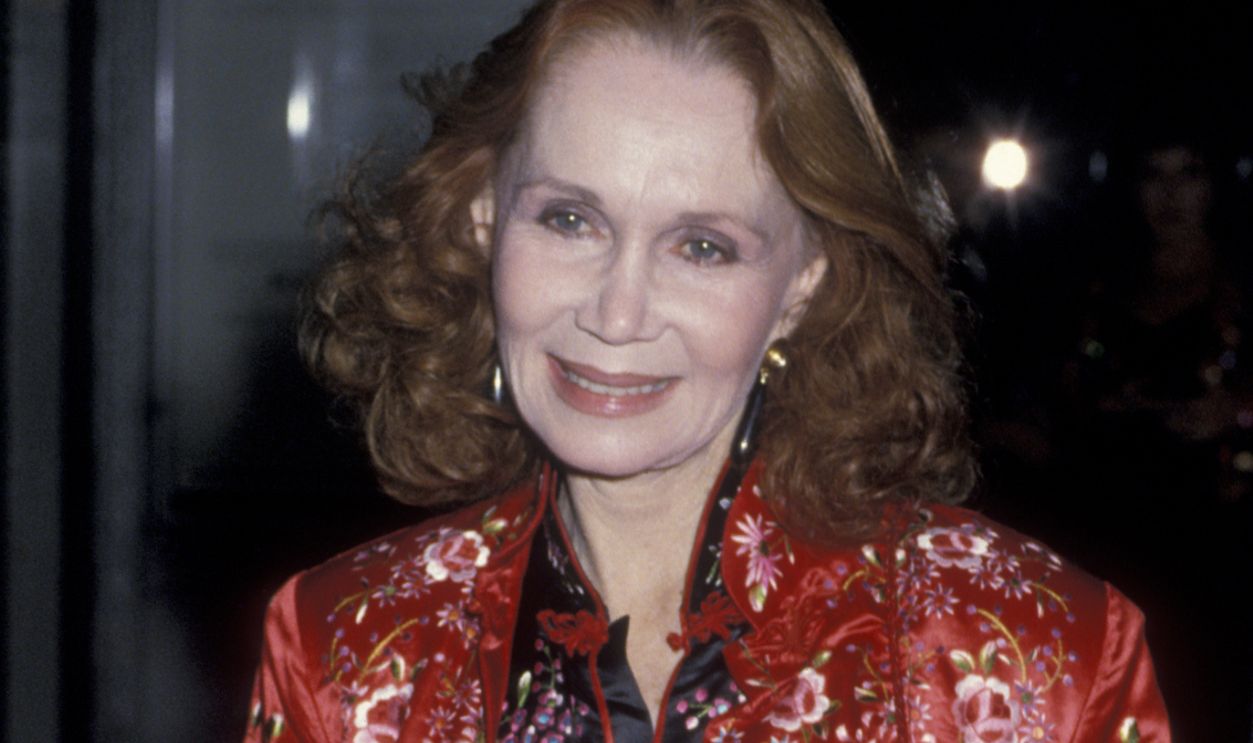 Ron Galella, Ltd, Getty Images
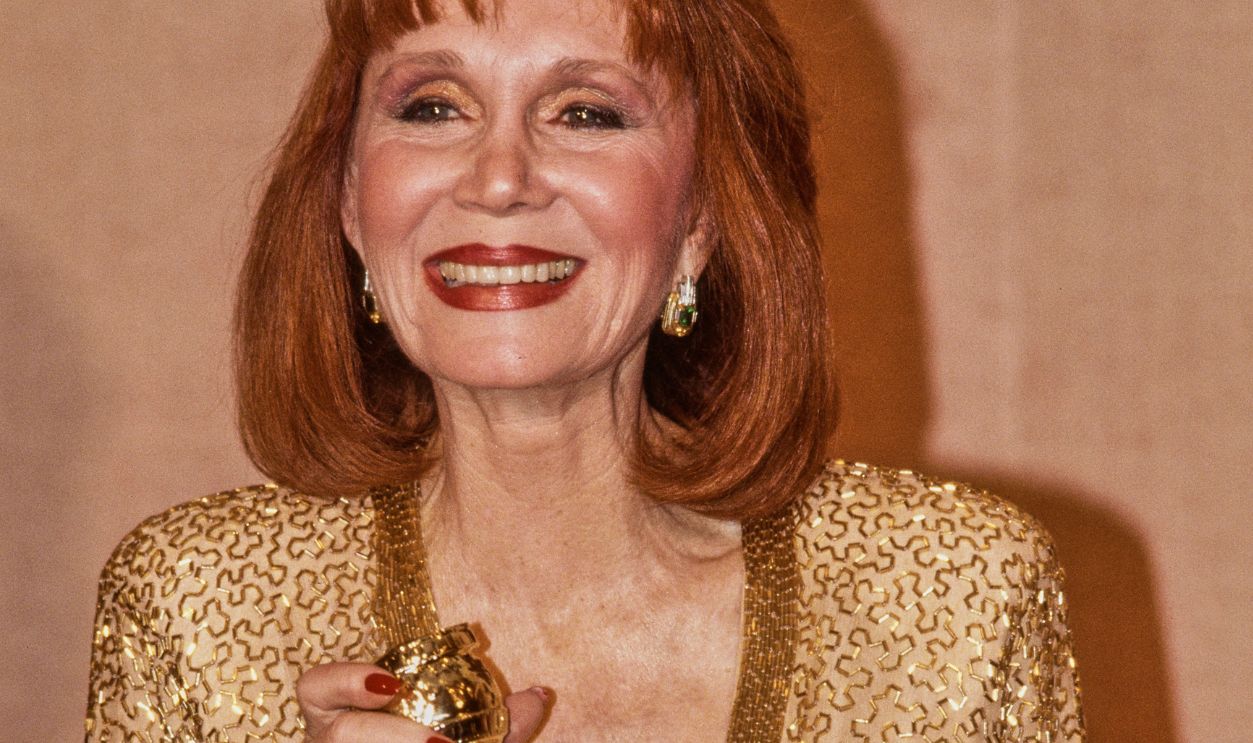
Another Golden Globe Rewarded The Reinvention
Helmond won a second Golden Globe in 1989 for her performance as Mona. The official Golden Globes record shows that her two career wins came for Soap and Who’s the Boss?. Winning for both characters underscored the point that she was not simply recycling one successful eccentric persona.
 Michael Ochs Archives, Getty Images
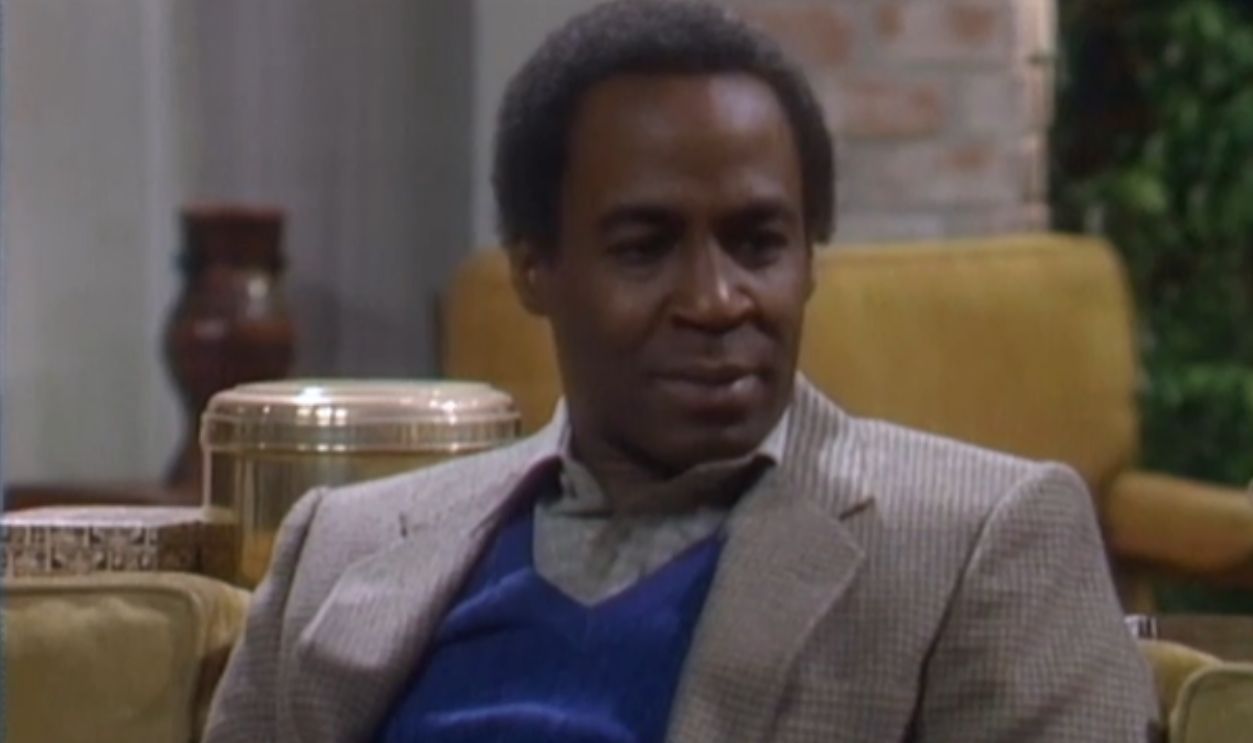
She Quietly Moved Behind The Camera Too
Helmond studied at the American Film Institute’s Directing Workshop in 1983. She later directed four episodes of Benson and an episode of Who’s the Boss?. The experience added another dimension to a career already spanning theater, film, and television acting.
 Screenshot from Benson, Sony Pictures Television (1979-1986)
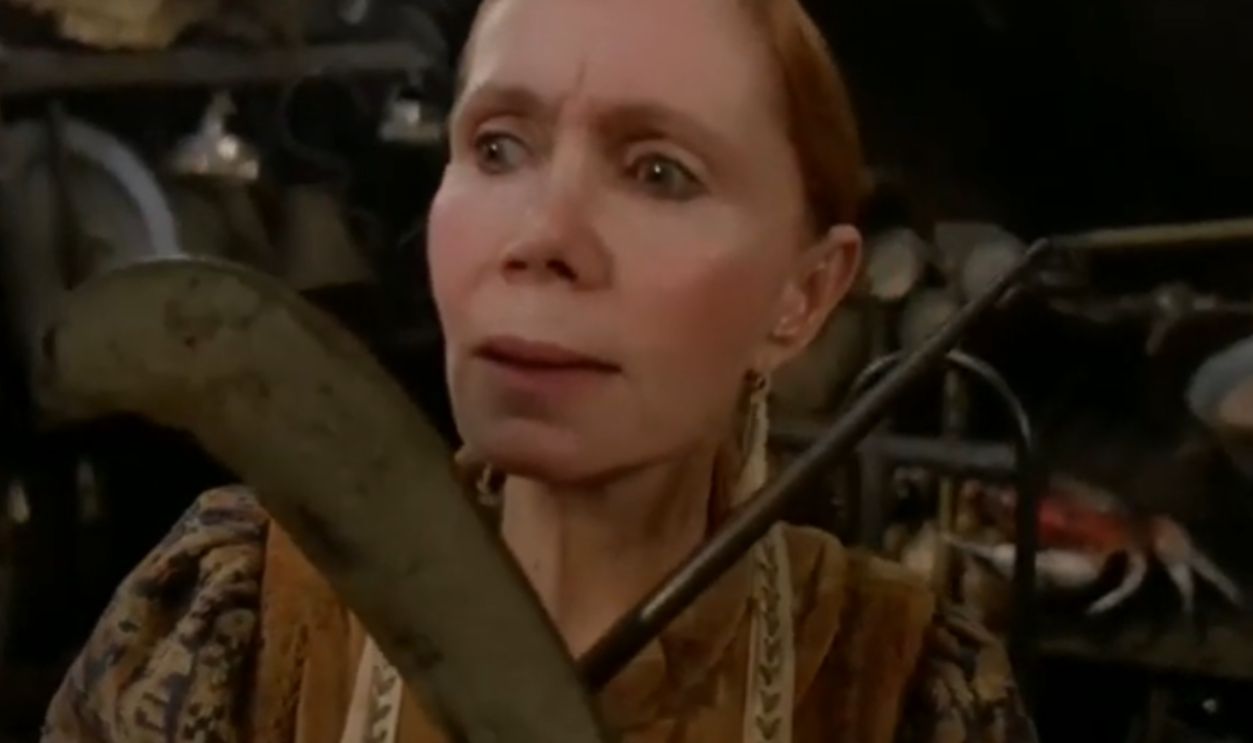
Terry Gilliam Let Her Get Even Stranger
Helmond also appeared in Terry Gilliam’s films Time Bandits and Brazil. In Time Bandits, she played Mrs. Ogre, while Brazil cast her in the surreal world surrounding Jonathan Pryce’s Sam Lowry. Those projects allowed her taste for eccentric characters to escape the sitcom format entirely.
 Screenshot from Time Bandits, Avco Embassy Pictures (1981)
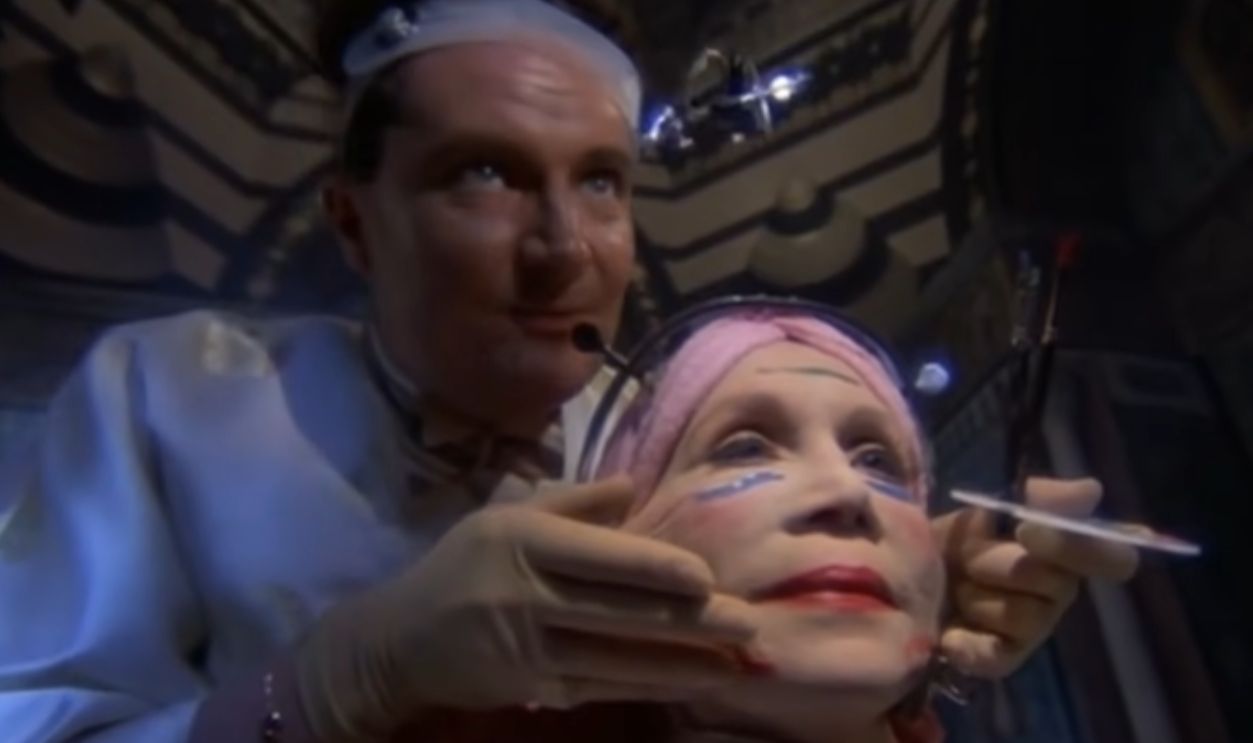
Brazil Made Vanity Literally Painful
Helmond played Ida Lowry, Sam’s status-conscious mother, whose obsession with cosmetic surgery becomes part of the film’s grotesque satire. Helmond later recalled that the elaborate facial effects caused blisters because of the adhesive used on her skin. She endured the discomfort for a character whose distorted pursuit of youth fit perfectly into Gilliam’s bizarre dystopia.
 Screenshot from Brazil, 20th Century Fox (1985)
Coach Found Another Place For Her In The Nineties
During the final three years of Coach, Helmond recurred as Doris Sherman, owner of the fictional Orlando Breakers football team. Television Academy records identify the role opposite Craig T. Nelson and Jerry Van Dyke. Once again, Helmond entered an established sitcom and quickly made a larger-than-life older woman feel completely at home there.
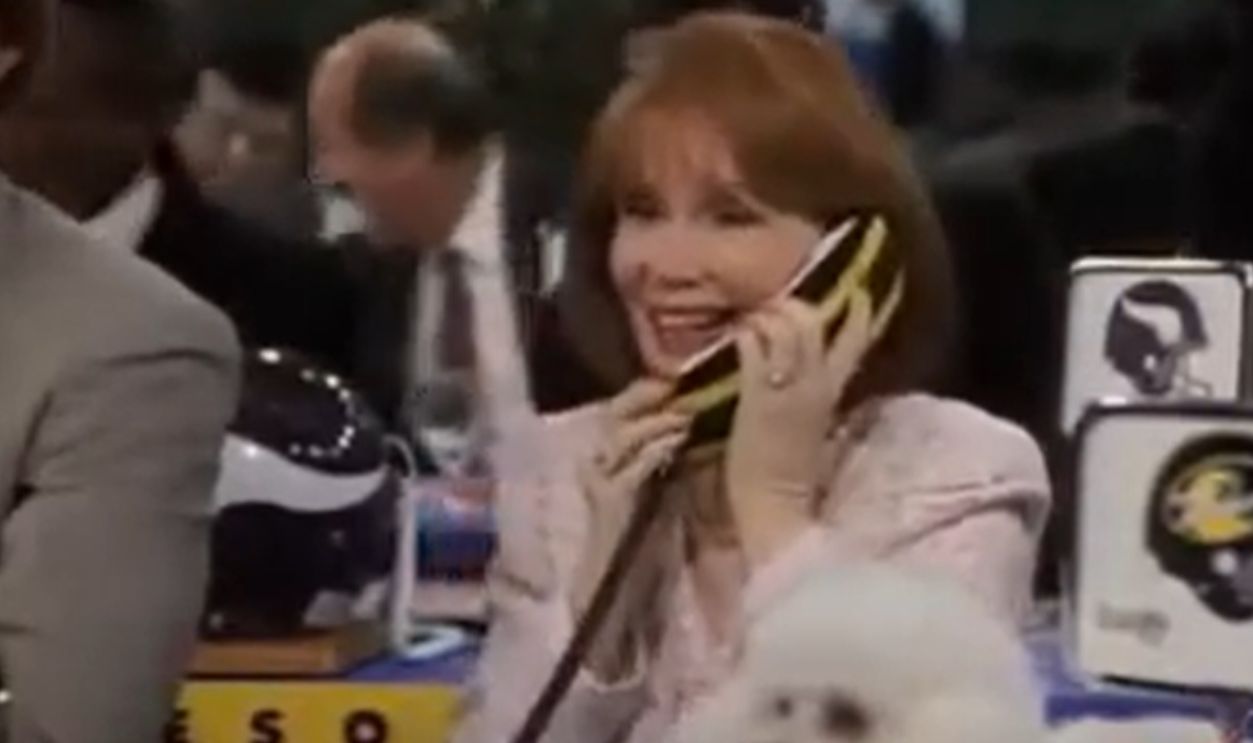 Screenshot from Coach, ABC (1989-1997)
Everybody Loves Raymond Gave Her A Cooler Kind Of Mother
Helmond later played Lois Whelan, Debra Barone’s mother, on Everybody Loves Raymond. Lois was more polished and emotionally restrained than the Barones, which gave the show a useful contrast whenever Debra’s parents visited. Helmond worked with Robert Culp as Lois’s husband, Warren.
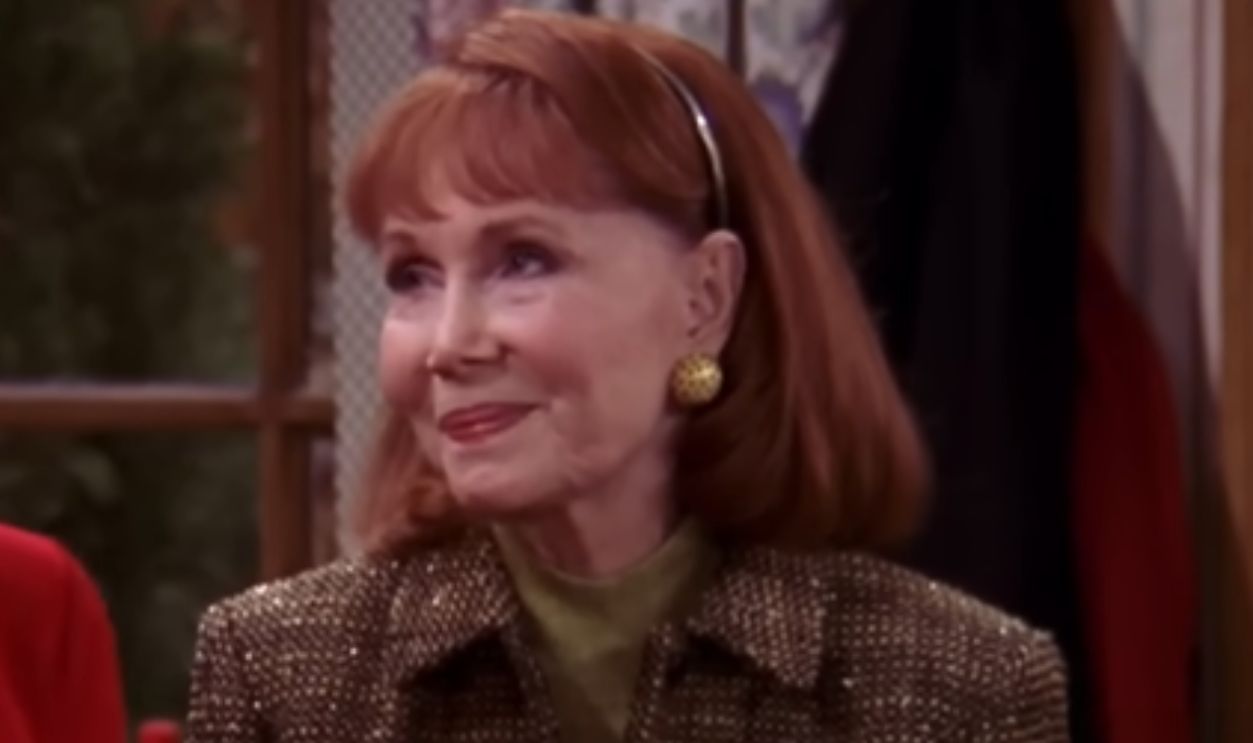 Screenshot from Everybody Loves Raymond, CBS Television Distribution (1996-2005)
Robert Culp Helped Make The Marriage Deliciously Awkward
Helmond discussed her enjoyment of working with Culp in her Television Academy interview. Their characters projected sophistication, but the marriage also carried its own frustrations and complications. That combination let Helmond play eccentricity more subtly than she had with Jessica or Mona.
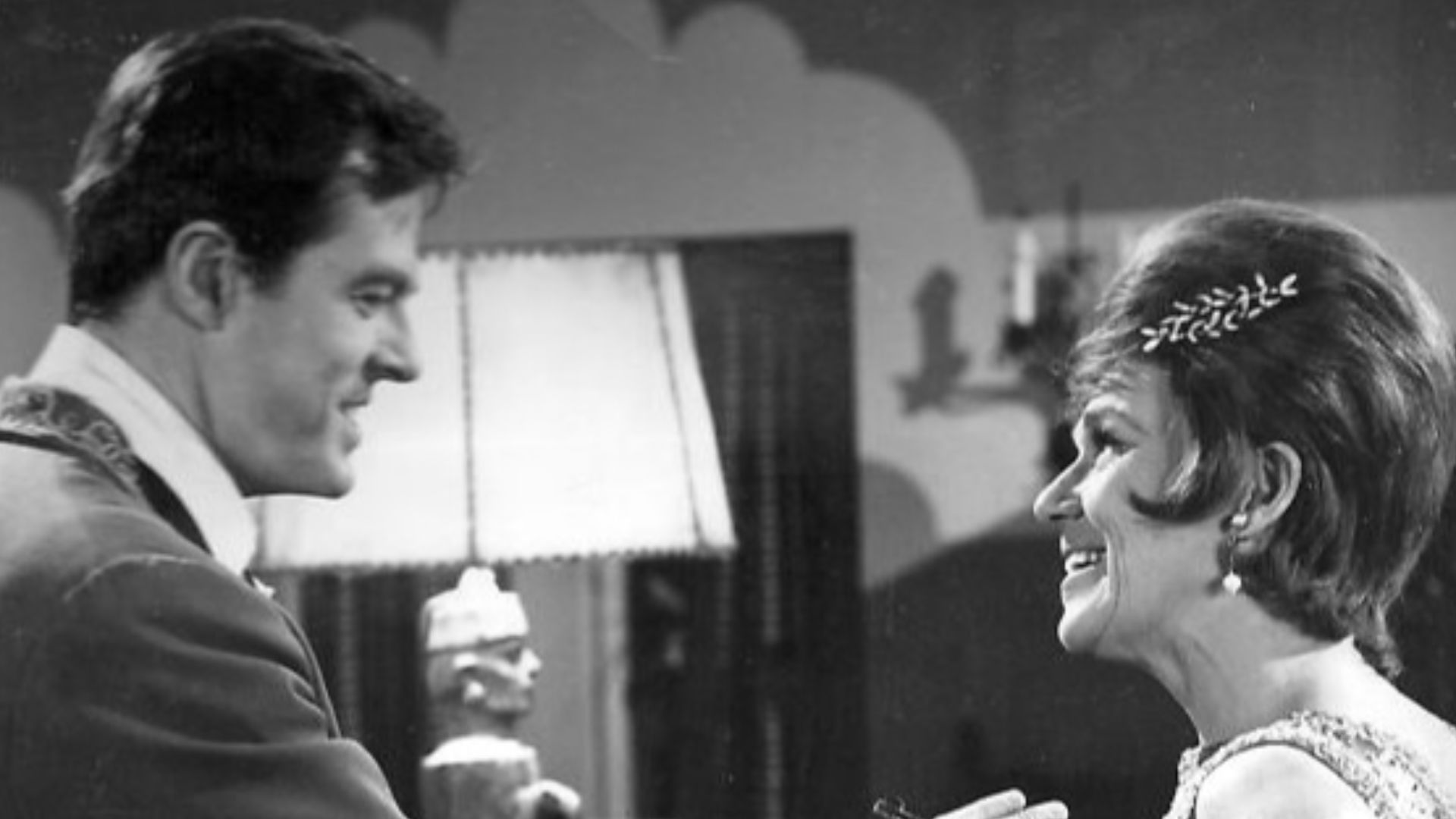 NBC Television, Wikimedia Commons
A 2002 Emmy Nomination Reached A Third Sitcom Era
Helmond earned an Emmy nomination for outstanding guest actress in a comedy series in 2002 for playing Lois. It came more than two decades after her first nomination for Soap. Few performers manage to become Emmy-recognized sitcom presences across the 1970s, 1980s, and 2000s while playing three clearly different women.
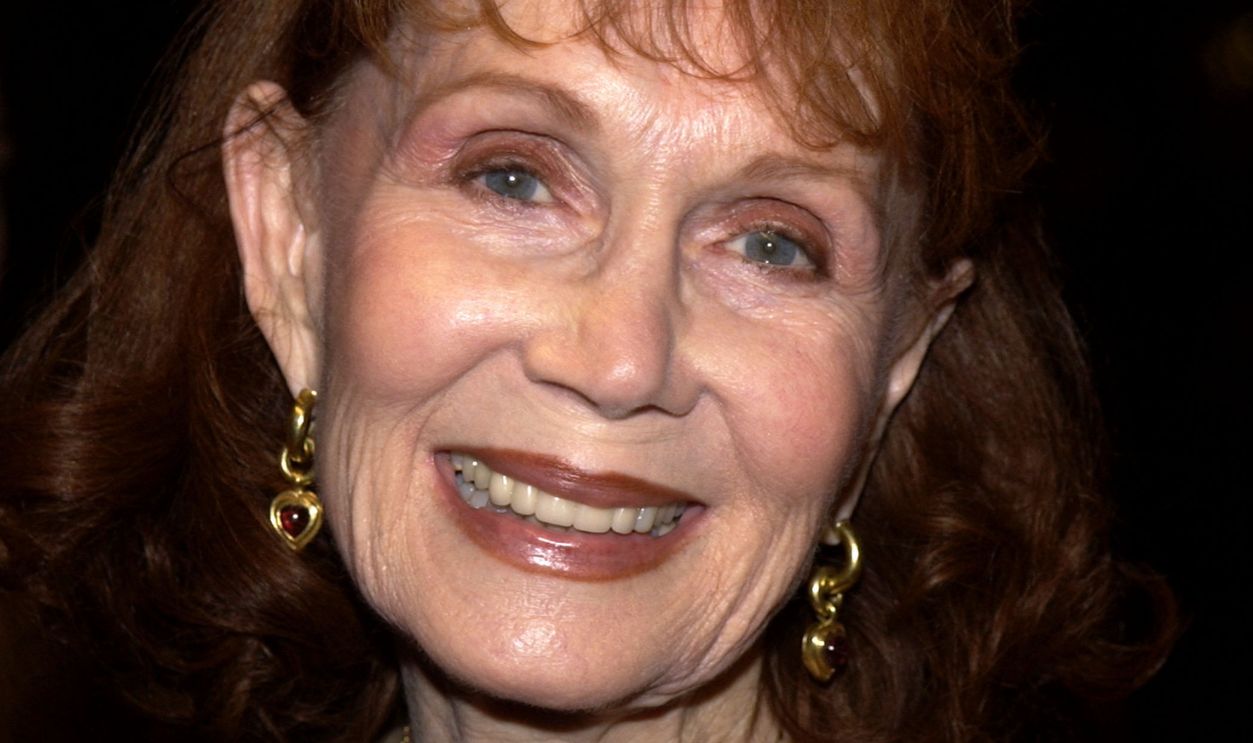 Jean-Paul Aussenard, Getty Images
Pixar Gave That Voice One More Eccentric
Helmond voiced Lizzie, Radiator Springs’ elderly Model T, in Pixar’s Cars and returned for Cars 2 and related material. Disney’s official film records list her among an ensemble that also included Paul Newman, Owen Wilson, Bonnie Hunt, and George Carlin. Even without her expressive face, Helmond could turn an elderly car into another unmistakable personality.
 Screenshot from Cars, Buena Vista Pictures Distribution (2006)
Her Eccentrics Never Felt Interchangeable
Jessica Tate was dreamy, Mona Robinson was fearless, Doris Sherman was commanding, and Lois Whelan was controlled. Helmond’s career worked because she understood that “eccentric” describes behavior, not a single personality. She kept changing the source of the comedy while preserving the warmth that made audiences want each woman to return.
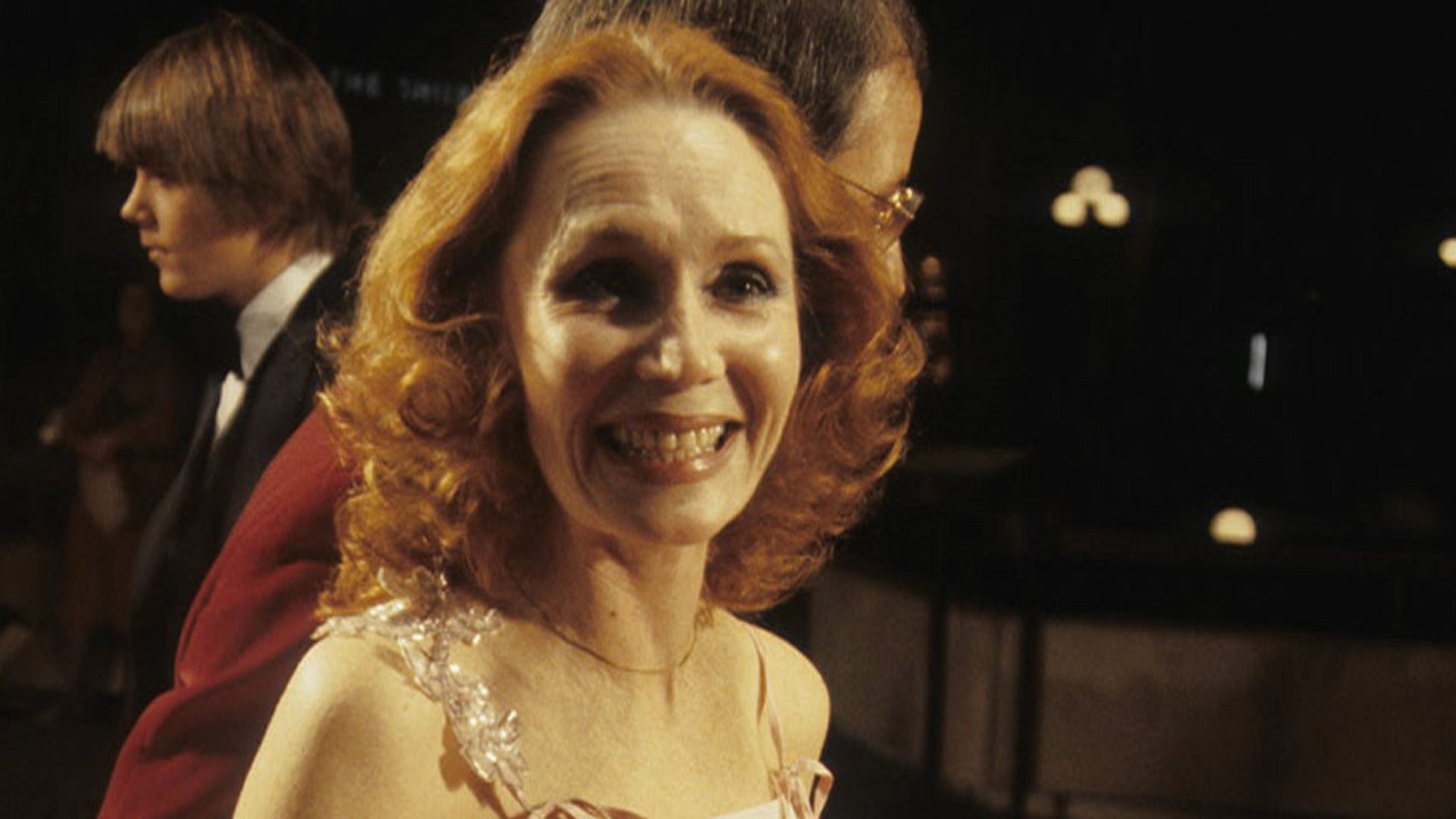
Television Kept Calling Because She Kept Surprising It
Helmond continued working into the 2000s, including an appearance on HBO’s True Blood. By then, she had accumulated seven Primetime Emmy nominations and two Golden Globe victories. She had turned what might have been a limited niche for older character actresses into one of television comedy’s most durable careers.
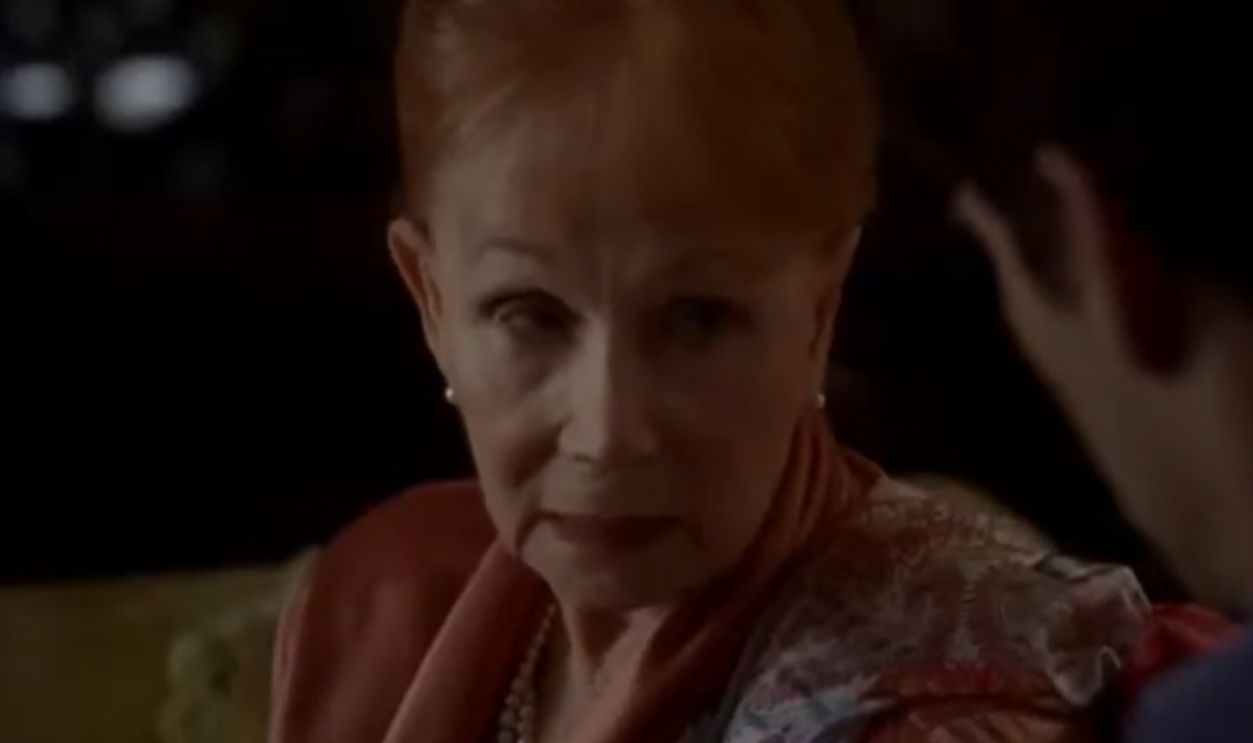 Screenshot from True Blood, HBO Entertainment (2008-2014)
Three Decades Of Eccentrics Became Her Legacy
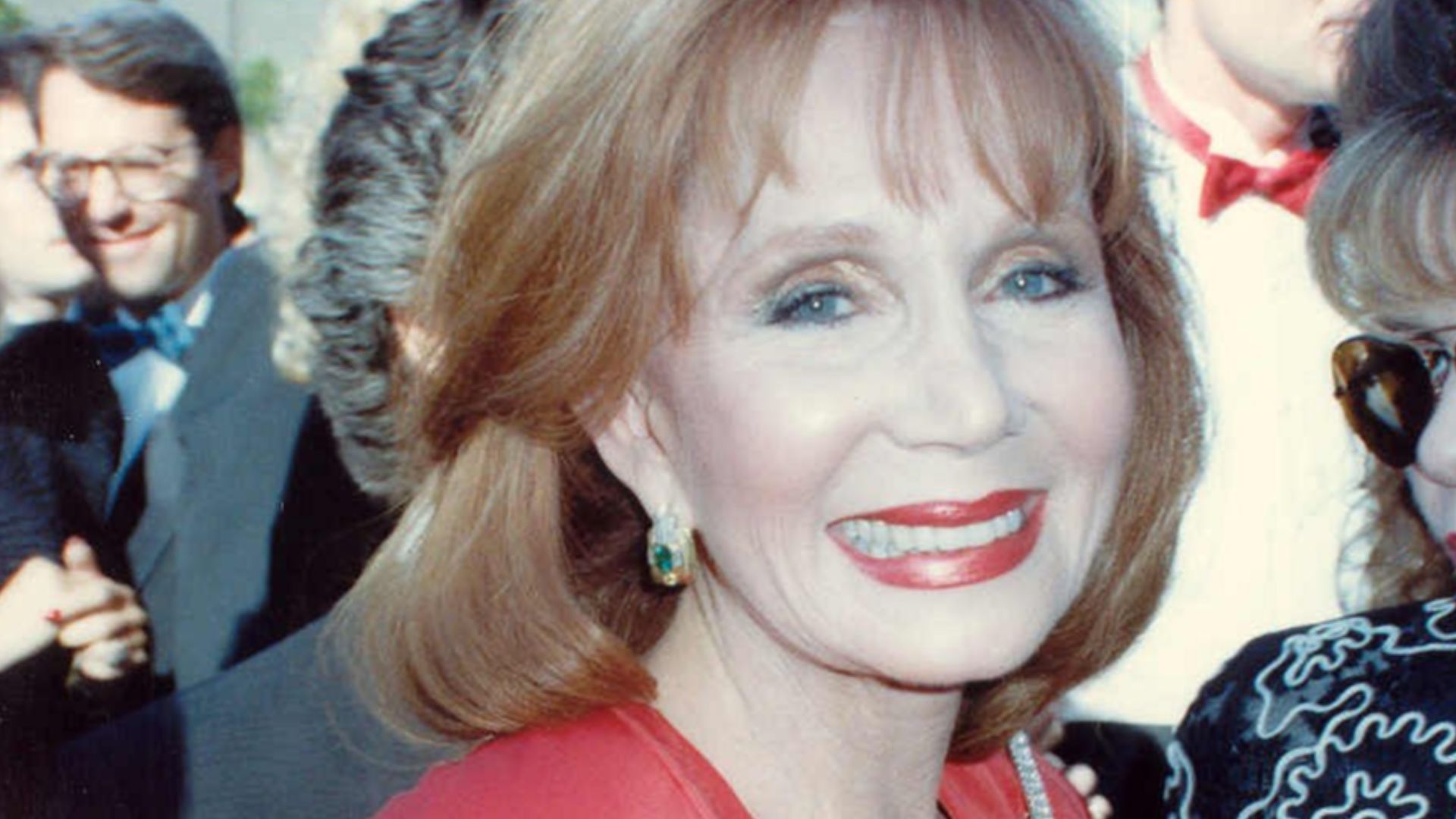
Helmond died in Los Angeles in February 2019 at age 89 after complications from Alzheimer’s disease. Tributes from Tony Danza, Alyssa Milano, Judith Light, and others emphasized both her kindness and her comic talent. Her great trick was making every oddball woman seem as though she had an entire life beyond the punch line, which is why Jessica, Mona, and Lois still feel like people rather than sitcom inventions.
You May Also Like:
Facts About Classic TV Shows That Will Make You Nostalgic
The First TV Shows To Break Major Barriers
Does Anyone Remember These Television Shows? Anyone?
Sources: 1, 2, 3, 4, 5, 6, 7, 8, 9, 10, 11, 12, 13, 14, 15, 16, 17, 18, 19, 20, 21, 22