You Can Probably Hear Her Already.
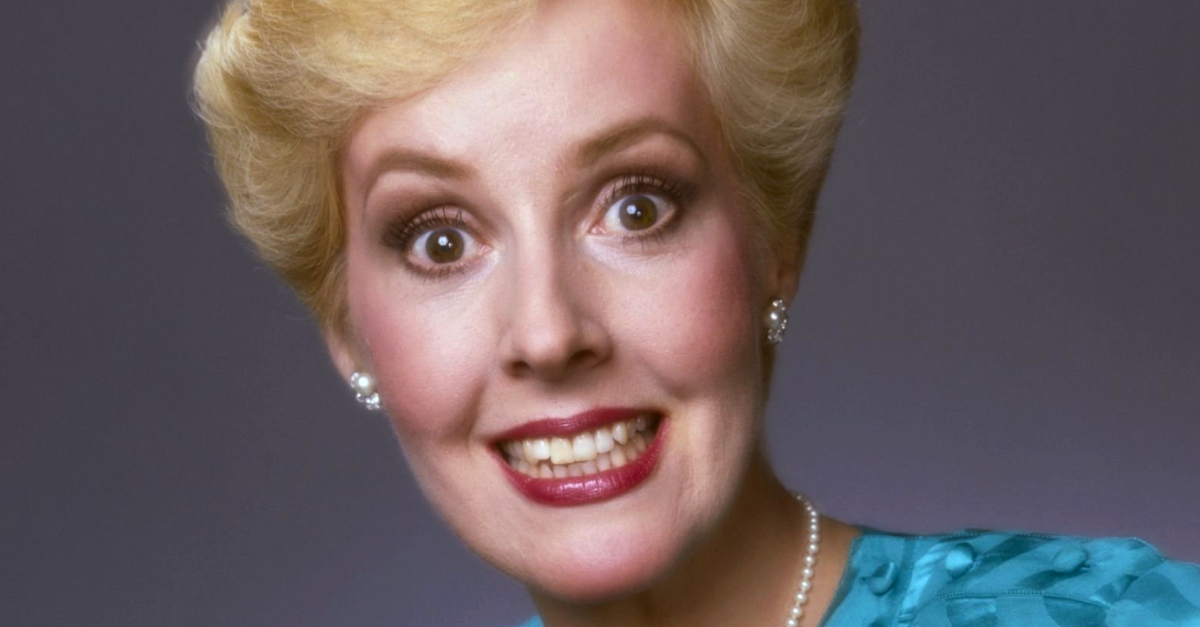
Georgia Engel needed only a few softly spoken words to make a sitcom scene unmistakably hers, and the remarkable part was that the famous voice was essentially her own. From Georgette Franklin to Everybody Loves Raymond and a late-life return to serious theater, Engel spent nearly five decades proving that quiet delivery could produce enormous laughs.
Washington Roots Led Her Toward The Stage
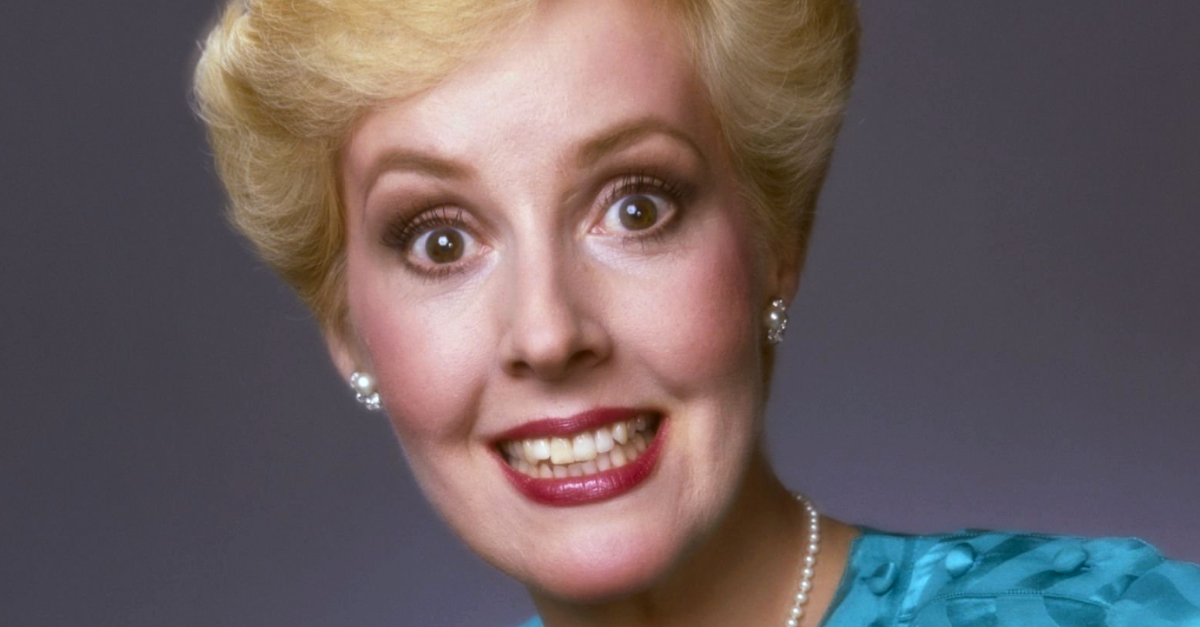
Engel was born in Washington, D.C., in 1948 and eventually studied theater at the University of Hawaii at Manoa. She earned a theater degree there before pursuing professional work in New York. The path was conventional enough at first, but nothing about the voice audiences would later remember sounded like a standard show-business instrument.
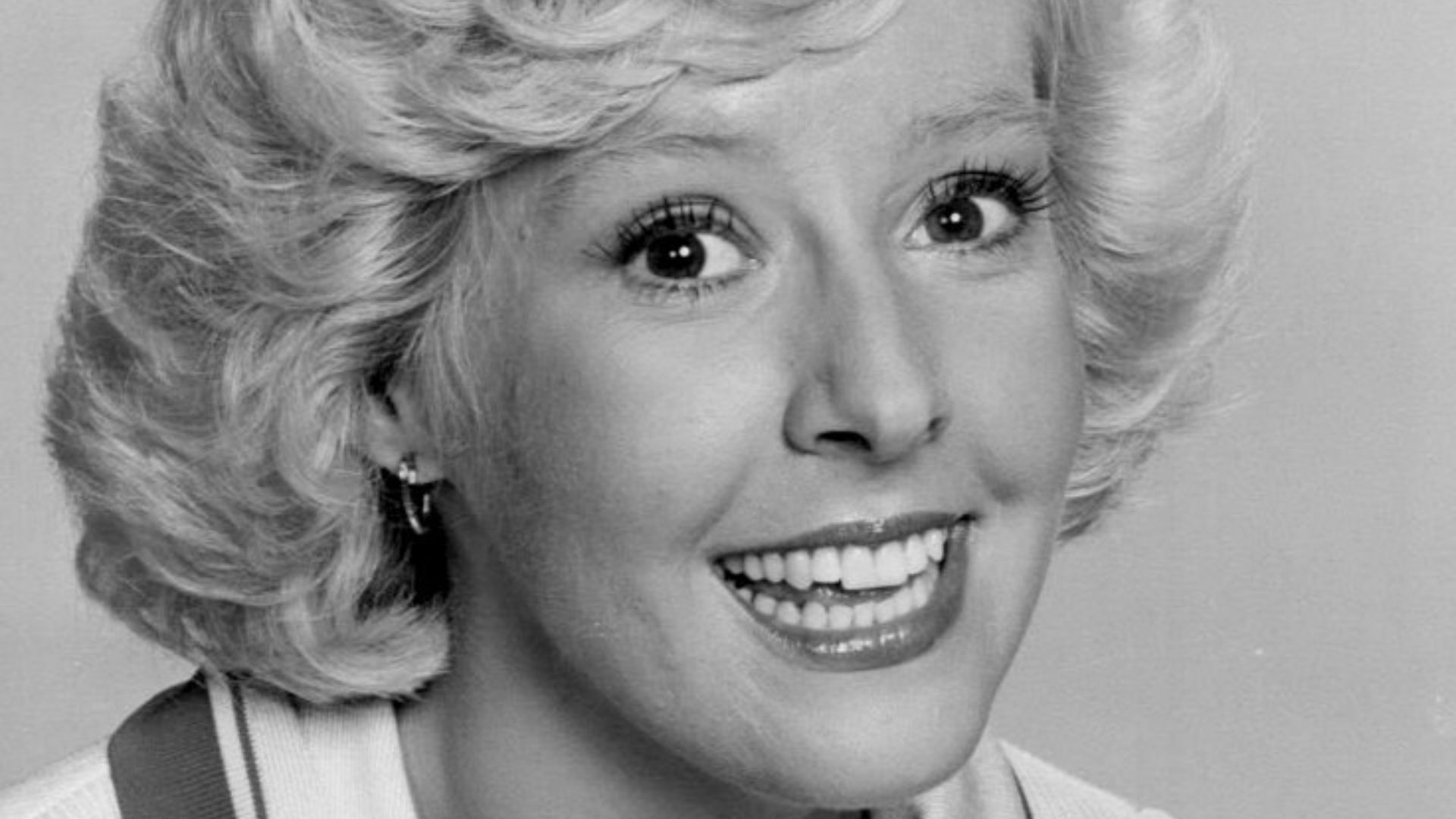 CBS Television, Wikimedia Commons
Broadway Came Before Television Fame
Engel began her professional career as a replacement performer near the end of the original Broadway run of Hello, Dolly!. She worked during the period when Ethel Merman was playing Dolly Levi, giving the young actress an unusually demanding introduction to professional musical theater. Decades later, Engel still remembered the work ethic she observed during that experience.
Taking Off Put Her On A Future Writer’s Radar
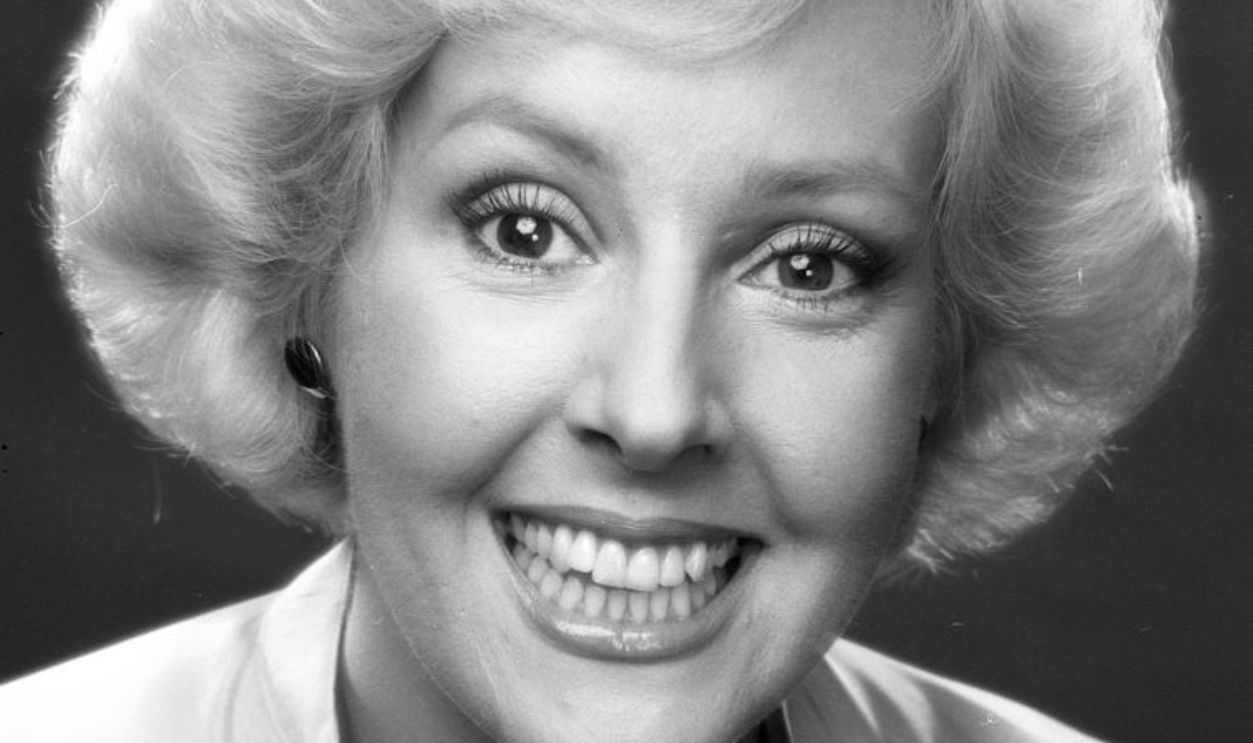
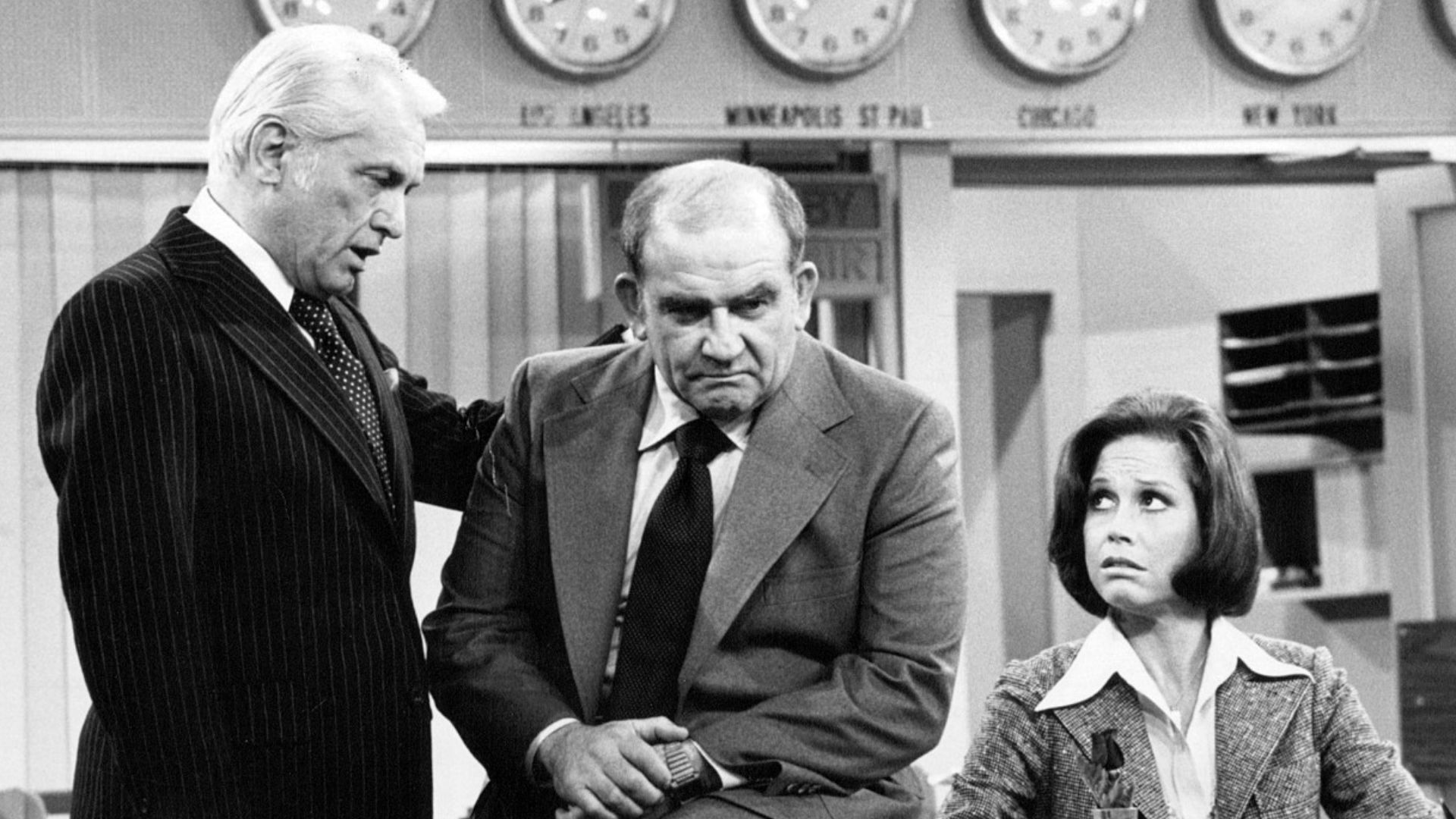
Engel appeared in Miloš Forman’s 1971 film Taking Off before television made her famous. Comedy writer Treva Silverman saw her in the movie and remembered the performance when she later needed an actress for The Mary Tyler Moore Show. Silverman even recalled mistakenly thinking the actress’s name was Georgette Engel, a mix-up that helped give the future character her first name.
 CBS Television, Wikimedia Commons
Mary Tyler Moore Spotted Her Onstage
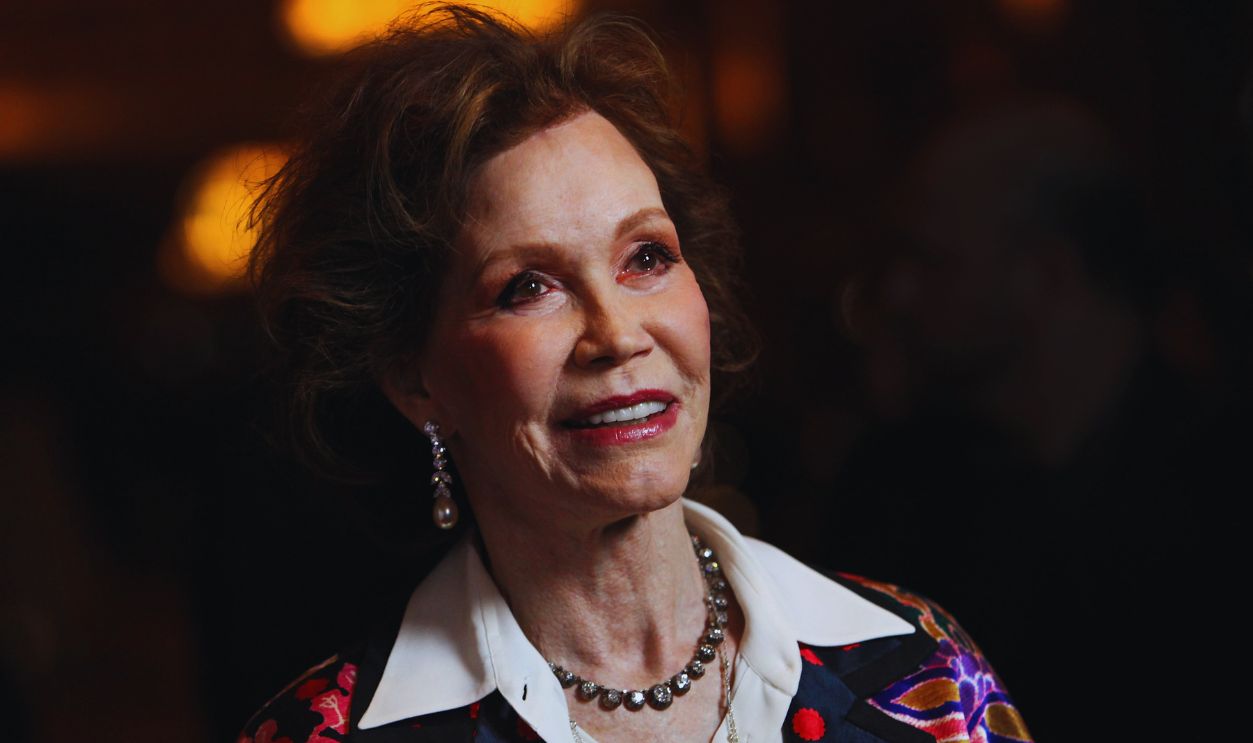
Engel also appeared in a Los Angeles production of John Guare’s The House of Blue Leaves. Mary Tyler Moore and producer Grant Tinker saw her perform and took notice. Months later, that encounter helped open the door to the television job that changed Engel’s career.
A Three-Day Job Became A Life-Changing Gamble
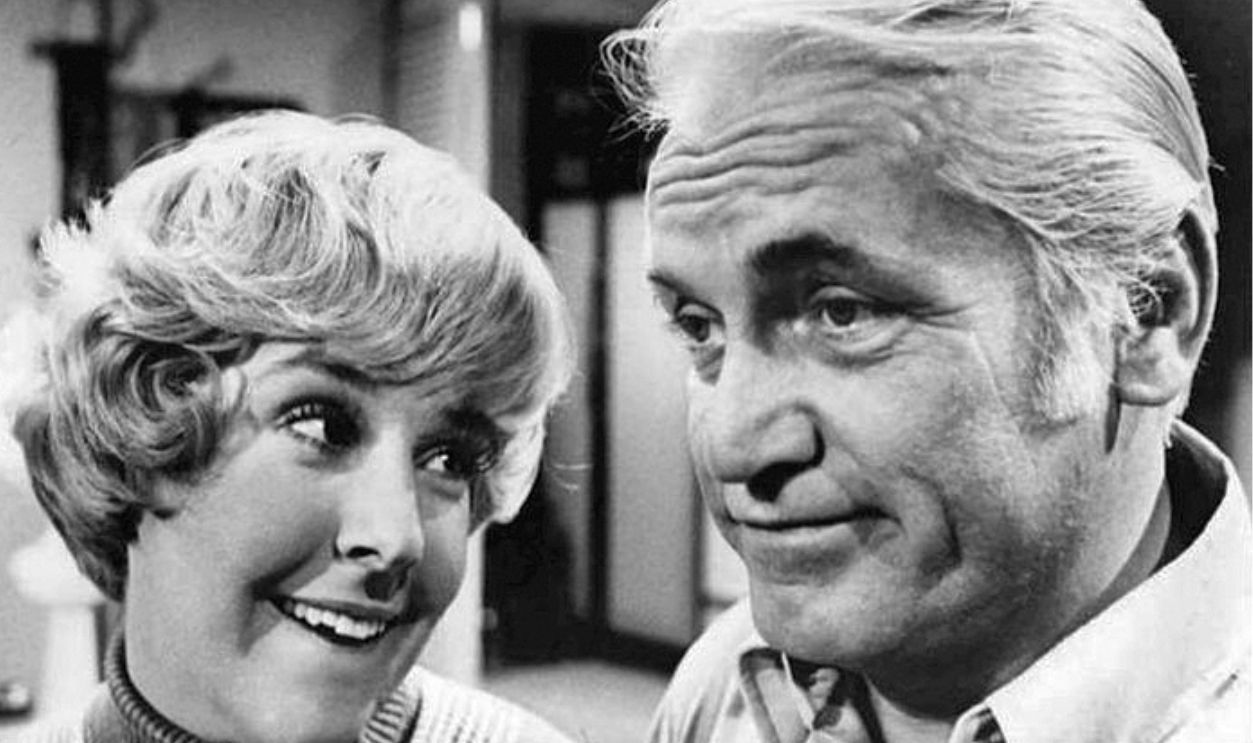
Engel later recalled being offered what appeared to be only a three-day role on The Mary Tyler Moore Show. Her manager worried that flying back to Los Angeles for such a small assignment could actually cost her money, but Engel decided the opportunity to work with the series was worth the risk. That tiny booking turned into the role most closely associated with her for the rest of her life.
 CBS Television Uploaded by We hope at en.wikipedia, Wikimedia Commons
Georgette Was Written With Engel In Mind
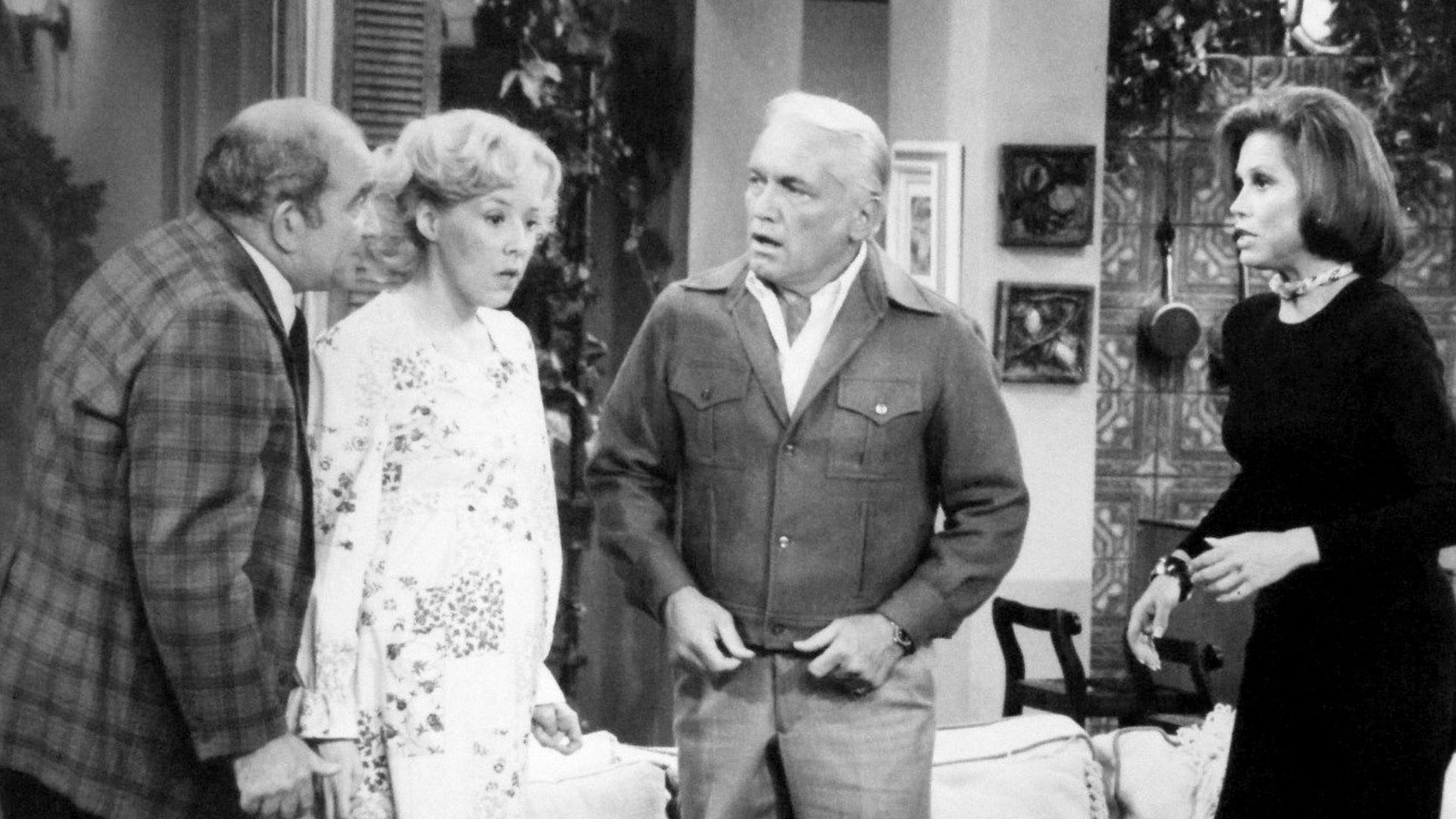
Treva Silverman created Georgette for an episode involving a surprise party for Rhoda. Because Rhoda was fast and sharp, Silverman wanted the new character to operate at a completely different comic frequency. Remembering Engel from Taking Off, she wrote the part with the actress’s particular presence and voice in mind.
 CBS Television, Wikimedia Commons
The Famous Voice Was Really Hers
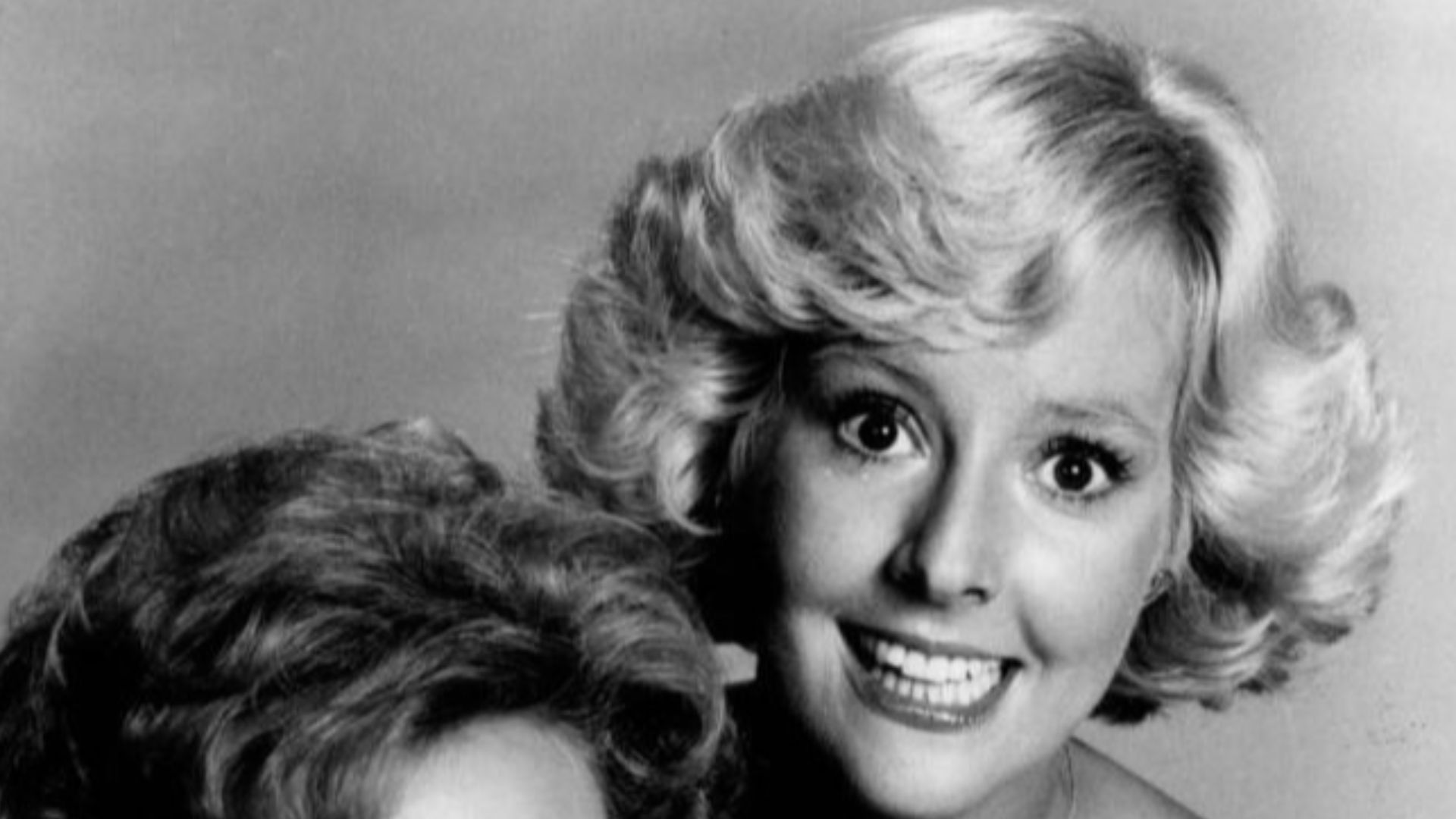
Engel’s delicate, high-pitched speaking style sounded so unusual that viewers could easily assume it was a carefully invented character voice. Betty White later made clear that it was not, saying Engel essentially sounded the same away from the camera. That fact made the performance even more distinctive because Engel was learning how to use a natural vocal quality as an extraordinarily precise comic instrument.
 CBS Television, Wikimedia Commons
Her Whisper Changed The Rhythm Of A Scene
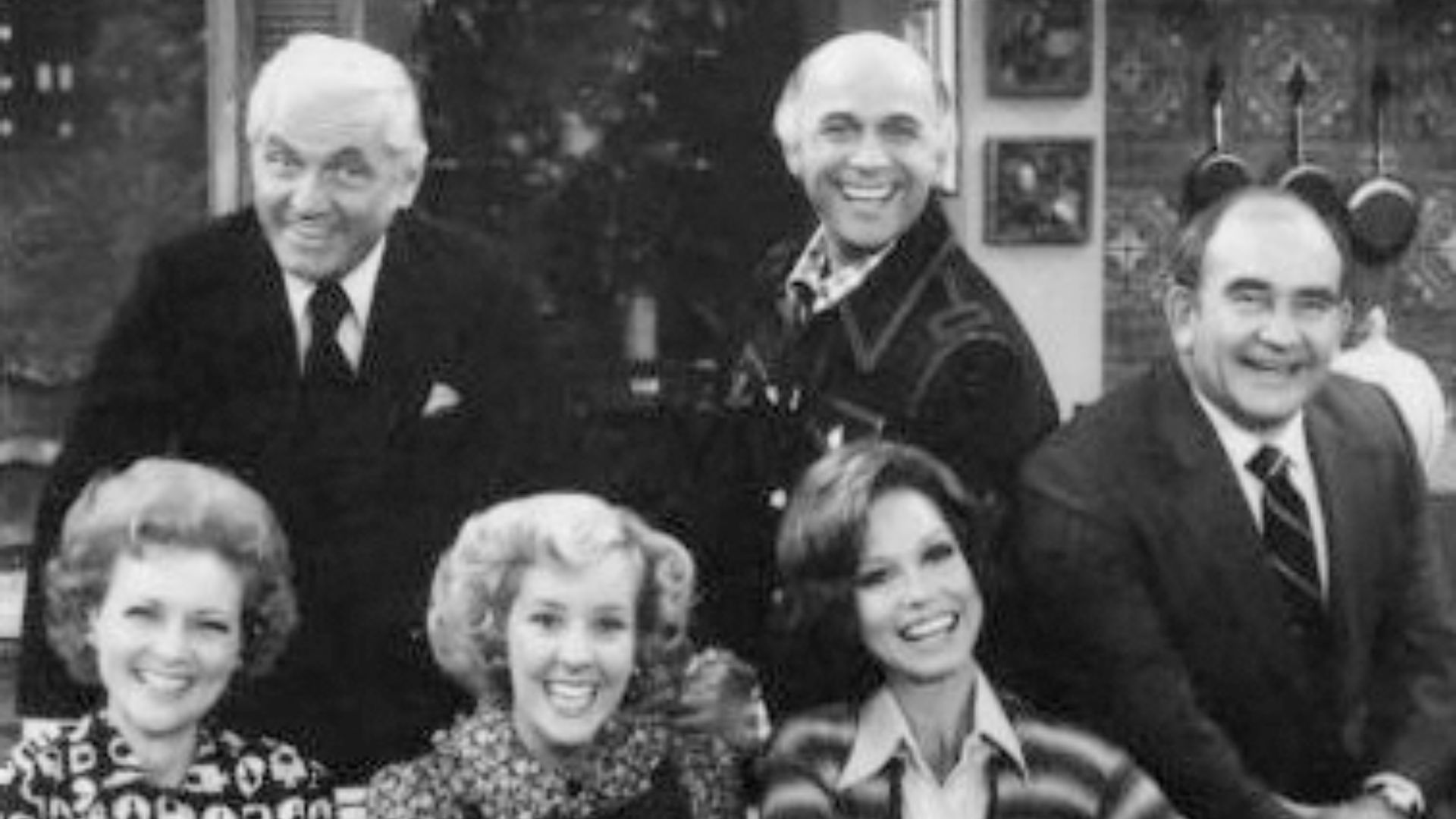
Most sitcom performers compete for attention through speed, volume, or oversized reactions. Engel could do the opposite, lowering the temperature of a conversation until everyone else seemed louder around her. The contrast made Georgette instantly noticeable without requiring Engel to push for attention.
 CBS Television, Wikimedia Commons
One Rehearsal Turned Into A Recurring Job
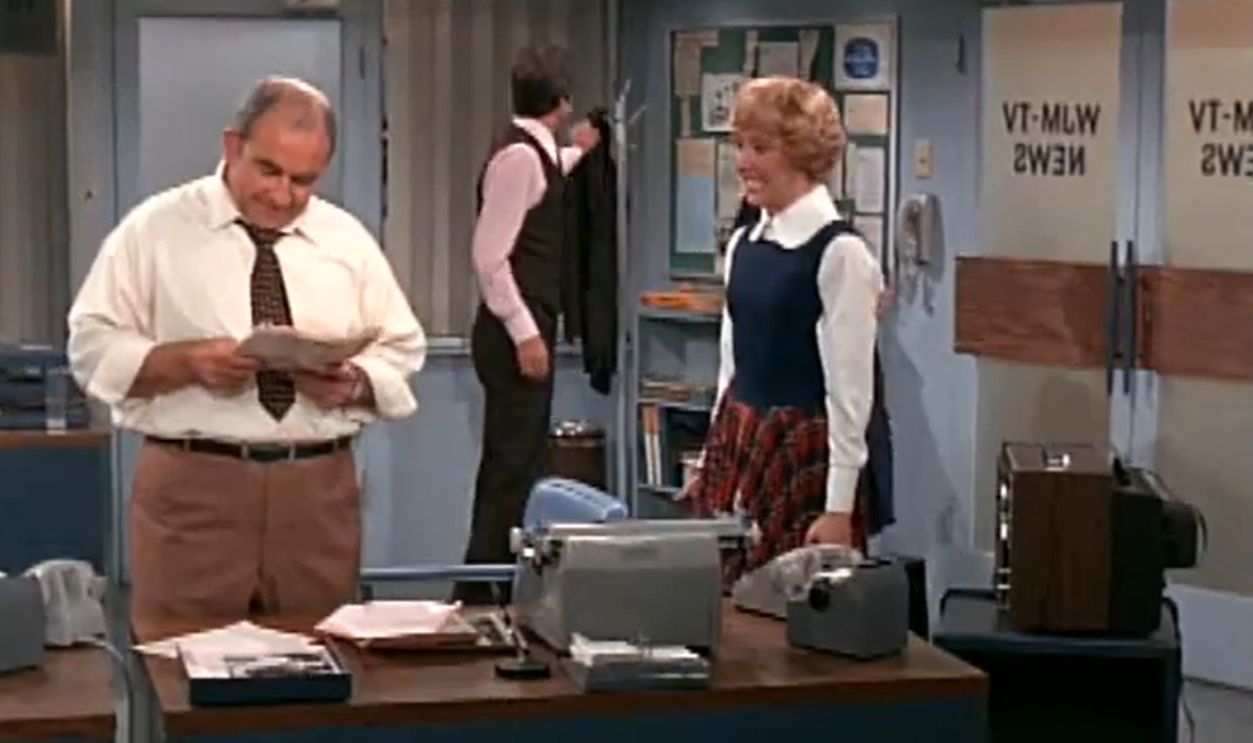
Silverman remembered that Engel was so sweet and effective during rehearsal that the writers kept adding material for her. By the end of the week, the producers had decided to make her a semi-regular. Silverman was given the pleasure of telling Engel herself that what began as a guest appearance had become something much bigger.
 Screenshot from The Mary Tyler Moore Show, CBS (1970–1977)
Sweetness Became A Comic Superpower
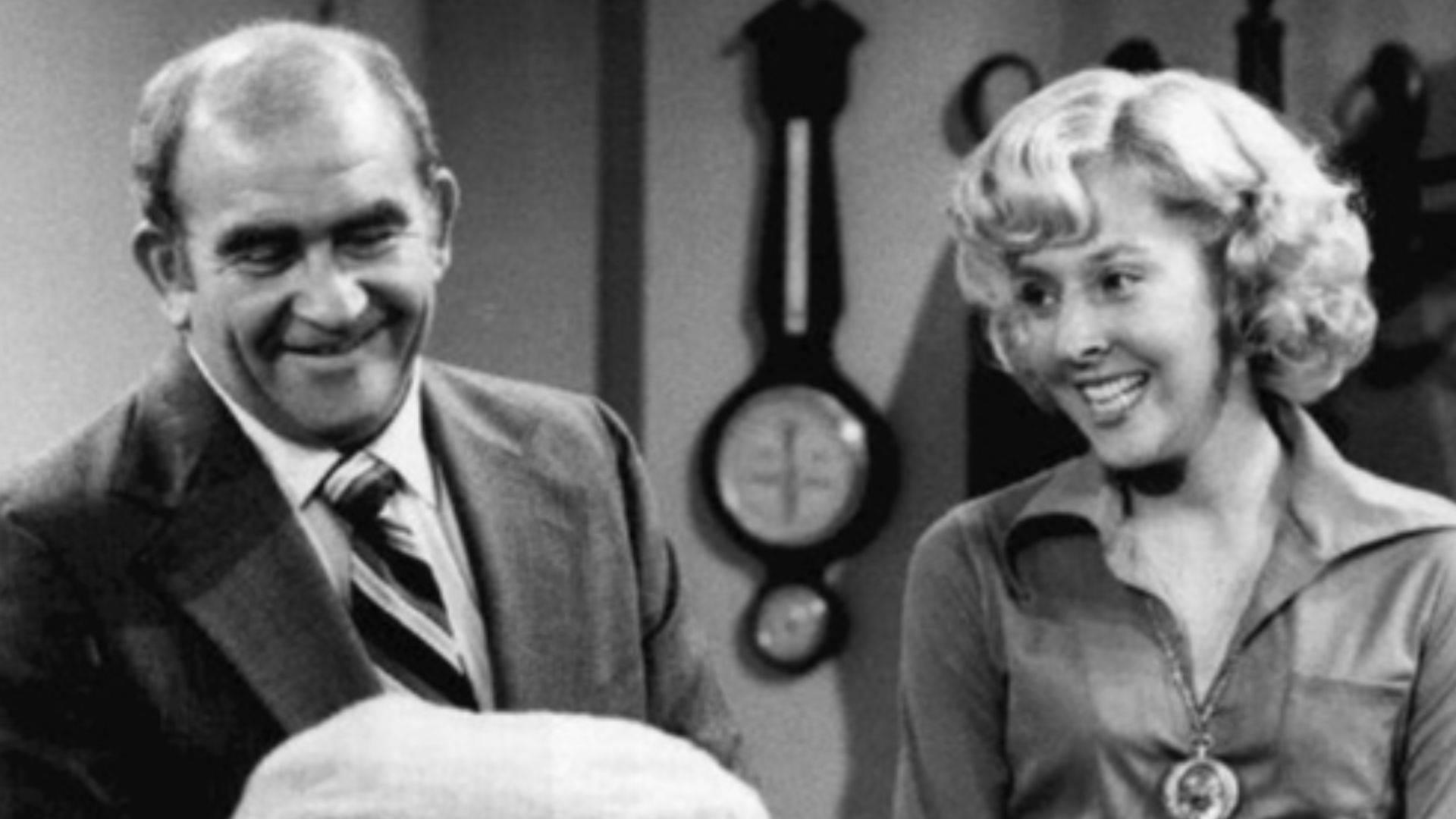
Georgette initially seemed almost impossibly innocent beside the sharper personalities surrounding Mary Richards. Engel did not treat that sweetness as weakness, however, because Georgette could remain calm while delivering observations that completely deflated another character. Her sincerity made the jokes land harder because she rarely sounded as though she knew she was delivering a punch line.
 CBS Television, Wikimedia Commons
Georgette Was Not As Simple As She Sounded
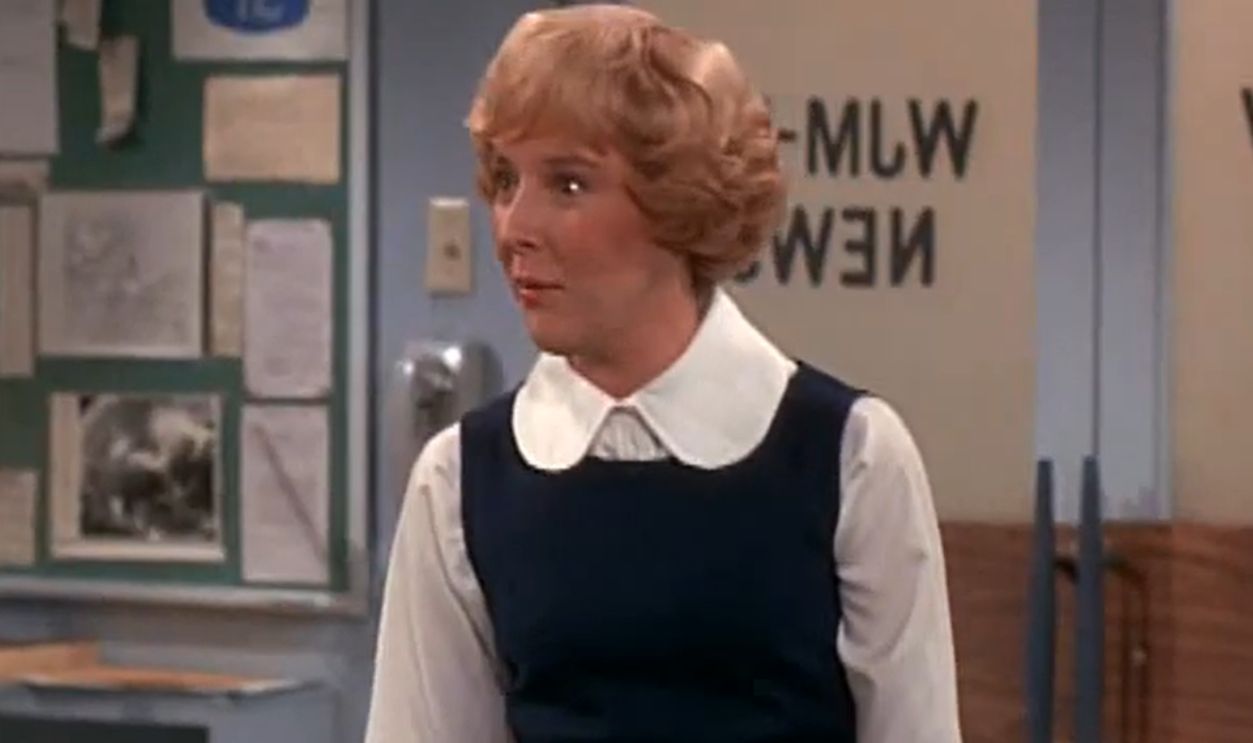
The joke was never merely that Georgette spoke softly or seemed naïve. She often understood people more accurately than characters who considered themselves sophisticated. Treva Silverman described Georgette as a particularly pure soul, which helps explain why the writers gradually gave her more emotional authority.
 Screenshot from The Mary Tyler Moore Show, CBS (1970–1977)
Ted Baxter Met His Perfect Opposite
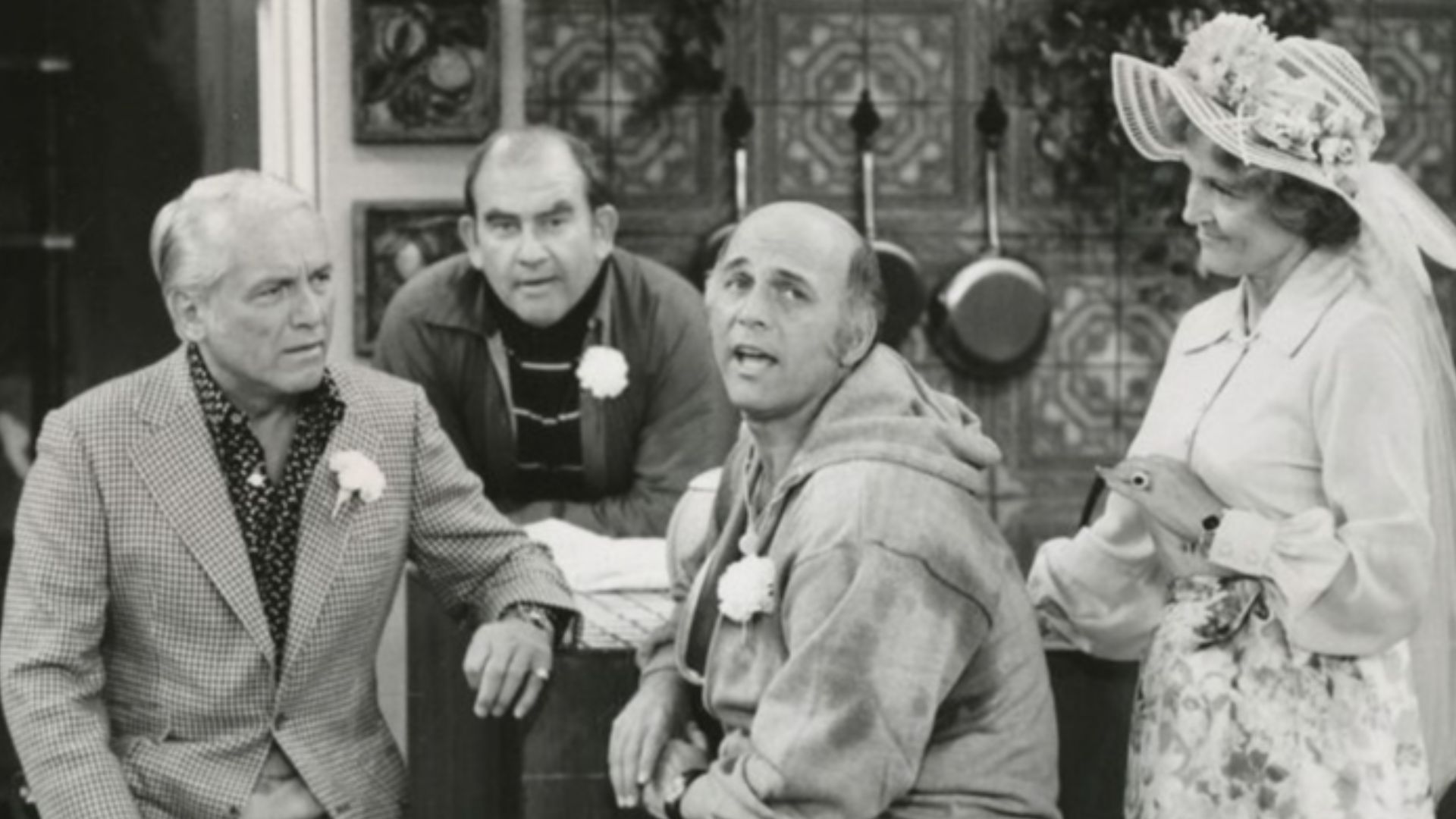
Ted Baxter was vain, insensitive, and gloriously convinced of his own importance. The writers realized that a character as fundamentally gentle as Georgette could plausibly love him because she recognized that much of his offensive behavior came from cluelessness rather than calculated cruelty. Putting Engel opposite Ted Knight created one of the show’s strangest and most effective romantic pairings.
 CBS Television Uploaded by We hope at en.wikipedia, Wikimedia Commons
She Made Ted Baxter More Human
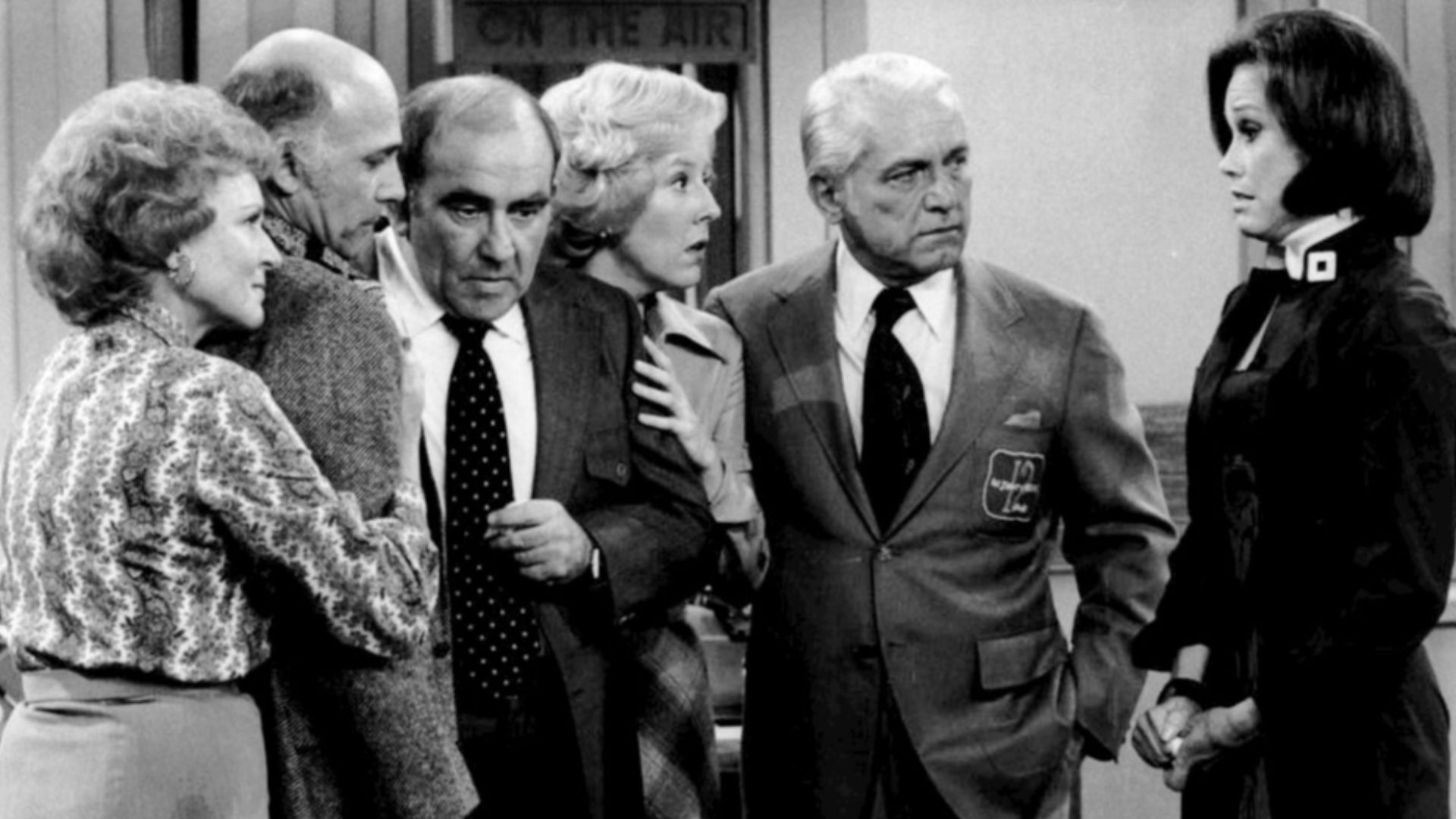
Silverman specifically credited Georgette with humanizing Ted over the course of the series. Engel’s affection allowed viewers to glimpse the needy man underneath the preening television personality. Ted remained ridiculous, but Georgette gave his character an emotional life that would have been difficult to reveal through newsroom jokes alone.
 CBS Television, Wikimedia Commons
Mary Gained A Different Kind Of Friend
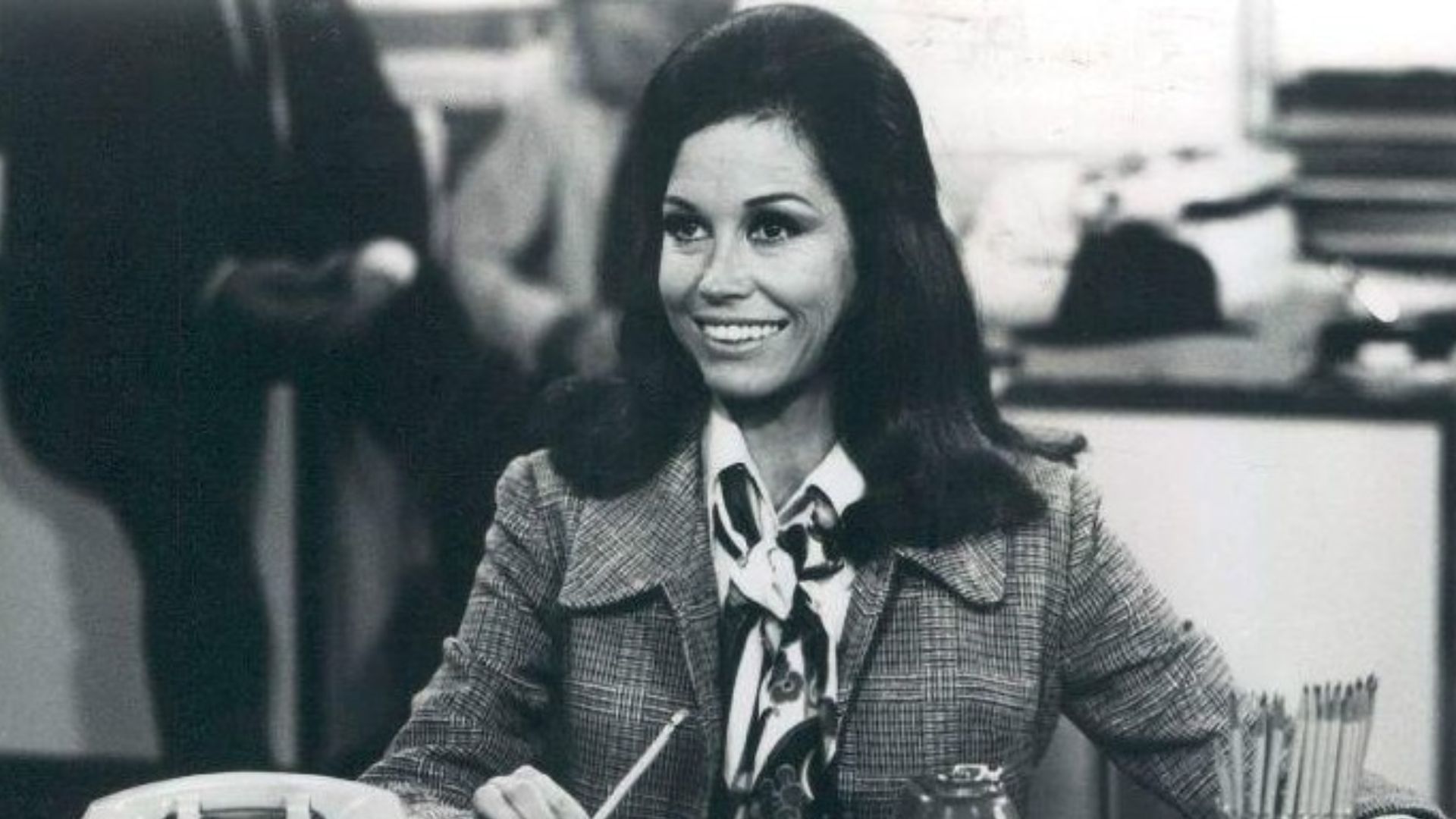
Georgette also became part of Mary Richards’s widening social circle. She was neither another Rhoda nor another Phyllis because her gentle optimism changed the atmosphere whenever she entered Mary’s apartment. Engel expanded an ensemble already celebrated for giving its female characters strongly individual comic personalities.
 CBS Television, Wikimedia Commons
The Romance Eventually Became A Marriage
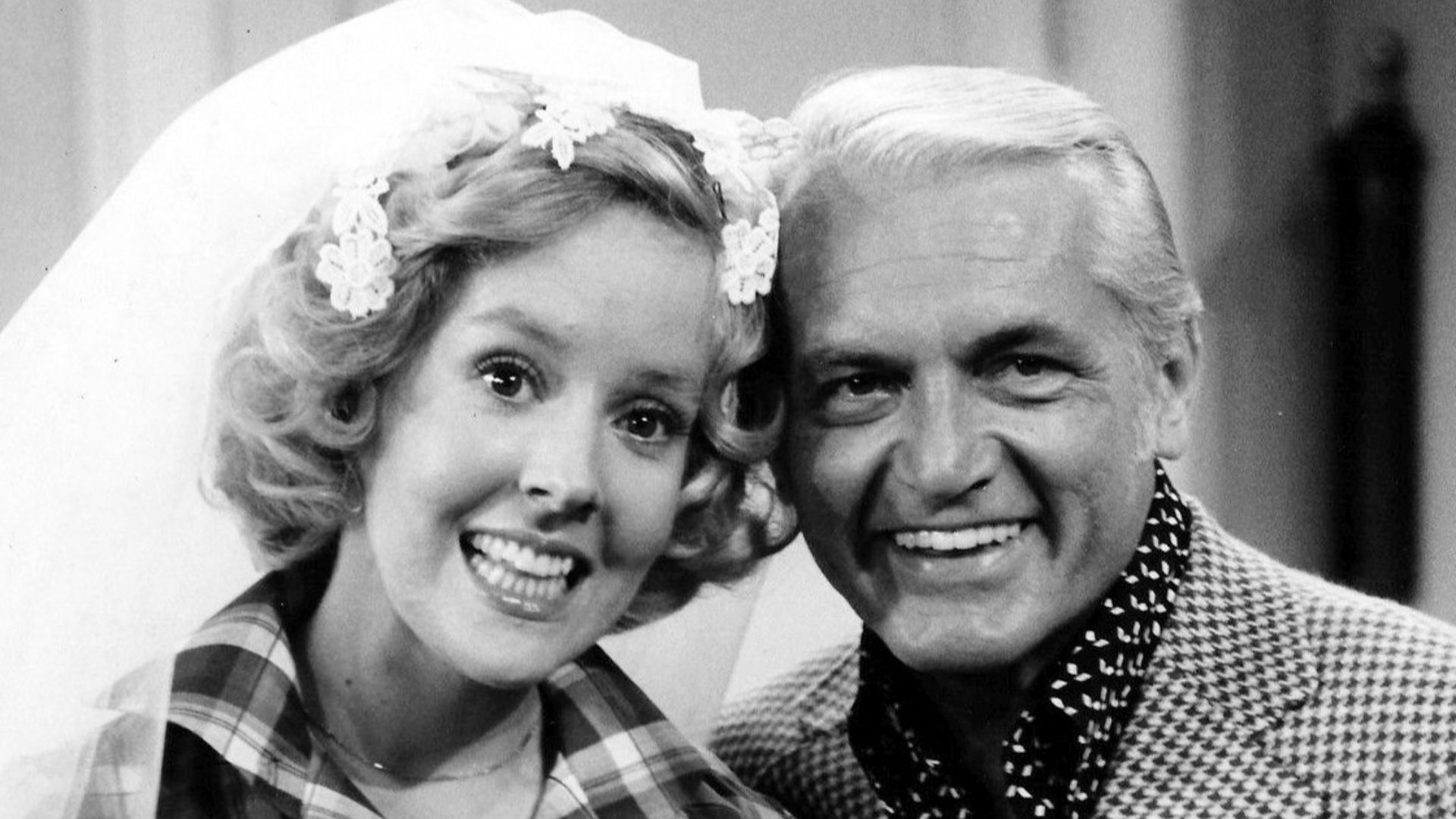
Georgette progressed from Ted’s girlfriend to his wife during the series. The marriage could have been played as a ridiculous mismatch, yet Engel and Knight made it strangely believable because Georgette’s affection never seemed sarcastic. Television Academy histories continue to identify her as Georgette Franklin Baxter, Ted’s eventual wife and a significant member of the ensemble.
 CBS Television, Wikimedia Commons
Marriage Let Georgette Grow Up Without Hardening
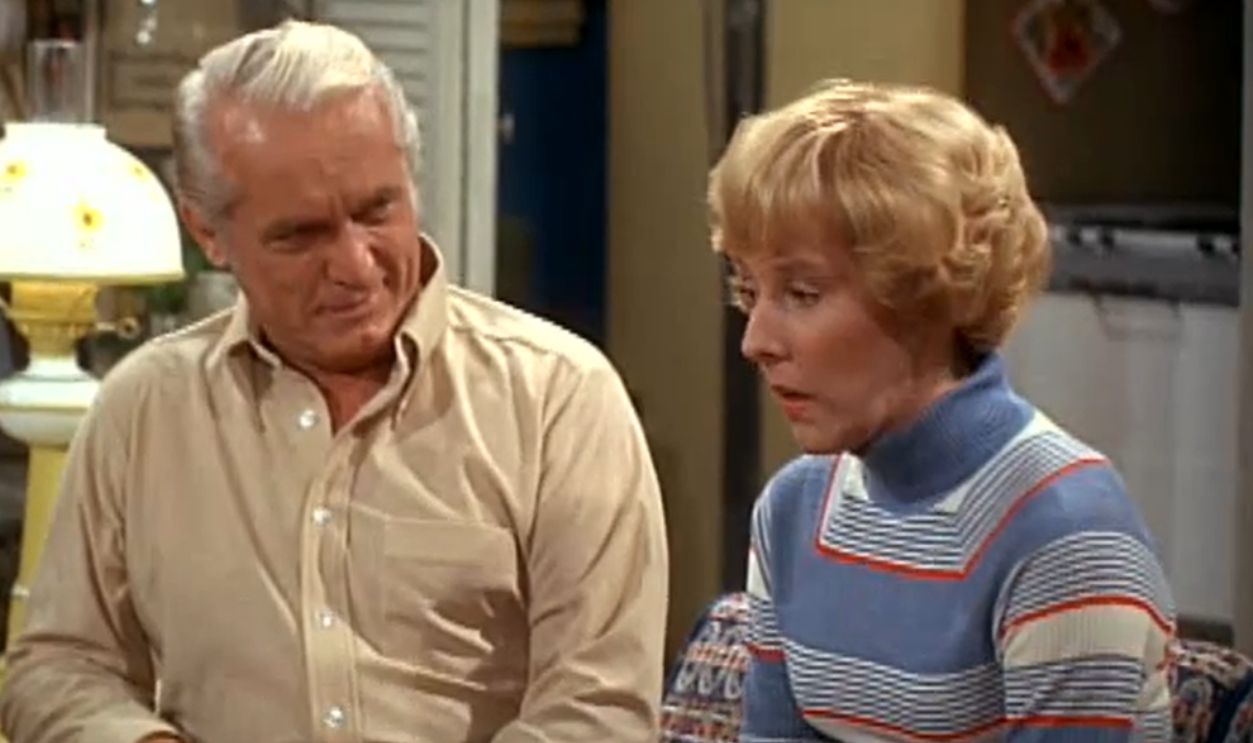
Giving Georgette a husband and family responsibilities allowed the character to mature without suddenly turning cynical. Engel preserved the same airy delivery and optimistic temperament even as Georgette’s life became more complicated. That consistency showed how much character could exist underneath a vocal style that initially seemed like a comic novelty.
 Screenshot from The Mary Tyler Moore Show, CBS (1970–1977)
She Fit Into One Of Television’s Great Ensembles
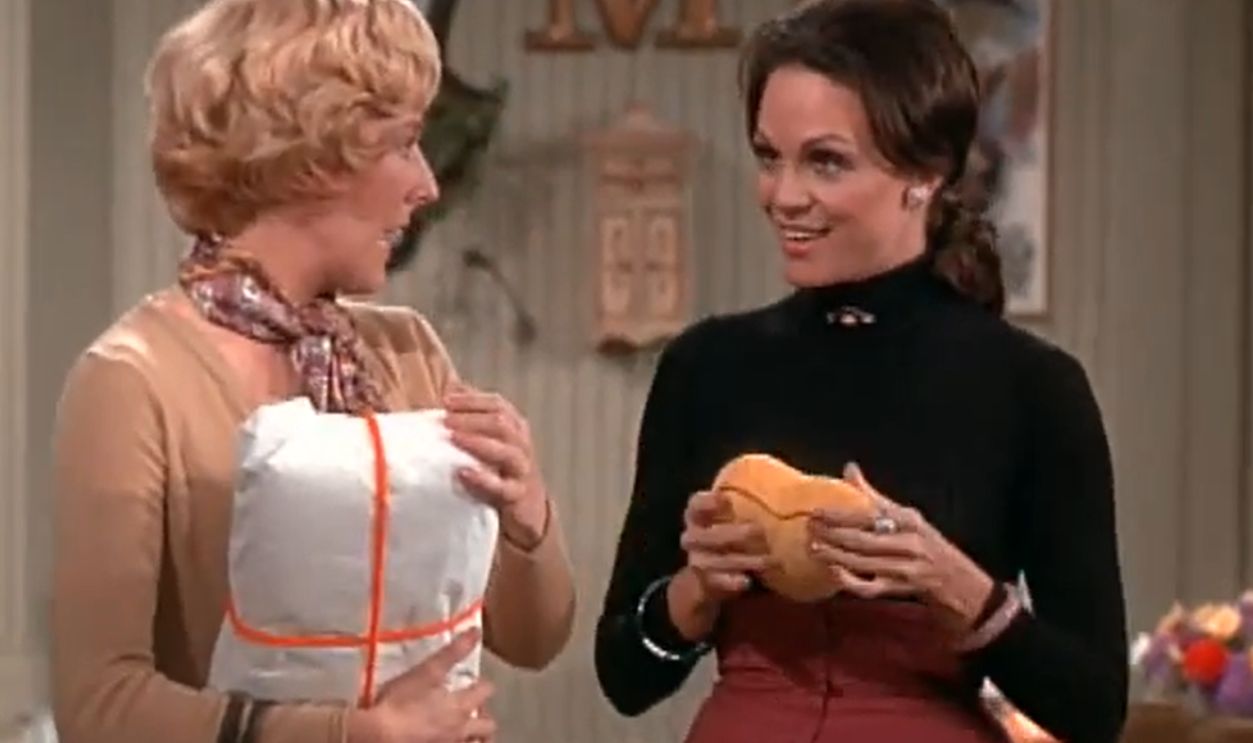
By Engel’s later seasons, The Mary Tyler Moore Show could place her beside Moore, Knight, Ed Asner, Gavin MacLeod, Betty White, and other unusually strong comic performers. The series encouraged actors to shine without treating another performer’s success as a threat. Treva Silverman remembered Moore in particular as someone who genuinely celebrated when another cast member got the laugh.
 Screenshot from The Mary Tyler Moore Show, CBS (1970–1977)
Emmy Voters Heard What She Was Doing
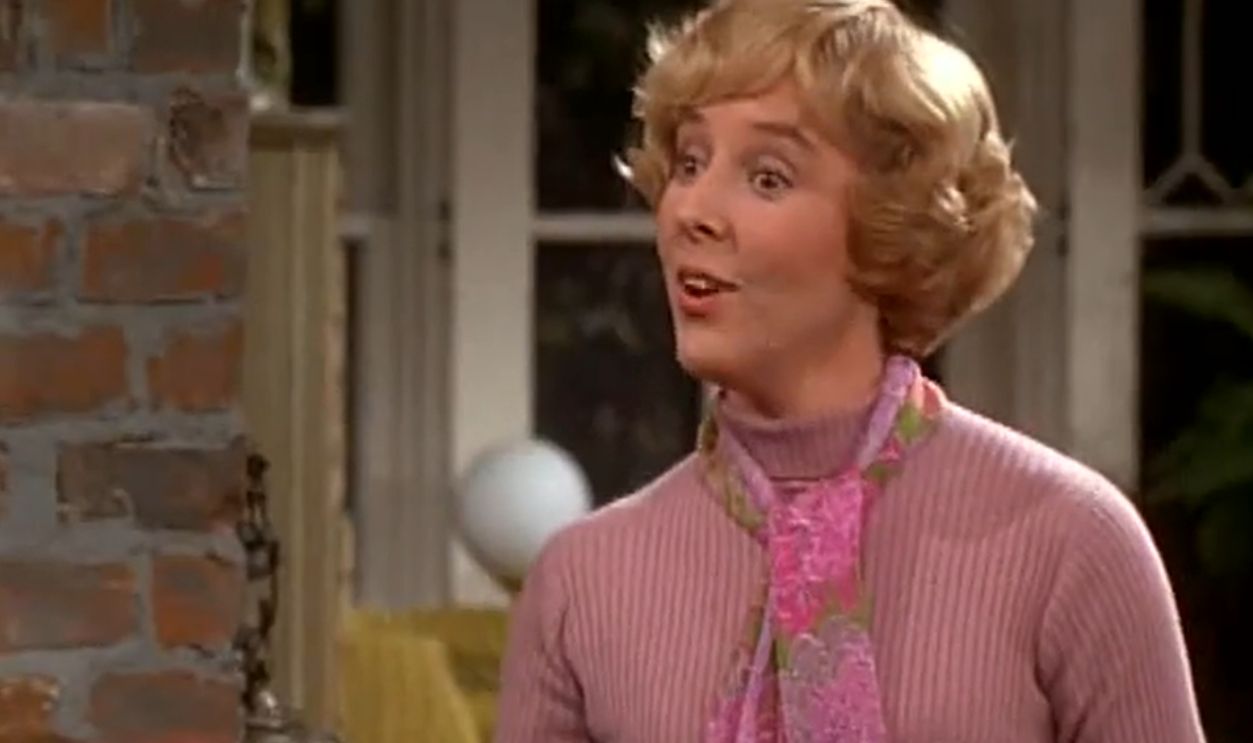
Engel received consecutive Emmy nominations for supporting actress in 1976 and 1977. Those nominations recognized a performance whose apparent effortlessness could easily disguise how technically precise it was. She could alter the meaning of a line through a pause, a tiny change in pitch, or a look of complete sincerity.
 Screenshot from The Mary Tyler Moore Show, CBS (1970–1977)
The Finale Gave Her One Last Perfectly Georgette Moment
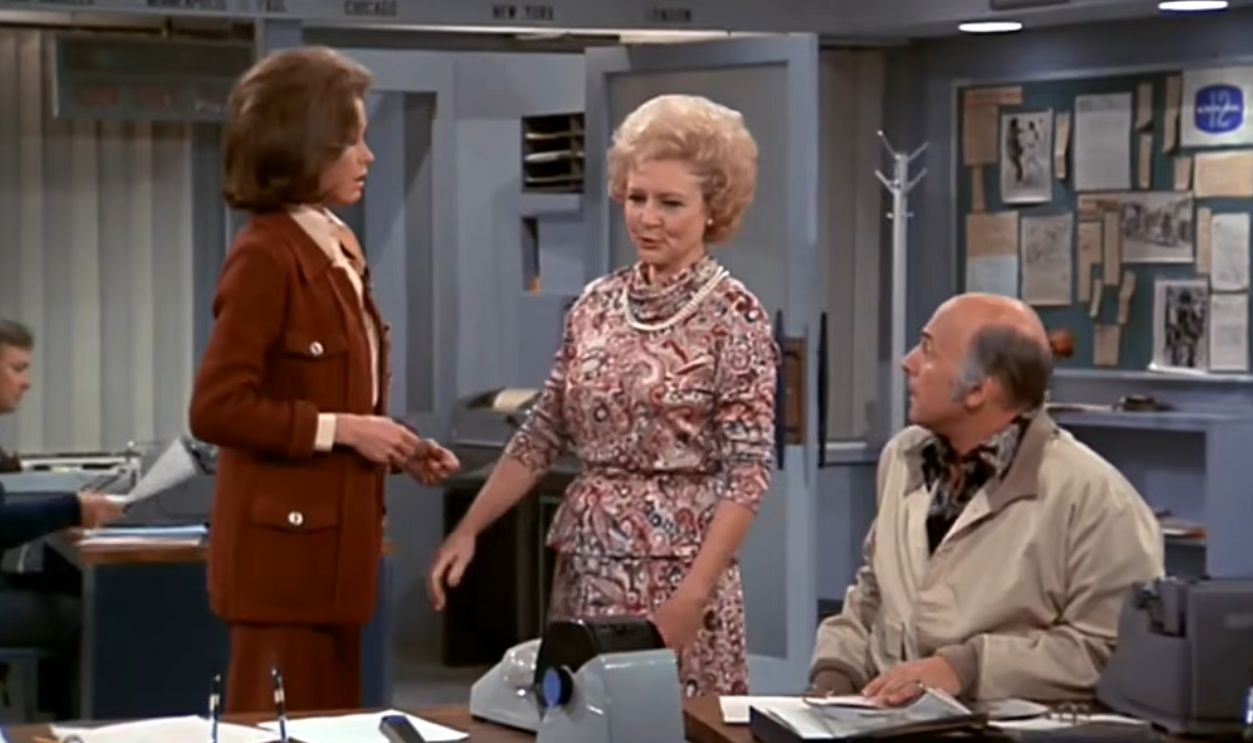
The famous final episode gathered Mary, Lou, Murray, Ted, Georgette, and Sue Ann together for an emotional group goodbye. Mary Tyler Moore later remembered that when someone asked for a tissue during the tearful scene, Georgette calmly pointed out that there was a box on Mary’s desk. The practical little response was completely consistent with the character’s ability to remain literal while everyone else was overwhelmed.
 Screenshot from The Mary Tyler Moore Show, CBS (1970–1977)
Betty White Kept Her In The Television Family
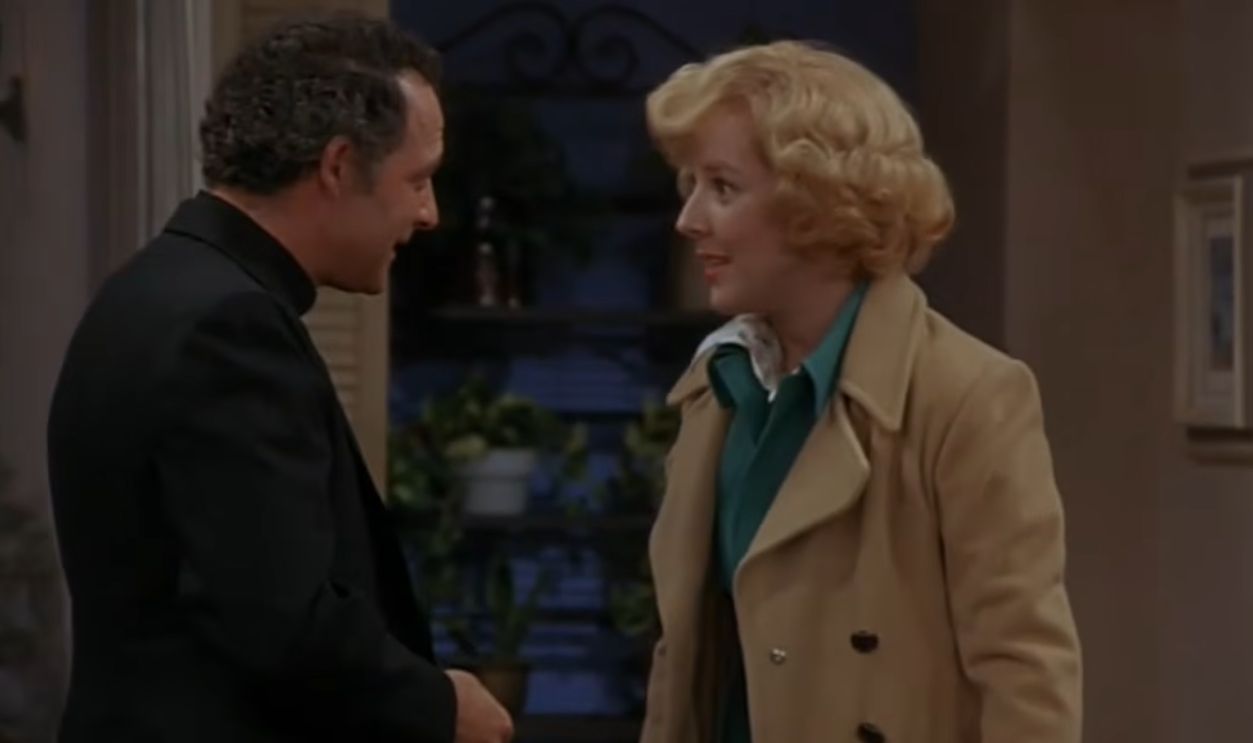
After The Mary Tyler Moore Show ended, Engel joined Betty White on CBS’s The Betty White Show during the 1977–78 season. The new sitcom did not approach the longevity of their previous series. Their friendship and professional connection, however, would continue for decades.
 Screenshot from The Mary Tyler Moore Show, CBS (1970–1977)
Short-Lived Sitcoms Still Wanted That Voice
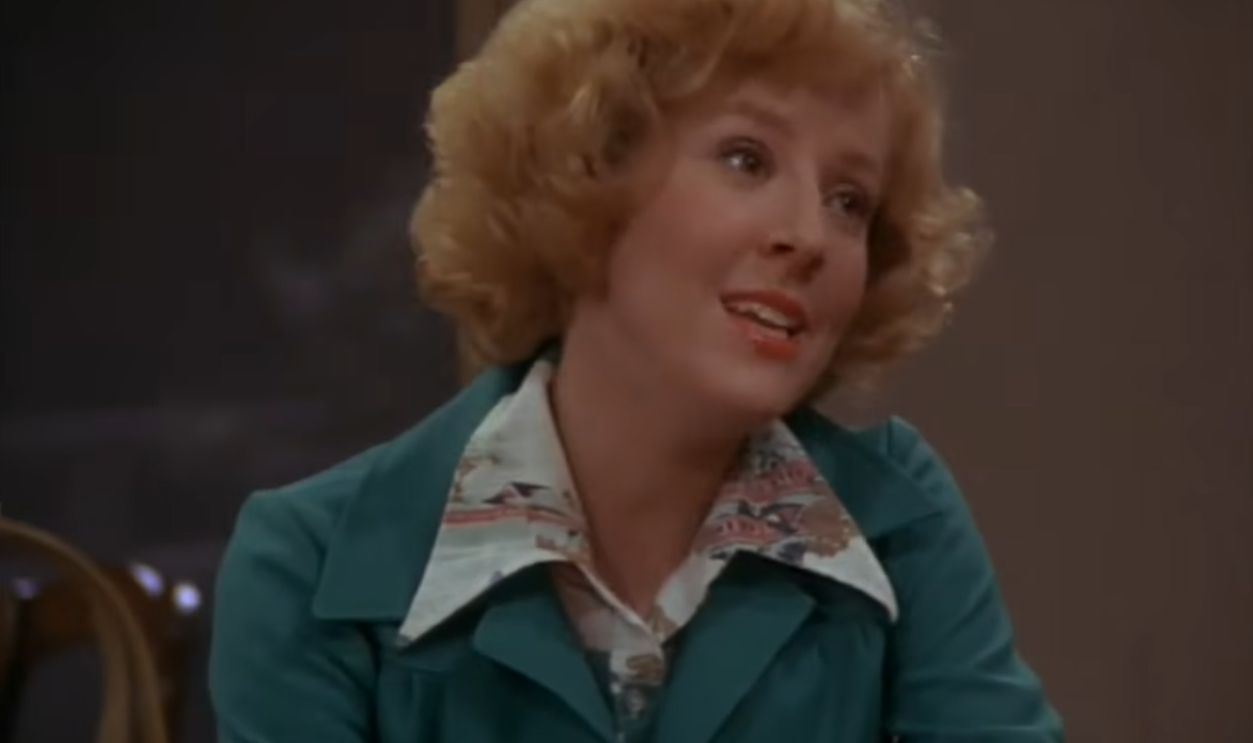
Engel became a regular on Goodtime Girls in 1980 and Jennifer Slept Here during the 1983–84 season. Neither series survived beyond one season, but both demonstrated how readily producers could build comic characters around Engel’s unmistakable presence. She also continued taking guest roles across network television.
 Screenshot from The Mary Tyler Moore Show, CBS (1970–1977)
Coach Gave Her A Long Second Television Run
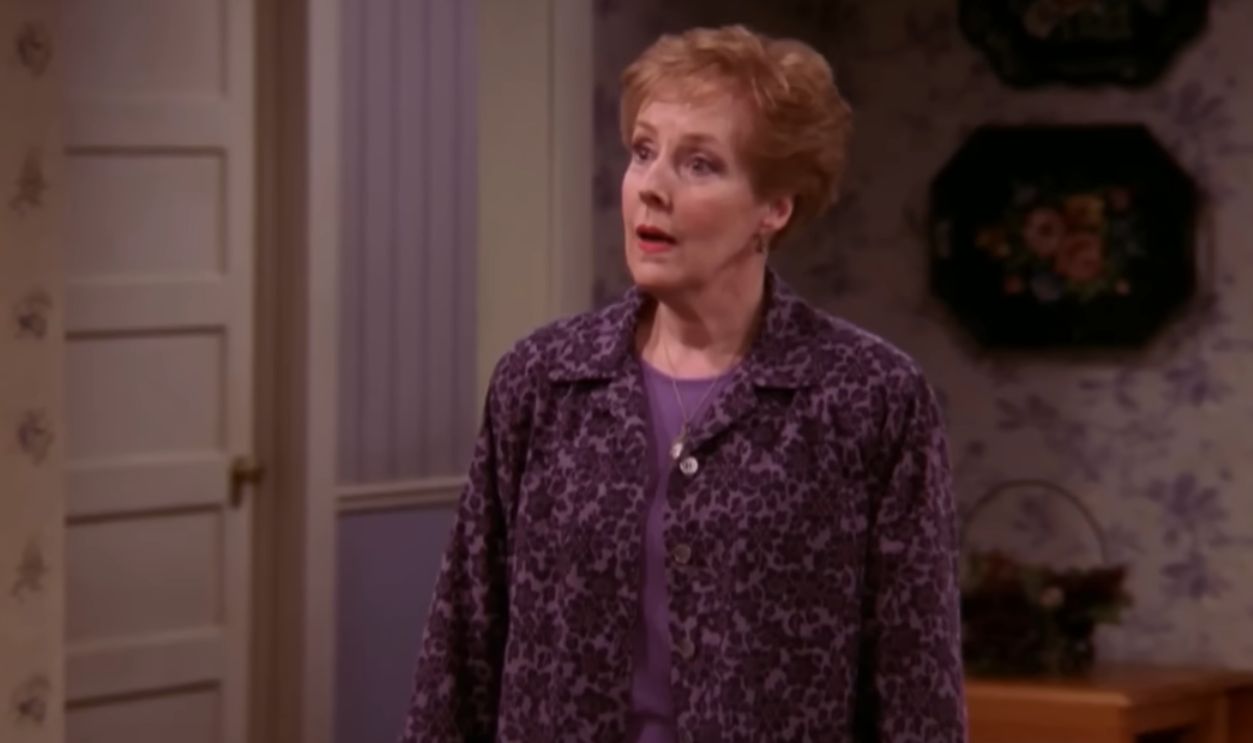
During the 1990s, Engel recurred as Shirley Burleigh on Coach. The role lasted from 1991 to 1997, bringing her distinctive delivery into another successful ensemble comedy. By then, the voice that once seemed inseparable from Georgette had become a reusable comic signature.
 Screenshot from Everybody Loves Raymond, CBS (1996–2005)
Everybody Loves Raymond Found A Perfect New Use For Her
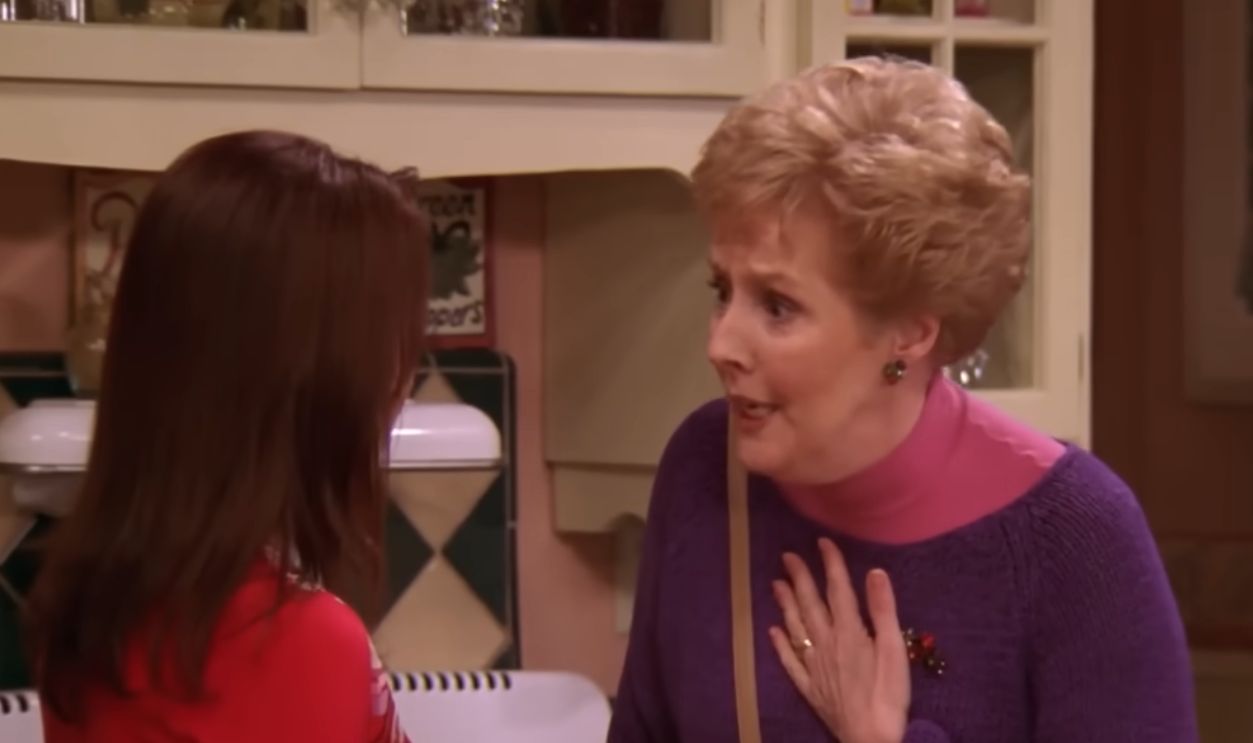
Engel reached another large television audience as Pat MacDougall, the mother of Amy on Everybody Loves Raymond. The character was outwardly polite and restrained, which made Engel’s gentle delivery ideal for a family whose members regularly turned tiny disagreements into warfare. Her voice had not changed much, but the comedy surrounding it had.
 Screenshot from Everybody Loves Raymond, CBS (1996–2005)
Three More Emmy Nominations Followed
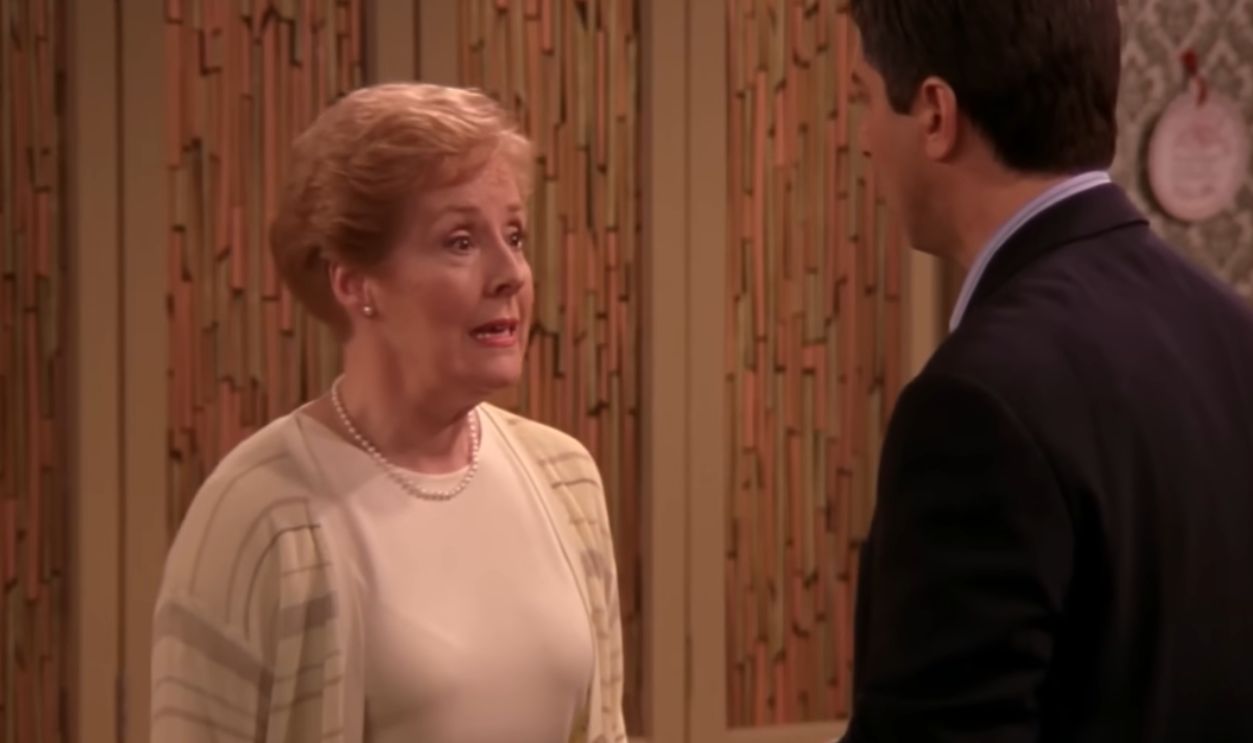
Engel received three consecutive Emmy nominations for guest actress for playing Pat in 2003, 2004, and 2005. Combined with her two Mary Tyler Moore Show nominations, that gave her five career Emmy nominations. More than a quarter-century after Georgette, television writers were still finding new ways to build jokes around the same deceptively gentle performer.
 Screenshot from Everybody Loves Raymond, CBS (1996–2005)
Fred Willard Made The MacDougalls Even Funnier
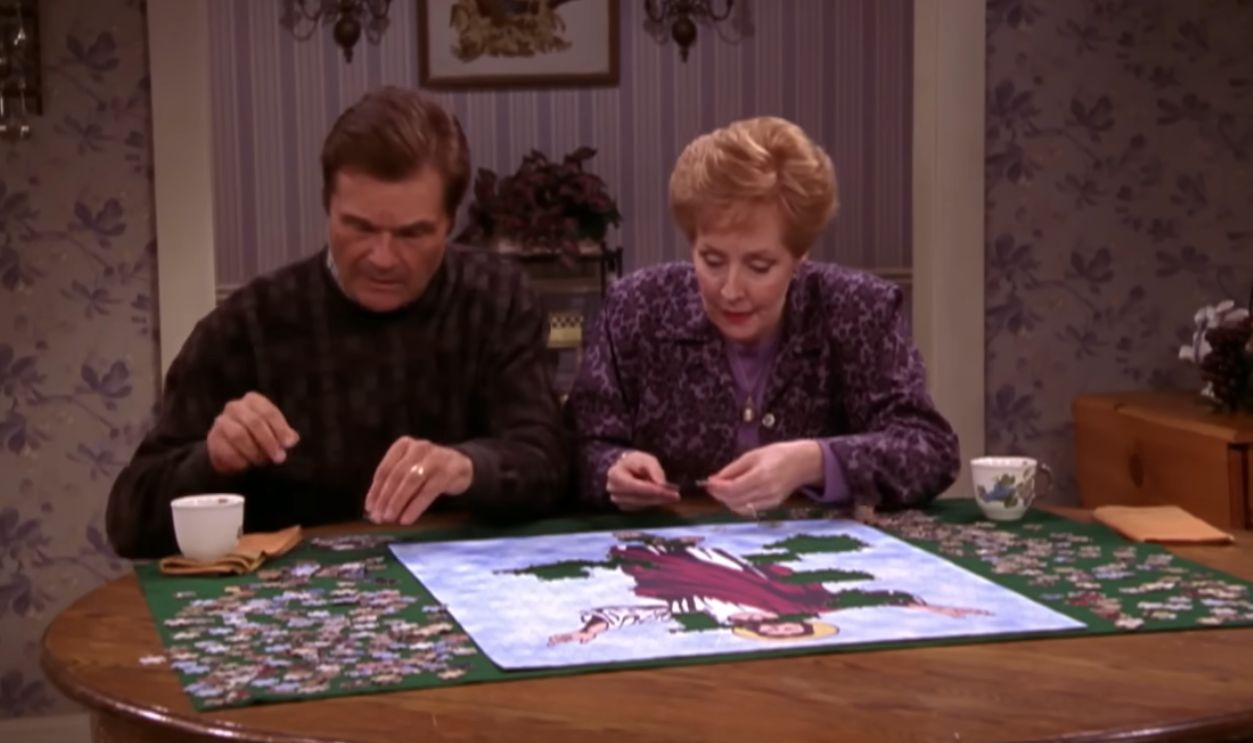
Fred Willard played Pat’s husband, Hank MacDougall, on Everybody Loves Raymond. Their reserved, conservative couple provided a deliberate contrast to the noisier Barone family, letting Engel return to the comic strategy that had served her so well with Ted Baxter. She remained funniest when a seemingly mild character was surrounded by people behaving far more aggressively.
 Screenshot from Everybody Loves Raymond, CBS (1996–2005)
Broadway Welcomed Her Back Decades Later
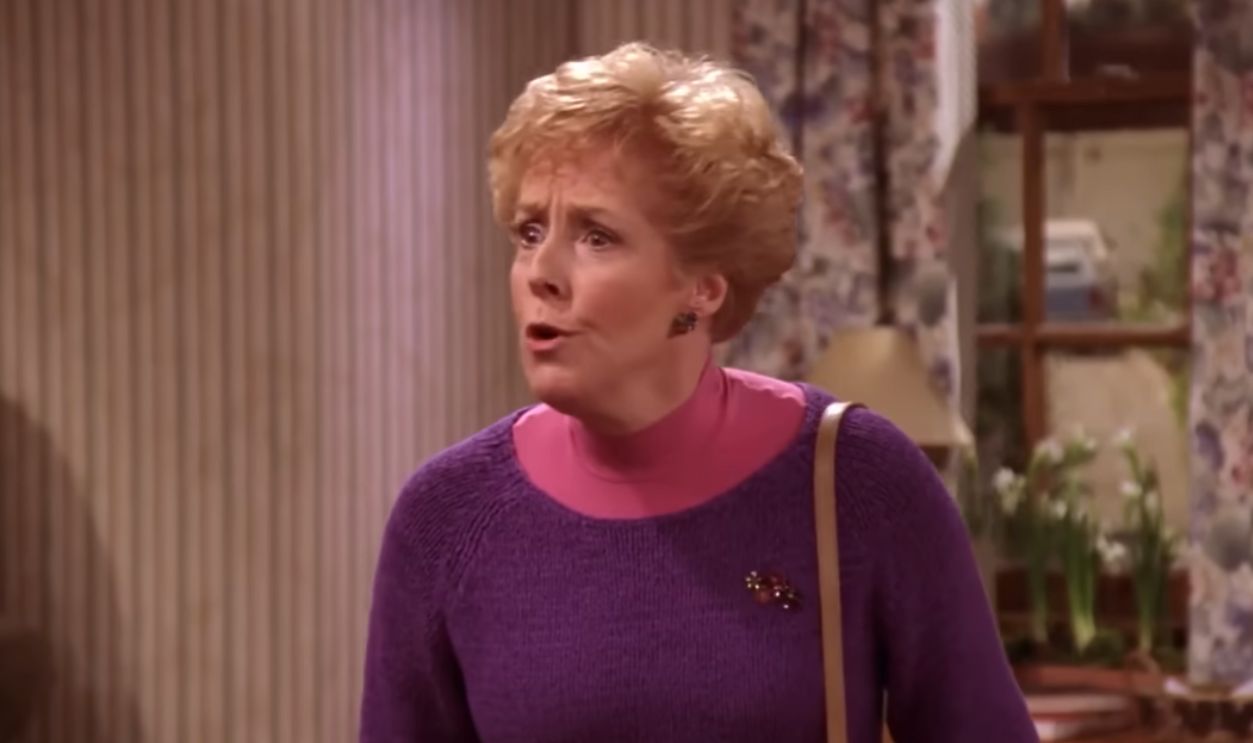
Engel never allowed television to become the entire definition of her career. She returned to Broadway in The Drowsy Chaperone, playing the delightfully eccentric Mrs. Tottendale in the Tony-winning musical. The production reminded audiences that her timing had been developed onstage before television ever discovered it.
 Screenshot from Everybody Loves Raymond, CBS (1996–2005)
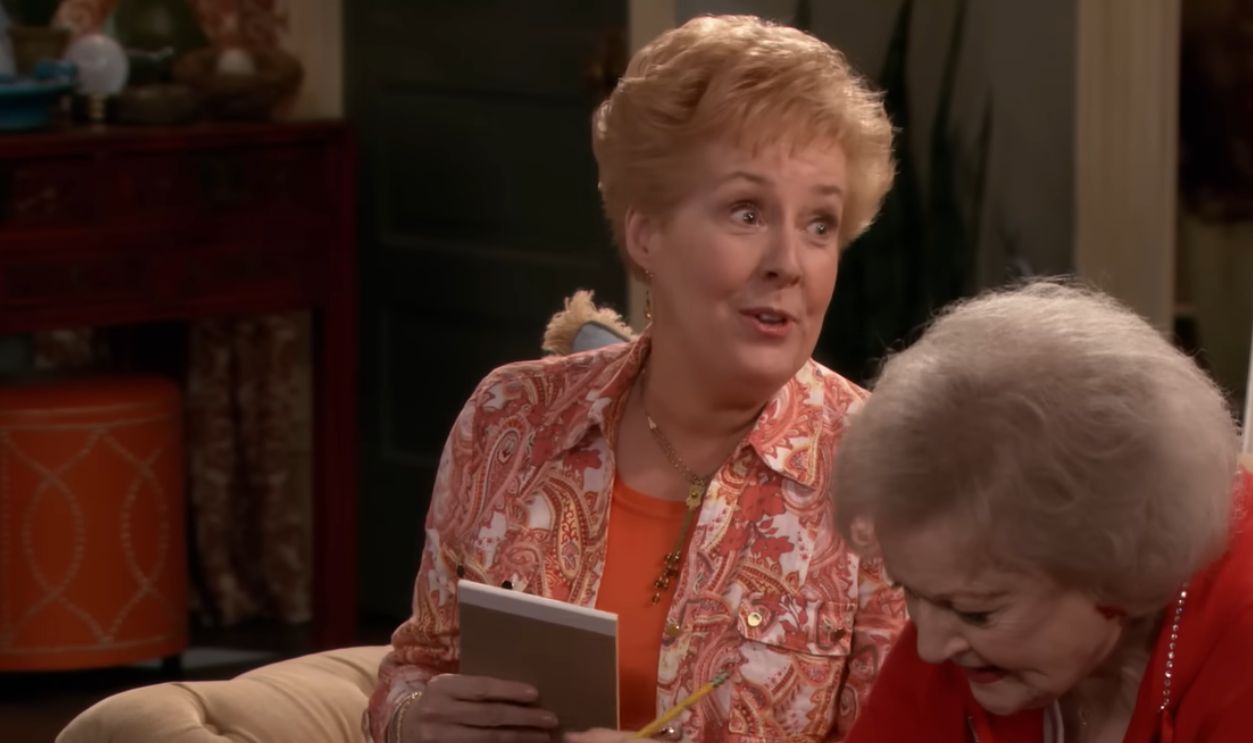
The Drowsy Chaperone Turned Precision Into Farce
Mrs. Tottendale gave Engel physical and verbal comedy far removed from the Minneapolis newsroom. Engel spoke enthusiastically about working with director and choreographer Casey Nicholaw and about how the character developed during rehearsals. Her return proved that the whisper could survive on Broadway because her comedy had never depended on television microphones alone.
 Screenshot from Hot in Cleveland, TV Land (2010–2015)
John Revealed A More Mysterious Performer
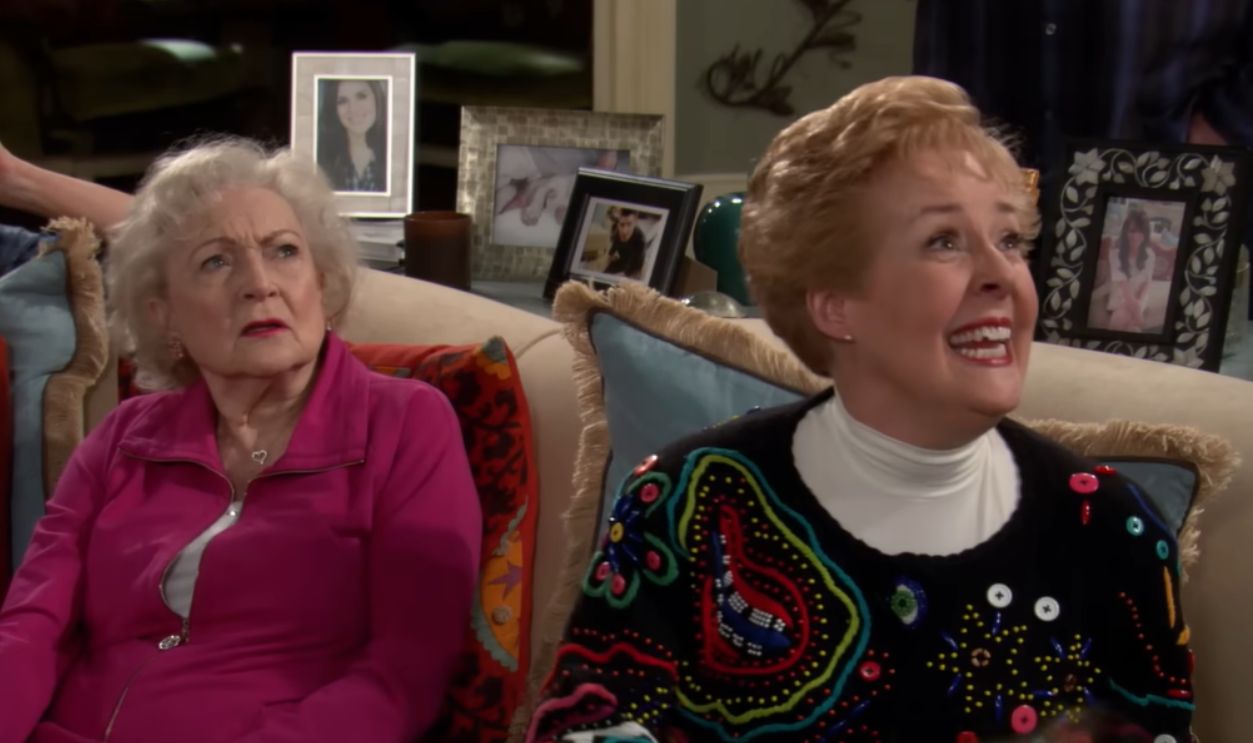
In 2015, Engel starred with Lois Smith in Annie Baker’s John at Signature Theatre. She played Mertis, the cheerful but increasingly enigmatic proprietor of a Gettysburg bed-and-breakfast, and the performance earned her major theater recognition, including a Drama Desk nomination. Engel later described this stage period as especially satisfying because she felt more fully used as an actress.
 Screenshot from Hot in Cleveland, TV Land (2010–2015)
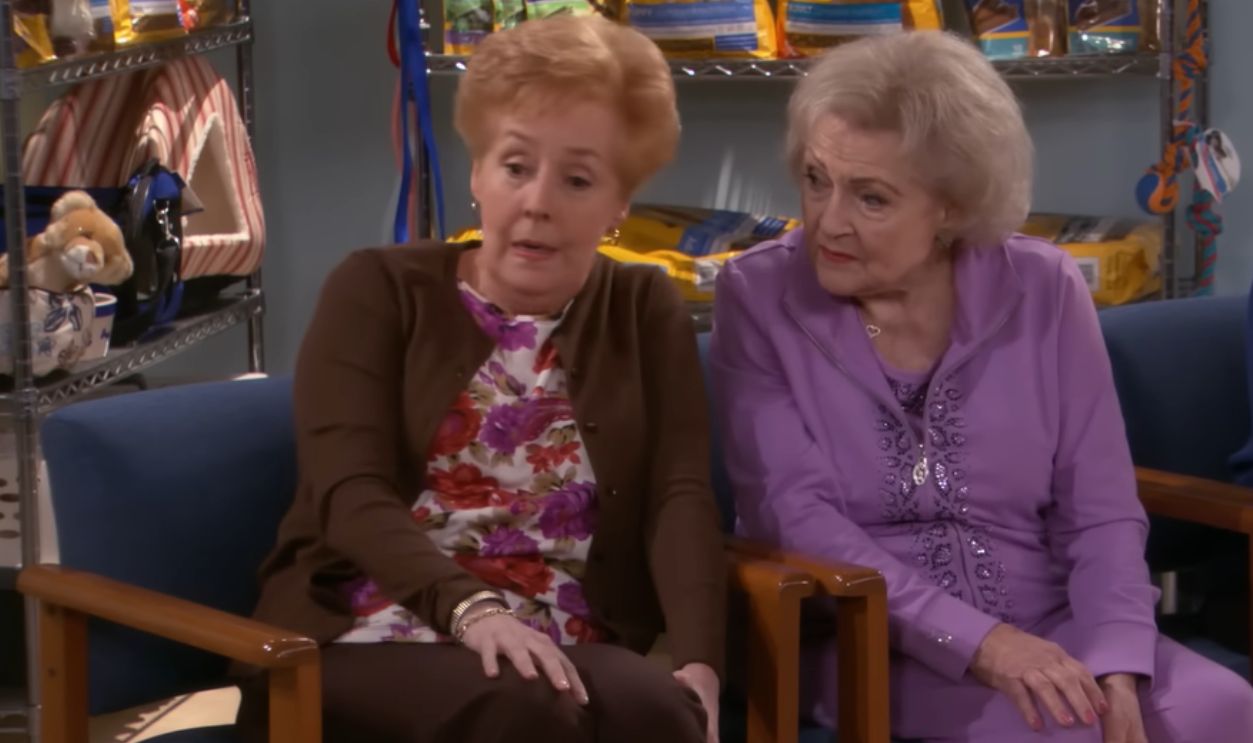
Hot In Cleveland Reunited A Television Family
Engel later recurred as Mamie on Hot in Cleveland, bringing her back alongside Betty White. A 2013 episode also reunited White and Engel with Mary Tyler Moore, Valerie Harper, and Cloris Leachman. The gathering turned Engel into a living bridge between 1970s ensemble comedy and a newer generation of sitcom viewers.
 Screenshot from Hot in Cleveland, TV Land (2010–2015)
She Was Still Working Near The End
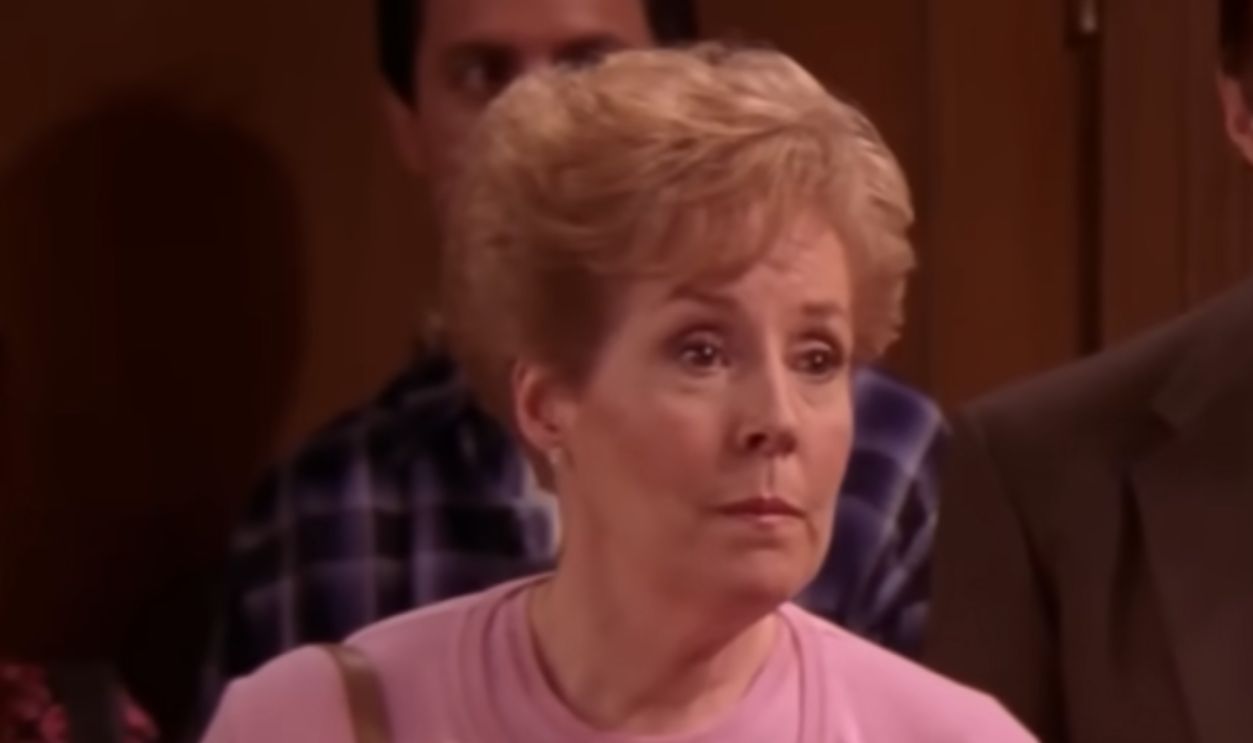
Engel remained active into her late 60s and 70th year. In 2018 she appeared in the stage musical Half Time, about older adults forming a basketball halftime dance team, and her final television credit came on Netflix’s One Day at a Time. She was still finding new ways to make the gentle voice surprising rather than merely nostalgic.
 Screenshot from Everybody Loves Raymond, CBS (1996–2005)
That Voice Never Really Left Television
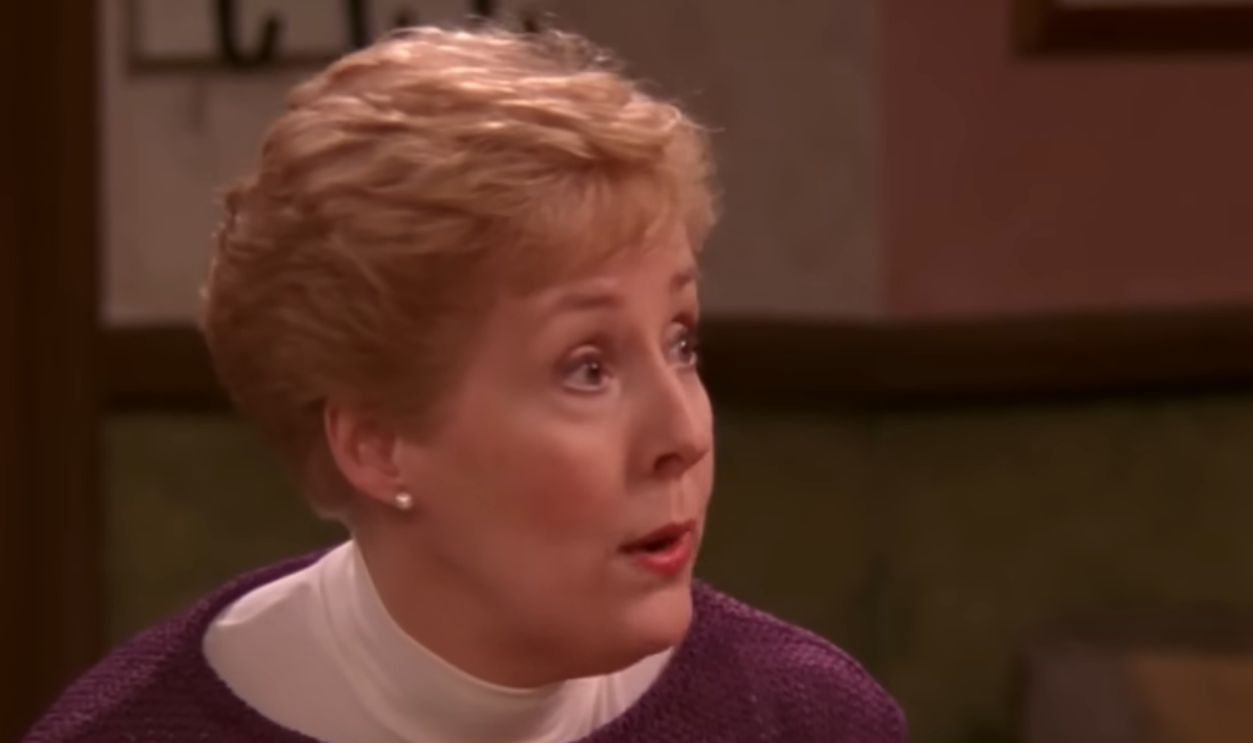
Engel died in Princeton, New Jersey, in April 2019 at age 70. Obituaries immediately described her through that soft, high voice, but the longevity of her career proves that vocal novelty alone could not have sustained her for nearly five decades. The voice made Georgia Engel recognizable, while her timing, sincerity, and ability to turn sweetness into comic authority made her unforgettable.
 Screenshot from Everybody Loves Raymond, CBS (1996–2005)
You May Also Like:
Facts About Classic TV Shows That Will Make You Nostalgic
The First TV Shows To Break Major Barriers
Does Anyone Remember These Television Shows? Anyone?
Sources: 1, 2, 3, 4, 5, 6, 7, 8, 9, 10, 11, 12, 13, 14, 15, 16, 17