Rock Hudson Took A Surprising Career Turn
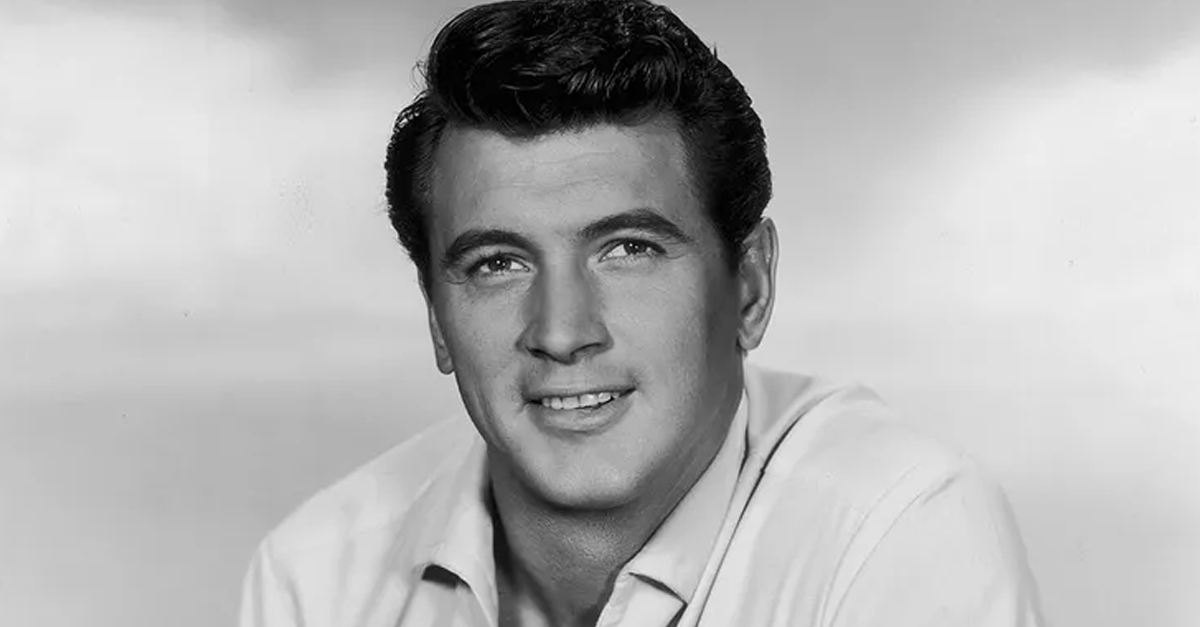
Rock Hudson had already become one of Hollywood's biggest movie stars when he agreed to headline McMillan & Wife in 1971. At the time, many major film actors still viewed television as a step down. Instead, the series introduced Hudson to a new generation of viewers and helped make him one of television's most popular leading men.
He Was Already A Hollywood Institution
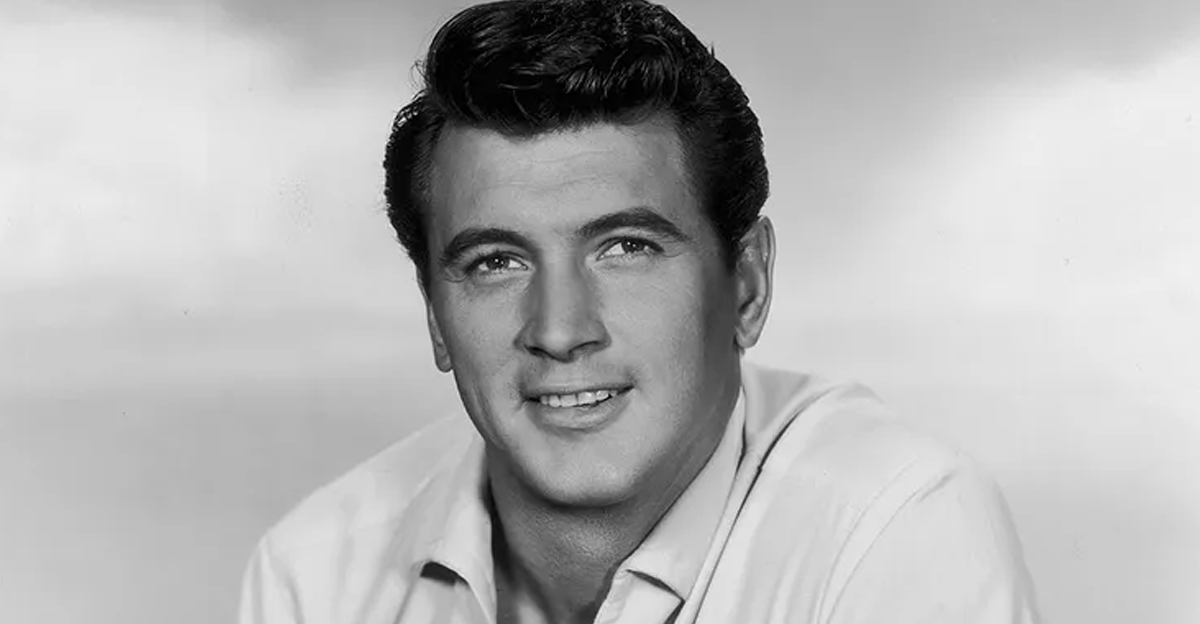
Hudson rose to fame during the 1950s through Universal Pictures, becoming known for his tall, handsome screen presence and dependable performances. Films such as Magnificent Obsession and All That Heaven Allows established him as a major dramatic star. Before long, he ranked among Hollywood's most bankable actors.
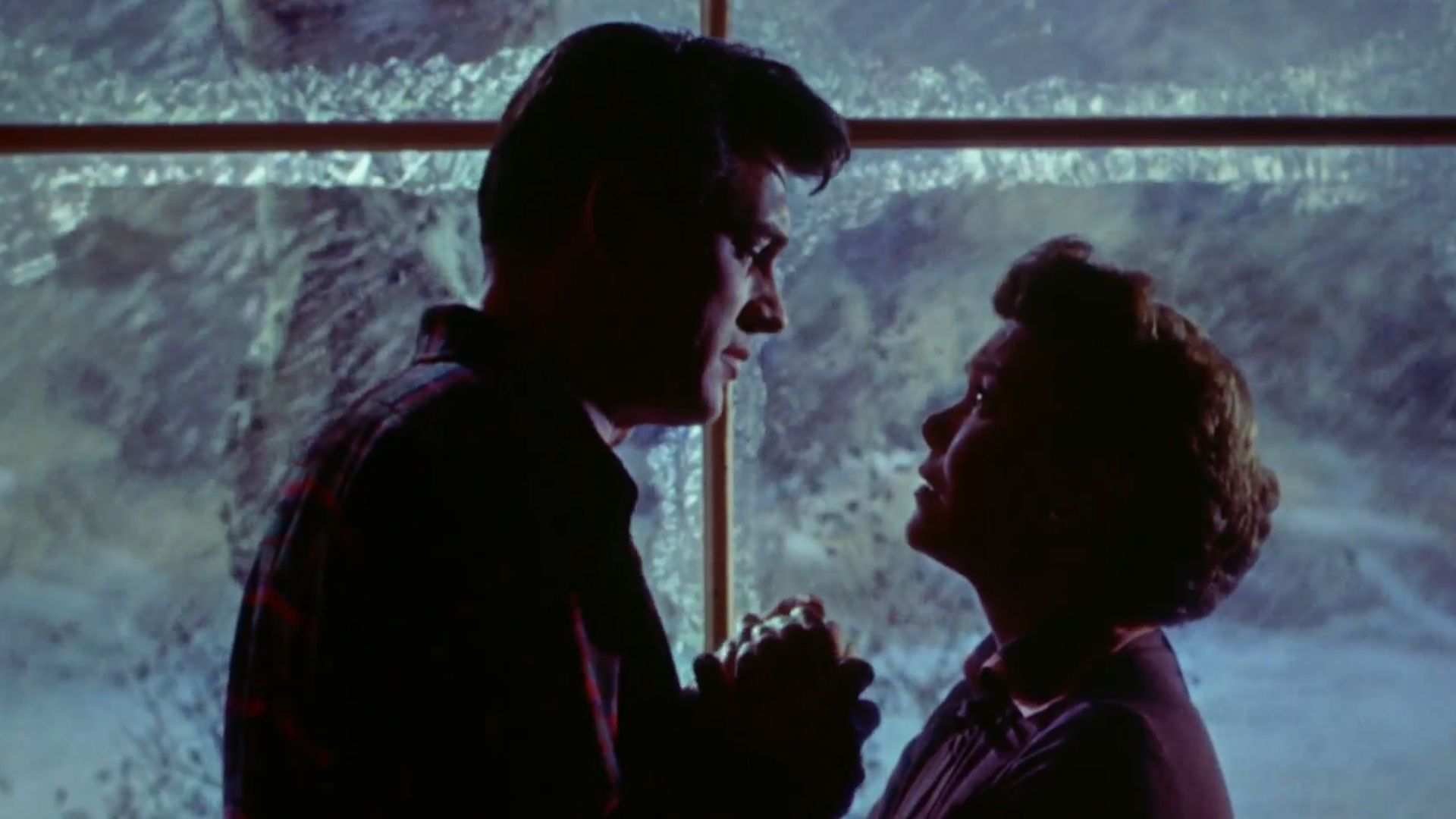 film trailer screenshot (Universal Pictures), Wikimedia Commons
Giant Proved He Could Handle Drama
In 1956, Hudson starred opposite Elizabeth Taylor and James Dean in Giant. His performance as rancher Bick Benedict earned him the only Academy Award nomination of his career. The film confirmed that he could succeed in ambitious, prestige productions as well as popular entertainment.
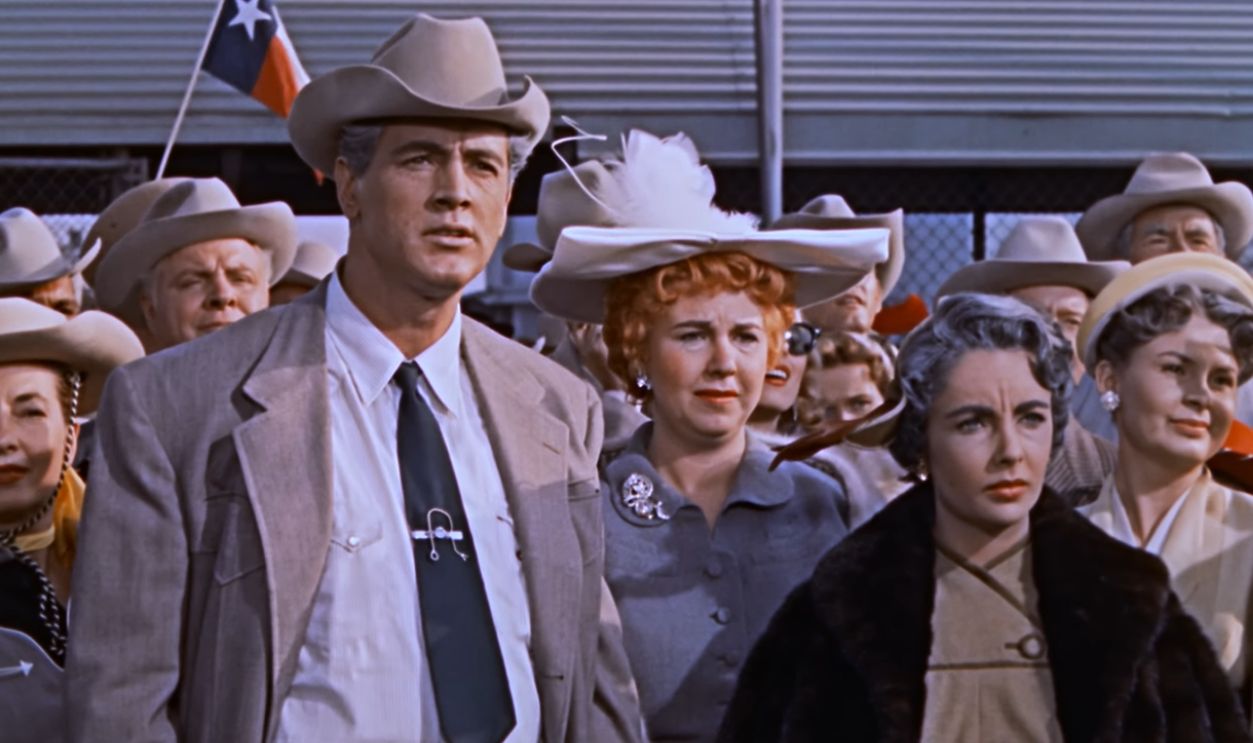 Screenshot from Giant, Warner Bros. Pictures (1956)
Romantic Comedy Revealed Another Side
Hudson reinvented himself again with Pillow Talk in 1959 alongside Doris Day. Their effortless chemistry helped make the film a huge success and launched two more popular comedies together. The movies revealed Hudson's excellent comic timing and broadened his appeal even further.
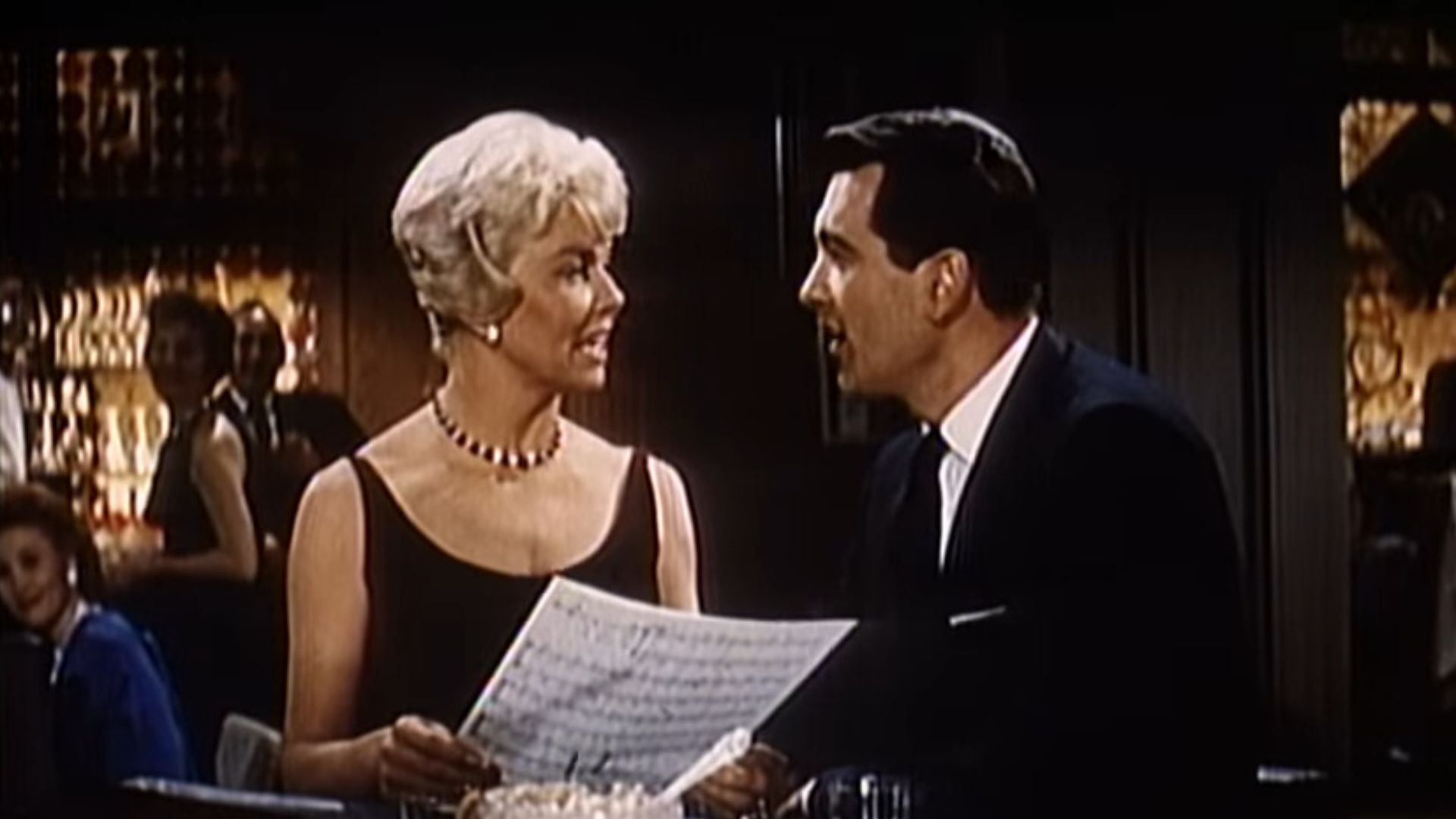 Universal International, Wikimedia Commons
The Movie Business Was Changing
Hollywood looked very different by the end of the 1960s. The studio system was fading, younger filmmakers were reshaping the industry, and traditional leading men had fewer guaranteed starring roles. Hudson continued working steadily, but television suddenly offered exciting new opportunities.
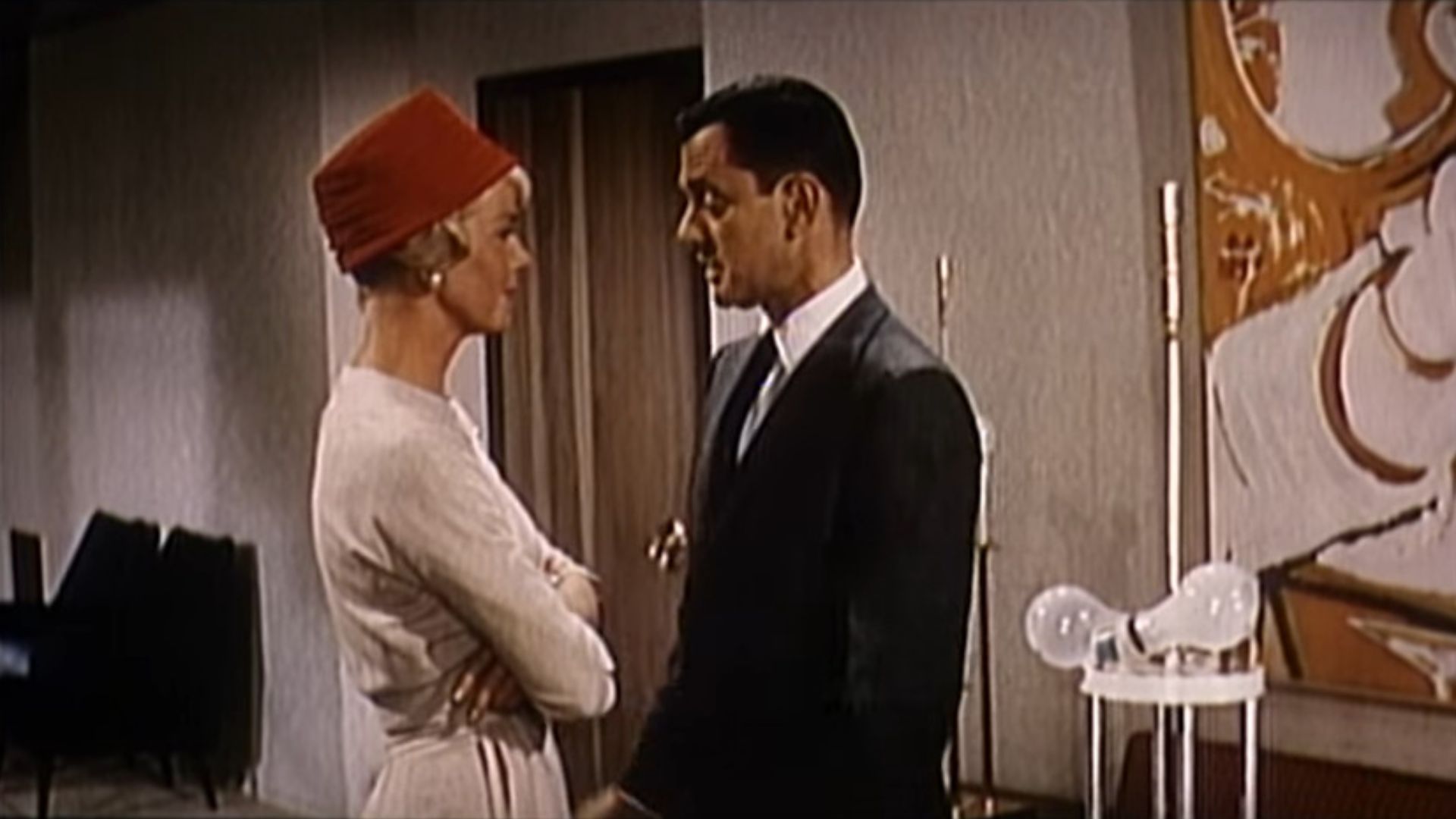 Universal International, Wikimedia Commons
Television Was Not His Usual Territory
Unlike many movie stars, Hudson had rarely worked in television. Aside from guest appearances and specials, he had never anchored an ongoing TV series. That made his decision to accept McMillan & Wife especially surprising.
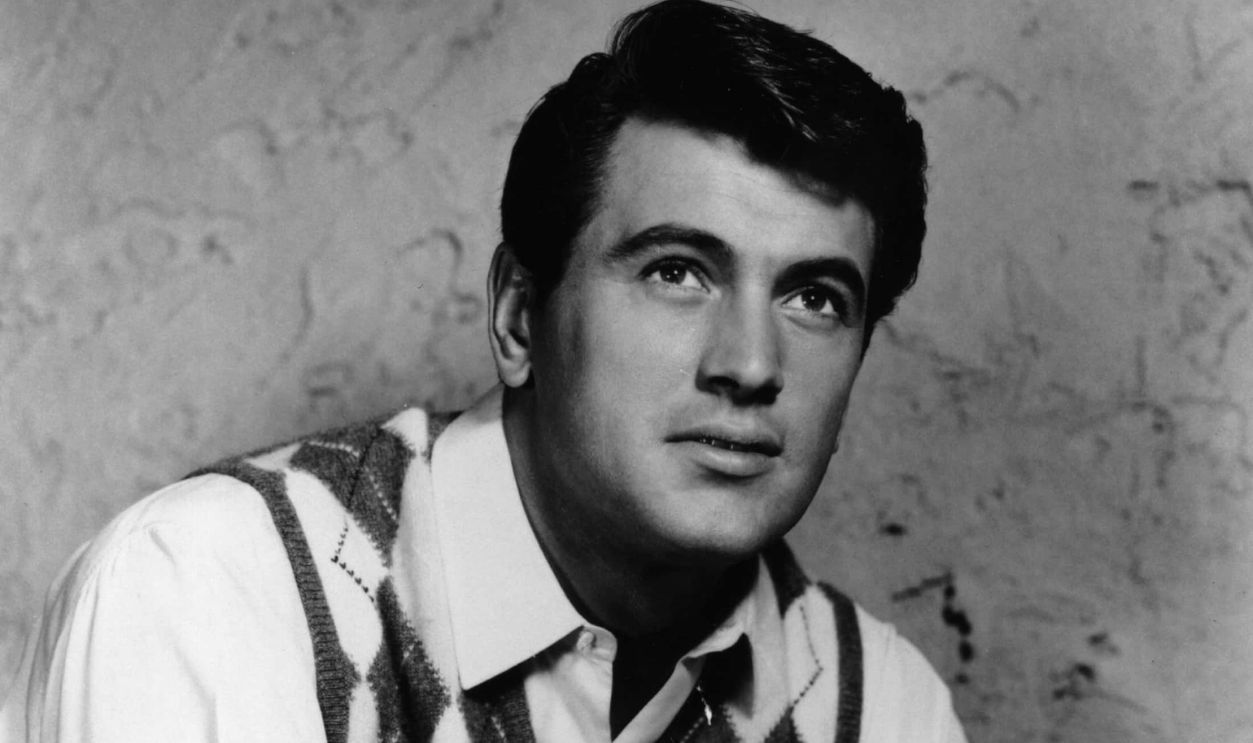
Leonard Stern Had The Right Idea
Producer and writer Leonard B. Stern wanted to create a stylish mystery series centered on a happily married couple. After reading the script, Hudson liked the project enough to sign on, even though he initially imagined it as a one-time television movie. Once NBC embraced the concept, it quickly evolved into an ongoing series.
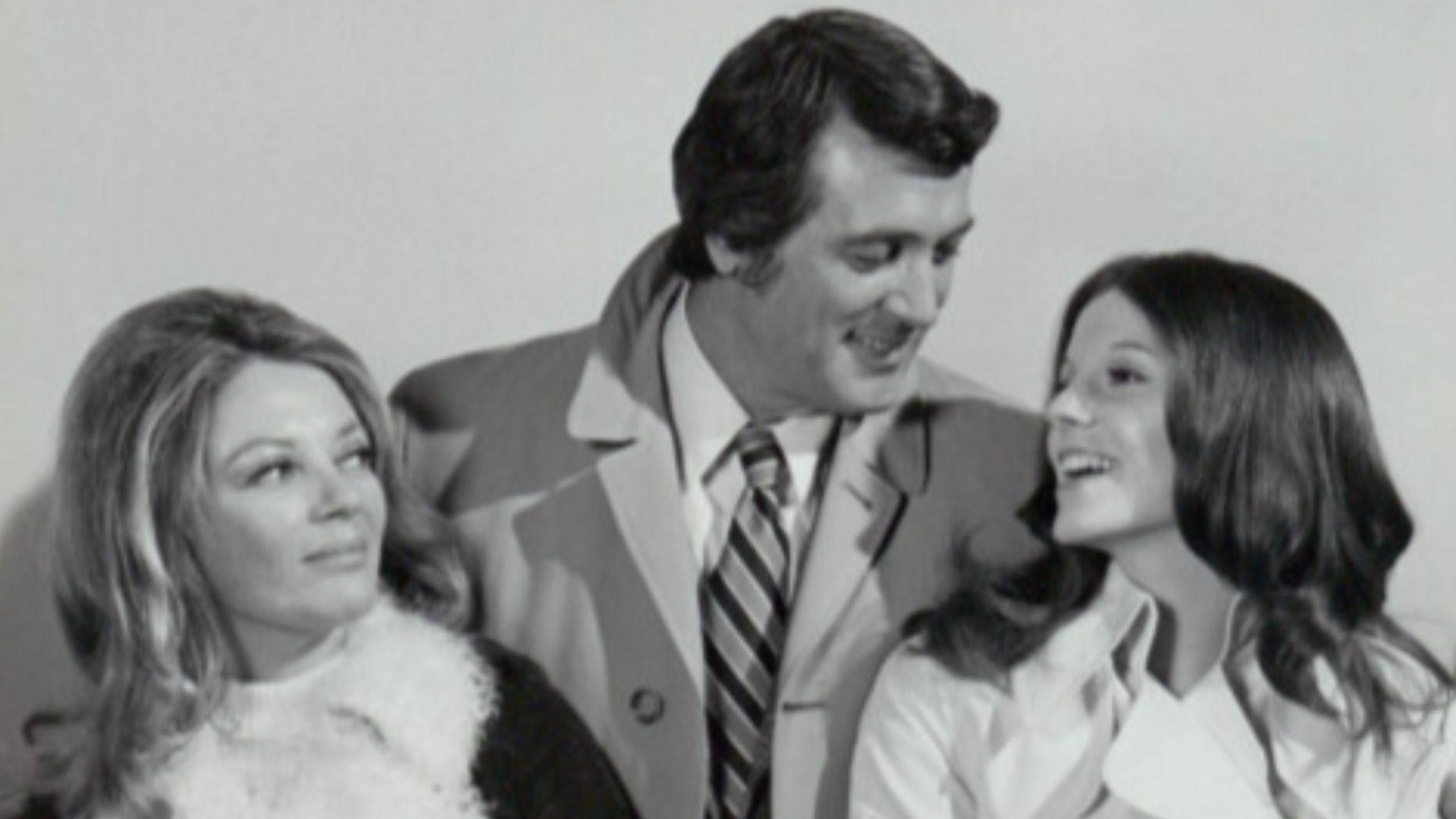 NBC Television, Wikimedia Commons
A Pilot Changed His Mind
The pilot, Once Upon A Dead Man, introduced San Francisco Police Commissioner Stewart "Mac" McMillan and his energetic wife, Sally. Much of the production was filmed on location in San Francisco, giving it a polished, cinematic look. NBC executives were impressed and ordered additional feature-length installments.
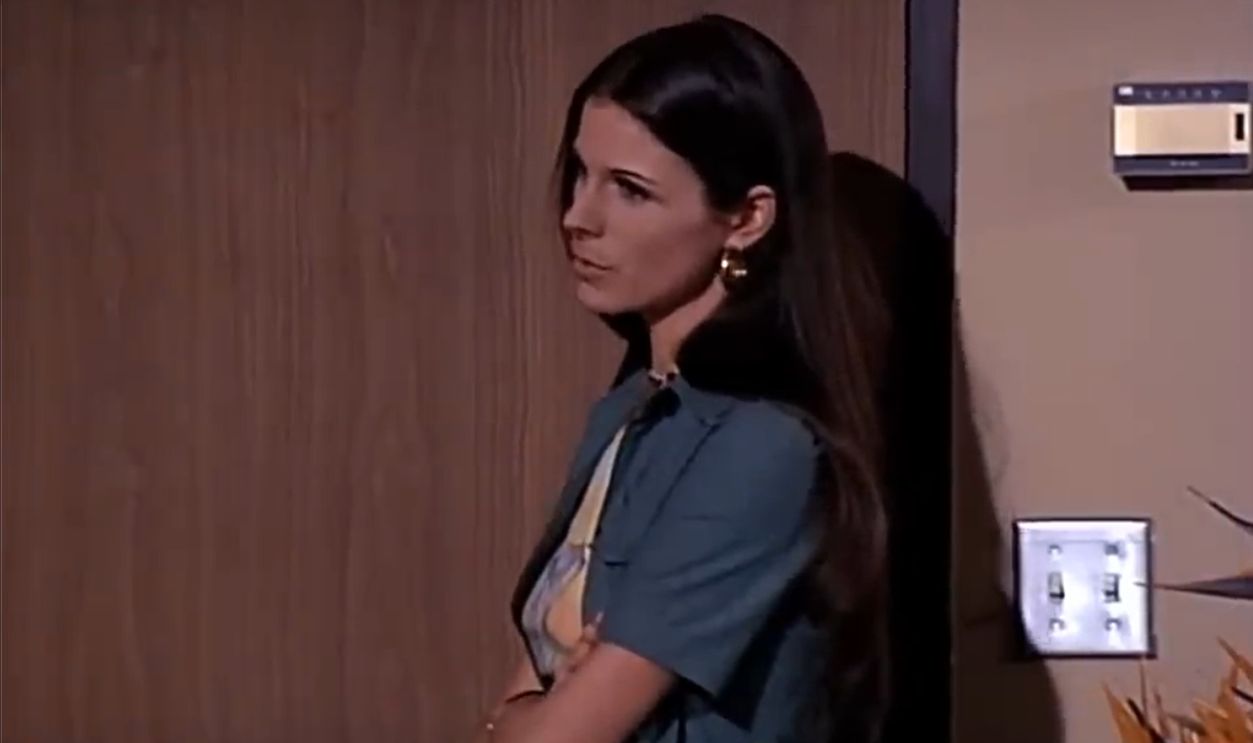 Screenshot from McMillan & Wife, NBC (1971–1977)
The Schedule Made Television Attractive
Hudson was not interested in the demanding pace of a conventional weekly series. McMillan & Wife produced only a handful of feature-length episodes each season, giving him far more flexibility than most television stars enjoyed. The arrangement let him continue making films and other appearances while building a successful television career.
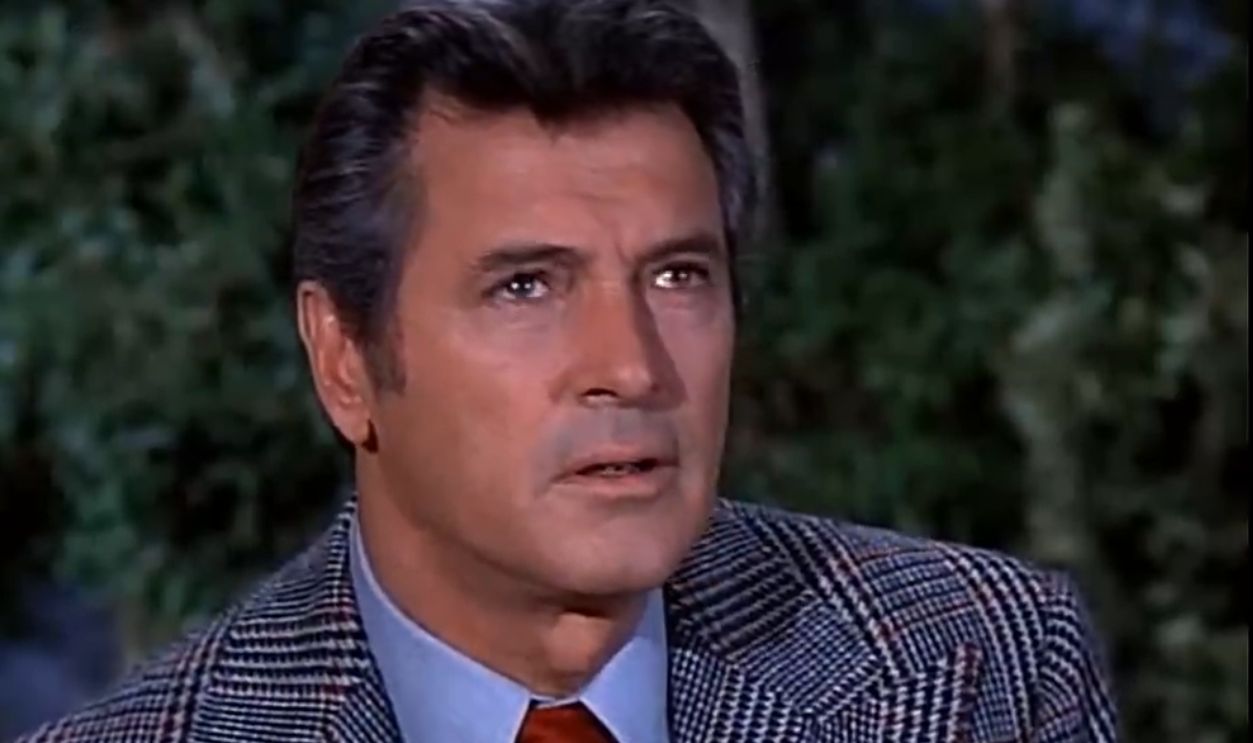 Screenshot from McMillan & Wife, NBC (1971–1977)
The NBC Mystery Movie Was A Brilliant Idea
McMillan & Wife rotated with Columbo and McCloud as part of NBC's Mystery Movie lineup. Instead of watching the same detective every week, audiences enjoyed a different movie-length mystery in the same time slot. The innovative format became one of NBC's biggest successes of the 1970s and helped all three series build loyal audiences.
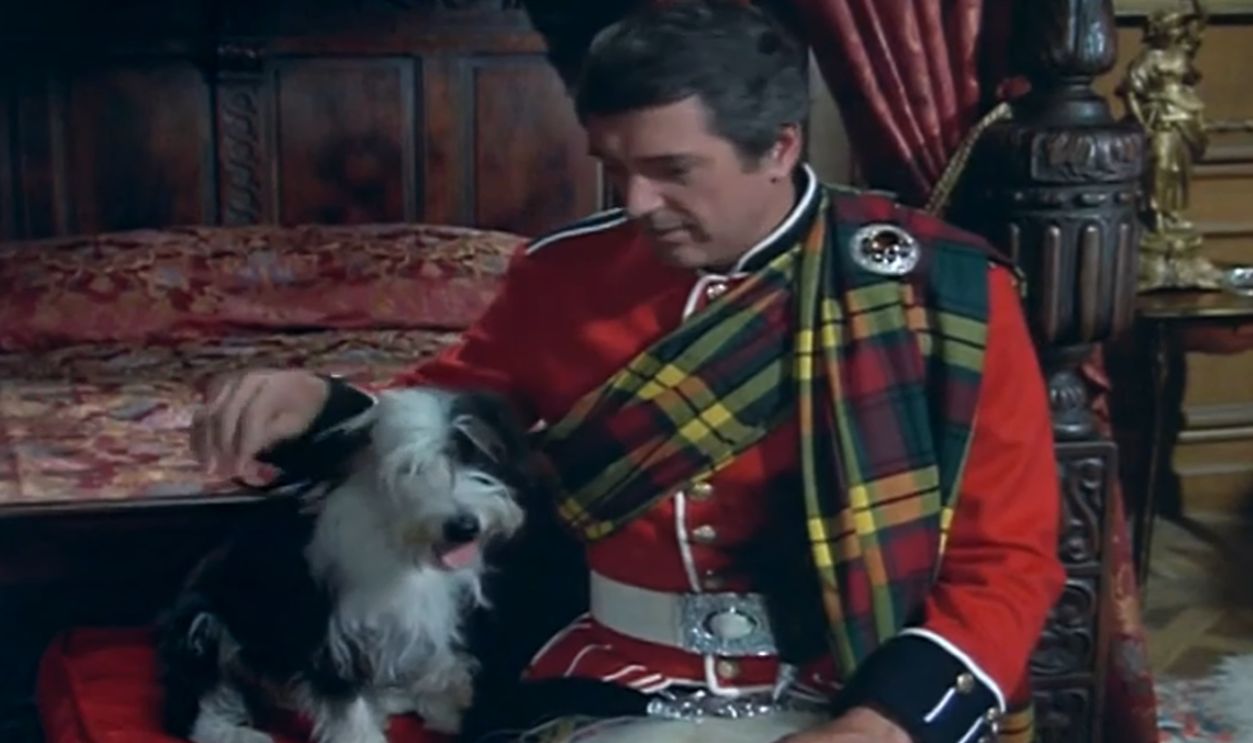 Screenshot from McMillan & Wife, NBC (1971–1977)
Hudson Became Commissioner McMillan
Stewart "Mac" McMillan served as San Francisco's police commissioner after previously working as a criminal defense attorney. He was intelligent, confident, and comfortable solving cases himself despite his administrative position. The character blended Hudson's dramatic authority with the easy charm audiences already loved.
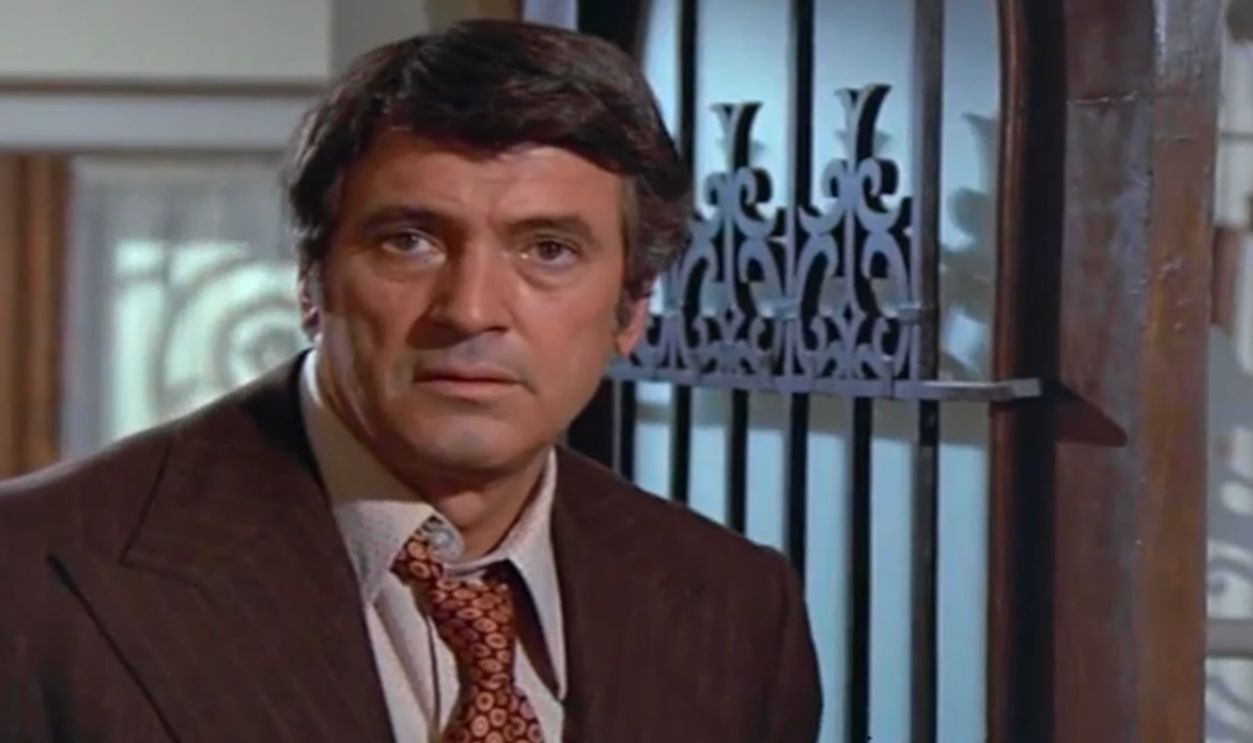 Screenshot from McMillan & Wife, NBC (1971–1977)
Mac Was More Approachable Than His Movie Heroes
Many of Hudson's film characters appeared polished and almost larger than life. Mac McMillan still projected confidence, but viewers also saw him relaxing at home, joking with friends, and making everyday mistakes. Television made Hudson seem more familiar and personable than ever before.
Susan Saint James Completed The Formula
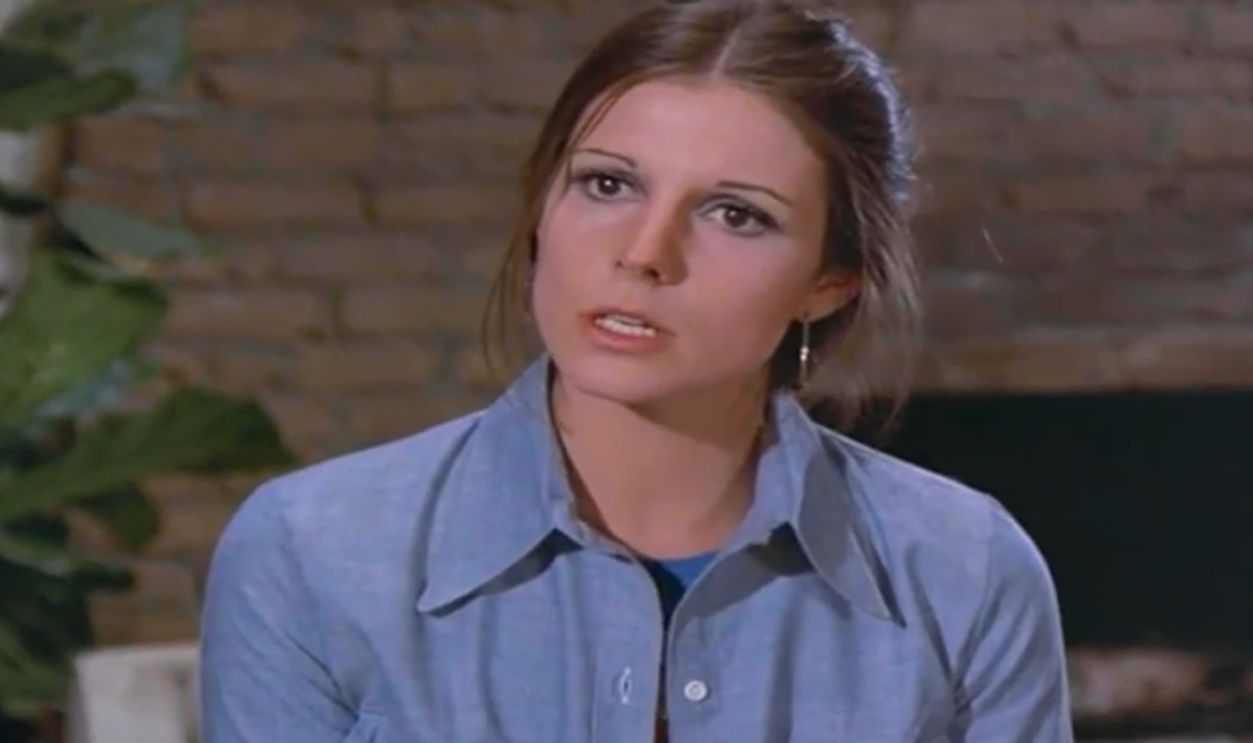
Susan Saint James was cast as Sally McMillan after impressing both Hudson and the producers. She brought quick wit, natural charm, and endless energy to the role. Her performance immediately gave the series a personality that stood apart from other television mysteries.
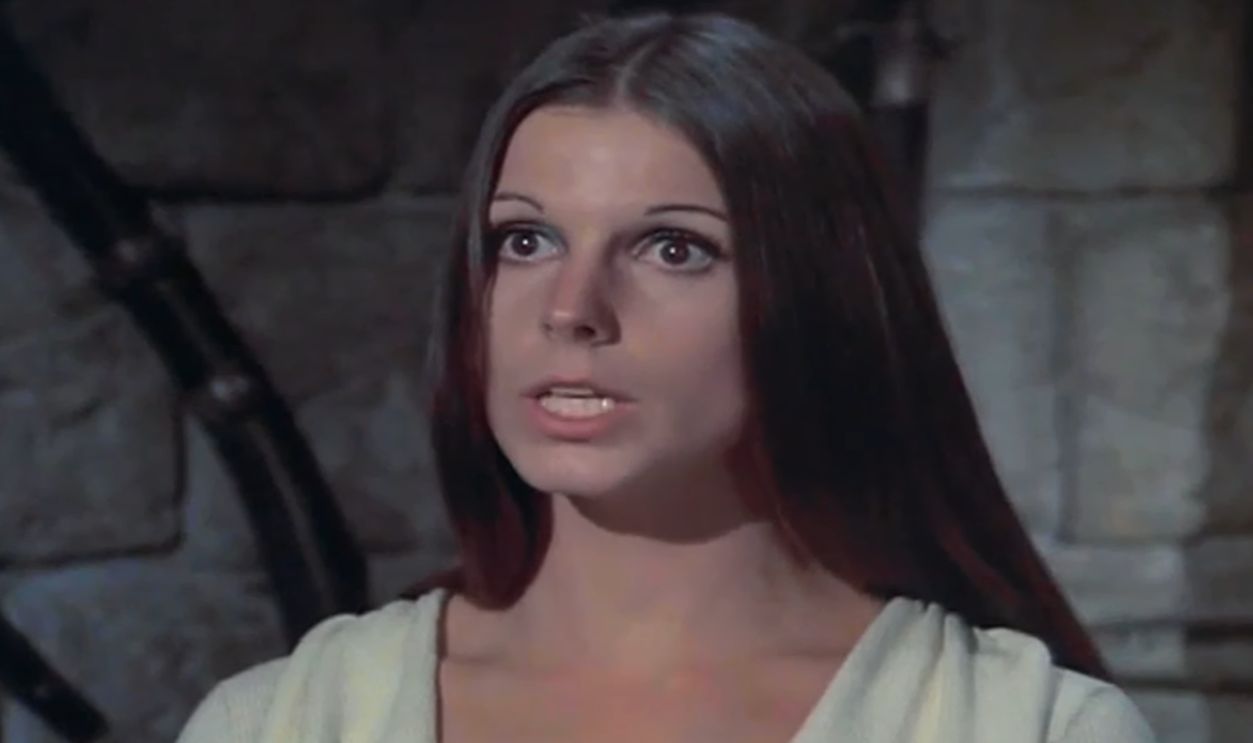 Screenshot from McMillan & Wife, NBC (1971–1977)
Their Age Difference Was Built Into The Concept
Saint James was 21 years younger than Hudson, but the writers made their contrasting personalities part of the show's appeal rather than ignoring them. Sally's youthful enthusiasm balanced Mac's experience and calm confidence. The result was a marriage that felt playful, affectionate, and refreshingly different from most television couples of the era.
 Screenshot from McMillan & Wife, NBC (1971–1977)
Their Chemistry Quickly Overcame The Gap
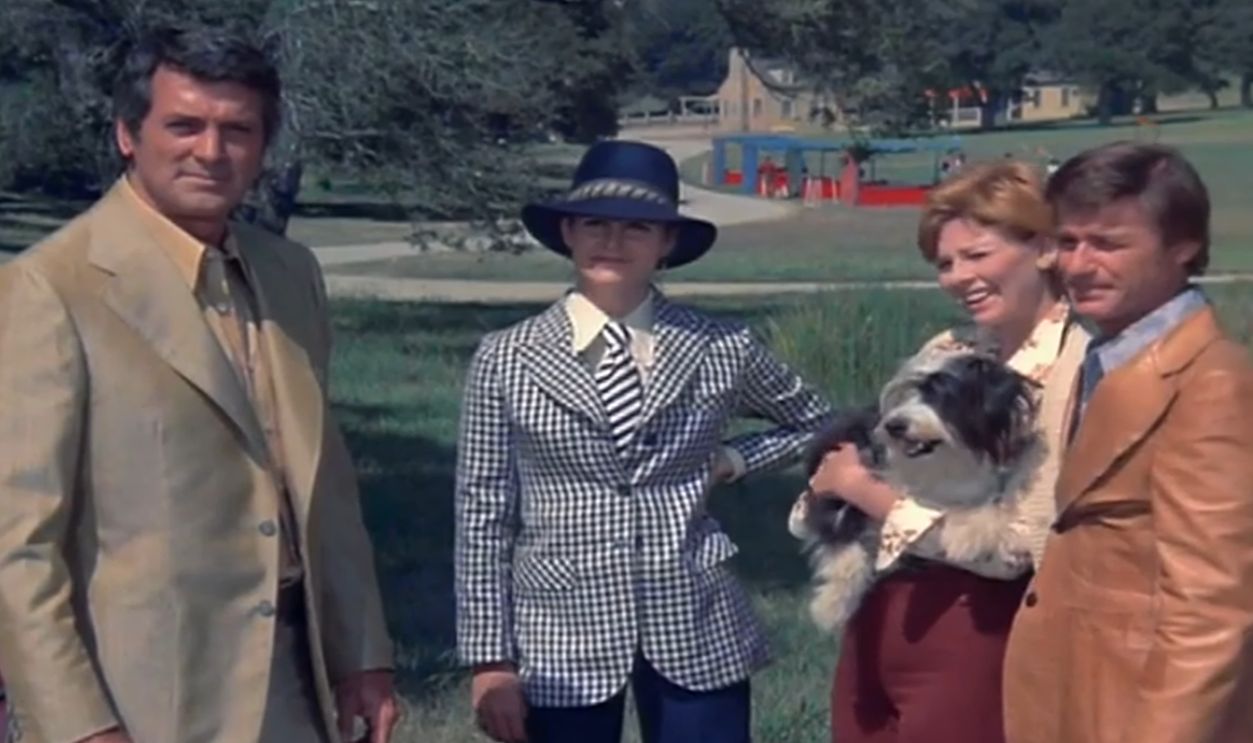
Any concerns about the actors' age difference quickly disappeared once the series began. Hudson and Saint James shared an easy rapport that made Mac and Sally's marriage feel warm, playful, and believable. Their banter became one of the show's biggest strengths.
 Screenshot from McMillan & Wife, NBC (1971–1977)
The Thin Man Provided Inspiration
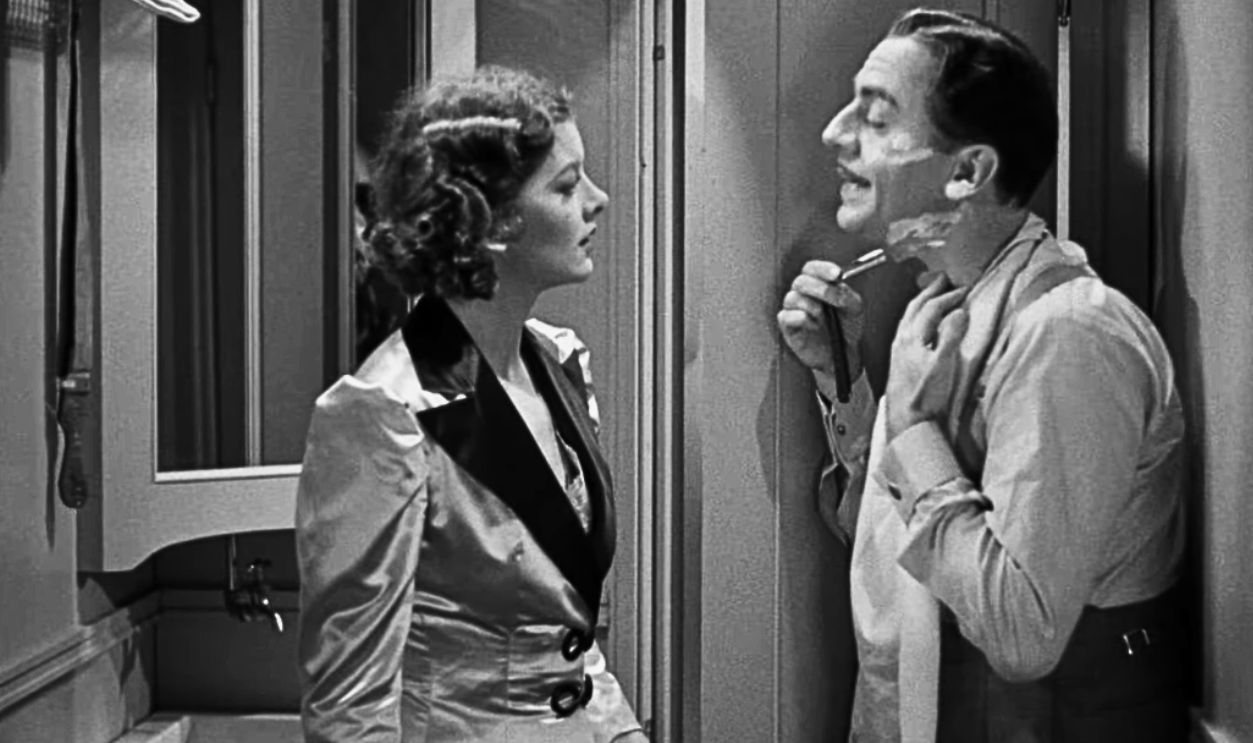
Leonard Stern drew inspiration from Nick and Nora Charles of The Thin Man films. Like that famous couple, Mac and Sally solved murders while exchanging witty dialogue and enjoying an affectionate marriage. The mysteries worked because the relationship mattered as much as the crimes.
 Screenshot from The Thin Man, Metro-Goldwyn-Mayer, (1934)
Hudson Rediscovered His Romantic Comedy Rhythm
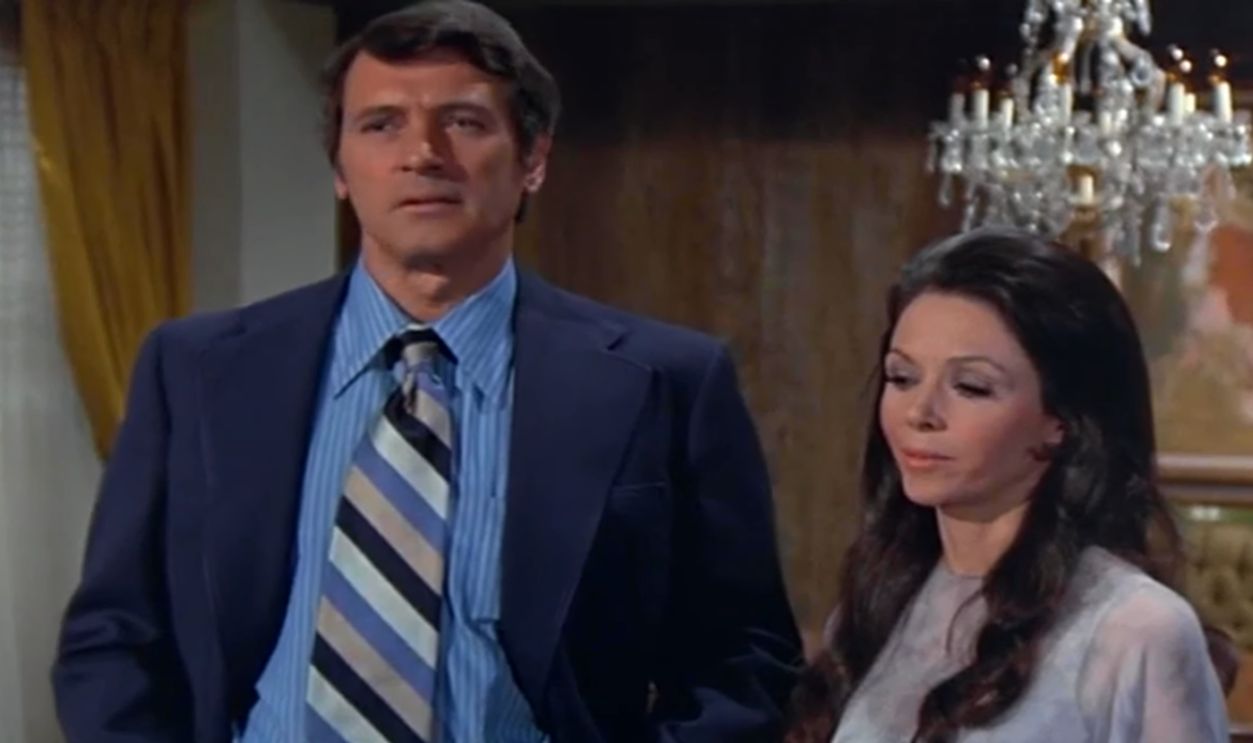
Working with Saint James allowed Hudson to revisit the charm that had made his films with Doris Day so successful. He balanced humor with confidence and never hesitated to laugh at himself. The role reminded audiences that comedy remained one of his greatest talents.
 Screenshot from McMillan & Wife, NBC (1971–1977)
Nancy Walker Added Domestic Chaos
Nancy Walker joined the cast as the McMillans' outspoken housekeeper, Mildred. Her sharp observations and impeccable comic timing regularly stole scenes. Mildred became an important part of the family's chemistry instead of simply providing comic relief.
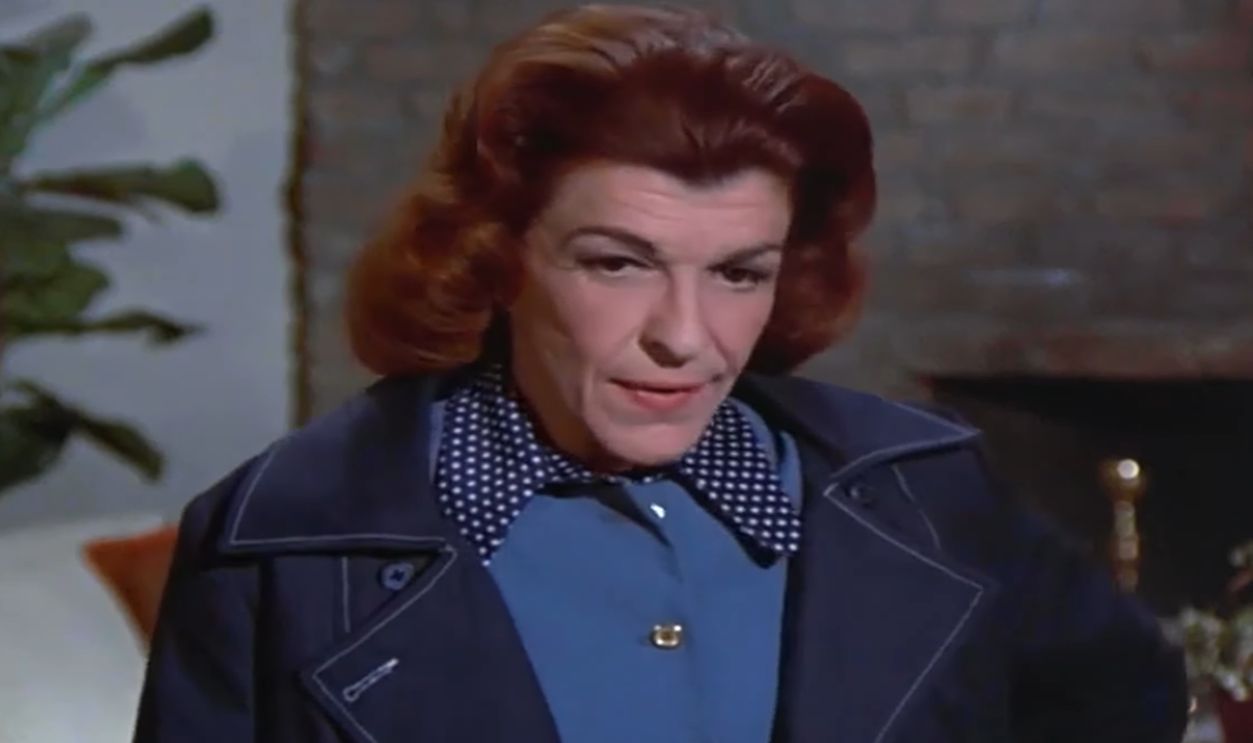 Screenshot from McMillan & Wife, NBC (1971–1977)
John Schuck Became Mac's Loyal Partner
John Schuck played Sergeant Charles Enright, Mac's enthusiastic police assistant. Although initially written as more of a bumbler, the character gradually became a capable investigator with an endearing eagerness to impress. His friendship with Mac added another layer of humor to the series.
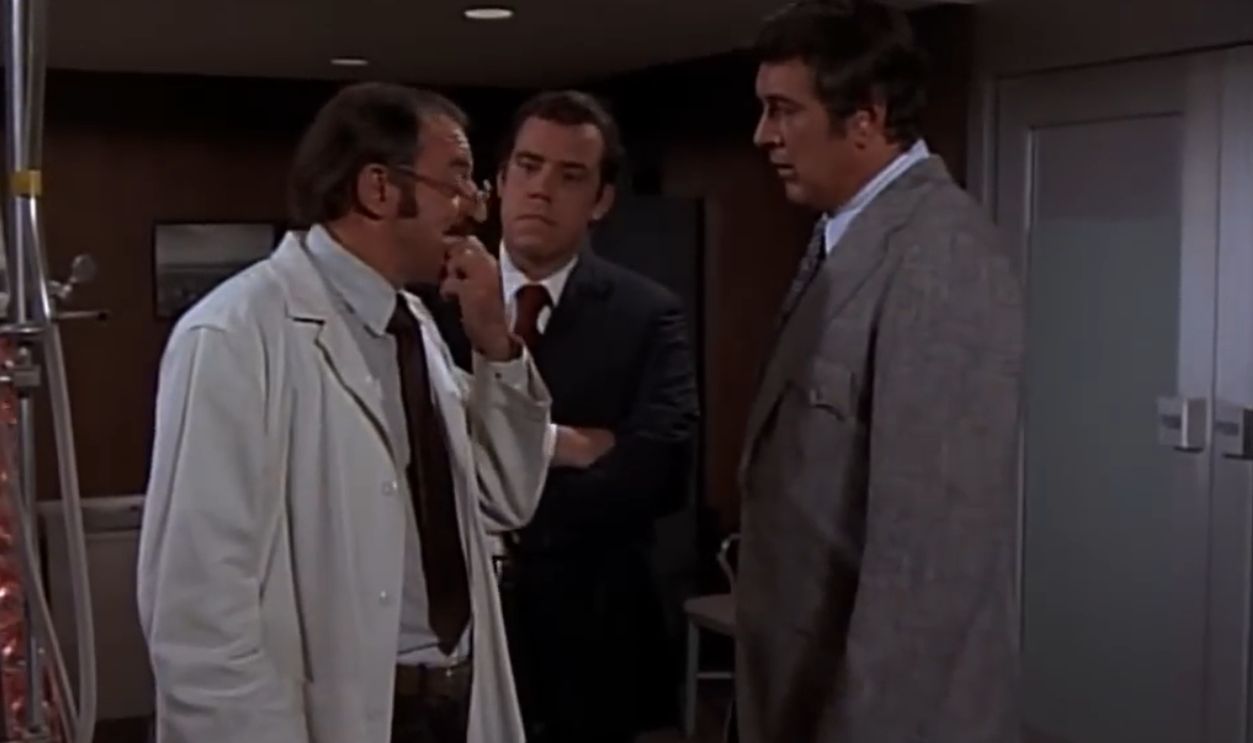 Screenshot from McMillan & Wife, NBC (1971–1977)
Hudson Set A Relaxed Tone Behind The Scenes
Cast members consistently described Hudson as approachable, professional, and generous. He treated everyone on the production with respect, regardless of their role. That relaxed atmosphere carried over to the easy chemistry viewers saw on screen.
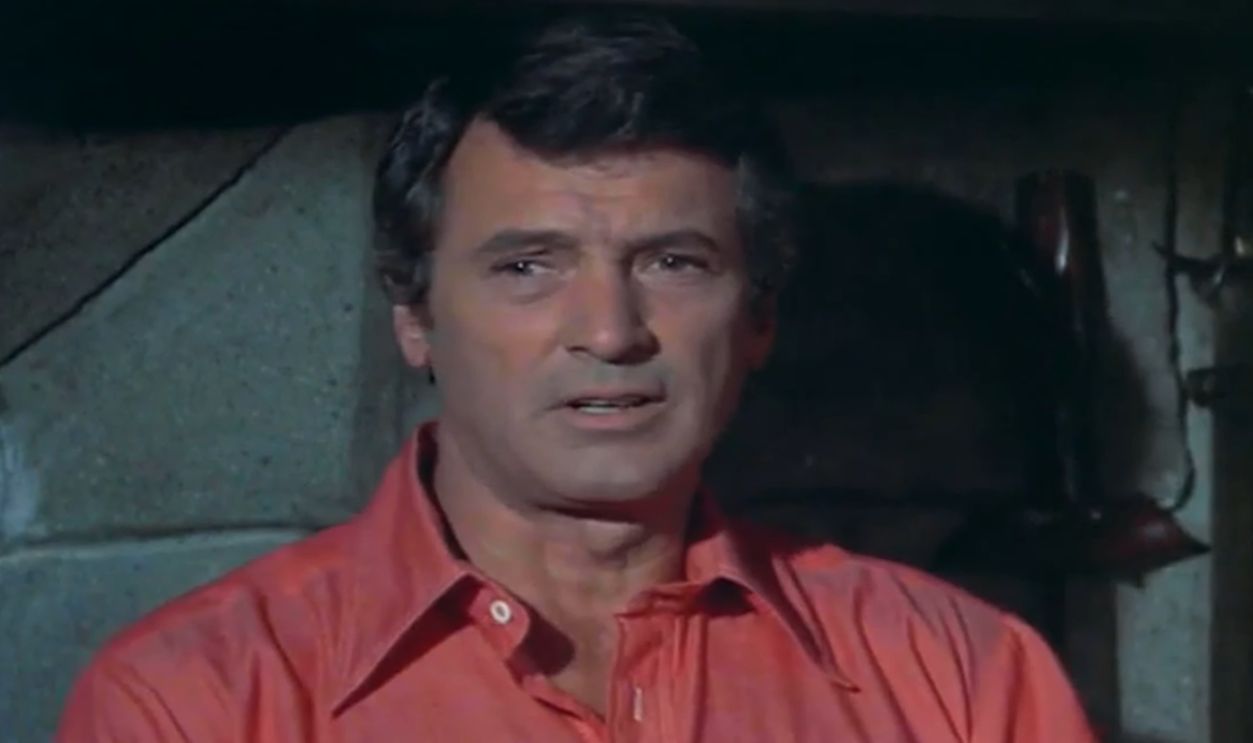 Screenshot from McMillan & Wife, NBC (1971–1977)
He Also Protected The Show's Quality
Hudson wanted the series to look as polished as one of his feature films. When cinematographer Milton Krasner's slower working style came under criticism, Hudson reportedly defended him because he valued the show's visual quality. His support helped maintain the cinematic appearance that distinguished the series.
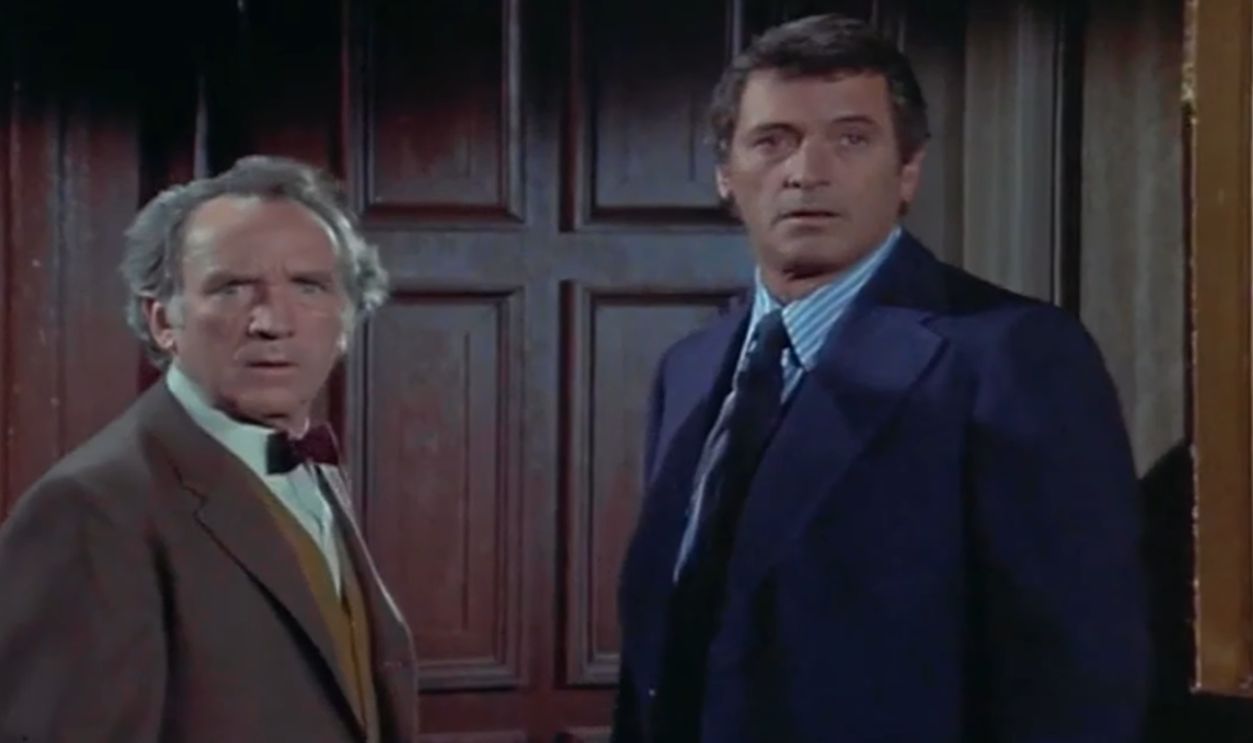 Screenshot from McMillan & Wife, NBC (1971–1977)
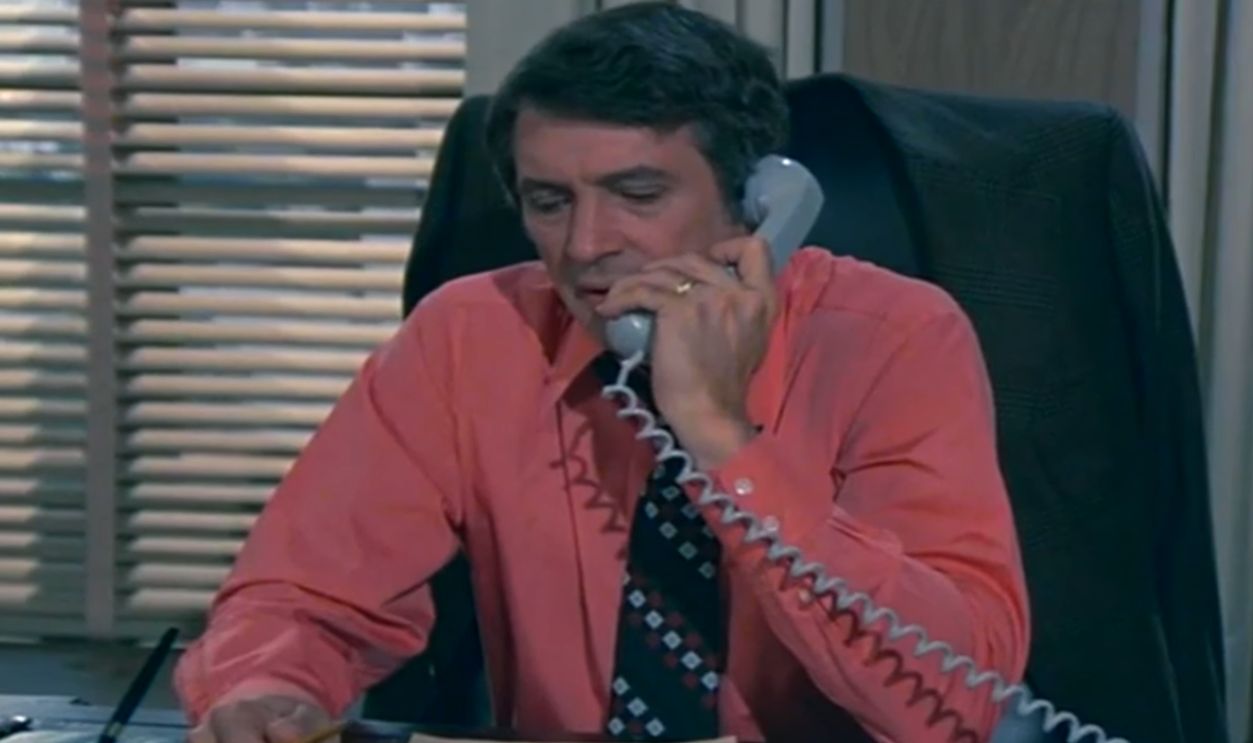
The Series Needed Time To Find Its Audience
McMillan & Wife was not an instant ratings sensation. As more viewers discovered NBC's Mystery Movie format, however, the series steadily built a loyal following. Its combination of mystery, humor, and romance helped it stand out from traditional crime dramas.
 Screenshot from McMillan & Wife, NBC (1971–1977)
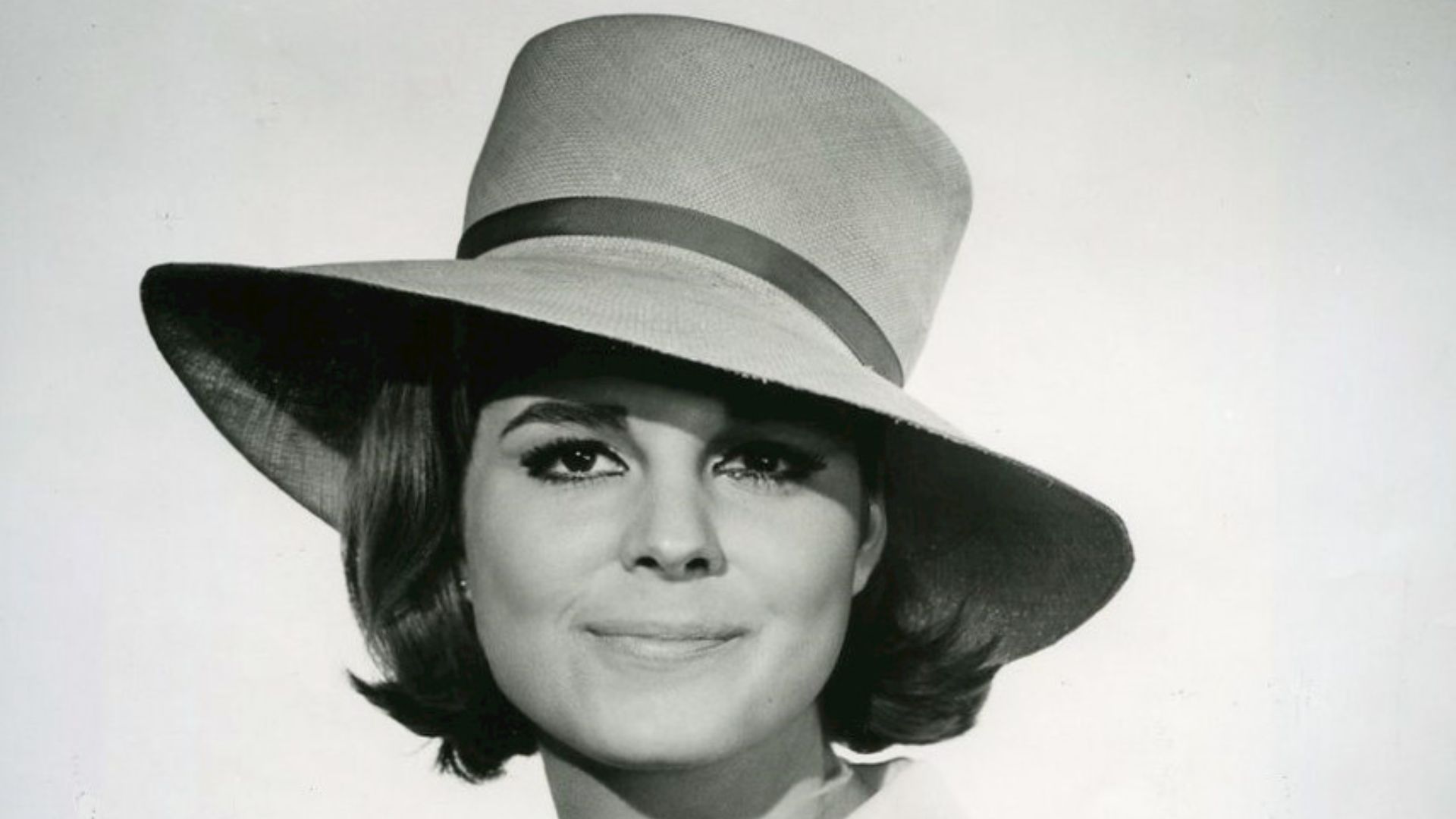
Recognition Followed The Growing Popularity
Susan Saint James earned an Emmy nomination during the show's first season, while the series received multiple Golden Globe nominations over its run. The success confirmed that Hudson's transition to television had paid off. He also benefited from a schedule that still allowed him to pursue films and stage work between productions.
 Universal Television, Wikimedia Commons
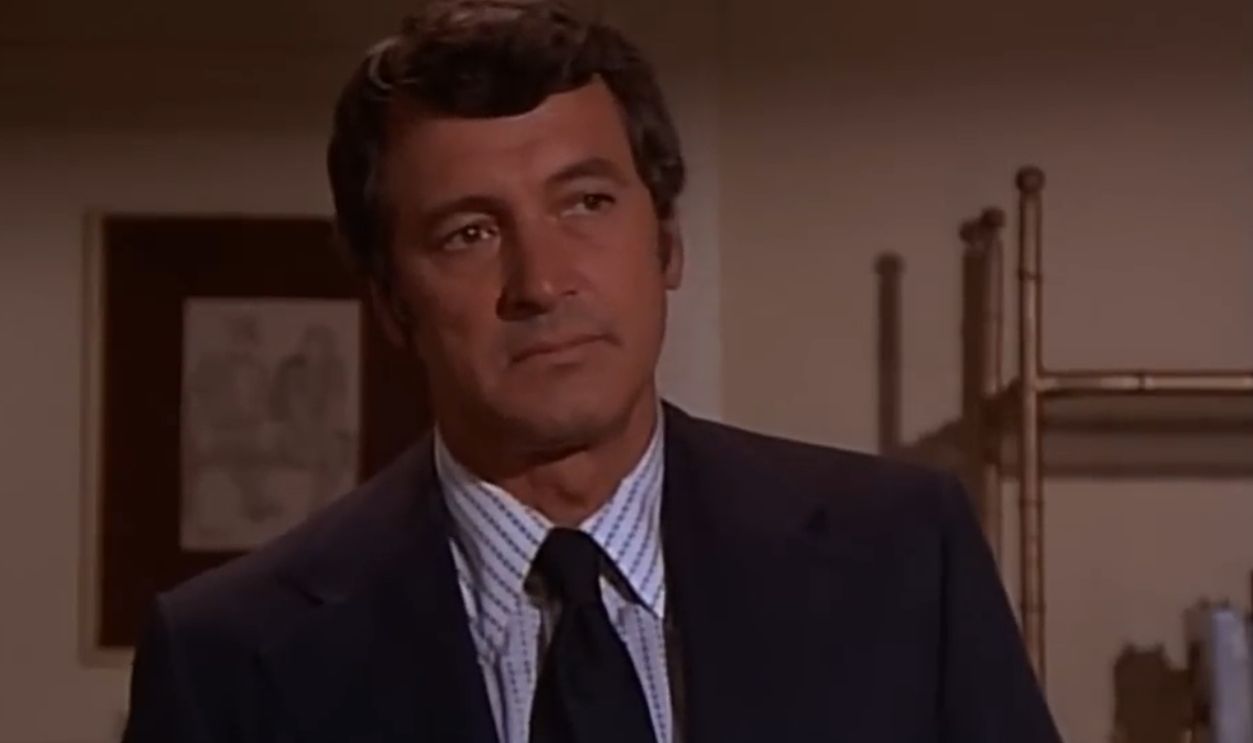
The Show Survived Major Changes
Susan Saint James and Nancy Walker both left after the fifth season, dramatically changing the series' familiar dynamic. NBC continued the show as McMillan, with Rock Hudson carrying the lead role while John Schuck returned in a reduced capacity. The revised cast altered the tone that had made the original series so distinctive.
 Screenshot from McMillan & Wife, NBC (1971–1977)
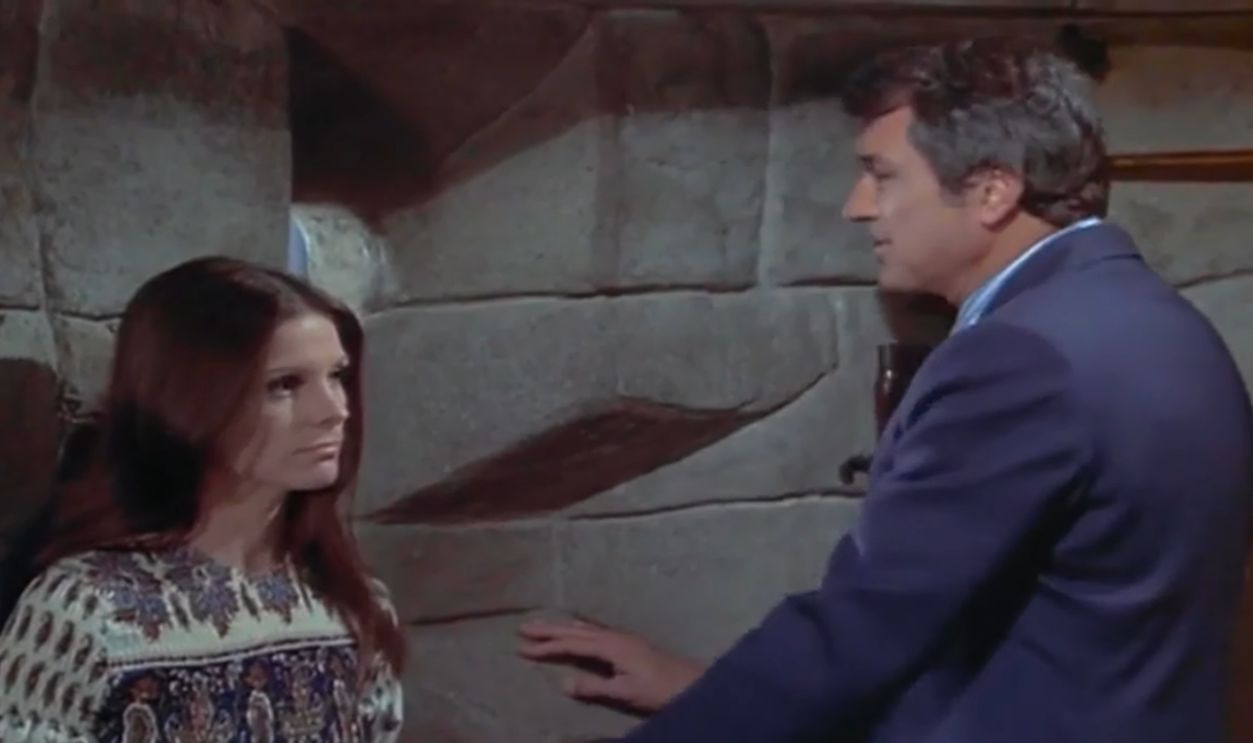
Removing The Wife Changed The Magic
Hudson remained as likable as ever, but the series lost much of its unique personality without Sally. The playful marriage had always distinguished it from other detective shows. The final season demonstrated just how important the original partnership had been.
 Screenshot from McMillan & Wife, NBC (1971–1977)
Six Seasons Confirmed Hudson's Television Appeal
From 1971 through 1977, McMillan & Wife produced 40 feature-length mysteries. It became one of the defining series within NBC's Mystery Movie alongside Columbo and McCloud. Hudson had successfully established himself as a genuine television star.
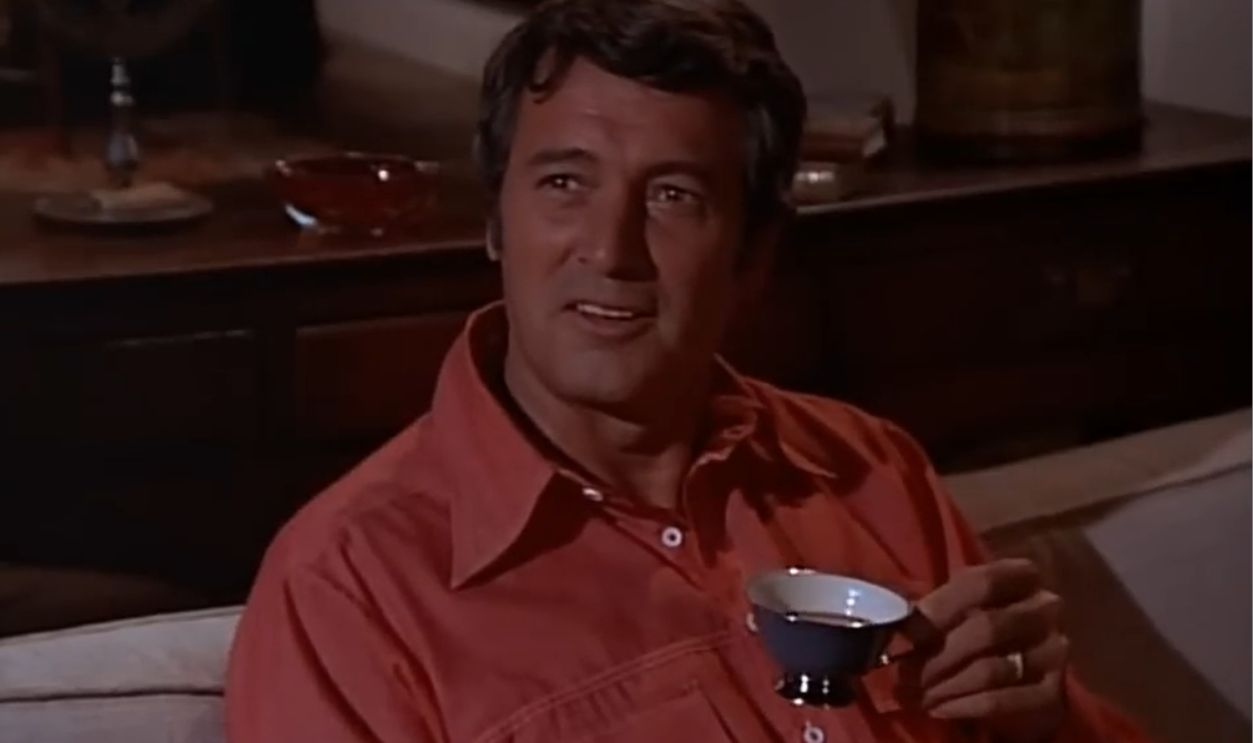 Screenshot from McMillan & Wife, NBC (1971–1977)
Mac United Every Version Of Rock Hudson
Commissioner McMillan combined the qualities that had defined Hudson's movie career. He possessed the confidence of his dramatic roles, the humor of his romantic comedies, and the effortless charisma that audiences expected from him. Few television characters fit an actor's established strengths so perfectly.
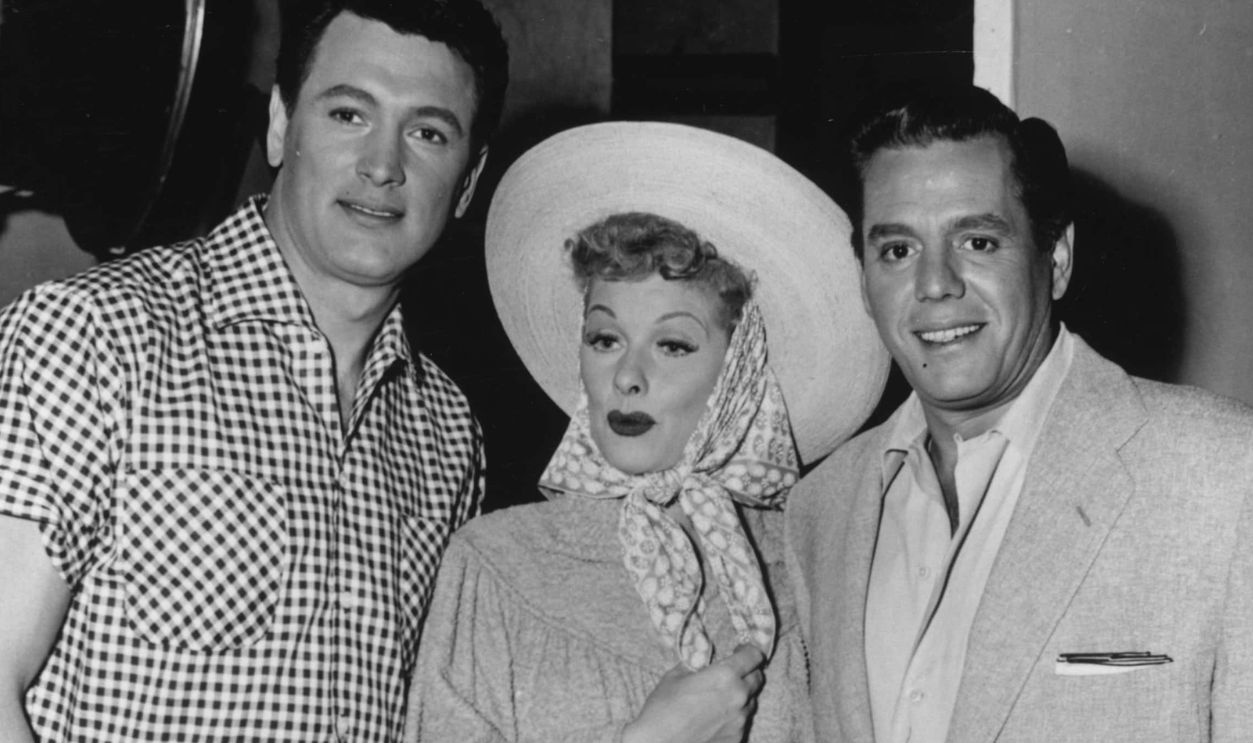
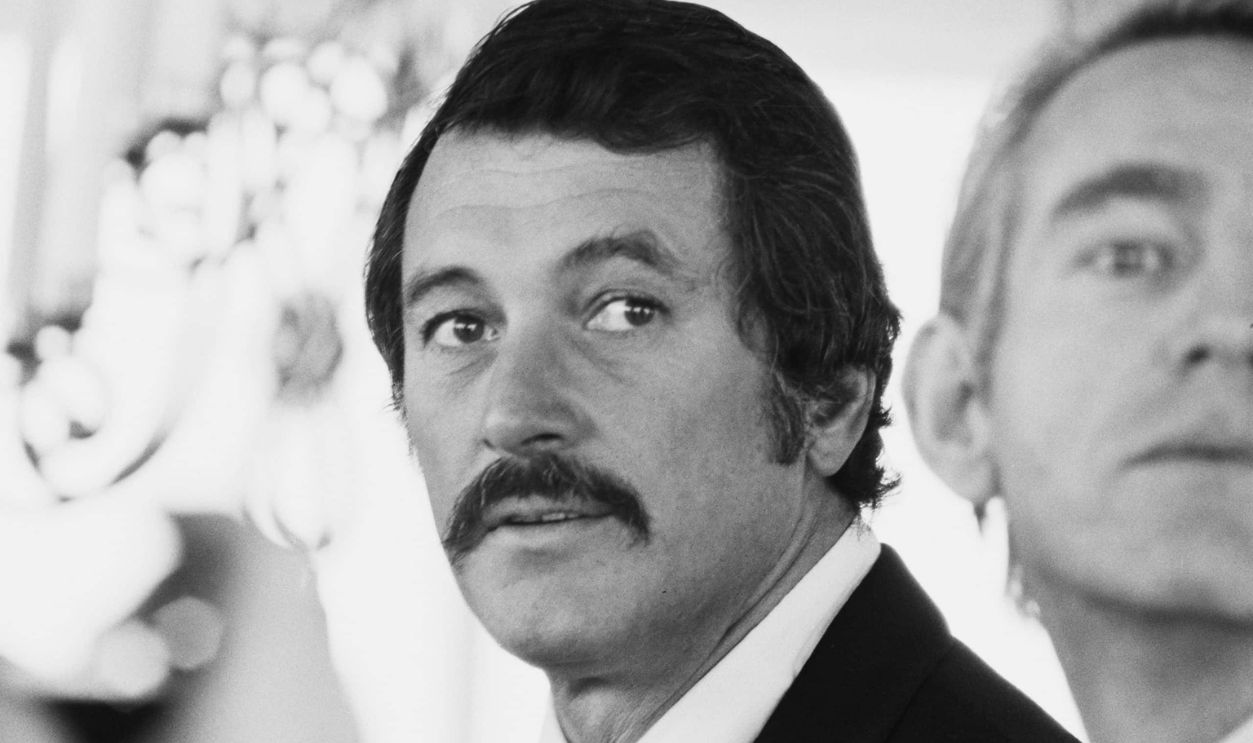 Photo by Evening Standard/Hulton Archive, Getty Images
A Movie Star Became A Television Favorite
McMillan & Wife proved that Rock Hudson's popularity extended far beyond the movie screen. Rather than reinventing himself completely, he adapted the qualities that had made him famous into a role perfectly suited for television. The series gave Hudson one of the most successful second acts of any classic Hollywood star.
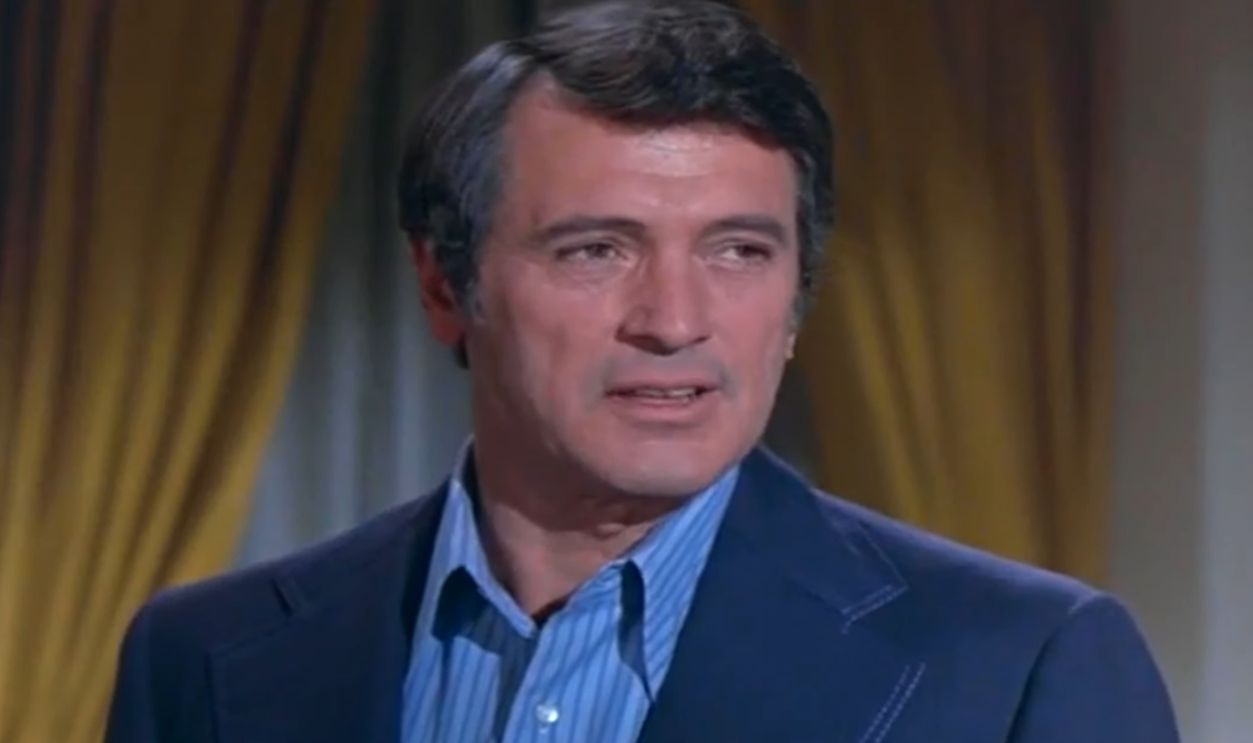 Screenshot from McMillan & Wife, NBC (1971–1977)
You May Also Like:
The Real Story Behind Burt Reynolds And Clint Eastwood's Hollywood Rivalry
Why Peggy Lee Took Disney To Court And Won
Whose fault was Frank Sinatra and Ava Gardner's messy divorce?